
Creating a vibrant garden with your children is one of the most rewarding ways to spend a sunny afternoon together. By using items you already have at home, you can teach your little ones about the importance of recycling while nurturing their love for the natural world. This collection of upcycled projects focuses on turning everyday waste into beautiful, functional garden features that kids can help build from start to finish. Whether you are working with old footwear or empty kitchen containers, these projects encourage creativity and environmental stewardship. Transforming your outdoor space into a sustainable playground provides endless learning opportunities and makes the garden a more inviting place for the entire family to enjoy throughout the seasons.
1. Tin can garden planter
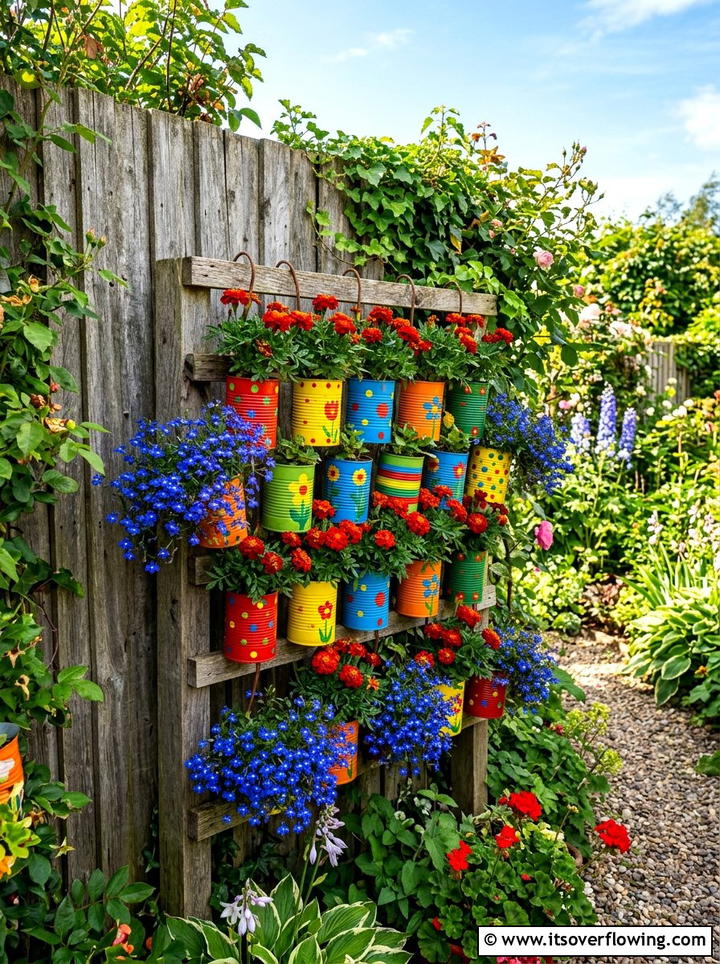
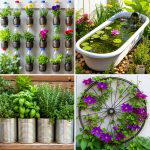
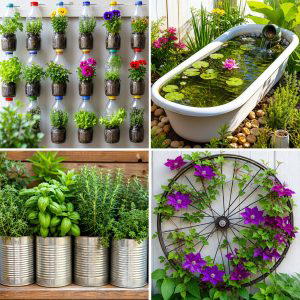
Brightly painted tin cans can become a colorful focal point in any backyard when they are reused as charming plant containers. You can help your children clean out old soup or vegetable cans and remove any sharp edges before painting them in vivid shades of blue, yellow, and red. These small pots look wonderful when they are grouped together on a wooden shelf or hung from a garden fence with sturdy twine. Planting fast-growing flowers like marigolds or petunias inside these cans allows kids to see the immediate results of their hard work. This simple project turns a piece of trash into a beautiful home for nature while teaching children about plant care and artistic expression in a very practical way.
2. Painted rock garden marker
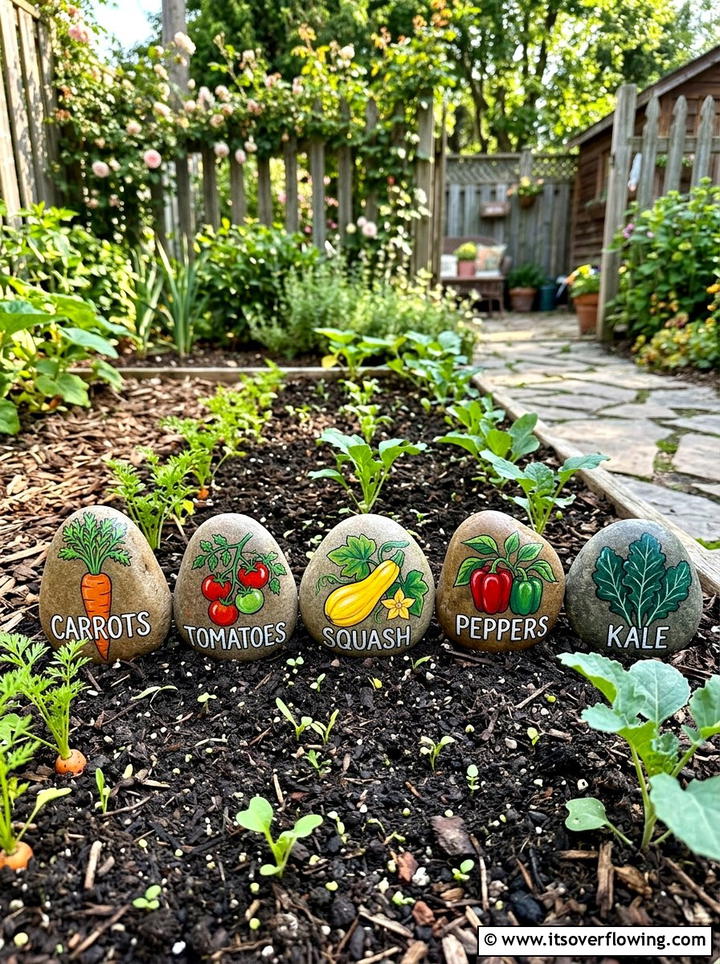
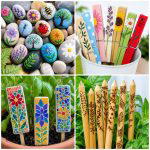
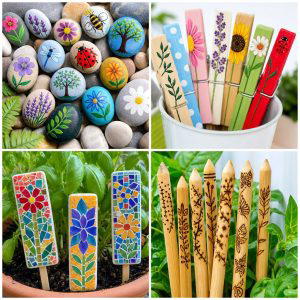
Finding smooth stones during a nature walk is the first step toward creating a whimsical set of garden markers for your vegetable patch. Kids love using waterproof acrylic paints to turn these plain rocks into vibrant works of art that also serve a very useful purpose in the dirt. You can encourage them to paint the names of different vegetables or draw pictures of carrots and tomatoes on the surface of each stone. Placing these colorful markers next to your emerging sprouts adds a personalized touch to your gardening beds and helps everyone remember what was planted where. This activity combines outdoor exploration with creative crafts, making the process of organizing your garden a fun and interactive experience for children of all ages.
3. Rubber boot flower pot
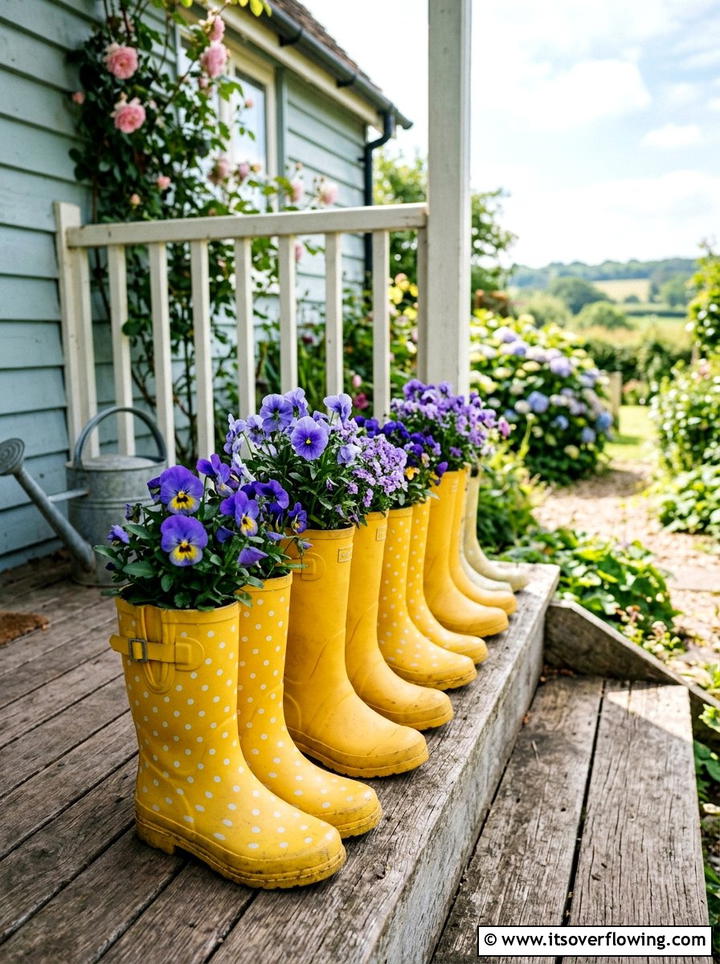
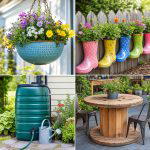
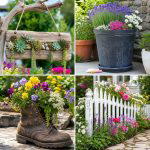
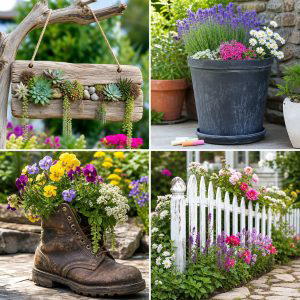
Outgrown or leaky rubber rain boots do not need to be thrown away when they can serve as quirky and tall flower pots. These boots provide excellent depth for root growth and come in fun patterns that instantly brighten up a porch or garden corner. Have your kids fill the boots with a layer of small pebbles for drainage before adding rich potting soil and their favorite seasonal blooms. Lining a row of these colorful boots along a walkway creates a playful entrance that guests will surely admire. This project is a fantastic way to give old footwear a second life while introducing children to the concept of repurposing items in a way that benefits the local environment and beauty.
4. Plastic bottle bird feeder
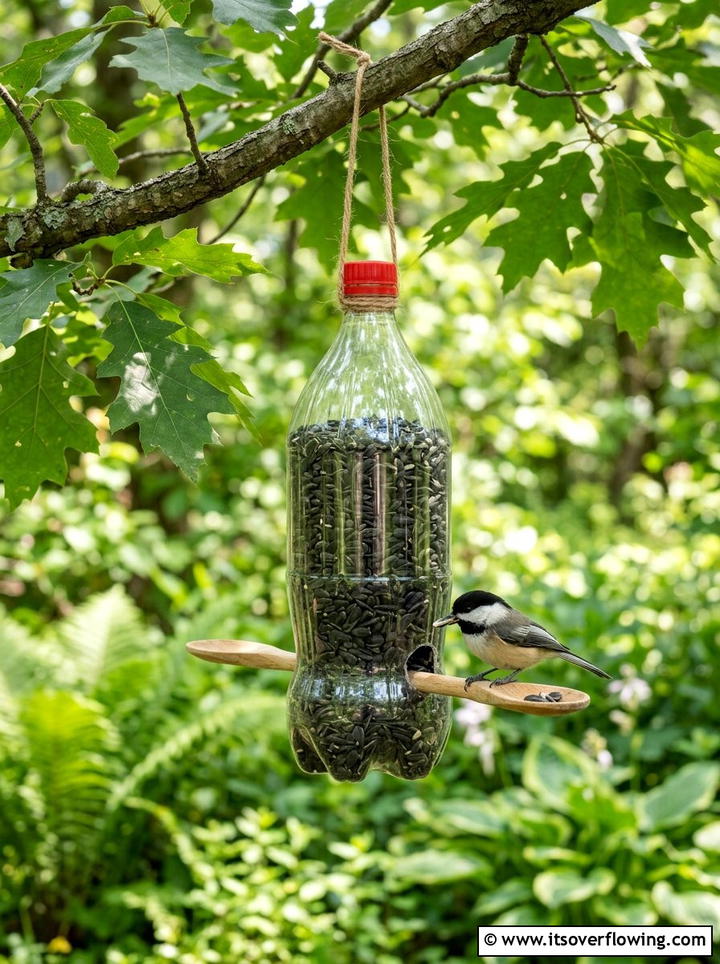
Transforming an empty plastic soda bottle into a functional bird feeder is a classic project that brings plenty of wildlife into your backyard. By making small holes for wooden spoons to act as perches, you create a perfect station for local birds to stop for a snack. Kids will enjoy filling the bottle with sunflower seeds and watching from the window as different feathered friends visit their handmade creation. Hanging these feeders from a low tree branch allows children to take responsibility for refilling them regularly. This activity teaches kids about local bird species and the importance of supporting wildlife, all while keeping plastic waste out of the landfill through a very simple and effective recycling method.
5. Tire garden planter
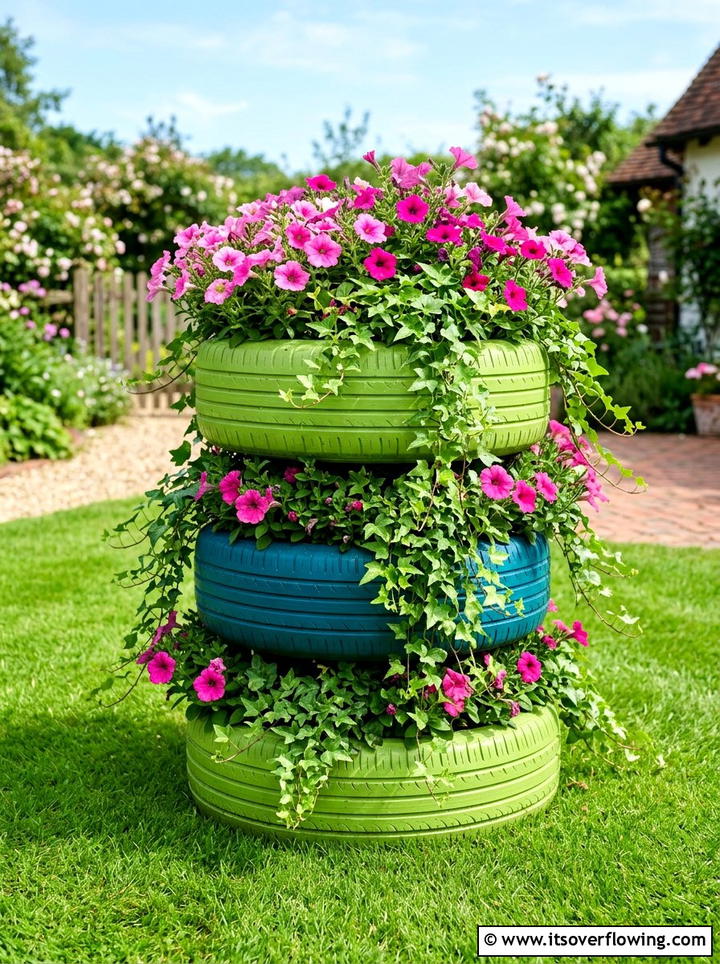
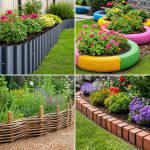
Old car tires can be stacked or placed individually to create large, durable garden beds that are perfect for growing hardy shrubs or colorful annuals. After a thorough cleaning, children can help paint the outer rubber with bright, outdoor-safe paints to hide the industrial look of the tire. These circular containers are excellent for defining specific zones in a large backyard or for creating a tiered garden display on a patio. Filling the center with high-quality soil provides a contained space where kids can learn to manage their very own small garden plot. This upcycling project is incredibly sturdy and provides a long-lasting solution for adding height and structure to your outdoor living space with very little cost.
6. Colander hanging basket
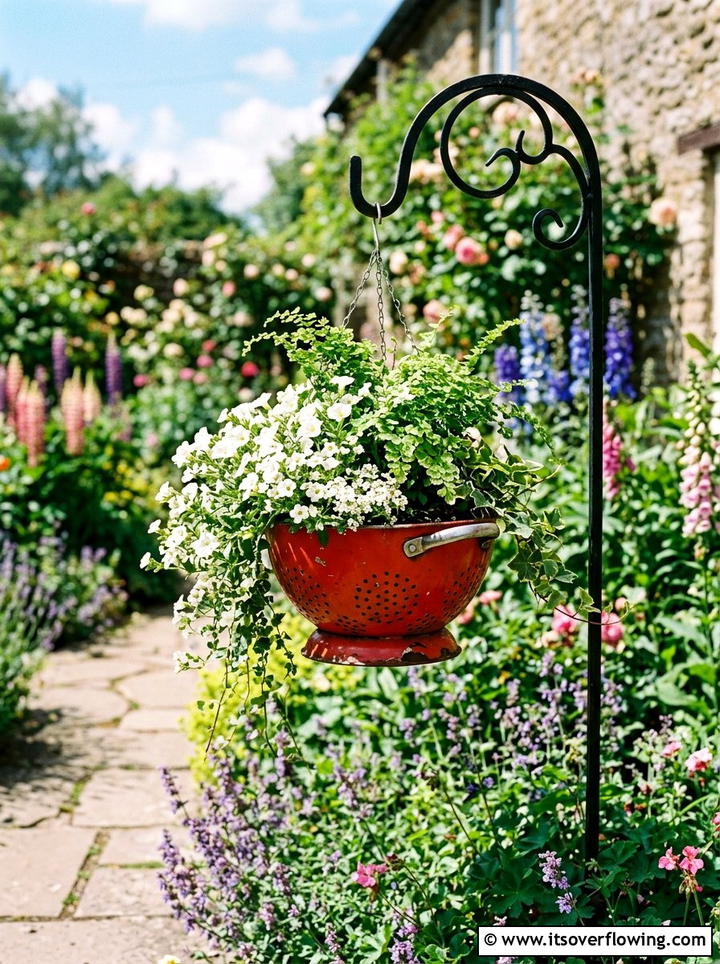
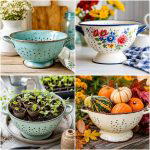
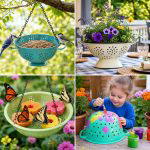
An old metal or plastic colander from the kitchen makes an ideal hanging basket because it already features built-in drainage holes for your plants. You can attach three sturdy chains or pieces of thick rope to the rim so the colander can hang gracefully from a porch hook. Children can help choose trailing plants like ivy or bacopa that will spill over the sides as they grow. The metallic finish of a vintage colander adds a touch of farmhouse charm to your garden while providing a unique home for greenery. This project shows kids that kitchen items can have a completely different purpose outdoors, encouraging them to look at household objects with a fresh and creative perspective for future garden tasks.
7. Wood pallet herb garden
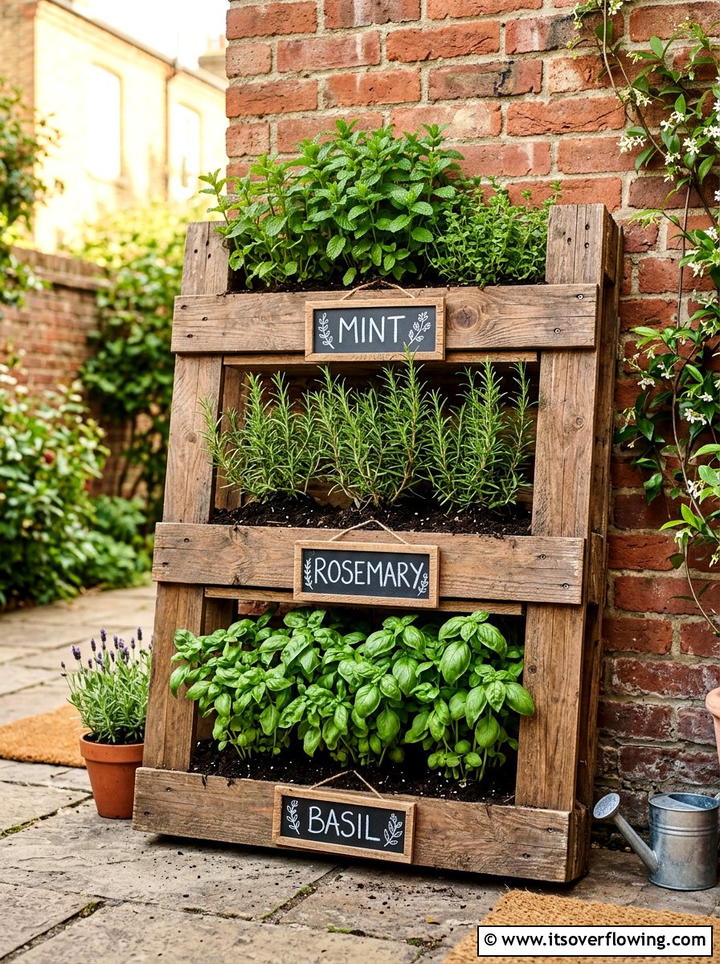
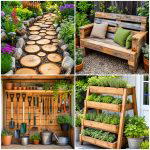
A discarded wooden pallet can easily be turned into a vertical herb garden that saves space and keeps fresh flavors within reach of the kitchen. By securing landscape fabric to the back and bottom of the slats, you create pockets that can be filled with soil and various herbs like mint, basil, and parsley. Kids can help label each section with chalk or paint so they know exactly which herb is which. Leaning the pallet against a sunny wall transforms a plain area into a lush wall of green that smells absolutely wonderful. This project is perfect for teaching children about vertical gardening and how to grow their own food in a compact and highly organized way using recycled wood materials.
8. Teacup fairy garden
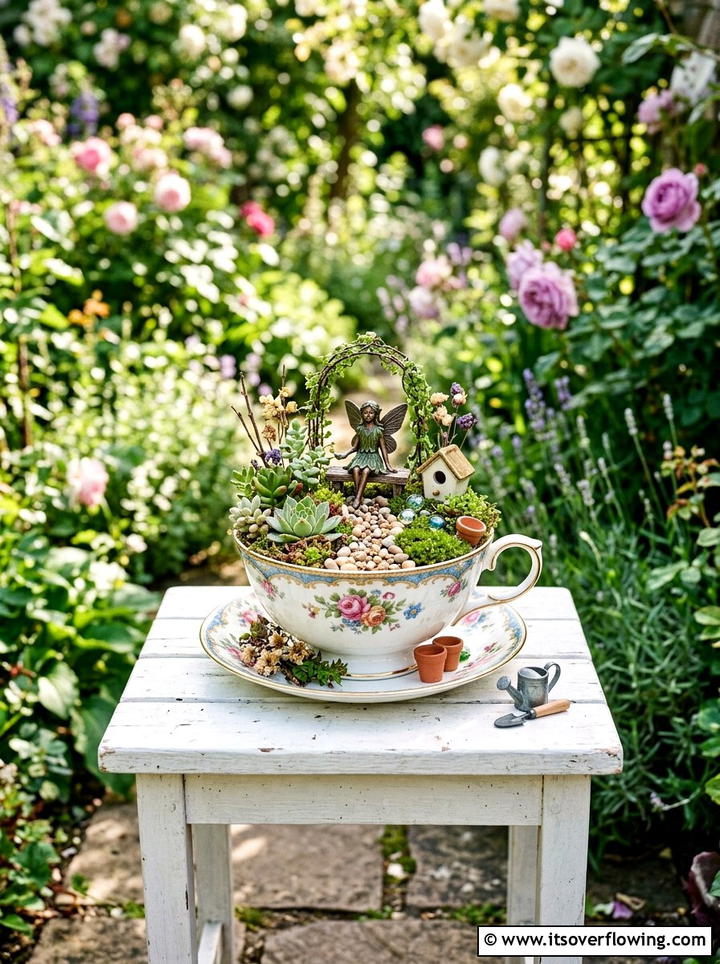
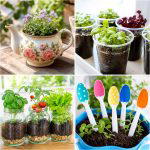
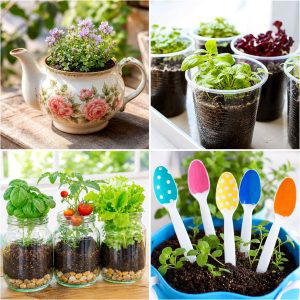
Small, chipped teacups or vintage saucers are the perfect foundation for creating a magical miniature fairy garden that will spark a child’s imagination. You can fill the cup with fine soil and tiny succulents or moss to create a diminutive landscape that fits on a windowsill or garden table. Children will love adding small pebbles, tiny twigs, and miniature figurines to create a secret home for garden sprites. These small-scale gardens are easy for little hands to manage and require very little maintenance over time. Using old dishware for this project adds a nostalgic and delicate touch to your garden decor while providing a wonderful outlet for storytelling and creative play in a very small and manageable space.
9. Silverware wind chime
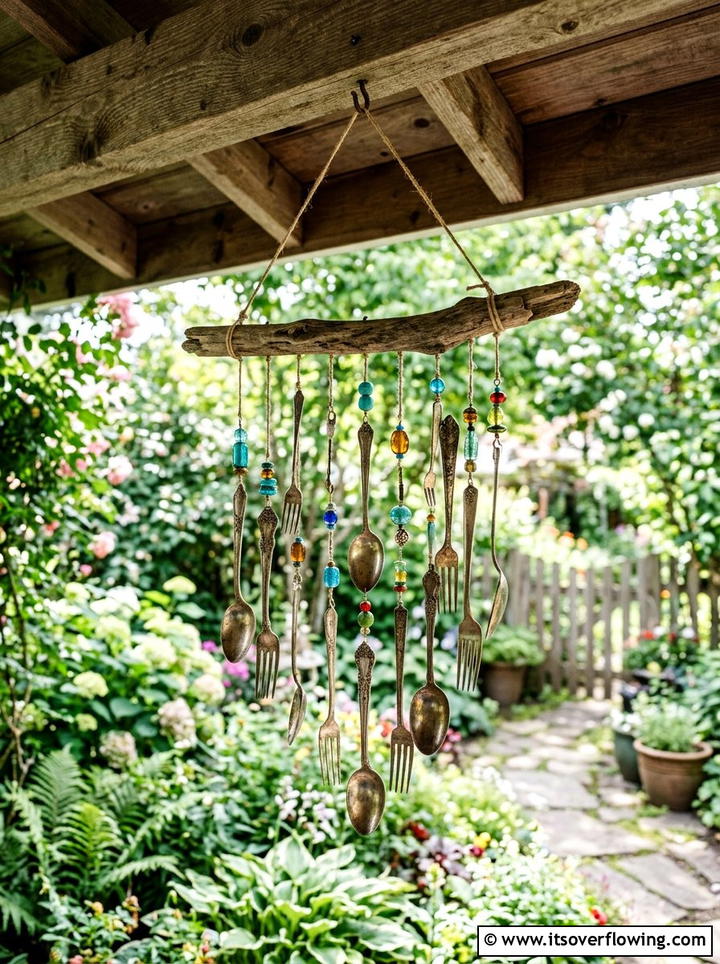
Old spoons, forks, and knives that are no longer used in the kitchen can be tied together to create a melodic wind chime for the garden. Using a sturdy branch or an old metal hoop as a base, children can help thread fishing line through the handles of the silverware. When the wind blows, the metal pieces clink together to create a gentle and soothing sound that echoes through the trees. You can even let the kids decorate the utensils with colorful beads or waterproof markers to add extra visual interest. This project is a great way to explore the science of sound and movement while finding a musical use for heavy metal items that might otherwise be forgotten in a junk drawer.
10. Egg carton seed starter
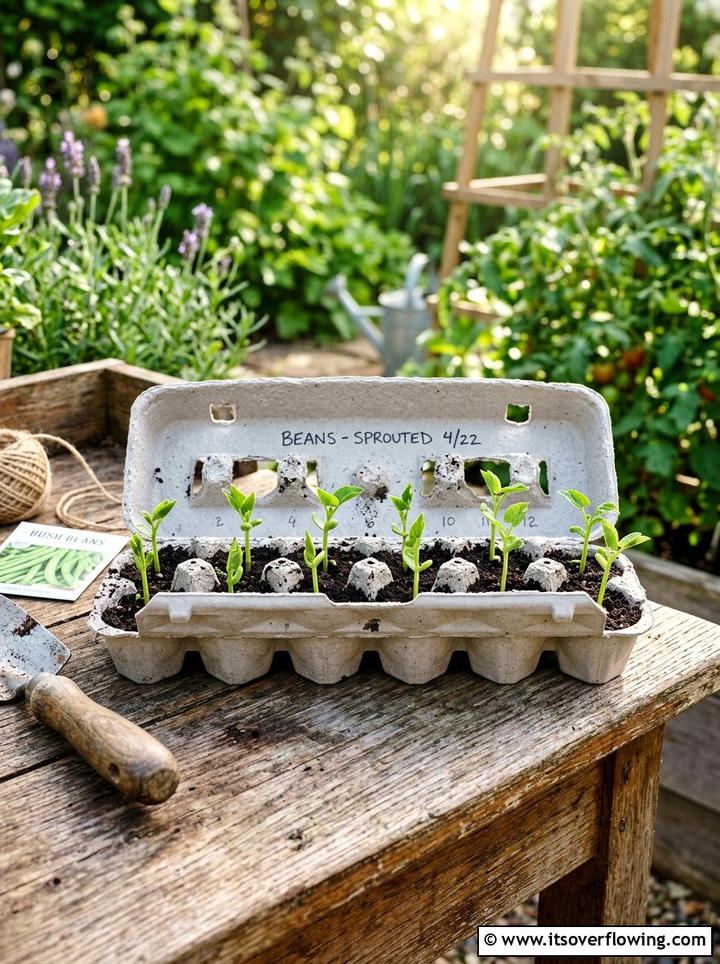
Starting seeds in empty cardboard egg cartons is an eco-friendly way to get your garden growing long before the final frost of the season. Each little cup in the carton provides the perfect individual space for a single seed to germinate in a small amount of damp soil. Kids can easily keep these cartons on a sunny indoor ledge and use a spray bottle to keep the dirt moist every morning. Once the seedlings are strong enough, the cardboard cups can often be cut apart and planted directly into the ground where they will naturally decompose. This project helps children understand the life cycle of plants from the very beginning while emphasizing the importance of using biodegradable materials for sustainable gardening practices.
11. Plastic spoon plant label
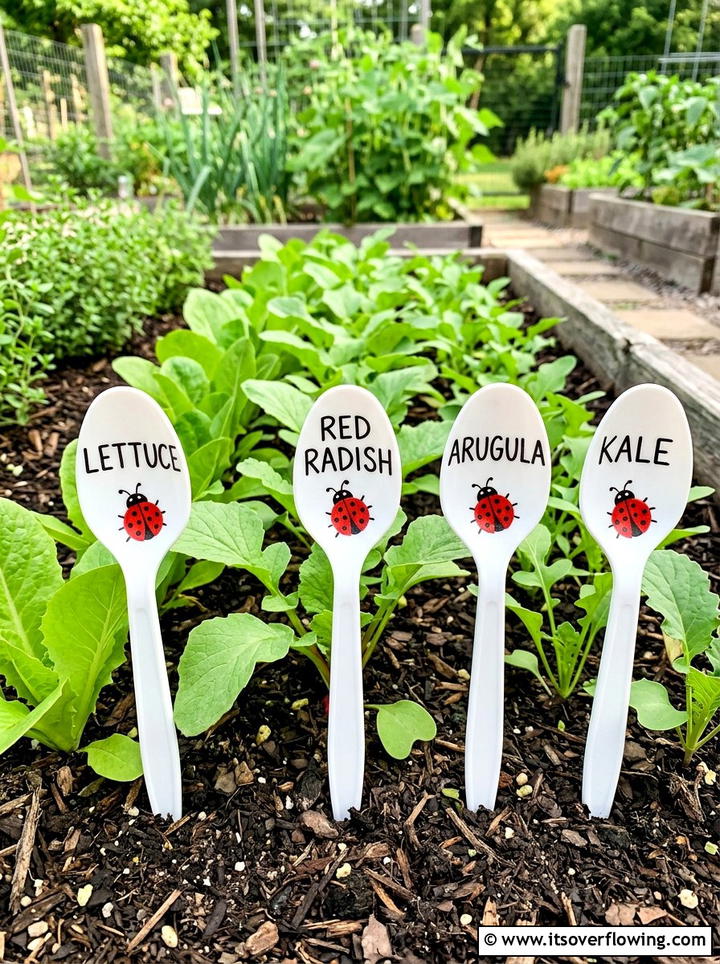
Leftover plastic spoons from a birthday party or picnic can be reused as durable and waterproof labels for your flower and vegetable rows. Children can use permanent markers to write the names of the plants on the round part of the spoon before sticking the handle into the soil. For an extra creative touch, they can paint the spoons to look like ladybugs or bees to add some personality to the garden beds. These markers are easy to read and will not rot like wooden sticks when they get wet from rain or watering. This simple upcycling idea keeps plastic out of the trash and provides a clear organization system that helps children feel more involved in the daily management of the family garden.
12. Milk jug watering can
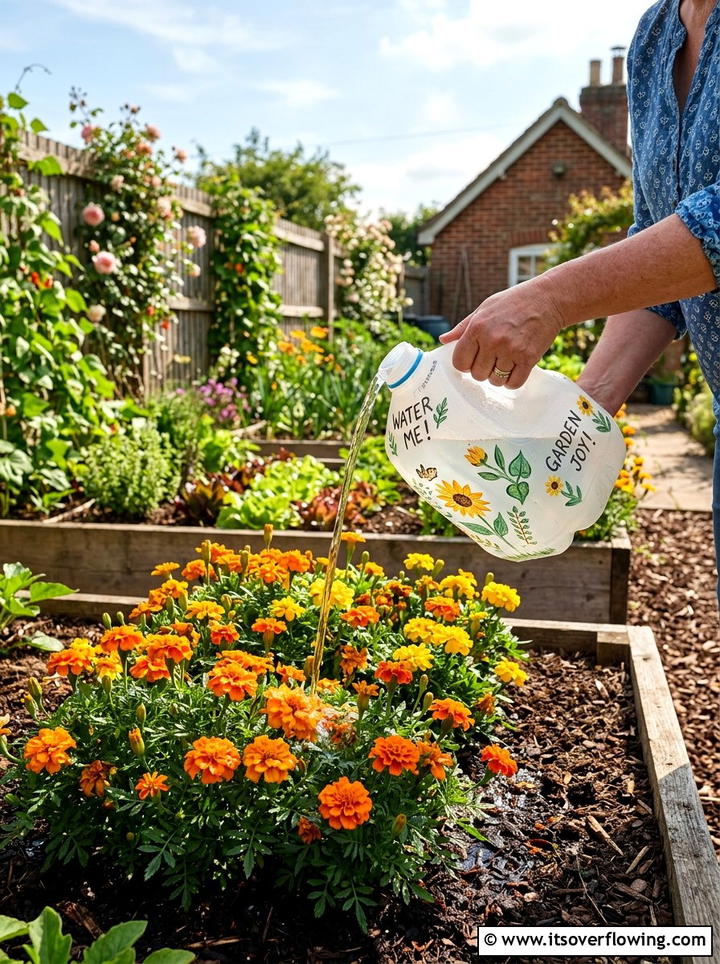
A large plastic milk jug can be transformed into a custom watering can by simply poking small holes into the plastic cap with a thick needle. Kids will find the handle easy to grip as they walk around the garden giving their favorite plants a gentle shower of water. You can let them decorate the outside of the jug with waterproof stickers or paint to make it their very own gardening tool. This project is excellent for teaching children about water conservation and the importance of regular plant maintenance. Using a repurposed jug instead of buying a new plastic tool saves money and demonstrates how easy it is to create functional equipment from items that are usually tossed into the recycling bin.
13. Glass jar terrarium
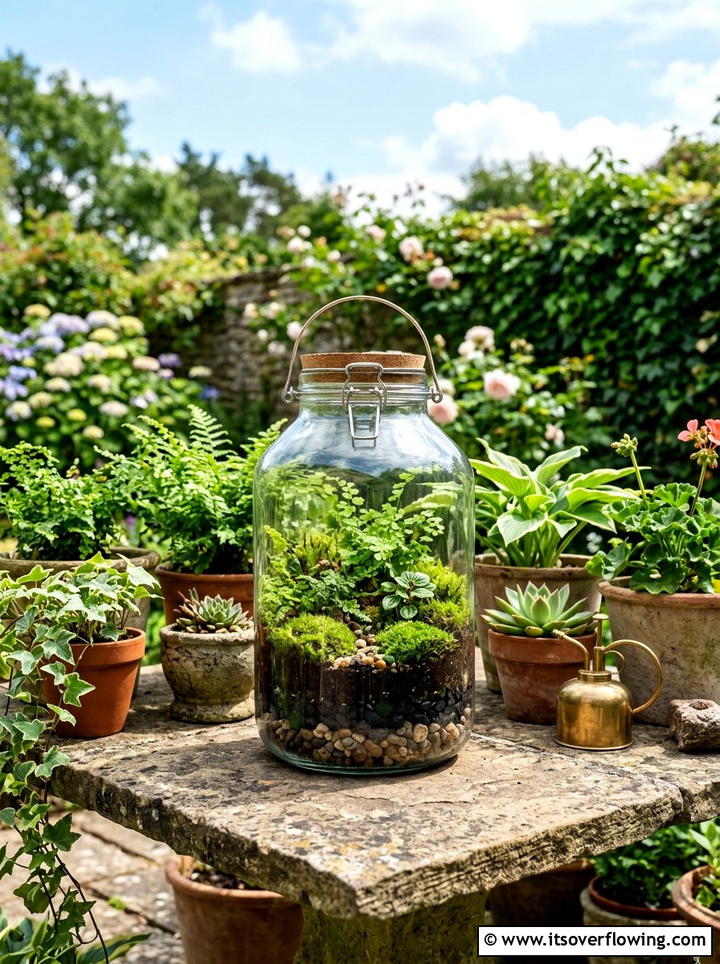
Empty glass jars from pickles or jam can be turned into beautiful self-contained terrariums that sit perfectly on an outdoor patio table. Children can start by layering small stones, charcoal, and soil at the bottom of the jar to create a healthy environment for small plants. Adding slow-growing greenery like ferns or small succulents allows the kids to observe a tiny ecosystem through the clear glass walls. These jars look stunning when placed in a sunny spot where the light can filter through the leaves and glass. This project is a fantastic way to teach kids about moisture cycles and how plants can thrive in a protected environment, all while repurposing glass containers into elegant and decorative garden features.
14. Old dresser drawer planter
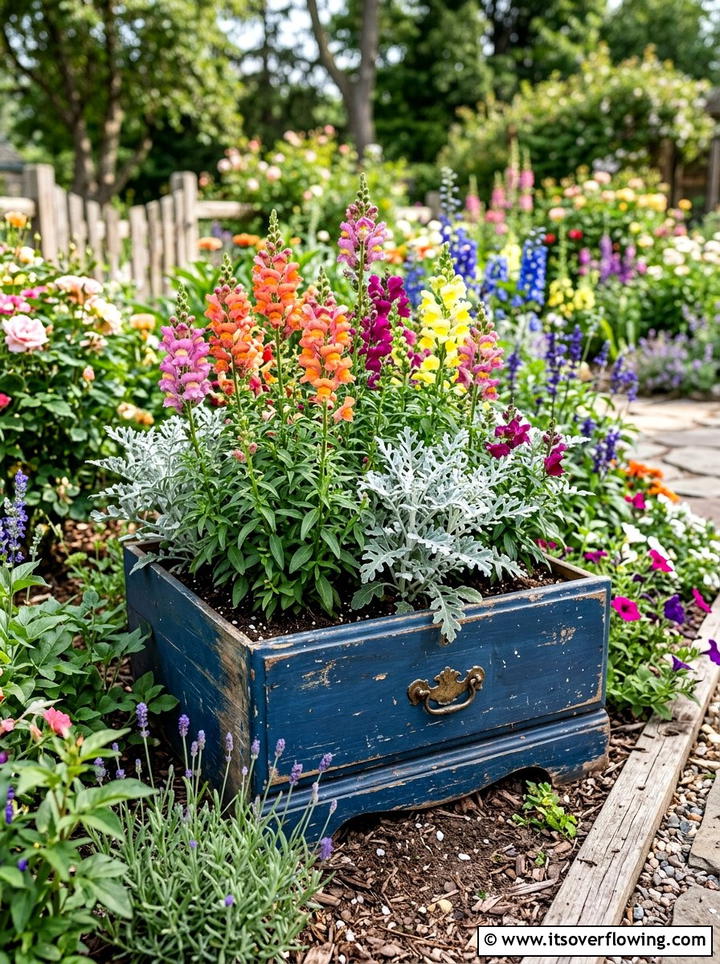
An old wooden dresser drawer that is no longer needed indoors can become a rustic and deep planter for a variety of garden flowers. After drilling a few holes in the bottom for drainage, you can help your children fill it with soil and a mix of tall and short plants. These drawers look great when placed on a porch or nestled among the shrubs in a backyard border for a layered look. Painting the wood in a bright color can help protect it from the weather while making the garden feel more playful. This project encourages kids to think about furniture in a new way and shows how large wooden items can be successfully integrated into a natural landscape for a unique aesthetic.
15. Plastic bottle bug hotel
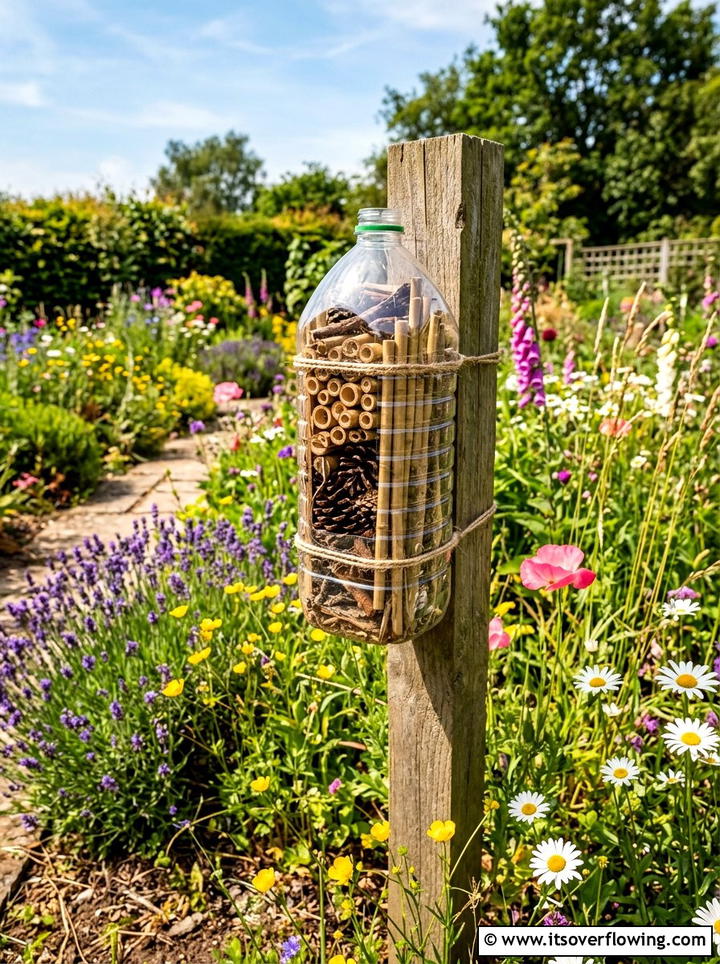
A large plastic bottle can serve as the frame for a bug hotel that provides a safe habitat for beneficial insects like ladybugs and solitary bees. Children can gather natural materials like hollow reeds, dry sticks, and pinecones to pack tightly inside the cut-out bottle. Hanging this structure in a quiet corner of the garden encourages helpful bugs to move in and help pollinate your plants or eat harmful pests. Watching the insects arrive and settle into their new home is a fascinating educational experience for curious kids. This project highlights the importance of biodiversity in the garden and shows how we can use recycled plastic to support the local insect population in a very meaningful and helpful way.
16. Old chair flower display
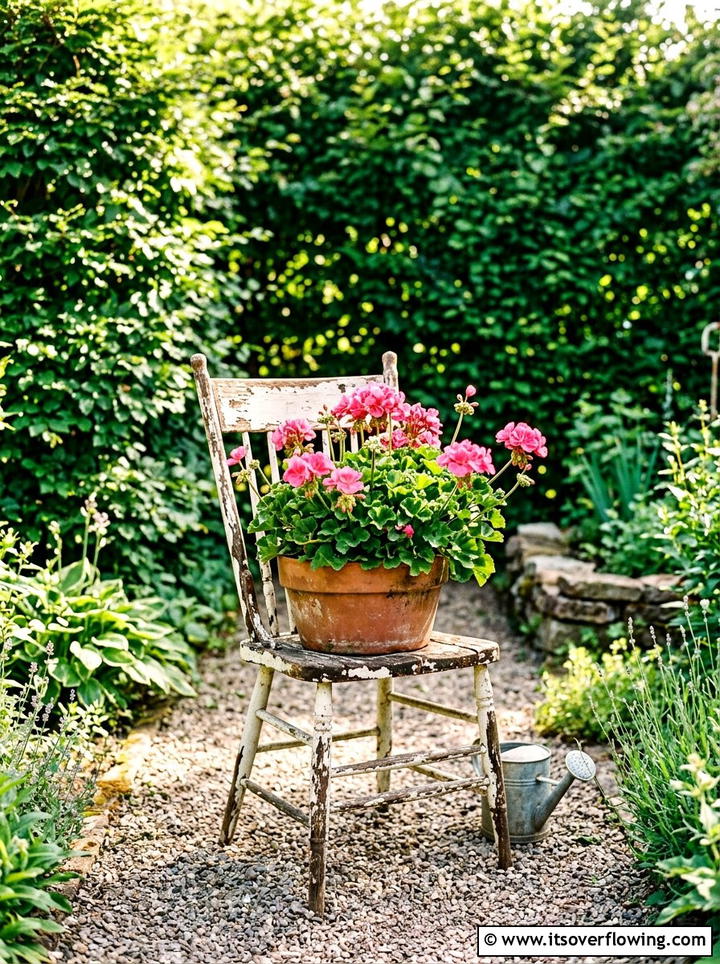
A wooden chair that has become too wobbly for sitting can be repurposed into a stunning plant stand that adds height to your garden design. You can remove the seat and place a large pot inside the frame, or simply set a collection of smaller pots directly on top of the chair. Kids will enjoy painting the chair a vibrant color that contrasts with the green leaves and colorful petals of the chosen plants. Placing this unique display in a corner of the garden creates an instant focal point that looks like a piece of living art. This idea teaches children about the structural beauty of furniture and how to use vertical space to make a small garden area feel more lush and interesting.
17. Tree stump garden table
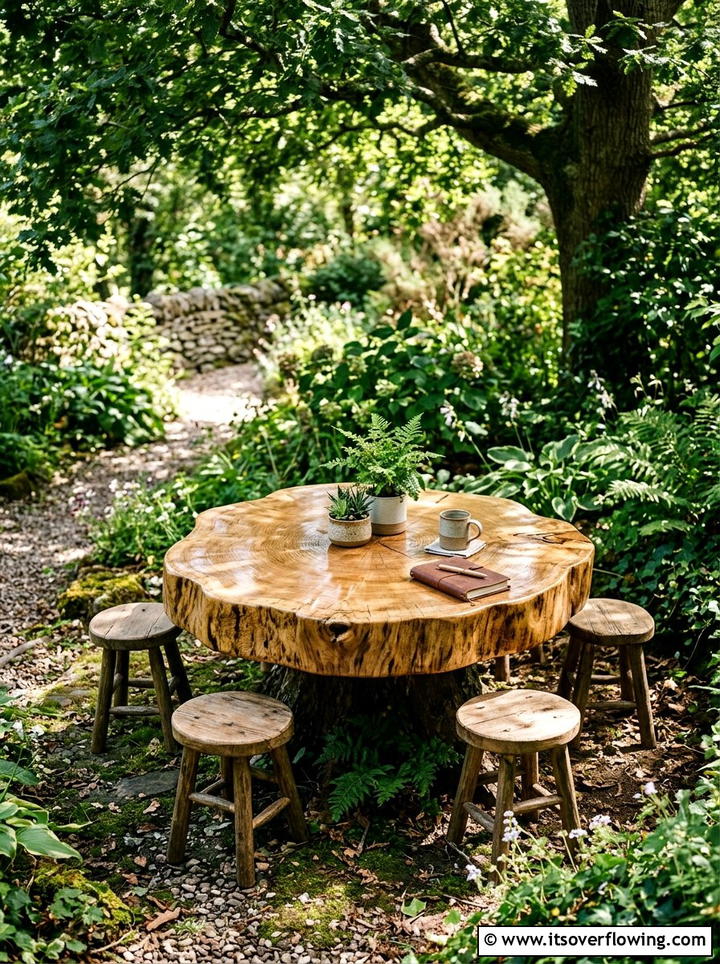
If you have a tree stump in your yard, it can be transformed into a natural garden table where kids can work on their crafts or enjoy a snack. By sanding down the top surface and applying a coat of clear sealant, you create a smooth and durable workspace that blends perfectly with the environment. Children can help decorate the sides of the stump with moss or small stones to make it feel like part of a magical forest. This project turns a potential backyard obstacle into a functional piece of outdoor furniture that encourages kids to spend more time playing outside. It emphasizes the beauty of natural materials and shows how we can work with the existing features of our landscape to create something useful.
18. Burlap sack planter
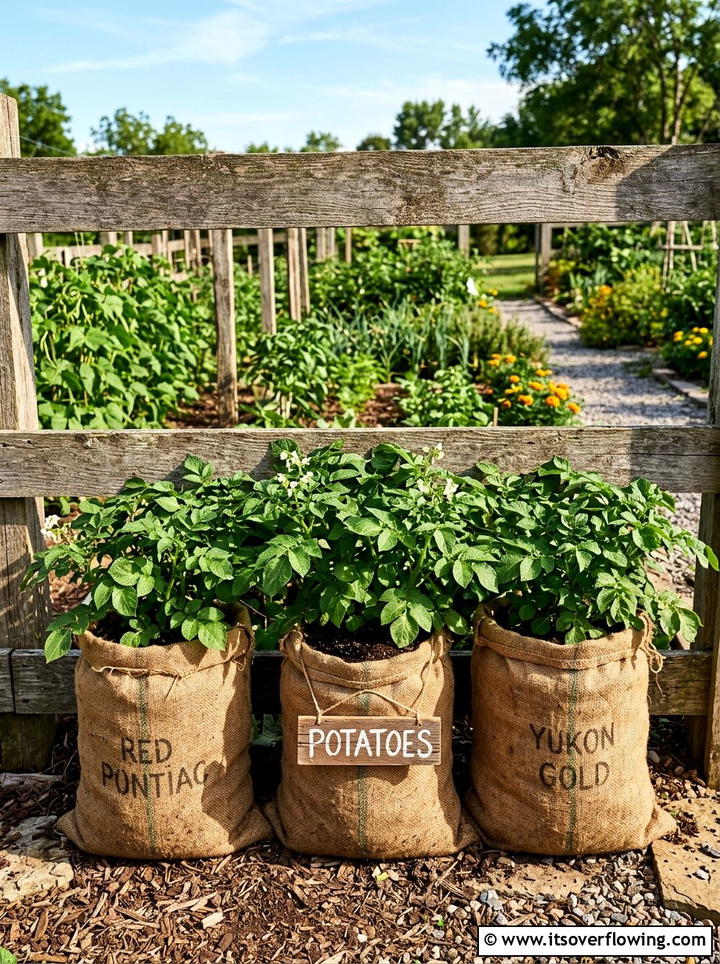
Large burlap sacks that once held potatoes or coffee beans can be used as rustic and breathable planters for growing your own vegetables. These sacks are particularly good for growing root crops like potatoes because they allow for plenty of air circulation around the roots and are easy to harvest. Kids can help roll down the tops of the sacks and fill them with a mix of compost and soil before planting their seeds. Placing a row of these sacks along a sunny fence line creates a productive and earthy garden feature that is very easy to manage. This project introduces children to traditional farming materials and shows how simple fabrics can be used to grow a significant amount of food in a small space.
19. Mason jar wall garden
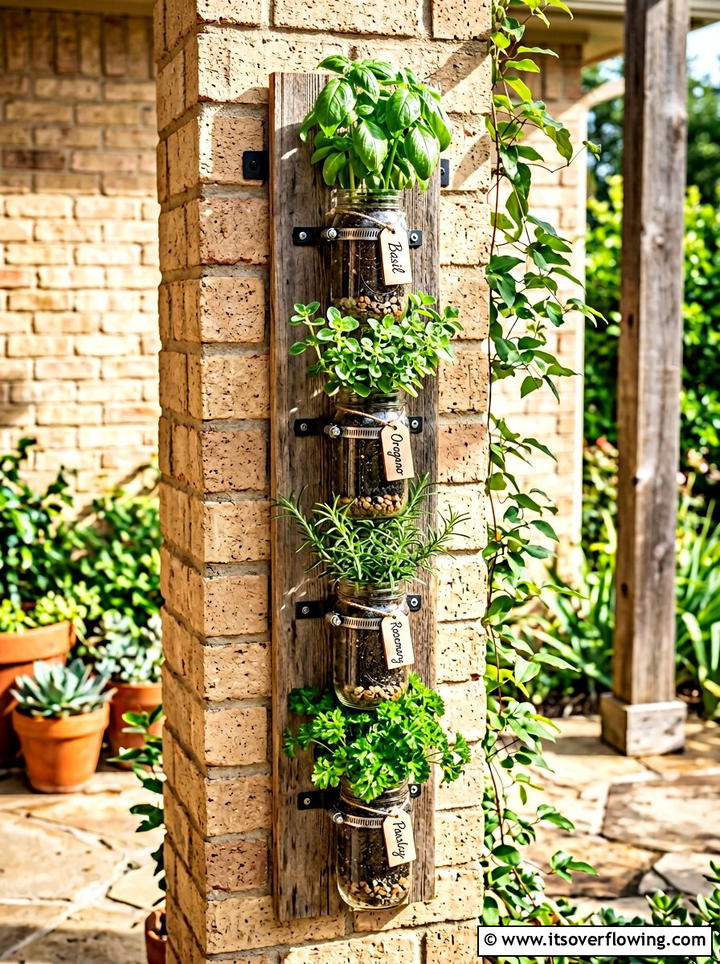
Mason jars are incredibly versatile and can be mounted onto a wooden board to create a beautiful and organized wall garden for herbs or small flowers. Children can help fill the jars with pebbles and soil while you handle the task of securing the jars to the wood with metal clamps. This vertical arrangement is perfect for a small patio or a sunny kitchen wall where space is limited but greenery is desired. The clear glass allows everyone to see the root systems growing, which is a great science lesson for kids. This project combines industrial materials with natural elements to create a stylish and functional garden feature that makes the most of every available inch of your outdoor living area.
20. Vertical soda bottle garden
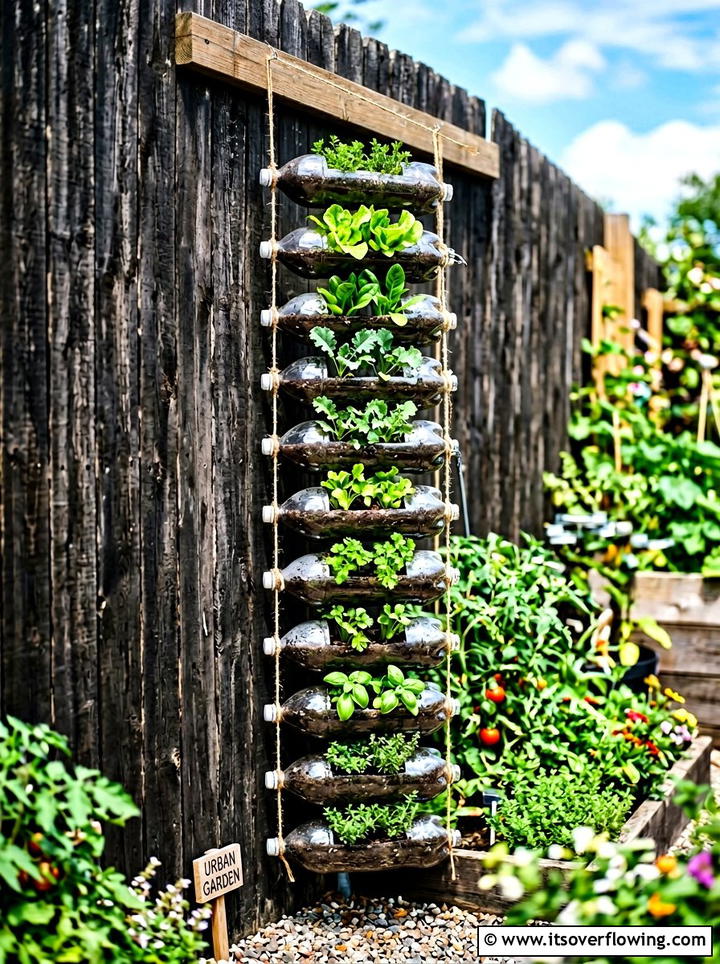
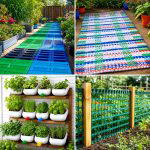
Creating a vertical garden using linked plastic soda bottles is a fantastic way to cover a plain wall or fence with a curtain of green plants. By cutting windows into the sides of the bottles and hanging them one above the other with sturdy string, you create a self-watering system where excess water drips down to the next plant. Kids will enjoy helping with the planting and watching as their vertical tower fills in with lush leaves and bright flowers. This project is an excellent example of creative engineering and shows children how to maximize growing space in urban environments. It turns common household plastic into a sophisticated growing system that is both visually impressive and highly efficient for small-scale gardening.
21. Toy truck succulent garden
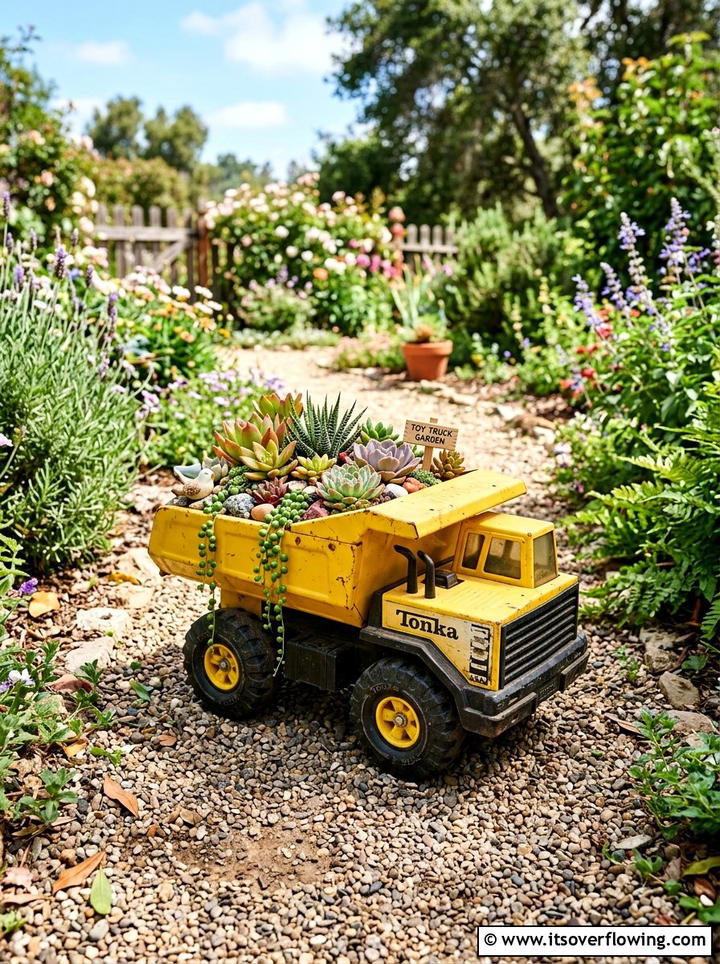
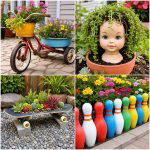
An old toy dump truck or plastic tractor that the kids have outgrown can be turned into a playful and mobile succulent garden. Succulents are perfect for this project because they have shallow root systems and do not require frequent watering, making them very easy for children to maintain. Have your kids fill the bed of the truck with gritty soil and a variety of small, colorful succulents to create a miniature desert landscape. This whimsical planter can be moved around the garden or kept on a porch where it will surely start conversations with visitors. It is a wonderful way to preserve childhood memories while teaching kids about the unique needs of different plant species in a fun and creative way.
22. Seashell garden border
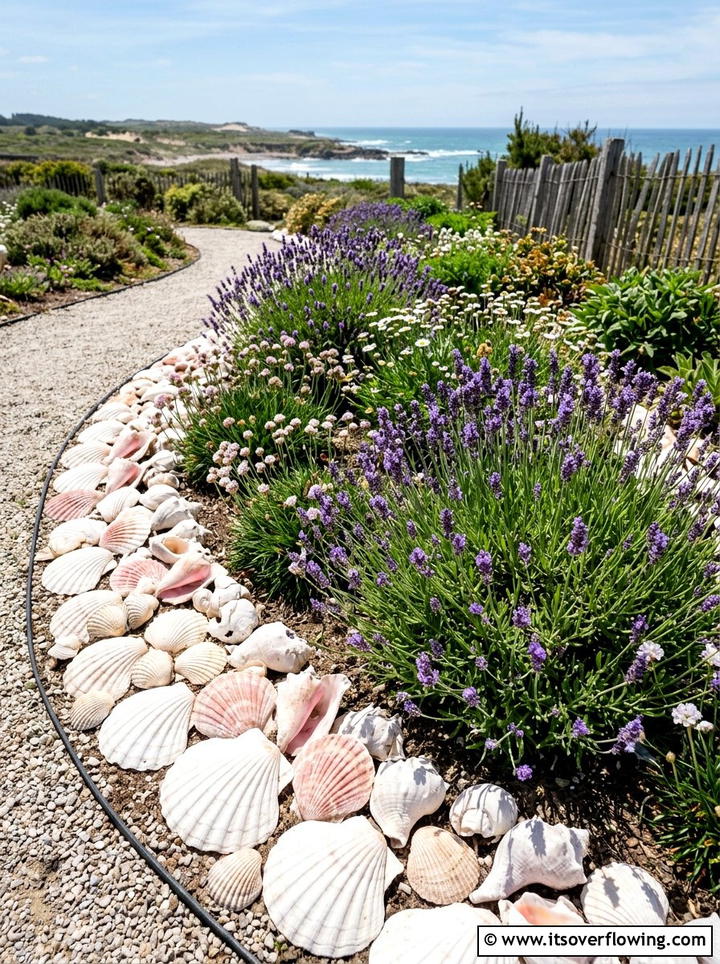
If you have a collection of seashells from past beach trips, you can use them to create a beautiful and shimmering border for your garden paths or flower beds. Children will enjoy sorting the shells by size and color before pressing them into the soft soil along the edges of the garden. This project adds a touch of coastal charm to your backyard and provides a clean line that separates the lawn from the planting areas. The shells reflect the sunlight and add a bright, natural texture that complements the surrounding greenery and colorful blossoms. This activity is a great way to use natural souvenirs to enhance your outdoor space while involving children in the decorative aspects of garden design and maintenance.
23. Blue jeans planter
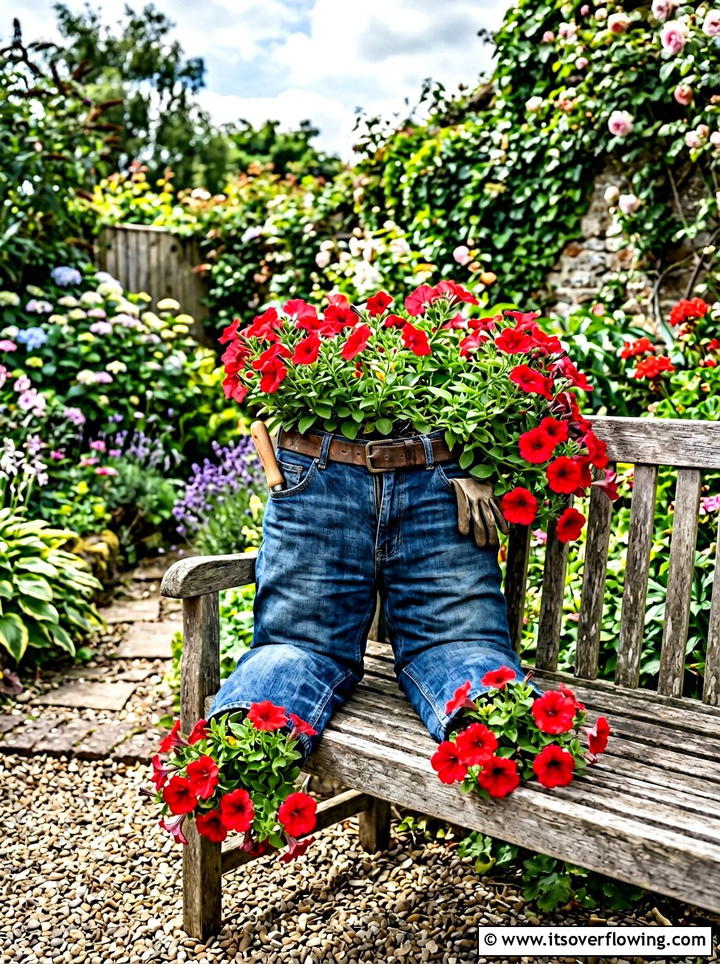
An old pair of denim blue jeans can be stuffed with straw and soil to create a hilarious and eye-catching planter that looks like a pair of legs standing in the garden. You can secure the jeans to a fence or a wooden post and plant trailing flowers or tall grasses coming out of the waist and pockets. Kids will find this project absolutely funny and will love helping to “dress” the garden with these unique containers. The sturdy denim fabric holds up well against the weather and provides a large volume of soil for healthy plant growth. This creative upcycling idea shows children that fashion items can be reused in the most unexpected and joyful ways to bring character to their backyard.
24. Ceramic bowl bird bath
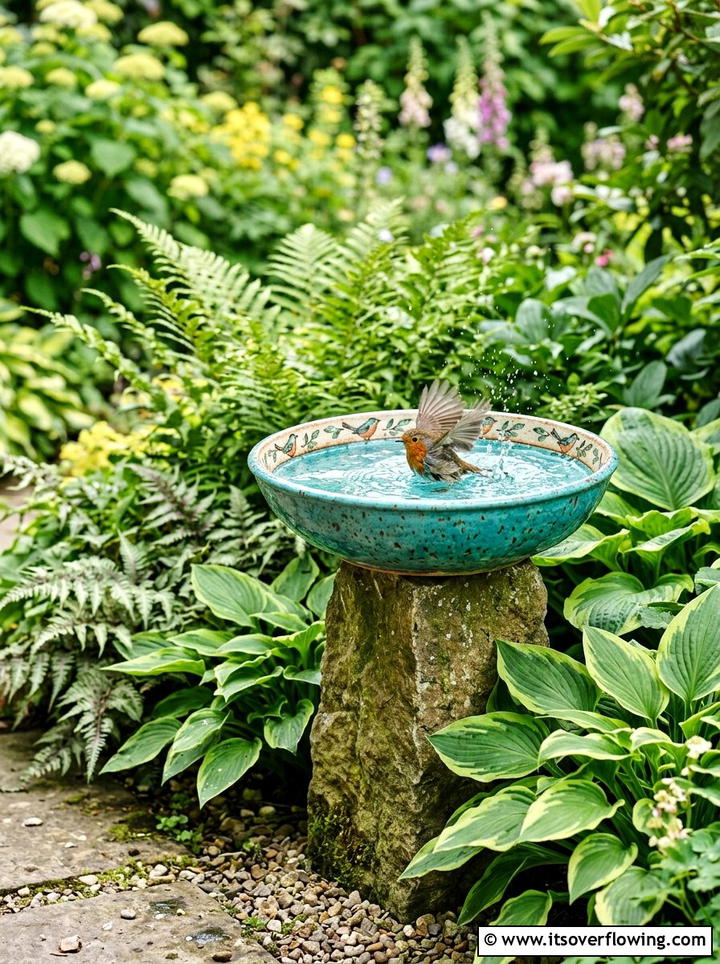
A large, shallow ceramic bowl that is no longer used for serving food can be easily converted into a simple bird bath for your local feathered visitors. By placing the bowl on top of a sturdy rock or a stack of old bricks, you create a safe place for birds to drink and splash around during the hot summer months. Kids can help keep the bowl clean and filled with fresh water, which encourages them to observe the different birds that come to visit. Adding a few smooth stones to the bottom of the bowl provides a shallow area where smaller birds can land comfortably. This project is a beautiful way to provide for local wildlife while repurposing elegant household items into functional garden features.
25. Terracotta pot tower
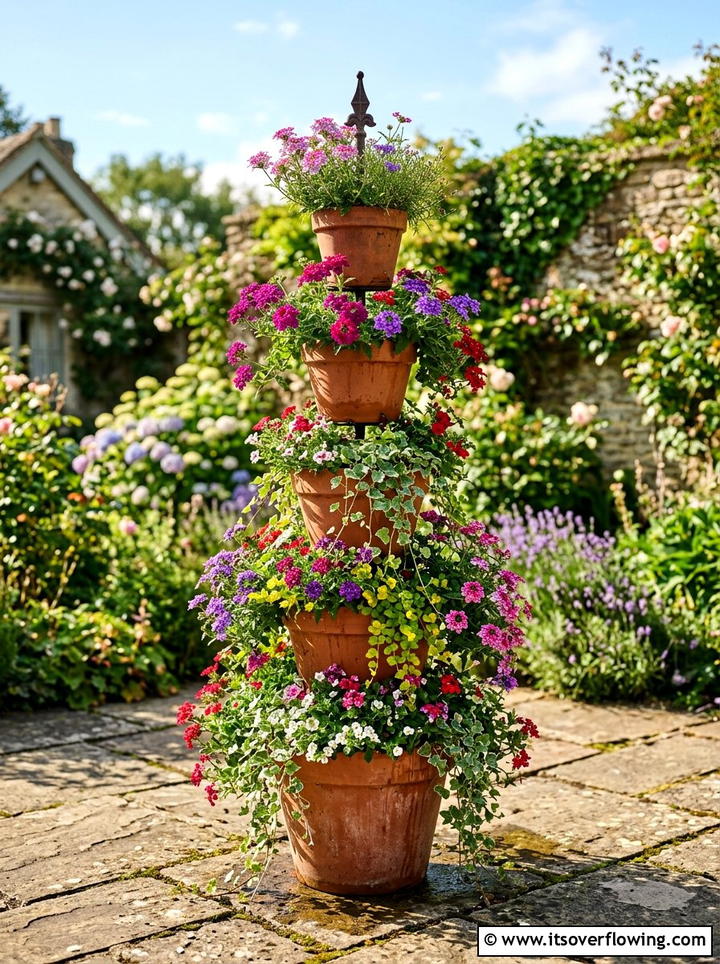
A collection of terracotta pots in different sizes can be stacked on top of one another using a central wooden dowel to create a tall and impressive flower tower. This vertical arrangement allows you to grow many different plants in a very small footprint, making it ideal for a corner of the patio or garden. Children can help paint each pot with colorful designs or patterns before the tower is assembled and planted with a variety of cascading flowers. The stacked design ensures that water flows down from the top pot to the ones below, creating an efficient and beautiful display. This project teaches kids about balance and vertical design while providing a lush and vibrant focal point for the entire family to enjoy.
Conclusion:
Spending time in the garden with your children is a wonderful way to create lasting memories while fostering a deep respect for the environment through creative upcycling. These twenty-five projects demonstrate that you do not need expensive materials to build a beautiful and functional outdoor space that the whole family will love. By repurposing common household items, you teach your kids valuable lessons about sustainability, resourcefulness, and the joy of seeing something old become something brand new. Whether you are building a bug hotel or planting flowers in old boots, the process of working together in nature is truly priceless. We hope these ideas inspire you to step outside, get your hands dirty, and transform your backyard into a magical, upcycled wonderland for your children to explore.
Related posts:
 25 Upcycled Garden Ideas With Reclaimed Wood Projects
 25 Upcycled Garden Ideas With Old Colanders for Fun Planters
 25 Upcycled Garden Ideas for Schools Kids Will Love
 25 recycled garden ideas with garden markers: Fun DIYs
 25 Recycled Garden Ideas DIY Projects for Outdoor Charm
 25 Recycled Garden Ideas for School Projects
 25 recycled garden ideas with recycled plastic projects
 25 recycled garden ideas with wood scraps: Easy DIY Projects
 25 recycled garden ideas with old colanders: Fun Planter DIYs
 25 recycled garden ideas with old toys for Fun Yard Decor
 25 Upcycled Garden Ideas With Garden Edging for Neat Borders
 25 Upcycled Garden Ideas With Garden Signs for Cute Yard Decor