
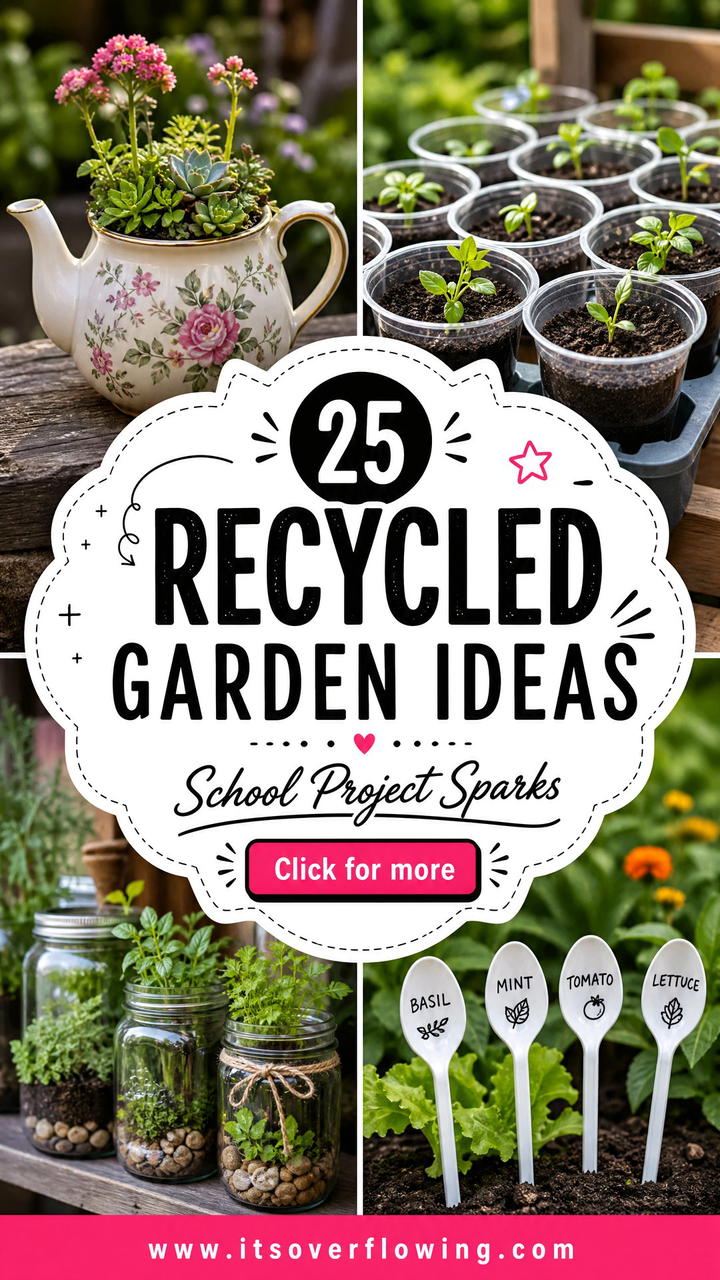
Starting a school garden using recycled materials is a brilliant way to teach students about sustainability and biology at the same time. These hands-on projects allow children to see how everyday waste can be transformed into something productive and beautiful for their environment. By using items like plastic bottles, old tires, or even worn-out shoes, schools can create vibrant green spaces without spending much money. It encourages students to think creatively about the lifecycle of products they use daily. These activities foster a sense of pride as kids watch their plants grow in containers they rescued from the trash. Gardening at school helps build teamwork skills and provides a peaceful outdoor classroom experience for everyone involved.
1. Vertical bottle planter
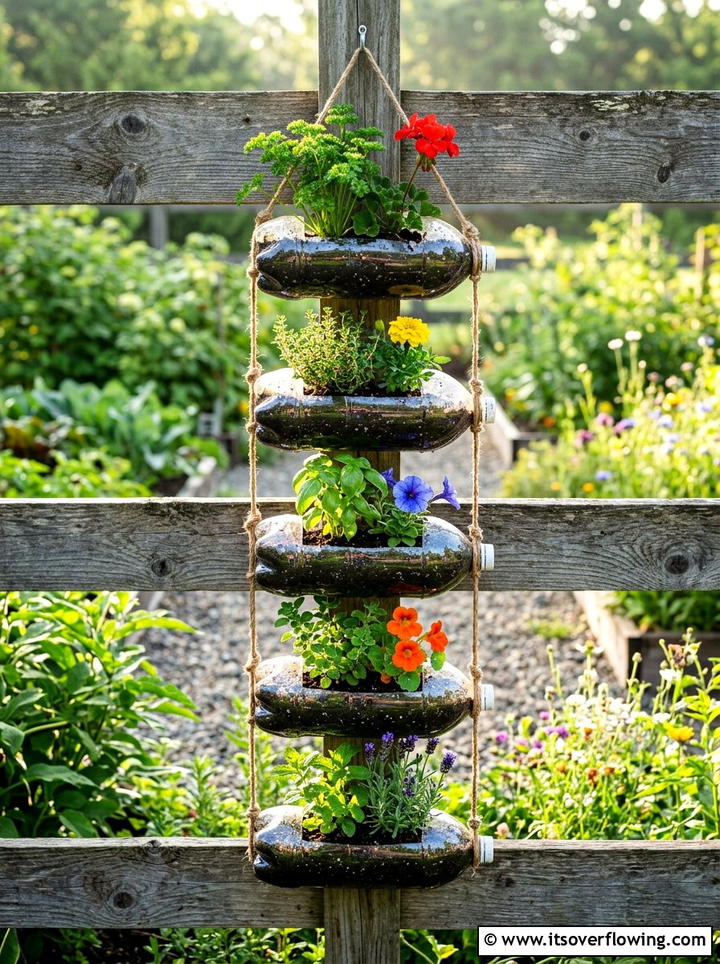
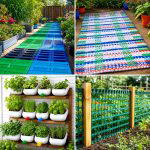
Building a vertical bottle planter is a fantastic way for students to learn about recycling while growing fresh herbs or flowers. You start by cleaning out large plastic soda bottles and cutting a rectangular opening along the side. Students can then fill the bottom with small stones for drainage followed by nutrient-rich potting soil. These bottles are easily strung together using sturdy twine or wire to create a lush green wall against a school fence. This project teaches children how to repurpose single-use plastics into something beautiful and functional. It also saves significant ground space in small school courtyards. Watching seeds sprout in these clear containers provides a unique view of root growth.
2. Recycled tire garden
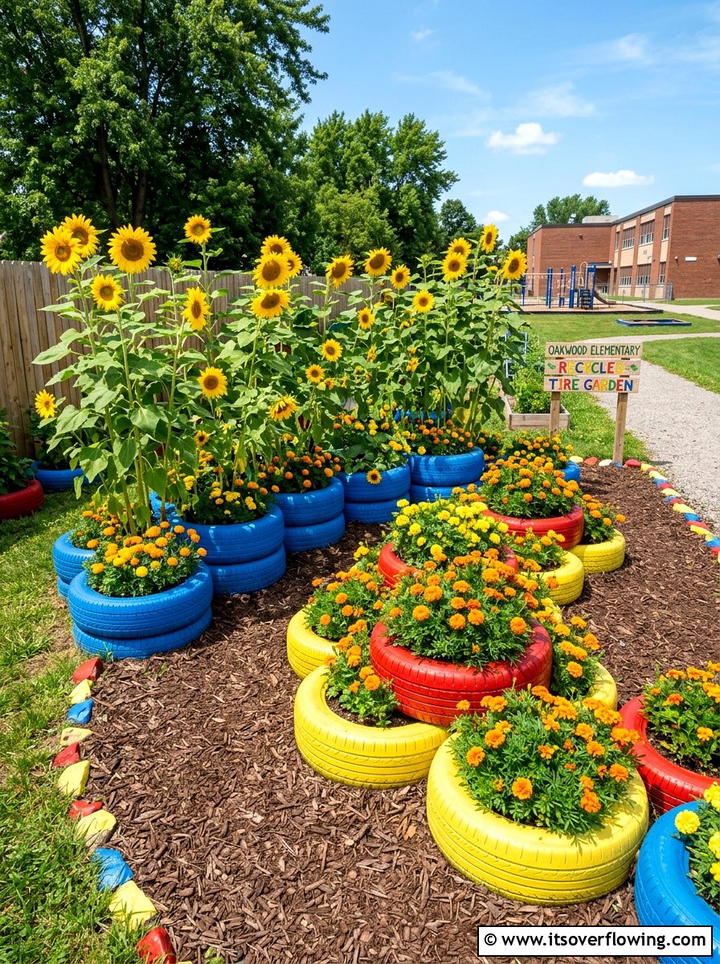
Old tires make excellent large-scale containers for school gardens because they are durable and provide plenty of room for root systems. Before planting, students can scrub the tires clean and paint them with bright, non-toxic colors to make the playground look cheerful. Once the paint is dry, stack them in different patterns or use them as individual raised beds on the grass. Fill the center with soil and choose hardy plants like sunflowers or large marigolds that can withstand lots of sunshine. These sturdy structures are perfect for defining garden borders while keeping soil contained. They offer a great lesson on how industrial waste can serve a new purpose.
3. Tin can planter
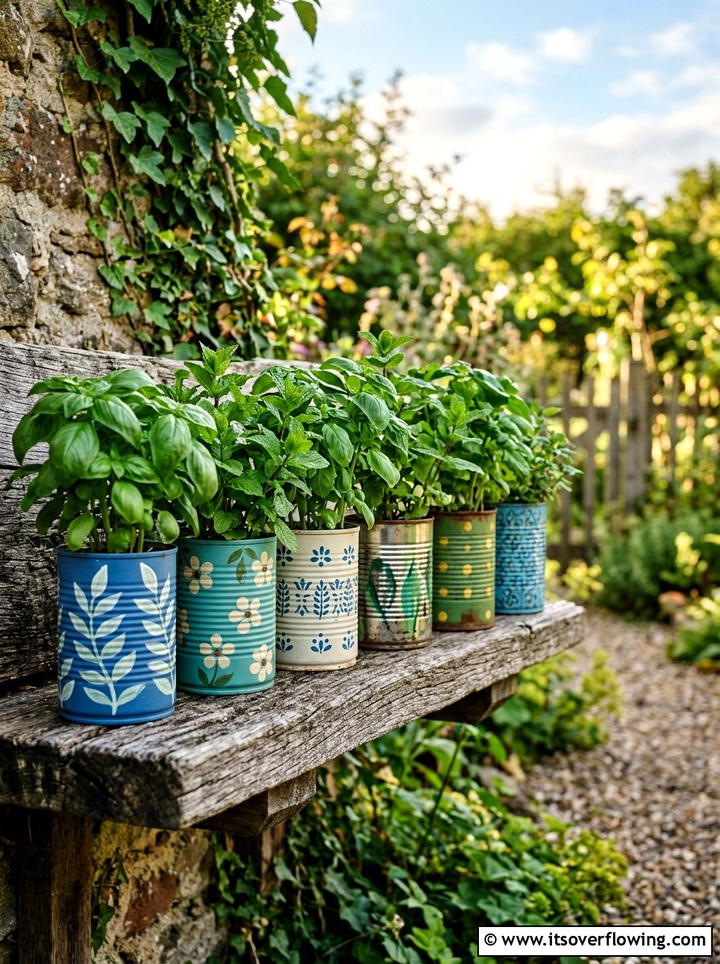
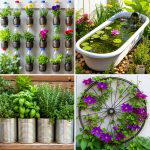
Collecting empty soup or vegetable cans is an easy way to start a classroom herb garden on a budget. Students should carefully smooth any sharp edges and punch a few small drainage holes in the bottom of each metal tin. These cans can be decorated with outdoor paint or wrapped in colorful waterproof tape to express student creativity. Placing them on a sunny windowsill allows the class to monitor plant growth daily without leaving the building. Herbs like mint, basil, or parsley thrive in these small environments and provide wonderful sensory experiences for the children. It is a simple project that reinforces the concept of reducing waste at home.
4. Boot flower pot
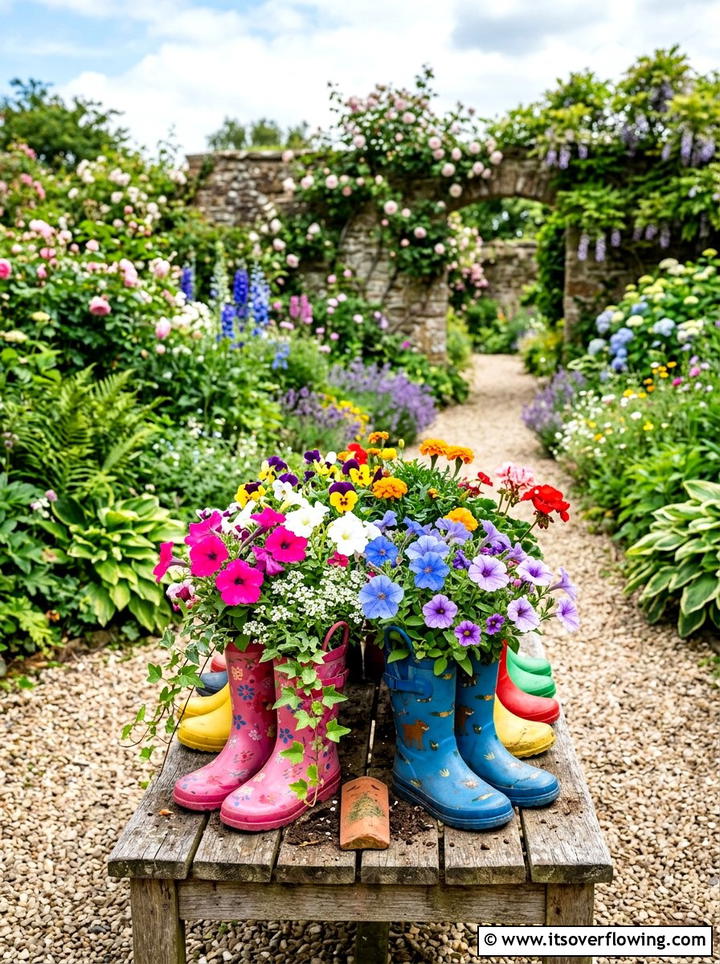
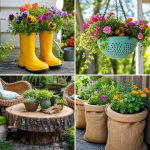
Old rain boots that children have outgrown can find a second life as whimsical and charming planters in a school garden. Their tall shape makes them perfect for plants that need a bit more soil depth to grow strong roots. Students can drill holes in the soles to ensure water does not sit at the bottom and cause rot. These boots look wonderful when lined up along a walkway or tucked into corners of a flower bed for a pop of color. Using colorful footwear adds a playful touch to the landscape and sparks conversations about how clothes can be reused. It is a very low-cost way to decorate.
5. Wood pallet garden
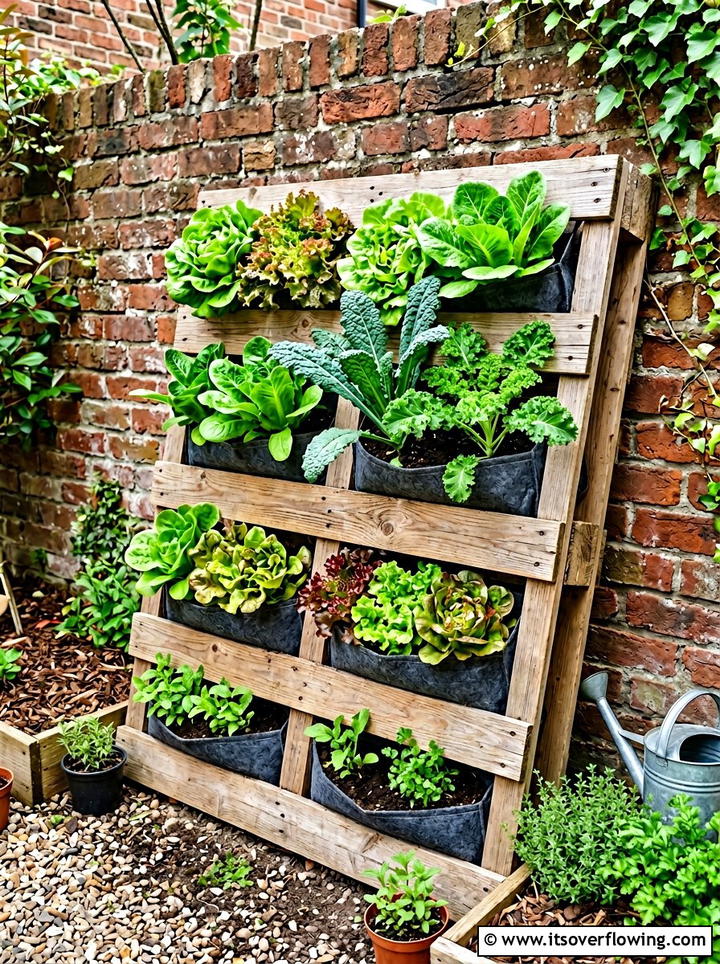
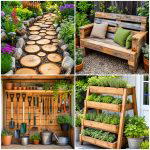
Wooden pallets are often discarded by local businesses but they can be easily transformed into organized vertical garden structures for schools. By attaching landscape fabric to the back and bottom, students create pockets that hold soil and plants securely in place. These pallets are ideal for growing a variety of leafy greens like lettuce or spinach in a very compact area. Students can label each row with the name of the plant to turn the garden into a living library of vegetables. This project helps children understand vertical space and how to maximize food production in urban settings. It is a sturdy and very long-lasting recycled option.
6. Milk jug bird house
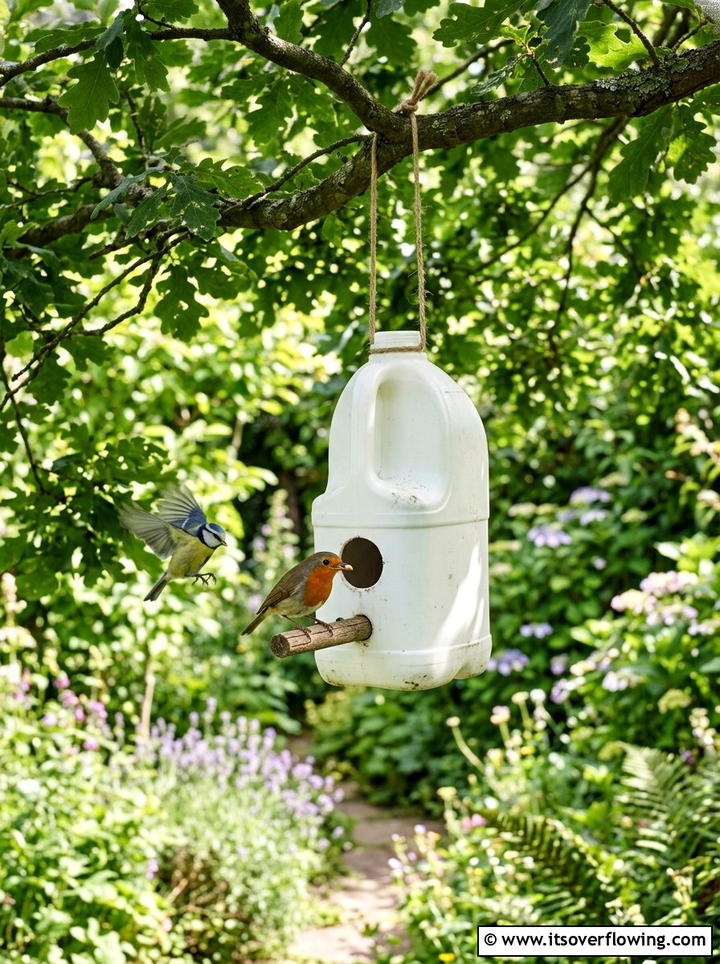
Plastic milk jugs can be converted into effective bird houses or feeders to invite local wildlife into the school garden area. Students can cut a medium hole in the side and add a small stick underneath to act as a perch for visiting birds. Filling the bottom with birdseed or nesting materials helps students learn about local avian species and their specific habitat needs. Hanging these jugs from tree branches provides a great opportunity for nature observation and data collection during science lessons. This project emphasizes the connection between healthy gardens and the animals that live within them. It is a simple way to support local biodiversity.
7. Egg carton seed tray
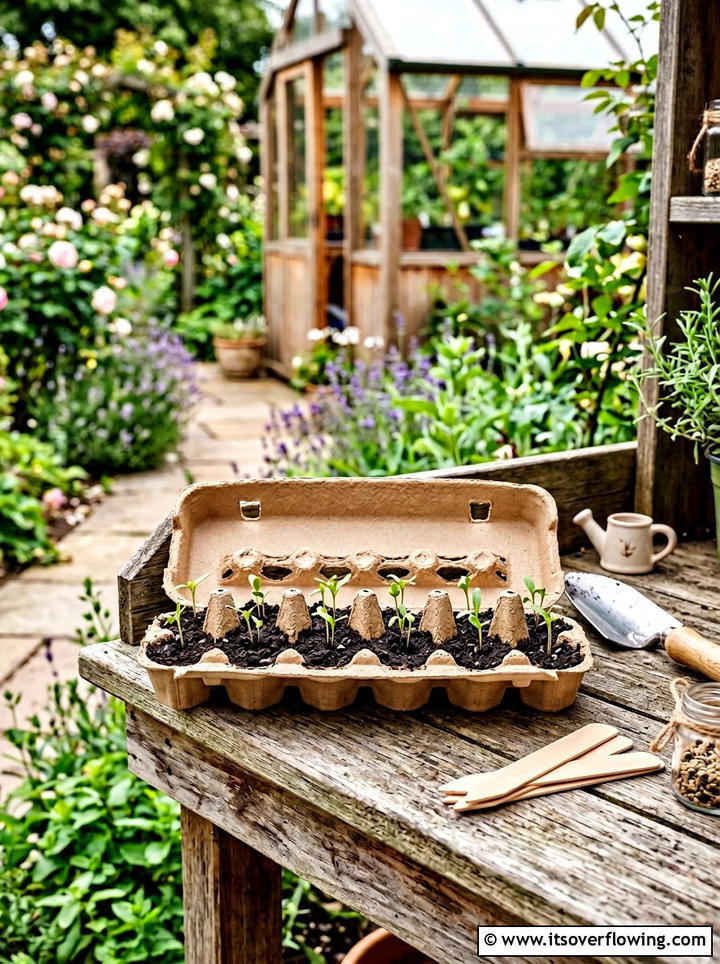
Cardboard egg cartons are the perfect natural vessel for starting seeds indoors before the weather is warm enough for outdoor planting. Students can fill each individual cell with a small amount of seed starting mix and one or two tiny seeds. Because the cardboard is biodegradable, the entire cell can be cut out and planted directly into the ground later. This prevents disturbing the delicate roots of young seedlings as they transition to the larger garden beds. It is an excellent way to show children the very beginning of the plant life cycle. Using these cartons demonstrates how organic materials break down and enrich the soil.
8. Recycled cork marker
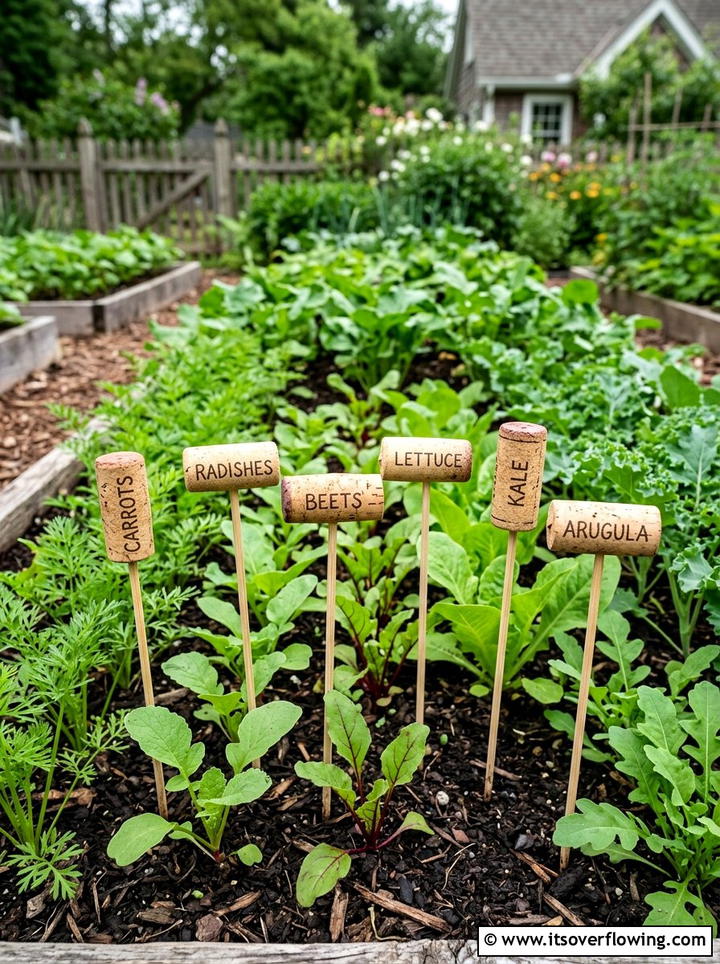
Using old corks to create plant markers is a clever way to keep the school garden organized and easy to navigate. Students can write the names of different vegetables or flowers on the side of each cork using a permanent marker. By sticking a thin wooden skewer or a recycled wire into the bottom, the cork becomes a handy signpost for the soil. These markers are weather-resistant and will not rot as quickly as simple paper labels would in the rain. This activity helps students practice their handwriting and spelling while taking responsibility for their specific garden plots. It adds a professional and very neat look.
9. Newspaper plant pot
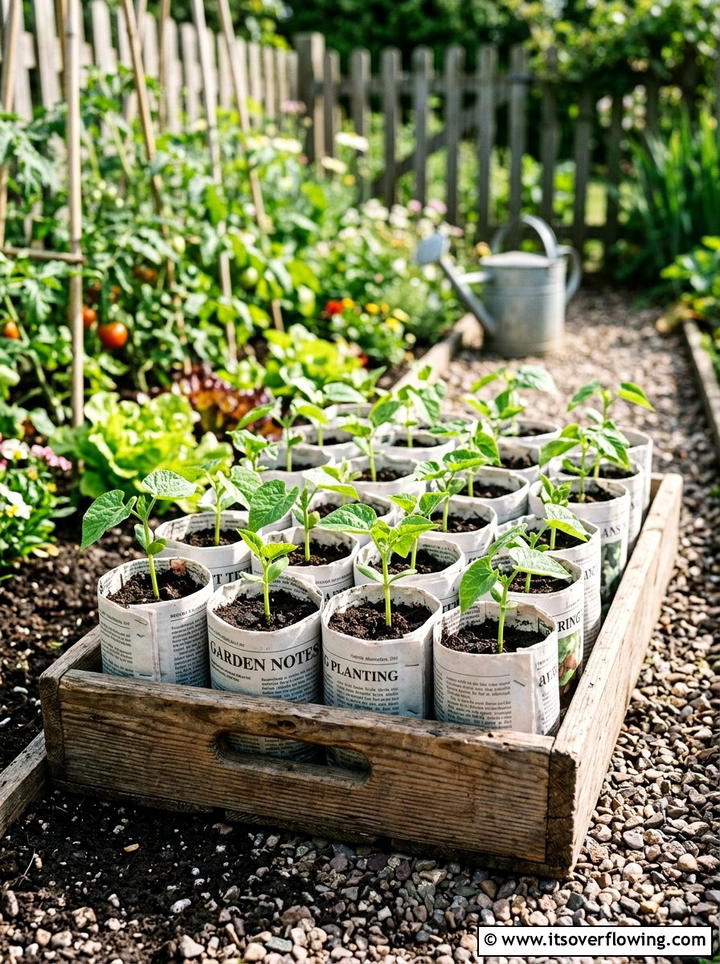
Teaching students how to fold old newspapers into biodegradable planting pots is a valuable lesson in self-sufficiency and waste reduction. These paper pots are sturdy enough to hold soil and a growing seedling for several weeks on a classroom shelf. When the plant is ready for the outdoors, the student places the entire newspaper pot into the earth. The paper eventually decomposes, allowing the roots to grow freely into the surrounding garden soil without any plastic waste. This project shows children that they do not always need to buy new products to be successful gardeners. It is a fun, hands-on craft that yields very practical results.
10. Kitchen colander planter
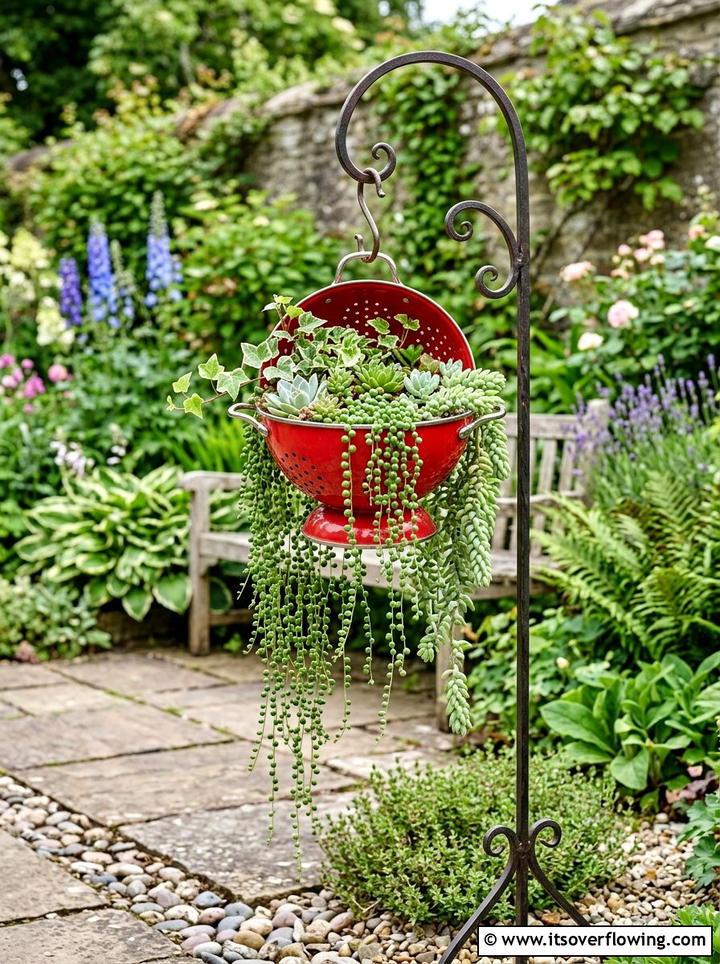
An old metal or plastic colander makes a fantastic hanging basket or tabletop planter because it already has built-in drainage holes. Students can line the inside with a bit of moss or landscape fabric to keep the soil from washing out through the holes. These containers are particularly good for plants like succulents or trailing vines that prefer well-drained soil and plenty of air circulation. Hanging several colanders at different heights creates a visual focal point in a school garden or patio area. It encourages students to look at common household items with a fresh perspective. These durable containers can last for many growing seasons.
11. Cardboard roll seedling
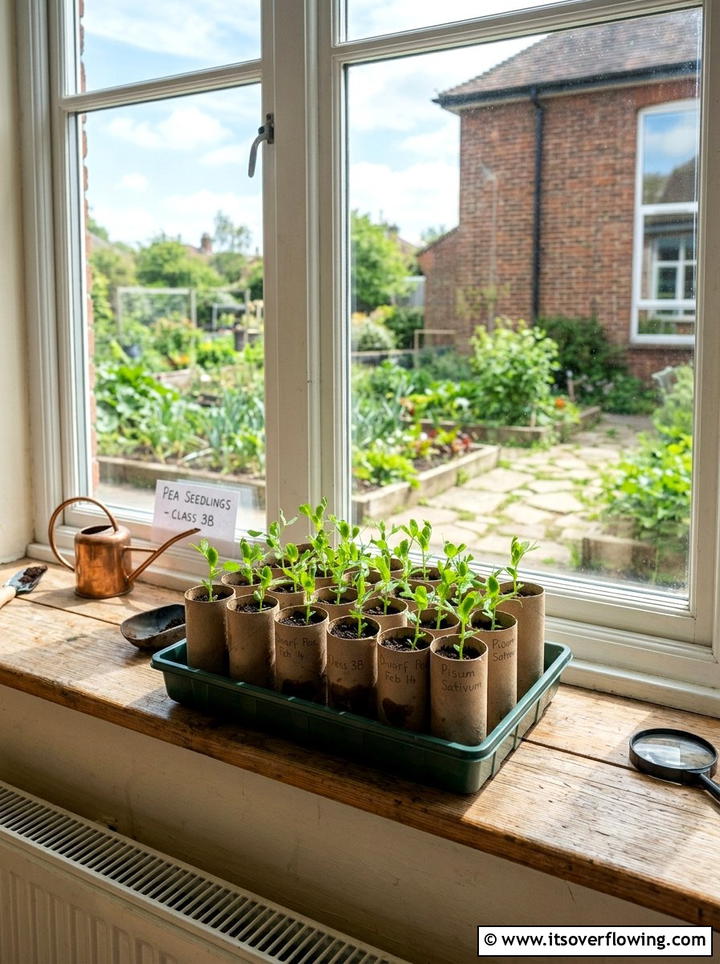
Cardboard tubes from paper towels or toilet paper can be repurposed into excellent deep-root seedling starters for the classroom. By cutting the tubes in half and folding the bottoms, students create small cylinders that stand upright in a plastic tray. These are especially useful for plants like sweet peas or beans that develop long taproots very early in their growth. Just like egg cartons, these cardboard rolls can be planted directly into the garden soil where they will naturally break down over time. This project is a great way to recycle paper waste while giving young plants a strong start. It cost nothing and is very effective.
12. Old teapot planter
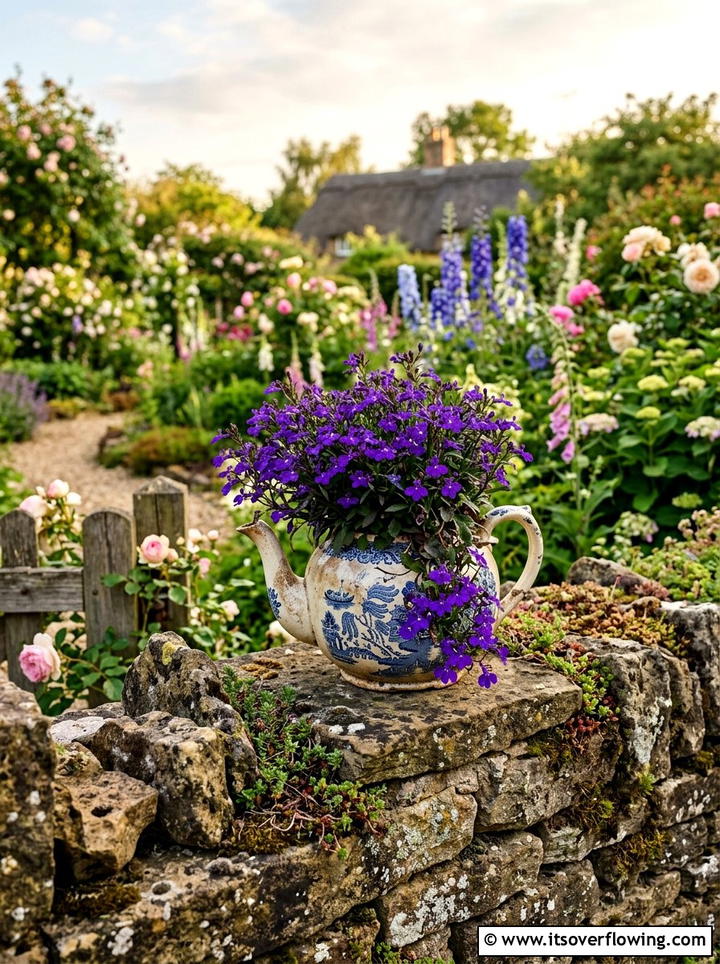
A leaky or chipped teapot can be rescued from the trash to become a beautiful and decorative home for small flowers. The spout provides an interesting visual element while the wide top allows for easy planting and watering by younger students. Teapots look wonderful when placed on garden walls or nestled among larger plants to add a bit of character to the space. Using ceramic or metal teapots introduces different textures and materials into the garden environment for children to explore. This project encourages students to value older items rather than throwing them away. It creates a cozy and very inviting atmosphere in any outdoor school area.
13. Juice carton planter
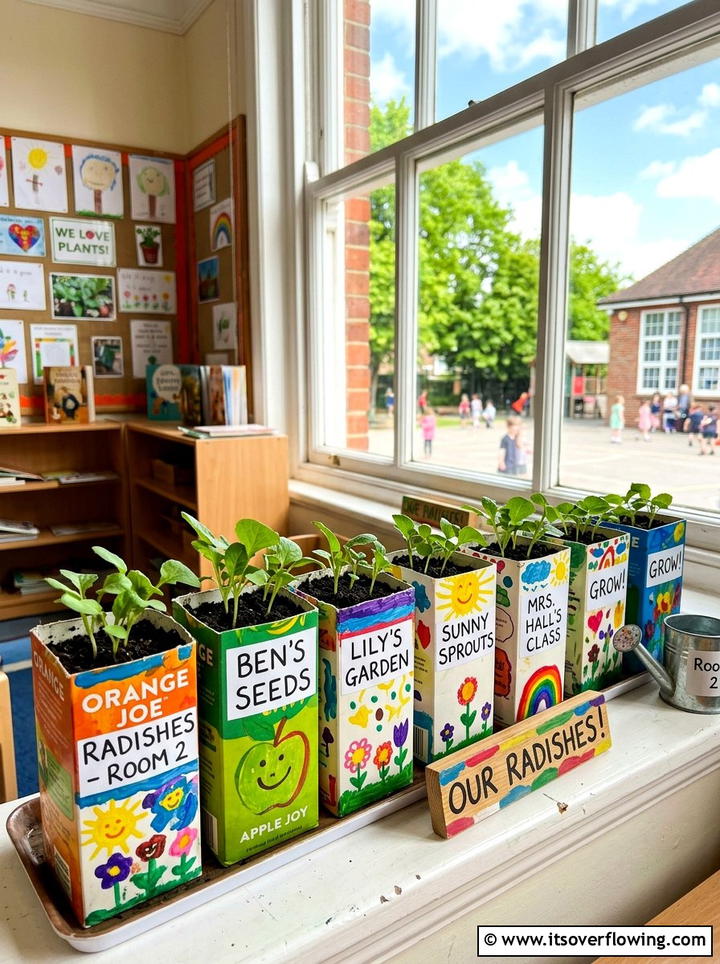
Cardboard juice or milk cartons are waterproof and sturdy, making them ideal for small individual student gardening projects in the classroom. By cutting the carton in half, students create a deep container that fits perfectly on a narrow windowsill or a desk. These can be decorated with stickers or paint to reflect each child’s personality and help them identify their own specific plant. Cartons are excellent for growing fast-moving crops like radishes or lettuce that students can eventually harvest and eat. This direct connection to food production is a powerful learning tool. It teaches children about the importance of nutrition and sustainable living in a simple way.
14. Rain boot garden
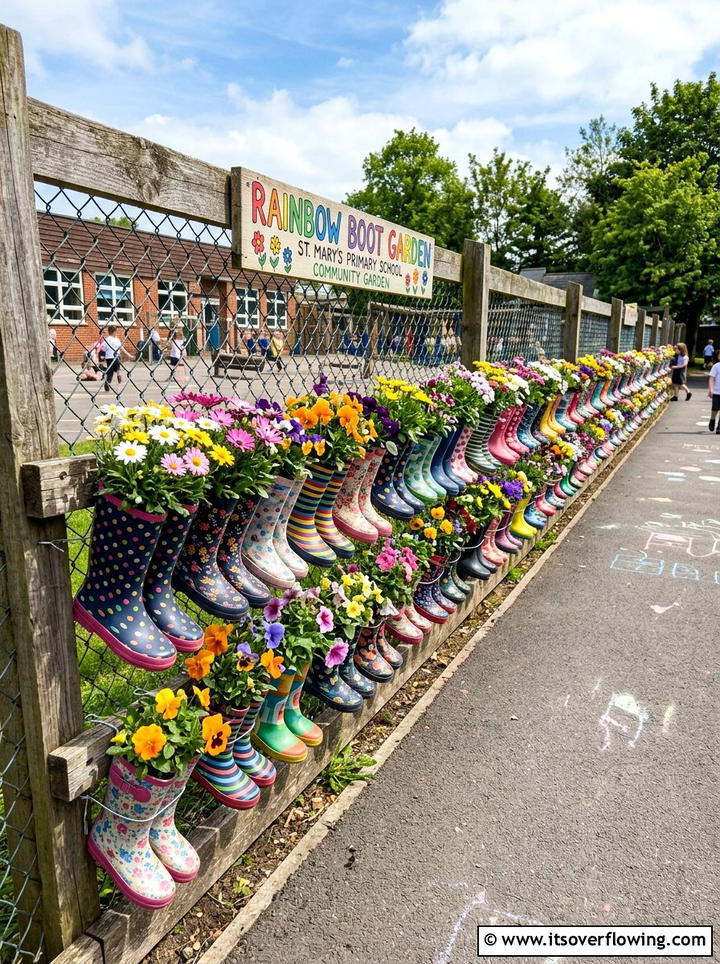
Transforming a collection of old rain boots into a colorful garden display is a popular project that brightens up any school fence. Each student can bring in a boot they no longer wear, fill it with soil, and plant a bright flowering annual. These boots can be bolted directly to a wooden fence or tied to a chain-link fence to create a floating garden. The variety of colors and patterns makes the school exterior look artistic and full of life. It is an easy way to involve every student in a collective decorating project. This vertical display keeps the plants safe from being stepped on by active children.
15. Plastic cup nursery
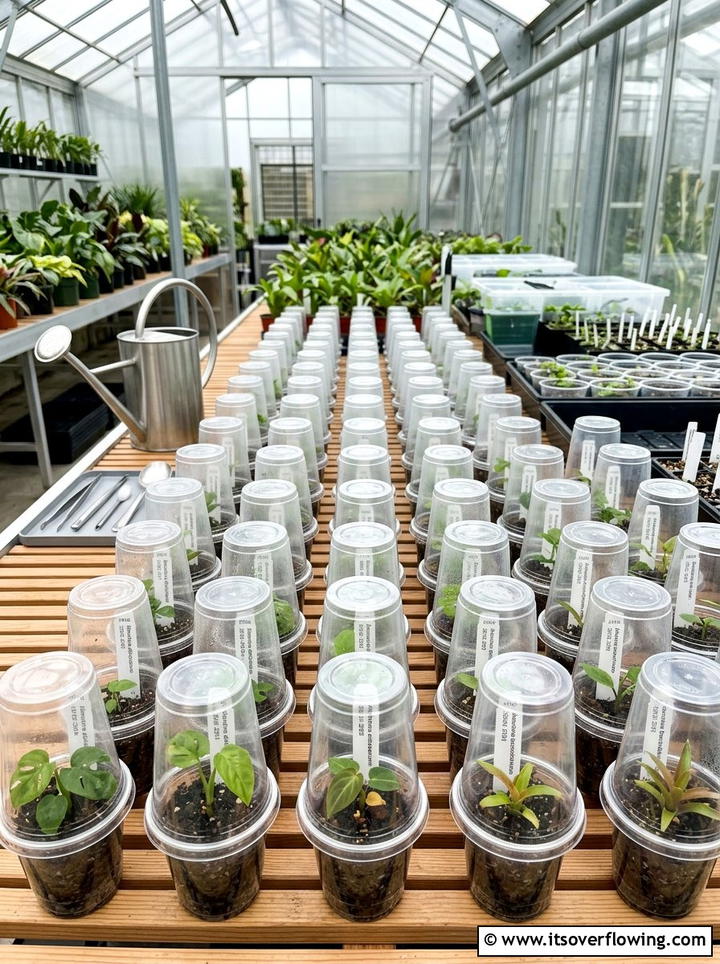
Clear plastic cups from the school cafeteria can be reused as mini-greenhouses for starting sensitive seeds that need extra warmth. By placing one cup over another or using a single cup with a lid, students create a humid environment that speeds up germination. This allow students to see the entire process of a seed cracking open and the first green leaves reaching for the light. It is a perfect science experiment for the classroom to compare growth rates in different conditions. Once the plants are large enough, they can be moved to larger recycled containers outside. This project teaches students about the greenhouse effect and plant biology.
16. Recycled CD reflector
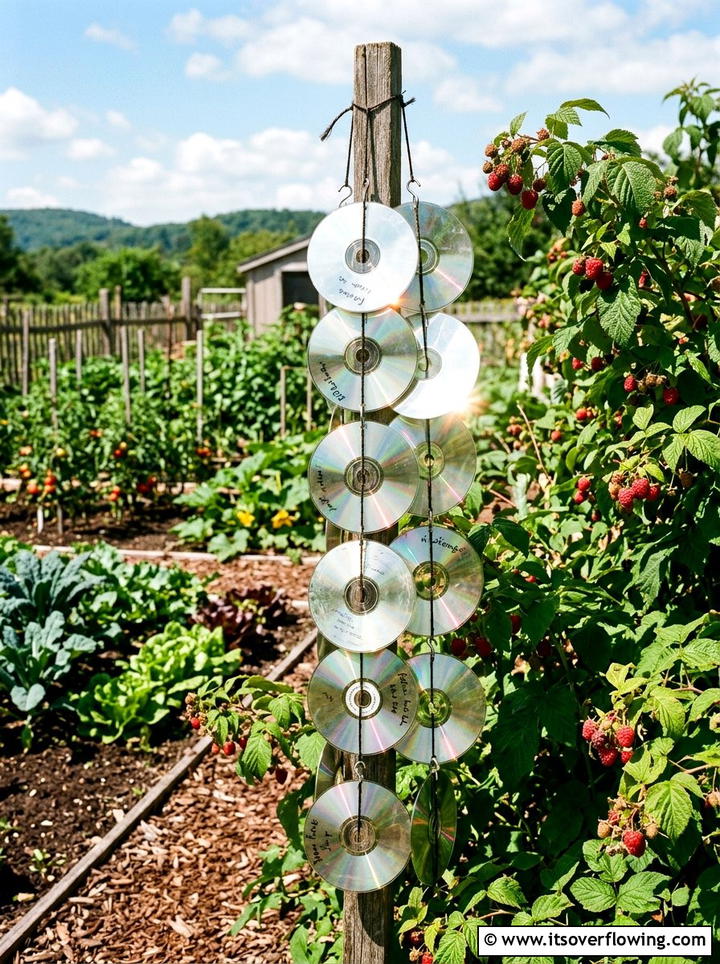
Old compact discs that are scratched or no longer used can serve a very practical purpose in a school vegetable garden. By hanging them from strings near fruit bushes or young seedlings, the spinning discs catch the sunlight and create flashes of light. These bright reflections help to gently discourage birds from eating the developing crops without causing any harm to the animals. Students will enjoy the shimmering effect these discs create when the wind blows through the garden area. This project combines physics lessons about light and reflection with practical garden protection. It is a creative way to use technology waste for a natural purpose.
17. Soda bottle greenhouse
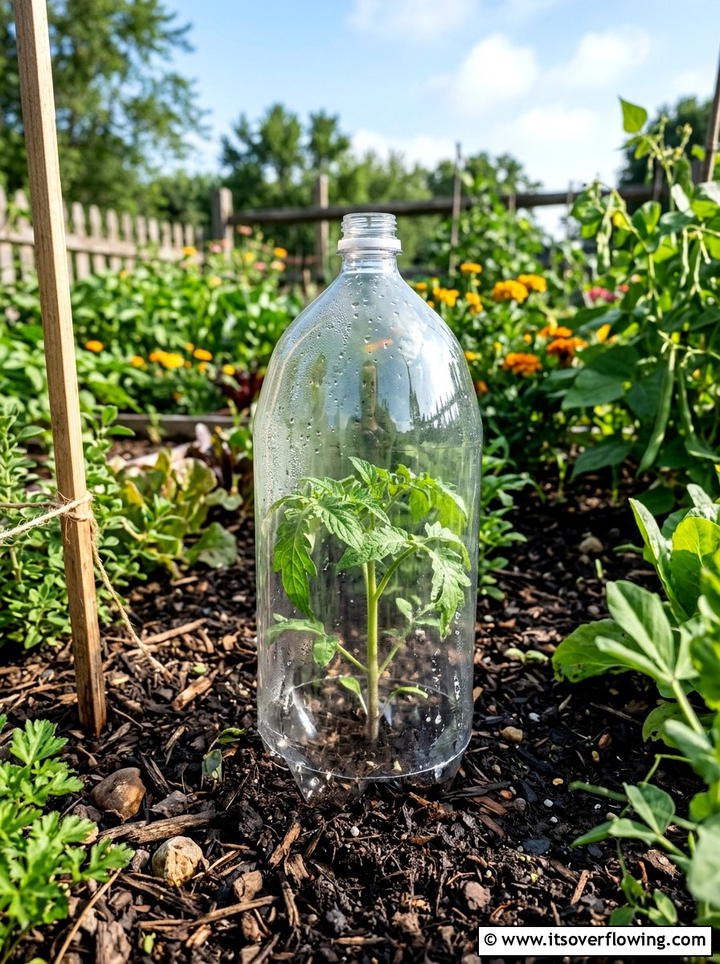
A large plastic soda bottle can be turned into a personal mini-greenhouse to protect young plants from cold winds or frost. By cutting the bottom off a clear two-liter bottle and placing it over a small plant, students create a warm microclimate. The cap can be removed during the day to allow for ventilation and put back on at night to trap heat. This is a great way for schools in cooler climates to start their gardening season a bit earlier than usual. It teaches students about temperature control and how to care for vulnerable living things. This simple tool is very effective for growing healthy plants.
18. Wood crate planter
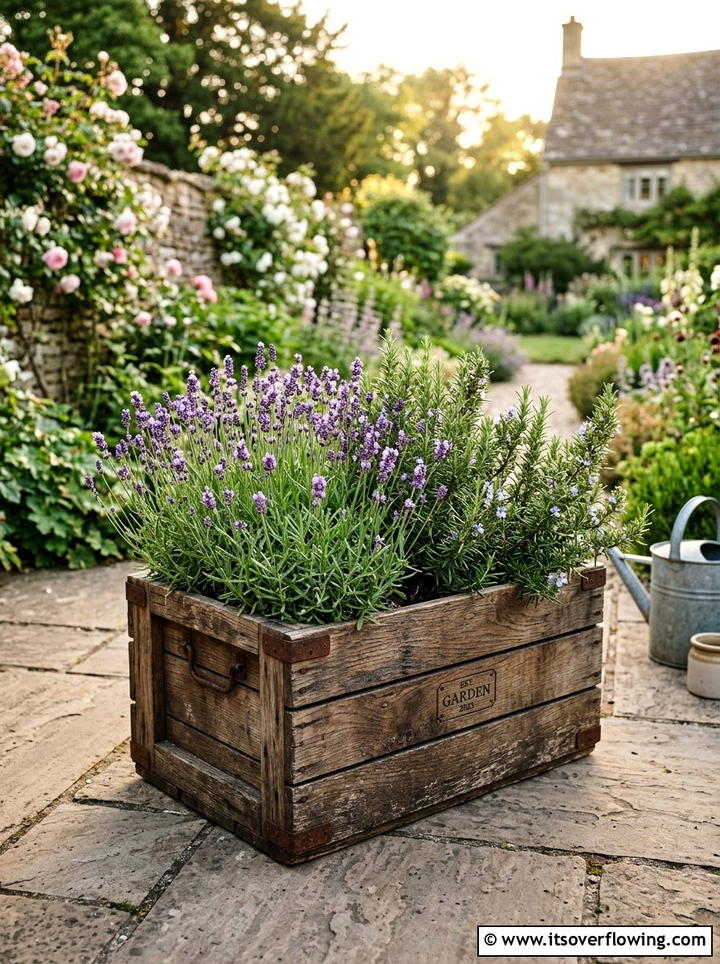
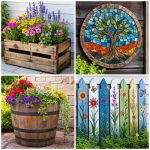
Old wooden crates used for shipping fruit or vegetables are sturdy and provide a rustic look for a school garden. Students can line these crates with plastic or fabric to hold soil and prevent it from falling through the slats. They are the perfect size for growing a small patch of potatoes, carrots, or even a variety of colorful flowers. Crates can be moved easily, allowing teachers to rearrange the garden layout whenever necessary for different school events. Using these large containers helps students understand how to grow food in containers rather than in the ground. It is a very versatile and sustainable gardening solution.
19. Glass jar garden
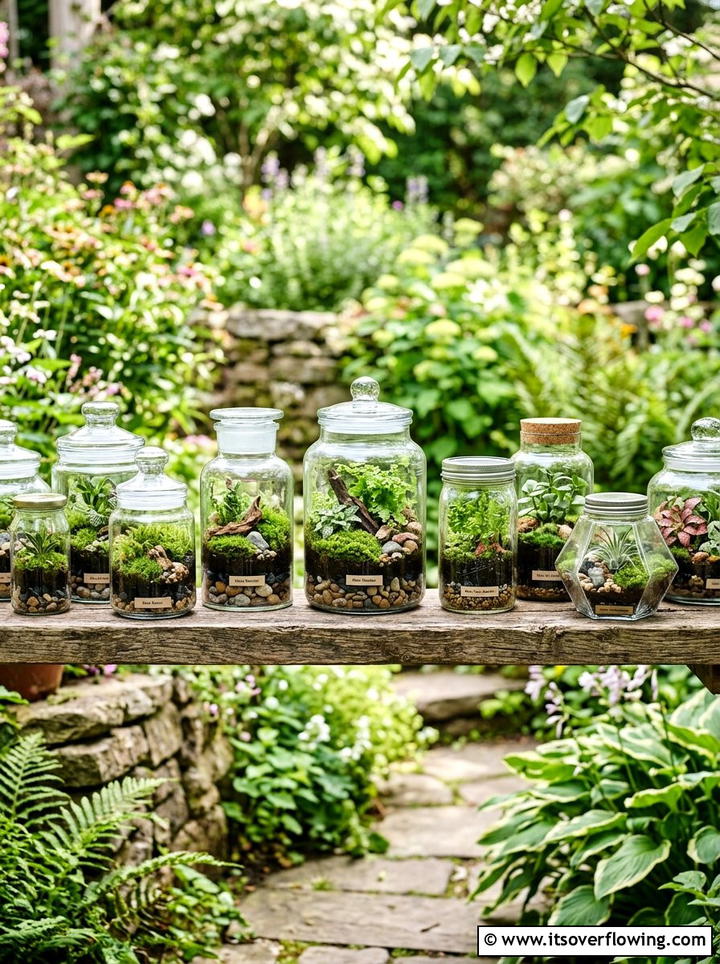
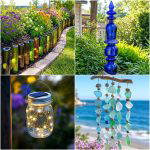
Small glass jars can be cleaned and repurposed into beautiful terrariums or simple hydroponic systems for the classroom. Students can place pebbles at the bottom for drainage and add layers of charcoal and soil to create a tiny ecosystem. These jars are perfect for growing mosses or small ferns that enjoy high humidity and indirect light. If used for hydroponics, students can watch roots grow directly in water mixed with liquid nutrients. This project provides a clear window into how plants interact with their environment and survive. It is a very clean and organized way to bring nature indoors. These jars look great on shelves.
20. Coffee tin planter
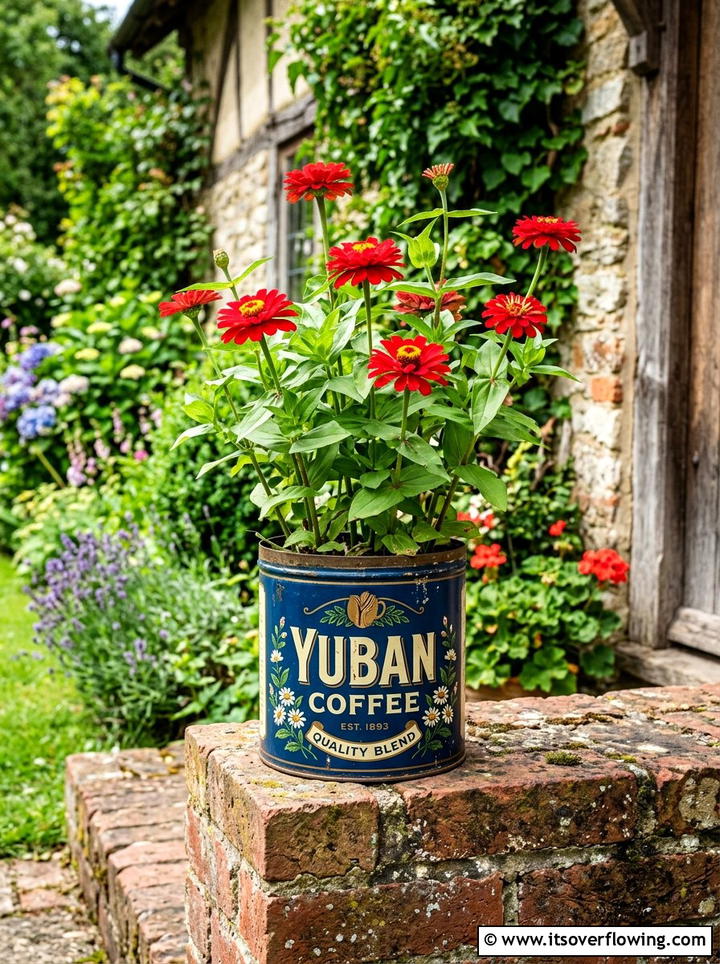
Large metal coffee tins are very durable and offer a deep space for plants that need more room for their roots. Students can paint the outside of the tins with weather-resistant paint to prevent rusting and add a decorative touch. These containers are heavy enough to stay upright even in windy conditions, making them ideal for outdoor benches or steps. They work well for growing larger flowers like zinnias or even small tomato plants that can be staked for support. This project encourages students to think about the materials used in food packaging and how they can be reused. It is a practical and very sturdy choice.
21. Bucket pond garden
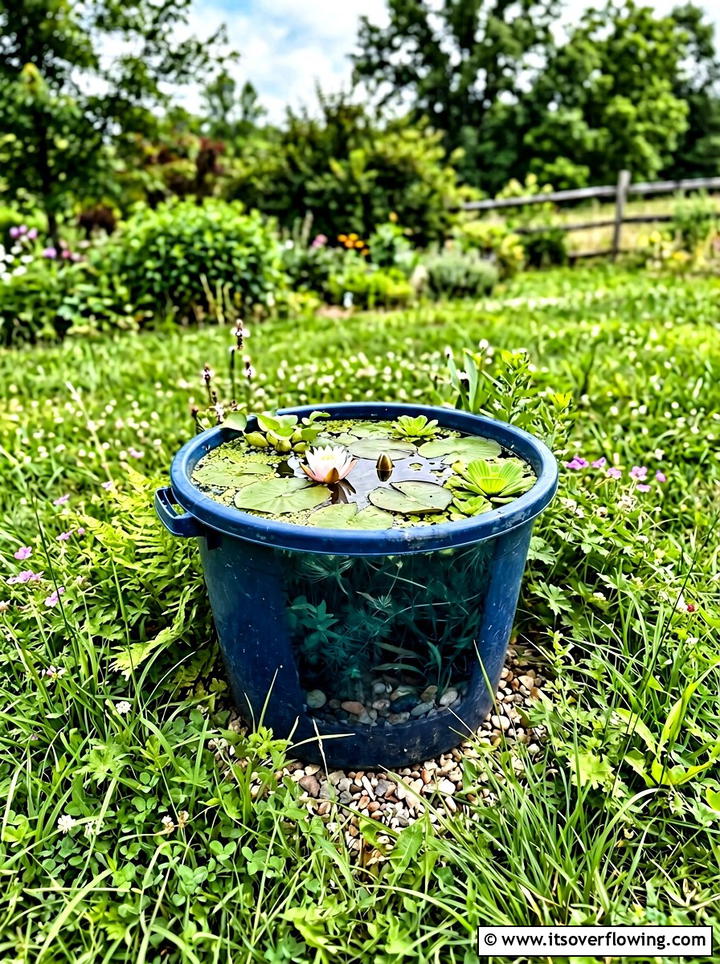
A recycled plastic bucket can be transformed into a small water garden to teach students about aquatic plants and ecosystems. By filling a clean bucket with water and adding a few floating plants like water lettuce, students create a miniature pond. This can be a home for small aquatic snails or a place for local insects to get a drink in the summer. Placing the bucket in a sunny spot in the garden adds a new element of nature for children to explore. It is a great way to talk about water conservation and the importance of various habitats. This project is simple to set up and maintain.
22. Wheelbarrow garden bed
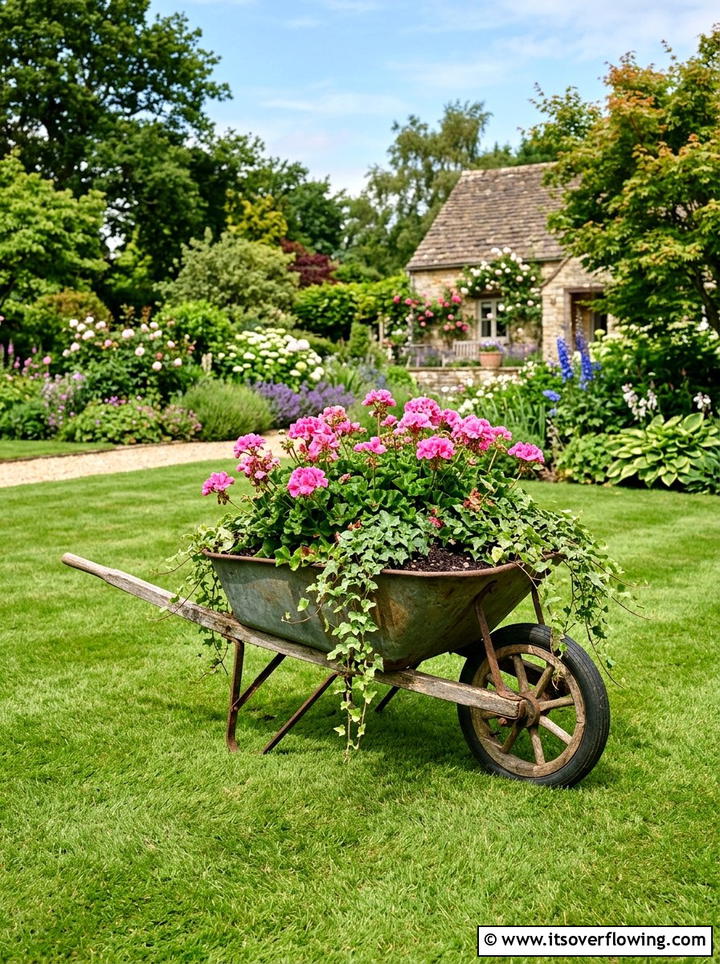
An old, rusty wheelbarrow that is no longer fit for hauling heavy loads can become a stunning focal point in a garden. Students can fill the basin with a thick layer of soil and plant a mix of cascading flowers and tall grasses. Because it has wheels, the garden can be moved around the school grounds to catch the best sunlight or to decorate different areas. This project shows children that even broken tools can still have a very useful and beautiful purpose. It provides a large planting area that is easy for students of all heights to reach. The wheelbarrow adds a classic look to the space.
23. Denim wall planter
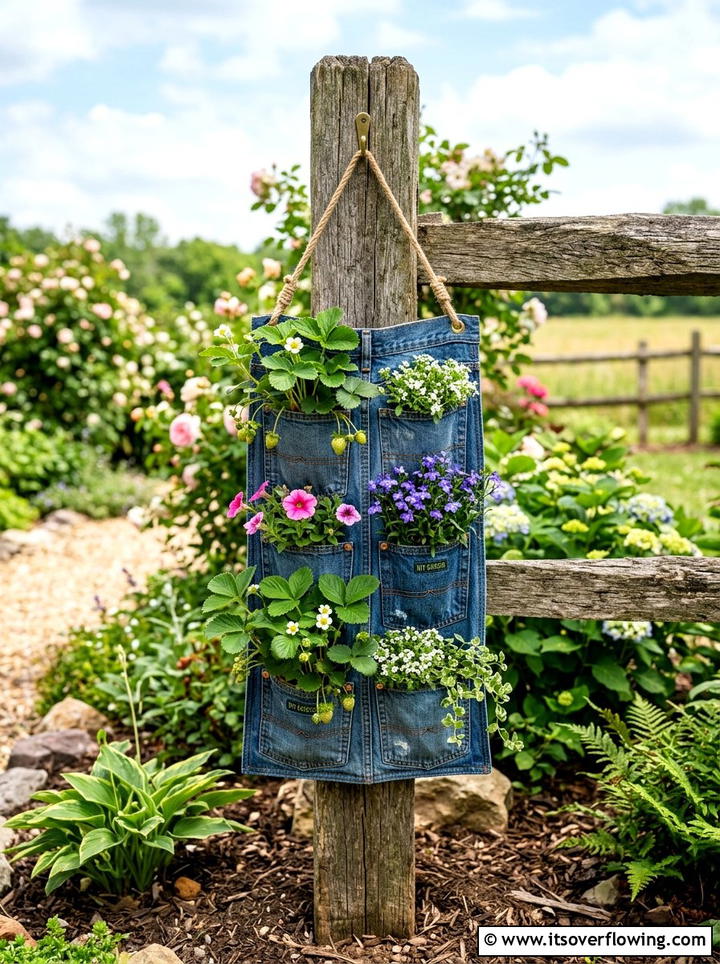
Worn-out denim jeans can be cut and sewn into a unique vertical pocket planter for a school fence or wall. The sturdy fabric of the pockets is excellent for holding small amounts of soil and lightweight plants like strawberries or pansies. Students can help assemble the pockets and attach them to a sturdy backing made of recycled wood or wire mesh. This project is a great way to combine textile recycling with gardening and craft skills. Denim is surprisingly durable and can last for a full growing season outdoors. It creates a very soft and interesting texture in the garden that students will find very fun.
24. Plastic spoon marker
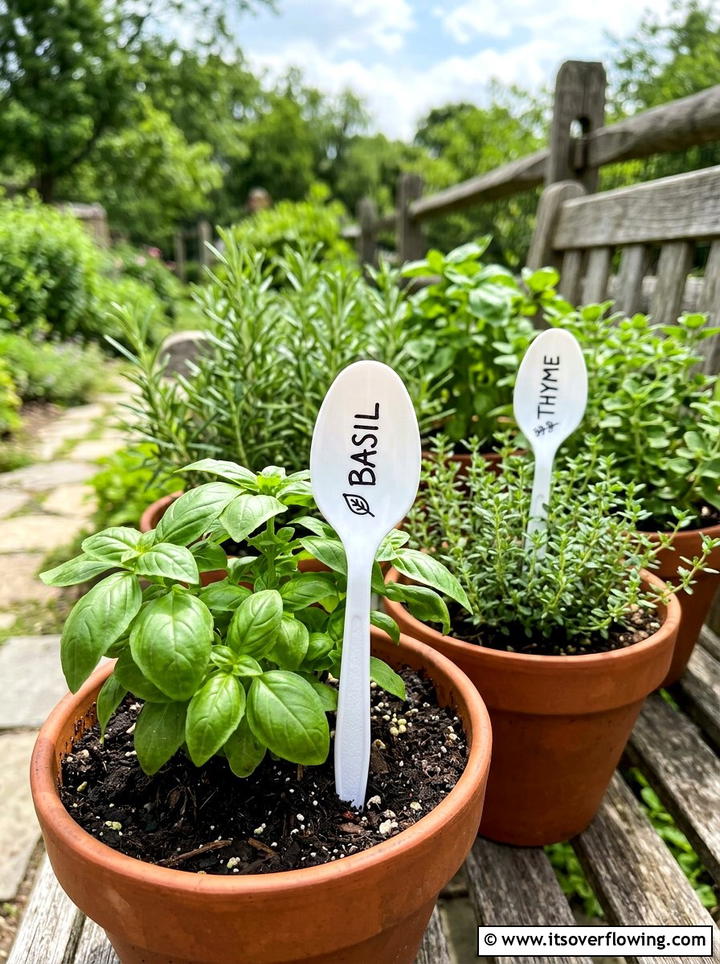
Using leftover plastic spoons from the school cafeteria is a fast and easy way to create durable plant labels. Students can write the names of the plants on the round part of the spoon and stick the handle into the soil. These markers are waterproof and will not fade or rot like wooden or paper labels often do. Children can even draw small pictures of the vegetables or flowers on the spoons to help younger students identify what is growing. This is a very practical use for single-use plastics that might otherwise end up in a landfill. It helps keep the garden organized and educational for everyone.
25. Tree stump planter
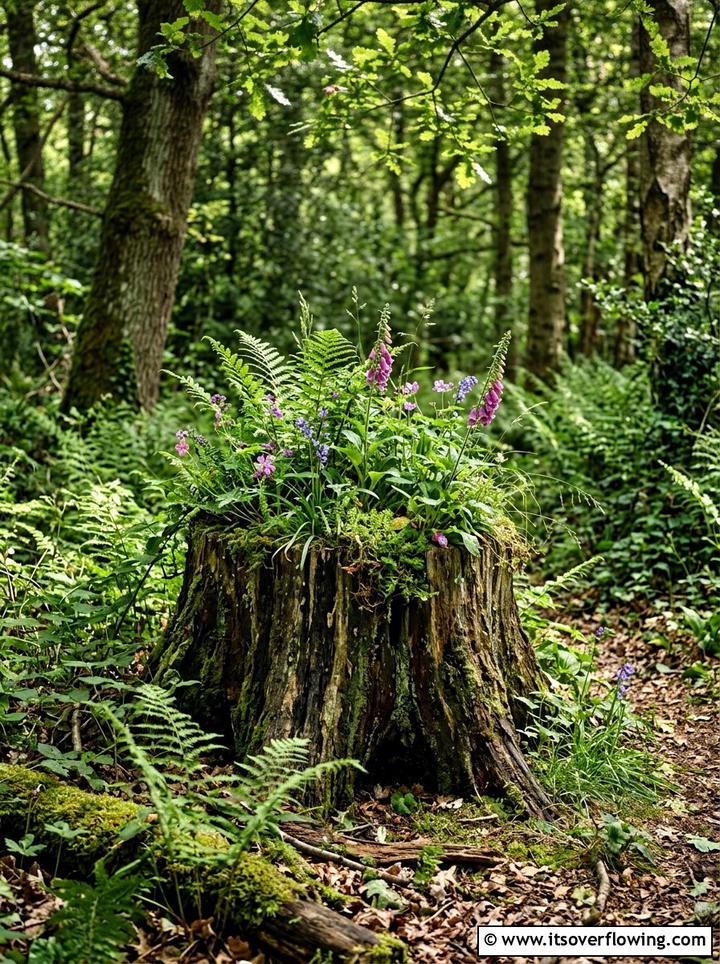
If a school has an old tree stump on its grounds, it can be hollowed out slightly to create a natural planter. Students can fill the center with organic compost and plant native flowers that will attract bees and butterflies. This project teaches children about the natural decomposition process and how dead wood provides nutrients for new life. As the stump slowly breaks down over the years, it will become an even better home for a variety of plants and insects. It is a wonderful way to integrate natural elements into the garden design. This creates a very peaceful and grounded feeling in the outdoor learning area.
Conclusion:
In conclusion, implementing recycled garden projects in schools offers a wealth of educational and environmental benefits for students of all ages. By transforming everyday waste into functional growing containers, children learn the true value of sustainability and the importance of protecting our planet. These hands-on activities foster creativity, teamwork, and a deep connection to the natural world that stays with them for a lifetime. A recycled garden is not just a place to grow plants; it is a living laboratory where science and art come together. Watching a simple plastic bottle or an old boot turn into a thriving home for flowers is truly inspiring. Every school can become a greener place through these simple, low-cost, and very rewarding ideas.
Related posts:
 25 recycled garden ideas with recycled plastic projects
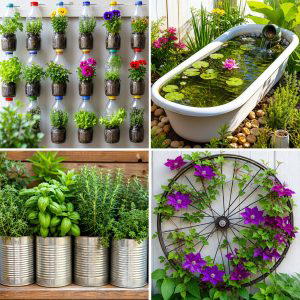 25 Recycled Garden Ideas DIY Projects for Outdoor Charm
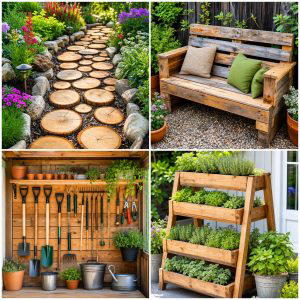 25 recycled garden ideas with wood scraps: Easy DIY Projects
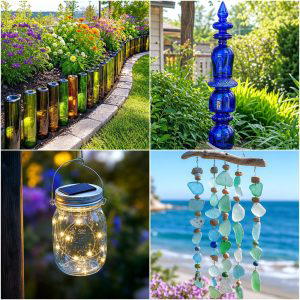 25 recycled garden ideas with recycled glass art to Love
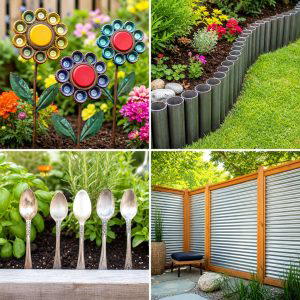 25 recycled garden ideas with recycled metal art to Try
 25 recycled garden ideas with recycled wood art to Try
 25 Upcycled Garden Ideas With Kids Projects for Family Fun
 25 Upcycled Garden Ideas With Reclaimed Wood Projects
 25 recycled garden ideas with garden markers: Fun DIYs
 25 recycled garden ideas with gutter garden: Space-Saving
 25 recycled garden ideas with pallet wall garden DIYs
 25 Recycled Garden Ideas With Cable Spools for DIY Decor