
Creating a sustainable outdoor space is easier than you might think when you use repurposed materials for your landscaping needs. Recycled garden markers provide a charming and practical way to organize your plants while reducing waste in your household. These eco-friendly solutions add a personalized touch that commercial plastic tags simply cannot replicate. By looking through your kitchen drawers or recycling bin, you can find hidden gems that transform into beautiful functional art. Whether you prefer a rustic cottage look or a modern minimalist vibe, these creative projects help you keep track of your seedlings with style and ease. Let’s explore these innovative ideas together.
1. Painted Wooden Spoons
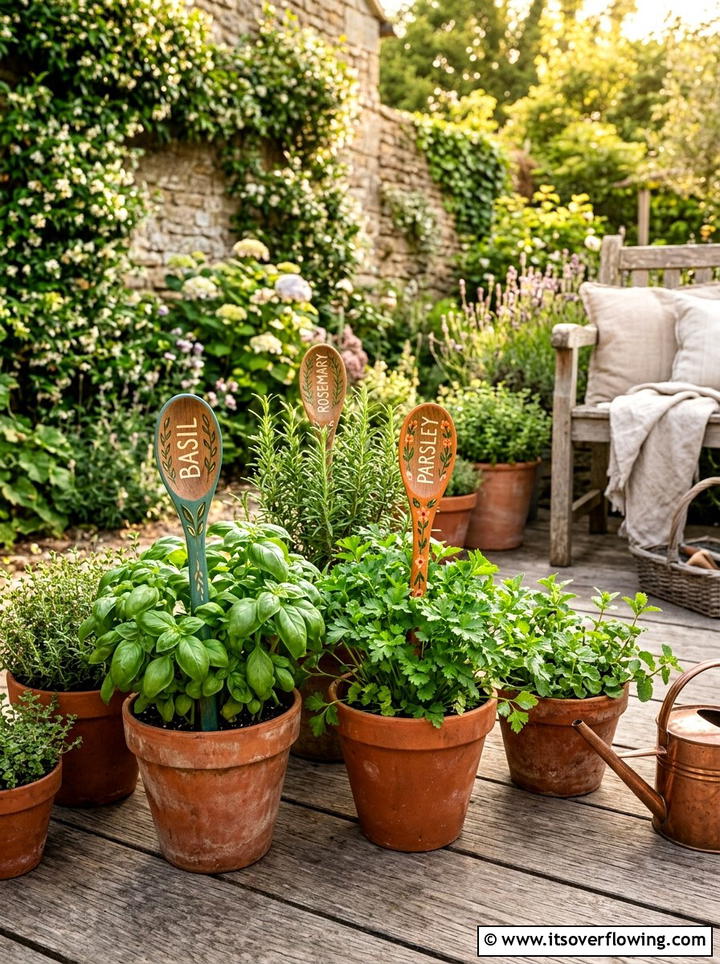
Have you ever looked at old kitchen utensils and wondered how they could find a new life outdoors? A vibrant herb garden featuring painted wooden spoons as markers creates a playful and organized kitchen garden right on your patio. You can use leftover acrylic paint to color the handles in bright hues that contrast against the green basil and rosemary leaves. This design works exceptionally well in large wooden planters or raised beds where height is needed for visibility. The spoons stand tall among the foliage, making it easy for any home cook to identify fresh ingredients quickly while adding a pop of whimsy.
2. Wine Cork Plant Tags
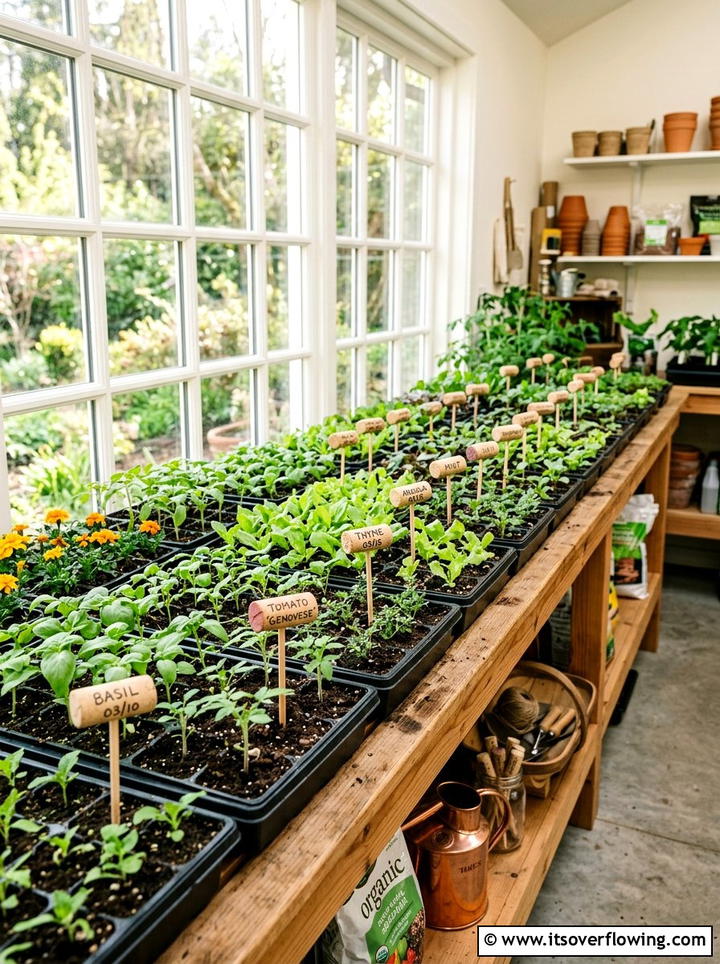
Finding a use for all those saved wine corks can be a delightful weekend project for any sustainable gardener. Using wine corks as plant tags in a seedling nursery setup provides a soft, natural texture that blends seamlessly with organic soil. You simply skewer the corks onto wooden sticks and write the plant names with a permanent marker for a clean look. This setup is ideal for indoor potting benches or greenhouse shelves where you need to track several different varieties of tomatoes or peppers at once. The porous material handles moisture well while maintaining a very organized and professional appearance for your seedlings.
3. Painted River Rocks
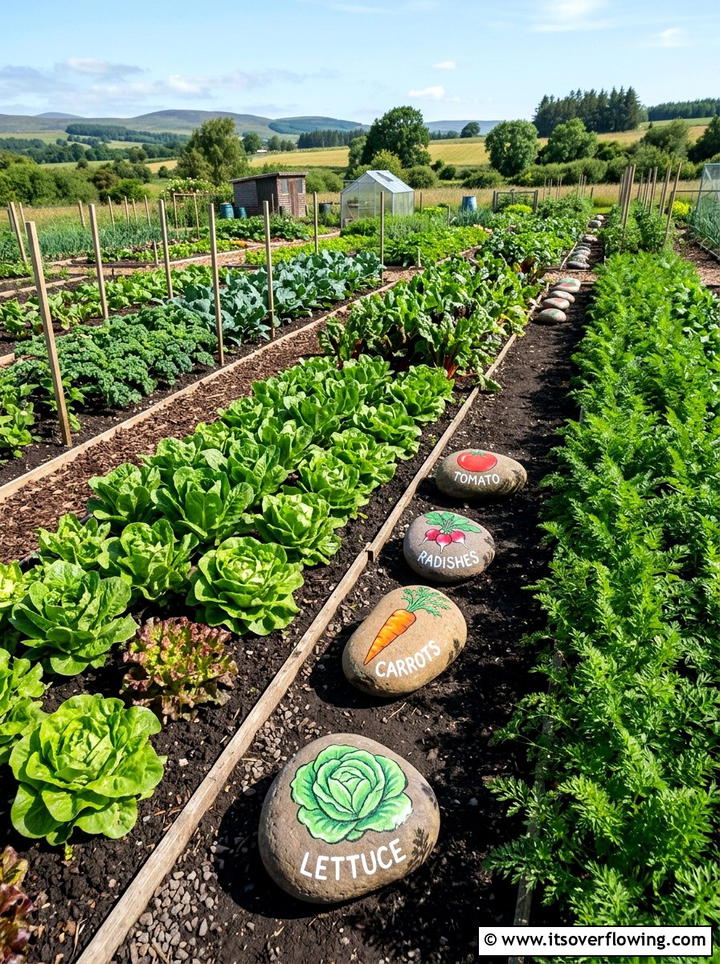
What could be more natural than using smooth stones found right in your backyard to label your vegetable patch? Large painted river rocks serve as heavy, durable markers that stay put even during the strongest summer storms in your garden beds. You can paint the entire surface of the rock to match the color of the vegetable, such as red for tomatoes or orange for carrots. These markers look stunning when placed at the base of large plants, creating a colorful trail through your garden rows. They are particularly effective in children’s gardens because they are easy to read and very fun to create.
4. Stamped Silverware Markers
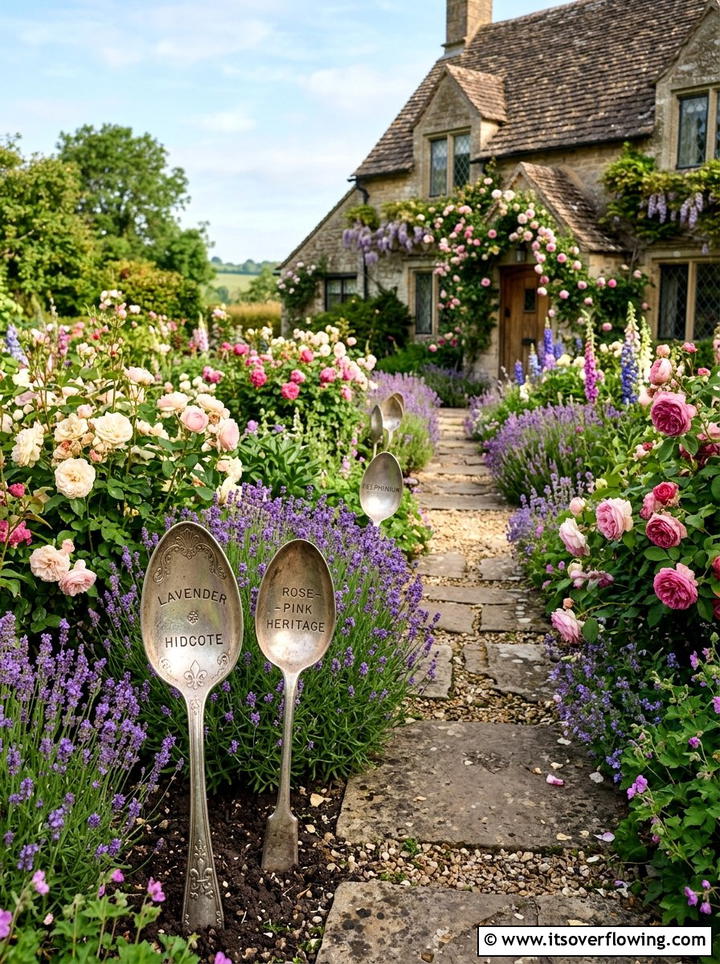
Do you have a collection of mismatched vintage spoons and forks hidden away in a kitchen drawer? Stamped silverware markers add a touch of antique elegance to a formal English cottage garden or a fragrant rose bed. By using a metal stamping kit, you can permanently indent the names of your favorite blooms onto the flat heads of the spoons. These metal markers develop a beautiful patina over time, which enhances the timeless feel of your outdoor sanctuary. They are extremely durable and provide a sophisticated contrast against delicate flower petals and soft green ferns in a well-maintained landscape.
5. Broken Terra Cotta Pieces
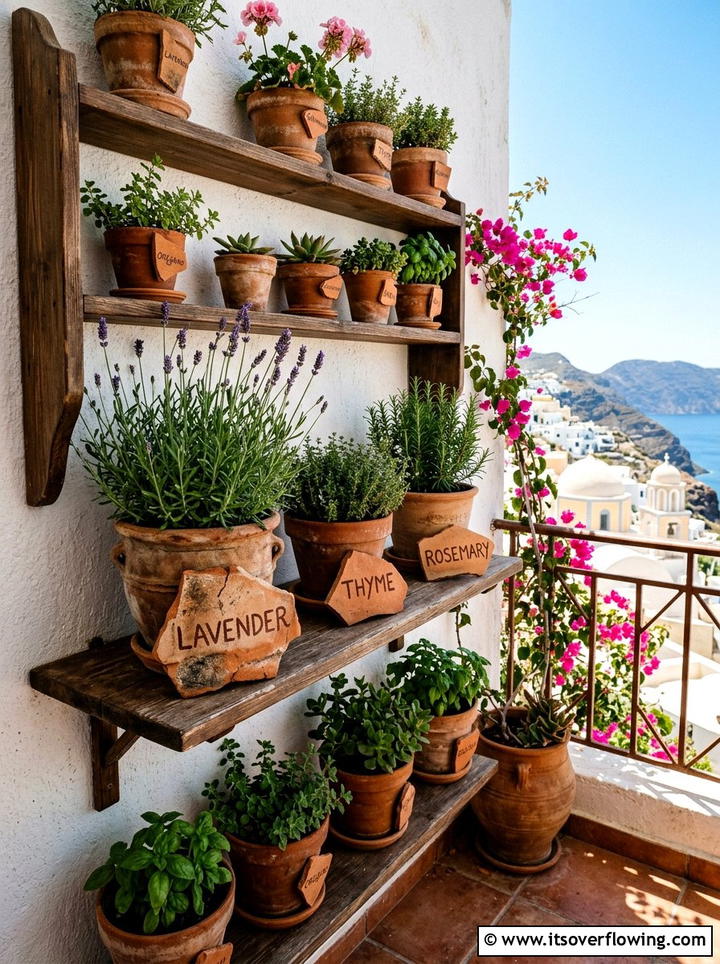
Instead of throwing away those cracked flower pots, you can repurpose the shards into rustic and earthy markers for your container garden. Broken terra cotta pieces offer a wonderful Mediterranean vibe when tucked into the soil of a terracotta herb collection on a sunny balcony. You can write the names of your Mediterranean herbs like oregano and thyme using a white paint pen for high visibility against the clay. This method turns a gardening mishap into a stylish design choice that feels very intentional and organic. It also helps maintain a cohesive color palette throughout your entire outdoor potted plant display.
6. Upcycled Tin Cans
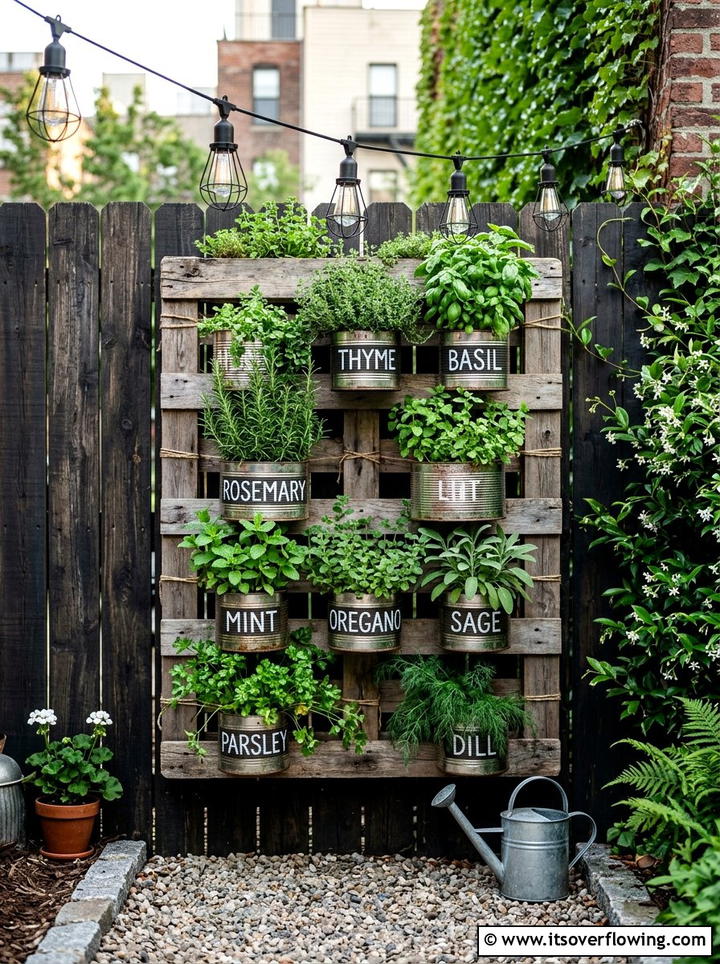
Creating a vertical herb wall using upcycled tin cans is a fantastic way to maximize space in a small urban garden. These metal containers can be painted in modern neutral tones and labeled clearly to keep your vertical planting system perfectly organized and accessible. By mounting the cans on a wooden pallet or fence, you create a functional focal point that serves as both a garden and a decorative installation. Using a bold stencil for the plant names ensures that your garden markers are readable from a distance across your patio. This industrial-chic look is perfect for modern homes with limited ground space.
7. Engraved Brick Markers
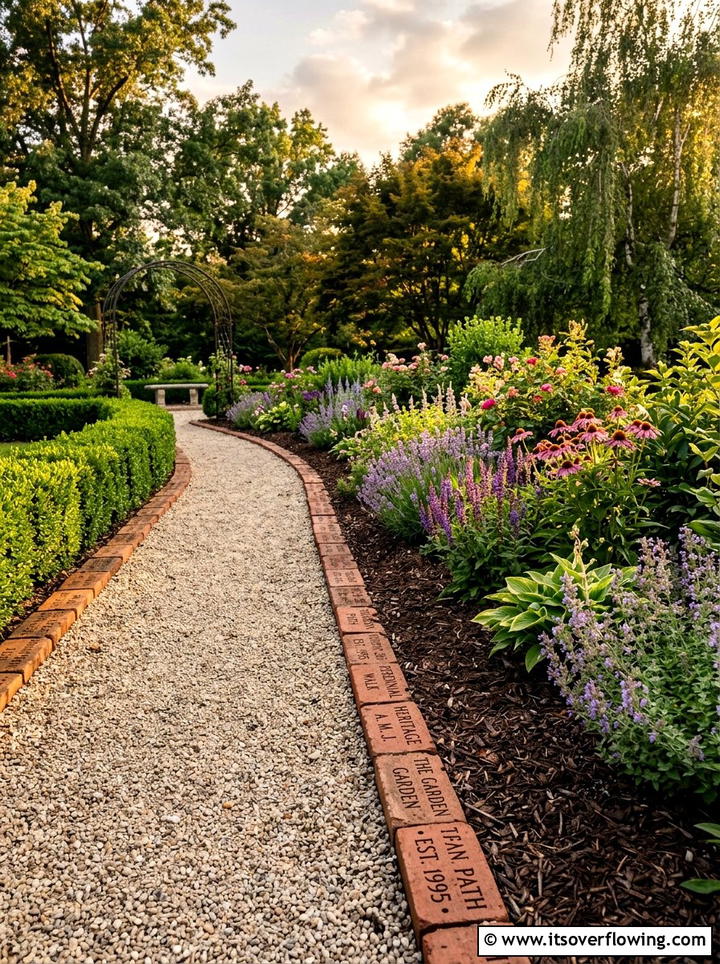
If you are looking for a more permanent and heavy-duty solution, consider using engraved bricks to line the edges of your garden paths. These sturdy markers are excellent for identifying perennial shrubs or fruit trees that will remain in the same location for many years. You can use a small masonry bit or a sturdy metal scribe to etch the names into the surface of the brick for a timeless look. Bricks provide a grounded, traditional feel that works beautifully in formal gardens or structured vegetable patches. They also serve a dual purpose by acting as a neat border for your mulched garden beds.
8. Natural Branch Plant Labels
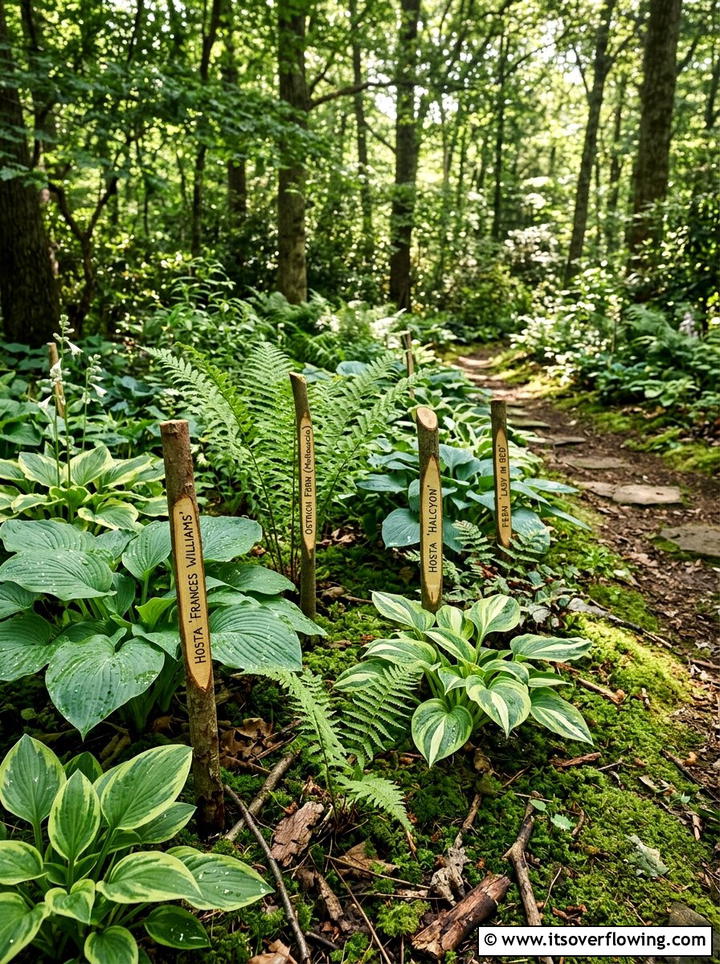
A woodland garden or a permaculture site benefits greatly from markers that look like they belong in the natural environment. Natural branch plant labels are made by simply whittling a small flat section onto a fallen twig and writing the plant name on the smooth wood. This organic approach is completely free and ensures that your garden markers do not distract from the beauty of your native plants. They look particularly striking in a shade garden filled with hostas and ferns, where synthetic materials might feel out of place. This method celebrates the simple beauty of nature while keeping your garden very organized.
9. Wooden Clothes Pins
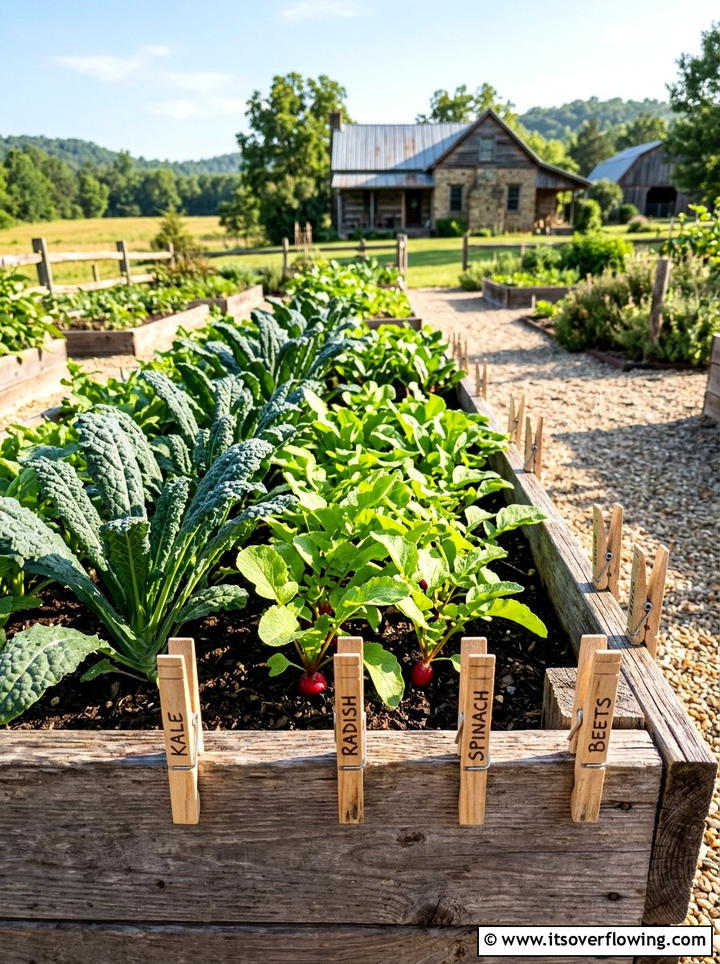
For a quick and highly flexible marking system, try using simple wooden clothes pins clipped onto the edges of your raised garden beds. These small markers are perfect for square foot gardening where you need to identify many different crops in a very confined area. You can easily move them as you rotate your crops or harvest specific sections of your vegetable garden throughout the season. They have a charming farmhouse aesthetic that pairs perfectly with galvanized metal troughs or reclaimed wood planters. Writing the variety name on both sides of the clip makes them visible from any angle in your yard.
10. Glass Bottle Garden Markers
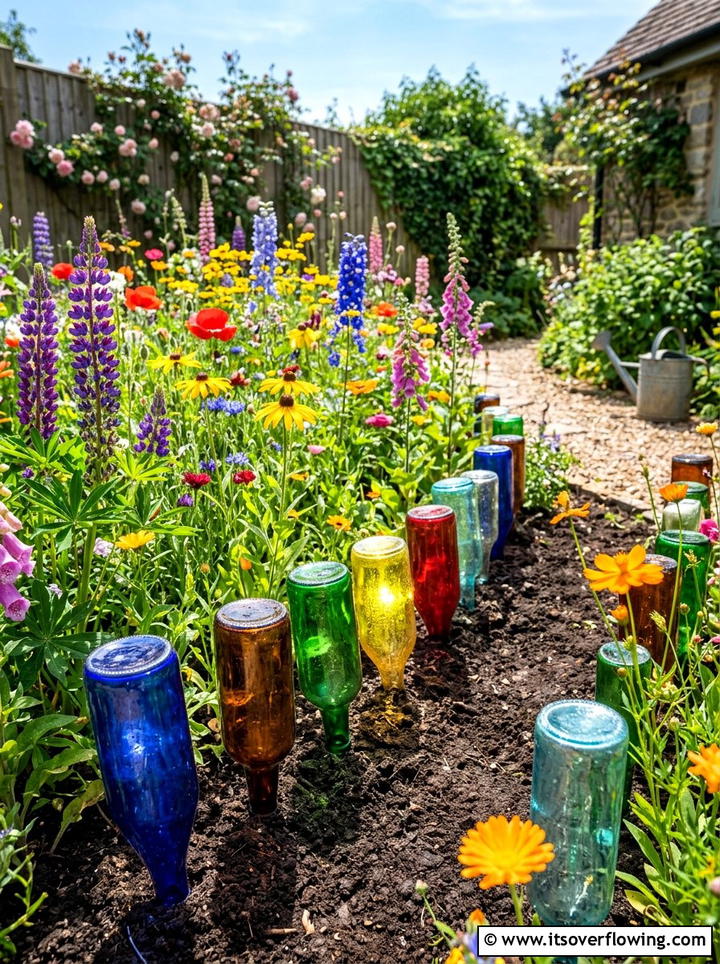
Using colorful glass bottles as garden markers adds a vibrant, reflective quality to your flower beds that catches the sunlight beautifully. You can insert a printed label inside the bottle to protect it from the elements, ensuring your plant names stay legible all year long. Placing the bottles neck-down into the soil creates a unique border that defines different sections of your garden while adding vertical interest. This technique works exceptionally well in wildflower meadows or eclectic backyard spaces where you want to incorporate more light and color. The glass provides a clean, modern contrast to the soft textures of the garden.
11. Mason Jar Lid Markers
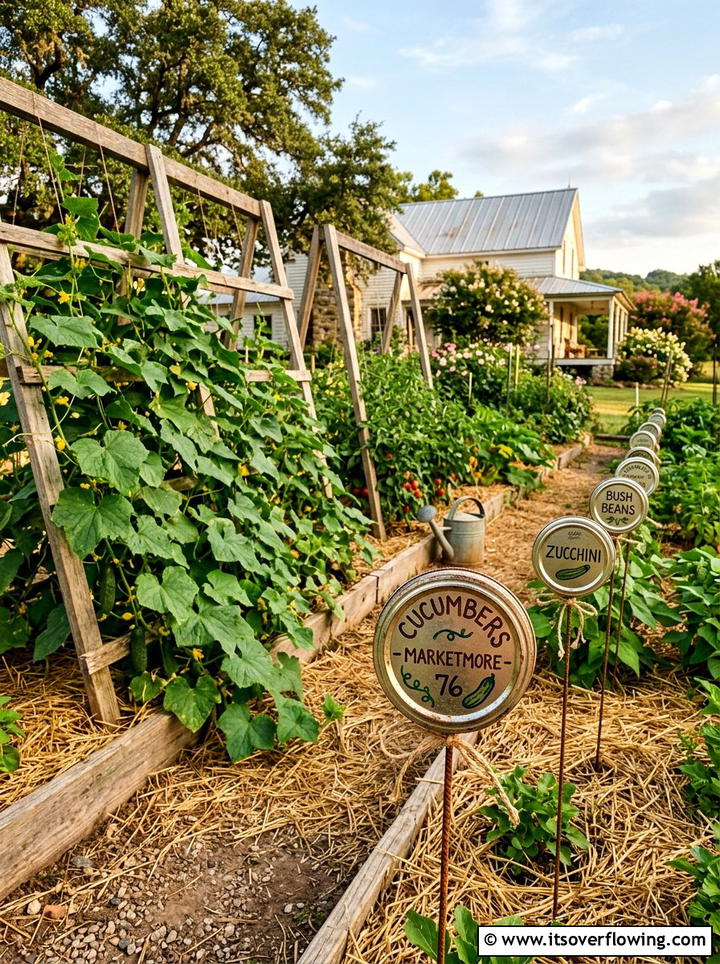
Farmhouse style lovers will appreciate the simplicity of using old mason jar lids to label their vegetable rows. These metal discs can be attached to sturdy wire stakes or wooden dowels to create elevated markers that sit above the foliage of low-growing plants. You can use chalkboard paint on the flat surface of the lid to make the labels reusable for different crops next year. This design looks fantastic in a traditional kitchen garden filled with canning favorites like cucumbers and peppers. The circular shape provides a consistent and very organized visual rhythm as you look across your growing space.
12. Colorful Plastic Spoons
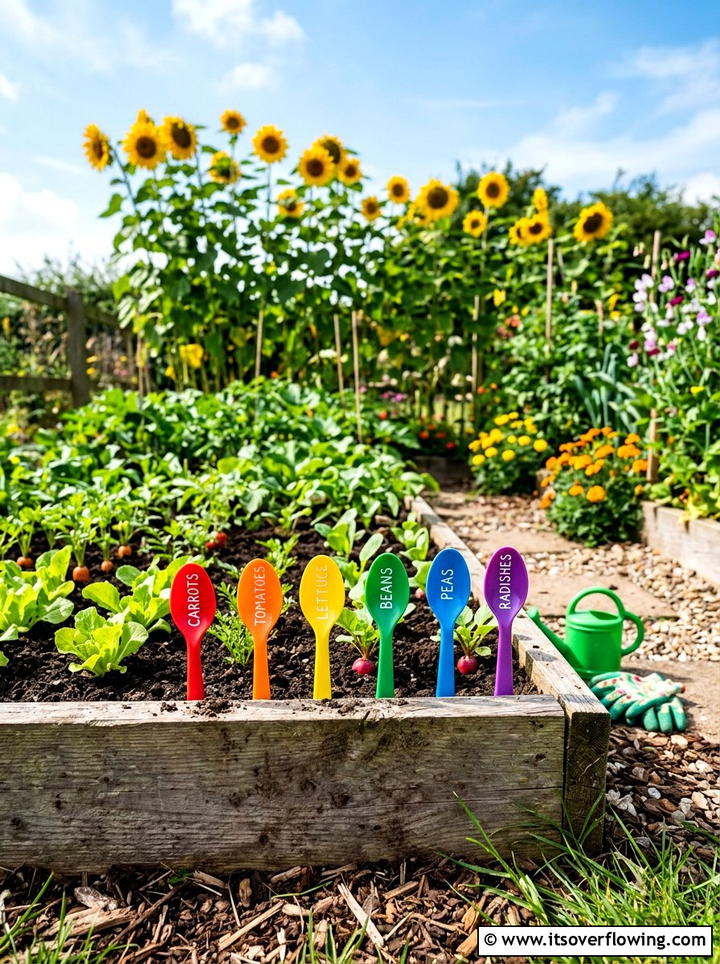
When gardening with children, using bright and colorful plastic spoons as markers can make the educational process much more engaging and fun. These markers are waterproof and highly visible, making it easy for little hands to find exactly where the pumpkins or sunflowers are planted. You can arrange the spoons in a rainbow pattern to create a vibrant border around a dedicated kid’s vegetable patch. This approach is very affordable and allows children to take ownership of their specific plants by decorating their own markers. It turns the task of garden organization into a creative and very memorable family outdoor activity.
13. Wine Bottle Plant Labels
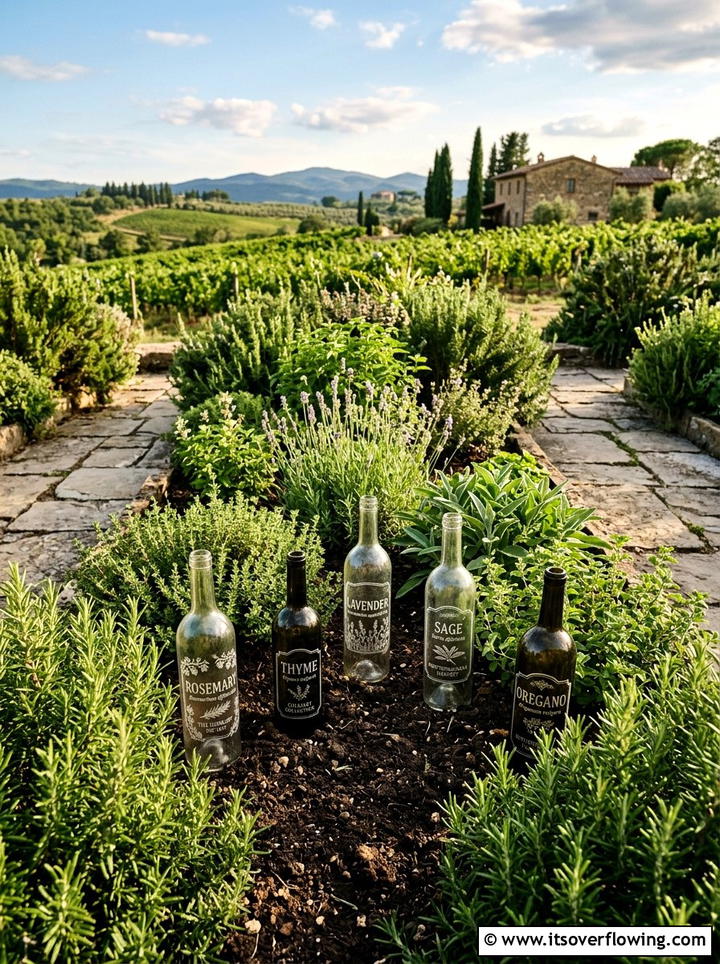
Repurposing entire wine bottles as plant labels creates a sophisticated and vineyard-inspired look for your luxury backyard herb garden. You can use a glass etching cream to permanently mark the names of your favorite grapes or herbs onto the side of the bottle. When these bottles are partially buried in the ground, they act as sturdy markers that also help to retain heat in the soil during cooler nights. This design is perfect for a Mediterranean-style courtyard or a modern patio where you enjoy entertaining guests with outdoor dining. It combines recycling with a very high-end and polished landscape aesthetic.
14. Scrabble Tile Labels
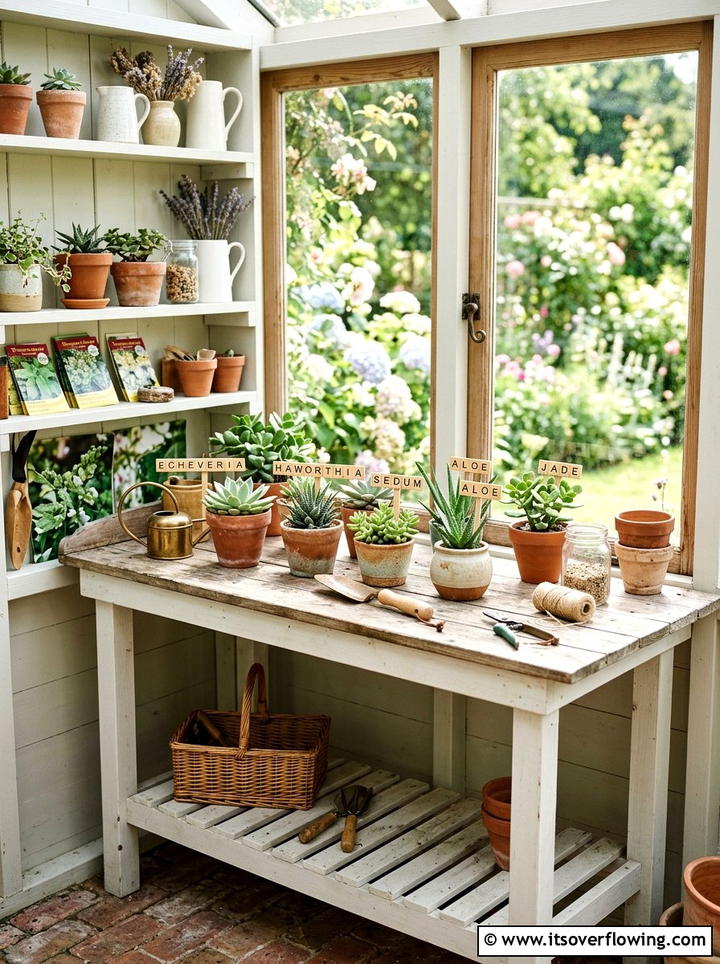
For a whimsical and literary touch on your potting bench, try using old Scrabble tiles to spell out the names of your indoor plants. These small wooden squares can be glued onto thin sticks to create adorable markers for your succulent collection or windowsill herb garden. This idea is perfect for a craft room or an indoor sunroom where you want to showcase your personality through your plant decor. The vintage look of the wooden tiles adds a layer of nostalgia and charm to any small-scale planting project. It is a wonderful way to give new life to an incomplete board game.
15. Zinc Washer Markers
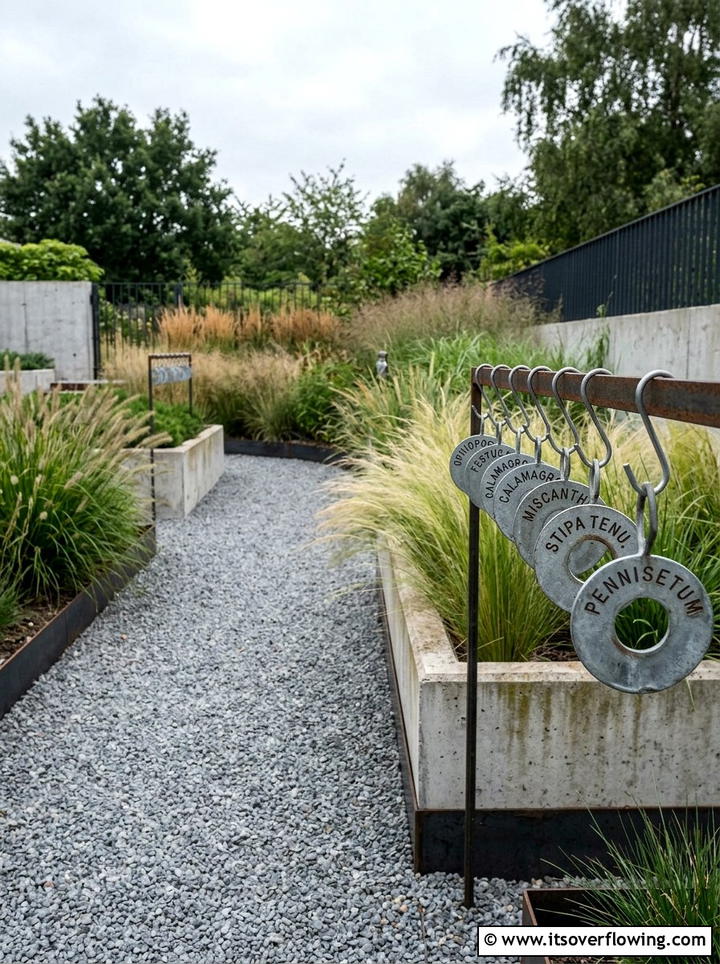
Modern and industrial gardens often require markers that are sleek, minimal, and highly durable under all weather conditions. Zinc washers found in any hardware store can be stamped with plant names and hung from simple metal hooks near your shrubs. These circular markers have a professional, clean look that complements modern architectural features like concrete walls or steel planters. Because they are made of metal, they will not rot or fade, providing a permanent labeling solution for your long-term landscape features. Their small size makes them unobtrusive while still being perfectly functional for any organized home gardener to read.
16. Slate Tile Plant Labels
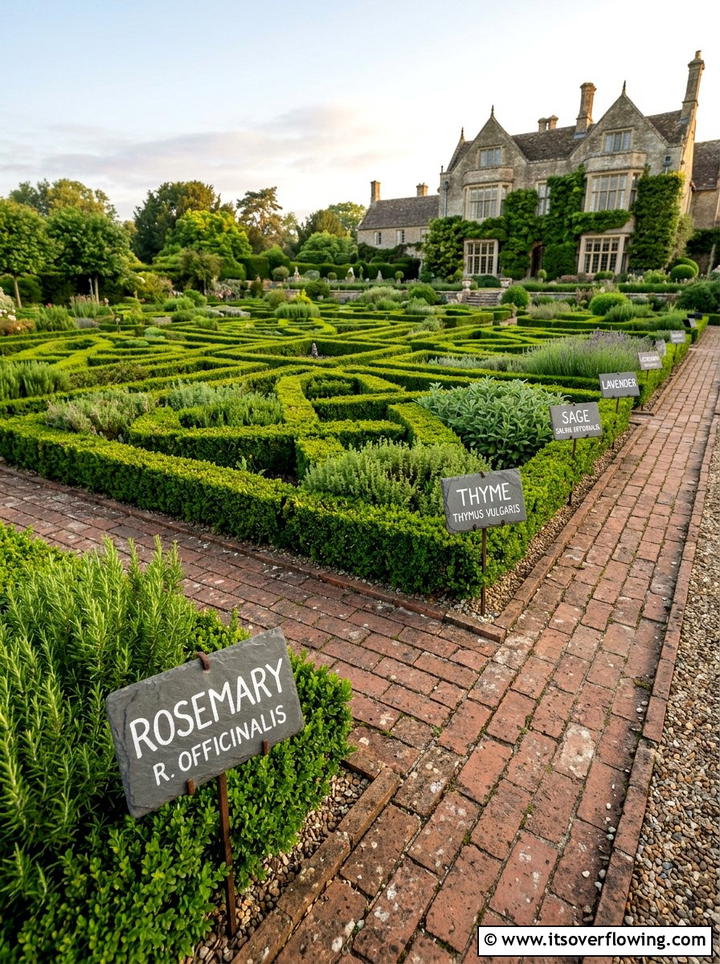
Using pieces of slate tile as garden markers provides a classic and very high-quality appearance that suits formal estate gardens. You can write on the dark surface of the slate with a white grease pencil or a chalk marker for a look that is both elegant and easy to change. Slate is naturally weather-resistant and adds a sophisticated texture to your flower beds when tucked among colorful perennials. This material works beautifully in a traditional English garden or a structured herb knot garden where symmetry and style are key. The dark background makes the plant names pop, ensuring great readability for visitors.
17. Painted Popsicle Sticks
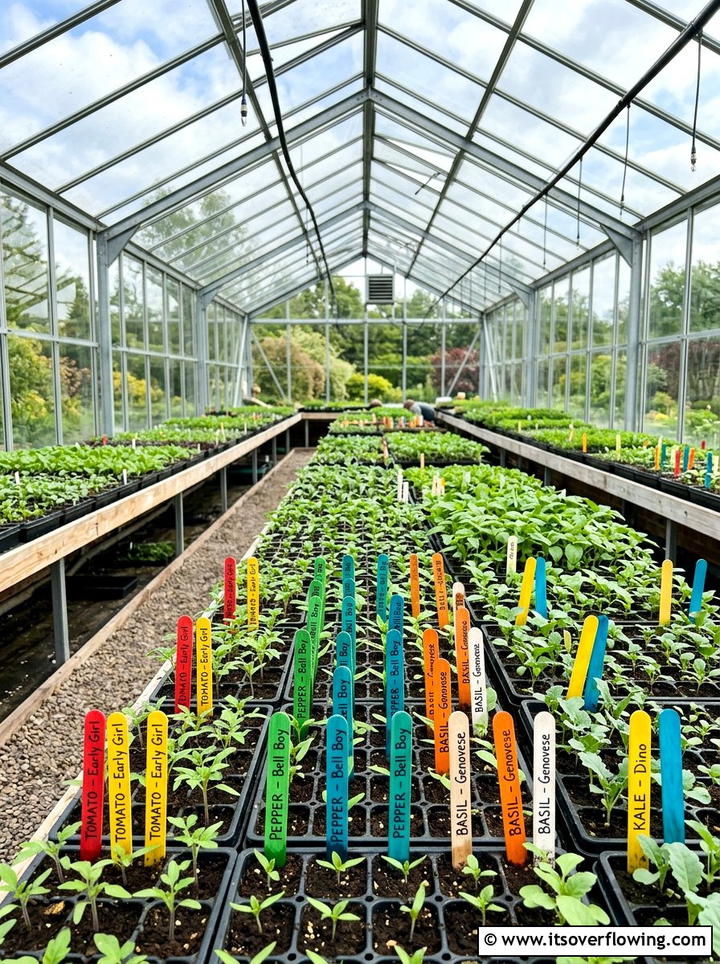
If you are starting hundreds of seeds in a greenhouse, painted popsicle sticks offer the most cost-effective and space-efficient marking solution. You can color-code the sticks based on the plant family, such as using blue for brassicas and red for nightshades, to keep your nursery trays organized. These slim markers fit perfectly into small starter pots without disturbing the delicate root systems of your new seedlings. While they are temporary, they provide essential information during the busiest part of the planting season. This method is a staple for organized gardeners who want a simple and very functional way to track growth.
18. Large Seashell Markers
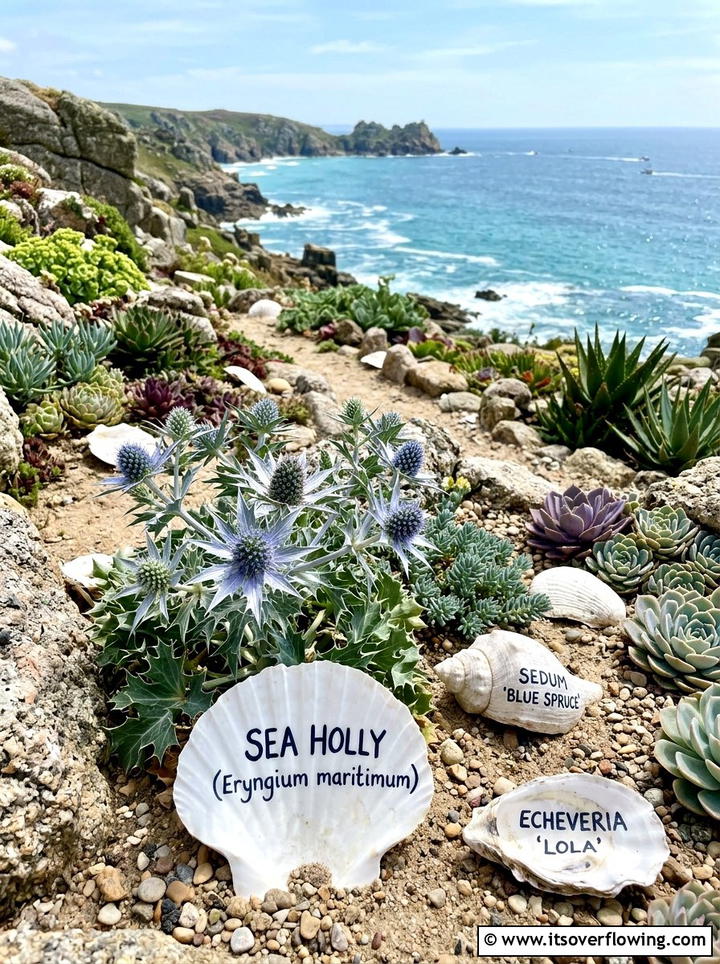
Bring a touch of the ocean to your backyard by using large seashells as natural and beautiful markers for a coastal-themed garden. Flat shells like scallops or large clams provide a perfect surface for writing plant names with a fine-point permanent marker. These shells look stunning when nestled into a sandy garden bed or a rockery filled with succulents and seaside grasses. They naturally resist moisture and add a bright, beachy vibe to your outdoor space that feels very relaxed and inviting. This is an excellent way to use treasures collected from past vacations to enhance your home landscape.
19. Copper Pipe Garden Stakes
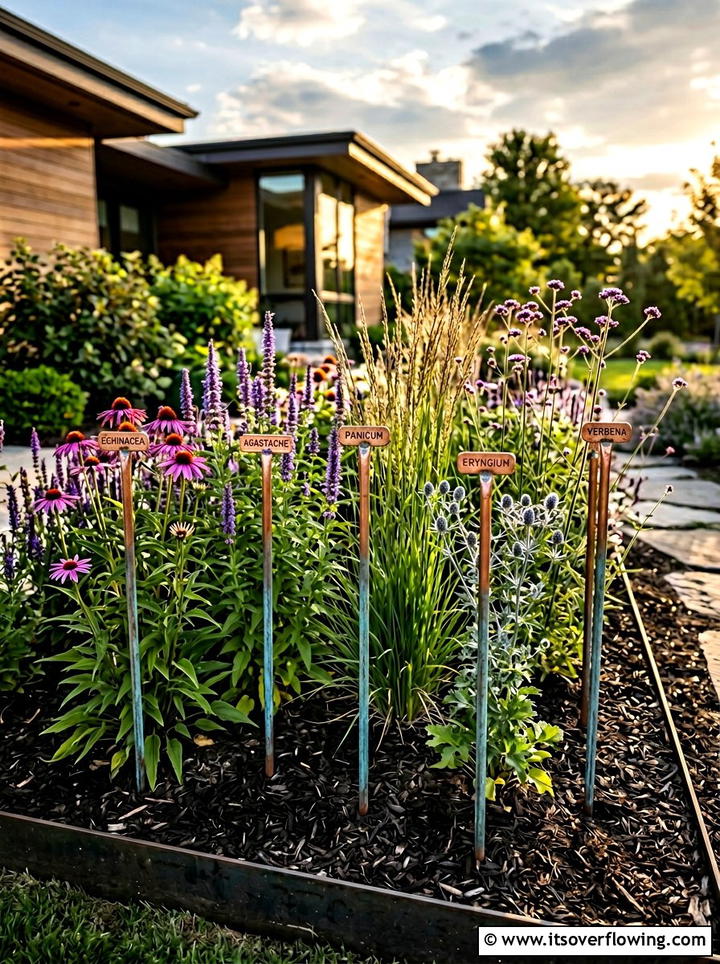
Copper pipe markers are the ultimate choice for a high-end, modern garden that values both style and extreme longevity. As the copper ages, it develops a stunning green verdigris finish that blends beautifully with the surrounding greenery of your shrubs and trees. You can use a metal stamping kit to label the pipes or attach small copper tags to the top of each stake. These markers provide a strong vertical element in your garden beds, acting as both labels and architectural accents. They are perfect for marking the locations of bulbs that go dormant in the winter, ensuring you don’t dig them up.
20. Clam Shell Plant Tags
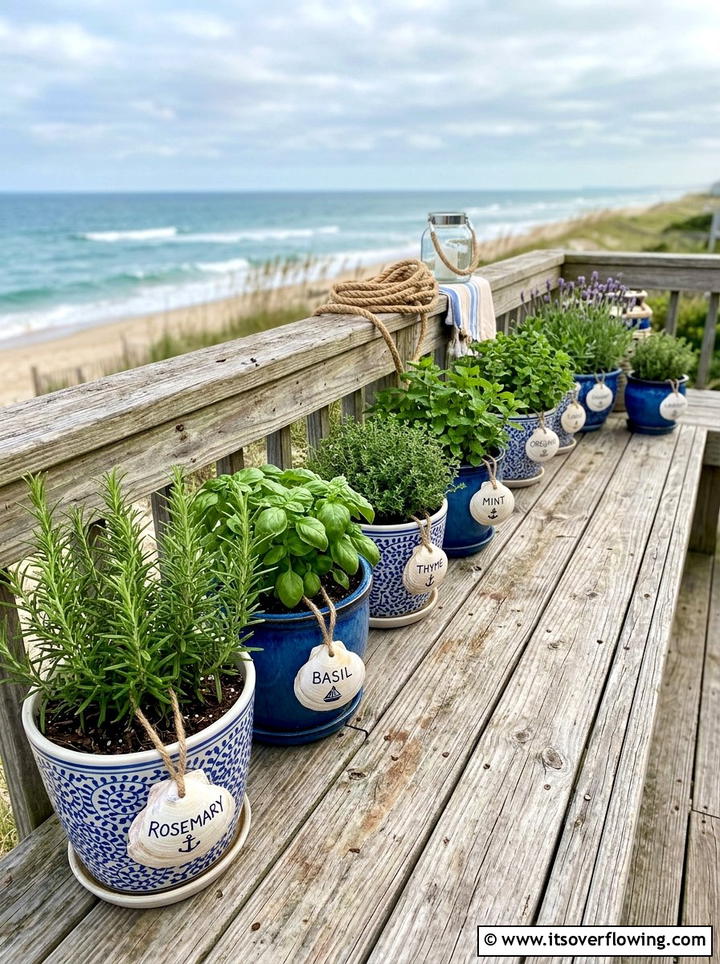
Smaller clam shells can be used as delicate and charming plant tags for a container garden located on a coastal patio or deck. You can drill a small hole in the shell and hang it from the rim of your pots using a piece of natural jute twine. This creates a very soft and organic look that pairs well with weathered wood furniture and blue-toned outdoor decor. The white or cream color of the shells provides a clean backdrop for black lettering, making your herb names very easy to read. It is a subtle way to add a nautical theme to your outdoor living area.
21. Vintage Hand Tools
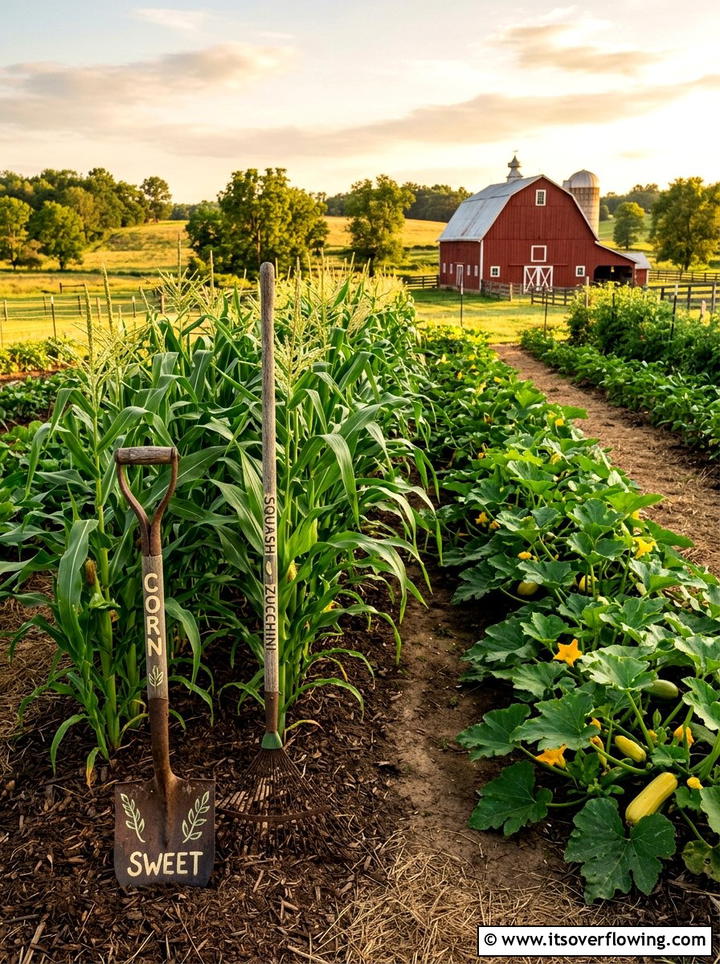
Can you imagine using old trowels and rusty garden shears as actual markers for your current vegetable crops? This vintage tool theme works perfectly in a large farmhouse garden where history meets modern cultivation. You can use white paint markers to write plant names directly on the metal heads of retired shovels or hand forks. These heavy items stay firmly in place even during strong winds or heavy rain throughout the growing season. They create a rugged and masculine aesthetic that feels grounded in tradition. Placing them at the head of long rows of corn or squash provides a clear visual guide.
22. Mosaic Tile Markers
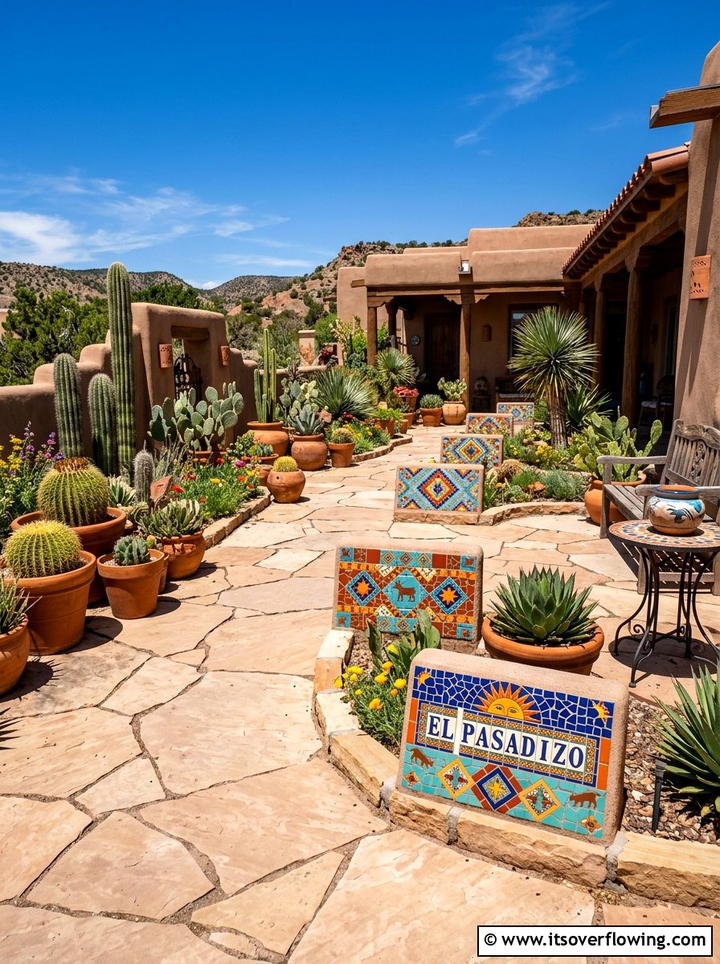
Creating mosaic tile markers is a wonderful way to use up leftover ceramic scraps from a home renovation project. You can glue colorful pieces of tile onto a sturdy backing to spell out plant names or create representational images of the vegetables. These artistic markers add a vibrant Mediterranean or Southwestern flair to your garden beds, making them feel like an outdoor art gallery. The glossy finish of the tiles reflects the light and keeps the colors looking bright even after years of exposure to the sun. This design is perfect for adding a permanent splash of color to a succulent or cactus garden.
23. Bamboo Plant Stakes
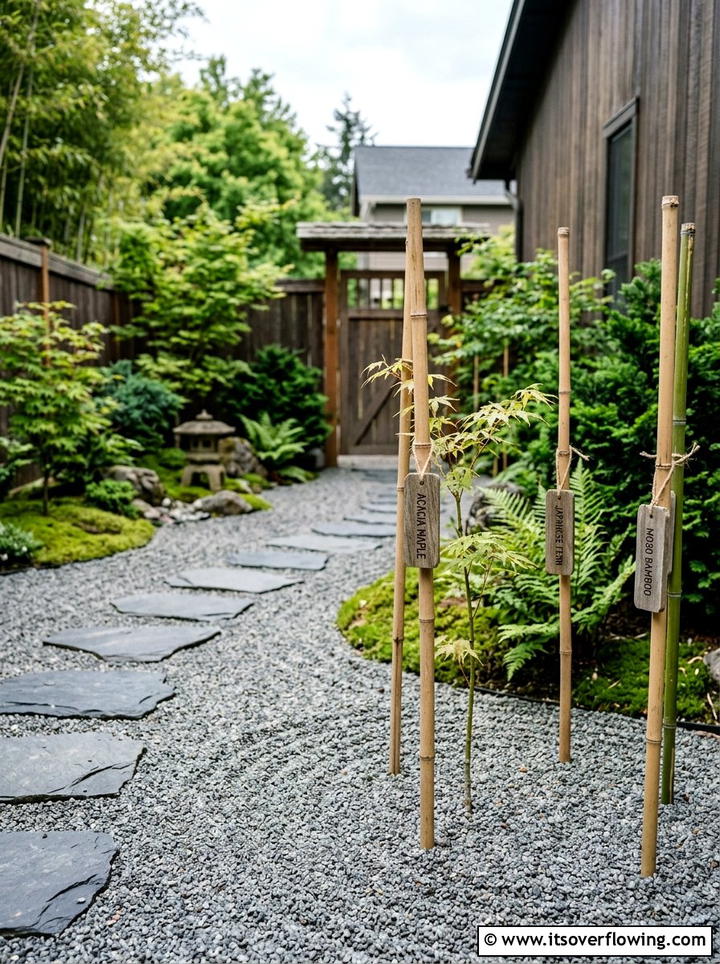
Bamboo is a fast-growing and highly sustainable material that makes for excellent, minimalist garden markers in a Zen-style backyard. You can cut bamboo poles into short lengths and split them slightly at the top to hold a small card or a wooden tag. This look is very clean and structured, making it ideal for a modern vegetable garden or a Japanese-inspired landscape. Bamboo naturally resists rot and has a warm, tan color that complements almost any plant variety. It provides a lightweight yet very sturdy marking system that can be easily moved and reused as your garden layout evolves over time.
24. Chalkboard Painted Containers
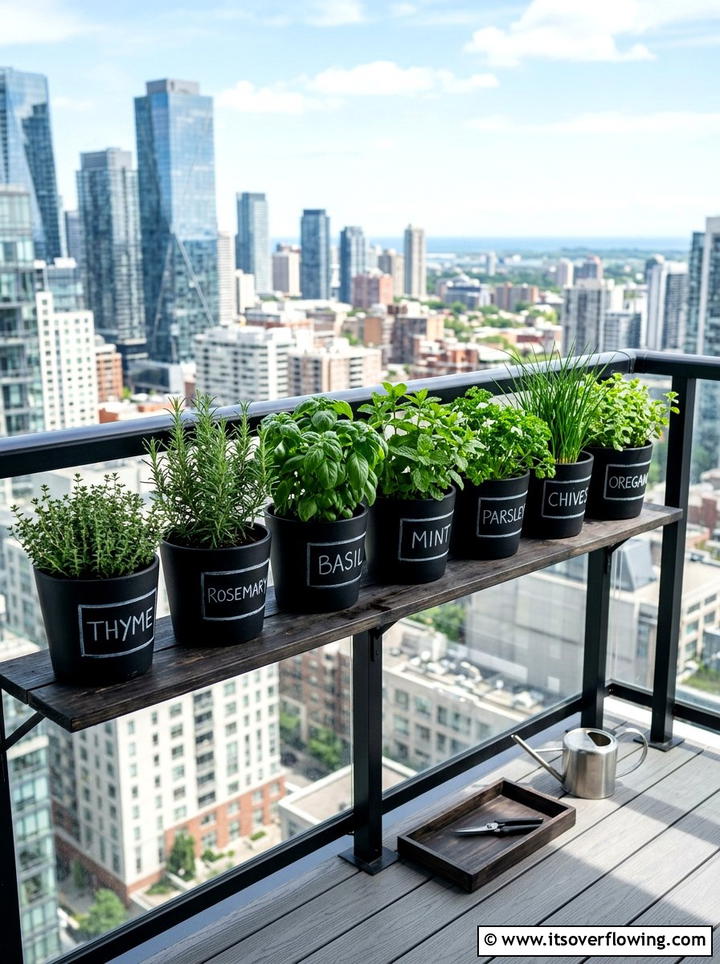
If you prefer a more integrated approach, you can paint a small section of your garden containers with chalkboard paint to serve as the marker. This allows you to label your plants directly on the pots, which is incredibly useful for a balcony garden or a small patio herb collection. You can easily erase and rewrite the names whenever you decide to swap out your seasonal annuals or harvest your herbs. This modern and very practical design keeps your garden looking tidy and professional without the need for extra stakes or tags. It is a great solution for maintaining a minimalist and clutter-free aesthetic.
25. Bent Wire Markers
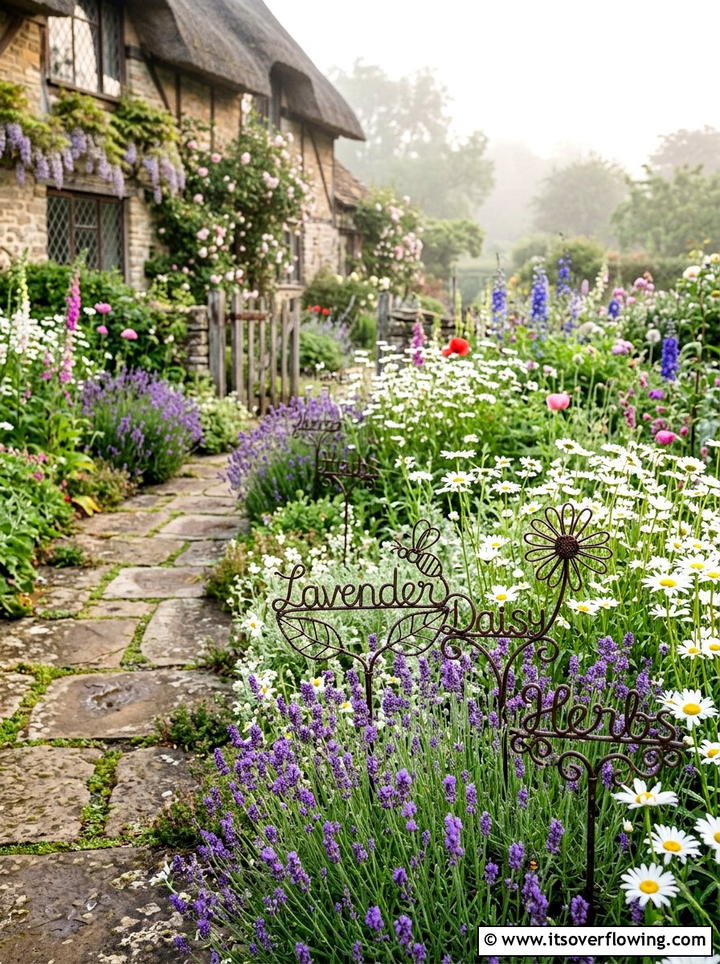
Artistic gardeners might enjoy creating unique bent wire markers using old metal coat hangers or heavy-gauge copper wire. You can twist the wire into the shape of letters or simple symbols that represent the plants in your flower bed. These markers have an ethereal, floating quality that looks beautiful in a whimsical cottage garden filled with airy blooms like cosmos and poppies. Because they are made of thin wire, they do not block the view of your plants but still provide a clear and very creative label. This project is a great way to showcase your hand-crafted style throughout your outdoor sanctuary.
Conclusion:
Wrapping up your garden project with recycled markers is a wonderful way to celebrate both creativity and environmental stewardship in your backyard. These twenty-five approaches show that you do not need a massive budget to create a highly organized and visually stunning outdoor sanctuary. Each recycled element tells a unique story while serving a vital purpose in your planting routine throughout the changing seasons. As you implement these sustainable practices, you will find that your garden feels more personal and connected to your lifestyle. Embracing upcycled materials helps reduce plastic waste and encourages a more thoughtful approach to your beautiful home landscaping.

Related posts:
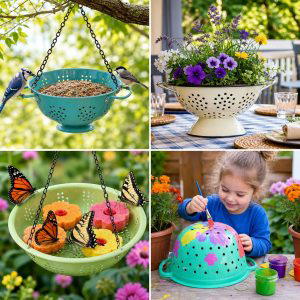 25 recycled garden ideas with old colanders: Fun Planter DIYs
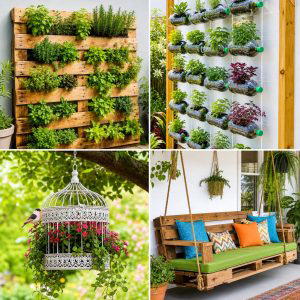 25 recycled garden ideas with pallet wall garden DIYs
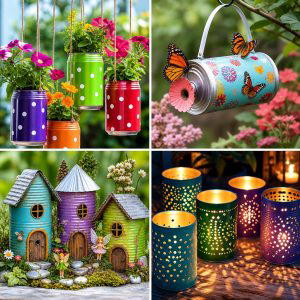 25 recycled garden ideas with aluminum cans: Clever DIYs
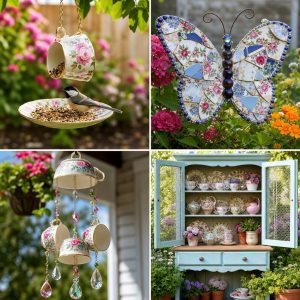 25 recycled garden ideas with chipped dishes: Pretty DIYs
 25 recycled garden ideas with egg cartons: Easy Seed DIYs
 25 recycled garden ideas with glass bottles: Chic DIYs
 25 recycled garden ideas with leaf mold bins: Eco DIYs
 25 recycled garden ideas with leftover tiles: Stylish DIYs
 25 recycled garden ideas with logs: Rustic Outdoor DIYs
 25 recycled garden ideas with milk jugs: Smart DIYs
 25 recycled garden ideas with newspapers: Clever DIYs
 25 recycled garden ideas with old kitchenware: Creative DIYs