
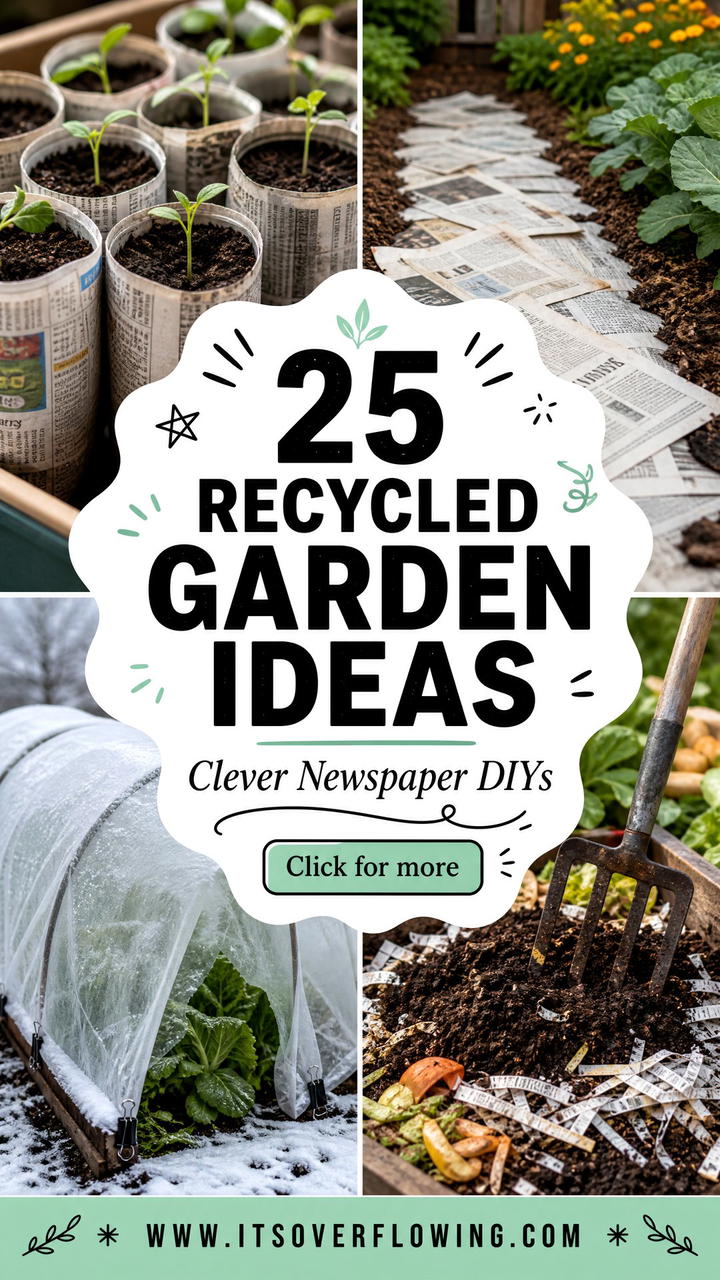
Finding clever ways to repurpose old household items can transform your backyard into a sustainable paradise without a massive price tag. Newspaper is a surprisingly versatile tool for any gardener looking to improve soil health, manage pests, and start new plants efficiently. Many people overlook this humble material, yet it offers incredible biodegradable benefits that plastic alternatives simply cannot match. By incorporating these eco-friendly methods, you can reduce waste while creating a thriving outdoor space that feels organized and professional. These strategies are perfect for beginners and seasoned green thumbs alike who value organic practices and budget-friendly solutions. Let’s explore how you can turn your daily news into a flourishing garden.
1. Newspaper seed starter pots
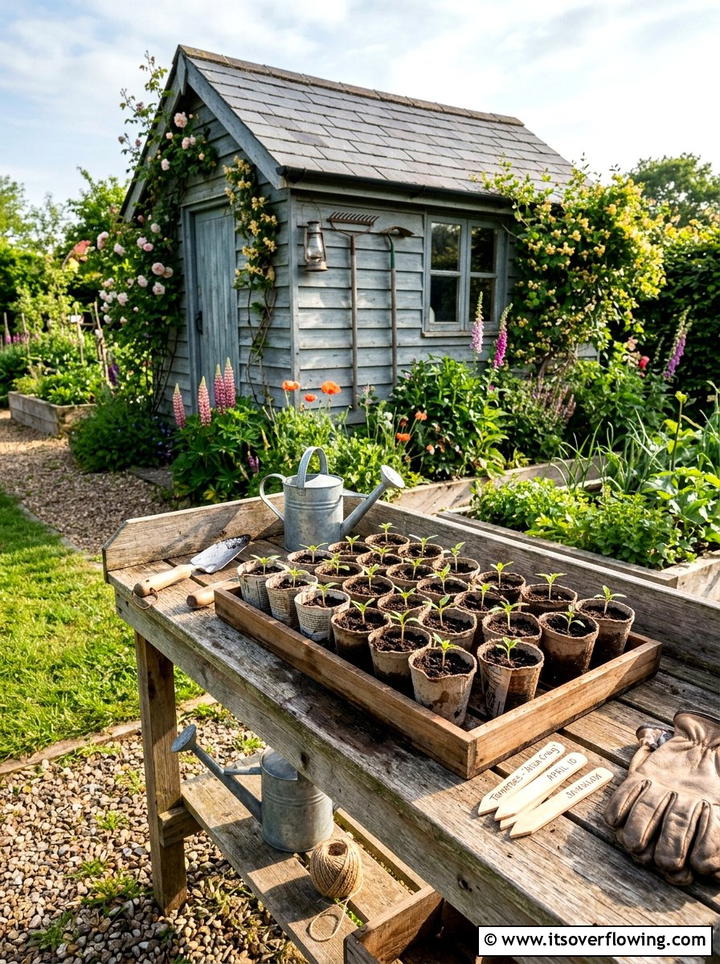
Have you ever considered how your morning news can help your spring garden sprout? Creating small biodegradable containers using old newspaper is a brilliant way to kickstart your growing season without spending a dime. You simply roll strips of paper around a glass or a wooden tool to form a sturdy cup. These pots are perfect because they go directly into the ground when the seedlings are ready for transplanting. This method prevents root shock and reduces plastic waste in your backyard. Your little greens will thrive as the paper naturally decomposes into the soil over time. It is a cost-effective and eco-friendly solution for every home gardener today.
2. Sheet mulching weed barrier
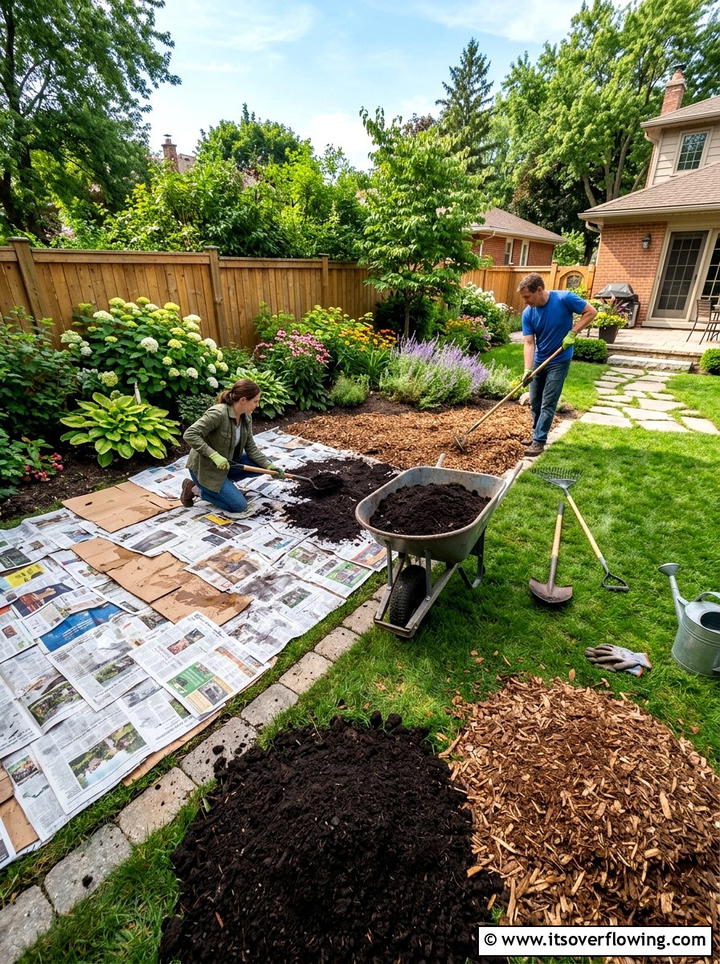
Is your backyard struggling with stubborn weeds that just won’t go away? Sheet mulching is a powerful technique where you lay thick layers of newspaper directly onto the grass or soil surface. This process effectively smothers unwanted plants by blocking out essential sunlight while keeping the ground moist. You can cover large areas of your lawn to create new flower beds or vegetable patches without any heavy digging. Once the paper is down, you simply top it with compost and organic mulch to create a rich environment. This clever approach builds high-quality soil health while recycling household waste in a very productive and easy way.
3. Lasagna gardening layout
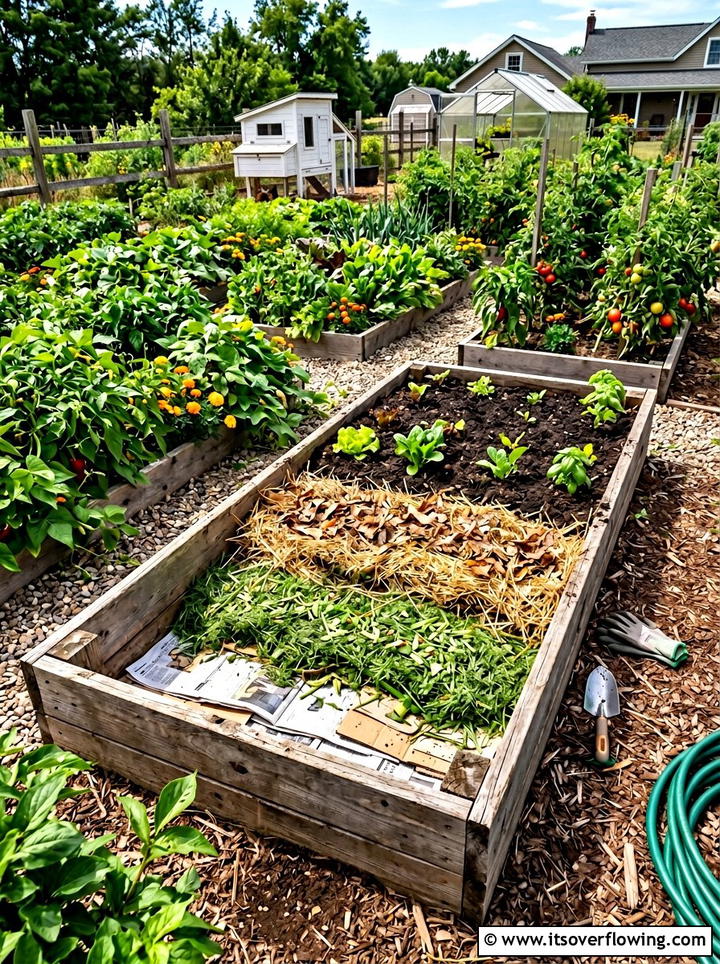
Imagine building a garden that feeds itself while it grows throughout the season. Lasagna gardening uses layers of organic material, and newspaper serves as the foundational base for this entire nutrient-dense system. You start by laying down thick sheets of paper to suppress existing weeds and grass before adding green and brown layers. These materials break down over time, creating a dark and crumbly soil that is perfect for heavy-feeding vegetables. It is an ideal solution for areas with poor soil quality or rocky ground where traditional digging is too difficult. Your plants will enjoy a constant supply of natural fertilizers as the layers decompose beautifully.


4. Compost pile brown material
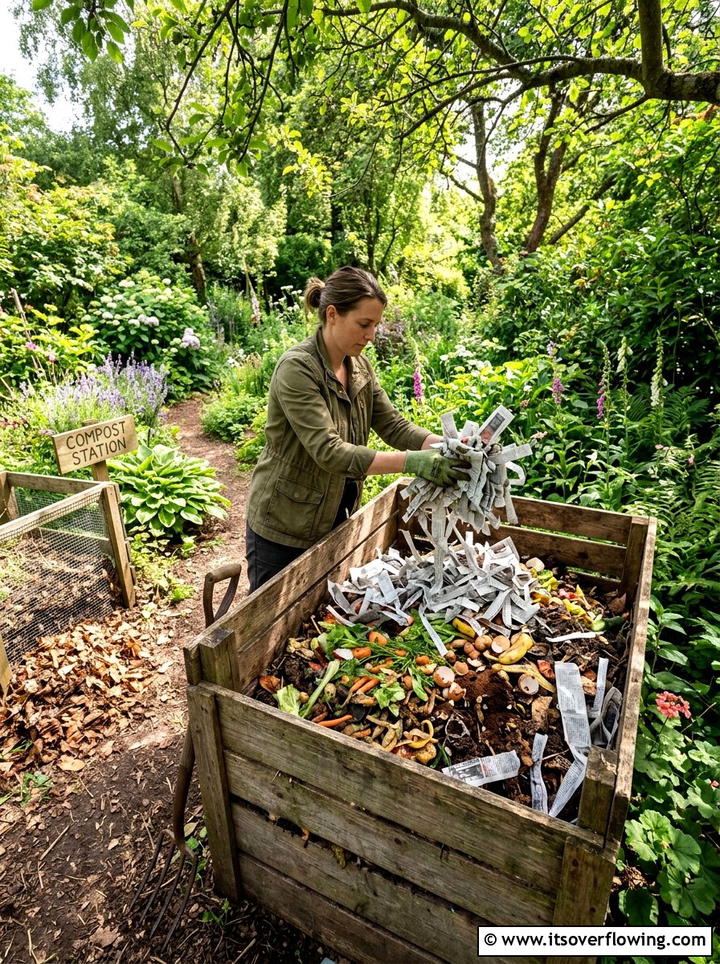
Are you looking for the perfect carbon source to balance out your kitchen scraps in the bin? Shredded newspaper acts as an excellent “brown” material that helps maintain the ideal nitrogen-to-carbon ratio for fast decomposition. By mixing strips of paper into your compost pile, you prevent the mixture from becoming too soggy or smelling bad. The paper provides essential structure and aeration, allowing beneficial microbes to thrive and break down organic matter quickly. This results in rich, black gold that you can use to nourish your entire landscape. It is a simple way to recycle paper while boosting the overall health of your garden.
5. Worm bin bedding paper
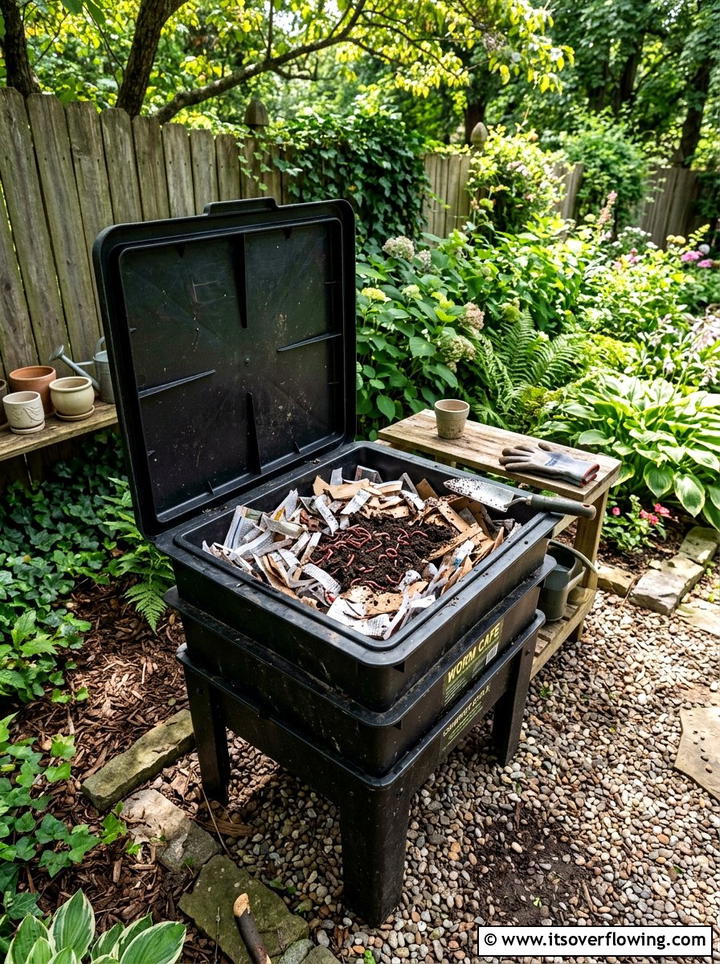
Do you want to start vermicomposting but feel unsure about what to use for the base? Shredded newspaper is the gold standard for worm bedding because it retains moisture perfectly while providing a cozy home. Earthworms love the texture of damp paper and will gradually consume it along with your leftover vegetable scraps. This process creates high-quality worm castings which are essentially the most potent natural fertilizer available for your indoor or outdoor plants. Ensure the paper is moist but not soaking wet to keep your underground workers happy and productive. It is a low-cost method to turn paper waste into incredible nutrient-rich soil.
6. Garden path paper liner
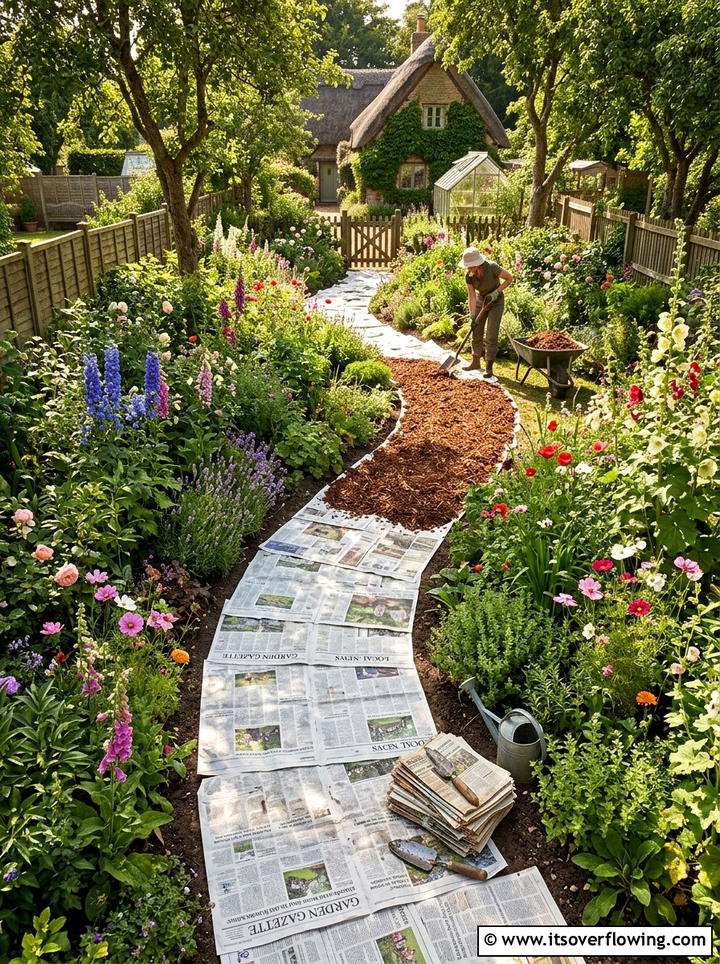
Walking through your garden should be a pleasant experience free from tripping over tall weeds or messy mud. You can use thick layers of newspaper as a functional underlayment for your garden walkways and paths. Simply clear the desired area, lay down several sheets of paper, and cover them with wood chips, gravel, or decorative stones. The paper acts as a temporary barrier that prevents weeds from poking through your beautiful new path for several months. It eventually breaks down, but by then, your path material will have settled firmly into place. This is a very practical way to maintain a clean and tidy landscape.
7. Raised bed soil base
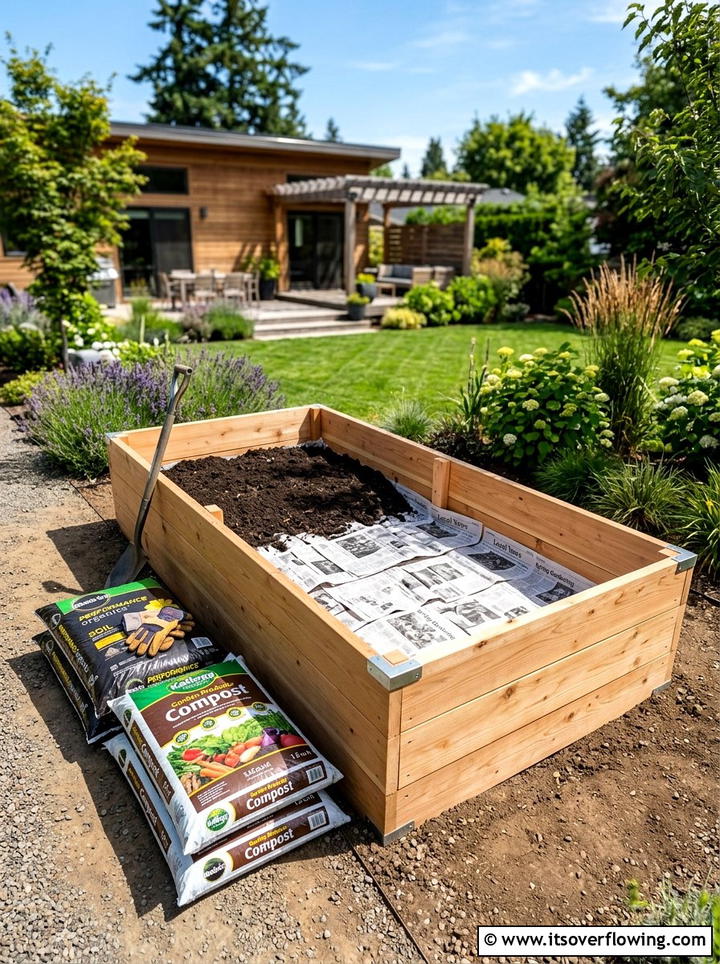
Building a new raised garden bed is an exciting project that requires a solid foundation for success. Before you pour in your expensive potting mix, line the bottom of the wooden frame with several layers of wet newspaper. This barrier prevents grass and weeds from growing up into your new planting area while still allowing earthworms to pass through eventually. It also helps retain moisture at the root level during the hot summer months, reducing the frequency of watering. As the paper decomposes, it adds organic matter to the lower levels of your soil. This simple step ensures your raised bed remains productive and weed-free.

8. Winter plant frost protection
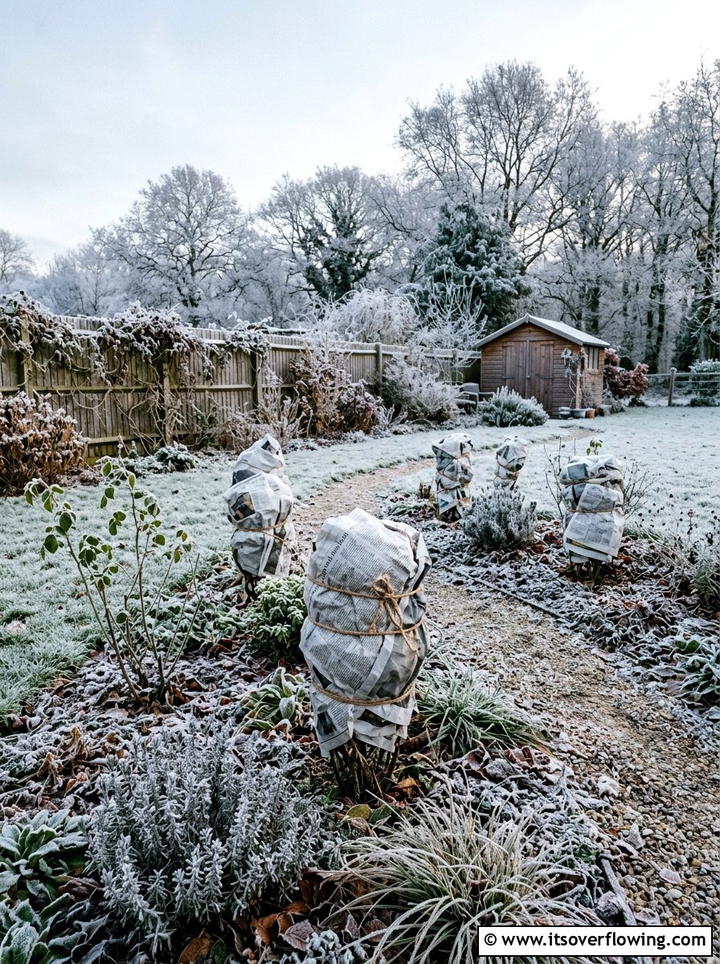
When the temperature drops unexpectedly, do you have a plan to save your delicate tropical plants or early blossoms? Newspaper serves as a fantastic temporary insulator that can protect vulnerable foliage from light frost damage during cold nights. You can loosely wrap several layers of paper around the stems or drape them over small shrubs to trap ground heat. Secure the paper with twine or clothespins to ensure it stays in place throughout the chilly evening. Unlike plastic, the paper allows the plant to breathe and prevents moisture buildup that can lead to rot. It is a quick and effective emergency solution for any backyard.
9. Snail and slug trap
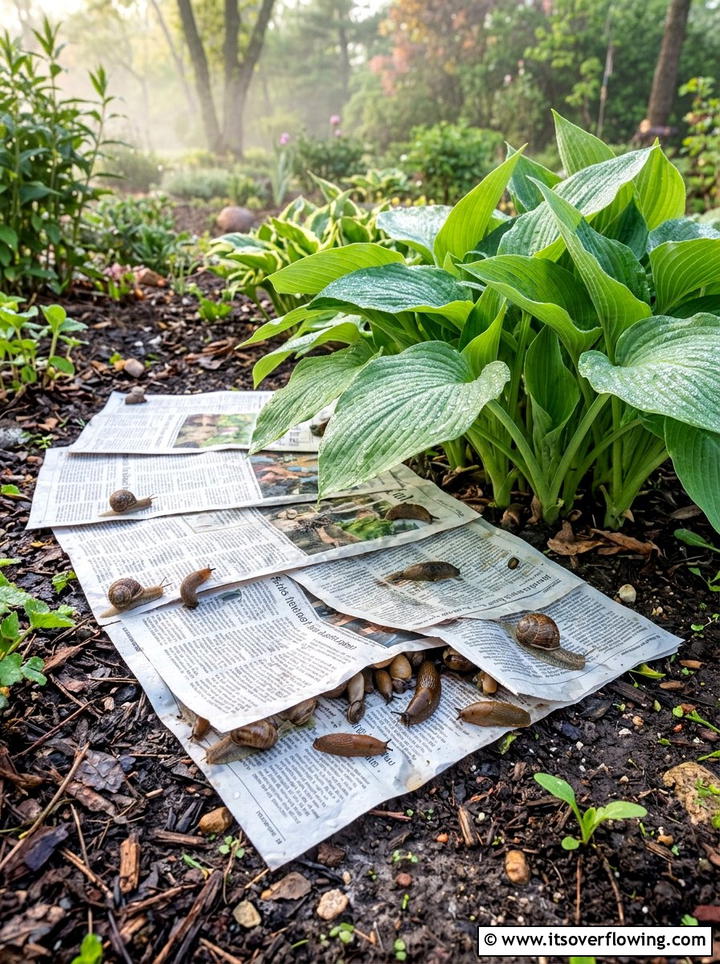
Are slimy pests eating holes in your beautiful hostas or tender lettuce leaves every single night? You can create a simple and effective trap using damp sheets of newspaper folded into flat rectangles. Place these wet mats near the affected plants in the evening when the sun begins to set. Snails and slugs seek out cool and moist dark places to hide during the heat of the following day. In the morning, you simply lift the paper and remove the pests that have gathered underneath it. This chemical-free method is safe for pets and children while keeping your garden foliage looking pristine and healthy.
10. Seed storage paper envelope
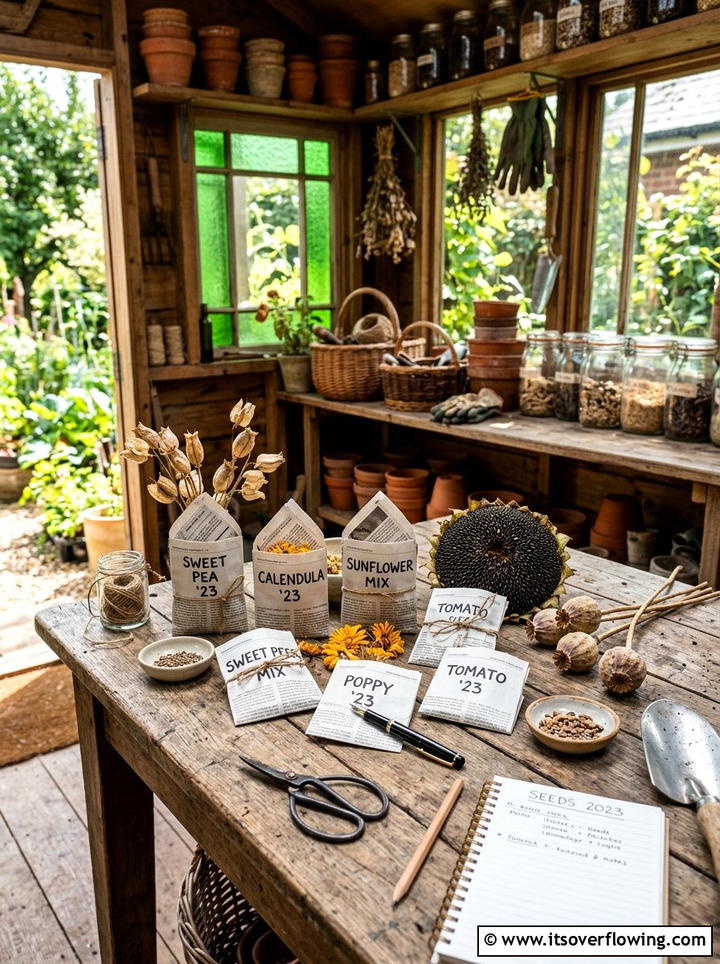
Collecting seeds from your favorite heirloom flowers is a rewarding way to preserve your garden’s legacy for next year. Newspaper is an ideal material for making small, breathable envelopes to store these dried seeds until the next planting season. Unlike plastic bags, paper prevents moisture from becoming trapped, which can cause seeds to mold or rot prematurely. You can easily fold a square piece of paper into a secure pouch and label it with a pen for easy organization. Store these envelopes in a cool and dry place to ensure a high germination rate when spring finally arrives again. It is a wonderful tradition.
11. Biodegradable planter liner
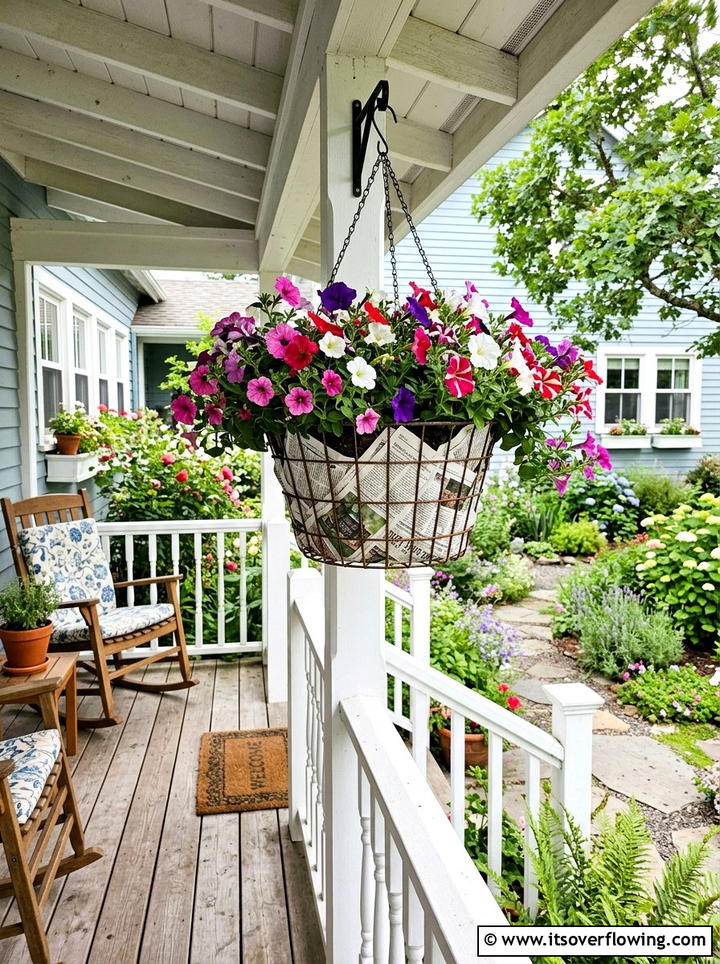
Do you love using rustic wire baskets or wooden crates but struggle with soil falling out of the gaps? Newspaper makes an excellent temporary liner that holds the dirt in place while allowing for proper water drainage. Simply line the interior of your decorative container with several layers of paper before adding your potting soil and plants. Over time, the paper will slowly break down, but by then, the root systems of your plants will have stabilized the soil. This is a much more sustainable option than using plastic liners or expensive cocoa husks. It keeps your porch looking clean while supporting healthy plant growth.

12. Vegetable garden soil amendment
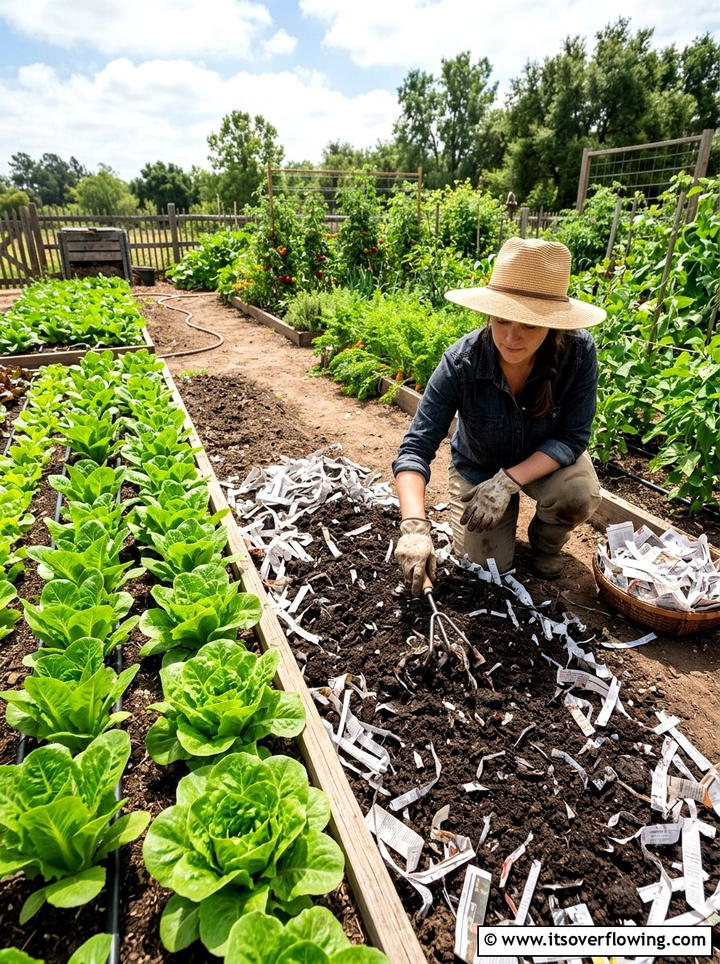
Improving the texture of sandy or heavy clay soil is a long-term goal for many dedicated home gardeners. You can use finely shredded newspaper as a simple soil amendment to increase organic matter and improve overall moisture retention. When you work the paper into the top few inches of your garden beds, it helps create a better structure for roots. This process encourages beneficial fungal growth and provides a food source for essential soil organisms that keep your plants healthy. Over several seasons, you will notice the soil becoming darker and more friable. It is an easy way to build better dirt for free.
13. Greenhouse shelf moisture mat
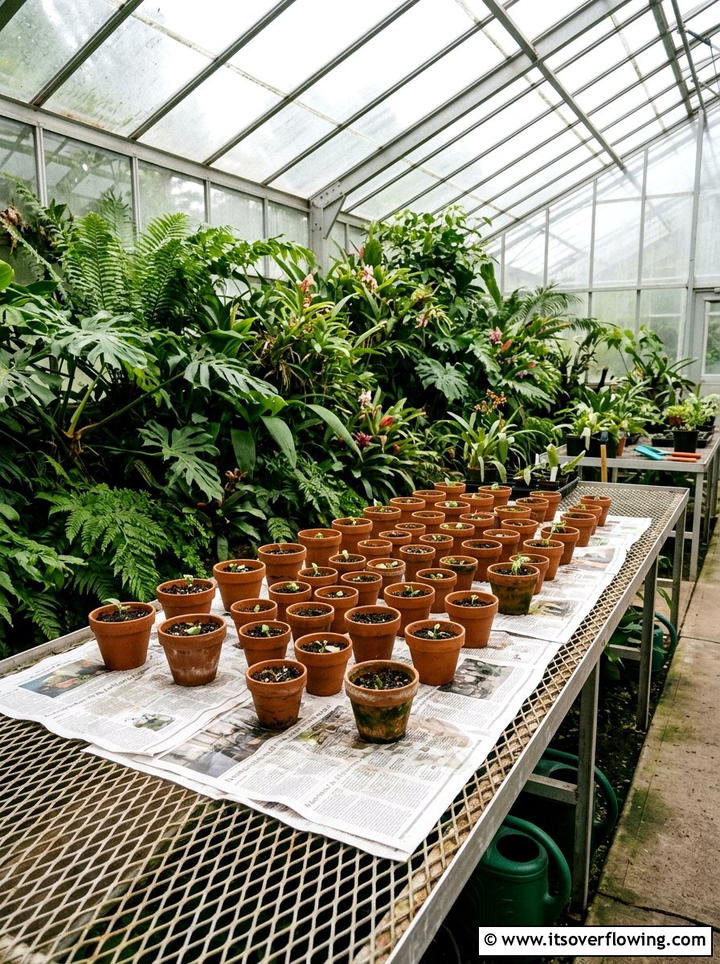
Maintaining the right humidity levels in a greenhouse or indoor grow room can be a constant challenge for many. You can use thick layers of wet newspaper on your greenhouse benches or shelves to create a self-watering mat system. Place your potted plants directly on top of the damp paper so they can wick up moisture as they need it. This method also helps to increase the local humidity around the foliage, which is vital for many tropical species and young starts. It reduces the need for daily misting and keeps the root zones consistently hydrated throughout the warm afternoon hours in the sun.
14. Cut flower transport wrap
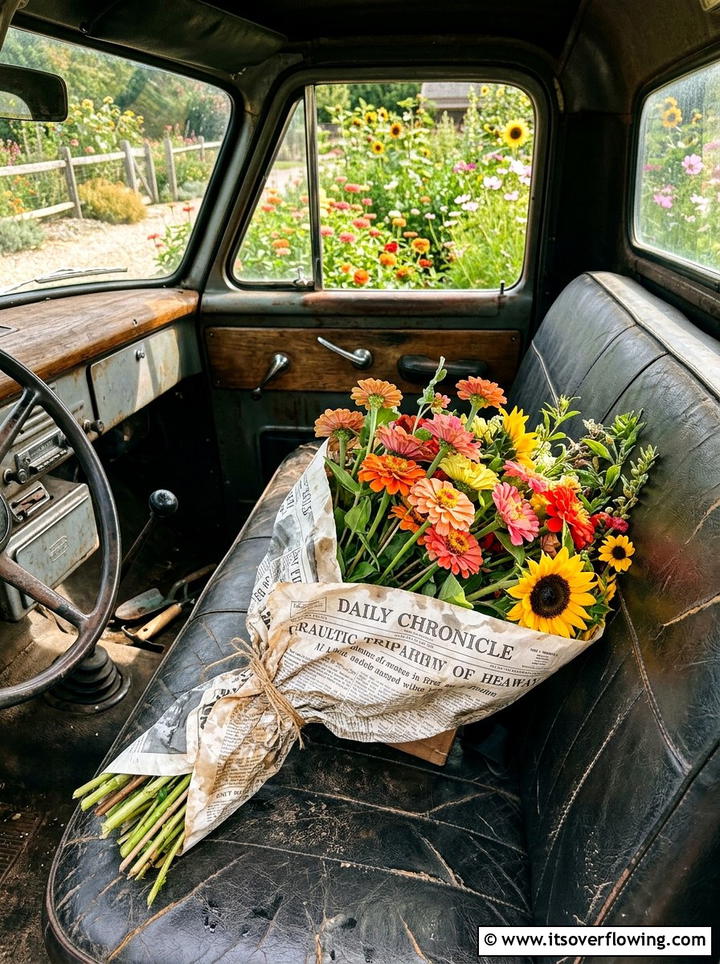
Bringing a fresh bouquet from your garden to a friend is a lovely gesture that requires a bit of care. You can use damp newspaper to wrap the bottom of the flower stems to keep them hydrated during the car ride. The wet paper holds enough water to prevent wilting until the flowers can be placed in a proper vase. Simply wrap the stems in moist paper and then add a final layer of dry newspaper for a rustic and charming look. This traditional florist technique is both practical and environmentally friendly. It ensures your blooms arrive looking vibrant and fresh for your loved ones to enjoy.
15. Fruit protection paper sleeve
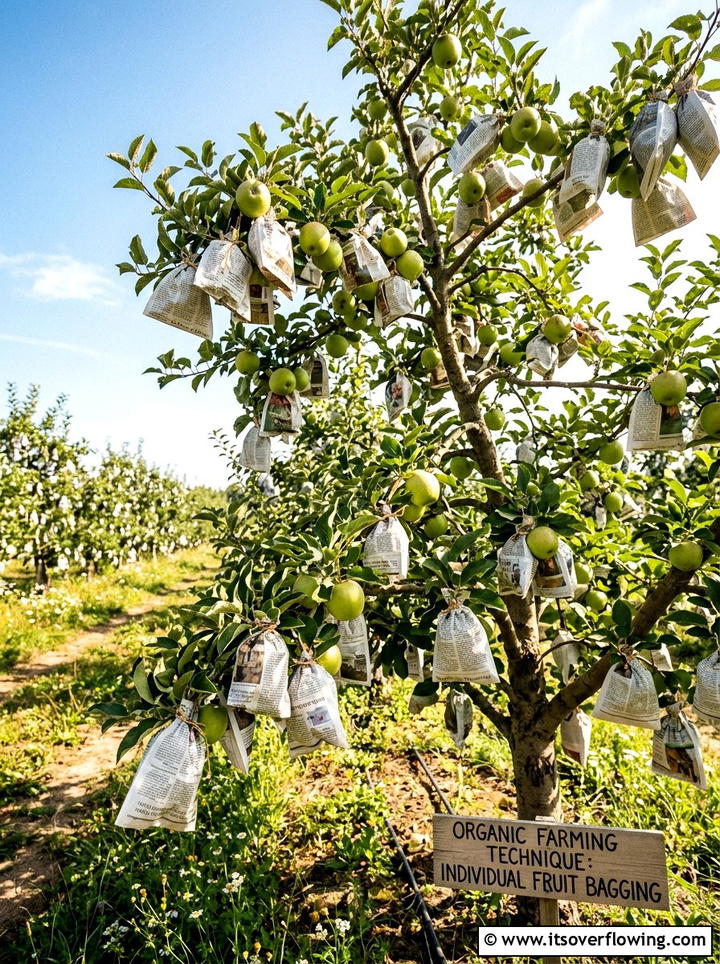
Protecting growing fruit from birds and hungry insects can be difficult without using harmful chemical sprays or nets. You can create small protective sleeves out of newspaper to wrap around developing apples, pears, or even bunches of grapes. Secure the paper loosely with a bit of garden twine to allow for air circulation and natural growth. This barrier prevents pests from pecking at the skin while the fruit ripens safely on the branch. It is an old-fashioned technique that works wonders for organic orchards and small home fruit patches. Your harvest will be blemish-free and ready for the kitchen table come autumn.
16. Root ball burlap alternative
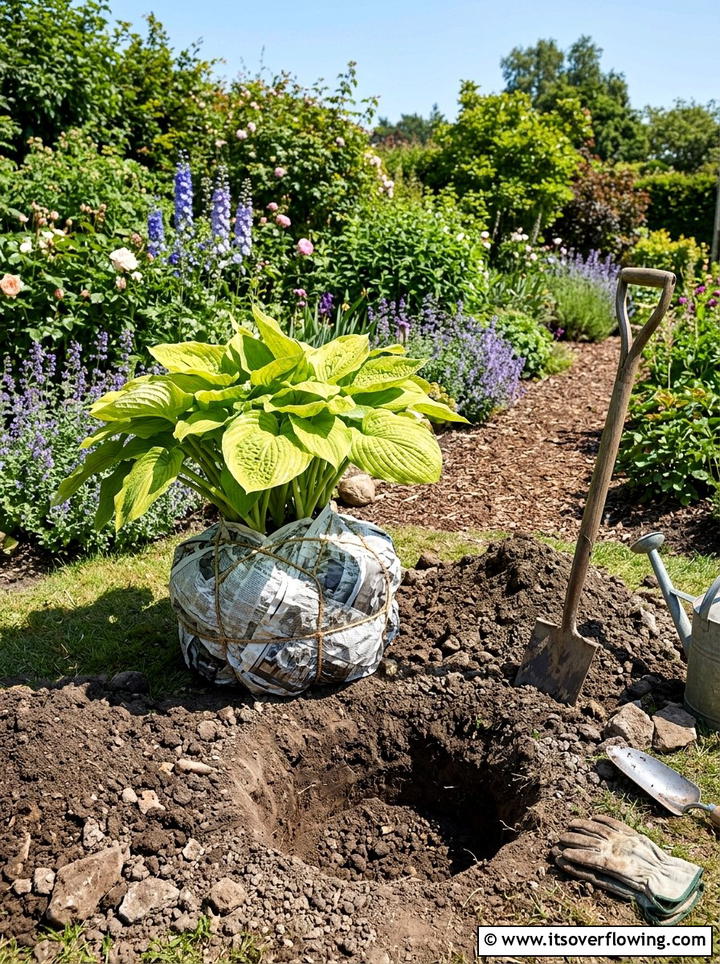
When you are moving plants or dividing perennials, keeping the root ball intact and moist is essential for survival. Newspaper can serve as a temporary wrap for roots if you don’t have burlap or professional landscape fabric on hand. Simply wrap the root system in several layers of wet paper and tie it securely with natural jute twine. This keeps the delicate roots protected from the air and sun while you prepare the new planting hole. Since the paper is biodegradable, you can even leave it in the hole if it is thin enough. It is a handy trick for any busy transplanting day.
17. Vertical garden pocket liner
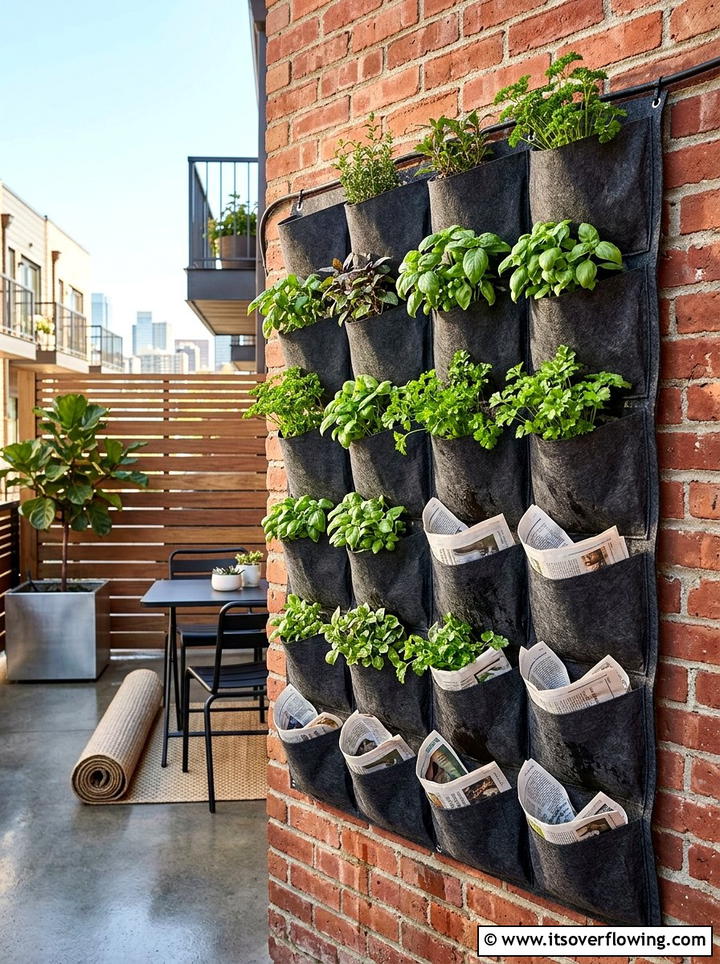
Vertical gardening is a fantastic way to save space, but keeping the individual pockets hydrated can be quite difficult. If you use felt or fabric wall planters, lining each pocket with a layer of newspaper can help slow down water evaporation. The paper acts as a thin reservoir that holds onto moisture longer than the fabric alone. This means you won’t have to water your vertical herb garden or strawberry wall nearly as often. It also prevents fine soil particles from washing through the fabric and staining your patio or walls. It is a smart hack for small-space urban gardeners who want efficiency.
18. Garden tool cleaning paper
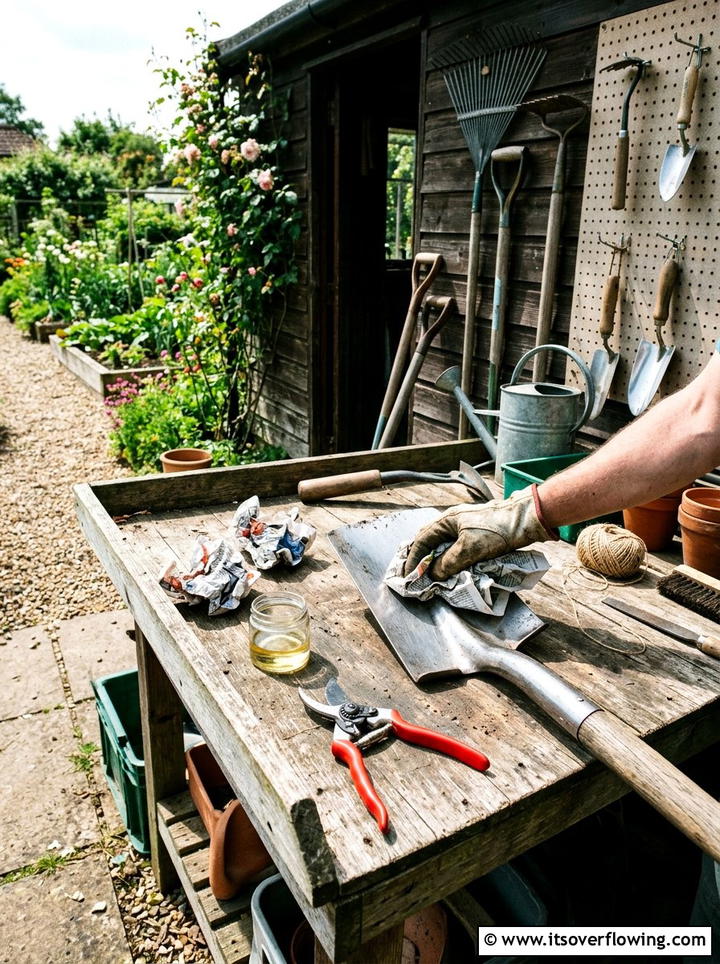
Keeping your shovels, pruners, and hoes clean is the best way to prevent the spread of nasty plant diseases. You can use crumpled pieces of newspaper to scrub away dried mud and sap from your metal tool blades after work. The coarse texture of the paper acts as a mild abrasive that cleans without scratching the surface of your expensive equipment. For an extra boost, apply a little bit of linseed oil to the paper and wipe down the metal to prevent rust. This simple habit extends the life of your tools and ensures they are always ready for the next big garden project.
19. Herb drying paper surface
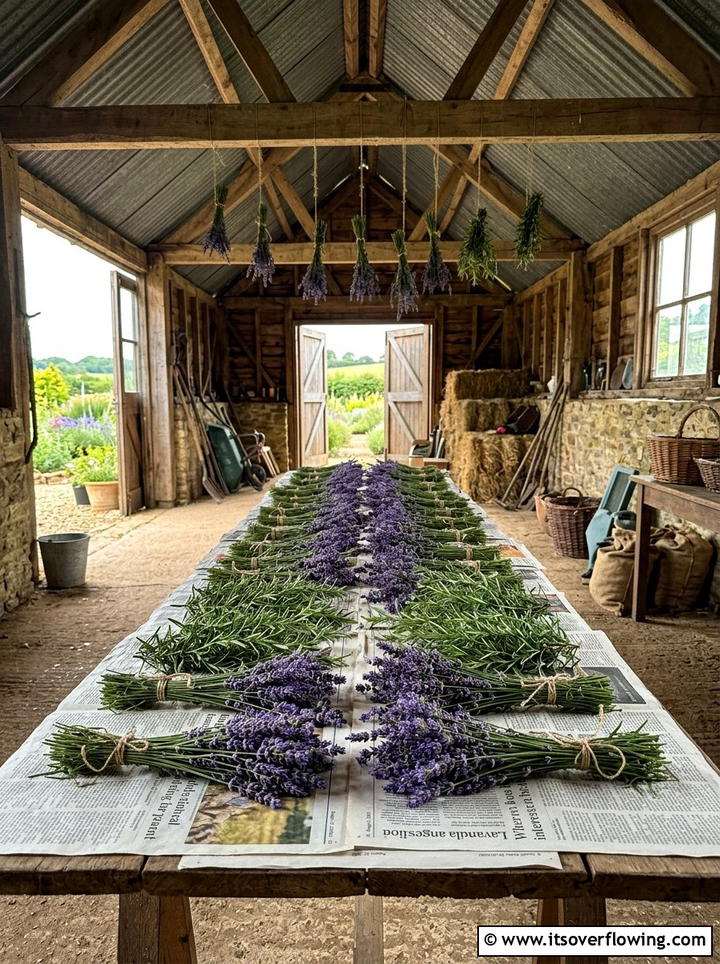
Harvesting fresh herbs like lavender, mint, or rosemary is a sensory delight that every home gardener should experience at home. Newspaper provides a clean and breathable surface for air-drying these herbs once they have been cut from the bushes. Simply spread your herbs in a single layer over several sheets of paper in a cool and well-ventilated room. The paper helps absorb any excess moisture from the leaves while allowing air to circulate around them properly. This prevents mold and ensures your dried herbs retain their beautiful color and potent aroma. It is a classic and effective way to preserve your summer harvest for winter.

20. Tomato ripening paper wrap
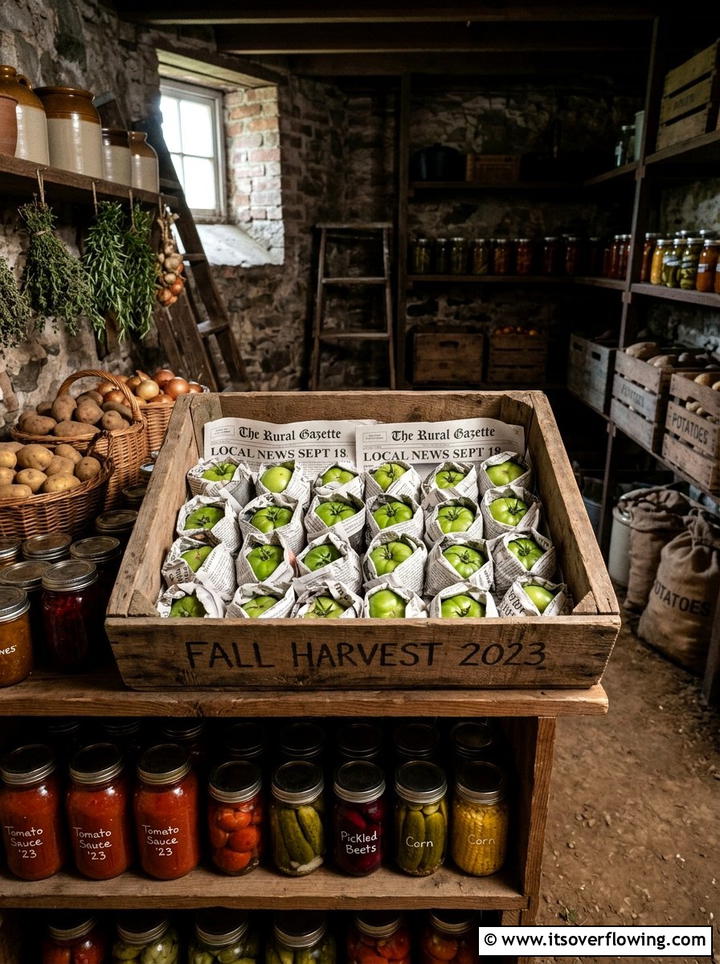
Do you have a vine full of green tomatoes at the end of the season when frost is approaching? You can pick these unripened fruits and wrap each one individually in a single sheet of dry newspaper. Place the wrapped tomatoes in a cardboard box and store them in a cool, dark place like a pantry or basement. The paper traps the natural ethylene gas produced by the fruit, which speeds up the ripening process significantly. Check them every few days, and you will soon have delicious, red tomatoes long after the garden has gone dormant. It is a great way to extend your harvest.
21. Cold frame newspaper insulation
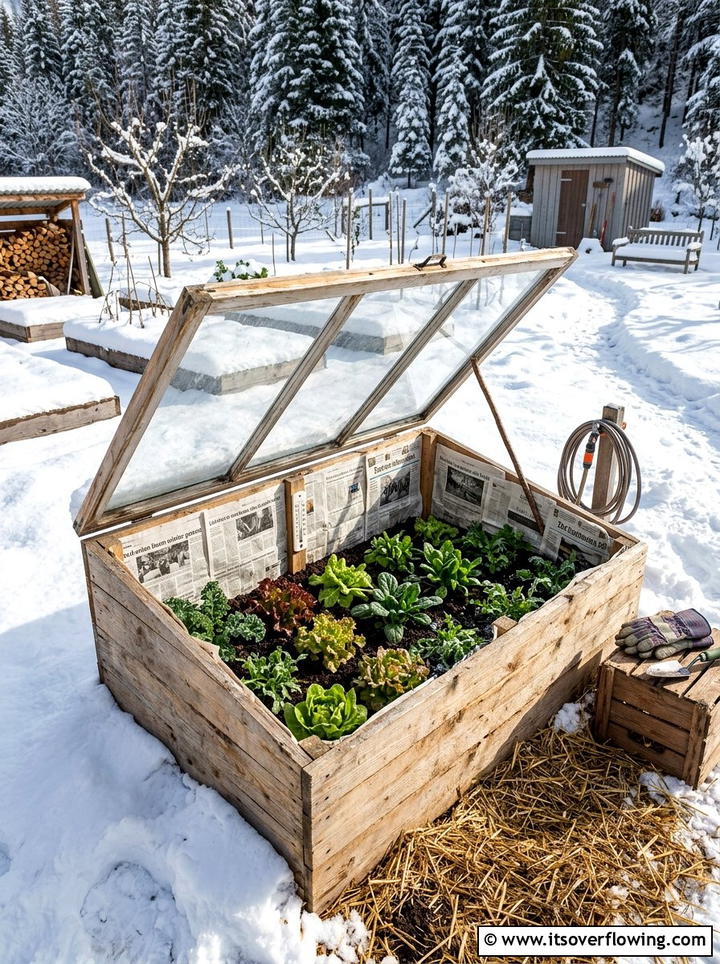
A cold frame is a wonderful tool for extending the growing season into the late fall or early spring months. To make your cold frame even more effective during freezing nights, you can line the interior walls with thick layers of newspaper. This extra insulation helps retain the heat collected during the day, keeping your hardy greens much warmer than the outside air. You can also place folded newspaper mats over the glass or plastic lid for added protection when a deep freeze is forecasted. This simple addition allows you to grow fresh spinach and kale even when there is snow on the ground outside.
22. Bulb storage paper packing
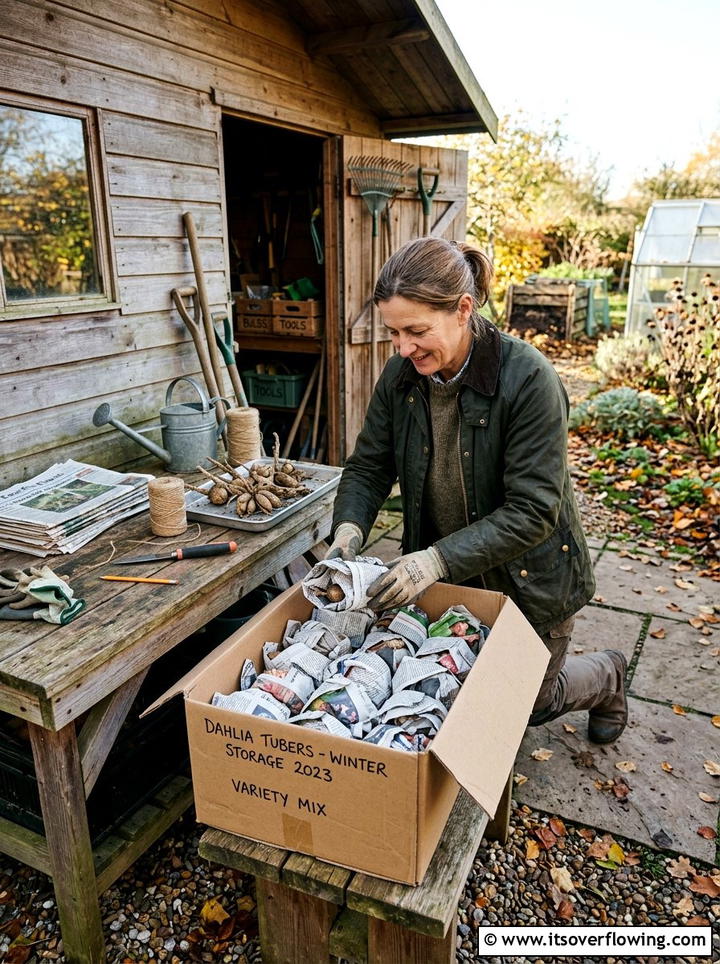
Storing tender bulbs like dahlias, gladiolus, or canna lilies requires a dry environment to prevent them from rotting over the winter. Newspaper is an excellent packing material that provides cushioning while absorbing any unwanted humidity in the storage container. You can wrap each individual bulb in a piece of paper or use shredded strips to fill the gaps in a wooden crate or cardboard box. This keeps the bulbs separated, which prevents any potential rot from spreading from one to another during the dormant period. It is a reliable and inexpensive way to protect your floral investment until it is time to replant.
23. Terracotta pot drainage layer
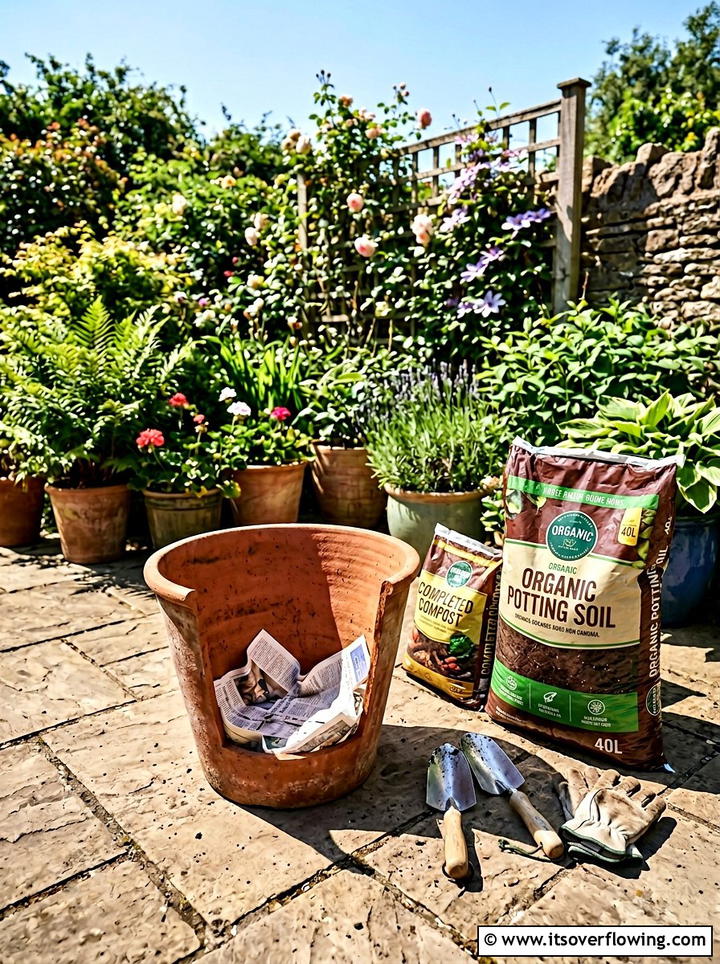
Many gardeners worry about soil washing out of the large drainage holes at the bottom of their classic terracotta pots. Instead of using plastic mesh or heavy rocks, you can place a few folded layers of newspaper over the hole. This allows water to drain freely while keeping the potting soil securely inside the container where it belongs. The paper will eventually break down, but by then, the soil will be compacted enough to stay in place on its own. It also helps to keep the roots a bit cooler by providing a small buffer. This is a neat and tidy gardening solution.
24. Garden pest control barrier
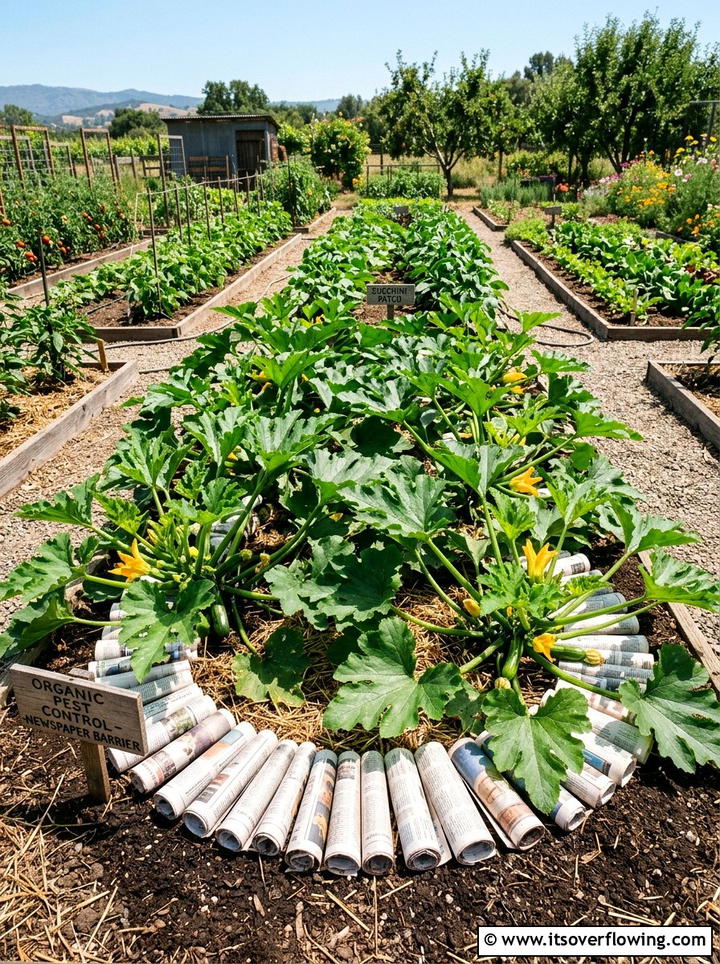
Insects like earwigs and squash bugs often hide in dark crevices during the day before coming out to feed. You can create a simple physical barrier or trap by rolling up a newspaper and securing it with a rubber band. Place these rolls at the base of your plants in the evening to give the pests a place to crawl into. In the morning, pick up the rolls and dispose of them in a bucket of soapy water or the trash. This reduces the pest population without the need for harmful insecticides. It is an effective way to protect your vegetables while keeping things organic.
25. Organic weed suppression sheet
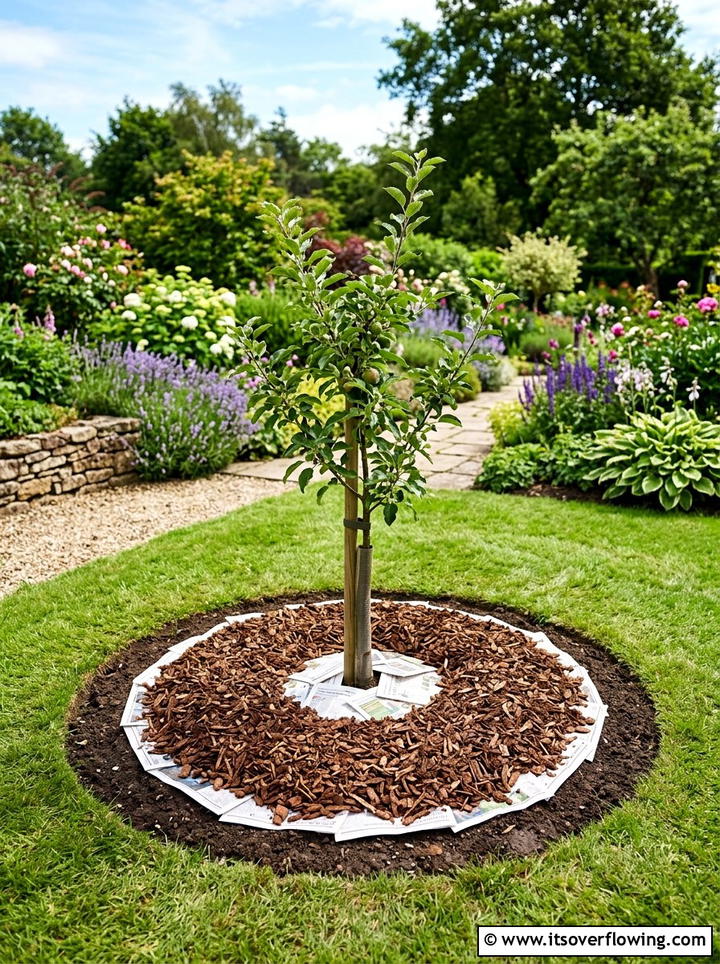
Maintaining a clean area around the base of fruit trees or large shrubs is important for reducing competition for nutrients. You can create a professional-looking mulch ring by laying several layers of newspaper in a circle around the trunk of the tree. Be sure to leave a few inches of space directly against the bark to prevent moisture rot. Cover the paper with a thick layer of wood chips or decorative bark to hide the paper from view. This creates a long-lasting weed barrier that nourishes the tree as it slowly decomposes. It is a beautiful and functional way to finish your landscaping.
Conclusion:
Using newspaper in the garden is one of the most practical and eco-friendly choices any homeowner can make for their landscape. From suppressing stubborn weeds to starting delicate new seedlings, this readily available material offers endless possibilities for improvement. It is a testament to how simple, traditional methods can often outperform modern, plastic-heavy alternatives. By choosing to recycle your paper waste into your soil, you are actively participating in a natural cycle that builds a healthier environment. Your garden will reward you with lush growth, fewer pests, and richer soil for years to come. Start saving those daily papers and watch your backyard transform into a thriving green space.

Related posts:
 25 recycled garden ideas with aluminum cans: Clever DIYs
 25 recycled garden ideas with old newspapers for Eco DIY
 25 recycled garden ideas with garden markers: Fun DIYs
 25 recycled garden ideas with pallet wall garden DIYs
 25 recycled garden ideas with chipped dishes: Pretty DIYs
 25 recycled garden ideas with egg cartons: Easy Seed DIYs
 25 recycled garden ideas with leaf mold bins: Eco DIYs
 25 recycled garden ideas with leftover tiles: Stylish DIYs
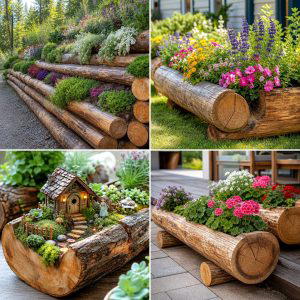 25 recycled garden ideas with logs: Rustic Outdoor DIYs
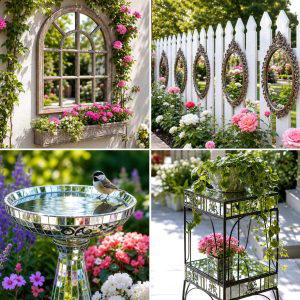 25 recycled garden ideas with mirror pieces: Bright DIYs
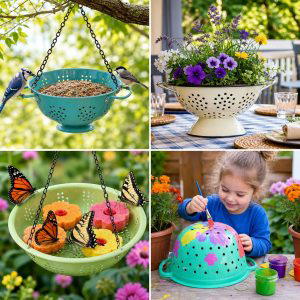 25 recycled garden ideas with old colanders: Fun Planter DIYs
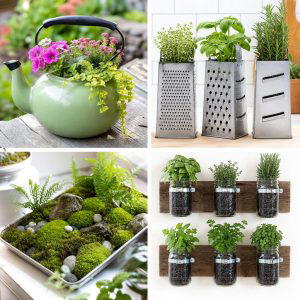 25 recycled garden ideas with old kitchenware: Creative DIYs