
Transforming your backyard into a lush paradise doesn’t always require a trip to the expensive garden center. Have you ever looked at that stack of old newspapers in your recycling bin and wondered if they could serve a better purpose? Using recycled paper in your landscaping is one of the most effective and eco-friendly ways to improve soil health and manage pests. These paper sheets are biodegradable and provide a fantastic source of carbon for your plants as they break down naturally over time. Many gardeners find that this simple household item can replace plastic liners and chemical weed killers while saving quite a lot of money. You will discover how this humble material supports everything from seed starting to complex composting methods. Let’s dive into how you can use these clever paper-based techniques to build a more sustainable and vibrant outdoor living space this season.
1. Newspaper Seed Starting Pot
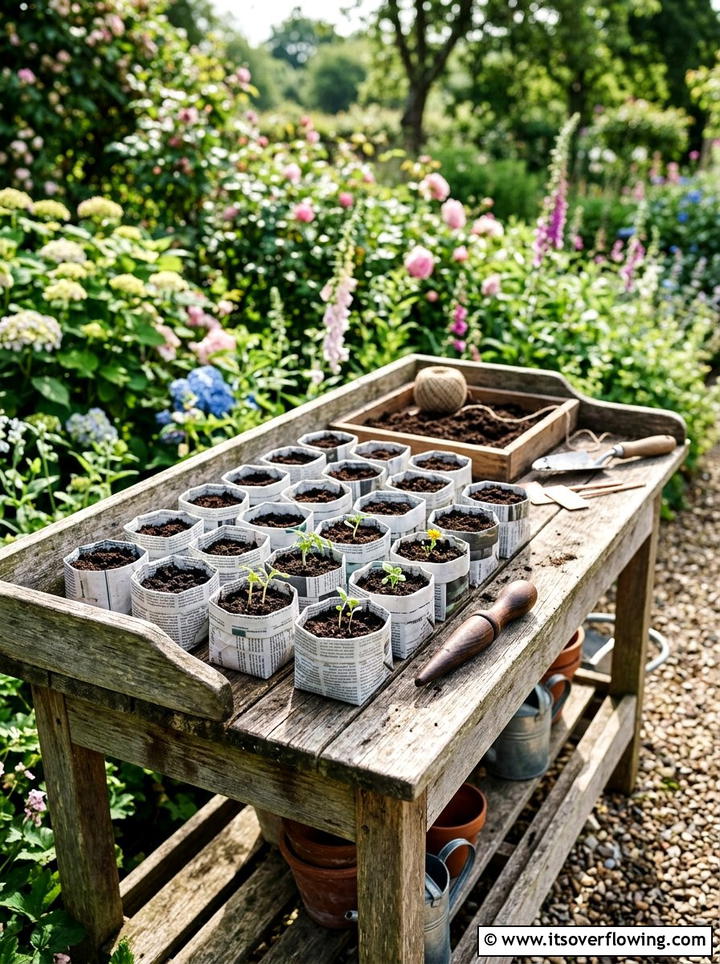
Making your own tiny containers for young plants is a great way to reduce plastic waste in your potting shed. You can easily fold strips of black and white newspaper around a small glass or a specialized wooden tool to create sturdy circular pots. These paper cups are perfect for starting tomatoes, peppers, or cucumbers because they can be planted directly into the ground when the weather warms up. Since the paper is thin, the roots can easily grow through it once it becomes moist in the soil. This method completely eliminates transplant shock because the delicate root systems are never disturbed during the moving process. It is a cost-effective solution for anyone looking to grow a massive garden on a very tight budget this spring.
2. Newspaper Weed Barrier
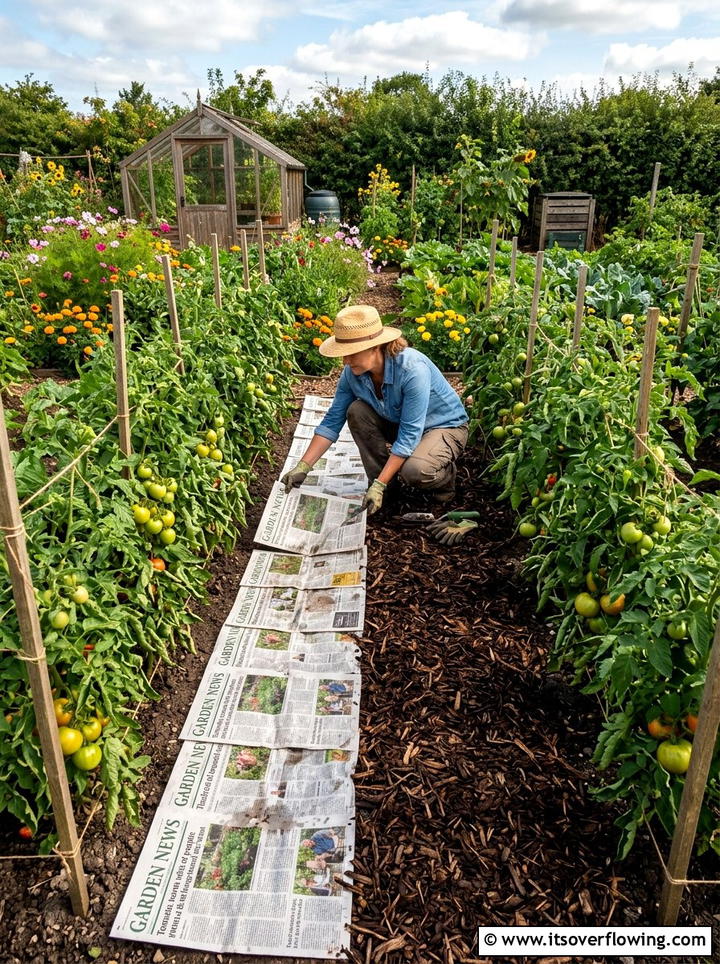
Fighting off stubborn weeds in your flower beds can feel like a never-ending battle for most homeowners. You can create a powerful natural shield by laying down several thick layers of wet newspaper directly over the soil surface. This heavy paper layer blocks out the sunlight that weed seeds need to germinate and grow into your beautiful garden areas. Make sure to overlap the edges of the paper by several inches so that no light can peek through the gaps. Once the paper is in place, you can cover it with a thick layer of wood chips or decorative bark to hide it. This technique keeps your garden looking tidy while slowly enriching the dirt below as the newspaper eventually decomposes into organic matter.
3. Newspaper Garden Mulch
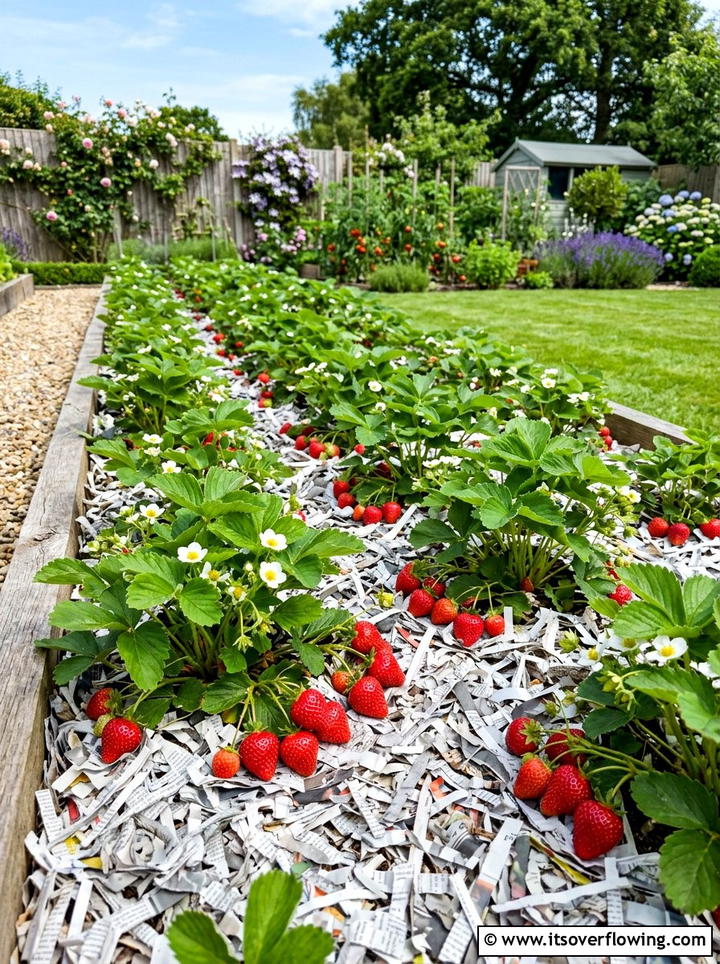
Using shredded paper as a surface mulch is a brilliant way to keep moisture in the ground during the hot summer months. You can run your old newspapers through a paper shredder to create thin strips that are easy to spread around your vegetable plants. This fluffy material acts like a protective blanket that prevents the sun from baking the earth and drying out thirsty roots. It is especially helpful for plants like strawberries or squash that benefit from having a clean barrier between the fruit and the damp soil. As you water your garden, the shredded paper will stay damp and slowly release its carbon content into the earth. This process helps build a healthy environment for beneficial insects and microbes to thrive.

4. Newspaper Compost Carbon Source
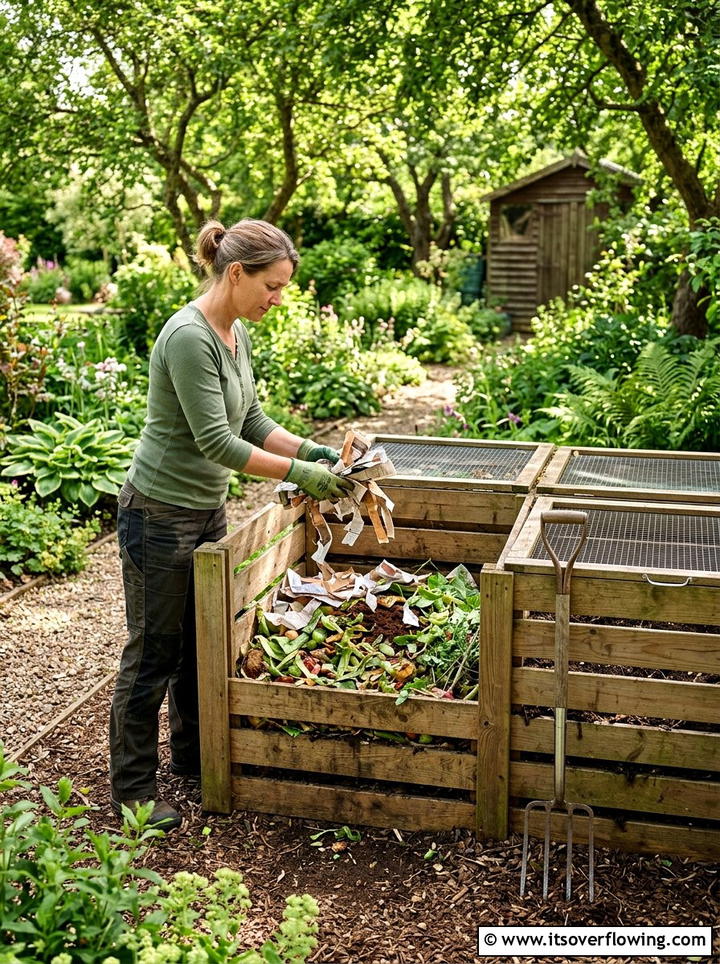
A healthy compost pile needs a good balance of green nitrogen-rich materials and brown carbon-rich materials to break down properly. Old newspapers are an excellent source of “browns” that help prevent your compost from becoming too smelly or overly wet. You should tear the paper into small pieces or thin strips before tossing them into your backyard composting bin or pile. This allows the air to circulate better and speeds up the decomposition process significantly compared to throwing in whole sheets. Adding paper helps create a light and airy texture in the finished compost, which is exactly what your garden soil needs. It is a simple way to recycle household waste while producing high-quality food for your hungry backyard plants.
5. Newspaper Lasagna Gardening Layer
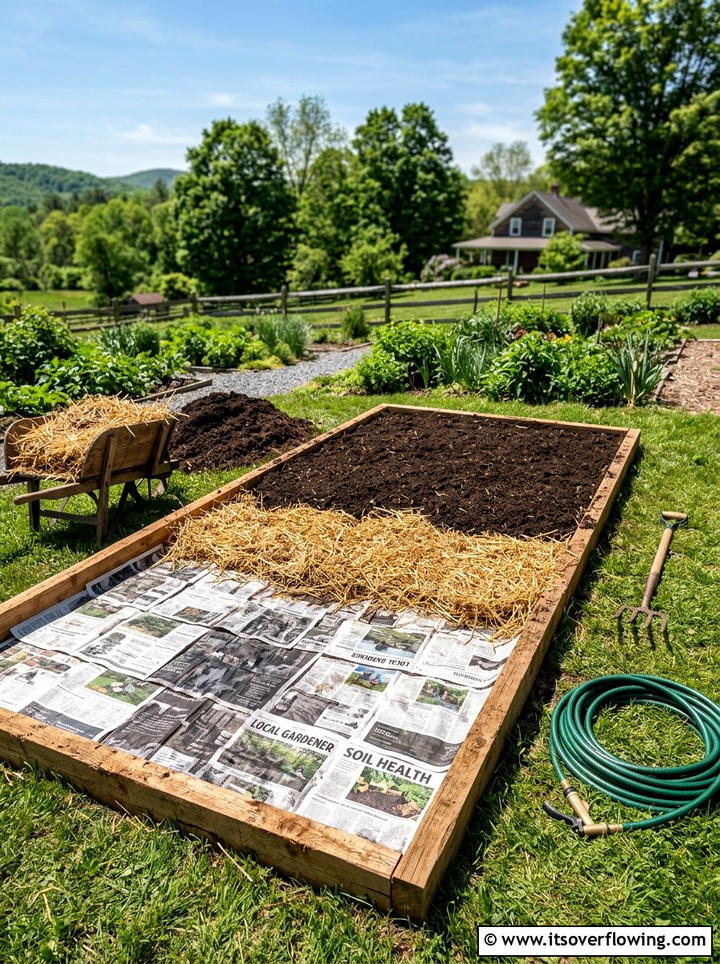
Building a lasagna garden is a popular “no-dig” method that relies heavily on recycled materials to create nutrient-dense planting areas. You start by placing a very thick layer of newspaper, usually about ten sheets deep, directly over your existing grass or weeds. This layer acts as the foundation for various other organic materials like grass clippings, leaves, and aged manure. The newspaper effectively smothers the grass underneath, so you don’t have to spend hours tilling or digging up the heavy sod. Over several months, the entire stack of materials breaks down into a rich and crumbly soil that is perfect for growing vegetables. It is a low-effort way to expand your gardening space without using any heavy machinery or harsh chemicals.
6. Newspaper Raised Bed Liner
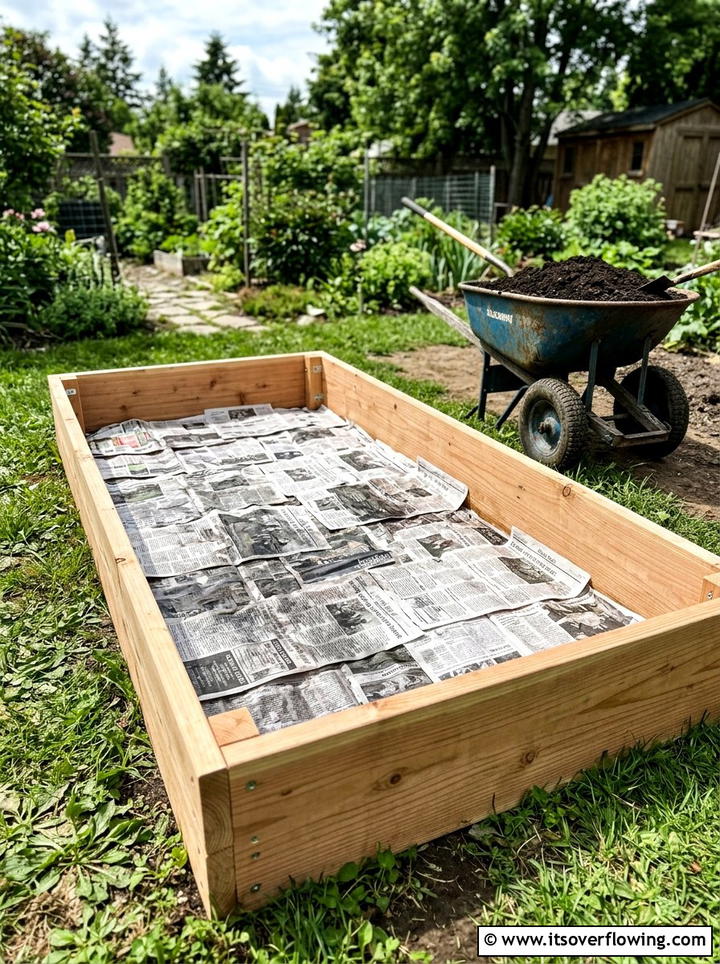
When you are setting up a brand-new raised garden bed, it is vital to prevent the grass and weeds from growing up through the bottom. You can line the entire interior base of your wooden or metal frame with a thick carpet of wet newspaper before adding soil. This creates a temporary but effective barrier that stops unwanted plants from competing with your new flowers or herbs for nutrients. Unlike plastic liners, the paper will eventually rot away, allowing your deep-rooted plants to reach down into the native earth below. This ensures that your raised beds have excellent drainage while keeping the initial weed pressure to an absolute minimum. It is an essential step for ensuring the long-term success of any new backyard growing project.
7. Newspaper Sheet Mulching
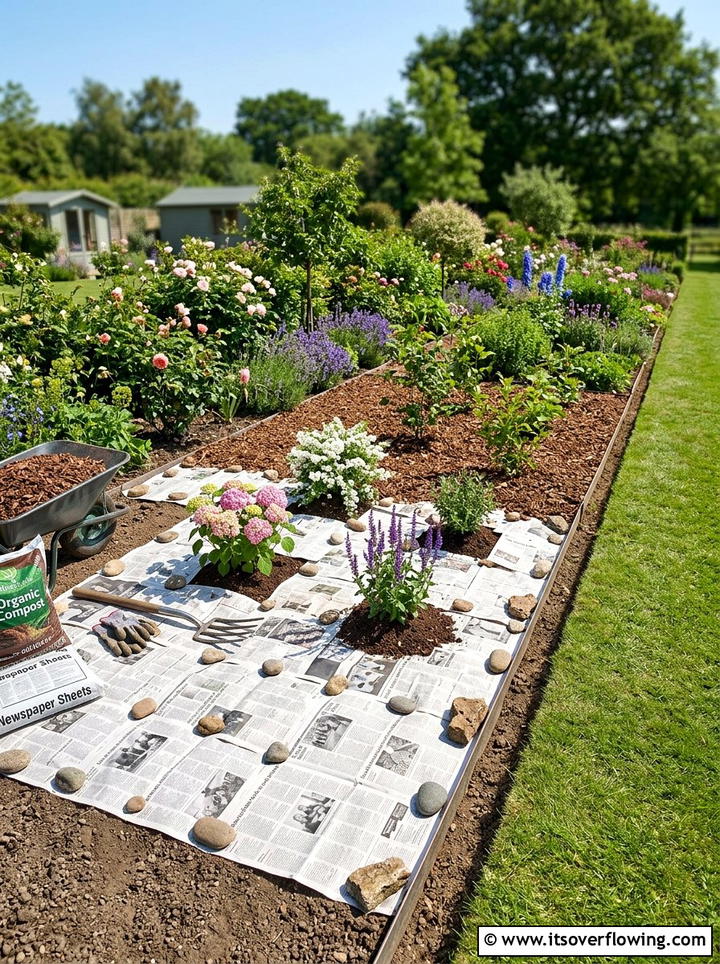
Sheet mulching is a large-scale version of weed blocking that can transform a wild patch of land into a productive growing area. You simply cover the entire designated area with overlapping sheets of newspaper and soak them thoroughly with a garden hose. By wetting the paper, you ensure it stays in place and begins the decomposition process immediately upon contact with the ground. On top of the paper, you can add layers of compost and a final decorative mulch to make the area look professional and clean. This method is fantastic for creating new perennial borders or preparing a large area for a fruit orchard in the future. It saves an incredible amount of labor by letting nature do the work of killing off the existing vegetation.
8. Newspaper Snail Trap
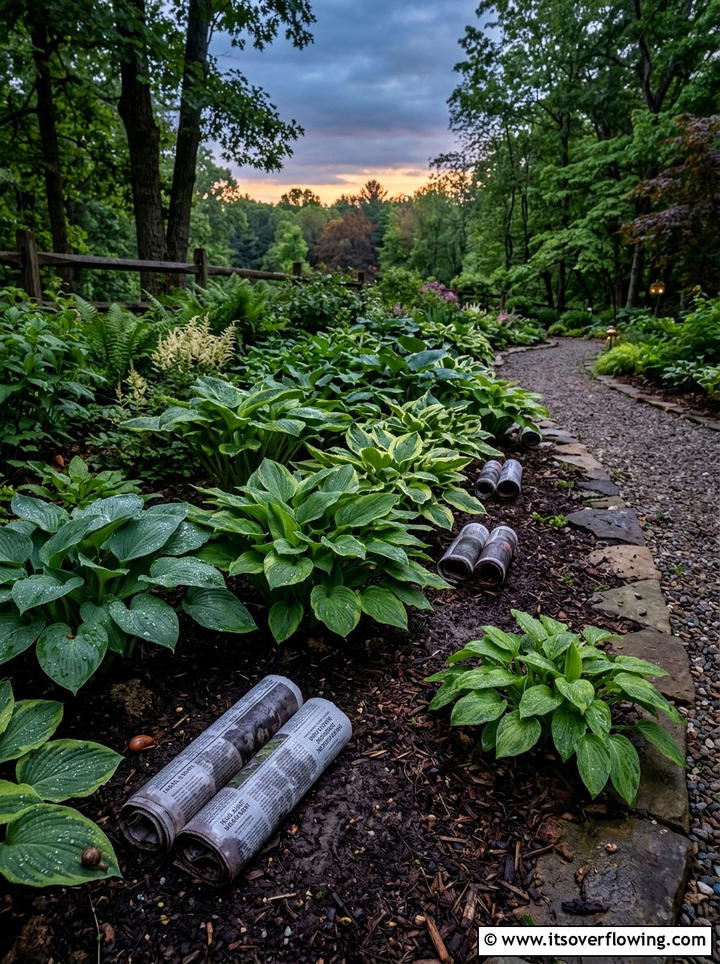
If slimy pests are eating your hostas or lettuce at night, you can use newspaper to create a simple and effective trap. Simply roll up a few sheets of damp newspaper and place them near the plants that are being targeted by snails or slugs. These moisture-loving creatures will seek out the cool and dark environment of the wet paper rolls during the heat of the day. Every morning, you can go out and check the rolls to find the pests hiding inside the damp paper layers. You can then easily remove the entire roll and dispose of the snails or move them to a different location away from your garden. This chemical-free approach is safe for pets and children while protecting your most vulnerable young seedlings.
9. Newspaper Earthworm Bedding
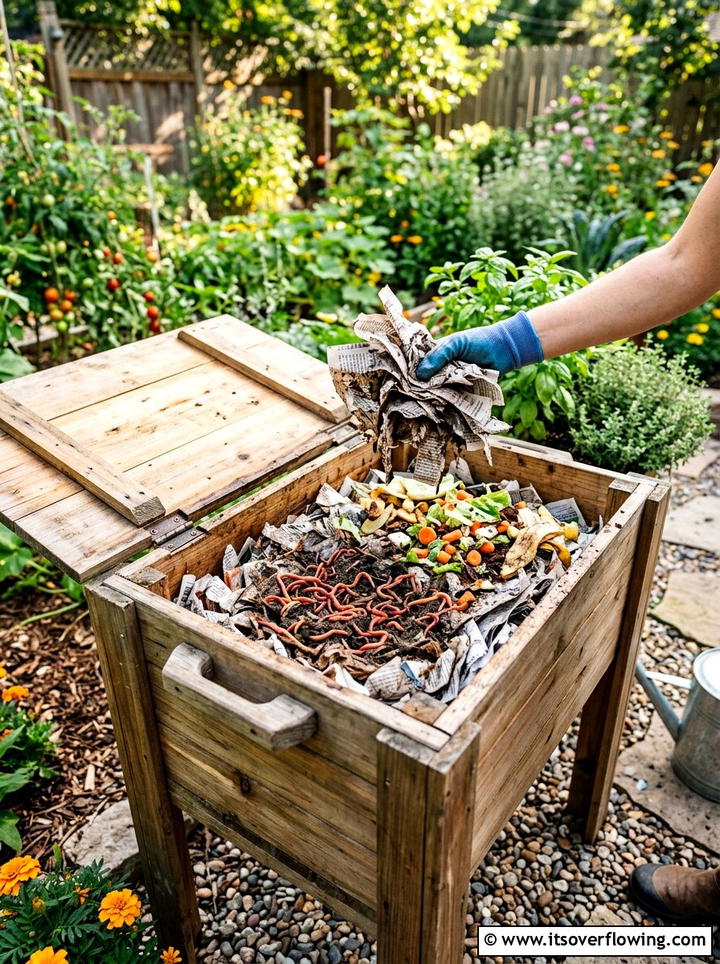
Earthworms are the unsung heroes of any healthy garden, and they absolutely love living in and eating damp newspaper. If you maintain a vermicompost bin or a worm farm, shredded paper makes the perfect bedding material for your wiggly friends. The paper provides a safe and moist environment where worms can tunnel and process food scraps into nutrient-rich castings. Make sure the paper is damp like a wrung-out sponge so the worms can breathe easily through their skin in the dark bin. Even in the outdoor garden, buried newspaper will attract local earthworms that will work to aerate your soil and leave behind natural fertilizer. It is a wonderful way to encourage a thriving ecosystem right beneath your feet while recycling your daily news.
10. Newspaper Pot Liner for Hanging Basket
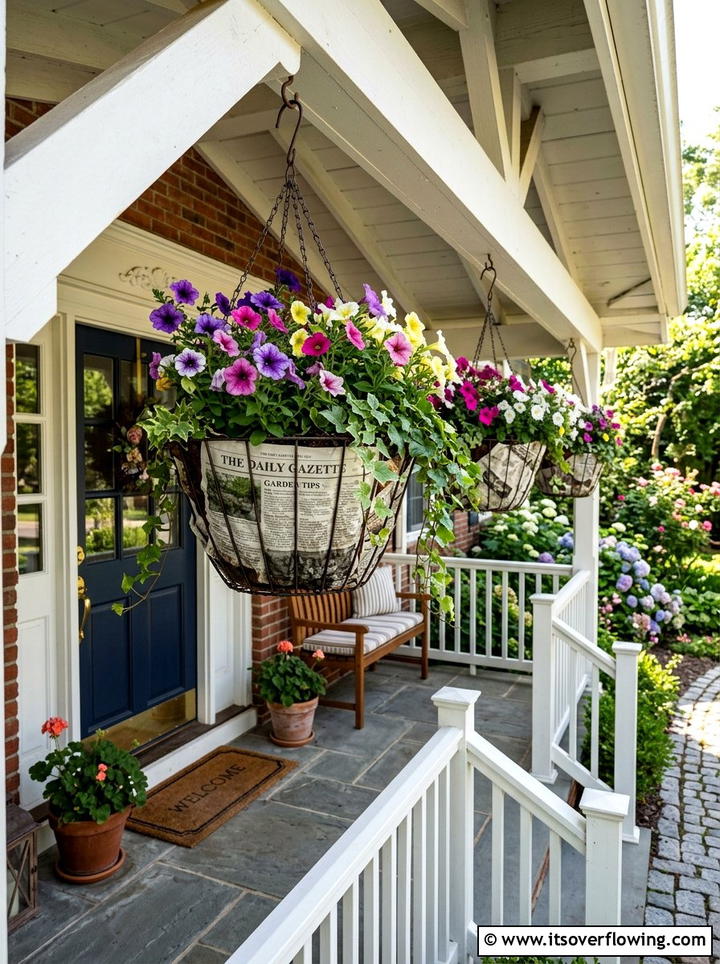
Hanging baskets often dry out very quickly because the air circulates around all sides of the coconut coir or moss liner. You can help your flowers stay hydrated by placing a layer of newspaper inside the liner before you add any potting soil. The paper acts as a secondary reservoir that catches and holds onto water, preventing it from draining out of the bottom too fast. This simple trick can reduce the number of times you need to water your hanging plants during the scorching days of July and August. As the newspaper stays damp, it keeps the roots cool and provides a more consistent moisture level for thirsty blooms. It is an invisible helper that ensures your porch looks beautiful and vibrant all summer long.
11. Newspaper Seed Tape
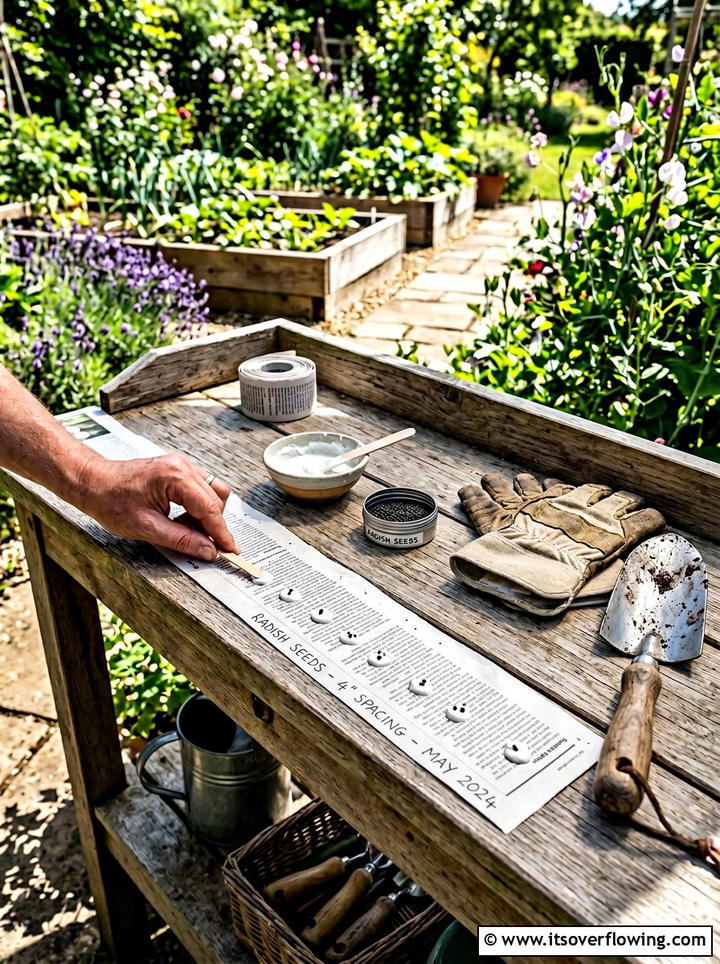
Planting tiny seeds like carrots or lettuce can be frustrating because they are so small and difficult to space out evenly. You can create your own DIY seed tape by cutting long strips of newspaper and using a simple flour and water paste. Just place small dots of the paste at the correct intervals along the paper and press a seed into each moist spot. Once the strips are dry, you can roll them up and save them for your next planting session in the vegetable garden. When you are ready to plant, just lay the paper strips in a shallow trench and cover them with a light layer of soil. The newspaper will quickly dissolve in the ground, leaving your perfectly spaced seeds ready to sprout and grow.
12. Newspaper Fruit Ripening Wrap
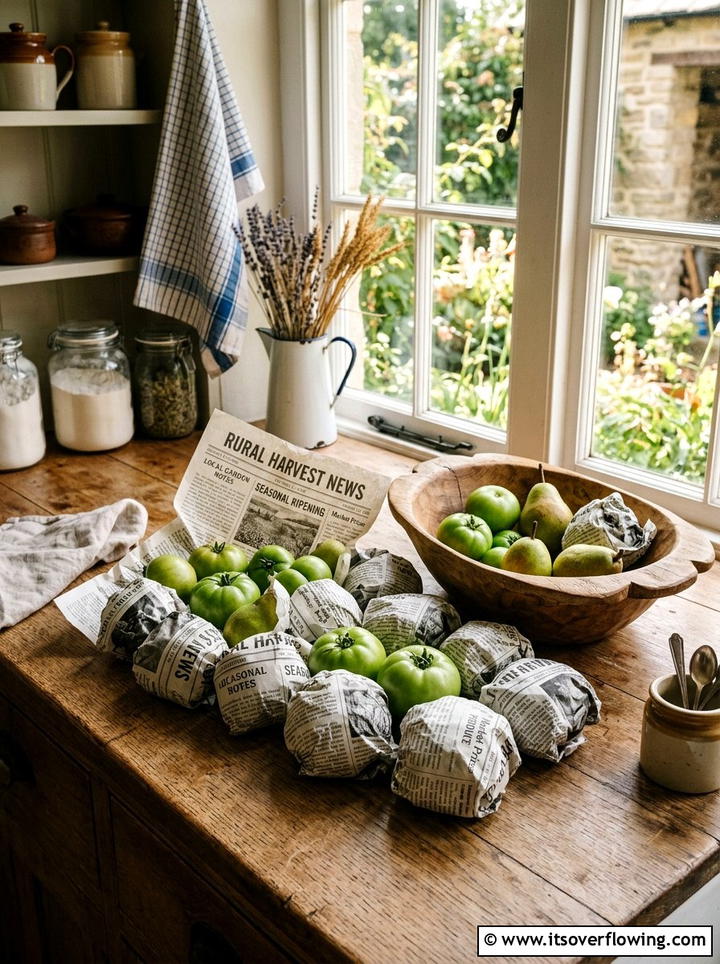
Sometimes the growing season is too short, and you find yourself with a harvest of green tomatoes or firm pears that need a little help. You can wrap individual pieces of fruit in a single sheet of newspaper to encourage them to ripen more quickly indoors. The paper traps the natural ethylene gas produced by the fruit, which speeds up the softening and sweetening process while preventing bruises. It also keeps the fruit separated so that if one piece begins to spoil, it won’t immediately affect all the other items in the bowl. This old-fashioned technique is a reliable way to ensure you get to enjoy every bit of your hard-earned harvest. It works beautifully for winter squash and apples that need to be stored in a cool place.
13. Newspaper Garden Path Base
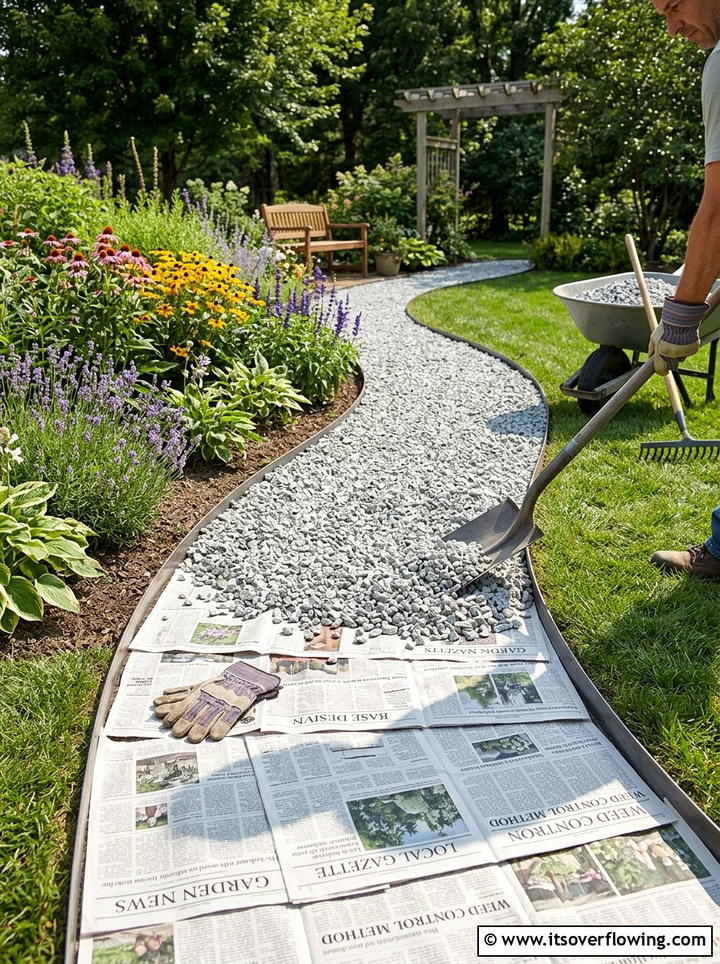
Creating a budget-friendly walkway through your garden is easy when you use recycled paper as a foundational layer for your materials. Before you spread gravel, wood chips, or crushed shells for your path, lay down a very thick carpet of newspaper sheets. This base layer prevents grass and weeds from pushing through your new walkway and keeps the path materials from sinking into the mud. It provides a stable and clean surface that defines the flow of your outdoor space without the need for expensive landscape fabric. Over time, the paper will merge with the soil, but the initial barrier is usually enough to stop the most aggressive weeds from taking over. This method keeps your garden paths looking pristine and well-maintained with very little effort.
14. Newspaper Mushroom Growing Substrate
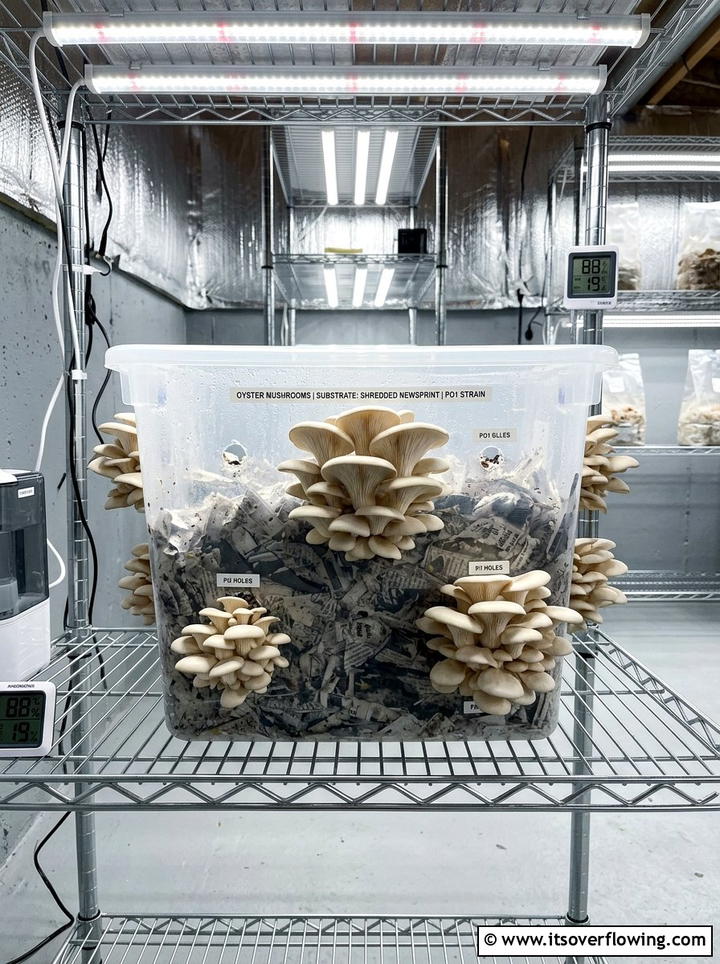
If you are interested in growing your own edible mushrooms at home, old newspapers can serve as a surprisingly effective growing medium. Certain types of mushrooms, like oysters, can thrive on the cellulose found in the wood fibers used to make newsprint paper. You can soak the shredded paper in hot water to pasteurize it and then mix it with mushroom spawn in a clean container. The newspaper holds the moisture that mushrooms need to develop their mycelium and eventually produce healthy fruiting bodies for you to eat. This project is a fascinating way to see how fungi can break down waste materials and turn them into delicious, gourmet food. It is an educational and rewarding activity for gardeners who want to explore the world of mycology.
15. Newspaper Vertical Garden Moisture Retainer
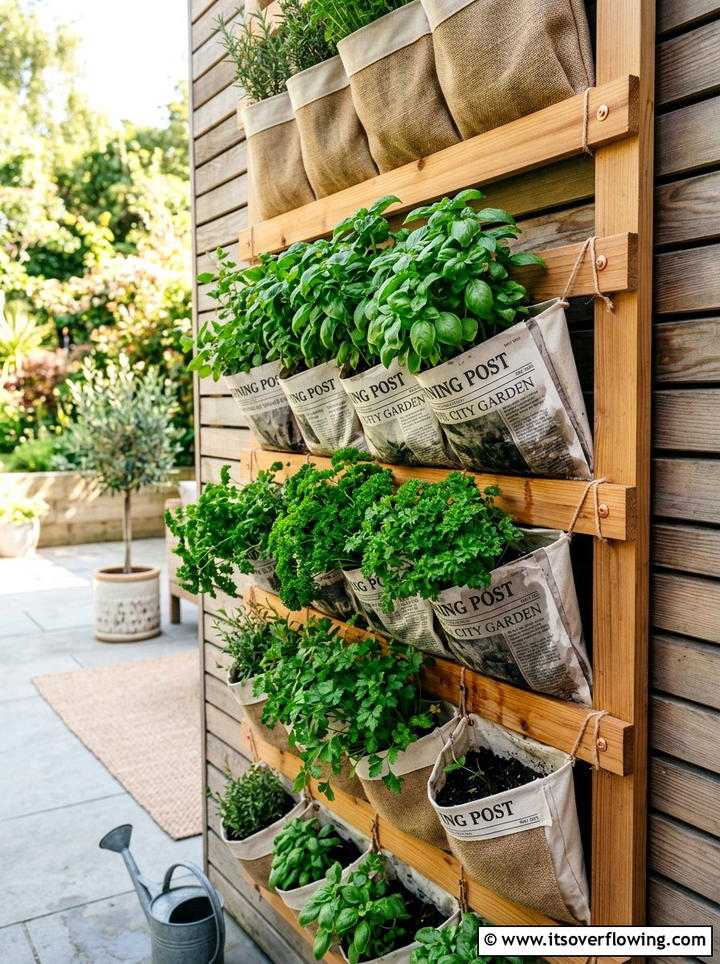
Vertical gardens and living walls are stunning, but they face a constant struggle with rapid evaporation and soil compaction in small pockets. You can improve the health of your vertical plants by lining the planting pockets with a thin layer of recycled newspaper. This helps to distribute the water more evenly throughout the growing medium and prevents the soil from washing away during heavy rain. The paper also adds a bit of extra insulation for the roots, protecting them from the temperature fluctuations that occur on exposed walls. This simple addition can make your vertical herb garden much more resilient and easier to maintain throughout the growing season. It ensures that your wall remains a lush and green focal point in your outdoor living area.

16. Newspaper Greenhouse Insulation
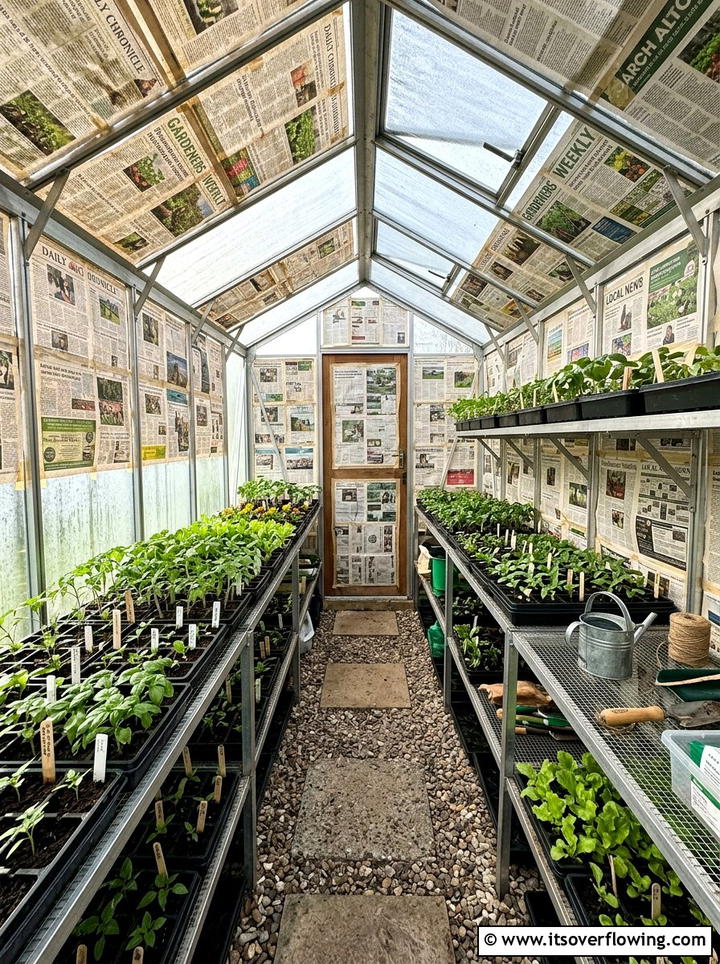
Keeping a small greenhouse warm during the chilly spring nights can be a challenge for many hobbyist gardeners and plant lovers. You can use layers of newspaper to create a temporary insulation barrier against the glass or plastic walls of your structure. Taping sheets of paper to the inside of the greenhouse helps to trap a layer of air and slow down the loss of heat. While it may not be a permanent solution, it is an excellent way to protect tender seedlings from a sudden overnight frost. You can also wrap individual pots in newspaper to keep the soil temperature slightly higher than the surrounding air in the room. This low-tech approach can give your young plants the extra boost they need to survive the early season.
17. Newspaper Seed Germination Cover
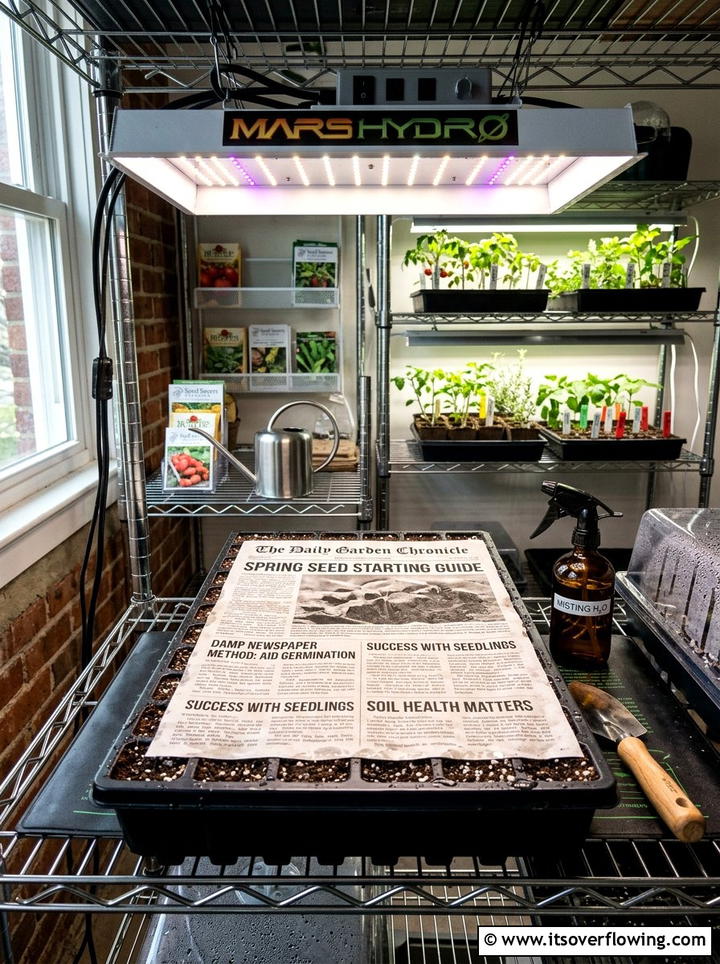
Some seeds require a dark and consistently moist environment to germinate successfully on your indoor shelving or in the garden. You can place a single sheet of damp newspaper over your seed trays or soil rows to provide the perfect sprouting conditions. This cover prevents the surface of the soil from drying out too quickly under bright grow lights or the direct sun. It also keeps the seeds in total darkness, which is a requirement for certain varieties like pansies or delphiniums to begin growing. You must check the trays every day and remove the paper as soon as you see the first tiny green loops emerge. This simple step can significantly improve your germination rates and lead to a much more successful and productive garden.
18. Newspaper Winter Plant Protection
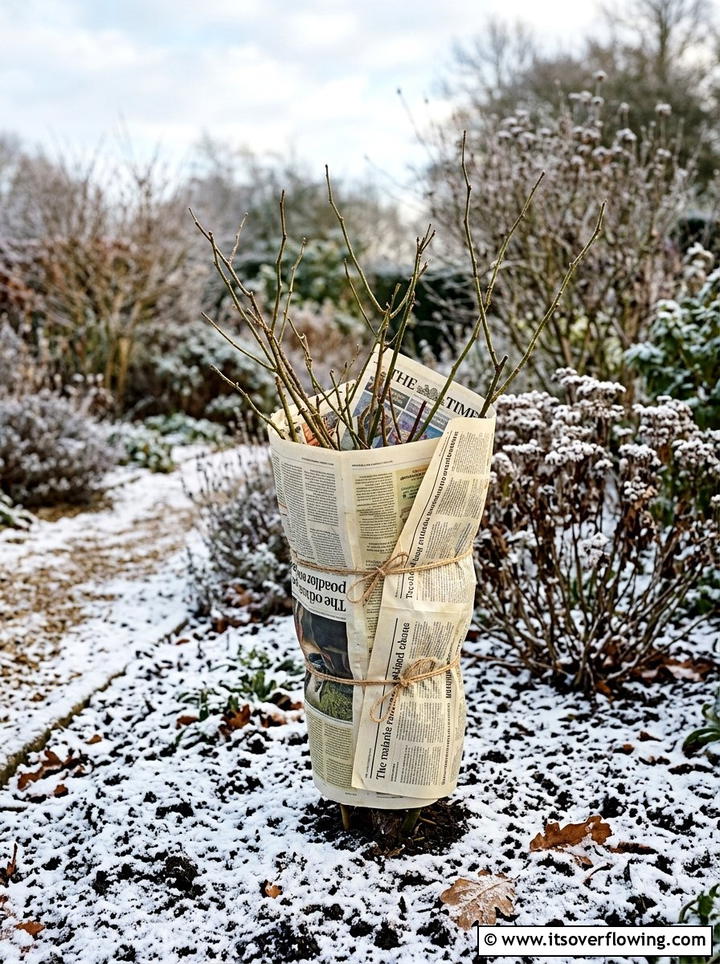
As the winter winds begin to blow, some of your more delicate shrubs and perennials might need a little bit of extra help. You can use old newspapers to provide a protective wrap around the base of sensitive plants to prevent frost heave and windburn. Crumpled paper can be stuffed into wire cages placed around roses or small evergreens to act as a fluffy insulation layer against the cold. The paper traps heat from the ground and keeps the icy air from reaching the tender stems and dormant buds of the plant. It is a cost-effective alternative to expensive plant blankets or burlap wraps that you would typically find at the store. This simple winterizing technique helps ensure your favorite plants return strong and healthy in the spring.
19. Newspaper Strawberry Bed Lining
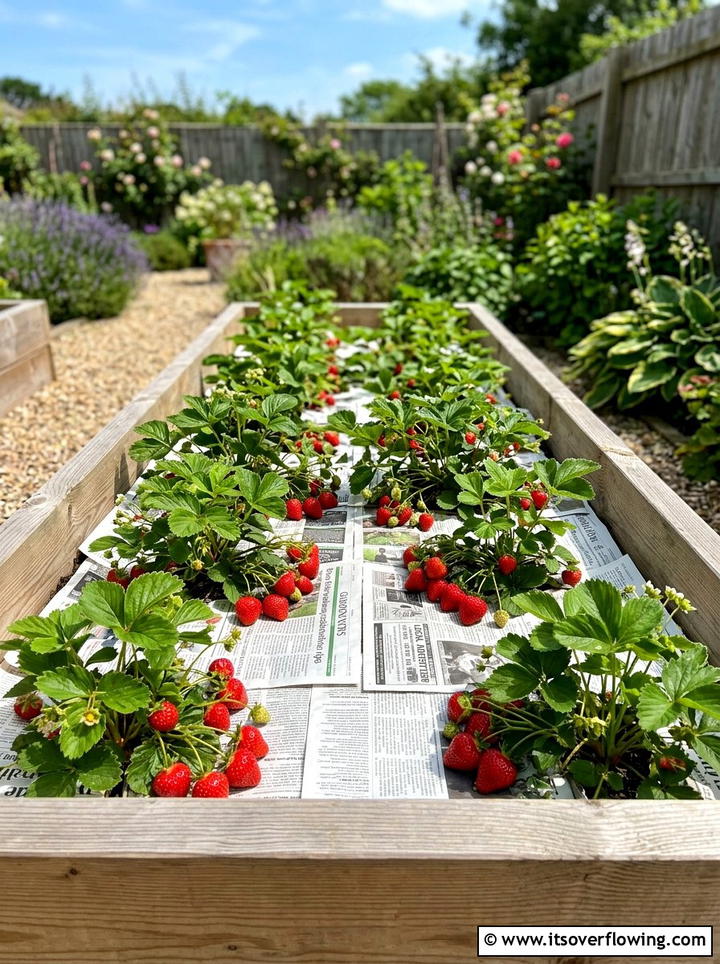
Strawberries are susceptible to rot if the ripening fruit sits directly on damp soil or muddy ground after a heavy rain. You can place sheets of newspaper around your strawberry plants to act as a clean and dry landing pad for the heavy berries. This keeps the fruit clean and significantly reduces the chances of soil-borne diseases affecting your delicious harvest during the peak season. The paper also helps to suppress the runners that strawberries send out, allowing you to manage the size and shape of your patch more easily. As the season ends, the paper will begin to break down, adding valuable organic matter back into the soil for next year. It is a practical and easy way to improve the quality of your homegrown fruit.
20. Newspaper Kneeling Pad Filler
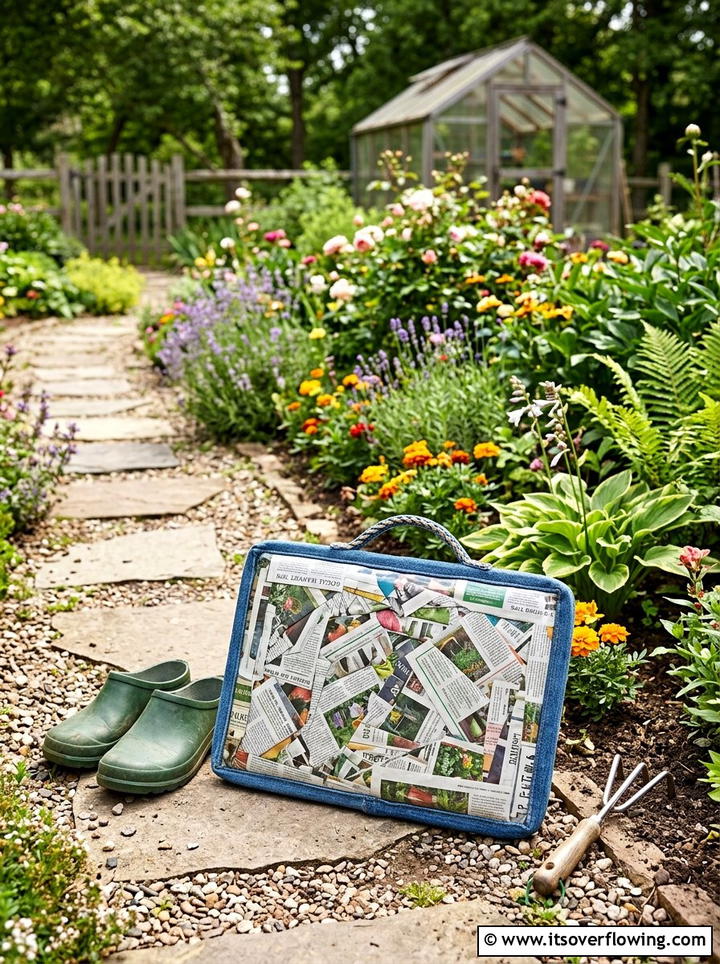
Spending hours weeding and planting can be very hard on your knees, but you can make a comfortable pad using recycled materials. You can take a sturdy plastic bag or a waterproof fabric pouch and fill it with several layers of folded newspaper. The paper provides a firm yet cushioned surface that protects your joints from the hard and uneven ground in your garden beds. Unlike foam pads that can degrade over time, you can simply replace the newspaper filler whenever it becomes flattened or damp from use. This DIY kneeling pad is lightweight and easy to carry around as you move from one task to another in your backyard. it is a great example of how recycling can improve your personal comfort while you work.
21. Newspaper Paper Log Bird House Bedding
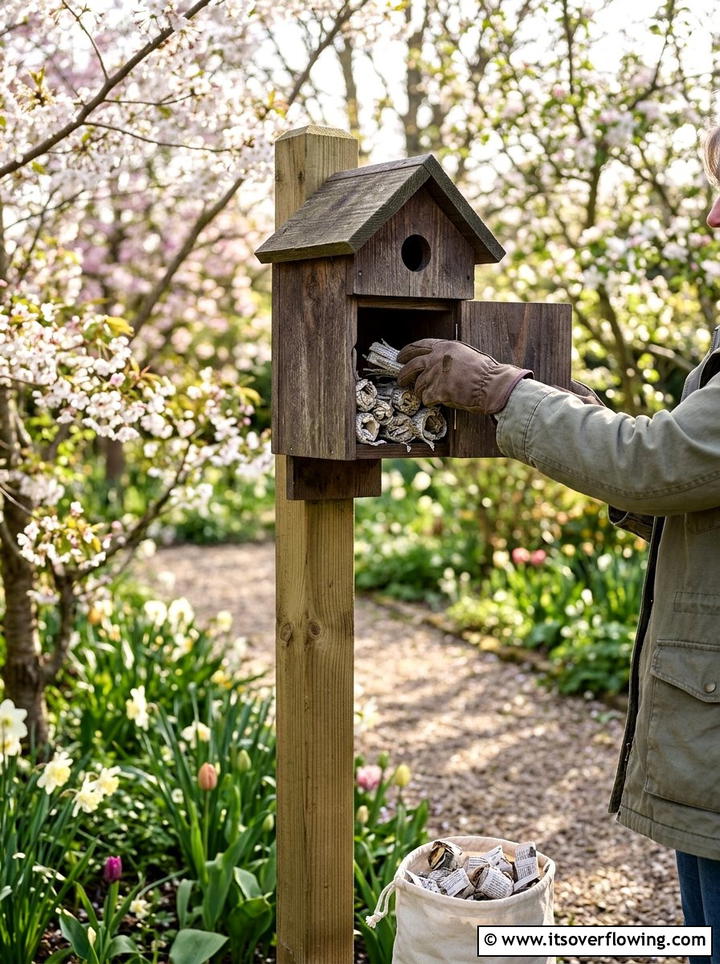
If you have birdhouses in your garden, you can use shredded newspaper to provide a soft and warm nesting material for your feathered friends. While birds usually find their own materials, providing a clean source of soft paper can be very helpful during the busy nesting season. You can also roll up newspapers tightly to create small “logs” that can be placed in the bottom of larger bird shelters for insulation. These paper layers help to keep the interior of the house warm for developing chicks and nesting parents during cold spring nights. Make sure to use paper with soy-based inks to ensure it is safe for the wildlife that visits your backyard. It is a thoughtful way to support the local bird population in your area.
22. Newspaper Tree Trunk Wrap
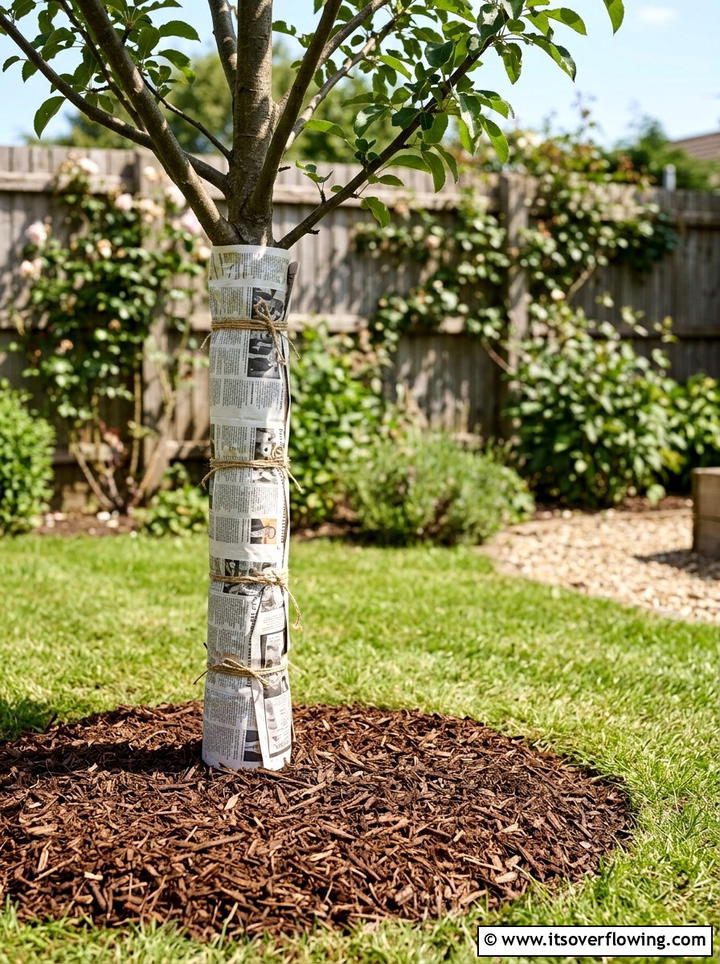
Young trees with thin bark are often vulnerable to sunscald during the winter or damage from hungry rodents looking for a snack. You can protect the lower trunks of your new saplings by wrapping them in several layers of recycled newspaper and securing them with twine. This protective sleeve reflects the harsh winter sun and prevents the bark from cracking due to rapid temperature changes during the day. It also creates a physical barrier that makes it more difficult for rabbits or mice to chew on the tender wood of the tree. The paper wrap is breathable and will naturally expand as the tree grows, making it a safe choice for young specimens. It is a simple and effective way to ensure your new trees have a healthy start.
23. Newspaper Garden Tool Cleaner
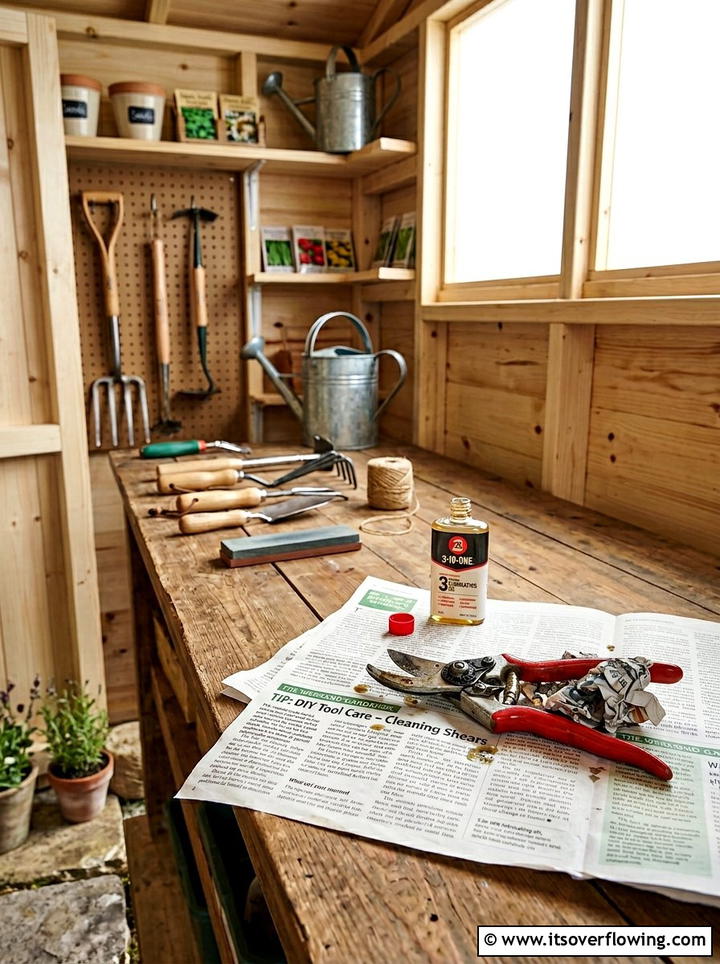
Keeping your garden tools clean and sharp is essential for preventing the spread of diseases between different plants in your backyard. You can use old newspaper to wipe away sap, dirt, and moisture from your pruners, shovels, and trowels after every use. The slightly abrasive texture of the newsprint is excellent for scrubbing off stubborn bits of dried mud without scratching the metal surface of the tool. You can also use a wad of newspaper dipped in a little bit of vegetable oil to give your tools a protective coating. This prevents rust from forming on the blades and keeps the moving parts of your shears working smoothly for many years to come. It is a quick and easy maintenance habit that every gardener should adopt.
24. Newspaper Flower Drying Support
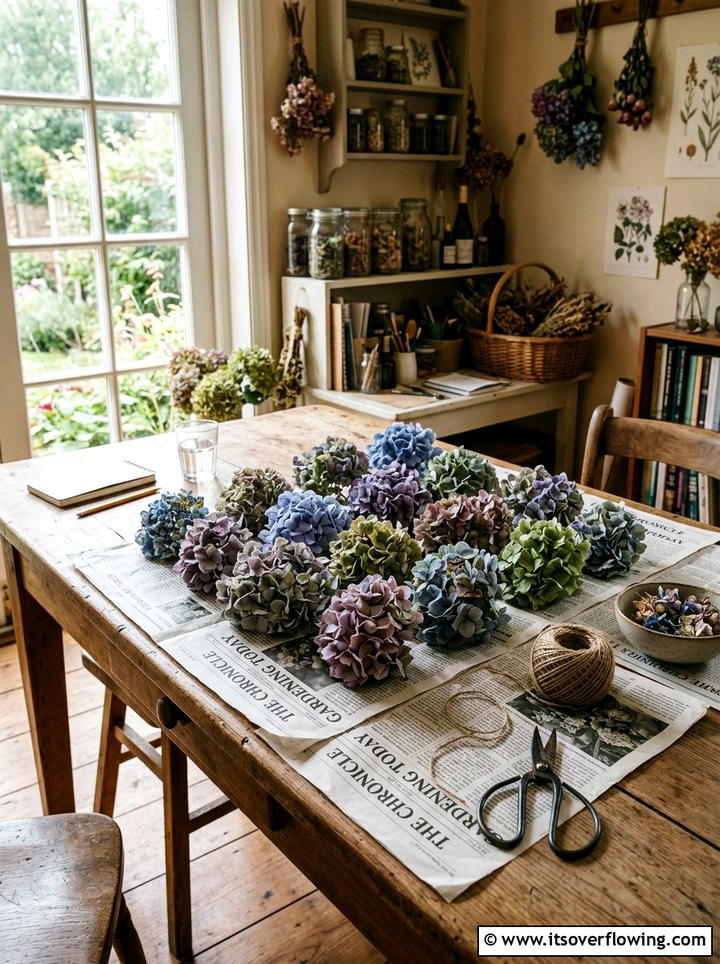
If you love bringing the beauty of your garden indoors, you can use newspaper to help dry your favorite blooms for long-term displays. You can place heavy flowers like hydrangeas or roses between several sheets of newspaper to absorb the moisture as they dry out slowly. The paper helps to maintain the shape of the petals while preventing mold and mildew from forming during the preservation process. You can also roll newspaper into cones to hold long-stemmed flowers upright while they air-dry in a cool and dark place in your home. This technique ensures that your dried arrangements look vibrant and professional rather than wilted and brown. It is a wonderful way to enjoy the colors of your summer garden all through the winter months.
25. Newspaper Organic Pest Deterrent
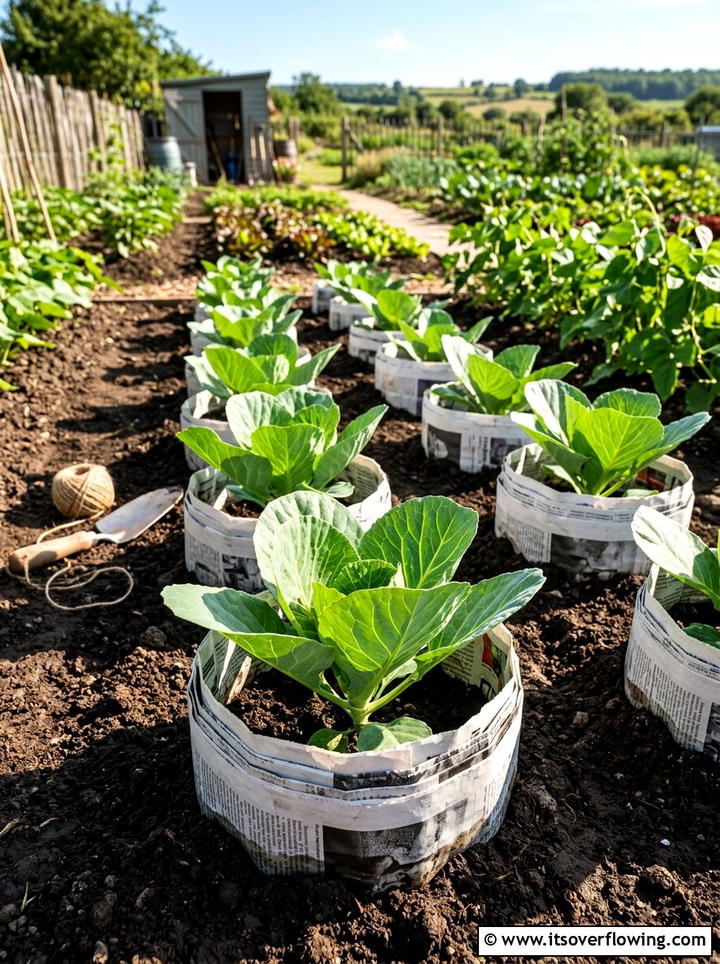
Some gardeners have found that placing certain types of paper around their plants can help deter specific pests like cabbage worms. You can cut circles out of newspaper and place them around the base of your brassica plants to prevent insects from laying eggs in the soil. This physical barrier interrupts the life cycle of the pests and reduces the need for organic or chemical sprays in your vegetable patch. The light color of the paper can also confuse flying insects that are searching for specific plants to target for their next meal. It is a low-tech and environmentally friendly way to manage your garden ecosystem without harming beneficial pollinators like bees and butterflies. This simple method helps you maintain a healthy and productive garden naturally.
Conclusion:
Using recycled newspapers in your backyard is a brilliant way to save money while improving the overall health of your plants and soil. Throughout this guide, we have explored how this simple household waste can be transformed into everything from seed pots to protective winter wraps. By incorporating these eco-friendly techniques, you are not only reducing your environmental footprint but also creating a more sustainable growing environment. These methods are easy to implement, require very few tools, and offer immediate benefits for both novice and experienced gardeners. Whether you are fighting weeds or starting new seeds, the versatility of newspaper is truly impressive. Start saving those daily papers today and watch your garden thrive with these clever and practical recycling ideas.
Related posts:
 25 recycled garden ideas with newspapers: Clever DIYs
 25 recycled garden ideas with eco friendly decor: Easy DIY
 25 recycled garden ideas with recycled glass art to Love
 25 recycled garden ideas with recycled metal art to Try
 25 recycled garden ideas with recycled plastic projects
 25 recycled garden ideas with recycled wood art to Try
 25 recycled garden ideas with cardboard: Smart Eco Hacks
 25 recycled garden ideas with leaf mold bins: Eco DIYs
 25 Recycled Garden Ideas DIY Projects for Outdoor Charm
 25 recycled garden ideas with buckets: Budget DIY Planters
 25 recycled garden ideas with hanging bottle planters: DIY
 25 recycled garden ideas with plastic bottles for DIY