
Transforming your outdoor space does not always require a massive budget or a trip to the local nursery for expensive supplies. Cardboard is a versatile and completely biodegradable resource that most homeowners already have sitting in their recycling bins. Instead of tossing those shipping boxes, you can use them to improve soil health, suppress stubborn weeds, and even start new seedlings for your spring garden. This sustainable approach reduces waste while providing essential nutrients back to the earth as the material decomposes naturally. Whether you are a seasoned gardener or a complete beginner, these creative methods will help you build a thriving and eco-friendly landscape. Let’s explore how this simple material can revolutionize your gardening routine today.
1. Sheet mulching cardboard
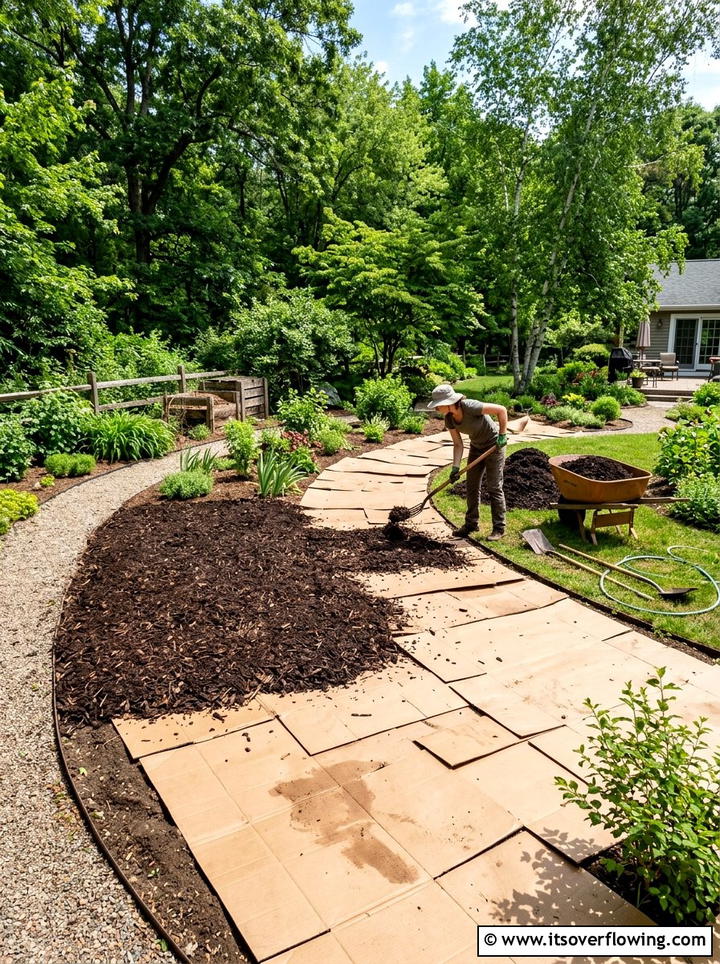
Have you ever looked at your pile of shipping boxes and wondered how they could help your soil? Sheet mulching with cardboard is one of the most effective ways to build rich, organic matter without tilling. By laying down thick layers of brown cardboard directly over grass or weeds, you create a suffocating barrier that eventually breaks down into nutrient-dense compost. This technique encourages earthworm activity and improves moisture retention in the earth. You simply need to remove any tape or staples before layering it down. Once the cardboard is in place, cover it with a thick layer of wood chips or straw to keep it secure. It is a slow-building process that rewards patient gardeners with fertile soil.
2. Cardboard seed starting pots
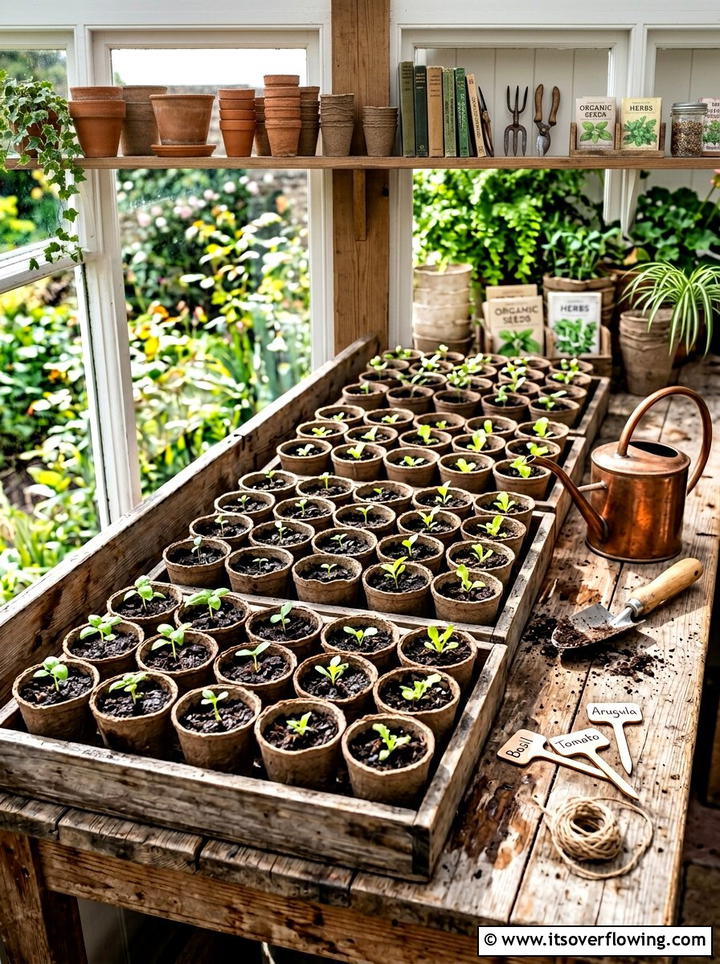
Imagine starting your entire spring garden using nothing but the waste from your kitchen pantry and shipping deliveries. Creating individual seed starting pots from cardboard tubes or folded box pieces is a brilliant way to reduce plastic waste. These homemade containers provide a sturdy home for young roots as they begin to grow indoors during the colder months. The best part is that cardboard is completely biodegradable, meaning you can plant the entire pot directly into the ground once the weather warms up. This prevents transplant shock because the delicate root system is never disturbed. It is an incredibly cost-effective solution for anyone looking to grow a massive variety of vegetables or flowers from seed.
3. Cardboard weed barrier
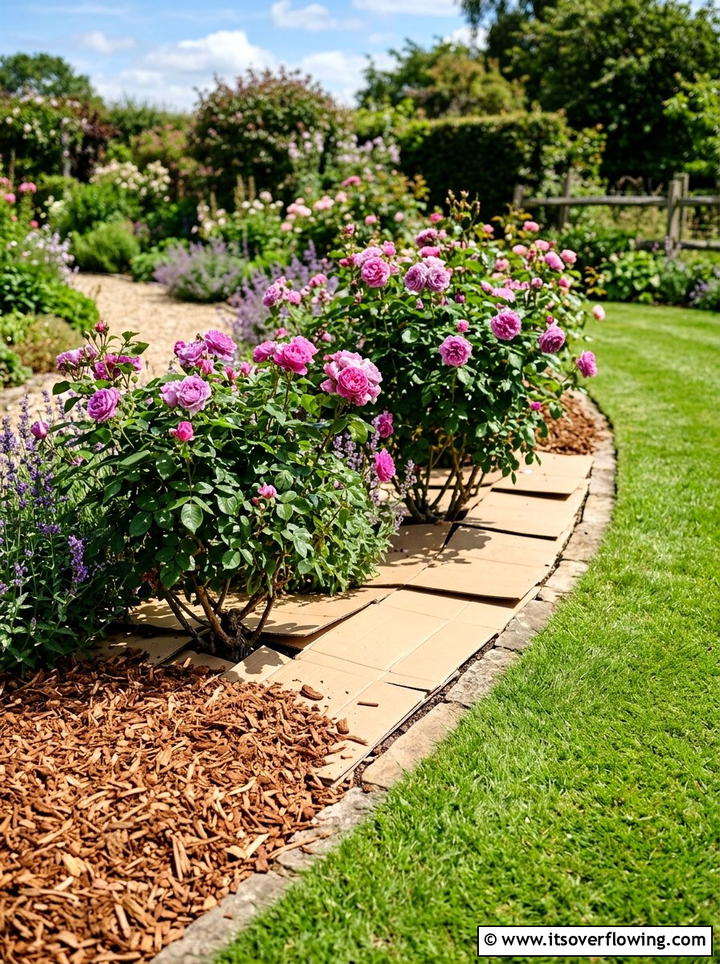
Are you tired of spending your weekends pulling stubborn weeds from your flower beds or vegetable patches? Using thick sheets of cardboard as a natural weed barrier is a game-changer for maintaining a tidy and healthy garden. When you place cardboard around your existing plants, it blocks the sunlight that dormant weed seeds need to germinate and grow. Unlike plastic landscape fabric, cardboard allows water and air to reach the soil while slowly decomposing and adding carbon back into the ecosystem. You can hide the brown material by topping it with decorative mulch, bark, or decorative stones. This method keeps your garden looking professional while significantly reducing the amount of physical labor required for upkeep.
4. Cardboard garden path
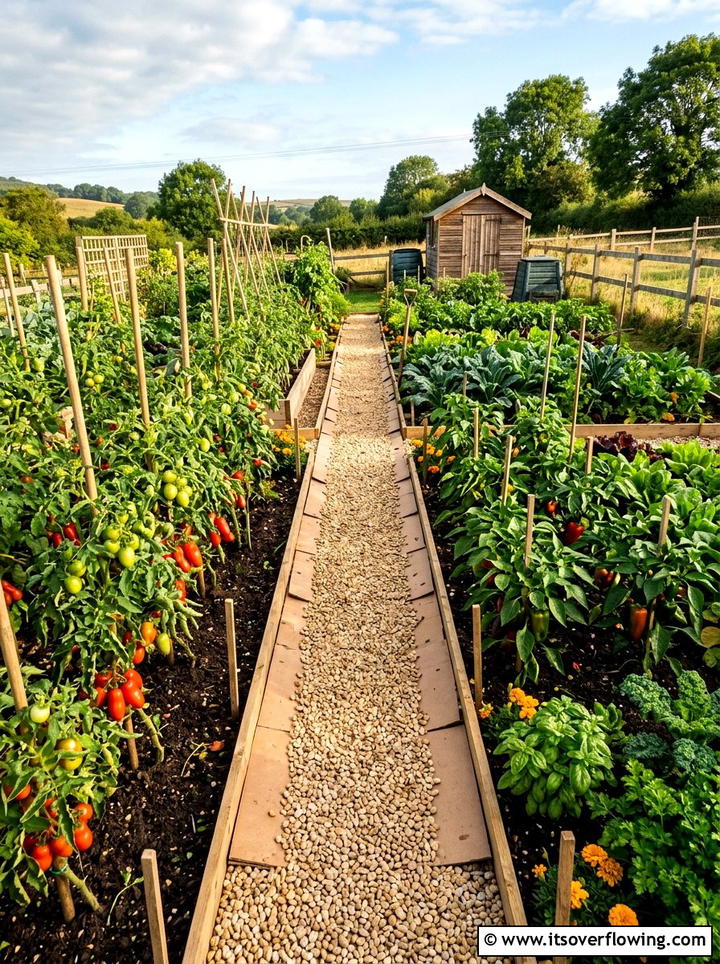
Walking through a muddy garden after a heavy rain can be a messy and frustrating experience for any homeowner. You can create a temporary and functional garden path by laying down long, flat sections of heavy-duty cardboard between your planting rows. This provides a clean, stable surface to walk on while you harvest your vegetables or tend to your flowers. The cardboard also helps to prevent soil compaction in the areas where you walk most frequently. To make the path look more permanent and aesthetically pleasing, cover the cardboard with a thick layer of cedar mulch or gravel. It is an excellent way to define your garden’s layout while suppressing weeds along your walking trails.
5. No dig garden bed
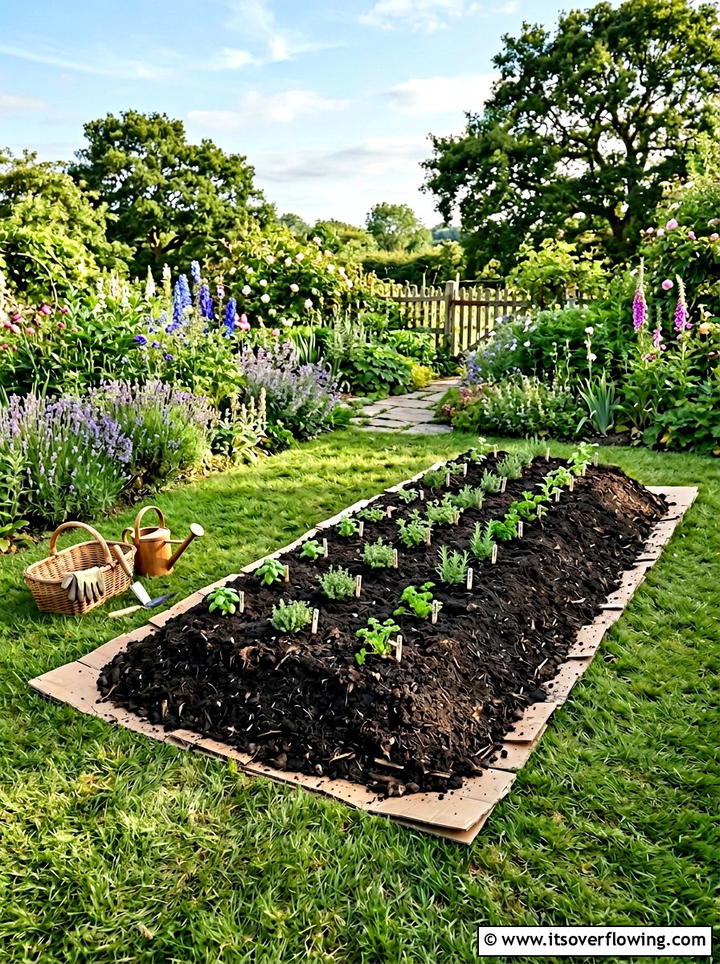
Building a new planting area does not have to involve hours of grueling digging or removing heavy layers of sod. The no-dig method uses cardboard as a foundational layer to kill off existing grass and create a fresh slate for planting. By placing large pieces of cardboard over your desired bed area, you trap moisture and heat, which accelerates the decomposition of the vegetation underneath. You then layer compost, soil, and organic mulch directly on top of the cardboard to create a raised mound. This creates a high-quality growing environment that is full of microbial life. Within a few months, the cardboard disappears, leaving behind deep, friable soil that is perfect for roots.
6. Cardboard compost bin
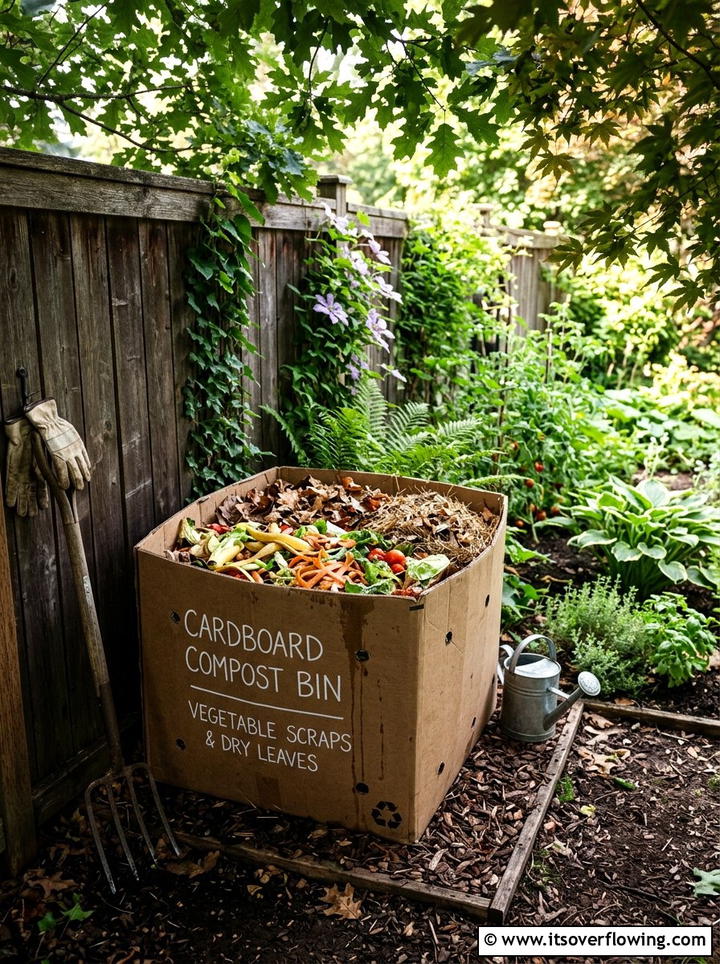
Have you considered building a temporary composting area but didn’t want to invest in expensive plastic or wooden bins? A large, sturdy cardboard box can serve as an excellent short-term compost bin for your kitchen scraps and yard waste. The thick walls of the box help to insulate the pile, retaining the heat necessary for rapid decomposition of organic materials. As the contents break down into rich humus, the cardboard box itself will eventually begin to decompose, adding even more carbon to the mix. This is a fantastic solution for small-scale composting or for gardeners who want to test a new location before committing to a permanent structure. It is truly zero-waste gardening.
7. Cardboard raised bed liner
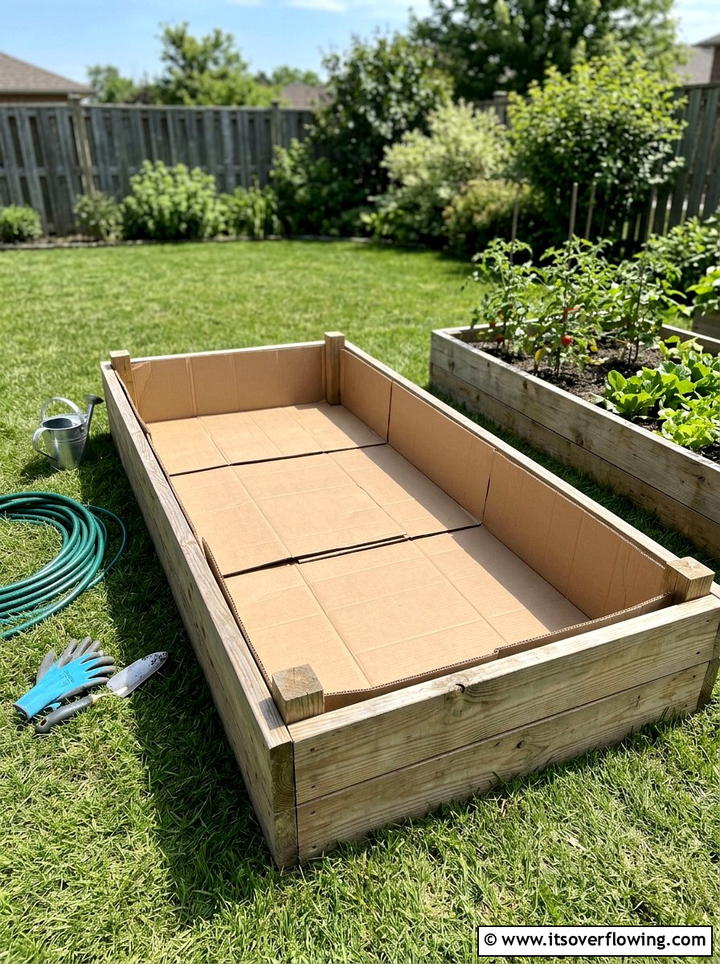
If you are worried about grass or aggressive weeds growing up through the bottom of your new raised beds, cardboard is the answer. Before filling your wooden or metal raised frames with expensive garden soil, line the bottom with a double layer of corrugated cardboard. This creates a temporary but effective physical barrier that prevents unwanted plants from infiltrating your growing space from below. Over the course of the first growing season, the cardboard will slowly rot away, allowing your vegetable roots to eventually reach deeper into the native soil. It provides a clean start for your garden and ensures that your plants don’t have to compete for nutrients with established lawn grass.
8. Cardboard tree mulch ring
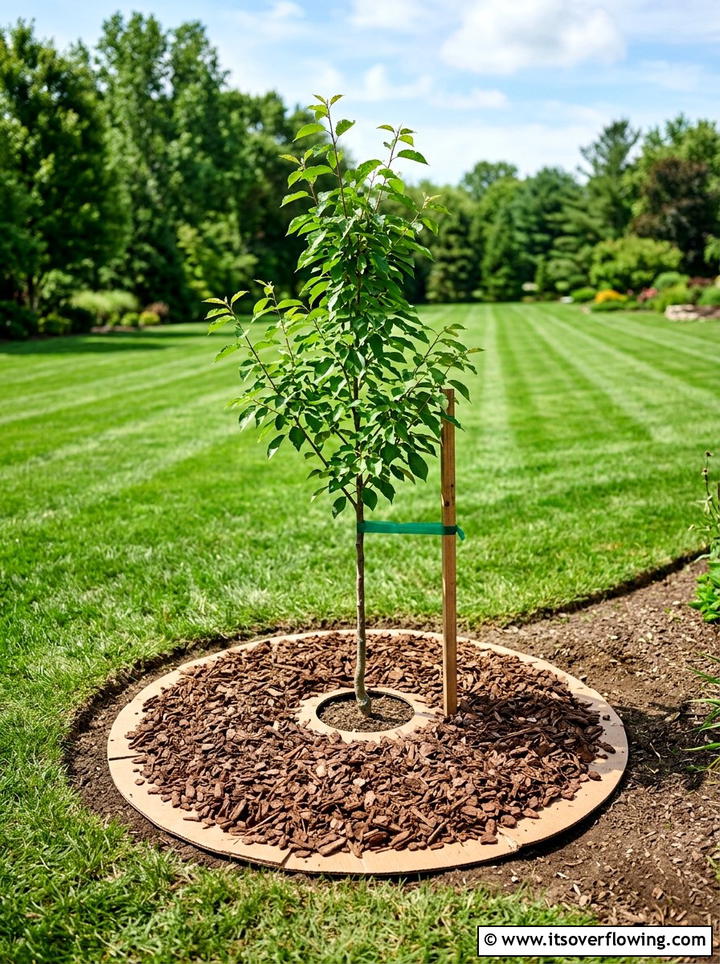
Protecting the base of young trees from lawnmowers and weed trimmers is essential for their long-term health and survival. You can easily create a protective mulch ring by cutting a circular piece of cardboard and placing it around the trunk of the tree. This barrier prevents grass from growing too close to the bark, which reduces competition for water and nutrients. It also acts as a visual guide for where to stop mowing, preventing accidental damage to the sensitive base of the tree. Cover the cardboard with wood chips or shredded leaves to keep it in place and give the area a finished, professional look. This simple step helps young trees thrive.
9. Cardboard plant labels
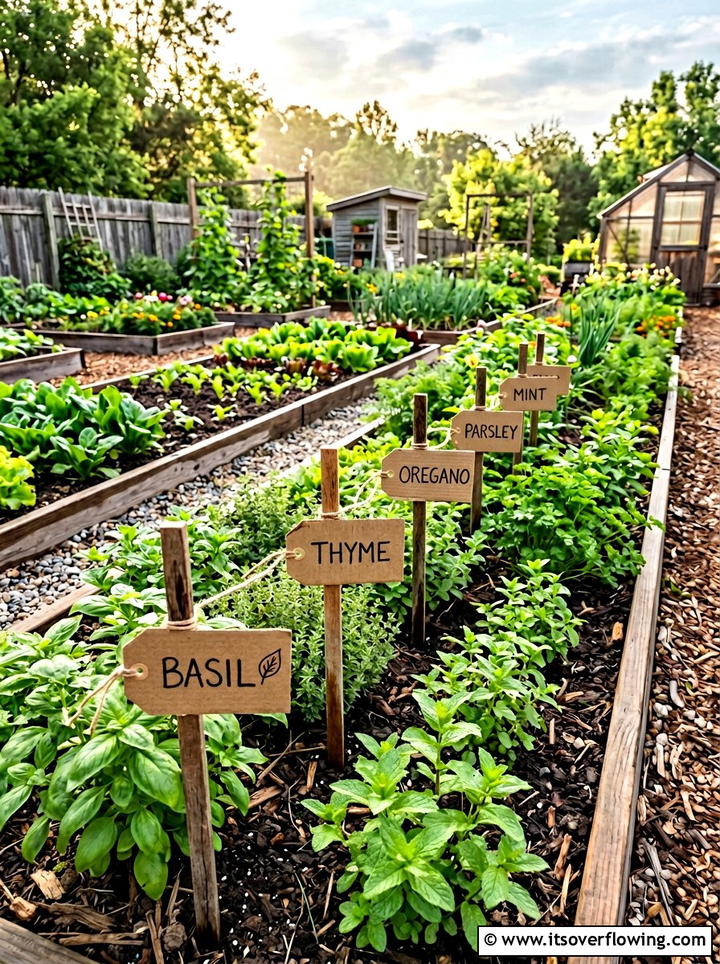
Keeping track of different varieties of tomatoes, peppers, and herbs can be a challenge once everything starts growing rapidly. Instead of buying plastic tags that often get lost or broken, you can make your own labels from small strips of cardboard. Simply write the name of the plant and the date of planting on the cardboard using a waterproof marker. You can staple these to small wooden sticks or simply tuck them into the soil at the base of your plants. While they are not permanent, they are perfect for a single growing season and can be tossed into the compost pile once the harvest is over. It is a simple, effective, and free organization tool.
10. Cardboard seedling flats
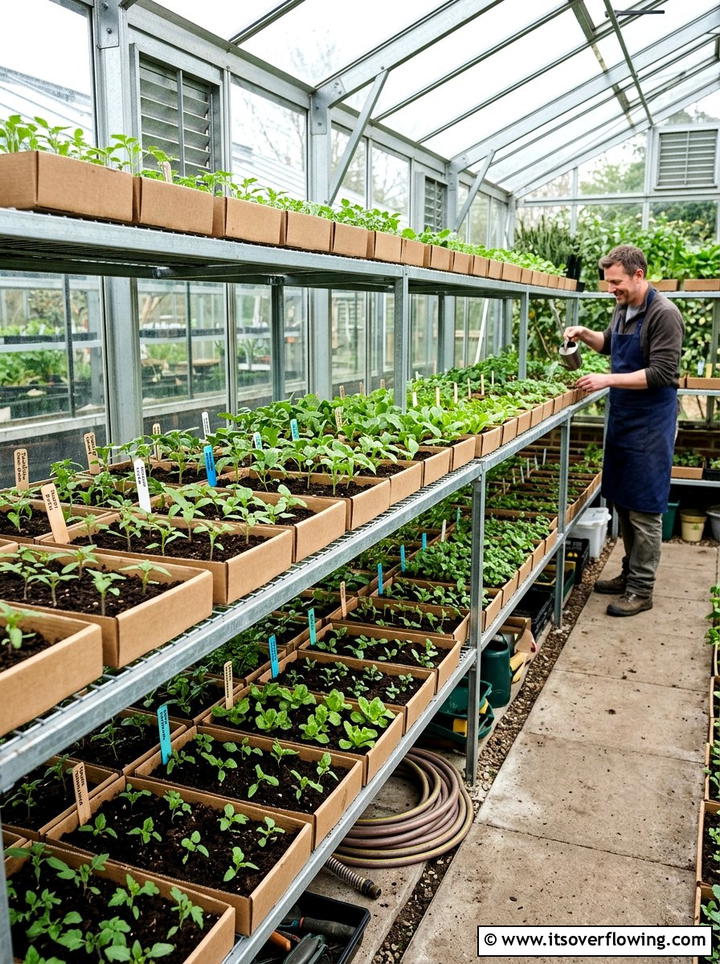
When you are starting hundreds of seeds at once, the cost of plastic seedling trays can quickly add up for a home gardener. You can repurpose low-profile cardboard boxes, such as those used for soda cans or canned goods, into excellent seedling flats. These shallow boxes provide enough room for a layer of seed starting mix and dozens of tiny sprouts. Because they are made of paper fibers, they help to regulate moisture levels by absorbing excess water and releasing it as the soil dries out. Once your seedlings are large enough to be moved, you can cut the box apart and transplant the starts without disturbing the roots. It is a highly efficient way to manage large-scale planting.
11. Cardboard worm farm bedding
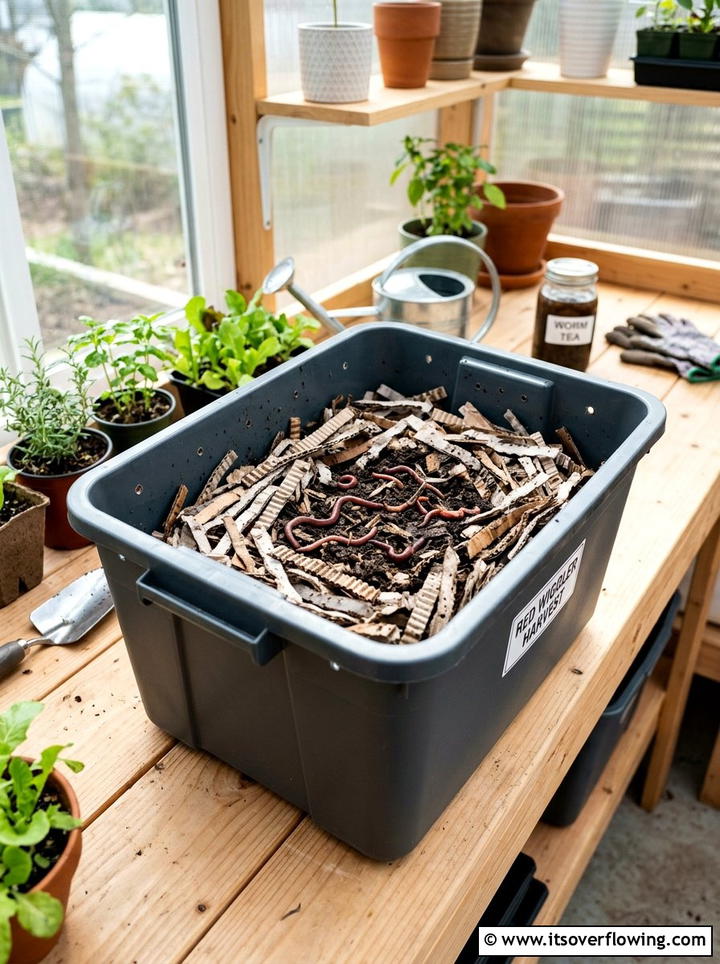
Red wiggler worms are incredible allies in the garden, turning waste into “black gold” compost that is incredibly rich in nutrients. If you maintain a worm bin, you know that finding the right bedding material is crucial for keeping your worms healthy and active. Shredded cardboard is one of the best materials for this purpose because it provides a porous structure that allows for excellent airflow. The worms love to hide in the corrugations of the cardboard, and they will slowly eat the paper fibers over time. Ensure the cardboard is plain and free of heavy dyes or glossy coatings to keep the environment safe for your underground helpers. It’s a perfect recycling loop.
12. Cardboard vertical planter
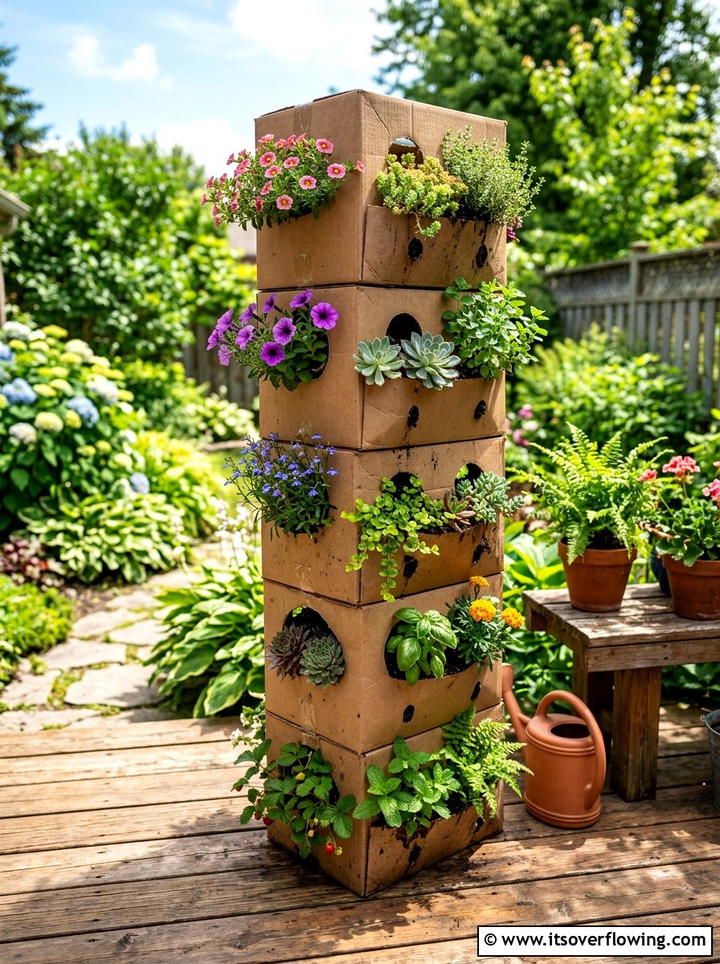
Creating more growing space in a small garden often requires thinking vertically rather than horizontally. You can construct a temporary vertical planter by stacking and securing sturdy cardboard boxes of various sizes on top of one another. By cutting holes in the sides of the boxes, you can plant trailing flowers, strawberries, or small herbs that will spill out and cover the structure. This is an excellent project for a patio or balcony where traditional in-ground gardening is not an option. While this setup is temporary and will eventually break down due to watering, it is a fun and affordable way to experiment with vertical design and maximize your available harvest area.
13. Cardboard plant protectors
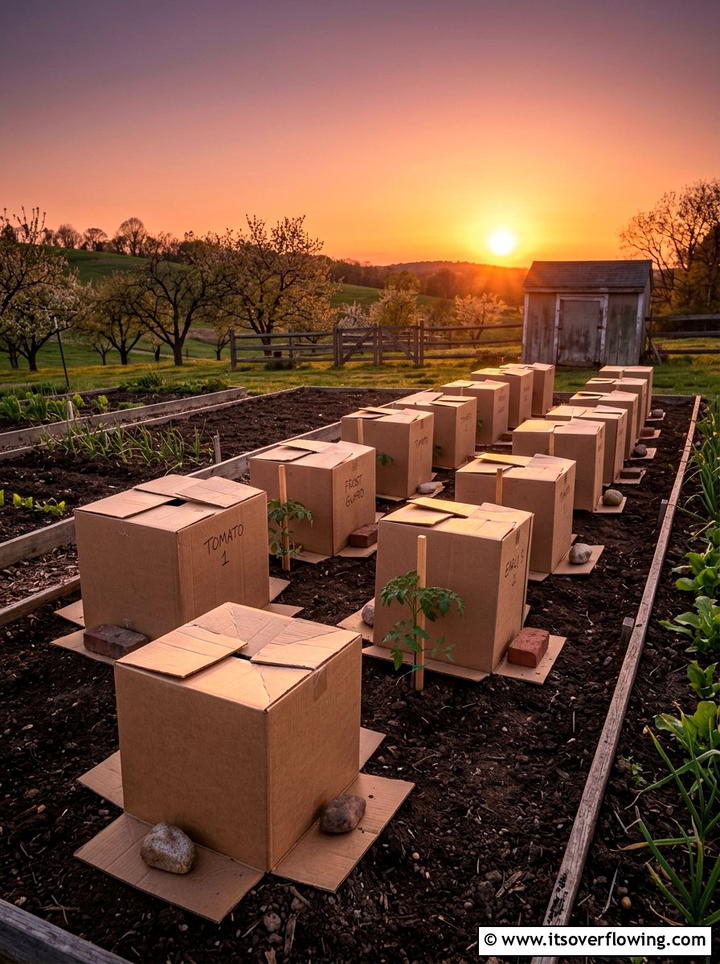
Sudden frost or heavy winds can be devastating to young, tender plants that have just been moved into the garden. You can quickly fashion protective covers, or “cloches, ” from old cardboard boxes to shield your plants from the elements. Simply place an appropriately sized box over the plant during cold nights or particularly stormy weather to provide a pocket of still, warmer air. This simple trick can save your peppers and tomatoes from an unexpected late spring freeze. Remember to remove the boxes during the day so the plants can receive sunlight and fresh air. It is a free and effective way to extend your growing season and protect your hard work from nature.
14. Cardboard knee pad
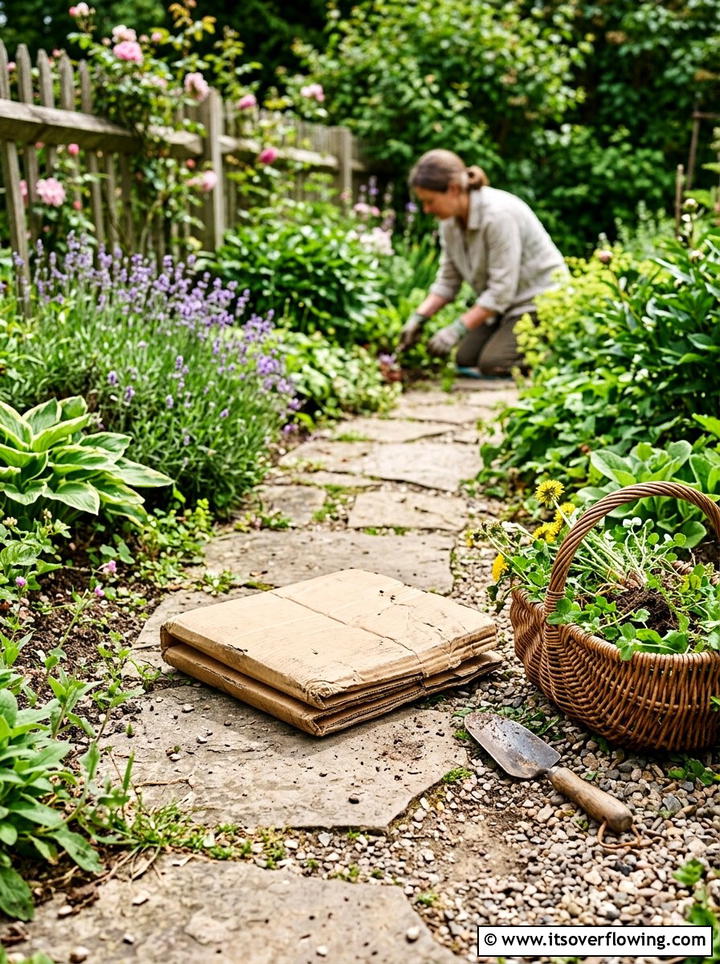
Spending hours kneeling in the dirt to weed or plant can be very hard on your joints and clothing. If you don’t have a professional foam garden kneeler, a thick piece of folded cardboard makes a surprisingly comfortable and effective substitute. It provides a dry, cushioned surface that protects your knees from hard ground, rocks, and damp soil. You can easily move it around the garden as you work, and if it gets too dirty or wet, you can simply toss it into the compost and grab a fresh piece. This humble piece of recycling can make your gardening experience much more comfortable without costing you a single penny at the store.
15. Cardboard insect hotel
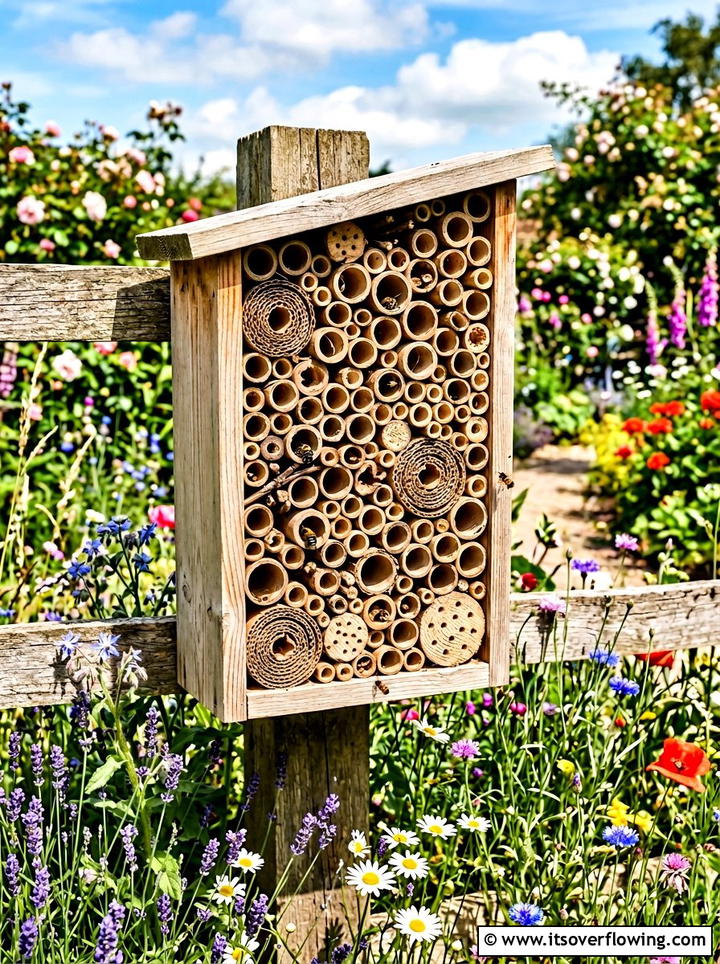
Beneficial insects like solitary bees, ladybugs, and lacewings are essential for pollination and natural pest control in a healthy garden. You can encourage these helpful bugs to stay in your yard by building a simple insect hotel using rolled-up pieces of cardboard. When you tightly roll corrugated cardboard, the small holes provide the perfect nesting spots for various types of small insects. Place these rolls inside a wooden frame or a larger cardboard box and hang it in a sheltered, sunny spot. This provides a safe haven for bugs to overwinter and raise their young. It is a wonderful way to boost the biodiversity of your backyard while recycling household waste products.
16. Cardboard landscape edging
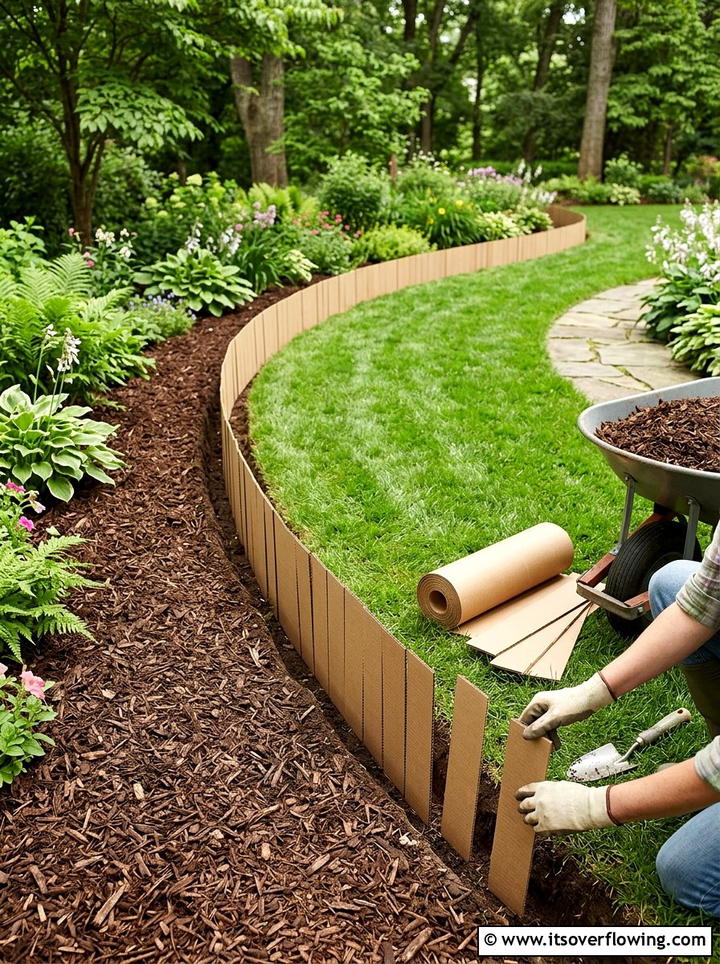
Defining the boundaries between your lawn and your flower beds helps to create a clean and organized look in your landscape. While stone or plastic edging can be expensive, you can use strips of heavy cardboard to create a temporary border. Dig a shallow trench and insert the cardboard vertically, leaving a few inches above the soil line. This helps to prevent grass from creeping into your garden beds while you wait to install more permanent materials. When covered with a bit of mulch, the cardboard is nearly invisible but still performs its job of keeping the lines sharp. It is an excellent temporary solution for gardeners who are still planning their final layout.
17. Cardboard watering funnel
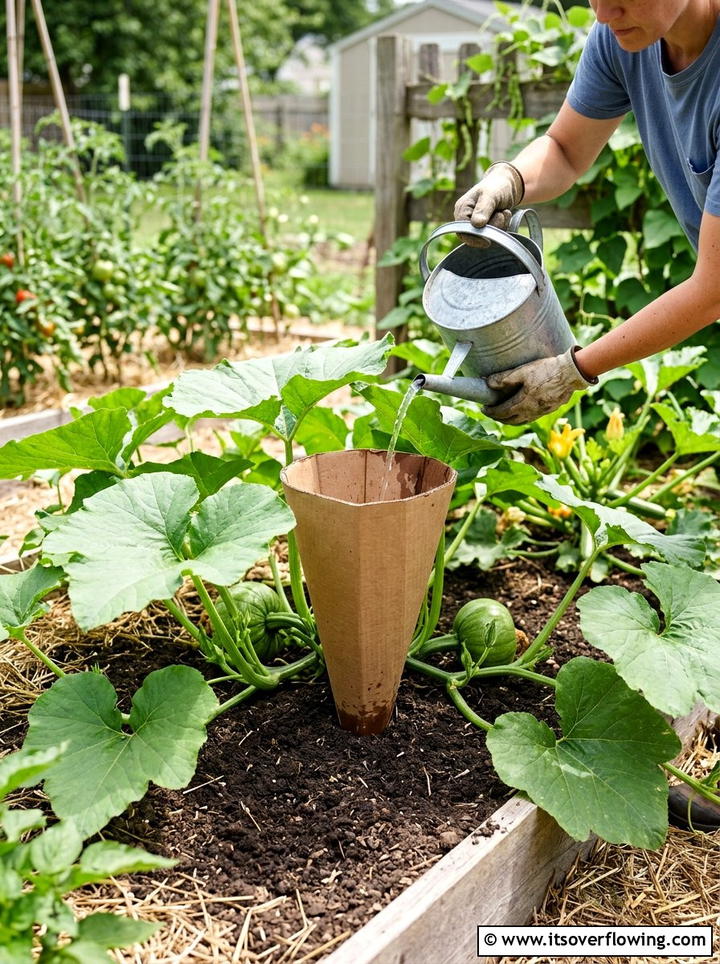
Directing water to the roots of large plants like squash or pumpkins can be difficult when their foliage becomes thick and dense. You can create a simple watering funnel by rolling a piece of cardboard into a cone shape and burying the narrow end near the base of the plant. When you pour water into the wider top of the funnel, it travels directly down to the root zone where it is needed most. This prevents water from sitting on the leaves, which can lead to fungal diseases like powdery mildew. Since cardboard is porous, it also helps to slowly release moisture into the surrounding soil, acting as a very basic drip irrigation system.
18. Cardboard potato planter
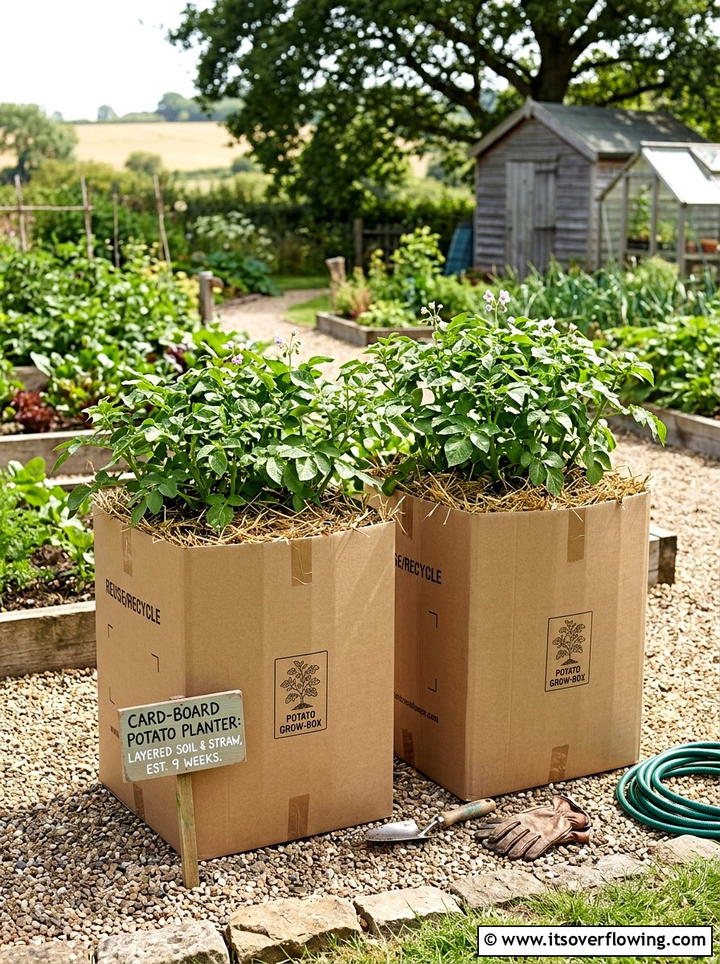
Growing potatoes usually requires a lot of space and deep soil, but you can achieve great results using large, deep cardboard boxes. Fill the bottom of a tall box with a few inches of soil and plant your seed potatoes, then continue to add more soil or straw as the green shoots grow upward. This “hilling” process encourages the plant to produce more tubers along the buried stems. By the end of the season, the box will be full of delicious home-grown potatoes. When it is time to harvest, you can simply tear the box open to reveal your crop, which is much easier than digging through the ground and risking damage to the potatoes.
19. Cardboard shade structure
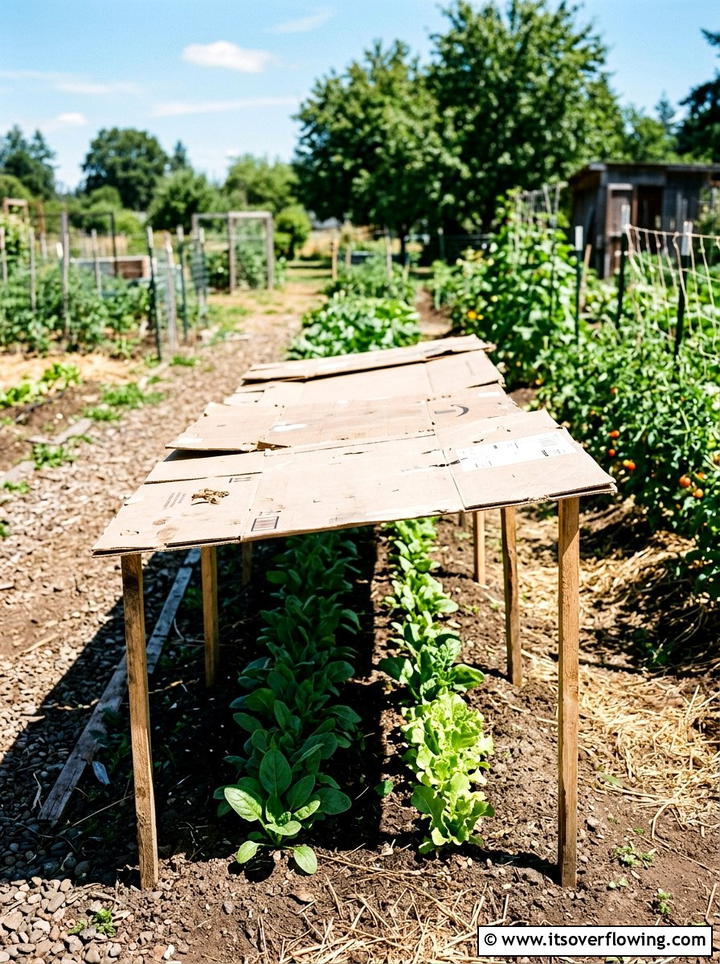
During the height of a scorching summer, newly transplanted seedlings or heat-sensitive greens like lettuce can easily wilt and die. You can provide much-needed relief by using cardboard to create simple shade structures over your rows. Prop up flat pieces of cardboard using wooden stakes or bamboo poles to block the intense afternoon sun. This lowers the temperature of the soil and the surrounding air, allowing your plants to survive until the weather cools down. Unlike plastic tarps, cardboard doesn’t trap heat underneath it, providing a more comfortable environment for your vegetables. It is a quick and easy way to save your harvest during an unexpected heatwave or dry spell.
20. Cardboard mushroom substrate
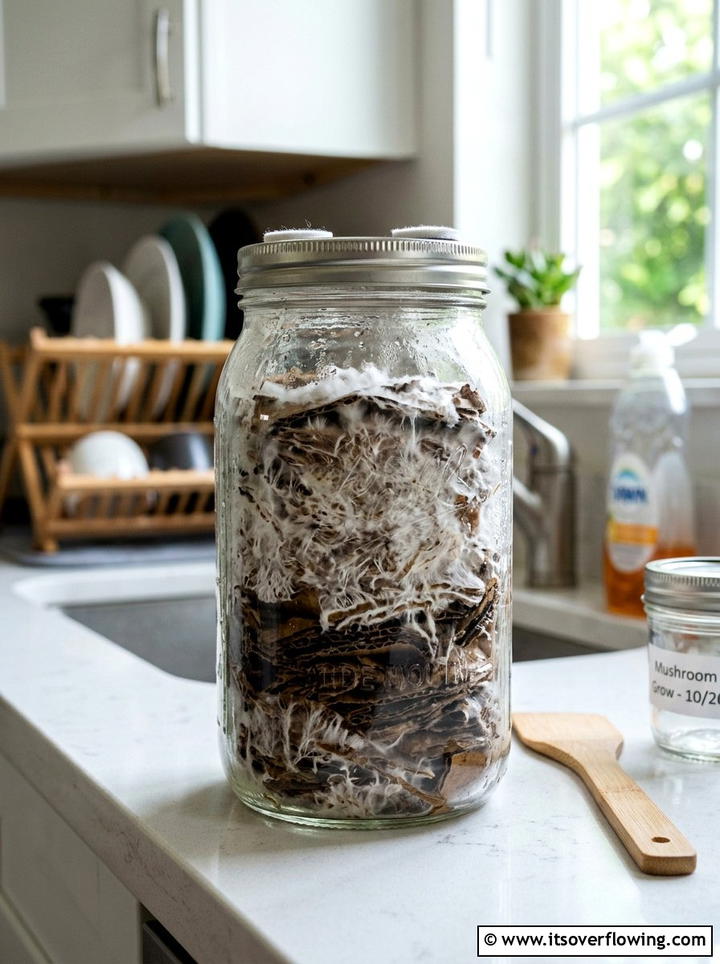
If you are interested in growing your own edible mushrooms, cardboard can serve as an excellent growing medium, or substrate, for certain species like Oyster mushrooms. Mushrooms thrive on cellulose, which is the primary component of cardboard. By soaking pieces of non-glossy cardboard in water and layering them with mushroom spawn in a container, you can grow a fresh supply of fungi right at home. The corrugated layers provide the perfect amount of aeration and moisture retention for the mycelium to spread quickly. It is a fascinating and rewarding way to turn waste into a gourmet food source while learning about the amazing world of fungi in your own backyard or kitchen.
21. Cardboard cold frame
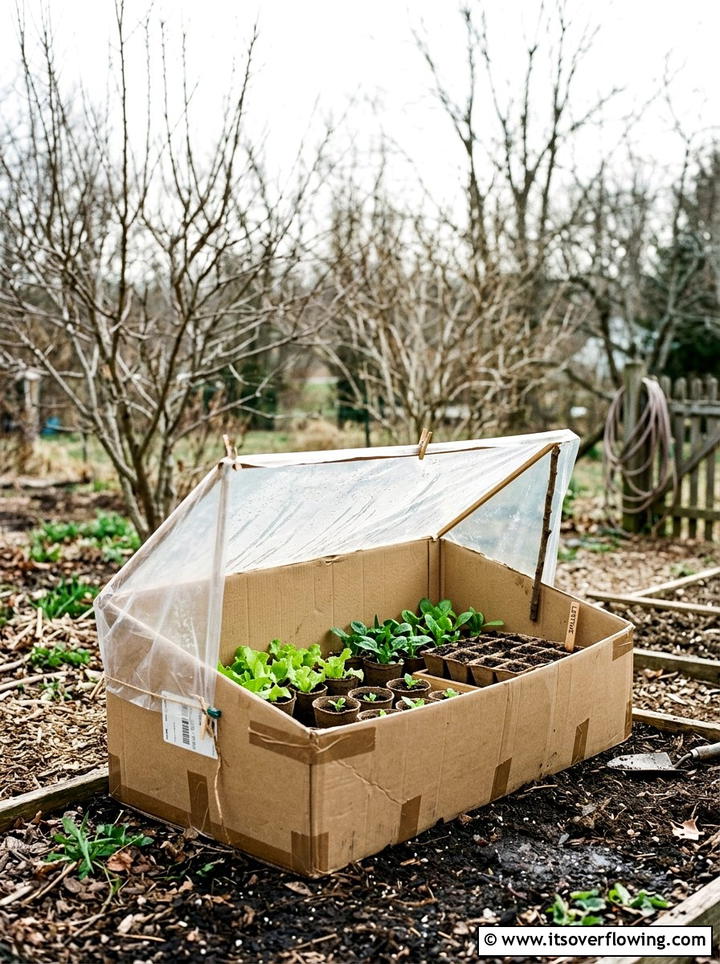
A cold frame acts like a mini-greenhouse, allowing you to start your garden earlier in the spring or keep it going later into the autumn. You can construct a basic cold frame by using large cardboard boxes as the insulated walls of the structure. Place the boxes around your plants and cover the top with a sheet of clear plastic or an old glass window. The cardboard walls help to trap heat from the sun and protect the plants from chilling winds and frost. This simple setup can significantly extend your growing season, giving you fresh vegetables when the ground is otherwise too cold. It is an accessible way for any gardener to experiment with season extension.
22. Cardboard trellis support
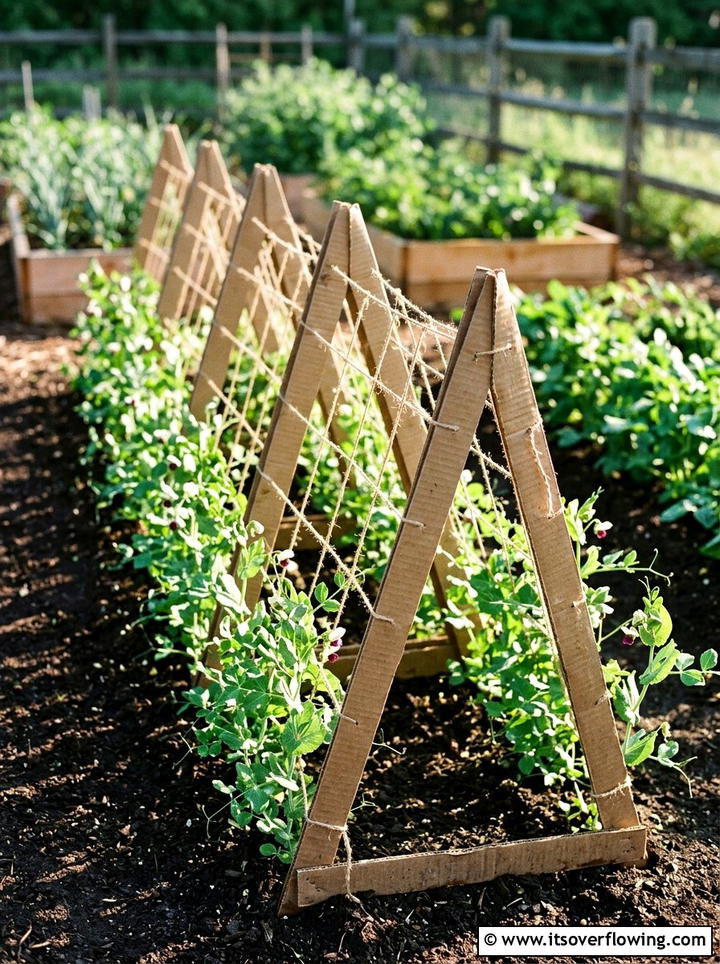
Supporting climbing plants like peas, beans, or light flowering vines can be done using a combination of cardboard and twine. You can cut long, sturdy strips of cardboard and fold them into triangular prisms to create a basic frame for your plants to lean against. While not as strong as metal or wood, these cardboard supports are perfect for lighter annual crops that only need a little help reaching upward. You can also use cardboard to create “spacers” on existing fences to give vines something to grip. At the end of the season, the entire support system can be folded up and composted, making the cleanup process incredibly fast and environmentally friendly for the gardener.
23. Cardboard hanging planter
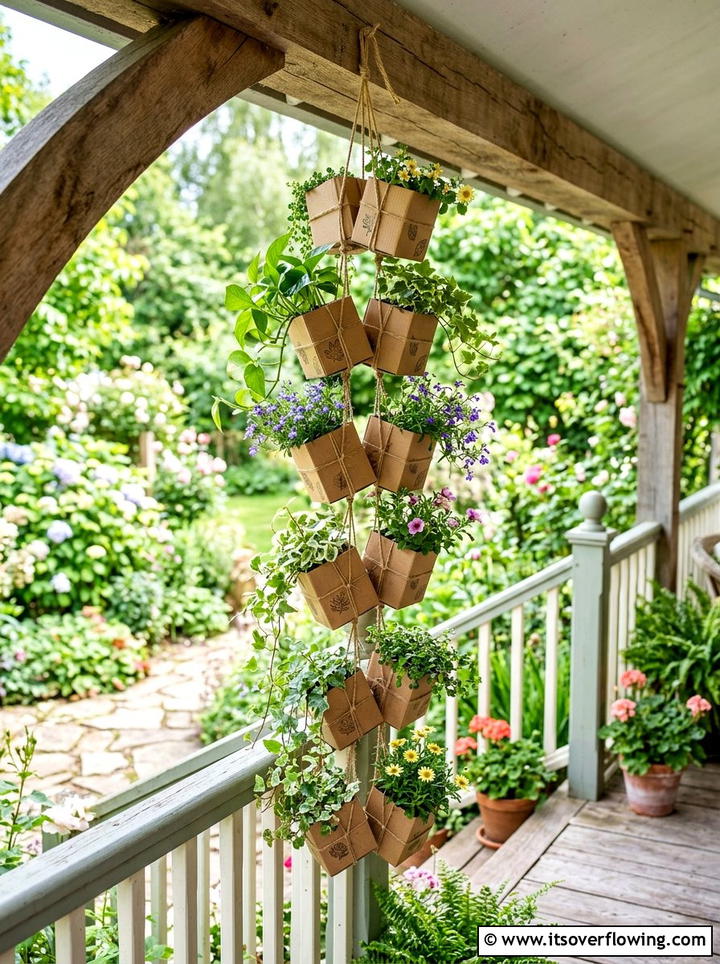
Hanging plants add a beautiful vertical element to porches and garden structures, but heavy ceramic pots can be difficult to secure safely. You can create lightweight, temporary hanging planters by repurposing small, sturdy cardboard boxes and lining them with a bit of natural fiber or landscape fabric. Punch holes in the corners and use strong twine to hang them from hooks or branches. These are perfect for small annual flowers or herbs that don’t require a massive root space. Because they are so light, you can hang several of them together to create a lush, floating garden effect. Once the flowers fade at the end of the season, the whole setup is fully compostable.
24. Cardboard planter box
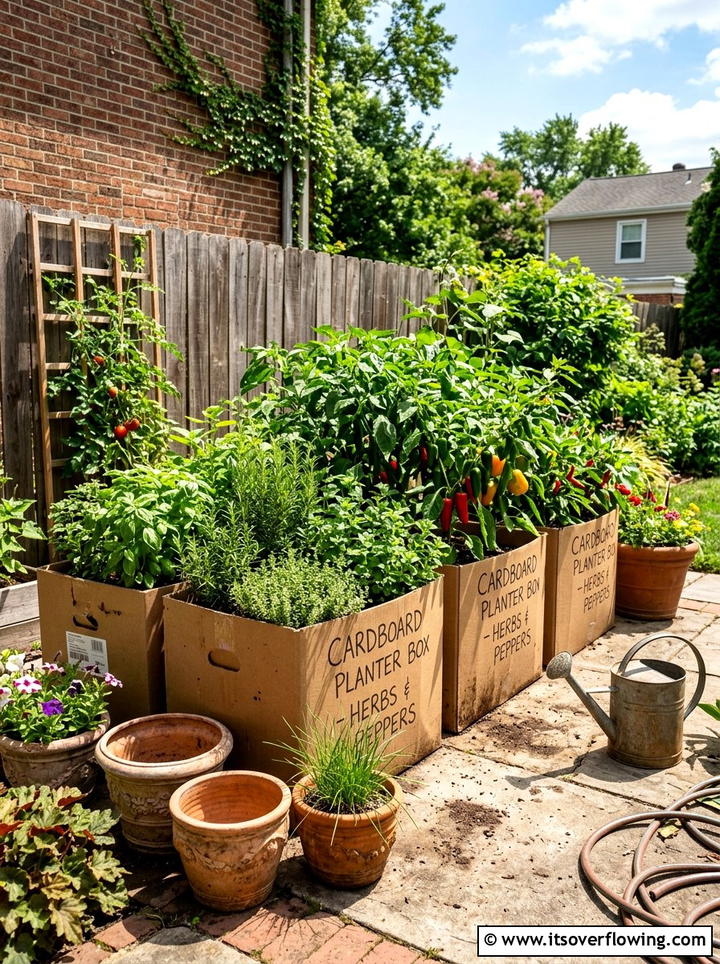
If you need a quick solution for container gardening but don’t want to buy expensive plastic pots, a reinforced cardboard box can serve as a functional planter. You can make the box last longer by wrapping the outside in decorative burlap or painting it with non-toxic, water-resistant paint. Fill it with high-quality potting soil and use it to grow herbs, radishes, or dwarf flowers on your patio. These boxes are particularly useful for one-season crops. The cardboard helps to insulate the roots from temperature fluctuations, keeping them cooler in the summer. It is a great way to recycle large shipping containers while adding more greenery to your immediate outdoor living space.
25. Cardboard tool organizer
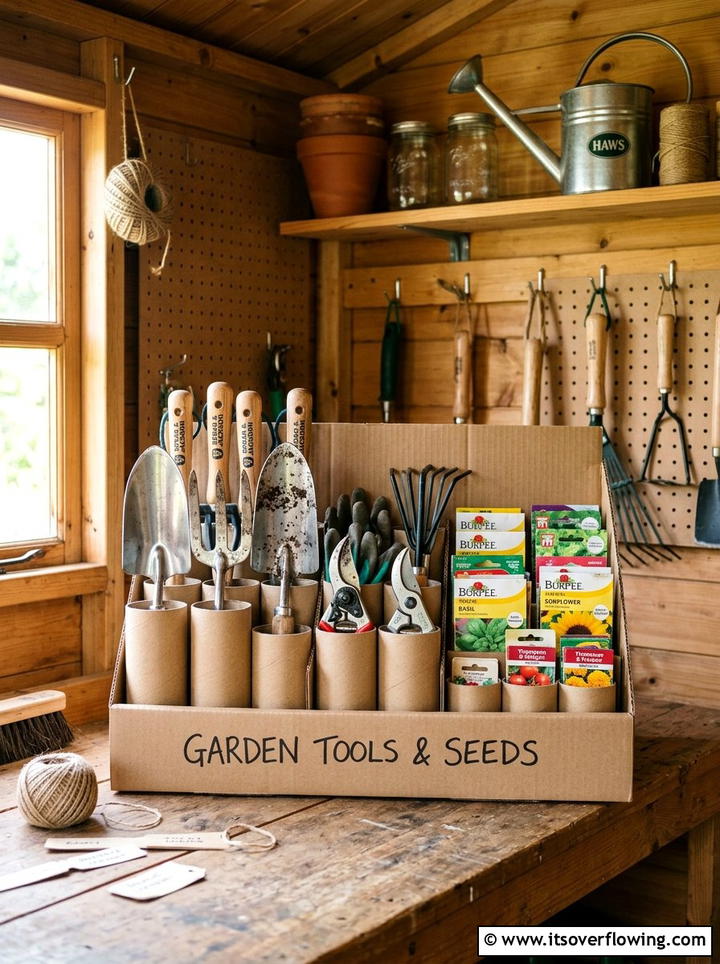
Keeping your small garden tools like trowels, pruners, and seed packets organized can be a challenge when you are busy working outside. You can create a customized tool organizer by cutting and gluing various cardboard boxes together to fit your specific equipment. By standing cardboard tubes upright inside a larger box, you create perfect slots for long-handled tools and markers. This keeps everything in one place and prevents you from losing your favorite shears in the mulch. You can even add a handle to the top to make it easy to carry your “tool kit” from one end of the garden to the other. It is a simple organization project for the shed.
Conclusion:
Using cardboard in your garden is one of the most effective and accessible ways to practice sustainable, eco-friendly landscaping. This humble material, which is often seen as mere waste, provides a wealth of benefits ranging from soil enrichment to weed suppression and tool organization. By incorporating these twenty-five ideas, you can significantly reduce your gardening costs while improving the overall health of your plants and soil. Each piece of cardboard that you recycle into your landscape is a step toward a more circular and responsible way of living. Whether you are building a new “no-dig” bed or starting seeds in homemade pots, you are making a positive impact on the environment. Start saving those boxes today and watch your garden flourish with the help of this versatile, natural resource.
Related posts:
 25 recycled garden ideas with milk jugs: Smart DIYs
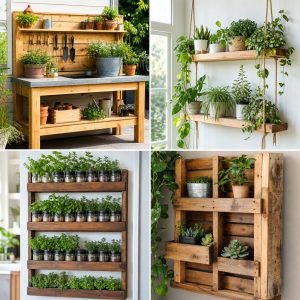 25 recycled garden ideas with old shelves for Smart DIY
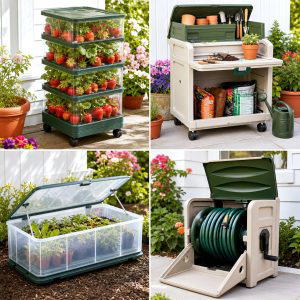 25 recycled garden ideas with storage bins for Smart DIY
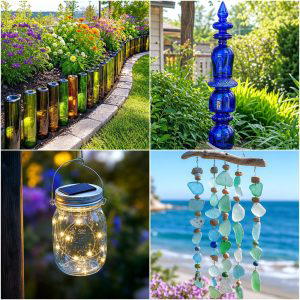 25 recycled garden ideas with recycled glass art to Love
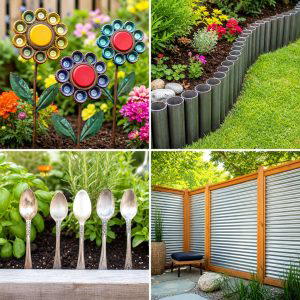 25 recycled garden ideas with recycled metal art to Try
 25 recycled garden ideas with recycled plastic projects
 25 recycled garden ideas with recycled wood art to Try
 25 recycled garden ideas with eco friendly decor: Easy DIY
 25 recycled garden ideas with leaf mold bins: Eco DIYs
 25 recycled garden ideas with old newspapers for Eco DIY
 25 recycled garden ideas with garden markers: Fun DIYs
 25 recycled garden ideas with pallet wall garden DIYs