
Transforming your outdoor space into a personal sanctuary often involves looking for beauty in unexpected places. When a favorite ceramic plate chips or a vintage saucer cracks, your first instinct might be to throw it away, but these items hold incredible potential for your backyard. Upcycling chipped dishes into garden decor is a sustainable way to breathe new life into household items that have lost their functional purpose. This creative process allows you to infuse your garden with color, history, and a touch of whimsical charm that mass-produced store items cannot replicate. By repurposing these materials, you are reducing waste and creating unique focal points that spark conversation among your guests. Each broken piece becomes a part of a larger story, blending the elegance of indoor porcelain with the rugged beauty of your flower beds and walkways.
1. Broken China Mosaic Stepping Stones
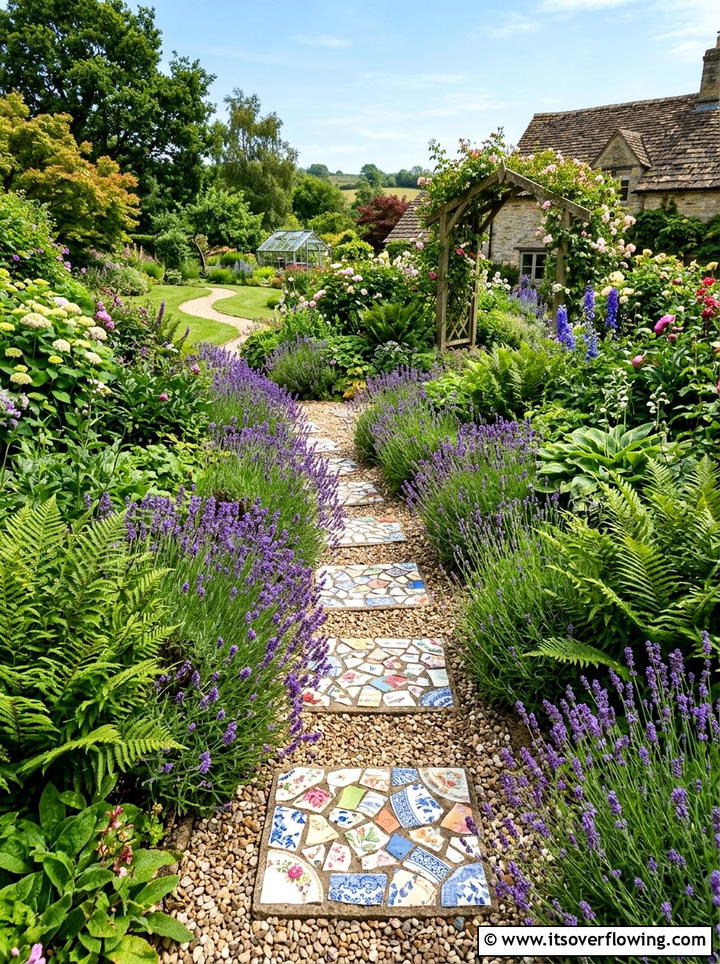
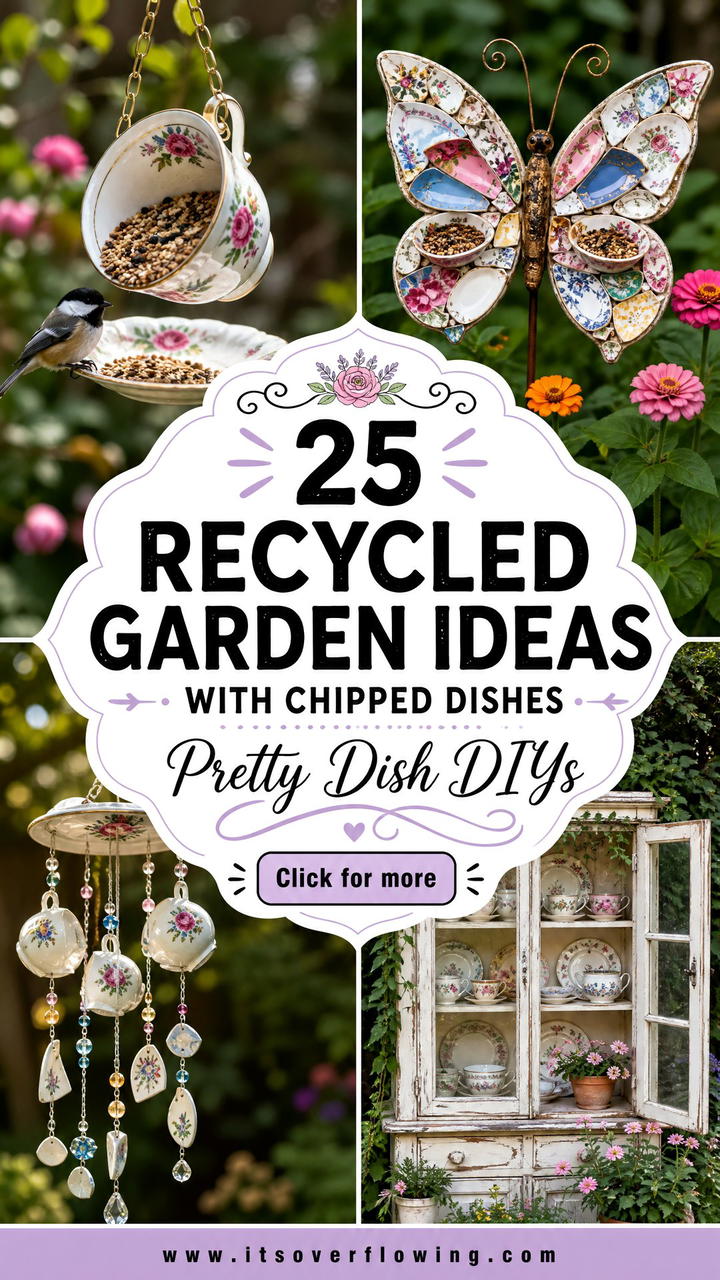
Have you ever wondered how to turn a shattered heirloom into a permanent garden feature? Using broken china to create mosaic stepping stones is a classic way to preserve the patterns you love. You start by preparing a mold and pouring in a smooth concrete mixture to form the base. While the cement is still wet, you carefully press the colorful ceramic shards into the surface. It is important to ensure all the sharp edges are buried deep or sanded down for safety. These stones add a vibrant pop of color along a shaded woodland path or a sunny perennial border. They serve as durable functional art that withstands the elements year after year. Every step you take on these stones reminds you of the stories behind the dishes themselves.
2. Teacup Bird Feeder
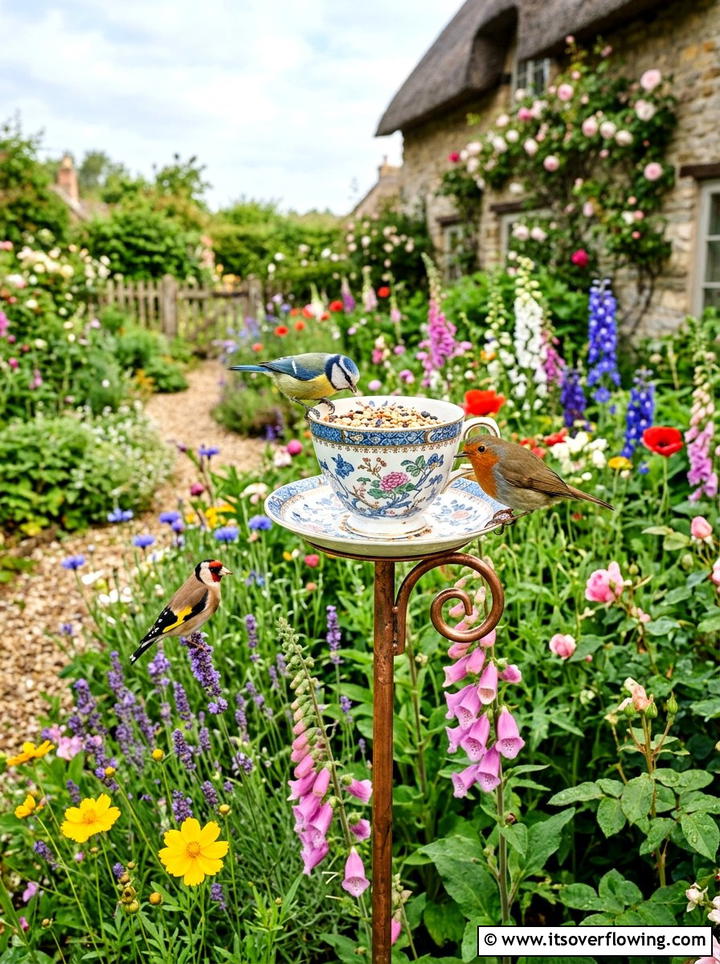
What could be more charming than watching small songbirds visit a delicate vintage teacup in your backyard? Creating a bird feeder from a chipped cup and saucer is a simple project that yields delightful results. You can use high-strength waterproof adhesive to secure the cup to the saucer at a slight angle. This allows the birdseed to spill out slightly into the saucer where birds can easily perch. Many gardeners mount these onto a copper pipe or a sturdy wooden stake driven into the ground. Placing these feeders near a window allows you to enjoy the view of nature from the comfort of your home. The bright patterns of the porcelain often attract curious birds while adding a Victorian flair to your green space.
3. Plate Garden Edging
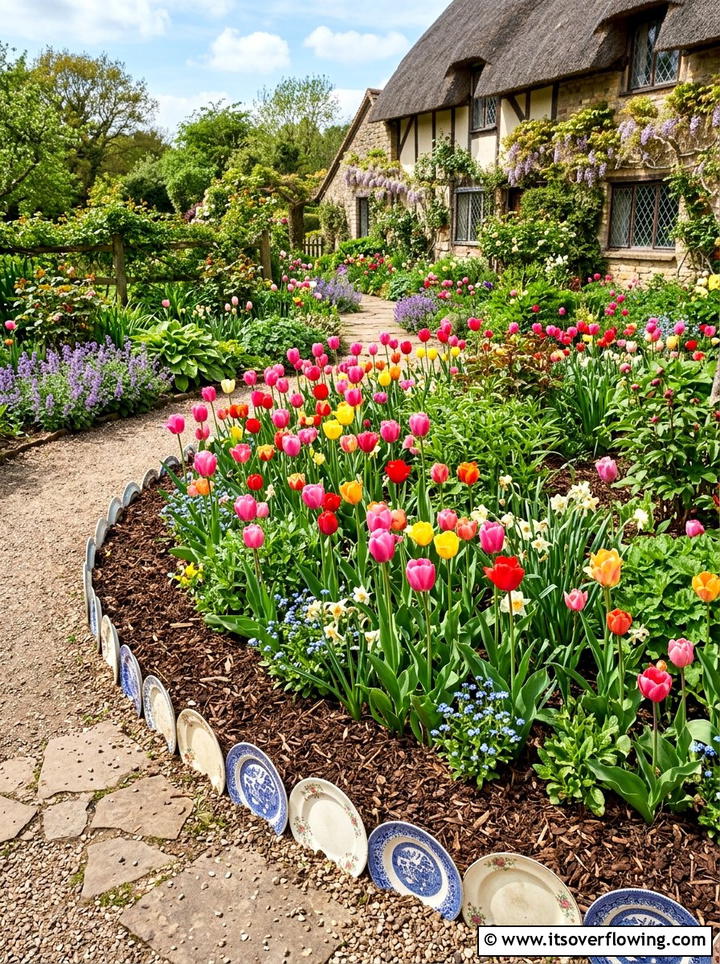
Are you looking for a creative way to define your flower beds without using standard plastic or wood borders? Using old dinner plates as garden edging is an effective and visually striking solution. You simply dig a narrow trench along the perimeter of your garden bed and tuck the plates halfway into the soil. Placing them side-by-side creates a scalloped effect that looks tidy and intentional. This method works exceptionally well with plates that have interesting rims or bold colors. It helps keep mulch in place and prevents grass from creeping into your planting areas. Over time, the plates develop a weathered look that adds to the rustic appeal of a cottage-style garden. It is a brilliant way to recycle large collections of mismatched tableware.
4. Chipped Bowl Succulent Planter
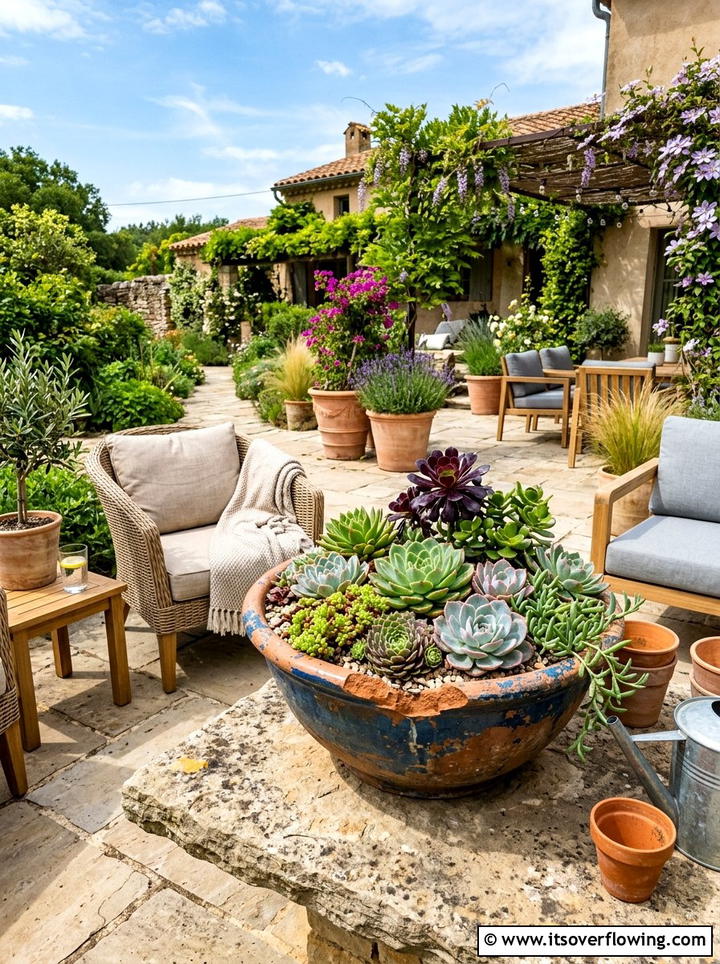
Do you have a large ceramic bowl with a noticeable crack that makes it unsafe for serving food? This item can easily become a stunning home for a variety of hardy succulents. Since succulents do not require deep soil, a shallow bowl provides the perfect environment for their shallow root systems. You can drill a small drainage hole in the bottom using a masonry bit to prevent water from pooling. If the bowl is particularly decorative, it acts as a centerpiece on an outdoor dining table or a pedestal. The contrast between the soft green tones of the plants and the glazed finish of the ceramic is very pleasing. This arrangement requires minimal maintenance and brings a sophisticated touch to your patio or balcony area.
5. Ceramic Shard Plant Markers
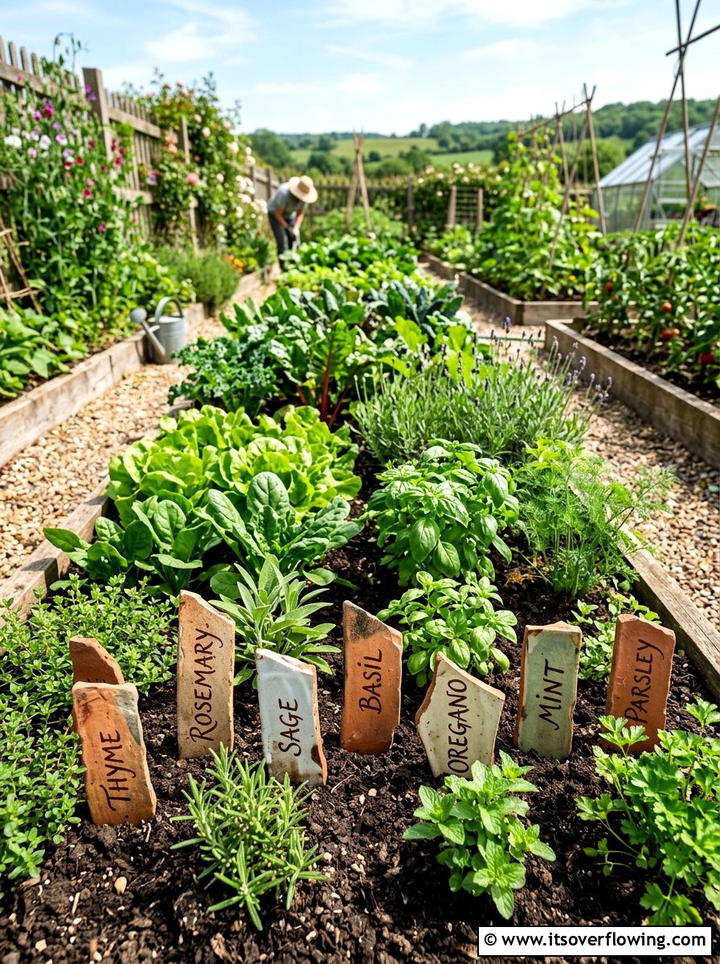
Keeping track of your herb garden varieties becomes much easier when you use recycled ceramic shards as labels. When a plate or bowl breaks beyond repair, you can save the larger, flatter pieces to use as garden markers. Use a permanent outdoor paint pen to write the names of your plants directly onto the smooth glazed surface. These markers are much more durable than wooden sticks, as they will not rot in the damp soil. You can simply push the pointed end of the shard into the dirt near the base of the plant. The different patterns and colors of the china shards help you quickly identify where your basil, thyme, or rosemary is growing. It adds a handmade, artistic feel to your vegetable patch or container garden.
6. Mosaic Flower Pot
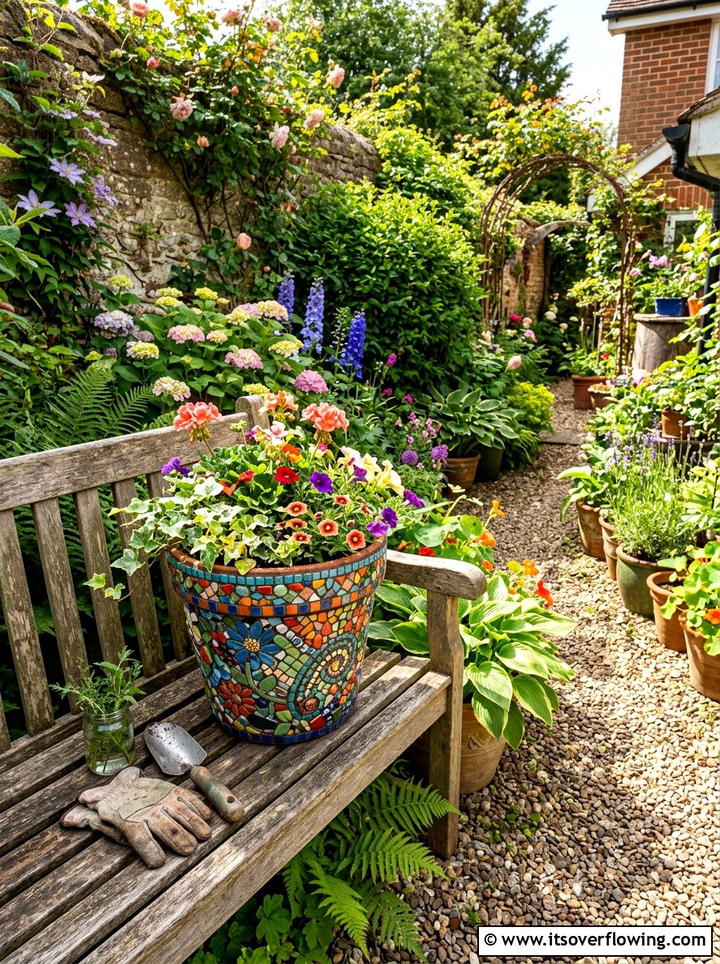
Can a plain terracotta pot be transformed into a work of art using just a few broken dishes? Covering a standard flower pot with a mosaic of ceramic pieces is a great way to hide imperfections and add texture. You apply a layer of thin-set mortar to the outside of the pot and press the shards into the mixture. Once the pieces are set, you fill the gaps with grout to create a smooth and finished appearance. This technique allows you to mix and match different patterns to create a truly eclectic look. The resulting pot is heavy and stable, making it perfect for windier areas of your garden. It protects the roots of your plants while providing a colorful backdrop for your favorite blooming flowers.
7. Teacup Fairy Garden
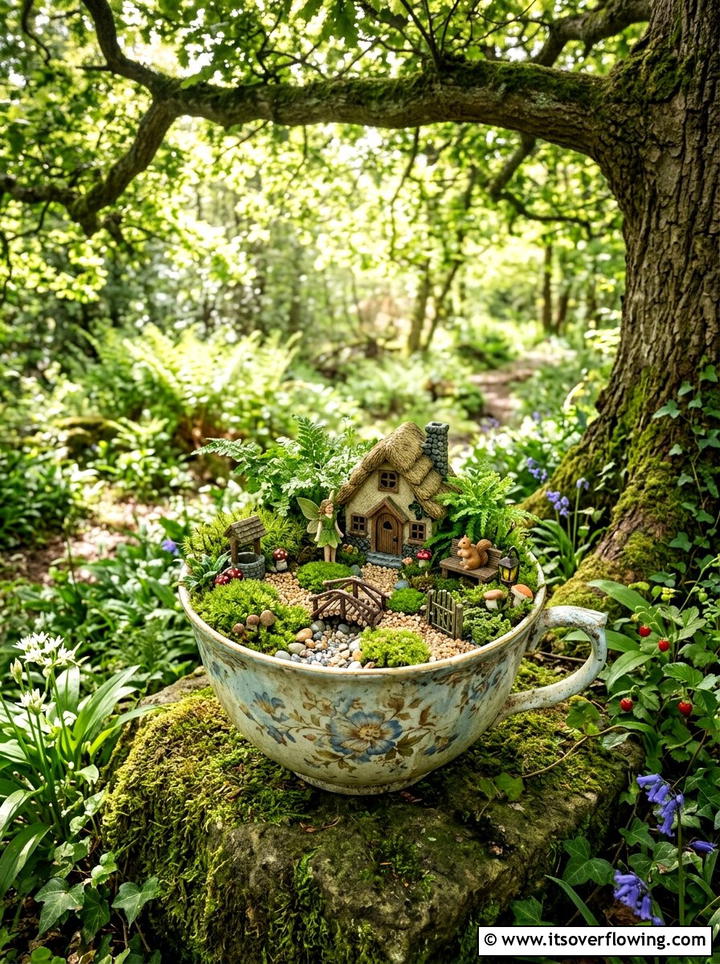
Imagine a tiny, magical world nestled inside a vintage teacup that has a small chip on its rim. Teacup fairy gardens are perfect for small spaces like windowsills, porches, or tucked away under a large shrub. You fill the cup with potting soil and add miniature plants like moss or tiny ferns. Small ceramic shards can be used to create miniature paths or even a tiny house for the fairies. Adding a few small pebbles and a decorative figurine completes the scene and invites the imagination to wander. This project is a wonderful way to involve children in gardening and teaches them about delicate plant care. It turns a discarded kitchen item into a miniature landscape that brings a sense of wonder to any outdoor corner.
8. Hanging Plate Wall Art
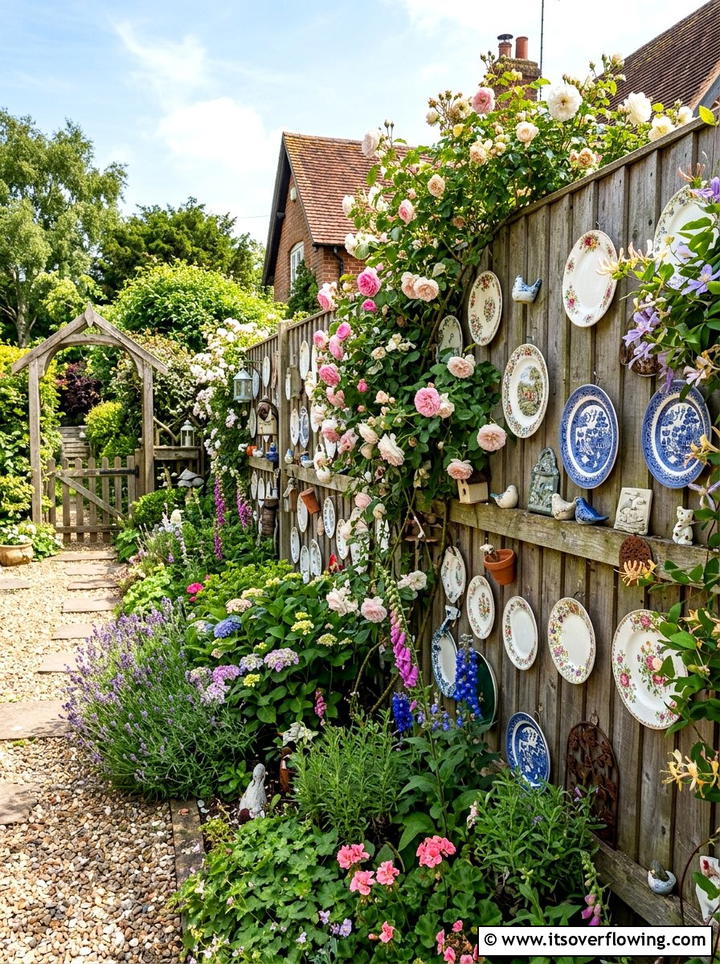
Do you have an empty exterior wall or a plain wooden fence that needs a bit of personality? Hanging a collection of decorative plates is a clever way to use dishes that are too beautiful to throw away despite their chips. You can use specialized outdoor plate hangers to secure them firmly against the vertical surface. Arrange them in a geometric pattern or a loose, organic cluster to create a focal point in your outdoor living area. The glazed surfaces reflect the light and add a bright element to shaded spots under a pergola or porch. This type of wall art is weather-resistant and adds an unexpected touch of domestic elegance to the garden. It is a fantastic way to display vintage finds that are no longer food-safe.
9. China Shard Mulch
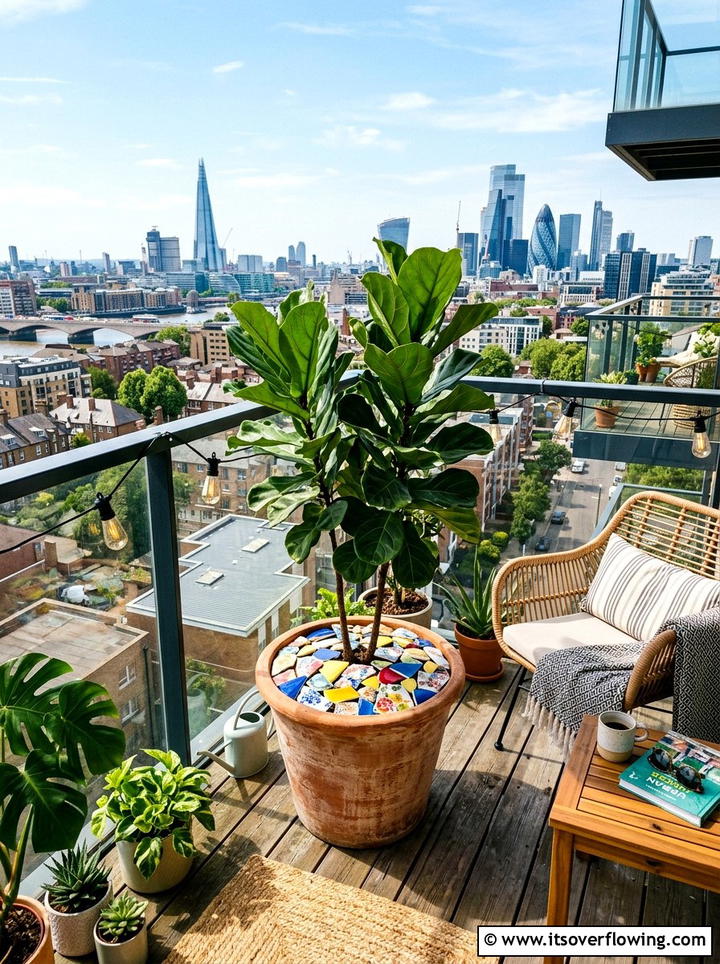
Have you ever considered using ceramic fragments as a decorative mulch layer for your potted plants? Instead of using standard wood chips or pebbles, you can use small, tumbled shards of broken dishes to cover the soil surface. This layer helps to retain moisture in the soil and prevents weeds from germinating in your containers. The colorful fragments create a sparkling effect when the sun hits them, making your potted arrangements look more polished. It is important to tumble the shards or sand the edges to ensure they are not sharp before handling them. This method is particularly effective for indoor-outdoor plants where you want a cleaner, more decorative look. It provides a clever use for the smallest pieces of broken porcelain that might otherwise be discarded.
10. Broken Plate Butterfly Feeder
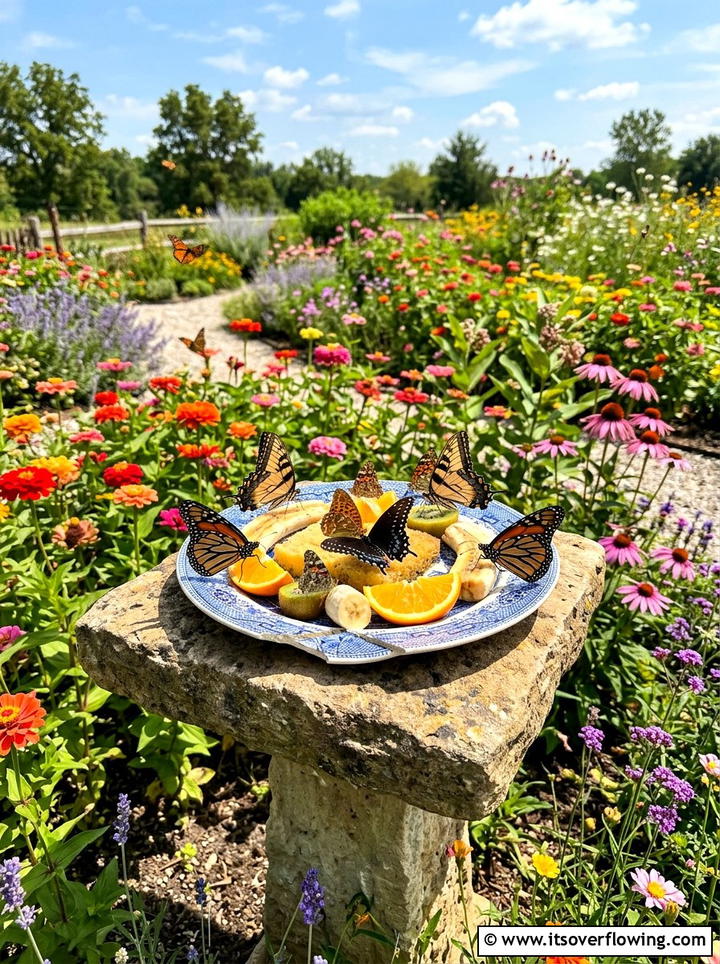
Would you like to attract more pollinators like butterflies to your flower garden using recycled materials? A shallow, chipped plate can be easily converted into a butterfly feeder by placing it on a flat rock or a low stump. You can fill the plate with a mixture of overripe fruit or a simple sugar water solution. Adding a few colorful ceramic shards to the center provides a dry place for the butterflies to land while they drink. Butterflies are naturally attracted to bright colors, so using plates with floral patterns or bold hues is very effective. Placing this feeder near nectar-rich flowers will encourage more butterflies to stay and explore your garden. It is a low-cost way to support local wildlife while finding a new use for old kitchenware.
11. Tiered Cupcake Stand Planter
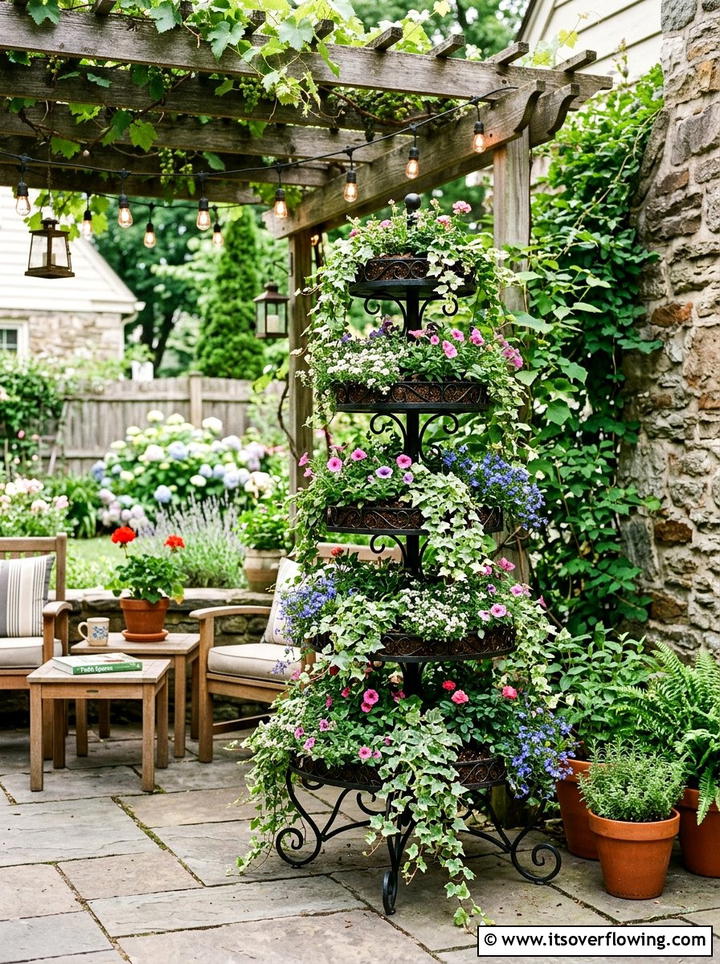
Could an old tiered cupcake stand with a few cracks become a beautiful vertical garden for your patio? These stands are often made of ceramic plates of varying sizes, and they provide multiple levels for planting small greens. You can fill each tier with a light potting mix and plant trailing vines or small flowers like pansies. The vertical orientation saves space, making it ideal for small balconies or tight garden corners. If the plates are already chipped, you don’t have to worry about the wear and tear of being outside. The graduated sizes of the plates create a waterfall effect as the plants grow and spill over the edges. It is a sophisticated way to add height and interest to your container garden collection.
12. Sauce Boat Herb Garden
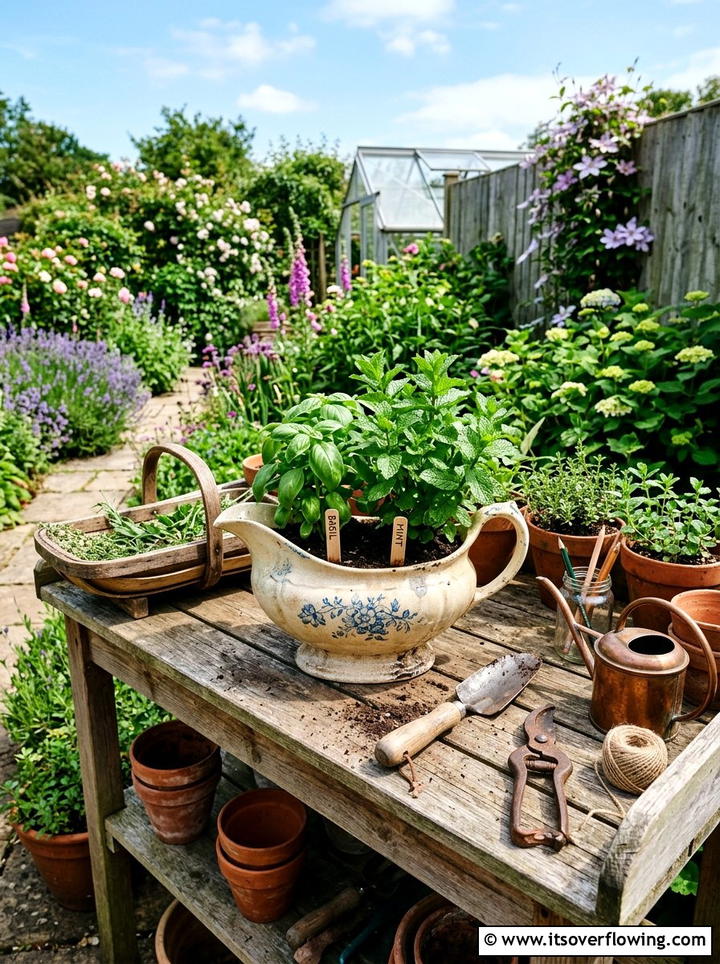
Have you ever thought about using a vintage sauce boat as a stylish container for your kitchen herbs? These elongated ceramic dishes are the perfect size for growing small bunches of chives, parsley, or mint on a sunny porch. Because they usually have a handle, they are easy to move around to follow the sunlight throughout the day. A sauce boat with a small chip can no longer be used at the dinner table, but it makes a charming addition to an outdoor potting bench. You can line the bottom with small pebbles for drainage before adding your soil and herb plants. The elegant shape of the vessel adds a touch of classic style to your functional herb garden. It is a practical and beautiful way to recycle fine china.
13. Mosaic Bird Bath
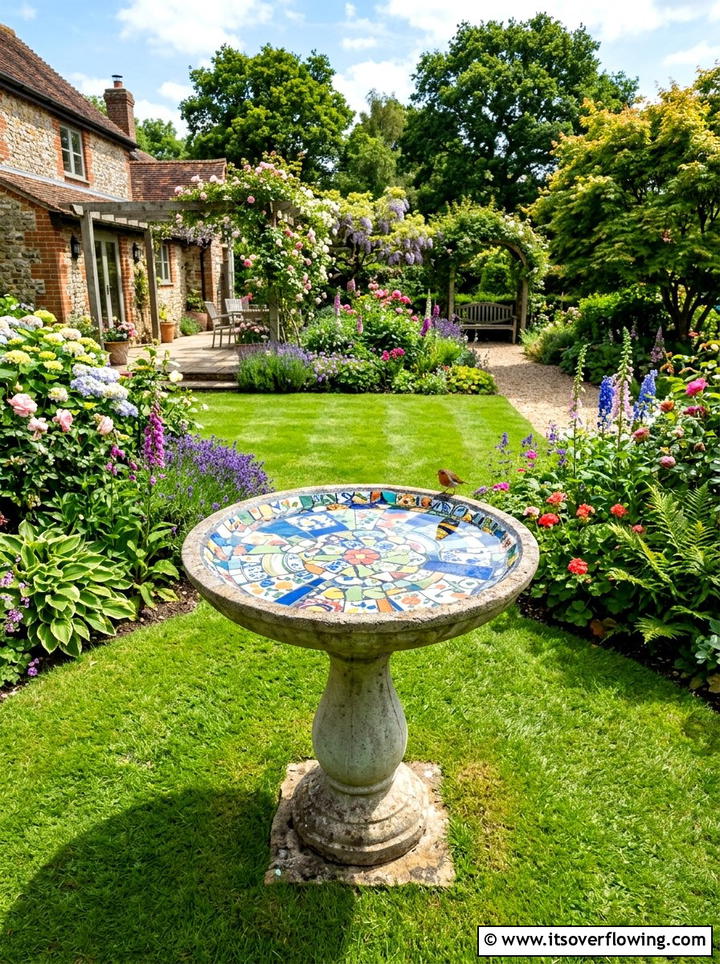
Is your old concrete bird bath looking a bit dull and stained after years of use in the garden? You can give it a fresh and vibrant makeover by applying a mosaic of broken dishes to the interior and rim. The ceramic pieces provide a smooth and easy-to-clean surface that birds will appreciate during their daily baths. Using shards with blue or green patterns can mimic the look of shimmering water even when the bath is empty. It is essential to use a waterproof grout to ensure the mosaic stays intact while submerged under water. This project transforms a basic garden utility into a stunning piece of outdoor sculpture that catches the light beautifully. Your local birds will have a stylish place to cool off during the hot summer months.
14. Chipped Mug Vertical Planter
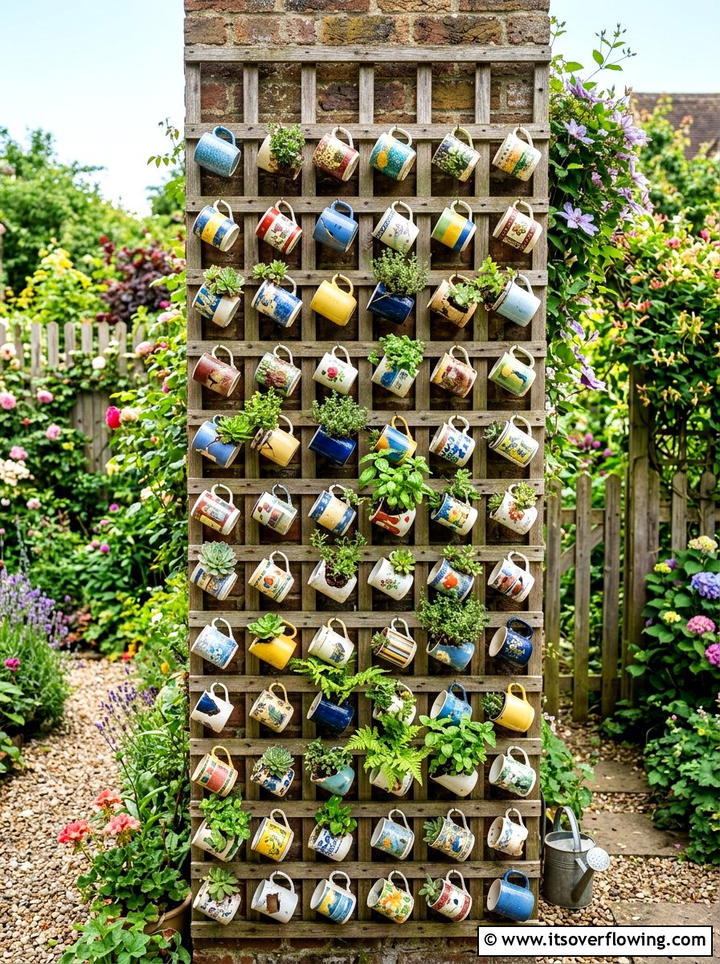
Do you have a collection of favorite mugs that are now chipped or have broken handles? You can repurpose these into a unique vertical planter by mounting them onto a wooden trellis or a sturdy fence. Simply wrap a piece of wire around the mug or use a specialized hook to secure it to the vertical support. These mugs are the perfect size for individual plants like succulents, air plants, or small flowers. When grouped together, they create a colorful and textured wall of greenery that is easy to maintain. This setup is particularly useful for gardeners with limited ground space who still want to grow a variety of plants. The different colors and designs of the mugs add a playful and eclectic vibe to your outdoor area.
15. Plate Sun Catcher
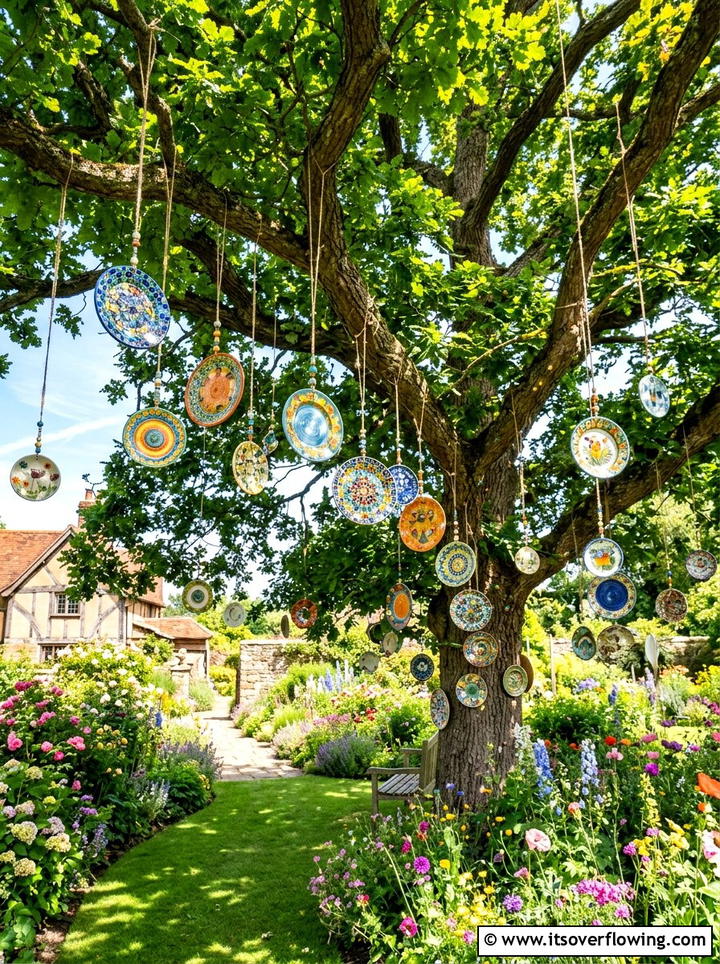
Have you ever noticed how the sunlight dances off the glazed surface of a colorful ceramic plate? You can create beautiful sun catchers for your garden by hanging chipped plates from the branches of a large tree. By drilling a small hole near the top of the plate, you can thread a piece of sturdy wire or decorative ribbon through it. Choose plates with intricate patterns or translucent qualities to maximize the visual impact when they catch the light. As the plates gently sway in the breeze, they reflect flashes of color throughout your yard, creating a magical atmosphere. This is an easy way to add vertical interest to your landscape without needing much space. It turns your old dishes into dynamic ornaments that celebrate the movement of the sun.
16. Ceramic Toadstool Decor
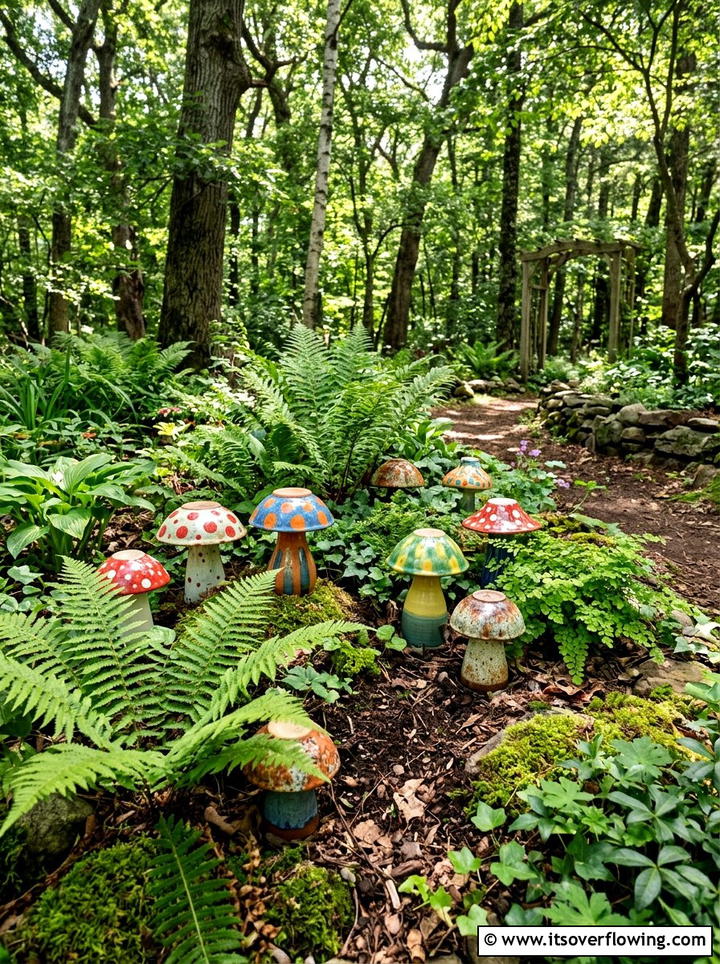
Would you like to add a touch of fantasy to your garden beds with some handmade mushroom decorations? You can easily create whimsical toadstools by using an inverted chipped bowl as the mushroom cap and a ceramic vase or pipe as the stem. Simply glue the bowl onto the top of the stem using a strong, weather-resistant adhesive. Using red or brightly patterned bowls creates a classic fairytale look that pops against the green foliage. These structures are durable and can stay outside all year round, providing color even during the winter months. They look best when placed in small clusters under trees or near the edge of a wooded area. This project is a fun way to use mismatched ceramic pieces to create something truly enchanting.
17. China Pattern Garden Path
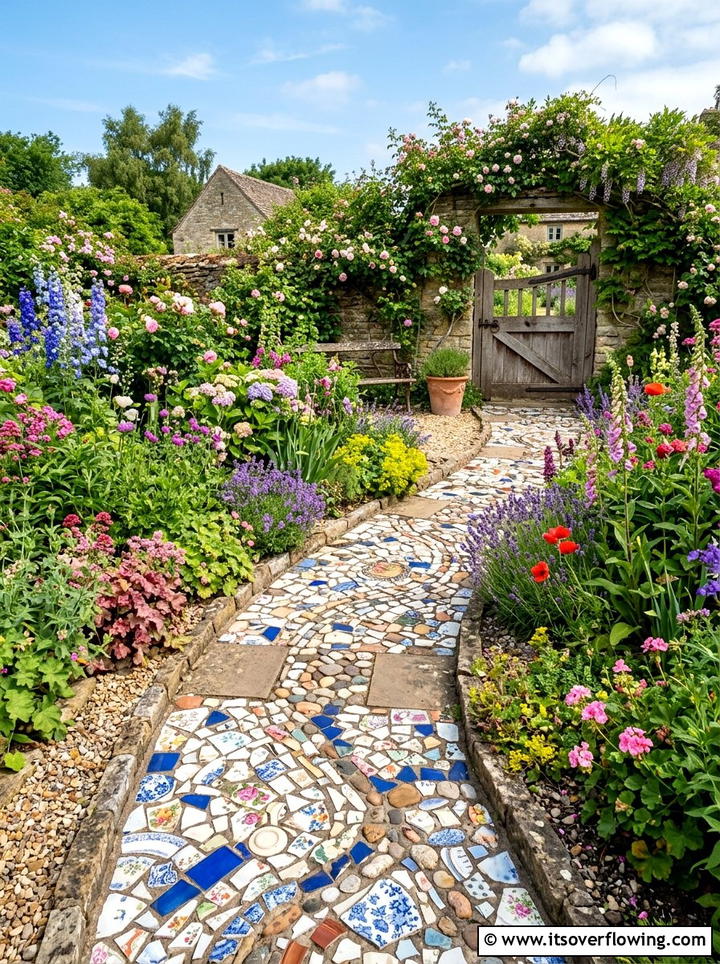
Can you imagine walking along a garden path that is inlaid with beautiful fragments of vintage china? Instead of a standard gravel or mulch path, you can embed pieces of broken dishes into a sand or fine gravel base. This creates a textured and colorful walkway that feels like a discovery with every step you take. You can arrange the shards to form specific patterns or simply scatter them for a more casual, mosaic-like appearance. The porcelain is tough enough to handle light foot traffic and adds a surprising element of luxury to a simple garden trail. This technique is especially effective in small courtyard gardens where every detail is noticed and appreciated. It is a wonderful way to display a lifetime of collected ceramic memories.
18. Teacup Wind Chime
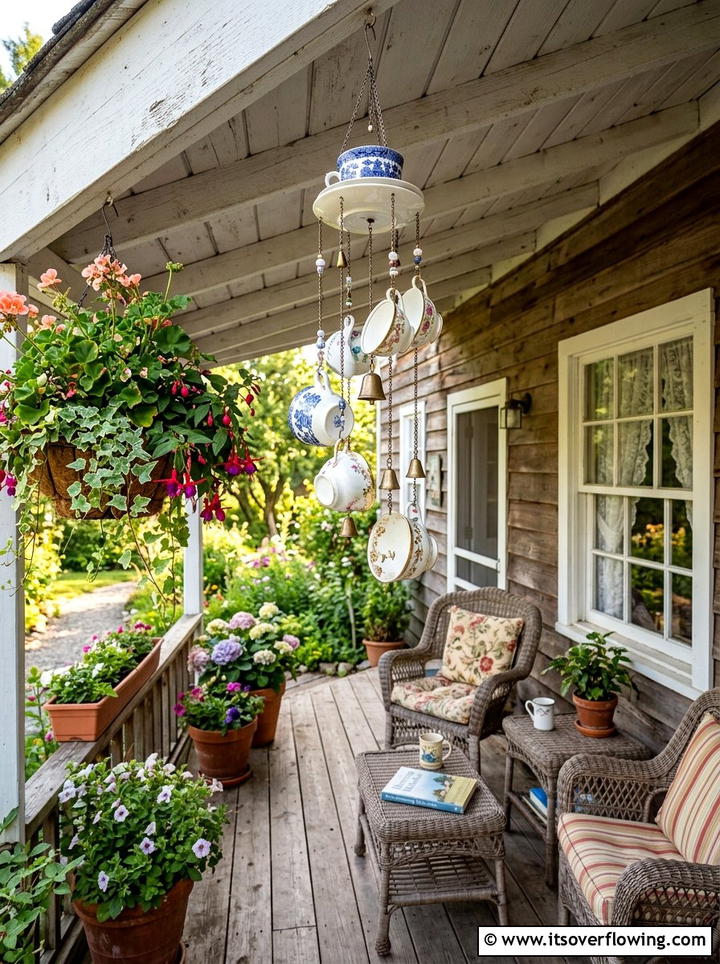
Do you enjoy the gentle sounds of wind chimes but want something more personal than a store-bought version? You can create a melodic and beautiful wind chime using a collection of old teacups and saucers. By drilling small holes in the center of the dishes, you can string them together with nylon cord or thin metal chains. When the wind blows, the ceramic pieces lightly tap against each other, creating a soft and delicate tinkling sound. You can add glass beads or small metal spoons between the cups to vary the tones and add more visual interest. Hanging this chime near a patio or an open window allows you to enjoy the soothing music throughout the day. It is a creative way to repurpose delicate china that is no longer used.
19. Chipped Platter Water Feature
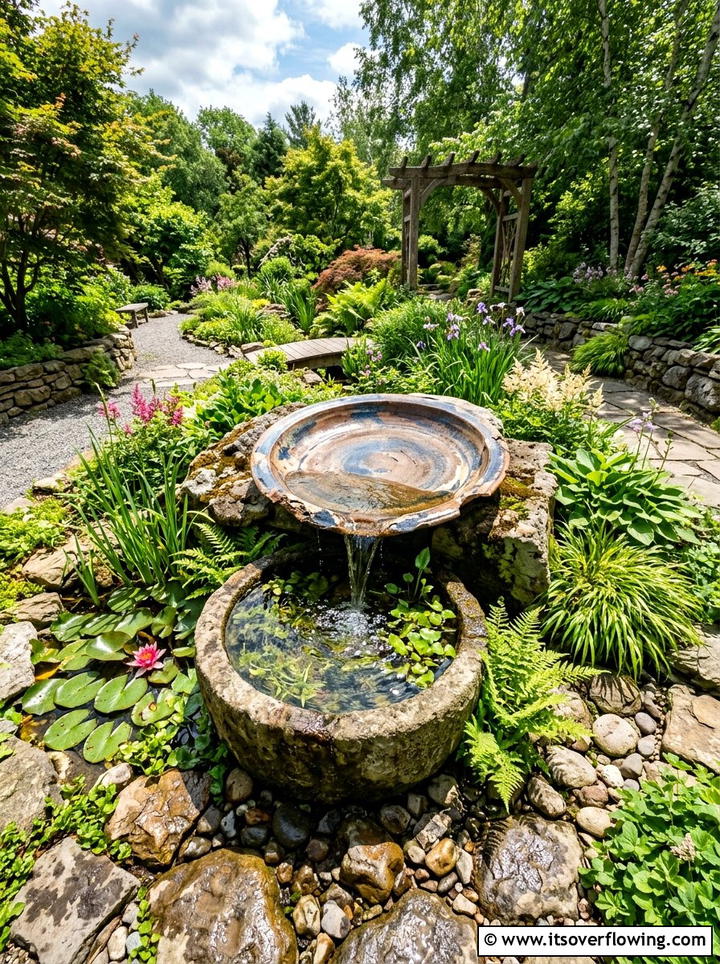
Have you ever considered building a small, recirculating water feature using a large, chipped ceramic platter as the base? A wide platter can serve as the top tier of a simple fountain, allowing water to gently spill over its edges into a basin below. The smooth surface of the ceramic creates a lovely sound as the water moves across it, adding a sense of tranquility to your garden. You can hide a small submersible pump beneath rocks in the lower basin to keep the water flowing continuously. Even a platter with a significant chip can be positioned so the water flows directly over the defect, making it look intentional. This DIY fountain becomes a refreshing focal point that attracts birds and provides a cooling effect during the summer.
20. Mosaic Garden Bench
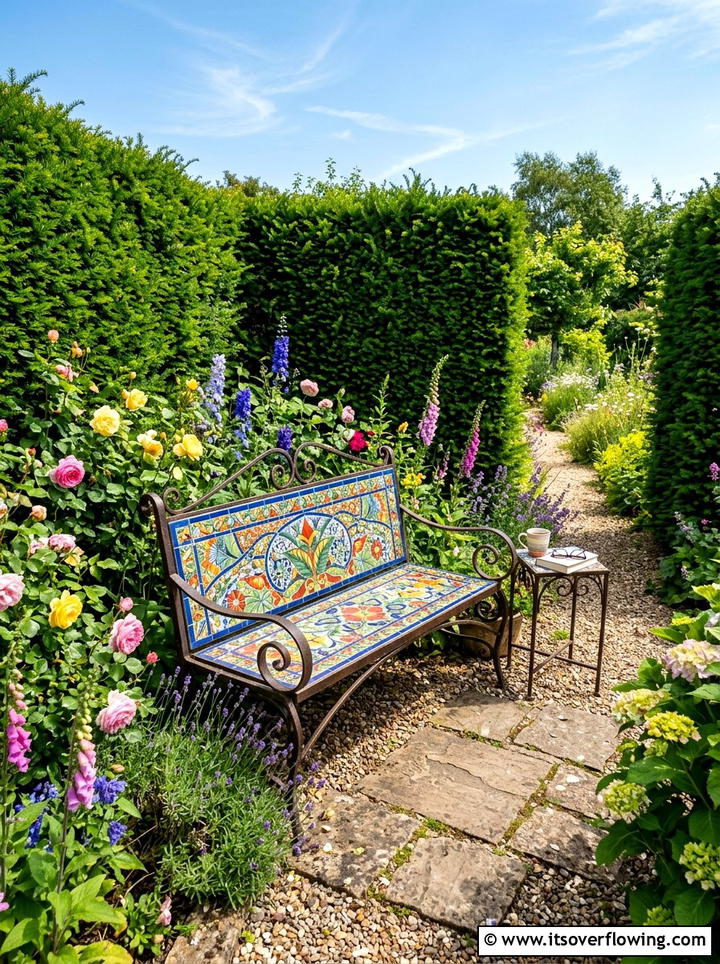
Is your old wooden or stone garden bench looking a bit worn and in need of a creative update? You can completely transform its appearance by covering the seat or backrest with a detailed mosaic made from chipped dishes. This project requires a bit more time and planning, but the result is a stunning piece of functional furniture. You can use the various colors and patterns of the china to create elaborate floral designs or abstract geometric shapes. The ceramic surface is easy to wipe clean and provides a cool place to sit on a warm afternoon. Using a high-quality grout ensures that the mosaic stays firmly in place despite frequent use and changing weather. It turns a basic piece of garden furniture into a one-of-a-kind artistic statement.
21. Broken Cup Drainage Layer
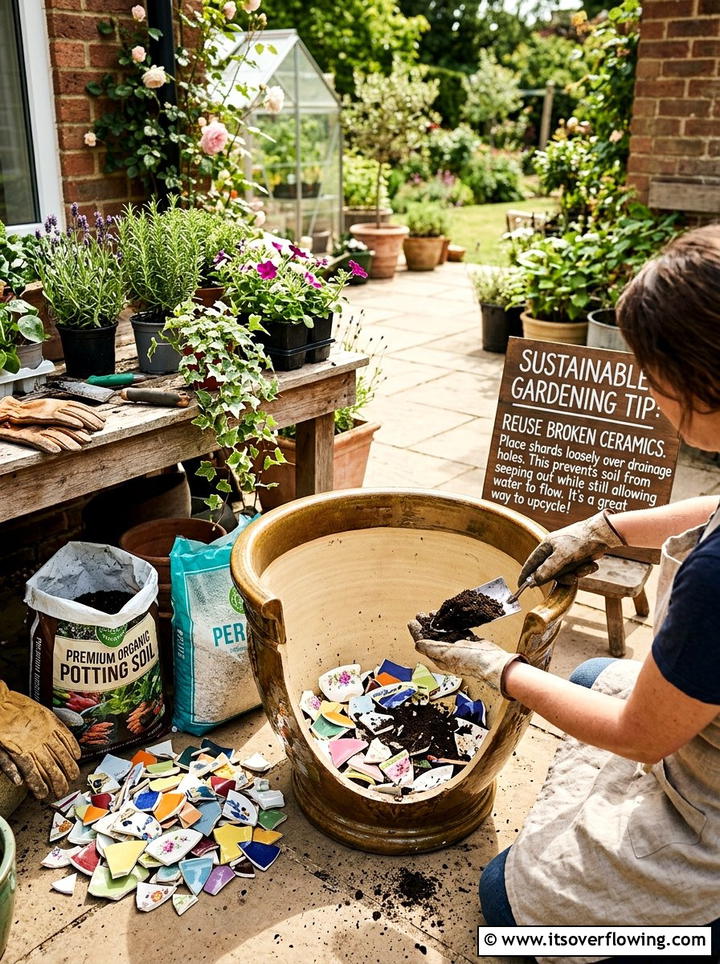
Are you looking for a practical way to improve the health of your potted plants using recycled materials? Instead of buying expensive gravel or charcoal for the bottom of your pots, you can use pieces of broken ceramic cups. Placing a layer of these shards at the base of your containers helps to facilitate better drainage and prevents soil from clogging the drainage holes. The irregular shapes of the broken cups create air pockets that allow excess water to flow out freely, protecting the roots from rot. This is a hidden but highly effective way to use up dishes that are too damaged for decorative projects. It is a simple sustainable gardening hack that ensures your plants thrive while you find a purpose for every broken piece.
22. Ceramic Tile Tree Surround
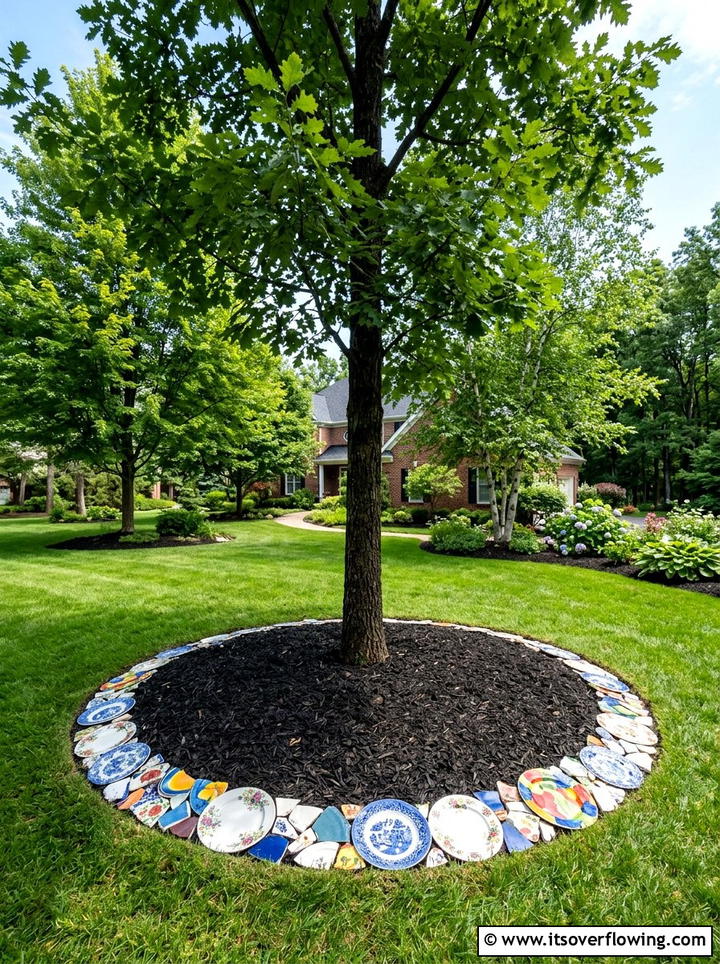
Would you like to create a tidy and decorative border around the base of a favorite tree in your yard? You can use large pieces of chipped ceramic platters or heavy plates to create a circular surround that keeps grass away from the trunk. By burying the pieces slightly into the ground, you create a sturdy barrier that defines the space and provides a place for mulch or flowers. This surround protects the tree from lawnmower damage and adds a decorative touch to the base of the trunk. You can choose colors that complement the tree’s bark or the surrounding landscape for a cohesive look. It is a practical application for larger ceramic items that are no longer suitable for indoor use but still possess great structural integrity.
23. China Cabinet Outdoor Display
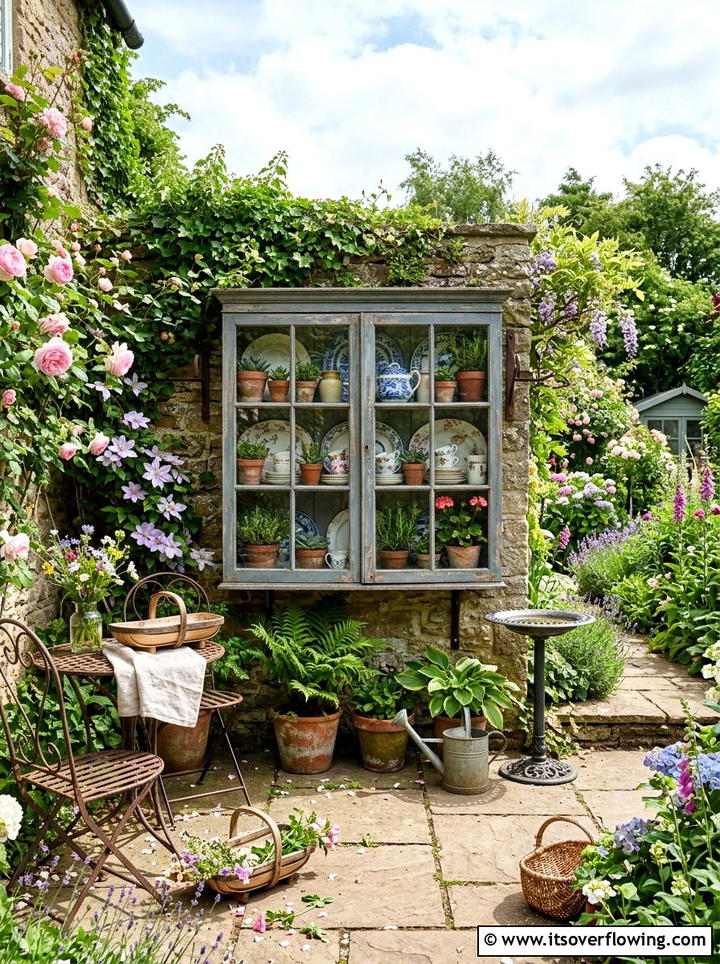
Have you ever thought about taking the idea of a china cabinet outdoors to showcase your favorite garden-themed dishes? You can mount a small, weather-proofed wooden shelf or an open cabinet on an exterior wall to display chipped but beautiful plates and cups. This creates a charming “outdoor room” feeling that bridges the gap between your indoor and outdoor living spaces. You can mix the ceramic pieces with small potted plants, garden tools, or decorative stones for a curated look. Because the items are already chipped, you don’t have to worry about the occasional bump or scrape from being outside. This display adds a layer of cottage-style character to a porch or patio area. It is an excellent way to enjoy your vintage collection in a fresh, natural setting.
24. Vintage Plate Hose Guide
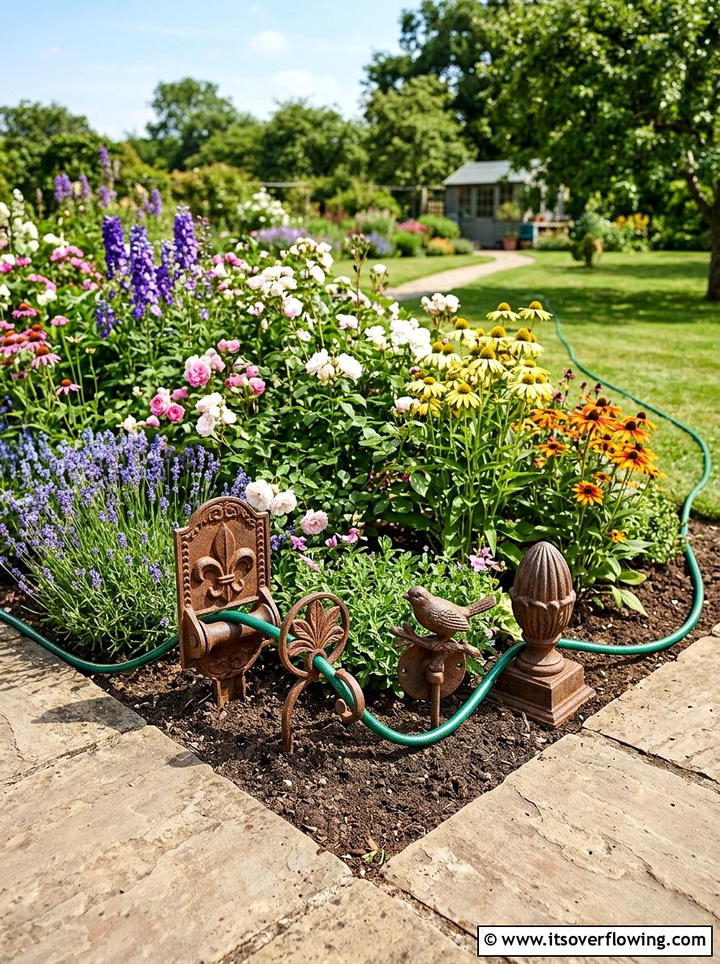
Do you find that your garden hose often drags across your delicate flower beds when you are watering the lawn? You can create functional and decorative hose guides by mounting chipped plates on sturdy metal or wooden stakes. These guides are placed at the corners of your garden beds to catch the hose and redirect it safely away from your plants. The smooth glazed surface of the plates allows the hose to glide easily without snagging or causing damage. By using plates with bright colors, the guides also serve as visible markers so you don’t accidentally trip over them. It is a clever solution to a common gardening frustration that also adds a touch of vintage charm to your landscape. This project is both practical and aesthetically pleasing.
25. Porcelain Shard Art Installation
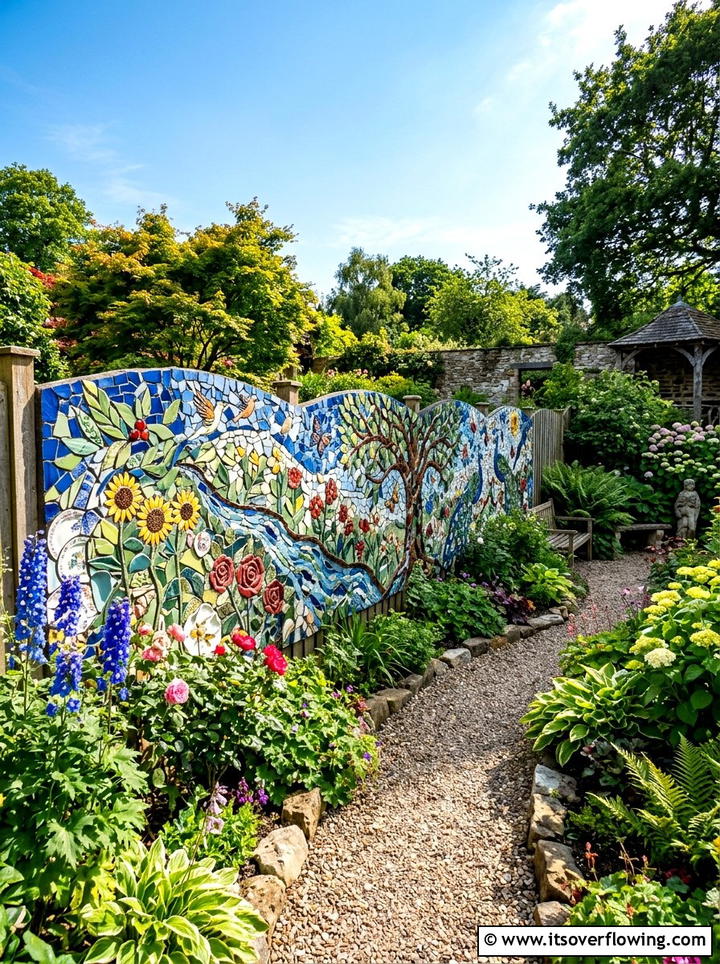
Are you feeling adventurous and want to create a large-scale artistic statement in your backyard? You can use a vast collection of broken dishes to create a porcelain shard art installation on a fence or an old garden shed wall. By adhering different types of ceramic fragments in a swirling or cascading pattern, you can create a mural that tells a visual story. This type of project allows you to use everything from tiny teacup handles to large platter rims in a cohesive design. The variety of textures and glazes creates a dynamic surface that changes appearance as the light moves throughout the day. It is a bold way to celebrate the beauty of recycled materials and turn your garden into a private art gallery.
Conclusion:
Repurposing chipped dishes into garden decor is a rewarding way to blend art with nature while practicing sustainability. It allows you to save cherished memories and give your plants a beautiful, colorful backdrop to grow against in every season. Whether you choose to build a grand mosaic path or a simple teacup bird feeder, your garden will feel more personal and intentional. This creative practice turns potential waste into a treasure that brings joy to your daily life and sparks interest in visitors. The next time a plate slips or a bowl cracks, look at it with a creative eye rather than disappointment or frustration. Your garden is the perfect canvas for these colorful ceramic fragments to shine once again in the bright, warm sunlight. Enjoy the process of building a space that is truly one of a kind.

Related posts:
 25 recycled garden ideas with garden markers: Fun DIYs
 25 recycled garden ideas with pallet wall garden DIYs
 25 recycled garden ideas with aluminum cans: Clever DIYs
 25 recycled garden ideas with composting: Greener DIYs
 25 recycled garden ideas with egg cartons: Easy Seed DIYs
 25 recycled garden ideas with glass bottles: Chic DIYs
 25 recycled garden ideas with leaf mold bins: Eco DIYs
 25 recycled garden ideas with leftover tiles: Stylish DIYs
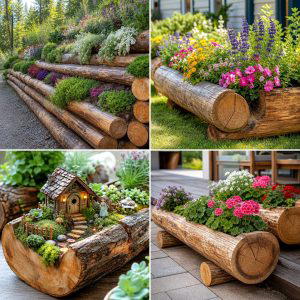 25 recycled garden ideas with logs: Rustic Outdoor DIYs
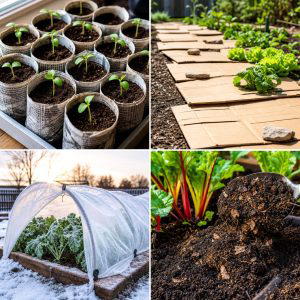 25 recycled garden ideas with newspapers: Clever DIYs
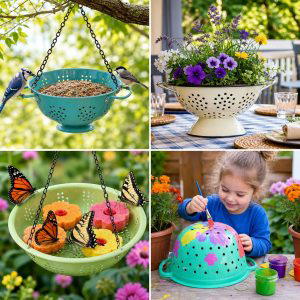 25 recycled garden ideas with old colanders: Fun Planter DIYs
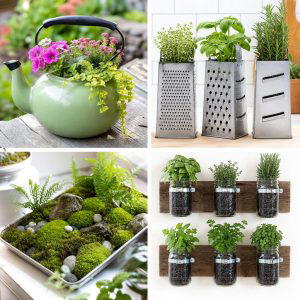 25 recycled garden ideas with old kitchenware: Creative DIYs