
Creating a sustainable sanctuary in your backyard is easier than you think when you embrace the art of upcycling. Transforming everyday household waste into functional garden features not only saves money but also significantly reduces your environmental footprint. By integrating composting into your recycled garden, you close the loop on waste, turning kitchen scraps and yard debris into “black gold” for your plants. This approach fosters a thriving ecosystem where nothing goes to waste and every item finds a new purpose. Whether you are a seasoned gardener or a beginner, these creative projects will help you build a lush, eco-friendly haven that reflects your commitment to the planet.
1. Wood Pallet Compost Bin
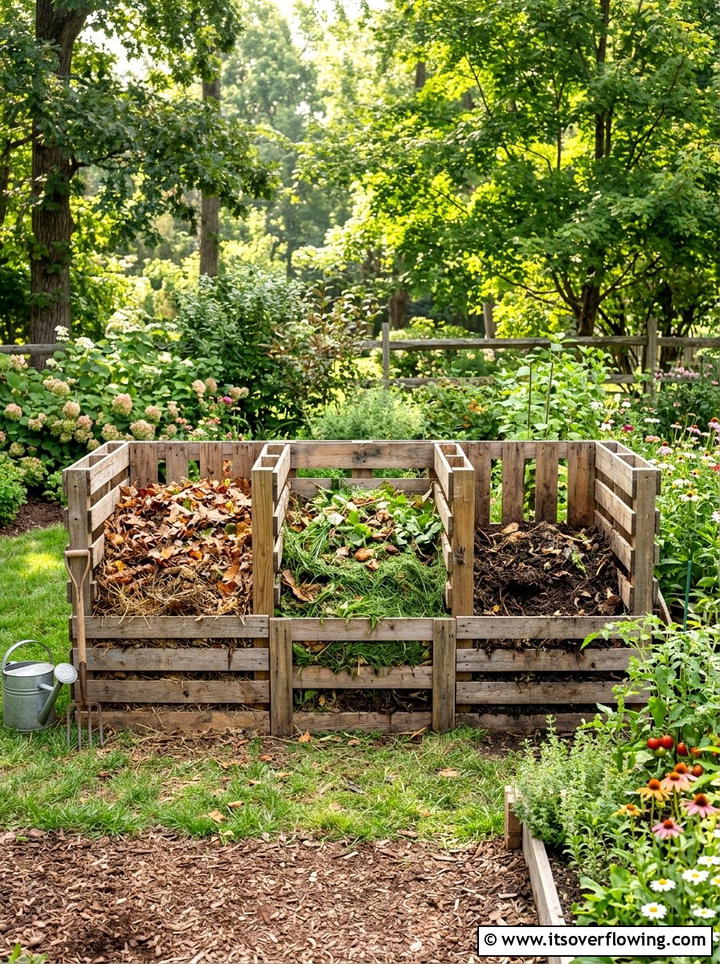
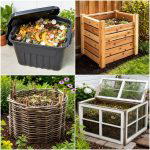
Building a sturdy structure from discarded shipping pallets is one of the most effective ways to manage yard waste. These wooden frames provide excellent airflow, which is essential for the aerobic decomposition of organic matter like grass clippings and fallen leaves. You can easily find pallets behind local businesses, but ensure they are marked with “HT” for heat-treated rather than chemically treated. Once assembled into a three-sided square, the pallet bin creates a dedicated space for layering green and brown materials. This setup allows for easy turning with a garden fork, speeding up the breakdown process. Over time, the bottom layers transform into rich, crumbly compost for your flower beds.
2. Plastic Bottle Planter
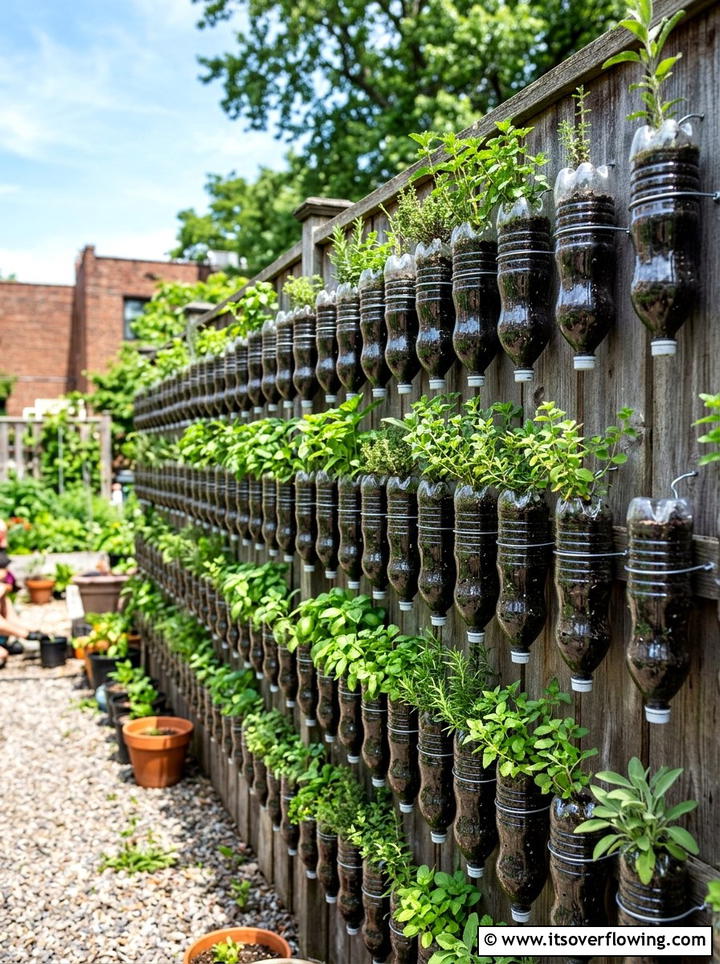
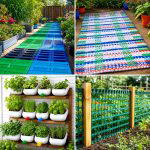
Transforming empty soda or water bottles into vertical gardens is a brilliant way to recycle single-use plastics. You can hang these lightweight containers against a sunny wall or fence to maximize growing space in small urban gardens. Each bottle can be cut along its side or bottom to create a perfect pocket for small herbs, succulents, or colorful annuals. Adding a layer of small stones at the bottom ensures proper drainage, preventing root rot in the confined space. These recycled plastic vessels are also excellent for starting seeds indoors before transplanting them to larger pots. By using these bottles, you keep plastic out of landfills while creating a vibrant green wall.
3. Old Tire Garden
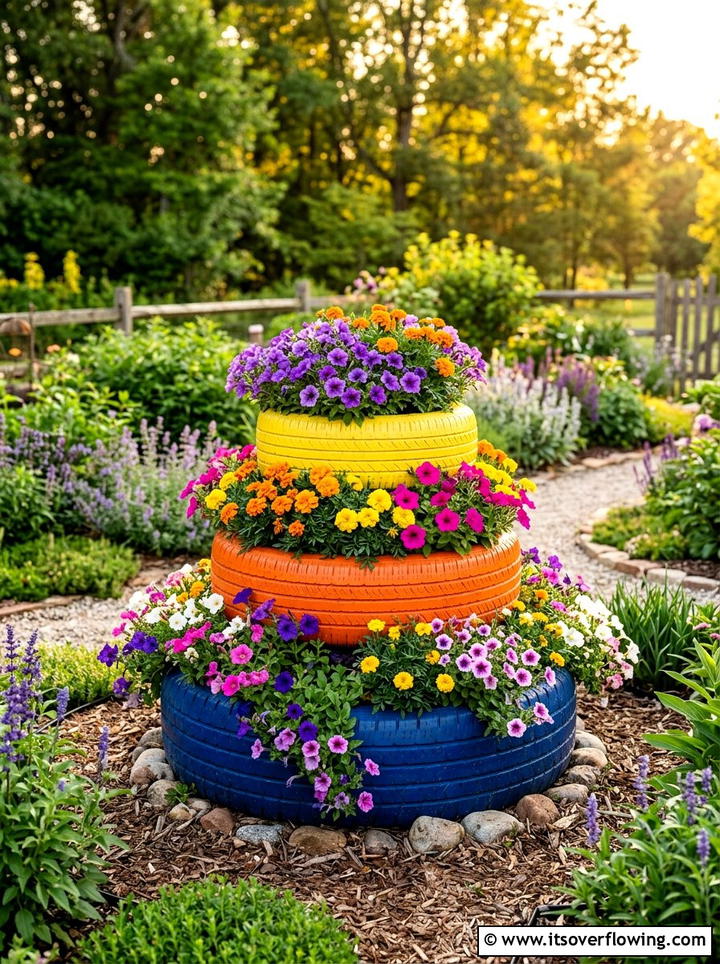
Repurposing old tires into raised garden beds is a popular and durable solution for growing various crops. These rubber rings are incredibly resilient to weather, making them ideal for perennial plants or deep-rooted vegetables like potatoes. You can stack them to create different heights, which adds visual interest to your landscape and makes harvesting easier on your back. To make them more attractive, many gardeners paint the exterior with non-toxic, bright colors that complement their garden theme. When filled with a mix of potting soil and homemade compost, these tire planters retain heat well, which helps jumpstart plant growth in the early spring months.

4. Cereal Box Seed Starter
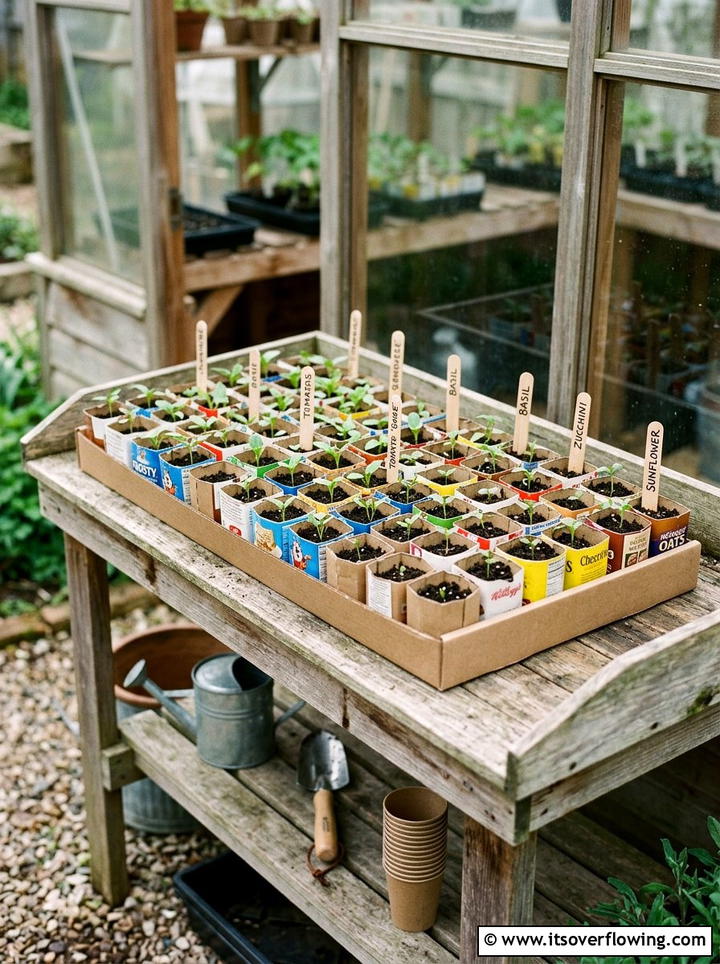
Repurposing old cardboard cereal boxes into biodegradable seed starters is a clever way to reduce kitchen waste. You simply cut the boxes into smaller strips or squares and fold them into little cups to hold your soil mix. These cardboard containers are excellent because they can be planted directly into the ground once the seedlings are strong enough. The cardboard eventually decomposes in the soil, providing extra carbon for the earth while preventing transplant shock to the delicate roots. This method is particularly effective for plants like beans or peas that dislike having their roots disturbed. It is a cost-effective and environmentally friendly alternative to buying plastic trays.
5. Wooden Wine Barrel Composter
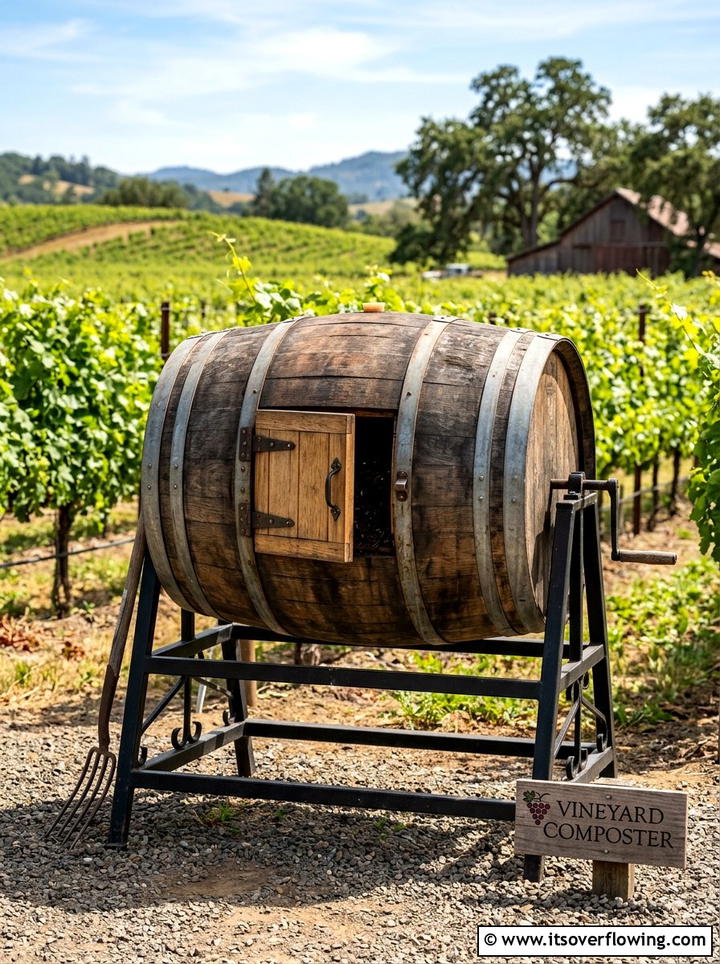
Converting an old oak wine barrel into a tumbling composter adds a touch of rustic charm to any backyard. These heavy-duty barrels are naturally resistant to rot and provide plenty of room for large batches of organic waste. By installing a central axle and a small hatch door, you can easily rotate the barrel to keep the compost aerated and moist. This mechanical action speeds up the decomposition process significantly compared to static piles. The thick wood also helps insulate the internal temperature, which is crucial for killing weed seeds and pathogens. Once the cycle is complete, you will have high-quality fertilizer that smells earthy and fresh.
6. Used Coffee Ground Fertilizer
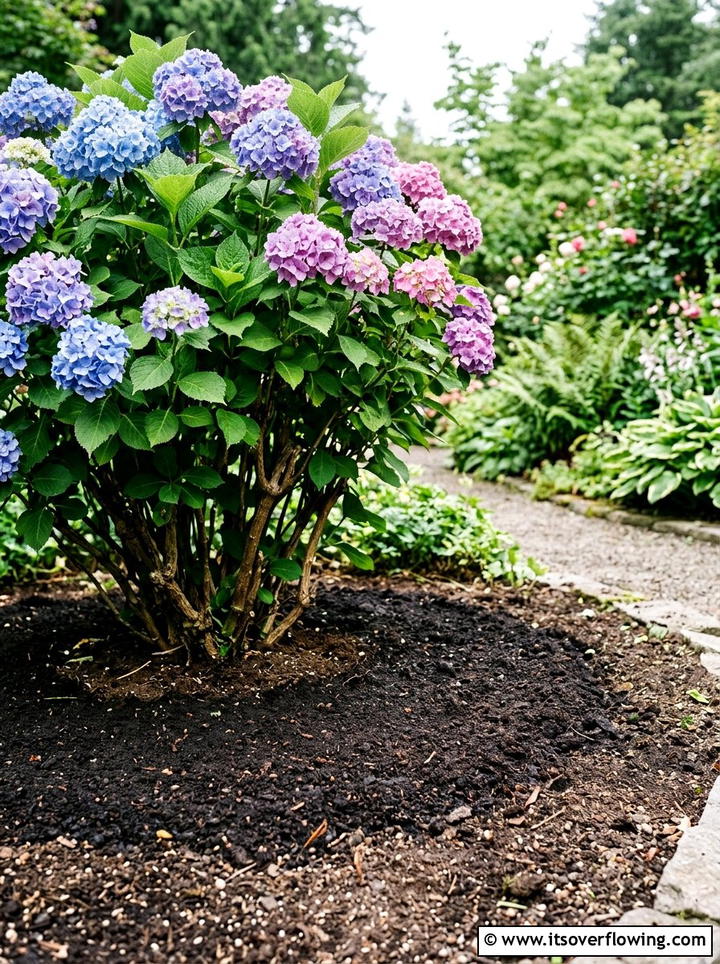
Many local coffee shops are more than happy to give away their used espresso grounds for free. These nitrogen-rich grounds are a fantastic addition to both your compost pile and directly into your garden soil. When mixed into the earth, they help improve soil structure and provide essential nutrients that promote lush, green foliage. Some gardeners even sprinkle them around the base of acid-loving plants like blueberries, azaleas, and hydrangeas to slightly lower the soil pH. Additionally, the coarse texture of coffee grounds can act as a natural deterrent for slugs and snails. This simple act of recycling keeps organic material out of the trash while boosting plant health.
7. Broken Ceramic Pot Fairy Garden
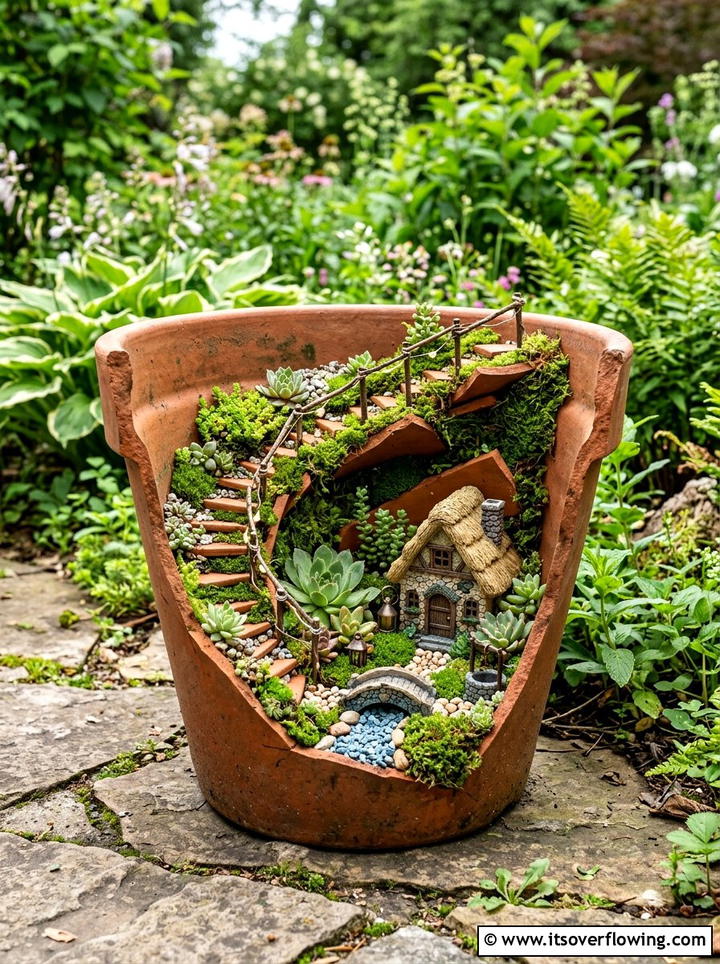
Instead of throwing away cracked or broken terracotta pots, you can repurpose them into whimsical miniature landscapes. By layering the broken shards to create “stairs” or terraced levels, you can build a unique habitat for tiny succulents and mosses. These miniature gardens are perfect for kids and adults alike, allowing for endless creativity with small decorative figurines and pebbles. The porous nature of the ceramic still allows for excellent drainage, which is vital for the health of succulent plants. These upcycled pots can be placed on a patio table or tucked into a corner of a flower bed to serve as a charming focal point.

8. Tin Can Herb Wall
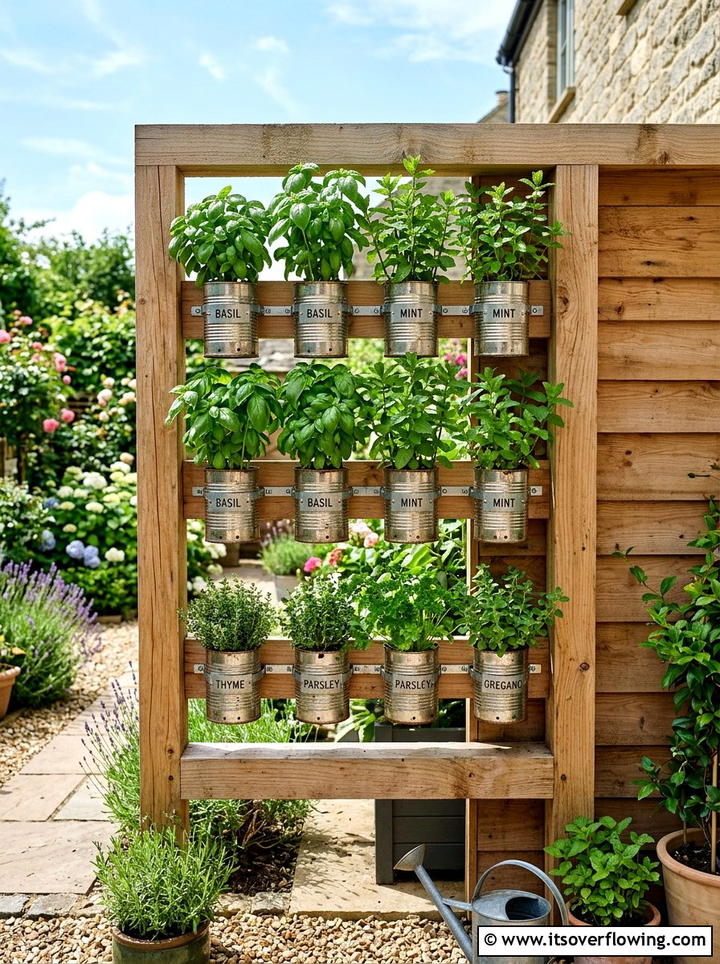
Using empty food tins to create a wall-mounted herb garden is a space-saving and stylish way to upcycle. After thoroughly cleaning the cans and smoothing any sharp edges, you can drill small drainage holes in the bottom. These metal containers can then be painted or left with their natural metallic finish for an industrial look. Mounting them to a wooden trellis or a fence allows you to grow fresh basil, mint, and cilantro right outside your kitchen door. Because tin cans are relatively small, they are ideal for herbs that do not require deep root systems. This project turns common household trash into a functional and beautiful culinary resource.
9. Old Boot Garden Planter
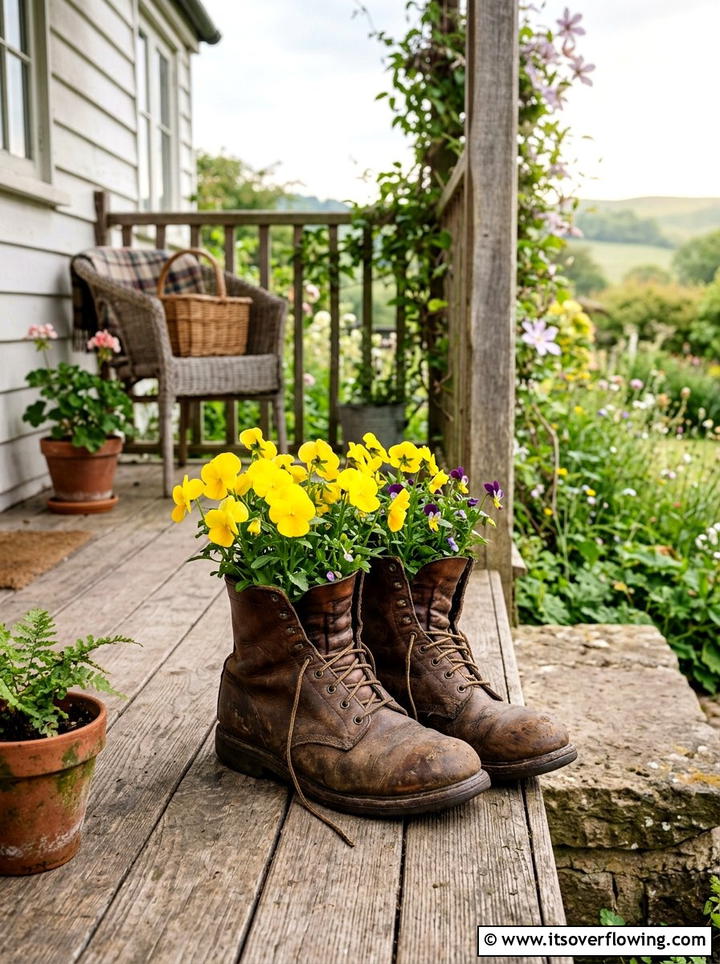
Turning worn-out work boots or colorful rain boots into quirky planters adds a playful and personal touch to your garden. These durable items are perfect for holding small flowering plants or trailing vines like ivy. You can place them on porch steps, hang them from a garden gate, or nestle them among your perennial shrubs. To ensure the plants thrive, simply drill a few holes in the soles of the boots for drainage and fill them with high-quality potting soil. Using old boots is a fun way to preserve memories of well-worn footwear while giving them a second life as a unique decorative element.
10. Metal Bucket Composter
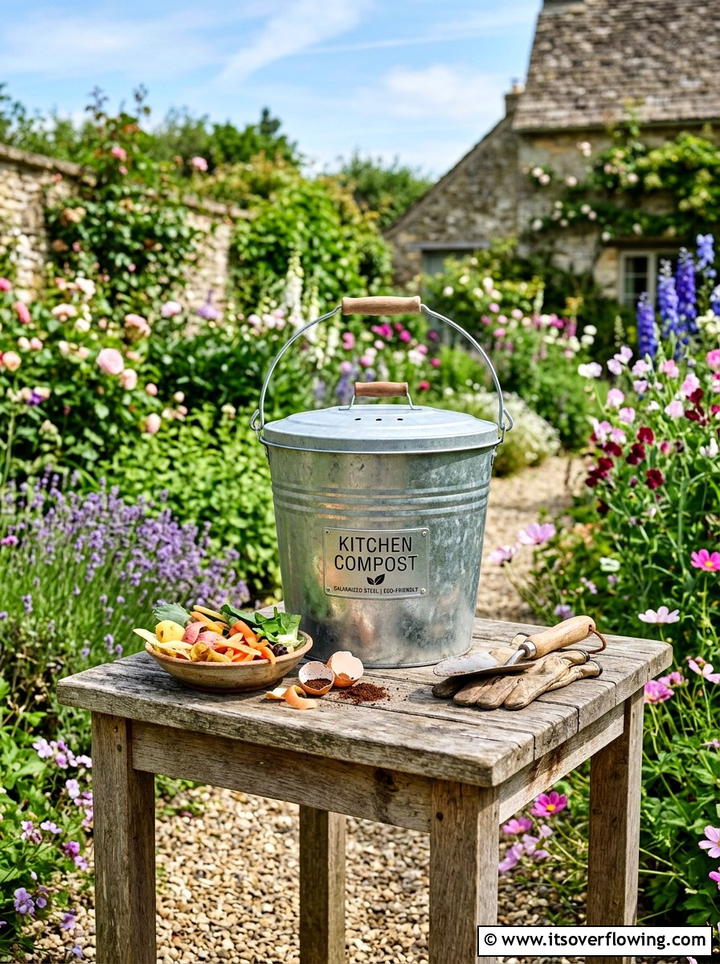
A vintage metal bucket or an old galvanized pail can be easily transformed into a small-scale kitchen composter. This is a perfect solution for apartment dwellers or those with limited outdoor space who still want to recycle food scraps. By drilling a series of small holes in the lid for ventilation and adding a charcoal filter, you can keep odors at bay. This bucket sits conveniently on your countertop or under the sink, collecting fruit peels and vegetable trimmings throughout the week. Once full, the contents can be transferred to a larger outdoor bin or a local community garden. It is a simple tool for sustainable living.
11. Newspaper Seedling Pot
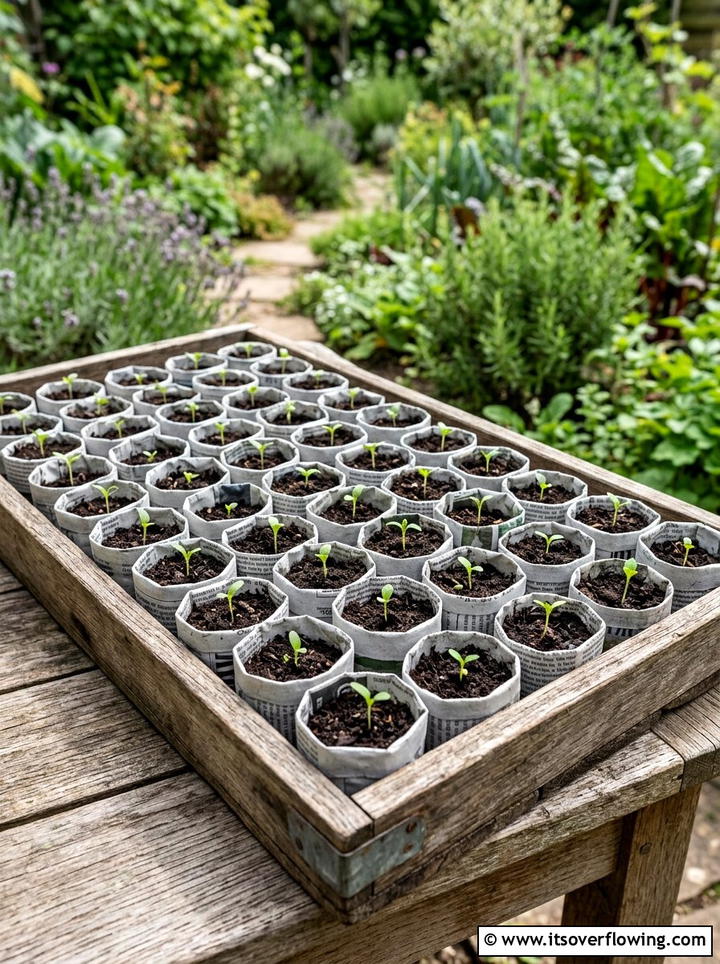
Making your own seedling pots out of old newspapers is an easy and cost-effective way to start your garden. By folding the paper into small cups or using a specialized wooden tool, you create biodegradable containers that are perfect for young sprouts. These paper pots can be planted directly into the soil when the weather warms up, allowing the roots to grow through the paper as it decomposes. This method eliminates the need for plastic nursery pots and reduces the risk of root damage during the transplanting phase. It is a great way to recycle the daily news while nurturing the next generation of flowers and vegetables.
12. Eggshell Soil Amendment
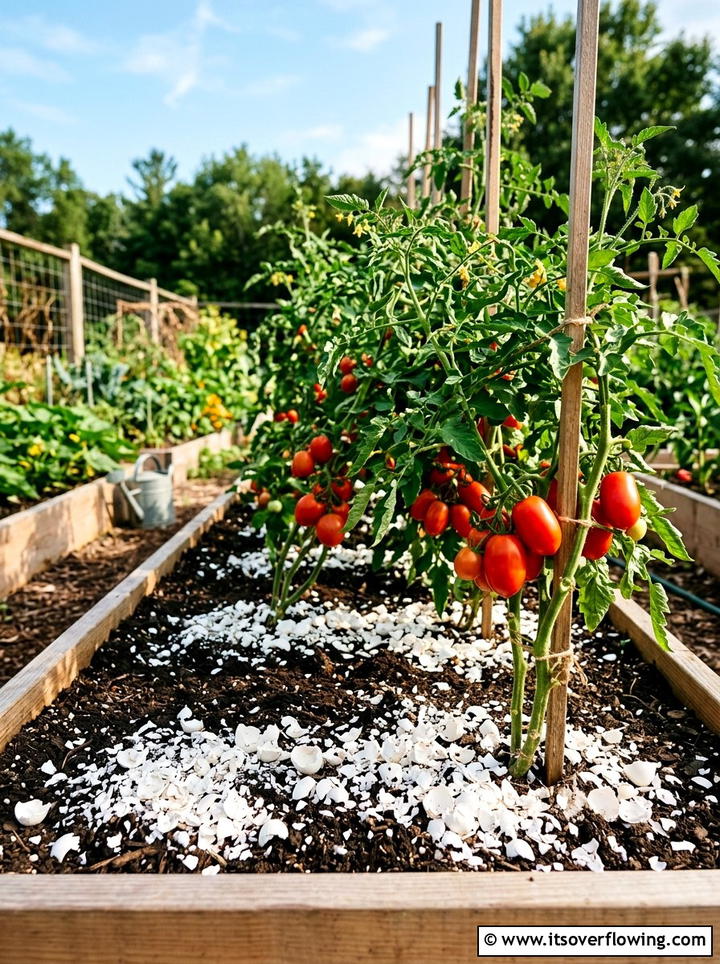
Recycling eggshells is a fantastic way to add calcium back into your garden soil naturally. After rinsing and drying the shells, you can crush them into a fine powder or small pieces to sprinkle around your plants. Calcium is especially important for preventing blossom end rot in tomatoes, peppers, and eggplants. Many gardeners also add crushed eggshells to their compost bins to balance the acidity and provide grit for worms. Some people even use whole shell halves as tiny, biodegradable seed starters for very small plants. This kitchen waste item is a powerhouse of nutrients that should never find its way into a garbage can.
13. Old Ladder Plant Stand
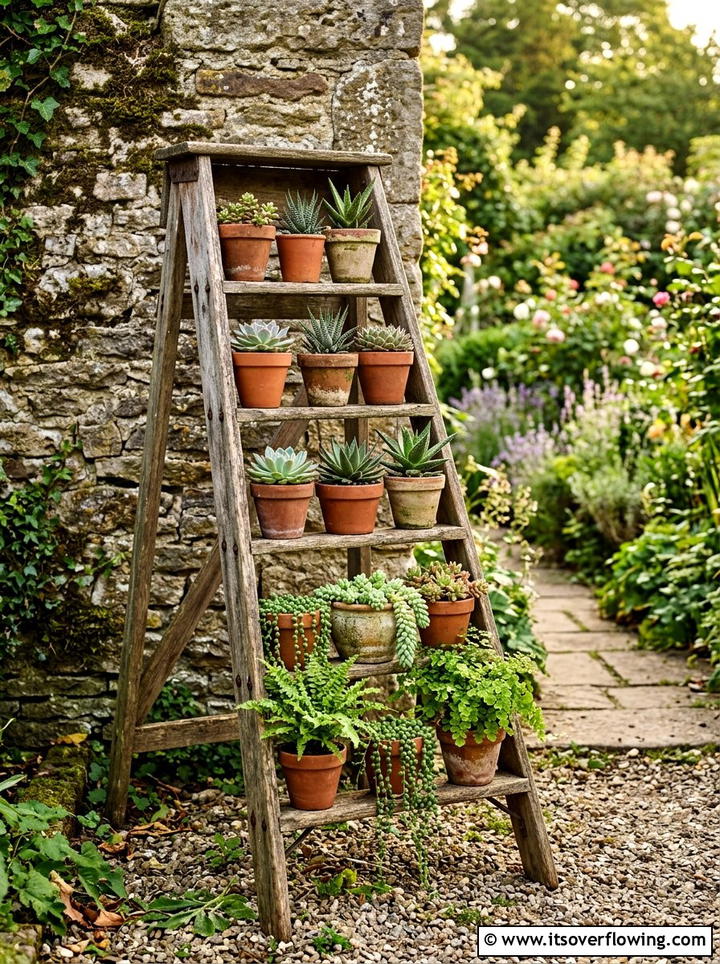
A retired wooden or metal ladder can be given a second life as a tiered plant stand. By placing the ladder in a sunny corner of your patio, you create multiple levels of display space for your potted plants. This vertical arrangement allows you to fit more greenery into a small footprint and ensures that every plant gets adequate sunlight. You can paint the ladder to match your outdoor decor or leave it with its weathered patina for a rustic, farmhouse aesthetic. This project is perfect for showcasing a collection of herbs, flowers, or even trailing succulents that can spill over the edges of the rungs.
14. Plastic Milk Jug Watering Can
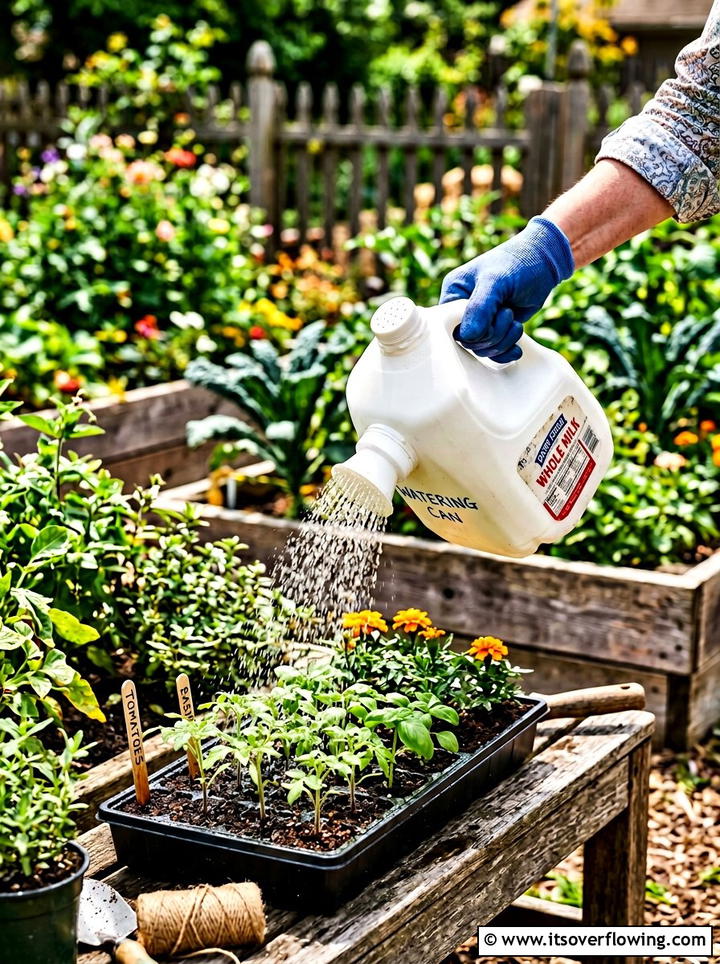
Before you toss that empty plastic milk jug into the recycling bin, consider turning it into a custom watering can. By heating a needle or a small nail and poking holes in the cap, you create a gentle shower head perfect for delicate seedlings. This upcycled tool is lightweight and easy to carry, making it a great option for indoor plants or small garden patches. You can also cut out the bottom of the jug to create a protective cloche for young plants during cold nights. This simple hack saves money on garden equipment while finding a practical use for common household plastic waste.
15. Glass Bottle Garden Border
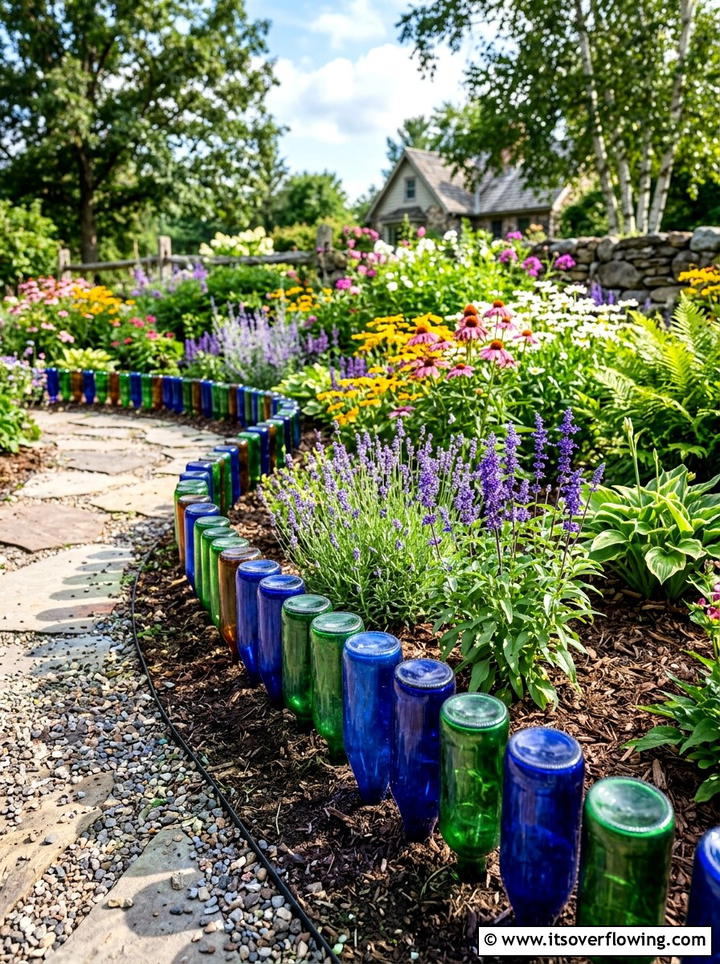
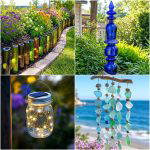
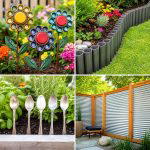
Using empty glass bottles to create a colorful border for your garden beds is a creative and eco-friendly design choice. By burying the bottles neck-down along the edge of your path or flower bed, you create a durable and eye-catching partition. These glass borders can help hold soil in place and prevent weeds from encroaching on your planting areas. When the sun hits the glass, it creates a beautiful shimmering effect that adds a touch of magic to your outdoor space. This project is a wonderful way to recycle wine, beer, or soda bottles while adding a unique, artistic flare to your landscape.
16. Toilet Paper Roll Seed Starter
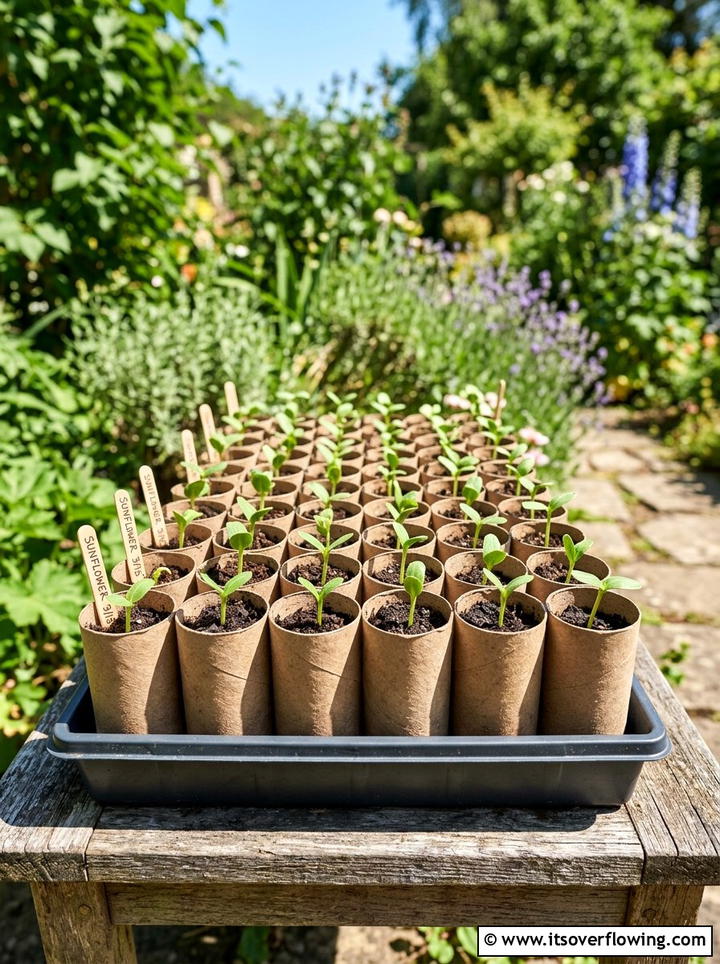
The cardboard tubes from toilet paper or paper towels are the perfect size for starting deep-rooted seedlings. By cutting the bottom of the tube and folding the edges inward, you create a sturdy base that holds soil securely. These tubes are particularly useful for plants like sweet peas or sunflowers that benefit from a little extra depth for their roots. Much like newspaper pots, these cardboard rolls can be planted directly into the ground where they will eventually break down. This method is incredibly easy, free, and keeps a significant amount of cardboard out of the recycling stream while helping your garden grow.
17. Colander Hanging Basket
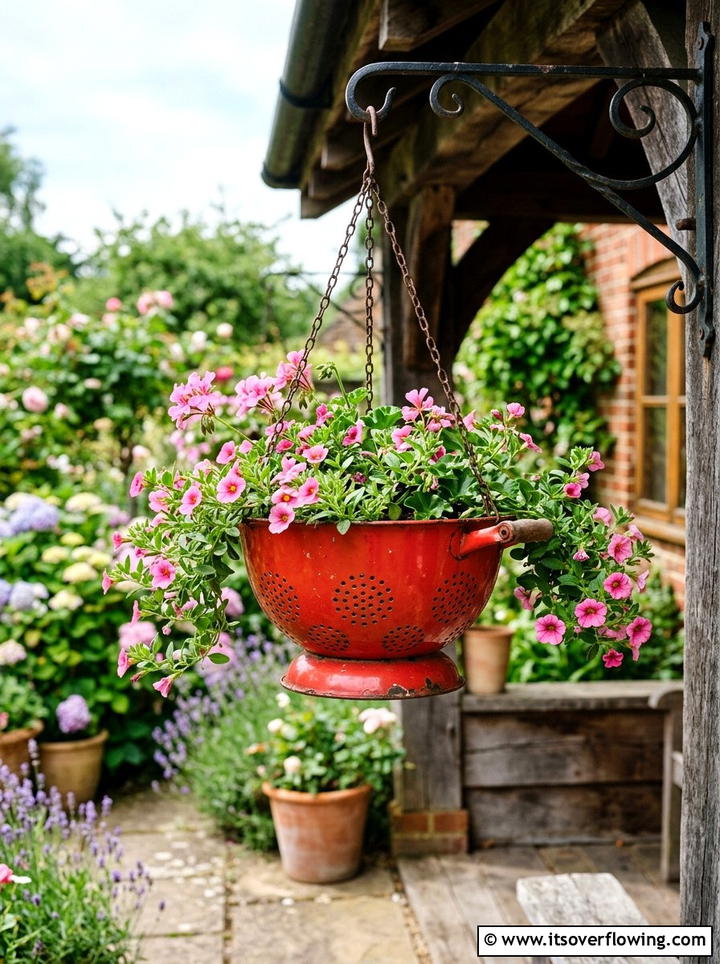
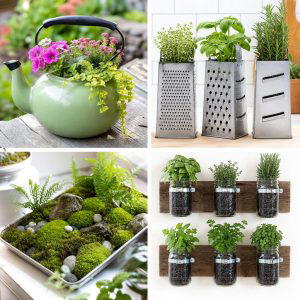
An old metal or plastic colander can be easily repurposed into a charming and highly functional hanging basket. Since colanders are already designed with numerous holes, they provide excellent drainage for water-sensitive plants. You can attach a chain or some sturdy twine to the handles and hang it from a porch hook or a tree branch. When lined with a bit of coco coir or moss, these kitchen tools become a unique home for trailing petunias or strawberries. This project is a great way to breathe new life into vintage kitchenware that might otherwise be forgotten in the back of a dark cupboard.
18. Bathtub Garden Bed
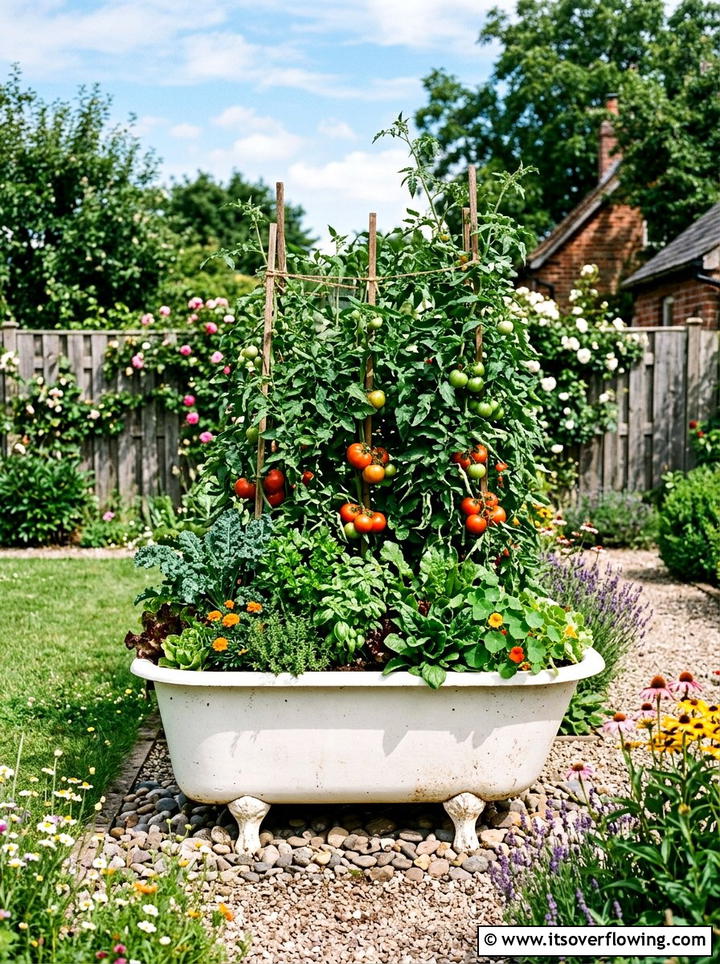
If you find an old clawfoot bathtub at a salvage yard or during a home renovation, you have found the ultimate raised garden bed. These large vessels are perfect for growing deep-rooted vegetables or creating a massive floral display. Because they are made of heavy cast iron or porcelain, they are incredibly durable and can withstand the elements for decades. The built-in drain hole at the bottom ensures that your plants will never be waterlogged. Filling a bathtub with a nutrient-dense mix of topsoil and compost provides an ideal environment for a productive vegetable patch. It also serves as a bold, vintage statement piece.
19. Tea Bag Fertilizer
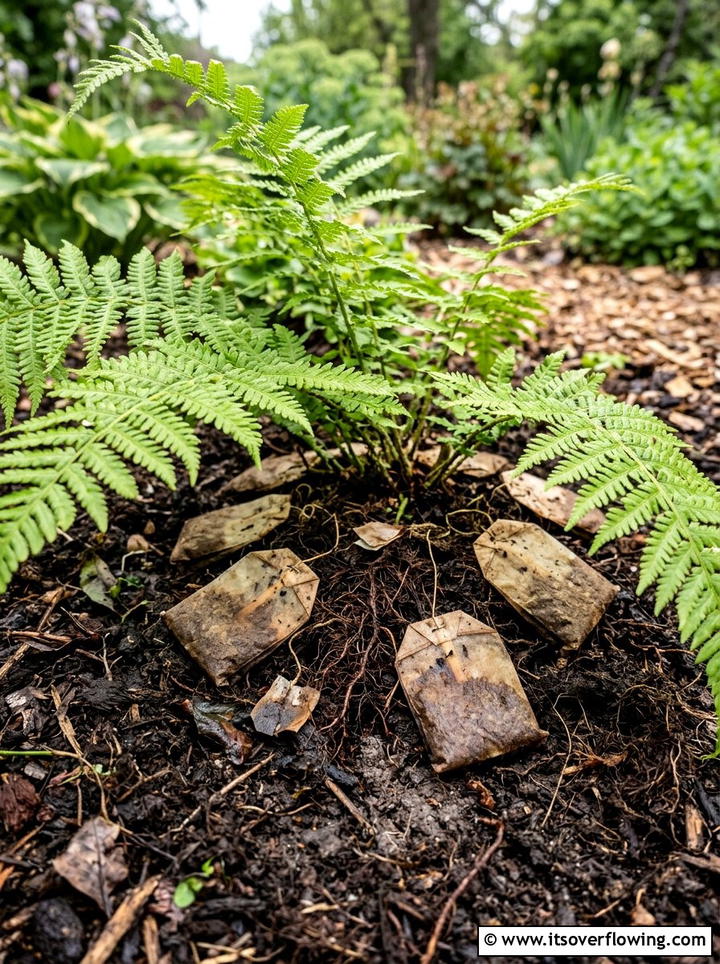
Used tea bags are packed with organic matter and nutrients that can benefit your garden in several ways. After brewing your tea, you can add the used bags directly to your compost pile where they will decompose and enrich the soil. Some people choose to bury the bags near the roots of their plants to provide a slow-release source of nitrogen and improve soil moisture retention. The tannic acid in the tea leaves can also help slightly lower the pH of the soil, making it more favorable for certain plant species. Just be sure to remove any plastic tags or staples before adding them to the earth.
20. Reclaimed Picket Fence Trellis
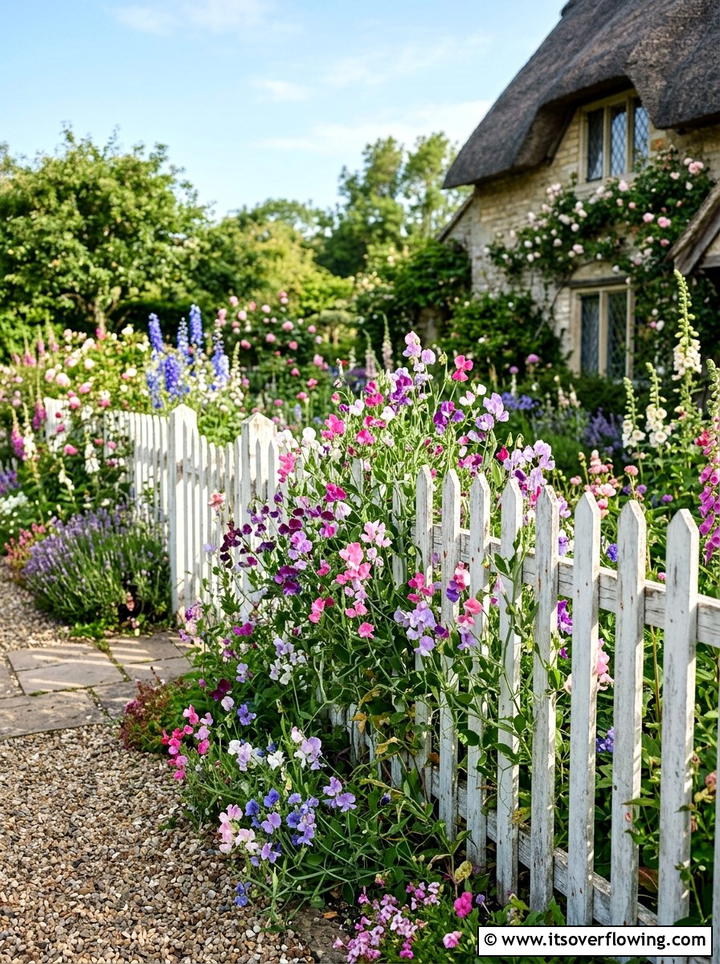
An old picket fence can be disassembled and reimagined as a beautiful trellis for climbing plants. By leaning sections of the fence against a wall or securing them to posts, you provide a sturdy framework for vines, peas, or clematis to grow upward. This vertical gardening technique helps save ground space and improves air circulation around your plants, which reduces the risk of fungal diseases. The weathered wood of the pickets adds a classic, timeless feel to your garden design. It is a fantastic way to save historical materials from being discarded while creating a functional support system for your lush greenery.
21. Old Sink Herb Garden
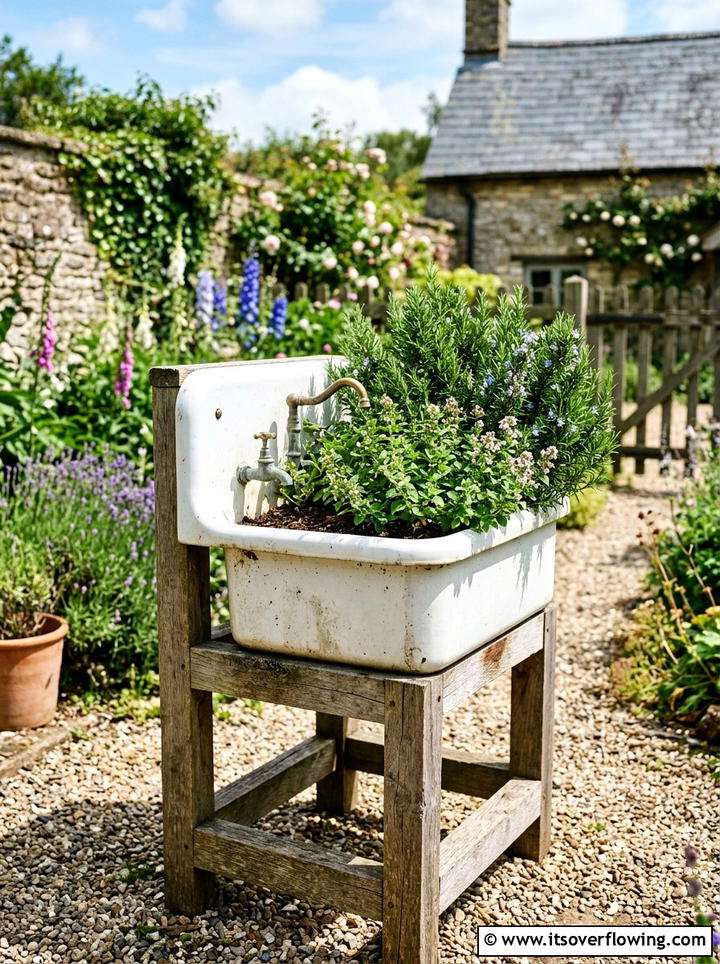
A discarded kitchen or bathroom sink can become a unique and durable planter for your favorite culinary herbs. These sinks are often made of ceramic or stainless steel, both of which are weather-resistant and easy to clean. You can set the sink on a wooden stand or a stack of bricks to bring it to a comfortable height for harvesting. The pre-existing drain hole makes it easy to manage water runoff, ensuring your rosemary, thyme, and oregano stay healthy. Placing an old sink near your back door allows you to easily snip fresh herbs while you are cooking, making it both practical and decorative.
22. Cardboard Mulch
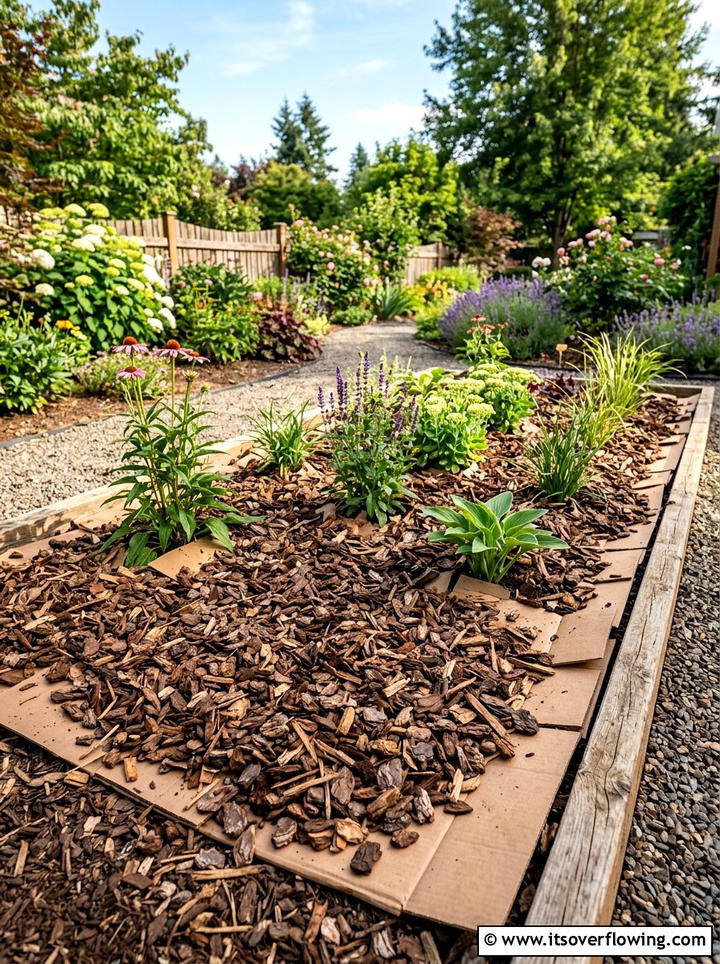
Recycling large cardboard boxes as a base layer for mulch is a highly effective organic gardening technique known as sheet mulching. By laying flat pieces of brown cardboard over a grassy area or a weedy patch, you can naturally suppress unwanted growth without using harsh chemicals. Over time, the cardboard breaks down and attracts earthworms, which help aerate and enrich the soil beneath. Once the cardboard is in place, you can cover it with a thick layer of wood chips or straw to create a clean and polished look. This method is a great way to prepare new garden beds while disposing of bulky cardboard waste.
23. Banana Peel Fertilizer
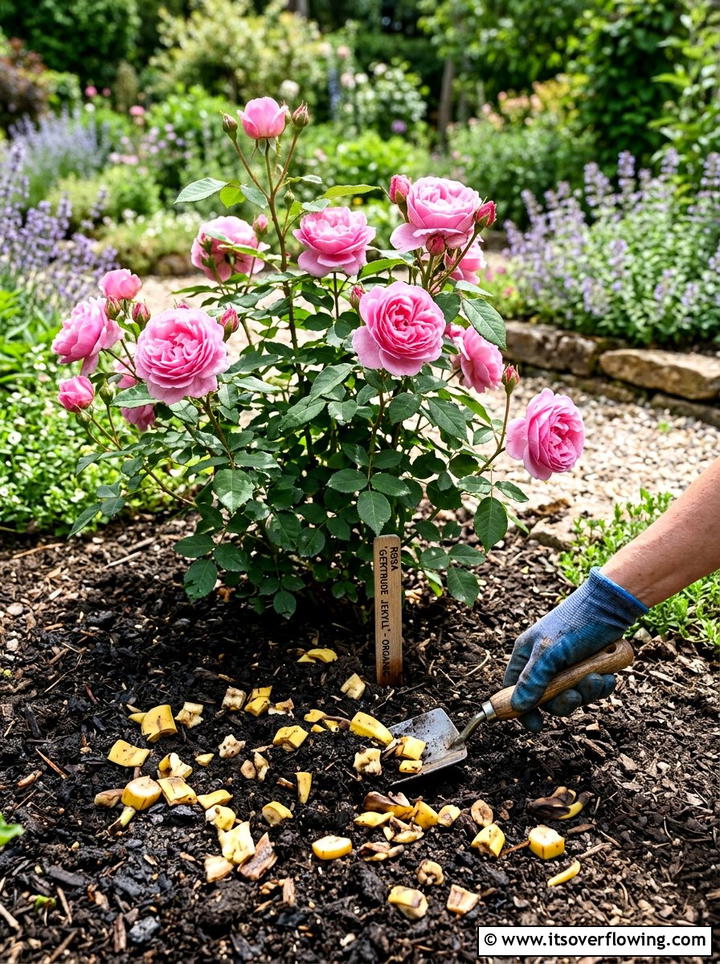
Instead of throwing away banana peels, you can use them to give your garden a natural boost of potassium. Potassium is an essential nutrient that helps plants develop strong stems and promotes vibrant flower production. You can chop the peels into small pieces and bury them directly in the soil around the base of your roses or tomato plants. Some gardeners also prefer to soak the peels in water for a few days to create a nutrient-rich “banana tea” for watering their indoor and outdoor plants. This simple kitchen hack is an excellent way to recycle food scraps while improving the overall health of your garden.
24. Old Drawer Vegetable Garden
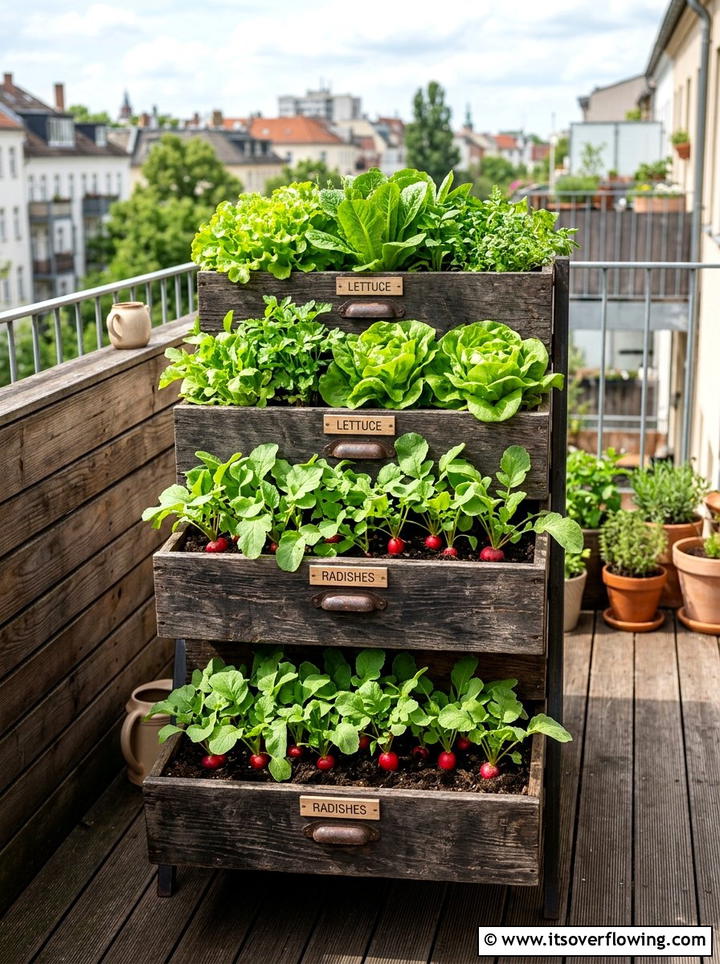
Old dresser drawers can be easily transformed into shallow raised beds for growing lettuce, radishes, or spinach. These wooden boxes are perfect for people with limited space, such as those with small balconies or patios. By drilling a few drainage holes in the bottom and lining them with landscape fabric, you create a portable and stylish garden container. You can stack the drawers at different angles to create a tiered effect, which maximizes the amount of produce you can grow in a small area. This project is a wonderful way to repurpose furniture that has seen better days while producing fresh, organic food.
25. Concrete Block Composter
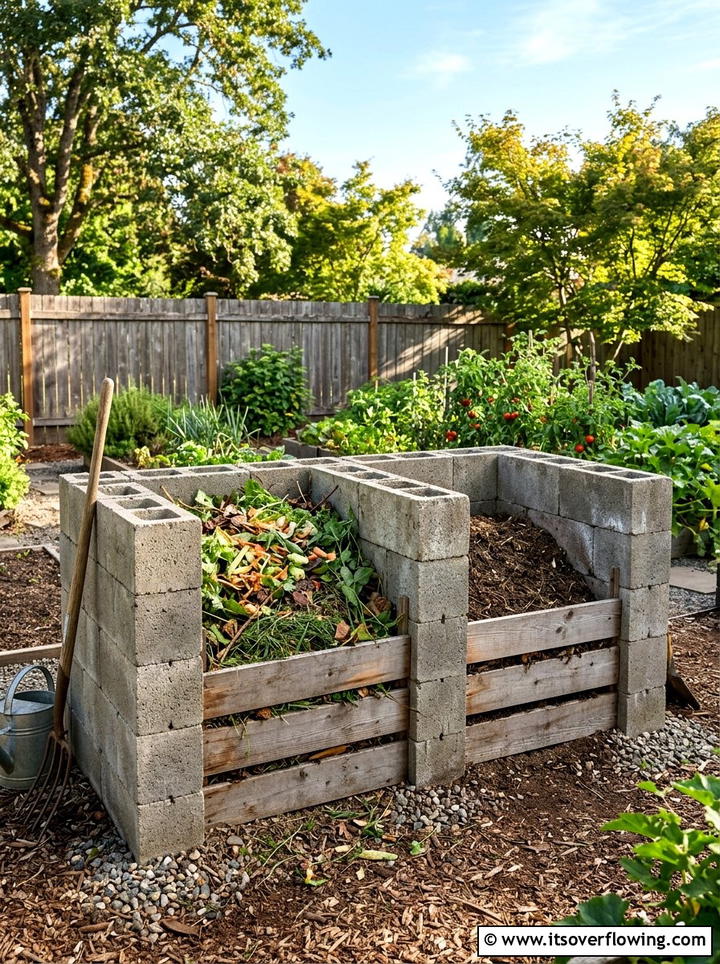
Leftover concrete blocks from a construction project can be used to build a permanent and very sturdy compost system. By stacking the blocks without mortar, you allow for easy adjustment of the bin’s size and shape as your composting needs change. The gaps between the blocks provide necessary ventilation, which helps keep the organic material from becoming anaerobic and smelly. This type of composter is incredibly long-lasting and can handle large volumes of garden waste throughout the year. It is a practical and industrial-style solution for managing heavy-duty composting tasks while using materials that might otherwise sit unused in a garage or shed.
Conclusion:
Embracing recycled garden projects and composting is a rewarding journey that connects you more deeply with the natural world. By viewing “trash” as a valuable resource, you can create a beautiful, productive space that honors the principles of sustainability and waste reduction. Every pallet bin, plastic bottle planter, and handful of coffee grounds contributes to a healthier soil and a more resilient local environment. These ideas demonstrate that you do not need a large budget to cultivate a stunning garden; you only need a bit of creativity and a commitment to upcycling. Start small, and watch as your garden flourishes into a zero-waste paradise that inspires others to follow suit.

Related posts:
 25 recycled garden ideas with garden markers: Fun DIYs
 25 recycled garden ideas with pallet wall garden DIYs
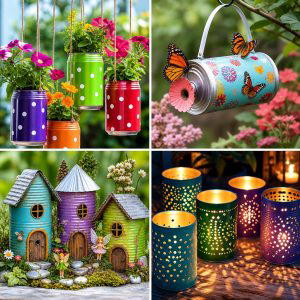 25 recycled garden ideas with aluminum cans: Clever DIYs
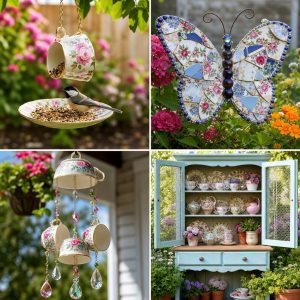 25 recycled garden ideas with chipped dishes: Pretty DIYs
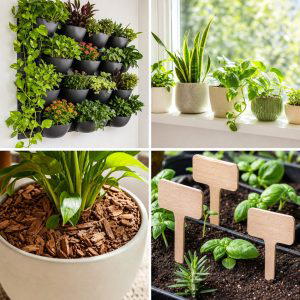 25 recycled garden ideas with egg cartons: Easy Seed DIYs
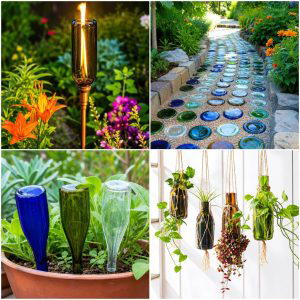 25 recycled garden ideas with glass bottles: Chic DIYs
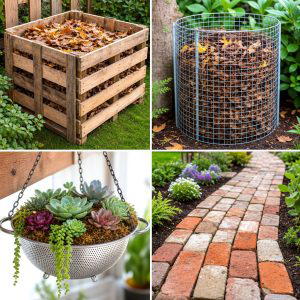 25 recycled garden ideas with leaf mold bins: Eco DIYs
 25 recycled garden ideas with leftover tiles: Stylish DIYs
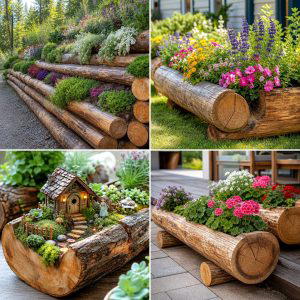 25 recycled garden ideas with logs: Rustic Outdoor DIYs
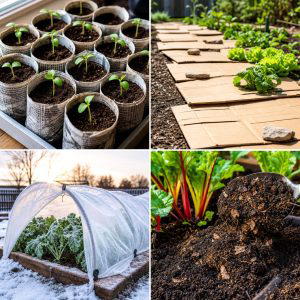 25 recycled garden ideas with newspapers: Clever DIYs
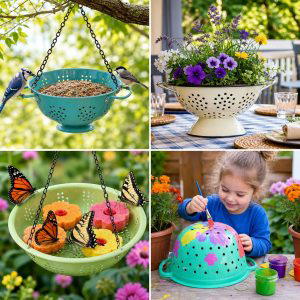 25 recycled garden ideas with old colanders: Fun Planter DIYs
 25 recycled garden ideas with old kitchenware: Creative DIYs