
Creating a sustainable outdoor space starts with rethinking what we consider waste, especially when it comes to managing garden scraps and organic kitchen leftovers. Upcycling provides a unique opportunity to transform discarded materials into functional garden tools that enhance soil health and look beautiful in your landscape. Many homeowners are now looking for clever ways to integrate compost systems that do not look like eyesores but rather like intentional design elements. By using items like old pallets, metal bins, or even vintage furniture, you can build a thriving ecosystem right in your backyard while reducing your overall carbon footprint and saving money on expensive fertilizers.
1. Pallet Compost Bin
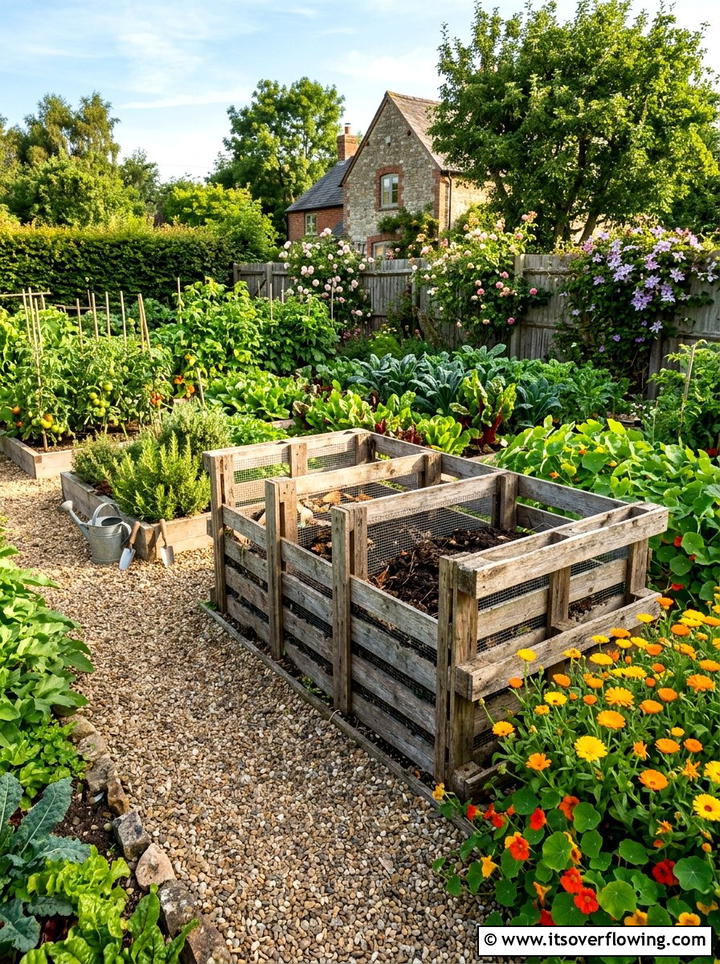
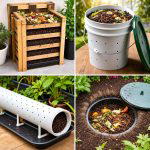
Using old shipping pallets is one of the most popular ways to create a sturdy and spacious composting system without spending much money. You can easily find these pallets behind local businesses, and they provide the perfect slats for air circulation, which is essential for breaking down organic matter. To build this, simply stand four pallets on their ends to form a square and secure the corners with heavy-duty zip ties or screws. This rustic look blends perfectly into a cottage-style garden or a farmhouse backyard. You can even paint the exterior or grow climbing vines like sweet peas along the sides to hide the maturing waste inside.
2. Galvanized Trash Can Composter
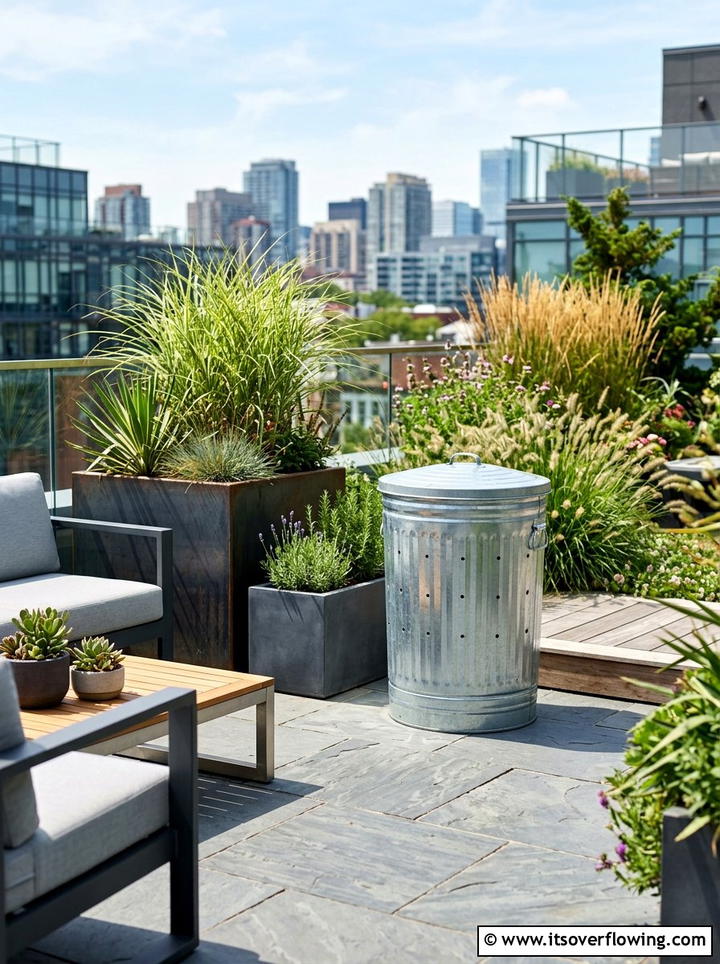
A metal trash can provides a sleek, industrial look that fits well in modern urban gardens while keeping pests away from your nutrient-rich compost. To start, you will need to drill several ventilation holes along the sides and bottom of the can to allow oxygen to reach the microorganisms. This method is particularly effective for smaller spaces where a large open pile might be too messy or take up too much room. The lid keeps everything contained and prevents rain from soaking the contents, which helps maintain the ideal moisture balance. Placing the can on a few bricks helps with drainage and air intake from underneath.
3. Cinder Block Compost System
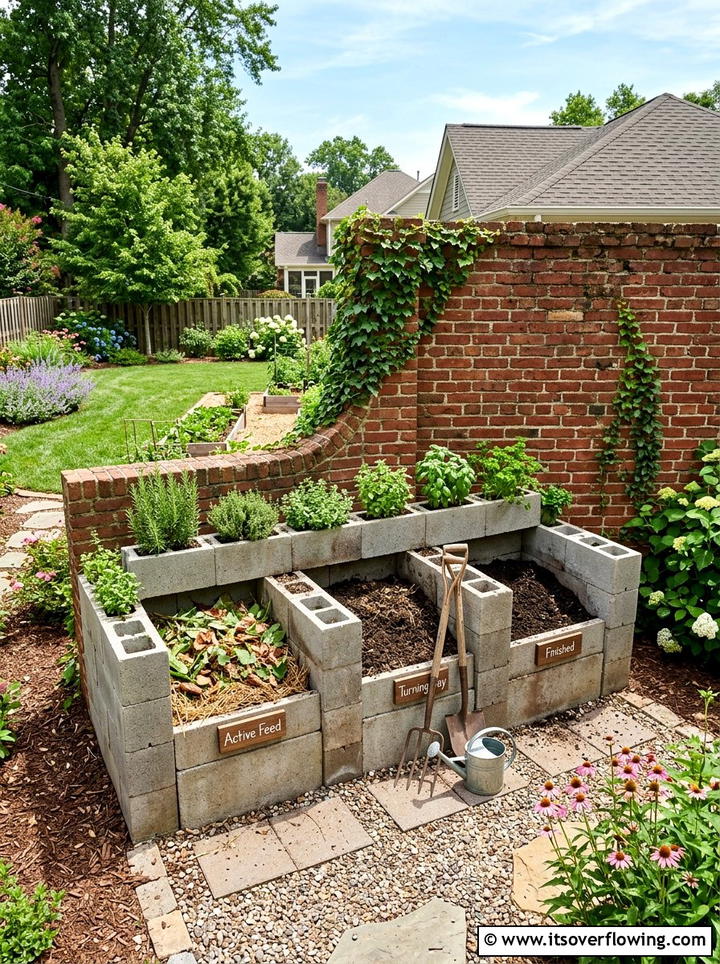
Cinder blocks offer a permanent and incredibly durable solution for those who want a structured composting area that can handle large volumes of yard waste. These heavy blocks are excellent at retaining heat, which speeds up the decomposition process during the cooler months of the year. You can dry-stack the blocks to create three walls, leaving the front open for easy access when you need to turn the pile with a shovel. The holes within the blocks themselves can be filled with soil and planted with herbs or flowers, turning your functional compost bin into a beautiful, living vertical garden wall.
4. Wine Barrel Composter
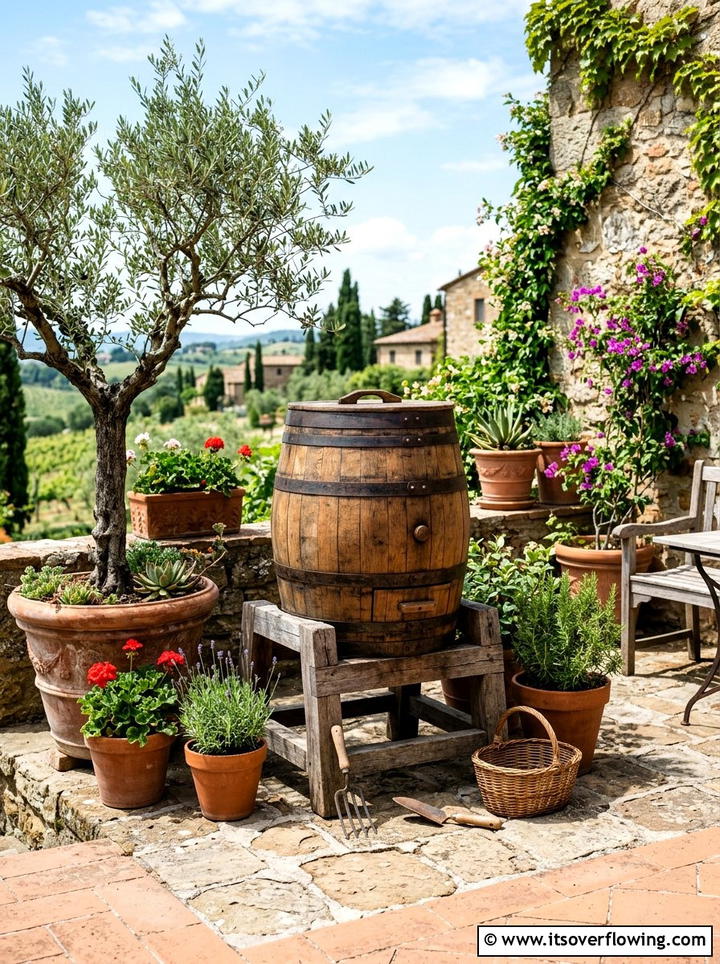
Have you ever considered turning an old oak wine barrel into a high-end rotating composter that adds a touch of vineyard elegance to your patio? By mounting the barrel on a wooden stand with a central axle, you create a tumbler that makes mixing your compost effortless and physically easy. The thick wood provides excellent insulation, keeping the internal temperature high enough to kill weed seeds and pathogens effectively. This upcycled design is perfect for homeowners who want the benefits of composting but prefer a more polished and decorative appearance that matches their existing high-quality outdoor furniture and decor.
5. Plastic Tote Composter
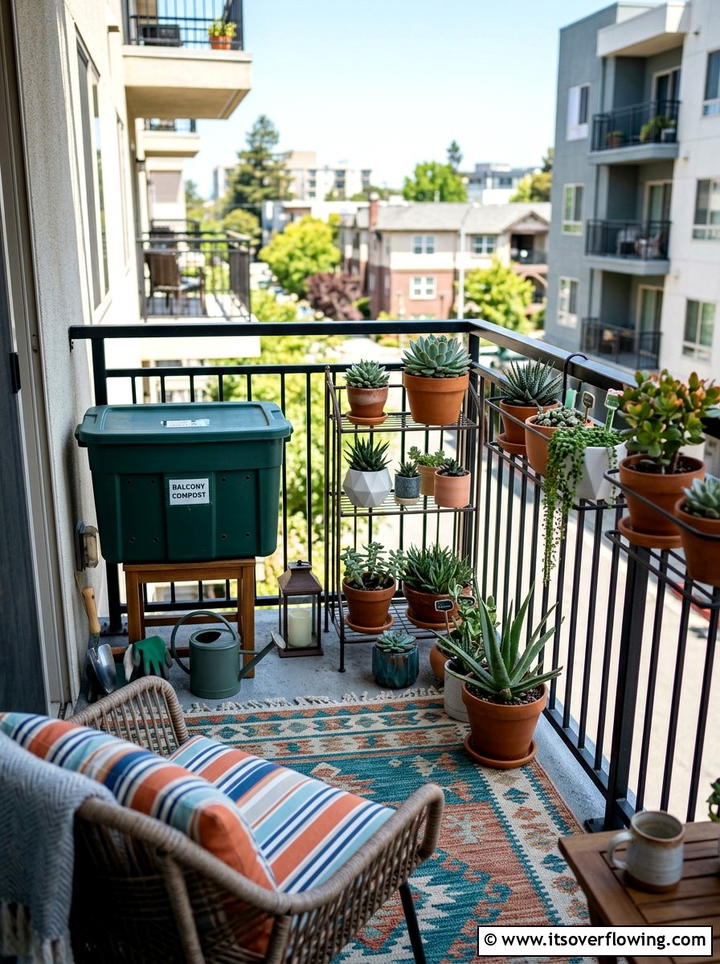
Plastic storage totes are an affordable and accessible option for beginners who are just starting their composting journey in a small backyard or balcony. These bins are lightweight and easy to move around as the sun changes position throughout the seasons. You should choose a dark-colored tote to absorb more heat from the sunlight, which significantly accelerates the breakdown of food scraps. By drilling holes in the lid and sides, you ensure that the pile stays aerobic and smells fresh rather than sour. This is a great way to recycle old household containers that might otherwise be thrown away or forgotten.
6. Wire Mesh Compost Bin
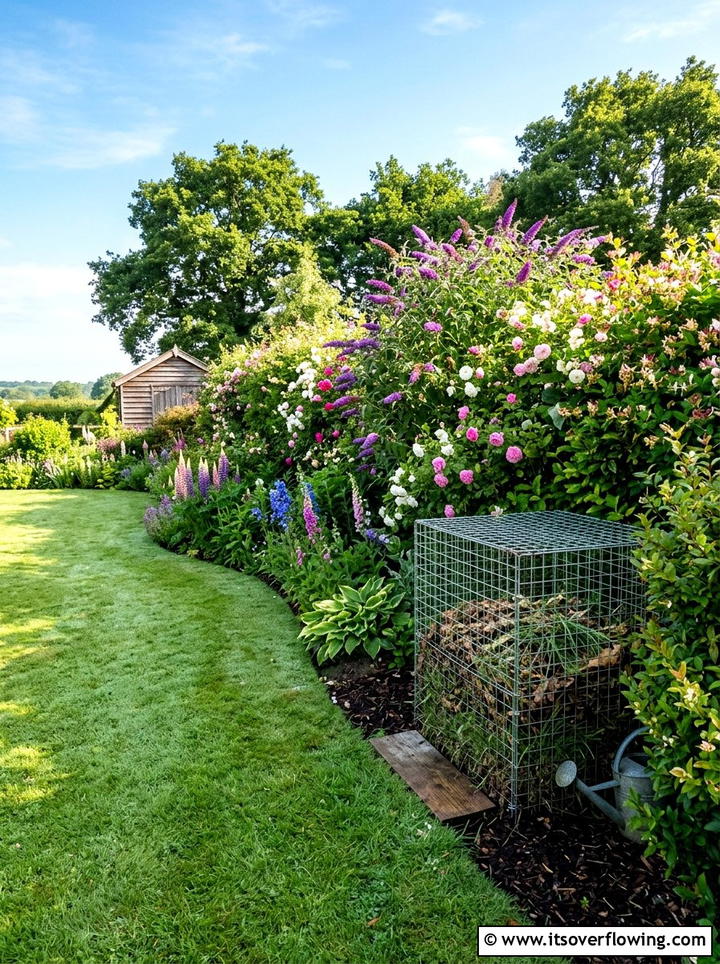
Wire mesh or hardware cloth is a fantastic material for creating a simple, circular compost bin that allows for maximum airflow from every direction. You can simply roll the mesh into a cylinder and secure the ends with wire, creating a lightweight structure that is very easy to lift and move. When it is time to harvest your finished compost, you just lift the entire wire frame up and move it to a new spot, leaving the pile behind. This minimal design is almost invisible against a backdrop of green shrubbery, making it an excellent choice for those who prefer an unobtrusive look.
7. Bathtub Compost System
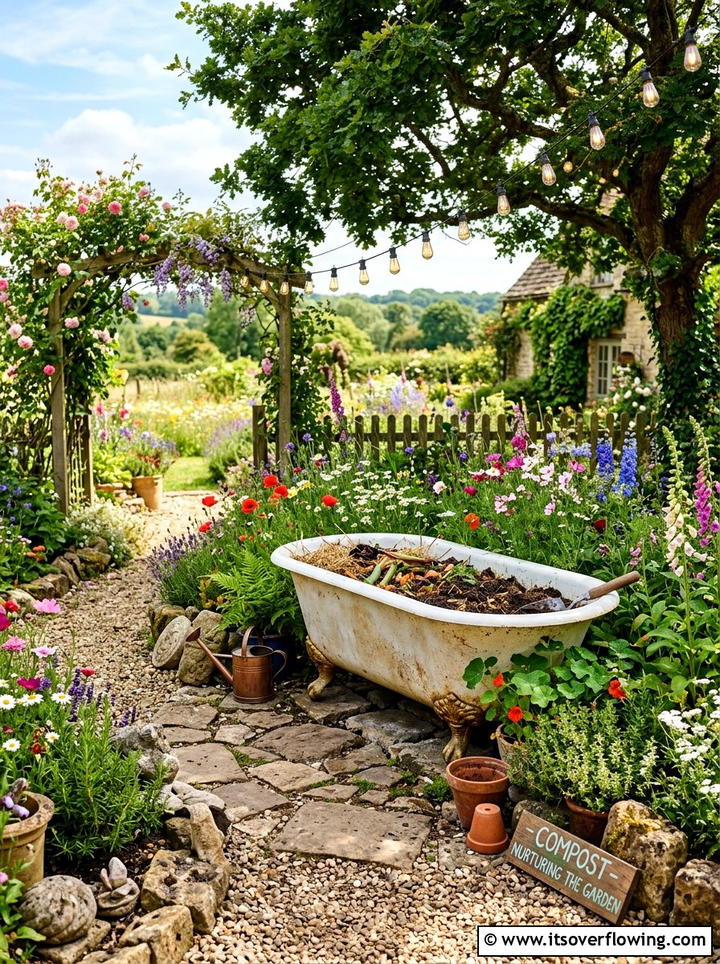
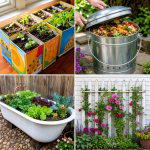
An old clawfoot bathtub can be repurposed into a quirky and highly effective large-scale composting unit that becomes a conversation piece in your garden. The drainage hole at the bottom is perfect for collecting “compost tea, ” which is a nutrient-dense liquid fertilizer that you can use on your indoor plants. Because of the large surface area, you can manage a significant amount of waste at once, and the porcelain or metal walls help regulate the temperature. Covering the top with a piece of reclaimed wood or a heavy tarp will keep the moisture in and the local wildlife out of your decaying organic matter.
8. Laundry Basket Composter
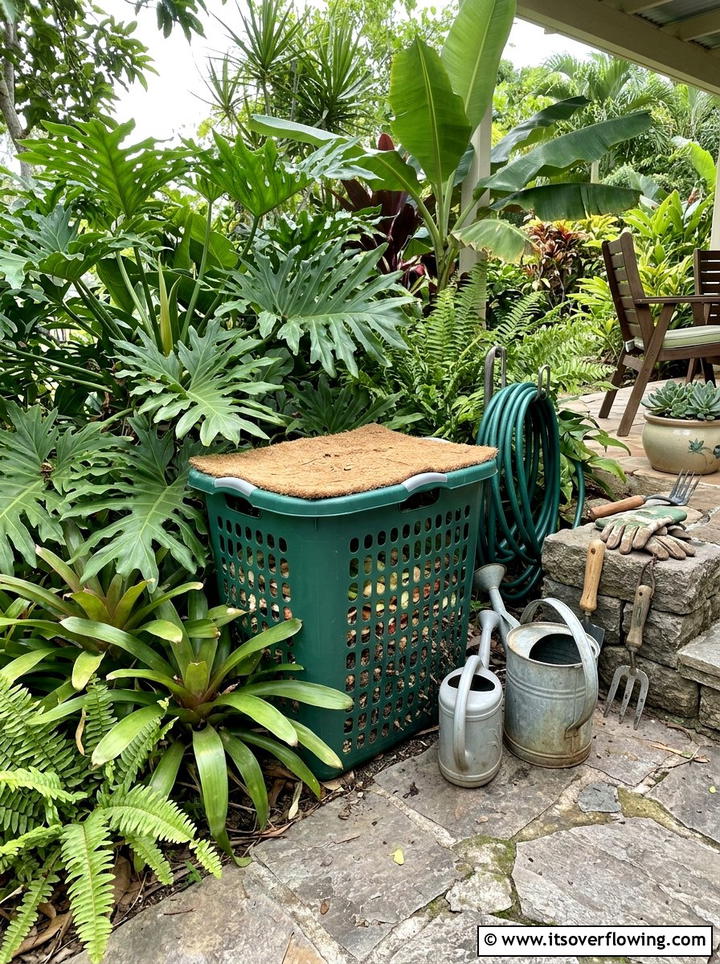
Plastic laundry baskets with built-in holes are already perfectly designed for the ventilation requirements of a healthy, active compost pile. If you have an old basket with a cracked handle, don’t throw it out; instead, use it as a mini-composter for your kitchen greens and coffee grounds. These are small enough to tuck behind a large flower pot or under a garden bench where they stay out of direct sight. The open weave of the plastic allows for excellent gas exchange, which prevents the compost from becoming compacted and slimy. It is a very practical and low-effort way to start recycling your scraps today.
9. Kitchen Scrap Bin
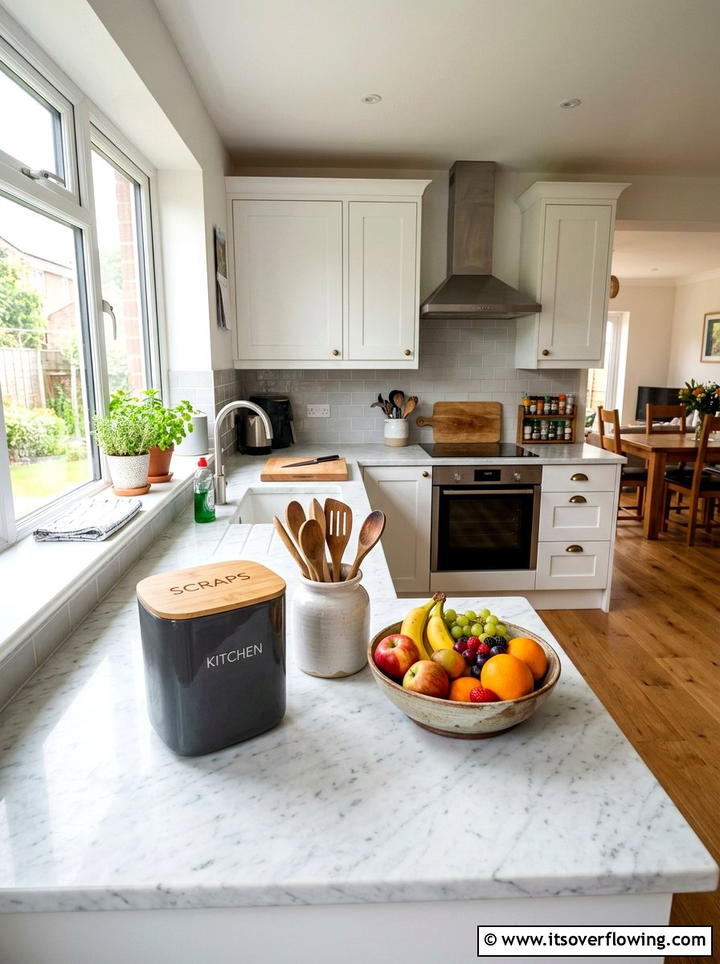
Keeping a dedicated container for kitchen scraps is the first step toward successful composting, and you can upcycle almost any small airtight container for this. An old ceramic cookie jar or a large stainless steel coffee tin can be kept on your countertop to collect vegetable peels and eggshells throughout the day. To prevent any unwanted odors, you can glue a small piece of charcoal filter to the inside of the lid before you start using it. This keeps your kitchen looking tidy and stylish while ensuring that your organic waste actually makes it out to the main garden bin instead of the trash.
10. Cedar Fence Composter
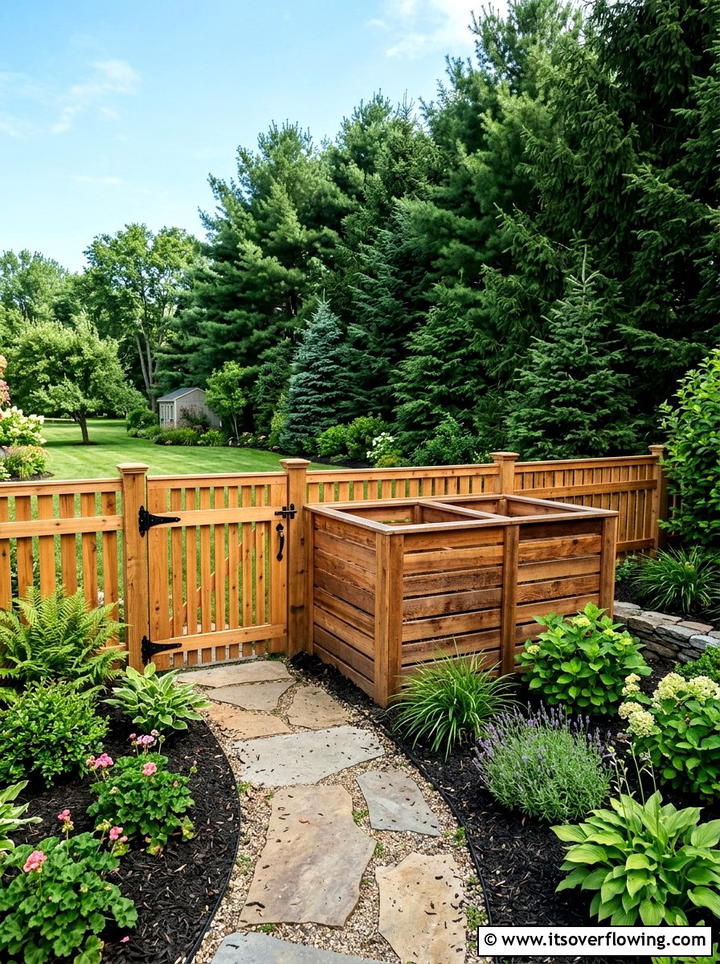
Cedar is naturally rot-resistant, making it an ideal material for a long-lasting outdoor composting structure that can withstand the elements for many years. You can construct a simple three-sided bin using leftover fence pickets that allows for easy turning of the organic pile with a pitchfork. The warm tones of the cedar wood provide a high-end look that complements traditional garden designs and professional landscaping. Adding a removable front panel makes it much easier to harvest the finished black gold from the bottom of the bin when spring planting arrives. This project is a great way to use up construction scraps.
11. Milk Crate Composter
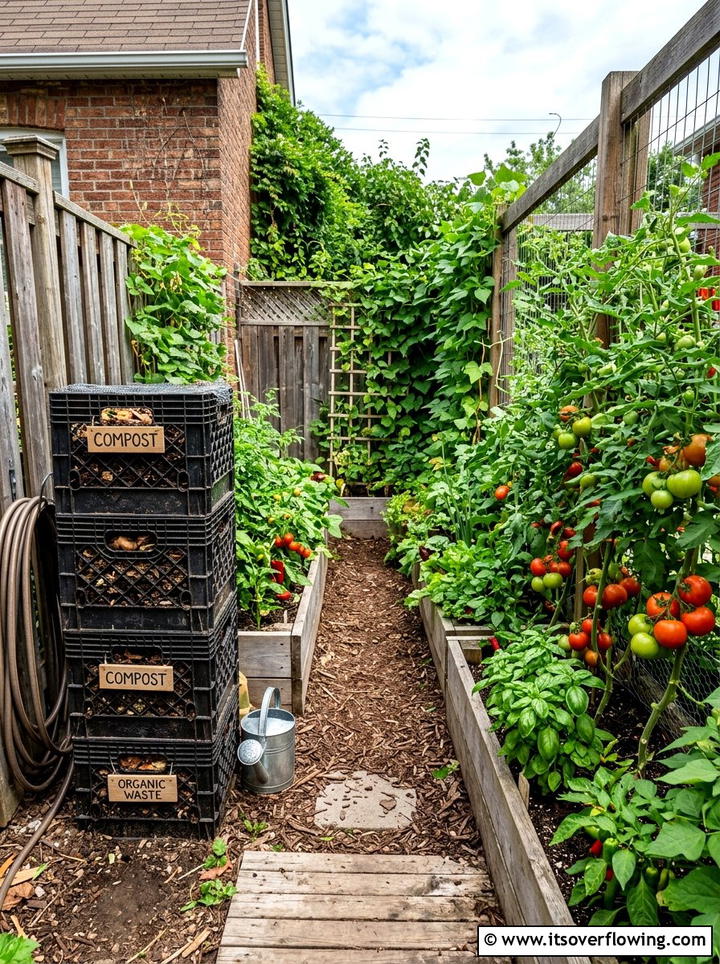
Milk crates are incredibly sturdy and stackable, which makes them perfect for creating a modular composting system that grows along with your garden needs. You can line the inside of the crates with landscape fabric to keep the compost contained while still allowing air and moisture to pass through easily. This setup is particularly useful for vermicomposting, where you use specialized worms to break down food waste into high-quality castings. By stacking the crates, you save a lot of horizontal space, making this an ideal solution for those living in townhomes or apartments with very limited outdoor floor space.
12. Used Tire Composter
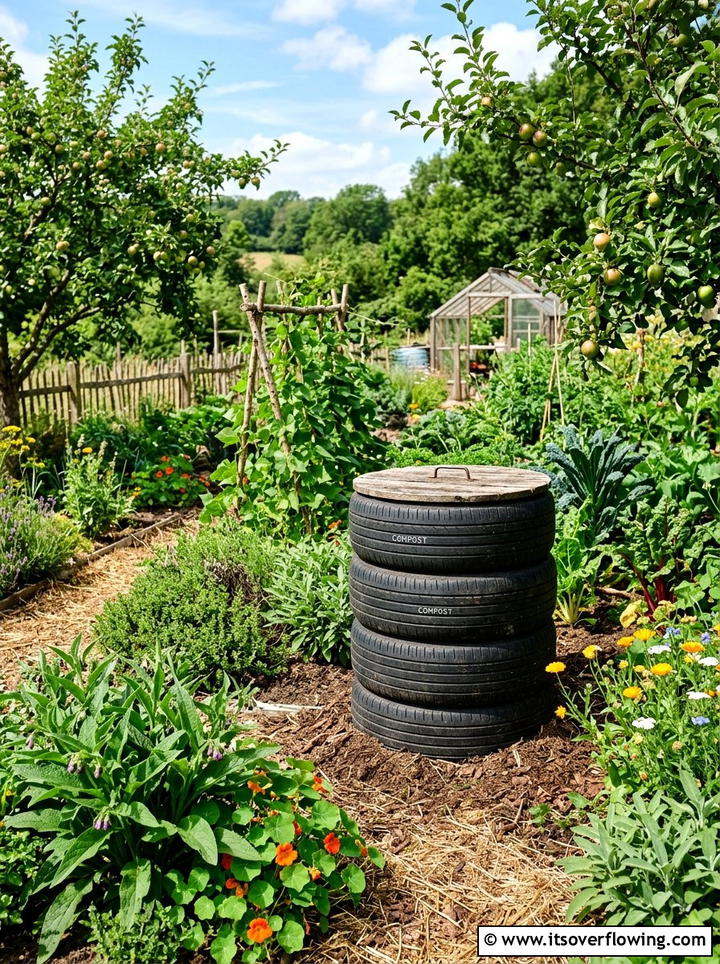
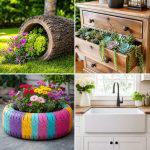
Stacked tires are an ingenious way to create a heat-absorbing compost tower that utilizes discarded automotive parts that are often difficult to recycle. The black rubber of the tires absorbs a massive amount of solar energy, which keeps the compost cooking even when the outside temperatures start to drop. As your compost pile grows taller, you simply add another tire on top to increase the capacity of your vertical bin. This method is very cost-effective since most tire shops are happy to give away old tires for free to anyone willing to haul them away for their own garden projects.
13. Willow Wattle Composter
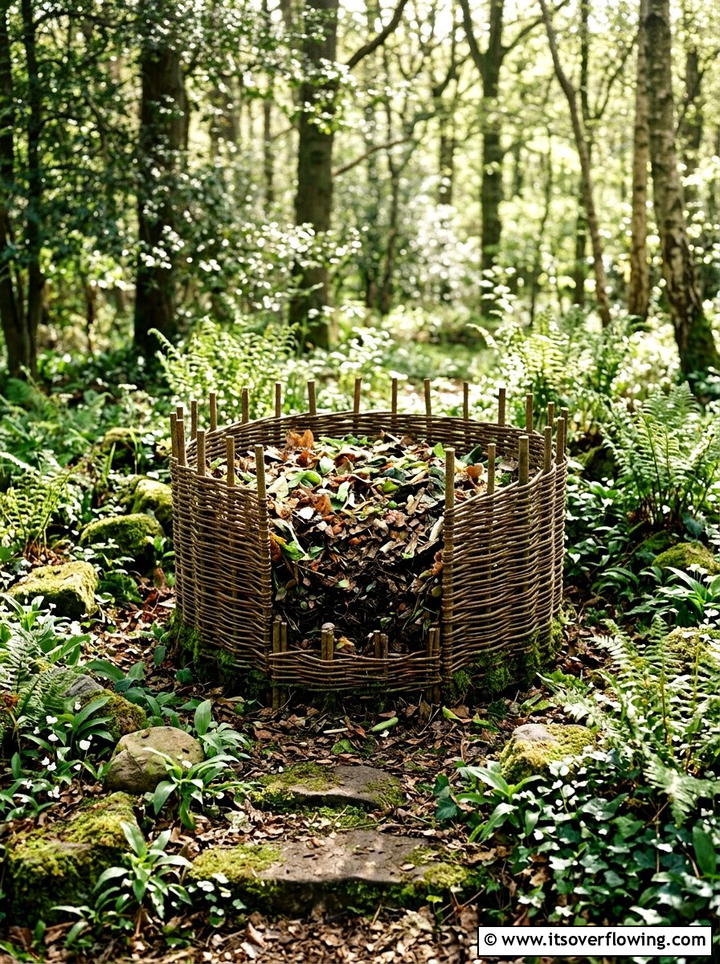
Woven willow or hazel branches create a beautiful and completely natural compost bin that looks like a hand-crafted basket sitting in your flower beds. This ancient “wattle” technique uses renewable materials and provides a soft, organic texture that blends seamlessly into woodland or cottage-style landscapes. The gaps between the woven sticks allow for perfect air circulation, ensuring that your compost stays healthy and breaks down efficiently over time. Because the materials are biodegradable, the bin itself will eventually break down and can be added to the next compost pile, creating a truly zero-waste system for your home garden.
14. Metal Drum Composter
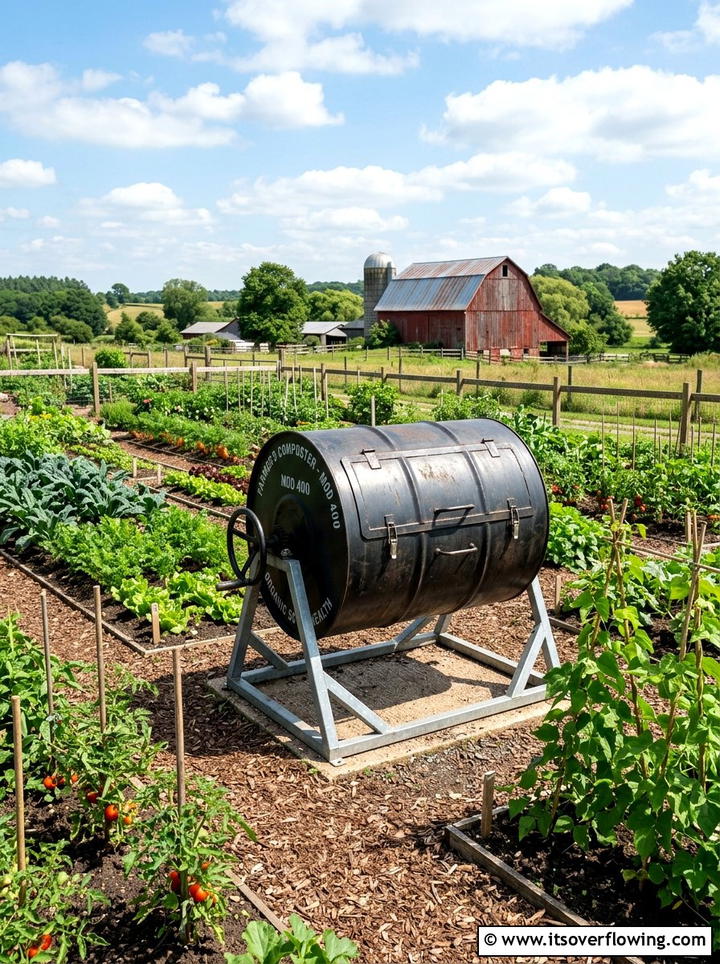
A large 55-gallon metal drum can be converted into a heavy-duty compost tumbler that can process a huge amount of organic material in a short time. By laying the drum horizontally on a sturdy frame with rollers, you can spin the entire unit to mix the contents thoroughly without any heavy lifting. Painting the drum black will help it absorb more heat, which is the key to fast, hot composting that eliminates pests and weeds. This industrial-strength solution is perfect for larger properties with lots of fallen leaves and grass clippings that need to be managed quickly and effectively.
15. Log Composter
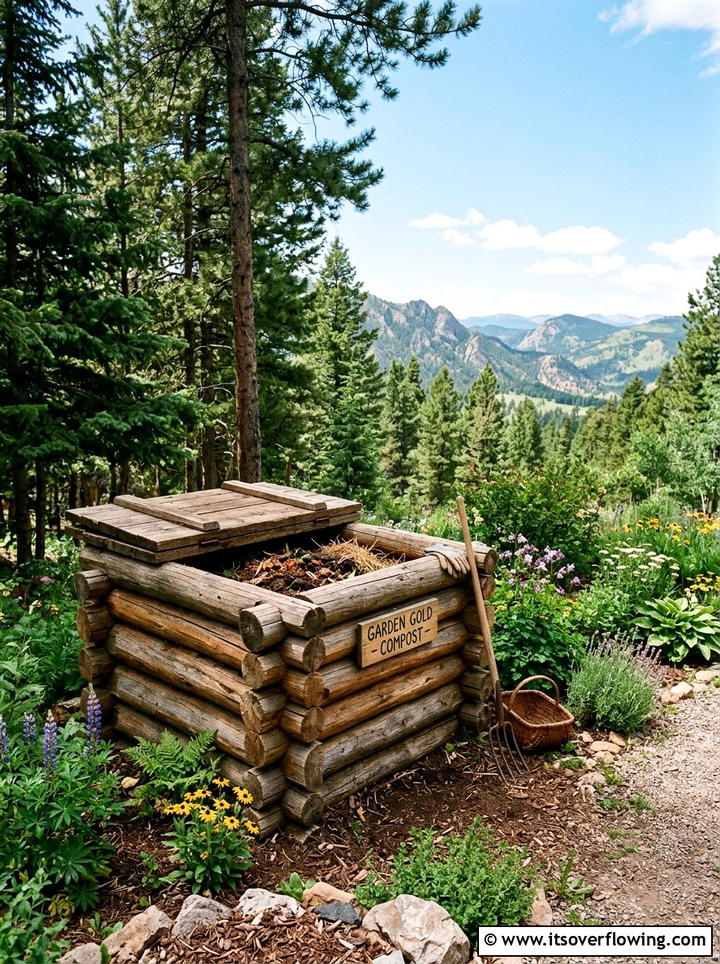
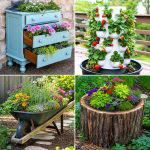
If you have recently cleared some trees or have access to fallen logs, you can build a rustic “log cabin” style compost bin. By notching the ends of the logs and stacking them, you create a very stable and heavy-duty structure that looks like a natural part of the forest floor. This type of bin is excellent for a “cool” composting method where you simply let nature take its course over a longer period of time. The logs themselves will slowly decay from the inside out, contributing even more organic matter and beneficial fungi to the finished compost you eventually use.
16. Vertical Garden Composter
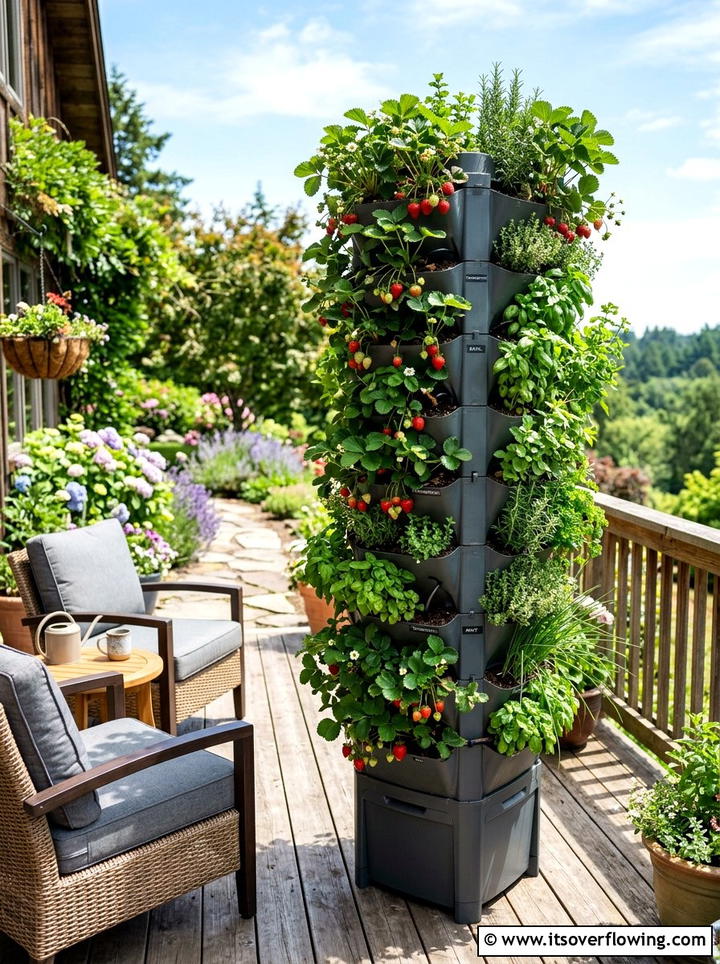
A vertical tower composter allows you to grow your favorite vegetables and compost your kitchen waste in the exact same footprint. By placing a perforated PVC pipe or a wire mesh tube down the center of a large planter, you can drop your scraps directly into the middle. The nutrients from the decomposing waste seep out into the surrounding soil, feeding the plants’ roots directly and reducing the need for additional fertilizers. This clever design is a space-saving miracle for small patios or balconies where every square inch of growing space is valuable for the modern home gardener.
17. Lattice Compost Screen
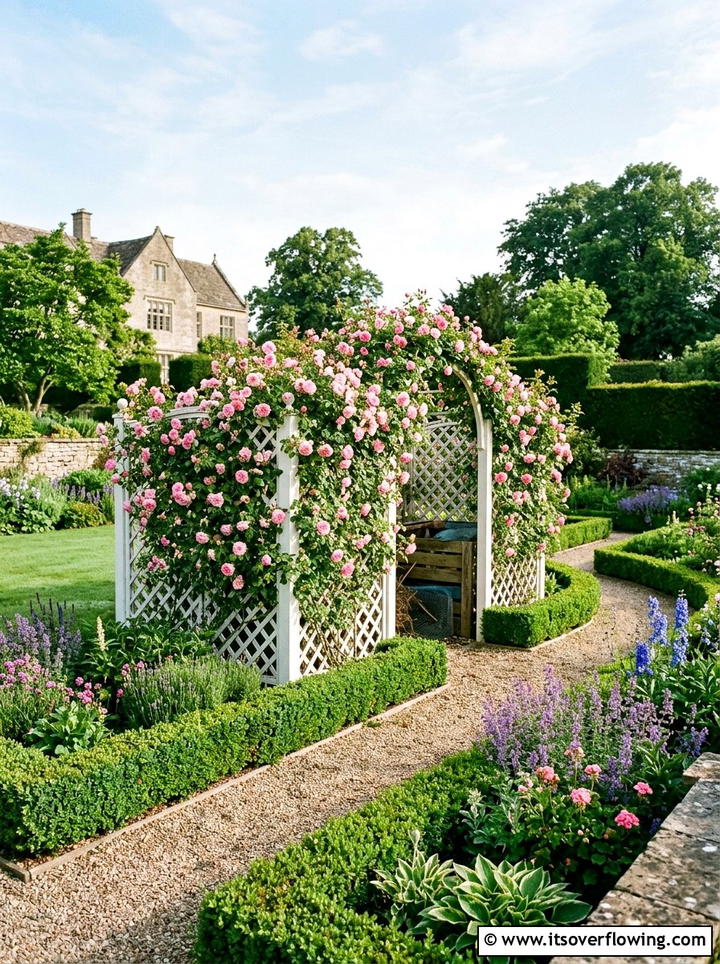
Lattice panels can be used to create a decorative screen that hides a simple compost pile while still allowing for plenty of airflow. This is a great solution for those who want to maintain a formal garden aesthetic but still participate in sustainable waste management practices. You can build a small enclosure using pre-made lattice and grow climbing flowering plants like clematis or jasmine over the structure to make it even more beautiful. The lattice provides a visual barrier that keeps the garden looking neat and tidy while the natural processes of decomposition happen quietly behind the scenes.
18. Dry Stone Composter
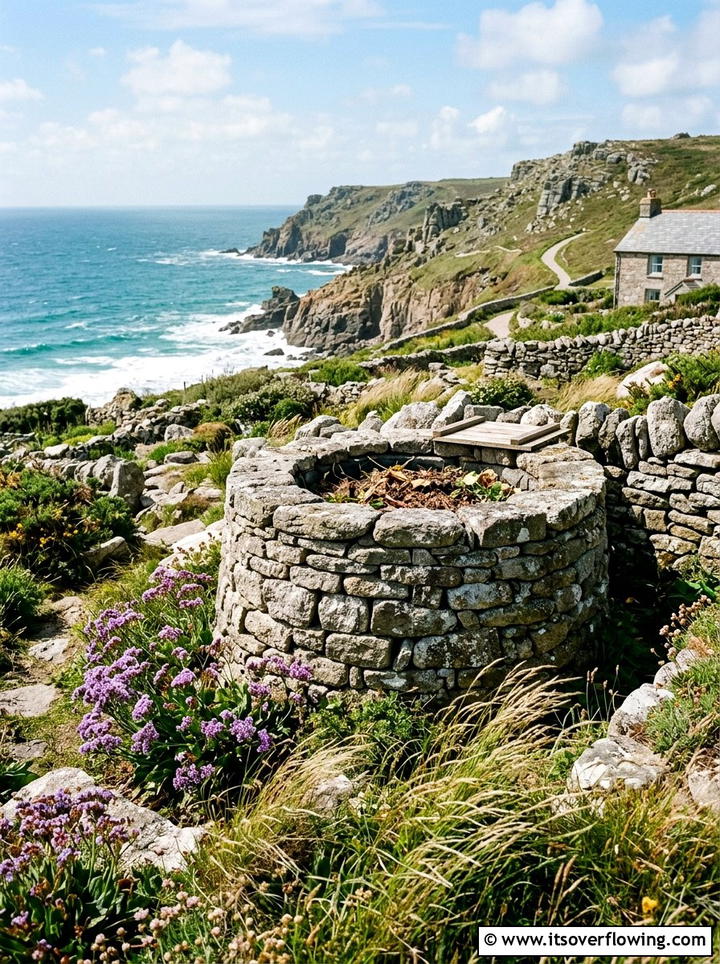
Building a compost bin out of flat stones found on your property is a wonderful way to create a permanent, historical look in your garden. Dry stone walling requires no mortar, which means air can naturally circulate through the small gaps between the rocks to feed the compost pile. The stones act as a thermal mass, soaking up the heat during the day and releasing it slowly at night to keep the microbes active. This type of structure looks particularly stunning in a traditional English garden or a rugged, mountainous landscape where natural stone is a primary design element.
19. Dresser Drawer Composter
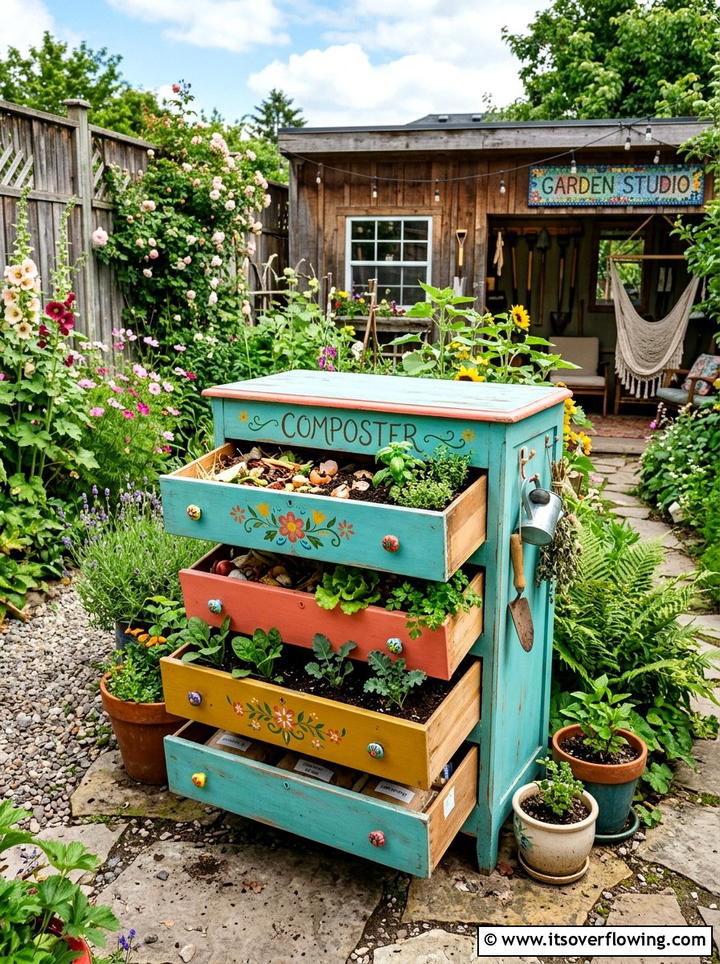
An old wooden dresser that is no longer fit for the bedroom can be given a second life as a tiered composting system. By removing the bottoms of the drawers and stacking them, you create separate compartments for different stages of the composting process. You can have fresh scraps in the top drawer, partially decomposed material in the middle, and finished compost ready to use in the bottom section. This quirky, upcycled look is perfect for a bohemian-style garden and is a great way to keep furniture out of the landfill while improving your soil health.
20. Burlap Bag Composter
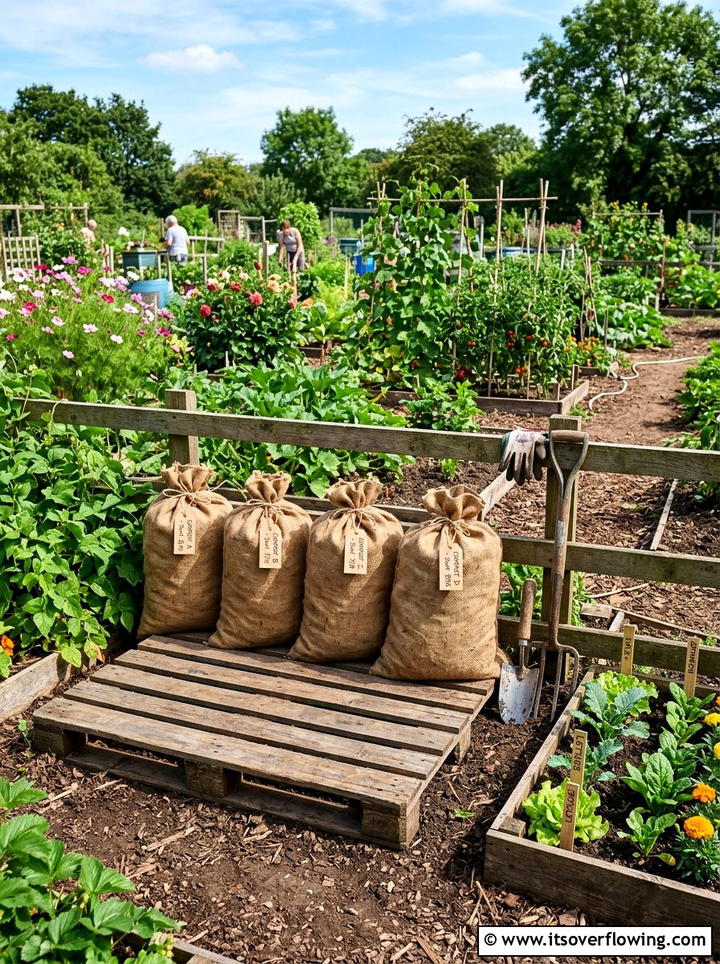
Burlap sacks are a very low-cost and flexible way to compost if you only have a small amount of waste or need a temporary solution. You can fill the bags with a mix of green and brown materials and leave them in a sunny corner of the garden to decompose. The breathable fabric allows for great airflow while keeping the contents contained and moist enough for the microbes to do their work. Once the material inside has turned into dark soil, you can simply cut the bag open and spread the finished compost directly onto your flower beds or vegetable patches.
21. Window Frame Composter
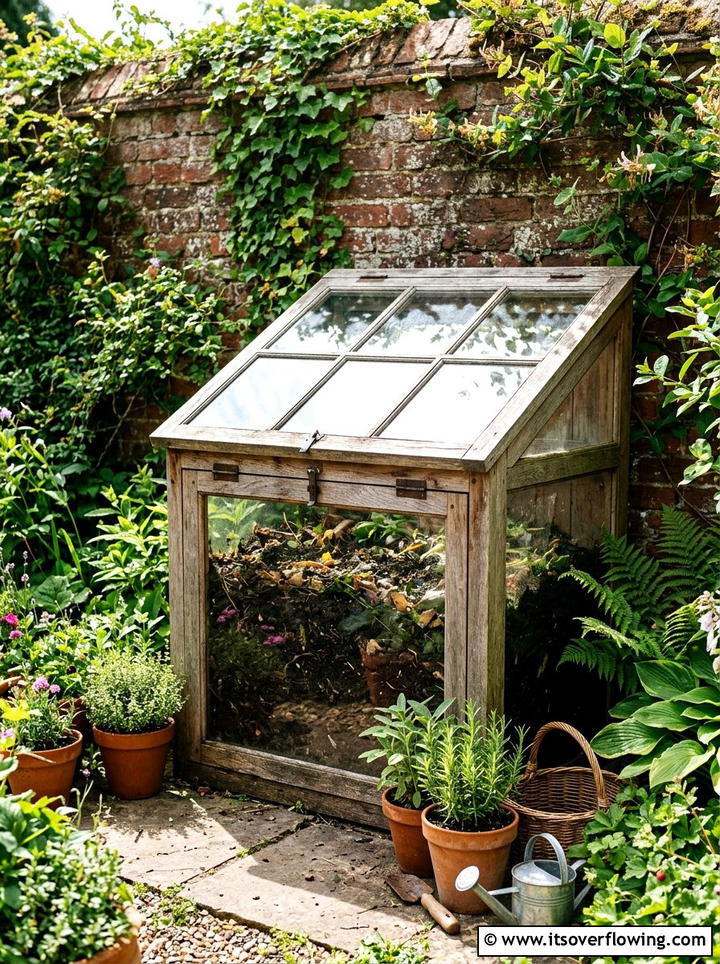
Old wooden window frames with the glass still intact can be used to create a “cold frame” style composter that works like a mini greenhouse. By building a wooden box and using the window as a hinged lid, you trap solar heat inside, which can significantly speed up the composting process during the winter. This is a fantastic way to keep your compost active year-round, even in colder climates where traditional piles might go dormant. The glass lid also allows you to see the progress of your compost without having to open the bin and let the precious heat escape.
22. Terracotta Pot Composter

Large terracotta pots can be transformed into a stylish and functional composting system for a small Mediterranean-style patio or terrace. You can stack two large pots on top of each other, using the top one for active composting and the bottom one to collect the nutrient-rich leachate. Terracotta is a breathable material that helps regulate moisture and temperature, providing an ideal environment for the beneficial bacteria that break down your food scraps. This method is very clean and contained, making it perfect for someone who wants to compost in a visible area without any mess or unwanted smells.
23. Hanging Pail Composter
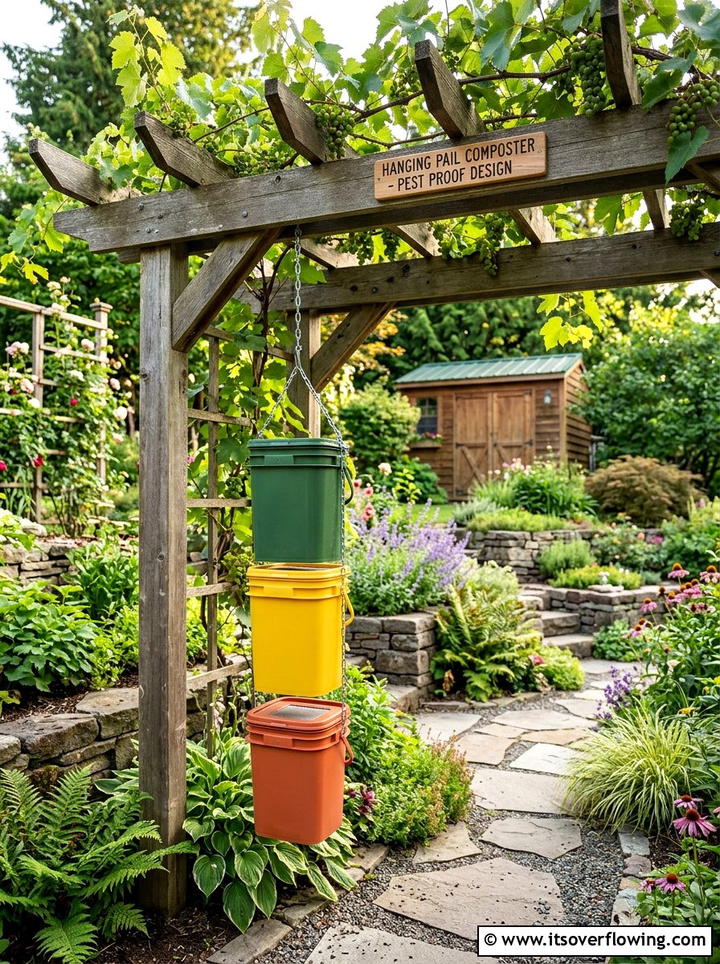
Hanging plastic pails or buckets are a clever way to compost if you are worried about ground-dwelling pests like rodents or raccoons getting into your scraps. By suspending the buckets from a sturdy wooden frame or a tree branch, you keep the organic material out of reach while still allowing it to decompose naturally. You should drill holes in the bottom and sides for ventilation and to allow any excess liquid to drain out onto the ground below. This vertical approach is a great way to utilize unused space in the garden while keeping your composting activities organized and very secure.
24. Wooden Crate Composter
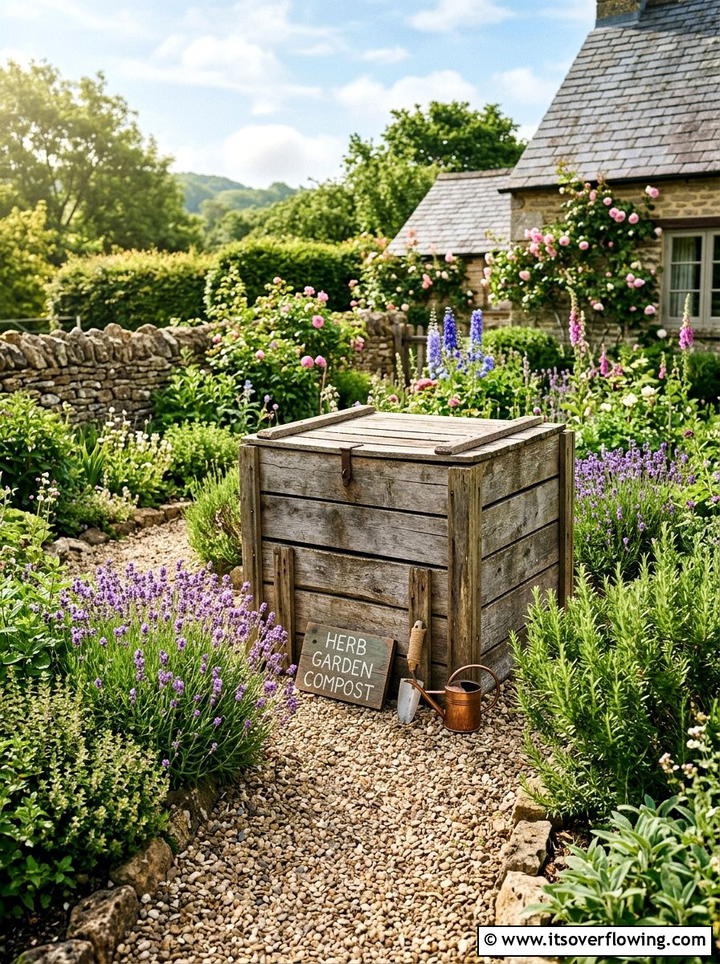
Vintage wooden crates, like those used for shipping fruit or wine, can be easily converted into charming, small-scale compost bins for a boutique garden feel. These crates often have small gaps between the slats which are perfect for providing the oxygen that a healthy compost pile needs to thrive. You can line them with a thin layer of straw to keep the smaller scraps from falling out while still maintaining excellent drainage. Because they are relatively small, they are easy to turn by hand with a small trowel, making them a very manageable option for a hobby gardener.
25. Storage Bench Composter
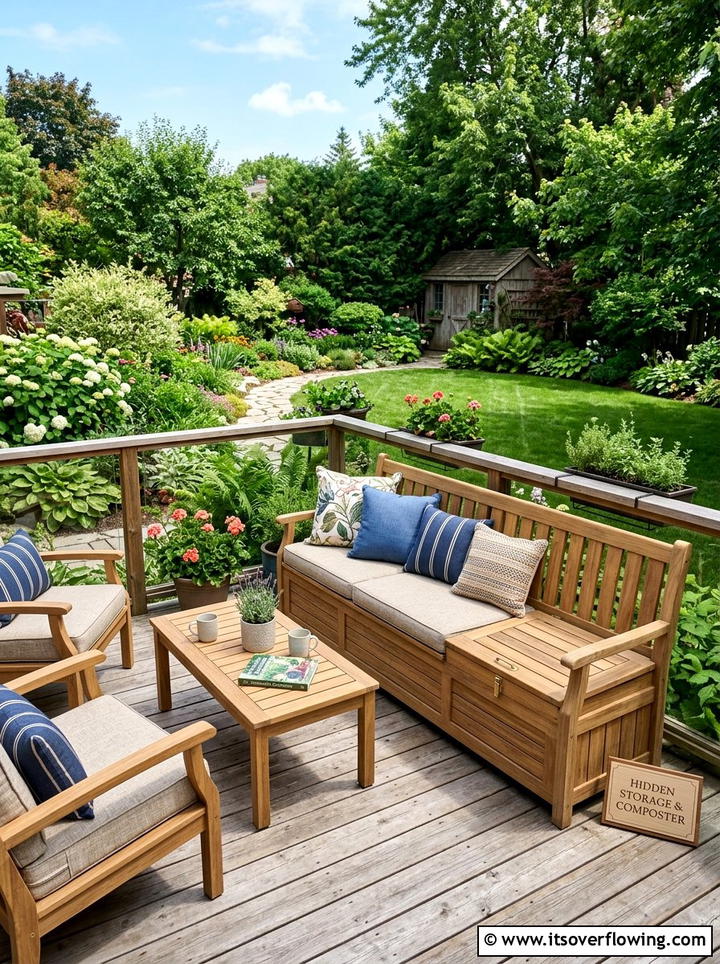
A wooden outdoor storage bench can be modified to serve a dual purpose as both a seating area and a hidden composting unit. By lining the interior with a plastic bin and adding ventilation slats to the sides, you can hide your composting activities in plain sight on your deck or patio. This is the ultimate space-saving solution for modern outdoor living, allowing you to enjoy your garden while simultaneously producing the fertilizer that keeps it looking green and lush. It is a perfect example of how functional garden tools can be integrated into beautiful and comfortable furniture pieces.
Conclusion:
Integrating upcycled compost solutions into your outdoor living space is a rewarding journey that connects you more deeply with the cycle of nature. By choosing one of these creative methods, you transform what was once considered trash into a valuable resource for your plants. Whether you prefer the industrial look of metal or the organic feel of wood, there is an upcycled option that will fit your personal style and garden needs perfectly. Start small with a simple bin and watch as your soil becomes more fertile and your garden thrives. Your commitment to sustainability not only helps your own backyard but also contributes to a healthier planet for everyone.
Related posts:
 25 recycled garden ideas with worm bins: Compost DIY Guide
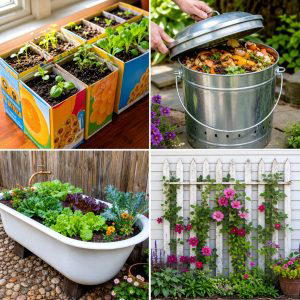 25 recycled garden ideas with composting: Greener DIYs
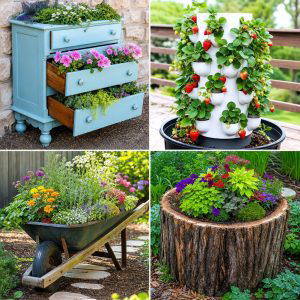 25 Upcycled Garden Ideas for Community Gardens That Inspire
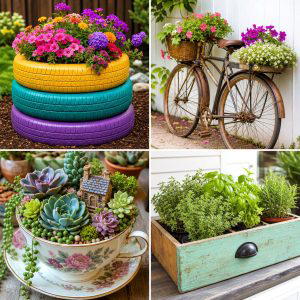 25 Upcycled Garden Ideas for Small Gardens With Big Impact
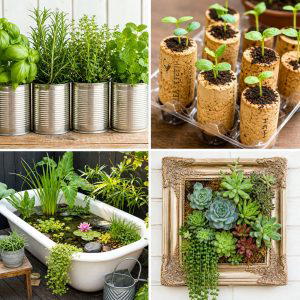 25 Upcycled Garden Ideas for Urban Gardens With Style
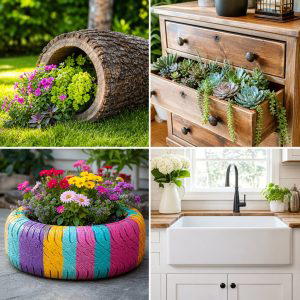 25 Upcycled Garden Ideas With Fairy Gardens for Magical Spaces
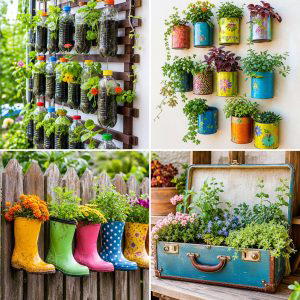 25 Upcycled Garden Ideas With Vertical Gardens for Tiny Yards
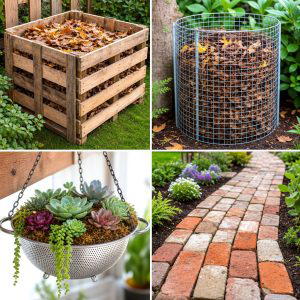 25 recycled garden ideas with leaf mold bins: Eco DIYs
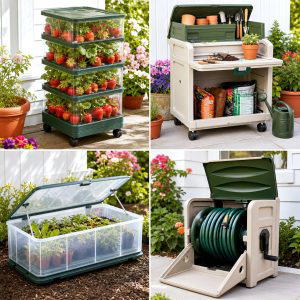 25 recycled garden ideas with storage bins for Smart DIY
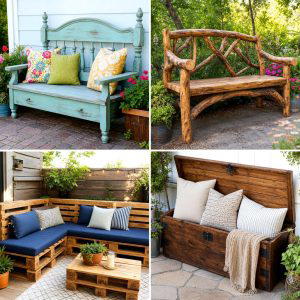 25 Upcycled Garden Ideas With Garden Benches for Cozy Seating
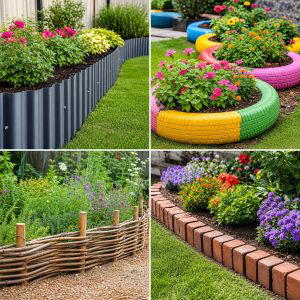 25 Upcycled Garden Ideas With Garden Edging for Neat Borders
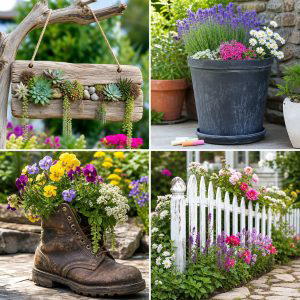 25 Upcycled Garden Ideas With Garden Signs for Cute Yard Decor