
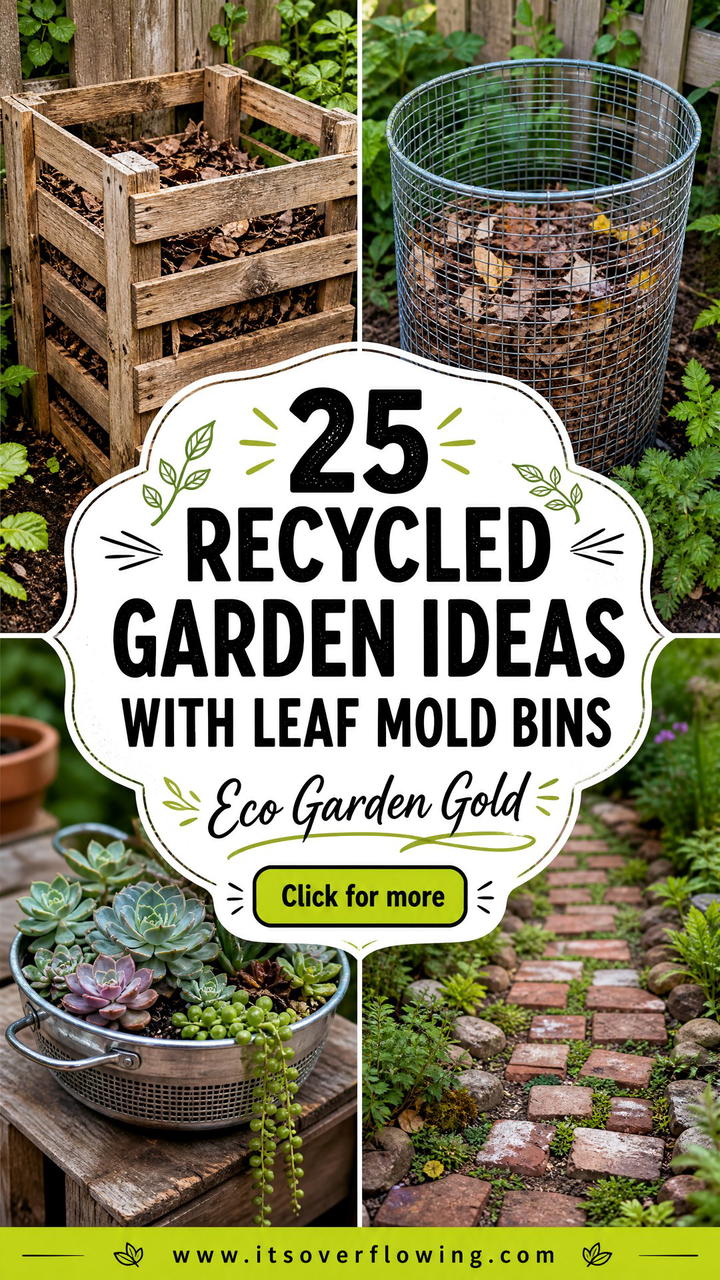
Creating a sustainable and beautiful outdoor space does not require a massive budget or brand-new materials from a big-box store. Instead, you can lean into the rewarding world of recycling to transform common household waste and salvaged items into functional garden features. One of the most beneficial projects for any home gardener is building leaf mold bins, which turn fallen autumn foliage into a nutrient-rich soil conditioner often called gardener’s gold. By repurposing materials like wooden pallets, old fencing, or wire mesh, you create a dedicated system for organic decomposition that saves money and reduces landfill waste. These recycled projects add a unique, rustic charm to your landscape while fostering a healthier ecosystem for your plants and local wildlife. Embracing these eco-friendly ideas allows you to craft a personalized garden that is both productive and environmentally responsible for your home.
1. Wooden Pallet Leaf Bin
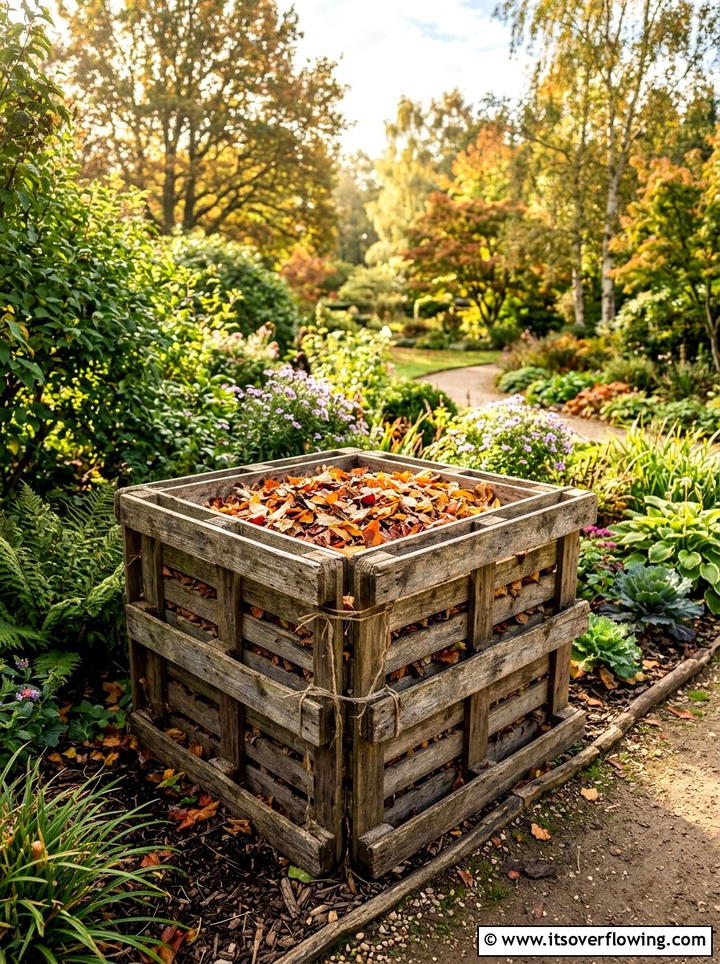
Starting your sustainability journey often begins with finding cheap or free materials like wooden pallets from local stores. You can easily zip-tie or screw four pallets together to create a sturdy, square structure that is perfect for holding large amounts of autumn leaves. The gaps between the wooden slats are crucial because they allow oxygen to circulate throughout the pile, which speeds up the decomposition process naturally. Since pallets are made of untreated wood usually, they won’t leach chemicals into your future garden soil or mulch. This setup provides a rustic, organized look that keeps your backyard tidy while turning waste into gold for your plants.
2. Wire Mesh Leaf Cage
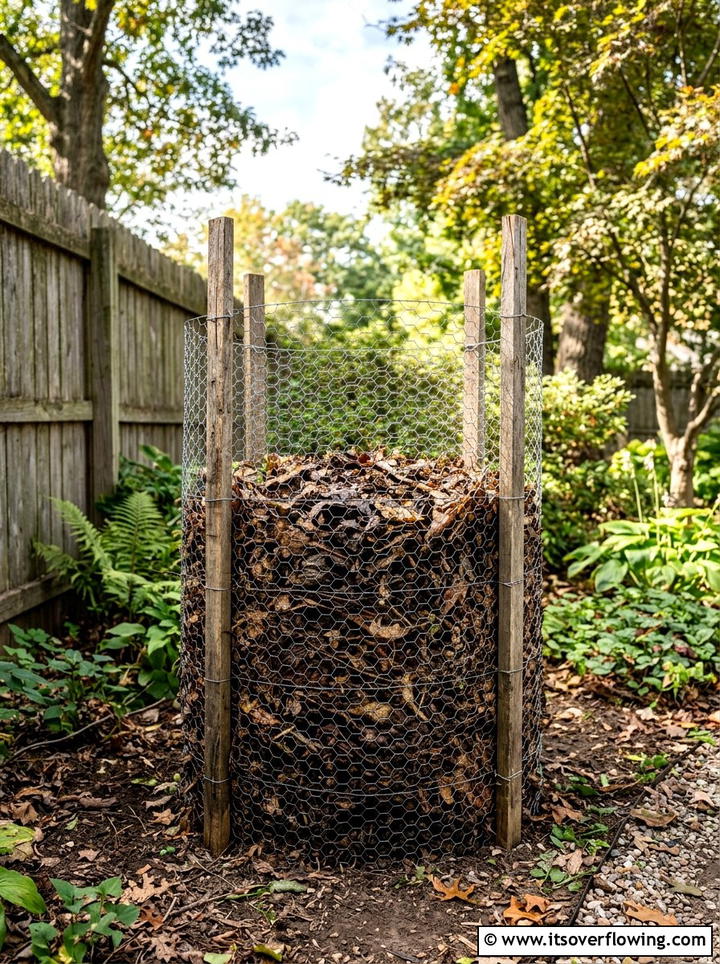
A wire mesh leaf cage is perhaps the most straightforward and cost-effective way to manage fallen foliage during the colder months. You simply take a length of recycled chicken wire or hardware cloth and form it into a wide cylinder that sits directly on the soil surface. This design is highly functional because it offers maximum airflow from every angle, which is essential for the fungal activity that creates high-quality leaf mold. It also allows beneficial insects and worms to crawl up from the earth and help break down the organic matter more quickly. The minimalist aesthetic blends into the garden landscape without becoming an eyesore.
3. Burlap Sack Leaf Mold
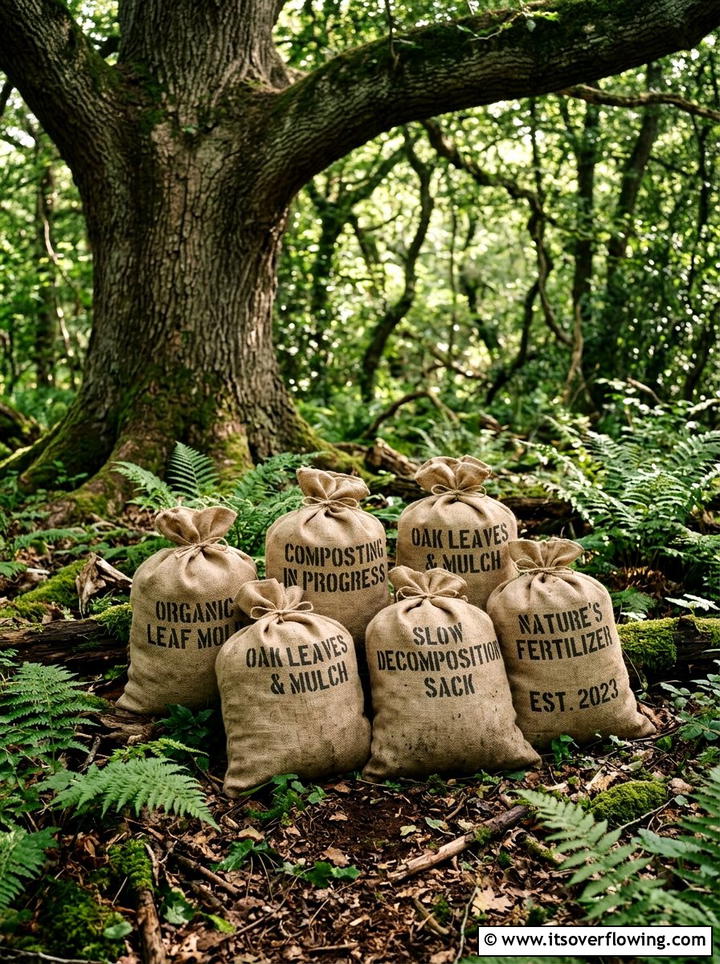
If you have limited space or want a more portable solution, using old burlap sacks or coffee bean bags is a genius recycling hack. You simply stuff the bags full of wet leaves, poke a few holes for extra drainage, and tuck them away in a shady corner of your yard. These natural fibers breathe beautifully, allowing moisture and air to reach the contents while keeping the messy leaves contained and out of sight. Over a year or two, the burlap will slowly begin to degrade along with the leaves, eventually leaving behind a rich, crumbly soil conditioner. It is an incredibly low-effort method for any gardener.


4. Old Picket Fence Bin
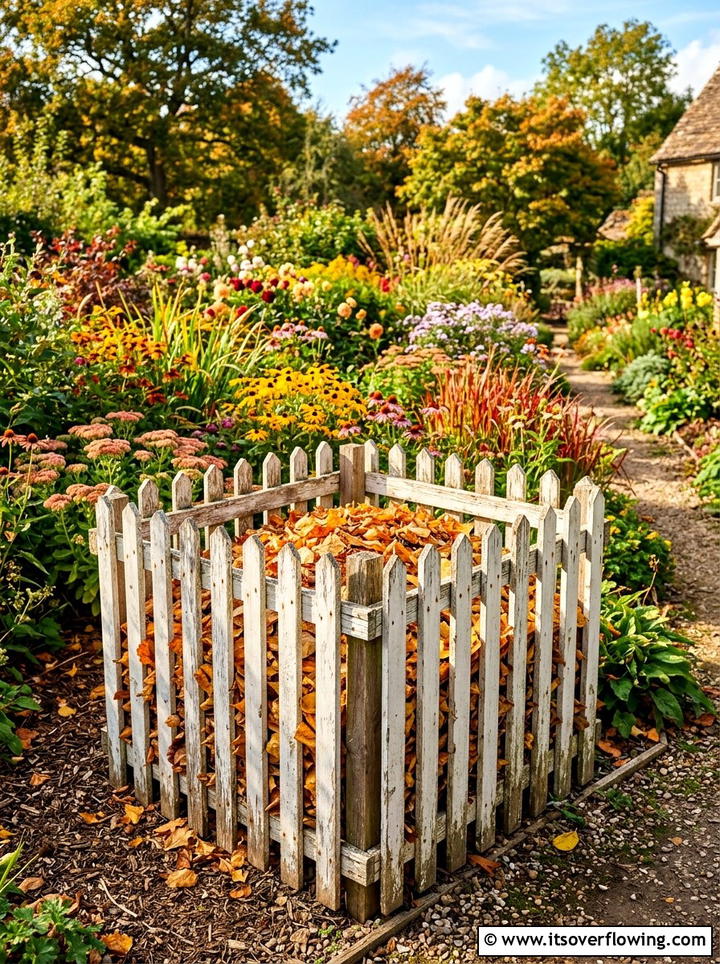
Transforming leftovers from a home renovation or a neighbor’s discarded fencing into a charming leaf mold bin is a brilliant way to add character to your landscape. You can arrange the picket sections into a rectangular shape, ensuring the pointed tops face upward for a classic garden aesthetic. The space between the pickets naturally mimics the airflow of a pallet bin but offers a more polished and intentional appearance in your backyard. This structure is particularly helpful for keeping leaves from blowing away during high winds while still looking like a deliberate part of your overall garden design theme. It is both functional and very pretty.
5. Cinder Block Leaf Pit
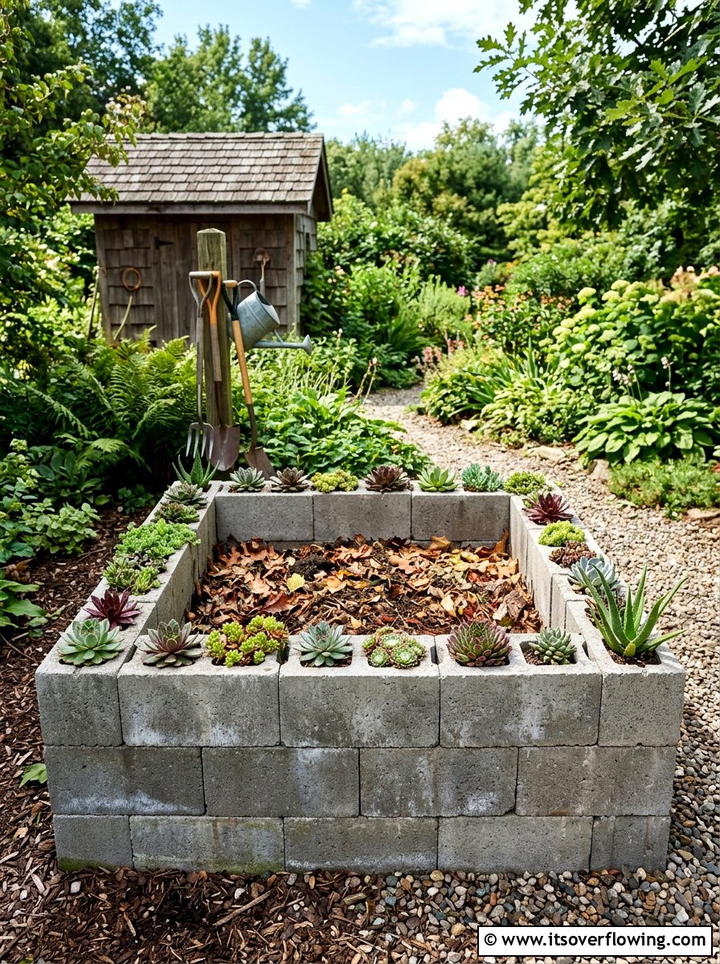
Cinder blocks are incredibly durable and can often be found for free on local marketplaces or construction sites. By stacking them without mortar, you can create a permanent yet breathable enclosure that holds heat remarkably well during the winter months. The hollow centers of the blocks can even be filled with soil and planted with small succulents or herbs to create a living wall around your composting area. This heavy-duty setup is ideal for gardeners who process a massive volume of leaves every year and need a structure that won’t rot or blow over. It provides a clean, architectural look that defines the space.
6. Log Cabin Leaf Bin
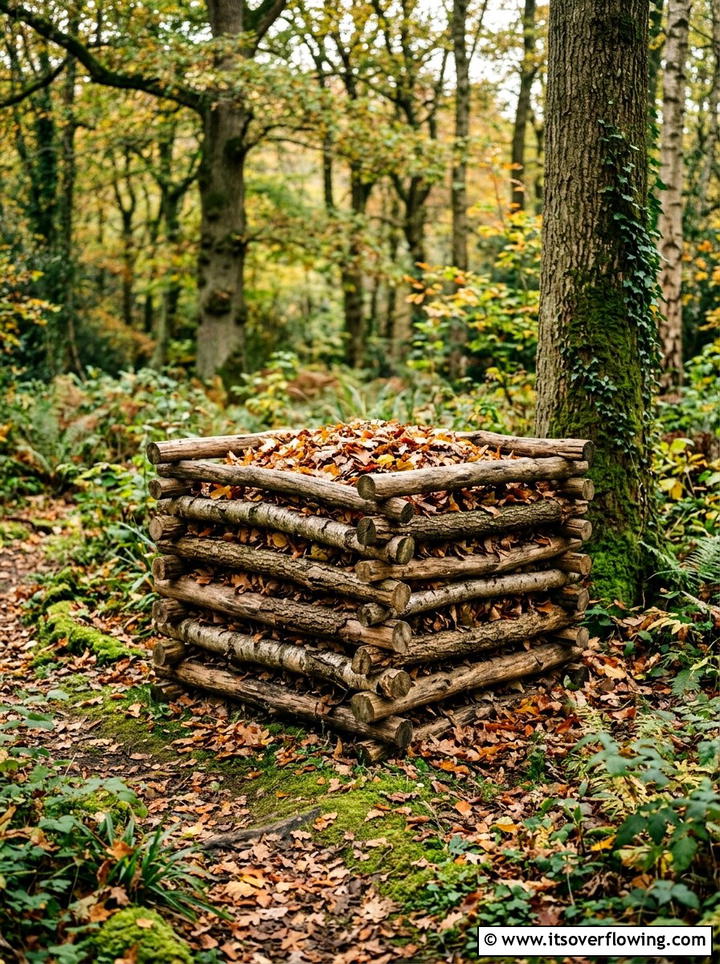
Using fallen branches and thick logs to build a log cabin style bin is a wonderful way to utilize natural forest debris. You simply notch the ends of the logs or stack them in an interlocking square pattern to create a sturdy, rustic enclosure for your leaf pile. This method is entirely free and uses materials that are already present in a wooded or mature garden setting. As the logs themselves slowly decay over several years, they contribute even more organic matter and beneficial fungi to the leaf mold you are creating. It feels like a natural extension of the woods and provides a habitat for wildlife.
7. Plastic Barrel Composter
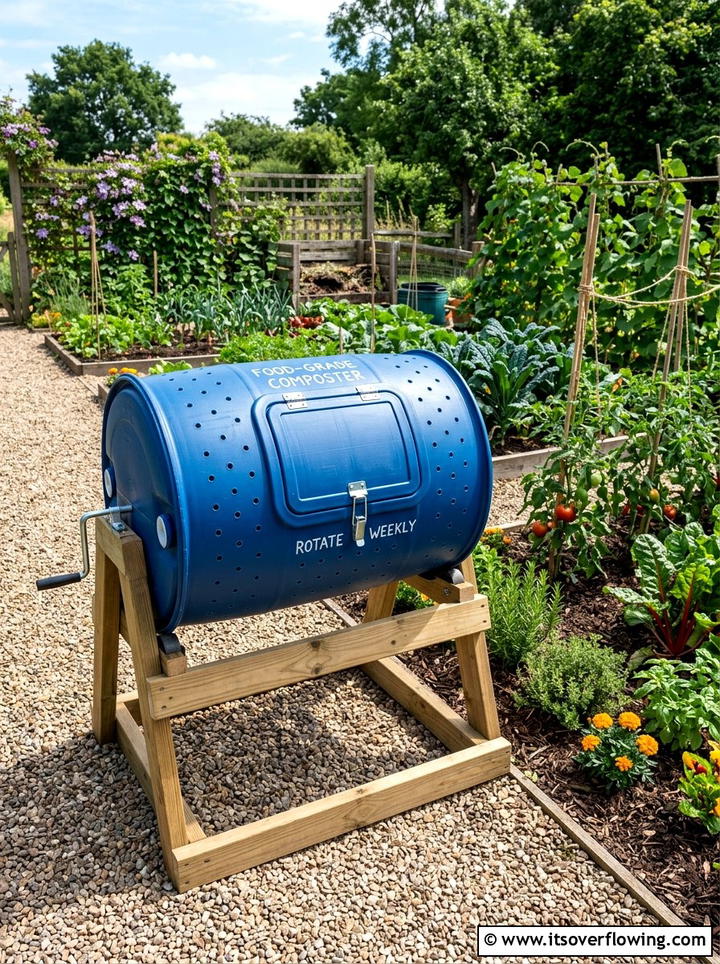
Repurposing a large food-grade plastic barrel is a fantastic way to keep your leaf mold process contained and pest-free. By drilling dozens of large holes around the sides and bottom, you ensure that plenty of air and moisture can enter while preventing the leaves from scattering. These barrels are easy to roll around if you need to move your leaf mold station, and they fit perfectly in smaller urban gardens where space is at a premium. The dark plastic helps absorb solar heat, which can slightly accelerate the breakdown of the tough cellulose found in many deciduous leaves. It is a tidy and very efficient recycling solution.

8. Chicken Wire Cylinder
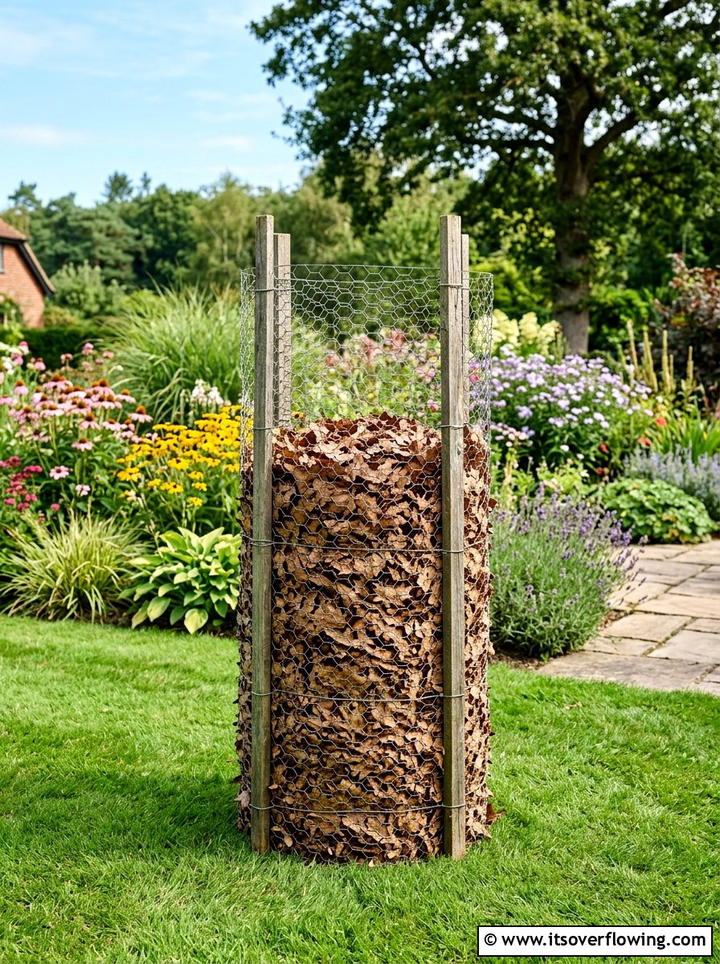
A chicken wire cylinder is a minimalist’s dream when it comes to organizing a functional garden layout on a budget. All you need is a few feet of wire and some sturdy garden stakes to anchor the circle into the ground. This open-air design is particularly effective for large oak or maple leaves that tend to mat down and need constant exposure to the elements to decompose. Because the wire is nearly invisible from a distance, it does not clutter the visual landscape of your flower beds or lawn. It is a simple, honest approach to recycling that prioritizes the health of your soil above all else.
9. Woven Willow Leaf Bin
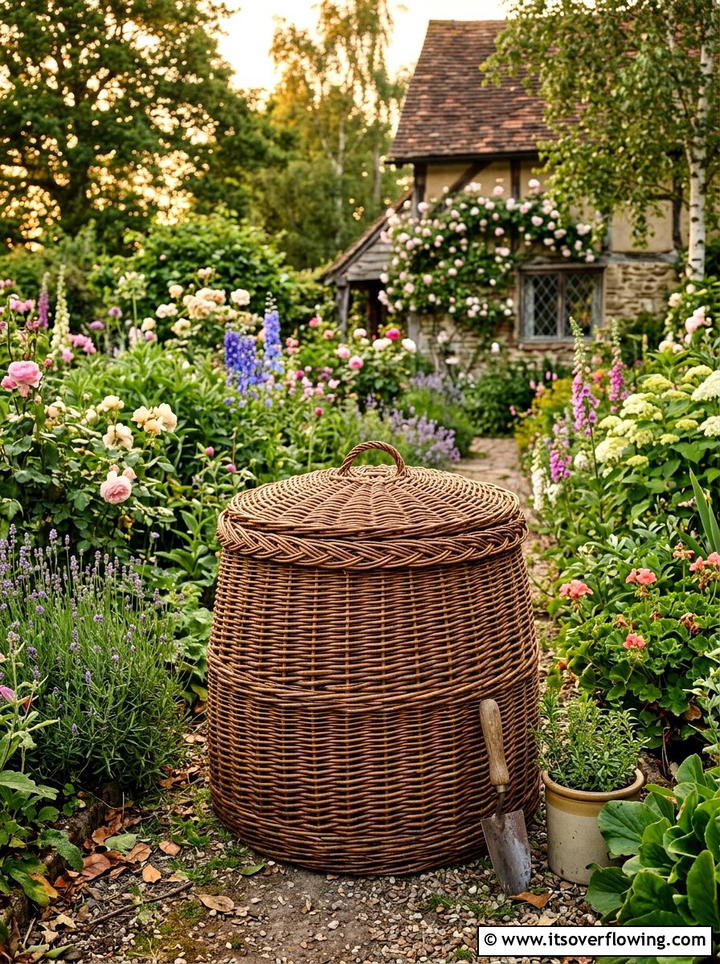
For those who love a cottagecore or traditional aesthetic, weaving a leaf mold bin from flexible willow or hazel branches is a beautiful choice. You can drive upright stakes into the ground and then weave long, thin whips between them to create a natural, basket-like structure. This technique is an ancient gardening practice that allows for excellent air circulation while looking incredibly artistic and organic in a backyard setting. The natural materials will eventually decompose after a few years, but they can be easily replaced with new growth from your own trees. It is a sustainable cycle that honors the history of traditional European garden craftsmanship.
10. Reclaimed Door Leaf Screen
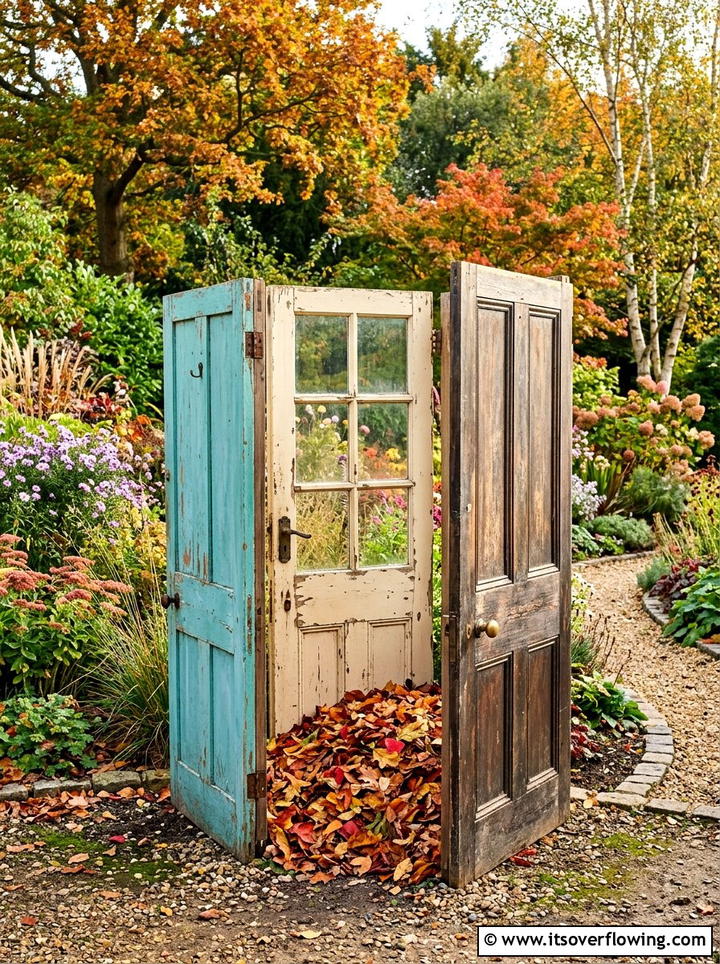
If you have access to old solid wood doors, you can repurpose them as side panels for a large-scale composting and leaf mold area. By standing three doors on their ends and securing them together, you create a tall, wind-shielded nook that can hold a massive amount of garden waste. This idea works exceptionally well in larger properties where you want to hide the messy decomposition process from the main viewing areas of the house. You can even paint the doors in vibrant colors or a classic white to turn a utility zone into a quirky architectural feature. It is a bold way to recycle large-scale building materials.
11. Used Tire Compost Tower
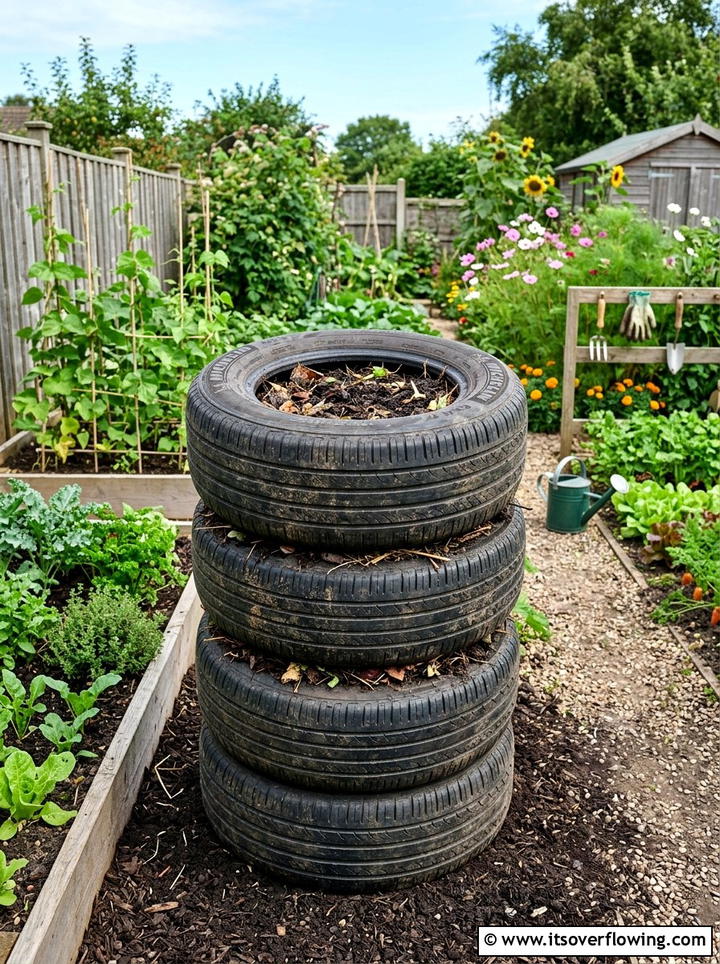
Old tires are notoriously difficult to dispose of, making them a prime candidate for creative garden recycling projects like composting towers. By stacking three or four tires on top of each other, you create a deep, insulated column that is perfect for breaking down leaves. The black rubber absorbs an incredible amount of heat from the sun, which keeps the internal temperature high even when the outside air turns chilly. As the leaves at the bottom turn into mold, you can simply lift the top tires off to access the finished product. This modular approach makes it very easy to manage different batches of leaves throughout the year.

12. Wood Crate Stack Bin
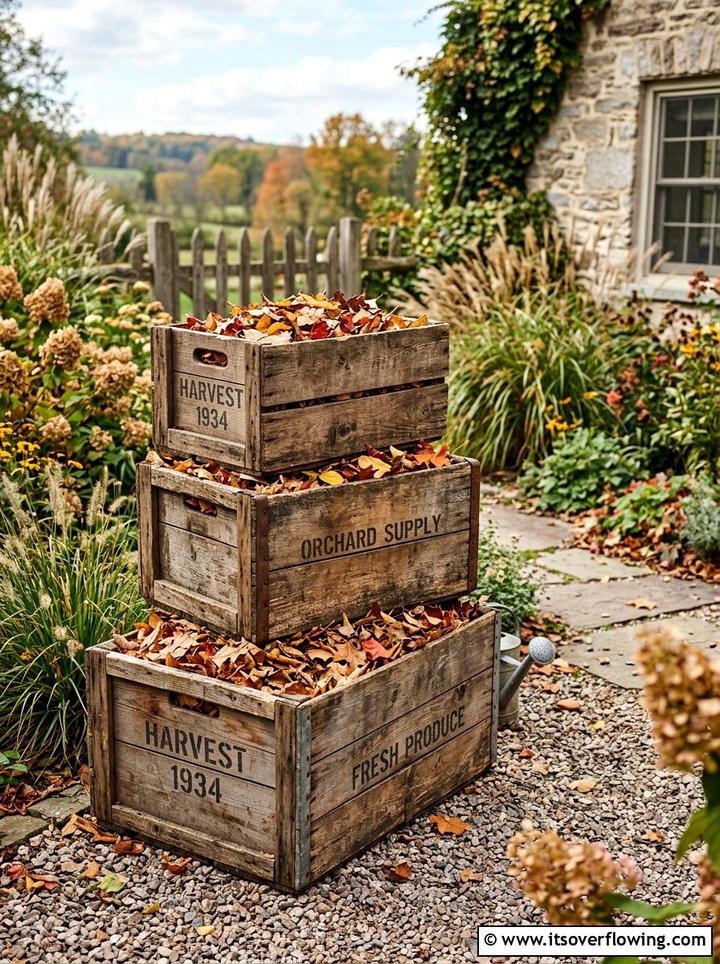
Antique or modern wooden crates can be easily stacked and modified to create a series of small, manageable leaf mold compartments. By removing the bottoms of the upper crates, you create a vertical shaft that allows the leaves to compress naturally under their own weight. This method is perfect for gardeners who want to keep their leaves separated by type or year of collection for more precise soil conditioning. The slatted sides of the crates provide the necessary ventilation, while the stacked look adds a vintage, farmhouse vibe to your outdoor work area. It is a functional and stylish way to organize your garden’s organic waste.
13. Recycled Bathtub Garden Pond
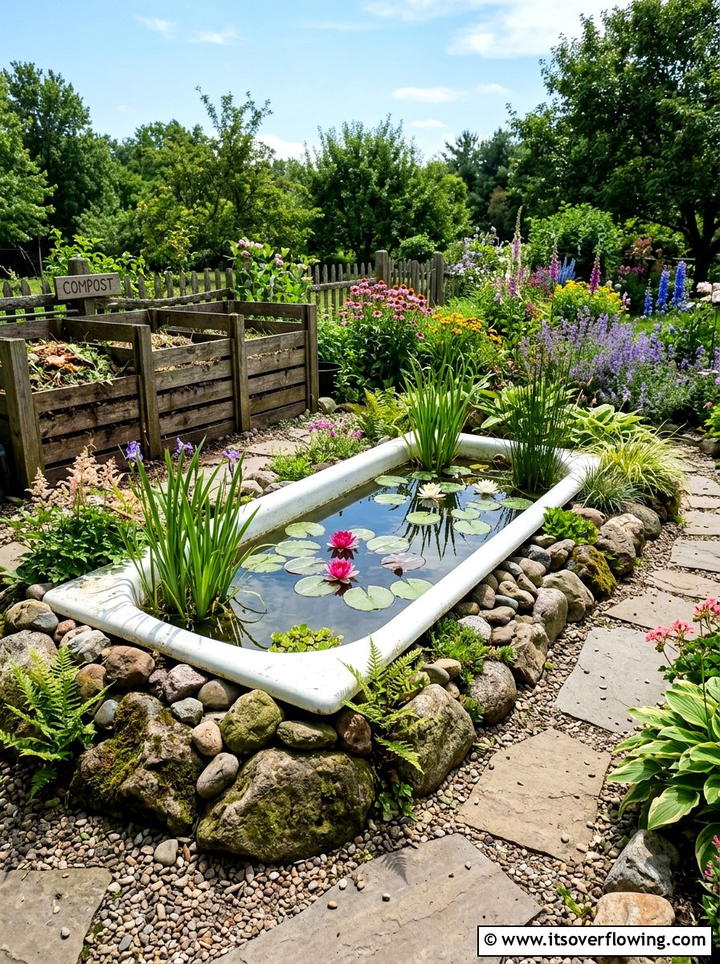
An old porcelain or cast iron bathtub can be sunk into the ground near your leaf mold bins to create a stunning wildlife pond. While the bins provide nutrients, the pond provides the necessary water source for the birds and beneficial insects that frequent your garden. You can surround the edges with reclaimed stones or bricks to hide the rim and make it look like a natural part of the landscape. This recycling project adds a peaceful water feature to your backyard while repurposing a bulky item that would otherwise end up in a landfill. It creates a complete ecosystem that supports the health of your entire growing area.
14. Wine Bottle Garden Border
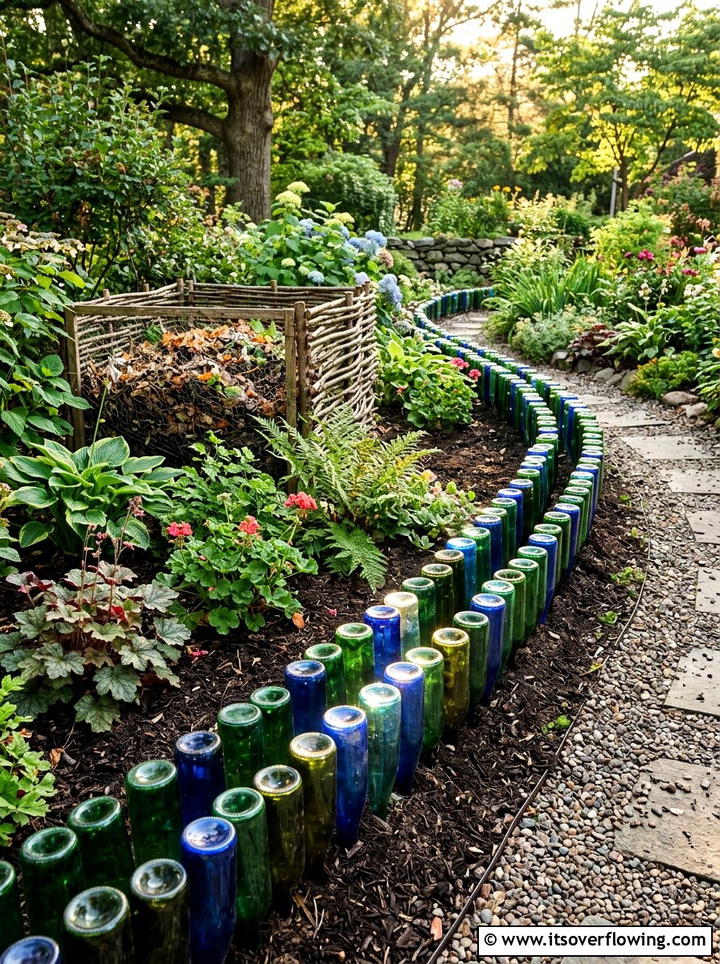
Using empty wine bottles as a decorative border around your leaf mold area is a clever way to repurpose glass. By burying the bottles neck-down in the soil, you create a colorful and shimmering edge that clearly defines the transition between your lawn and your utility zone. This border helps keep stray leaves from blowing across the yard while adding a touch of whimsical personality to a functional part of the garden. The glass captures the light beautifully during sunset, turning a simple compost area into a visual highlight. It is an affordable and sustainable way to add structure and artistic flair to your outdoor living space.
15. Metal Bed Frame Trellis
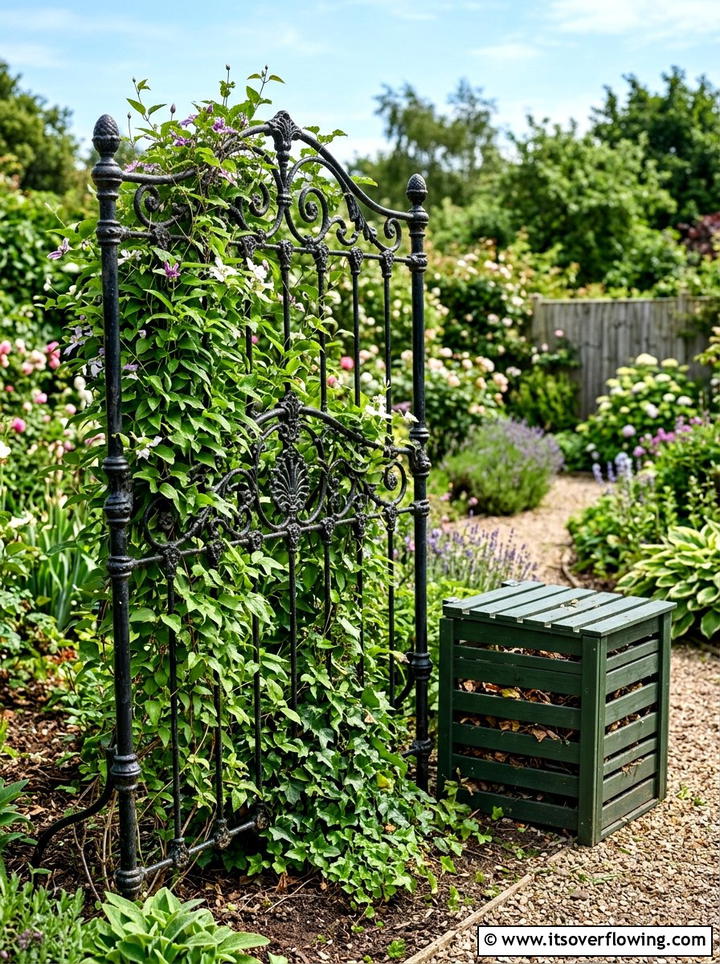
Old wrought iron or metal bed frames can be stood upright behind your leaf mold bins to serve as a sturdy trellis for climbing plants. This setup allows you to grow vertical crops like beans, peas, or flowering vines like clematis right next to your nutrient source. The industrial look of the metal contrasts beautifully with the soft, organic texture of the decomposing leaves and the surrounding greenery. This recycling idea maximizes your vertical growing space while providing a backdrop that hides the more utilitarian aspects of the bin. It is a creative way to give a second life to heavy metal furniture in a garden.
16. Window Frame Cold Frame
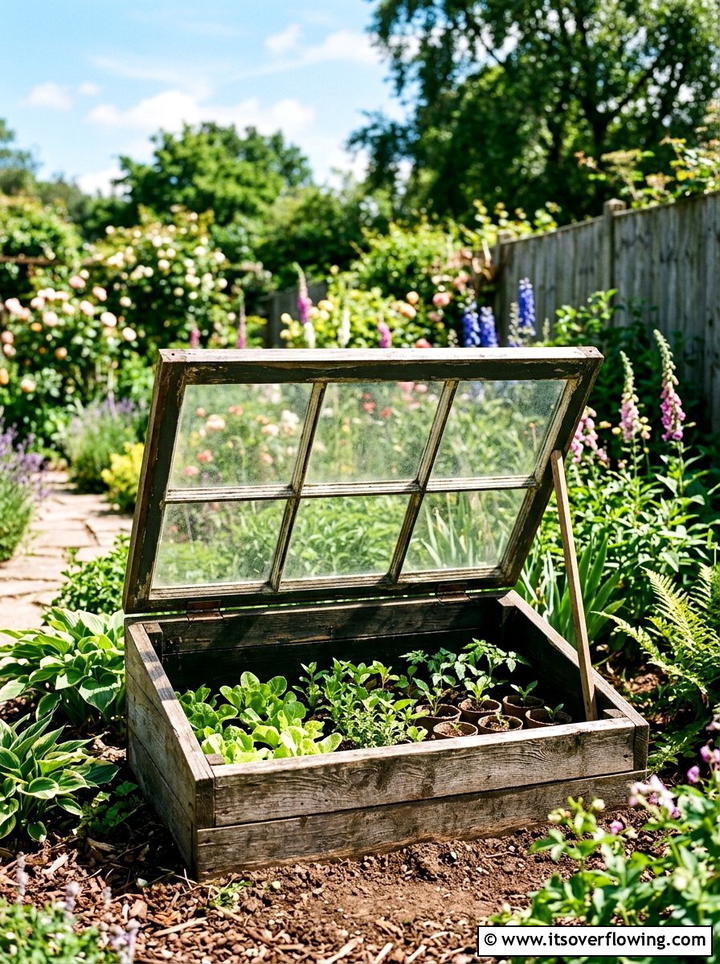
Old wooden window frames with intact glass are perfect for building a simple cold frame directly on top of a finished leaf mold pile. The heat generated by the decomposing organic matter underneath can help warm the soil, allowing you to start seeds earlier in the spring. You can build a simple wooden box from scrap lumber and hinge the window on top to create a miniature greenhouse environment. This recycling project combines the benefits of leaf mold with the utility of seasonal plant protection. It is a smart way to extend your growing season while using materials that are often discarded during home renovations.
17. Galvanized Trough Leaf Storage
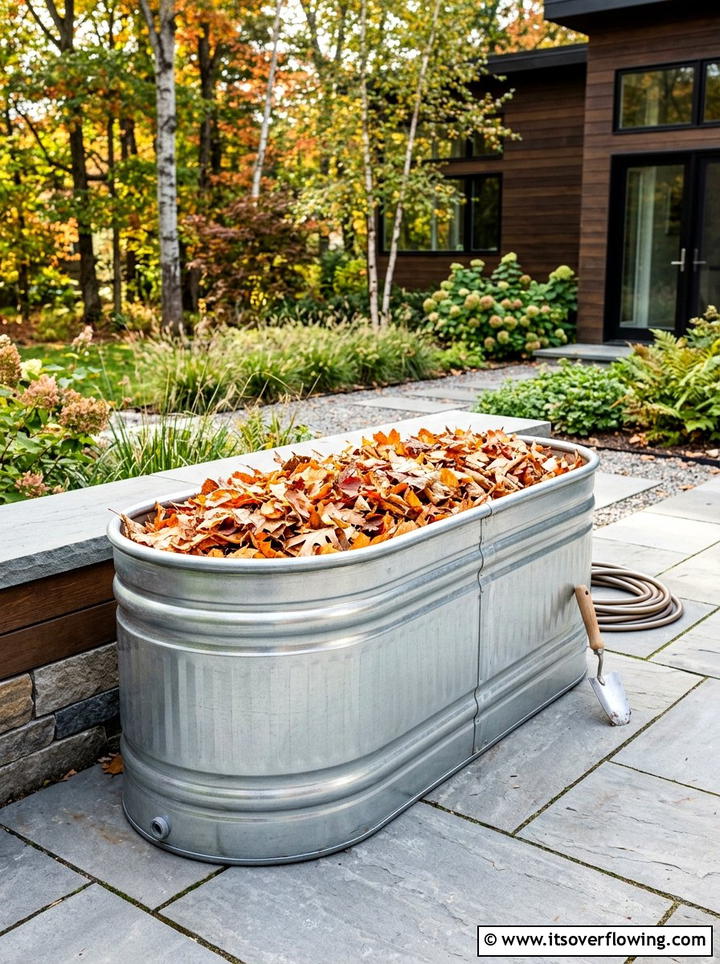
Large galvanized steel troughs, often used for livestock, make excellent and stylish containers for storing leaves before they are added to the bins. These durable metal containers have a trendy, modern farmhouse look that fits perfectly in any contemporary garden design. They are deep enough to hold a significant volume of dry leaves and can be easily covered with a lid or tarp to keep them dry until needed. Using these troughs prevents your backyard from looking cluttered with bags or loose piles during the peak of autumn. They are a long-lasting recycling investment that brings order and a clean aesthetic to your gardening routine.
18. Wood Crate Tool Storage
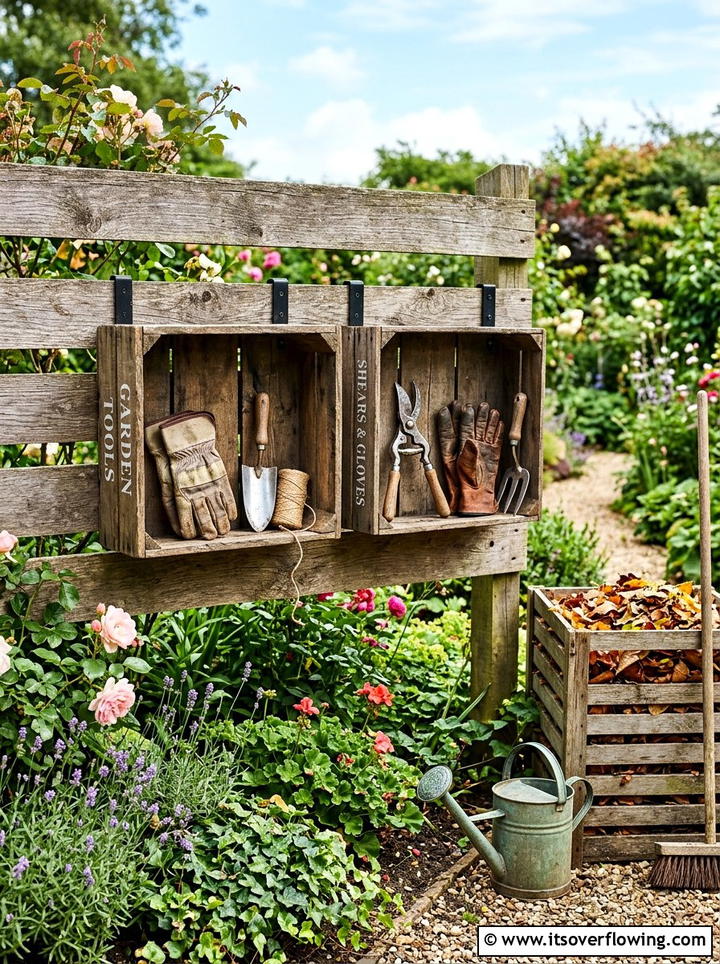
Repurposing old wooden crates as wall-mounted storage near your leaf mold bins keeps your essential gardening tools organized and within reach. You can screw the crates to a garden shed or a wooden fence to hold trowels, gloves, and pruning shears used for leaf management. This recycling hack ensures that you never have to search for your equipment when it is time to turn the pile or collect fresh mold. The weathered wood of the crates complements the natural environment of the compost area, creating a cohesive and functional workspace. It is a simple organizational tip that makes your gardening tasks much more efficient.
19. Kitchen Sieve Succulent Planter
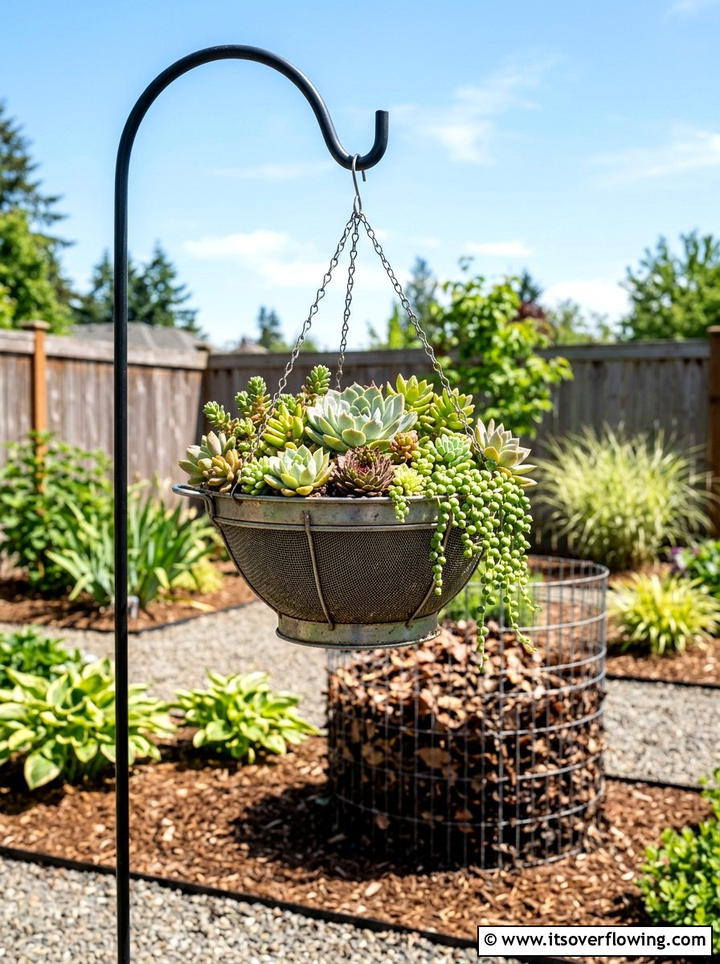
Vintage metal kitchen sieves or colanders make quirky and effective planters for succulents that can be placed on the edges of your leaf bins. The built-in drainage holes are perfect for plants that dislike sitting in soggy soil, and the handles make them easy to hang. You can fill them with a mix of your finished leaf mold and grit to create a nutrient-rich home for small desert plants. This recycling idea adds a touch of charm and domestic history to your outdoor space, turning everyday household items into focal points. It is a great way to display the success of your soil-building efforts.

20. Pallet Wood Potting Bench
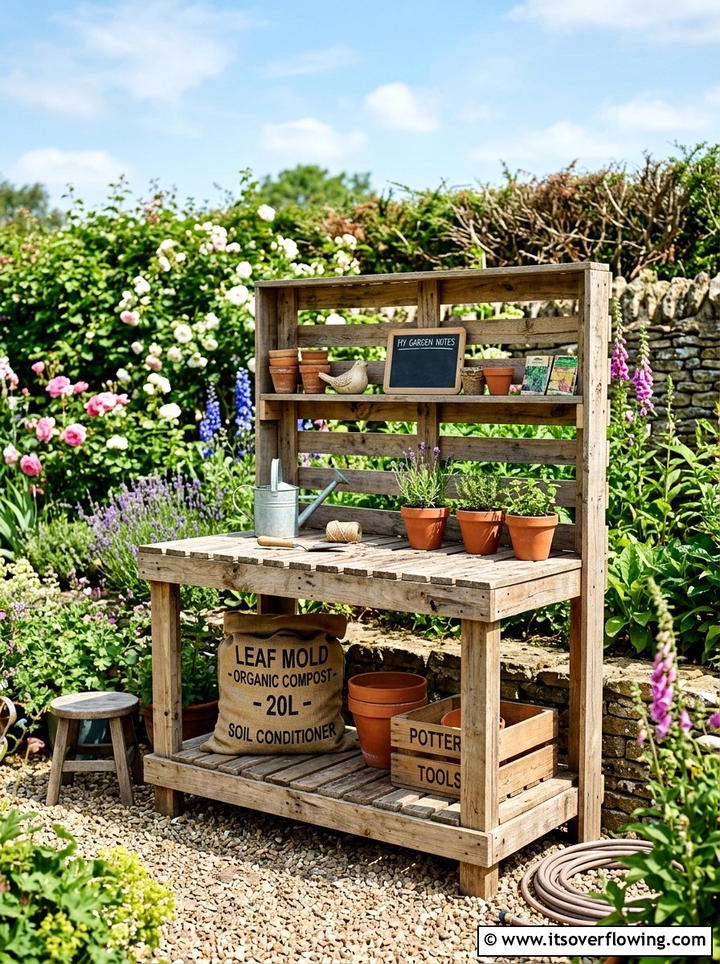
Building a dedicated potting bench from leftover pallet wood provides a sturdy and practical station for all your seed-starting and transplanting needs. You can design the bench with a large work surface and lower shelves to store bags of your homemade leaf mold and potting soil. This recycling project creates a professional-feeling workspace in your garden without the high cost of retail furniture. The rough-hewn texture of the pallet wood fits perfectly with the rustic nature of a leaf mold composting area. Having everything at waist height also makes gardening much easier on your back, allowing you to enjoy your hobby for longer periods.
21. Rubber Boot Flower Pot
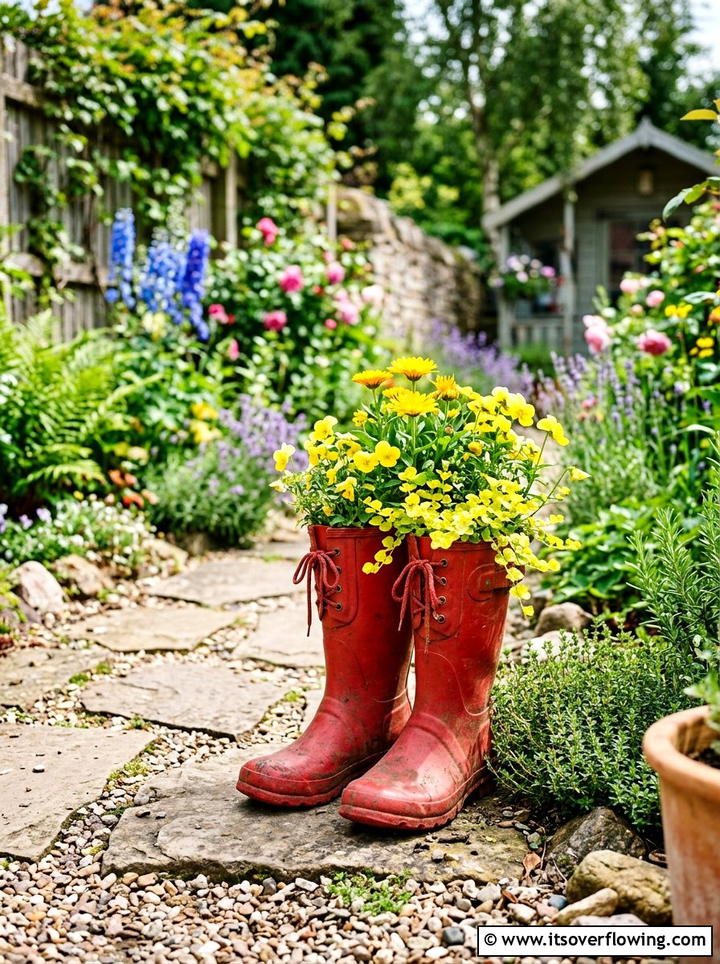
Old, leaky rubber boots can find a new life as whimsical flower pots lining the path to your recycled leaf mold bins. You simply fill the boots with a bit of gravel for weight and drainage, then top them with leaf mold and your favorite annuals. These colorful and unexpected containers add a sense of humor and playfulness to the garden, especially in utility zones that are often overlooked. This recycling idea is a fun way to involve children in gardening while keeping footwear out of the trash. They look particularly charming when grouped together in different sizes and colors, creating a very cheerful welcome.
22. Plastic Bucket Container Garden
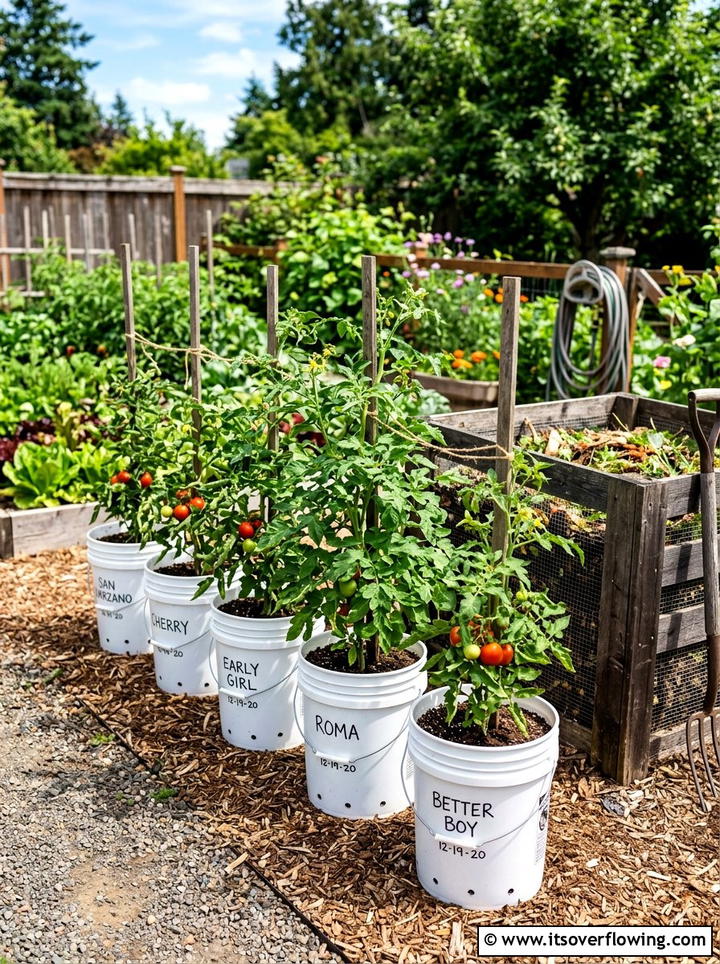
Five-gallon plastic buckets from food service or construction can be easily converted into a highly productive container garden located right next to your bins. By drilling holes in the bottom and filling them with a blend of soil and leaf mold, you can grow everything from tomatoes to peppers. These buckets are durable, easy to move, and allow you to expand your growing space regardless of the quality of your ground soil. Using these recycled containers is an excellent way to practice sustainable urban farming while making the most of your nutrient-rich compost. It turns a simple waste item into a vessel for healthy food.
23. Reclaimed Brick Garden Path
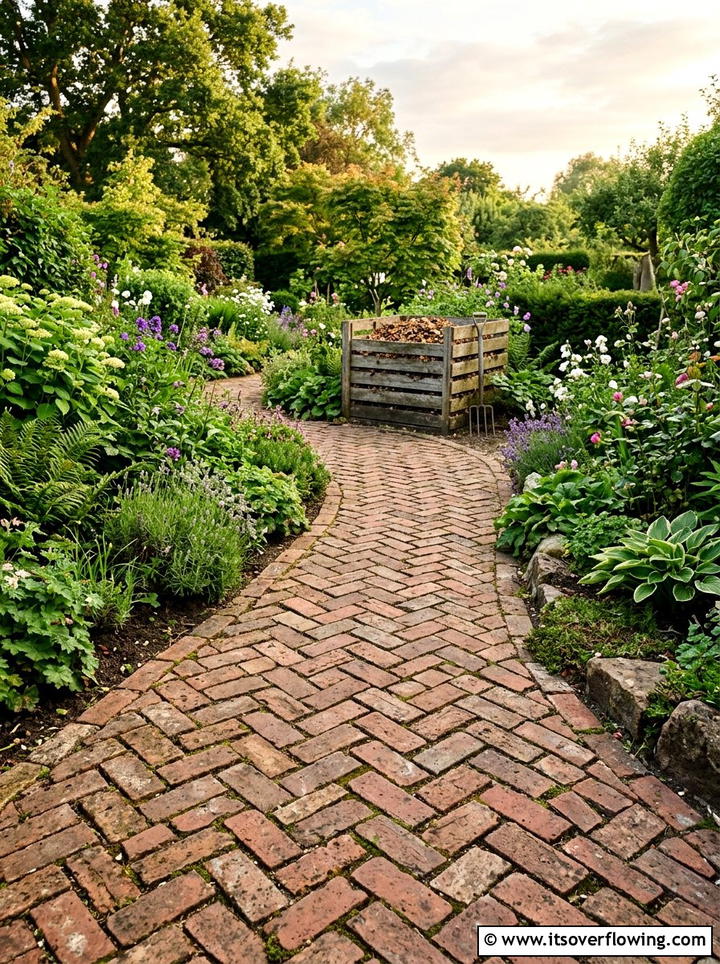
Constructing a winding path from reclaimed bricks leads visitors through your garden to your leaf mold bins with a sense of timeless elegance. You can often find old bricks from demolished buildings or patio renovations, giving them a beautiful weathered texture that new bricks simply cannot match. Laying them in a simple herringbone or basketweave pattern creates a stable and slip-resistant surface for wheeling heavy loads of leaves back and forth. This recycling project adds structure and permanent beauty to your landscape while ensuring you can access your compost area even in wet weather. It is a practical and aesthetically pleasing addition to any design.
24. Tree Trunk Garden Bench
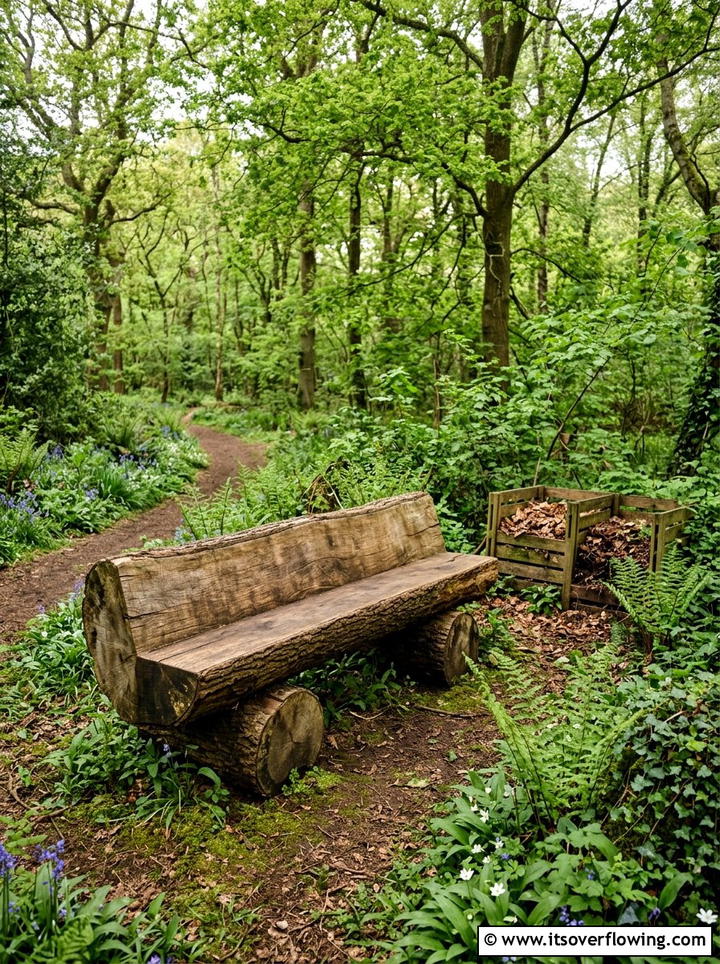
A large tree trunk from a fallen tree can be repurposed as a natural and sturdy garden bench near your leaf mold station. By flattening the top with a chainsaw or simply leaving it in its raw form, you create a rustic seating area to enjoy your garden. This recycled furniture piece requires no maintenance and blends perfectly with the organic nature of decomposing leaves and woodland plants. It provides a quiet place to sit and observe the wildlife that is drawn to your composting area and nearby water features. Using whole logs is a powerful way to celebrate the life cycle of trees in your landscape.
25. Hanging Tin Can Garden
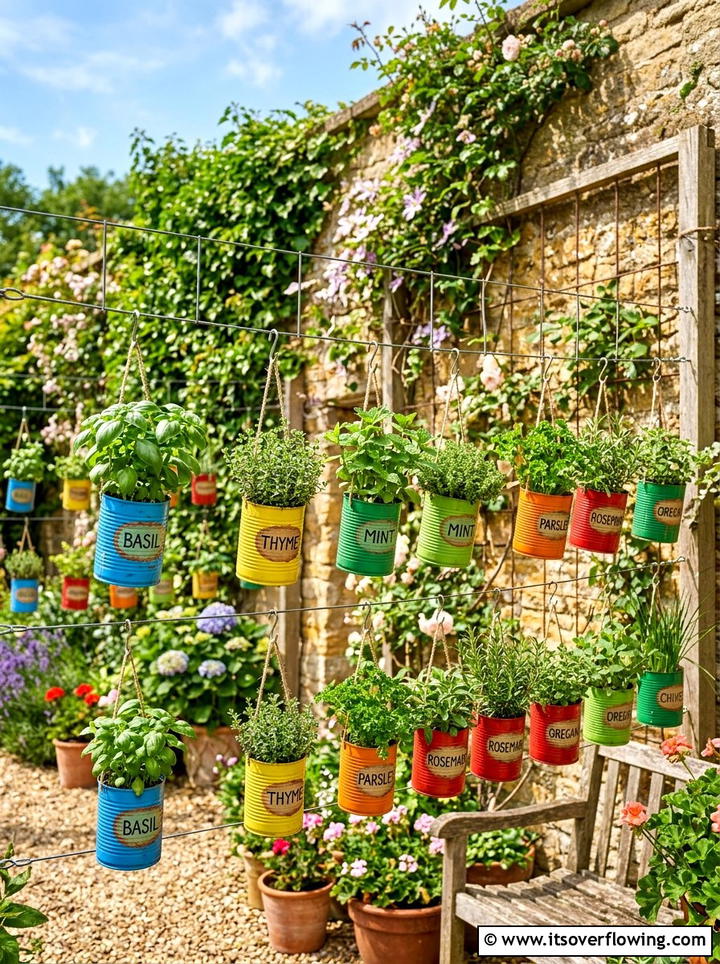
Empty tin cans from the kitchen can be cleaned, painted, and hung from a recycled fence or trellis to create a vertical herb garden. This recycling idea is perfect for small spaces and keeps your most-used herbs within easy reach of the kitchen or your garden work area. You can use your homemade leaf mold as a lightweight and nutrient-dense growing medium for parsley, chives, or thyme. This project is a great way to add color and life to the walls of your garden while keeping household waste out of the bin. It demonstrates how even the smallest items can be reused for a lush environment.
Conclusion:
Incorporating recycled materials into your garden design is a powerful way to reduce your environmental footprint while creating a space that feels deeply personal and intentional. From building efficient leaf mold bins to crafting whimsical planters out of old boots, these projects prove that sustainability and style can go hand in hand. As your recycled bins begin to break down leaves into rich, dark mold, you will see a direct improvement in the health and vitality of your soil and plants. This cycle of renewal is at the heart of organic gardening and provides a sense of accomplishment. By choosing to reuse and repurpose, you are not just saving money; you are participating in a natural process that benefits the earth.

Related posts:
 25 recycled garden ideas with garden markers: Fun DIYs
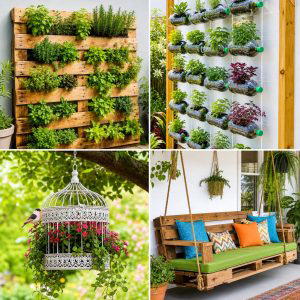 25 recycled garden ideas with pallet wall garden DIYs
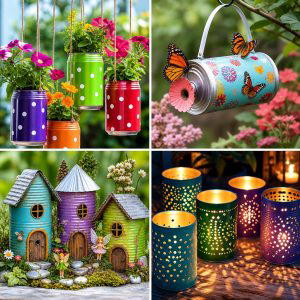 25 recycled garden ideas with aluminum cans: Clever DIYs
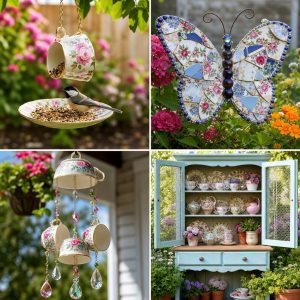 25 recycled garden ideas with chipped dishes: Pretty DIYs
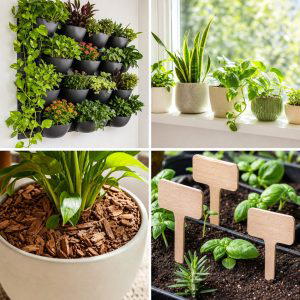 25 recycled garden ideas with egg cartons: Easy Seed DIYs
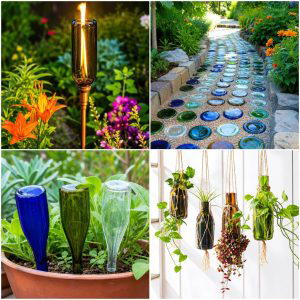 25 recycled garden ideas with glass bottles: Chic DIYs
 25 recycled garden ideas with leftover tiles: Stylish DIYs
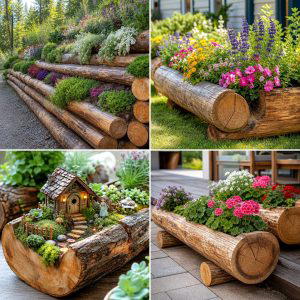 25 recycled garden ideas with logs: Rustic Outdoor DIYs
 25 recycled garden ideas with milk jugs: Smart DIYs
 25 recycled garden ideas with newspapers: Clever DIYs
 25 recycled garden ideas with old colanders: Fun Planter DIYs
 25 recycled garden ideas with old kitchenware: Creative DIYs