
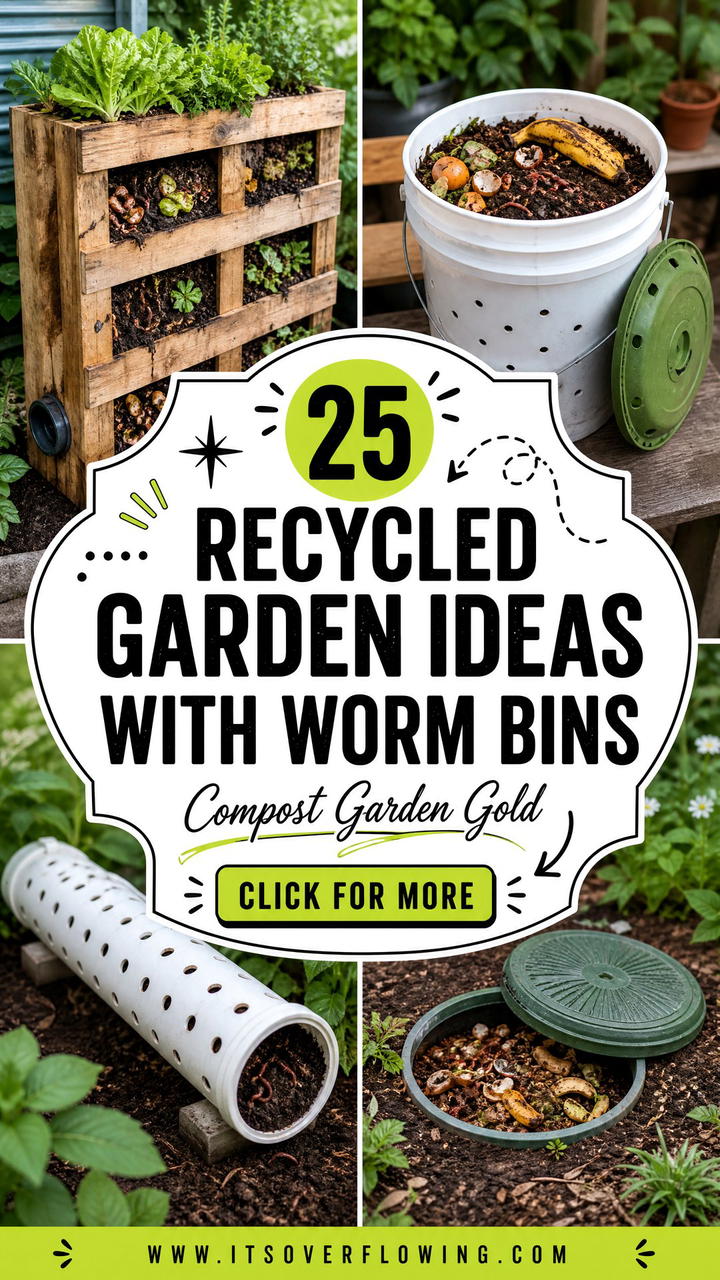
Creating a sustainable outdoor space often involves finding clever ways to repurpose materials that would otherwise end up in a landfill. Integrating worm bins into your garden design is a brilliant way to recycle organic waste while naturally boosting your soil health. These systems, known as vermiculture, allow red wiggler worms to break down kitchen scraps into nutrient-rich castings that act as liquid gold for your plants. By using recycled items like old tires, wooden crates, or plastic buckets, you can build affordable and effective composting stations. This guide explores creative ways to blend these functional bins into your landscape, ensuring your garden remains both beautiful and highly productive.
1. Worm Tower In Raised Bed
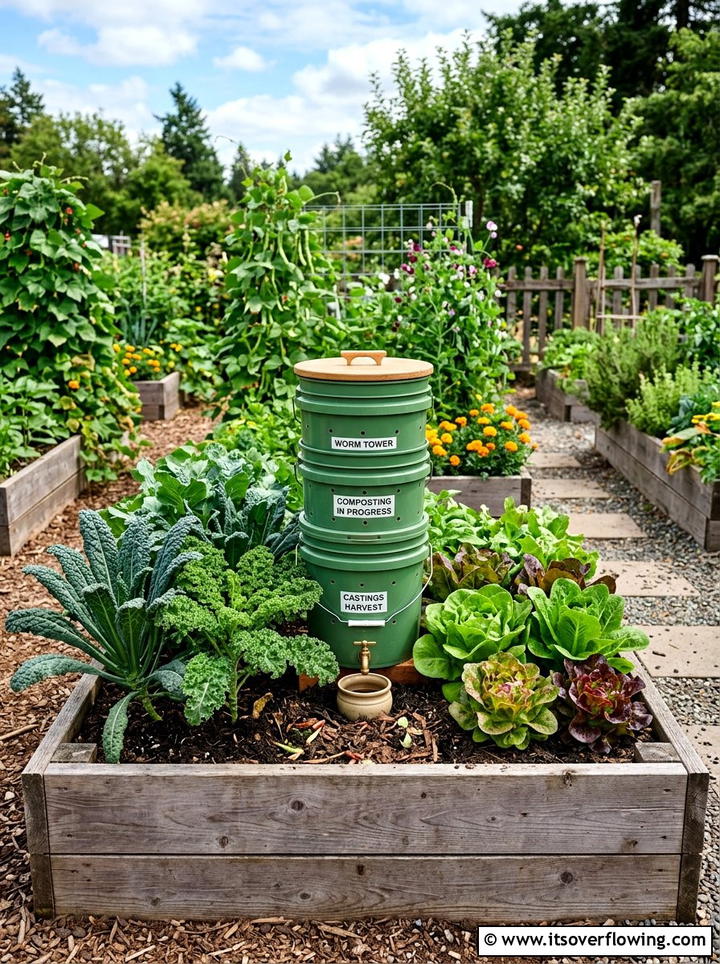
Have you ever wondered how to feed your plants directly at their roots without using chemical fertilizers? A worm tower buried inside a raised garden bed is the perfect solution for busy gardeners. This design uses a recycled plastic pipe or a small bucket with holes drilled into the sides. You bury it deep into the soil so only the lid stays above the surface. Once the worms are inside, they travel through the holes to distribute nutrients across the entire bed. This setup keeps the composting process hidden and tidy while providing a constant supply of organic matter. It is a fantastic way to maximize space in small vegetable patches.
2. Vertical Pallet Worm Farm
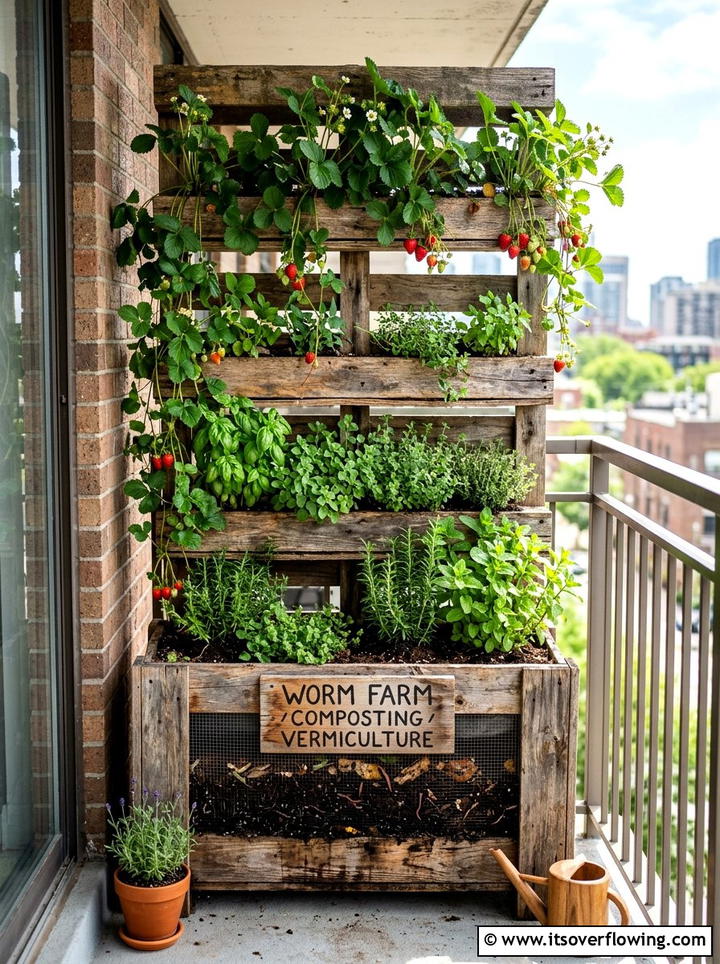
How can you grow a lush garden and compost your kitchen waste when you have almost no ground space? A vertical pallet worm farm is a clever way to use narrow areas like balconies or small patios. By standing an old wooden pallet upright and sealing the back with landscaping fabric, you create a tiered planting system. The worm bin can be integrated into the middle section, allowing the nutrient-rich water to trickle down to the plants below. This design turns a piece of trash into a beautiful living wall that provides fresh herbs and vegetables all season long. It is a stylish and functional recycling project for any urban gardener.
3. Used Tire Worm Bin
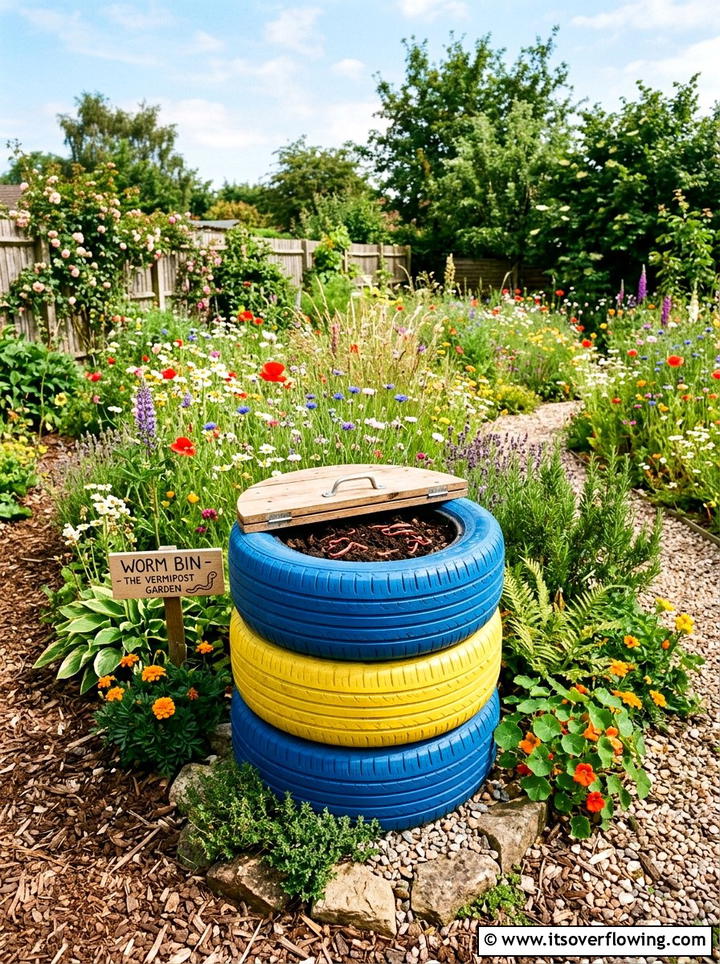
Imagine turning an old set of tires from a garage into a thriving ecosystem for your backyard garden. A tire stack worm bin is one of the most durable and cost-effective ways to start vermiculture. By cleaning and stacking two or three tires, you create a deep, insulated environment that keeps worms cool in the summer and warm in the winter. You can paint the exterior with bright, non-toxic colors to match your garden decor and make it look intentional. Placing a heavy wooden lid on top keeps pests away while retaining essential moisture. This setup is perfect for processing large amounts of garden waste and kitchen scraps throughout the year.
4. Plastic Bucket Worm Composter
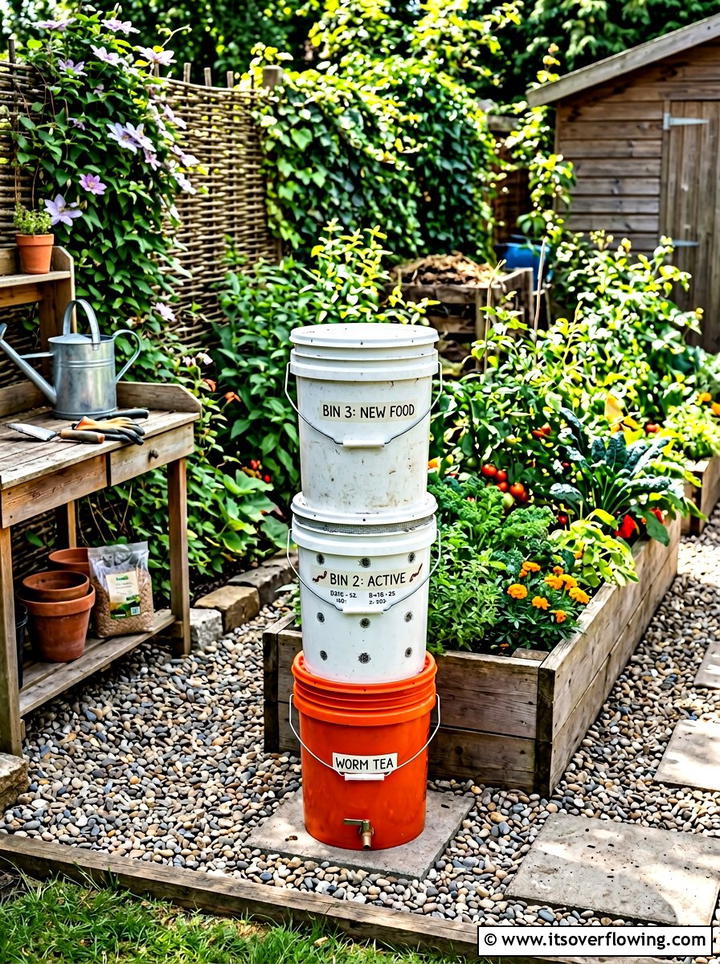
Do you have any old five-gallon buckets sitting in your garage or basement gathering dust? You can easily transform these common household items into a highly efficient multi-level worm composting system. By drilling small holes in the bottom and sides of several buckets, you allow the worms to migrate upward as they finish eating the food scraps in the lower levels. This vertical stack saves a lot of floor space and makes harvesting the finished compost incredibly simple. It is a perfect solution for beginners who want a compact and manageable way to recycle their vegetable peelings. This recycled setup is lightweight, portable, and fits almost anywhere.
5. Wooden Fruit Crate Worm Farm
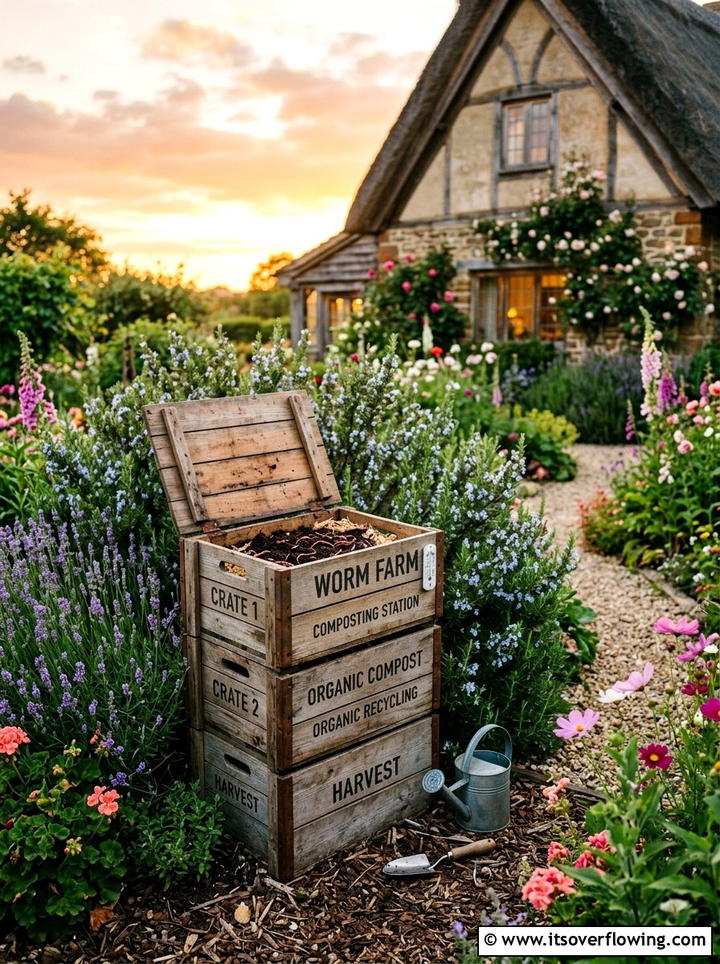
Finding a use for old wooden fruit crates can breathe new life into your rustic garden aesthetic. These crates provide excellent natural ventilation, which is essential for keeping your composting worms healthy and active. To prevent the bedding and worms from falling through the slats, simply line the interior with a thick layer of wet newspaper or burlap. This creates a breathable yet secure environment where the worms can thrive. You can stack these crates in a shaded corner of your garden for a charming and organized look. It is a fantastic way to repurpose materials while building a nutrient source for your flowers and vegetable plants.
6. Clawfoot Bathtub Worm Garden
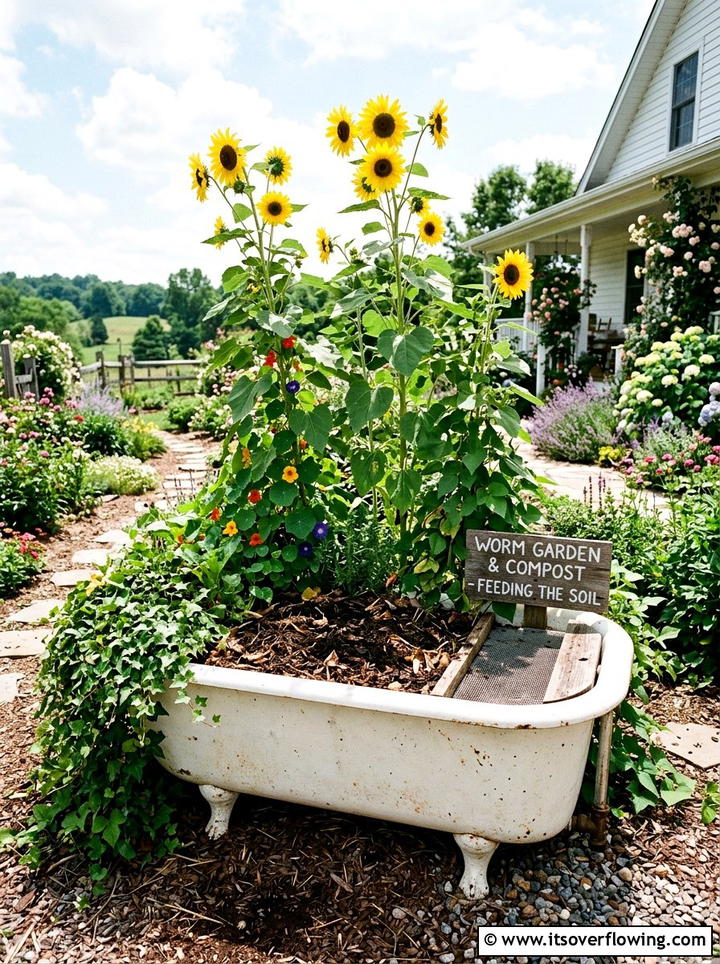
What happens when you take a discarded clawfoot bathtub and place it in the middle of a lush garden? You get a high-capacity worm farm that doubles as a striking focal point for your outdoor landscape. Bathtubs are ideal for large-scale vermiculture because they provide a huge surface area and built-in drainage through the plug hole. You can fill the tub with bedding and scraps, then cover it with an old door or a piece of plywood. The depth of the tub allows for excellent temperature regulation, protecting your worms from extreme weather. This recycled garden element is a great conversation piece that produces massive amounts of compost.
7. Perforated Pvc Worm Pipe
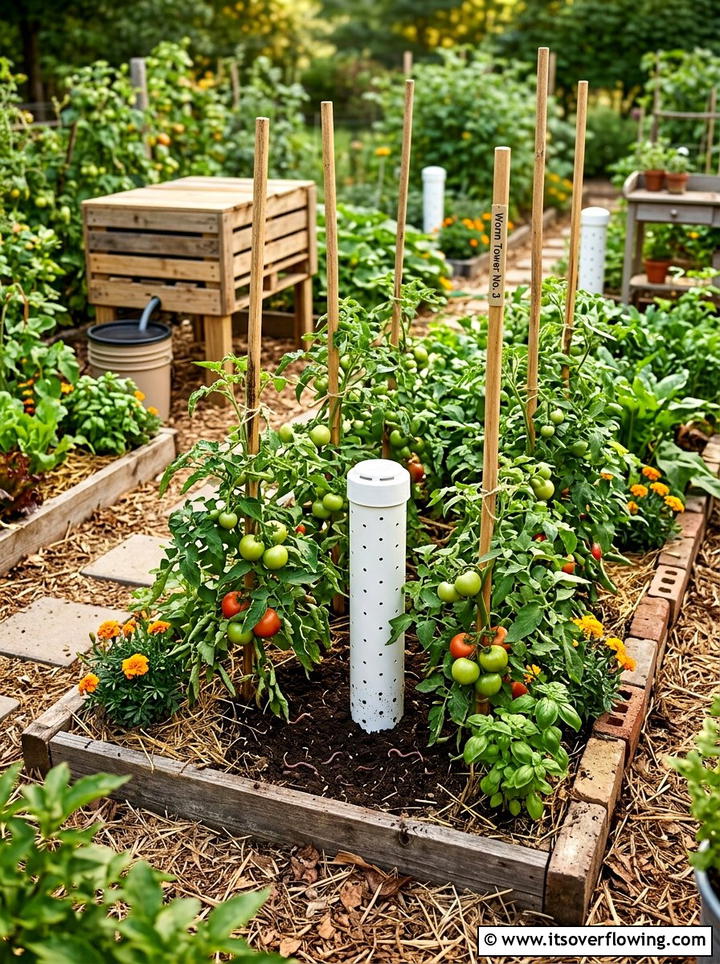
Sustainable gardening often requires thinking about how to deliver nutrients directly to the soil where plants need them most. A perforated PVC pipe buried vertically in your garden bed acts as a simple yet effective worm tower. By using a leftover piece of pipe from a plumbing project, you can create a direct feeding station for your soil. You just need to drill several holes along the length of the pipe and bury it so the top is accessible. Dropping food scraps directly into the pipe encourages worms to congregate and spread their castings throughout the root zone. This method is incredibly discreet and keeps your garden looking tidy.


8. Plastic Laundry Basket Worm Bin
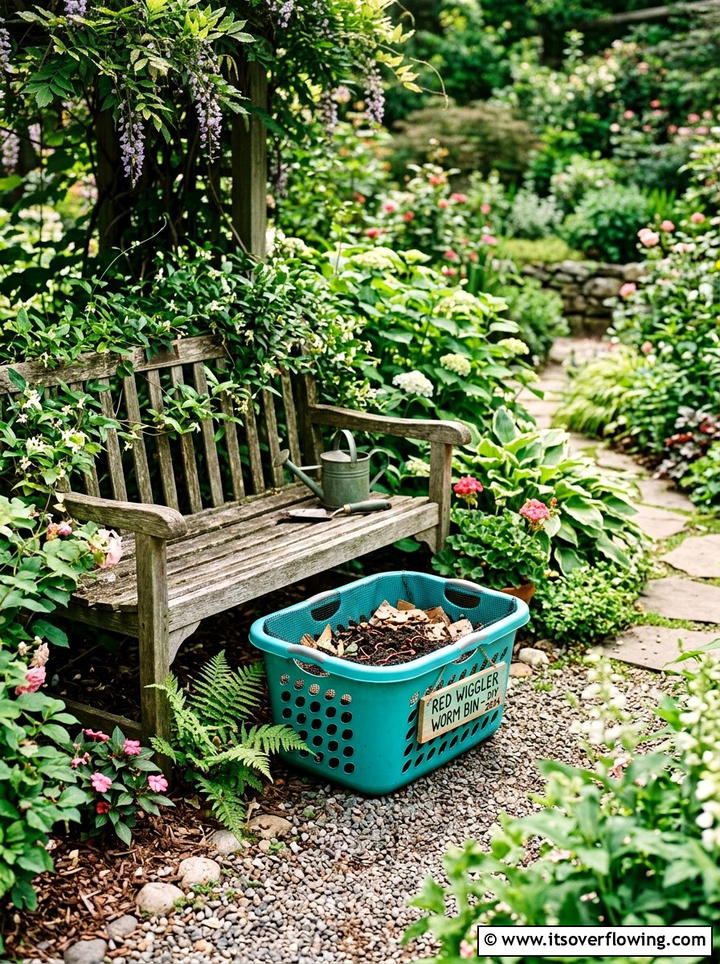
Have you ever thought about using a broken plastic laundry basket as a tool for your garden? These baskets are perfect for creating a low-cost worm bin because they already feature built-in holes for air circulation. To make it work, you can line the basket with a fine mesh screen or a thick layer of cardboard to keep the worms contained. Placing the basket inside a slightly larger plastic tub helps catch any excess moisture, which can be used as a potent liquid fertilizer. This lightweight setup is easy to move around your yard as needed. It is a brilliant way to recycle plastic while improving your soil quality.
9. Fifty Five Gallon Drum Worm Farm
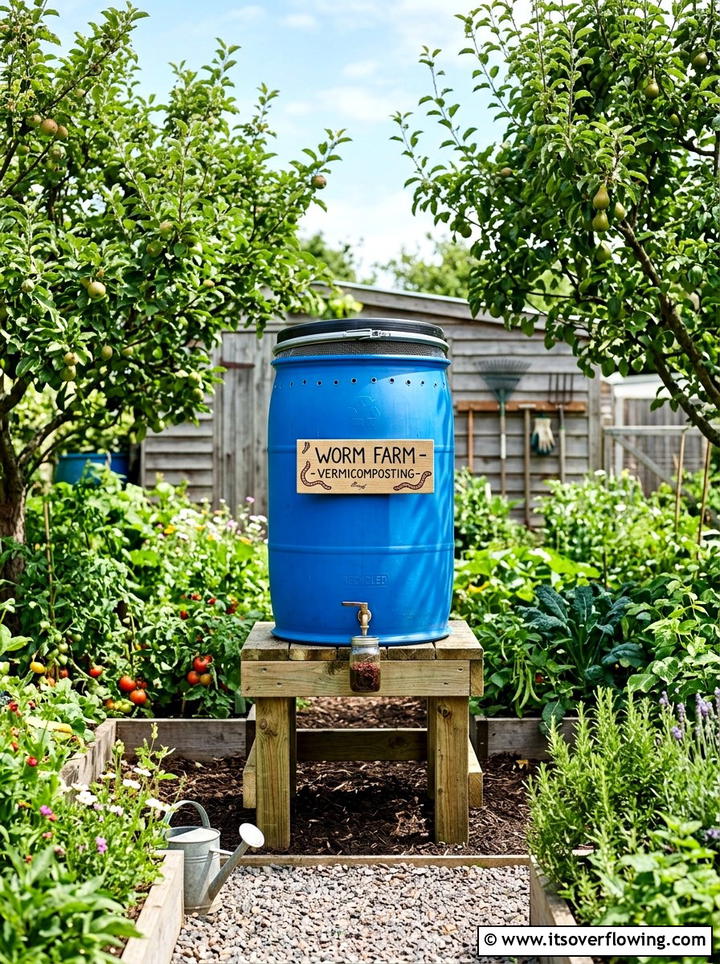
Managing a large garden often produces more organic waste than a small bin can handle. Repurposing a fifty-five-gallon plastic drum into a worm farm is a fantastic way to scale up your composting efforts. You can cut the drum in half lengthwise to create two large bedding areas or leave it upright for a deep composting system. Adding a sturdy wooden frame and some wheels makes the heavy drum easy to relocate for better shade or accessibility. This recycled container is extremely durable and can withstand harsh outdoor conditions for many years. It provides ample space for a massive worm population to transform your yard waste into dark compost.
10. Old Sink Worm Planter
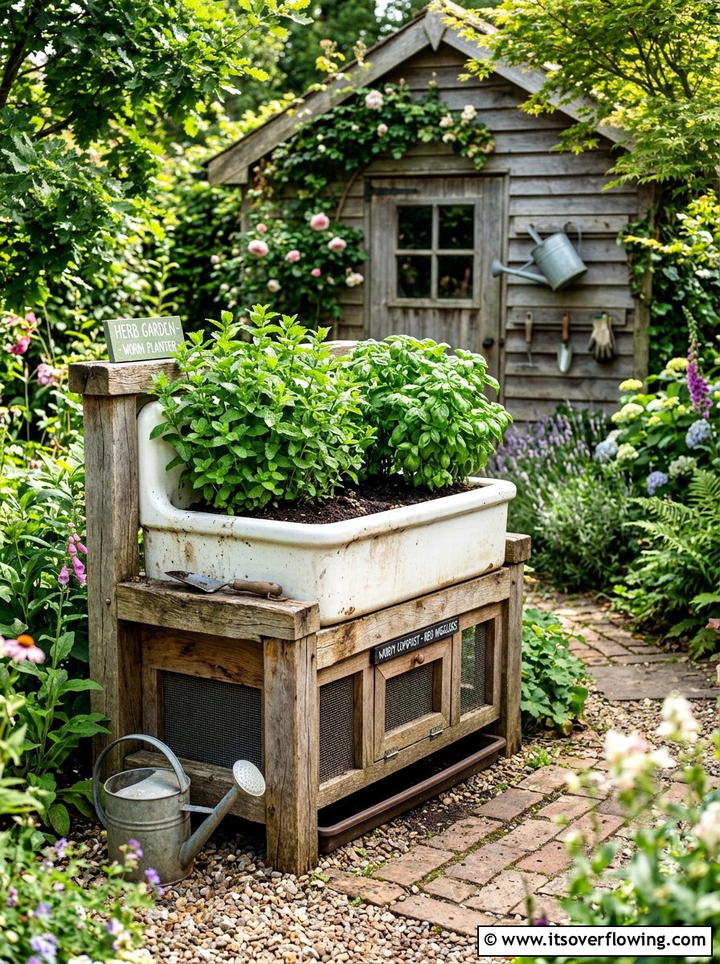
Repurposing an old ceramic or stainless steel sink is a creative way to add character and functionality to your backyard. Sinks are naturally designed to handle water, making them perfect candidates for a controlled vermiculture environment. You can install the sink into a wooden stand or nestle it directly into a garden mound. The drain hole allows you to collect liquid compost tea easily by placing a jar underneath. This setup works exceptionally well for growing moisture-loving herbs right on top of the composting area. It turns a piece of plumbing waste into a productive and decorative garden feature. This compact system is ideal for small patios or balconies.
11. Discarded Drawer Worm Box
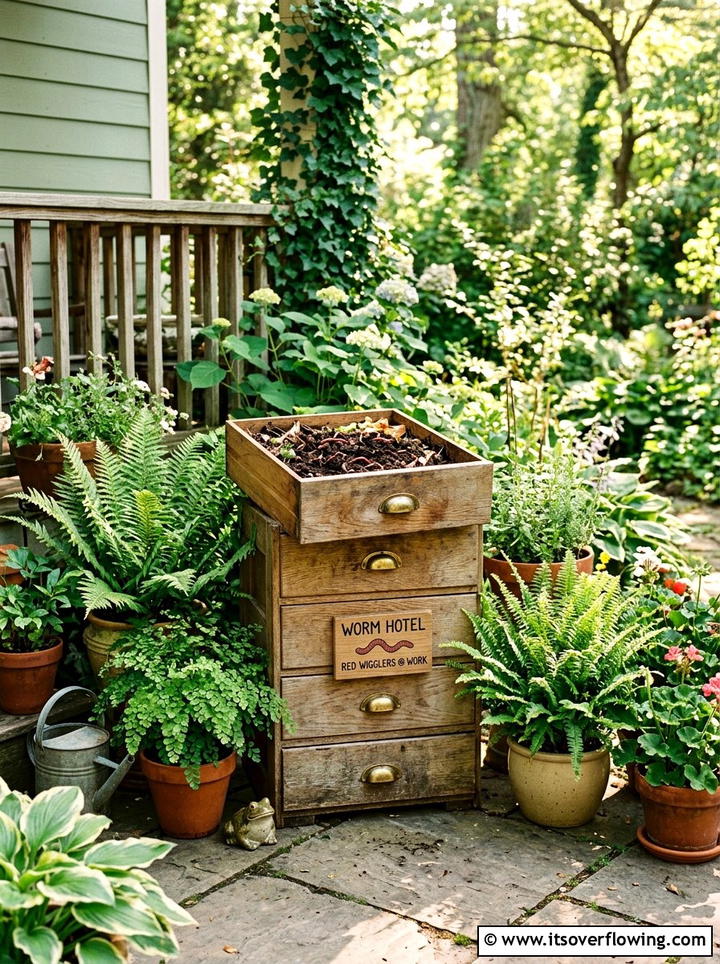
Old wooden drawers from a broken dresser are often overlooked as valuable gardening resources. These drawers can be stacked or used individually to create a series of small, manageable worm bins. By adding a few holes for drainage and a simple lid, you can turn a piece of furniture into a thriving habitat for red wigglers. This recycled approach is perfect for those who enjoy a vintage or farmhouse look in their outdoor spaces. You can paint the drawers to protect the wood from the elements while adding a splash of color. It is a wonderful way to keep useful wood out of the trash while feeding your plants.
12. Cinder Block Worm Bed
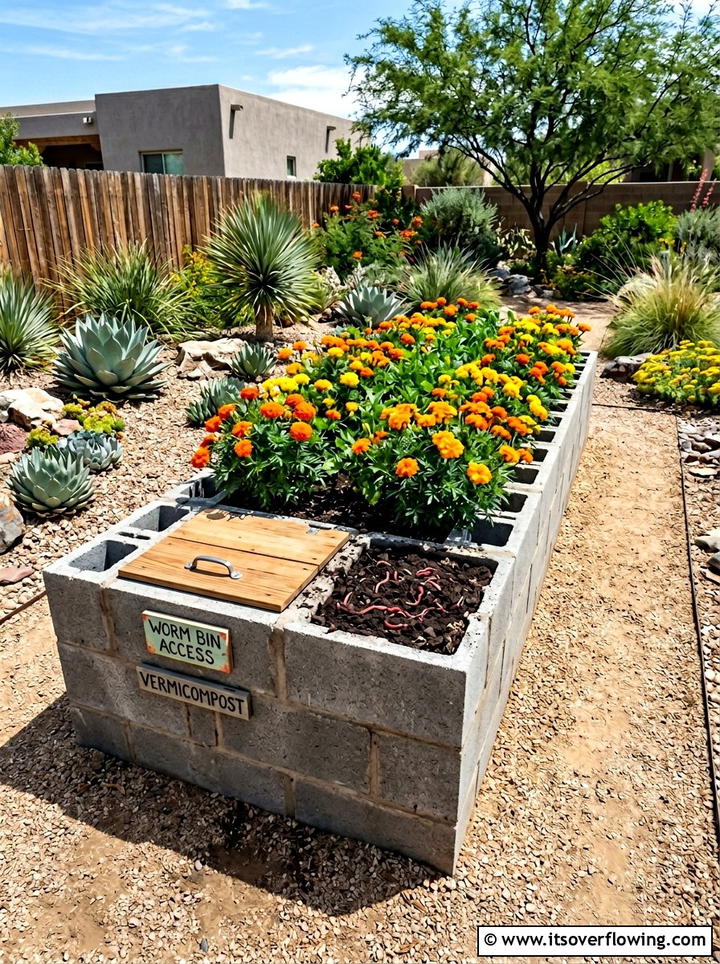
Building a permanent worm bed in your garden can be done easily using leftover cinder blocks from a construction project. By arranging the blocks in a rectangle on a patch of soil, you create a sturdy and well-insulated home for your worms. The hollow centers of the blocks can even be filled with soil and planted with flowers or herbs to soften the look. This setup provides plenty of room for the worms to move around and stay cool. It is an excellent way to use heavy materials that are otherwise difficult to dispose of. This permanent structure integrates seamlessly into a modern or industrial garden design style.
13. Plastic Storage Tote Worm System
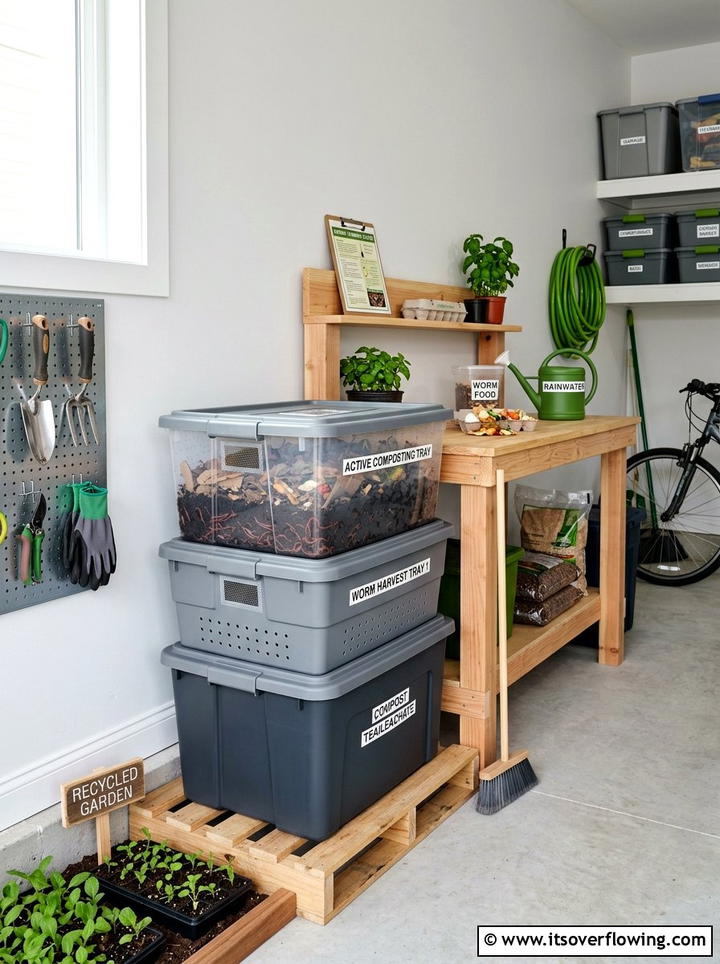
Many households have plastic storage totes that are no longer being used for their original purpose. These bins are widely considered the gold standard for DIY worm composting because they are cheap and easy to modify. By drilling ventilation holes and nesting two totes together, you create a system that stays moist and catches nutrient-rich liquid at the bottom. This recycled setup is perfect for keeping under a porch or in a garage corner. It is a highly efficient way to manage your household food waste without attracting pests. Using these common containers makes vermiculture accessible to everyone, regardless of the size of their outdoor space or their gardening budget.
14. Metal Trash Can Worm Composter
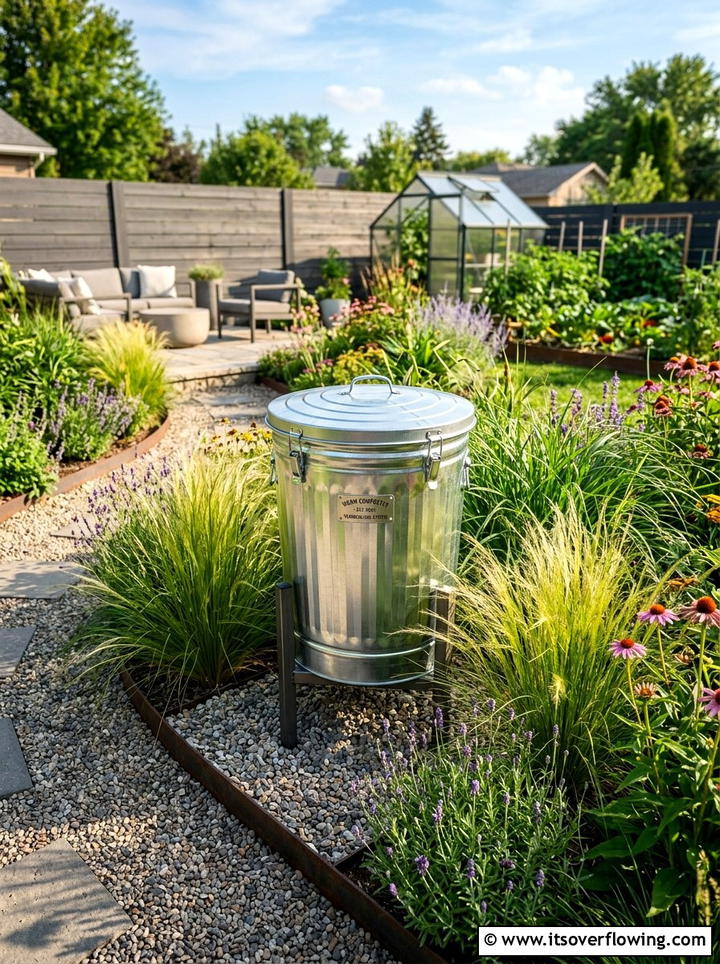
A galvanized metal trash can offers a sleek and modern way to incorporate worm composting into your garden. Unlike plastic, metal is extremely durable and provides a unique aesthetic that complements contemporary landscaping. You will need to drill holes for air and drainage, which is easily done with a standard metal drill bit. The tight-fitting lid is excellent for keeping out rodents and larger animals that might be curious about your food scraps. This vertical system takes up very little ground space while holding a significant amount of material. It is a stylish way to recycle metal items while creating a sustainable source of nutrients for your backyard plants.
15. Plastic Milk Crate Worm Farm
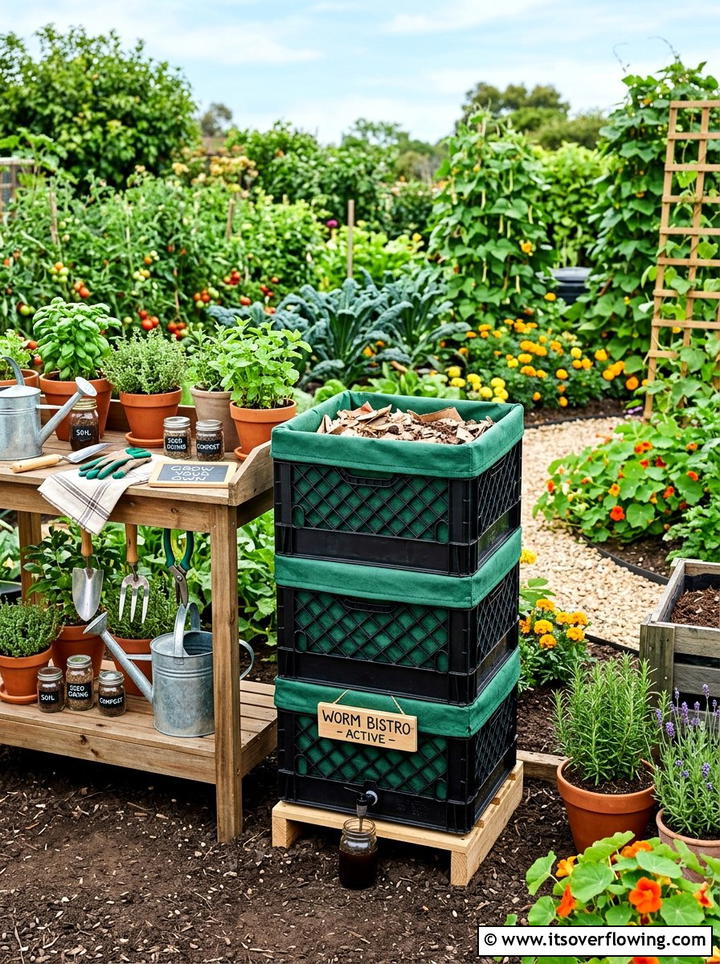
Recycling plastic milk crates is a smart way to build a modular and breathable worm composting system. Because milk crates have an open-mesh design, they provide maximum oxygen to the worms, which speeds up the decomposition process. You can line the crates with landscape fabric or old window screens to keep the bedding material inside. These crates are designed to be stacked, allowing you to expand your worm farm vertically as your needs grow. This setup is very lightweight and easy to lift when it is time to harvest the finished castings. It is an affordable and practical solution for anyone looking to improve their garden soil through simple recycling.
16. Cedar Wood Scrap Worm Bin
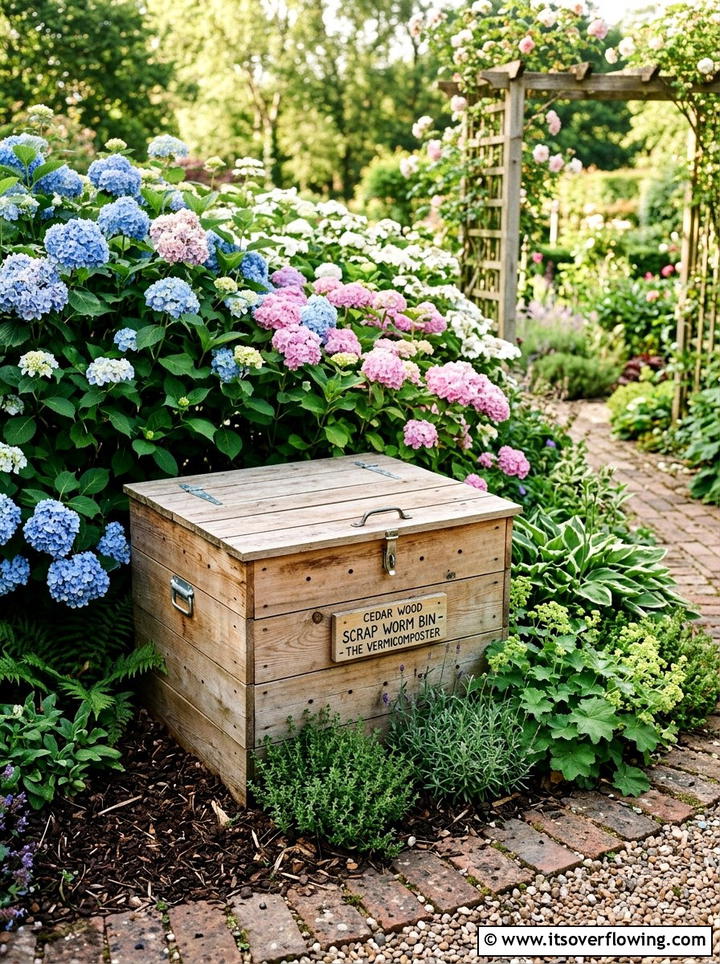
Using cedar wood scraps from a fencing or decking project is an elegant way to build a high-quality worm bin. Cedar is naturally resistant to rot and insects, making it the perfect material for an outdoor composting unit. You can construct a simple box with a hinged lid to keep your worms protected and the area looking tidy. This recycled wood bin fits beautifully into a natural or traditional garden setting. The natural oils in the wood help regulate moisture and keep the internal environment healthy. It is a great way to use up leftover timber while creating a functional piece of garden equipment that will last for many years.
17. Simple In Ground Worm Pit
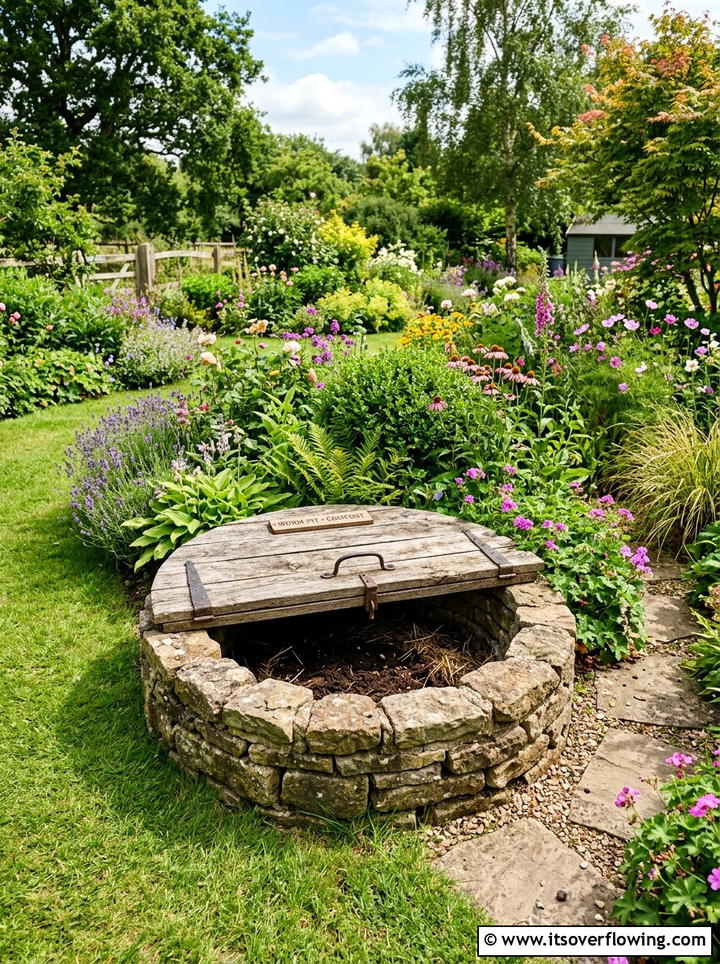
An in-ground worm pit is perhaps the most natural way to integrate vermiculture directly into your garden landscape. This method involves digging a shallow trench or hole and lining it with recycled bricks or stones to define the area. You then fill the space with bedding and food scraps, covering the top with a heavy piece of recycled wood or a decorative lid. This setup allows worms to move freely between the pit and the surrounding garden soil, naturally aerating the ground as they go. It is a low-profile solution that keeps the composting process completely out of sight. This recycled pit is perfect for maintaining a clean and minimalist garden appearance.
18. Stacked Brick Worm House
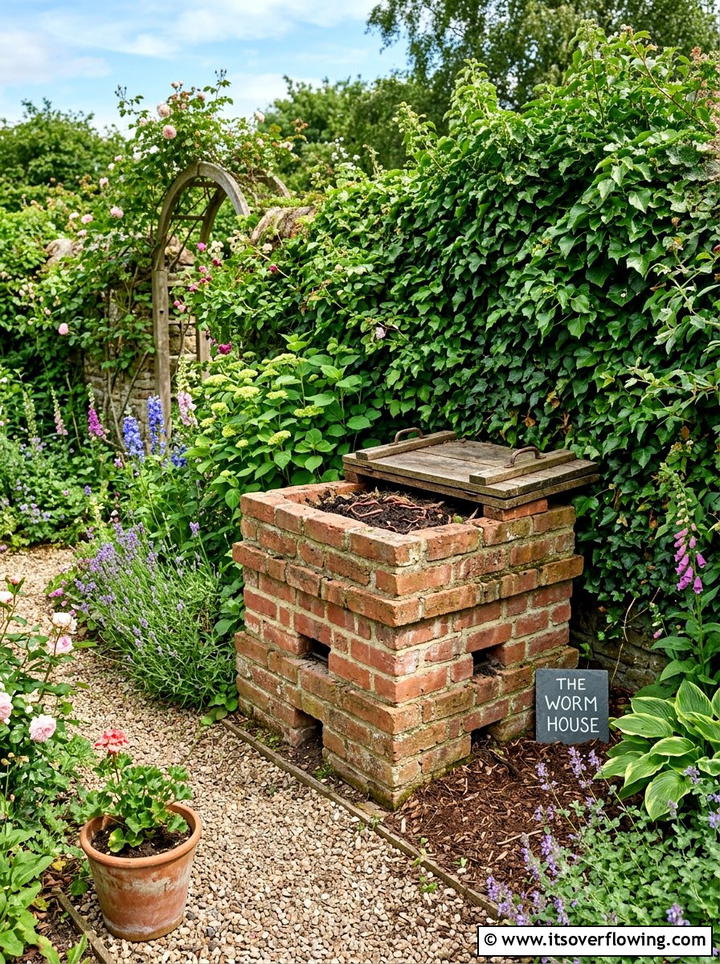
If you have a pile of old bricks left over from a patio project, you can use them to build a beautiful and functional worm house. Bricks provide excellent thermal mass, which helps keep the internal temperature of the worm bin stable during hot days and cold nights. You can stack the bricks without mortar to allow for small gaps for air circulation. This DIY structure can be tucked into a corner of your yard or used as a base for a large planter. It adds a timeless and structured look to your outdoor space while serving a vital ecological purpose. This recycled brick project is durable, sustainable, and visually appealing.
19. Hollow Tree Stump Worm Habitat
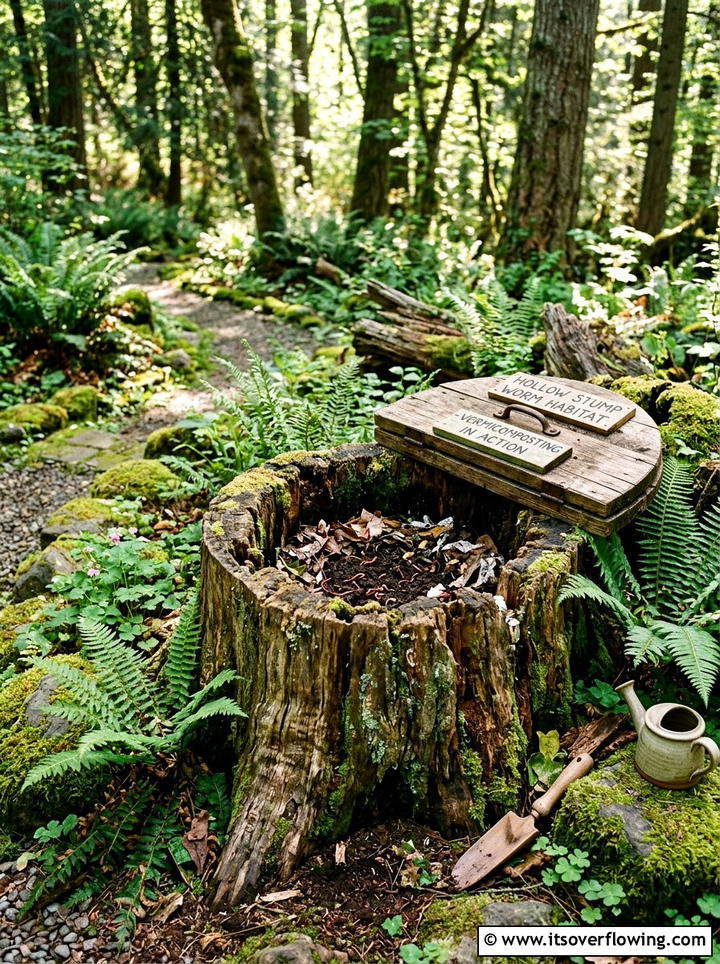
A hollow tree stump in your yard can be more than just a piece of decaying wood; it can be a thriving worm habitat. Instead of removing the stump, you can clear out the center and fill it with organic matter to attract local earthworms. This recycled natural element provides a rustic and organic look that blends perfectly with a woodland-style garden. The decaying wood provides extra food for the worms and holds moisture exceptionally well. It is a great way to turn a potential eyesore into a functional part of your garden’s ecosystem. This approach requires very little effort and makes excellent use of what nature has already provided.

20. Log Cabin Style Worm Bin
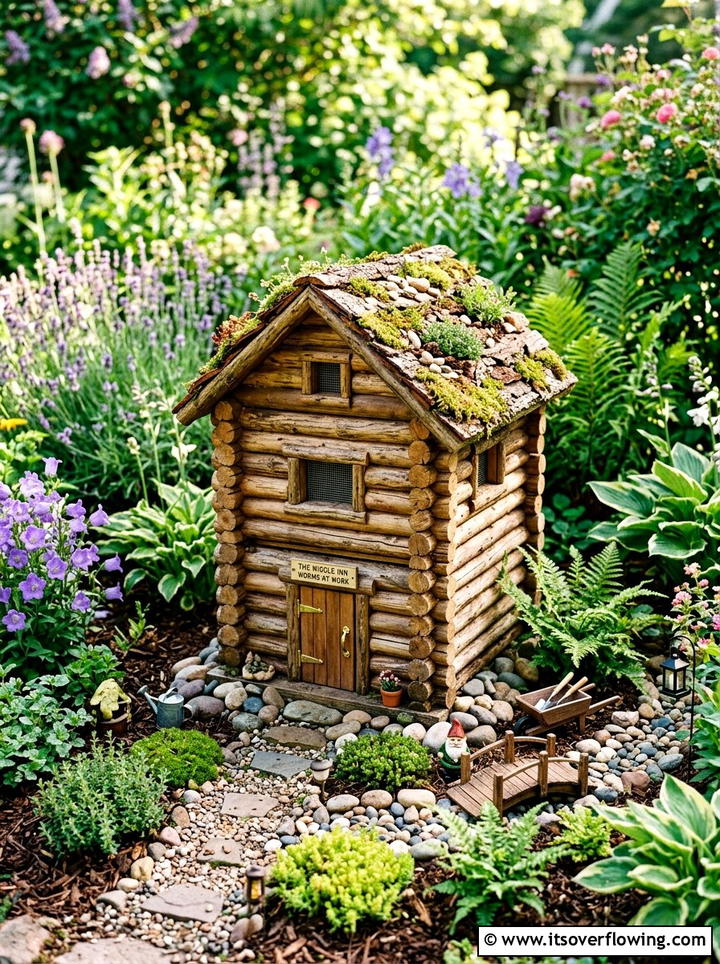
Building a log cabin style worm box is a fun and creative way to use small branches and logs cleared from your property. By stacking the logs in a cross-hatch pattern, you create a sturdy and ventilated structure that looks like a miniature cabin. This design is perfect for a whimsical or fairy-themed garden. You can line the inside with cardboard to help hold the bedding in place while the worms work their magic. This recycled wood project is completely biodegradable and will eventually nourish the soil itself as the logs break down over time. It is a charming way to recycle yard waste while providing a cozy home for your worms.
21. Organic Straw Bale Worm Garden
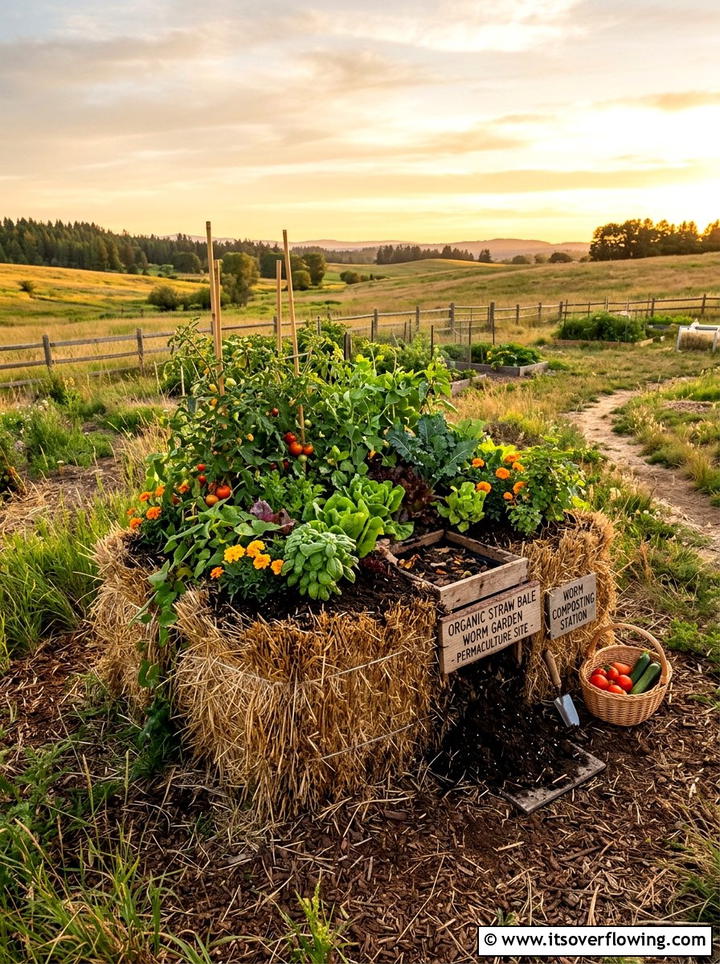
Using straw bales as a temporary worm bin is an innovative way to build soil health while growing food simultaneously. As the straw bale begins to decompose, it creates a warm and moist environment that worms absolutely love. You can hollow out the center of the bale, add your worms and food scraps, and then plant vegetables directly into the top of the straw. This recycled agricultural product provides excellent insulation and drainage for the vermiculture system. Once the bale has fully broken down at the end of the season, the entire thing can be spread across your garden as rich mulch. It is a zero-waste gardening method that is incredibly effective.
22. Repurposed Dresser Worm Unit
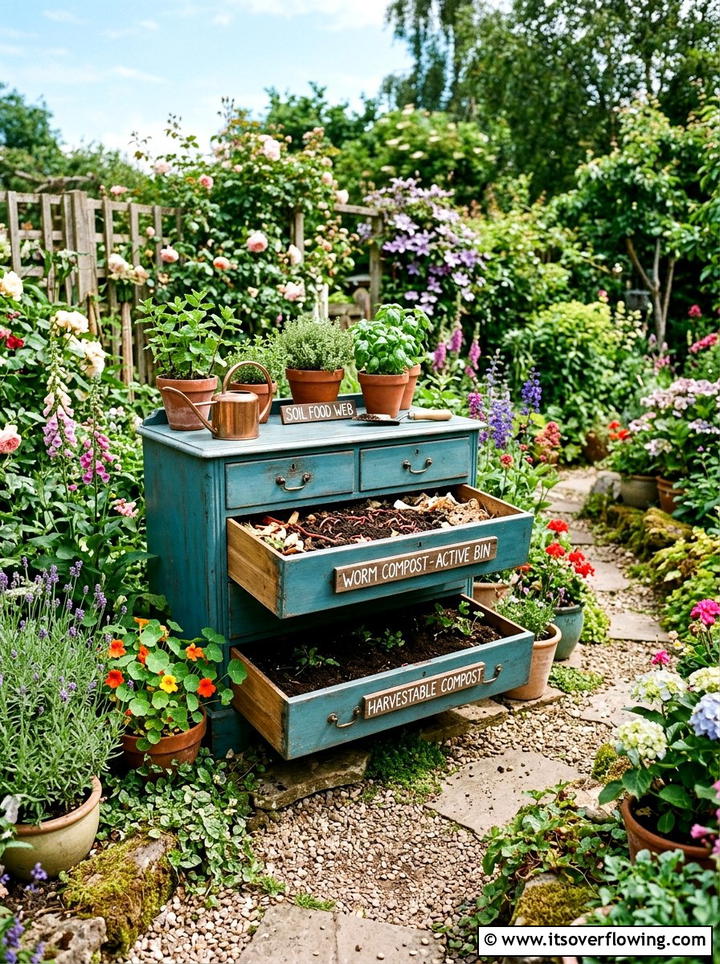
An old dresser that is no longer fit for the house can find a second life as a multi-tiered worm composting station in your garden. Each drawer can represent a different stage of the composting process, from fresh scraps to finished castings. By removing the bottom of the upper drawers and replacing them with wire mesh, you allow the worms to move upward as they finish their work. This vertical design is space-efficient and provides a unique, vintage look to your outdoor area. It is important to use a non-toxic sealant to protect the wood from moisture. This recycled furniture project is a creative way to combine art and utility.
23. Galvanized Metal Trough Worm Farm
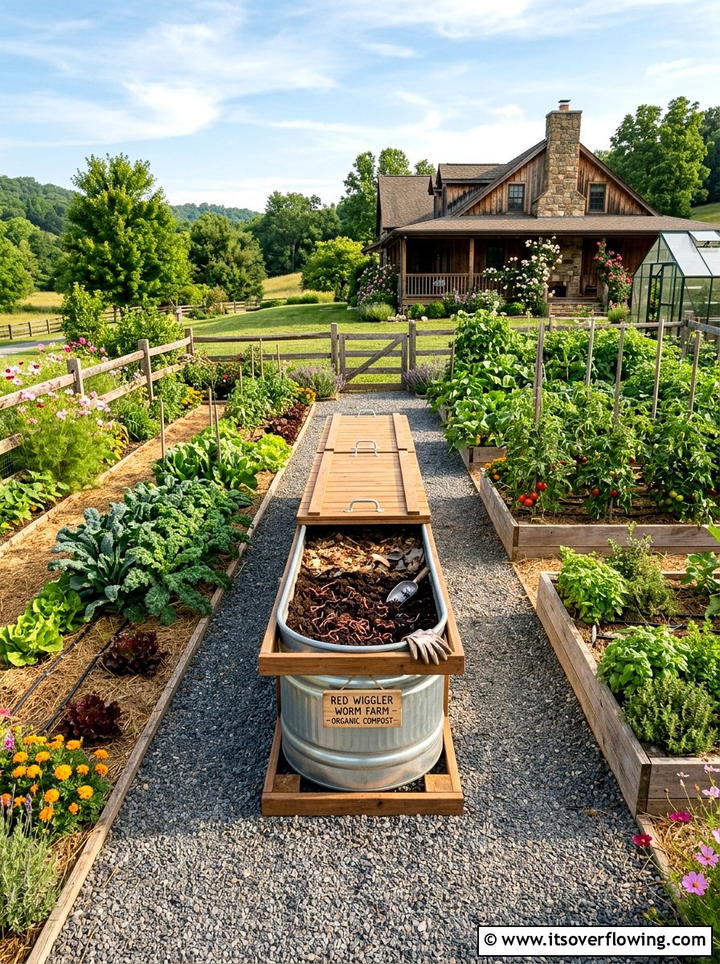
Large galvanized metal troughs, often used for livestock, make exceptional worm farms for serious gardeners. These troughs are spacious enough to handle a high volume of kitchen and garden waste, making them ideal for large families. You can set the trough on a slight incline and drill a hole at the lower end to collect liquid fertilizer. The metallic finish adds a modern farmhouse touch to your garden design while providing a very durable container for your worms. Because they are so large, they offer great stability for the internal environment, protecting the worms from rapid temperature changes. This recycled trough is a professional-grade solution for home-scale vermiculture.
24. Hanging Plastic Bucket Worm Garden
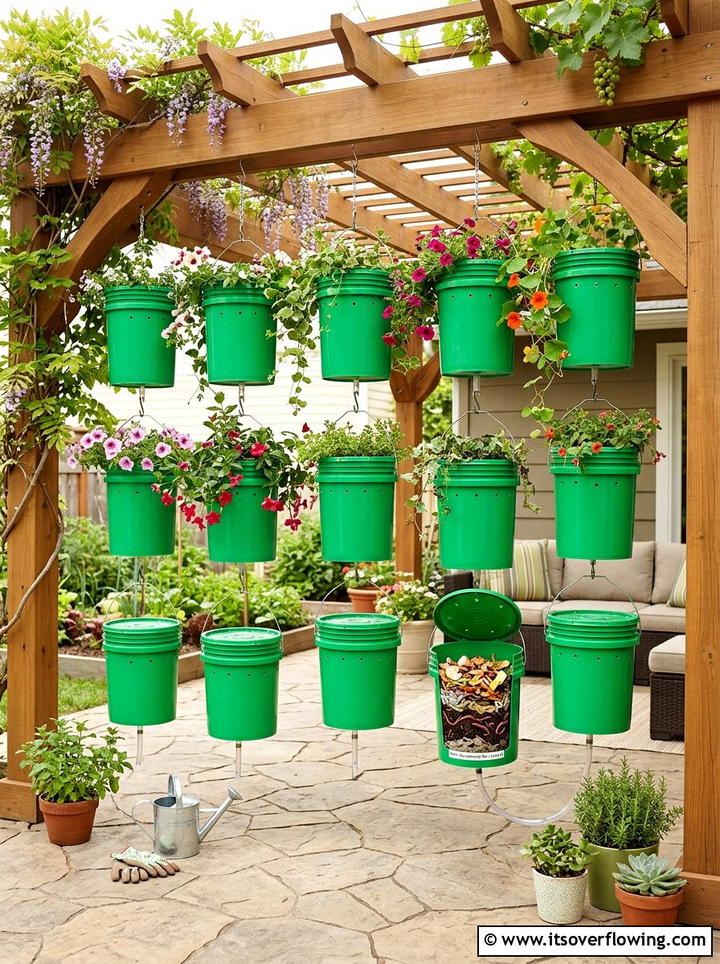
If you are worried about pests or simply have no ground space, a hanging plastic bucket worm bin is a fantastic alternative. By using recycled buckets and sturdy ropes, you can suspend your worm farm from a porch beam or a strong tree branch. This keeps the worms safe from rodents and allows you to easily collect liquid runoff into a container below. You can even grow trailing plants like strawberries or herbs from the sides of the bucket for a dual-purpose garden feature. This vertical approach is perfect for apartment dwellers with small balconies. It is a smart way to recycle plastic while keeping your garden productive and off the ground.
25. Terra Cotta Pot Worm Tower
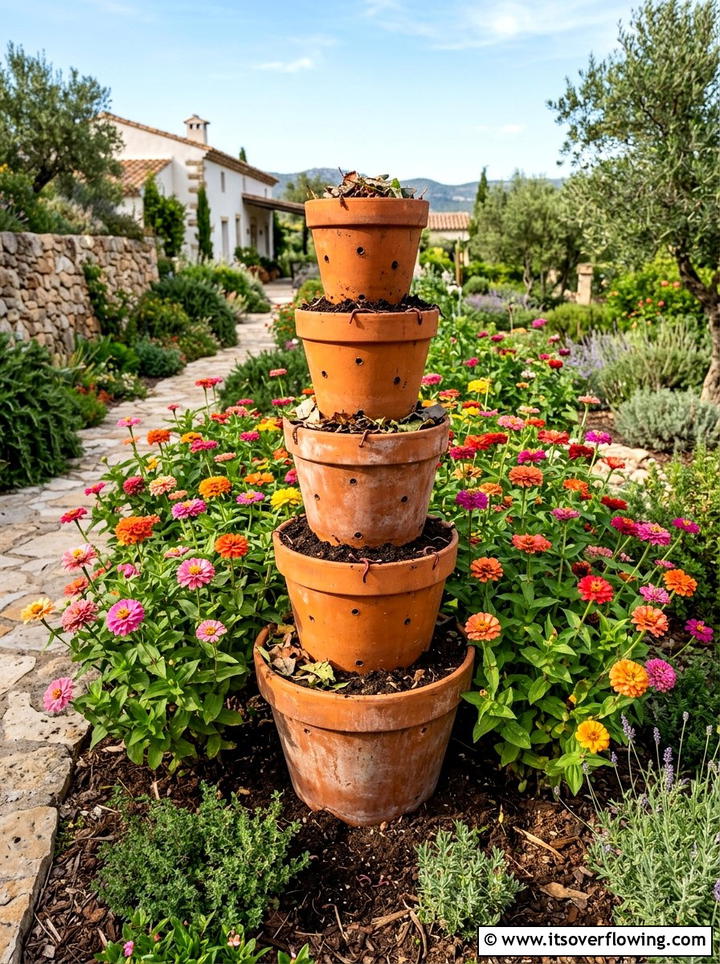
Broken or unused terra cotta pots can be stacked to create a beautiful and natural-looking worm tower for your flower beds. Terra cotta is a breathable material that helps regulate both moisture and temperature, which is ideal for a healthy worm population. You can use a large pot as the base and stack smaller ones on top, creating a tiered effect that mimics a traditional garden sculpture. The worms can move through the drainage holes between the pots as they process food scraps. This recycled clay system looks elegant and blends in seamlessly with any garden style. It is a simple and artistic way to turn old pottery into a valuable garden tool.
Conclusion:
Embracing recycled garden elements to house your worm bins is a powerful step toward a more sustainable and productive lifestyle. These twenty-five ideas demonstrate that you do not need expensive equipment to create a thriving vermiculture system that benefits your plants. By looking at everyday items like tires, buckets, and old furniture with a creative eye, you can reduce waste while building rich soil for free. Whether you have a vast backyard or a tiny balcony, there is a recycled worm bin design that will work for your unique space. Start small with a simple bucket or go big with a repurposed bathtub, and watch your garden flourish. Each of these projects helps close the loop on food waste while making your outdoor space more vibrant.

Related posts:
 25 recycled garden ideas with vertical bottle wall: DIY Guide
 25 Upcycled Garden Ideas With Compost Bins for Greener Gardens
 25 recycled garden ideas with storage bins for Smart DIY
 25 recycled garden ideas with leaf mold bins: Eco DIYs
 25 recycled garden ideas with recycled glass art to Love
 25 recycled garden ideas with recycled metal art to Try
 25 recycled garden ideas with recycled plastic projects
 25 recycled garden ideas with recycled wood art to Try
 25 Recycled Garden Ideas DIY Projects for Outdoor Charm
 25 recycled garden ideas with buckets: Budget DIY Planters
 25 recycled garden ideas with hanging bottle planters: DIY
 25 recycled garden ideas with plant labels for Easy DIY