
Transforming your backyard doesn’t require a massive budget when you have empty plastic containers waiting in your recycling bin. Using milk jugs for garden projects is one of the most effective ways to practice sustainability while creating a functional and beautiful outdoor space. These versatile plastic vessels can be easily cut, painted, and reshaped into almost any gardening tool or decorative element you can imagine. From clever irrigation solutions to charming bird feeders, the possibilities are endless for creative homeowners. By repurposing these items, you prevent waste from entering landfills and give your plants a unique, handcrafted environment where they can thrive throughout every season. This approach is affordable, fun, and environmentally friendly for gardeners of all skill levels.
1. Vertical Garden Wall
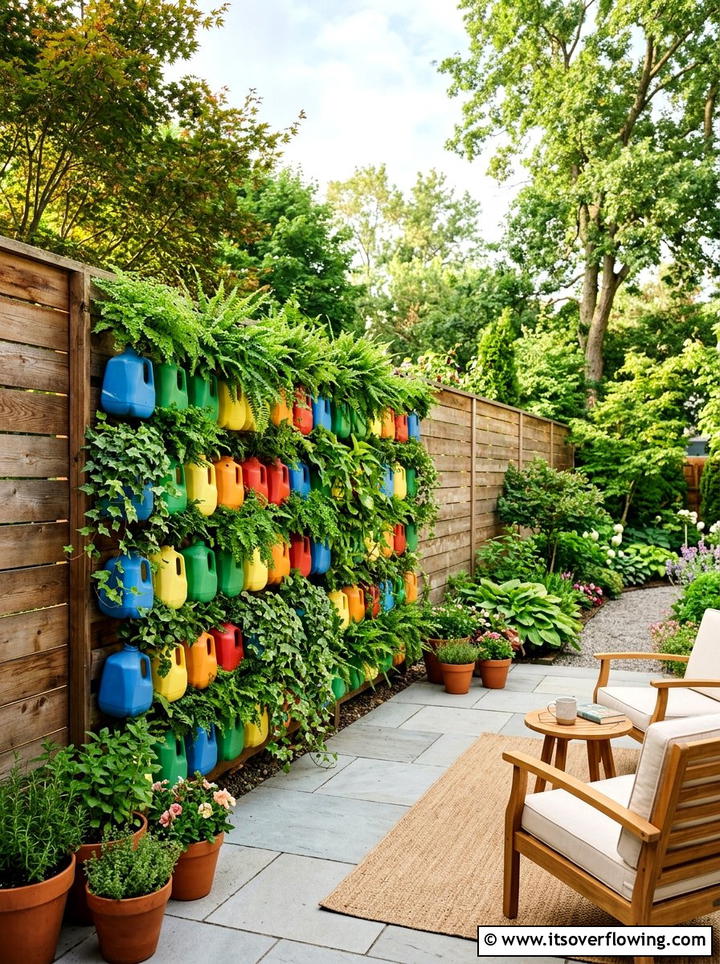
Imagine walking out to a lush wall of greenery that costs next to nothing to assemble using your leftover plastic containers. A vertical garden wall made from milk jugs is an excellent solution for urban gardeners with limited ground space. You can cut the sides of the jugs to create pockets and then securely mount them to a wooden fence. This setup allows you to grow trailing vines, leafy greens, or bright annual flowers in a compact footprint. The plastic provides a durable home for soil that stands up well against outdoor elements. Using bright paint on the jugs can turn this functional structure into a vibrant piece of living art for your patio.
2. Milk Jug Bird Feeder
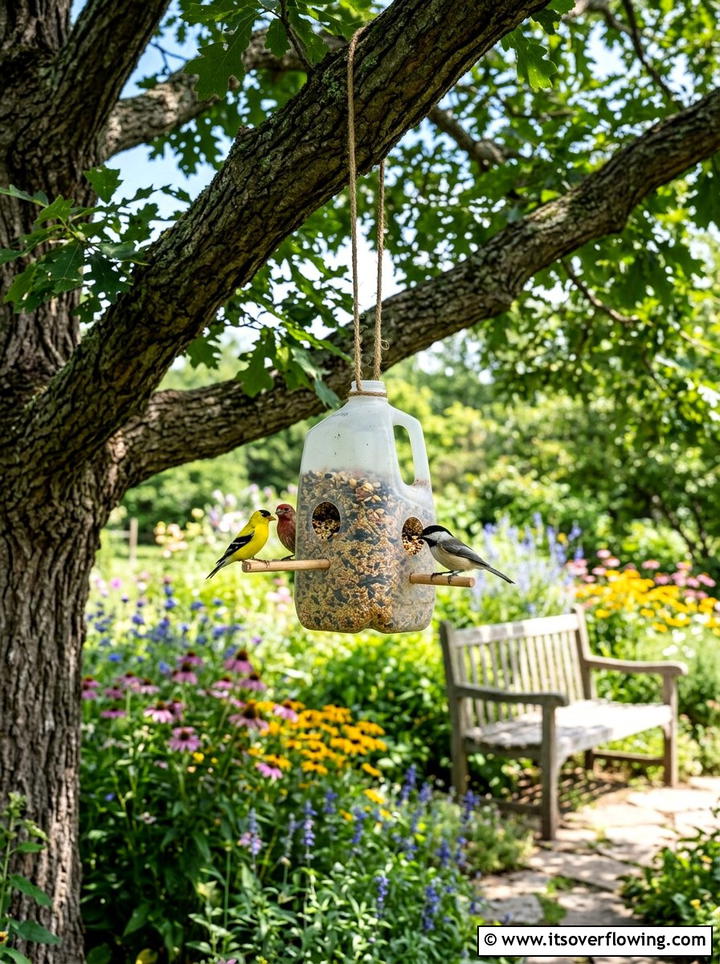
Do you want to invite beautiful songbirds into your backyard without spending money on expensive hardware? Creating a bird feeder from a repurposed milk jug is a simple afternoon project that offers hours of nature watching. You can cut large holes in the sides of the container to allow birds easy access to the seeds inside. Adding a wooden dowel through the bottom creates a perfect perch for your feathered visitors to rest on. These lightweight feeders are easy to hang from tree branches using a bit of twine. They are also incredibly easy to clean and refill whenever the seed supply gets low, helping the local ecosystem effectively.
3. Seed Starting Trays
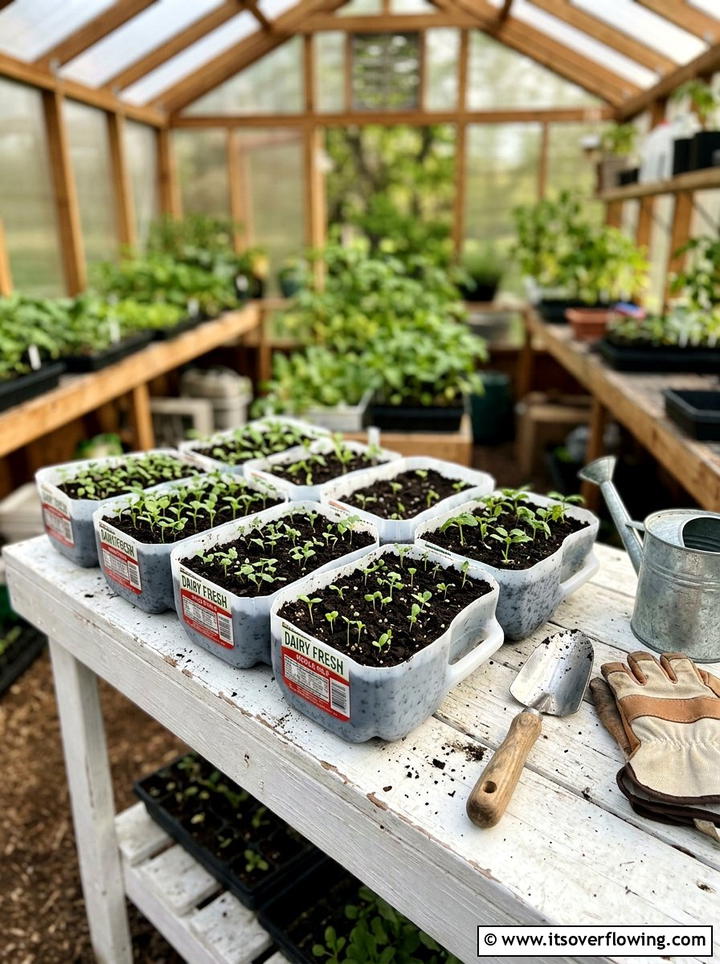
Are you looking for a cost-effective way to get your spring garden growing early indoors before the final frost hits? Milk jugs make incredible seed starting trays because they act like miniature greenhouses for your delicate young plants. You can cut the bottom few inches of several jugs to create shallow basins that hold soil and moisture perfectly. Poking small drainage holes in the bottom ensures that your seedlings do not sit in stagnant water. The clear plastic allows sunlight to reach the soil while trapping heat to encourage faster germination. These individual containers are easy to move around your windowsill to catch the best light daily.
4. Self Watering Planters
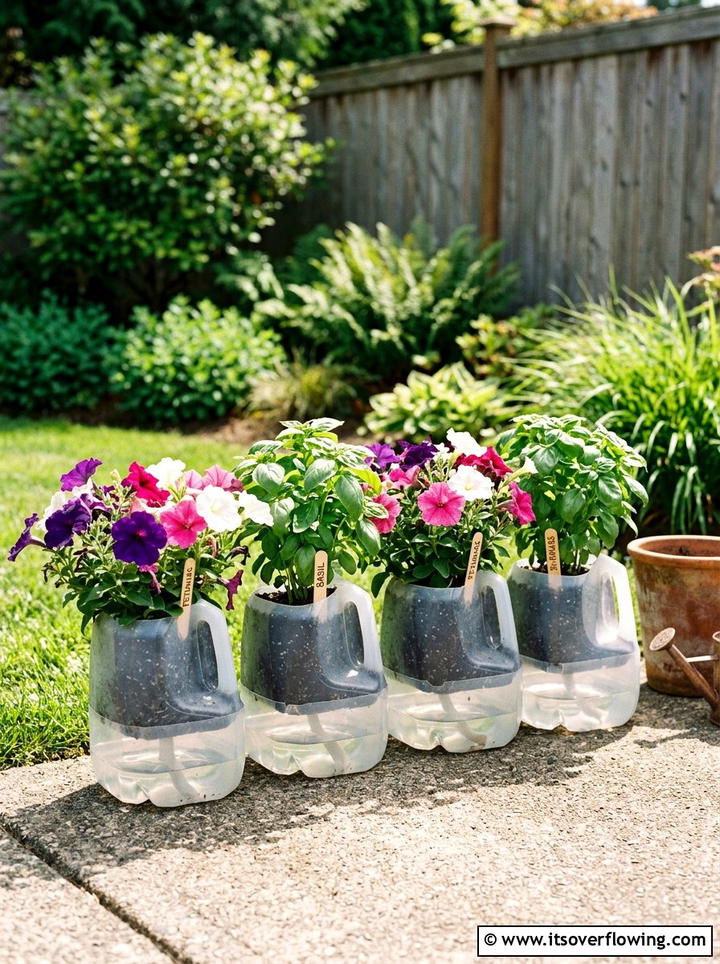
Have you ever struggled to keep your potted plants hydrated during the hottest days of the summer season? A self-watering planter made from a milk jug can solve this problem by providing a consistent moisture source for your flowers. You simply cut the jug in half and flip the top portion upside down into the bottom base. By placing a strip of wicking fabric through the cap, water is pulled up from the reservoir into the soil above. This system ensures that your plants receive exactly the amount of water they need without constant manual monitoring. It is a fantastic choice for thirsty herbs or small vegetables.
5. Garden Cloche For Frost
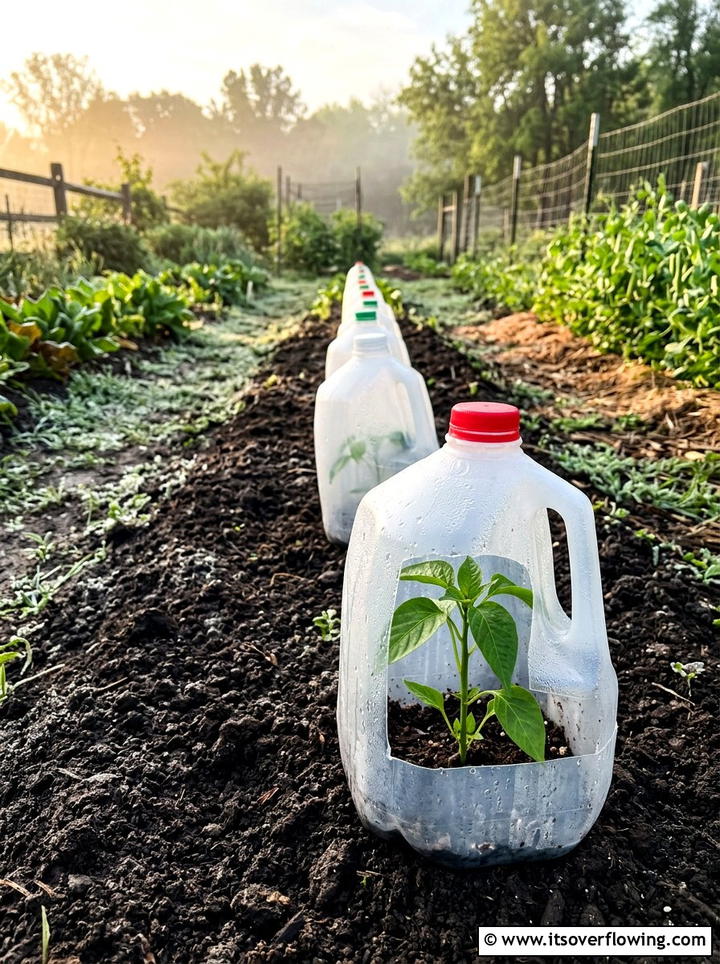
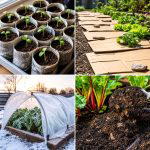
Protective covers are essential when unexpected late spring frosts threaten to damage your tender young vegetable starts. A garden cloche made from a clear milk jug provides a simple and effective shield against cold temperatures and biting winds. By cutting off the bottom of the jug and placing it over your plant, you create a warm microclimate. You can leave the cap off during the day to allow for proper ventilation and heat escape. When the temperature drops at night, simply screw the cap back on to trap the residual warmth from the soil. This technique extends your growing season and gives your plants a head start.
6. Milk Jug Watering Can
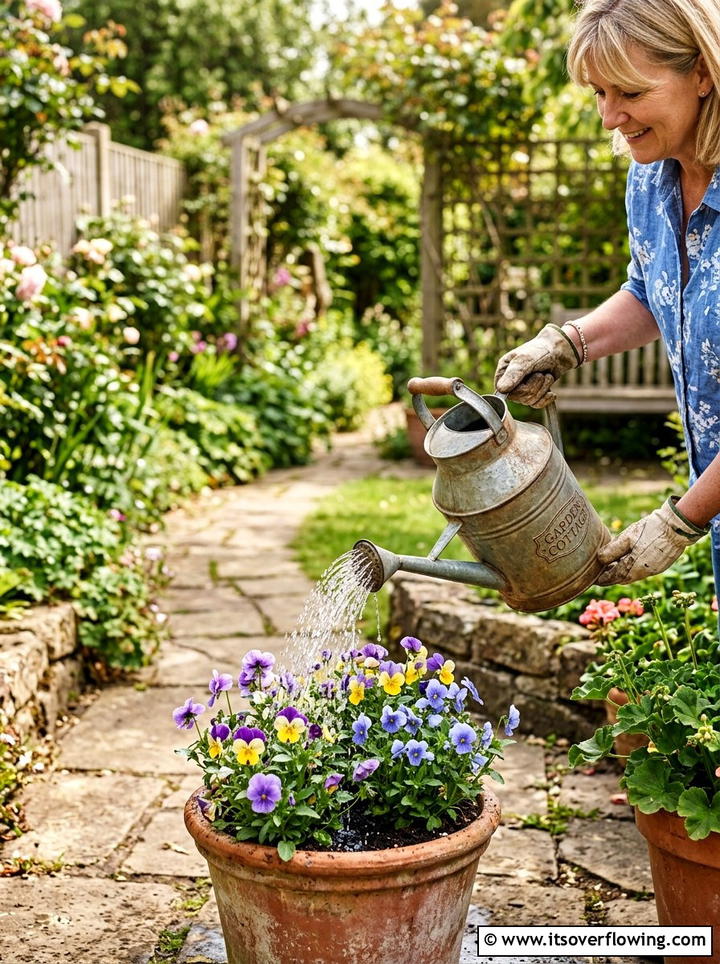
Why buy a plastic watering can when you can easily make a customized one from a container you already own? A milk jug watering can is lightweight, durable, and features a handle that makes it very easy to carry around the garden. You can create a gentle shower effect by poking several small holes into the plastic cap using a hot needle. This allows you to water delicate seedlings and flowers without washing away the soil or damaging fragile leaves. It is a great tool for teaching children how to care for plants because it is easy for small hands to grip and use safely.
7. Hanging Herb Garden
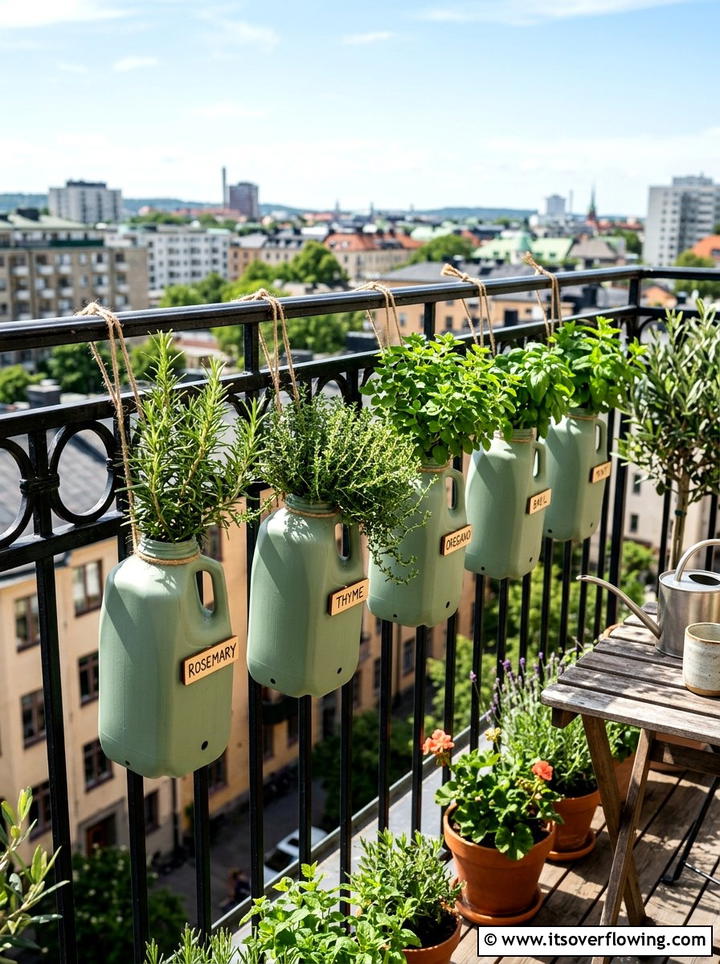
Fresh herbs are a luxury that every home cook deserves to have within easy reach of the kitchen door. A hanging herb garden using milk jugs allows you to grow basil, mint, and cilantro even if you have zero yard space. You can cut large windows into the sides of the jugs and fill them with high-quality potting mix. Using sturdy rope, you can stack these containers vertically against a sunny wall or hang them from a porch railing. This elevated position keeps your herbs away from ground-level pests while making harvesting incredibly convenient. The jugs are easy to move to adjust their sunlight exposure.
8. Milk Jug Garden Path Edging
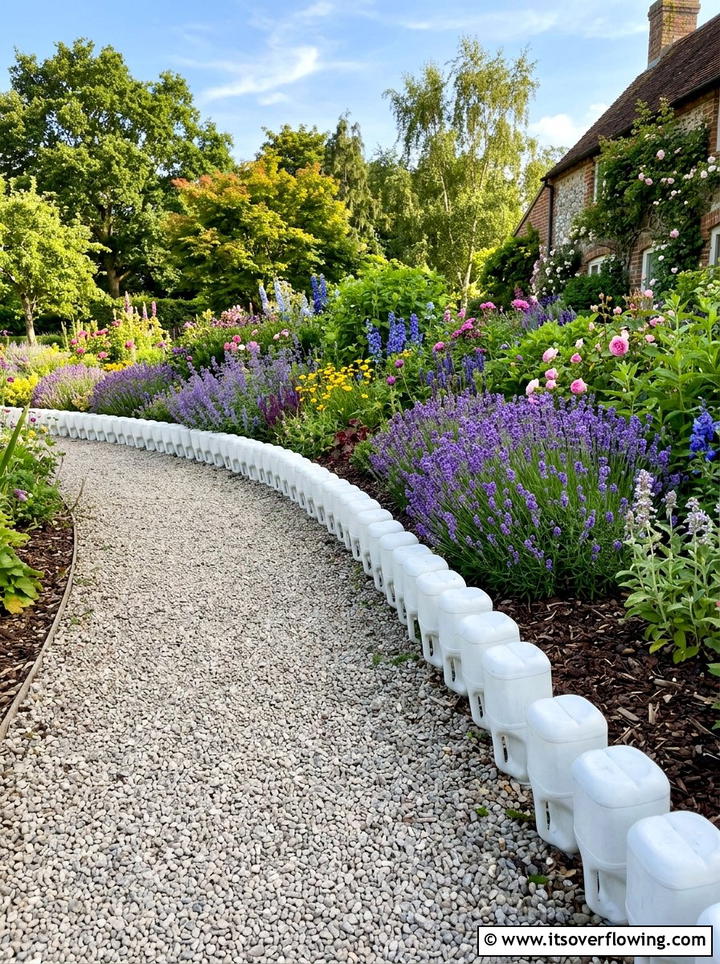
Defining the borders of your garden beds adds a professional and polished look to your landscape design. You can use inverted milk jugs buried halfway into the ground to create a unique and uniform garden path edging. Filling the jugs with sand before burying them provides weight and stability so they stay in place during heavy rain. The rounded bottoms of the jugs create a decorative scalloped pattern that looks great along curved walkways. You can paint them in a stone-like gray or bright white to match your home’s exterior style. This recycling project is a clever way to keep grass from creeping.
9. Drip Irrigation System
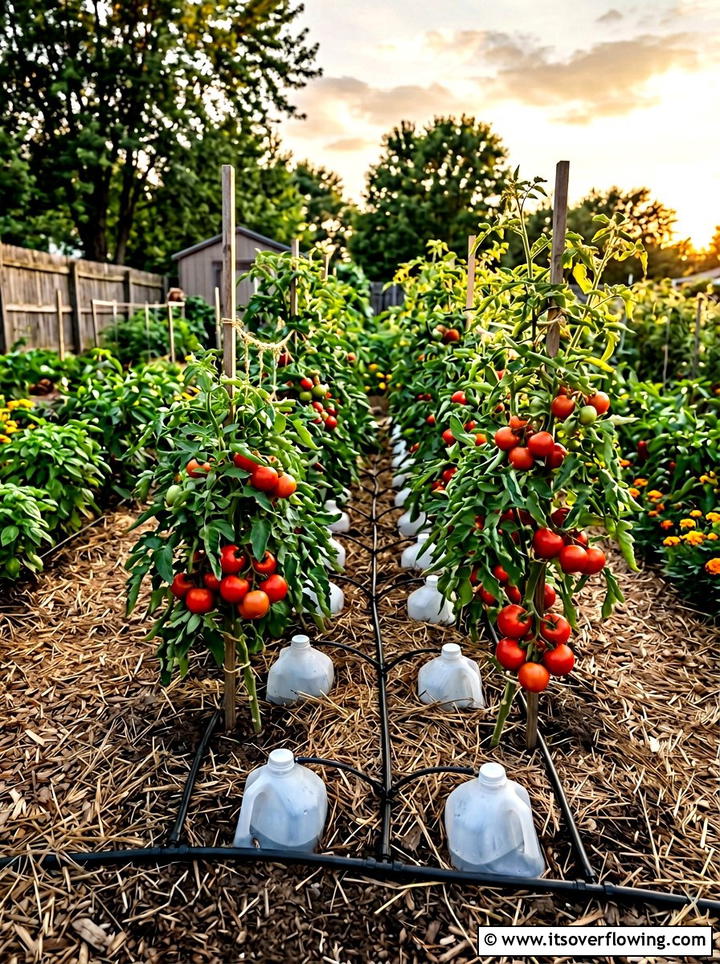
Deep watering is vital for the health of large vegetable plants like tomatoes that have extensive root systems. You can create a low-tech drip irrigation system by burying a milk jug with small holes poked in the sides next to your plants. When you fill the jug with water, it slowly seeps directly into the root zone over several hours. This method reduces water evaporation and ensures that the moisture reaches the parts of the plant that need it most. It also keeps the foliage dry, which helps prevent the spread of fungal diseases. This simple hack saves time and water while promoting growth.
10. Decorative Flower Pots
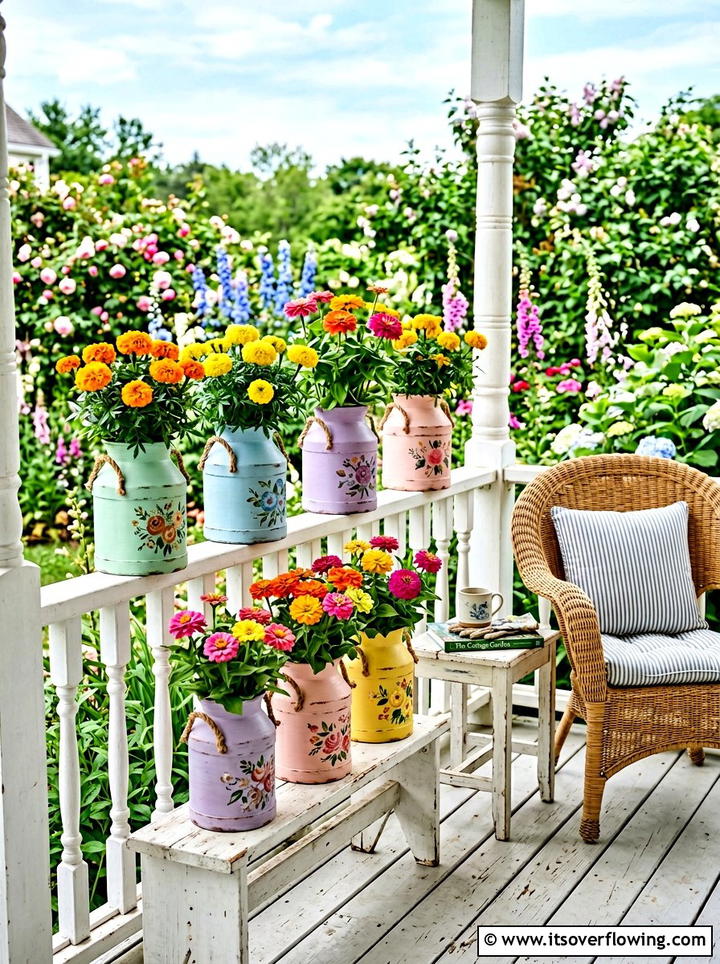
Plain plastic containers can be transformed into stunning decorative flower pots with just a little bit of creativity and paint. By cutting off the top of a milk jug, you create a perfect vessel for colorful annuals or cascading succulents. You can use outdoor-rated spray paint to add patterns or solid colors that complement your patio furniture. Adding a layer of twine around the exterior can give the pots a rustic farmhouse look that hides the plastic material entirely. These custom pots are incredibly lightweight, making them easy to rearrange whenever you want to refresh the look of your outdoor living area effortlessly.
11. Garden Tool Storage
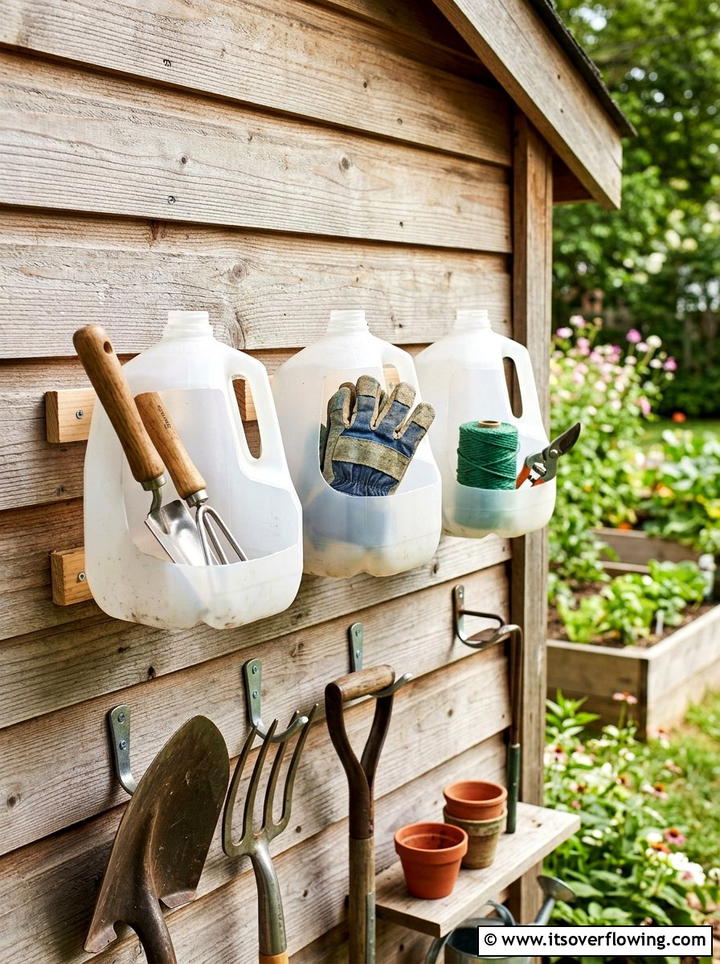
Keeping your small hand tools organized can be a challenge when you are busy working in the dirt all day. You can repurpose milk jugs into handy garden tool storage bins by cutting away a portion of the front while keeping the handle intact. These bins can be mounted on a garage wall to hold trowels, pruners, and gloves. The plastic is easy to wipe clean if it gets muddy, and it protects your metal tools from direct contact with damp ground. You can even label each jug to ensure every tool has a specific home. This system makes your gardening tasks much more efficient.
12. Plant Markers From Plastic
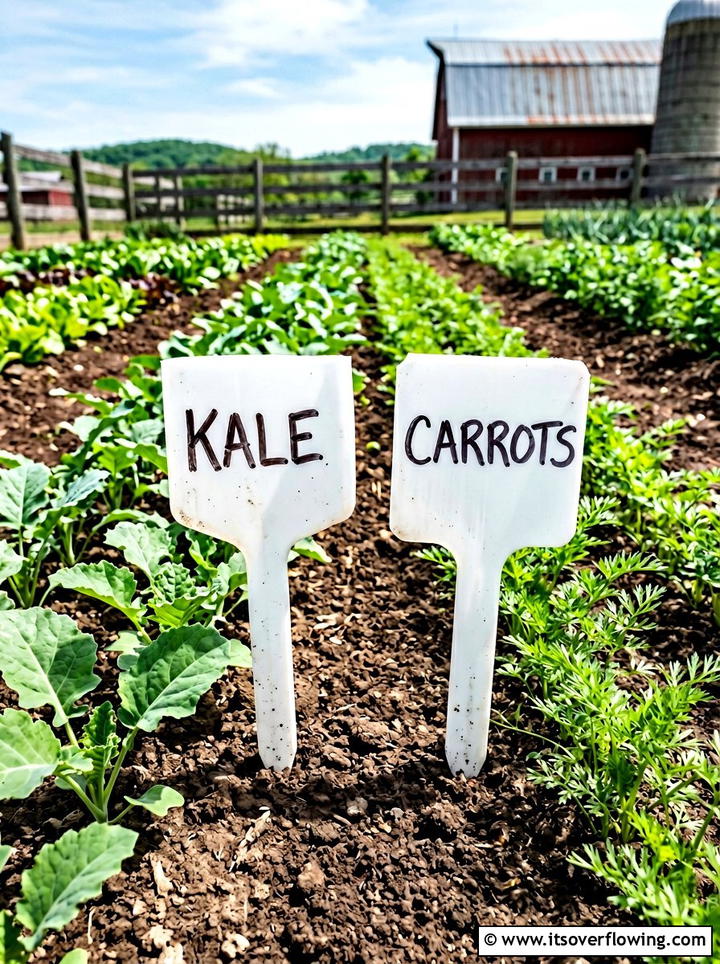
Knowing exactly what you planted and where is crucial for managing a successful and organized vegetable garden. You can create durable and waterproof plant markers by cutting flat strips of plastic from the sides of clean milk jugs. These strips are easy to write on using a permanent marker, and they will not rot like wooden stakes. You can cut them into simple pointed stakes that slide easily into the soil next to your rows. Because the plastic is white, the black ink stands out clearly, making it easy to read from a distance. This is a free way to keep track of varieties.
13. Greenhouse For Seedlings
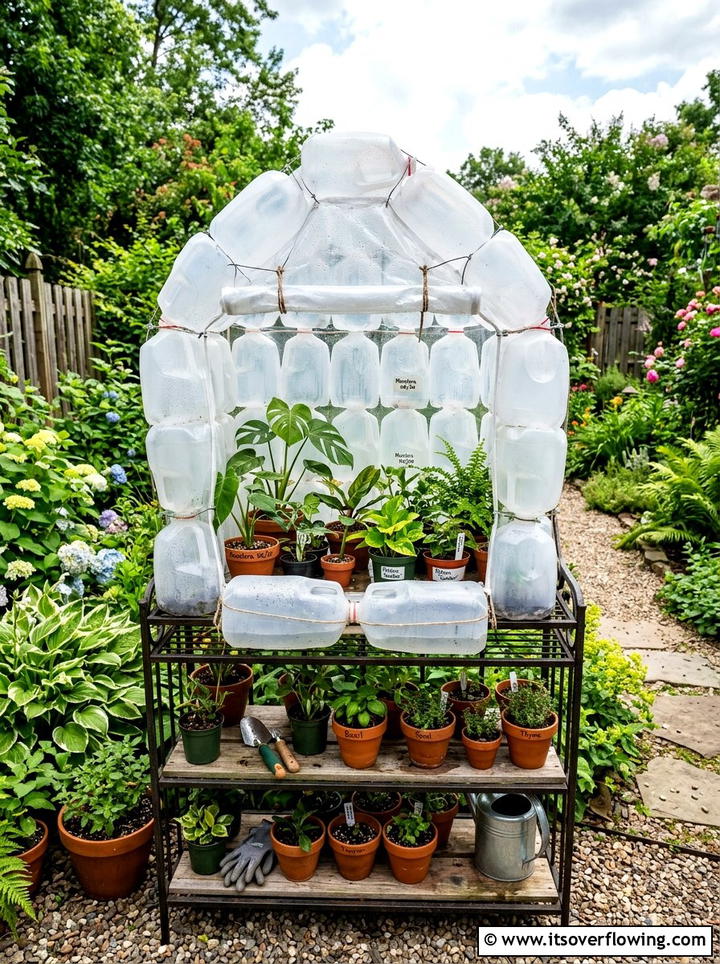
Creating a controlled environment for your most sensitive plants is easy when you use milk jugs as individual greenhouses. By cutting the bottom off a jug and placing it over a pot, you trap humidity and warmth that helps tropical plants thrive. This is particularly useful for starting cuttings or protecting exotic flowers that need a bit of extra pampering. The handle on the jug makes it easy to lift and check on your plants without disturbing the surrounding soil. You can adjust the internal temperature by simply opening or closing the cap on the top. This simple trick allows for better climate control.
14. Milk Jug Fairy House
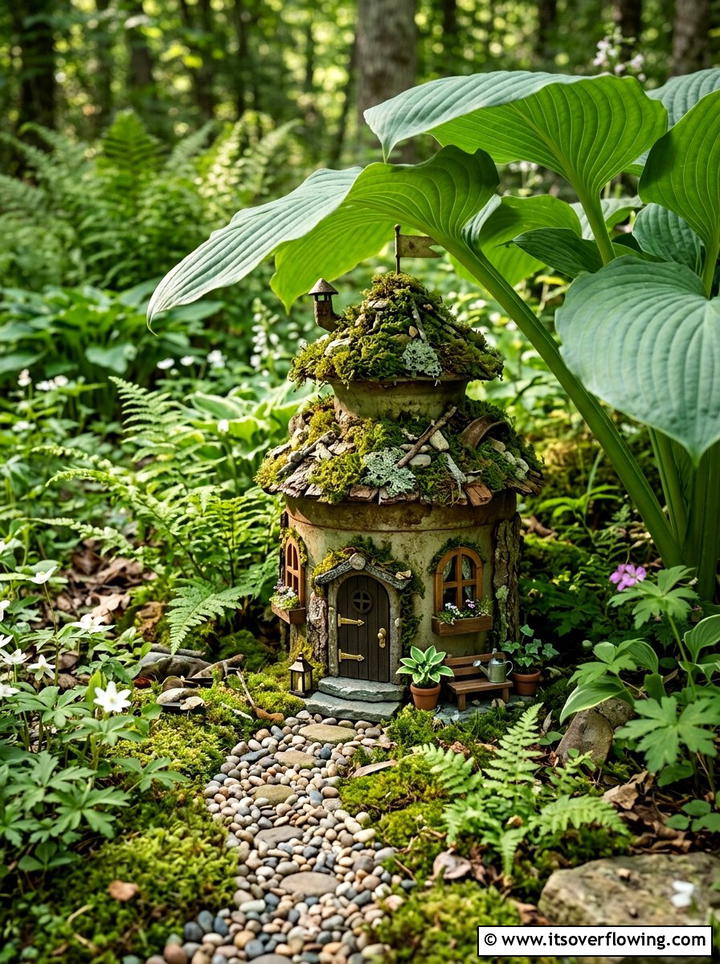
Adding a touch of whimsy to your garden can make the space feel magical for both children and adults alike. You can use milk jugs as the base for charming fairy houses tucked away under hostas or near a garden pond. By cutting out small doors and windows, you create a structure that can be decorated with pebbles and moss using outdoor glue. The plastic provides a waterproof shell that protects the delicate interior decorations from rain. You can even place a small battery-operated light inside to make the house glow during the evening hours. This project encourages imaginative play and adds unique character.
15. Hydroponic Growing System
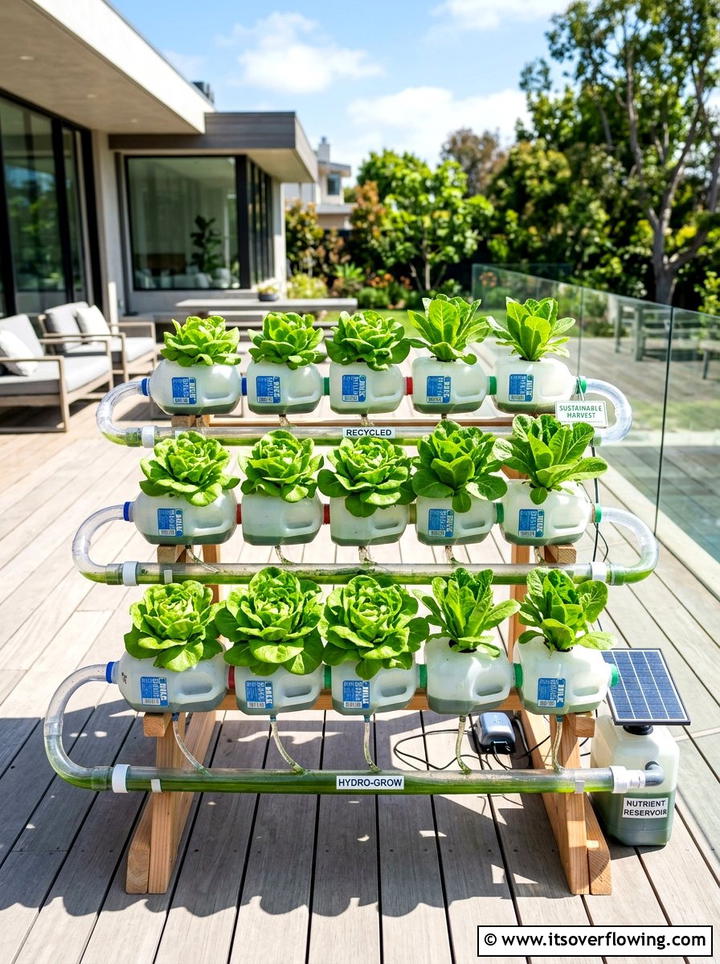
If you want to try gardening without any soil, milk jugs can be used to build a basic hydroponic growing system. This method involves growing plants in a nutrient-rich water solution, which can lead to faster growth. You can cut a hole in the top of the jug to hold a net pot filled with clay pebbles. The reservoir below holds the water and liquid fertilizer, providing constant nourishment to the roots hanging inside. This setup is perfect for growing lettuce on a sunny balcony or even inside a bright window. It is a clean way to produce food that minimizes soil-borne pests.
16. Garden Scoop Tool
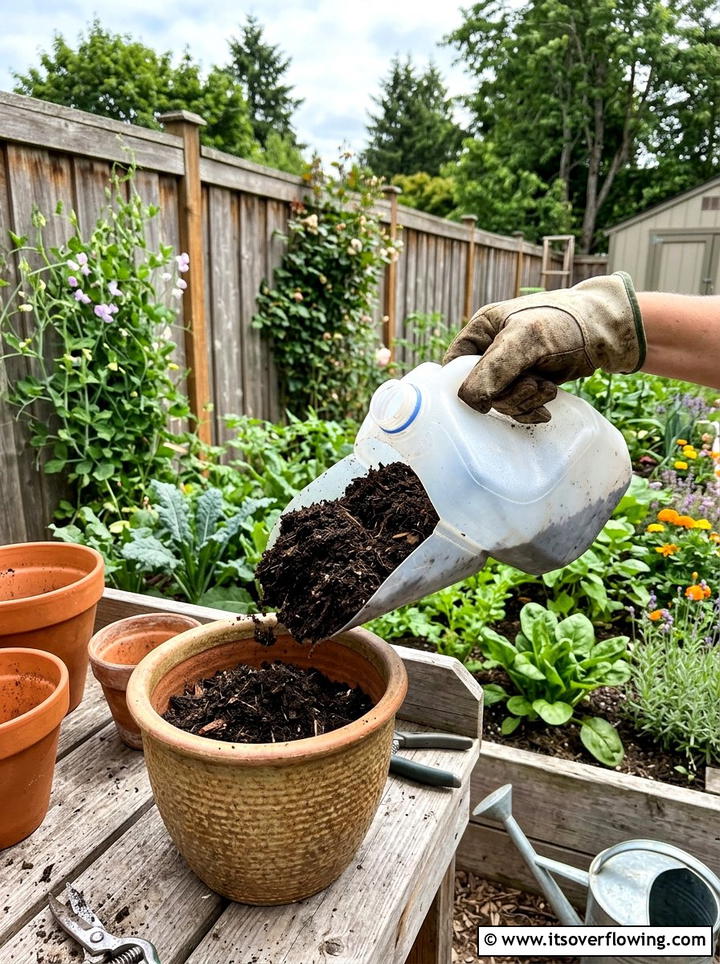
Moving potting soil from a large bag into smaller containers can be a messy task without the right equipment. You can craft a custom garden scoop tool from a milk jug by cutting the bottom off at a sharp diagonal angle. Keeping the handle attached gives you a sturdy grip that makes it easy to scoop up large amounts of material with very little effort. The flexible plastic allows you to squeeze the sides together, creating a funnel shape for precise pouring into narrow pots. This recycled tool is surprisingly durable and can handle heavy soil or compost without breaking during regular garden use.
17. String Light Lanterns
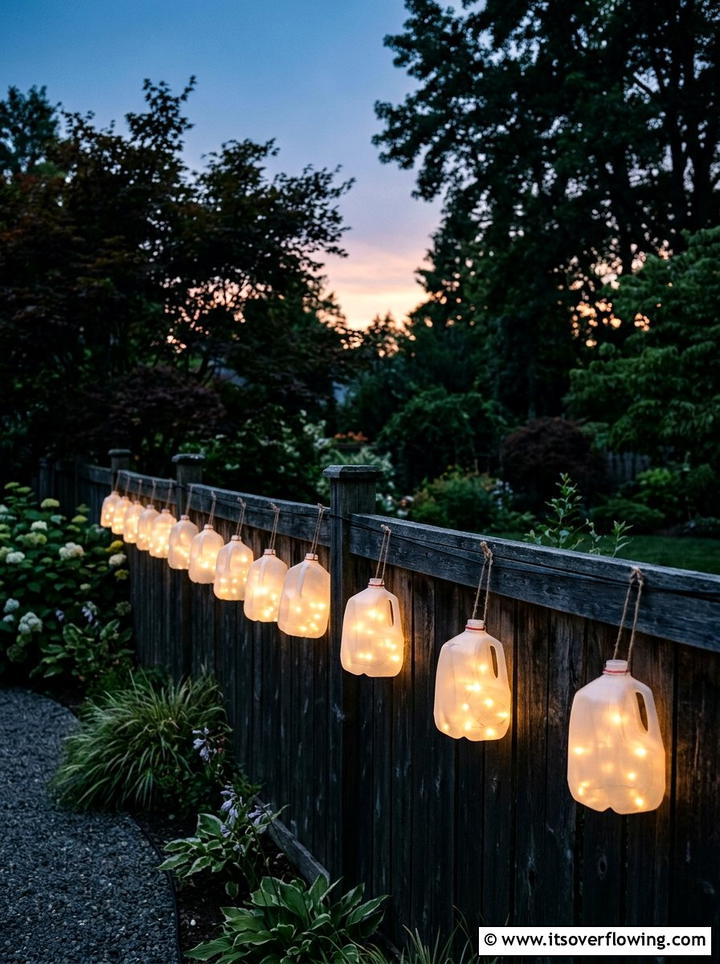
Illuminating your garden at night creates a cozy and inviting atmosphere for evening gatherings with friends and family. You can make beautiful string light lanterns by placing LED fairy lights inside clean milk jugs that have been decorated with translucent paint. The plastic diffuses the light, creating a soft and magical glow that looks wonderful hung along a fence. You can cut decorative patterns into the sides of the jugs to cast interesting shadows on the ground below. These lanterns are weather-resistant and provide a safe way to house lights outdoors. This project is a fantastic way to light up a dark corner.
18. Strawberry Tower Planter
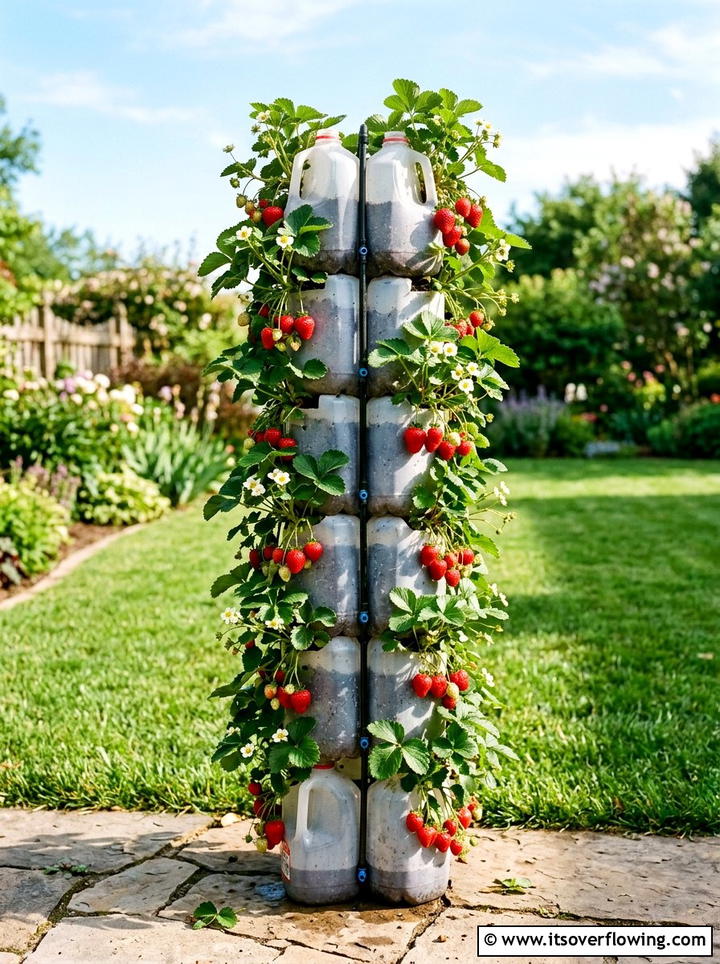
Strawberries thrive when they have plenty of room for their runners to spread and their fruit to hang away from the damp soil. You can create a vertical strawberry tower by stacking several milk jugs on top of each other with holes cut into the sides. This design allows you to grow many plants in a very small area, making it perfect for small patios. The vertical orientation ensures that each plant receives adequate sunlight and air circulation, which helps prevent fruit rot. Watering from the top allows moisture to trickle down through each level, ensuring every plant stays hydrated and healthy all summer.
19. Milk Jug Privacy Screen
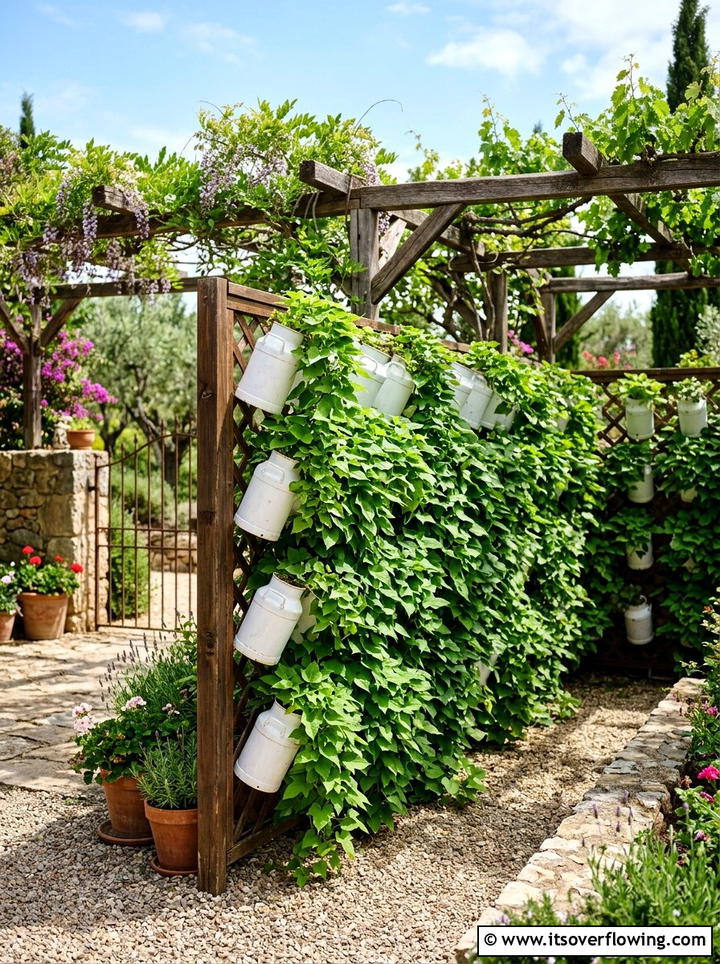
Creating a sense of seclusion in your backyard is often a top priority for homeowners living in crowded neighborhoods. You can build a unique privacy screen by stringing together a large number of painted milk jugs and hanging them from a wooden frame. Filling the jugs with trailing plants like ivy will eventually cover the plastic with a wall of living foliage. This provides a natural-looking barrier that blocks the view of neighbors while still allowing a gentle breeze to flow through. The jugs act as lightweight planters that are easy to maintain. This creative screening solution is much more affordable than traditional fencing.
20. Insect Hotel Structure
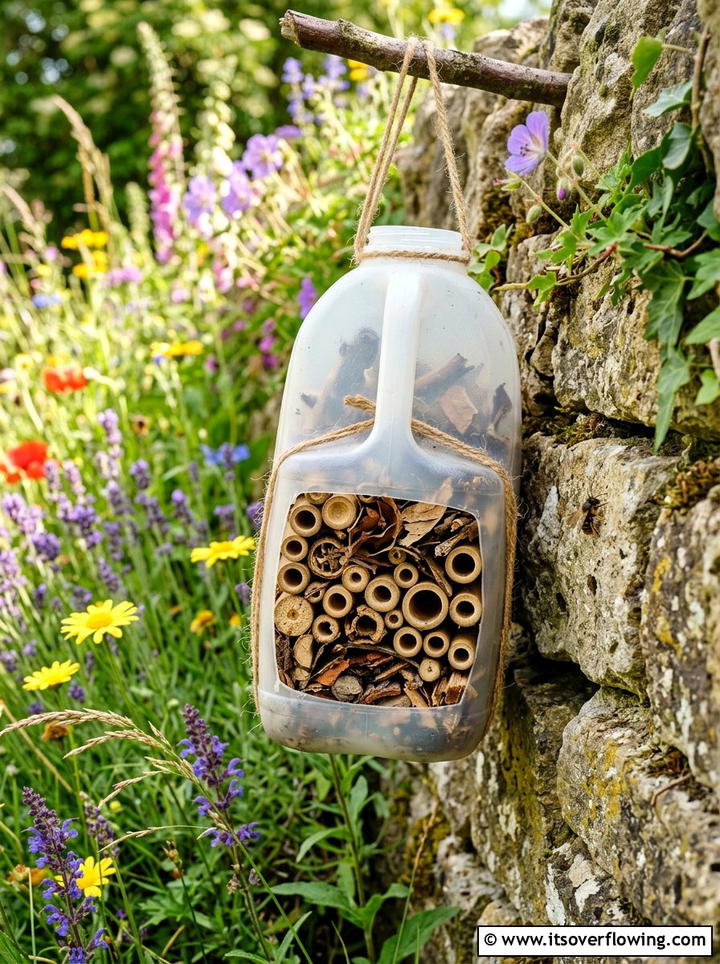
Supporting local biodiversity is a wonderful goal for any gardener, and you can help by building a simple insect hotel using milk jugs. By cutting out the side of a jug and filling it with natural materials like hollow reeds and pinecones, you create a habitat for beneficial bugs. Solitary bees and ladybugs will find shelter in these cozy nooks, helping to pollinate your flowers and control garden pests naturally. You can hang these structures in a quiet, sunny spot where they will be undisturbed. The plastic outer shell keeps the nesting materials dry and protected from the wind and heavy rain.
21. Raised Bed Dividers
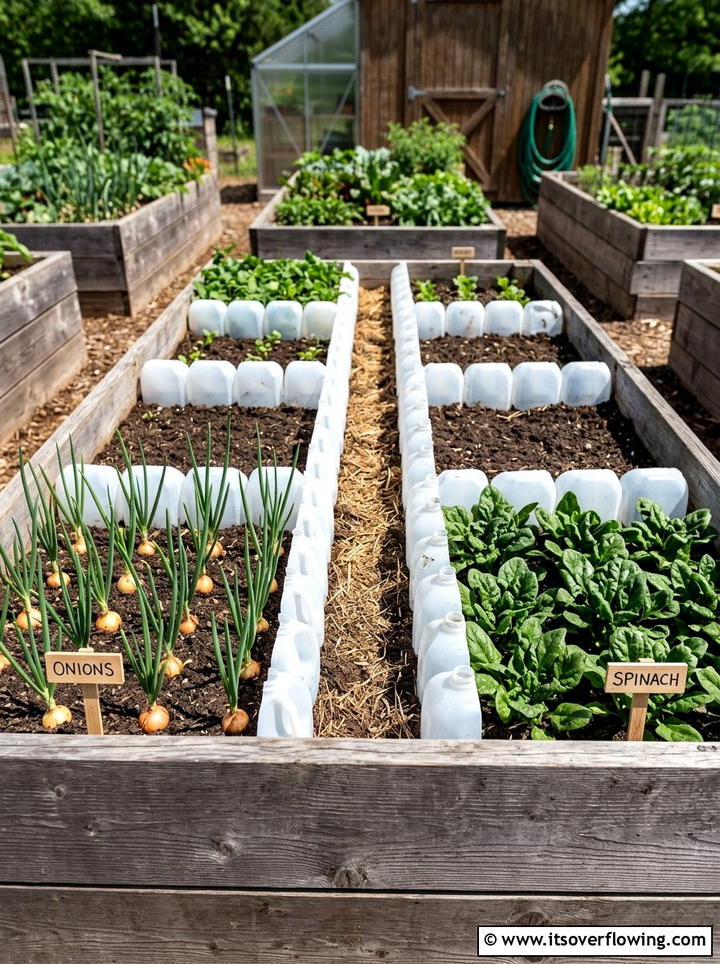
Keeping different varieties of vegetables separated in a large raised bed can help prevent overcrowding and simplify your garden maintenance. You can use milk jugs as sturdy dividers by burying them in rows to create distinct sections for your various plants. This is particularly helpful for plants that have invasive root systems, as the plastic walls help contain them to a specific area. You can also use these dividers to create paths within the bed, making it easier to reach the center without stepping on the soil. The jugs can be filled with sand to keep them firmly in place against the earth.
22. Compost Bin For Small Spaces
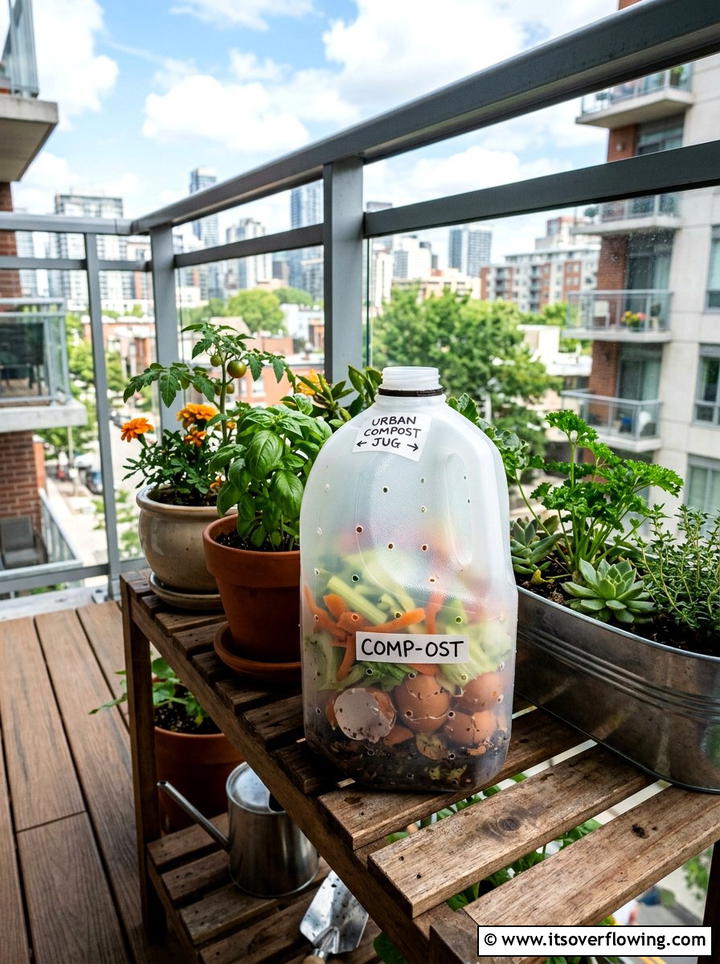
Even if you only have a small balcony, you can still participate in composting to create rich soil for your plants. A milk jug can be turned into a mini compost bin that is perfect for processing kitchen scraps like coffee grounds and vegetable peels. By poking numerous air holes in the sides, you allow for the aerobic decomposition needed to create healthy compost. You can keep this small bin tucked in a corner of your porch where it is easy to access. Shaking the jug occasionally helps to aerate the contents and speed up the breakdown process for your plants’ benefit.
23. Milk Jug Scarecrow

Protecting your ripening fruits from hungry birds can be a constant struggle during the peak growing season. You can create a friendly or frightening scarecrow for your garden using milk jugs for the head and limbs. Painting a face on the jug and attaching shiny ribbons can help deter birds by reflecting light and moving in the wind. These lightweight figures are easy to move around the garden to keep the birds from getting too comfortable in one spot. You can dress your scarecrow in old clothes to give it a classic look that adds character to your backyard and protects crops.
24. Automatic Pet Waterer
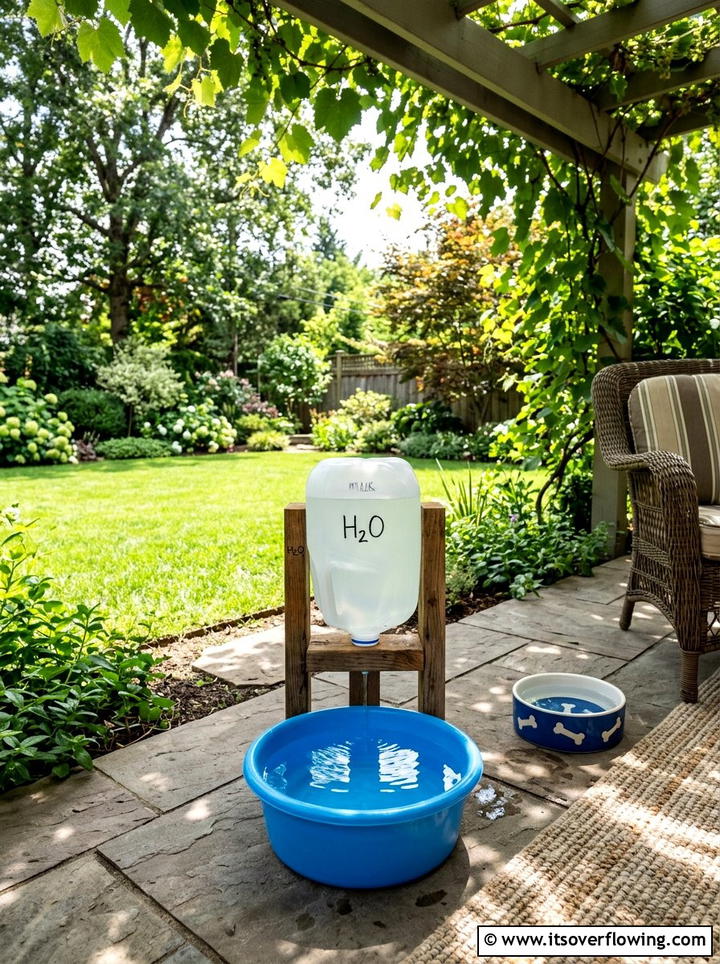
Keeping your pets hydrated while they are playing outside is essential, especially during the hot summer months. You can build a simple automatic pet waterer using a milk jug and a shallow bowl to ensure your furry friends always have fresh water. By creating a vacuum seal with the jug inverted into the bowl, water will automatically refill the dish as your pet drinks. This prevents the water from running out while you are away from home. The large capacity of a gallon jug means you don’t have to refill it as often. It is a durable solution that works perfectly on a shaded patio.
25. Succulent Display Wall
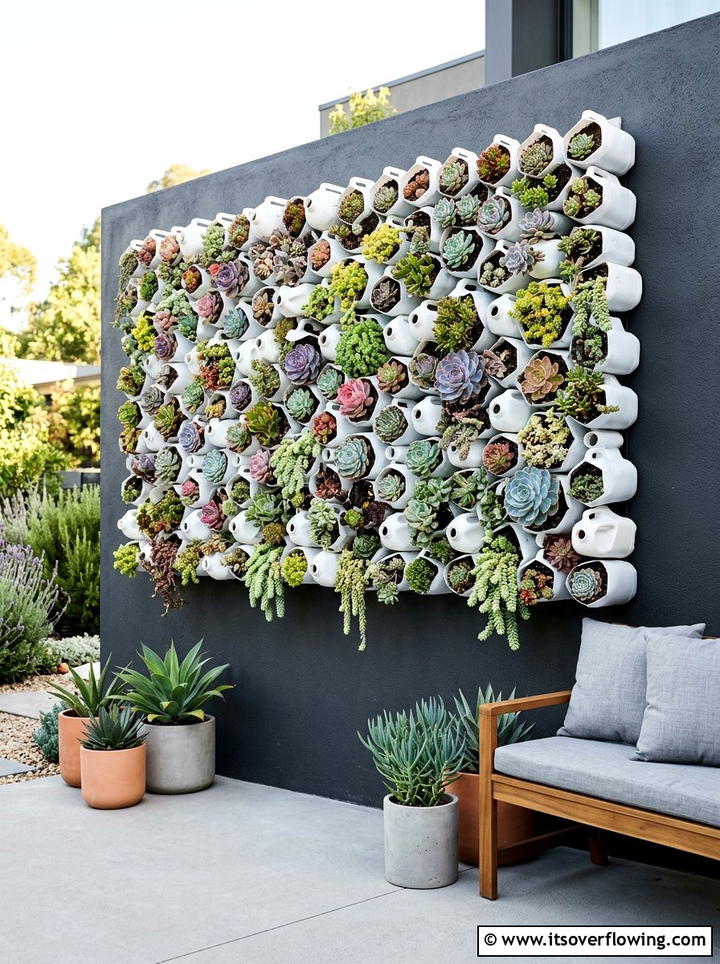
Succulents look stunning when displayed in a vertical arrangement. You can create a beautiful succulent display wall by cutting small holes into the sides of milk jugs and planting different varieties in each. The jugs can be painted in modern neutral tones like matte black to create a high-end look that belies their recycled origins. Mounting these containers on a rustic wooden pallet creates a focal point for your outdoor living space. Because succulents require very little water, these small containers are the perfect size for their slow-growing root systems. This wall adds a sophisticated and trendy touch to any modern garden or balcony area.
Conclusion:
Embracing the world of recycled garden projects with milk jugs is a rewarding journey that blends creativity with environmental responsibility. These ideas prove that you do not need expensive materials to achieve a professional and productive garden that brings joy to your daily life. By choosing to repurpose instead of discard, you make a meaningful impact on the planet while creating a unique outdoor space. Whether you are a seasoned gardener or a beginner, milk jugs offer a versatile and accessible starting point for all your outdoor adventures. Start saving your jugs today and watch your backyard flourish with sustainable innovation and handcrafted beauty. These projects are simple, effective, and perfect for every budget.

Related posts:
 25 recycled garden ideas with garden markers: Fun DIYs
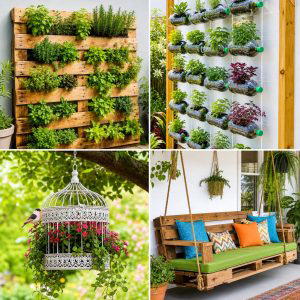 25 recycled garden ideas with pallet wall garden DIYs
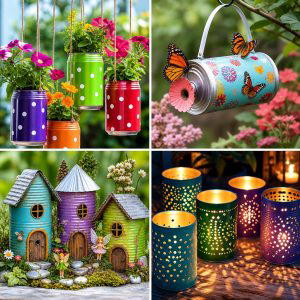 25 recycled garden ideas with aluminum cans: Clever DIYs
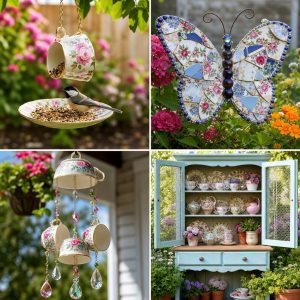 25 recycled garden ideas with chipped dishes: Pretty DIYs
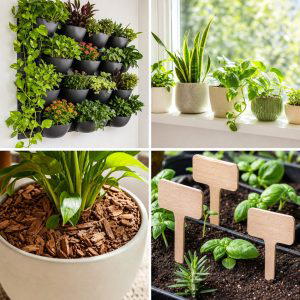 25 recycled garden ideas with egg cartons: Easy Seed DIYs
 25 recycled garden ideas with glass bottles: Chic DIYs
 25 recycled garden ideas with leaf mold bins: Eco DIYs
 25 recycled garden ideas with leftover tiles: Stylish DIYs
 25 recycled garden ideas with logs: Rustic Outdoor DIYs
 25 recycled garden ideas with newspapers: Clever DIYs
 25 recycled garden ideas with old colanders: Fun Planter DIYs
 25 recycled garden ideas with old kitchenware: Creative DIYs