
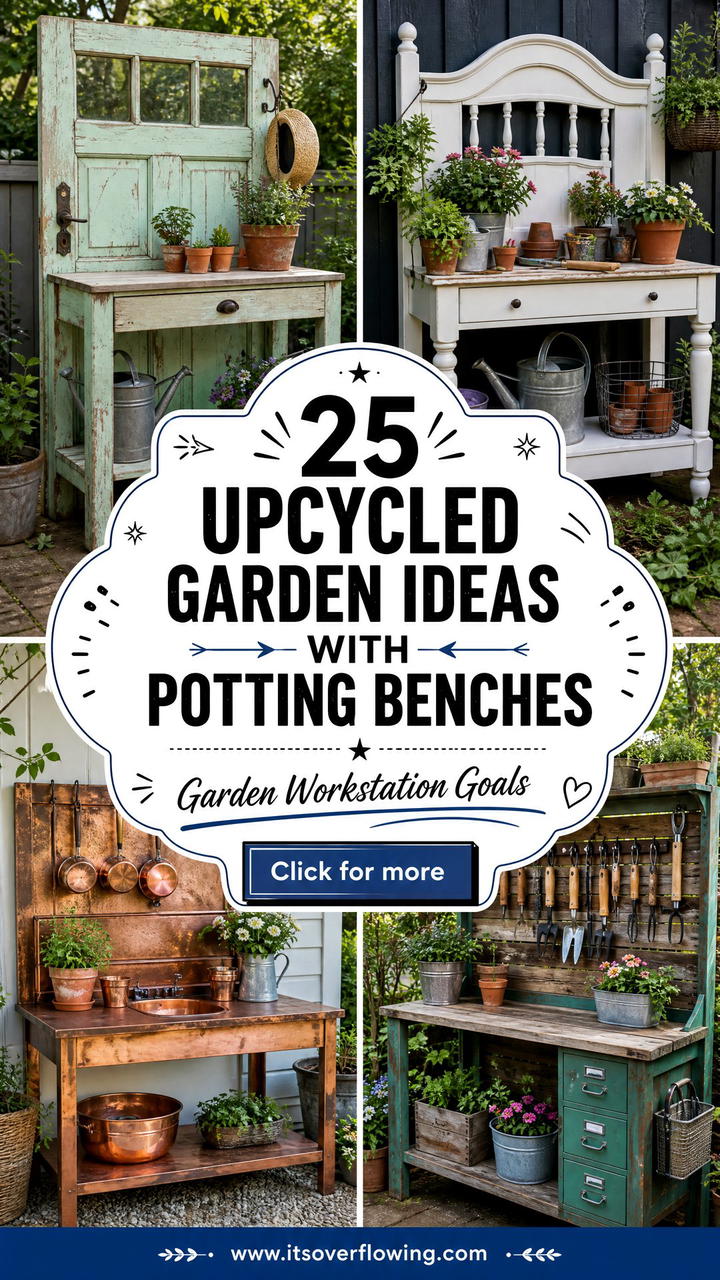
Upcycling is a fantastic way to breathe new life into old items while creating a functional workspace for your gardening needs. A potting bench serves as the central hub for all your planting projects, providing a dedicated area for soil, pots, and tools. By using repurposed materials, you not only save money but also add a unique, rustic charm to your outdoor space that store-bought furniture often lacks. Whether you are an experienced gardener or just starting your green journey, these creative projects offer endless inspiration. You can transform forgotten household items into beautiful, efficient workstations that reflect your personal style while keeping your garden organized and tidy throughout the year.
1. Pallet Potting Bench
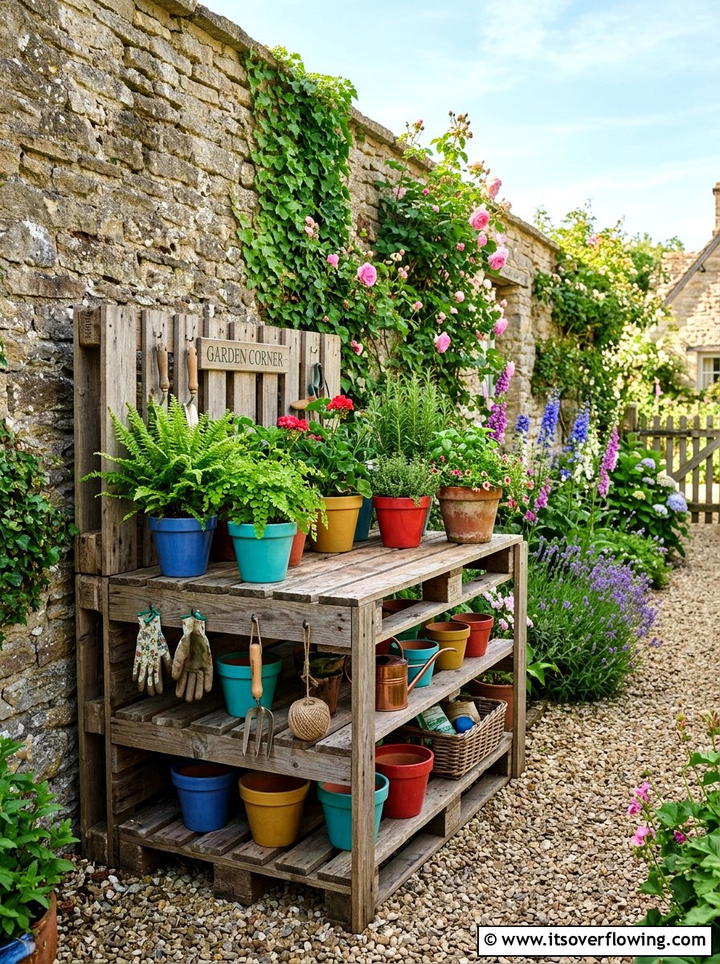
Building a station from wooden pallets is a classic choice for budget-conscious gardeners. You can find these pallets for free at many local businesses or hardware stores. To start, you will need to disassemble the pallets carefully to salvage the sturdy wood planks. Use the heaviest pieces for the legs to ensure the bench remains stable on uneven ground. Sand the surfaces thoroughly to prevent splinters while you work with your plants. You can leave the wood raw for a rustic look or apply a weather-resistant stain to help it last longer. Adding a lower shelf provides excellent storage for heavy bags of soil or large clay pots.
2. Old Door Potting Bench
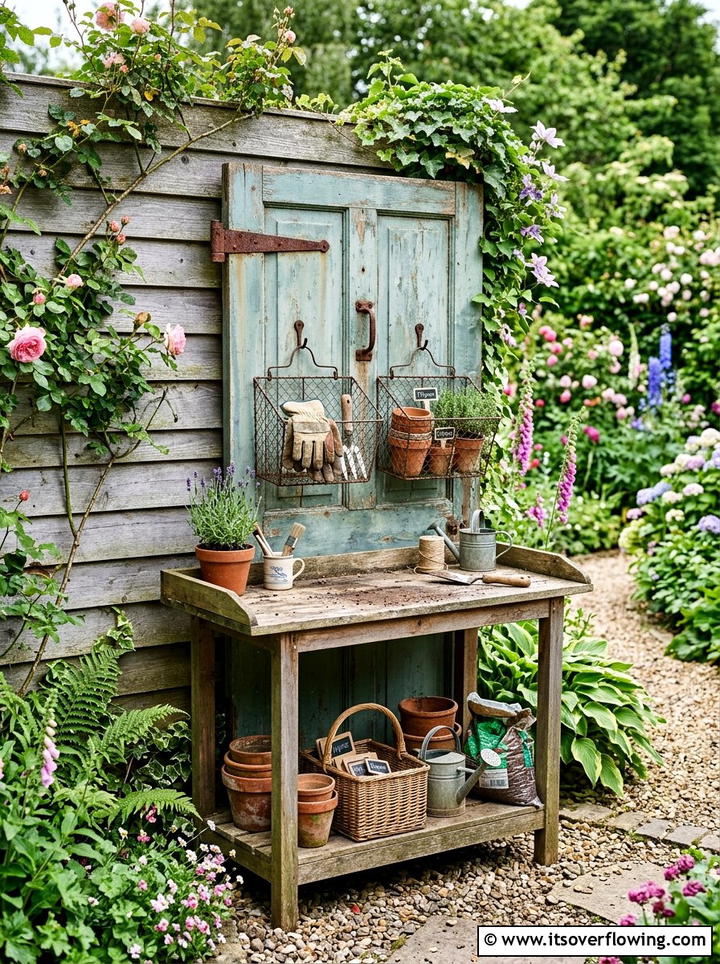
Have you ever wondered what to do with a solid wood door that has been replaced? You can turn it into a stunning vertical backdrop for your new garden workstation. By mounting the door upright, you create a tall surface perfect for hanging small hand tools or gloves. Attach a sturdy wooden table to the front of the door at a comfortable height for your back. This setup allows you to keep everything you need within arm’s reach while you pot your favorite flowers. Paint the entire structure in a bright, cheerful color to make it a focal point in your yard. It combines utility with a vintage aesthetic.
3. Dresser Potting Station
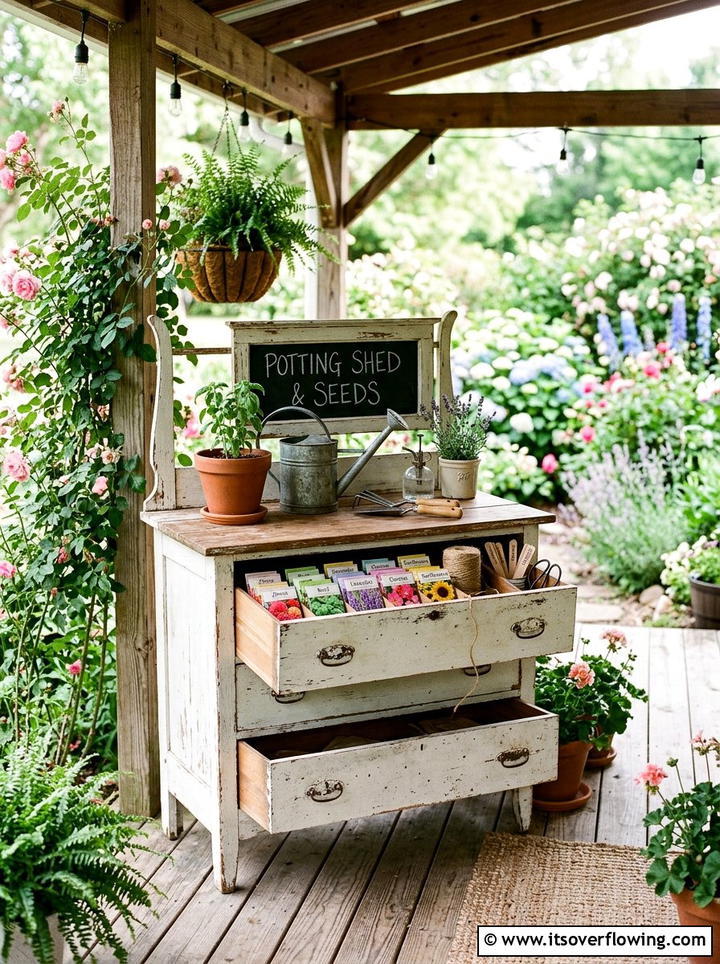
Converting an old bedroom dresser into a functional gardening hub is a genius way to gain extra storage space. The multiple drawers are perfect for organizing seed packets, twine, labels, and smaller hand tools that often get lost. You should remove the top drawer and replace it with a sliding tray for easy access to your most-used items. Make sure to apply several coats of exterior-grade sealant to protect the wood from moisture and sunlight damage. Replace the original hardware with rustic metal pulls to enhance the garden-friendly look. This piece works beautifully on a covered porch or inside a greenhouse where it stays protected from heavy rain.
4. Metal Desk Potting Bench
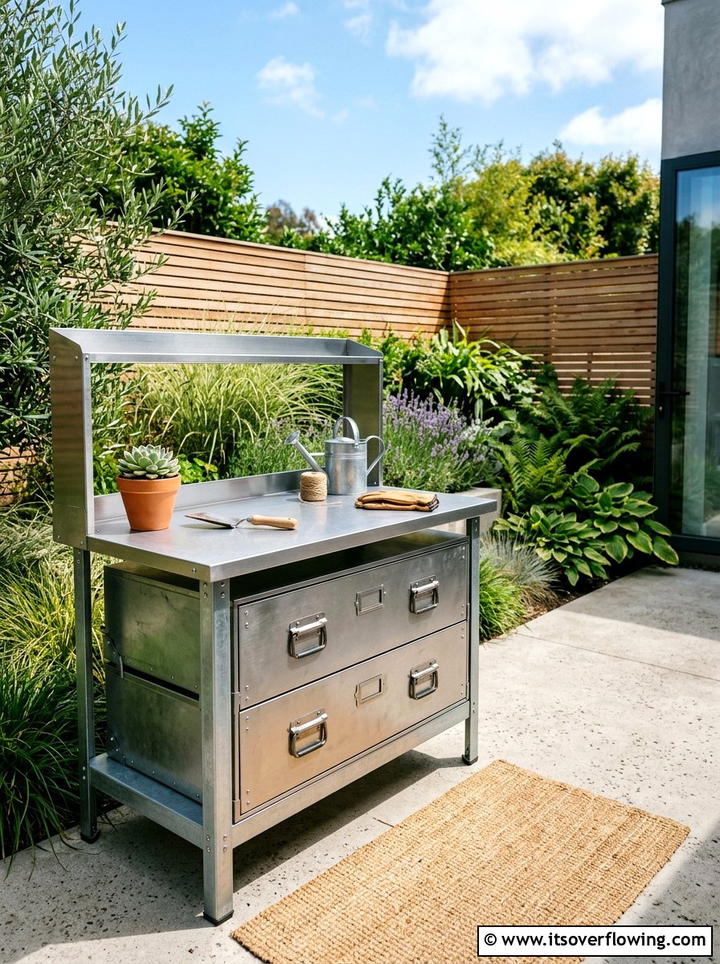
A vintage metal desk offers a durable and industrial-style base for your outdoor projects. Metal is incredibly resistant to the elements, especially if you apply a rust-inhibiting paint or clear coat. The deep drawers provide secure storage for sharp shears or sensitive gardening supplies that need a dry environment. You can even drill a hole in the top to install a small bucket for easy soil cleanup. The flat, wide surface of a desk gives you plenty of room to spread out your pots and plants during busy spring days. This choice is perfect for someone who prefers a clean, modern, and highly organized gardening space.
5. Headboard Potting Bench
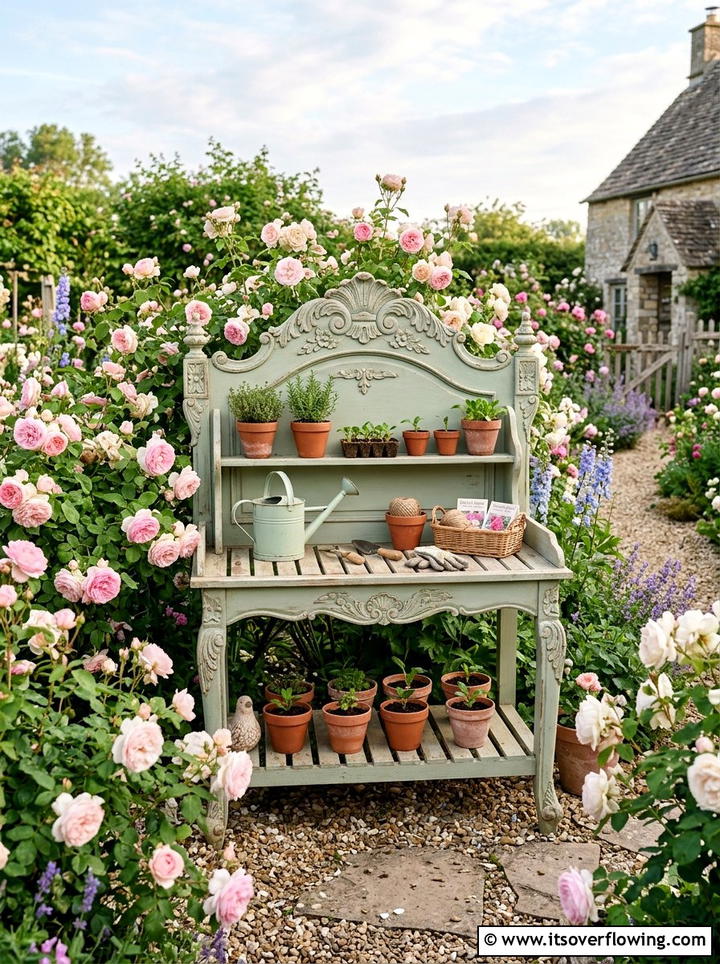
Using an old wooden headboard as the back of your bench adds an elegant, architectural element to your garden. Many vintage headboards feature beautiful carvings or curved lines that bring character to your outdoor decor. You can attach a simple rectangular frame with a sturdy top to the base of the headboard to create the workspace. Paint it in a soft pastel shade or a classic white to give it a charming cottage-core vibe. Hanging small pails from the decorative parts of the headboard allows you to store markers and string. This project is a wonderful way to recycle a piece of furniture with sentimental value.
6. Window Potting Bench
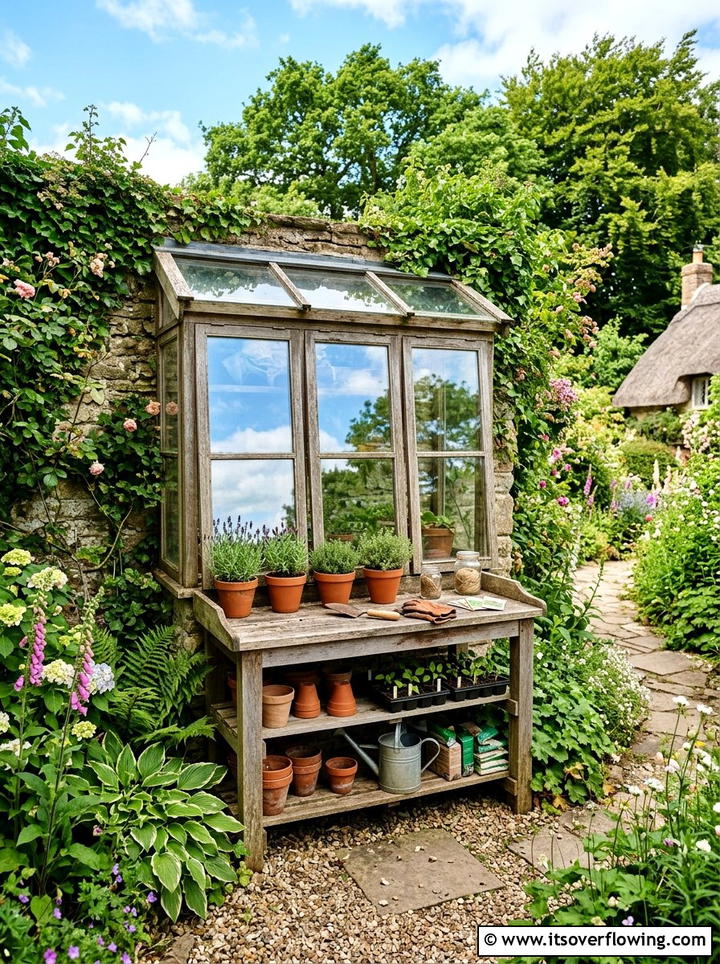
Old window frames with glass can be transformed into a potting bench that looks like a miniature greenhouse. By using the window as a backrest or even a hinged lid, you create a protected environment for delicate seedlings. The glass helps trap warmth and light, which is ideal for starting your plants early in the season. Pair the windows with a reclaimed wood base to complete the look. You might even consider using two windows on the sides to block wind from blowing your soil around. It is a visually light and airy design that fits perfectly in a small, cozy garden corner or patio.
7. Sink Potting Bench
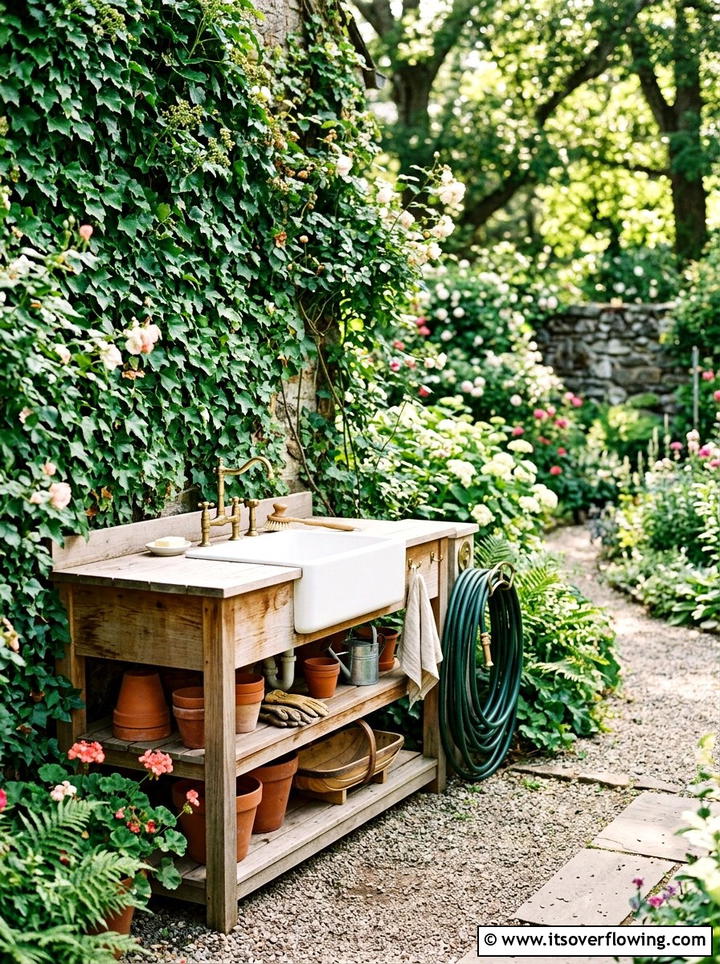
Integrating a recycled kitchen sink into your bench design makes cleaning up after a day of planting much easier. You can use an old porcelain or stainless steel sink to hold loose potting soil while you work. If you have access to a garden hose, you can even hook up the faucet for a functional water source. This prevents you from having to carry heavy watering cans back and forth across your yard. Build the wooden frame around the sink to ensure a snug and stable fit. A lower shelf can hold a bucket to catch any drainage water, which you can then reuse for your plants.
8. Ladder Potting Bench
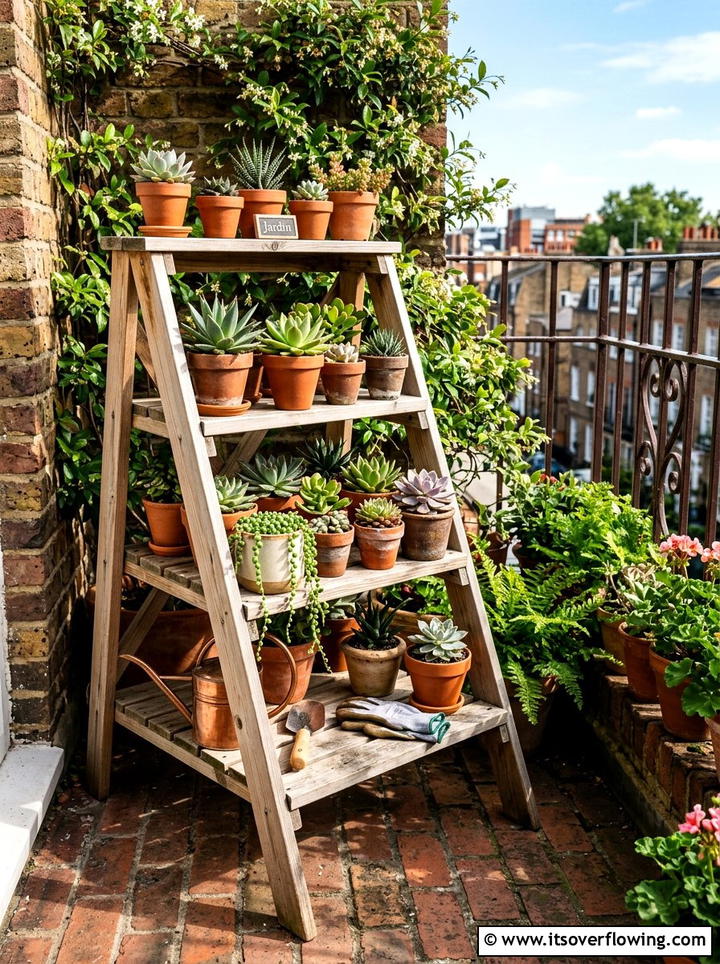
If you have an old wooden step ladder, you can easily convert it into a tiered potting station. By placing wide wooden planks across the steps, you create multiple levels of workspace and storage. This vertical design is perfect for small patios or balconies where floor space is limited. The highest shelf is great for displaying finished potted plants, while the middle shelves provide a comfortable working area. You can hang tools from the sides of the ladder using simple metal hooks. It is a very easy project that requires minimal tools and provides a unique, rustic look that fits any garden theme.
9. Rolling Potting Bench
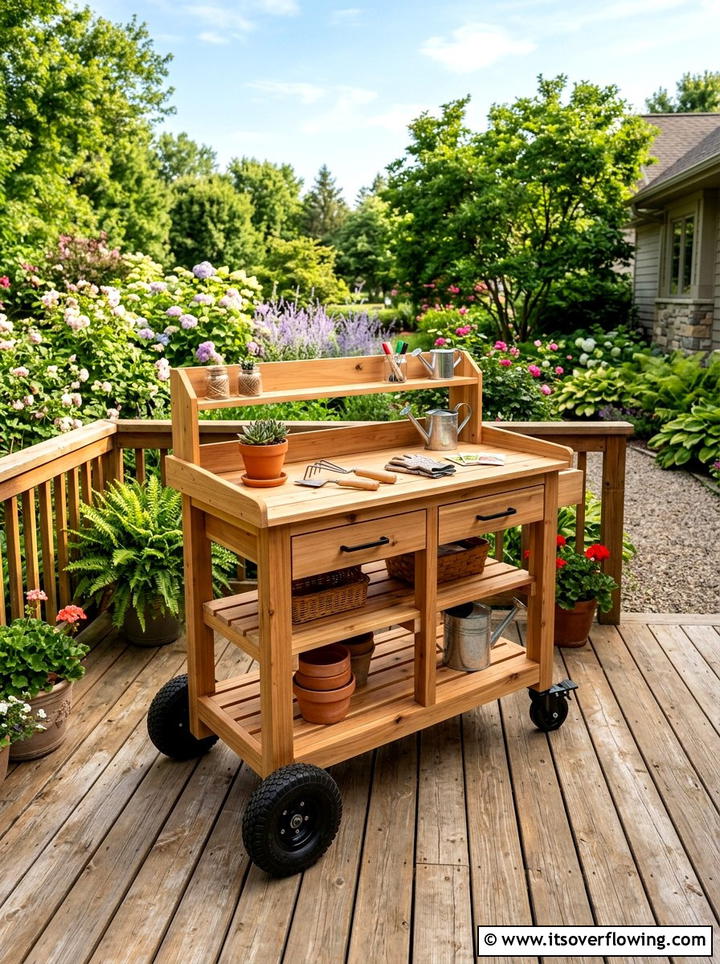
Adding wheels to your potting bench gives you the freedom to move your workspace wherever you need it most. You can repurpose an old cart or simply attach heavy-duty casters to the legs of a wooden bench. This is especially helpful if you need to chase the sun or find shade during different times of the day. A rolling station also makes it much easier to clean your patio or deck by simply moving the bench out of the way. Ensure the wheels have a locking mechanism to keep the bench steady while you are pressing soil into pots. It adds a great level of convenience.
10. Crate Potting Bench
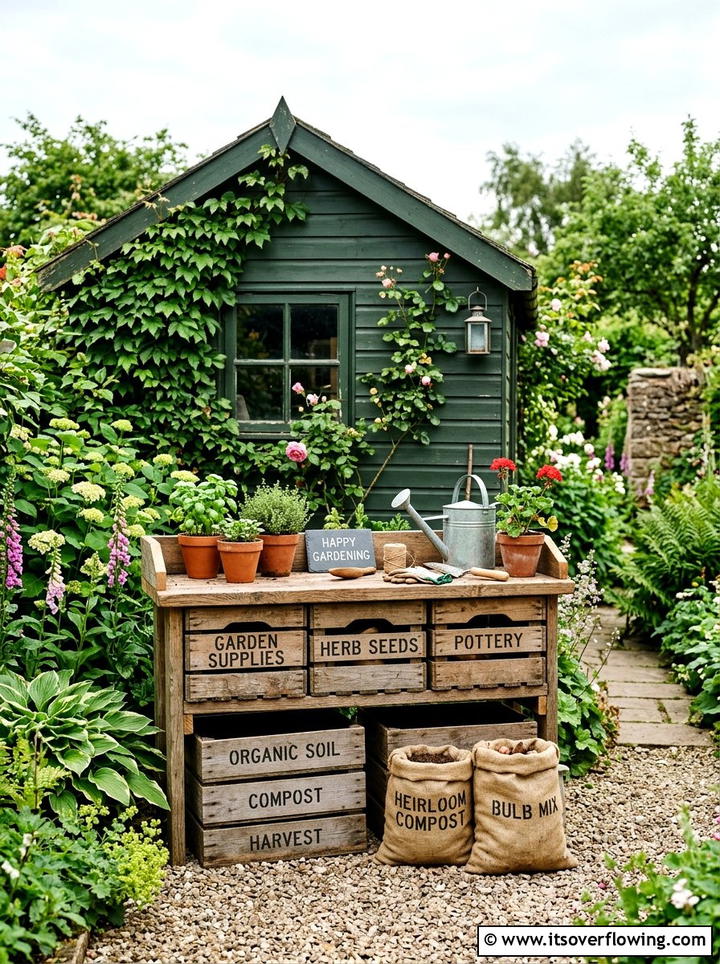
Stacking vintage wooden crates is a quick and modular way to build a custom potting station. You can screw the crates together in various configurations to create the exact amount of storage you need. Use the open faces of the crates as cubbies for holding empty pots, fertilizer bottles, and gardening books. A solid piece of reclaimed timber on top provides the flat working surface required for potting tasks. This design is highly flexible, allowing you to add more crates as your gardening hobby grows over time. It offers a very relaxed, farmhouse feel that looks great against a wooden fence or garden shed.
11. Lattice Potting Bench
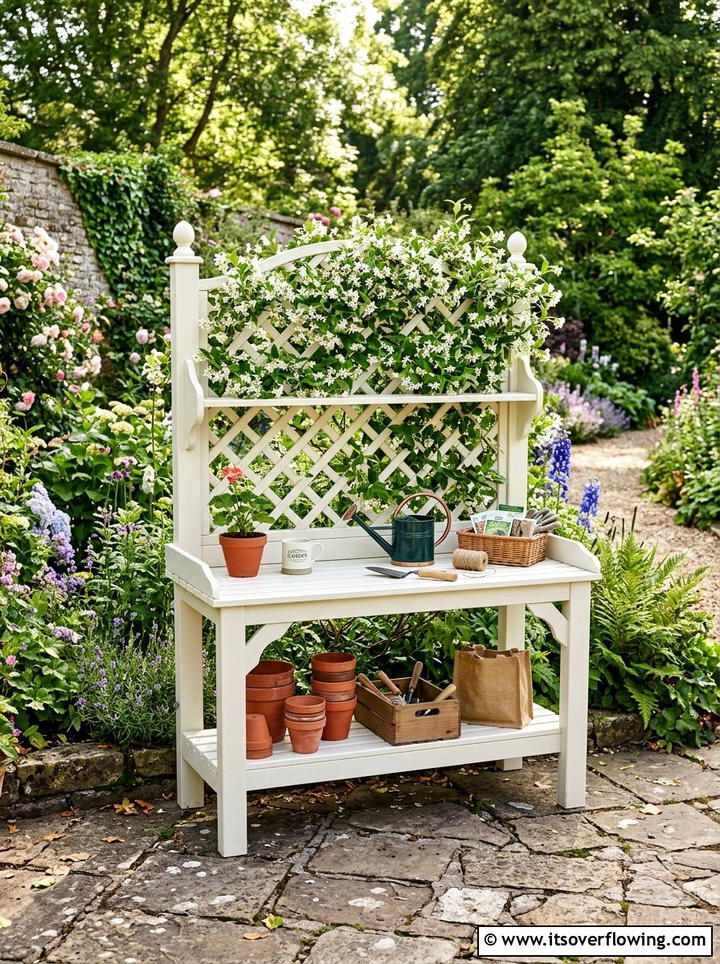
Using a piece of garden lattice as the back of your potting bench is a smart way to organize your tools. The grid pattern of the lattice makes it incredibly easy to hang hooks, baskets, and even small potted herbs. This keeps your work surface clear of clutter, giving you more room to handle your plants. You can grow climbing vines like jasmine or clematis up the lattice to blend the bench into your garden landscape. The airy design also allows light to pass through, keeping your workspace bright and cheerful. It is a very functional and decorative addition to any backyard or potting shed.
12. Shutter Potting Bench
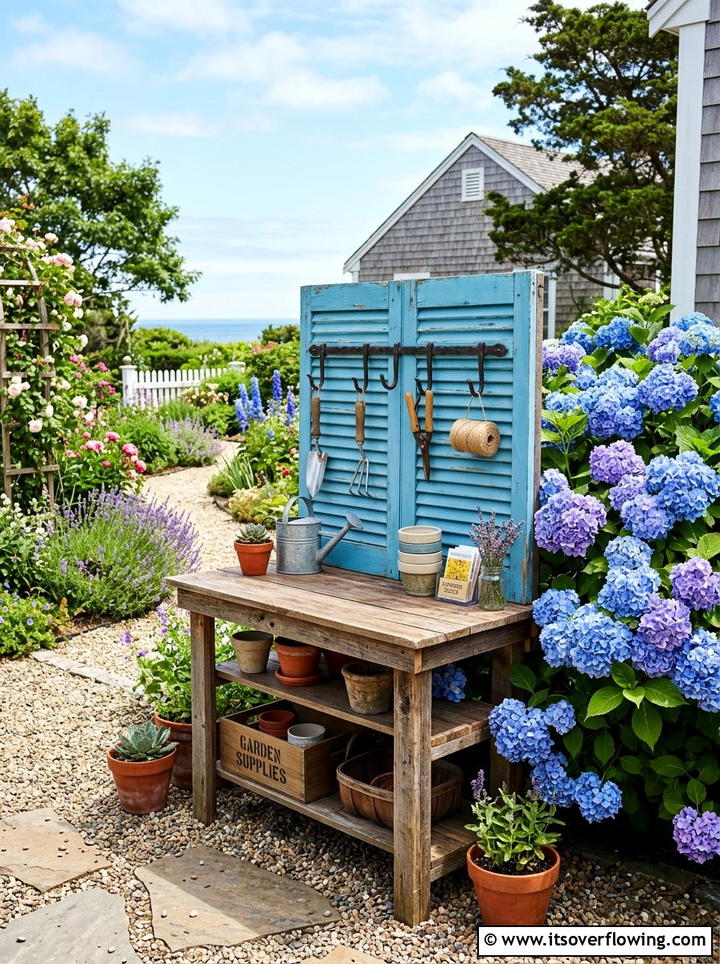
Repurposed window shutters make a charming and textured backdrop for a small garden workbench. The horizontal slats are perfect for tucking in small hand tools or plant markers for quick access. You can join several shutters together to create a wide backboard or use them as side panels to create a sense of enclosure. Paint the shutters in a weathered, distressed finish to enhance their vintage appeal. The gaps between the slats also provide excellent ventilation if you decide to store damp gloves or sponges on the bench. It is a creative way to use materials that would otherwise end up in a landfill.
13. Towel Bar Potting Bench
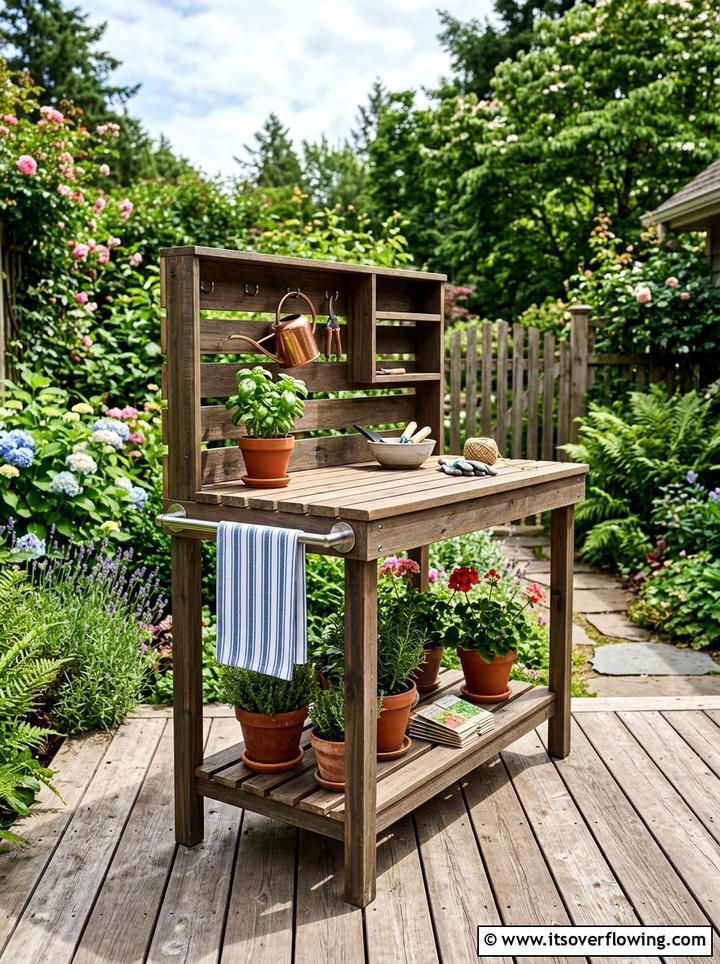
Adding a simple towel bar to the side of your upcycled bench is a small detail that provides big functionality. It gives you a dedicated spot to hang a rag for cleaning your hands or wiping down dirty pots. You can also use the bar to hang S-hooks for larger tools like rakes and shovels. This keeps your essential items organized and prevents them from leaning against the wall where they might fall over. Choose a rust-proof metal bar to ensure it withstands the humid outdoor environment. It is a very simple modification that makes your gardening tasks much more efficient and organized.
14. Hook Potting Bench
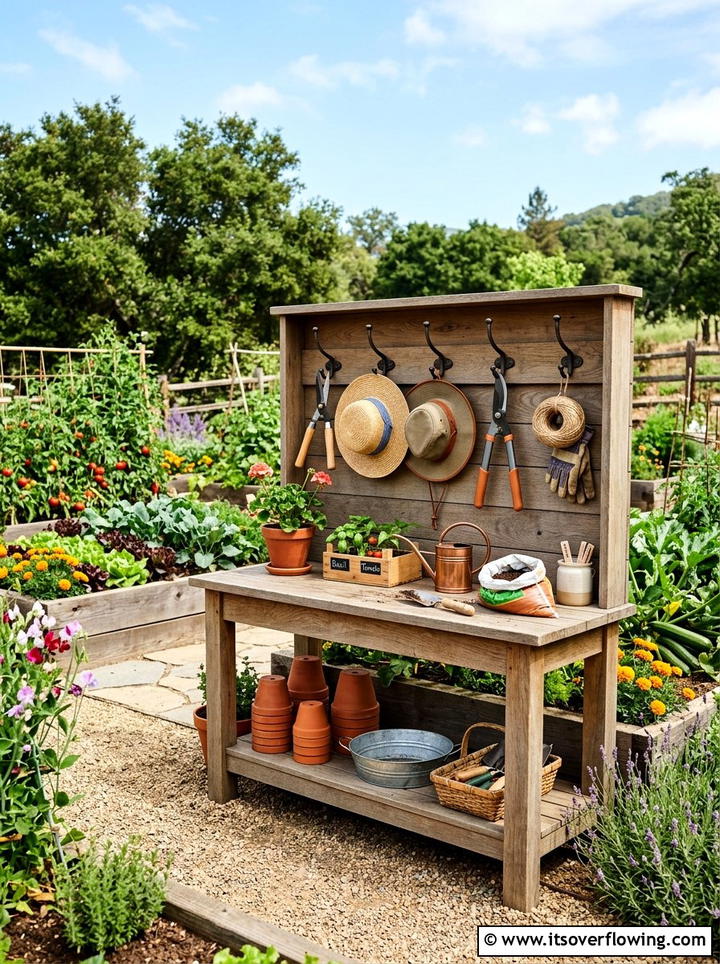
Installing a row of sturdy metal hooks across the back of your potting station is essential for maintaining order. You can use these hooks to hang everything from your favorite gardening hat to heavy watering cans and coiled hoses. By keeping these items off the ground, you protect them from pests and moisture damage. It also ensures that your most-used tools are always visible and easy to grab when you are in the middle of a project. Mix and match different types of hooks, such as double hooks or large J-hooks, to accommodate various items. This simple addition transforms a basic table into a professional-grade station.
15. Chalkboard Potting Bench
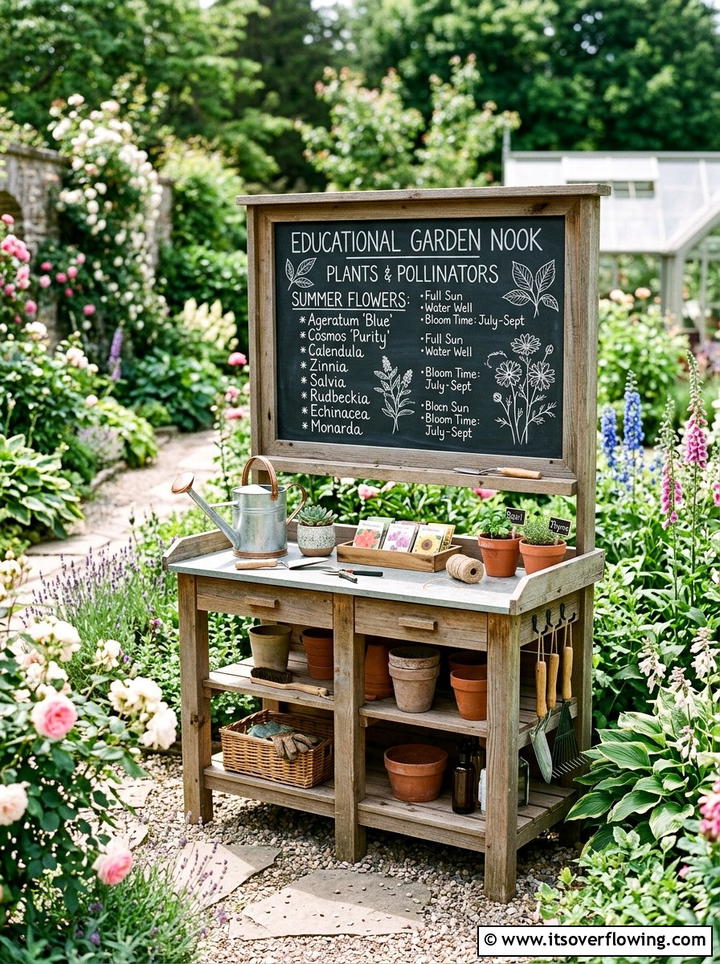
A chalkboard integrated into your potting bench allows you to keep track of planting dates and soil mixtures. You can paint a section of the backboard with chalkboard paint or hang a framed slate above the work surface. This is incredibly helpful for remembering when you started your seeds or which fertilizer you used for specific flowers. It also adds a playful and personal touch to your garden decor where you can write seasonal quotes or to-do lists. Using different colors of chalk can help you categorize your notes for better organization. It is a functional and artistic feature that gardeners of all levels will appreciate.
16. Copper Potting Bench
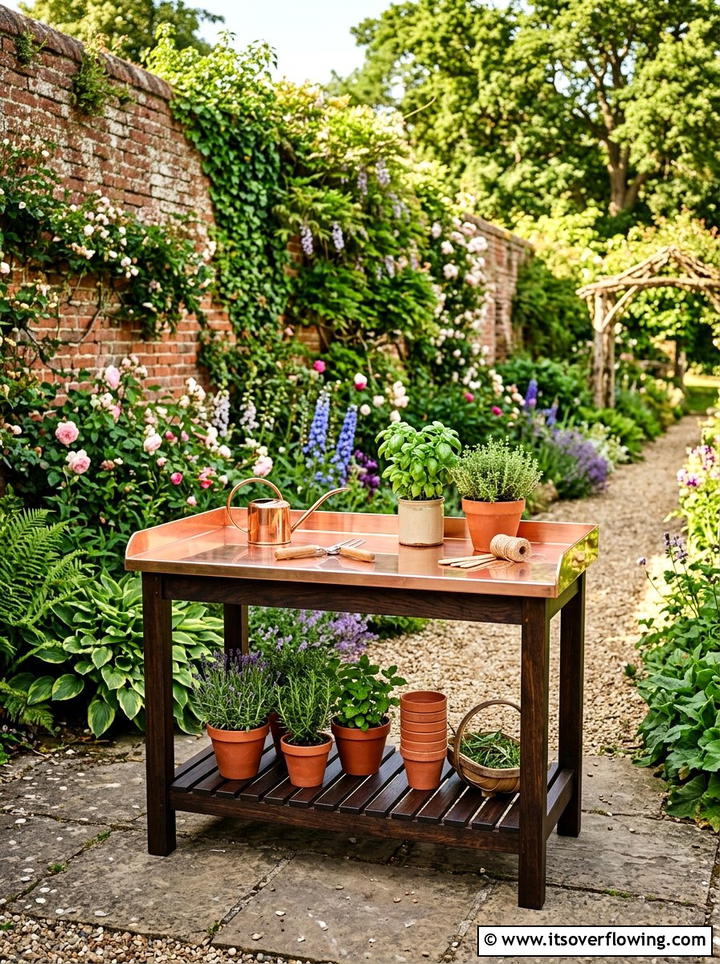
Incorporating copper accents or a copper sheet onto your bench top adds a touch of luxury and durability. Copper is naturally resistant to bacteria and fungi, making it a very hygienic surface for handling delicate plants and seeds. Over time, the metal will develop a beautiful green patina that blends perfectly with the natural colors of your garden. You can use copper pipes to create a custom tool rack or even a small railing around the edge of the table. This material is easy to wipe clean and provides a very high-end look for an upcycled project. It is both a practical and stylish choice.
17. Herb Potting Bench
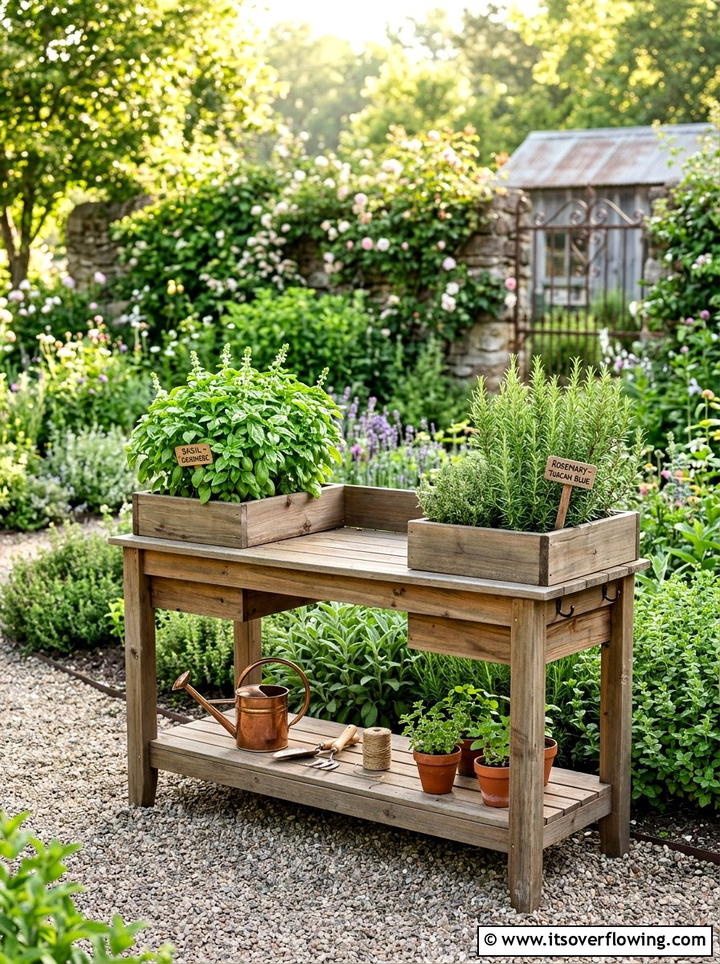
Building a bench that features built-in planter boxes allows you to grow fresh herbs right at your fingertips. You can install these boxes along the back or sides of the working surface to keep the area aromatic and green. This setup is perfect for snipping fresh basil or mint while you are working on other gardening tasks. Make sure the planter boxes have proper drainage to keep your herbs healthy and thriving. It creates a multi-functional space that serves as both a production area and a living garden display. Having your herbs nearby also encourages you to use them more often in your kitchen.
18. Galvanized Potting Bench
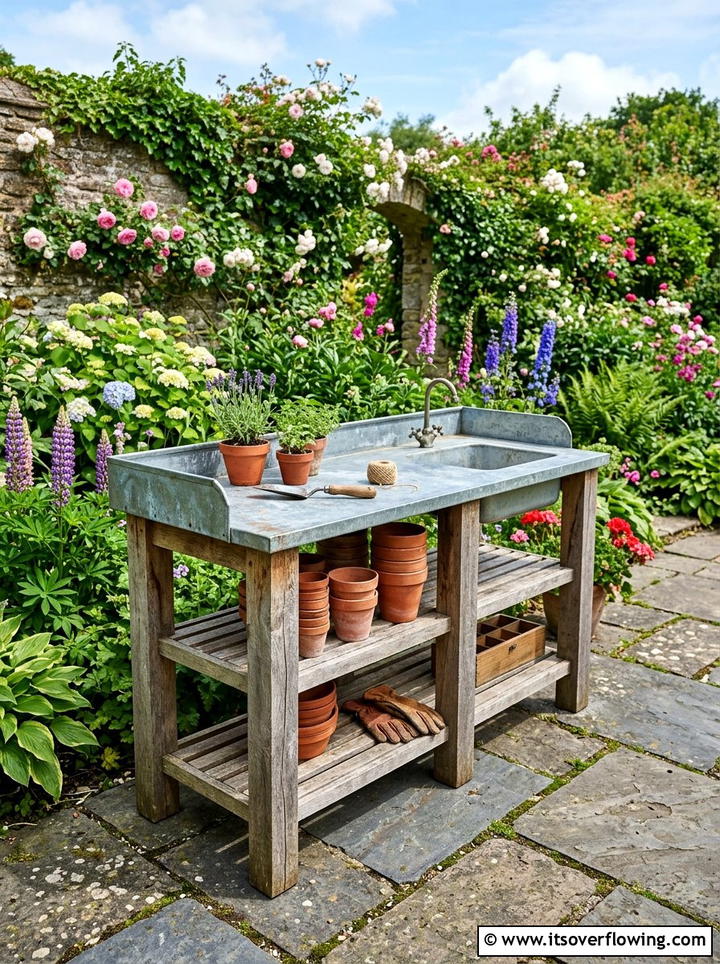
Using a galvanized metal sheet for the top of your potting bench provides a tough, waterproof surface that is easy to maintain. This material is perfect for messy tasks like mixing soil or washing off muddy roots. The silvery, industrial look of galvanized steel contrasts beautifully with the warm tones of reclaimed wood. It is also very easy to clean with a quick spray from the garden hose after you finish your work. You can find these metal sheets at most hardware stores or repurpose them from old roofing materials. It ensures your bench will remain functional and looking great for many years to come.
19. Mirror Potting Bench
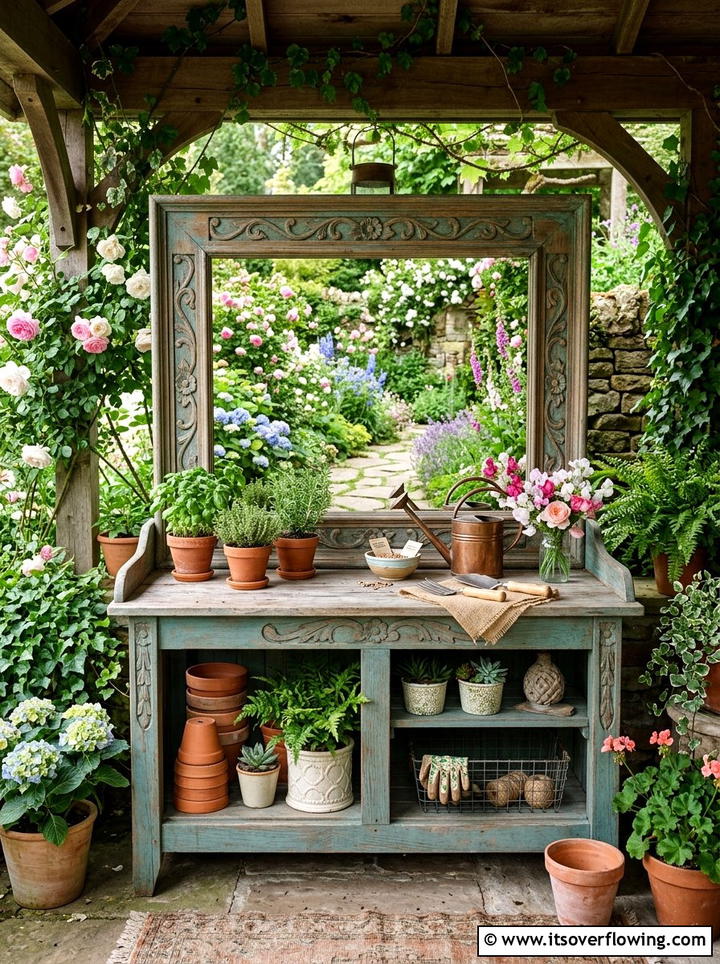
Adding a weather-resistant mirror to the back of your potting bench can make a small garden space feel much larger. The mirror reflects the surrounding greenery and light, creating a sense of depth and brightness in your workspace. It also allows you to keep an eye on the rest of your garden while you are focused on your planting. Choose a vintage frame to match the upcycled theme of your bench for a cohesive and stylish look. Make sure the mirror is securely mounted to withstand wind and vibrations. This unique design element adds a touch of unexpected glamour to your outdoor potting station.
20. Tool Rack Potting Bench
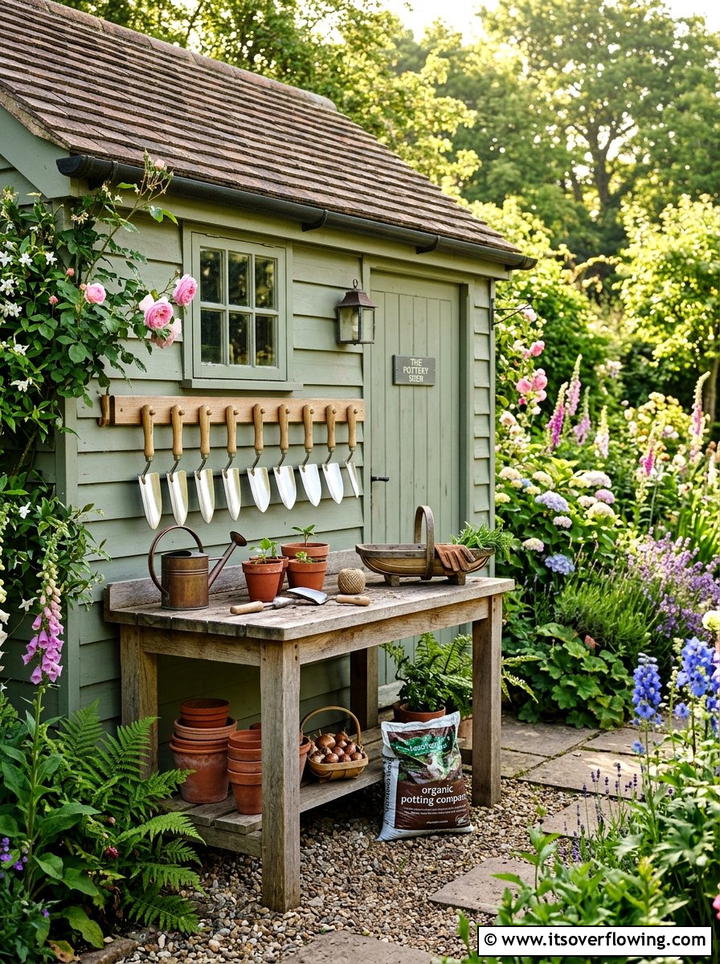
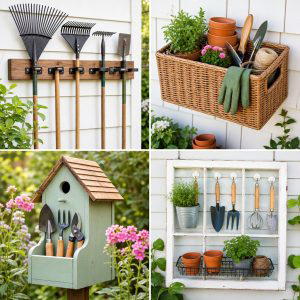
A dedicated tool rack ensures that every trowel, pruner, and rake has a specific home on your potting bench. You can create a simple rack by drilling holes into a wooden strip or by using a magnetic strip for metal tools. This prevents tools from getting buried under soil or lost in the grass while you are working. Keeping your tools organized also makes it easier to notice if something is missing before you finish for the day. A well-organized rack improves your workflow and keeps your workspace looking neat and professional. It is a must-have feature for any serious gardener who values efficiency.
21. Small Potting Bench
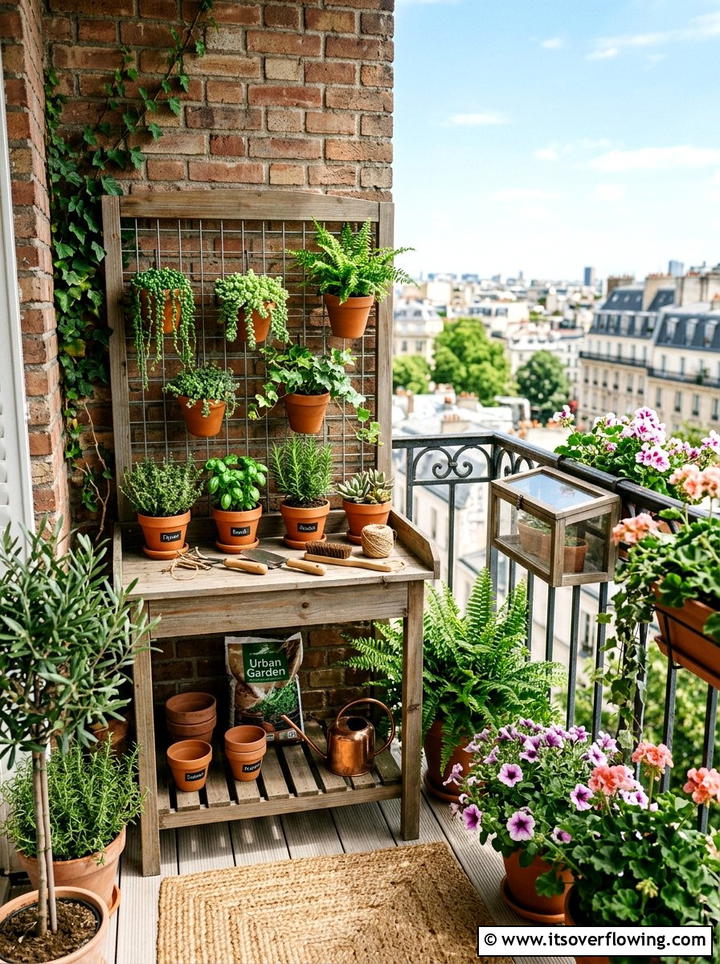
For those with limited outdoor space, a compact potting bench is the perfect solution for urban gardening. You can repurpose a small side table or a narrow console into a functional workstation that fits on a tiny balcony. Focus on vertical storage to make the most of the small footprint by adding shelves above the main table. Use light colors and simple lines to prevent the piece from feeling too bulky in a confined area. Even a small bench provides enough room to transplant succulents or start a few herb pots. It proves that you do not need a large backyard to enjoy the benefits of gardening.
22. Shelf Potting Bench
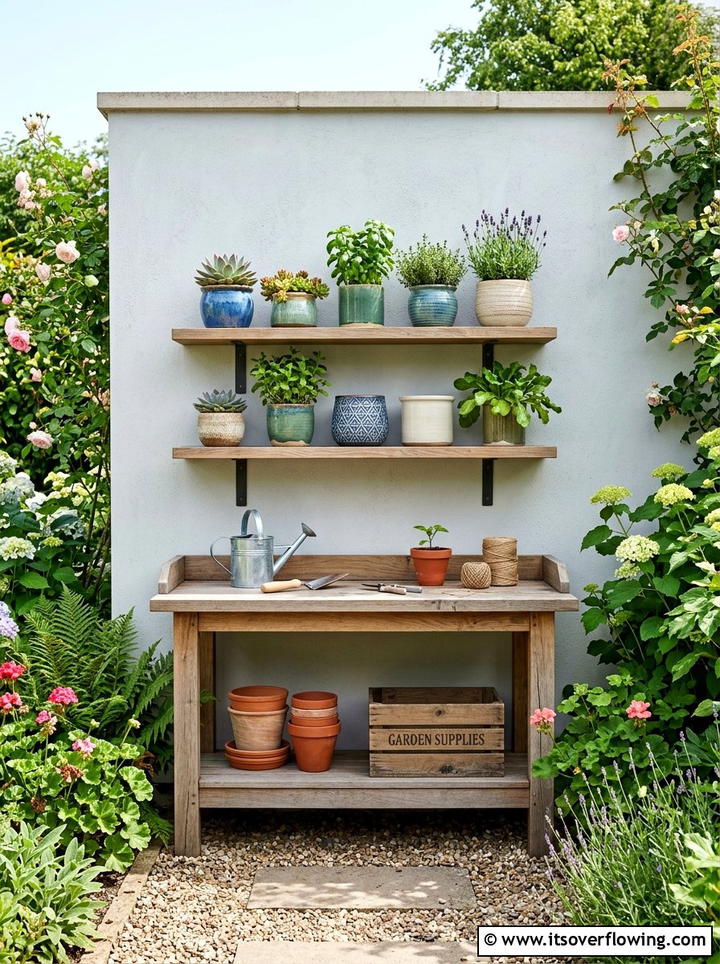
Adding multiple floating shelves above your main work surface provides ample space for displaying your favorite decorative pots. These shelves keep your workspace clear of items that you are not currently using, allowing you to focus on the task at hand. You can use reclaimed wood planks and simple brackets to create a rustic, custom look that matches your bench. Placing frequently used items like watering cans or mister bottles on the lower shelves keeps them within easy reach. The higher shelves are perfect for keeping delicate seedlings away from curious pets or children. It is a very practical way to maximize storage.
23. Cabinet Potting Bench
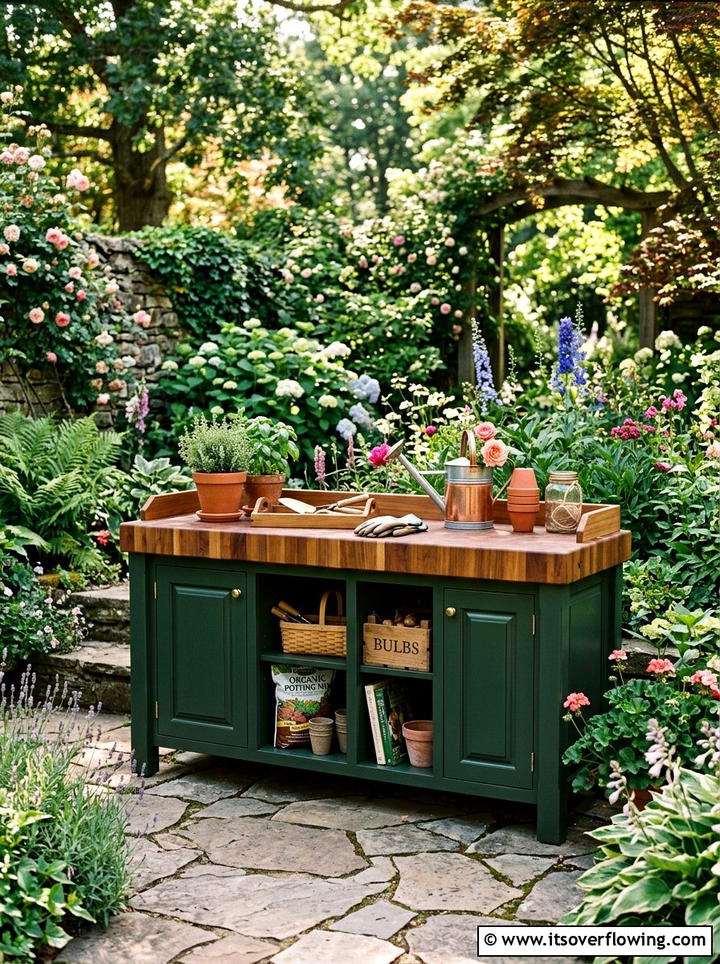
Incorporating a cabinet with doors into your bench design allows you to hide away unsightly bags of fertilizer or plastic pots. This keeps your garden looking tidy and organized even when you have a lot of supplies on hand. You can repurpose an old kitchen cabinet or build a simple wooden box with hinged doors beneath the work surface. The doors also provide protection for items that might be damaged by direct sunlight or heavy rain. Paint the cabinet to match the rest of your garden furniture for a polished and integrated look. It is an excellent way to combine hidden storage with a functional workspace.
24. Drawer Potting Bench
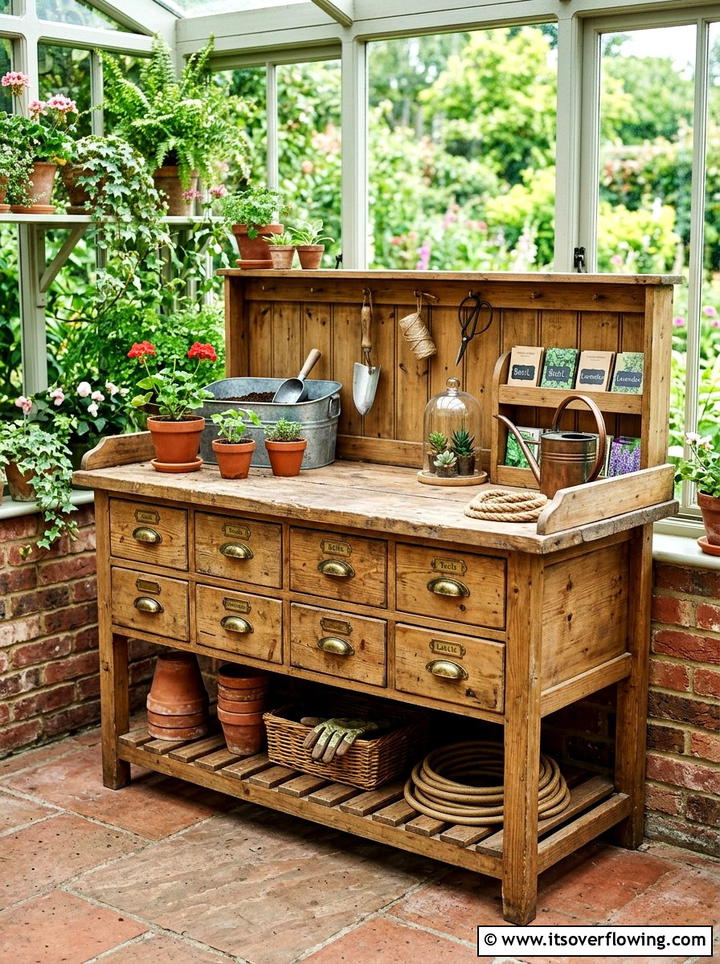
Adding drawers to your potting station provides a secure and dry place to store sensitive items like gloves and seed packets. You can repurpose drawers from an old desk or chest and build them into your new wooden frame. Drawers are perfect for keeping small items organized so they do not get lost in the shuffle of a busy planting day. Consider adding dividers inside the drawers to further categorize your supplies for maximum efficiency. Use outdoor-rated hardware to ensure the drawers open smoothly even in humid conditions. It adds a level of furniture-like quality to your rugged outdoor garden workstation.
25. Folding Potting Bench
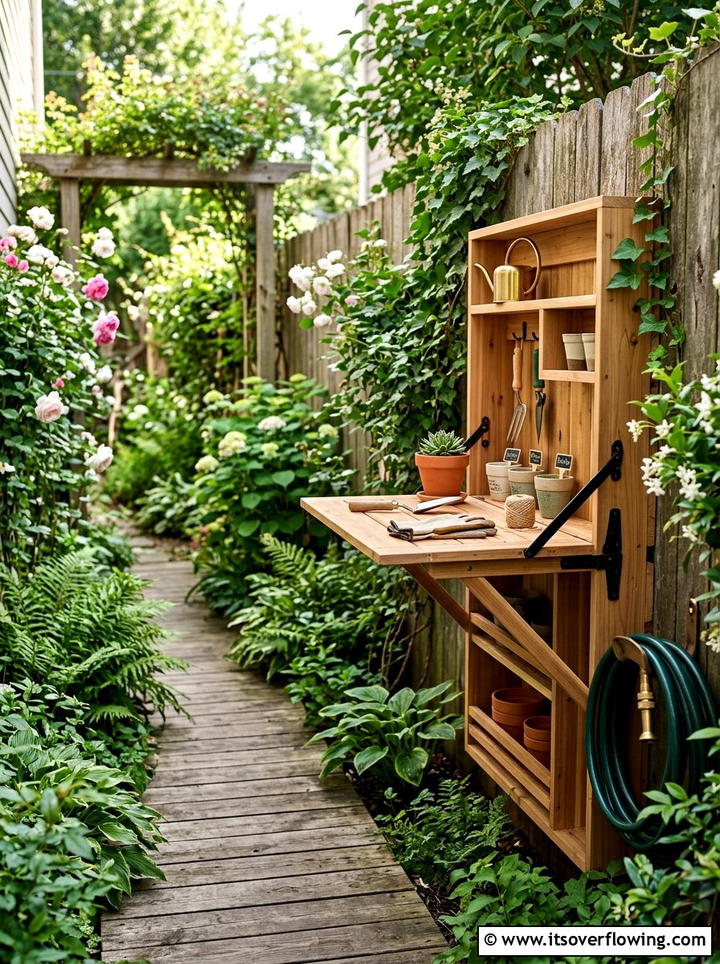
A folding potting bench is the ultimate space-saving solution for seasonal gardeners who do not need a permanent setup. You can design the table to fold flat against a wall or fence when it is not in use. This keeps your patio clear for other activities like dining or entertaining during the summer months. Use sturdy hinges and a locking leg mechanism to ensure the bench is safe and stable when it is unfolded. This type of bench is also easy to move and store in a garage or shed during the winter. It provides all the functionality you need without taking up valuable permanent floor space.
Conclusion:
Creating an upcycled potting bench is a rewarding project that blends creativity with practical gardening needs. By repurposing old furniture and materials, you are making a sustainable choice that adds a personal, handcrafted touch to your outdoor sanctuary. These benches do more than just provide a surface for planting; they help organize your tools, save your back from bending, and become a beautiful focal point in your yard. Whether you choose a rustic pallet design or a sophisticated copper-topped station, the result is a functional piece of art. Embrace the process of building your own unique workspace and enjoy the many successful growing seasons ahead.

Related posts:
 25 Upcycled Garden Ideas With Garden Benches for Cozy Seating
 25 Upcycled Garden Ideas With Garden Edging for Neat Borders
 25 Upcycled Garden Ideas With Garden Signs for Cute Yard Decor
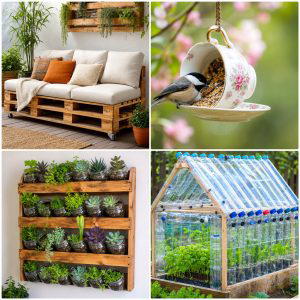 25 Upcycled Garden Ideas for Patios to Refresh Outdoor Living
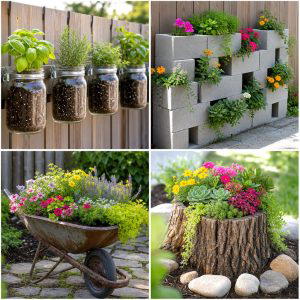 25 Upcycled Garden Ideas for Tiny Yards That Feel Bigger
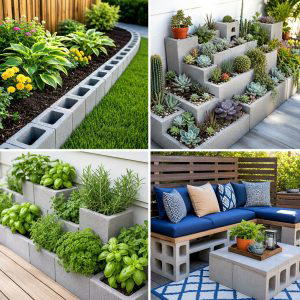 25 Upcycled Garden Ideas With Cinder Blocks for Easy Raised Beds
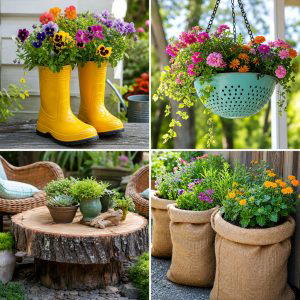 25 Upcycled Garden Ideas With Kids Projects for Family Fun
 25 Upcycled Garden Ideas With Old Colanders for Fun Planters
 25 Upcycled Garden Ideas With Old Fence Boards to Make
 25 Upcycled Garden Ideas With Old Wheelbarrows to Try
 25 Upcycled Garden Ideas With Plastic Bottles to Make
 25 Upcycled Garden Ideas With Tool Storage You’ll Love