
Creating a vibrant outdoor space doesn’t have to cost a fortune when you embrace the beauty of upcycled vertical gardens. These innovative projects allow you to breathe new life into discarded items while maximizing your growing space, especially in smaller urban areas. By thinking vertically, you transform bare walls, fences, and corners into lush, living masterpieces that improve air quality and mood. Whether you are using old wooden pallets or salvaged kitchen items, the possibilities for customization are truly endless for any green thumb. This guide explores creative ways to repurpose everyday objects into functional garden art. You will learn how to turn clutter into a flourishing sanctuary that looks professional, stylish, and sustainable for years.
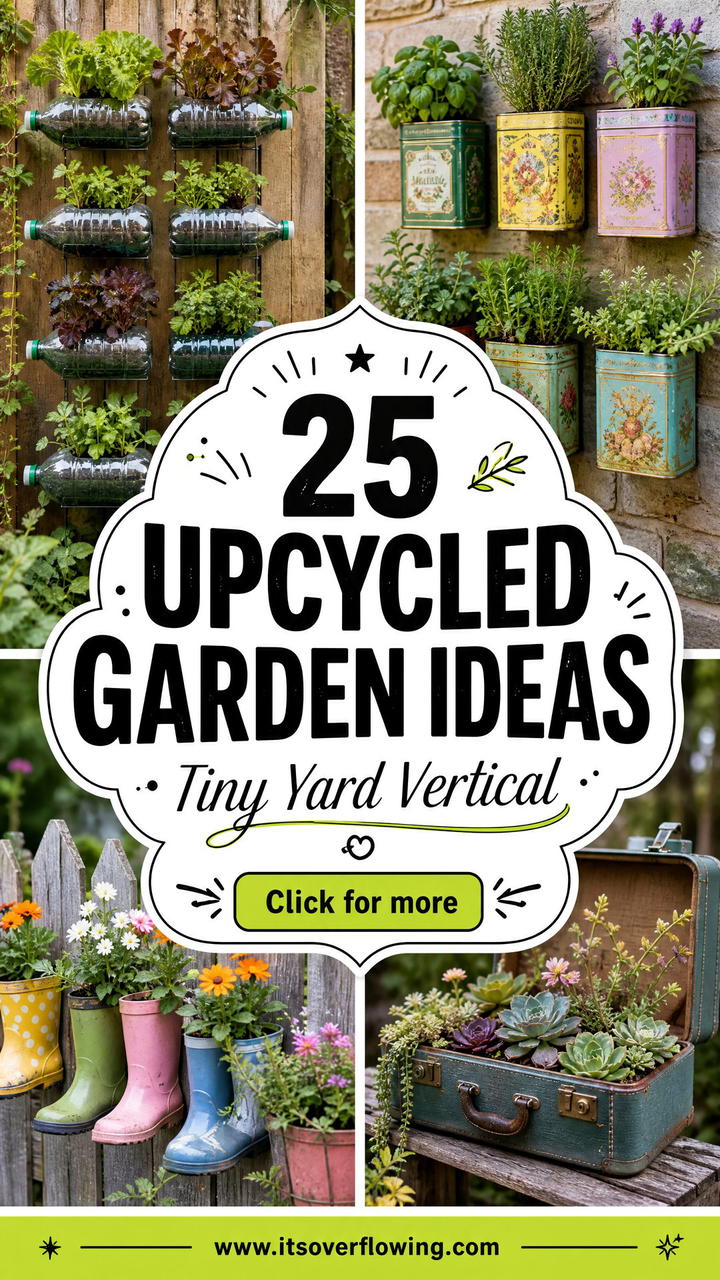
1. Wooden pallet garden wall
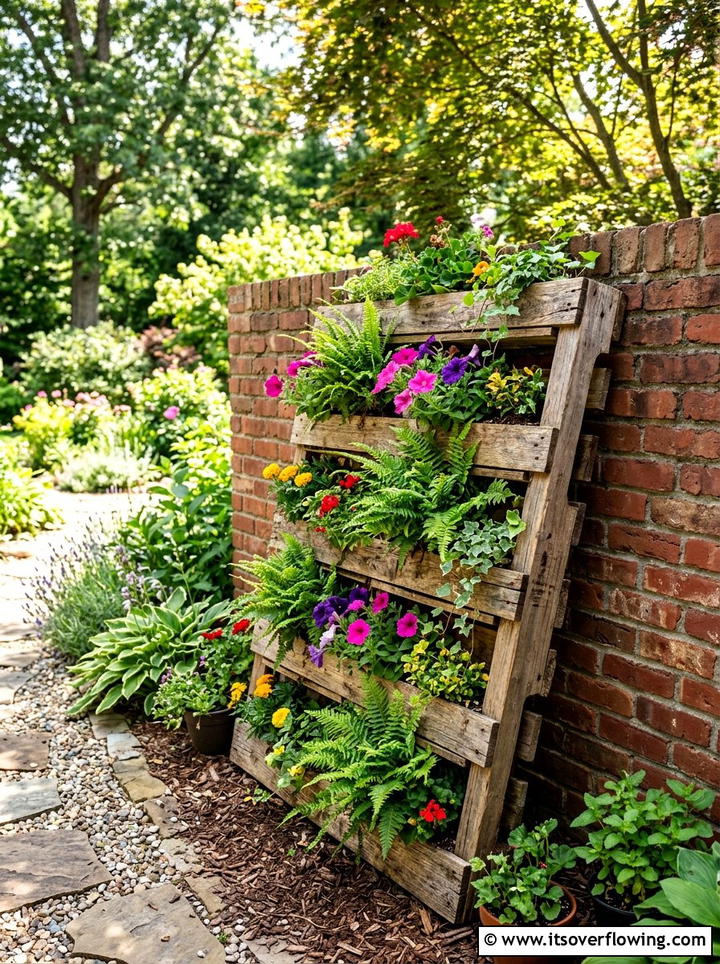
Wooden pallets are perhaps the most popular materials for creating a vertical garden because they are sturdy and readily available. You can lean a sanded pallet against a wall or secure it firmly to a fence to create a rustic backdrop for your favorite plants. To start, staple landscape fabric to the back and bottom of the pallet to hold the soil securely in place. Fill the openings with potting mix and tuck in a variety of colorful annuals, succulents, or leafy greens. This method provides a layered look that feels like a living wall of greenery. It is a cost-effective way to add texture and life to a patio or balcony area.
2. Plastic bottle vertical planter
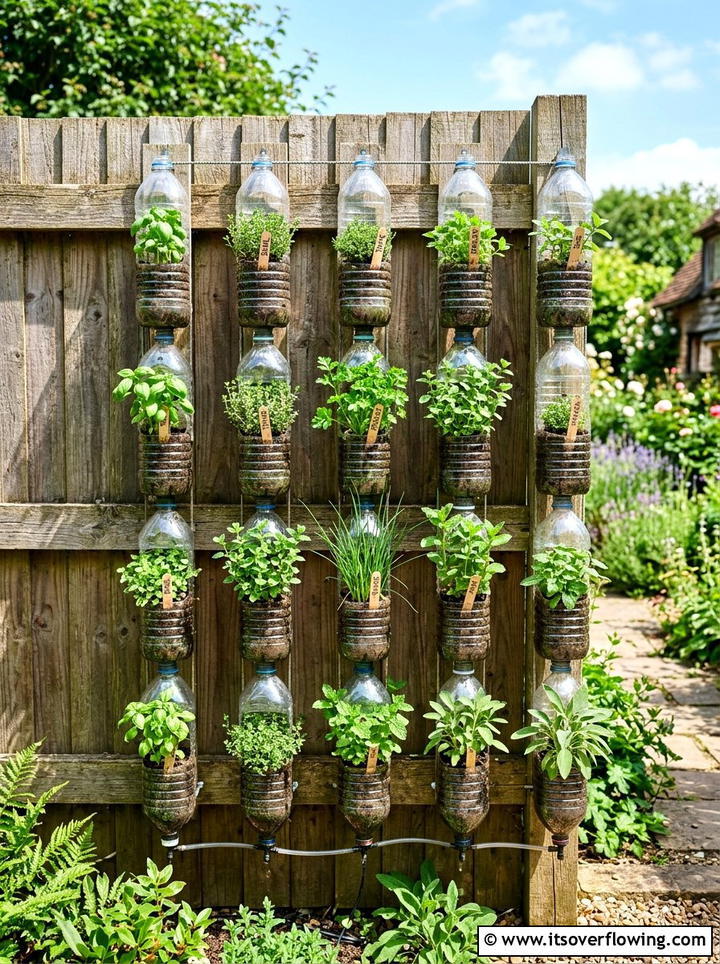
Repurposing plastic bottles is a fantastic way to reduce waste while building an efficient vertical watering system. You can cut holes in the sides of large soda bottles and string them together with heavy-duty twine or wire. These hanging chains of planters look amazing when draped against a sunny brick wall or a wooden porch railing. They are particularly well-suited for growing small herbs like cilantro, parsley, or mint that do not require deep root systems. This project is a great educational activity for children and demonstrates the importance of recycling in a very practical, visual way. Your garden will benefit from this lightweight and highly adaptable growing solution.
3. Old ladder plant stand
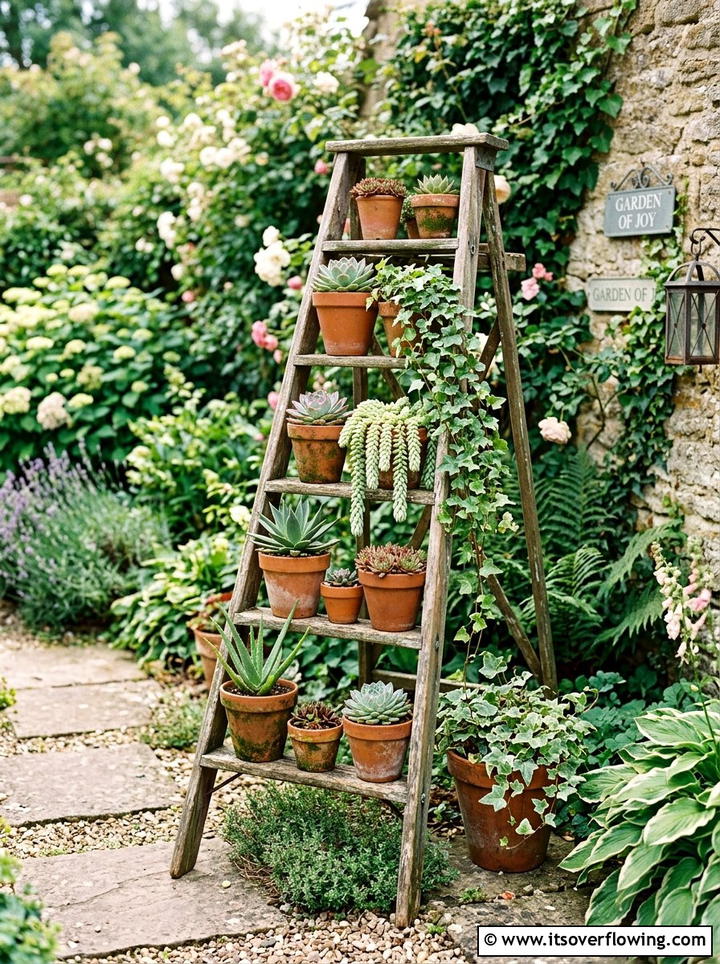
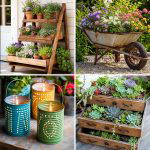
An old wooden or metal ladder serves as a perfect ready-made structure for a vertical garden. You can place the ladder in a corner of your garden and use each rung to support various pots and containers. If the rungs are narrow, you can balance long wooden planks across them to create wider shelving for larger plants. This arrangement allows for excellent drainage and ensures each plant receives adequate sunlight. Painting the ladder in a bright, weather-resistant color can make it a focal point in your yard. It is an effortless way to organize your plant collection while adding a charming vintage touch to your outdoor living space.
4. Tin can wall planter
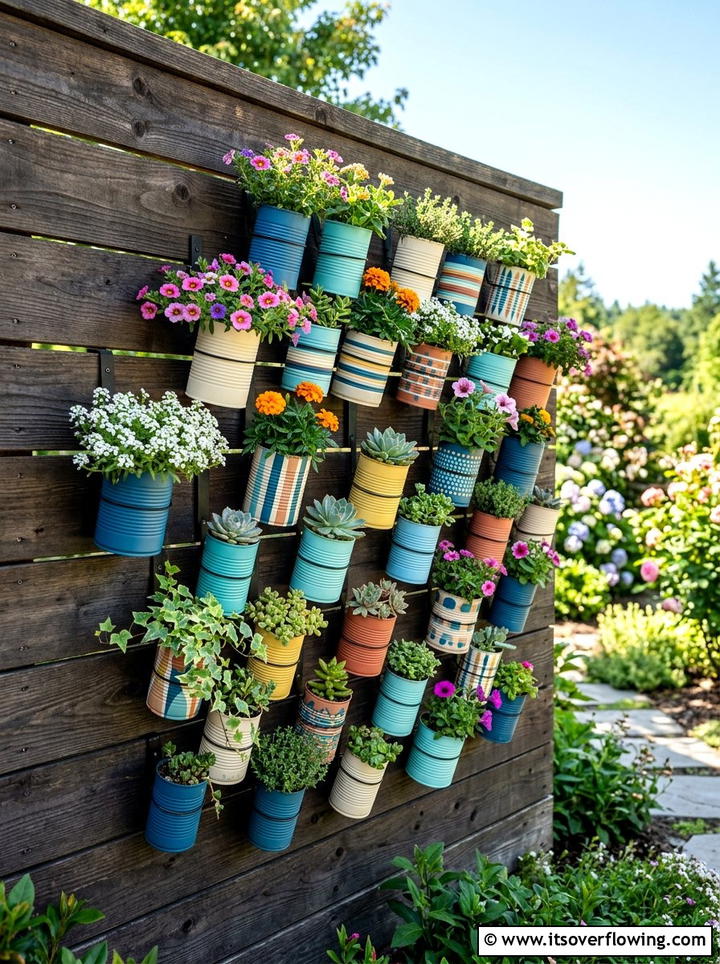
Tin cans are easy to find and can be transformed into beautiful wall-mounted planters with just a little bit of paint. After cleaning the cans, you should drill a few drainage holes in the bottom to prevent root rot. You can then paint them in coordinated colors and nail them directly onto a wooden fence or a large plywood board. These small containers are ideal for succulents or small flowers that do not need much space to thrive. Using different sizes of cans creates a playful and eclectic visual rhythm on your wall. This simple DIY project turns everyday trash into a sophisticated and modern vertical gardening display.
5. Gutter garden on fence
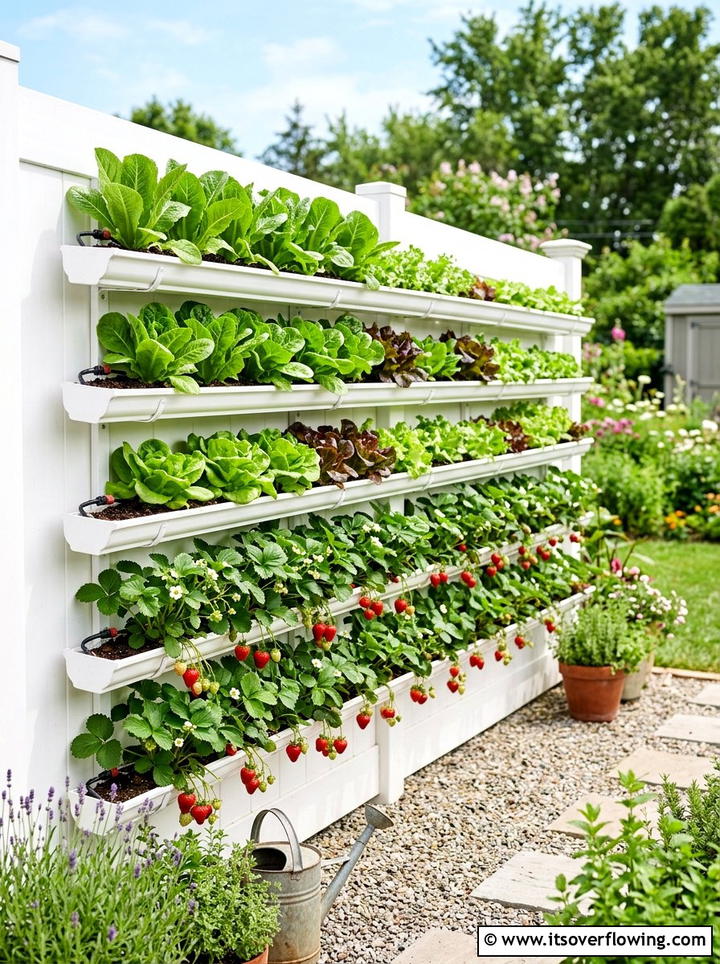
Installing sections of vinyl or metal gutters onto a fence is an ingenious way to create long, horizontal planting rows. You can mount these gutters in a staggered or parallel pattern to cover a large vertical area. Gutters are perfect for growing shallow-rooted plants like lettuce, spinach, and strawberries. Ensure that you tilt the gutters slightly toward one end to allow for proper water runoff. This setup makes harvesting your greens very easy since they are at eye level and away from ground pests. It is a sleek, modern solution that transforms a boring fence into a productive and edible wall for your backyard.
6. Hanging shoe organizer garden
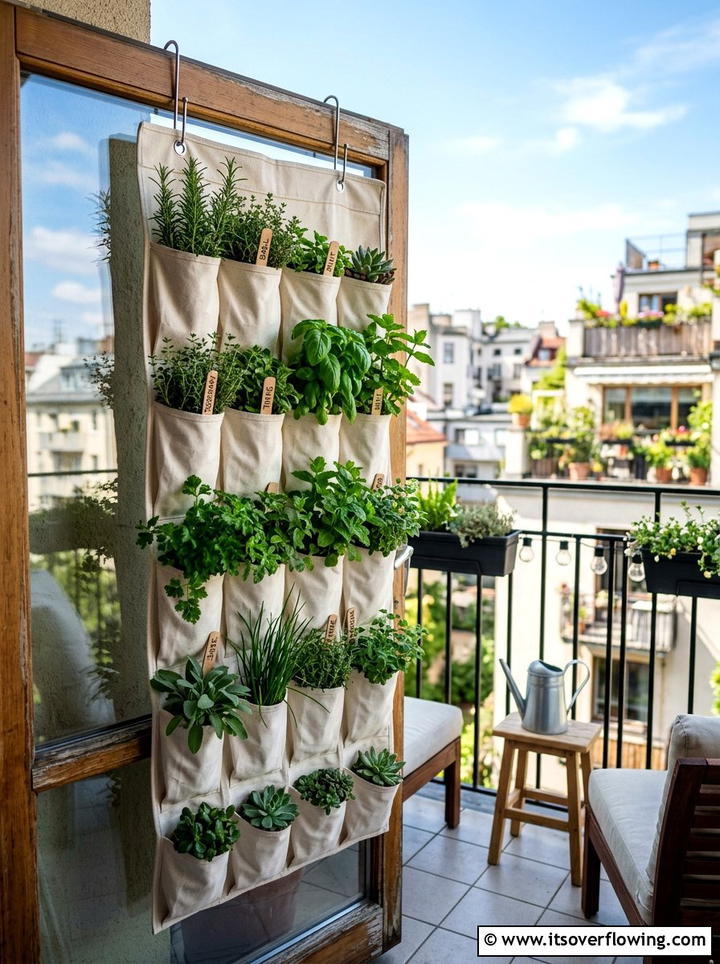
A canvas or plastic hanging shoe organizer is a surprisingly effective vertical planter for small spaces like balconies. You can hang the organizer on a sturdy hook or over a door and fill each pocket with high-quality potting soil. Each individual pocket becomes a home for a different herb or flower, creating a dense and colorful tapestry of plants. This method is excellent for moisture retention, though you should ensure the pockets have small holes for drainage. It is a very lightweight and portable option that allows you to move your garden if needed. This clever hack proves that you can grow a lot of food in very little space.
7. Picture frame succulent wall
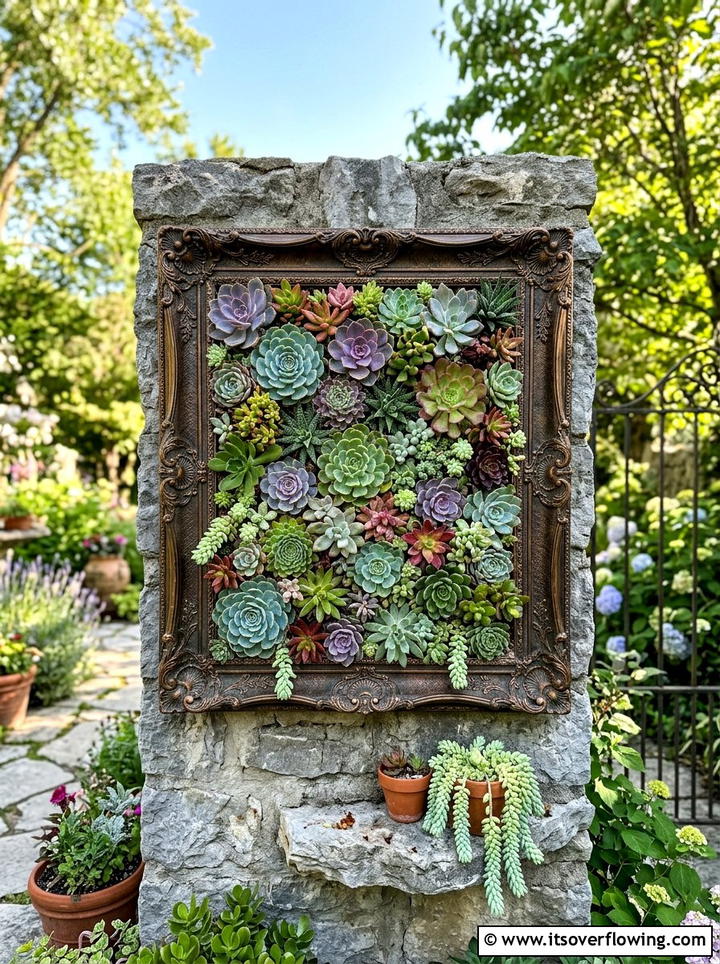
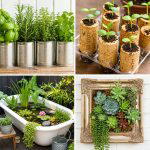
You can create a stunning piece of living art by repurposing an old, deep picture frame into a succulent planter. By adding a wooden box to the back of the frame and covering it with wire mesh, you create a secure environment for plants. Succulents are the best choice for this project because they have shallow roots and can survive with minimal watering. Once the plants have taken root, you can hang the frame on an exterior wall like a regular painting. The variety of colors and shapes offered by succulents makes the frame look like a textured masterpiece. This project adds a high-end designer feel to your garden.
8. Old dresser drawer planter
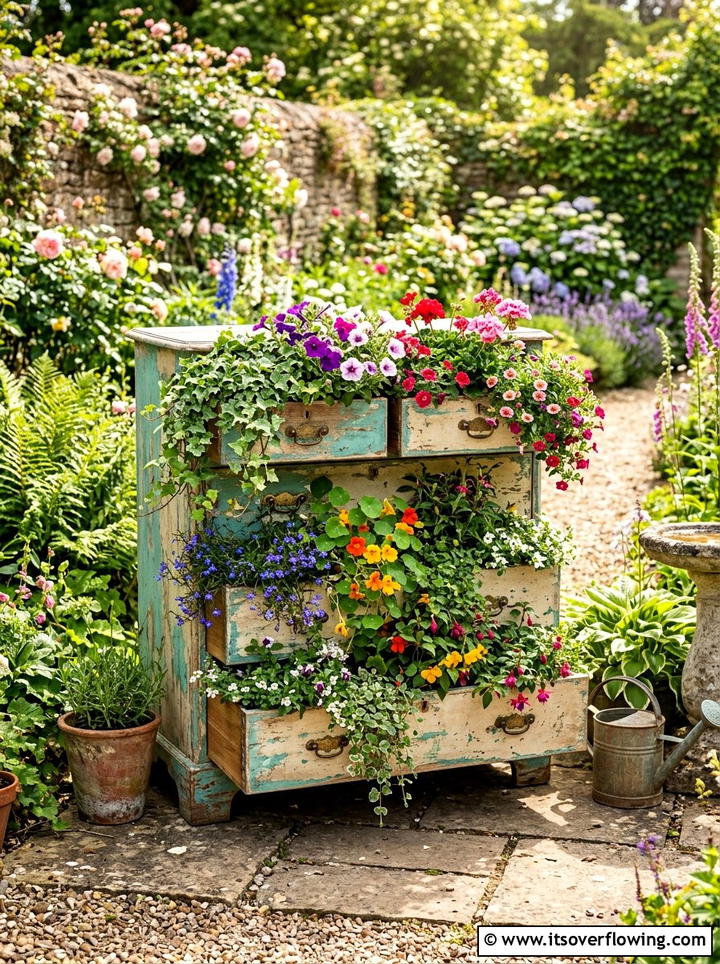
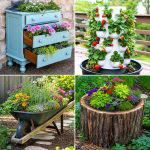
An old dresser that is no longer fit for indoor use can be reimagined as a tiered vertical garden. By pulling the drawers out at different lengths, you create a cascading effect that looks beautiful and provides plenty of planting space. You should line the drawers with plastic or landscape fabric to protect the wood from moisture and rot. Filling each drawer with a mix of trailing vines and upright flowers creates a lush, overflowing look. This piece of furniture adds a sense of whimsy and nostalgia to your patio. It is a great way to recycle bulky furniture into something that is both functional and decorative.
9. Window shutter plant display
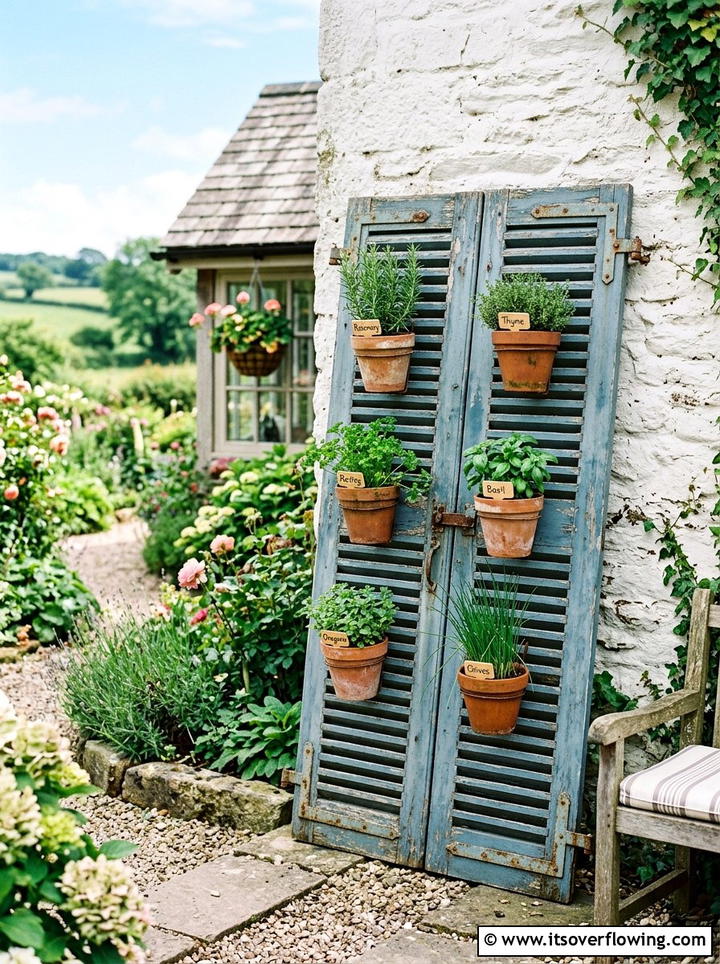
Old wooden shutters are full of character and make excellent supports for small vertical garden containers. You can lean the shutters against a wall or mount them horizontally to create a unique garden feature. Small pots can be attached to the slats using S-hooks or wire loops, allowing you to rearrange them whenever you like. The gaps between the slats also provide natural ventilation for the plants and the wall behind them. This setup is perfect for air plants or small ferns that enjoy a bit of shade. Using shutters adds a rustic, farmhouse charm to your outdoor area while efficiently utilizing vertical wall space.
10. Used tire garden wall
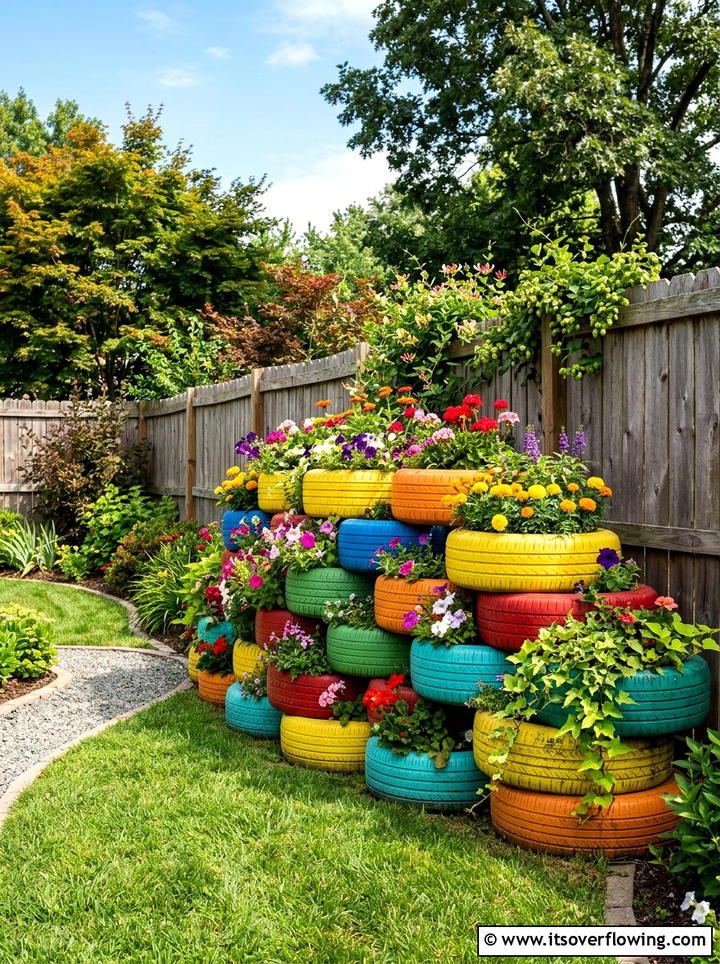
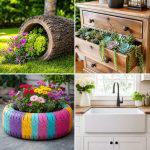
Stacking old tires against a wall or fence creates a rugged and industrial vertical garden that is incredibly durable. You can paint the tires in vibrant colors to hide their original black rubber look and make them more aesthetically pleasing. By filling the hollow centers with soil, you create deep pockets for plants that need more room for their roots. You can even bolt the tires together in a creative pattern to ensure the structure remains stable. This upcycling idea is particularly good for large properties where you want to make a bold statement. It keeps large waste items out of landfills while providing a unique home for greenery.
11. Mason jar herb garden
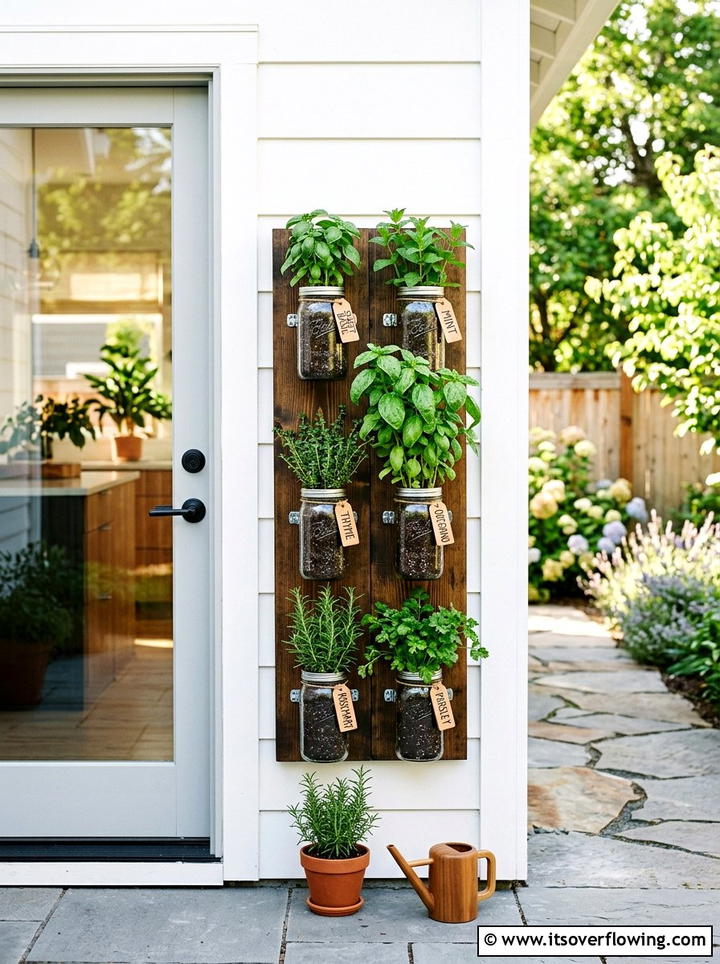
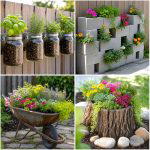
Mason jars are classic upcycling items that look beautiful when mounted on a piece of reclaimed wood for a vertical herb garden. You can use metal pipe clamps to secure the jars to the board, ensuring they stay in place even in windy weather. Since jars do not have drainage holes, it is important to place a layer of small stones at the bottom to catch excess water. These clear containers allow you to see the root systems and soil moisture levels easily. Mounting this assembly near your kitchen door provides quick access to fresh herbs for cooking. This design is clean, organized, and adds a touch of modern cottage style.
12. Bicycle wheel trellis
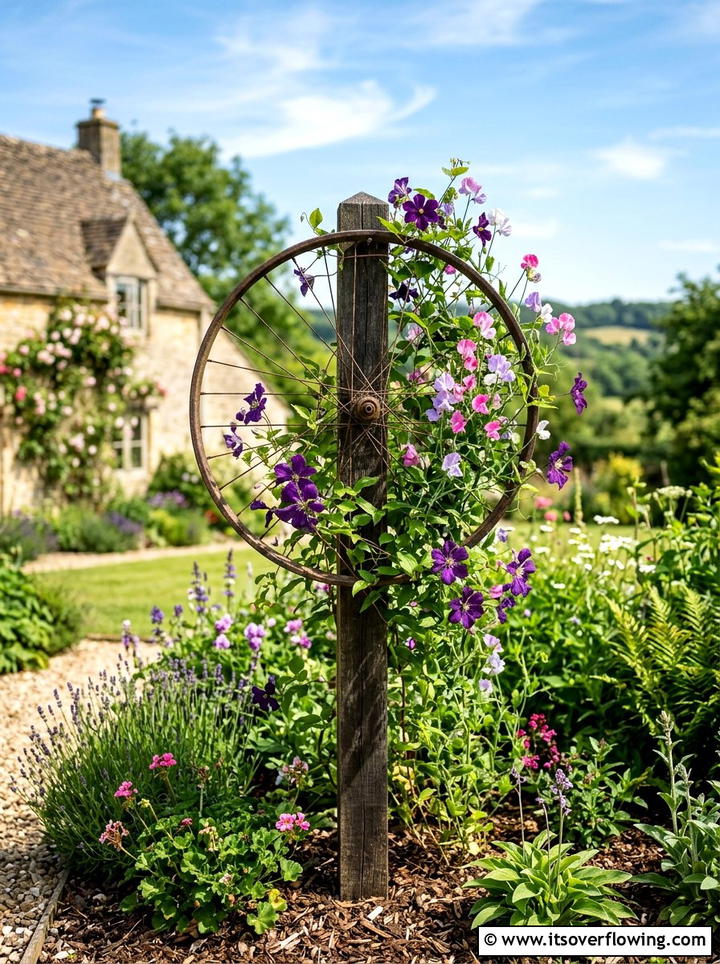
An old bicycle wheel can be repurposed into a circular trellis that adds a dynamic geometric element to your vertical garden. You can mount the wheel on a wall or a tall post and allow climbing plants like morning glories or ivy to grow through the spokes. The thin wires of the wheel provide a perfect surface for tendrils to grip and climb. As the plants grow, they will eventually cover the wheel, creating a beautiful living wreath. This project is a great way to honor a love for cycling while adding height to your garden. It is a lightweight and durable structure that lasts for many growing seasons.
13. Metal colander hanging basket
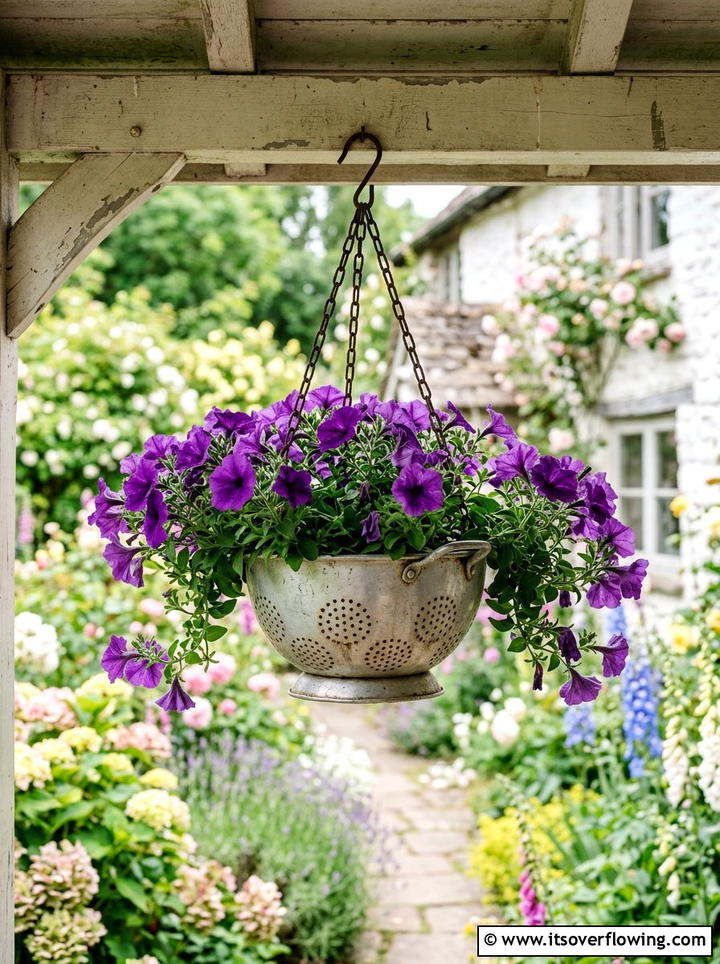
Kitchen colanders are already equipped with drainage holes, making them perfect ready-to-use hanging planters for your vertical garden. You can attach three sturdy chains to the rim of the colander and hang it from a porch ceiling or a tall garden hook. The metal material is durable and can handle various weather conditions while providing a vintage kitchen vibe. Filling the colander with bright petunias or trailing lobelia creates a colorful burst of flowers at eye level. This upcycling idea is simple yet effective for adding layers of height to your outdoor space. It is a fun way to use old kitchenware that would otherwise be forgotten.
14. Old bed frame garden
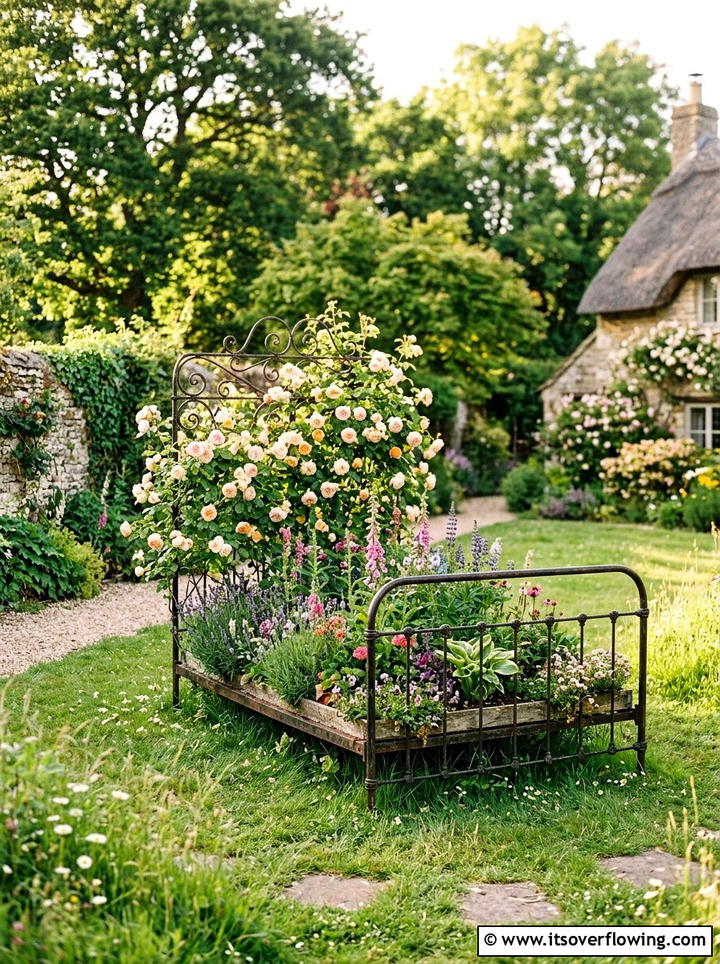
A vintage metal bed frame can be used as a large and sturdy trellis for heavy climbing plants in your garden. The headboard and footboard can be positioned upright to provide a grid for vines like grapes, roses, or clematis to scale. This structure adds a romantic and antique feel to your landscape while supporting substantial plant weight. You can even place the frame over a raised garden bed to create a complete themed area. The metal can be left to develop a natural patina or painted to match your garden furniture. This project is a fantastic way to repurpose a large item into a functional garden feature.
15. Vintage birdcage plant holder
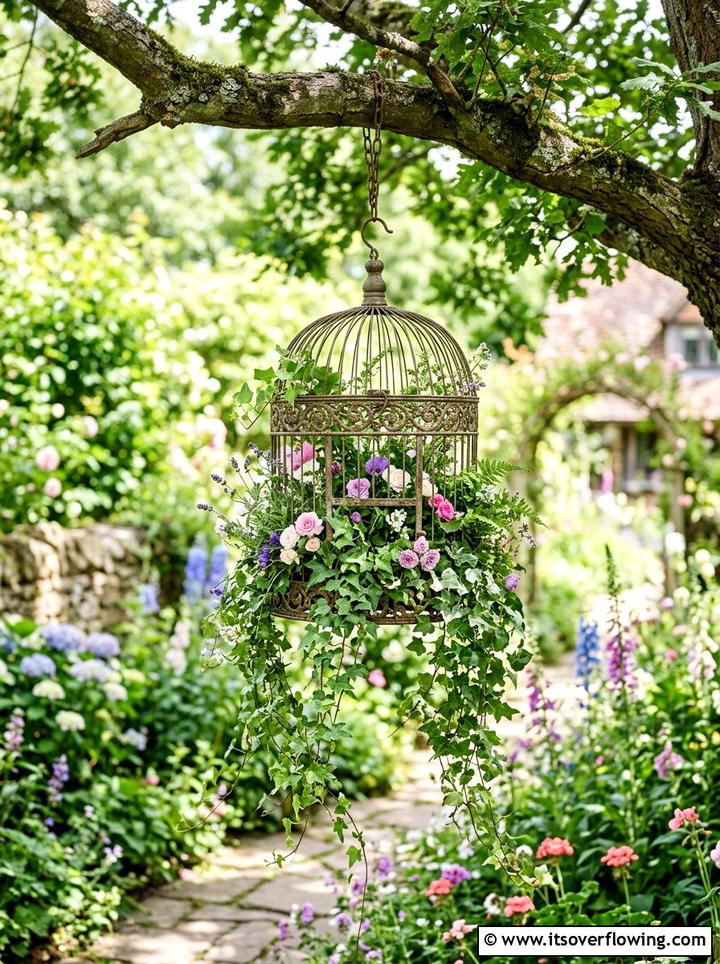
Old birdcages are decorative items that look stunning when filled with trailing plants and hung as part of a vertical garden. You can place a pot inside the cage and let the vines grow out through the bars for a wild and natural look. Ferns, ivy, or string of pearls are excellent choices for this type of display because of their graceful hanging habits. Hanging several birdcages at different heights creates a magical and fairy-tale atmosphere in your garden. The intricate designs of the cages add architectural interest even during the winter months. This upcycling idea is perfect for anyone looking to add a touch of Victorian elegance.
16. Window screen vertical herb garden
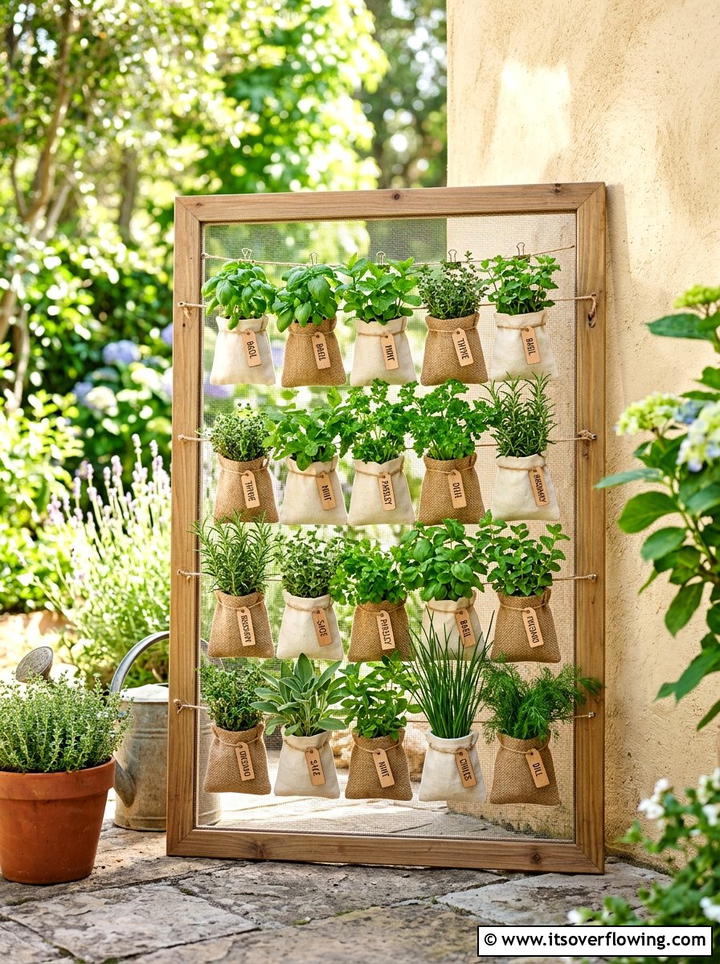
An old window screen can be transformed into a functional vertical garden by using the mesh as a support for small containers. You can attach lightweight pots or pouches to the screen using wire or hooks, allowing for a dense arrangement of plants. The screen provides excellent airflow and allows sunlight to reach every part of the vertical display. This setup is particularly useful for herbs that need good ventilation to prevent mold or pests. You can lean the screen against a sunny wall or mount it permanently to a porch railing. It is a simple and effective way to use a common household item for growing fresh produce.
17. Tea tin wall garden
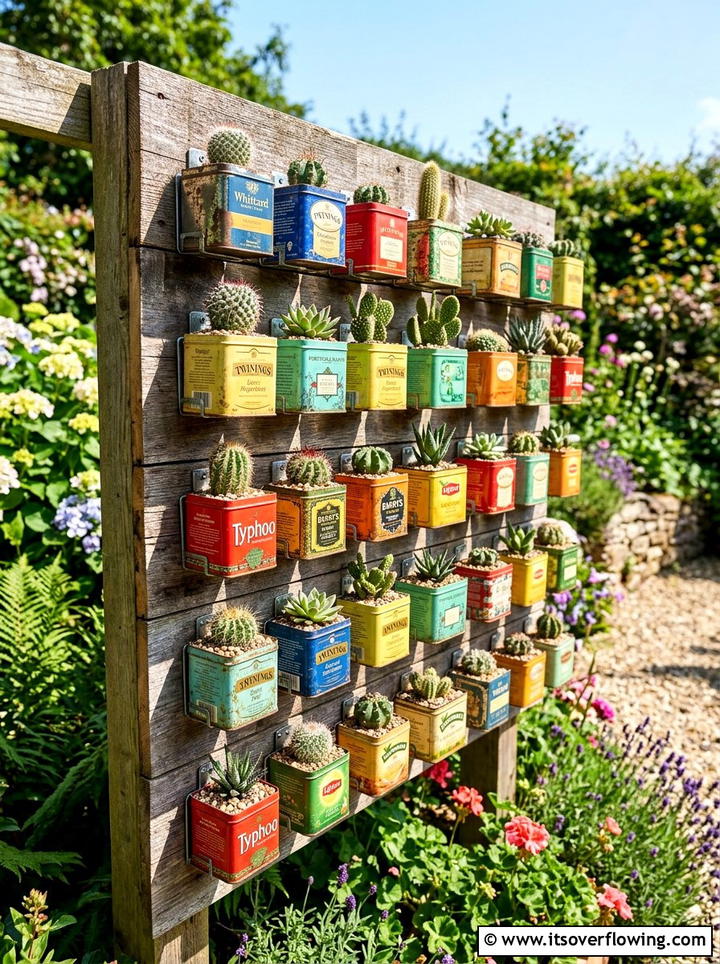
Colorful tea tins are perfect for creating a small-scale vertical garden that is full of vintage charm and character. You can attach these tins to a wooden board or a lattice fence to create a curated collection of small plants. Like tin cans, you must remember to add drainage holes to the bottom of each tea tin before planting. These containers are ideal for small succulents or tiny cacti that require very little water and space. The varied graphics and typography on the tins add a graphic design element to your garden. This project is a wonderful way to preserve beautiful packaging while growing a miniature botanical collection.
18. Hanging pocket garden
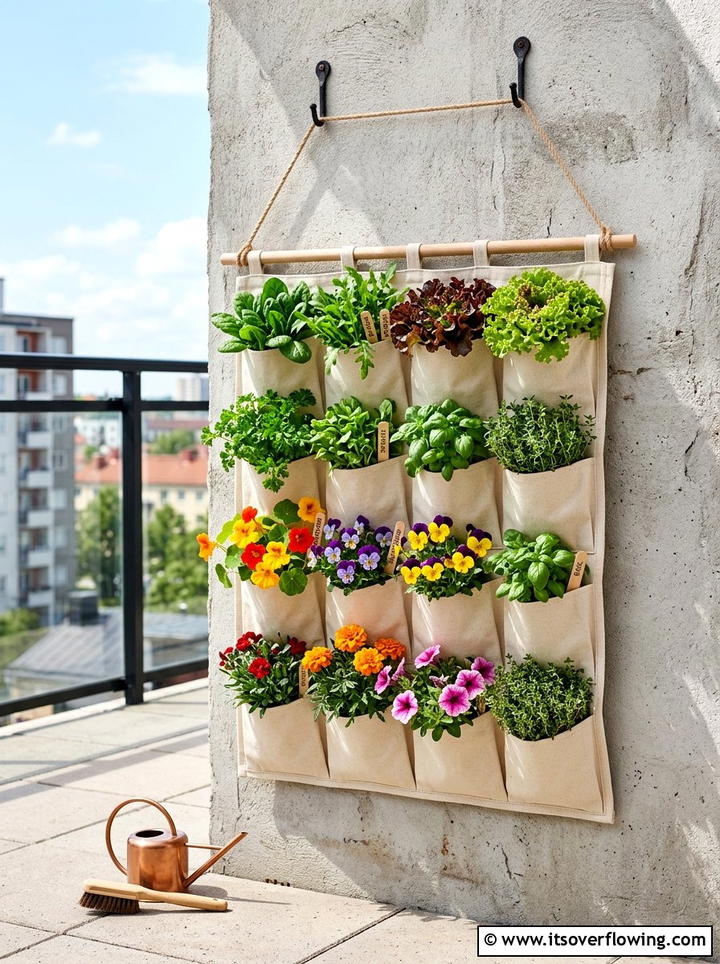
Repurposing old fabric or canvas bags into hanging pockets is a soft and flexible way to build a vertical garden. You can sew several pockets onto a large piece of heavy-duty fabric and hang the entire assembly from a wooden rod. These fabric pockets are breathable, which helps prevent overwatering and encourages healthy root growth. Planting a variety of salad greens or flowers in the pockets creates a lush and textured wall of vegetation. This type of garden is very easy to store during the winter since it can be folded up. It is an affordable and approachable DIY project for gardeners of all experience levels.
19. Rain boot garden fence
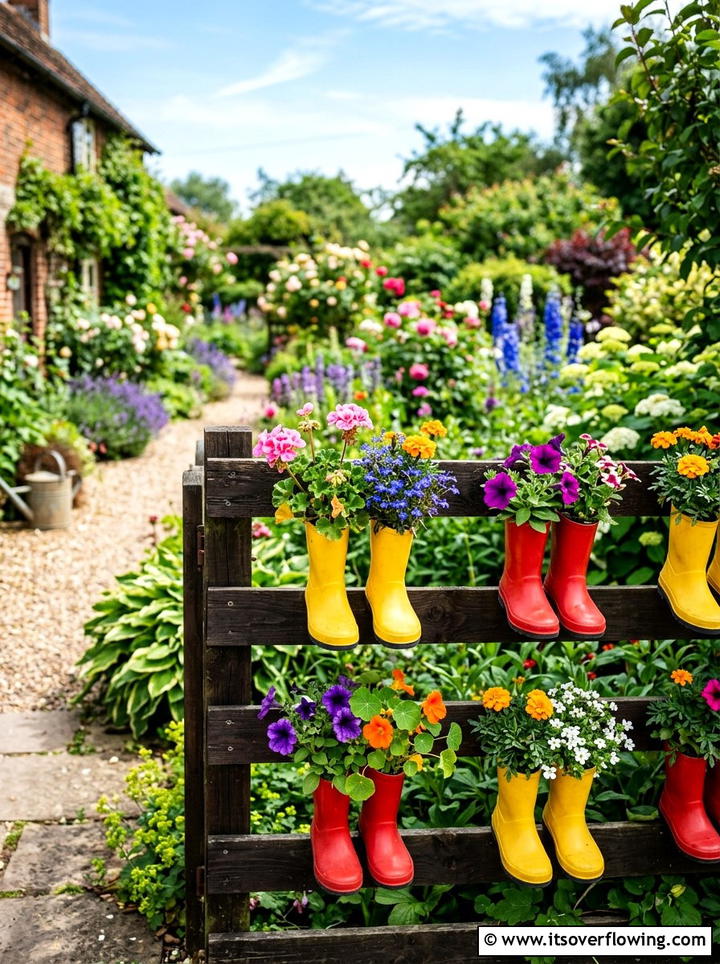
Old, colorful rain boots that children have outgrown make the most adorable and whimsical vertical planters for a garden fence. You can fill the boots with soil and screw them directly into the wooden posts of your fence at various heights. The tall shape of the boots provides plenty of room for root development for flowers like marigolds or pansies. Make sure to poke a few holes in the soles of the boots to allow excess water to escape. This idea adds a splash of color and a playful personality to any backyard space. It is a great way to repurpose sentimental items into something that brings daily joy.


20. Pvc pipe vertical garden
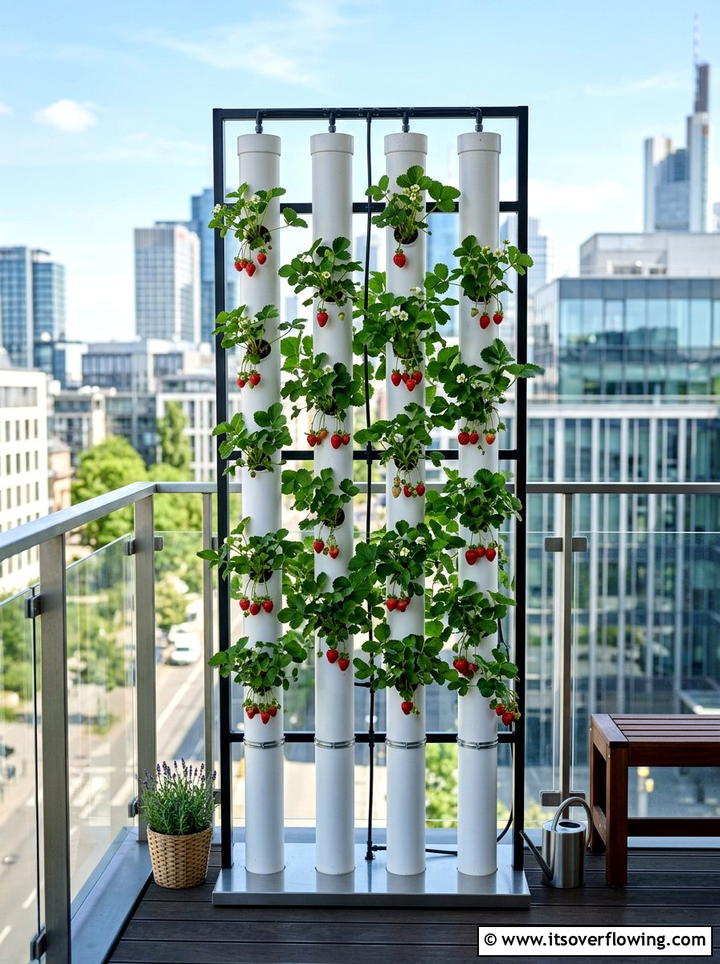
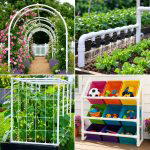
Leftover PVC pipes can be used to create a modern and highly efficient vertical hydroponic or soil-based gardening system. By cutting large holes into the sides of the pipe, you create individual planting spots for herbs, strawberries, or small vegetables. You can stand the pipes vertically in a base or mount them horizontally on a wall in a zig-zag pattern. This system is excellent for maximizing yield in a very small footprint, such as a narrow balcony. The white color of the pipes provides a clean and contemporary look that fits well with modern architecture. It is a durable and weather-resistant option for serious home gardeners.
21. Woven basket wall garden
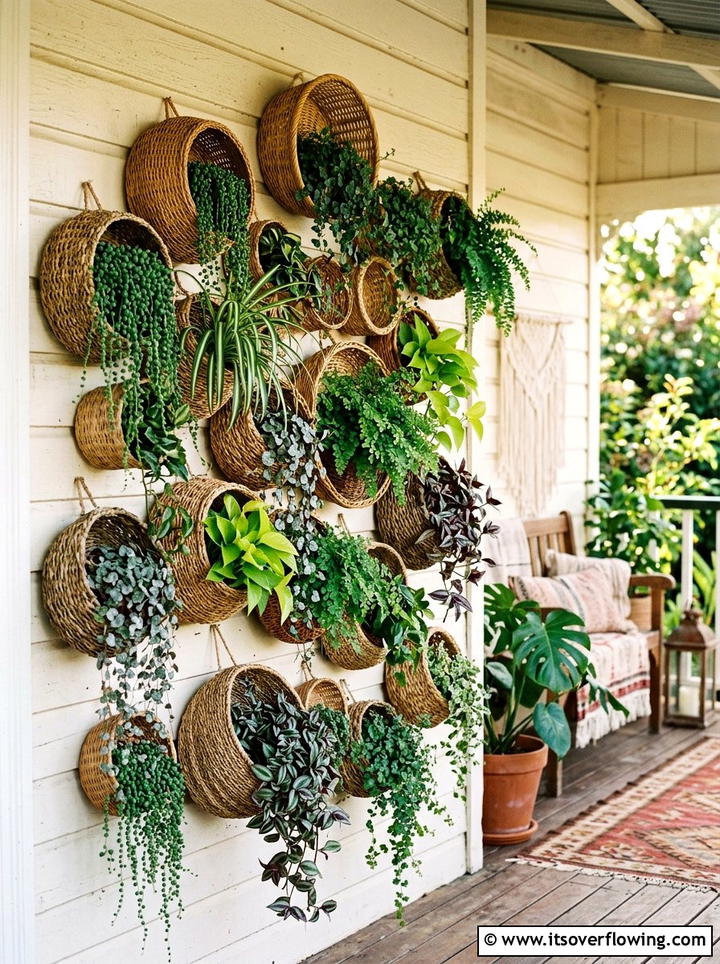
Woven baskets can be mounted on a wall to create a soft, natural, and organic vertical garden display. You should line the baskets with plastic or coconut coir to hold the soil and moisture effectively without damaging the fibers. Hanging several baskets of different shapes and sizes creates a beautiful and bohemian-style wall feature. These baskets are perfect for trailing plants like pothos or creeping jenny that spill over the edges gracefully. The natural textures of the baskets complement the green foliage of the plants perfectly. This upcycling idea brings a warm and cozy feel to your outdoor living area or patio wall.
22. Vintage suitcase planter
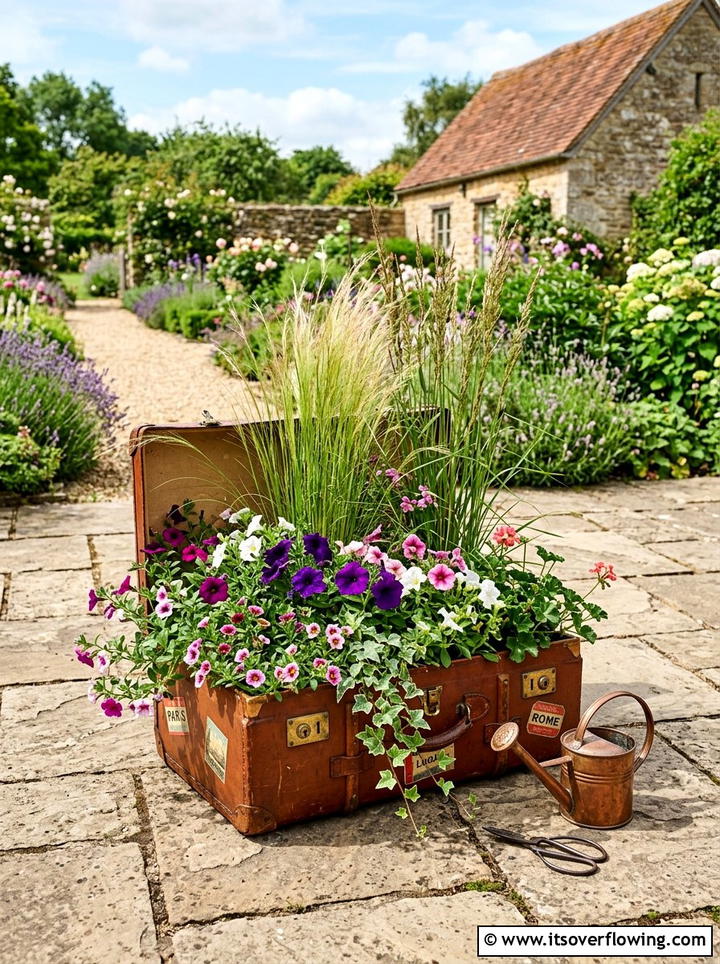
A vintage suitcase can be converted into a unique and portable vertical garden that serves as a conversation starter. By propping the suitcase open and securing the lid, you create two distinct planting areas at different heights. You should line the interior with heavy plastic to protect the vintage material from water damage and soil stains. Filling the suitcase with a mix of tall grasses and low-growing flowers creates a dynamic and layered arrangement. This project is perfect for adding a sense of adventure and travel to your garden decor. It is a creative way to use a bulky item that usually takes up storage space.
23. Iron gate plant trellis
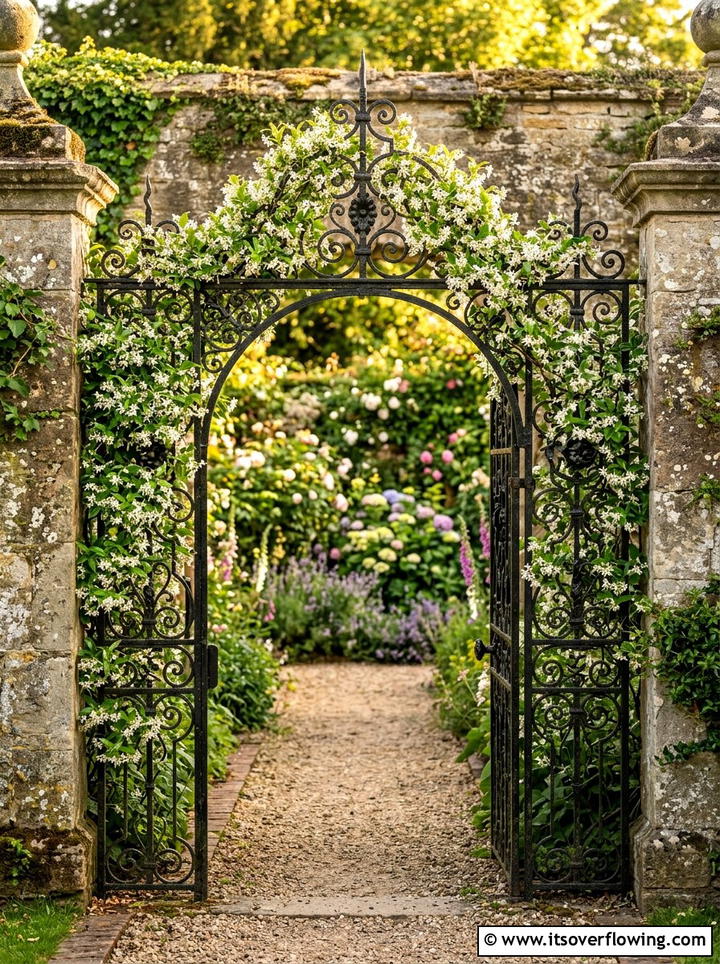
An old wrought iron gate is a sturdy and beautiful structure that can be used as a permanent vertical garden trellis. You can mount the gate against a brick wall or set it into the ground as a freestanding feature for climbing roses. The intricate ironwork provides many points for vines to attach themselves as they grow upward toward the sun. This adds a sense of history and architectural weight to your landscape design. Over time, the plants will weave through the iron, creating a dense and flowering privacy screen. It is an elegant way to repurpose a heavy architectural salvage item into a living garden.
24. Old window frame garden
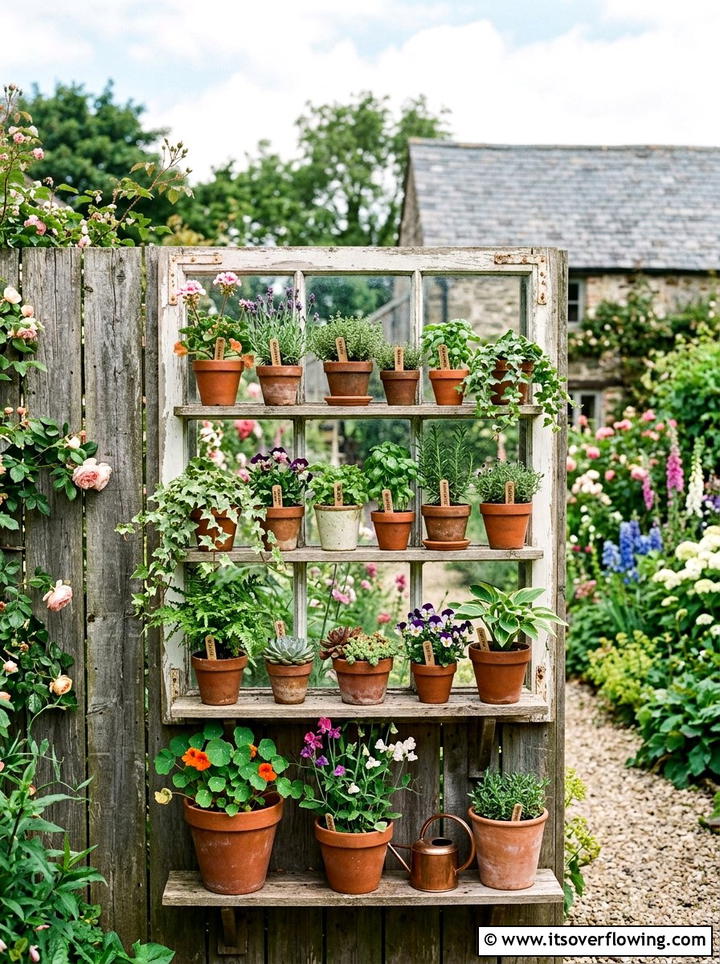
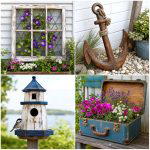
Repurposing an old wooden window frame allows you to create a vertical garden that looks like a literal window into nature. You can remove the glass panes and replace them with chicken wire or small wooden shelves to hold your pots. This structure can be hung on a fence or a blank exterior wall to break up the flat surface with greenery. The weathered wood of the frame adds a rustic and farmhouse aesthetic that is very popular in modern garden design. It is a wonderful way to add height and interest to your space without spending much money. This project turns a simple salvage item into a focal point.
25. Wood crate vertical garden
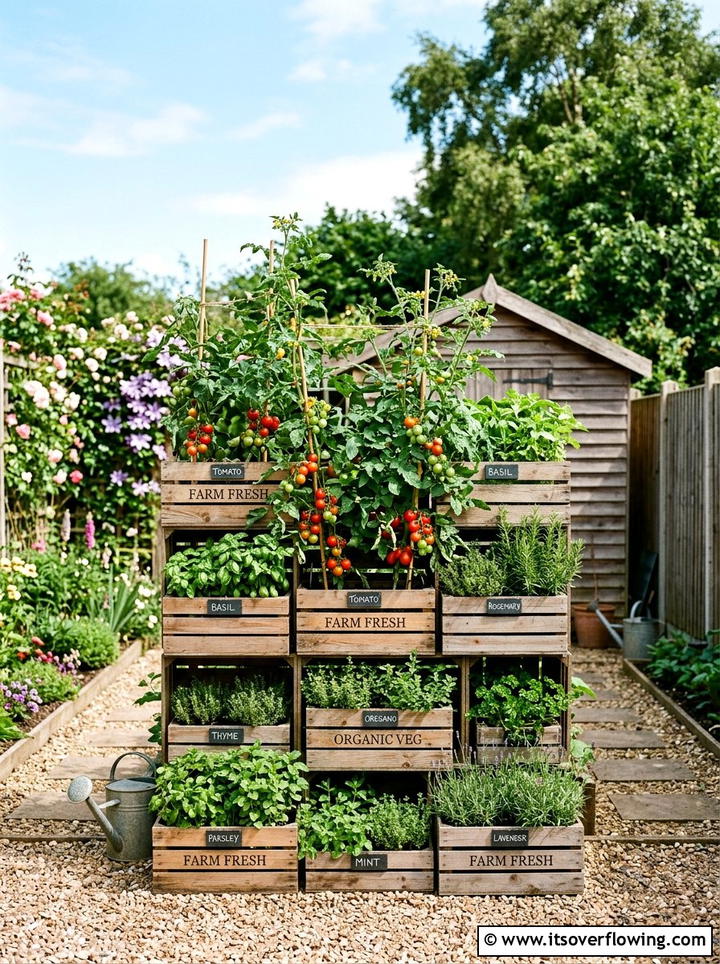
Stacking old wooden crates on top of each other in a staggered fashion creates a stable and spacious vertical gardening tower. You can secure the crates together with screws to ensure they do not tip over during heavy winds or storms. Each crate offers a large volume of soil, making it possible to grow larger plants like tomatoes or peppers vertically. The open sides of the crates allow for excellent air circulation around the plants, reducing the risk of disease. This modular design can be easily expanded as your garden grows and your needs change. It is a practical and rustic solution for any backyard gardener.
Conclusion:
Building an upcycled vertical garden is a rewarding way to combine your love for plants with a commitment to sustainability. By looking at everyday objects through a creative lens, you can transform your outdoor space into a thriving and unique sanctuary. These ideas prove that you do not need an expensive setup to achieve a professional and lush garden look. Whether you are working with a small apartment balcony or a large backyard fence, vertical gardening offers endless opportunities for innovation. Embracing upcycling not only saves money but also gives your garden a personal story and a distinctive style. Start your vertical journey today and enjoy the beauty of a living wall.

Related posts:
 25 Upcycled Garden Ideas for Tiny Yards That Feel Bigger
 25 Upcycled Garden Ideas for Front Yards With Curb Appeal
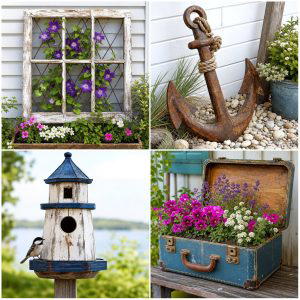 25 Upcycled Garden Ideas With Coastal Style for Breezy Yards
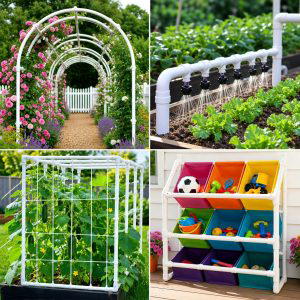 25 Upcycled Garden Ideas With PVC Pipes For Clever Yards
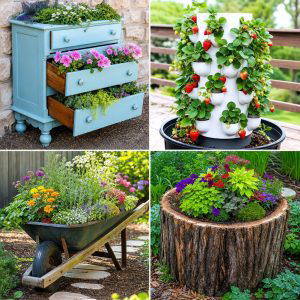 25 Upcycled Garden Ideas for Community Gardens That Inspire
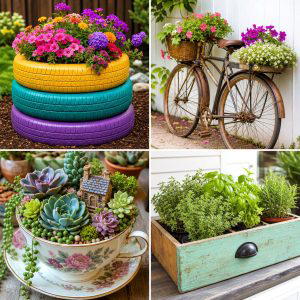 25 Upcycled Garden Ideas for Small Gardens With Big Impact
 25 Upcycled Garden Ideas for Urban Gardens With Style
 25 Upcycled Garden Ideas With Compost Bins for Greener Gardens
 25 Upcycled Garden Ideas With Fairy Gardens for Magical Spaces
 25 Upcycled Garden Ideas With Trellis Walls for Vertical Style
 25 recycled garden ideas with pallets for Creative Yards
 25 Upcycled Garden Ideas With Garden Edging for Neat Borders