
Transforming your outdoor space does not require a massive budget or brand-new materials from a big-box store. Upcycling offers a creative way to repurpose forgotten items into functional garden structures that add character and height. Trellis walls are especially useful for small gardens, allowing you to grow plants vertically while creating privacy and visual interest. By using reclaimed wood, vintage metal, or salvaged household items, you can build a unique garden feature that tells a story. This approach is sustainable, budget-friendly, and perfect for anyone looking to personalize their landscape. Let us explore several innovative ways to use upcycled materials to build beautiful, sturdy trellis walls for your climbing plants.

1. Old Wood Ladder Wall
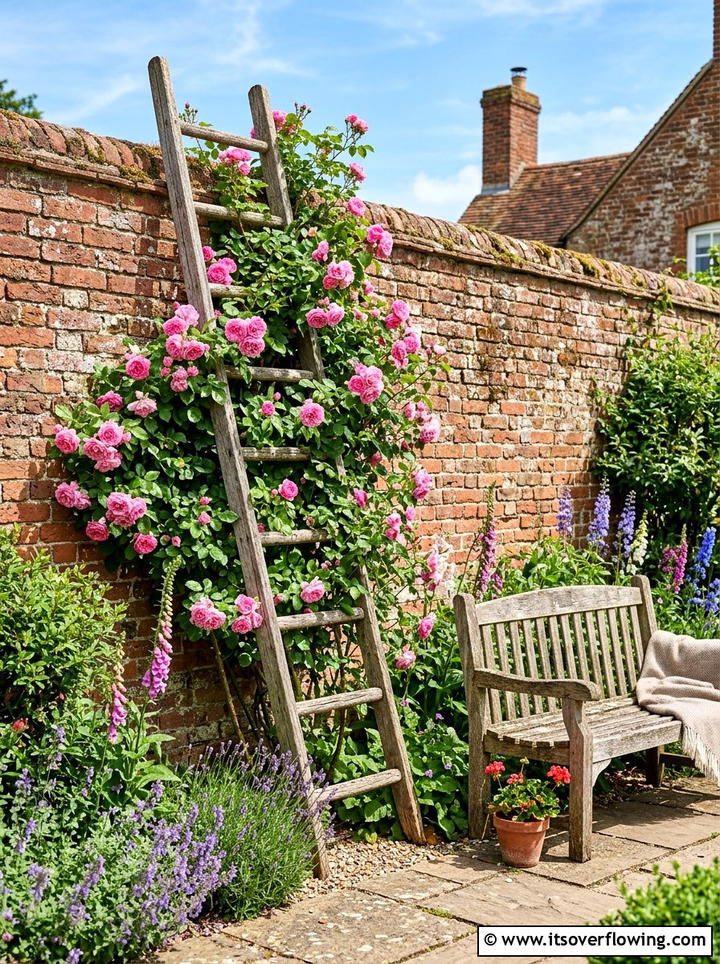
Using an old wooden ladder is one of the simplest ways to introduce vertical interest to your garden without complex construction. You can lean a tall extension ladder against a sturdy brick wall or fence to create an immediate climbing surface for heavy vines like clematis or wisteria. The rungs provide natural support points for plants to grab onto as they grow upward. Make sure to secure the top of the ladder to the wall using heavy-duty brackets to prevent it from tipping over during windy weather. Sanding down any rough spots and applying a clear sealant will help the wood withstand the outdoor elements for many years.
2. Vintage Window Trellis Wall
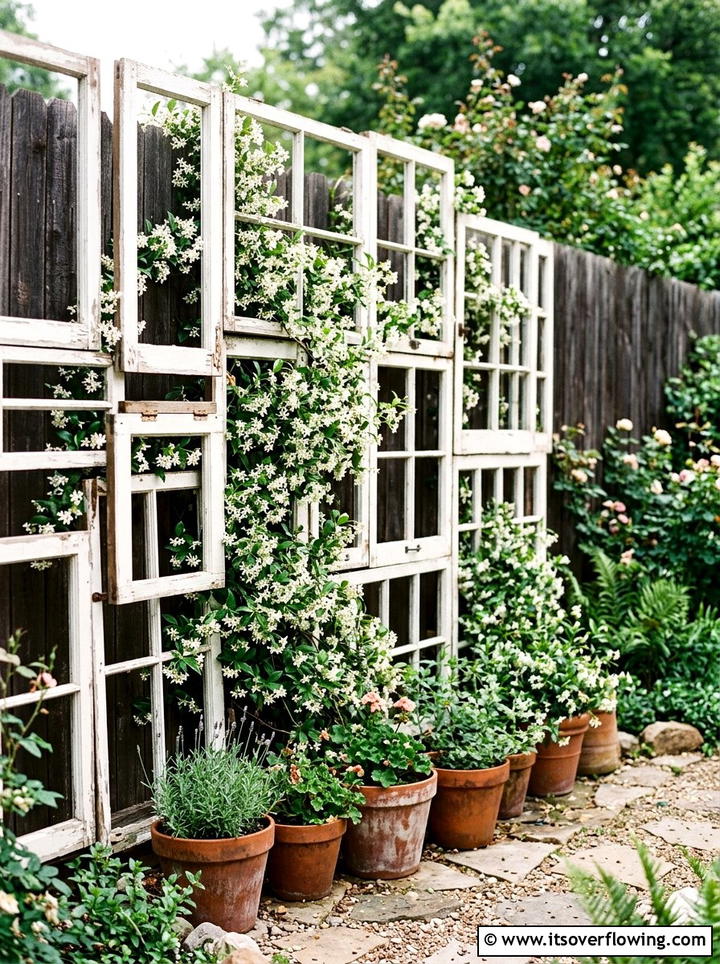
Empty window frames with the glass removed make for an incredibly charming and architectural garden wall feature. You can hinge several frames together to create a folding screen or mount them directly to a wooden fence for a layered look. Stringing thin copper wire across the empty panes provides a grid for delicate climbers like sweet peas or jasmine to navigate. This design allows light to pass through while still providing a sense of enclosure and structure. If the frames have original peeling paint, you can apply a matte outdoor varnish to preserve the rustic patina while protecting the wood from rotting in the rain.
3. Wood Pallet Garden Wall
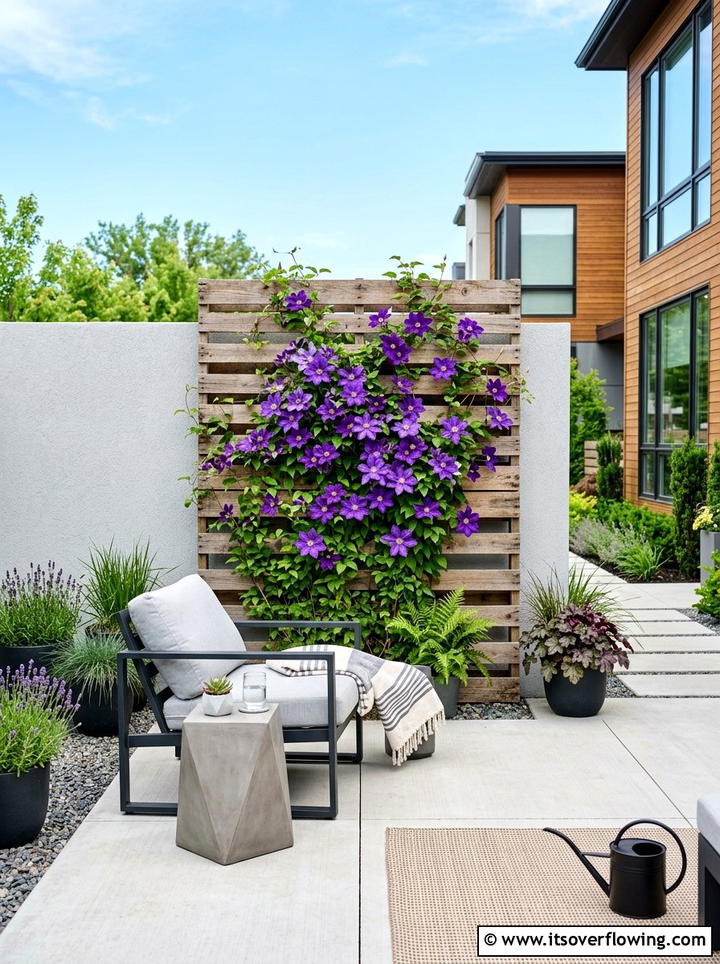
Reclaimed wooden pallets are a staple in the upcycling world and they work perfectly as a robust trellis wall. You can stand a pallet vertically and secure it to a wall, using the slats as a built-in support system for climbing vegetables or flowers. For a more polished look, take the pallet apart and reassemble the boards into a custom chevron or diamond pattern. This creates a modern aesthetic that fits well in urban or contemporary garden settings. Adding small hooks or herb pots directly to the wood slats turns the trellis into a multi-functional vertical garden that saves significant ground space.

4. Metal Bed Frame Trellis
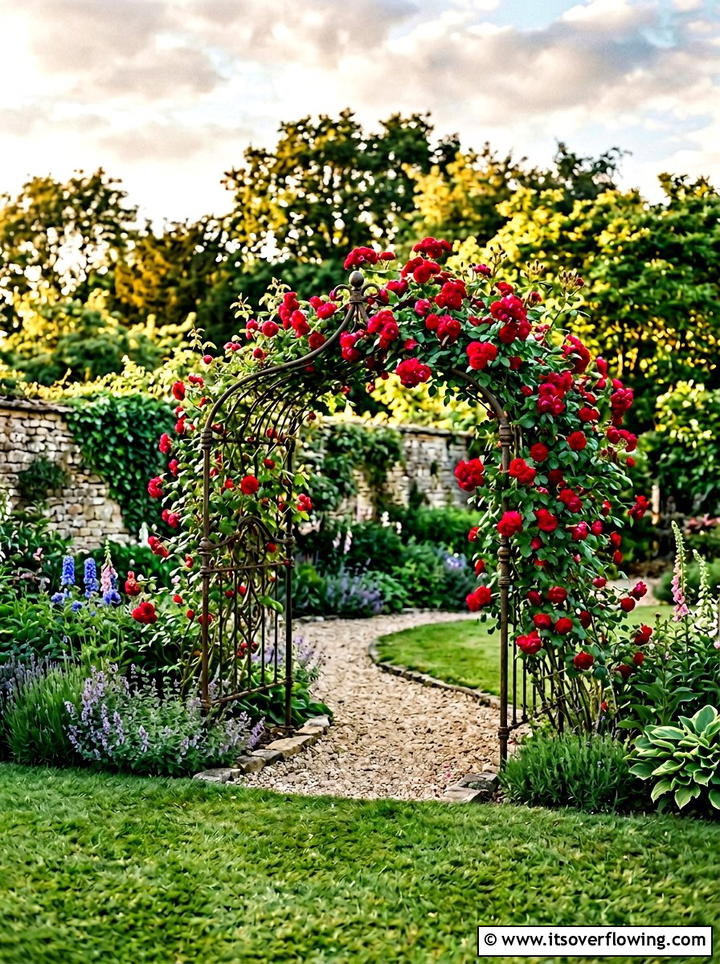
Vintage metal bed frames, especially those made of wrought iron or sturdy steel, are naturally suited for supporting heavy climbing roses. The intricate scrollwork found on old headboards provides numerous points for stems to be tied and trained. You can paint the frame a bold color like deep blue or classic black to make it a focal point against a plain garden wall. These frames are usually heavy enough to stand on their own if the legs are sunk deep into the ground with concrete. Their durability ensures that they will remain a permanent fixture in your garden for decades without showing much wear.
5. Bicycle Wheel Trellis Wall
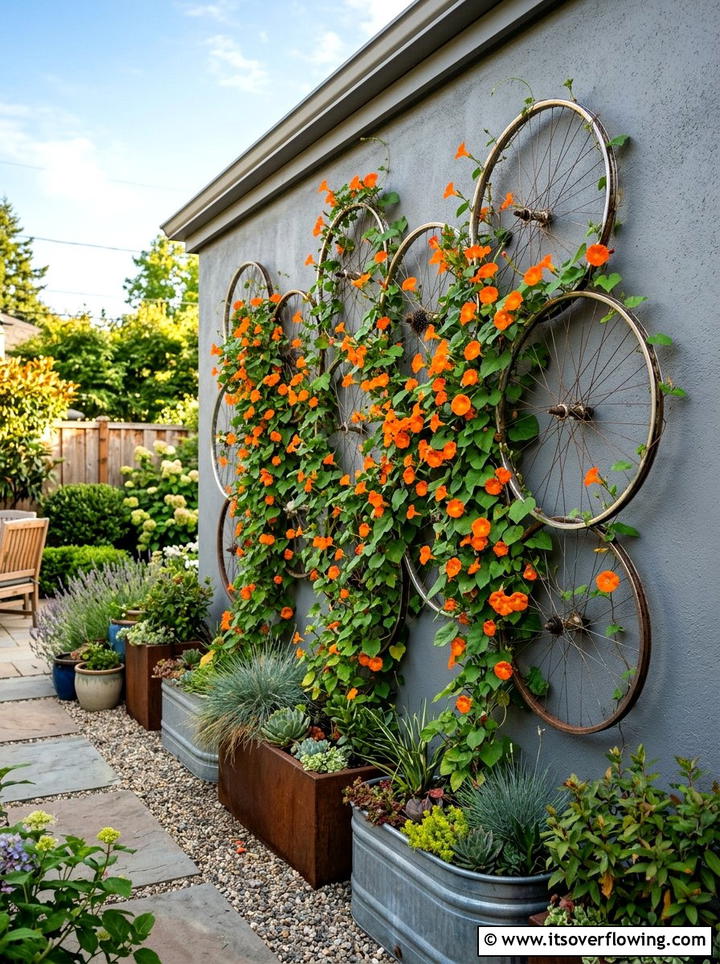
Old bicycle wheels can be transformed into a whimsical and geometric trellis wall by mounting them in a vertical row or a random cluster. The spokes of the wheels act as a perfect radial grid for lighter vines like morning glories or black-eyed Susan vines to weave through. You can connect the wheels using sturdy zip ties or wire and then attach the entire assembly to a wall or fence. This design looks particularly striking in a modern or eclectic garden setting where the industrial metal contrasts with soft green foliage. Rotating the wheels at different angles adds a sense of movement and artistry.
6. Iron Headboard Wall Trellis
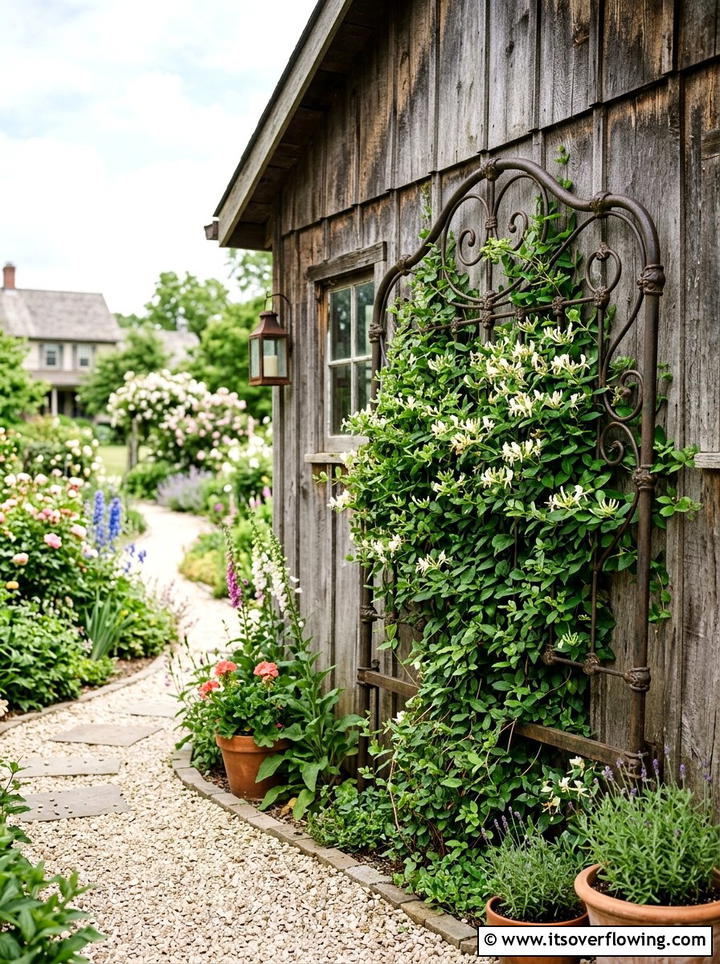
An antique iron headboard can serve as a stunning architectural centerpiece when mounted as a trellis wall. The vertical bars and decorative finials offer excellent support for rambling vines that need a bit of guidance as they reach for the sun. By mounting the headboard slightly away from the wall using spacers, you allow for better air circulation, which helps prevent mildew on the plant leaves. This setup is ideal for creating a romantic, cottage-style garden nook. The weight of the iron provides a stable anchor for even the most vigorous climbers, ensuring your green wall stays upright through every single season.
7. Repurposed Door Garden Wall
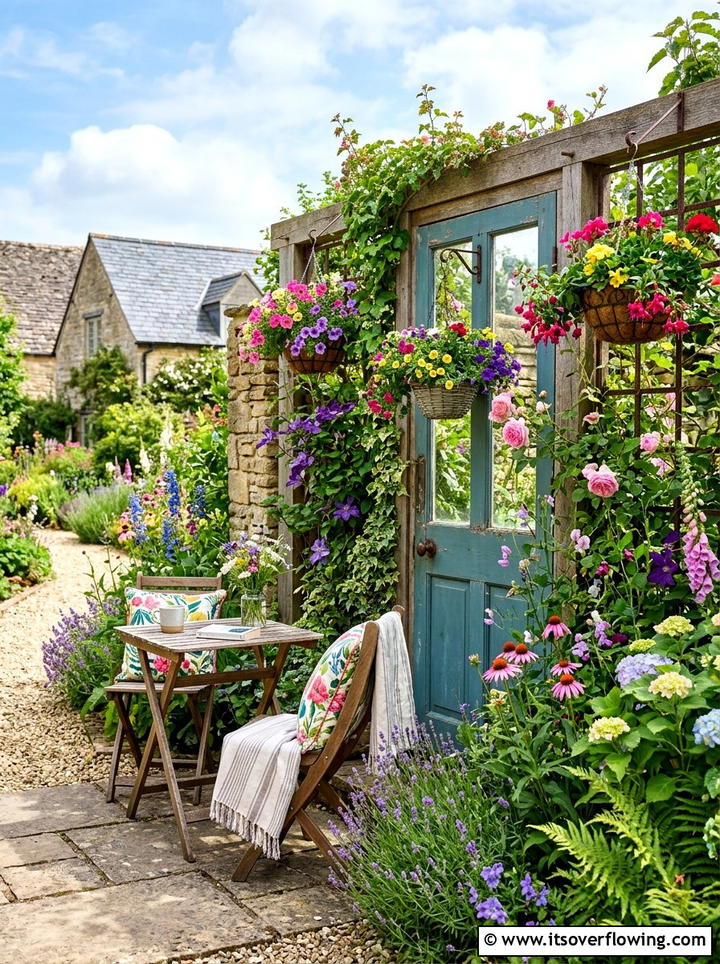
Solid wood doors with recessed panels can be converted into a tall, privacy-enhancing trellis wall with just a few modifications. You can cut out the inner panels and replace them with chicken wire or decorative metal mesh to give plants a place to climb. Positioning several doors side-by-side creates a substantial barrier that blocks unsightly views while providing a lush backdrop of greenery. Using a bright, weather-resistant paint can turn these doors into a vibrant art piece even during the winter months when the vines are dormant. It is a fantastic way to give a second life to high-quality vintage architectural salvage.

8. Copper Pipe Garden Trellis
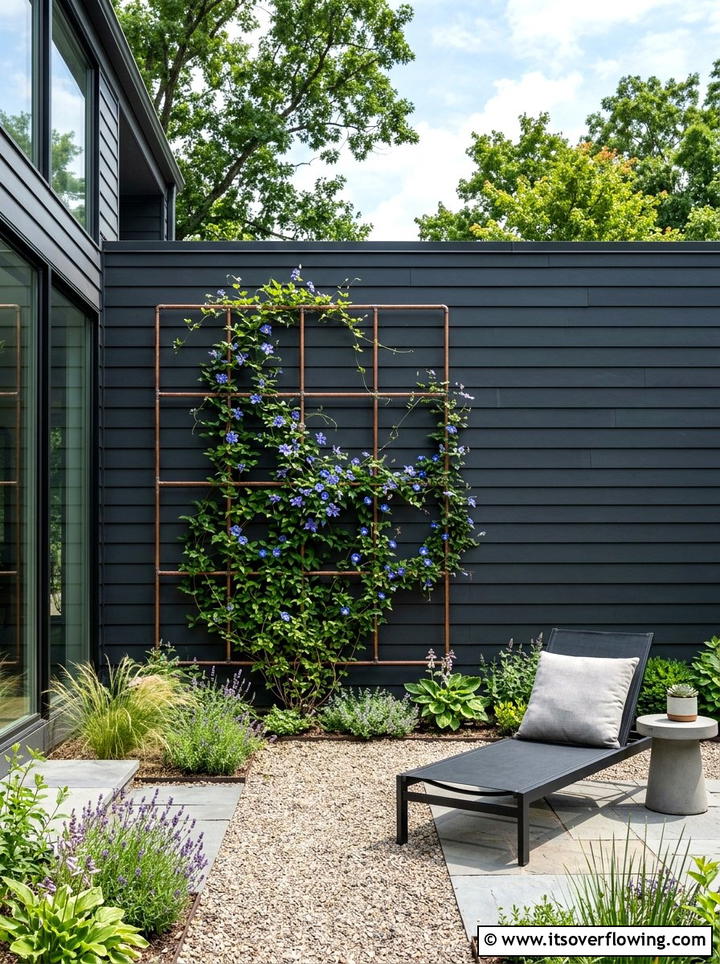
Leftover copper piping from a home renovation can be soldered together to create a sleek and modern grid trellis for your wall. As the copper ages, it develops a beautiful green verdigris patina that blends seamlessly with the surrounding garden plants. This material is lightweight yet very strong, making it easy to mount on various wall types without needing heavy-baring hardware. You can create a simple square grid or experiment with more complex geometric shapes to match your home’s architecture. The reflective quality of the metal adds a touch of elegance and shine to shaded corners of the garden during the day.
9. Baby Crib Rail Trellis
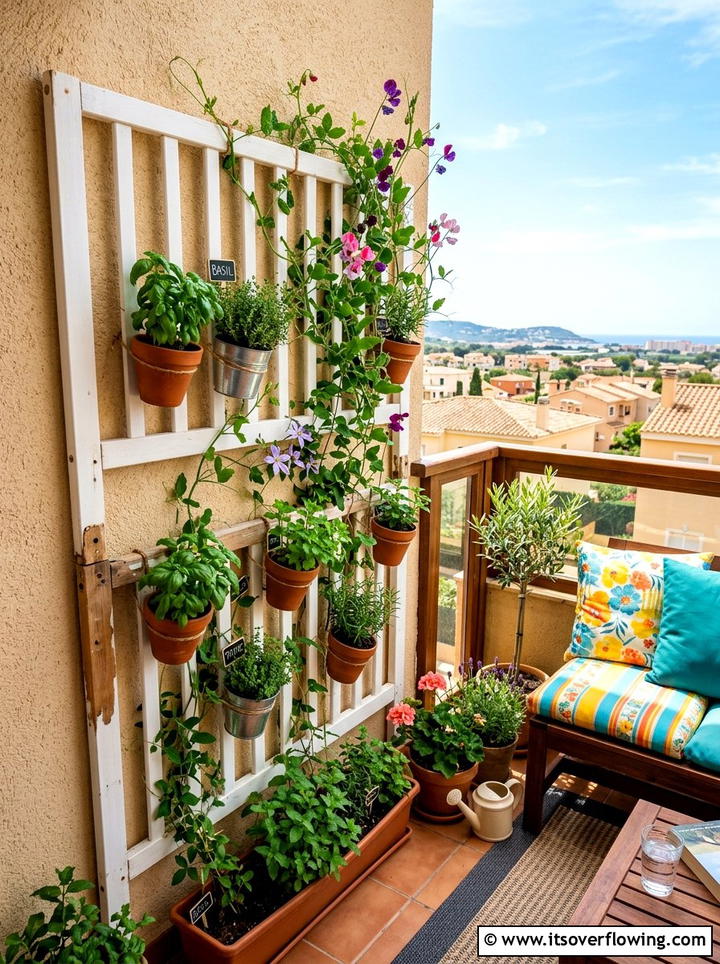
When children outgrow their cribs, the wooden or metal side rails can be easily repurposed into a fantastic wall-mounted trellis. The narrow spacing between the slats is ideal for supporting smaller climbing plants or providing a framework for hanging potted herbs. These rails are typically the perfect height for a patio garden wall or a balcony railing. You can mount them horizontally or vertically depending on the growth habit of the plants you choose to grow. Because they are designed for safety, the materials are often quite sturdy and can handle the weight of multiple blooming plants throughout the summer.
10. Bamboo Pole Lattice Wall
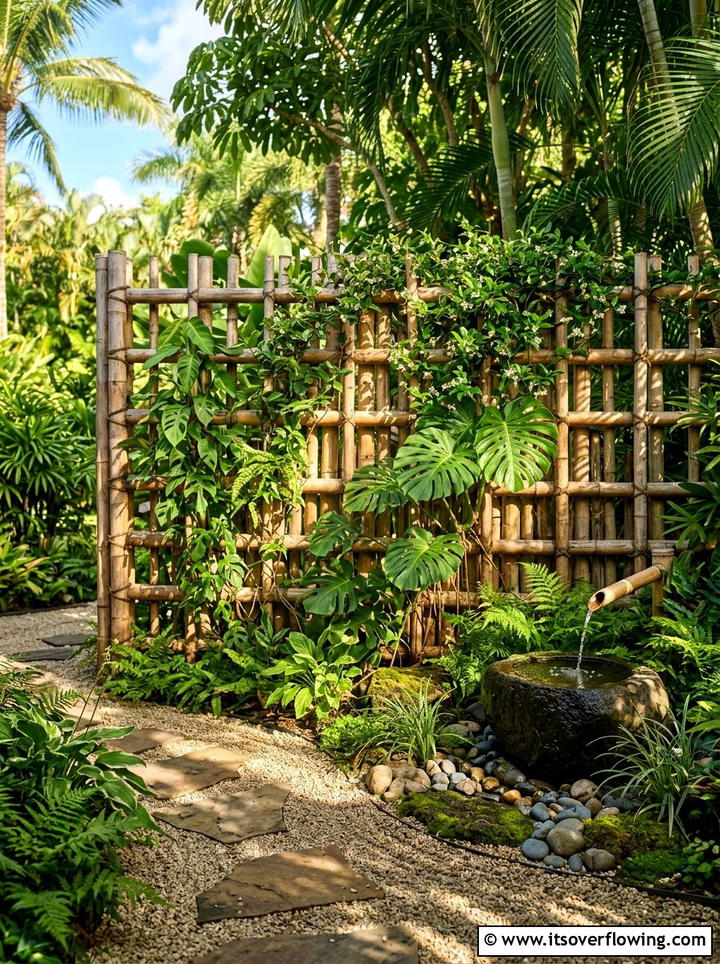
Natural bamboo poles offer a sustainable and lightweight option for building a custom lattice wall trellis. You can lash the poles together using twine or sturdy wire to create a grid that fits your specific wall dimensions perfectly. This material brings a tropical or Zen-like feel to the garden, working beautifully with ornamental grasses and ferns. Bamboo is incredibly resilient and can withstand high humidity and rain without quickly deteriorating. For a more contemporary look, try painting the bamboo a dark charcoal color to make the green leaves of your climbing vines pop against the dark structural background.
11. Window Shutter Garden Wall
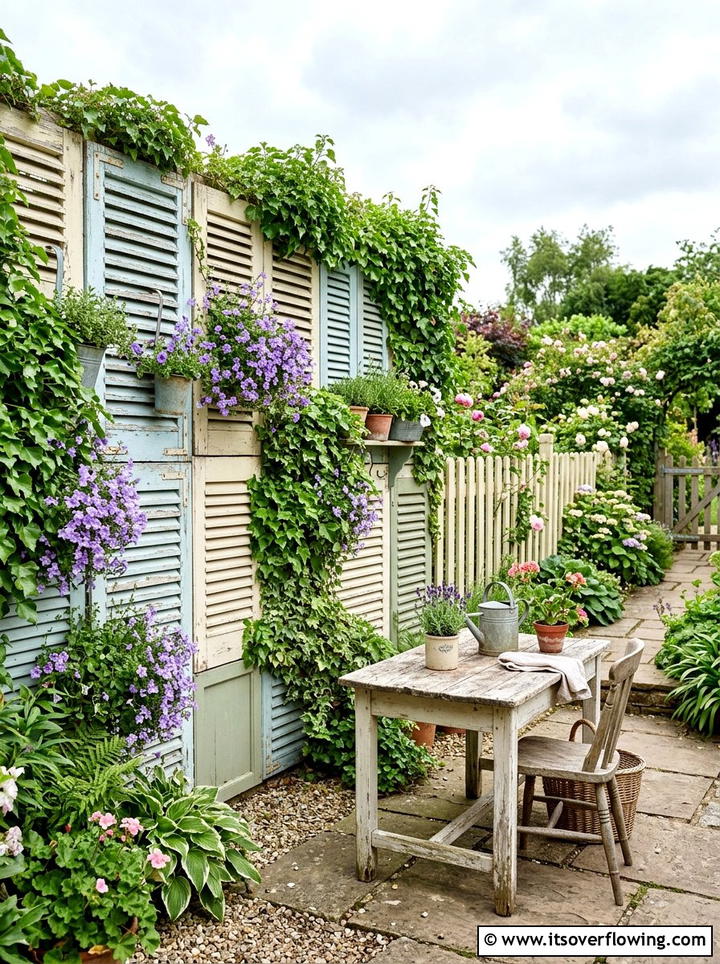
Vintage wooden shutters are often found at thrift stores and can be easily hinged together to create a tall trellis wall. The louvers of the shutters provide narrow gaps where small tendrils can naturally latch on and grow. You can mount these shutters in a staggered pattern on a boring fence to add texture and depth to your landscape. Using a variety of different shutter heights and widths creates an interesting, eclectic look that feels very personalized. They are perfect for supporting lighter weight climbers like ivy or climbing hydrangeas that do not require a massive amount of structural support.

12. Cattle Panel Wall Trellis
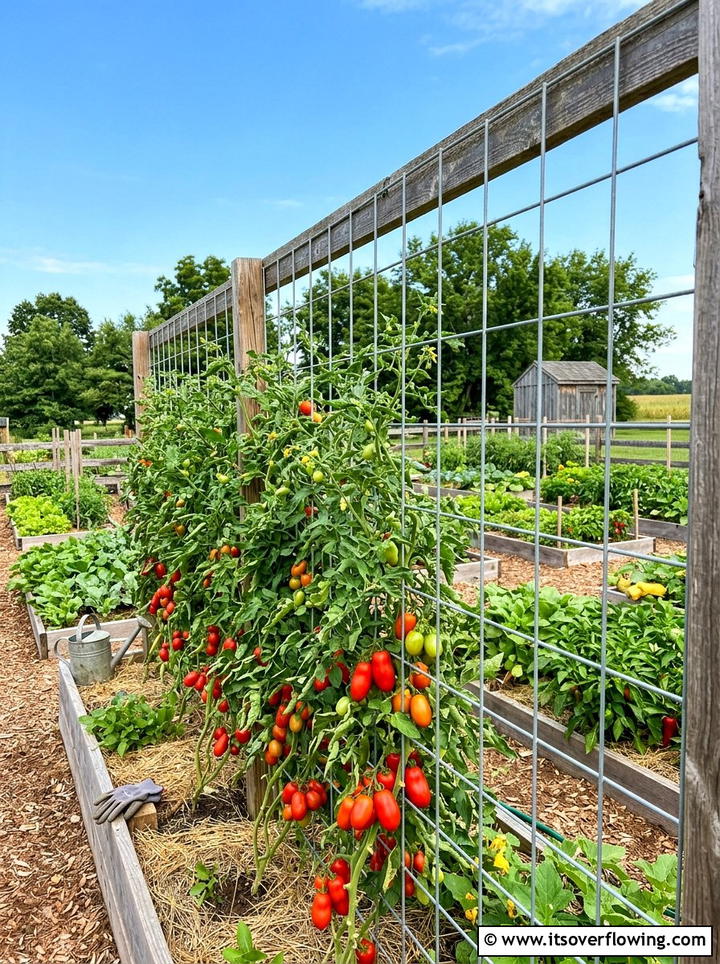
Heavy-duty cattle panels made of galvanized steel are an excellent choice for a large-scale trellis wall that needs to support heavy crops. These panels are extremely rigid and will not sag under the weight of large squash vines or heavy bunches of grapes. You can lean a panel against a garage wall or mount it flat to create a massive green tapestry. The large grid pattern makes it easy to reach through for harvesting vegetables or pruning the plants as needed. Because the steel is galvanized, it is completely rust-resistant and will last for many years in damp or coastal environments.
13. Wire Mesh Fence Wall
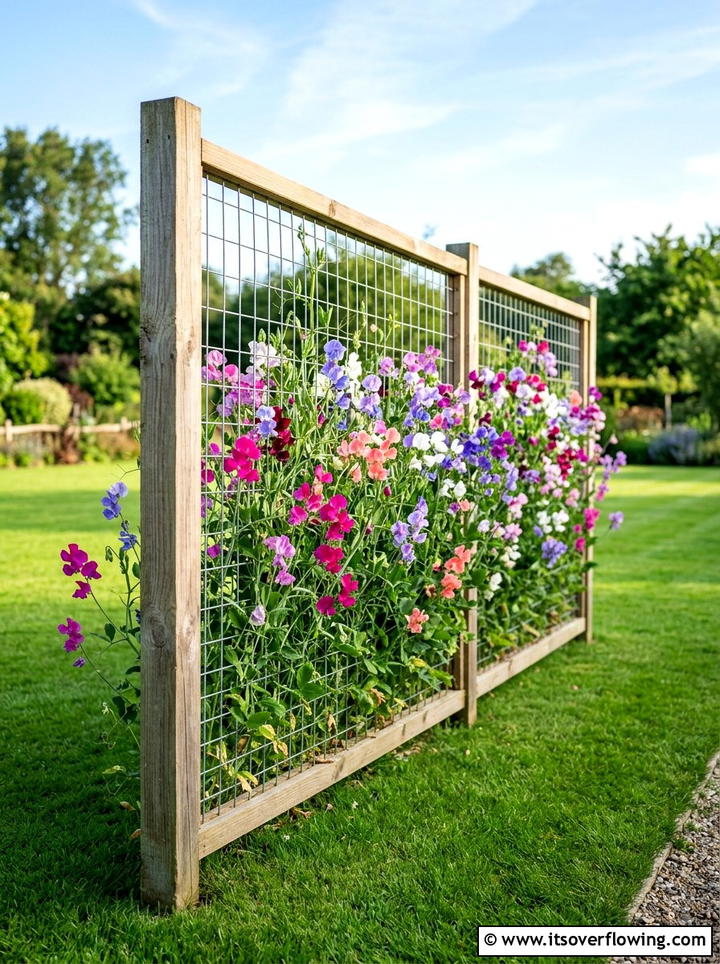
Reclaimed wire mesh or hardware cloth can be framed with scrap wood to create a modern and industrial-style trellis wall. This type of trellis is almost invisible from a distance, allowing the beauty of the plants to take center stage. It is particularly effective for plants with tiny tendrils, like sweet peas, which need a fine grid to climb effectively. You can cut the mesh to any size, making it a very versatile option for odd-shaped wall spaces. Framing the wire prevents the edges from being sharp and gives the entire structure a finished, professional look that enhances your garden.
14. Garden Tool Handle Trellis
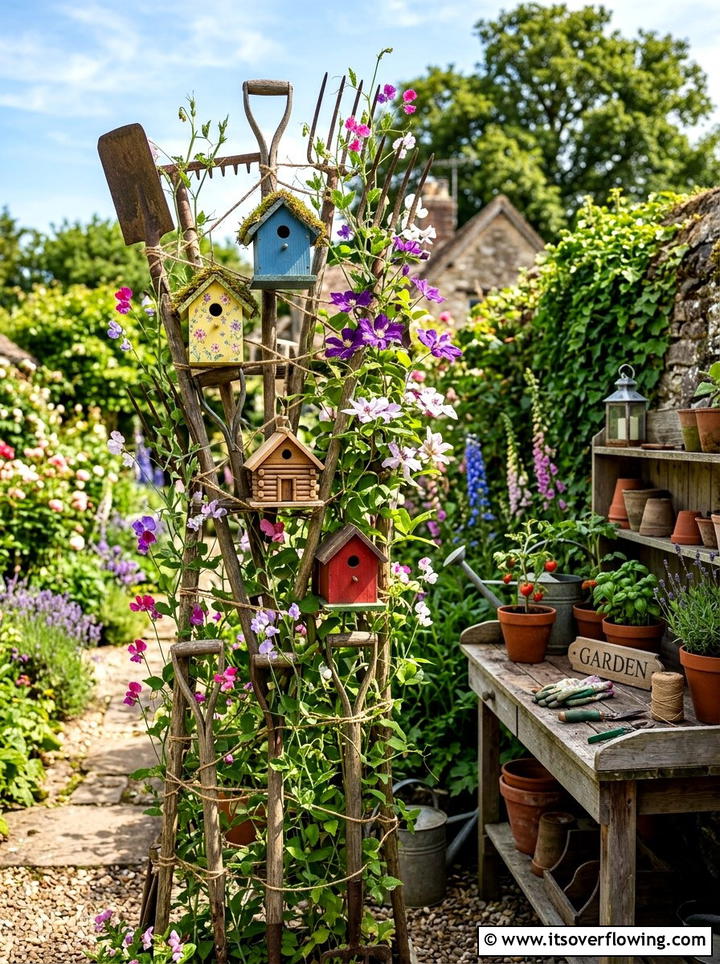
If you have a collection of old broken garden tools, their long wooden handles can be lashed together to form a rustic wall trellis. Rake handles, shovel grips, and hoe shafts can be arranged in a sunburst or grid pattern and secured to an outdoor wall. This creative approach celebrates the history of gardening while providing a functional support system for new growth. The varied textures and wood tones of the handles add a unique visual element that you cannot find in store-bought options. It is a wonderful way to honor your favorite old tools instead of throwing them away.
15. Large Picture Frame Trellis
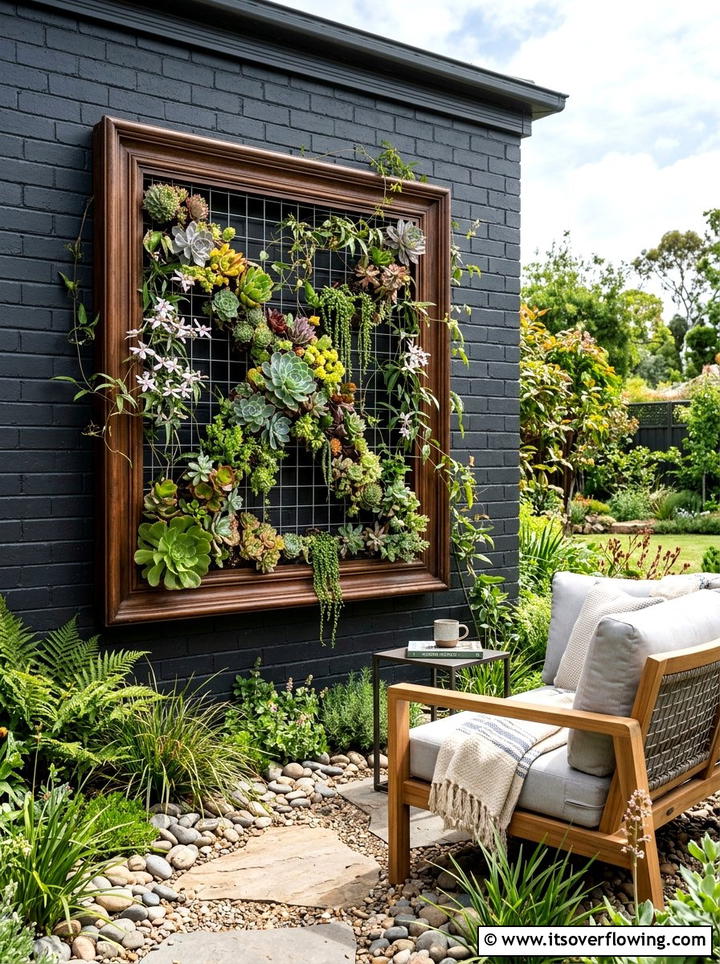
Heavy decorative picture frames can be found at yard sales and converted into elegant “living art” frames for your garden walls. By removing the backing and glass and replacing them with a wire grid, you create a space for plants to grow within the frame. Mounting these frames on a garden wall makes it look like the plants are part of a curated gallery. This works exceptionally well with slow-growing vines or even succulents that can be tucked into the wire mesh. It adds a touch of sophistication and whimsy to a patio or porch wall that might otherwise feel empty.

16. Wrought Iron Gate Trellis
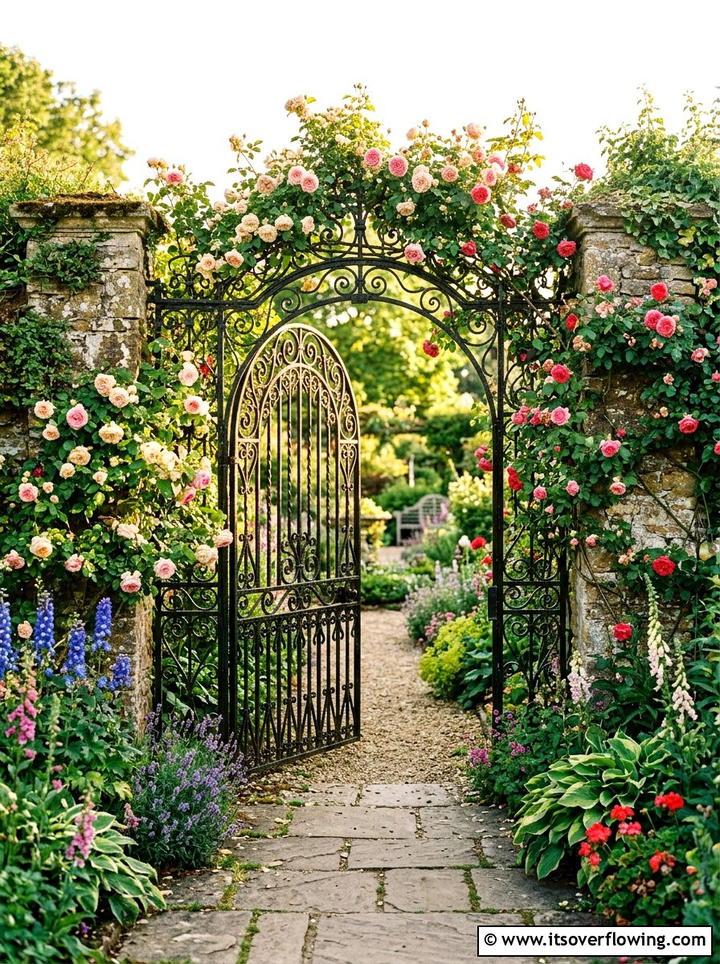
An old garden gate made of wrought iron is a fantastic ready-made trellis that adds a sense of history and permanence to your yard. These gates often feature beautiful scrollwork and points that are perfect for training roses or honeysuckle. You can mount the gate flat against a brick wall or use it to create a divider between different garden rooms. The heavy metal provides a very stable base that can withstand the weight of even the most aggressive perennial vines. Its classic look never goes out of style and provides year-round structural beauty even when the plants have lost their leaves.
17. Rolling Clothes Rack Trellis
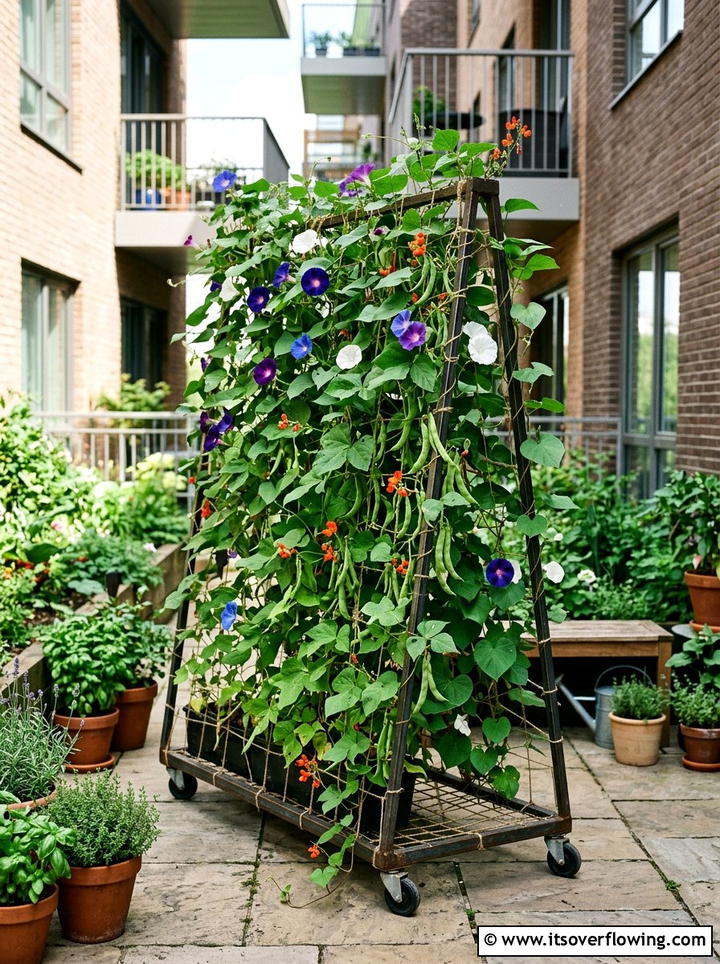
A discarded metal clothes rack can be moved against an outdoor wall to act as a portable and sturdy trellis system. The vertical poles and top horizontal bar provide a clear framework for tall plants to follow as they grow upward. You can add your own netting or wire between the vertical bars to create more climbing surface area for smaller vines. This is an ideal solution for renters who want a large trellis wall but cannot permanently attach structures to the building. The wheels make it easy to reposition the plants if they need more or less sun throughout the season.
18. Closet Wire Shelf Trellis
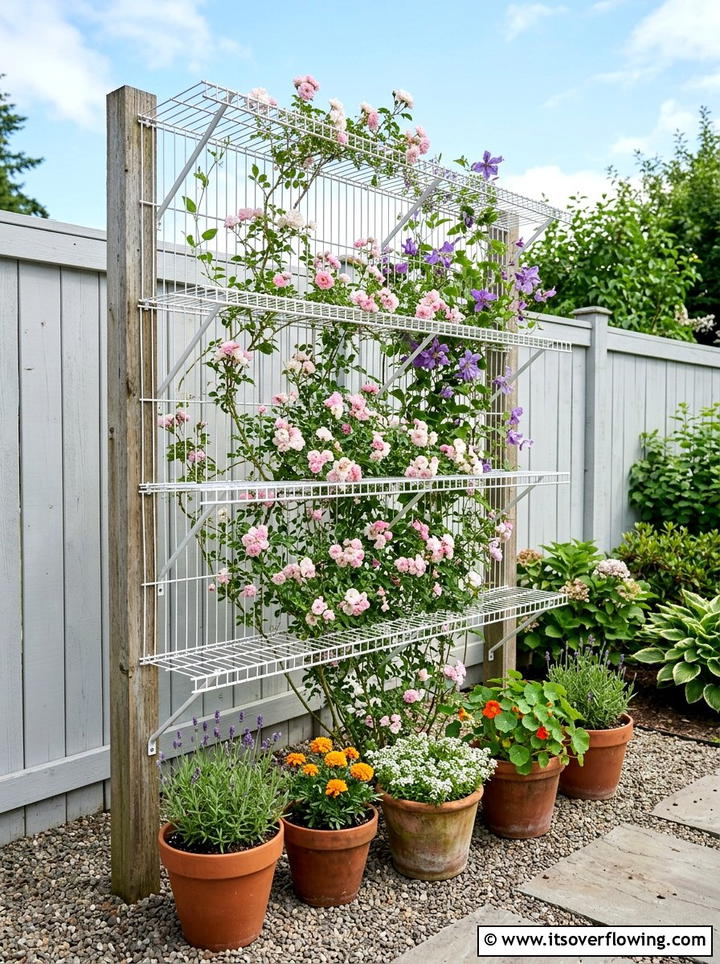
White wire shelving from a closet renovation is surprisingly effective when used as a wall trellis in the garden. The pre-made grid pattern is just the right size for most climbing flowers to navigate without any extra help. You can mount the shelves vertically on a fence or a masonry wall using simple clips or screws. The vinyl coating on many closet shelves protects the metal from rusting, ensuring the trellis stays looking clean and bright for a long time. It is an extremely affordable way to cover a large wall area with a functional and very unobtrusive support system.
19. Natural Tree Branch Wall
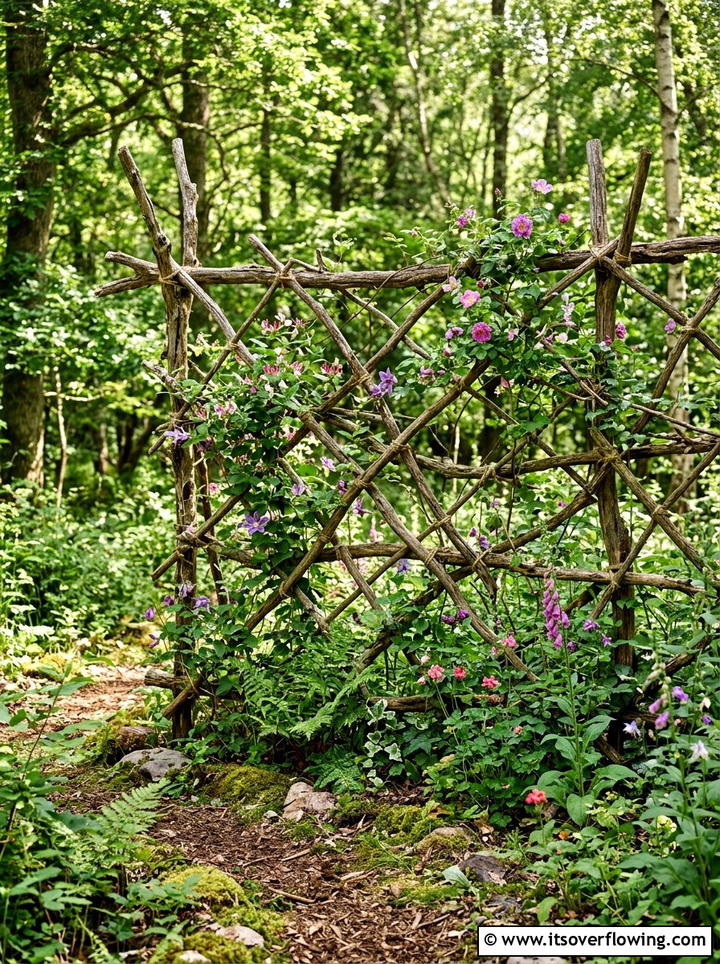
For a truly organic and rustic look, you can use fallen tree branches to create a custom lattice wall trellis. By choosing branches with interesting curves and forks, you can build a structure that looks like it grew naturally out of the ground. Secure the branches together with sturdy twine or small nails to form a sturdy framework against your wall. This style of trellis is perfect for a woodland or wildlife garden where you want the human-made elements to blend in. The varying diameters of the branches provide different types of grip for various species of climbing plants.

20. Garden Rake Head Wall
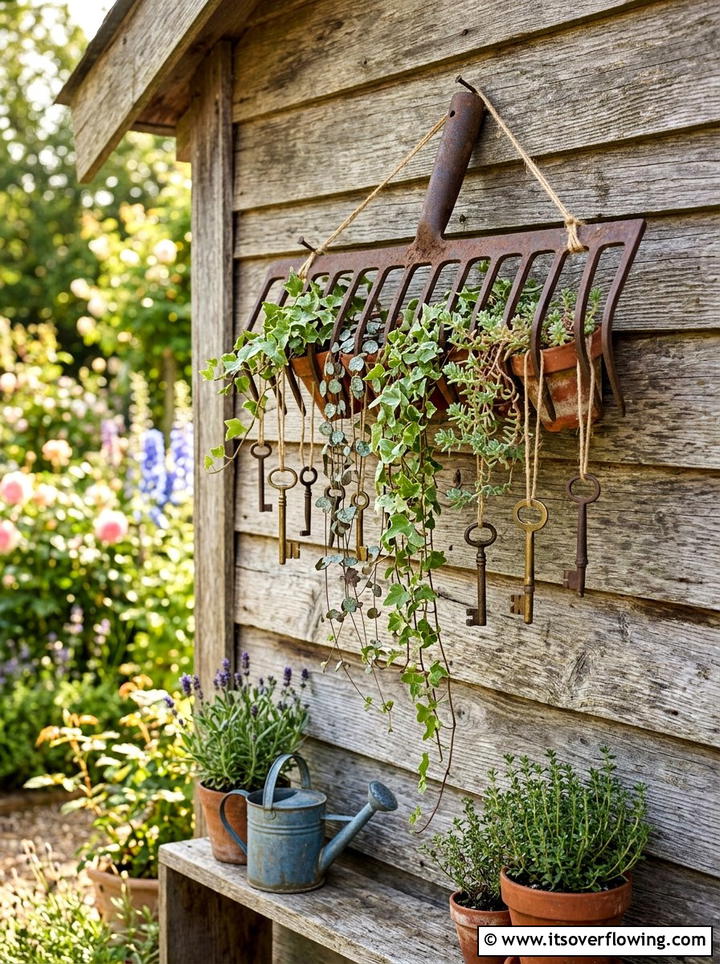
Old metal rake heads can be mounted in a row along a wall to create a unique and functional mini-trellis wall. The tines of the rakes act as natural hooks and supports for small vines or even for hanging small pots of trailing flowers. This looks particularly charming in a potting shed area or near a vegetable patch. The weathered metal adds a vintage feel that complements the greenery of the plants. While not suitable for very large vines, this is a perfect solution for creating a textured, decorative wall feature that uses small-scale upcycled materials in a clever way.
21. Bed Slat Wall Trellis
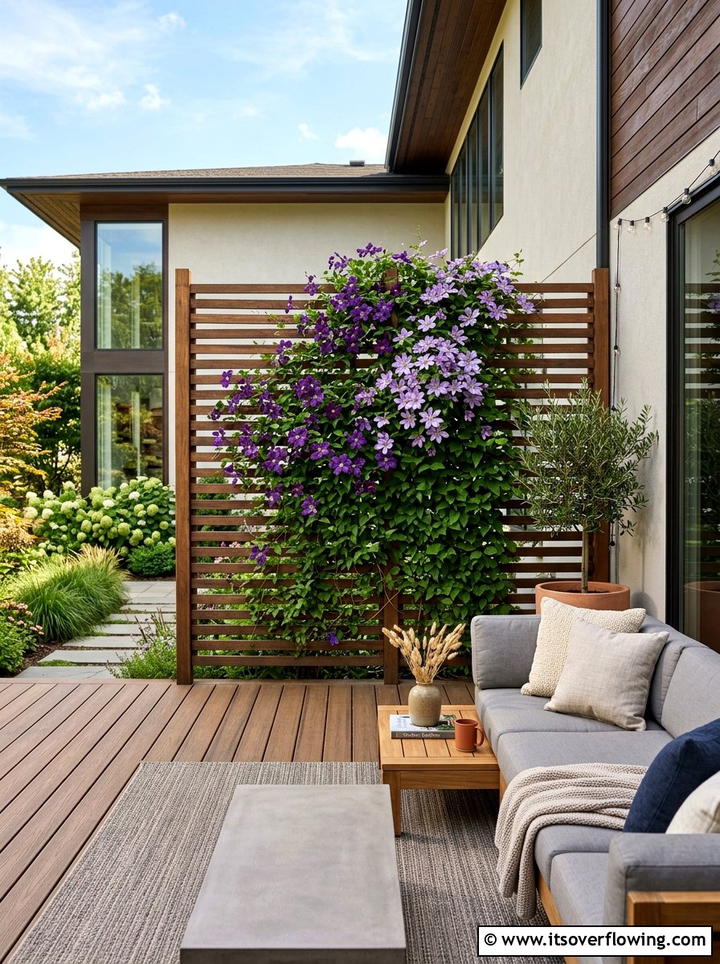
Individual wooden slats from a discarded bed frame can be arranged in a modern horizontal or vertical pattern to create a sleek trellis wall. By spacing the slats a few inches apart, you create a contemporary look that provides plenty of airflow for your plants. This design is very sturdy and can easily support the weight of heavy flowering vines or even small climbing fruit bushes like raspberries. You can stain the wood to match your deck or leave it natural to gray over time. It is a simple weekend project that results in a very professional-looking garden feature.
22. Nautical Fishing Net Trellis
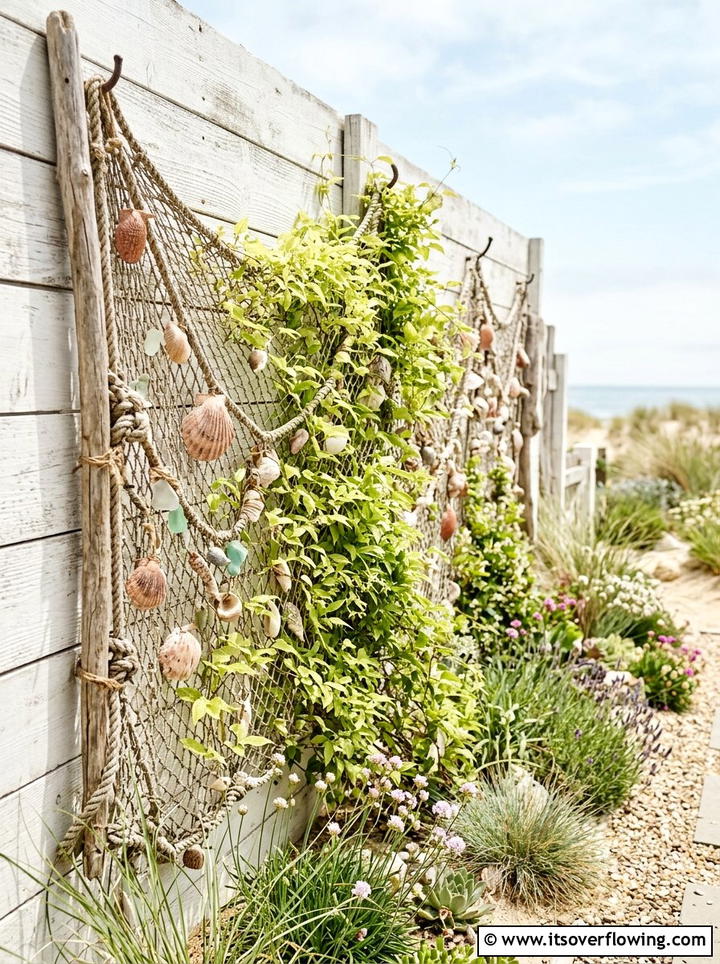
If you live near the coast or love a nautical theme, a heavy-duty fishing net can be draped over a wall to act as a trellis. The flexible mesh allows plants to weave in and out naturally, creating a very lush and full green wall effect. You can secure the edges of the net to the wall with sturdy hooks or a wooden frame to keep it taut. This type of trellis is excellent for lightweight annual vines like sweet peas or cardinal climber. The soft texture of the net is gentle on delicate stems while still providing the necessary support for upward growth.
23. Hardware Cloth Garden Wall
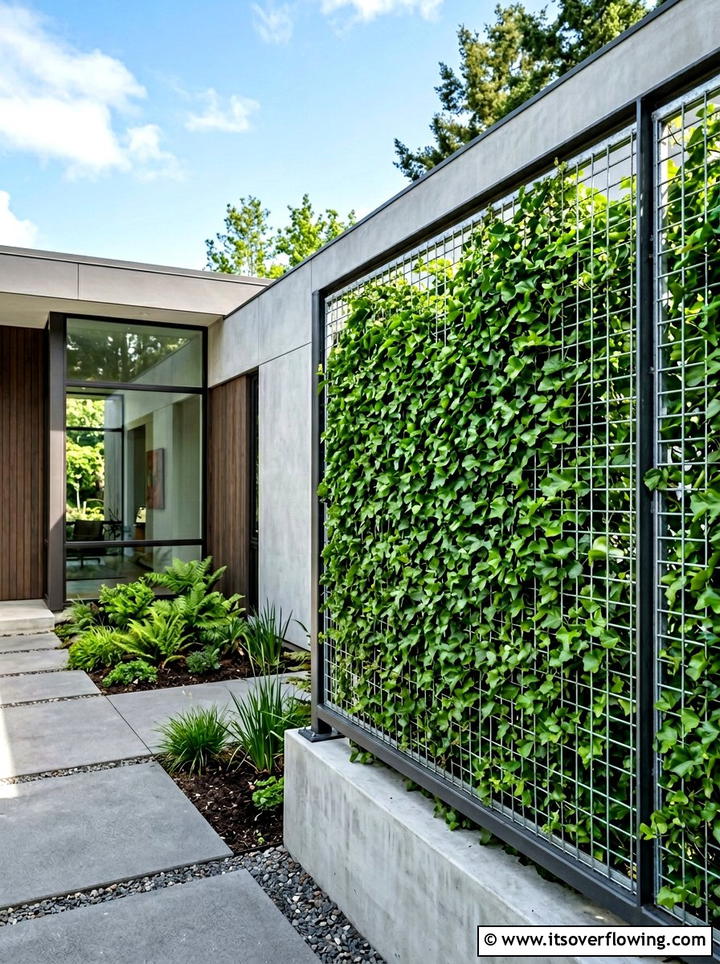
Hardware cloth is a stiff metal mesh that can be attached directly to a wall to create an almost invisible trellis. This material is very strong and can hold the weight of dense ivy or other creeping plants without sagging over time. You can use large washers and screws to secure it firmly to a wooden fence or a brick exterior. Because it comes in rolls, you can cover very large sections of wall quickly and easily. This is a practical choice for gardeners who want to create a full living wall where the focus is entirely on the lush foliage.
24. Old Window Screen Trellis
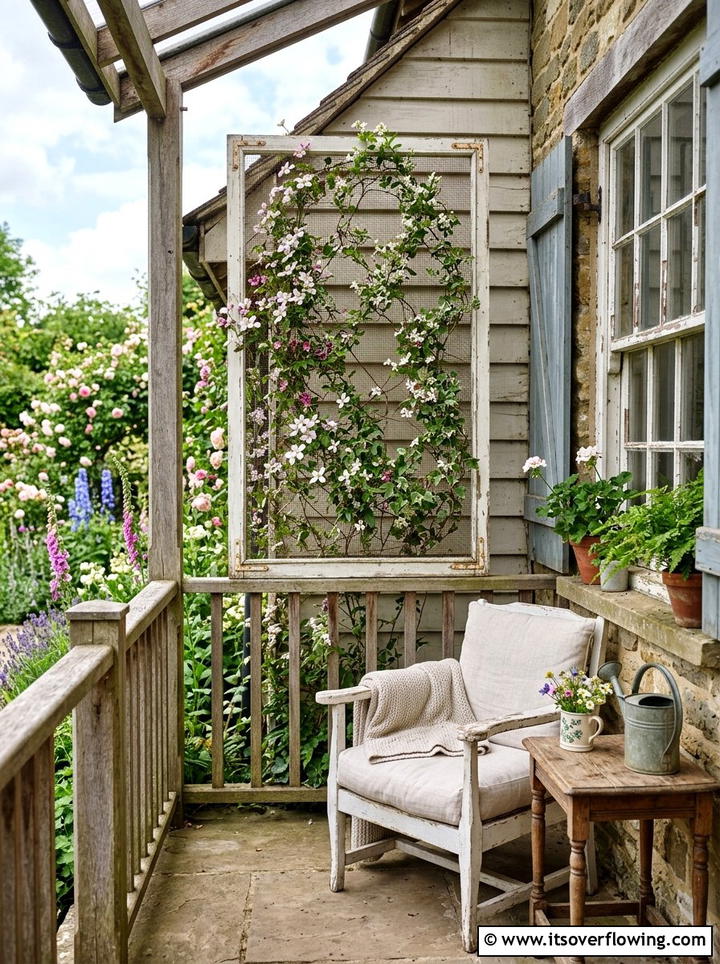
Old window screens with metal mesh can be repurposed as a delicate trellis wall for very fine-stemmed climbing plants. You can remove the screen from its original frame and staple it to a new wooden framework that fits your garden space. The very fine grid is perfect for plants like black-eyed Susan vines that have tiny tendrils looking for something to grab. It also provides a bit of shade for the wall behind it, which can help keep your home cooler in the summer. Using several screens together can create a modular and interesting geometric pattern on a long garden wall.
25. Picket Fence Section Trellis
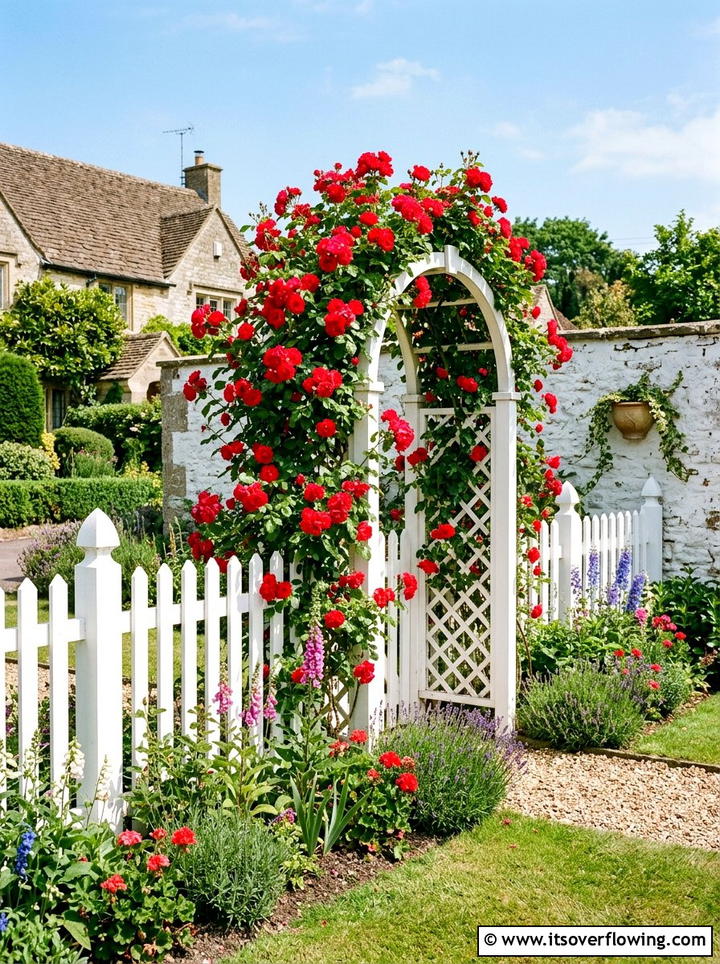
A salvaged section of a picket fence can be mounted vertically against a wall to create a classic and nostalgic trellis. The pointed tops of the pickets add a decorative element that looks great even before the plants have fully covered the structure. The gaps between the pickets allow you to easily tie back stems and train them to grow exactly where you want them. This is a very sturdy option that can handle the weight of perennial climbers like trumpet vine or heavy roses. It brings a touch of traditional charm to any garden corner while providing a very reliable support system.
Conclusion:
Building an upcycled garden trellis wall is a rewarding project that combines environmental responsibility with creative design. By choosing to repurpose materials rather than buying new ones, you add a layer of history and character to your outdoor living space. These vertical structures not only save space but also improve the health of your plants by providing better air circulation and sunlight exposure. Whether you prefer the rustic look of old wood or the industrial feel of metal, there is an upcycled solution that will fit your style perfectly. We hope these ideas inspire you to look at everyday items in a new light for your garden.

Related posts:
 25 Upcycled Garden Ideas With Vertical Gardens for Tiny Yards
 25 Upcycled Garden Ideas for Balconies With Big Style
 25 Upcycled Garden Ideas for Renters With No-Dig Style
 25 Upcycled Garden Ideas for Urban Gardens With Style
 25 Upcycled Garden Ideas With Boho Style for Dreamy Spaces
 25 Upcycled Garden Ideas With Coastal Style for Breezy Yards
 25 Upcycled Garden Ideas With Cottage Style for Cozy Charm
 25 Upcycled Garden Ideas With Farmhouse Style for Rustic Charm
 25 Upcycled Garden Ideas With Modern Style for a Chic Yard
 25 Upcycled Garden Ideas With Old Doors for Rustic Style
 25 Upcycled Garden Ideas With Pallets for Budget-Friendly Style
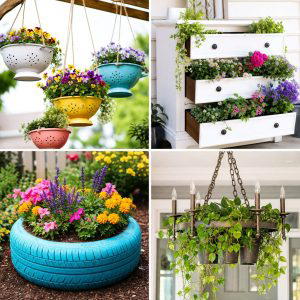 25 Upcycled Garden Ideas With Rustic Style You’ll Adore