
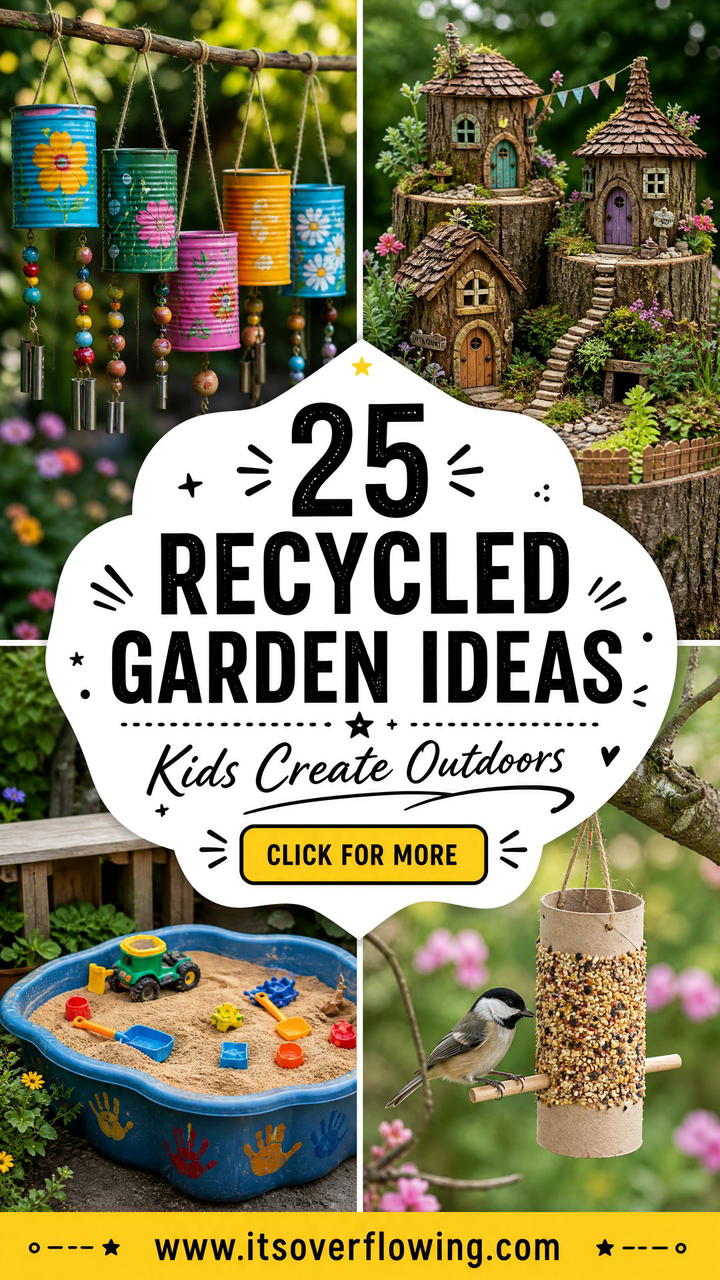
Transforming your backyard into a whimsical wonderland for children does not require a massive budget or a trip to a high-end department store. By embracing the art of upcycling, you can create a vibrant, educational, and sustainable outdoor space that sparks curiosity and fosters a deep connection with nature. Using common household items that would otherwise end up in a landfill allows kids to learn about environmental stewardship firsthand while engaging in hands-on play. Whether you are repurposing old tires, plastic bottles, or discarded kitchenware, these projects turn everyday trash into treasures that beautify your garden and provide endless hours of entertainment for the little ones in your family.
1. Tire Swing Play Area
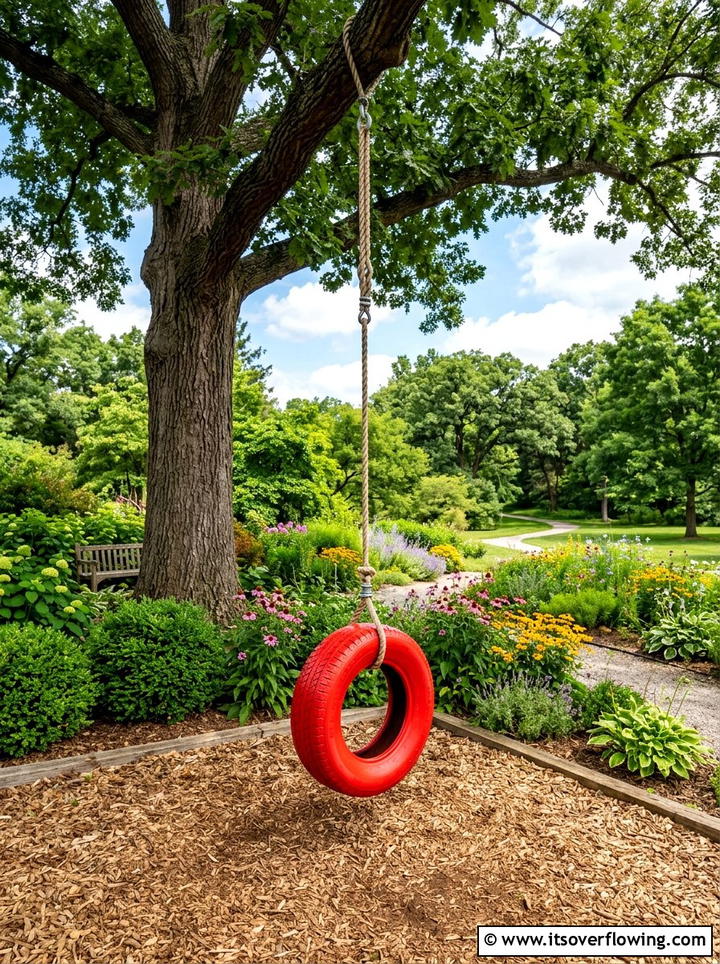
Creating a dedicated play zone starts with a classic tire swing suspended from a sturdy oak tree. This simple addition provides a rhythmic, calming movement that children adore while giving new life to an old rubber tire. Instead of letting it sit in a garage, you can scrub it clean and paint it with bright, weather-resistant colors to make it pop against the green grass. Surrounding the swing with a thick layer of soft mulch ensures safety and defines the area as a specific spot for movement and laughter. This recycled project teaches kids about physics and momentum in a completely natural and engaging outdoor environment.
2. Milk Carton Birdhouse Station
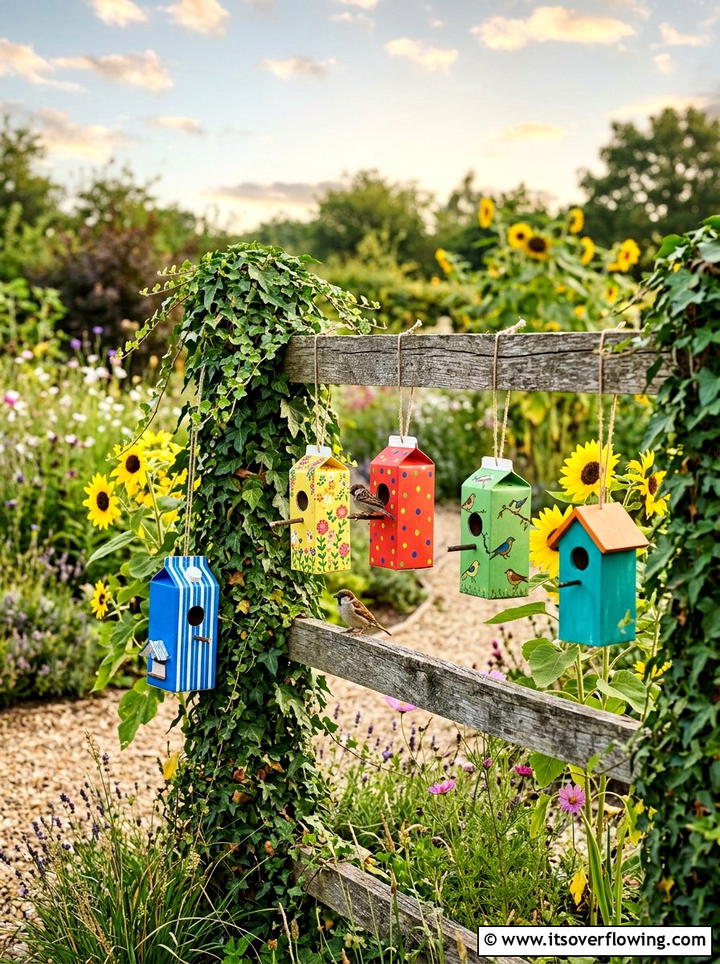
Building a sanctuary for local wildlife is a wonderful way to introduce children to the concept of biodiversity and habitat protection. You can take empty cardboard milk or juice cartons and transform them into cozy shelters for small birds by cutting out entry holes and adding perches. Kids love decorating these containers with non-toxic paints and natural elements like twigs or dried leaves to help them blend into the foliage. Placing these houses at various heights across your fence creates a bustling bird-watching station where children can observe nesting behaviors and learn about different avian species throughout the changing seasons.
3. Plastic Bottle Planter Wall
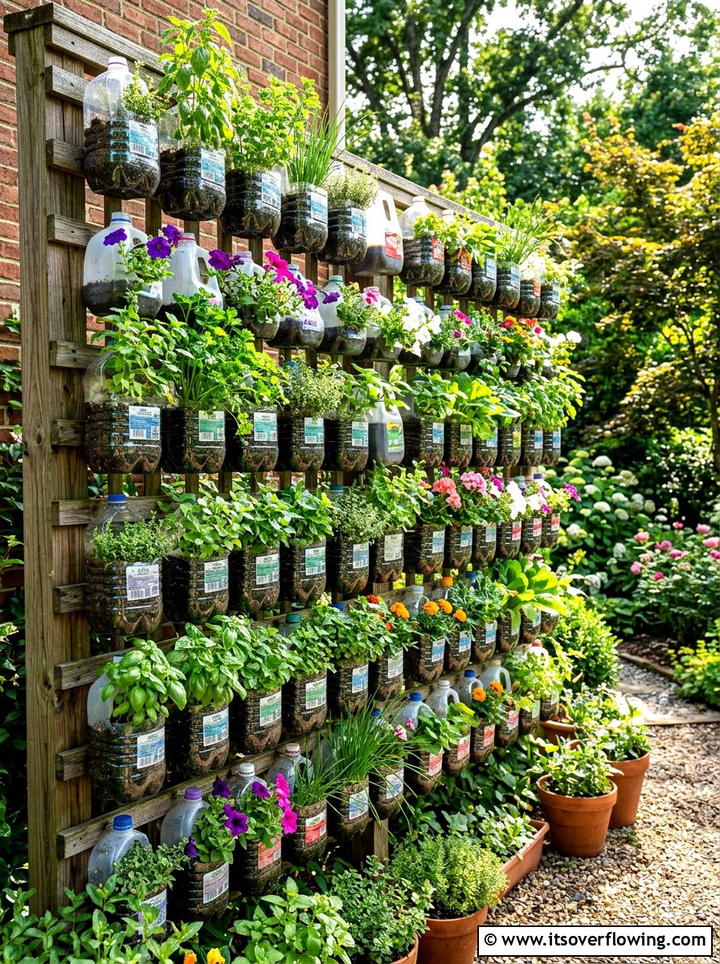
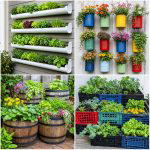
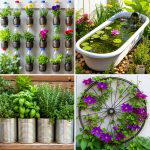
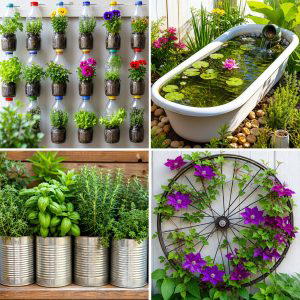
Why throw away plastic water bottles when they can become the foundation for a stunning vertical greenery display? By cutting openings in the sides of large plastic jugs and filling them with nutrient-rich soil, you can create a living wall that maximizes small outdoor spaces. Children can help secure these bottles to a sunny wooden fence or a trellis using sturdy twine, forming a lush backdrop for the entire patio area. This project emphasizes the importance of recycling plastics while showing kids how plants grow in unique containers. It turns a boring boundary into a vibrant, oxygen-producing feature that beautifies the whole backyard landscape.
4. Pallet Mud Kitchen Workspace
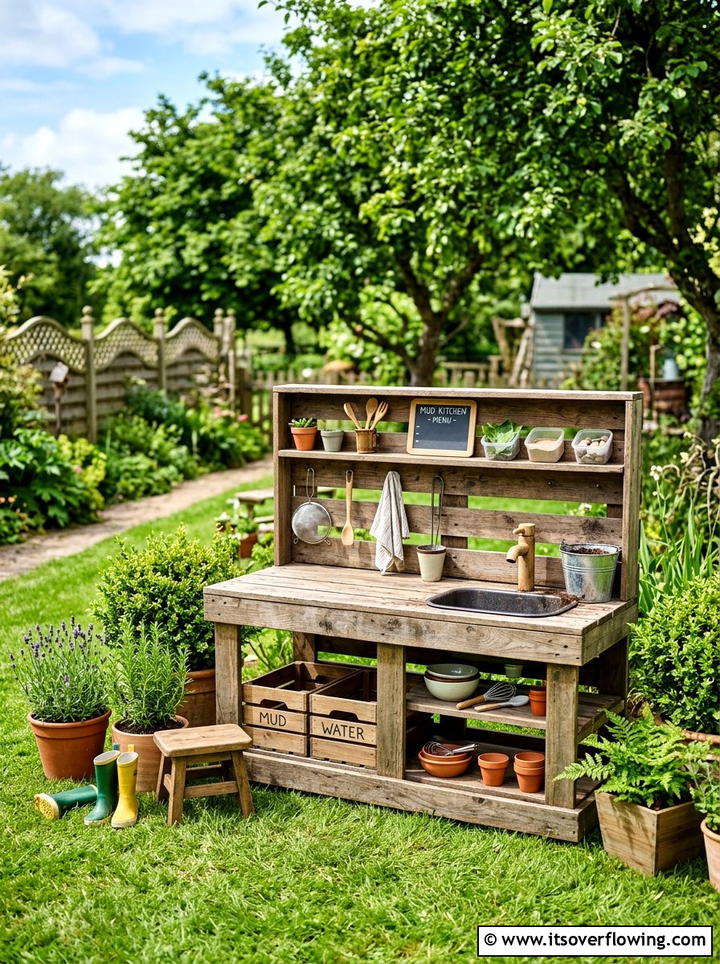
A rustic mud kitchen made from heat-treated wooden pallets offers the ultimate sensory play experience for children who love to get their hands dirty. This setup includes a sturdy countertop for “baking” mud pies and shelves to hold recycled bowls and spoons, creating a complete outdoor culinary station. You can integrate an old stainless steel sink or a plastic basin to facilitate water play, making the area feel like a functional kitchen. This design encourages imaginative role-play and social interaction as kids work together to create messy masterpieces. It is a brilliant way to reuse industrial materials while providing a dedicated zone for messy, creative outdoor fun.
5. Tin Can Wind Chime Decor
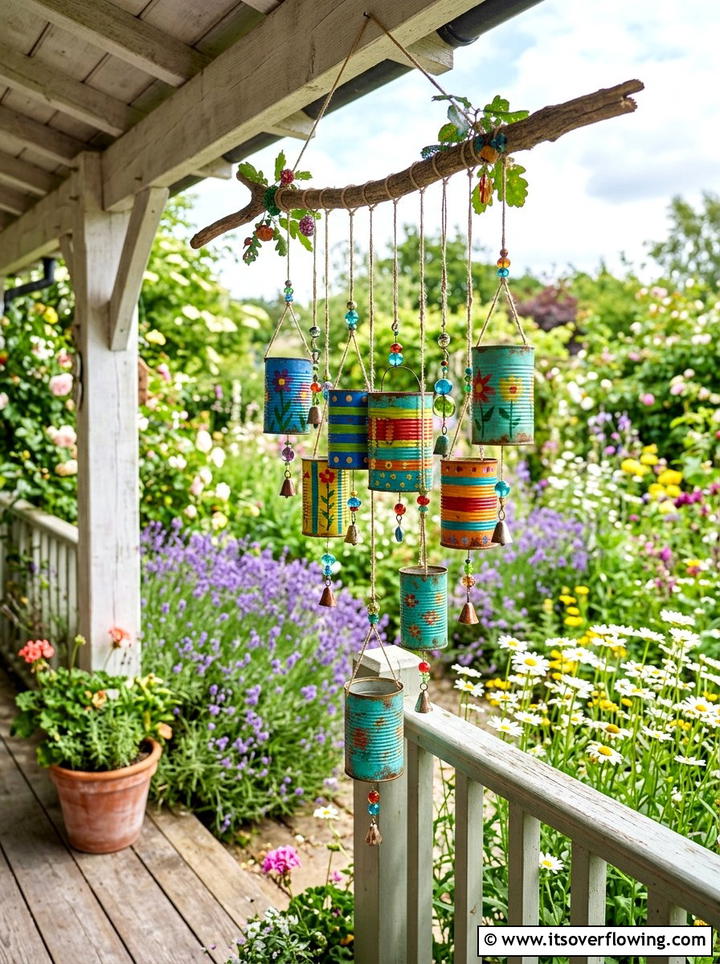
Transforming empty tin cans into a musical garden feature is a fantastic way to explore sound and art with your children. After cleaning out soup or vegetable cans, kids can paint them in vibrant patterns and punch holes in the bottom to thread through colorful strings. Hanging these cans from a recycled clothes hanger or a sturdy branch creates a charming wind chime that adds a gentle acoustic element to the outdoor space. When the breeze catches the metal, it produces a soft clinking sound that delights young ears and brings the garden to life. This project turns kitchen waste into a beautiful sensory experience for everyone.
6. Old Boot Flower Garden
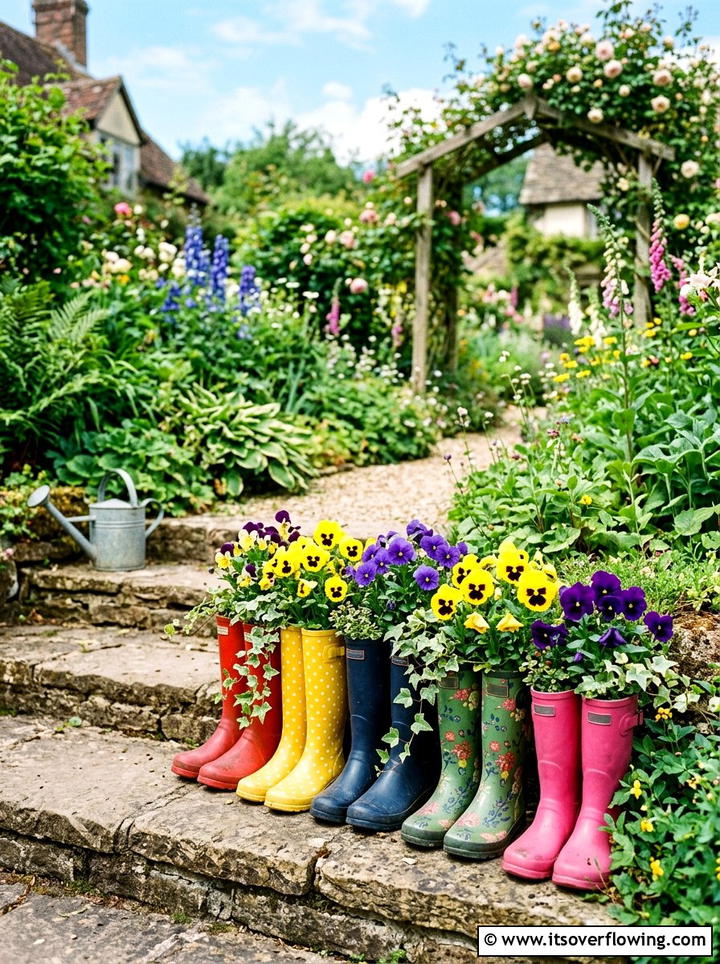
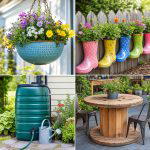
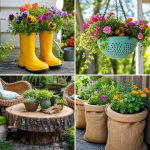
Outgrown rain boots or old leather work shoes make for some of the most whimsical and charming planters in any child-friendly garden. Instead of tossing them out, you can drill small drainage holes in the soles and fill them with potting mix to house bright pansies or petunias. Lining several boots up along a porch step or a garden path creates a playful and colorful border that immediately draws the eye. This design idea shows children that almost anything can have a second life as a home for nature. It adds a touch of personality and vintage flair to the overall backyard aesthetic and layout.
7. Bottle Cap Art Mural
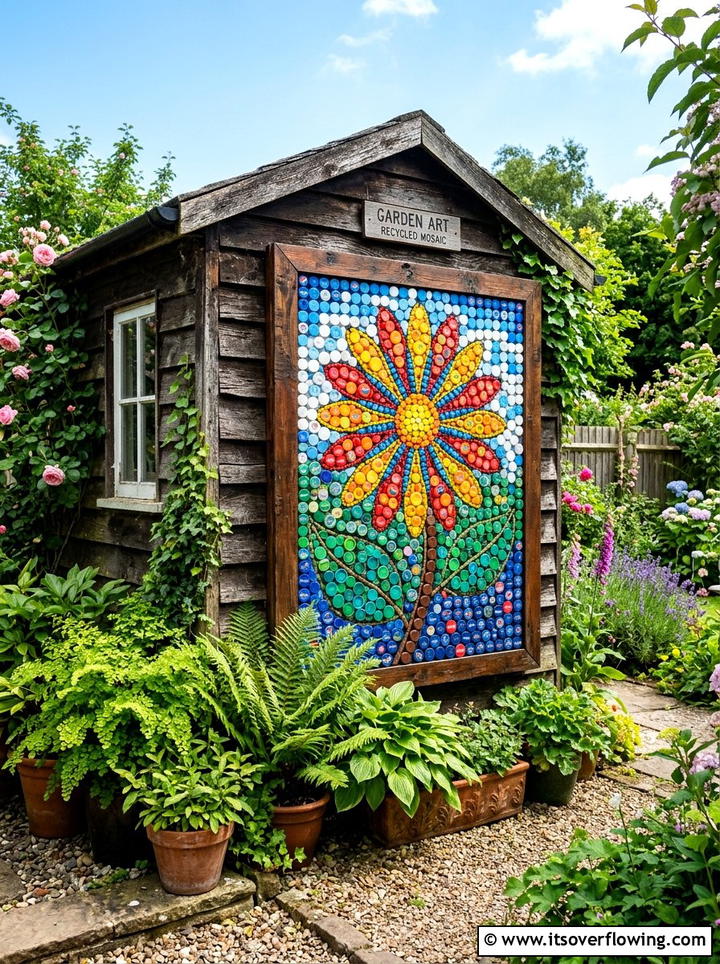
Collecting plastic bottle caps in every color of the rainbow allows kids to create a massive, weather-proof art piece on an old garden fence. By screwing or gluing these caps onto a plywood board in specific patterns, they can “paint” large flowers, suns, or even animals without using a single drop of liquid paint. This vibrant mural serves as a permanent focal point in the garden, adding pops of color even during the dull winter months. This project is excellent for developing fine motor skills and spatial awareness in younger children. It turns a boring wooden surface into a celebratory display of upcycled creativity and art.
8. Egg Carton Seed Starting Kit
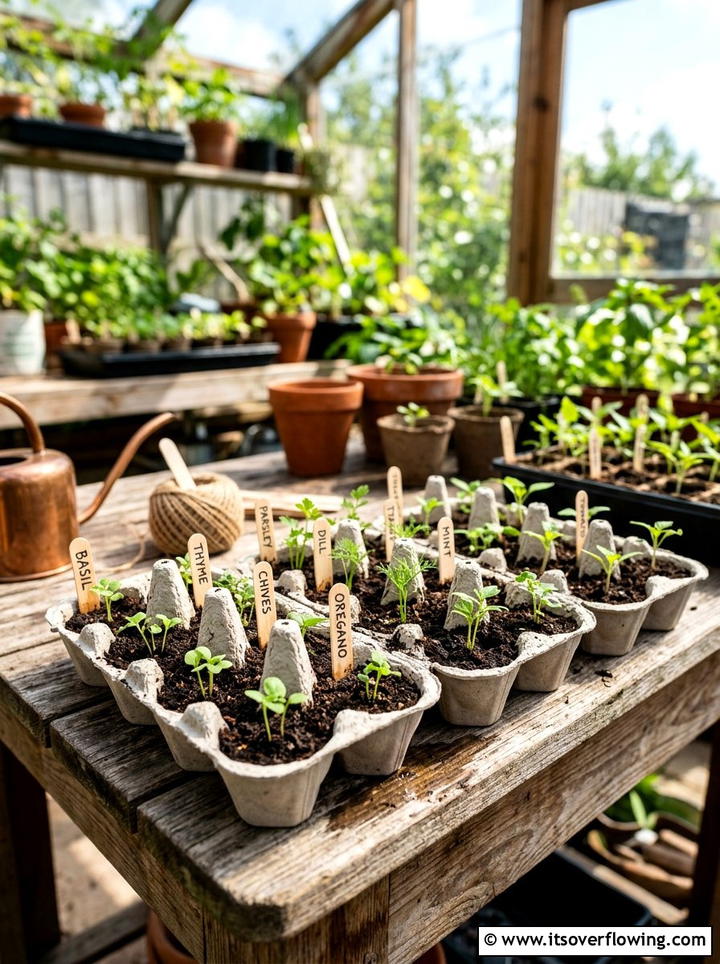
Teaching children the miracle of germination is made easy by repurposing cardboard egg cartons into miniature greenhouses. Each small compartment provides the perfect amount of space for a tiny seed to sprout in a bit of soil. Kids can keep these cartons on a sunny windowsill or inside a recycled clear plastic bin to trap moisture and warmth. Once the seedlings are strong enough, the biodegradable cardboard can be cut apart and planted directly into the ground. This process minimizes root disturbance and teaches children about the lifecycle of plants from start to finish. It is a low-cost way to start a vegetable garden.
9. Colander Hanging Basket Display
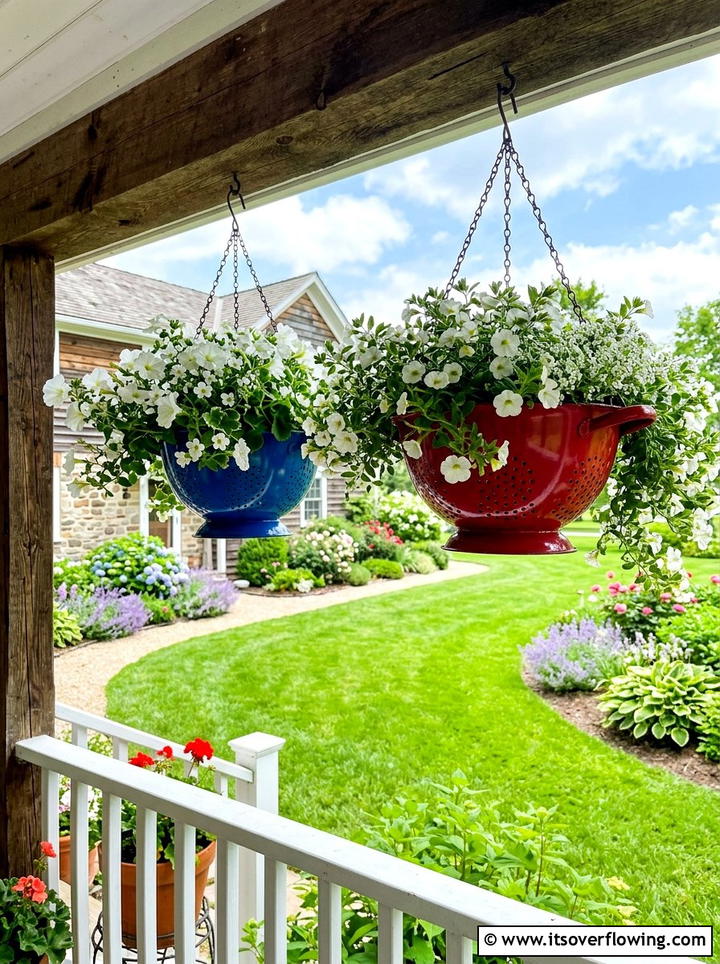
Old metal or plastic colanders from the kitchen can be easily converted into unique hanging baskets that naturally provide excellent drainage for thirsty plants. By attaching three sturdy chains to the rim, you can hang these colorful vessels from porch hooks or tree branches. Children can help choose trailing flowers like lobelia or bacopa that will eventually spill over the sides in a cascade of color. This recycled project adds vertical interest to the garden and repurposes a common kitchen tool in a surprising and beautiful way. It encourages kids to think outside the box when it comes to finding homes for their favorite outdoor flowers.
10. Popsicle Stick Plant Label Set
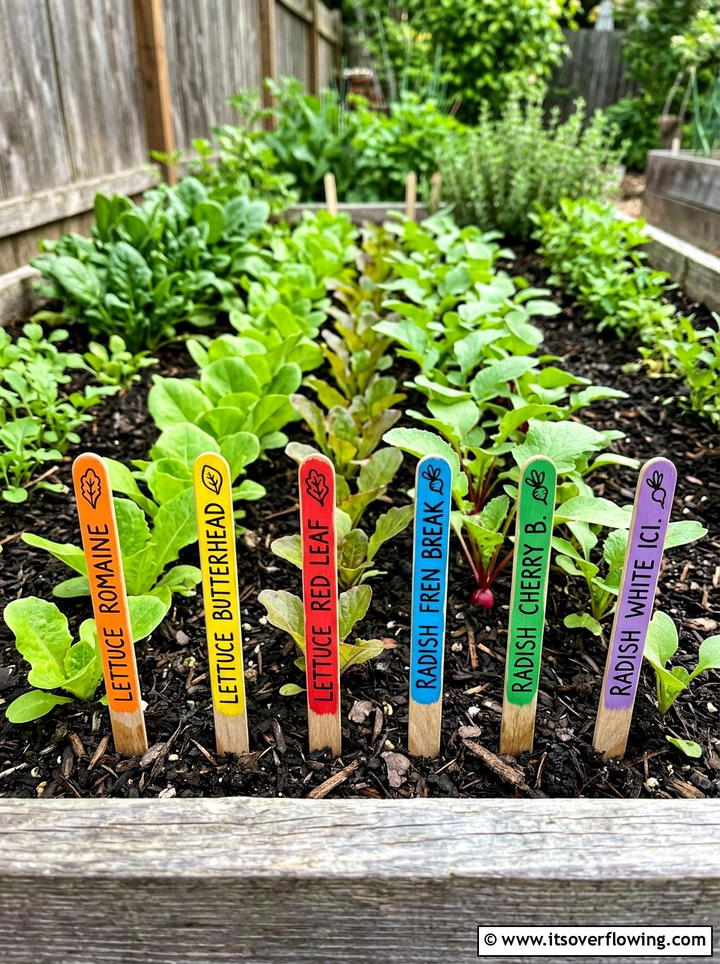
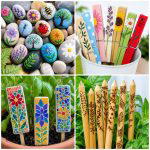
Organizing a vegetable patch becomes a fun craft project when you use recycled popsicle sticks to create custom plant markers. Children can paint the sticks in bright colors and write the names of different herbs or vegetables on them using waterproof markers. Adding small drawings of the fruit or flower helps younger kids who cannot read yet identify what is growing in each row. Sticking these into the soil provides a neat and orderly look to the garden beds while keeping track of where everything is planted. It is a simple, effective way to involve children in the planning and management of the garden.
11. Tree Stump Fairy House Village
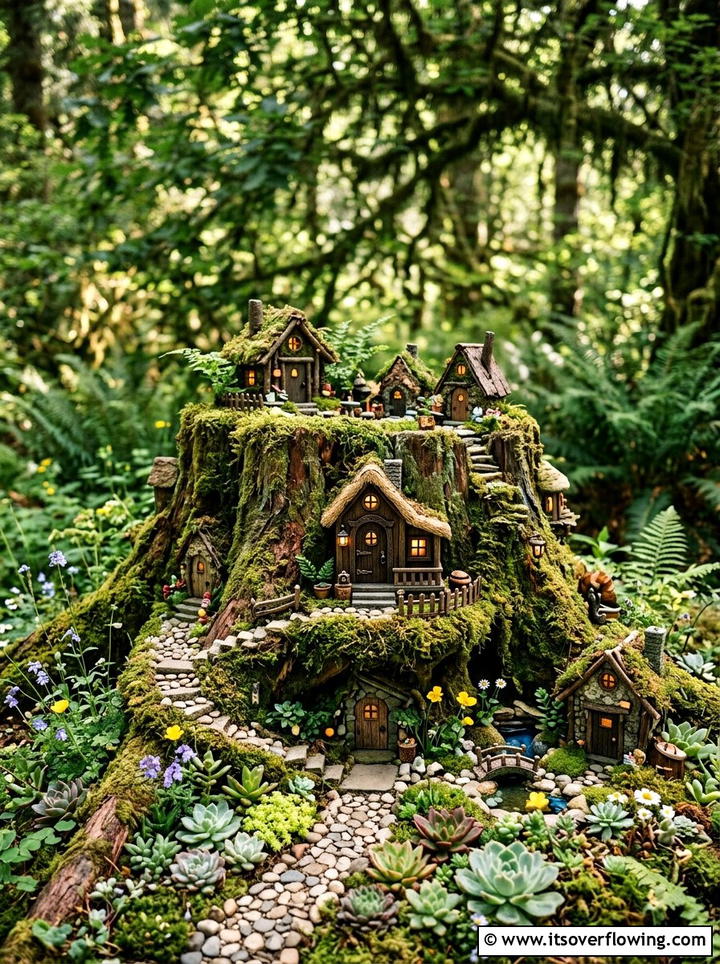
An old tree stump or a fallen log can be transformed into a magical fairy village using bits of recycled bark, stones, and moss. Children can spend hours constructing tiny doors from popsicle sticks and windows from bottle caps to create a miniature world for imaginary creatures. Adding small paths made of pebbles and “gardens” of succulents around the base of the stump enhances the enchanted forest vibe. This project fosters immense creativity and storytelling as kids imagine who might live in these tiny dwellings. It turns a dead piece of wood into a thriving center for imaginative play and outdoor exploration.
12. CD Solar Reflector Garden
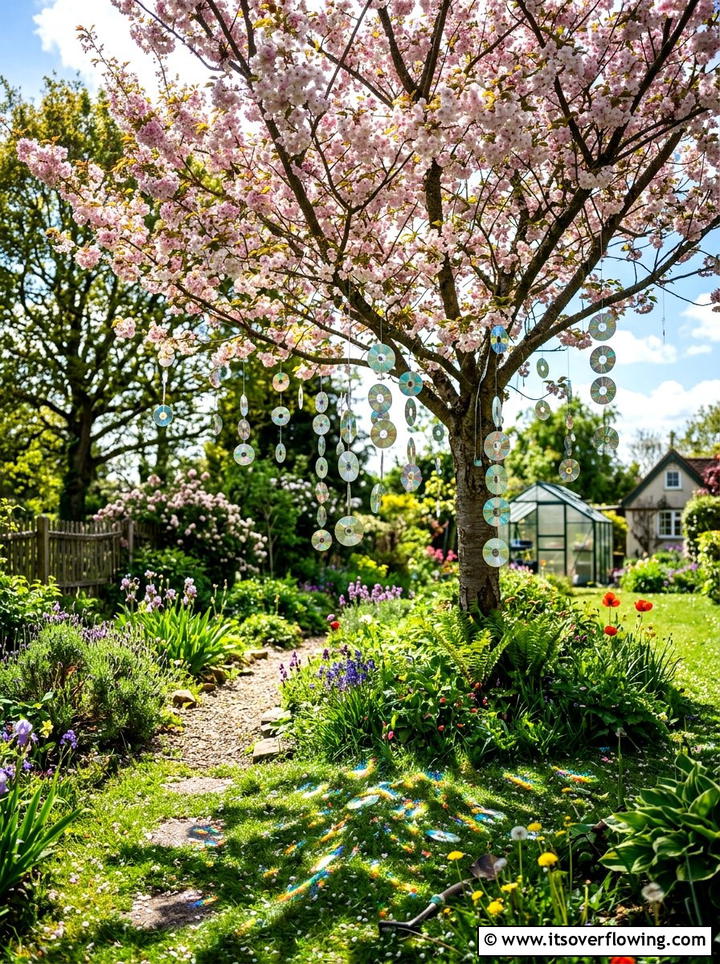
Old, scratched CDs or DVDs that no longer work can be repurposed into shimmering solar reflectors that dance in the sunlight. By hanging them from tree branches using fishing line, children can watch as they spin and cast rainbows across the garden floor. These reflective surfaces can also help deter birds from eating freshly planted seeds in the vegetable patch, serving a dual purpose. Kids will love the futuristic look these shiny discs bring to the outdoor space. This is a brilliant way to recycle electronic waste while adding a dynamic, light-filled element to the overall garden design and atmosphere.
13. Wooden Spoon Vegetable Marker
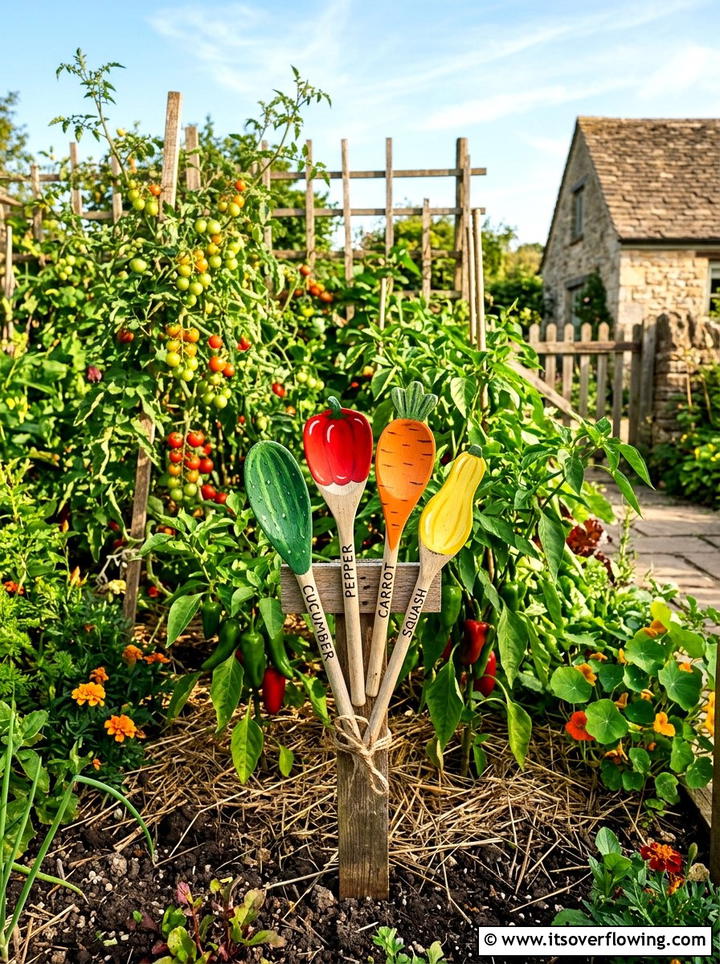
Discarded wooden kitchen spoons make excellent, sturdy garden markers that stand tall among the leafy greens of a vegetable patch. Children can decorate the rounded heads of the spoons with acrylic paint to look like the vegetables they represent, such as red tomatoes or orange carrots. Pushing the handles deep into the soil ensures they stay upright even during heavy rain or wind. This project gives old kitchenware a second life outdoors and helps kids navigate the garden with ease. It adds a rustic, handmade charm to the rows of food and encourages children to take pride in their growing harvest.
14. Soda Bottle Vertical Herb Garden
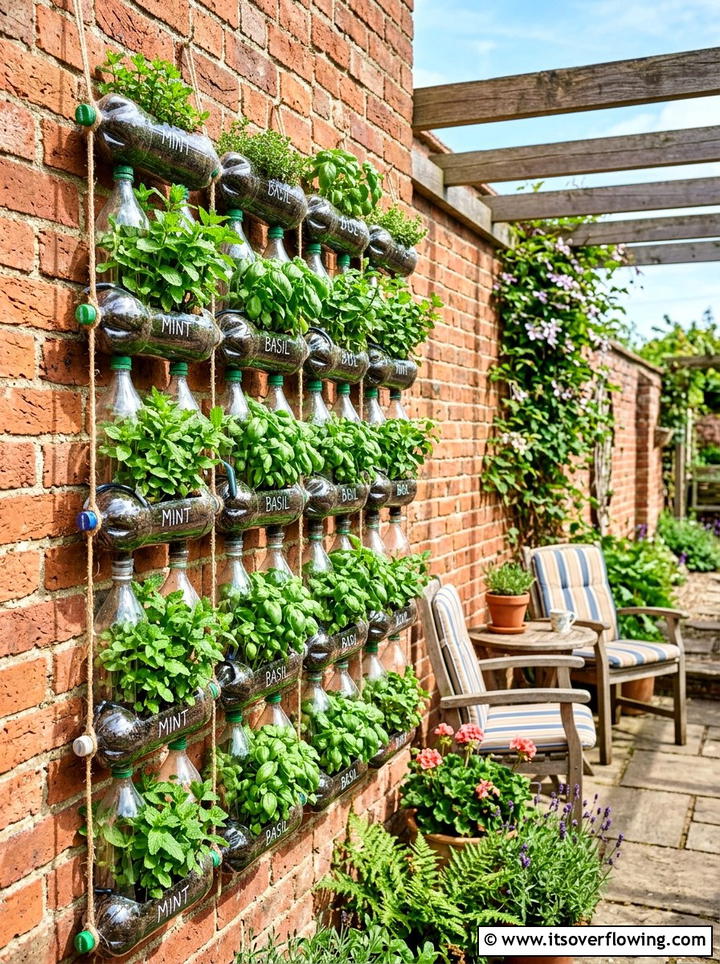
Empty two-liter soda bottles can be linked together to create a space-saving vertical herb garden that is perfect for small balconies or patios. By cutting a large window in the side of each bottle and hanging them vertically on a string, you create a tiered watering system. Water dripped into the top bottle trickles down to nourish the plants below, teaching kids about water conservation and gravity. Growing fragrant herbs like mint, basil, and parsley at eye level makes it easy for children to smell and harvest them for cooking. This recycled system is both functional and highly educational for young gardeners.
15. Broken Pot Fairy Garden Landscape
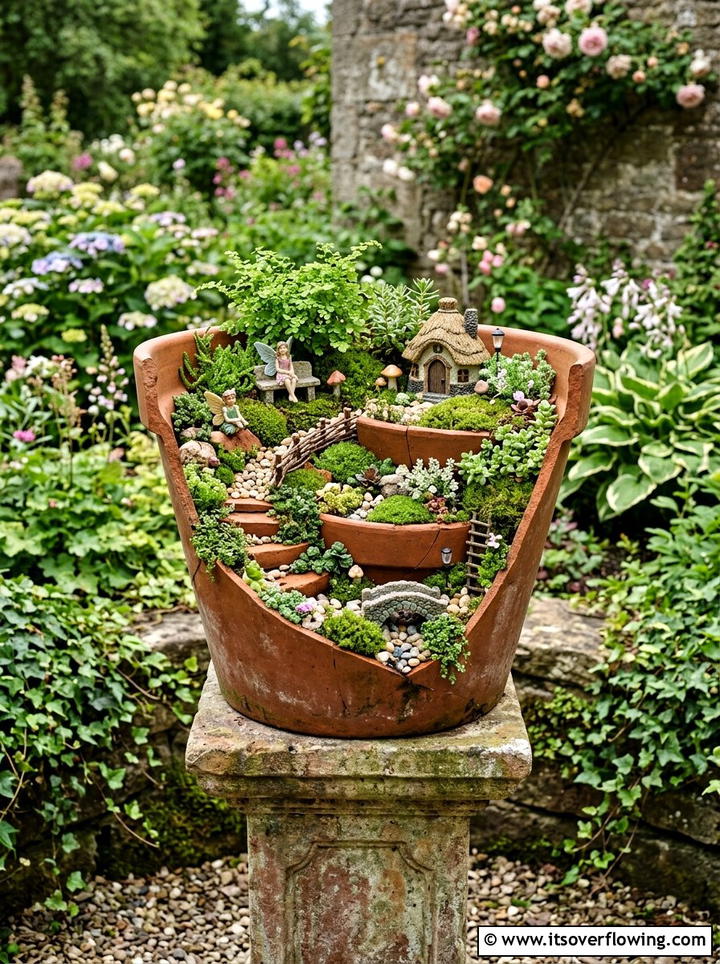
Do not throw away cracked or shattered terracotta pots, as they can be reimagined into layered, multi-level fairy gardens. By nesting the broken pieces inside a larger pot, children can create “cliffs” and “terraces” for tiny plants and miniature decorations. This unique structure allows for creative landscaping on a small scale, using succulents and moss to fill in the gaps between the shards. Kids can add small ladders made of twigs to help their imaginary fairies climb between the different levels of the garden. It is a perfect lesson in turning something broken into something beautiful and functional once again.
16. Yogurt Cup Seedling Tray
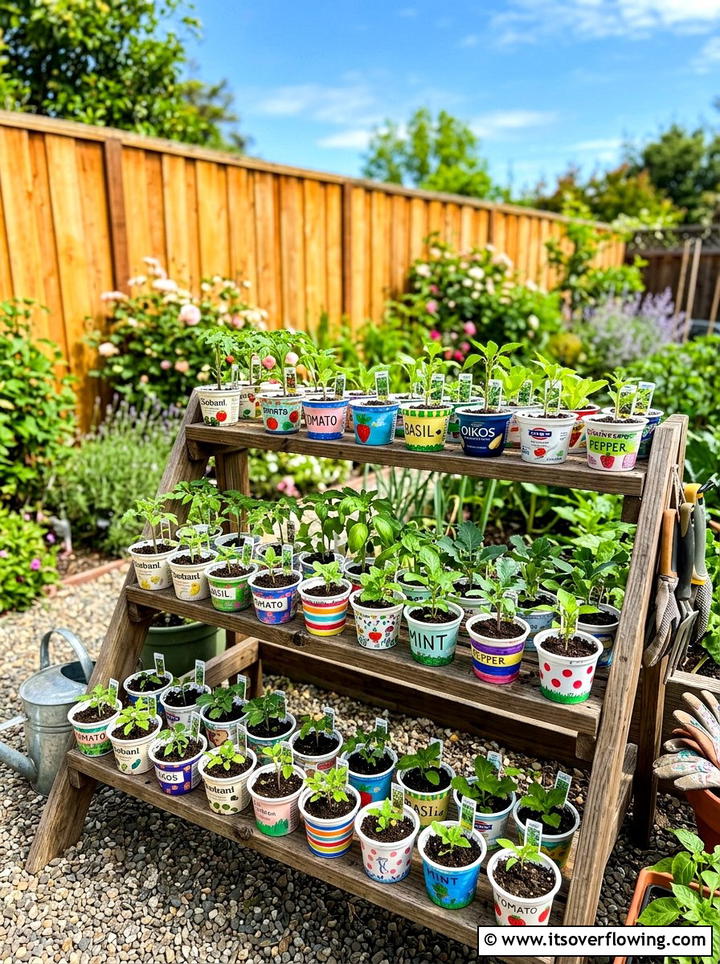
Small plastic yogurt cups are the ideal size for nurturing young seedlings before they are ready to be transplanted into larger garden beds. Children can poke a few drainage holes in the bottom and decorate the outsides with stickers or markers to personalize their “nursery. ” These cups are durable enough to be reused year after year, significantly reducing the need for single-use plastic nursery pots. Watching a tiny sprout emerge from the soil in their own personalized cup gives children a sense of ownership and responsibility. It is an easy, accessible way to start a garden collection on a very tight budget.
17. Cardboard Box Garden Tunnel
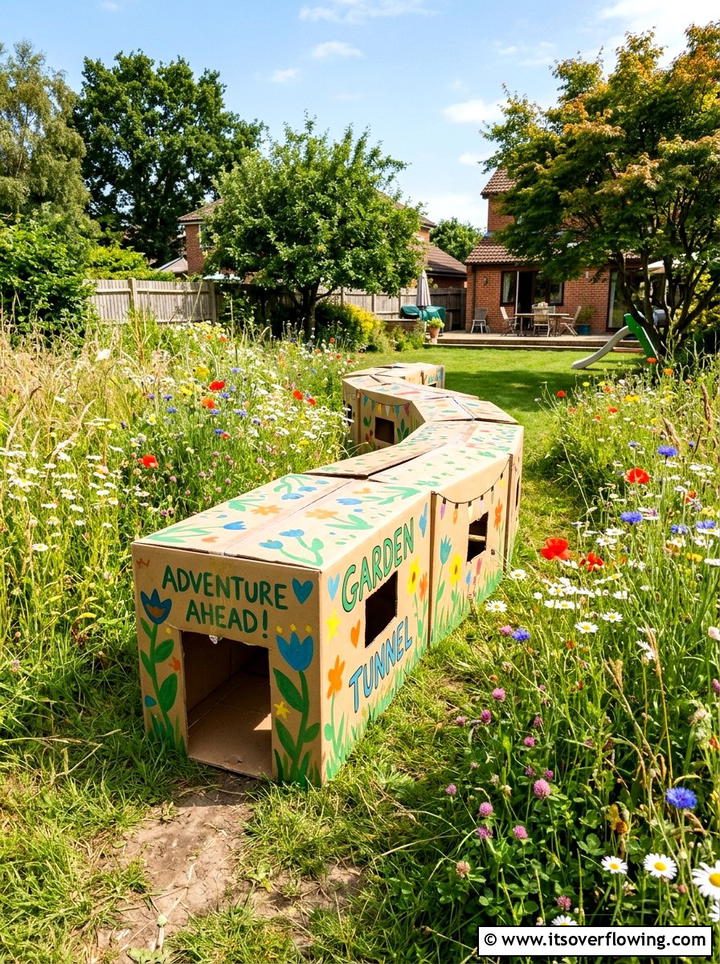
Large appliance boxes can be repurposed into an exciting garden tunnel that leads children into a secret play area or a hidden vegetable patch. By cutting out the ends and securing several boxes together, you create a long passageway that can be decorated with leaf prints or painted to look like a green caterpillar. Placing the tunnel over a grassy path allows kids to crawl through the “undergrowth” and experience the garden from a different perspective. While cardboard eventually breaks down, it can be composted afterward, teaching children about the full cycle of biodegradable materials and the joy of temporary, creative structures.
18. Painted Stone Pathway Accent
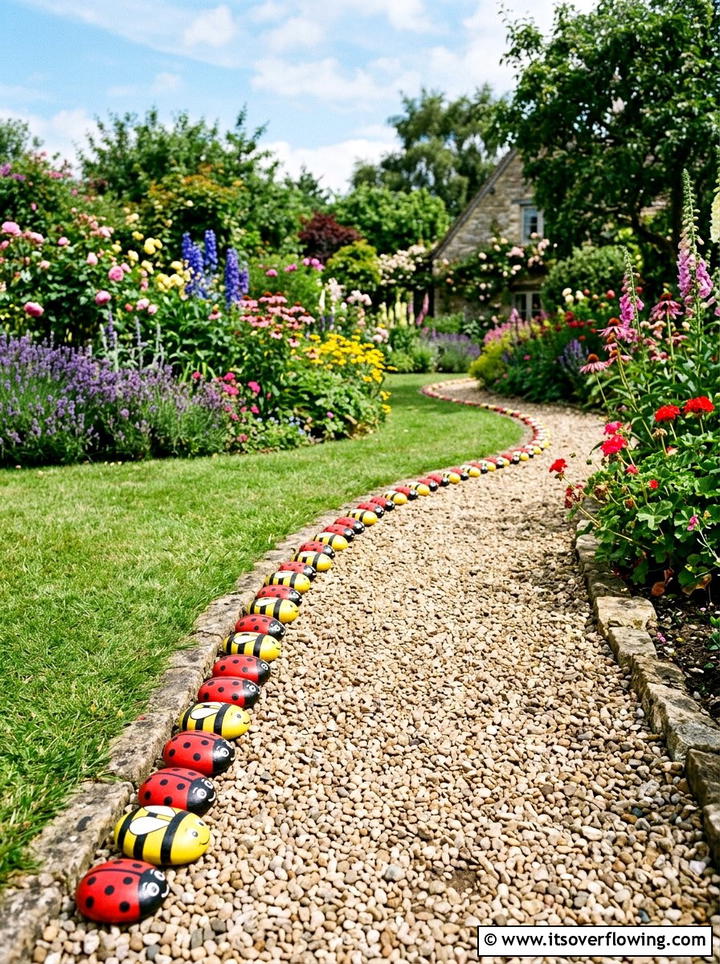
Collecting smooth stones from around the yard and painting them with vibrant patterns is a classic way to add color to garden walkways. Children can use outdoor acrylics to turn plain rocks into ladybugs, bumblebees, or colorful mosaic patterns that line the edges of a path. This activity keeps little hands busy and results in a permanent piece of art that defines the transitions between different areas of the garden. As kids walk through the space, they can spot their own creations nestled among the plants. This project is a wonderful way to combine geology, art, and landscape design into one fun afternoon.
19. Old Drawer Succulent Garden
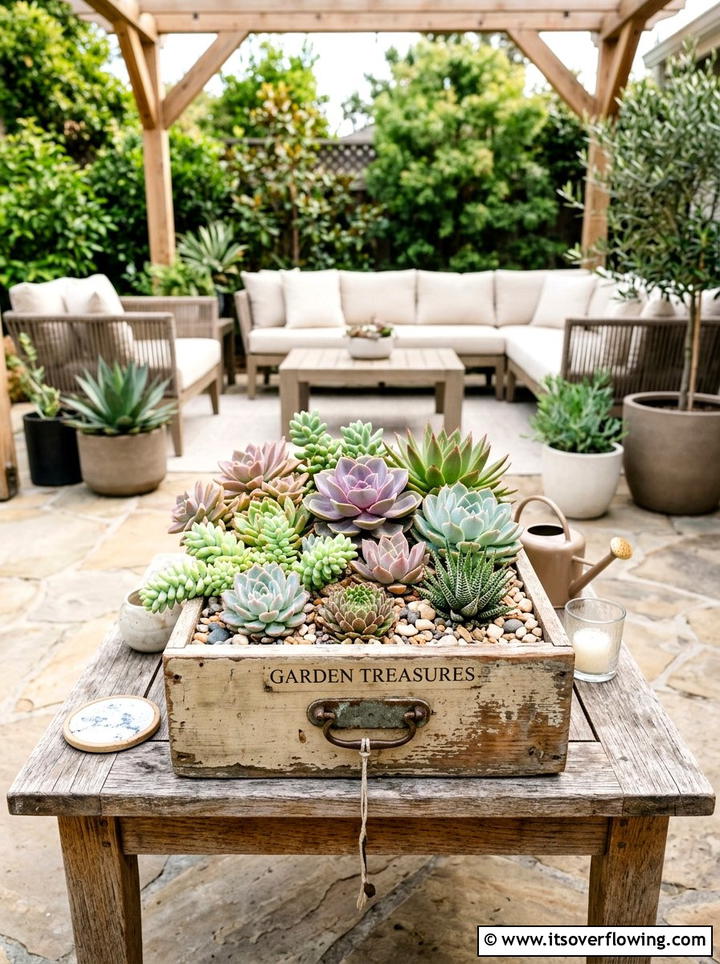
A discarded wooden drawer from a broken dresser can be easily converted into a stylish and shallow planter for a variety of hardy succulents. By lining the bottom with plastic and adding a layer of gravel for drainage, you create a perfect environment for these low-maintenance plants. Children can help arrange the different shapes and colors of succulents to create a miniature desert landscape right on the patio. This recycled project teaches kids about plant varieties that require very little water and thrive in rocky soil. It turns an old piece of furniture into a chic, living conversation piece for the backyard.
20. Hubcap Flower Sculpture Garden
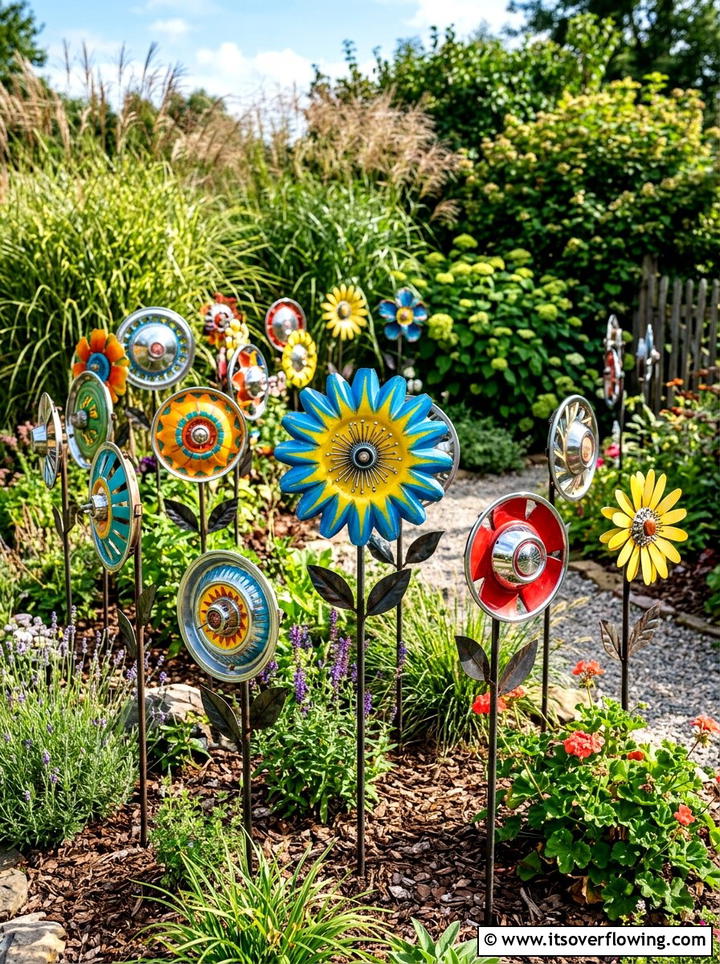
Old metal hubcaps can be salvaged from scrapyards and transformed into oversized, shiny metallic flowers that never wilt. Children can paint the centers and “petals” of the hubcaps in bold, neon colors and attach them to long green wooden stakes. Planting these “flowers” in a dedicated corner of the garden creates a modern, industrial art installation that catches the light and adds a sense of whimsy. This project introduces kids to the concept of abstract art and industrial recycling. It ensures that the garden remains bright and cheerful even during the months when the natural flowers have finished blooming for the year.
21. Plastic Tub Sand Play Area
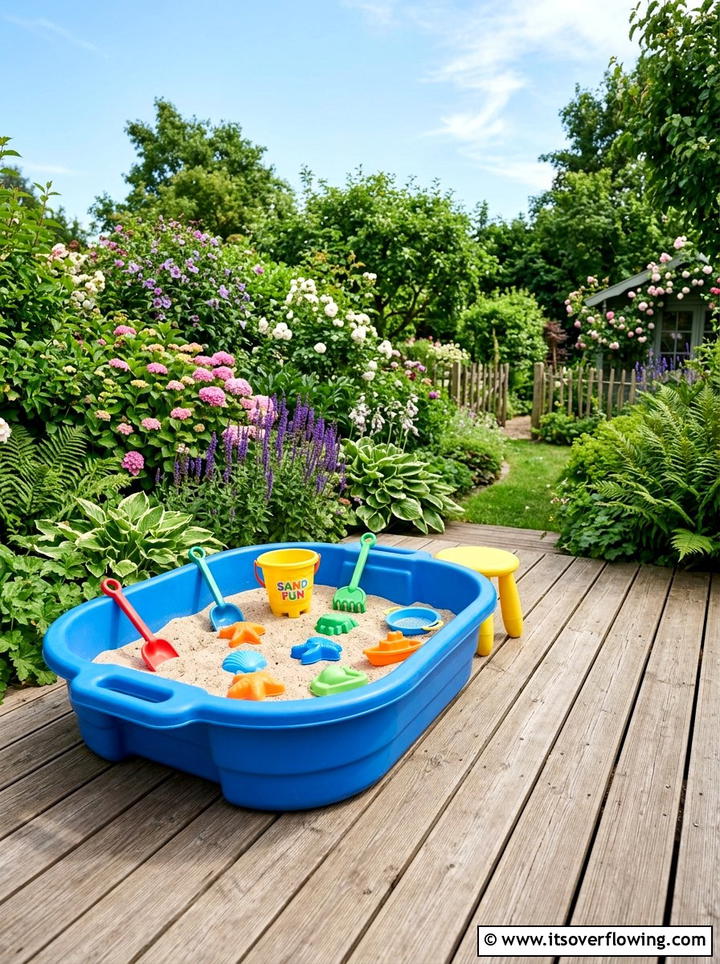
An old plastic storage tub or a forgotten laundry basket can be easily repurposed into a portable sand pit for sensory play in the garden. By filling the tub with clean play sand and adding a few recycled scoops and cups, you create a self-contained zone for digging and building. This setup is perfect for smaller gardens where a permanent sandbox might not be feasible, as it can be moved to the shade or covered with a lid when not in use. Children will spend hours developing their motor skills as they pour, scoop, and mold the sand into different shapes and structures.
22. Toilet Paper Roll Bird Feeder
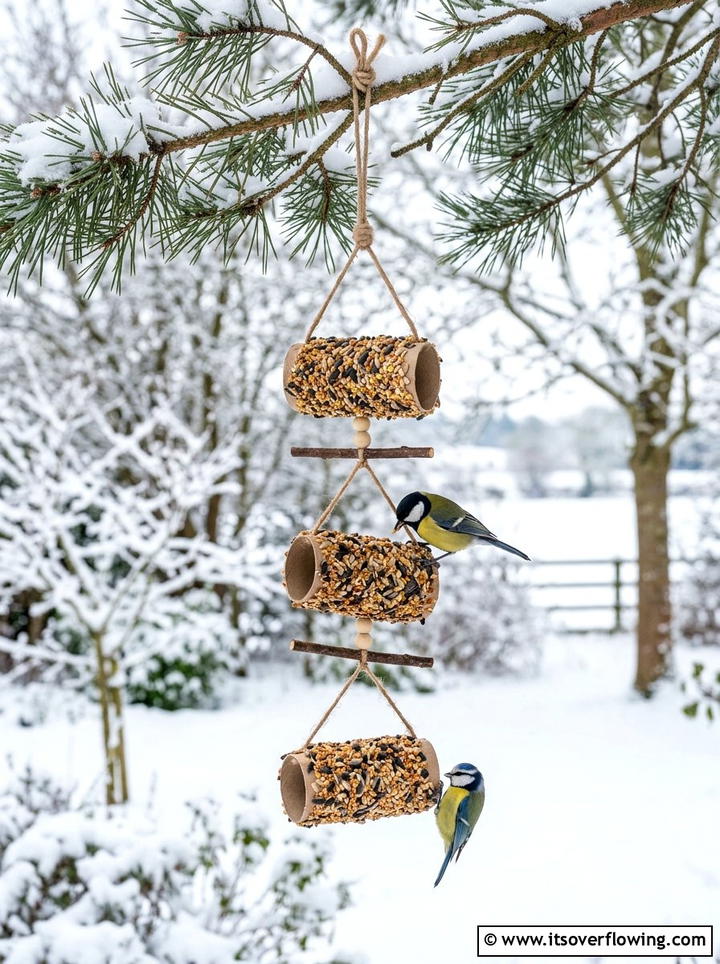
Cardboard toilet paper rolls provide a simple and effective base for making biodegradable bird feeders with young children. By coating the outside of the roll in peanut butter or sunflower butter and rolling it in birdseed, kids create a high-energy treat for local feathered friends. These can be slipped directly onto tree branches, where birds can easily access the seeds. Once the seeds are gone, the cardboard roll will naturally decompose or can be added to the compost pile. This project is a fantastic way to support local wildlife during the colder months while recycling a very common household item.
23. Rain Barrel Water Play Station
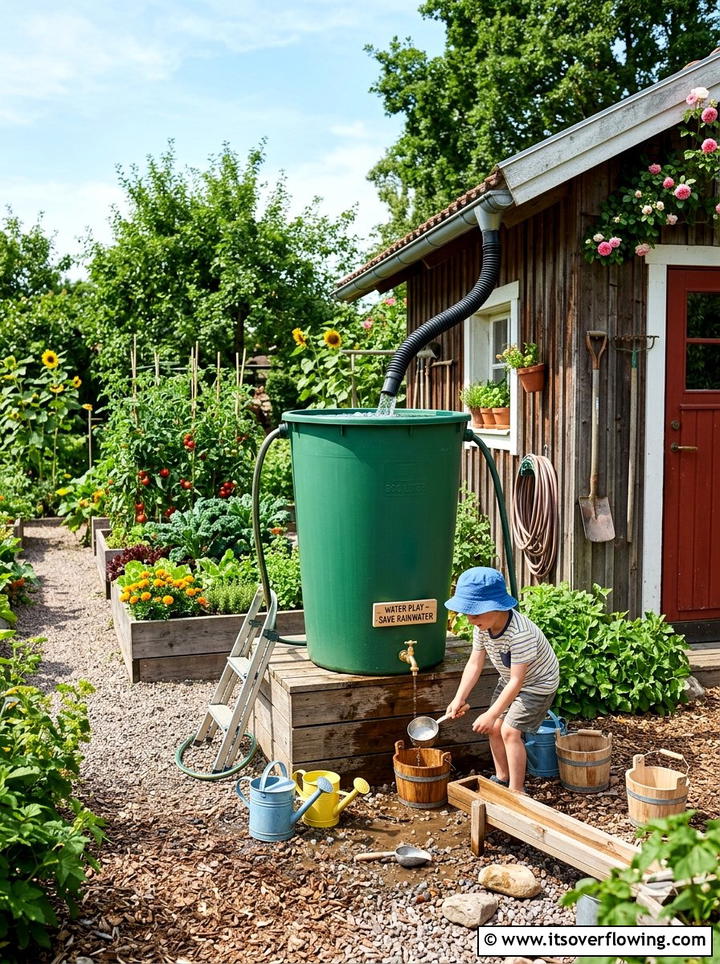
Repurposing a large plastic barrel into a rain collection system provides a sustainable source of water for the garden and a fun play station for kids. By installing a child-friendly spigot near the bottom, you allow children to fill their own watering cans or play buckets without wasting tap water. They can use the collected rainwater to “wash” their garden toys or water the nearby plants, learning about the importance of water conservation in the process. This functional feature turns a necessary garden tool into an interactive learning center that emphasizes the value of natural resources and environmental care.
24. Wooden Crate Garden Storage
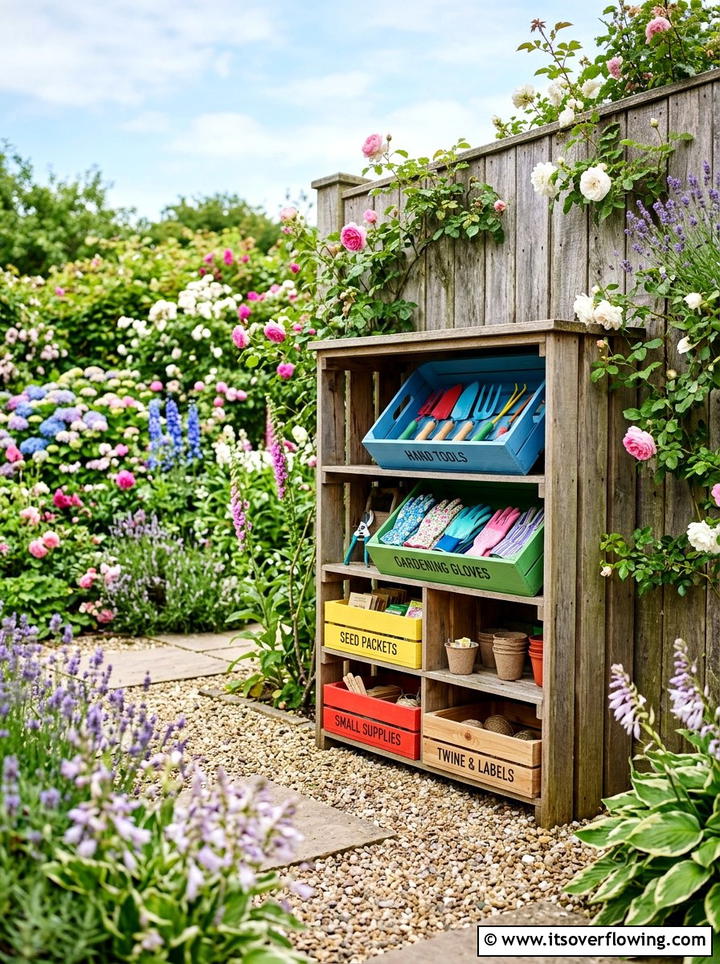
Old wooden crates can be stacked and secured to create an organized storage system for all the children’s gardening tools and outdoor toys. Painting each crate a different color helps kids remember where their shovels, gloves, and buckets belong after a long day of playing in the dirt. This recycled storage solution keeps the garden looking neat and teaches children the importance of taking care of their equipment. Positioned near the back door or a potting bench, these crates provide easy access to everything a young gardener needs. It is a practical and rustic way to keep the outdoor space tidy.
25. Denim Jeans Planter Arrangement
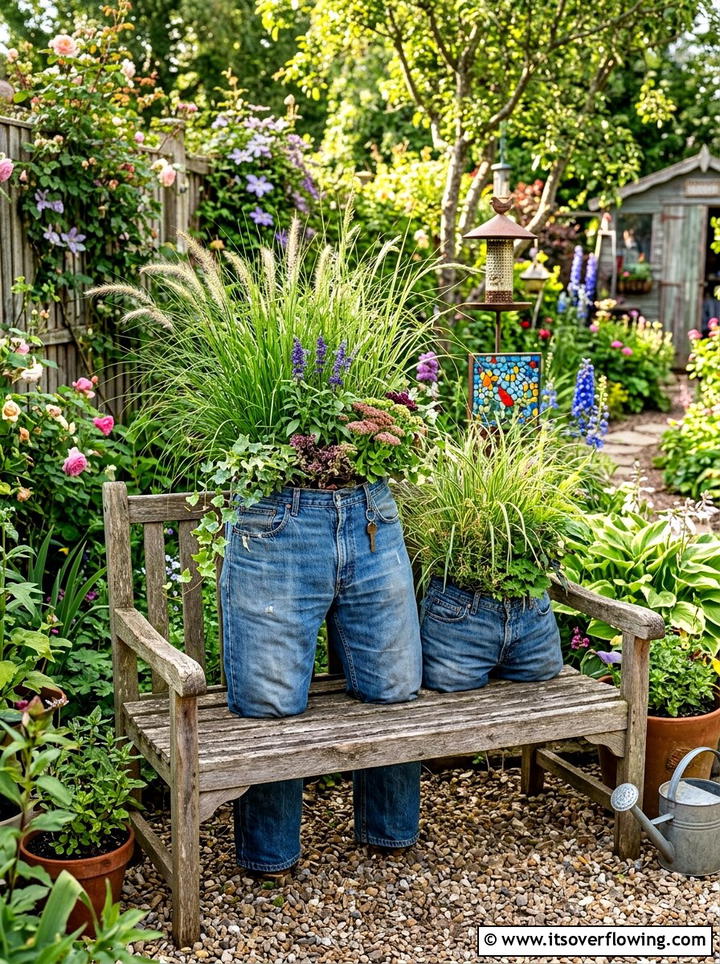
Old denim jeans that are too torn to wear can be stuffed and turned into hilarious and eye-catching planters for the garden. By filling the legs with straw or recycled plastic bags and placing a potted plant in the waist, you create the illusion of “person” sitting in the garden. Children find these characters absolutely hilarious and enjoy “dressing” them up with old hats or scarves to give them more personality. This quirky project is a great way to recycle textiles and adds a huge dose of humor to the backyard. It shows kids that gardening can be fun, silly, and incredibly creative.
Conclusion:
Cultivating a garden filled with recycled elements is a powerful way to teach the next generation about sustainability and creative problem-solving. These twenty-five projects demonstrate that beauty and utility can emerge from items we often overlook, turning a simple backyard into a rich laboratory for learning and play. As children watch their seeds grow in old boots or observe birds visiting milk carton houses, they develop a profound respect for the environment that will stay with them for a lifetime. Engaging in these DIY activities strengthens family bonds and creates lasting memories under the sun. Start small, stay creative, and watch your recycled garden flourish with life and joy.

Related posts:
 25 recycled garden ideas with recycled glass art to Love
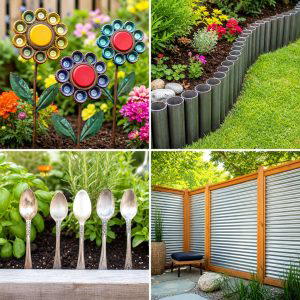 25 recycled garden ideas with recycled metal art to Try
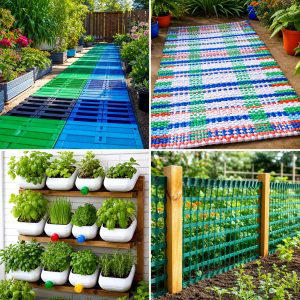 25 recycled garden ideas with recycled plastic projects
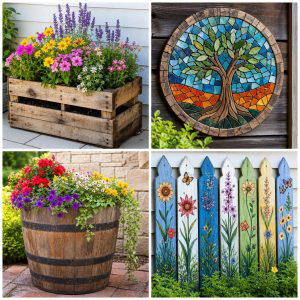 25 recycled garden ideas with recycled wood art to Try
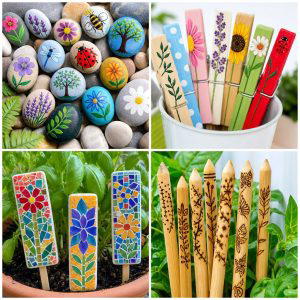 25 recycled garden ideas with garden markers: Fun DIYs
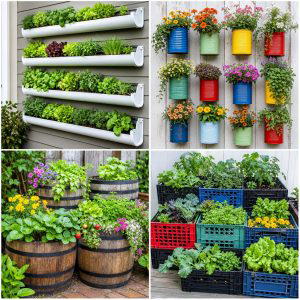 25 recycled garden ideas with gutter garden: Space-Saving
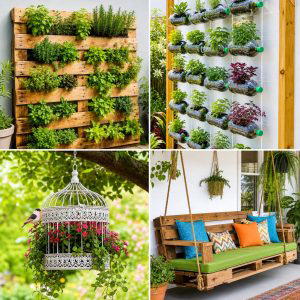 25 recycled garden ideas with pallet wall garden DIYs
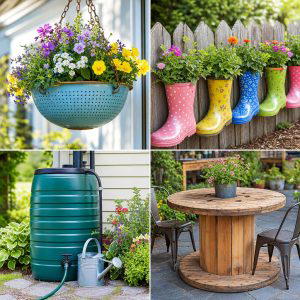 25 Upcycled Garden Ideas for Schools Kids Will Love
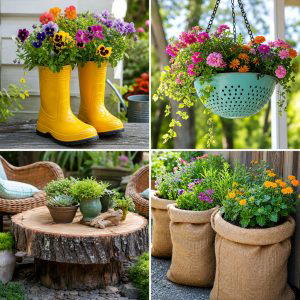 25 Upcycled Garden Ideas With Kids Projects for Family Fun
 25 Recycled Garden Ideas DIY Projects for Outdoor Charm
 25 Recycled Garden Ideas With Cable Spools for DIY Decor
 25 recycled garden ideas with mosaic pieces for Colorful Decor