
School gardens are transformative spaces that provide students with hands-on learning opportunities while fostering a deep connection with nature. Integrating upcycled materials into these outdoor classrooms adds a layer of environmental stewardship and creative problem-solving. By repurposing everyday items like tires, plastic bottles, and old furniture, schools can create vibrant, sustainable landscapes on a budget. These projects teach children the value of recycling and the lifecycle of materials, turning waste into something functional and beautiful. From vertical herb walls to colorful tire planters, upcycled garden elements spark curiosity and pride in young gardeners. This guide explores twenty-five innovative ways to transform discarded items into educational garden features that inspire students and teachers alike to think creatively about waste.
1. Vertical Plastic Bottle Planter
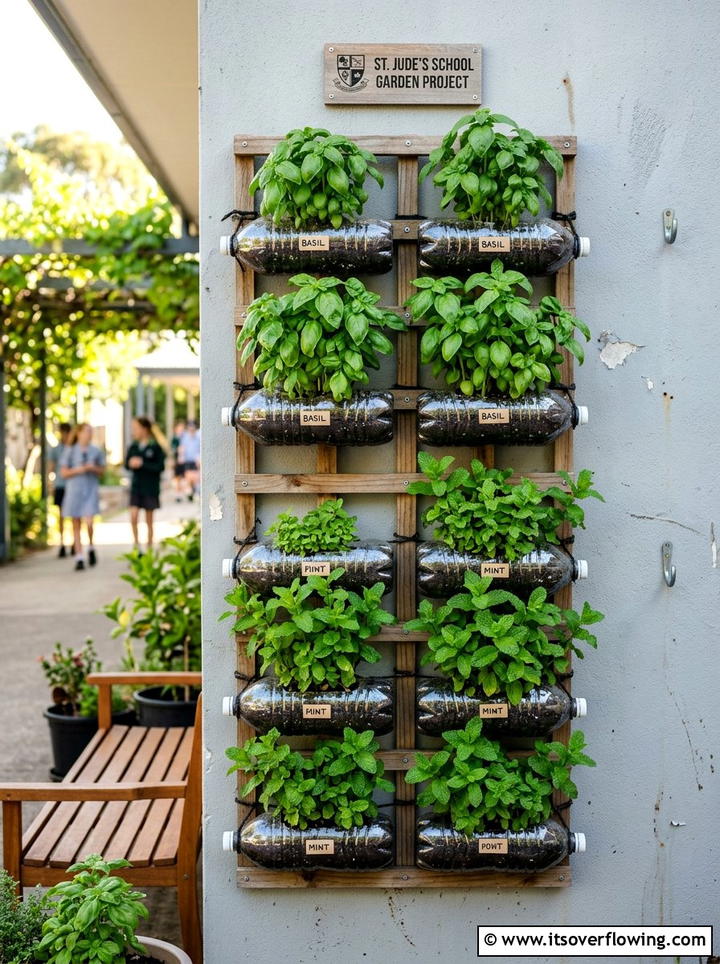
Have you ever looked at a discarded soda bottle and seen a potential home for a vibrant green plant? Plastic bottles are incredibly versatile and can be easily transformed into a vertical gardening system that saves space and reduces waste. By cutting an opening in the side and poking drainage holes, students create individual pods for herbs or flowers. These bottles can then be strung together with sturdy twine to cover a school fence or a bare wall. This setup looks modern and serves as a visual lesson in urban gardening. It is a fantastic way to utilize vertical spaces in school environments where ground space is limited but wall space is plenty.
2. Painted Tire Garden
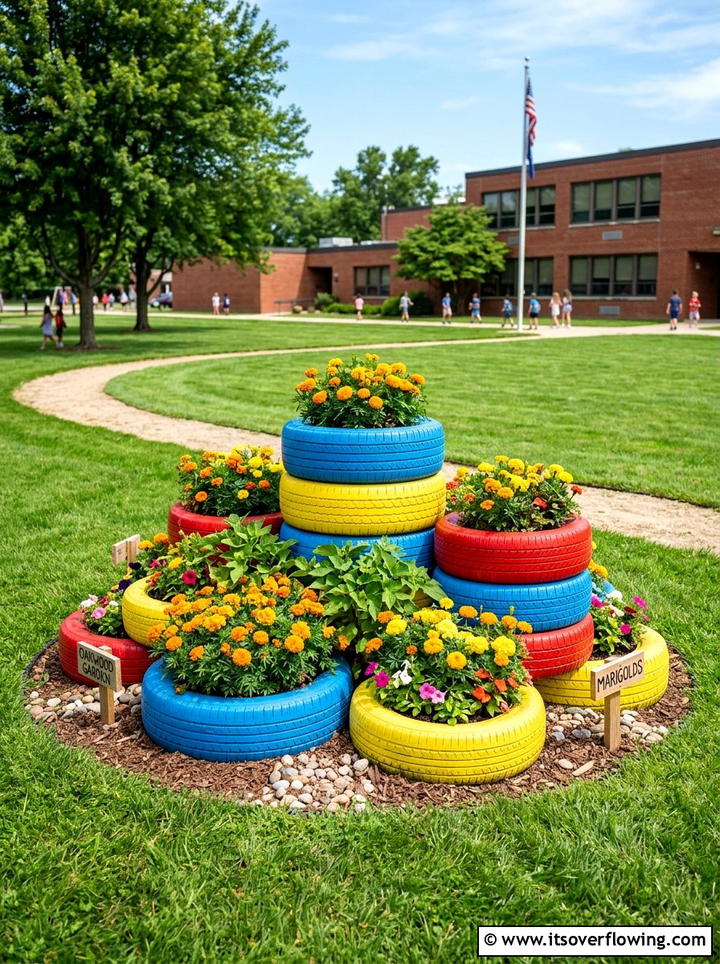
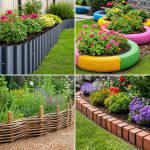
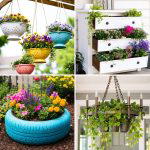
Can a simple discarded tire become a vibrant flower bed that brightens up a dull corner of the playground? Using old tires for school gardens is a classic upcycling project that offers durability and a large planting area for deep-rooted flowers. Schools can transform these heavy rubber circles into eye-catching features by cleaning them thoroughly and applying non-toxic outdoor paint in bright colors. Once dried, these tires can be stacked to create tiered levels or laid flat to form a colorful border. This project is excellent for teaching students about soil volume and plant spacing in a fun, artistic way. It turns waste into a functional, long-lasting garden element.
3. Wooden Pallet Herb Wall
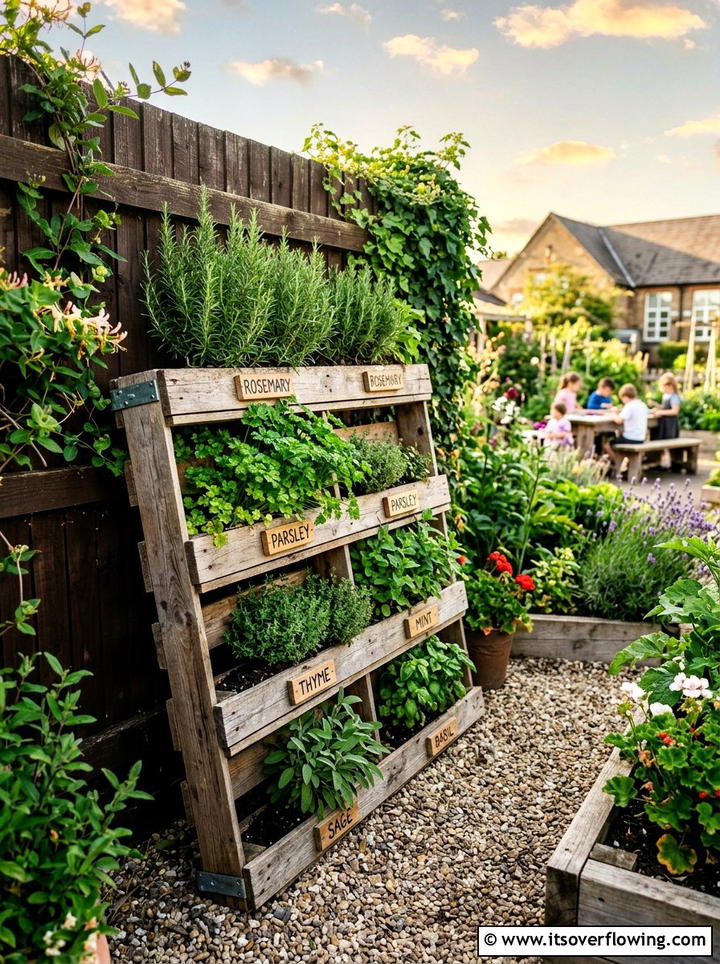
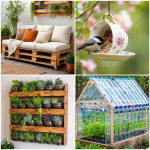
Wooden pallets are often discarded behind stores, but they hold immense potential for creating an organized and rustic herb garden. By adding a landscape fabric lining to the back and bottom of each slat, you create pockets perfect for soil and plants. This vertical structure allows students to grow a variety of culinary herbs like rosemary, thyme, and mint in a compact footprint. It is an excellent tool for sensory learning, as children can easily touch and smell the different plants at eye level. This project emphasizes the importance of vertical growing and material reuse, making it a staple for any sustainable school gardening program today.
4. Old Boot Plant Pot
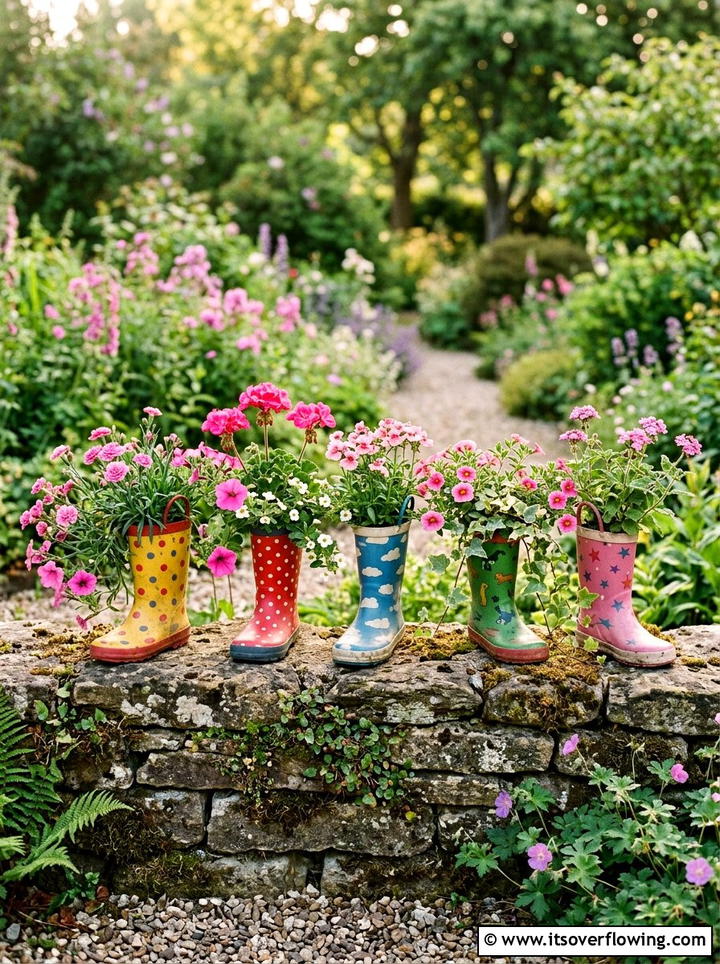
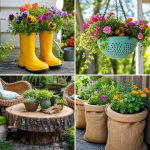
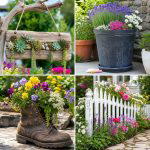
What happens to those outgrown rain boots once they are no longer fit for splashing in puddles at recess? Instead of throwing them away, these waterproof boots can be repurposed into whimsical and charming plant pots for small garden corners. By drilling a few drainage holes in the soles and filling them with potting mix, they become perfect vessels for hardy pansies or trailing ivy. Lining them up along a walkway or hanging them on a fence adds a touch of playfulness to the school grounds. This project encourages children to look at their own belongings differently, seeing the potential for new life in every everyday object.
5. Tin Can Hanging Garden
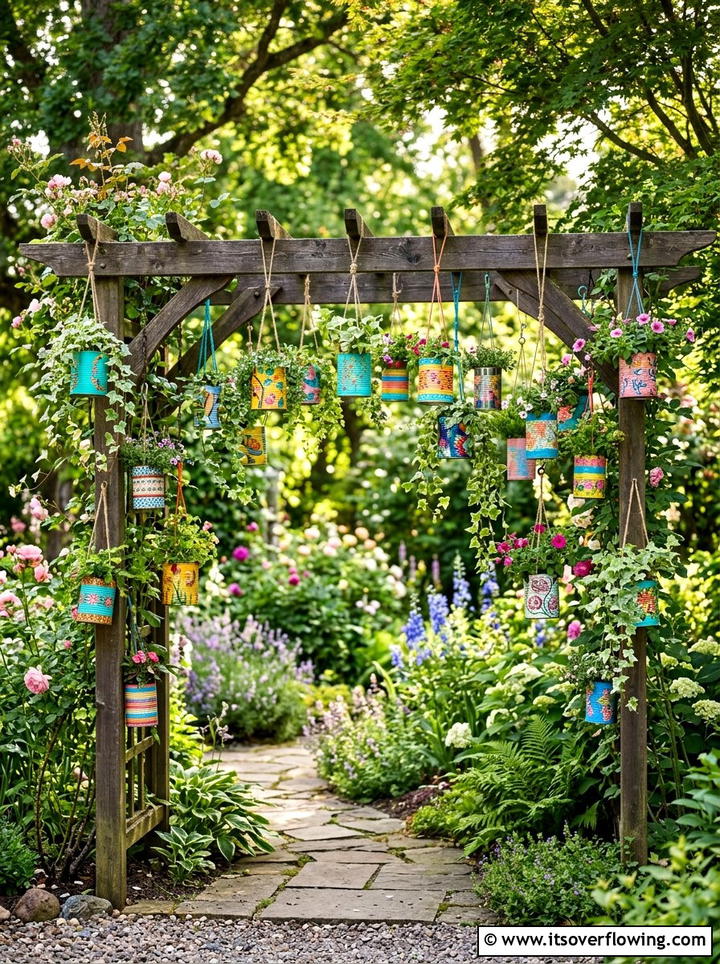
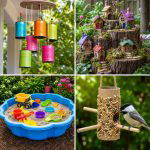
Empty soup or vegetable cans are common household waste items that can be easily reclaimed for a beautiful school garden project. After being cleaned and smoothed to remove sharp edges, these cans can be painted with weather-resistant colors to create a rainbow effect. Punching two holes at the top allows for a wire handle, making them easy to hang from low tree branches or garden trellises. These small containers are ideal for teaching kids about the needs of smaller plant varieties and the importance of drainage. They provide a simple, cost-effective way to add layers of vertical greenery and color to any school outdoor area.
6. Milk Carton Bird Feeder
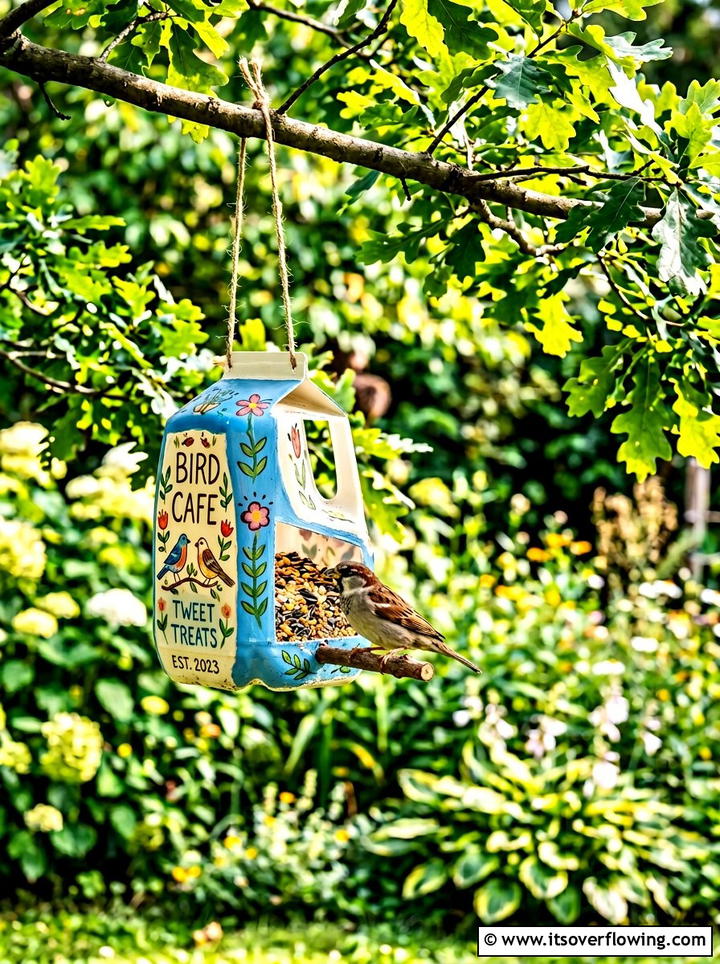
Is there a better way to encourage local wildlife to visit the school garden than by creating custom bird feeders? Empty plastic milk cartons or cardboard jugs can be washed and cut to create inviting openings for small garden birds. Students can decorate the exteriors with natural materials or eco-friendly paint to help them blend into the environment. Filling them with birdseed and hanging them near viewing windows allows students to observe nature closely during their breaks. This project bridges the gap between gardening and zoology, helping children understand the delicate balance of the local ecosystem while reusing common kitchen waste items for a purpose.
7. Recycled Colander Flower Basket
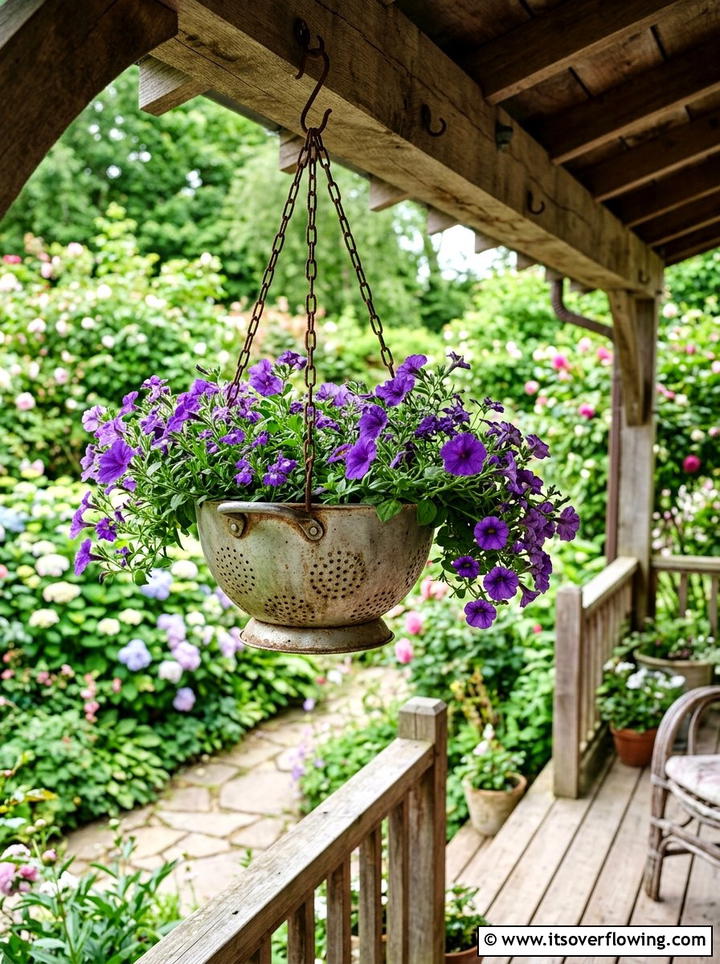
An old metal or plastic colander might seem like kitchen junk, but its built-in drainage holes make it a perfect planter. These kitchen staples are ideal for creating hanging baskets because they allow water to flow freely, preventing root rot in delicate flowers. By attaching sturdy chains or ropes to the handles, students can hang these repurposed baskets from porch eaves or garden hooks. They look particularly striking when filled with colorful petunias or trailing lobelia that spills over the sides. This project demonstrates how functional household items can transition into the garden with very little modification, providing a lesson in practical and creative resourcefulness.
8. Bathtub Vegetable Patch
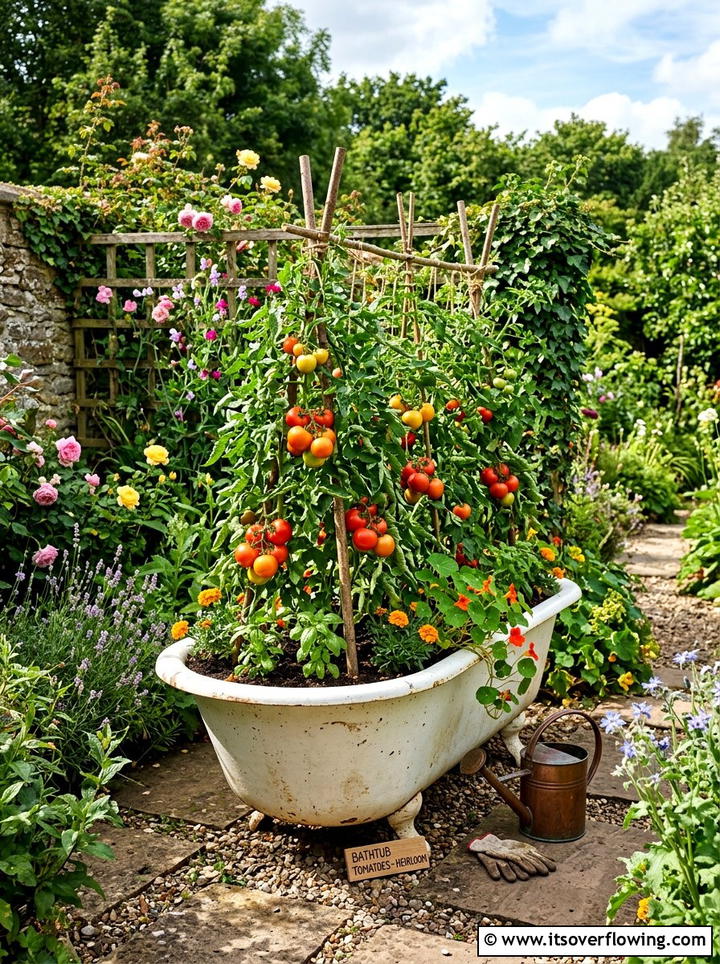
Have you ever considered that an old, chipped bathtub could serve as the ultimate deep-soil garden bed for a school? Because of their large volume and built-in drainage hole, bathtubs are perfect for growing vegetables that need room to spread, like pumpkins or large tomato plants. Setting a bathtub in a sunny spot on the school grounds creates a permanent and sturdy growing station that can last for many years. Students can even decorate the sides with outdoor-safe mosaics or paint to make it a focal point. This large-scale upcycling project shows kids that even the most unexpected items can be reclaimed for productive agricultural use.
9. Kitchen Sink Succulent Garden
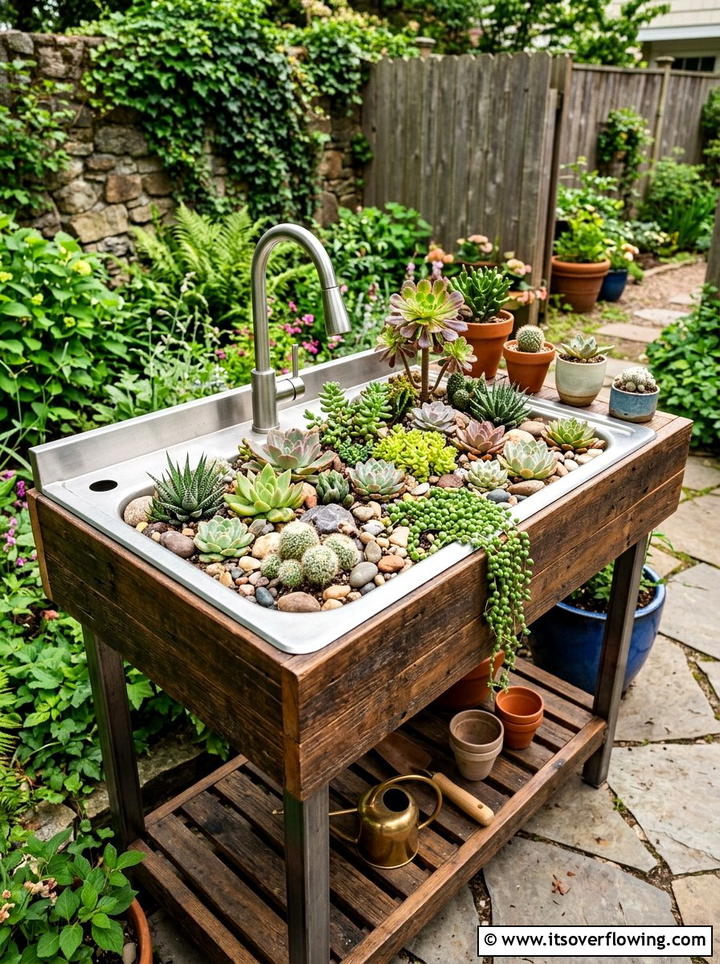
Similar to bathtubs, old porcelain or stainless steel kitchen sinks can be given a second life as a miniature garden feature. These shallow basins are particularly well-suited for succulents or alpine plants that do not require deep soil but need excellent drainage. By plugging the drain partially or using a mesh screen, students can create a desert-inspired landscape with rocks and sand. This setup is perfect for a courtyard or a smaller garden space where a traditional flower bed might not fit. It serves as a great introduction to different plant biomes and the specific care required for plants that thrive in rocky, arid environments.
10. Wheelbarrow Flower Bed
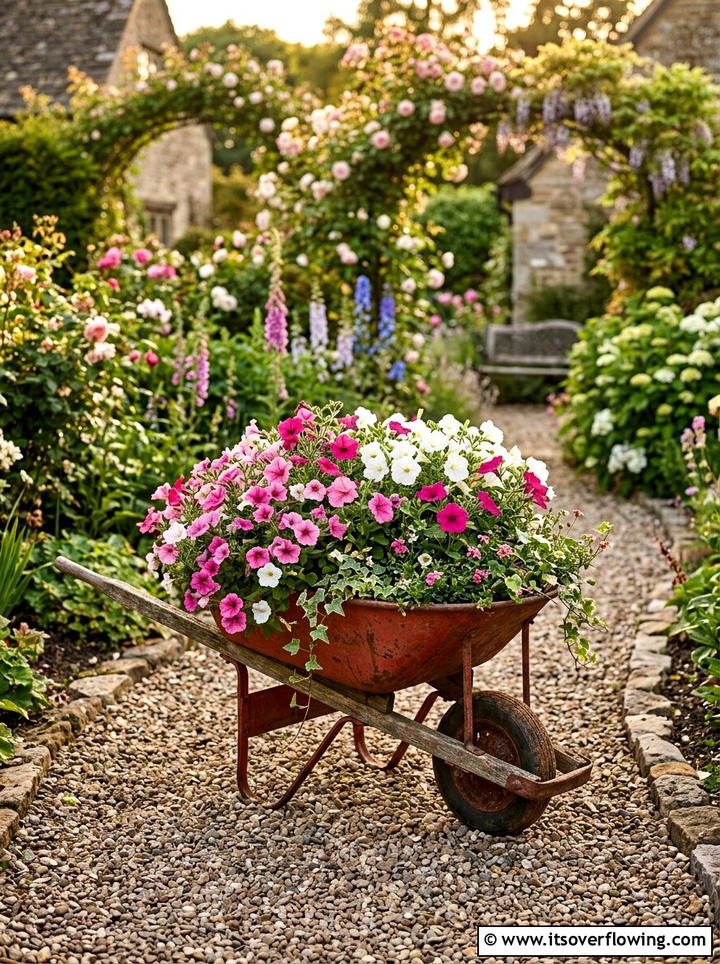
An old, rusty wheelbarrow that is no longer safe for hauling heavy loads can find a new purpose as a portable flower bed. Because it is raised off the ground, it provides a unique visual level for garden displays and is easy for students to reach. Filling the basin with rich soil and a mix of annual flowers creates a lush, movable garden that can be relocated to different parts of the school. This project teaches children about portability in gardening and how to work with existing structures to create beauty. It is a fantastic way to add character and a vintage aesthetic to any school outdoor learning space.
11. Log Seating Area
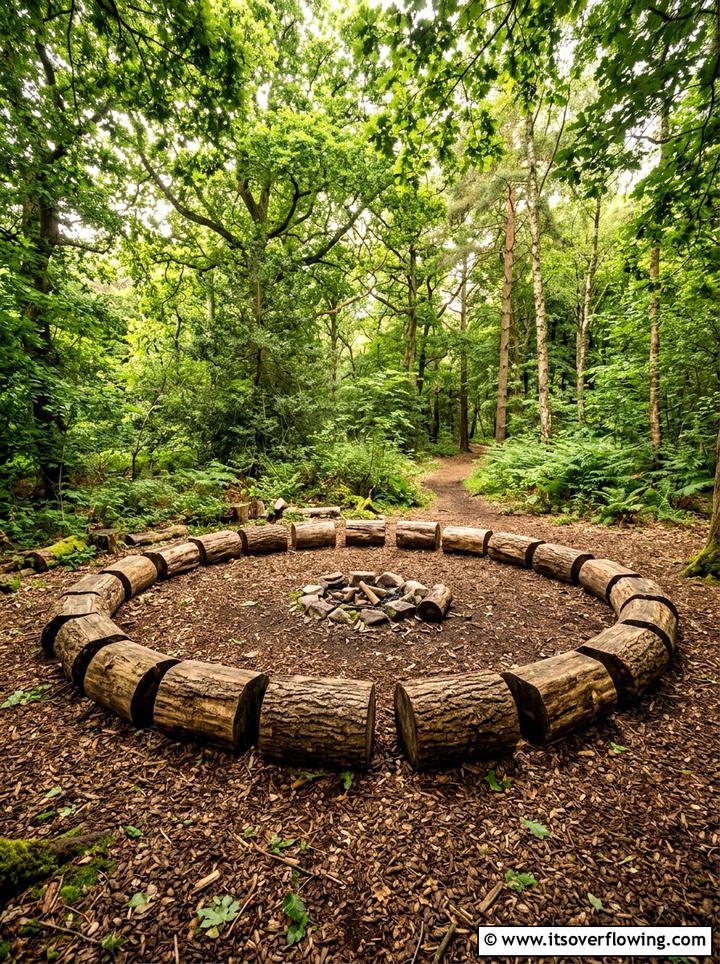
Felled trees or large branches from local landscaping projects can be repurposed to create a natural and functional seating area for students. By arranging sturdy logs in a circle or a semi-circle, schools can create an outdoor classroom space where kids can sit and learn. This approach eliminates the need for expensive plastic or metal benches while providing a direct connection to natural materials. Over time, these logs can also serve as a lesson in decomposition and the lifecycle of forest materials as they slowly age. This project emphasizes sustainable land management and provides a comfortable, organic place for children to rest and reflect during their day.
12. Stone Sensory Path
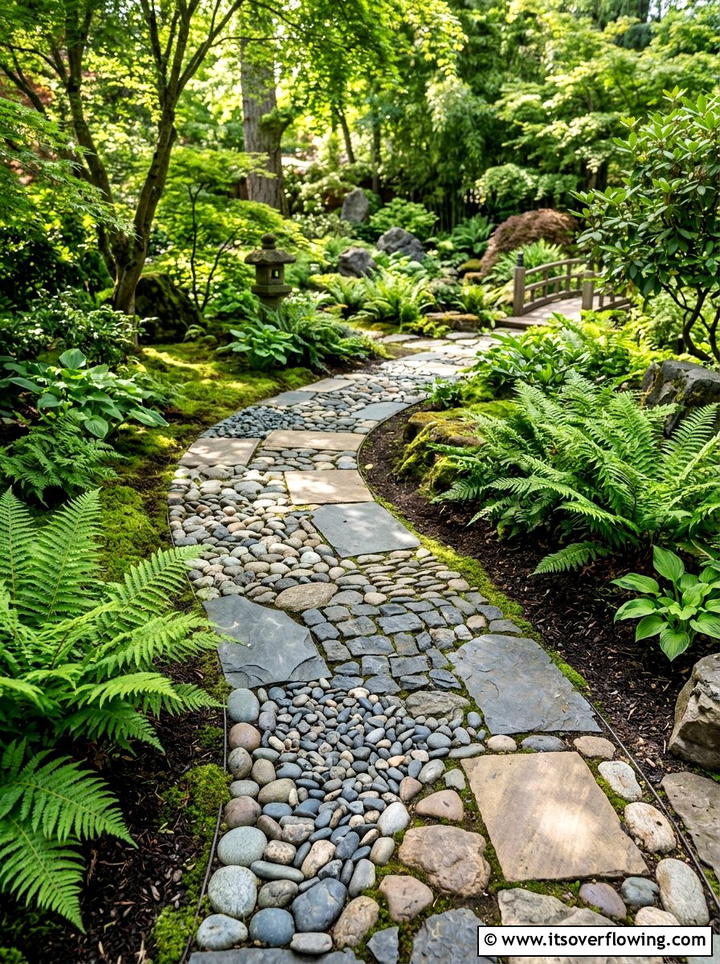
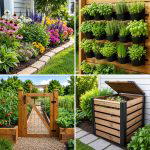
A sensory path is a wonderful addition to any school garden, and it can be built entirely from reclaimed or found materials. By collecting flat stones, smooth river rocks, and even recycled bricks, students can design a walkway that offers different textures underfoot. This path can wind through the garden, leading students to different plant zones while encouraging them to slow down and notice their surroundings. This project is excellent for developing fine motor skills during the construction phase and provides a calming, tactile experience for years to come. It turns simple, natural items into a structured and functional garden feature that enhances the overall school experience.
13. Plastic Bottle Greenhouse
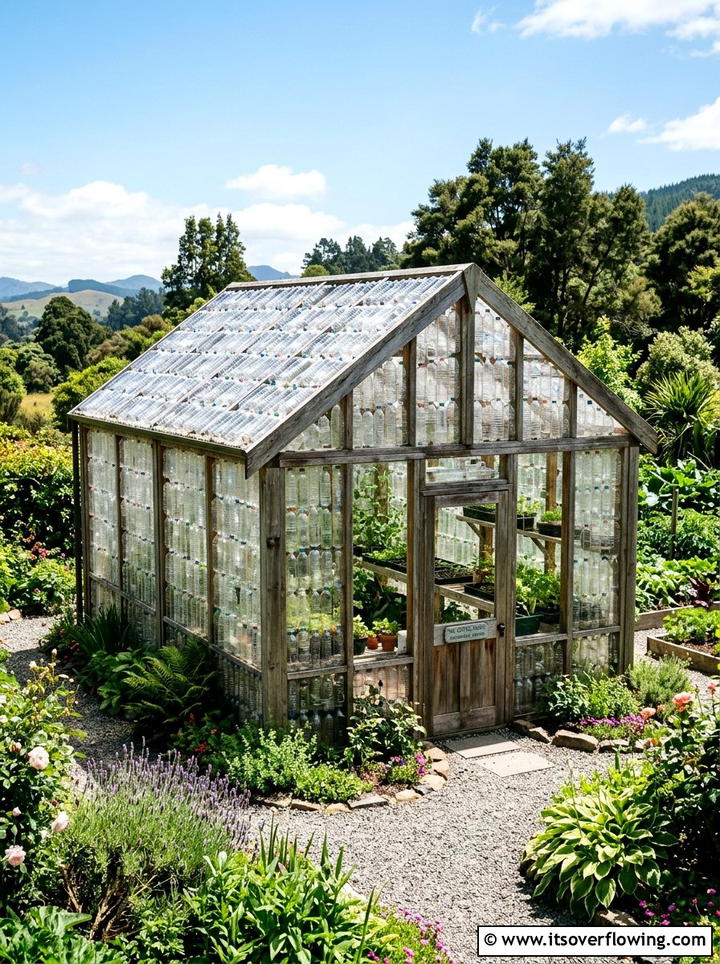
Did you know that hundreds of used plastic bottles can be used to construct a functional and warm greenhouse for seedlings? By stacking bottles on wooden or bamboo frames, schools can create a structure that traps heat and moisture, perfect for starting seeds in early spring. This massive upcycling project requires teamwork and planning, making it a great collaborative exercise for entire grade levels. It provides a year-round growing space and serves as a powerful visual representation of how much plastic waste can be diverted from landfills. This structure becomes a hub for science experiments and plant propagation, fostering a sense of ownership among the students.
14. Old Dresser Planter
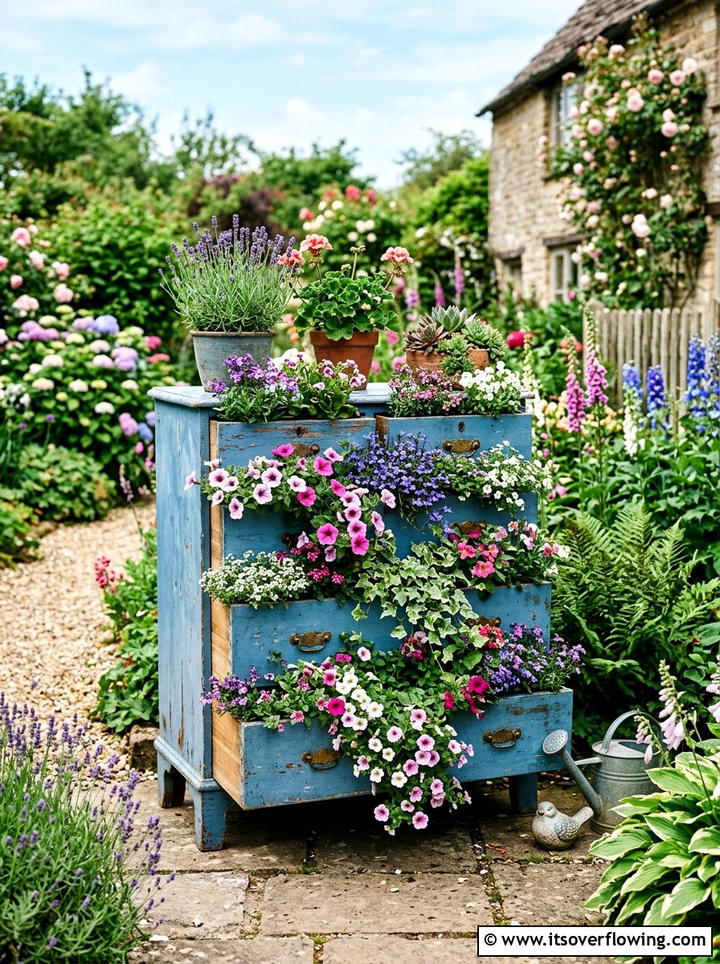
An old wooden dresser with stuck drawers can be transformed into a stunning tiered planter that maximizes horizontal and vertical growing space. By pulling the drawers out at different lengths and securing them, you create a cascading effect that is perfect for a variety of flowers. Each drawer can be lined with plastic to protect the wood and filled with soil for different plant species. This project adds a touch of “shabby chic” charm to the school garden and demonstrates how furniture can be repurposed for outdoor use. It is a creative way to teach kids about different planting depths and the importance of soil management.
15. Teapot Flower Pot
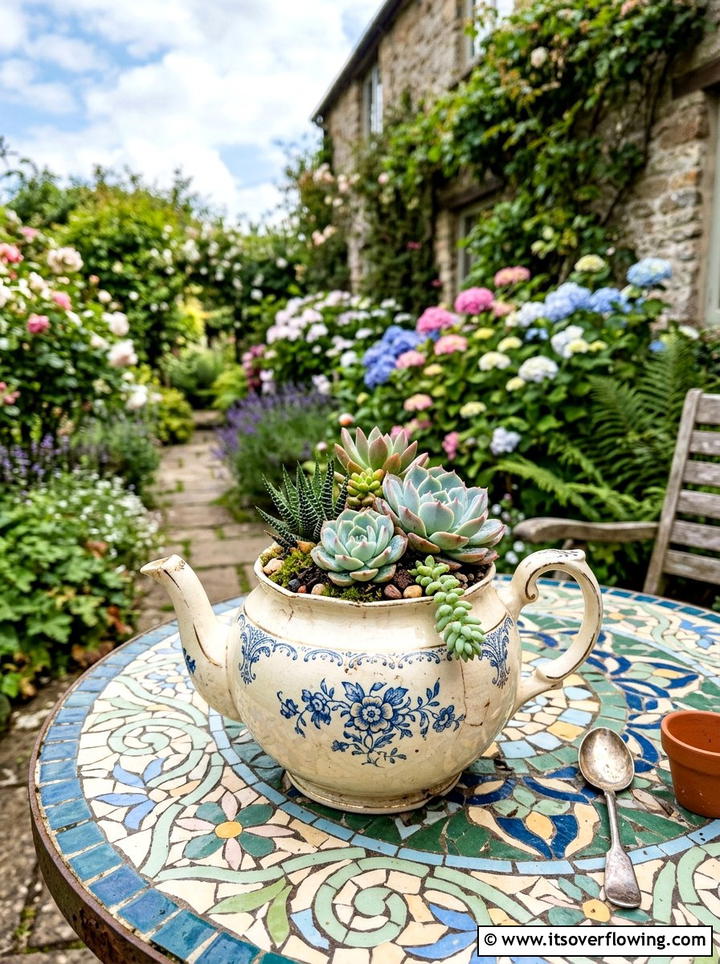
Chipped or old teapots can be easily turned into charming, small-scale planters that add a touch of whimsy to any garden table. These containers are the perfect size for individual plants or small herbs like chives, making them ideal for young children to manage. Students can choose a teapot, add a few small pebbles at the bottom for drainage, and plant their favorite flower inside. This project is excellent for teaching the basics of plant care on a manageable scale. These little teapot gardens can be grouped together to create a delightful centerpiece for a garden seating area, showing how small changes can create big impact.
16. Guttering Strawberry Run
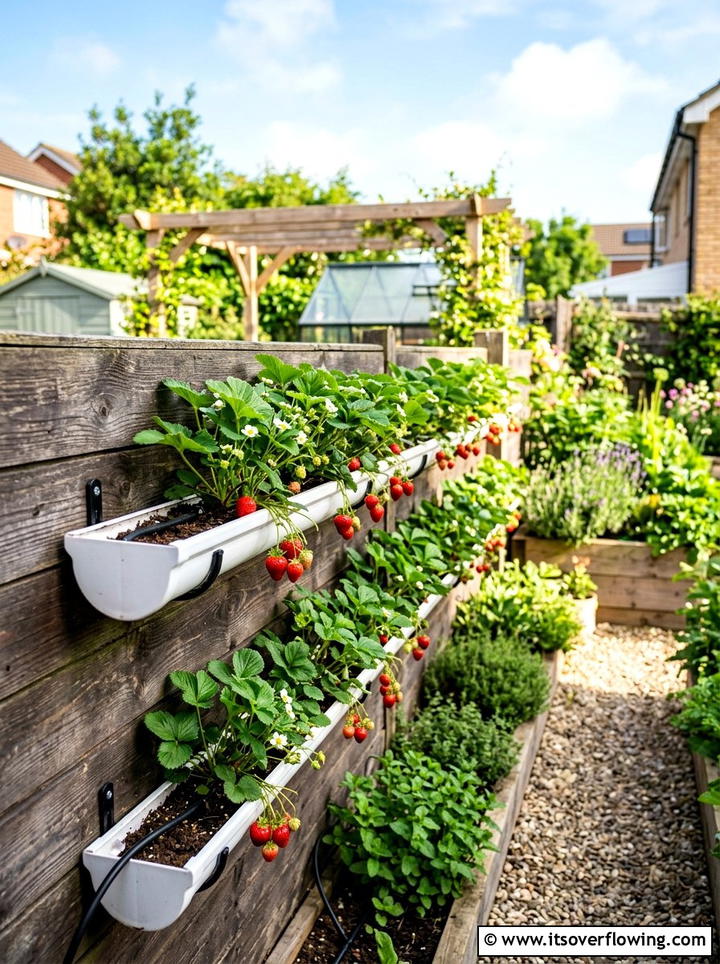
Old pieces of plastic or metal guttering can be mounted on a school fence to create a space-saving and efficient strawberry run. By hanging the gutters at a height that is easy for students to reach, you make harvesting fresh fruit a fun and accessible activity. Strawberries thrive in these shallow, long containers because they have enough room to spread their runners without taking up ground space. This project teaches children about innovative agricultural techniques and the benefits of growing your own food in limited areas. It also keeps the fruit off the ground, reducing the risk of pests and rot, which leads to a better harvest.
17. Welly Boot Flower Fence
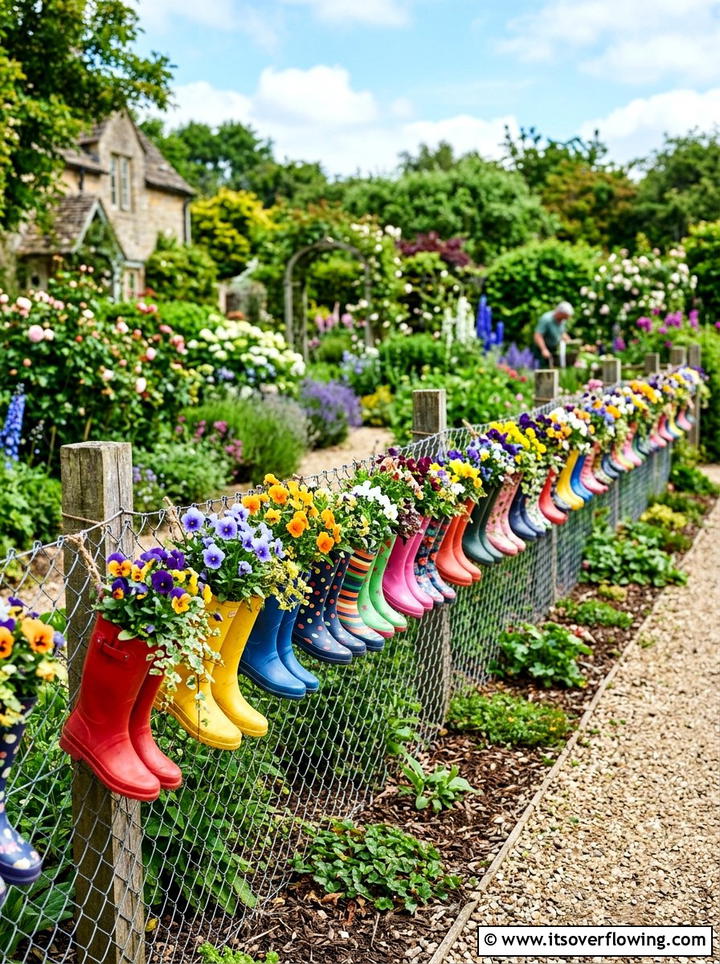
A row of colorful rubber boots hanging along a school fence creates a vibrant and cheerful display that celebrates childhood and gardening. Each boot can be filled with soil and a different variety of flowering plants, turning a plain boundary into a living work of art. This project is a great way to use donated boots that are no longer wearable, giving them a second life in the sun. Students can take responsibility for their own “boot, ” learning how to water and care for their specific plant throughout the season. It is a visually striking way to brighten up the playground while teaching consistent plant maintenance.
18. Bicycle Flower Basket
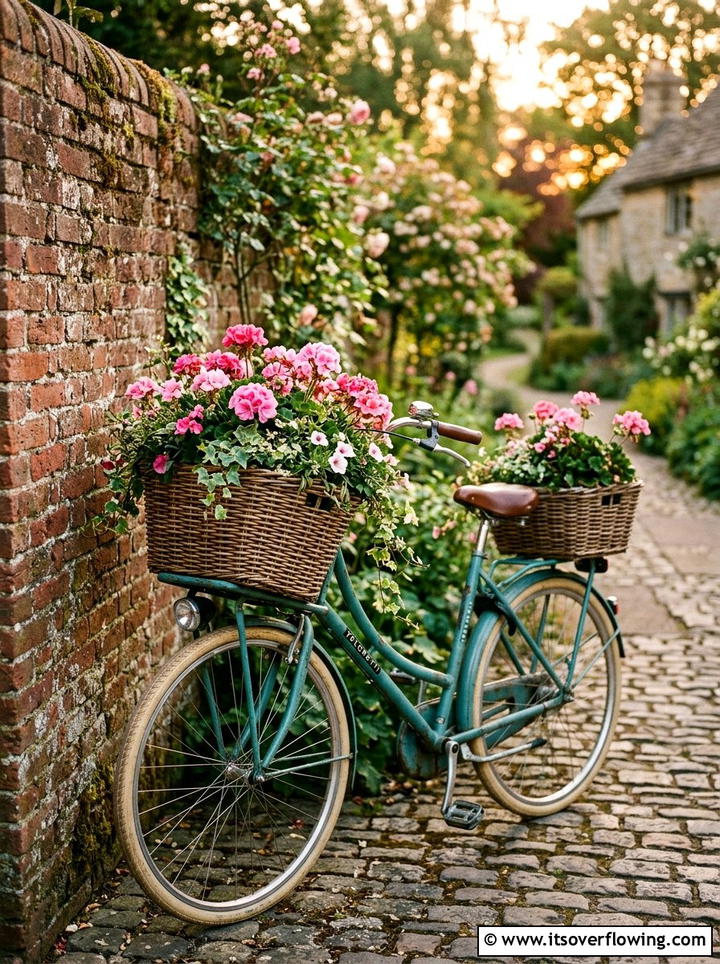
An old, non-functional bicycle can be turned into a beautiful garden sculpture by adding baskets filled with cascading flowers to the handlebars and rear rack. This project combines mechanical history with botanical beauty, creating a unique focal point for the school entrance or garden path. The frame can be painted a bright color to stand out, or left in its original state for a more vintage look. Planting “creeping” varieties that will eventually drape over the wheels adds a sense of motion and life to the static object. It is a great conversation starter about different modes of transport and the beauty of recycling metal.
19. Rain Barrel Water Collector
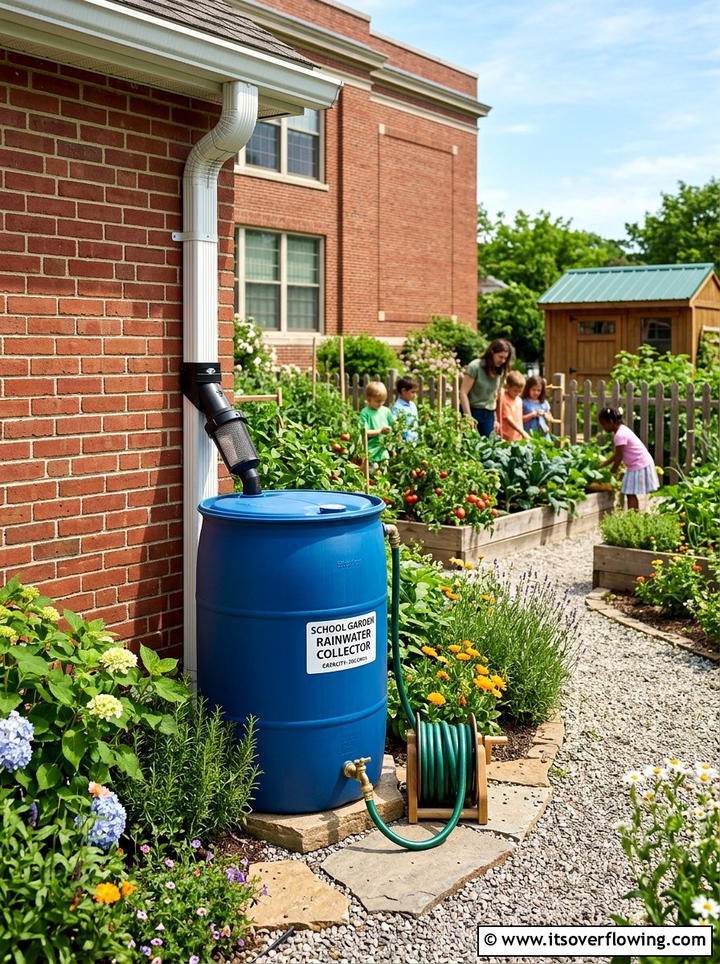
Teaching students about water conservation is a vital part of a school garden curriculum, and a homemade rain barrel is the perfect tool. An old food-grade plastic drum can be modified to collect runoff from the school roof, providing a free and sustainable water source for the garden. By installing a simple tap at the bottom, students can easily fill their watering cans and learn about the natural water cycle. This project demonstrates how we can harness natural resources to sustain our environment without relying on treated tap water. It is a practical and essential upcycled feature that supports the entire health of the school garden.
20. Coffee Can Herb Station
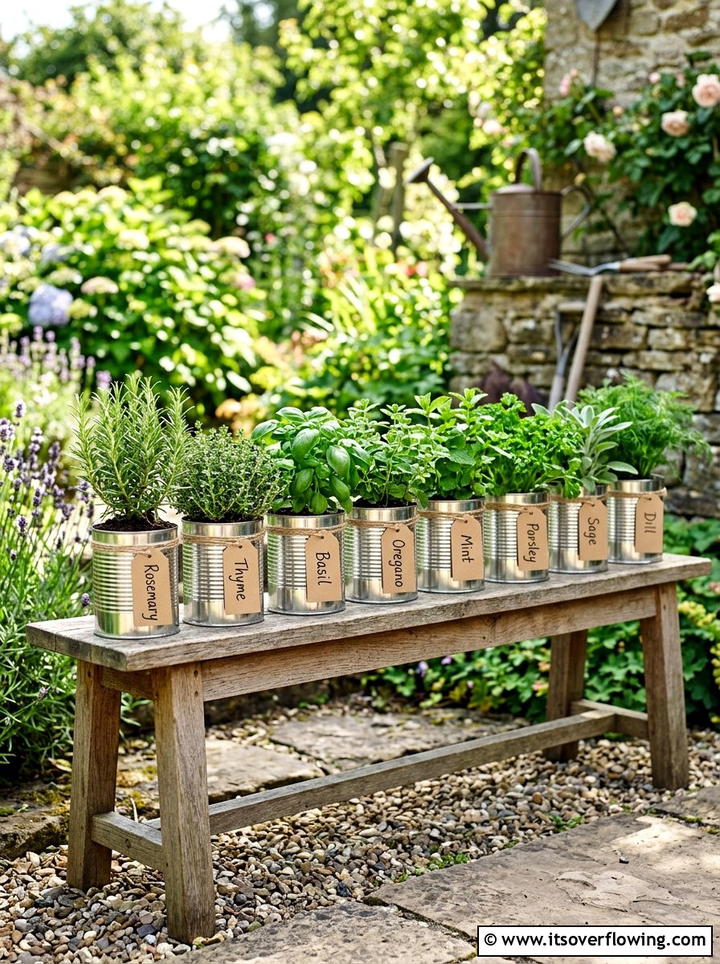
Metal coffee cans are durable and provide plenty of room for herbs to grow their root systems effectively. These cans can be easily cleaned and decorated by students using waterproof markers or outdoor paint to identify the specific herb growing inside. Grouping several coffee can planters together on a sunny windowsill or a garden bench creates a dedicated herb station for the school. This setup allows students to easily harvest fresh herbs for cooking classes or sensory lessons. This project highlights the utility of common metal packaging and provides a low-cost way to build a comprehensive collection of culinary plants for the school.
21. Cereal Box Seed Starter
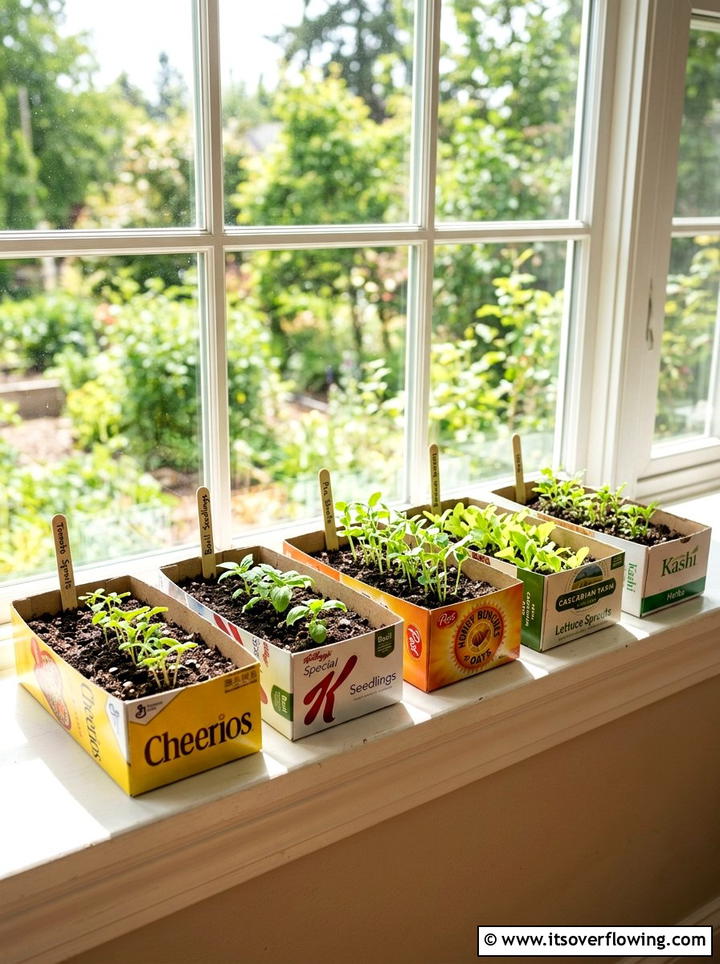
Before seedlings are ready for the great outdoors, they need a safe place to sprout, and old cereal boxes are perfect for this phase. By cutting the boxes down and lining them with a bit of recycled plastic or wax paper, students can create large seed-starting trays. This project is ideal for indoor classroom activities during the colder months when the garden is dormant. It teaches children about the germination process and the early stages of a plant’s life cycle. Because the cardboard is biodegradable, the boxes can eventually be composted after the seedlings are transplanted, completing the cycle of reuse and return to the earth.
22. Egg Carton Seedling Tray
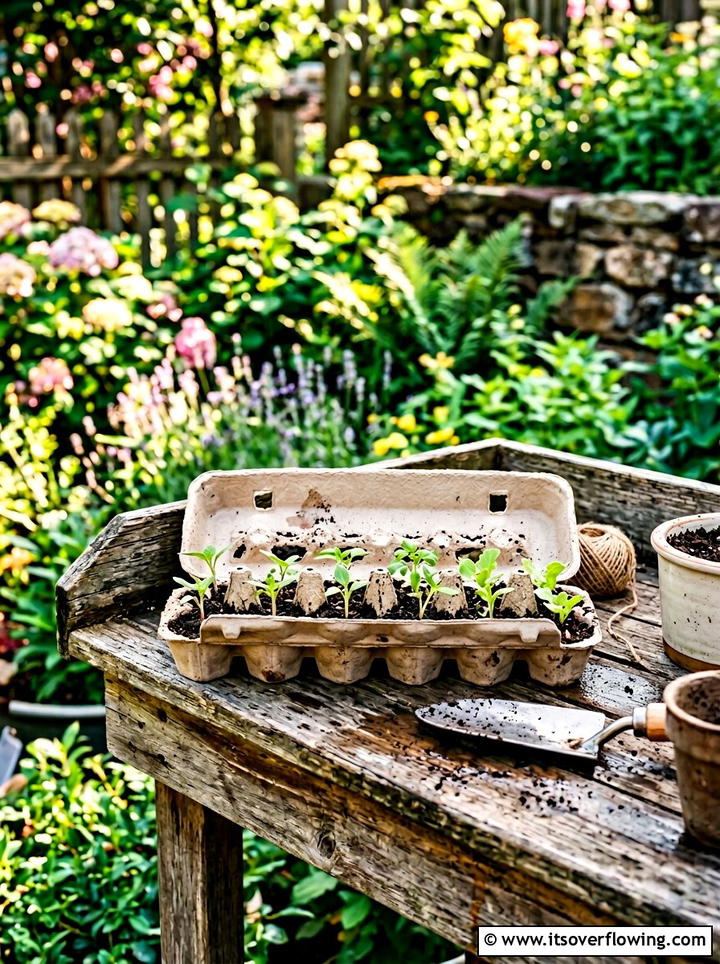
Egg cartons are naturally divided into small cells, making them the perfect ready-made containers for starting individual seeds. Students can fill each cell with a small amount of seed-starting mix and place a single seed in each one. This allows for easy tracking of growth and ensures that each little plant has its own dedicated space to begin its journey. Since many egg cartons are made of molded pulp, the individual cells can be cut apart and planted directly into the soil when the time comes. This project is a fantastic way to demonstrate the concept of biodegradable materials and minimize root disturbance during the transplanting process.
23. Glass Jar Terrarium
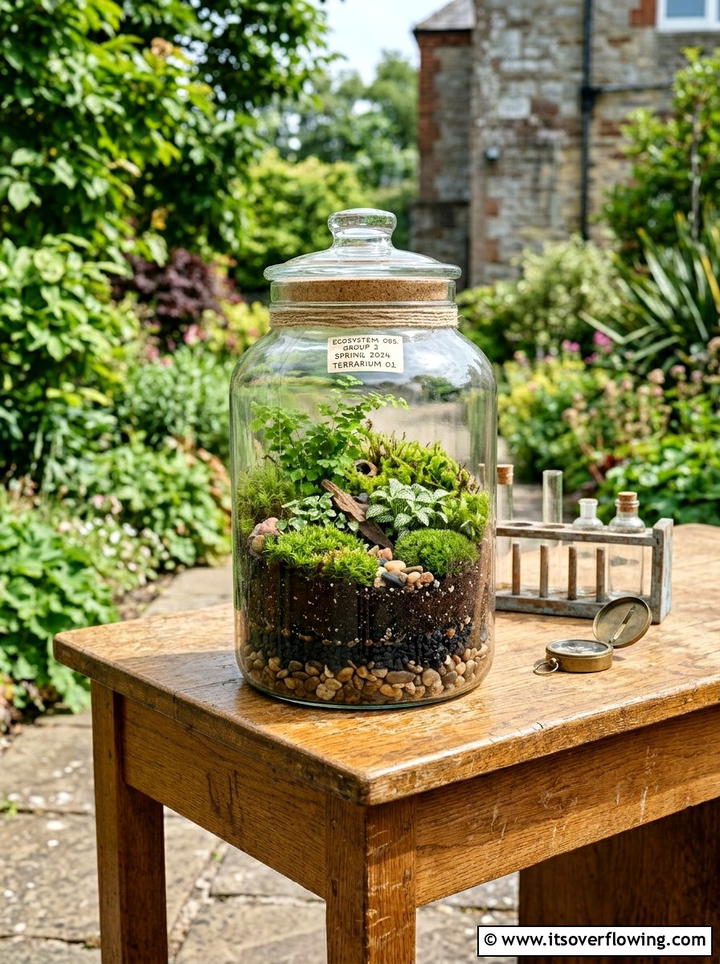
Old jam or sauce jars can be transformed into beautiful miniature ecosystems known as terrariums, which can be kept inside the school. By layering pebbles, charcoal, soil, and small mosses or ferns, students create a self-sustaining environment that demonstrates the water cycle in action. These jars are perfect for classroom windowsills where students can observe how moisture evaporates and condenses on the glass walls. This project is a wonderful way to bring the garden indoors and teach children about the delicate balance of closed systems. It uses clear glass waste to create something aesthetically pleasing and scientifically fascinating, making it a favorite for many students.
24. Tree Stump Fairy Garden
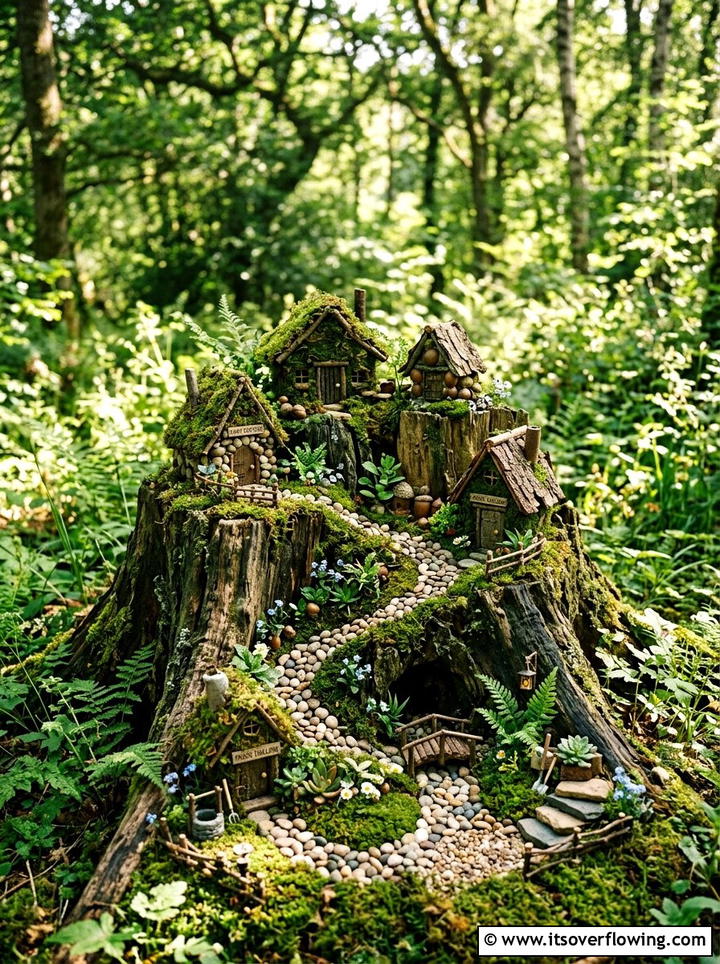
If a tree has been cut down on the school grounds, the remaining stump does not have to be an eyesore or a tripping hazard. Instead, it can be turned into a whimsical fairy garden using natural found objects and small upcycled trinkets. Students can use moss, small stones, and twigs to build tiny houses and paths on the top and sides of the stump. This project encourages imaginative play and storytelling while utilizing a natural feature that might otherwise be removed. It turns a piece of dead wood into a vibrant center of activity and creativity, showing that nature always has a place for magic.
25. Wire Spool Outdoor Table
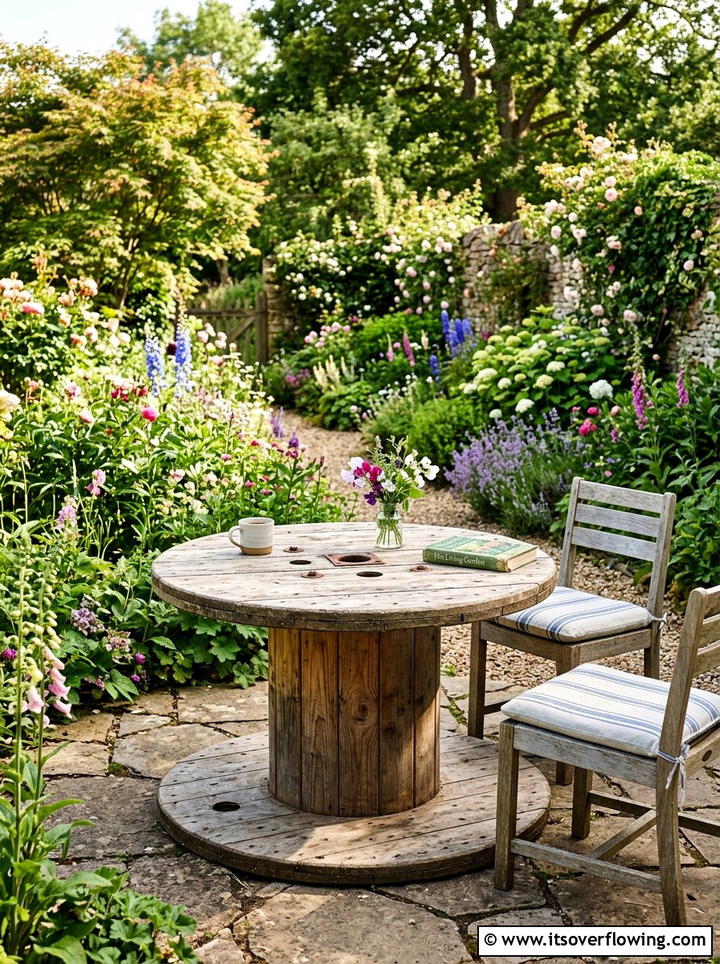
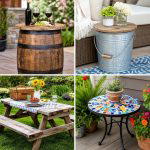
Large industrial wire spools, often found at construction sites or utility companies, can be easily repurposed into sturdy outdoor tables for the school garden. By sanding down the wood and applying a weather-resistant sealant, these spools become the perfect height for students to use as workspaces or picnic tables. The circular design encourages group interaction and collaborative learning during outdoor lessons. Schools can even paint the tops with chalkboard paint to create a giant drawing surface for garden observations. This large-scale upcycling project provides a functional piece of furniture that is built to withstand the elements and heavy use by students for years.
Conclusion:
Building an upcycled school garden is an incredible journey that combines environmental education with creative artistic expression. By looking at everyday waste through a lens of potential, students and teachers can build a beautiful, functional space that costs very little but provides immense value. These twenty-five ideas demonstrate that sustainability is not just about recycling; it is about reimagining our relationship with the objects we use daily. As these gardens grow and evolve, they become living classrooms where children learn the vital lessons of resourcefulness, patience, and care for the planet. Every tire, bottle, and boot repurposed is a step toward a greener and more conscious future for everyone.

Related posts:
 25 Upcycled Garden Ideas With Outdoor Tables You’ll Love
 25 Upcycled Garden Ideas With Tool Storage You’ll Love
 25 Upcycled Garden Ideas With Kids Projects for Family Fun
 25 recycled garden ideas with recycled glass art to Love
 25 Upcycled Garden Ideas With Garden Benches for Cozy Seating
 25 Upcycled Garden Ideas With Garden Edging for Neat Borders
 25 Upcycled Garden Ideas With Garden Signs for Cute Yard Decor
 25 Recycled Garden Ideas for Kids That Spark Creativity
 25 Upcycled Garden Ideas for Patios to Refresh Outdoor Living
 25 Upcycled Garden Ideas With Coastal Style for Breezy Yards
 25 Upcycled Garden Ideas With Ladder Shelves to Try
 25 Upcycled Garden Ideas With Old Gates for Rustic Charm