
Do you find yourself staring at a stack of old magazines and wondering how to clear the clutter without just tossing them into the recycling bin? Turning those glossy pages into functional and beautiful garden tools is a fantastic way to embrace sustainable living while personalizing your outdoor space. From biodegradable seed starters to artistic decoupage furniture, the possibilities for upcycling are truly endless for any creative homeowner. These projects not only save money on expensive garden supplies but also add a unique, hand-crafted charm that store-bought items simply cannot replicate. Let’s explore how you can transform your old reading material into useful gardening essentials that benefit your plants and the planet.
1. Biodegradable Paper Seed Starter
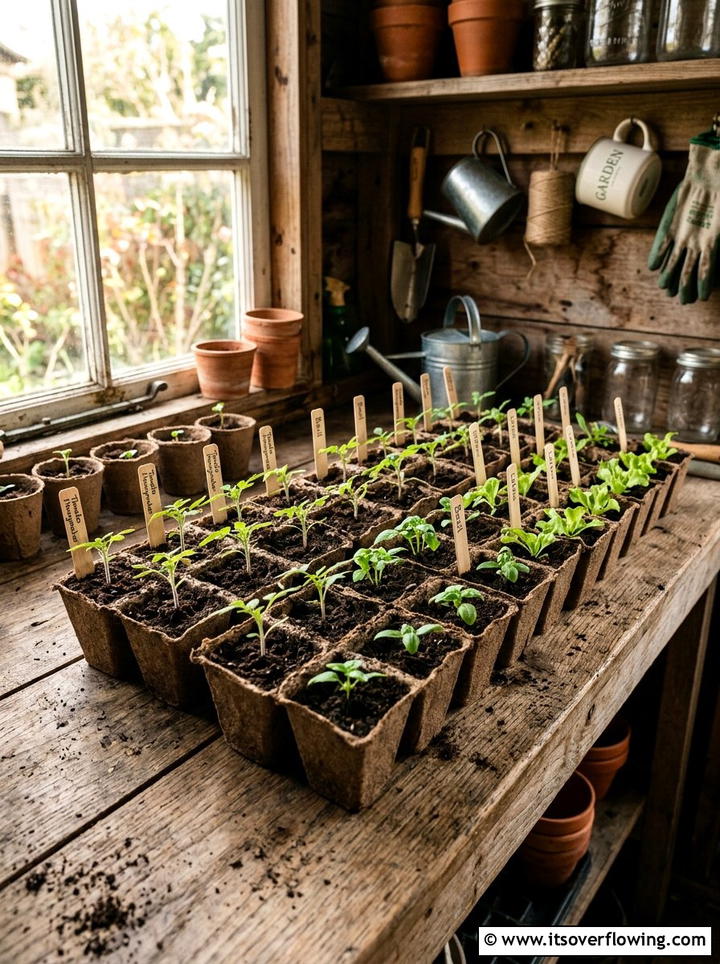
Starting your garden from scratch often requires numerous small containers that eventually end up in the trash. Have you ever considered using those glossy pages sitting on your coffee table instead? Creating a biodegradable paper seed starter is a brilliant way to give old magazines a second life while nurturing new growth. You simply roll the pages into cylindrical shapes and secure them to hold soil and a single seed. Because paper eventually breaks down in the earth, you can plant the entire pot directly into the ground without disturbing the delicate root systems of your young vegetables. This eco-friendly approach reduces plastic waste significantly.
2. Magazine Sheet Weed Barrier
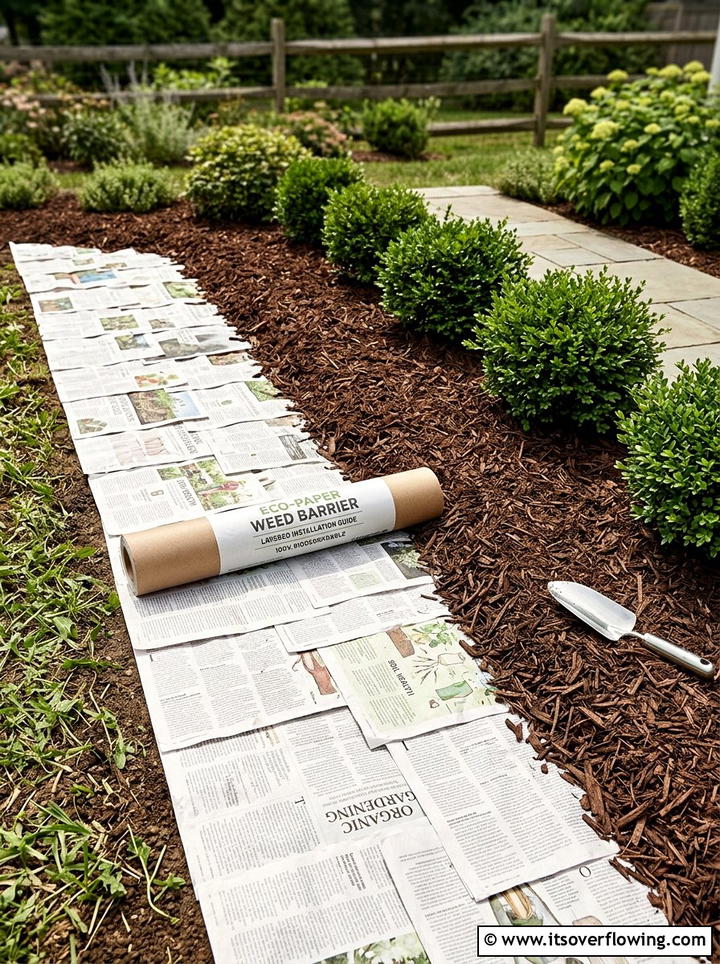
Maintaining a weed-free flower bed can be an exhausting chore that requires constant attention and often harsh chemicals. A clever and natural alternative involves using magazine sheets as a physical weed barrier beneath your mulch or topsoil. By laying down several layers of paper, you effectively block sunlight from reaching weed seeds buried in the ground. This prevents them from germinating while still allowing moisture to seep through to your desired plants. Over time, the paper decomposes and adds organic matter back into your soil. It is a cost-effective solution that simplifies garden maintenance while repurposing heavy paper stacks from your home.
3. Woven Magazine Garden Basket
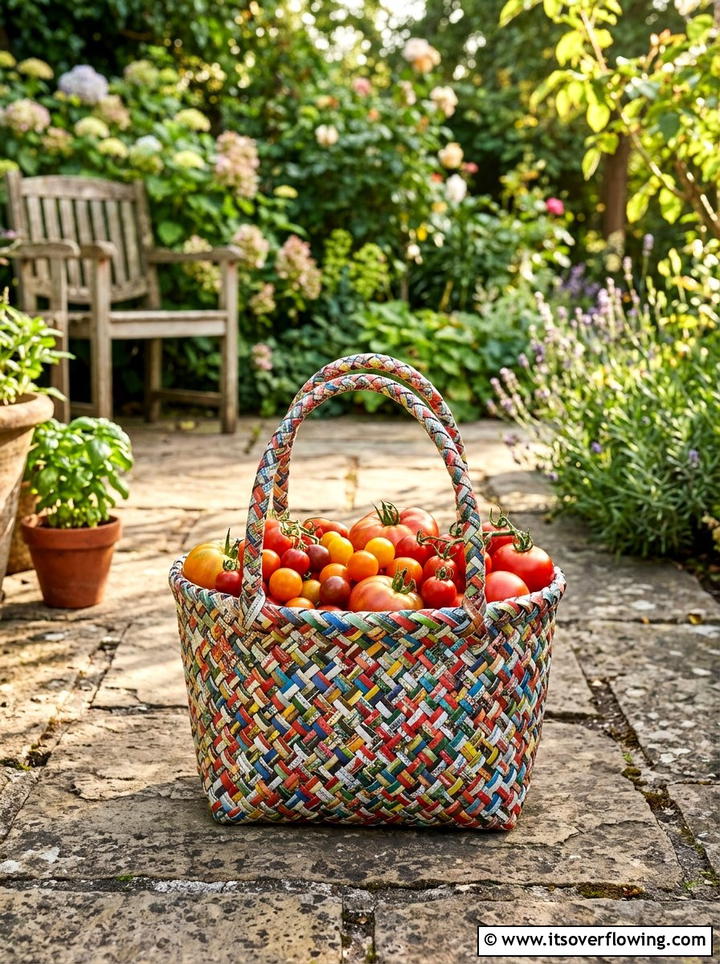
Harvesting fresh vegetables or gathering cut flowers is much more enjoyable when you have a beautiful, handmade vessel to carry them. A woven magazine garden basket utilizes strips of colorful pages folded and interlaced to create a sturdy, textured container. These baskets are surprisingly durable once they are treated with a simple water-resistant sealant to protect them from morning dew. You can customize the size and shape to fit your specific needs, whether you are collecting heavy tomatoes or delicate herbs. This project turns forgotten articles into a functional piece of garden art that looks stunning sitting on a potting bench or patio.
4. Paper Mulch For Flower Beds
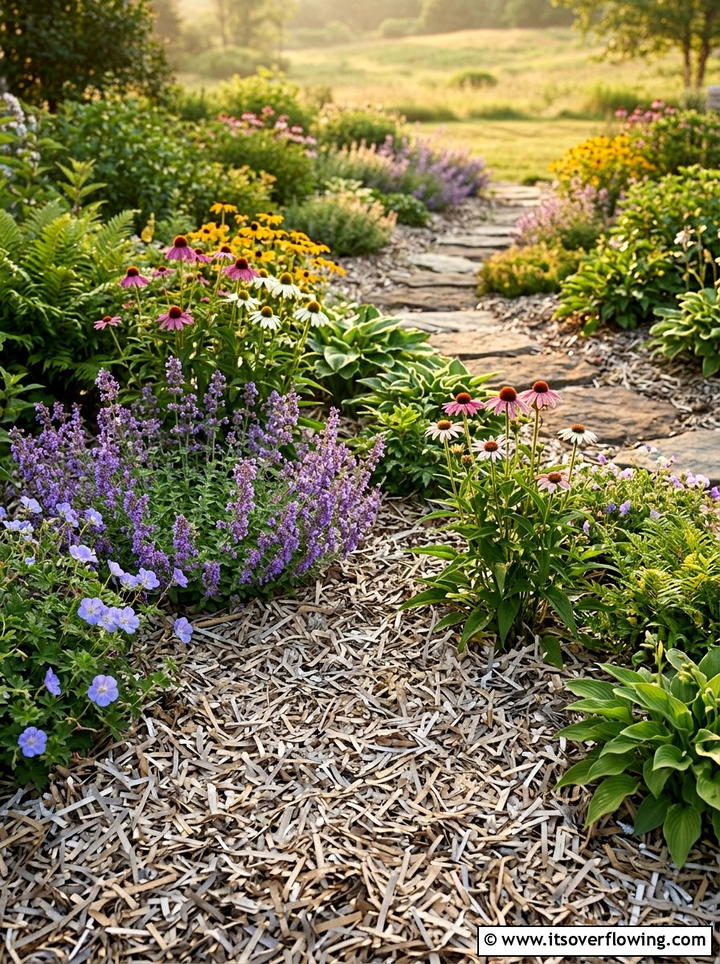
Mulching is essential for retaining soil moisture and regulating temperature, but buying bags of bark can become quite expensive over time. Using shredded magazine pages as paper mulch for flower beds provides a sustainable and free alternative that works remarkably well. When you shred the pages and spread them around the base of your plants, they create a protective layer that suppresses weeds and keeps the roots cool. To make it more aesthetically pleasing, you can cover the paper layer with a thin topping of traditional wood chips. This method allows you to use less commercial mulch while still reaping all the benefits.
5. Shredded Paper Compost Additive
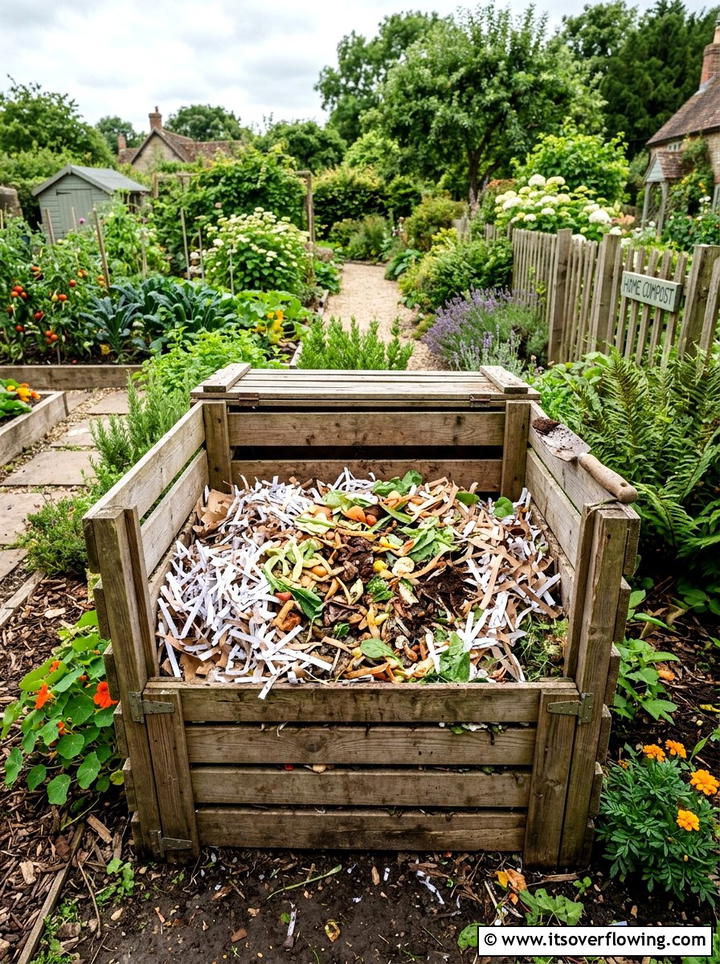
A healthy compost pile requires a specific balance of green and brown materials to break down efficiently and create nutrient-rich soil. Most people have plenty of green kitchen scraps but struggle to find enough carbon-rich brown material. Using a shredded paper compost additive made from old magazines is an excellent way to balance your bin. The paper provides the necessary carbon that microbes need to thrive and decompose organic matter. Simply run your magazines through a shredder and mix them into your compost heap. This practice helps aerate the pile and prevents it from becoming too compact or overly wet during the rainy season.
6. Magazine Collage Plant Pot
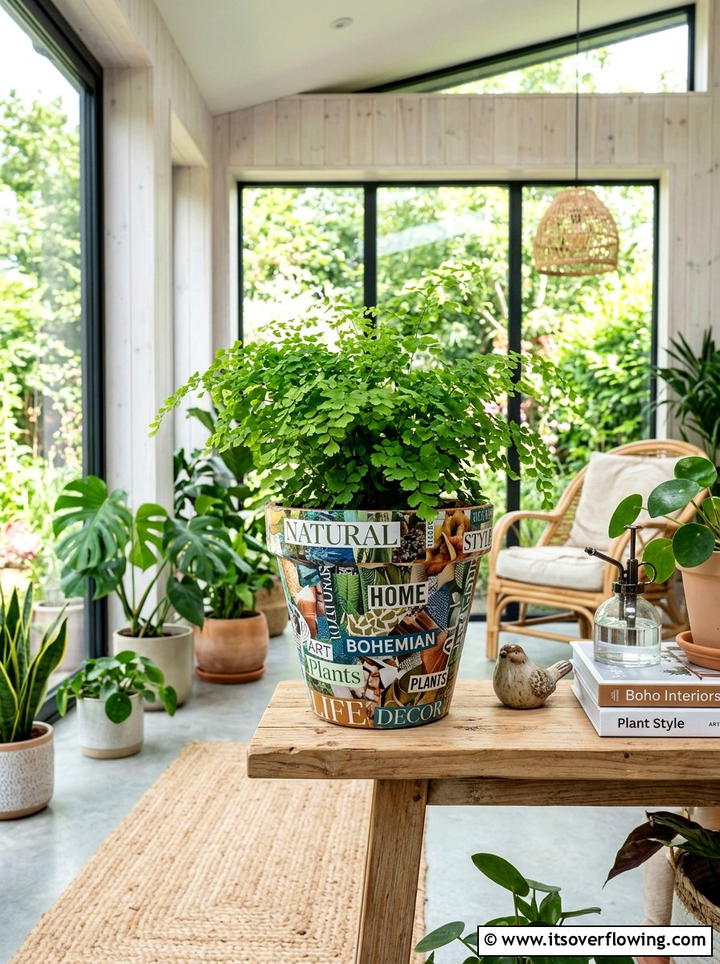
Plain terracotta or plastic pots can look a bit dull when displayed on a vibrant patio or a sun-drenched windowsill. A magazine collage plant pot allows you to express your personal style by decorating the exterior with colorful clippings and interesting typography. You can choose a specific color palette or theme, such as botanical illustrations or landscape photography, to match your home decor. By applying the cutouts with a waterproof adhesive, you create a unique mosaic that transforms a basic container into a conversation piece. This is a fun craft that adds a pop of artistic flair to your indoor or outdoor garden.
7. Laminated Magazine Garden Marker
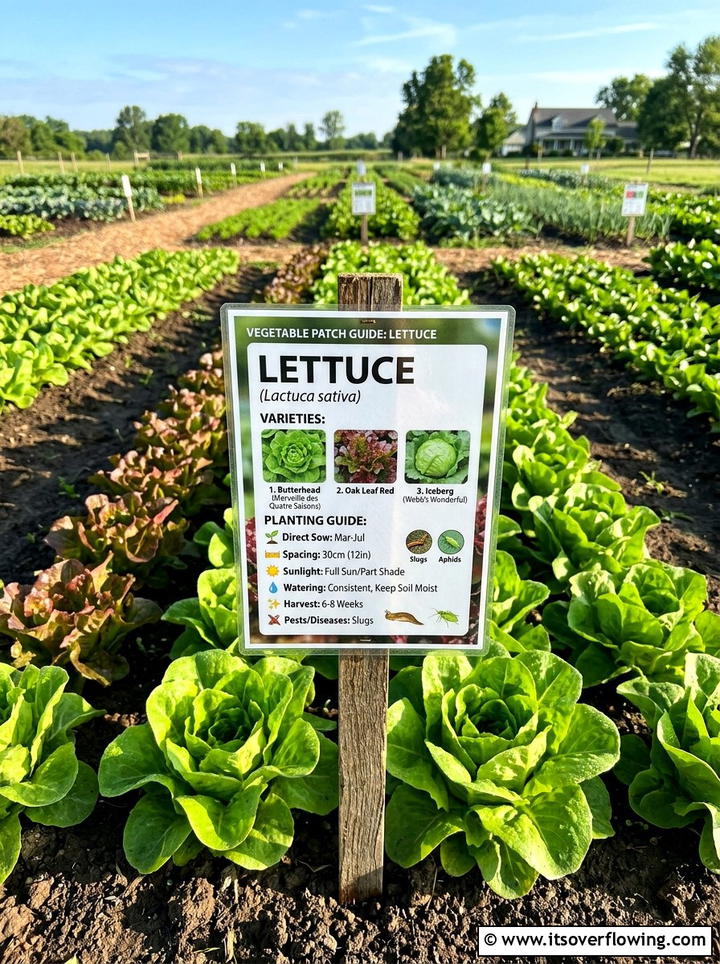
Identifying your herbs and vegetables is much easier when you have clear and attractive labels positioned throughout your garden beds. Instead of buying plastic tags, you can create a laminated magazine garden marker using beautiful images or large text found in old issues. Simply cut out the names of your plants, laminate them to ensure they are completely waterproof, and attach them to small wooden stakes or twigs. These markers are highly visible and add a vintage, scrapbook-inspired look to your rows of greenery. They are durable enough to withstand rain and sun, ensuring your garden remains organized throughout the entire growing season.
8. Coiled Magazine Paper Coaster
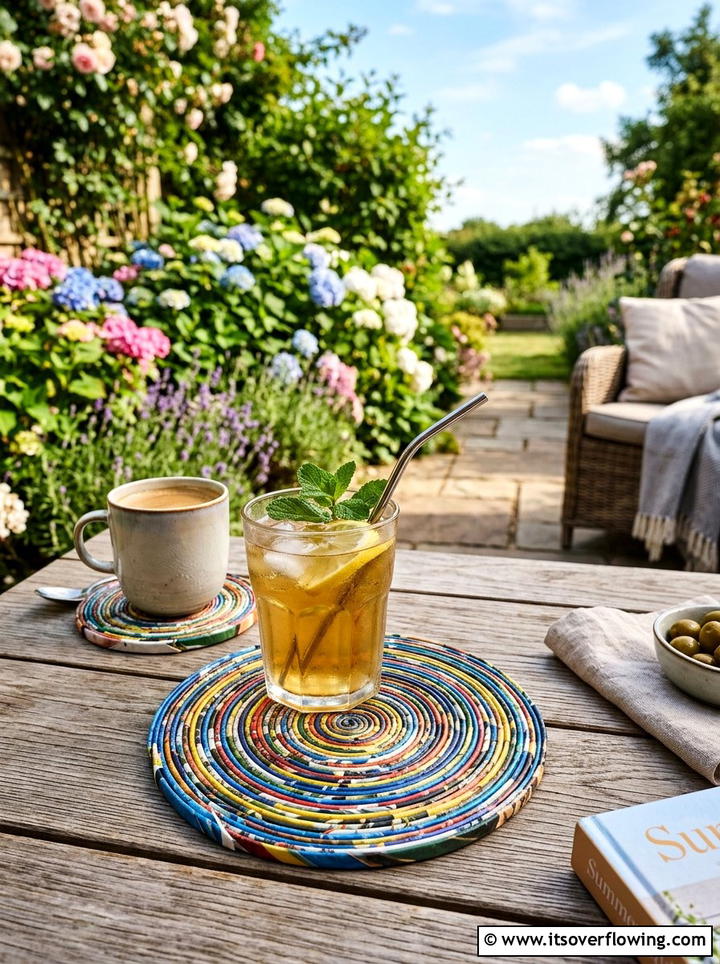
Outdoor entertaining is more stylish when you have unique accessories like a coiled magazine paper coaster to protect your patio furniture. These coasters are made by rolling long strips of magazine pages into tight circles and gluing them together to form a solid disc. The result is a sturdy, colorful, and heat-resistant surface that is perfect for resting a cold glass of lemonade or a hot mug of tea. To make them suitable for the garden, apply a clear varnish to protect the paper from spills and humidity. They add a wonderful handmade touch to any garden party or casual afternoon spent outdoors.
9. Paper Collage Birdhouse
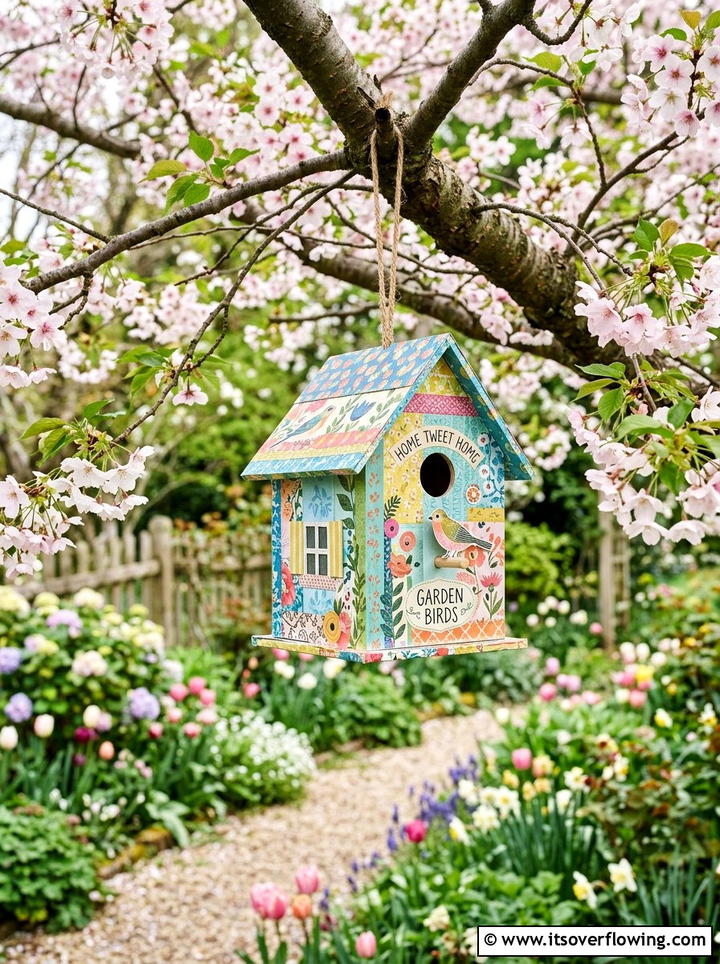
Attracting birds to your garden provides natural pest control and a delightful soundtrack to your morning coffee routine. A paper collage birdhouse starts with a basic wooden or cardboard structure that is covered in vibrant magazine cutouts. You can choose patterns that mimic natural textures like bark and leaves or go for a bold, eclectic look that stands out among the trees. Once the collage is complete, several coats of exterior-grade sealant are necessary to protect the artwork from the elements. This creative project turns a simple bird shelter into a decorative focal point that brightens up any branch or garden post.
10. Crumpled Paper Planter Drainage
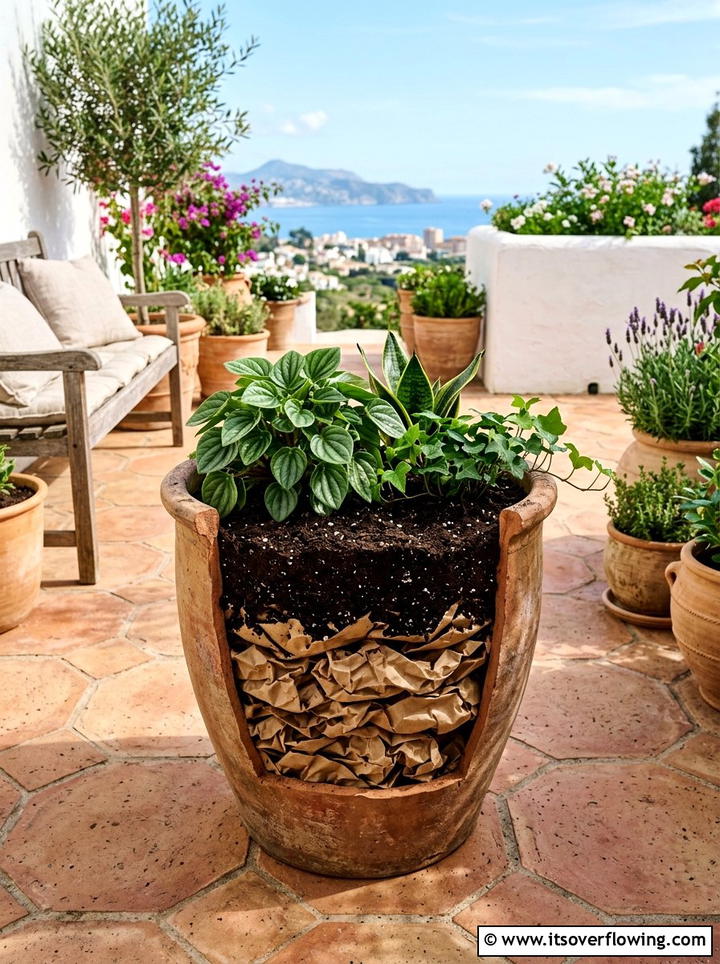
Proper drainage is crucial for plant health, as sitting water can lead to root rot and other preventable fungal issues. Instead of using heavy rocks or expensive clay pebbles at the bottom of your large pots, try using crumpled paper planter drainage. By packing the bottom third of a deep container with balled-up magazine pages, you create air pockets that allow water to flow freely away from the soil. This technique also makes the large planters much lighter and easier to move around your patio or balcony. As the paper slowly breaks down, it provides a slow-release source of organic matter for the roots.
11. Pathway Base Paper Layer
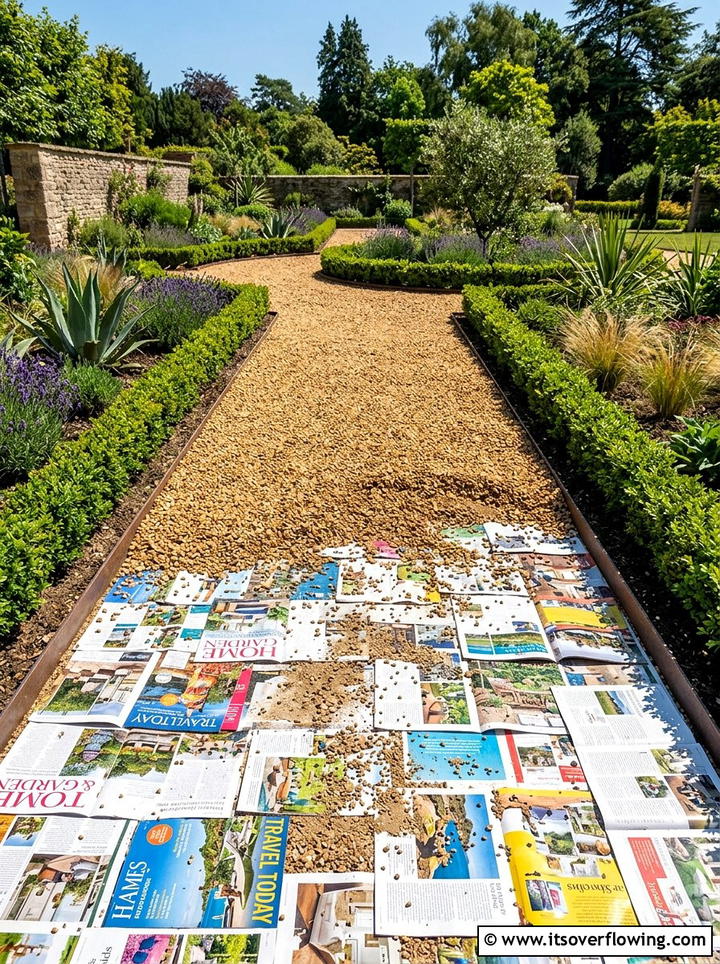
Building a new garden path can be a daunting task, especially when you want to prevent grass and weeds from growing through. Laying down a pathway base paper layer using thick magazine pages provides a heavy-duty barrier before you add your gravel or stepping stones. This method creates a flat, suppressed surface that makes the installation process much smoother and more professional. The weight of the stones keeps the paper in place while it works to kill off any underlying vegetation. It is a clever way to recycle large quantities of paper while ensuring your new garden walkway remains pristine and low-maintenance.
12. Absorbent Paper Herb Drying
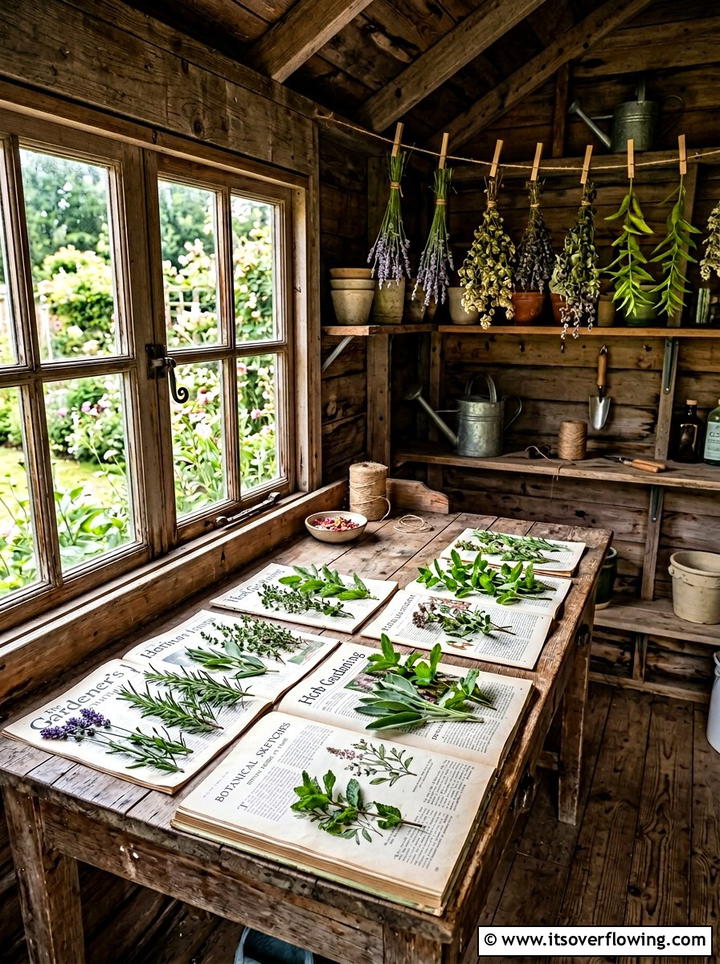
Preserving your harvest is a rewarding part of gardening, and drying herbs is one of the simplest ways to enjoy your plants year-round. An absorbent paper herb drying station utilizes the matte pages of magazines to draw moisture out of freshly cut sprigs. By laying your lavender, rosemary, or thyme on clean pages in a well-ventilated area, you speed up the drying process naturally. The paper prevents the herbs from sitting in their own moisture, which helps maintain their potent oils and vibrant colors. Once dried, these herbs can be stored in jars or used to create fragrant potpourri for your home or garden shed.
13. Magazine Page Vertical Planter
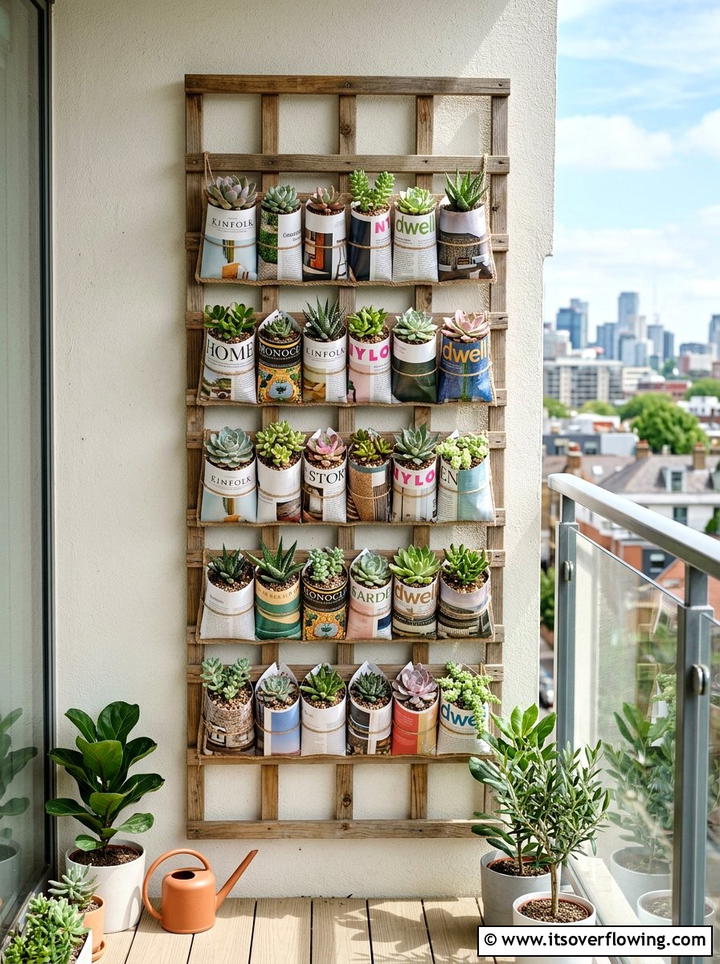
Vertical gardening is a fantastic solution for small spaces, and a magazine page vertical planter adds a lightweight, decorative element to a wall. You can fold magazine pages into sturdy pockets or cones and line them with a thin layer of plastic to hold small air plants or succulents. These pockets can be mounted on a wooden frame or a trellis to create a living wall of texture and color. While these planters are best suited for sheltered areas or indoor sunrooms, they provide a striking visual impact that utilizes vertical space efficiently. It is a creative way to display small greenery without cluttering your floor.
14. Paper Mache Succulent Bowl
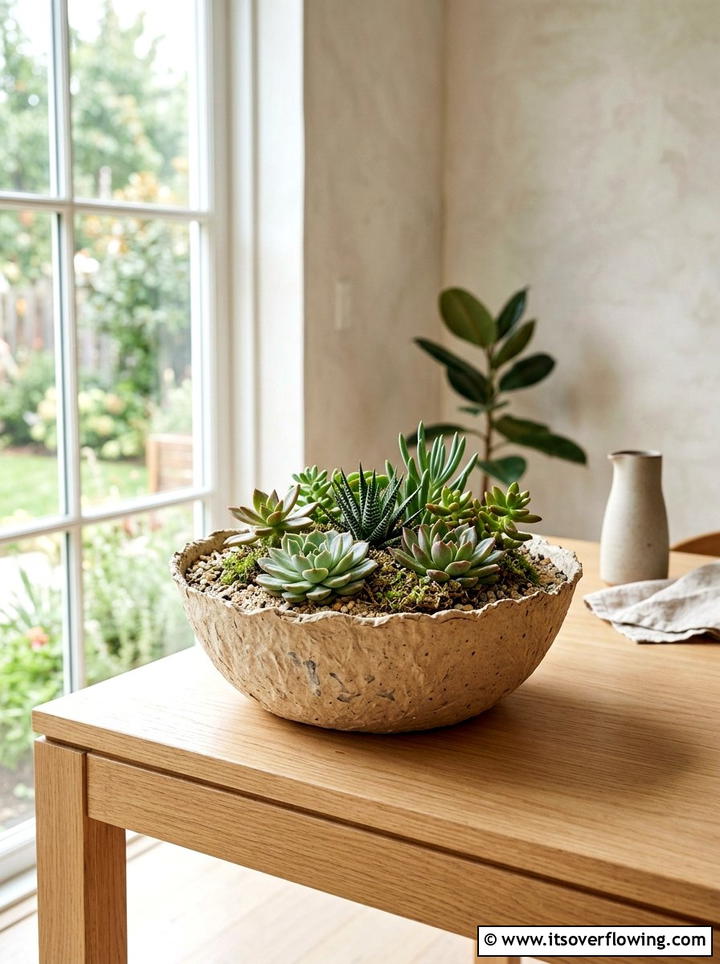
Succulents thrive in shallow containers, making them perfect candidates for a handmade paper mache succulent bowl. By using shredded magazine strips and a simple flour-water paste, you can mold a custom bowl that fits your specific tabletop or garden shelf. Once the bowl is dry and hardened, it can be painted or left with the colorful magazine text showing through for a modern aesthetic. A thick coat of waterproof sealant is essential to ensure the bowl can hold soil and light watering without softening. This lightweight container is an artistic alternative to heavy ceramic pots and allows for complete creative freedom.
15. Magazine Collage Garden Journal
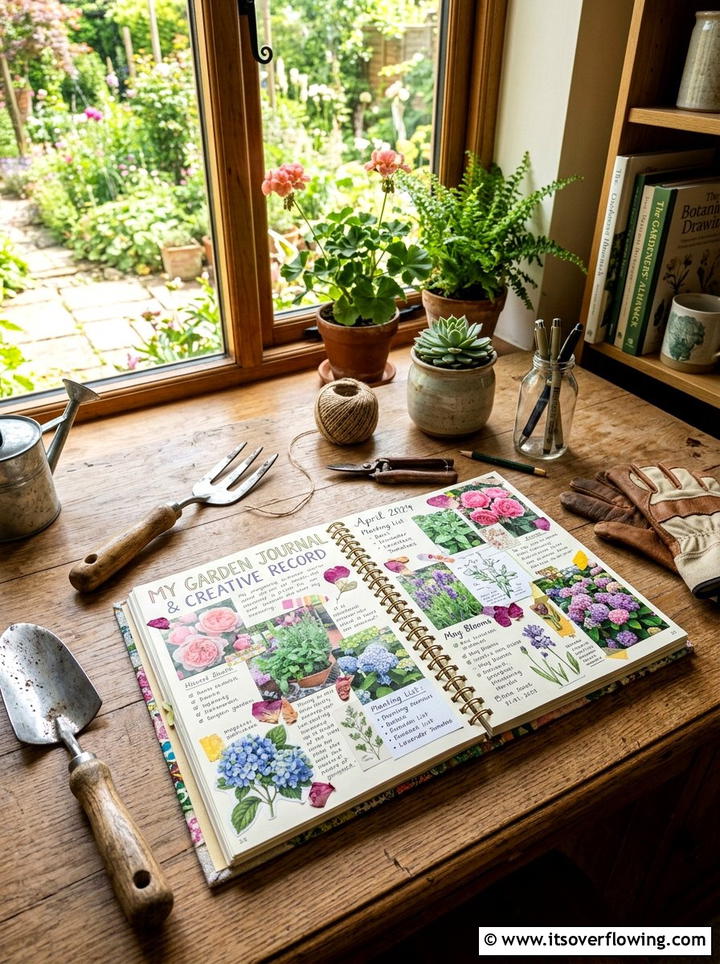
Keeping track of your planting dates, weather patterns, and garden successes is vital for any serious grower who wants to improve. A magazine collage garden journal turns a plain notebook into a beautiful record of your horticultural journey. You can use the glossy pages to create dividers for different seasons or to illustrate the flowers you hope to grow next year. The collage technique allows you to visualize your garden goals through inspiring imagery and bold colors. This personalized journal becomes a cherished keepsake over time, documenting the evolution of your outdoor space while keeping your important gardening notes organized and easily accessible.
16. Paper Cut Out Patio Lantern
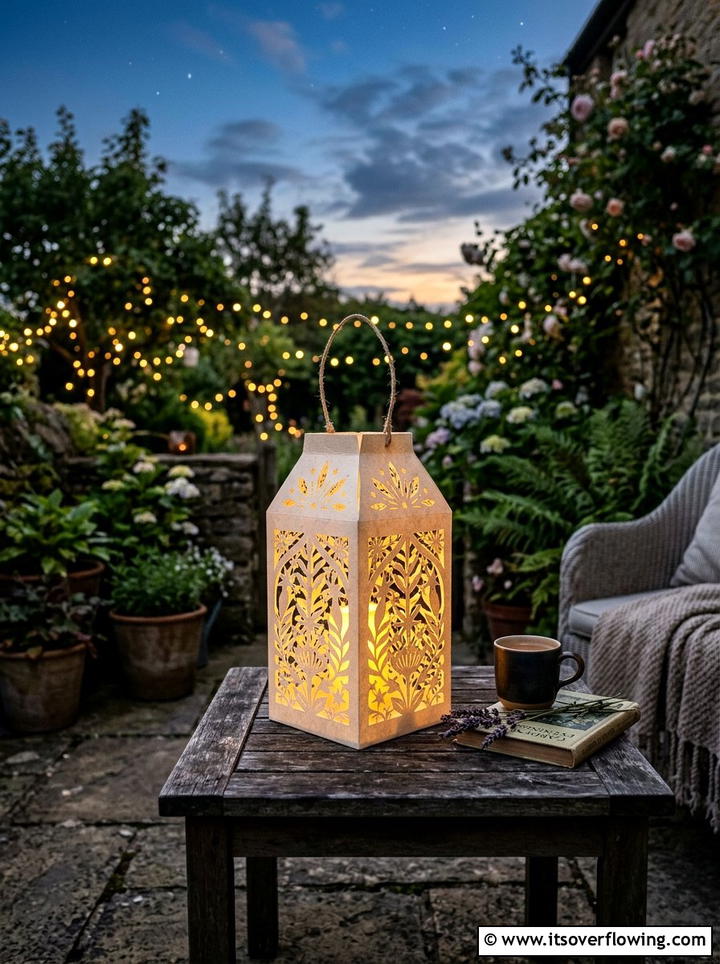
Soft lighting creates a magical atmosphere in any outdoor space during the evening hours. You can make a paper cut out patio lantern by wrapping magazine pages around glass jars and cutting out intricate patterns or shapes. When a small LED candle is placed inside, the light flickers through the cutouts, casting beautiful shadows across your garden table or porch. This project is a wonderful way to use the high-quality, colorful advertisements often found in fashion or home decor magazines. These lanterns are easy to move around and provide a warm, inviting glow that enhances the mood of your outdoor gatherings.
17. Paper Pulp Kokedama Ball
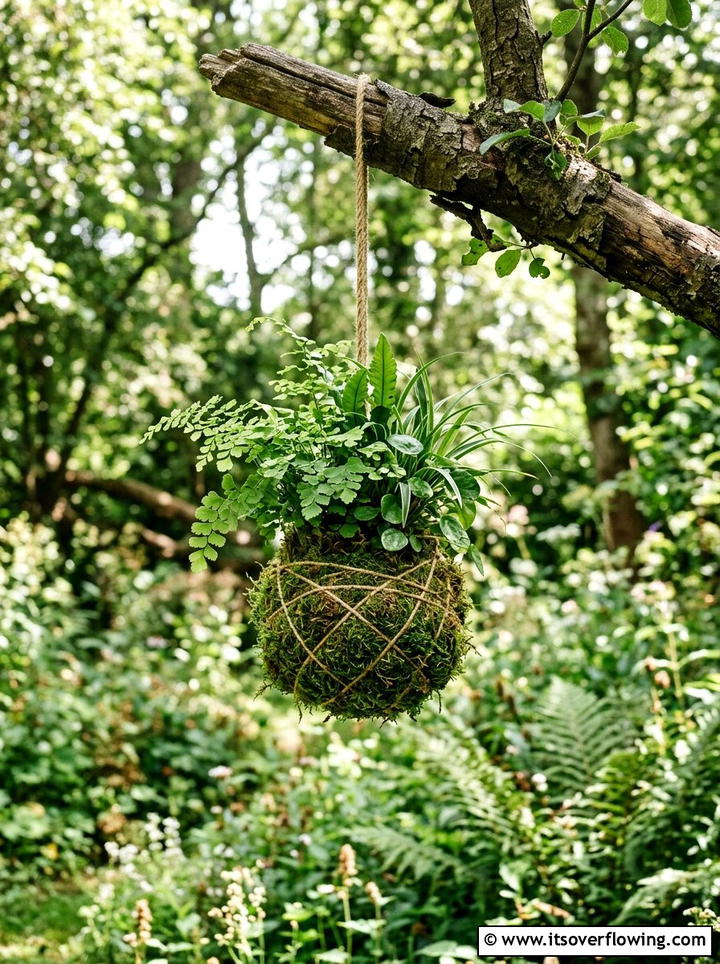
Kokedama is the Japanese art of growing plants in a moss-covered ball of soil, but you can put a modern twist on it. A paper pulp kokedama ball uses blended magazine scraps mixed with a small amount of clay and soil to create a sturdy growing medium. This pulp retains moisture well while providing a unique texture that looks beautiful when hanging from a garden hook or sitting on a decorative tray. The colorful flecks of the magazine pages add an unexpected visual element to the traditional green moss. It is a sustainable way to experiment with different planting styles while recycling paper waste creatively.
18. Magazine Page Seed Envelope
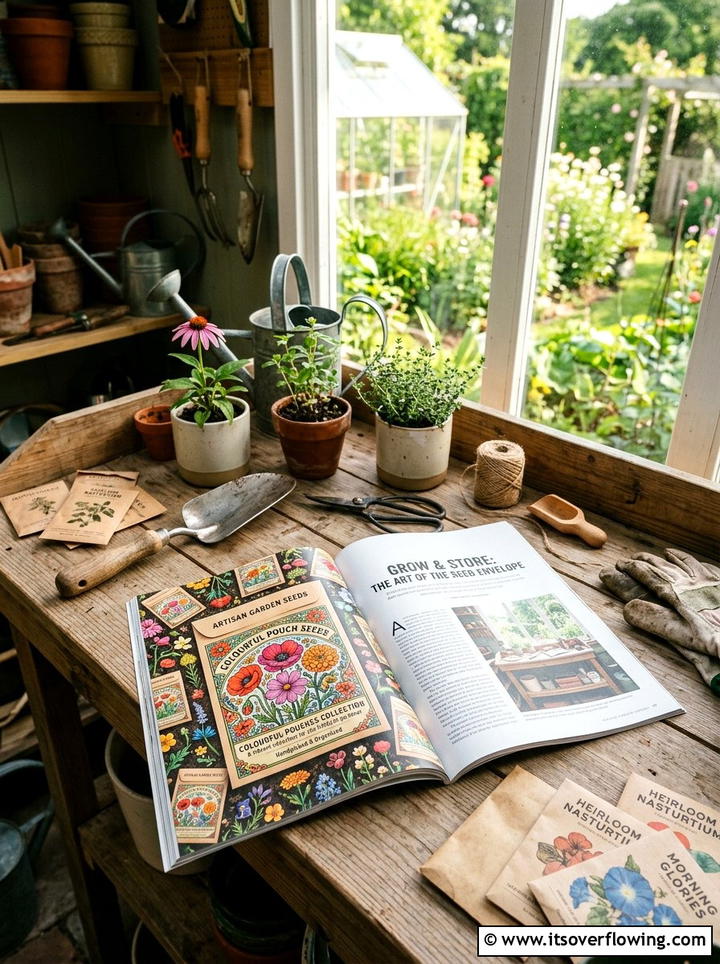
Saving seeds from your own garden is one of the most satisfying ways to ensure a bountiful harvest for the following year. A magazine page seed envelope is a simple yet effective way to store your dried seeds until planting season arrives. By folding colorful pages into small pouches, you create a breathable and organized storage system for your favorite varieties. You can even use pages that feature photos of the specific plant to make identification effortless at a glance. These handmade envelopes are much more charming than plain white ones and make wonderful, eco-friendly gifts for fellow gardening enthusiasts in your neighborhood.
19. Magazine Page Plant Wrap
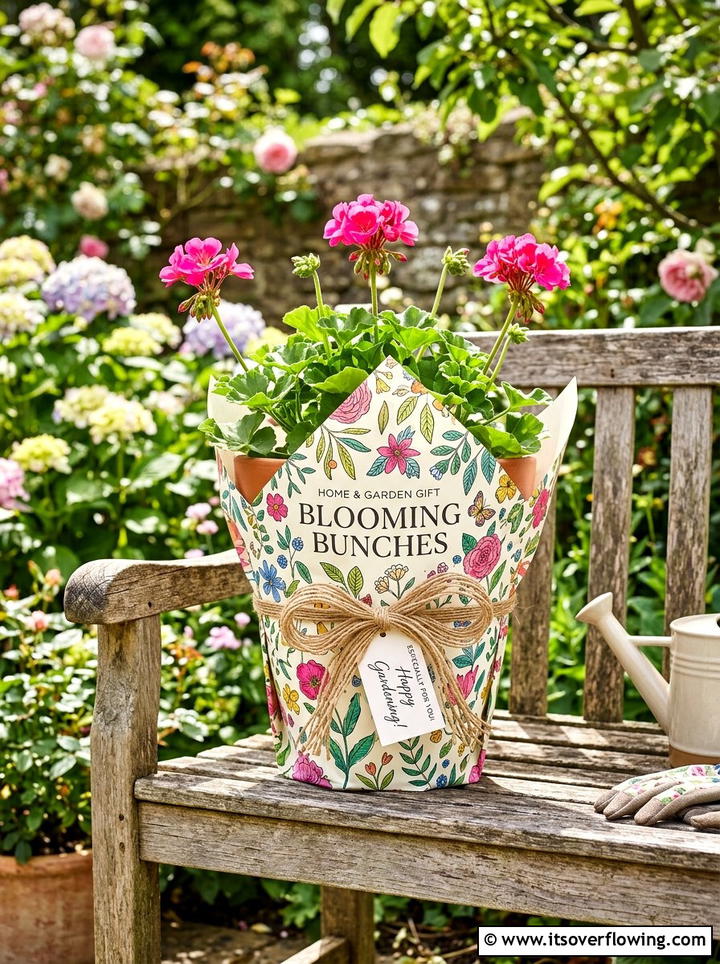
Giving a home-grown plant as a gift is a thoughtful gesture, and a magazine page plant wrap adds a stylish, eco-friendly touch. Instead of using expensive floral paper or plastic sleeves, you can wrap the nursery pot in a few vibrant pages from an old magazine. Secure the paper with a bit of twine or a colorful ribbon to create a professional and rustic look. This method highlights the beauty of the foliage while showing your commitment to sustainable living and creative upcycling. It is a quick and easy way to dress up a simple potted herb or flowering perennial for any special occasion.
20. Decoupage Garden Bench
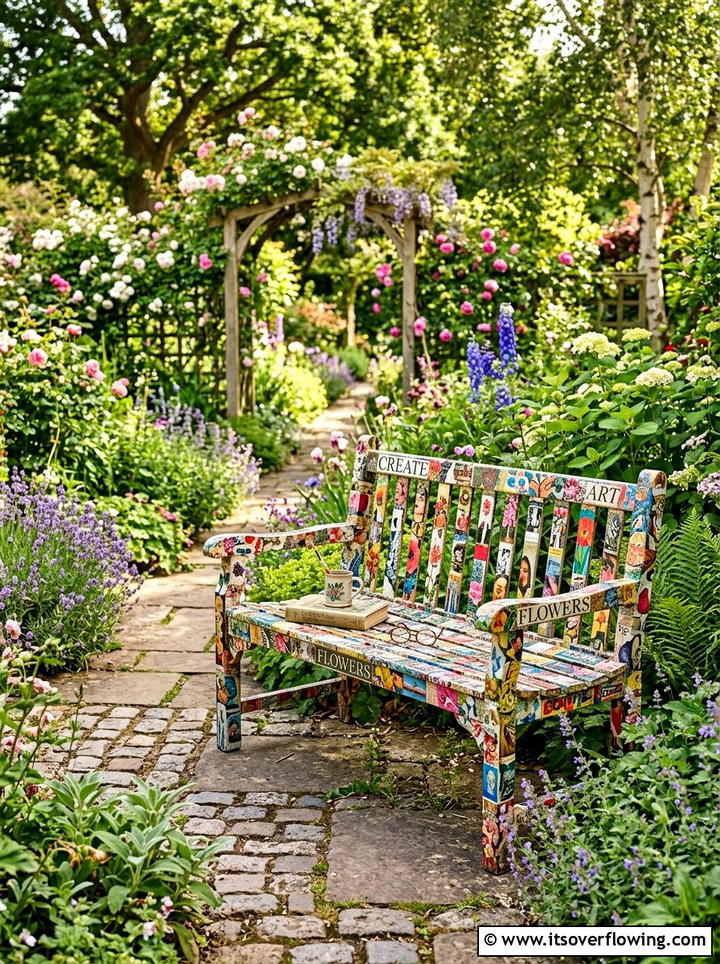
An old wooden bench can be completely transformed with a bit of imagination and a decoupage garden bench technique. By covering the seat or the backrest with carefully selected magazine clippings, you create a vibrant mosaic that reflects your personality. Whether you choose vintage advertisements, botanical prints, or bold geometric patterns, the result is a one-of-a-kind piece of furniture that anchors your garden design. After the paper is applied, multiple layers of high-quality outdoor varnish are necessary to protect the surface from sun and rain. This project breathes new life into tired furniture and makes a bold statement in your outdoor sanctuary.
21. Moisture Retaining Paper Liner
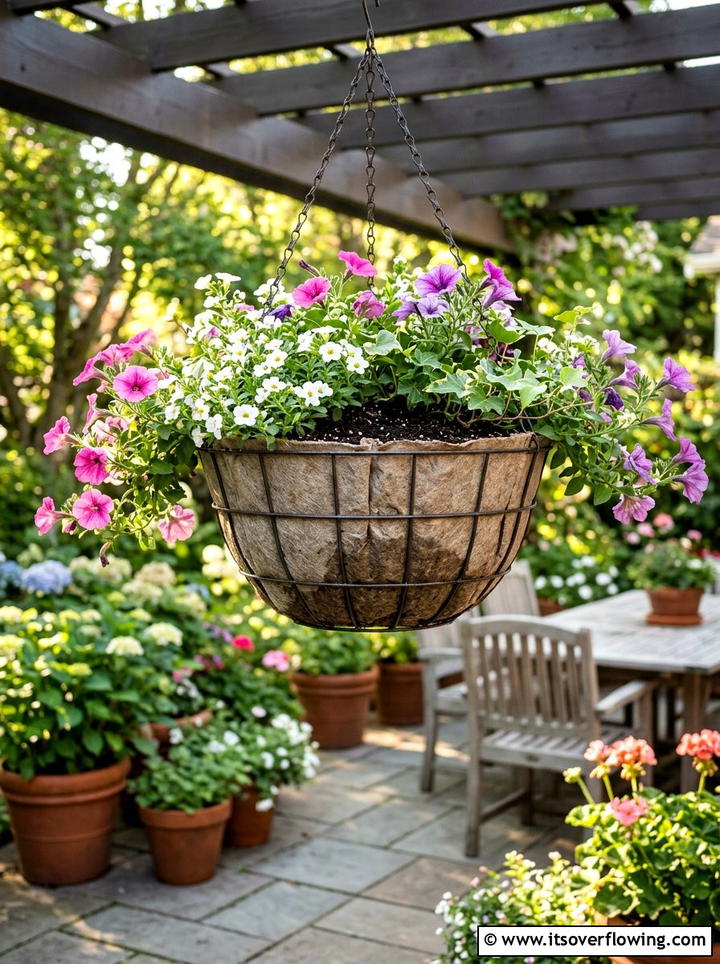
Hanging baskets often dry out quickly in the summer heat, requiring frequent watering to keep the plants looking healthy and vibrant. Using a moisture retaining paper liner made from thick magazine pages can help slow down the evaporation process significantly. By lining the inside of your coco fiber or wire baskets with a layer of paper before adding soil, you create an extra barrier that holds water longer. The paper eventually decomposes, but it provides critical support during the peak growing months. This simple trick saves time on watering and ensures your hanging displays stay lush and beautiful even during the hottest weeks.
22. Magazine Paper Slug Trap
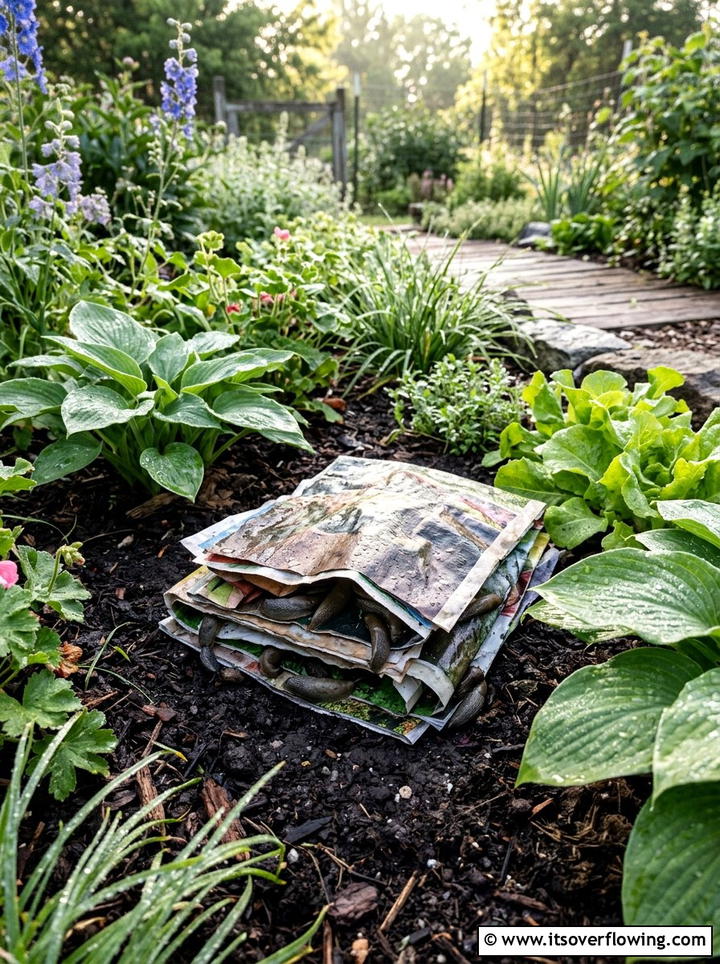
Dealing with garden pests like slugs and snails can be frustrating, but you can create a simple magazine paper slug trap. Slugs love to hide in cool, damp places during the heat of the day to avoid drying out. By placing wet magazine sections in various locations around your garden at dusk, you create an irresistible shelter for them. In the morning, you can simply lift the paper and remove the slugs that have gathered underneath. This non-toxic method helps manage pest populations without the need for harmful chemicals that could affect beneficial insects or local wildlife in your yard.
23. Layered Paper Garden Insulation
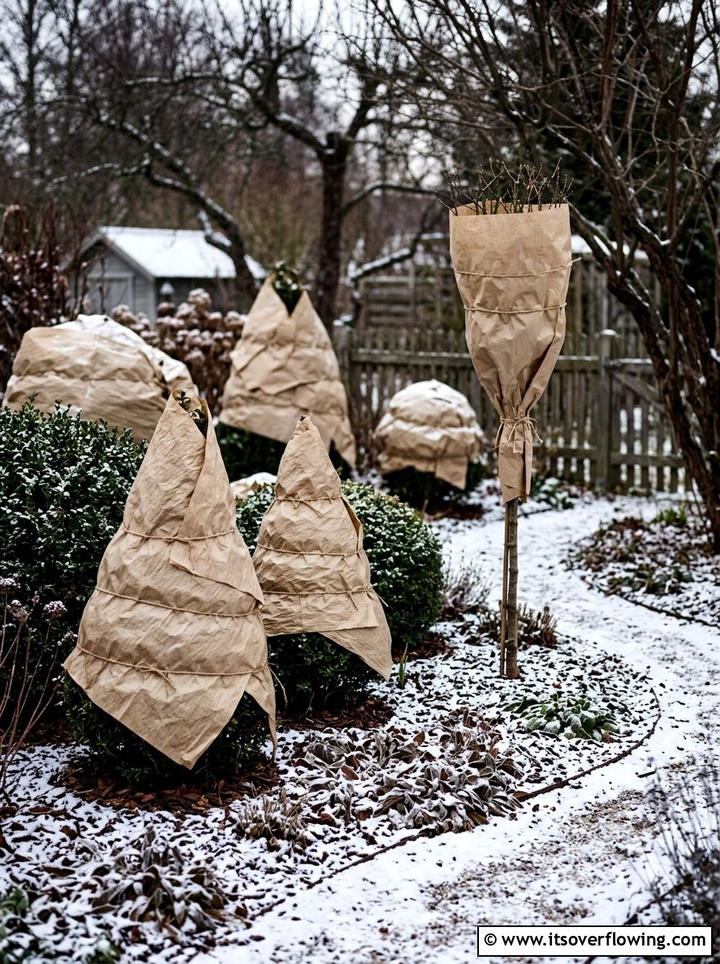
Protecting delicate plants from unexpected frosts is a priority for any gardener during the transition between the seasons. Layered paper garden insulation made from old magazines can be wrapped around the trunks of young trees or draped over small shrubs to provide warmth. The thick pages act as a thermal barrier, trapping the earth’s natural heat and shielding foliage from freezing temperatures. You can secure the paper with clothespins or garden twine to ensure it stays in place through windy nights. This is a practical and free way to extend your growing season and protect your investment in your outdoor landscape.
24. Magazine Botanical Wall Art
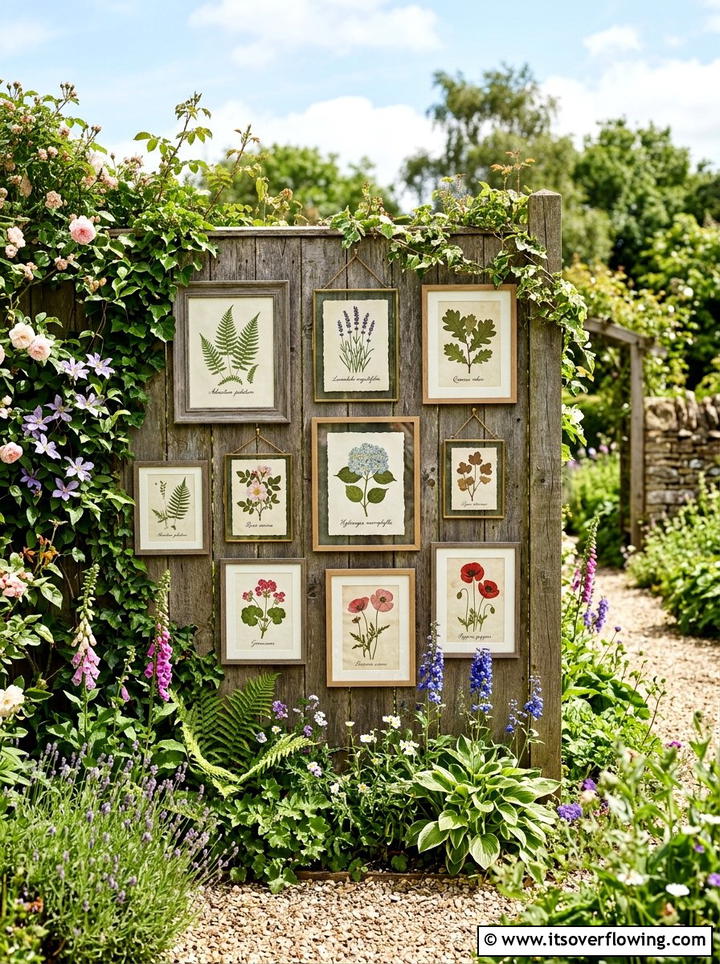
Bringing the beauty of the garden onto your patio walls or fence can be achieved through magazine botanical wall art. You can cut out large images of flowers, leaves, and landscapes to create a weather-resistant gallery for your outdoor living space. By mounting the clippings onto reclaimed wood or metal sheets and sealing them with an exterior finish, you create durable art that withstands the elements. These pieces add color and interest to blank vertical surfaces, making your garden feel more like an extension of your home. It is a creative way to showcase your favorite plants in a permanent, artistic format.
25. Absorbent Boot Tray Liner
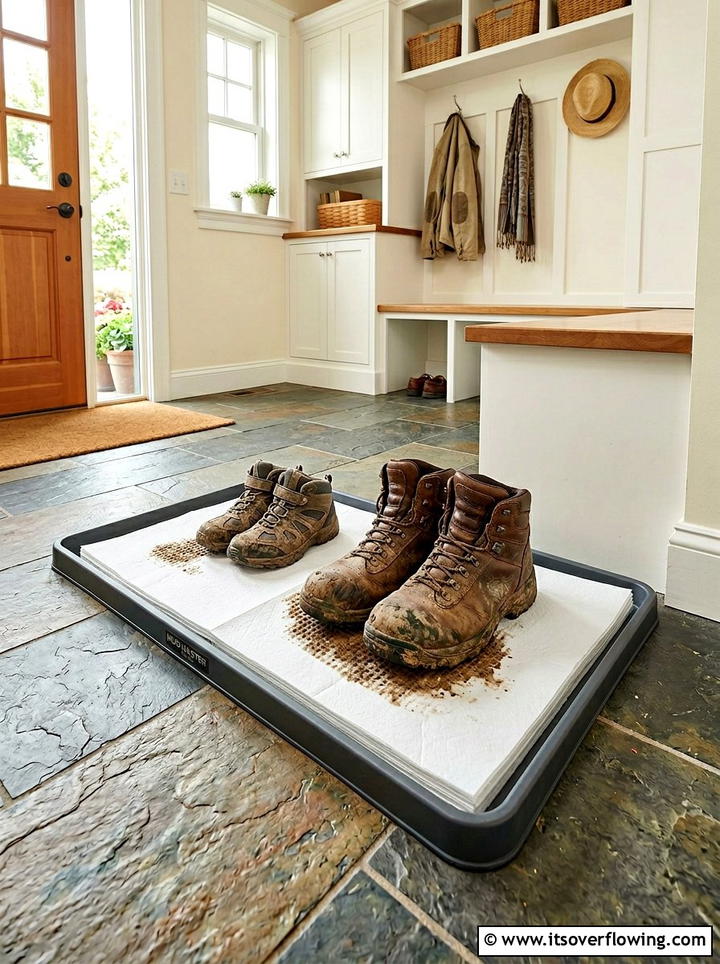
A tidy mudroom is essential for any active gardener, as it prevents dirt and debris from being tracked into the main house. Using an absorbent boot tray liner made from magazine pages is a practical way to manage wet or muddy footwear. By lining your boot tray with several layers of paper, you create a surface that quickly soaks up moisture and traps loose soil. When the paper becomes too dirty or saturated, you can simply toss it into the compost or recycling bin and replace it with fresh pages. This low-cost solution keeps your entryway clean and organized while repurposing your old reading material.
Conclusion:
Recycling old magazines into useful garden tools and decorative accents is a wonderful way to reduce waste while enhancing your outdoor environment. Each of these projects offers a unique opportunity to express your creativity and practice sustainable gardening habits that benefit the earth. Whether you are looking for practical solutions like weed barriers or artistic endeavors like decoupage furniture, the versatility of paper is truly remarkable. By looking at your old reading material through a creative lens, you can find endless inspiration for your next garden project. Embrace the joy of upcycling and watch your garden flourish with these clever and eco-friendly ideas.

Related posts:
 25 recycled garden ideas with recycled glass art to Love
 25 recycled garden ideas with recycled metal art to Try
 25 recycled garden ideas with recycled plastic projects
 25 recycled garden ideas with recycled wood art to Try
 25 Recycled Garden Ideas DIY Projects for Outdoor Charm
 25 recycled garden ideas with buckets: Budget DIY Planters
 25 recycled garden ideas with eco friendly decor: Easy DIY
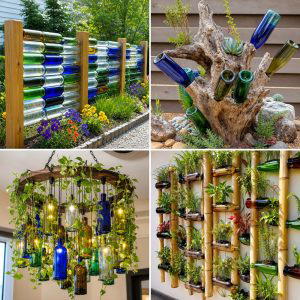 25 recycled garden ideas with hanging bottle planters: DIY
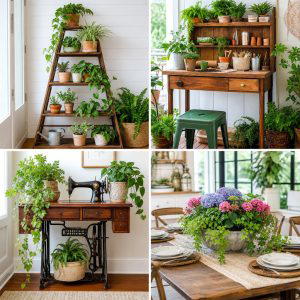 25 recycled garden ideas with old furniture: Stylish DIY Decor
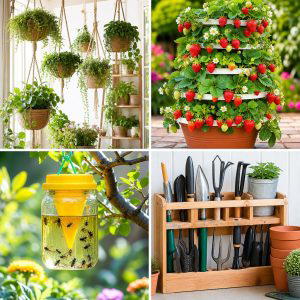 25 recycled garden ideas with plastic bottles for DIY
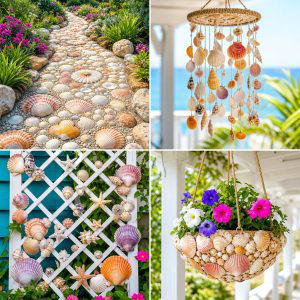 25 recycled garden ideas with seashells: Coastal DIY Decor
 25 recycled garden ideas with tree stumps: Rustic DIY Decor