
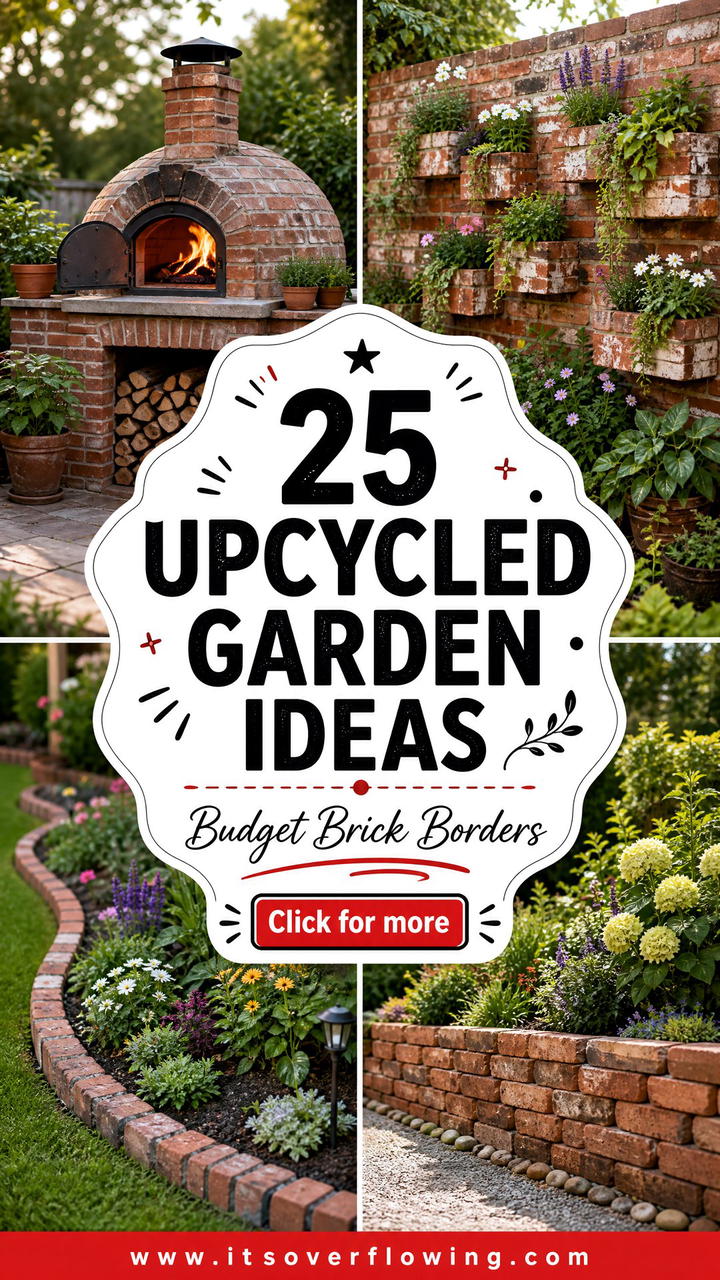
Repurposing old bricks is one of the most rewarding ways to add character and structure to your outdoor space without spending a fortune. Whether you have a pile of leftovers from a construction project or found some weathered gems at a local salvage yard, these sturdy materials offer endless possibilities for creativity. Bricks bring a timeless, earthy aesthetic that blends perfectly with lush greenery and vibrant flowers. From functional pathways to artistic focal points, upcycling these heavy blocks helps reduce waste while enhancing your garden’s overall organization. In this guide, we will explore various ways to transform your backyard into a personalized sanctuary using simple, stackable brick solutions that anyone can master.
1. Brick garden path
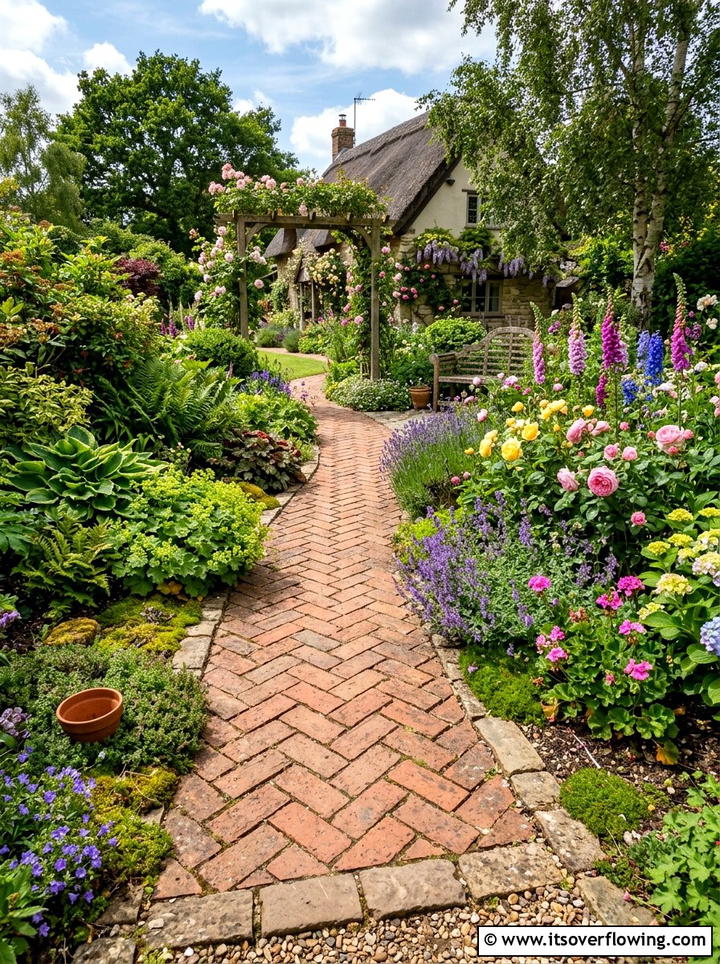
Have you ever wondered how to create a more inviting entrance to your backyard retreat? Building a walkway with old bricks is a fantastic project that adds immediate charm and helps define different zones in your landscape. You can choose a simple running bond style for something casual or a stacked bond for a modern look. By digging a shallow trench and laying a base of sand, you ensure the bricks stay level and stable over time. This project not only prevents muddy shoes during rainy seasons but also provides a durable surface that weathers beautifully. The natural red and orange tones of the clay contrast wonderfully against green grass.
2. Brick garden edging
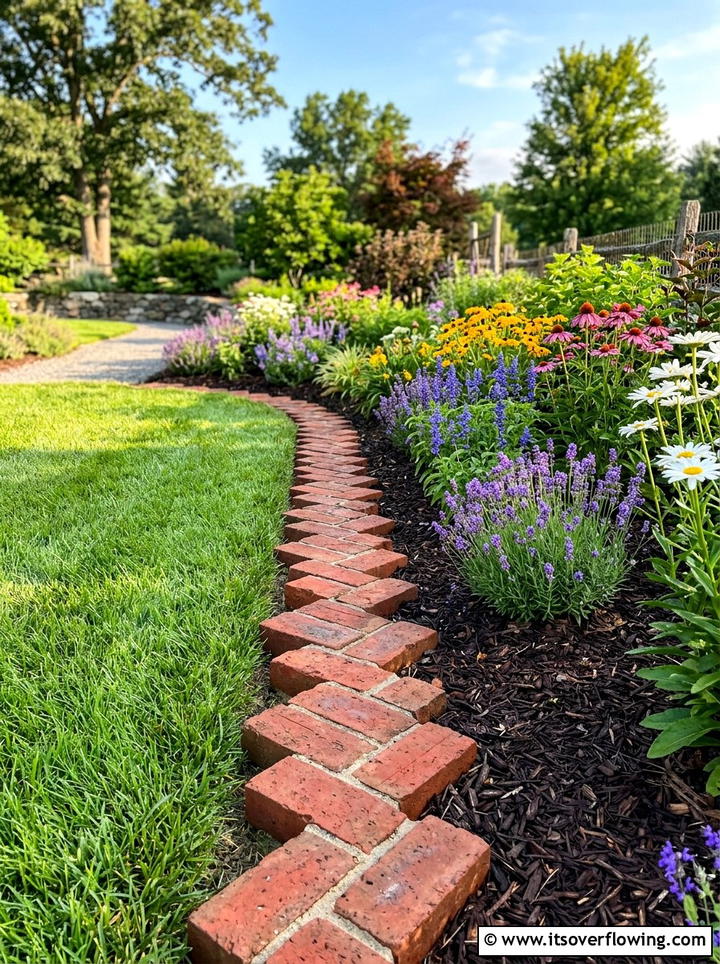
Keeping your flower beds tidy is much easier when you have a solid border to separate them from the lawn. Brick edging is a classic solution that looks high-end but is very simple to install yourself. You can set the bricks vertically for a clean line or angle them at forty-five degrees for a decorative serrated edge. This boundary helps hold mulch in place and prevents grass from creeping into your planting areas. It is a practical way to give your garden a professional, manicured appearance while using salvaged materials. The heavy weight of the bricks ensures they stay in place even after heavy rain.
3. Brick fire pit

Creating a cozy gathering spot in your backyard is easy when you have a stack of fire-rated bricks ready for use. A circular or square fire pit made from upcycled bricks provides a safe and attractive place for family and friends to roast marshmallows. You should start by clearing a level area and laying a solid foundation of gravel for drainage. Building the walls is a simple process of stacking the bricks in a staggered pattern to ensure stability. This functional feature becomes a natural focal point for your outdoor living space. The warm glow of the fire highlights the rustic texture of the weathered brick walls.
4. Brick herb spiral
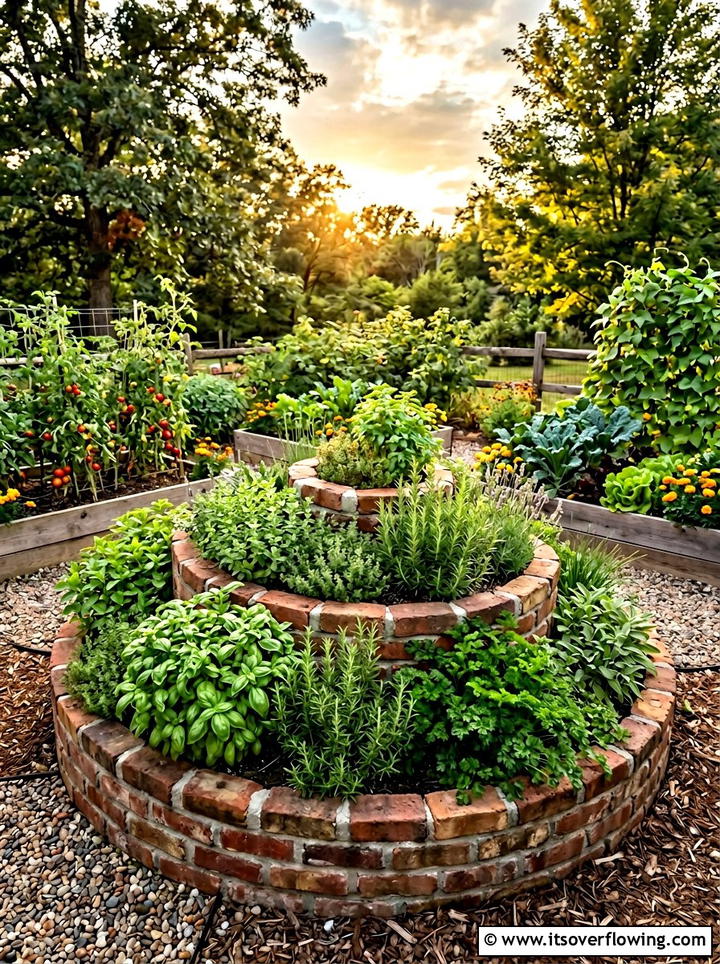
Why settle for a flat herb garden when you can build a stunning vertical masterpiece that saves space and looks incredible? A brick herb spiral is a brilliant technique that creates various microclimates for different plants in a very small footprint. You start by laying a circular base and gradually building the walls upward in a winding, spiral shape. The top of the spiral stays drier and warmer, which is perfect for Mediterranean herbs like rosemary or thyme. Meanwhile, the lower sections stay cooler and more moist, making them ideal for mint or parsley. It is a functional, eye-catching structure that makes harvesting your fresh kitchen herbs much easier.
5. Brick garden bench
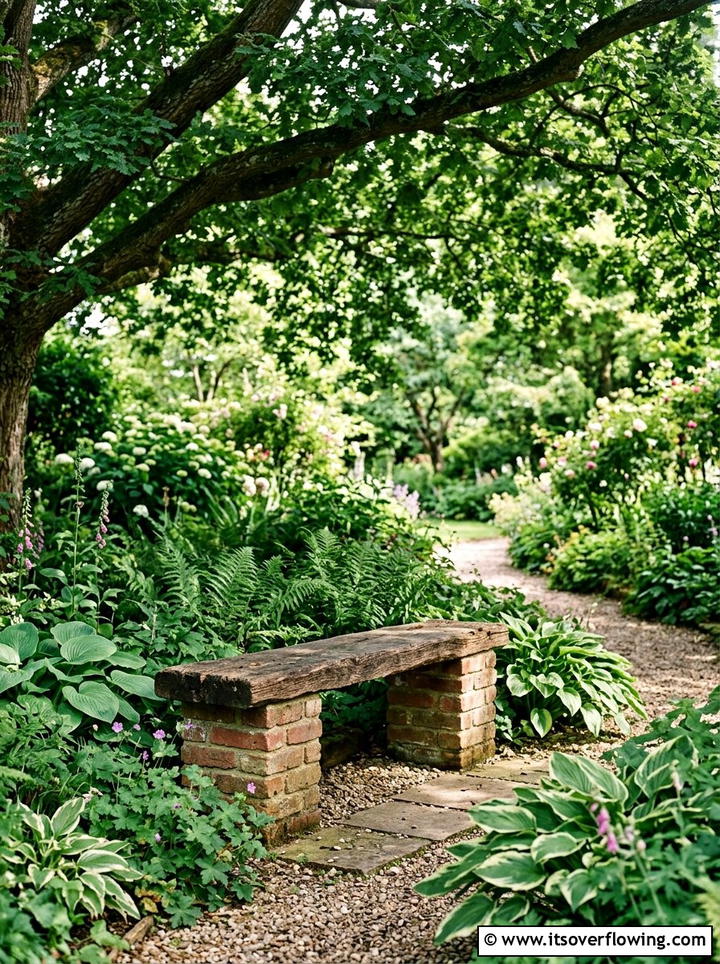
Adding a place to sit and enjoy your hard work is essential for any garden lover. You can easily construct a sturdy and weather-resistant bench using bricks for the base and a thick piece of reclaimed wood for the seat. By stacking the bricks into two solid pillars, you create a foundation that will never rot or blow over in the wind. This design allows you to customize the height and length of the seating to fit your specific needs. It looks particularly beautiful when tucked under a shade tree or placed at the end of a long path. The combination of brick and wood feels very organic.
6. Brick raised bed
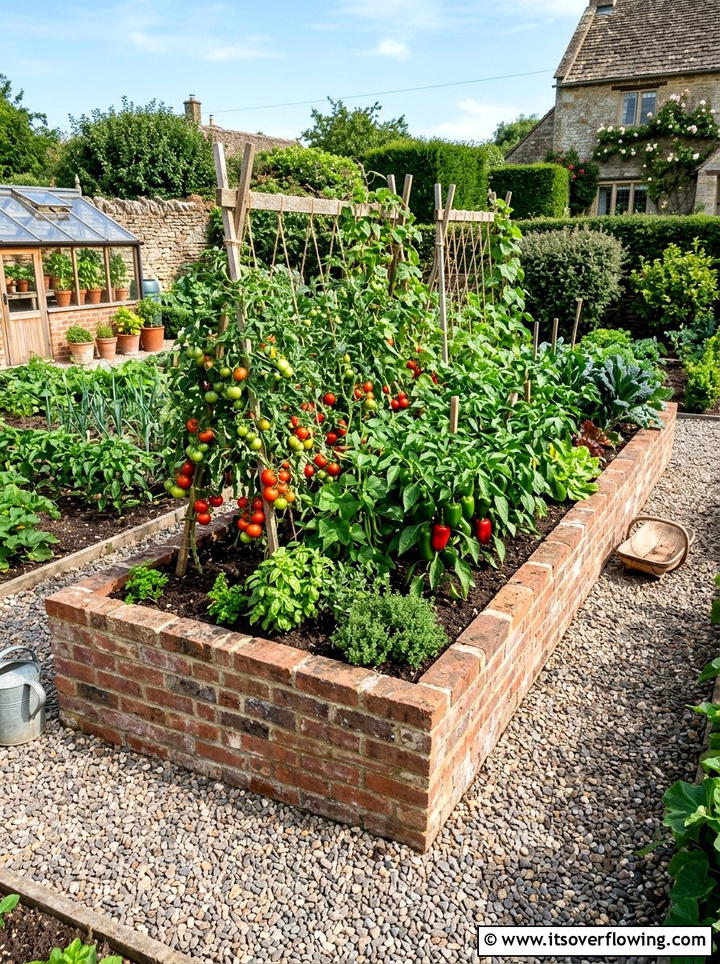
Growing vegetables or flowers in raised beds is a great way to control soil quality and improve drainage. Bricks are an excellent material for building these beds because they are durable and provide great insulation for plant roots. You can build the walls as high as you like, which helps reduce the amount of bending and kneeling required for gardening. Unlike wooden beds, brick structures will not rot over time, making them a permanent addition to your backyard. You can even leave small gaps between some bricks to allow for extra aeration. These sturdy planters give your vegetable garden a very organized and timeless look.
7. Brick birdbath base
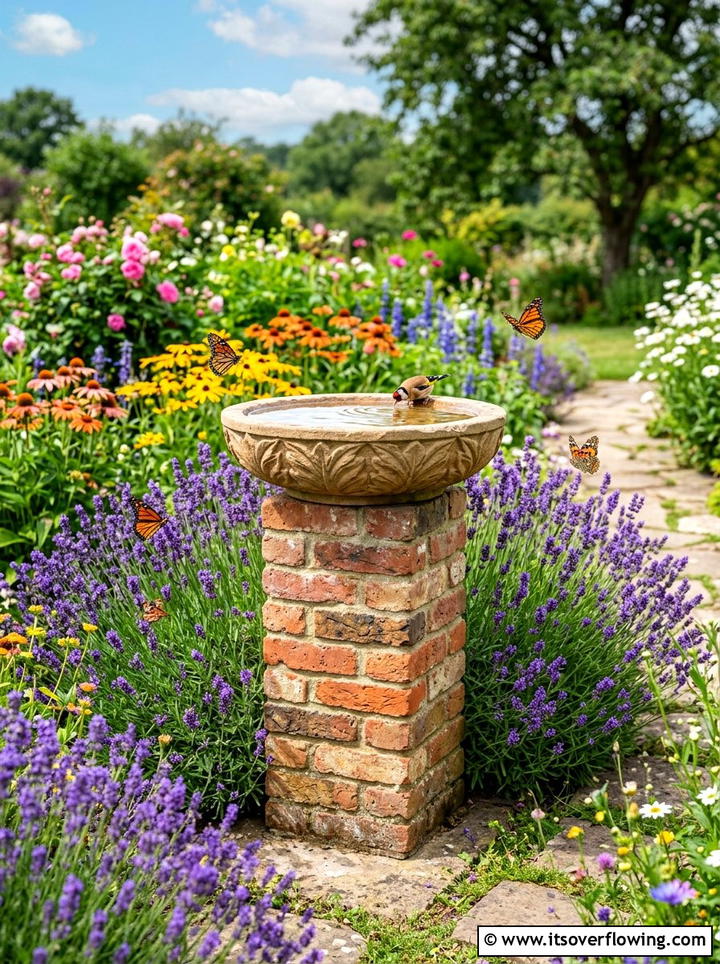
Attracting wildlife to your yard is simple when you provide a steady source of water for birds to drink and bathe. You can create a decorative pedestal for a heavy stone bowl by stacking bricks in a square or cylindrical column. This raised base keeps the water away from ground-level predators and makes it a more visible feature in your garden. For a more artistic look, you can slightly offset each layer of bricks to create a spiraling or textured effect. Surrounding the base with low-growing flowers like pansies or lavender helps integrate the structure into the landscape. It is a quick and very rewarding DIY project.




8. Brick garden markers
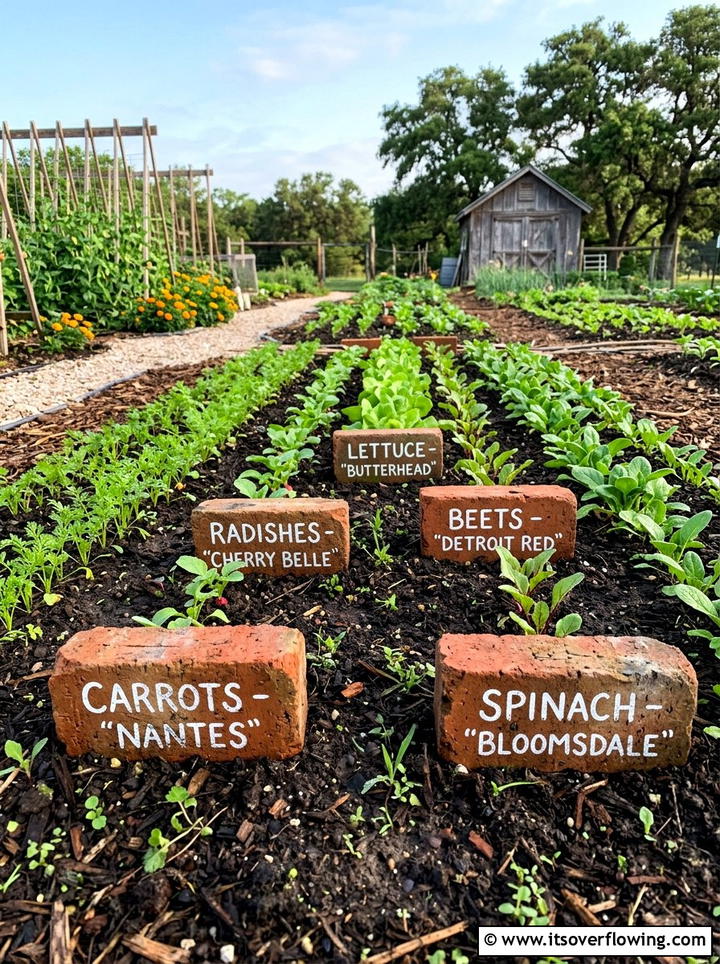
Are you tired of forgetting which seeds you planted in your vegetable patch? You can use individual bricks as permanent and charming garden markers by painting the names of your plants on the sides. Use outdoor-grade acrylic paint or a simple permanent marker to write labels like “Tomatoes” or “Basil” on the smooth surface. These markers are heavy enough to stay in place during storms and will not fade away like plastic tags often do. They add a whimsical, handmade touch to your garden rows. You can even get the kids involved in decorating them with colorful designs or small drawings of the vegetables.
9. Brick pond surround
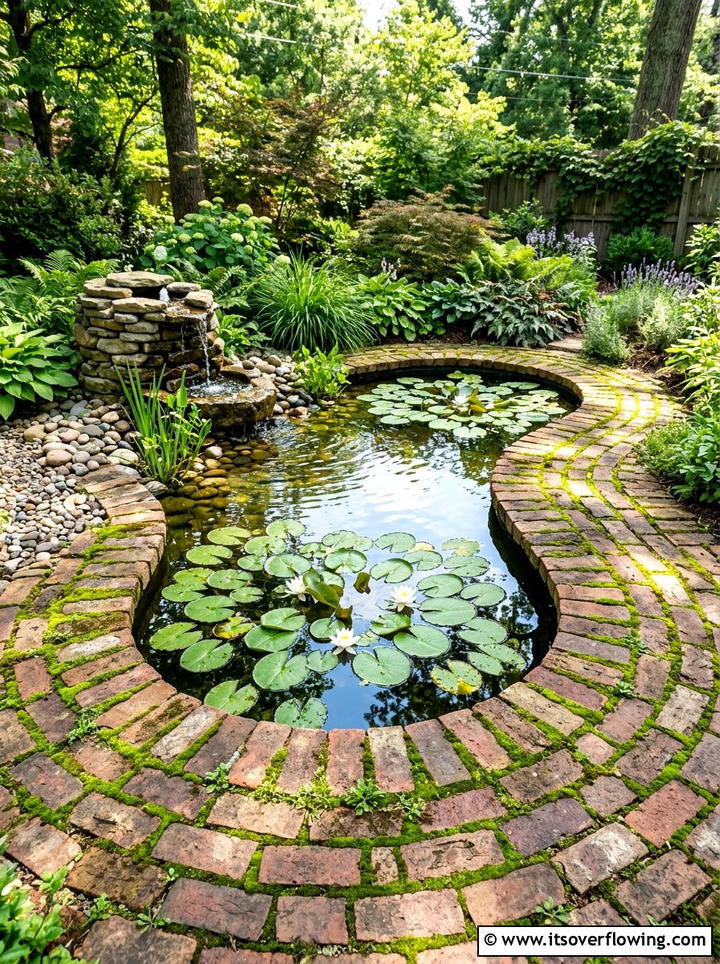
A small water feature can bring a sense of peace and tranquility to any outdoor area. If you have a pre-formed pond liner or a simple dug-out pond, using bricks to create a decorative edge is a smart move. The bricks help hide the plastic edges of the liner while providing a stable platform for rocks or potted water plants. You can lay them flat around the perimeter to create a clean, modern look or stack them for a more traditional aesthetic. This border also prevents soil from washing into the water during heavy rain. The reflection of the red bricks in the water looks quite stunning.
10. Brick outdoor oven

For those who love cooking outside, building a simple pizza or bread oven out of bricks is a dream project. While professional ovens can be expensive, a DIY version using reclaimed bricks is surprisingly affordable and effective. You will need to use firebricks for the interior to handle the high heat, but regular bricks work perfectly for the exterior structure. This setup allows you to host amazing backyard parties while adding a major functional element to your patio. The thermal mass of the bricks holds heat for a long time, ensuring your food is cooked perfectly. It becomes the heart of your outdoor kitchen.
11. Brick garden stairs
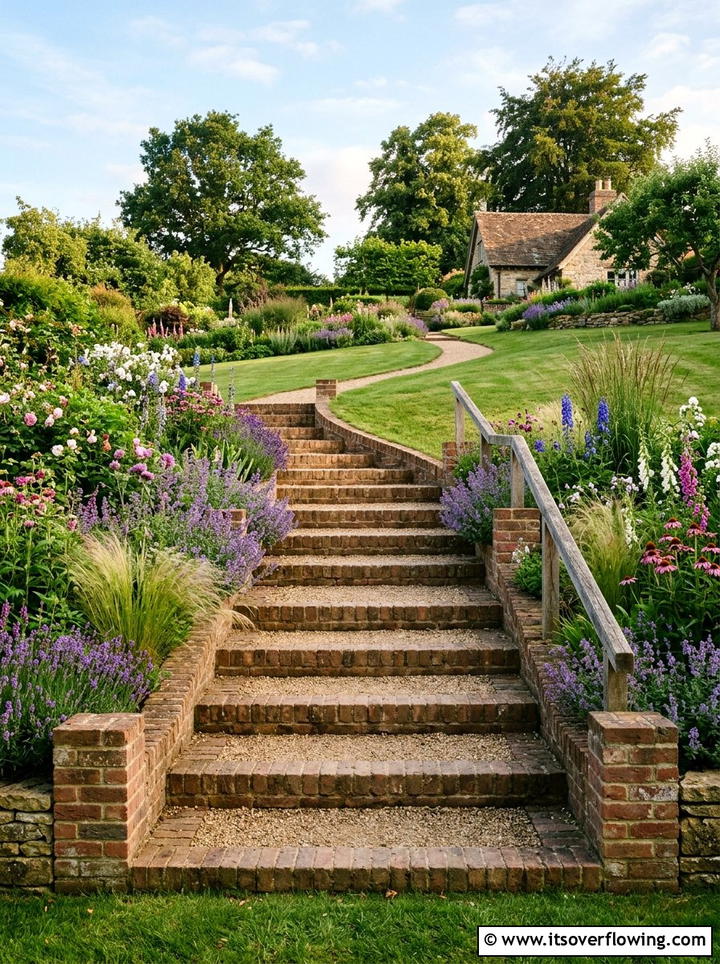
When dealing with a sloped landscape, building a set of brick garden stairs is a smart way to improve accessibility and visual flow. These steps can bridge different levels of your yard while adding a structural, high-end feel that wood just cannot match. By setting bricks into a slight incline and packing them firmly with gravel or sand, you create a safe and slip-resistant walkway. This project is ideal for creating a seamless transition from a patio to a higher flower bed or lawn area. The weathered texture of older bricks gives the stairs an aged, cottage-garden look that feels like it has been part of the land.


12. Brick wall planter
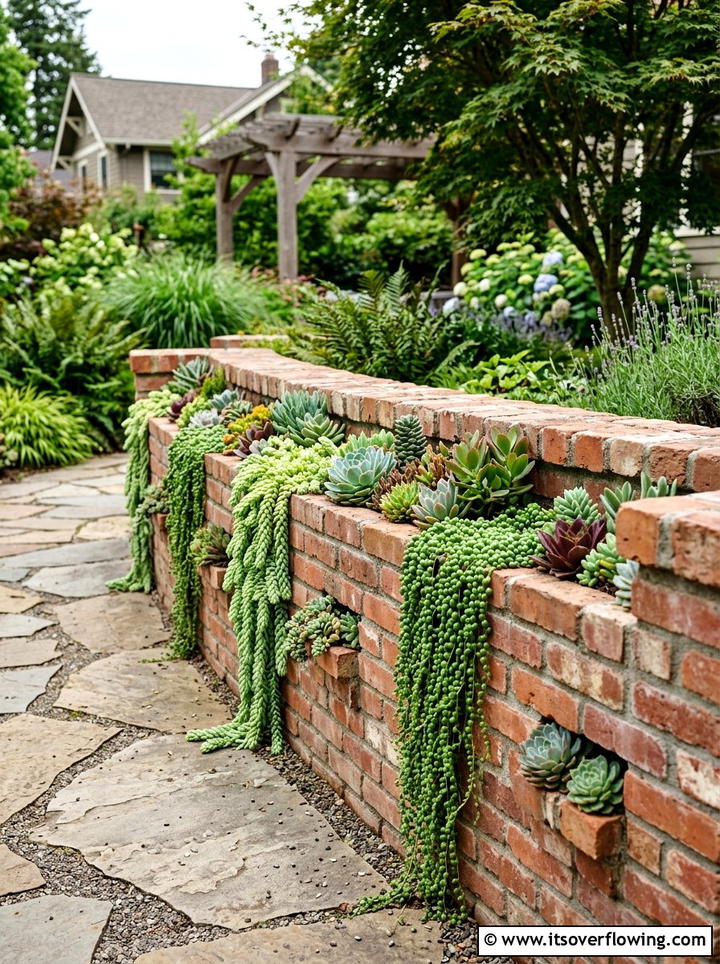
If you have a vertical space like a fence or a plain wall, you can add greenery by building small brick pockets. By removing a few bricks from an existing wall or building a new low wall with intentional gaps, you create perfect spots for small succulents or trailing vines. These built-in planters add depth and texture to a flat surface and make use of vertical gardening space. It is a great way to grow herbs or colorful flowers if you have a small backyard or patio. The bricks hold moisture well, which helps keep the plants hydrated during the hot summer months.
13. Brick waterfall
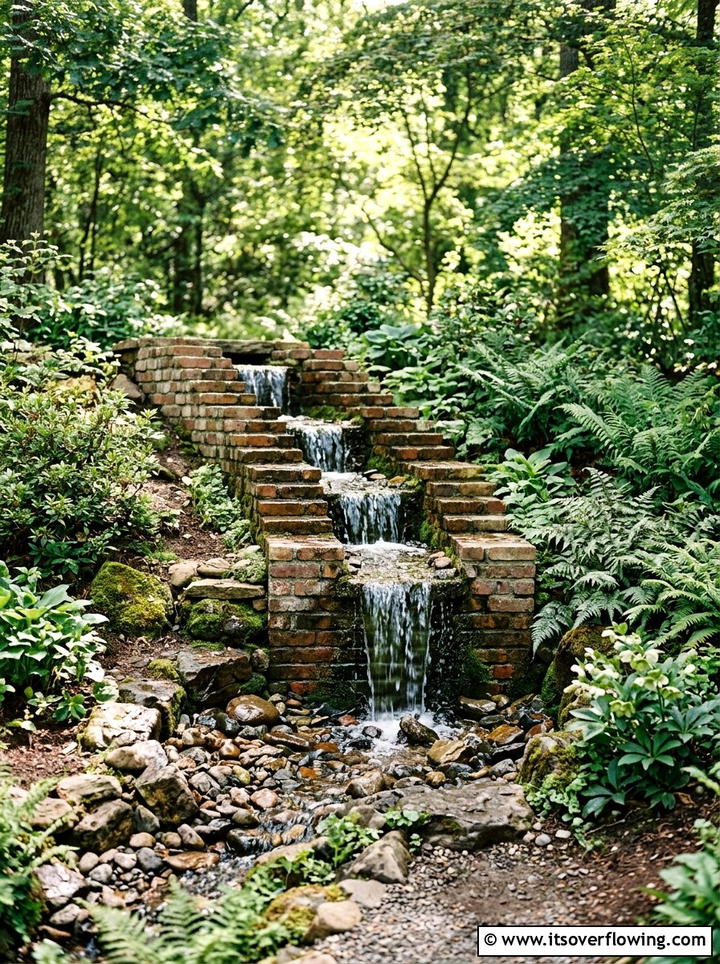
The soothing sound of running water can transform a noisy backyard into a private oasis. You can use old bricks to build a tiered waterfall that spills into a small basin or pond. By stacking the bricks in overlapping layers, you create different levels for the water to cascade over. This creates a natural-looking feature that blends in perfectly with rocks and aquatic plants. Bricks are easy to work with and allow you to customize the height and width of the waterfall to fit your space. It is a wonderful way to recycle materials while adding a relaxing auditory element to your garden.
14. Brick tree ring
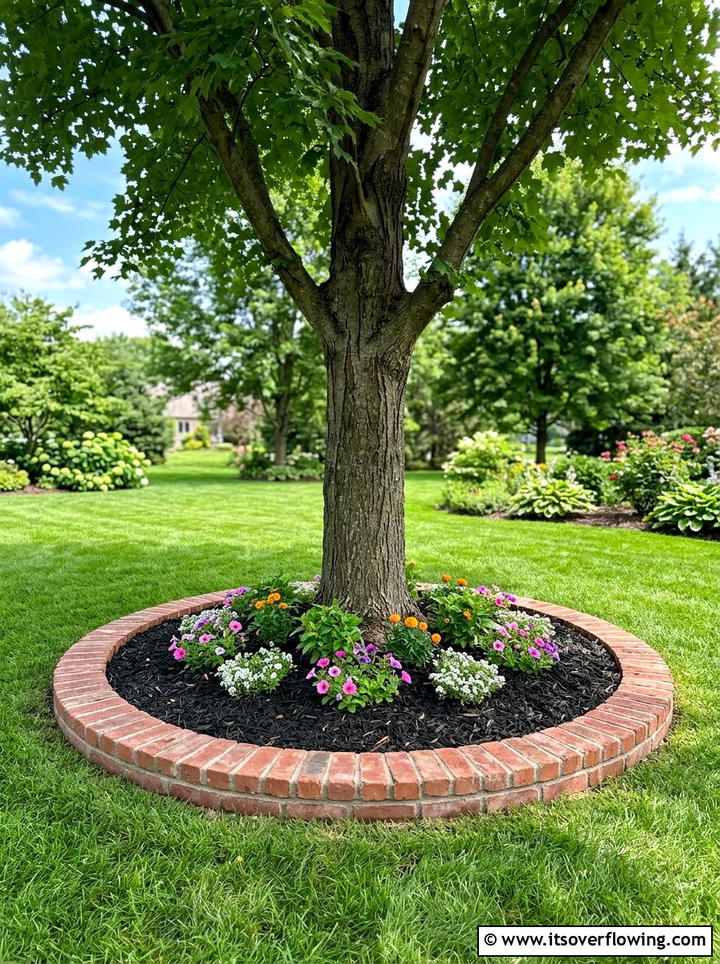
Protecting the base of your favorite trees from lawnmowers and weed whackers is easy with a custom brick ring. By creating a circular border around the trunk, you define a clear area for mulch and shade-loving plants like hostas or ferns. This helps retain moisture for the tree roots and gives the base of the tree a finished, intentional look. You can use a single layer of bricks laid flat or stack two or three layers for a more prominent raised edge. It is a simple weekend project that adds a lot of visual appeal to your lawn. The circular shape provides a soft, organic feel.
15. Brick patio
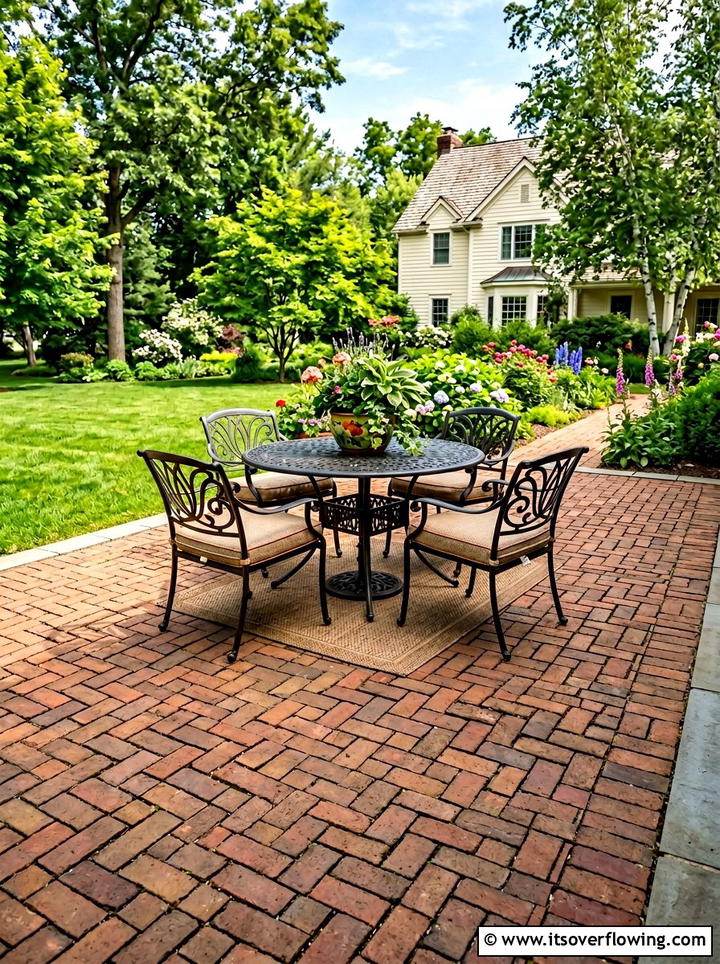
Creating a flat, stable surface for your outdoor furniture is essential for enjoying your backyard during the warmer months. A small brick patio is a timeless addition that provides a durable place for dining or lounging. Unlike concrete, a brick patio allows for slight movement with the soil, which prevents cracking over time. You can experiment with different patterns like basketweave or circular designs to add visual interest to the space. Once the bricks are laid, filling the gaps with fine sand locks them into place. It creates an inviting and warm environment for hosting guests or relaxing with a good book.

16. Brick gate pillars
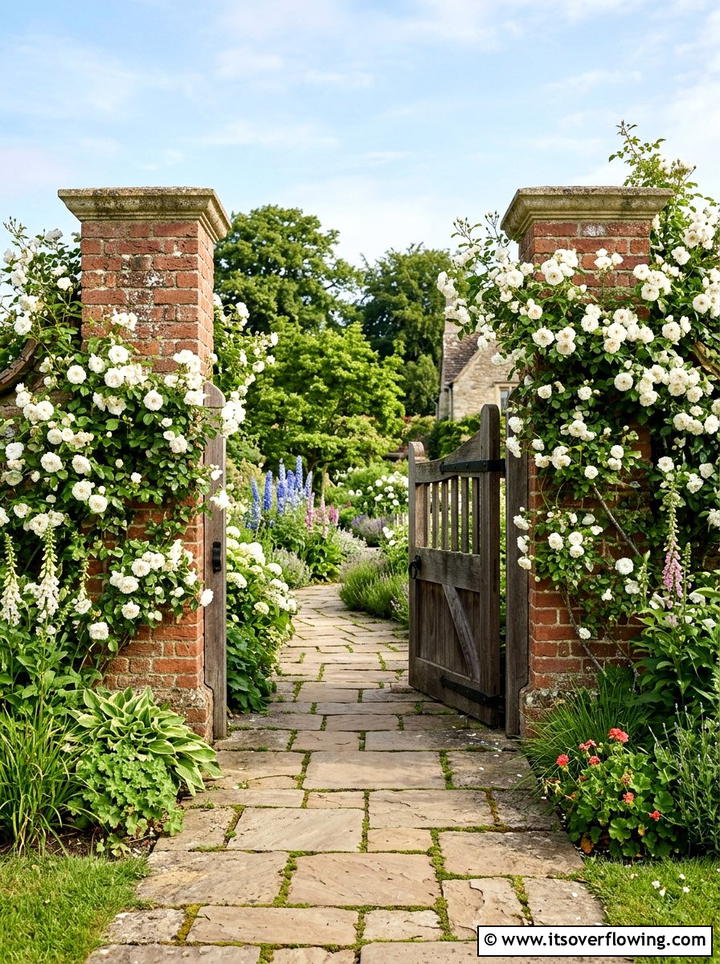
Adding a sense of arrival to your garden is easy when you build two solid brick pillars to anchor a gate. These vertical structures provide a strong foundation for hanging a wooden or wrought iron gate while adding architectural interest to your property line. You can cap the pillars with flat stones or decorative lights to finish the look. Building these pillars is a great way to use up a larger quantity of reclaimed bricks and creates a very high-end entrance. They look especially beautiful when covered in climbing ivy or surrounded by tall ornamental grasses. It gives your home a very established and classic feel.
17. Brick succulent planter
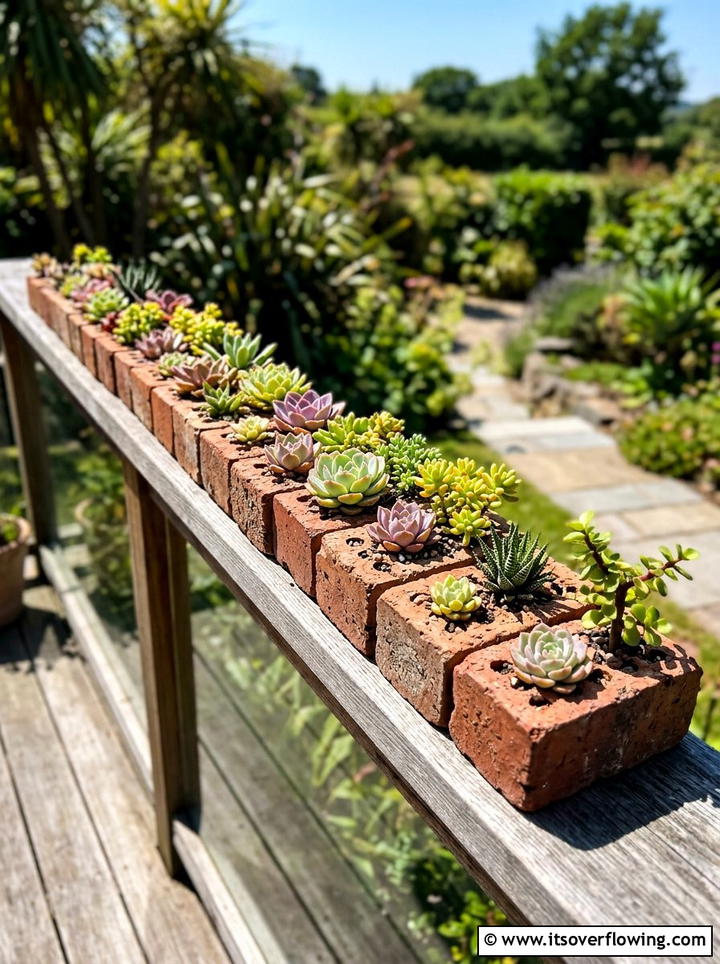
Old bricks with holes in them, often called frog bricks, are perfect for creating tiny, individual planters for succulents. Because these plants have shallow root systems and do not require much water, they thrive in the small spaces provided by the brick holes. You can stack these bricks in a decorative pyramid or line them up along a sunny windowsill or porch railing. The porous nature of the clay helps with drainage, which is vital for keeping succulents healthy and preventing root rot. It is a modern and minimalist way to display a variety of small plants. Each brick becomes a unique piece of living art.
18. Brick border garden
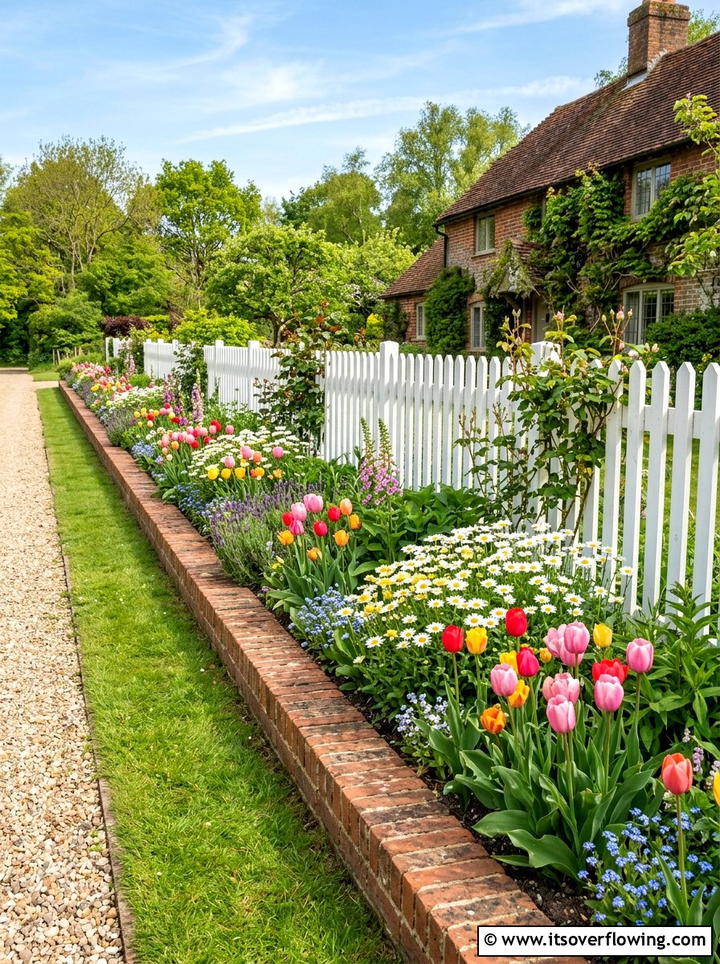
Creating a long, narrow garden bed along a fence or house foundation is made easier with a solid brick border. This layout helps define the space and prevents soil from spilling onto walkways or siding. You can lay the bricks end-to-end to create a clean, straight line that guides the eye through the garden. This type of border is also helpful for creating a dedicated space for tall perennials or climbing roses. The dark red of the bricks provides a stunning backdrop for vibrant green foliage and colorful blooms. It is a simple way to organize your plantings while adding a bit of rustic charm.
19. Brick retaining wall
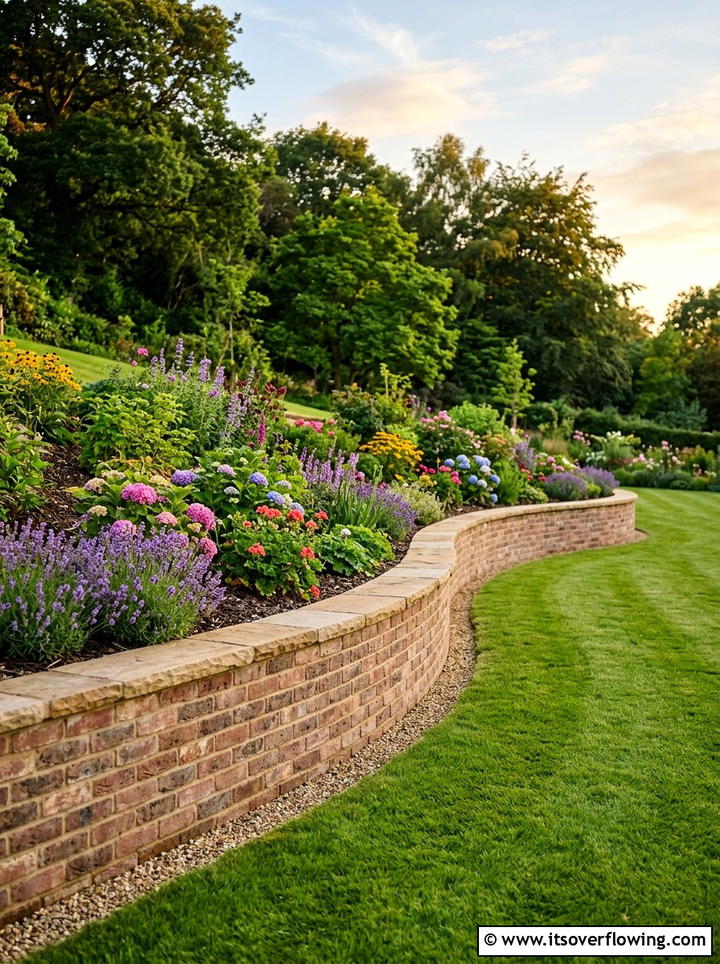
For yards with uneven terrain, a low brick retaining wall can help prevent erosion and create level planting areas. By stacking bricks slightly offset against a slope, you create a functional barrier that holds soil in place. This allows you to turn a steep hill into a series of beautiful terraced gardens. While very high walls might require professional engineering, a low wall under two feet is a perfectly manageable DIY project for most homeowners. The weight and durability of the bricks make them ideal for this purpose. It adds structure and vertical interest to an otherwise difficult landscaping challenge in your backyard.
20. Brick cold frame
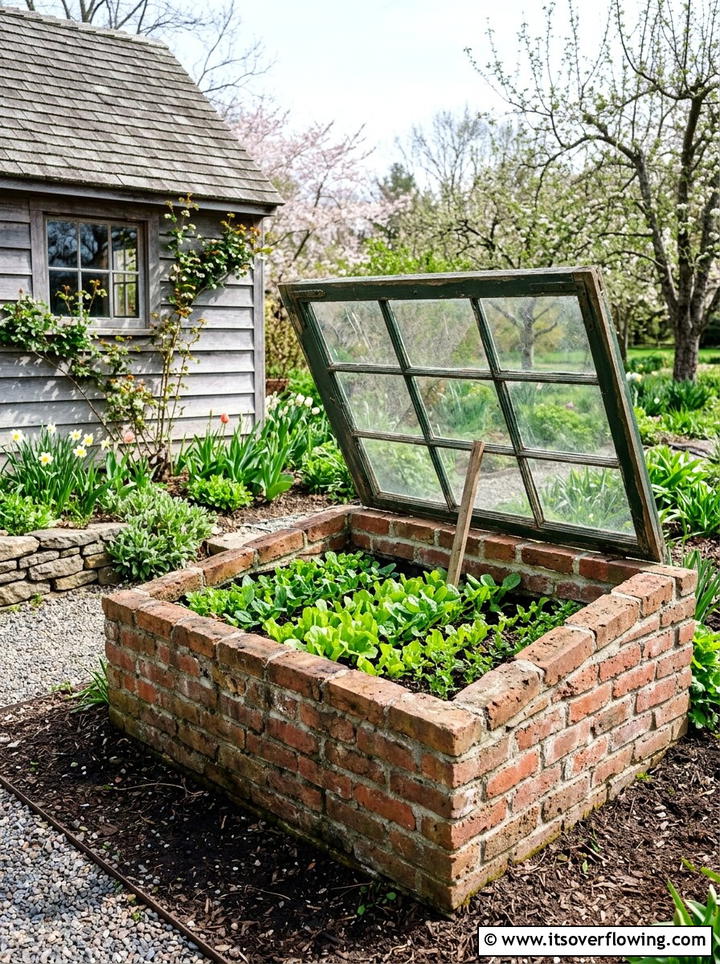
Extend your growing season by building a simple cold frame out of bricks and an old glass window. The bricks provide excellent insulation to keep the soil warm during chilly spring or autumn nights. By building a rectangular box with a slight slope, you create a protected environment for starting seeds or hardening off young plants. The glass top allows sunlight to enter while trapping heat inside, acting like a mini-greenhouse. This is a practical and eco-friendly way to get a head start on your vegetable garden. It is a must-have feature for any serious gardener looking to maximize their yearly harvest.
21. Brick compost bin
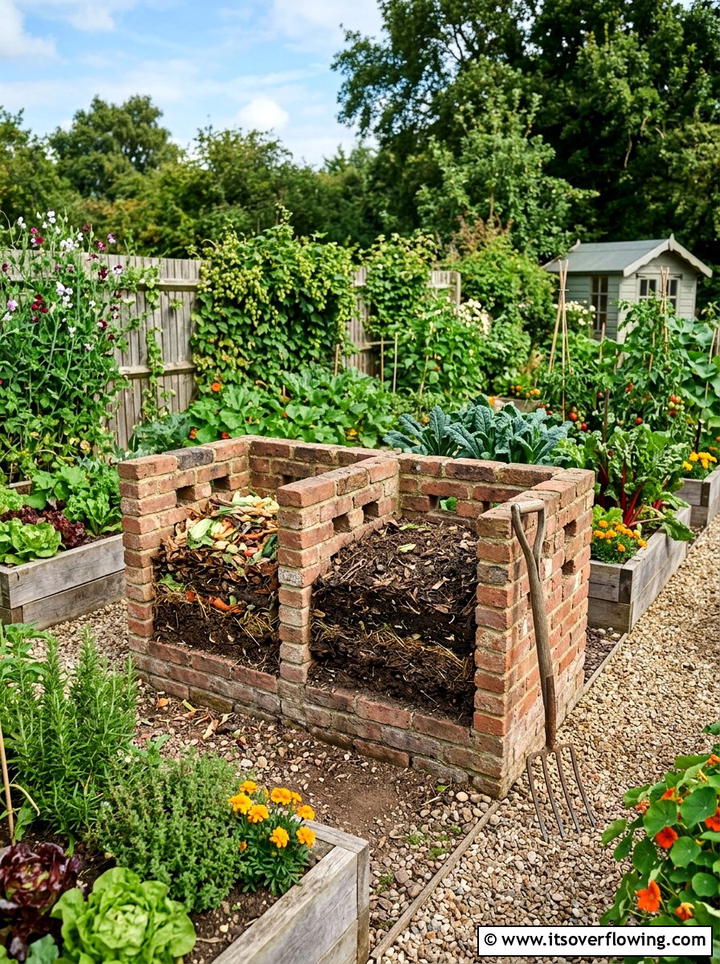
Making your own organic fertilizer is easy when you have a dedicated space to collect garden waste and kitchen scraps. You can build a three-sided compost bin using bricks to create a sturdy and permanent structure. Leaving small gaps between the bricks allows for vital airflow, which helps the organic matter break down more quickly. Unlike plastic bins, a brick structure blends naturally into the garden environment and will not degrade in the sun. It is a great way to keep your compost pile contained and tidy while providing easy access for turning the pile. Your plants will surely love the rich soil it produces.
22. Brick sundial stand
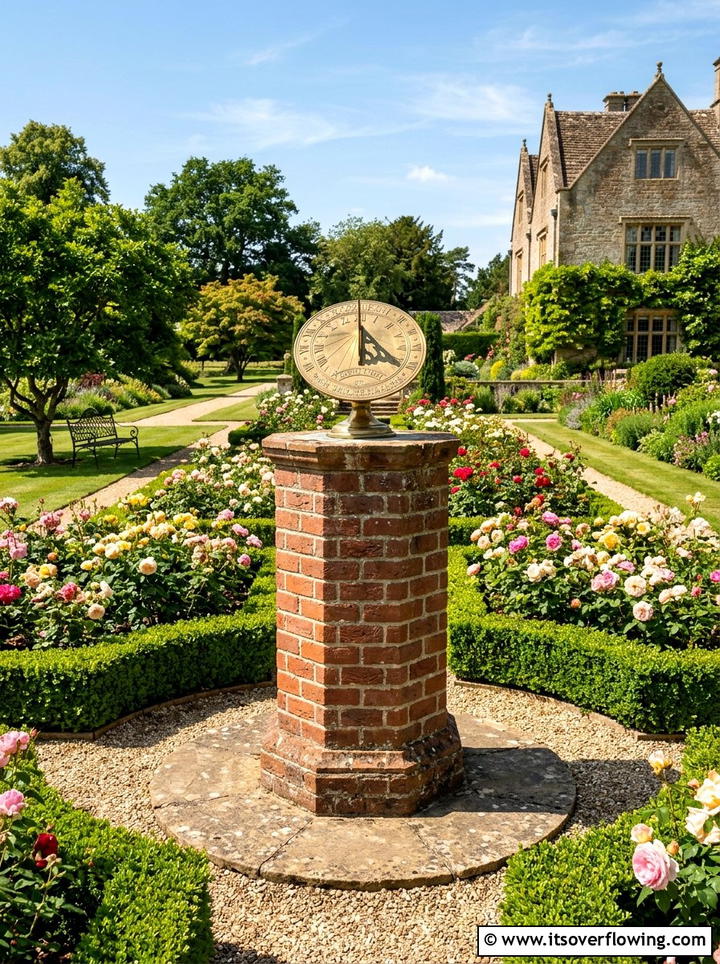
A sundial is a classic garden ornament that adds a touch of history and elegance to any outdoor space. You can create a stable and attractive pedestal for a sundial by stacking bricks in a square or octagonal column. Placing this feature in the center of a circular flower bed or at the end of a path creates a wonderful focal point. The height of the brick stand ensures the sundial is easy to read and safe from being covered by growing plants. It is a charming way to use up a small number of bricks while adding a timeless decorative element to your backyard.
23. Brick walkway
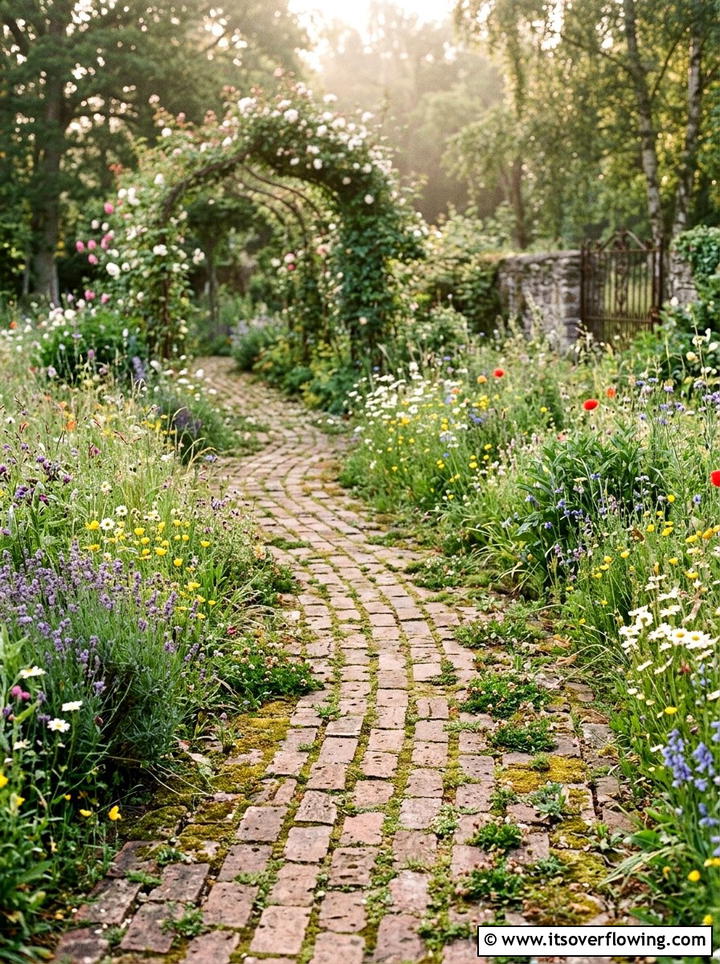
Creating a secondary path through a vegetable garden or behind a shed is easy with a simple brick walkway. You do not always need a formal patio; sometimes a narrow path of bricks laid flat is all you need to keep your feet dry. This type of walkway is very flexible and can curve around obstacles like trees or large rocks. By filling the spaces between bricks with creeping thyme or moss, you create a very soft and romantic look. It is a low-maintenance solution that helps organize the flow of movement through your yard. The bricks feel very solid and dependable underfoot.
24. Brick keyhole garden
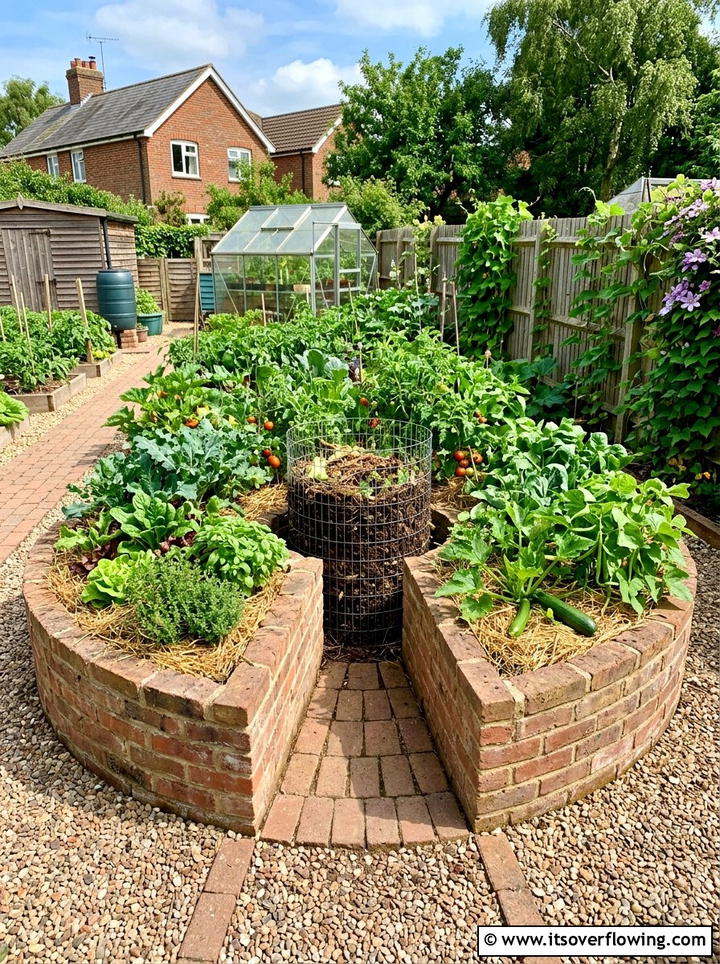
A keyhole garden is a highly productive circular raised bed with a central composting basket and a small path for access. Using bricks to build the exterior walls is a smart choice because they provide the necessary support for the deep soil layers. This design is incredibly efficient for watering and fertilizing, as the nutrients from the center basket seep out to the rest of the plants. It is an ideal project for small spaces where you want to grow a lot of food with minimal effort. The brick walls also help retain heat, which can speed up the growth of your favorite vegetables and herbs.
25. Brick flower bed
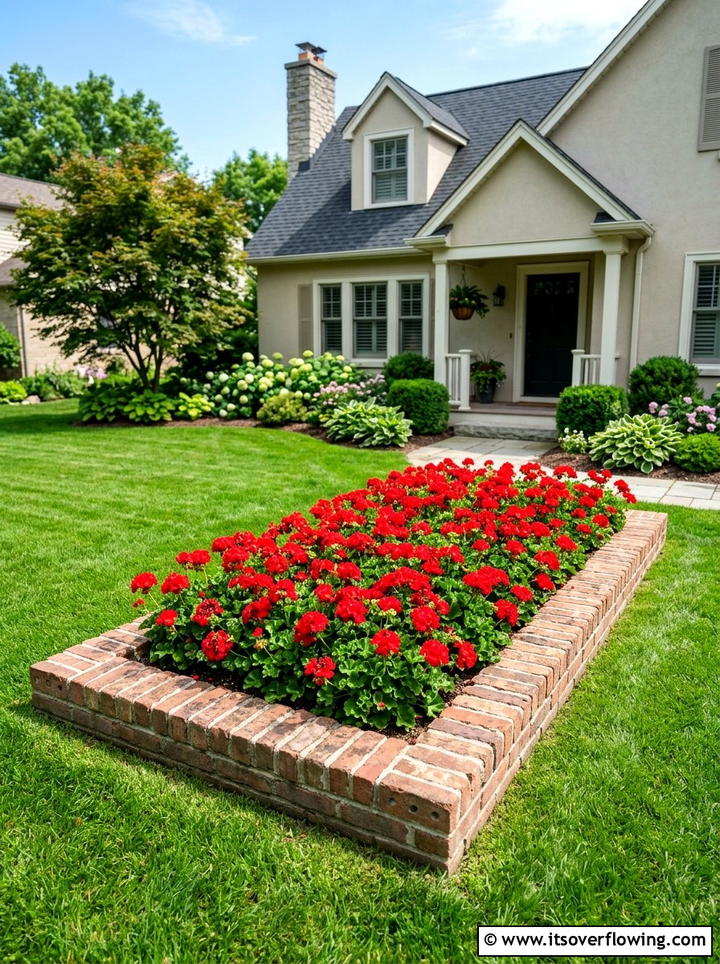
Wrapping a circular or rectangular flower bed in a layer of bricks is the perfect way to finish a landscaping project. This border prevents lawn equipment from damaging your delicate flowers and creates a clear division between the garden and the rest of the yard. You can match the brick style to your home’s exterior for a cohesive look throughout the entire property. Whether you are planting bright marigolds or elegant lilies, the brick surround helps frame the colors and makes them pop. It is a simple, effective, and very affordable way to upgrade your curb appeal. The finished bed looks polished and well-planned.
Conclusion:
Upcycling old bricks is a fantastic way to enhance your garden’s beauty and functionality while staying environmentally friendly. These twenty-five ideas demonstrate just how versatile and durable this humble building material can be for any DIY enthusiast. From simple markers and edging to complex structures like outdoor ovens and waterfalls, bricks provide a timeless foundation for endless creativity. By using what you already have or finding salvaged supplies, you can create a high-end look on a very modest budget. We hope these projects inspire you to step outside and start building your own personalized garden oasis. Your outdoor space will surely benefit from the character and charm that only weathered bricks can provide.

Related posts:
 25 recycled garden ideas with old bricks for Timeless Style
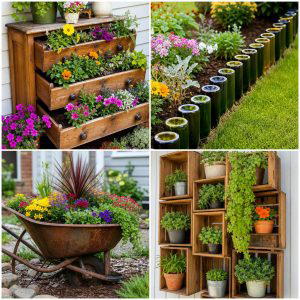 25 upcycled garden ideas diy for Budget-Friendly Yard Style
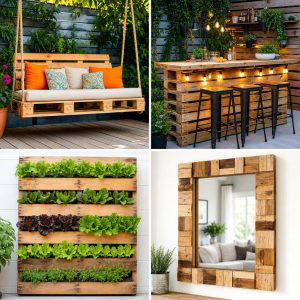 25 Upcycled Garden Ideas With Pallets for Budget-Friendly Style
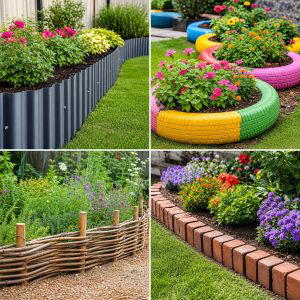 25 Upcycled Garden Ideas With Garden Edging for Neat Borders
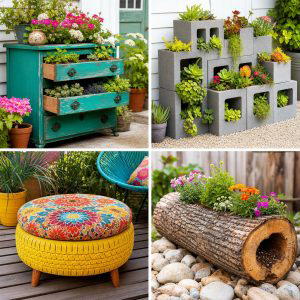 25 Upcycled Garden Ideas on a Budget for Stunning Spaces
 25 Upcycled Garden Ideas With Old Cans for Budget Decor
 25 upcycled garden ideas to Create a Charming Eco-Friendly Yard
 25 Upcycled Garden Ideas With Garden Benches for Cozy Seating
 25 Upcycled Garden Ideas With Garden Signs for Cute Yard Decor
 25 Recycled Garden Ideas on a Budget for Easy DIY
 25 recycled garden ideas with buckets: Budget DIY Planters
 25 recycled garden ideas with tin cans: Budget DIY Planters