
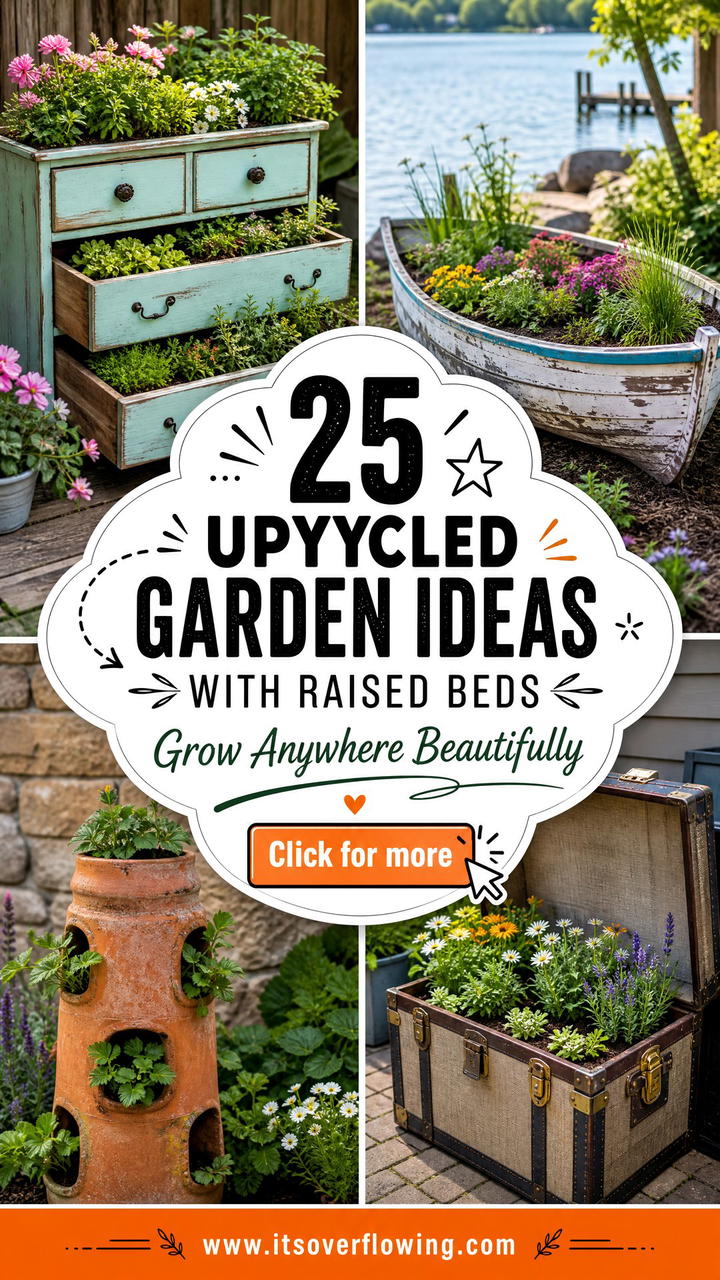
Creating a beautiful garden does not have to be an expensive project if you know how to use salvaged materials effectively. Upcycling is a wonderful way to give new life to old items while building a functional space for your favorite plants and vegetables. By choosing to repurpose wood, metal, and stone, you reduce waste and add a unique personality to your backyard that store-bought kits simply cannot match. These raised structures help with soil drainage, keep pests away, and make gardening much easier on your back. Whether you are working with a tiny balcony or a sprawling lawn, these creative solutions will inspire you to start planting today with sustainable style and minimal costs.
1. Pallet Wood Garden
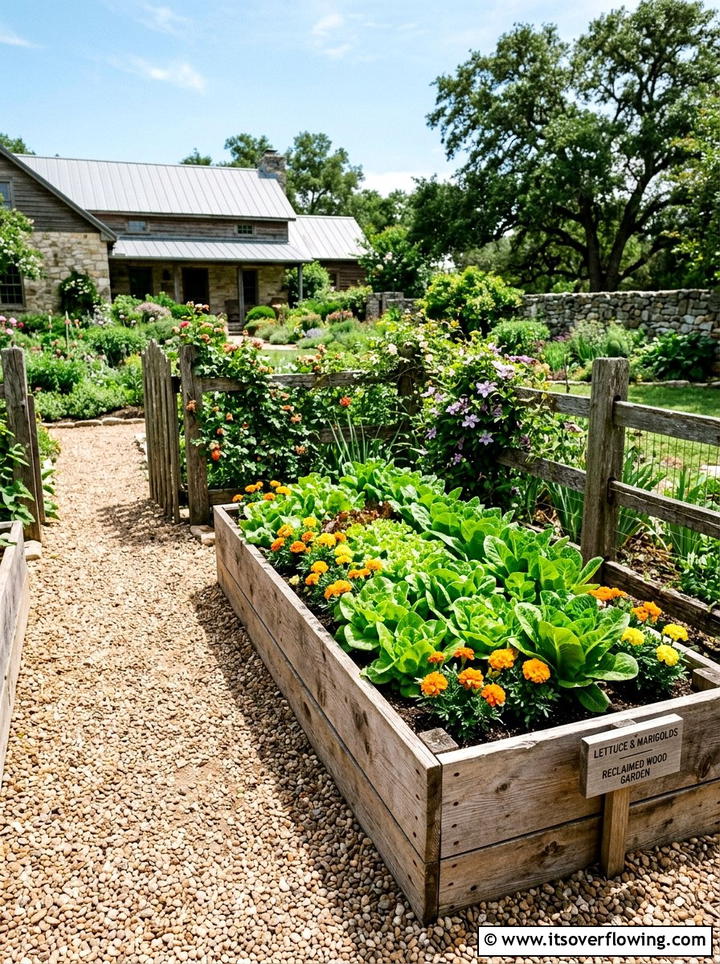
Pallet wood is one of the most popular materials for building a sustainable garden space because it is often free and easy to find. You can take the slats apart to build custom rectangular frames or leave the pallet whole to create a vertical herb wall. Before you start, make sure the wood is heat-treated rather than chemically treated for safety. Line the inside with landscaping fabric to keep the soil in place and prevent the wood from rotting too quickly. This setup looks great in a rustic backyard and provides plenty of depth for growing deep-rooted vegetables like carrots or tomatoes while keeping your outdoor area organized and tidy.
2. Galvanized Steel Tub
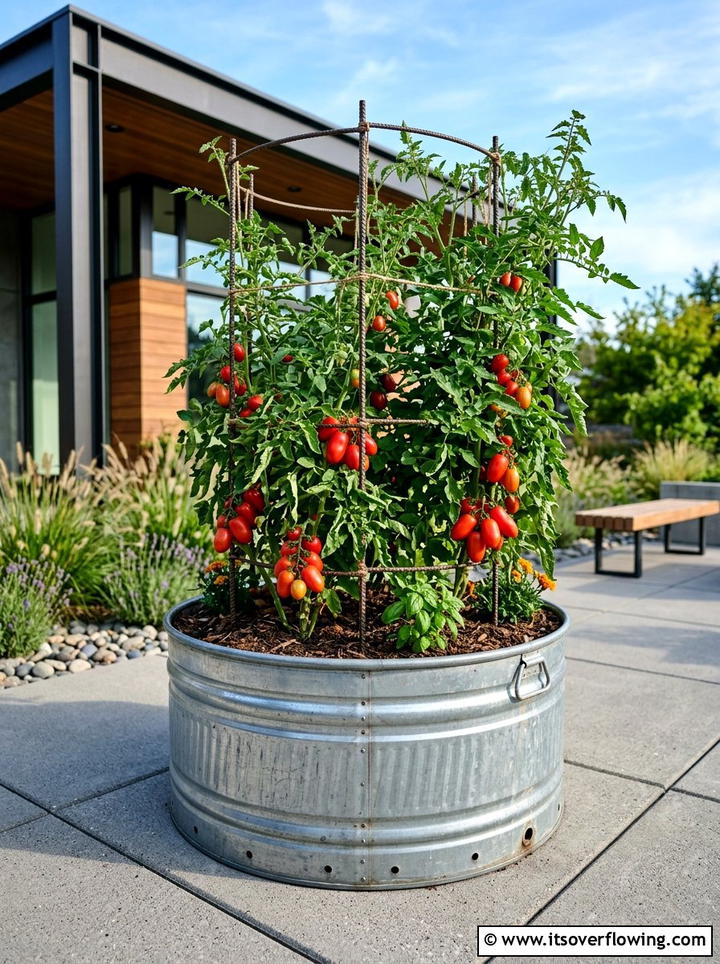
Galvanized steel tubs offer a sleek and industrial look that works perfectly for modern or farmhouse garden designs. These metal containers are incredibly durable and can withstand harsh weather conditions for many years without rusting through. You must drill several drainage holes in the bottom to ensure your plants do not sit in water. Filling the bottom half with sticks or empty plastic jugs can help save on potting soil costs. These tubs are ideal for growing large crops like peppers or kale. Their height makes them very accessible for gardeners who want to avoid bending over too much while tending to their beautiful backyard greens.
3. Cinder Block Planter
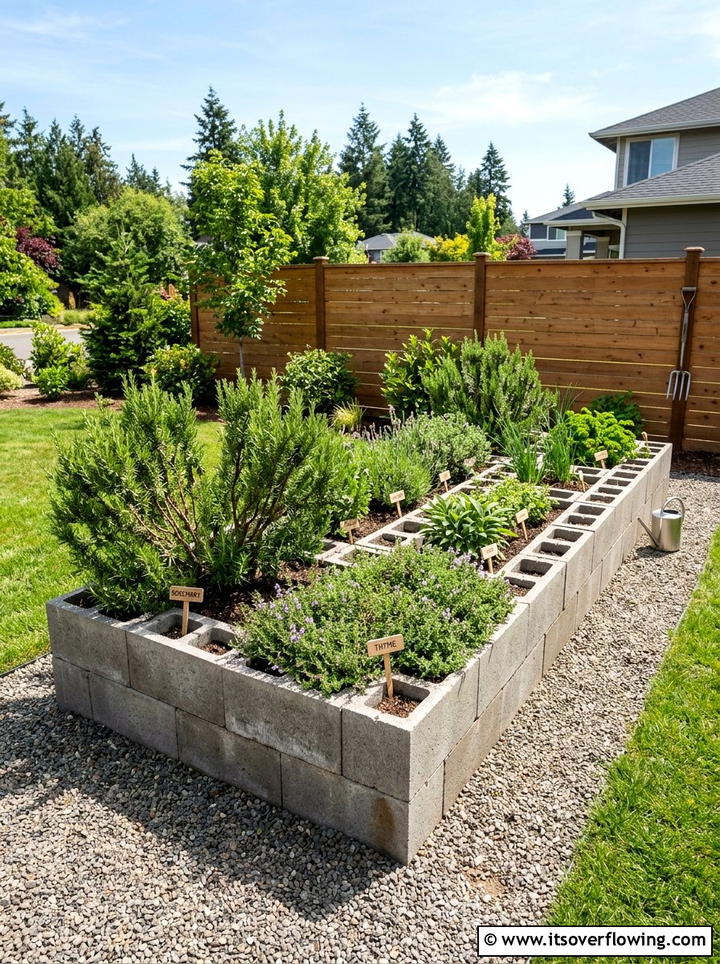
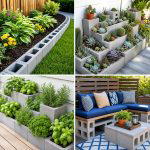
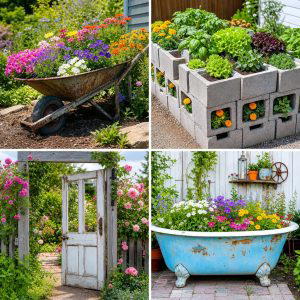
Cinder blocks are excellent for creating sturdy and modular raised beds that you can customize to any shape or size. You can stack them to your preferred height and even use the hollow centers of the blocks to plant small succulents or trailing flowers. This design creates a very organized and clean appearance in any landscape. The heavy weight of the concrete ensures the walls stay in place without needing extra hardware or complex construction. You can leave them gray for a modern vibe or paint them to match your home exterior. This approach is perfect for building a long-lasting vegetable patch that resists rot and hungry pests.
4. Old Tire Garden
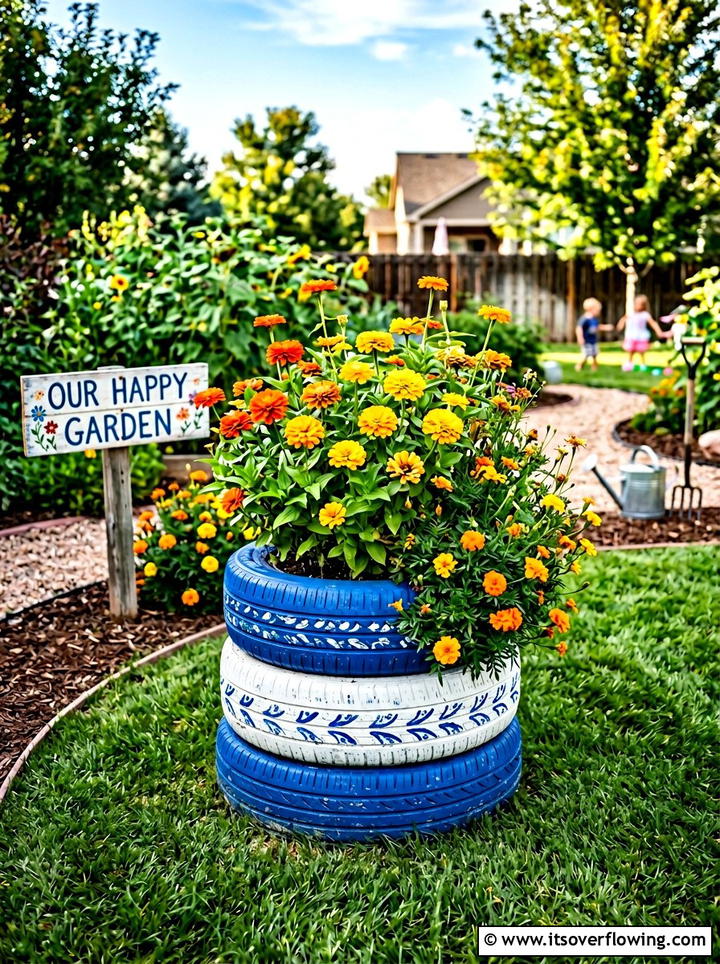
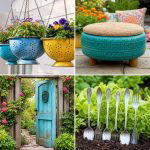
Repurposing old tires into garden beds is a clever way to keep rubber out of landfills while adding colorful circles to your yard. You can stack two tires to create a deeper root zone or lay them out individually for smaller plants. Painting the exterior with bright outdoor spray paint makes them look like intentional decor rather than scrap material. Tires are great for holding heat, which helps soil warm up faster in the early spring months. Be sure to use a high-quality liner if you plan to grow edible plants. This circular design is fun, affordable, and brings a playful energy to a family-friendly outdoor living space.
5. Wooden Shipping Crate
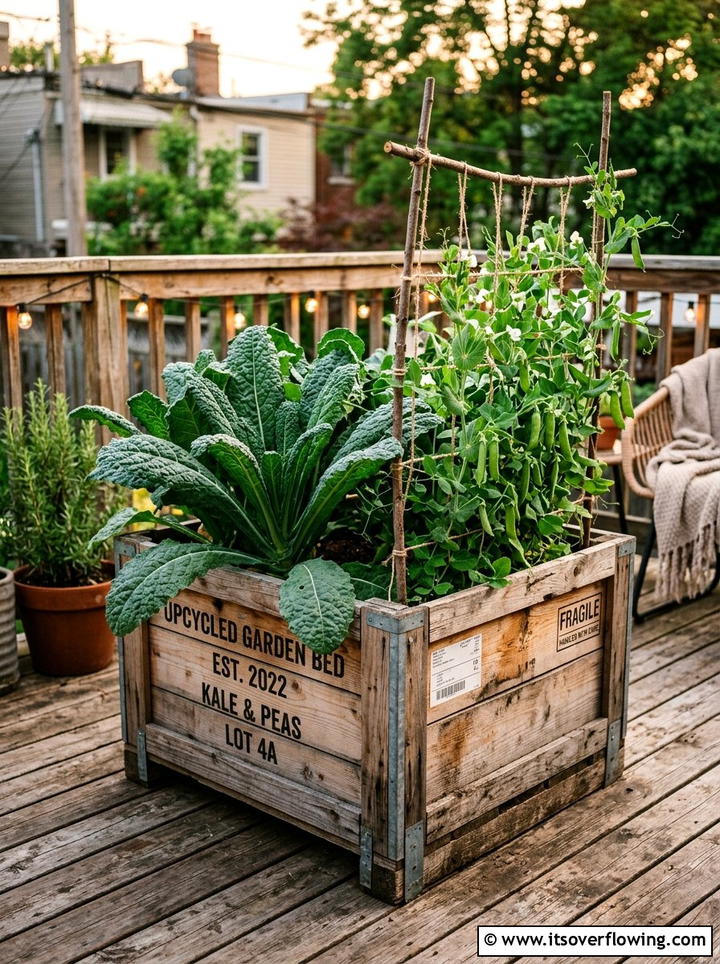
Wooden shipping crates are often sturdier than standard pallets and provide a deep growing area for large shrubs or climbing vines. These crates usually come with solid sides, which means you only need to add a liner and drainage holes before filling them with soil. They look fantastic when grouped together in different sizes to create a tiered garden effect. The natural wood grain adds a warm and organic feel to a patio or deck. You can easily add casters to the bottom to make these beds mobile, allowing you to chase the sun throughout the day. They are perfect for urban gardeners with limited permanent ground space.
6. Porcelain Bathtub Garden
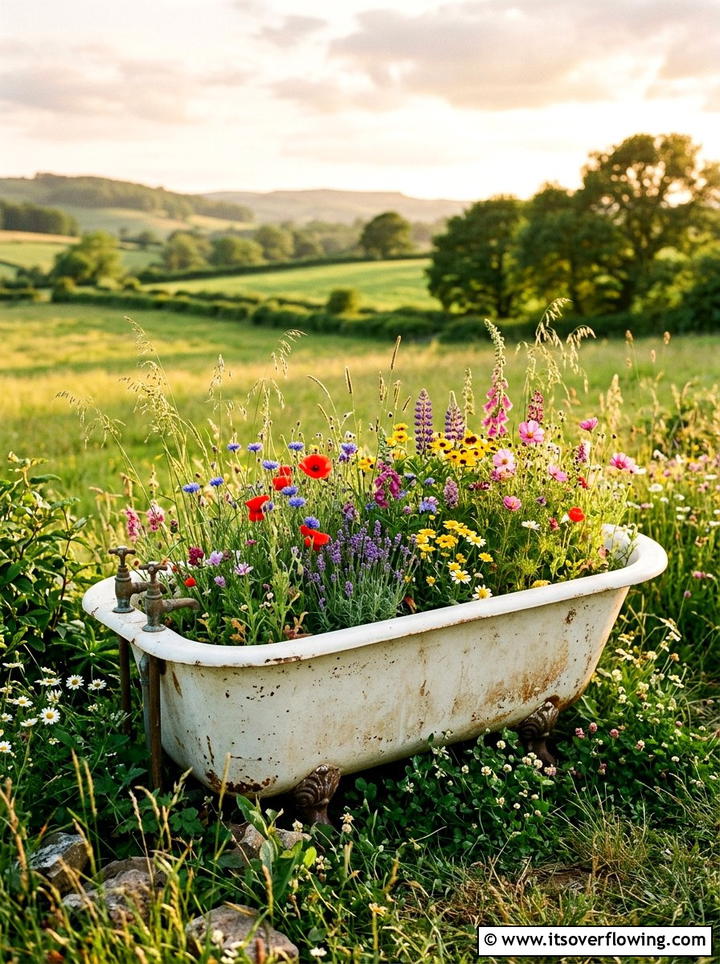
An old clawfoot or porcelain bathtub makes a stunning focal point when converted into a large raised garden bed. The depth of a tub allows for a massive amount of soil, which is perfect for growing a diverse mix of flowers and vegetables in one spot. Since they are designed to hold water, they are extremely heavy and stable once filled. You can use the existing drain hole for water runoff, though adding a few extra holes with a masonry bit is often helpful. This quirky choice adds a vintage or whimsical touch to your garden. It is an excellent conversation piece that showcases your commitment to creative upcycling.
7. Metal Bed Frame
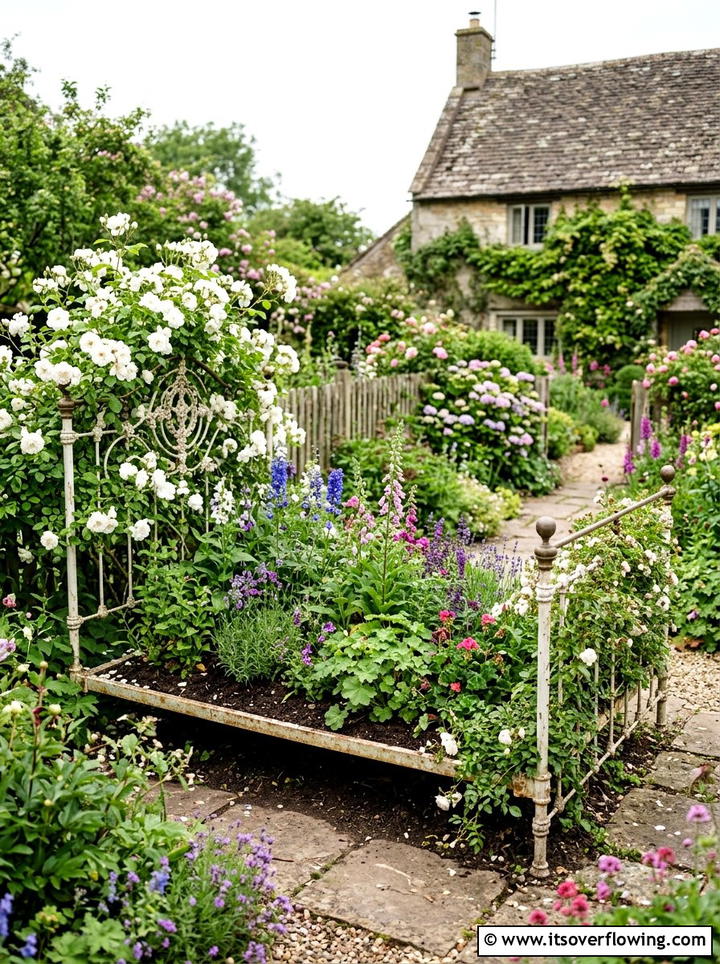
Using an old metal bed frame is a creative way to define the borders of a flower garden with antique charm. You can plant right inside the frame, using the headboard and footboard as built-in trellises for climbing roses or sweet peas. This setup creates the literal “garden bed” look that is both humorous and aesthetically pleasing. Iron frames are particularly durable and develop a beautiful patina over time. You can surround the interior with hardware cloth or wood slats to hold the soil in place. This design works best in a cottage-style garden where lush, overflowing blooms can spill over the decorative metal rails.
8. Dresser Drawer Garden
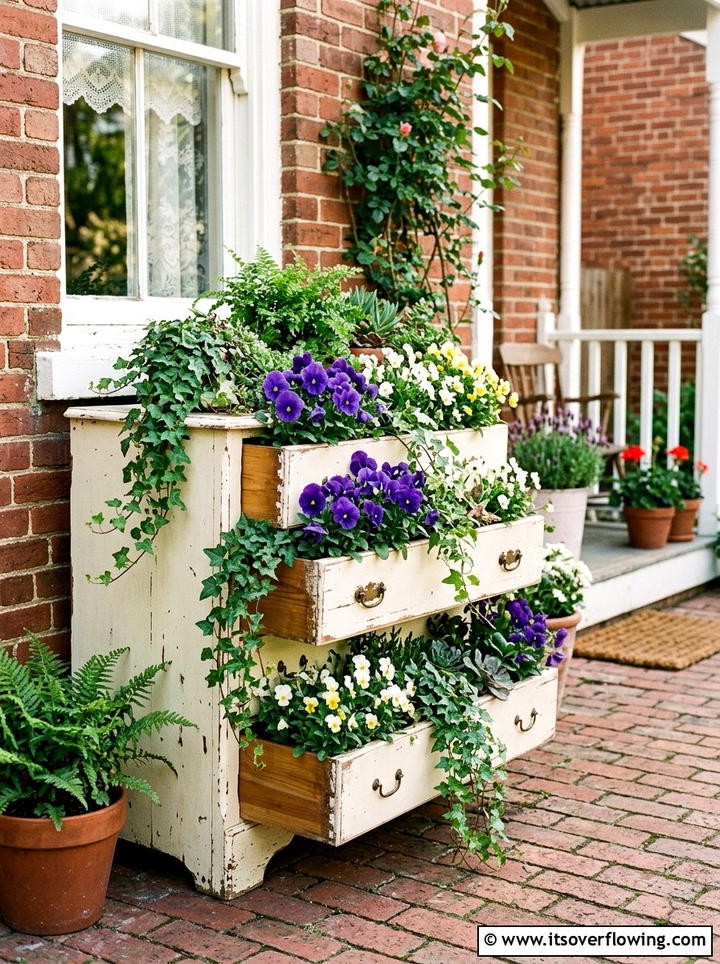
Old dresser drawers can be saved from the curb and turned into a charming tiered garden system for small spaces. By pulling the drawers out at different lengths, you create a cascading effect that is perfect for herbs or shallow-rooted flowers like pansies. It is important to treat the wood with a non-toxic sealant to protect it from moisture damage over time. Adding a few decorative knobs back onto the drawer fronts maintains the furniture aesthetic. This idea is perfect for a porch or balcony where you want to add vertical interest. It turns a piece of indoor history into a thriving outdoor plant display.
9. Hollow Log Planter
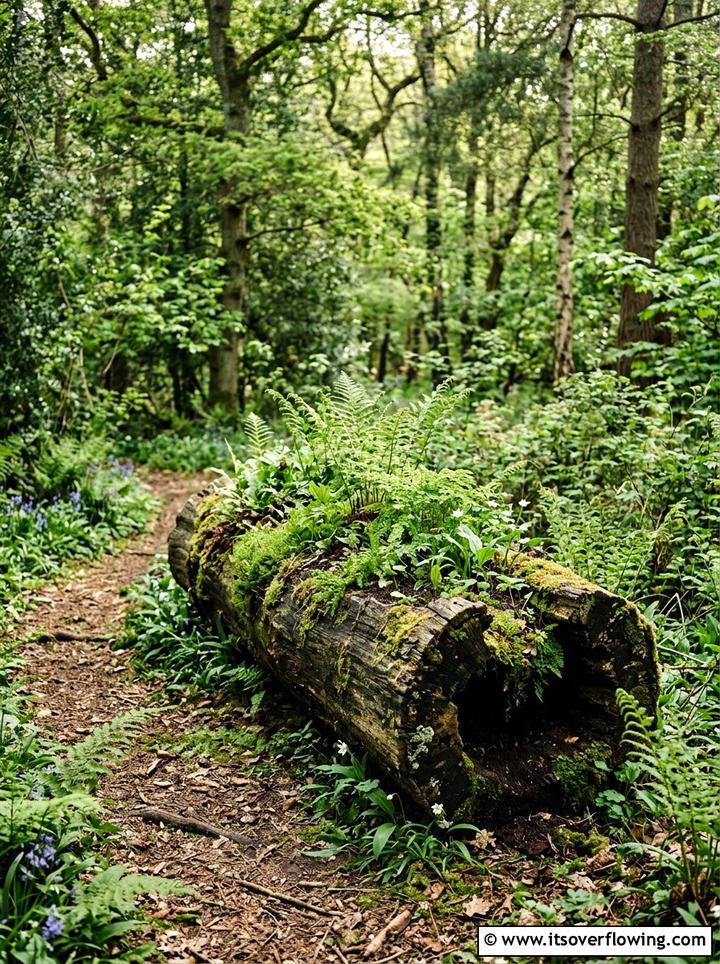
If you have a fallen tree or access to large logs, you can carve out the center to create a natural and rustic raised bed. This design blends seamlessly into a wooded or naturalistic landscape. As the wood slowly decomposes over several years, it actually feeds the soil with beneficial nutrients. You can fill the hollowed-out section with a rich potting mix and plant forest-friendly species like ferns or wild strawberries. This method is completely biodegradable and requires no plastic or metal components. It is one of the most eco-friendly ways to define a planting area while maintaining a wild and rugged garden look.
10. Woven Branch Garden
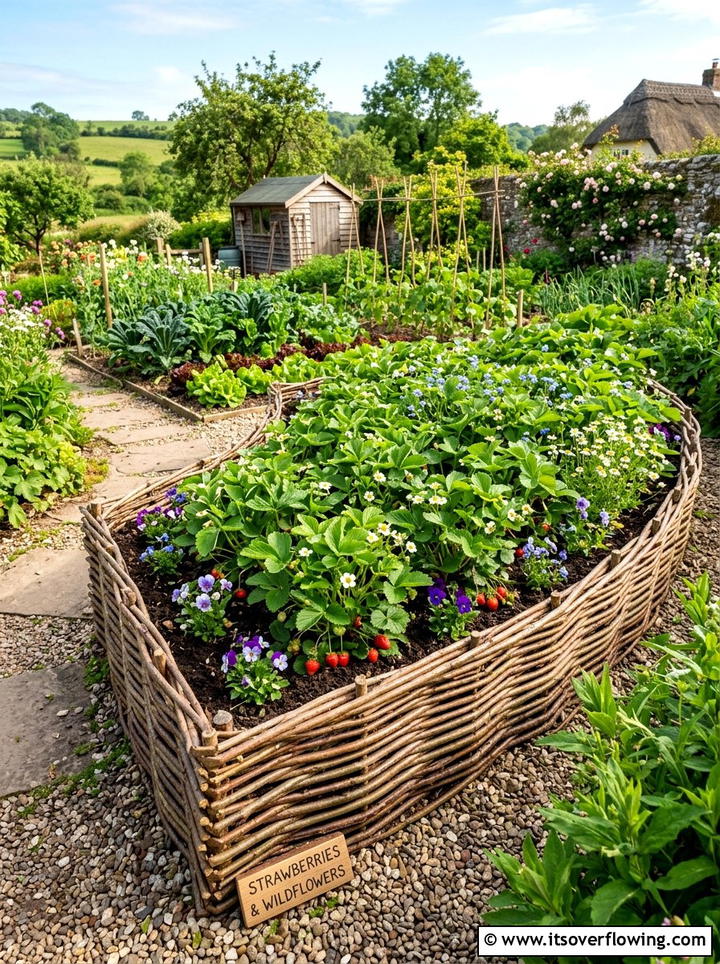
Woven branch beds, also known as wattle fencing, use flexible saplings like willow or hazel to create a beautiful and traditional garden border. You drive sturdy stakes into the ground and weave the long branches between them to form a low wall. This technique has been used for centuries and adds a handmade, artisanal feel to any outdoor space. It is a great way to use up yard waste after pruning your trees. The gaps between the branches allow for some air circulation while keeping the soil contained. This style is perfect for a kitchen garden where you want a soft and natural boundary for your herbs.
11. Corrugated Metal Bed
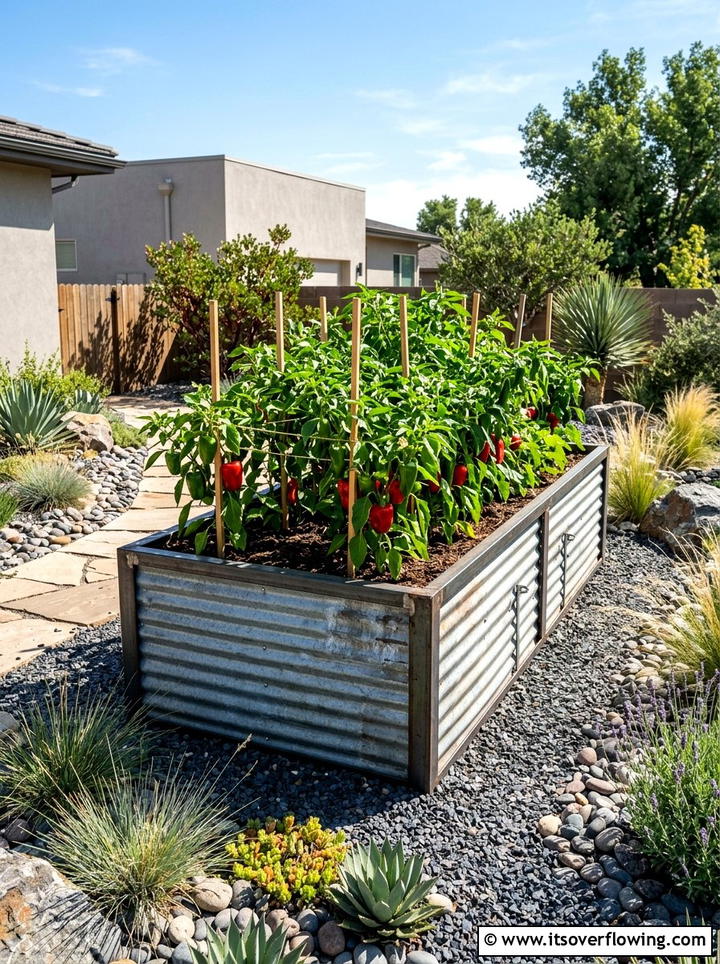
Corrugated metal sheets paired with a wooden frame create a modern and durable raised bed that lasts for decades. The reflective surface of the metal can help bounce light onto your plants, and the ridges add significant structural strength to the walls. This design is very popular in contemporary landscapes because of its clean lines and silver finish. It is lightweight compared to stone or concrete, making it easier to assemble in a weekend. You can customize the height to be quite tall, which prevents rabbits and other small animals from reaching your vegetables. It is a stylish and functional way to organize your backyard.
12. Red Brick Garden
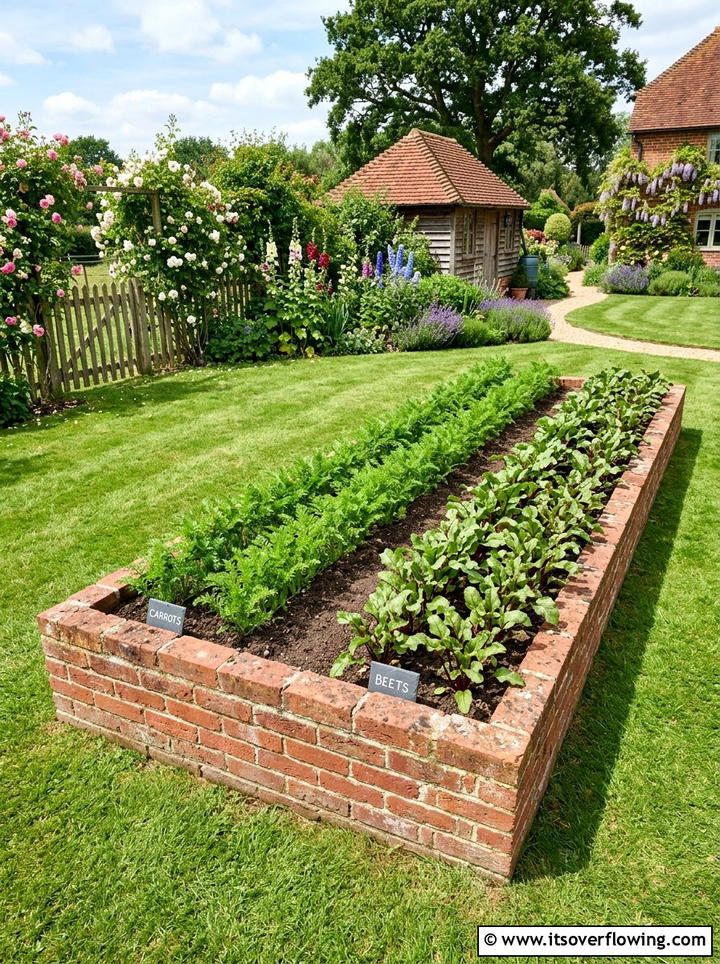
Leftover red bricks can be dry-stacked or mortared together to create a classic and timeless raised garden bed. Bricks are excellent for retaining heat, which can extend your growing season in cooler climates. You can create straight lines or elegant curves depending on how you lay the bricks. This material is very versatile and fits well with both traditional and modern home styles. If you use a dry-stack method, you can easily move or resize the bed in the future. Bricks provide a very solid barrier that keeps grass from creeping into your planting area. It is a sturdy solution for a permanent garden structure.
13. Tree Stump Garden
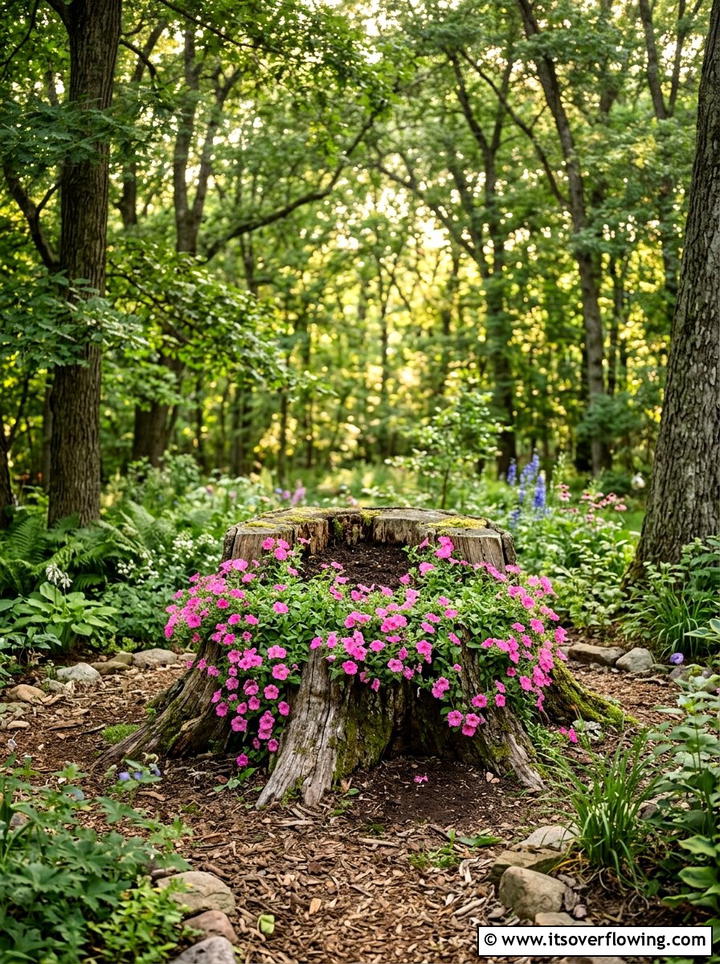
Instead of paying to have an old tree stump removed, you can turn it into a beautiful and elevated planter. By hollowing out the top of the stump, you create a natural bowl for soil and colorful flowers. This approach turns a potential eyesore into a striking landscape feature that improves with age. You can plant cascading flowers like petunias around the edges to hide the rough wood. Over time, the stump will provide a home for beneficial insects and fungi as it breaks down. It is a wonderful way to honor an old tree while giving new life to your backyard garden design.
14. Fieldstone Garden Bed
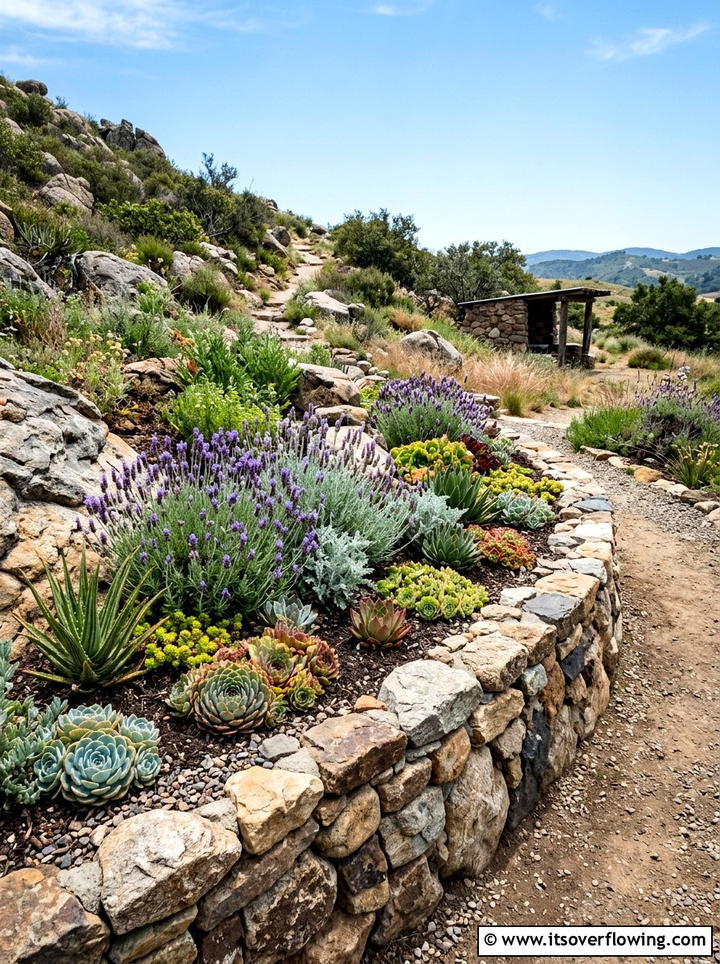
Using natural fieldstones gathered from your property is the most authentic way to build a raised garden bed that fits the local environment. You can stack the stones without mortar for a rustic look or use a little concrete for a more permanent wall. The irregular shapes and colors of the stones add a beautiful texture to the garden. This method is completely free if you have rocky soil or access to a nearby field. Stone beds are incredibly durable and will not rot or rust like other materials. They provide excellent drainage and a cooling effect for plant roots during the hot summer months.
15. Metal Bucket Planter
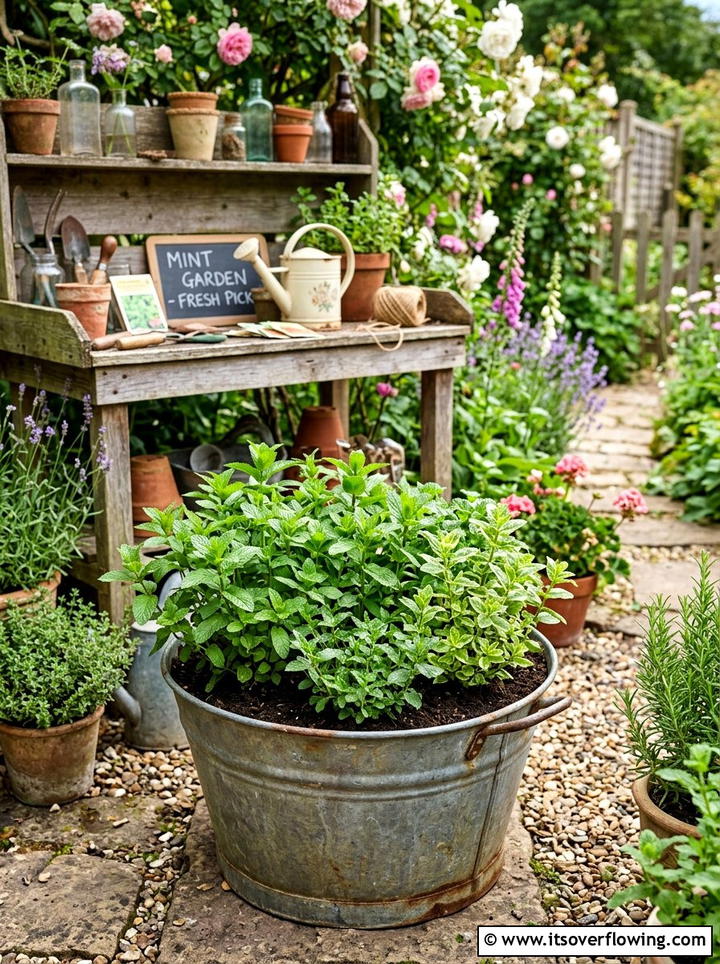
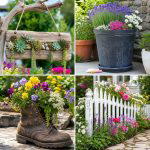
Old metal buckets and pails can be grouped together on a raised platform to create a unique and modular garden bed. This setup is perfect for someone who wants to keep different types of mint or invasive herbs separate from the rest of the garden. You can use a mix of galvanized buckets, copper pots, and enameled basins for a colorful and eclectic look. Be sure to punch holes in the bottom of each container for proper drainage. This design is very flexible, allowing you to move individual buckets if a plant needs more or less sun. It brings a vintage, collected feel to your patio.
16. Wooden Pallet Crate
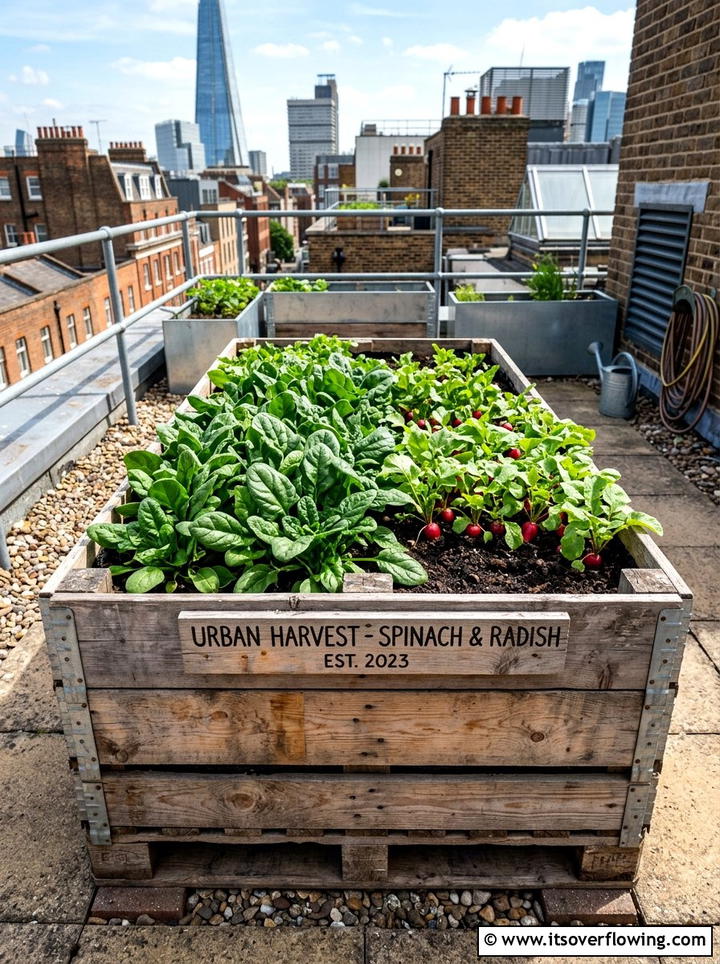
Large wooden crates used for transporting heavy equipment make fantastic ready-to-use raised beds with very little modification. These crates are typically made of thick, industrial-grade lumber that can hold a high volume of soil without bowing. You can paint the exterior a dark charcoal or forest green to make it look like a high-end designer planter. They are often deep enough to grow large root vegetables like potatoes or parsnips. By lining the interior with a heavy-duty plastic or fabric, you can extend the life of the wood for several years. This is a quick and effective way to start a large-scale vegetable garden.
17. Concrete Culvert Pipe
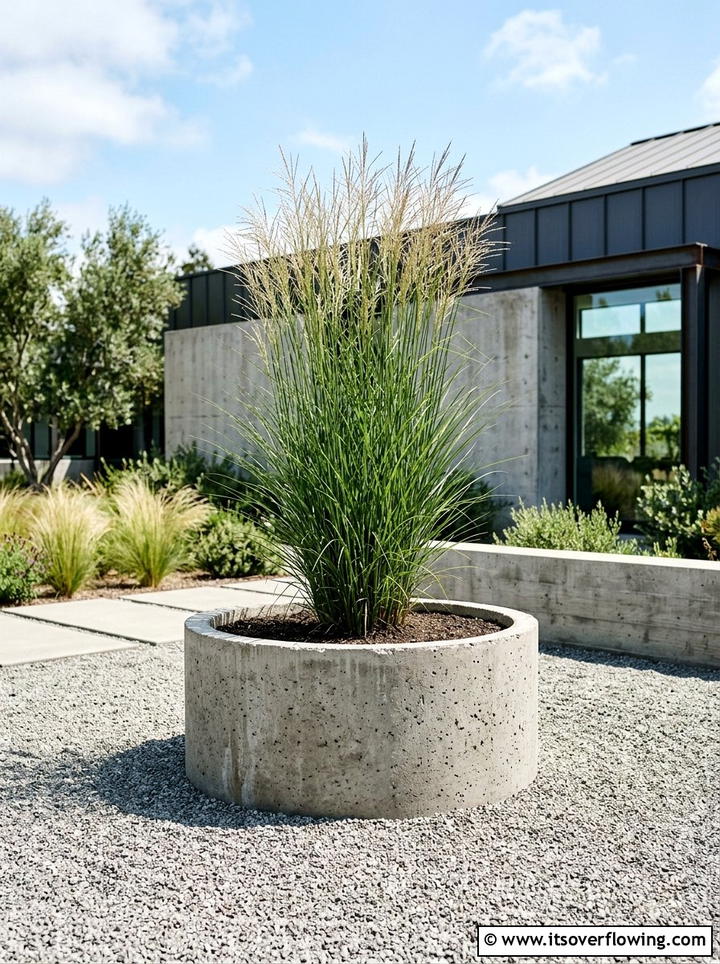
Short sections of concrete culvert pipe can be stood on end to create modern, circular raised beds with a very industrial vibe. These pipes are virtually indestructible and provide a uniform look when several are placed in a row or a cluster. Because they are quite tall, they act as a great barrier against pests and are at a comfortable height for gardening. You can leave the concrete raw for a minimalist look or apply a textured outdoor plaster. Filling the bottom with gravel helps with drainage and reduces the amount of soil needed. This is a very bold and architectural choice for a backyard.
18. Old Rowboat Garden
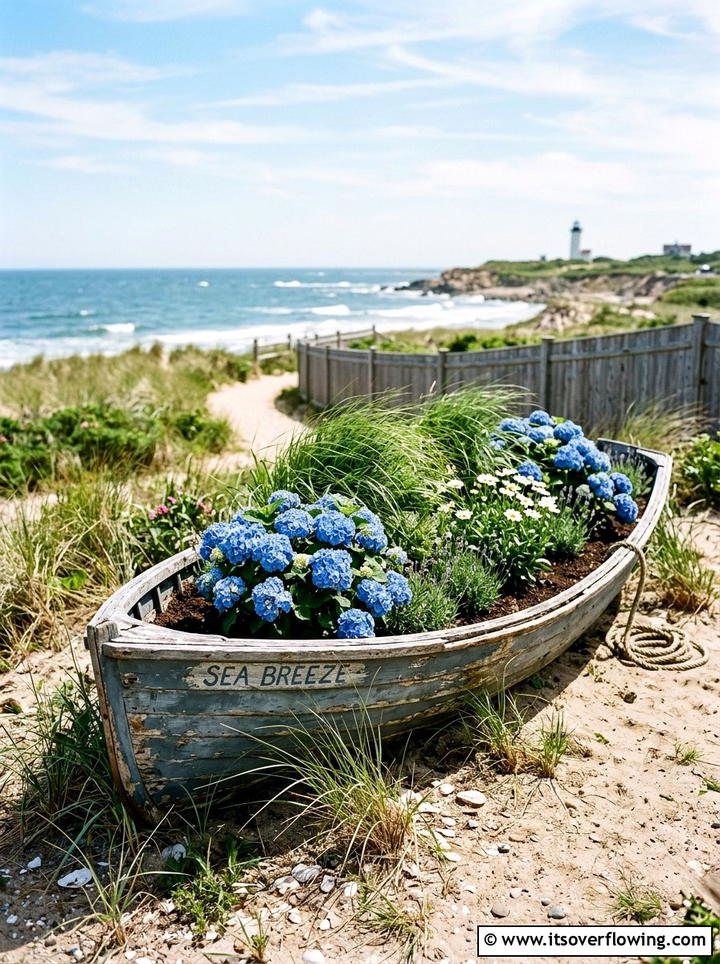
Converting an old wooden or fiberglass rowboat into a garden bed is the ultimate statement piece for a coastal or nautical-themed yard. The long, tapered shape of the boat provides ample space for a variety of plants, from tall grasses to low-growing succulents. You can set the boat directly on the ground or prop it up on a bed of blue glass gravel to simulate water. This upcycling project is perfect for a boat that is no longer seaworthy but still has a beautiful silhouette. It turns a large piece of marine history into a lush and thriving ecosystem that will delight all your guests.
19. Vintage Suitcase Garden
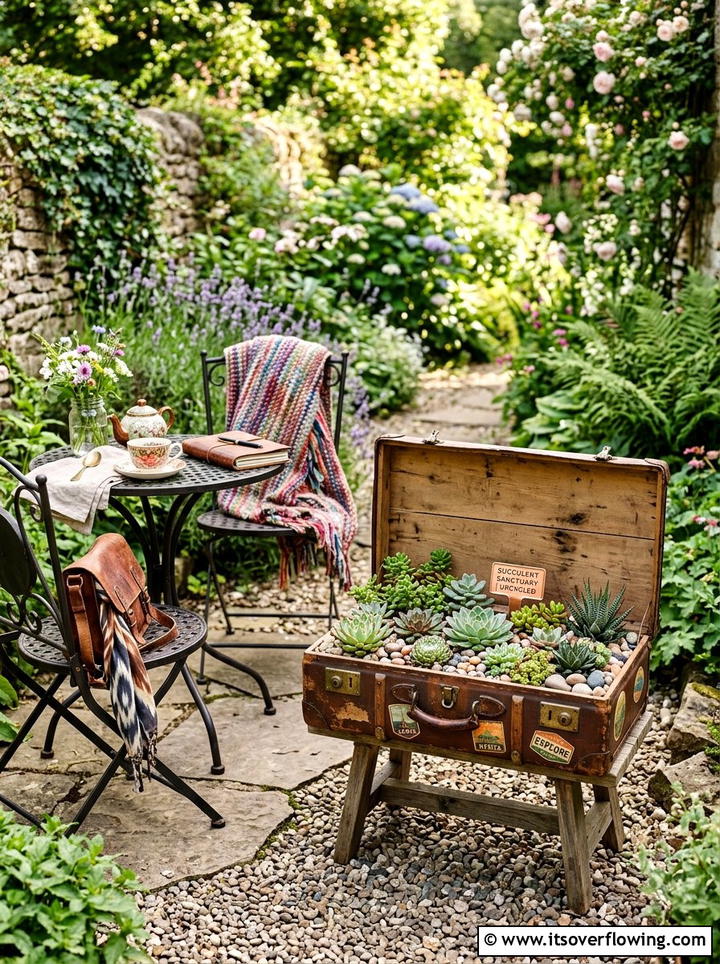
Vintage hardshell suitcases can be repurposed into whimsical, portable raised beds for a porch or small balcony. By keeping the lid propped open with a sturdy stake, you create a two-tiered planting area that looks like a traveler’s dream. It is best to line the interior with plastic to prevent the fabric or leather from rotting quickly. These are perfect for shallow-rooted plants like succulents, mosses, or microgreens. You can place them on an old chair or a small table to give them some height. This creative idea is a wonderful way to display your favorite small plants with a unique and personal flair.
20. Recycled Water Bottle
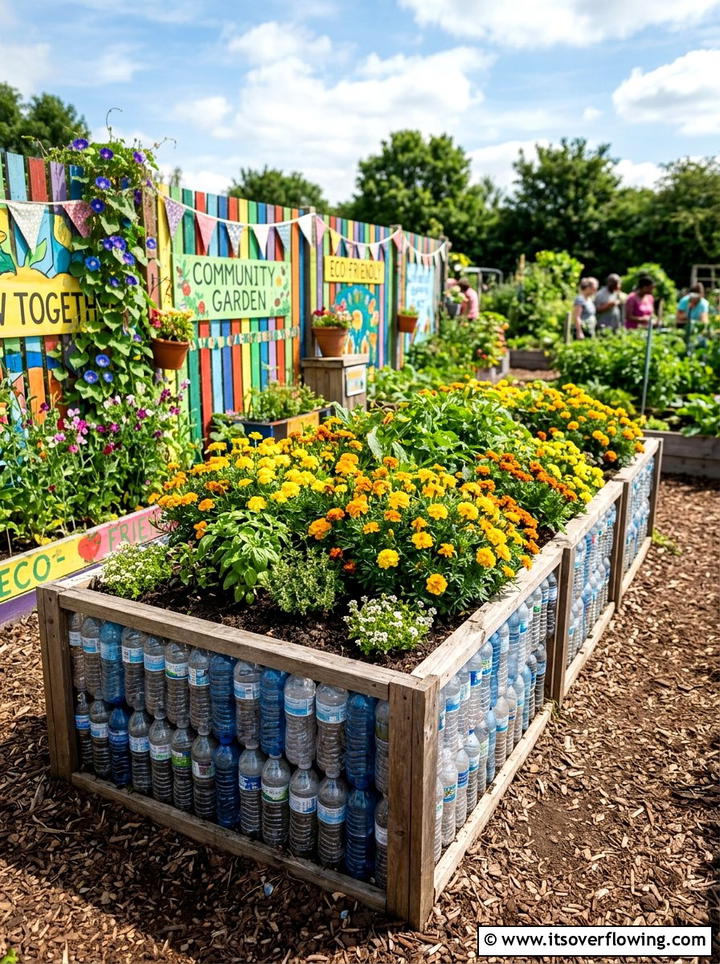
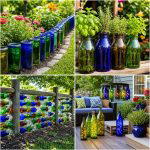
Building a raised bed using recycled plastic bottles is a great community project that teaches the value of repurposing everyday waste. You can fill the bottles with sand or soil to make them sturdy and then stack them horizontally or vertically to create a border. When held together with a simple wooden frame or wire mesh, these bottles become a functional and colorful wall. This method is incredibly low-cost and helps keep hundreds of plastic containers out of the environment. It is a bright and cheerful way to define your garden beds while making a positive statement about sustainability and creative recycling.
21. Antique Headboard Garden
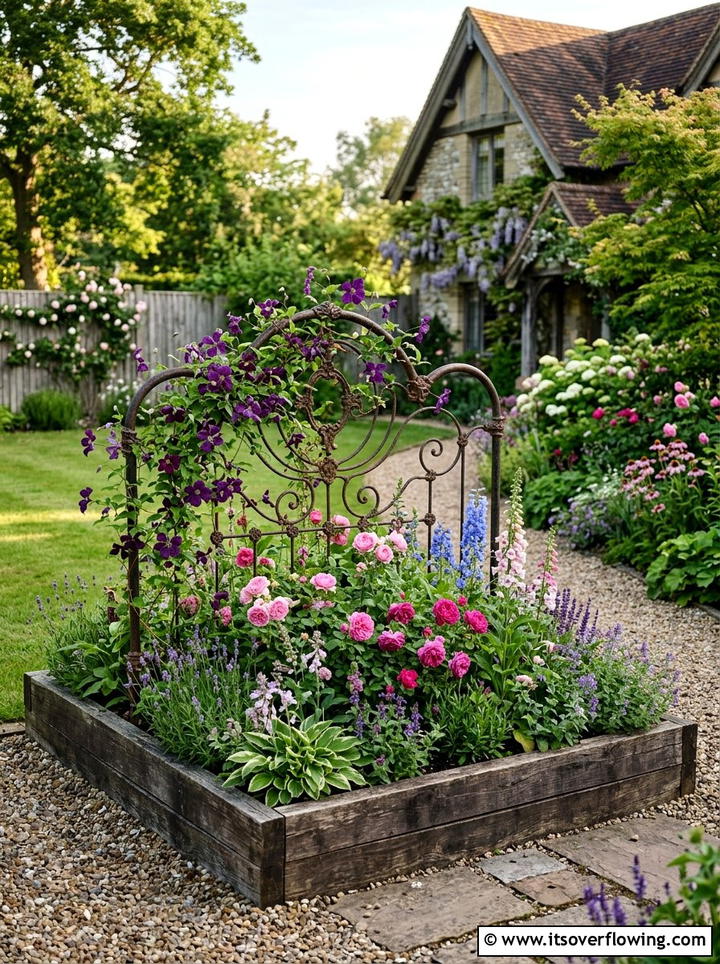
An antique iron or wooden headboard can serve as both a decorative backdrop and a functional trellis for a raised garden bed. You can attach a simple rectangular wooden box to the base of the headboard to hold your soil and plants. This design adds a sense of verticality and elegance to your garden, making it feel like an outdoor room. It is perfect for growing climbing beans, cucumbers, or flowering vines that need something to grab onto. The ornate details of an old headboard provide a beautiful contrast to the soft textures of the leaves and blossoms, creating a sophisticated and romantic garden atmosphere.
22. Wooden Step Ladder
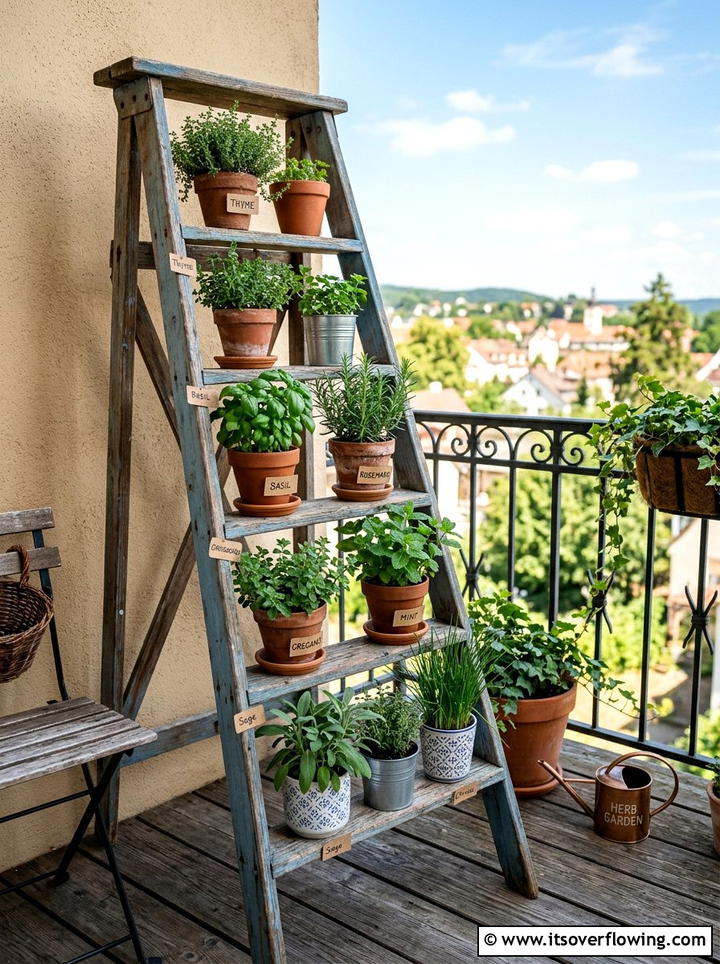
A wooden step ladder can be transformed into a vertical raised bed system by placing wide planks across the rungs to act as shelves. You can then place long planter boxes on each shelf to create a ladder of greenery. This is an excellent solution for vertical gardening in very tight spaces like a narrow side yard or a small patio. It allows you to grow a large number of plants in a very small footprint. Painting the ladder a bold color like yellow or turquoise makes it a standout feature in your landscape. It is a smart and stylish way to organize your potted herbs.
23. Clay Chimney Flue
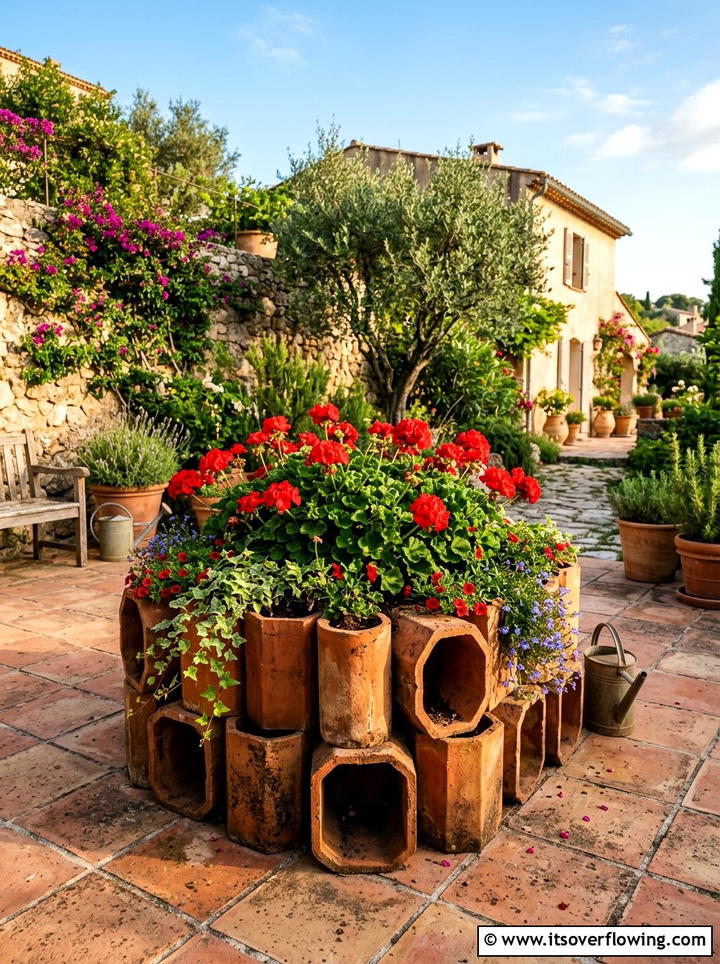
Clay chimney flues are often replaced during home renovations and make wonderful, earth-toned raised beds for small spaces. These terracotta tubes are naturally breathable, which helps regulate soil temperature and moisture levels for your plants. You can group several flues of different heights together to create a dynamic and sculptural garden display. They are perfect for individual plants like a single tomato vine or a large cluster of basil. The warm orange color of the clay looks beautiful against green foliage and purple flowers. This upcycling idea is simple, durable, and brings a touch of Mediterranean style to your backyard or patio.
24. Vinyl Rain Gutter
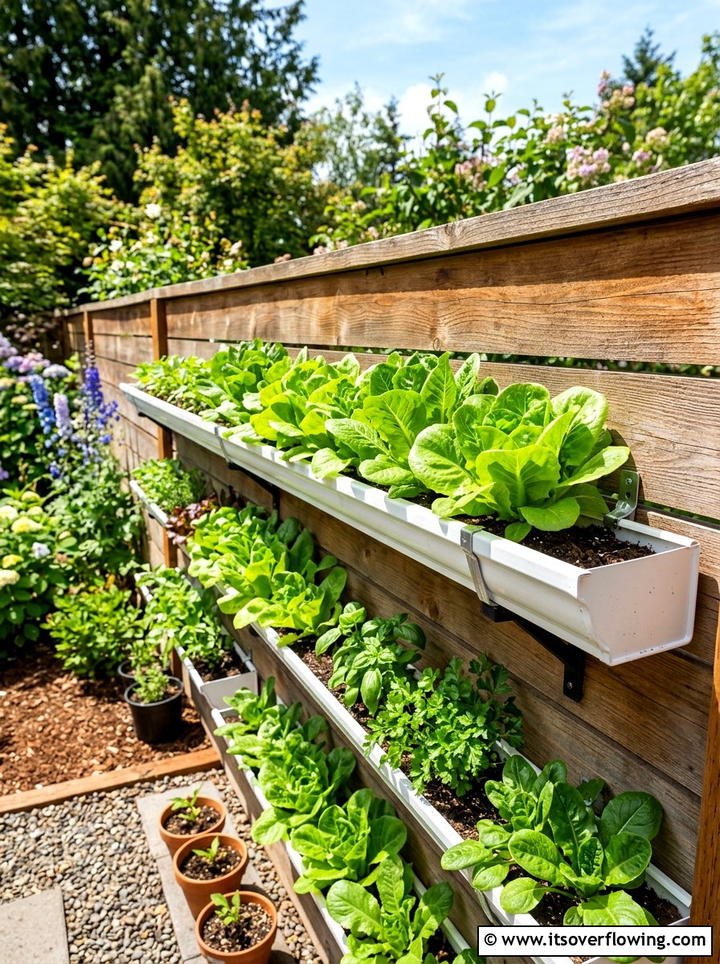
Vinyl rain gutters can be mounted onto a wall or a wooden frame to create a series of shallow raised beds for leafy greens. This is one of the best ways to grow a continuous supply of lettuce, spinach, or strawberries without taking up any ground space. The gutters are easy to clean and naturally direct excess water toward the ends. By mounting them at eye level, you make harvesting your salad greens incredibly easy and comfortable. This clean and modern look is perfect for a sunny fence or the side of a garden shed. it is a highly efficient way to maximize your harvest.
25. Storage Trunk Garden
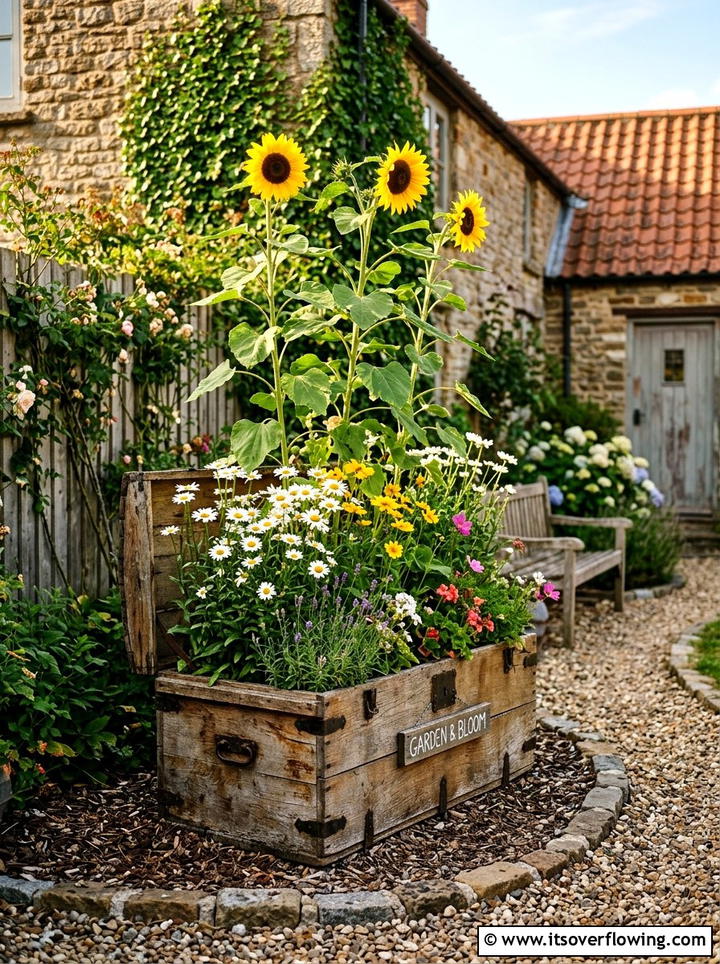
An old wooden or metal storage trunk can be easily converted into a deep and spacious raised garden bed. These trunks often have a lot of character, with rusted latches and worn textures that look beautiful in an outdoor setting. You can leave the lid on but propped open to provide some shade for cool-season crops during the afternoon sun. Drilling holes in the bottom and adding a layer of rocks will ensure your plants stay healthy. This design is perfect for a rustic garden or a backyard that features a lot of antique decor. It provides a sturdy and contained space for growing colorful summer blooms.
Conclusion:
Upcycling items into raised garden beds is a rewarding way to enhance your outdoor living space while being kind to the planet. These projects allow you to express your personal style, whether you prefer the industrial look of metal or the rustic charm of weathered wood. By repurposing materials that might otherwise be discarded, you create a garden that is full of history and character. These raised beds also offer practical benefits like better soil control and easier maintenance for years to come. We hope these twenty-five ideas inspire you to look at old items with fresh eyes and start your own beautiful, sustainable garden journey today.

Related posts:
 25 Upcycled Garden Ideas With Cinder Blocks for Easy Raised Beds
 25 Upcycled Garden Ideas With Garden Signs for Cute Yard Decor
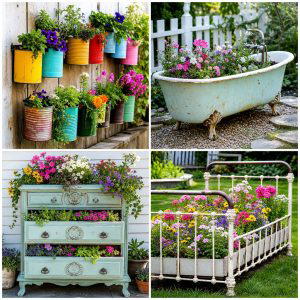 25 upcycled garden ideas to Create a Charming Eco-Friendly Yard
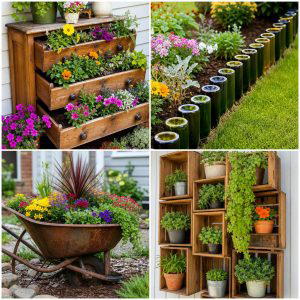 25 upcycled garden ideas diy for Budget-Friendly Yard Style
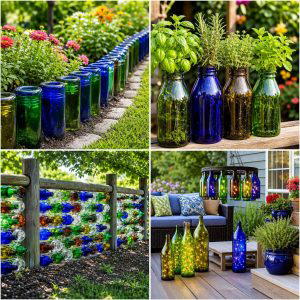 25 Upcycled Garden Ideas With Glass Bottles for Yard Decor
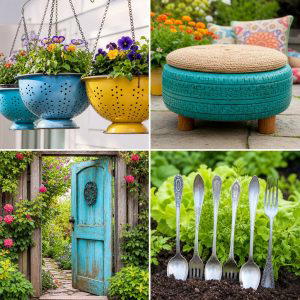 25 Upcycled Garden Ideas With Modern Style for a Chic Yard
 25 Upcycled Garden Ideas With Old Ladders for Your Yard
 25 Upcycled Garden Ideas With Wine Bottles for Chic Yard Decor
 25 Upcycled Garden Ideas With Garden Benches for Cozy Seating
 25 Upcycled Garden Ideas With Garden Edging for Neat Borders
 25 Recycled Garden Ideas for Front Yard Decor
 25 recycled garden ideas with old toys for Fun Yard Decor