
Transforming a tiny outdoor area into a lush sanctuary is an incredibly rewarding journey for any homeowner or apartment dweller. You might feel limited by a cramped balcony or a narrow side yard, but these constraints actually spark the most creative landscaping solutions. By thinking vertically and choosing multi-functional elements, you can create a vibrant oasis that feels much larger than its physical footprint. Every square inch counts when you are working with a compact footprint, so selecting the right plant varieties and layout strategies is essential for success. This guide explores a diverse range of clever concepts to help you maximize your greenery and enjoy a peaceful, stylish outdoor retreat regardless of your space limitations.
1. Vertical Wall Garden
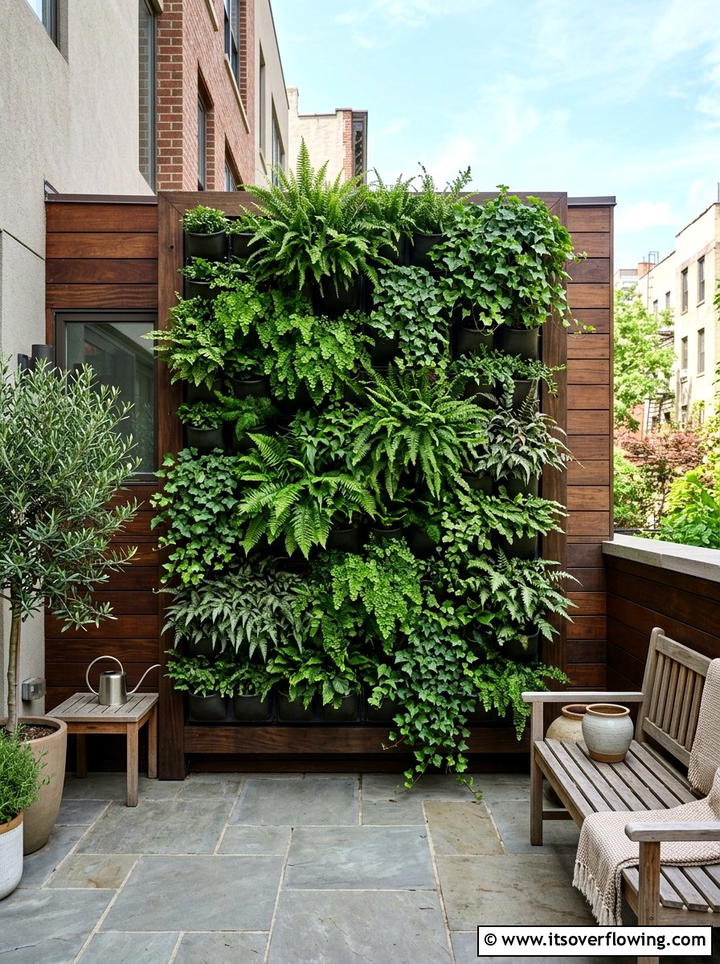
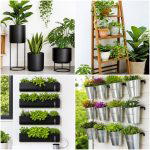
Imagine walking onto your tiny patio and being greeted by a massive wall of living greenery that stretches from the floor to the ceiling. This vertical design approach is perfect for urban dwellers who lack horizontal ground space but want a lush, jungle-like atmosphere. By using pocket planters or a modular trellis system, you can layer various ferns, ivies, and flowering vines to create a stunning focal point. The vibrant textures add immediate visual interest while also acting as a natural sound barrier against noisy city streets. This clever arrangement ensures every inch of your outdoor area feels intentional, vibrant, and incredibly refreshing for anyone looking to escape the daily grind without leaving home.
2. Tiered Plant Stand
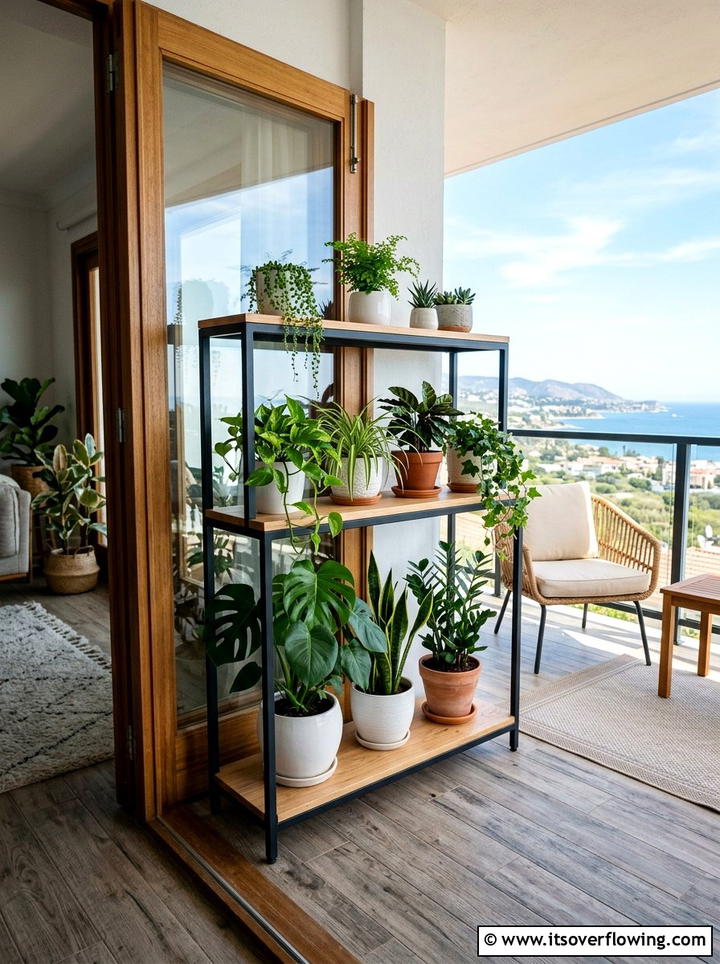
How can you fit twenty different plants on a two-foot wide balcony without making it feel cluttered or disorganized? A tiered plant stand offers a brilliant solution by utilizing vertical layers to showcase your collection in a structured, aesthetic manner. These stands often come in ladder styles or circular shelving, allowing light to reach every leaf while providing a beautiful architectural element to the corner. You can mix and match ceramic pots, terracotta vessels, and sleek metal containers to reflect your personal style. This setup not only organizes your greenery but also makes watering and maintenance much easier. It creates a lush, tiered landscape that draws the eye upward and maximizes visual depth efficiently.
3. Hanging Basket Arrangement
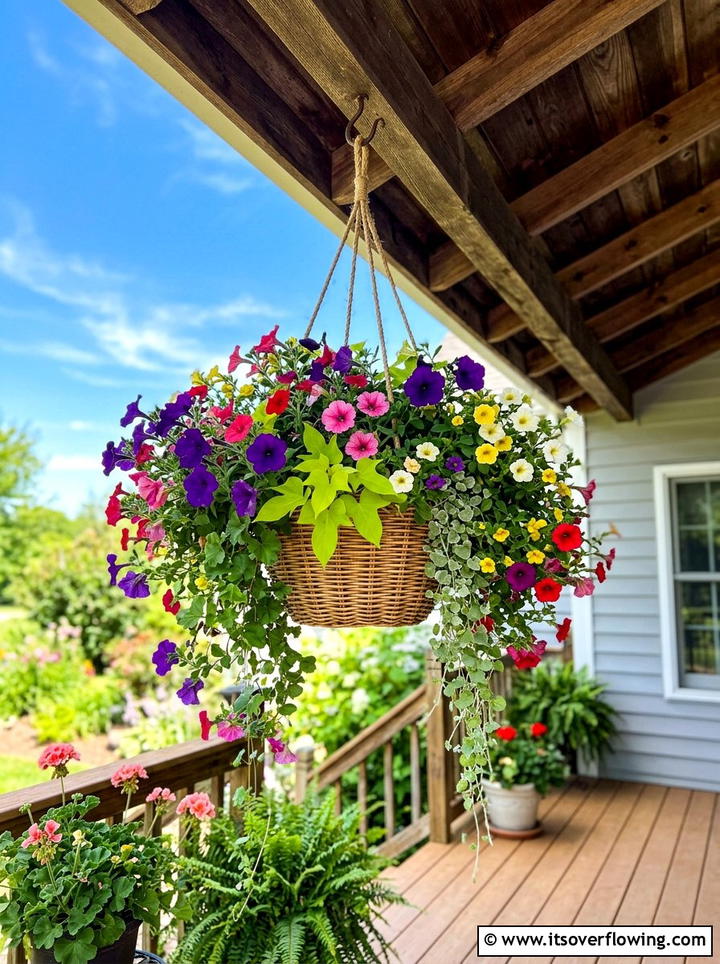
Suspended greenery is a fantastic way to utilize the often-ignored air space above your head in a small porch or balcony. By hanging a series of baskets at varying heights, you create a sense of depth and volume that ground-level pots simply cannot achieve. Choose trailing plants like petunias, fuchsias, or spider plants that spill over the edges for a soft, romantic look. This strategy keeps your floor space completely clear for furniture or foot traffic, making the area feel much more open and breathable. The cascading foliage adds a layer of privacy and shade, turning a basic overhang into a cozy, sheltered canopy that feels like a private secret garden.
4. Raised Garden Bed
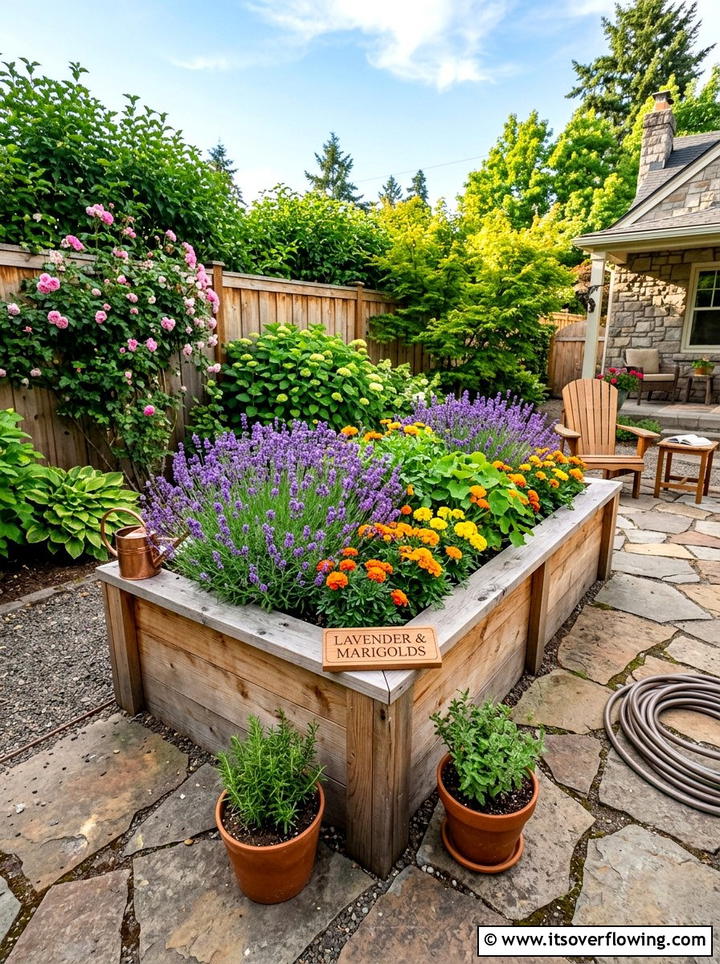
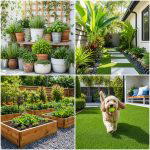
Building a compact raised garden bed is an excellent way to introduce structured gardening to a small backyard or paved patio. These wooden or metal structures allow you to control the soil quality perfectly, which is ideal for growing healthy vegetables or vibrant flowers. By keeping the beds narrow, you can easily reach the center from both sides, making gardening tasks like weeding and harvesting much more comfortable. A well-placed raised bed can also double as a boundary marker, defining different zones within your limited outdoor space. This organized approach prevents your garden from looking messy and provides a clean, modern aesthetic that enhances the overall value and beauty of your property.
5. Potted Herb Garden
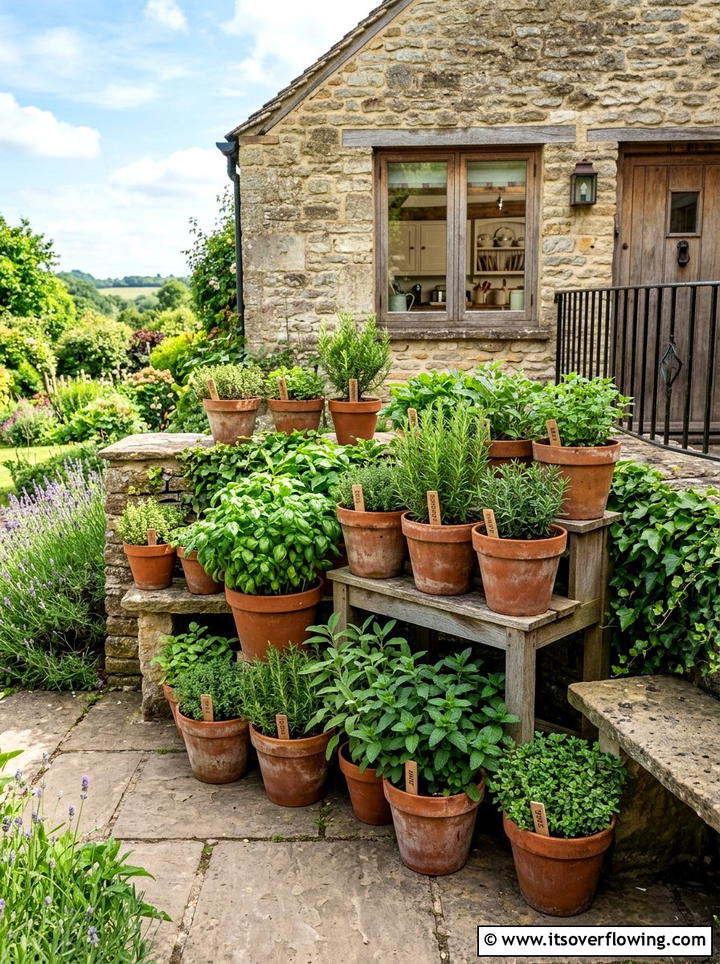
Is there anything more satisfying than stepping outside and snipping fresh basil or mint for your evening meal? A dedicated potted herb garden is perfect for small spaces because herbs thrive in containers and require very little room to grow. You can cluster different sizes of pots near your kitchen door to create a fragrant and functional display. This setup allows you to move the plants around to catch the best sunlight throughout the day. Using a variety of pot materials like clay, stone, or glazed ceramic adds a decorative touch to the area. It is a practical, sensory-rich design that brings life and flavor to your home while remaining very easy to manage.
6. Foldable Bistro Set
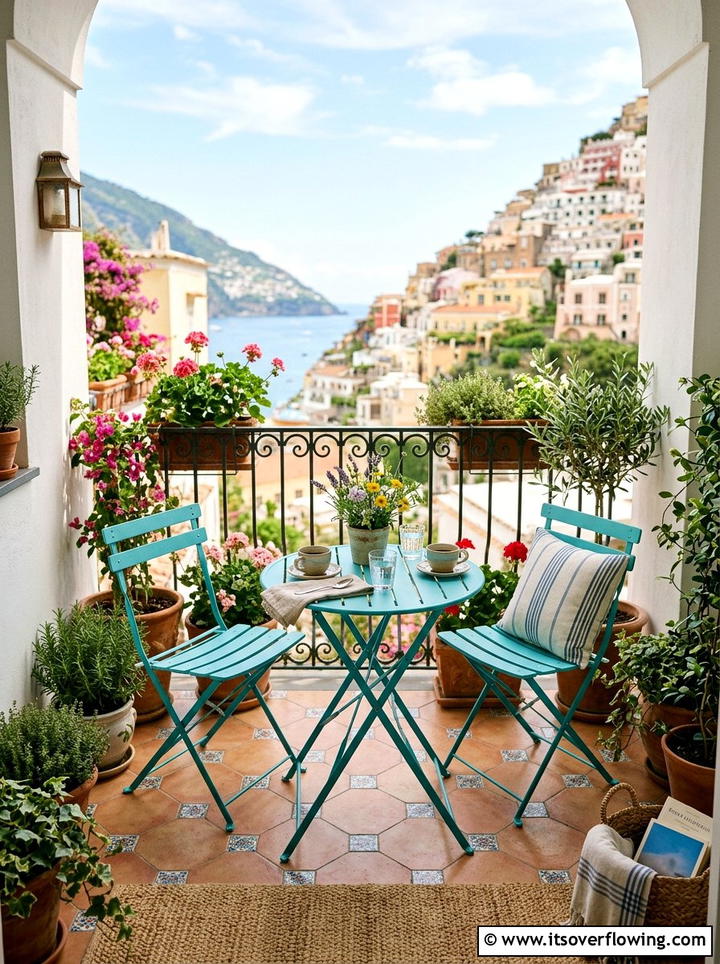
When space is at a premium, choosing furniture that can adapt to your needs is a crucial part of smart garden design. A foldable bistro set provides a charming spot for morning coffee or an intimate dinner without permanently occupying valuable floor area. These sets are usually lightweight and can be tucked away against a wall or stored inside when you need more room for gardening activities. Opting for bright colors or classic wrought iron can set the mood for your entire outdoor space. This flexible seating arrangement ensures that your small garden remains a functional multi-use environment, balancing the beauty of nature with the practical necessity of a comfortable place to sit.
7. Garden Mirror
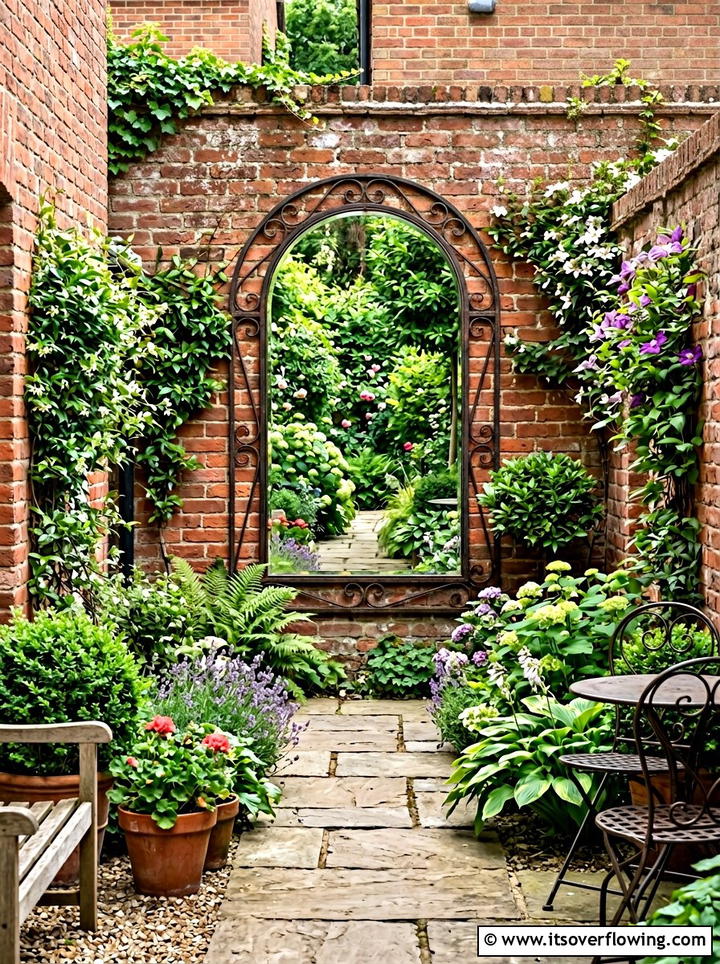
Have you ever considered using mirrors to make your small outdoor space feel twice as large as it actually is? Placing a weather-resistant mirror on a fence or a brick wall creates a clever optical illusion that reflects light and greenery. This simple trick adds depth and brightness to dark corners, making the entire garden feel more airy and expansive. You can frame the mirror with climbing plants or ivy to blend it seamlessly into the surrounding landscape. It acts as a “window” to another part of the garden, tricking the eye into seeing more space. This designer secret is a cost-effective way to transform a cramped courtyard into a sophisticated, bright sanctuary.
8. Trellis Climber
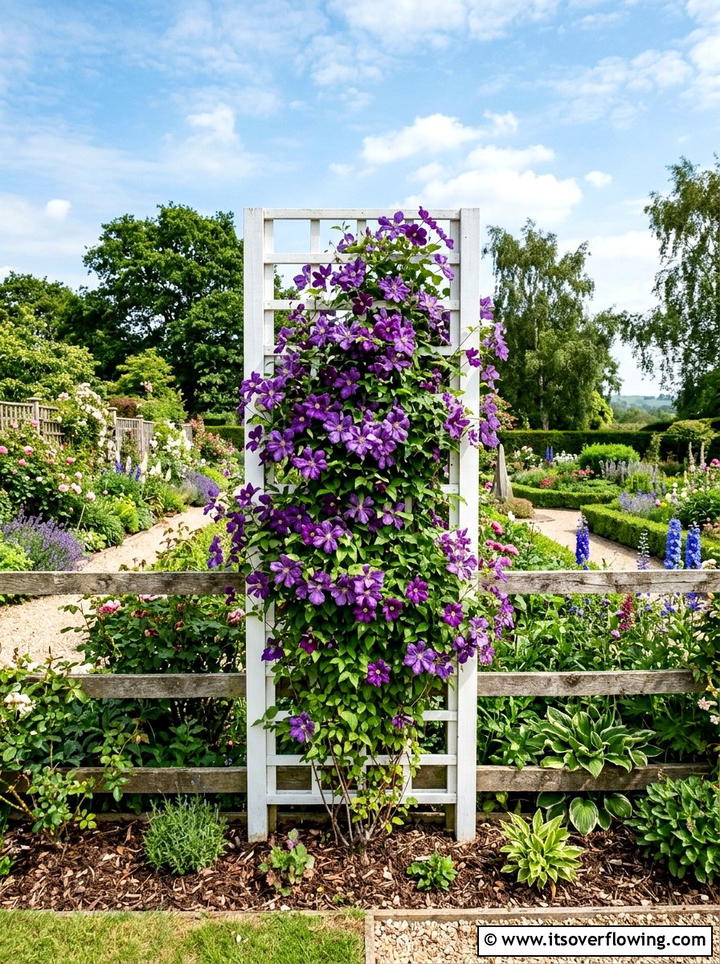
A sturdy trellis is a vertical powerhouse that allows you to grow tall, blooming plants without sacrificing any precious square footage on the ground. By encouraging vines like clematis, jasmine, or honeysuckle to grow upward, you create a living tapestry of color and scent. This design is particularly effective for covering up plain fences or ugly walls, turning them into beautiful features of the garden. The vertical growth provides a sense of enclosure and privacy, making your small space feel like a secluded retreat. It also offers a great way to introduce height into your landscape, which is essential for creating a balanced and visually interesting outdoor environment in a compact area.
9. Window Box Planter
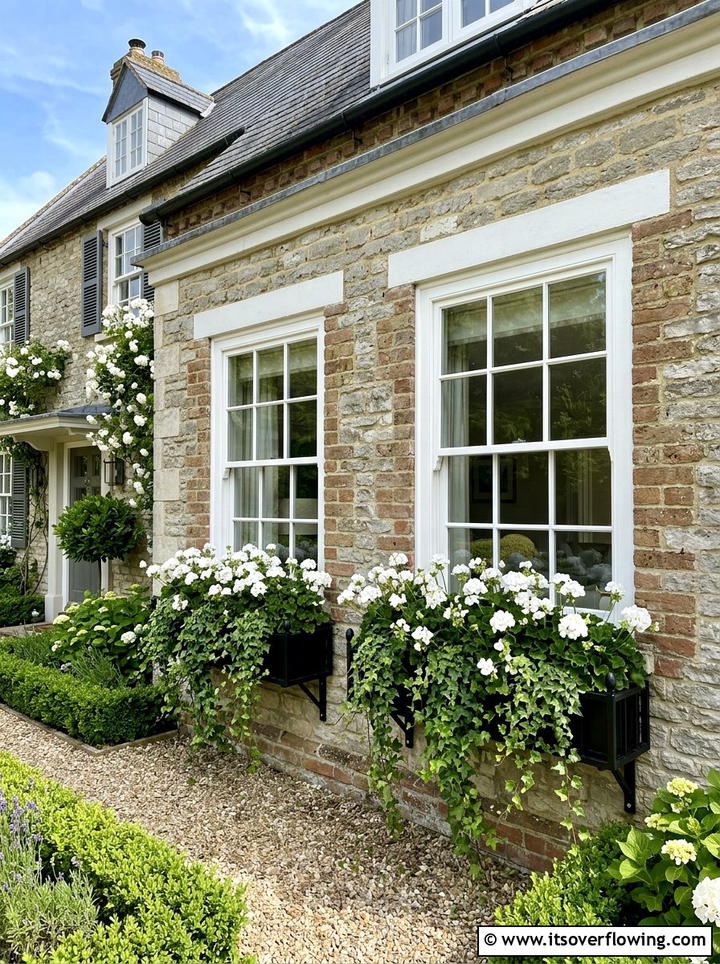
Even if you have no ground space at all, a window box planter allows you to bring the beauty of nature to your home. These long, narrow containers attach directly to your window sills, providing a burst of color that can be enjoyed from both inside and outside. You can fill them with a mix of upright flowers, trailing vines, and small ornamental grasses for a professional, layered look. Window boxes are perfect for changing out seasonal displays, allowing you to celebrate spring bulbs or autumnal textures with ease. This design maximizes every available surface of your home, ensuring that your living environment is surrounded by vibrant, healthy plant life all year long.
10. Small Patio Tree
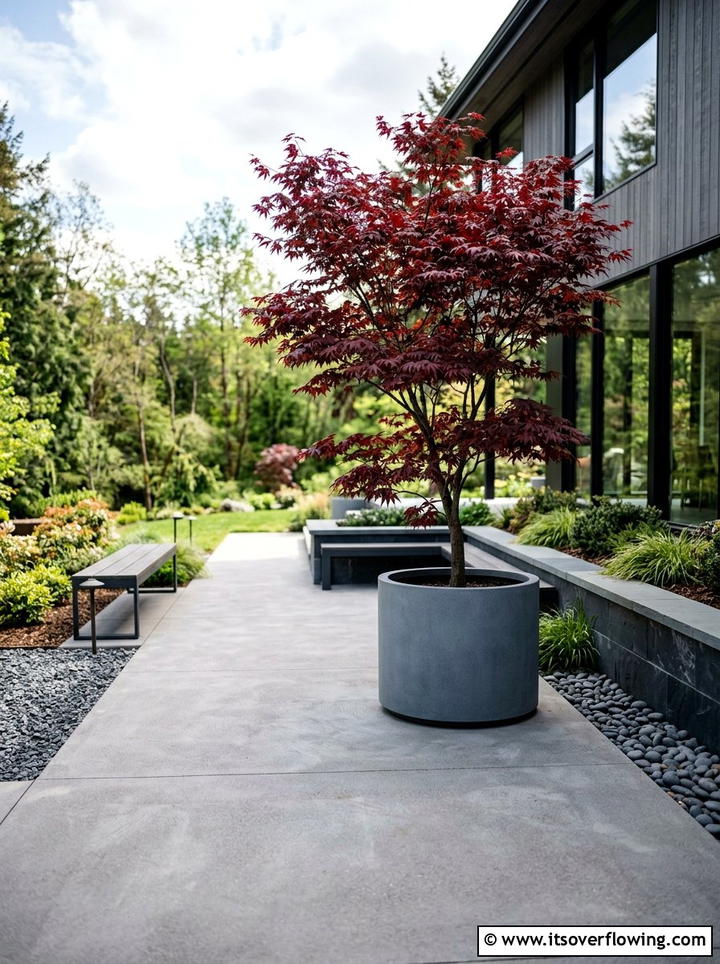
Many people assume that trees are only for large estates, but selecting a dwarf or slow-growing variety can provide a stunning focal point for a small patio. A Japanese Maple or a citrus tree in a large, stylish pot adds structure and elegance to a compact space. The height of the tree draws the eye upward, which helps to distract from the limited horizontal dimensions of the area. Trees also provide much-needed shade during the summer months and can be decorated with fairy lights for a magical evening glow. Placing a tree in a corner creates a sense of permanence and maturity, making your small garden feel like a well-established and thoughtful landscape.
11. Corner Seating Nook
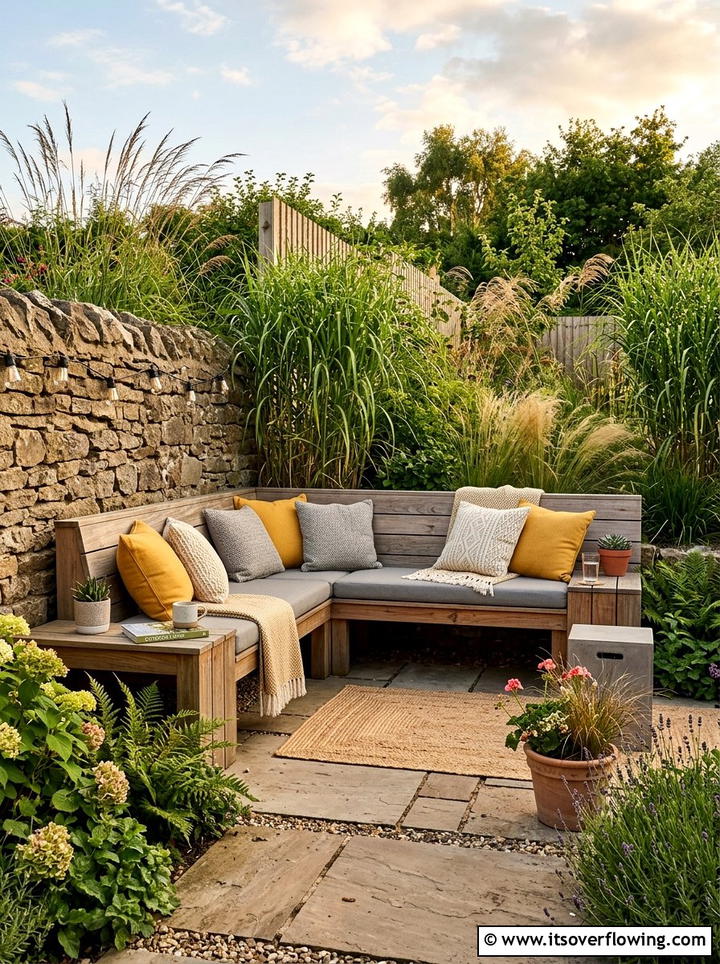
Maximizing every corner is the secret to successful small-scale landscaping, and an L-shaped corner seating nook is the perfect example of this. By building a custom wooden bench into a corner, you utilize space that often goes to waste in traditional garden layouts. This integrated seating provides plenty of room for guests while keeping the center of the patio clear and open. You can soften the look with weather-resistant cushions and a few colorful throw pillows that match your garden’s color palette. Surrounding the nook with tall potted plants or a small hedge creates a cozy, private atmosphere. This design turns a neglected corner into the most popular spot for relaxation and socializing.
12. Dwarf Fruit Tree
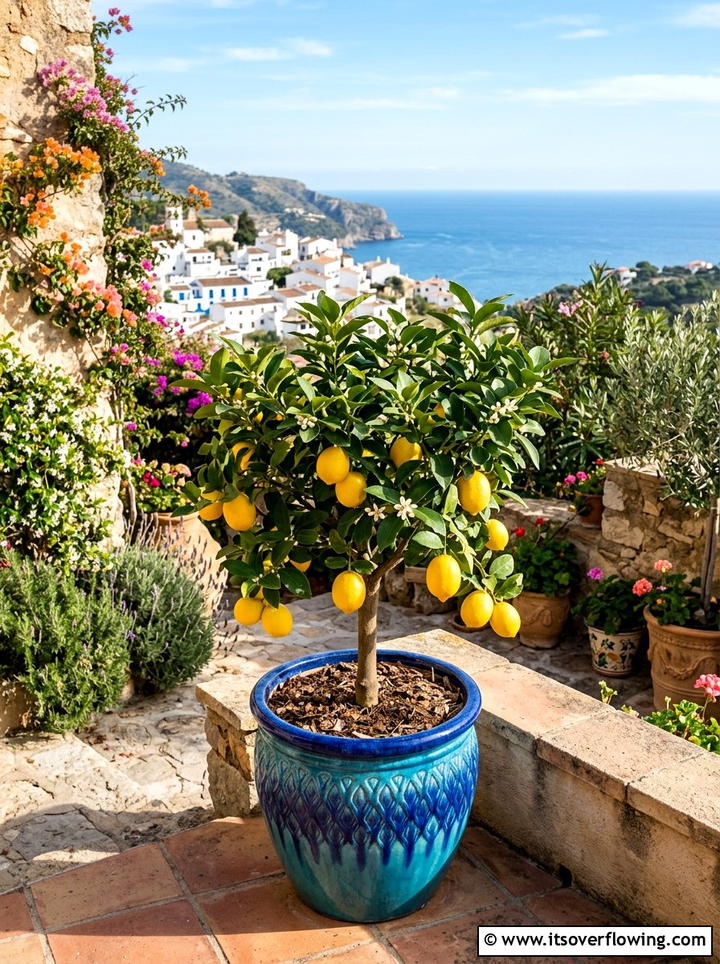
Growing your own food is possible even in the smallest urban environments when you choose dwarf fruit trees designed for container living. These miniature versions of apples, lemons, or peaches produce full-sized fruit but stay compact enough to sit on a balcony or small terrace. They offer a beautiful cycle of seasonal interest, from spring blossoms to summer foliage and autumn harvests. Placing a few of these trees in decorative pots creates a mini-orchard feel that is both productive and visually appealing. This approach adds an edible element to your garden design, proving that you do not need a large orchard to enjoy the taste of sun-ripened fruit picked right from your own backyard.
13. Stone Pathway
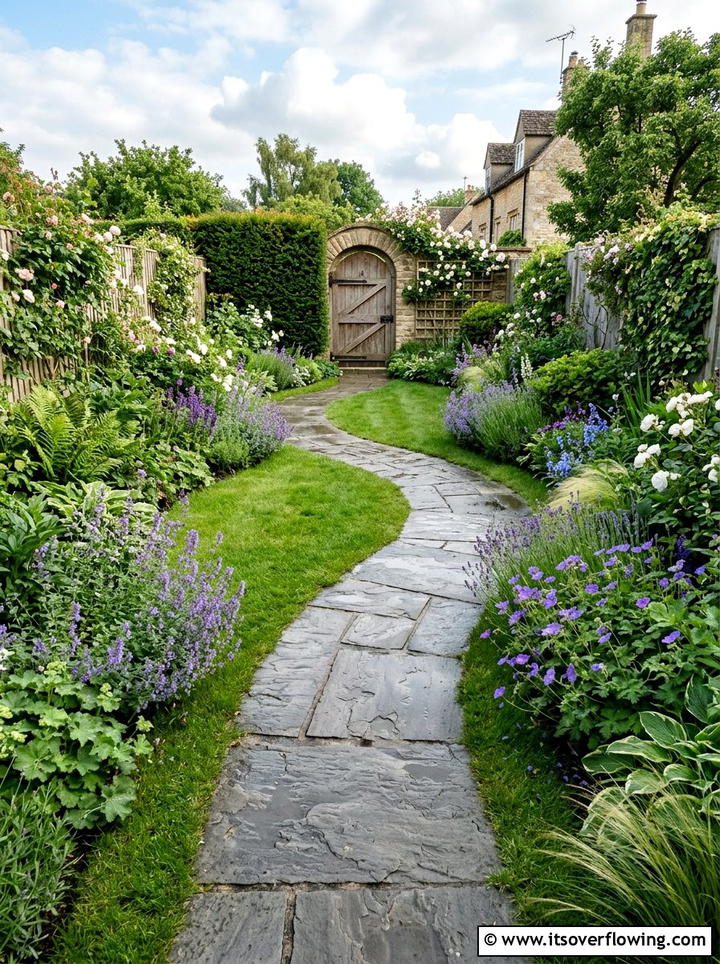
A well-defined stone pathway can make a small backyard feel much longer and more organized by creating a clear sense of movement. Using large flagstones or small pebbles to map out a winding path encourages visitors to slow down and notice the details of your garden. This design element breaks up a flat expanse of grass or dirt, adding texture and a professional finish to the landscape. You can plant low-growing ground cover like creeping thyme between the stones to soften the edges and add a pleasant fragrance when stepped upon. A pathway creates a logical flow through the space, making the garden feel intentional and much more spacious than its actual measurements.
14. Bamboo Privacy Screen
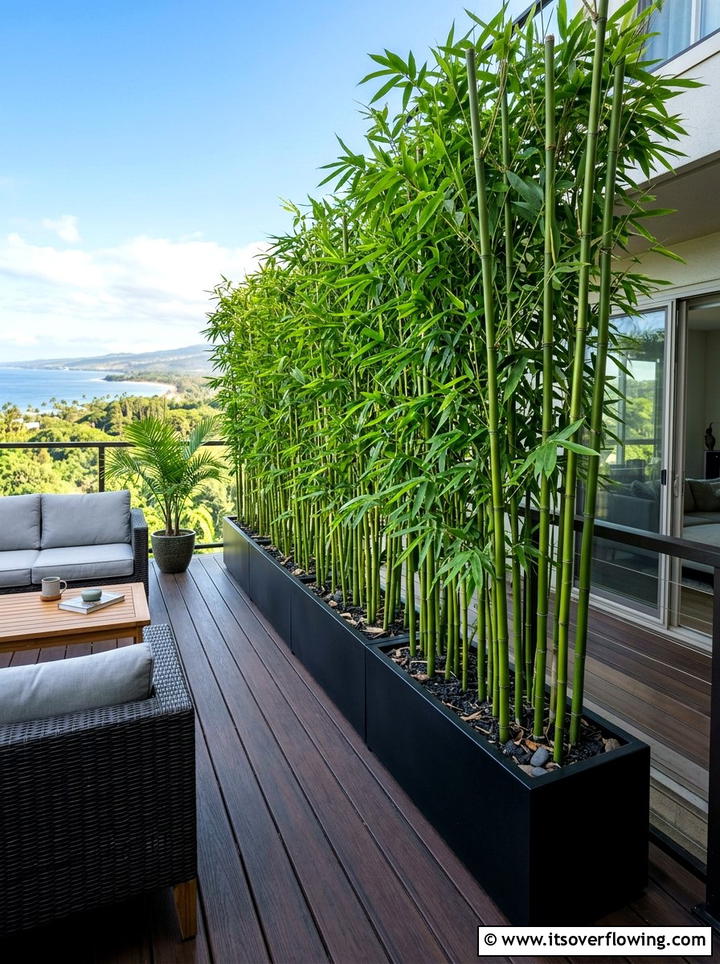
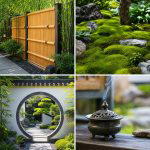
Creating a private sanctuary is often a top priority for those with small outdoor spaces that are overlooked by neighbors. A bamboo privacy screen offers a natural, sustainable, and stylish way to block unwanted views while adding a tropical vibe to your garden. Bamboo grows quickly and tall, providing a dense wall of green that sways beautifully in the breeze. You can plant it in long, narrow troughs to keep it contained and prevent it from spreading throughout your yard. The vertical lines of the bamboo stalks create a modern aesthetic that complements contemporary garden furniture. This living fence provides an instant sense of seclusion and tranquility, making your garden feel like a private world.
15. Fairy Garden Kit
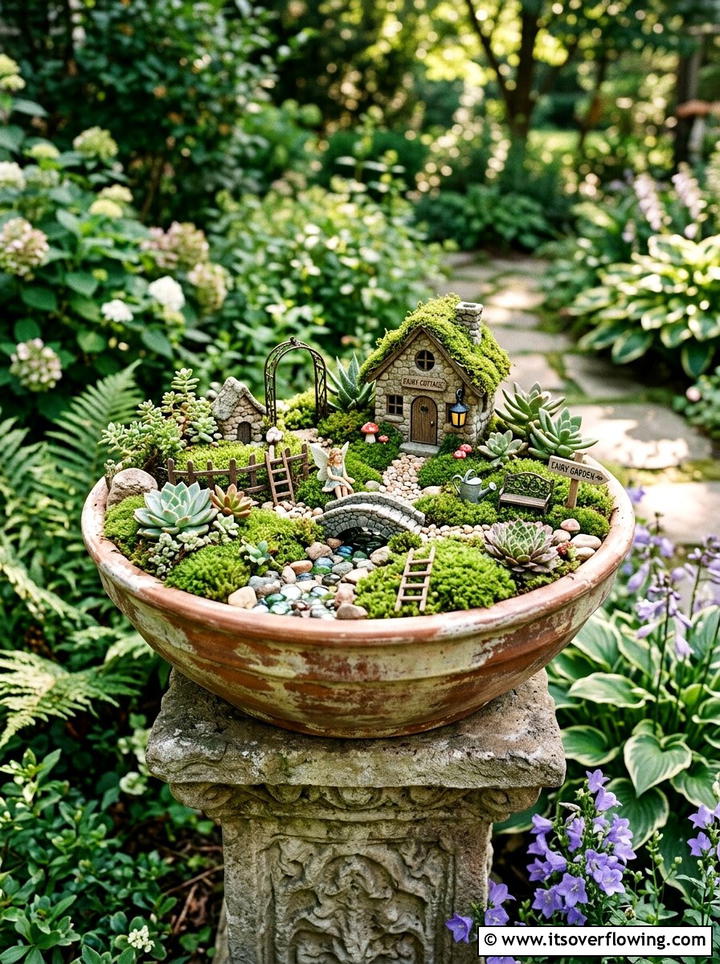
When you are working with a very tiny space, sometimes the best approach is to shrink your focus and create a whimsical miniature world. A fairy garden kit allows you to design a detailed, enchanting landscape within a single large pot or a small patch of soil. You can use tiny houses, miniature bridges, and small-scale plants like moss or succulents to build a magical scene. This is a fantastic way to engage with gardening on a micro-level, where every small detail counts. It is a perfect project for children or anyone who loves creative storytelling through design. A fairy garden adds a unique, playful personality to your outdoor space that is sure to spark conversation.
16. Succulent Wall
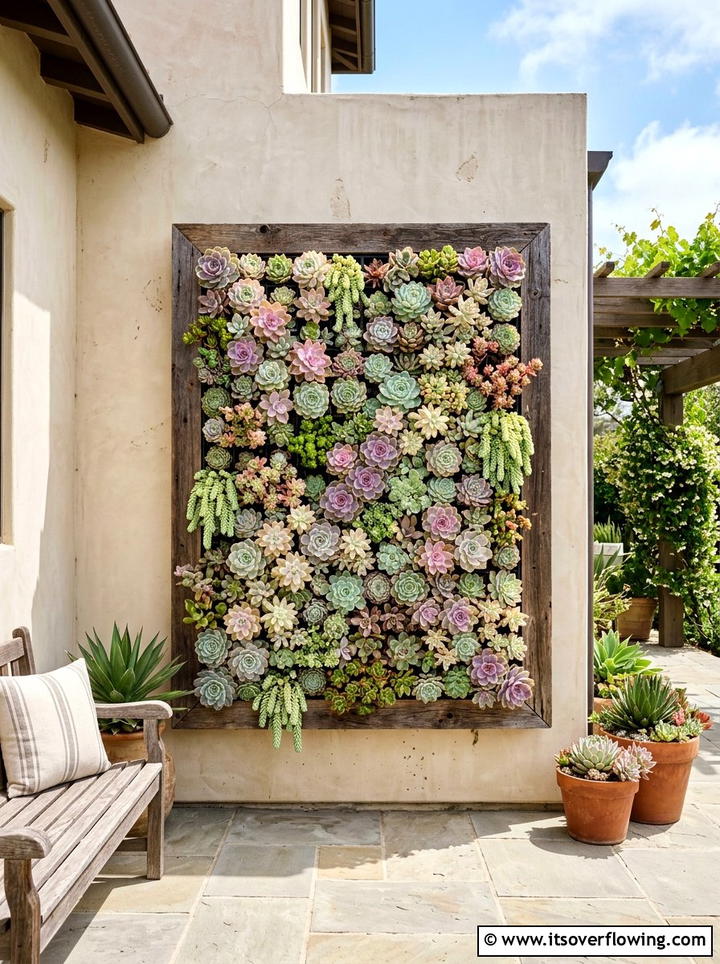
For those who want a high-impact look with very little maintenance, a succulent wall is an incredible design choice for a sunny small patio. These vertical installations use a variety of colorful, fleshy plants that require very little water and thrive in tight spaces. You can arrange different species of echeveria, sedum, and crassula to create a living mosaic of shapes and textures. The geometric patterns and muted tones of succulents provide a sophisticated, modern look that fits perfectly with minimalist decor. Because they grow slowly, a succulent wall will maintain its beautiful design for a long time. It is a smart, water-wise solution that brings art and nature together in one stunning vertical display.
17. String Light Ambiance
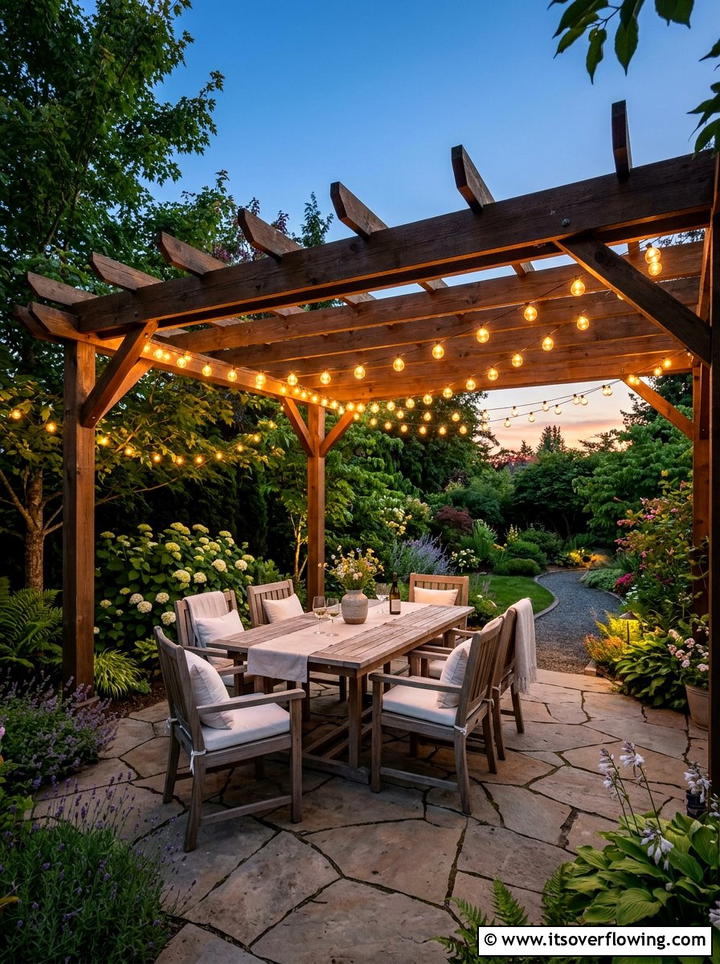
Lighting is a powerful tool that can completely change how a small garden feels once the sun goes down. Stringing warm white globe lights across a patio or along a fence creates an inviting, festive atmosphere that makes the space feel cozy rather than cramped. This overhead glow draws the eyes upward and defines the boundaries of your outdoor living area in a soft, flattering way. You can wrap the lights around tree trunks or drape them over a pergola to highlight different architectural features. Good lighting extends the hours you can enjoy your garden, turning a small daytime patch of grass into a glowing, magical retreat for late-night relaxation or entertaining friends.
18. Tiered Fountain
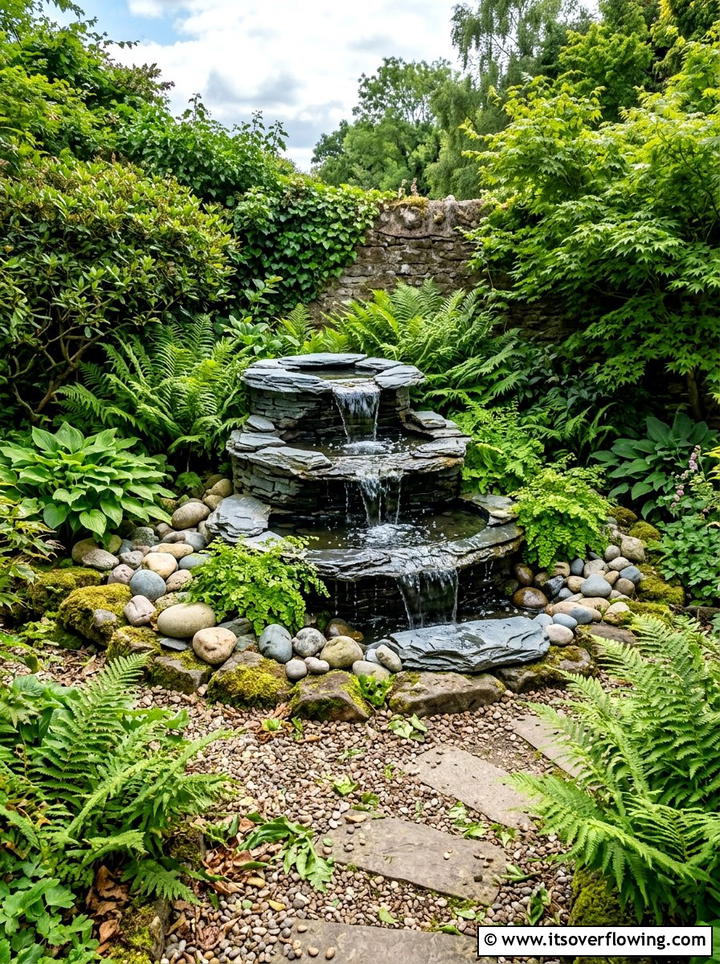
The soothing sound of running water can transform a noisy urban backyard into a peaceful oasis, and a tiered fountain is the perfect way to achieve this. Compact water features are designed to fit into small corners or sit on a tabletop, providing a focal point that appeals to both sight and hearing. The vertical tiers allow the water to cascade gently, creating a relaxing white noise that masks city traffic. You can surround the base of the fountain with river rocks and small ferns to create a naturalistic look. This design adds a sense of luxury and calm to your garden, proving that even a tiny space can benefit from the timeless elegance of a moving water feature.
19. Gravel Patio Layout
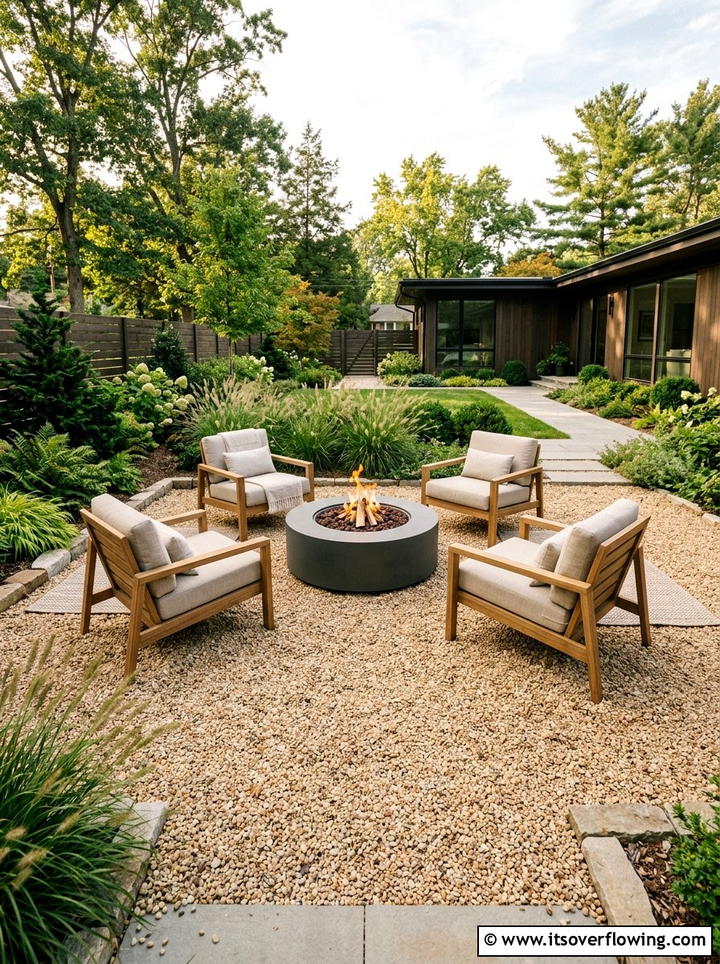
If you are looking for a low-maintenance and stylish alternative to a traditional lawn, a gravel patio layout is an excellent choice for small spaces. Gravel is affordable, easy to install, and provides excellent drainage, which is vital for the health of your plants. It creates a crunching sound underfoot that adds a sensory element to your garden walk. You can use different colors of gravel to define seating areas or highlight specific planting beds. Adding a few large boulders and some hardy ornamental grasses creates a modern, desert-inspired look that stays neat all year round. This clean, textured surface provides a perfect backdrop for your favorite outdoor furniture and potted plant collections.
20. Built In Bench
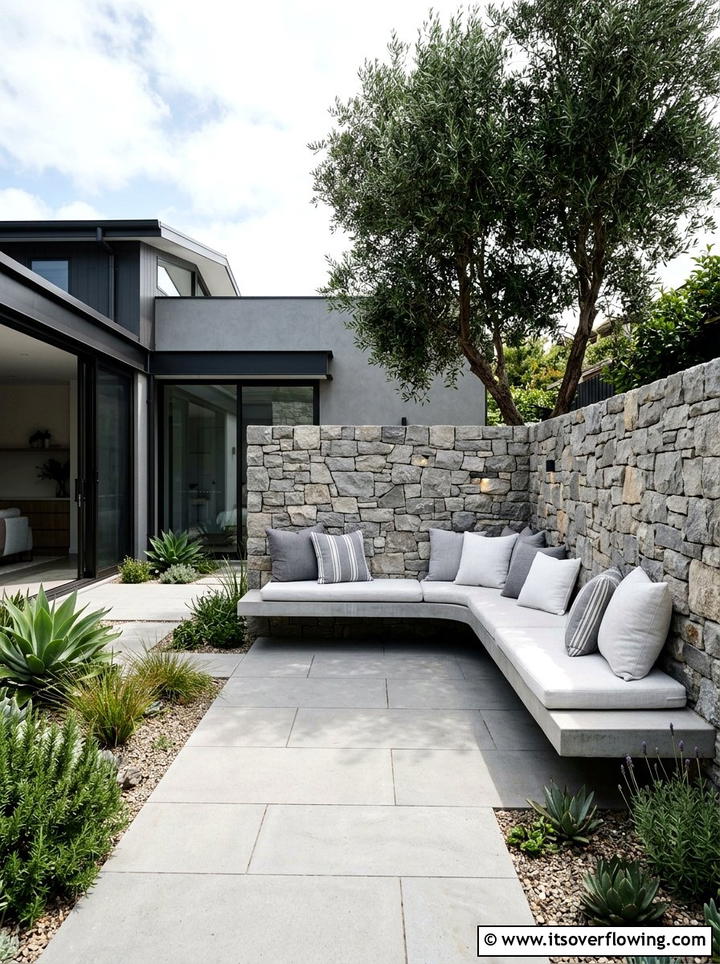
A built-in bench is a smart architectural solution that provides permanent seating without the clutter of individual chairs. By integrating the bench directly into a wall or a raised garden bed, you save a significant amount of floor space. These benches can be made from wood, stone, or concrete to match the overall style of your home. You can even design them with flip-up lids to provide hidden storage for garden tools or outdoor cushions. This dual-purpose furniture keeps your small garden looking tidy and organized while ensuring there is always a comfortable place to sit. It creates a sleek, custom look that makes your outdoor area feel professionally designed and highly functional.
21. Pallet Planter
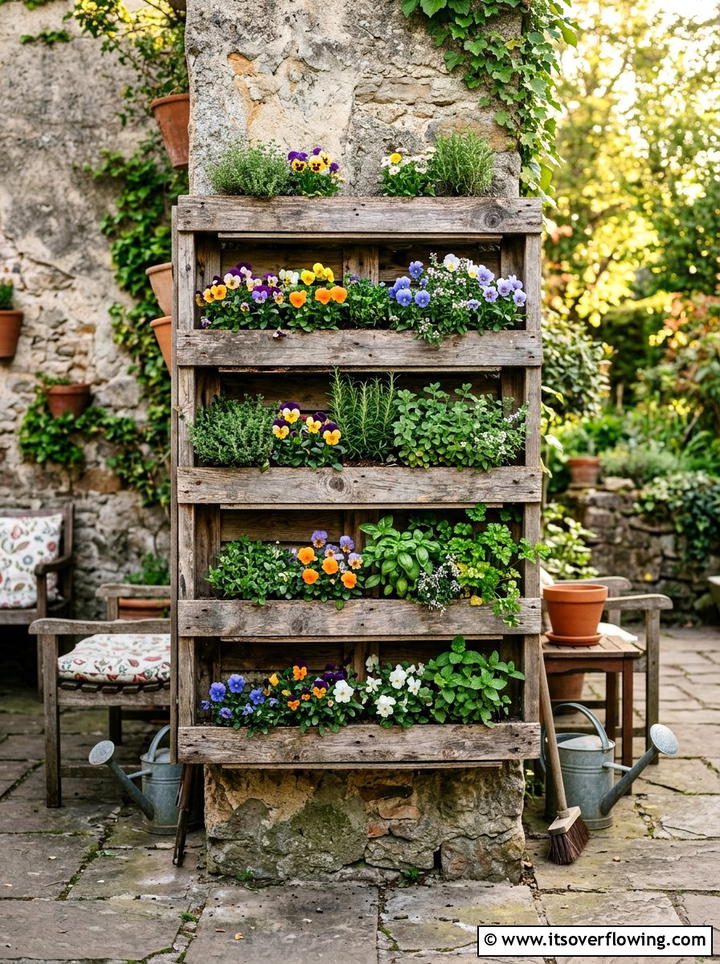
Upcycling a wooden pallet into a vertical planter is a budget-friendly and rustic way to add a lot of greenery to a small wall. By sealing the bottom of the slats with landscape fabric, you can create rows of planting pockets for herbs, flowers, or small succulents. This vertical structure takes up almost zero ground space, making it ideal for narrow balconies or side passages. You can paint or stain the wood to match your outdoor decor, or leave it natural for a farmhouse feel. It is a wonderful DIY project that allows you to customize your garden while practicing sustainable living. This simple pallet design turns an empty wall into a productive and beautiful living feature.
22. Climbing Rose Arch
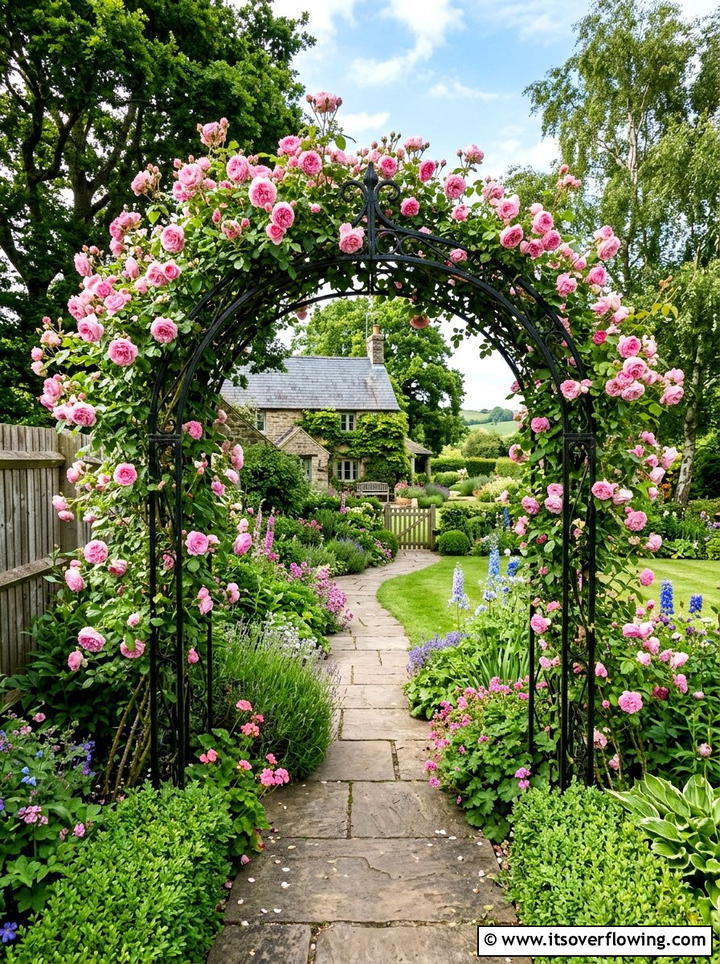
An archway covered in climbing roses creates a dramatic and romantic entrance to even the smallest garden path. This structure provides a sense of height and grandeur, making the space feel more significant and well-planned. As the roses grow and bloom, they fill the air with an incredible fragrance and provide a ceiling of color over your head. You can place the arch at the start of a path or use it to frame a small seating area. This classic garden element adds a vertical dimension that balances the lower plants in your yard. It creates a feeling of luxury and classic charm, proving that traditional garden features can work beautifully in a compact urban setting.
23. Vegetable Container Garden
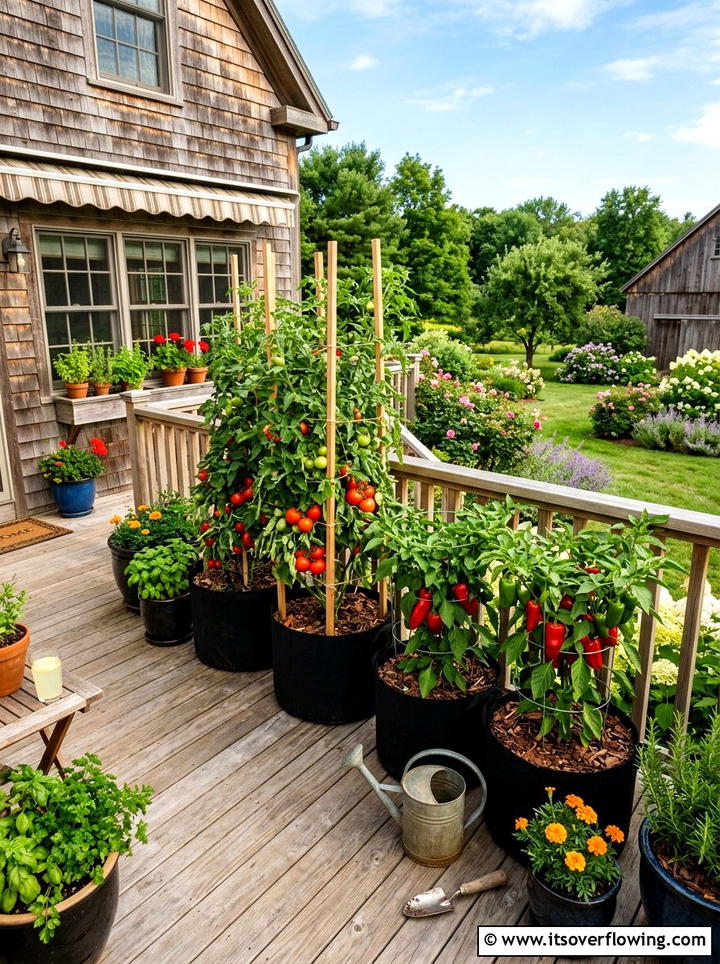
You do not need a massive backyard plot to enjoy the taste of homegrown vegetables when you utilize a vegetable container garden approach. Many modern varieties of tomatoes, peppers, and cucumbers are specifically bred to thrive in pots on a sunny patio. By choosing self-watering containers or large ceramic pots, you can create an organized and highly productive edible garden. This method allows you to control the environment for each plant, reducing the risk of pests and diseases. Grouping your vegetable containers together creates a lush, green look that is as beautiful as it is functional. It is an empowering way to connect with your food and enjoy the benefits of gardening in a limited space.
24. Minimalist Zen Garden
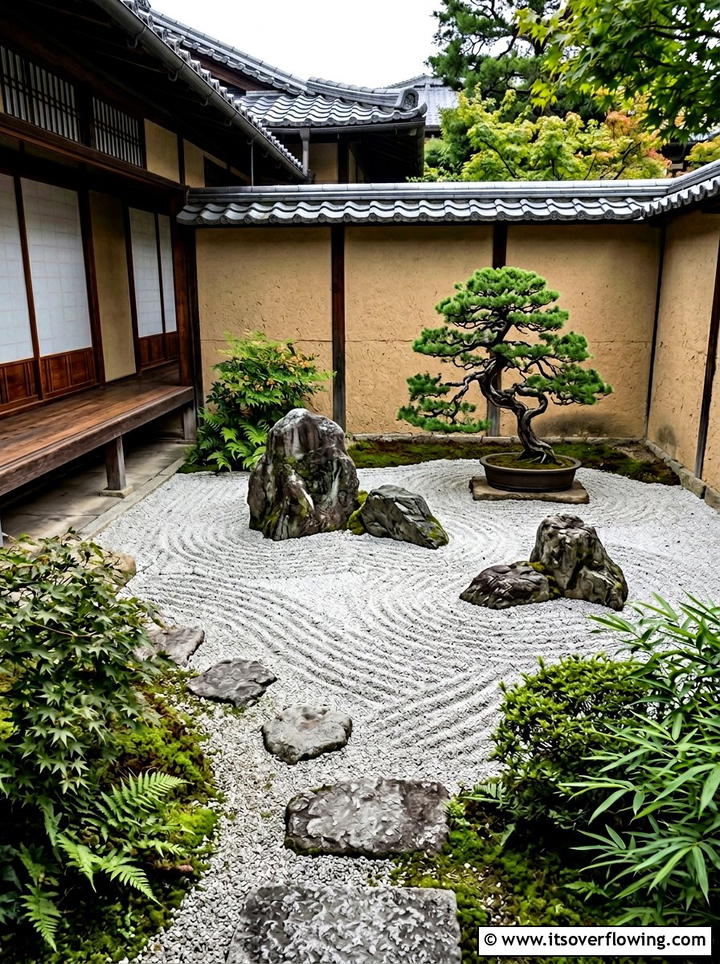
Sometimes, the best way to handle a small space is to embrace simplicity with a minimalist zen garden design. This style focuses on a few carefully chosen elements, such as a single rake-patterned gravel area, a few mossy rocks, and a solitary, well-shaped tree. The lack of clutter creates a sense of mental clarity and calm, making the small area feel like a peaceful sanctuary for meditation. You can use low wooden fences or bamboo screens to enclose the space and block out distractions. This design is very easy to maintain and looks beautiful throughout all four seasons. It provides a sophisticated and timeless aesthetic that turns a tiny yard into a high-end landscape feature.
25. Tropical Balcony Setup
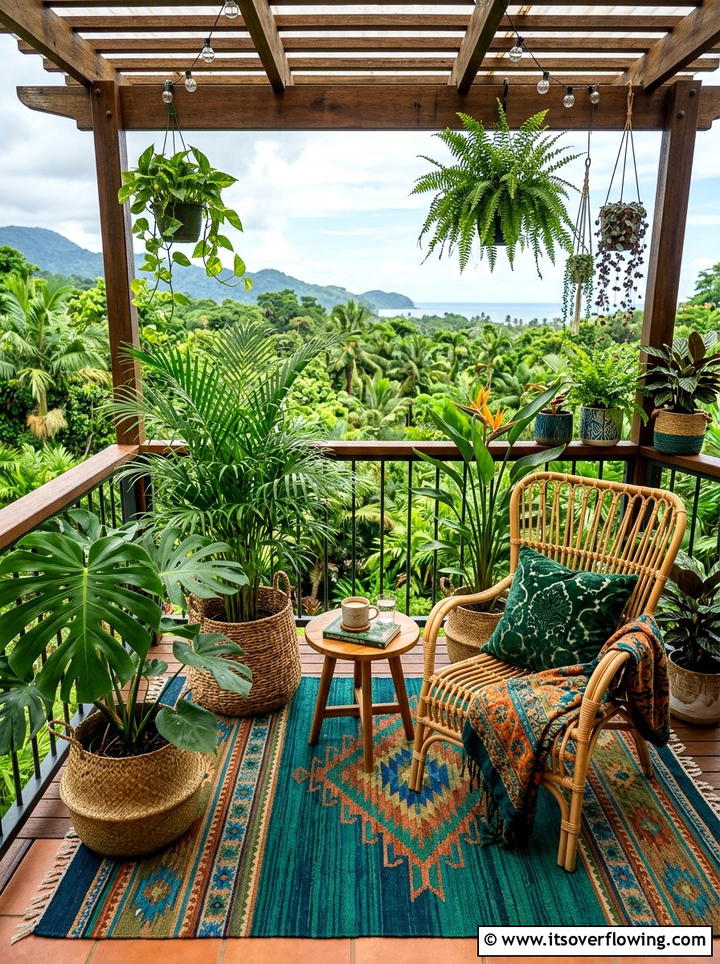
Creating a tropical balcony setup is all about layering large, bold foliage to create a dense, exotic micro-climate. By using plants with oversized leaves like Monstera, Bird of Paradise, or various palms, you can hide the walls of your balcony and feel like you are in a rainforest. Mixing these large plants with colorful flowers like hibiscus adds to the vibrant, vacation-like atmosphere. Use natural materials like rattan furniture and jute rugs to complete the look. This lush approach is perfect for small spaces because the dense greenery creates a sense of total enclosure and privacy. It transforms a standard urban balcony into a bold, green escape that feels miles away from the busy city life.
Conclusion:
Designing a garden for a small space is a creative challenge that rewards you with a beautiful, functional, and personal outdoor retreat. By focusing on vertical growth, multi-purpose furniture, and clever optical illusions like mirrors, you can overcome any spatial limitations. Whether you choose to grow an edible vegetable patch in containers or create a minimalist zen sanctuary, the key is to make every element intentional and cohesive. A well-designed small garden not only adds value to your property but also provides a vital connection to nature that improves your daily well-being. With a little bit of planning and the right inspiration, even the smallest patio or balcony can become your favorite place to relax and thrive.

Related posts:
 25 Small Garden Ideas to Maximize Beauty in Tiny Spaces
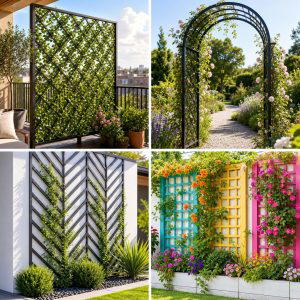 25 small garden ideas with trellis to Maximize Beauty Fast
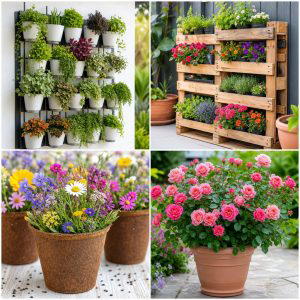 25 Garden Ideas for Balconies to Maximize Small Outdoor Spaces
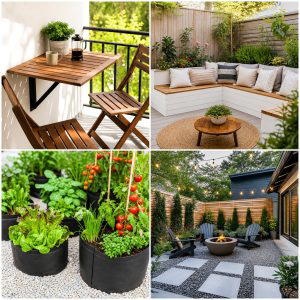 25 Garden Ideas for Tiny Patios to Maximize Small Spaces
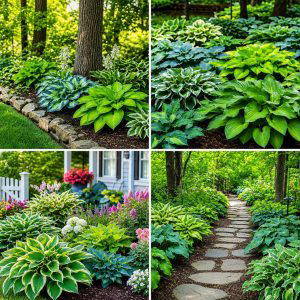 25 garden ideas with hostas for Lush Shade Garden Beauty
 25 creative garden ideas with pergola vines for Shaded Beauty
 25 Garden Design Ideas With Trellis Walls for Vertical Beauty
 25 garden ideas for dry climate: Water-Wise Outdoor Beauty
 25 Garden Ideas Low Maintenance for Easy Outdoor Beauty
 25 Garden Ideas With Evergreens for Year-Round Beauty
 25 garden ideas with fruit trees for Beauty and Harvests
 25 Garden Ideas With Roses for Romantic Outdoor Beauty