
Creating a beautiful outdoor space often feels impossible when you are working with a tiny balcony or a compact backyard footprint. However, utilizing your vertical space can completely transform how you view your limited square footage. Vertical planters allow you to grow lush greenery, vibrant flowers, and even fresh vegetables without sacrificing precious floor space. These clever systems draw the eye upward, making a small area feel much larger and more organized. Whether you want a rustic look with reclaimed wood or a sleek modern aesthetic with metal grids, there are endless ways to incorporate verticality into your home gardening routine today. It is truly the best way to maximize your outdoor potential.
1. Wooden Pallet Garden
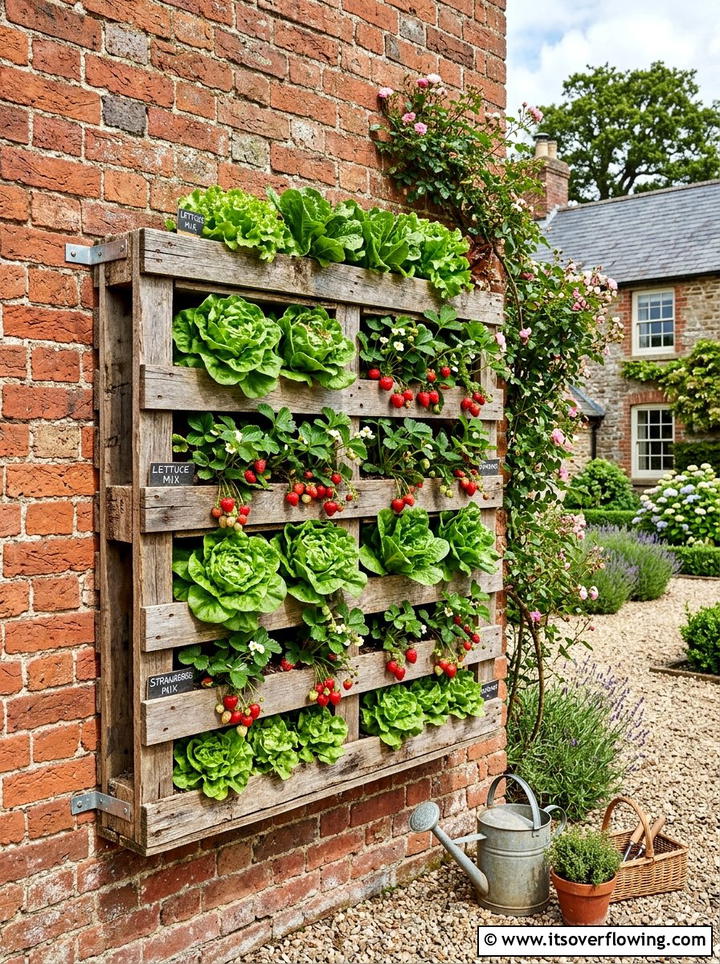
Have you ever looked at a discarded wooden shipping pallet and seen a potential masterpiece for your patio wall? Using pallets for vertical gardening is one of the most affordable and sustainable ways to add charm to a small outdoor area. You can lean the pallet against a fence or mount it securely to a brick wall to create a rustic backdrop for your plants. By adding landscape fabric behind the slats, you can fill the gaps with nutrient-rich soil and plant a variety of low-maintenance greens. This setup works exceptionally well for growing lettuce, strawberries, or small annual flowers that thrive in tight spaces. It provides a dense, lush appearance that covers up unattractive walls.
2. Tiered Ladder Planter
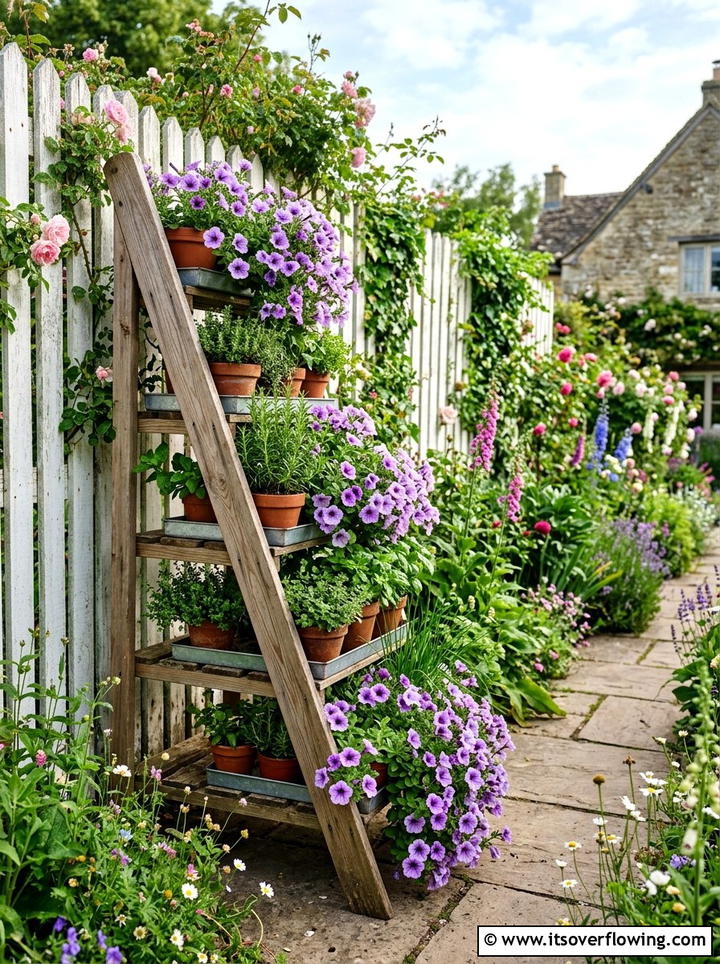
Imagine a simple wooden ladder transformed into a cascading display of colorful blooms and fragrant herbs right outside your back door. A tiered ladder planter is a fantastic solution for small gardens because it utilizes vertical height while keeping everything accessible for watering. You can place different sizes of pots on each step, allowing trailing plants like ivy or sweet potato vine to spill over the edges beautifully. This design is highly versatile since you can easily move it around to catch the best sunlight throughout the day. Using natural wood finishes helps the structure blend into the garden environment, while painted versions can add a bold pop of color to the space.
3. Hanging Gutter Garden
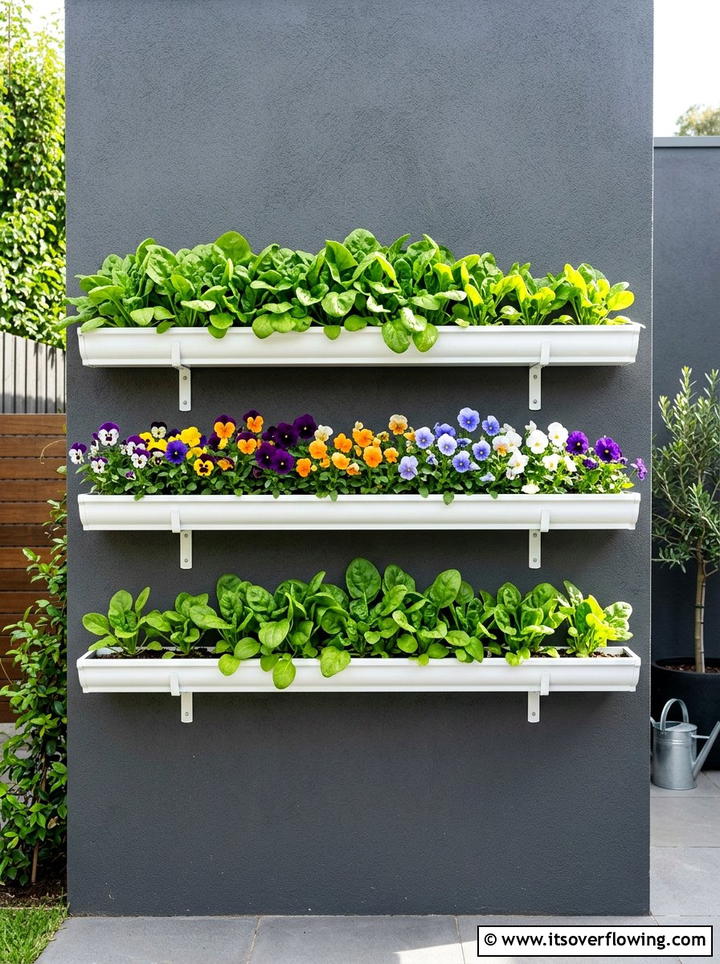
Can you picture standard white rain gutters repurposed as sleek, linear planting rows on your exterior siding or fence? Hanging gutter gardens are incredibly popular for urban dwellers who want to grow edible greens or shallow-rooted flowers in very narrow spaces. These lightweight containers are easy to install in parallel rows, creating a modern and organized look that maximizes every inch of wall space. Because they are shallow, they are perfect for growing spinach, kale, or pansies that do not require deep soil. The linear arrangement provides a clean aesthetic that complements contemporary architecture while keeping your plants away from ground-level pests. This system is truly efficient and stylish.
4. Wall Mounted Pockets
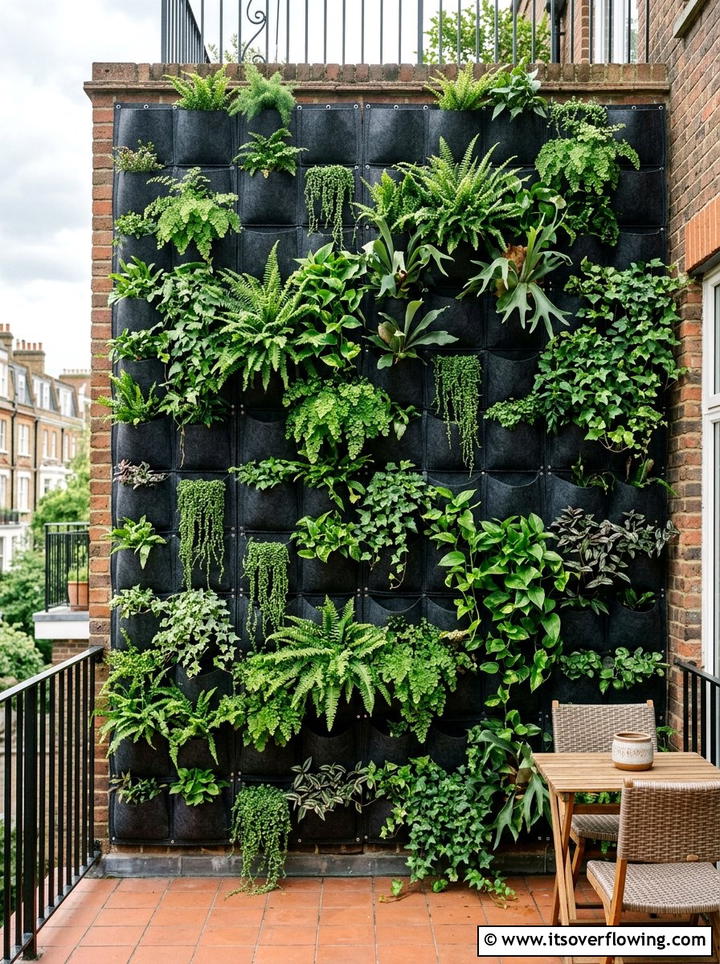
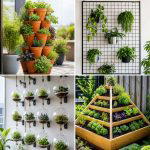
Soft felt or canvas wall pockets offer a unique and flexible way to create a living green wall on any flat surface. These breathable fabric containers allow for excellent air circulation around the roots, which promotes healthy plant growth and prevents overwatering issues. You can arrange multiple pocket panels together to cover an entire wall or use a single panel for a small herb collection. The fabric absorbs moisture and releases it slowly, making it an ideal choice for moisture-loving ferns or tropical plants. This lightweight vertical solution is perfect for renters because it is easy to install and even easier to remove without causing significant damage to the structure.
5. Trellis Privacy Screen
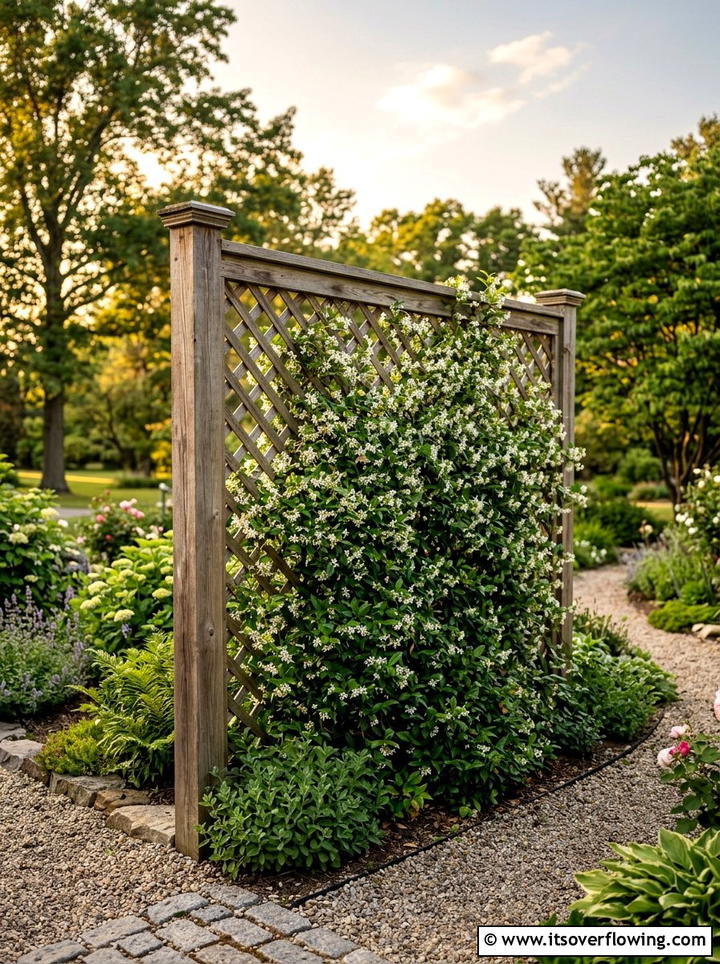
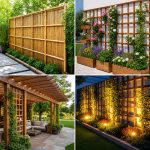
Adding a tall trellis to your small garden serves a dual purpose by providing a structure for climbing plants and creating privacy. You can plant fast-growing vines like clematis, jasmine, or morning glories at the base and watch them weave through the lattice. This creates a natural green wall that blocks the view from neighbors while adding a sense of seclusion to your outdoor sanctuary. The vertical growth helps to soften hard lines of fences or concrete walls, making the space feel more like a hidden oasis. Using a trellis allows you to enjoy large-scale greenery without taking up more than a few inches of horizontal garden ground.
6. Vertical Herb Garden
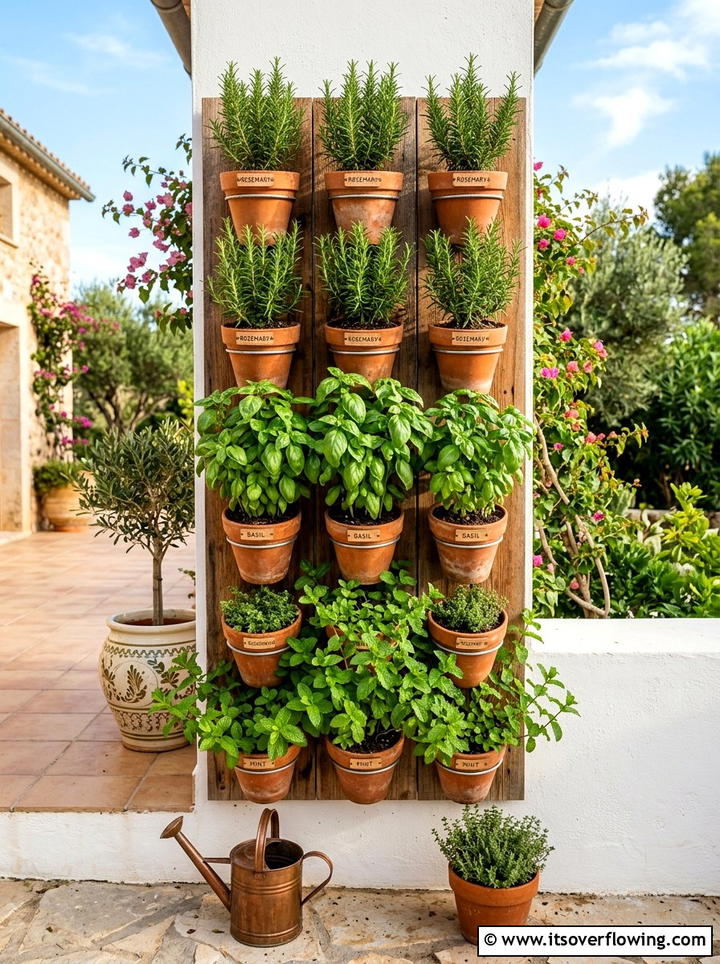
Is there anything more rewarding than reaching out your kitchen window to pluck fresh basil or mint from a vertical herb garden? Designing a dedicated vertical space for your culinary herbs keeps them organized and within easy reach for daily cooking needs. You can use a variety of small pots mounted to a wooden board or a specialized vertical racking system to hold your favorite seasoning plants. Herbs generally thrive in well-drained containers, and the vertical arrangement ensures that each plant receives adequate sunlight. This setup not only looks beautiful and smells amazing but also saves you money on grocery store herbs throughout the entire growing season.
7. Stackable Terra Cotta Pots
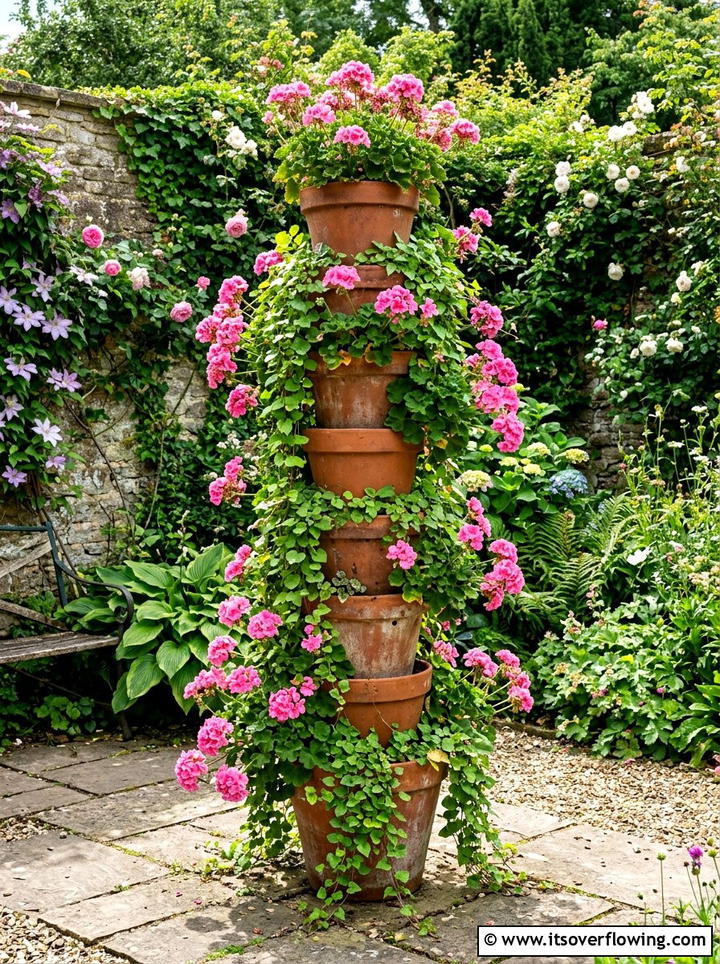
Creating a towering pillar of terra cotta pots is a classic garden trick that adds architectural interest to any small corner. By using a central stake for stability, you can stack pots of decreasing sizes on top of each other to create a fountain-like effect of foliage. This vertical arrangement allows you to grow several different types of plants in a footprint no larger than a single large pot. It is particularly effective for succulents or vibrant annuals that benefit from the porous nature of clay pots. The warm earthy tones of the terra cotta provide a timeless look that fits perfectly in traditional or Mediterranean style garden spaces.
8. Metal Mesh Grid Planter
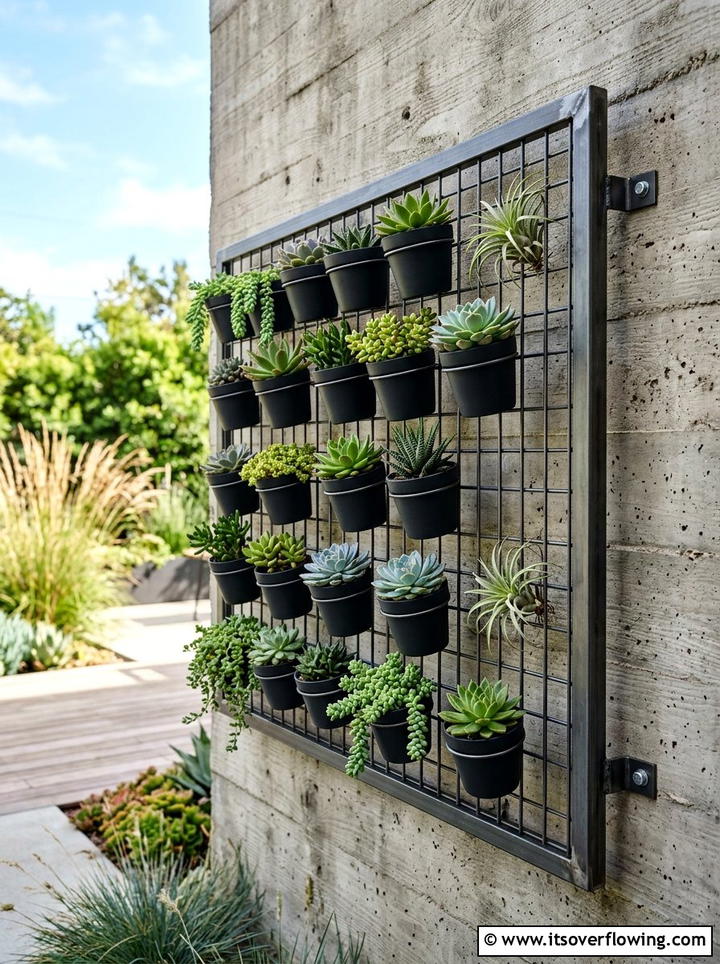
A metal mesh grid offers a sleek and industrial way to hang a variety of individual plant containers on a vertical plane. This modern approach allows you to customize your layout by clipping or hooking pots onto the wire mesh in any pattern you choose. You can easily swap plants out as they go out of season or move them around to create a new visual look whenever you like. The open design of the grid maintains a sense of lightness and transparency, preventing a small balcony from feeling closed in. It is a very durable option that handles heavy weather well while providing a sturdy support for many plants.
9. Recycled Tin Can Wall
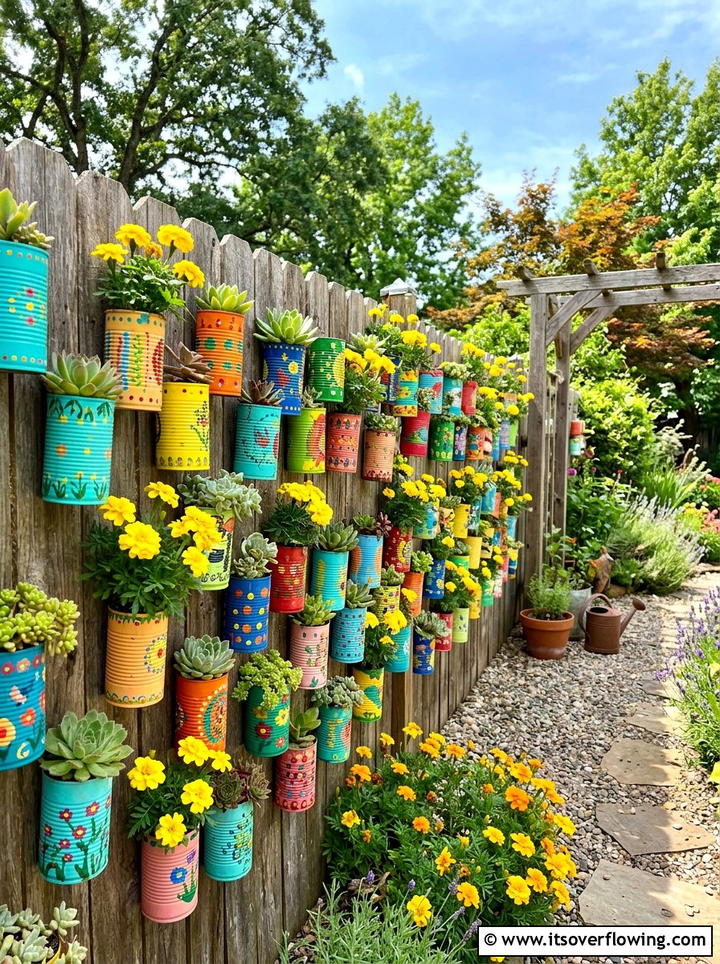
Repurposing old tin cans into colorful wall-mounted planters is a creative and eco-friendly way to decorate your outdoor space on a budget. You can paint the cans in vibrant shades to match your patio furniture or leave them in their metallic state for a more industrial feel. By drilling small drainage holes in the bottom and mounting them to a wooden fence, you create a charming and eclectic vertical display. This idea is perfect for starting small seedlings or growing hardy succulents that do not require much space. It is a fun DIY project that adds a personal, handcrafted touch to your small garden while recycling materials.
10. Window Box Planter
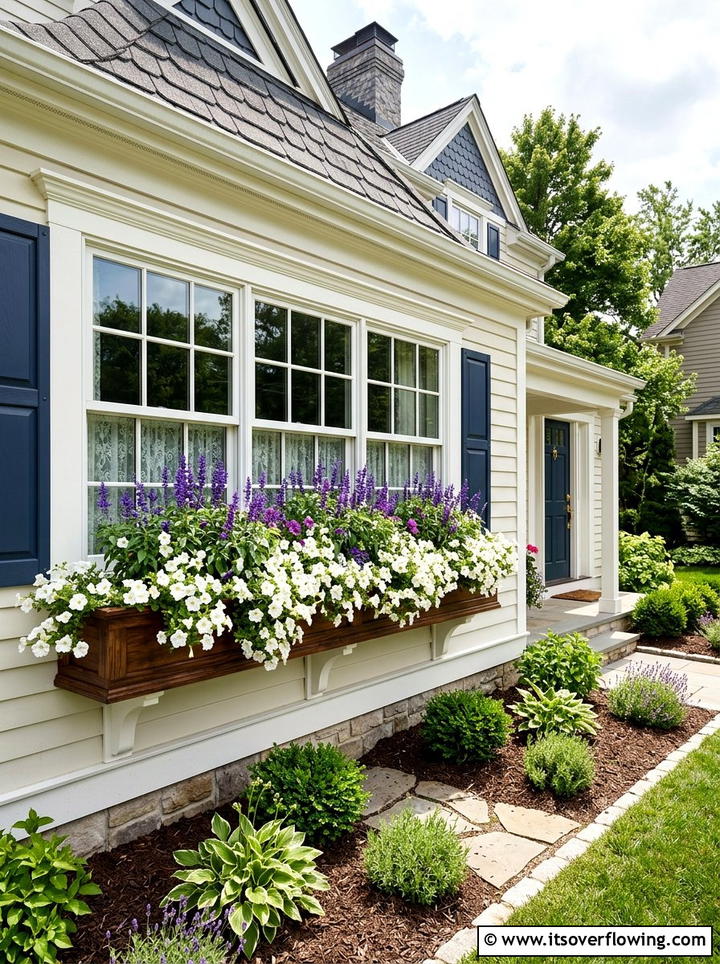
Window boxes are a traditional vertical gardening staple that brings life and color to the exterior of your home without using yard space. These long, narrow containers are mounted directly beneath window sills or along porch railings to create a beautiful view from both inside and out. You can fill them with trailing petunias, lush geraniums, or even small vegetable varieties like cherry tomatoes. The elevated position of window boxes keeps plants safe from many ground-dwelling insects and makes them very easy to maintain. They are an excellent way to add “curb appeal” to your home while enjoying the benefits of gardening in a very compact and manageable way.
11. Cedar Wood Planter Wall
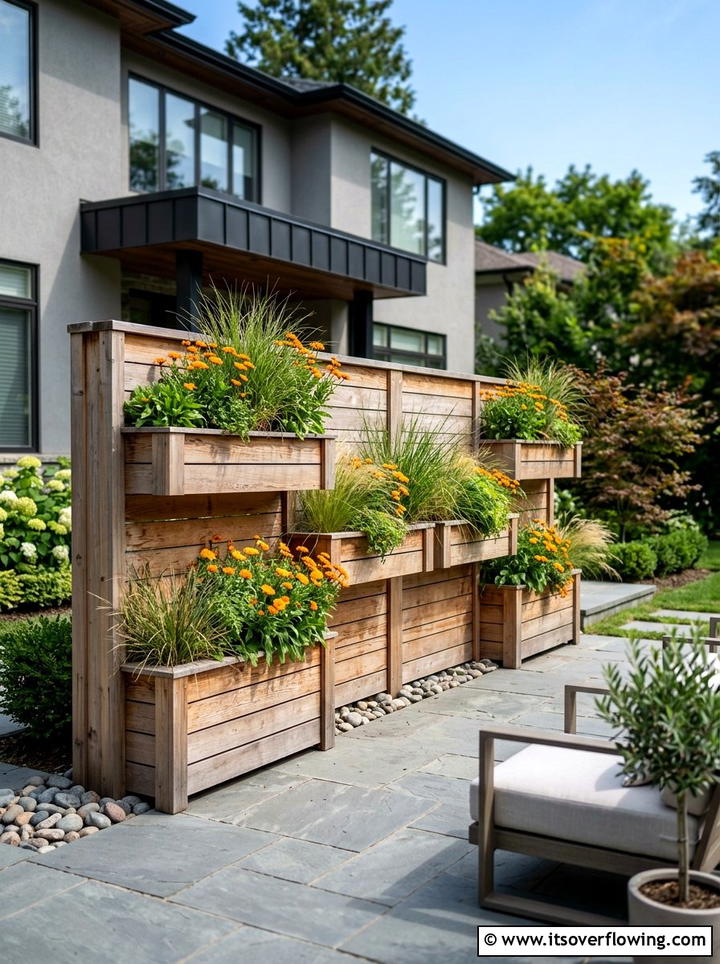
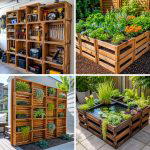
Building a custom cedar wood planter wall provides a sophisticated and high-end look for a modern small garden or patio. Cedar is naturally resistant to rot and insects, making it the perfect material for a long-lasting vertical structure that can withstand the elements. You can design the wall with built-in planter boxes at varying heights to create a dynamic and textured focal point. The rich grain and warm color of the wood provide a beautiful contrast against bright green leaves and colorful flowers. This type of installation can also act as a sturdy windbreak or a stylish partition to define different areas within a small outdoor living space.
12. Hanging Macrame Planters
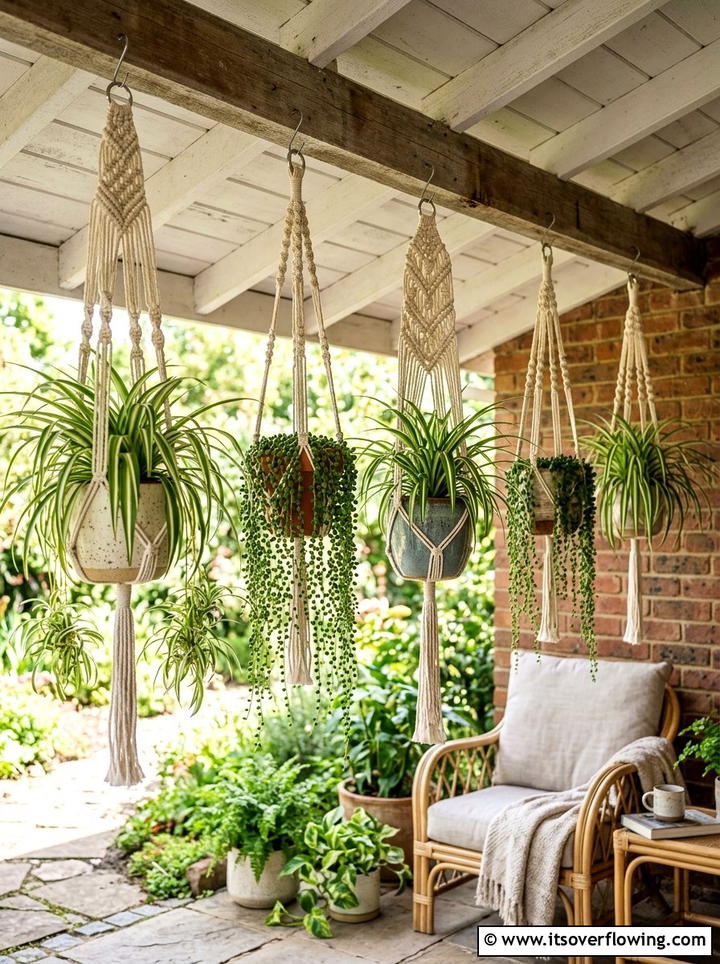
Bringing the boho-chic vibe outdoors with hanging macrame planters is a wonderful way to add vertical layers and texture to your garden. You can hang these intricate knotted ropes from porch ceilings, sturdy tree branches, or wall brackets to hold your favorite ceramic pots. The varied lengths of the macrame hangers create a sense of movement and depth as the plants sway gently in the breeze. This method is perfect for trailing plants like spider plants or string of pearls that look best when allowed to drape downwards. It utilizes the “air space” above your seating area, leaving the floor completely clear for chairs, tables, or walkways.
13. Corner Tiered Plant Stand
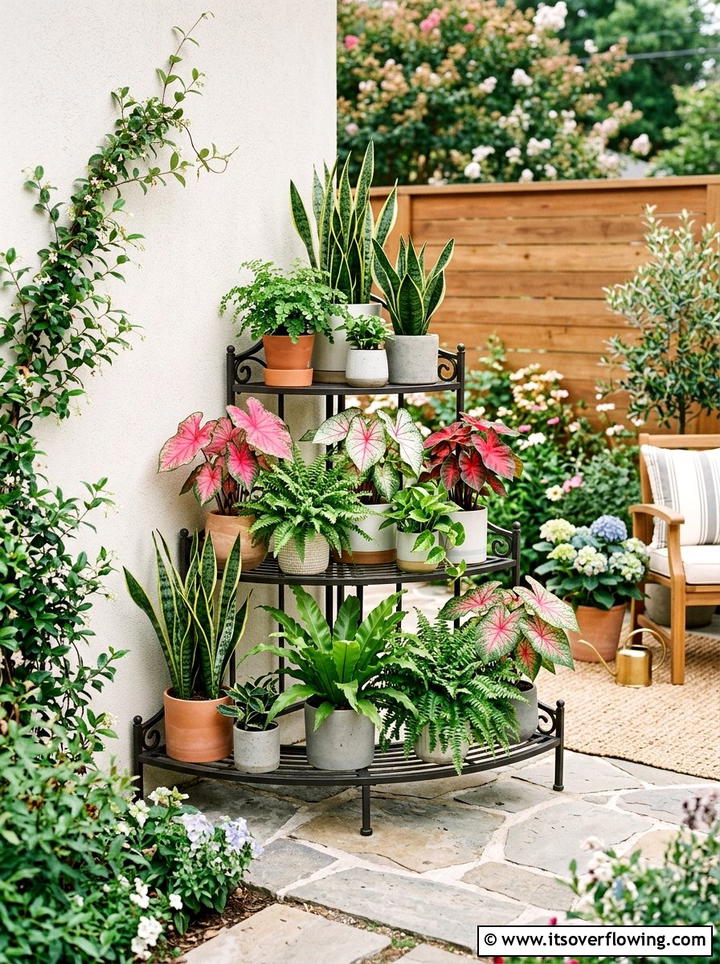
Finding a way to fill an empty corner can be difficult, but a tiered plant stand makes the most of these awkward spaces. These stands often feature a triangular or quarter-circle design that fits snugly into a corner, providing multiple levels for displaying your plant collection. By stacking plants vertically in a corner, you create a lush “green corner” that draws the eye and softens the sharp angles of a balcony or patio. You can arrange taller plants at the back and shorter ones at the front for a full, layered look. This is a very simple and effective way to increase your plant count without cluttering the area.
14. Vertical Succulent Frame
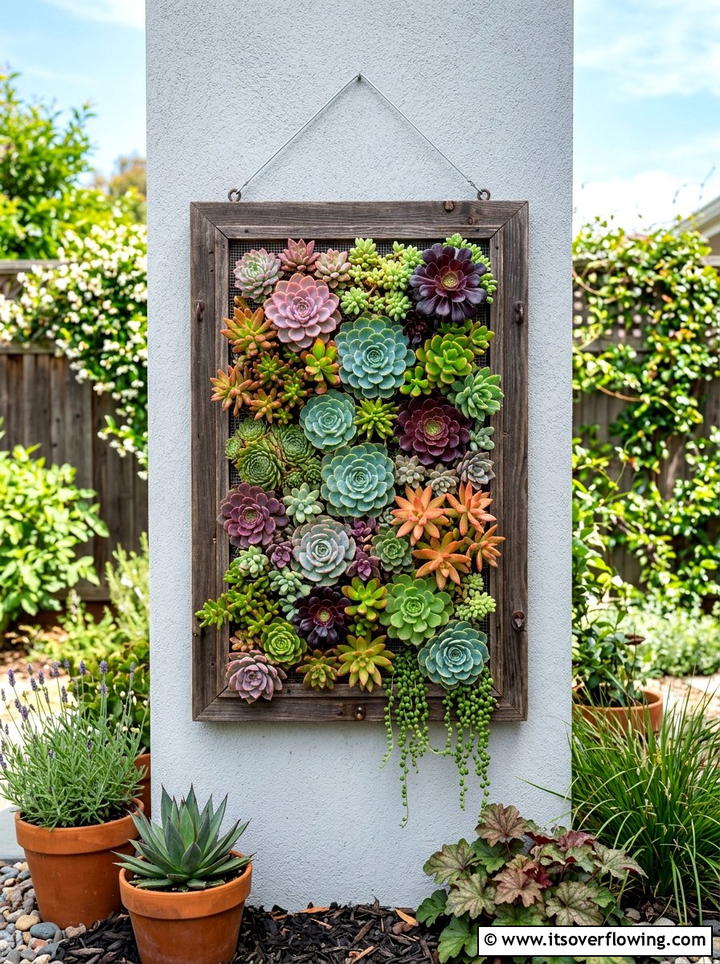
Think of a vertical succulent frame as a living piece of art that you can hang on your garden wall like a painting. These shallow shadow boxes are filled with a specialized soil mix and held in place by a fine wire mesh to keep plants secure. Succulents are the perfect choice for this because they have shallow roots and come in an incredible array of colors, shapes, and textures. Once the plants have rooted, you can hang the frame vertically for a stunning and low-maintenance display. This is a great conversation piece that provides a sophisticated and modern look for even the smallest urban balcony or patio wall.
15. PVC Pipe Garden
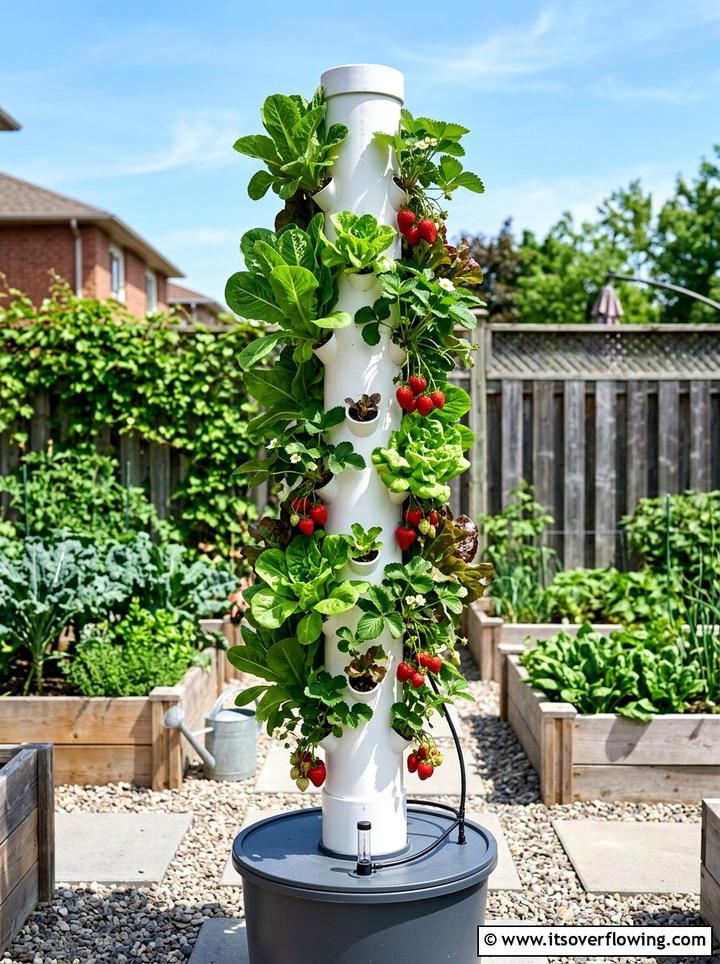
Using white or painted PVC pipes is an inventive and highly functional way to grow a large volume of plants in a vertical tower. You can cut large holes along the length of the pipe and fill the center with soil to create a vertical growing column. This method is often used for strawberry towers or vertical lettuce gardens because it keeps the fruit and leaves off the ground. The smooth surface of the pipe makes it easy to clean and very resistant to the weather. It is a very space-efficient choice that can produce a significant harvest, making it ideal for those who want to grow food in a tiny area.
16. Hanging Basket Tree
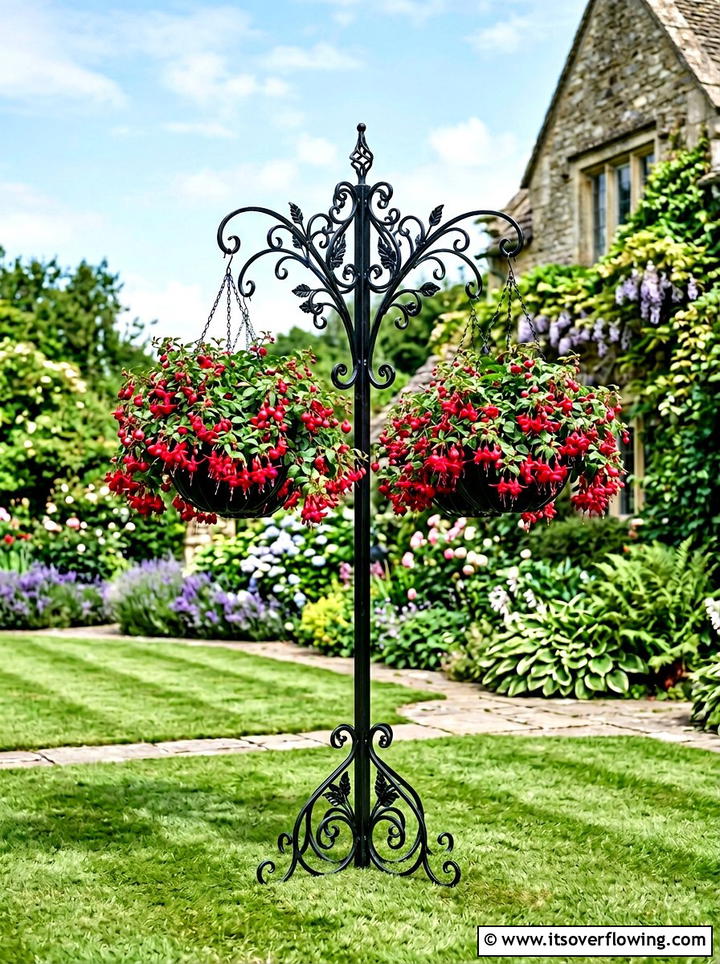
A hanging basket tree is a freestanding pole with multiple arms that allow you to hang several large flower baskets in one spot. This idea is perfect for small gardens with no walls or fences suitable for mounting planters, as it only requires a small patch of ground. Each arm can hold a different type of cascading flower, such as fuchsias or begonias, creating a massive pillar of color. The height of the tree ensures that your flowers are at eye level, where their beauty and fragrance can be fully appreciated. It is a mobile and flexible solution that can be moved to different locations depending on the season.
17. Bamboo Privacy Planter
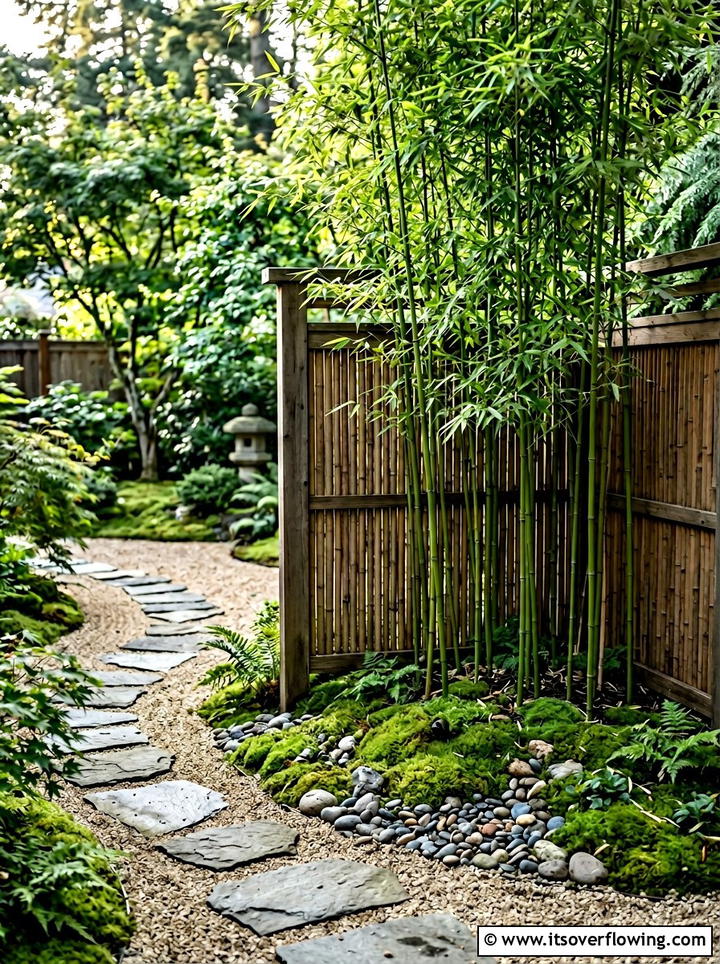
Bamboo is a fast-growing and sustainable material that can be used to create a lightweight and stylish vertical planter for any small space. You can use large bamboo stalks as individual containers by cutting them at the nodes and mounting them horizontally or vertically. This adds an organic, Zen-like feeling to your garden that works beautifully with minimalist or Asian-inspired design themes. When used as a tall screen, bamboo planters provide an effective visual barrier that feels light and airy rather than heavy and solid. It is an excellent way to incorporate natural materials while achieving a modern and functional vertical garden look for your home.
18. Chalkboard Herb Planter
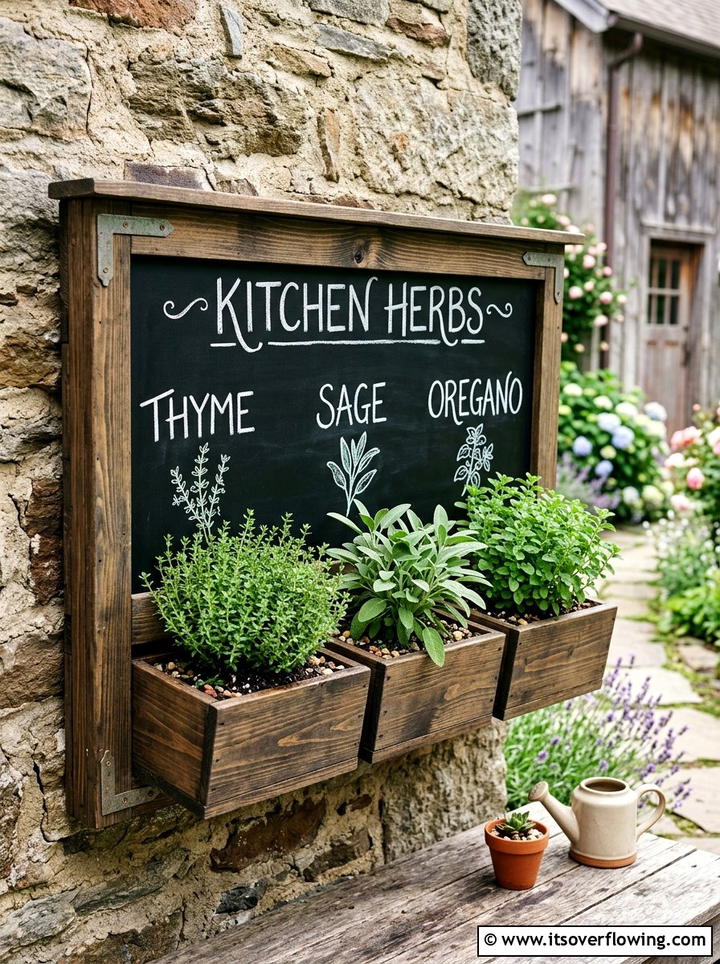
Combining functionality with a touch of farmhouse charm, a chalkboard herb planter allows you to label your plants clearly while they grow vertically. You can paint the front of wooden planter boxes with chalkboard paint or use small chalkboard stakes to identify different herbs like rosemary, thyme, and parsley. This is particularly helpful for those who are new to gardening and want to keep track of their various seedlings. The dark background of the chalkboard makes the green foliage pop, and it adds a playful, interactive element to your garden. It is a practical and decorative choice for any small kitchen garden or sunny balcony wall.
19. Wrought Iron Wall Rack
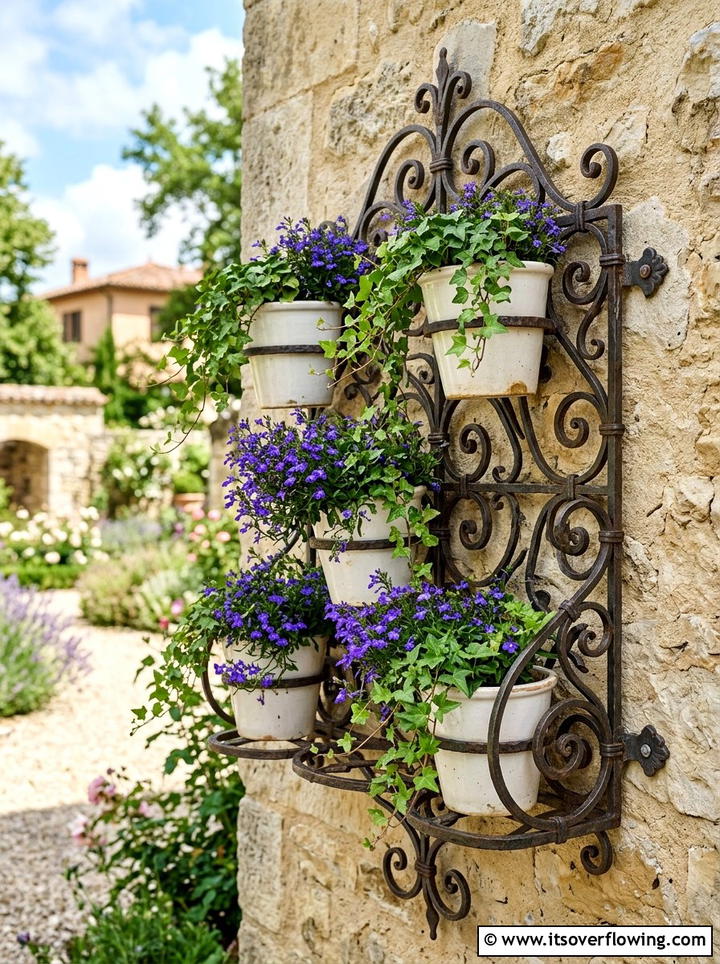
A wrought iron wall rack provides a classic and elegant framework for holding several potted plants against a vertical surface. These durable racks often feature decorative scrolls and patterns that add a touch of traditional sophistication to your garden or patio. You can place matching or mismatched pots in the circular holders to create a curated and organized botanical display. Wrought iron is incredibly strong and can support heavier ceramic pots that other vertical systems might struggle with. The open design allows plenty of light to reach every plant, ensuring that your flowers and greenery stay healthy and vibrant throughout the entire growing season.
20. Pocket Shoe Organizer Garden
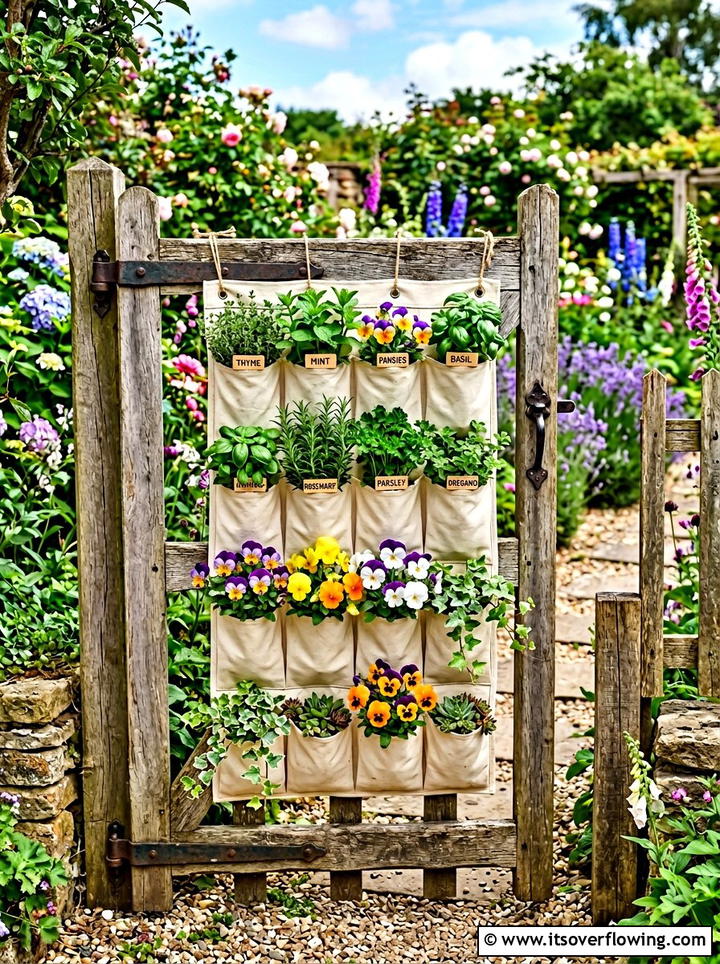
Who knew that a common over-the-door shoe organizer could be the secret to a thriving and inexpensive vertical garden? The individual pockets are the perfect size for holding small amounts of soil and a single plant, such as a herb or a small flowering annual. Because they are typically made of durable, breathable mesh or plastic, they offer a quick and easy way to start a vertical garden on a budget. You can simply hang the organizer on a sunny fence or wall and fill each pocket with life. This is a brilliant solution for temporary gardens or for teaching children about the joys of growing their own plants.
21. Floating Wood Shelves
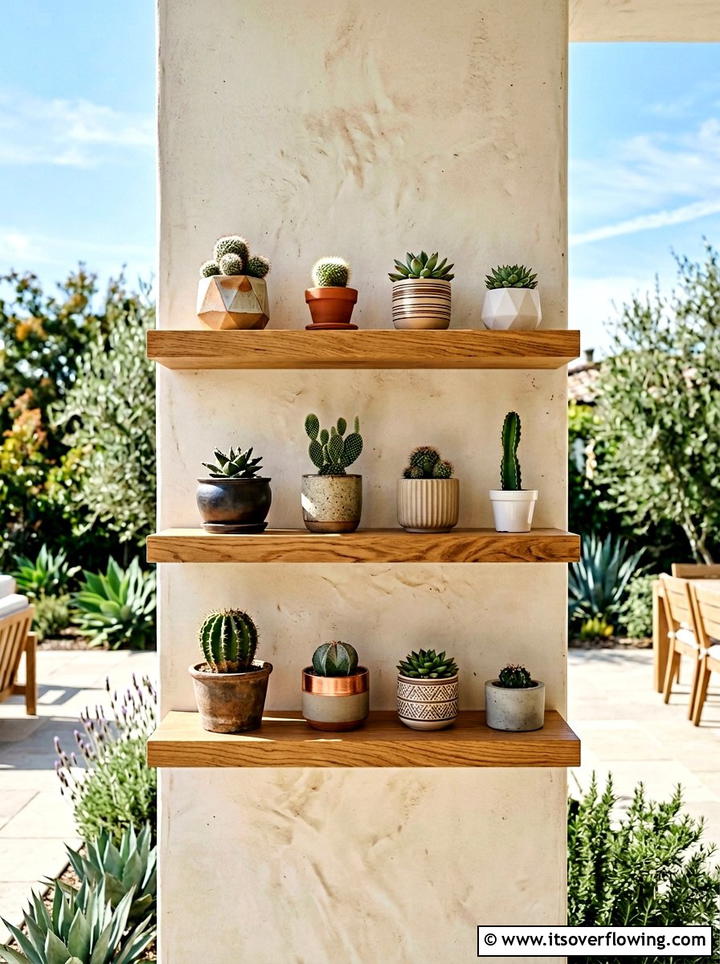
Installing floating wood shelves on an exterior wall creates a clean and minimalist vertical garden that feels like an extension of your indoor decor. These shelves provide a sturdy platform for a variety of potted plants, allowing you to mix and match different sizes and styles of containers. The lack of visible brackets gives the appearance that your plants are “floating” against the wall, which helps a small space feel more open and uncluttered. You can vary the heights of the shelves to accommodate taller plants or to create a more interesting visual rhythm. It is a sophisticated way to display a prized collection of succulents or decorative greenery.
22. Arched Garden Trellis
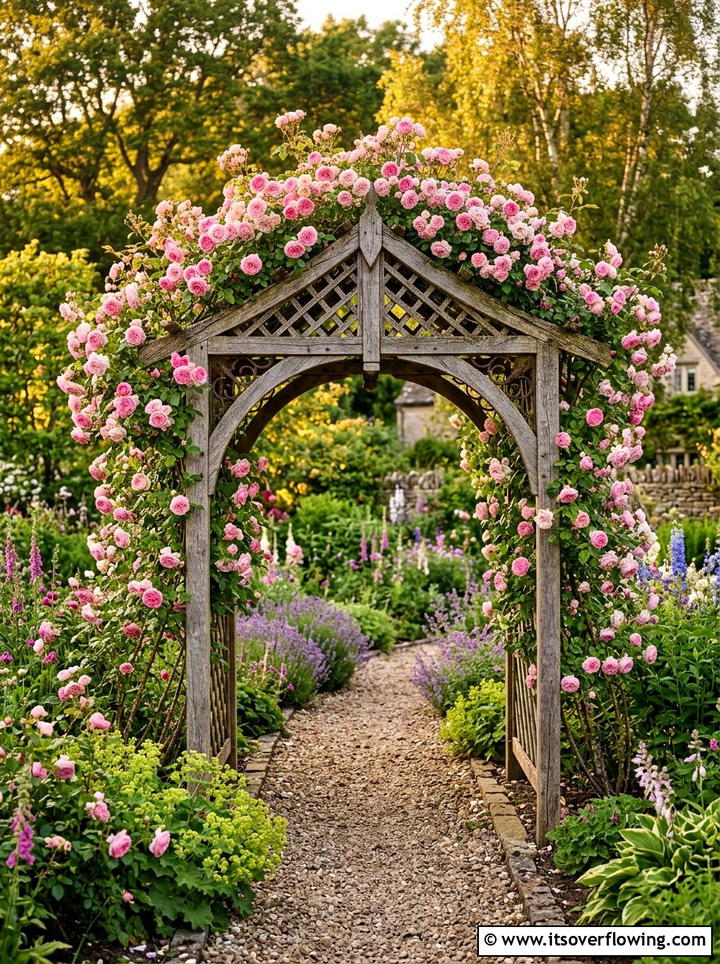
An arched garden trellis creates a dramatic and beautiful gateway that leads the eye upward and adds a sense of height to a small garden. By planting climbing roses or vigorous vines on either side of the arch, you create a lush canopy of greenery that you can walk beneath. This vertical element adds a sense of “journey” and depth to even the smallest yard, making it feel more like a professionally designed landscape. The arch provides a strong focal point that can be used to frame a view or mark the entrance to a cozy seating area. It is a classic and romantic vertical gardening choice.
23. Concrete Block Vertical Planter
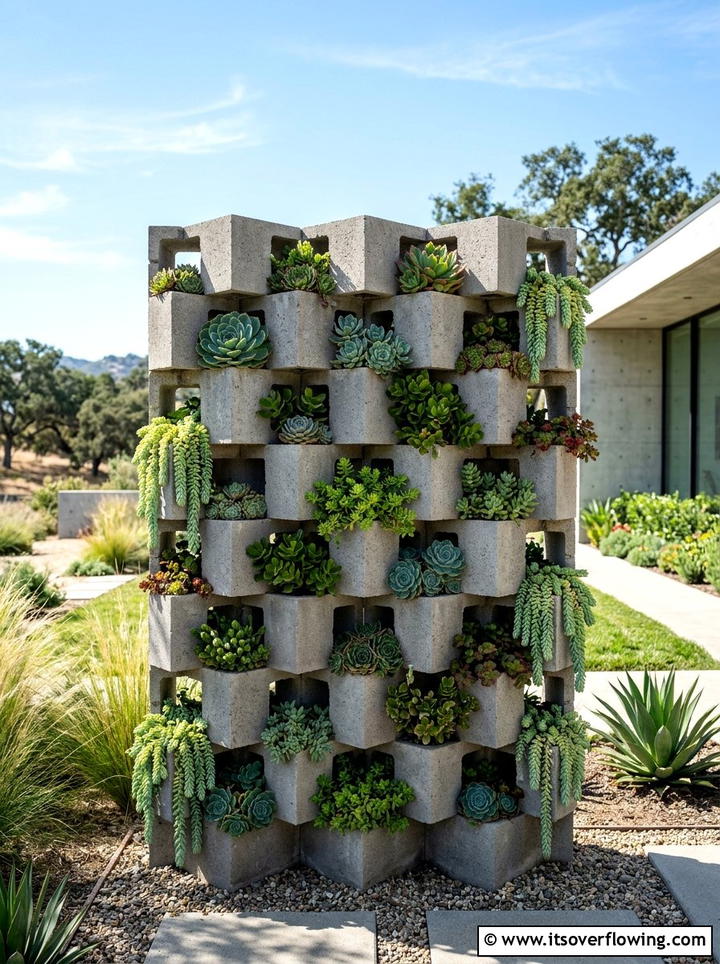
Concrete blocks, often called cinder blocks, can be stacked in a variety of patterns to create a modern and industrial vertical planter. By turning some blocks sideways, the hollow centers become perfect individual planting pockets for hardy succulents or trailing plants. This modular approach allows you to build a wall of any height or length that fits your specific space requirements. The neutral grey color of the concrete provides a stark and trendy backdrop for the soft textures of your plants. It is an extremely cost-effective and durable solution that adds a bold architectural element to a contemporary small garden or a patio corner.
24. Railing Planter Boxes
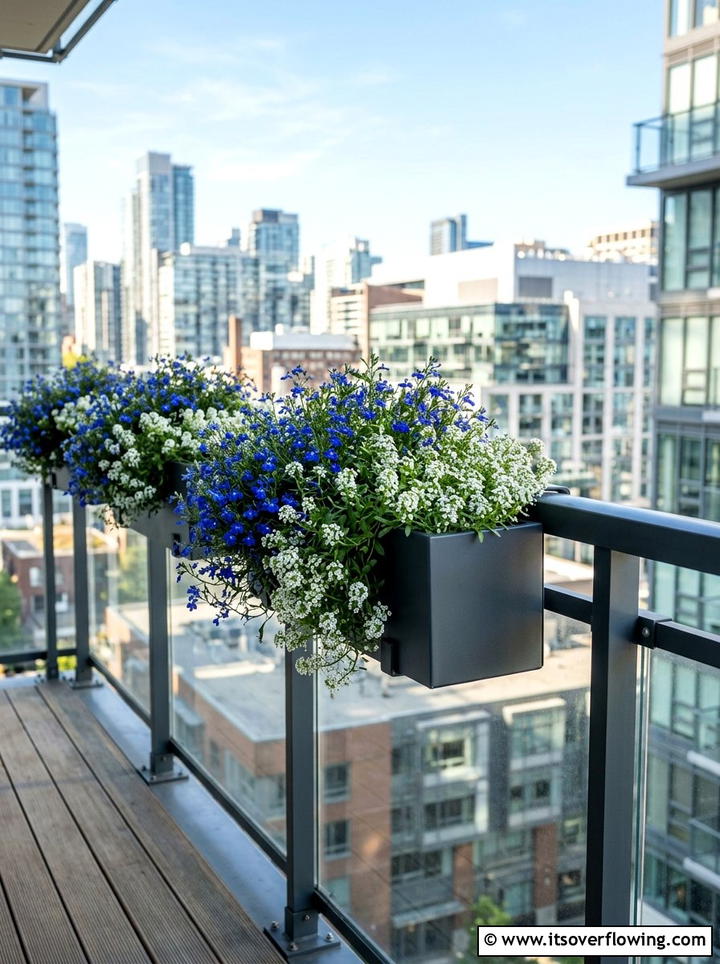
Utilizing the railing of a balcony or deck is a smart way to add a vertical garden without taking up any floor or wall space. Railing planter boxes are designed to sit securely over the top of a rail, allowing plants to grow both inside and outside the perimeter. This creates a lush border of greenery that surrounds your seating area, making it feel more private and cozy. You can choose from a wide variety of materials, including colorful plastic, traditional wood, or modern metal, to match your personal style. These planters are perfect for growing bright annuals or cascading vines that will soften the appearance of the railing.
25. Copper Pipe Plant Hanger
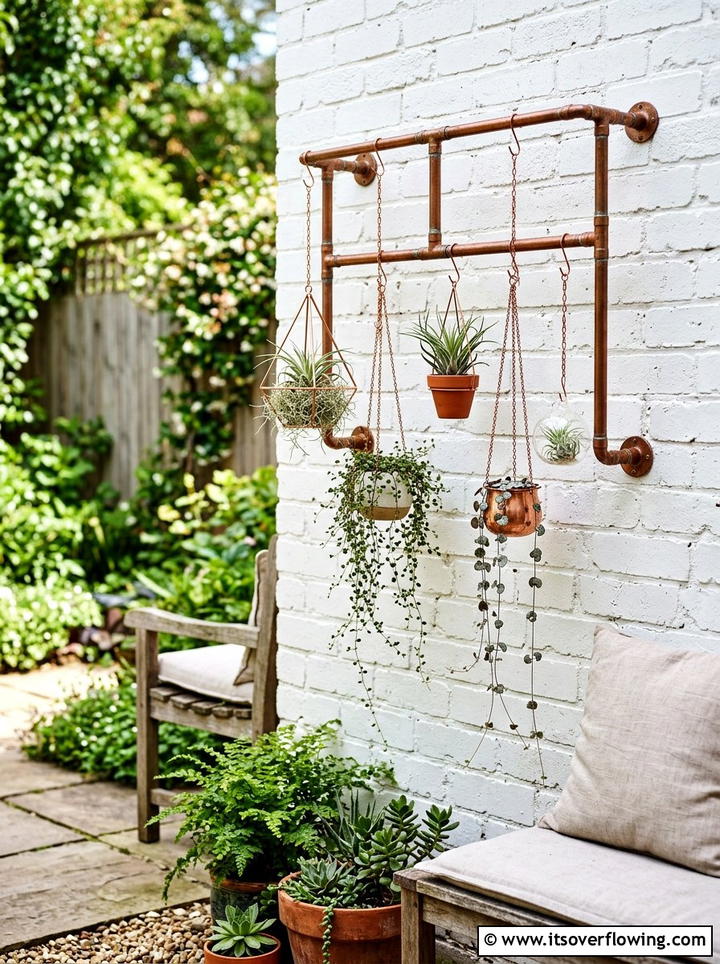
For a touch of modern elegance, a vertical hanger made from copper pipes offers a stylish and metallic framework for your garden. You can use copper fittings and pipes to create a custom-sized rack from which you can suspend small pots using simple S-hooks. The bright, warm tone of the copper provides a beautiful contrast against the green leaves of your plants and will develop a lovely patina over time. This design is perfect for those who enjoy a sleek, contemporary look and want a vertical solution that is both functional and decorative. It is a unique way to display air plants or small potted herbs with style.
Conclusion:
Maximizing a small garden requires a creative shift in perspective, moving away from the horizontal ground and embracing the vast potential of vertical space. By incorporating vertical planters, you not only increase your growing area but also add layers of texture, color, and architectural interest to your home. These twenty-five ideas demonstrate that even the most restricted spaces can become lush sanctuaries for plants and people alike. Whether you choose the rustic charm of a pallet garden or the sleek lines of a metal grid, the key is to choose a system that fits your lifestyle and aesthetic. Start your vertical journey today and watch your small garden truly flourish beautifully.

Related posts:
 25 Garden Ideas With Vertical Planters for Small Spaces
 25 garden ideas with hostas for Lush Shade Garden Beauty
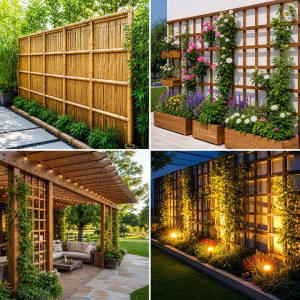 25 Garden Design Ideas With Trellis Walls for Vertical Beauty
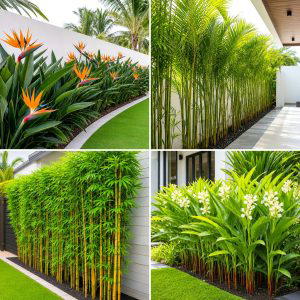 25 Creative Garden Ideas With Tropical Foliage for Lush Yards
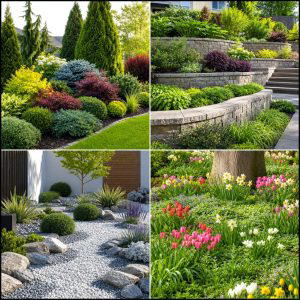 25 garden design ideas with layering for Lush Depth at Home
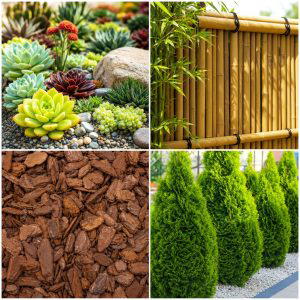 25 Garden Design Ideas With Texture for a Lush Yard Look
 25 Garden Design Ideas With Tropical Foliage for Lush Style
 25 Garden Design Ideas With Woodland Plants for Lush Shade
 25 Small Garden Ideas With Layered Plants for Lush Depth
 25 creative garden ideas with pallet planters for Rustic Charm
 25 Garden Ideas With Old Crates for Rustic Planters and Decor
 25 Creative Garden Ideas With Mosaic Planters to Brighten Pots