
Creating a stunning outdoor space requires more than just planting a few flowers in a row. It involves understanding how different heights, textures, and colors interact to create a cohesive and visually interesting landscape. Layering is a fundamental principle of garden planning that mimics the natural growth patterns found in forests and meadows. By placing taller trees at the back, medium shrubs in the middle, and low-growing groundcovers at the front, you can achieve a sense of depth and abundance. This technique works for any size of property, from tiny urban balconies to sprawling rural estates. Layering helps to maximize space and provides a lush, full look throughout the entire year.
1. Low maintenance perennial layering
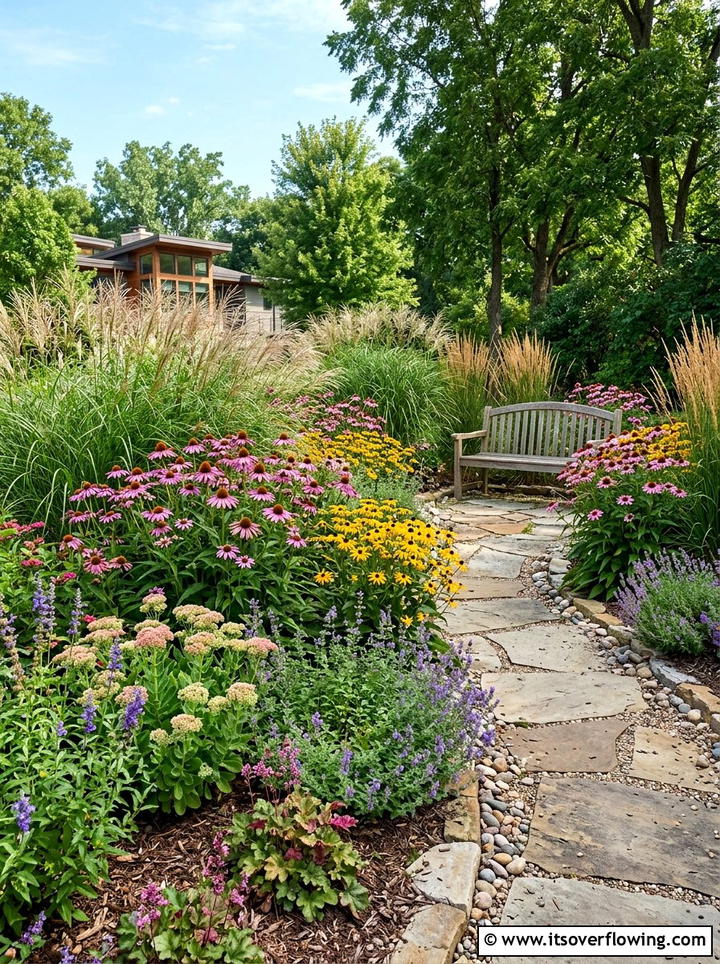
Have you ever wanted a beautiful garden that does not require hours of daily work? Low maintenance perennial layering is the perfect solution for busy homeowners who still want a lush landscape. This approach focuses on using hardy plants like coneflowers, black-eyed Susans, and ornamental grasses that return every year. You start by placing taller ornamental grasses in the back to provide structure and movement. In the middle, you add medium-height flowering perennials that bloom at different times. Finally, you finish the front edge with low-growing stonecrop or creeping thyme. This strategy ensures your garden stays full and vibrant with minimal effort on your part over the seasons.
2. Modern tiered garden beds
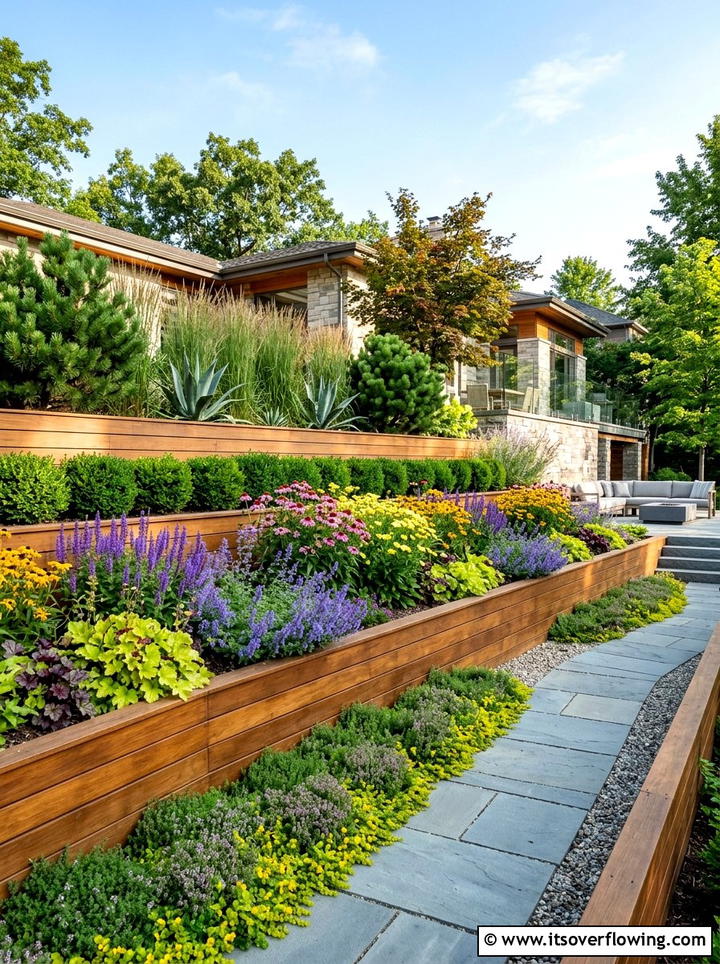
Can you imagine transforming a flat backyard into a dynamic multi-level masterpiece? Modern tiered garden beds use clean lines and structural materials like wood, steel, or concrete to create distinct vertical layers. Each tier acts as a separate planting zone, allowing you to organize plants by height and water needs. The highest tier usually features architectural shrubs or small trees that catch the eye. The middle tiers often house colorful perennials or decorative grasses that spill over the edges. At the bottom, neat rows of groundcovers or pebbles create a finished look. This structured approach brings a sense of order and sophistication to any contemporary outdoor living space.
3. Privacy screening with tall plants
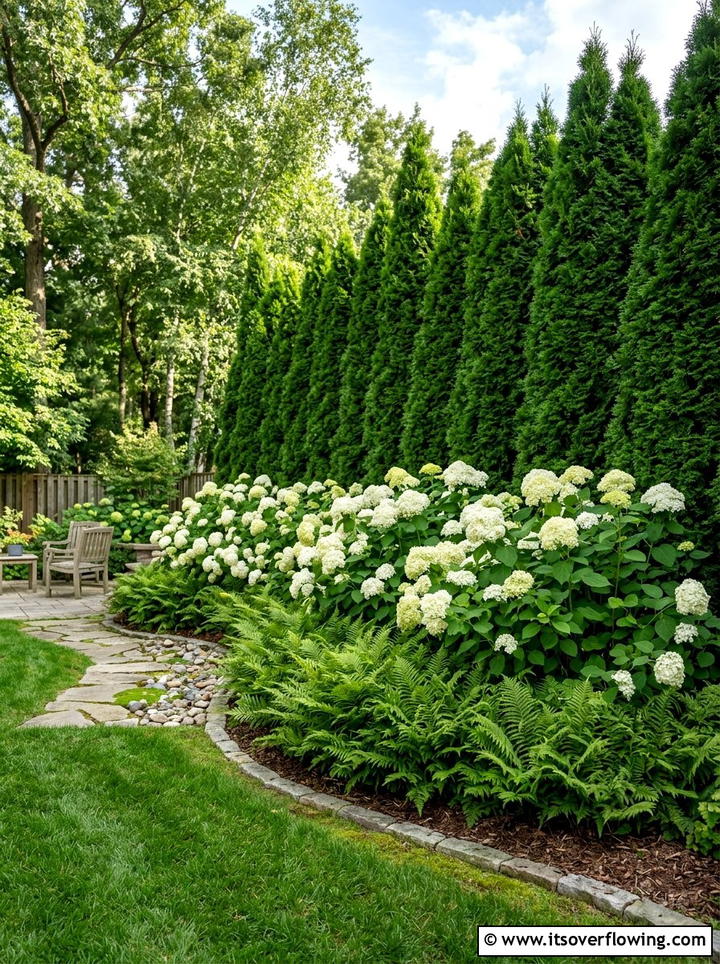
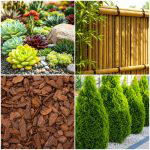
Do you feel like your neighbors are watching every move you make in your backyard? Privacy screening with tall plants offers a natural and beautiful way to block unwanted views while adding lush layers to your space. You can start with a row of tall evergreen trees like arborvitae to create a permanent green wall. In front of those, place medium-sized flowering shrubs like hydrangea or viburnum to add texture and color. The final layer at the ground level can include shade-loving ferns or hostas to hide the base of the taller plants. This creates a dense, multi-layered barrier that feels like a private forest retreat.
4. Small backyard vertical layering
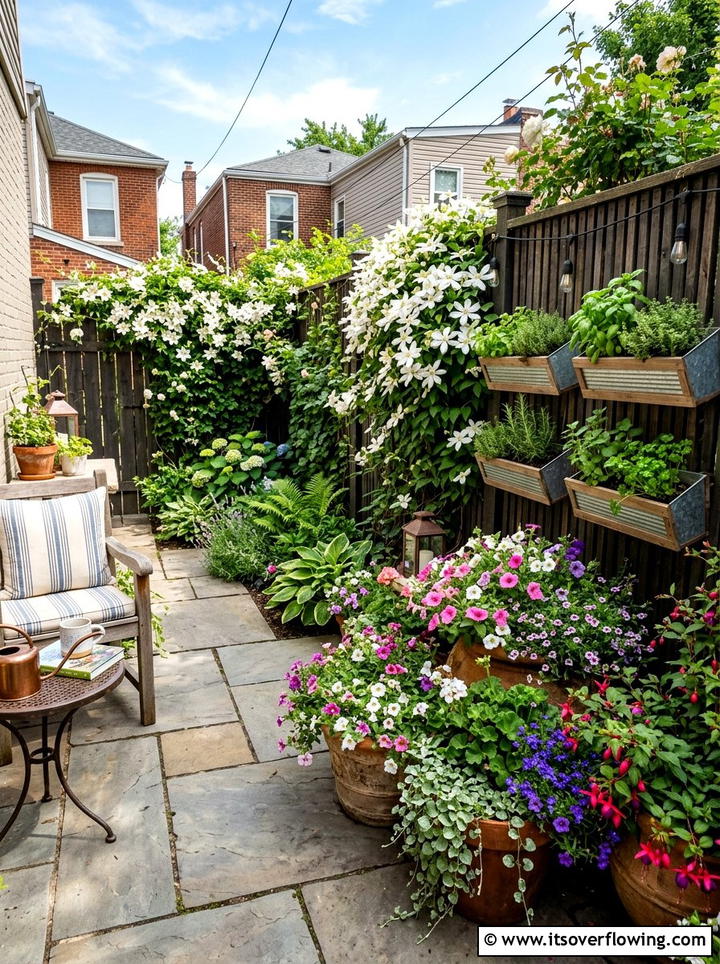
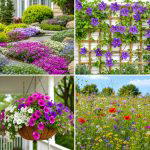
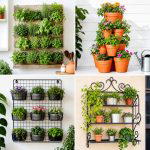
What do you do when you have very limited ground space for a garden? Small backyard vertical layering is the best way to maximize every inch of your outdoor area. Instead of planting outward, you focus on planting upward using wall-mounted planters, trellises, and hanging baskets. You can grow climbing vines like clematis or jasmine up a fence to serve as the tallest layer. Below that, place elevated planter boxes filled with medium-height flowers or herbs. At the base, use small pots with cascading succulents or trailing ivy. This vertical approach creates a lush environment without taking up valuable floor space where you might want furniture.
5. Woodland garden plant layers
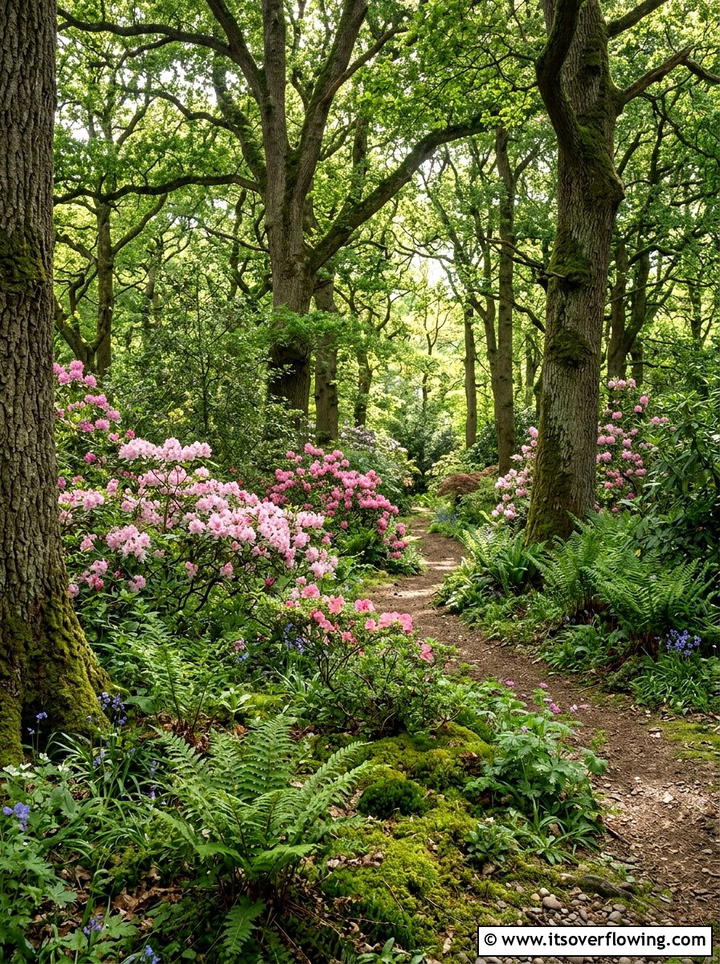
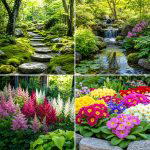
Imagine walking through a peaceful forest where every level of growth feels perfectly balanced and natural. Woodland garden plant layers replicate this environment by using a canopy of tall deciduous trees as the primary overhead structure. Underneath the trees, you plant smaller understory trees like dogwoods or redbuds. The next layer consists of shade-tolerant shrubs like azaleas or rhododendrons that provide beautiful spring blooms. Finally, the forest floor is covered with a carpet of moss, ferns, and woodland wildflowers like trillium. This type of layering creates a cool, damp, and serene atmosphere that is perfect for relaxation and escaping the hot summer sun.
6. Shade garden texture layering
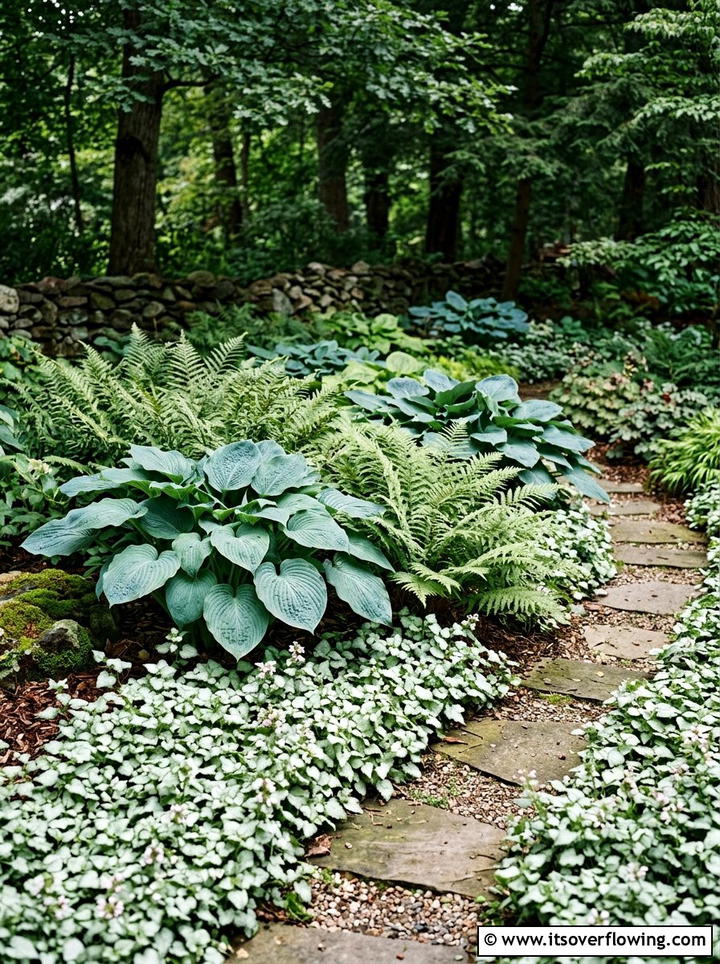
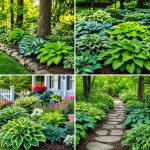
Are you struggling to find plants that thrive in the darker corners of your property? Shade garden texture layering focuses on using different leaf shapes and sizes to create visual interest rather than relying solely on bright flowers. You can start with large-leafed hostas in various shades of green and blue as your middle layer. Behind them, place tall, airy ferns that add a delicate, feathery texture to the background. In the front, use low-growing groundcovers like sweet woodruff or lamium with variegated silver leaves. The contrast between the broad hosta leaves and the fine-textured ferns creates a sophisticated and lush look in any shaded area.
7. Mediterranean layered landscape
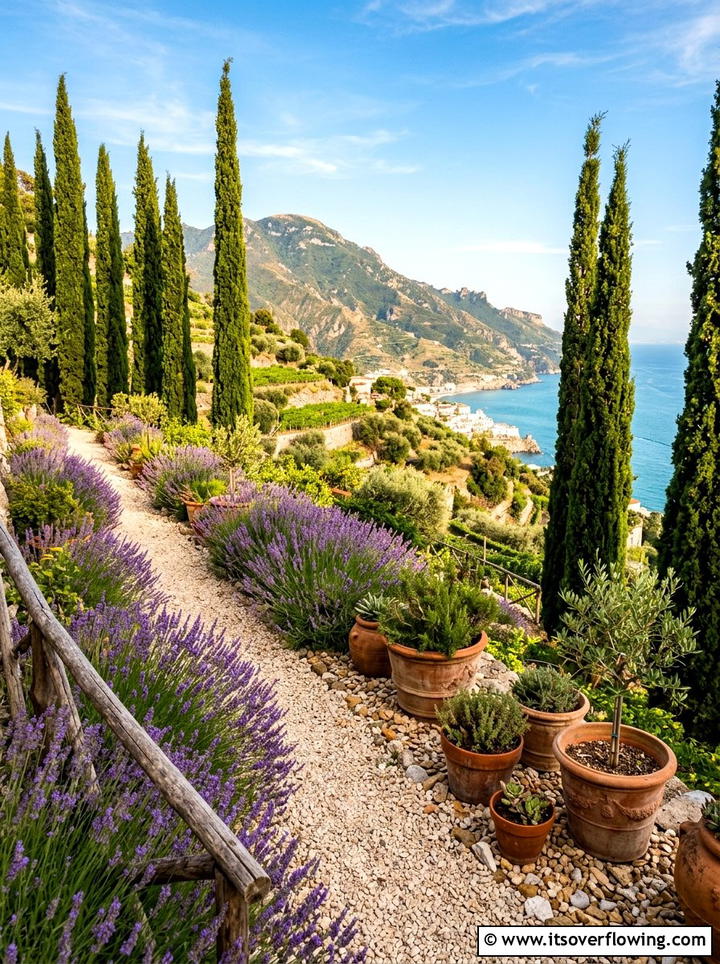
Does the idea of a sun-drenched, drought-tolerant garden appeal to your sense of style? A Mediterranean layered landscape uses heat-loving plants with silvery foliage and vibrant flowers to create a coastal vibe. You begin with tall Italian cypresses or olive trees to provide height and a classic Mediterranean silhouette. The middle layer often features fragrant lavender, rosemary, and rockrose which thrive in rocky soil. For the bottom layer, use creeping herbs or gravel mulch to keep the roots cool and suppress weeds. This style of layering is not only beautiful but also very sustainable in dry climates because the plants require very little water once established.
8. English cottage garden layers
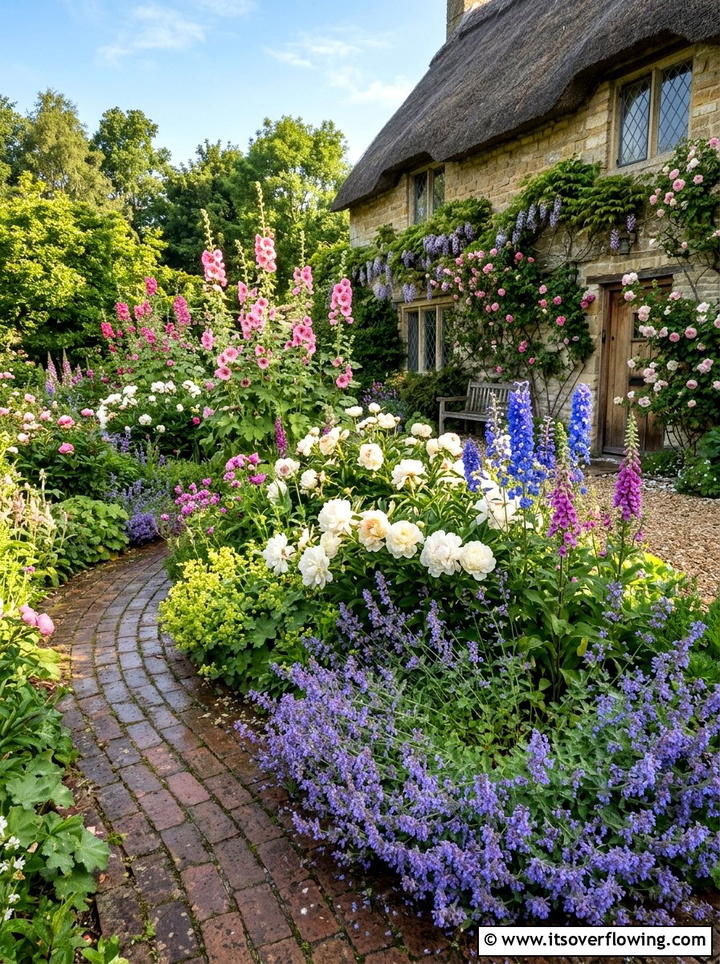
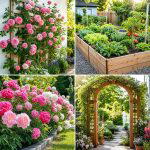
Do you love the look of a romantic, overflowing garden that seems to bloom in every direction? English cottage garden layers are all about controlled chaos and abundance using a mix of flowers, herbs, and shrubs. The tallest layer usually consists of climbing roses on arches or tall hollyhocks reaching toward the sky. In the middle, you find a dense mix of delphiniums, foxgloves, and peonies that provide a riot of color. The edges are softened with spilling plants like catmint, lady’s mantle, and pansies that creep onto the walkways. This layering technique creates a charming and nostalgic atmosphere that invites you to explore every corner.
9. Modern front yard layering
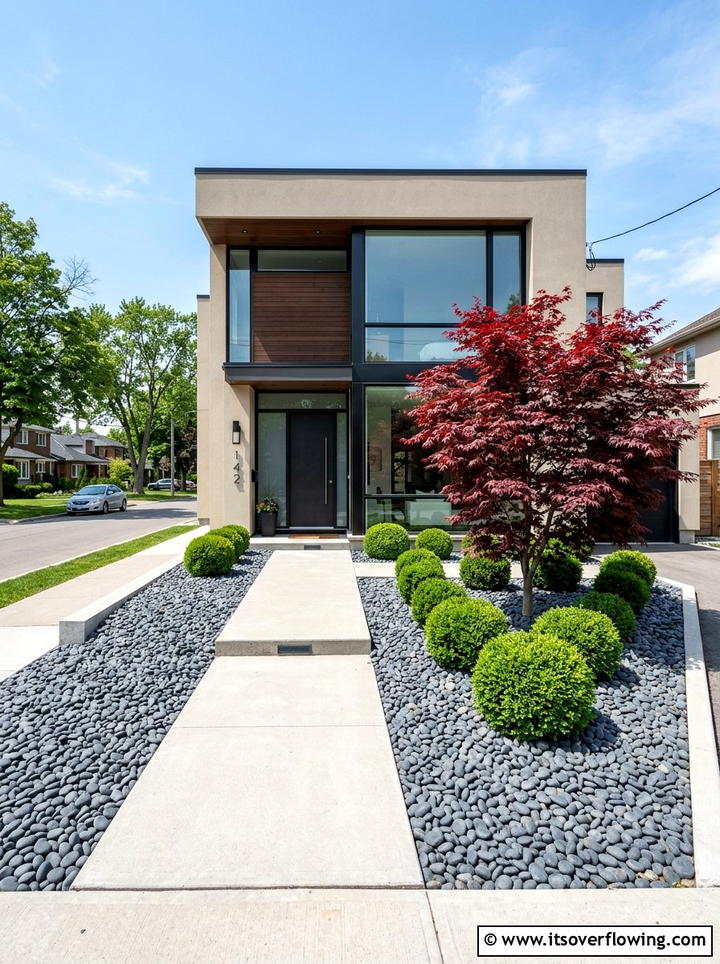
Is your front yard lacking the curb appeal you have always wanted for your home? Modern front yard layering uses clean, geometric lines and a limited color palette to create a striking first impression. You can plant a single specimen tree, like a Japanese maple, as a focal point to provide the highest layer. Around it, use mass plantings of ornamental grasses or boxwood spheres to create a mid-level architectural layer. The ground level can be finished with a uniform layer of dark mulch or light-colored river rocks. This structured layering looks intentional and high-end, making your home stand out in the neighborhood while remaining relatively low maintenance.
10. Raised bed layering
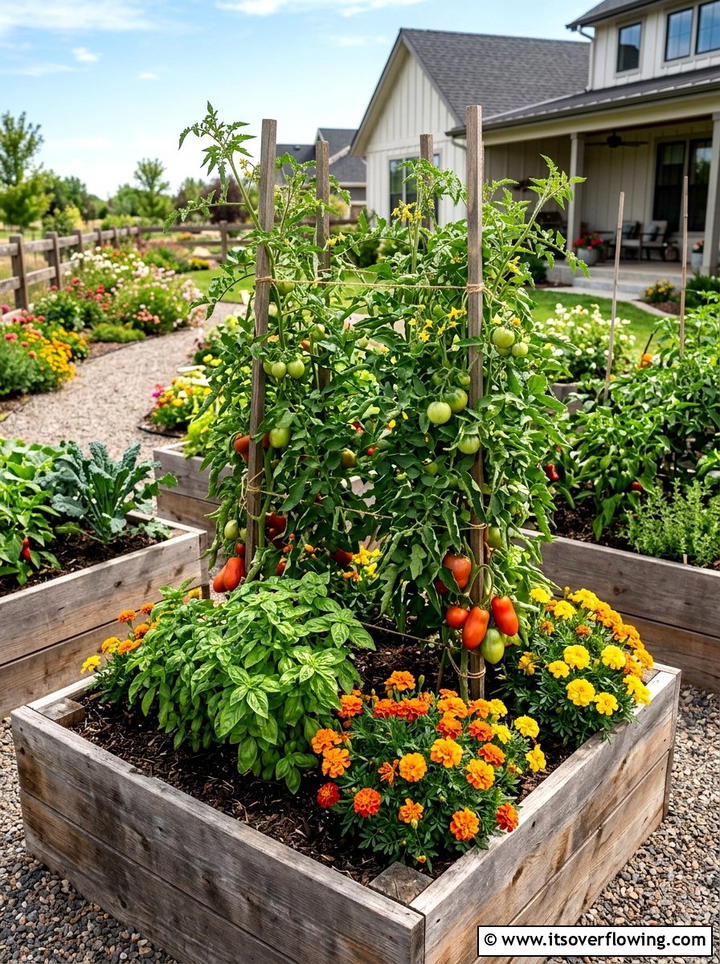
Have you considered how much easier gardening could be if you didn’t have to bend down so far? Raised bed layering allows you to create a miniature ecosystem within a confined, elevated space. You can fill the back or center of the bed with tall vegetables like kale or staked tomatoes. The middle section can house bushy plants like peppers, basil, or marigolds to deter pests. Along the edges, plant trailing flowers like nasturtiums or strawberries that hang down over the sides of the bed. This multi-level planting makes the most of the nutrient-rich soil and ensures every plant gets the sunlight and airflow it needs.
11. Tropical garden plant height
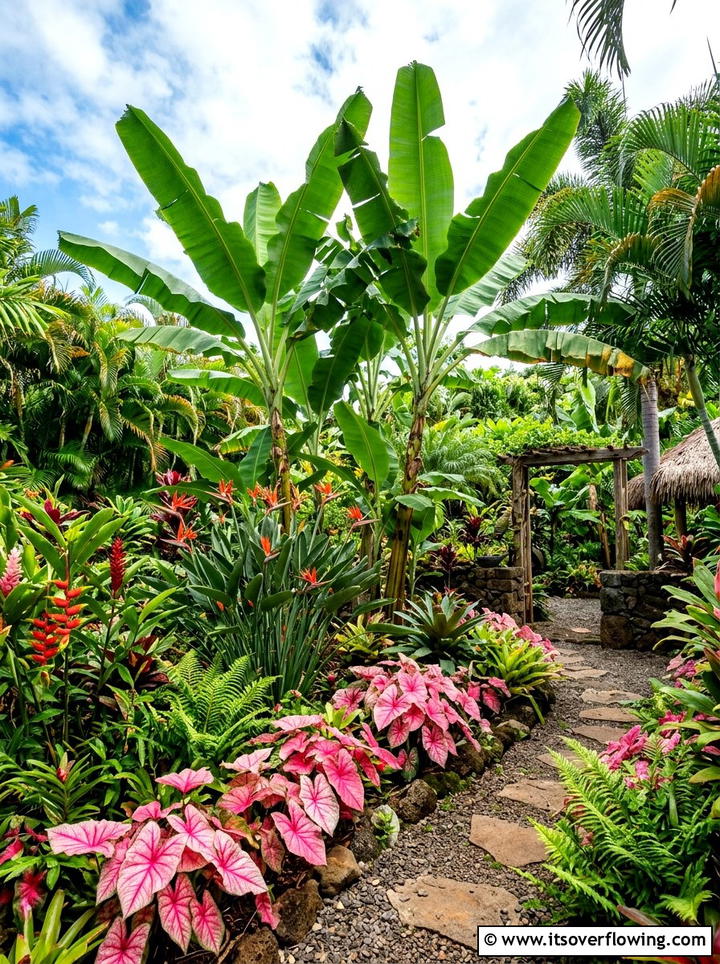
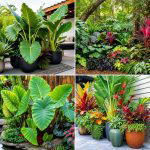
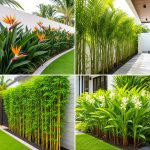
Do you want to feel like you are on a permanent vacation in your own backyard? Tropical garden plant height layering uses oversized leaves and bold colors to create a jungle-like atmosphere. You start with tall palms or banana plants to provide a high canopy and dappled shade. The middle layer consists of vibrant plants like bird of paradise, ginger, and hibiscus which add exotic textures and flowers. At the base, use colorful caladiums or bromeliads to fill in the gaps with striking patterns. This dense layering helps to trap moisture and create the humid environment that many tropical species need to thrive and look their absolute best.

12. Evergreen shrub layering
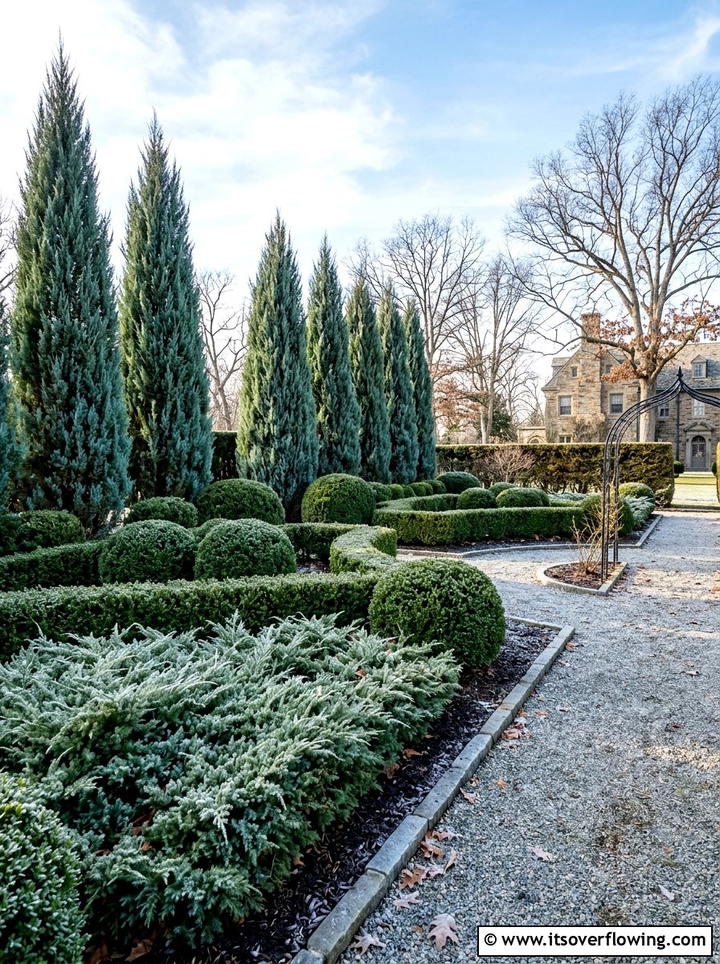
Are you looking for a way to keep your garden looking green and full even during the winter? Evergreen shrub layering uses plants that keep their leaves year-round to provide a permanent structure for your landscape. You can layer tall upright junipers in the back for height and privacy. In front of those, place medium-sized shrubs like boxwood or holly that can be pruned into soft shapes. The lowest layer can include spreading evergreens like creeping juniper or wintercreeper. By using different shades of green, from dark emerald to lime, you create a sophisticated and enduring garden that never looks bare or depressing in cold weather.
13. Retaining wall garden levels
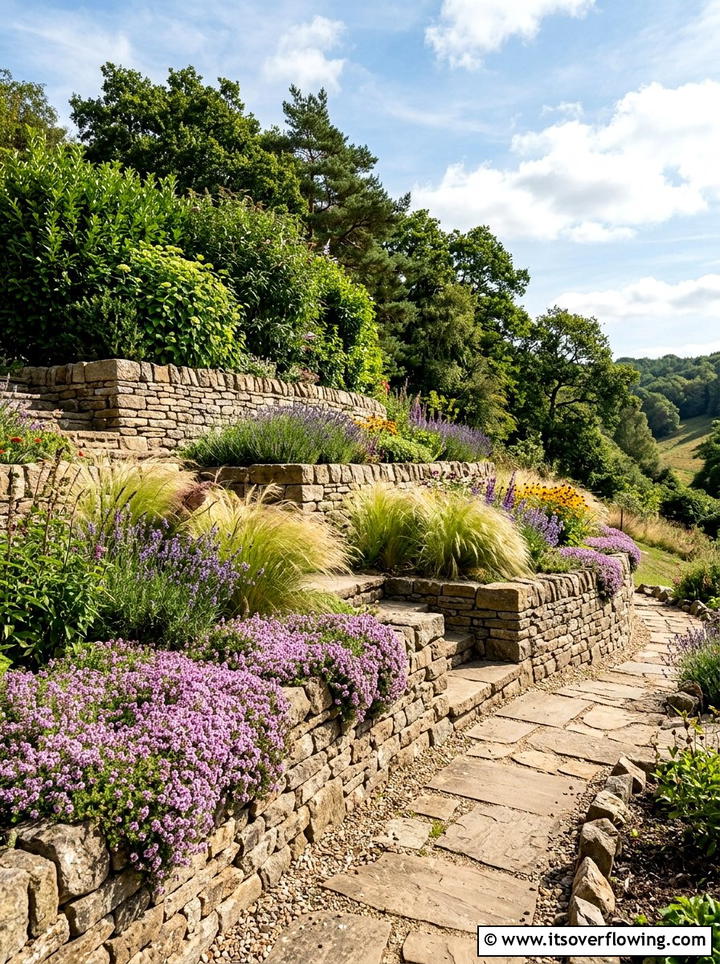
What if you could turn a steep and unusable slope into a series of beautiful planting terraces? Retaining wall garden levels use stone or timber walls to hold back soil and create flat areas for layering. On the highest level, you can plant trees or large shrubs that anchor the soil and provide a backdrop. The middle terraces are perfect for flowing perennials and ornamental grasses that add movement. On the lowest level, you can plant groundcovers that help to soften the transition between the wall and the patio or lawn. This layered approach turns a landscaping challenge into a stunning and functional feature of your home.
14. Xeriscape layering for dry climates
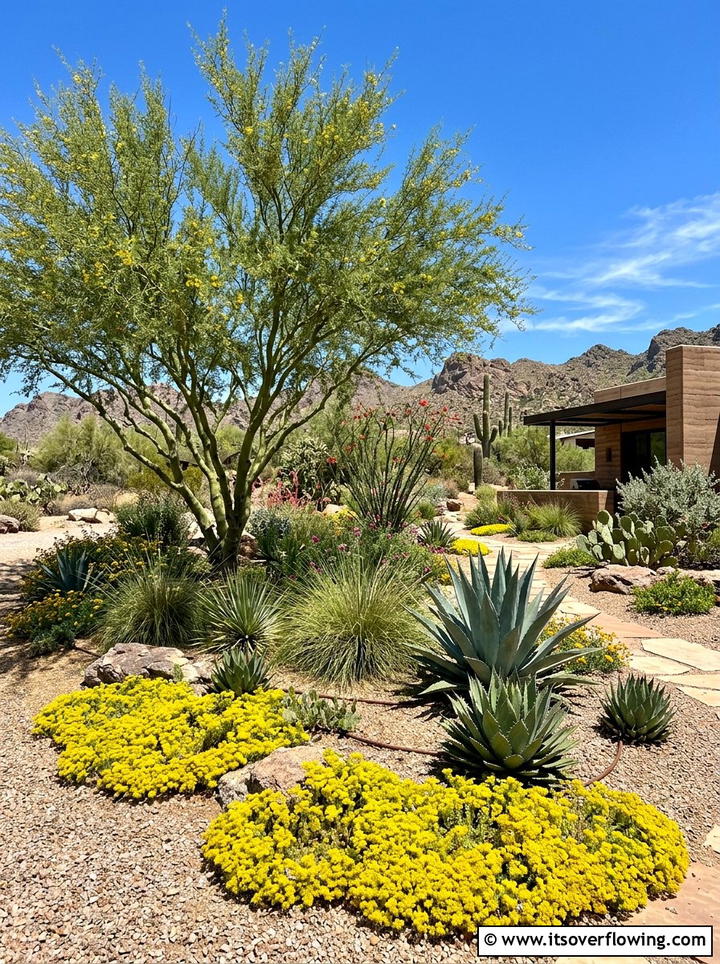
Do you live in an area with water restrictions but still want a lush and beautiful garden? Xeriscape layering for dry climates uses drought-tolerant plants arranged in layers to conserve moisture and reduce maintenance. You can start with tall desert trees like palo verde or mesquite to provide light shade. The middle layer can feature various types of agave, yucca, and sage which are adapted to heat. For the ground layer, use a combination of crushed gravel and low-growing succulents like sedum. This layering technique mimics natural desert landscapes and creates a resilient garden that stays beautiful even during the hottest and driest summer months.
15. Wildflower meadow layering
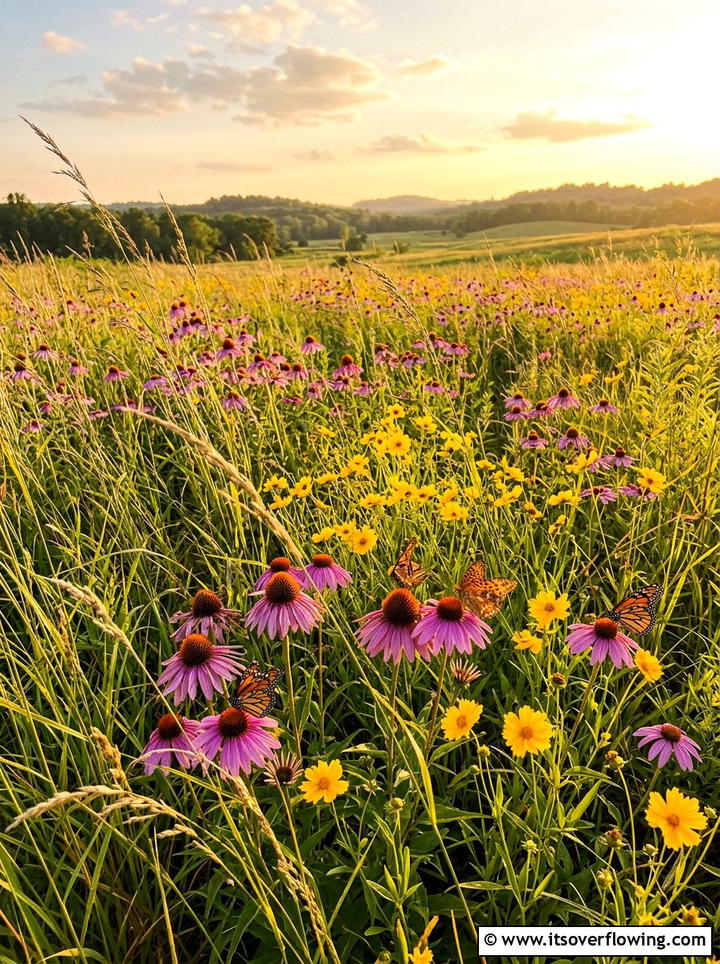
Would you like to attract more bees, butterflies, and birds to your outdoor living space? Wildflower meadow layering creates a naturalistic and biodiverse environment by mixing different heights of native plants. You start with tall native grasses and sunflowers that provide structure and seeds for birds. In the middle, you mix in a variety of blooming wildflowers like purple coneflower and black-eyed Susans. The lowest layer consists of clover and small native annuals that fill in the spaces between the larger plants. This type of layering provides a continuous source of food and shelter for local wildlife while offering a colorful and ever-changing display of nature.
16. Edible garden vertical layers
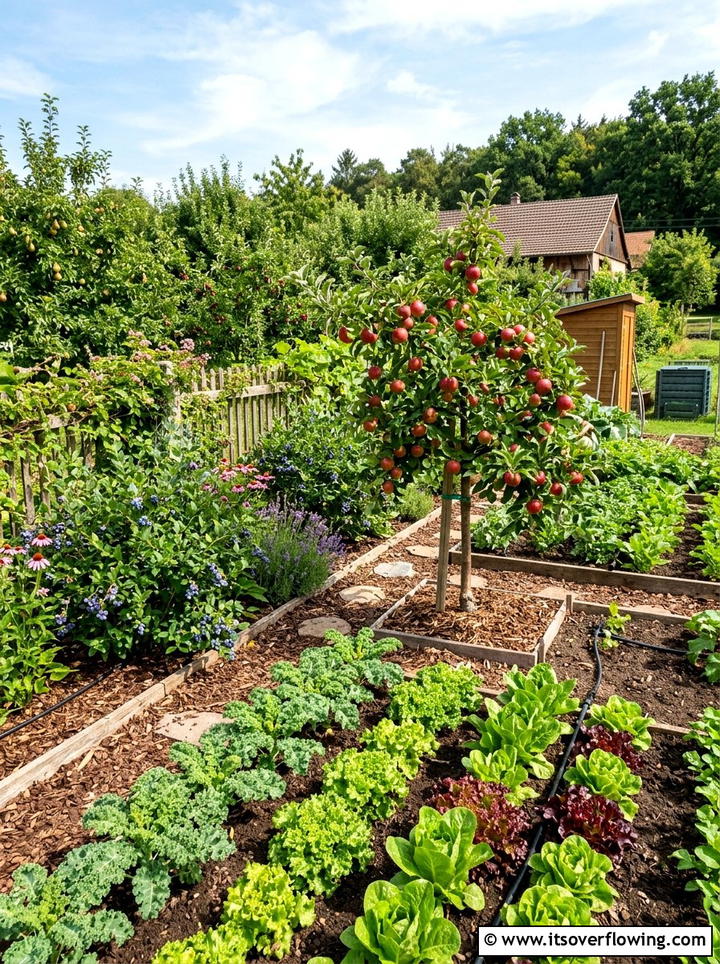
Is it possible to grow a large amount of food in a small residential backyard? Edible garden vertical layers use fruit trees, berry bushes, and vegetables to create a productive and beautiful landscape. You can plant dwarf fruit trees like apples or pears as the tallest layer in your garden beds. Underneath the trees, place berry bushes like blueberries or raspberries to serve as the mid-level shrubs. The ground can be filled with edible greens like spinach, lettuce, and herbs. This “food forest” approach maximizes the use of space and nutrients, allowing you to harvest a wide variety of fresh produce throughout the entire growing season.
17. Contemporary gravel garden layering
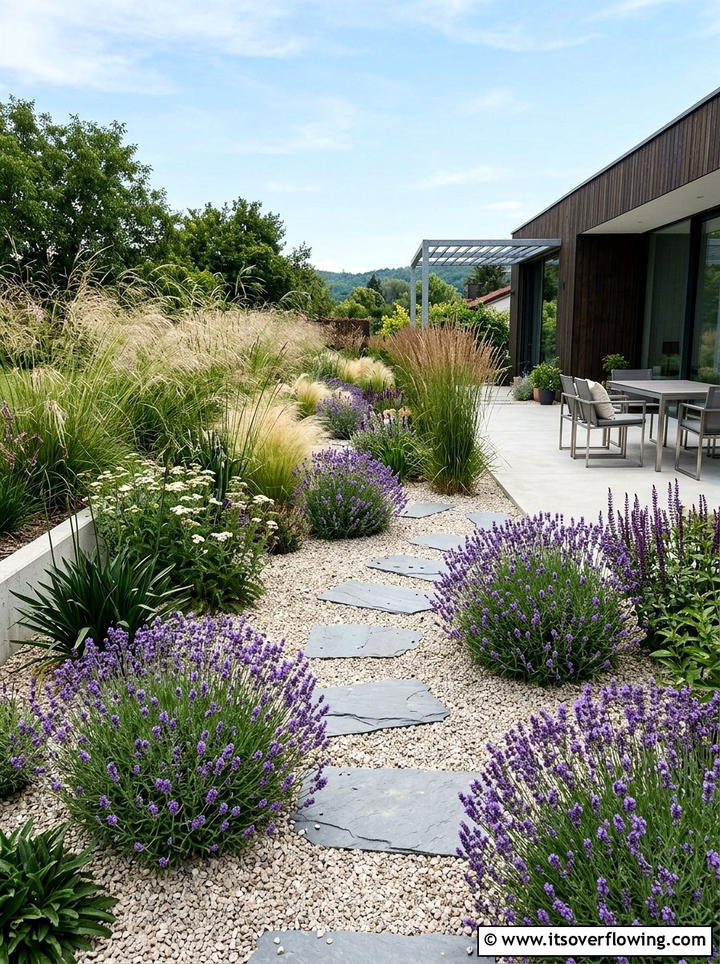
Are you searching for a minimalist and modern look that requires almost no mowing or watering? Contemporary gravel garden layering uses a base of decorative stone or pebbles combined with architectural plants. You can place tall, upright grasses or yuccas in clusters to create vertical interest and focal points. Around these, use medium-sized, drought-tolerant shrubs like lavender or santolina that have a neat, rounded shape. The ground layer is the gravel itself, which can be accented with low-lying succulents or flat stones. This style of layering is very clean and organized, making it a perfect choice for modern homes with a focus on simplicity.
18. Japanese garden layering techniques
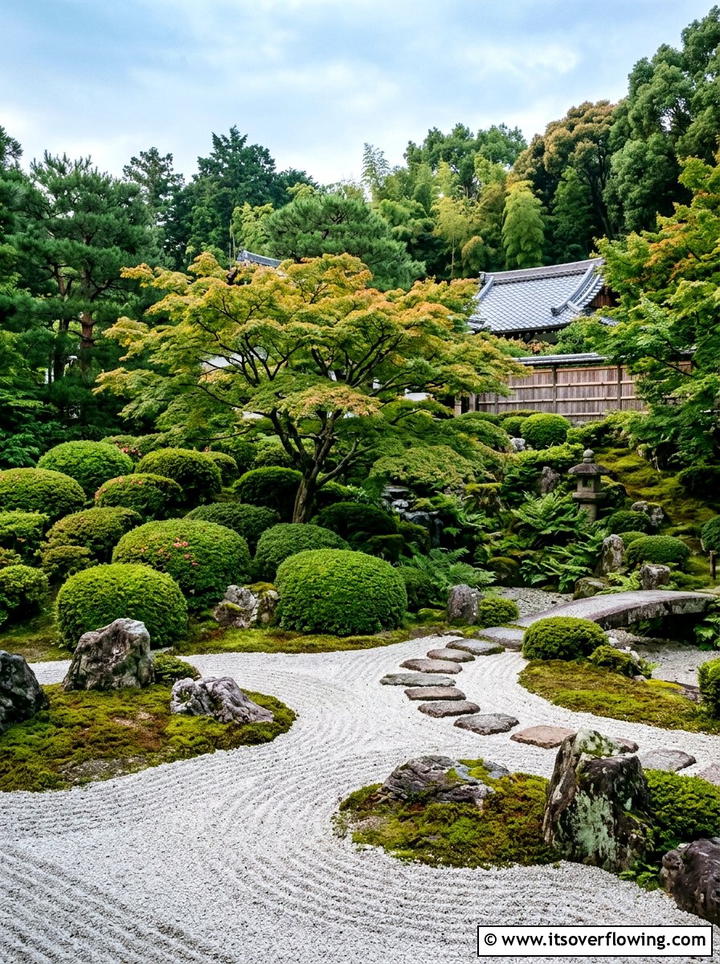
How can you create a sense of peace and profound harmony in your own outdoor sanctuary? Japanese garden layering techniques focus on balance, negative space, and the use of symbolic elements. You start with a carefully pruned specimen tree, such as a black pine or Japanese maple, as the primary focal point. Below the tree, use various sizes of azaleas or rhododendrons pruned into soft, cloud-like mounds. The ground level often features fine-textured moss or raked gravel to represent water. This meticulous layering creates a miniature landscape that feels much larger than it actually is, inviting quiet reflection and a deep connection with the natural world.
19. Sloped backyard layering
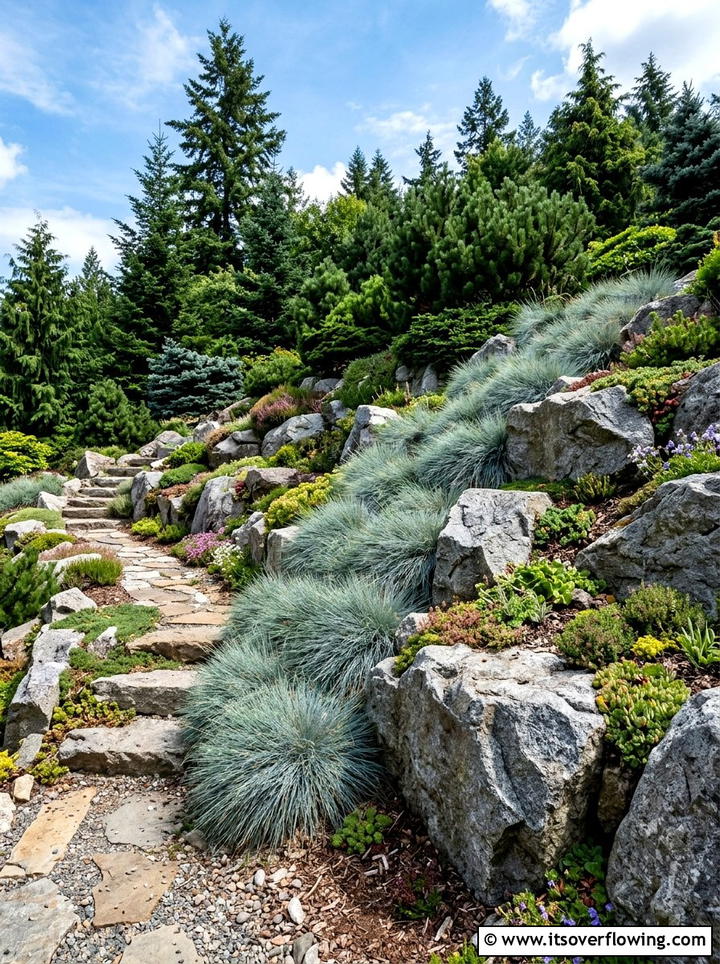
Do you have a backyard that feels difficult to use because of a significant incline or hill? Sloped backyard layering is the best way to stabilize the soil and create a visually appealing transition between levels. You can use large boulders and rocks to create a natural-looking framework for your plants. Behind the rocks, plant tall shrubs and trees that help hold the earth in place with their roots. In the pockets between rocks, add cascading perennials and grasses that flow downward like a waterfall. Finally, use creeping groundcovers at the base of the slope to tie everything together. This turns a difficult hill into a beautiful feature.
20. Flowering shrub layering
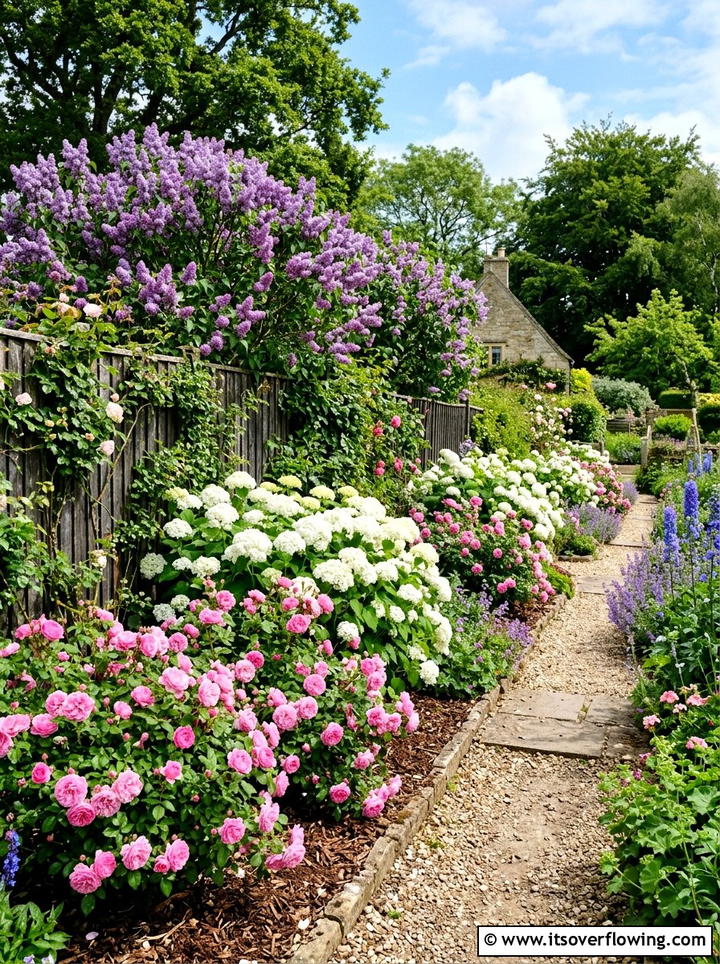
What is the best way to ensure your garden is filled with colorful blooms from spring until autumn? Flowering shrub layering uses a variety of bushes with different bloom times to create a continuous display of color. You can plant tall lilacs or mock orange in the back for early spring fragrance and height. In front of those, place medium shrubs like hydrangeas or spireas that bloom in mid-summer. The front layer can include low-growing potentilla or drift roses that continue flowering well into the fall. This strategy provides layers of color and texture that change with the seasons, keeping your garden interesting all year long.
21. Groundcover and bulb layering
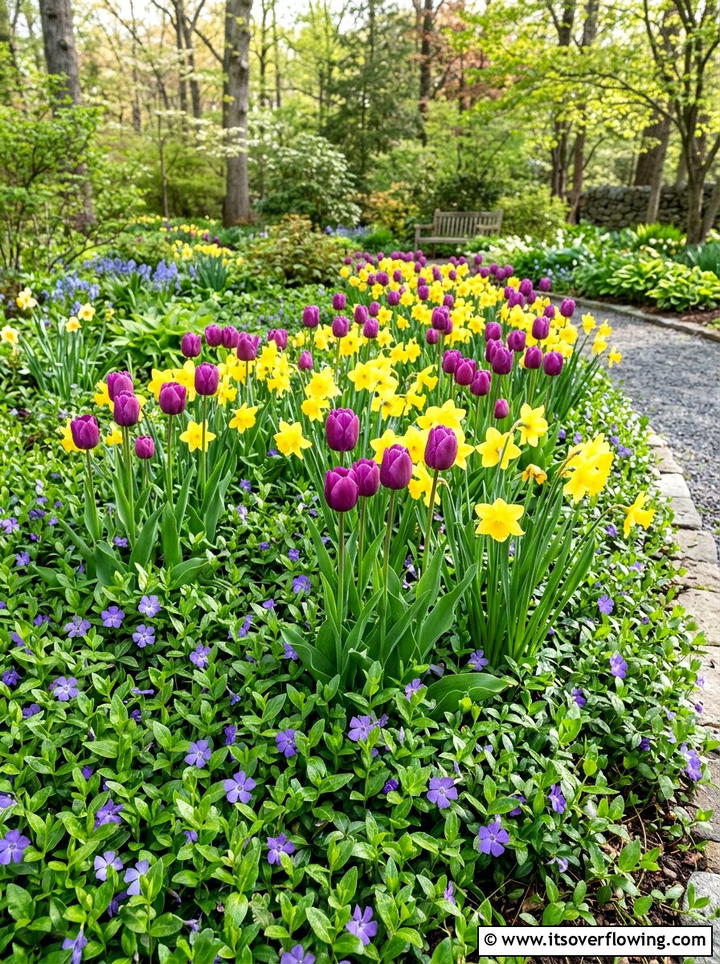
Have you ever seen a garden that looks like a carpet of flowers emerging from the green grass? Groundcover and bulb layering is a clever technique where you plant spring-flowering bulbs underneath a layer of permanent groundcover. You can use low-growing plants like periwinkle or creeping phlox as your base layer. In the fall, tuck bulbs like tulips, daffodils, or crocuses into the soil beneath the groundcover. When spring arrives, the bulbs grow through the foliage and bloom, creating a beautiful layered effect. Once the flowers fade, the groundcover remains to hide the dying bulb foliage and keep the garden bed looking neat and tidy.
22. Coastal garden plant layers
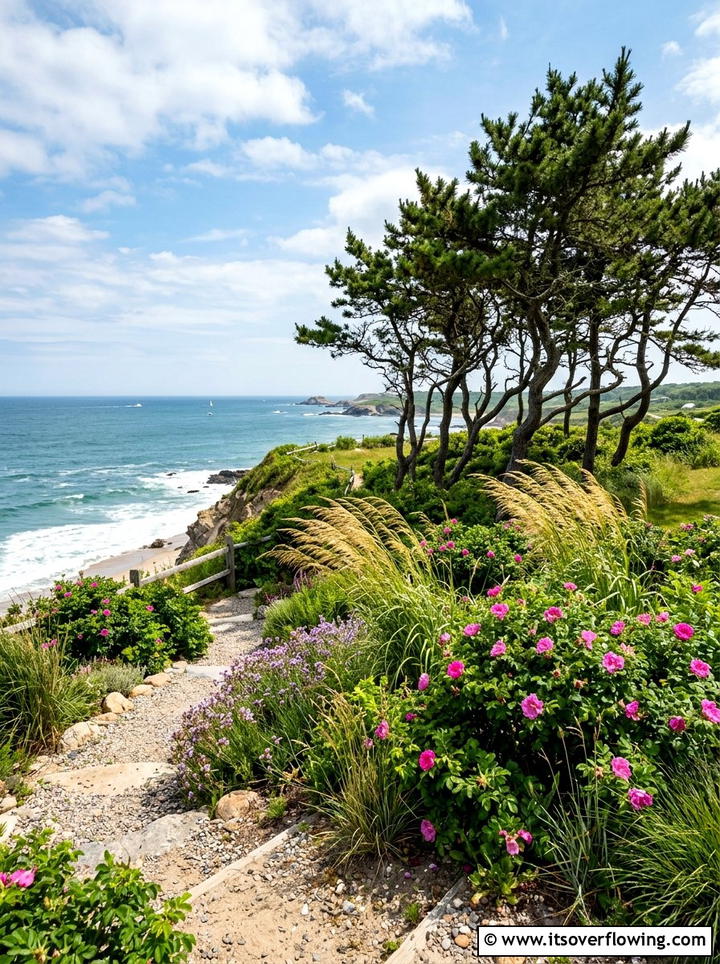
Do you live near the ocean and need plants that can handle salt spray and sandy soil? Coastal garden plant layers use hardy, salt-tolerant species that thrive in breezy and sunny seaside environments. You can start with wind-resistant trees like coastal oaks or pines to act as a buffer for the rest of the garden. The middle layer often includes ornamental grasses like sea oats and flowering shrubs like rugosa roses. For the ground layer, use sand-dwelling plants like beach creepers or succulents that help stabilize the dunes. This layered approach protects the more delicate plants while creating a landscape that complements the beautiful coastal scenery.
23. Modern farmhouse garden layering
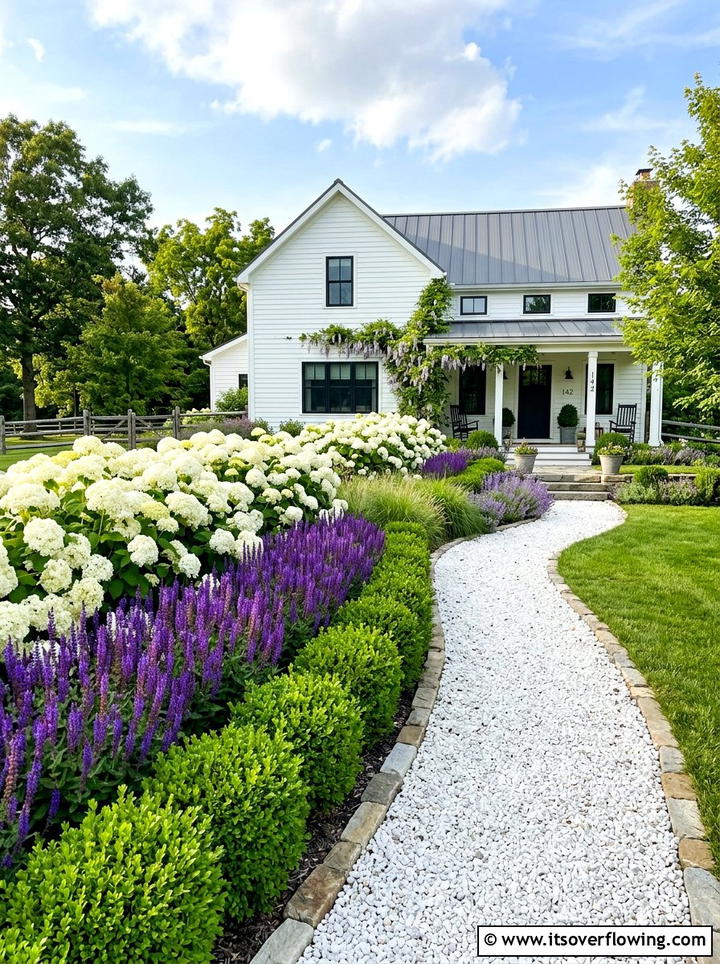
Are you trying to find the perfect balance between rustic charm and clean, modern architectural lines? Modern farmhouse garden layering uses a mix of traditional plants and contemporary layouts to achieve this popular look. You can plant rows of tall white hydrangeas or hornbeams to provide a structured backdrop. In the middle, use softer plants like lavender, catmint, and white roses for a classic country feel. The edges are often defined by neat stone paths or low boxwood hedges that keep the design looking polished and modern. This layering style creates a welcoming and timeless atmosphere that perfectly matches the aesthetic of a modern farmhouse home.
24. Container garden layering
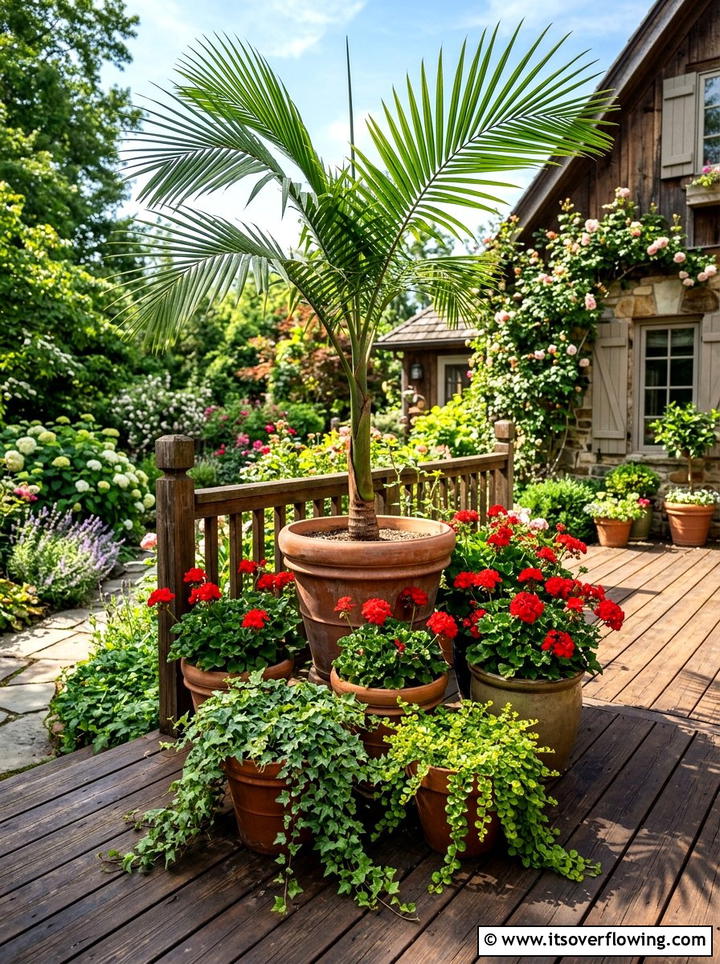
What if you only have a porch or a small patio but still want a full-sized garden look? Container garden layering involves grouping different sizes of pots together to create a multi-level display of greenery. You can use a large, tall planter as your “tree” layer with a central focal plant like a hibiscus or ornamental grass. Surround the base of that pot with medium-sized containers filled with colorful flowers like geraniums or petunias. Finally, place small pots of trailing ivy or succulents at the very front to create a low-level layer. This allows you to move your garden around and change the look whenever you want.
25. Seasonal color layering
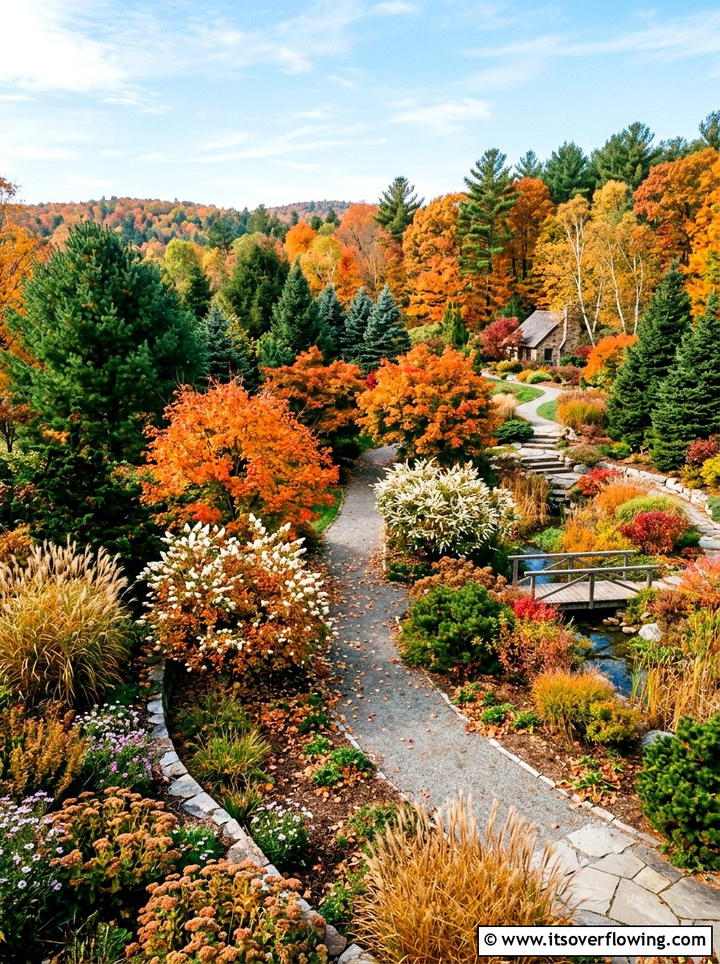
Do you want your garden to be the star of the neighborhood in every single month of the year? Seasonal color layering is a strategy where you choose plants specifically for their visual interest in different seasons. You can use evergreens for winter structure, spring-flowering trees for early color, and summer perennials for a vibrant mid-year display. In the fall, incorporate shrubs and grasses that change to beautiful shades of orange, red, and gold. By layering these elements together, you ensure that as one plant finishes its peak, another is just beginning to shine. This thoughtful planning creates a dynamic and rewarding garden that never has a dull moment.
Conclusion:
Designing a garden with layering is one of the most effective ways to transform a simple outdoor area into a lush and professional-looking sanctuary. By focusing on different vertical levels and varying textures, you create a space that feels deep, intentional, and full of life. Whether you are working with a small urban balcony or a large suburban backyard, these layering techniques allow you to maximize your space and enjoy a beautiful view from every angle. Remember that the best gardens are those that mimic the natural world while reflecting your personal style and needs. With a little planning and the right plant choices, you can create a layered garden that provides beauty and joy for many years to come.

Related posts:
 25 Small Garden Ideas With Layered Plants for Lush Depth
 25 Creative Garden Ideas With Cottage Layering
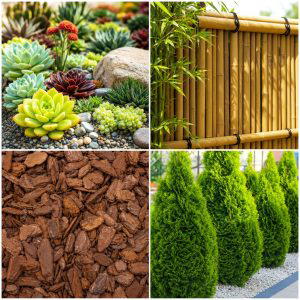 25 Garden Design Ideas With Texture for a Lush Yard Look
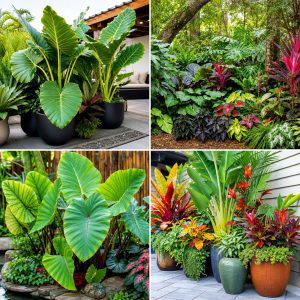 25 Garden Design Ideas With Tropical Foliage for Lush Style
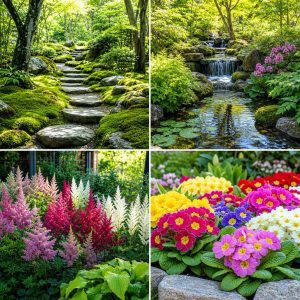 25 Garden Design Ideas With Woodland Plants for Lush Shade
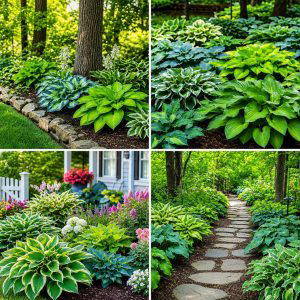 25 garden ideas with hostas for Lush Shade Garden Beauty
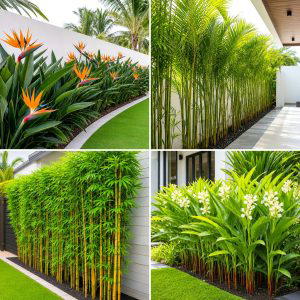 25 Creative Garden Ideas With Tropical Foliage for Lush Yards
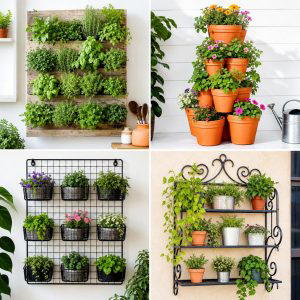 25 small garden ideas with vertical planters for Lush Walls
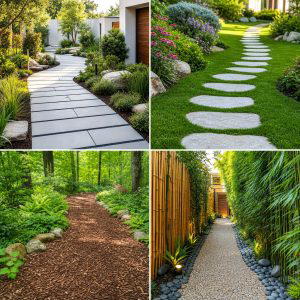 25 Garden Design Ideas With Pathways for Beautiful Garden Flow
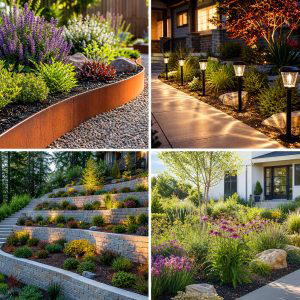 25 Garden Ideas for Curb Appeal to Transform Your Home
 25 small garden ideas with vegetables for Fresh Home Harvests
 25 Garden Design Ideas for Patios With Stylish Outdoor Charm