
Creating a garden that feels alive involves much more than just picking out a few colorful flowers. When you focus on texture, you transform a flat backyard into a rich sensory experience that looks amazing in photos and feels even better in person. Texture adds a layer of sophistication that professional designers use to create depth and visual interest throughout the changing seasons. Whether you love the soft movement of ornamental grasses or the rugged look of natural stone, mixing different surfaces is the secret to a high-end look. This guide explores creative ways to use various materials and plants to build a stunning outdoor space that everyone will want to pin and recreate at home.
1. Ornamental Grass
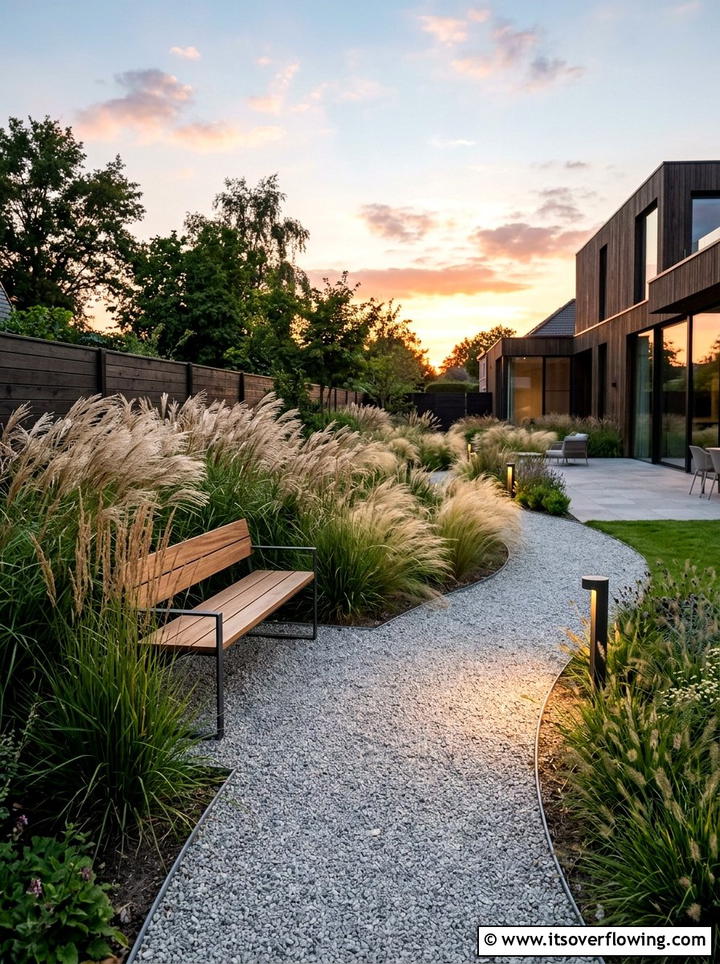
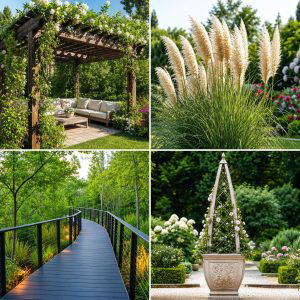
Soft and feathery textures bring a sense of movement to a modern backyard landscape. Tall ornamental grasses sway gently in the breeze, creating a relaxing sound that enhances the peaceful atmosphere of your outdoor living space. These plants look beautiful when planted in large groups to create a soft, blurry backdrop for more structured elements. You can pair them with sleek wooden benches or stone walls to create a striking visual contrast. During the autumn months, many grasses turn golden brown, adding a warm and cozy texture to the scenery. This approach works perfectly for homeowners who want a low-maintenance garden that still looks professionally designed and full of life throughout the year.
2. Natural Stone Path
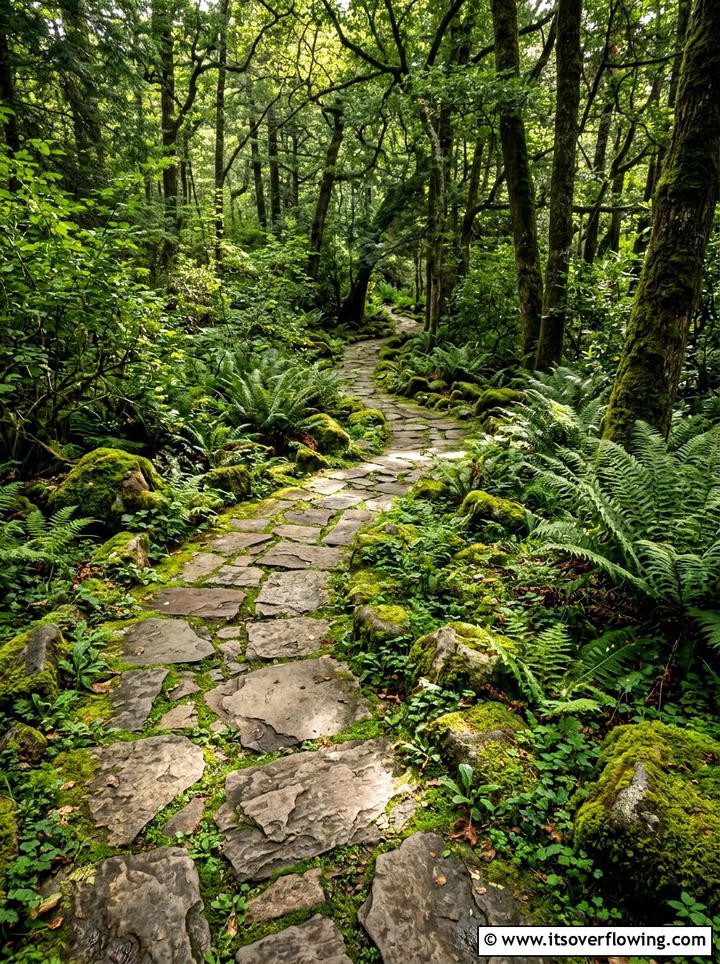
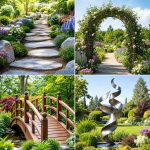
Flagstone and slate provide a rugged and earthy feel to any garden walkway or entrance. These natural materials come in various shapes and sizes, allowing you to create a unique pattern that guides visitors through your landscape. The irregular edges of the stone contrast beautifully with soft green moss or low-growing groundcover plants tucked between the cracks. A stone path adds a permanent structural element that looks even better as it ages and weathers over time. You can use large slabs for a modern look or smaller river rocks for a more rustic vibe. This design choice anchors the entire garden and provides a solid foundation for your other textured plant selections.
3. Succulent Garden
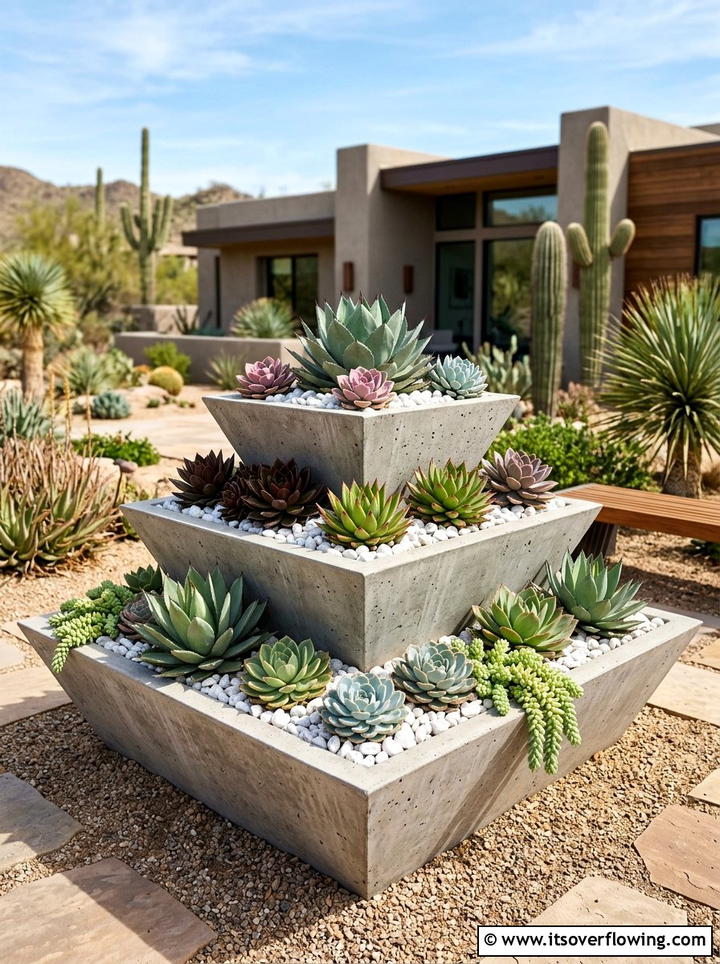
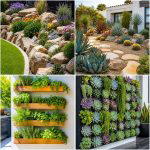
Echeveria and agave plants offer a thick and waxy texture that feels sculptural and modern. These plants are perfect for creating a low-water landscape that still looks lush and interesting. You can arrange different varieties in a tiered planter or a dedicated corner of the yard to showcase their unique shapes and colors. The fleshy leaves of succulents provide a bold contrast against fine-textured sand or small pebbles. Some species have spikes while others are smooth and velvety, offering a wide range of tactile experiences. By grouping succulents with different growth habits, you create a miniature desert oasis that requires very little upkeep but provides massive visual impact in a small area.
4. Wood Decking
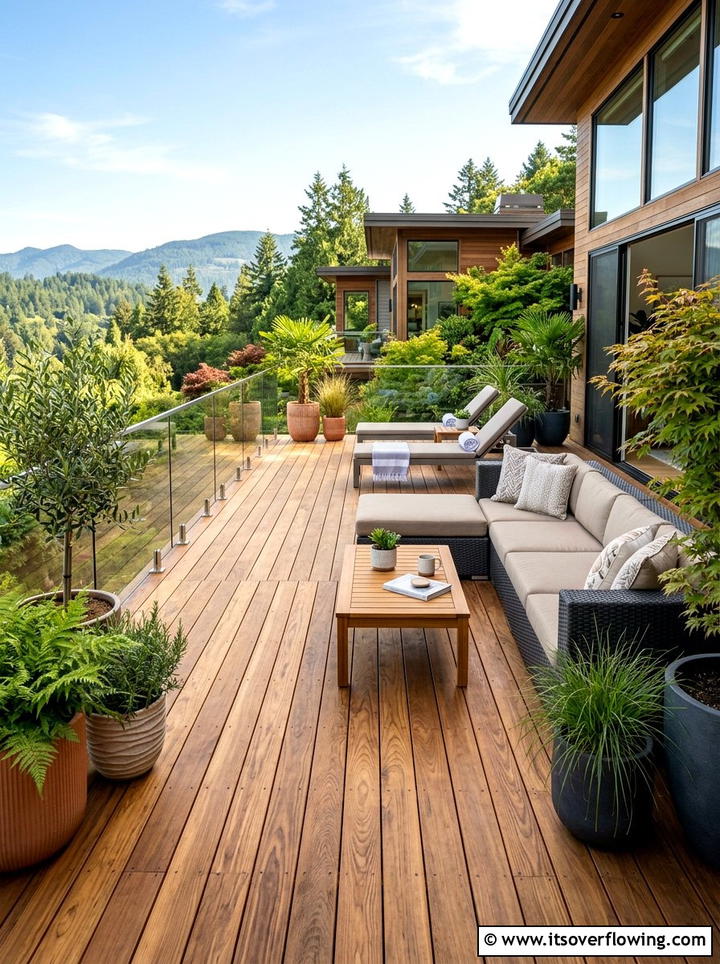
Natural wood surfaces add a warm and smooth texture that makes a garden feel like an extension of the home. A well-built deck provides a flat area for furniture while introducing the organic grain and pattern of cedar or redwood. The horizontal lines of the wooden planks create a sense of rhythm and order in a wilder, more natural landscape. You can stain the wood to match your home’s exterior or let it silver naturally for a weathered look. Pairing wood with metal railings or stone planters creates a layered aesthetic that is very popular on social media. It serves as a comfortable platform for enjoying the various textures of the surrounding plant life.
5. Boxwood Hedge
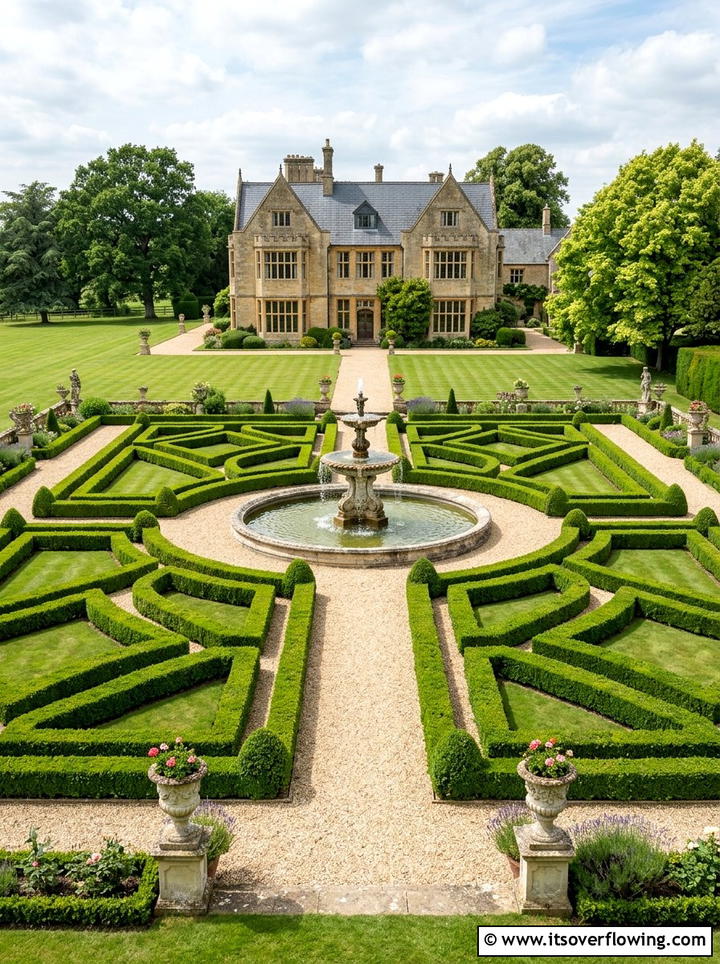
Densely packed evergreen leaves offer a smooth and architectural texture that defines the boundaries of a formal garden. Boxwood hedges can be trimmed into neat geometric shapes to provide a sense of structure and elegance. These plants create a solid green wall that acts as a perfect backdrop for softer, flowering plants like roses or peonies. The uniform look of a well-maintained hedge adds a touch of luxury and permanence to the yard. You can use them to line a driveway or create separate garden rooms for different activities. Their small, shiny leaves catch the light beautifully, adding a subtle shimmer to the landscape even during the cold winter months of the year.
6. Gravel Courtyard
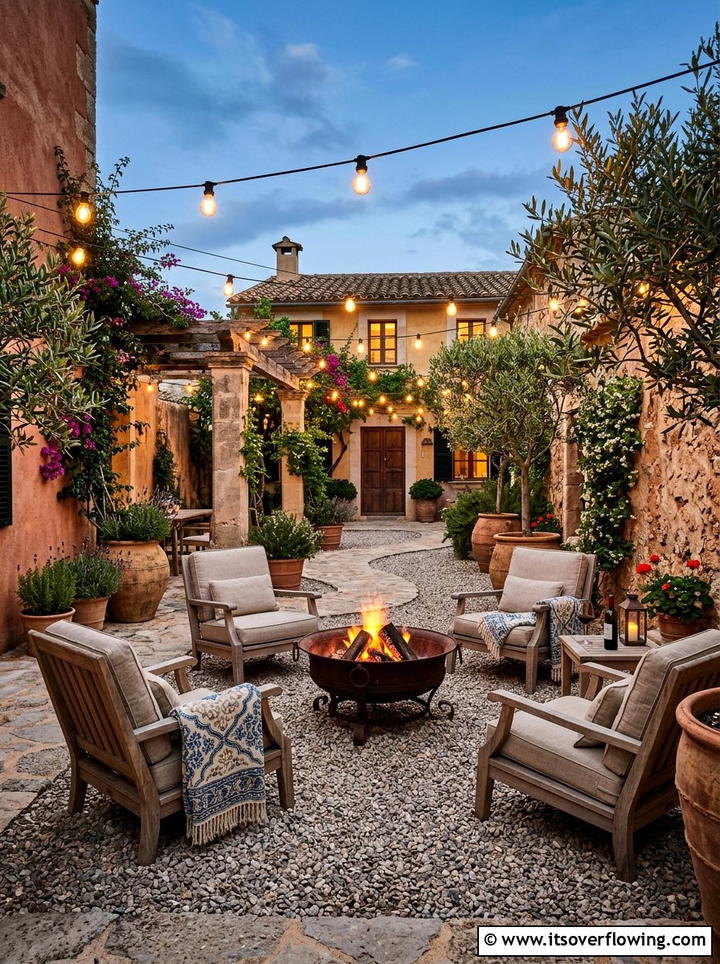
Crushed stone and pea gravel create a crunchy texture underfoot that adds an audible dimension to the garden experience. A gravel courtyard provides a casual and European-style space for dining or relaxing outdoors. The small, loose stones fill in gaps around larger pavers or furniture legs, creating a seamless and permeable surface. Gravel comes in many colors, from cool grays to warm tans, allowing you to customize the mood of the space. This material is excellent for drainage and helps keep weeds at bay while providing a clean look. Mixing gravel with large boulders and potted plants creates a multi-layered environment that feels both grounded and airy at the very same time.
7. Tropical Foliage
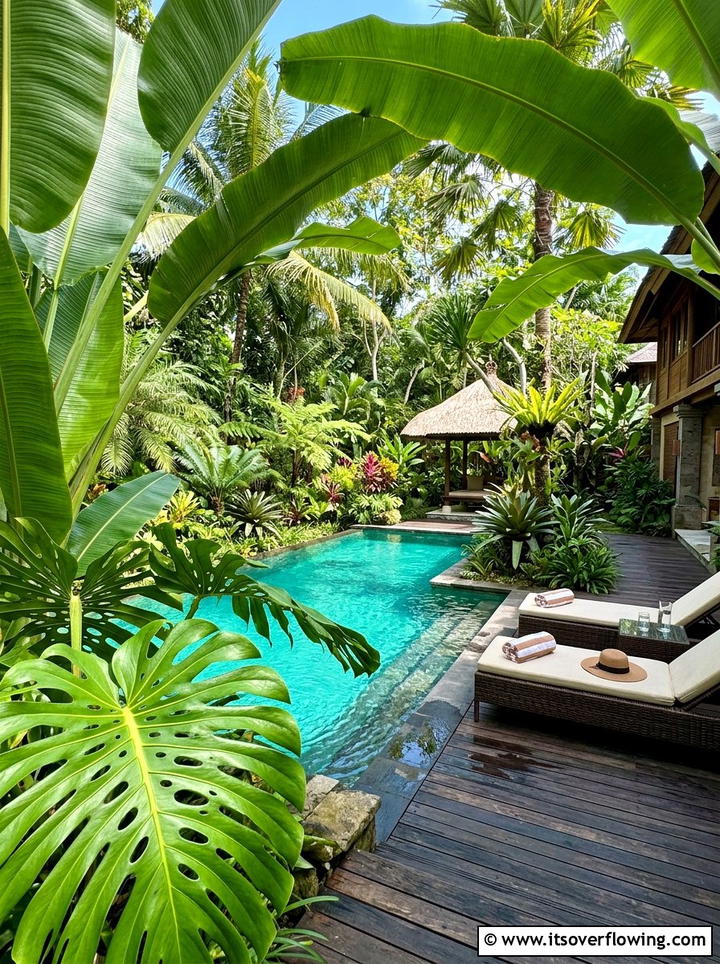
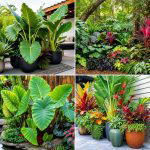
Large and glossy leaves from plants like banana trees or monstera create a bold and dramatic texture in the garden. These oversized greens bring a lush, jungle-like feel to a patio or poolside area. The broad surfaces of the leaves reflect sunlight and create deep shadows, adding layers of visual weight to the landscape. You can pair these giant leaves with fine-textured ferns to emphasize the difference in scale and shape. Tropical plants often have interesting ribs and veins that add intricate detail when viewed up close. This design style is perfect for creating a private sanctuary that feels far away from the hustle and bustle of everyday life in the busy city.
8. Vertical Living Wall
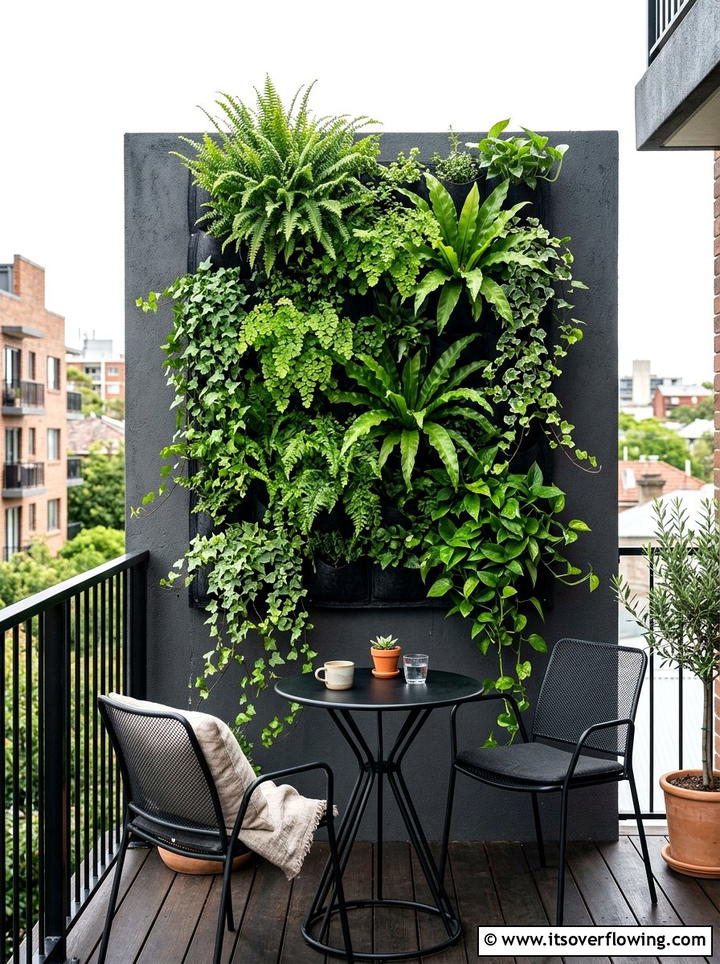
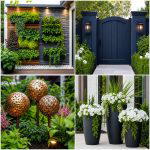
Mounting plants on a vertical surface introduces a rich tapestry of textures to a small backyard or balcony area. A living wall uses various species like ivy, ferns, and small perennials to create a lush green carpet on a fence or exterior wall. This approach saves floor space while adding a massive amount of visual interest at eye level. The different leaf shapes and growth habits create a complex pattern that looks like a piece of living art. You can use a modular system or a simple trellis to support the climbing plants. A vertical garden softens hard architectural lines and brings a refreshing burst of nature to areas that might otherwise feel cold or empty.
9. Moss Covered Rock
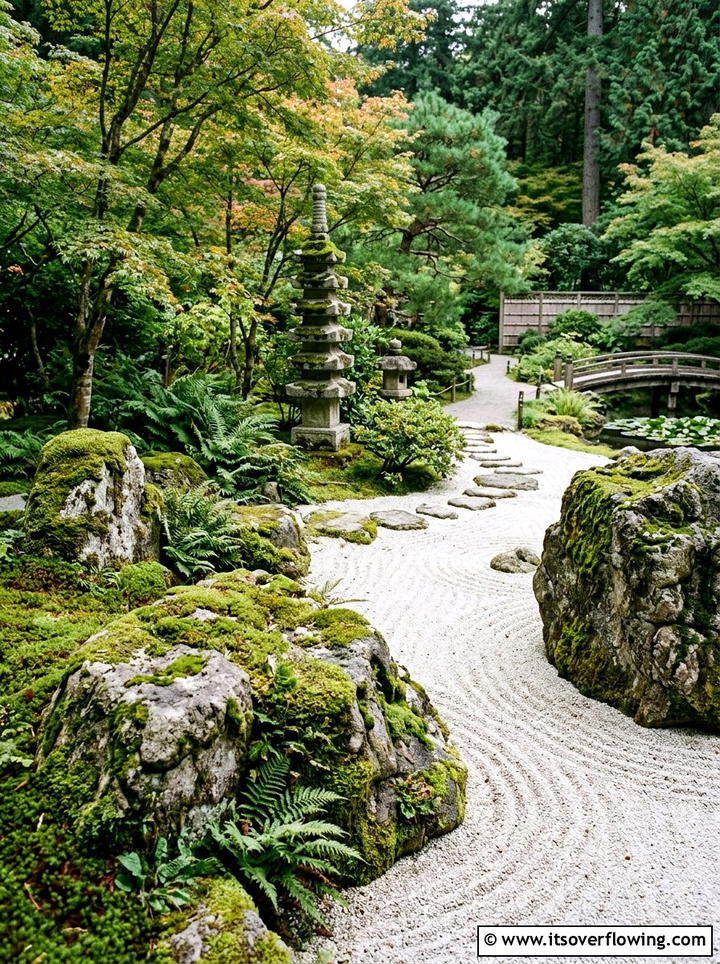
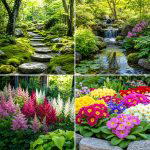
Soft and velvet-like moss provides a delicate texture that makes a garden feel ancient and established. When moss grows over large landscape boulders, it softens the hard edges of the stone and creates a beautiful green patina. This look is common in Japanese-style gardens where peace and quiet are the main goals of the design. Moss thrives in shady, damp areas where other plants might struggle, making it a functional choice for difficult corners. The deep green color provides a calming focal point that looks especially beautiful after a light rain. Combining mossy rocks with a small water feature creates a tranquil environment that encourages slow movement and quiet reflection.
10. Mixed Flower Bed
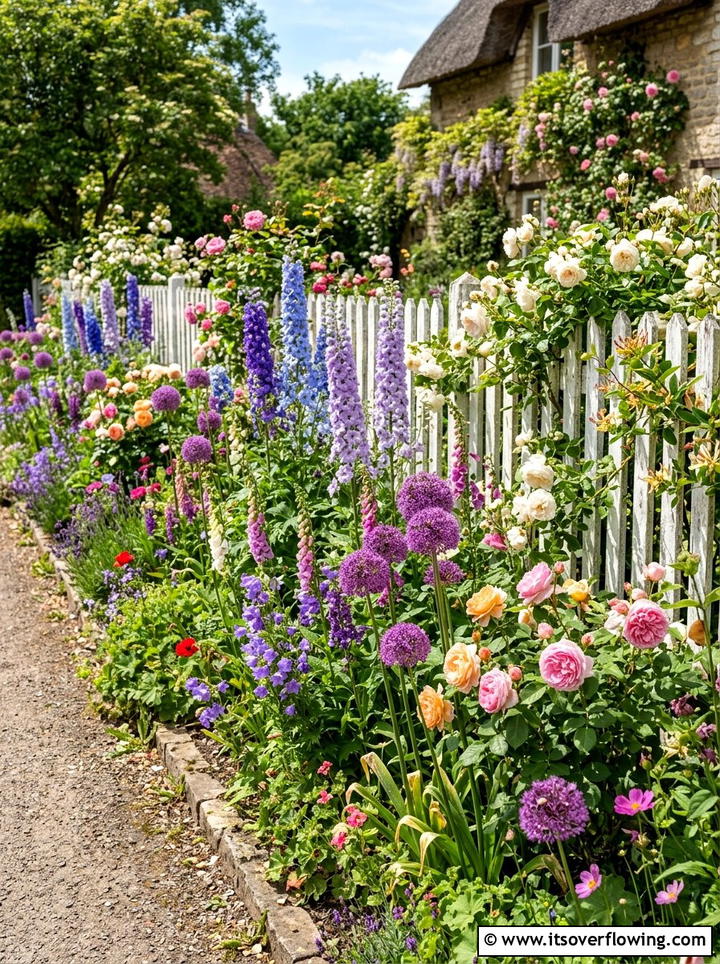
Combining different flower shapes like spikes, balls, and flat clusters creates a vibrant and diverse texture in a garden border. You can mix tall delphiniums with round alliums and flat-topped yarrow to keep the eye moving across the landscape. This variety ensures that the garden looks interesting even when the colors are similar. Using plants with different blooming times provides a changing texture as the seasons progress from spring to autumn. The soft petals of a rose contrast beautifully with the serrated leaves of a nearby shrub. A well-planned mixed bed feels abundant and energetic, offering a classic look that never goes out of style for traditional or cottage-themed garden spaces.
11. Concrete Paver
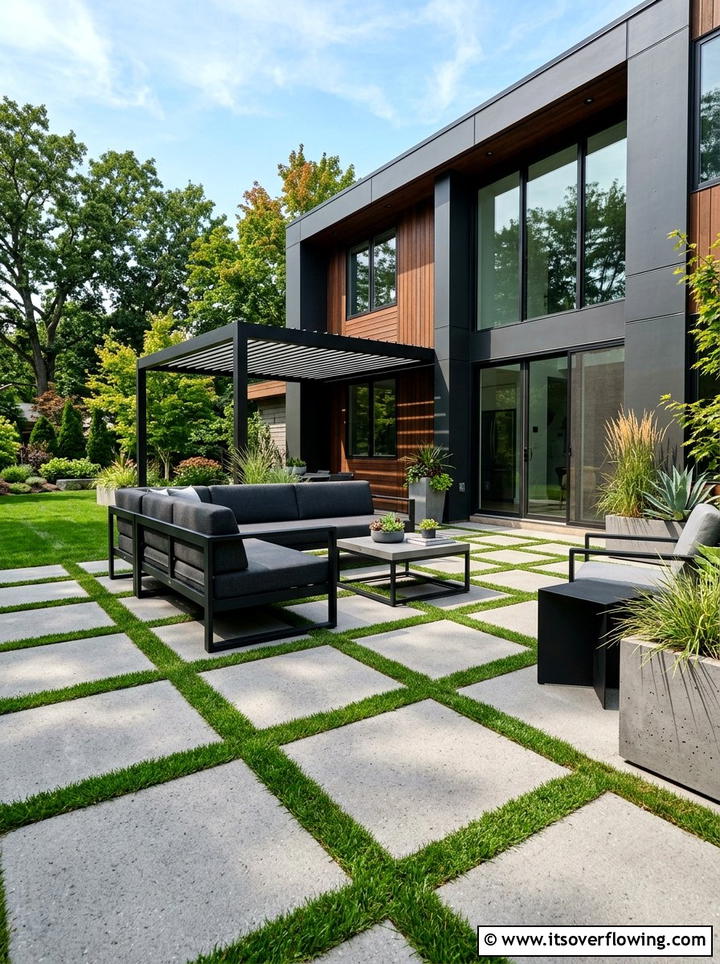
Smooth and matte concrete surfaces offer a clean and industrial texture that works well in contemporary landscape designs. Large-format pavers create a steady rhythm and a sense of scale in a spacious backyard. You can leave wide gaps between the concrete slabs and fill them with dark river stones or green turf to emphasize the geometric lines. The neutral gray color of concrete allows the vibrant greens and bright colors of the plants to stand out more effectively. This material is incredibly durable and provides a flat, stable surface for outdoor lounge chairs or fire pits. Concrete is a versatile choice that anchors the garden with a modern and sophisticated aesthetic.
12. Fern Garden
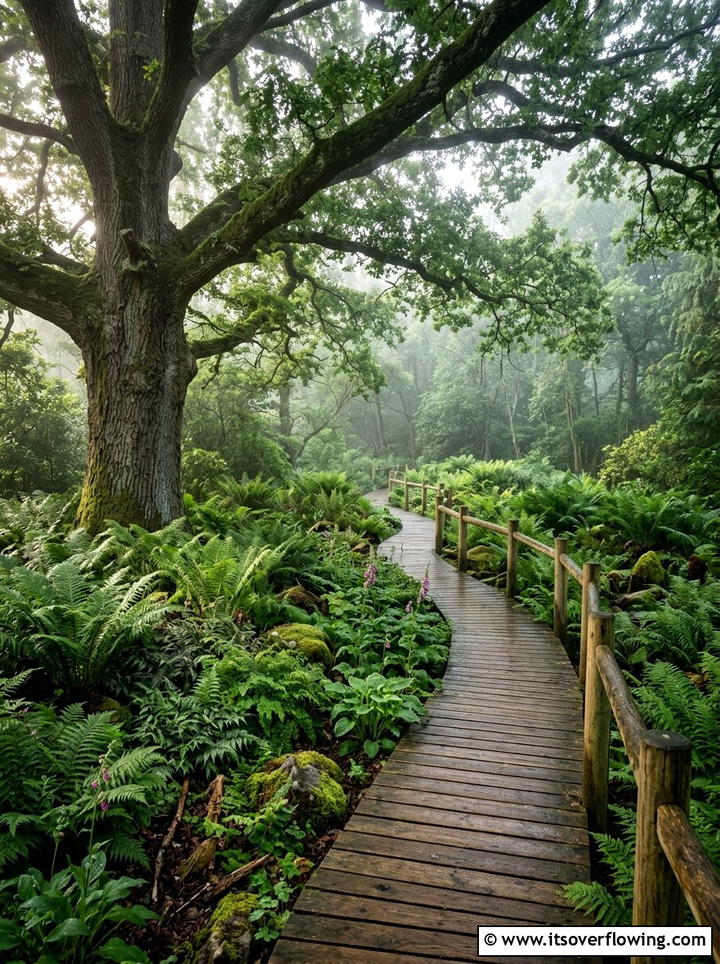
Feathery and delicate fronds create a soft, lace-like texture that is perfect for shady areas under large trees. Ferns bring a sense of coolness and moisture to the garden, making the space feel refreshed and lush. There are many varieties of ferns, from the upright ostrich fern to the spreading maidenhair, each offering a slightly different visual feel. Their intricate leaf patterns add a level of detail that looks stunning when planted in large drifts. Ferns pair beautifully with coarse-textured plants like hostas or wooden boardwalks. This design creates a woodland atmosphere that feels secluded and magical, providing a perfect escape from the heat of the bright summer sun.
13. Brick Patio
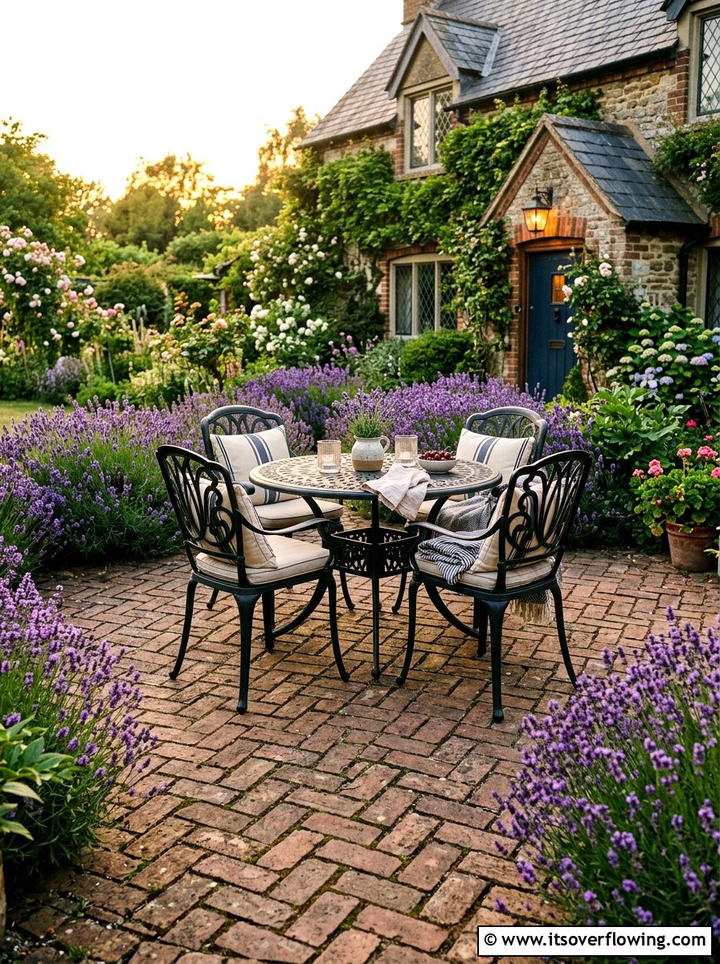
Traditional red bricks offer a gritty and rhythmic texture that adds a sense of history and warmth to the garden. The small, rectangular shapes can be laid in various patterns like herringbone or basketweave to create visual interest on the ground. Brick surfaces feel solid and familiar, making an outdoor dining area feel cozy and inviting for guests. The porous nature of the brick allows it to age beautifully, often developing a slight mossy coating in damp areas. You can surround a brick patio with soft lavender or boxwood to balance the hard surface with living greenery. This classic material provides a timeless look that works well with many different architectural styles.
14. Water Feature
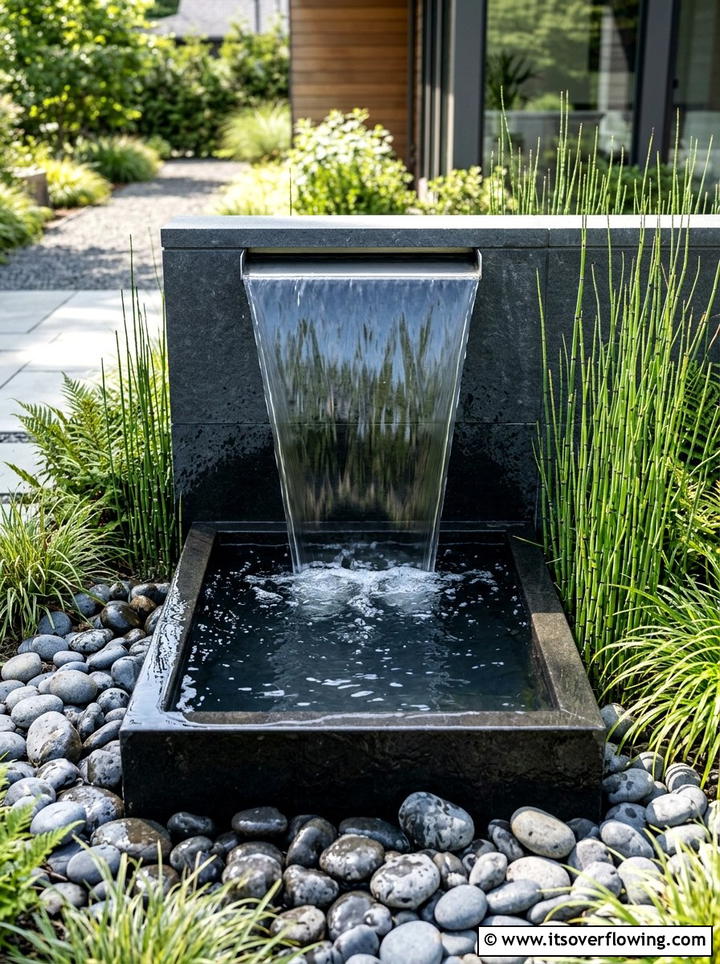
The movement of water introduces a fluid and shimmering texture that contrasts with the solid elements of the landscape. A simple pond or a modern fountain adds light and reflection to the garden, making the space feel larger and more dynamic. The surface of the water can be still and glass-like or bubbling and textured, depending on the pump system you choose. Water also brings a soothing sound that helps mask neighborhood noise and creates a private atmosphere. Surrounding a water feature with smooth pebbles and architectural plants like papyrus enhances the aquatic theme. This element serves as a central focal point that draws people into the garden to relax.
15. Lavender Border
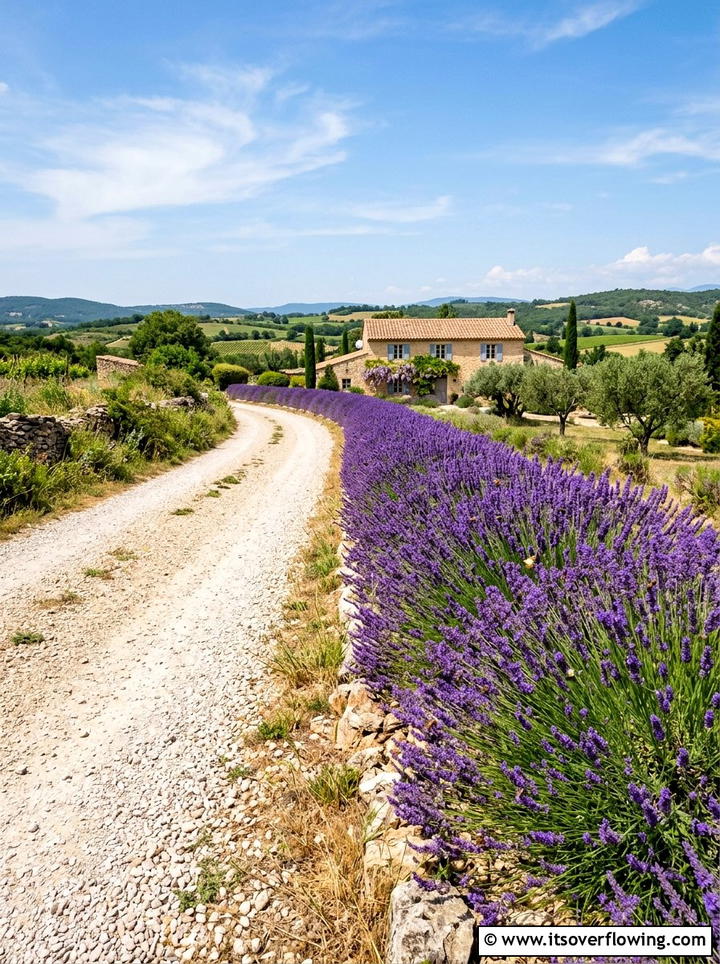
Silvery-green leaves and tiny purple flowers provide a soft and fuzzy texture that smells as good as it looks. Lavender is a hardy plant that creates a beautiful, mounded shape along the edges of a garden path or driveway. The fine needles of the foliage create a hazy effect when viewed from a distance, which helps soften the transition between different garden zones. Lavender thrives in sunny spots and adds a Mediterranean feel to the landscape. The upright flower spikes add height and a vertical texture that contrasts with lower groundcovers. This plant is a favorite for pollinators, bringing the added texture of butterflies and bees moving through the garden space.
16. Bamboo Screen
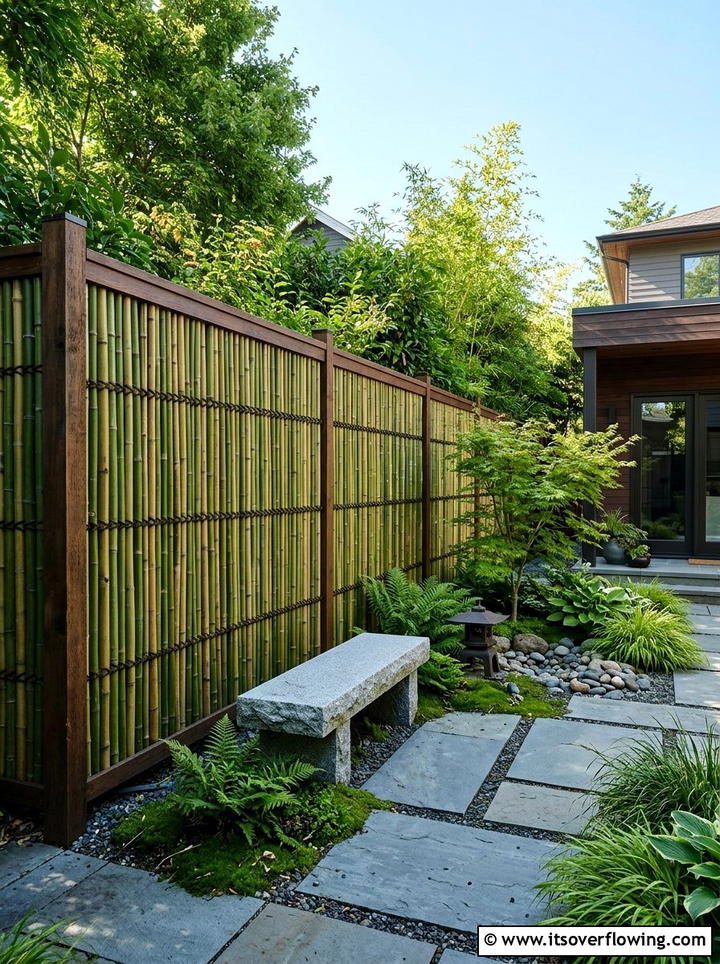
Tall and hollow stalks of bamboo provide a smooth, vertical texture that is perfect for creating privacy in a backyard. The repetitive lines of the bamboo canes create a natural wall that feels light and airy rather than heavy and solid. When the wind blows, the bamboo leaves rustle together, adding a gentle sound texture to the environment. You can use bamboo in modern planters or plant it directly in the ground with a proper root barrier. The light green or golden color of the stalks provides a neutral background for more colorful garden elements. This design idea is great for small urban spaces where you need a fast-growing and stylish privacy solution.
17. Cedar Pergola
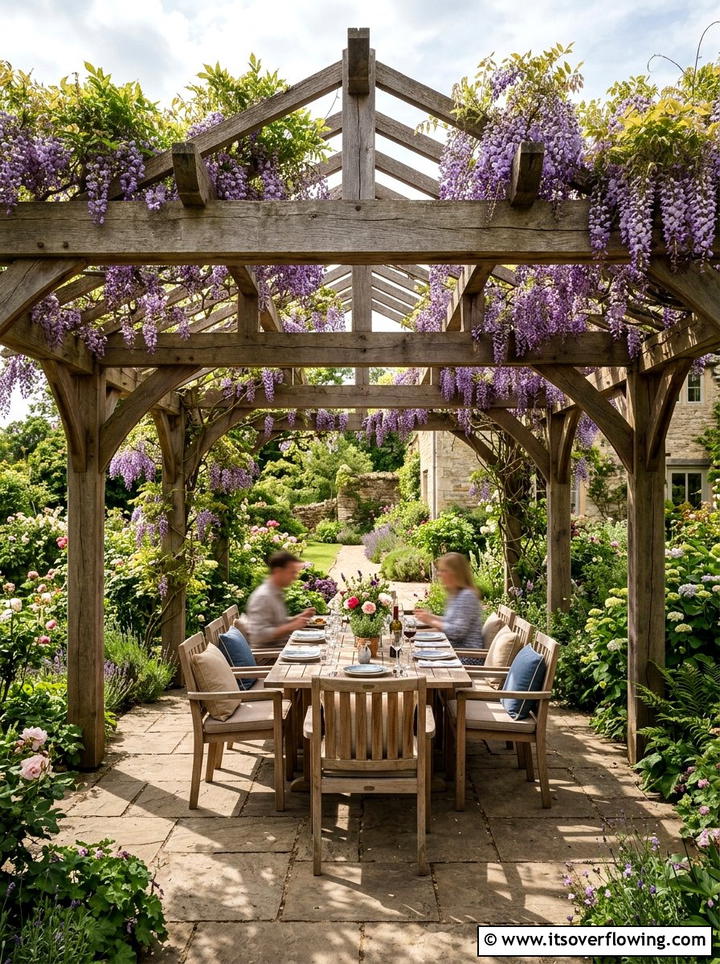
Rough-sawn cedar beams provide a sturdy and organic texture that reaches up into the sky to define an outdoor room. A pergola creates a play of light and shadow on the ground, adding a visual pattern that changes throughout the day. The natural wood grain and knots in the cedar add a rustic charm that feels both solid and welcoming. You can grow climbing vines like wisteria or grapes over the structure to add a soft, leafy texture to the hard wooden frame. This combination of wood and greenery creates a layered look that provides shade and beauty. A pergola acts as a structural anchor that organizes the layout of the entire garden.
18. Wildflower Meadow
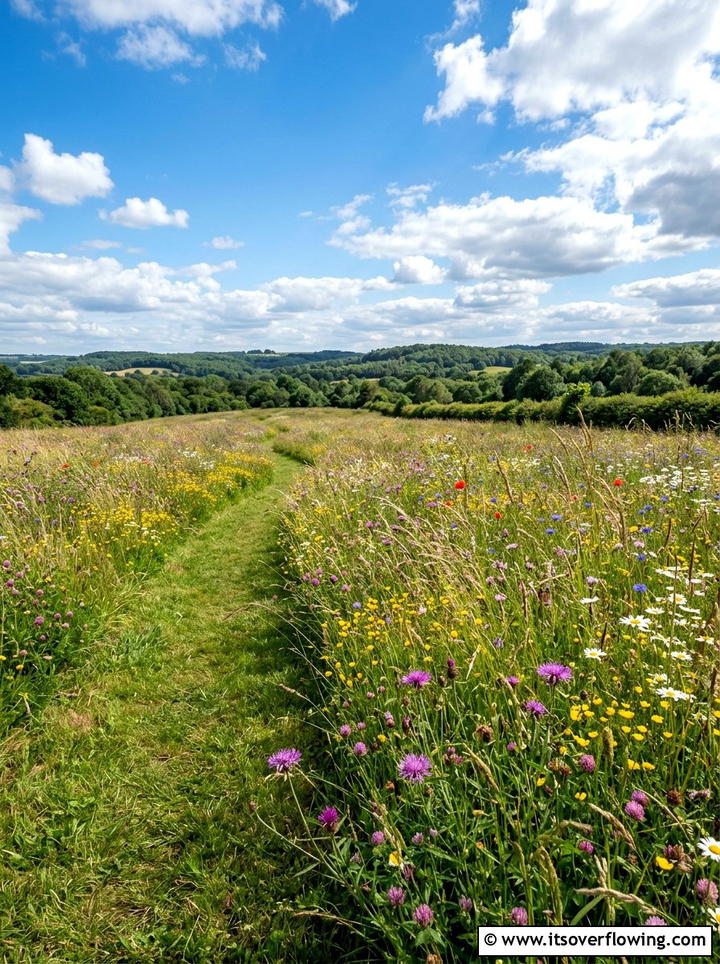
A mix of native grasses and colorful blooms creates a wild and untamed texture that feels natural and relaxed. Instead of a perfectly manicured lawn, a meadow garden offers a diverse landscape filled with different heights and shapes. This design encourages biodiversity and provides a changing display of textures as different species bloom and go to seed. The overall effect is soft and romantic, reminiscent of a country field. You can mow a simple path through the meadow to allow for easy walking while keeping the rest of the area lush and tall. This low-maintenance approach is perfect for large properties where you want to embrace the local environment.
19. Slate Tile
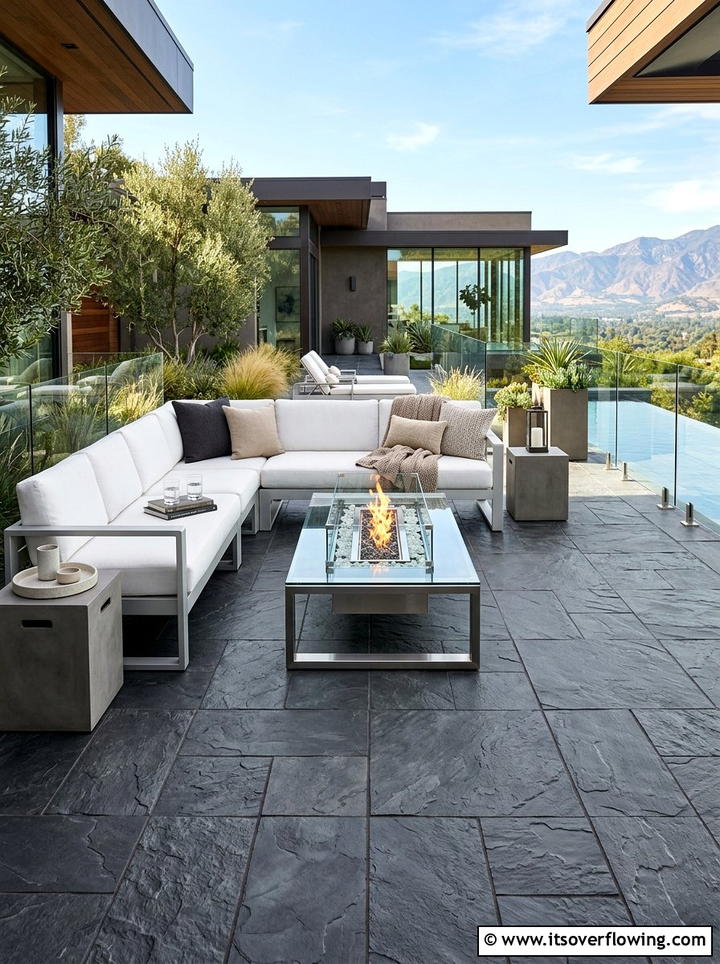
Dark and layered slate tiles provide a sophisticated and sleek texture for a modern garden patio. The natural cleft surface of the slate offers a slight grip underfoot while looking incredibly elegant and high-end. The deep charcoal or blue-gray tones of the stone create a dramatic contrast with bright green plants and light-colored outdoor furniture. Slate can be cut into precise squares for a formal look or left in irregular shapes for a more organic feel. This material stays cool in the sun and handles rain well, making it a practical and beautiful choice. Using slate tiles elevates the overall design and creates a polished foundation for a stylish outdoor seating area.
20. Herb Garden
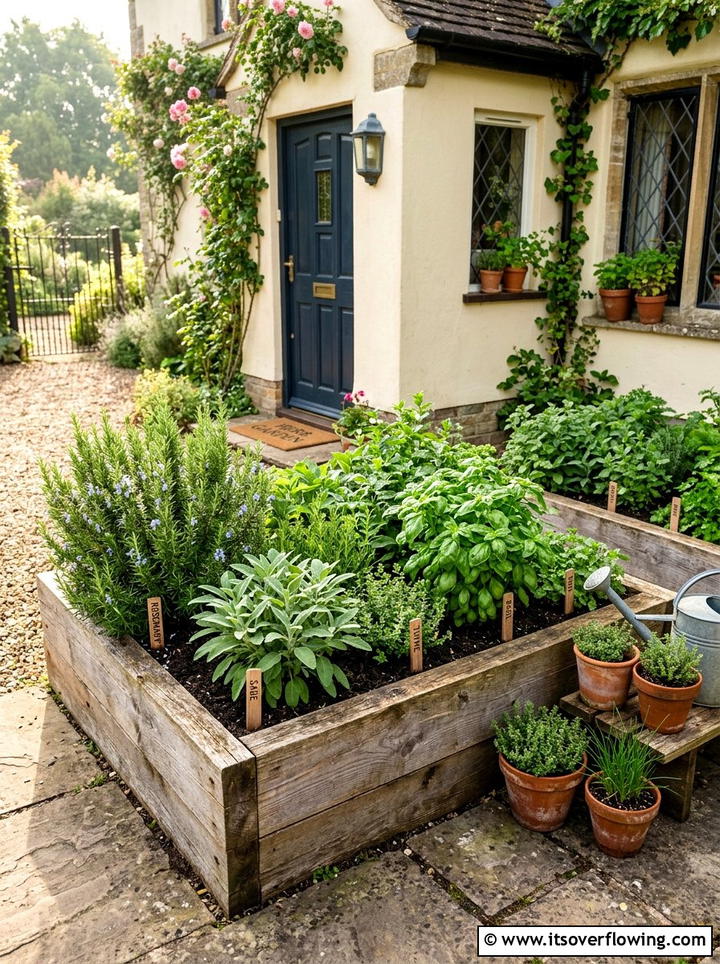
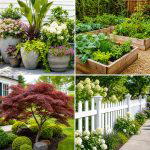
A mix of rosemary, sage, and thyme provides a variety of leaf textures from needle-like to fuzzy and soft. Herb gardens are functional and beautiful, offering a sensory experience that includes touch, sight, and smell. You can plant herbs in a raised wooden bed or a series of terracotta pots to create a textured focal point near the kitchen. The different shades of green and gray-blue create a subtle and sophisticated color palette. Many herbs have small, delicate flowers that add a fine texture to the overall arrangement. Brushing against these plants releases their fragrance, adding an invisible layer of texture to the garden as you walk past them.
21. Rock Garden
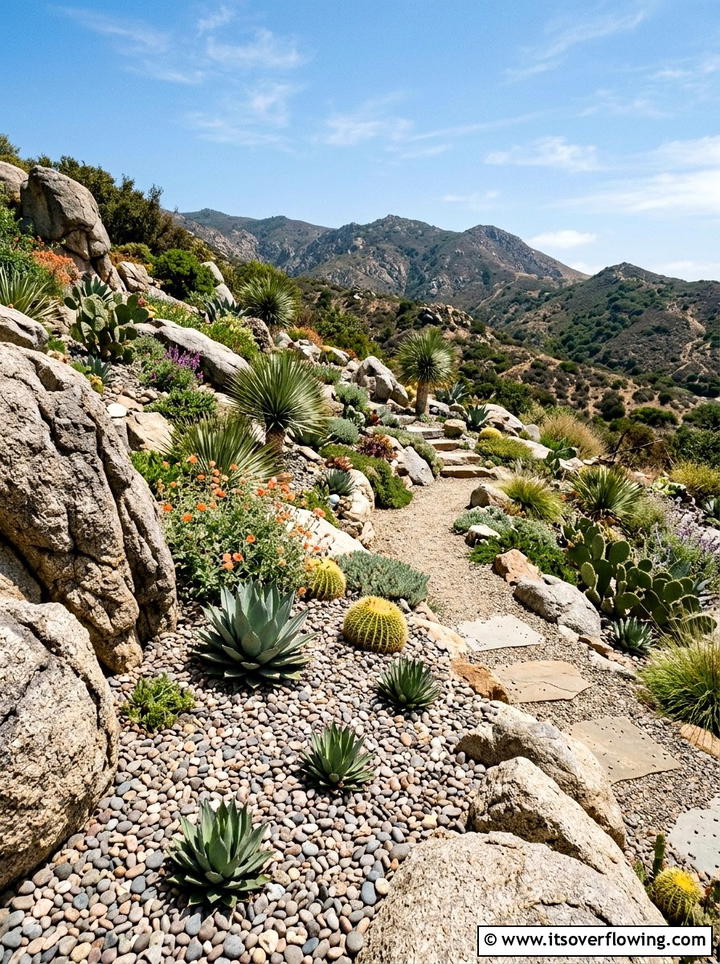
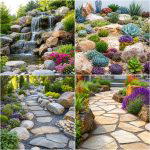
Large boulders mixed with smaller river rocks and gravel create a rugged and geological texture that feels grounded. A rock garden is an excellent way to use sloped areas or create interest in a flat backyard. You can tuck small alpine plants and succulents into the crevices between the stones to add pops of green. The contrast between the hard, unmoving rocks and the soft, living plants creates a dynamic visual balance. Using rocks of different sizes and colors helps the garden look more natural and less like it was manufactured. This design style is very durable and requires almost no water, making it perfect for dry and arid climates.
22. Metal Planter
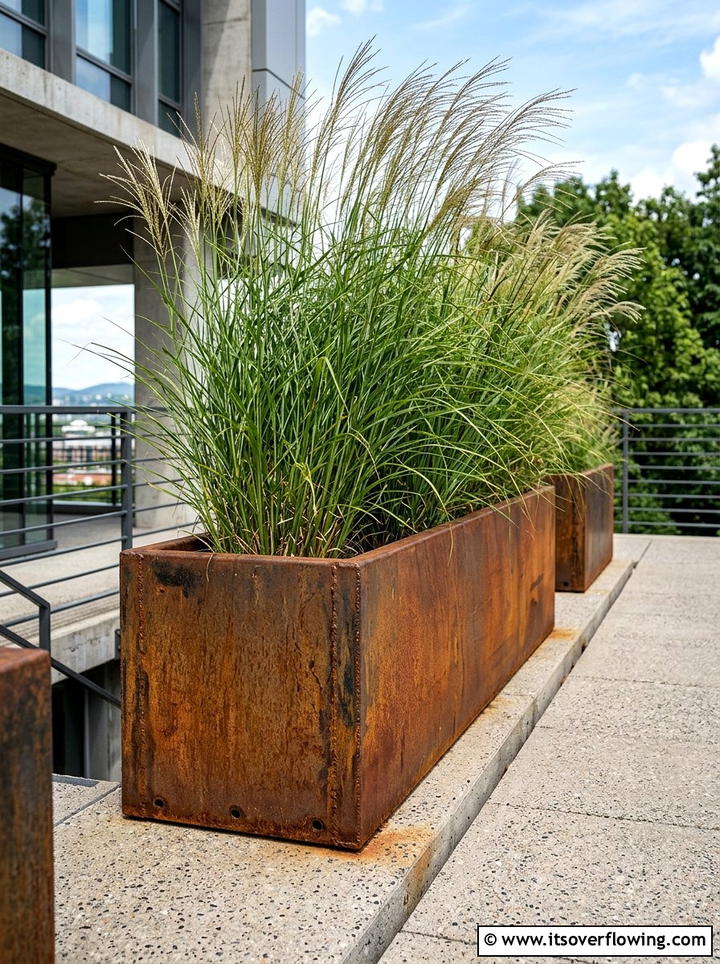
Corten steel or powder-coated aluminum adds a smooth and industrial texture that contrasts sharply with organic plant life. Metal planters provide clean lines and a modern aesthetic that works well in small courtyards or on large decks. Corten steel develops a beautiful rusty orange patina over time, adding a warm and weathered texture to the garden. These containers can be used to hold tall grasses or architectural shrubs, creating a high-contrast look that is very popular in contemporary landscaping. The reflective or matte surfaces of metal catch the light in different ways, adding a touch of shine and sophistication to the outdoor space without being too overwhelming.
23. Bark Mulch
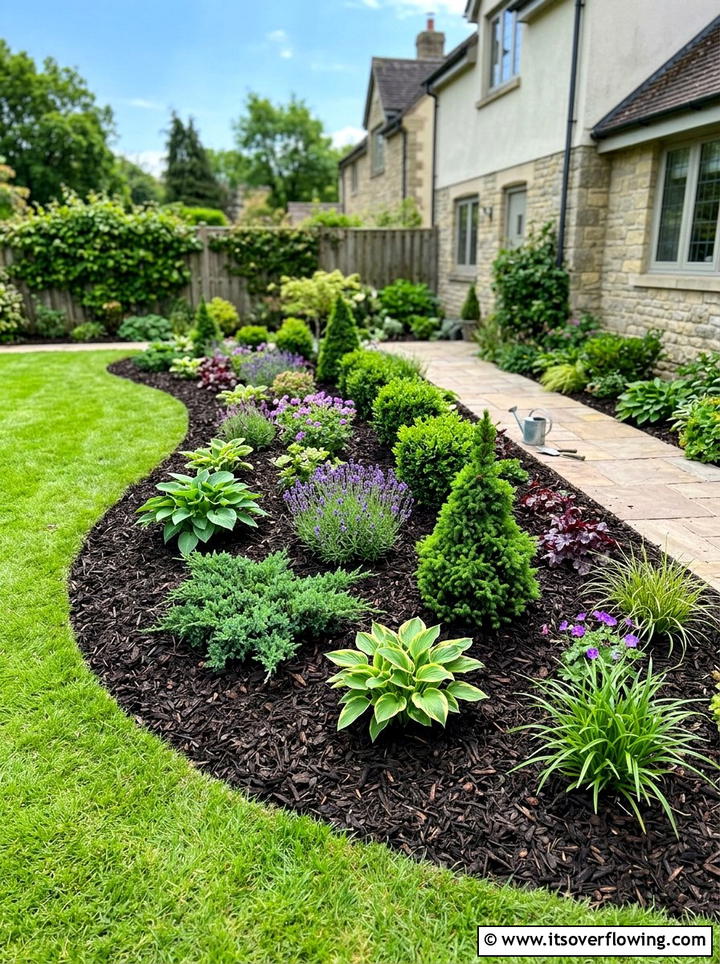
Dark brown or black bark mulch provides a soft and chunky texture that covers the soil and highlights the plants above. Mulch is a practical element that helps retain moisture and suppress weeds while giving the garden a finished and tidy look. The organic texture of the wood chips contrasts with the smooth leaves of shrubs and the delicate petals of flowers. As the mulch breaks down, it adds nutrients to the soil, supporting the health of the entire garden ecosystem. Using a consistent type of mulch throughout the beds creates a sense of unity and helps the various colors of the plants pop against the dark and neutral background.
24. Evergreen Shrub
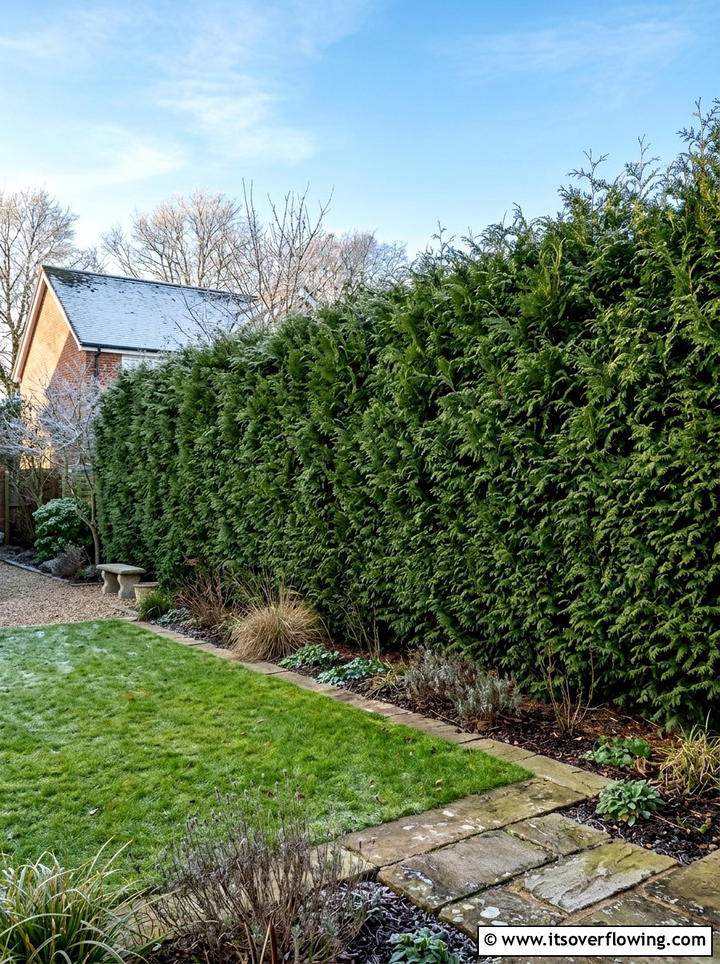
Dense and waxy needles or leaves from evergreens provide a consistent and reliable texture that lasts all year long. Shrubs like yew or juniper offer a fine, needle-like texture that can be left natural or sheared into formal shapes. These plants serve as the “bones” of the garden, providing structure and color even during the middle of winter when other plants are dormant. The deep green or blue-tinted foliage creates a solid wall of texture that works well as a privacy screen or a backdrop for perennial flowers. Evergreens bring a sense of permanence and maturity to a landscape, making the garden feel established and well-cared for in any season.
25. Hosta Garden
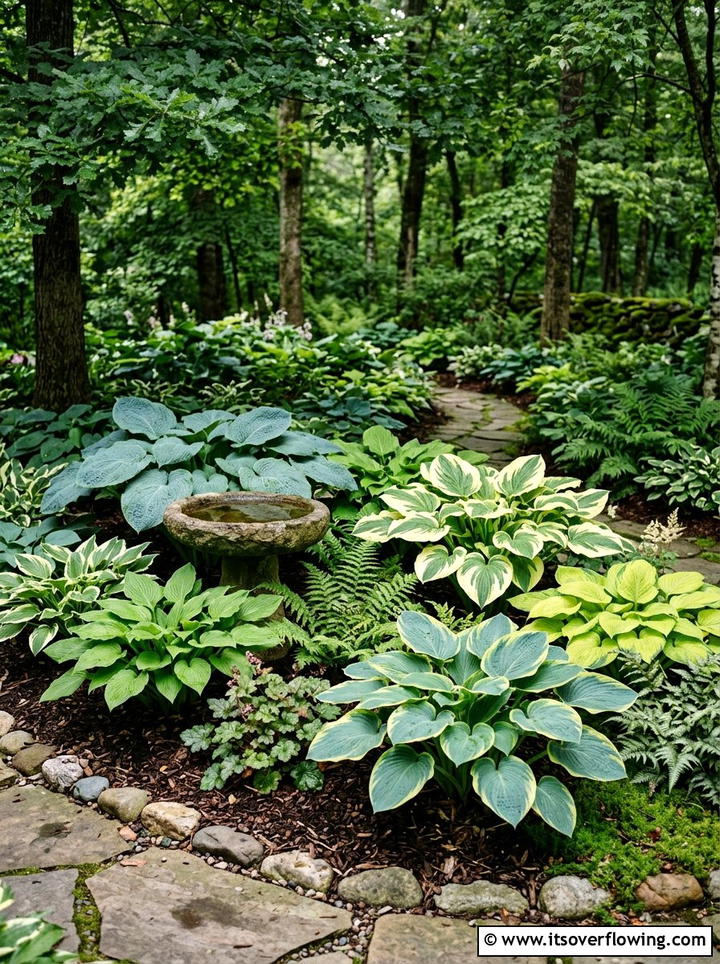
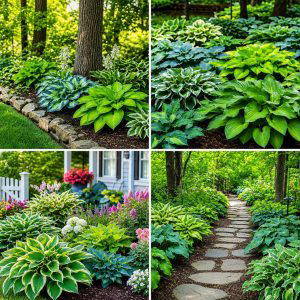
Large, heart-shaped leaves with deep ridges provide a bold and ribbed texture that dominates the shady parts of a yard. Hostas come in many varieties, with some leaves featuring variegated edges and others having a smooth, blue-green finish. These plants create a lush and overlapping carpet of foliage that feels incredibly full and abundant. The wide surfaces of the leaves are perfect for catching raindrops, which adds a sparkling temporary texture after a storm. You can mix different hosta sizes and colors to create a layered look that requires very little effort to maintain. This design is a classic choice for creating a peaceful and green sanctuary under the canopy of large trees.
Conclusion:
Designing a garden with texture in mind is the best way to create an outdoor space that feels professional, layered, and visually interesting. By mixing hard materials like stone and wood with a diverse range of plant life, you build a landscape that appeals to all the senses. Whether you prefer the clean lines of a modern concrete patio or the wild abundance of a wildflower meadow, incorporating different surfaces keeps the eye moving and the mind engaged. A well-textured garden looks beautiful in every season and provides a perfect backdrop for outdoor living. Start small by adding a few textured elements and watch your backyard transform into a stunning oasis.

Related posts:
 25 garden design ideas with layering for Lush Depth at Home
 25 Garden Design Ideas With Tropical Foliage for Lush Style
 25 Garden Design Ideas With Woodland Plants for Lush Shade
 25 Garden Design Ideas With Rock Gardens for Natural Texture
 25 Garden Design Ideas for Fence Lines for a Polished Yard
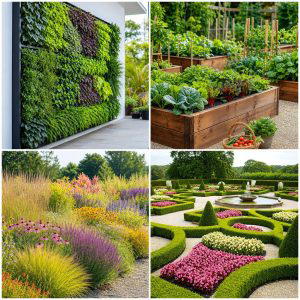 25 Garden Design Ideas for Projects to Transform Any Yard
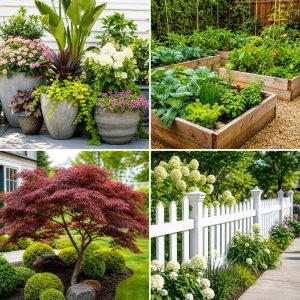 25 garden design ideas for side yard strips: Narrow Space Wins
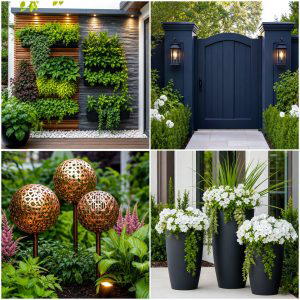 25 garden design ideas with bold contrast: Dramatic Yard Style
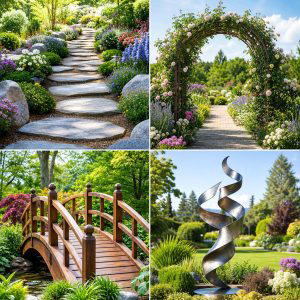 25 garden design ideas with focal points: Stunning Yard Plans
 25 garden design ideas with height variation: Dynamic Yard Style
 25 garden ideas with hostas for Lush Shade Garden Beauty
 25 Small Garden Ideas With Layered Plants for Lush Depth