
Transforming the perimeter of your property is one of the most effective ways to elevate your entire outdoor living experience. Often, fences are seen merely as functional boundaries for privacy or security, but they hold immense potential as a canvas for creative expression. By focusing on the space directly adjacent to your fence line, you can turn a plain yard into a lush, inviting sanctuary that reflects your personal style. Whether you prefer a modern look with clean lines or a wild cottage aesthetic filled with blooms, there are endless ways to utilize this vertical and horizontal space. Well-planned greenery and structures can soften hard edges, provide shade, and create a sense of seclusion from neighbors.
1. Vertical Garden Wall
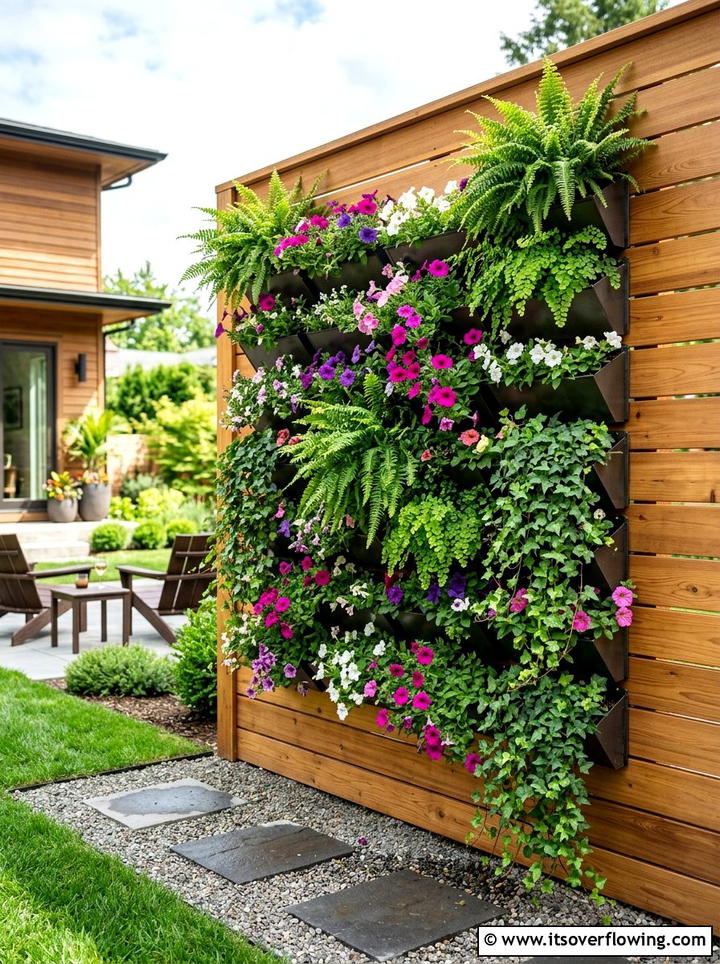
Have you ever looked at a bare fence and wished it offered more than just a boundary? Vertical garden walls are a fantastic way to turn a flat surface into a living tapestry of color and texture. You can use pockets, shelves, or wall-mounted planters to hold a variety of small plants. This approach works perfectly for smaller yards where floor space is limited but you still want a lush feel. It allows you to grow herbs, succulents, or trailing vines right at eye level. By mixing different leaf shapes and colors, you create a vibrant focal point that hides the wood or metal while adding fresh oxygen to your seating area.
2. Raised Garden Bed
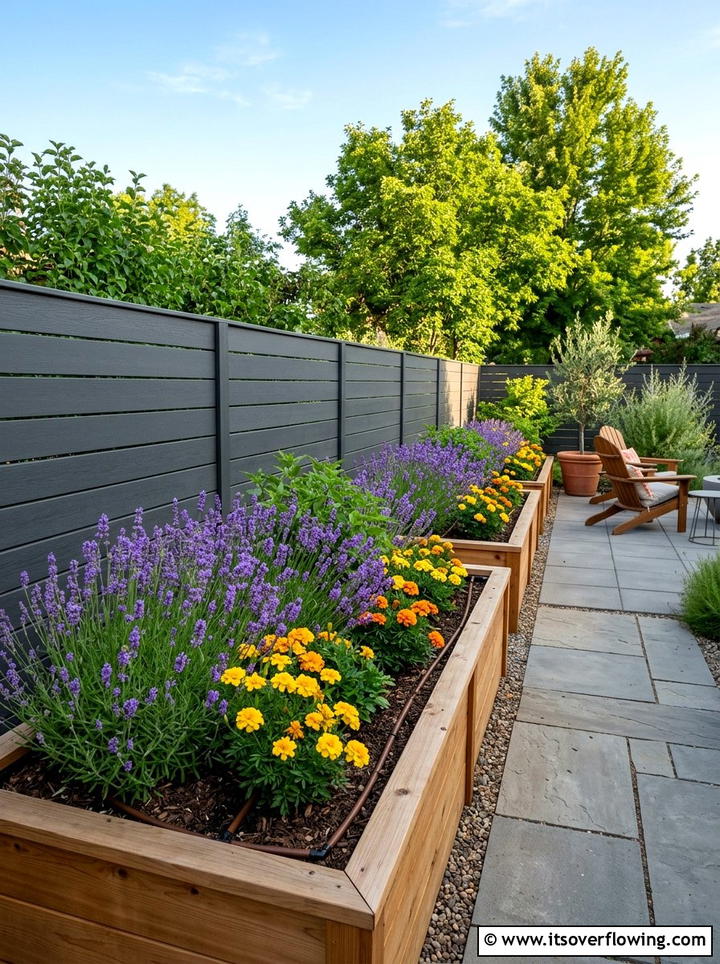
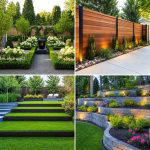
Building raised beds against your perimeter is a smart way to define your yard while improving soil quality. These structures elevate your plants, which makes maintenance much easier on your back and knees. You can construct them from natural wood, stone, or even modern metal panels to match your home’s exterior style. The added height provides a clean, architectural look that contrasts beautifully with soft foliage and blooming flowers. Since you control the soil mix, your plants will likely grow faster and healthier than they would in the ground. It is an excellent solution for yards with poor drainage or rocky soil where traditional digging is difficult for many homeowners.
3. Climbing Rose Trellis
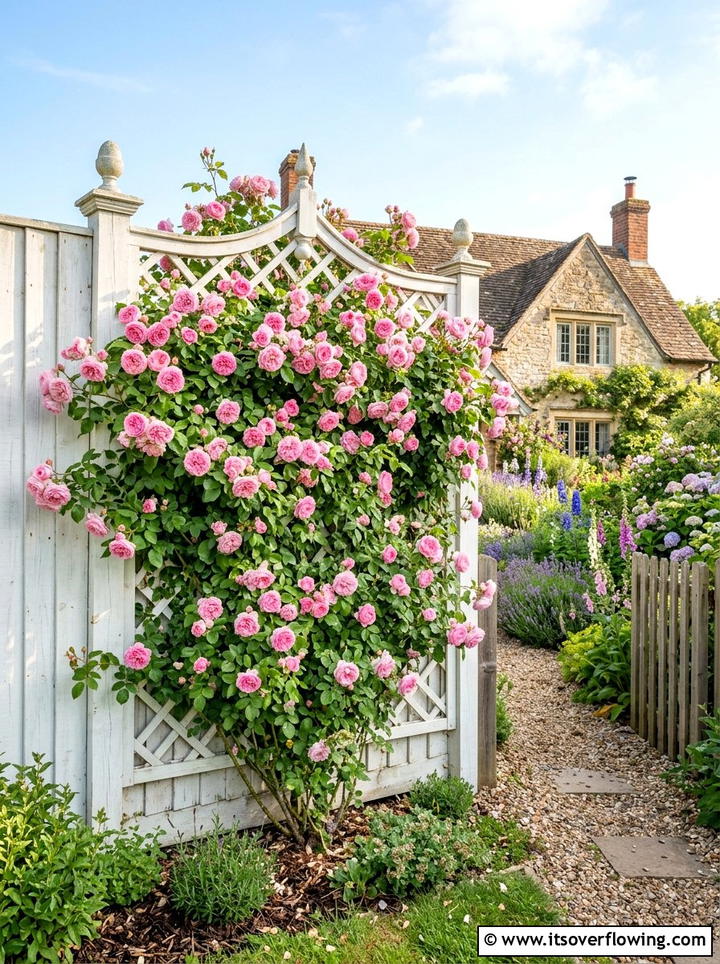
Imagine walking out to your yard and being greeted by the sweet scent of blooming roses climbing up your fence. Attaching a sturdy trellis to your boundary allows climbing varieties to reach their full potential without taking up too much ground space. These plants create a romantic and timeless atmosphere that softens the hard lines of a wooden or chain-link fence. You will need to provide some initial support and ties to guide the canes as they grow upward. Once established, the dense foliage and colorful blossoms provide extra privacy and a stunning backdrop for outdoor gatherings. This classic choice never goes out of style and attracts beautiful pollinators to your backyard garden.
4. Tall Privacy Hedge
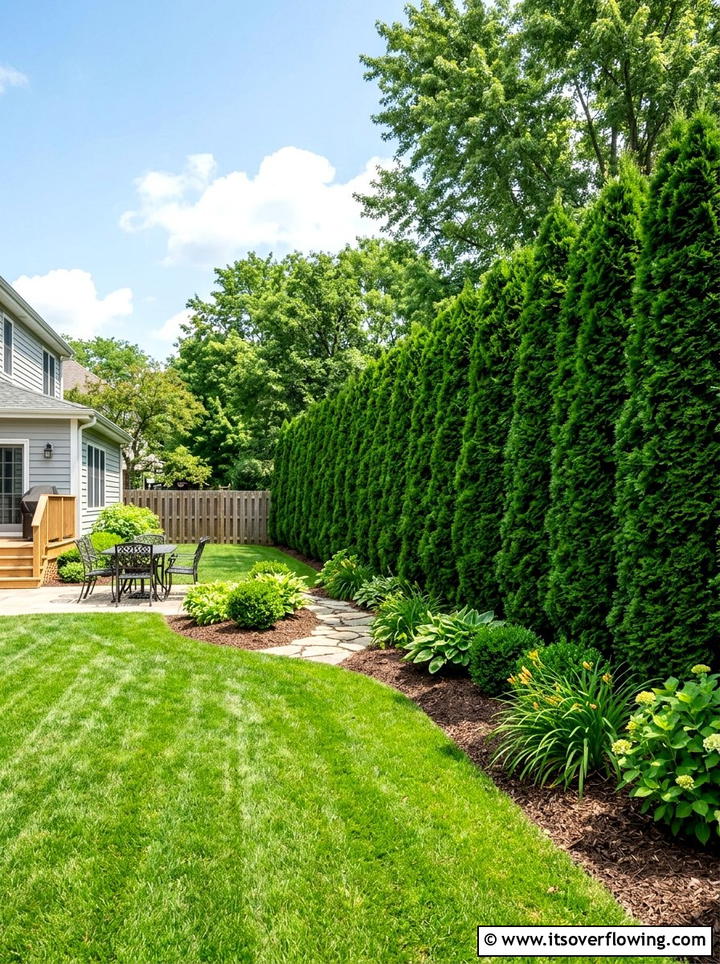
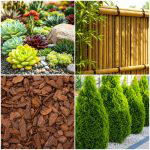
Are you looking for a natural way to block out the noise and sight of your neighbors? Planting a tall privacy hedge along your fence line creates a living wall that stays green all year long. Popular choices like arborvitae or privet grow quickly and can be sheared into a formal, neat shape. This greenery adds a sense of permanence and structure to your landscape while providing a safe habitat for local birds. A well-maintained hedge acts as a windbreak and helps to muffle street sounds, making your yard feel like a private oasis. It is a practical and beautiful way to reinforce your property boundaries with organic materials.
5. Flower Border
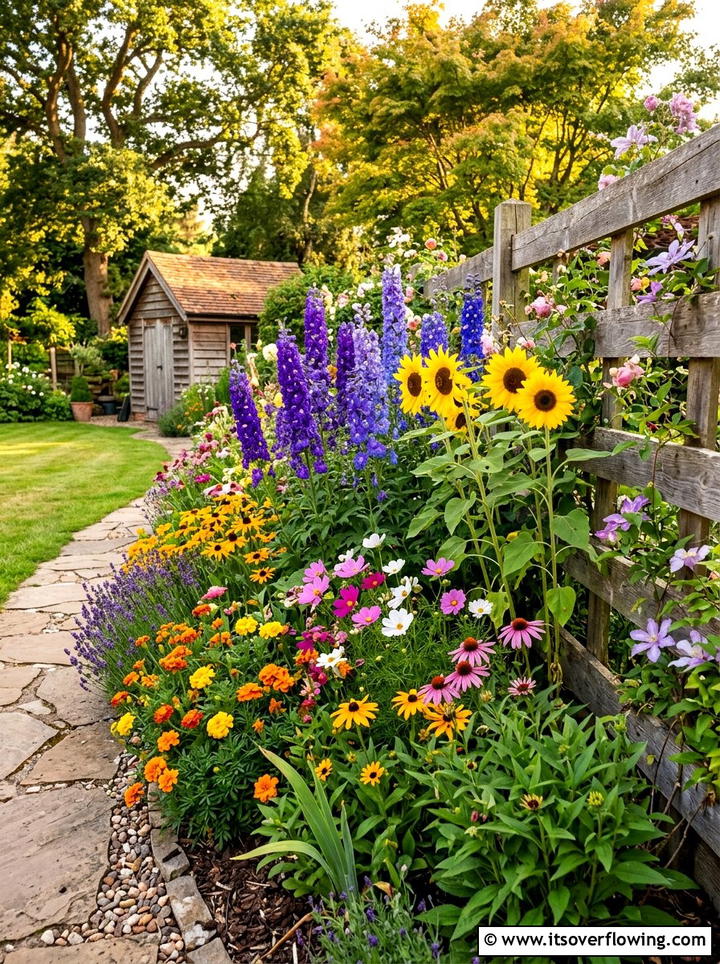
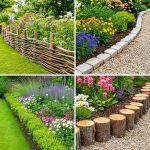
Creating a dedicated flower border is a wonderful way to inject seasonal color and variety into your landscape. You can mix annuals and perennials to ensure that there is always something blooming from spring through autumn. By layering plants of different heights, you create a sense of depth that makes your yard appear much larger than it actually is. Use taller species in the back against the fence and shorter, creeping varieties near the front edge. This layout provides a soft transition between your lawn and the hard fence surface. Adding a layer of mulch will help retain moisture and keep the area looking tidy throughout the growing season.
6. Modern Slat Fence
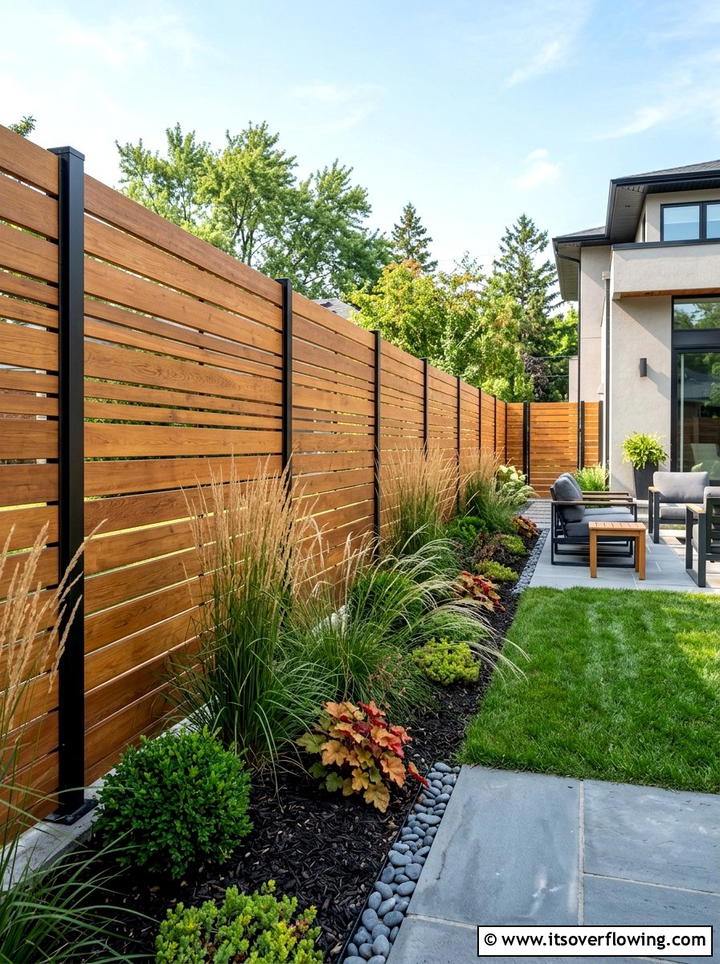
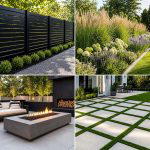
Integrating plants with a modern slat fence can create a sophisticated and high-end look for any contemporary home. The horizontal lines of the wood slats provide a sleek backdrop for minimalist landscaping choices like ornamental grasses or structured shrubs. This design allows for glimpses of greenery to peek through the gaps, which adds visual interest and prevents the yard from feeling closed in. You can install built-in lighting between the slats to highlight your plants during the evening hours. The combination of warm wood tones and vibrant green foliage creates a balanced aesthetic. It is a perfect choice for homeowners who appreciate clean lines and a very tidy appearance.
7. Native Plant Garden
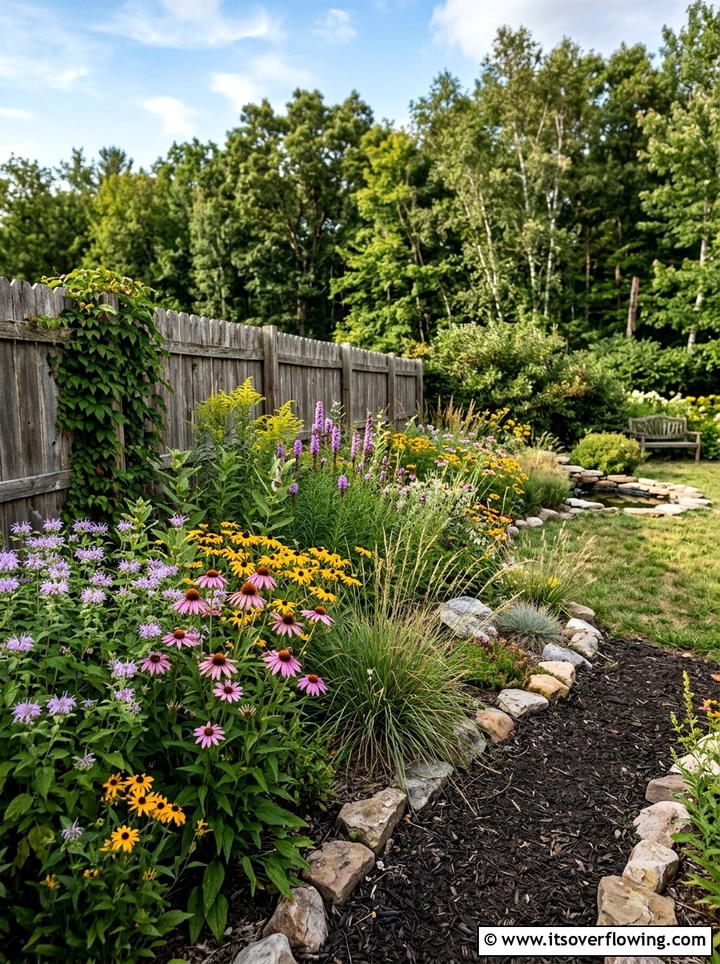
Why not support your local ecosystem by planting a native plant garden along your perimeter? Native species are adapted to your specific climate and soil, which means they usually require less water and maintenance once they are established. These gardens attract local butterflies, bees, and birds, bringing your fence line to life with movement and sound. You can choose a variety of textures and heights to create a naturalistic look that blends perfectly with the surrounding environment. Native plants often have deep root systems that help with soil health and erosion control. It is an environmentally friendly way to add beauty and purpose to the edges of your outdoor space.
8. Rock Garden Border
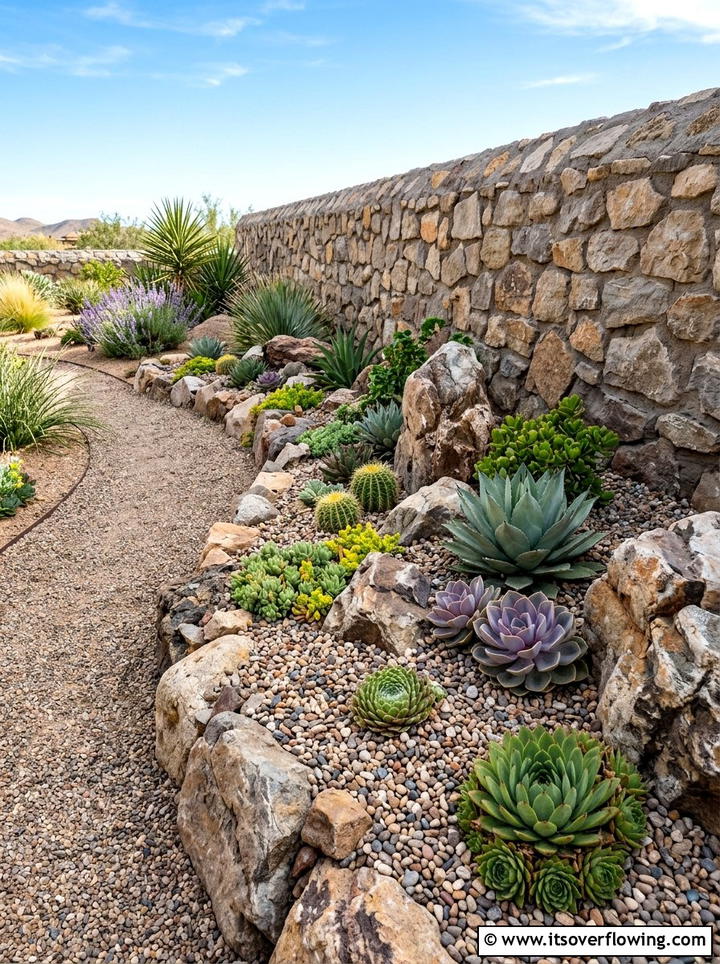
If you are dealing with a slope or want a low-maintenance option, a rock garden border is an excellent choice. By combining various sizes of stones with hardy plants, you create a rugged and natural look that lasts for years. Succulents, alpines, and groundcovers thrive in the well-draining environment that rocks provide. This design adds a structural element to your fence line that remains attractive even during the winter months. You can use large boulders as focal points and smaller river rocks to fill in the gaps between your plants. It is a durable and stylish solution that requires very little water or regular pruning to look its best.
9. Edible Garden Bed
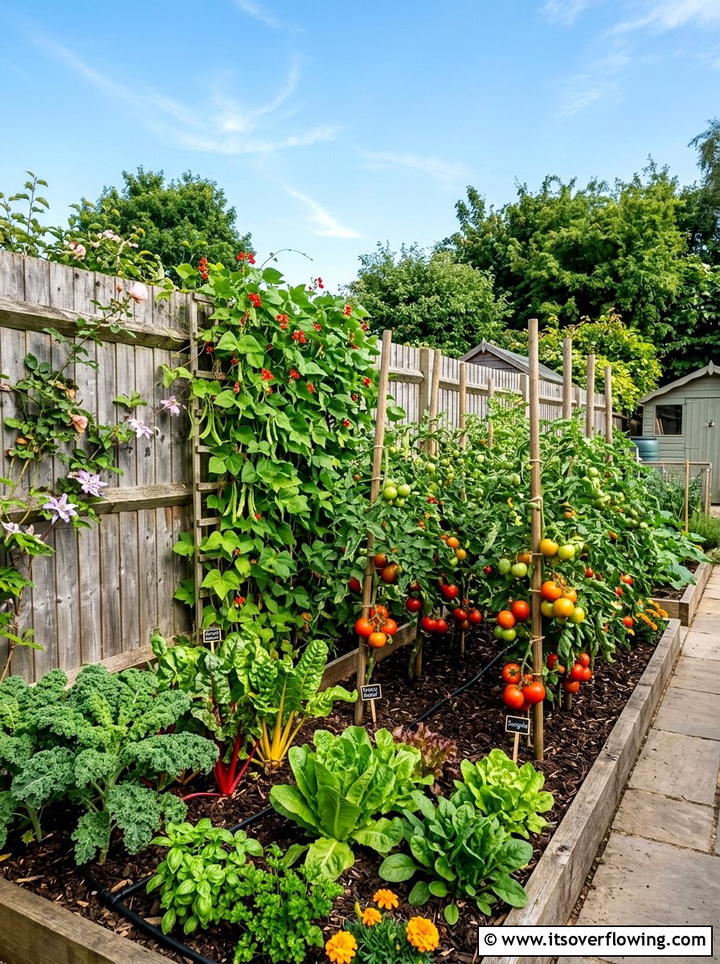
Turning your fence line into a productive space is easy when you install an edible garden bed. Many vegetables and fruits, such as tomatoes, peas, and berries, love to climb and can be trained up the fence. This layout makes harvesting much easier and keeps your crops off the ground where they are less prone to pests and rot. You can mix in edible flowers like nasturtiums to add color and help with natural pest control. Growing your own food along the perimeter maximizes your yard’s utility without sacrificing beauty. It is a rewarding way to use your space and provides fresh produce for your kitchen all season long.
10. Bamboo Privacy Screen
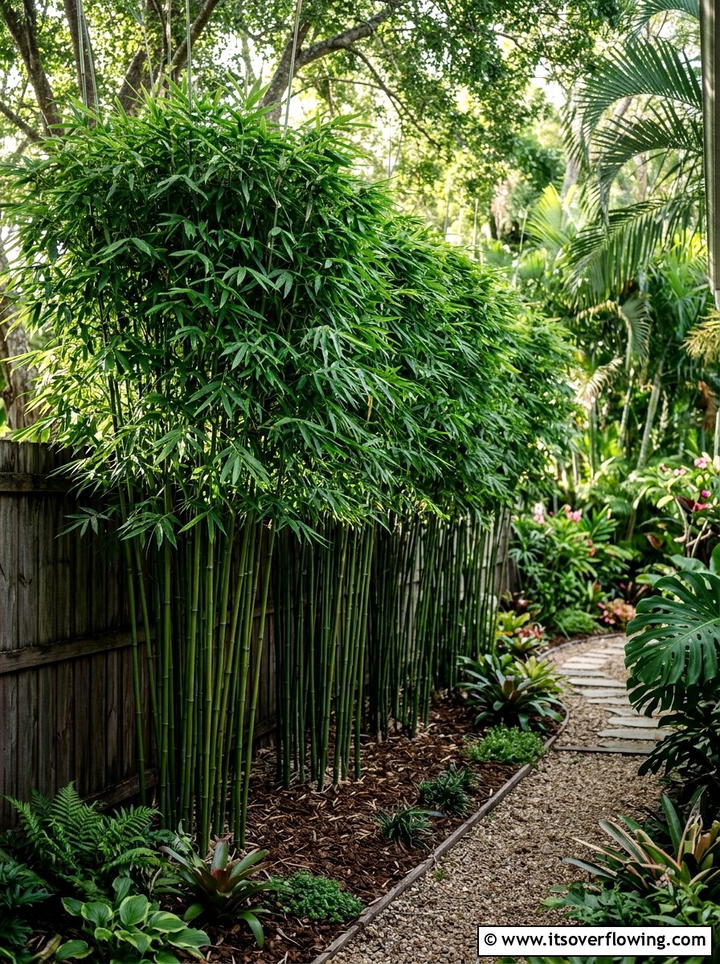
Bamboo is a fast-growing and sustainable option for creating a tropical privacy screen along your existing fence. Its tall, slender stalks provide a modern and exotic look that instantly transforms the mood of your backyard. You should choose a clumping variety to ensure it stays in its designated area and does not spread uncontrollably. The rustling sound of bamboo leaves in the wind adds a peaceful auditory element to your garden. This plant works well in narrow spaces because it grows vertically rather than branching out wide. It provides excellent coverage and creates a dense wall of green that blocks out unwanted views and creates a lush, secluded atmosphere.
11. Perennial Flower Bed
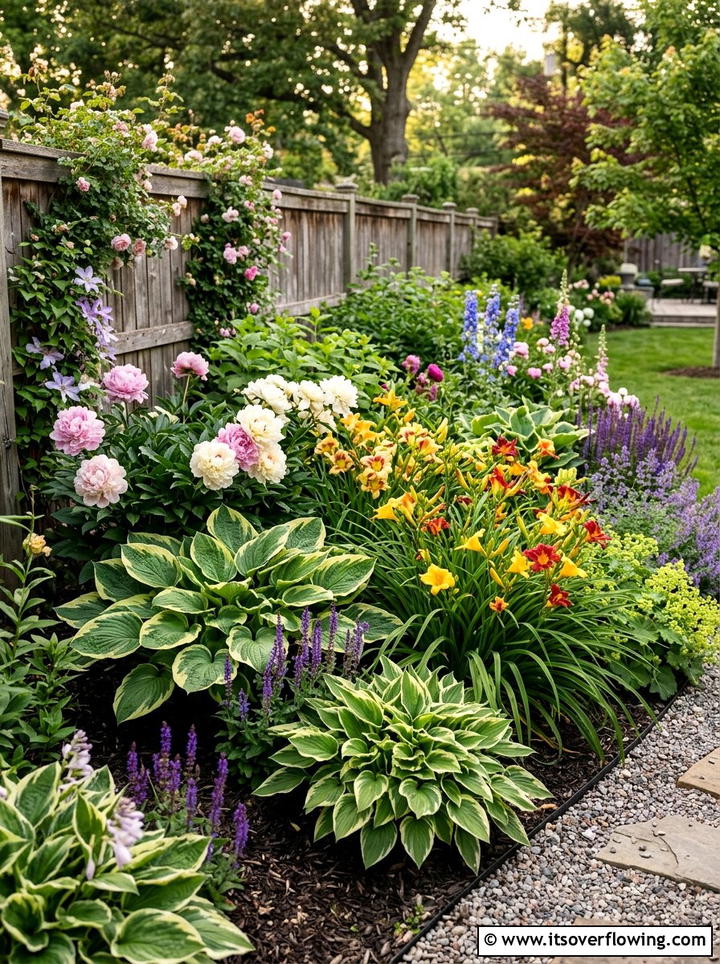
A perennial flower bed is a long-term investment that brings beauty back to your fence line year after year. Unlike annuals, these plants go dormant in the winter and return with more vigor every spring. You can choose a mix of hostas, peonies, and daylilies to create a diverse and resilient border. As these plants mature, they will fill in the gaps, reducing the need for constant weeding. The changing colors and textures throughout the seasons provide ongoing interest for you and your guests. It is a satisfying way to build a garden that grows with you and requires less work over time compared to replanting every single year.
12. Tropical Garden Border
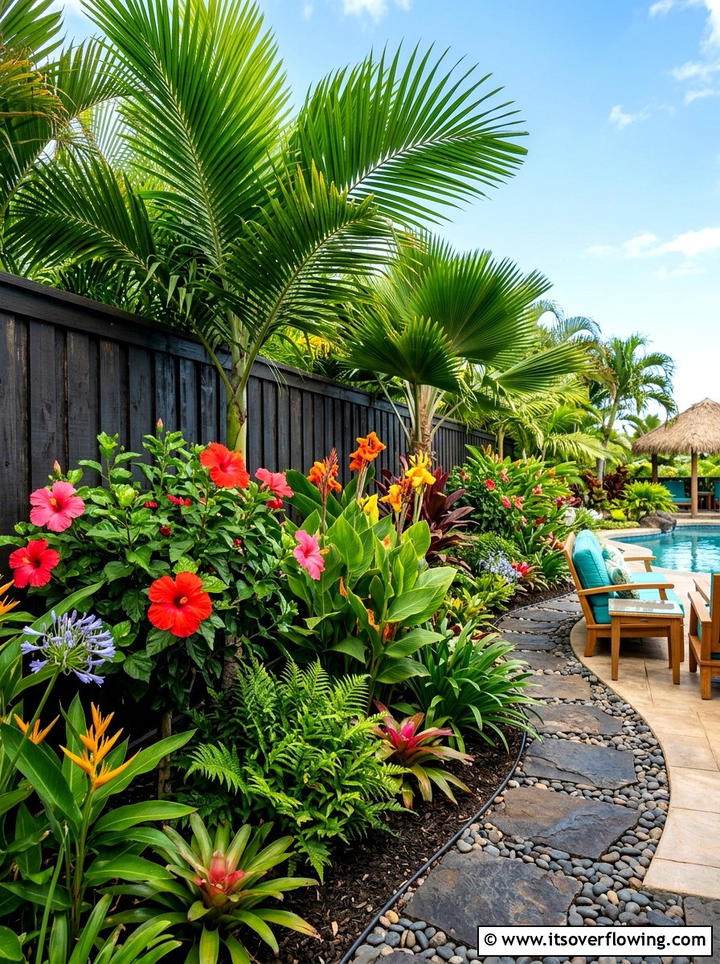
Do you want to feel like you are on vacation every time you step outside? A tropical garden border using large-leafed plants like cannas, hibiscus, and palms can create that lush resort feeling. These plants love the warmth reflected off a fence and often grow quite tall, providing excellent coverage. Use vibrant colors like hot pink, orange, and bright yellow to make the area pop against a neutral fence. Adding a thick layer of organic mulch will help simulate a rainforest floor and keep your plants hydrated. Even in cooler climates, many of these plants can be grown in pots or treated as annuals to achieve a bold, exotic look.
13. Boxwood Hedge Border
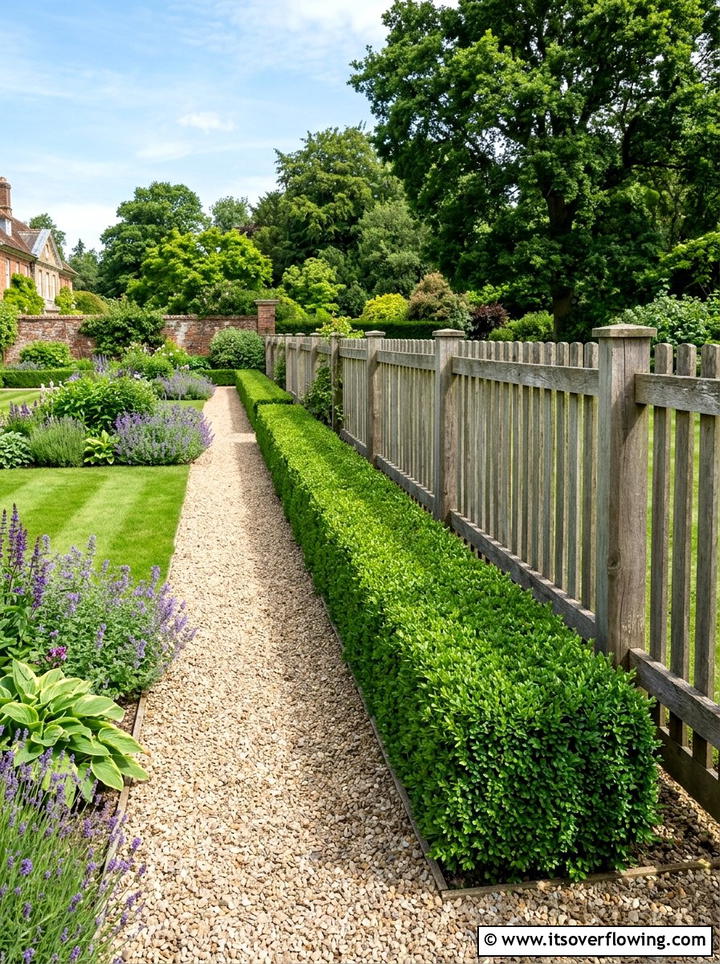
For a classic and formal aesthetic, nothing beats a neatly trimmed boxwood hedge border along your property line. These evergreen shrubs provide a consistent green backdrop that looks elegant in every season. You can keep them pruned to a specific height to maintain a tidy appearance that complements traditional architecture. Boxwoods are very versatile and can be used to frame other flower beds or stand alone as a clean boundary marker. Their dense foliage provides an excellent visual barrier and a sense of order in the garden. This timeless design choice adds significant curb appeal and creates a sophisticated framework for the rest of your outdoor landscaping and decor.
14. Drought Tolerant Landscape
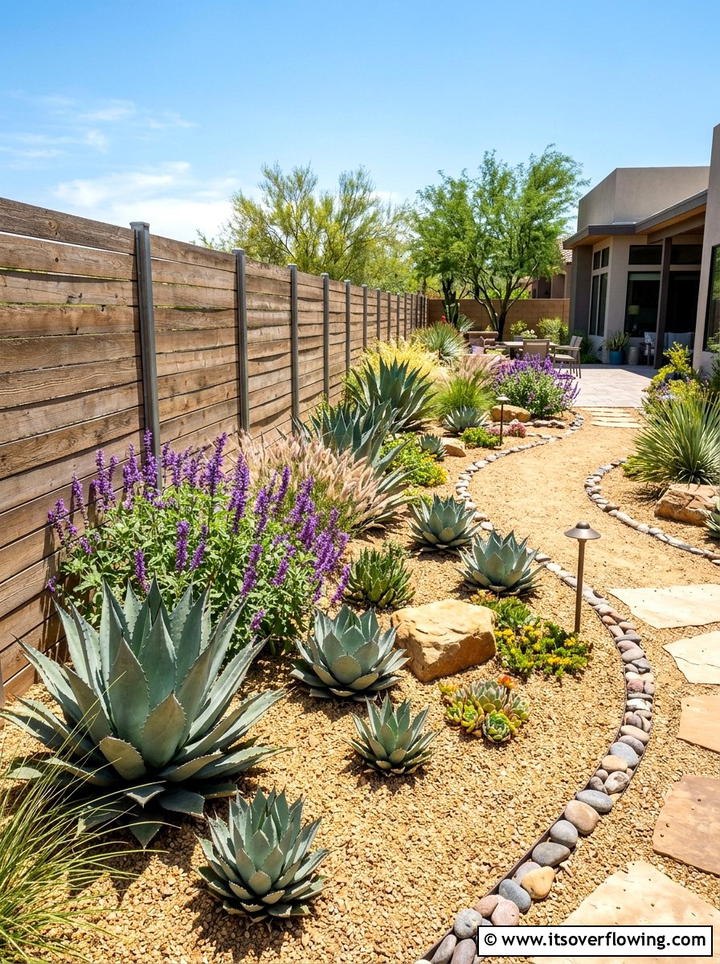
Creating a drought-tolerant landscape along your fence is a responsible and beautiful way to save water. By using xeriscaping principles, you can choose plants like agave, sage, and lavender that thrive with minimal irrigation. These plants often have unique textures and muted colors that look stunning against a natural wood or stone fence. Incorporating gravel or decomposed granite as a mulch helps to conserve moisture and gives the area a clean, desert-inspired look. This type of garden is incredibly resilient and can withstand harsh summer heat without losing its charm. It is the perfect solution for busy homeowners who want a gorgeous yard without the high water bill.
15. Wildflower Garden Strip
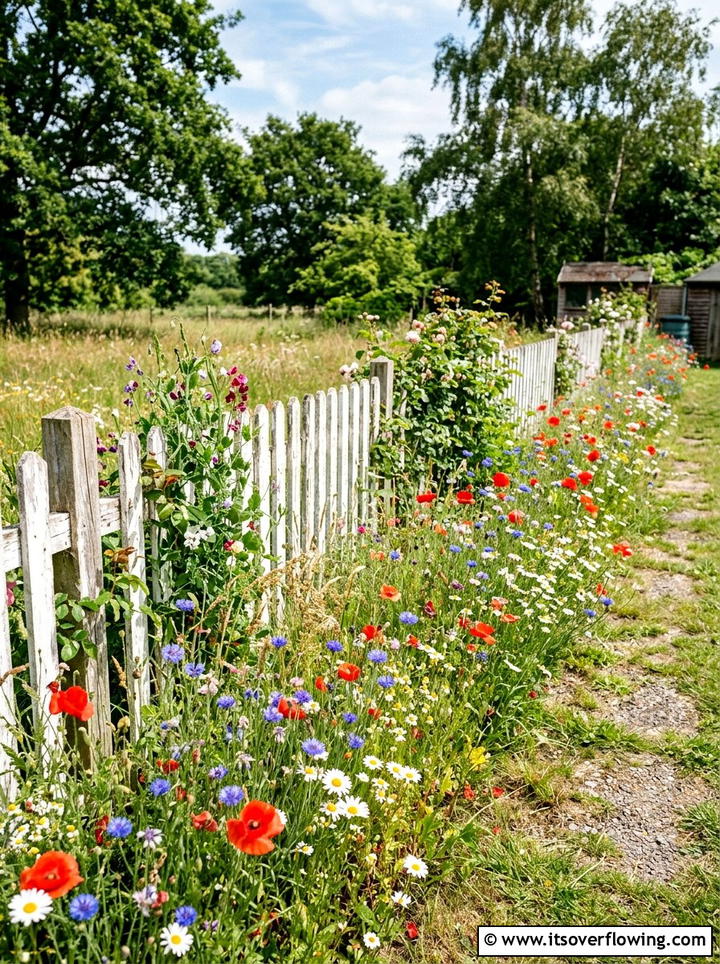
If you prefer a more relaxed and natural look, a wildflower garden strip is a low-effort way to fill your fence line. You can simply sow a mix of seeds and watch as a variety of blooms emerge in a chaotic and beautiful display. This approach is excellent for supporting local bees and butterflies who rely on these flowers for food. Wildflowers often require very little maintenance and will frequently reseed themselves for the following year. The result is a charming, meadow-like border that adds a sense of whimsy and movement to your yard. It is a budget-friendly option that brings a touch of the wild right to your doorstep.
16. Hydrangea Border
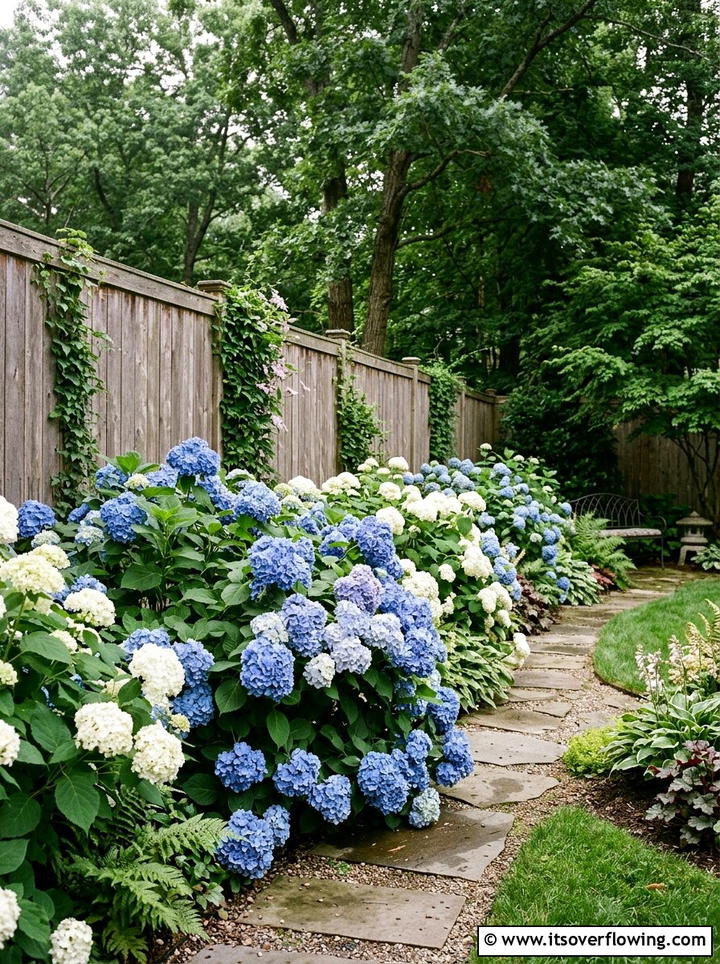
Hydrangeas are a favorite for fence lines because their large, showy blooms create a massive visual impact. These shrubs grow quite wide and tall, making them perfect for covering up an aging or unattractive fence. With varieties that bloom in shades of blue, pink, and white, you can easily match them to your home’s color palette. They prefer a bit of shade, so they are an ideal choice for north-facing fences or areas under large trees. The lush green leaves and heavy flower heads provide a soft, romantic look that feels very welcoming. They are easy to care for and provide beautiful cut flowers for your indoor arrangements all summer.
17. Evergreen Privacy Row
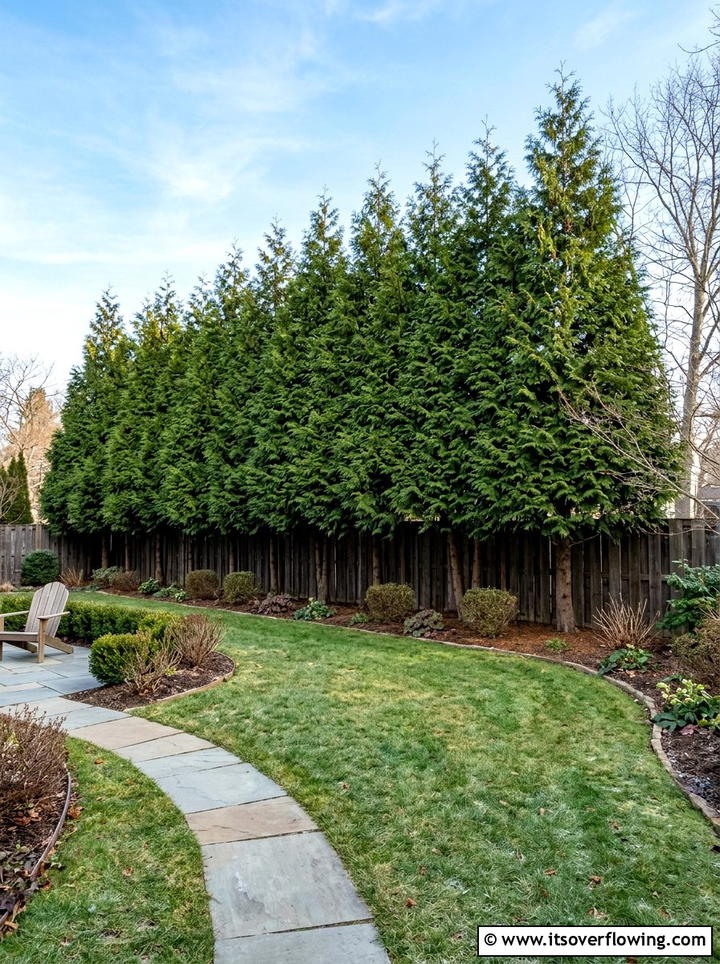
Planting a row of evergreens is a classic strategy for ensuring year-round privacy and greenery. Unlike deciduous trees, these plants keep their needles or leaves throughout the winter, providing a consistent screen. You can choose species like cedar or cypress that grow in a narrow, upright fashion to fit into tighter spaces along a fence. This design creates a dark green backdrop that makes other colorful plants in your garden stand out. Evergreens also act as a great sound barrier and windbreak for your outdoor living areas. They are a hardy and dependable choice that requires minimal pruning once they have reached their desired height and thickness in your yard.
18. Herb Garden Wall
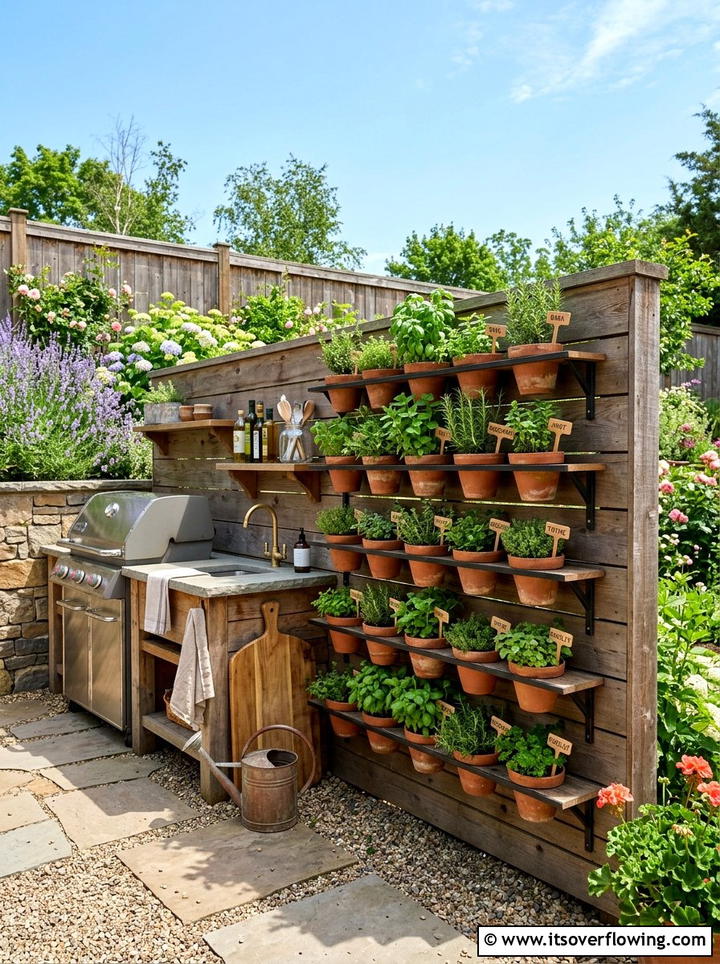
An herb garden wall is a functional and fragrant way to utilize the vertical space of your fence. By installing small pots or long troughs, you can grow a wide variety of kitchen staples like basil, rosemary, and mint. This setup keeps your herbs within easy reach of the grill or outdoor kitchen area. The different shades of green and varied textures of the leaves create a beautiful, edible mosaic. Not only does this look great, but it also releases a wonderful aroma every time you brush past it. It is an excellent project for small yards or balconies where every square inch of growing space is valuable and needed.
19. Ornamental Grass Border
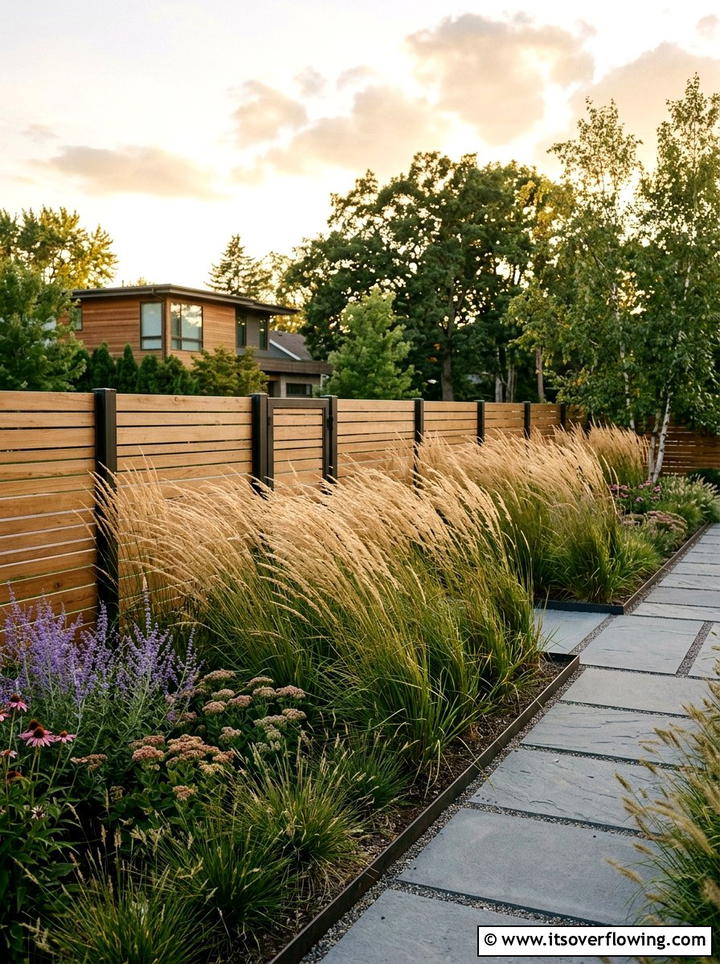
Ornamental grasses offer a modern and architectural look that adds motion to your fence line as they sway in the breeze. Varieties like feather reed grass or fountain grass come in many different heights and colors, from silver to deep purple. These plants are very low-maintenance and provide interest throughout the entire year, including the winter months. Their fine texture creates a beautiful contrast when planted against a solid wooden or vinyl fence. During the late summer, many grasses produce delicate plumes that catch the light beautifully during the golden hour. They are a resilient choice that fills in space quickly and adds a contemporary feel to any backyard.
20. Cottage Garden Border
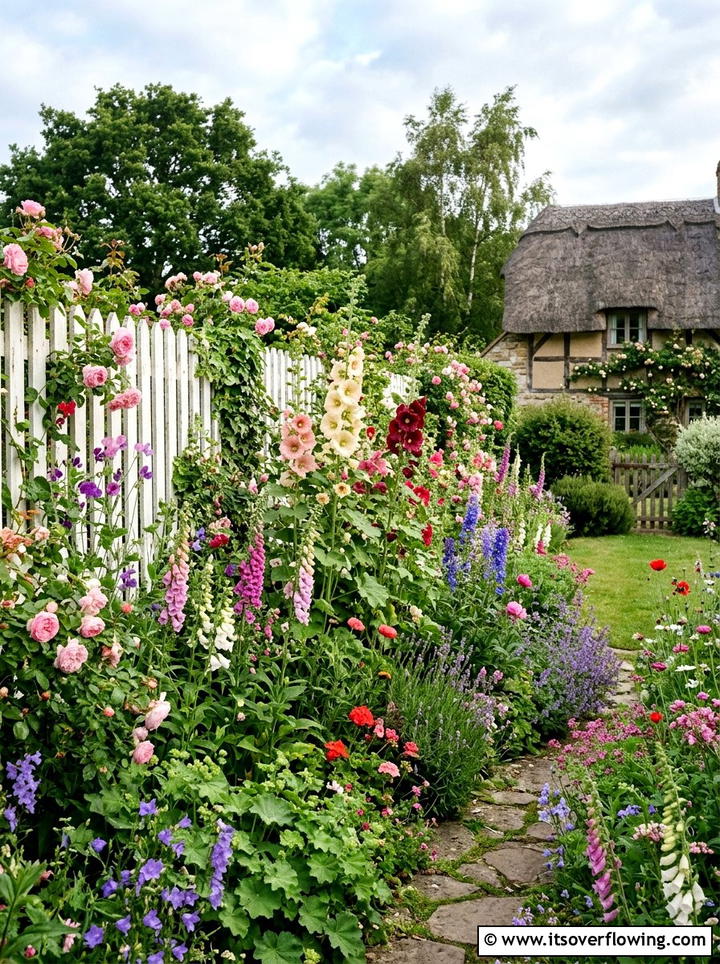
A cottage garden border is all about abundance, fragrance, and a delightful mix of traditional flowers. Think of foxgloves, delphiniums, and hollyhocks leaning gracefully against a white picket fence. This style is intentionally informal and encourages a dense packing of plants to create a lush, overflowing look. It is a great way to hide the base of a fence while creating a fairy-tale atmosphere in your yard. Use a variety of heights and colors to achieve that classic, lived-in feel that is so popular in country-style landscapes. This design attracts plenty of wildlife and provides a constant source of beauty and inspiration for anyone who visits your home.
21. Espalier Fruit Tree
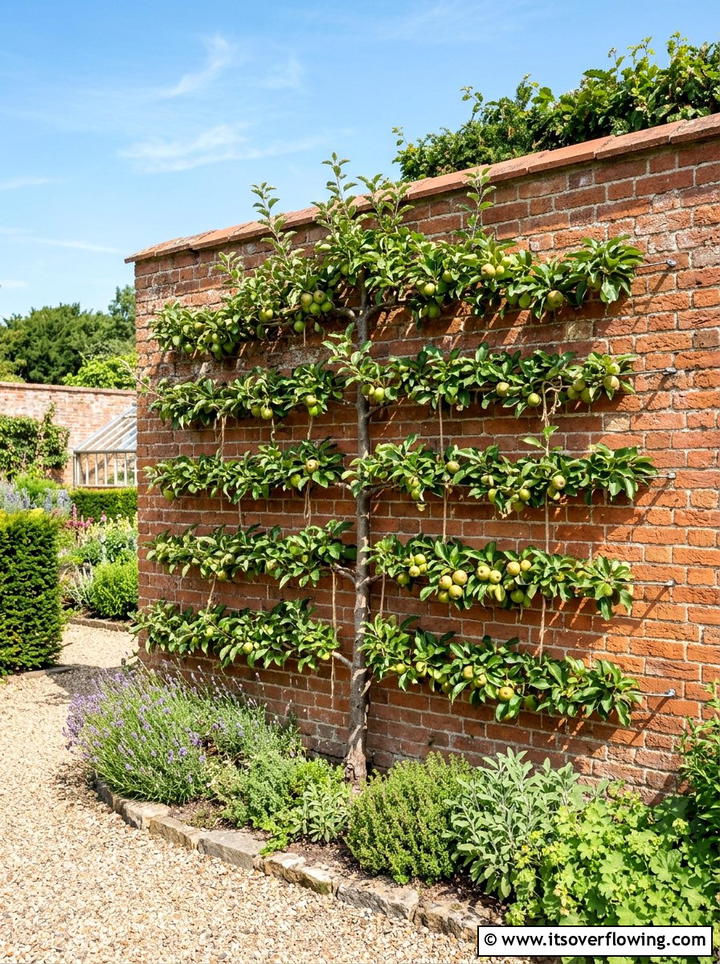
If you want to grow fruit but lack the space for a full orchard, consider training an espalier fruit tree against your fence. This ancient technique involves pruning and tying branches so they grow flat along a support structure. Apple, pear, and citrus trees are all excellent candidates for this artistic and space-saving method. The result is a living sculpture that produces delicious fruit while taking up very little horizontal room. It looks incredibly sophisticated and provides a unique focal point for your garden design. During the spring, the tree will be covered in blossoms, followed by colorful fruit in the late summer or autumn, providing multi-seasonal interest.
22. Succulent Wall Garden
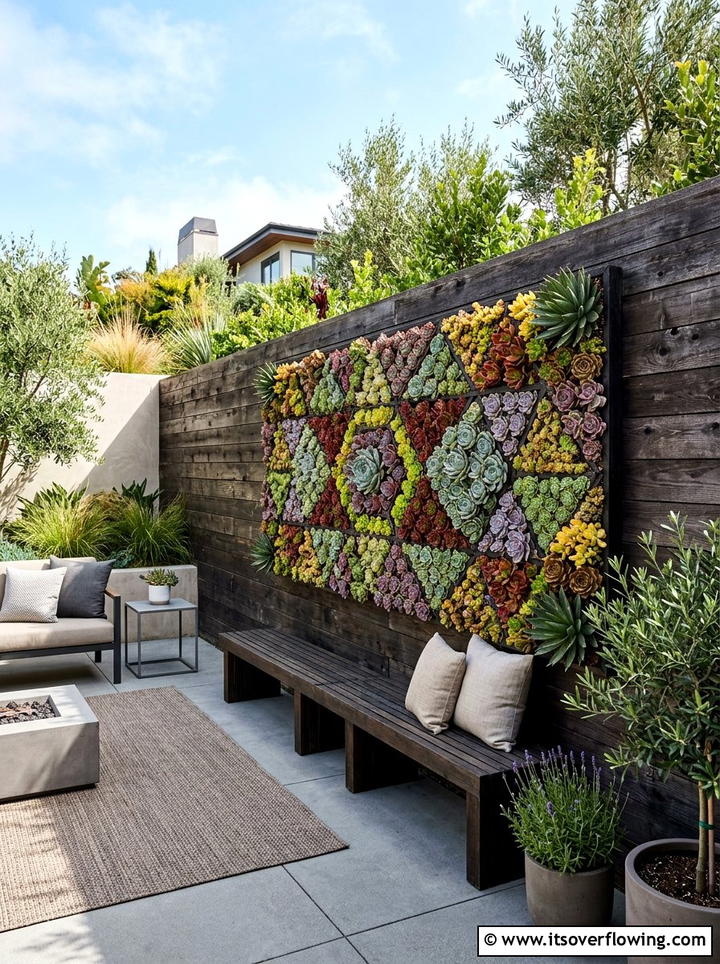
For a truly modern and low-maintenance option, a succulent wall garden on your fence is a show-stopping choice. Succulents come in an incredible array of shapes, sizes, and colors, allowing you to create a detailed geometric pattern or a random mix. These plants are very hardy and require very little water, making them perfect for sunny fences that get a lot of heat. You can use specialized vertical planting systems that hold the soil and plants securely in place. The fleshy leaves and unique forms provide a structural look that feels like a piece of living art. It is a great conversation starter and adds a trendy, desert-chic vibe to your space.
23. Fern Shade Garden
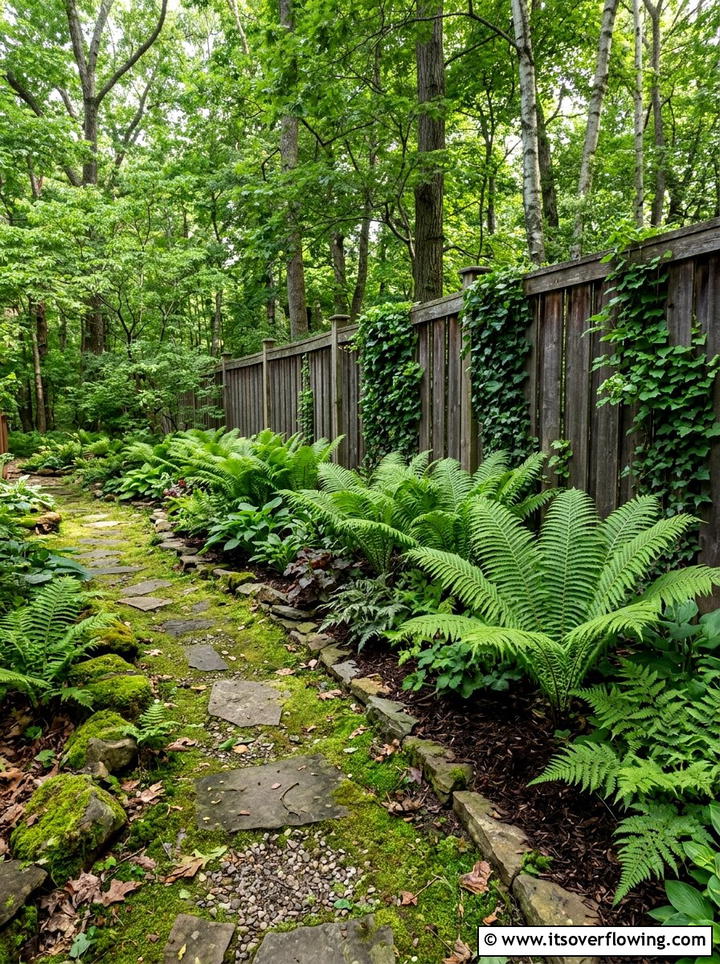
If your fence line is mostly in the shade, a lush fern garden can turn that dark corner into a cool, green retreat. Ferns love the damp, protected environment often found at the base of a tall fence. By mixing different varieties like ostrich ferns and maidenhair ferns, you can create a soft and feathery texture that feels very peaceful. Incorporate some moss-covered rocks or a small water feature to enhance the woodland atmosphere. This type of garden is very soothing and provides a refreshing break from the hot sun during the summer. It is a low-maintenance way to bring life to areas where sun-loving flowers simply will not grow.
24. Lavender Garden Border
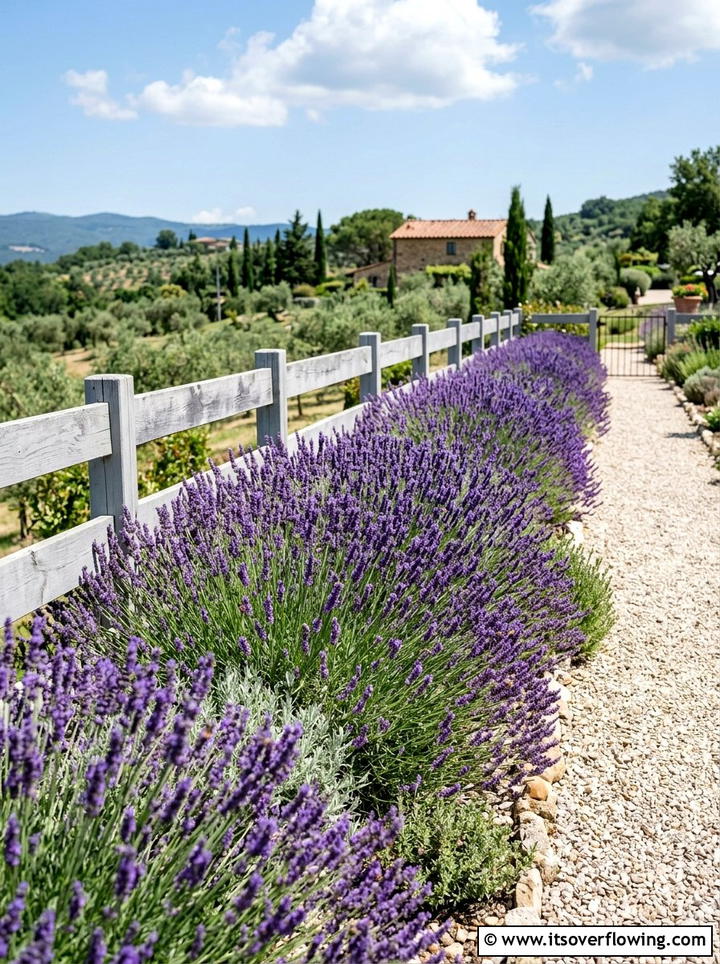
Planting a long border of lavender along your fence creates a sensory experience that is hard to beat. The striking purple flowers and silver-green foliage provide a Mediterranean feel that looks beautiful against light-colored fences. Lavender is famous for its relaxing scent, which will waft through your yard whenever the wind blows. These plants are very hardy and love sunny spots with well-draining soil. They attract a lot of bees and butterflies, making your garden feel alive and active. Once the flowers are spent, you can harvest them for dried bouquets or sachets. It is a classic, multi-purpose choice that brings both beauty and a wonderful fragrance to your yard.
25. Layered Shrub Border
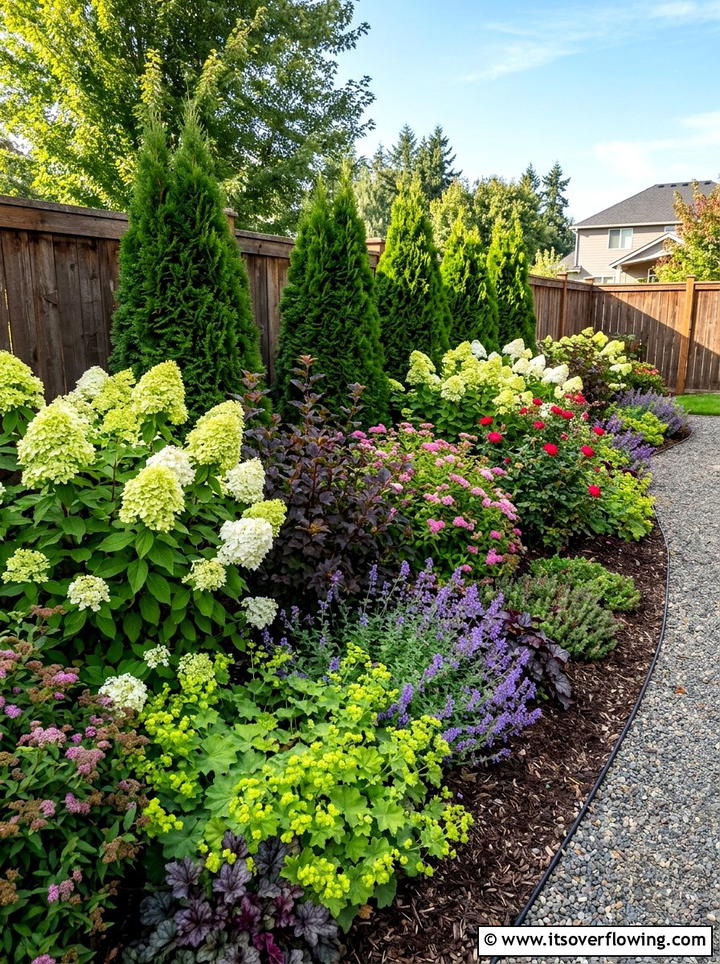
A layered shrub border is a professional way to add depth and privacy to the edges of your property. Start with tall, evergreen shrubs in the back to act as a permanent screen against the fence. In front of those, place medium-sized deciduous shrubs that offer seasonal color or interesting bark. Finally, finish the front with low-growing shrubs or groundcovers to tie the whole look together. This tiered approach creates a thick wall of vegetation that looks natural and well-planned. By choosing plants with different leaf colors and textures, you can create a rich tapestry that remains visually interesting throughout the entire year while providing a very dense boundary.
Conclusion:
Enhancing your fence line is a rewarding project that pays off in both beauty and functionality for years to come. By selecting the right combination of plants, structures, and materials, you can turn a basic boundary into a stunning landscape feature. Each of these ideas offers a unique way to address common gardening challenges like limited space, poor soil, or a lack of privacy. Remember to consider your local climate and the amount of sunlight your fence receives before starting your project. A thoughtful design will not only increase your home’s curb appeal but also create a peaceful retreat where you can relax and enjoy nature. Your yard deserves to look amazing from every single angle.

Related posts:
 25 Garden Design Ideas With Straight Lines for Modern Yards
 25 garden ideas with garden edging for Polished Borders
 25 creative garden ideas with modern landscape lines for Curb Appeal
 25 Garden Design Ideas for Projects to Transform Any Yard
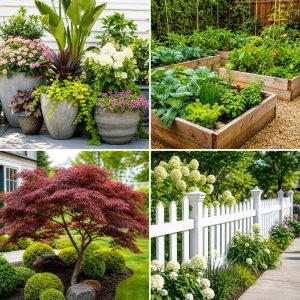 25 garden design ideas for side yard strips: Narrow Space Wins
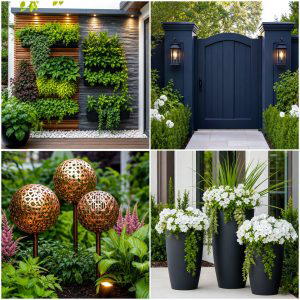 25 garden design ideas with bold contrast: Dramatic Yard Style
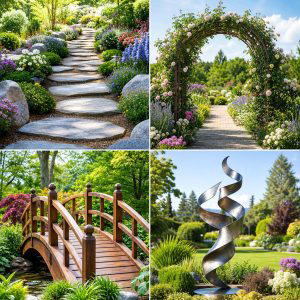 25 garden design ideas with focal points: Stunning Yard Plans
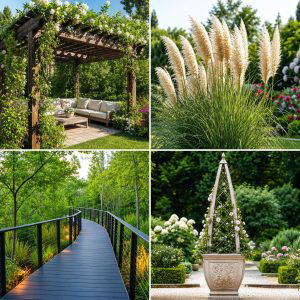 25 garden design ideas with height variation: Dynamic Yard Style
 25 Garden Design Ideas With Texture for a Lush Yard Look
 25 Creative Garden Ideas DIY: Easy Projects for Every Yard
 25 Garden Ideas With Pathways for a Beautiful Yard Makeover
 25 Small Garden Ideas for Side Yard Spaces That Shine