
Side yards are often the most neglected parts of a property, frequently ending up as forgotten storage spaces for trash cans or old lawn equipment. However, these narrow strips of land offer incredible potential to enhance your home’s overall aesthetic and functionality. By focusing on smart landscaping choices, you can turn a cramped alleyway into a lush, inviting transition zone that connects your front and back gardens seamlessly. Whether you want a peaceful walkway, a productive herb garden, or a vertical green wall, the possibilities are truly endless. Transforming this slender space requires a thoughtful approach to layout, lighting, and plant selection to ensure every square inch serves a beautiful purpose.
1. Narrow Gravel Walkway
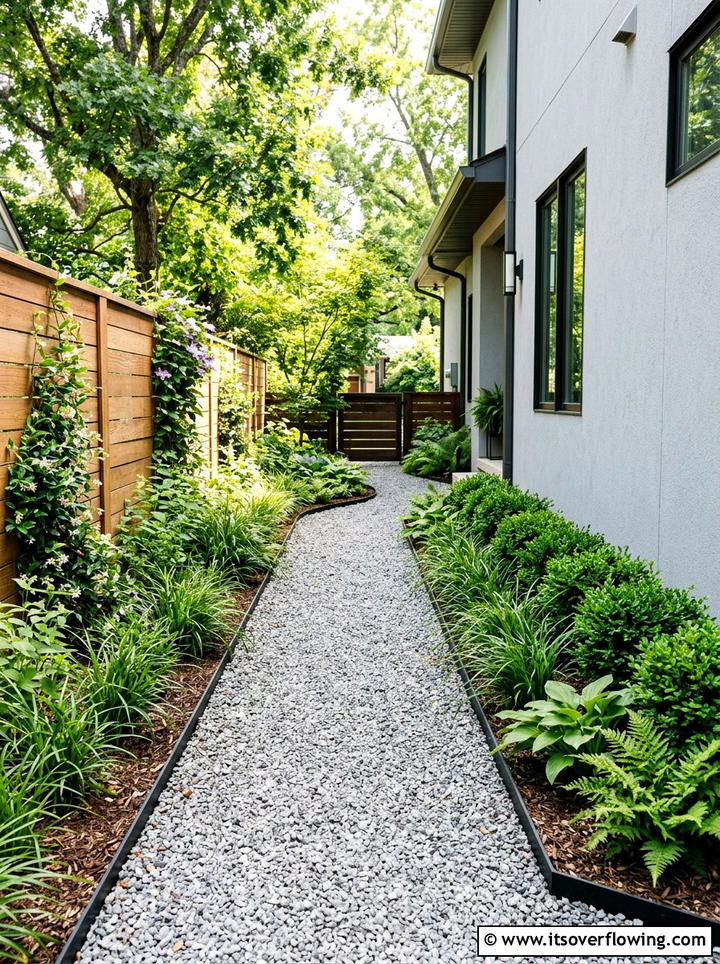
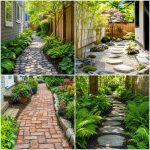
A narrow gravel walkway is one of the most practical and visually appealing solutions for a side yard strip. Gravel provides excellent drainage, preventing water from pooling near your foundation during heavy rains. It also creates a satisfying crunch underfoot, which can even provide a bit of added security by alerting you to movement. When installing this feature, consider using a high-quality weed barrier underneath to keep maintenance at a minimum. You can choose from various colors and sizes of stone, like pea gravel or crushed granite, to match your home’s exterior. Adding a simple metal or plastic edging keeps the stones contained and creates a very clean, professional look for your side path.
2. Stepping Stone Path
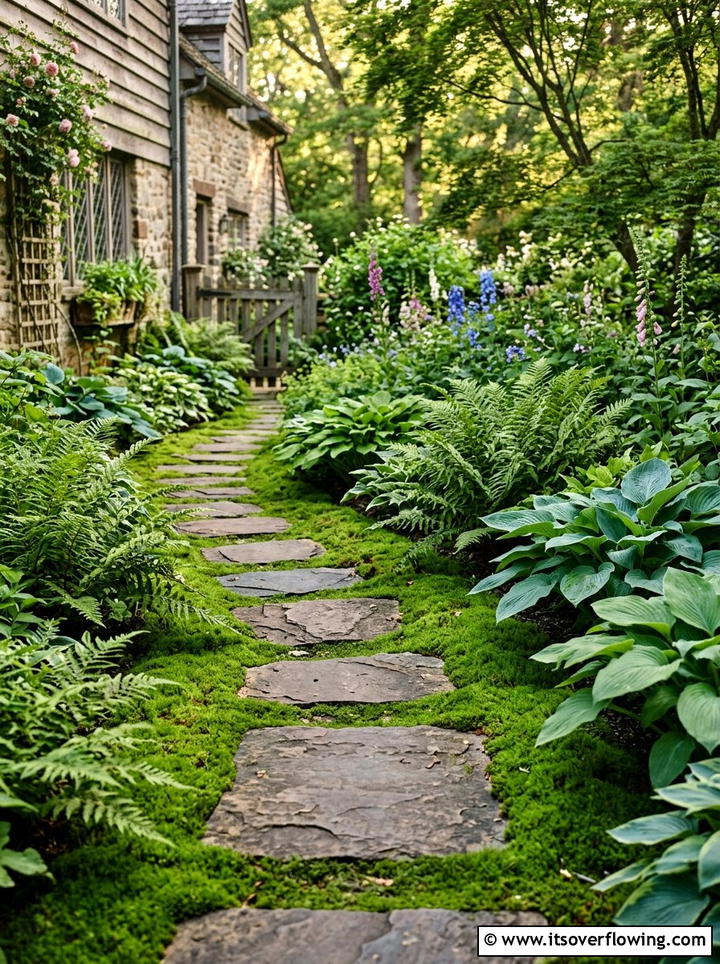
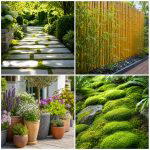
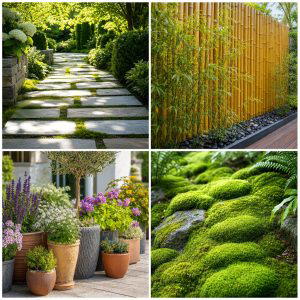
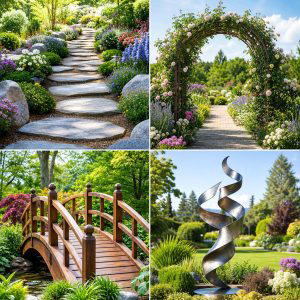
Stepping stone paths offer a charming and whimsical way to navigate the long, narrow corridor of a side yard. Instead of a solid surface, individual stones allow for ground cover plants to grow in between, softening the overall look of the space. You can use natural flagstones for a rustic feel or uniform concrete circles for a more modern appearance. Spacing them according to your natural stride is essential for comfort and safety. This design choice works exceptionally well in shady areas where grass might struggle to grow. By surrounding the stones with mulch or moss, you create a beautiful texture that guides guests through your property with ease and style.
3. Vertical Wall Garden
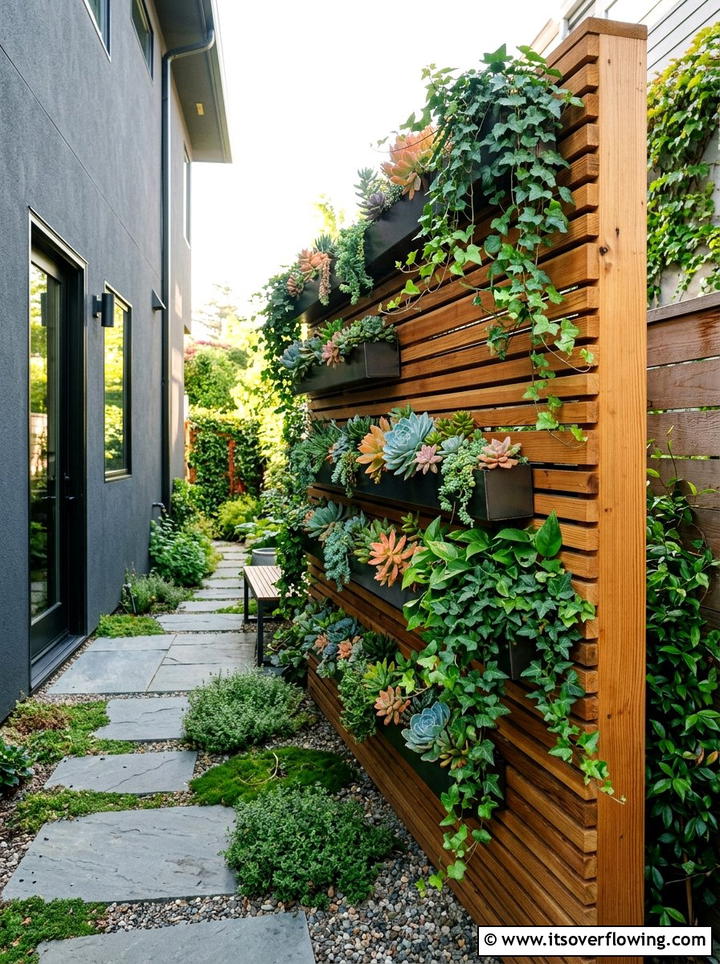
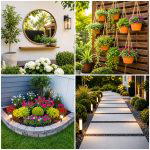
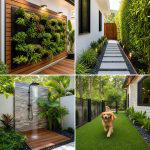
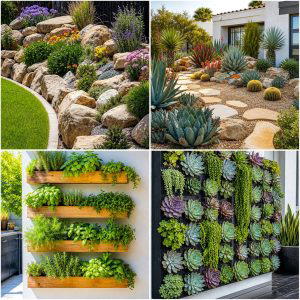
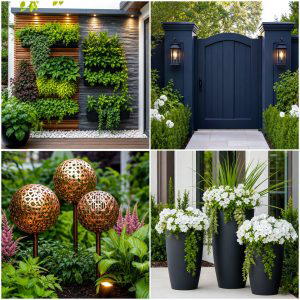
When ground space is limited in a side yard, looking upward is the smartest move you can make. A vertical wall garden transforms a blank fence or house wall into a living tapestry of greenery. You can use modular planters, hanging pockets, or simple wooden pallets to house a variety of ferns, succulents, or herbs. This approach not only maximizes your planting area but also provides a stunning focal point that draws the eye upward, making the narrow space feel much taller and more open. Drip irrigation systems can be integrated to ensure your vertical plants stay hydrated without much effort, keeping your side yard looking lush all year.
4. Shade Loving Perennials
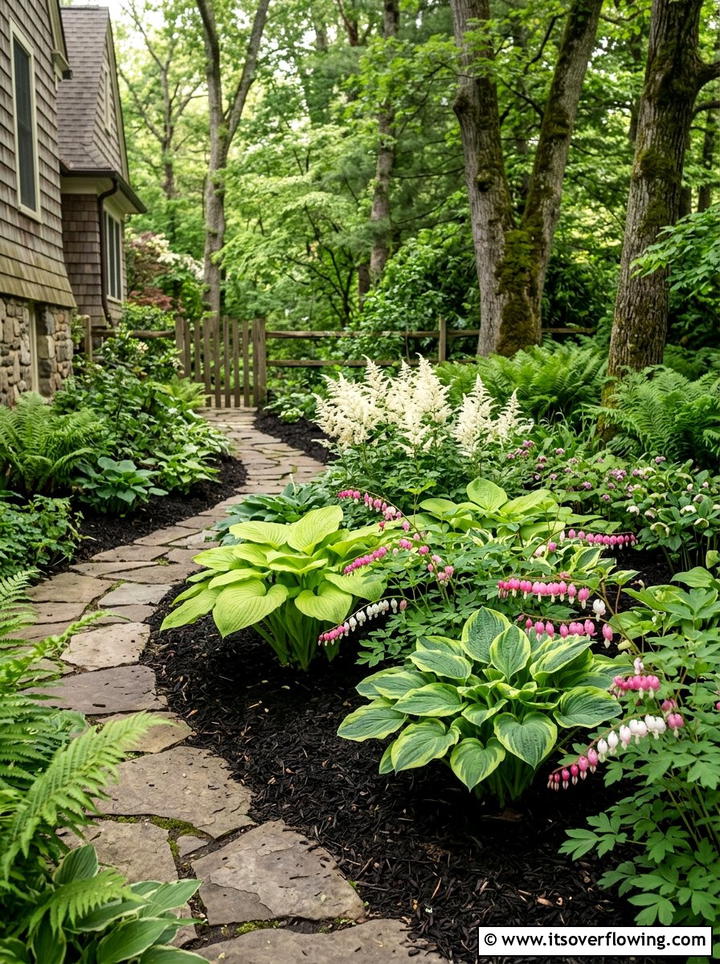
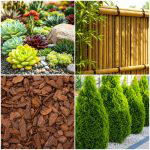
Many side yards are tucked between tall houses or fences, creating a permanent shadow that can be difficult for sun-loving plants. Filling these areas with shade-loving perennials like hostas, bleeding hearts, or coral bells is a fantastic way to add color and texture. These plants thrive in lower light conditions and often feature stunning foliage that remains beautiful throughout the growing season. By layering different heights and leaf patterns, you create a rich, forest-like atmosphere in a space that might otherwise feel cold or utilitarian. Adding a layer of dark wood mulch will help these plants pop while keeping the soil moist and suppressing unwanted weeds effectively.
5. Modern Concrete Pavers
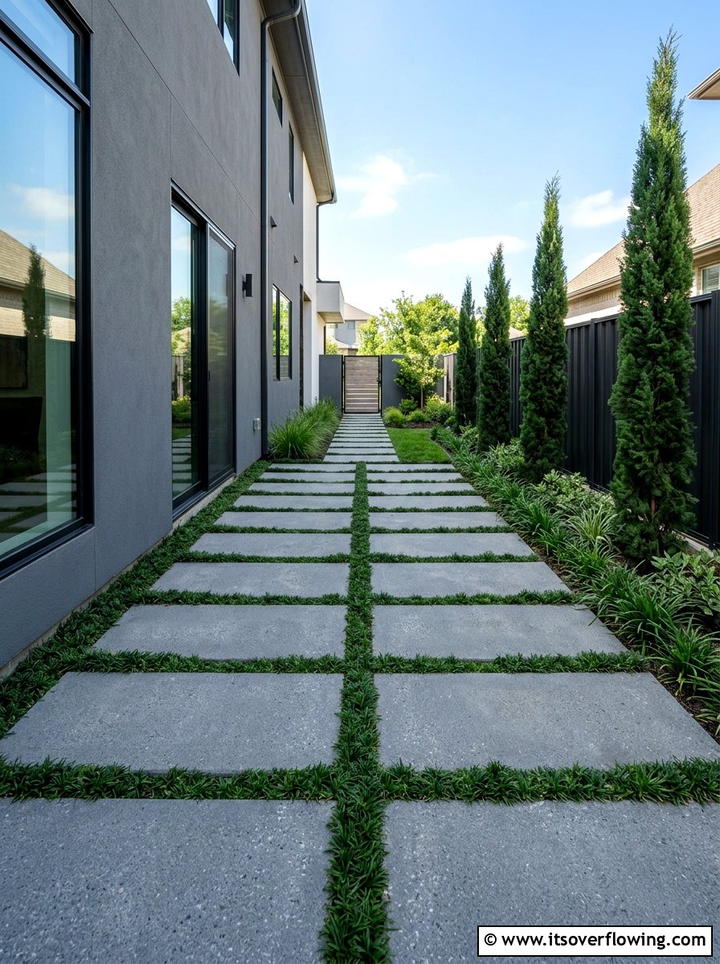
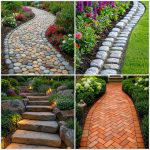
Modern concrete pavers are perfect for homeowners who want a clean, architectural look in their narrow side yard strips. Large, rectangular pavers can be laid in a linear pattern to emphasize the length of the space, creating a sense of organized movement. To avoid a sterile feeling, you can leave gaps between the pavers and fill them with dwarf mondo grass or contrasting dark pebbles. This technique adds a touch of nature while maintaining a very sophisticated and structured design. The flat surface of the pavers also makes it much easier to move trash bins or garden carts back and forth compared to uneven natural stones or loose gravel.
6. Privacy Fence Screening
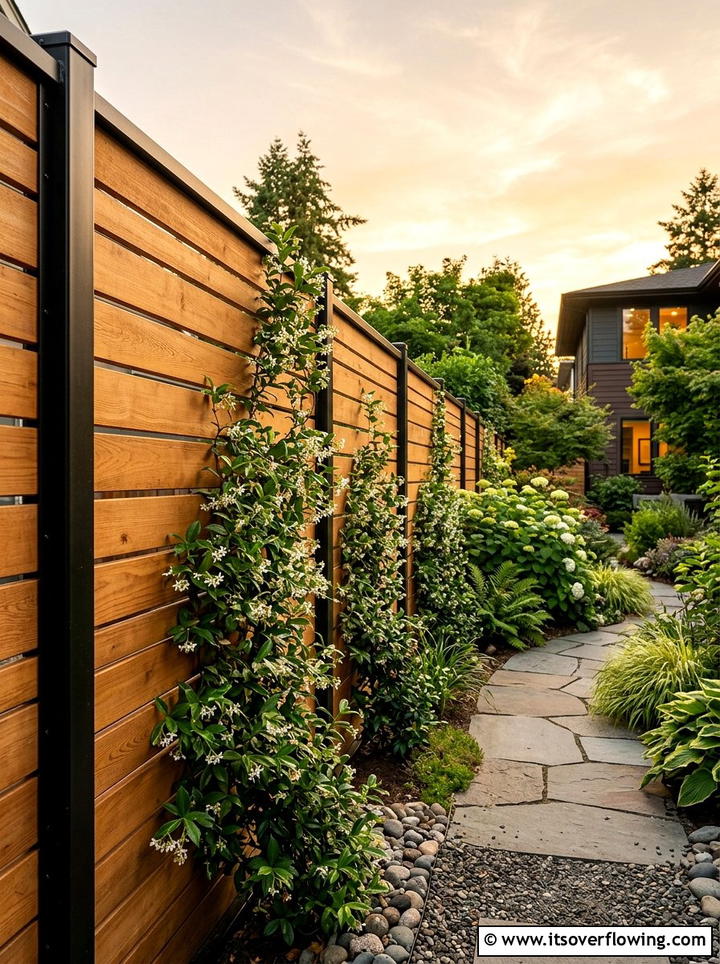
Privacy is often a concern in side yards, especially when neighbors’ windows overlook the area directly. Installing a privacy fence or decorative screening can create a secluded sanctuary within that narrow strip. You can choose from traditional horizontal wood slats, modern metal panels, or even laser-cut decorative screens that cast beautiful shadows during the day. This structure acts as a backdrop for your plants, making the greenery stand out even more. Beyond the visual benefits, a tall screen can also help dampen noise from the street or neighboring properties. It’s a functional and stylish way to reclaim your outdoor space while adding a significant level of intimate comfort.
7. Low Maintenance Succulents
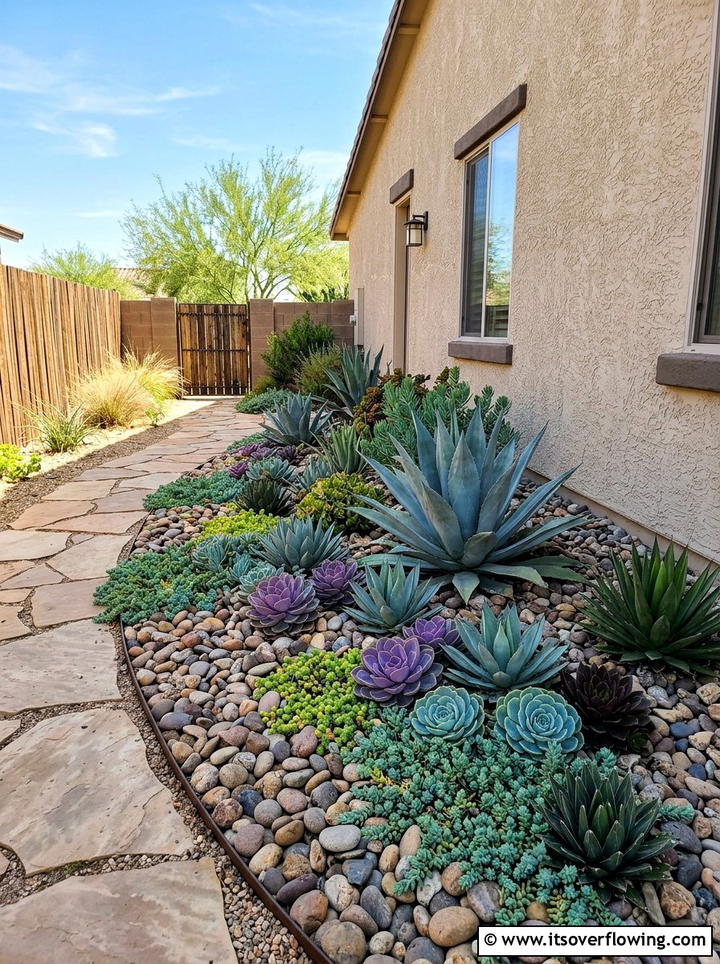
For those who prefer a “set it and forget it” approach to landscaping, a side yard filled with low-maintenance succulents is an ideal choice. These hardy plants come in an array of shapes, colors, and sizes, allowing you to create a miniature desert landscape in a confined area. Succulents are particularly well-suited for side yards that receive intense, reflected heat from walls or fences. Because they store water in their leaves, they require very little supplemental watering once established. Planting them in a well-draining sandy soil mix or among decorative rocks will ensure they stay healthy. This design offers a unique, sculptural look that stays vibrant even during the hottest summer months.
8. Espalier Fruit Trees
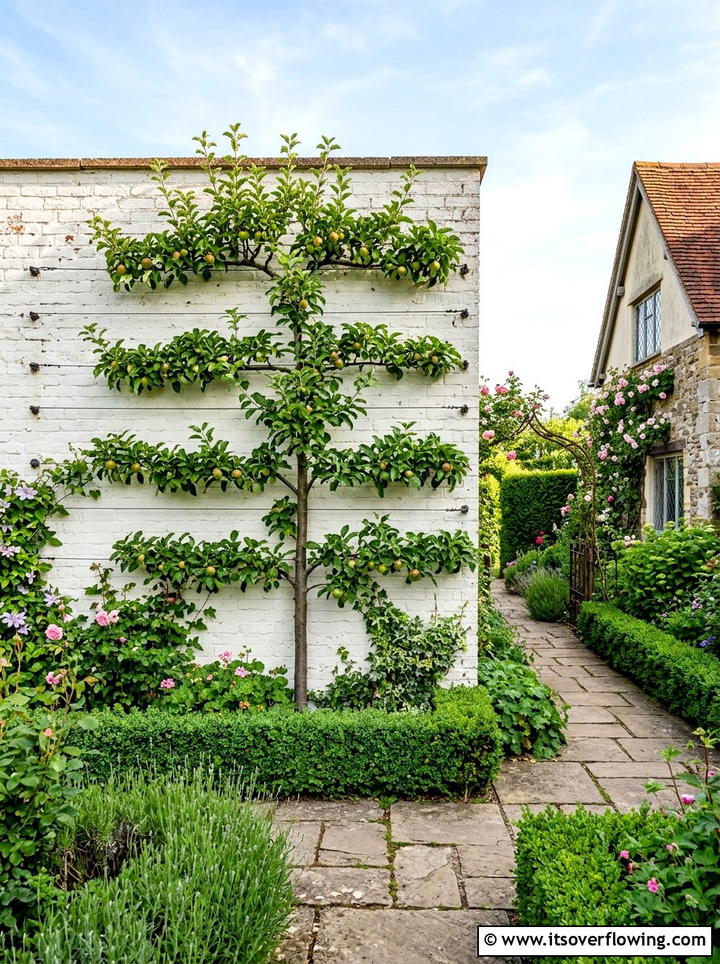
Espalier is an ancient gardening technique that involves training trees to grow flat against a wall or fence, making it perfect for side yard strips. This method allows you to grow fruit-bearing trees, such as apples, pears, or citrus, in a space that would normally be too narrow for a traditional orchard. The geometric patterns of the branches add a sophisticated, formal element to your garden while saving valuable ground space. Beyond the visual appeal, espalier trees provide a surprising amount of harvestable fruit in a very small footprint. It requires some initial pruning and training, but the result is a living piece of art that provides both beauty and food.
9. Bamboo Privacy Wall
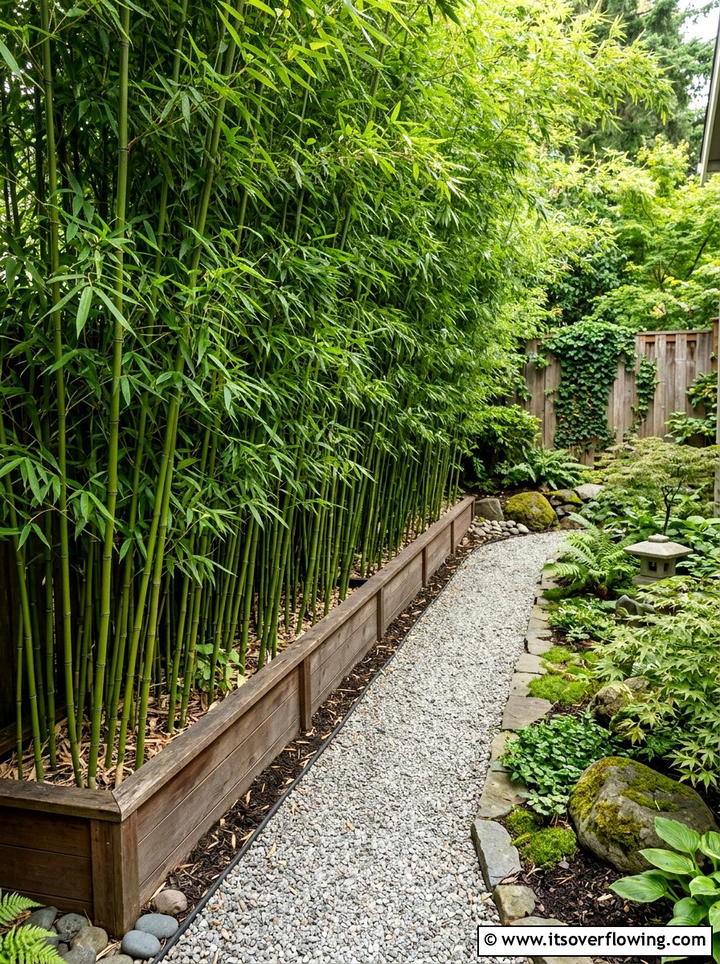
Bamboo is a fast-growing and incredibly resilient plant that can create a dense, green privacy wall in a side yard very quickly. Its vertical growth habit makes it perfect for narrow strips where you need height without taking up much horizontal room. When choosing bamboo, it is crucial to select clumping varieties rather than running types to ensure it doesn’t spread uncontrollably into other parts of your garden. The rustling sound of bamboo leaves in the wind also adds a soothing, auditory element to your outdoor space. Pairing bamboo with simple stone lanterns or a gravel path can transform a boring side yard into a peaceful, Asian-inspired retreat for relaxation.
10. River Rock Drainage
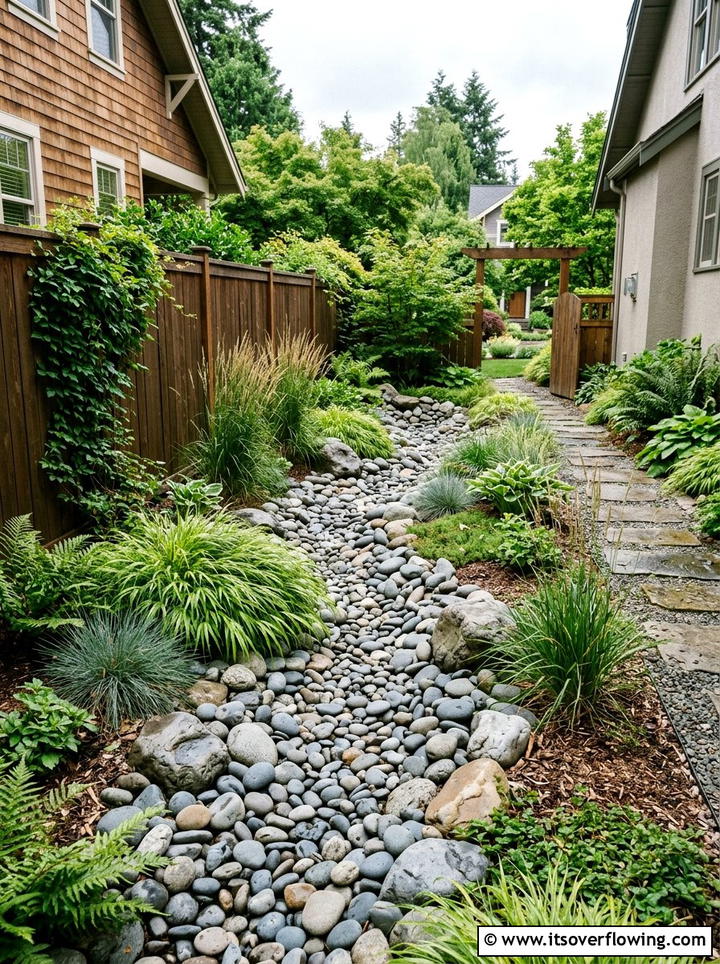
Side yards are notorious for having drainage issues because they are often the lowest point between two structures. Installing a river rock drainage system, also known as a dry creek bed, solves this problem while adding a naturalistic aesthetic. Large, smooth river stones can be arranged to mimic the look of a mountain stream, effectively channeling rainwater away from your home’s foundation. You can intersperse smaller pebbles and boulders to create a more realistic appearance. This functional design requires almost zero maintenance and remains attractive even when it’s completely dry. It’s a smart way to turn a technical landscape necessity into a beautiful feature that enhances your property’s overall curb appeal.
11. Native Wildflower Border
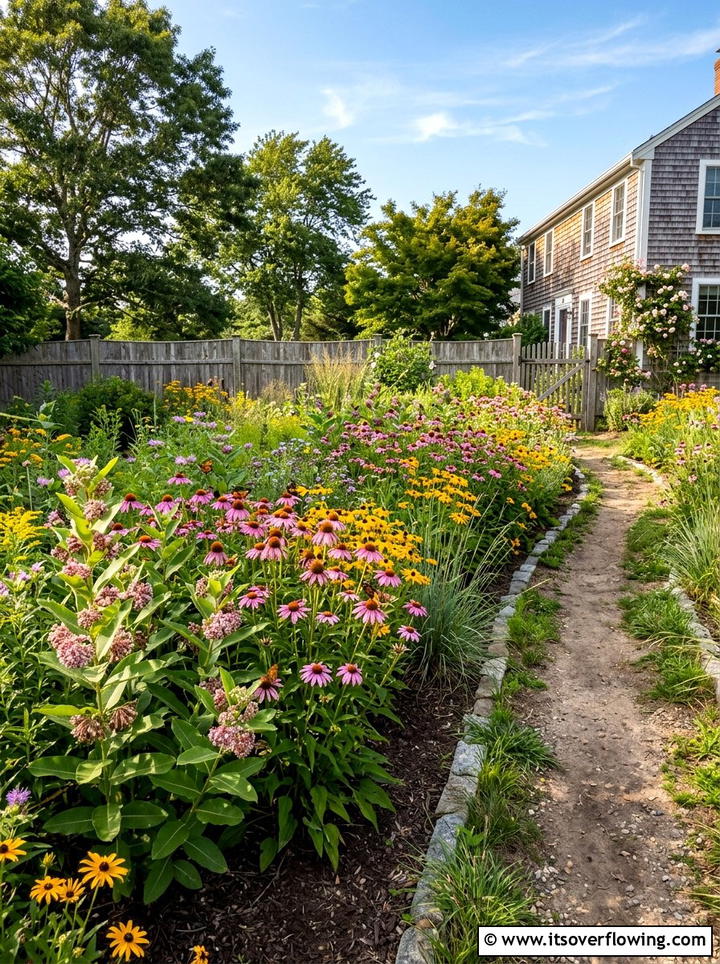
Planting a native wildflower border in your side yard is an excellent way to support local pollinators like bees and butterflies while enjoying a burst of seasonal color. Native plants are specifically adapted to your local climate and soil, meaning they typically require less water and fewer fertilizers than exotic species. A wildflower strip creates a soft, informal look that contrasts beautifully with the hard lines of a fence or house. You can select a mix of heights to create a layered effect that feels like a slice of a meadow. This low-maintenance approach not only looks beautiful but also contributes to the health of your local ecosystem by providing essential habitat.
12. Floating Wood Deck
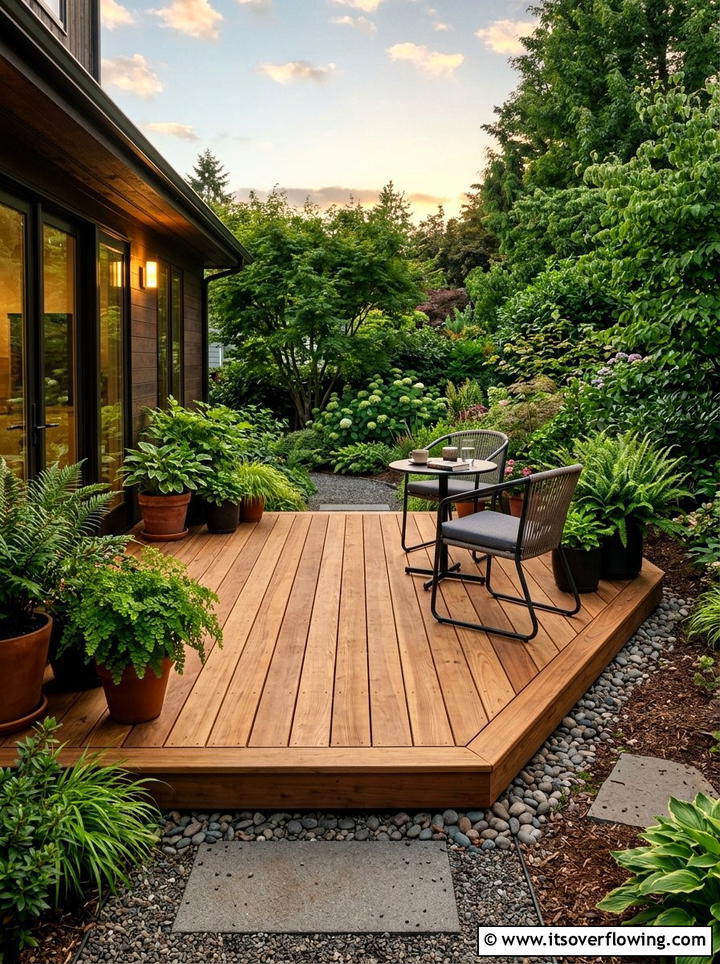
A floating wood deck can transform a muddy or uneven side yard into a clean, level platform that feels like a true extension of your indoor living space. Because it is slightly elevated above the ground, it provides a dry surface even after a heavy rainstorm. This design is perfect for creating a small seating nook where you can enjoy a quiet morning coffee. You can use durable materials like cedar, redwood, or composite decking to ensure longevity. Adding built-in planters along the edges of the deck can further integrate the structure with the surrounding greenery, making the side yard feel like a cohesive, well-planned part of your entire home design.
13. Potted Plant Arrangement
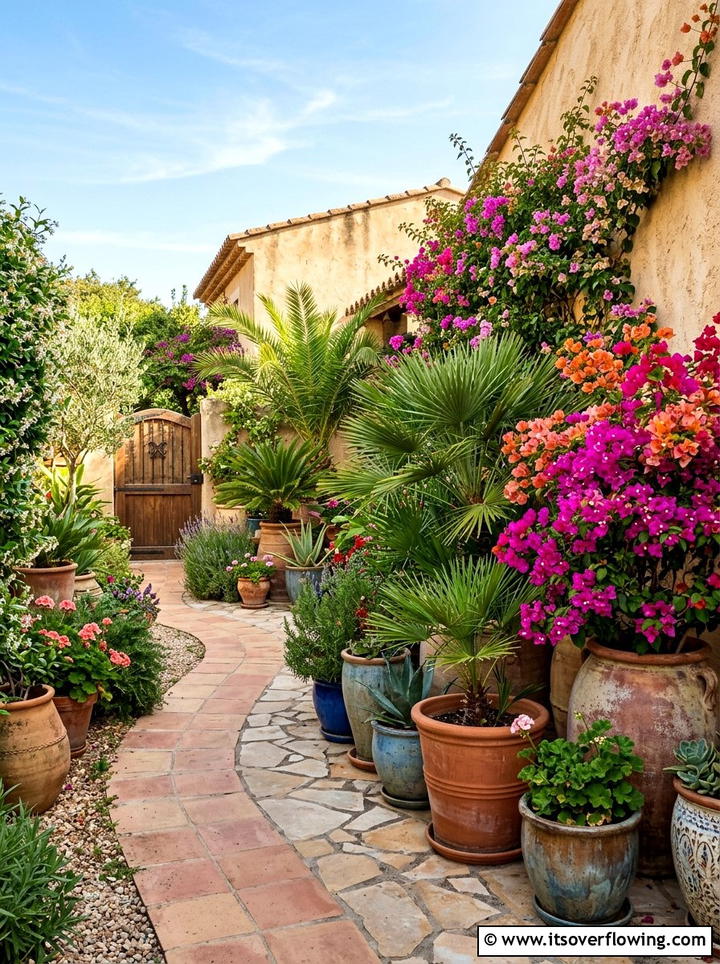
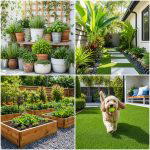
If your side yard is entirely paved or you want the flexibility to change your design seasonally, a potted plant arrangement is the way to go. Using containers of various heights, colors, and materials allows you to create visual interest and depth in a narrow space. You can move the pots around to experiment with different layouts or to follow the sun as the seasons change. Tall, slender pots are especially effective for adding verticality without crowding the walkway. This method also makes it easy to grow plants with specific soil needs that might not match the native ground. It’s a versatile and approachable way to bring lush life into any side yard.
14. Artificial Turf Strip
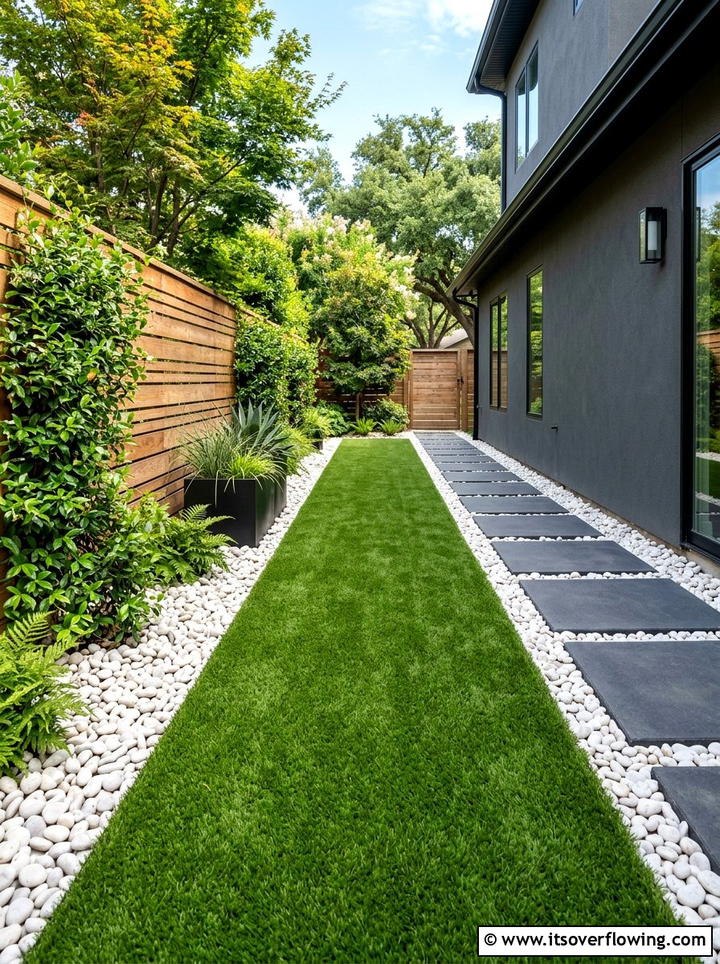
Artificial turf is a brilliant solution for side yards where natural grass refuses to grow due to lack of sunlight or poor soil quality. A strip of high-quality synthetic grass provides a vibrant, green look year-round with absolutely no mowing, watering, or fertilizing required. It’s an excellent choice for pet owners who need a durable, easy-to-clean area for their furry friends. Modern artificial turf looks incredibly realistic and feels soft underfoot, making it a comfortable surface for walking. Pairing the turf with a clean stone border or a few well-placed pavers creates a polished, high-contrast look that significantly improves the appearance of a previously dull and brown side yard area.
15. Climbing Rose Trellis
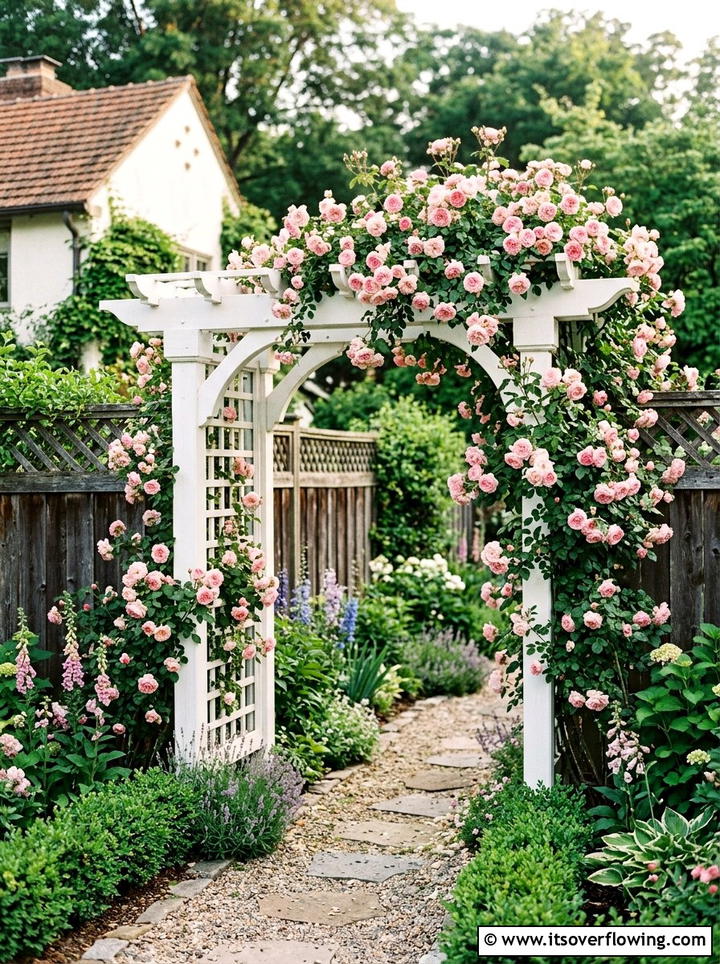
Nothing adds romance and classic beauty to a narrow side yard quite like a climbing rose trellis. Roses can be trained to grow up a wooden or metal structure, providing stunning blooms and a sweet fragrance in a very small footprint. This design works well against a sunny fence or the side of a garage, turning a functional barrier into a wall of color. You can choose from various rose varieties, from delicate pastels to bold reds, to match your personal style. Pruning and tying the canes to the trellis will ensure the plant grows exactly where you want it, keeping the pathway clear while maximizing the vertical floral display.
16. Zen Moss Garden
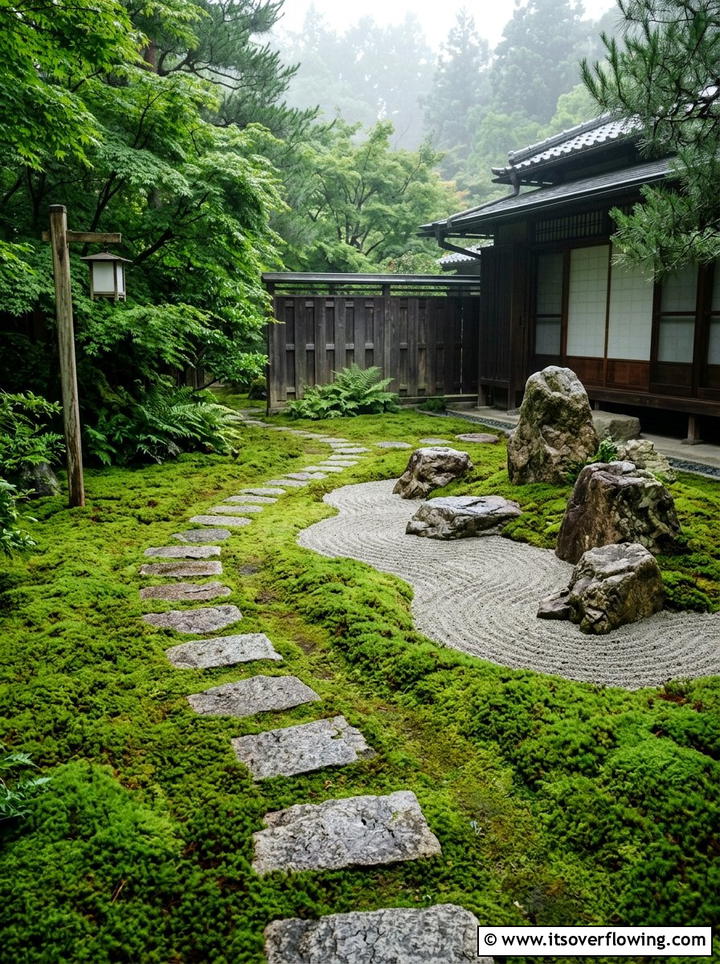
A zen moss garden is a perfect choice for damp, shady side yards where traditional plants might struggle to survive. Moss creates a soft, velvety carpet of deep green that feels incredibly serene and peaceful. This design often incorporates large, singular boulders or carefully raked sand to create a minimalist, Japanese-inspired aesthetic. Moss requires very little maintenance other than occasional misting during dry spells and keeping the area clear of falling leaves. It’s an ideal solution for creating a “slow” garden that encourages reflection and calm. The rich textures of various moss species can be combined to create a subtle, intricate pattern that looks beautiful through every season.
17. Flagstone Herb Path
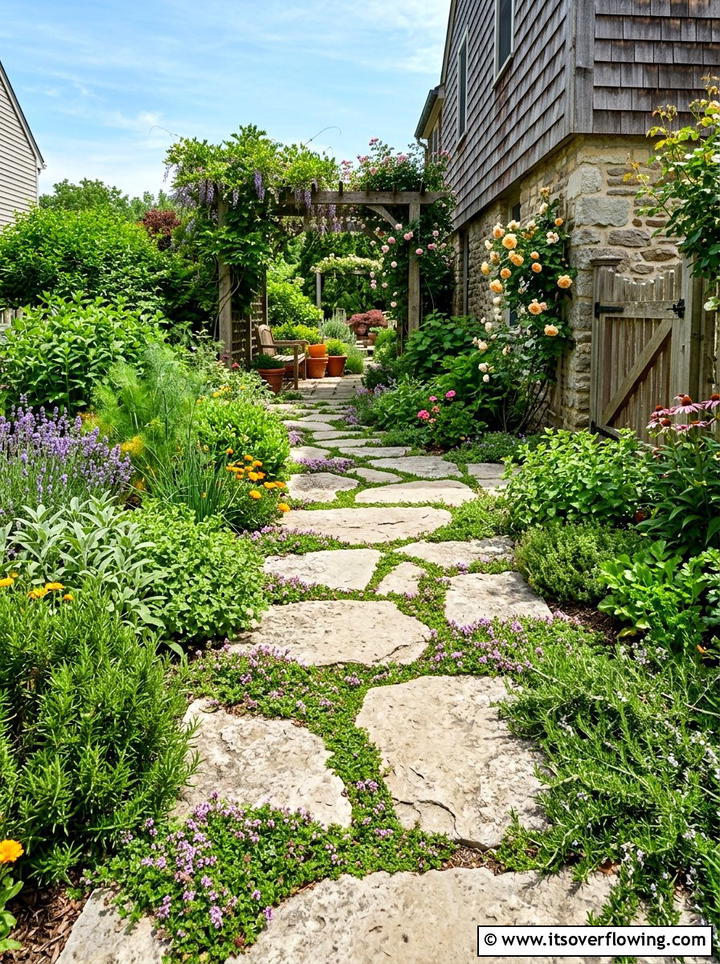
Combining functionality with flavor, a flagstone herb path is a delightful way to utilize a side yard strip located near a kitchen door. Large, irregular flagstones provide a sturdy walking surface, while the gaps between them are filled with hardy, creeping herbs like thyme or oregano. Every time you walk over the path, the slight crushing of the leaves releases a wonderful, fresh aroma. This “edible walkway” is not only beautiful but also provides a constant supply of fresh ingredients for your cooking. Most creeping herbs are very resilient and can handle light foot traffic, making them the perfect low-growing ground cover for this specific type of narrow garden design.
18. Raised Vegetable Beds
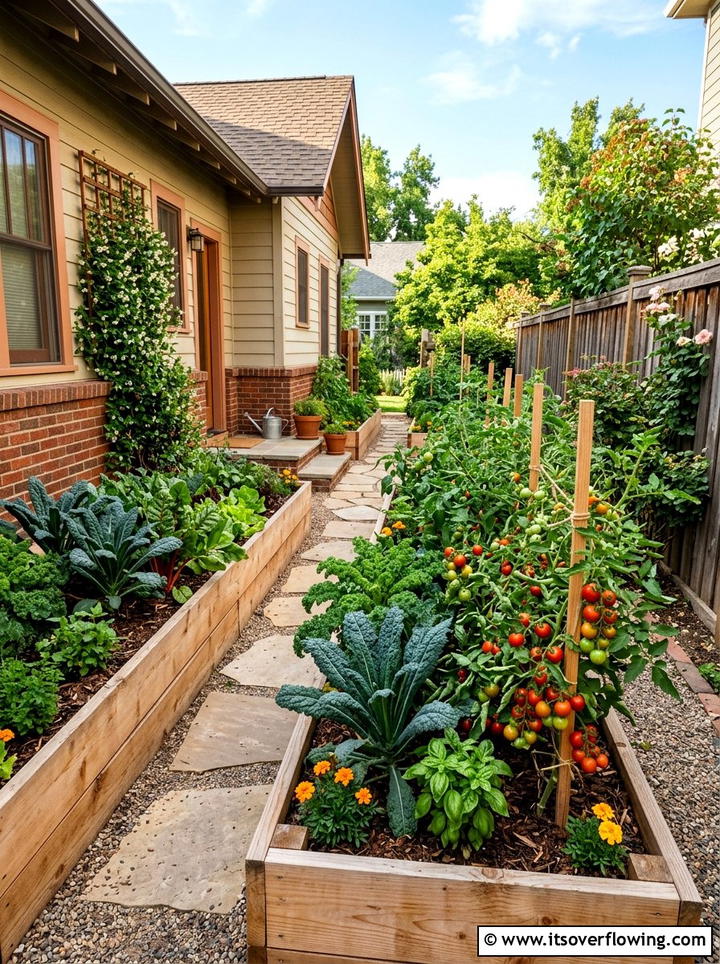
If your side yard receives a decent amount of sunlight, it can be the perfect location for narrow raised vegetable beds. Lifting the planting area off the ground makes it easier to manage soil quality and provides better drainage for your crops. You can build long, slender wooden or metal boxes that fit perfectly against a fence line, leaving just enough room for a walking path. This allows you to grow fresh tomatoes, peppers, or leafy greens right in your own backyard without sacrificing large areas of your main lawn. Raised beds also help to organize the space, giving the side yard a neat, productive, and intentional appearance that any home chef would love.
19. Outdoor String Lighting
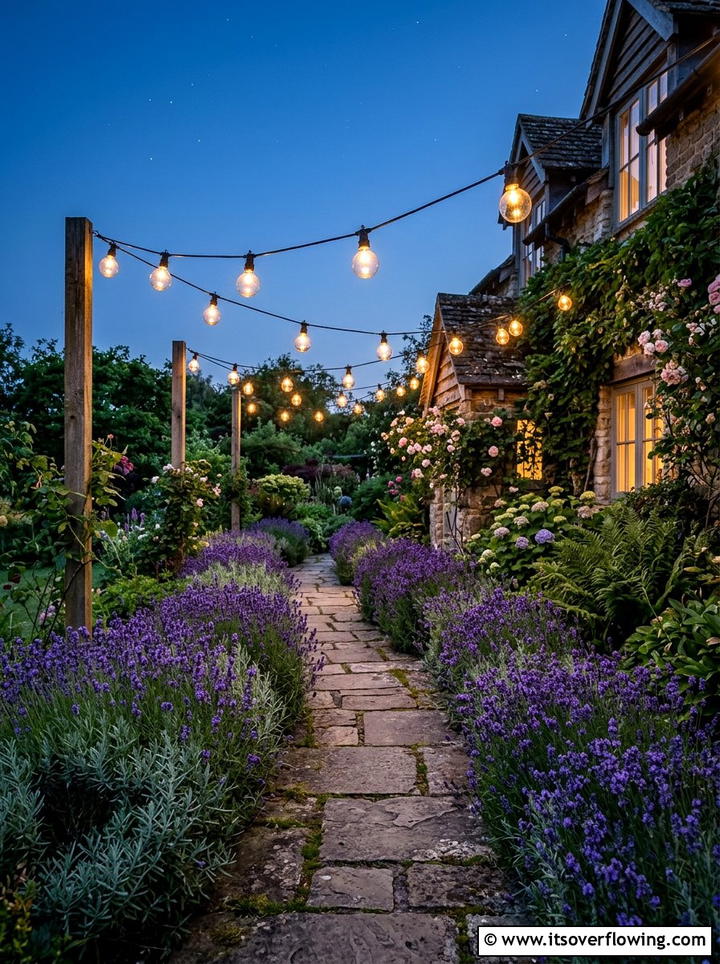
Proper lighting can completely change the mood of a side yard, especially during the evening hours. Stringing warm white globe lights or fairy lights from the eaves of the house to the fence creates a magical, glowing canopy over the path. This lighting not only improves safety by illuminating the walkway but also makes the narrow space feel wider and more inviting. It’s an affordable way to add a “wow” factor to your home’s exterior. You can pair string lights with small solar-powered lanterns along the ground to create layers of light. This setup transforms a purely functional passage into an enchanting outdoor gallery that looks beautiful from both inside and outside.
20. Compact Japanese Maple
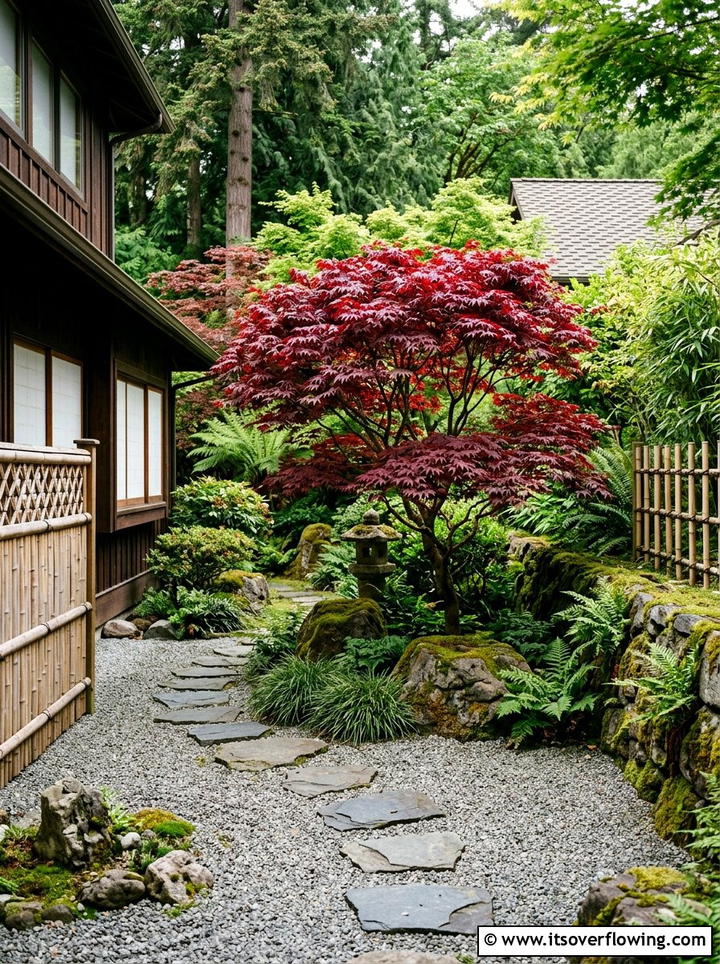
A compact Japanese maple tree can serve as a stunning focal point in a side yard, providing year-round visual interest with its unique branch structure and vibrant foliage. These trees are prized for their slow growth and manageable size, making them ideal for confined spaces where a larger tree would be overwhelming. Depending on the variety, the leaves can range from bright lime green to deep burgundy, often turning brilliant shades of orange or red in the autumn. Planting a Japanese maple near a window allows you to enjoy its beauty from inside your home as well. Its elegant form adds an immediate sense of sophistication and maturity to any narrow garden design.
21. White Picket Fence
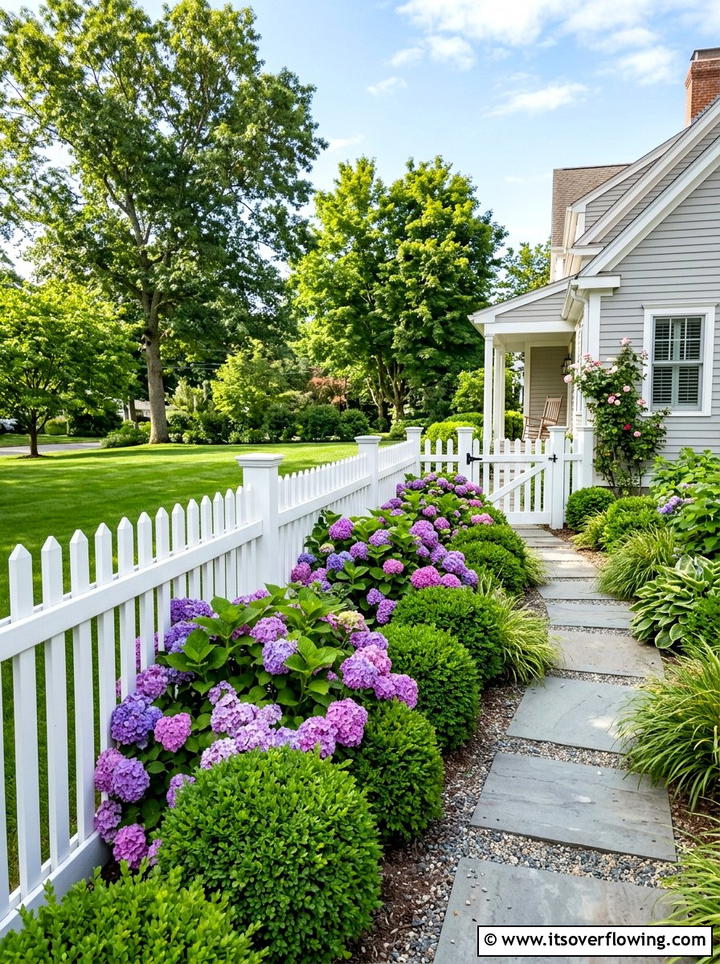
A classic white picket fence is a timeless design choice that can make a side yard feel cozy and nostalgic. This type of fencing defines the boundary of your property without feeling too heavy or closed-off, allowing air and light to circulate freely. It provides a perfect backdrop for traditional cottage-style flowers like lavender, daisies, or hydrangeas. The bright white color helps to reflect light into the narrow strip, making it feel brighter and more spacious than it actually is. Whether you use it as a boundary or as an internal garden divider, a picket fence adds a touch of charm and curb appeal that never goes out of style.
22. Ornamental Grass Border
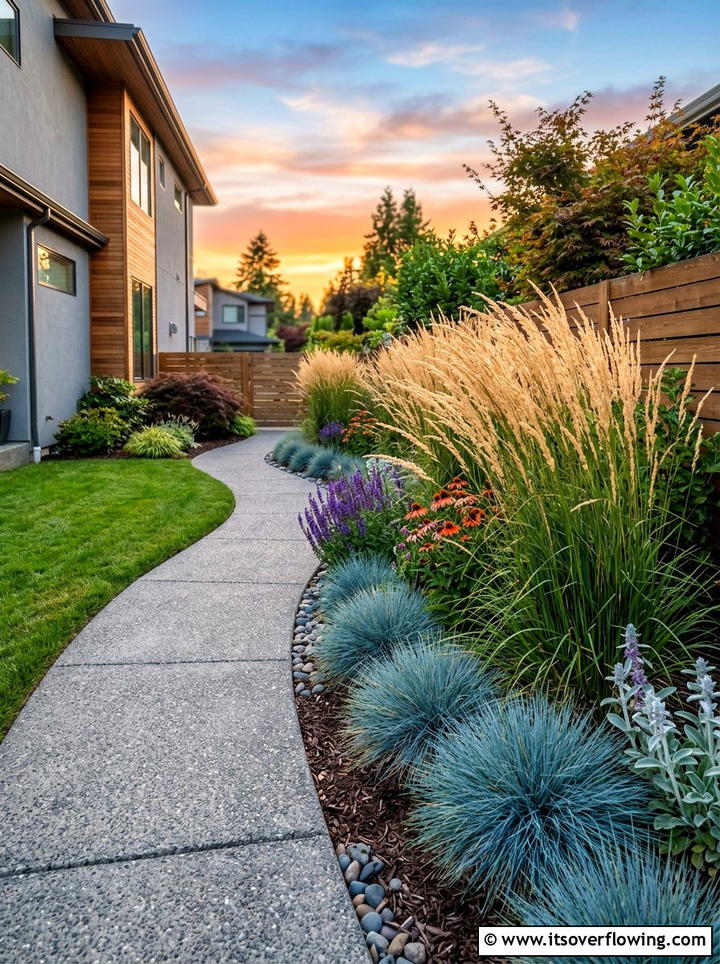
Ornamental grasses are a fantastic choice for adding movement and texture to a side yard strip. Varieties like fountain grass, feather reed grass, or blue fescue offer a wide range of colors and heights to choose from. These plants are generally very drought-tolerant and require minimal maintenance, usually only needing a quick trim once a year in late winter. The way the grass blades sway in the breeze adds a dynamic, living element to the landscape that feels very relaxing. Because they grow vertically, they are excellent for filling narrow spaces without encroaching on the walkway. Their feathery seed heads also provide beautiful visual interest during the fall and winter months.
23. Tropical Foliage Plants
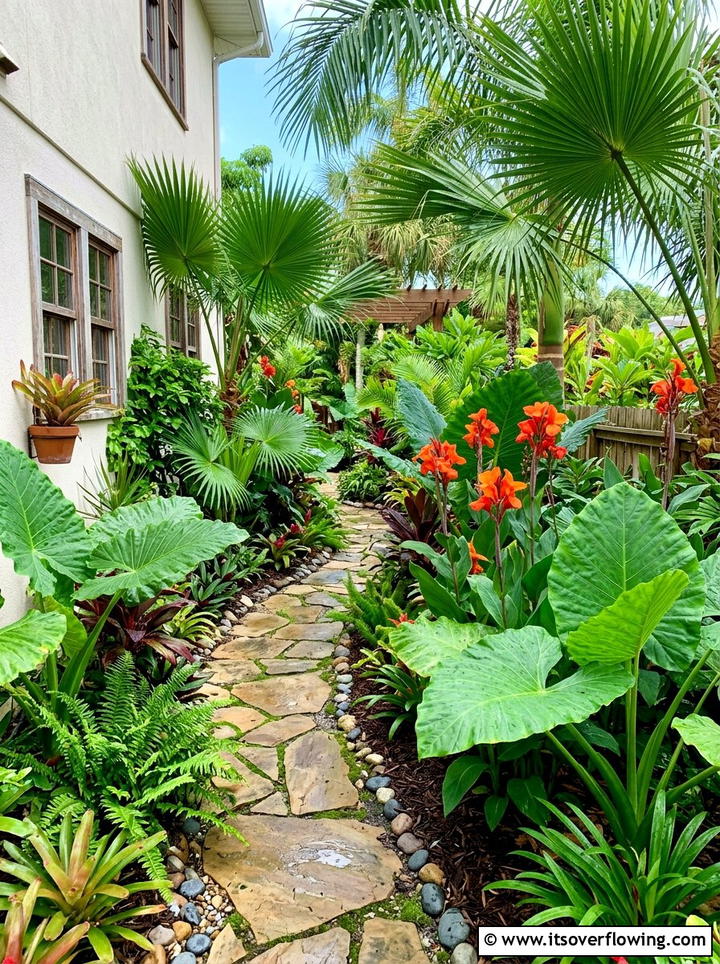
If you live in a warmer climate, you can turn your side yard into a lush tropical escape by using large-leafed foliage plants. Think about using elephant ears, bird of paradise, or various types of palms to create a dense, jungle-like environment. These plants often have bold shapes and deep green colors that make a strong visual impact in a narrow corridor. To enhance the tropical feel, you can add a layer of dark bark mulch and perhaps a small, bubbling water feature. This design choice creates a high-contrast, high-energy space that feels exotic and private. It’s an excellent way to make a walk from the front to the back yard feel like an adventure.
24. Recycled Brick Path
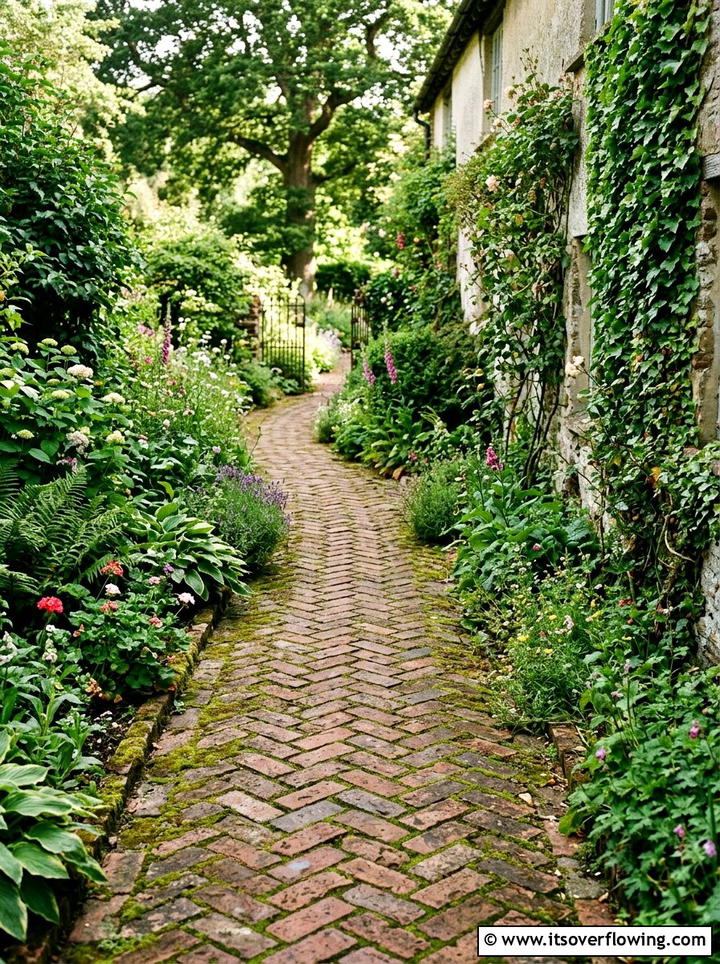
A recycled brick path brings a sense of history and character to a side yard that new materials often lack. Using reclaimed bricks with different textures and slight color variations creates a warm, lived-in feel that complements many different home styles. Bricks can be laid in various patterns, such as herringbone or basketweave, to add extra visual interest to the ground surface. This material is incredibly durable and becomes even more beautiful as it ages and develops a slight patina or moss growth. It’s an eco-friendly choice that repurposes existing materials while providing a stable, attractive, and classic walkway through your narrow garden area for many years to come.
25. Minimalist Zen Rock
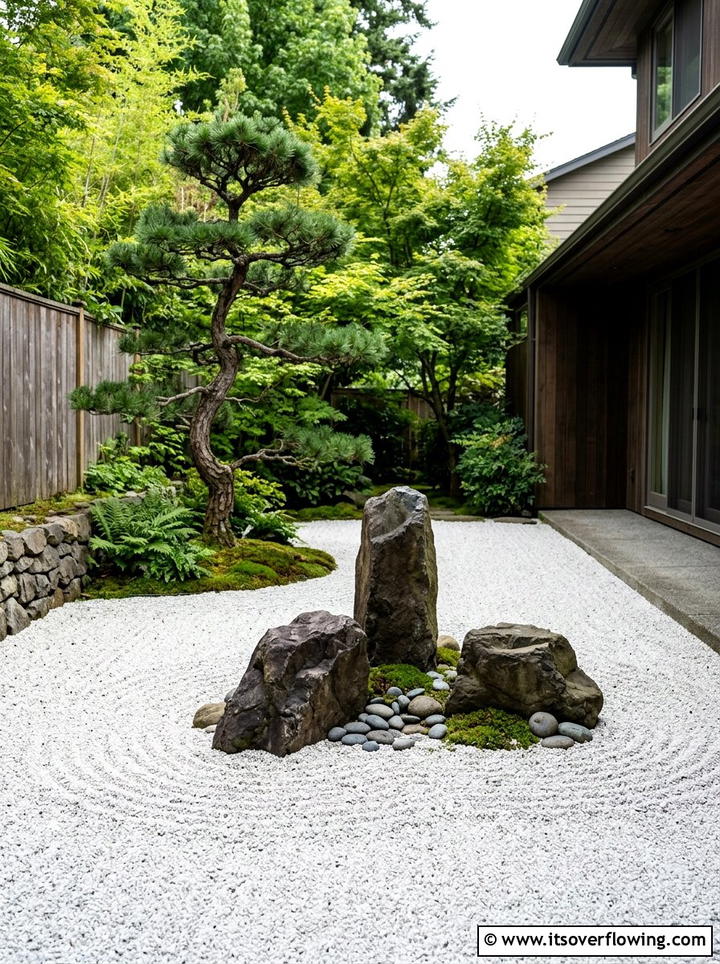
A minimalist zen rock garden is the ultimate solution for a very narrow or difficult-to-maintain side yard. This design focuses on the beauty of simplicity, using a limited palette of stones, gravel, and perhaps a single sculptural plant or boulder. The clean lines and open space create a sense of order and tranquility that can be very soothing in a busy world. This type of garden requires almost no water and very little upkeep, making it perfect for busy homeowners. By carefully choosing the placement of each element, you can create a high-impact visual that looks like a curated piece of art. It’s a modern and sophisticated way to handle a side strip.
Conclusion:
Designing a garden for a narrow side yard strip is a rewarding challenge that can significantly increase your home’s value and your daily enjoyment of your outdoor space. By moving beyond the idea that these areas are just for storage, you open up a world of creative possibilities. From the structural beauty of espalier trees to the calming effect of a moss garden, each of these 25 ideas offers a unique way to personalize your property. The key is to select a style that complements your home’s architecture while addressing your practical needs for drainage, light, and maintenance. With a little planning, your side yard can become one of the most beautiful and beloved parts of your entire landscape.

Related posts:
 25 Small Garden Ideas for Side Yard Spaces That Shine
 25 Garden Design Ideas for Narrow Pathways With Big Style
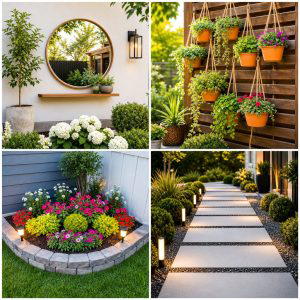 25 Creative Garden Ideas for Narrow Spaces: Smart Layouts
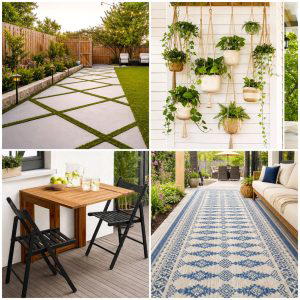 25 Garden Ideas for Narrow Yards That Feel Spacious
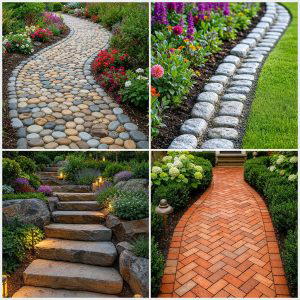 25 Small Garden Ideas With Narrow Pathways for Tiny Yards
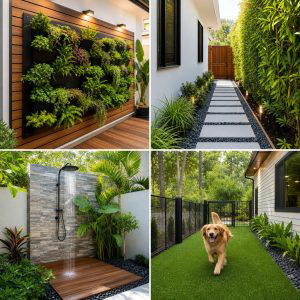 25 Creative Garden Ideas for Side Yards
 25 Garden Ideas for Side Yards to Use Every Inch
 25 Garden Design Ideas for Fence Lines for a Polished Yard
 25 garden design ideas with bold contrast: Dramatic Yard Style
 25 garden design ideas with focal points: Stunning Yard Plans
 25 garden design ideas with height variation: Dynamic Yard Style
 25 Garden Design Ideas With Texture for a Lush Yard Look