
Designing a beautiful garden often feels like creating a private sanctuary where nature and art perfectly collide. One of the most essential elements in this transformation is the inclusion of well-planned pathways that guide your journey through the greenery. Pathways do more than just provide a place to walk; they define the structure of your landscape and create a sense of discovery. Whether you are looking for a rustic cottage feel or a sleek modern aesthetic, the right walkway can tie your entire outdoor space together. In this guide, we explore twenty-five unique ways to integrate paths into your garden to enhance both functionality and visual appeal for your home. These concepts focus on various materials and styles that can transform any backyard into a stunning landscape.
1. Flagstone Walkway
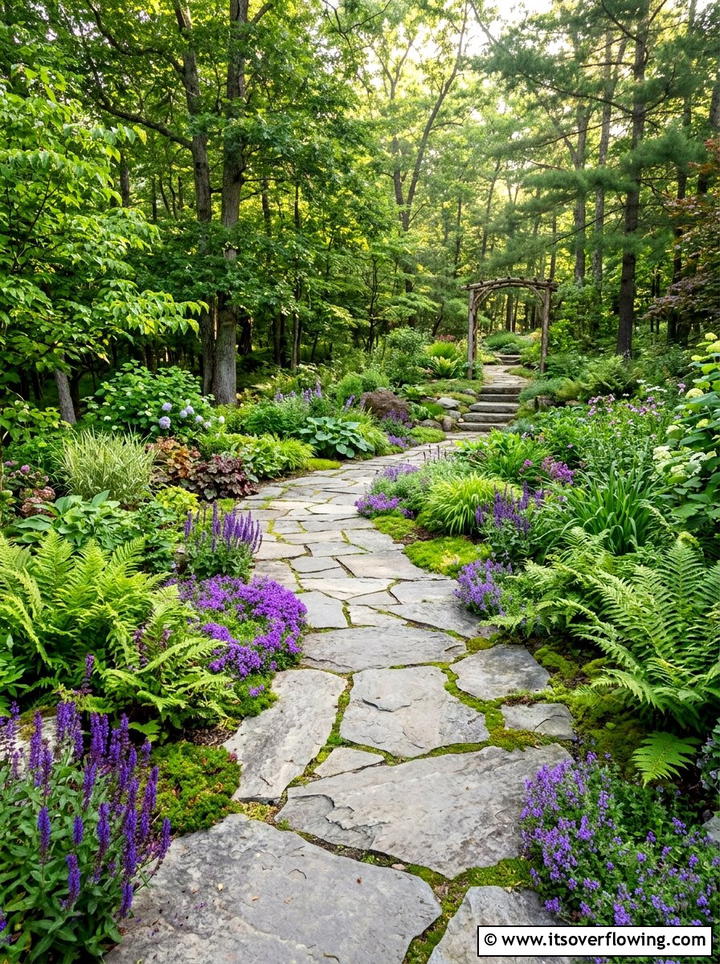
Natural stone offers a timeless look that blends seamlessly with any outdoor environment. When you use irregular flagstones, you create a rustic and organic feel that mimics the beauty of a forest trail. These large stones provide a stable surface while allowing small groundcover plants to grow in the gaps. You can surround the path with lush ferns and colorful perennials to create a vibrant garden scene. This style works exceptionally well in shaded areas where moss can naturally fill the spaces between the stones. The result is a durable and low-maintenance walkway that looks like it has been part of the landscape for decades. It adds significant character and a high-end feel to your property.
2. Gravel Path

Gravel is a versatile material that provides an audible crunch underfoot, adding a sensory layer to your garden experience. By using metal edging, you can create crisp and defined borders that prevent the stones from migrating into your flower beds. This approach is perfect for a minimalist or contemporary garden where structure is key. You might choose white marble chips for a bright look or dark basalt for a moodier vibe. Surround the path with ornamental grasses and structural shrubs to emphasize the clean lines. The permeability of gravel also makes it an eco-friendly choice for managing rainwater runoff. It is an affordable way to create long, winding trails through your backyard space.
3. Brick Herringbone
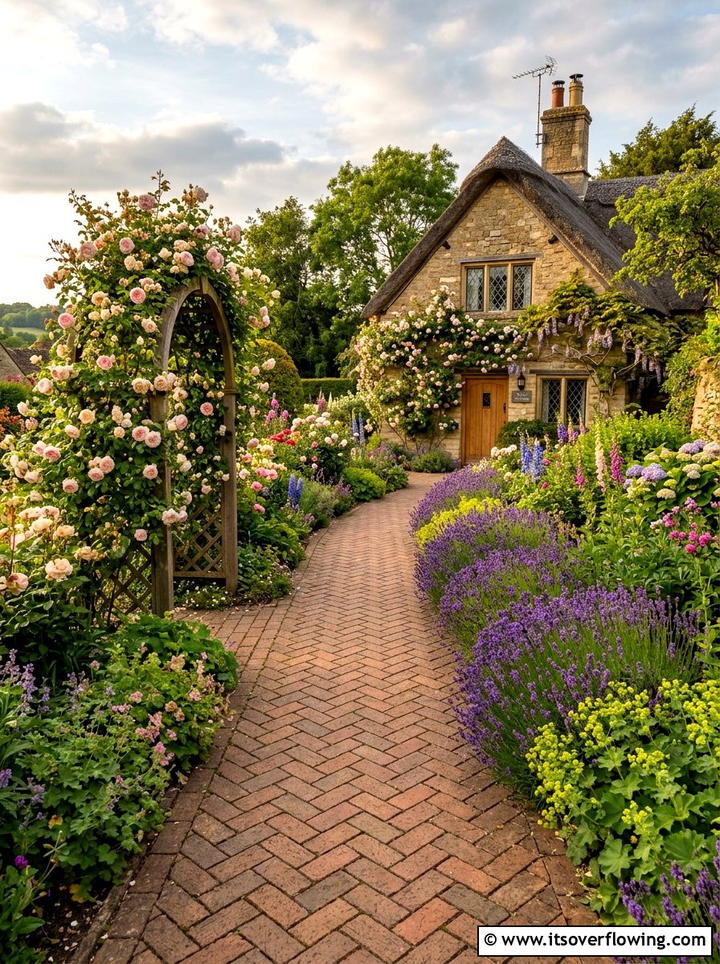
Reclaimed bricks bring a sense of history and warmth to a garden setting. Laying them in a classic herringbone pattern adds visual interest and a touch of traditional elegance. This design works beautifully in a cottage garden filled with climbing roses and aromatic herbs like lavender. The reddish tones of the brick provide a lovely contrast against deep green foliage and bright floral blooms. It is a sturdy option that handles heavy foot traffic while maintaining its charm over many years. You can even let a little bit of moss grow in the joints to give the walkway an aged, lived-in appearance. This pattern is very stable and provides a safe walking surface.

4. Stepping Stones In Grass
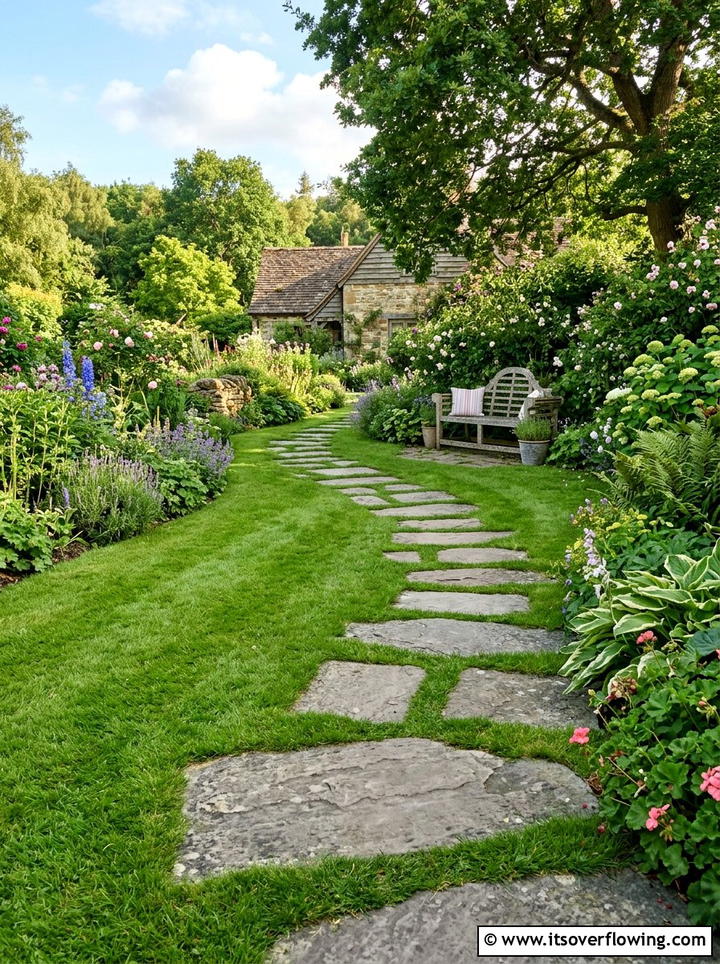
Stepping stones offer a playful and understated way to navigate through a lush lawn. By spacing large, flat stones evenly across the grass, you create a rhythmic flow that encourages a slower pace. This design is ideal for connecting different zones of your yard without breaking up the visual expanse of the green turf. You should choose stones that are at least two inches thick to ensure they stay level and secure over time. Surrounding the path with low-maintenance ground covers or keeping the grass neatly trimmed ensures a clean look. It is a budget-friendly way to add character and a sense of whimsy to any standard backyard landscape layout.
5. Wood Plank Boardwalk
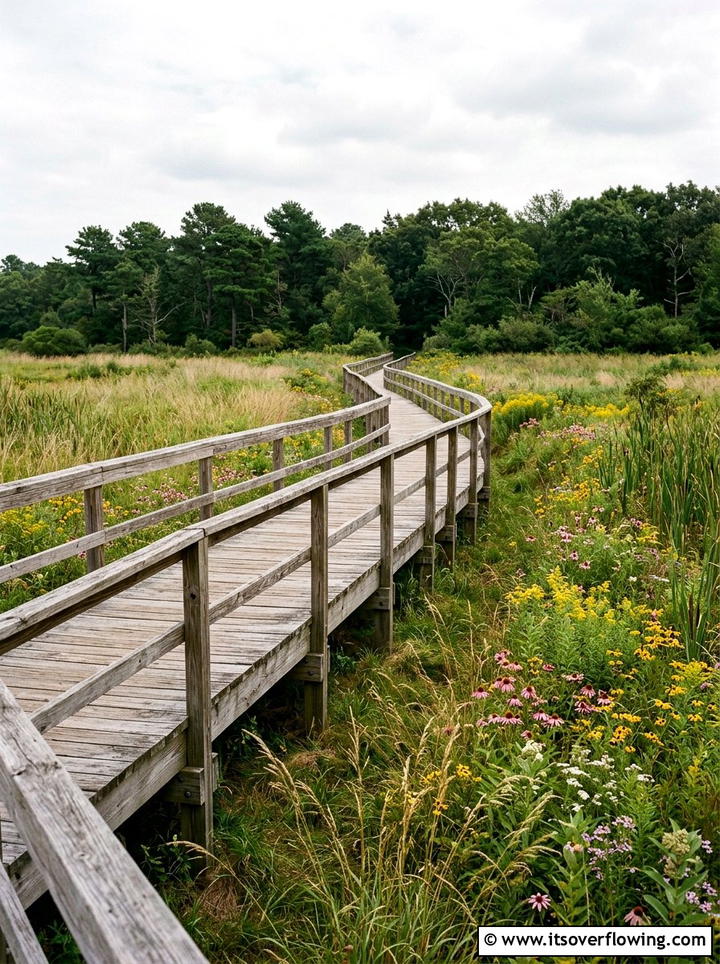
A wooden boardwalk can transform a standard garden into a coastal or woodland retreat. Using pressure-treated lumber or naturally rot-resistant wood like cedar ensures the path lasts for many seasons. This style is particularly effective in areas with uneven terrain or damp soil where traditional stone might sink. The elevated nature of a boardwalk protects the ground below and provides a smooth, flat surface for walking. You can frame the path with tall grasses and native shrubs to create an immersive nature experience. The warm wood tones provide a beautiful organic contrast to the cool greens and blues of your garden plants. This setup feels very modern yet connected to nature.
6. Modern Concrete Paver
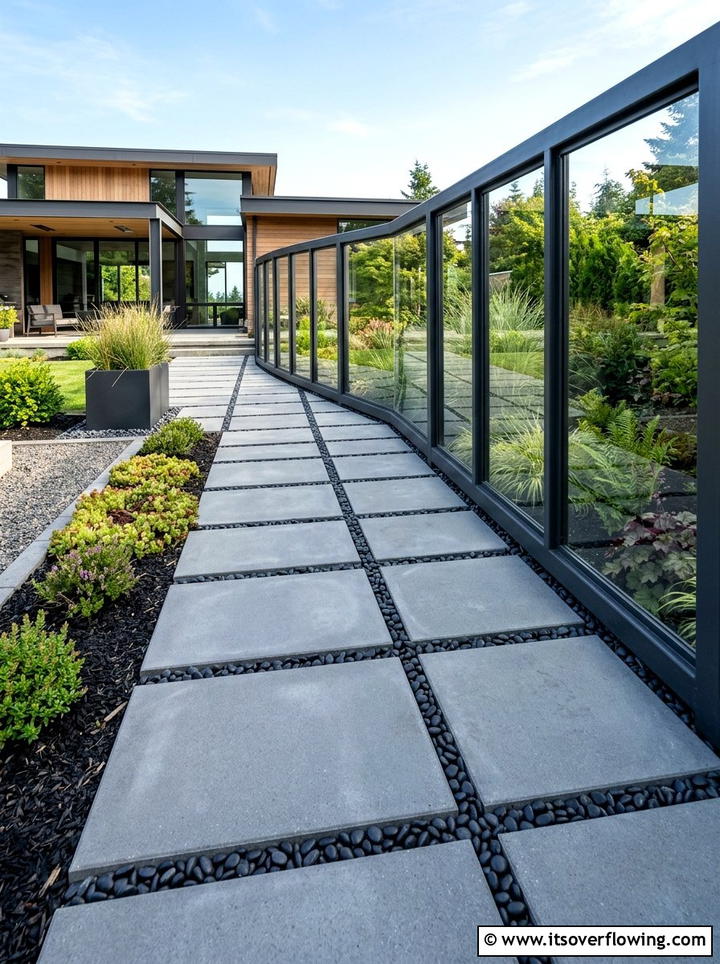
Geometric concrete pavers are a staple of modern landscape design because of their clean lines and versatility. Large rectangular or square slabs can be arranged in a linear fashion to create a sense of order and sophistication. You can fill the gaps between the pavers with small dark pebbles or bright green moss to add texture and contrast. This look pairs perfectly with architectural plants like agave, boxwood hedges, and ornamental grasses. The smooth surface of the concrete is easy to clean and provides a safe walkway in all weather conditions. It is an excellent choice for a contemporary home looking to extend its minimalist style into the outdoor living areas.
7. Slate Tile Walkway
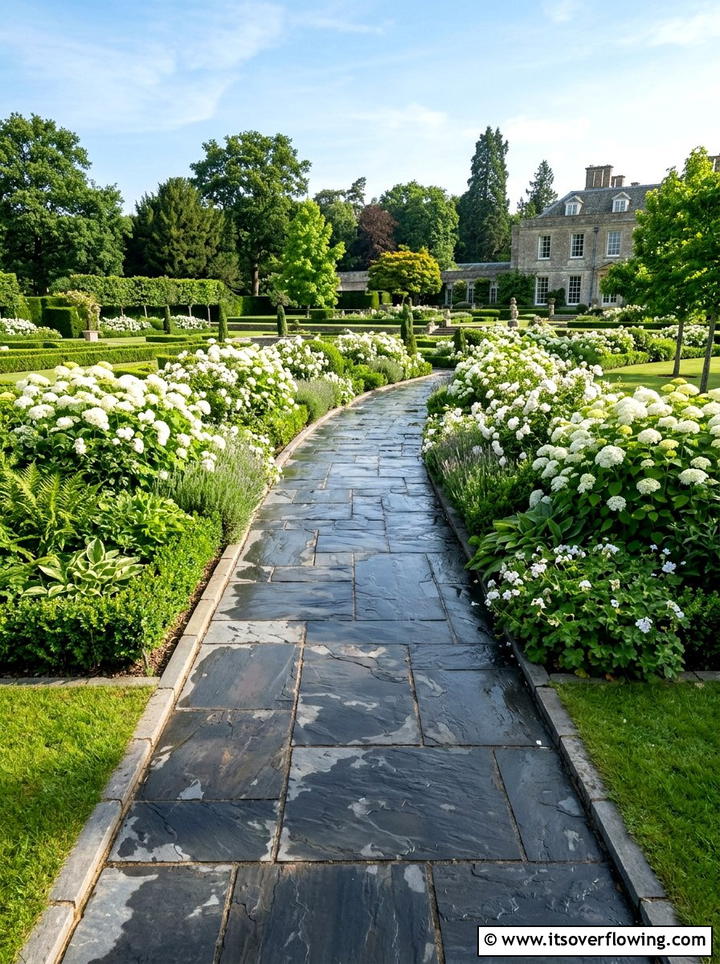
Slate is a premium material that offers a sophisticated and dark color palette for your garden paths. Its natural cleft texture provides excellent slip resistance while looking incredibly elegant under the sun or rain. You can lay slate tiles in a structured pattern for a formal garden or use irregular pieces for a more relaxed look. The deep greys and purples found in slate contrast beautifully with bright white flowers and silver-foliage plants. This type of path anchors the garden and serves as a high-end focal point that increases property value. It is a durable stone that withstands freezing temperatures and maintains its rich, deep color for many decades.

8. Crushed Shell Path
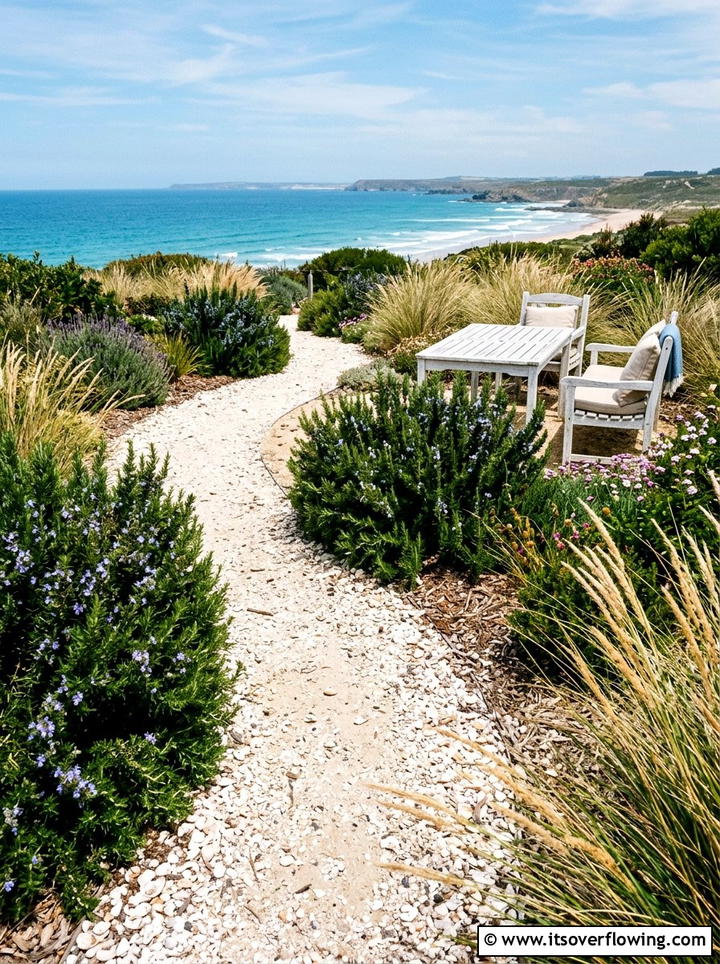
If you want to bring a seaside vibe to your landscape, crushed shells are a unique and sustainable option. They provide a bright, off-white color that illuminates shaded areas and looks stunning against coastal plants like rosemary or sea lavender. As you walk on the shells, they break down over time, providing beneficial calcium to the soil below. The crunchy sound they make is very relaxing and adds a distinct auditory element to your garden strolls. This type of path is very easy to install and works well for winding trails through informal garden beds. It creates a casual and airy atmosphere that feels like a permanent beach vacation.
9. Cobblestone Garden Road
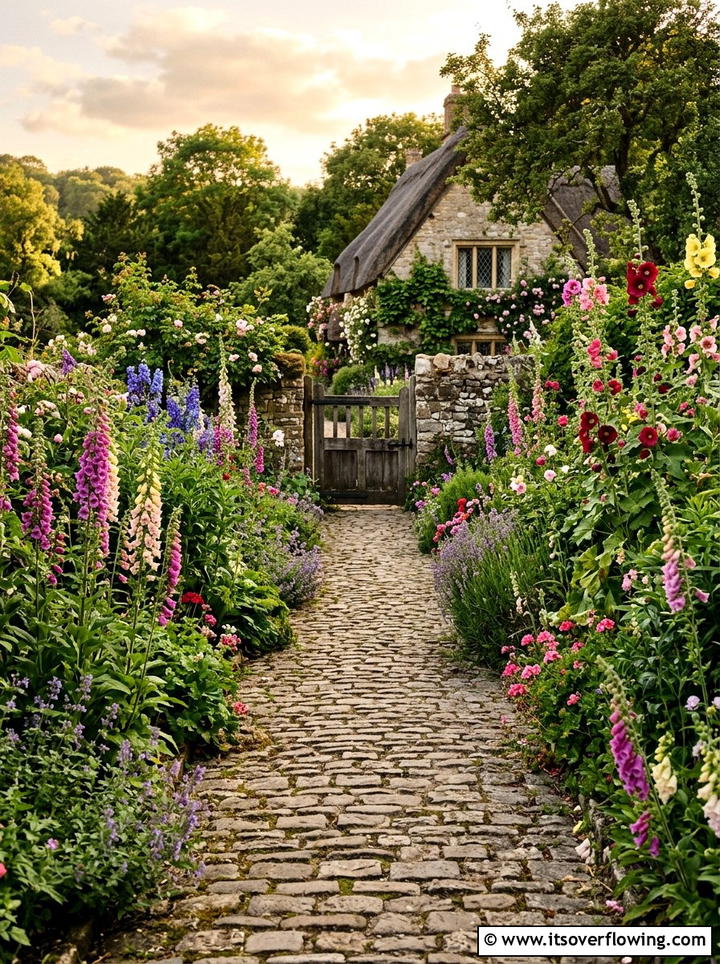
Cobblestones evoke the charm of old-world European villages and provide an incredibly durable surface for high-traffic areas. These rounded stones can be set in sand or mortar to create a path that feels substantial and historic. The uneven surface of cobblestones adds a wonderful texture to the garden and prevents the space from looking too flat or boring. Surround the path with overflowing flower beds filled with foxgloves and hollyhocks to enhance the cottage aesthetic. Because cobblestones are so sturdy, they are perfect for driveways that transition into garden paths. This material ages beautifully, developing a lovely patina and character that only gets better with time and usage.
10. Mulch Woodland Trail
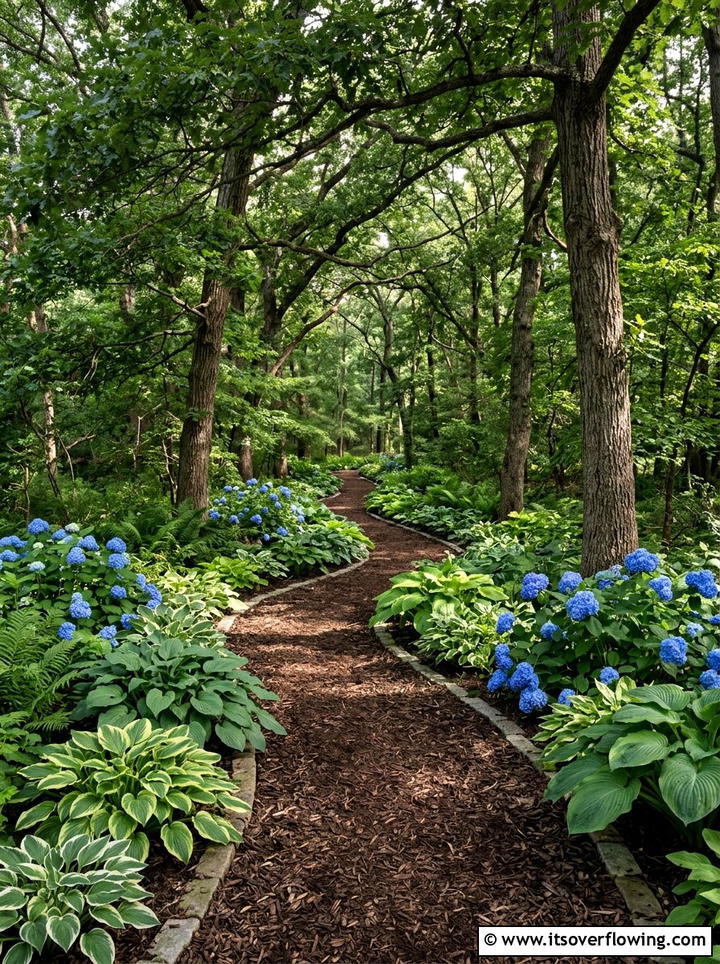
For a soft and natural feeling underfoot, a mulch path is the perfect solution for a woodland-themed garden. Bark mulch or wood chips are inexpensive materials that blend perfectly with a forest environment. This type of path is ideal for creating winding trails through shaded areas filled with hostas and hydrangeas. The organic matter helps suppress weeds and retains moisture in the soil, benefiting the surrounding plants as it slowly decomposes. It is very easy to maintain; you simply add a fresh layer of mulch every year to keep it looking tidy. This approach creates a quiet and serene atmosphere that feels completely connected to the natural world around you.
11. Pea Pebble Border
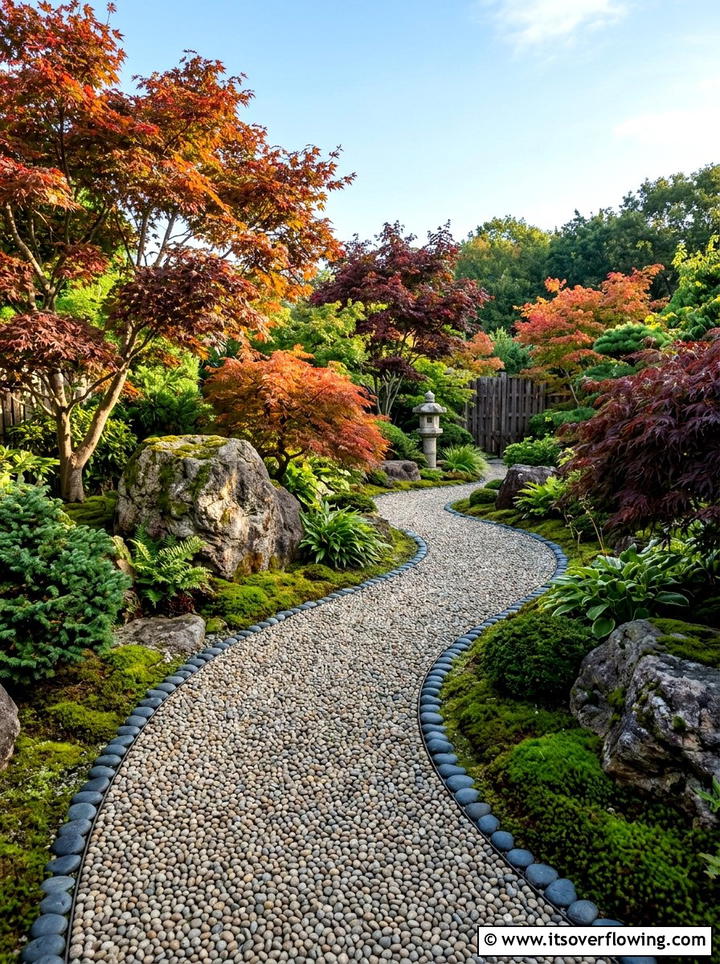
Small, rounded pea pebbles create a smooth and fluid path that is comfortable to walk on even in bare feet. These tiny stones come in a variety of natural earth tones, from tan to light grey, allowing them to match any home exterior. You can use large rocks or timber as edging to keep the pebbles contained within the desired walkway area. This design looks fantastic when paired with large boulders and Japanese maples for a Zen-inspired garden look. The pebbles provide excellent drainage, making them a practical choice for areas that tend to get soggy. It is a versatile material that adds a soft, textured finish to your garden landscape.
12. Mosaic Stone Path
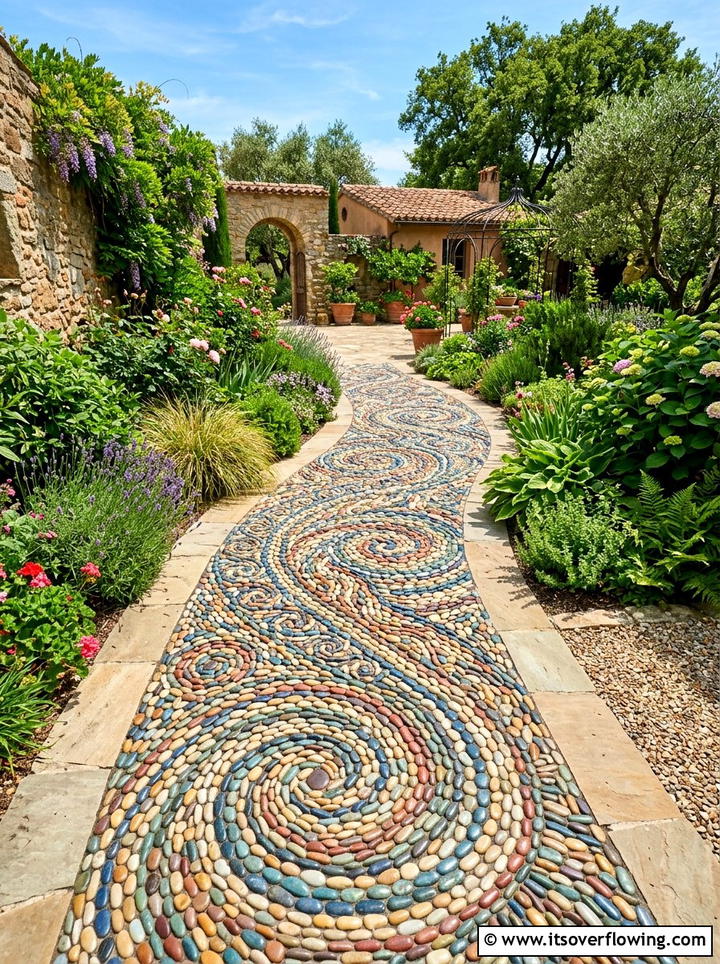
A mosaic path allows you to express your creativity by using small stones or pebbles to create intricate patterns and designs. You can arrange different colored stones into swirls, flowers, or geometric shapes to make the walkway a piece of art. This focal point adds a custom and luxurious feel to your garden that will certainly impress any visitors. Because it requires more labor to install, it is often used for smaller sections or entryways to create a big impact. Surround the mosaic with simple greenery to ensure the path remains the star of the show. It is a wonderful way to personalize your outdoor space with a unique touch.
13. Log Slice Stepping Stones
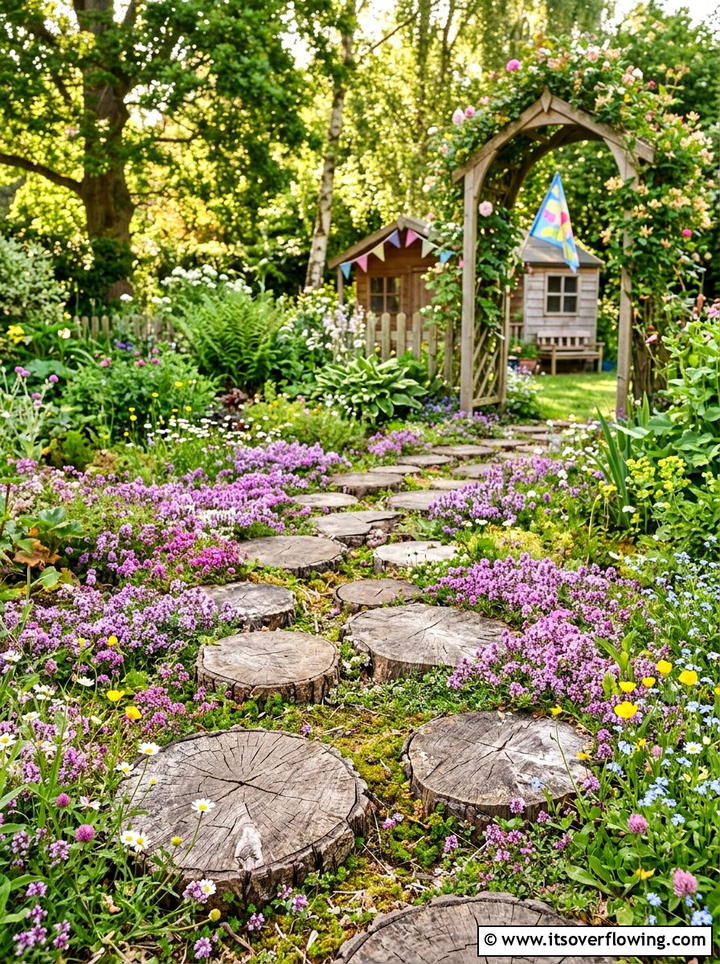
Using cross-sections of fallen trees as stepping stones is a fantastic way to recycle natural materials in your garden. These log slices, often called cookies, provide a rustic and whimsical look that is perfect for a children’s garden or a natural backyard. You should treat the wood with a sealant to protect it from rot and ensure it remains safe to walk on. Planting low-growing herbs like creeping thyme around the logs adds a delightful scent whenever you walk by. This design feels very organic and helps your garden blend into a wooded or rural setting. It is an affordable and charming way to guide guests through your floral displays.
14. Decomposed Granite Walkway
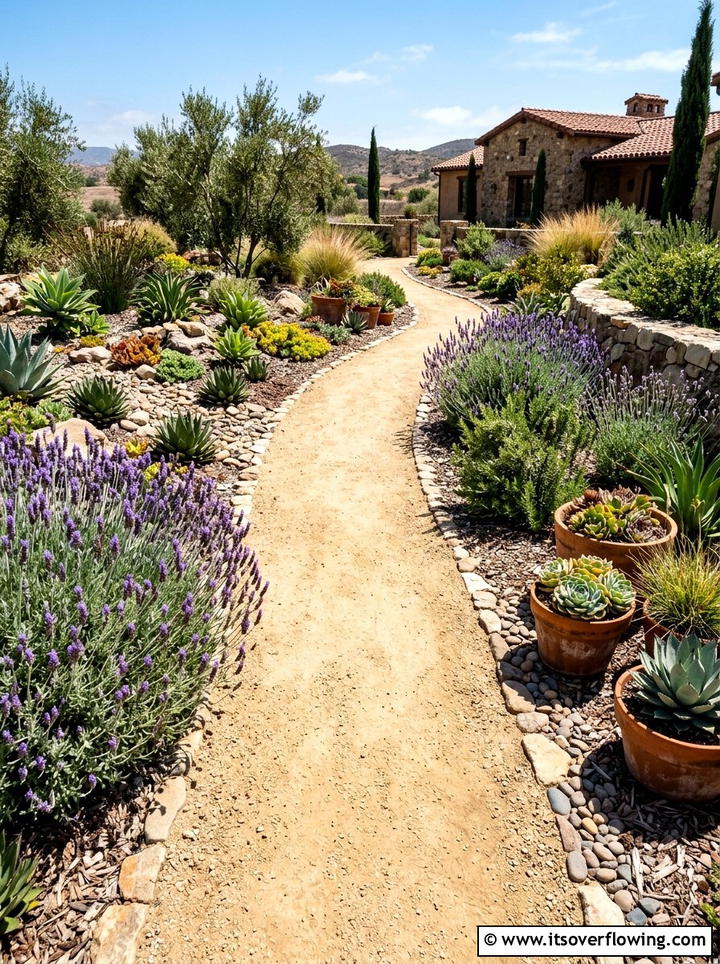
Decomposed granite is a popular choice for Mediterranean style gardens because of its natural, earthy appearance. It packs down firmly to create a stable surface that is still permeable to water and air. This material is available in shades of gold, tan, and grey, allowing you to choose the perfect hue for your landscape. It works beautifully when lined with lavender, succulents, or drought-tolerant shrubs for a low-water garden design. The fine texture of the granite provides a clean look that is more refined than traditional gravel but more natural than concrete. It is a cost-effective and low-maintenance option for creating long, sweeping garden paths that feel very expansive.
15. Blue Stone Paver
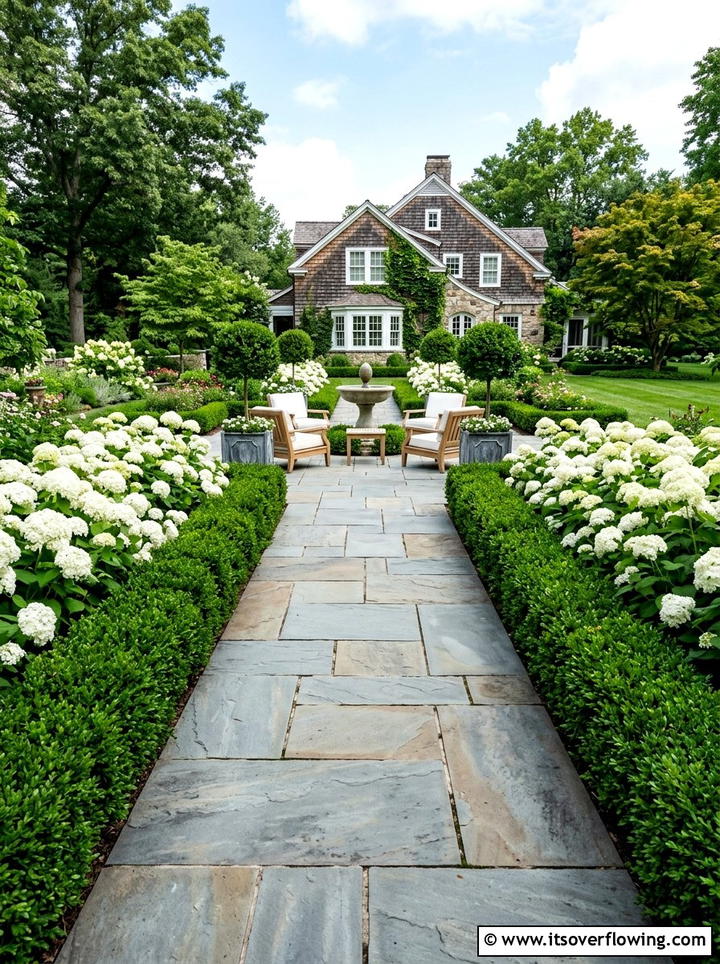
Blue stone is a dense and durable sandstone that offers a cool, elegant color palette ranging from deep blue to soft grey. Large rectangular blue stone slabs create a formal and structured look that is perfect for high-end residential gardens. You can lay them in a tight pattern for a smooth walkway or leave gaps for grass to grow for a softer appearance. This stone looks especially beautiful when wet, as the colors become even more vibrant and deep. Pair this path with white hydrangeas and dark green boxwoods to create a classic and timeless garden design. It is a high-quality material that provides a permanent and beautiful solution for your outdoor paths.
16. River Rock Stream Path
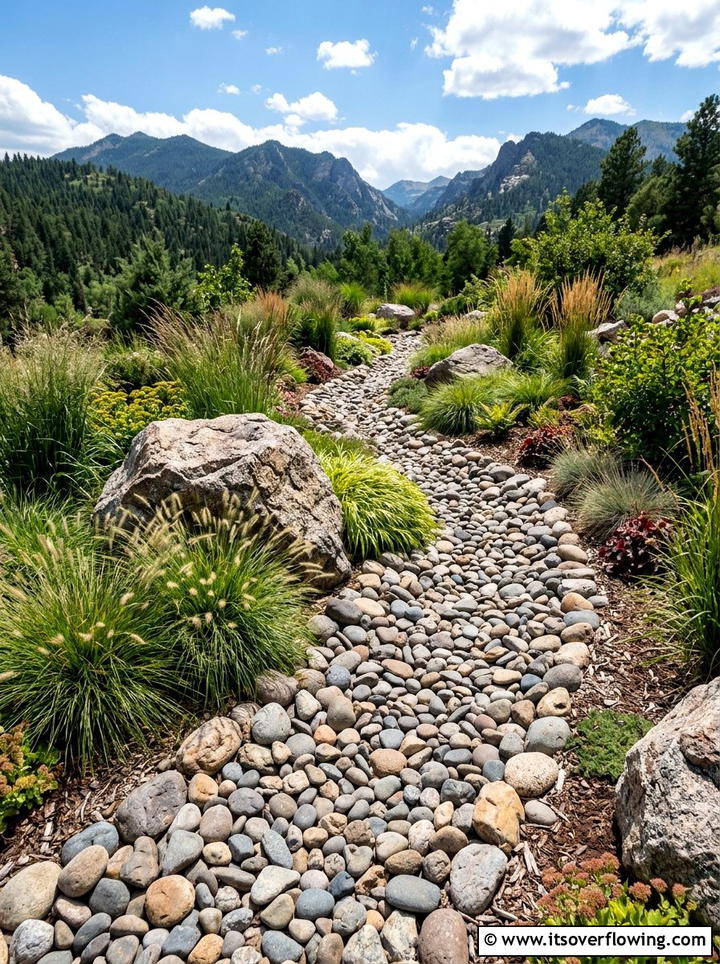
Creating a path that looks like a dry creek bed using various sizes of river rocks adds a dynamic element to your garden. You can use large smooth boulders along the edges and smaller stones in the center to mimic the flow of water. This design is not only visually stunning but also serves as a functional drainage solution for heavy rainfall. Surround the stream with ornamental grasses and moisture-loving plants to complete the natural look. It creates a sense of movement and tranquility in the garden, making the space feel more alive. This type of pathway is a great way to add texture and a unique focal point to a flat backyard.
17. Grass Path With Flower Borders
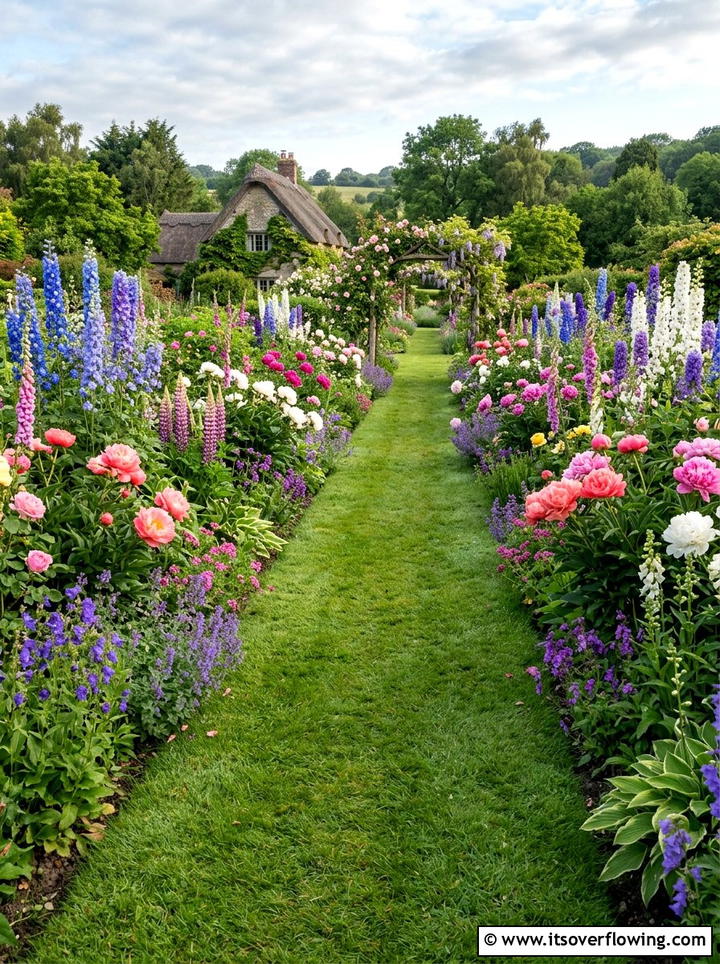
Sometimes the simplest path is the most effective, and a neatly manicured grass walkway can be incredibly refreshing. By creating wide borders filled with tall perennials and annuals, you frame the green path and make it feel like a secret hallway. This style is often found in English cottage gardens where the lush green of the lawn provides a rest for the eyes amidst colorful blooms. You should keep the grass mowed short to define the path clearly and prevent it from looking overgrown. It is a very cost-effective way to create a beautiful journey through your garden using materials you likely already have. The soft texture is perfect for summer.
18. Travertine Patio Walkway
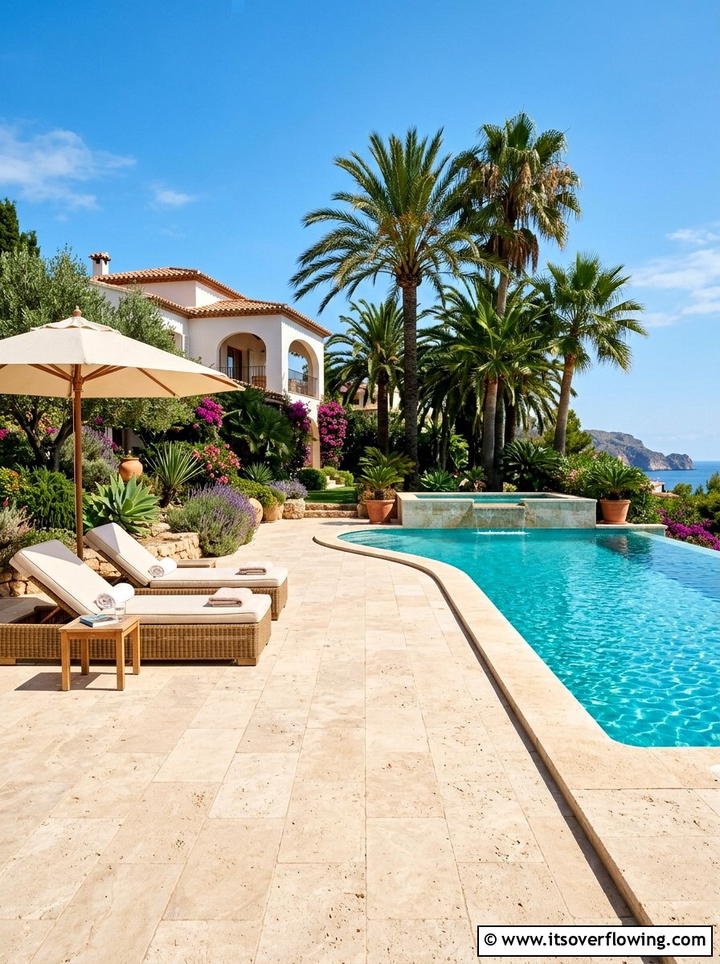
Travertine is a luxurious natural stone that stays cool under the feet, making it a perfect choice for gardens in warm climates. Its light cream and beige tones reflect sunlight and create a bright, airy feeling in your outdoor living area. When used as a pathway, travertine adds an upscale and Mediterranean vibe that pairs well with palm trees and swimming pools. You can choose a tumbled finish for a more rustic look or a honed finish for a sleek, modern appearance. This stone is very durable and resistant to weathering, ensuring your garden stays beautiful for many years. It provides a clean and sophisticated transition between different parts of your landscape.
19. Recycled Brick Path
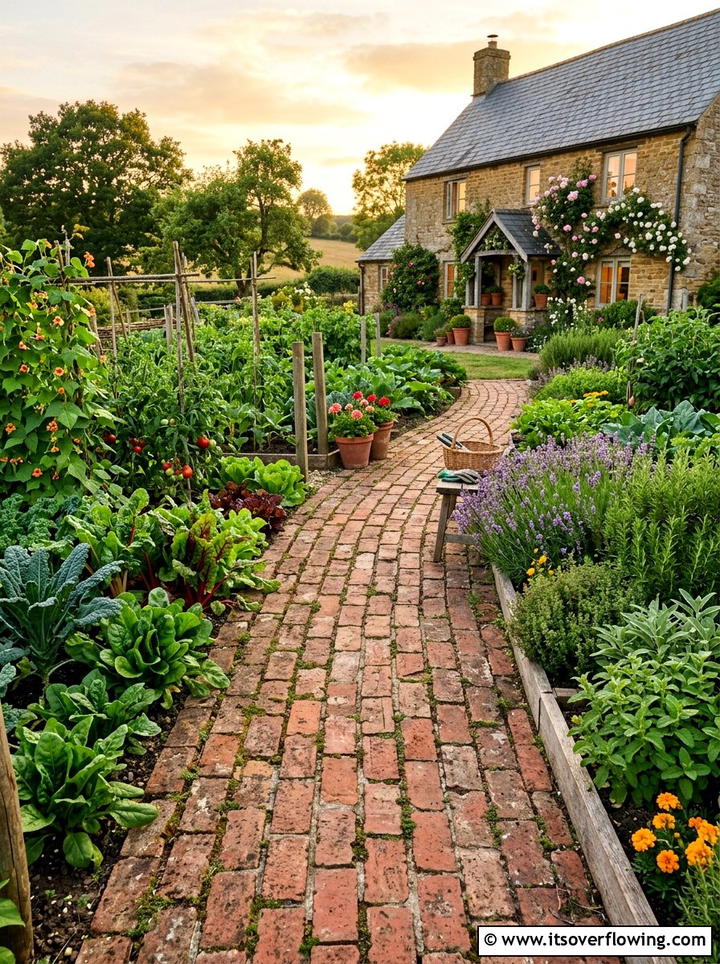
Using reclaimed or recycled bricks is an eco-friendly way to add character and warmth to your garden. Every brick has its own unique color and texture, resulting in a path that feels full of history and soul. You can arrange them in various patterns, such as a basket weave or a simple running bond, to suit your style. This type of path looks wonderful in a kitchen garden or a vegetable patch where a rustic feel is desired. The weathered edges of old bricks blend perfectly with organic gardening practices and traditional plant choices. It is a budget-friendly project that gives your outdoor space an instant sense of established charm.

20. Japanese Garden Stone Path
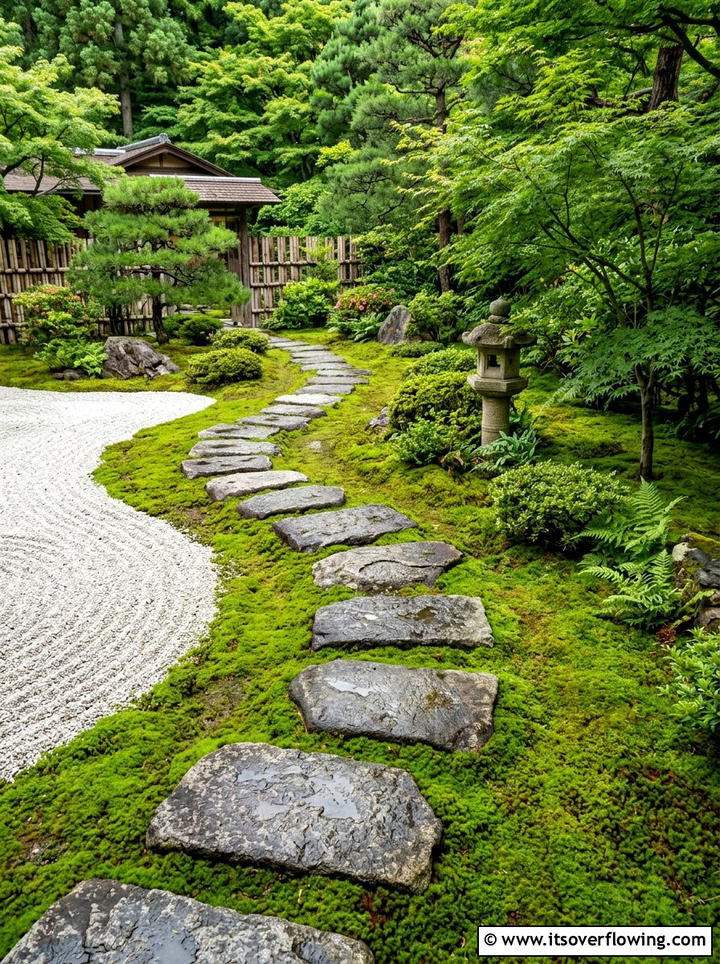
In a Japanese-inspired garden, the pathway is a spiritual journey designed to encourage mindfulness and appreciation of nature. Using large, flat stones placed carefully in a sea of raked gravel or moss creates a serene and balanced environment. Each stone is chosen for its shape and color to ensure it fits perfectly within the overall landscape design. You might include a small wooden bridge or a stone lantern along the path to enhance the cultural theme. This style focuses on simplicity and the beauty of natural materials, creating a quiet retreat from the busy world. Surround the path with maples and azaleas to create a truly peaceful outdoor sanctuary.
21. Checkerboard Paver And Grass
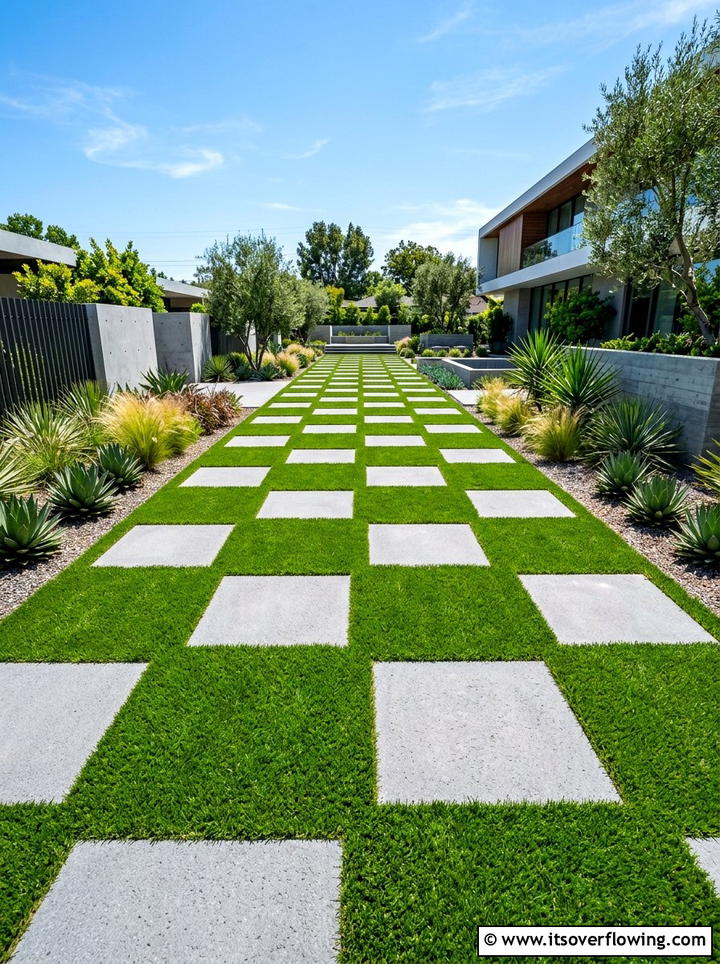
A checkerboard pattern using square concrete pavers and patches of green grass creates a bold and architectural statement in your garden. This playful design adds a sense of rhythm and modern art to your landscape, making it a great conversation piece. It works best in flat areas where the geometric precision can be fully appreciated by anyone walking through the space. You can use this pattern for a small courtyard or a transition area between a patio and the rest of the yard. The contrast between the hard stone and the soft grass is visually striking and feels very intentional. It is a unique way to combine hardscaping into one cohesive garden design.
22. Sandstone Garden Path
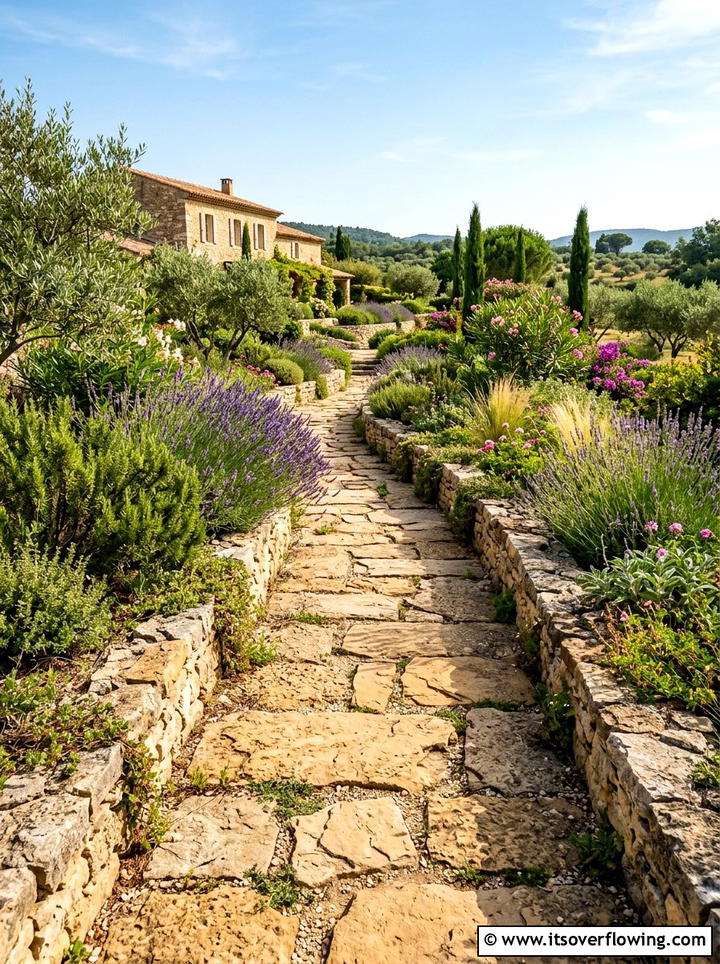
Sandstone is a popular choice for garden paths because of its warm, earthy tones and natural slip-resistant surface. The colors often range from golden yellows to deep oranges, which look stunning when paired with bright green foliage. You can use large, irregular slabs for a casual look or cut stones for a more formal and organized walkway. This material is very durable and can withstand various weather conditions without losing its beautiful color or integrity. Surround the sandstone with Mediterranean herbs like sage and thyme to create a fragrant and sun-drenched garden experience. It is a classic material that adds a touch of natural warmth and elegance to any garden space.
23. Limestone Stepping Stones
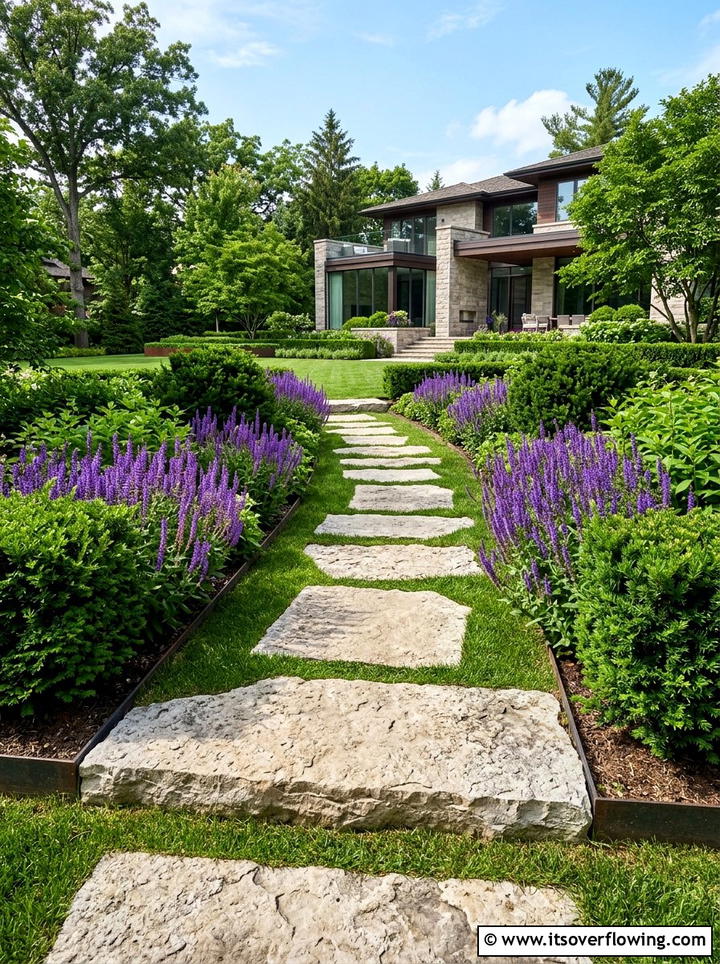
Limestone is a versatile and elegant stone that offers a light, bright appearance for your garden walkways. Its fine grain and consistent color make it a favorite for modern and traditional landscapes alike. You can use large limestone blocks as stepping stones through a flower bed to provide access without disrupting the plant growth. The cool tones of the limestone provide a beautiful backdrop for dark purple flowers or deep green shrubs. Because it is a natural material, it blends effortlessly into the environment while still providing a clear and clean path for walking. It is an excellent choice for creating a light-filled garden that feels very high-end and polished.
24. Terraced Stone Steps
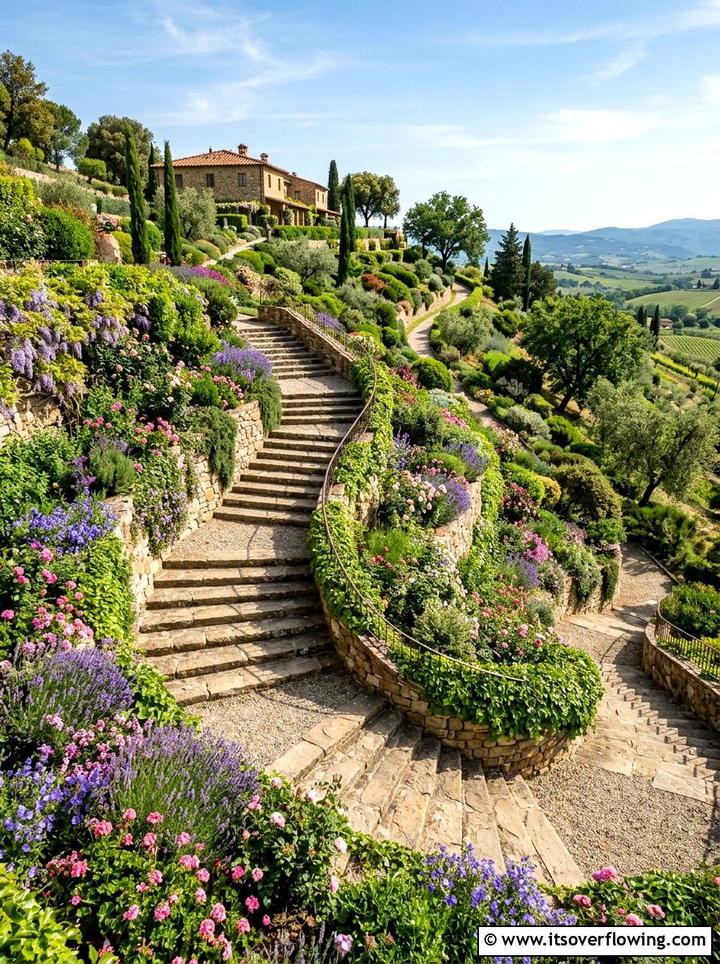
If your garden has a slope, creating a pathway with terraced stone steps is a practical and beautiful solution. Using large, flat stones to build steps allows you to navigate elevation changes safely while adding a dramatic structural element to the yard. You can plant cascading flowers or creeping vines along the sides of the steps to soften the edges and blend them into the hillside. This design creates a sense of grandeur and provides a wonderful vantage point to view the rest of your garden from above. It is a functional way to turn a difficult landscape feature into a stunning focal point that adds value to your property.
25. Redwood Bark Path
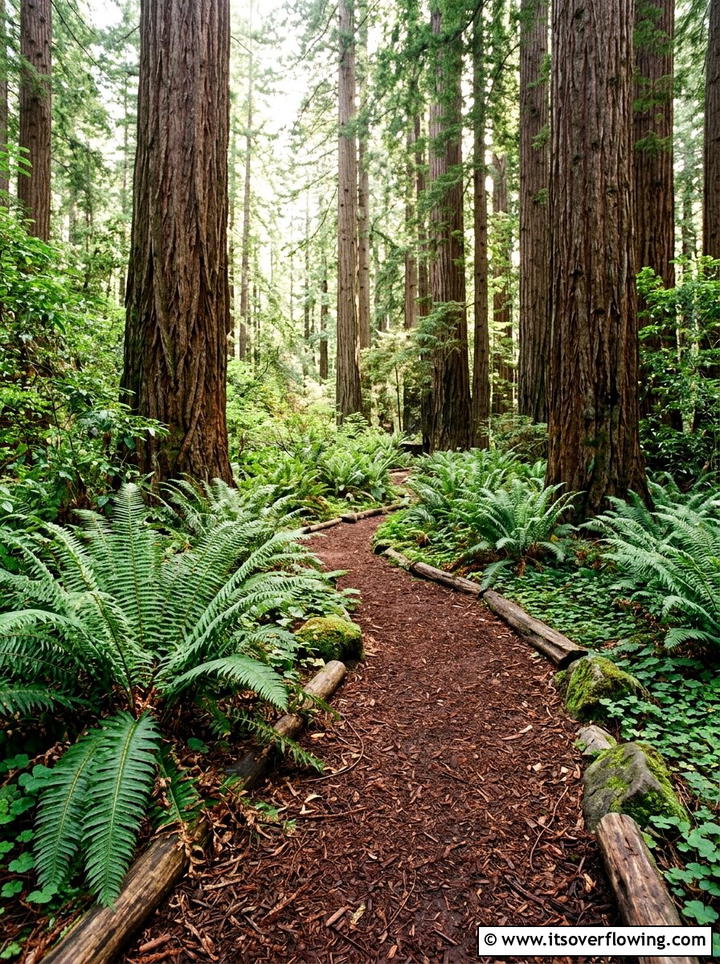
Redwood bark provides a rich, dark red color that creates a striking contrast against the green leaves of your garden plants. It is a soft and spongy material that is very comfortable to walk on and smells wonderful after a light rain. This type of path is perfect for creating natural trails through large garden beds or under mature trees. The bark helps to keep the soil cool and moist while preventing weed growth, making it a very practical choice for busy gardeners. It is easy to install and can be replenished as needed to maintain its vibrant color. This approach creates a warm and inviting atmosphere in the garden.
Conclusion:
Enhancing your outdoor space with a thoughtful pathway is one of the most rewarding home improvement projects you can undertake. Whether you prefer the rustic charm of wood and mulch or the sophisticated look of natural stone and concrete, a well-designed path provides structure and beauty to any garden. By considering the materials, colors, and textures that best complement your home’s architecture, you can create a seamless transition between your indoor and outdoor living areas. We hope these twenty-five ideas have inspired you to look at your landscape with fresh eyes and start planning your next garden project. A beautiful path is not just a way to get from one place to another; it is an invitation to slow down and enjoy the natural beauty surrounding your home every single day.

Related posts:
 25 Garden Ideas to Inspire a Beautiful Outdoor Makeover
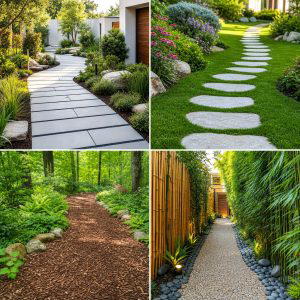 25 Garden Design Ideas With Pathways for Beautiful Garden Flow
 25 Garden Ideas for Winter to Keep Your Yard Beautiful
 25 Creative Garden Ideas for Spring Makeover
 25 Small Garden Ideas for Quick Makeover Projects
 25 garden design ideas for driveways for Beautiful Curb Appeal
 25 garden design ideas with edible plants: Beautiful Foodscapes
 25 Garden Ideas for Clay Soil That Grow Strong and Beautiful
 25 garden ideas with border plants for Beautiful Edges
 25 Garden Ideas With Window Boxes for Beautiful Blooms
 25 Small Garden Ideas on a Budget for Beautiful Outdoor Style
 25 Small Garden Ideas With Narrow Pathways for Tiny Yards