
Creating a garden that attracts hummingbirds is a rewarding experience that transforms your outdoor space into a lively sanctuary. These tiny, iridescent jewels are drawn to specific colors, nectar-rich blooms, and reliable water sources. When you design with their needs in mind, you are not just planting flowers; you are building an ecosystem that supports their high-energy lifestyle. From selecting the right tubular blossoms to providing safe nesting areas, every detail counts in making your yard a preferred stop on their migratory journey. This guide explores twenty-five creative and practical ways to turn any garden into a vibrant hummingbird haven today.
1. Red Salvia Garden
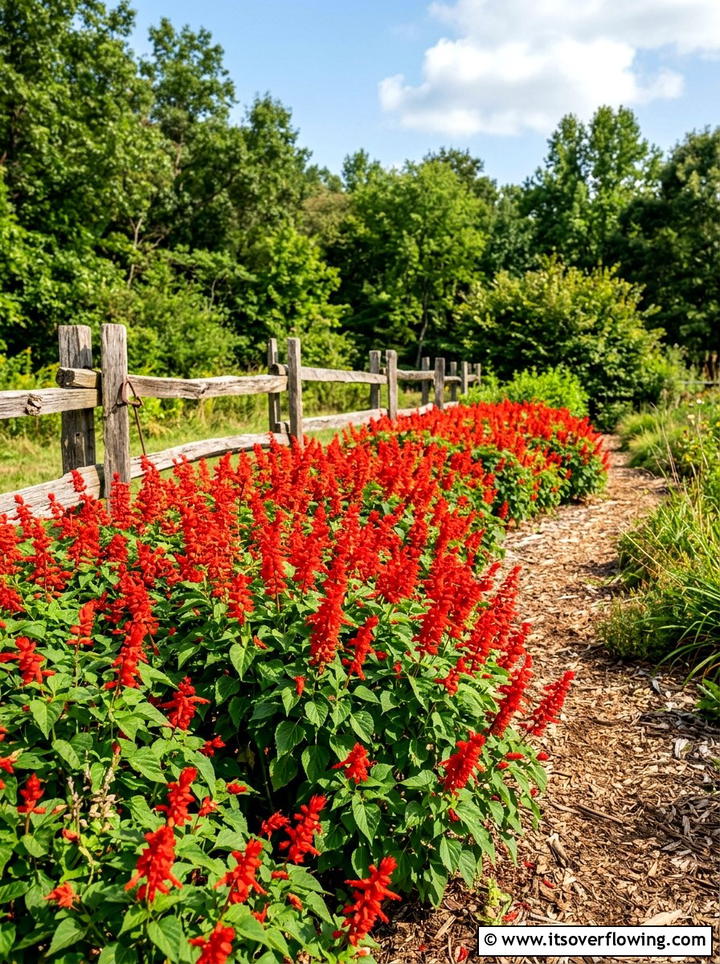
Red salvia is a powerhouse in any garden designed specifically for attracting hummingbirds because of its intense color and nectar-rich blooms. You can create a dedicated garden bed where these tall, vibrant spikes serve as the focal point against a backdrop of deep green foliage. When you plant salvia in large clusters, it makes it much easier for hummingbirds to spot your yard from a distance while they are flying. The tubular shape of the flowers is perfectly adapted for their long beaks and tongues. This design looks incredible when paired with low-lying stones or a rustic wooden fence that highlights the fiery red petals throughout the summer.
2. Bee Balm Planting
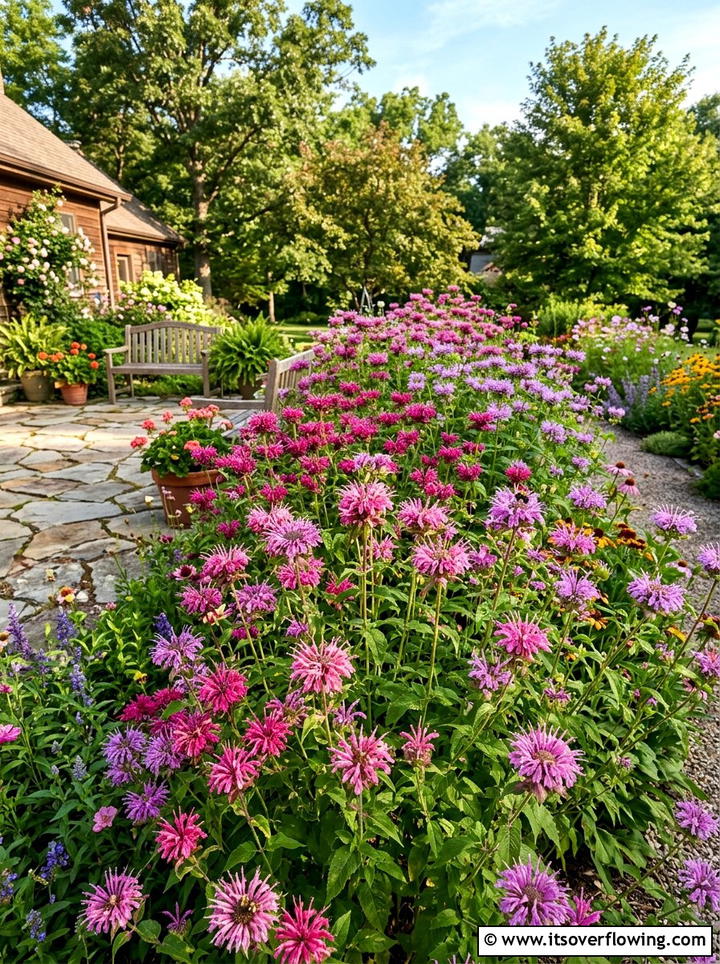
Bee balm, also known as Monarda, is an essential addition to a pollinator-friendly landscape due to its unique shaggy blossoms. These plants grow in dense clumps that provide a sea of pink, purple, or red color that hummingbirds simply cannot resist. Imagine a sunny corner of your backyard filled with these tall perennials swaying gently in the breeze. They not only provide plenty of nectar but also attract small insects that hummingbirds eat for protein. Planting bee balm near a patio allows you to watch these birds up close while you enjoy the minty fragrance of the leaves. It is a beautiful and functional garden choice.
3. Hummingbird Fountain With Misters
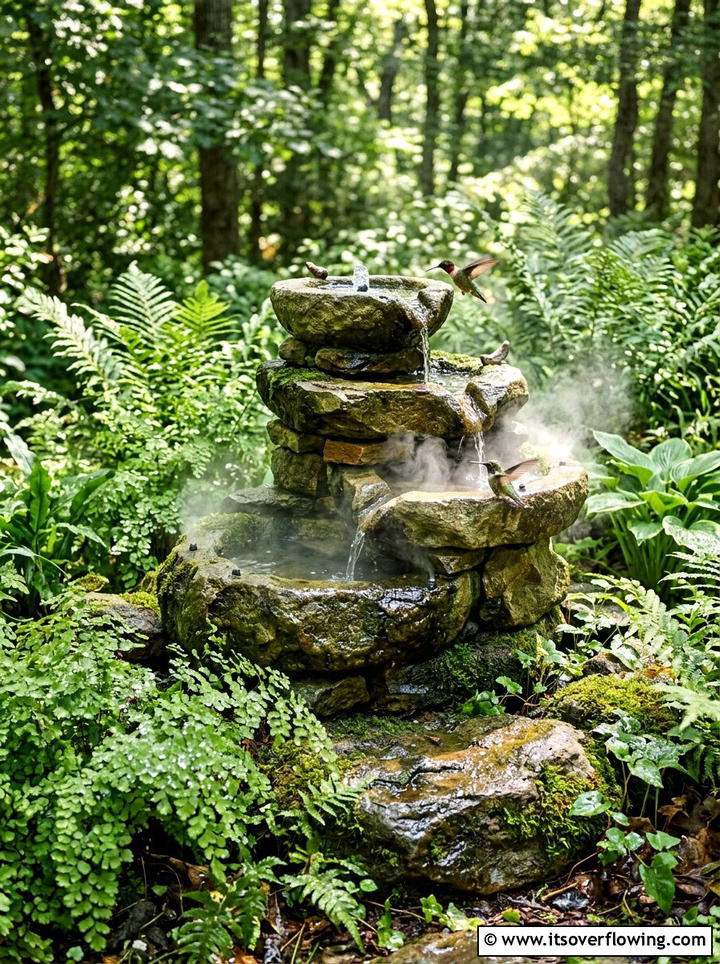
Hummingbirds love to bathe, but they prefer fine mists over deep pools of water found in traditional birdbaths. You can set up a specialized fountain that features a gentle mister to provide the perfect cooling station for these active birds. Place the fountain in a quiet, protected area of the garden where the spray can settle on nearby leaves. Hummingbirds often fly through the mist or rub against wet foliage to clean their feathers. This water feature adds a soothing sound to your outdoor space while serving a vital biological purpose. It is a sophisticated way to enhance your landscape while supporting local wildlife species.
4. Trumpet Vine Trellis
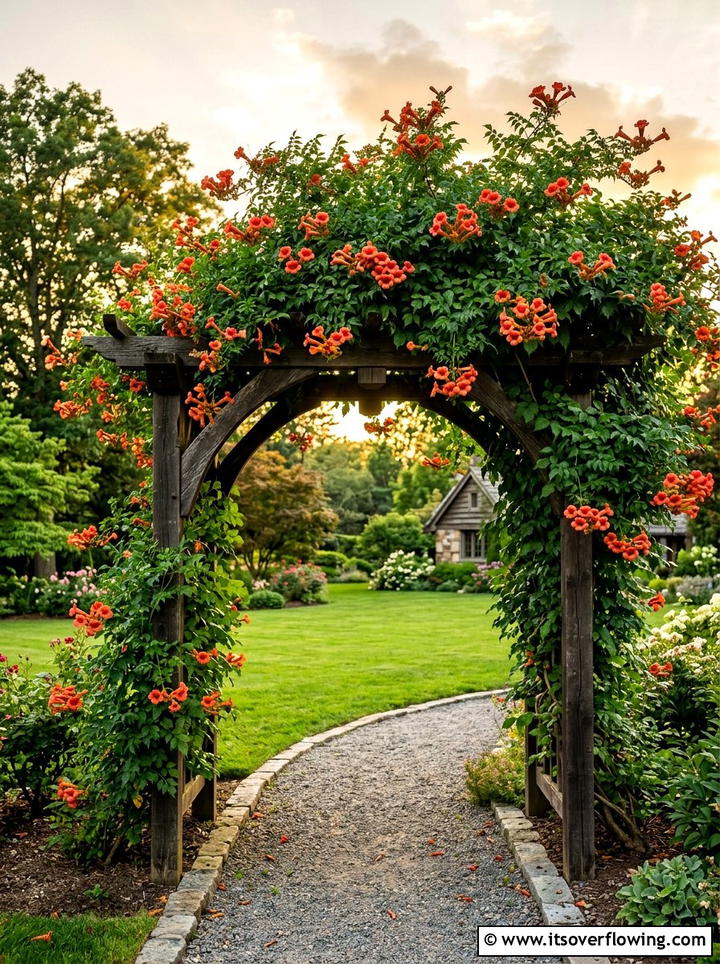
A trumpet vine trellis creates a dramatic vertical element in your garden while providing an abundant source of natural nectar. These vigorous climbers produce large, trumpet-shaped orange or red flowers that are perfectly designed for a hummingbird’s beak. By training the vines up a sturdy wooden trellis or a garden arch, you create a high-reaching feeding station that keeps the birds safe from ground predators. This design works exceptionally well as a privacy screen or a backdrop for lower-growing perennials. The dense foliage also offers excellent hiding spots and potential nesting sites, making it a comprehensive habitat solution for many different bird types.
5. Native Wildflower Meadow
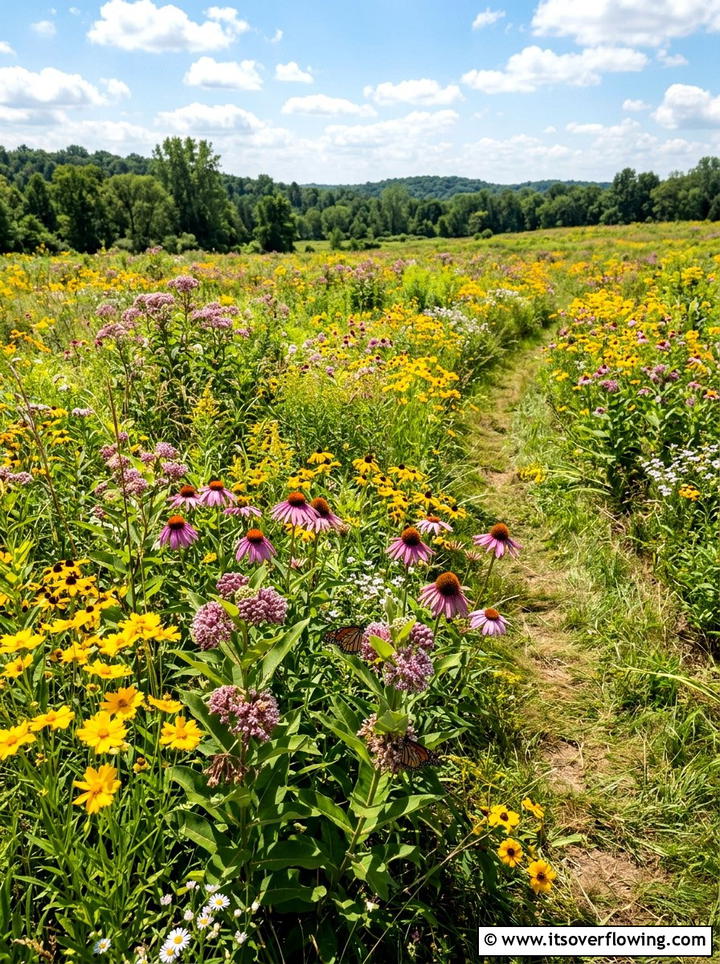
Transforming a portion of your lawn into a native wildflower meadow is a fantastic way to support hummingbirds and other pollinators. This style of garden focuses on local plants that have evolved alongside native bird species, ensuring they provide the best nutrition possible. A meadow looks natural and relaxed, with a mix of colors and textures that change throughout the growing season. You can include species like milkweed, coreopsis, and blazing star to create a diverse buffet for your feathered visitors. This low-maintenance approach reduces the need for mowing and chemicals, creating a healthy environment where hummingbirds can hunt for insects and gather nectar.
6. Hummingbird Perch Branches
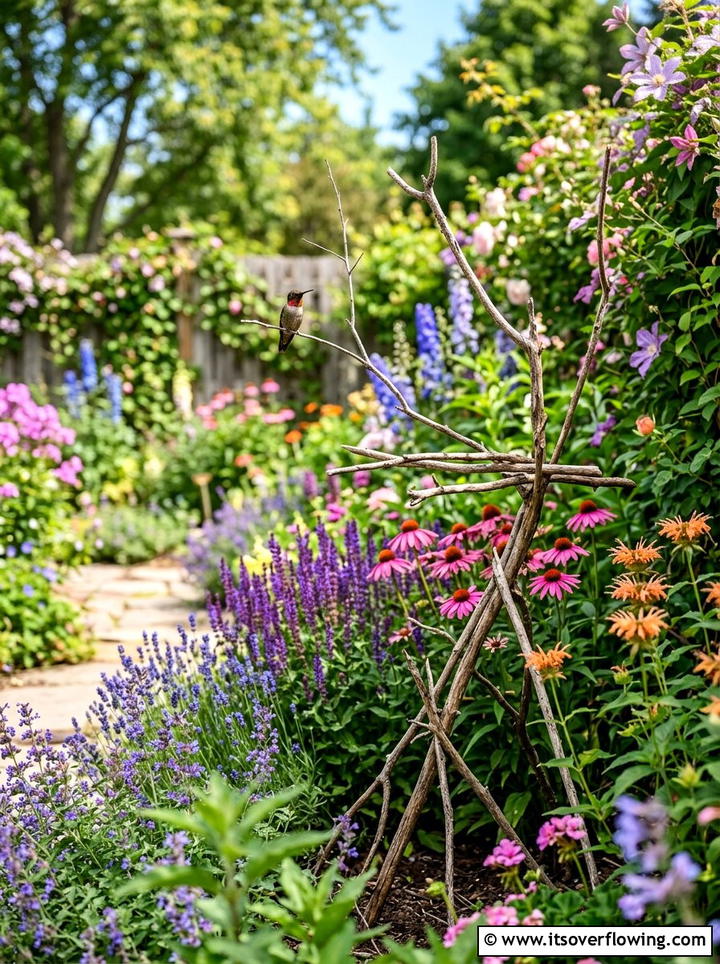
Providing small, thin perches throughout your garden is a simple yet effective way to encourage hummingbirds to linger in your yard. These tiny birds spend a significant amount of time resting and surveying their territory between feeding sessions. You can incorporate natural dead branches into your landscaping or leave small twigs on your shrubs instead of pruning them away. Position these perches near nectar sources so the birds have a place to sit while they keep an eye on their favorite flowers. This design element adds a rustic, natural feel to the garden and offers wonderful opportunities for photography as the birds sit still.
7. Hanging Nectar Feeders
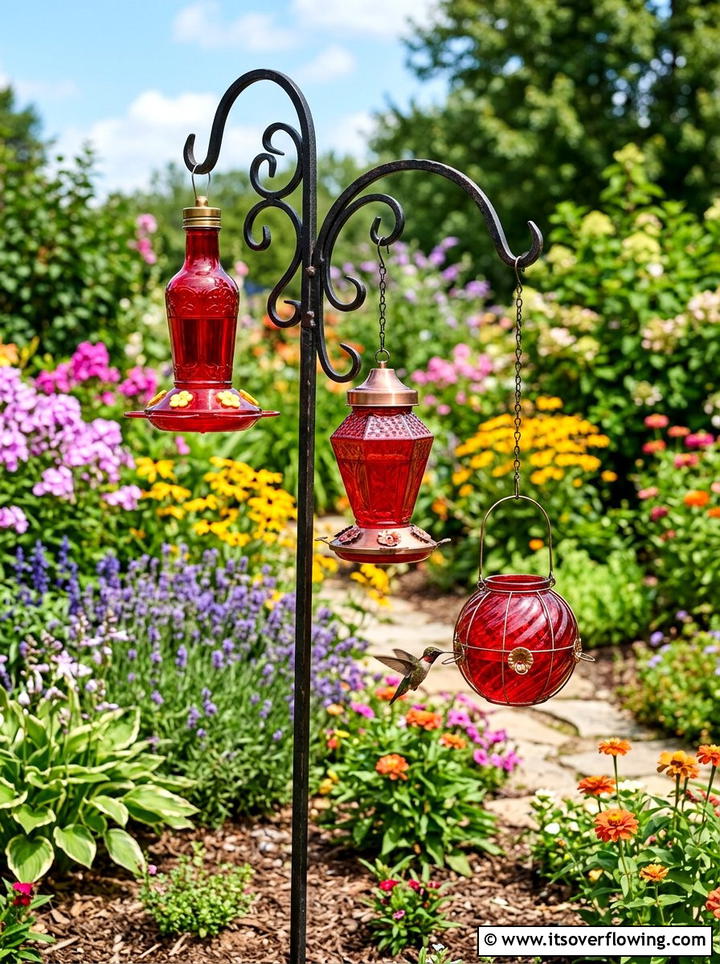
Hanging nectar feeders are a classic way to supplement the natural food sources in your hummingbird garden. To create an attractive setup, hang several feeders at different heights and locations to prevent territorial disputes among the birds. Using bright red feeders will help catch their attention, but make sure the nectar itself is a simple clear sugar-water solution. Placing these feeders near a porch or window allows you to enjoy the sight of hummingbirds from the comfort of your home. This design approach ensures that even during times when flowers are not in bloom, your garden remains a reliable stop for hungry birds.
8. Butterfly Bush Landscape
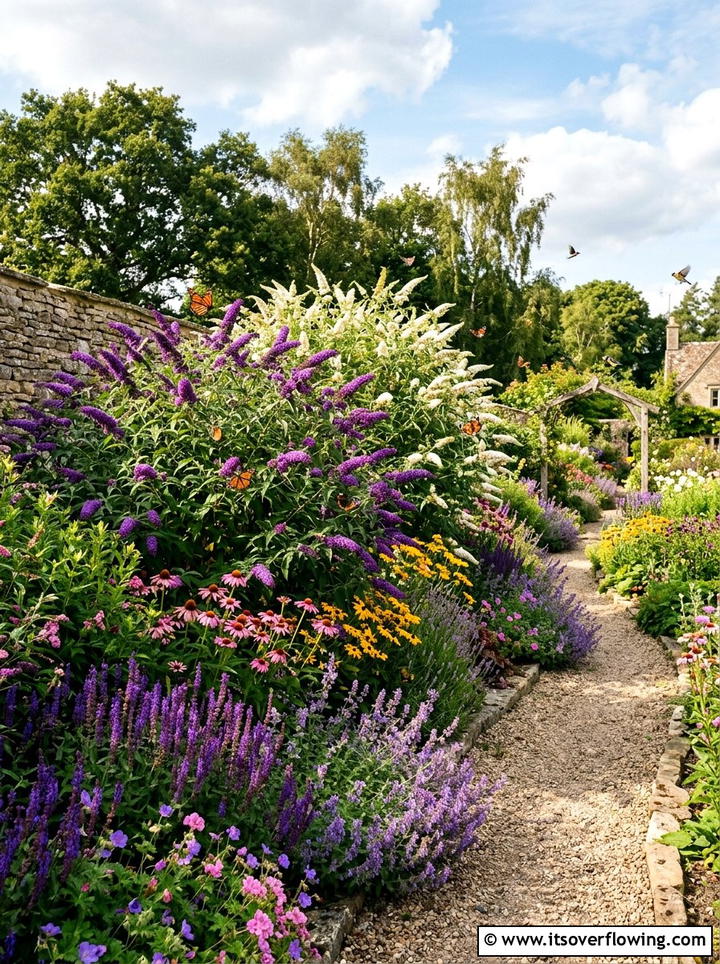
A butterfly bush, or Buddleia, is a spectacular shrub that produces long, cone-shaped flower clusters that hummingbirds find absolutely irresistible. These shrubs can grow quite large, making them an excellent choice for the back of a garden border or as a standalone specimen plant. The fragrance is sweet and honey-like, attracting a wide variety of winged visitors to your yard. When you plant several different varieties together, you create a layered look with shades of purple, white, and pink. This design provides a massive amount of nectar in one concentrated area, making it a high-traffic zone for hummingbirds throughout the long summer months.
9. Columbine Flower Beds
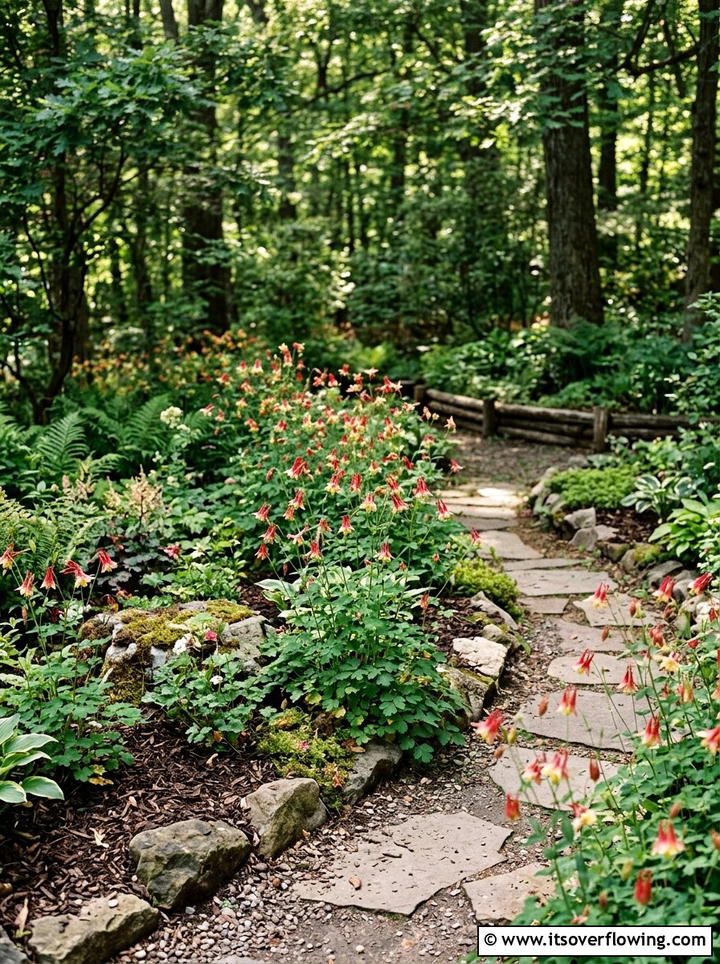
Columbine flowers are some of the earliest bloomers in the spring, providing essential energy for hummingbirds as they return from their winter migration. These delicate, bell-shaped flowers have long spurs that contain nectar, making them a specialized food source for long-tongued birds. Planting a dedicated bed of columbines in a partially shaded area creates a whimsical and woodland-inspired look. They come in a variety of color combinations, including yellow, red, and blue, which adds a touch of elegance to your spring landscape. Because they often self-seed, your columbine patch will naturally expand over time, creating an even larger feeding ground for the returning birds.
10. Fuchsia Hanging Baskets
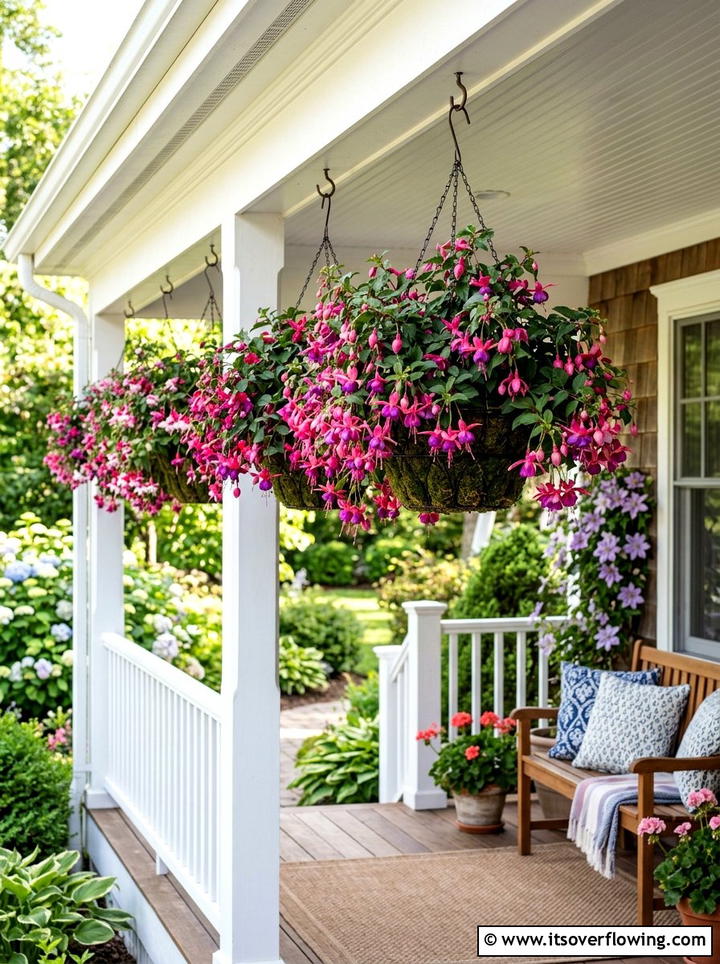
Fuchsia hanging baskets are a stunning way to bring hummingbirds right to your eye level on a patio or balcony. These shade-loving plants produce exotic, dangling flowers in vibrant shades of pink, purple, and red that look like little ballerinas. Hummingbirds are naturally drawn to the pendulous shape of the blooms, which allows them to hover underneath and feed with ease. By hanging these baskets from porch eaves or garden hooks, you add vertical interest and color to areas where traditional planting might be difficult. This design idea is perfect for small spaces or urban gardens where you want to maximize every inch for wildlife attraction.
11. Lantana Garden Borders
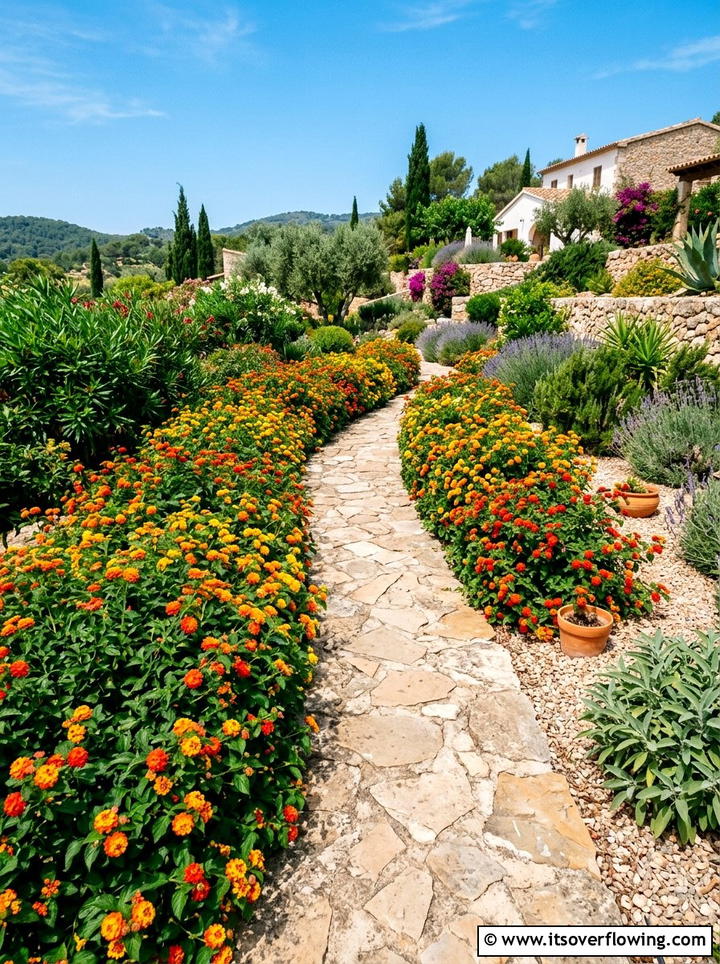
Lantana is a hardy and colorful plant that works beautifully as a garden border to attract hummingbirds. The clusters of tiny flowers often change color as they age, creating a multicolored effect on a single plant. These heat-tolerant perennials provide a steady supply of nectar throughout the hottest months of the year when other plants might struggle. Using lantana along a walkway or the edge of a flower bed creates a low-growing, dense carpet of blossoms that birds can easily access. This design choice is not only practical for the birds but also adds a Mediterranean or tropical flair to your overall home landscape design.
12. Tubular Flower Container Garden
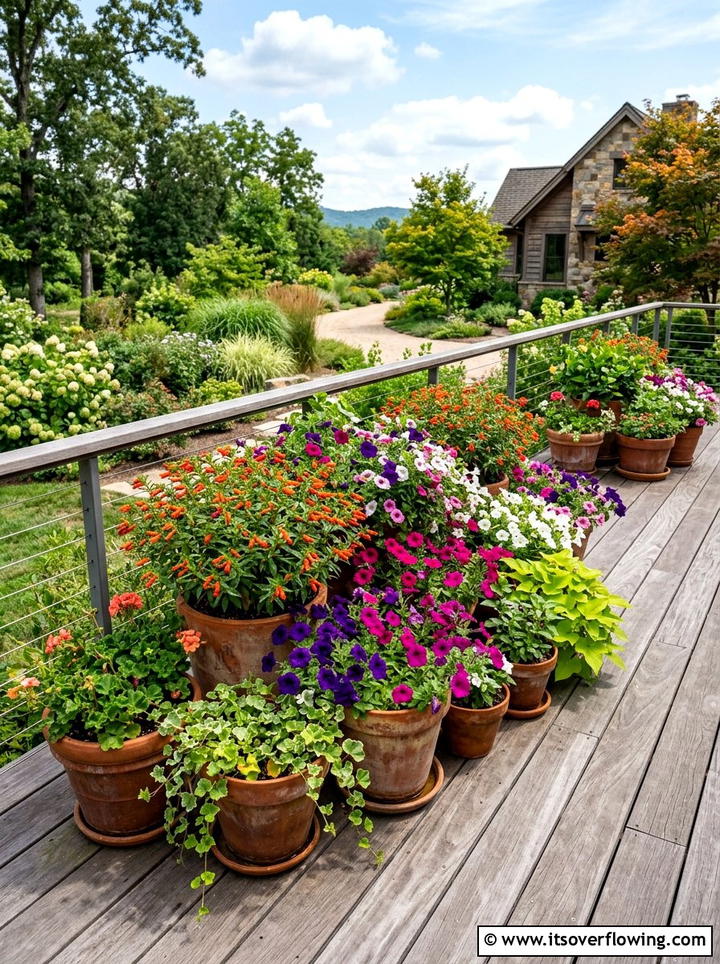
If you have limited space, a tubular flower container garden is the perfect solution for attracting hummingbirds to a deck or patio. You can select a variety of potted plants with long, narrow blossoms like petunias, million bells, and cigar plants. Arrange the pots in a tiered fashion to create a lush, vertical display of color and texture. This portable garden allows you to move the plants to the sunniest spots or closer to your seating area for better viewing. Using high-quality potting soil and regular watering ensures that these container plants remain healthy and continue to produce the nectar that hummingbirds need to survive.
13. Lupine Flower Display
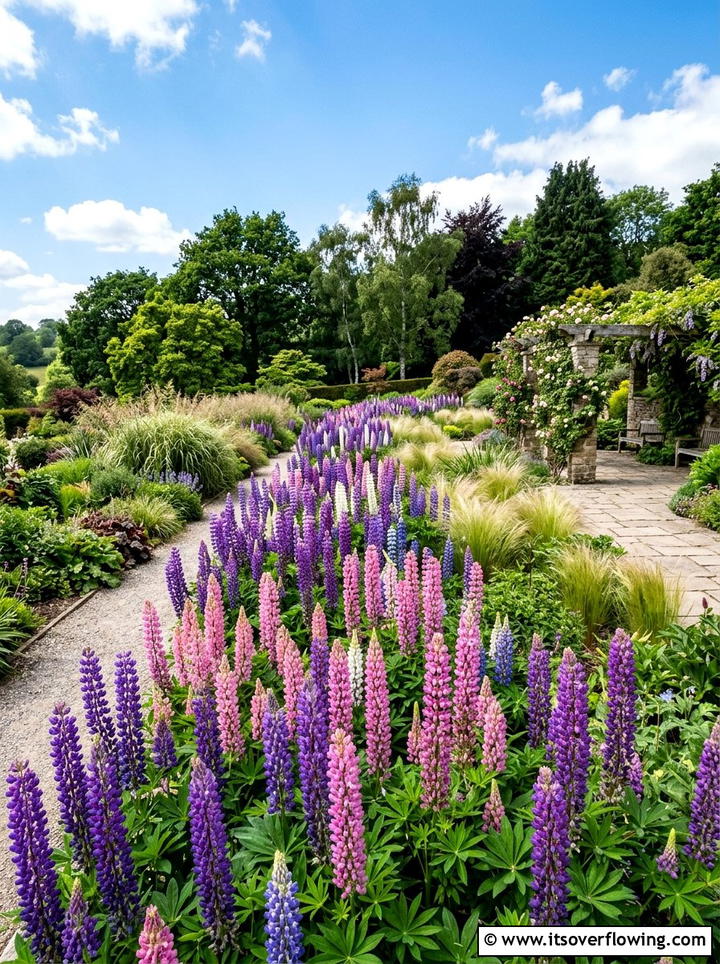
Lupines are majestic perennial flowers that produce tall, impressive spikes of blossoms in the late spring and early summer. Their structure is perfect for hummingbirds, who can move up and down the flower stalk to access the nectar in each individual bloom. Planting a large sweep of lupines creates a dramatic visual impact that looks like a professional botanical garden. They thrive in cooler climates and add a sense of height and structure to your garden beds. Choosing a mix of blue, pink, and bicolor varieties ensures that your garden remains visually interesting while providing a high-volume food source for all your visiting birds.
14. Hummingbird Swings
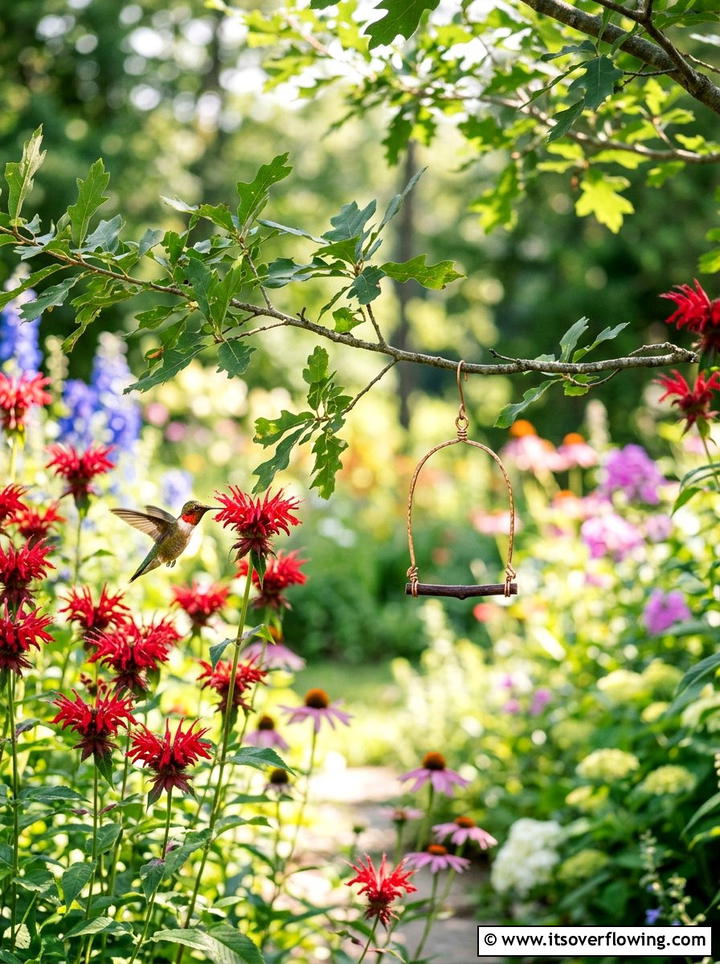
A hummingbird swing is a charming and functional accessory that encourages these birds to spend more time in your garden. These small, arched wire swings are designed specifically for the lightweight frame of a hummingbird. When placed near a feeder or a favorite flower patch, the birds will often use the swing as a vantage point to guard their food source. This design adds a playful touch to your outdoor space and provides a dedicated spot for the birds to rest. It is a simple addition that can be hung from a tree limb or a shepherd’s hook, offering you a front-row seat to their behavior.
15. Foxglove Garden Path
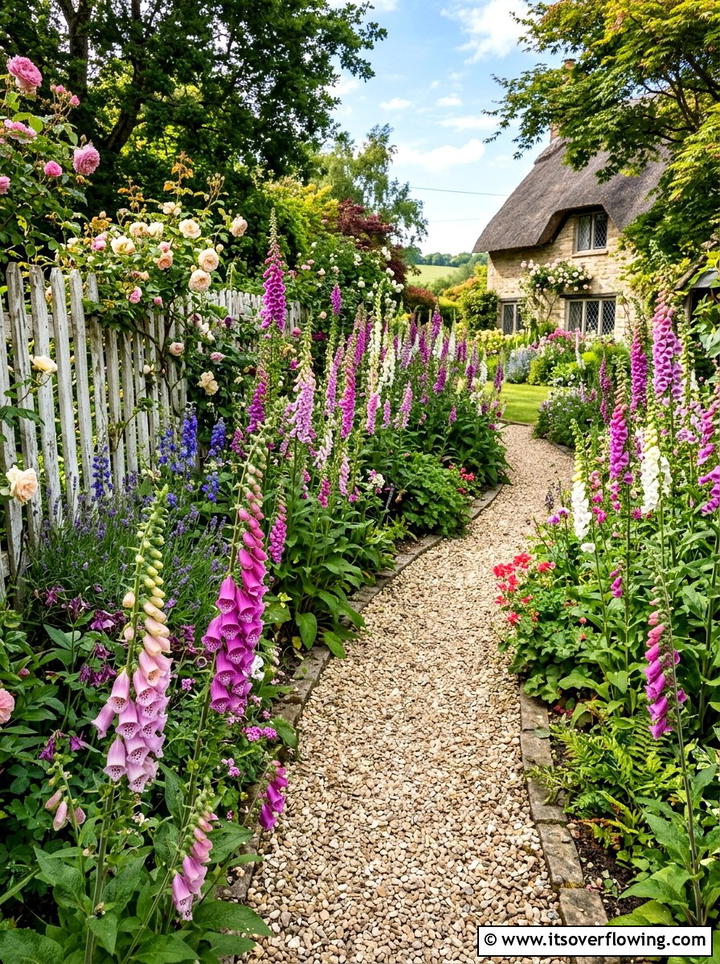
Foxgloves are tall, stately biennials that produce rows of bell-shaped flowers along a central stem, making them a favorite for hummingbirds. Planting these along a garden path creates a sense of enclosure and enchantment as you walk through your yard. The birds love to dart into the deep throats of the flowers to reach the nectar hidden inside. This design works well in cottage-style gardens where a slightly wild and romantic look is desired. Since foxgloves can grow quite tall, they provide an excellent vertical element that draws the eye upward and makes the most of the available space in your garden layout.
16. Morning Glory Fence
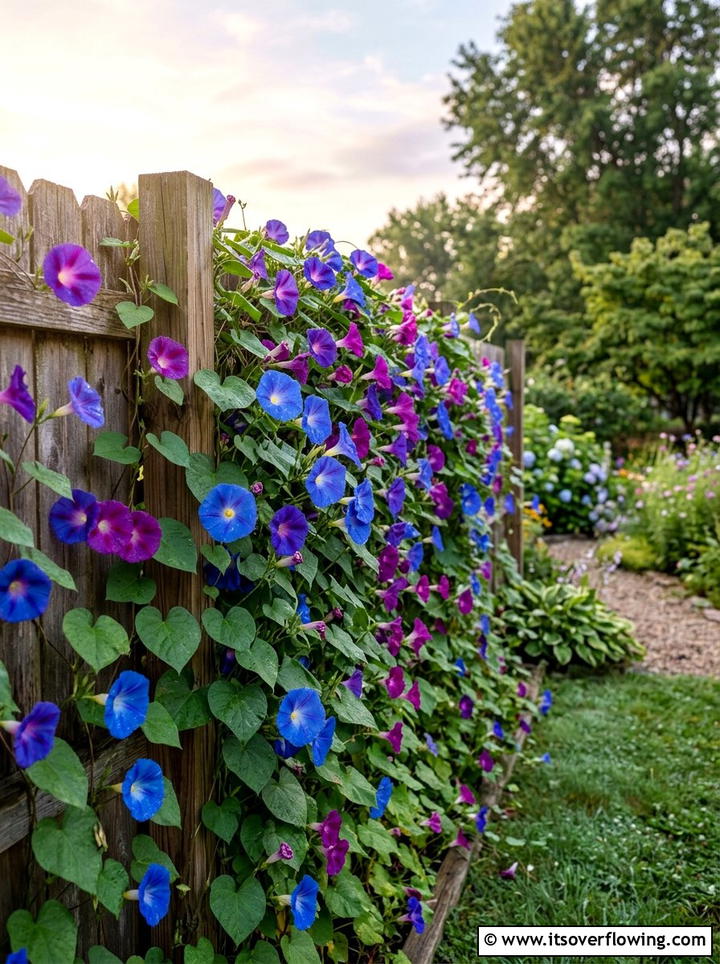
Morning glories are fast-growing annual vines that can quickly cover a fence or trellis with beautiful heart-shaped leaves and trumpet-like flowers. These vines are particularly useful for attracting hummingbirds in the early hours of the day when the blossoms are fully open. By training them to grow along a chain-link or wooden fence, you turn a functional boundary into a living wall of color. The bright blues, purples, and pinks of the morning glory flowers act as a beacon for hungry birds. This design is an affordable and easy way to add a massive amount of vertical feeding space to any size backyard or garden.
17. Zinnia Flower Patch
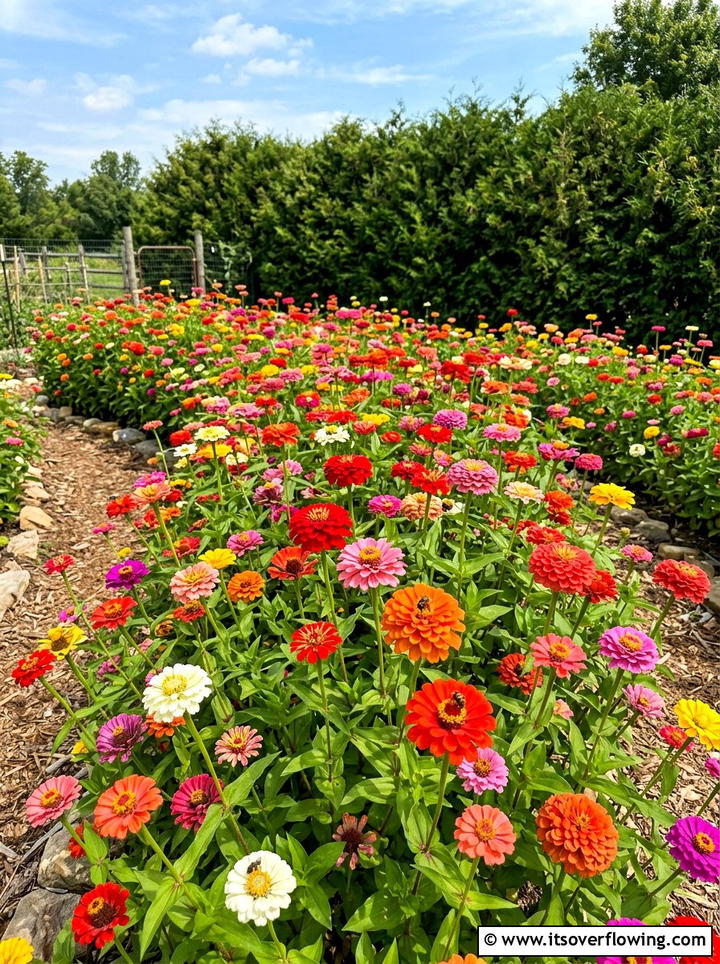
Zinnias are one of the easiest annuals to grow from seed, and they are a top choice for attracting hummingbirds and butterflies alike. These sturdy flowers come in almost every color of the rainbow and produce nectar-rich centers that stay open for a long time. Creating a dedicated zinnia patch in a sunny spot provides a colorful and reliable food source from mid-summer until the first frost. This design looks best when planted in a dense, multi-colored mass that creates a vibrant carpet of blooms. Zinnias are also excellent for cutting, so you can bring some of the garden’s beauty inside your home while leaving plenty for the birds.
18. Honeysuckle Vine Wall
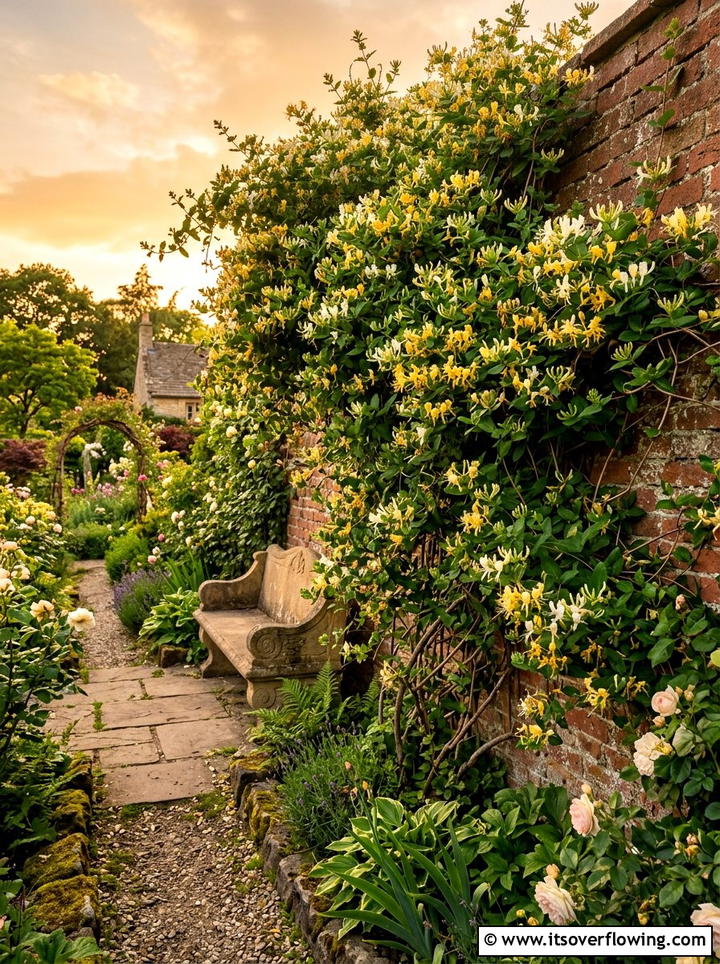
Honeysuckle is legendary for its sweet fragrance and its ability to attract hummingbirds with its long, nectar-filled tubes. Planting a native honeysuckle variety against a wall or a sturdy arbor creates a lush, green screen filled with delicate blossoms. The scent is particularly strong in the evening, but the birds will visit all day long to feed. This design provides both food and a dense thicket for nesting and protection. Because honeysuckle is a vigorous grower, it can quickly transform a bare wall into a beautiful focal point. It is a classic choice for anyone looking to create a traditional and inviting hummingbird garden atmosphere.
19. Coral Bells Groundcover
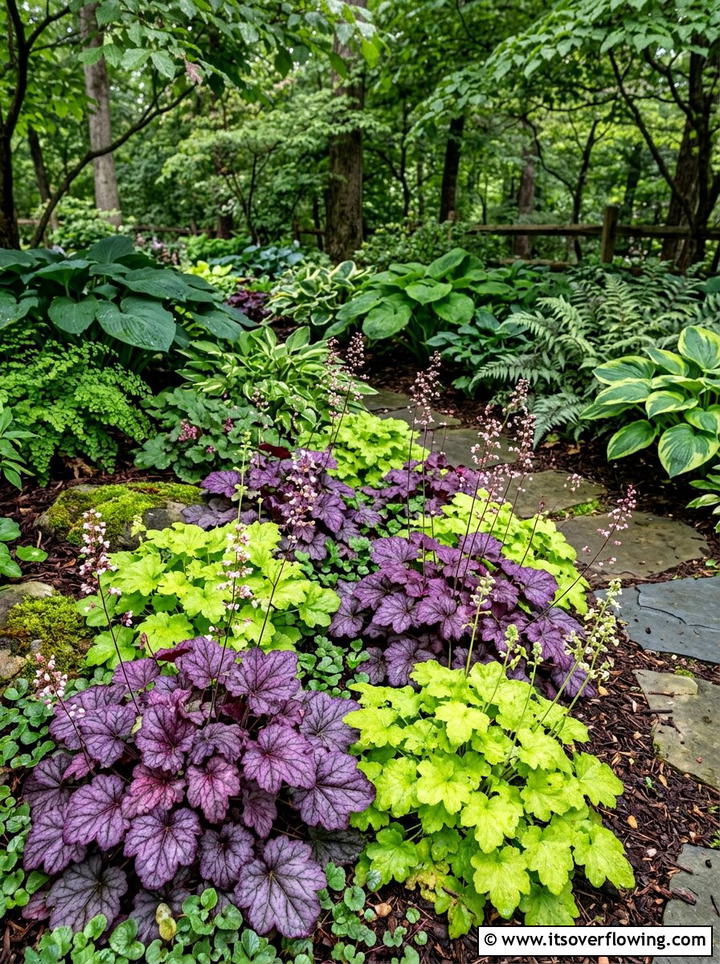
Coral bells, or Heuchera, are primarily known for their stunning colorful foliage, but they also produce tall, delicate wands of tiny flowers that hummingbirds adore. These plants make an excellent groundcover in shaded or partially sunny areas where other nectar plants might not thrive. The tiny, bell-shaped flowers rise above the leaves on thin stems, appearing to float in the air. This design adds a subtle and sophisticated layer to your garden, filling in the gaps between larger shrubs and perennials. With foliage ranging from deep purple to lime green, coral bells provide year-round visual interest while serving as a reliable early-summer food source for visiting birds.
20. Agastache Pollinator Garden
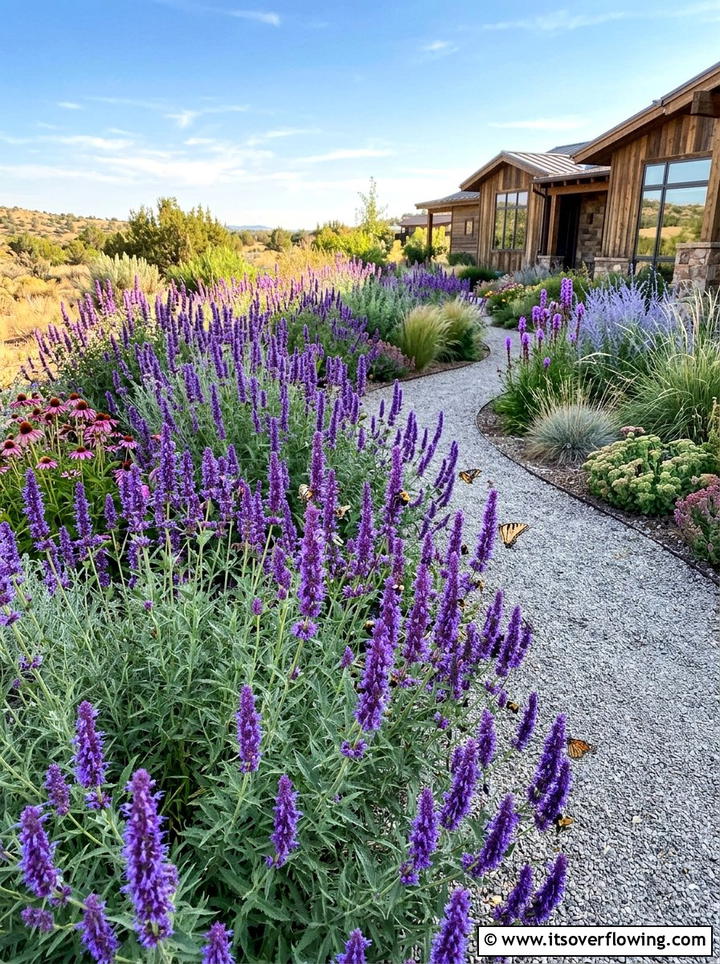
Agastache, often called hyssop or hummingbird mint, is a drought-tolerant perennial that is a magnet for all types of pollinators. The long, spiked flower heads are covered in hundreds of tiny blossoms that produce a continuous supply of nectar. This plant has a wonderful licorice or mint scent when the leaves are brushed, adding a sensory dimension to your garden design. Planting agastache in a sunny, well-drained spot creates a low-maintenance area that stays busy with bird activity all season long. It pairs beautifully with ornamental grasses and other prairie-style plants to create a modern and ecological landscape that thrives with very little extra water.
21. Cardinal Flower Wetland
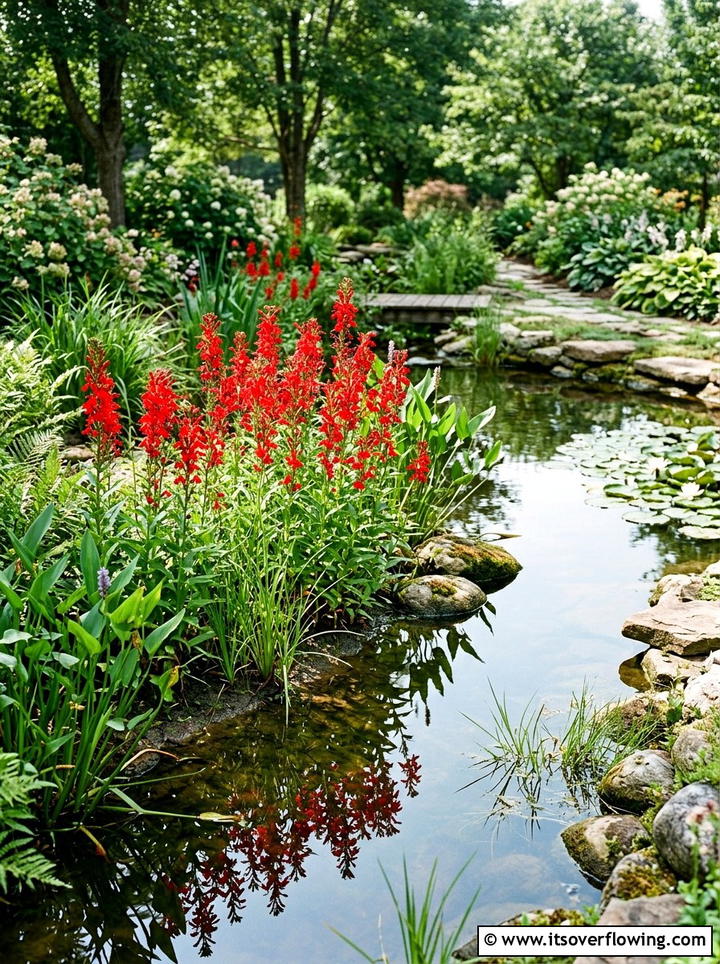
The cardinal flower is a striking native perennial that produces intense, true-red blossoms that are specifically adapted for hummingbird pollination. These plants naturally grow in moist soil, making them the perfect choice for a rain garden or a low spot in your yard. The brilliant red color is visible from a great distance, acting as a natural signpost for passing birds. Creating a wetland-style garden bed with cardinal flowers provides a unique habitat that supports a variety of wildlife. This design adds a bold splash of color to your landscape and ensures that your garden offers a diverse range of plant types to meet different environmental needs.
22. Penstemon Rock Garden
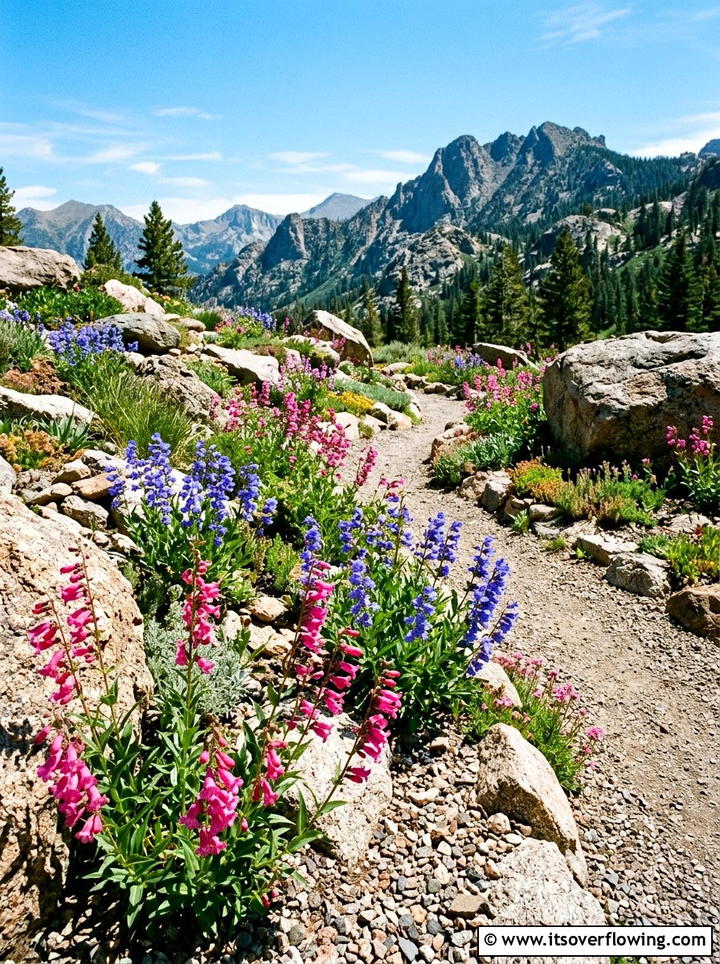
Penstemon, also known as beardtongue, is a versatile perennial that fits perfectly into a rock garden or a dry, sunny border. These plants produce clusters of tubular flowers that come in shades of red, pink, blue, and purple. Their ability to thrive in rocky or lean soil makes them ideal for creating a naturalistic, rugged landscape design. Hummingbirds love to visit each individual blossom as they hover along the stems. By incorporating different varieties of penstemon, you can extend the blooming season and provide a steady food source. This design is both beautiful and resilient, offering a high-impact look with minimal maintenance requirements for the home gardener.
23. Hummingbird Nesting Shrubs
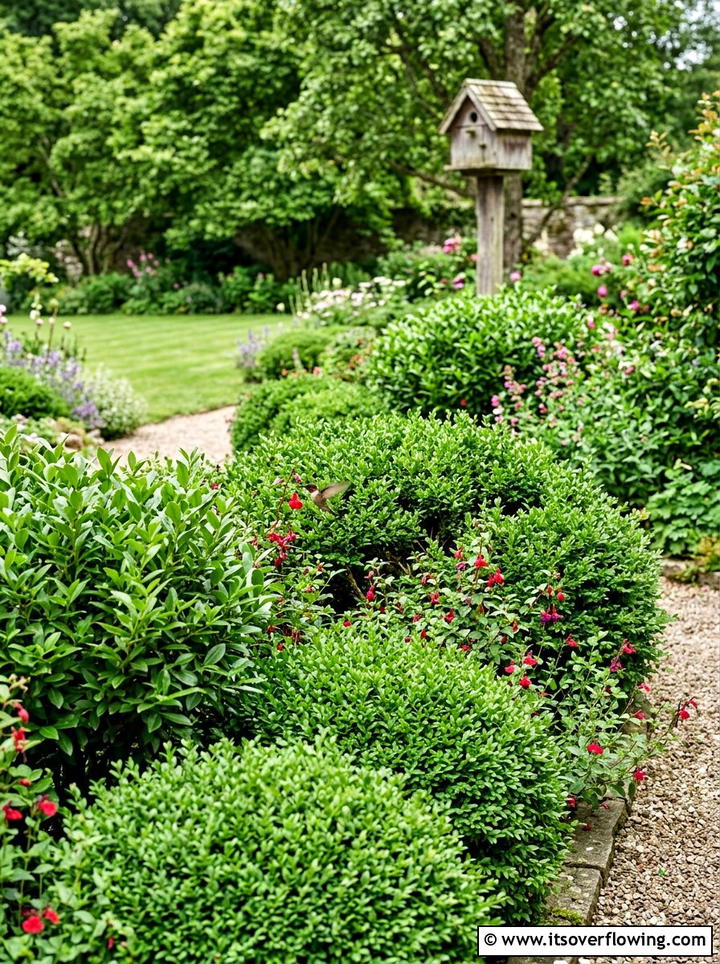
To truly make your garden a home for hummingbirds, you must provide dense shrubs where they can safely build their tiny, camouflaged nests. Species like privet, boxwood, and native evergreens offer the protection and structure that female hummingbirds look for when raising their young. These shrubs should be planted in a way that creates a layered effect, with taller trees above and flowers below. This design provides a secure environment where birds can hide from wind, rain, and predators. Having nesting sites within your garden increases the likelihood that you will have a resident population of hummingbirds that stays in your yard all season long.
24. Vertical Herb Garden
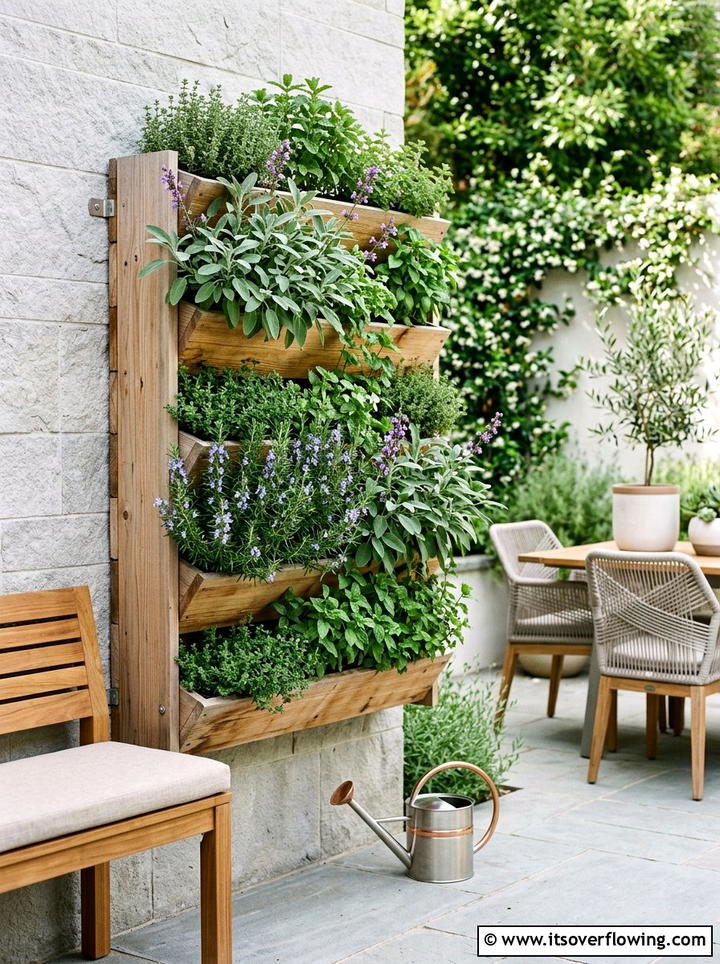
A vertical herb garden is a clever way to combine culinary use with wildlife attraction in a small footprint. Many herbs, such as rosemary, sage, and lavender, produce flowers that hummingbirds find very attractive when they are allowed to bloom. By using a wall-mounted planter or a tiered stand, you can grow a variety of nectar-producing herbs right outside your kitchen door. This design creates a fragrant and functional area that serves both the homeowner and the local birds. It is a great example of how edible landscaping can contribute to a healthy ecosystem while providing fresh flavors for your favorite home-cooked meals.
25. Organic Pest Control Garden
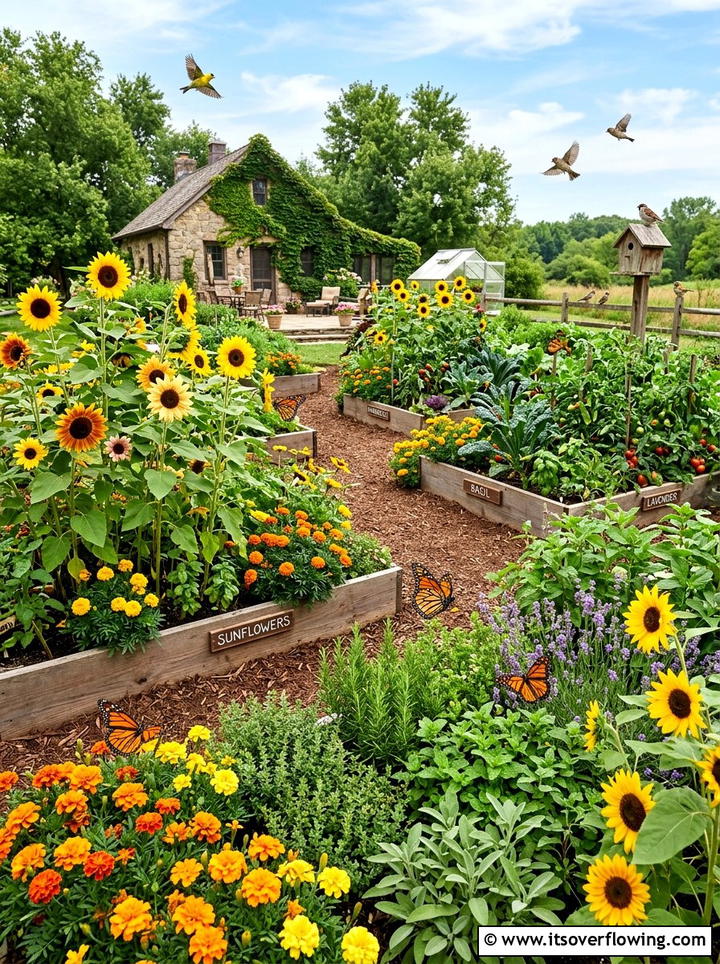
Maintaining an organic garden is the most important thing you can do to protect the hummingbirds you worked so hard to attract. Hummingbirds eat a massive amount of small insects and spiders for protein, and using chemical pesticides can harm or even kill them. Instead, design a garden that encourages natural predators like ladybugs and lacewings to do the work for you. This approach creates a balanced ecosystem where birds can safely forage for all their nutritional needs. An organic garden feels healthy and vibrant, with a diversity of life that makes it a true sanctuary for nature. It is the ultimate goal for any hummingbird enthusiast.
Conclusion:
Building a garden tailored for hummingbirds is a journey that brings color, motion, and joy to your outdoor living space. By following these twenty-five ideas, you can create a diverse habitat that provides food, water, and shelter for these magnificent creatures. From the vibrant spikes of red salvia to the gentle mist of a specialized fountain, every element plays a role in sustaining the bird population. Remember that consistency and organic practices are key to keeping your feathered friends coming back year after year. As you sit back and watch the hummingbirds zip through your blooming landscape, you will appreciate the beauty of a well-designed, wildlife-friendly home garden.

Related posts:
 25 Creative Garden Ideas for Rural Homes: Rustic Yard Tips
 25 garden ideas for family gatherings: Welcoming Yard Tips
 25 garden ideas for peace and relaxation: Calm Yard Tips
 25 garden ideas with low cost materials: Budget Yard Tips
 25 Creative Garden Ideas for Fall Color: Vibrant Seasonal Tips
 25 Creative Garden Ideas for Corners: Smart Small-Space Tips
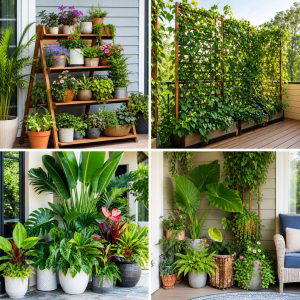 25 Creative Garden Ideas for Porches: Cozy Entryway Tips
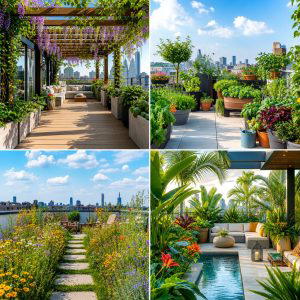 25 Creative Garden Ideas for Rooftops: Stylish Urban Tips
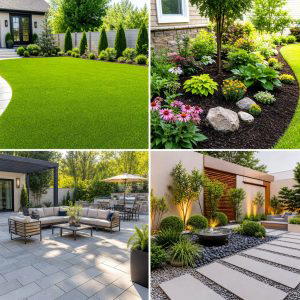 25 creative garden ideas with low maintenance design Tips
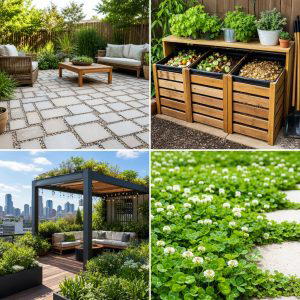 25 Creative Garden Ideas With Sustainable Landscaping Tips
 25 garden design ideas with color themes: Stunning Palette Tips
 25 garden ideas for rainy climate: Fresh Wet-Weather Tips