
Creating a garden that thrives while respecting the environment is more than just a trend; it is a lifestyle choice that benefits the planet and your peace of mind. Sustainable landscaping focuses on working with nature rather than against it, using local resources and eco-friendly practices to build a resilient outdoor space. Whether you are dealing with a small urban balcony or a sprawling suburban backyard, integrating green habits into your design can significantly reduce water waste and chemical use. This guide explores creative ways to transform your property into a thriving sanctuary that supports local wildlife and conserves precious natural resources for future generations to enjoy in your beautiful home.
1. Native Plant Garden
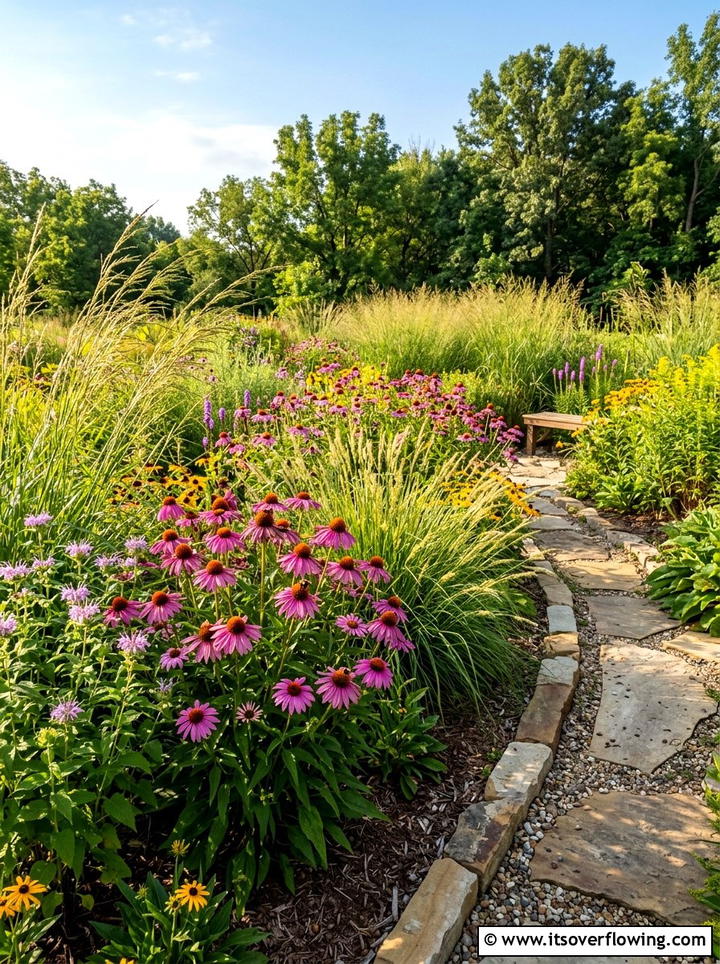
Imagine walking into a backyard that feels like a natural extension of the local wilderness. A native plant garden uses species that naturally occur in your specific region, making them incredibly resilient to local weather patterns and soil conditions. These plants require significantly less water and fewer fertilizers compared to exotic species because they have evolved to thrive in your climate. By choosing local flora, you provide essential food and shelter for native birds, bees, and butterflies. This approach creates a low-maintenance sanctuary that looks beautiful all year round. It reduces your environmental footprint while celebrating the unique botanical heritage of your own geographical area and surrounding community.
2. Xeriscape Yard
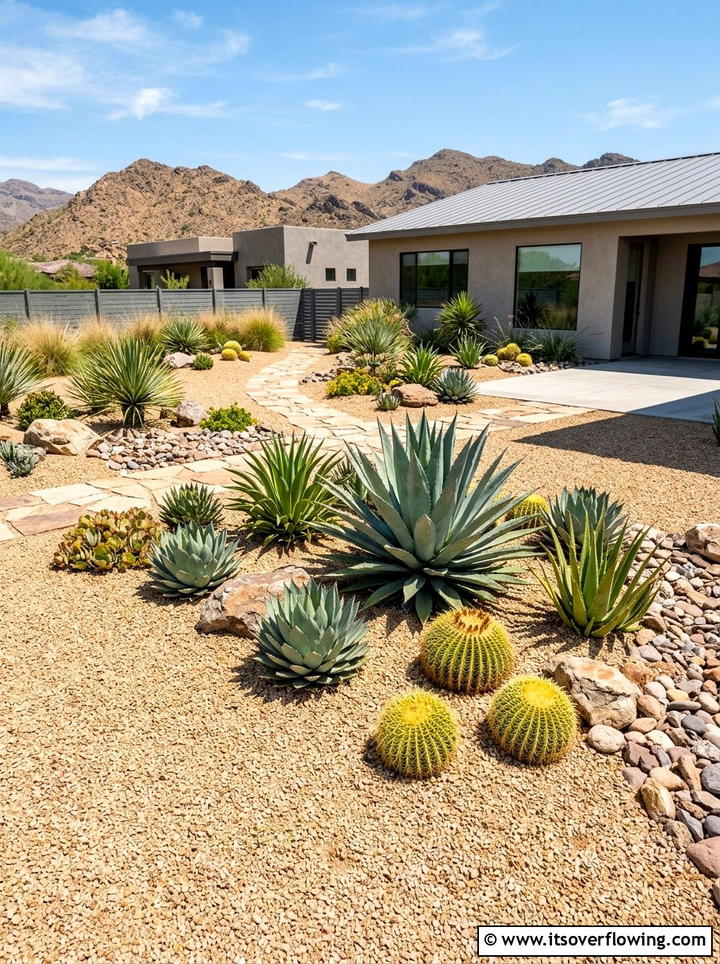
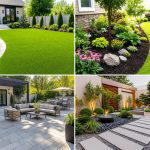
Does your lawn struggle during the heat of summer while your water bill continues to skyrocket? A xeriscape yard is a brilliant solution designed specifically to minimize or eliminate the need for supplemental irrigation. This design incorporates drought-tolerant plants, succulents, and ornamental grasses that look stunning with very little moisture. Instead of thirsty turf grass, you use organic mulches and decorative rocks to retain soil moisture and prevent weed growth. This creates a modern, clean aesthetic that stays vibrant even during the driest months. It is an ideal choice for homeowners who want a sophisticated, high-end look without the constant labor and high costs of traditional watering.
3. Rain Garden
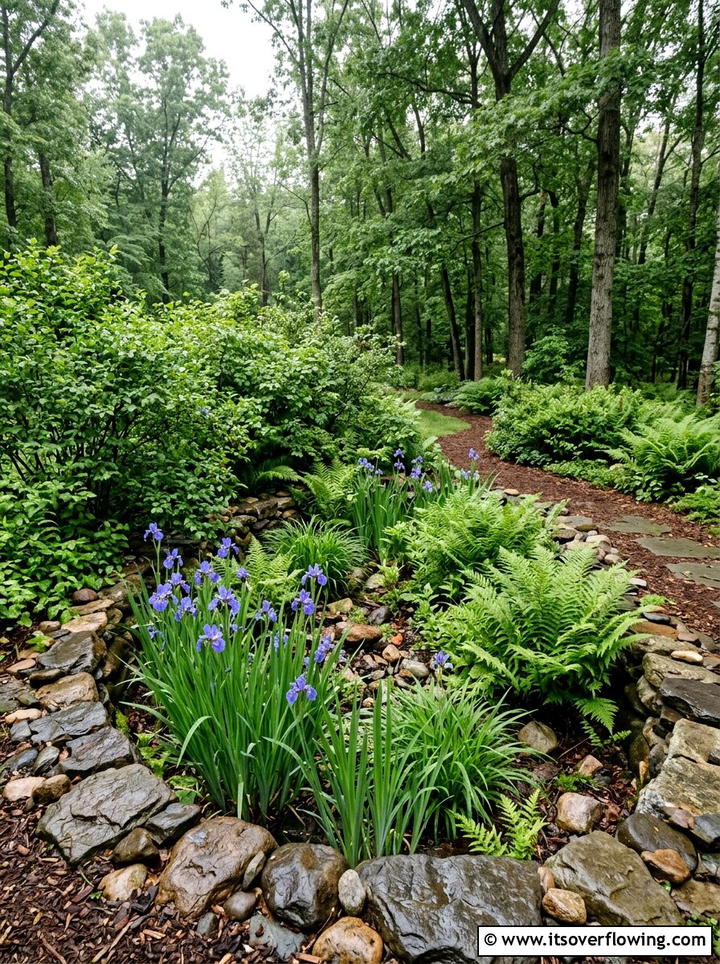
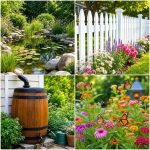
Have you ever noticed how water pools in certain areas of your yard after a heavy downpour? A rain garden is a shallow, landscaped depression designed to capture and soak up stormwater runoff from roofs, driveways, and sidewalks. By planting moisture-loving perennials and shrubs in this zone, you allow the ground to naturally filter pollutants before the water enters the local groundwater system. This prevents erosion and protects nearby waterways from contamination while creating a lush, bog-style habitat for frogs and dragonflies. It turns a potential drainage problem into a beautiful, functional focal point that adds deep texture and vibrant green life to your outdoor landscape.
4. Permeable Paver Patio
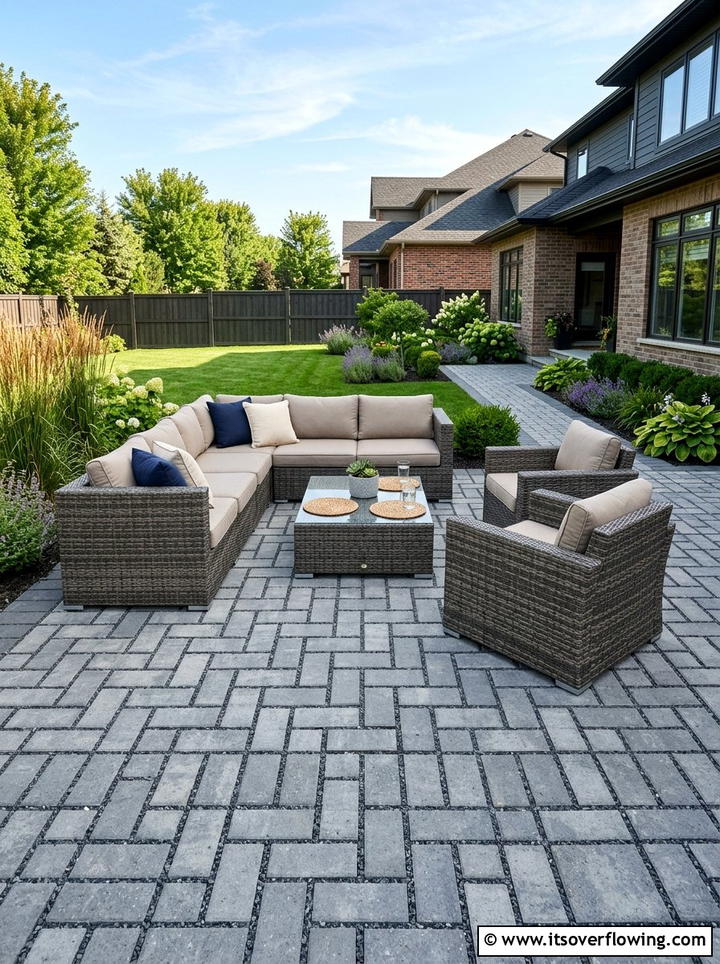
Stepping onto a solid concrete surface during a rainstorm often leads to messy puddles and slippery runoff. A permeable paver patio offers a much smarter alternative by allowing rainwater to seep through the joints and back into the earth. These pavers are set on a base of crushed stone, which acts as a natural reservoir and filtration system for the entire yard. This design prevents heavy runoff and helps recharge the local water table right beneath your feet. Beyond the environmental benefits, permeable pavers come in various textures and colors, providing a stylish, durable foundation for your outdoor dining sets and lounge furniture throughout the seasons.
5. Backyard Compost Station
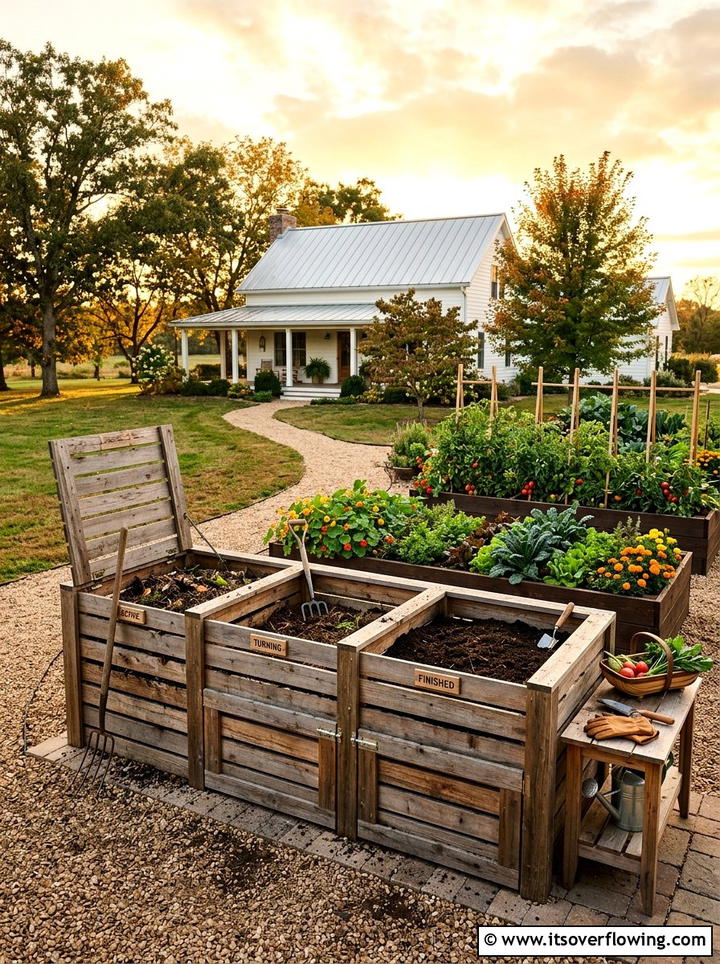
What if you could turn your daily kitchen scraps and fallen autumn leaves into pure gold for your soil? A backyard compost station is the ultimate recycling center that transforms organic waste into nutrient-rich fertilizer for your garden beds. By keeping these materials out of landfills, you significantly reduce methane emissions and create a closed-loop system for your property. A well-organized composting area can be tucked away discreetly or built with beautiful cedar wood to match your garden aesthetic. This natural soil conditioner improves moisture retention and plant health, eliminating the need for synthetic chemicals and ensuring your garden remains a healthy, chemical-free environment for everyone.
6. Vertical Herb Garden
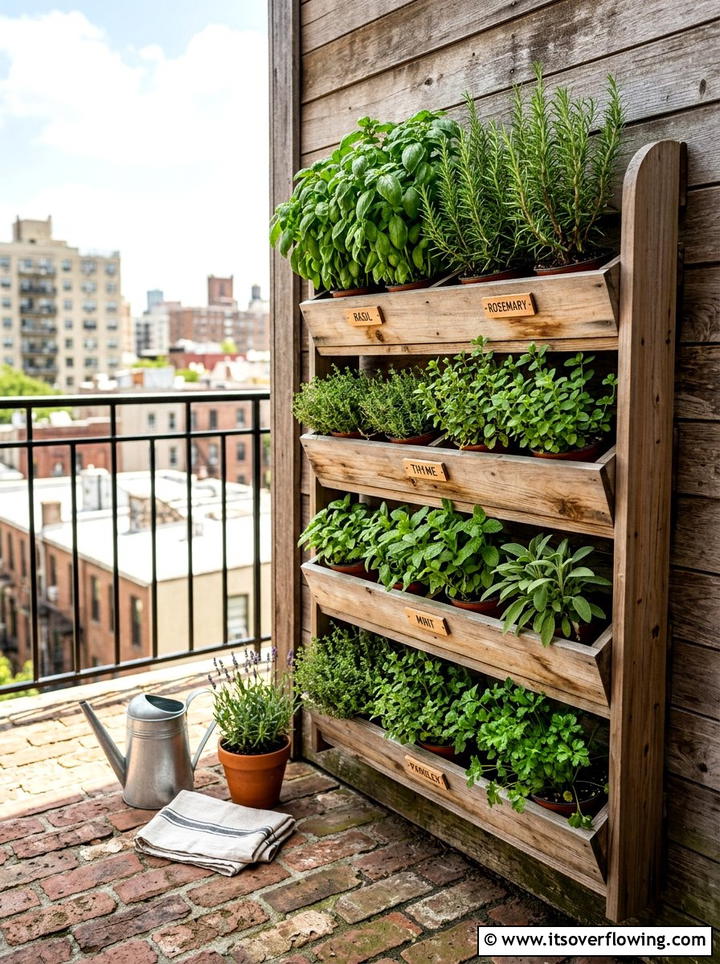
How can you grow a massive bounty of fresh flavors when you only have a tiny footprint of land? A vertical herb garden utilizes wall space or standing towers to maximize your growing area without crowding the ground. This sustainable method often uses recycled materials like wooden pallets or hanging pockets to house basil, mint, and rosemary. By growing upward, you improve air circulation around your plants, which naturally reduces the risk of pests and fungal diseases. It is a perfect solution for urban dwellers or those with small patios who want easy access to fresh, organic ingredients for cooking while adding lush greenery.
7. Wildflower Meadow
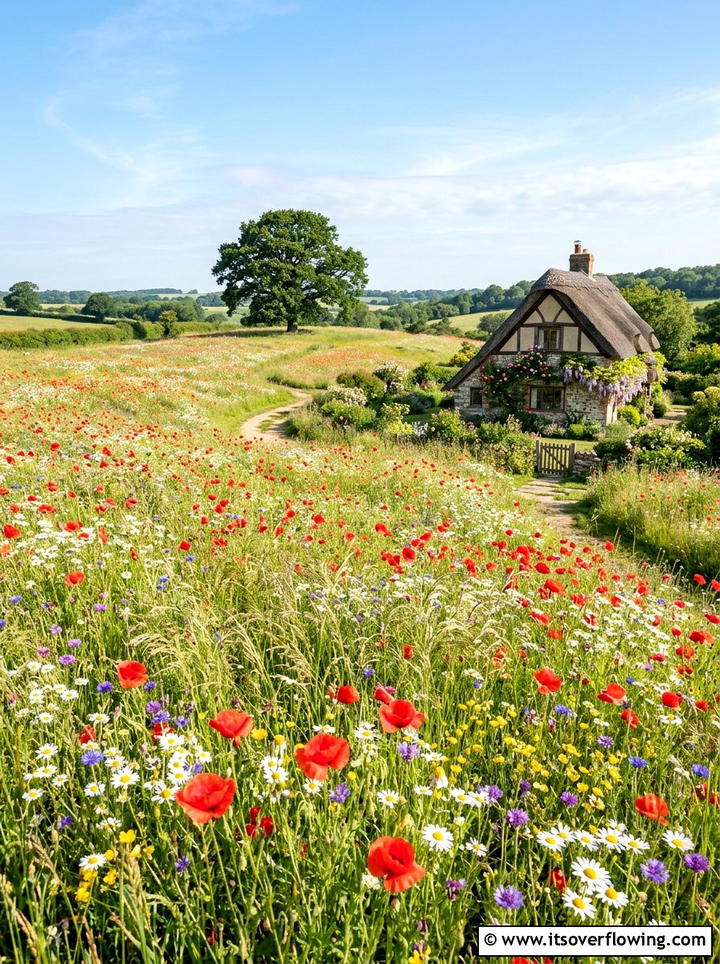
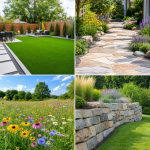
Why spend your precious weekends mowing a traditional lawn when you could look out at a sea of color? Replacing sections of turf with a wildflower meadow creates a dynamic, ever-changing landscape that requires almost no mowing or watering once established. These meadows provide a vital nectar source for pollinators and create a whimsical, cottage-core vibe that feels relaxed and inviting. You can mix various annuals and perennials to ensure blooms from early spring until the first frost. This naturalized approach saves fuel, reduces noise pollution from lawnmowers, and offers a peaceful retreat that feels like a hidden escape in your own backyard.
8. Pollinator Habitat
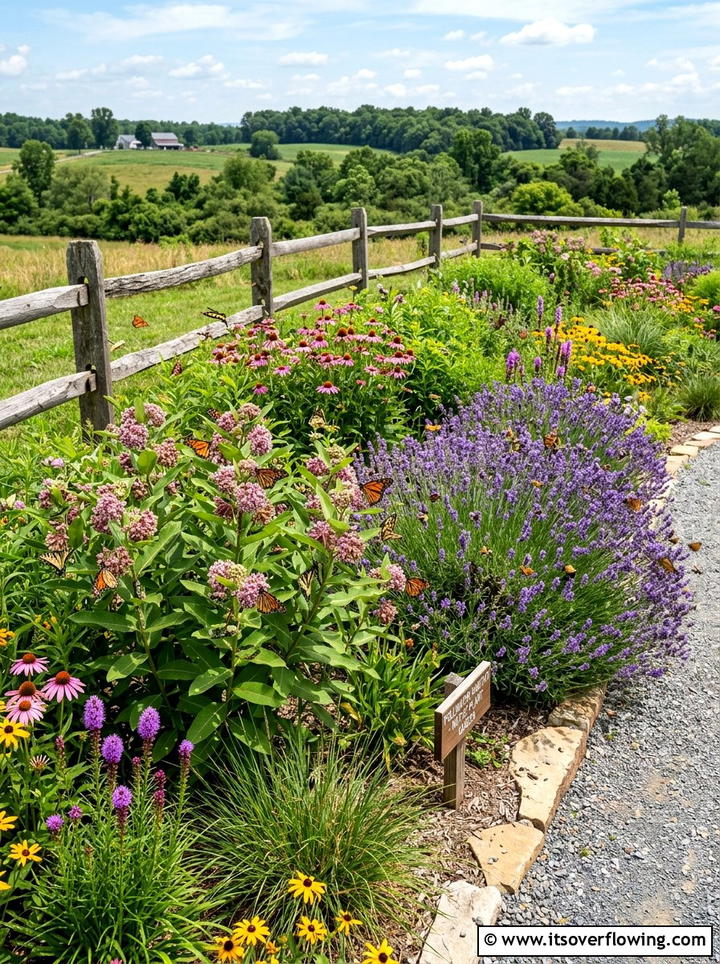
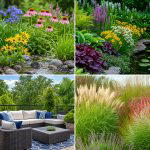
Have you noticed a decline in the number of bees and butterflies visiting your flowering shrubs lately? Creating a dedicated pollinator habitat involves selecting a wide variety of nectar-producing flowers that bloom at different times throughout the year. These gardens provide essential energy for insects that are crucial for our global food supply and ecosystem health. By including host plants like milkweed for monarchs, you support the entire life cycle of these beautiful creatures. This design choice ensures your garden is buzzing with life and activity, creating an educational and mesmerizing experience for children and adults alike while protecting the local biodiversity in your region.
9. Drip Irrigation Layout
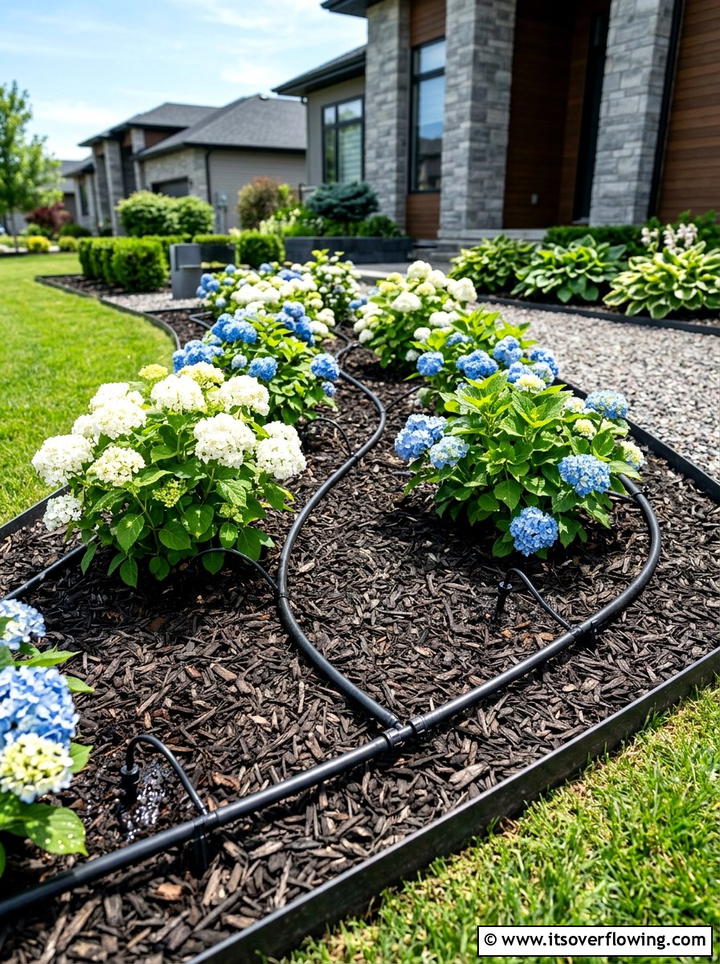
Are you tired of seeing half your garden water evaporate into the air before it even reaches the roots? A drip irrigation layout delivers water slowly and directly to the base of each plant through a network of narrow tubes and emitters. This highly efficient system reduces water waste by up to fifty percent compared to traditional overhead sprinklers. It also keeps foliage dry, which significantly helps prevent common plant diseases like powdery mildew. By automating this process, you ensure your plants receive the exact amount of hydration they need, leading to healthier growth and a more sustainable, worry-free way to maintain your beautiful garden.
10. Reclaimed Wood Raised Bed
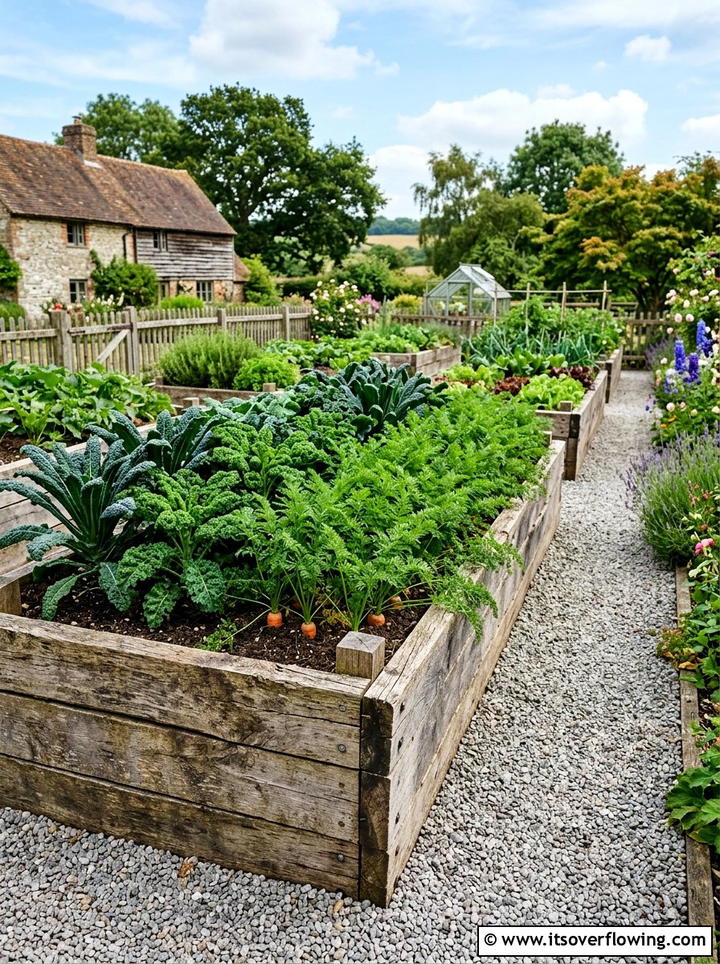
Do you want to grow your own vegetables while keeping your garden looking tidy and environmentally responsible? Using reclaimed wood for your raised beds is a fantastic way to give old materials a second life while providing a structured growing environment. These beds allow you to control the soil quality and drainage perfectly, which is essential for heavy-feeding plants like tomatoes and peppers. Reclaimed cedar or barn wood adds a rustic, soulful character to your yard that store-bought kits simply cannot match. This sustainable building practice reduces the demand for new timber and creates a productive, organized space that makes home gardening much more accessible.
11. Edible Landscaping
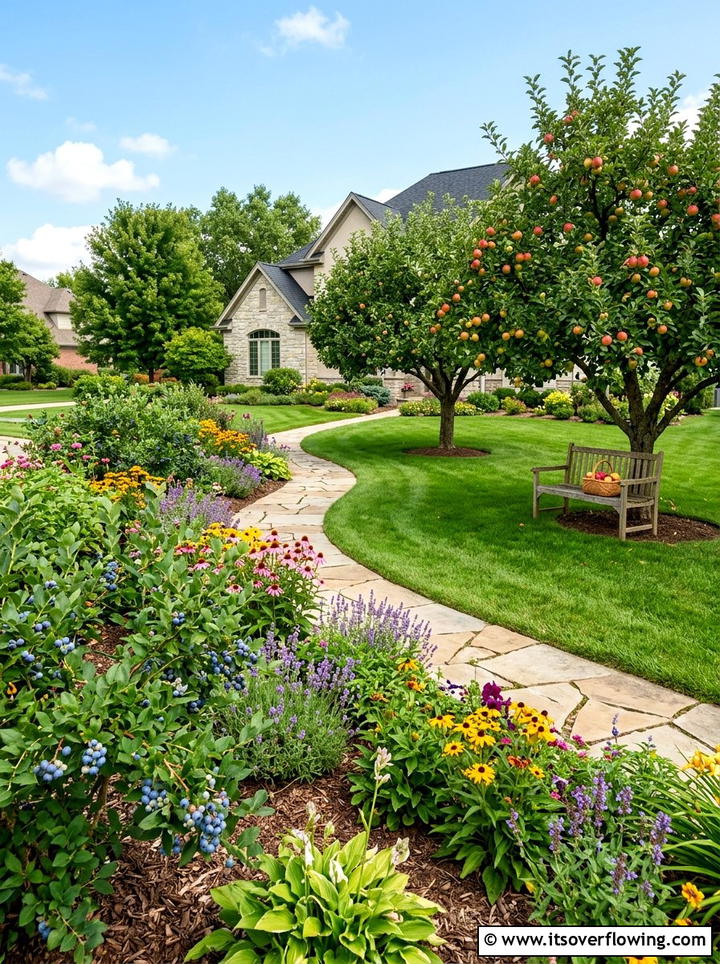
Why separate your flower garden from your food source when you can blend them into one stunning design? Edible landscaping involves replacing traditional ornamental shrubs with fruit-bearing bushes, nut trees, and leafy greens. Imagine a walkway lined with blueberry bushes that turn vibrant red in the fall, or a trellis covered in grapevines providing shade and snacks. This multifunctional approach maximizes the utility of your land, providing fresh, organic produce right outside your door. It reduces the carbon footprint associated with transporting food and ensures your family has access to nutrient-dense harvests while maintaining a lush, visually appealing backyard that looks professionally designed.
12. Gravel Walkway
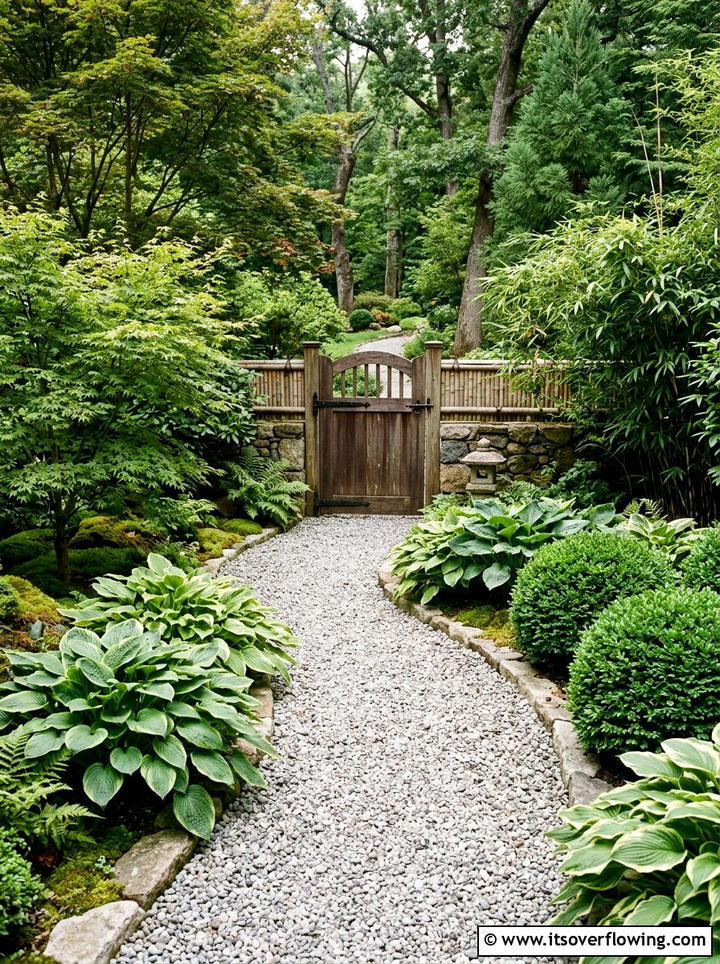
Have you ever struggled with muddy paths and uneven grass every time you walk through your garden? A gravel walkway provides a stable, permeable surface that allows rain to soak through while keeping your feet clean and dry. Gravel is an affordable, low-impact material that fits perfectly into modern, Mediterranean, or zen-style garden designs. It requires no water and very little maintenance, as it naturally suppresses weed growth when paired with a biodegradable landscape fabric. The soft crunch of gravel underfoot adds a pleasant sensory element to your outdoor experience, making the transition between different areas of your yard feel intentional and naturally grounded.
13. Rain Barrel System
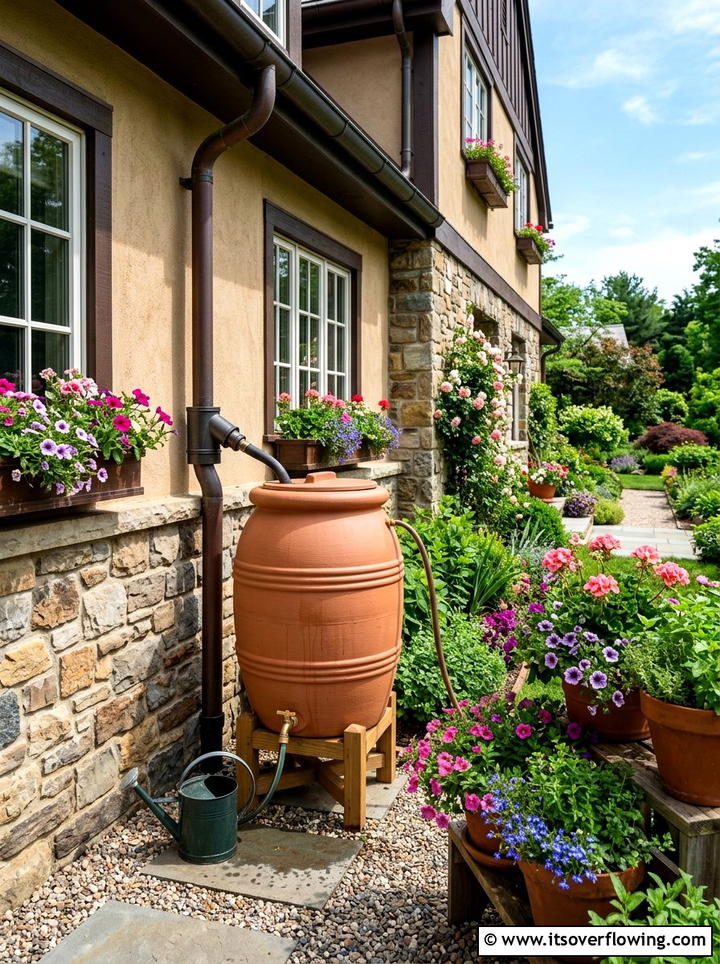
Does it feel wasteful to use treated tap water for your thirsty garden during a summer dry spell? A rain barrel system captures free, soft water directly from your downspouts, storing it for future use during the hotter months. Rainwater is naturally better for plants because it lacks the chlorine and fluoride found in city water supplies. By installing a decorative barrel, you create a functional asset that blends into your home’s exterior while saving money on utility bills. This simple addition is one of the most effective ways to conserve water and manage the flow of moisture across your property with minimal effort.
14. Solar Outdoor Lighting
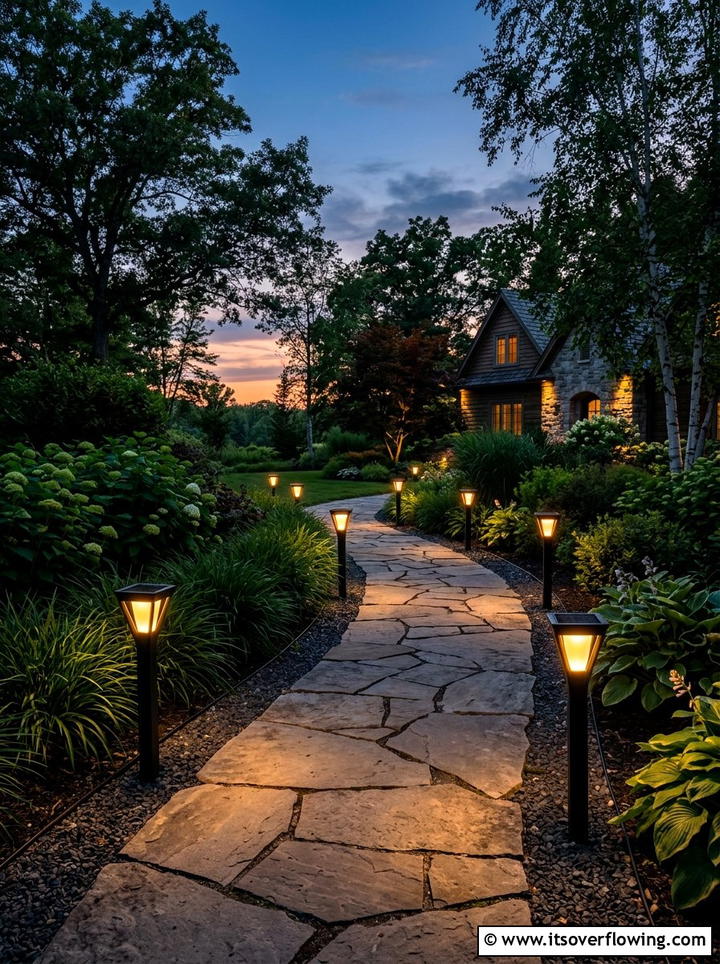
How can you illuminate your beautiful garden paths at night without increasing your monthly electricity consumption? Solar outdoor lighting uses small panels to soak up the sun’s energy during the day and power efficient LED bulbs after dark. This sustainable lighting solution requires no complicated wiring or professional installation, making it incredibly easy to set up anywhere. It provides a soft, ambient glow that enhances safety and beauty along your walkways, patios, and flower beds. Because these lights are powered by a renewable resource, they have a zero-carbon footprint, allowing you to enjoy a magical, glowing evening atmosphere while being environmentally conscious.
15. Natural Bark Mulch
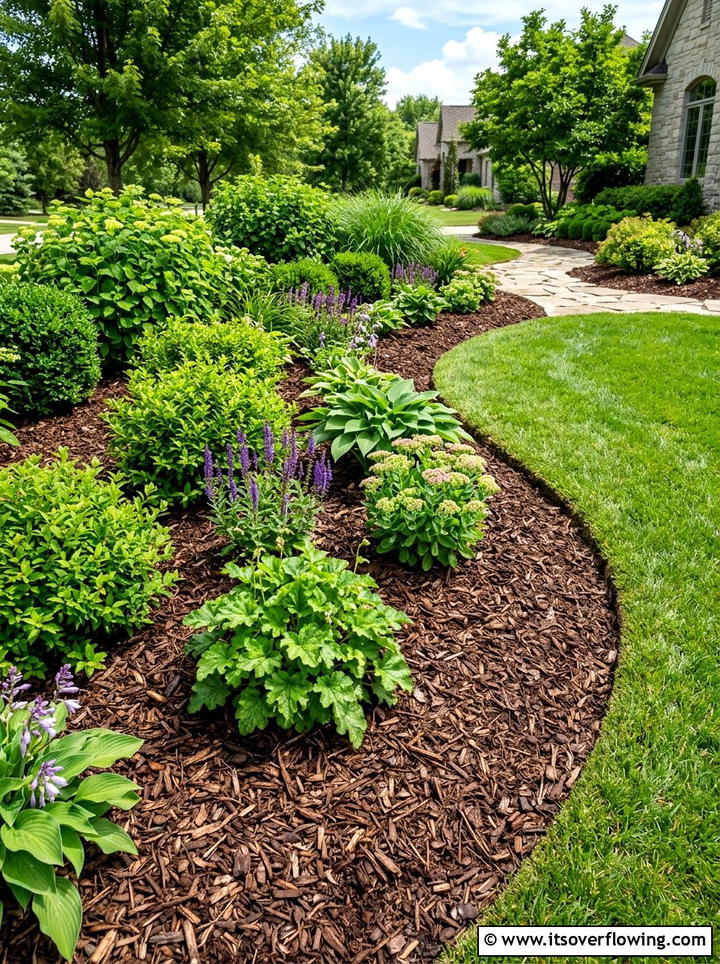
Have you noticed how much faster your plants grow when the soil stays cool and moist underneath? Using natural bark mulch is a vital sustainable practice that protects the earth from temperature extremes and moisture loss. As the organic bark breaks down over time, it adds essential nutrients back into the soil, acting as a slow-release fertilizer. This layer also prevents soil compaction and significantly reduces the amount of weeding you need to do throughout the year. By choosing locally sourced, undyed mulch, you ensure your garden remains safe for children and pets while giving your flower beds a clean, finished, and professional appearance.
16. Dry Creek Bed
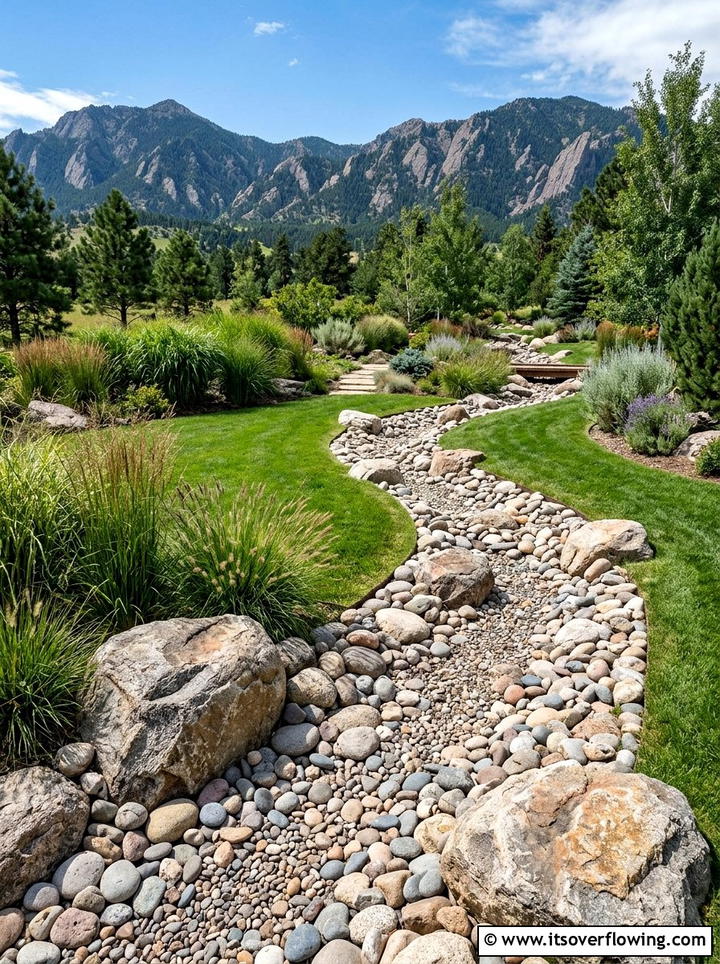
Do you have a sloping yard where heavy rain causes soil erosion or unsightly muddy patches? A dry creek bed is a functional and artistic landscaping feature made of river rocks and boulders that mimics a natural stream. During storms, it safely channels excess water away from your home’s foundation and into a drainage area. When it is dry, it serves as a stunning architectural element that adds texture and visual interest to your lawn. This sustainable design manages water flow naturally without the need for ugly plastic pipes, creating a rugged, naturalistic look that enhances the overall character of your outdoor living space.
17. Rooftop Green Space
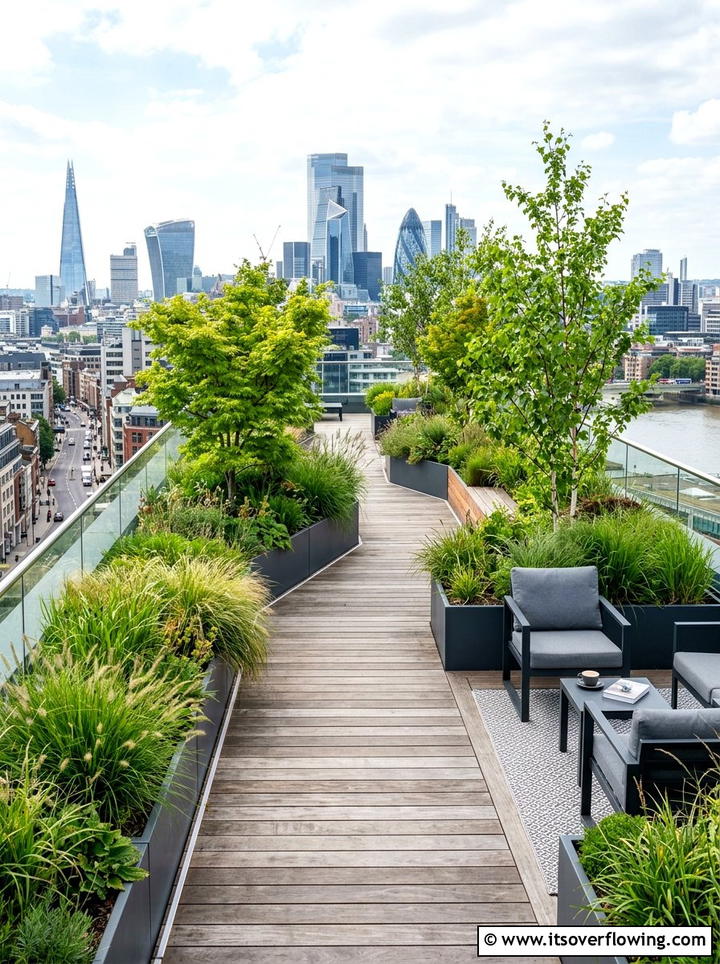
Are you living in a crowded urban area where ground-level yard space is a rare and expensive luxury? A rooftop green space transforms an underutilized flat roof into a thriving garden that helps insulate your building and reduce energy costs. These sky gardens absorb heat, helping to combat the urban heat island effect that makes cities uncomfortably hot. By using lightweight containers and drought-tolerant plants, you can create a private oasis high above the noise of the street. This sustainable approach brings nature into the heart of the city, providing a peaceful sanctuary for relaxation while improving the air quality for everyone in the neighborhood.
18. Stone Retaining Wall
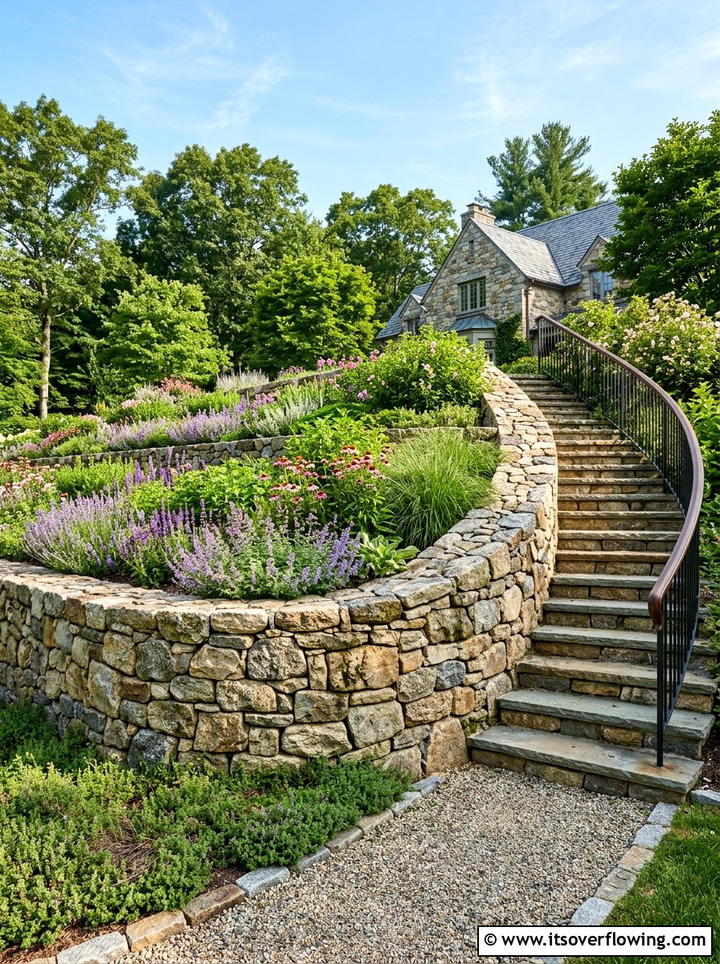
How can you manage a steep hill in your backyard while adding a sense of permanent, classic beauty? A stone retaining wall built from locally sourced, natural rock provides a durable solution for soil stabilization and tiered planting. Unlike pressure-treated wood, stone does not rot or leach chemicals into the ground over time, making it a highly sustainable choice. These walls create flat, usable garden beds on sloped land, allowing you to plant a wider variety of flowers and vegetables. The crevices between the stones also provide micro-habitats for beneficial insects and mosses, helping your garden feel like an established, ancient part of the landscape.
19. Garden Herb Spiral
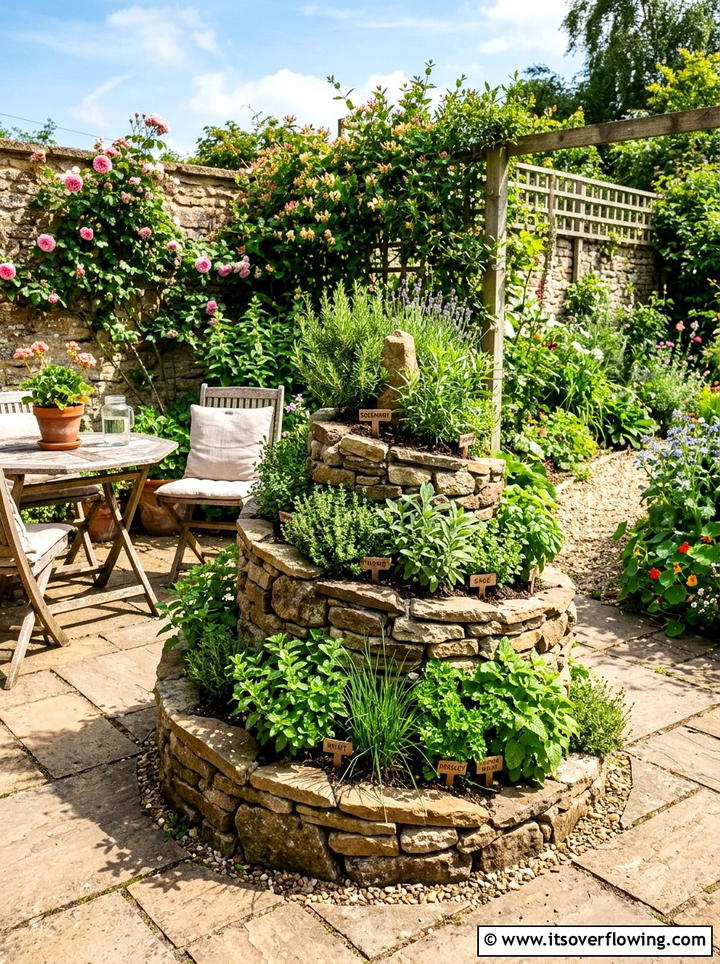
Have you ever wanted to grow a dozen different herbs but only have a small circle of space available? A garden herb spiral is a brilliant permaculture design that uses a vertical corkscrew shape to create various microclimates in one small area. The top of the spiral is sunny and dry, perfect for rosemary and thyme, while the bottom is cool and moist, ideal for mint and parsley. This efficient use of space allows you to maximize your harvest while using gravity to distribute water evenly throughout the structure. It is a visually striking focal point that combines mathematical beauty with high-yield sustainable gardening principles.
20. Clover Ground Cover
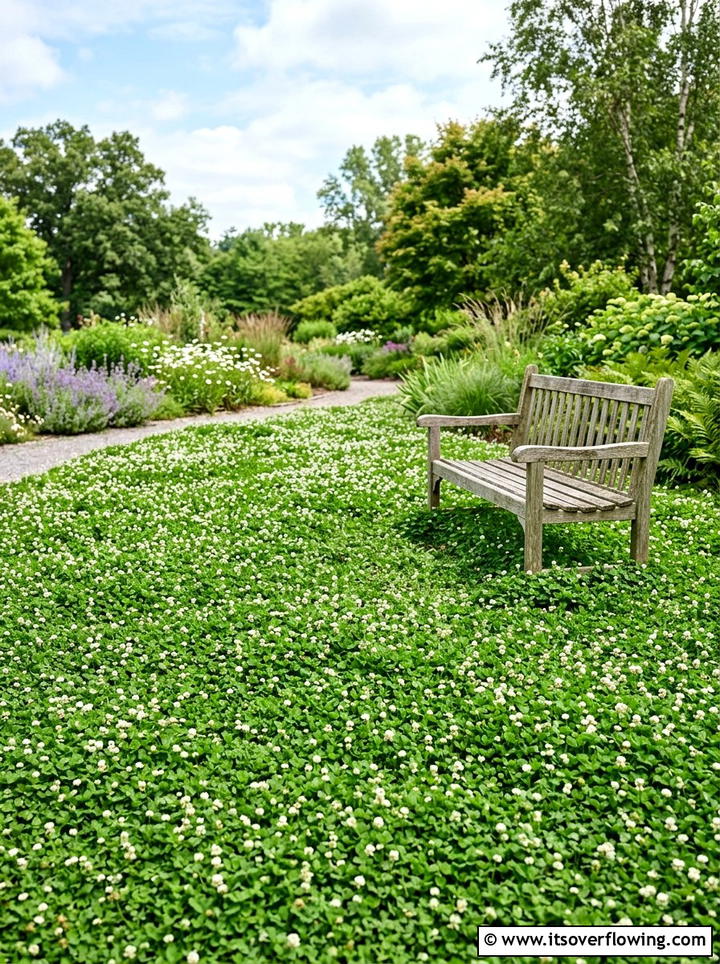
What if your lawn could actually feed your soil instead of constantly demanding expensive chemical nitrogen treatments? A clover ground cover is a sustainable alternative to traditional grass that stays green all year and requires very little mowing. Clover is a nitrogen-fixing plant, meaning it takes nitrogen from the air and deposits it into the ground, naturally fertilizing itself and surrounding plants. It is incredibly soft to walk on, drought-resistant, and produces tiny white flowers that pollinators absolutely love. Switching to a clover lawn reduces your water usage and eliminates the need for toxic herbicides, creating a safe, lush carpet for your family.
21. Recycled Glass Path
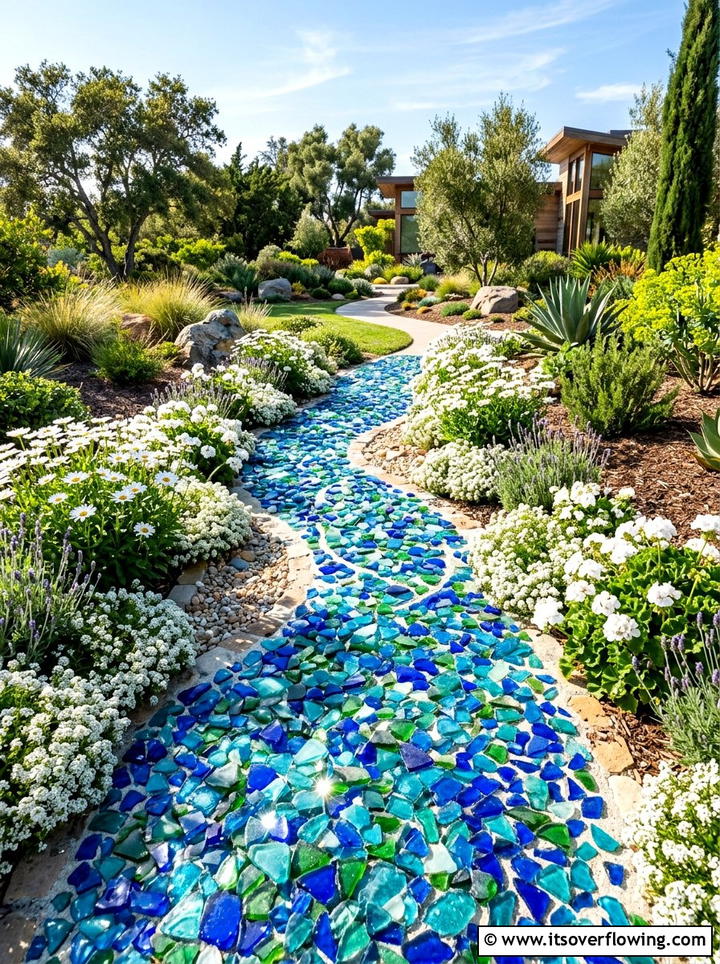
Are you looking for a unique and colorful way to lead guests through your garden without using new stone? A recycled glass path uses tumbled, smooth glass fragments that sparkle in the sunlight while providing a permeable surface for drainage. This creative reuse of waste material prevents glass from ending up in landfills and adds a vibrant, jewel-like quality to your landscape. The tumbled glass is safe to walk on and comes in a variety of shades, from deep ocean blues to forest greens. It is an eco-friendly design choice that turns reclaimed waste into a sophisticated and conversation-starting feature for any modern outdoor space.
22. Wildlife Bird Bath
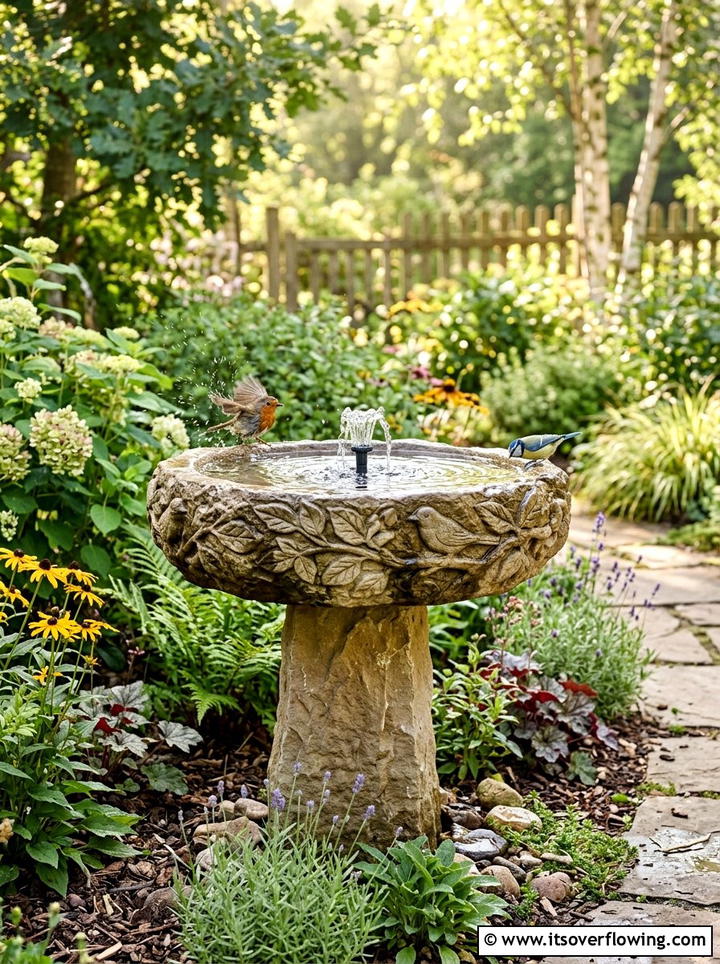
Do you enjoy the peaceful sound of birds chirping while you drink your morning coffee on the porch? A wildlife bird bath provides a critical water source for local avian populations, especially during the hot and dry summer months. For a sustainable approach, choose a basin made of natural stone or recycled materials and keep the water fresh without using harsh cleaning chemicals. Adding a small solar-powered fountain keeps the water moving, which prevents mosquitoes from breeding and attracts more birds with the sound of trickling water. This simple addition supports the local ecosystem and brings a delightful sense of movement and life to your garden.
23. Bamboo Privacy Fence
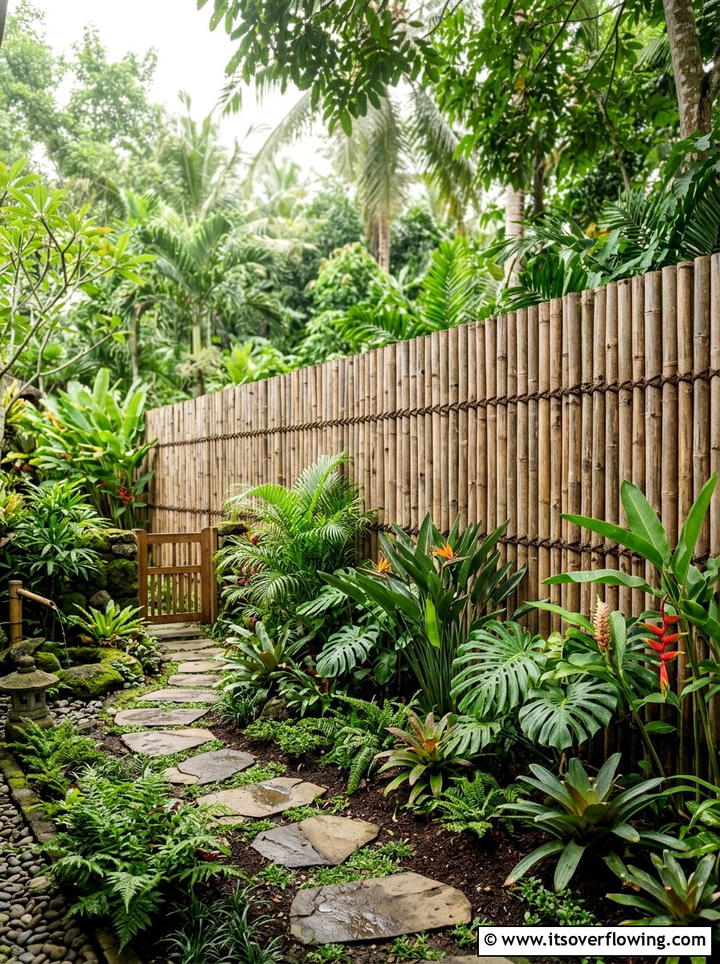
Are you looking for a natural way to create a private sanctuary in your yard without building a plastic or metal wall? Bamboo is one of the fastest-growing and most renewable resources on the planet, making it an excellent choice for a sustainable privacy fence. It offers a warm, tropical aesthetic that blends seamlessly with greenery while providing a sturdy barrier against wind and prying eyes. Unlike traditional wood fences that require frequent painting or staining with chemicals, bamboo is naturally durable and weather-resistant. It adds a peaceful, zen-like quality to your outdoor space while honoring your commitment to using eco-friendly and rapidly renewable building materials.
24. Small Backyard Greenhouse
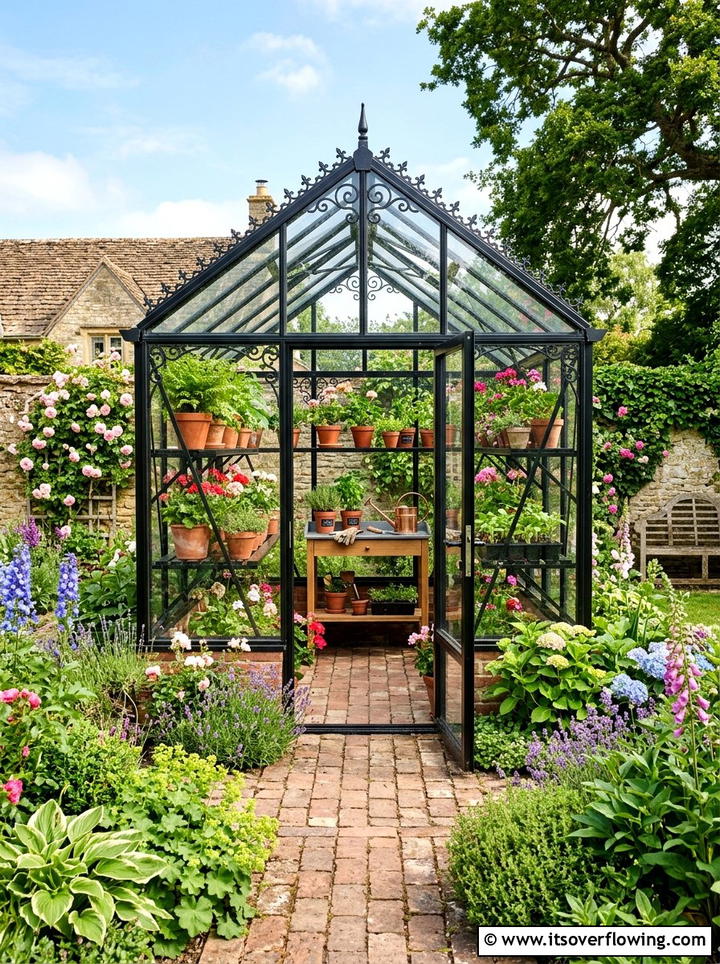
How would you like to extend your growing season and harvest fresh greens even when the weather turns cold? A small backyard greenhouse allows you to start seeds early in the spring and keep sensitive plants protected during the winter months. By using recycled glass or polycarbonate panels, you create a warm microclimate that harnesses the power of the sun. This sustainable structure reduces your reliance on grocery store produce that is often shipped from thousands of miles away. It provides a meditative space for gardening year-round, ensuring you have a steady supply of organic food and vibrant flowers regardless of the outside temperature.
25. Shade Moss Garden
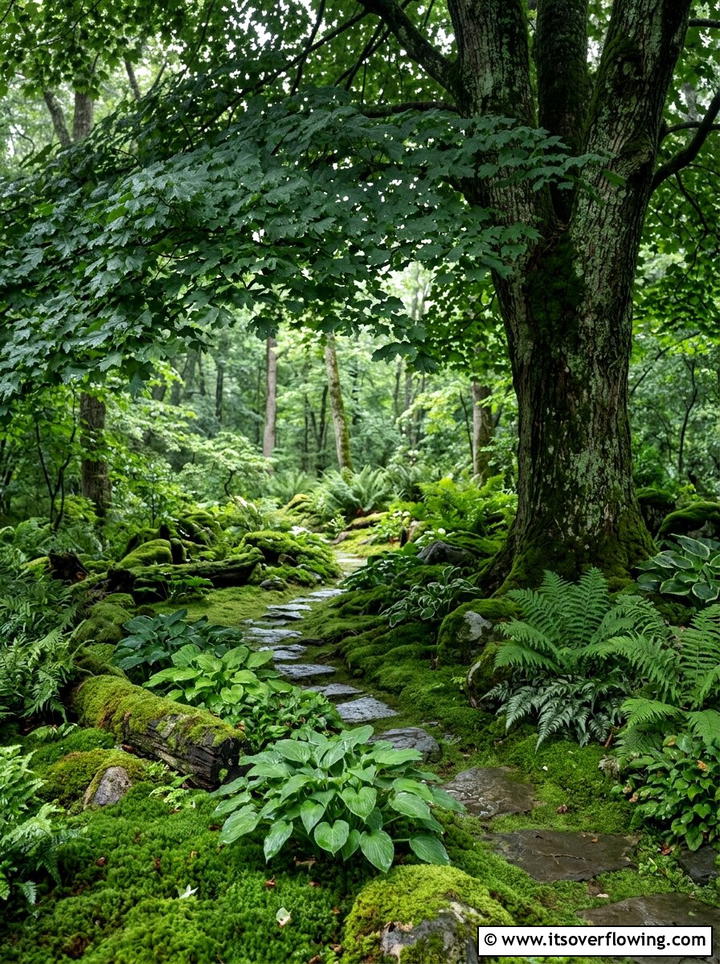
Do you have a dark, damp corner of your yard where grass refuses to grow no matter what you try? A shade moss garden turns a difficult area into a plush, emerald-green carpet that thrives in low-light conditions. Moss requires no mowing, no fertilizer, and actually helps purify the air by absorbing pollutants directly through its leaves. This ancient plant creates a serene, forest-like atmosphere that feels incredibly calming and cool during the summer. By embracing the natural conditions of your site rather than fighting them, you create a low-maintenance, sustainable space that looks like a magical scene from a fairy tale.
Conclusion:
Embracing sustainable landscaping is a rewarding journey that transforms your outdoor space into a thriving, eco-friendly haven. By implementing these creative ideas, from rain gardens to native plantings, you are actively participating in the restoration of your local environment. These practices not only save you time and money on maintenance but also create a healthier world for your family and the wildlife that shares your neighborhood. Every small change, like installing a rain barrel or choosing recycled materials, contributes to a larger positive impact on our planet. Your garden becomes a beautiful testament to the harmony that can exist between human creativity and the natural world.

Related posts:
 25 Creative Garden Ideas for Fall Color: Vibrant Seasonal Tips
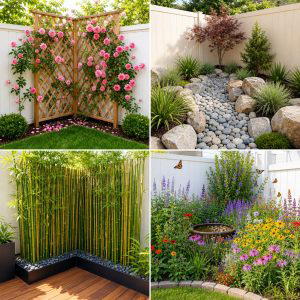 25 Creative Garden Ideas for Corners: Smart Small-Space Tips
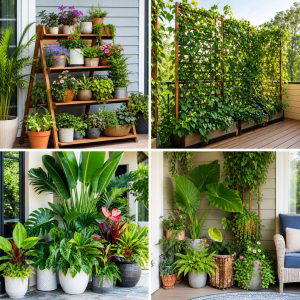 25 Creative Garden Ideas for Porches: Cozy Entryway Tips
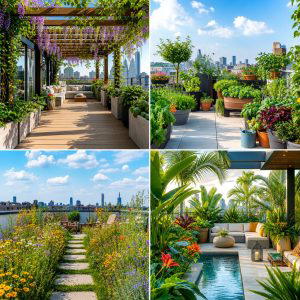 25 Creative Garden Ideas for Rooftops: Stylish Urban Tips
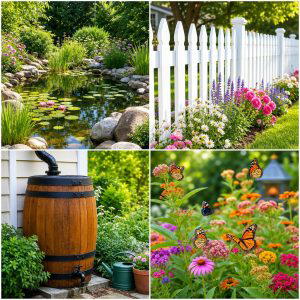 25 Creative Garden Ideas for Rural Homes: Rustic Yard Tips
 25 creative garden ideas with low maintenance design Tips
 25 Creative Garden Ideas With Drought Proof Landscaping
 25 garden design ideas with color themes: Stunning Palette Tips
 25 garden ideas for hummingbirds: Nectar-Rich Yard Tips
 25 garden ideas for peace and relaxation: Calm Yard Tips
 25 garden ideas for rainy climate: Fresh Wet-Weather Tips
 25 garden ideas with low cost materials: Budget Yard Tips