
Creating a beautiful outdoor space does not require a massive water bill or endless maintenance hours. Many homeowners are now turning to drought-proof landscaping to save money and protect the environment. These sustainable methods focus on using plants and materials that thrive in dry conditions while still looking incredible. You can achieve a lush and vibrant look without traditional grass lawns that drink up resources. From rocky textures to hardy native blooms, the possibilities for creative expression are truly endless in a water-wise yard. This guide explores various ways to transform your property into a resilient oasis that stays green and healthy even during the hottest summer months.
1. Xeriscape front yard
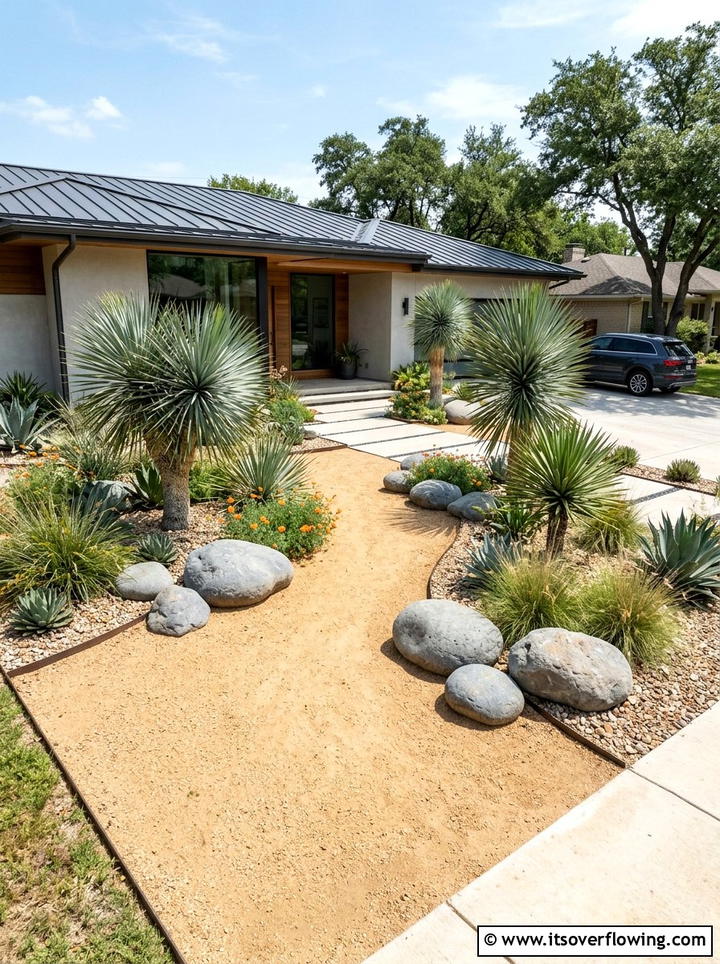
Transforming your curb appeal starts with a well-planned xeriscape that replaces thirsty grass with hardy alternatives. This approach uses a mix of decomposed granite, large boulders, and structural plants like yucca to create a clean look. You can arrange different textures of gravel to define pathways and planting zones clearly. Native shrubs provide necessary pops of green without needing constant watering or heavy fertilizers. The overall layout feels modern and intentional rather than sparse or dry. Adding low-voltage lighting along the path enhances the architectural shapes of the desert plants at night. It results in a sophisticated entrance that remains beautiful and sustainable throughout every single season.
2. Rock garden with succulents
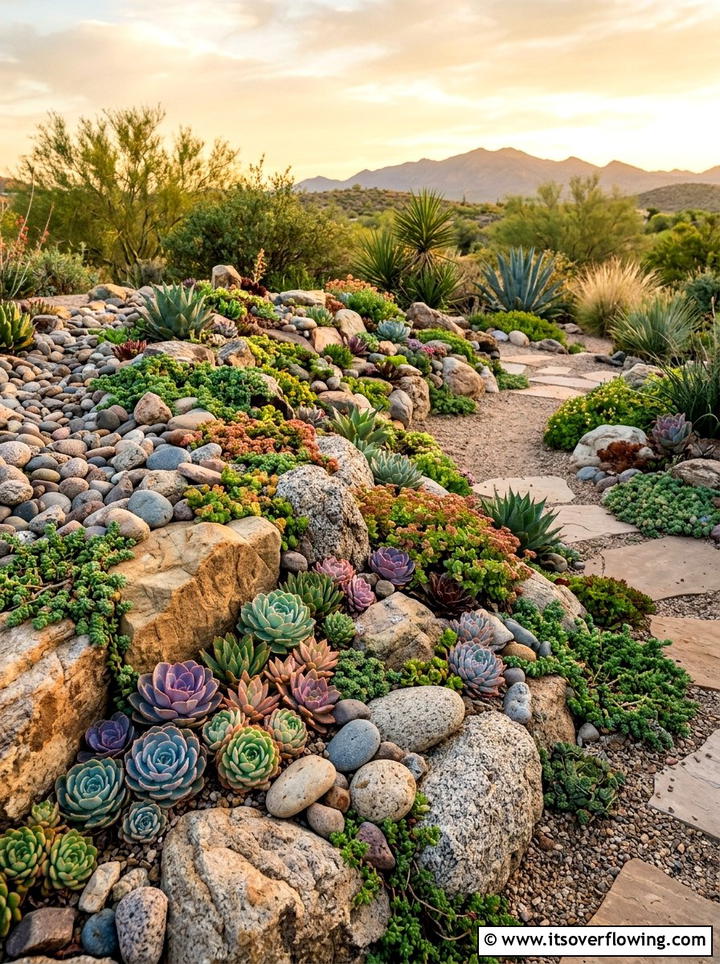
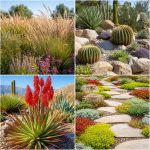
A rock garden provides a stunning way to showcase a variety of succulents in a natural setting. You can use different sizes of river rocks and jagged stones to create depth and visual interest. Succulents like echeveria and sedum tuck perfectly into the crevices between larger rocks for a layered effect. This design naturally suppresses weeds and retains moisture in the soil beneath the stones. The contrasting colors of the fleshy leaves against the grey or tan rocks create a vibrant tapestry. It is an excellent choice for sloped areas where traditional plants might struggle to stay hydrated. The result is a low-maintenance masterpiece that feels like a desert getaway.
3. Gravel patio
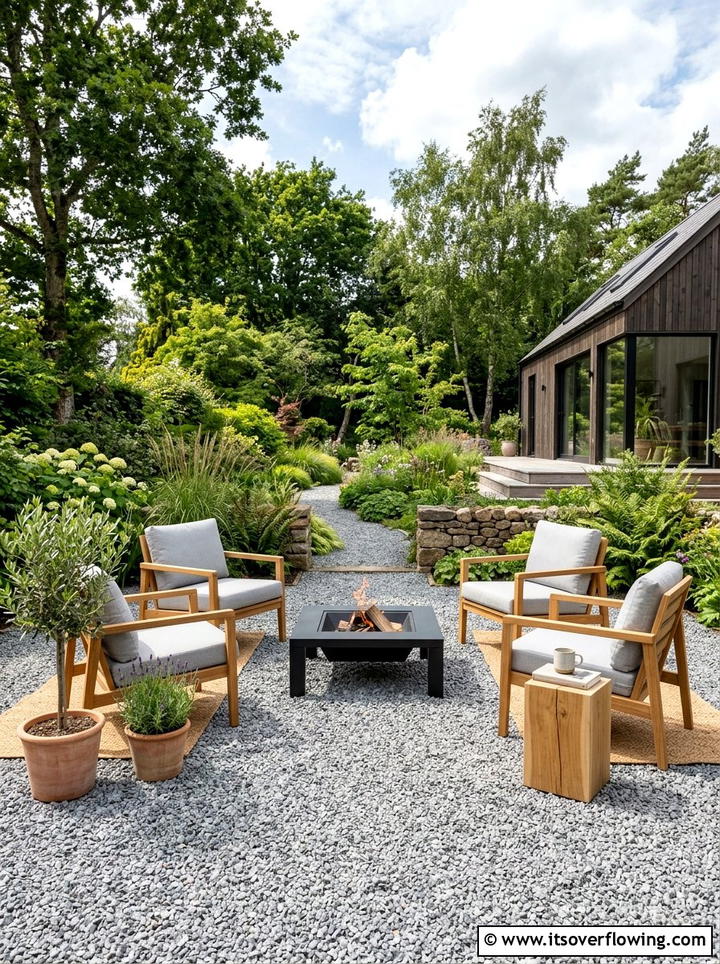
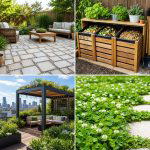
Replacing a traditional deck with a gravel patio offers a porous surface that helps manage rainwater effectively. You can use crushed pea gravel or fine stone dust to create a stable and comfortable walking area. This space serves as an ideal foundation for heavy outdoor furniture and a central focal point like a fire pit. Surround the edges with drought-tolerant grasses to soften the transition between the gravel and the rest of the yard. The neutral tones of the stone create a timeless look that complements any home style. It stays cool underfoot and requires very little upkeep compared to wood or concrete surfaces over the years.
4. Native plant garden
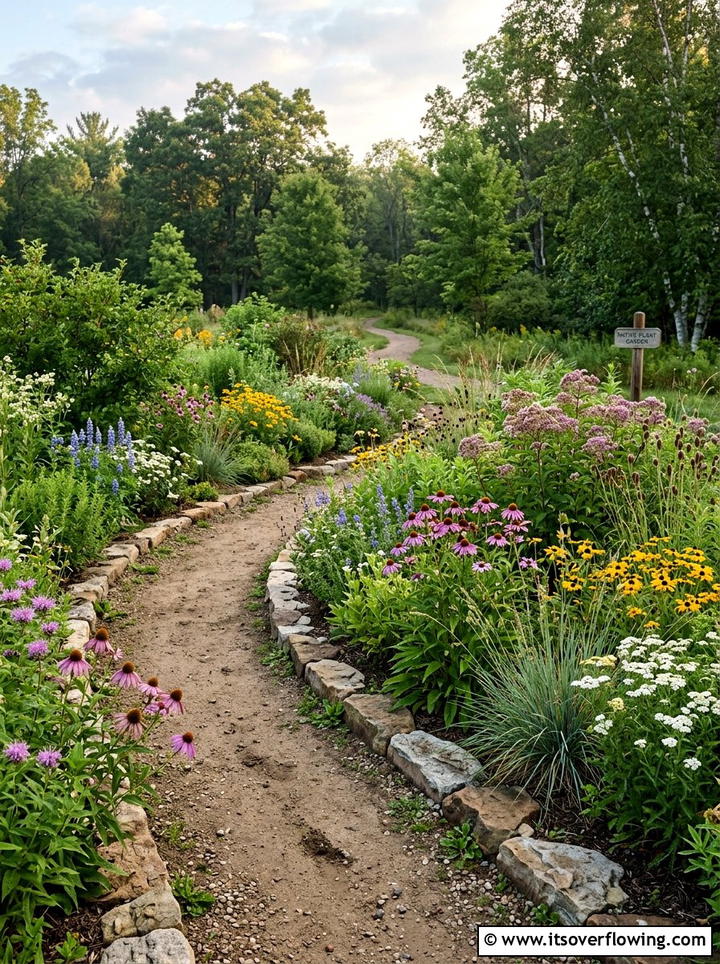
Focusing on native plants is the most effective way to ensure your garden survives local weather extremes. These species have adapted over centuries to thrive in your specific climate with minimal human intervention. You can group plants with similar water needs together to create a cohesive and lush ecosystem for local wildlife. Butterflies and bees will naturally flock to the blooms, adding movement and life to your backyard. Using local stones for edging helps the garden feel grounded and connected to the surrounding natural landscape. The variety of heights and colors provides a rich visual experience that changes beautifully as the seasons pass by.
5. Artificial turf backyard
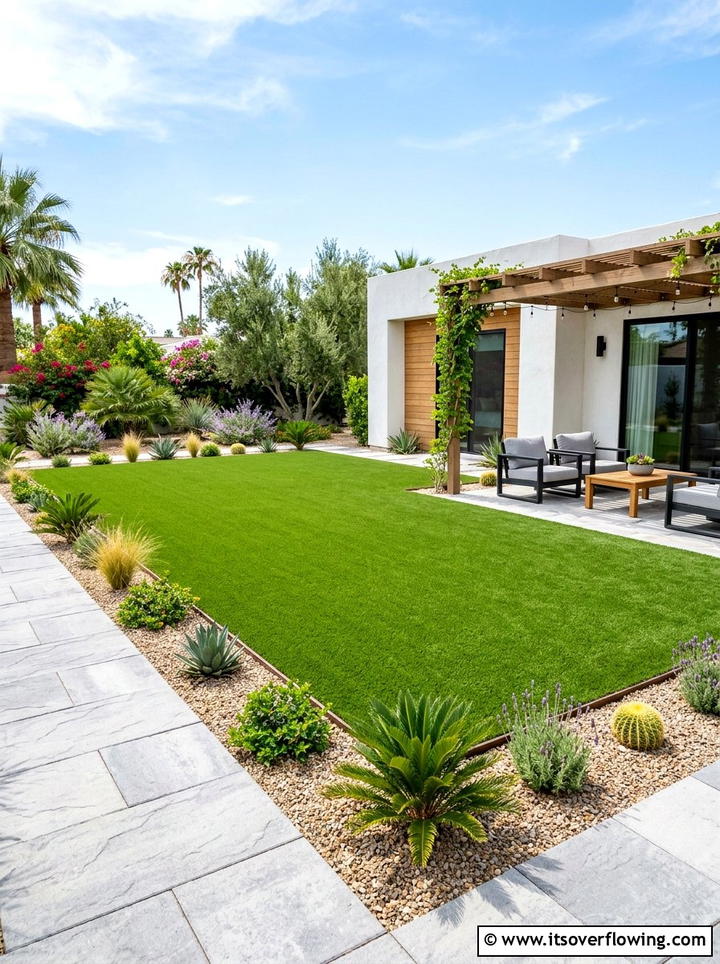
Installing high-quality artificial turf allows you to enjoy a perfectly green lawn without using a single drop of water. Modern synthetic grass looks and feels remarkably realistic while standing up to heavy foot traffic and pets. You can frame the turf area with stone pavers or wooden edging to give it a manicured appearance. Surround the perimeter with hardy perennials and ornamental trees to keep the space feeling organic and fresh. This setup eliminates the need for mowing, fertilizing, or dealing with muddy patches after a rainstorm. It provides a clean and safe play area for families who want the look of grass without the hassle.
6. Mediterranean courtyard
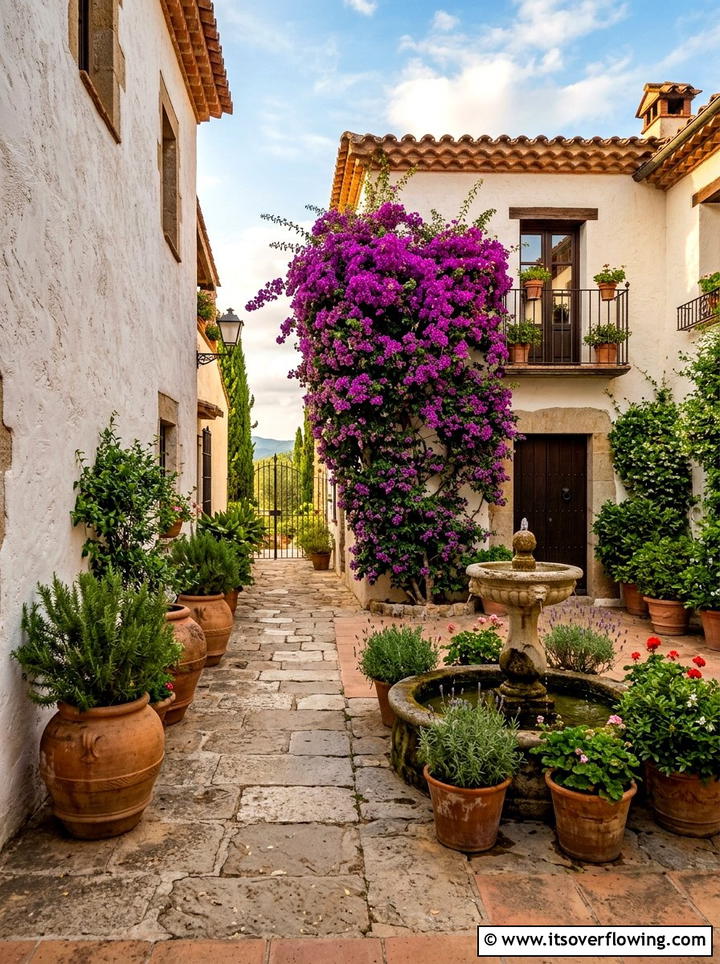
A Mediterranean courtyard captures the essence of sun-drenched European villas using drought-resistant elements. You can incorporate terracotta pots filled with herbs like rosemary and thyme to add fragrance and utility. Stone walls and tiled flooring provide a cool surface that radiates heat away during the peak of the day. A small, recirculating fountain can serve as a soothing focal point while using very little water. Climbing vines like bougainvillea add vertical interest and bursts of bright color against the neutral stone backdrop. This enclosed space feels private and cozy, making it a perfect spot for morning coffee or evening relaxation in the fresh air.
7. Mulch landscaping
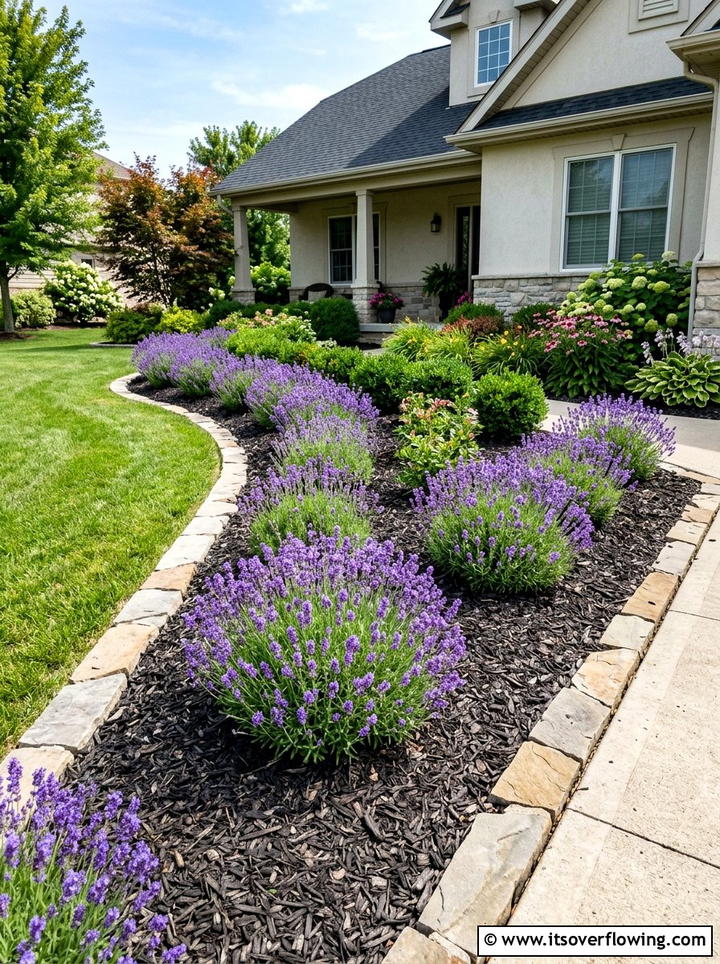
Using thick layers of organic mulch is a simple yet powerful technique for creating a water-wise garden. Mulch helps to regulate soil temperature and prevents precious moisture from evaporating in the hot sun. You can create large, sweeping beds filled with wood chips or bark to define different areas of your yard. Plant drought-tolerant shrubs like lavender or sage within the mulched zones for a clean and professional look. The mulch eventually breaks down and enriches the soil, which supports the long-term health of your plants. It provides a uniform appearance that ties the various elements of your landscape together into one cohesive design.
8. Ornamental grass border
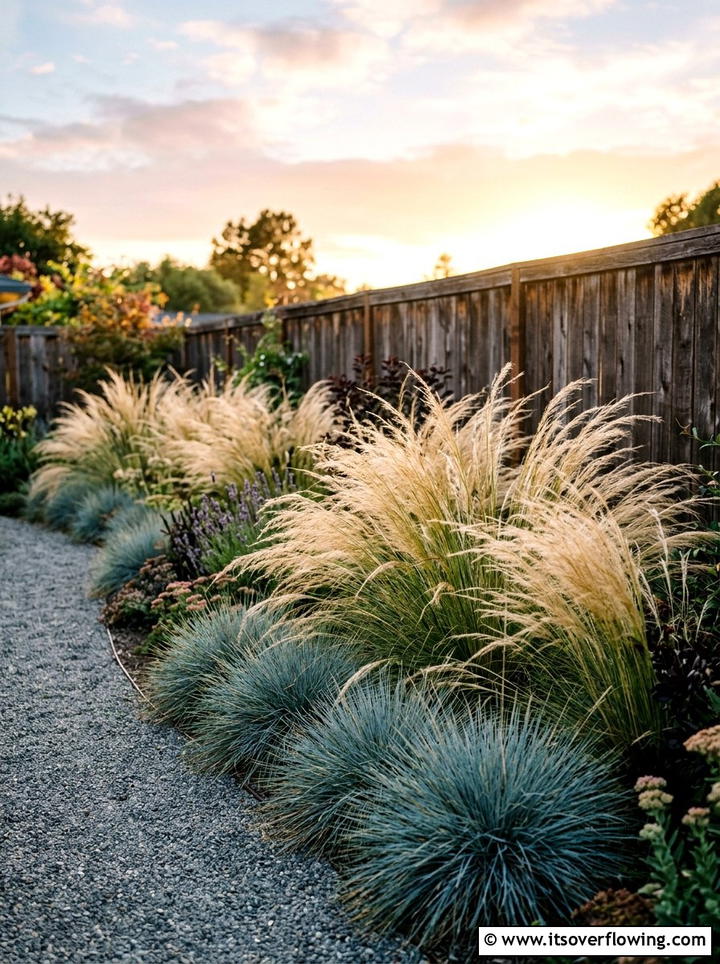
Ornamental grasses add movement and texture to any drought-proof landscape with their swaying blades and soft seed heads. Species like Mexican feather grass or blue fescue require almost no extra water once they are fully established. You can plant them in long rows to create a natural privacy screen or define property lines. The golden hues of the grass in autumn provide a beautiful contrast to the deep greens of evergreen shrubs. These plants are incredibly resilient and can handle wind, heat, and poor soil conditions with ease. They bring a wild and airy feeling to the garden that balances out heavier stone or wood features.
9. Drip irrigation garden
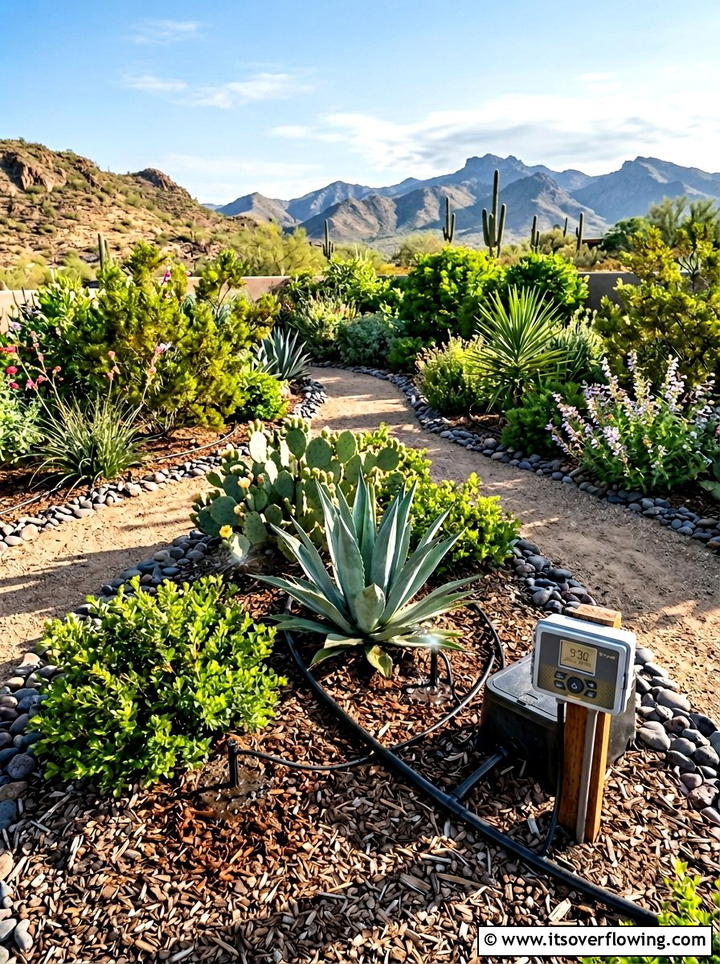
Integrating a drip irrigation system is the smartest way to deliver water exactly where your plants need it most. This method reduces waste by sending small amounts of water directly to the root zones of individual plants. You can hide the tubing under a layer of mulch or decorative gravel for a seamless and tidy look. This setup ensures that your drought-tolerant species stay healthy during extreme dry spells without overwatering the entire yard. It allows you to maintain a more diverse range of plants that might need slightly different moisture levels. Automation makes the entire process hands-free, giving you more time to simply enjoy your beautiful outdoor space.
10. Flagstone walkway
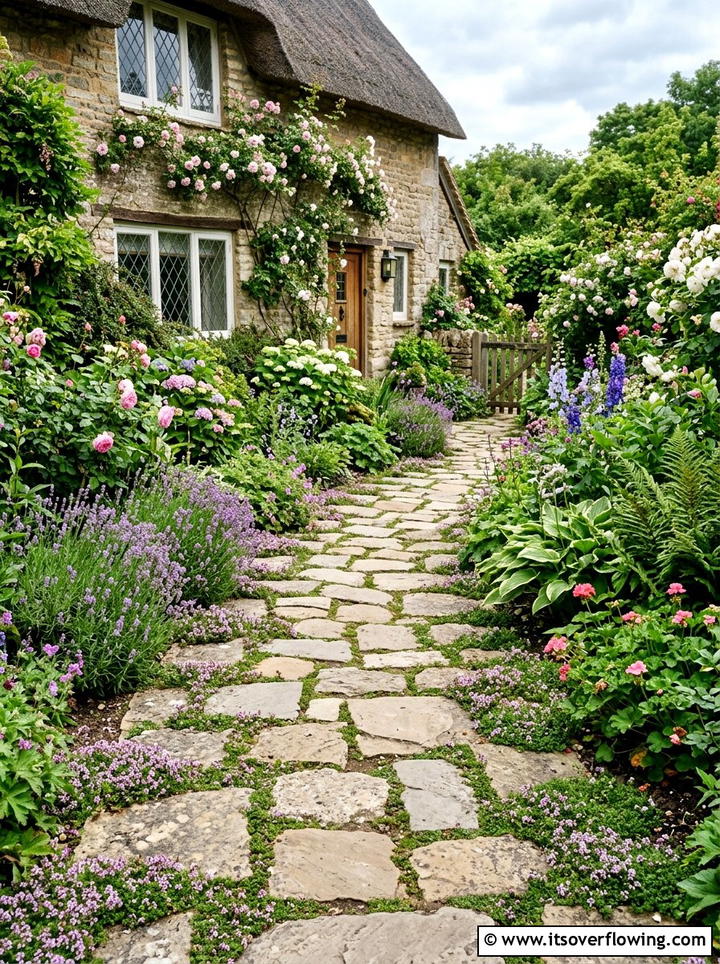
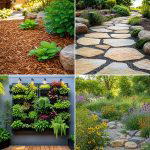
A flagstone walkway creates a charming and durable path that guides guests through your water-wise landscape. You can set the large, flat stones into a bed of sand or fine gravel for a stable surface. Fill the gaps between the stones with low-growing ground covers like creeping thyme or silver carpet. These small plants are tough enough to handle occasional footsteps and require very little supplemental water. The irregular shapes of the flagstones add an organic and rustic feel to the overall garden design. This path helps to prevent soil erosion and provides a clear structure that keeps your outdoor areas feeling organized and well maintained.
11. Potted cactus patio
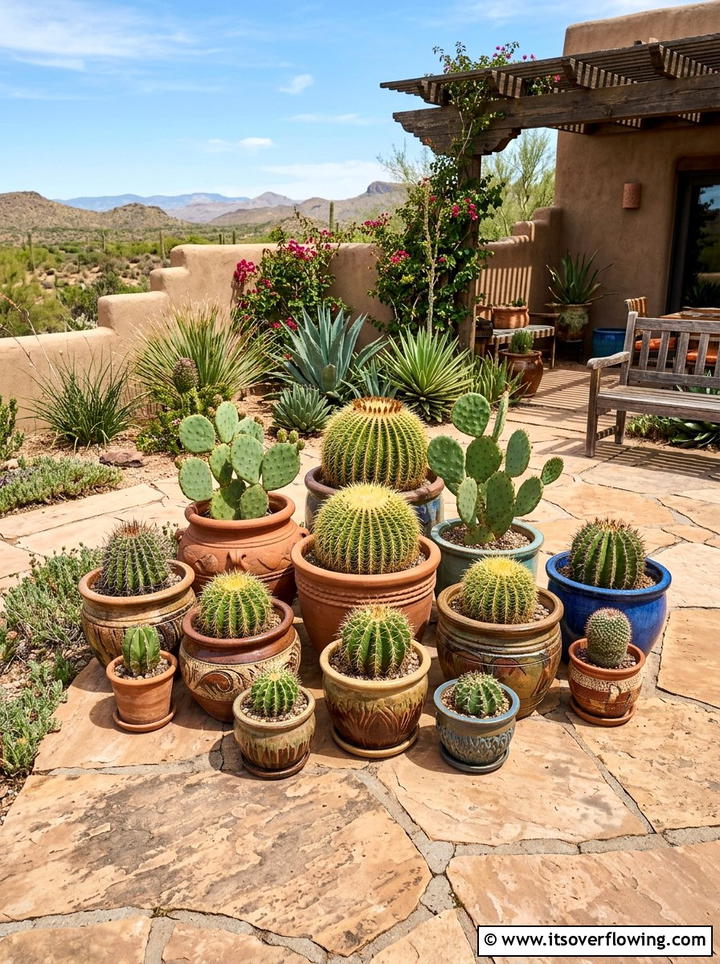
Creating a dedicated area for potted cacti allows you to experiment with unique shapes and sizes in a controlled way. You can use a variety of ceramic and clay pots to add pops of color and artistic flair. Arrange the containers in clusters to create a focal point on your patio or near the back door. Cacti are the ultimate drought-proof plants, requiring almost no attention to look their absolute best. You can mix different species like prickly pear and barrel cactus to create a miniature desert landscape. This setup is perfect for small spaces or for homeowners who want to change their garden layout easily.
12. Wildflower meadow
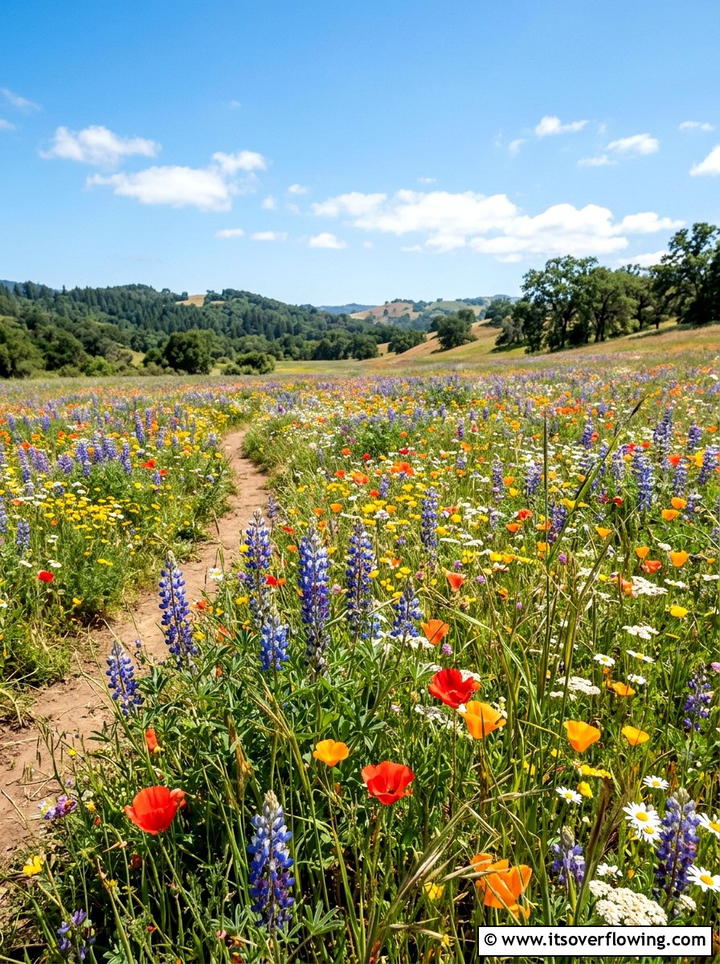
A wildflower meadow is a beautiful and eco-friendly alternative to a traditional lawn that supports local biodiversity. You can sow a mix of native seeds that are specifically tailored to thrive in dry and sunny conditions. These flowers will bloom in a rotating palette of colors throughout the spring and summer months. Once established, the meadow needs very little water and only an occasional mow at the end of the year. The tall stems and varied blossoms create a soft and romantic look that feels naturally effortless. It provides a vital habitat for birds and insects while reducing the carbon footprint of your home landscaping.
13. Dry creek bed landscaping
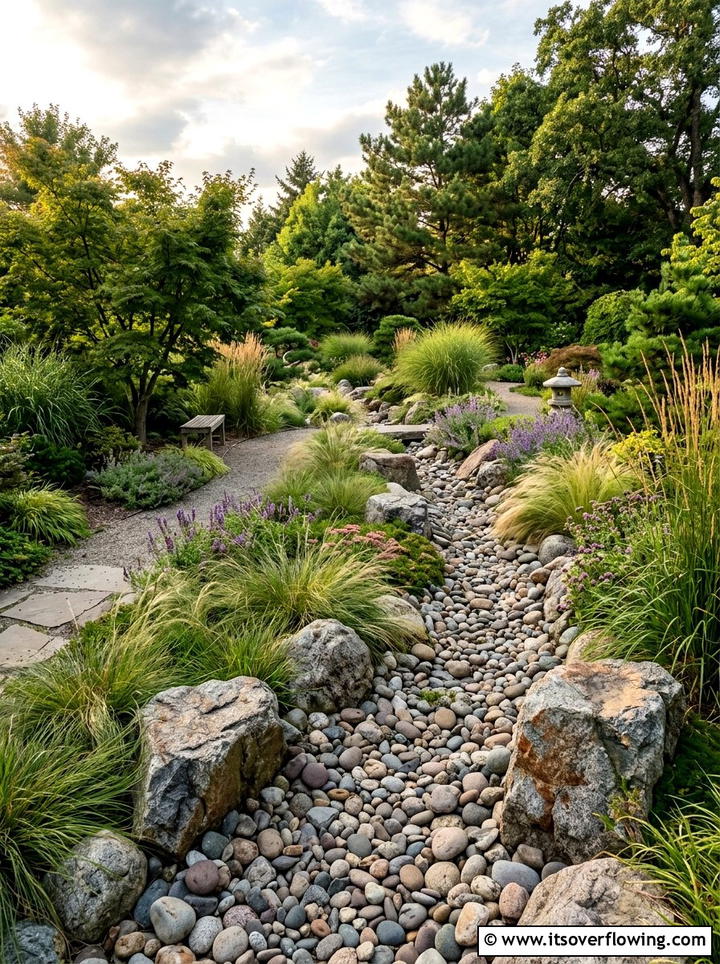
Designing a dry creek bed is a clever way to add visual interest and manage drainage during rare heavy rains. You can use a mix of smooth river rocks and larger boulders to mimic the look of a natural stream. Line the edges with moisture-loving but drought-tolerant plants like ornamental grasses or hardy ferns. The winding path of the stones draws the eye across the yard and creates a sense of peaceful movement. This feature requires no water at all to remain a stunning part of your garden throughout the year. It works especially well in areas where grass refuses to grow or where the soil is rocky.
14. Vertical succulent garden
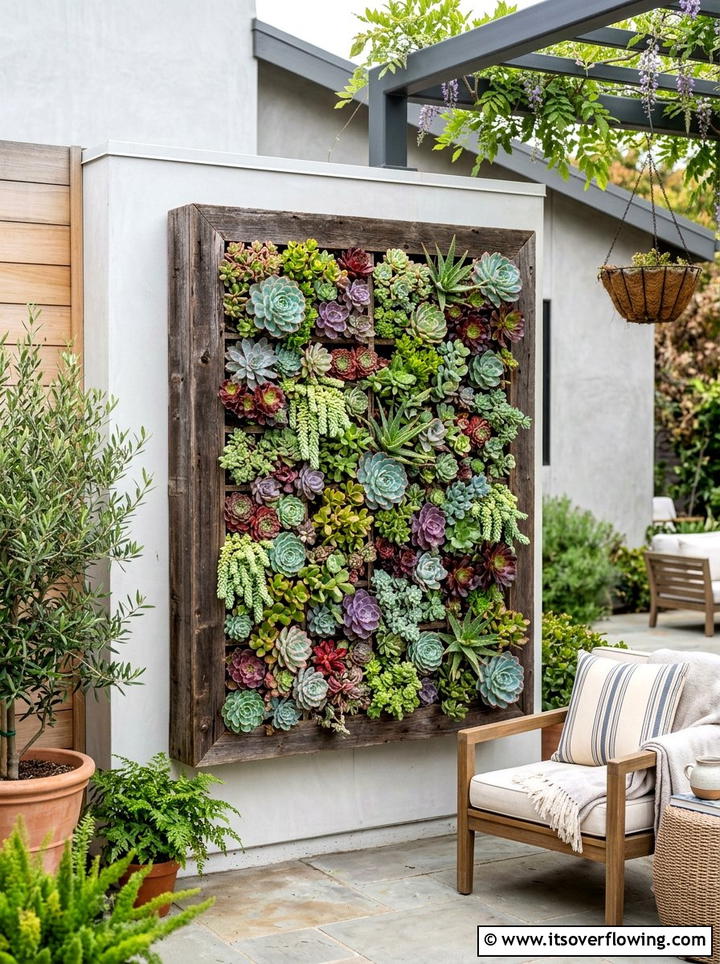
A vertical succulent garden is an innovative solution for adding greenery to small patios or blank exterior walls. You can use a specialized planter box or a series of wall-mounted containers to hold a variety of colorful succulents. This design makes a bold artistic statement while taking up very little ground space in your yard. Succulents are ideal for vertical growth because their shallow root systems adapt well to smaller pockets of soil. The different textures and shades of green, purple, and red create a living mosaic that is truly captivating. It is a low-water way to bring nature closer to your outdoor seating or dining areas.
15. Permeable pavers
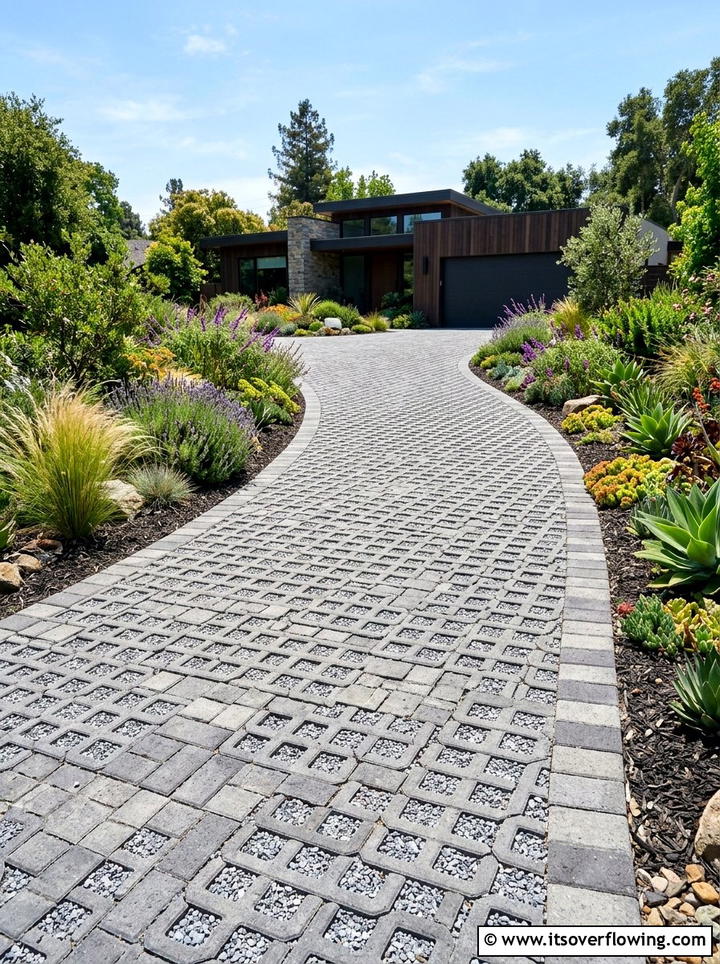
Choosing permeable pavers for your driveway or paths is a sustainable way to keep your landscape drought-resistant. These pavers are designed to allow water to soak through the gaps and back into the ground. You can choose from various styles and colors to match the architectural look of your modern or traditional home. Surrounding the paved area with drought-tolerant shrubs helps to soften the hard lines of the stones. This system prevents runoff and helps to recharge the local groundwater levels naturally over time. It provides a clean and sophisticated surface that remains functional and beautiful without needing any regular irrigation or chemical treatments.
16. Modern desert landscape
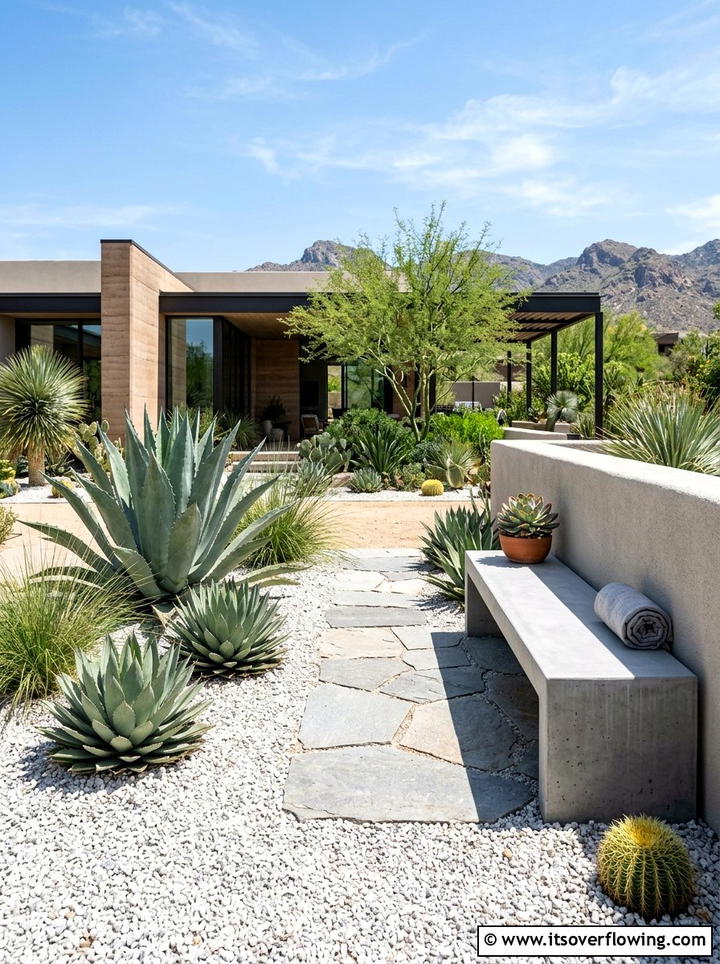
A modern desert landscape focuses on clean lines, minimalist plant choices, and high-quality materials like steel and concrete. You can use large architectural plants like agave or Joshua trees as sculptural elements against a neutral backdrop. Light-colored gravel or decomposed granite keeps the area looking bright and helps to reflect intense summer heat. Incorporating built-in benches or raised steel planters adds a structural component that feels very high-end and intentional. This style emphasizes the beauty of individual plants rather than overcrowding the space with too much variety. The result is a calm and sophisticated sanctuary that perfectly handles the challenges of a very dry and hot climate.
17. Lavender garden
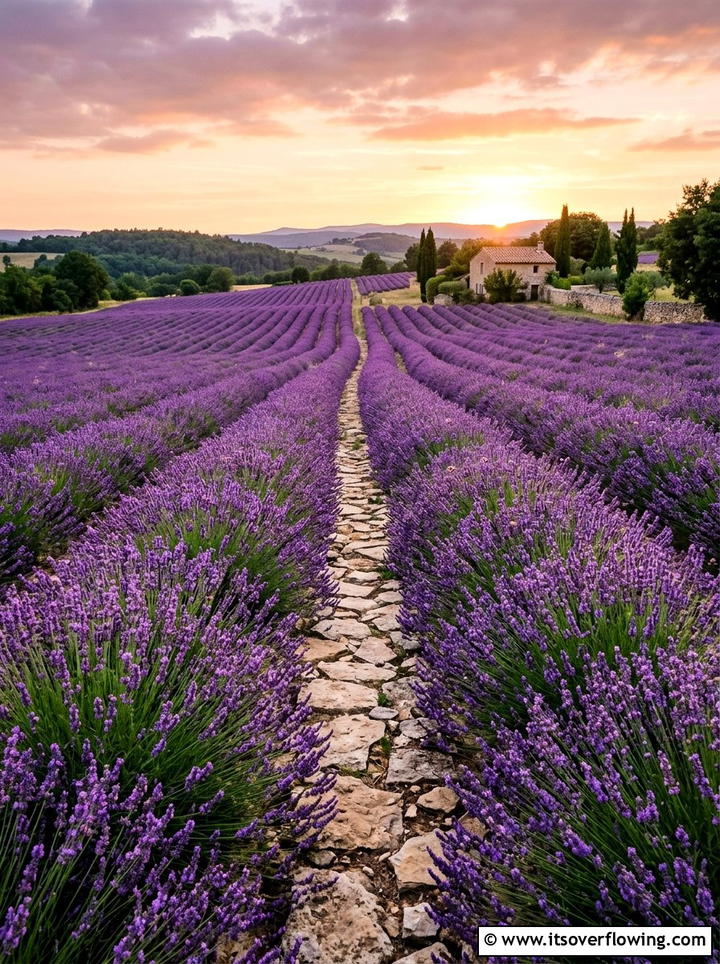
Planting a dedicated lavender garden offers a sensory experience filled with wonderful fragrances and vibrant purple hues. Lavender is incredibly hardy and thrives in poor soil with very little water once it becomes established. You can plant several varieties in a large grouping to create a soft and hazy look across your yard. The silvery-green foliage remains attractive even when the plants are not in full bloom during the winter. This type of garden attracts pollinators while naturally repelling common pests like mosquitoes and flies. The dried flowers can even be harvested for use inside your home, making this a beautiful and very practical landscape choice.
18. Stone retaining wall
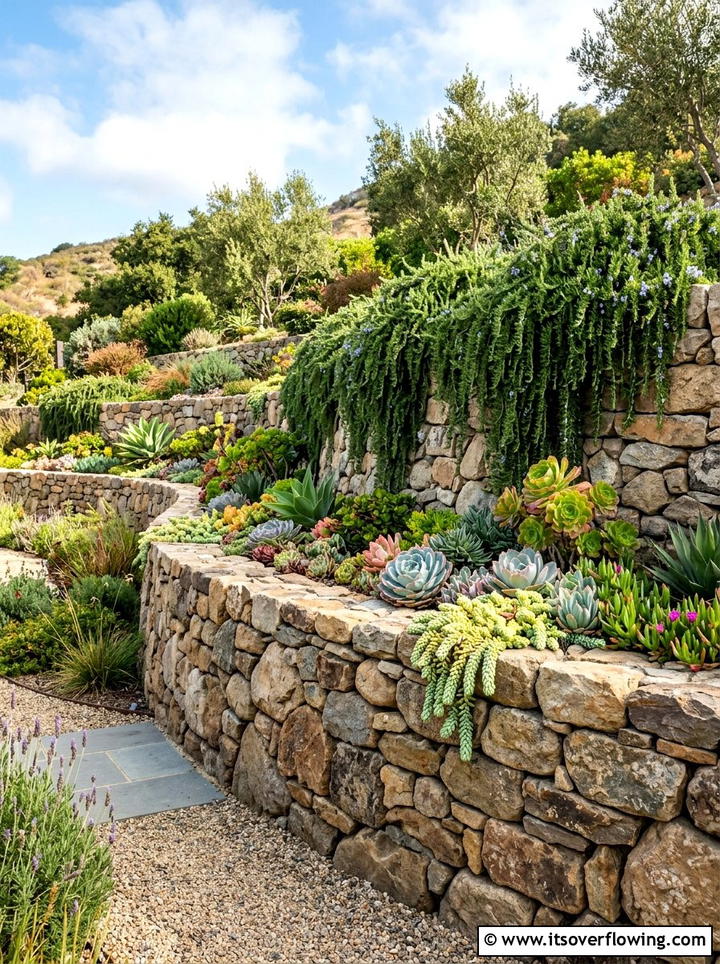
A stone retaining wall is a functional and attractive way to manage slopes and create flat planting areas. You can use natural stacked stone to build terraces that hold drought-tolerant shrubs and perennials in place. This structure helps to prevent soil erosion and keeps moisture from running off the property during the rain. Cascading plants like rosemary or trailing succulents look beautiful spilling over the edges of the heavy stone blocks. The vertical height adds a new dimension to your garden and makes the space feel much larger. It provides a sturdy and permanent framework that defines the different zones of your water-wise outdoor living area.
19. Shaded gravel area
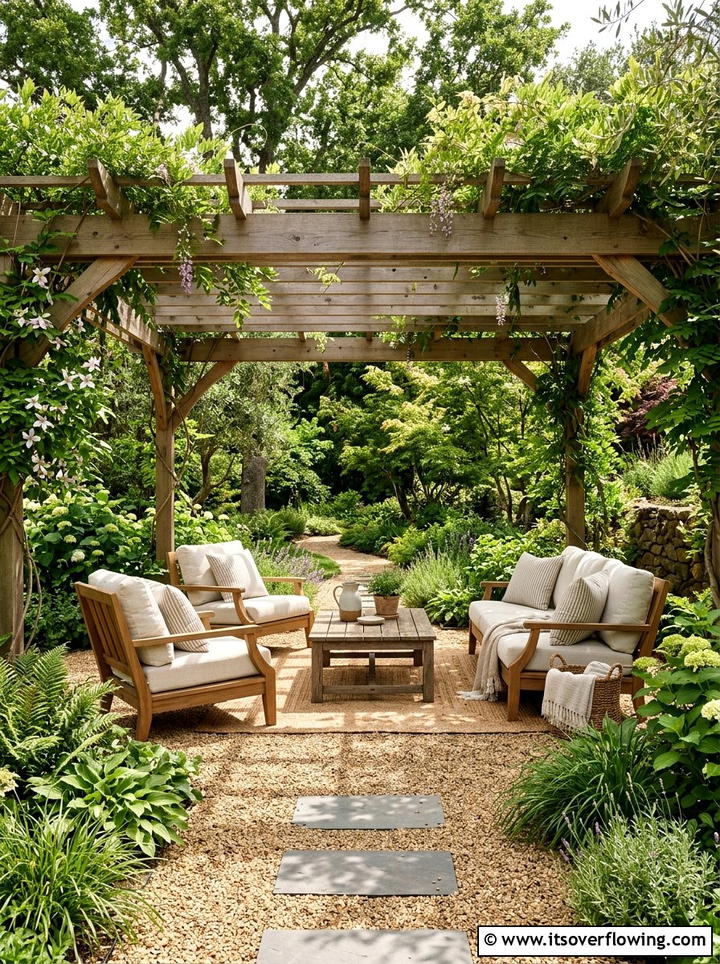
Creating a shaded gravel area provides a cool retreat for outdoor relaxation without the need for a water-intensive lawn. You can use a large pergola or mature, drought-tolerant trees to provide protection from the afternoon sun. Spread a layer of decorative stone or fine gravel under the canopy to create a clean and level flooring. This space is perfect for a set of comfortable lounge chairs or a simple wooden dining table. Surround the perimeter with shade-loving but hardy plants like certain types of agave or native woodland shrubs. The combination of shade and stone helps to lower the local temperature, making your backyard more comfortable.
20. Agave focal point
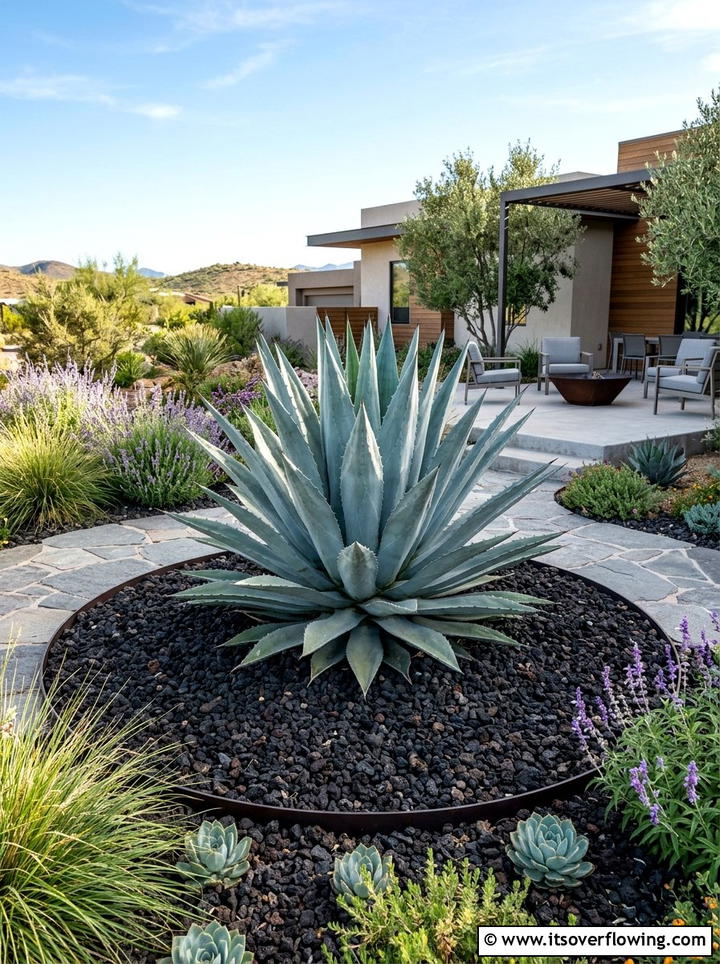
An agave focal point uses the dramatic and architectural shape of this desert plant to anchor your entire garden design. You can plant a large specimen in the center of a circular gravel bed to draw immediate attention. The sharp and symmetrical leaves create a strong visual statement that looks great from every angle of the yard. Surround the base with smaller, contrasting succulents or smooth pebbles to highlight the unique texture of the agave. This plant is virtually indestructible and can survive long periods of total neglect while still looking absolutely stunning. It brings a touch of exotic elegance to any drought-proof landscape with minimal effort.
21. Decomposed granite walkway
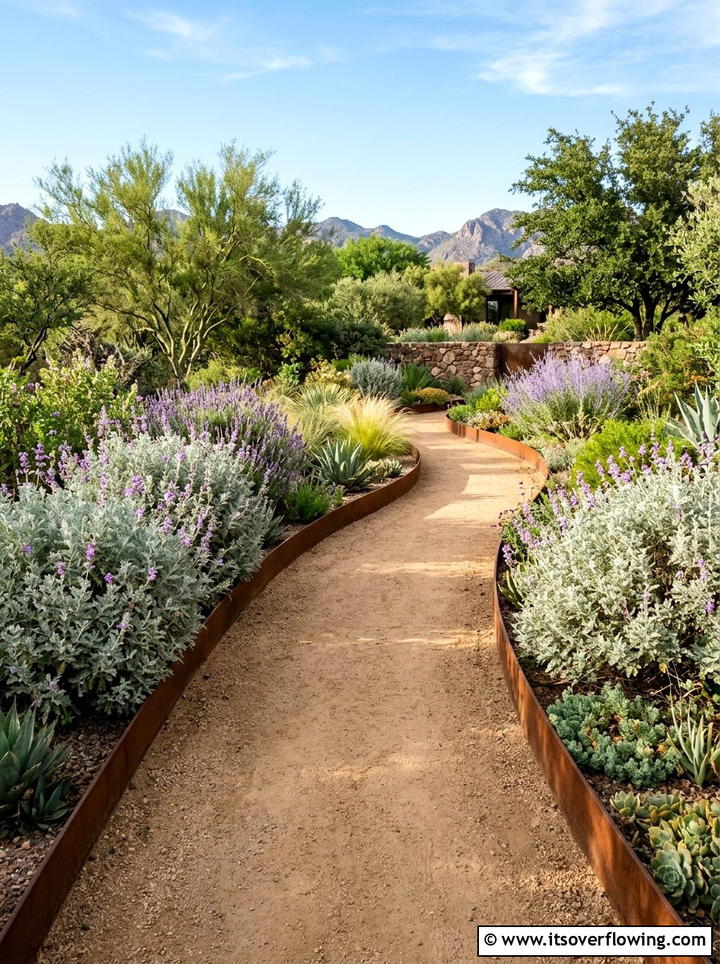
A decomposed granite walkway offers a natural and budget-friendly way to create paths that blend into the landscape. This material is permeable and allows water to flow through, which is essential for a sustainable garden. You can compact the granite to create a firm surface that is easy to walk on and very durable. Use large landscape timbers or metal edging to keep the material in place and maintain a neat appearance. The soft tan or grey colors of the granite provide a neutral background for colorful desert blooms. It gives your yard a finished and professional look while requiring almost no maintenance over many years.
22. Coastal drought tolerant plants
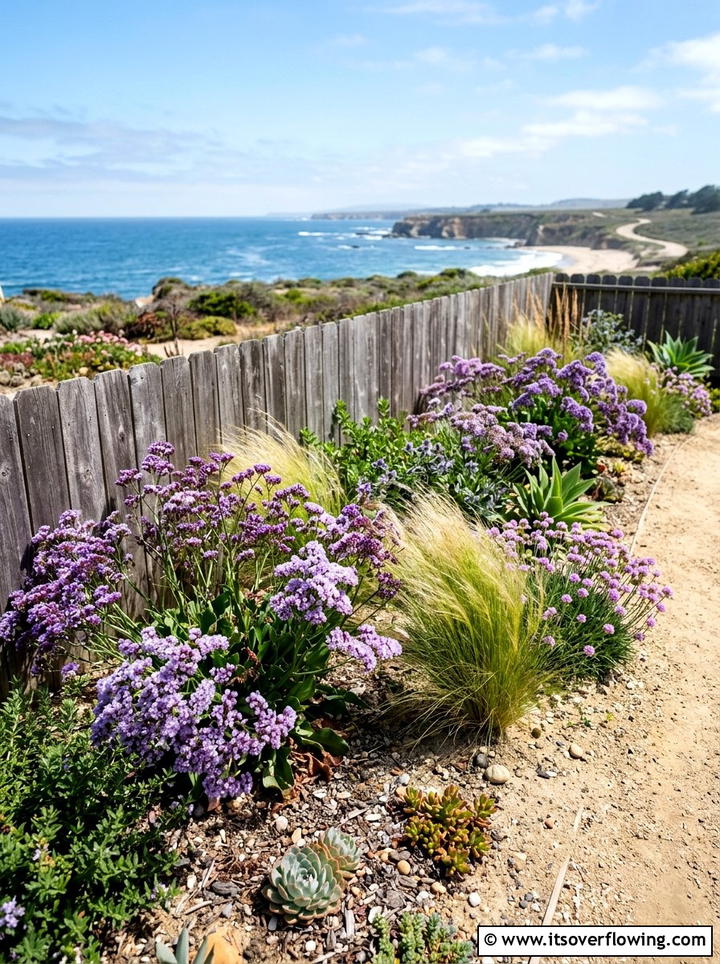
Coastal gardens often face the dual challenges of salt spray and sandy soil that loses moisture very quickly. You can choose hardy plants like sea lavender, coastal sage, and various ornamental grasses that thrive in these conditions. These species have evolved to handle harsh winds and intense sun without needing a lot of fresh water. Using weathered wood and light-colored stones for decor helps to reinforce the breezy and relaxed beach vibe. This type of landscaping looks naturally integrated with the surrounding shoreline and requires very little intervention. It creates a resilient and beautiful environment that can withstand the unique pressures of living near the sparkling ocean.
23. Minimalist garden
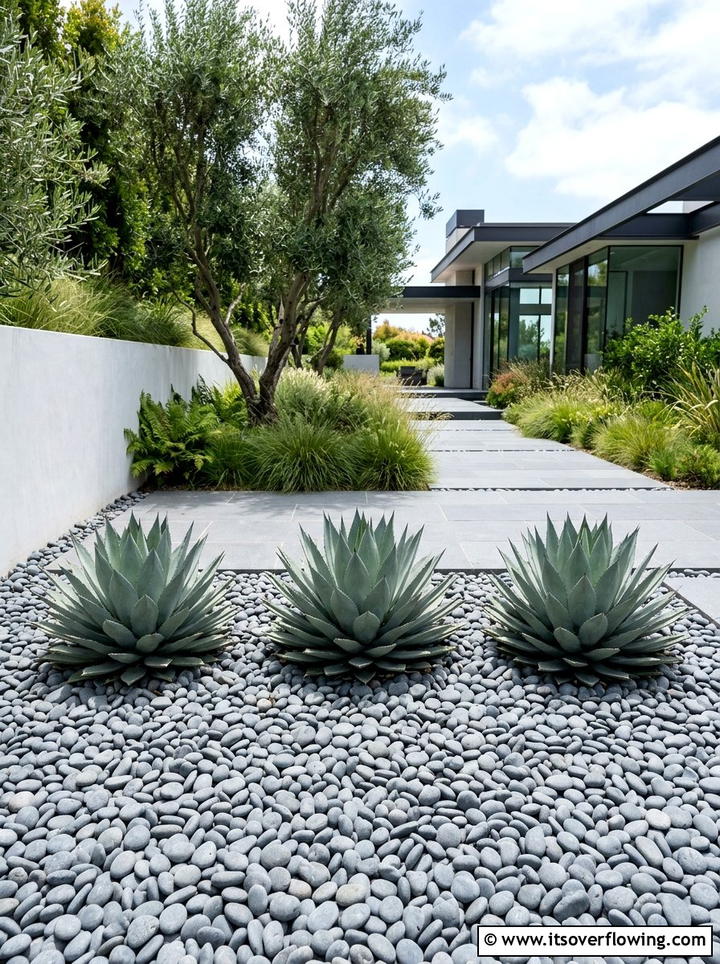
A minimalist garden relies on a few high-impact elements to create a sense of peace and modern sophistication. You can use a single type of ground cover and one or two structural plant species for a uniform look. Large, smooth concrete slabs can serve as stepping stones through a sea of dark grey basalt gravel. This design eliminates clutter and focuses on the play of light and shadow across simple, clean surfaces. It is an ideal choice for homeowners who want a high-end look with the absolute minimum amount of upkeep. The lack of variety makes the space feel calm, organized, and perfectly suited for a modern urban lifestyle.
24. Bird friendly landscape
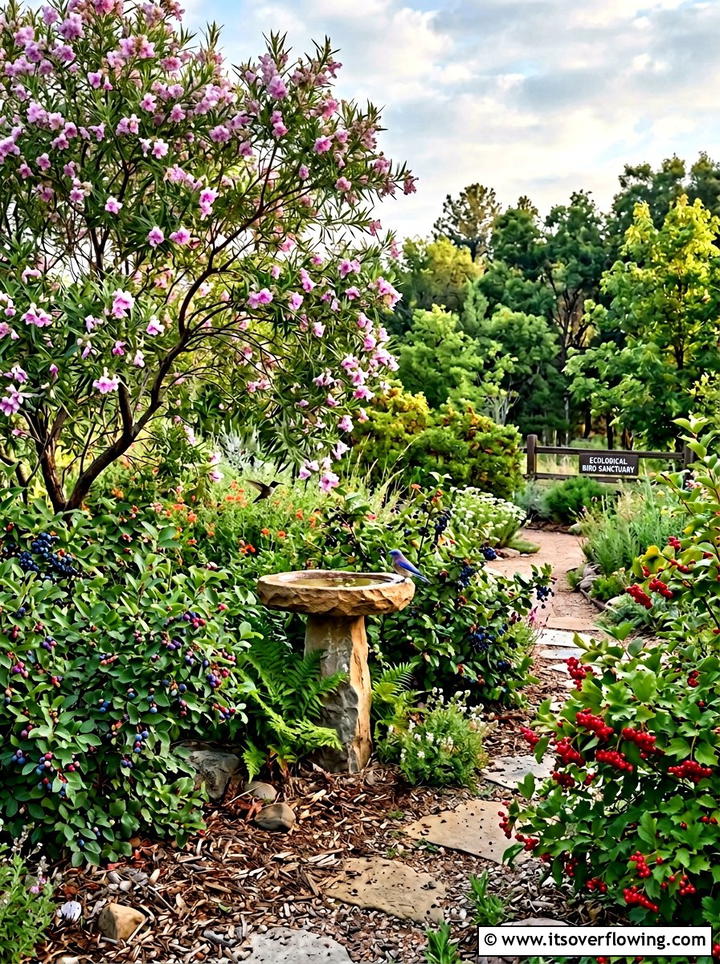
You can create a bird-friendly landscape by choosing drought-tolerant plants that provide food and shelter for local avian species. Many native shrubs produce berries or seeds that birds rely on during the drier months of the year. Tall, structural plants like desert willow or mesquite offer safe nesting spots and shade for many different birds. Adding a small birdbath with a solar-powered pump provides a necessary water source without wasting large amounts of resources. The movement and songs of the birds will bring a lively and dynamic energy to your quiet backyard. This approach turns your garden into a small sanctuary that supports the local ecosystem effectively.
25. Rustic ranch garden
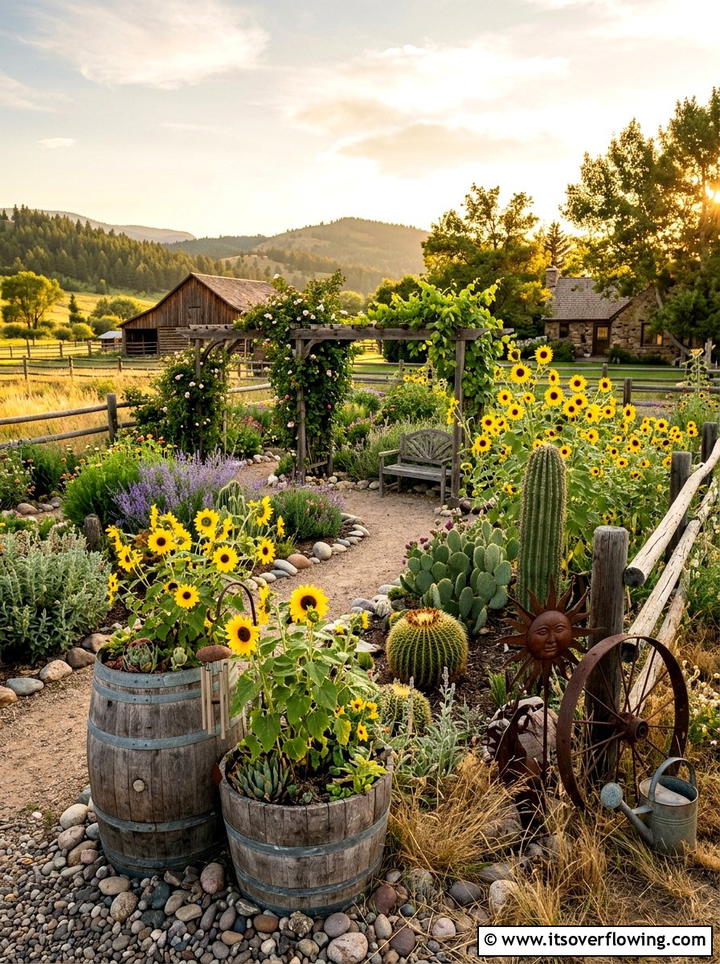
A rustic ranch garden uses reclaimed materials and rugged plants to create a timeless and hardworking outdoor space. You can incorporate old wooden barrels, weathered metal accents, and local fieldstones to give the area a lived-in feel. Hardy plants like prickly pear cactus, sagebrush, and native sunflowers fit perfectly into this unpretentious and natural aesthetic. This style celebrates the raw beauty of the dry landscape and requires very little watering or manicured pruning. It feels warm and inviting, making it a great choice for properties with a more traditional or rural character. The result is a garden that looks like it has been part of the land forever.
Conclusion:
Building a drought-proof garden is a rewarding journey that blends environmental responsibility with creative home design. By selecting the right plants and materials, you can create a stunning landscape that thrives with very little water. These twenty-five ideas demonstrate that sustainability does not mean sacrificing beauty or variety in your outdoor spaces. From modern minimalist layouts to rustic ranch themes, there is a water-wise solution for every personal style and property size. Embracing these techniques helps conserve vital resources while providing a peaceful and low-maintenance sanctuary for you to enjoy. Start planning your resilient garden today and watch your home’s value and curb appeal grow naturally.

Related posts:
 25 Creative Garden Ideas With Sustainable Landscaping Tips
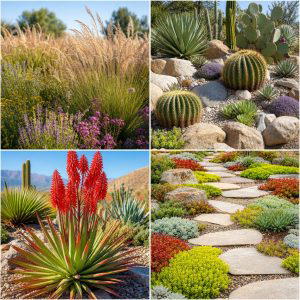 25 garden design ideas with drought tolerant plants: Easy Looks
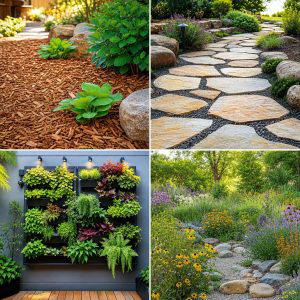 25 garden ideas for hot climate: Cool, Drought-Smart Yards
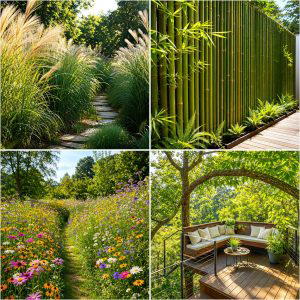 25 Creative Garden Ideas With Hidden Garden Corners
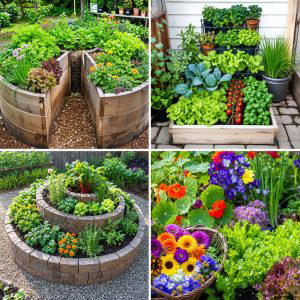 25 Creative Garden Ideas With Keyhole Garden Beds
 25 Creative Garden Ideas With Kids Garden Zone
 25 Creative Garden Ideas to Transform Any Outdoor Space Fast
 25 Creative Garden Ideas for Urban Homes
 25 Creative Garden Ideas With Fire Pit Circles
 25 Creative Garden Ideas With Maximal Flower Color
 25 creative garden ideas with pergola vines for Shaded Beauty
 25 Creative Garden Ideas With Spiral Herb Beds to Try Now