
Creating a sustainable and beautiful outdoor space has never been more relevant than it is today, as many homeowners face changing climates and water restrictions. Transitioning to a garden that utilizes drought-tolerant plants does not mean you have to sacrifice the lush aesthetic or vibrant colors of a traditional landscape. Instead, it offers a wonderful opportunity to explore unique textures, architectural shapes, and hardy species that thrive with minimal intervention. By choosing the right combination of flora and hardscaping, you can build a resilient sanctuary that remains breathtaking during the hottest summer months while significantly reducing your monthly water bill and maintenance chores.
1. Mediterranean Gravel Garden
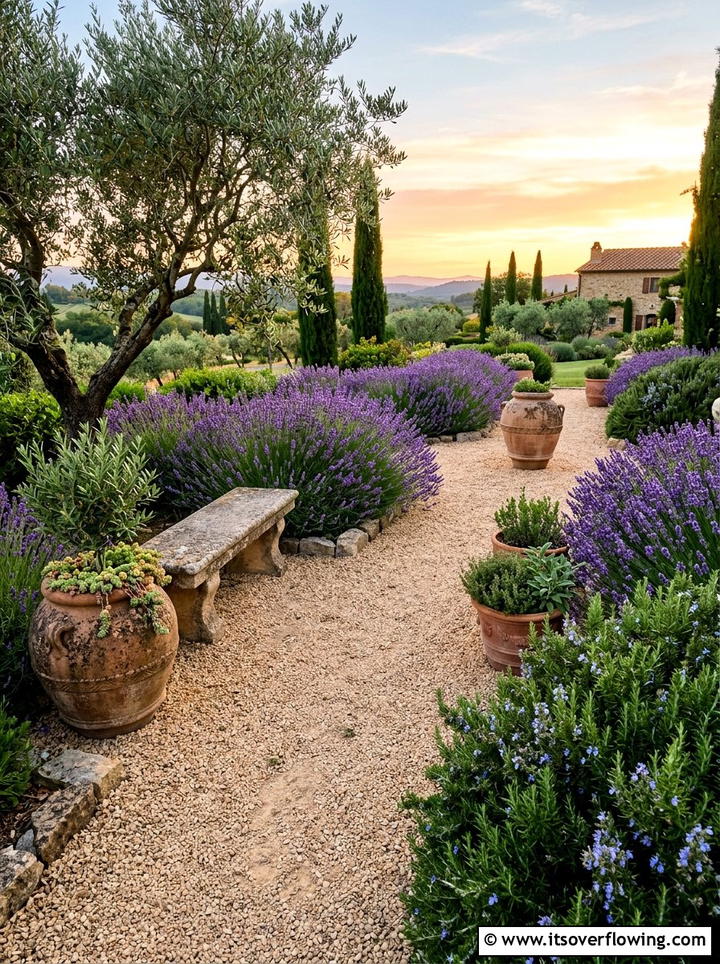
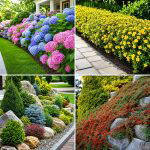
Imagine stepping into a sun-soaked courtyard where the gentle crunch of gravel beneath your feet echoes the relaxed atmosphere of the Italian countryside. This specific design utilizes light-colored pea gravel as a functional mulch to retain soil moisture while reflecting heat away from sensitive roots. You can incorporate hardy perennials like lavender, rosemary, and sage, which offer aromatic foliage and beautiful purple blooms throughout the warmer seasons. Large terracotta urns and weathered stone benches add an authentic European touch, creating a timeless space that feels both elegant and rugged. This layout is perfect for sloped areas where drainage is essential for plant health and longevity.
2. Desert Xeriscape Backyard
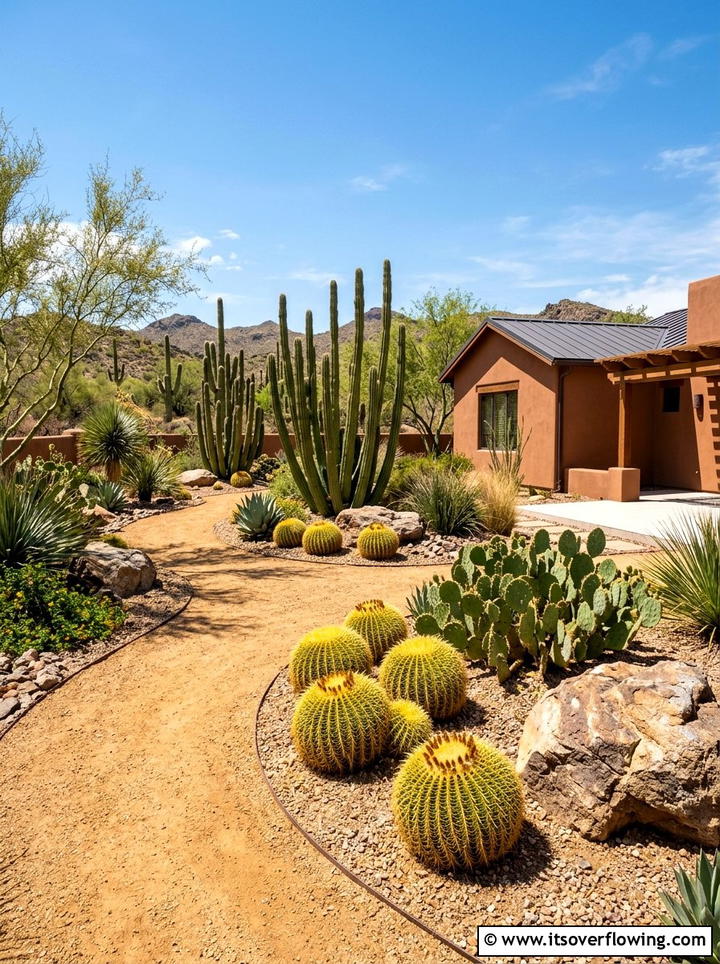
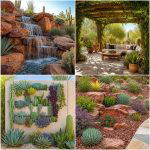
Does the idea of a completely maintenance-free backyard sound like a dream come true for your busy modern lifestyle? A desert-inspired xeriscape focuses on the striking geometry of cacti and succulents set against a canvas of warm-toned decomposed granite or crushed lava rock. By grouping plants like golden barrel cacti, prickly pears, and tall organ pipe varieties, you create a living sculpture gallery that requires almost zero supplemental watering once established. Incorporating a few large boulders provides a natural sense of scale and visual weight to the composition. The result is a clean, contemporary look that celebrates the raw, natural beauty of arid environments.
3. Modern Succulent Garden
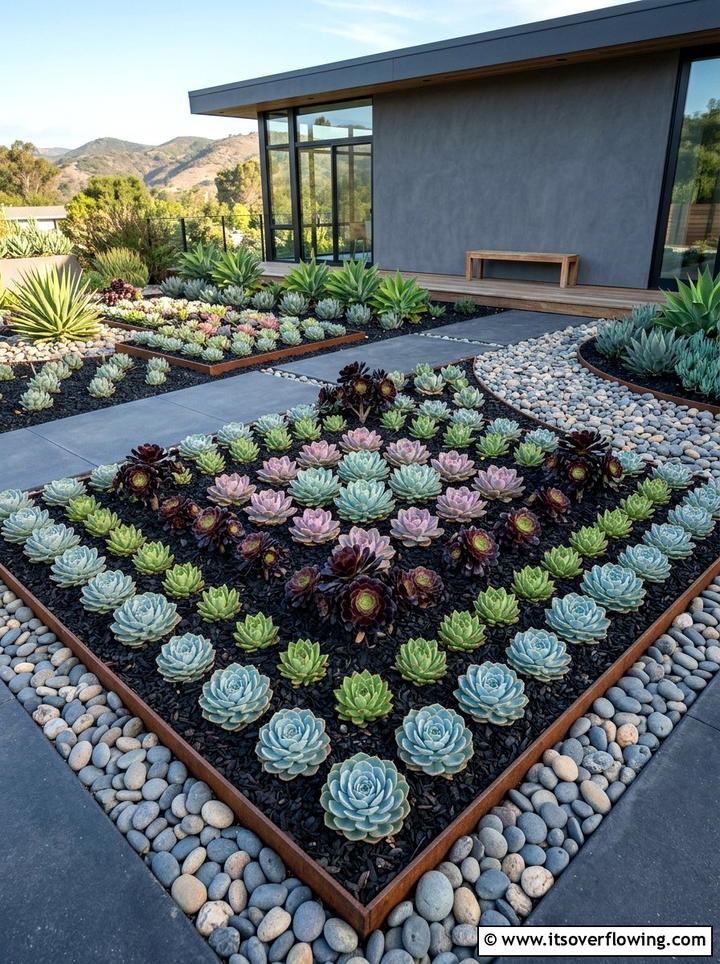
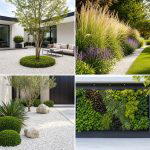
Visualizing a sleek and sophisticated outdoor area often leads to the inclusion of clean lines and repeating patterns found in succulent arrangements. This design approach uses various Echeveria, Aeonium, and Sedum species to create a low-growing tapestry of blues, greens, and deep burgundies. By arranging these plants in geometric clusters or linear rows, you emphasize the architectural quality of their fleshy leaves and rosette shapes. Integrating smooth river stones or dark basalt mulch provides a sharp contrast that makes the vibrant colors of the succulents pop. This style works exceptionally well in small urban courtyards or as a front yard focal point for modern homes.

4. Ornamental Grass Meadow
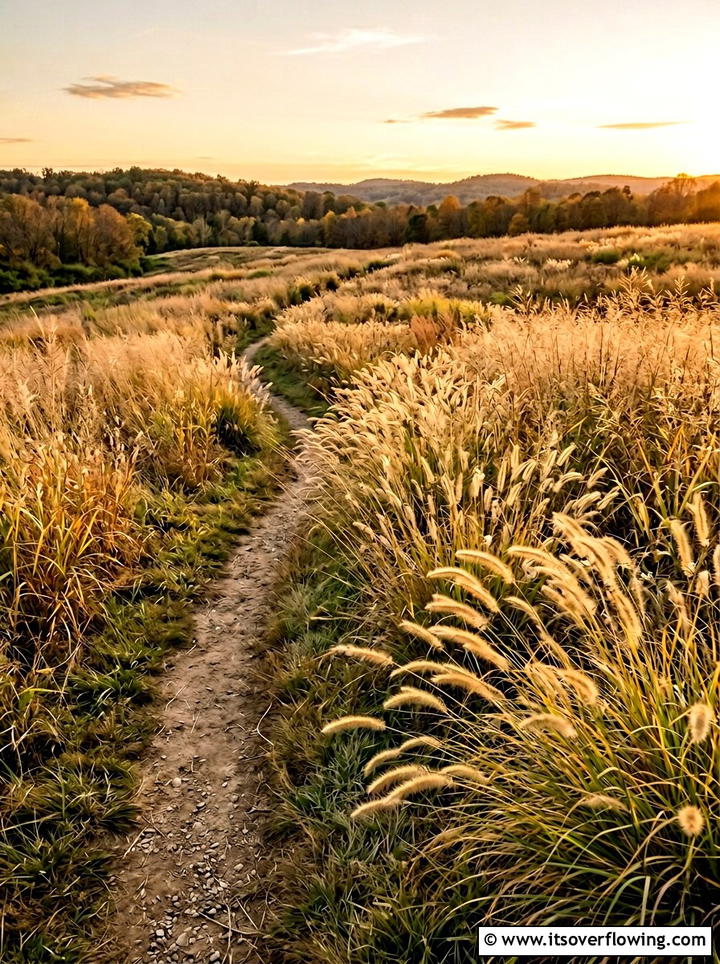
Soft, swaying movements and the gentle rustle of the wind characterize this naturalistic approach to water-wise landscaping for larger properties. Using a variety of ornamental grasses like Little Bluestem, Switchgrass, and Fountain Grass creates a dynamic landscape that changes beautifully with every passing season. These plants are exceptionally deep-rooted, allowing them to tap into underground moisture during long dry spells without showing signs of stress or wilting. In the autumn, their seed heads catch the golden light, providing visual interest and vital food for local bird populations. It is a low-maintenance way to bring a sense of wild, prairie-like beauty to your suburban backyard.
5. Lavender Flower Border
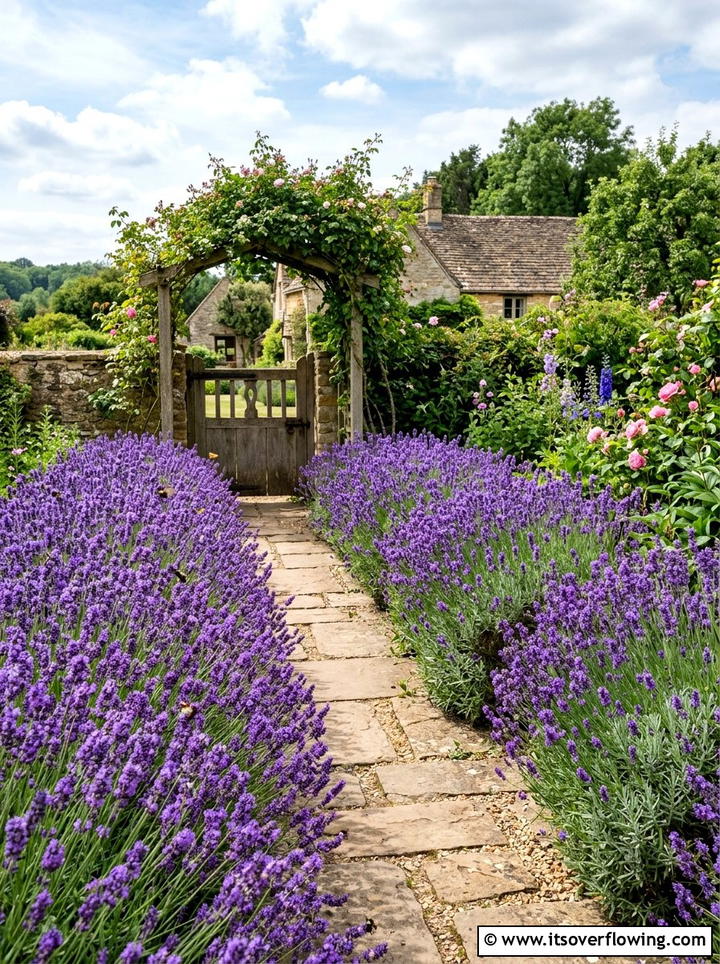
Have you ever dreamed of a garden walk that fills the air with a soothing, floral scent every time you pass by? Planting a dense border of English or French lavender provides a classic, structured look that thrives in poor, rocky soil with very little water. These woody perennials are famous for their silver-gray foliage and tall spikes of fragrant purple flowers that attract bees and butterflies in droves. Placing them along a sunny pathway or around a patio area ensures you enjoy their therapeutic aroma throughout the summer. Once the blooming season ends, the dried flowers can be harvested for indoor crafts or sachets.
6. Dry River Bed Landscape
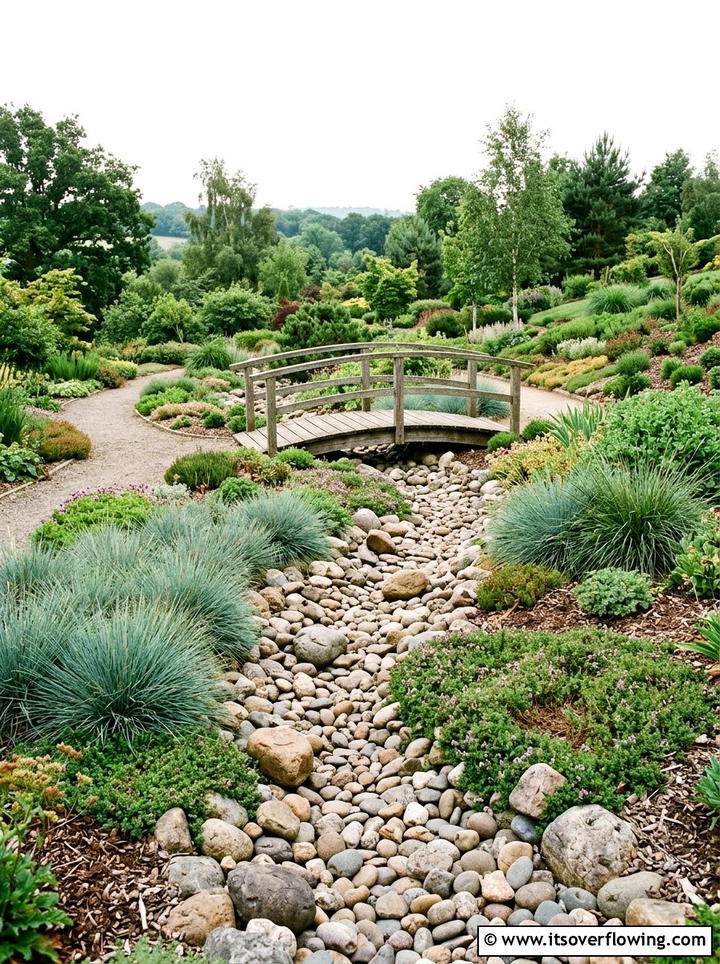
Integrating a dry creek bed into your yard is a brilliant way to solve drainage issues while adding a stunning focal point. This design uses various sizes of river rocks and cobbles to mimic the look of a natural waterway that has temporarily dried up. Drought-tolerant plants like blue fescue, switchgrass, and creeping thyme are tucked along the “banks” to soften the edges of the stones and add organic texture. Not only does this look visually interesting, but it also helps manage heavy rainfall by directing runoff away from your home’s foundation. It creates a serene, Zen-like atmosphere that requires very little pruning or irrigation.
7. Native Wildflower Garden
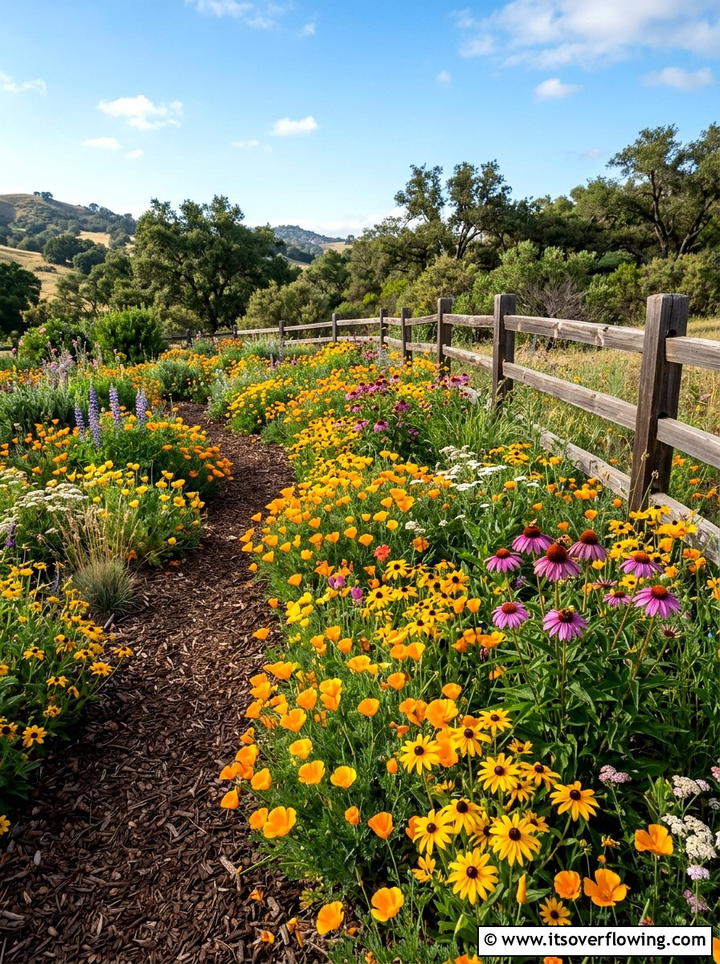
Choosing plants that have naturally evolved in your specific region is the most effective way to ensure a thriving, water-wise outdoor space. A native wildflower garden features hardy species like California poppies, black-eyed Susans, or purple coneflowers that are perfectly adapted to local soil and rainfall patterns. These gardens support local pollinators and provide a burst of seasonal color that feels authentic to your geographical location. Because these plants are already “at home, ” they rarely need fertilizers or pesticides to look their best. The result is a vibrant, self-sustaining ecosystem that offers a colorful and charmingly informal look for any front or backyard.
8. Cactus Rock Garden
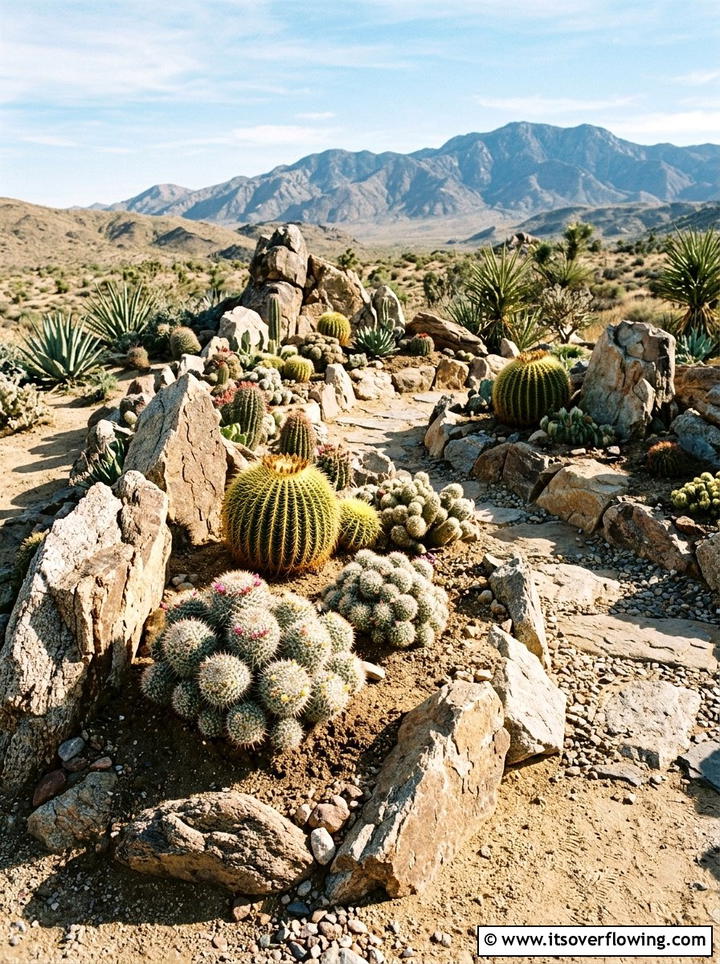
Creating a miniature mountain landscape using rugged stones and various cactus species provides a dramatic and highly textured visual experience for any visitor. By mounding soil and placing large, angular rocks, you create different elevations and microclimates that mimic a natural desert hillside. Tucking small mammillaria or barrel cacti into the crevices between rocks allows them to benefit from the heat absorbed by the stones during the day. This type of design is incredibly resilient and can handle intense sun exposure that would wither more traditional garden plants. It serves as a durable and fascinating feature that looks amazing year-round with almost no effort.
9. Coastal Drought Resistant Yard
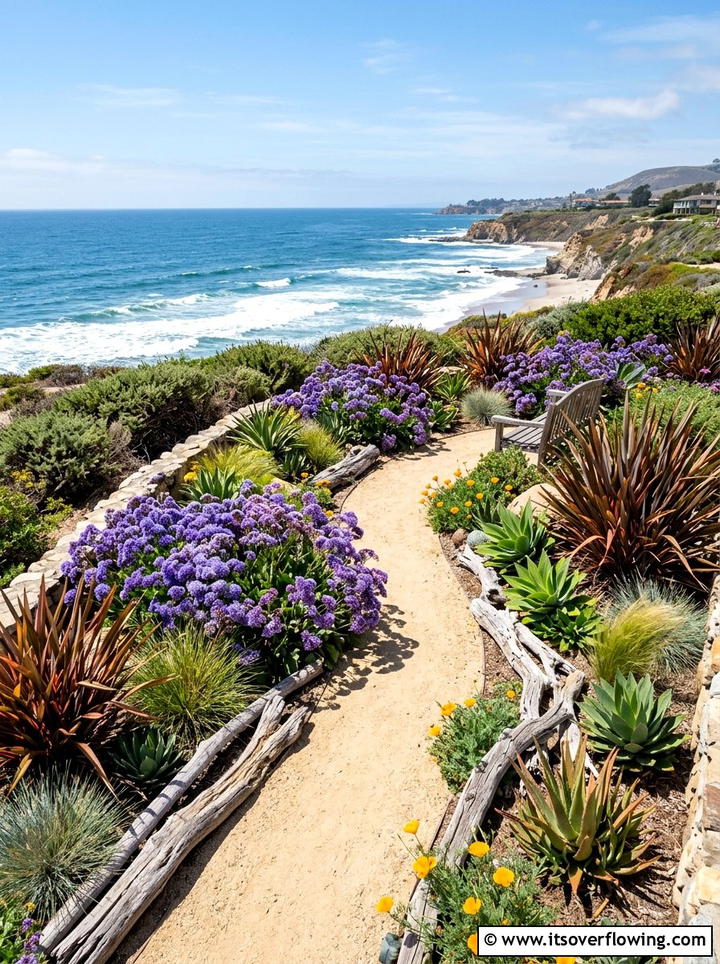
Living near the ocean presents unique challenges like salt spray and sandy soil, making drought-tolerant coastal plants a necessity for success. This design uses tough species like sea lavender, New Zealand flax, and coastal banksia to create a lush look that can withstand harsh maritime conditions. Incorporating elements like weathered driftwood, sea shells, and light-colored sand paths reinforces the beachy theme while keeping the ground cool. These plants typically have waxy or hairy leaves that help them retain moisture in the face of constant sea breezes. It is a perfect way to create a relaxing seaside escape that remains green even during the driest months.
10. Mexican Feather Grass Planting
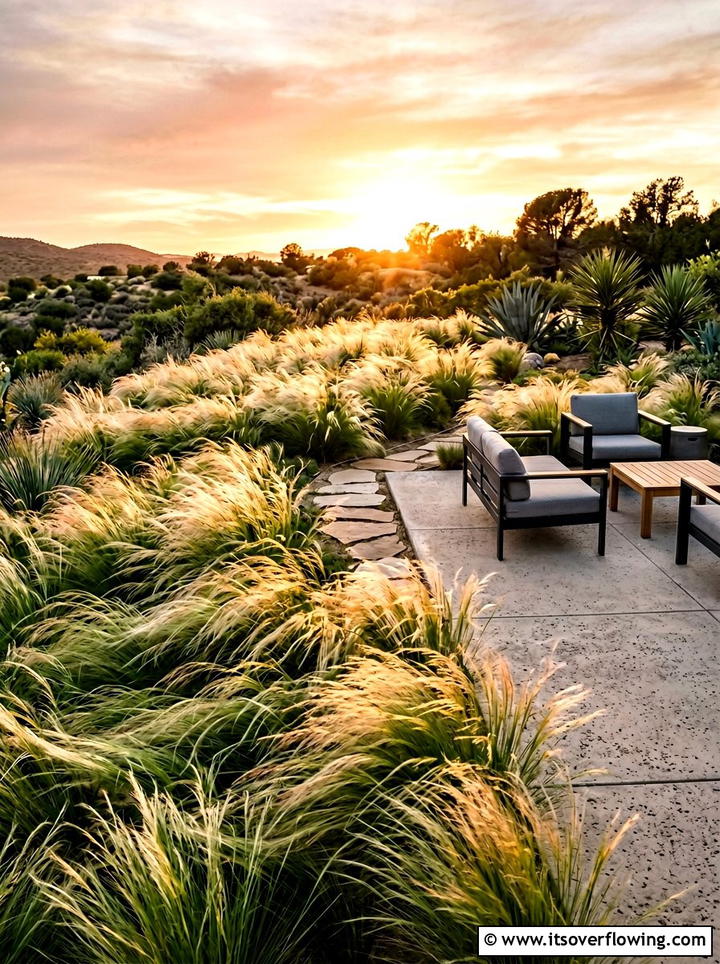
There is something incredibly mesmerizing about the way Mexican feather grass dances in the slightest breeze, adding a sense of motion. This fine-textured grass grows in delicate green clumps that eventually turn a shimmering golden-blonde as the summer heat intensifies throughout the season. Planting them in large drifts or as a filler between sturdier shrubs creates a soft, ethereal look that contrasts beautifully with hard architectural elements. They are exceptionally drought-tolerant and can survive on very little water once they have established their root systems. Their wispy appearance provides a romantic, airy feel that softens the overall look of a modern or rustic garden.
11. Agave Focal Point Landscaping
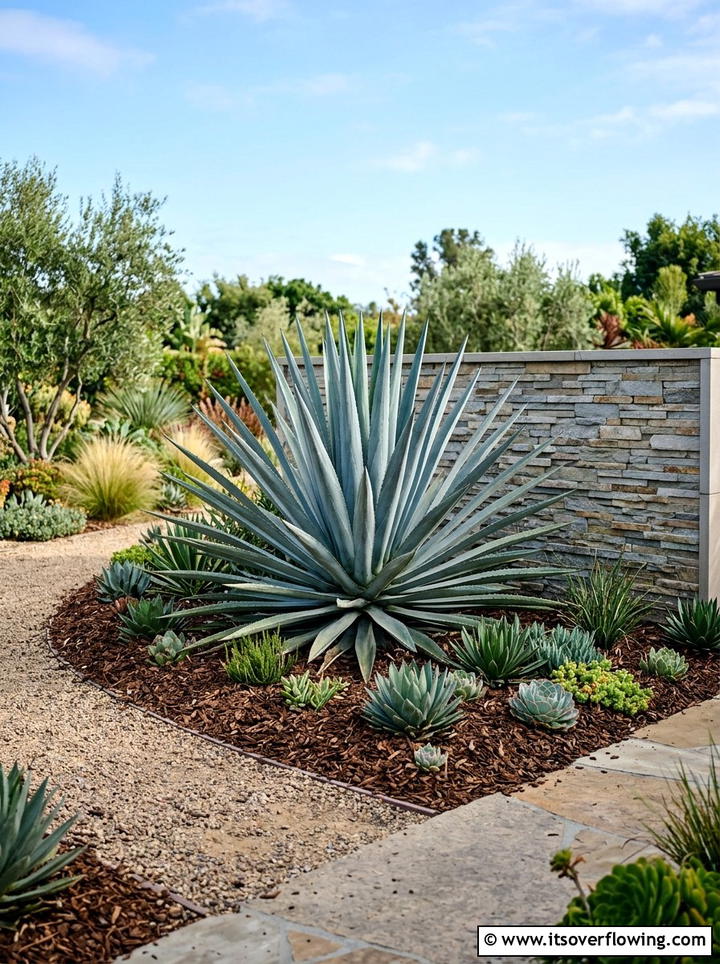
Sometimes, a single plant is so visually striking that it can anchor an entire garden design through its sheer presence alone. Large agave varieties, such as the Blue Weber or Agave Americana, offer massive, sculptural leaves that serve as a bold centerpiece in any landscape. Surrounding these giants with smaller succulents or a clean layer of dark mulch emphasizes their dramatic silhouette and sharp, pointed edges. Because agaves store vast amounts of water in their thick leaves, they are the ultimate survivors in high-heat environments with minimal rainfall. They bring a desert-chic vibe to the yard that feels both expensive and incredibly low-maintenance.
12. Sage and Rosemary Garden
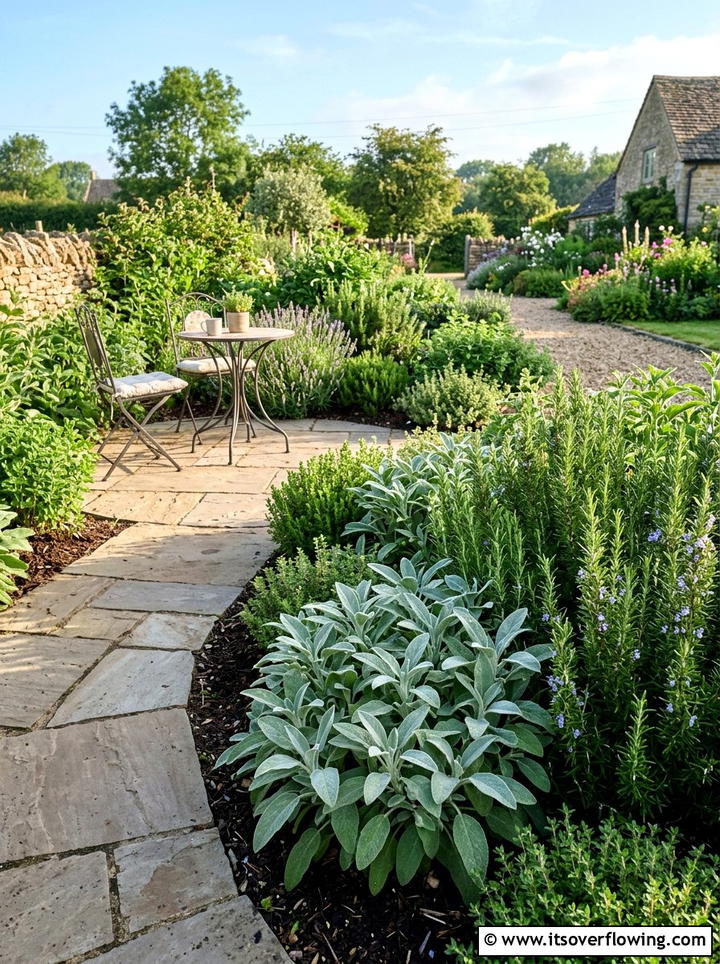
Combining culinary utility with water-wise beauty is a smart way to maximize the functionality of your small outdoor garden space. Both sage and rosemary are Mediterranean natives that thrive in hot, dry conditions and require very little supplemental watering once they mature. Sage offers soft, velvety leaves in shades of silver and green, while rosemary provides upright, needle-like foliage and tiny blue flowers. Planting them together creates a textured, evergreen look that remains productive and attractive throughout the entire year. Plus, having fresh herbs just steps away from your kitchen door makes outdoor cooking and entertaining a much more enjoyable and fragrant experience.
13. Vertical Succulent Wall
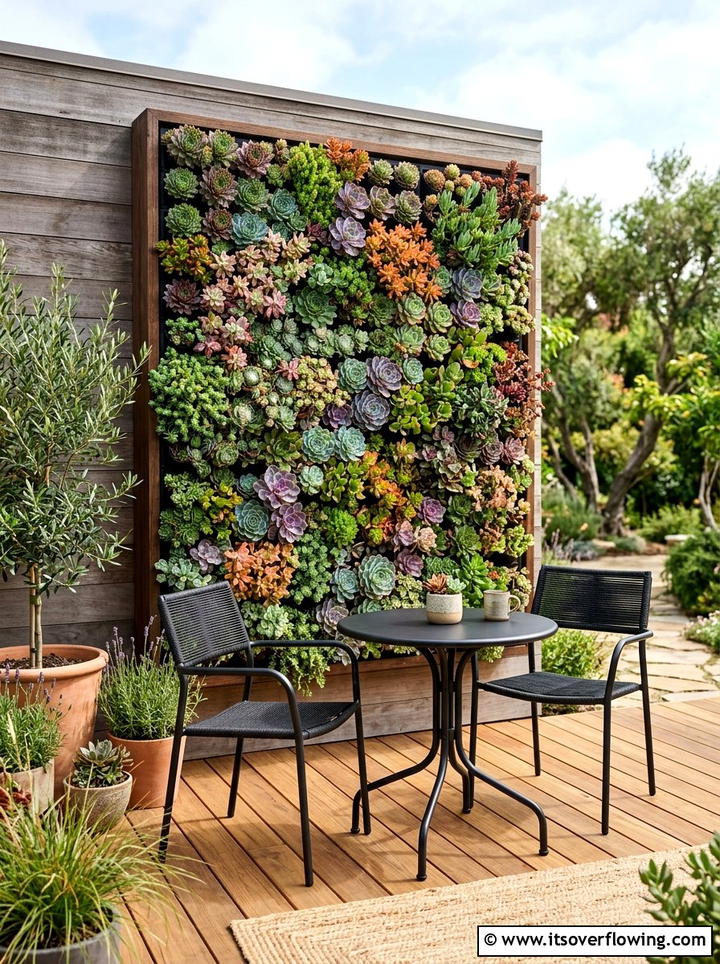
When ground space is limited in a small urban patio, taking your drought-tolerant garden to the walls is a creative solution. A vertical succulent wall uses a modular tray system or a felt pocket frame to hold various colorful rosettes in a living tapestry. Species like Sedum, Sempervivum, and Crassula are ideal for this because they have shallow root systems and can survive with very little soil moisture. This design creates a stunning piece of living art that acts as a natural insulator and sound barrier for your outdoor living area. It is an innovative way to introduce greenery into tight spaces without needing a traditional irrigation setup.
14. Olive Tree Courtyard
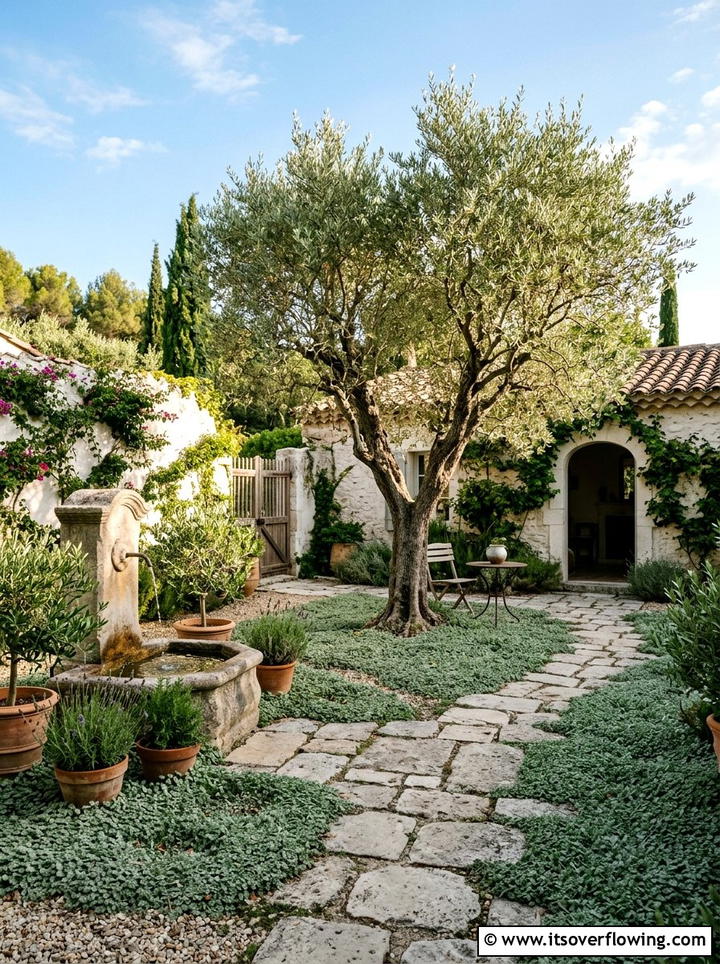
The silvery-green foliage of an olive tree provides a sophisticated and drought-tolerant canopy that defines the character of a Mediterranean courtyard. These trees are legendary for their ability to thrive in poor soil and survive long periods of drought while remaining beautifully evergreen. Underplanting the tree with heat-loving groundcovers like creeping thyme or silver carpet creates a cohesive, low-water look that feels cool and inviting. Adding a small stone fountain or a simple bistro set beneath the branches encourages you to spend more time enjoying the shaded outdoor environment. It is a classic design choice that brings a sense of history and tranquility to your property.
15. Low Water Cottage Garden
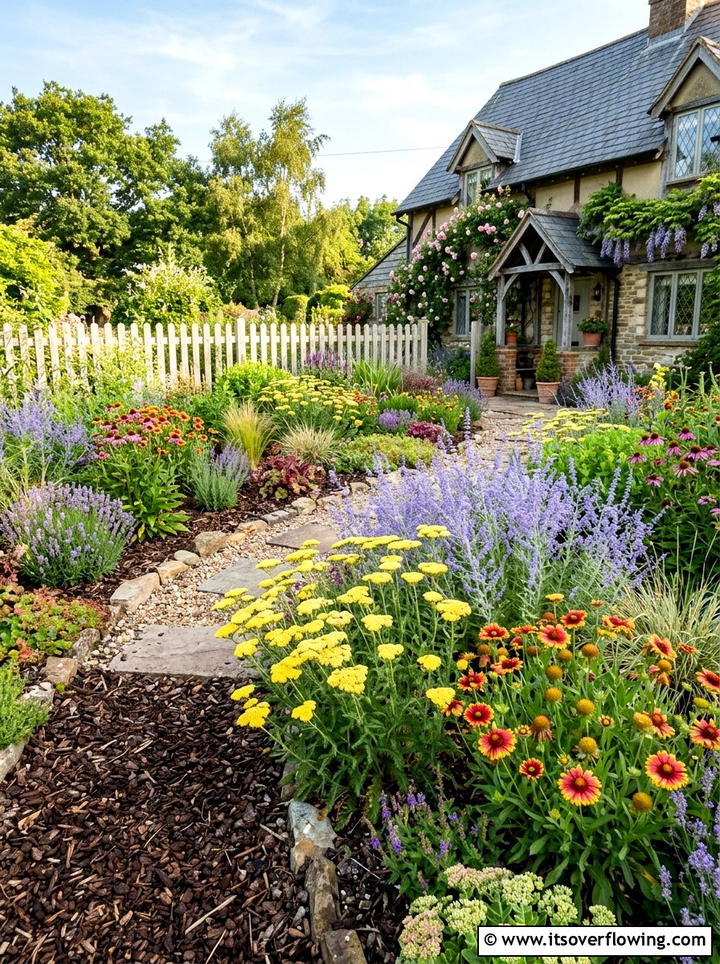
Can you achieve a romantic, overflowing cottage look without using massive amounts of water every single day during the summer? By selecting drought-tolerant versions of classic favorites, such as yarrow, blanket flower, and Russian sage, you can mimic the lushness of an English garden. These plants offer tall spikes of color and feathery textures that blend together in a beautiful, informal riot of summer blooms. Using a thick layer of organic mulch helps keep the soil cool and prevents evaporation, allowing your flowers to thrive even when rain is scarce. It is the perfect balance of traditional charm and modern environmental responsibility for any home.

16. Yucca Plant Arrangement
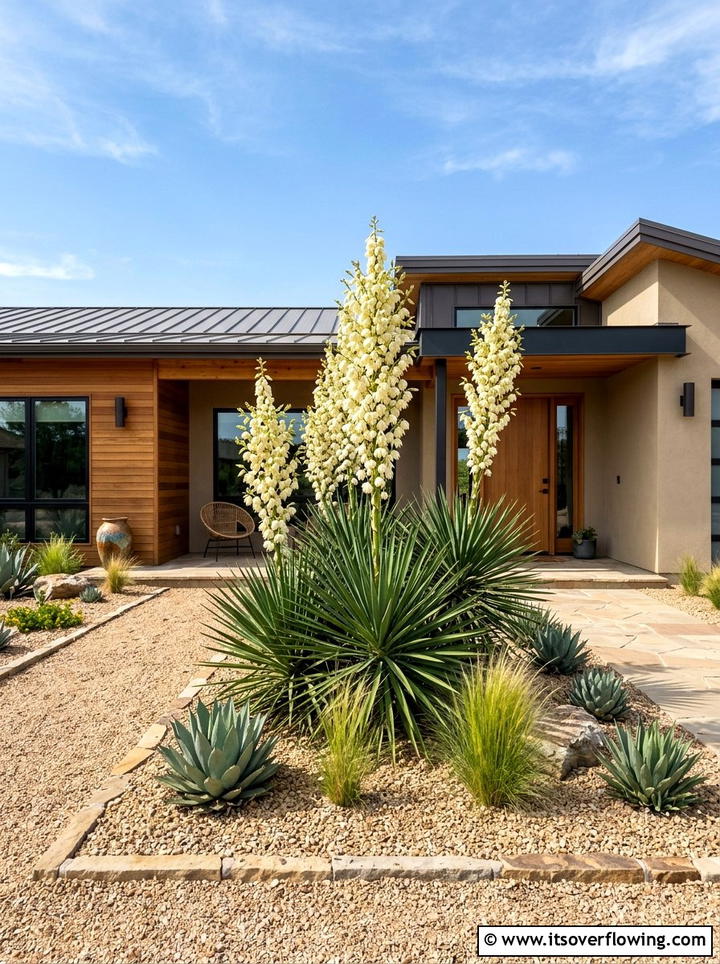
With their sword-like leaves and tall flowering stalks, yucca plants bring an undeniable sense of Southwestern drama and structure to any garden. Varieties like the Adam’s Needle or the Soaptree Yucca are incredibly hardy and can withstand both extreme heat and freezing temperatures with ease. Their architectural form makes them excellent choices for planting near entryways or along fence lines where they can stand out against a simple backdrop. During the summer, they produce large clusters of creamy white bell-shaped flowers that attract nocturnal pollinators like moths. They require almost no pruning or watering, making them a staple for any serious water-wise landscape designer.
17. Red Yucca and Desert Spoon Landscape
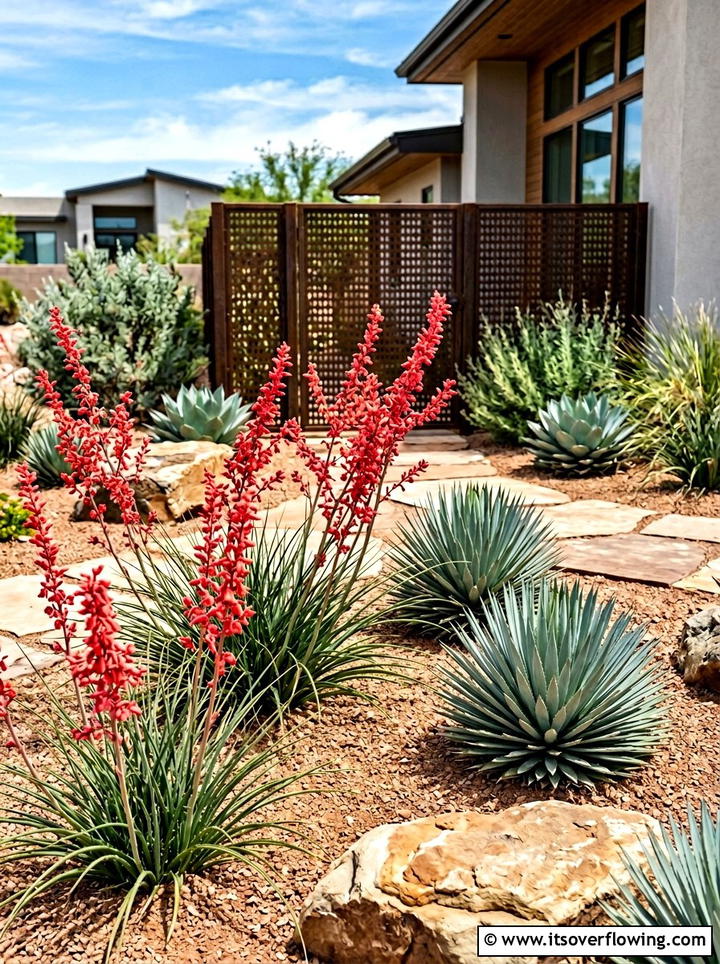
For a landscape that focuses on interesting shapes and subtle color variations, combining red yucca with desert spoon is a winning strategy. Red yucca is not actually a yucca but produces similar arching foliage and stunning coral-colored flower spikes that bloom for several months. Desert spoon, with its perfectly symmetrical rosette of thin, toothy leaves, adds a cool blue-gray tone that contrasts beautifully with the warm flowers. Both plants are extremely tough and can handle the most intense sun exposure without showing signs of stress. This pairing creates a modern, desert-inspired look that feels curated and artistic while remaining functionally efficient for water conservation.
18. Creeping Thyme Ground Cover
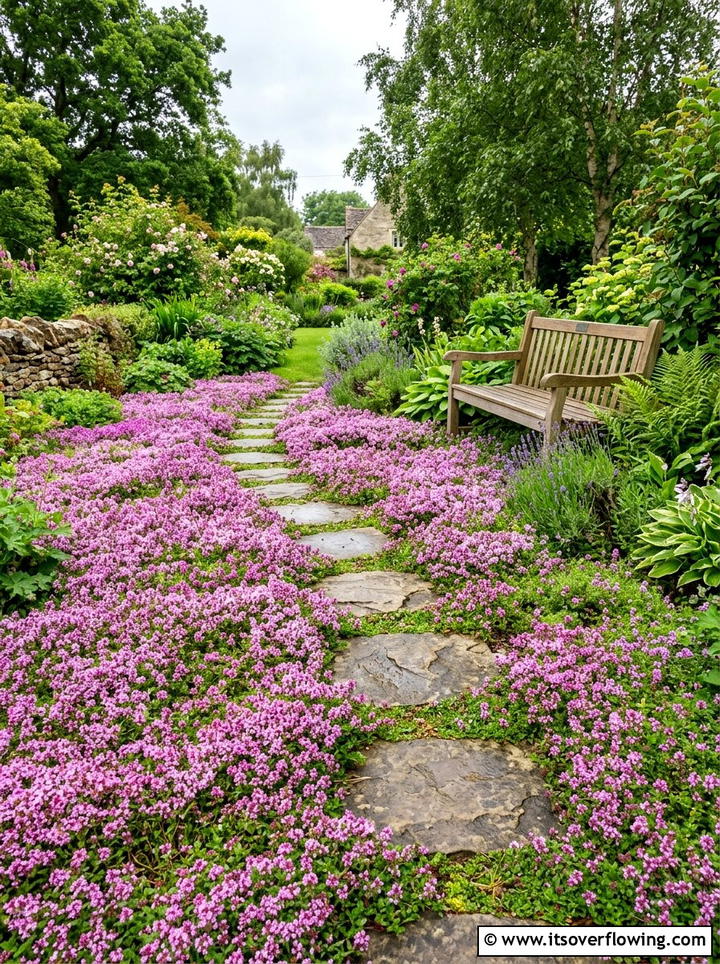
Replacing a thirsty, high-maintenance grass lawn with a drought-tolerant ground cover is one of the most impactful changes you can make. Creeping thyme is a fantastic alternative that forms a dense, low-growing mat of fragrant green foliage that can handle light foot traffic. In the early summer, it becomes covered in thousands of tiny pink or purple flowers, creating a vibrant carpet of color. Because it is a Mediterranean herb, it thrives in sunny spots with well-draining soil and needs very little water once it has spread across the area. It also releases a pleasant herbal scent whenever someone steps on it or brushes past.
19. Blue Oat Grass Border
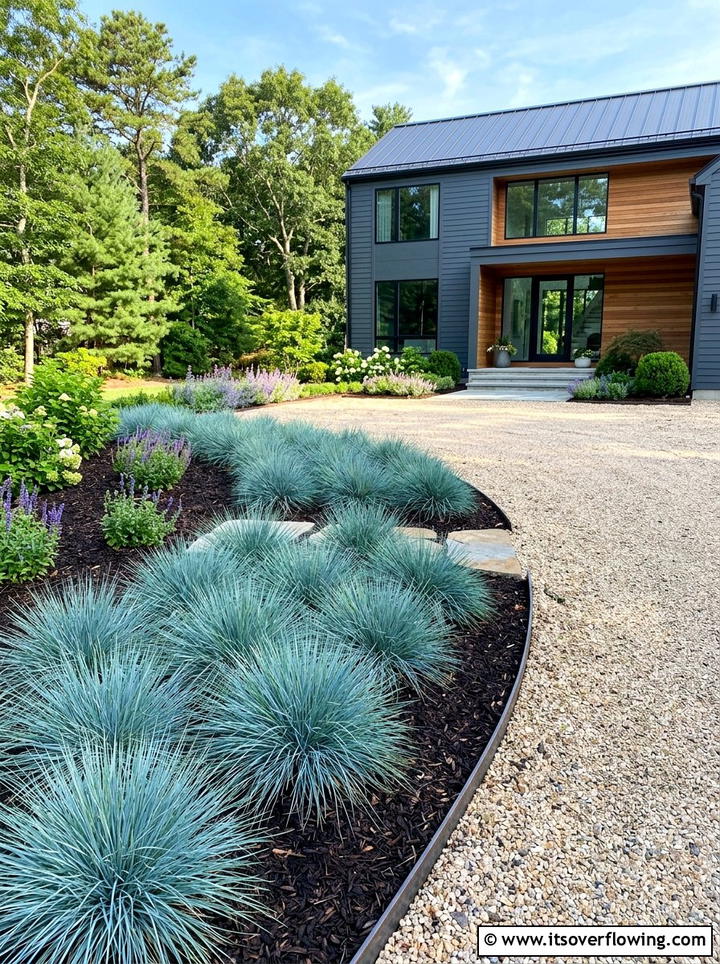
The striking steel-blue color of blue oat grass provides a cool visual relief in a landscape that might otherwise be dominated by greens and browns. This ornamental grass grows in tidy, porcupine-like clumps that maintain their distinct color throughout the year, even in the heat of summer. Using it as a repetitive border element along a driveway or garden path creates a sense of rhythm and modern structure. It is highly resistant to pests and diseases and requires only a quick annual trim to look its absolute best. The cool tones of the blades pair exceptionally well with silver-leafed plants or dark, dramatic mulch.
20. Drought Tolerant Container Garden
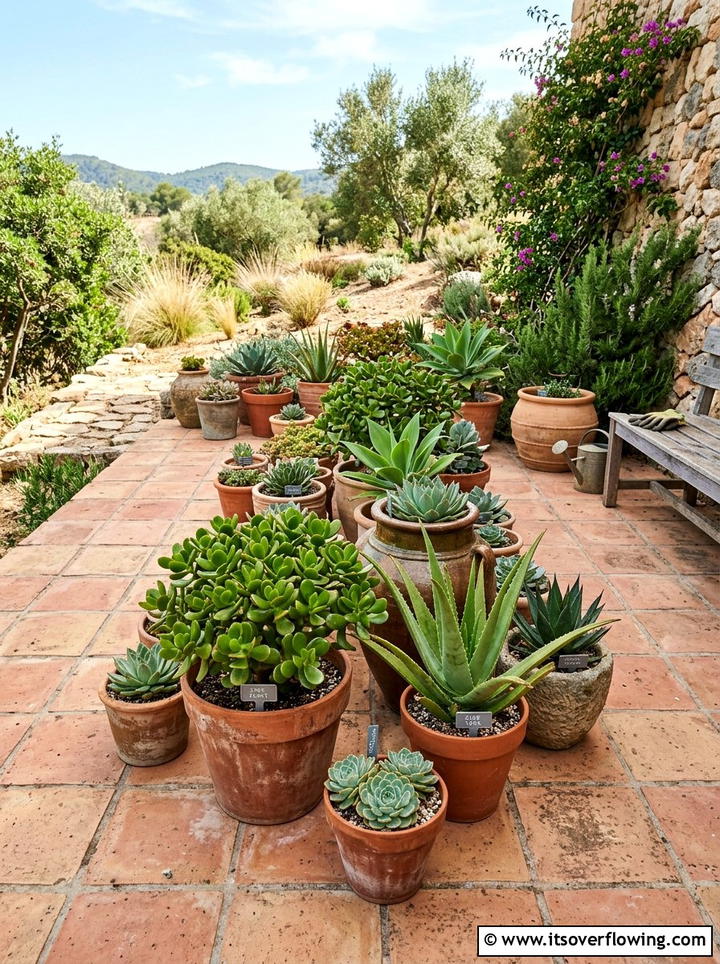
If you live in an apartment or have a large paved patio, you can still enjoy a lush garden by using containers. Selecting large, high-quality pots filled with drought-tolerant species like jade plants, aloe vera, and various stonecrops allows you to control the environment perfectly. Succulents and cacti are ideal for container life because they don’t mind their roots being slightly cramped and can go days without watering. By grouping pots of different heights and textures together, you create a dynamic and portable garden that can be rearranged whenever you want a new look. It is a flexible and stylish way to green up any small space.
21. Australian Native Plant Garden
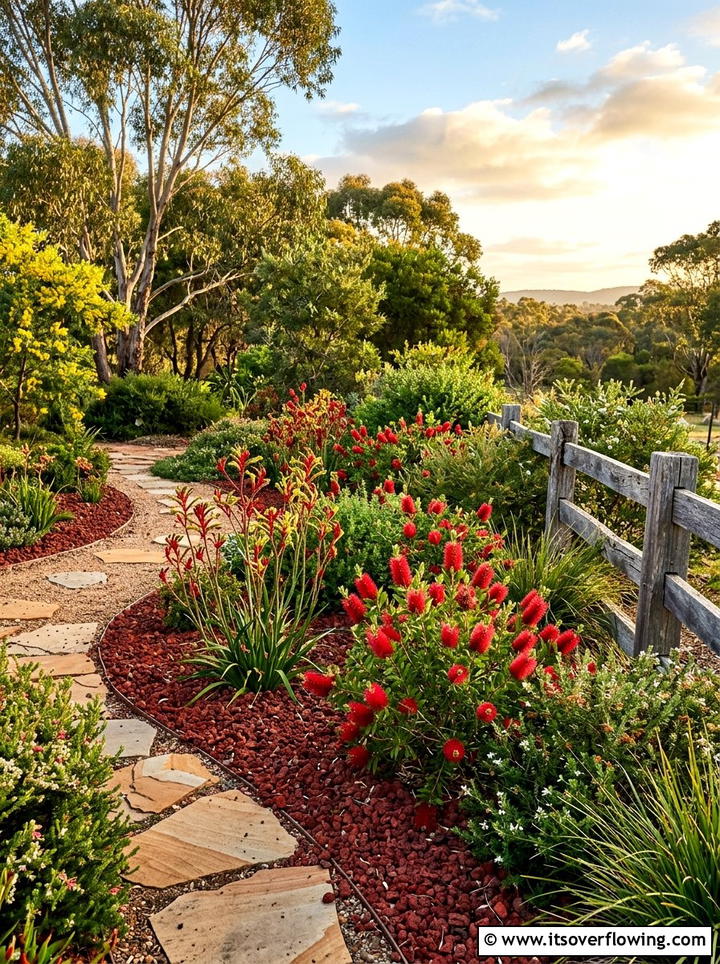
Drawing inspiration from the rugged landscapes of Australia can lead to a incredibly unique and water-wise garden full of exotic textures. Plants like kangaroo paw, bottlebrush, and grevillea offer strange and beautiful flowers that are specifically designed to survive in nutrient-poor soil and arid conditions. These species are often evergreen and provide year-round interest with their architectural foliage and vibrant, bird-attracting blooms. Because they are adapted to some of the harshest environments on earth, they are exceptionally resilient in many sunny backyard settings. This design style is perfect for those who want a garden that feels adventurous and stands out from the neighbors’ traditional yards.
22. Purple Coneflower and Black Eyed Susan Prairie
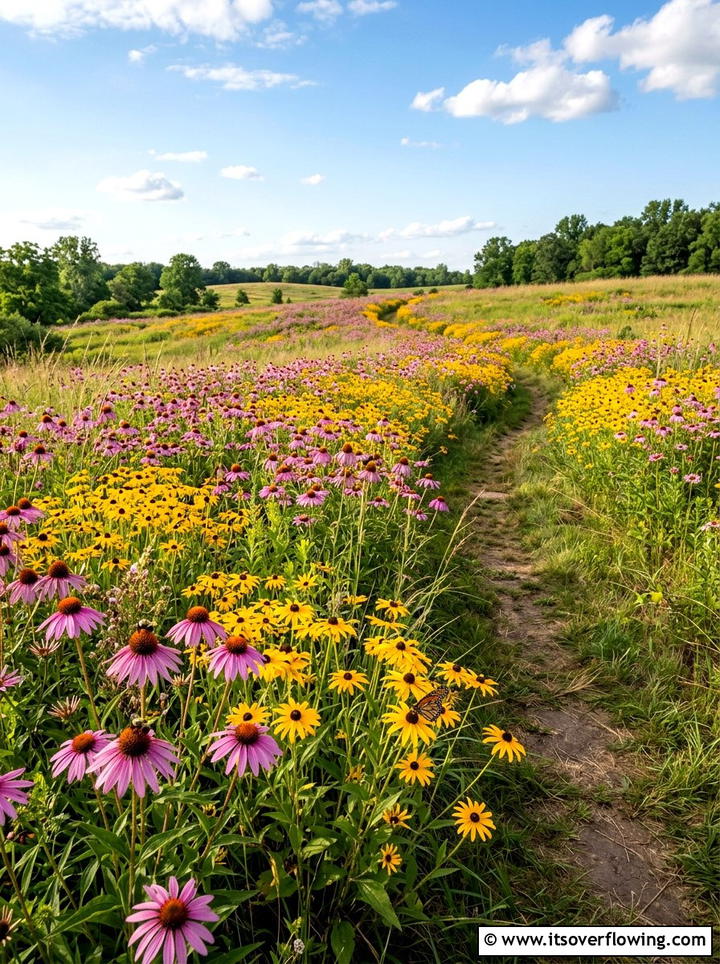
Creating a mini-prairie in your front yard using hardy North American perennials is a wonderful way to support local biodiversity while saving water. Purple coneflowers and black-eyed Susans are famous for their tough nature and ability to bloom profusely during the hottest, driest weeks of the year. Their deep taproots allow them to find water deep in the earth, making them much more resilient than typical bedding annuals. When planted in large, intermingled drifts, they create a cheerful and wild aesthetic that requires very little upkeep. These flowers are also excellent for cutting, allowing you to bring a bit of your water-wise garden indoors.
23. Stone Path with Sedum
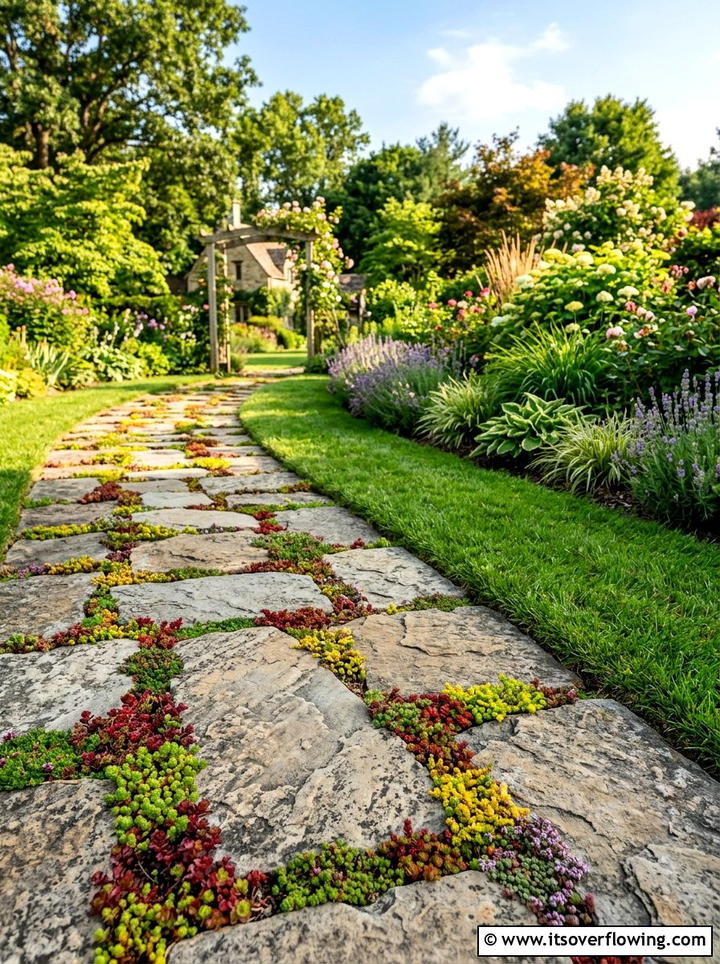
Softening the hard lines of a stone walkway with low-growing, drought-tolerant plants creates a charming and integrated look for any backyard path. Filling the gaps between flagstones or pavers with various sedum varieties, often called stonecrop, provides a living grout that suppresses weeds and retains moisture. Sedums are incredibly hardy and can survive being stepped on occasionally, making them perfect for high-traffic transition areas. They come in a wide range of colors, from bright lime green to deep mahogany, and produce tiny star-shaped flowers in the summer. This design detail adds a layer of professional polish and organic beauty to your garden’s functional infrastructure.
24. Bird Friendly Xeriscape
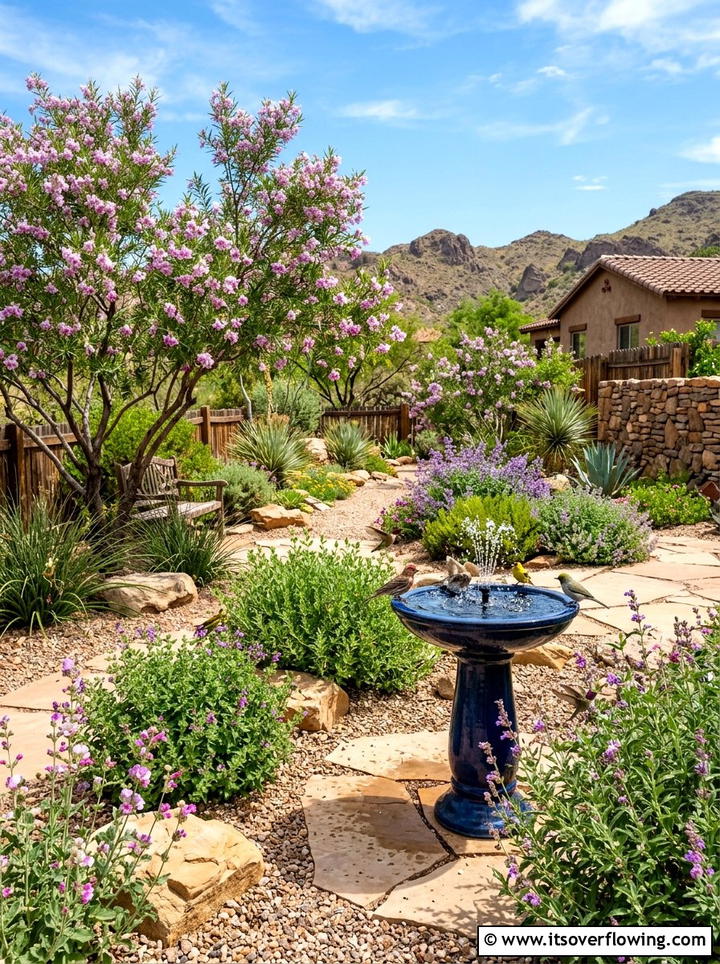
You can create a sanctuary for local wildlife while still adhering to a strict water-wise philosophy by choosing specific drought-tolerant plants. Species like desert willow, ocotillo, and various types of sage provide essential nectar, seeds, and nesting sites for birds and hummingbirds. By including a small, solar-powered birdbath, you provide a water source that makes your garden an irresistible stop for feathered friends. This type of landscape feels alive and active, bringing the sights and sounds of nature directly to your back door. It proves that a low-water garden can be a thriving, bustling ecosystem that benefits the local environment as much as the homeowner.
25. Shady Dry Garden
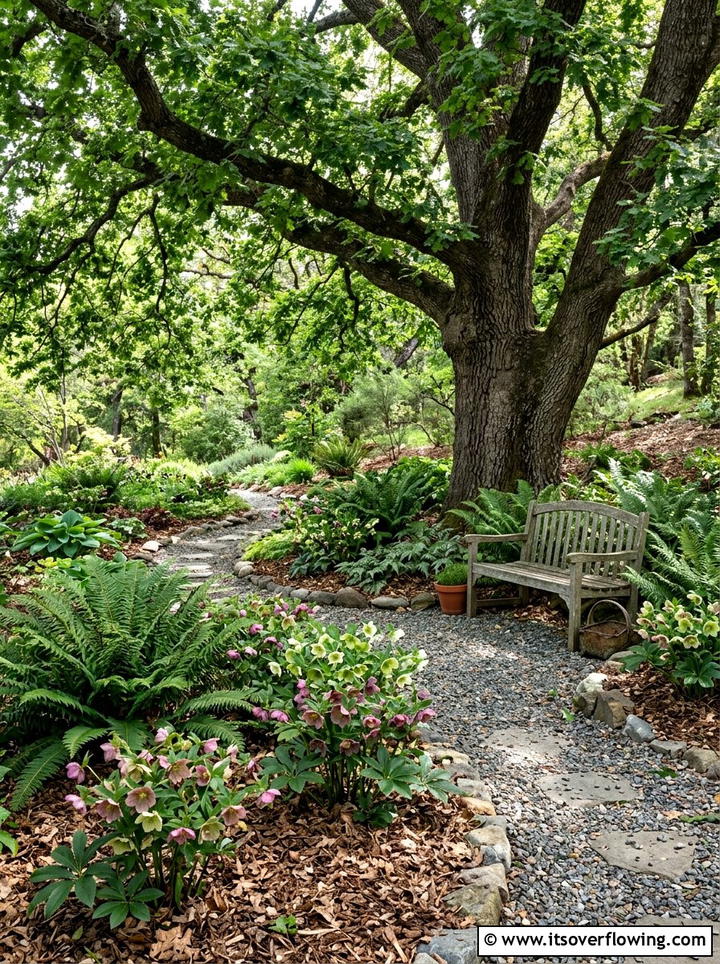
Finding plants that can handle both shade and dry soil can be a challenge, but there are several beautiful options that thrive in these conditions. Hellebores, also known as Lenten roses, offer evergreen foliage and early spring flowers that don’t mind a lack of supplemental water once they are established. Pairing them with tough ferns like the Western Sword Fern or dry-shade grasses like Carex creates a lush, woodland feel under the canopy of large trees. This approach allows you to beautify those difficult, forgotten corners of the yard where the grass refuses to grow and the sun rarely reaches. It results in a serene, cool retreat from the summer heat.
Conclusion:
Embracing a garden designed with drought-tolerant plants is a rewarding journey that blends environmental stewardship with high-end aesthetic appeal. Throughout these twenty-five ideas, we have seen how varied and vibrant a low-water landscape can be, from the structural drama of agaves to the soft, rhythmic swaying of ornamental grasses. By selecting plants that are naturally adapted to your climate, you create a resilient outdoor space that saves time, money, and precious natural resources. These designs prove that sustainability and beauty are not mutually exclusive but are instead two sides of the same coin in modern landscaping. Your garden can become a stunning, low-maintenance testament to the incredible diversity of the natural world.

Related posts:
 25 garden design ideas with low maintenance shrubs: Easy Looks
 25 Garden Ideas for Desert Style With Stunning Low-Water Looks
 25 garden ideas for maximalist style: Bold Outdoor Looks
 25 garden ideas for mediterranean style: Sunny Yard Looks
 25 garden ideas for minimalist style: Clean Outdoor Looks
 25 Creative Garden Ideas With Drought Proof Landscaping
 25 garden ideas for hot climate: Cool, Drought-Smart Yards
 25 garden design ideas with edible plants: Beautiful Foodscapes
 25 garden design ideas with low water plants: Smart Xeriscapes
 25 garden design ideas with monochrome plants: Chic Planting
 25 Garden Design Ideas With Woodland Plants for Lush Shade
 25 Small Garden Ideas With Layered Plants for Lush Depth