
Small gardens often feel restrictive, but using layered plants transforms a tiny backyard into a lush sanctuary. Layering involves placing plants of different heights together to create depth and visual interest. You start with taller shrubs or trees in the back, followed by medium perennials, and finish with low-growing ground covers in the front. This technique maximizes every square inch of your outdoor space while making it look professionally designed. By focusing on texture and color, you can achieve a dense, vibrant look that feels expansive rather than cramped. Whether you have a balcony or a small patio, these layering strategies will help you grow a beautiful, thriving green haven effortlessly while adding value.
1. Vertical Garden Wall
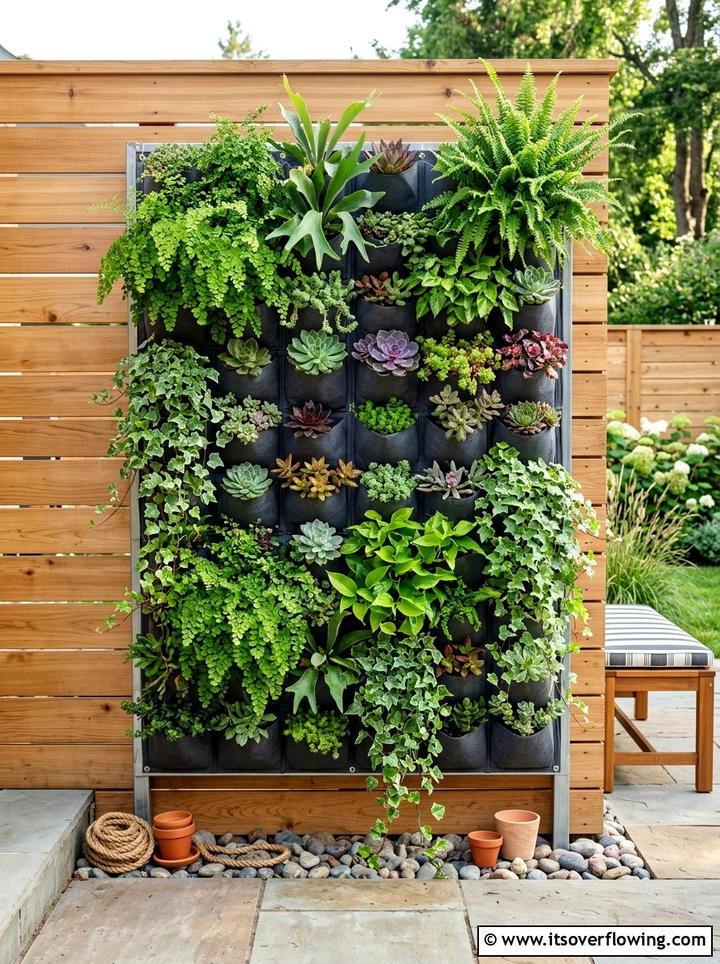
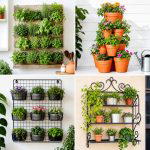
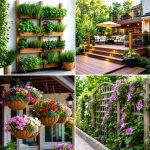
Creating a vertical garden wall is a brilliant way to introduce multiple layers of greenery without taking up any precious floor area in a small yard. You can use pockets, modular planters, or even recycled pallets to hold a variety of ferns, succulents, and trailing vines. Start by placing larger, bushier plants at the top to create a canopy effect that spills downward beautifully. Lower pockets can house smaller, delicate herbs or flowering annuals that enjoy the dappled sunlight provided by the plants above. This approach adds a stunning living tapestry to your outdoor walls while providing a fresh, oxygen-rich environment for your cozy home.
2. Tiered Garden Bed
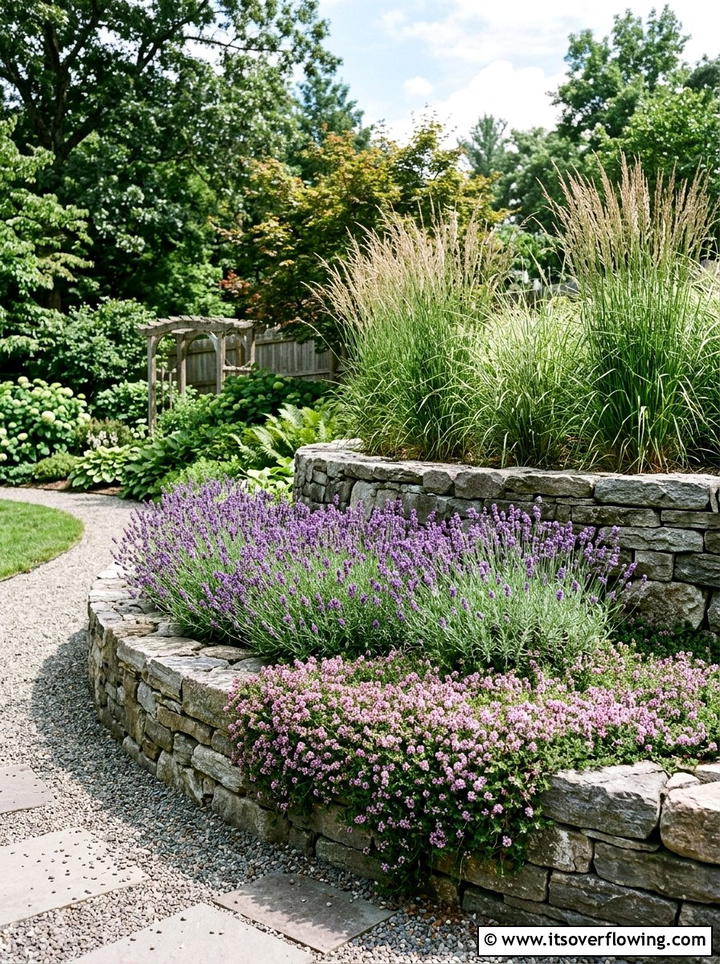
Installing a tiered garden bed allows you to organize your plants into distinct levels, which creates a very structured and organized appearance. You can build these tiers using wood, stone, or even brick to match your existing home exterior. The highest tier should feature tall structural plants like ornamental grasses or upright shrubs to act as a backdrop. The middle tier works best for colorful perennials like lavender or coneflowers that provide a pop of color. Finally, the lowest level should be reserved for spilling plants like creeping thyme that soften the edges. This setup ensures every plant gets enough light and visibility.
3. Potted Plant Arrangement
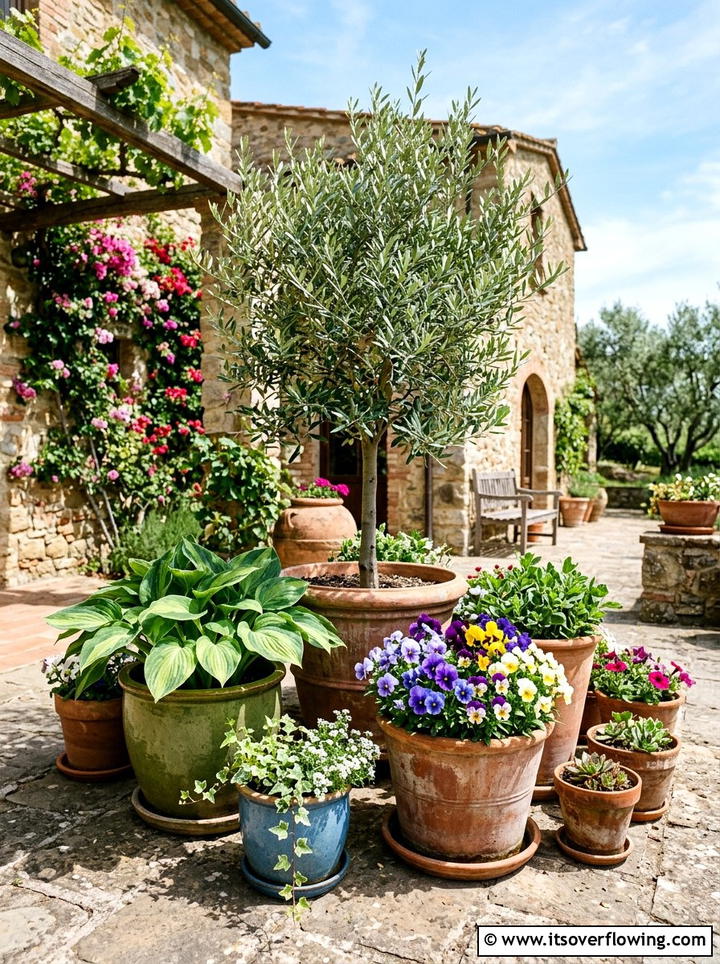
Grouping various pots together in a cluster is a flexible way to achieve a layered look in tiny spaces like patios or balconies. To do this effectively, you should choose pots of different heights, shapes, and materials to add character. Place the largest and tallest pots at the back with small trees or tall shrubs. Position medium-sized pots in the middle with lush foliage plants like hostas or ferns. Use the smallest pots at the very front for delicate flowers or succulents. This arrangement allows you to easily move plants around as the seasons change or if you need more space.
4. Raised Garden Planter
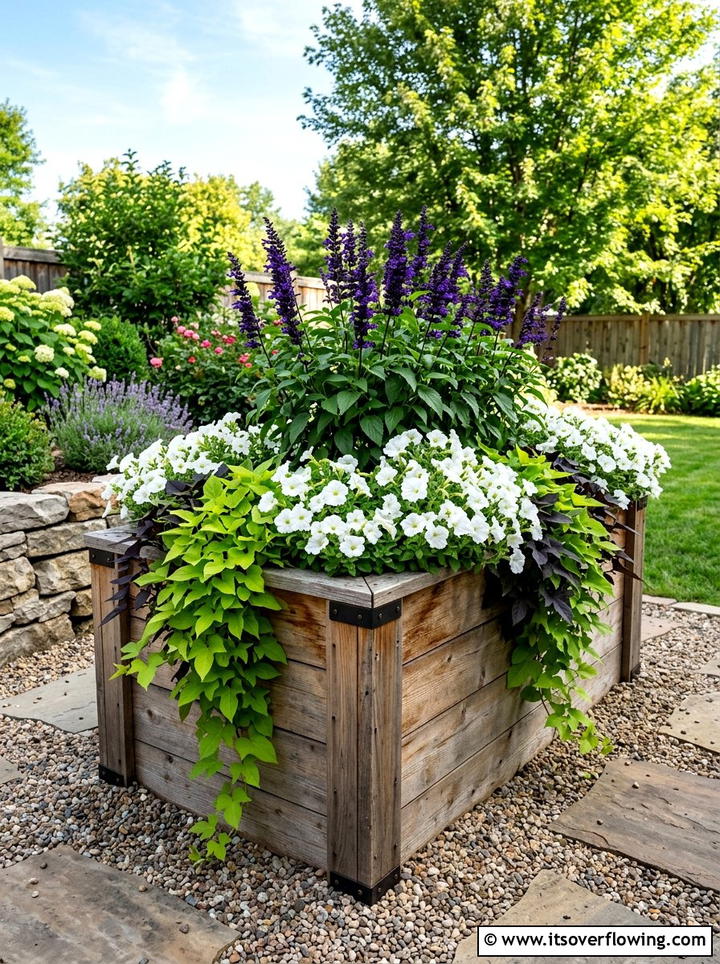
A raised garden planter is perfect for small yards because it defines the growing area while adding height to the landscape. You can layer your planting within a single raised bed by following the “thriller, filler, and spiller” rule. The “thriller” is your tall focal point plant in the center or back. “Fillers” are mid-sized plants that surround the tall one to make the bed look full and healthy. “Spillers” are trailing plants that grow over the sides of the planter to create a soft, cascading effect. This technique makes even a simple wooden box look like a professional landscape feature.
5. Low Ground Cover
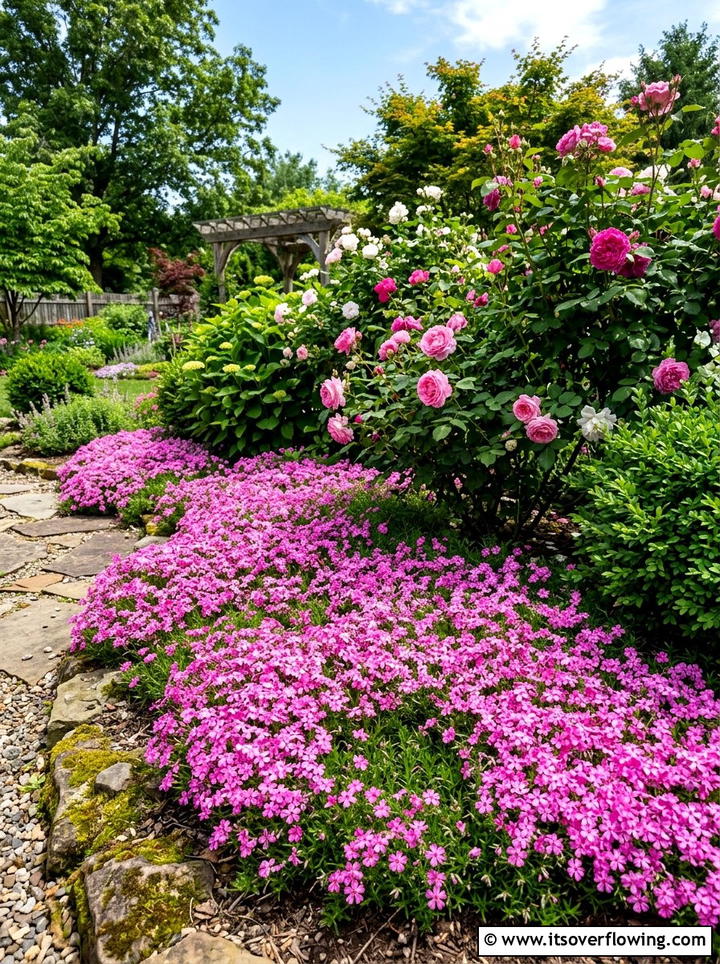
Using low ground cover is an essential layering technique that fills the gaps between larger plants and prevents soil erosion. Creeping phlox, stonecrop, or Irish moss are excellent choices for the very bottom layer of your garden beds. These plants create a green carpet that ties the entire design together and keeps the soil cool and moist. By planting them beneath taller shrubs or perennials, you create a rich, multi-dimensional look that feels very natural. Ground covers also help to suppress weeds, making your small garden much easier to maintain over time while looking consistently lush and vibrant for visitors.
6. Tree Base Planting
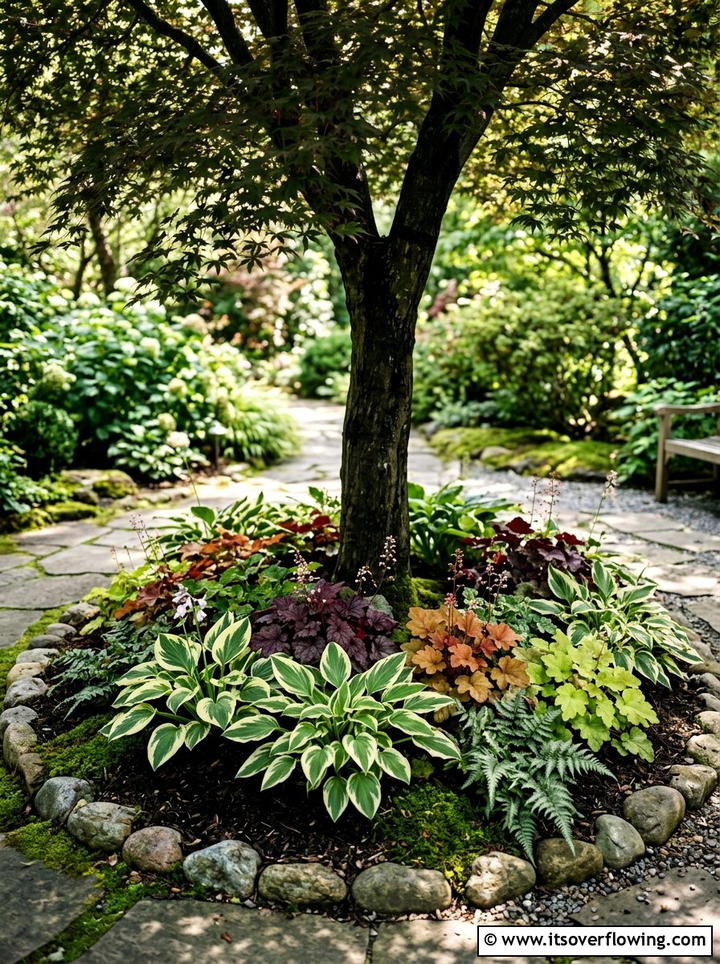
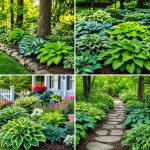
Planting around the base of a small tree is a wonderful way to utilize vertical space that often goes unnoticed in gardens. You can create a beautiful layered circle by starting with shade-tolerant plants directly under the canopy. Hostas, coral bells, and ferns thrive in the dappled light and provide excellent texture. For the outer ring, you can add slightly taller perennials or bulbs like tulips and daffodils for seasonal color. This layering makes the tree feel like a central part of the garden design rather than just an isolated feature. It creates a cohesive, forest-like atmosphere even in a very small urban backyard.
7. Window Box Planter
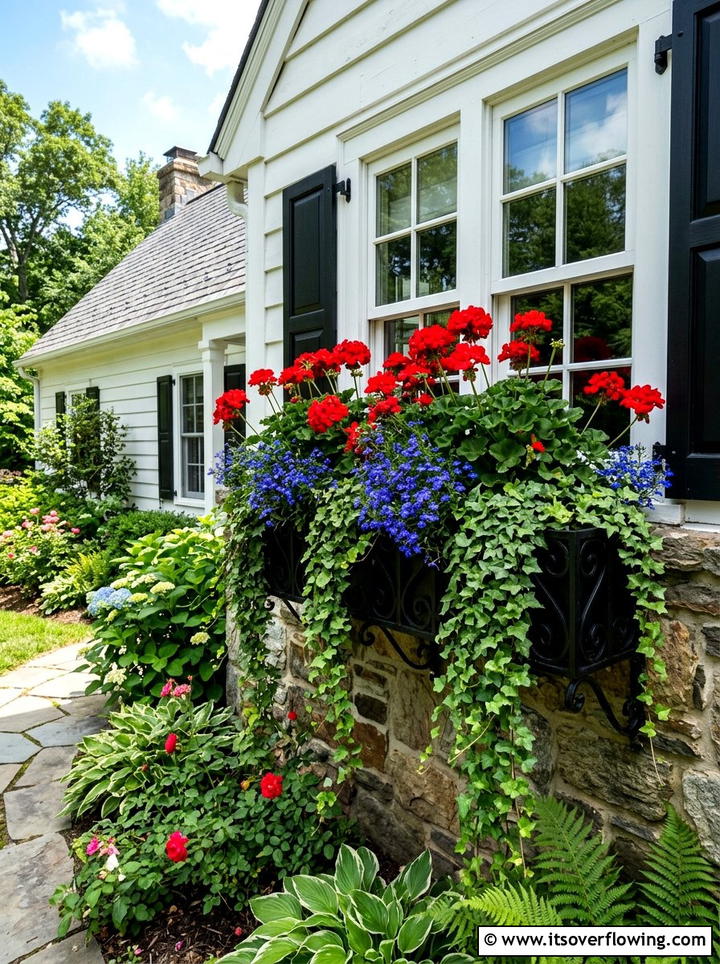
A window box planter brings the beauty of layered gardening directly to your home’s exterior walls. Even in the smallest space, you can create a miniature landscape by layering plants from front to back. Place taller flowering plants like geraniums or snapdragons against the window to provide height and color. In the middle, add mounded plants like lobelia or petunias to fill the space. Complete the look with trailing ivy or sweet potato vine that hangs down the front of the box. This layering adds significant curb appeal and allows you to enjoy nature from both inside and outside of your lovely home.
8. Apartment Balcony Garden
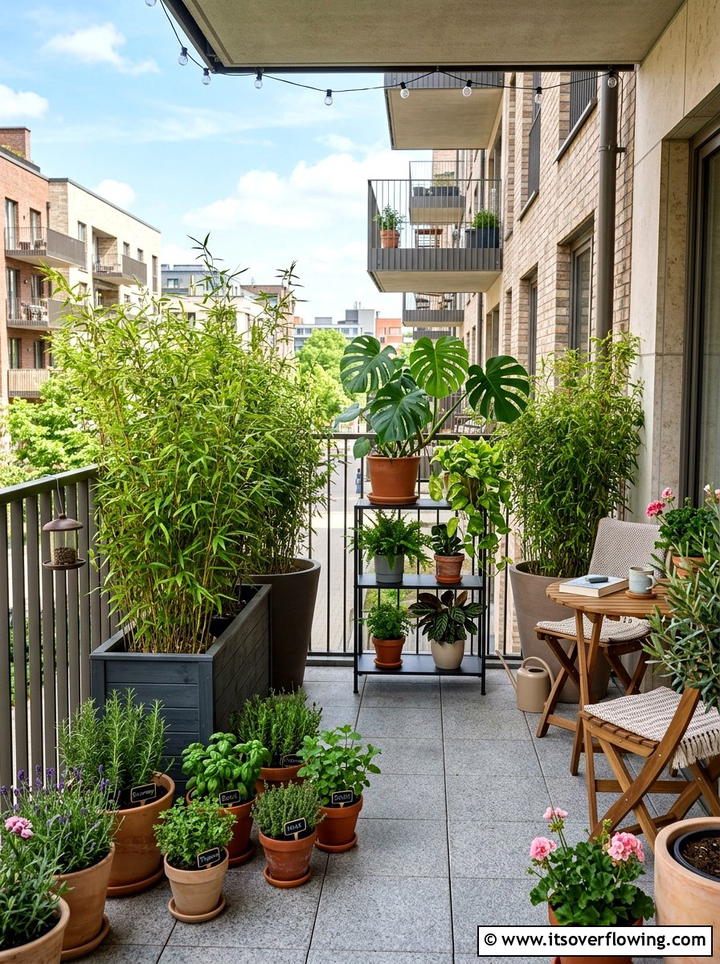
An apartment balcony garden can feel like a lush jungle when you use layering techniques effectively on different levels. Start by using tall bamboo or tall planters against the railing to create a sense of privacy and height. Use mid-height plant stands to hold medium-sized leafy plants like monstera or calathea. On the floor, place smaller pots with flowering annuals or compact herbs to fill in the gaps. By varying the heights of your plants, you create a sense of depth that makes the small balcony feel much larger and more inviting. It turns a concrete space into a personal green retreat.
9. Outdoor Step Plants
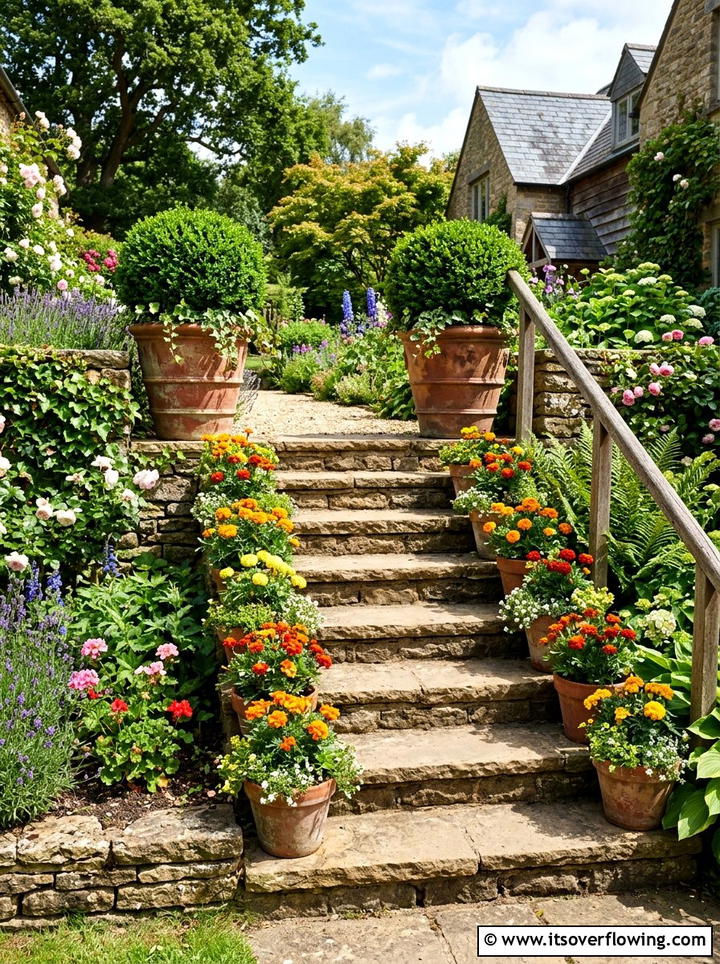
Decorating your outdoor steps with plants is a clever way to introduce layers into a transitional space in your home. You can place a single pot on each side of every step to create a rhythmic, ascending green border. Choose plants that vary in texture and color to keep the visual interest high as you walk up. Taller plants like small boxwoods or tall grasses can sit on the landing, while smaller flowering pots can sit on the lower steps. This technique guides the eye upward and makes the entrance to your home or garden feel intentional and beautifully styled with natural elements.
10. Flower Bed Border
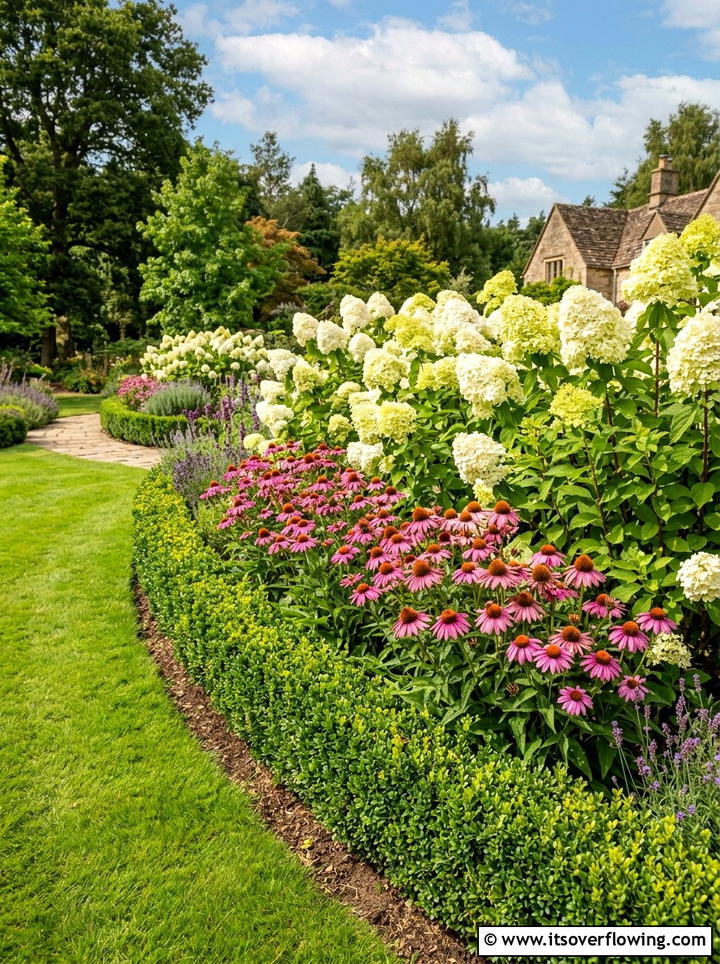
A well-designed flower bed border uses layering to create a smooth transition between your lawn and the taller features of your garden. Start at the very back with tall shrubs or architectural plants that provide a solid green background. In front of those, plant mid-height perennials that bloom at different times of the year for constant color. Finish the border with low-growing annuals or tidy boxwood hedges that define the edge of the bed. This classic layering approach ensures that no plant is hidden and the entire garden bed looks balanced and full. It creates a very polished and high-end aesthetic.
11. Tropical Backyard Plants
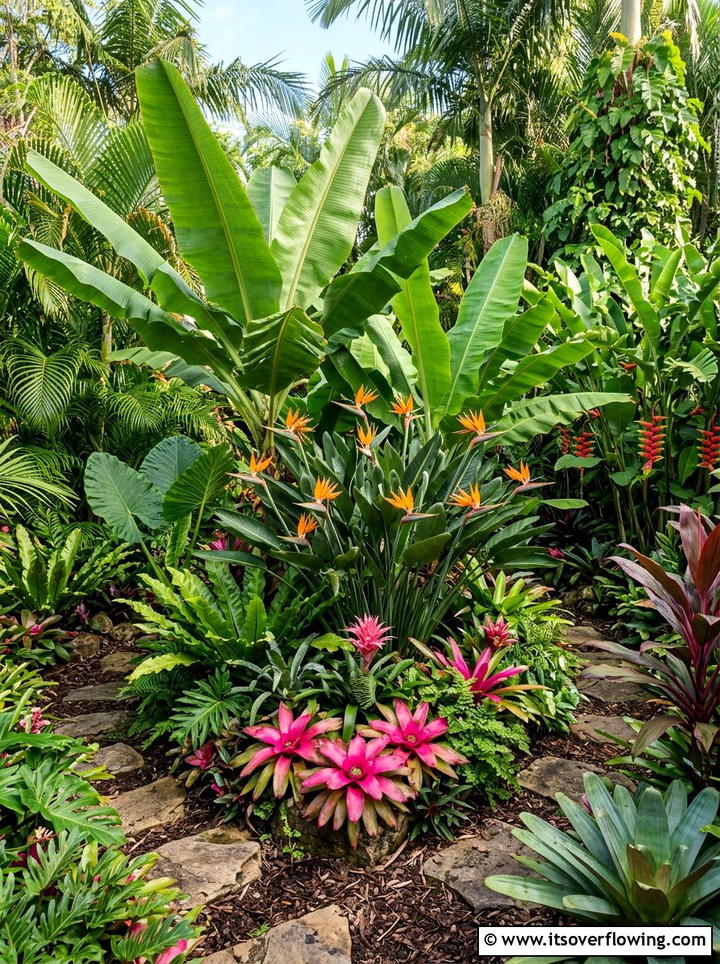
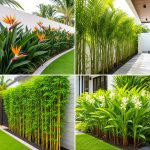
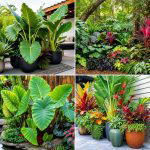
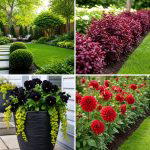
If you want a lush, exotic feel, using tropical backyard plants in layers is the best way to achieve that look. Start with tall, broad-leafed plants like banana trees or palms to create a high canopy that mimics a rainforest. Beneath these, plant medium-sized tropicals like bird of paradise or large ferns to provide mid-level density. Fill the ground level with colorful bromeliads or vibrant caladiums that love the shade provided by the taller leaves. This dense layering creates a cool, humid microclimate that feels like a private island getaway right in your own small backyard or patio area.
12. Small Succulent Arrangement
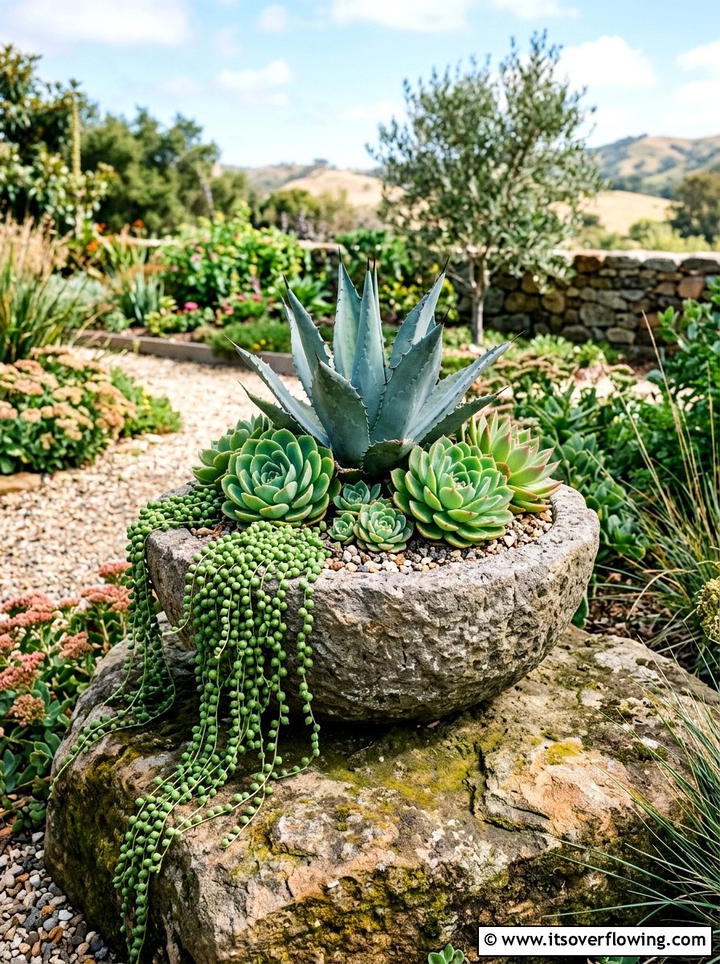
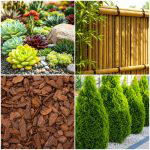
Even a small succulent arrangement can benefit from layering to highlight the unique shapes and colors of these hardy plants. In a shallow bowl or a dedicated garden patch, place taller succulents like aloe or agave in the center or back. Surround them with mid-sized rosettes like echeveria or sedum in contrasting shades of blue, green, and purple. Finally, use “string of pearls” or “donkey tail” to trail over the edges of the container or rocks. This miniature layering creates a fascinating desert landscape that is very low-maintenance but high in visual impact. It works perfectly for sunny spots.
13. Kitchen Herb Garden
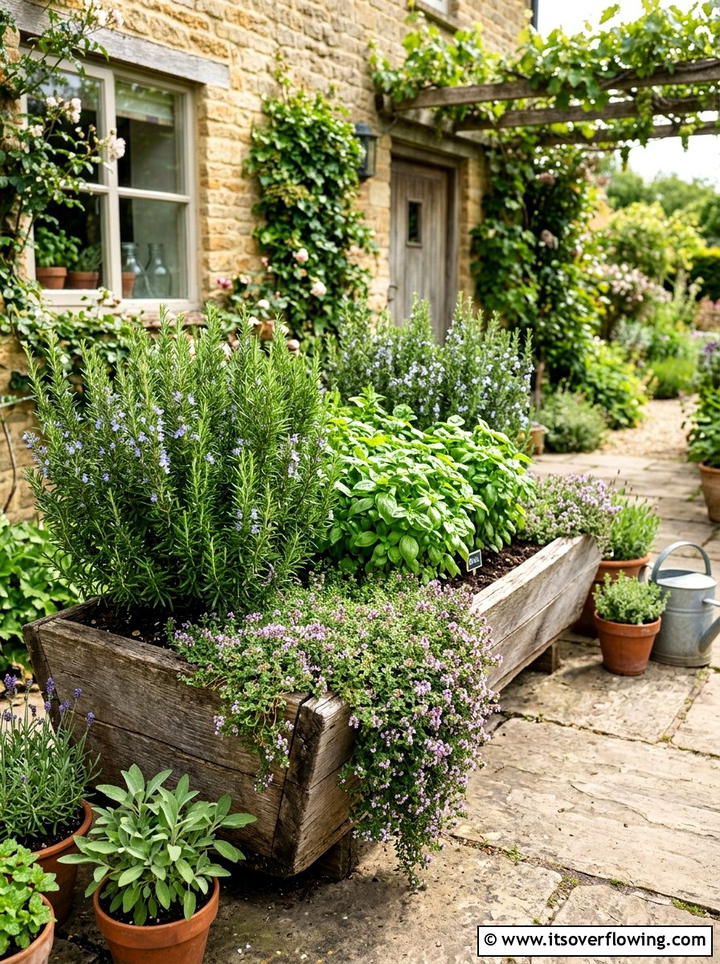
A kitchen herb garden is both functional and beautiful when you arrange the plants in layers for easy harvesting. Plant tall herbs like rosemary and lemongrass at the back of your planter or garden bed. Place mid-height herbs like basil, mint, and parsley in the center where they are easy to reach. At the very front, plant low-growing herbs like thyme or oregano that will spill over the edges. This layering ensures that all your herbs get enough sunlight and airflow to grow healthy and strong. It also makes your herb garden look like a decorative part of your outdoor space.
14. Shade Loving Plants
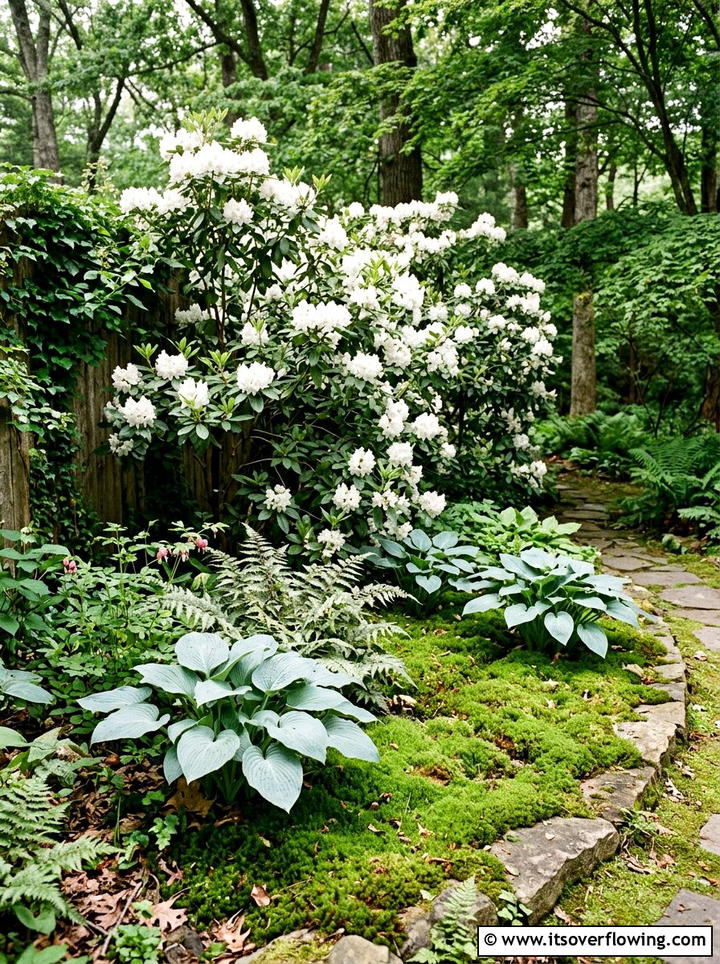
Layering shade loving plants is essential for making dark corners of a small garden look bright and full of life. You can start with tall shrubs like rhododendrons or camellias that provide structure and evergreen foliage. In front of these, add medium-sized shade dwellers like bleeding hearts or hostas with variegated leaves to catch the light. Complete the layer with a carpet of moss or delicate sweet woodruff to cover the soil completely. Using plants with different leaf textures and light-colored foliage will help to brighten up the shaded areas and create a serene, cool atmosphere for you to enjoy.
15. English Cottage Garden
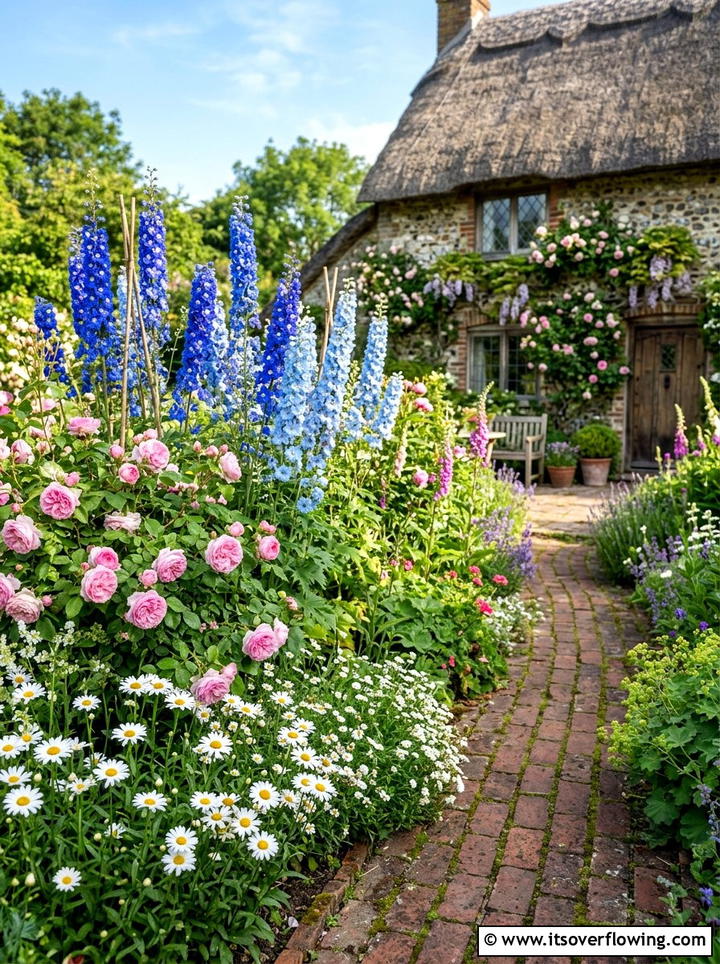
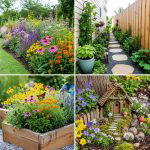
The English cottage garden is famous for its romantic, overflow of layered plants that seem to grow together in harmony. You can achieve this by planting tall spires like delphiniums or foxgloves at the very back of your garden beds. In the middle, mix in classic roses and peonies for fragrance and large, beautiful blooms. The front layer should be a mix of smaller flowers like daisies and lavender that soften the paths. This dense, slightly informal layering creates a charming and cozy look that is perfect for small spaces. It invites bees and butterflies into your garden for a lively feel.
16. Modern Minimalist Backyard
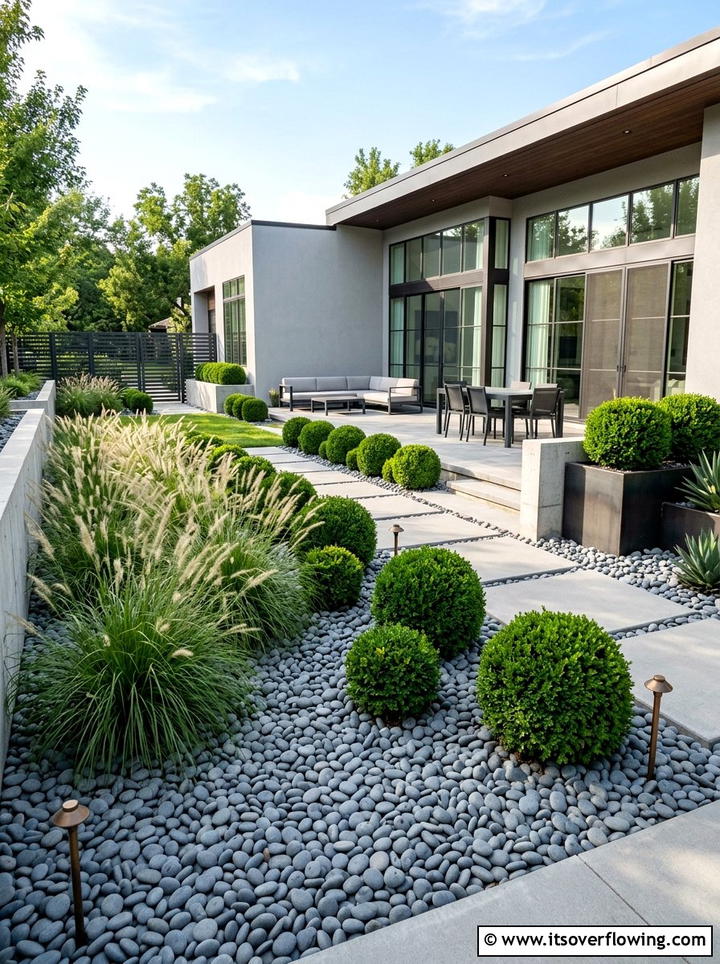
A modern minimalist backyard uses layering in a very clean and intentional way to create a sophisticated outdoor environment. You should focus on a limited color palette, such as different shades of green, and use plants with strong architectural shapes. Layer tall, slender grasses against a sleek fence, followed by neatly trimmed boxwood spheres at a lower height. Use a ground cover of smooth river rocks or a very low, flat green moss to finish the look. This simple but effective layering creates a sense of calm and order. It is an excellent choice for modern homes with limited outdoor space.
17. Small Rock Garden
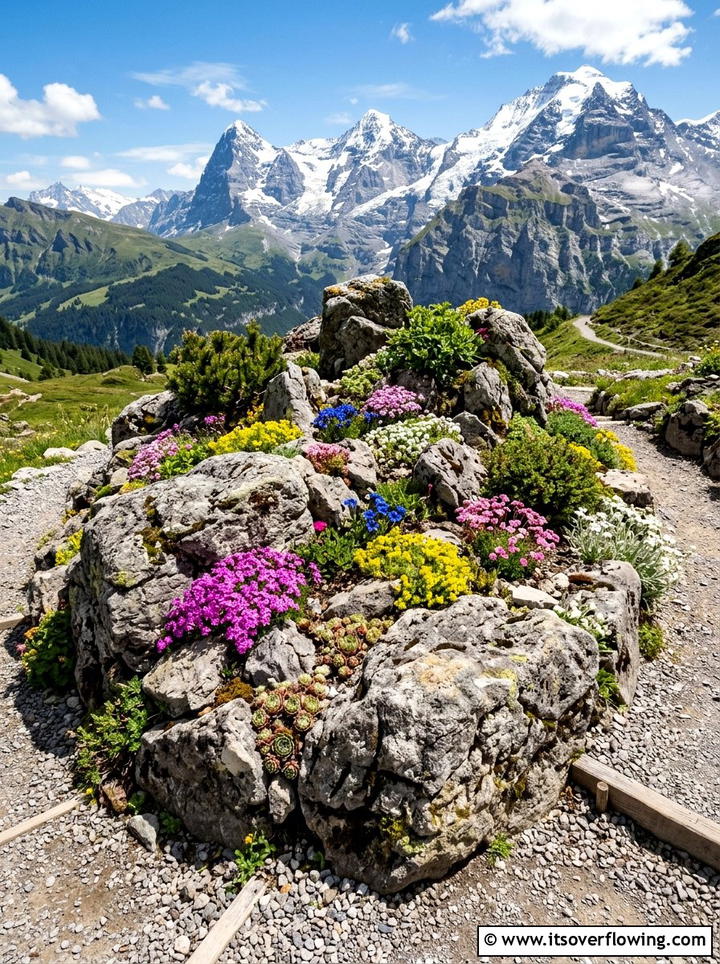
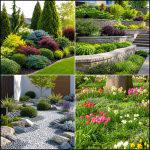
Building a small rock garden allows you to layer plants among natural stones for a rugged, mountainous aesthetic in your yard. Start by placing a few large boulders to create different elevations and planting pockets. In the higher pockets, plant small alpine flowers or hardy shrubs that can handle the wind and sun. In the lower crevices, use creeping succulents or tiny flowering plants like aubrieta that will grow over the stones. The combination of hard rocks and soft plants creates a beautiful contrast. This type of layered garden is very drought-tolerant and perfect for adding texture to small, uneven areas.
18. Garden Trellis Plants
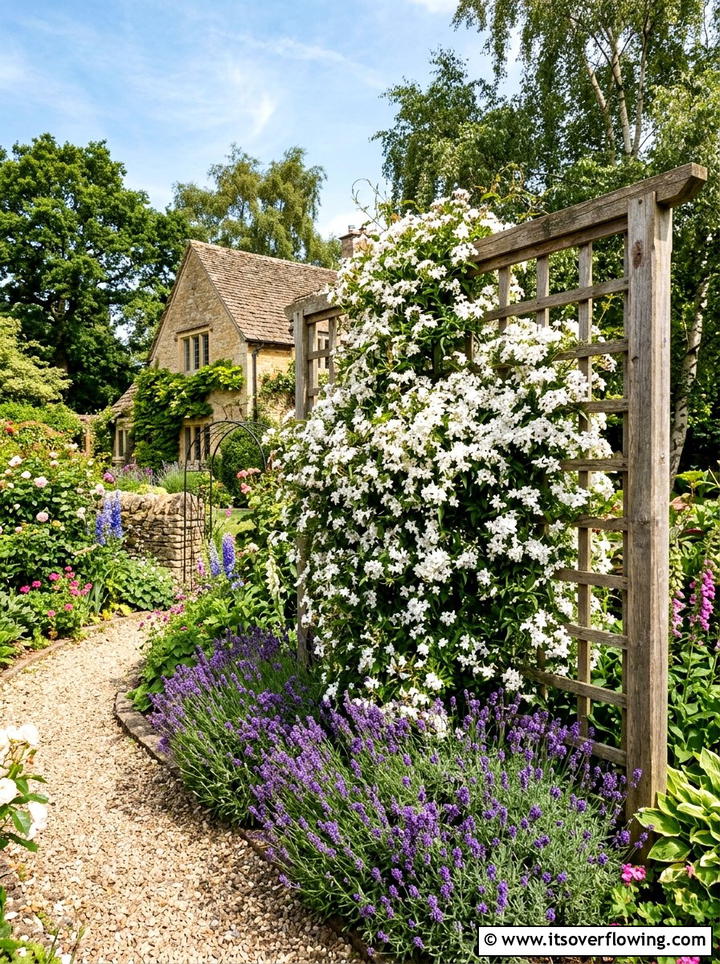
Using garden trellis plants is a smart way to layer upwards when you have absolutely no room to expand horizontally. You can plant climbing roses or fragrant jasmine to grow up the trellis, creating a vertical layer of flowers and scent. At the base of the trellis, plant medium-sized shrubs or perennials to hide the lower stems of the climbers and add fullness. This creates a two-tier effect that draws the eye upward and makes the garden feel more enclosed and private. It is an ideal solution for small patios where you want to create a cozy, green wall or screen.
19. Privacy Screen Plants
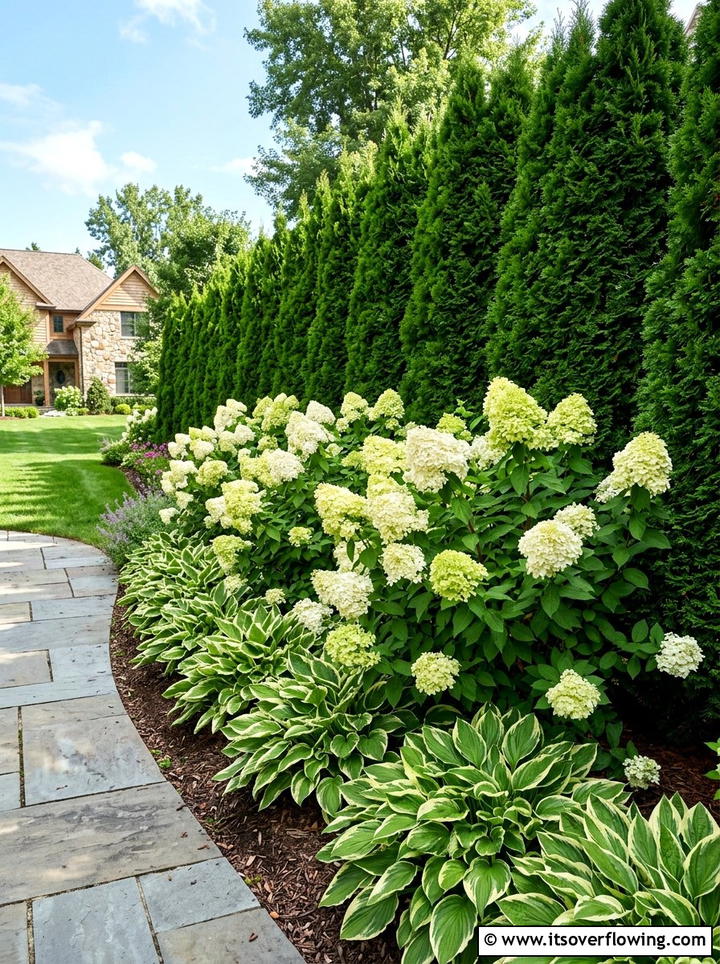
Creating a privacy screen with plants involves layering different heights to block unwanted views while keeping the garden looking natural. Start with a row of tall, fast-growing evergreens or bamboo at the back to provide a solid wall of green. In front of that, add a layer of flowering shrubs like hydrangeas or lilacs to add color and texture at eye level. Finally, add a layer of lower perennials or grasses to ground the entire screen. This multi-layered approach is much more attractive than a plain fence. It provides privacy while also acting as a beautiful backdrop for your entire garden.
20. Corner Garden Layout
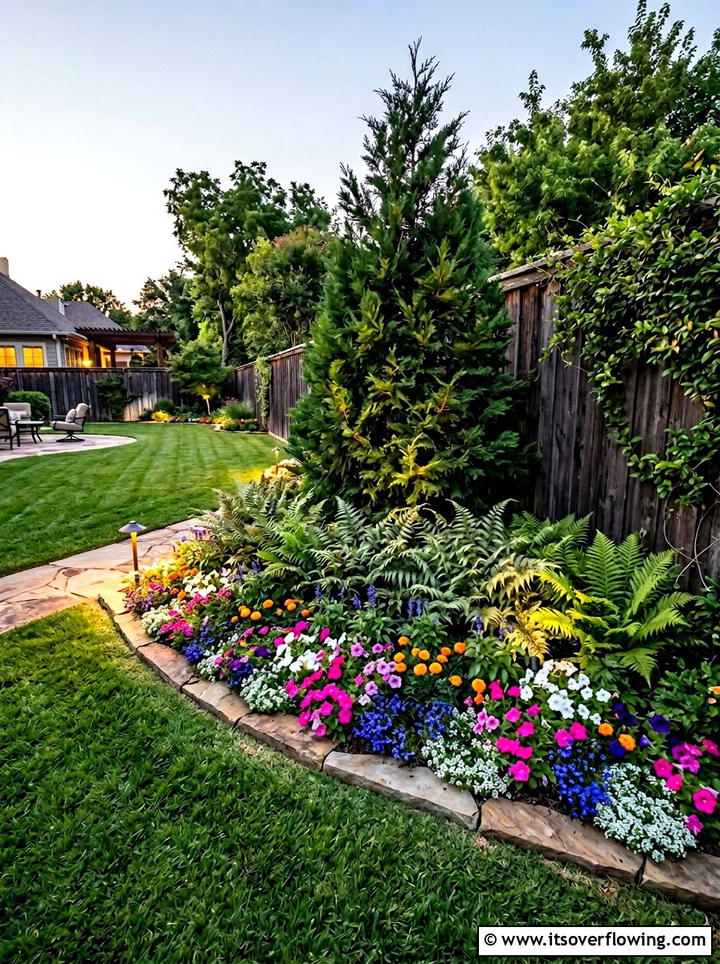
A corner garden layout is a great way to make use of an often-forgotten part of a small backyard or patio. You can layer plants in a triangular shape, putting the tallest plants right in the corner where the two walls meet. Work your way out towards the center of the yard with progressively shorter plants. Use a mix of textures, such as broad-leafed plants behind fine-textured grasses, to create depth and interest. This layering technique makes the corner look lush and purposeful rather than empty. It pulls the entire yard together and provides a beautiful focal point from any viewing angle.
21. Backyard Water Feature
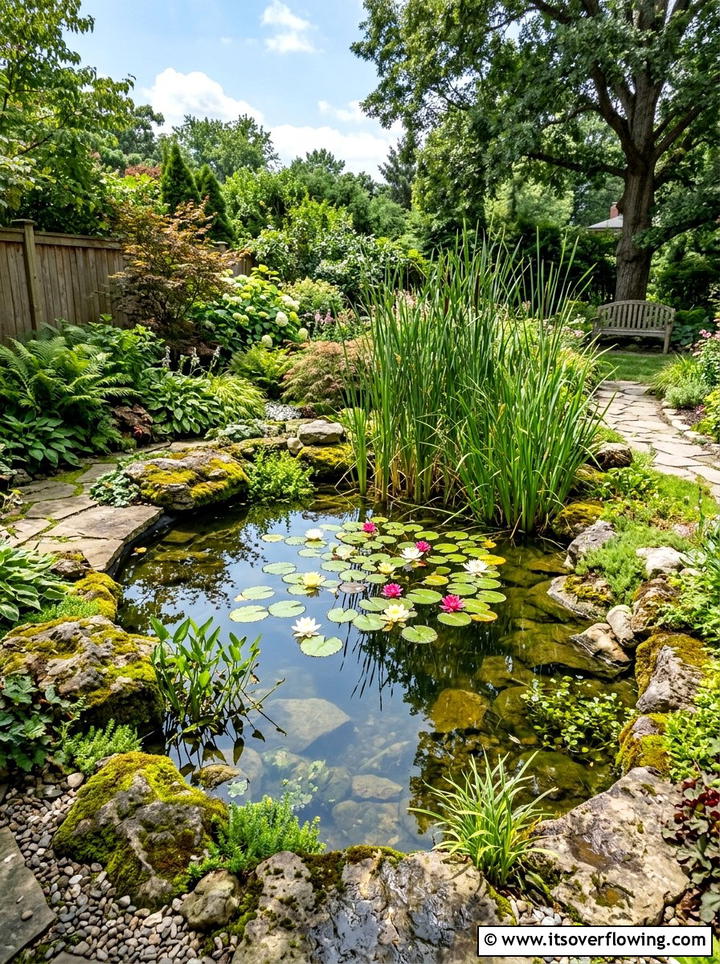
Adding a backyard water feature like a small pond or fountain provides a unique opportunity for layering aquatic and land plants. Around the edges of the water, plant tall reeds or papyrus to provide height and a sense of movement. In the shallow areas of the water, place mid-sized plants like water irises. On the surface, add floating plants like lily pads to provide cover for the water. Surround the entire feature with low ferns or moss-covered rocks to blend it into the rest of the garden. This layered aquatic design creates a peaceful and relaxing sound and visual experience for everyone.
22. Hanging Flower Basket
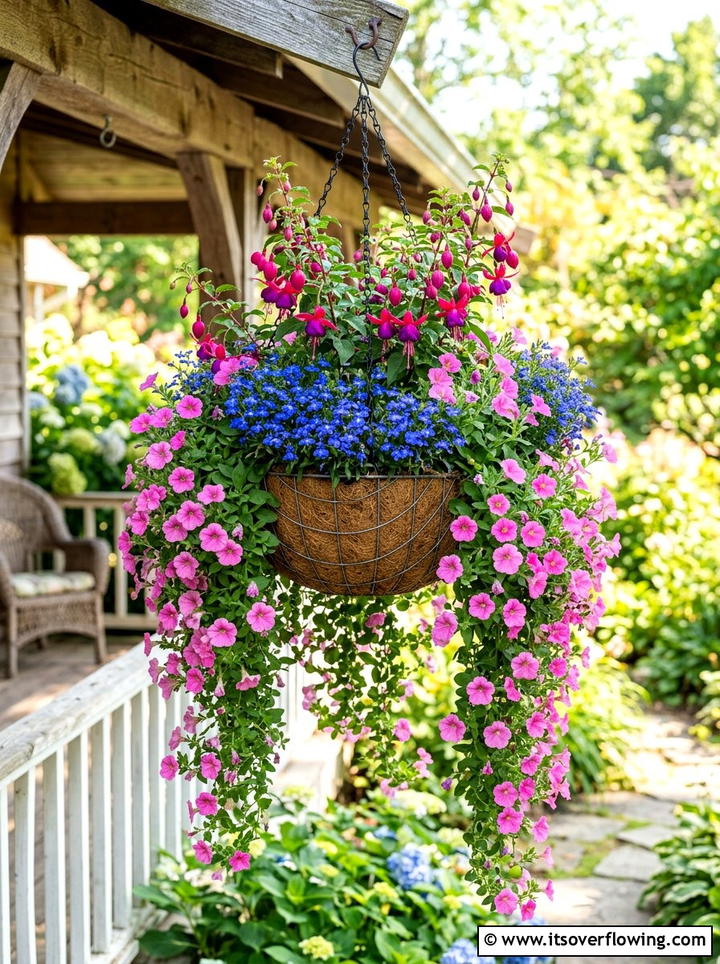
A hanging flower basket is a portable way to add a layer of color and life at eye level in small gardens. You can layer these baskets by choosing plants that grow upright in the center and others that trail over the sides. Use a “thriller” like a small fuchsia in the middle, surrounded by “filler” plants like lobelia or bacopa. Finish with “spiller” plants like trailing petunias or ivy that hang down low. Hanging these baskets at different heights along a porch or fence adds a sense of vertical layering that makes the entire outdoor area feel much more decorated.
23. Edible Garden Layout
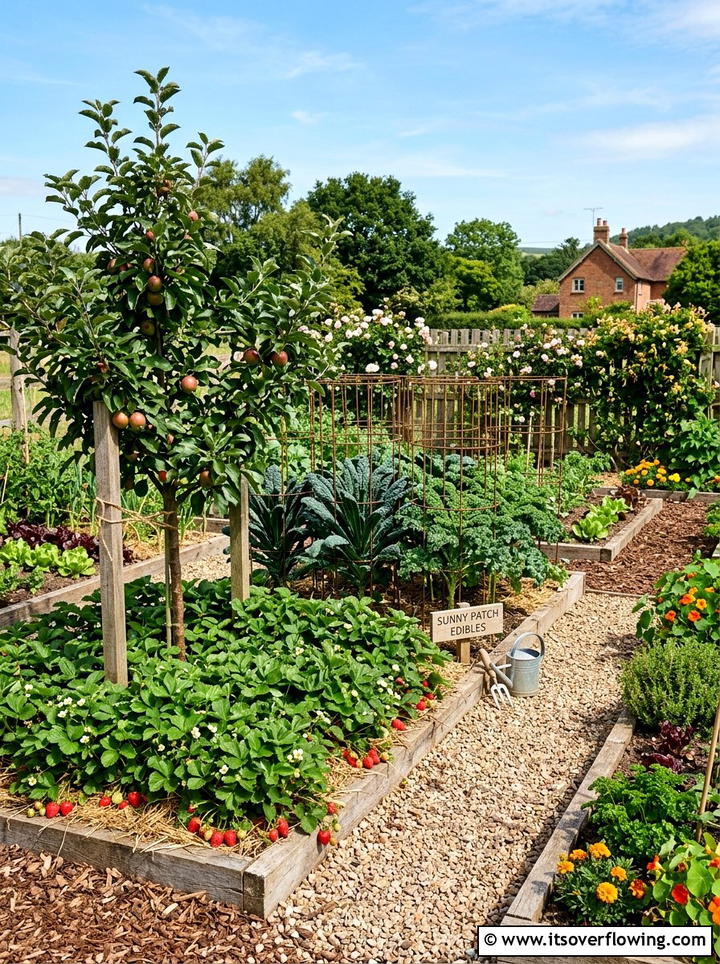
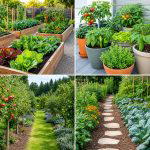
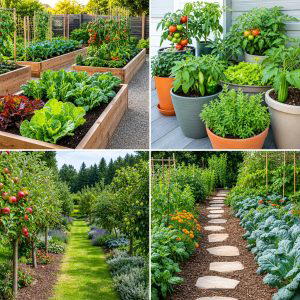
You can create a beautiful edible garden layout by layering fruit, vegetables, and herbs together in a small dedicated space. Start with a dwarf fruit tree or a tall blueberry bush at the back of your plot. In the middle, plant medium-height vegetables like kale, peppers, or tomatoes supported by cages. At the front, use low-growing strawberries or leafy greens like lettuce and spinach as a ground cover. This layering maximizes your harvest while ensuring that each plant gets the space and light it needs. It turns your food production into a visually stunning and productive part of your home landscape.
24. Wildflower Meadow Garden
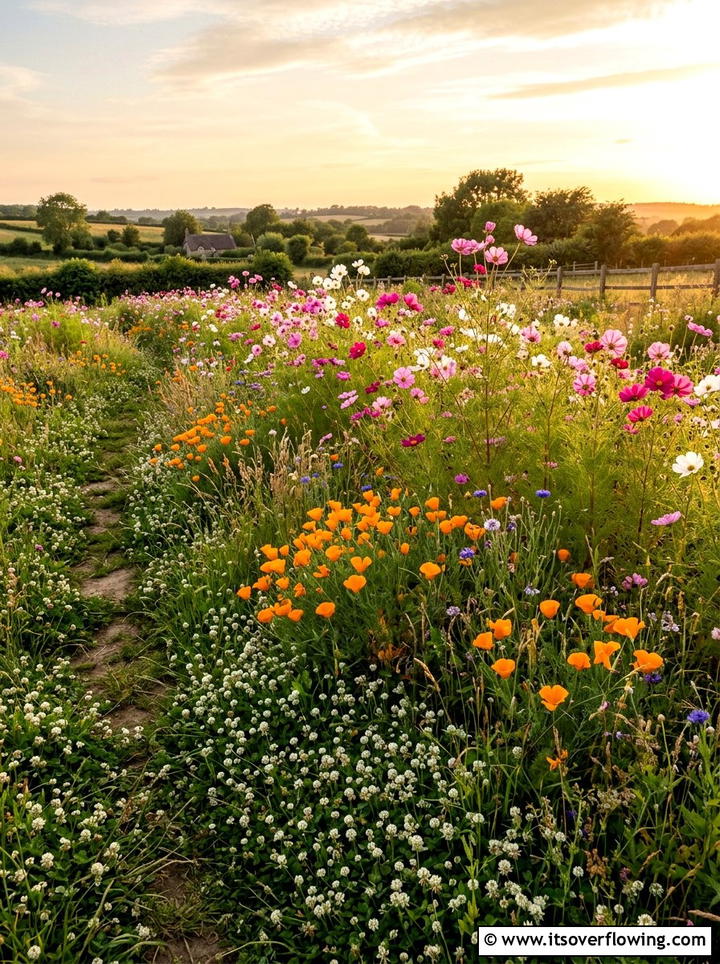
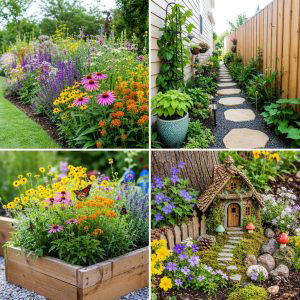
A wildflower meadow garden uses natural layering to create a soft, whimsical look that is very beneficial for local pollinators. You can achieve this by sowing a mix of seeds that grow to different heights. Tall wildflowers like cosmos and sunflowers will rise above the rest, while medium-sized flowers like poppies and cornflowers fill the middle space. Lower clovers and daisies will grow at the base to cover the ground. This layering mimics how plants grow in the wild and creates a very vibrant, colorful display. It is a low-maintenance way to bring beauty and wildlife into a small garden area.
25. Japanese Zen Garden
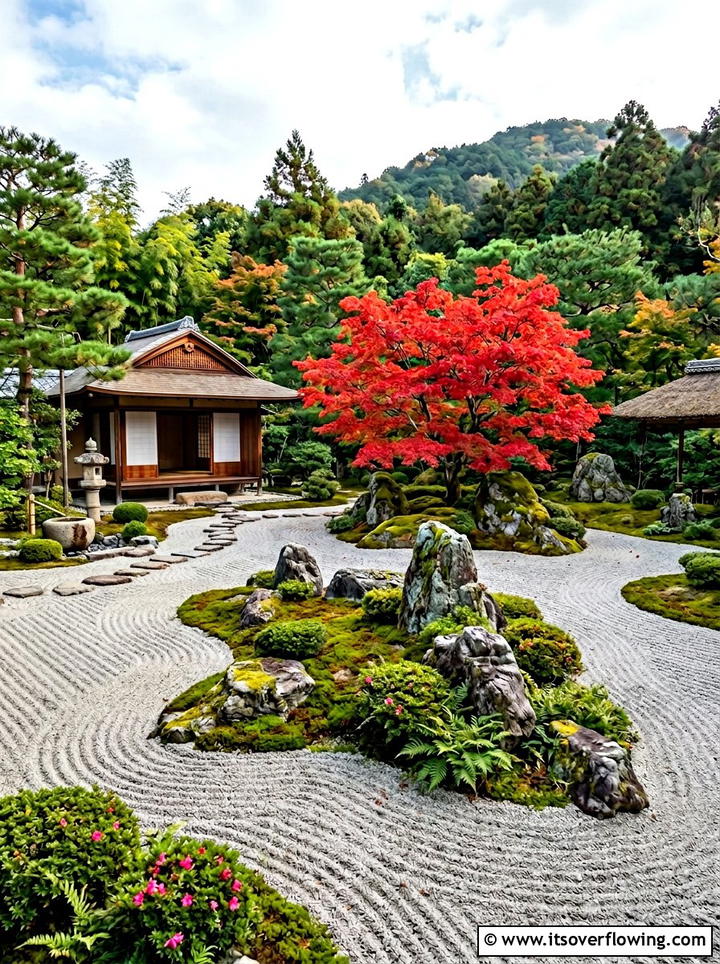
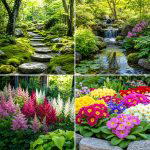
A Japanese zen garden uses very intentional layering of plants, rocks, and sand to create a space for quiet meditation. Start with a focal point like a Japanese maple with its beautiful, delicate leaves providing a high layer of color. Beneath the tree, use carefully placed rocks and low-growing moss to create a sense of miniature mountains and valleys. Surround these with raked gravel or sand to represent water, adding another visual layer to the design. This minimalist layering focus on balance and harmony, making even the smallest garden feel like a vast, peaceful landscape that invites deep relaxation and calm.
Conclusion:
Layering plants in a small garden is the most effective way to create a space that feels lush, professional, and expansive. By carefully choosing plants of different heights and textures, you can maximize every inch of your outdoor area. Whether you prefer the romantic look of a cottage garden or the clean lines of a modern design, these layering techniques offer endless possibilities. Remember to consider the light and water needs of each layer to ensure a healthy and thriving garden. With a little planning and creativity, your small garden will become a beautiful and inviting sanctuary that you will enjoy for many years.

Related posts:
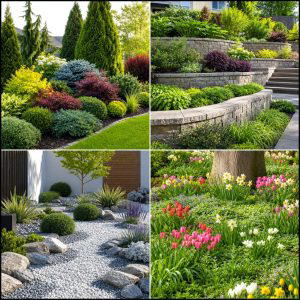 25 garden design ideas with layering for Lush Depth at Home
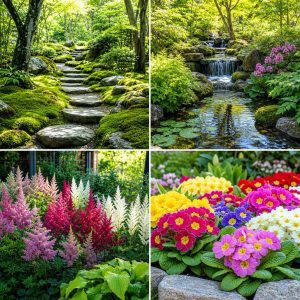 25 Garden Design Ideas With Woodland Plants for Lush Shade
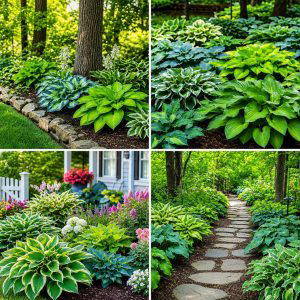 25 garden ideas with hostas for Lush Shade Garden Beauty
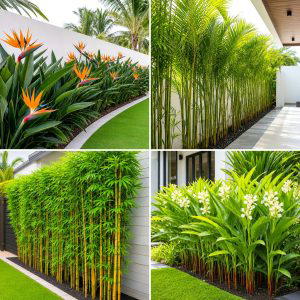 25 Creative Garden Ideas With Tropical Foliage for Lush Yards
 25 Garden Design Ideas With Texture for a Lush Yard Look
 25 Garden Design Ideas With Tropical Foliage for Lush Style
 25 small garden ideas with vertical planters for Lush Walls
 25 Creative Garden Ideas With Hummingbird Plants
 25 garden design ideas with edible plants: Beautiful Foodscapes
 25 garden design ideas with monochrome plants: Chic Planting
 25 Small Garden Ideas With Low Maintenance Plants You’ll Love
 25 Small Garden Ideas With Pollinator Plants for More Blooms