
Transforming a compact outdoor space into a lush sanctuary does not have to involve endless hours of weeding or heavy lifting. Many homeowners struggle with the constraints of a small footprint, but these limitations often spark the most creative and efficient landscaping solutions. By focusing on low-maintenance plants and smart structural elements, you can enjoy a beautiful retreat that practically takes care of itself. This guide explores various ways to maximize every square inch of your backyard or balcony. We will look at drought-tolerant species, hardy evergreens, and strategic hardscaping that keeps your garden looking pristine throughout the seasons. Let us dive into these practical and inspiring ways to elevate your small garden effortlessly.
1. Gravel garden layout
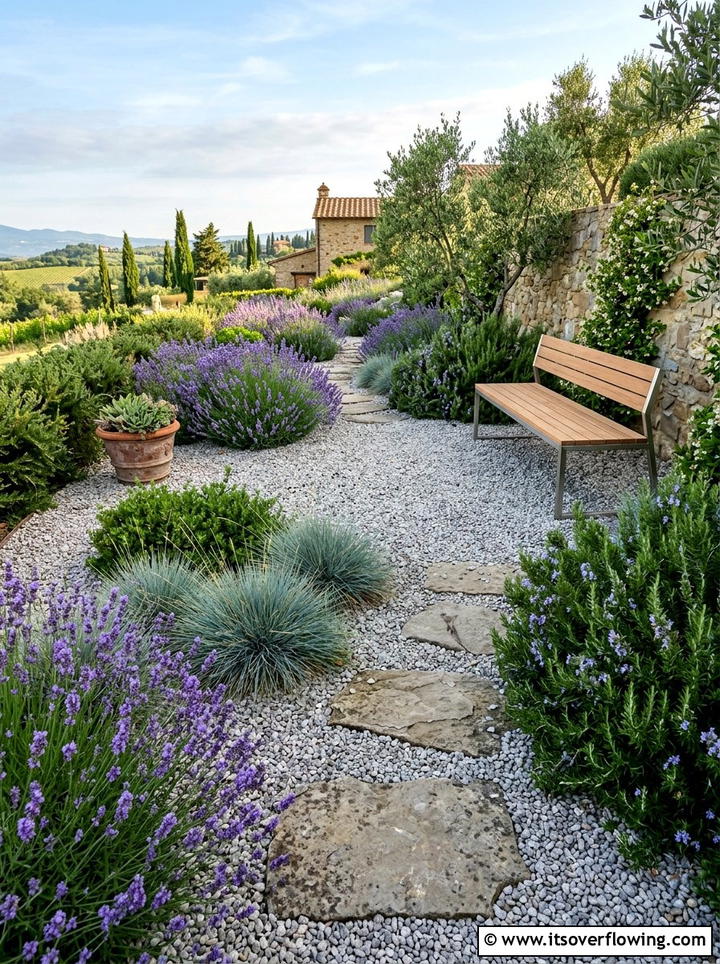
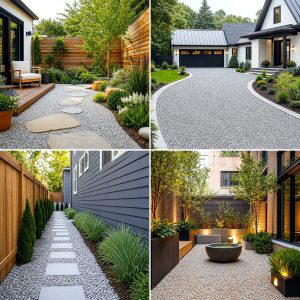
A gravel garden layout offers a sophisticated and practical solution for homeowners who want a beautiful outdoor space without the constant chore of mowing or weeding. By replacing traditional grass with high-quality pea gravel, crushed slate, or river rocks, you create a permeable surface that manages drainage effectively while providing a clean backdrop for hardy plants. This style emphasizes texture and form, allowing Mediterranean species like lavender, rosemary, and sage to thrive with minimal supplemental watering. The contrast between the soft foliage and the hard stone creates a modern aesthetic that looks intentional throughout every season of the year. It is truly the ultimate choice for busy people.
2. Potted succulent arrangement
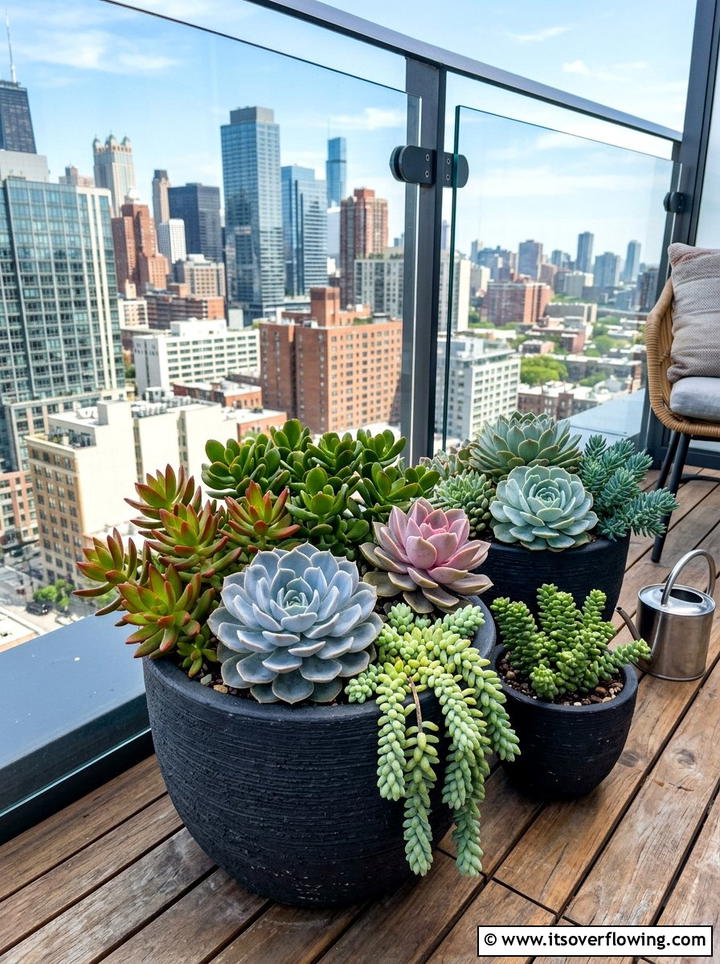
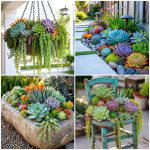
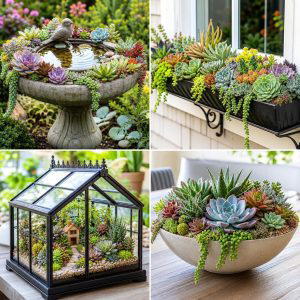
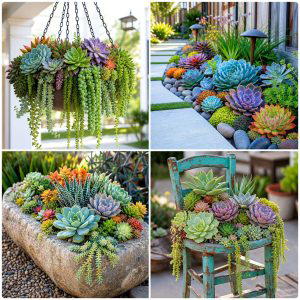
A potted succulent arrangement is an ideal choice for tiny balconies or narrow patios where ground space is at a premium. These resilient plants store water in their thick leaves, making them incredibly drought-tolerant and perfect for those who occasionally forget to water. By mixing different shapes, such as the rosette-forming Echeveria with trailing Sedums or upright Jade plants, you create a miniature landscape with immense visual interest. Using modern ceramic or traditional terracotta pots adds an extra layer of style to the display. These arrangements require very little pruning and stay vibrant all year, providing a consistent pop of greenery with almost no effort.
3. Ornamental grass border
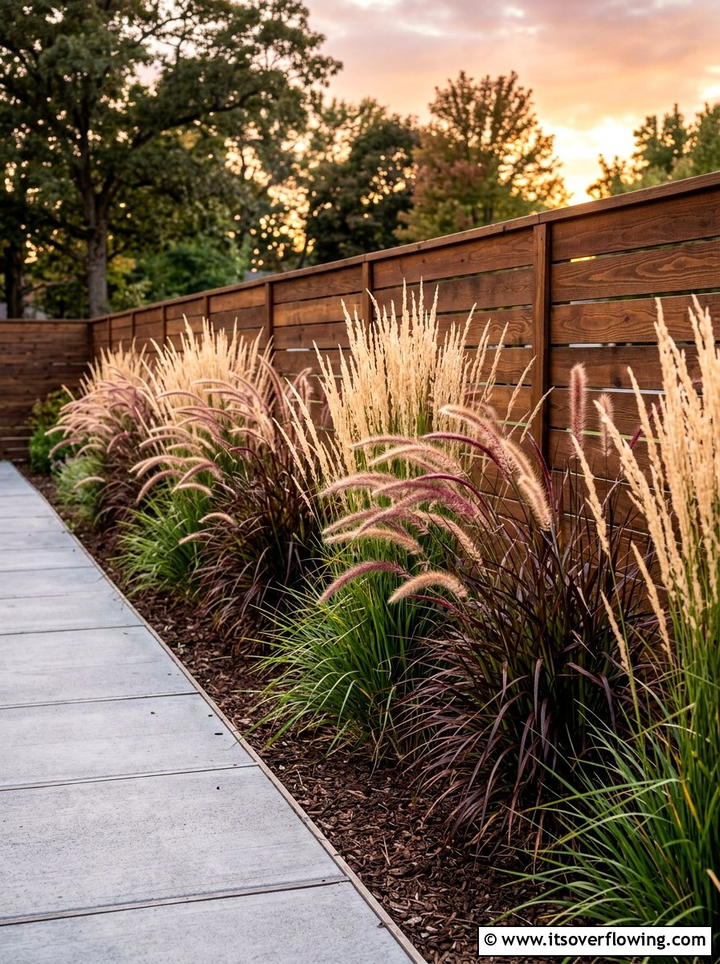
An ornamental grass border provides a sense of movement and soft texture that breathes life into a small garden area. Species like feather reed grass, blue fescue, or fountain grass are exceptionally low maintenance because they only need to be cut back once a year in early spring. These grasses are naturally resistant to most pests and diseases, and they look stunning even when they turn golden in the winter months. Planting them in a row along a fence or walkway creates a natural screen that adds privacy without the bulk of a heavy hedge. Their swaying blades capture the light beautifully during sunset.
4. Vertical herb garden
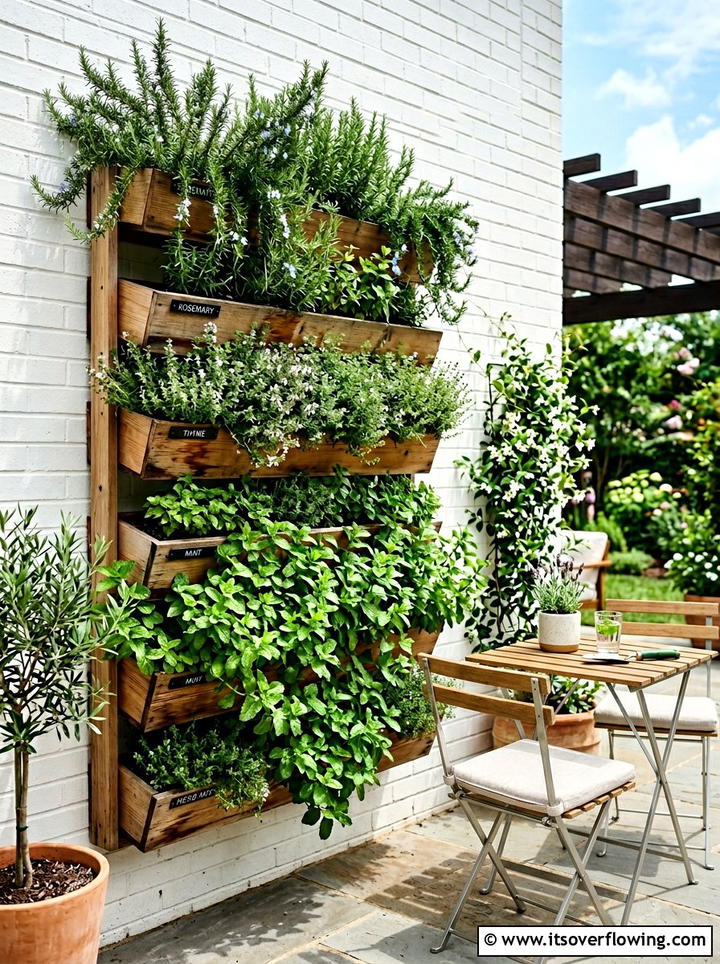
A vertical herb garden is a brilliant way to utilize wall space while keeping your favorite flavors within easy reach of the kitchen. By using wall-mounted planters or a repurposed wooden pallet, you can grow hardy herbs like rosemary, thyme, and oregano without taking up any floor space. These specific herbs are quite rugged and prefer well-draining soil, meaning they do not require constant attention or frequent feeding. Not only does this setup provide a lush green wall effect, but it also fills the air with a delightful fragrance. This functional approach to gardening is perfect for urban dwellers with limited square footage.
5. Raised garden bed
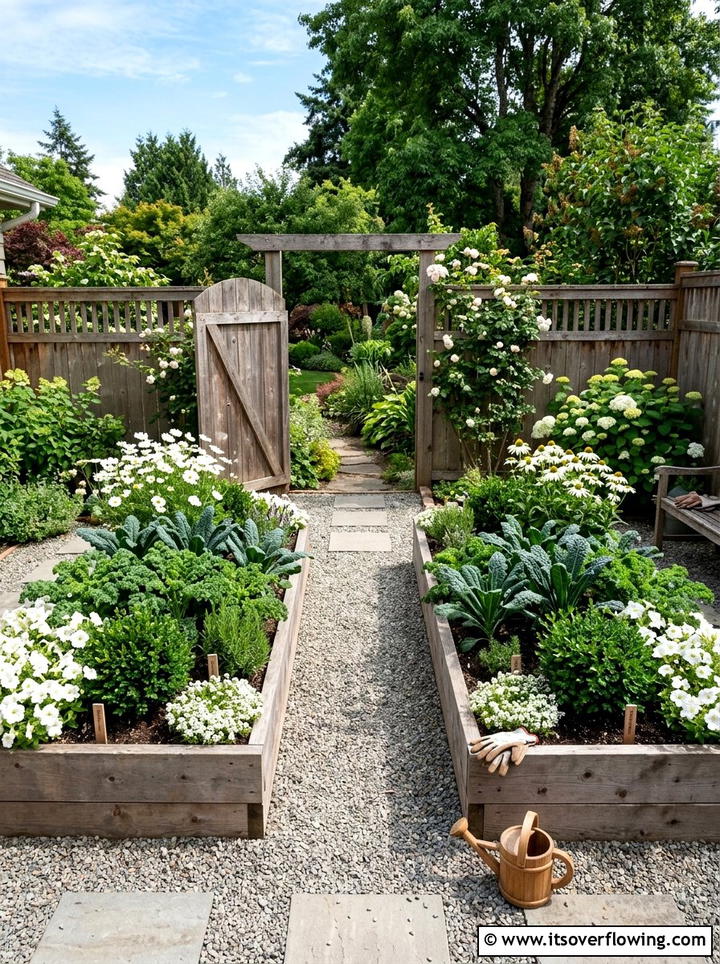
A raised garden bed allows you to control the soil quality from the start, which significantly reduces the growth of invasive weeds. Building beds out of cedar or composite wood creates a clean and organized look that defines different zones within a small backyard. You can fill these beds with slow-growing shrubs or perennial flowers that require minimal deadheading to look their best. The elevated height also makes maintenance much easier on your back, as you do not have to bend down to the ground level. These structures provide excellent drainage, ensuring that your low-maintenance plants stay healthy and vibrant even after heavy rain.
6. Native plant garden
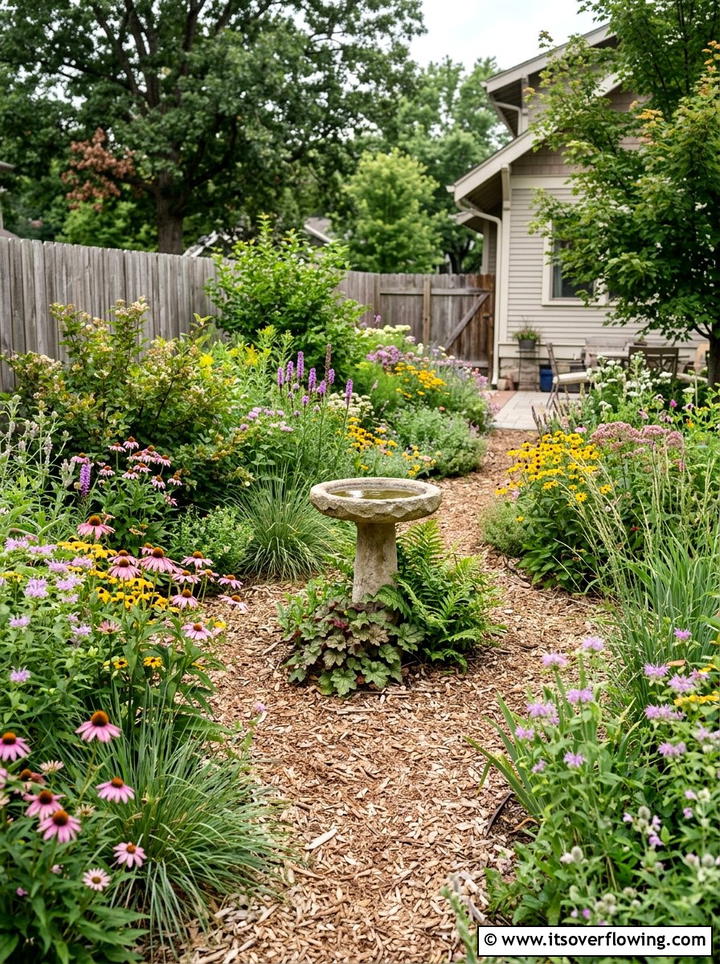
A native plant garden is perhaps the most sustainable and low-effort way to maintain a beautiful outdoor space in any climate. Because these plants are already adapted to your local soil and weather patterns, they require significantly less water and fertilizer than exotic species. Choosing local wildflowers, shrubs, or grasses supports the local ecosystem by providing a habitat for beneficial pollinators like bees and butterflies. Once these plants are established, they generally look after themselves, requiring only occasional trimming to keep them tidy. This naturalistic approach creates a sense of place and belonging that feels harmonious with the surrounding landscape and environment.
7. Xeriscaping small yard
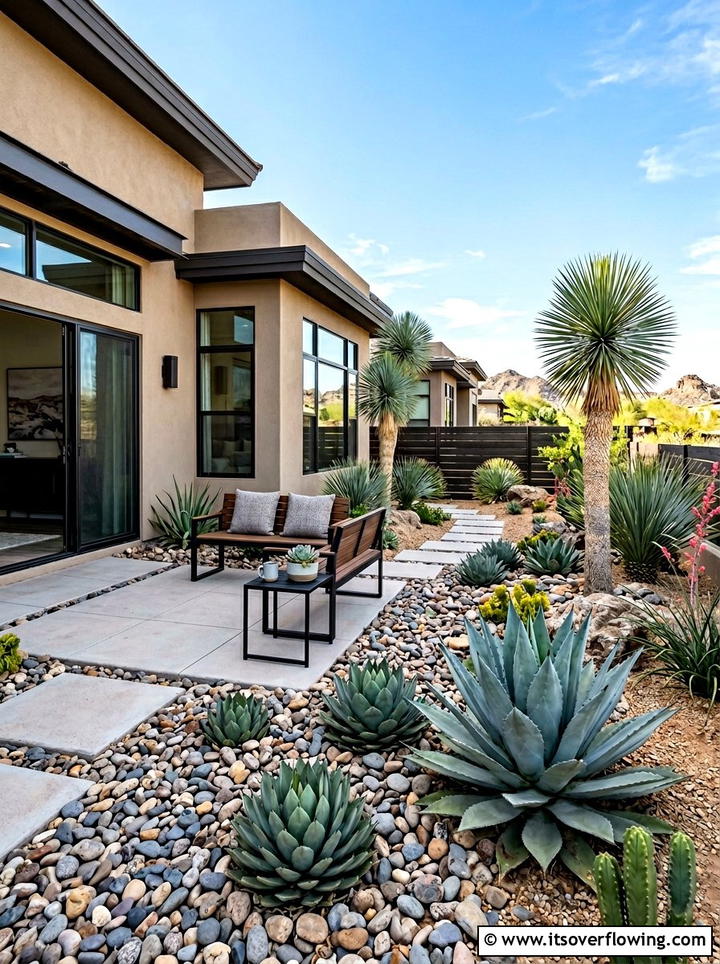
Xeriscaping a small yard is a landscaping philosophy centered around water conservation and the use of hardy, drought-resistant plants and materials. This method often involves replacing thirsty lawns with a combination of mulch, decorative stones, and sculptural plants like agave or yuca. By grouping plants with similar water needs together, you create an efficient irrigation system that saves time and money. The result is a clean, minimalist aesthetic that looks very high-end and intentional. Xeriscaping is particularly popular in arid regions, but its principles of efficiency and low maintenance are becoming a favorite for busy homeowners everywhere who value modern, sustainable living.
8. Evergreen shrub border
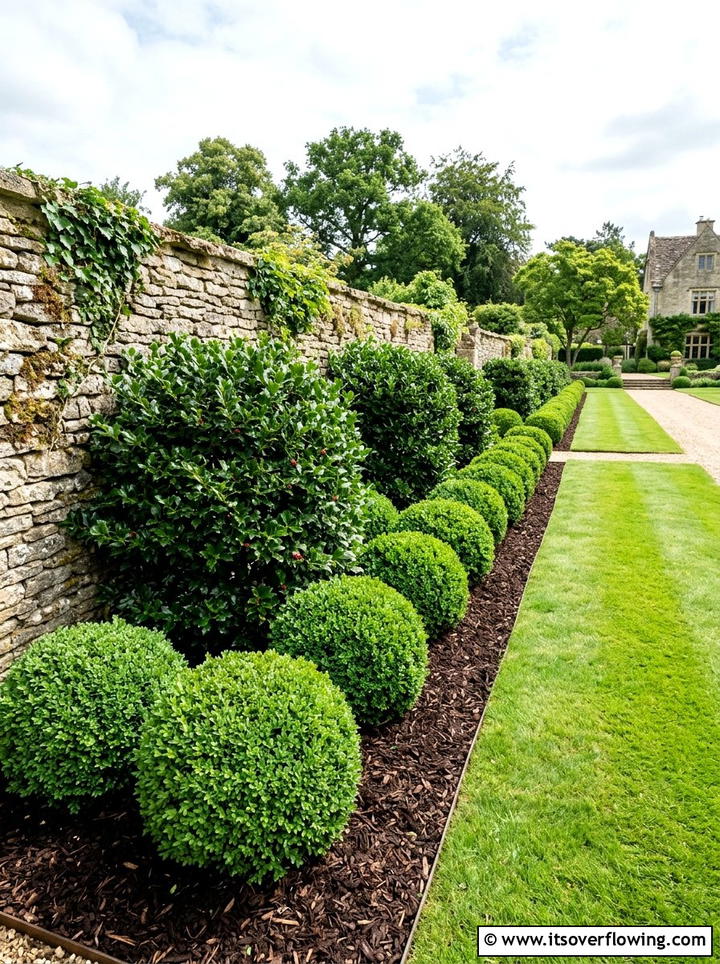
An evergreen shrub border ensures that your garden remains lush and green even during the bleakest months of winter. Dwarf varieties of boxwood, holly, or yew provide a consistent structure and deep green color that serves as a perfect backdrop for other garden elements. These shrubs grow slowly, meaning they only require a light trim once or twice a year to maintain their neat shape. By planting them in a dense row, you can create a low-profile hedge that defines your property boundaries without overwhelming the space. Their reliable performance and classic appearance make them a staple for any low-maintenance garden design or layout.
9. Modern patio container
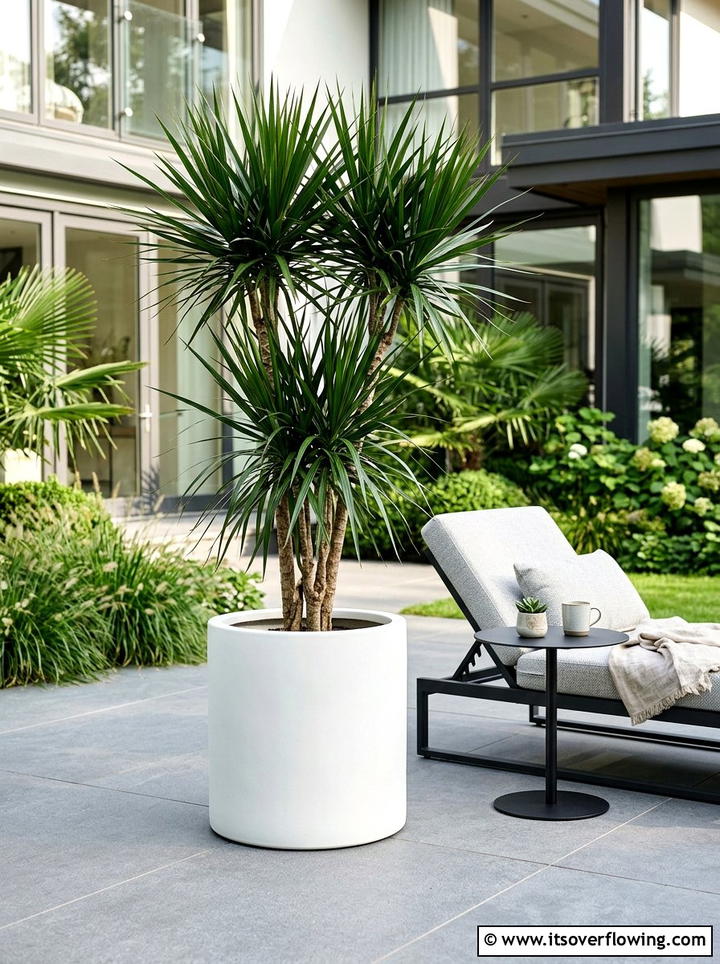
A modern patio container setup uses large, statement-making pots to house architectural plants like Dracaena or Phormium. These oversized planters act as focal points that draw the eye and provide a sense of scale in a small garden or courtyard. Because large containers hold more soil, they do not dry out as quickly as smaller pots, which reduces the frequency of watering required. Choosing sleek, monochromatic containers in charcoal or white adds a contemporary feel to the outdoor area. This approach allows you to change the layout of your garden easily by simply moving the pots around to refresh the look.
10. Japanese zen garden
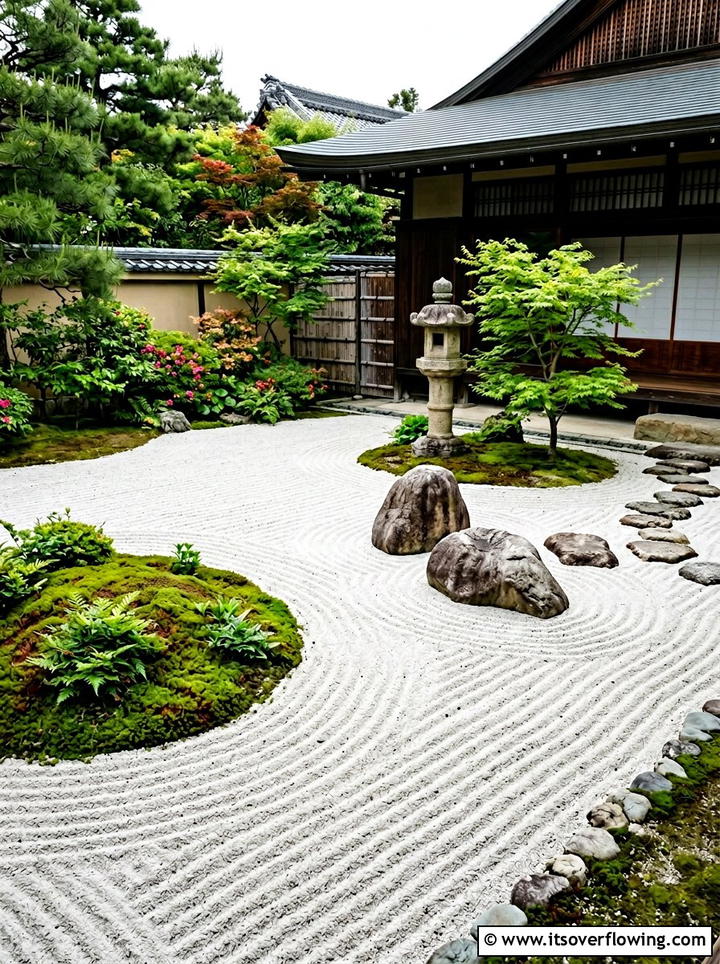
A Japanese zen garden focuses on simplicity and mindfulness, utilizing raked sand, smooth river stones, and moss to create a peaceful atmosphere. This style is inherently low maintenance because it avoids large areas of flowers or lawn that require constant care and attention. A few carefully placed evergreen shrubs or a single Japanese maple can provide enough greenery to anchor the space. The act of raking the gravel can be a meditative practice, but the garden looks beautiful even when left untouched. This minimalist aesthetic is perfect for small enclosed courtyards where a sense of calm and order is the primary goal.
11. Multi level deck garden
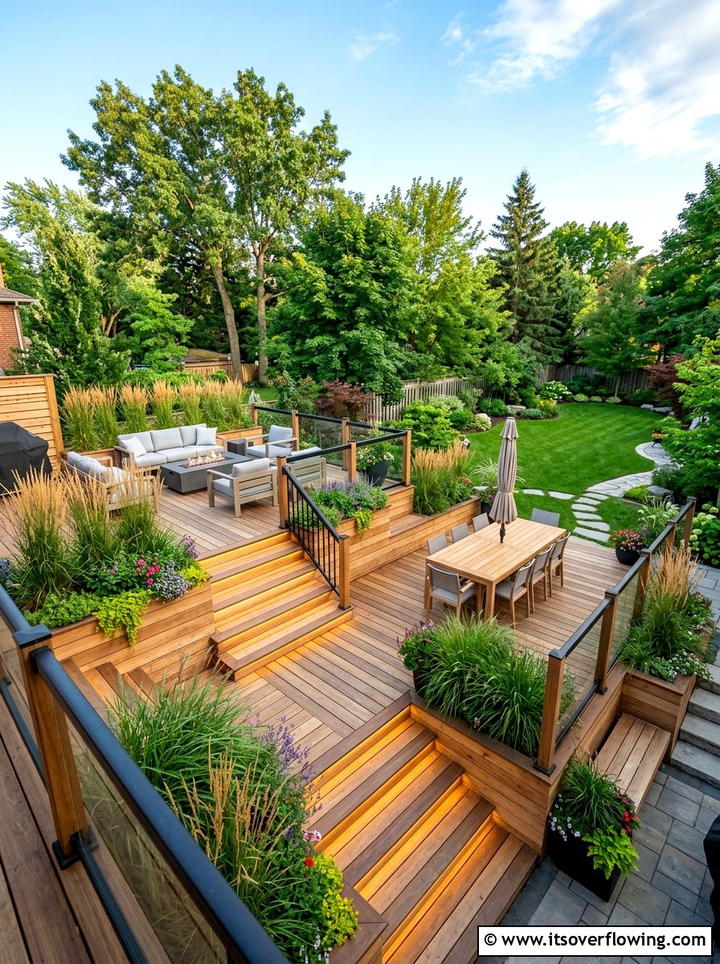
A multi level deck garden uses verticality to create interest and depth in a compact backyard without the need for traditional flower beds. Built-in planters integrated into the decking can house hardy perennials or ornamental grasses that spill over the edges for a soft effect. By using different levels for seating and planting, you make the space feel much larger and more dynamic than it actually is. Pressure-treated wood or composite decking materials are durable and require very little upkeep over the years. This structural approach keeps the plants contained and organized, making it very easy to manage the entire garden area.
12. Backyard pebble path
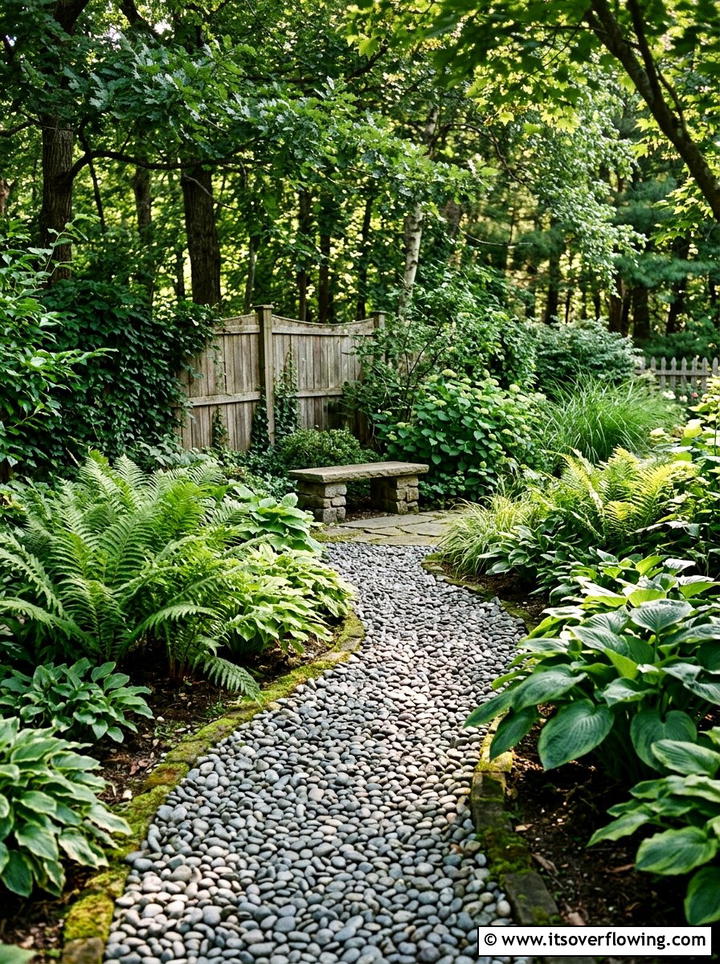
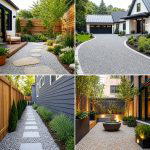
A backyard pebble path is a functional element that adds a charming, rustic feel to a small garden while suppressing weed growth. Lining a narrow walkway with smooth stones or slate chips creates a clear transition between different parts of the yard. You can flank the path with low-maintenance groundcovers like creeping thyme or hardy ferns that thrive in the gaps between the stones. This type of hardscaping requires almost zero maintenance once it is installed, as the pebbles stay in place and look good in all weather conditions. It provides a clean, dry walking surface that enhances the overall organization of the landscape.
13. Artificial turf small lawn
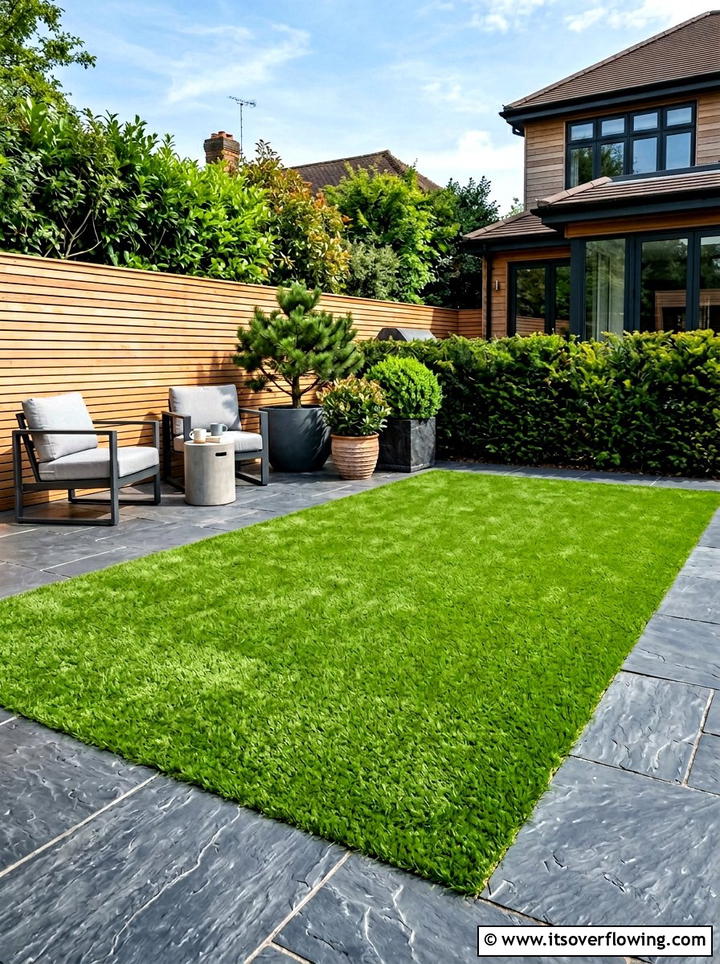
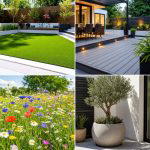
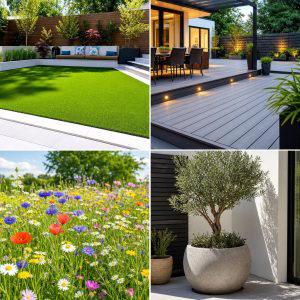
An artificial turf small lawn provides the look of a perfectly manicured green carpet without the need for mowing, fertilizing, or watering. Modern synthetic grass is incredibly realistic and soft underfoot, making it a great choice for families with pets or children. It stays vibrant green all year long, regardless of the sun exposure or rainfall levels in your area. This is a game-changer for tiny urban gardens where a traditional lawn would be difficult to maintain or move a mower into. Simply blowing off fallen leaves occasionally is all it takes to keep this low-maintenance surface looking its absolute best.
14. Hanging basket display
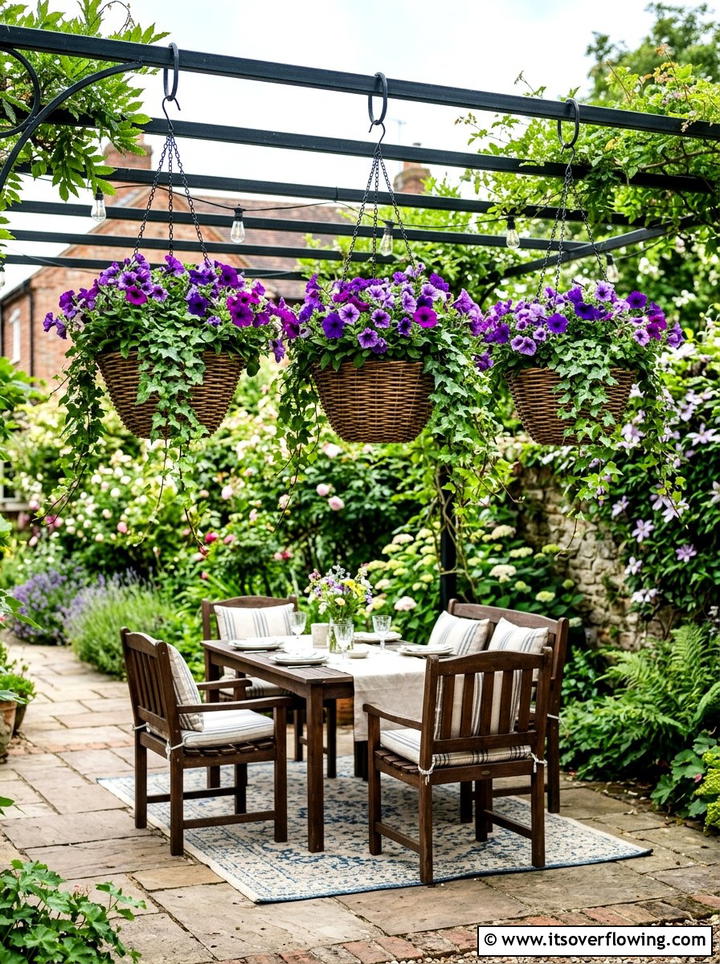
A hanging basket display is a wonderful way to bring color and life to eye level without cluttering the ground area. By choosing hardy trailing plants like ivy, periwinkle, or certain varieties of fuchsia, you can create a lush curtain of greenery that frames a window or porch. Self-watering hanging baskets are a great investment for those who want to minimize daily chores, as they keep the soil moist for longer periods. These elevated displays add a romantic and cottage-like feel to any small space, making the garden feel full and abundant while remaining very easy to manage and update seasonally.
15. Small vegetable patch
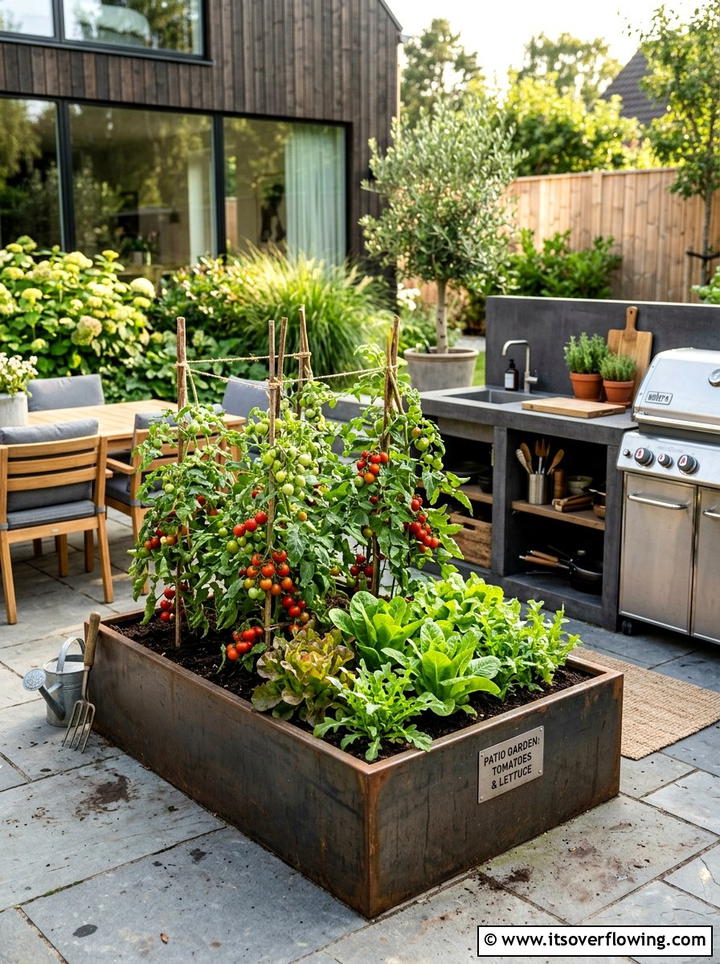
A small vegetable patch can be surprisingly low maintenance if you choose the right varieties and use a contained growing area. Compact or “patio” versions of vegetables like cherry tomatoes, peppers, and lettuce grow perfectly in small raised beds or large pots. By using high-quality potting mix and a layer of organic mulch, you can significantly reduce the need for weeding and frequent watering. Growing your own food is incredibly rewarding, and these specific plants are generally very productive with minimal intervention. This setup allows you to enjoy fresh produce right from your doorstep without the commitment of a large-scale traditional vegetable garden.
16. Trellis with climbing plants
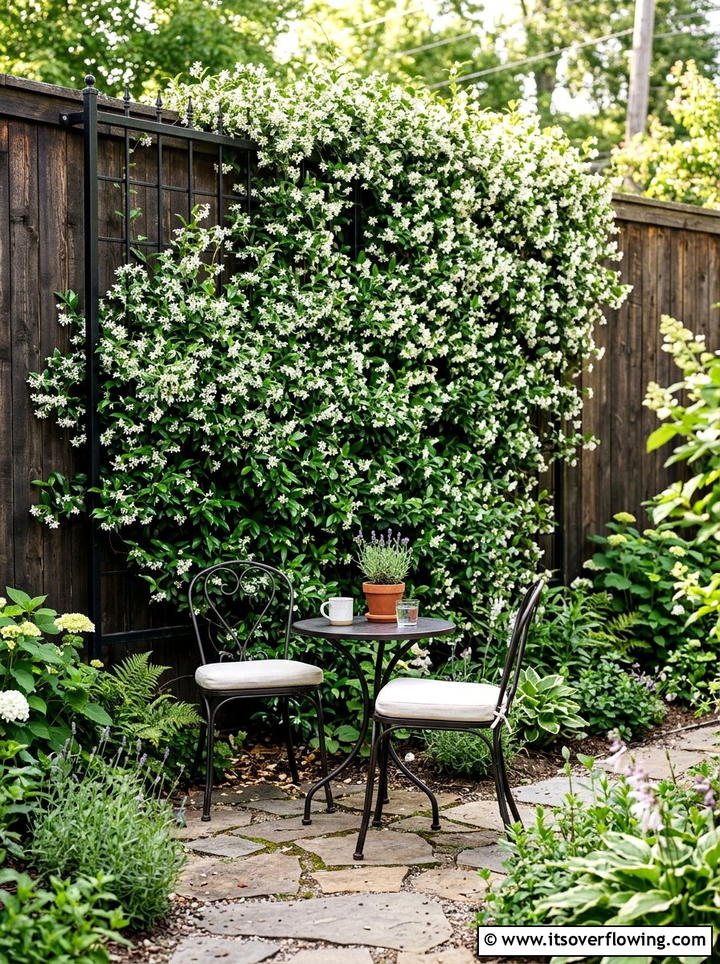
A trellis with climbing plants is the ultimate solution for adding greenery to a small space by going up instead of out. Hardy climbers like Star Jasmine or Clematis provide beautiful blooms and a wonderful scent while taking up very little ground space. Once these plants find their footing on the trellis, they require only a bit of annual pruning to keep them within their designated area. They create a living wall that can hide an unattractive fence or provide privacy from neighbors. This vertical interest makes the garden feel more enclosed and intimate, acting as a natural tapestry of leaves and flowers.
17. Window box greenery
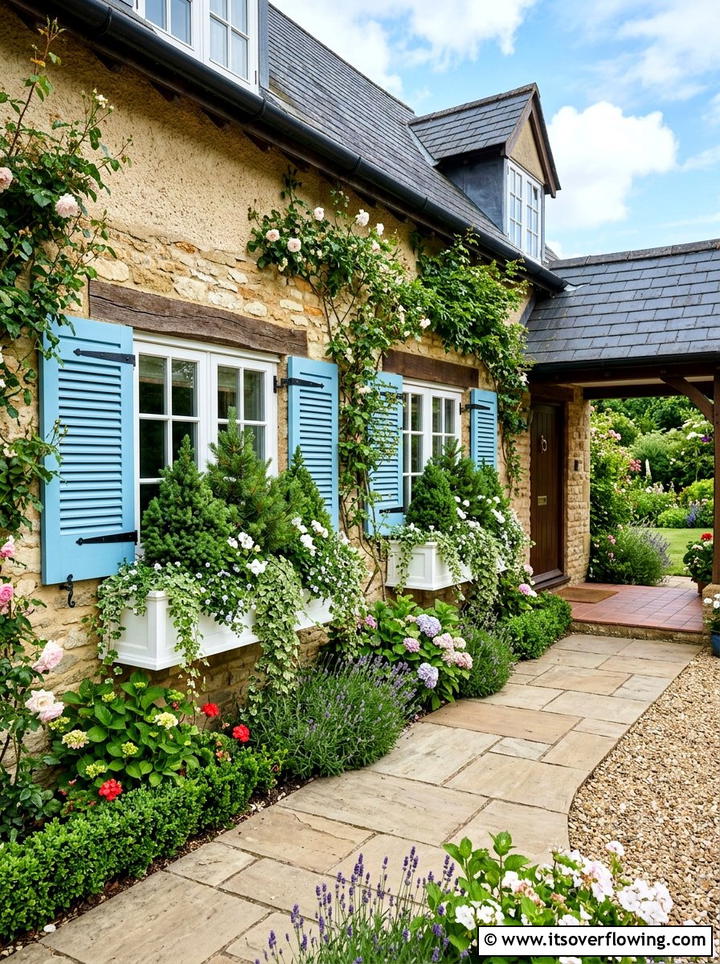
Window box greenery offers instant curb appeal and a touch of nature that you can enjoy from both inside and outside your home. These small planters are perfect for growing low-maintenance evergreens or seasonal flowers that stay compact and tidy. Because they are at waist height, they are very easy to plant and maintain without any heavy labor. You can mix trailing plants with upright varieties to create a balanced and professional look. Window boxes are a fantastic way to introduce color to a home with no yard at all, proving that you do not need much space to be a gardener.
18. Coastal garden style
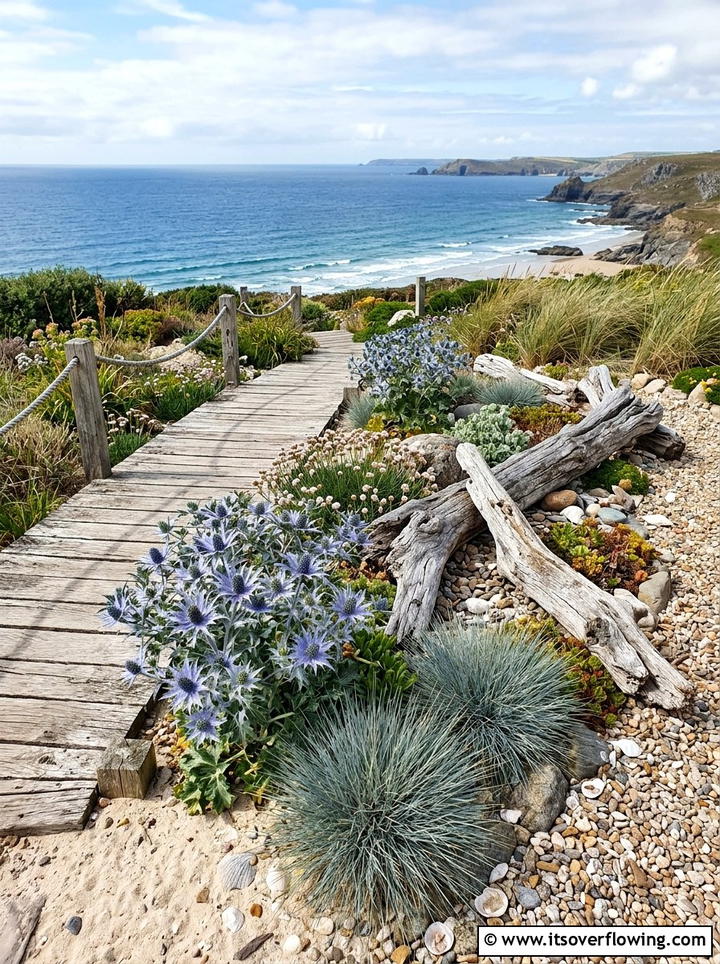
A coastal garden style embraces plants that are naturally tough and capable of withstanding salty air and sandy soil. Species like sea holly, ornamental grasses, and rugosa roses are incredibly resilient and require very little care once they are established in the ground. Using natural materials like weathered wood, seashells, and pale gravel complements the plants and reinforces the seaside theme. This style is meant to look a bit wild and untamed, which takes the pressure off the gardener to keep everything perfectly pruned. It is a relaxed and breezy approach to small garden design that feels like a permanent vacation.
19. Minimalist courtyard layout
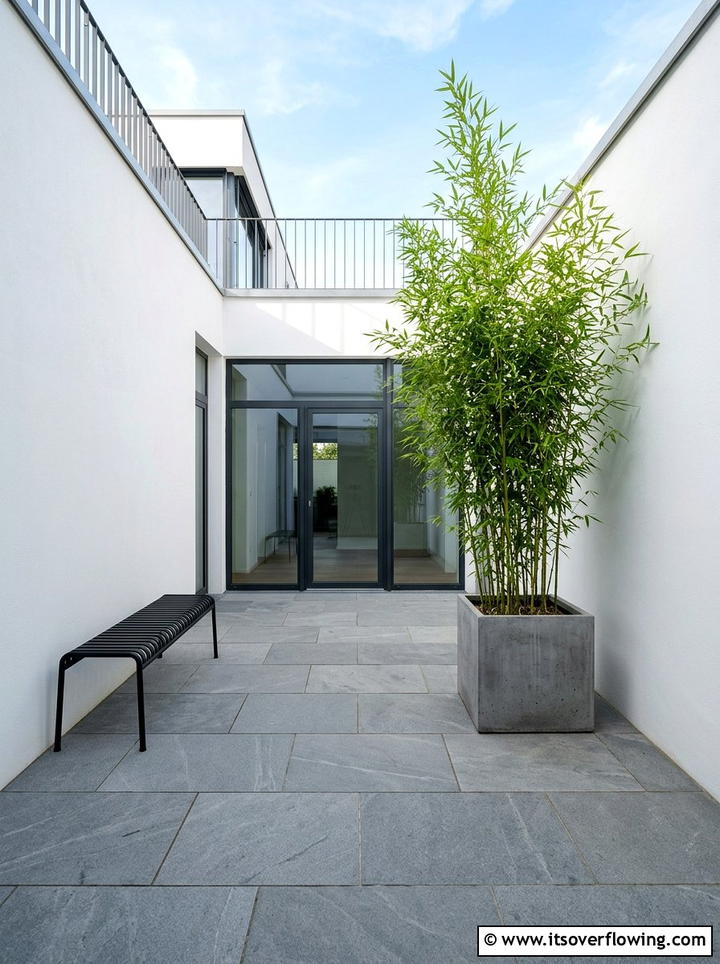
A minimalist courtyard layout focuses on clean lines, a limited color palette, and high-quality materials to create a sophisticated outdoor room. By choosing only one or two types of plants, such as architectural bamboo or structural boxwoods, you simplify the maintenance routine significantly. The emphasis is on the hardscaping, such as smooth concrete pavers or elegant timber decking, which provides a permanent and tidy structure. This design style is perfect for those who appreciate modern architecture and want a garden that feels like an extension of their interior living space. It is clutter-free, calm, and incredibly easy to keep clean.
20. Rock garden border
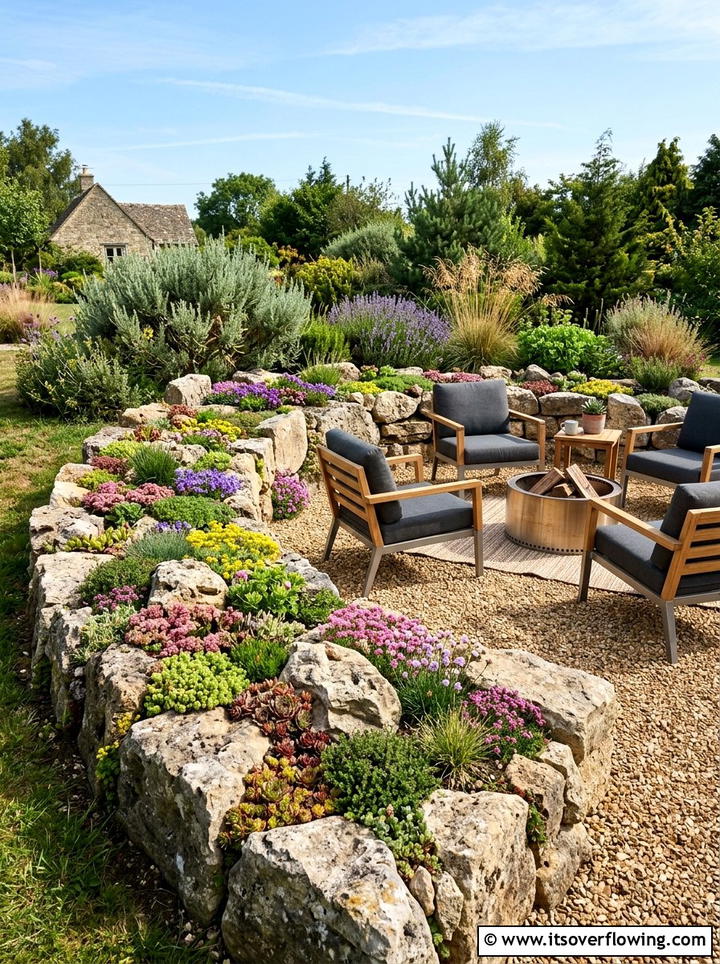
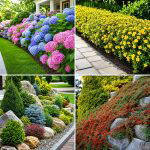
A rock garden border utilizes natural stones of various sizes to create a rugged and interesting edge for your plant beds. This environment is perfect for alpine plants and small succulents that thrive in well-draining, rocky soil with very little water. The stones act as a natural mulch, keeping the roots cool and preventing weeds from taking hold in the soil below. This type of garden looks better as it ages, as the rocks develop a natural patina and the plants tuck themselves into the crevices. It is a very durable and low-maintenance way to add character and texture to a small backyard.
21. Tropical patio theme
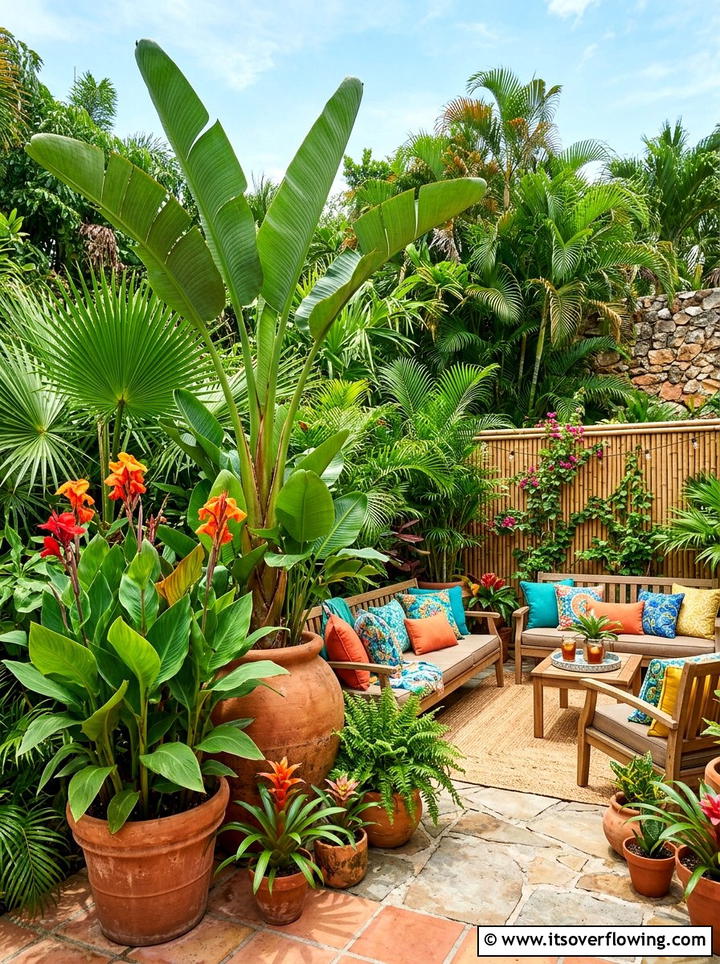
A tropical patio theme can be achieved even in cooler climates by using large-leafed plants that provide a lush, jungle-like feel with minimal fuss. Hardy palms, Fatsia japonica, and Canna lilies offer bold shapes and vibrant greens that transform a small space into an exotic retreat. While some of these plants may need protection during very cold winters, they are generally quite vigorous growers that do not require detailed pruning. Pairing these plants with dark wood furniture and bright cushions creates a high-impact look that feels luxurious. It is an excellent way to create a private and immersive sanctuary in a busy neighborhood.
22. Shady corner plant bed
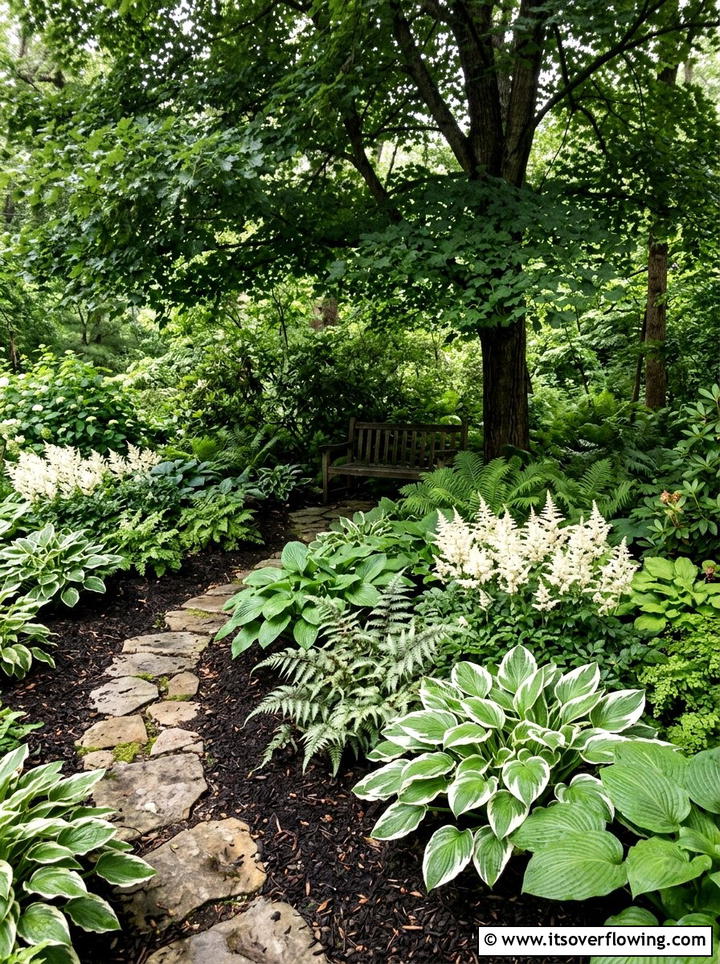
A shady corner plant bed is the perfect place to grow low-maintenance foliage plants that actually prefer to stay out of the direct sun. Hostas, ferns, and Astilbe are classic choices that offer a variety of textures and shades of green with almost zero effort. These plants are generally very hardy and will return year after year, filling the space with lush growth that smothers out potential weeds. Since these areas stay cooler and hold moisture longer, you will find yourself watering much less frequently than in the sunny parts of the garden. It is a smart way to beautify a forgotten spot.
23. Fire pit area landscaping
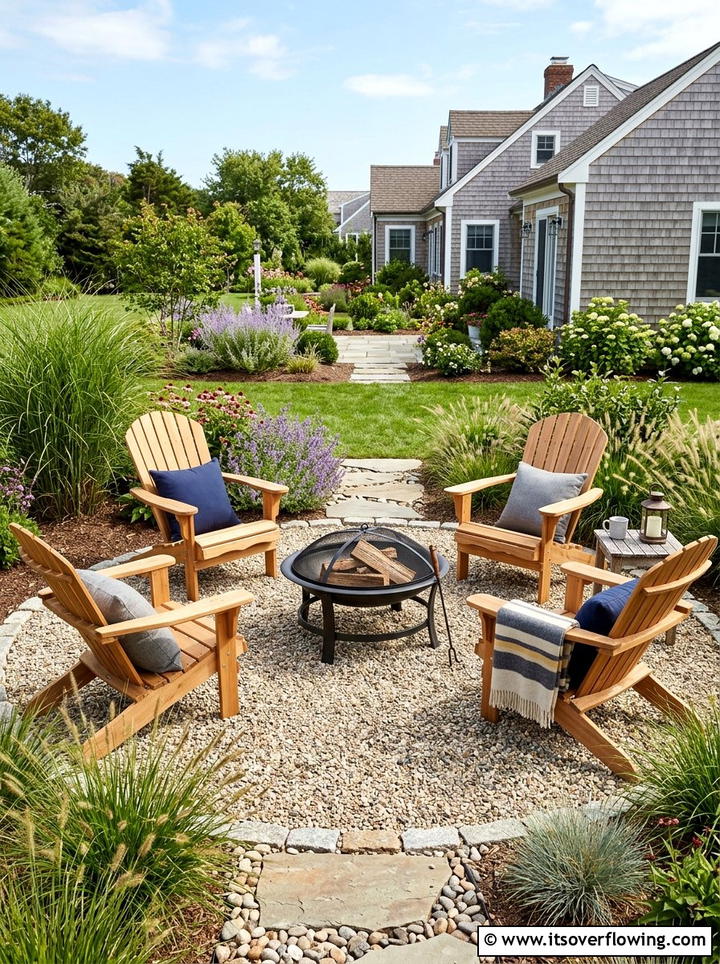
Fire pit area landscaping creates a cozy focal point for social gatherings while utilizing materials that require no upkeep. Surrounding a central fire pit with a thick layer of decorative gravel or flagstone provides a safe and fire-resistant surface that looks great year-round. You can place heavy-duty Adirondack chairs or built-in stone benches around the perimeter for permanent seating. Adding a few hardy shrubs or ornamental grasses around the edge of the gravel zone provides a soft transition to the rest of the yard. This setup is all about relaxation and enjoying the outdoors with friends without any gardening stress.
24. Small water feature surround
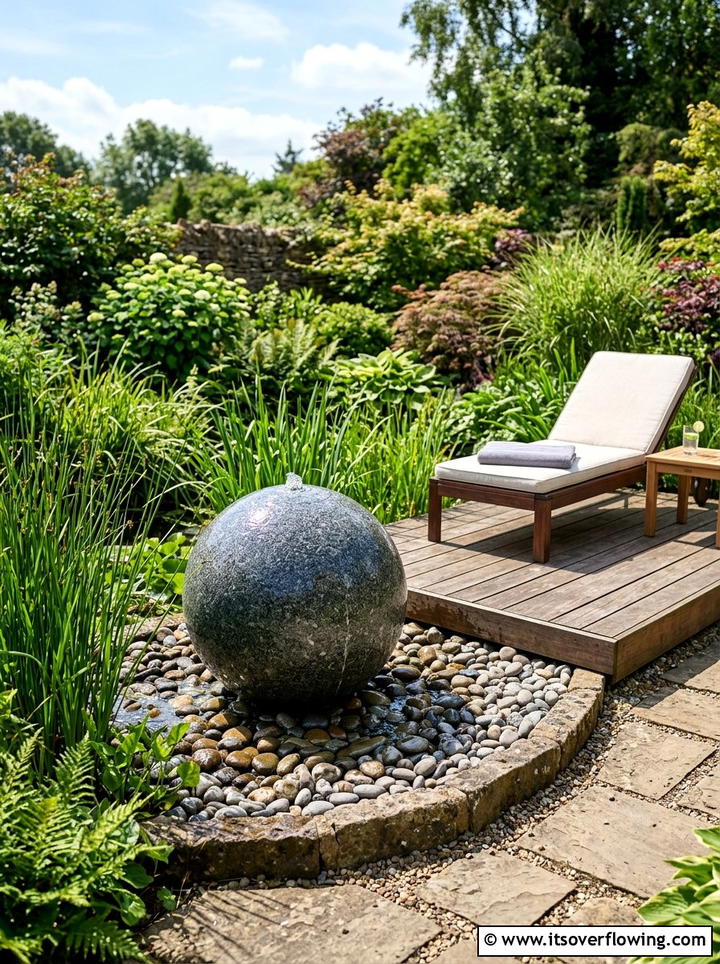
A small water feature surround adds the soothing sound of trickling water to your garden, creating a peaceful ambiance that masks city noise. Modern, self-contained fountains are very easy to install and require only occasional topping off with water to keep them running smoothly. Surrounding the base with smooth river stones and moisture-loving but low-maintenance plants like horsetail or sedges enhances the natural look. These features do not require a large pond or complex plumbing, making them ideal for small patios. The presence of water brings a sense of life and coolness to the garden, making it feel like a professional landscape.
25. Wildlife friendly garden corner
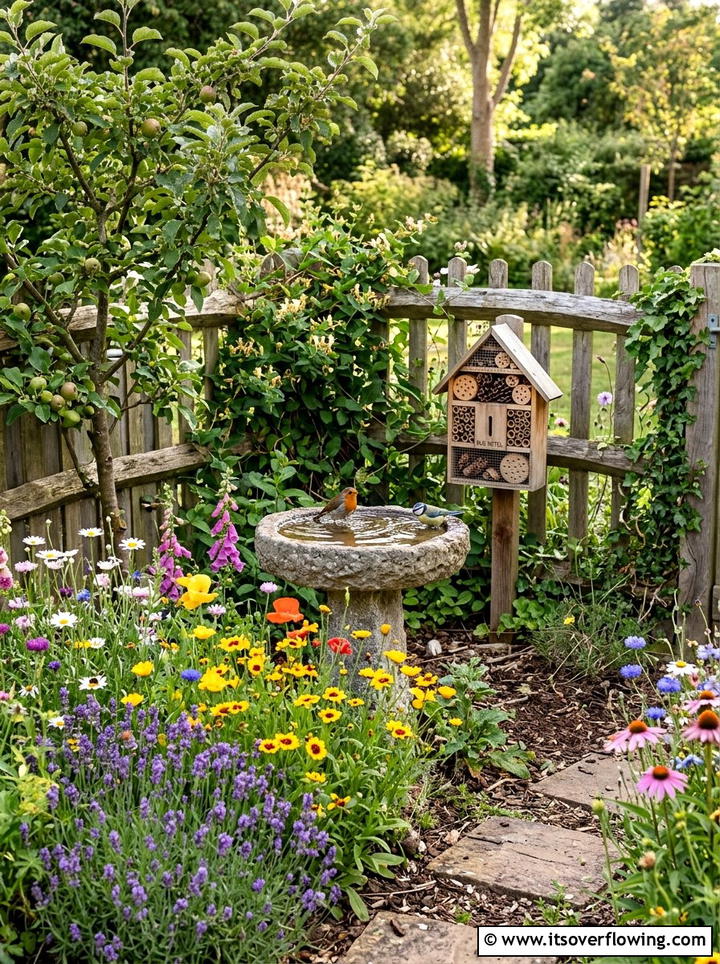
A wildlife friendly garden corner focuses on providing food and shelter for birds and insects using easy-to-grow plants. By including a bird bath and some pollinator-friendly flowers like coneflowers or sunflowers, you create a busy and interesting ecosystem in your own backyard. This approach encourages a slightly more natural and less manicured look, which means you can spend less time pruning and more time observing nature. Using a simple log pile or a small bug hotel adds structural interest and provides a home for beneficial insects that help keep pests away naturally. It is a rewarding and low-impact gardening style.
Conclusion:
Creating a small garden that is both beautiful and low maintenance is entirely possible with the right planning and plant choices. By focusing on hardy species, smart hardscaping, and vertical solutions, you can maximize your outdoor enjoyment while minimizing the time spent on chores. Whether you prefer the clean lines of a minimalist courtyard or the lush feel of a tropical patio, the key is to choose elements that work with your lifestyle. A well-designed small garden provides a much-needed escape from the hustle and bustle of daily life. We hope these ideas inspire you to transform your compact space into a thriving, effortless sanctuary today.

Related posts:
 25 creative garden ideas with low maintenance design Tips
 25 garden design ideas with low maintenance shrubs: Easy Looks
 25 Garden Ideas Low Maintenance for Easy Outdoor Beauty
 25 Garden Ideas With Gravel for Low-Maintenance Outdoor Style
 25 Garden Ideas With Succulents for Low-Maintenance Style
 25 small garden ideas with succulents for Low-Maintenance Style
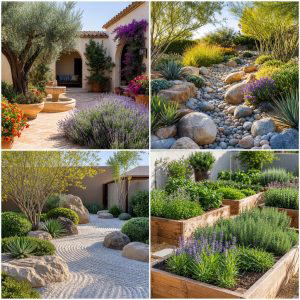 25 garden design ideas with low water plants: Smart Xeriscapes
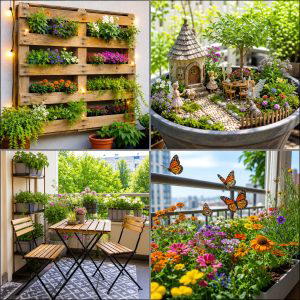 25 Creative Garden Ideas for Balconies You’ll Love
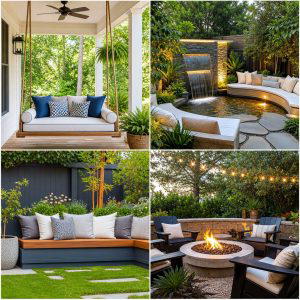 25 creative garden ideas with outdoor reading spaces to Love
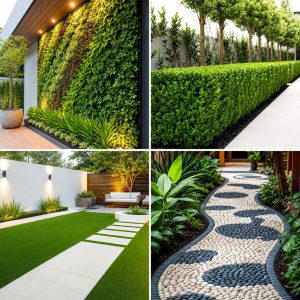 25 Garden Design Ideas for Contemporary Courtyards You’ll Love
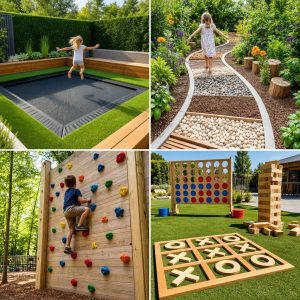 25 Garden Design Ideas for Play Areas Kids Will Love
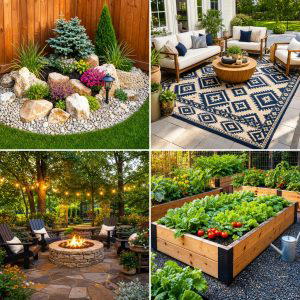 25 Small Garden Ideas for Patio Spaces You Will Love