
Succulents have become a staple in modern gardening due to their incredible resilience and stunning architectural forms. These drought-tolerant plants offer a diverse palette of colors, shapes, and textures that can transform any outdoor or indoor space into a vibrant sanctuary. Whether you are dealing with a tiny balcony or a sprawling backyard, succulents provide endless possibilities for creative expression. Their ability to thrive with minimal water makes them perfect for busy homeowners or those living in arid climates. By incorporating these fleshy plants into your landscape, you create a sustainable and visually striking environment. This guide explores various ways to integrate these plants into complete garden themes that celebrate nature’s beauty.
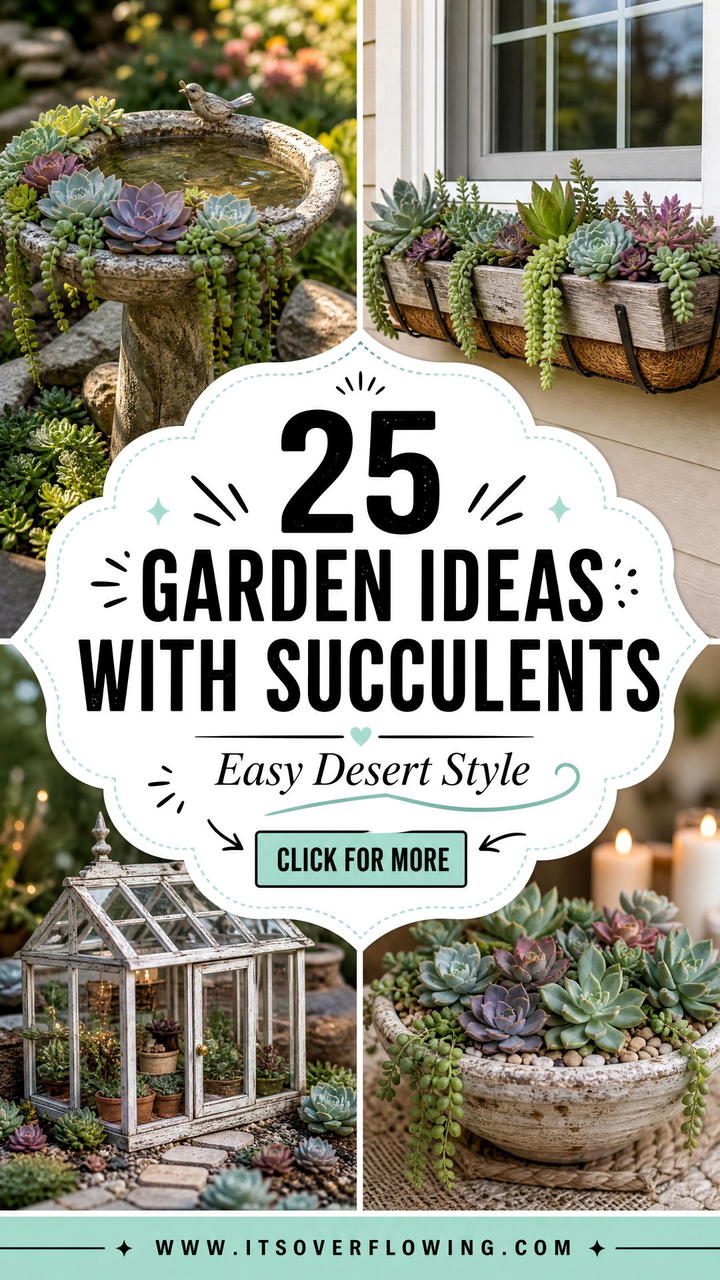
1. Succulent rock garden
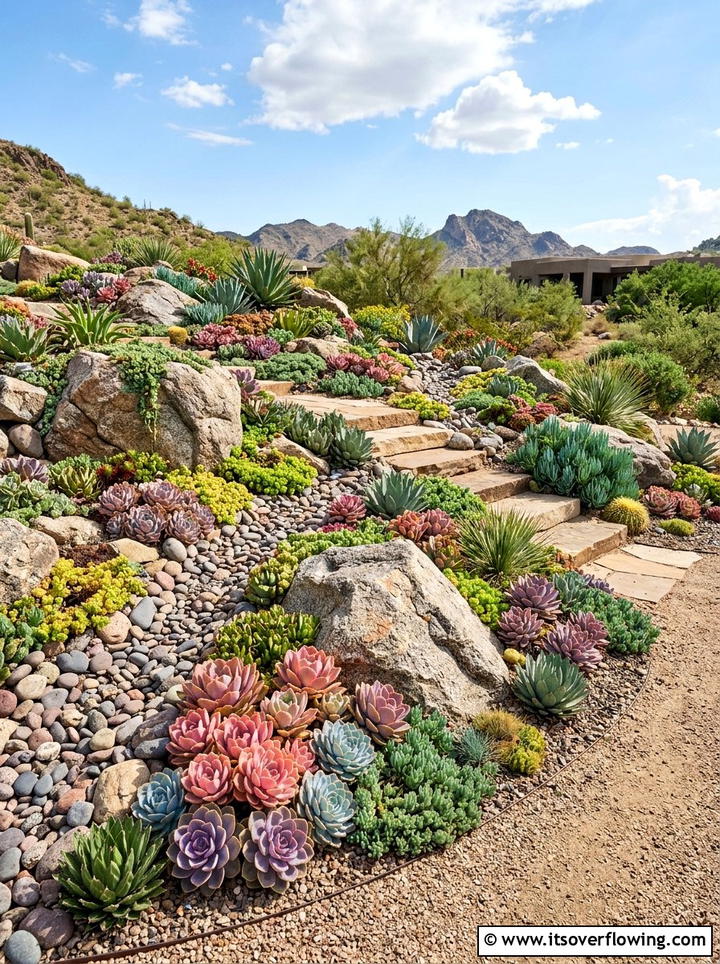
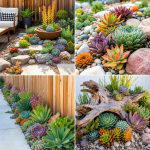
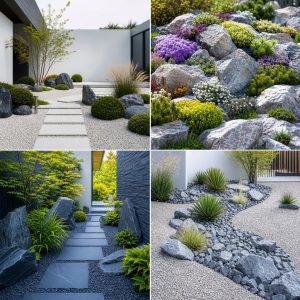
Creating a succulent rock garden is a brilliant way to transform a dry or sloped area of your yard into a low-maintenance masterpiece. You start by selecting a variety of stones like river rocks, gravel, or large boulders to create natural levels and texture. These stones provide the perfect backdrop for colorful Echeveria and hardy Sedum to shine. By tucking different species into the crevices between rocks, you build a miniature mountain landscape that requires very little water. This design works exceptionally well in sunny spots where other plants might struggle. It offers a clean, architectural look that enhances the curb appeal of any modern or desert-style home.
2. Vertical succulent wall
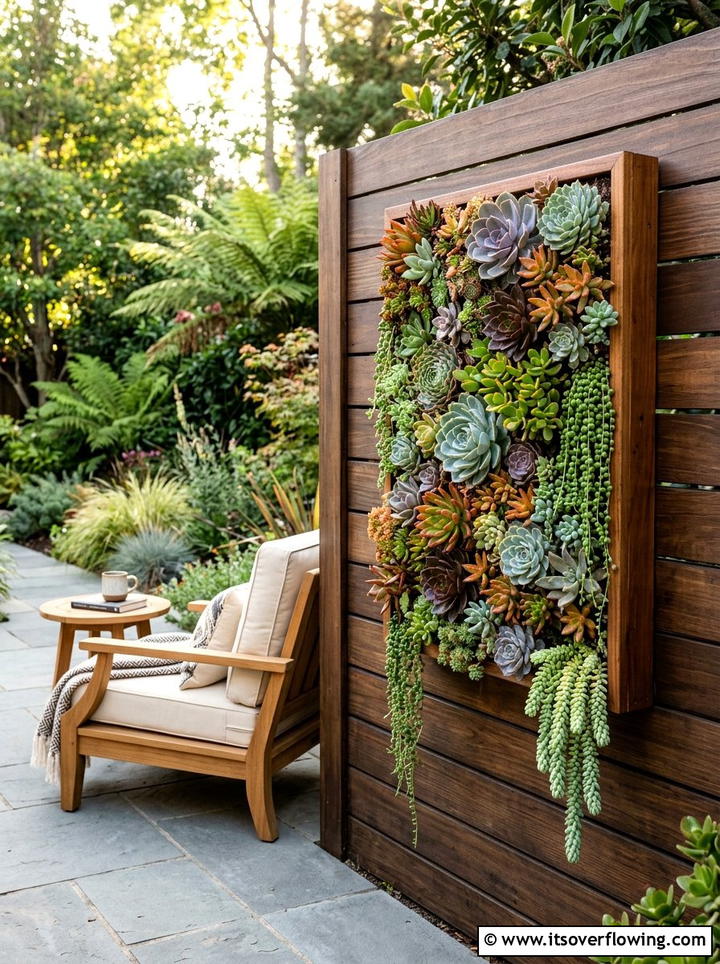
A vertical succulent wall serves as a living piece of art that saves space while adding lush greenery to your patio. This design typically involves a sturdy wooden or metal frame filled with a specialized planting medium and a wire mesh to hold the plants. You can arrange various rosettes and trailing varieties to create a tapestry of colors and shapes. It is an ideal solution for small urban gardens or balconies where ground space is limited. The vertical orientation allows for better air circulation around the plants and creates a stunning focal point. This setup turns a plain exterior wall into a vibrant, textured mural of nature.
3. Small succulent container
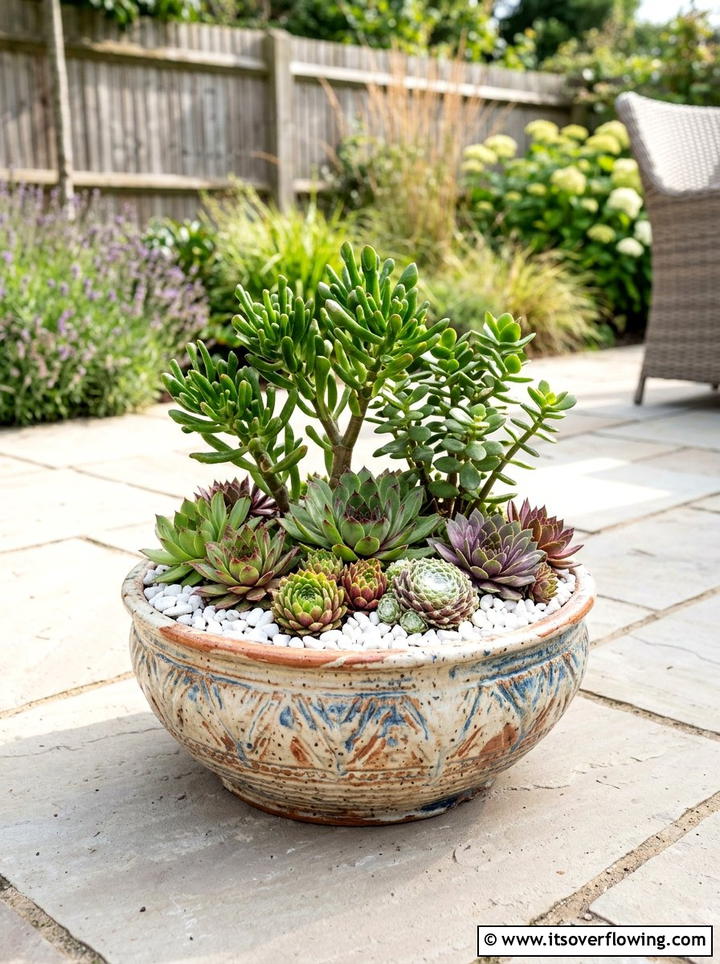
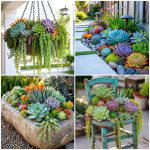
Designing a small succulent container is a perfect way to bring a touch of nature to your doorstep or tabletop. These miniature gardens are often housed in beautiful ceramic pots, stone troughs, or even repurposed vintage items. The key to a successful container design is mixing different heights and textures, such as tall Crassula paired with low-growing Sempervivum. Adding decorative top dressing like white pebbles or sea glass can finish the look and keep the soil in place. These compact arrangements are easy to move and maintain, making them great for seasonal decor. They offer a concentrated burst of color and interest in any setting.
4. Succulent ground cover
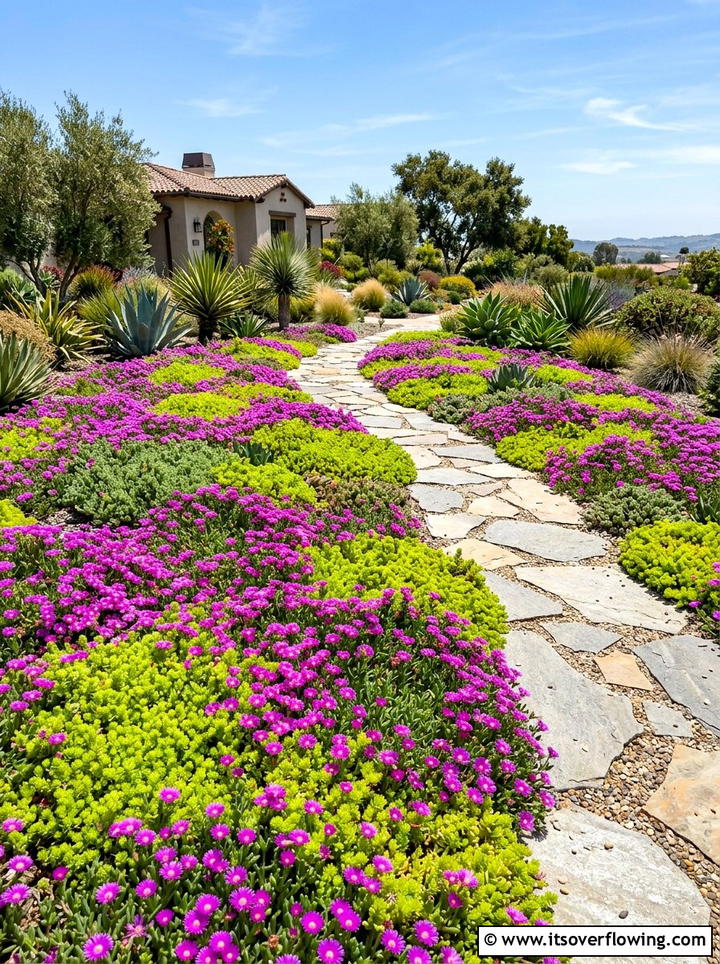
Using succulents as ground cover is an innovative way to replace traditional lawns with a water-wise and colorful alternative. Low-growing species like various Sedums or Delosperma spread quickly to form a thick, flowering carpet that chokes out weeds. This design approach works beautifully on hillsides or in large flower beds where you want a consistent look. The variety of foliage colors, from deep burgundy to bright lime green, creates a dynamic visual effect that changes throughout the seasons. Succulent carpets are incredibly durable and require far less mowing or watering than grass. They provide a lush, textured foundation for the rest of your garden landscape.
5. Modern succulent landscaping
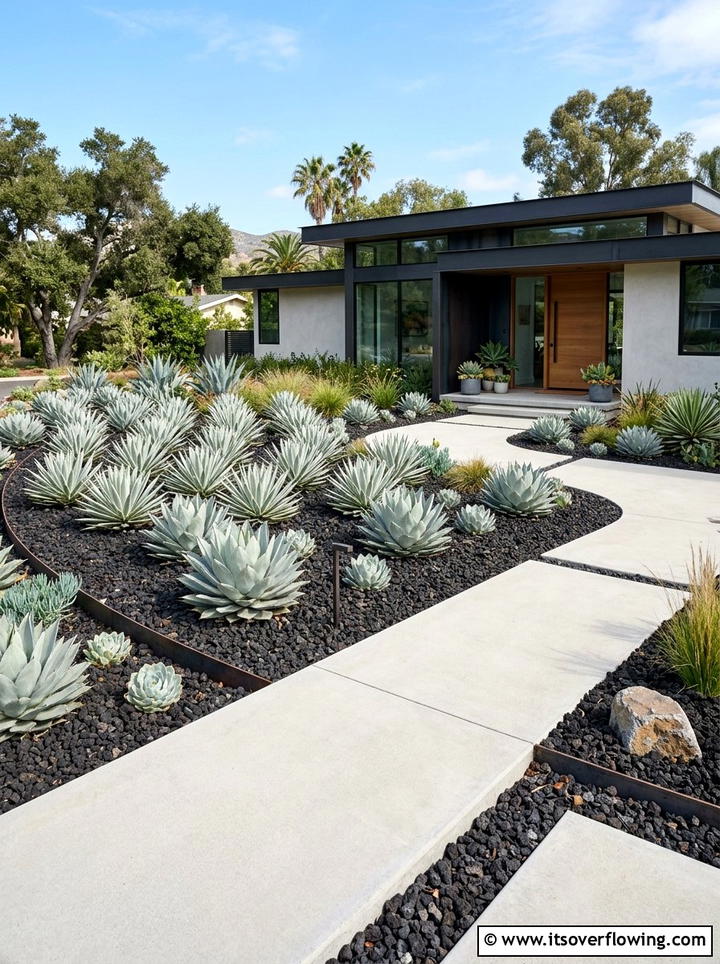
Modern succulent landscaping focuses on clean lines, geometric patterns, and a minimalist aesthetic that complements contemporary architecture. This style often uses mass plantings of a single species to create bold statements and high visual impact. You might see large Agaves or Aloes spaced evenly in a bed of dark volcanic rock or light gray gravel. The contrast between the organic shapes of the plants and the rigid lines of concrete walkways creates a sophisticated vibe. This design philosophy emphasizes the sculptural quality of succulents, treating each plant as a standalone feature. It results in a tidy, upscale garden that looks groomed with very little effort.
6. Succulent birdbath garden
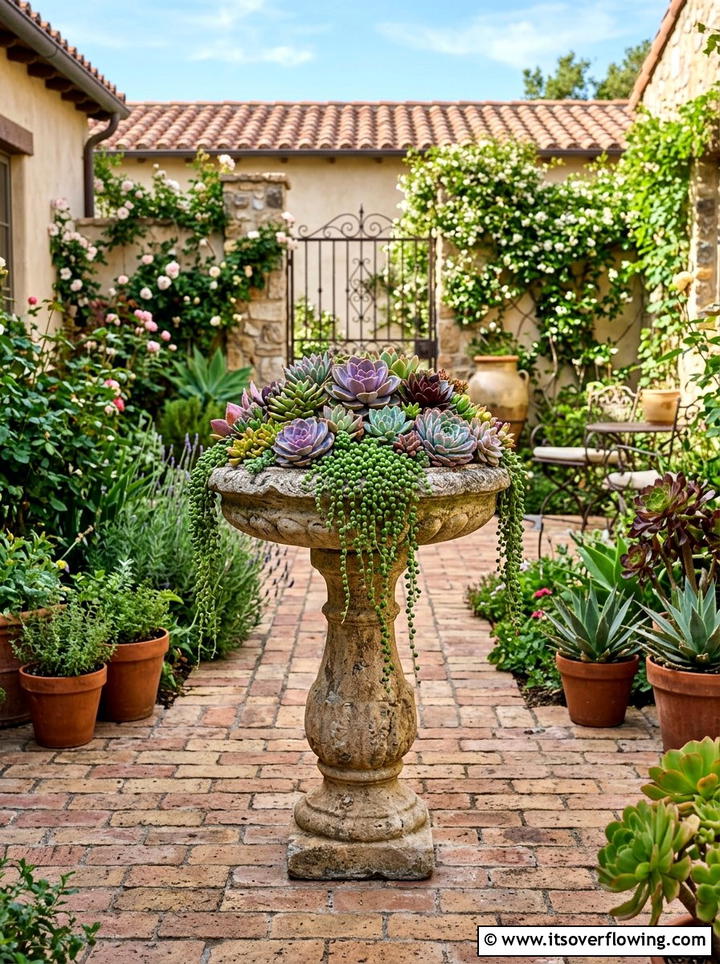
A succulent birdbath garden is a charming way to repurpose an old garden feature into a thriving miniature ecosystem. Instead of filling the basin with water, you fill it with a well-draining cactus mix and a variety of small succulents. This elevated platform allows you to view the intricate details of the plants at waist height. You can use trailing varieties like String of Pearls to spill over the edges, creating a soft and romantic look. This design serves as a whimsical focal point in a traditional flower garden or on a patio. It is a creative way to add height and character to your outdoor living space.
7. Hanging succulent sphere
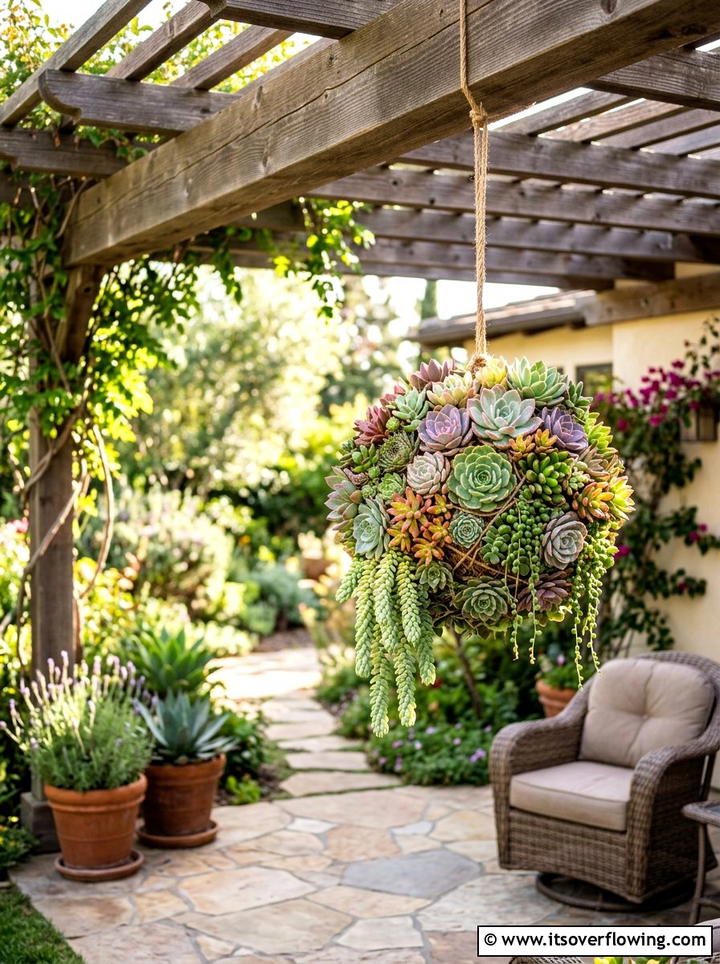
The hanging succulent sphere is a unique and eye-catching design that brings a three-dimensional element to your garden or porch. These spheres are typically made from two wire baskets joined together and filled with moss and soil. Succulent cuttings are then poked through the moss to cover the entire surface of the globe. Over time, the plants grow together to form a solid ball of living texture and color. This floating garden idea is perfect for adding visual interest at eye level under a pergola or tree branch. It creates a magical, suspended atmosphere that feels both modern and ethereal in any outdoor setting.
8. Succulent fire pit
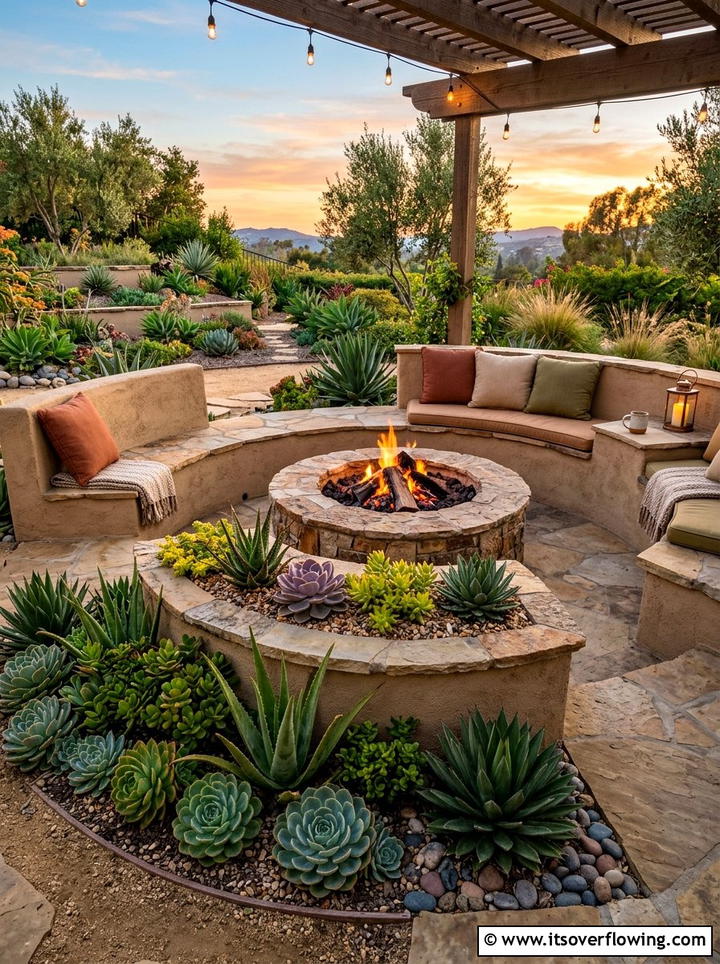
Integrating succulents around a fire pit area creates a cozy and stylish outdoor lounge that feels integrated with nature. You can plant heat-tolerant varieties in the gaps between pavers or in a circular bed surrounding the seating area. The fleshy leaves of the succulents provide a beautiful contrast to the hard surfaces of the stone or metal fire pit. This design encourages guests to gather around and enjoy the greenery while staying warm by the fire. Using succulents here is practical because they can handle the reflected heat and infrequent watering. It turns a functional gathering spot into a lush, inviting retreat for evening relaxation.
9. Driftwood succulent planter
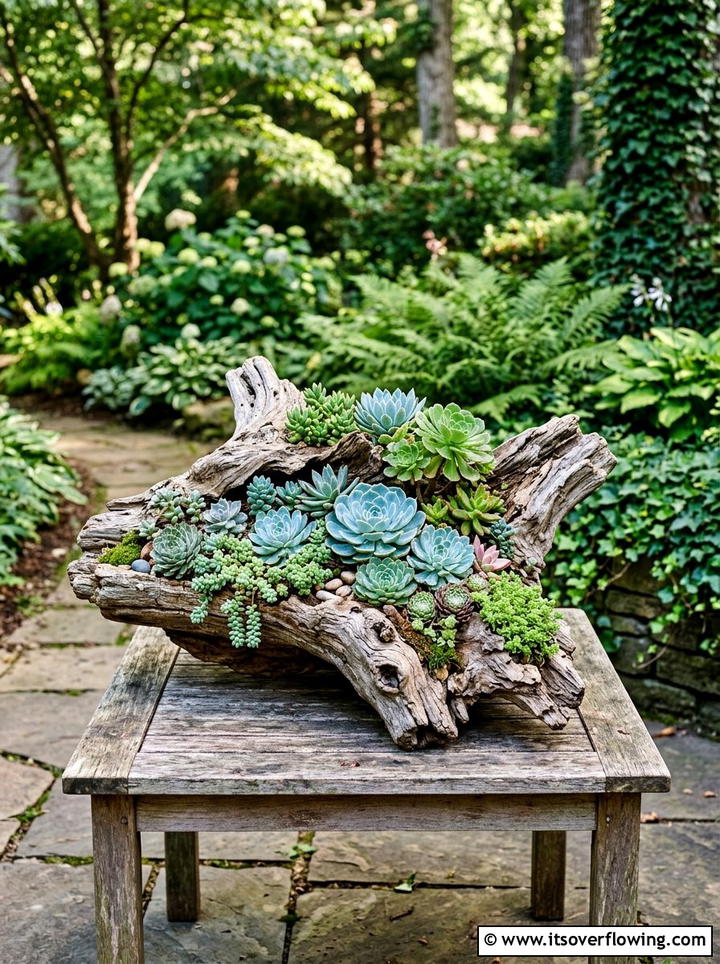
A driftwood succulent planter combines the raw beauty of weathered wood with the vibrant life of desert plants. You can find a large piece of driftwood with natural hollows and fill those spaces with soil and small succulents. This organic design looks like something found in nature, making it perfect for coastal or rustic themed gardens. The silvery tones of the wood beautifully complement the soft blues and greens of many succulent varieties. It can serve as a stunning centerpiece for an outdoor dining table or a focal point in a shaded garden corner. This project celebrates natural materials and creates a one-of-a-kind garden feature.
10. Succulent fairy garden
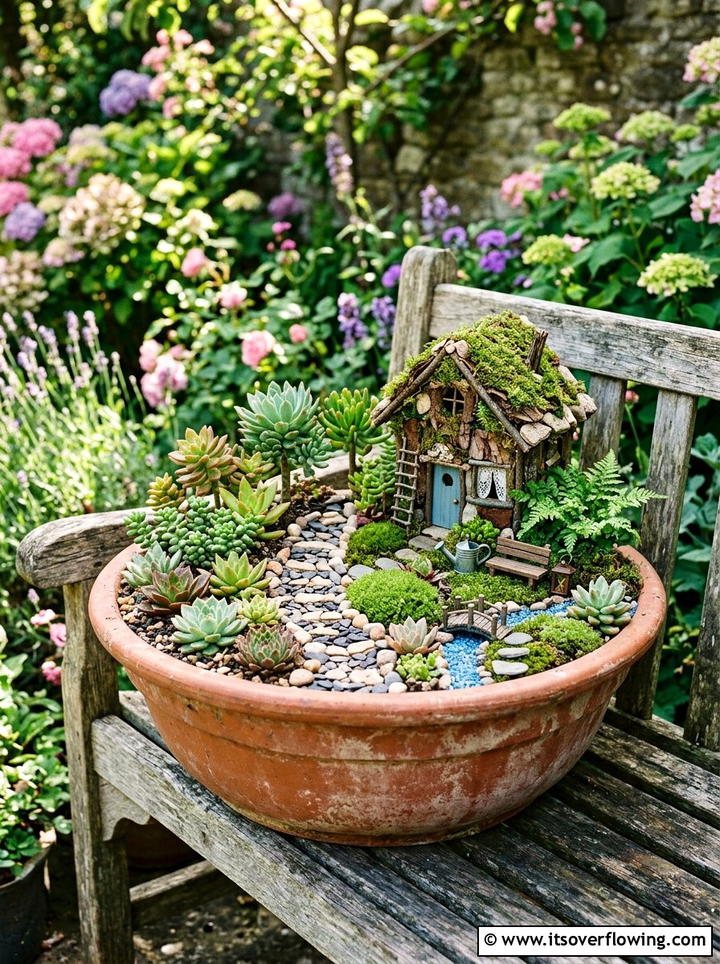
Creating a succulent fairy garden is a delightful project that appeals to both children and adults who love whimsical details. This miniature landscape uses tiny succulent varieties to represent trees and shrubs within a small-scale world. You can add miniature houses, tiny benches, and pebble paths to complete the magical scene inside a large planter. The slow-growing nature of succulents makes them ideal for these detailed designs as they won’t quickly outgrow the space. This approach allows you to tell a story through your garden and creates a point of curiosity for visitors. It is a fun way to practice creative landscaping on a very small scale.
11. Desert succulent landscape
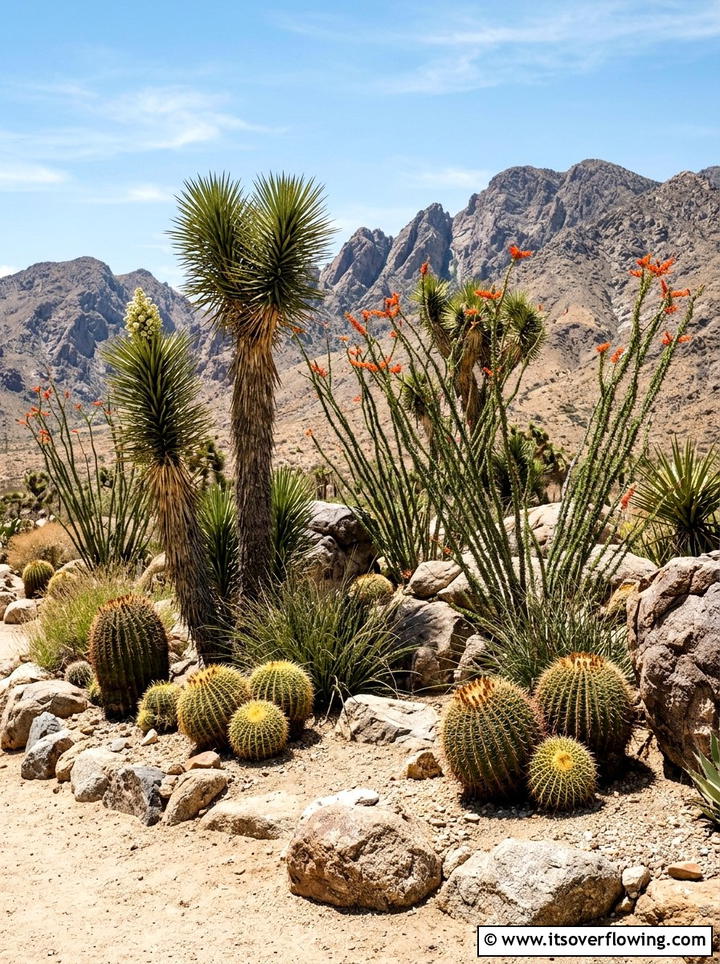
A desert succulent landscape embraces the natural environment by using plants that thrive in arid, sun-drenched conditions. This design often features large architectural plants like Yucca, Barrel Cactus, and tall Ocotillo arranged in a naturalistic way. The ground is typically covered in decomposed granite or sand to mimic a true desert floor. Large boulders and dry creek beds made of river rock add structural interest and direct the eye through the space. This type of garden is not only beautiful but also incredibly ecological, requiring almost no supplemental water once established. It creates a serene, rugged atmosphere that feels grounded and peaceful in the hot sun.
12. Succulent garden path
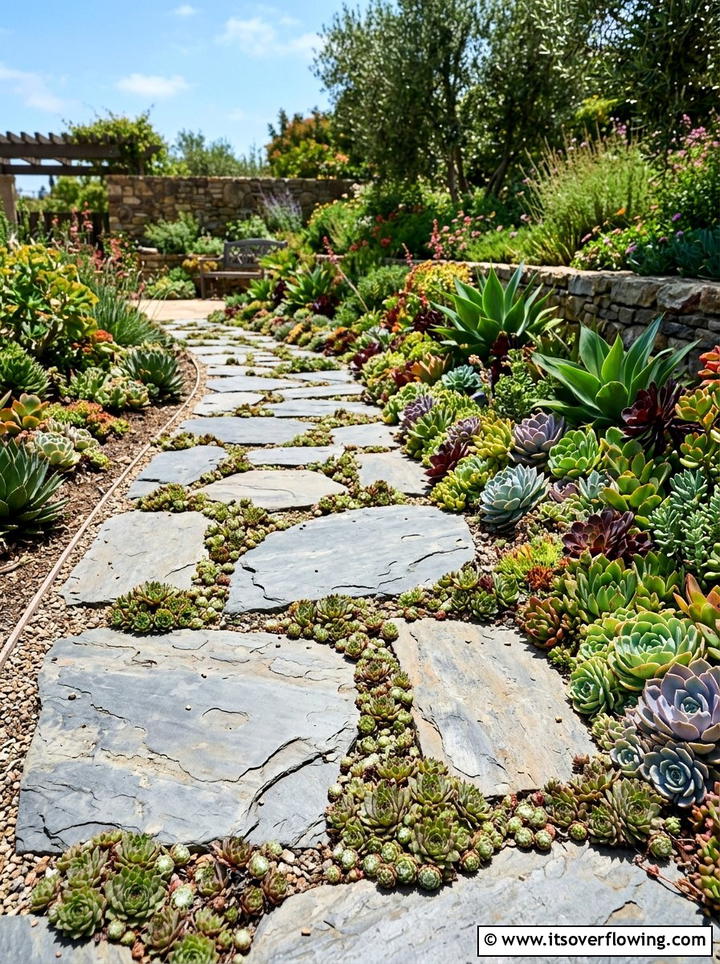
A succulent garden path is a functional yet beautiful feature that guides people through your yard while showcasing diverse plants. You can plant low-profile succulents like Hens and Chicks or Stonecrop between stepping stones or along the edges of a walkway. This softens the hard lines of the path and blends the transition between the walkway and the surrounding garden. The different colors and textures underfoot make every stroll through the yard an interesting sensory experience. This design is excellent for preventing soil erosion along paths and reducing the need for traditional mulch. It creates a polished and intentional look for any side yard or garden entrance.
13. Terracotta succulent tower
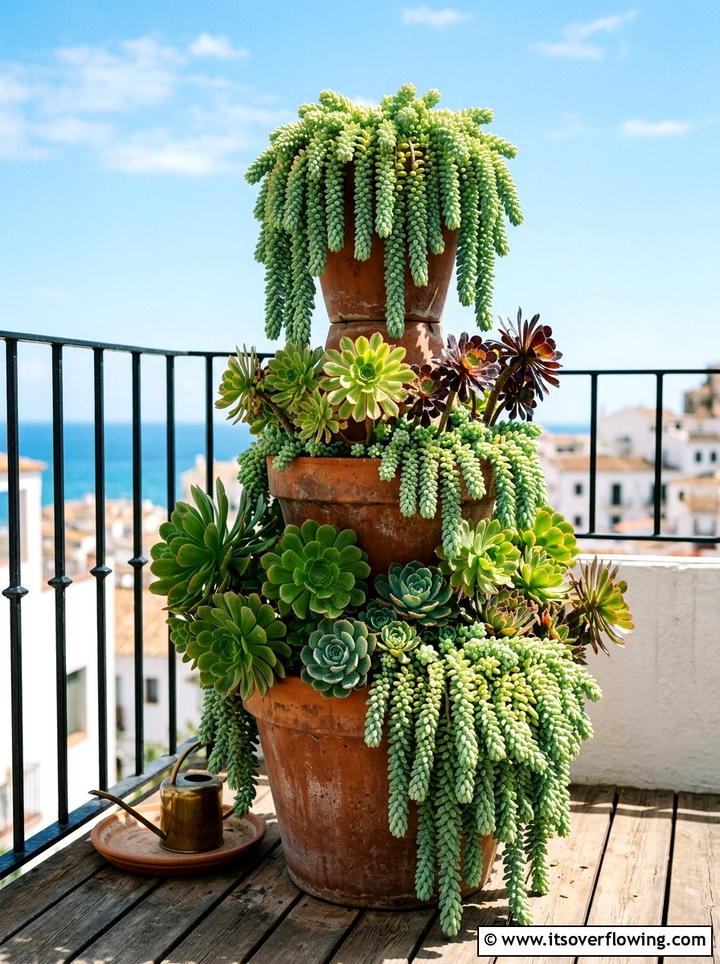
The terracotta succulent tower is a clever vertical gardening technique that uses stacked pots to create a high-impact floral display. By nesting smaller pots inside larger ones or stacking them on a central dowel, you create multiple levels for planting. Each level can host a different variety of succulent, from spilling Burro’s Tail to upright Aeoniums. This vertical arrangement allows you to grow a large number of plants in a very small footprint. The classic orange hue of the terracotta provides a warm, Mediterranean feel that looks beautiful against the green foliage. It is a sturdy and impressive feature for a sunny patio or courtyard corner.
14. Succulent window box
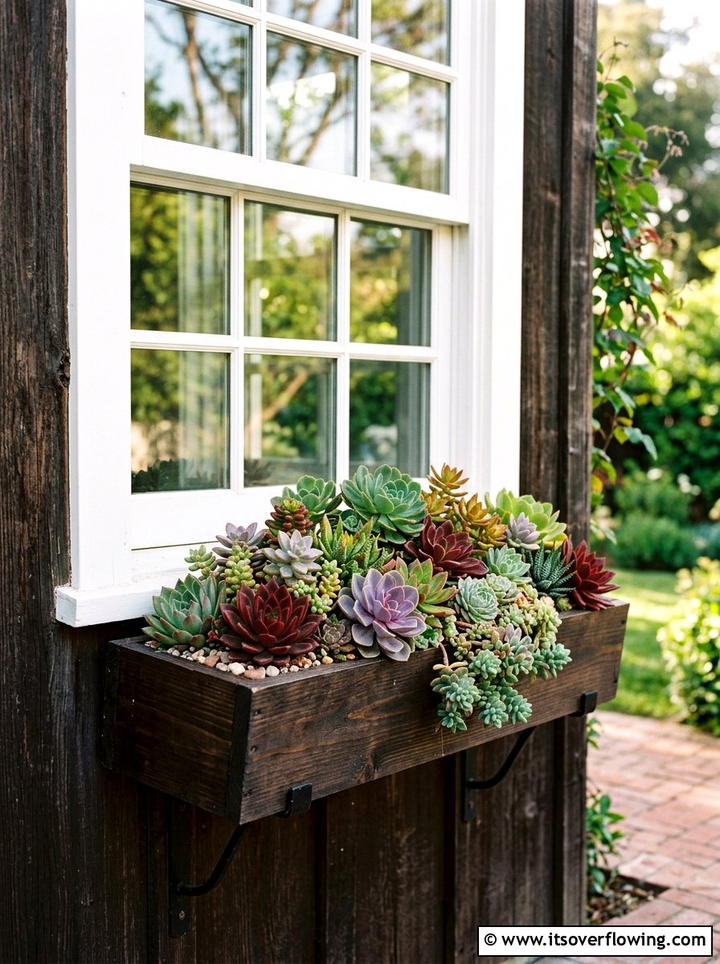
Updating a traditional window box with succulents is a modern way to enhance your home ‘s exterior and boost its curb appeal. Succulents are much better suited for the harsh, drying conditions of a window box than many thirsty annual flowers. You can create a lush arrangement with a mix of mounding, upright, and trailing species to fill the box completely. The variety of colors allows you to coordinate the plants with your home’s trim or shutter colors for a cohesive look. Because they are low-maintenance, you won’ t have to worry about daily watering or messy deadheading. It provides a constant, beautiful view from both inside and outside your house.
15. Wheelbarrow succulent garden
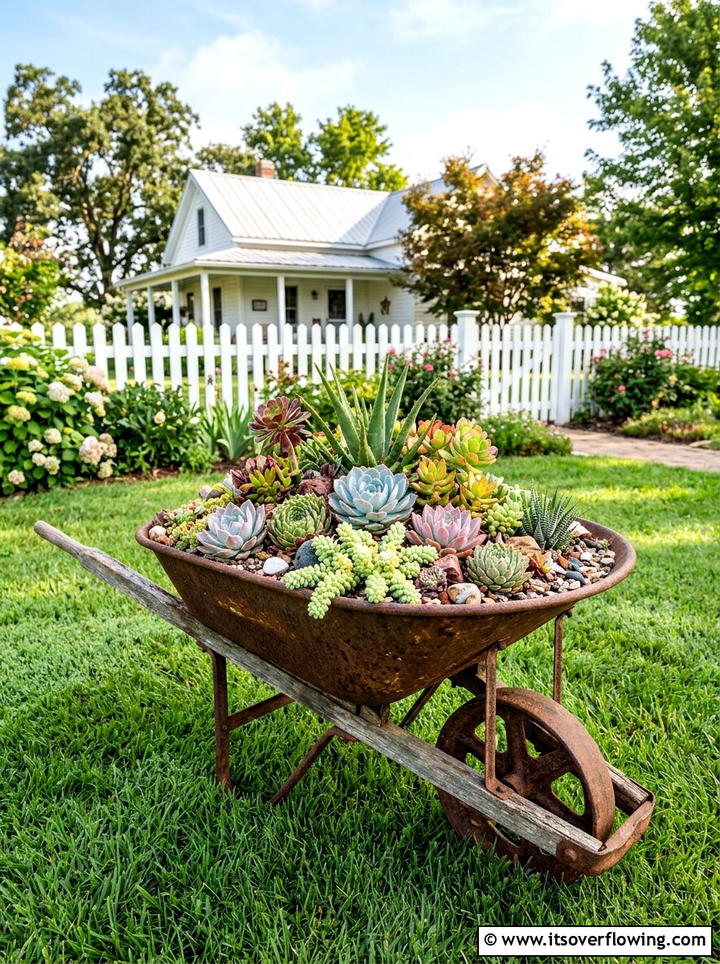
A wheelbarrow succulent garden is a creative way to use a vintage tool to add a rustic and mobile feature to your yard. You can fill an old metal or wooden wheelbarrow with soil and a large variety of colorful succulents. This creates a charming, overflowing display that can be moved around to catch the best sunlight throughout the year. The depth of the wheelbarrow allows for larger species to grow alongside smaller, creeping varieties. This design adds a sense of history and whimsy to a farm-style or cottage garden. It is a great conversation starter and a unique way to display a large collection of plants.
16. Succulent living wreath
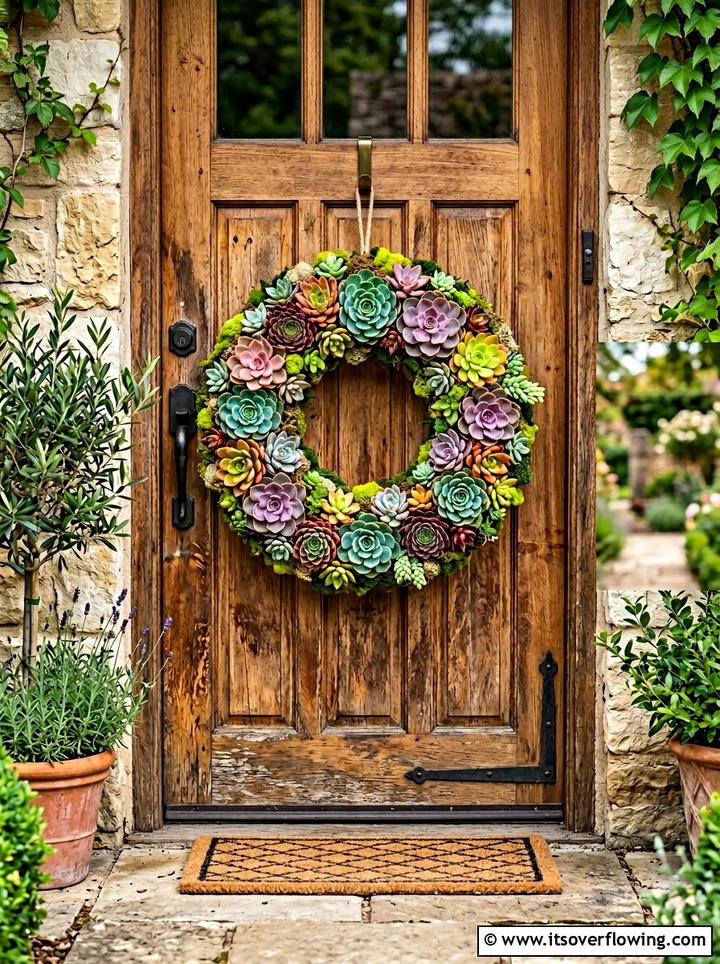
A succulent living wreath is a gorgeous circular arrangement that can be displayed on a door, wall, or as a centerpiece. These wreaths are made using a moss-filled frame where small succulent rosettes are pinned into place. Over time, the plants root into the moss and grow to cover the entire structure in a dense, green circle. It offers a much longer-lasting alternative to traditional cut-flower wreaths and stays beautiful for months with minimal care. This design is perfect for celebrating the seasons or adding a welcoming touch to your home’s entryway. It showcases the geometric perfection of succulent rosettes in a classic, elegant form.
17. Shade succulent garden
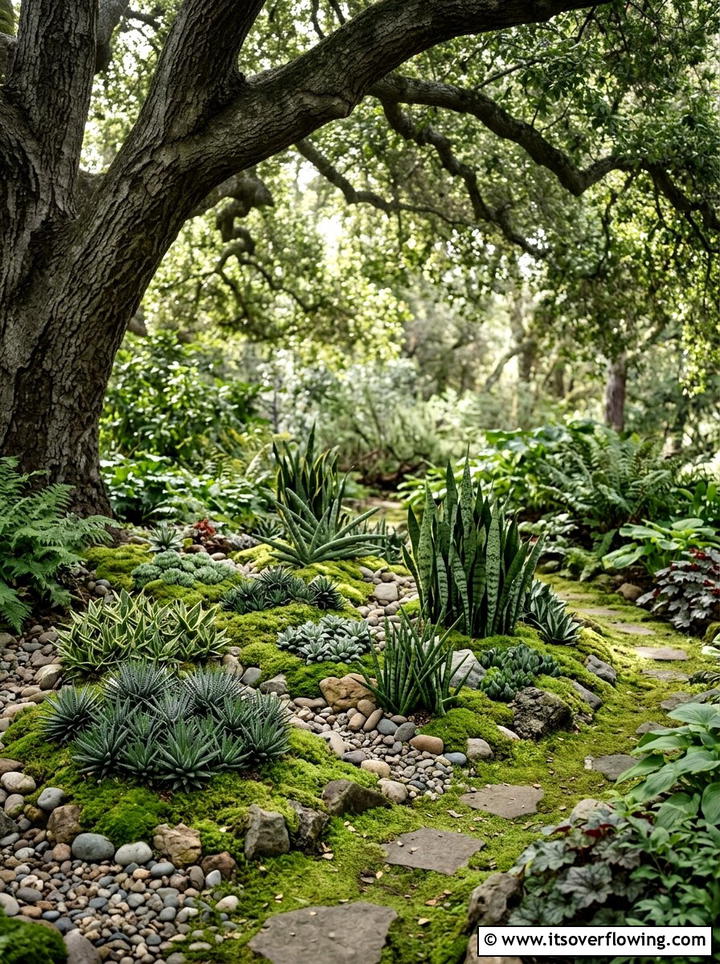
While many succulents love the sun, a shade succulent garden utilizes specific varieties that thrive in lower light conditions. Plants like Haworthia, Gasteria, and certain types of Sansevieria are perfect for covered patios or under the canopy of large trees. This design focuses on deep greens, interesting patterns, and architectural shapes rather than bright floral colors. You can arrange these plants in a shaded corner with lush ferns or mosses to create a cool, woodland-inspired retreat. This approach expands the possibilities for succulent gardening into the darker areas of your landscape. It results in a peaceful and sophisticated space that feels like a hidden forest floor.
18. Succulent retaining wall
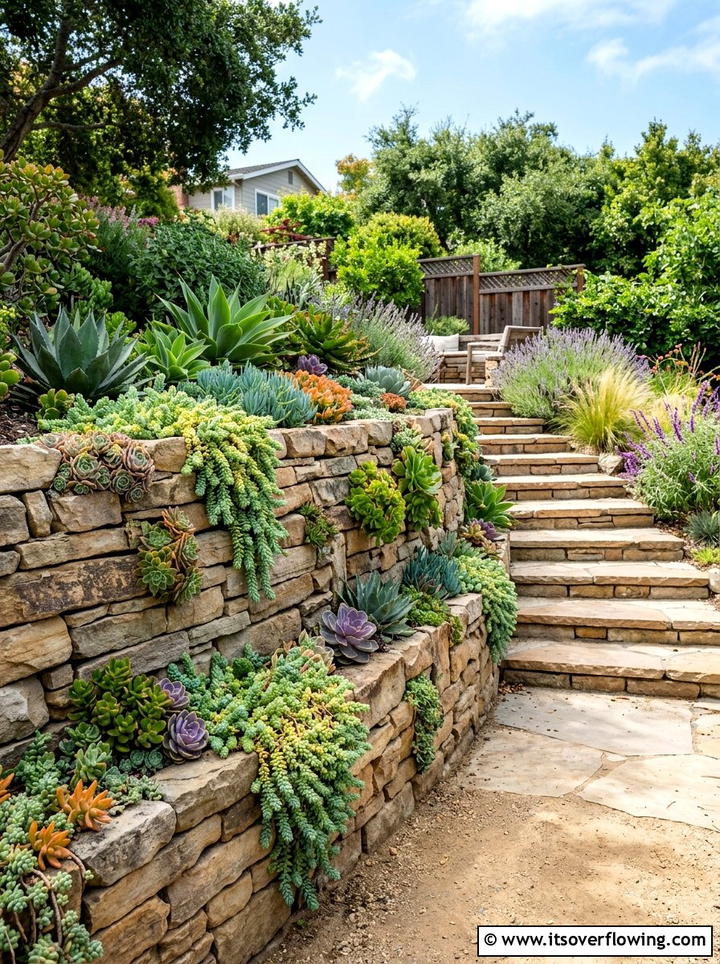
Turning a functional retaining wall into a succulent display is a smart way to add life to a structural element. You can plant succulents in the gaps between the stones or blocks, allowing them to trail down the face of the wall. This softens the appearance of the hard masonry and integrates the wall into the overall garden design. Hardy varieties like Sedum and Sempervivum are particularly good at surviving in the limited soil pockets found in walls. This vertical display makes use of vertical space that would otherwise be plain and uninteresting. It transforms a necessary garden boundary into a beautiful, living tapestry that changes over time.
19. Indoor succulent shelf
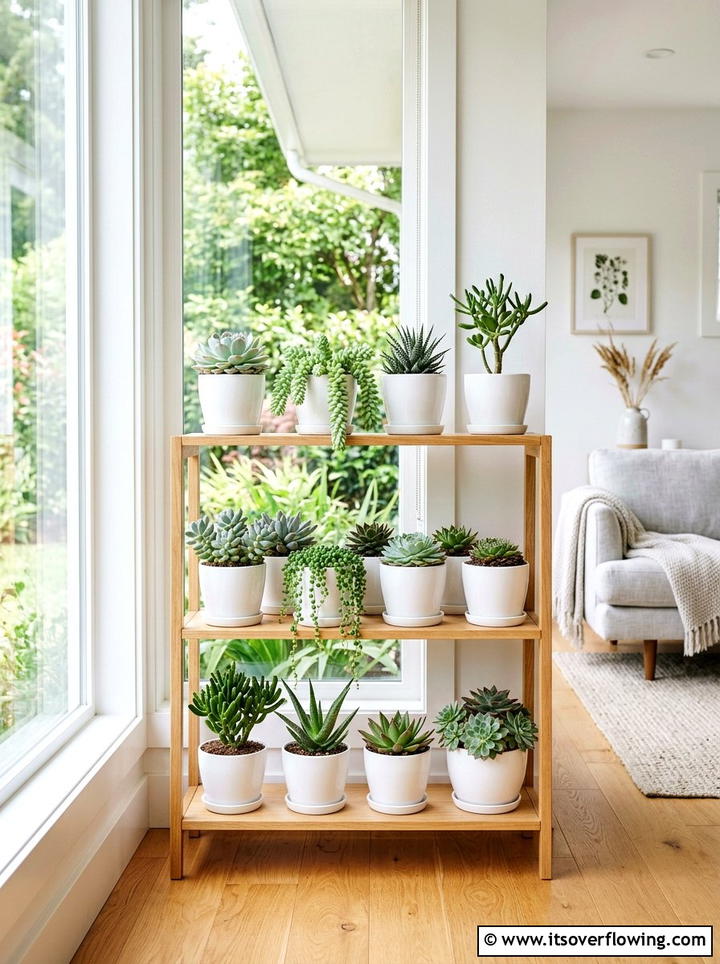
An indoor succulent shelf is a great way to bring the beauty of nature inside and create a green focal point in your home. By using a tiered shelving unit or floating shelves near a bright window, you can display a diverse collection of potted succulents. Using matching or complementary pots creates a clean and organized look that fits well with modern interior design. This vertical display allows you to appreciate the individual beauty of each plant while saving valuable counter space. It also makes it easy to monitor the plants’ health and watering needs in one centralized location. This setup brings life and freshness to any living room or office.

20. Succulent fountain display
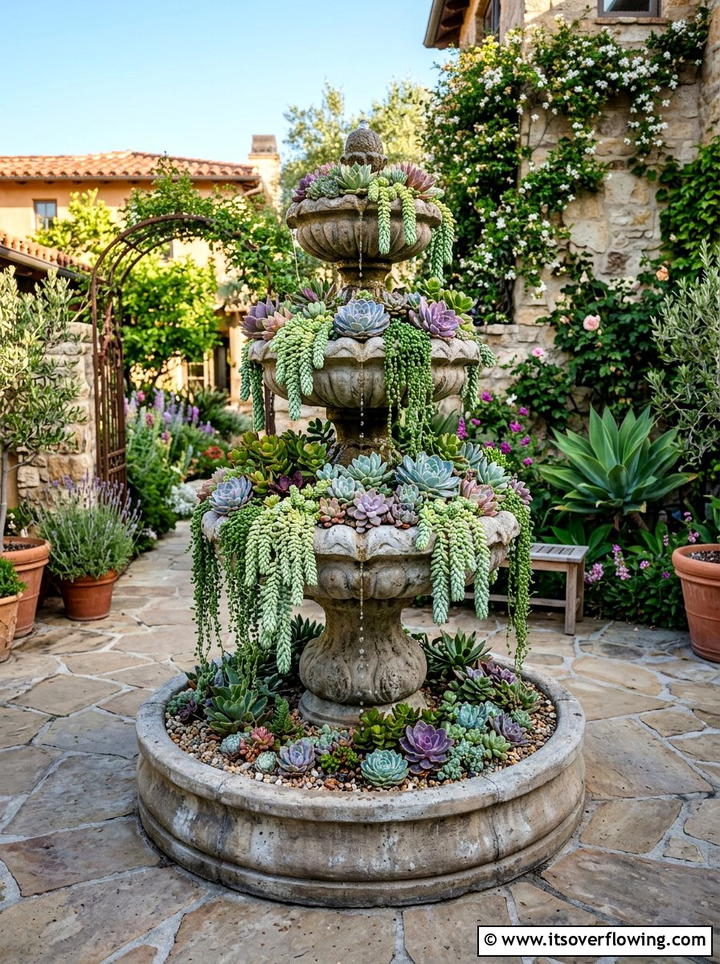
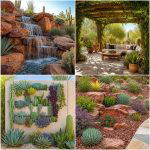
Repurposing a disused water fountain into a succulent display is a fantastic way to create a multi-tiered, sculptural garden feature. Instead of water flowing over the tiers, you have various succulents cascading down the edges of the basins. This design adds height and a sense of movement to the garden without the need for pumps or plumbing. You can use different themes for each tier, such as a color gradient or a mix of different plant shapes. The fountain ‘s structure provides an elegant framework that highlights the plants’ natural beauty. It serves as a dramatic and sophisticated centerpiece for a courtyard or a large garden bed.
21. Geometric succulent bed
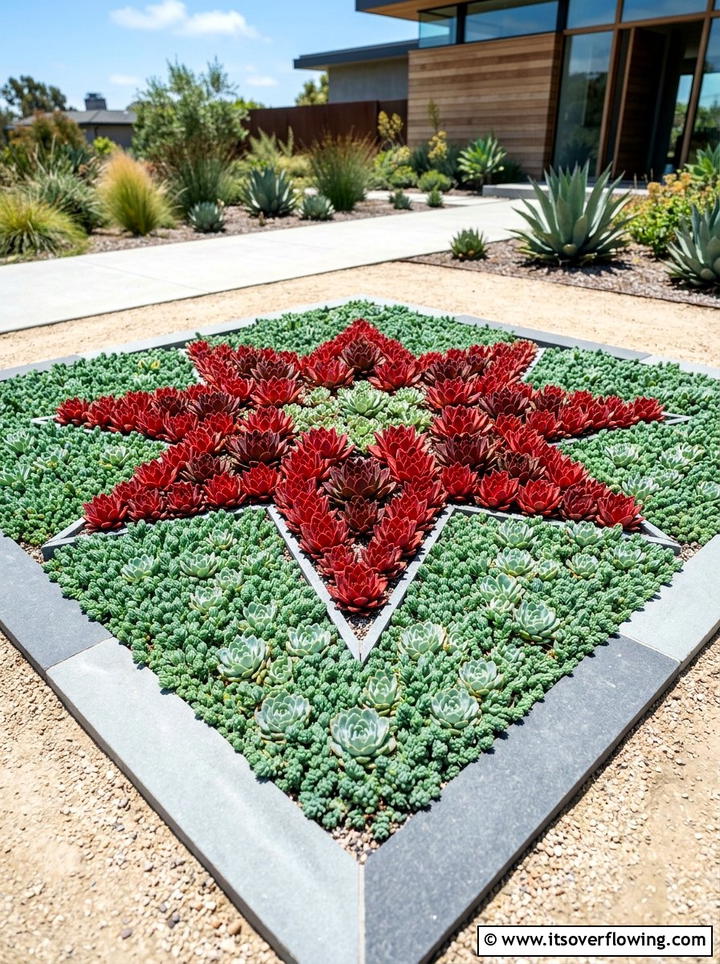
A geometric succulent bed uses precise shapes like circles, triangles, or hexagons to create a highly structured and artistic garden layout. This design often involves using bender board or stone edging to define the shapes and filling them with contrasting succulent species. For example, a star shape filled with red succulents can be surrounded by a sea of blue-green ground cover. This style is perfect for those who appreciate order and visual patterns in their outdoor spaces. It treats the garden like a canvas, using plants as living paint to create a bold, graphic statement. This approach creates a high-impact look that is both modern and timeless.
22. Succulent zen garden
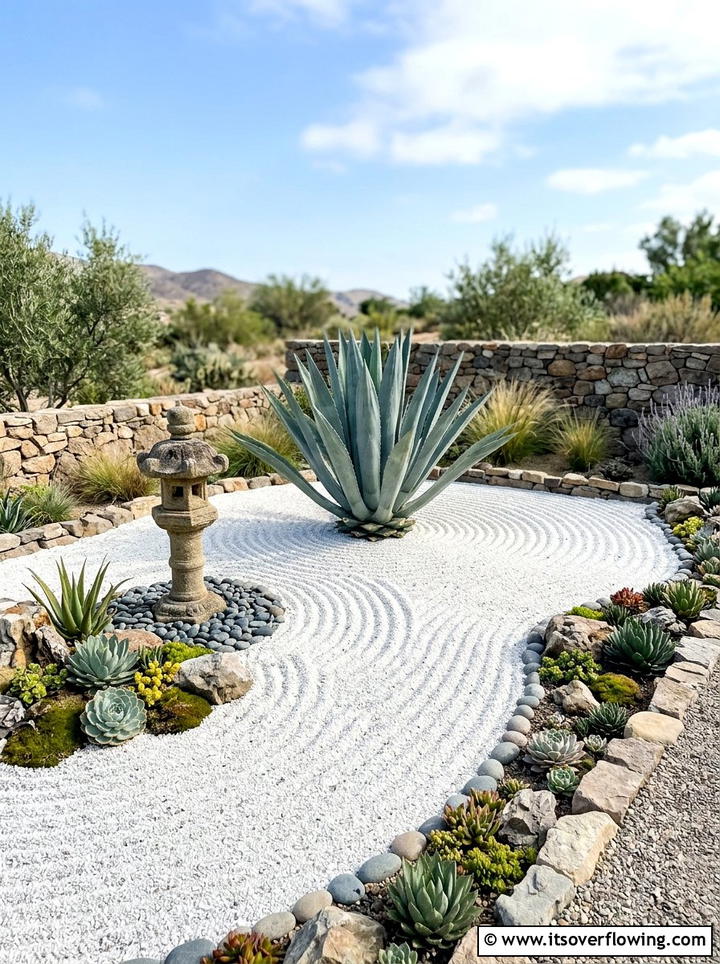
A succulent zen garden combines the tranquil principles of Japanese landscaping with the low-maintenance nature of desert plants. This design typically features raked gravel or sand surrounding a few carefully placed focal points, such as a single large succulent or a stone lantern. The simplicity of the layout encourages reflection and provides a sense of calm in a busy world. Succulents like Jade plants or smooth-leaved Agaves work well here because of their clean lines and peaceful green tones. This minimalist approach focuses on the balance between negative space and the living elements. It creates a serene and sophisticated retreat that requires very little upkeep.
23. Miniature succulent greenhouse
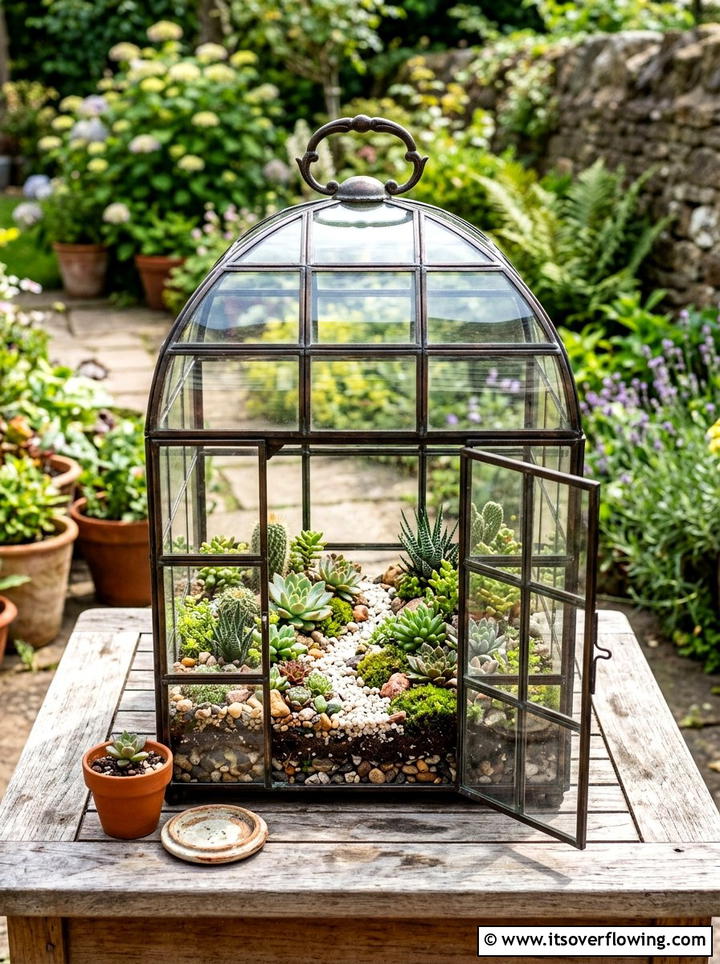
A miniature succulent greenhouse is a charming way to display and protect your favorite plants while adding a vintage touch to your decor. These small glass structures, often called terrariums or Wardian cases, provide a controlled environment for delicate succulent varieties. Inside, you can create a complete landscape with tiny hills, paths, and a variety of small-scale plants. The glass walls allow you to see the plants from all angles and help to trap a little bit of warmth. This is a perfect project for an indoor tabletop or a protected porch area. It protects the plants from dust and creates a beautiful, self-contained world of greenery.
24. Succulent centerpiece bowl
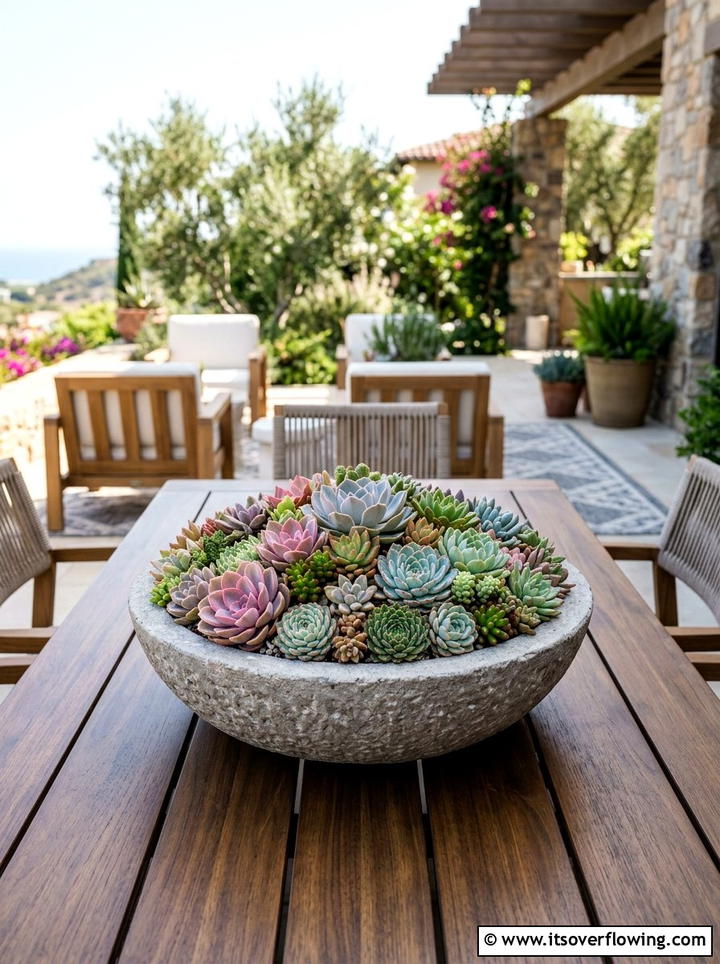
A succulent centerpiece bowl is a versatile design that can be used to decorate an outdoor dining table or a coffee table. By choosing a wide, shallow bowl, you can create a dense and colorful arrangement of various rosettes and fillers. This design is intended to be viewed from above, highlighting the circular symmetry of the plants. You can easily switch out the top dressing or add small seasonal accents to keep the look fresh throughout the year. This portable garden idea allows you to bring the beauty of your backyard right to where you entertain. It offers a low-profile yet high-impact floral alternative that lasts for years.
25. Recycled succulent planter
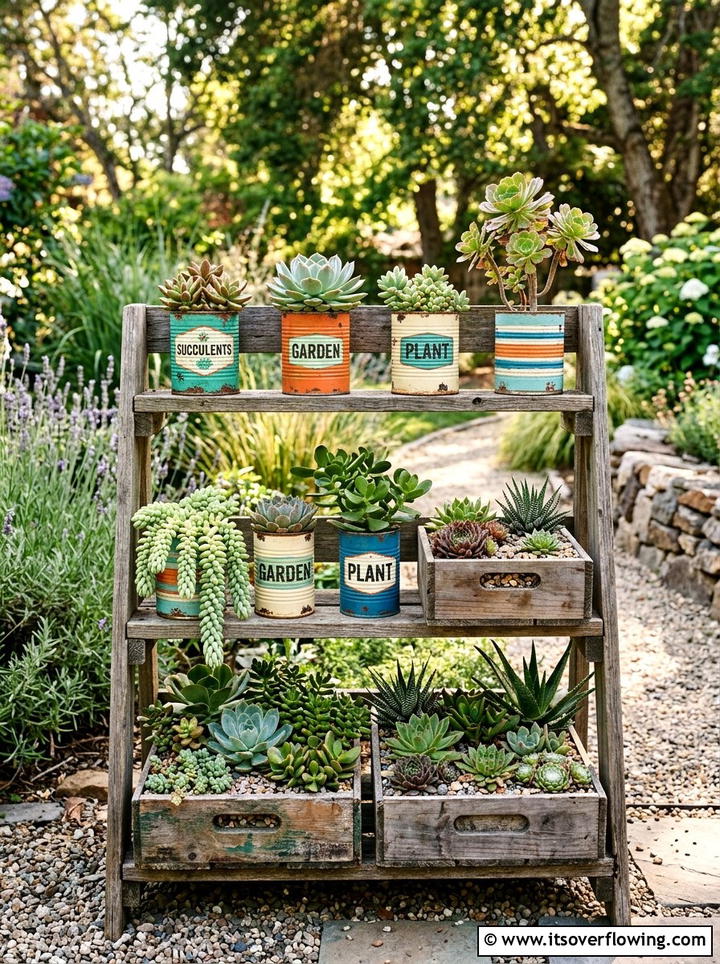
Using recycled items as succulent planters is a sustainable and creative way to add personality and character to your garden. You can use almost anything that can hold soil, from old boots and tires to vintage tin cans or wooden crates. Succulents are the perfect choice for these unique containers because they don’t require much room for their roots to thrive. This design approach reflects a fun, eclectic style and encourages environmental consciousness by giving old objects new life. It creates a garden filled with stories and unique focal points that reflect your personal interests. This project is a great way to experiment with color and texture.
Conclusion:
Exploring these twenty-five garden ideas reveals the incredible versatility and beauty that succulents bring to any environment. Whether you choose a large-scale landscape or a tiny indoor display, these plants offer a sustainable way to enjoy nature. Their unique ability to store water and survive in tough conditions makes them the ultimate choice for a modern, eco-friendly garden. By combining different species and creative containers, you can build a personalized oasis that reflects your unique style and needs. These designs not only enhance the aesthetic value of your property but also provide a low-stress gardening experience. Start your succulent journey today and discover the joy of growing these resilient, living sculptures in your own home or backyard.

Related posts:
 25 small garden ideas with succulents for Low-Maintenance Style
 25 Garden Ideas With Gravel for Low-Maintenance Outdoor Style
 25 creative garden ideas with low maintenance design Tips
 25 garden design ideas with low maintenance shrubs: Easy Looks
 25 Garden Ideas Low Maintenance for Easy Outdoor Beauty
 25 Small Garden Ideas With Low Maintenance Plants You’ll Love
 25 Garden Design Ideas With Succulent Beds for Low-Care Style
 25 Garden Ideas for Desert Style With Stunning Low-Water Looks
 25 Garden Design Ideas for Low Budget Projects That Look Expensive
 25 garden ideas with low cost materials: Budget Yard Tips
 25 Small Garden Ideas for Low Sunlight That Thrive Beautifully
 25 Small Garden Ideas With Gravel for Chic Low-Care Yards