
Creating a beautiful outdoor space doesn’t have to come at the expense of the environment, and Pinterest is currently buzzing with eco-conscious homeowners looking for ways to blend style with sustainability. By choosing materials that are recycled, reclaimed, or naturally renewable, you can design a high-end garden that feels both organic and modern. This approach reduces your carbon footprint while introducing unique textures and stories into your landscape that store-bought items simply cannot replicate. Whether you are looking to build functional structures or decorative accents, sustainable materials offer a durable and soulful alternative. Let’s explore how you can transform your backyard into a green sanctuary using thoughtful, environmentally friendly choices that look absolutely stunning.
1. Reclaimed Wood Raised Bed
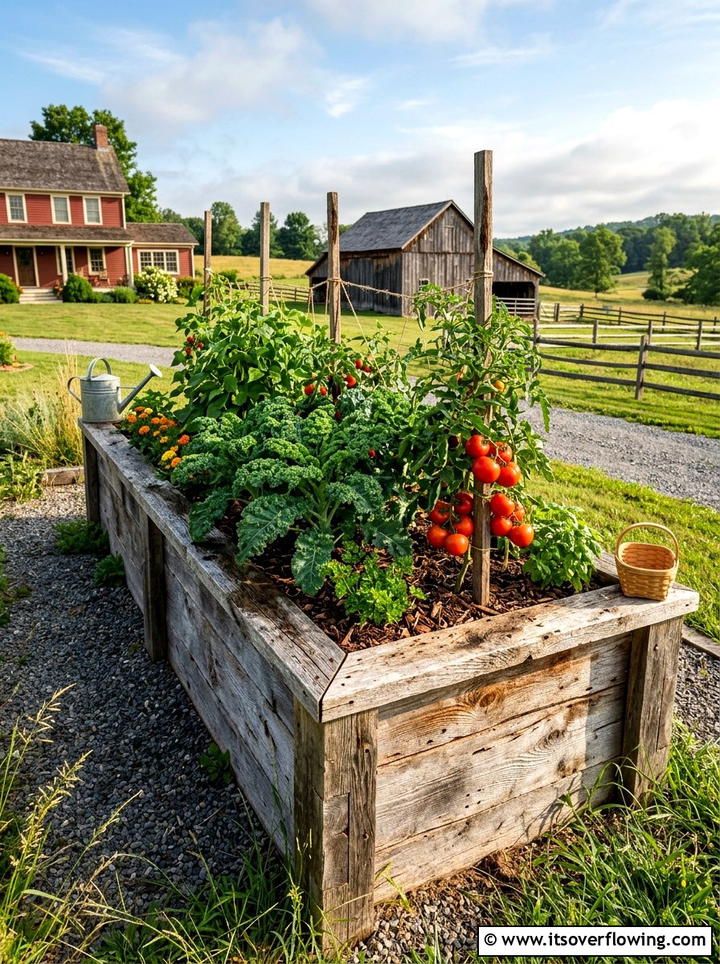
Have you ever considered the history behind a weathered piece of timber before giving it a second life in your backyard? Using reclaimed wood for your raised garden beds is one of the most rewarding ways to incorporate sustainable materials into your landscape. These structures provide a rustic, lived-in feel while preventing old wood from ending up in a landfill. When sourcing your timber, look for untreated cedar or larch, as these species naturally resist rot without the need for toxic chemical preservatives. The varied grain patterns and silvered patina of old wood create a beautiful contrast against vibrant green foliage and colorful vegetables. It’s a perfect blend of functionality and environmental responsibility for any gardener.
2. Bamboo Privacy Screen
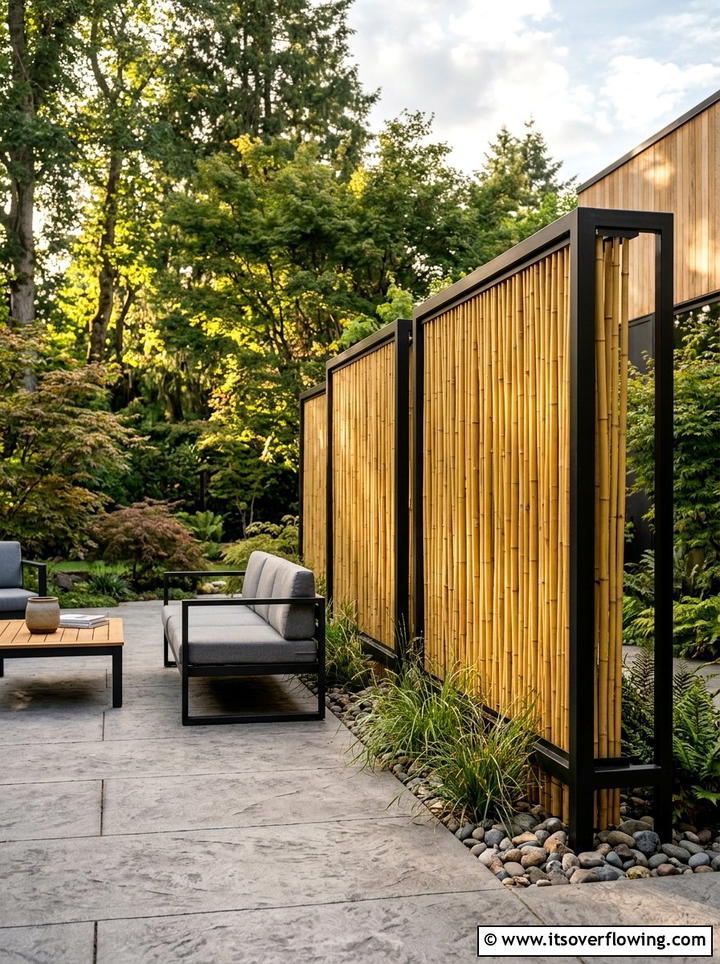
Imagine sitting in your garden, shielded from the world by a wall of golden, sustainable stalks that sway gently in the breeze. Bamboo is one of the fastest-growing plants on earth, making it an incredibly renewable resource for building privacy screens and fencing. Unlike traditional wood fences that require heavy harvesting, bamboo can be harvested every few years without killing the plant. These screens offer a clean, linear aesthetic that fits perfectly with modern or Zen-inspired garden themes. They are lightweight yet remarkably strong, providing a durable barrier that filters light beautifully. Installing bamboo is a simple way to create an intimate atmosphere while supporting a much faster ecological replenishment cycle.
3. Recycled Glass Mulch
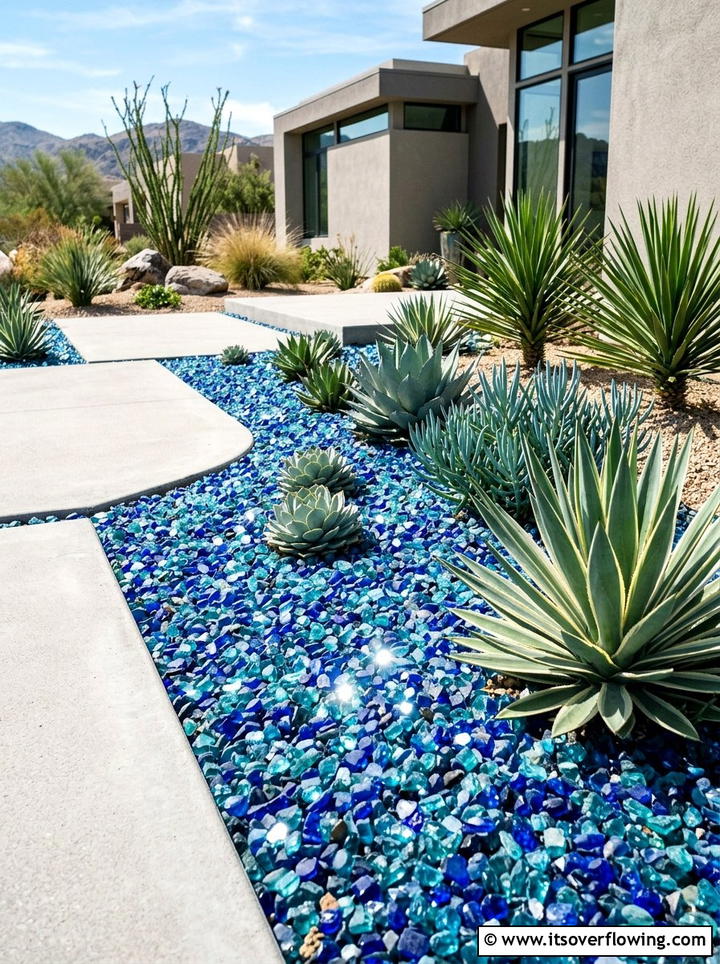
What if your garden paths could sparkle like the ocean under the afternoon sun while helping the planet stay green? Recycled glass mulch is a vibrant, sustainable alternative to traditional wood chips or gravel, made from tumbled glass that is smooth to the touch. This material doesn’t decompose, meaning you won’t have to replace it every year, which saves both money and resources. It comes in a wide array of colors, from deep cobalt blue to earthy amber, allowing you to create stunning visual patterns around your plants. Beyond its beauty, it helps retain soil moisture and suppress weeds, making it a functional and dazzling choice for any contemporary outdoor landscape.
4. Rainwater Harvesting System
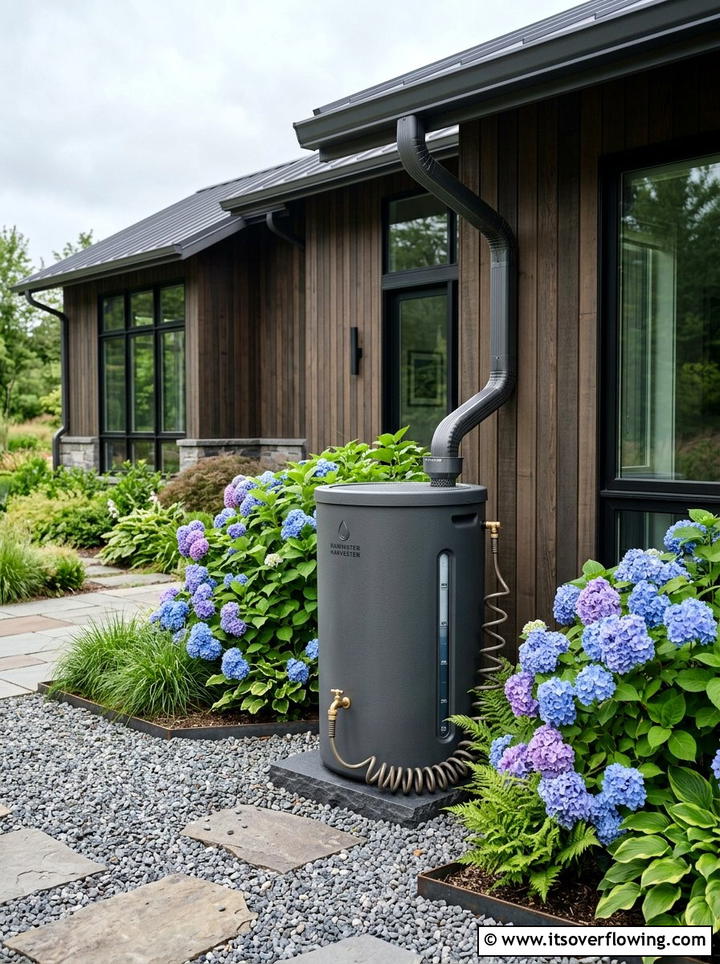
Can you hear the soothing sound of rain being collected for future use while you sit on your back porch? A rainwater harvesting system is a cornerstone of sustainable gardening, allowing you to reduce your reliance on municipal water supplies. By installing a stylish rain barrel or an underground cistern, you can capture runoff from your roof to hydrate your plants during dry spells. Modern systems are designed to be aesthetic features, often disguised as decorative urns or sleek, minimalist tanks. Using rainwater is better for your plants as it lacks the chlorine and fluoride found in tap water. It’s a practical, eco-friendly solution that keeps your garden thriving responsibly.
5. Native Plant Garden
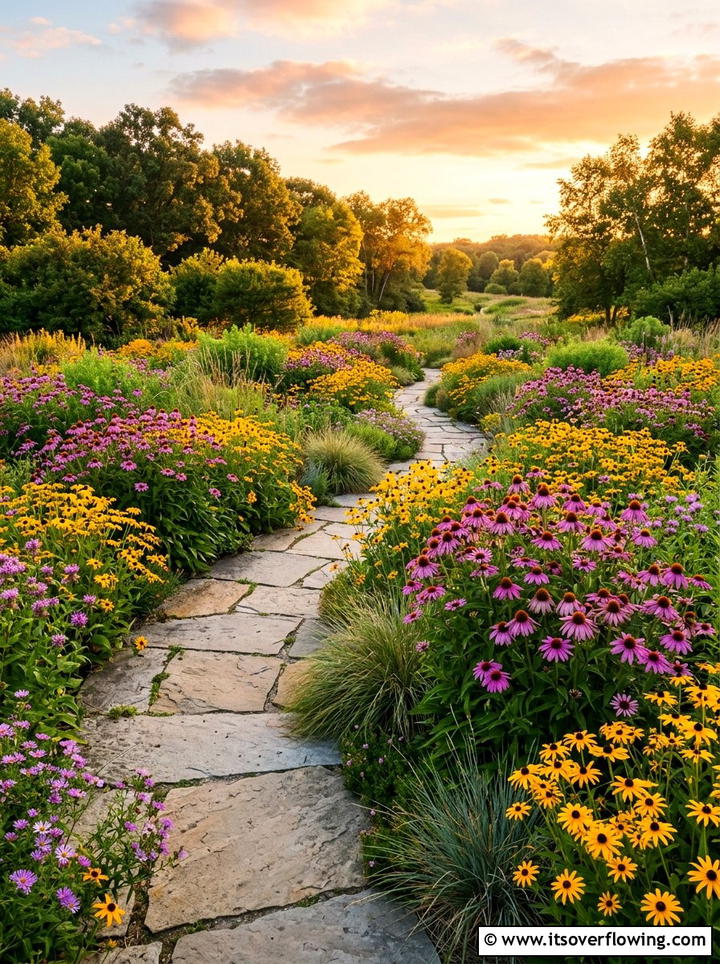
Why fight against nature when you can embrace the plants that have thrived in your specific region for thousands of years? Creating a native plant garden is the ultimate sustainable choice because these species are already adapted to your local climate and soil conditions. This means they require significantly less water, fewer fertilizers, and almost no pesticides to stay healthy and vibrant. Native plants also provide essential habitats and food sources for local pollinators like bees, butterflies, and birds, boosting biodiversity in your backyard. The result is a lush, low-maintenance landscape that looks effortlessly beautiful and functions as a vital part of the local ecosystem throughout every season.
6. Crushed Stone Path
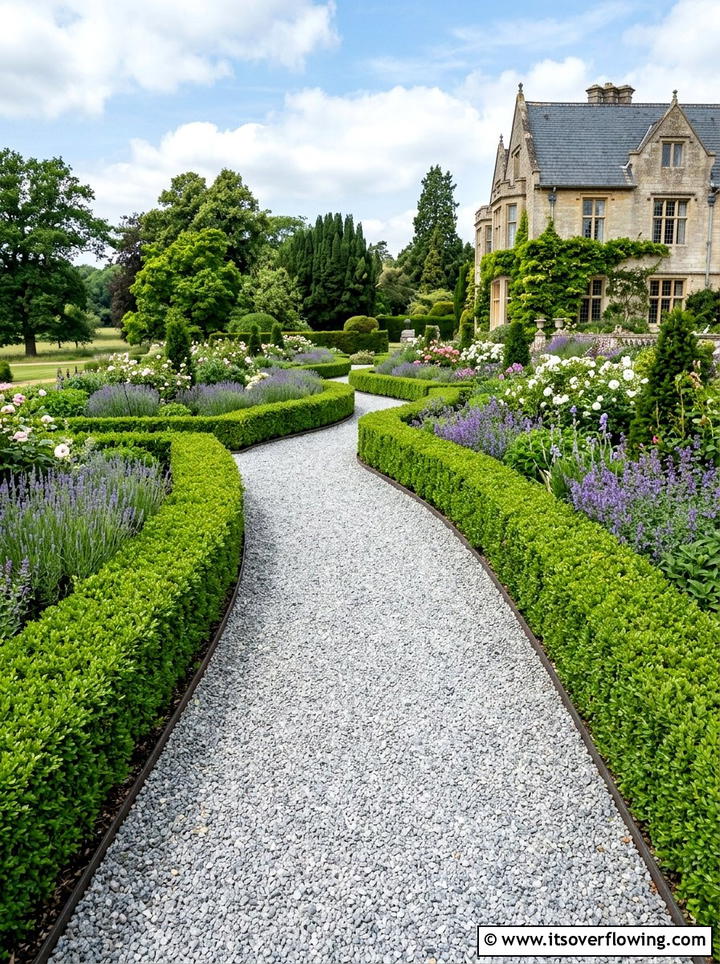
Does the crunch of fine gravel under your feet remind you of a peaceful walk through a classic European estate? A crushed stone path is a timeless and sustainable hardscaping option that allows water to permeate back into the ground rather than running off into storm drains. Using locally sourced stone or crushed granite reduces the energy required for transportation, making it a smarter choice for the environment. These paths define the layout of your garden with clean lines and a natural texture that complements both formal and informal designs. They are incredibly durable, easy to repair, and provide a versatile neutral palette that allows your flowering plants to take center stage.
7. Pallet Planter Wall
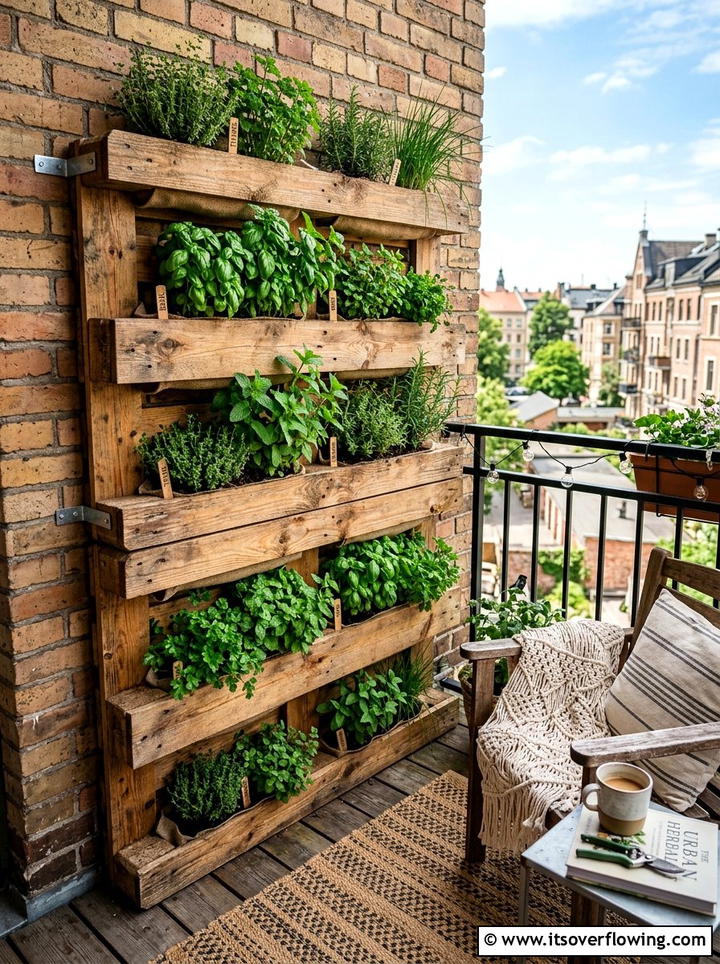
Have you ever looked at a discarded wooden pallet and seen a vertical forest waiting to be born for your patio? Upcycling pallets into planter walls is a fantastic way to maximize space in small gardens while keeping industrial waste out of the trash. These vertical structures allow you to grow a variety of herbs, succulents, or trailing flowers in a compact footprint. By sanding down the wood and using a safe, eco-friendly sealant, you can create a custom focal point that adds a touch of industrial-chic to your outdoor area. It’s an affordable and creative DIY project that showcases how sustainable materials can be transformed into high-impact, functional garden art.
8. Solar Powered Lighting
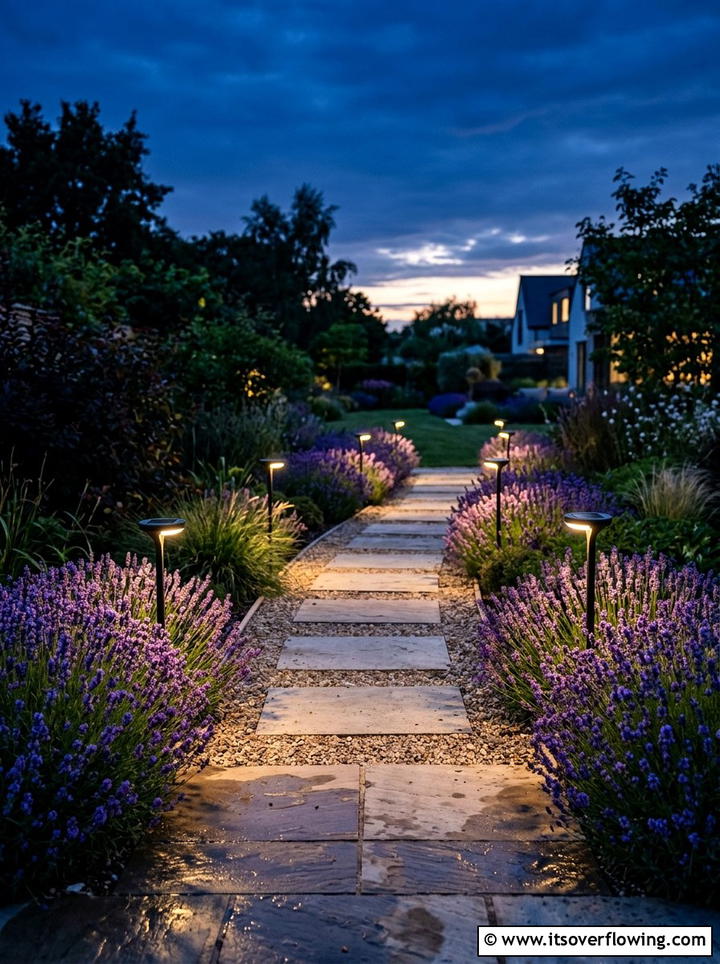
Picture your garden glowing with a soft, ethereal light as soon as the sun goes down, without a single wire in sight. Solar-powered lighting is an essential sustainable feature that uses the sun’s energy to illuminate paths, trees, and seating areas. Modern solar fixtures come in elegant designs, from minimalist stakes to hanging lanterns, providing high-quality brightness that lasts through the night. Since they don ‘t use electricity from the grid, they are completely carbon-neutral and cost nothing to operate after the initial setup. This lighting choice enhances the safety and ambiance of your outdoor space while keeping your energy consumption low, allowing you to enjoy your garden’ s beauty responsibly.
9. Permeable Paver Patio
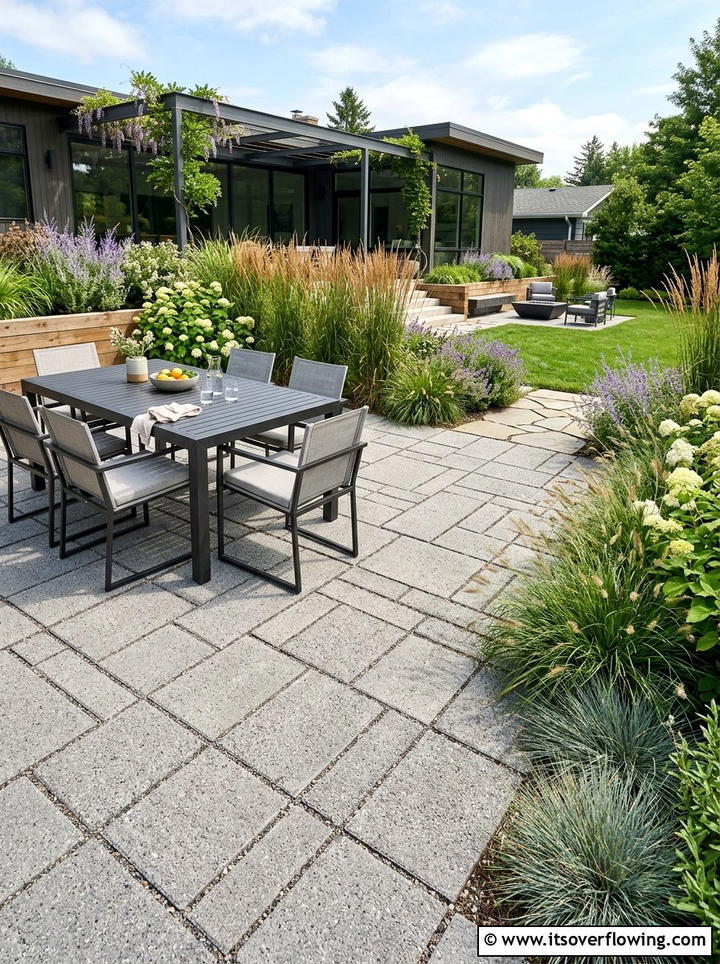
Have you noticed how traditional concrete patios can cause puddles and runoff during heavy summer rainstorms in your backyard? Permeable pavers are a sustainable solution designed to allow water to flow through the joints and back into the soil beneath. This prevents erosion and helps recharge groundwater, making your garden more resilient to weather extremes. These pavers come in various materials, including recycled brick and natural stone, offering a sophisticated look for your outdoor dining or lounging area. They combine the stability of a solid surface with the environmental benefits of a natural landscape. It’s a smart, long-term investment that prioritizes both style and the health of the planet.
10. Cedar Shingle Birdhouse
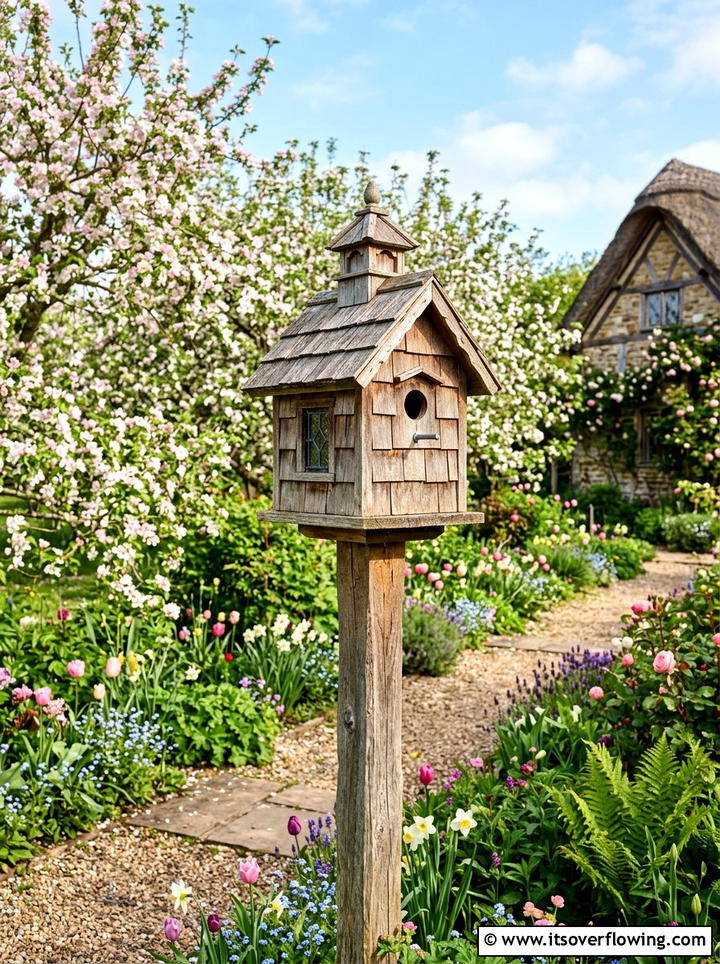
Does the sight of colorful birds nesting in your backyard bring a sense of peace and joy to your morning? A birdhouse made from sustainable cedar shingles is a beautiful way to encourage local wildlife to settle in your garden. Cedar is a naturally weather-resistant wood that doesn’t require harsh chemical treatments, making it safe for the environment and the birds alike. These houses can be designed with a modern architectural flair or a traditional cottage look, adding a charming decorative element to your trees or fences. Providing a safe haven for birds helps control pests naturally, as many species feed on insects that might otherwise damage your precious garden plants.
11. Hemp Fiber Weed Mat
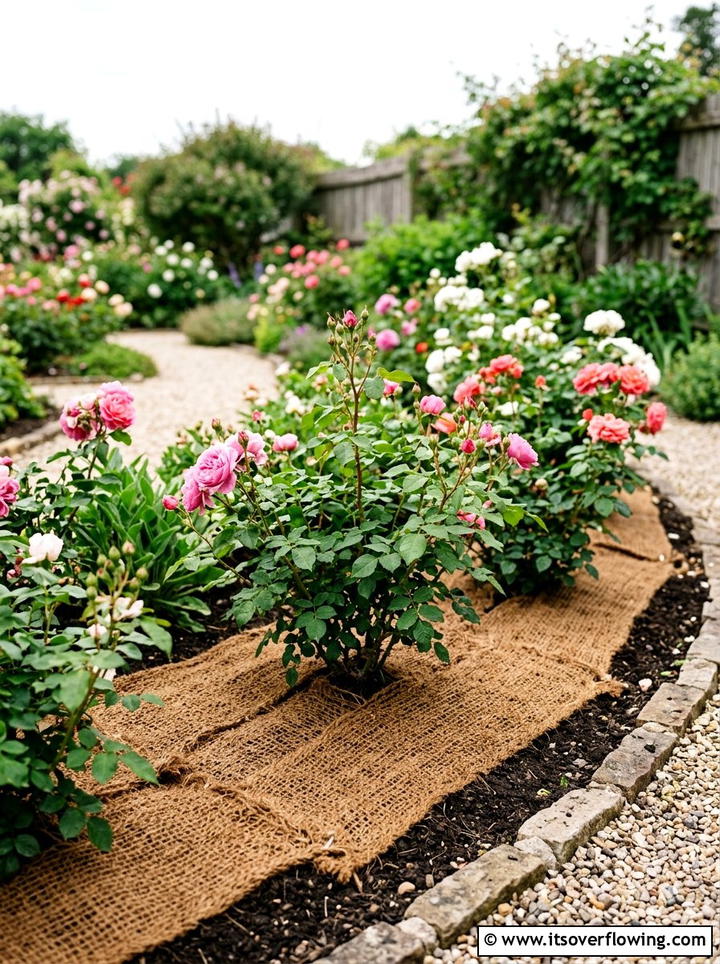
What if you could stop weeds from growing in your garden beds without using plastic liners or harmful chemical sprays? Hemp fiber weed mats are a 100% biodegradable and sustainable alternative to traditional landscape fabric made from petroleum products. These mats are made from the sturdy fibers of the hemp plant, which is a highly renewable and low-impact crop. As they suppress weeds, they also slowly break down over time, adding organic matter back into the soil and improving its structure. This creates a healthy environment for your plants to grow while reducing plastic waste in your garden. It’s a hidden but powerful tool for any eco-conscious gardener.
12. Upcycled Metal Edging
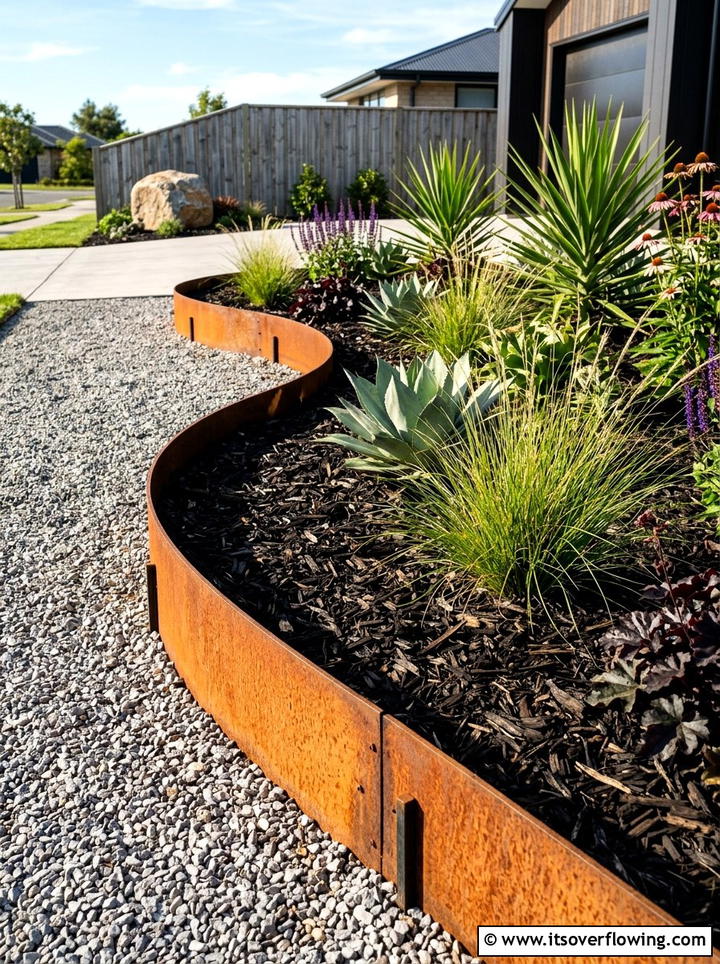
Could a few pieces of old, rusted metal be the secret to creating the cleanest, most modern lines in your garden? Upcycled metal edging, often made from reclaimed steel or aluminum, provides a durable and sustainable way to define the boundaries of your beds. Unlike plastic edging that can crack and degrade over time, metal is incredibly long-lasting and can be recycled again at the end of its life. The natural oxidation process gives the metal a beautiful, earthy patina that blends seamlessly with wood and stone. It keeps grass from creeping into your flowers while adding a sleek, professional finish to your landscape that feels both industrial and organic.
13. Composite Decking Terrace
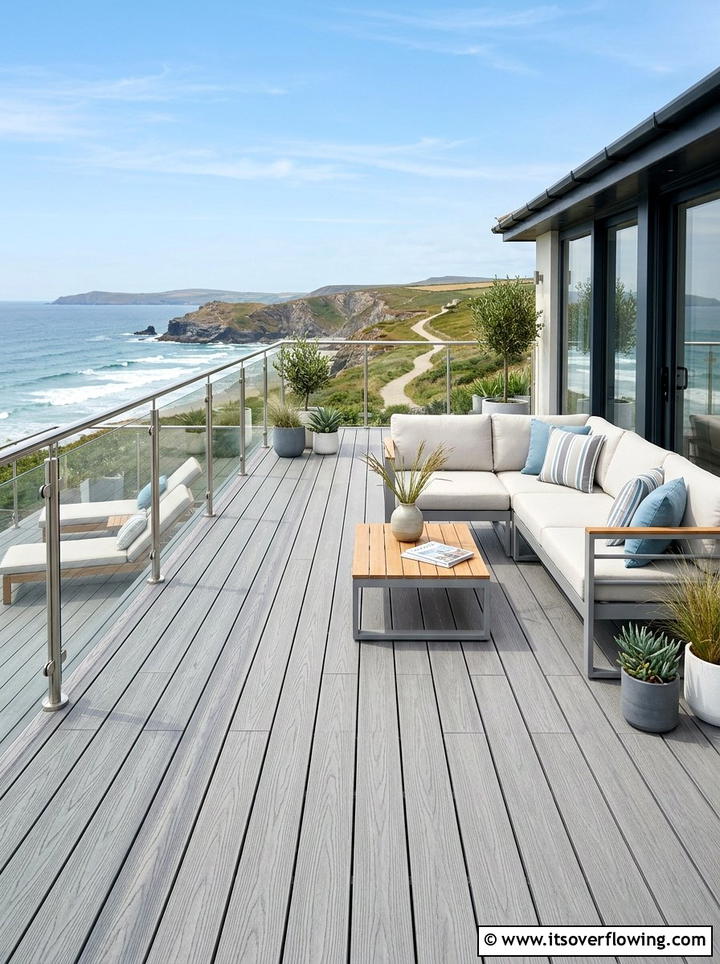
Are you dreaming of a beautiful terrace that looks like natural wood but doesn ‘t require constant staining or chemical treatments? Composite decking is a sustainable choice made from a mix of recycled wood fibers and recycled plastics, offering incredible durability and weather resistance. This material prevents thousands of tons of plastic from entering the ocean and landfills every year while providing a splinter-free surface for your family. It doesn’ t rot, warp, or fade, making it a low-maintenance alternative to traditional timber decks. With a wide range of colors and textures available, you can create a high-end outdoor living space that stays beautiful for decades with minimal environmental impact.
14. Vertical Herb Garden
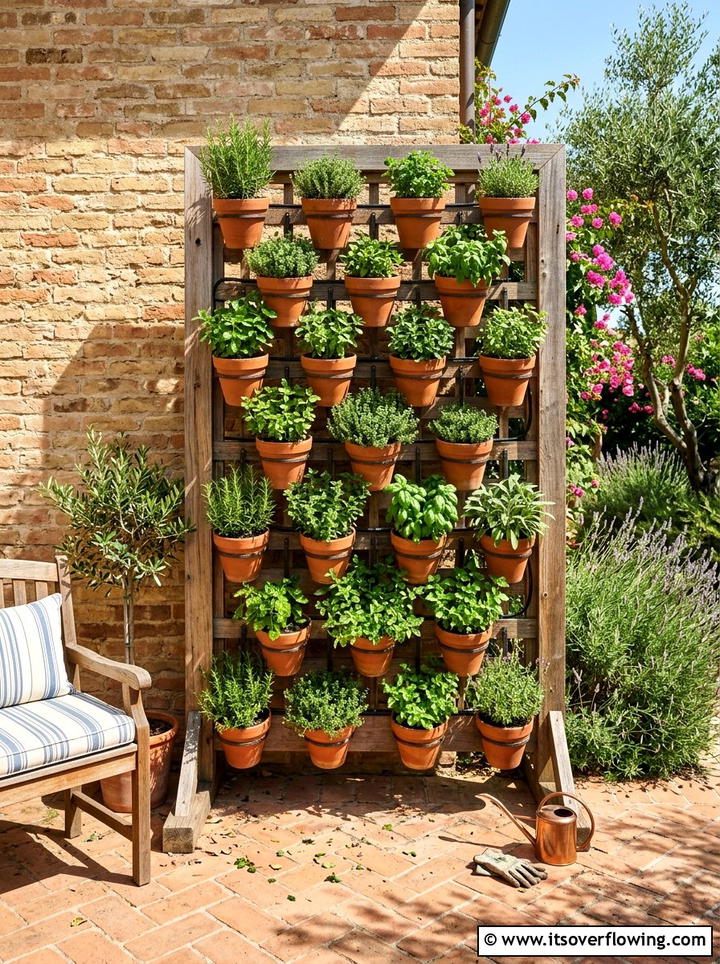
Imagine stepping out of your kitchen and plucking fresh, fragrant basil and rosemary from a lush wall of green. A vertical herb garden built with sustainable materials like terracotta or FSC-certified wood is perfect for maximizing small spaces. By growing upwards, you can produce a significant amount of food in a tiny footprint, reducing your reliance on store-bought produce packaged in plastic. Terracotta pots are a classic, breathable choice that helps regulate soil moisture naturally. This setup not only provides fresh ingredients for your meals but also acts as a living wall that cools the air and adds a refreshing scent to your patio or balcony area.
15. Natural Stone Retaining Wall
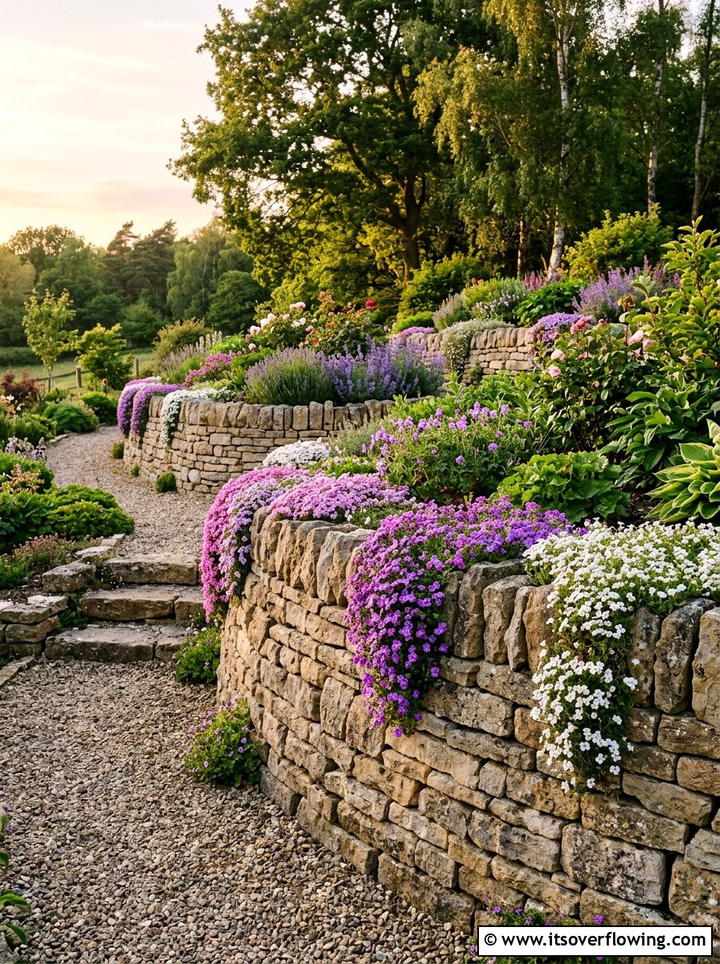
Have you ever admired the timeless beauty of a hand-stacked stone wall that seems to grow directly out of the earth? A natural stone retaining wall is a sustainable way to manage slopes and create level planting areas in your garden. By using locally quarried stone, you minimize the environmental cost of transportation and ensure the wall blends perfectly with the local geology. These walls don’t require mortar or chemicals, allowing small plants and moss to grow in the crevices over time. They are incredibly permanent and provide excellent drainage, making them a functional and aesthetic anchor for your landscape that will last for many generations.
16. Recycled Plastic Outdoor Furniture
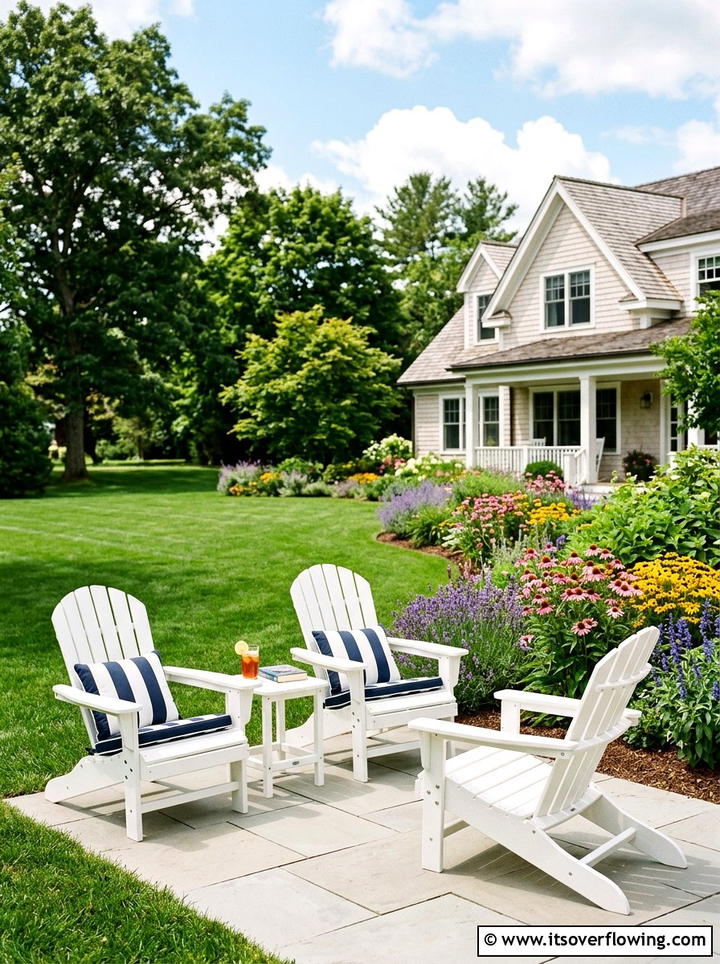
Can you believe that your comfortable new Adirondack chair was once a collection of milk jugs and detergent bottles? Outdoor furniture made from high-density polyethylene (HDPE) recycled plastic is a sustainable miracle for modern gardens. This material is completely waterproof, UV-resistant, and won’t ever need painting or sealing, making it the ultimate low-maintenance choice. It’s available in every color imaginable, allowing you to add a pop of brightness or a sophisticated neutral tone to your patio. By choosing recycled plastic, you are supporting the circular economy and keeping non-biodegradable waste out of our ecosystems while enjoying furniture that is built to withstand even the harshest weather conditions.
17. Gabion Wall Planter
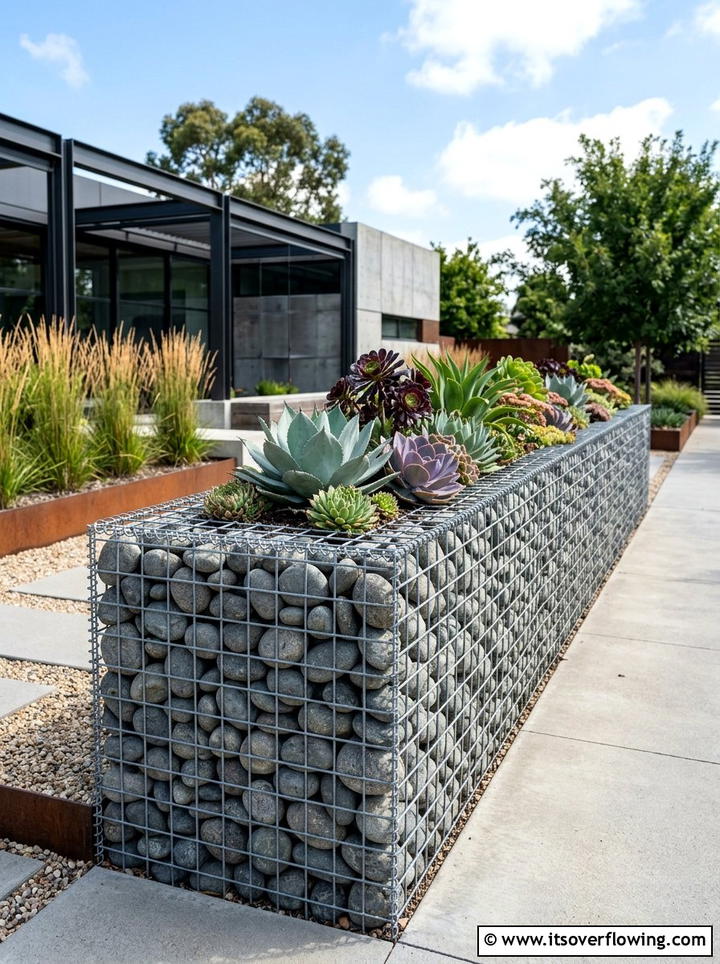
Do you love the look of raw stone and industrial metal combined to create a striking architectural feature in your garden? Gabion wall planters are made by filling wire cages with recycled rocks, broken bricks, or local stones, providing a very sustainable and sturdy structure. These planters offer excellent drainage and can be used to create benches, privacy walls, or large planting containers. The thermal mass of the stones helps regulate the temperature of the soil, keeping plant roots cool in the summer and warm in the winter. It’s a unique, modern design choice that uses abundant, natural materials to create a bold visual statement in any outdoor setting.
18. Willow Wattle Fencing
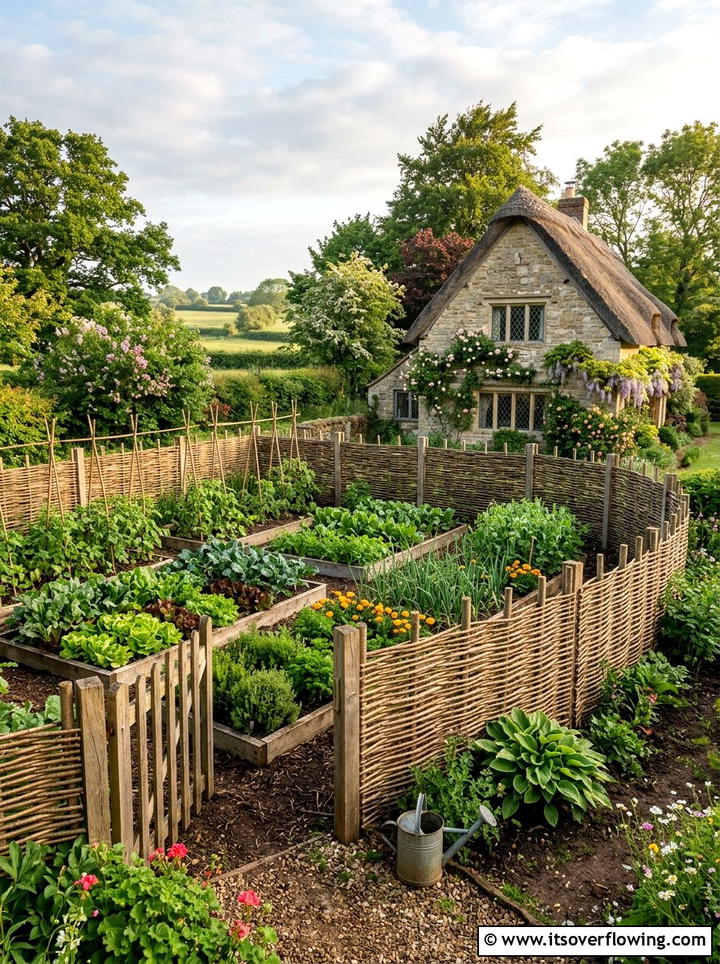
Have you ever seen the delicate, woven patterns of a traditional wattle fence and felt a connection to ancient gardening techniques? Willow wattle fencing is made by weaving flexible willow branches around upright stakes, creating a natural and completely biodegradable barrier. This material is incredibly sustainable because willow grows rapidly and can be harvested annually without harming the plant. Wattle fences provide a charming, rustic look that is perfect for enclosing vegetable patches or creating decorative borders. They allow some wind to pass through, reducing turbulence in the garden, and they blend beautifully into a naturalistic landscape, offering a soft alternative to rigid, industrial fencing materials.
19. Gravel Fire Pit Area
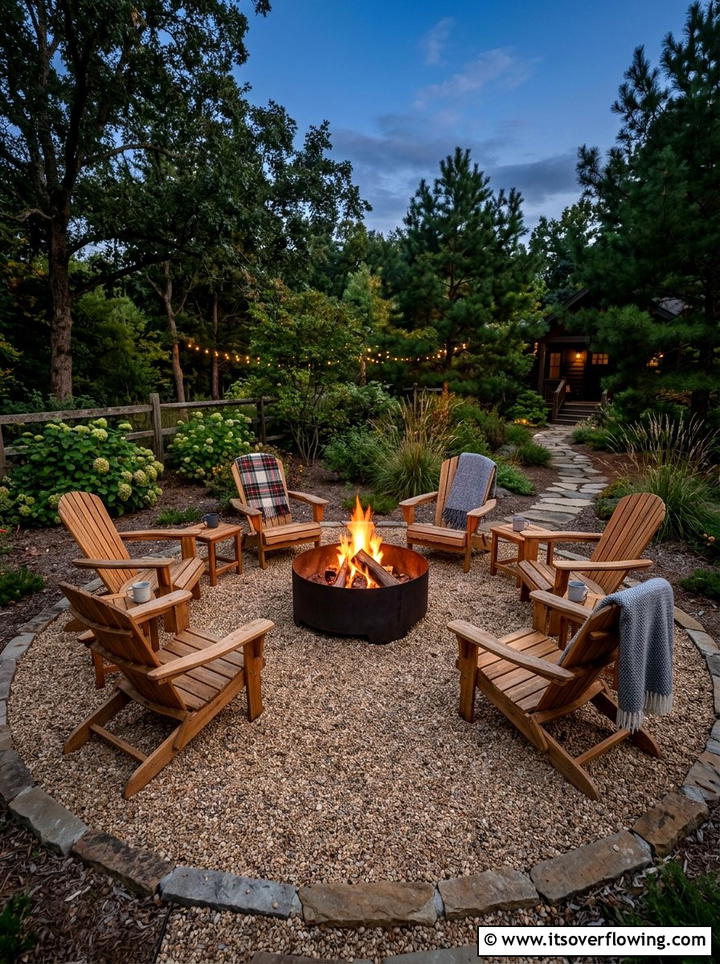
Is there anything better than gathering with friends around a warm fire as the stars begin to appear overhead? Creating a fire pit area using sustainable gravel or crushed stone is a wonderful way to build a social hub in your garden. Gravel is a permeable material that allows rain to soak into the ground, preventing the runoff issues associated with large concrete slabs. It’s affordable, easy to install, and provides a relaxed, casual vibe that encourages conversation. By using a smokeless fire pit or burning sustainably sourced wood, you can minimize air pollution while enjoying the timeless magic of an outdoor fire in a responsible, eco-friendly way.
20. Cork Bark Mulch
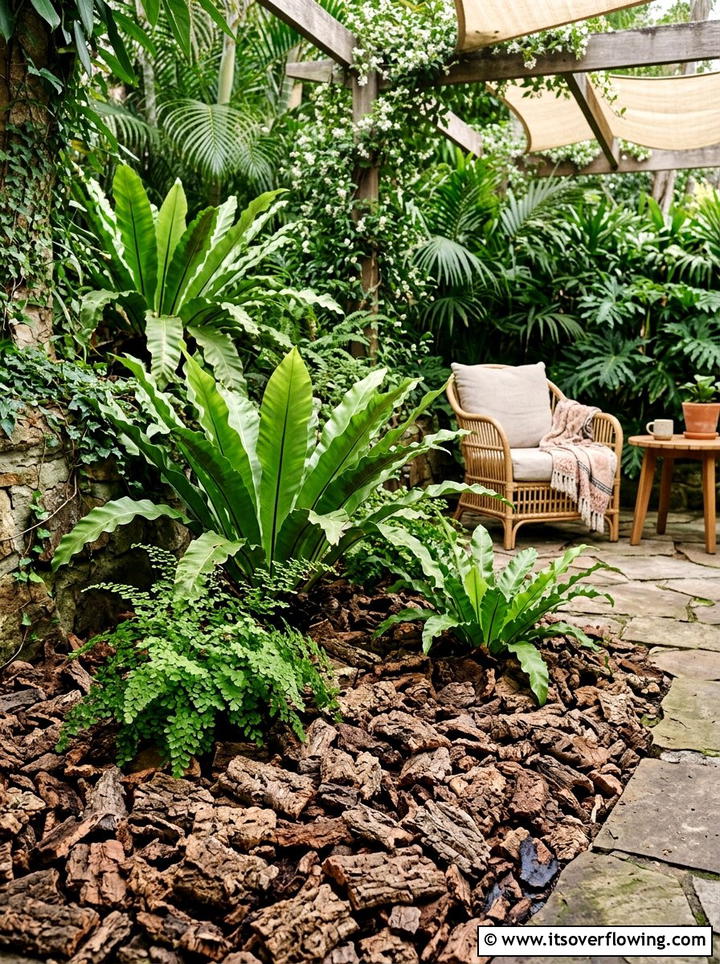
Have you been looking for a mulch that is as sustainable as it is beautiful and effective at protecting your soil? Cork bark mulch is an eco-friendly byproduct of the cork industry, harvested from the bark of cork oak trees without ever cutting them down. This material is naturally resistant to mold and pests, and it doesn ‘t break down as quickly as traditional wood chips, meaning you use less of it over time. It provides a soft, spongy texture that is wonderful to walk on and adds a unique, warm tone to your garden beds. Cork is also an excellent insulator, protecting your plants’ roots from extreme temperature fluctuations.
21. Clay Pot Fountain
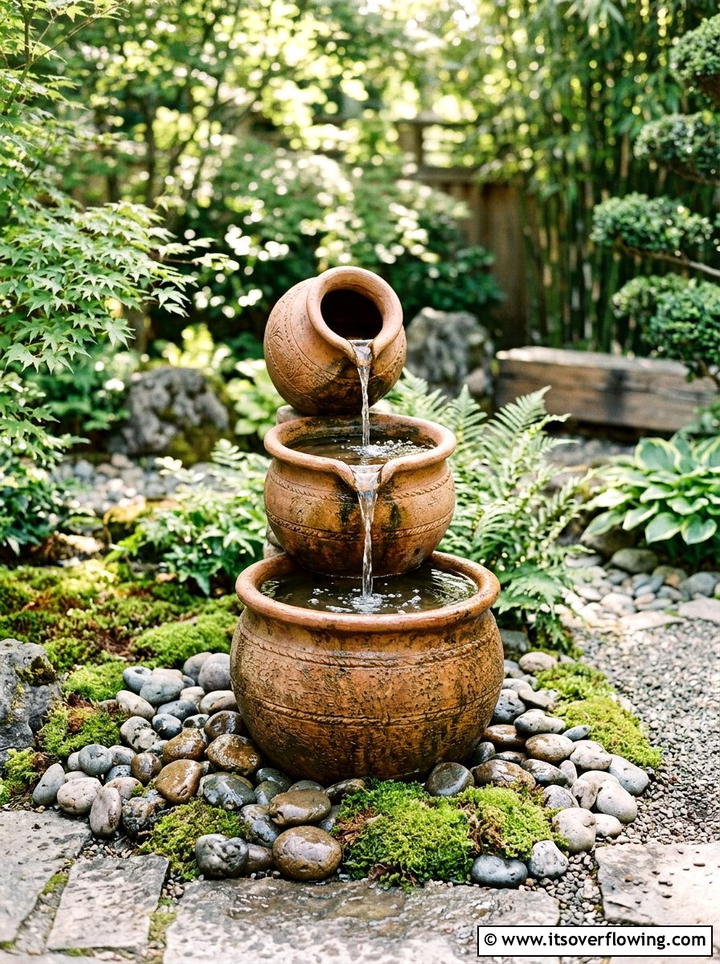
Can you feel your stress melting away at the sound of water trickling down the side of a sun-warmed clay pot? A clay pot fountain is a simple, sustainable water feature that can be made using terracotta urns and a small, solar-powered pump. Terracotta is a natural, earth-based material that is fully recyclable and has been used in gardens for centuries. These fountains provide a vital water source for birds and beneficial insects while adding a cooling element to your patio. Because they can be powered by the sun, they require no electricity, making them a perfect, low-impact addition that brings movement and life to your peaceful garden retreat.
22. Log Slice Stepping Stones
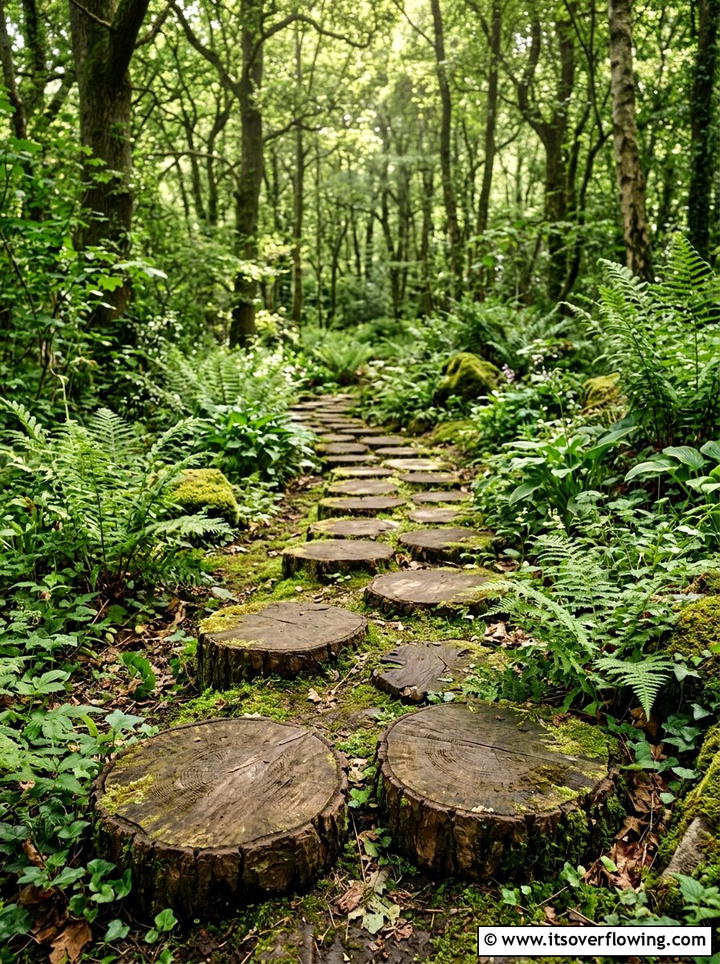
Have you ever walked across a path of wooden discs and felt like you were wandering through an enchanted forest? Log slice stepping stones are a beautiful way to use fallen trees or wood scraps to create a natural walkway through your garden. These slices showcase the intricate rings and textures of the wood, bringing an organic, earthy feel to your landscape. To ensure they are sustainable and long-lasting, use rot-resistant wood like cedar or locust and place them on a bed of sand for drainage. This project is a wonderful way to celebrate the natural lifecycle of trees while providing a functional path that disappears into the greenery.
23. Sheet Mulch Vegetable Patch
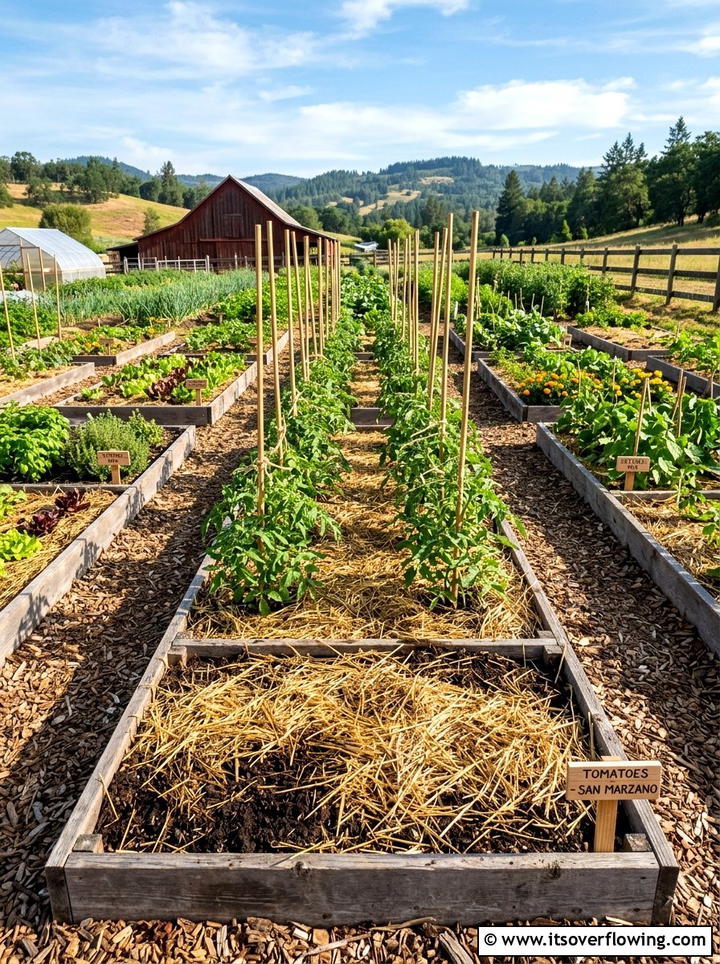
What if you could start a brand-new vegetable garden without ever having to pick up a heavy shovel or rototiller? Sheet mulching, also known as lasagna gardening, uses layers of recycled cardboard, compost, and organic mulch to build rich, healthy soil directly over your existing lawn. This sustainable method suppresses weeds naturally while encouraging earthworms and beneficial microbes to do the work of aerating the soil for you. It prevents soil erosion and captures moisture, creating the perfect environment for growing nutrient-dense food. It’s a low-energy, high-reward way to expand your garden using simple, biodegradable materials that you likely already have at home in your recycling bin.
24. Dry Creek Bed
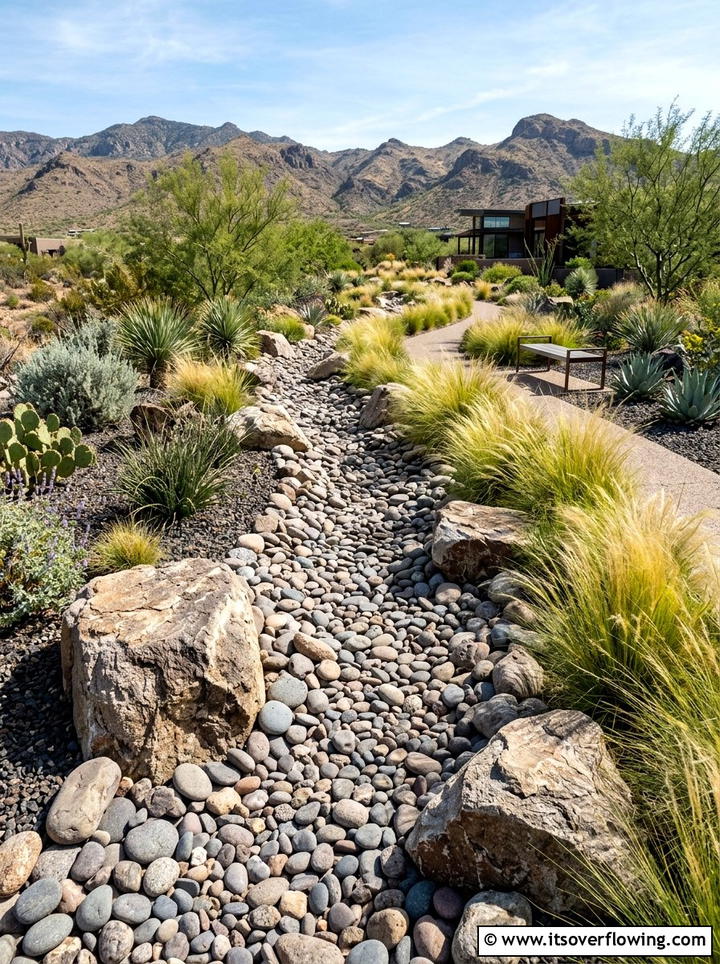
Do you have a spot in your garden where water tends to pool after a storm, causing a muddy and unsightly mess? A dry creek bed made from local river rocks and recycled boulders is a sustainable landscaping feature that manages drainage beautifully. During heavy rains, it acts as a channel to direct water away from your home’s foundation, and during dry spells, it serves as a stunning, sculptural element. By mimicking the look of a natural stream, you can add visual interest and texture to your garden without the need for constant watering. It’s a functional, low-maintenance solution that turns a potential problem into a breathtaking landscape focal point.
25. Galvanized Steel Stock Tank
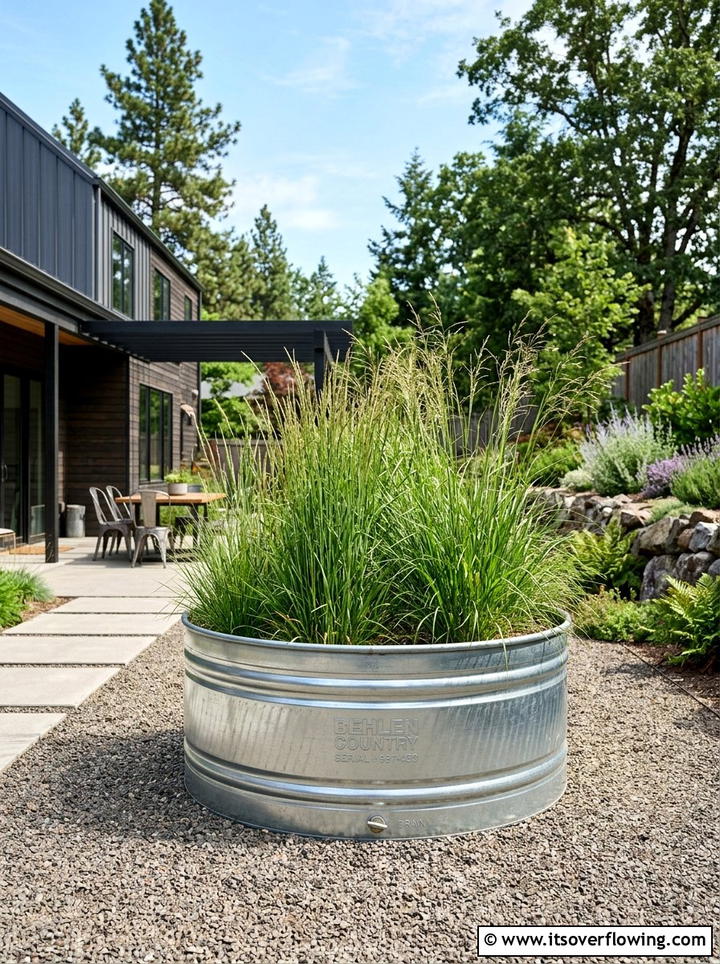
Have you noticed how designers are turning humble agricultural items into the most stylish and sustainable features in modern backyards? A galvanized steel stock tank can be repurposed as a massive planter or even a small soaking pool, offering incredible durability and a sleek industrial look. Steel is one of the most recycled materials on the planet, and these tanks can last for decades with very little maintenance. When used as a planter, they provide plenty of depth for root systems and help keep pests away from your vegetables. They are easy to set up, portable, and add a bold, contemporary edge to any garden while being a very eco-conscious choice.
Conclusion:
Embracing sustainable materials in your garden is more than just a design trend; it is a meaningful way to connect with the environment while building a space that reflects your values. By choosing reclaimed wood, recycled plastics, and native plants, you create a landscape that is resilient, low-maintenance, and visually captivating. These choices allow you to reduce waste and conserve precious resources without sacrificing the high-end aesthetic you desire. As you watch your garden thrive, you will feel a deep sense of satisfaction knowing that every element contributes to a healthier planet. Your outdoor sanctuary can be a powerful example of how style and sustainability can live in perfect harmony.

Related posts:
 25 Creative Garden Ideas for Balconies You’ll Love
 25 creative garden ideas with outdoor reading spaces to Love
 25 Creative Garden Ideas With White Flower Gardens You’ll Love
 25 Garden Design Ideas for Contemporary Courtyards You’ll Love
 25 Garden Design Ideas for Play Areas Kids Will Love
 25 Small Garden Ideas for Patio Spaces You Will Love
 25 Small Garden Ideas With Low Maintenance Plants You’ll Love
 25 garden ideas with low cost materials: Budget Yard Tips
 25 Creative Garden Ideas With Sustainable Landscaping Tips
 25 Creative Garden Ideas With Keyhole Garden Beds
 25 Creative Garden Ideas With Kids Garden Zone
 25 garden ideas with hostas for Lush Shade Garden Beauty