
Creating a beautiful garden requires more than just picking the right plants; it involves defining your space with structure and intent. Garden edging serves as the perfect finishing touch that elevates any outdoor area from messy to professional. Whether you are working with a sprawling backyard or a small urban plot, the right border keeps mulch in place and prevents grass from invading your flower beds. This guide explores twenty-five unique ways to frame your greenery using materials like stone, wood, metal, and even recycled items. You will discover how different textures and heights can transform your landscape into a cohesive and visually stunning retreat. Every garden deserves a clean and well-defined edge.
1. Brick garden edging
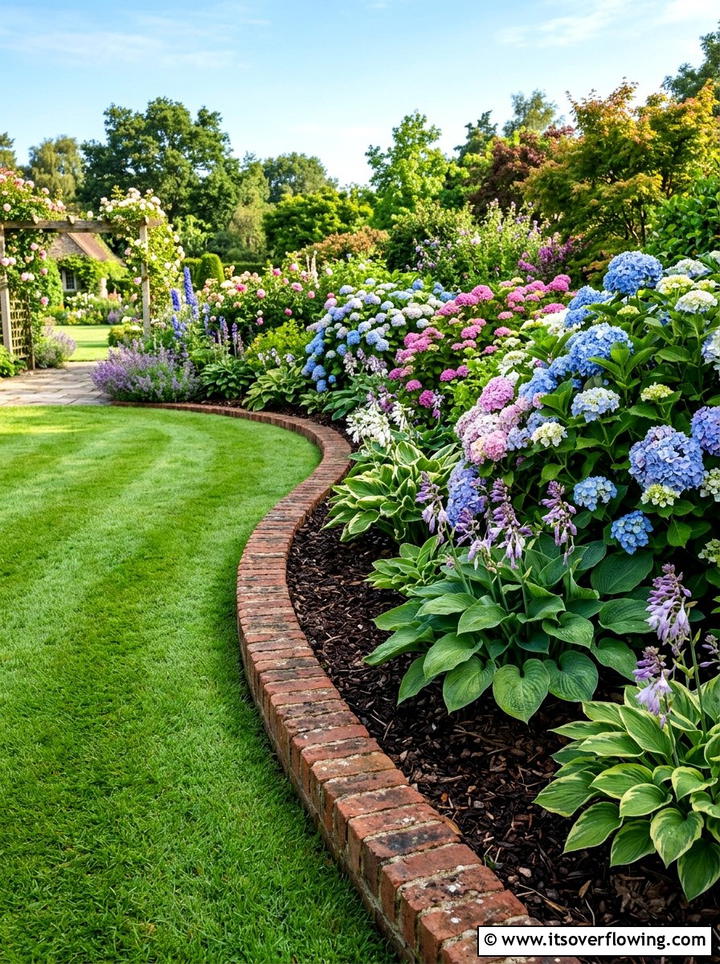
Bricks offer a timeless and traditional look for any backyard space. You can lay them flat for a subtle border or set them on an angle to create a decorative jagged edge. This material is incredibly durable and holds up well against different weather conditions over many years. Many homeowners choose salvaged bricks to add a sense of history and character to their flower beds. The warm red tones contrast beautifully with green foliage and colorful blooms. It is a cost-effective solution that you can easily install yourself in a single weekend. A brick border provides a sturdy barrier that keeps soil exactly where it belongs.
2. Corten steel edging
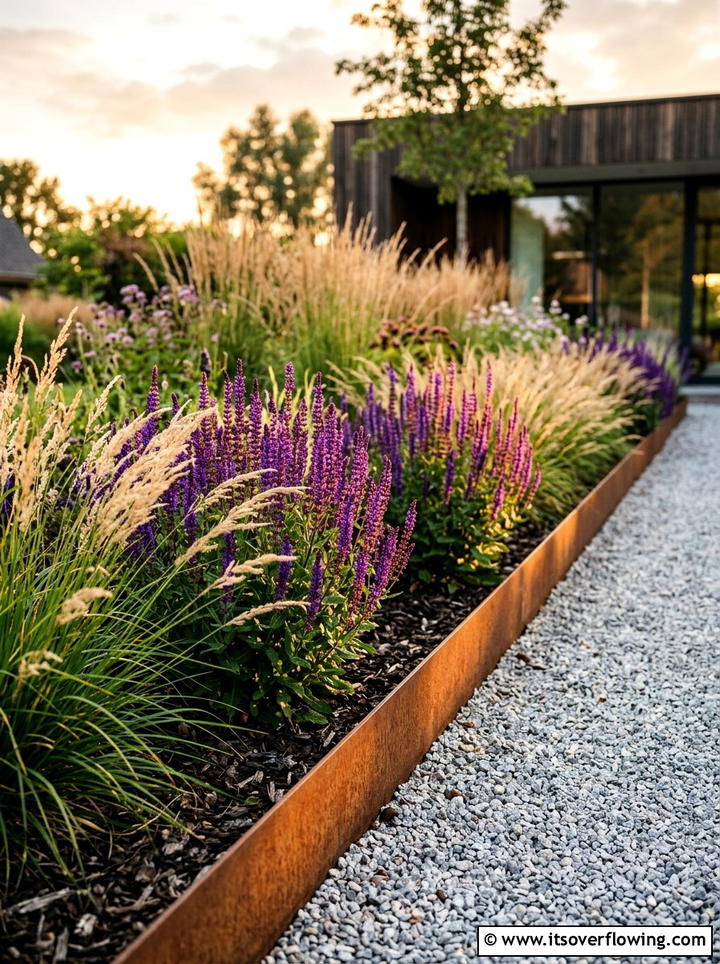
Corten steel is a popular choice for modern landscapes due to its unique weathered appearance. This material develops a protective layer of rust that prevents further corrosion while looking very stylish. It creates a very thin and sleek profile that is perfect for minimalist garden designs. The orange-brown hue provides a striking contrast against deep green ornamental grasses and dark mulch. You can easily bend these metal strips to create graceful curves or sharp geometric angles in your yard. It is a permanent solution that requires almost zero maintenance once the installation is complete. This edging gives your garden a very high-end and contemporary feel.
3. Flagstone garden border
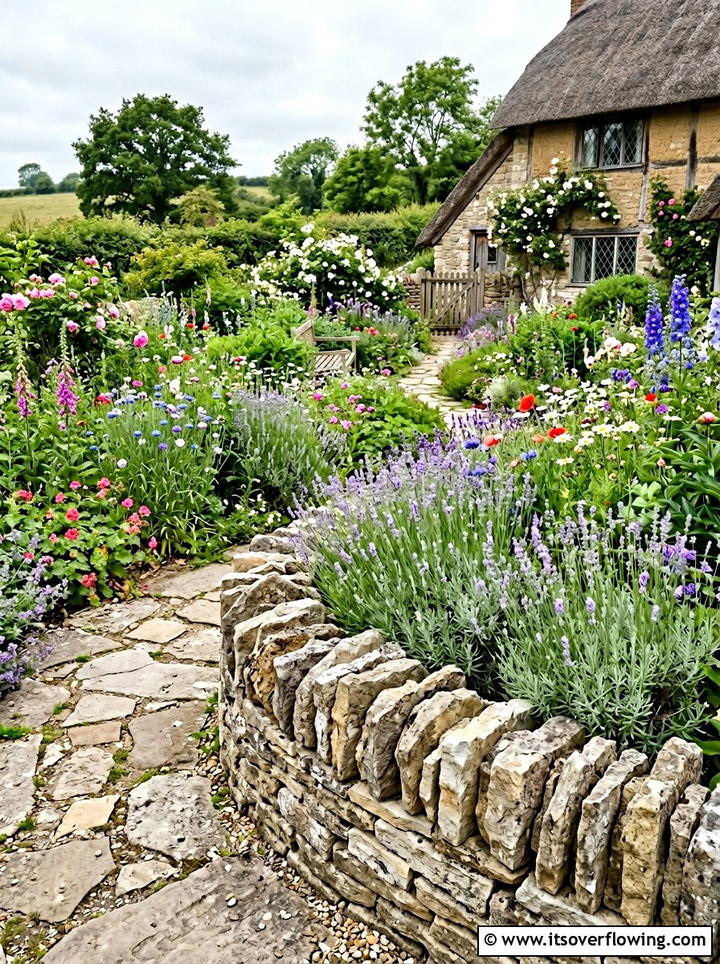
Flagstones provide a natural and organic look that blends perfectly with rustic or cottage-style gardens. These flat stones come in various shapes and sizes, allowing for a truly custom appearance. You can stack them slightly to create a low wall or lay them flat along the perimeter of your garden beds. The natural grey and tan colors complement almost any plant variety you choose to grow. Because flagstone is heavy, it stays in place without the need for deep digging or complex adhesives. It is an excellent choice for creating a transition between a lush lawn and a dense perennial planting area.
4. Plastic landscape edging
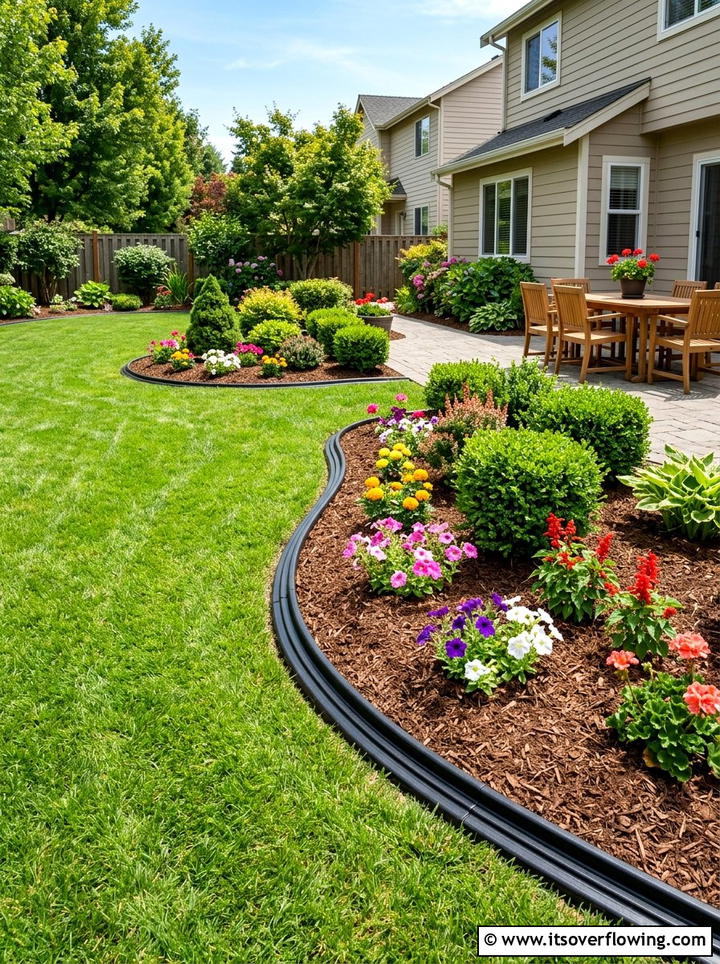
Plastic edging is one of the most affordable and versatile options available for homeowners today. It is lightweight and very easy to install, making it ideal for large landscaping projects on a budget. Most versions feature a rounded top bead that creates a safe and clean line along your flower beds. This material is excellent for preventing invasive grass roots from creeping into your vegetable or flower gardens. It is virtually invisible once installed, allowing your beautiful plants to take center stage. You can find high-quality recycled plastic options that are both environmentally friendly and resistant to extreme temperature changes throughout the year.
5. Wood log border
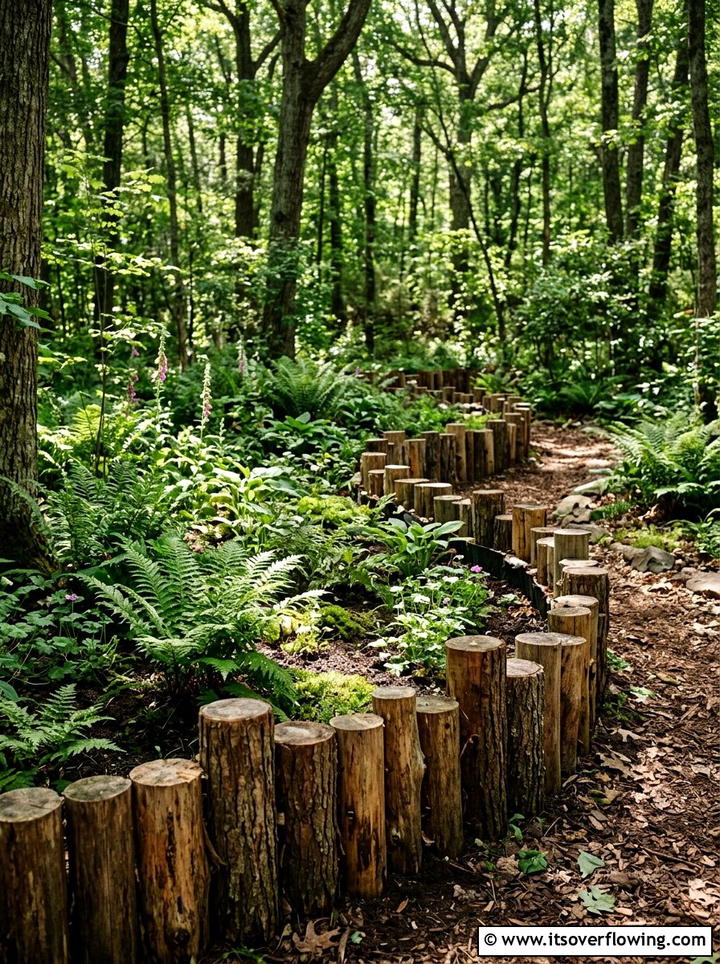
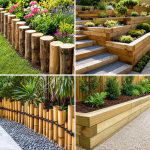
Using natural wood logs creates a charming and rustic atmosphere in any outdoor living space. You can use upright vertical logs of varying heights to add visual interest and texture to your garden beds. This style works exceptionally well in wooded areas or gardens with a heavy focus on native plants. Pressure-treated timber or naturally rot-resistant wood like cedar will ensure your border lasts for a long time. The earthy tones of the bark provide a soft frame that does not compete with your flowers. It is a wonderful way to recycle fallen branches from your property into something functional and attractive.
6. Concrete garden curbing
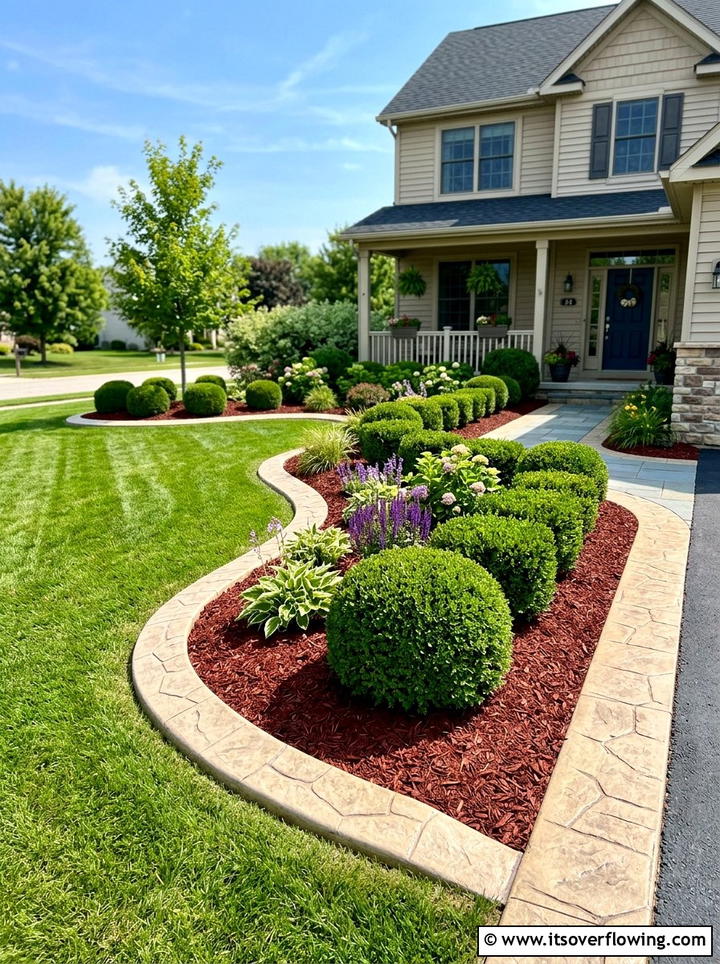
Concrete curbing offers a permanent and highly customizable solution for defining your lawn and garden areas. This type of edging is often poured on-site, allowing it to follow the exact contours of your landscape perfectly. You can choose from various colors and stamped patterns to mimic the look of stone or brick. It is extremely durable and can withstand the weight of lawn mowers without shifting or breaking. This creates a very clean and professional finish that increases the curb appeal of your home significantly. Once it cures, it acts as a solid root barrier that keeps your grass and mulch separated.
7. River rock edging
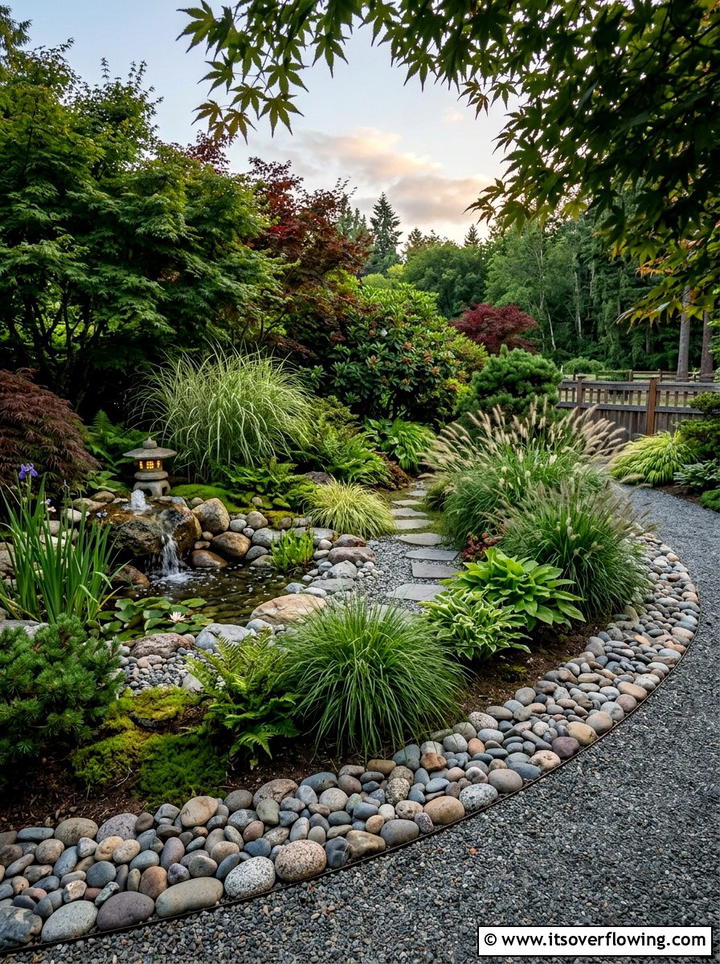
River rocks bring a sense of tranquility and movement to your garden borders. These smooth, water-worn stones come in a variety of sizes and neutral colors that look great in any setting. You can create a wide border of rocks to serve as a dry creek bed or a simple narrow line. This type of edging is excellent for areas with drainage issues, as it allows water to flow freely. The varying shapes of the stones provide a tactile quality that feels very grounded and natural. It is a low-maintenance option that does not require any specialized tools for a successful installation.
8. Wattle garden fence
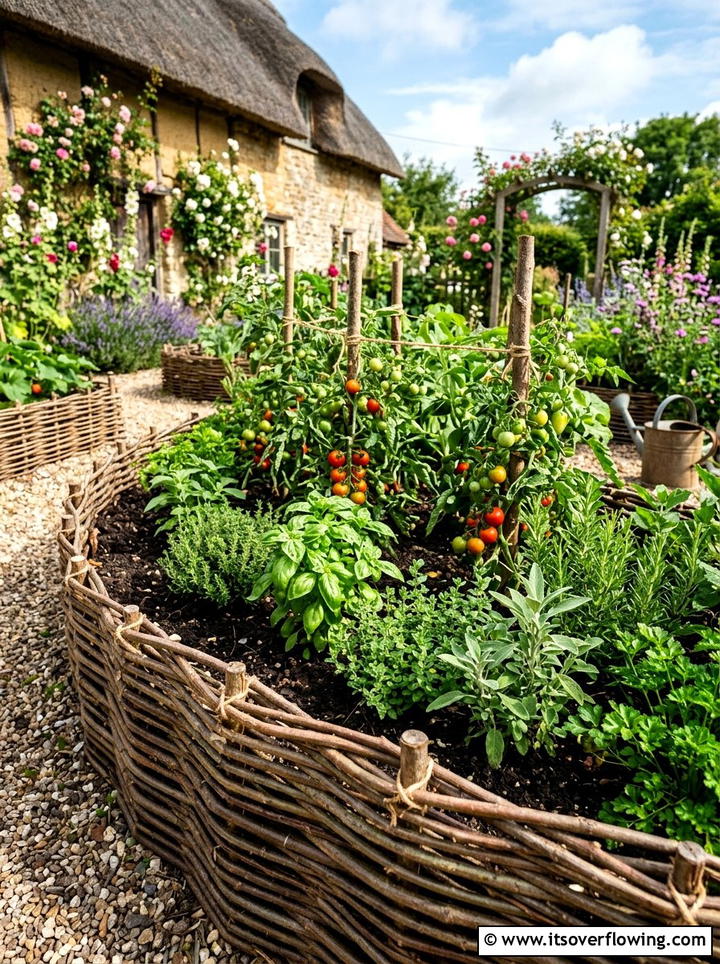
Wattle edging is an ancient technique that uses woven branches to create a beautiful and functional border. This traditional method is perfect for cottage gardens or traditional English-style landscapes. You can use flexible wood like willow or hazel to weave a low fence around your planting beds. It provides a soft and textured look that ages beautifully over time. This natural barrier is excellent for keeping small pets out of your flowers while adding a hand-crafted touch to your yard. It is an eco-friendly choice that uses renewable materials. The woven structure allows for some airflow while still holding back soil and mulch.
9. Terracotta tile border
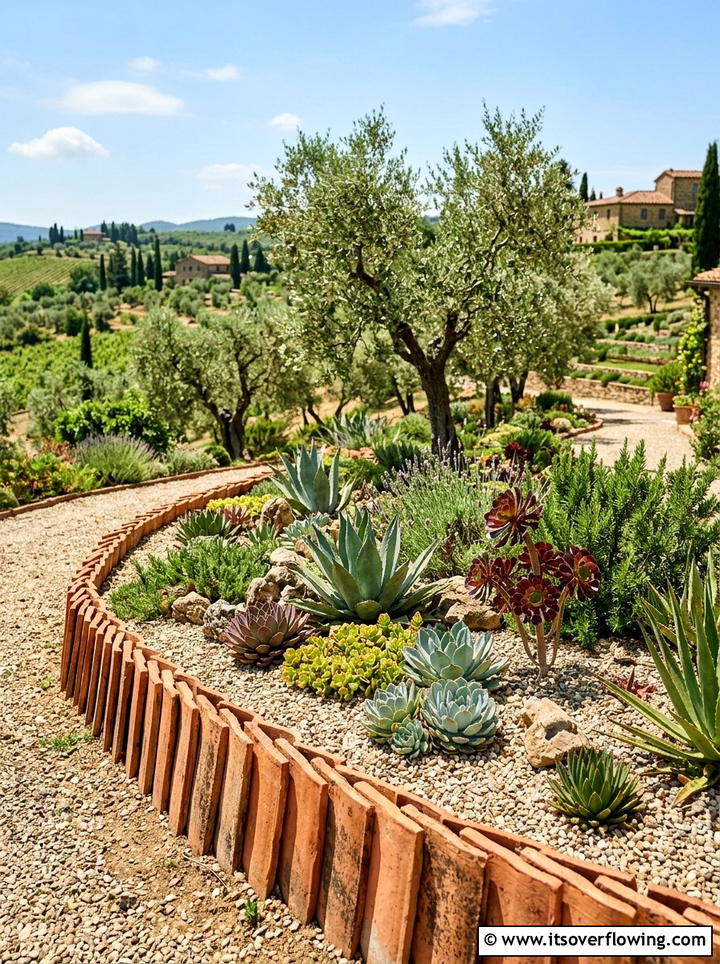
Terracotta tiles offer a warm and Mediterranean vibe to your outdoor garden space. You can use standard roof tiles or decorative garden tiles pushed into the ground to create a unique edge. The rich clay color looks stunning when paired with succulents, lavender, or bright citrus trees. This material is quite sturdy but should be handled with care to avoid cracking during the installation process. It provides a formal yet inviting look that works well in sunny backyard environments. You can arrange the tiles in a straight line or a circular pattern to frame your favorite specimen plants or small trees.
10. Bamboo garden edging
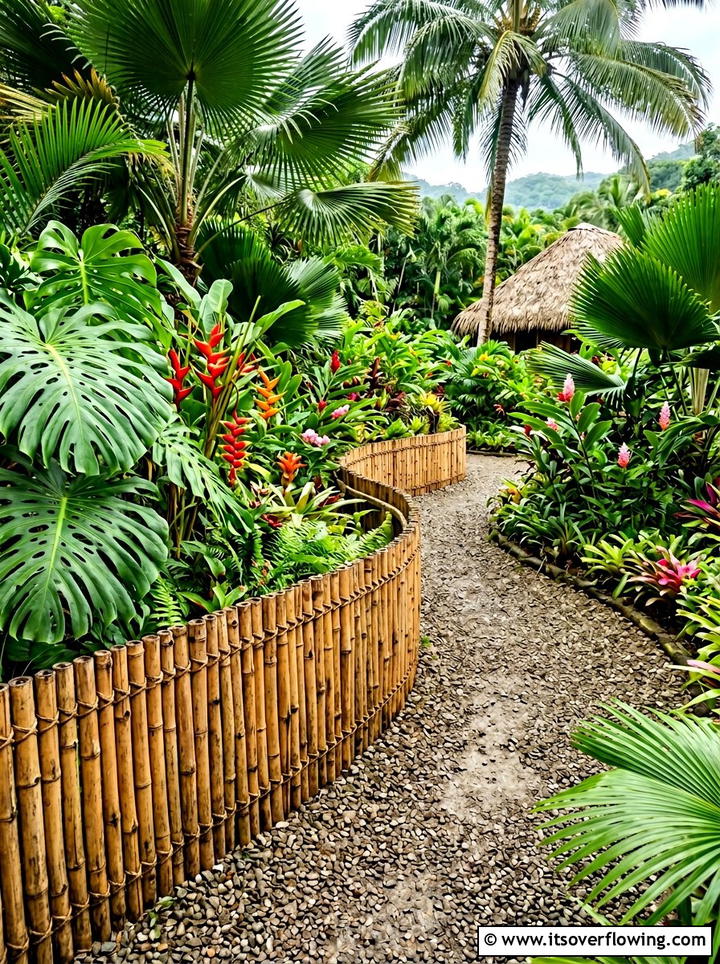
Bamboo provides an exotic and tropical feel that can instantly transform your backyard into a private oasis. It is a highly sustainable material that grows quickly and is very strong once harvested. You can find pre-made bamboo edging rolls that are easy to install by simply unrolling them along your garden bed. The vertical lines of the bamboo stalks add a sense of height and rhythm to the landscape. It is a great choice for Asian-inspired gardens or modern outdoor spaces that feature large tropical leaves. This material naturally resists moisture, but a clear sealant can help preserve its golden color for longer.
11. Stone paver border
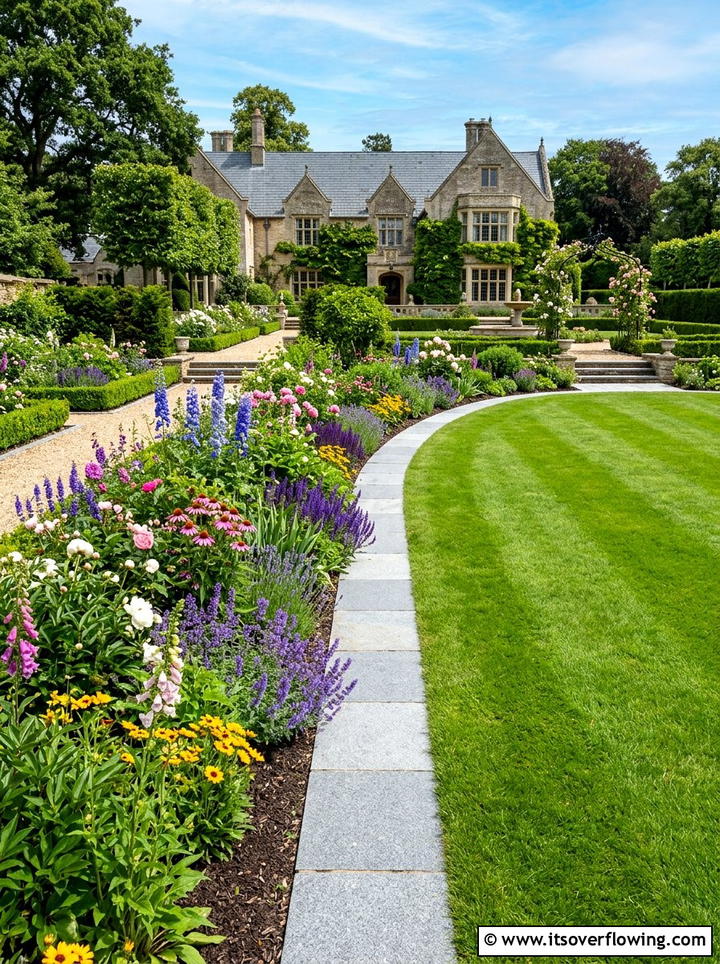
Stone pavers are a classic choice for creating a wide and flat mowing strip around your garden. This allows you to run your lawn mower wheels right over the edge, reducing the need for string trimming. Pavers come in many different materials including concrete, granite, and limestone to match your patio or walkway. They provide a very organized and tidy appearance that looks great in formal garden designs. You can set them in a bed of sand to ensure they stay level and do not shift over time. This heavy-duty edging is perfect for high-traffic areas where people might step near the plants.
12. Recycled glass edging
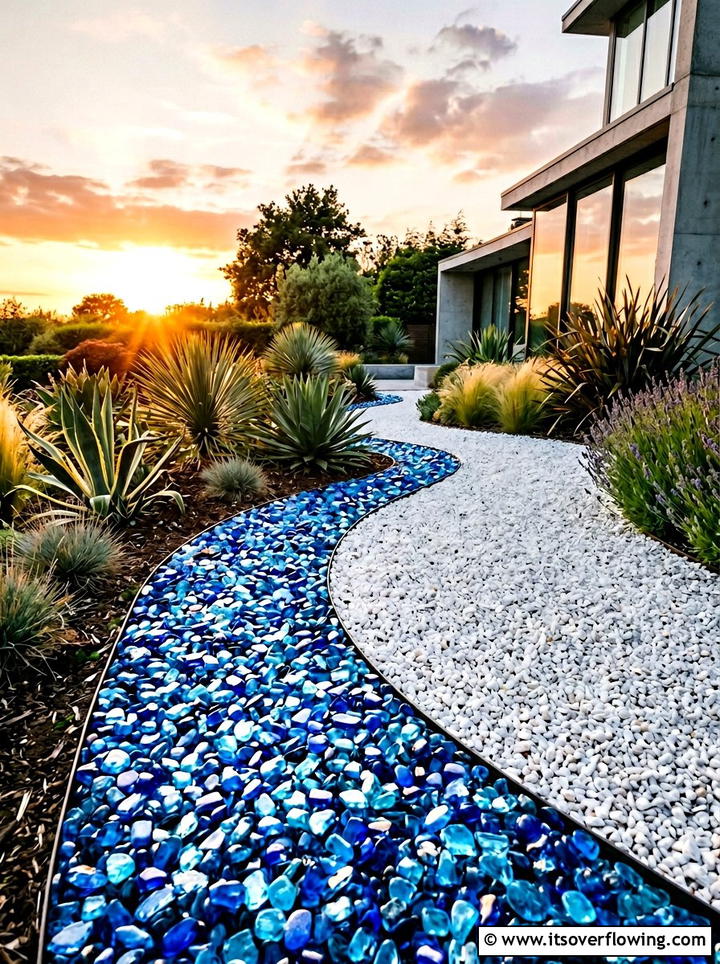
Recycled glass cullet is a creative and colorful way to define your garden boundaries. These glass pieces are tumbled to remove sharp edges, making them safe to handle and walk near. You can find glass in various shades of blue, green, and clear to add a sparkling effect to your landscape. This material looks particularly beautiful when it catches the sunlight or is illuminated by garden lights at night. It is a fantastic way to repurpose waste material while adding a modern artistic element to your backyard. The glass stays bright and vibrant even after years of exposure to the sun and rain.
13. Rubber garden border
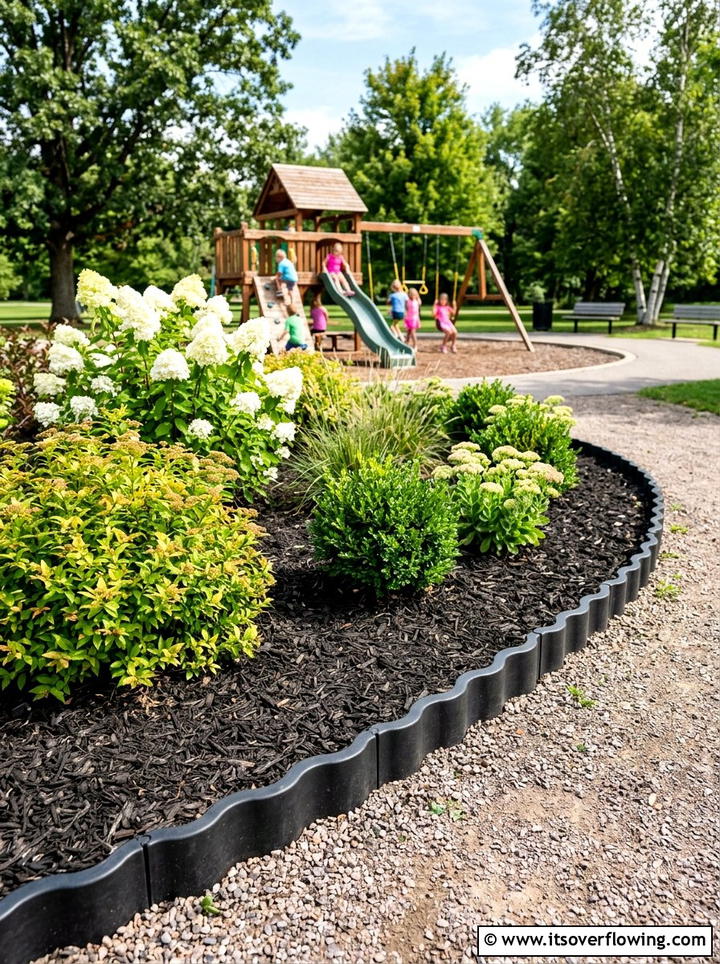
Rubber edging is often made from recycled tires, making it an environmentally conscious choice for your home. It is incredibly flexible, which makes it the best option for creating tight circles around trees or winding garden paths. The material is soft and safe for children and pets, as it has no sharp edges or splinters. It is also very resistant to rot and insect damage, ensuring it lasts for decades in your garden. Most rubber borders are designed to look like natural stone or dark mulch, blending in seamlessly with the environment. It is a lightweight and simple DIY project for any afternoon.
14. Gabion garden wall
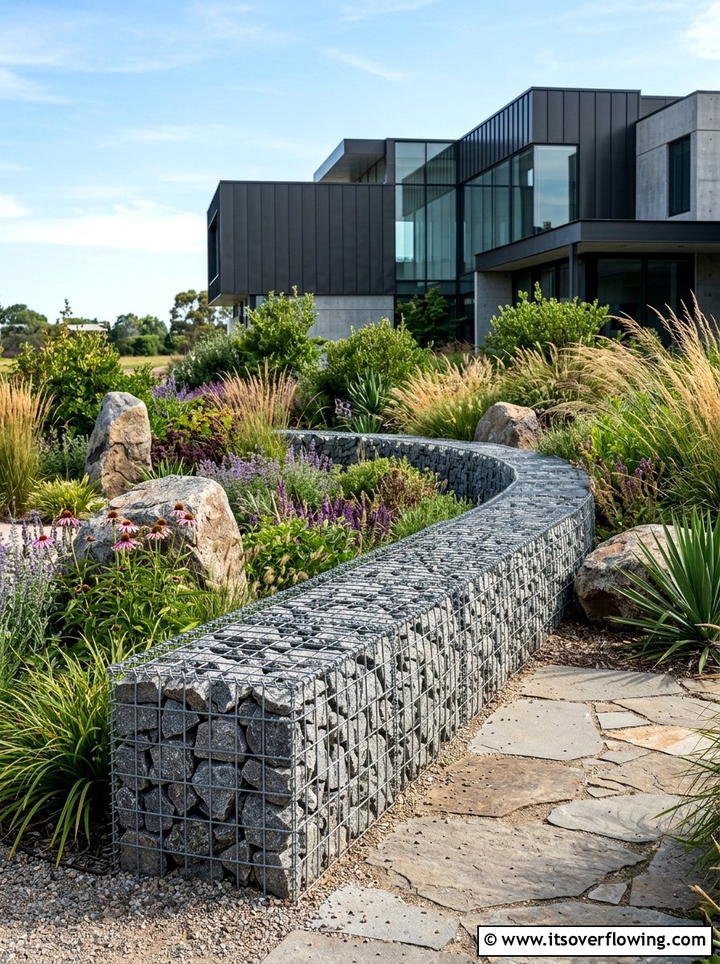
Gabion edging involves filling wire cages with stones or other materials to create a sturdy and modern border. This industrial-style design is becoming very popular in contemporary landscape architecture. You can use different types of rocks to create interesting color patterns within the wire frames. These structures are excellent for creating raised garden beds or managing slight slope changes in your yard. They are incredibly stable and do not require a deep foundation like traditional masonry walls. The gaps between the stones provide excellent drainage and can even offer a home for small beneficial insects. This edging makes a very bold visual statement.
15. Victorian rope edging
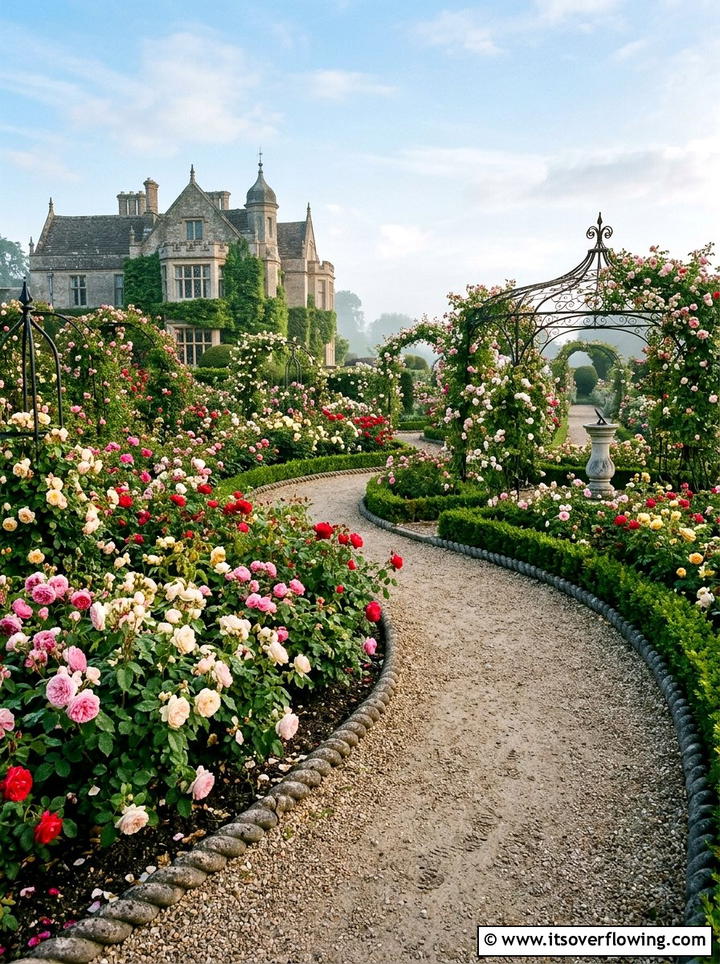
Victorian rope top edging adds a touch of historical elegance and formality to your flower beds. These clay or concrete borders feature a classic twisted rope design on the top edge. They were very popular in 19th-century gardens and continue to offer a sophisticated look today. This style is perfect for framing traditional rose gardens or neatly manicured boxwood hedges. The dark grey or terracotta colors provide a neutral frame that enhances the colors of your blooms. Each piece usually has a built-in interlocking system that makes it easy to create long, perfectly straight lines or gentle, sweeping curves.
16. Cobblestone garden border
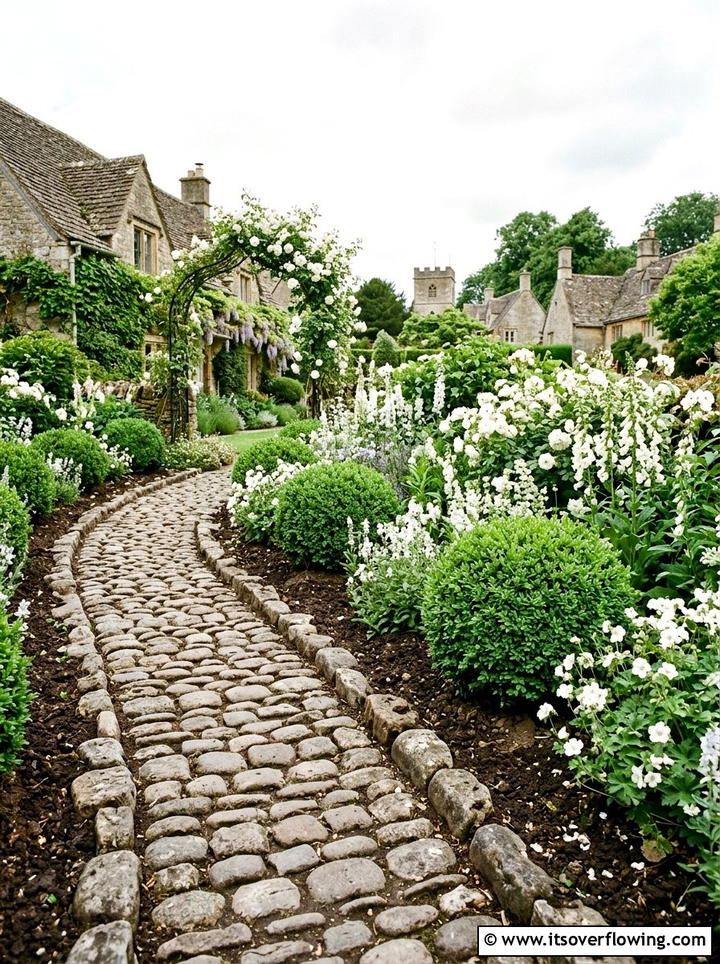
Cobblestones offer an old-world charm that reminds many people of historic European streets. These thick and rounded stones are incredibly durable and can withstand almost any weather condition. They look best when used in a slightly irregular pattern to enhance their natural and rustic appeal. Cobblestones are perfect for creating a heavy border that stays in place even in areas with heavy foot traffic. The varying shades of grey and tan provide a neutral backdrop for bright perennial flowers. This type of edging is also very effective at preventing soil erosion on sloped garden beds. It is a permanent and timeless landscaping investment.
17. Seashell garden edging
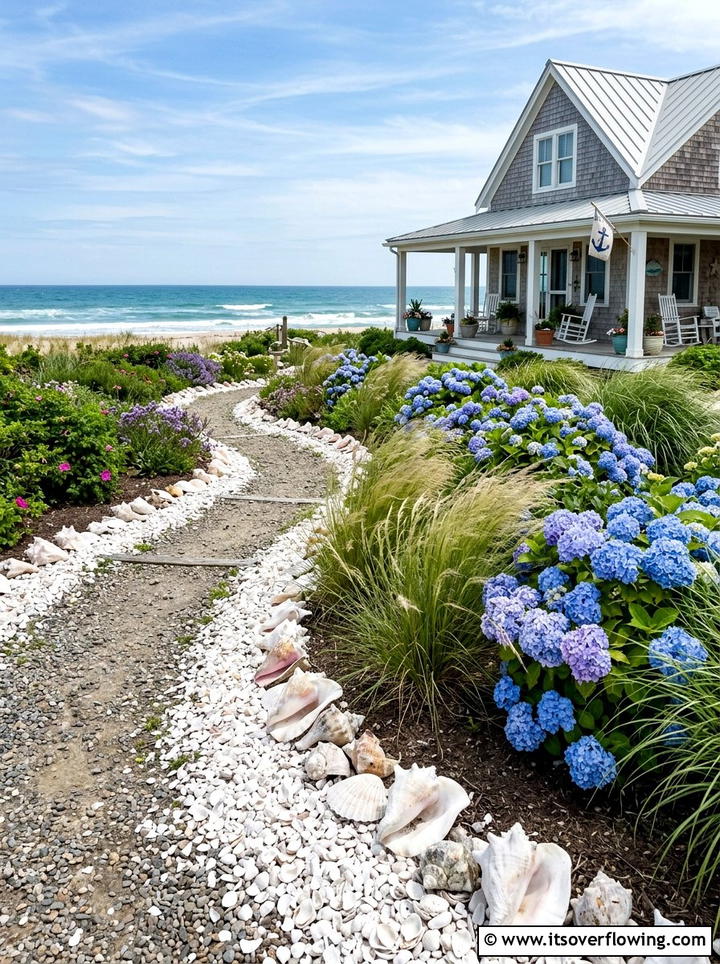
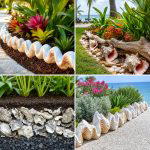
Seashells provide a unique and coastal feel that is perfect for beach houses or seaside-themed gardens. You can use large conch shells or a thick layer of crushed oyster shells to define your garden beds. This material adds a bright white or pearlescent glow to the landscape that looks beautiful near blue flowers. The natural calcium in the shells can also benefit the soil as they slowly break down over time. It is a wonderful way to incorporate memories from beach trips into your daily outdoor environment. This light-colored border creates a crisp and clean contrast against dark green foliage and sandy soil.
18. Cedar garden border
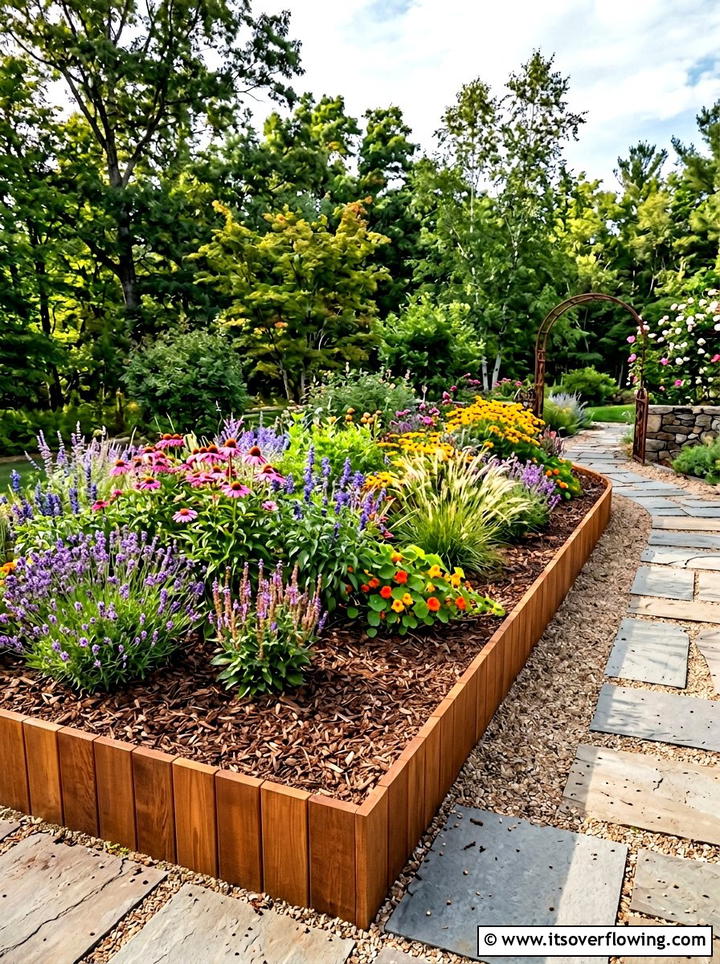
Cedar wood is naturally resistant to decay and insects, making it an excellent choice for garden edging. It has a beautiful warm tone that slowly fades to a silvery grey if left untreated. You can use long cedar planks or small stakes to create a variety of different border styles. This material is very easy to work with and can be cut to fit any dimension you need. The pleasant scent of the wood is an added bonus whenever you are working in your garden. Using cedar provides a clean and organic frame that feels very integrated with the surrounding natural elements.
19. Metal strip edging
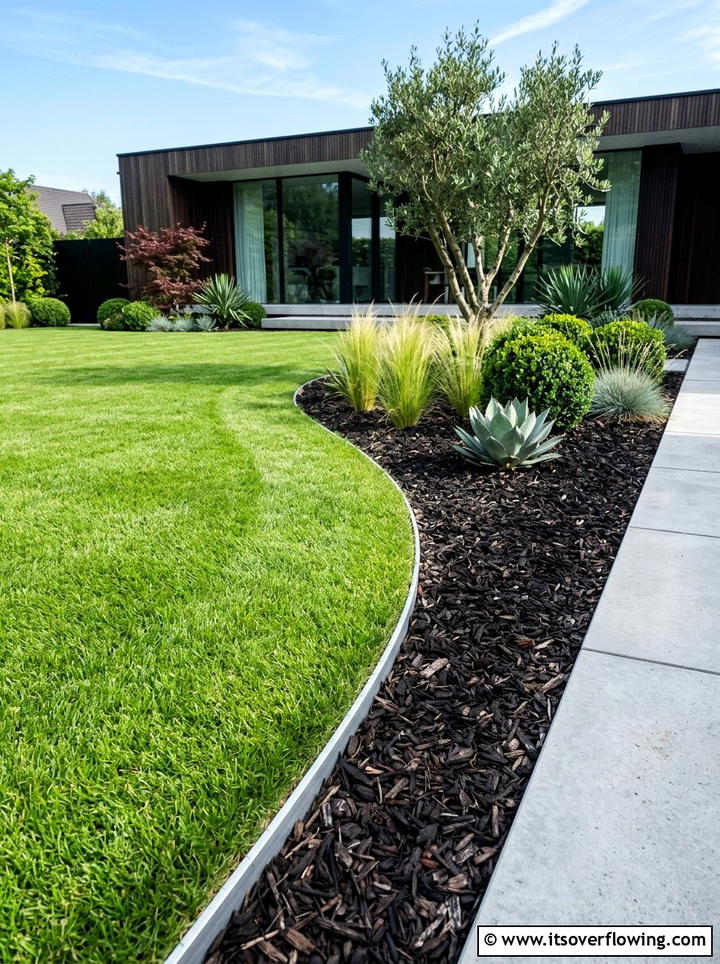
Metal strip edging, usually made of aluminum or steel, is the gold standard for creating sharp and invisible lines. It is thin enough to disappear into the ground while being strong enough to keep grass from invading your beds. This is the preferred choice for professional landscapers who want a crisp and clean finish. The metal can be easily bent to follow any curve you can imagine for your garden paths. It is highly resistant to damage from weed whackers and lawn mowers, ensuring it stays looking great for years. This minimalist approach allows your plants to be the main focus of the landscape.

20. Scalloped garden border
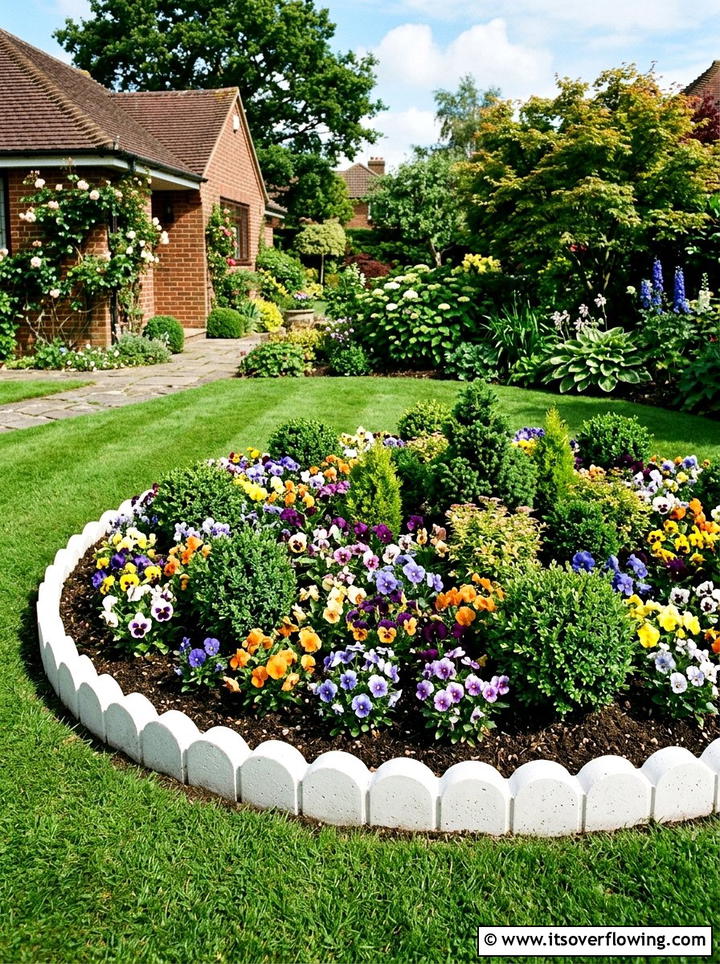
Scalloped edging features a series of semi-circular curves that add a soft and decorative touch to your yard. This classic design is often made from concrete or plastic and is very easy to install in sections. The repeating pattern creates a sense of rhythm and flow that looks great around circular flower beds. It is a traditional choice that works well in suburban gardens and cottage-style landscapes. The white or grey versions provide a clean contrast that highlights the vibrant colors of your favorite flowers. This type of edging is very effective at keeping mulch contained while adding a bit of whimsical charm.
21. Painted rock edging
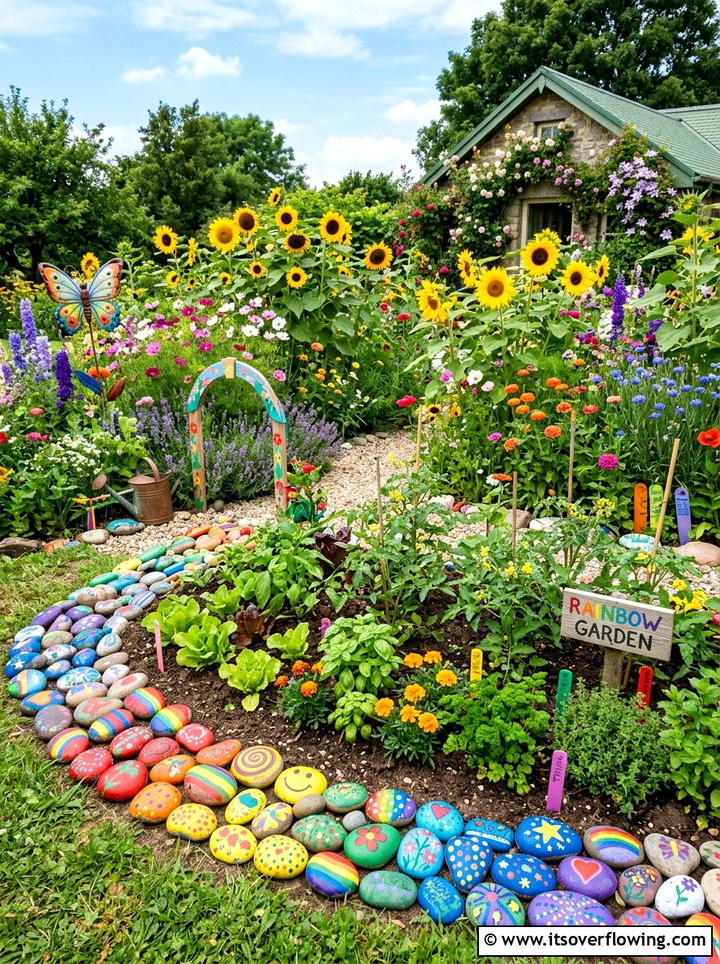
Painted rocks allow you to add a personal and artistic touch to your garden borders. You can collect smooth stones and paint them in bright colors or with fun patterns that reflect your personality. This is a great project for families to do together to decorate their outdoor living space. The colorful stones can be used to create a rainbow border or a simple monochrome frame for your plants. It adds a playful and unique element that you won ‘t find in any other garden. Using outdoor-safe paint ensures that your designs stay vibrant and don’ t wash away during rainstorms or heavy watering.
22. Living garden border
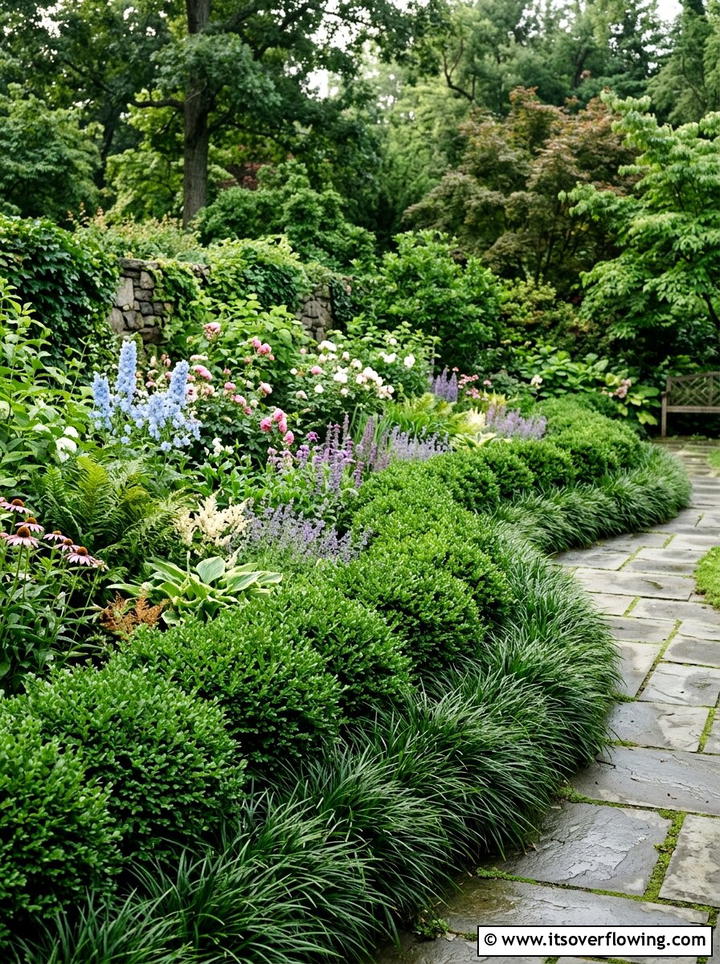
A living border uses low-growing plants to create a natural and soft edge for your garden beds. Plants like creeping thyme, mondo grass, or dwarf boxwoods are excellent choices for this purpose. This approach eliminates the need for hard materials and creates a seamless transition between different areas of your yard. The living plants provide extra texture and sometimes even beautiful flowers or pleasant fragrances. This type of edging requires more maintenance, as you will need to trim and water the border plants regularly. However, the result is a lush and integrated look that feels very peaceful and naturally balanced within the environment.
23. Railroad tie edging
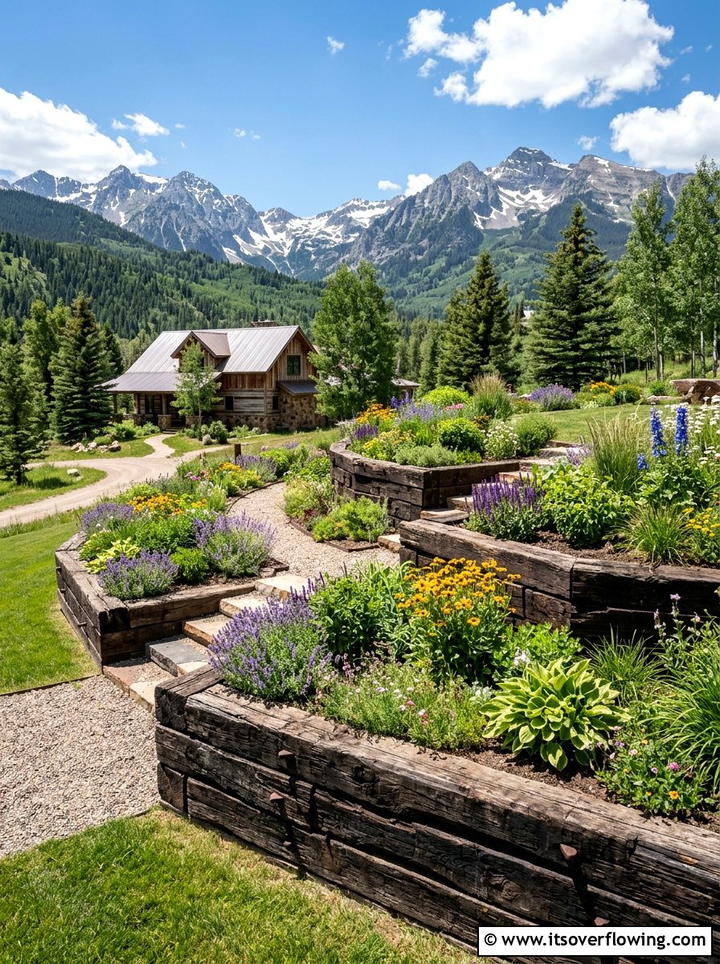
Railroad ties provide a heavy and rugged look that is perfect for large-scale landscaping projects. These thick timbers are very stable and can be used to create multi-level garden beds on uneven ground. They have a dark and rustic appearance that looks great in large backyards or farmhouse-style properties. Because they are so large, they stay in place under their own weight and offer a solid boundary for soil. You should ensure that any ties you use are safe for garden use, especially if you are growing edible plants. These timbers provide a strong architectural element that can define the entire layout of your yard.
24. Gravel trench border
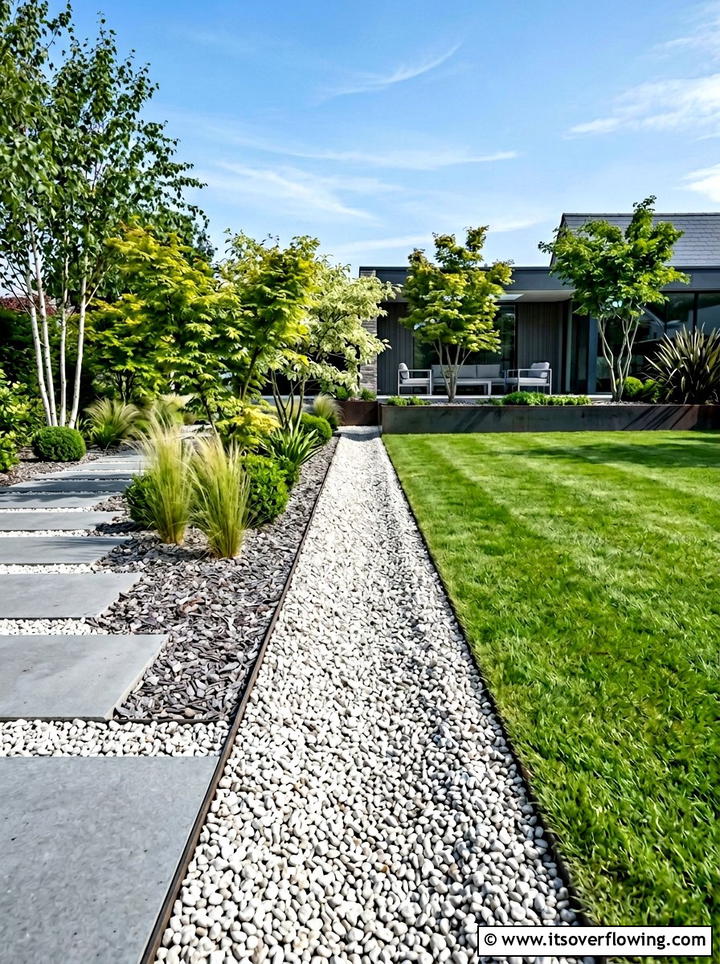
A gravel trench border, often called a Victorian trench, is a simple and effective way to separate your lawn from your garden. You dig a shallow V-shaped trench and fill it with decorative gravel or pea shingle. This creates a clear visual break that also helps with drainage during heavy rain. The crunchy sound of the gravel provides a nice sensory experience when you walk near the edge. It is a very affordable option that is easy to maintain with an occasional rake. This style works perfectly in modern and minimalist landscapes where clean lines and neutral colors are the primary design focus.
25. Log slice edging
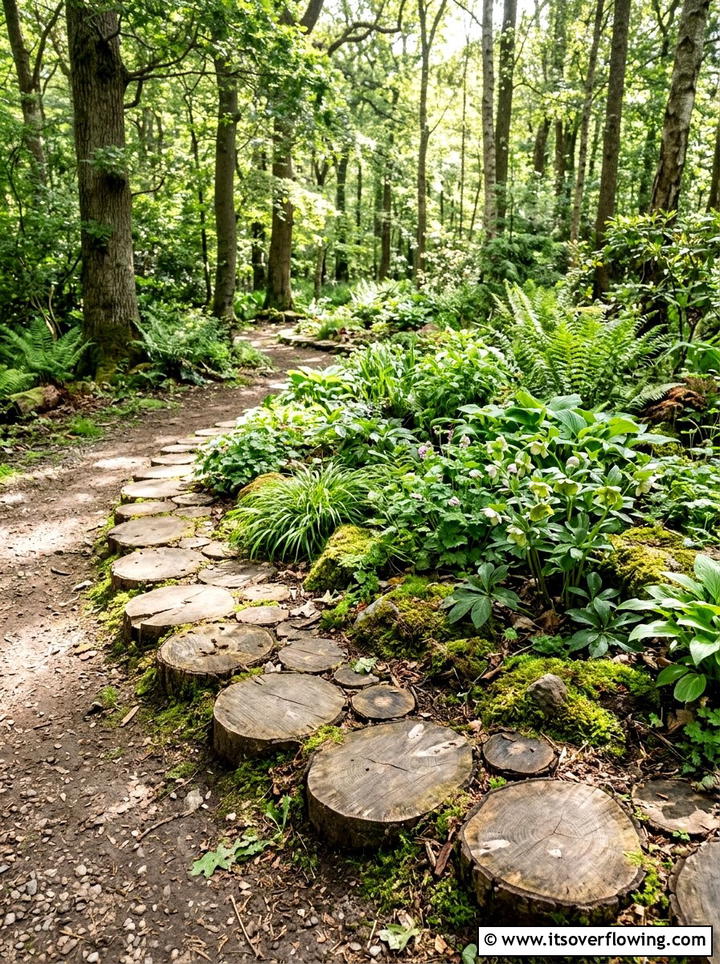
Log slices, also known as wood cookies, create a whimsical and woodland-themed border for your garden. You can use slices of different diameters and thicknesses to add variety and a handcrafted feel. This style looks wonderful in shade gardens or around the base of large trees. The natural rings of the wood provide a beautiful pattern that connects the garden to its organic roots. It is a great way to use wood from a tree that had to be removed from your property. Over time, the wood will age naturally, blending in even more with the soil and surrounding plants for a soft look.
Conclusion:
Choosing the right edging is a vital step in creating a polished and well-maintained outdoor environment. It provides the necessary structure to keep your landscape looking its best throughout every season of the year. From the rustic charm of natural logs to the sleek lines of modern metal, there is an option for every style and budget. Implementing these ideas helps you define paths, protect your delicate plants, and increase your overall home value. We hope this comprehensive list inspires you to get outside and start working on your next garden project today. Your backyard truly deserves a beautiful and functional frame to highlight its natural beauty.

Related posts:
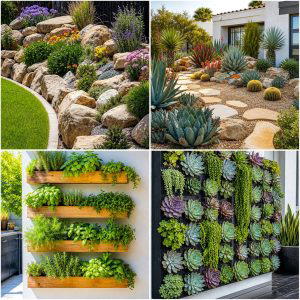
 25 Garden Ideas With Shell Borders for Coastal Charm
 25 Garden Design Ideas for Fence Lines for a Polished Yard
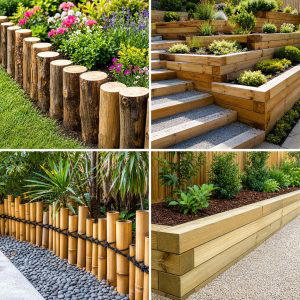 25 garden ideas with edging for Clean, Stylish Landscapes
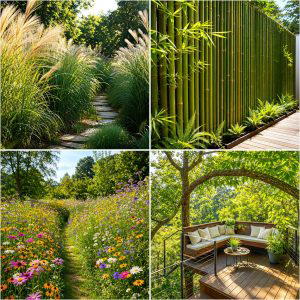 25 Creative Garden Ideas With Hidden Garden Corners
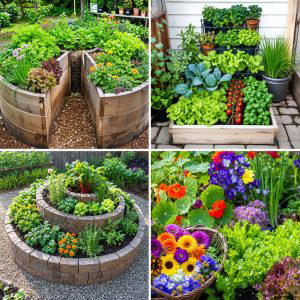 25 Creative Garden Ideas With Keyhole Garden Beds
 25 Creative Garden Ideas With Kids Garden Zone
 25 Garden Design Ideas With Pathways for Beautiful Garden Flow
 25 garden ideas with garden signs for Charming Outdoor Decor
 25 garden ideas with hostas for Lush Shade Garden Beauty
 25 Small Garden Ideas With Edible Garden for Fresh Harvests
 25 Amazing Garden Ideas To Transform Your Outdoor Space
 25 Creative Garden Ideas to Transform Any Outdoor Space Fast