
Creating a garden that serves both as a beautiful retreat and a source of fresh food is a rewarding way to enhance your home. Many homeowners are now turning toward edible landscaping, which blends the utility of a vegetable patch with the aesthetic appeal of traditional ornamental gardens. Instead of tucking your food crops away in a hidden corner, you can integrate them into your main outdoor living spaces. This approach not only saves space but also ensures that you have fresh, organic ingredients right at your fingertips whenever you are ready to cook. Whether you have a sprawling backyard or a tiny balcony, there are many ways to incorporate edible plants into your design.
1. Raised bed vegetable garden
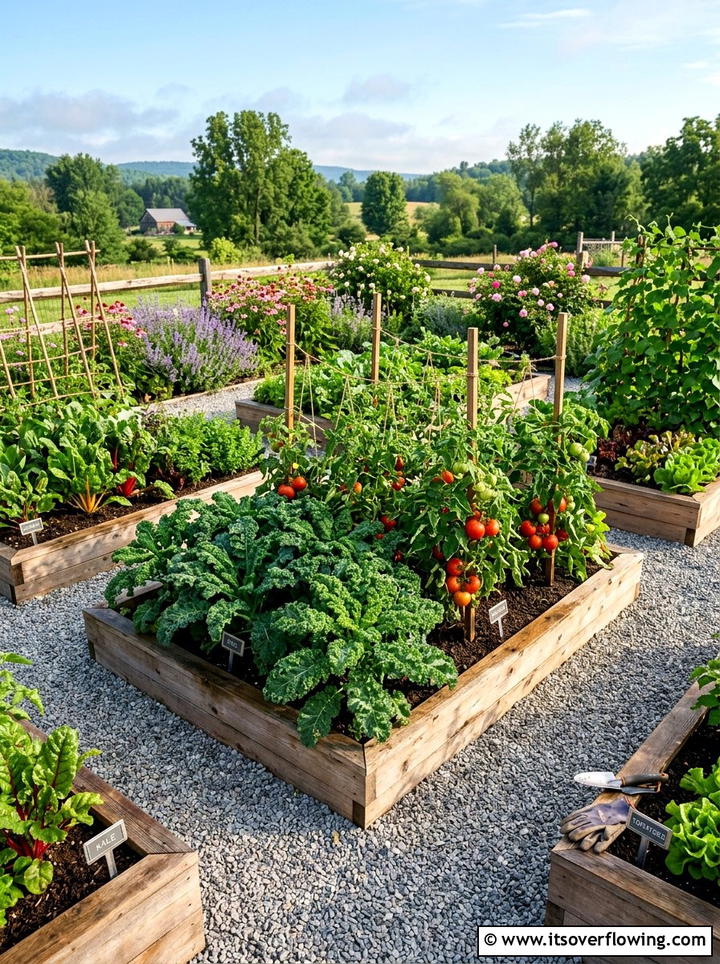
Imagine stepping into a backyard where neat wooden frames hold a bounty of crisp greens and vibrant peppers. A raised bed vegetable garden is one of the most efficient ways to grow food while keeping your outdoor space looking organized and intentional. These structures allow you to control the soil quality perfectly, which is essential for healthy plant growth and high yields. You can build these beds using cedar, stone, or even corrugated metal to match the existing style of your home. By grouping different vegetables together in these contained areas, you create a focused visual point that looks much tidier than a traditional tilled plot. This layout also makes it easier to install irrigation systems.
2. Kitchen herb spiral
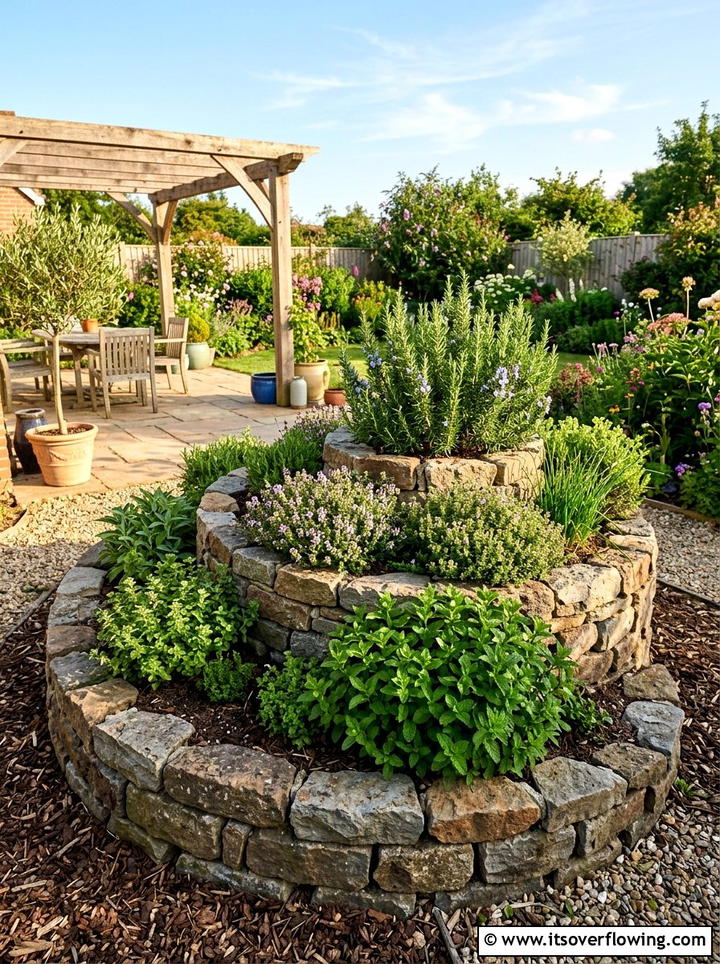
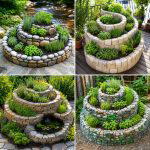
Have you ever considered how a simple circular stone structure can create various microclimates for your favorite seasonings? A kitchen herb spiral is a brilliant permaculture feature that packs a lot of production into a very small footprint. By building upward in a corkscrew shape, you create different drainage levels and sun exposures for various plants. The top of the spiral stays dry and sunny, which is perfect for Mediterranean herbs like rosemary and thyme. Meanwhile, the lower sections stay cooler and moister, making them ideal for mint, parsley, and chives. This functional sculpture adds a beautiful architectural element to any backyard while providing constant fresh flavor for your daily home-cooked meals.
3. Edible privacy screen
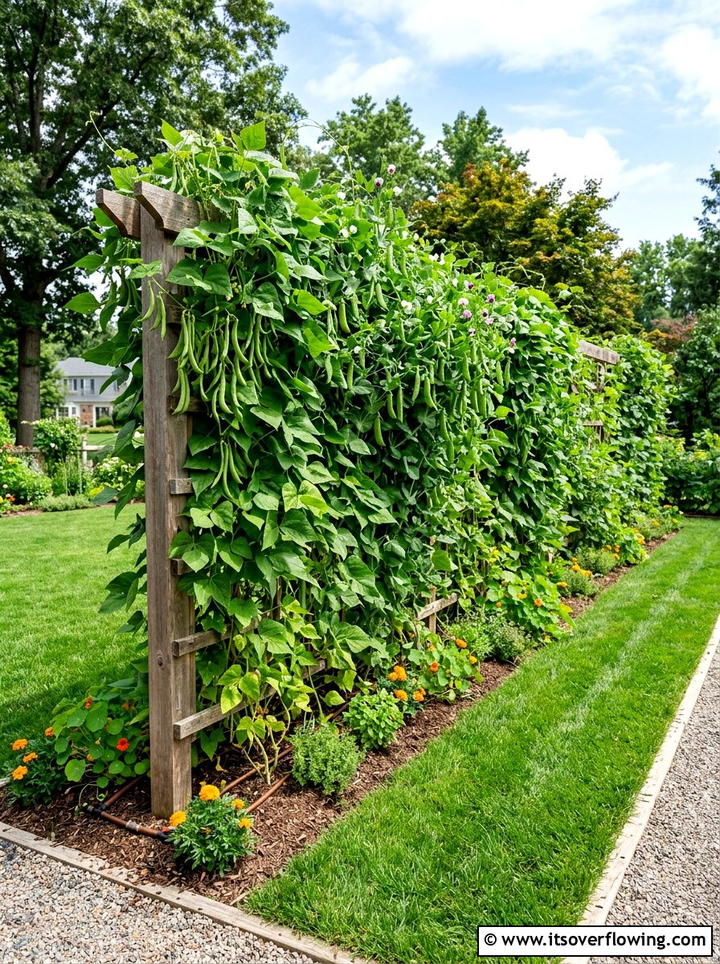
Privacy in your outdoor space does not always have to come from a standard wooden fence or a boring evergreen wall. You can create a living, edible privacy screen by using tall-growing crops that provide both shade and food. Climbing plants like pole beans, sugar snap peas, or even hardy kiwi vines can be trained up a trellis to create a dense green curtain. Alternatively, tall sunflowers or stalks of corn can provide a seasonal barrier that looks stunning in the late summer months. This approach maximizes your growing area while solving the common problem of neighbors peeking into your yard. It transforms a functional barrier into a lush, productive garden feature.
4. Vertical strawberry tower
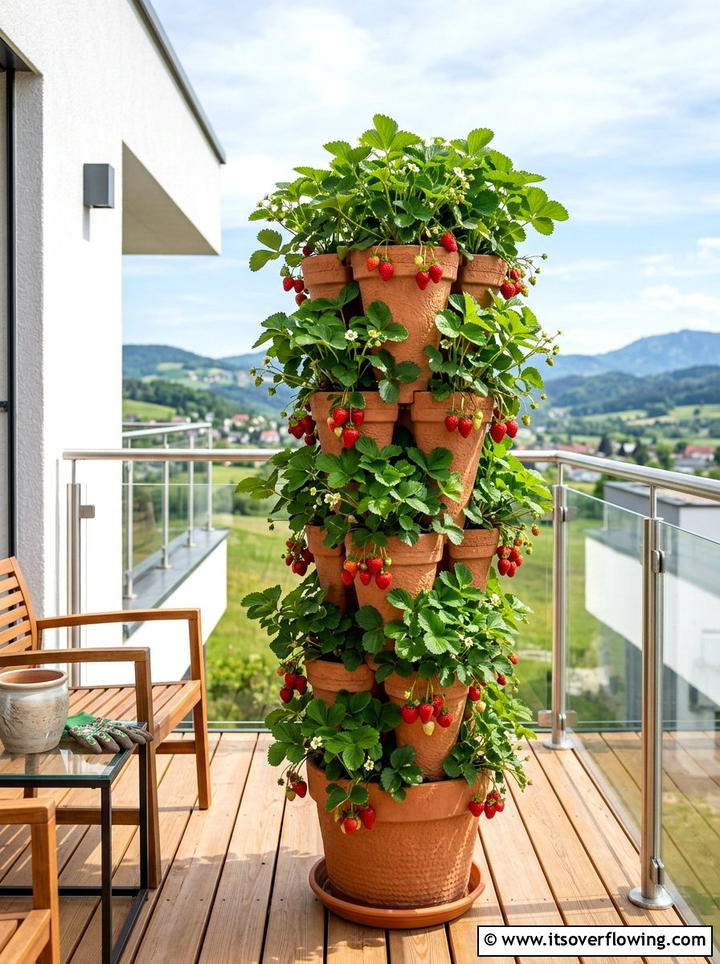
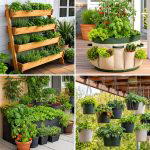
Growing fresh berries becomes much easier when you utilize vertical space to keep the fruit away from ground-dwelling pests and rot. A vertical strawberry tower is a fantastic solution for small patios or balconies where ground space is limited. These towers can be made from stacked planters, PVC pipes with holes, or specialized pockets that allow the plants to cascade downward. As the strawberries ripen, they hang over the sides, making them incredibly easy to harvest without having to bend over. The lush green foliage and bright red berries create a beautiful visual display that acts as a living piece of art. This setup also ensures better air circulation around the plants.
5. Fruit tree espalier
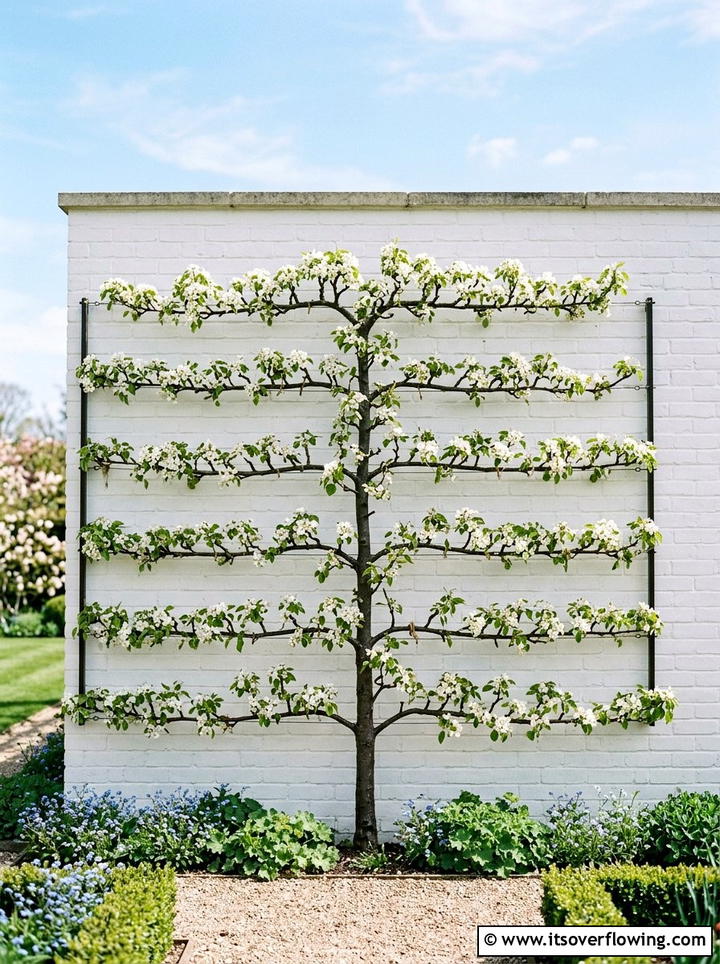
Training fruit trees to grow flat against a wall or fence is a brilliant way to save space while adding architectural interest. An espaliered fruit tree garden involves pruning and tying branches to a frame so they grow in a two-dimensional pattern. This technique is perfect for narrow side yards or urban gardens where a full-sized orchard simply will not fit. Apple and pear trees are particularly well-suited for this method, producing large amounts of fruit despite their slim profile. Beyond the harvest, the intricate patterns of the branches look striking in the winter, and the spring blossoms create a romantic, classic atmosphere against any sturdy garden wall.
6. Potager garden layout
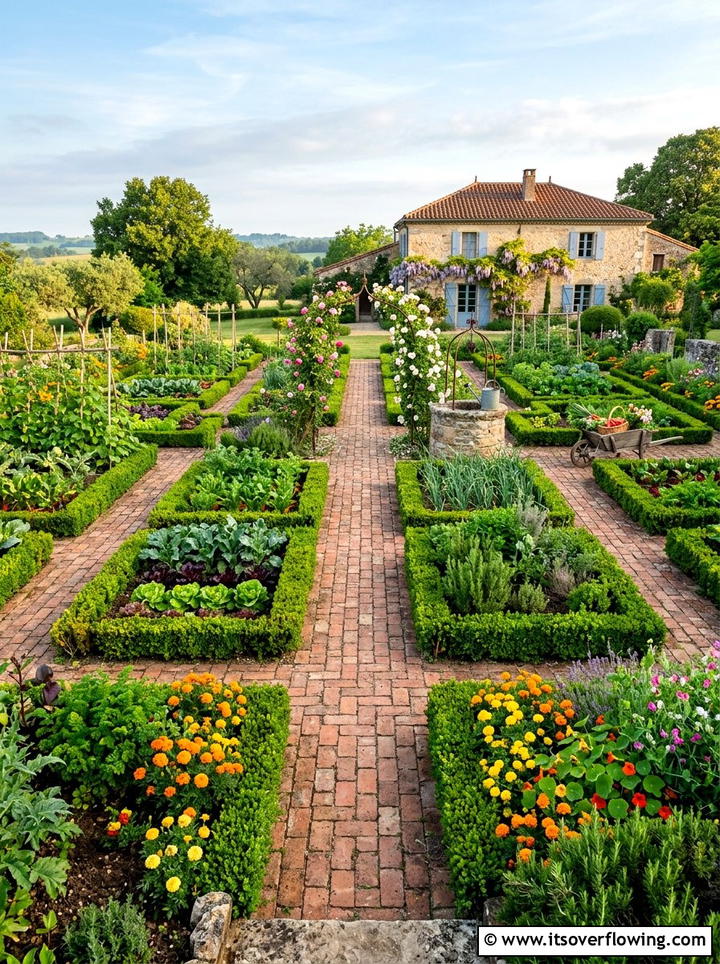
A potager garden is a traditional French style that emphasizes the beauty of vegetables by mixing them with flowers and herbs. This design focuses on symmetry and geometric patterns, often using low hedges or brick paths to define different planting sections. Instead of long, messy rows, you plant in blocks or decorative clusters to create a tapestry of colors and textures. You might pair purple kale with orange marigolds or tuck silvery leeks between bright red zinnias. This approach makes the vegetable garden a central ornamental feature of the landscape rather than a hidden utility. It is a perfect choice for gardeners who want their food sources to look formal.
7. Blueberry hedge landscaping
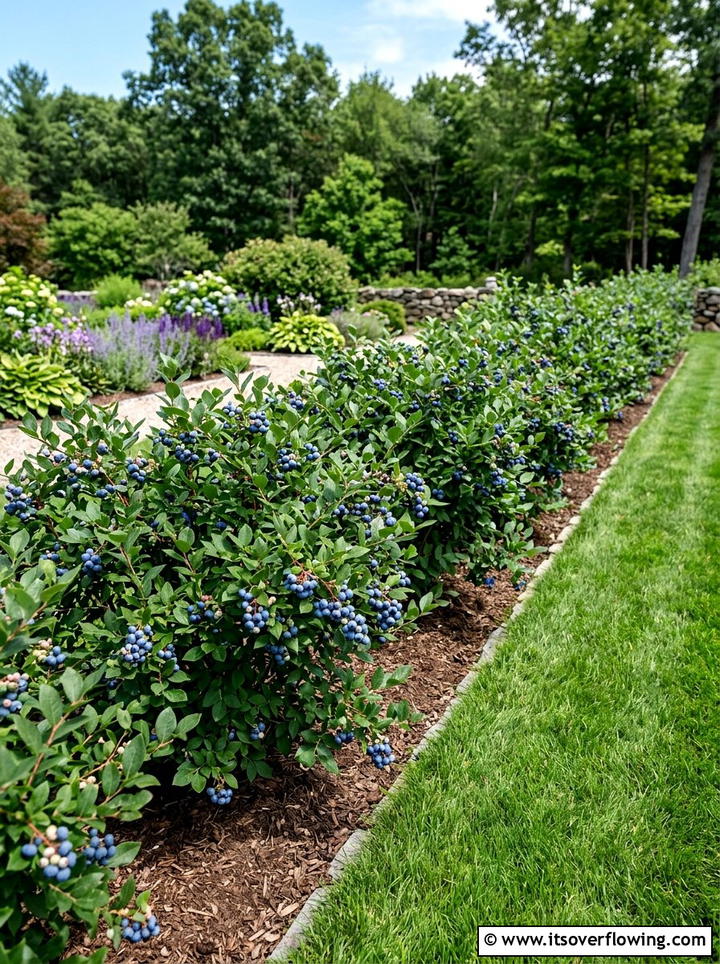
Why plant a standard boxwood hedge when you can enjoy delicious berries and stunning seasonal colors with a blueberry hedge? Highbush blueberry varieties are excellent for creating medium-sized borders that provide privacy and structure to your garden. In the spring, these shrubs are covered in delicate white blossoms, followed by deep blue fruit in the summer. One of the best features of blueberries is their foliage, which turns a brilliant fiery red or orange in the fall. They require acidic soil and some mulching, but the payoff is a beautiful, productive landscape element that feeds both your family and local birds. It is a smart, multi-functional choice for any residential yard.
8. Patio container vegetable garden
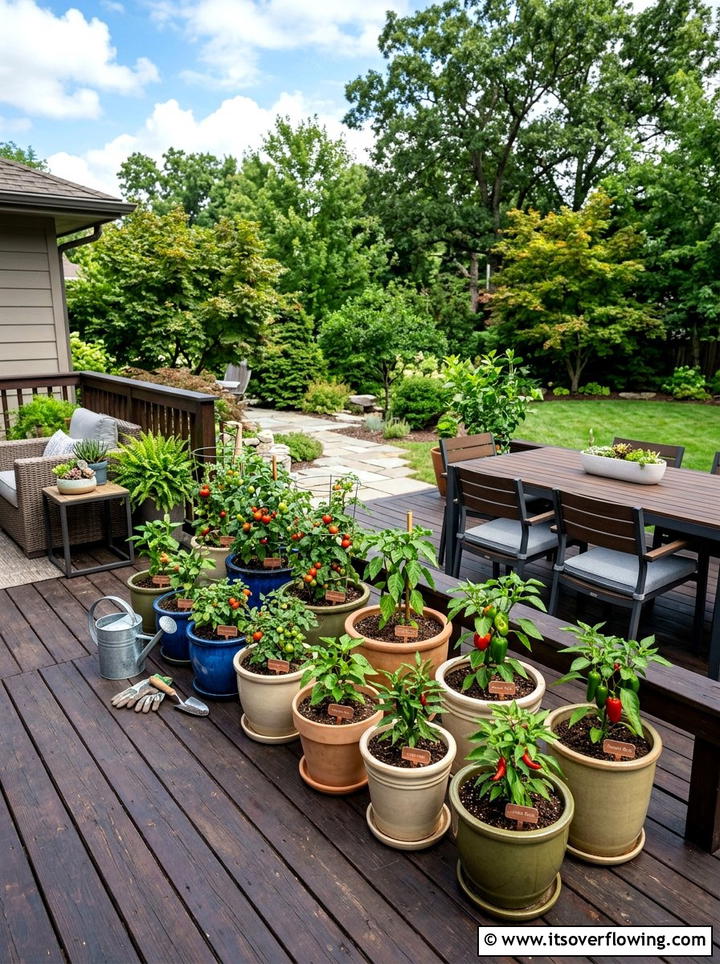
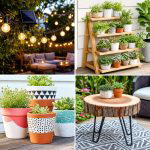
If you have limited soil access, a patio container vegetable garden allows you to grow a wide variety of food in pots. This design style focuses on using high-quality ceramic, terracotta, or modern resin planters to create a curated look. You can arrange different sizes of pots to create depth and visual interest on your deck or porch. Many modern vegetable varieties are specifically bred for containers, such as patio tomatoes, dwarf peppers, and compact cucumbers. By choosing attractive containers that match your outdoor furniture, you can create a seamless transition between your living space and your garden. This method also allows you to move plants around to follow the sun.
9. Edible flower border
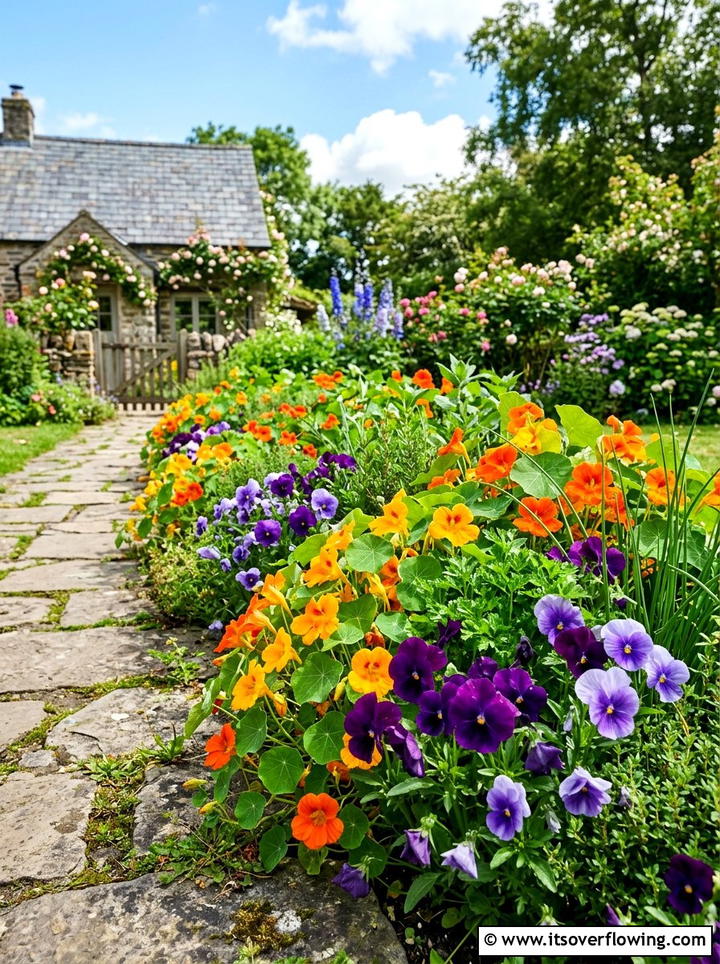
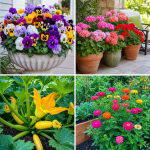
Integrating edible flowers into your flower beds is a delightful way to add color to your landscape and your dinner plate. An edible flower border features plants like nasturtiums, pansies, calendula, and borage, all of which produce stunning blooms that are safe to eat. These flowers can be used to garnish salads, decorate cakes, or even infuse vinegars with unique flavors. Beyond their culinary uses, many of these plants act as excellent companion plants, attracting pollinators and deterring pests from your other vegetables. Mixing these varieties into your existing ornamental beds creates a whimsical, cottage-style look that is both functional and incredibly charming for any visitor to see.
10. Greenhouse vegetable garden
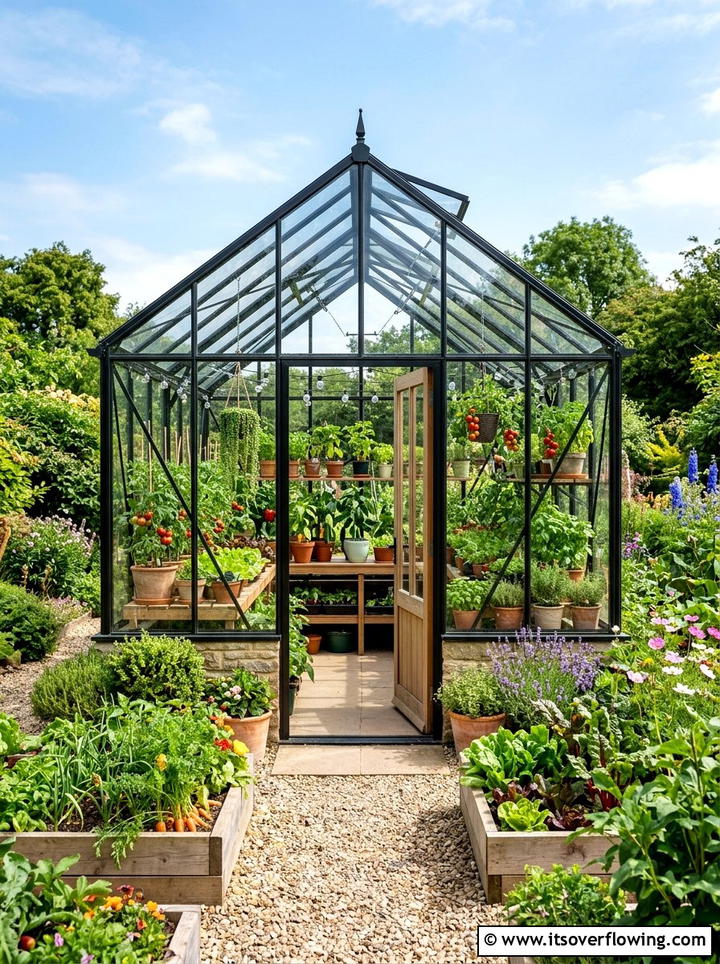
A greenhouse provides a controlled environment that allows you to grow heat-loving crops and extend your growing season significantly. This design idea involves a glass or polycarbonate structure that becomes a focal point of the garden. Inside, you can arrange benches and shelving to maximize the vertical space for seedlings, tropical fruits, and year-round greens. A well-designed greenhouse can also serve as a cozy retreat during cooler months, surrounded by lush greenery even when it is snowing outside. You can integrate automatic venting and misting systems to ensure your edible plants thrive without constant monitoring. It is the ultimate luxury for any dedicated gardener who loves fresh food throughout the year.
11. Rooftop garden with vegetables
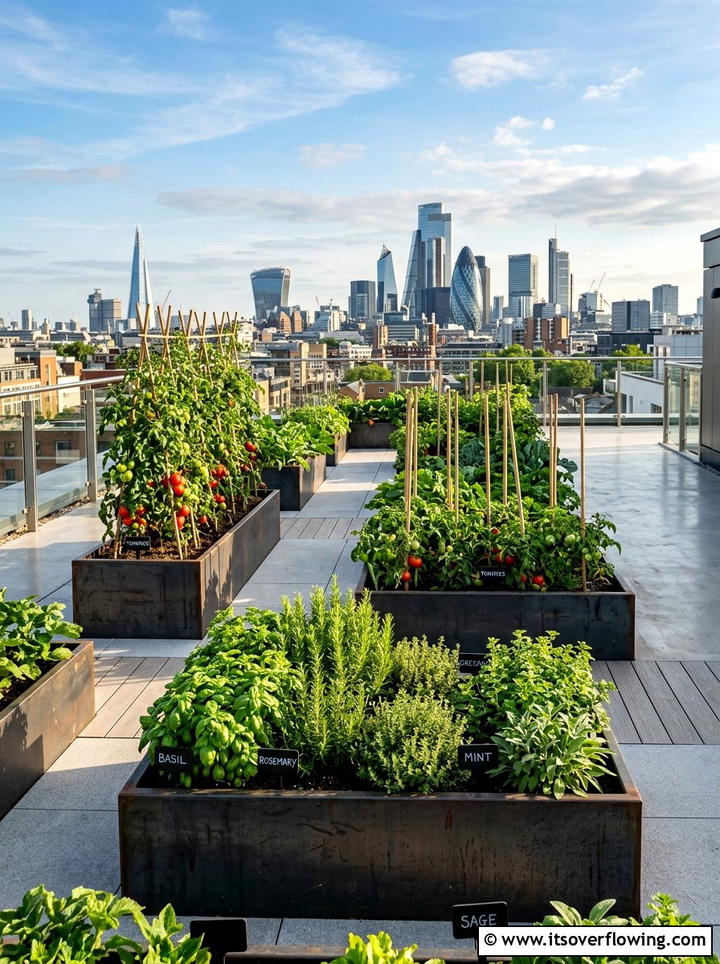
Urban dwellers can transform unused roof space into a productive rooftop garden that provides fresh produce and a private escape. Because rooftops often receive intense sunlight, they are perfect for sun-loving crops like tomatoes, eggplant, and peppers. Using lightweight growing media and sturdy containers, you can create a modular layout that works with your building’s structural requirements. Adding a seating area or a small dining table allows you to enjoy the city views while surrounded by your own personal food forest. This type of garden also helps to insulate the building and reduce the urban heat island effect, making it an environmentally friendly and practical choice for city living.
12. Arched trellis with climbing beans
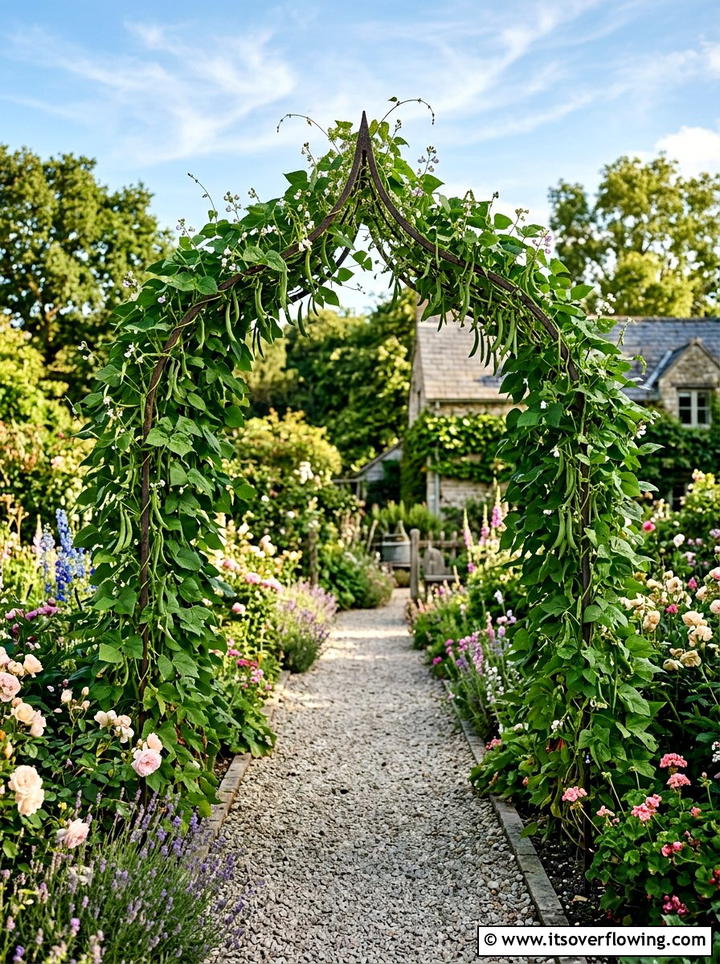
Installing an arched trellis over a garden path creates a magical tunnel effect while providing a perfect support for climbing vegetables. Pole beans, cucumbers, and small squash varieties love to climb, and they will quickly cover a sturdy arch with dense green leaves. When the vegetables begin to grow, they hang down through the trellis, making them very easy to see and harvest from below. This vertical design adds height and drama to your garden, breaking up flat areas and creating a sense of transition between different outdoor zones. It is a romantic and productive feature that makes walking through your garden a truly immersive and delightful experience.
13. Backyard orchard layout
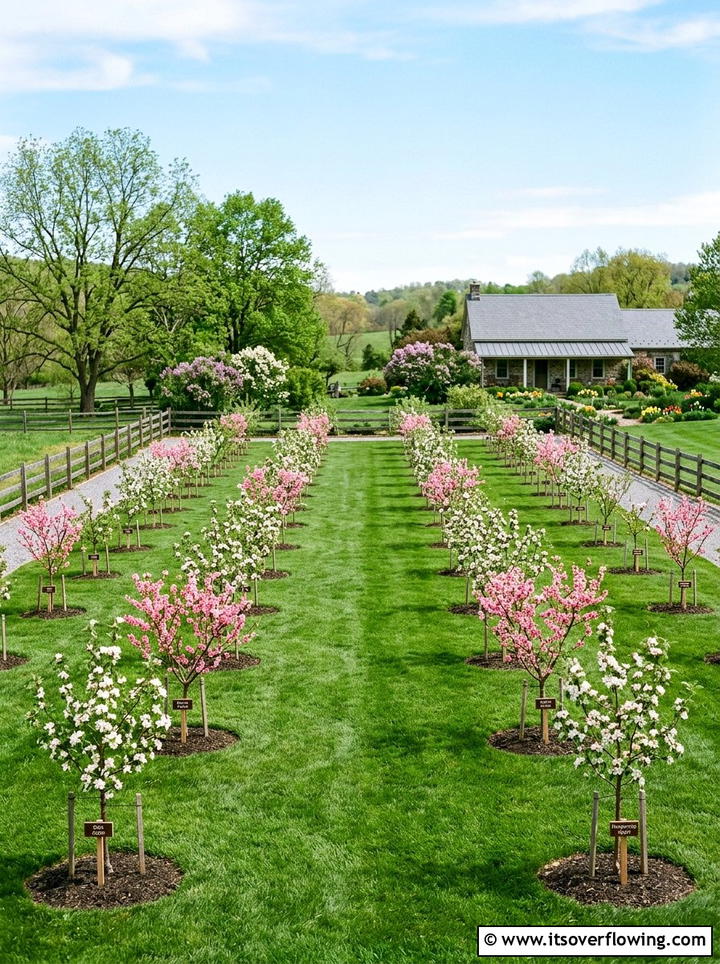
A backyard orchard does not require acres of land if you choose the right trees and plan your layout carefully. By using semi-dwarf or dwarf varieties, you can fit a diverse range of fruit trees, such as apples, peaches, and plums, into a standard suburban lot. Planting these trees in a grid or a loose cluster creates a structured yet natural feel that provides both shade and food. You can underplant the trees with flowering herbs and berries to create a multi-layered food forest. This design ensures that you have a rotating harvest throughout the summer and fall. The seasonal changes of the orchard provide constant beauty for your home.
14. Grape vine pergola
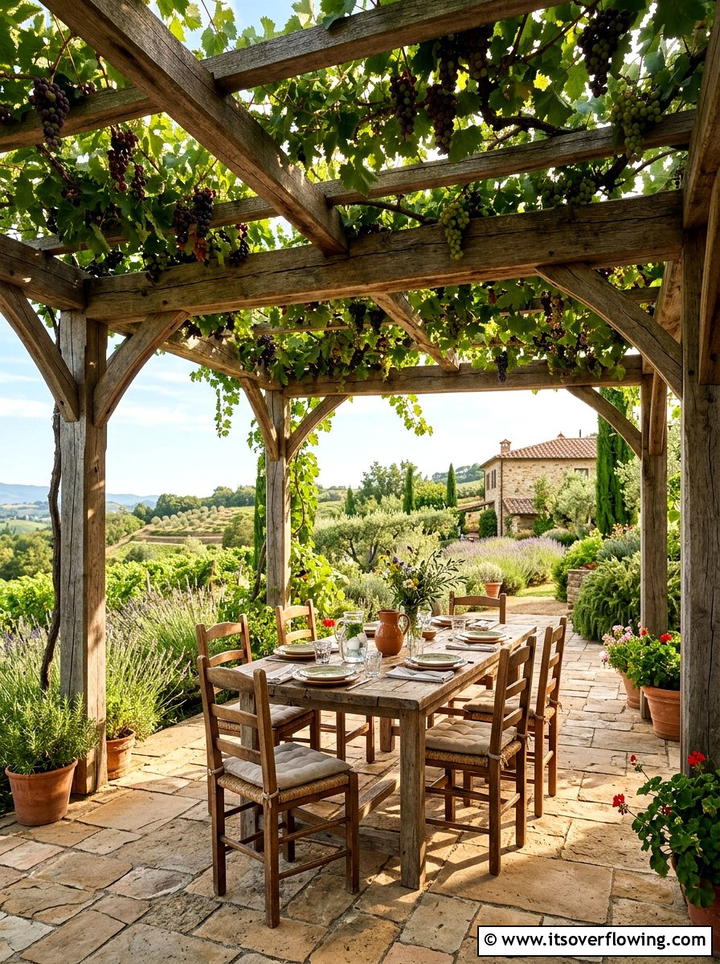
A grape vine pergola is a classic garden feature that provides heavy shade and a romantic atmosphere for an outdoor dining area. Training grape vines to grow over a sturdy wooden or metal structure creates a ceiling of large, lush leaves that naturally cools the space below. In the late summer and autumn, heavy clusters of grapes hang down, ready to be picked as you lounge outdoors. This design is perfect for creating a Mediterranean feel in your backyard while maximizing your vertical growing space. The thick woody vines also provide beautiful architectural interest during the winter months when the leaves have fallen, making it a year-round garden asset.
15. Salad greens garden bed
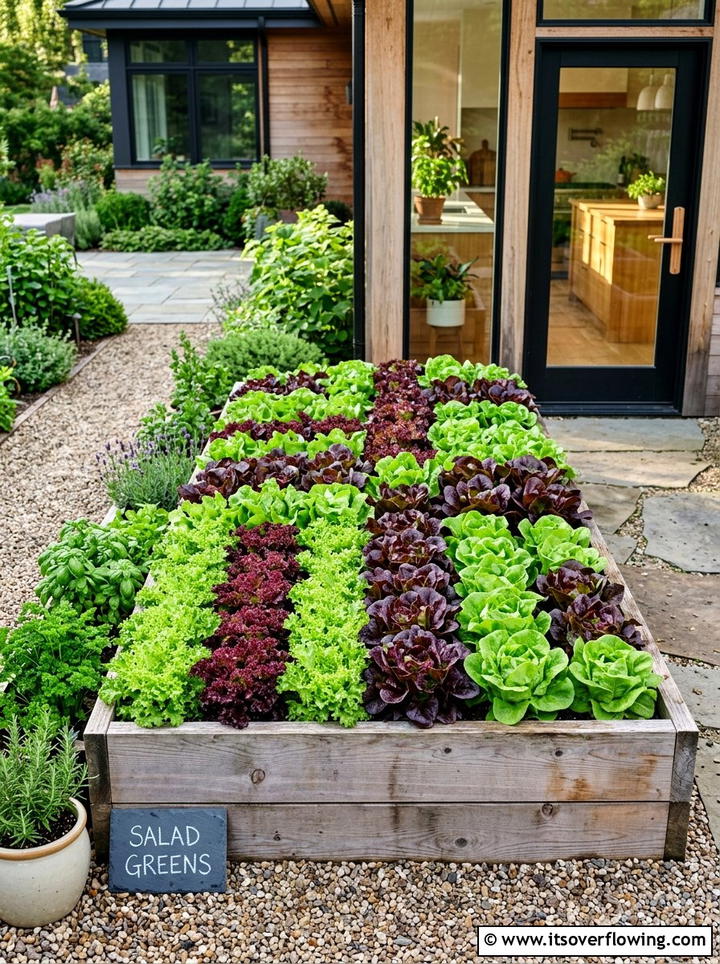
A dedicated salad greens garden bed is a practical and beautiful way to ensure you always have fresh ingredients for a healthy meal. These beds are typically planted with a mix of lettuces, spinach, arugula, and kale in tight patterns to create a vibrant green carpet. Because many salad greens are fast-growing and come in various colors and leaf shapes, you can create intricate designs within the bed itself. You might plant rows of dark purple oakleaf lettuce next to bright lime-green romaine for a striking contrast. These beds are best located near the kitchen door for easy harvesting just before dinner, making healthy eating very convenient.
16. Culinary herb window box
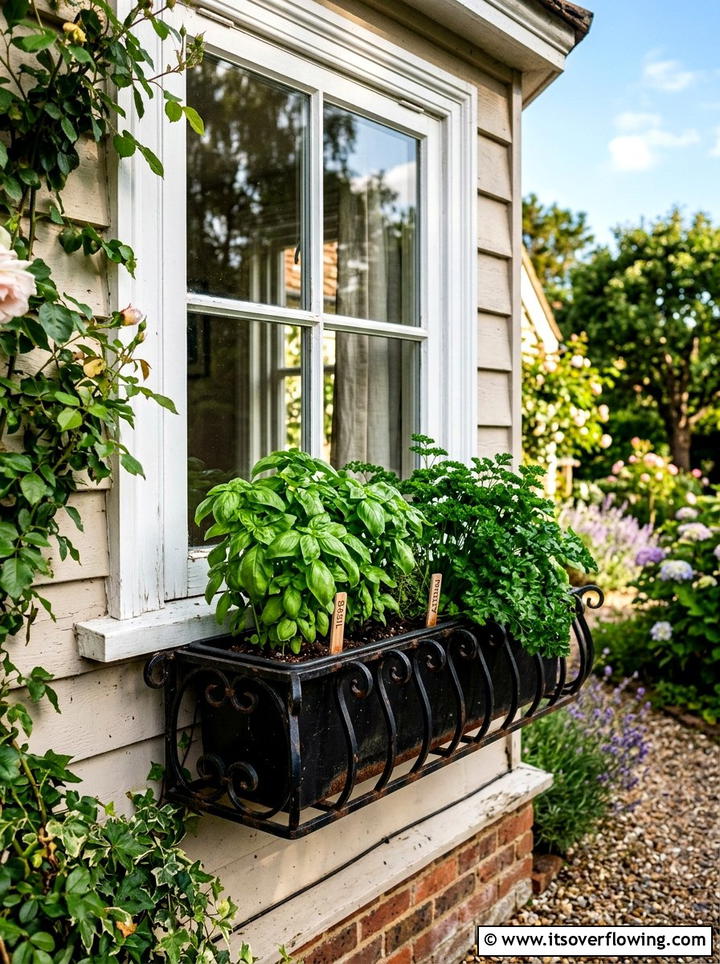
Even if you have no yard at all, a culinary herb window box allows you to grow fresh flavors right outside your kitchen window. This design utilizes a long, narrow planter attached to the exterior sill, making it easy to reach out and snip herbs while cooking. Popular choices for these boxes include basil, parsley, oregano, and chives, which all thrive in the well-drained environment of a container. Choosing a window box that complements your home’s siding or trim adds curb appeal while serving a very functional purpose. The scent of fresh herbs wafting through an open window is a delightful bonus that enhances your indoor living environment.
17. Tea garden with herbs
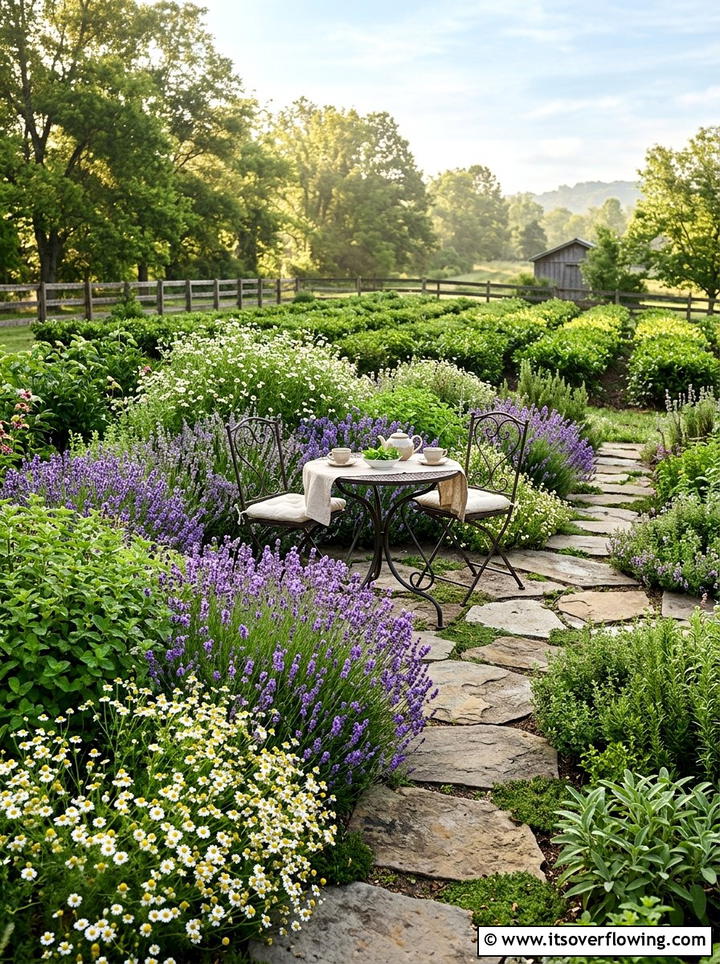
A tea garden is a specialized space focused on growing plants that can be used to make delicious hot or cold infusions. This design often features a peaceful seating area surrounded by aromatic plants like lemon balm, peppermint, chamomile, and lavender. Stepping into this part of the garden should feel like entering a sanctuary, with the calming scents of the herbs filling the air. You can use stepping stones and comfortable chairs to create a space where you can relax while waiting for your water to boil. Many tea herbs are also quite beautiful, with delicate flowers and soft foliage that add to the tranquil and relaxing atmosphere.
18. Dwarf fruit trees in pots
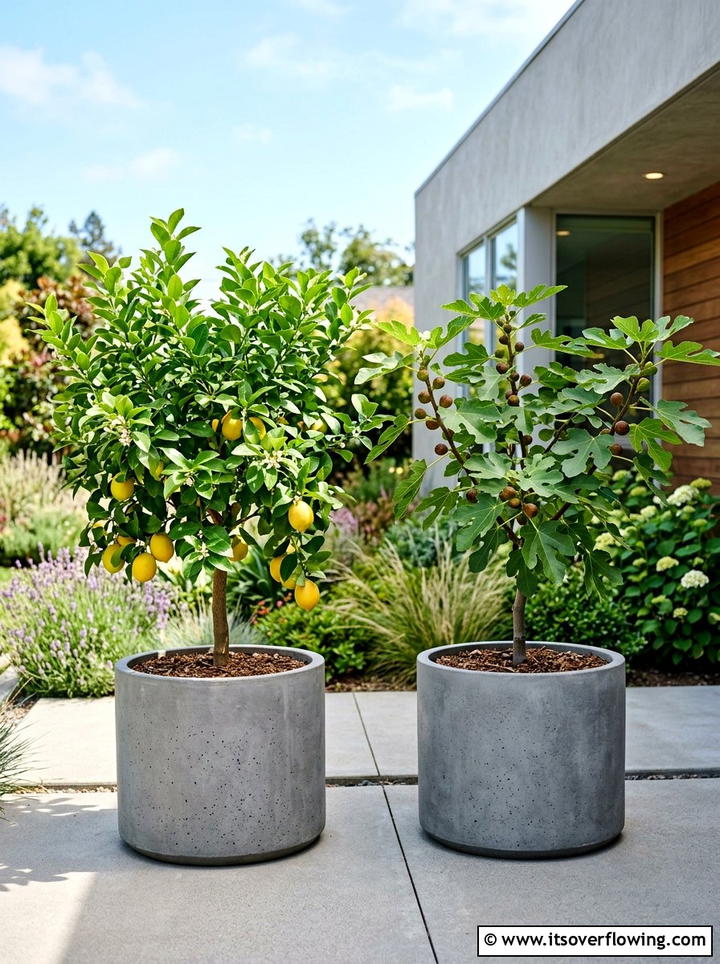
Growing dwarf fruit trees in pots is an excellent solution for renters or homeowners with paved outdoor areas. These trees are grafted onto special rootstocks that keep them small enough to thrive in large containers for many years. You can grow citrus trees, figs, or even columnar apples that take up very little horizontal space. This design allows you to bring your fruit trees with you if you move, and it makes it easier to protect sensitive varieties from frost by moving them indoors. Arranging these potted trees around a patio creates a lush, Mediterranean vibe and provides a sense of enclosure and privacy for your seating area.
19. Vegetable garden path
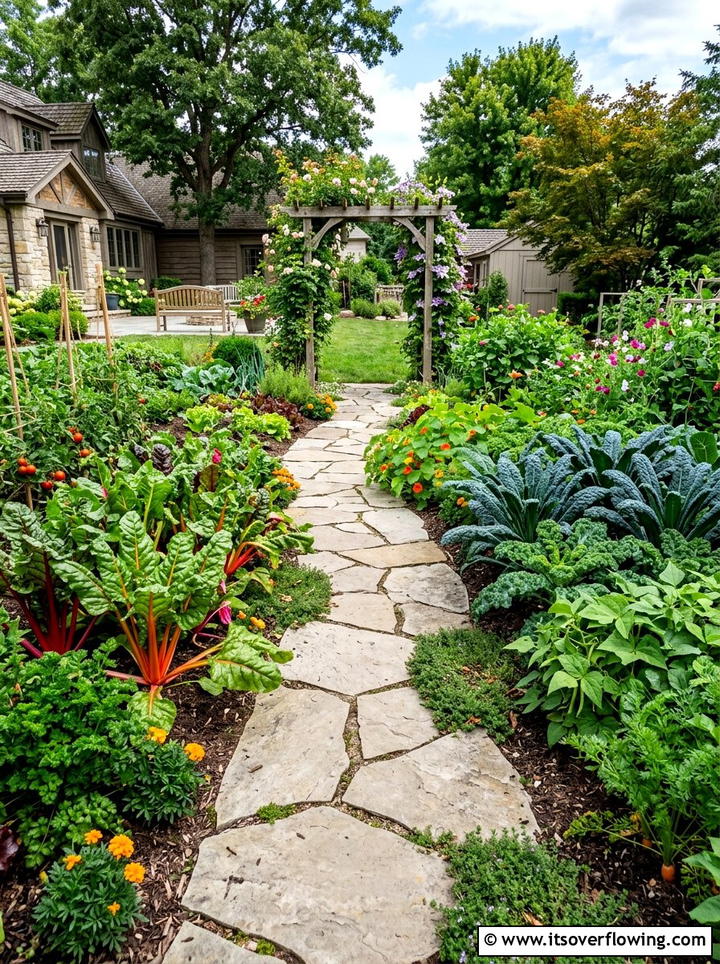
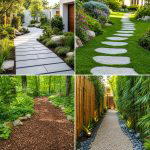
A vegetable garden path integrates your food crops directly into the walkways of your landscape, making the garden feel more connected. Instead of separate plots, you can line your main garden paths with hardy edibles like kale, Swiss chard, and herbs. This creates a lush border that you can interact with every time you walk through your yard. Using high-quality paving materials like flagstone, gravel, or brick ensures the path looks intentional and high-end. This design encourages frequent harvesting and makes it easy to tend to your plants without stepping on the soil. It turns a simple transit route into a productive and visually stimulating part of your home.
20. Permaculture food forest
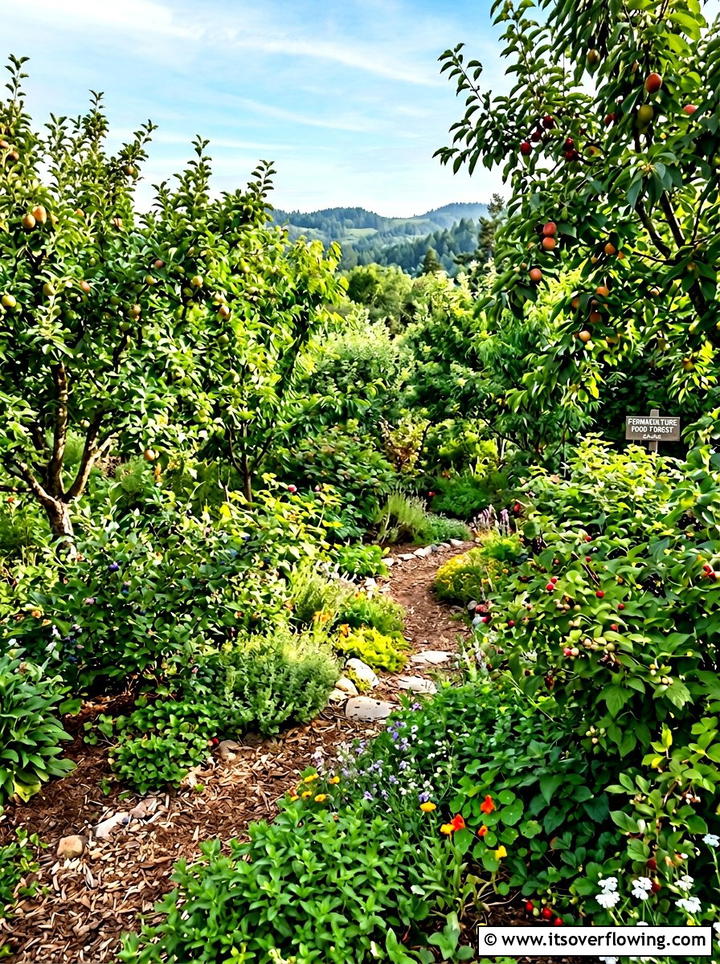
A permaculture food forest is a design approach that mimics a natural woodland ecosystem but uses mostly edible plants. This multi-layered garden includes a canopy of large fruit or nut trees, an understory of smaller trees, a shrub layer of berries, and a ground cover of herbs and vegetables. This design is highly sustainable because the plants support each other, reducing the need for fertilizers and pesticides. While it can look more wild than a formal garden, a well-planned food forest is a self-sustaining powerhouse of production. It provides a rich habitat for wildlife and a diverse range of food for your family throughout the entire year.
21. Modern raised garden beds
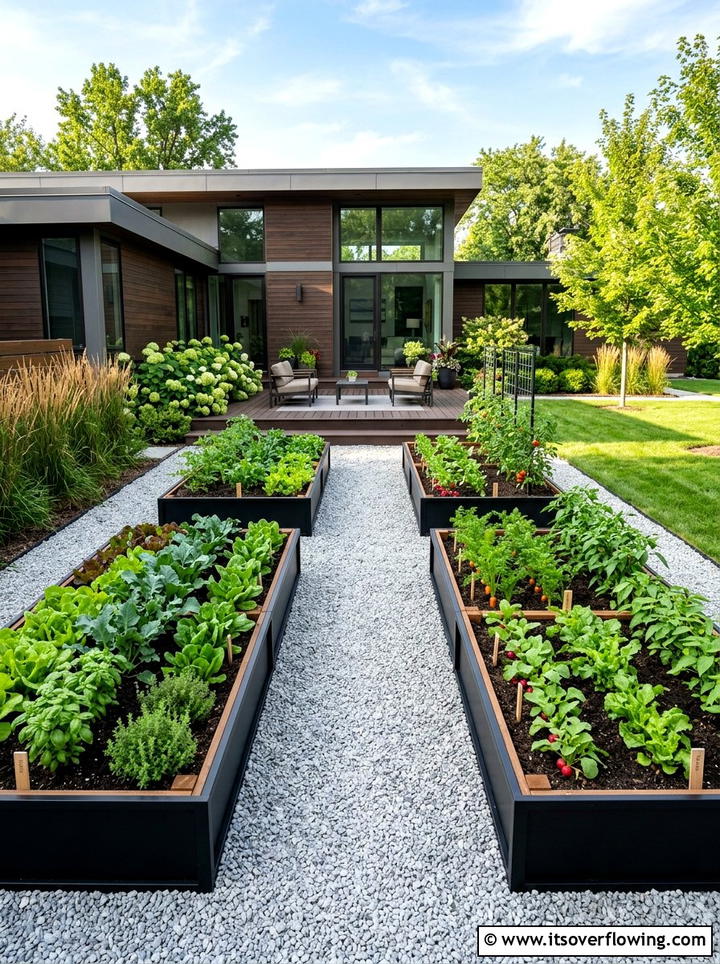
Modern raised garden beds focus on clean lines, minimalist materials, and sleek aesthetics to complement contemporary home architecture. Instead of traditional wood, these beds might use powder-coated steel, smooth concrete, or high-end composite materials. The layout is often very symmetrical, with wide, level paths between the beds for a clean and uncluttered appearance. Planting is done with a focus on color blocking or architectural foliage to maintain the modern feel. These gardens prove that growing your own food does not have to look rustic or messy. It is an ideal choice for homeowners who want a high-end look while still enjoying the benefits of a productive vegetable garden.
22. Hanging basket with cherry tomatoes
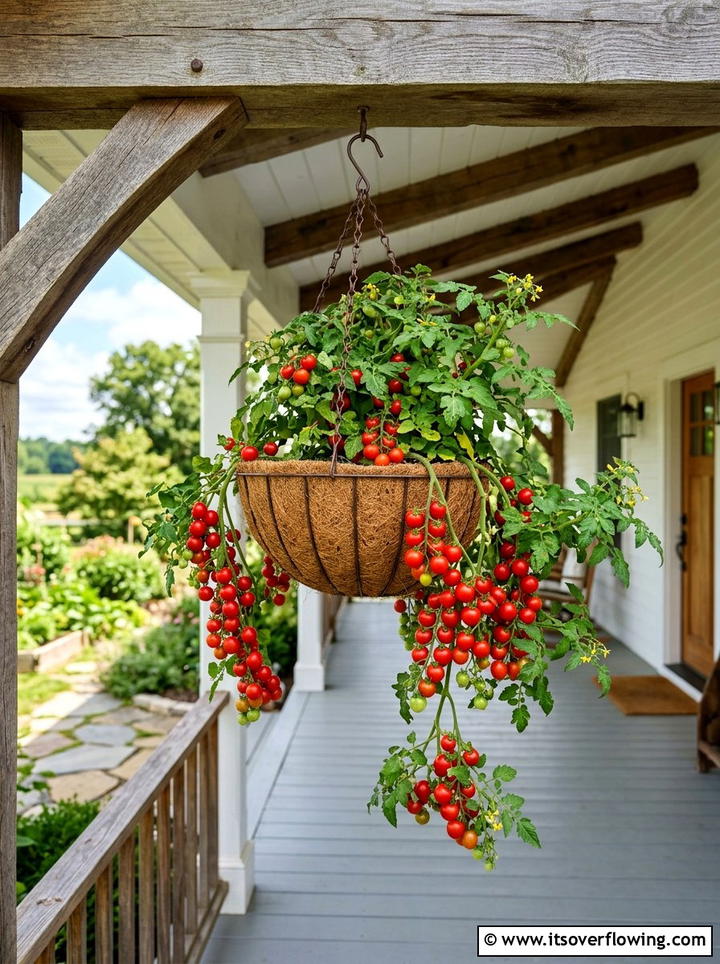
Hanging baskets are not just for petunias and geraniums; they are also perfect for trailing varieties of cherry tomatoes. These plants are specifically bred to cascade over the edges of a pot, creating a beautiful display of small, colorful fruits. Hanging them from a porch or a sturdy garden hook keeps the tomatoes off the ground and away from many common pests. As the fruit ripens, it is very easy to pick as you walk by, making it a great snack garden for kids and adults alike. This vertical approach saves valuable floor space and adds a pop of vibrant color to your outdoor living areas with minimal effort.
23. Cold frame vegetable garden
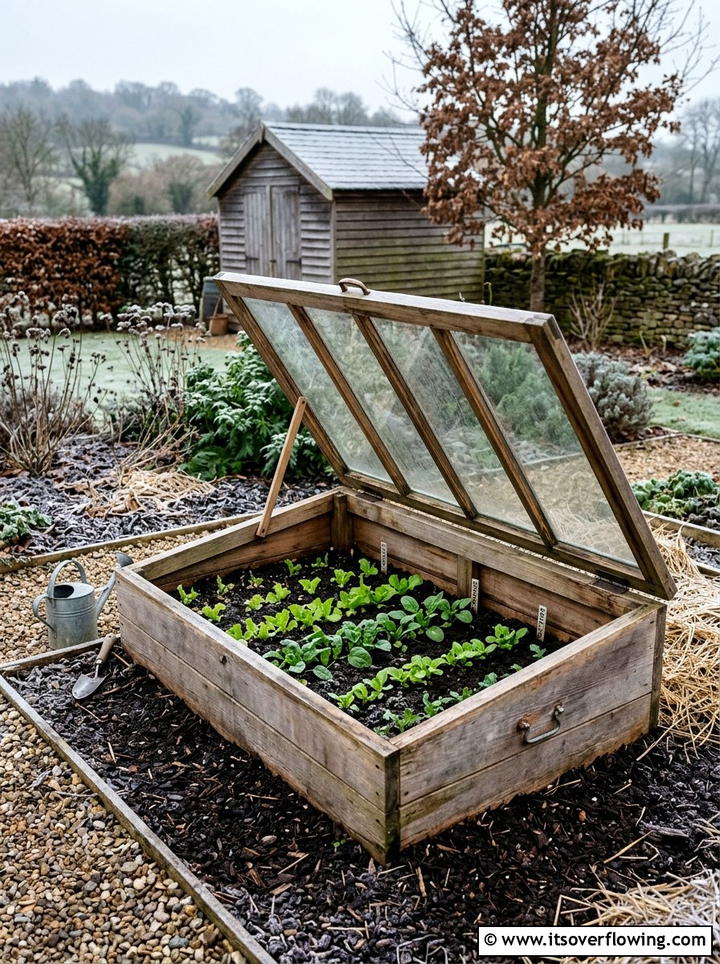
A cold frame is essentially a bottomless box with a transparent lid that acts like a miniature greenhouse for your vegetable garden. This design is perfect for gardeners in colder climates who want to start their crops early in the spring or keep them growing late into the fall. You can build these frames out of wood and old windows or purchase modern kits that fit perfectly over your raised beds. By capturing solar heat and protecting plants from cold winds, cold frames allow you to grow hardy greens and root vegetables even when the ground is frozen. They are a practical addition that increases the productivity of your garden.
24. Raspberry patch landscaping
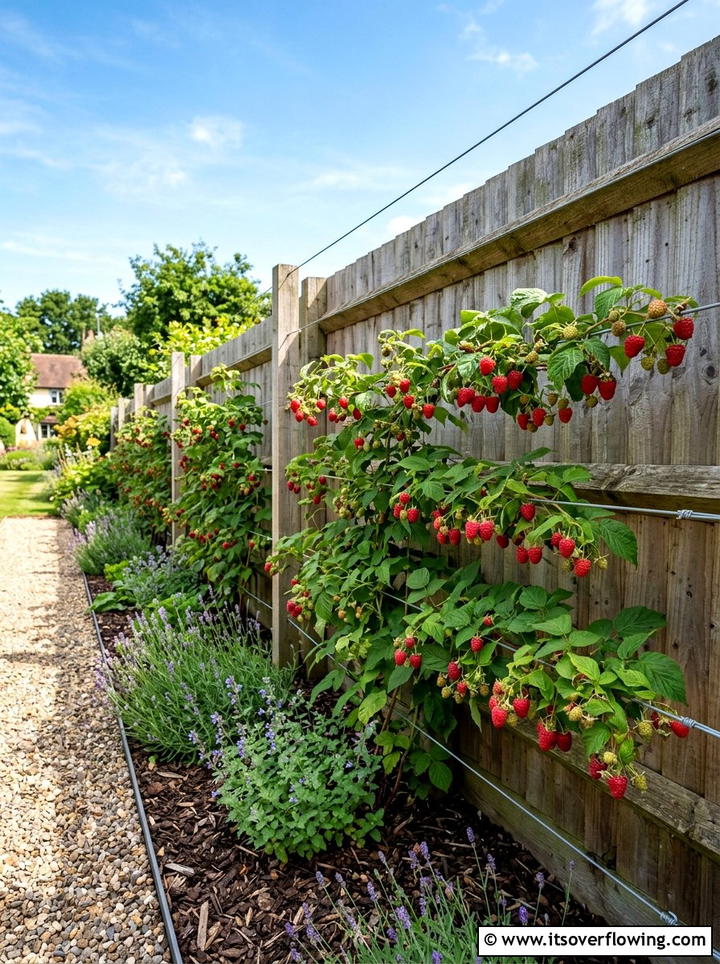
Raspberries are a delicious addition to any garden, and they can be integrated into your landscaping as a productive border or hedge. Because raspberries grow on canes, they benefit from a simple wire support system that keeps the branches upright and tidy. You can place a raspberry patch along a sunny fence line or use it to divide different sections of your yard. In the summer, the canes are loaded with sweet fruit, and the dense foliage provides a lush green backdrop for other plants. Choosing primocane-fruiting varieties allows you to have a long harvest season, ensuring that you can enjoy fresh berries for several months each year.
25. Succulent and edible garden
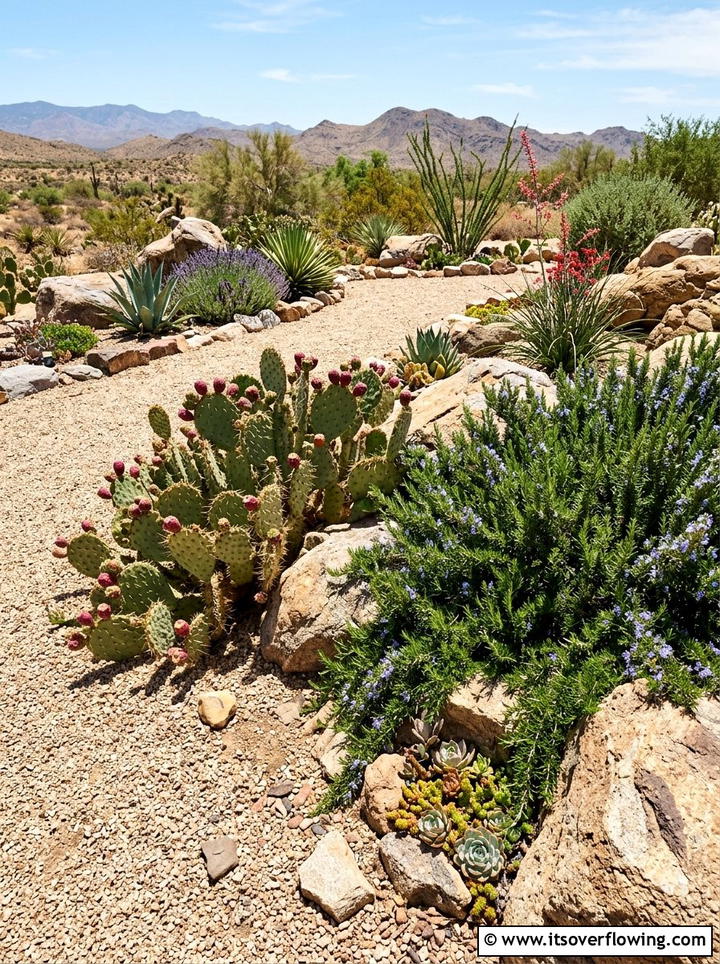
Combining succulents with edible plants is a unique design approach that works exceptionally well in dry or drought-prone regions. Many succulents, such as prickly pear cactus and purslane, are actually edible and offer interesting flavors and textures. You can pair these with other drought-tolerant edibles like rosemary, sage, and pineapple guava to create a low-water landscape that is still productive. This design focuses on using different shapes, colors, and textures of foliage to create a striking visual impact. Using gravel mulch and decorative boulders enhances the desert-inspired look while keeping maintenance tasks to a minimum. It is a smart and stylish way to grow food in arid climates.
Conclusion:
Designing a garden that incorporates edible plants is a wonderful way to combine beauty, functionality, and sustainability in your own backyard. From formal potagers to modern raised beds and vertical towers, there are endless ways to tailor a food garden to your specific style and space. By choosing plants that offer both visual appeal and a bountiful harvest, you create a landscape that nourishes both the body and the soul. Whether you are a beginner or an experienced gardener, these ideas provide a starting point for transforming your outdoor space into a productive paradise. Enjoy the process of watching your garden grow and the satisfaction of eating fresh food.

Related posts:
 25 garden ideas with border plants for Beautiful Edges
 25 Garden Design Ideas With Pathways for Beautiful Garden Flow
 25 Small Garden Ideas With Edible Garden for Fresh Harvests
 25 garden design ideas for driveways for Beautiful Curb Appeal
 25 Creative Garden Ideas With Edible Flowers
 25 garden ideas with herb spirals for Smart Edible Style
 25 Garden Ideas to Inspire a Beautiful Outdoor Makeover
 25 Garden Ideas for Clay Soil That Grow Strong and Beautiful
 25 Garden Ideas for Winter to Keep Your Yard Beautiful
 25 Garden Ideas With Pathways for a Beautiful Yard Makeover
 25 Garden Ideas With Window Boxes for Beautiful Blooms
 25 Small Garden Ideas on a Budget for Beautiful Outdoor Style