
Creating a beautiful garden is one of the most rewarding home improvement projects you can undertake. Whether you have a sprawling estate or a tiny balcony, adding greenery and structure to your outdoor space provides a peaceful retreat from the modern world. Many people find that gardening helps reduce stress while also increasing the overall value of their property significantly. You do not need a professional degree in landscape architecture to create a stunning environment. By focusing on simple elements like color, texture, and layout, you can transform any patch of dirt into a vibrant sanctuary. Exploring different styles allows you to find what fits your personal lifestyle and local climate best.
1. Raised Garden Beds
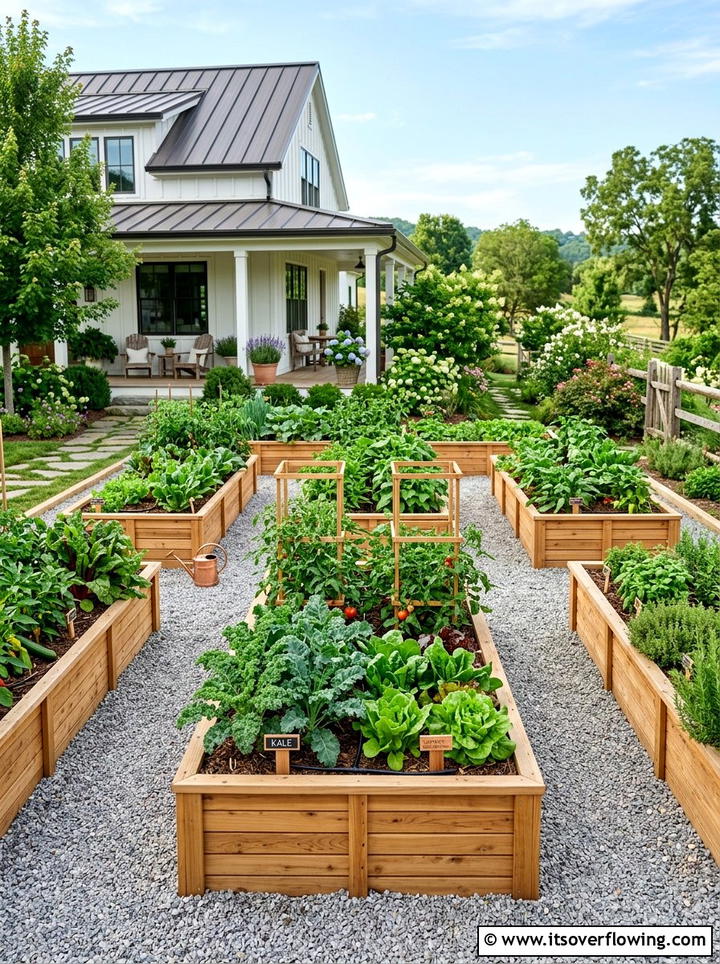
Have you ever considered the convenience of growing your plants in elevated structures? Raised garden beds are an excellent choice for beginners and experienced gardeners alike because they offer superior control over soil quality and drainage. By lifting the planting area off the ground, you can avoid the frustration of compacted soil and stubborn weeds. These beds can be constructed from various materials like cedar, stone, or even galvanized metal to match your home’s aesthetic. They also save your back and knees from unnecessary strain. Planting in these contained spaces allows for higher yields in smaller areas, making them incredibly efficient for growing fresh vegetables or colorful annual flowers throughout the season.
2. Vertical Herb Garden
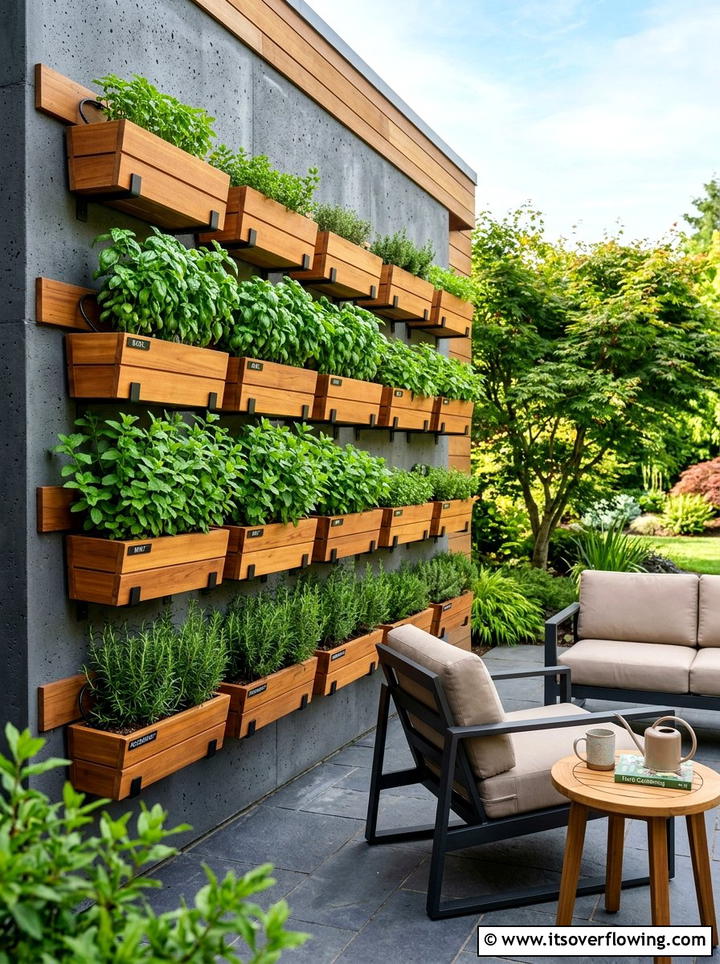
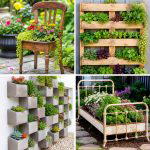
Are you dealing with a limited amount of ground space in your backyard or balcony? A vertical herb garden is the perfect solution for urban dwellers who still want to enjoy fresh, homegrown seasonings. By using wall-mounted planters or stacked shelving, you can grow a variety of greens like basil, mint, and rosemary without taking up any floor space. This setup not only looks beautiful but also keeps your culinary essentials within easy reach of the kitchen. Many people choose to use recycled materials like wooden pallets or hanging pots to create a lush green wall. It adds a refreshing scent and a vibrant splash of color to any small outdoor area.
3. Small Backyard Landscape
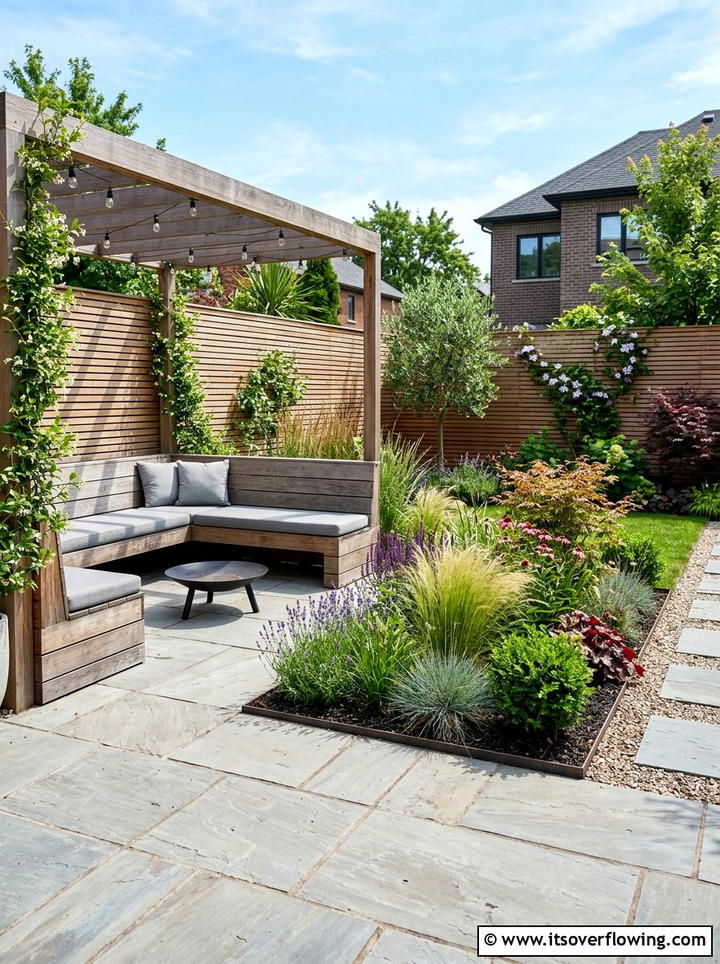
What can you do to make a tiny outdoor space feel much larger and more inviting? Designing a small backyard landscape requires a strategic focus on scale and multi-functional elements. Using light-colored paving stones and keeping the center of the yard open can create the illusion of more room. Incorporating built-in seating along the edges helps maximize the usable area for entertaining guests. Choosing dwarf plant varieties ensures that the greenery does not overwhelm the space as it grows. By adding different levels, such as a slightly raised deck or sunken patio, you define specific zones for relaxing and dining. This approach turns a cramped area into a cozy and functional retreat.
4. Cottage Garden
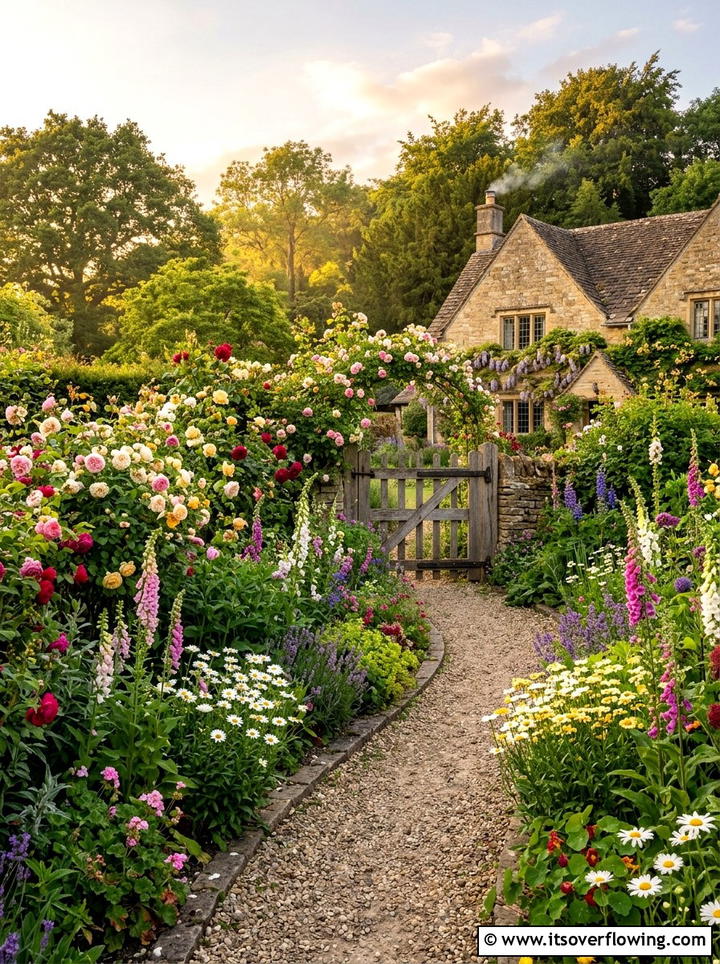
Imagine stepping into a whimsical space filled with a dense, colorful jumble of flowers and fragrances. The cottage garden style is all about embracing a relaxed, informal aesthetic that prioritizes charm over strict order. Traditionally, these gardens feature a mix of ornamental plants and edible crops growing side by side. You can achieve this look by planting tall foxgloves, fragrant roses, and delicate daisies in soft, curved beds. Winding gravel paths and weathered wooden gates add to the rustic appeal of the landscape. It is a low-maintenance option because the close planting naturally suppresses weeds. This style creates a romantic and nostalgic atmosphere that attracts bees, butterflies, and other helpful pollinators.
5. Gravel Patio
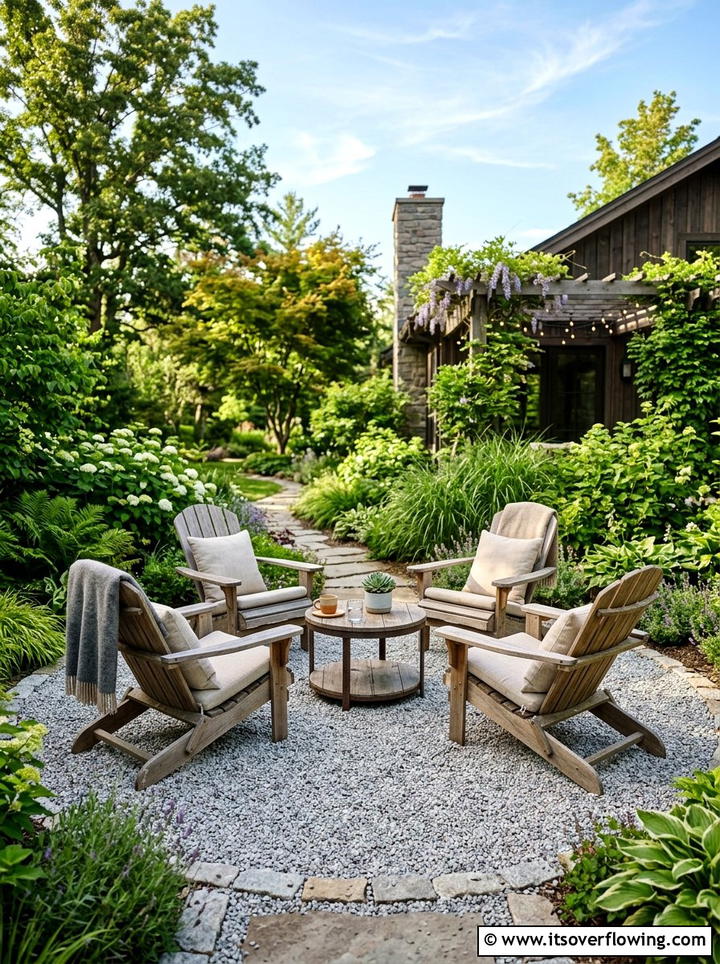
How can you create a durable and stylish seating area without the high cost of traditional paving? A gravel patio is a budget-friendly and permeable option that fits perfectly in modern or rustic landscapes. Unlike concrete, gravel allows rainwater to soak into the ground, which is much better for the environment. You can choose from various stone colors and sizes to complement your home’s exterior perfectly. To keep the space tidy, use a sturdy edging material like steel or treated timber to hold the stones in place. Adding comfortable lounge chairs and a small table transforms this simple area into a sophisticated spot for morning coffee or evening conversations under the stars.
6. Container Vegetable Garden
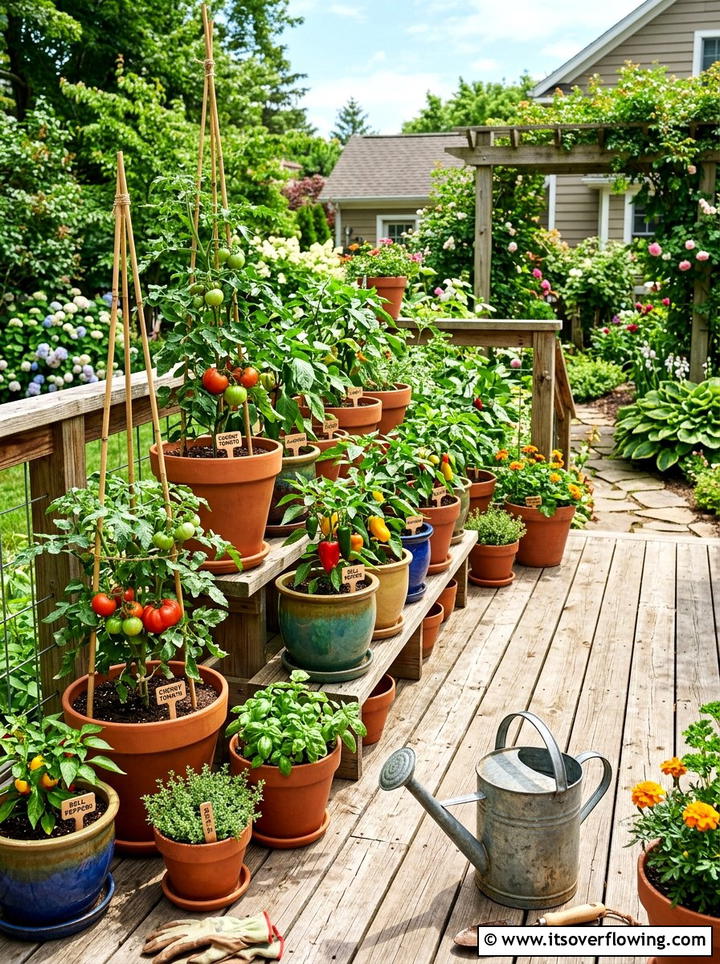
Is it possible to grow a full harvest even if you do not have any actual soil in your yard? Container vegetable gardening is a versatile method that works on porches, patios, and even staircases. Large pots allow you to move your plants around to capture the best sunlight throughout the day. You can grow everything from juicy tomatoes and peppers to crisp lettuce and radishes in high-quality potting mix. Choosing containers with adequate drainage holes is essential for plant health and preventing root rot. Many modern pots come in stylish ceramic or lightweight resin designs that enhance your decor. This flexible approach makes gardening accessible to everyone, regardless of their available outdoor square footage.
7. Outdoor Fire Pit
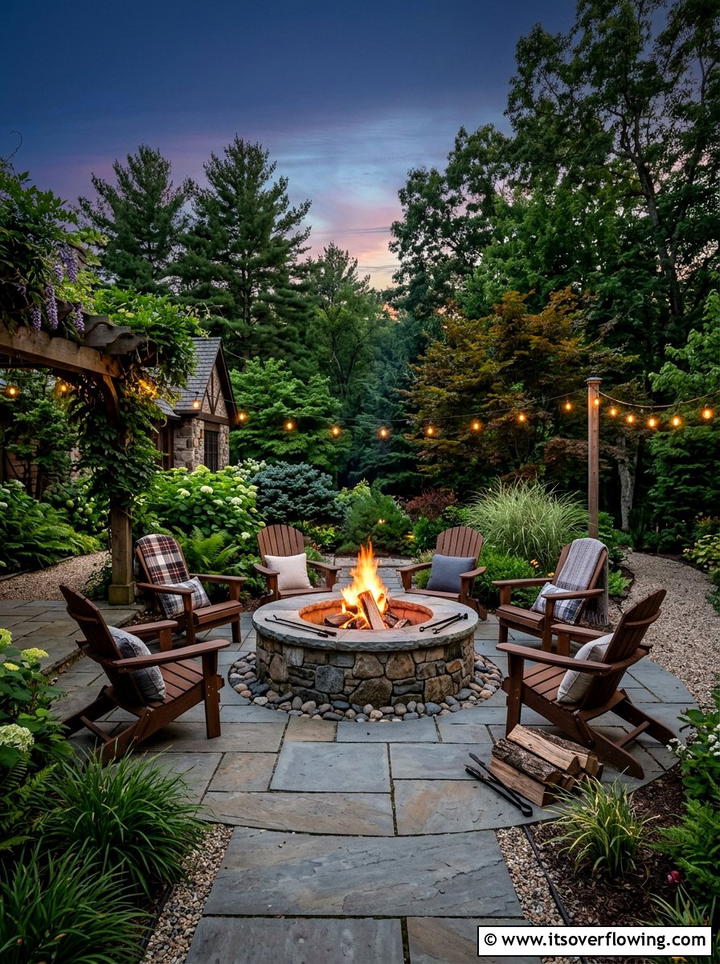
Would you like to extend the usability of your garden into the cooler evening hours? Adding an outdoor fire pit creates a natural gathering spot for friends and family to enjoy. Whether you choose a permanent stone structure or a portable metal bowl, the flickering flames provide warmth and a cozy ambiance. Surrounding the fire pit with Adirondack chairs or a built-in bench makes the area feel like a true outdoor living room. It is the perfect place for roasting marshmallows or simply chatting while looking at the night sky. Positioning the pit on a safe, non-flammable surface like gravel or pavers ensures safety while enhancing the overall visual appeal of your landscape.
8. Japanese Zen Garden
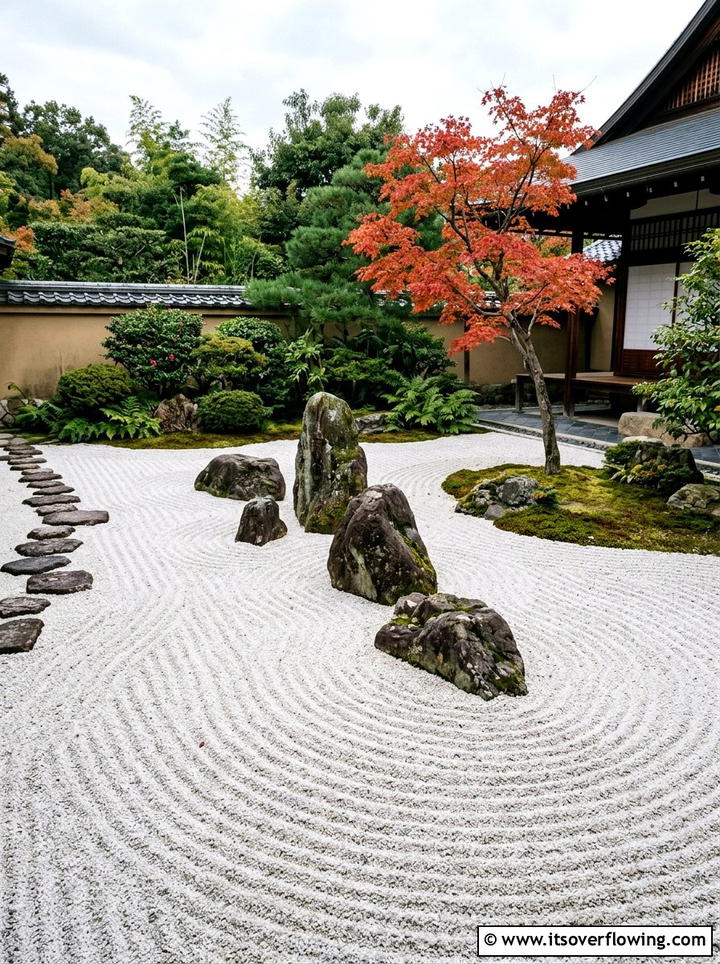
Can a garden actually help you find a sense of inner peace and mindfulness? A Japanese zen garden, or Karesansui, focuses on simplicity and symbolism rather than a wide variety of bright plants. These spaces typically feature raked sand or fine gravel representing water, along with carefully placed rocks that symbolize mountains or islands. Low-growing moss and neatly pruned evergreen shrubs add a touch of greenery without being distracting. The goal is to create a serene environment that encourages quiet contemplation and reflection. Placing a simple wooden bench nearby allows you to sit and admire the balanced composition. This minimalist approach brings a sophisticated and calming energy to any modern home landscape.
9. Rock Garden
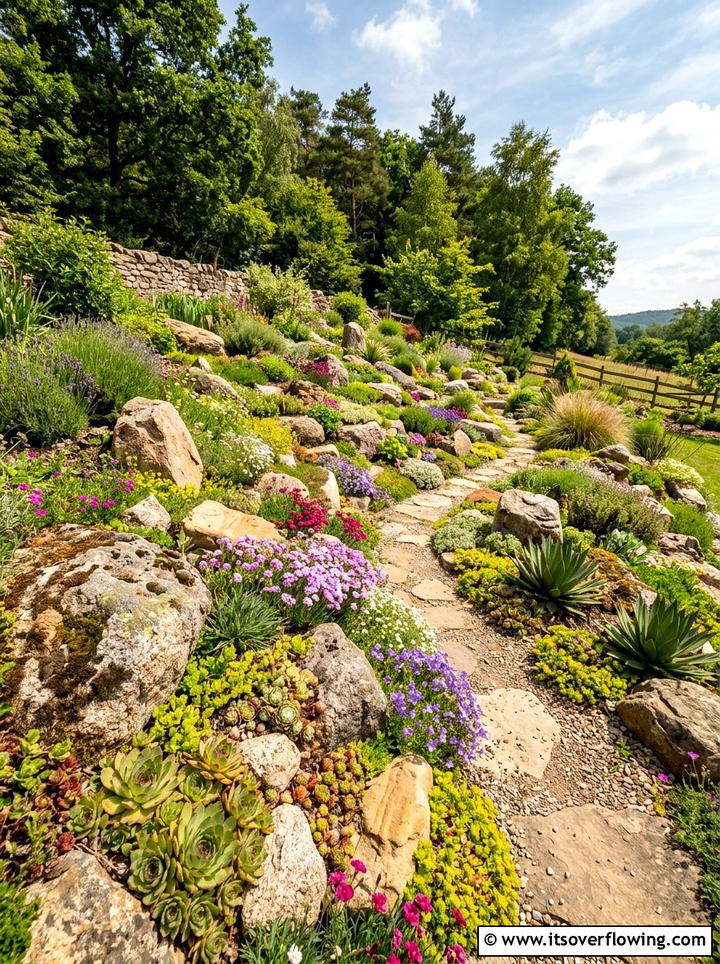
Do you have a steep slope or a patch of dry ground where nothing seems to grow well? A rock garden is a practical and ruggedly beautiful solution for difficult terrain or low-water environments. By arranging various sizes of boulders and stones, you create a natural-looking structure that mimics a mountain landscape. In the crevices between the rocks, you can plant hardy succulents, alpine flowers, and creeping groundcovers. These plants thrive in well-drained soil and require very little maintenance once they are established. The contrast between the hard, static stones and the soft, living foliage creates a striking visual balance. This type of garden is exceptionally durable and stays beautiful throughout every season.
10. Native Plant Landscaping
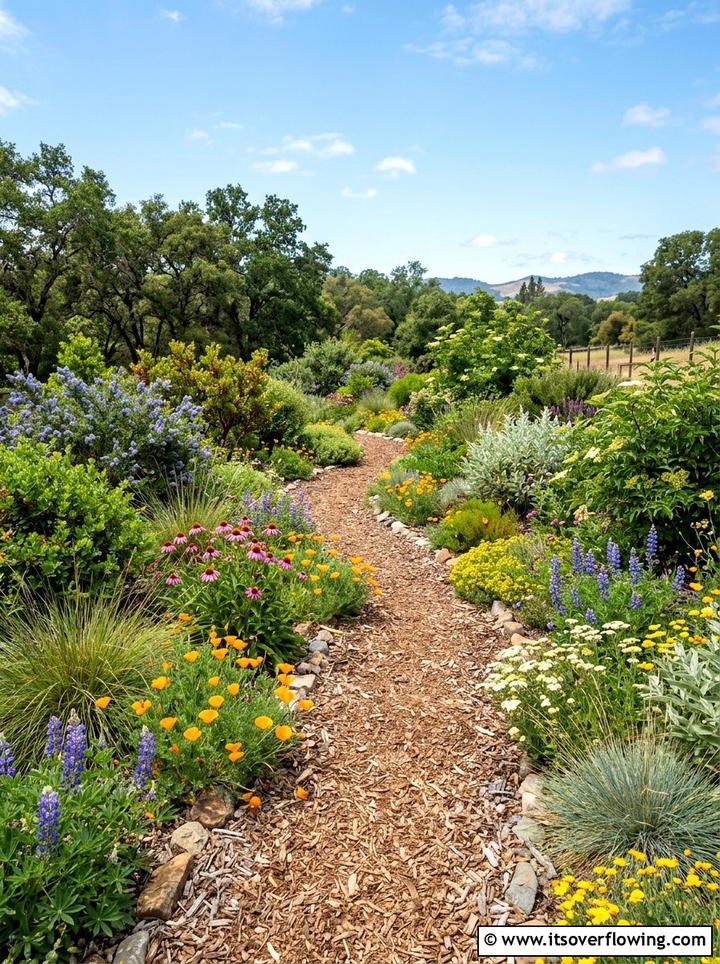
Are you interested in creating a garden that supports your local environment while requiring less work? Native plant landscaping involves choosing species that naturally occur in your specific region. These plants are already adapted to the local soil, rainfall, and temperature, meaning they need less supplemental water and fertilizer. They also provide essential food and habitat for local birds and insects. By grouping native shrubs, perennials, and grasses together, you create a self-sustaining ecosystem that looks beautifully integrated with the surrounding nature. This sustainable approach reduces your environmental footprint while ensuring your garden remains healthy and vibrant with very little intervention from you. It is a smart, eco-friendly choice for modern homeowners.
11. Garden Pergola
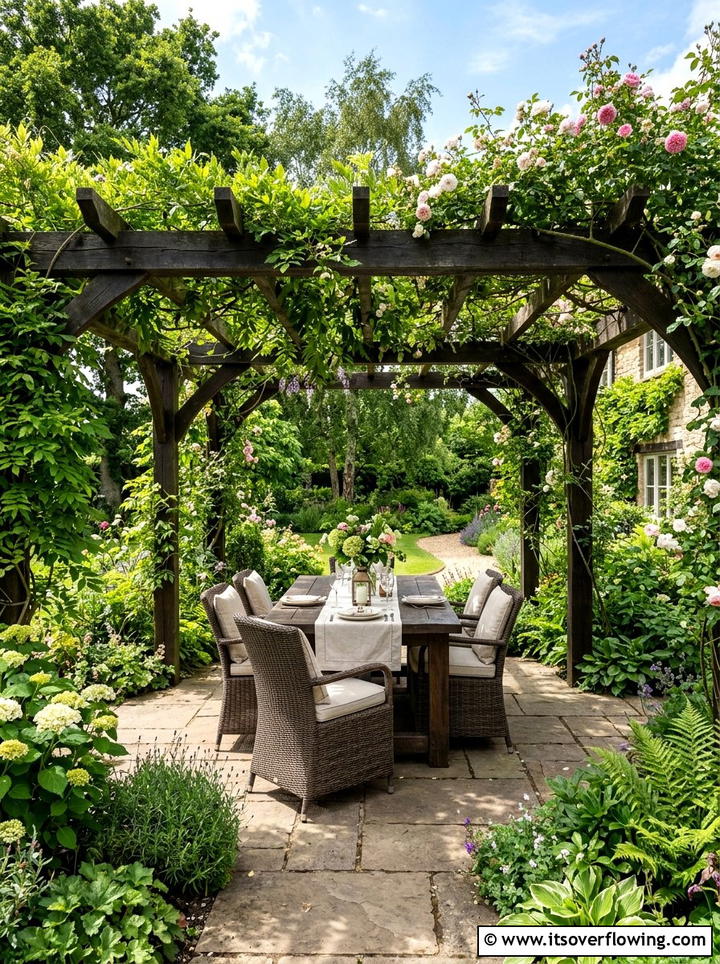
What architectural element can provide both shade and a sense of structure to your outdoor space? A garden pergola is a stunning feature consisting of vertical posts and a roof of cross-beams. It defines an outdoor area without completely blocking the view or the breeze. You can train climbing plants like wisteria, grapevines, or jasmine to grow over the top, creating a living ceiling of green leaves and fragrant blossoms. This provides a dappled shade that is perfect for a dining area or a quiet reading nook. Many people choose to hang string lights or outdoor curtains from the beams to add a touch of elegance and privacy to the entire garden setting.
12. Outdoor Kitchen
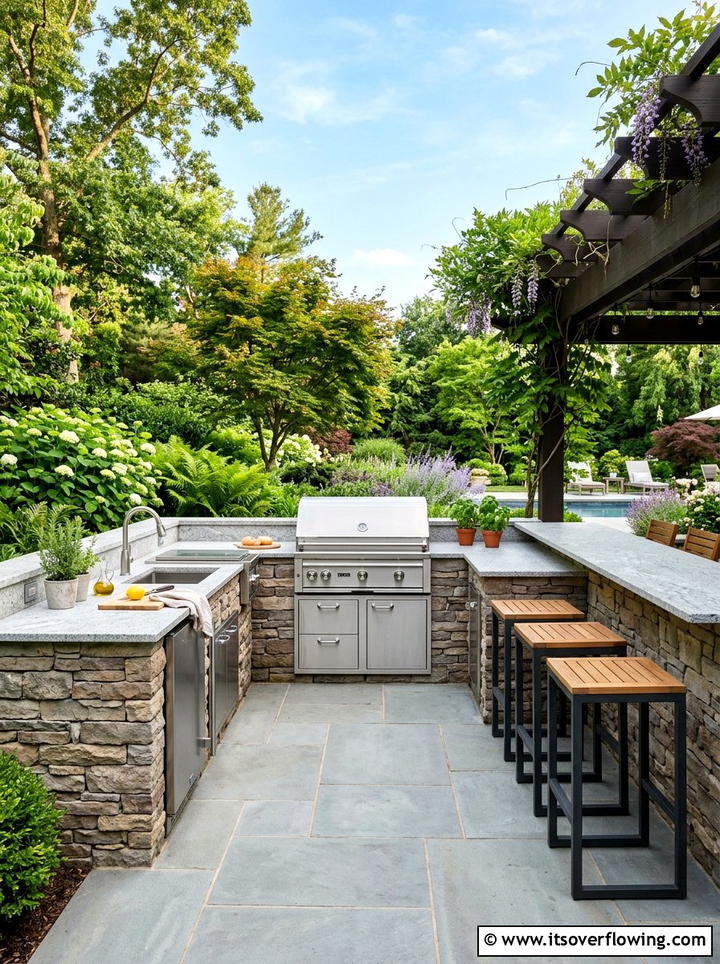
Why should you stay cooped up inside while preparing a meal for your guests? An outdoor kitchen allows you to enjoy the fresh air while cooking and entertaining simultaneously. This space can range from a simple built-in grill station to a full culinary setup with a sink, refrigerator, and pizza oven. Using durable materials like stainless steel and stone ensures that your kitchen can withstand the elements for years to come. Including a bar-height counter provides a place for people to sit and talk while the food is being prepared. Proper lighting and a nearby dining table complete the experience, making your garden the ultimate destination for summer parties and family holiday dinners.
13. Backyard Pond
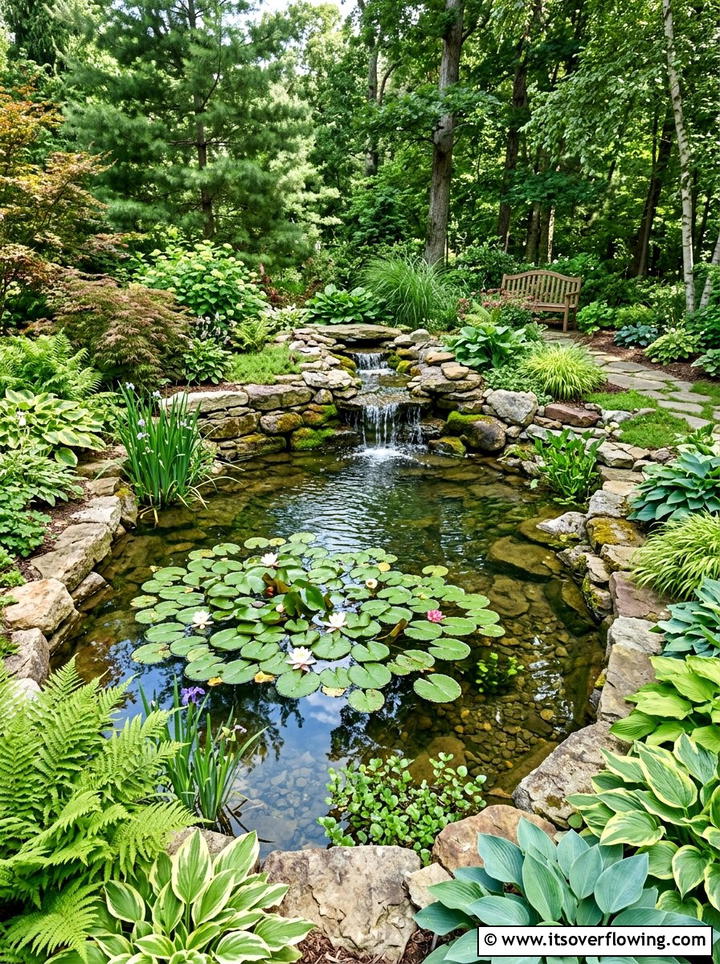
Is there anything more relaxing than the sound of gently moving water in a private setting? A backyard pond brings a whole new dimension of life and tranquility to your garden. You can design it to look completely natural with stacked stones, water lilies, and surrounding ferns. For many people, adding colorful koi fish or goldfish provides a fascinating focal point that entertains both children and adults. Small waterfalls or bubbling fountains can be integrated to keep the water aerated and clear. This feature attracts local wildlife, such as dragonflies and frogs, creating a miniature ecosystem in your yard. It serves as a refreshing visual cooling element during the hot summer months.
14. Succulent Garden
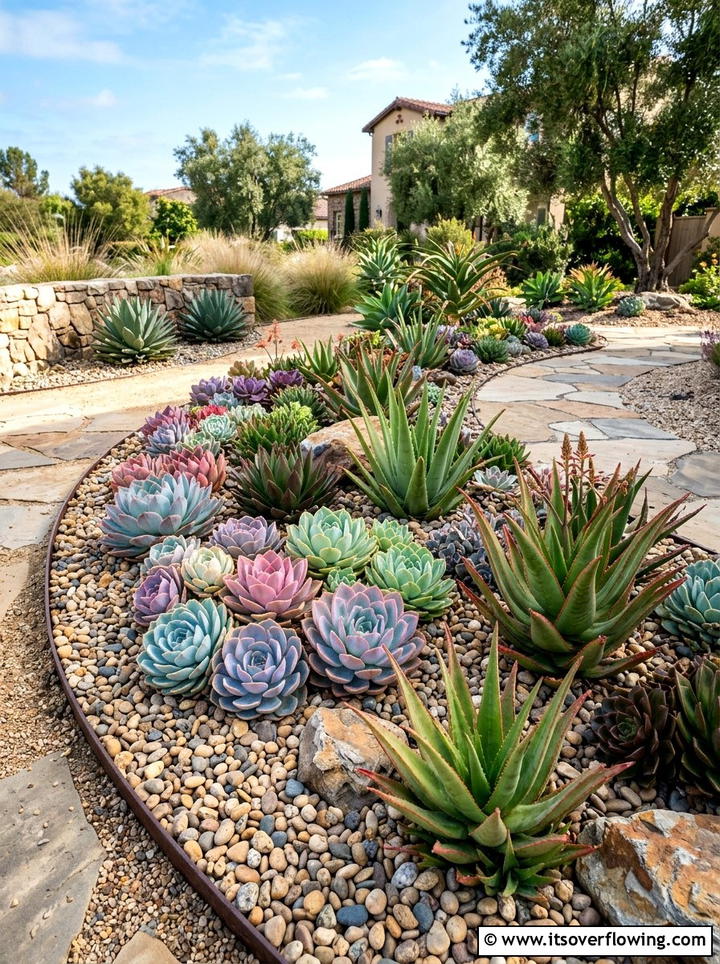
If you live in a dry climate or simply forget to water your plants often, what is the best garden choice? A succulent garden is an incredibly trendy and low-maintenance option that features a wide variety of unique shapes and textures. These plants store water in their thick leaves, allowing them to survive long periods of drought with ease. You can arrange different species like Echeveria, Aloe, and Sedum in a beautiful tapestry of greens, purples, and blues. Using a mix of decorative pebbles and sand helps with drainage and gives the garden a finished, professional look. Succulents grow well in both the ground and in artistic containers, making them highly versatile for any space.
15. Pathway Lighting
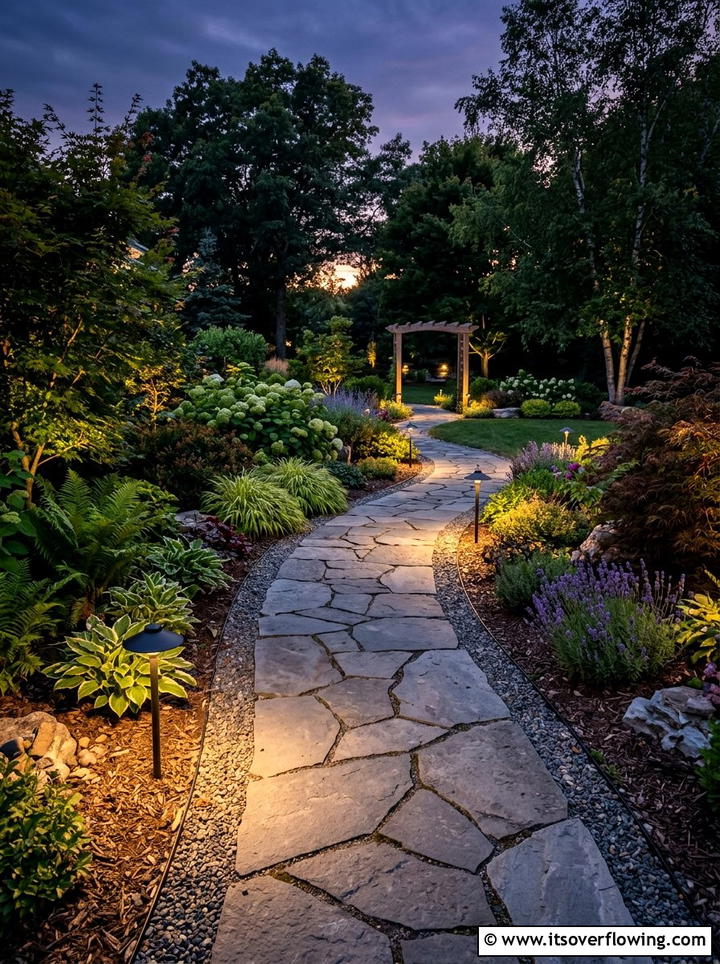
How can you ensure that your garden remains safe and magical after the sun goes down? Pathway lighting is an essential design element that guides your footsteps while highlighting the most beautiful features of your landscape. Low-voltage LED lights or solar-powered stakes can be easily installed along garden paths and walkways. By pointing lights toward interesting trees or architectural features, you create depth and drama in the yard. Soft, warm lighting prevents the space from feeling too harsh or industrial at night. Good lighting also provides an added layer of security for your home. It allows you to enjoy late-night walks through your greenery without worrying about tripping or losing your way.
16. Tropical Garden
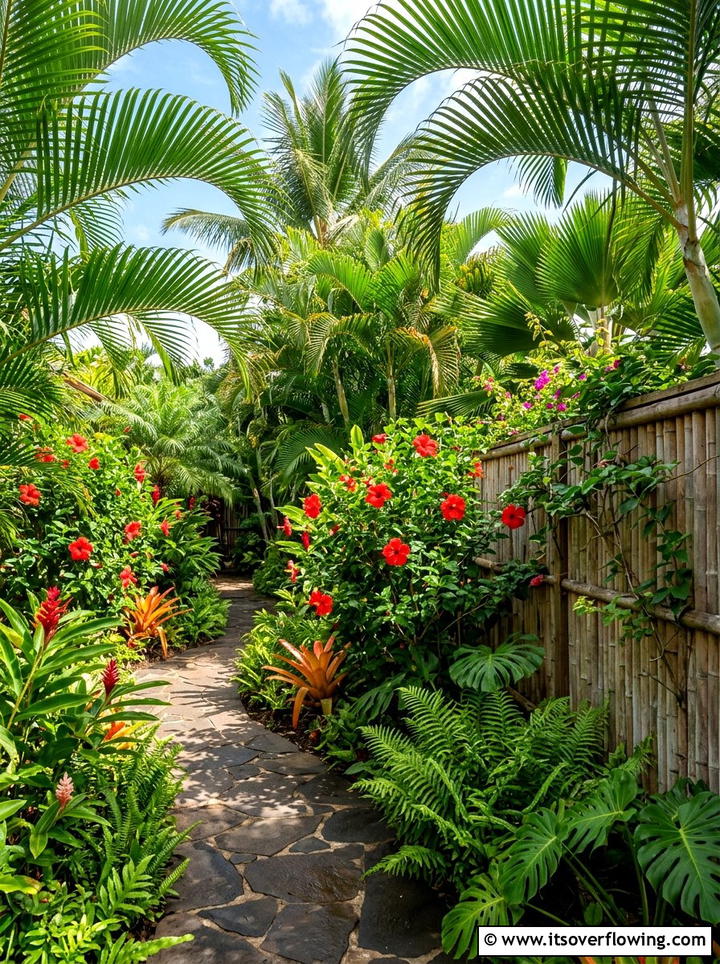
Do you want to feel like you are on vacation every time you step out of your back door? A tropical garden uses lush, large-leafed plants and bold colors to create an exotic and jungle-like atmosphere. Even if you do not live in the tropics, you can achieve this look with hardy palms, bright canna lilies, and vibrant hibiscus. Using thick layers of mulch helps retain moisture and gives the soil the rich appearance found on a forest floor. Adding a hammock or a bamboo privacy screen enhances the island vibe of the space. The dense planting creates a secluded feeling that hides neighboring houses and transports you to a private, faraway paradise within your own backyard.
17. Boxwood Hedge
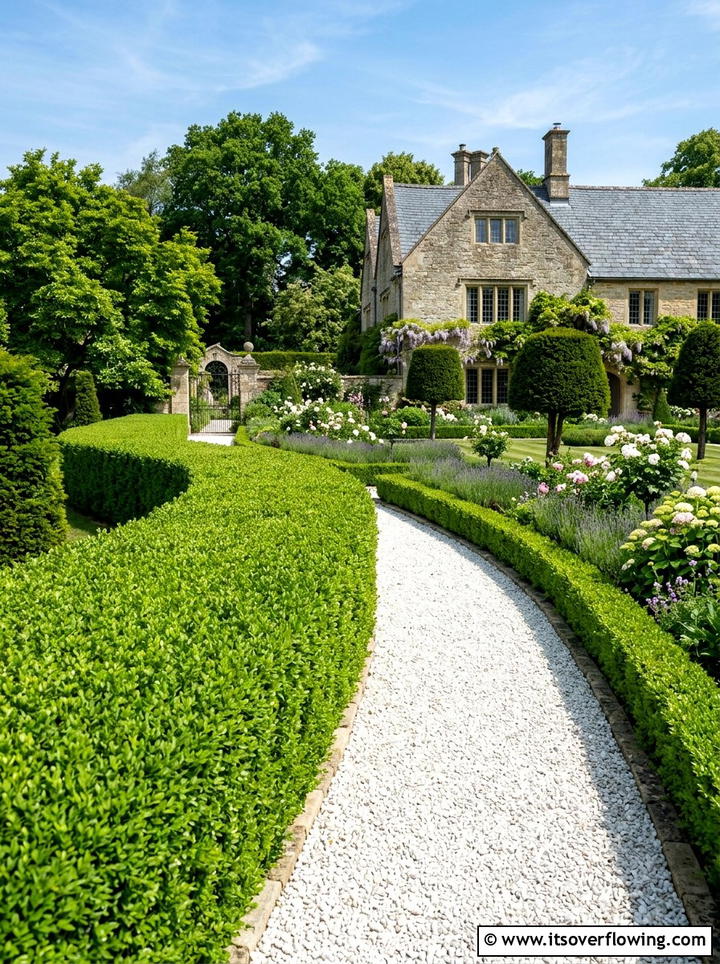
What is the best way to add a sense of formal elegance and structure to your property? A boxwood hedge is a classic landscaping choice that provides clean lines and year-round greenery. These versatile shrubs can be pruned into sharp, geometric shapes or allowed to grow into soft, rounded mounds. They are often used to define the borders of flower beds, line long driveways, or create a low wall around a patio. Because they are evergreen, they maintain their rich green color even during the middle of winter. Using hedges is an excellent way to create “rooms” within your garden, giving each area a specific purpose and a sense of sophisticated, timeless organization.
18. Shade Garden
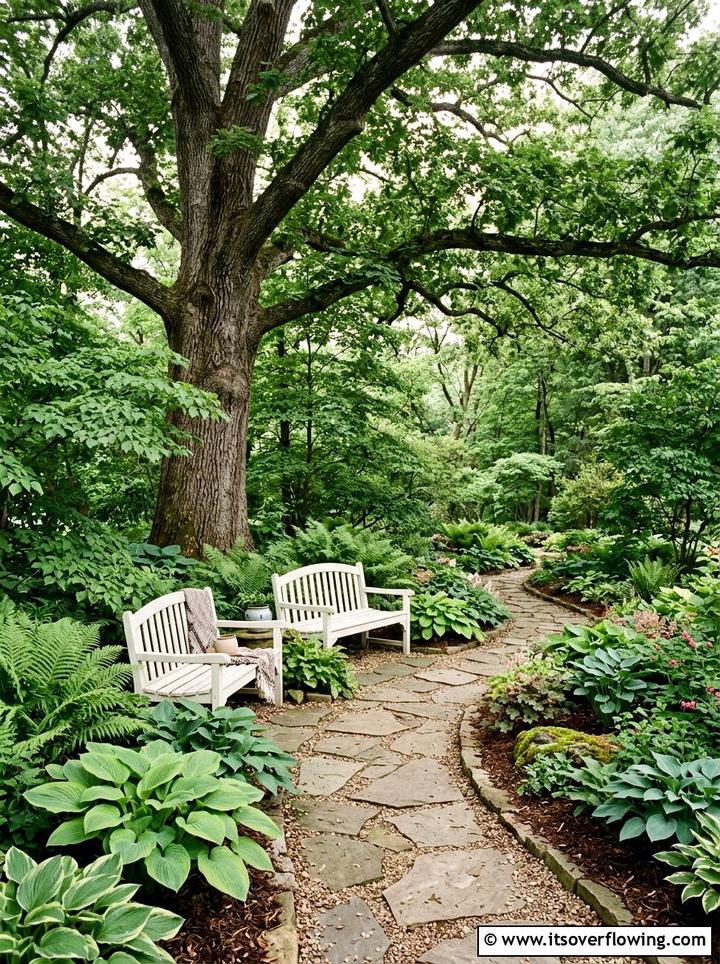
Many people struggle with what to plant in those dark, cool corners under large trees or beside the house. A shade garden turns these challenging spots into lush, verdant retreats filled with interesting textures. Instead of focusing on bright sunlight-loving flowers, you can use plants like hostas, ferns, and bleeding hearts that thrive in lower light levels. These plants often have stunning foliage in shades of emerald, lime, and silver. Adding a light-colored stone path or a white garden bench can help brighten up the darker areas of the yard. The result is a cool and refreshing space that feels significantly more comfortable to sit in during the peak heat of the afternoon.
19. Edible Landscape
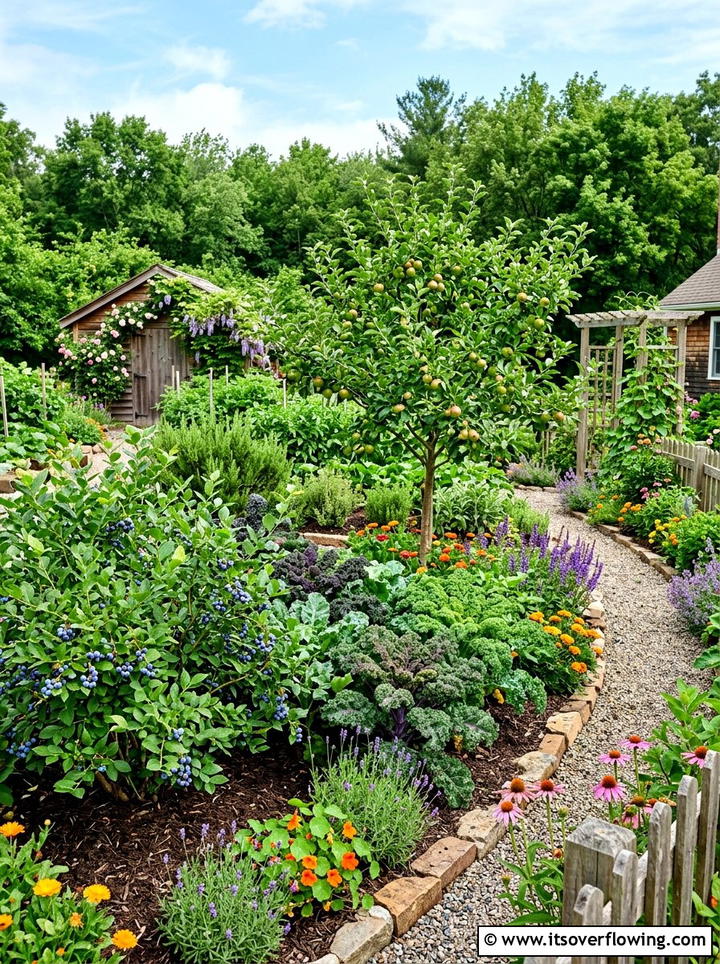
Why separate your flower garden from your food source when you can combine them beautifully? An edible landscape integrates fruits, vegetables, and herbs directly into your ornamental planting beds. For example, you can use colorful kale as a border plant or grow blueberry bushes as a productive hedge. Fruit trees like apples or cherries provide stunning blossoms in the spring and delicious snacks in the fall. This approach makes your garden both functional and attractive, reducing the need for a separate, hidden vegetable patch. It encourages you to spend more time outdoors and provides your family with fresh, organic produce. It is a practical way to make every square inch of your yard work for you.

20. Fairy Garden
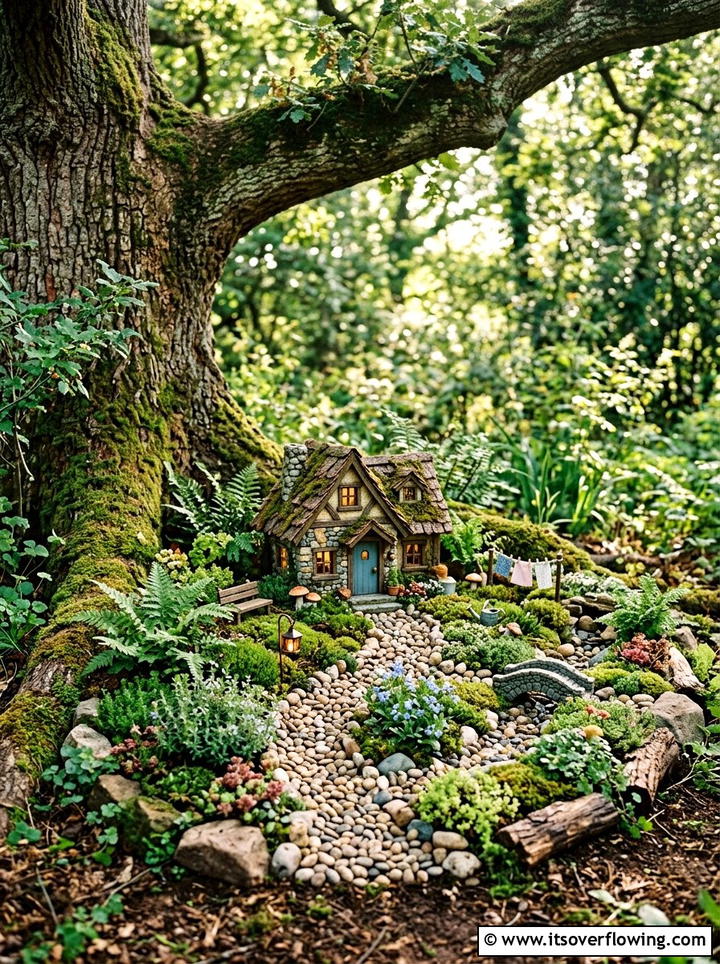
Are you looking for a creative project that adds a touch of magic and whimsy to a quiet corner? A fairy garden is a miniature landscape designed to look like a home for mythical creatures. These tiny gardens are often built in large pots, old tree stumps, or tucked under the shade of a large shrub. You can use small-scale plants like miniature ivies and moss to represent forests and lawns. Adding tiny accessories like pebble paths, little wooden benches, and small houses creates a charming scene that delights people of all ages. It is a wonderful way to express your creativity and practice detailed gardening techniques on a much smaller, manageable scale.
21. Garden Water Fountain
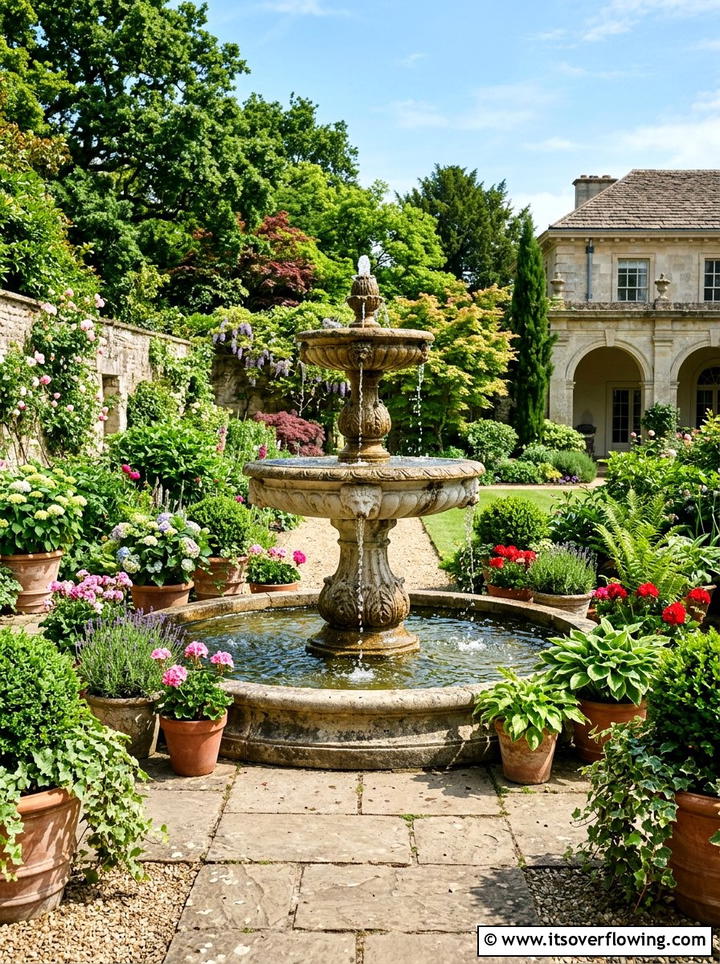
Can you add a sophisticated focal point that also masks unwanted noise from the street or neighbors? A garden water fountain is a classic feature that adds both visual beauty and a soothing soundtrack to your outdoor environment. Fountains come in endless styles, from modern tiered granite structures to rustic wall-mounted basins. The sight of flowing water instantly draws the eye and creates a sense of luxury. Placing a fountain near a seating area ensures that you can fully enjoy the calming effects of the splashing water. Many self-contained units are easy to install and only require a standard outdoor electrical outlet to run the pump, making this an accessible upgrade for any garden.
22. Pallet Planter
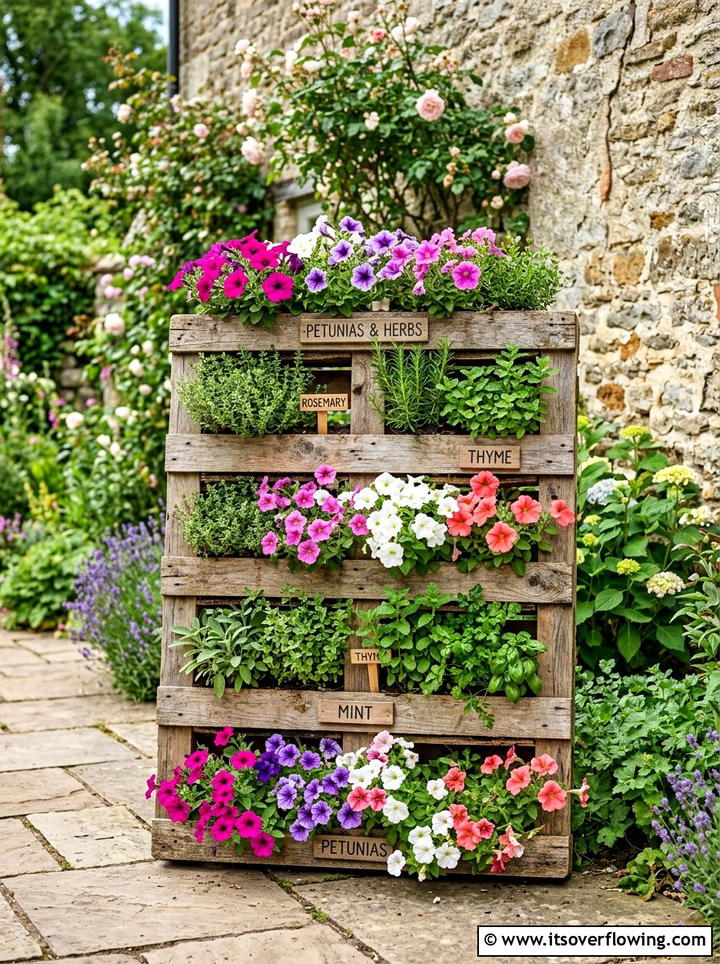
How can you use recycled materials to create a trendy and vertical growing space on a tiny budget? A pallet planter is a popular DIY project that repurposes old shipping pallets into rustic, wall-leaning garden structures. By securing landscape fabric to the back and bottom of the slats, you create pockets that can be filled with soil. This setup is ideal for growing small flowers, succulents, or strawberries in tight spaces. You can leave the wood natural for a farmhouse look or paint it a bright color to make a bold statement. It is an environmentally friendly way to garden that prevents old wood from going to waste while adding a unique vertical element.
23. Backyard Greenhouse
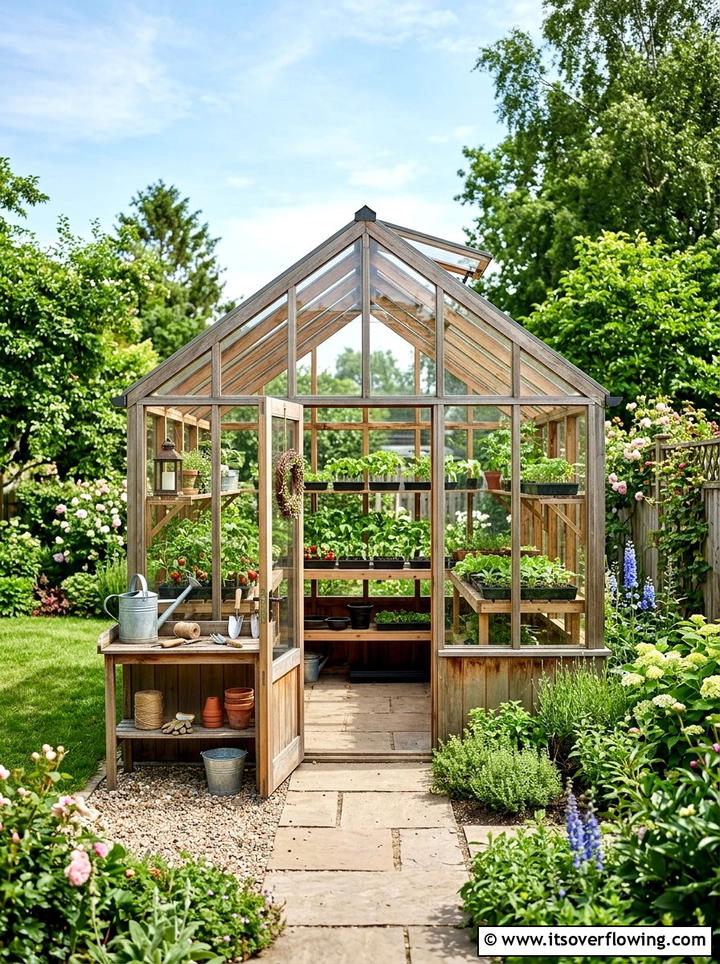
Would you like to start your growing season earlier in the spring and keep it going later into the fall? A backyard greenhouse provides a protected environment where you can control the temperature and humidity for your plants. These structures range from small, plastic-covered shelves to permanent glass buildings with venting systems. A greenhouse allows you to grow delicate tropical plants or start seeds long before the ground has thawed. It also provides a warm and bright place for you to work on your gardening tasks even when the weather outside is rainy or cold. Having a dedicated space for your plants ensures they stay safe from pests and harsh weather conditions throughout the year.
24. Rose Garden Trellis
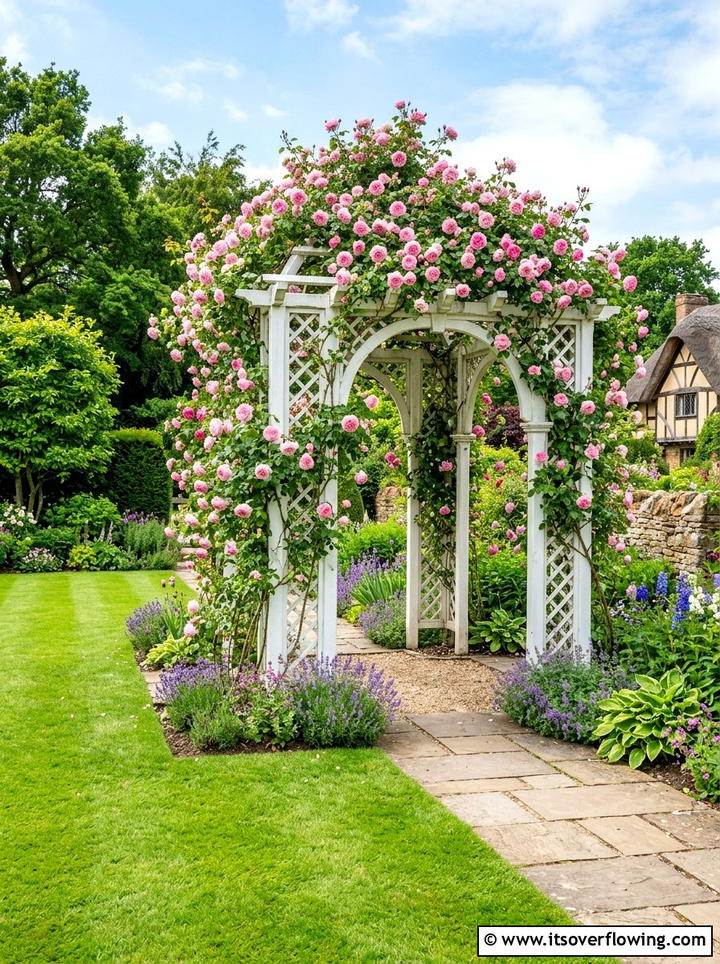
What is the most classic and romantic way to showcase beautiful, climbing flowers in your yard? A rose garden trellis provides the necessary support for long, thorny canes to reach toward the sky. As the roses grow and wrap around the structure, they create a vertical wall of stunning color and intoxicating fragrance. You can use a trellis to flank a doorway, cover a plain fence, or stand alone as a decorative feature in the middle of a bed. Choosing repeat-blooming varieties ensures that you have a steady supply of flowers from late spring until the first frost. This traditional element brings a sense of height and timeless beauty to any garden design.
25. Wildflower Meadow
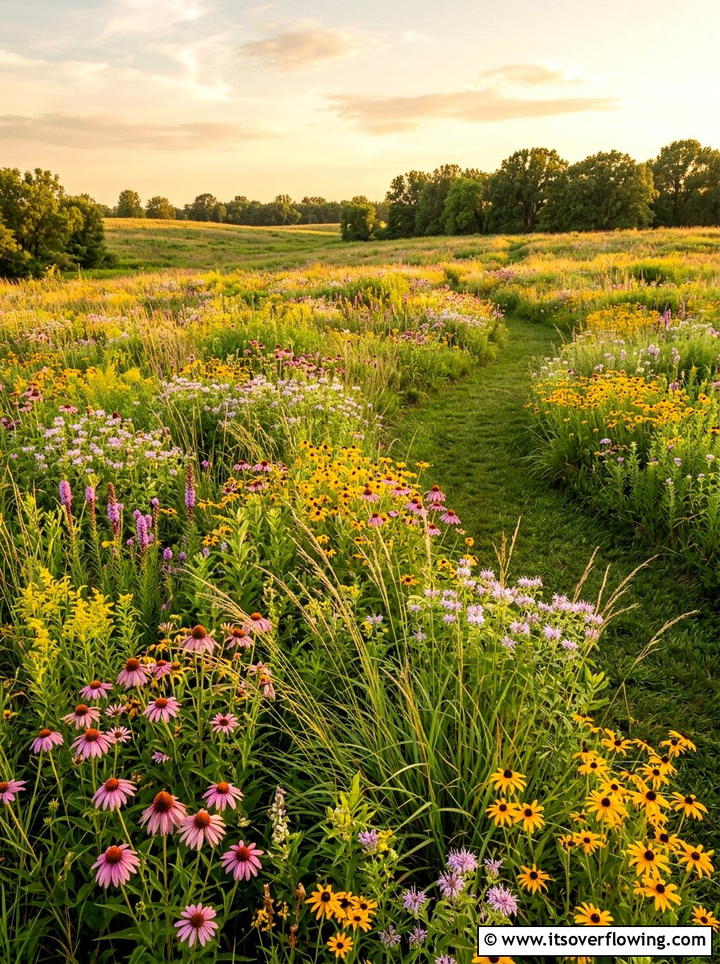
If you have a large, open area, how can you create a low-maintenance landscape that helps the planet? A wildflower meadow is a beautiful alternative to a traditional grass lawn that requires almost no mowing or fertilizing. By sowing a mix of native wildflower seeds, you create a vibrant sea of color that changes throughout the seasons. These meadows provide a vital sanctuary for bees, butterflies, and birds, helping to boost local biodiversity. Once established, the deep roots of the wildflowers help prevent soil erosion and conserve water. Walking through a path cut into the tall flowers feels like a true immersion in nature, offering a peaceful and wild aesthetic for your home.
Conclusion:
Designing a garden is a journey that allows you to express your personality while connecting with the natural world. From the structured elegance of boxwood hedges to the wild beauty of a wildflower meadow, there is a style that fits every home and lifestyle. By considering elements like lighting, water features, and functional zones, you can create an outdoor space that serves as an extension of your indoor living area. Remember that gardens are constantly evolving, and part of the joy is watching your plants grow and change over time. Whether you are starting small with a few containers or planning a complete landscape overhaul, the effort you put into your garden will provide years of beauty and relaxation.

Related posts:
 25 Garden Ideas With Pathways for a Beautiful Yard Makeover
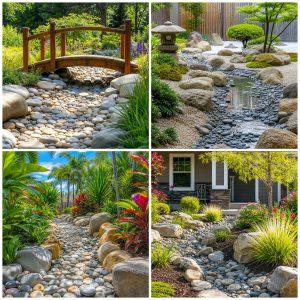 25 Creative Garden Ideas With Dry Creek Beds to Inspire
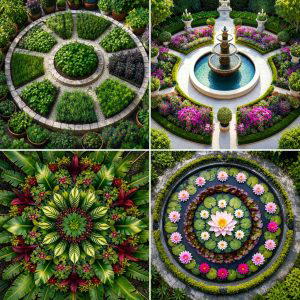 25 Creative Garden Ideas With Mandala Gardens to Inspire
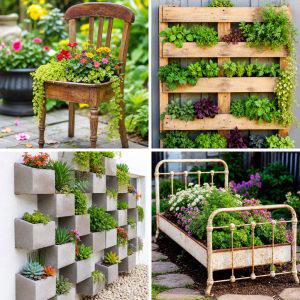 25 Creative Garden Ideas With Unusual Planters to Inspire
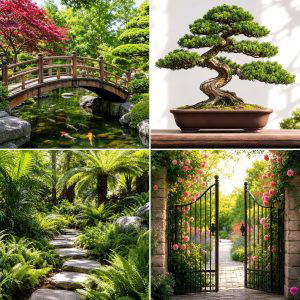 25 Garden Ideas for Japanese Style to Inspire Serenity
 25 Small Garden Ideas on a Budget for Beautiful Outdoor Style
 25 Creative Garden Ideas for Spring Makeover
 25 Small Garden Ideas for Quick Makeover Projects
 25 Garden Design Ideas With Pathways for Beautiful Garden Flow
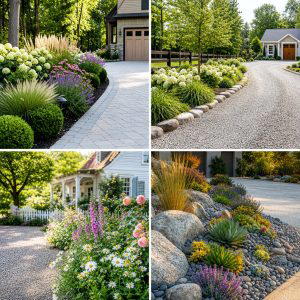 25 garden design ideas for driveways for Beautiful Curb Appeal
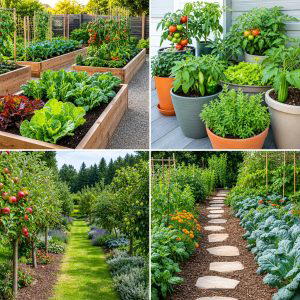 25 garden design ideas with edible plants: Beautiful Foodscapes
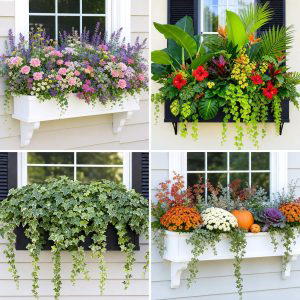 25 Garden Ideas With Window Boxes for Beautiful Blooms