
Creating a tranquil sanctuary in your backyard is easier than you might think with the right inspiration. Japanese garden principles focus on nature, balance, and peacefulness to create a space for deep reflection. You can transform even the smallest outdoor corner into a meditative retreat using traditional elements like water, stone, and specific plants. These timeless concepts help you find harmony between the built environment and the natural world. Whether you want a full transformation or just a small zen corner, these suggestions will guide your project. Many people love the aesthetic because it feels organized yet organic at the same time. Let’s explore how you can bring this beautiful, serene style into your own home landscape today.
1. Zen Rock Garden
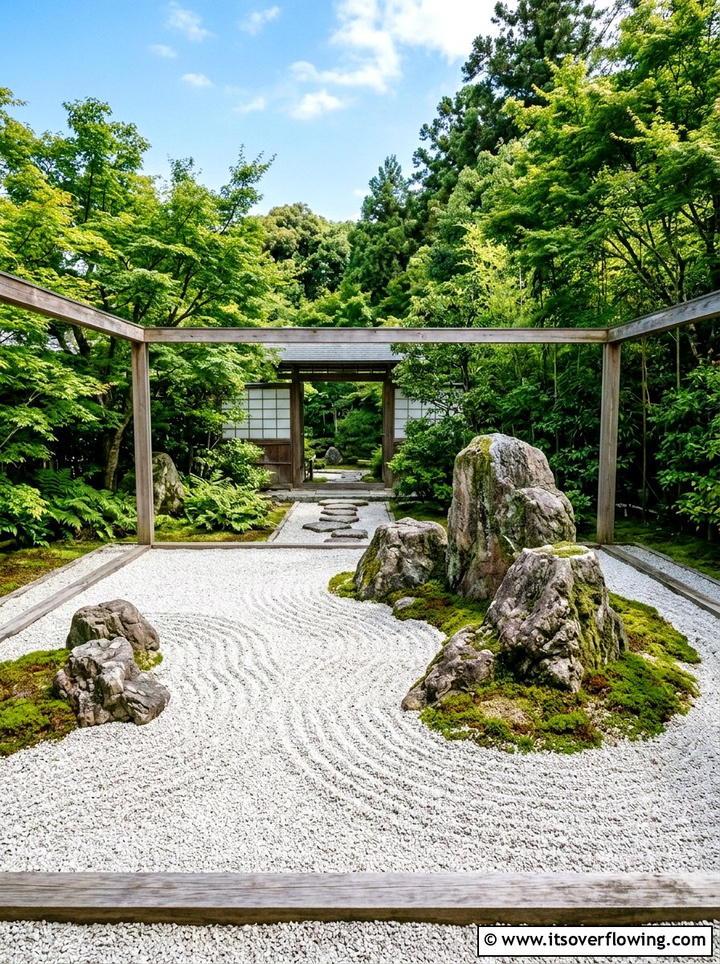
Have you ever wondered how a simple arrangement of stones and sand can look so incredibly peaceful? A Zen rock garden, also known as Karesansui, uses dry elements to represent the movement of water and mountains. You typically use fine gravel or sand that you rake into circular or wavy patterns to mimic ripples in a pond. Large, weathered boulders are placed carefully to act as islands or landmasses within this dry sea. This type of space is perfect for meditation because it requires very little maintenance and provides a clean, minimalist aesthetic. It works beautifully in small side yards or as a focal point in a larger backyard area.
2. Japanese Maple Tree
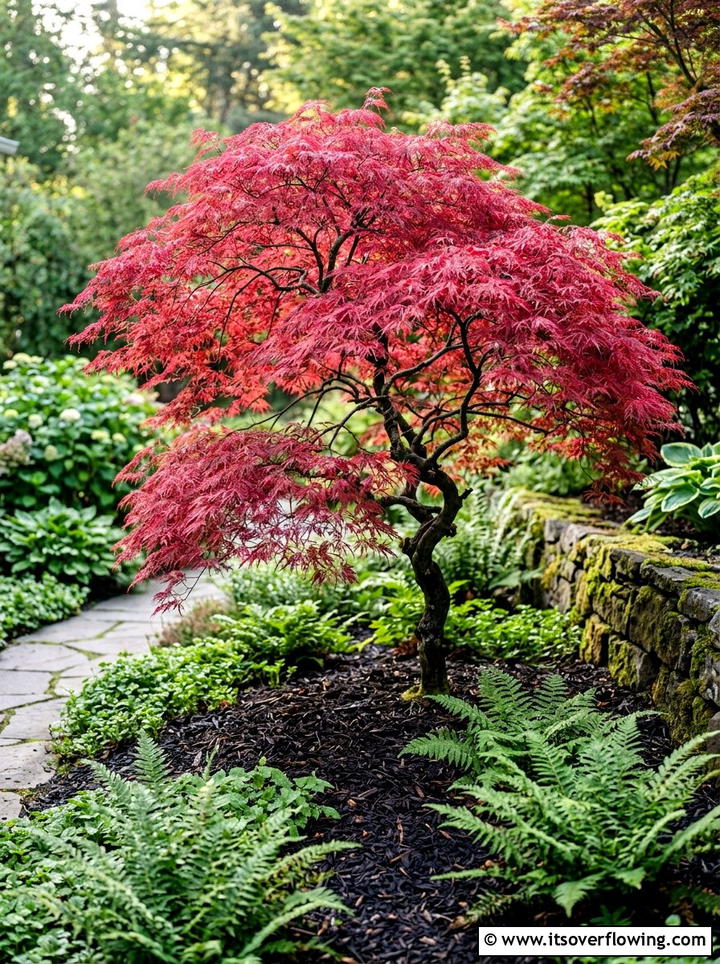
Can you imagine the vibrant red and orange leaves of a Japanese maple glowing in the afternoon sun? These trees are iconic in Asian-inspired landscapes because of their delicate leaf shapes and stunning seasonal color changes. They come in many varieties, including weeping types that stay small and upright versions that create a beautiful canopy. You should plant them in a spot where they can be the main focal point, perhaps near a water feature or a stone path. Their slow growth makes them perfect for smaller gardens where space is limited. The lacy texture of the foliage adds a layer of sophistication to any outdoor setting.
3. Stone Lantern
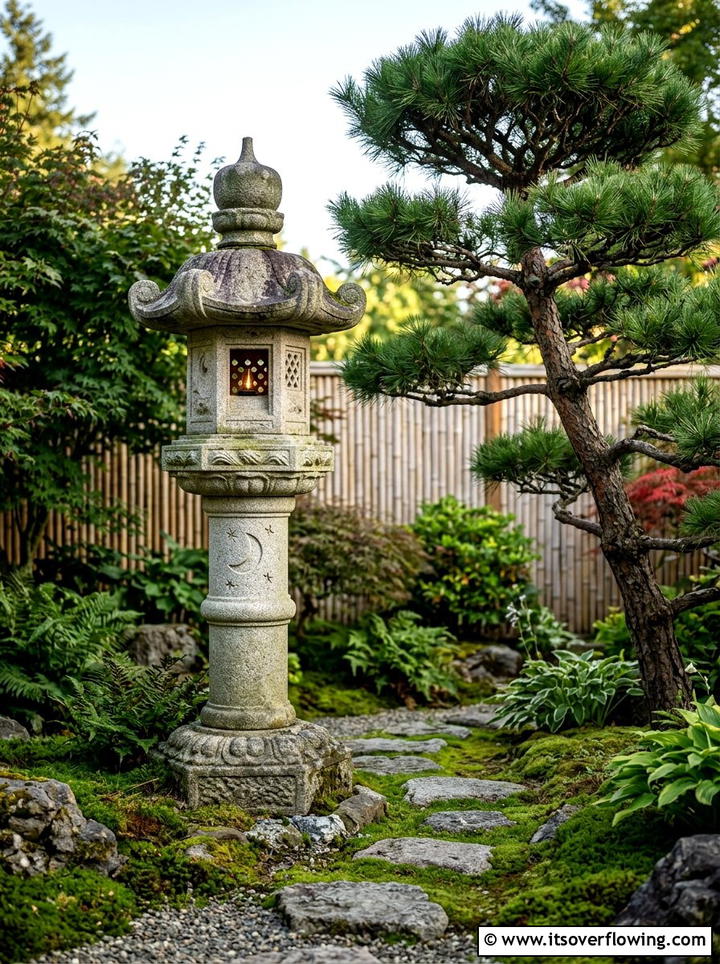
Walking through a garden at dusk becomes a magical experience when you have a traditional stone lantern lighting the way. Known as Ishi-Doro, these lanterns were originally used in tea gardens to guide visitors during evening ceremonies. They are usually carved from granite and come in various styles, such as pedestal types or those with legs. You do not even need to put a real candle inside to enjoy their beauty. They serve as a permanent architectural element that looks great in every season, even when covered in snow. Placing one near a gate or a bridge creates a sense of history and classic charm.
4. Koi Pond
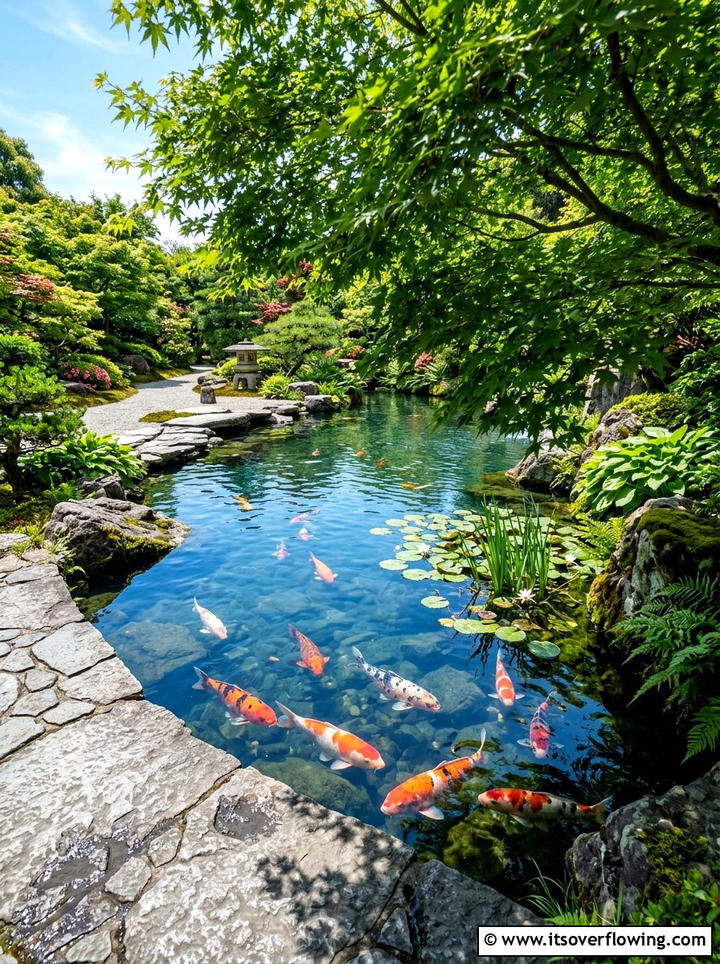
There is something incredibly soothing about watching colorful fish swim slowly through clear, cool water in a backyard pond. A koi pond is a central feature in many large Japanese gardens, symbolizing strength and perseverance. You can build one with sloped sides and plenty of filtration to keep the water healthy for the fish. Surrounding the edges with flat stones and overhanging plants makes the pond look like it has been there for centuries. Adding a small waterfall provides a gentle splashing sound that masks neighborhood noise. It creates a lively ecosystem that brings movement and energy to your quiet outdoor retreat.
5. Bamboo Fence
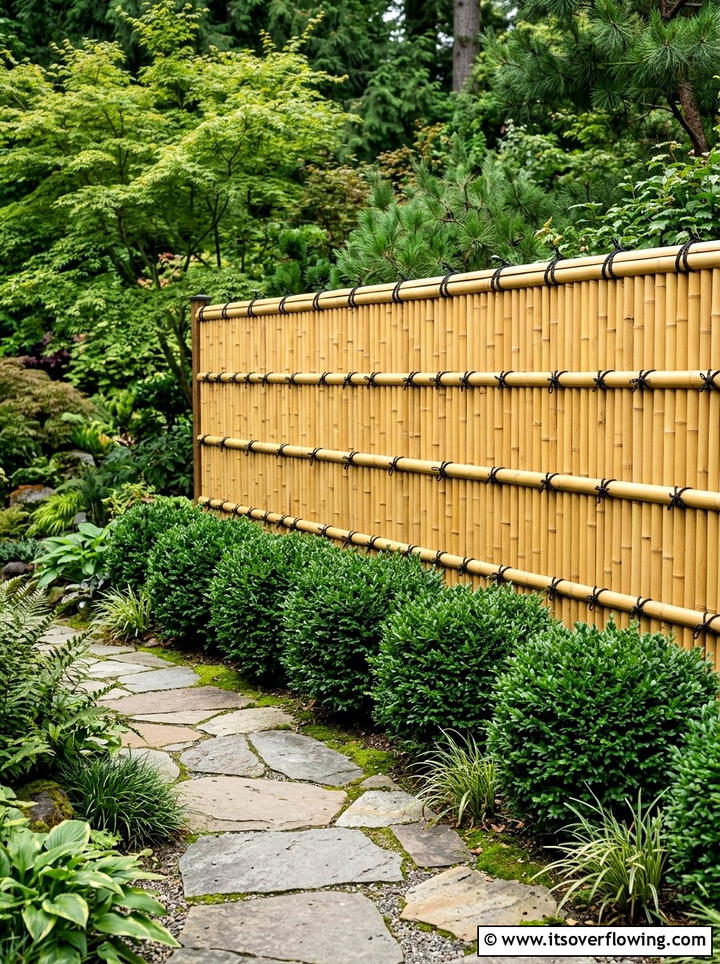
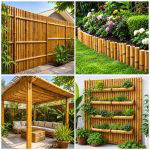
Do you need a way to block out the busy world while maintaining a natural and organic look for your yard? A bamboo fence, or Take-gaki, provides excellent privacy while acting as a beautiful backdrop for your green plants. These fences are often held together with black twine or decorative knots, which adds a handcrafted feel to the structure. Unlike standard wooden fences, bamboo has a unique texture and vertical lines that make a garden feel taller and more spacious. It is a sustainable material that ages gracefully into a soft tan color over time. This boundary helps define your sanctuary as a separate, peaceful world.
6. Stepping Stone Path
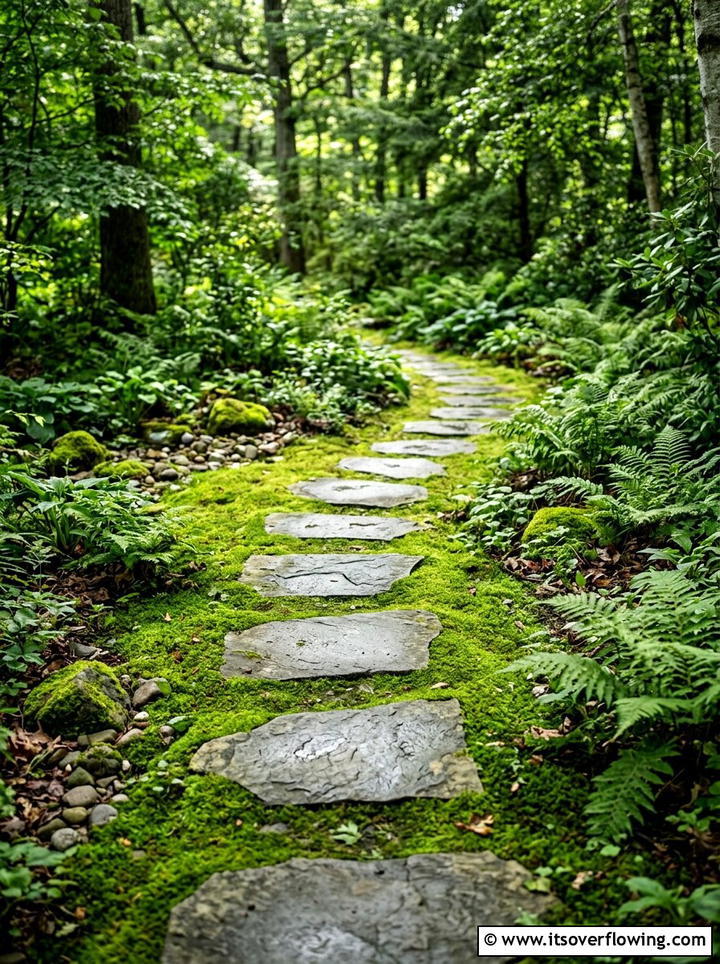
Have you noticed how a winding path makes a garden feel much larger and more mysterious than a straight one? Stepping stone paths, called Nobedan, are designed to slow you down so you can appreciate the surrounding nature. You can use irregular, flat stones buried slightly into the ground or surrounded by moss and gravel. The uneven spacing encourages you to watch your step and remain mindful of your movement through the space. This design element connects different parts of your yard while protecting the delicate ground cover from being stepped on. It creates a journey rather than just a quick way to get across.
7. Tsukubai Water Basin
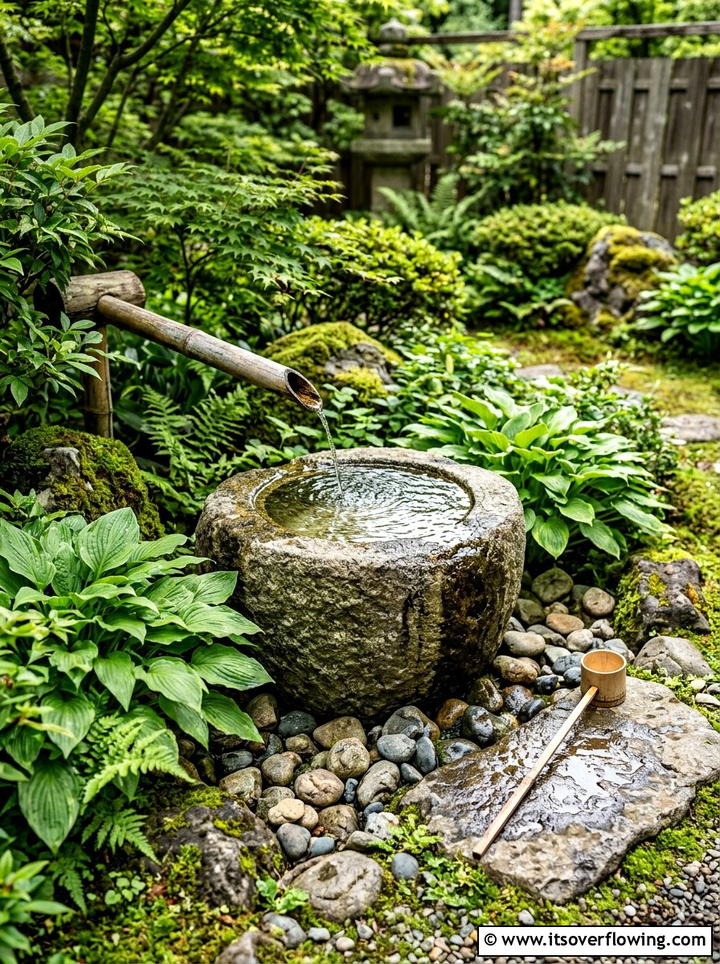
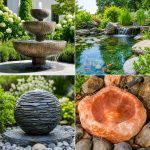
A small stone water basin is a classic addition that brings the refreshing sound of dripping water to your garden. Traditionally, a Tsukubai is used for ritual cleansing before entering a tea house or sacred space. It usually consists of a low stone bowl that catches water from a bamboo pipe. You can surround the base with smooth river rocks to handle the overflow and prevent mud. This feature attracts birds and small wildlife, adding more life to your outdoor area. It is a simple way to introduce water without the complexity of a large pond. The mossy stone looks ancient and very grounding.
8. Moss Ground Cover
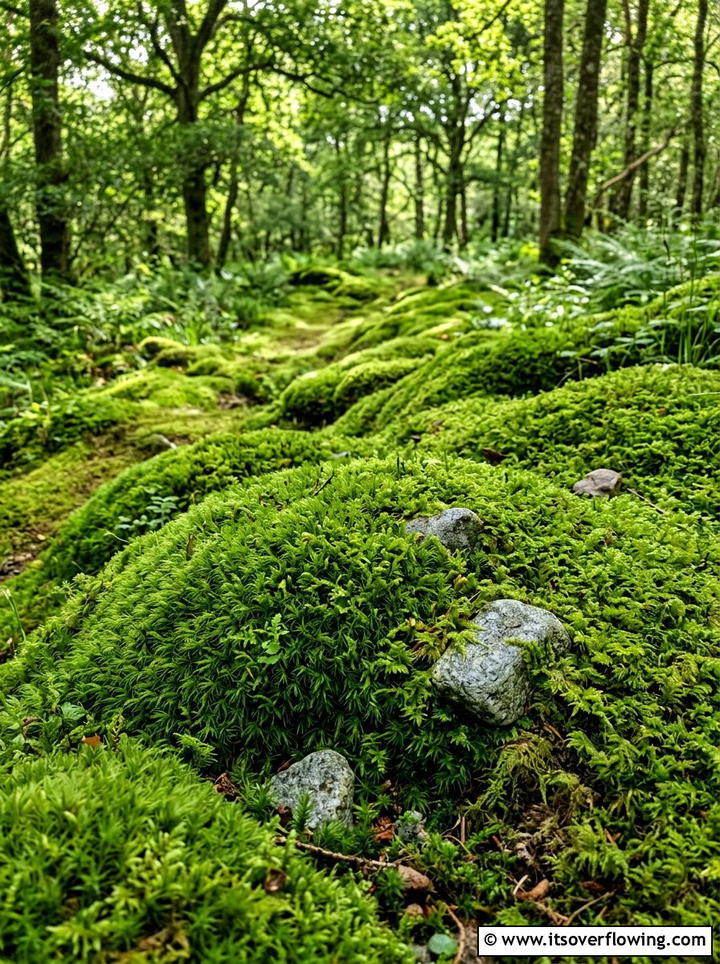
Imagine walking on a soft, velvety carpet of deep green that feels cool under your feet. Moss is highly valued in Japanese culture because it represents age, silence, and the passage of time. It grows best in shady, damp areas where traditional grass might struggle to survive. You can use different types of moss to create a textured, rolling landscape that looks like a miniature mountain range. It requires no mowing and stays green throughout much of the year if kept hydrated. Using moss around the base of trees or between stepping stones adds a lush, established feeling to even a brand-new garden layout.
9. Garden Bridge
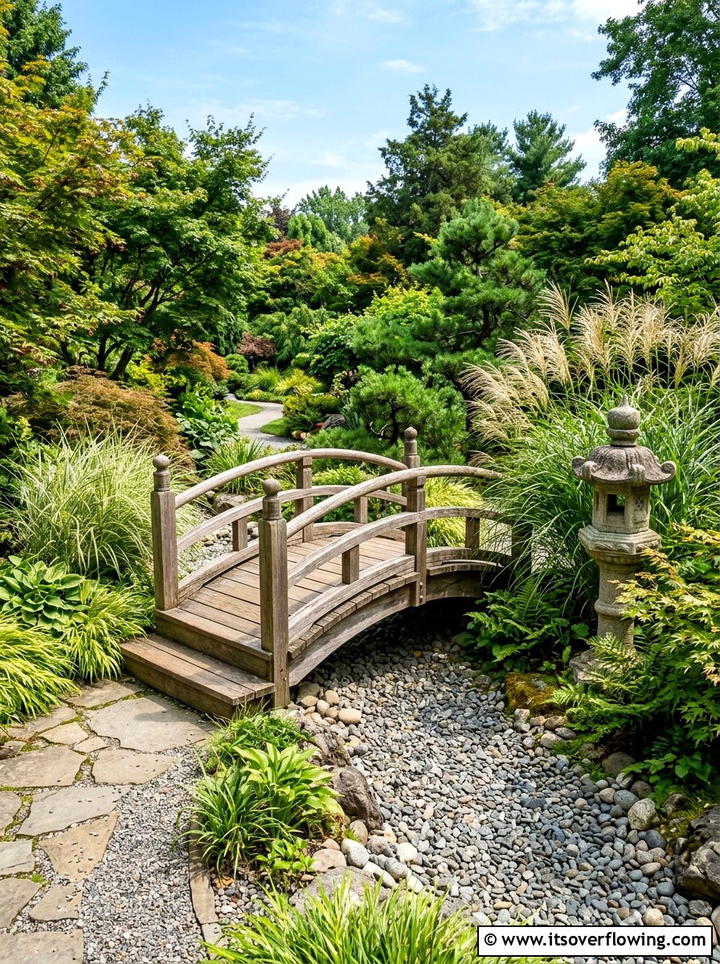
Crossing a bridge feels like entering a different state of mind, which is why they are so popular in Japanese landscapes. A simple wooden bridge can span a small stream, a koi pond, or even a dry river bed made of gravel. The arch shape is a classic design, but flat zig-zag bridges are also common to ward off bad spirits. Painting a bridge bright red makes it a bold statement piece, while leaving the wood natural helps it blend into the greenery. It provides a perfect spot to stand and look down at the water. This architectural feature adds height and structural interest to the garden.
10. Tea House
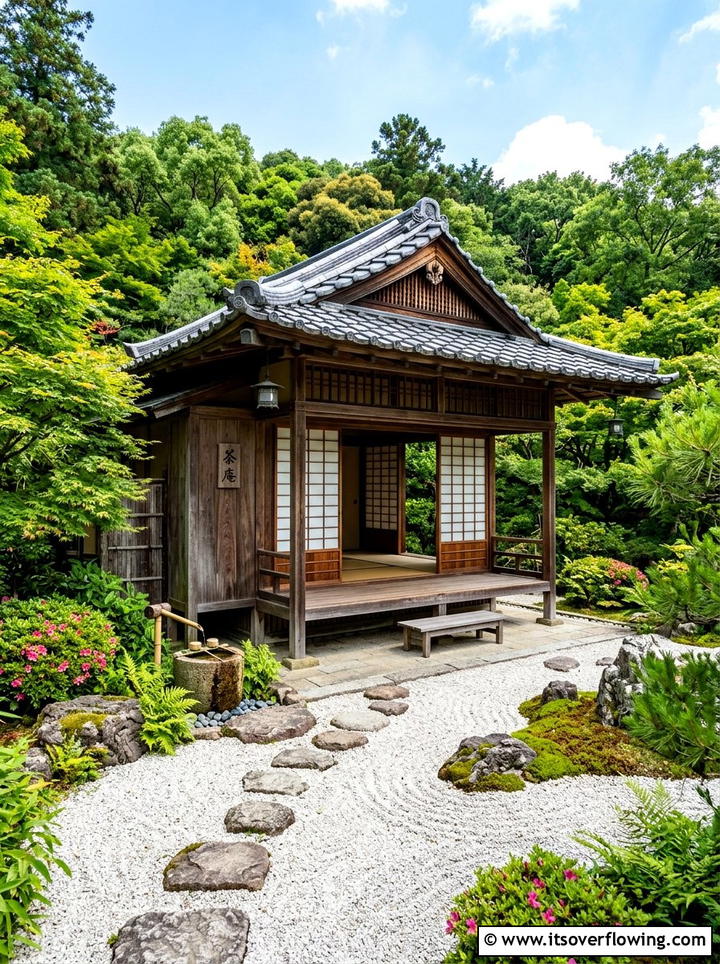
Would you love a dedicated space outside where you can sit quietly, sip tea, and enjoy the view of your plants? A tea house, or Sukiya, is a small rustic structure designed for simplicity and harmony with nature. You can build a simple version with sliding doors and a shingle roof to act as a garden shed or a meditation room. Large windows should look out over the best views of your garden to bring the outdoors inside. It serves as a functional focal point that provides shelter from the sun or rain. Having this destination makes your garden feel like a complete living environment.
11. Dry River Bed
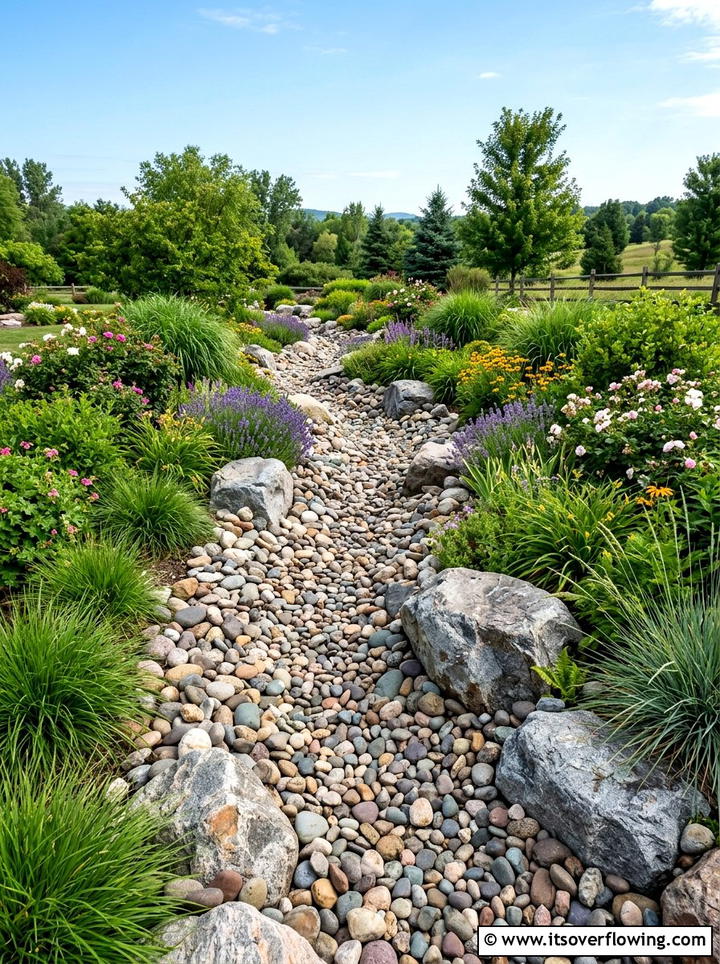
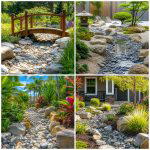
If you want the look of water without the maintenance of a pond, a dry river bed is a perfect solution. You can use various sizes of river rocks and pebbles to create a winding path that looks like a natural stream. Placing larger boulders along the edges and in the middle creates the illusion of rushing water hitting obstacles. During heavy rain, this feature can also function as a drainage solution for your yard. You can plant ornamental grasses and ferns along the “banks” to enhance the realistic look. It adds a dynamic visual element that requires almost no work once it is installed.
12. Shishi Odoshi
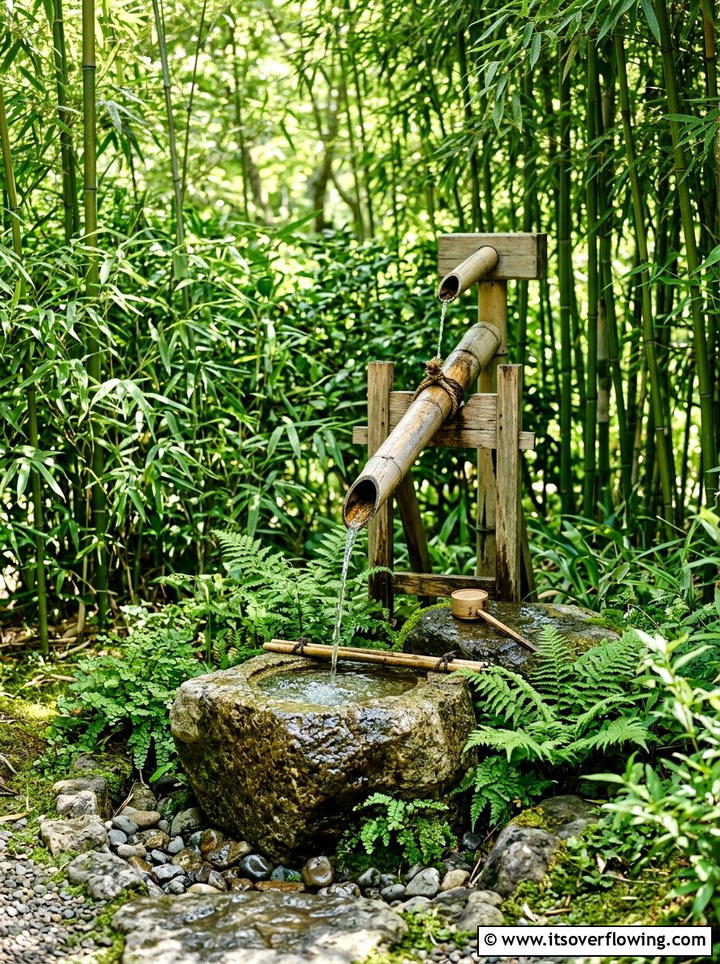
The rhythmic “clack” of a bamboo water fountain is one of the most recognizable sounds in a traditional Japanese garden. This device, known as a Shishi-odoshi or “deer scarer, ” was originally used to keep animals away from crops. A bamboo tube slowly fills with water until it tips over, hits a stone, and makes a sharp sound. It then returns to its original position to start the cycle again. This movement provides a wonderful contrast to the stillness of the rest of the yard. It is a fascinating conversation piece that adds a touch of mechanical whimsy to your natural, peaceful outdoor setting.
13. Stone Pagoda
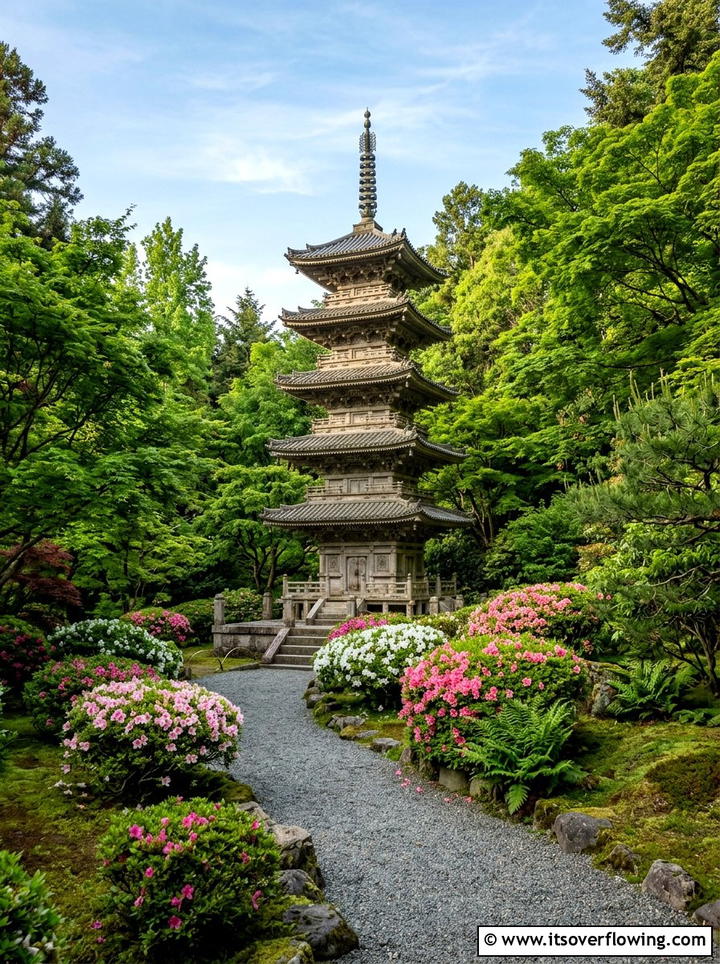
Adding a stone pagoda statue can instantly give your garden a sense of spiritual depth and ancient history. These tiered towers are miniature versions of the large pagodas found at temples across Japan. They come in various heights and numbers of stories, each representing different elements of nature like earth and wind. You should place them in a quiet corner or partially hidden behind some bamboo to create a sense of discovery. The grey granite contrast beautifully with bright green maple leaves or dark evergreens. It acts as a silent guardian that anchors the design and provides a vertical point of interest for the eye.
14. Raked Gravel
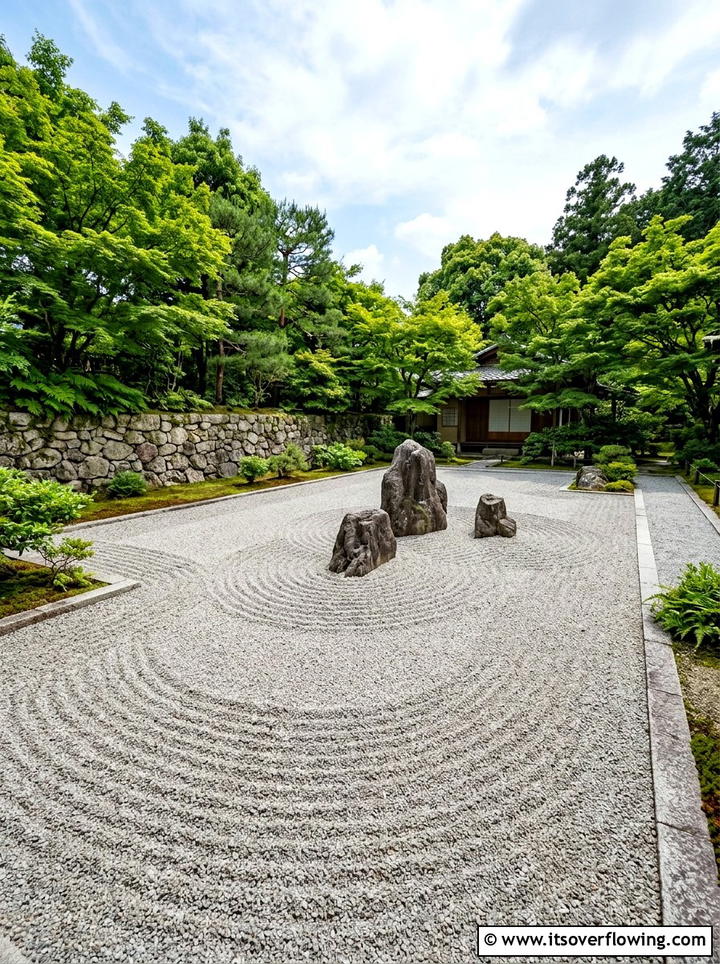
Is there anything more satisfying than seeing a perfectly raked field of grey gravel in a peaceful courtyard? Raking the gravel is a form of active meditation that allows you to focus your mind on creating beautiful, temporary patterns. You can use a wooden rake to create straight lines, circles around stones, or flowing waves that look like ocean currents. The light color of the gravel brightens up shady areas and makes the green plants nearby pop with color. It provides a clean, tidy look that is very easy to change whenever you feel like trying a new design. This practice brings constant renewal.
15. Bonsai Tree
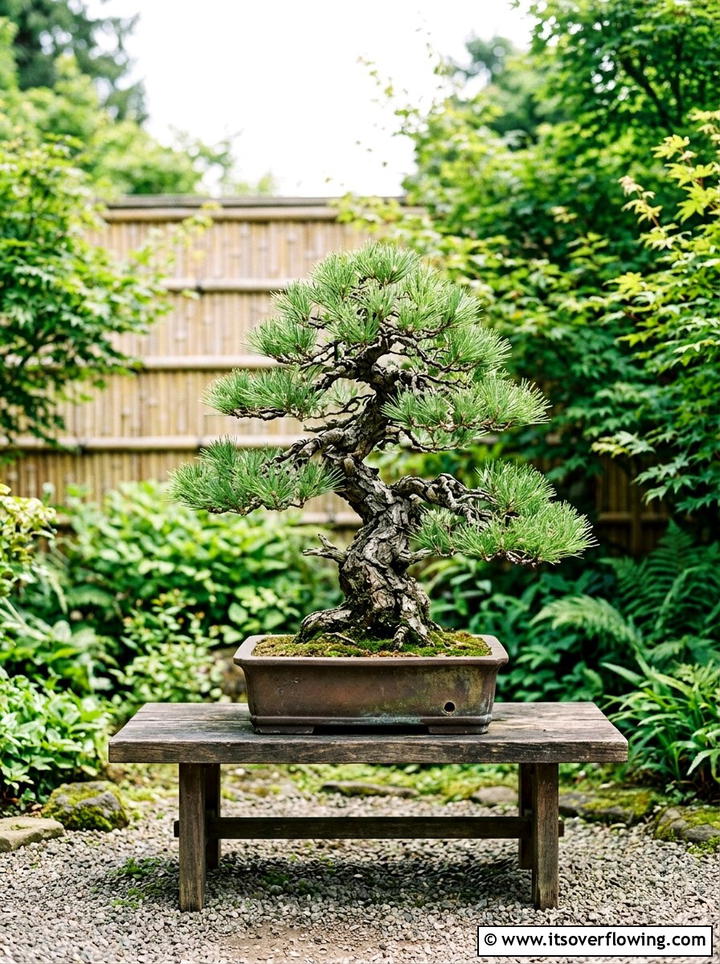
Displaying a collection of bonsai trees is a wonderful way to show off your patience and artistic skill. These miniature trees are trained over many years to look like ancient giants found in nature. You can place them on simple wooden benches or stone pedestals at eye level so people can appreciate the fine details of the branches. Having a dedicated area for your bonsai allows you to focus on their specific watering and pruning needs. They are like living sculptures that change with the seasons. A well-placed bonsai adds a level of refinement and miniature scale that makes a garden feel like a complete world.
16. Flowering Azalea
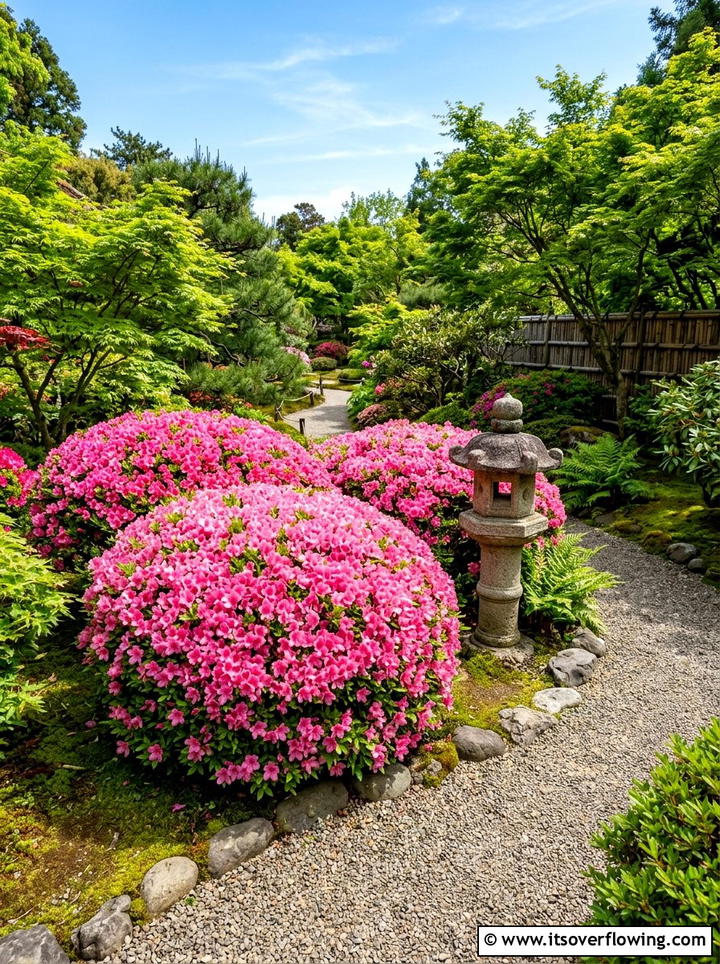
When spring arrives, the burst of color from flowering azaleas can take your breath away in a Japanese-style garden. These shrubs are often pruned into tight, rounded mounds that resemble green hills when they are not in bloom. When they do flower, they cover the entire plant in shades of pink, white, or purple. They provide a structural element that stays green all year while offering a dramatic seasonal display. Planting them in groups creates a powerful visual impact along paths or near water features. Their dense growth habit makes them excellent for defining edges and creating low-level layers within your garden beds.
17. Niwaki Pine
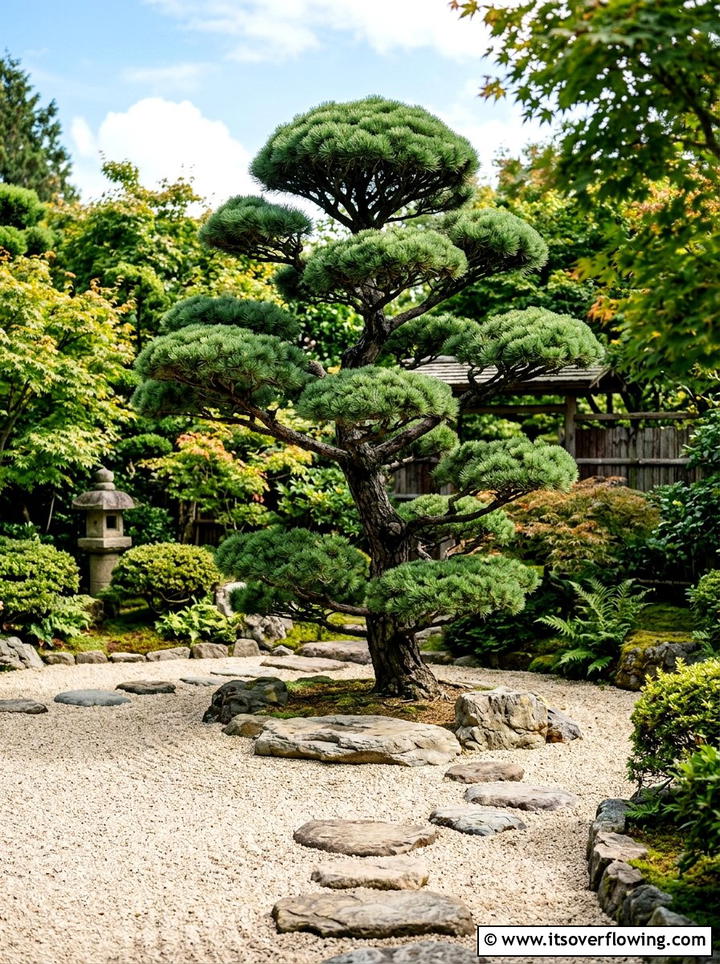
Have you ever seen a pine tree that looks like it has been sculpted by the wind into a perfect work of art? Niwaki is the Japanese art of pruning trees to give them an aged, symbolic shape that mimics nature on a smaller scale. These trees often have “clouds” of needles at the ends of their branches, creating a very distinct and elegant look. It takes regular maintenance to keep the shape, but the result is a stunning centerpiece for any yard. Pine trees represent longevity and stability, making them a meaningful addition. They look especially beautiful when they are highlighted by upward-pointing garden lights at night.
18. Bamboo Screen
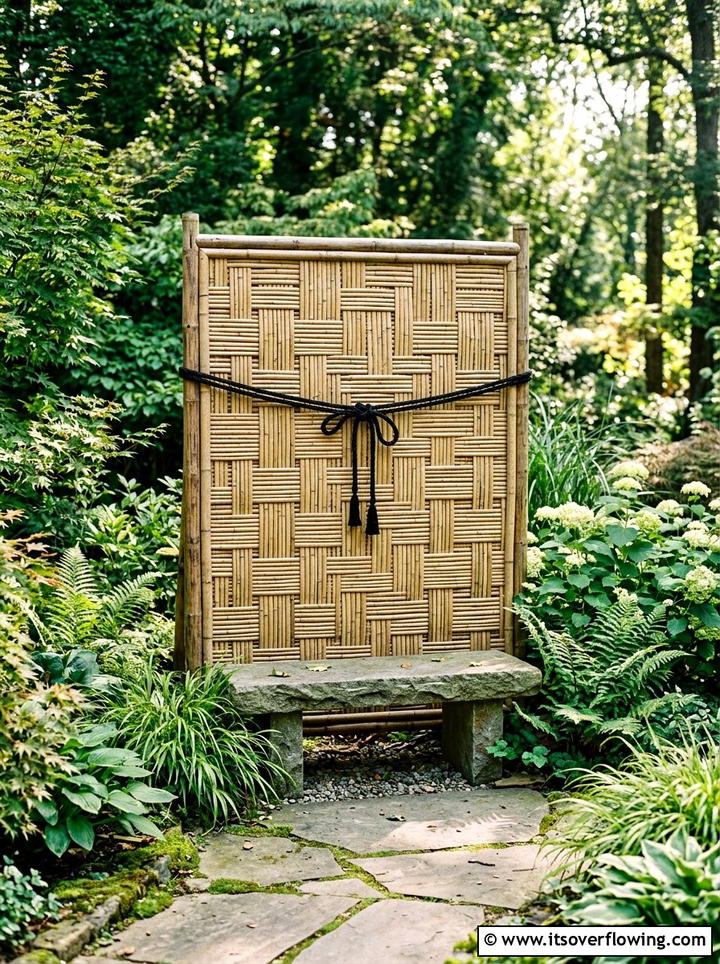
Creating separate “rooms” in your outdoor space makes it feel more interesting and encourages people to explore every corner. A bamboo screen is a light, airy way to divide sections of your garden without making them feel closed off. You can use tall stalks of living bamboo planted in containers or install pre-made panels. This provides a soft rustling sound when the wind blows, adding a sensory layer to your experience. The vertical lines of the bamboo stalks create a sense of height and order. It is an excellent way to hide unsightly items like trash cans or air conditioning units from your peaceful view.
19. Torii Gate
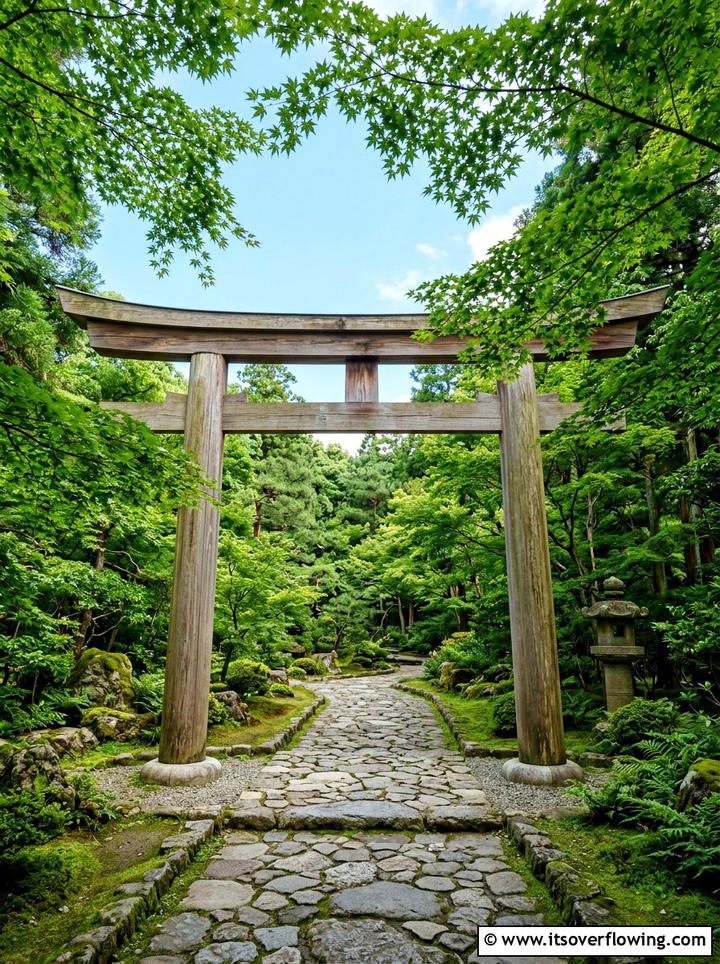
Passing through a Torii gate marks the transition from the ordinary world into a sacred or special space. These traditional Japanese gates are often painted bright red and consist of two vertical posts and two horizontal beams. In a home garden, you can use a smaller, natural wood version to mark the entrance to a path or a hidden seating area. It creates a frame for the view beyond, acting as a gateway to your personal sanctuary. This architectural element adds a strong sense of culture and tradition. It tells anyone entering that they are moving into a place designed for quiet and respect for nature.

20. Stone Bench
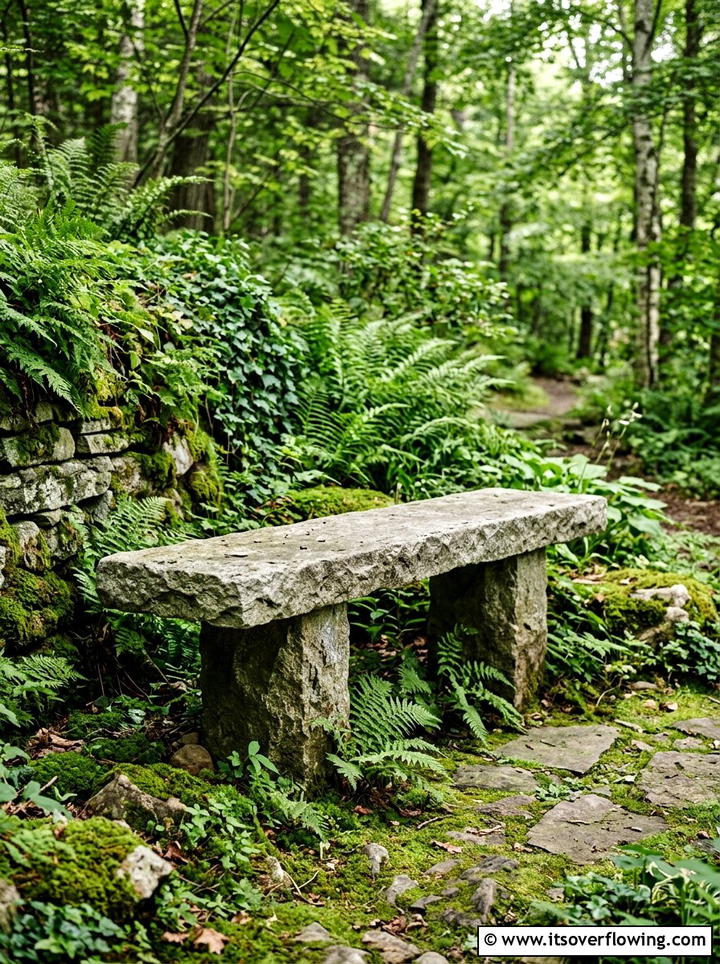
Every garden needs a place where you can sit down and truly take in the beauty of your hard work. A simple stone bench made from a thick slab of granite or basalt is the perfect choice for a Japanese-themed yard. Unlike ornate metal or plastic furniture, a stone bench looks like it grew naturally out of the ground. It is durable, weather-resistant, and requires absolutely no maintenance over the years. You can place it in a shady spot under a tree or facing a koi pond for maximum relaxation. The cool surface of the stone is refreshing during the hot summer months in your retreat.
21. Rain Chain
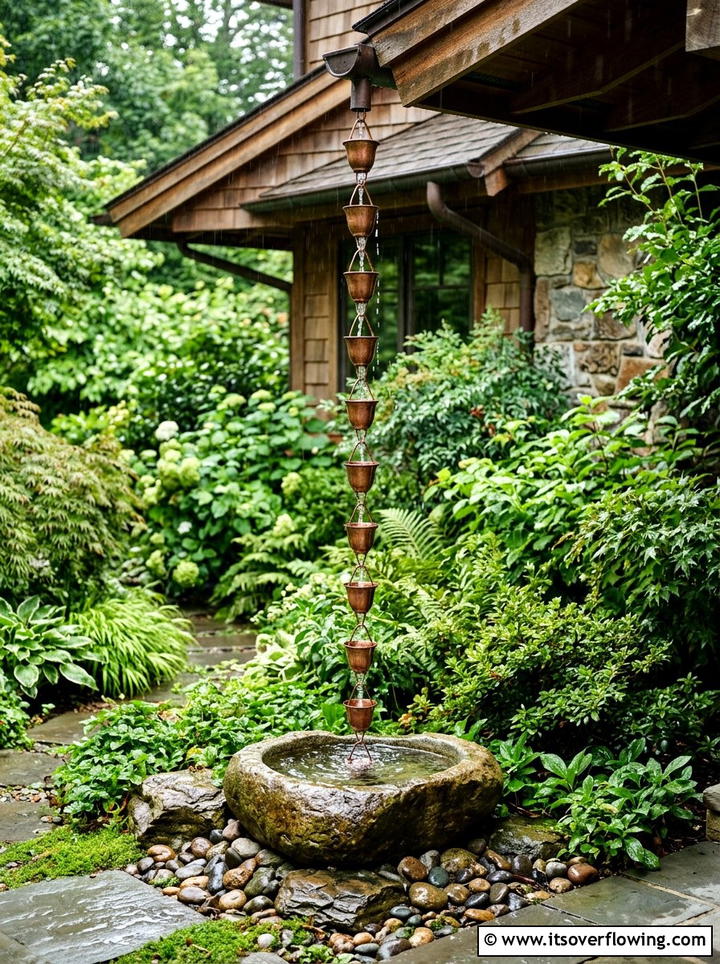
Replacing a standard plastic gutter downspout with a decorative copper rain chain is a simple way to add style to your home. Known as Kusari-doi, these chains guide rainwater from the roof down to the ground or into a stone basin. As the water flows over the links or small cups, it creates a beautiful visual and a gentle tinkling sound. This transforms a functional necessity into an artistic water feature that you can enjoy every time it rains. Over time, the copper will develop a lovely green patina that blends perfectly with your plants. It is a small detail that makes a big difference.
22. Fern Garden
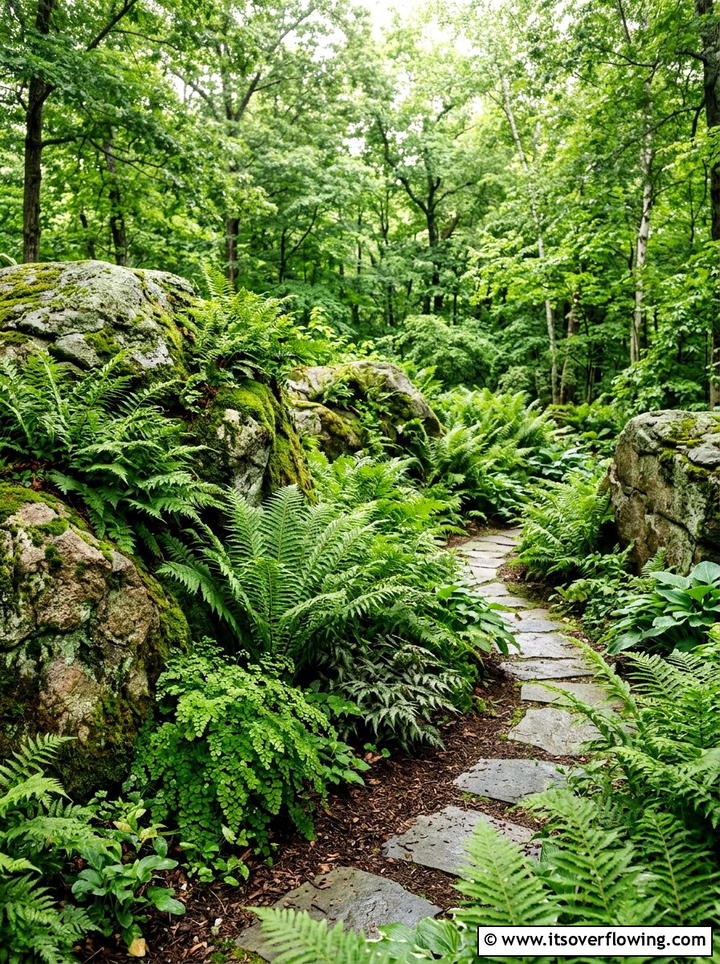
Do you have a dark, damp corner of your yard where nothing seems to grow well? Ferns are the perfect solution because they love shade and moisture, making them look lush and vibrant in low-light areas. Their delicate, feathery fronds add a prehistoric and wild feeling to a Japanese-style garden. You can mix different varieties, like Japanese painted ferns with silvery leaves or tall ostrich ferns, to create a textured green tapestry. They look wonderful growing around the base of large rocks or near the edges of a stream. Ferns provide a cooling effect on the eyes and make the garden feel like a hidden forest.
23. Landscape Rock
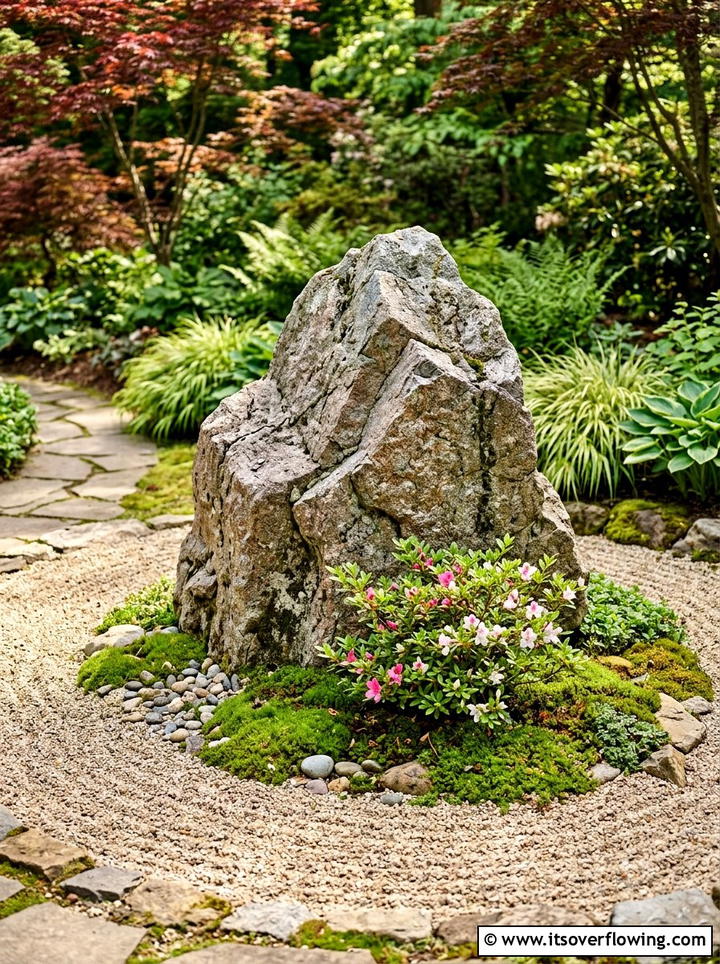
Using large landscape rocks is the key to creating a garden that feels grounded and permanent. In Japanese design, rocks are considered the “bones” of the garden and should be placed before the plants are added. You should bury the bottom third of each rock so it looks like it has been there for thousands of years. Grouping rocks in odd numbers, like threes or fives, creates a more natural and balanced appearance. These boulders provide contrast to the soft foliage of maples and moss. Choosing rocks with interesting textures, colors, and moss growth will add character and a sense of ancient history to your space.
24. Garden Gate
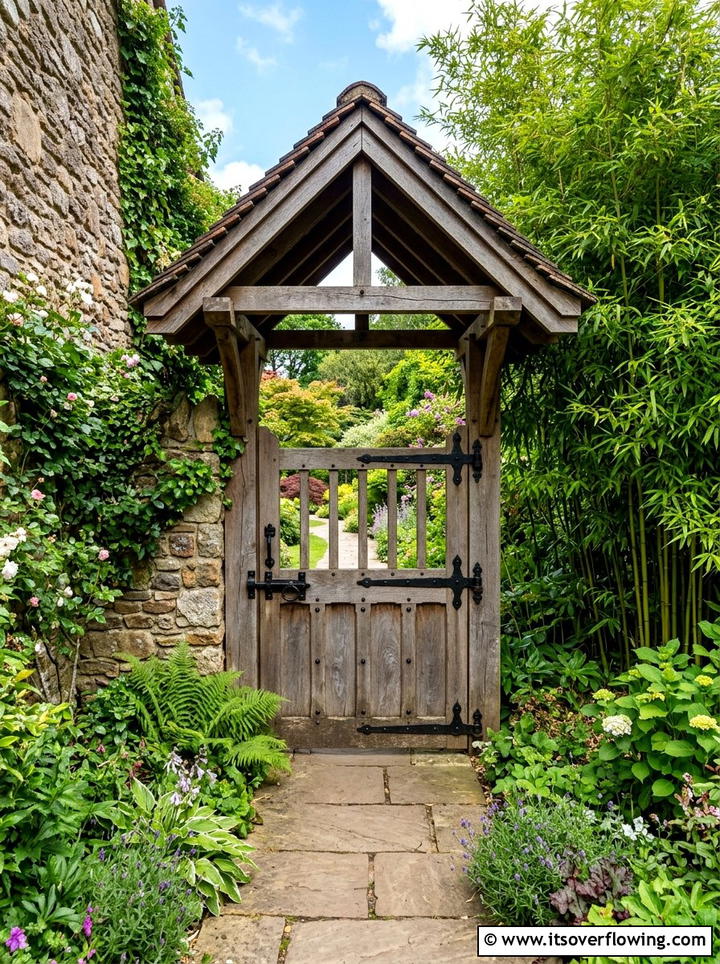
The entrance to your garden sets the tone for the entire experience, so a traditional wooden gate is a must. A Japanese-style gate often features a small roof to protect the wood and add a sense of importance. It can be made from cedar or bamboo and should feel sturdy but welcoming. This gate acts as a boundary that keeps the noise of the street away from your quiet paradise. When you open the gate, the first thing you see should be a carefully curated view that invites you to step inside. It provides security and a beautiful architectural focal point that finishes the entire landscape design.
25. Moon Gate
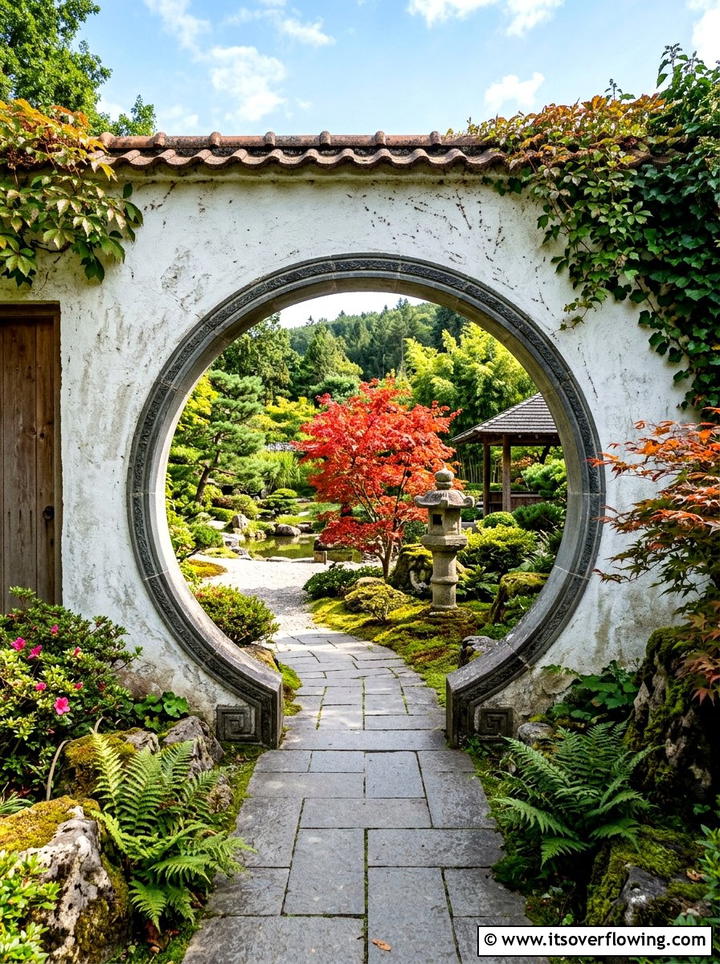
A moon gate is a circular opening in a garden wall that creates a stunning “picture frame” for the landscape beyond. This design element adds a sense of whimsy and elegance to your outdoor space. Walking through a circular passage feels like a unique transition into a different world. You can build one out of stone, brick, or even wood to match the rest of your garden structures. It is a perfect way to connect two different parts of your yard while maintaining a sense of mystery. The round shape provides a beautiful contrast to the straight lines of fences and the irregular shapes of natural trees and rocks.
Conclusion:
Designing a Japanese-style garden is a rewarding journey that allows you to connect with nature on a deeper level. By incorporating elements like stone, water, and carefully pruned plants, you create a space that offers peace and clarity. Each of these twenty-five ideas can be adapted to fit your specific space and budget, whether you have a large yard or a tiny balcony. The focus is always on quality over quantity and creating a sense of balance. Your garden will become a living work of art that changes and grows more beautiful with every passing year. We hope these suggestions inspire you to start your own zen project soon.

Related posts:
 25 Creative Garden Ideas With Dry Creek Beds to Inspire
 25 Creative Garden Ideas With Mandala Gardens to Inspire
 25 Creative Garden Ideas With Unusual Planters to Inspire
 25 Garden Ideas to Inspire a Beautiful Outdoor Makeover
 25 Garden Design Ideas With Water Features for Serenity
 25 Creative Garden Ideas With Espalier Trees for Style
 25 garden ideas for minimalist style: Clean Outdoor Looks
 25 Garden Ideas With Bamboo Projects for Natural Style
 25 Garden Ideas With Cinder Blocks for Creative Outdoor Style
 25 Small Garden Ideas for Full Sun With Bright, Bold Style
 25 Small Garden Ideas on a Budget for Beautiful Outdoor Style
 25 small garden ideas with succulents for Low-Maintenance Style