
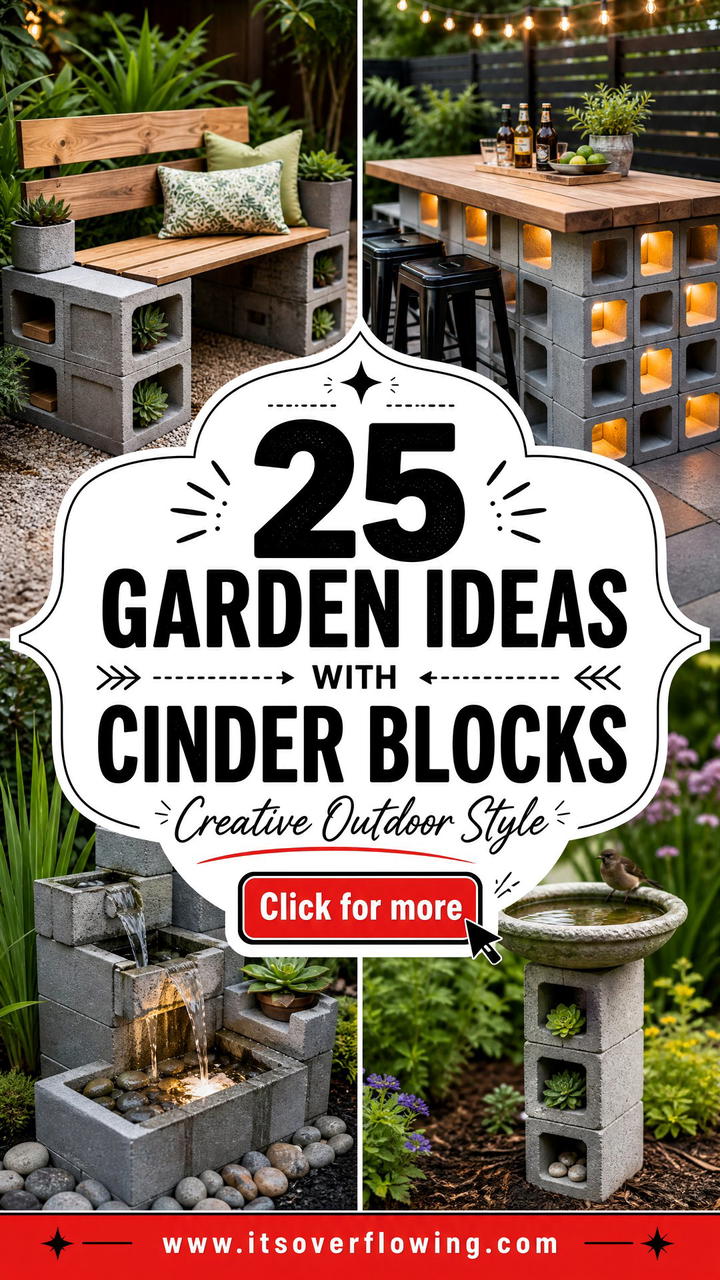
Transforming your outdoor space does not require a massive budget or specialized construction skills when you embrace the versatility of concrete masonry units. Cinder blocks have evolved from basic building materials into a staple for modern, industrial, and rustic garden aesthetics. These durable blocks offer incredible structural integrity while allowing for endless customization through paint, textures, and clever stacking techniques. Whether you are looking to create a functional vegetable patch or a sophisticated seating area, these heavy-duty blocks provide a stable foundation for any project. Many homeowners appreciate how the porous nature of concrete helps with drainage in planting projects. By using these affordable materials, you can achieve a high-end architectural look that withstands harsh weather and remains stylish for years to come.
1. Cinder Block Raised Garden Bed
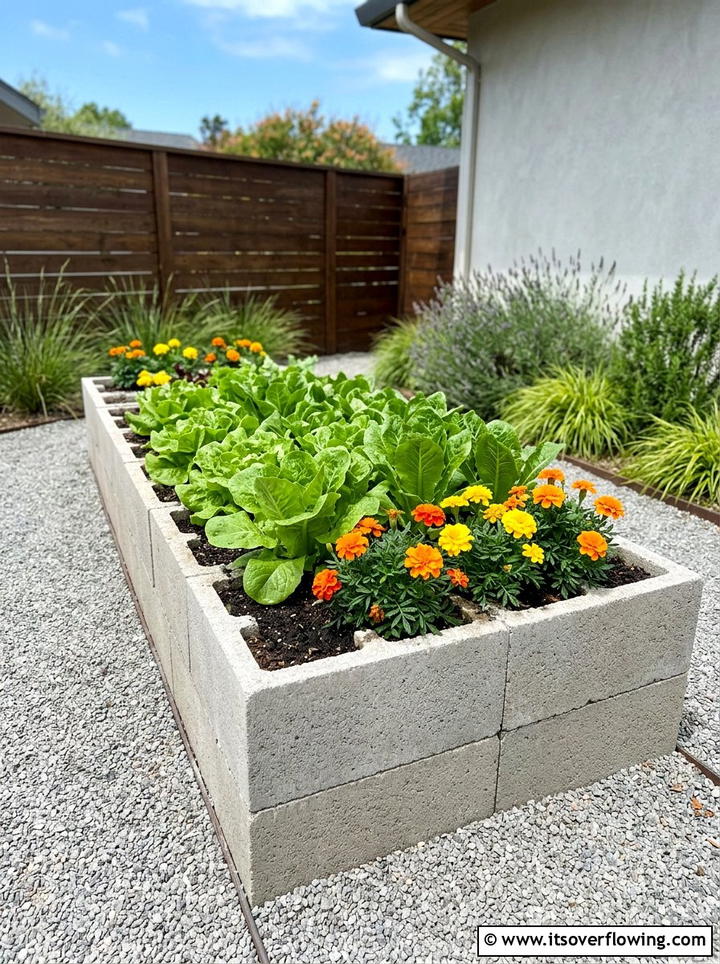
Have you ever struggled with poor soil quality in your backyard or difficult-to-manage garden layouts? A cinder block raised garden bed offers the perfect solution by creating a defined, elevated space that protects your plants from soil compaction and provides excellent drainage. These beds are incredibly easy to assemble because the heavy weight of the blocks keeps them in place without the need for mortar or specialized tools. You can stack them to your preferred height, which makes gardening much easier on your back and knees. The hollow cores of the blocks can even be filled with extra soil to plant small herbs or marigolds around the perimeter, maximizing every square inch of your gardening area.
2. Vertical Cinder Block Planter Wall
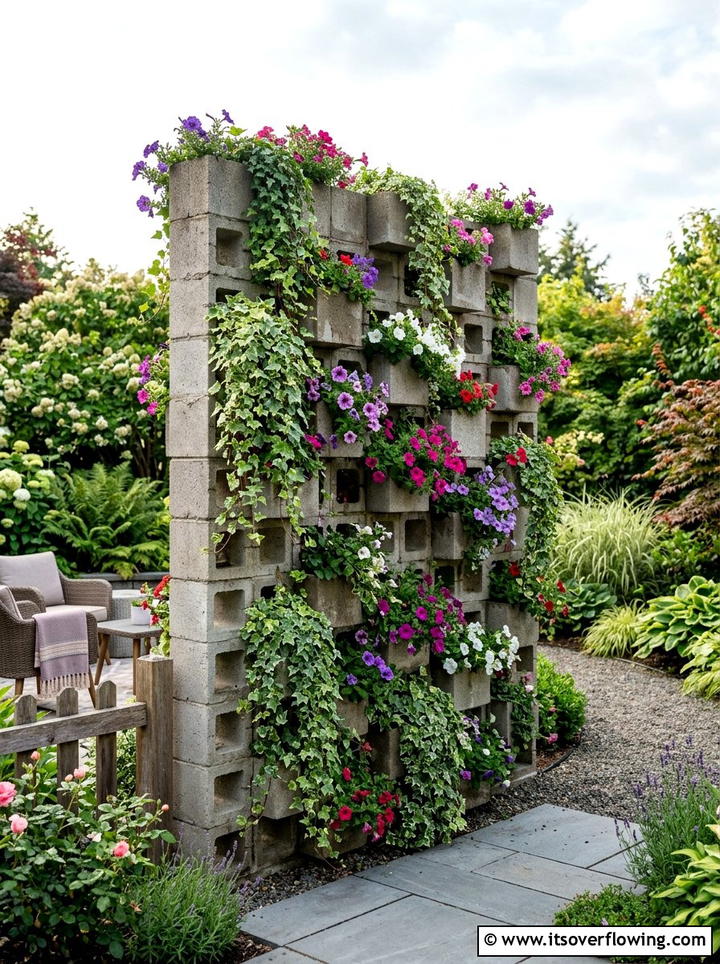
Imagine turning a boring, flat wall into a lush, living tapestry of greenery and textured concrete. A vertical cinder block planter wall is an ingenious way to save space in small urban gardens while adding a modern architectural element to your landscape. By staggering the blocks so that some openings face outward, you create natural pockets for planting trailing vines, vibrant annuals, or hardy succulents. This structure serves as both a decorative focal point and a functional garden, allowing you to grow a variety of species in a very small footprint. The gray concrete provides a neutral backdrop that makes the colors of your flowers pop, creating a striking visual contrast.
3. Cinder Block Garden Bench
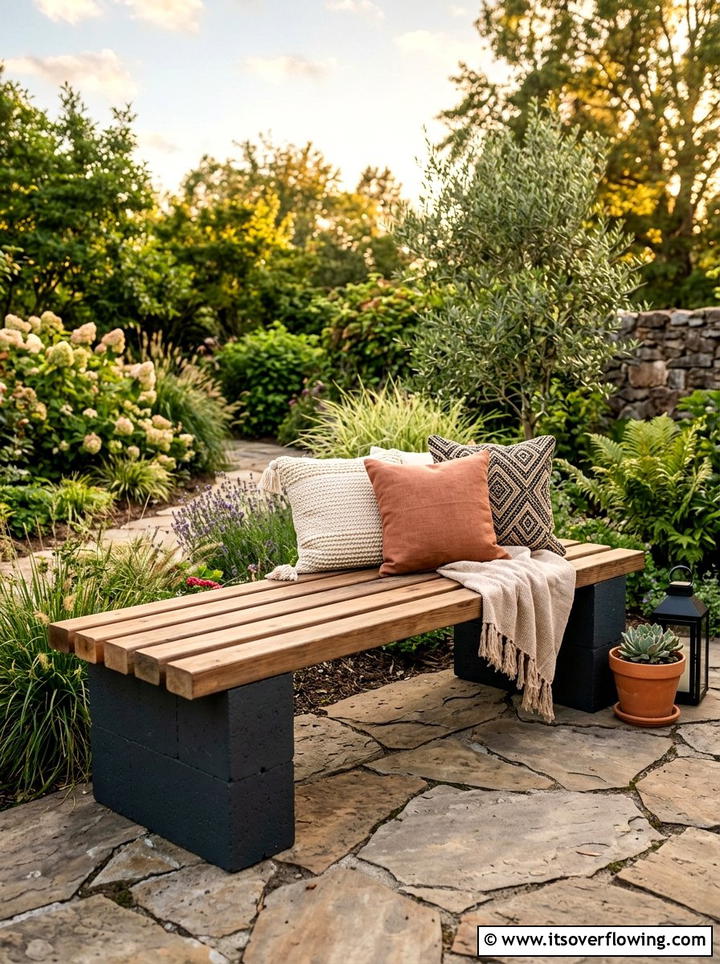
Creating a comfortable spot to relax in your yard can be done quickly and affordably using standard concrete blocks and heavy timber. A cinder block garden bench is a sturdy and stylish addition that combines the industrial feel of masonry with the warmth of natural wood. You simply stack the blocks at each end to create solid pillars and thread long wooden beams through the top openings to form the seating surface. This design is highly customizable, as you can paint the blocks to match your patio decor or stain the wood for a more polished look. It is a weather-resistant seating solution that provides a permanent place to enjoy your outdoor sanctuary.
4. Cinder Block Fire Pit
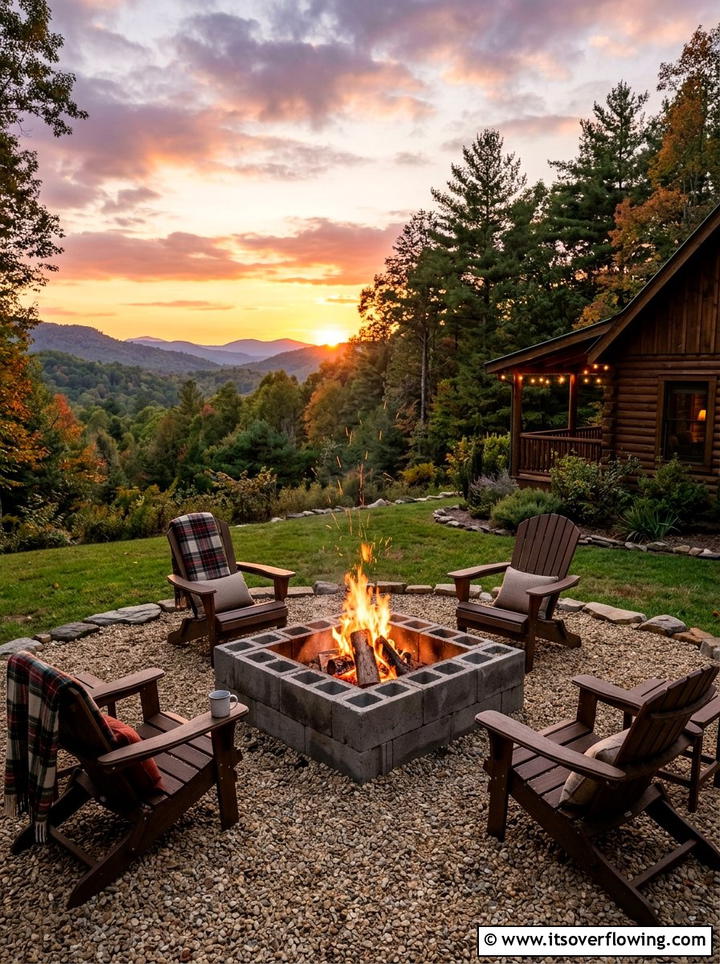
Building a gathering spot for cool evenings becomes a simple afternoon project when you utilize heat-resistant concrete blocks for construction. A cinder block fire pit provides a safe and contained area for small bonfires while adding a cozy, rustic charm to your backyard entertainment zone. Because of their uniform shape, these blocks fit together perfectly to form a square or rectangular pit that looks clean and professional. You can line the interior with fire bricks for added durability or cover the exterior with stone veneer to match your home’s architecture. It serves as a durable center point for roasting marshmallows and sharing stories with friends under the stars in your own garden.
5. Cinder Block Outdoor Kitchen Island
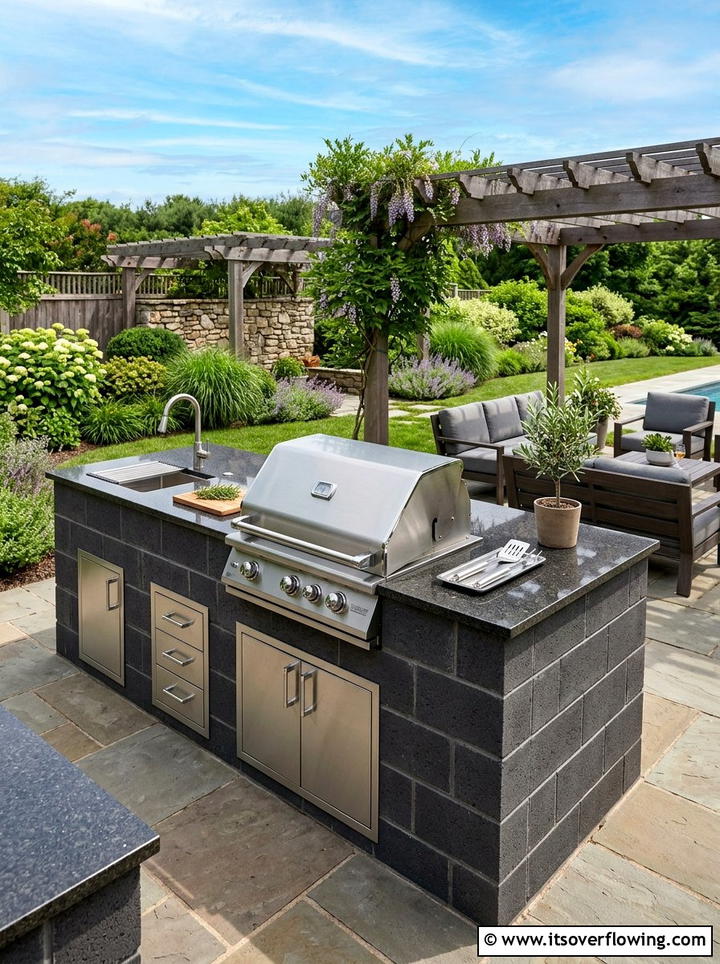
Hosting backyard barbecues becomes much more organized when you have a dedicated space for food prep and serving. A cinder block outdoor kitchen island is a heavy-duty structure that can support heavy countertops made of granite, concrete, or treated wood. The interior cavities of the blocks provide excellent ventilation, making it a safe choice for housing built-in grills or small outdoor refrigerators. You can easily customize the layout to include shelving for cooking tools or bins for charcoal and wood chips. This permanent fixture adds significant value to your home while providing a professional-grade cooking environment that withstands the elements year-round without rotting or warping like wooden structures might.
6. Cinder Block Steps
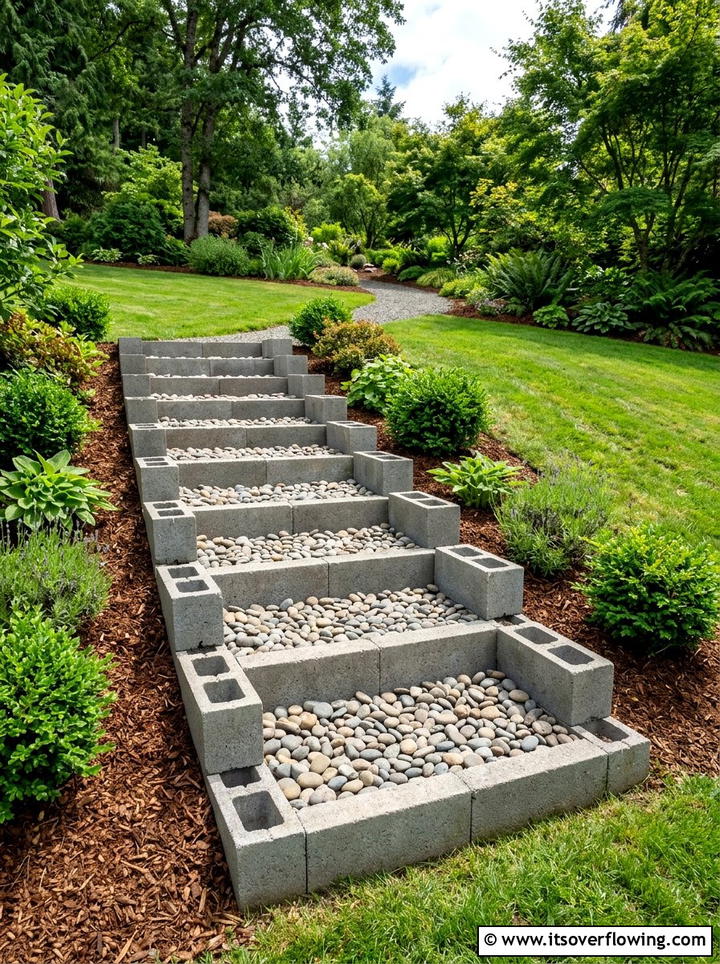
Navigating a sloped garden becomes much safer and more attractive when you install a set of wide, stable cinder block steps. These blocks are ideal for landscape grading because they are heavy enough to resist shifting once they are properly leveled and set into the ground. To achieve a high-end look, you can fill the hollow centers with gravel, decorative pebbles, or even low-growing groundcover plants like creeping thyme. This creates a textured, slip-resistant surface that blends seamlessly with the surrounding environment. Whether you are connecting two lawn levels or creating a path through a wooded area, these masonry steps provide a long-lasting and functional solution for your outdoor elevation changes.
7. Cinder Block Retaining Wall
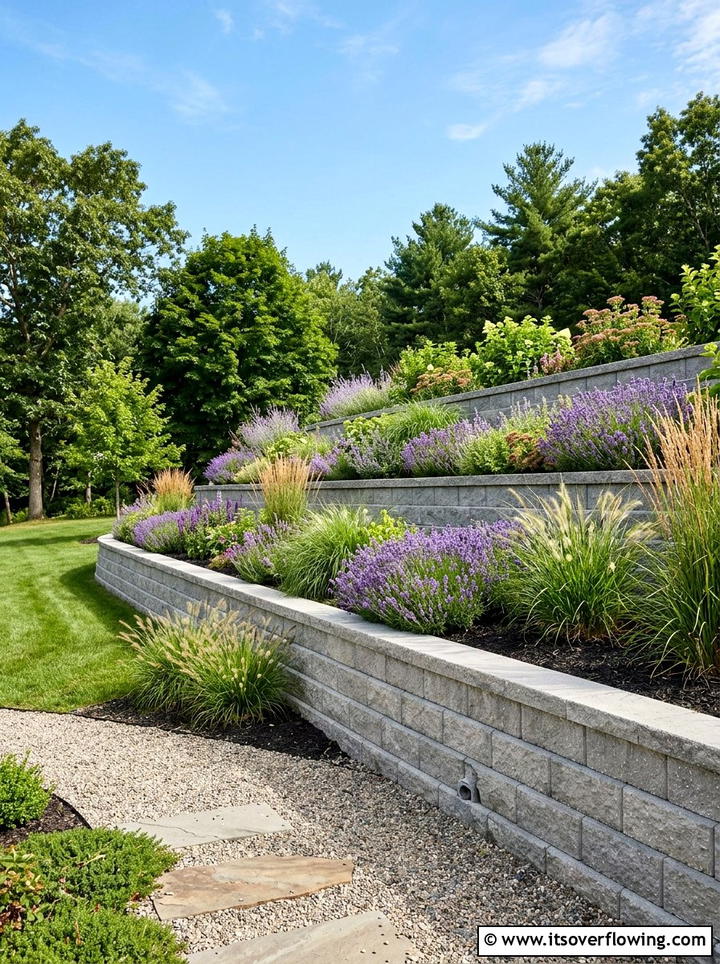
Managing soil erosion on a hillside requires a strong barrier that can withstand the pressure of wet earth and gravity. A cinder block retaining wall offers the necessary structural strength while remaining one of the most cost-effective ways to level out a sloped yard. You can reinforce these walls with rebar and concrete fill to ensure they remain upright for decades, even in challenging climates. Beyond their utility, these walls can be tiered to create beautiful planting terraces that add depth and dimension to your landscape design. By capping the top blocks with flat pavers, you can also create a functional ledge for sitting or displaying rows of potted flowers.

8. Cinder Block Herb Garden
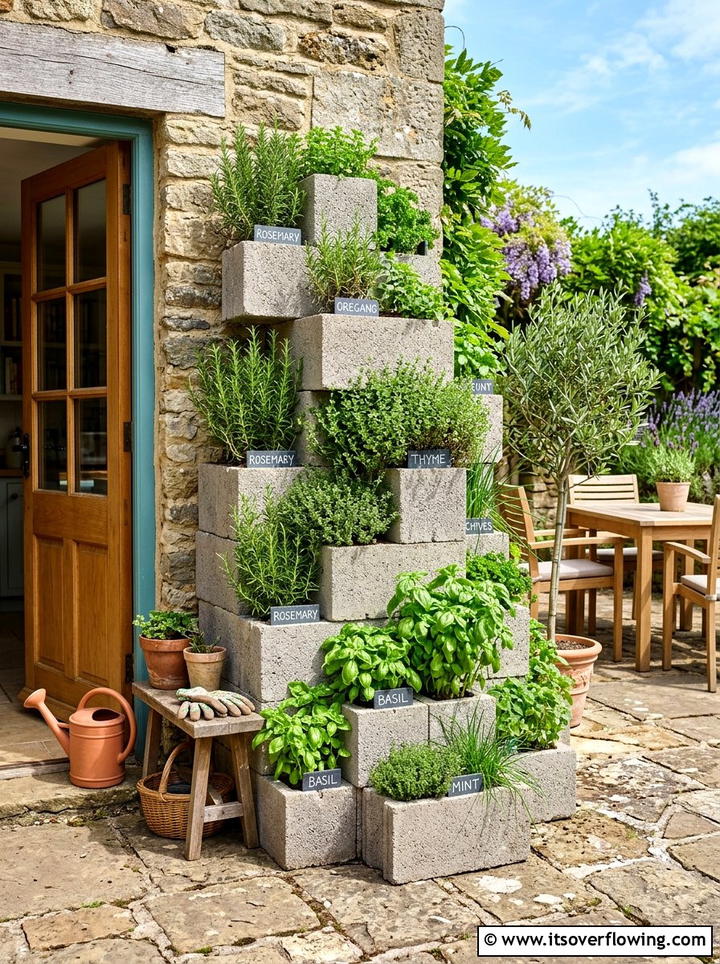
Keeping fresh culinary herbs within reach of your kitchen is simple when you build a compact and organized cinder block herb garden. This setup allows you to keep invasive plants like mint contained within their own individual concrete pockets while providing the drainage that Mediterranean herbs like rosemary and thyme require. You can stack the blocks in a pyramid or a simple grid to fit into small patios or balcony spaces. The thermal mass of the concrete helps regulate soil temperature, keeping roots cool during hot summer days and warm during chilly nights. It is an efficient way to grow a diverse range of flavors for your home-cooked meals.
9. Cinder Block Potting Bench
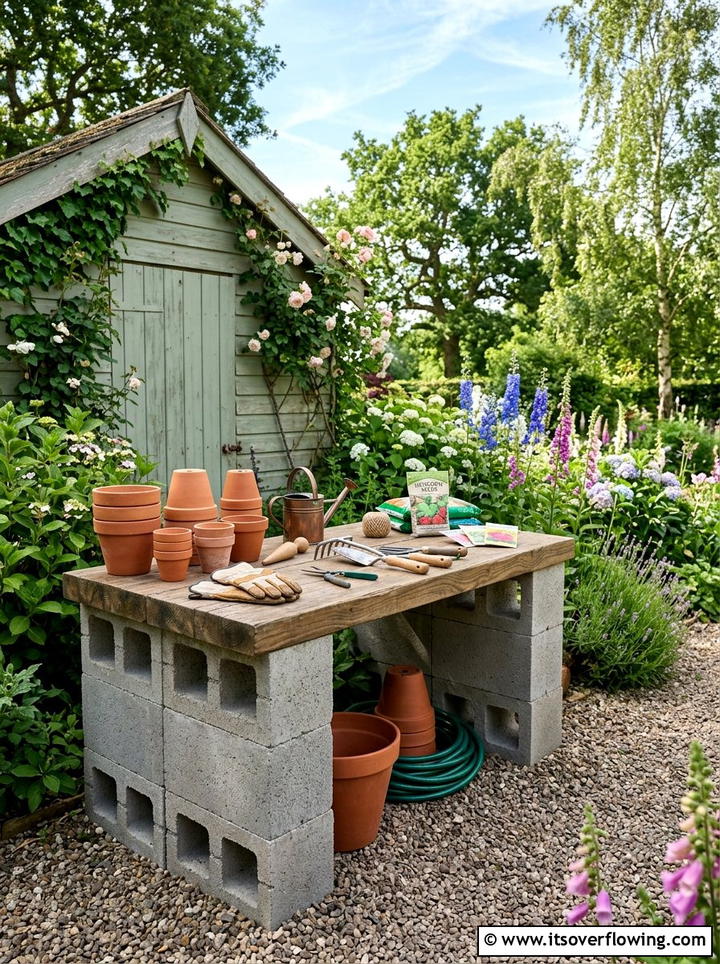
Every serious gardener needs a dedicated workspace for transplanting seedlings and mixing soil, and a cinder block potting bench is the ultimate durable choice. Unlike wooden tables that can rot over time from water exposure, a concrete block base provides a rot-proof foundation that can handle heavy bags of soil. You can use large wooden planks or a smooth concrete slab for the work surface to make cleanup easy after a long day of planting. The open spaces beneath the bench provide the perfect storage area for empty pots, watering cans, and gardening tools. This functional station keeps your hobby organized and helps prevent messy soil spills on your patio or lawn.
10. Cinder Block Succulent Wall
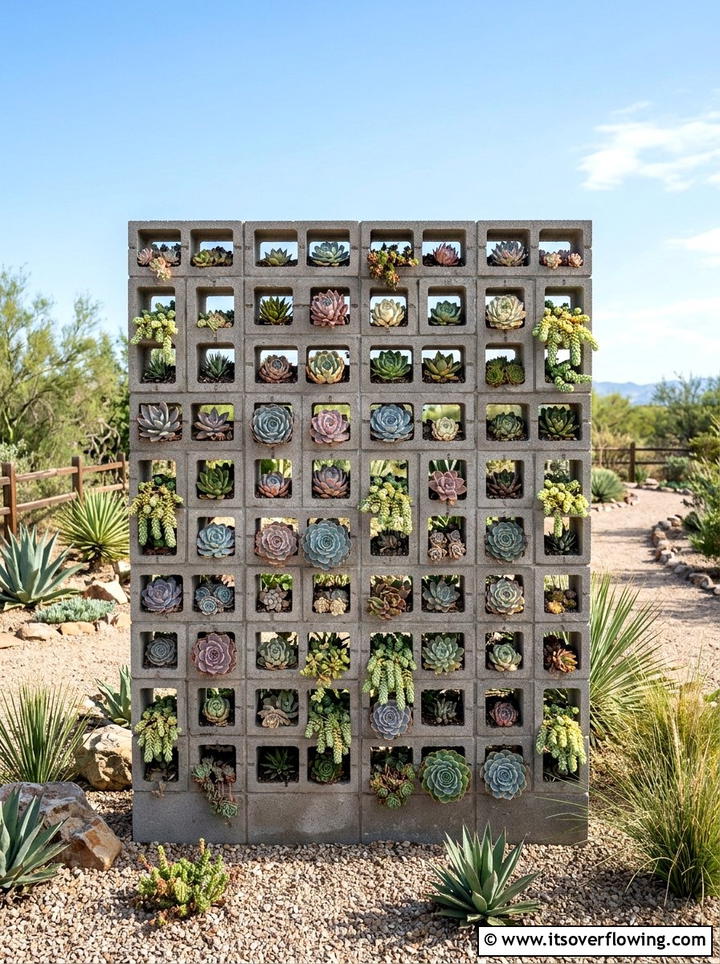
Succulents thrive in well-drained environments, making the hollow cores of concrete blocks a perfect home for these low-maintenance plants. A cinder block succulent wall serves as a stunning piece of living art that requires very little water and attention. By arranging the blocks in a staggered pattern, you can create a mosaic of different textures and colors using varieties like echeveria, sedum, and hens-and-chicks. This type of garden is ideal for hot, sunny spots where other plants might wilt, as the concrete helps protect the delicate roots from extreme heat. It is a modern and stylish way to bring a desert-inspired aesthetic to your garden or entryway.
11. Cinder Block Fence
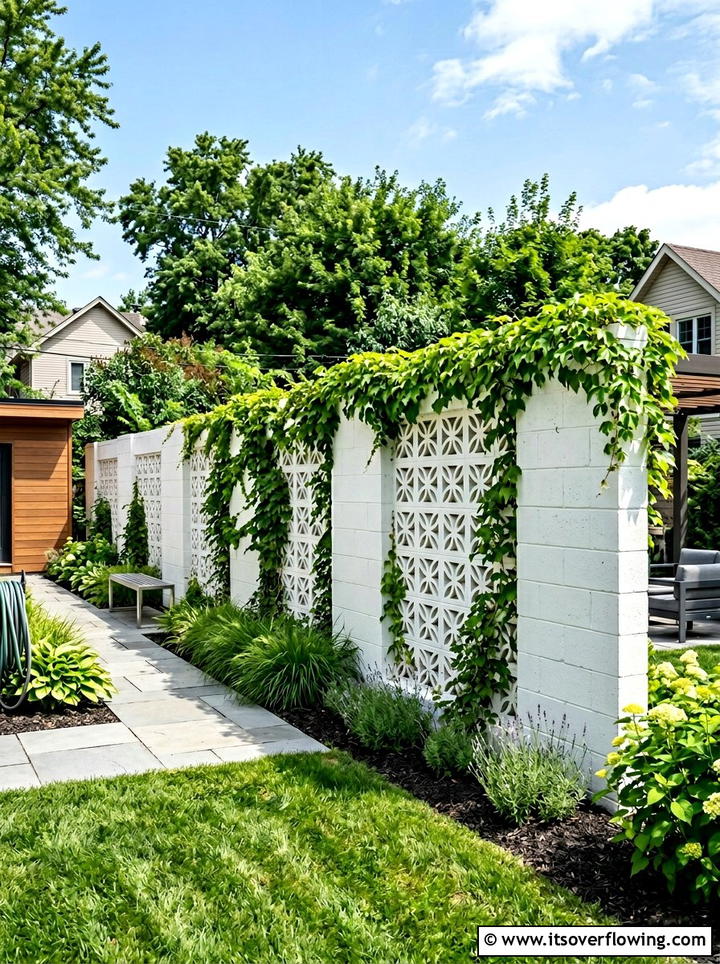
Defining your property boundaries or sectioning off different areas of your yard is easily achieved with a solid cinder block fence. This type of masonry wall provides excellent privacy and acts as a sound barrier against noisy neighbors or busy streets. You can leave the blocks in their natural gray state for an industrial look or apply stucco and paint for a more traditional Mediterranean or Southwestern appearance. To break up the solid surface, you might consider incorporating decorative “breeze blocks” or leaving intentional gaps for a more airy feel. A concrete fence is a permanent investment that requires almost zero maintenance compared to wood or vinyl fencing options.

12. Cinder Block Compost Bin
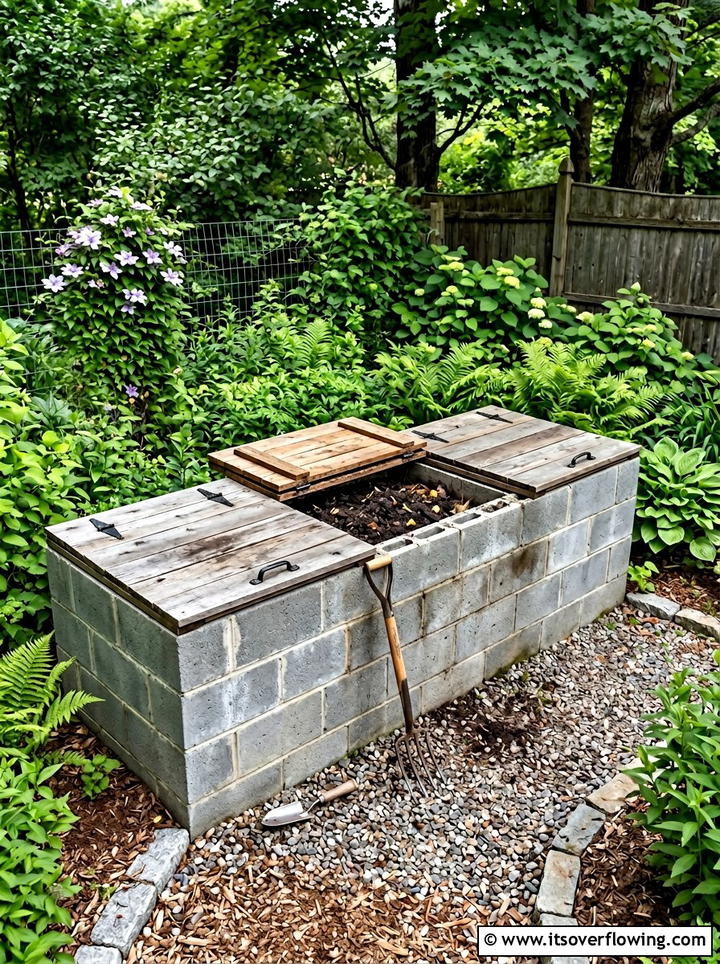
Sustainability in the garden often starts with a reliable system for turning kitchen scraps and yard waste into nutrient-rich soil. A cinder block compost bin is a superior choice because the blocks allow for excellent airflow, which is essential for the decomposition process. You can build a three-bin system to easily rotate your compost from fresh waste to finished material. The weight of the blocks ensures the structure stays put even when you are turning the heavy compost with a pitchfork. Unlike plastic bins, concrete blocks will not crack in the sun or become brittle over time, providing you with a lifetime of free, high-quality fertilizer for your plants.
13. Cinder Block Garden Edging
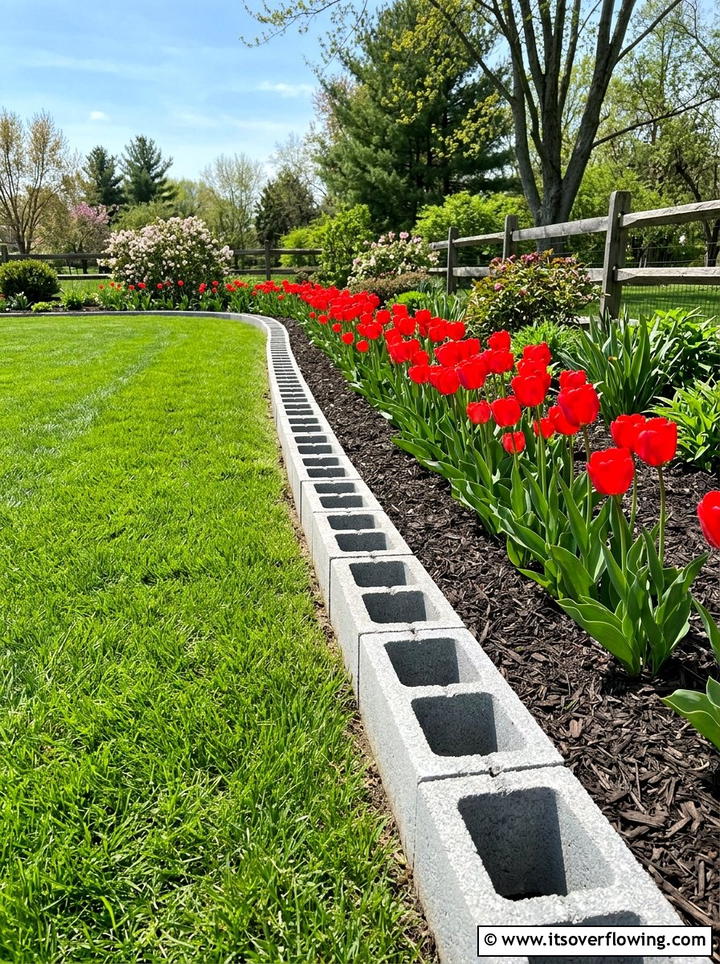
Creating a clean separation between your lush green lawn and your colorful flower beds is easy with simple cinder block garden edging. By burying the blocks halfway into the ground, you create a sturdy border that prevents grass from creeping into your planting areas and keeps mulch from washing away during heavy rain. This edging also provides a flat surface for your lawn mower wheels to run along, allowing for a perfectly trimmed edge without the need for a string trimmer. You can use standard blocks for a wide border or thin masonry units for a more subtle look. This simple addition instantly makes any landscape look professionally manicured.
14. Cinder Block Privacy Screen
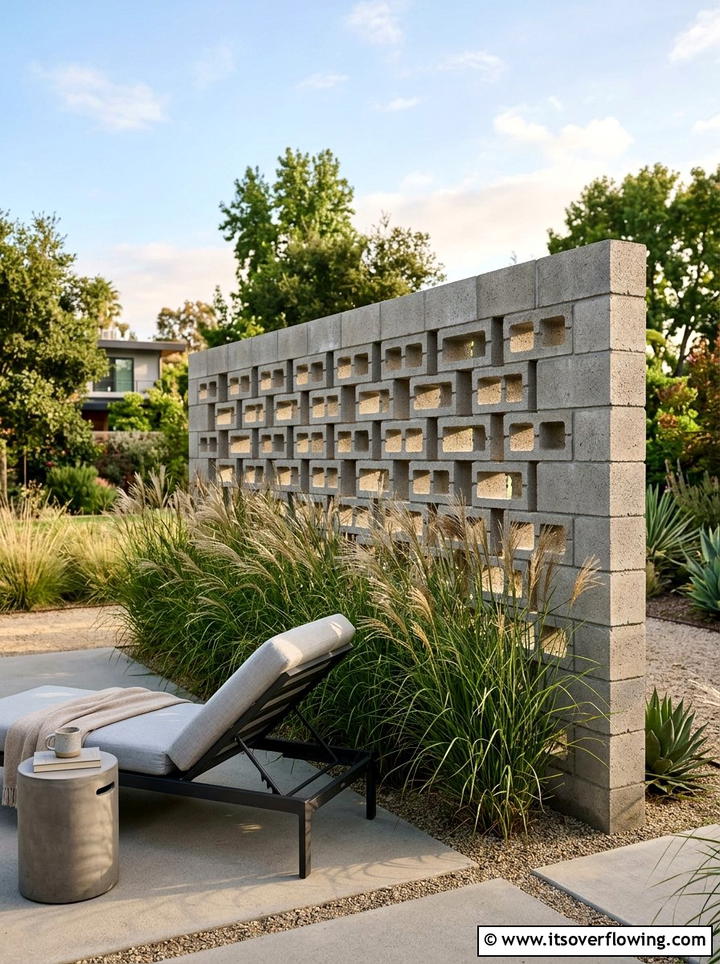
Creating a secluded retreat in a crowded neighborhood can be a challenge, but a cinder block privacy screen offers a stylish and effective solution. By stacking blocks in a decorative pattern, such as a basketweave or offset grid, you can block the view from the street while still allowing cooling breezes to pass through. This structure works beautifully as a backdrop for an outdoor lounge area or a hidden reading nook. You can soften the look of the concrete by planting tall ornamental grasses or climbing vines like clematis along the base. The result is a private sanctuary that feels solid, safe, and entirely separate from the busy world outside.
15. Cinder Block Tiered Planter
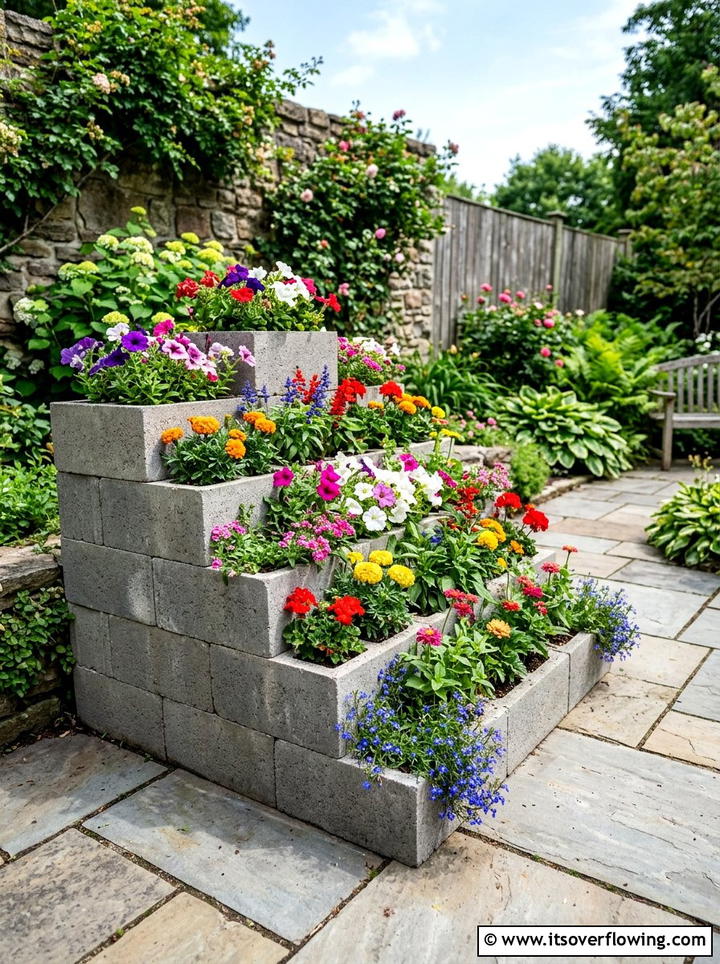
When you want to showcase a variety of different flowers in a small area, a cinder block tiered planter provides multiple levels of visual interest. By stacking the blocks like a staircase, you can place sun-loving plants on the top levels and those that prefer a bit more shade on the lower tiers. This vertical arrangement makes it easy to water all your plants at once and ensures that every flower gets the visibility it deserves. It is an excellent way to add height to a flat garden or to create a focal point in the middle of a patio. The geometric lines of the tiers create a structured, modern garden.
16. Cinder Block Bar Table
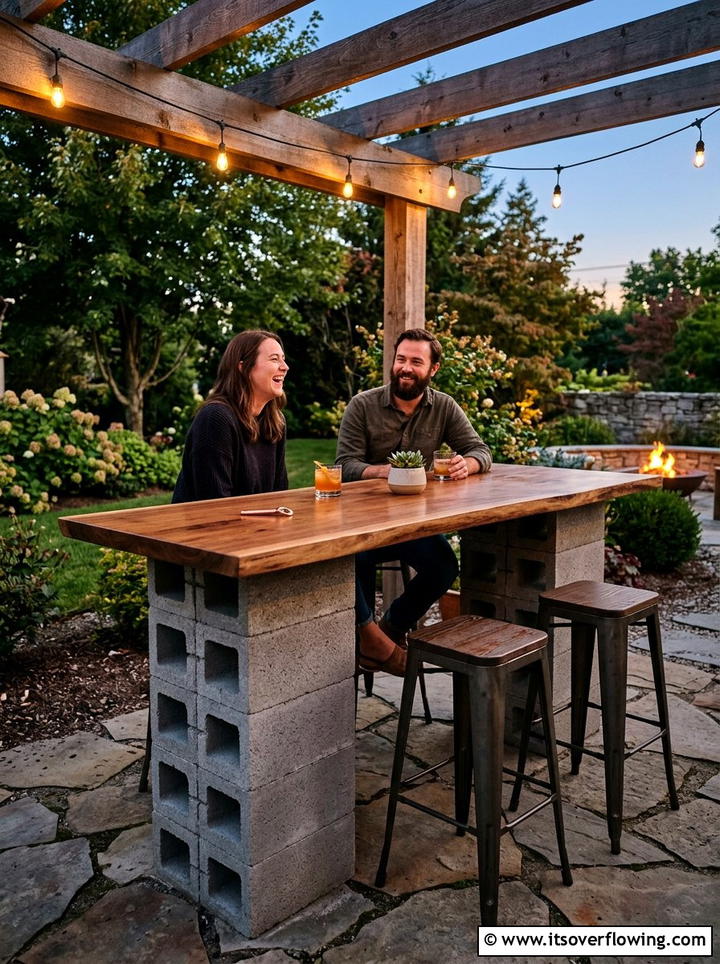
Entertaining guests outdoors is more fun when you have a high-top surface for drinks and snacks. A cinder block bar table is a simple DIY project that uses two tall pillars of blocks to support a long, narrow countertop. You can use bar stools to create a casual pub-style atmosphere right on your patio or deck. The heavy base ensures the table won’t tip over in high winds, and the weather-resistant materials mean you can leave it outside all year. For a festive touch, you can fill the top openings of the blocks with ice to keep beverages cold during summer parties or use them as built-in planters.
17. Cinder Block Wood Storage
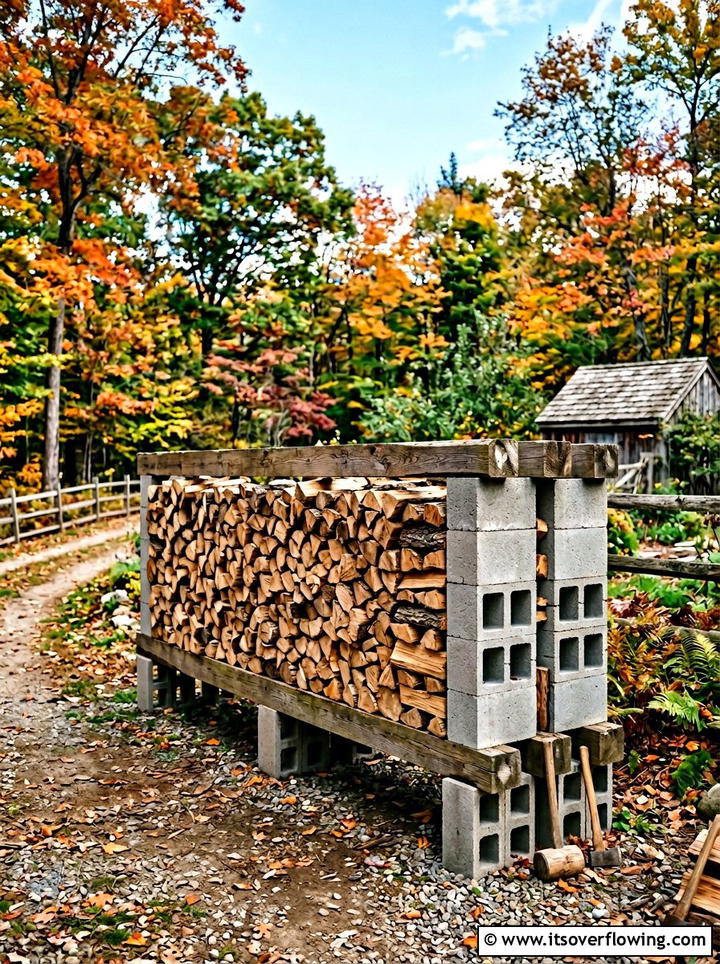
Keeping your firewood dry and organized is essential for a successful fireplace or outdoor fire pit experience. A cinder block wood storage rack keeps logs off the damp ground, preventing rot and keeping pests like termites away from your fuel supply. By using blocks to create end supports and placing long pressure-treated 2x4s across them, you create a sturdy cradle for your wood. This setup allows for maximum airflow through the stack, which helps the wood season and dry out faster. It is a practical and rugged storage solution that can be tucked away in a side yard or placed prominently near your outdoor seating area.
18. Cinder Block Water Feature
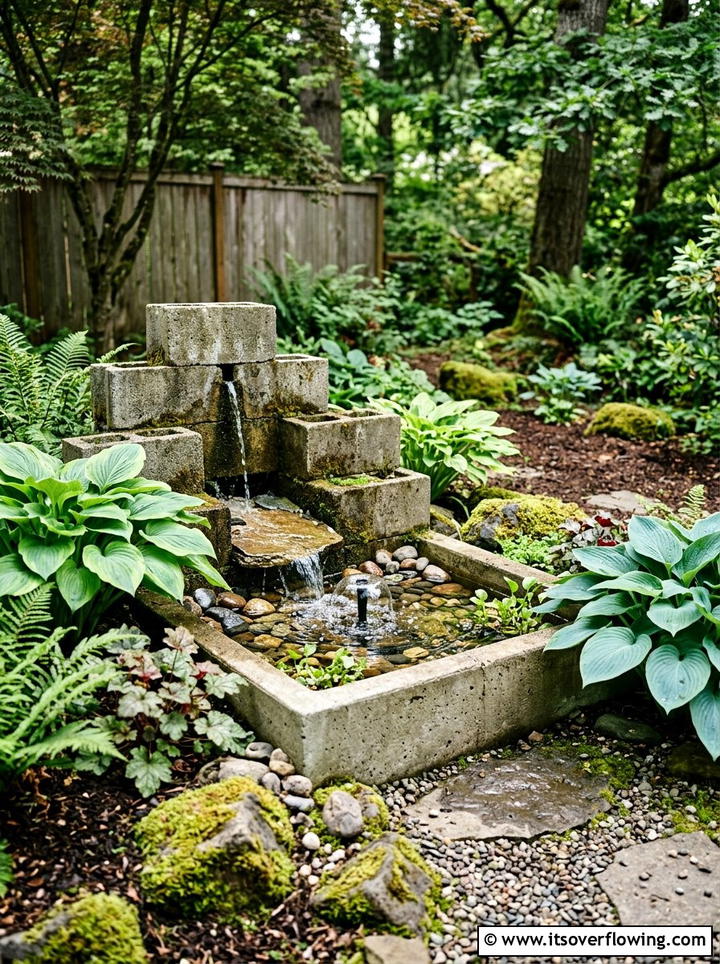
The soothing sound of running water can transform a basic backyard into a tranquil oasis. You can build a custom cinder block water feature by creating a waterproof basin and using the blocks to form a decorative spillway or fountain wall. Because concrete is so easy to work with, you can design a minimalist modern fountain or a more natural-looking waterfall by covering the blocks with river stones or slate. Adding a recirculating pump and some aquatic plants like water lilies creates a complete ecosystem that attracts birds and dragonflies. This feature adds a layer of sensory beauty that makes your garden feel more peaceful and professional.
19. Cinder Block Bench With Wood Slats
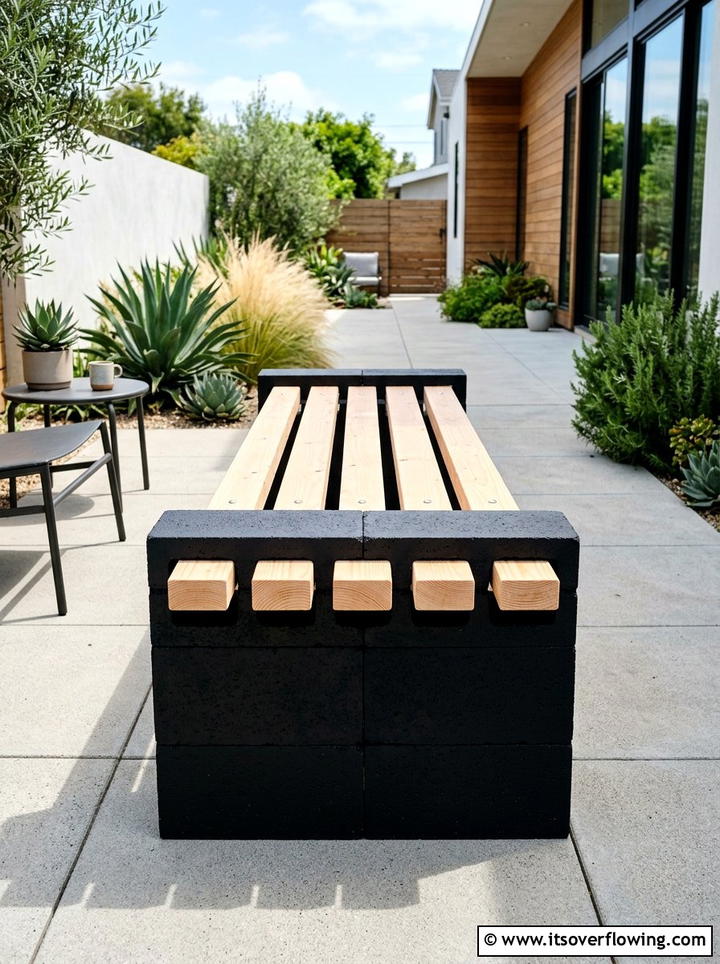
This variation of the standard bench focuses on a sleek, contemporary look using thin wood slats and painted concrete supports. By painting the cinder blocks a dark charcoal or a bright white, you can create a high-contrast look that fits perfectly with a minimalist or industrial garden theme. The wood slats provide a comfortable and slightly flexible seating surface that feels much warmer than sitting directly on cold concrete. This bench design is modular, meaning you can make it as long or as short as your space allows. It is a great way to add functional seating along a garden path or tucked under a large shade tree.


20. Cinder Block Grill Station
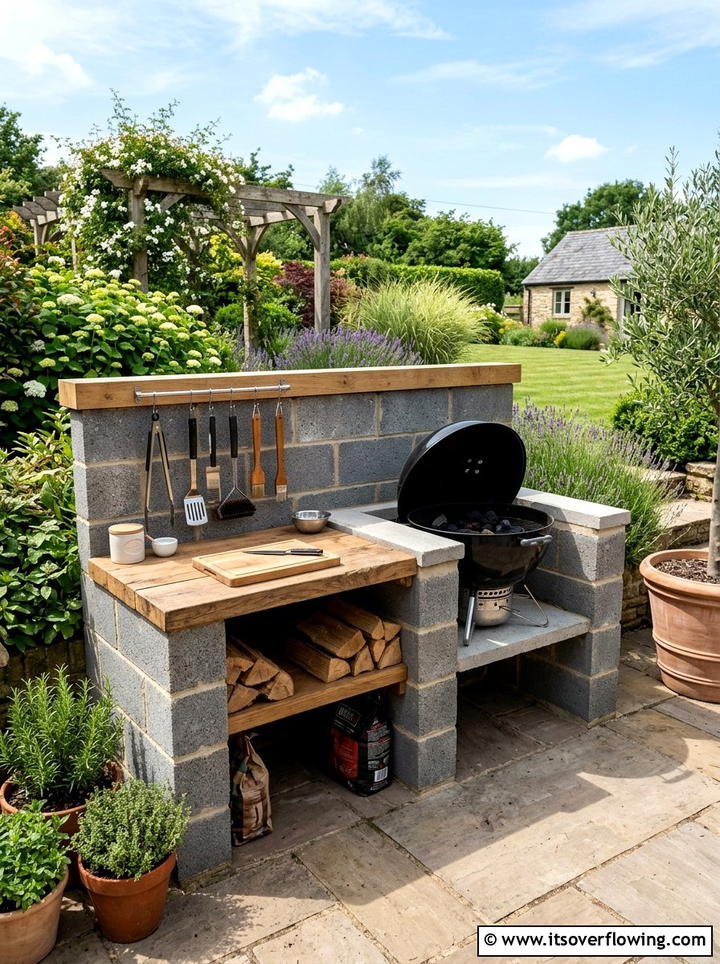
Transform your basic charcoal or gas grill into a professional-looking cooking zone with a custom cinder block grill station. By building a surround for your grill, you gain valuable counter space for platters and tools, making the outdoor cooking process much more efficient. The non-combustible nature of concrete blocks makes them a safe choice for building around high-heat equipment. You can even include a built-in “trash chute” or a storage nook for charcoal bags to keep the area looking tidy. This station anchors your outdoor kitchen and provides a permanent, durable spot for the “grill master” of the house to work their magic during family gatherings.
21. Cinder Block Garden Path
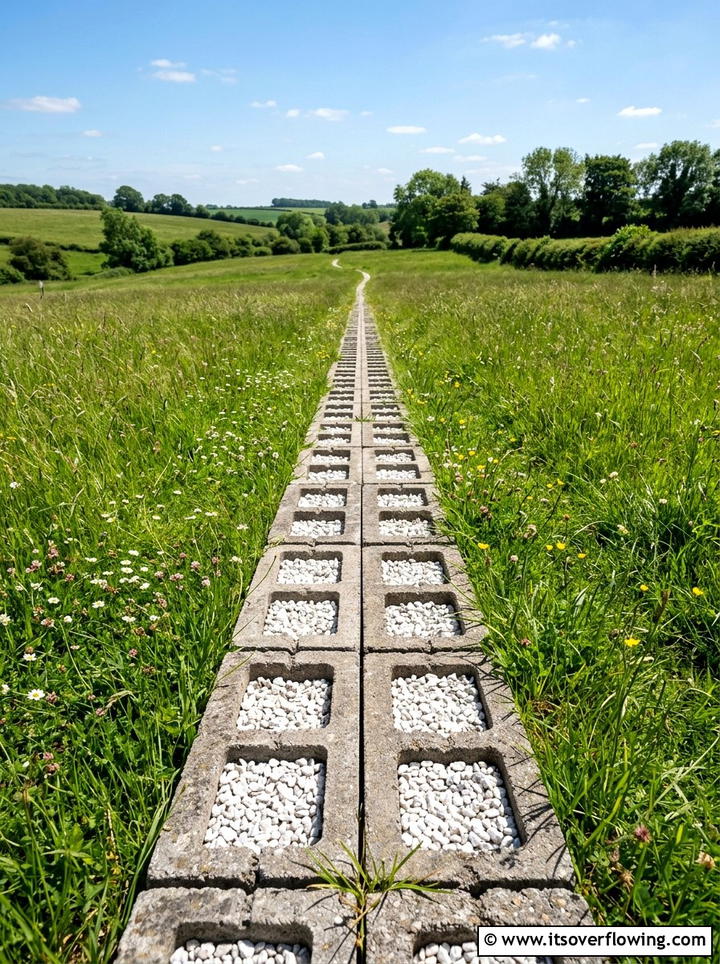
Walking through your garden should be a pleasant experience, and a cinder block garden path provides a stable and mud-free surface for your strolls. By laying the blocks flat and filling the centers with sand, gravel, or colorful glass beads, you create a unique and artistic walkway. This type of path is excellent for areas with heavy foot traffic or where a wheelbarrow is frequently used. The wide surface area of the blocks prevents them from sinking into soft soil, ensuring your path stays level over time. You can arrange them in a straight line for a formal look or a winding curve for a more natural feel.
22. Cinder Block Flower Bed
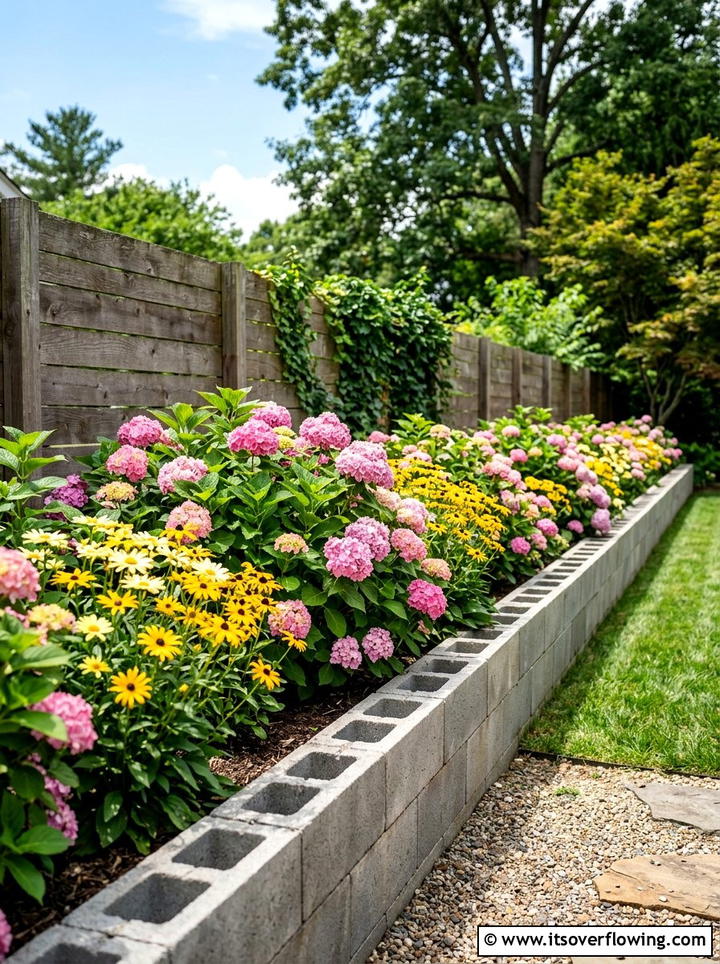
If you want to create a long, continuous planting area along a fence or house foundation, a cinder block flower bed is the way to go. These beds offer a clean, straight edge that frames your flowers beautifully and keeps them separated from the lawn. You can easily paint the blocks to complement your home’s exterior or leave them raw for a rugged, textured look. Because the walls are made of solid masonry, they act as a barrier against burrowing pests like gophers or moles. Filling the beds with high-quality potting mix allows you to grow vibrant perennials and annuals that will thrive in their protected, well-drained environment.
23. Cinder Block Bird Bath Stand
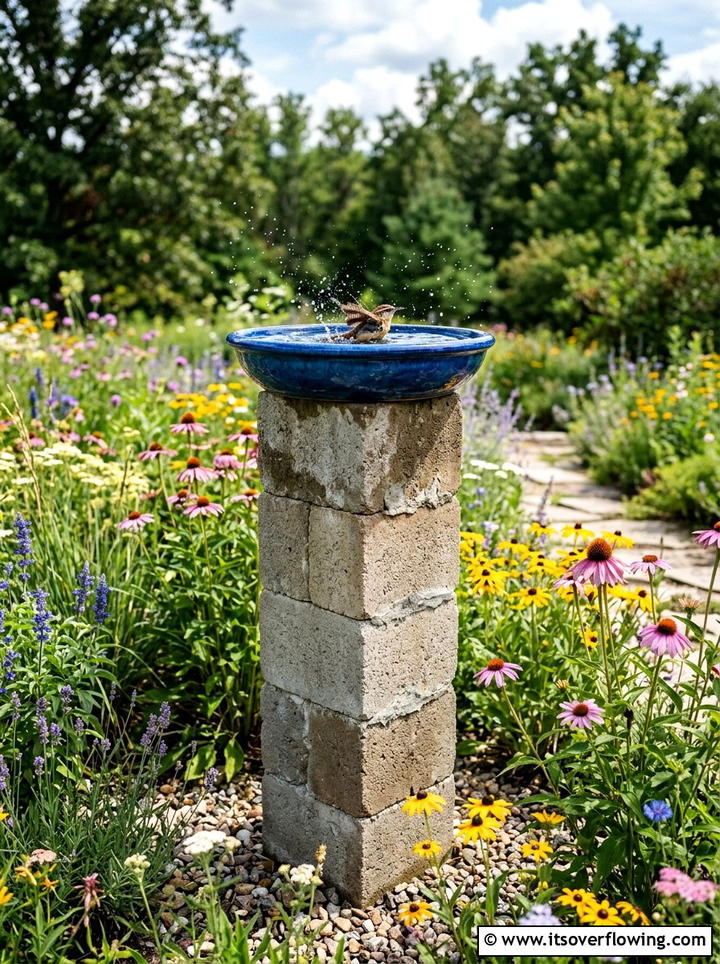
Inviting wildlife into your garden adds a sense of life and movement, and a bird bath is one of the best ways to attract local species. You can create a tall, stable cinder block bird bath stand by stacking blocks to your desired height and topping them with a decorative ceramic or stone basin. The weight of the concrete ensures that the stand won’t blow over in a storm, providing a safe landing spot for birds to drink and bathe. You can plant creeping vines or small flowers in the hollow blocks at the base of the stand to create a beautiful, integrated garden feature that serves a purpose.
24. Cinder Block Corner Planter
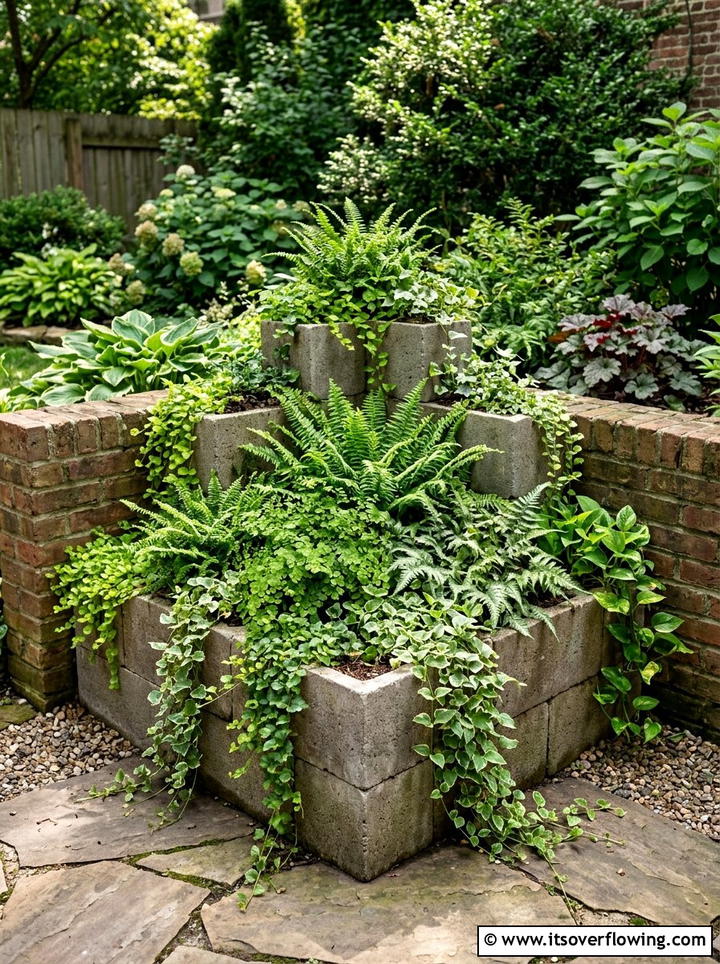
Awkward corners in a yard or on a patio often go unused, but a cinder block corner planter can turn these spots into productive garden zones. By building a L-shaped or triangular structure, you can add a vertical element that fills the empty space with lush foliage. These planters are perfect for creating a “green screen” in a corner that might otherwise look barren or industrial. You can vary the heights of the blocks to create a tiered effect, allowing you to plant a mix of tall shrubs and low-growing flowers. It is an efficient way to add greenery to tight spaces while maintaining a clean and organized garden layout.
25. Cinder Block Vegetable Garden
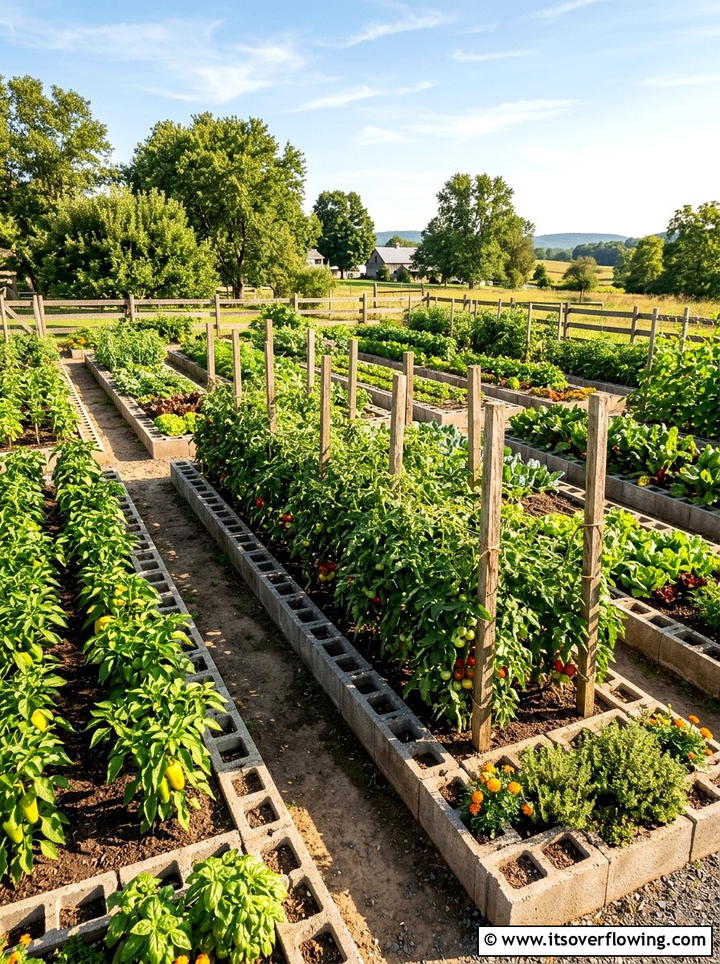
Growing your own food is a rewarding experience, and a dedicated cinder block vegetable garden makes the process organized and productive. The individual “cells” created by the block openings are perfect for square-foot gardening, allowing you to plant different varieties of vegetables in a controlled space. This prevents aggressive plants from crowding out smaller seedlings and makes it easy to label each crop. The concrete blocks hold onto the sun’s heat, which can help warm the soil early in the spring, giving your tomatoes and peppers a head start. It is a practical, long-lasting, and highly effective system for producing a bountiful harvest in your own backyard.
Conclusion:
Embracing cinder blocks as a primary material in your garden allows for an incredible balance of functionality, durability, and modern style. These projects demonstrate that you do not need expensive materials or professional contractors to create a stunning and personalized outdoor oasis. From structural retaining walls to decorative succulent displays, the possibilities are only limited by your imagination and the way you choose to stack and finish these versatile masonry units. By incorporating these ideas, you can build a garden that is not only beautiful but also resilient and easy to maintain. Start your next backyard transformation today and discover the hidden potential within the humble concrete block.

Related posts:
 25 Creative Garden Ideas for Patios: Fresh Outdoor Style
 25 Garden Ideas With Pallets For Creative Outdoor Style
 25 Creative Garden Ideas With Espalier Trees for Style
 25 creative garden ideas with minimal planting palette for Style
 25 creative garden ideas with personalized signs for Unique Style
 25 Creative Garden Ideas With Rain Chains for Serene Style
 25 Creative Garden Ideas With Topiary Shapes for Bold Style
 25 Creative Garden Ideas to Transform Any Outdoor Space Fast
 25 creative garden ideas with outdoor dining spaces for Hosting
 25 creative garden ideas with outdoor party zones for Fun
 25 creative garden ideas with outdoor reading spaces to Love
 25 Creative Garden Ideas With Keyhole Garden Beds