
Creating a beautiful outdoor space does not always mean you need a riot of different colors or dozens of plant varieties. Many homeowners are now turning toward a minimal planting palette to achieve a sophisticated and serene atmosphere. This design philosophy focuses on the “less is more” approach, highlighting form, texture, and structural beauty rather than visual clutter. By limiting your plant selection, you create a cohesive look that feels intentional and high-end. It also makes maintenance much easier because you only need to care for a few specific species. Whether you have a tiny courtyard or a sprawling backyard, these curated concepts will help you design a peaceful sanctuary that feels timeless and modern.
1. Modern gravel garden
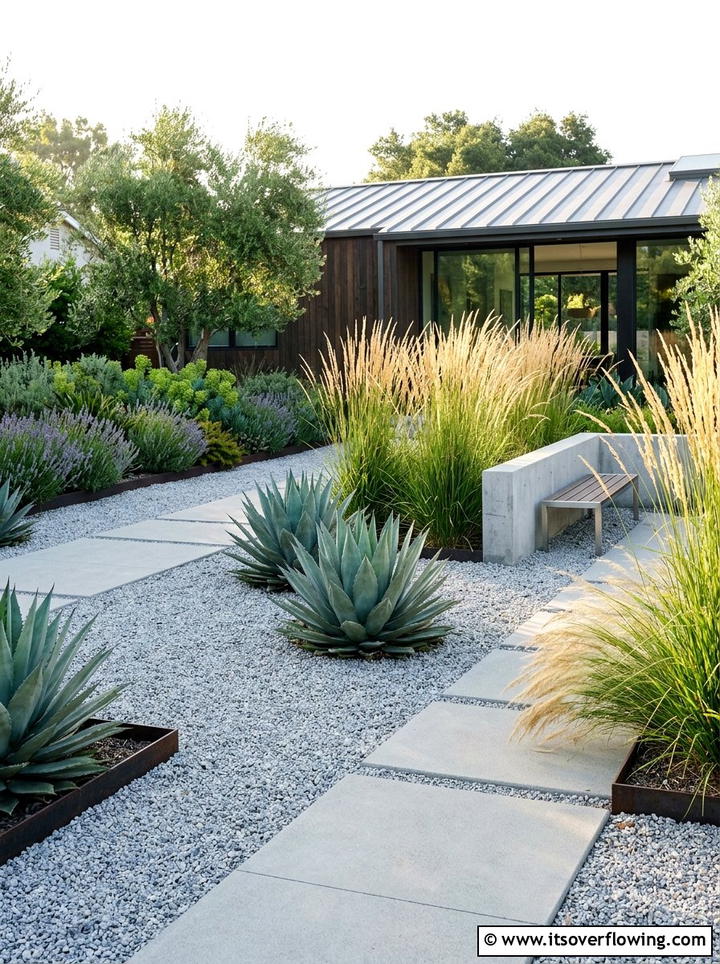
Selecting a modern gravel garden is a fantastic way to embrace a minimal planting palette while maintaining a clean look. You start by choosing a light-colored gravel that reflects the sun and makes the space feel larger. Instead of filling every inch with flowers, you choose just a few architectural plants like agave or tall ornamental grasses. These plants stand out beautifully against the neutral stone background. This style is perfect for busy people because it requires very little water or weeding throughout the year. The contrast between soft leaves and crunchy stone creates a soothing sensory experience that transforms any backyard into a very peaceful and stylish sanctuary for relaxation.
2. Boxwood hedge garden
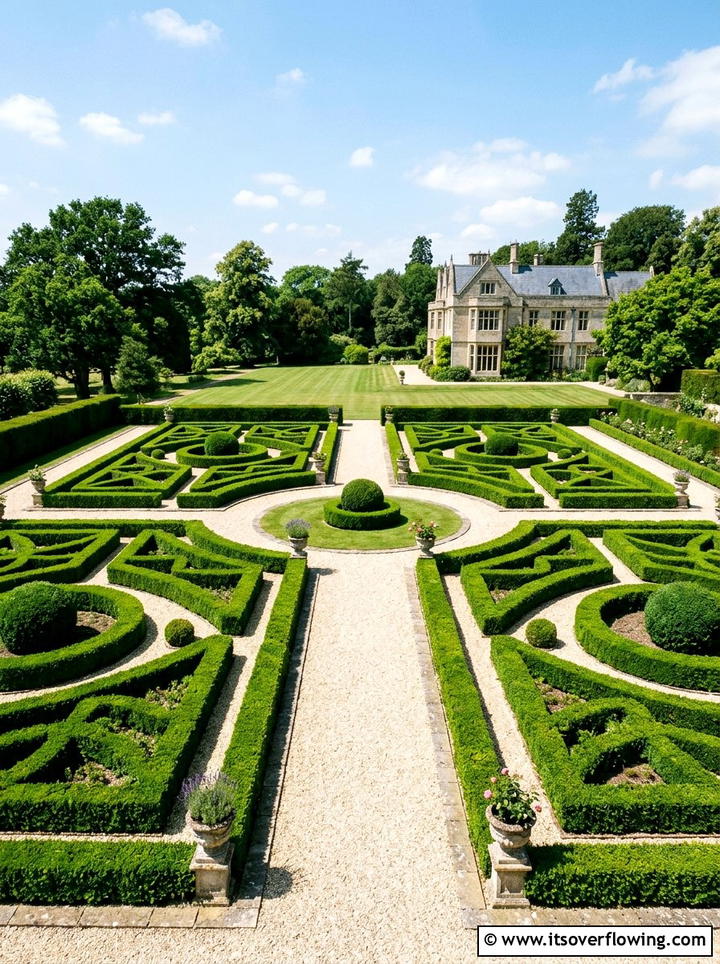
A boxwood hedge garden offers a classic and structured look that stays green all year round. You can use these versatile shrubs to create clean lines and geometric shapes throughout your outdoor space. By keeping the variety of plants low, the focus stays on the crisp edges and the deep green color of the foliage. You might arrange them in tidy rows or even circular patterns to add visual interest without needing extra flowers. This approach creates a very sophisticated feel that mimics high-end estate gardens. It is a reliable choice for anyone who wants a garden that looks expensive but remains very simple to manage and maintain.
3. White flowering garden
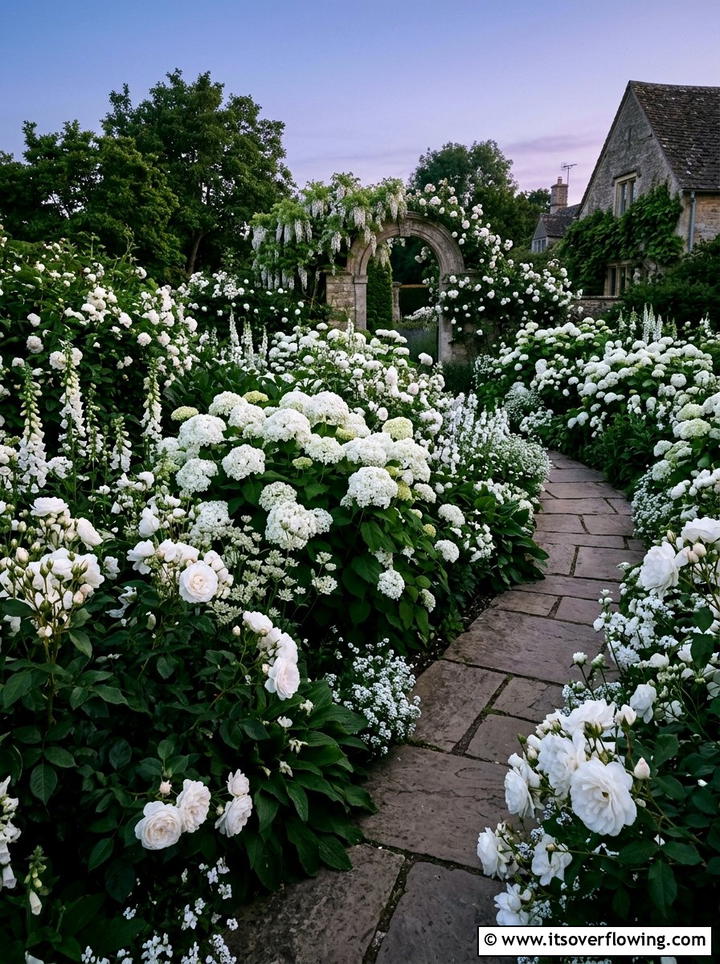
A white flowering garden is often called a “moon garden” because it looks stunning during the day and glows at night. By sticking to a palette of green leaves and white blossoms, you create a calm and elegant environment. You could choose plants like white hydrangeas, roses, or lilies to keep the theme consistent. The limited color scheme makes the space feel organized and cohesive rather than chaotic. It provides a bright and airy feel that works well in both small and large backyards. This design is perfect for those who enjoy evening strolls outdoors, as the white petals catch the soft moonlight beautifully and create a magical vibe.
4. Concrete patio garden
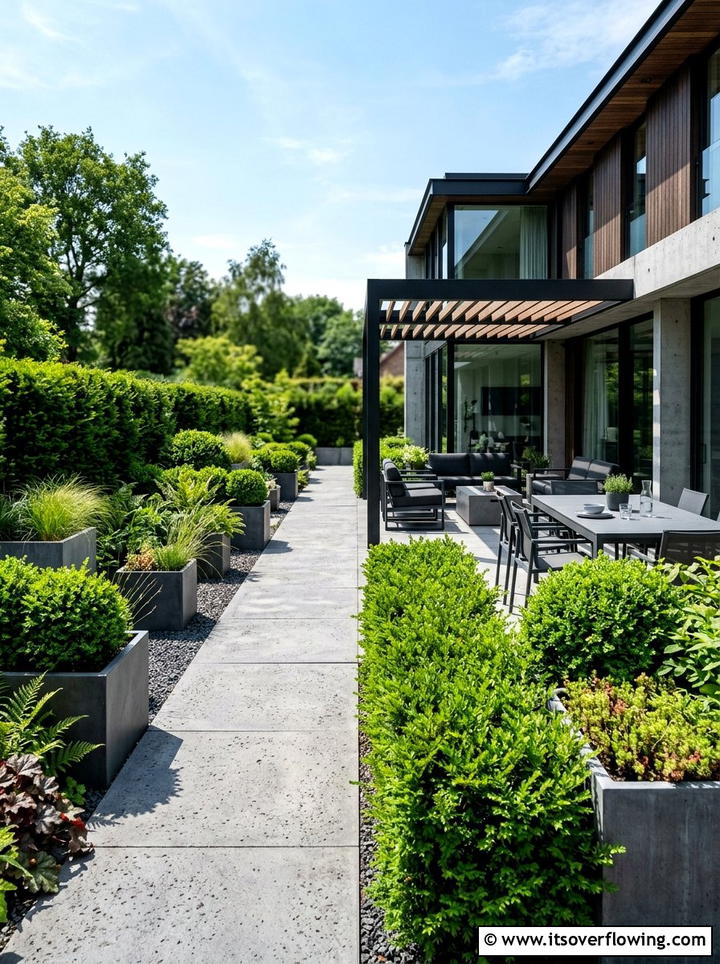
Focusing on a concrete patio garden allows you to blend industrial materials with soft natural elements. You use large concrete slabs or poured sections to create a solid foundation for your outdoor living area. To keep the planting palette minimal, you can tuck small bunches of green moss or low-lying sedum between the gaps in the stone. You might also add a few large concrete planters with single-species shrubs like yew or lavender. This combination of hard surfaces and intentional greenery looks incredibly modern and sharp. It is an excellent choice for urban homes where space might be limited but style is still a top priority for the owner.
5. Ornamental grass garden
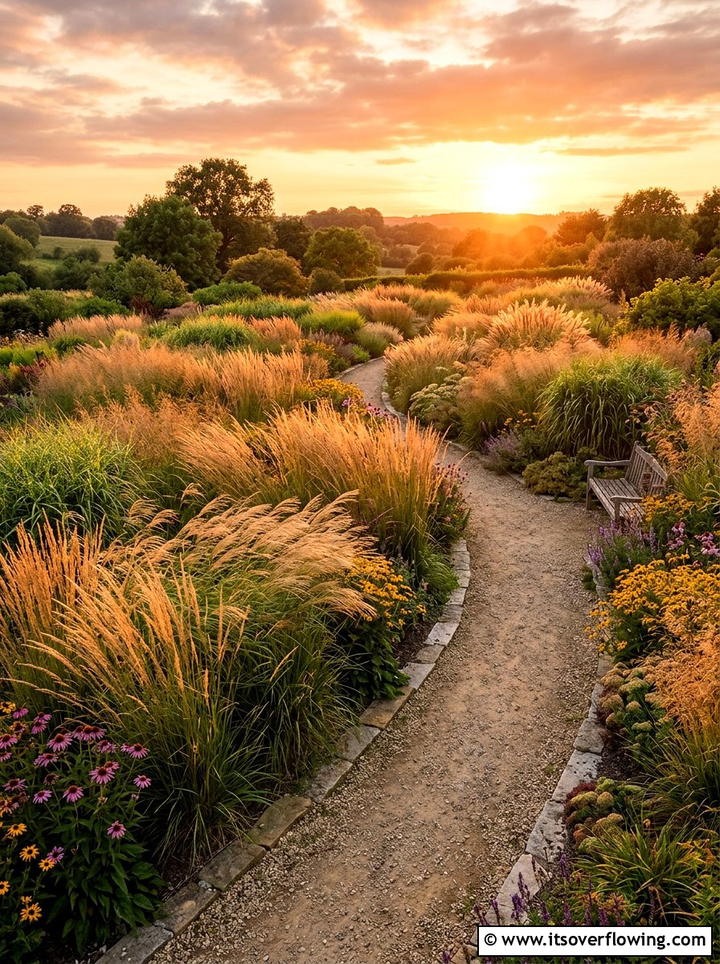
An ornamental grass garden is all about movement and texture rather than bright colors. You can plant large drifts of the same type of grass, such as feather reed grass or fountain grass, to create a flowing landscape. When the wind blows, these plants sway gently and make a relaxing rustling sound. By sticking to just one or two types of grass, the garden feels unified and grand. These plants are usually very hardy and look great even in the winter months when they turn a golden tan color. It is a low-maintenance way to fill a large area while keeping a very modern and minimalist aesthetic.
6. Zen garden
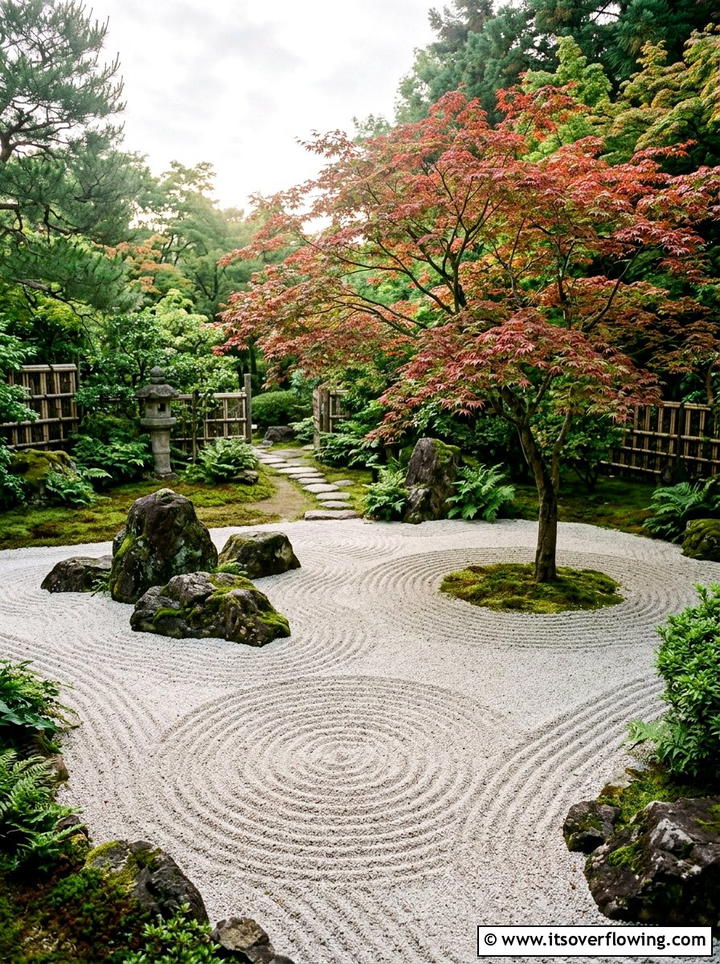
Creating a Zen garden is a wonderful way to bring peace and mindfulness into your home environment. This style typically uses a lot of sand or fine gravel that can be raked into flowing patterns. You only need a few carefully placed rocks and perhaps one or two slow-growing evergreens or a single Japanese maple. The goal is to create a landscape that feels like a miniature mountain or ocean scene. Because there are so few plants, every single one becomes a focal point of beauty. This minimal approach encourages reflection and provides a quiet place to sit and think after a very long and stressful day.
7. Backyard stone garden
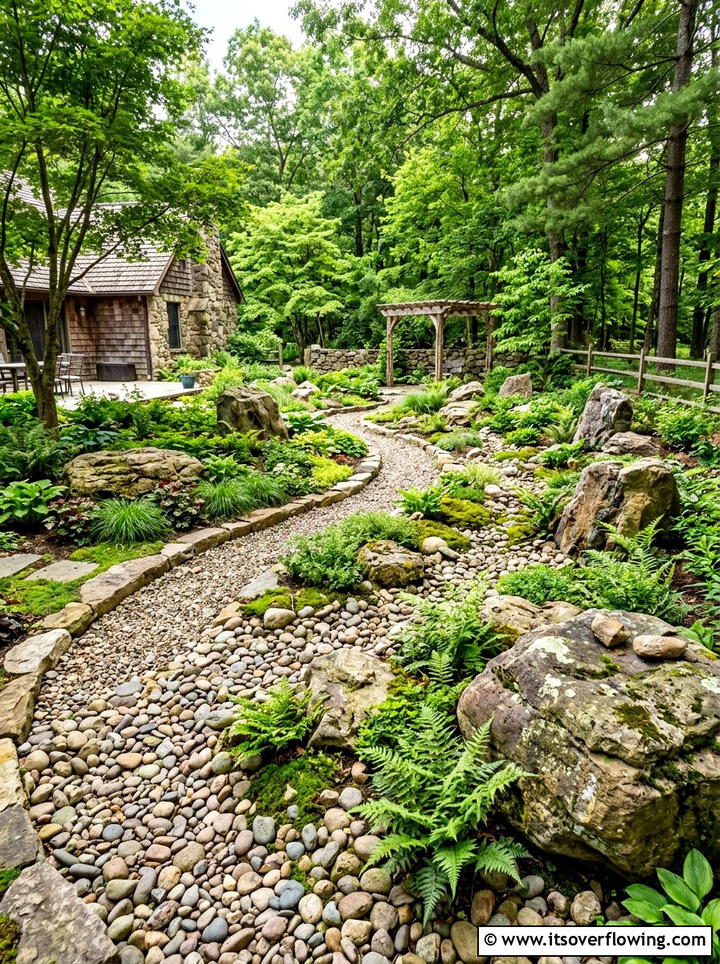
A backyard stone garden utilizes large boulders and various sizes of river rocks to create a natural and rugged look. Instead of a traditional lawn, you use stones as the primary ground cover. To keep the planting palette minimal, you can nestle tough plants like ferns or hens-and-chicks between the crevices of the rocks. This style looks very organic and blends seamlessly with the surrounding environment. It is particularly effective on sloped yards where grass might be difficult to grow or mow. The lack of variety in the plants actually makes the different textures of the stones pop, creating a very interesting and durable landscape design.
8. Succulent garden
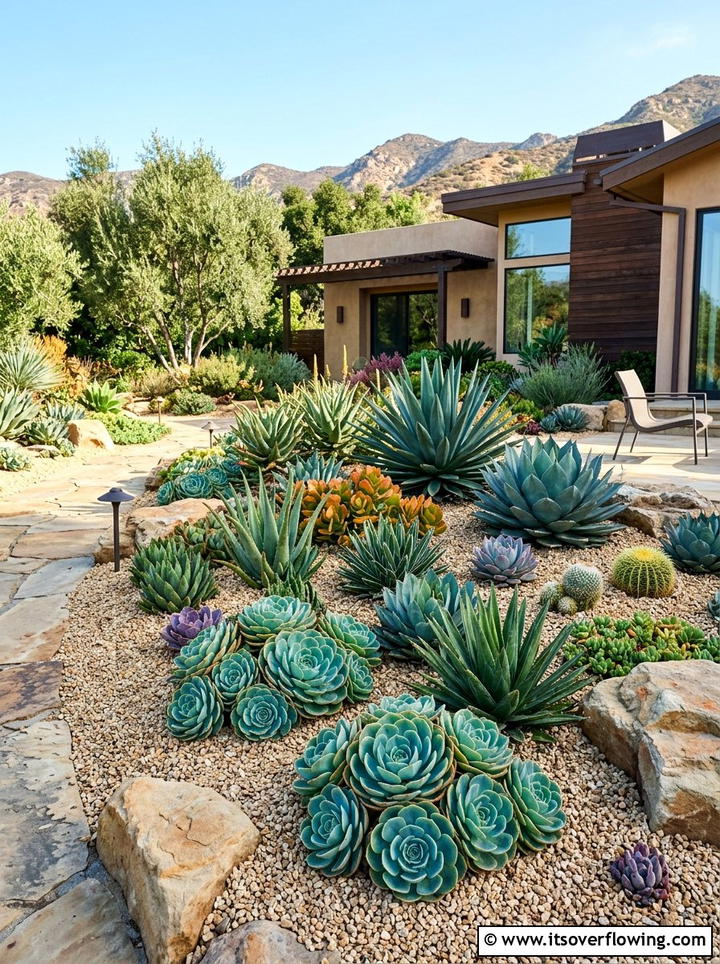
A succulent garden is perfect for dry climates or anyone who wants a sculptural look with almost no watering required. You can mix different shapes and sizes of succulents, such as echeveria and aloe, while keeping the colors within a specific range of blues and greens. These plants have thick leaves and interesting patterns that look like natural works of art. By grouping many of the same types together, you create a high-impact visual that remains very simple to care for. Planting them in a bed of crushed rock or sand enhances the desert-inspired look and keeps the overall palette very earthy, neutral, and incredibly modern.
9. Tiered garden bed
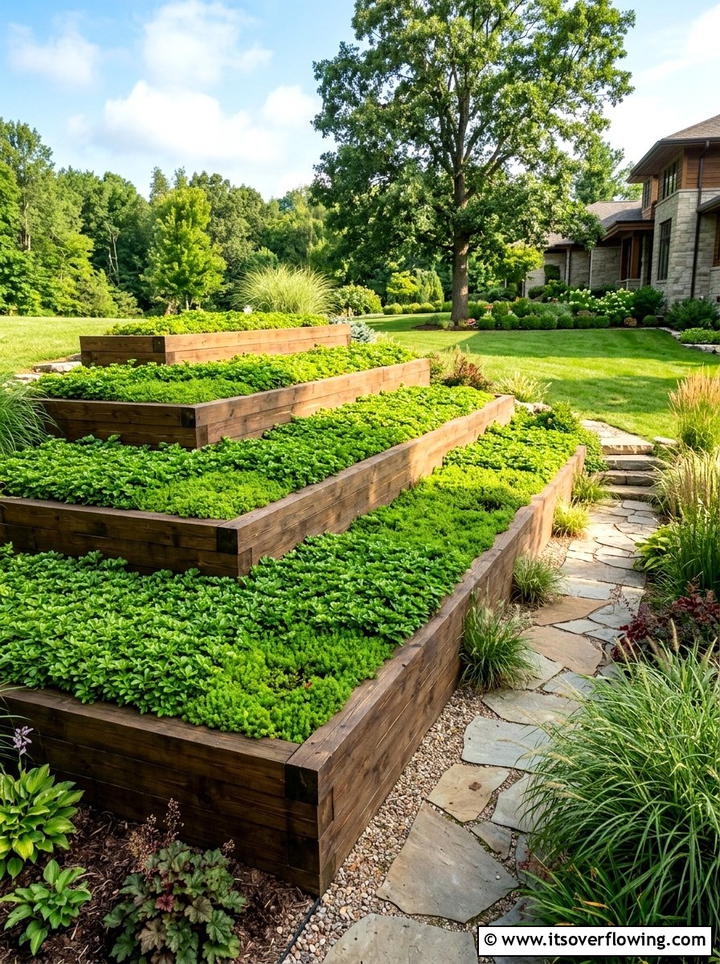
A tiered garden bed is an excellent solution for adding depth and dimension to a flat or sloped yard. You can use wood or stone to create different levels, which helps to organize your planting areas. To maintain a minimal palette, you could plant just one type of ground cover on the bottom tier and a single type of shrub on the top tier. This repetition creates a very clean and professional look that is easy on the eyes. The levels act like frames for your plants, making them look more important and structured. It is a great way to show off a few favorite plant species without overwhelming the senses.
10. Deck garden
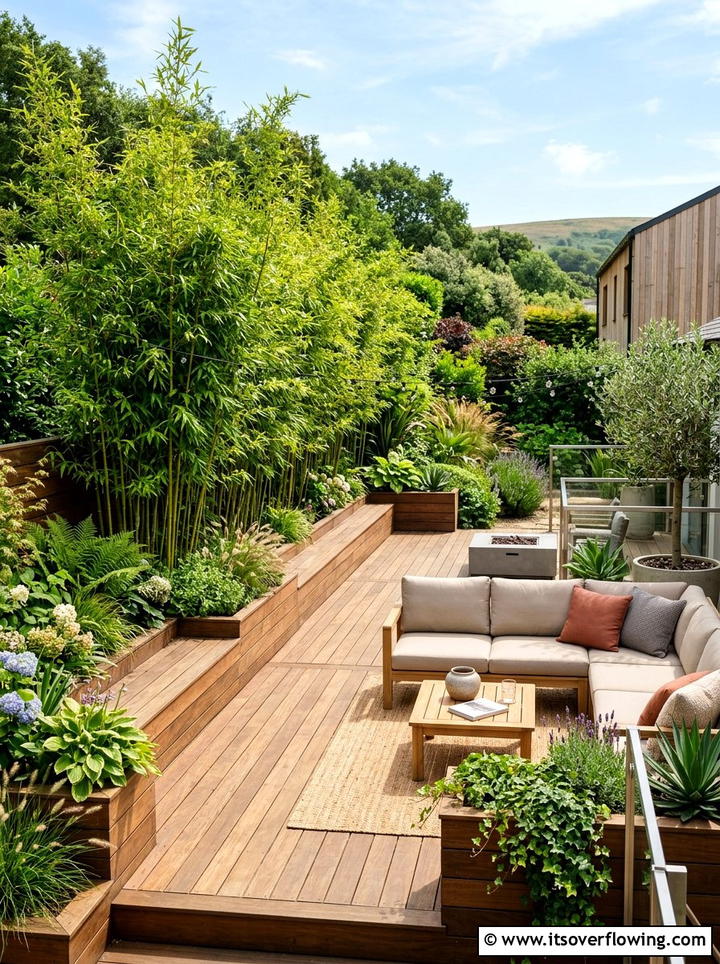
Designing a deck garden allows you to extend your indoor living space right out into the fresh air. You can use built-in wooden planters that match the material of the deck for a seamless and integrated look. By choosing a single plant species, like tall bamboo or standard bay trees, you keep the design feeling very intentional and uncluttered. This approach provides privacy without the need for a heavy fence. The wood tones of the deck pair beautifully with the vibrant green of the leaves. It creates a cozy and private nook that feels like a luxury resort, making it the perfect spot for morning coffee or evening relaxation.
11. Greenery garden
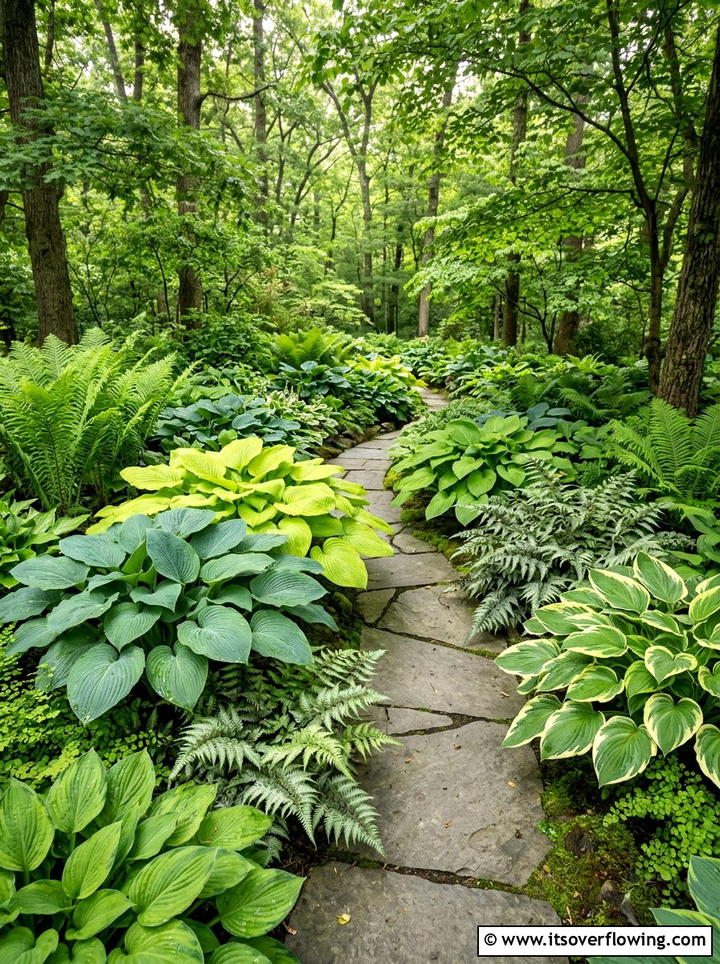
A greenery garden focuses entirely on various shades and textures of green instead of using any flowers at all. You can play with different leaf shapes, such as the large leaves of a hosta next to the delicate fronds of a fern. This monochromatic approach is very soothing and creates a lush, jungle-like feel even in a small city yard. Because you are not worried about blooming times, the garden looks consistent and beautiful throughout the entire growing season. It is a sophisticated way to design that relies on subtle details rather than flashy colors. This style is often used in modern landscape architecture to create a very timeless look.
12. Planter box garden
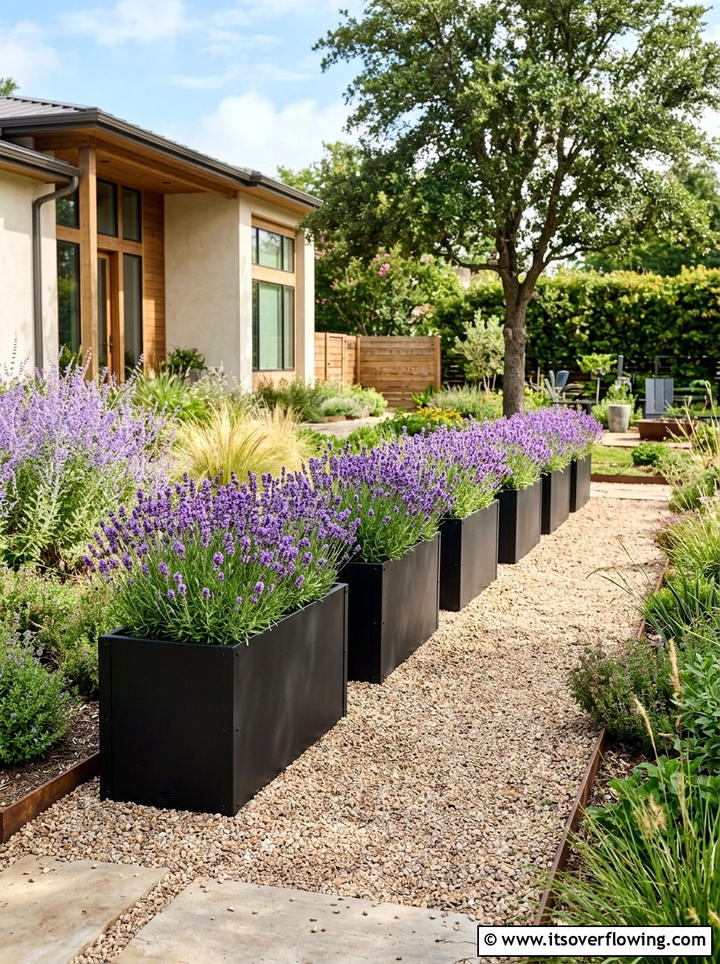
Using a planter box garden is a smart way to keep your greenery contained and organized. You can line up several identical boxes along a wall or a path to create a sense of rhythm and order. To keep the planting palette minimal, you should put the exact same type of plant in every single box. For example, using all lavender or all rosemary creates a beautiful and fragrant display that looks very neat. Planter boxes are also great because they elevate the plants, making them easier to see and tend to. This method works perfectly for small balconies or narrow side yards where every single square inch of space counts.
13. Structural plant garden
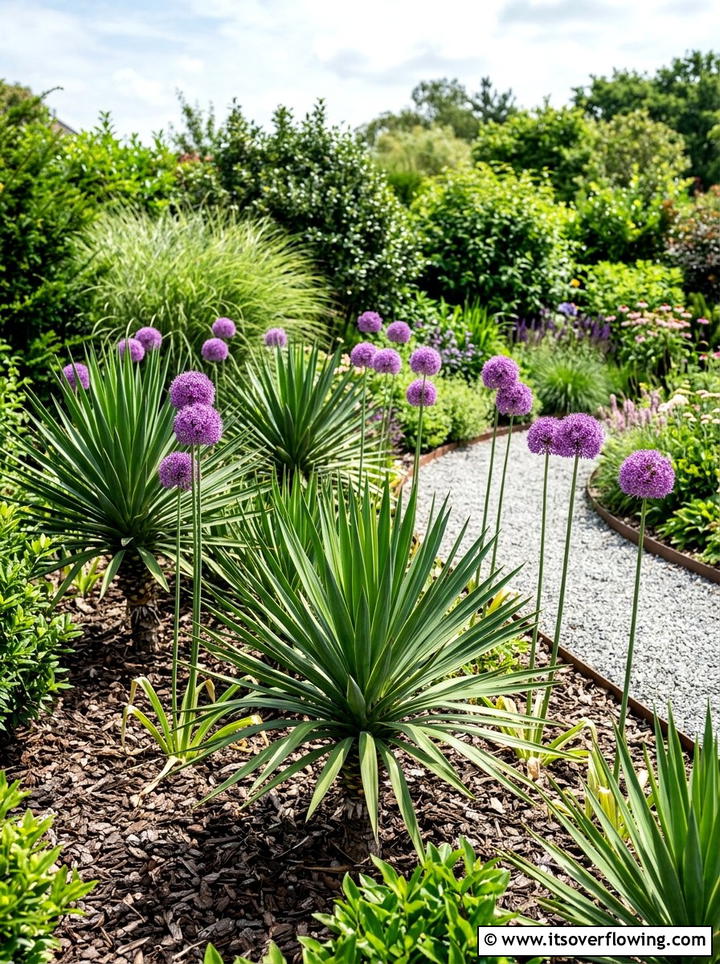
A structural plant garden features species that have very strong and unique shapes, such as yuccas or ornamental alliums. These plants act like living sculptures in your yard. By giving each plant plenty of space and keeping the surrounding area clear, you allow their natural form to be the main attraction. You don’t need many different kinds of plants when the ones you have are this bold and interesting. This style often looks best with a simple mulch or stone ground cover to keep the focus on the heights and angles of the foliage. It is a very brave and modern choice for a truly contemporary home design.
14. Backyard pond garden
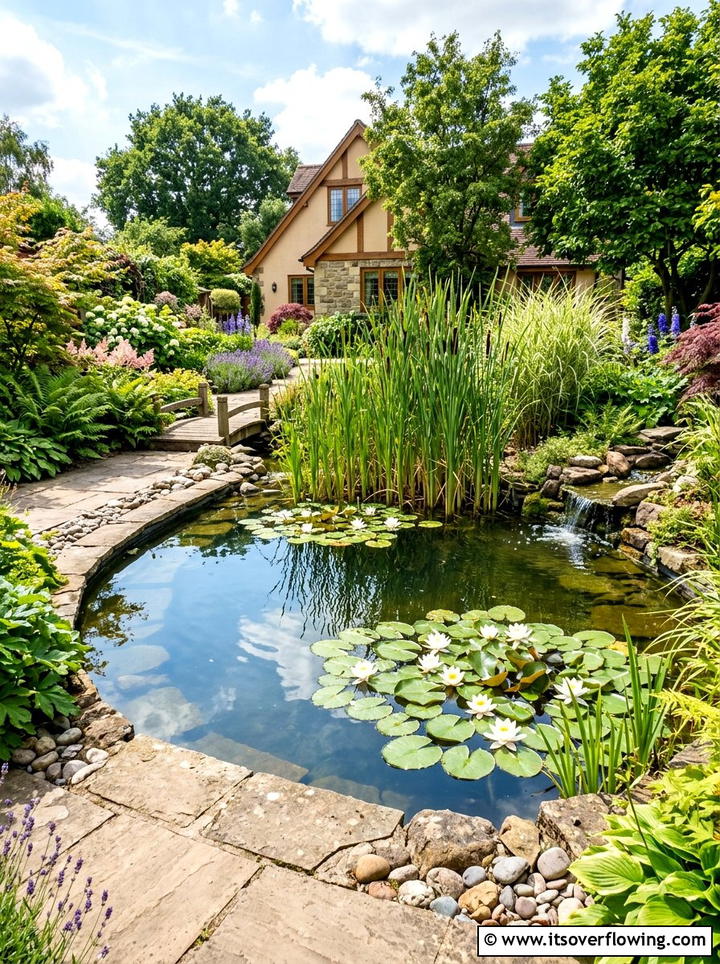
A backyard pond garden brings the element of water into your minimal landscape for a truly calming effect. You can keep the edges of the pond very clean with large flat stones or a simple concrete border. To maintain a minimal planting palette, you might only choose one type of water lily and some simple reeds for the edges. The reflection of the sky in the still water adds a sense of space and light to the garden. This setup creates a peaceful habitat for birds and dragonflies without requiring a complicated mix of many different flowers. It is a very refreshing and cool addition to any outdoor area.
15. Japanese maple garden
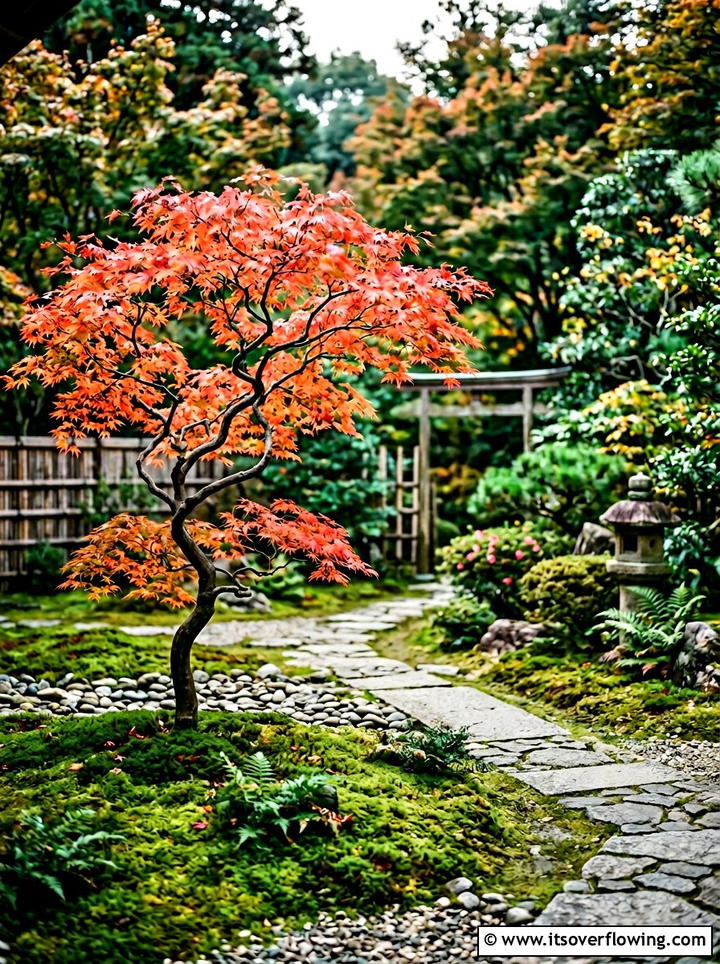
The Japanese maple garden is centered around the stunning form and color of a single iconic tree. These trees often have delicate, lacy leaves and beautiful branch structures that look like a natural painting. You can surround the base of the tree with a simple bed of moss or dark mulch to let the tree shine. Adding a few large, moss-covered rocks can complete the look without adding too much complexity. This minimal approach honors the beauty of the tree through every season, from the bright spring leaves to the bare branches of winter. it is a very elegant and artistic way to design a small garden corner.
16. Small lawn garden
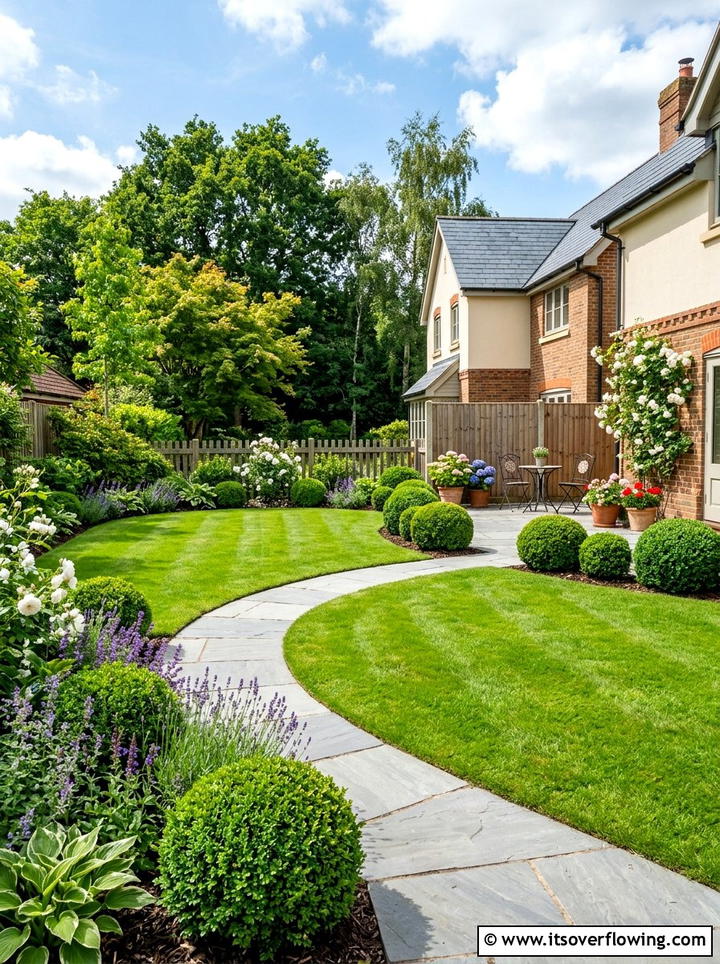
A small lawn garden focuses on a perfectly manicured patch of grass surrounded by very simple borders. Instead of wide flower beds, you might use a narrow strip of dark stones and a few evergreen shrubs like boxwood globes. The contrast between the bright green lawn and the dark border looks very sharp and clean. This design provides a sense of openness and gives kids or pets a place to play without taking up the whole yard with high-maintenance plants. It is a very functional approach that still looks curated and high-end. Keeping the lawn edges crisp is the key to making this minimal style look its very best.
17. Privacy screen garden
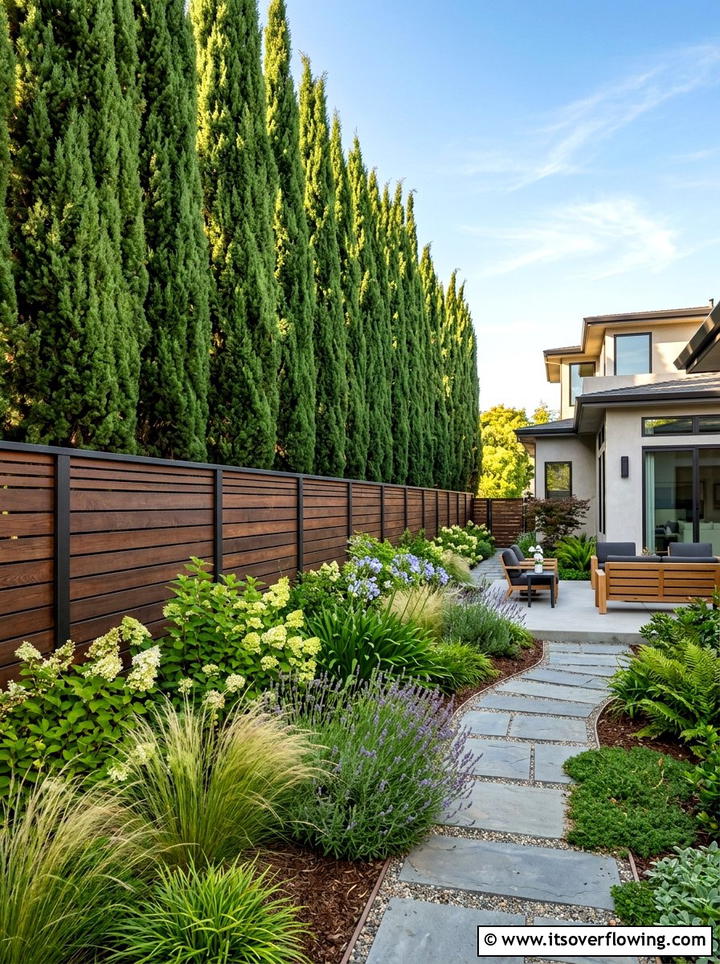
A privacy screen garden uses tall, slender plants to create a living wall that blocks out the neighbors and noise. Tall clumping bamboo or Italian cypress trees are excellent choices for this purpose because they grow straight up and take up very little horizontal space. By using only one type of plant for the entire screen, you create a very consistent and peaceful backdrop for your yard. This minimal palette makes the garden feel more like a private outdoor room rather than an open field. It is a practical solution that adds a lot of lush green height to your property while keeping the design very simple and effective.
18. Paver walkway garden
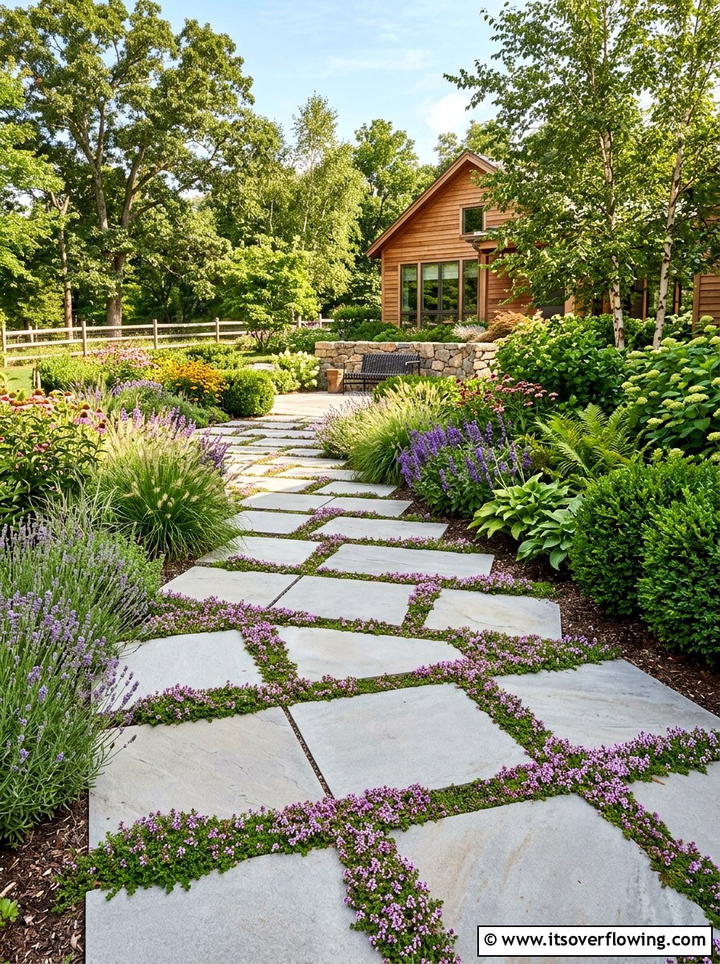
A paver walkway garden uses large stepping stones set into a bed of low-growing ground cover for a very modern look. You can choose square or rectangular pavers and surround them with a single species like creeping thyme or silver carpet. This creates a beautiful grid pattern that looks organized and intentional. As you walk through the garden, the plants between the stones release a nice scent and feel soft underfoot. By avoiding tall plants along the path, the view remains open and the focus stays on the geometric pattern. It is an excellent way to connect different parts of your yard with a very clean and minimal design.
19. Seating area garden
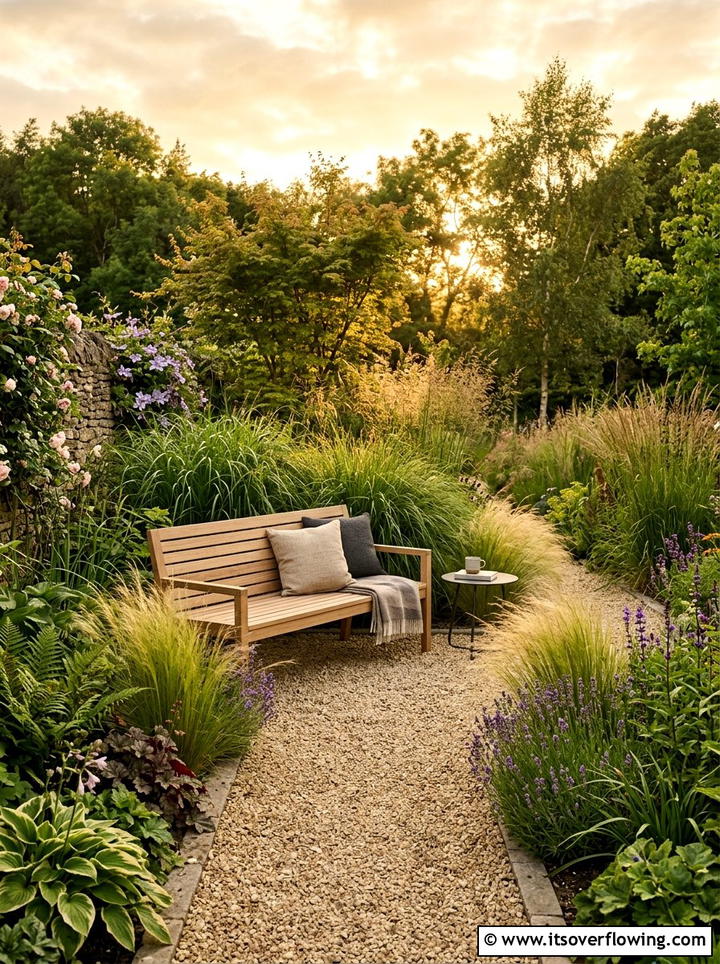
Designing a seating area garden involves creating a cozy spot for people to gather, surrounded by very simple greenery. You might have a wooden bench or a set of modern chairs placed on a bed of fine gravel. To keep the palette minimal, you can plant a few tall grasses or a single hedge behind the seating to create a sense of enclosure. This makes the area feel like a private sanctuary away from the rest of the world. By using fewer types of plants, you reduce the visual noise and make the space feel much more relaxing. It is the perfect place to sit and enjoy a quiet conversation.
20. Raised vegetable garden
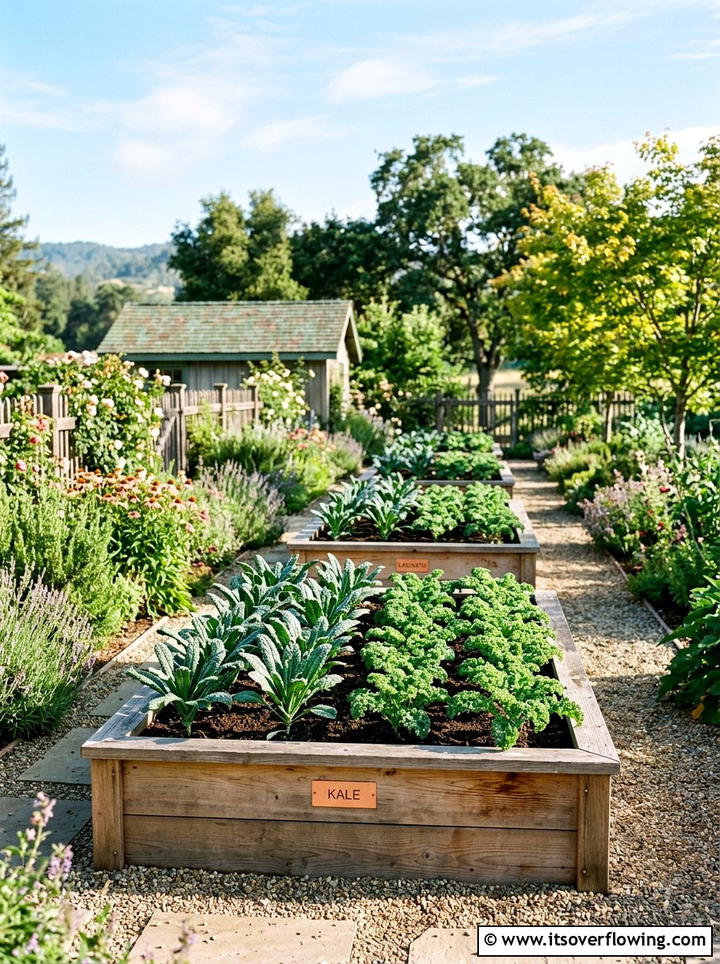
A raised vegetable garden can be both functional and beautiful when you use a minimal design approach. You can build several identical wooden or metal troughs and place them in a neat row. To keep the look minimal, try planting only one type of vegetable or herb in each container, like all kale in one and all chives in another. This creates a very organized and rhythmic appearance that looks much cleaner than a traditional messy garden plot. It also makes harvesting and caring for your food much easier. This style proves that a productive garden can still follow the rules of modern minimalism and high-end outdoor design.
21. Potted plant garden
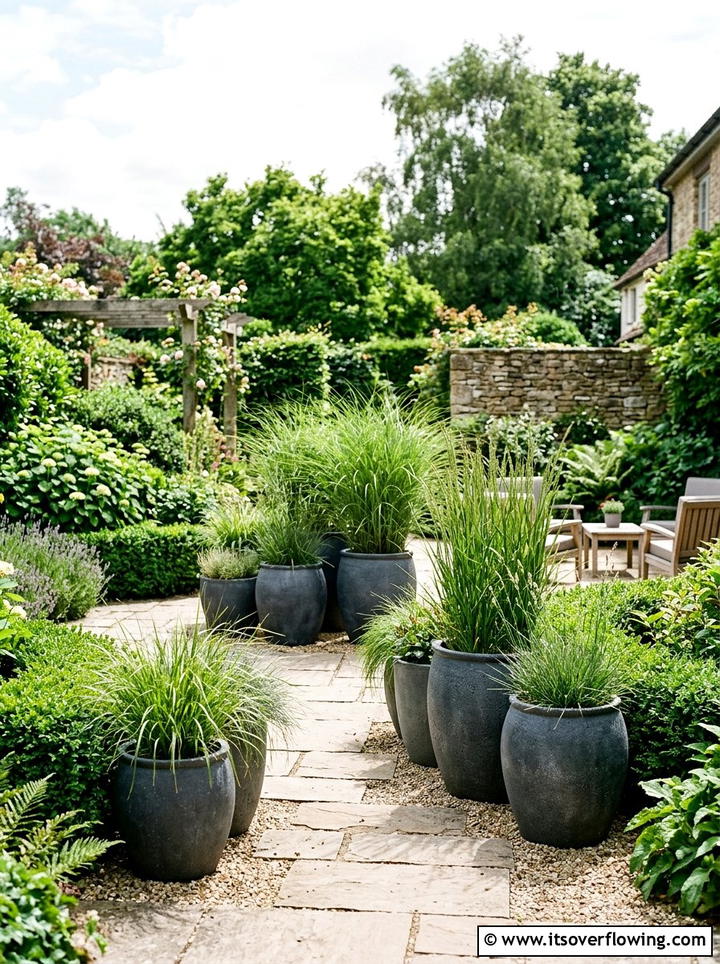
A potted plant garden is a versatile way to bring greenery to a patio, balcony, or even a front porch. You should select pots that all have the same color or material, such as charcoal gray or weathered terracotta, to create a unified look. Then, fill them with just one or two types of plants, like tall grasses or structural succulents. This repetition makes the collection of pots look like a deliberate design choice rather than a random assortment. You can easily move the pots around to change the look of your space whenever you want. It is a very flexible and low-commitment way to enjoy a minimal planting palette.
22. Living wall garden
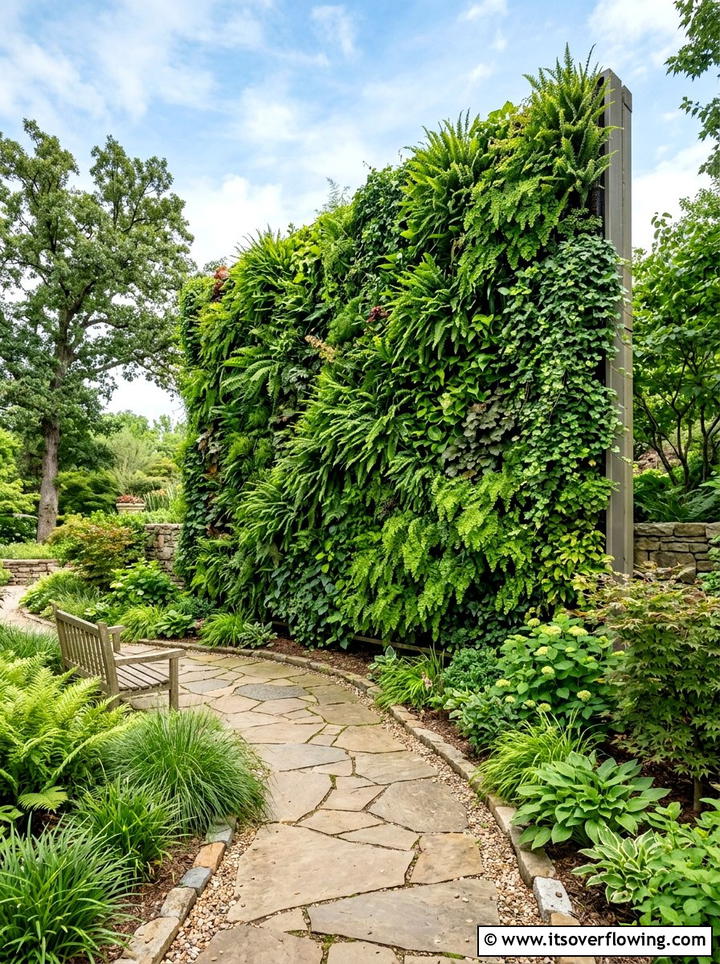
A living wall garden is a bold way to add a lot of greenery to a small space by growing plants vertically. You can use a modular system to mount many small plants onto a fence or an exterior wall. By using just a few types of ferns or ivy, you create a solid tapestry of green that looks like living wallpaper. This approach is perfect for covering up an ugly wall or adding life to a narrow side passage. It provides a huge amount of visual impact without taking up any actual floor space. The vertical greenery also helps to cool down the area and provide extra insulation for your home.
23. Slate chip garden
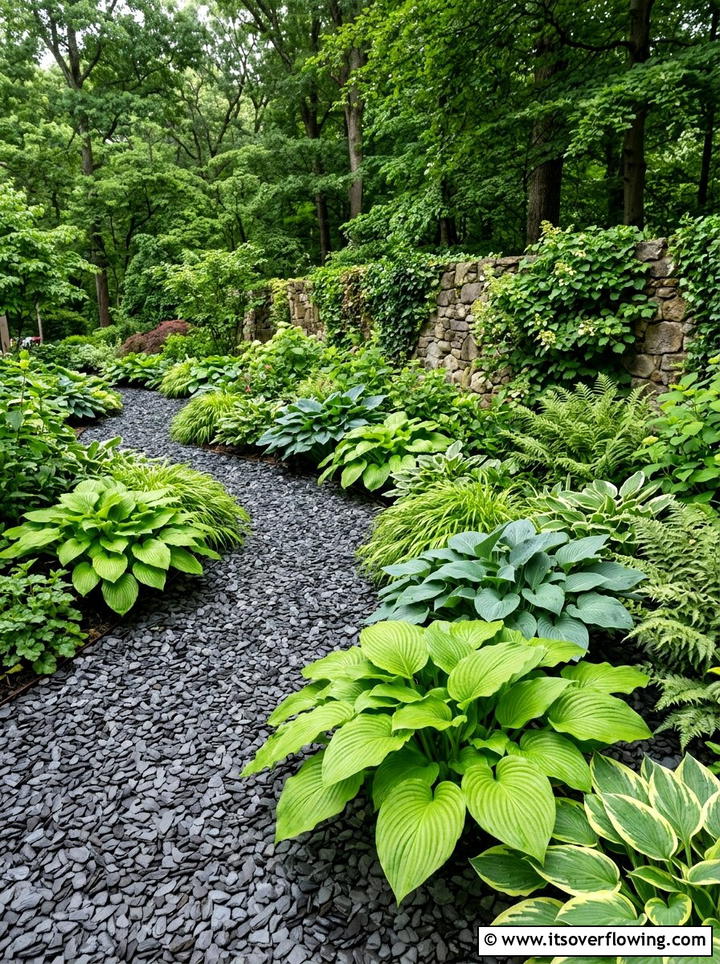
A slate chip garden uses dark, flat pieces of stone to create a dramatic and moody ground cover. The dark color of the slate makes any green plants you choose look incredibly vibrant and bright. You can plant a few architectural species, like hostas or ferns, right through the slate for a very high-contrast look. This style is excellent for shady areas where grass might struggle to grow. The slate chips stay in place well and help to keep the soil moist for your plants. It is a very low-maintenance and modern design that looks sophisticated in both rain and shine, giving your yard a very polished finish.
24. Fire pit garden
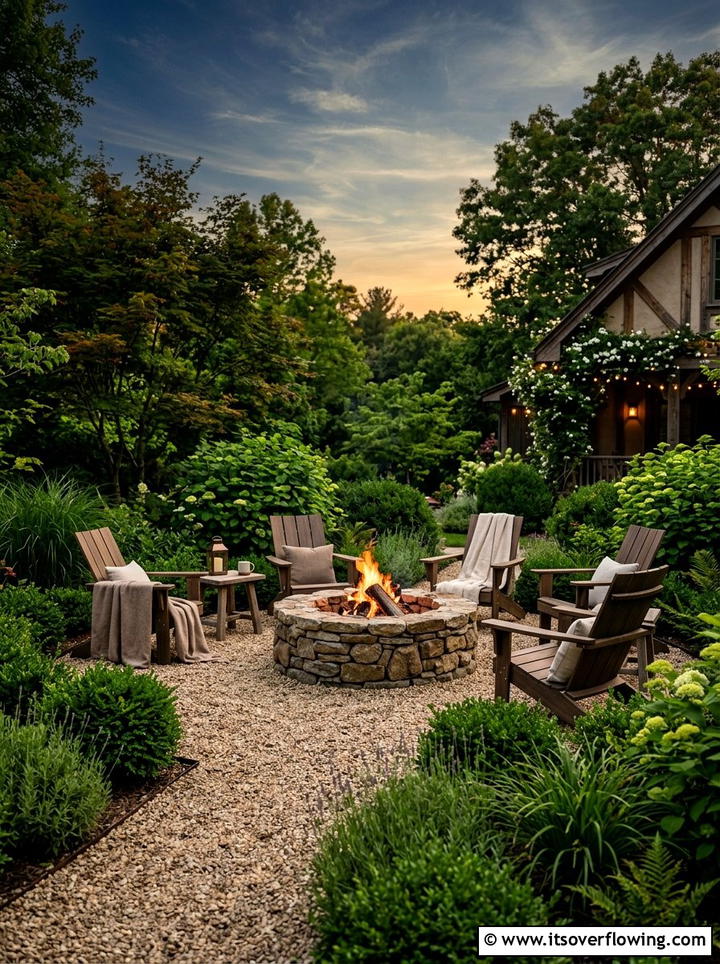
Creating a fire pit garden involves centering your design around a social gathering spot while keeping the surrounding plants very simple. You can place a modern metal or stone fire pit in the center of a circular gravel or paved area. Around the edges, you might plant a ring of identical low-growing shrubs or soft grasses. This creates a warm and inviting atmosphere that feels balanced and well-planned. The minimal planting ensures that the focus remains on the fire and the people sitting around it. It is a perfect way to enjoy your outdoor space during the cooler evenings while maintaining a very clean and contemporary aesthetic.
25. Symmetrical garden
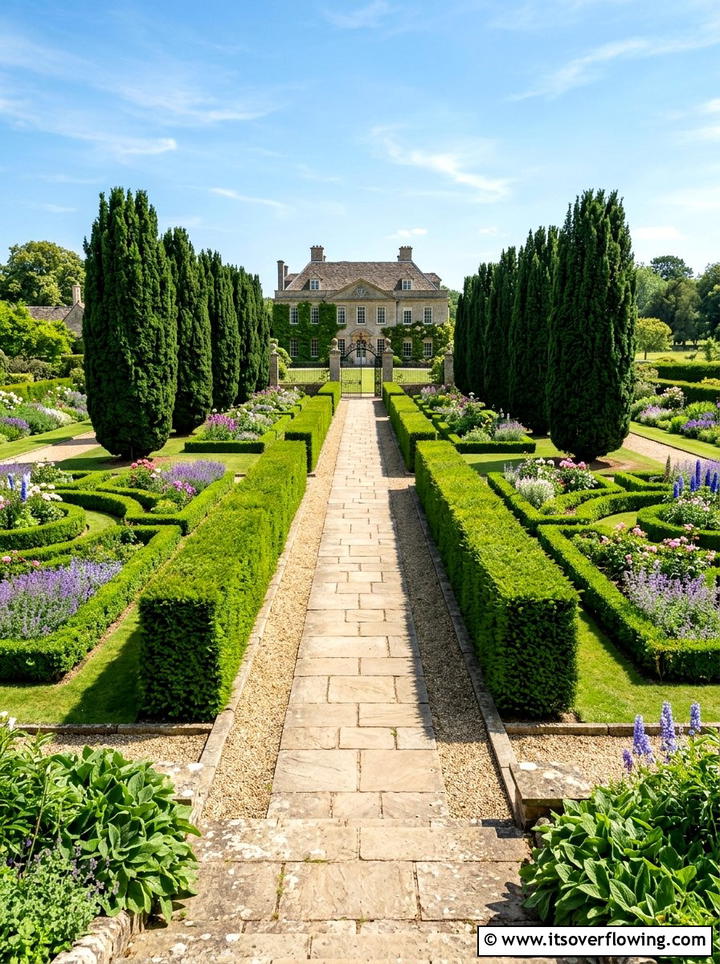
A symmetrical garden relies on balance and mirroring to create a sense of peace and formal beauty. You can place identical plants on either side of a path, doorway, or central feature to create a perfect mirror image. By using a very limited palette of just two or three plant types, the symmetry becomes even more obvious and striking. This style is very pleasing to the eye because it feels very organized and stable. You might use pairs of tall trees or matching rows of small hedges to define the space. It is a classic design technique that works perfectly with a modern, minimal planting palette for any sized home.
Conclusion:
Adopting a minimal planting palette is a wonderful way to simplify your life while elevating the beauty of your home. By choosing to focus on a few high-quality plant species and strong design elements, you create an outdoor space that feels intentional and calm. This approach allows you to appreciate the subtle details of nature, such as the texture of a leaf or the way a shadow falls on a stone. It also reduces the time you spend on chores, giving you more hours to actually enjoy your garden. Whether you prefer the structure of hedges or the softness of grasses, minimalism offers a path to a truly timeless landscape.

Related posts:
 25 Creative Garden Ideas With Sensory Planting for Relaxation
 25 garden design ideas with monochrome plants: Chic Planting
 25 Garden Ideas With Rain Gutters for Clever Planting
 25 Creative Garden Ideas for Patios: Fresh Outdoor Style
 25 Creative Garden Ideas With Espalier Trees for Style
 25 creative garden ideas with personalized signs for Unique Style
 25 Creative Garden Ideas With Rain Chains for Serene Style
 25 Creative Garden Ideas With Topiary Shapes for Bold Style
 25 Garden Ideas With Cinder Blocks for Creative Outdoor Style
 25 Garden Ideas With Pallets For Creative Outdoor Style
 25 garden design ideas with color themes: Stunning Palette Tips
 25 Creative Garden Ideas With Keyhole Garden Beds