
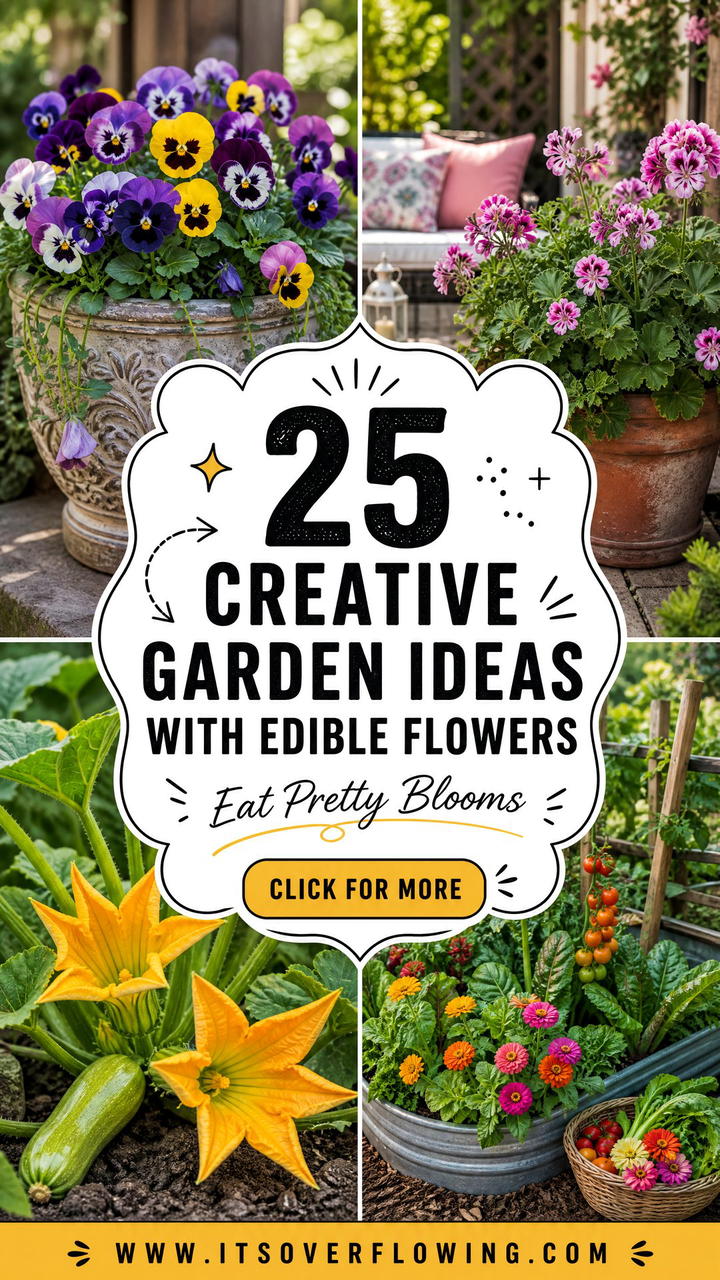
Creating a stunning outdoor space that serves a practical purpose is easier than you might think. Many homeowners are now looking for ways to blend beauty with utility by incorporating edible flowers into their landscape. These vibrant blooms do more than just attract bees to your yard. They also provide a fresh harvest for your salads and drinks right from your own backyard. Whether you have a sprawling estate or a small urban balcony, these plants offer a versatile way to enhance your living environment. This guide explores creative ways to organize your outdoor space with flowers that look great and taste even better. You will discover how to mix textures while maintaining a functional kitchen garden that provides healthy treats for your family.
1. Potager garden
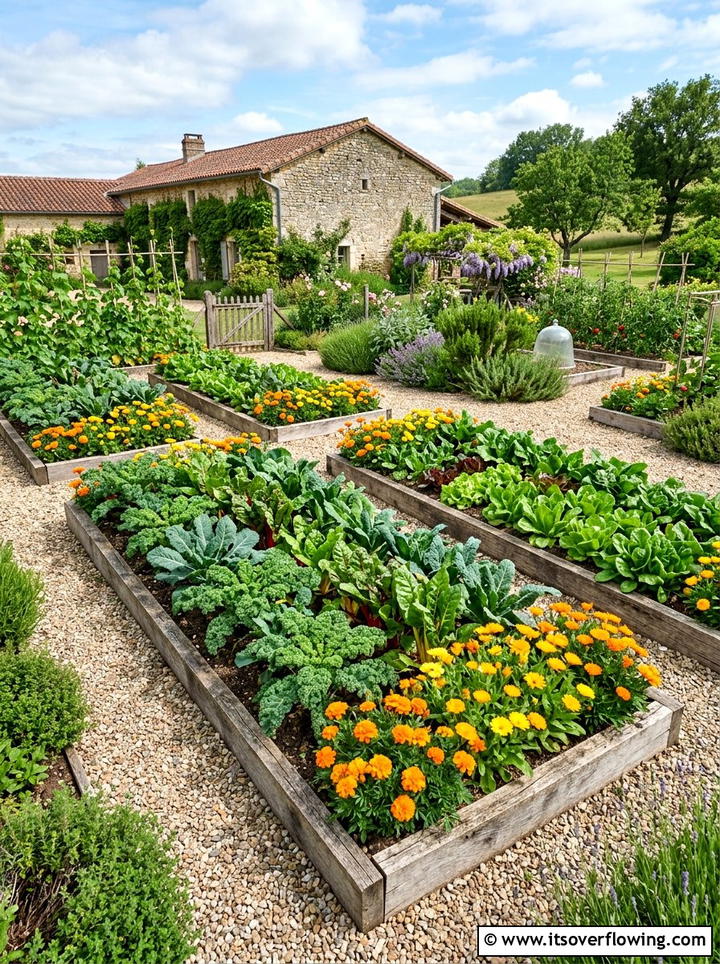
Mixing vegetables and edible flowers creates a traditional French potager garden that is both beautiful and functional. You can plant rows of leafy greens next to bright orange marigolds to keep pests away naturally. This layout uses structured paths to separate different zones while keeping everything within easy reach for harvesting. The combination of textures from kale leaves and soft flower petals adds visual depth to your backyard. Using wooden borders or stone edges helps define the space and gives it a clean look. This design allows you to enjoy a productive food source that looks like a curated landscape. It is a perfect choice for those who love to cook with fresh garden ingredients.
2. Nasturtium flower border
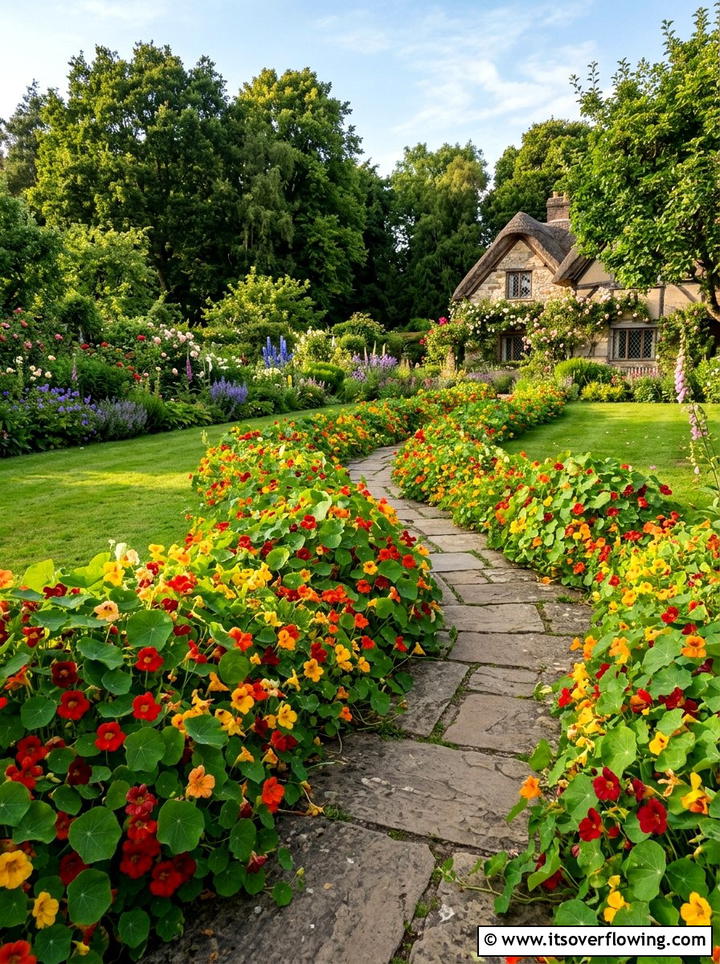
Adding a border of nasturtiums along your garden paths provides a splash of warm color and a peppery treat for your kitchen. These flowers are incredibly easy to grow and will quickly fill in gaps along the edges of your beds. Their circular green leaves look like small lily pads and provide a unique texture against other plants. You can harvest both the flowers and the leaves to add a spicy kick to your summer salads. They also act as a trap crop for aphids which helps protect your more delicate vegetable plants. This simple addition makes your walkways look inviting while serving a very practical purpose in your overall garden ecosystem.
3. Lavender walkway
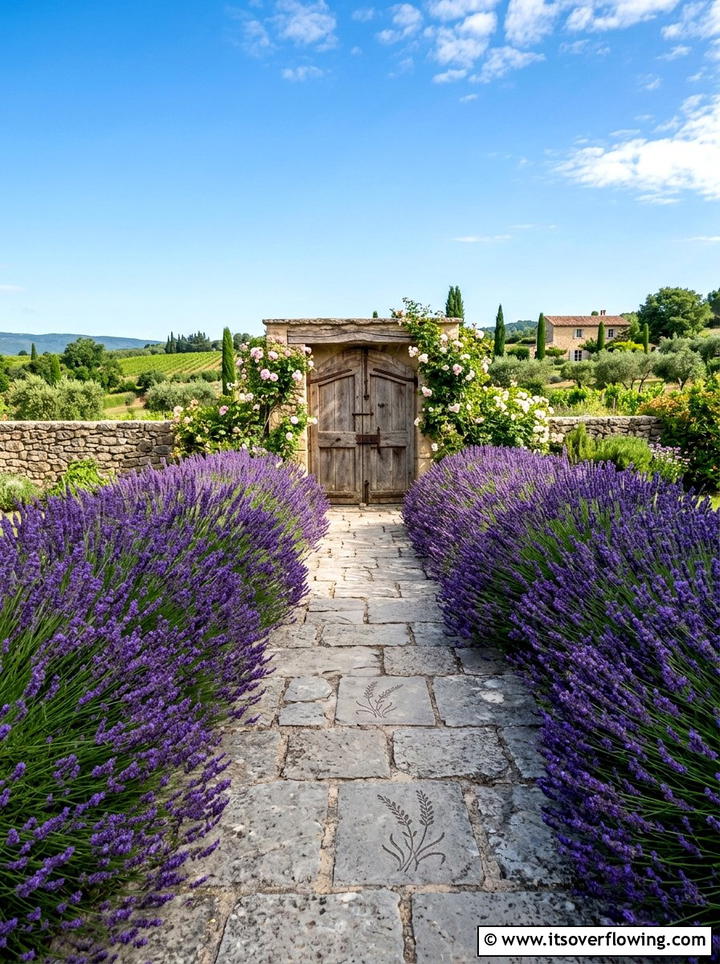
Placing lavender along a main garden path creates a sensory experience every time you walk through your yard. The sweet fragrance fills the air while the purple spikes provide a soft and calming visual element. You can dry the flowers to use in baking or to make homemade herbal teas. Lavender is very drought tolerant once it is established which makes it a great choice for sunny areas. It attracts many beneficial pollinators like bees and butterflies to your garden beds. This design works well in both modern and rustic settings because of its tidy growth habit. A lavender border adds structure and elegance to any outdoor space while offering a delightful harvest.
4. Marigold vegetable patch
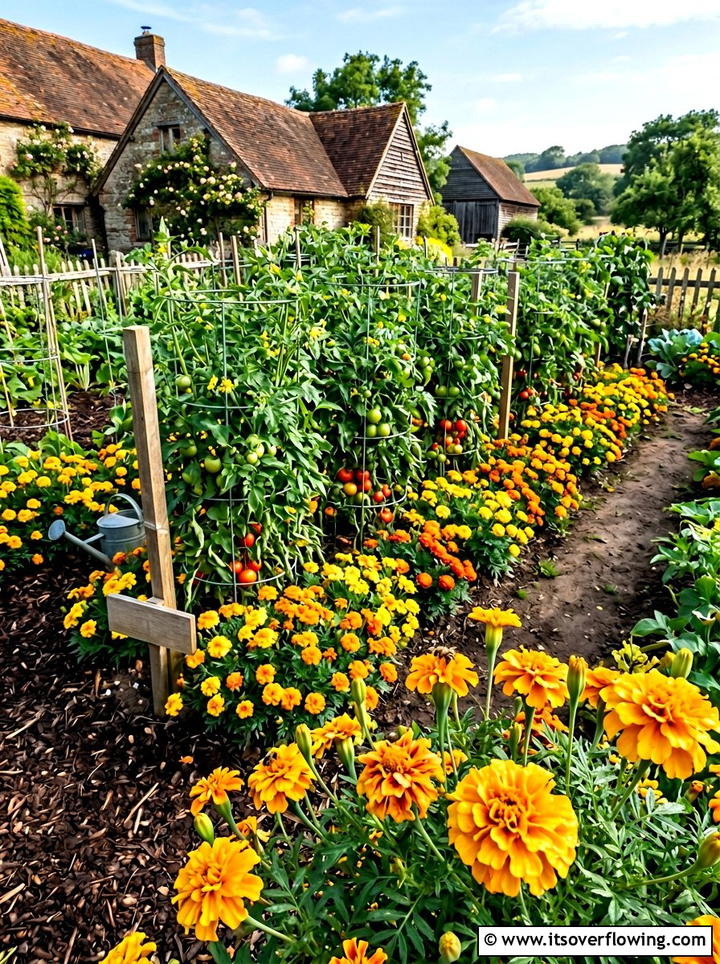
Integrating marigolds into your vegetable patch is a classic way to manage pests while adding bright pops of gold and copper. These hardy flowers have a distinct scent that many garden pests find unappealing. You can sprinkle the petals over salads or use them as a natural food coloring for rice and butter. They bloom consistently throughout the summer and into the fall which keeps your garden looking vibrant for months. Planting them in clusters between your tomato plants or peppers creates a dense and lush appearance. This approach ensures your food garden remains healthy and visually appealing without needing harsh chemicals. It is a smart and colorful way to garden.
5. Pansy container garden
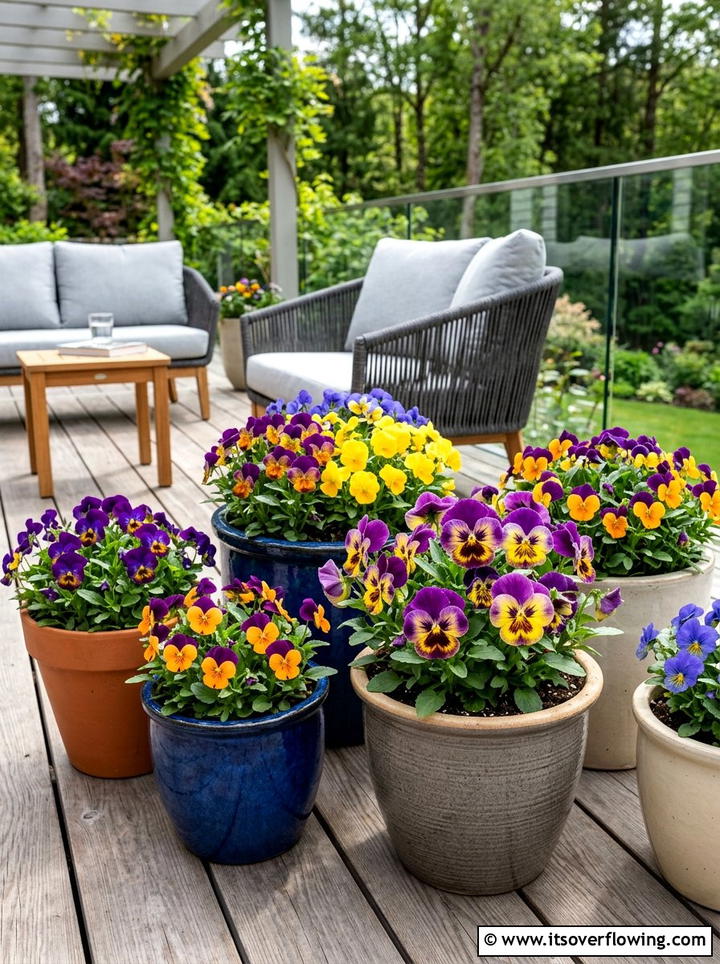
Creating a container garden filled with pansies is a great way to enjoy edible flowers if you have limited space. These cool-season blooms come in almost every color imaginable and have a mild wintergreen flavor. You can place the pots on your patio or front porch to welcome guests with a cheerful display. Pansies are perfect for decorating cakes or freezing into ice cubes for fancy summer drinks. They prefer partial sun and regular watering to keep their delicate petals looking fresh and vibrant. Using containers of different heights creates a layered look that adds interest to small balconies. This setup allows you to move your flowers around to catch the best light.
6. Borage herb bed
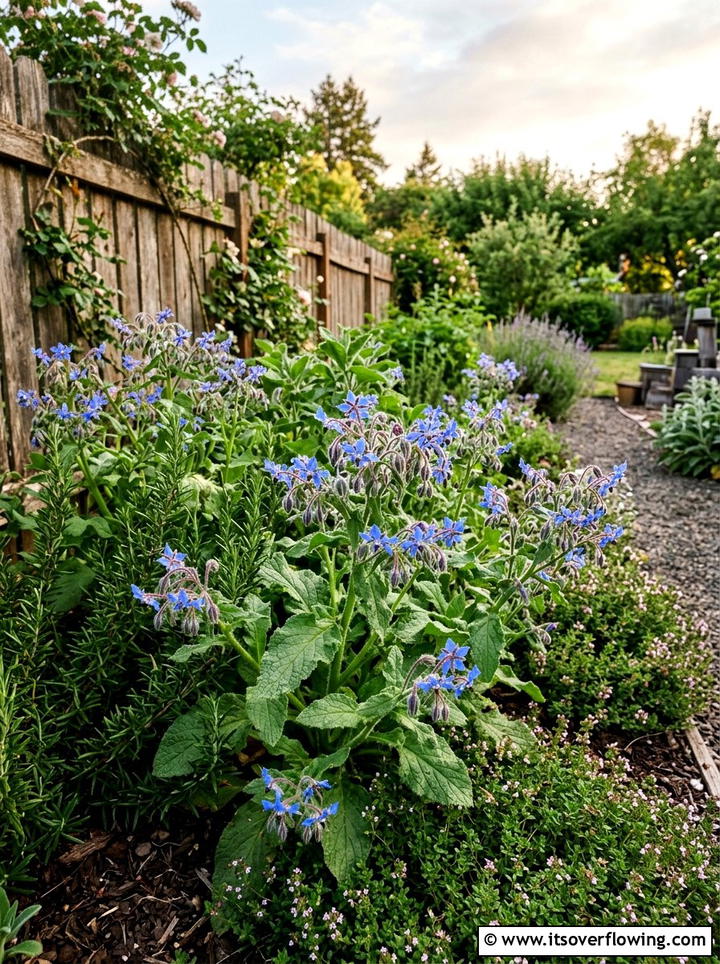
Growing borage in your herb bed provides beautiful star-shaped blue flowers that taste remarkably like fresh cucumbers. This plant is a favorite for bees and will help increase the yield of your nearby fruit trees. The fuzzy green leaves add a different texture to your garden while the bright blue blooms stand out against green foliage. You can use the flowers to garnish cold soups or drop them into lemonade for a cooling effect. Borage can grow quite large so it works well as a backdrop for smaller herbs like thyme or parsley. It often reseeds itself which means you will have new plants popping up every year without any extra effort.
7. Calendula flower bed
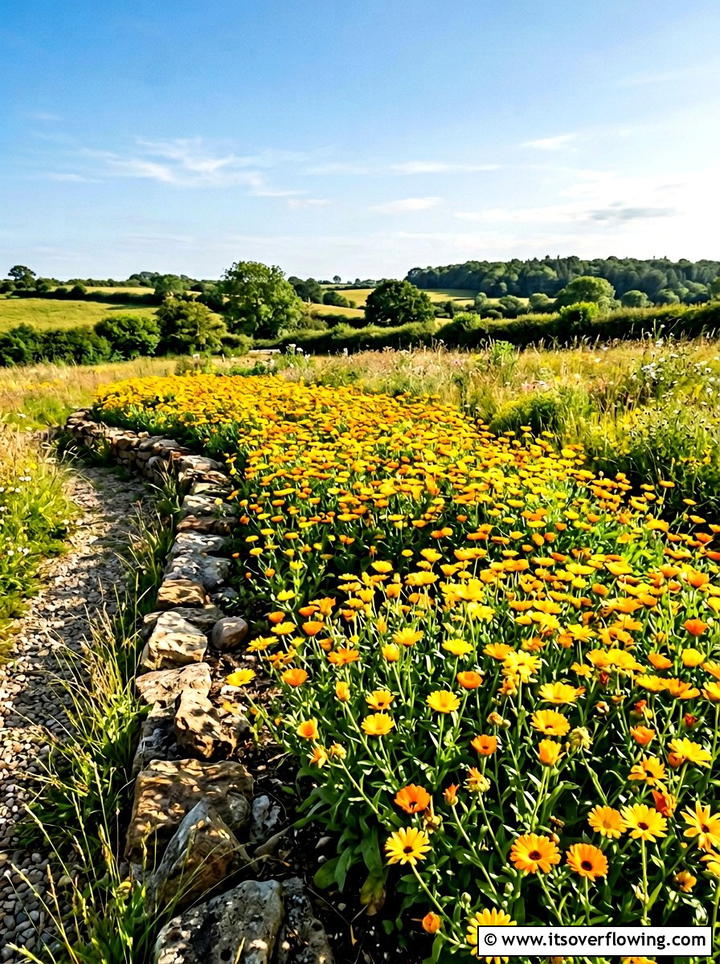
A dedicated bed of calendula offers a sea of bright yellow and orange blooms that are highly valued for their healing properties. These flowers are often called pot marigolds and have a slightly bitter but pleasant taste. You can dry the petals to use in skin salves or add them fresh to grain dishes for a beautiful color. They are very easy to grow from seed and will bloom quickly even in poor soil conditions. Planting them in a mass grouping creates a bold focal point in your yard that catches the sun. Their long stems make them excellent for cutting and bringing indoors to brighten up your kitchen table throughout the summer.
8. Viola hanging basket
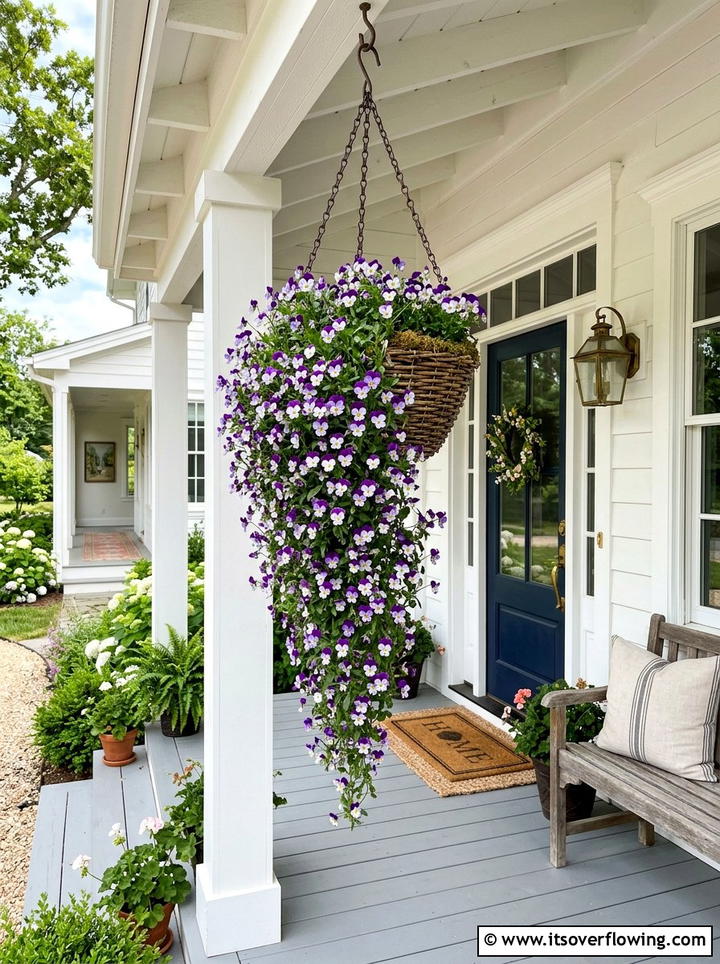
Hanging baskets filled with violas allow you to enjoy edible flowers at eye level while saving valuable ground space. These tiny blooms are cousins to pansies and have a sweet floral flavor that works well in desserts. You can hang them near your kitchen door for a quick harvest when you are preparing a meal. The trailing habit of some varieties creates a lush waterfall of color that softens the edges of your porch. Using a high-quality potting mix and regular liquid fertilizer will keep them blooming all through the spring. Violas are quite hardy and can even withstand light frosts which extends your growing season. They are a charming addition to any home exterior.
9. Rose and herb garden
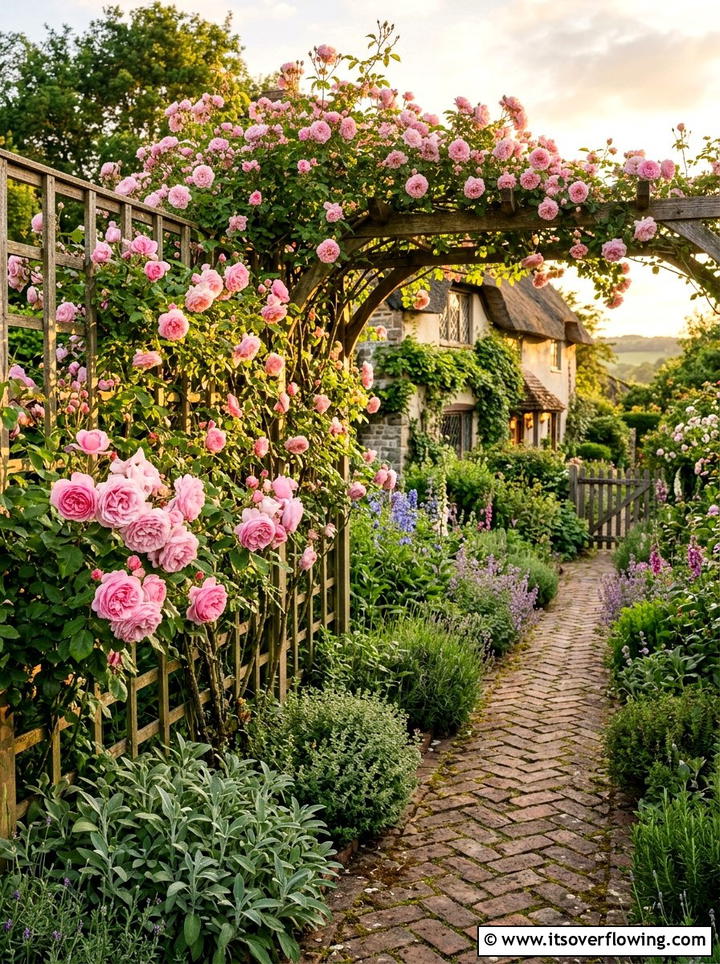
Combining roses with culinary herbs creates a romantic and fragrant space that is entirely edible. Many people do not realize that all rose petals are edible and can be used to make syrups or jams. Planting them alongside rosemary and sage creates a classic look that feels like a traditional English cottage garden. The taller rose bushes provide structure while the low-growing herbs fill in the ground around the base. This design encourages you to linger and enjoy the complex scents while gathering ingredients for a floral-infused tea. Choosing disease-resistant rose varieties ensures your garden stays beautiful and healthy with minimal maintenance. It is a timeless way to design a yard.
10. Chamomile lawn
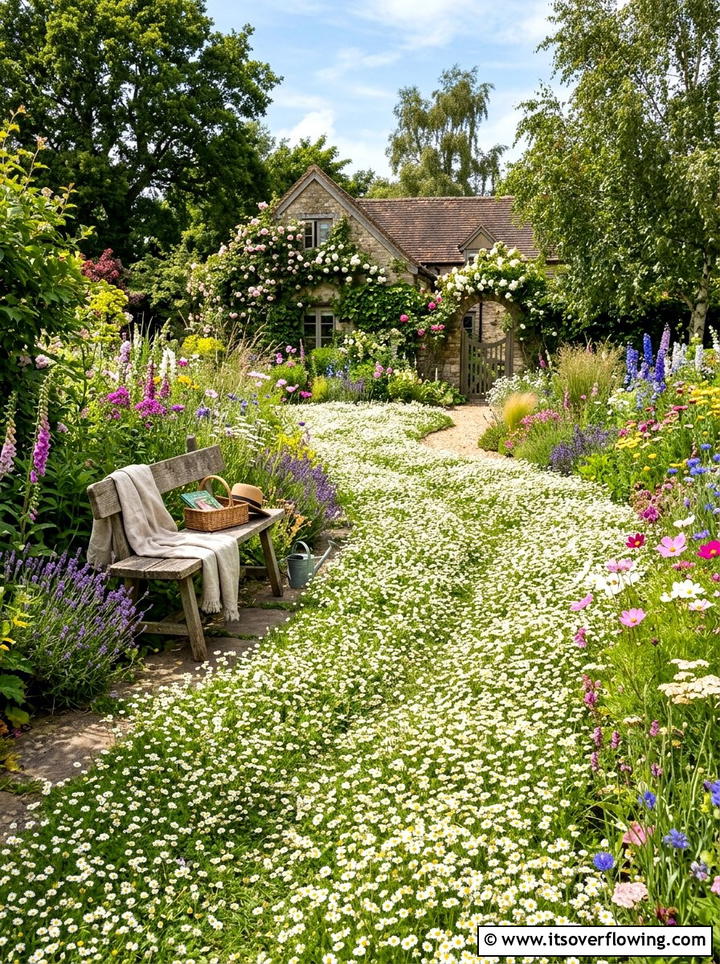
Replacing a traditional grass lawn with a chamomile lawn creates a soft and fragrant groundcover that you can actually harvest. This low-growing plant produces tiny daisy-like flowers that are famous for their calming tea properties. It releases a sweet apple-like scent when you walk on it which makes it a delight for the senses. Chamomile requires less mowing than grass and stays green with significantly less water. This eco-friendly alternative provides a whimsical look that fits perfectly in a natural or wild garden setting. You can harvest the flowers throughout the summer and dry them for year-round use. It is a sustainable and productive way to use your open outdoor spaces.
11. Sunflower backyard garden
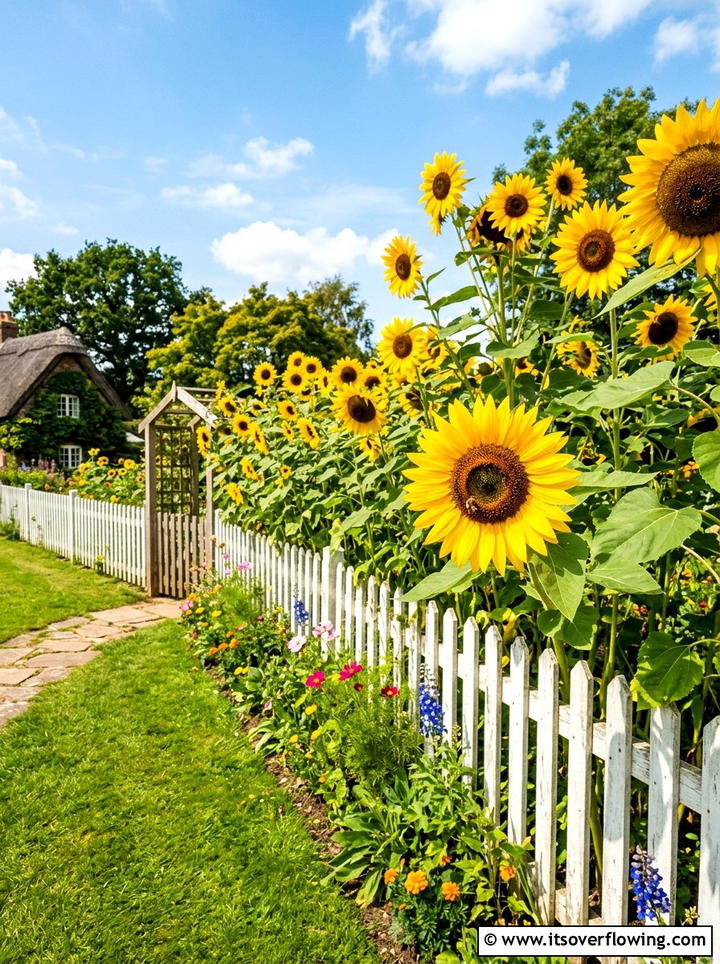
Sunflowers are a dramatic addition to any backyard and offer edible petals as well as nutritious seeds. These towering plants create a natural privacy screen along your fence line while attracting birds and pollinators. The petals have a bittersweet nutty flavor that adds a unique element to summer salads or pastas. You can choose different heights and colors to create a layered effect in your flower beds. They are incredibly easy to grow and can handle hot summer sun without much trouble. Seeing these giant blooms follow the sun throughout the day adds a sense of wonder to your landscape. They are a cheerful choice that provides food for humans and wildlife.
12. Bee balm pollinator garden
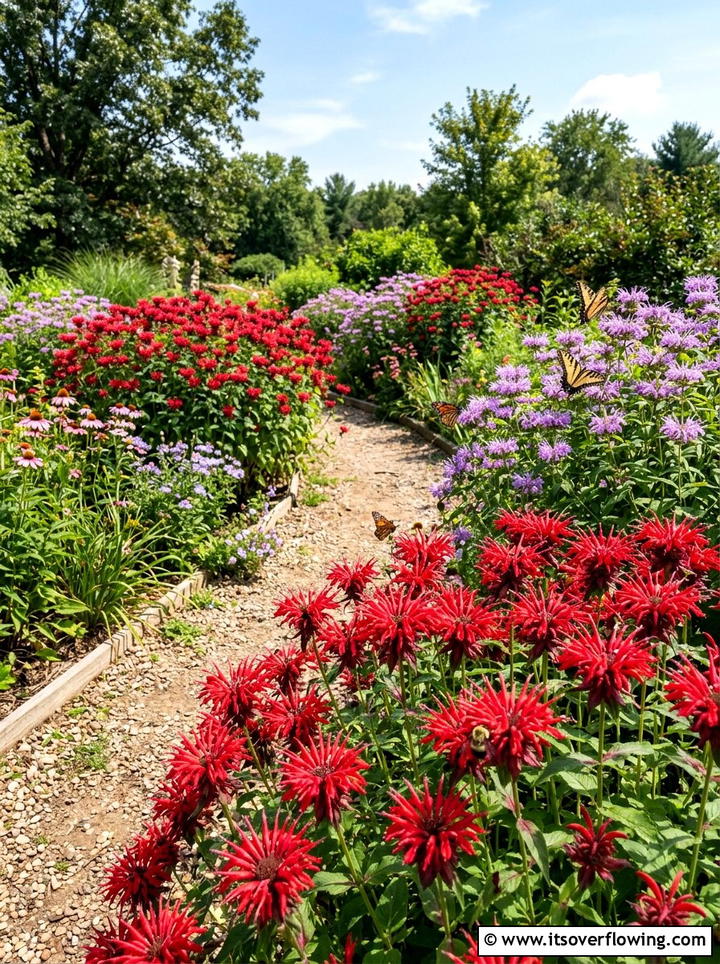
Bee balm is a striking perennial that produces unique shaggy flowers in shades of red, pink, and purple. The flowers and leaves have a citrusy flavor that is very similar to Earl Grey tea. Planting this in a dedicated pollinator garden will bring hummingbirds and butterflies to your yard in large numbers. It grows in dense clumps which helps fill in large areas of your landscape quickly. This plant loves the sun and will bloom for several weeks during the middle of the summer. You can use the fresh flowers as a garnish for fruit salads or brew the dried leaves for a soothing drink. It is a hardy and colorful plant choice.
13. Scented geranium patio
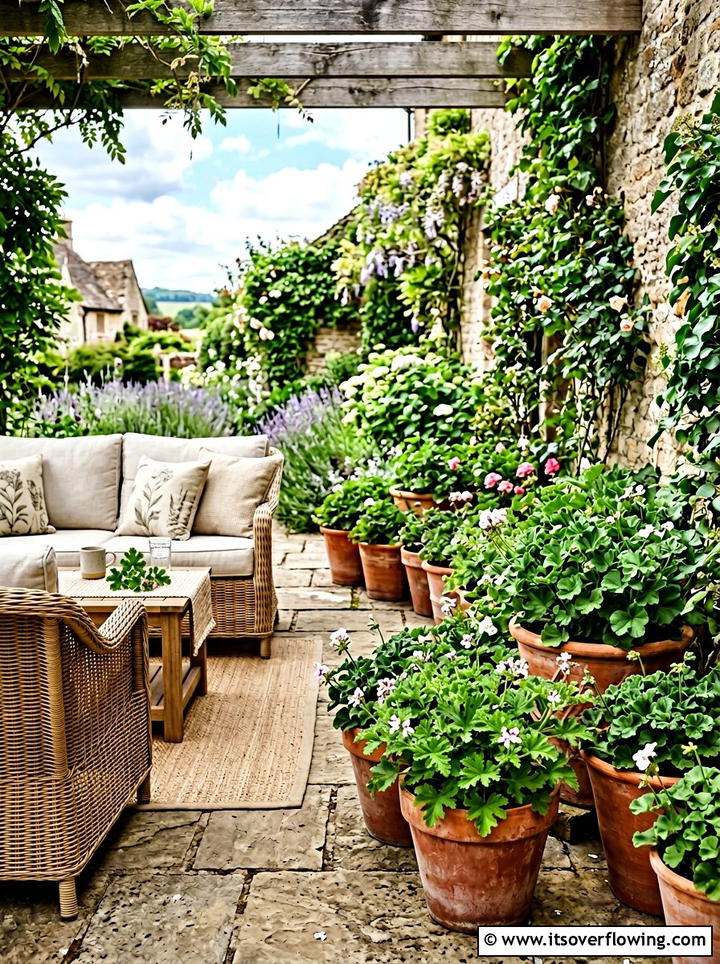
Using scented geraniums in pots on your patio allows you to enjoy their incredible fragrances up close. These plants have leaves that smell like roses, lemons, or even chocolate, and their small flowers are edible too. You can use the leaves to line cake pans for a subtle flavor infusion or sugar the flowers for decoration. They thrive in sunny spots and can be brought indoors during the winter in colder climates. The varied leaf shapes and textures add a lot of visual interest to a seating area. Having them near your outdoor dining table provides a natural conversation starter for guests. They are versatile plants that offer a unique culinary experience.
14. Chive flower border
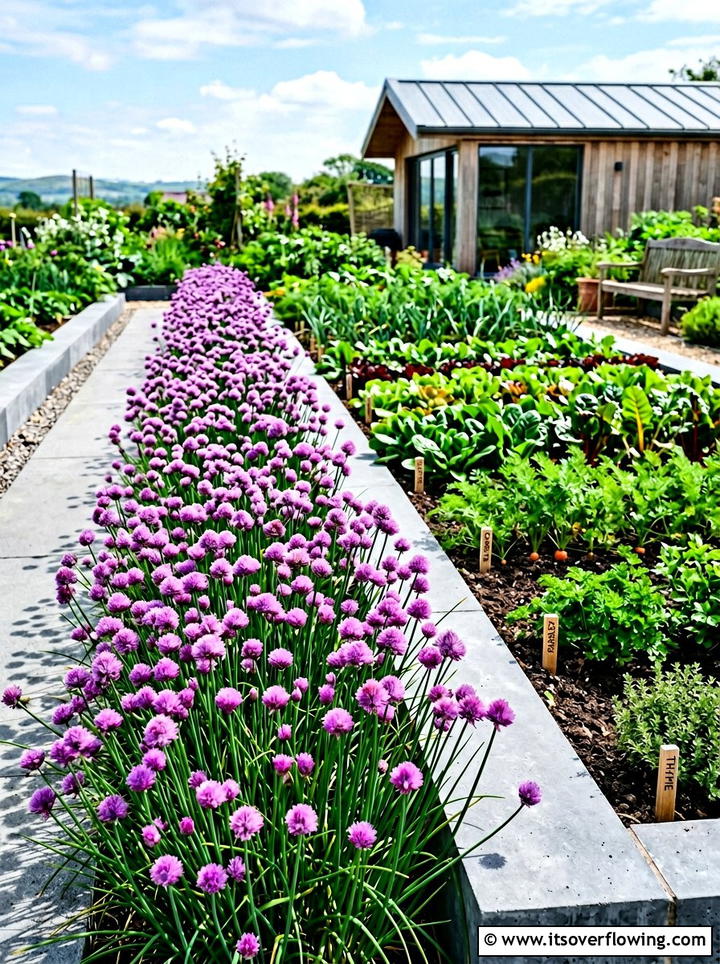
Chives produce beautiful globe-shaped purple flowers in the late spring that taste exactly like mild onions. Using these as a border for your garden beds provides a clean and architectural look. The thin green leaves stand upright and contrast well with softer flowering plants. You can break the flower heads apart and sprinkle the individual florets over potatoes or eggs for a burst of color. These plants are very hardy and will return year after year with very little care. They also help to deter certain pests from your vegetable garden when planted nearby. A chive border is a simple way to add structure and flavor to your home landscape.
15. Squash blossom garden
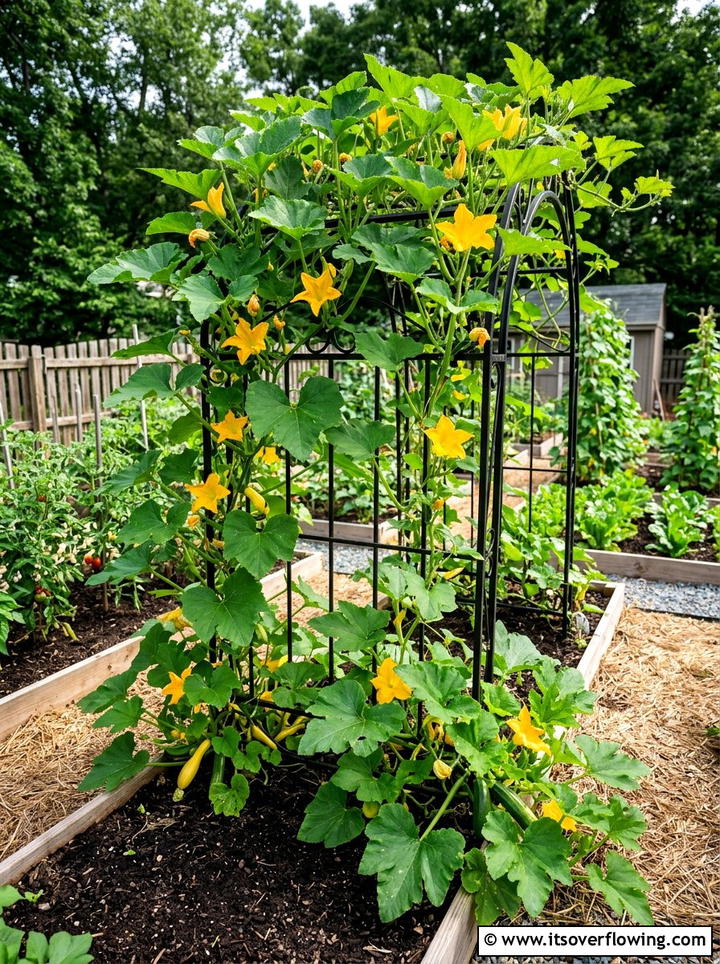
Dedicate a portion of your garden to squash plants specifically for their large and delicious golden blossoms. These flowers are a delicacy when stuffed with cheese and fried or added to fresh pasta dishes. The large leaves of the squash plant provide a dramatic green backdrop for the bright yellow trumpets. You can grow them over a trellis to save space and keep the blossoms clean and easy to reach. This method also creates a beautiful vertical element in your yard that provides shade for lower plants. Choosing both summer and winter squash varieties will give you a long season of harvesting these tasty and beautiful flowers for your kitchen.

16. Dianthus cottage garden
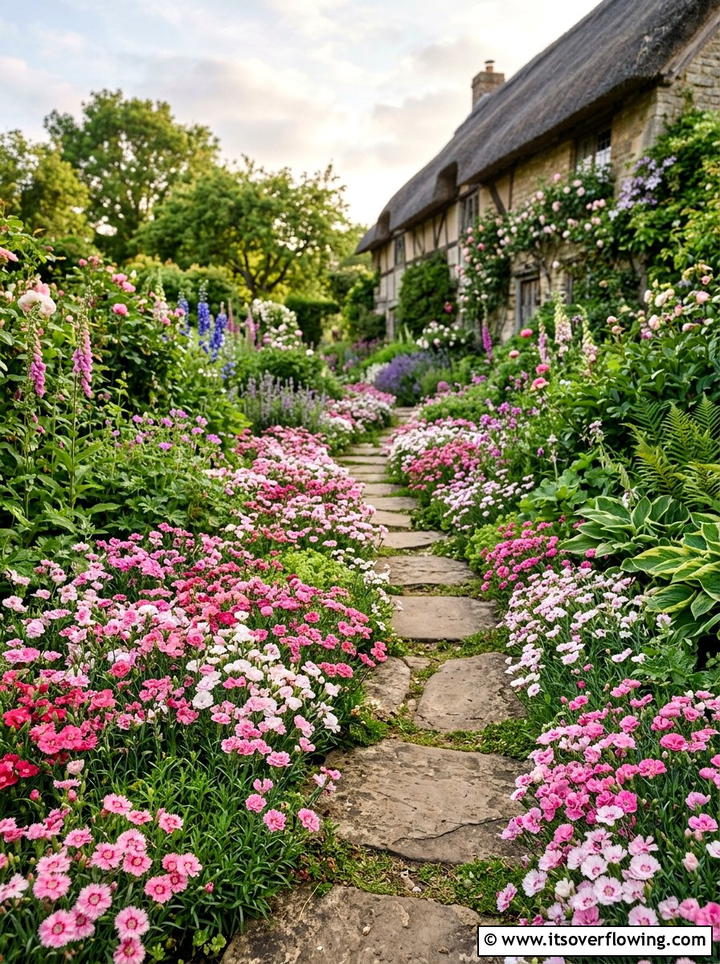
Dianthus flowers are often called “pinks” and offer a sweet clove-like flavor that is perfect for desserts. They feature fringed petals and come in many shades of white, pink, and red. Planting them in a cottage-style garden bed creates a dense and colorful carpet of blooms. They are low-growing plants that work well at the front of a border or tucked between stones. You can use the petals to flavor sugar or to decorate a birthday cake for a natural look. Their spicy scent is a lovely addition to any walkway or garden seating area. These hardy perennials are easy to maintain and bring a classic charm to your outdoor space.
17. Snapdragon kitchen garden
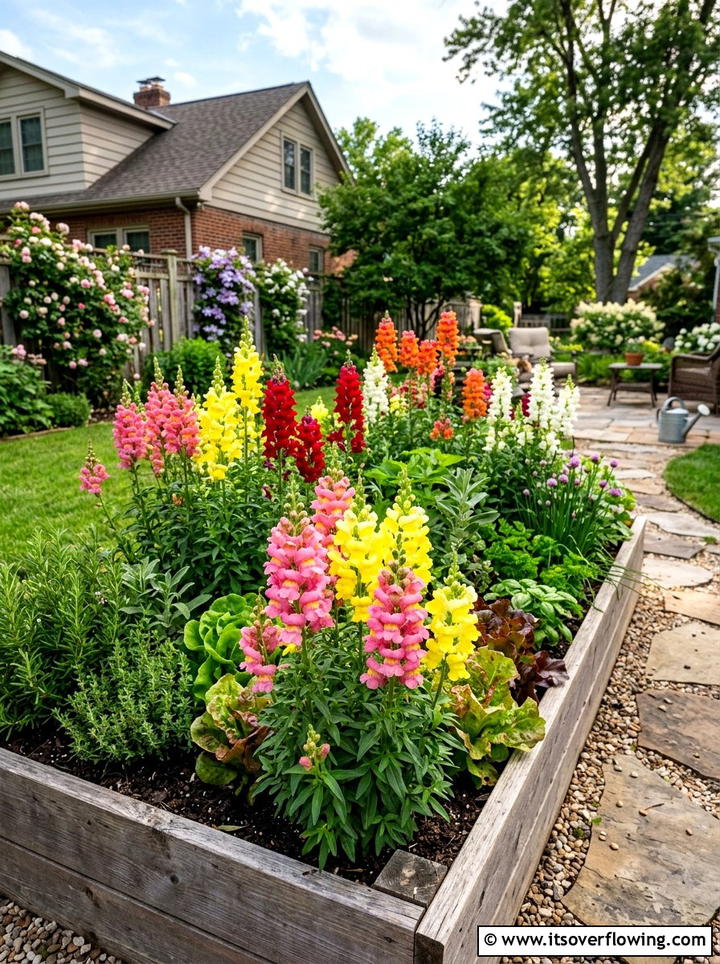
Snapdragons are a fun addition to a kitchen garden because of their unique shape and slightly bitter flavor. They come in a vast range of colors and heights which makes them very versatile for landscaping. You can use the taller varieties in the back of a bed to add vertical interest. The flowers can be used as a colorful garnish for salads or to decorate appetizer platters. They prefer cooler weather and will bloom heavily in the spring and again in the autumn. Kids especially love playing with the “snapping” flower heads which makes them a great family garden plant. They add a playful and vibrant touch to your home’s exterior.
18. Daylily landscape
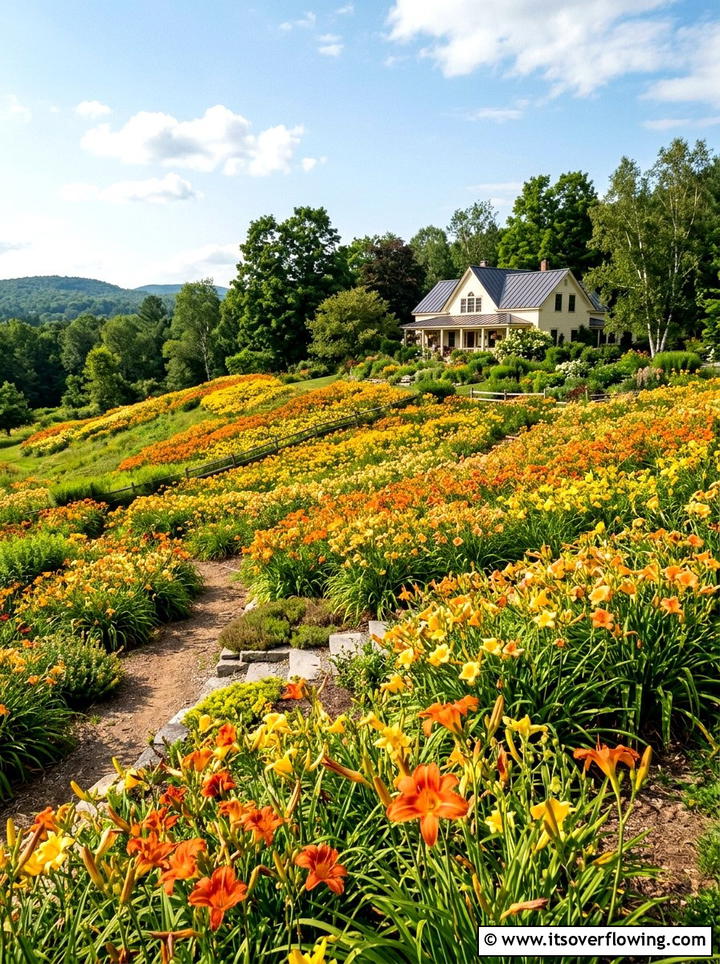
Daylilies are incredibly tough plants that produce large and beautiful flowers that taste like crunchy lettuce. You can use the unopened buds in stir-fries or the open petals in fresh salads. These plants are excellent for filling in large slopes or areas with poor soil where other plants might struggle. They come in thousands of varieties and colors which allows you to customize the look of your yard. Once they are established they require almost no maintenance and will spread to create a thick groundcover. Using them in your landscape provides a steady supply of food and beauty with very little effort. They are a reliable and attractive perennial choice.
19. Hibiscus hedge
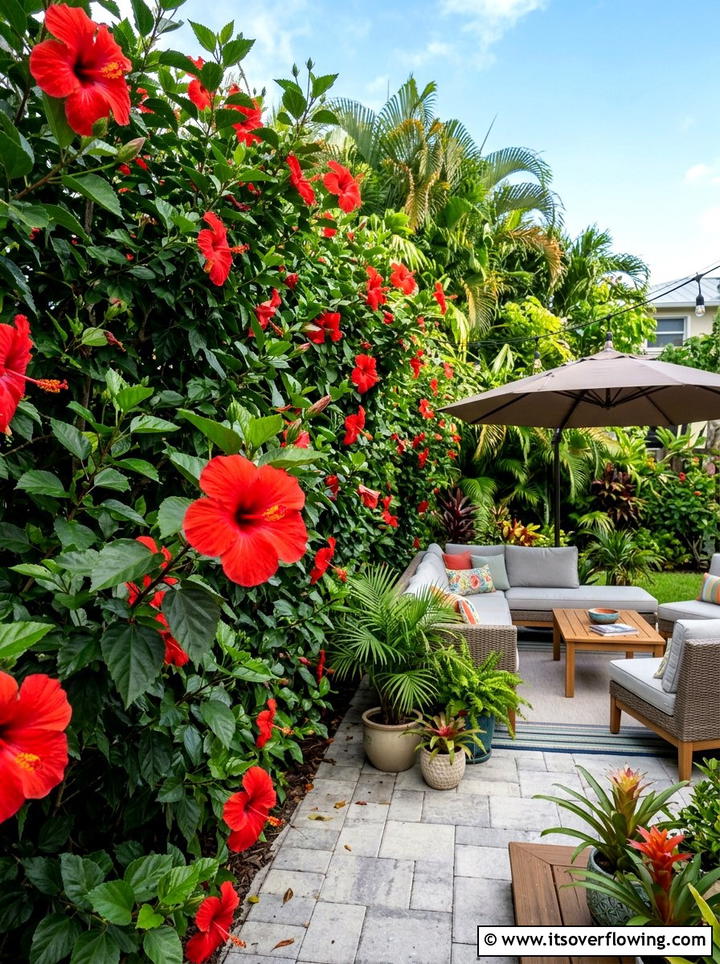
Planting a hibiscus hedge provides a tropical feel to your yard while offering flowers that make a tart and healthy tea. The large and showy blooms are a major focal point and can be used to add a cranberry-like flavor to drinks. This plant creates a dense screen that can provide privacy for your patio or backyard. Hibiscus flowers are also beautiful when used as a garnish for tropical-themed dishes or desserts. They thrive in hot and sunny conditions and will bloom continuously throughout the summer months. This choice is perfect for homeowners who want a bold and functional landscape element that feels like a permanent vacation spot in their yard.

20. Thyme and violet groundcover
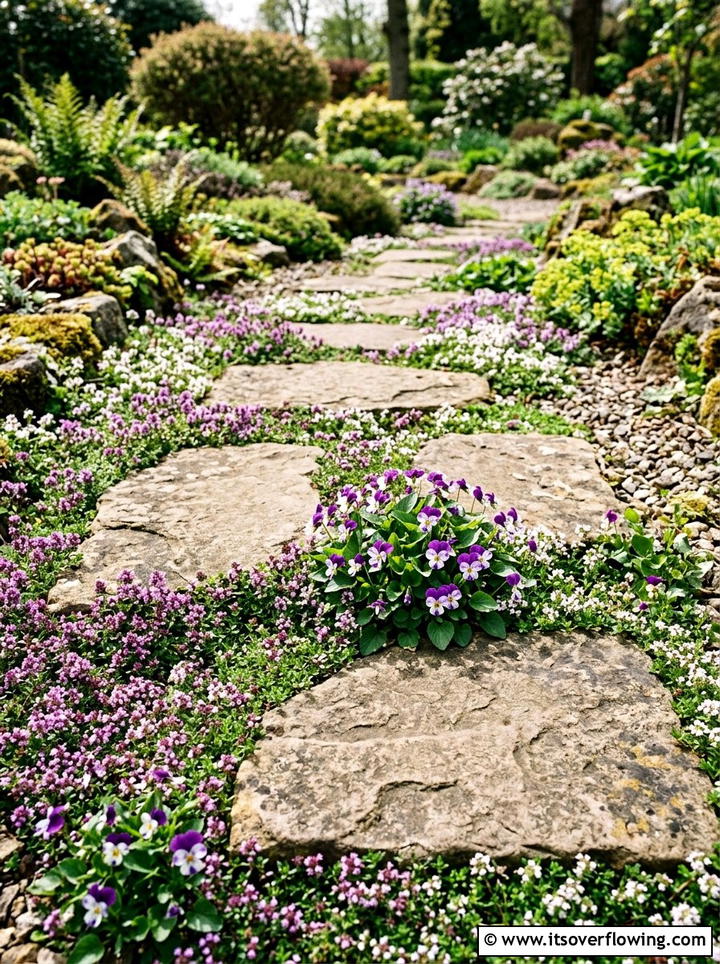
Using a mix of creeping thyme and wild violets creates a low-profile groundcover that is both edible and fragrant. The tiny thyme flowers have a savory herbal taste while the violets are sweet and floral. This combination works perfectly between stepping stones or in a rock garden where space is tight. Violets bloom early in the spring while the thyme will provide color later in the summer. Both plants are very hardy and can handle light foot traffic without being damaged. You can harvest the violets to make candied flowers or use the thyme for cooking your favorite savory dishes. It is a delicate and practical garden design.
21. Mint and borage corner
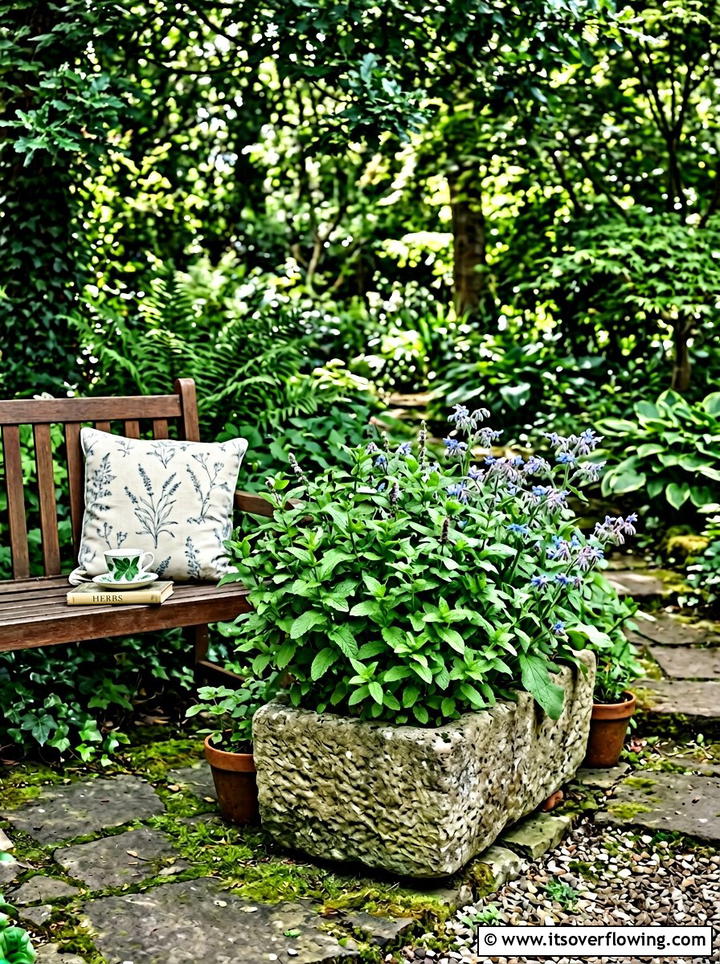
Creating a dedicated corner for mint and borage ensures you always have fresh ingredients for cooling summer drinks. Both of these plants can be quite vigorous so keeping them in a defined area is a smart move. The purple borage flowers and purple-tinged mint leaves look beautiful when planted together. Mint flowers are also edible and have a concentrated minty flavor that is great for garnishing desserts. This setup works well in a partially shaded area where these plants can stay moist and cool. Having a specific spot for your drink garnishes makes it easy to step outside and grab what you need for a refreshing afternoon tea or cocktail.
22. Sage and lavender terrace
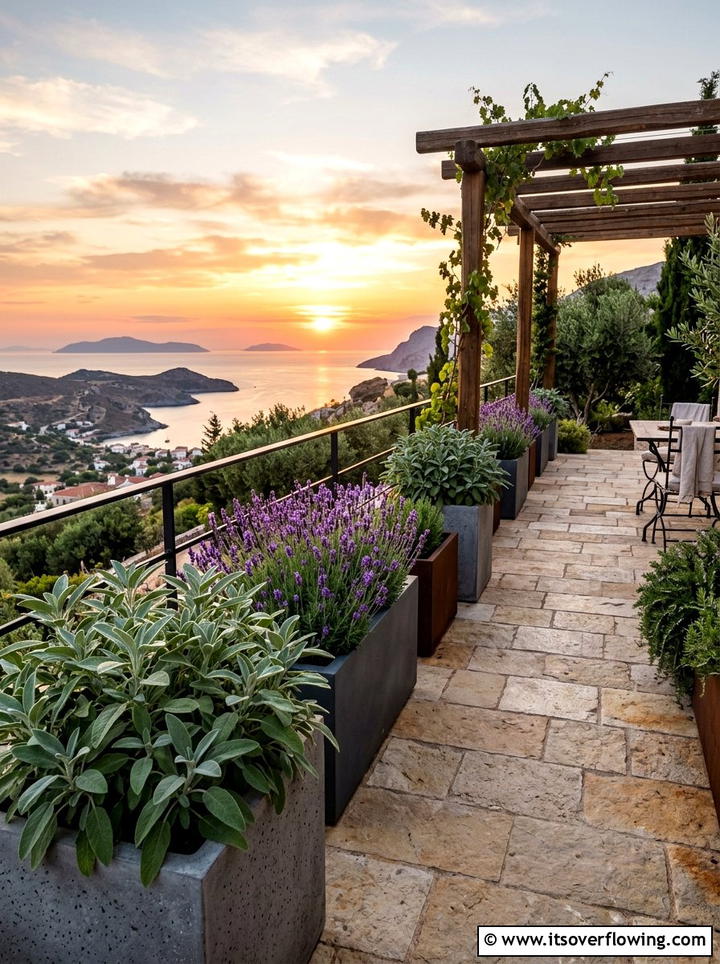
Designing a terrace with sage and lavender provides a Mediterranean look that is both drought-tolerant and productive. The soft grey-green foliage of the sage contrasts beautifully with the deep purple of the lavender. Both plants produce edible flowers that add a complex herbal note to your cooking and baking. You can use sage flowers in savory butter or lavender in sweet shortbread cookies. This combination thrives in full sun and well-drained soil which makes it perfect for a raised terrace or balcony. The textured leaves and spikes of color create a sophisticated and relaxed atmosphere. It is a low-maintenance way to enjoy a high-end garden look at home.
23. Culinary herb and dahlia bed
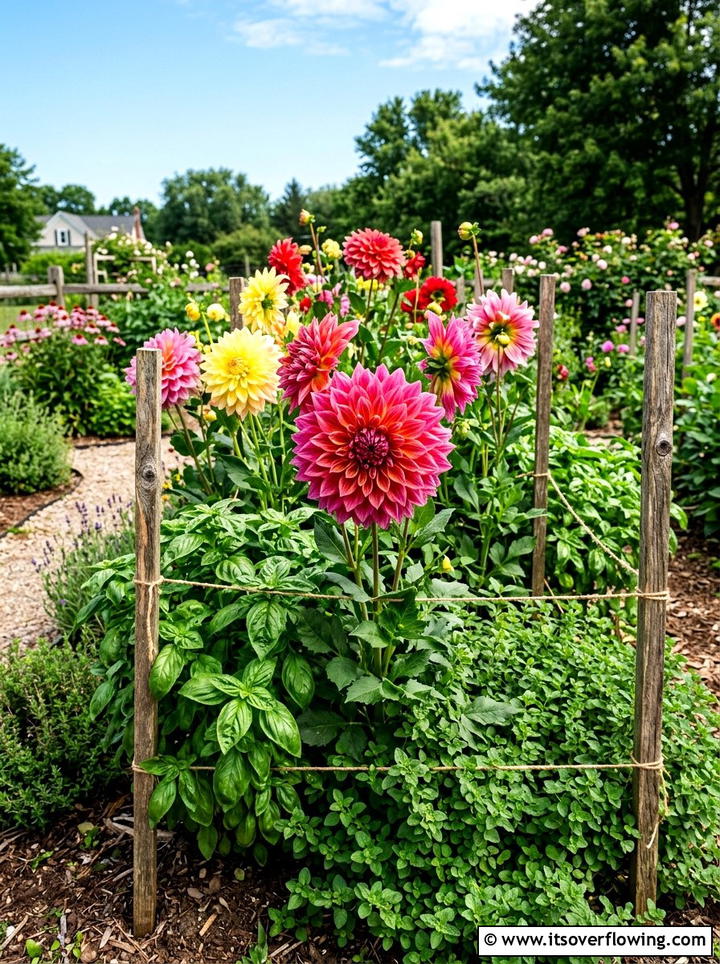
Dahlias are known for their spectacular blooms but many people do not know that their petals are edible. Mixing them with culinary herbs like basil and oregano creates a bed that is full of texture and flavor. The large and complex flowers of the dahlia serve as a bold centerpiece for the smaller herb plants. You can use the petals to add a mild spicy or floral taste to your summer salads. Dahlias come in an endless variety of shapes and colors which allows for complete creative freedom in your design. This pairing ensures that your vegetable garden looks as beautiful as a flower garden while remaining highly productive.
24. Zinnia vegetable garden
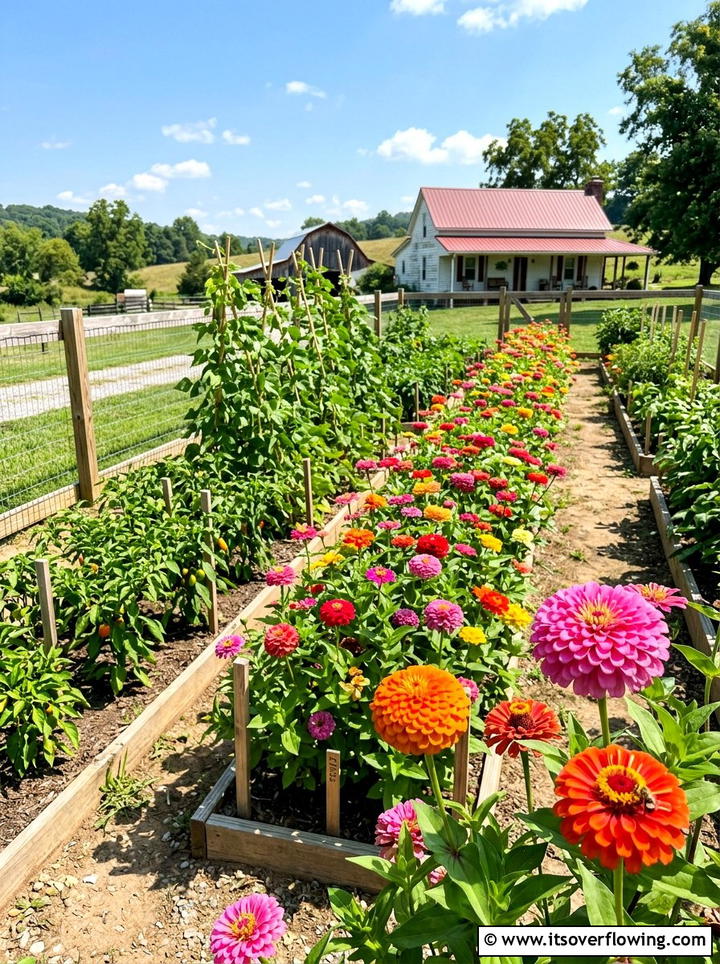
Zinnias are the workhorses of the summer garden and their bright petals are a safe and colorful edible addition. Planting them among your vegetables will attract pollinators and provide a continuous supply of cut flowers. They have a very mild flavor which makes them a great choice for decorating cakes without changing the taste. Zinnias are incredibly easy to grow from seed and will bloom harder the more you cut them. This makes them perfect for people who love to have fresh flowers inside their home as well as in the yard. Their sturdy stems and bright colors bring a joyful energy to any food-growing space in your backyard.
25. Vertical flower wall
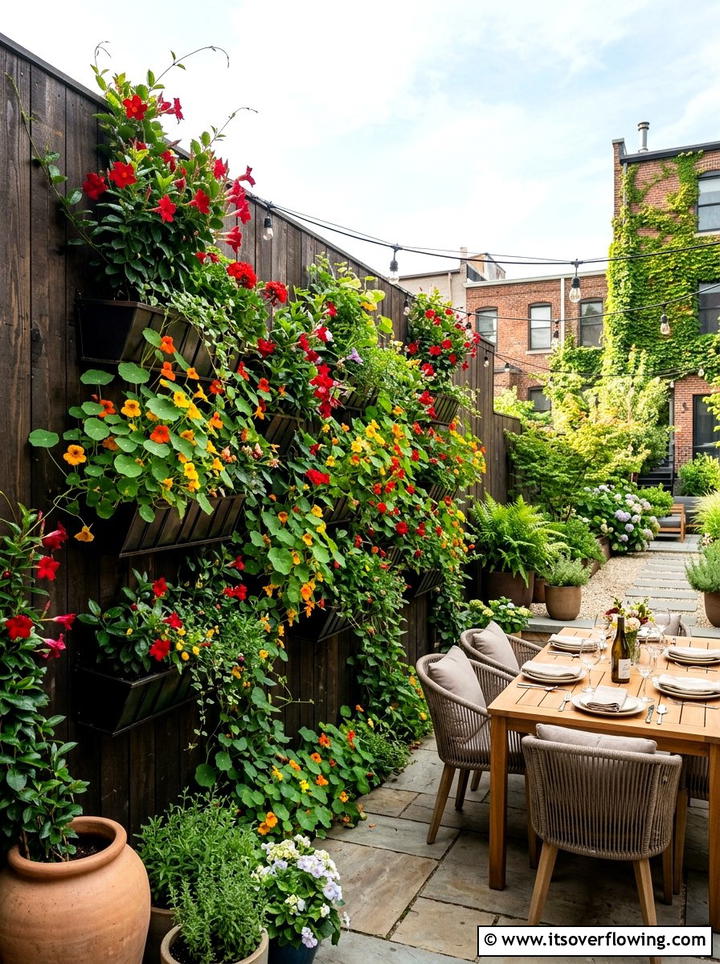
A vertical flower wall is a brilliant solution for small gardens and can be filled with climbing edible plants like nasturtiums or runner beans. This design uses wall space to grow food and flowers which keeps your ground area clear for seating or other uses. The red flowers of runner beans are delicious in salads and look beautiful against a dark wooden trellis. You can create a lush tapestry of color that changes throughout the seasons as different plants bloom. This setup provides a stunning backdrop for outdoor dining and helps to cool your home by providing natural shade. It is a modern and efficient way to maximize your garden’s edible potential.
Conclusion:
Growing a garden filled with edible flowers is a rewarding way to enhance your home’s beauty and your culinary horizons. These 25 ideas show that you do not have to choose between a functional food plot and a gorgeous landscape. By selecting plants that serve dual purposes, you create a more sustainable and interesting outdoor environment for your family. Whether you are planting a large potager or a simple window box, these blooms offer endless inspiration. Start with a few of your favorite flavors and colors to see how they transform your yard. Soon, you will be enjoying a vibrant space that feeds both your soul and your kitchen.
Related posts:
 25 Creative Garden Ideas With Archway Flowers
 25 Small Garden Ideas With Edible Garden for Fresh Harvests
 25 garden design ideas with edible plants: Beautiful Foodscapes
 25 garden ideas with herb spirals for Smart Edible Style
 25 Garden Design Ideas With Herbs and Flowers for Color
 25 Garden Design Ideas With Seasonal Flowers for Year-Round Color
 25 small garden ideas with flowers for Colorful Outdoor Charm
 25 Creative Garden Ideas With Hidden Garden Corners
 25 Creative Garden Ideas With Keyhole Garden Beds
 25 Creative Garden Ideas With Kids Garden Zone
 25 Creative Garden Ideas to Transform Any Outdoor Space Fast
 25 Creative Garden Ideas for Urban Homes