
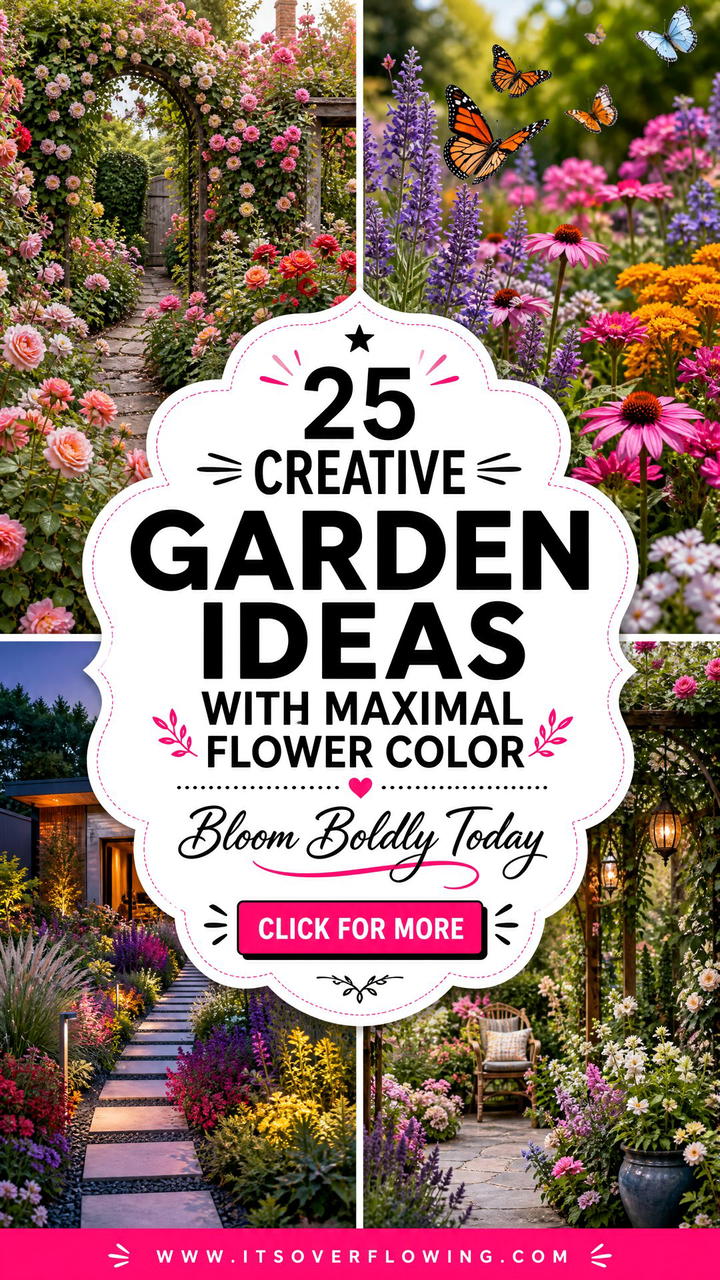
Creating a vibrant outdoor space filled with an explosion of colors is one of the most rewarding projects for any homeowner or garden enthusiast. A maximalist approach to gardening focuses on density, variety, and bold color palettes that transform a basic yard into a living masterpiece of nature. By strategically selecting plants that bloom at different times and layering various heights, you can achieve a look that feels both lush and intentional. This guide explores creative ways to pack your garden with maximum floral impact, ensuring every corner provides a visual feast. From towering climbers to ground-hugging petals, let’s dive into these high-color inspirations for your property.
1. Colorful cottage garden

A colorful cottage garden relies on a dense mix of traditional flowers like foxgloves, delphiniums, and hollyhocks to create a whimsical and packed appearance. This style embraces the beauty of organized chaos where every inch of soil is covered by greenery and blooms. You should focus on tall spires in the back and shorter, mounded plants like pansies or lobelia in the front. Mixing different shades of pink, purple, and yellow creates a classic look that feels both historic and energetic. This approach ensures there is no bare ground, which also helps suppress weeds while providing a massive amount of nectar for local bees and butterflies.
2. Perennial flower border
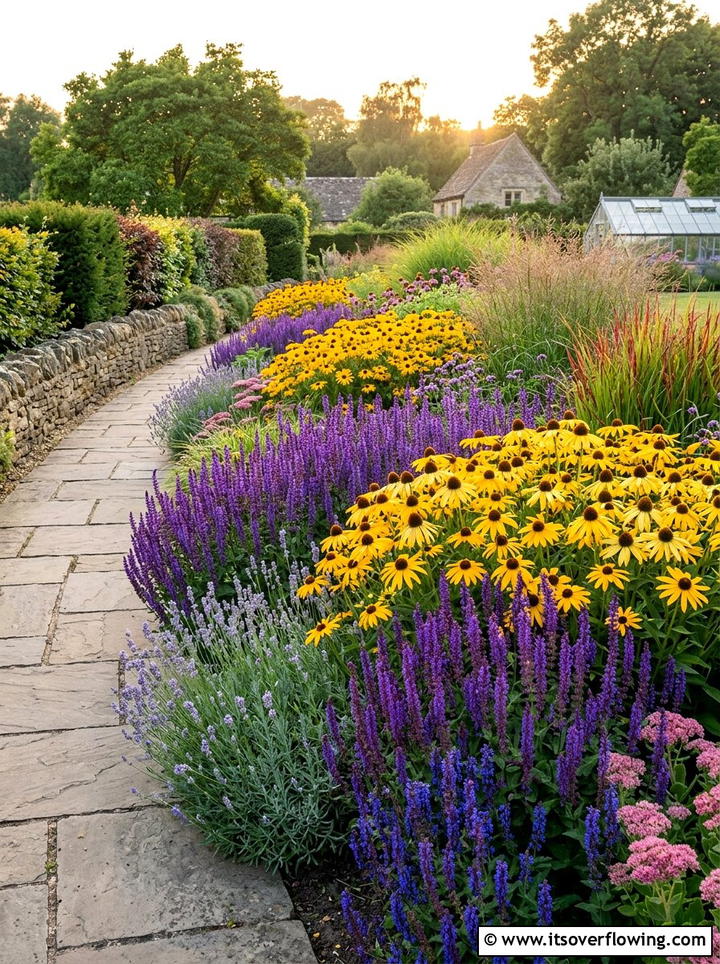
Building a perennial flower border is a smart way to ensure your landscape returns with even more color every single year. You can choose reliable plants like echinacea, black-eyed Susans, and coreopsis to provide a steady stream of bright yellows and deep purples throughout the summer. The key to a maximalist border is planting in large groups or drifts rather than individual stems. This creates a more significant visual punch that draws the eye from a distance. By layering different bloom times, you can keep the border looking full and vibrant from early spring until the first frost hits in late autumn.
3. Wildflower meadow backyard
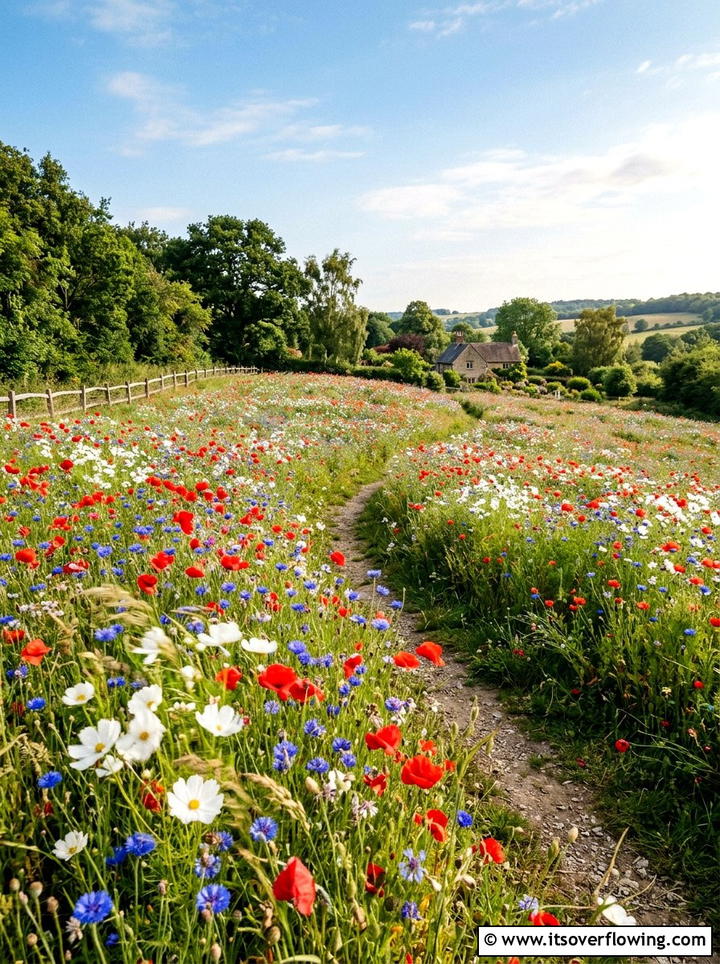
Transforming a portion of your lawn into a wildflower meadow backyard is an excellent way to introduce a massive variety of colors effortlessly. These spaces use native seed mixes that include poppies, cornflowers, and cosmos to create a naturalistic and textured environment. Unlike traditional manicured lawns, a meadow grows tall and moves beautifully in the breeze, offering a sense of movement and life. This setup is perfect for those who want a low-maintenance yet high-impact aesthetic. It provides a sanctuary for wildlife and offers a constantly changing palette of colors as different species take their turn to bloom throughout the growing season.
4. Flowering climbing roses
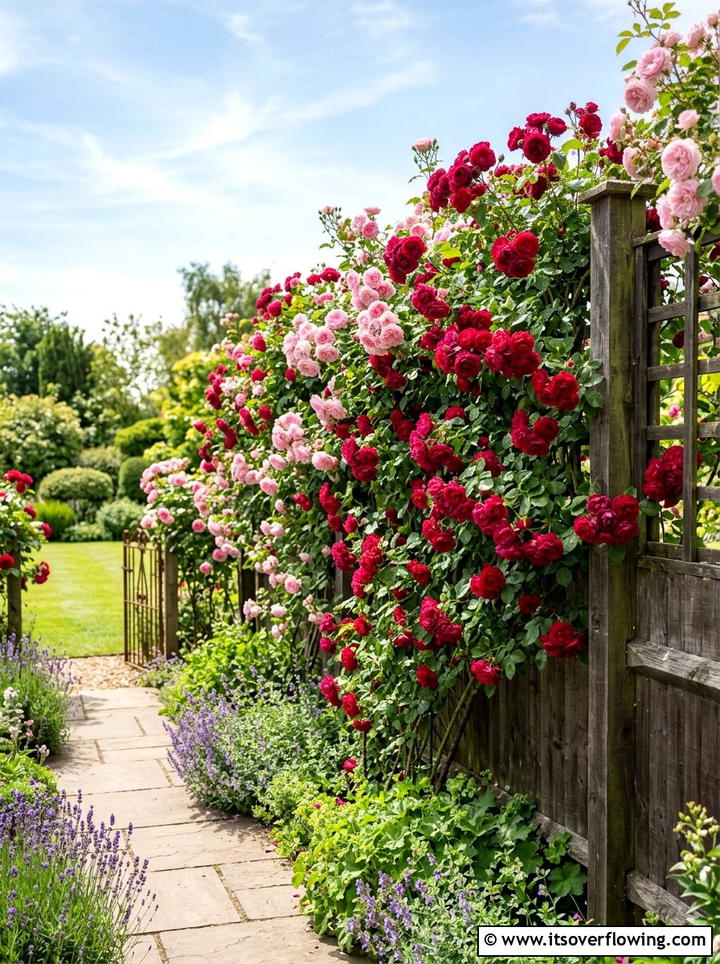
Integrating flowering climbing roses allows you to take your garden colors to new heights by utilizing vertical spaces like fences, trellises, or walls. These vigorous plants produce clusters of fragrant blooms that can completely hide a structural support under a blanket of red, pink, or white. Choosing repeat-blooming varieties ensures that your vertical display remains colorful for several months rather than just a few weeks. Training the canes horizontally can encourage even more flower production along the entire length of the plant. This technique creates a romantic and lush atmosphere that makes even a small garden space feel deeply immersive and well-designed.
5. Rainbow garden bed
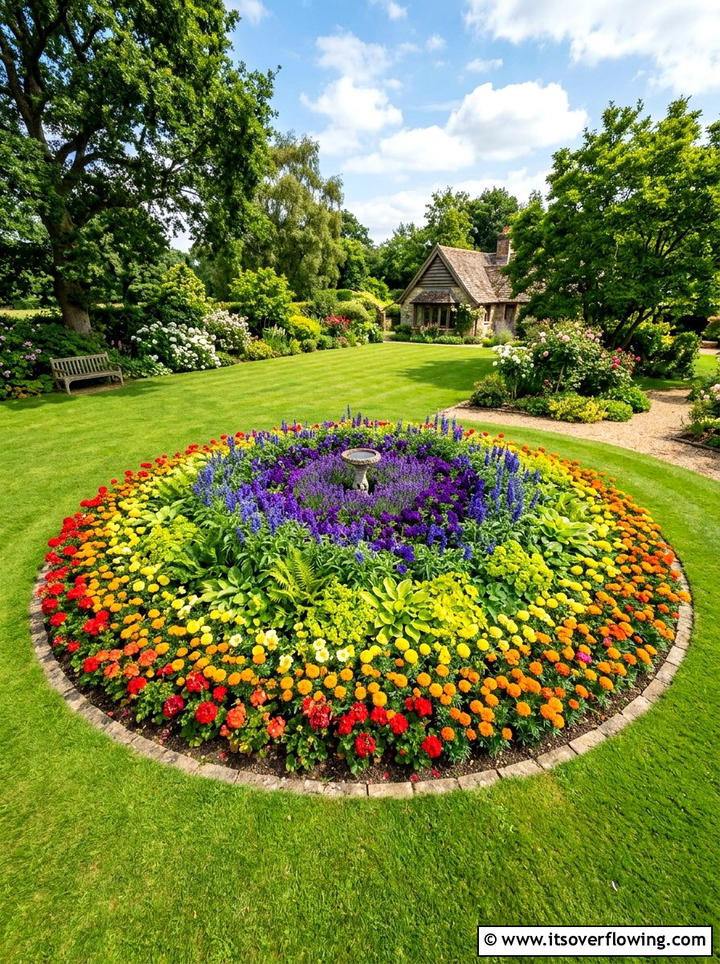
A rainbow garden bed is a fun and highly organized way to display a wide spectrum of floral colors in a single area. You can arrange your plants in the order of a prism, starting with red tulips or geraniums and moving through orange marigolds to violet salvia. This layout is visually striking and demonstrates a clear design intent that visitors will immediately appreciate and admire. To keep the colors distinct, you might use small evergreen dividers or gravel paths between the sections. This structured approach to maximalism allows for a high density of plants while maintaining a sense of clean and readable order.
6. Tropical flower plants
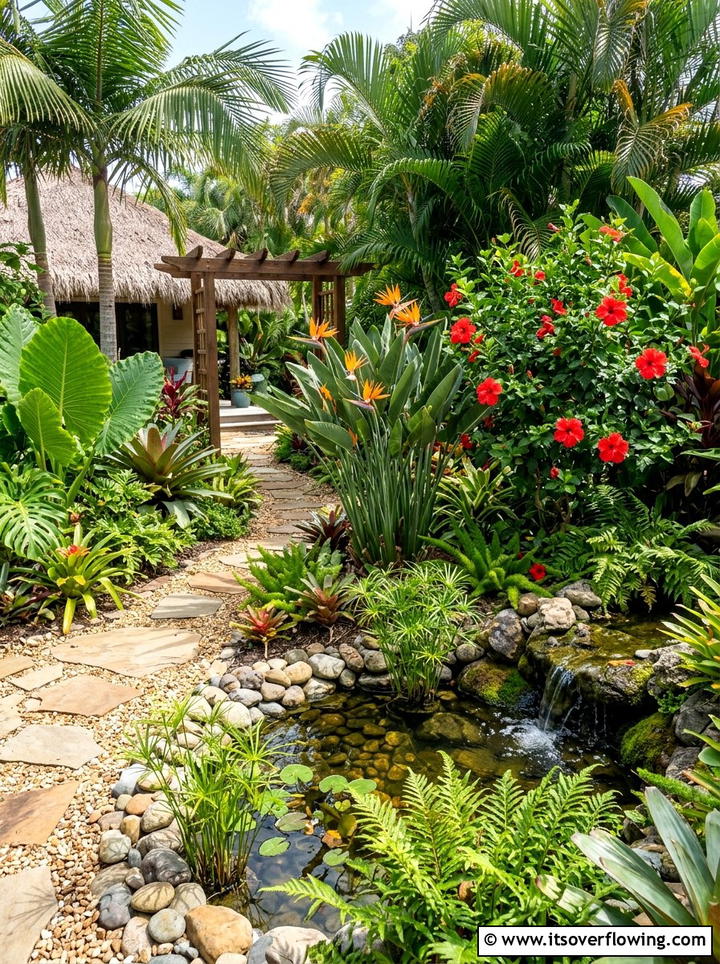
Using tropical flower plants can introduce bold, neon-like colors and dramatic foliage that standard temperate perennials simply cannot match. Think about incorporating large-leafed canna lilies, bright orange bird of paradise, or deep red hibiscus to create an exotic and lush oasis. These plants often have saturated hues that stand out brilliantly against dark green, oversized leaves. Even in cooler climates, many of these can be grown in large pots and brought indoors for winter. The sheer scale and intensity of tropical blooms make them a fantastic choice for anyone looking to achieve a maximalist, high-energy vibe in their outdoor living space.
7. Pollinator garden flowers
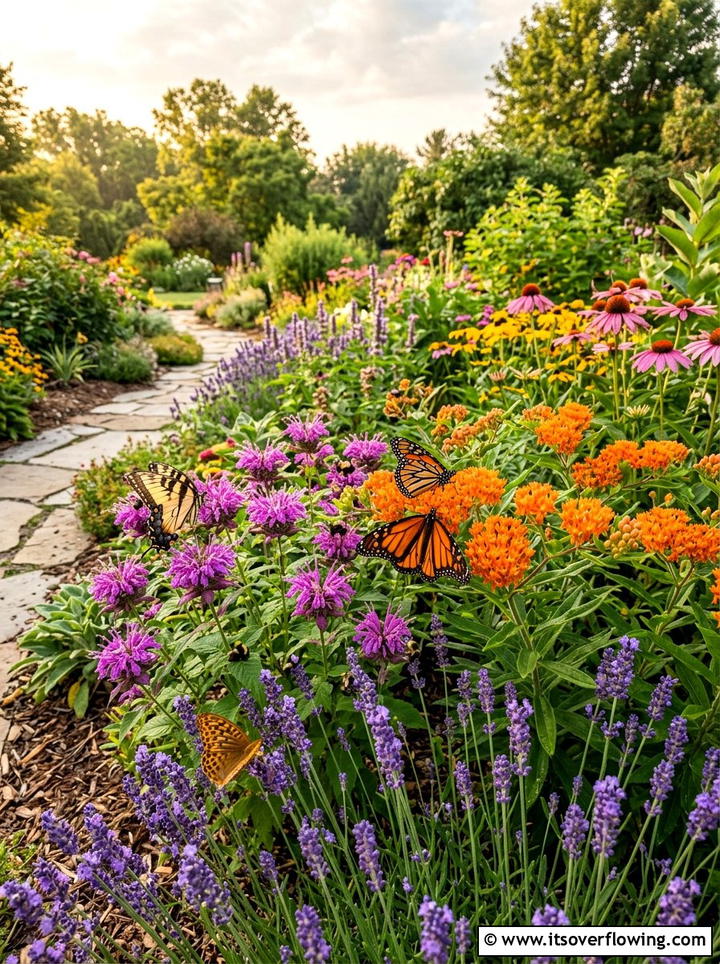
Selecting pollinator garden flowers is a beautiful way to support the local ecosystem while filling your yard with incredible textures and bright colors. Plants like milkweed, bee balm, and lavender are not only visually stunning but also attract a constant parade of colorful butterflies and hummingbirds. This adds a dynamic layer of movement to your garden that complements the static beauty of the petals. A successful pollinator space usually features various flower shapes, from flat landing pads to tubular bells, ensuring that different types of insects can feed. This diversity results in a rich, multi-colored tapestry that feels alive and very vibrant.
8. Bright container plants
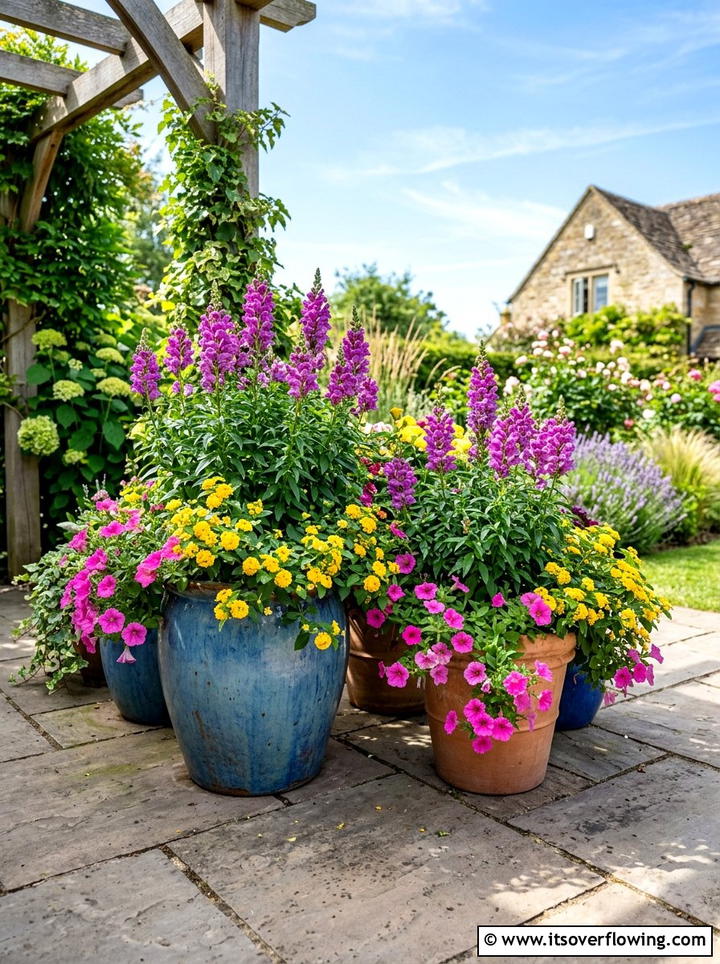
Creating displays with bright container plants allows you to bring maximalist color to patios, decks, or even front porches where soil is limited. You can pack oversized ceramic pots with a mix of trailing petunias, upright snapdragons, and mounding lantana for a waterfall effect of color. The advantage of containers is the ability to move them around to refresh your look or follow the sun. Using contrasting pot colors can further enhance the visual impact of the flowers themselves. Regularly feeding and deadheading these plants will keep the blooms coming thick and fast, ensuring a dense and heavy floral display all season long.
9. Flower hanging baskets
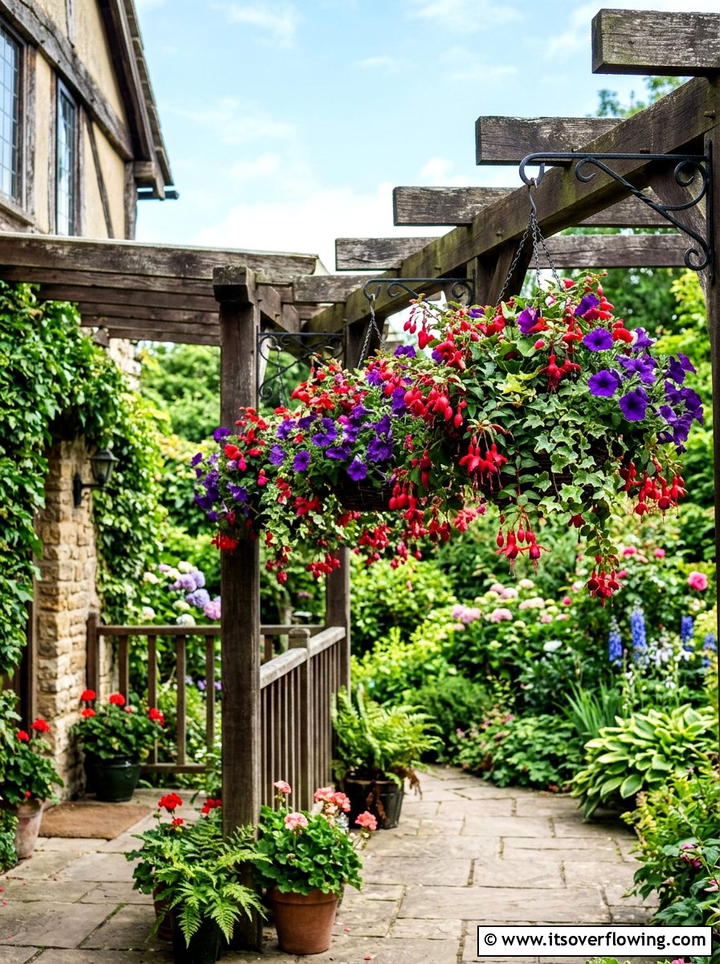
Utilizing flower hanging baskets is a fantastic strategy for adding eye-level color and softening the hard edges of your home or garden structures. Fuchsias, begonias, and trailing calibrachoa are perfect candidates for these elevated displays because they naturally spill over the sides in a profusion of blooms. When grouped together at varying heights, these baskets can create a ceiling of flowers that makes your outdoor space feel like a lush conservatory. Proper irrigation is crucial for these displays, as they tend to dry out quickly. However, the reward is a spectacular and high-density burst of color that draws the gaze upward.
10. Spring bulb display
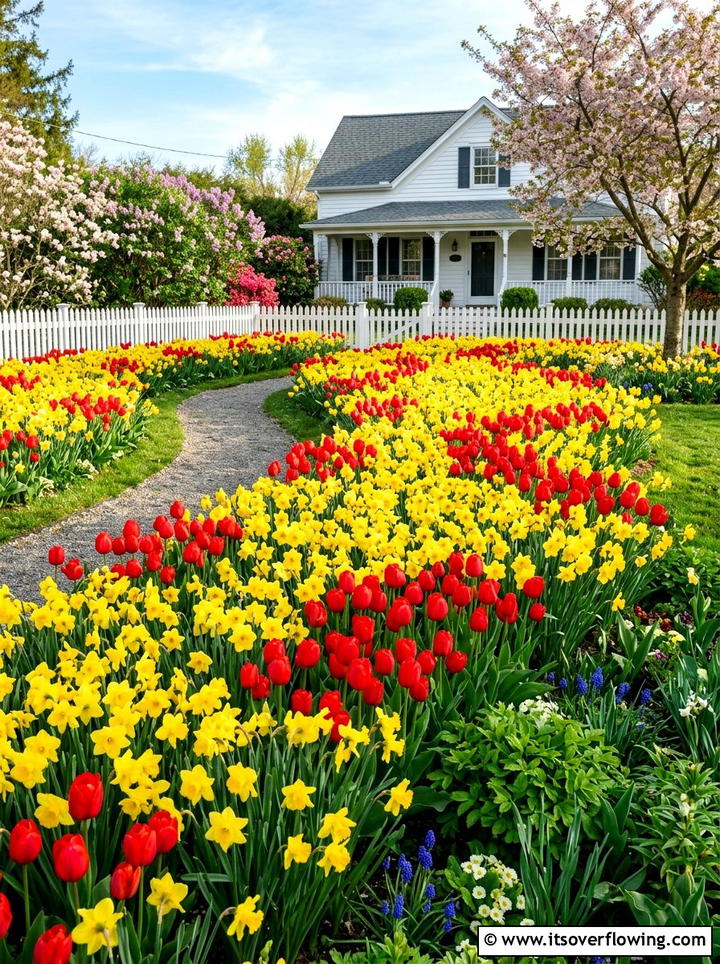
Planning a massive spring bulb display ensures that your garden is the first on the block to wake up with intense color. Planting hundreds of crocuses, daffodils, and tulips in the autumn will result in a spectacular carpet of blooms once the snow melts. For a truly maximalist effect, try the “lasagna” planting method where you layer different bulbs at different depths in the same hole. This results in waves of color that emerge one after the other in the same spot. Mixing early, mid, and late-season varieties will extend the floral show for several weeks, providing a much-needed boost after winter.
11. Shady flower plants
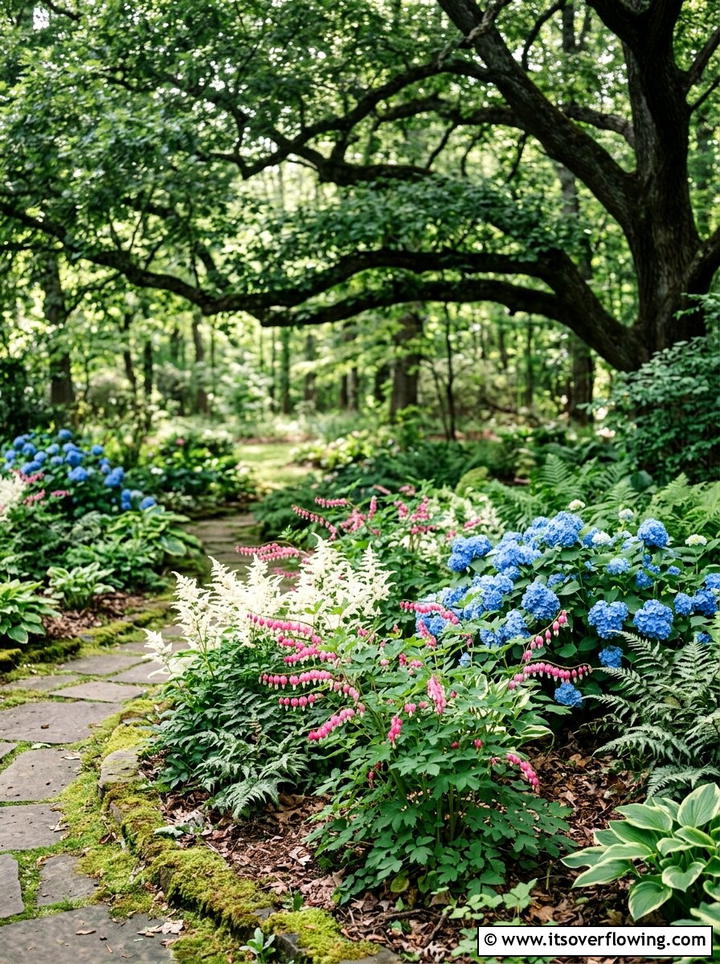
Growing shady flower plants proves that you do not need full sun to achieve a maximalist and colorful garden environment. Shade-loving species like bleeding hearts, astilbe, and various types of hydrangeas offer soft pastels and vibrant jewel tones in darker corners. You can also rely on the colorful foliage of coral bells or hostas to provide constant interest between bloom cycles. Using white flowers in shaded areas can help brighten the space, making the other colors pop even more. Layering these plants under large trees or along the north side of a house creates a lush, woodland-inspired retreat that remains cool and colorful.
12. English rose garden
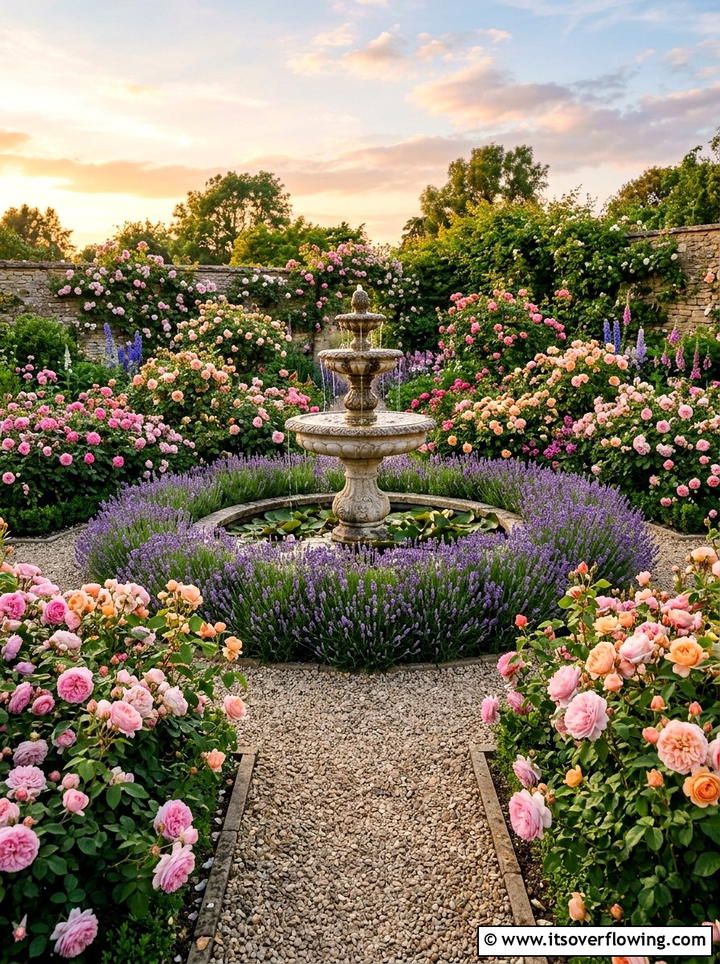
An English rose garden is the epitome of floral luxury, characterized by large, many-petaled blooms and intoxicating scents that fill the air. To achieve a maximalist look, plant roses closely together and incorporate different types, such as shrub roses, climbers, and standard tree roses. Varieties like David Austin roses are famous for their cabbage-like appearance and a wide range of soft and bold colors. Interplanting these with lavender or catmint helps hide the “legs” of the rose bushes with a blanket of silver-green and purple, adding even more color. This style results in a truly classic and high-impact floral landscape.
13. Vertical flower wall
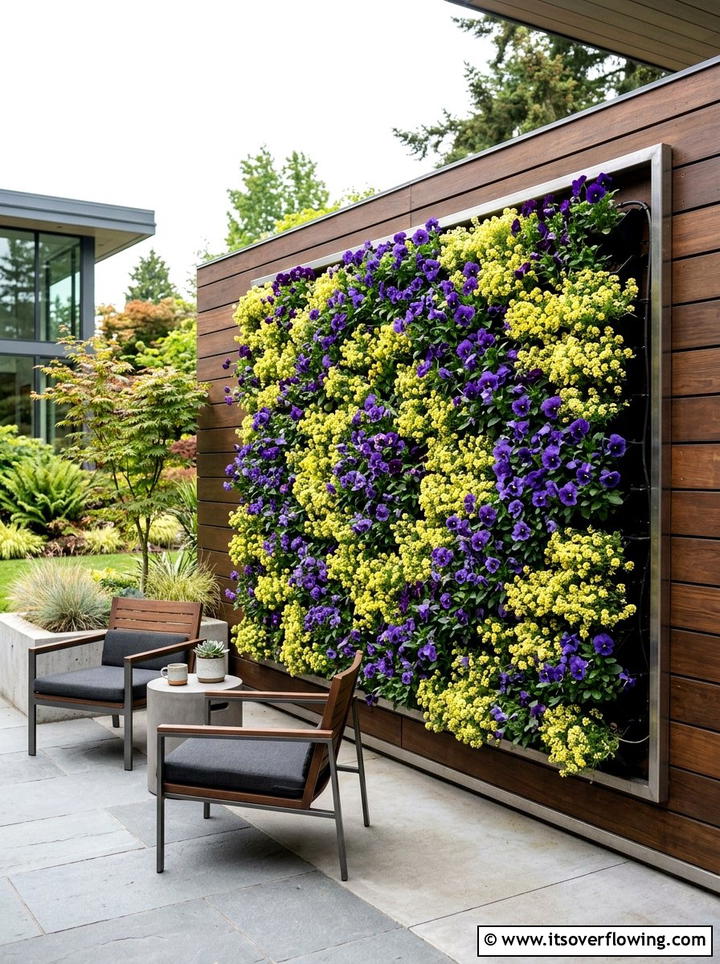
Constructing a vertical flower wall is a modern and space-saving way to display a massive amount of color on a single surface. You can use pockets, shelves, or specialized vertical gardening systems to grow a dense carpet of flowering plants like pansies, petunias, and alyssum. This method allows for a concentrated burst of color that can transform a bare wall or fence into a living work of art. Drip irrigation systems make maintaining these walls manageable by delivering water directly to the roots of each plant. This vertical approach can turn even the smallest patio into a lush and colorful sanctuary.
14. Cutting flower garden
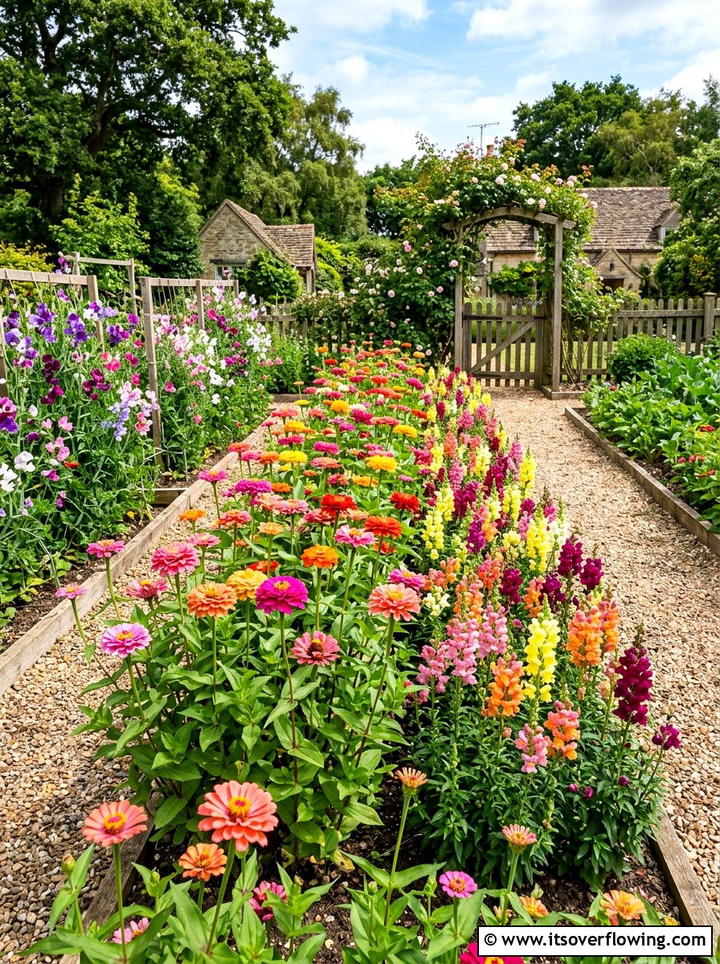
Designing a cutting flower garden provides a dedicated space for growing blooms specifically for your indoor arrangements while still keeping your yard colorful. You can choose tall zinnias, snapdragons, and sweet peas to create a field of diverse and vibrant colors. Planting in rows makes harvesting easier, but a maximalist approach involves keeping the plants tightly spaced for a lush, full look. These gardens can be highly productive, providing a steady supply of fresh flowers for weeks on end. It ‘s a fantastic way to enjoy your garden’ s beauty both inside and out, making your home feel even more connected to nature.
15. Butterfly garden plants
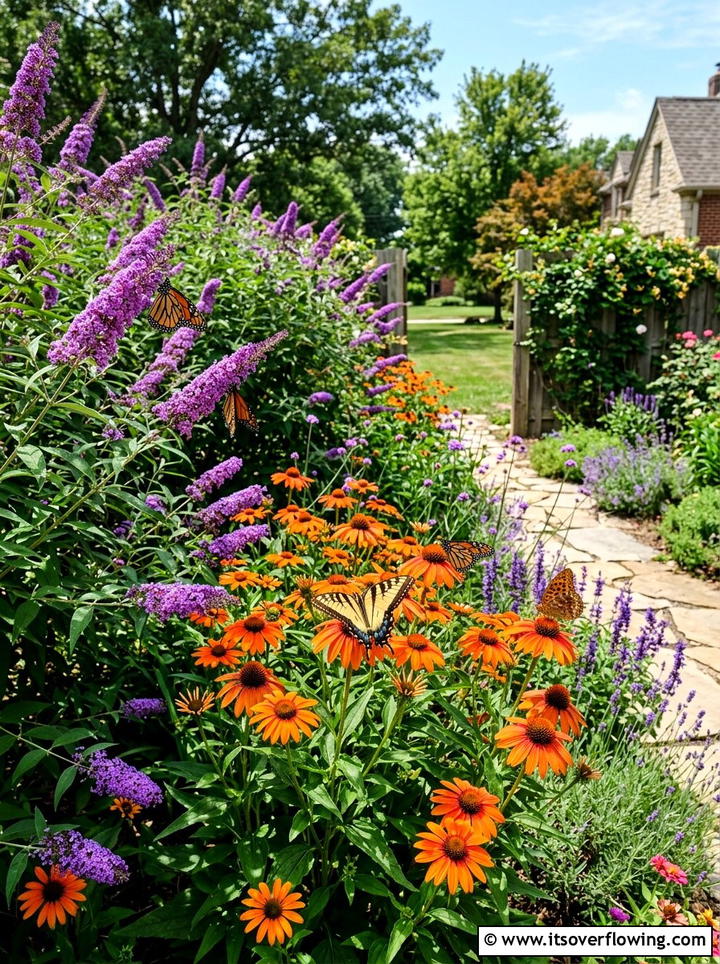
Selecting butterfly garden plants is a wonderful way to bring life and vibrant color into your landscape while supporting these essential pollinators. You can choose nectar-rich blooms like buddleia, coneflowers, and blazing stars to attract a variety of local butterfly species. These plants often produce bold, bright colors that signal to butterflies from a distance, creating a high-energy and visually dynamic space. A successful butterfly garden also includes host plants where larvae can feed, ensuring a complete life cycle. The result is a garden that feels both beautiful and purposeful, with a constantly changing display of colorful winged visitors.
16. Rock garden flowers
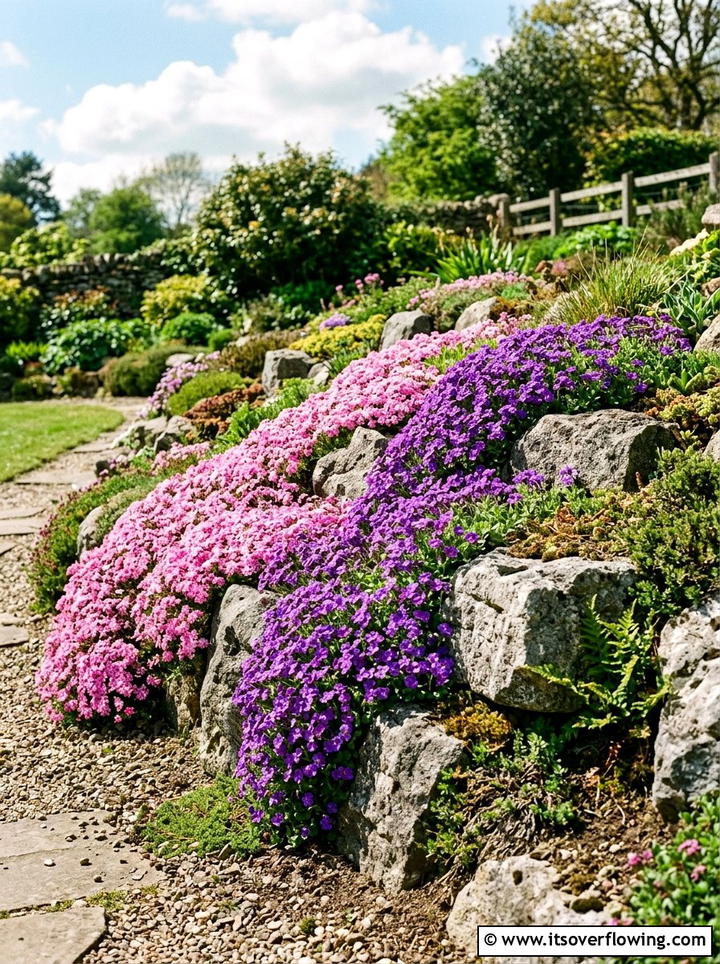
Incorporating rock garden flowers allows you to add texture and bright color to areas with poor soil or steep slopes. You can choose low-growing, hardy perennials like creeping phlox, aubrieta, and sedums that thrive in stony conditions and produce carpets of flowers. These plants often have a “spill-over” habit, softening the harsh lines of rocks and boulders with a profusion of color. The contrast between the rough stones and the delicate blooms creates a visually interesting and high-impact landscape. These gardens are typically low-maintenance once established, making them a practical yet stunning choice for a maximalist garden design.
17. Modern flower landscape
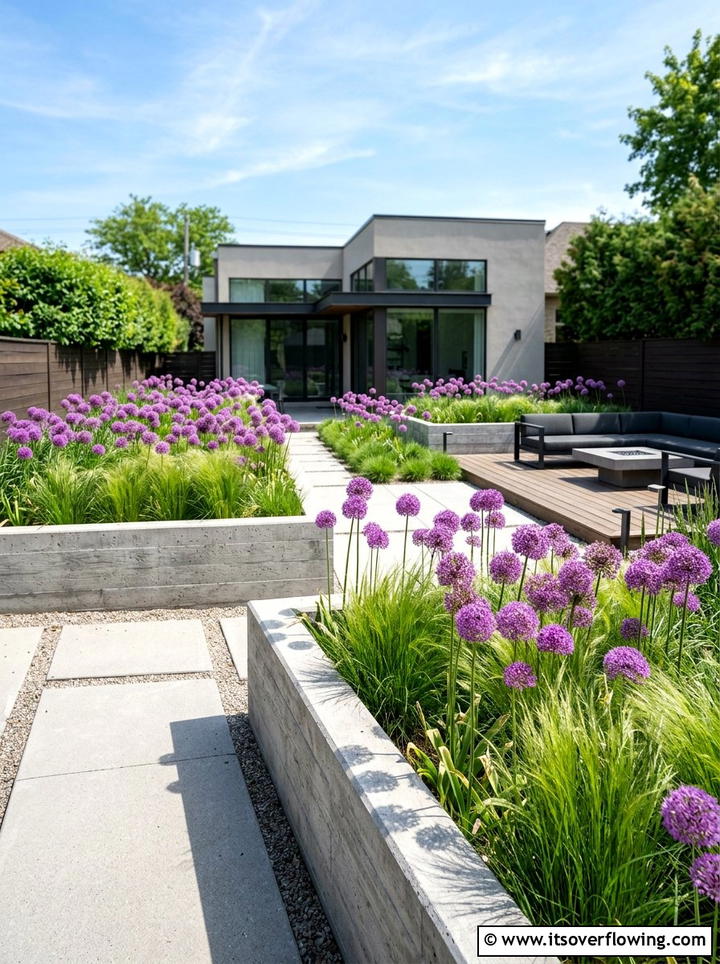
A modern flower landscape combines clean lines and structured elements with a bold and maximalist approach to color. You can use mass plantings of a single species, such as ornamental grasses or alliums, to create a sense of rhythm and repetition. This style often features large, geometric beds and minimalist hardscaping that allows the colors of the plants to take center stage. Choosing a limited but high-intensity color palette can create a sophisticated and high-impact look that feels both contemporary and lush. The key is to balance the order of the design with the abundance of the blooms.
18. Lavender garden border
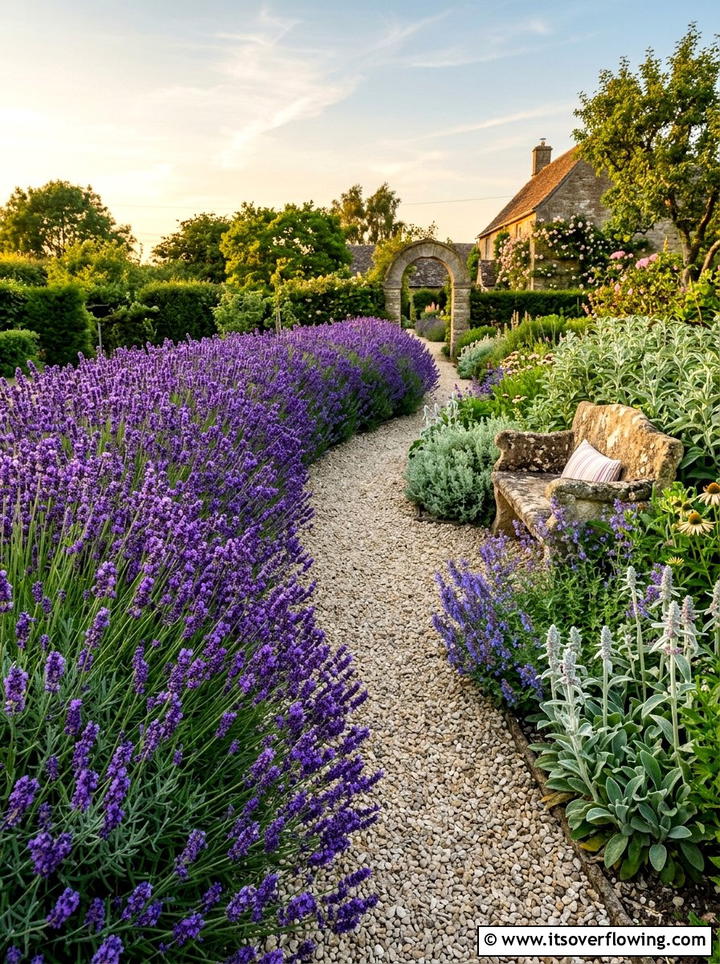
Creating a lavender garden border is a timeless and elegant way to add a sea of purple color and a soothing scent to your landscape. You can plant various types of lavender, such as English or French varieties, to create a dense and fragrant hedge along paths or garden beds. The silver-green foliage provides year-round interest, while the iconic purple spikes offer a spectacular show in the summer. This approach works well in sunny, well-drained locations and attracts a multitude of bees and butterflies. The uniform color and texture of a lavender border create a calming yet high-impact visual element.
19. Hydrangea garden path
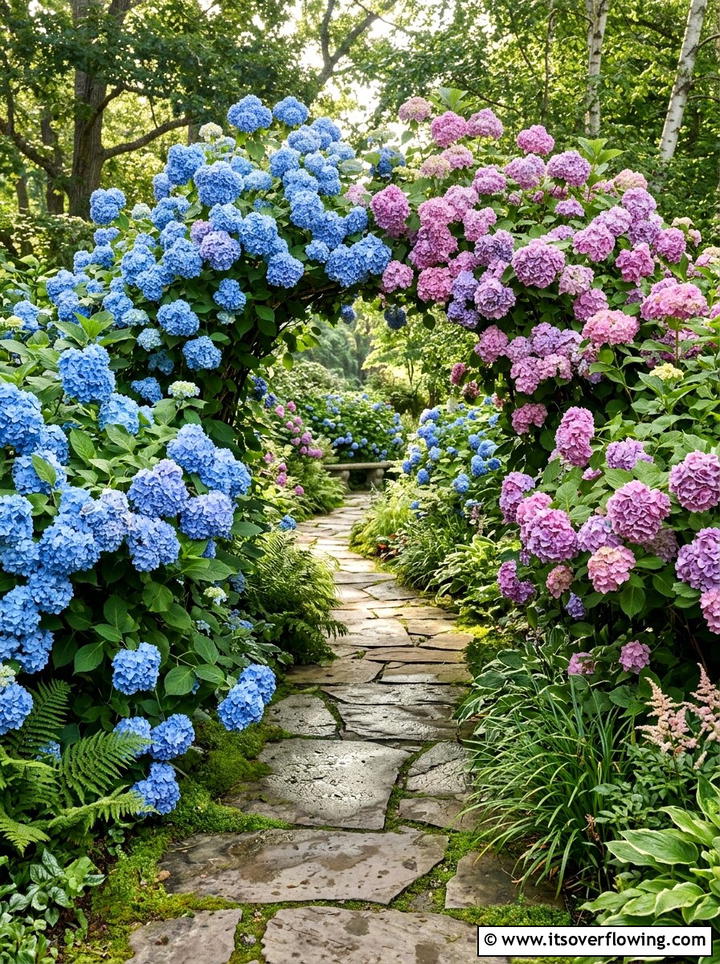
Designing a hydrangea garden path offers a romantic and lush experience, with large, globe-like blooms lining your walkway. You can choose from various types, such as mophead, lacecap, or panicle hydrangeas, to create a diversity of shapes and colors. These plants are known for their massive flower heads that can range from deep blues and purples to bright pinks and whites. Planting them close together along a path creates a sense of enclosure and a truly immersive floral experience. The changing colors of the blooms as they age add another layer of interest and beauty to your garden.
20. Fall flower garden
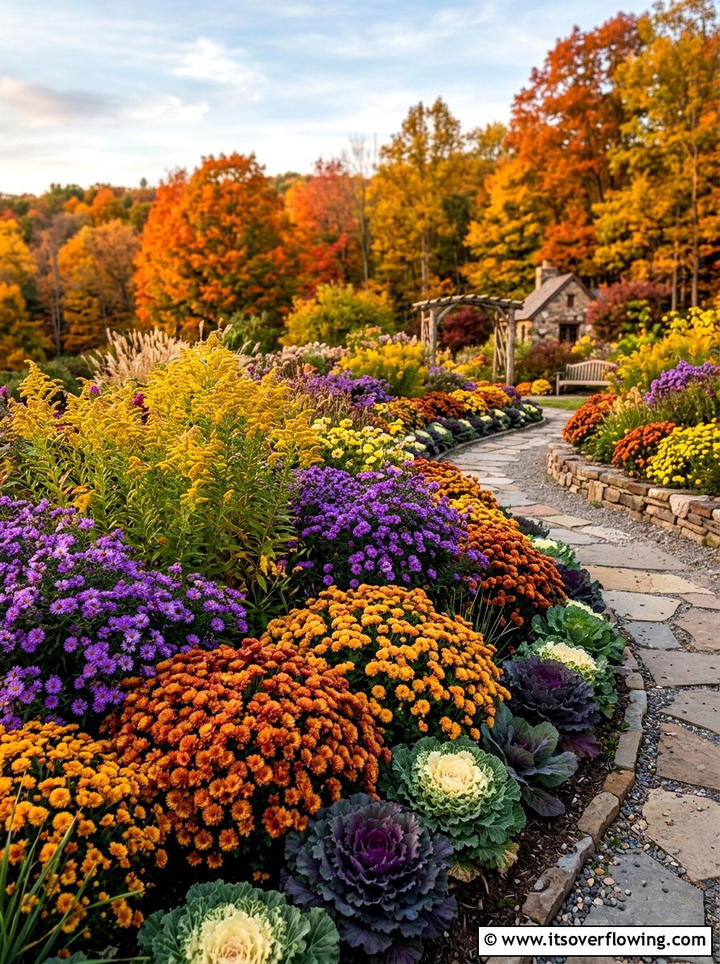
Planning a fall flower garden ensures that your outdoor space remains vibrant and colorful even as the summer blooms begin to fade. You can incorporate late-season stars like mums, asters, and goldenrod to provide a final burst of warm and rich colors. These plants are often hardy and can withstand cooler temperatures, extending your garden’s beauty well into the autumn. Mixing these with ornamental kales and grasses can add even more texture and color to your landscape. This approach allows you to enjoy a maximalist and high-energy garden for a longer period throughout the year.
21. Drought tolerant flowers
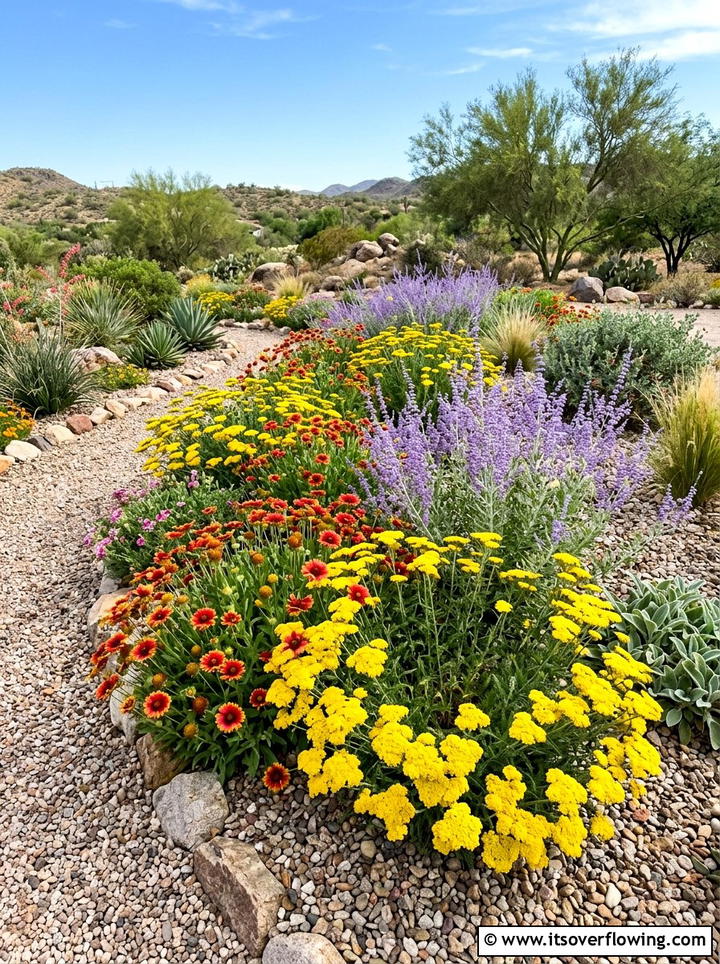
Selecting drought tolerant flowers is a practical and beautiful way to maintain a colorful garden in regions with low rainfall or water restrictions. You can choose resilient plants like yarrow, gaillardia, and Russian sage that produce vibrant blooms with minimal water. These species often have specialized foliage and root systems that allow them to thrive in hot and dry conditions. A maximalist approach to drought-tolerant gardening involves planting in dense groups to create a lush and full appearance. This results in a sustainable and high-impact landscape that remains beautiful and colorful even during the hottest months.
22. Fragrant flower garden
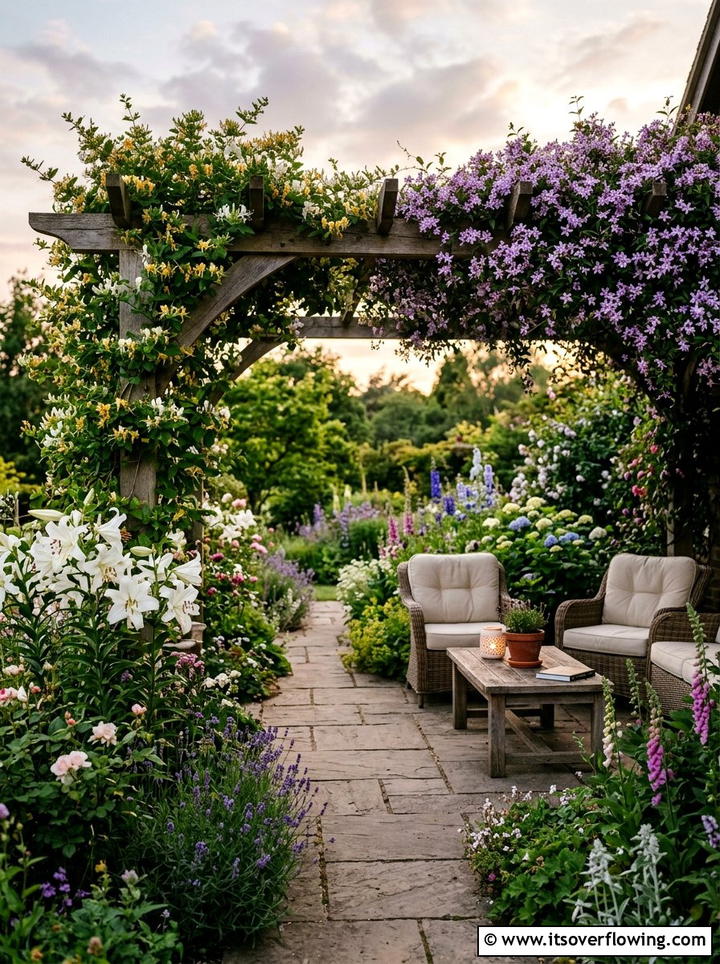
Creating a fragrant flower garden appeals to multiple senses, filling your outdoor space with both incredible colors and intoxicating scents. You can choose highly scented blooms like jasmine, honeysuckle, and lilies to create a sensory-rich environment. Planting these near seating areas or windows allows you to enjoy their fragrance more fully. A maximalist approach involves layering different scents and colors to create a complex and beautiful experience. This style of gardening makes your outdoor space feel like a luxurious and private retreat, where the beauty of the flowers is matched by their wonderful and lingering aromas.
23. Zinnia garden bed
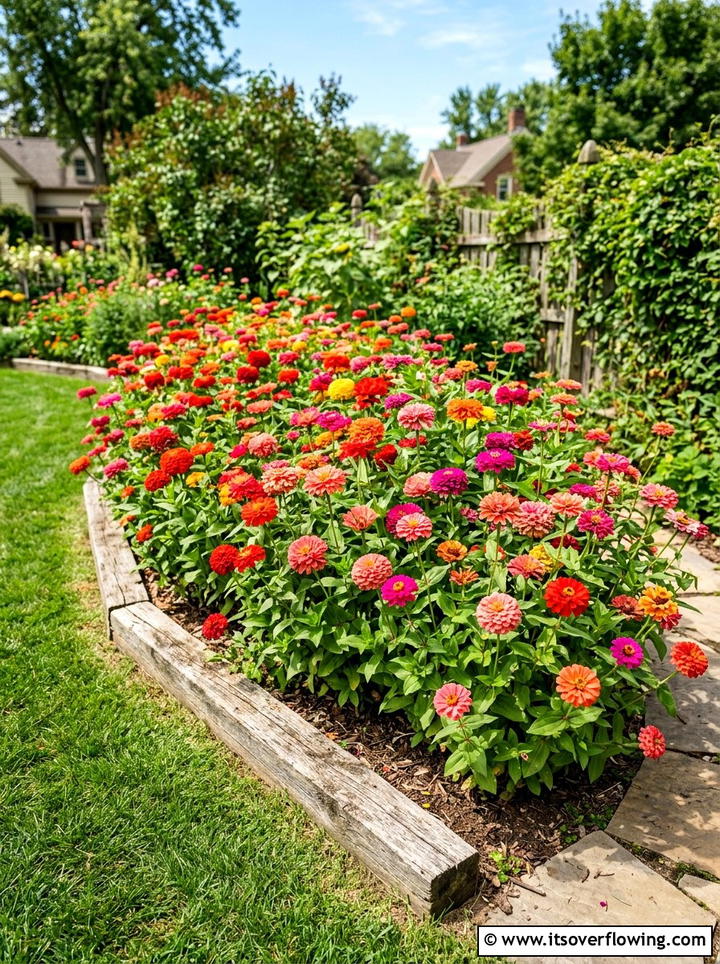
A zinnia garden bed is one of the easiest and most rewarding ways to achieve a massive and colorful floral display in a single season. These fast-growing annuals come in an incredible range of bright colors and different flower shapes, from simple singles to complex pom-poms. You can sow seeds directly in the ground for a dense and low-cost carpet of blooms that lasts all summer. Regular deadheading will encourage the plants to produce even more flowers, ensuring a constant and high-impact show. Zinnias are also fantastic for cutting, making them a practical and beautiful choice.
24. Dahlia garden display
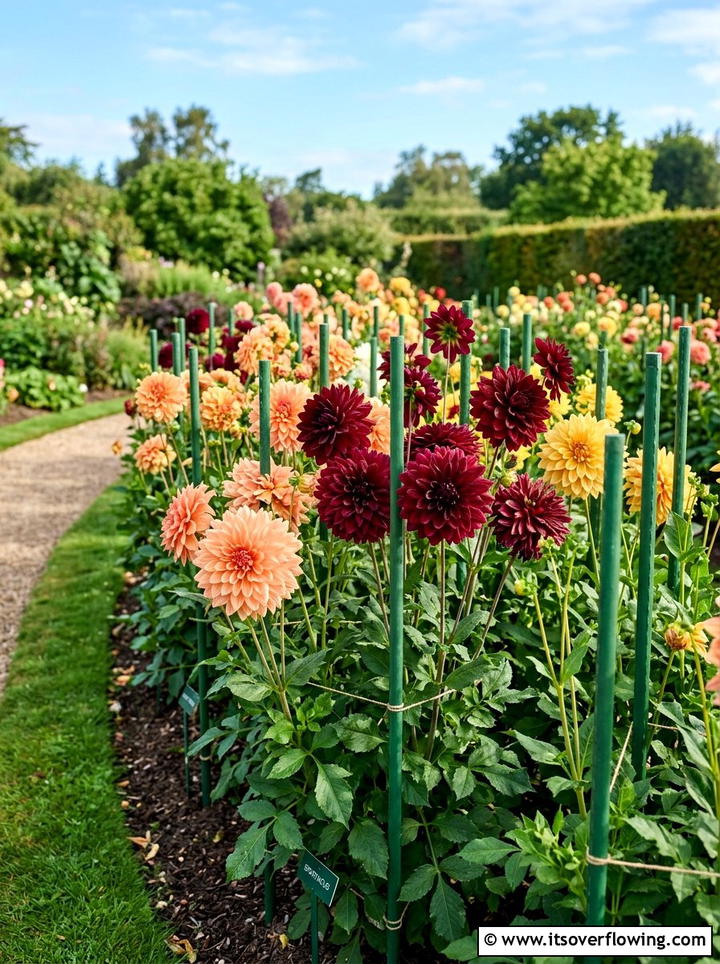
Designing a dahlia garden display offers a truly spectacular and maximalist floral experience, with some of the most diverse and beautiful blooms in the plant world. You can choose from thousands of varieties, ranging from tiny pom-poms to massive dinner-plate-sized flowers in every color imaginable except true blue. These plants thrive in sunny locations and produce a profusion of blooms from mid-summer until the first frost. Creating a dedicated bed for dahlias allows you to showcase their incredible variety and beauty in a concentrated area. The result is a high-energy and visually stunning display that is sure to impress.
25. Flowering garden archway
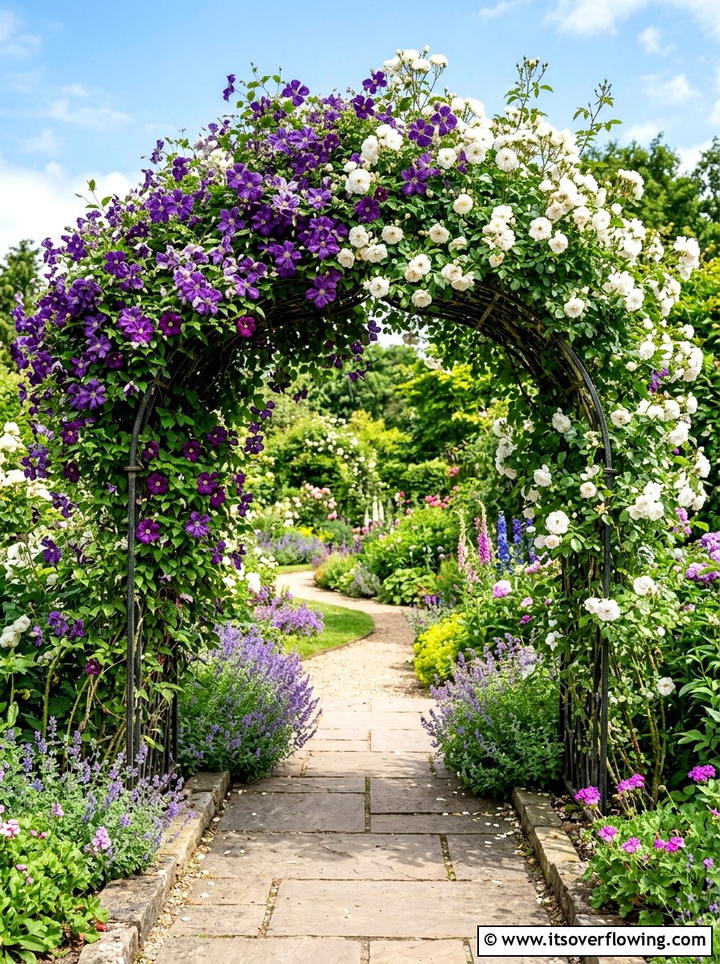
Constructing a flowering garden archway creates a magical and romantic entrance or transition point in your landscape. You can use vigorous climbers like clematis, wisteria, or climbing hydrangeas to completely cover the structure in a blanket of colorful blooms. This vertical element adds a sense of height and drama to your garden, making it feel more three-dimensional and lush. Choosing repeat-blooming or long-flowering varieties ensures that your archway remains a focal point for much of the season. This approach to maximalism creates a truly immersive and beautiful experience as you walk through a tunnel of fragrant and colorful flowers.
Conclusion:
Creating a maximalist garden with an abundance of flower color is a wonderful way to express your creativity and passion for nature. By exploring different plant types, layering techniques, and design styles, you can transform your outdoor space into a vibrant and high-impact sanctuary. Whether you choose a classic English rose garden or a modern and structured landscape, the key is to embrace density and variety. This approach not only provides a visual feast for you and your guests but also supports the local ecosystem and brings a sense of joy and life to your home. Happy gardening and may your yard be always colorful.
Related posts:
 25 Creative Garden Ideas With White Flower Gardens You’ll Love
 25 Creative Garden Ideas for Fall Color: Vibrant Seasonal Tips
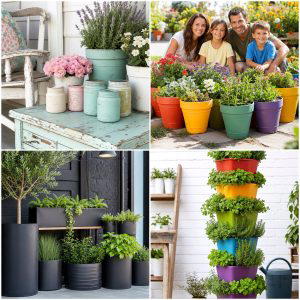 25 creative garden ideas with painted planters for Bold Color
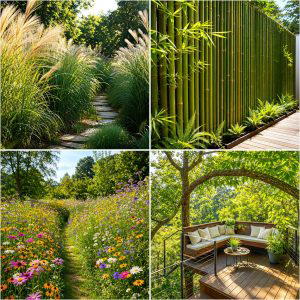 25 Creative Garden Ideas With Hidden Garden Corners
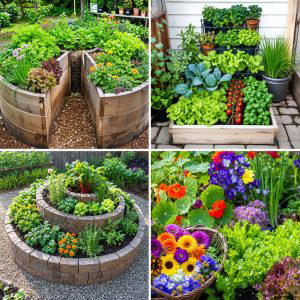 25 Creative Garden Ideas With Keyhole Garden Beds
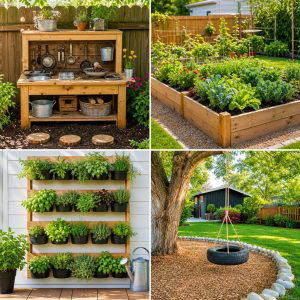 25 Creative Garden Ideas With Kids Garden Zone
 25 Creative Garden Ideas to Transform Any Outdoor Space Fast
 25 Creative Garden Ideas for Urban Homes
 25 Creative Garden Ideas With Espalier Trees for Style
 25 Creative Garden Ideas With Mandala Gardens to Inspire
 25 creative garden ideas with pergola vines for Shaded Beauty
 25 Creative Garden Ideas With Spiral Herb Beds to Try Now