
Creating a medicinal herb garden is one of the most rewarding ways to transform your outdoor space into a functional sanctuary. These plants offer more than just beauty; they provide natural remedies and soothing scents that enhance your overall well-being. Whether you have a sprawling backyard or a tiny apartment balcony, there are endless ways to integrate healing plants into your daily life. You can design a space that feels like a private spa or a rustic farmstead depending on your personal style. By focusing on layout and plant selection, you create an environment that promotes health while boosting your home’s curb appeal and natural charm significantly.
1. Herb spiral garden
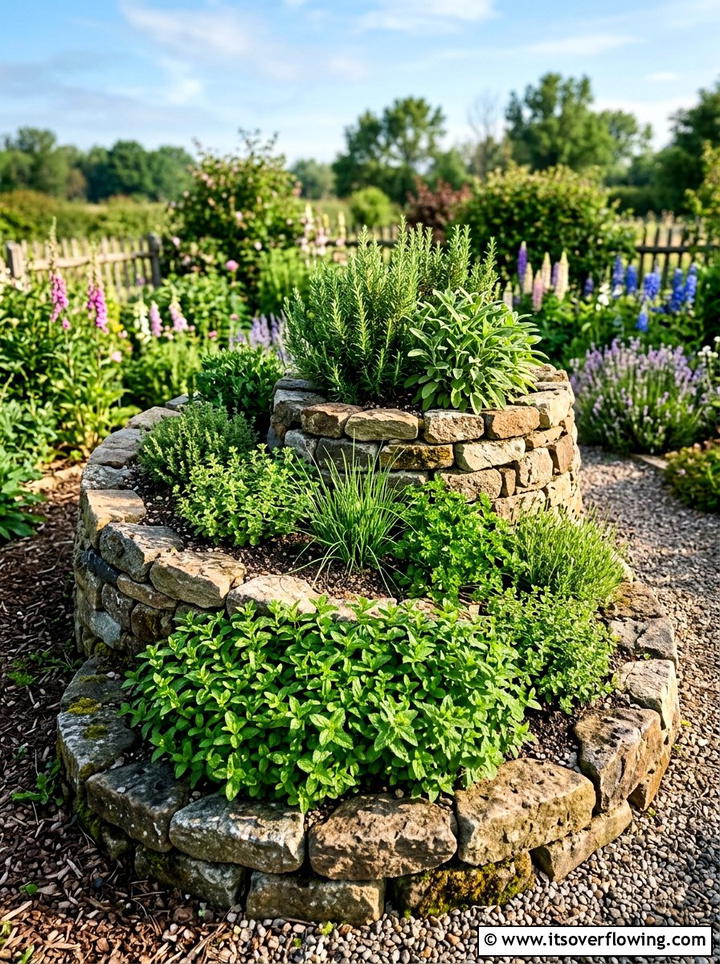
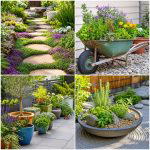
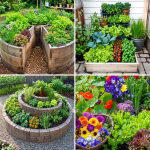
Imagine a stunning stone spiral that rises from the ground to create various microclimates for your favorite healing plants. This unique layout allows you to place sun-loving herbs like rosemary and sage at the very top where the soil stays drier. As the spiral winds down, you can plant moisture-loving herbs like mint or lemon balm in the lower, shady sections. It is a highly efficient way to maximize a small footprint while adding a sculptural element to your yard. Using natural stones or reclaimed bricks for the structure adds a rustic touch that looks beautiful throughout every single season of the year.
2. Raised bed herb garden
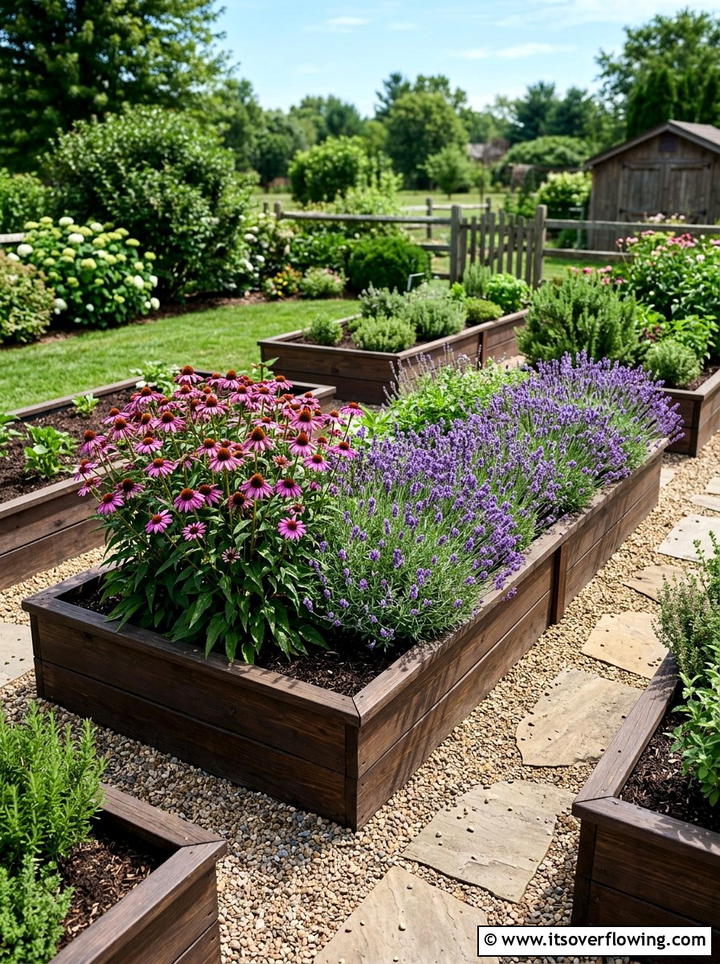
Building a set of organized raised beds provides a clean and structured look for your medicinal herb collection. These elevated boxes make it much easier to manage soil quality and drainage, which is essential for picky plants like lavender or echinacea. You can choose high-quality cedar or redwood to ensure the structures last for many years without rotting. Placing these beds near your back door makes harvesting fresh leaves for tea or salves incredibly convenient during your busy daily routine. The height also protects your precious plants from wandering pets and helps reduce the physical strain of bending over while gardening.
3. Vertical medicinal herb wall
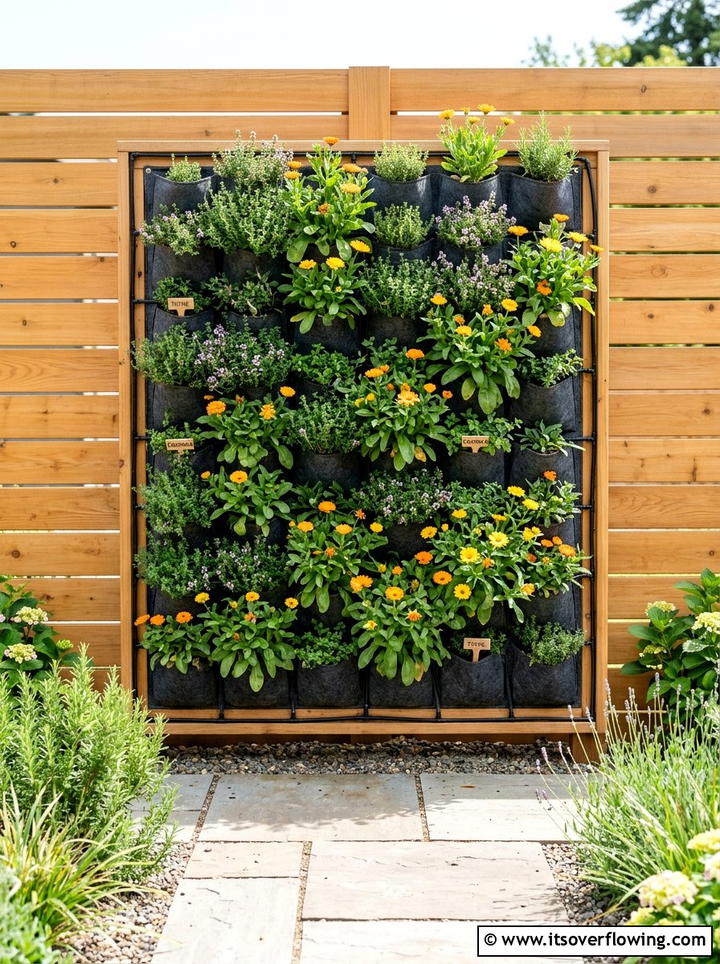
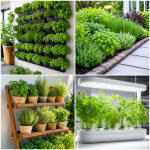
Do you have limited ground space but still want a lush garden full of healing greenery? A vertical herb wall uses pockets or mounted planters to grow medicinal plants upward against a fence or exterior wall. This design is perfect for trailing plants like peppermint or compact herbs like thyme and calendula. It creates a stunning living backdrop that provides privacy and softens the look of hard surfaces. You can install an automated drip irrigation system to keep every level perfectly watered with minimal effort. This modern approach turns a plain wall into a vibrant and productive masterpiece for your home.
4. Cottage garden herb border
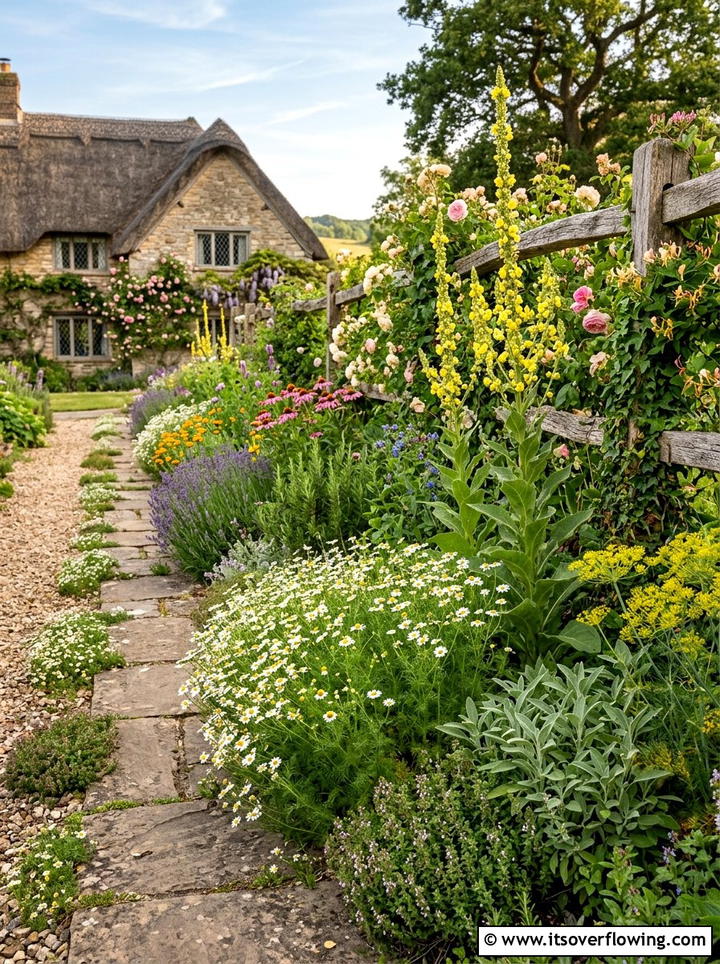
Lush borders filled with a mix of flowering medicinal herbs and traditional perennials create a charming cottage aesthetic. You can blend tall stalks of mullein and valerian with low-growing chamomile to create a soft, romantic look along your walkways. This style encourages a diverse ecosystem where beneficial insects and pollinators can thrive alongside your healing plants. The key is to plant in dense clusters so the colors and textures bleed into one another naturally. It feels like a wild, enchanted forest that offers plenty of materials for homemade tinctures while providing a breathtaking view from your porch or garden bench.
5. Kitchen potager herb garden
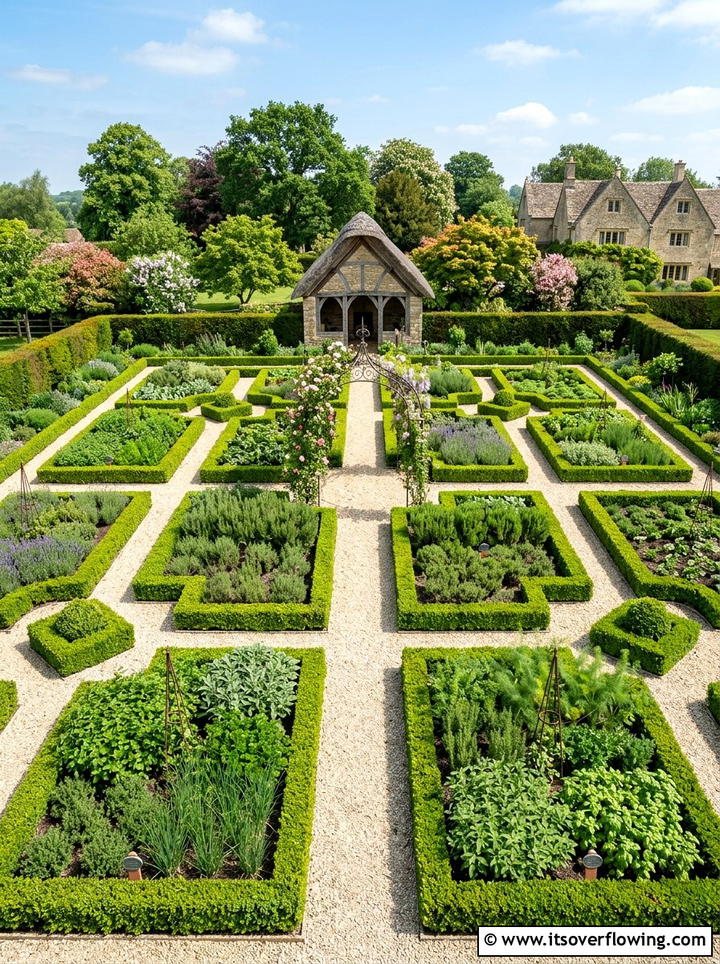
A traditional French-style potager combines beauty and function by arranging medicinal herbs in symmetrical, geometric patterns. You can use low boxwood hedges or gravel paths to define different sections for tea herbs, topical herbs, and culinary varieties. This formal layout makes it easy to navigate and keep your garden looking tidy throughout the growing season. Integrating a central focal point like a birdbath or a sun dial adds a sense of timeless elegance to the space. It is the perfect choice for homeowners who appreciate a classic look that provides a constant supply of fresh, healthy ingredients for the kitchen.
6. Sensory medicinal garden
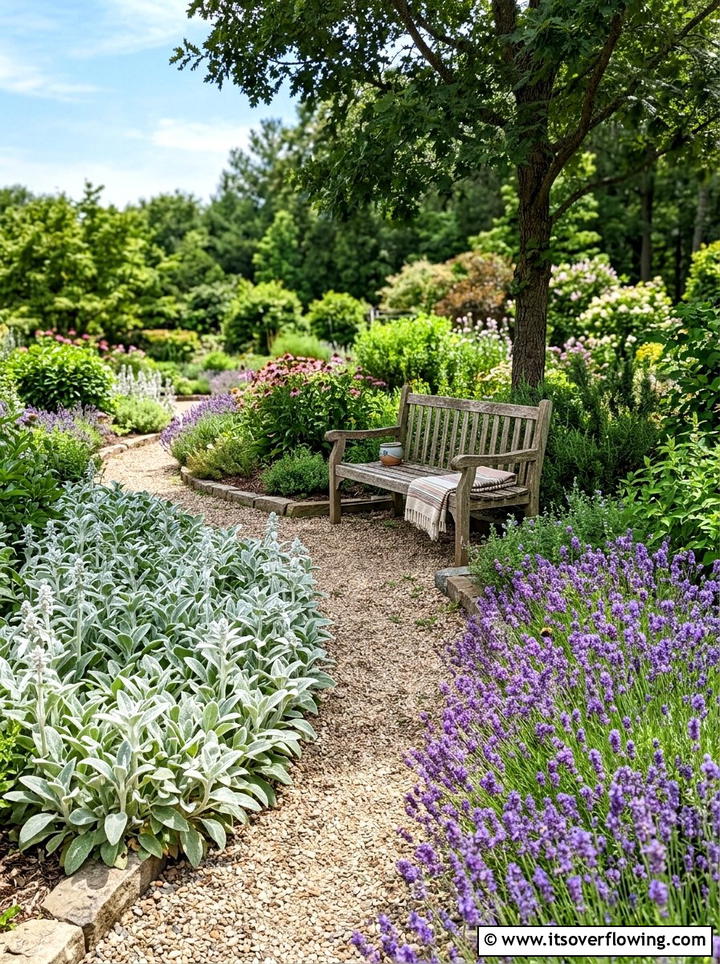
Have you ever wanted a garden that engages all of your senses at once while providing deep relaxation? A sensory medicinal garden focuses on plants with unique textures, strong fragrances, and vibrant colors to create a therapeutic environment. Soft lamb’s ear and feathery fennel provide interesting tactile experiences, while aromatic lavender and lemon verbena fill the air with calming scents. You can add a small bench in the center of the garden to encourage sitting and soaking in the atmosphere. This type of design is often used for stress relief and mindfulness, making it a powerful addition to any modern home landscape.
7. Window box medicinal herbs
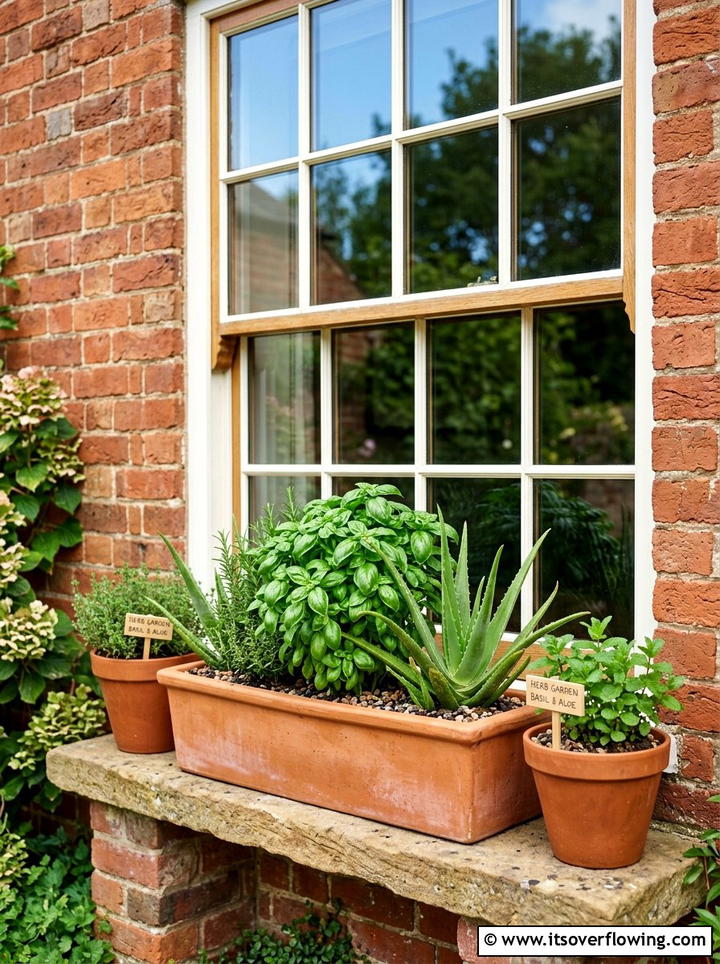
Even if you live in a city apartment, you can grow a functional medicinal garden right on your windowsill. Large wooden or metal window boxes provide enough depth for shallow-rooted herbs like aloe vera, basil, and parsley. These plants stay within arm ‘s reach, allowing you to snip what you need for a quick burn remedy or a soothing evening tea. Make sure the boxes are securely fastened and receive at least six hours of sunlight each day. This simple setup adds a touch of greenery to your home’ s exterior while providing high-quality, organic medicine that you grew yourself with love.
8. Wagon wheel herb garden
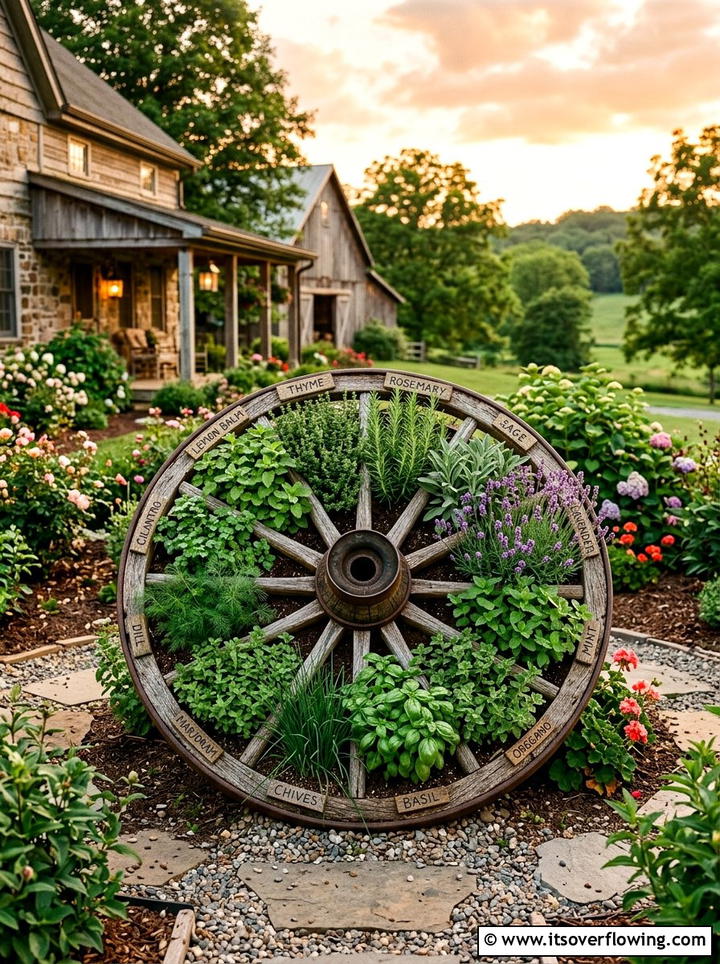
A vintage wagon wheel can serve as a charming and functional frame for a small, themed medicinal herb patch. Each spoke of the wheel creates a separate compartment, which is ideal for keeping invasive herbs like mint from spreading too far. You can dedicate one section to digestive herbs, another to sleep aids, and another to skin-healing plants. This rustic design works beautifully in farmhouse or country-style gardens and acts as a great conversation starter for guests. It is an easy DIY project that recycles old materials while providing a very organized and visually appealing way to grow your herbal medicine.
9. Paving stone herb garden
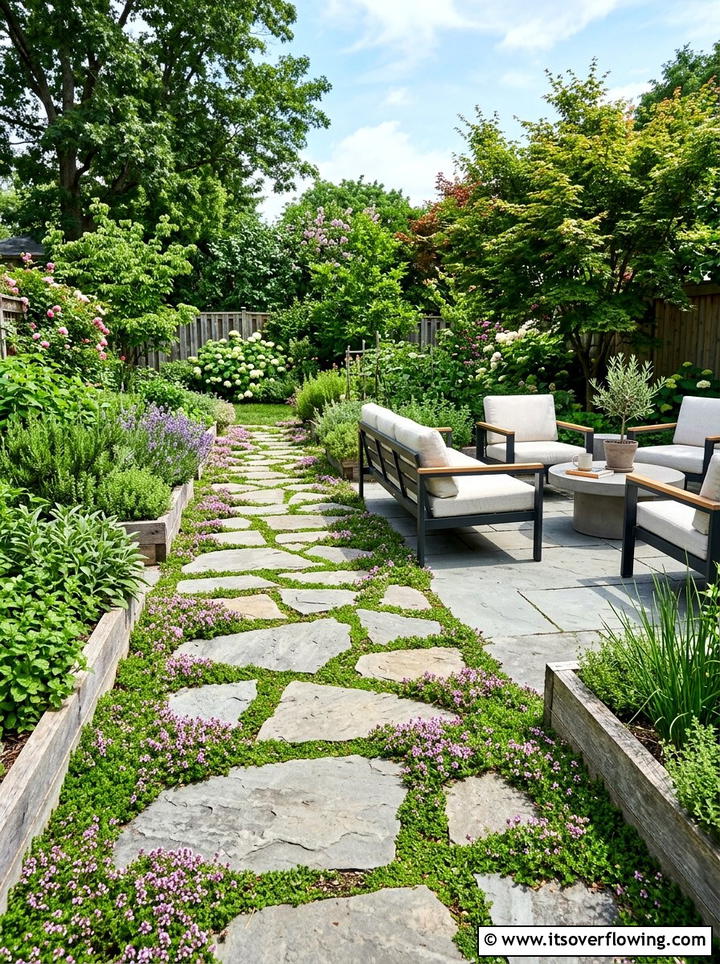
Integrating medicinal herbs directly into your patio or walkway using paving stones creates a seamless blend of hardscape and nature. You can plant creeping thyme or Roman chamomile in the gaps between the stones to release a wonderful fragrance whenever someone walks by. These hardy plants can withstand light foot traffic and help soften the harsh lines of concrete or brickwork. This design choice turns a functional path into an interactive part of your garden that smells amazing. It also helps reduce weeds in the cracks while providing a low-maintenance source of herbs that requires very little extra watering or specialized care.
10. Backyard greenhouse herb garden
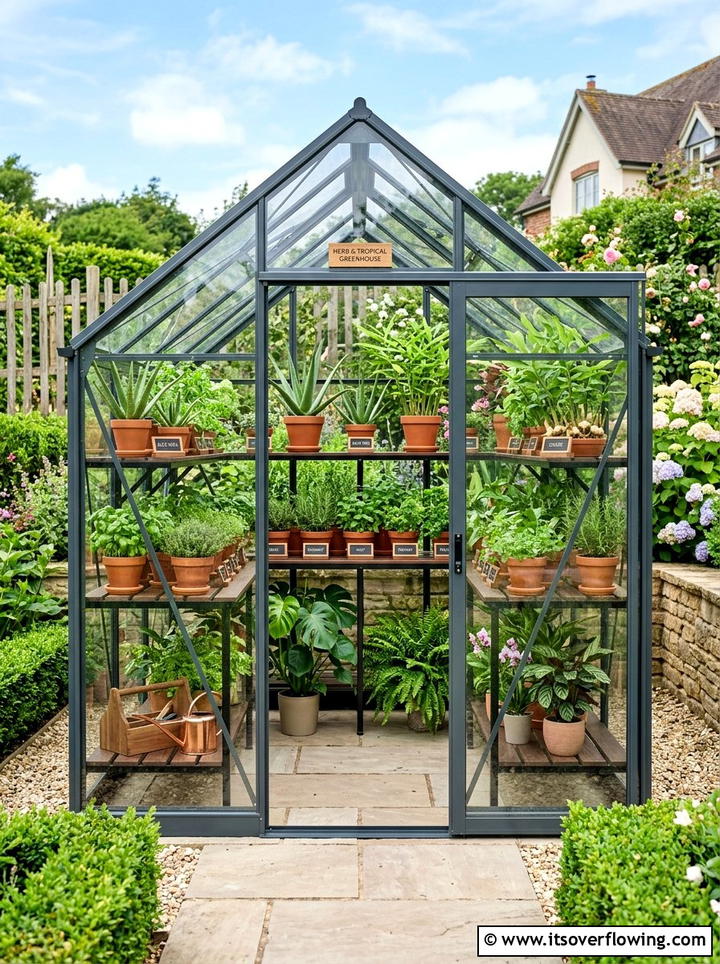
A dedicated greenhouse allows you to grow sensitive medicinal herbs all year round regardless of the weather outside. You can maintain a tropical environment for plants like ginger, turmeric, or aloe that might not survive a cold winter. Organizing the interior with tiered shelving and potting benches creates a professional workspace for drying and processing your harvests. The glass or polycarbonate walls trap heat and light, ensuring your plants grow quickly and stay healthy throughout the darker months. This setup is perfect for the serious herbalist who wants to maintain a consistent supply of fresh medicine regardless of the changing seasons.
11. Hanging herb basket display
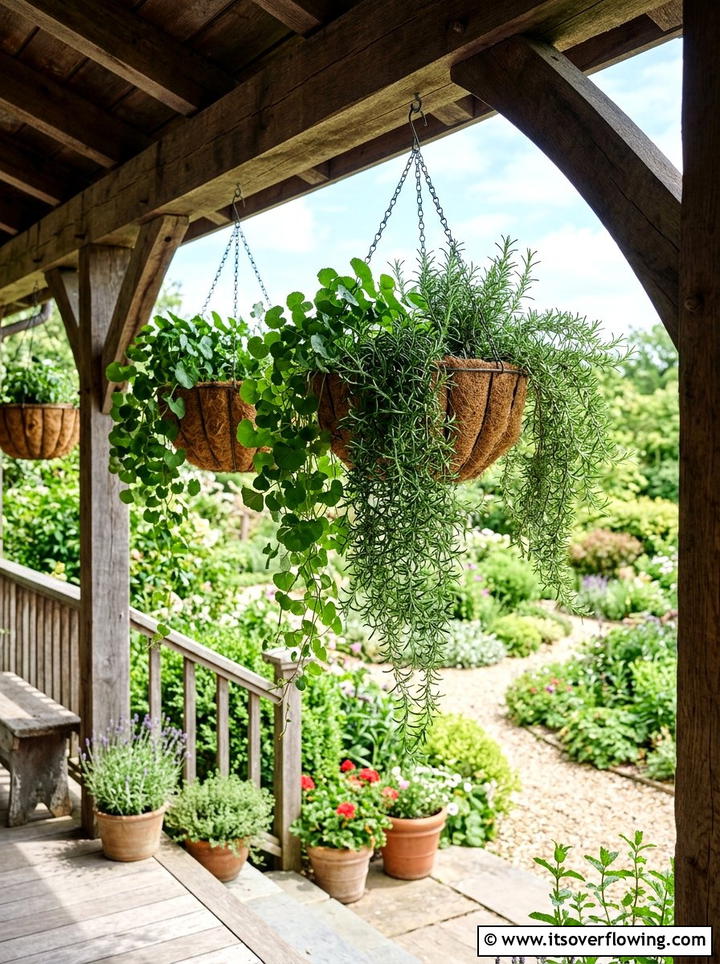
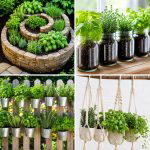
Suspending medicinal herbs in decorative hanging baskets is a fantastic way to add layers and depth to your porch or patio. Plants with a cascading growth habit, such as trailing rosemary or gotu kola, look particularly beautiful when spilling over the sides of a basket. You can hang them at different heights to create a curtain of greenery that provides shade and privacy. This method also keeps your plants away from ground pests and makes harvesting as easy as reaching up. Choosing colorful ceramic pots or natural coco liners allows you to match the display to your existing outdoor decor effortlessly.
12. Dry stone wall herb garden
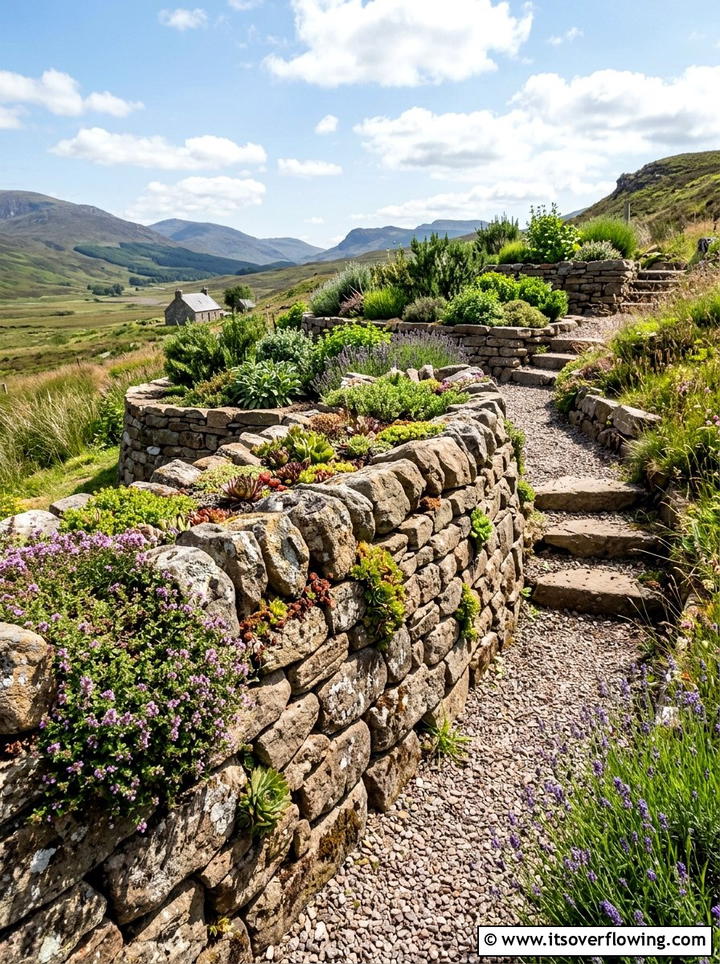
Building a low dry stone wall provides numerous nooks and crannies where hardy medicinal herbs can thrive. You can tuck small plants like stonecrop or mother of thyme into the crevices between the rocks to create a natural look. The stones absorb heat during the day and release it at night, which helps plants that prefer warmer soil conditions. This architectural feature adds structure to your garden and can be used to terrace a sloped yard effectively. It creates a rugged, timeless aesthetic that looks like it has been part of the landscape for centuries while providing a unique growing environment.
13. Indoor herb garden shelf
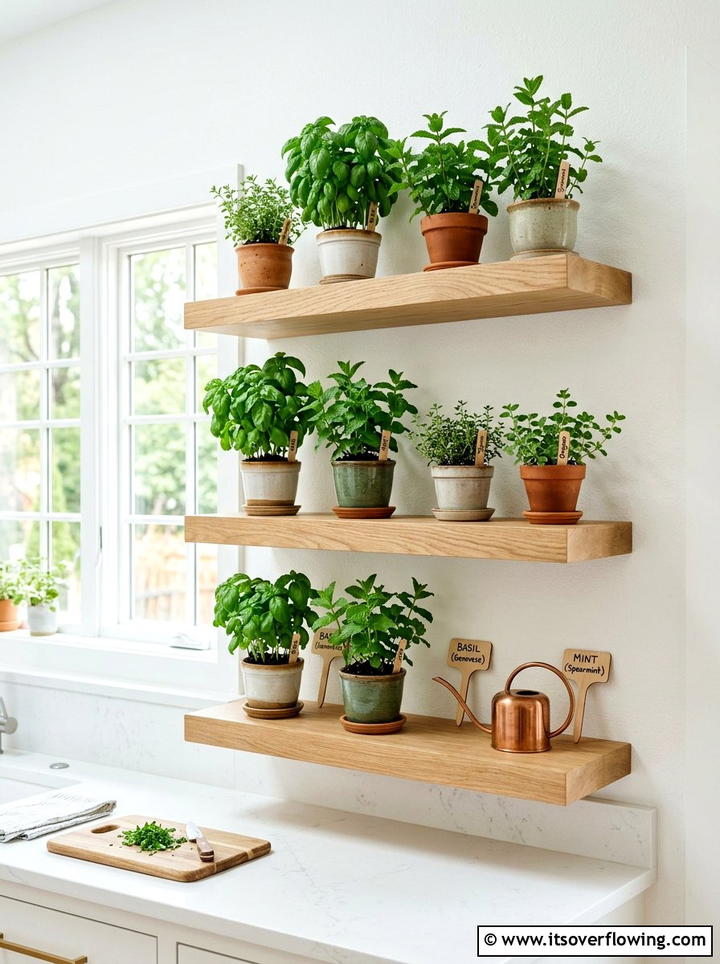
Transforming a sunny wall in your kitchen or living room into a dedicated herb shelf brings the garden inside. You can use sleek wooden floating shelves or a metal industrial rack to hold a variety of medicinal pots. This setup is perfect for herbs that enjoy a controlled indoor climate, such as holy basil or lemon balm. Adding dedicated grow lights above each shelf ensures your plants stay vibrant and productive even during the winter months. It serves as a beautiful piece of living decor that improves indoor air quality while keeping your favorite remedies close at hand for daily use.
14. Tiered herb planter box
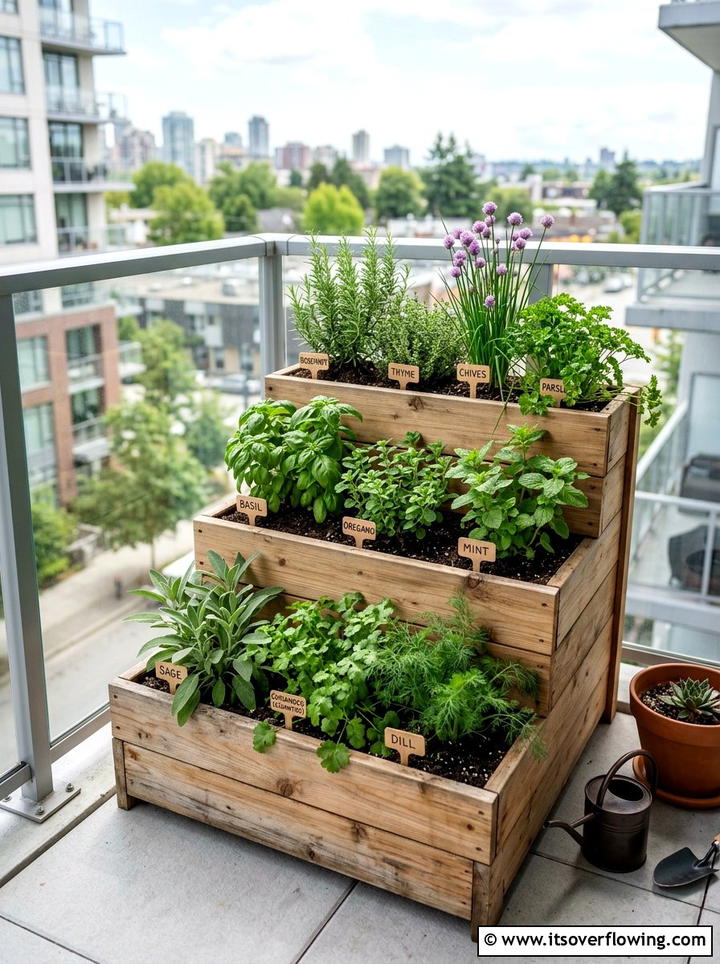
A tiered or ladder-style planter box is a space-saving solution that allows you to grow many different herbs in a very small area. The vertical arrangement ensures that every level receives adequate sunlight and prevents the plants from shading each other out. You can use the top tiers for sun-loving Mediterranean herbs and the lower tiers for plants that prefer a bit more moisture and shade. This design is very popular for balconies and small decks where every square inch counts. It is also quite easy to move around if you need to adjust for changing light patterns throughout the year.
15. Mediterranean gravel herb garden
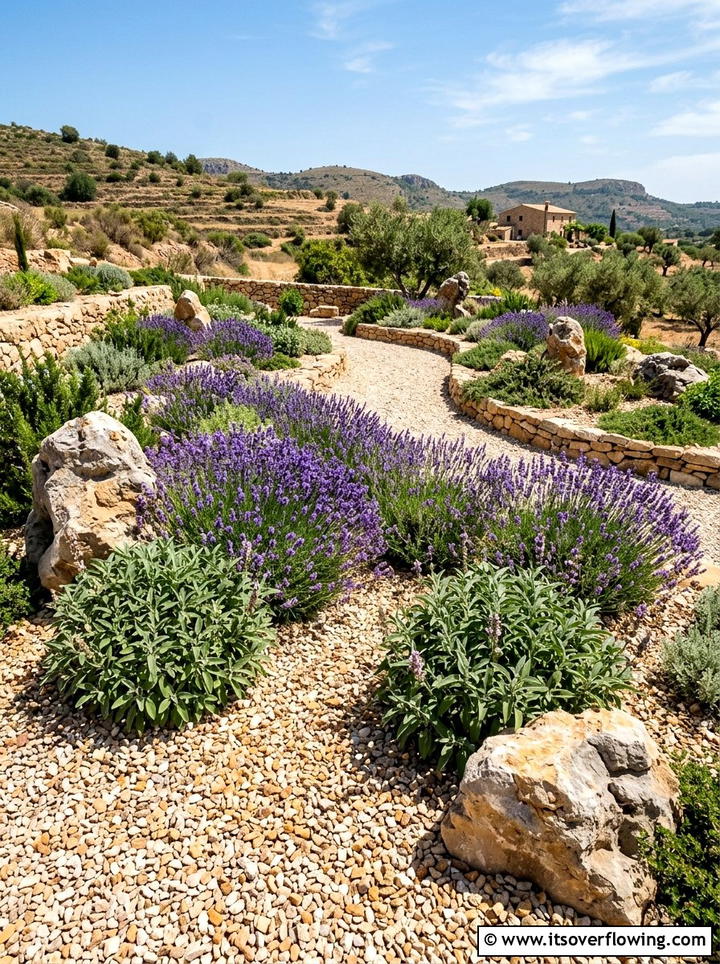
Creating a gravel garden is a low-maintenance and drought-tolerant way to grow aromatic medicinal herbs like lavender, rosemary, and sage. By replacing traditional mulch with light-colored gravel or crushed stone, you improve drainage and reflect light back onto the plants. This environment mimics the natural habitat of many healing herbs, leading to stronger essential oil production and better plant health. You can add a few large boulders and a rustic wooden bench to complete the look of a sunny hillside in Southern Europe. This style is perfect for busy homeowners who want a beautiful garden that requires very little watering.
16. Medicinal tea herb garden
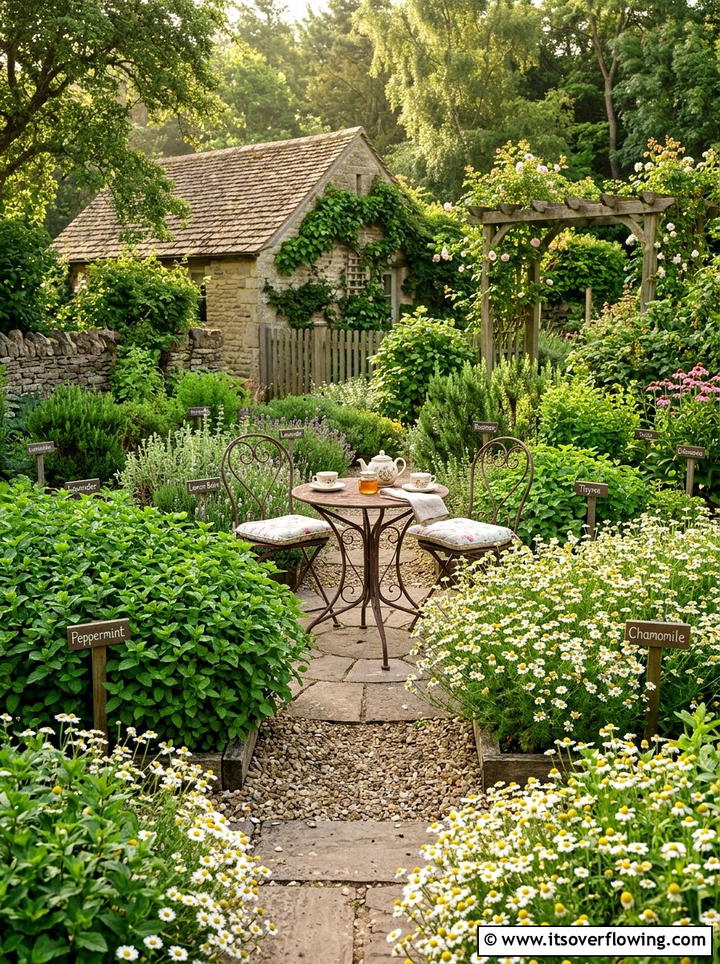
Designing a garden specifically for tea enthusiasts involves planting a variety of flavorful and healing herbs like peppermint, chamomile, and lemon verbena. You can arrange these plants in a circular pattern around a small café table where you can enjoy your fresh brews. Including a few edible flowers like pansies or hibiscus adds a pop of color and extra health benefits to your tea blends. This focused approach makes it easy to harvest everything you need for a relaxing afternoon drink in one place. It creates a peaceful destination in your yard where you can unwind and connect with nature daily.
17. White flower moon garden
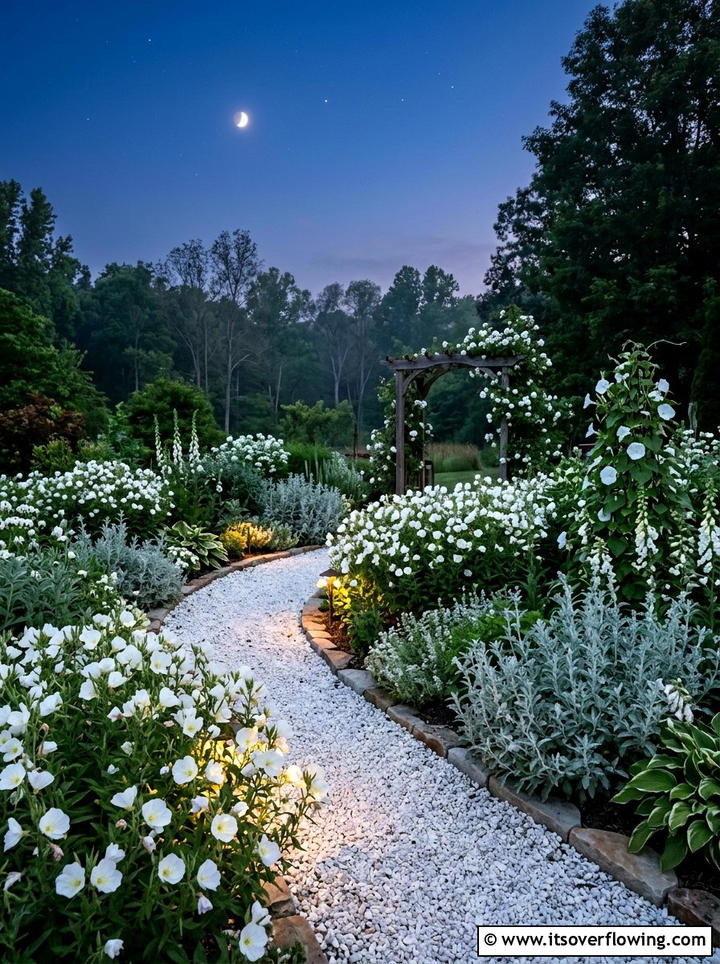
A moon garden is designed to be enjoyed at night, featuring medicinal plants with white flowers or silvery foliage that glow under the moonlight. You can plant evening primrose, white jasmine, and silver sage to create a shimmering and ethereal atmosphere after the sun goes down. Many of these plants release their strongest fragrances at night, providing a calming sensory experience before bed. Adding a few solar-powered lanterns or a small water feature enhances the magical feel of the space. This is a wonderful way to utilize your garden during the evening hours for relaxation and stress relief after work.
18. Formal boxwood herb garden
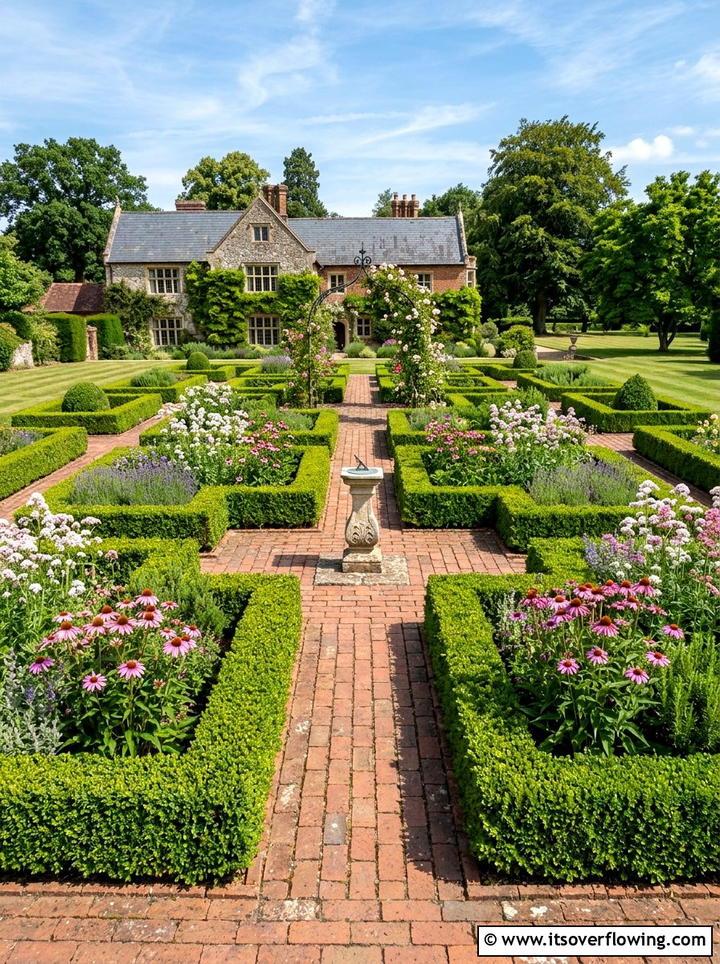
For a sophisticated and upscale look, you can surround your medicinal herb patches with neatly trimmed boxwood hedges. This formal structure provides a clean frame for the often wild and leggy growth of herbs like valerian or echinacea. The contrast between the rigid green hedges and the soft, flowering herbs creates a very professional and intentional landscape design. You can arrange the beds in a traditional cross or star shape with brick pathways in between for easy access. This style works exceptionally well in front yards or large estate gardens where a sense of order and elegance is highly desired.
19. Edible landscape herb garden
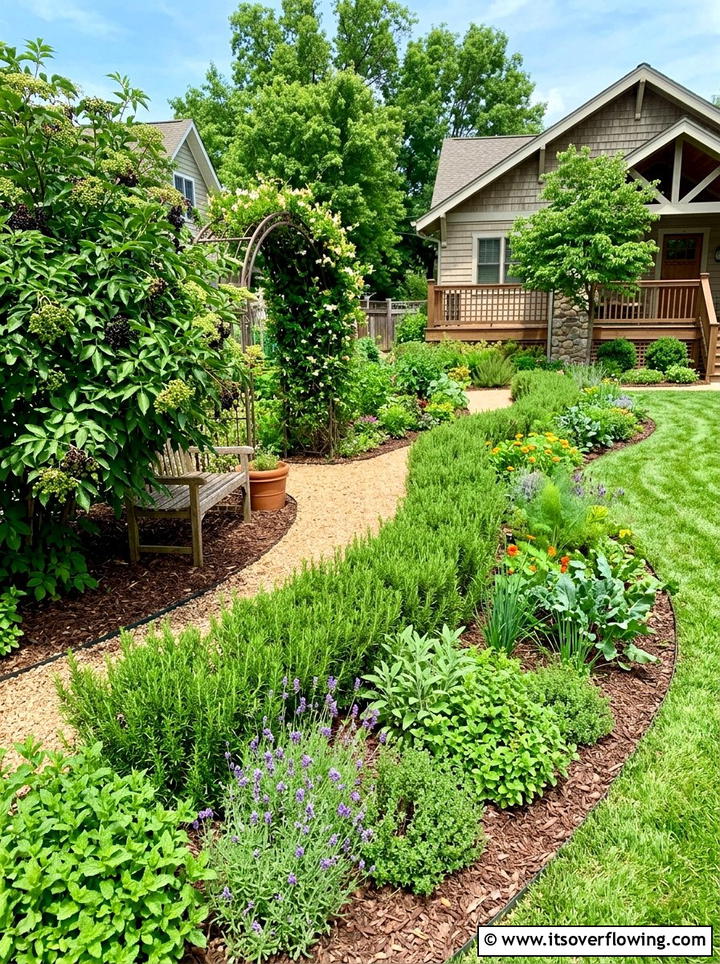
Integrating medicinal herbs into your existing landscaping allows you to create a beautiful yard that is also highly productive. You can use rosemary as a structured hedge, elderberry bushes as a privacy screen, and creeping thyme as a lush groundcover. This approach moves away from the idea of a separate “herb plot” and instead treats healing plants as essential parts of the overall design. It is an eco-friendly way to reduce lawn space while increasing the biodiversity of your property. Your yard will look like a curated botanical garden while providing a wealth of natural resources for your health.
20. Native medicinal herb meadow
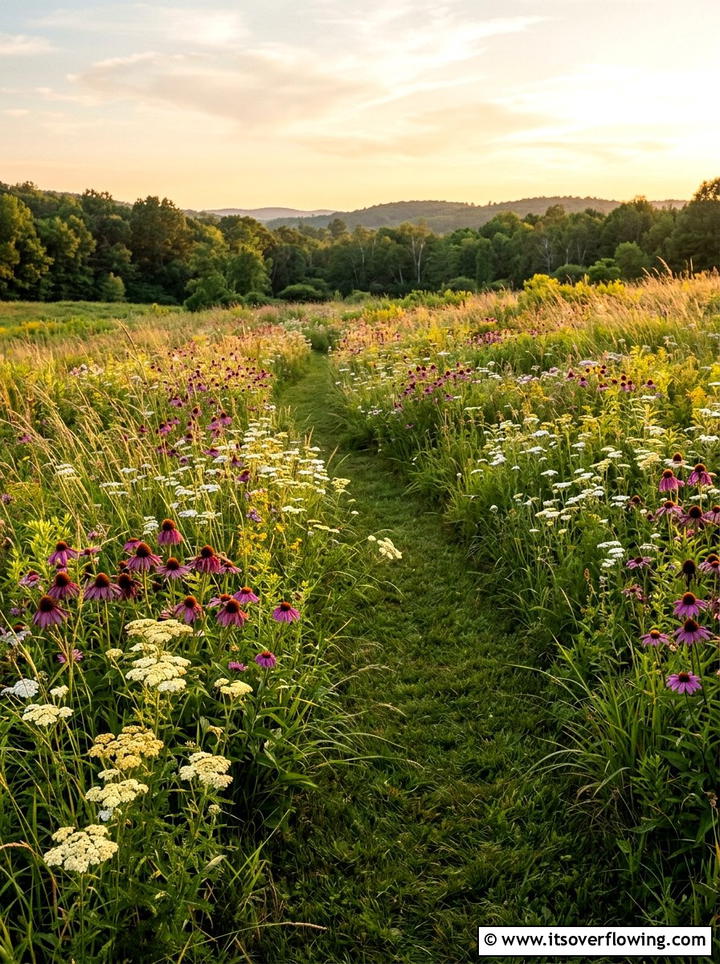
Planting a meadow of native medicinal herbs is a fantastic way to support local wildlife while growing your own remedies. You can use a mix of native plants like coneflower, yarrow, and milkweed to create a low-maintenance landscape that thrives in your specific climate. This wilder style of gardening requires very little intervention once established and provides a stunning display of colors throughout the summer. It creates a sanctuary for bees, butterflies, and birds right in your backyard. A simple mown path through the center allows you to walk through the tall stems and harvest your herbs without disturbing the delicate ecosystem.
21. Upcycled pallet herb garden
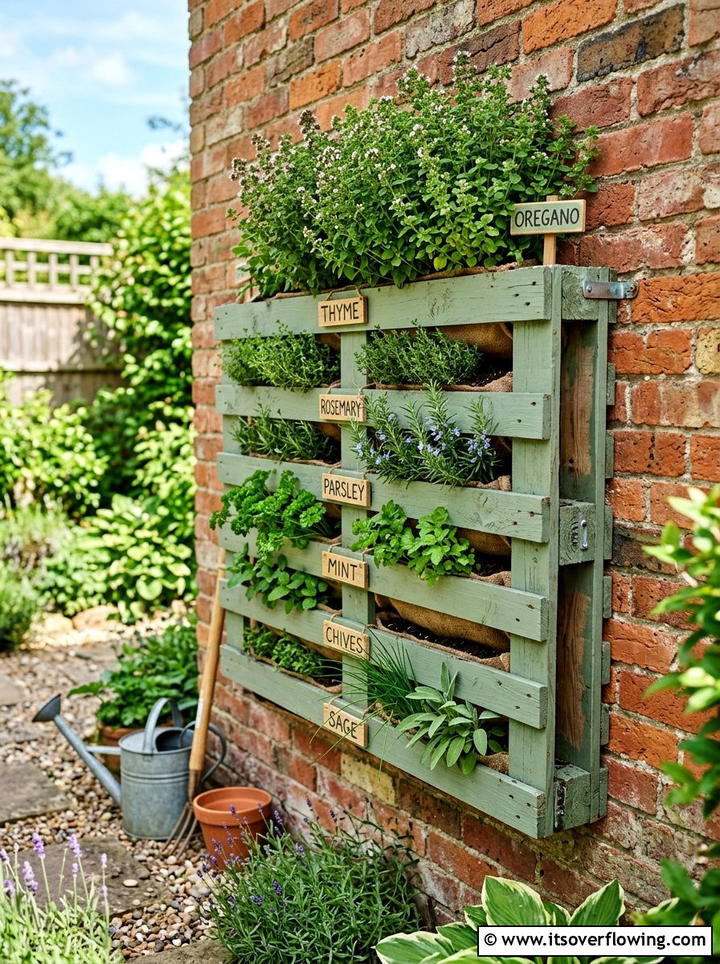
Using reclaimed wooden pallets is an affordable and creative way to build a vertical medicinal garden on a budget. You can lean the pallet against a wall or mount it securely to create rows of planting space for small herbs like marjoram and oregano. Painting the wood or adding chalkboard labels for each plant adds a personal and stylish touch to the project. This is a great way to repurpose materials that might otherwise go to waste while gaining a lot of growing space. It fits perfectly in a rustic or industrial-themed garden and is very easy to assemble in one afternoon.
22. Clay pot herb garden
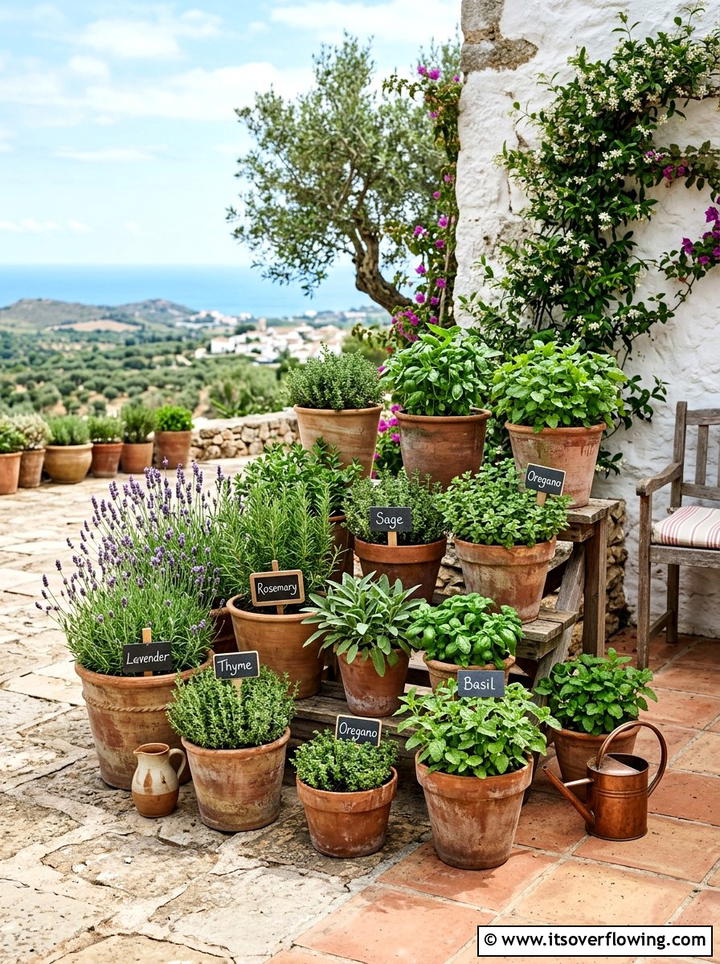
A collection of terracotta or ceramic pots in various sizes creates a flexible and charming medicinal garden that can be moved as needed. You can group pots together on a porch or tiered plant stand to create a lush focal point. This method is ideal for herbs with different soil and water requirements, as each plant has its own dedicated container. Using pots also allows you to bring tender herbs indoors when the temperature drops in the fall. Mixing and matching different colors and textures of clay pots adds a handcrafted, Mediterranean feel to your outdoor living space or patio area.
23. Garden pergola herb garden
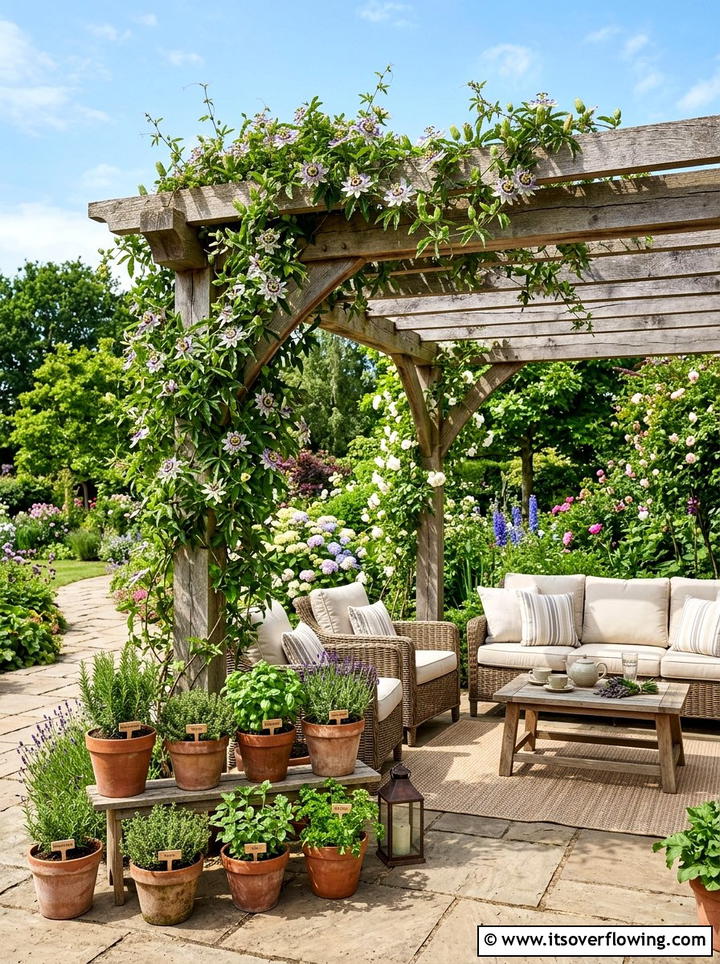
Building a pergola and surrounding it with medicinal climbing plants and potted herbs creates a shaded and fragrant outdoor room. You can grow passionflower or hops over the top of the structure to provide natural cooling and medicinal harvests. Below the canopy, you can arrange comfortable seating and large containers filled with aromatic herbs like mint and lavender. This setup provides a perfect place for meditation, reading, or entertaining guests while being surrounded by healing greenery. The vertical structure of the pergola adds height to your garden design and creates a strong architectural statement that increases your home’s overall value.
24. Pond side medicinal garden
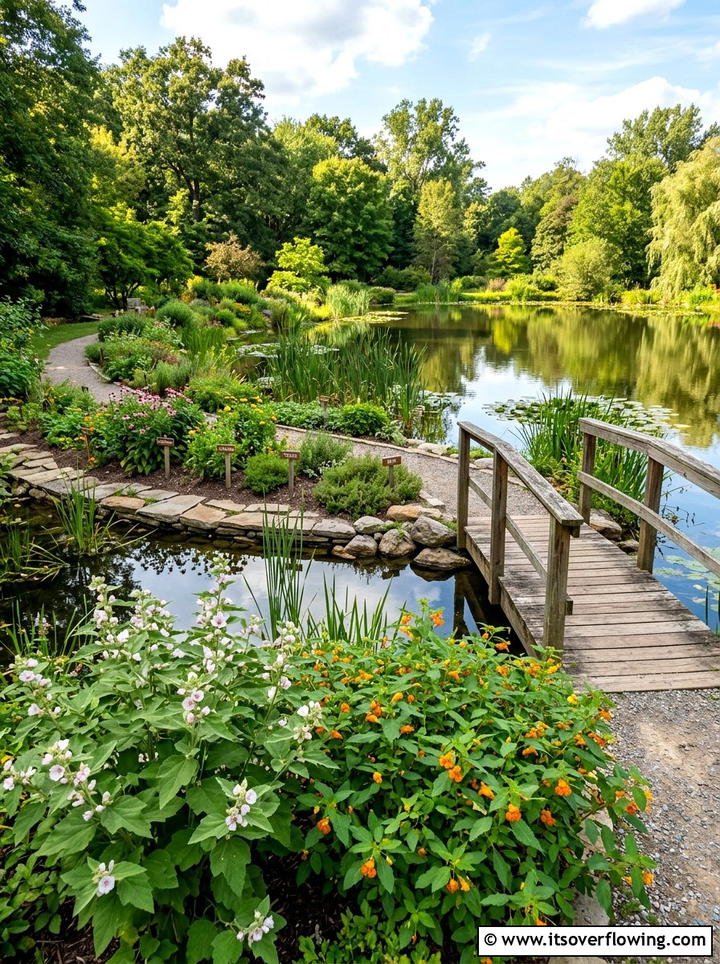
If you have a water feature, planting moisture-loving medicinal herbs around the perimeter creates a lush and serene environment. Herbs like meadowsweet, marshmallow root, and jewelweed thrive in the damp soil near a pond or stream. The reflection of the plants in the water adds a sense of depth and tranquility to the entire garden. You can add a small wooden bridge or stepping stones to allow for easy harvesting and maintenance. This design integrates the calming element of water with the healing power of plants, making it a perfect spot for deep relaxation and connection with the natural world.
25. Apartment balcony herb garden
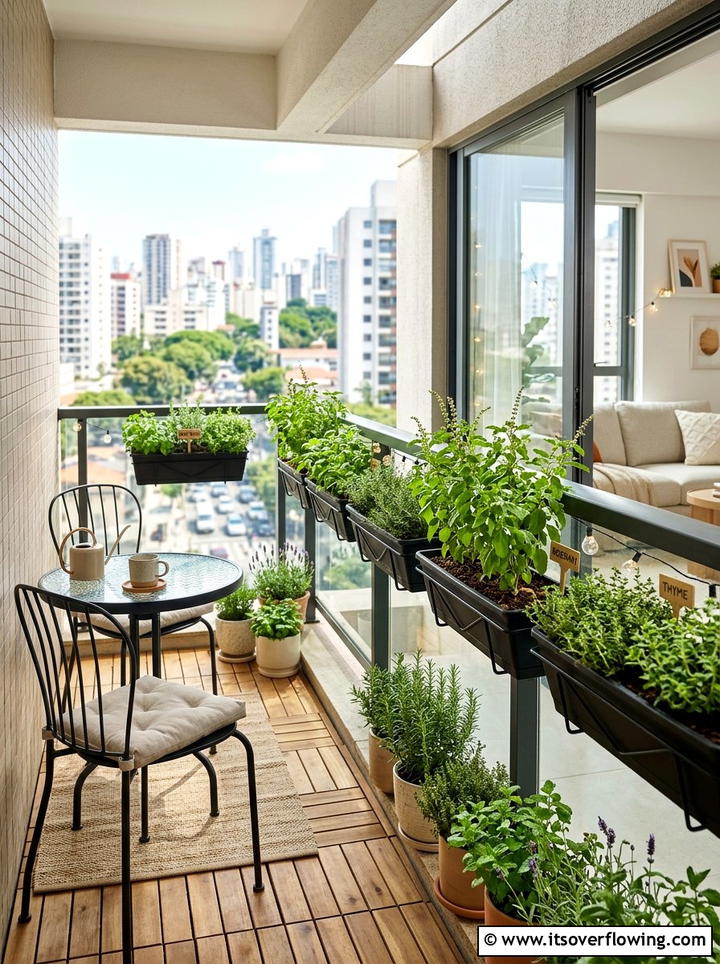
Even a small apartment balcony can be turned into a thriving medicinal oasis with the right planning and containers. Using railing planters and vertical shelving allows you to grow a surprisingly large variety of herbs in a very compact area. You can focus on high-yield plants like holy basil, mint, and aloe vera that provide the most benefit for the space they occupy. Adding a small outdoor rug and a single comfortable chair makes the balcony feel like an extension of your indoor living space. It is a wonderful way to bring nature into an urban environment and improve your daily quality of life.
Conclusion:
Designing a medicinal herb garden is a beautiful journey that combines the art of landscaping with the ancient wisdom of herbal healing. By choosing a layout that fits your lifestyle and space, you create more than just a garden; you build a personal apothecary right at home. Whether you prefer the structured elegance of a formal potager or the wild beauty of a native meadow, these plants will reward you with their scents, colors, and health benefits. As you spend time tending to your herbs, you will likely find that the act of gardening itself is just as medicinal as the plants you grow.

Related posts:
 25 Garden Design Ideas With Herbs and Flowers for Color
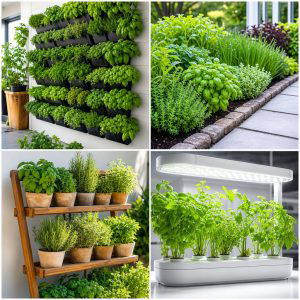 25 garden ideas with herbs for Fresh, Fragrant Outdoor Spaces
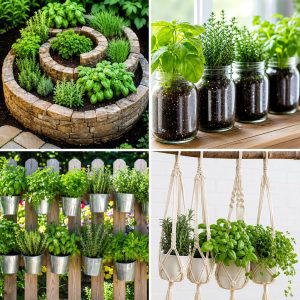 25 Small Garden Ideas With Herbs for Fresh, Fragrant Spaces
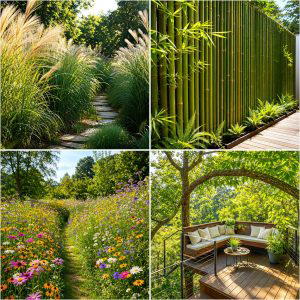 25 Creative Garden Ideas With Hidden Garden Corners
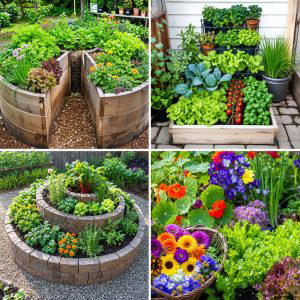 25 Creative Garden Ideas With Keyhole Garden Beds
 25 Creative Garden Ideas With Kids Garden Zone
 25 Creative Garden Ideas to Transform Any Outdoor Space Fast
 25 Creative Garden Ideas for Urban Homes
 25 Creative Garden Ideas With Espalier Trees for Style
 25 Creative Garden Ideas With Mandala Gardens to Inspire
 25 creative garden ideas with pergola vines for Shaded Beauty
 25 Creative Garden Ideas With Spiral Herb Beds to Try Now