
Creating a peaceful sanctuary in your own backyard is one of the most rewarding home projects you can undertake for your mental well-being. A dedicated meditation corner allows you to step away from the digital world and immerse yourself in the calming rhythms of nature. These spaces do not require vast acreage; even a small corner of a patio or a quiet spot under a tree can be transformed into a soulful retreat. By thoughtfully combining soft textures, soothing sounds, and intentional landscaping, you can build a personal haven that encourages daily mindfulness. This guide explores twenty-five creative ways to design a garden that nurtures your spirit and enhances your outdoor living experience.
1. Zen Rock Garden
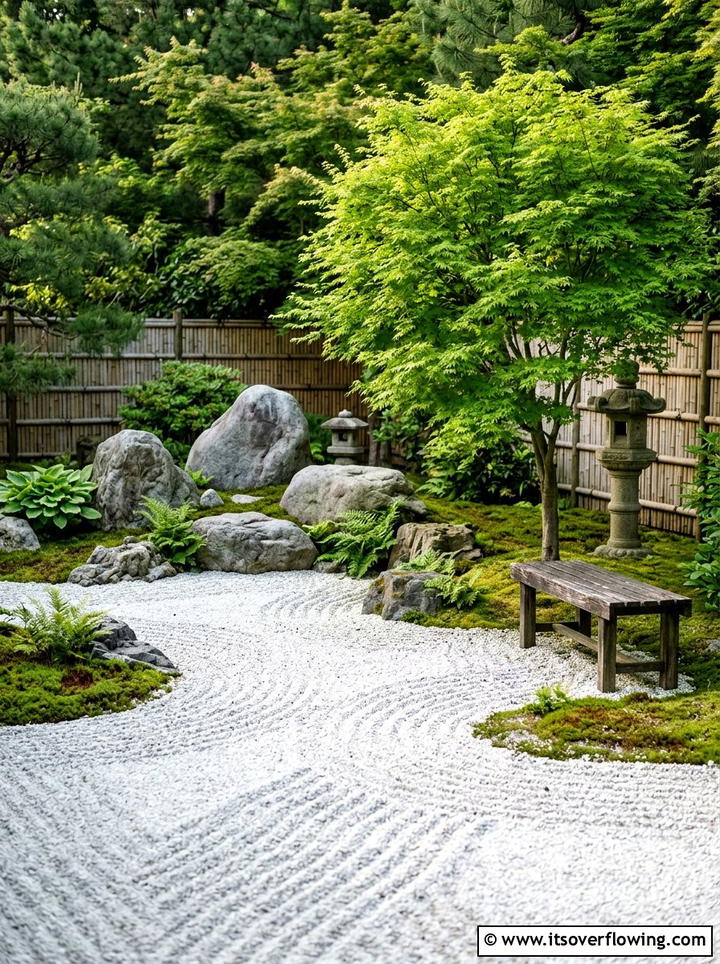
Have you ever wondered how a simple arrangement of stones could bring so much peace to your mind? A Zen rock garden focuses on minimalist principles that remove all unnecessary distractions from your visual field. By using raked gravel to represent flowing water and large boulders to represent stable mountains, you create a symbolic landscape that invites deep contemplation. The act of raking the gravel itself can be a form of moving meditation that calms your nerves. This design works beautifully in small side yards where grass might struggle to grow. Adding a simple wooden bench provides a stable place to sit while you admire the clean, rhythmic patterns.
2. Pergola Meditation Space
Imagine sitting under a wooden structure that filters bright sunlight into soft, dancing patterns across your lap. A pergola offers a sense of enclosure and safety without disconnecting you from the fresh air and sky. You can hang sheer white curtains from the beams to create a soft barrier against the wind and provide extra privacy from neighbors. Planting climbing vines like jasmine or honeysuckle around the posts adds a layer of natural beauty and a sweet fragrance that fills the air. Inside the pergola, a low wooden platform or a weather-resistant rug creates a defined area for sitting quietly and focusing on your deep breathing exercises.
3. Secret Garden Nook
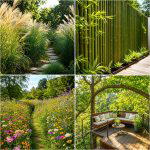
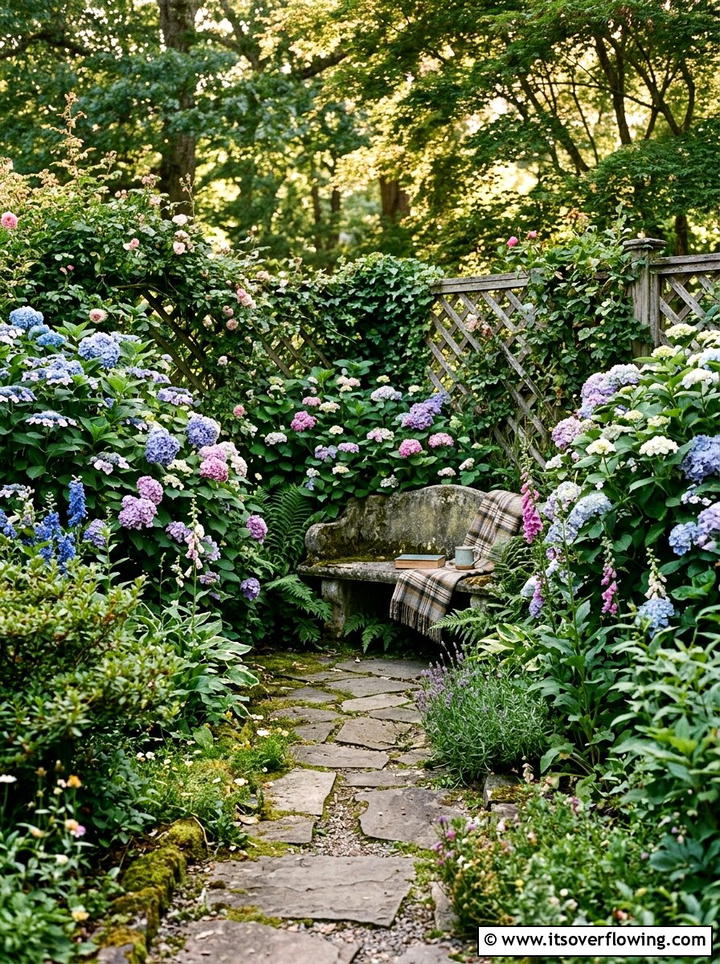
Is there a forgotten corner of your yard that feels tucked away from the rest of the world? Transforming a hidden spot into a secret garden nook is a wonderful way to create an intimate meditation area. You can use tall shrubs, flowering bushes, or even a decorative lattice fence to wall off the space from the main lawn. A narrow stone path leading to the entrance makes the journey feel like a special transition into a quiet zone. Inside, a simple stone bench or a comfortable outdoor chair surrounded by lush greenery provides the perfect backdrop for reading, reflecting, or practicing silence in total privacy.
4. Modern Minimalist Deck
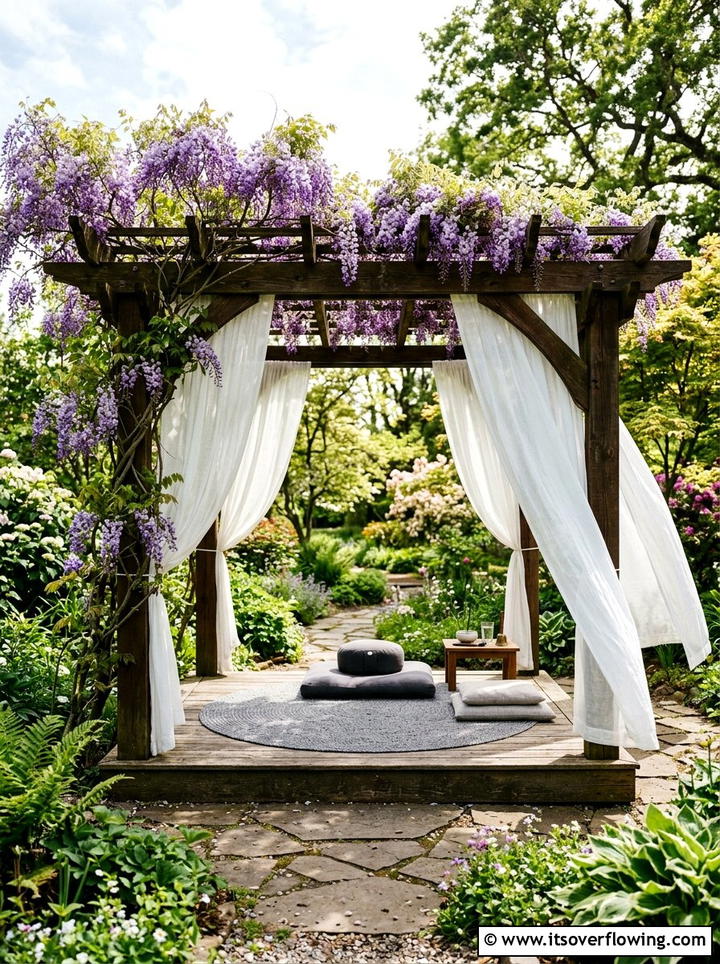
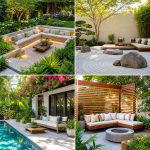
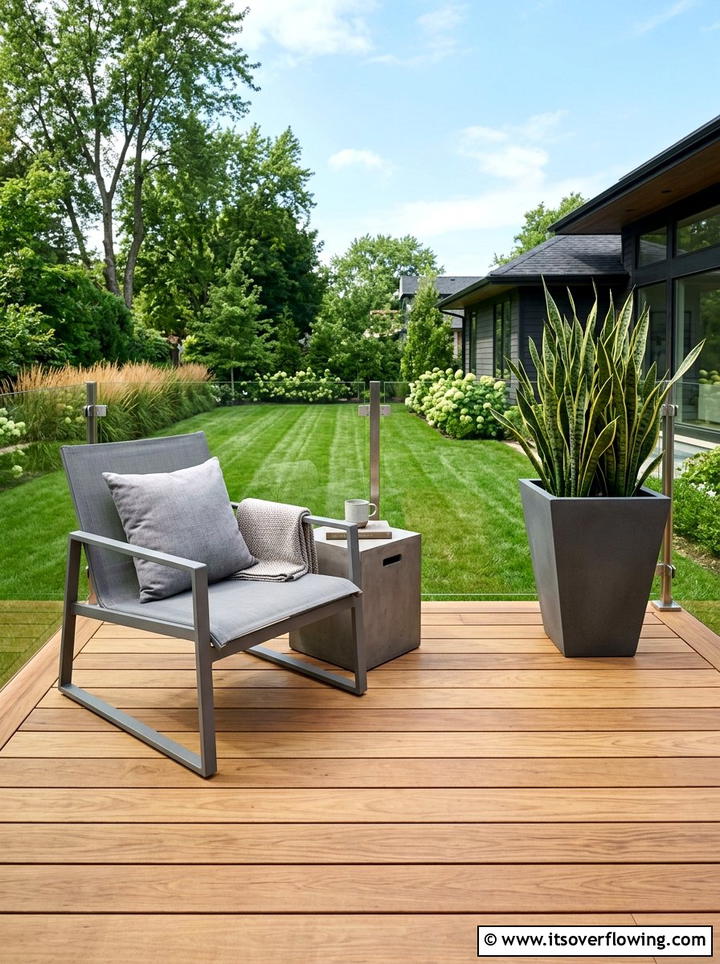
Can a clean and simple architectural design help clear your cluttered mind after a long work day? A modern minimalist deck uses sleek lines and natural materials like cedar or composite wood to create a high-end meditation platform. By keeping the furniture sparse and the color palette neutral, you prevent visual overstimulation. This allows your focus to shift entirely toward your internal state and the natural surroundings. You might include a few large potted plants with structural leaves to add life without creating a messy appearance. The flat, level surface is ideal for placing a yoga mat or a meditation cushion for a stable morning practice.
5. Wildflower Meadow Sanctuary
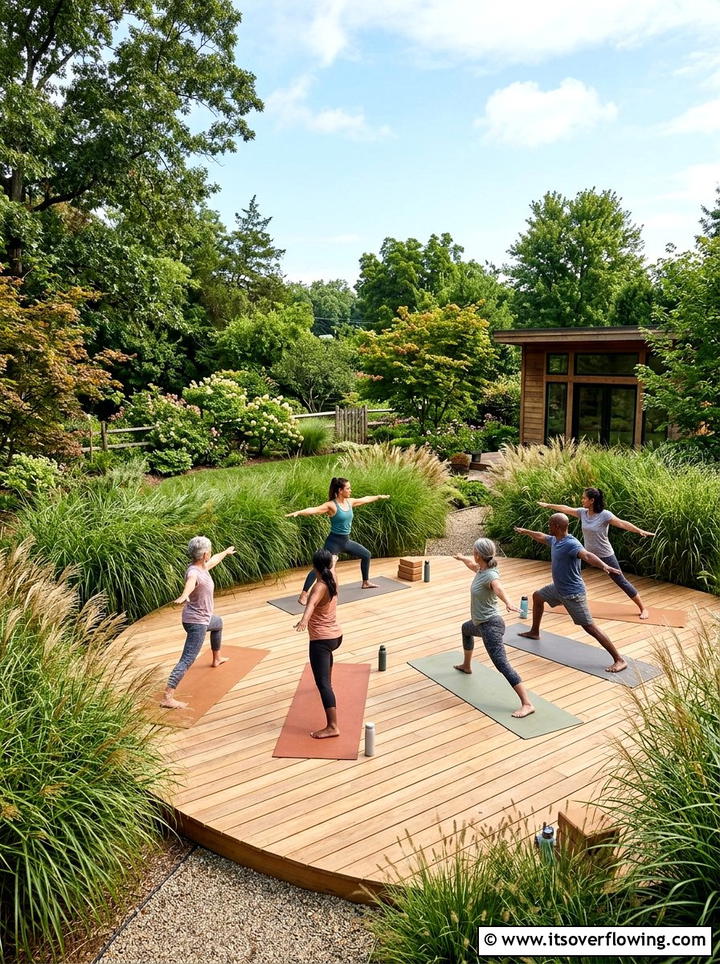
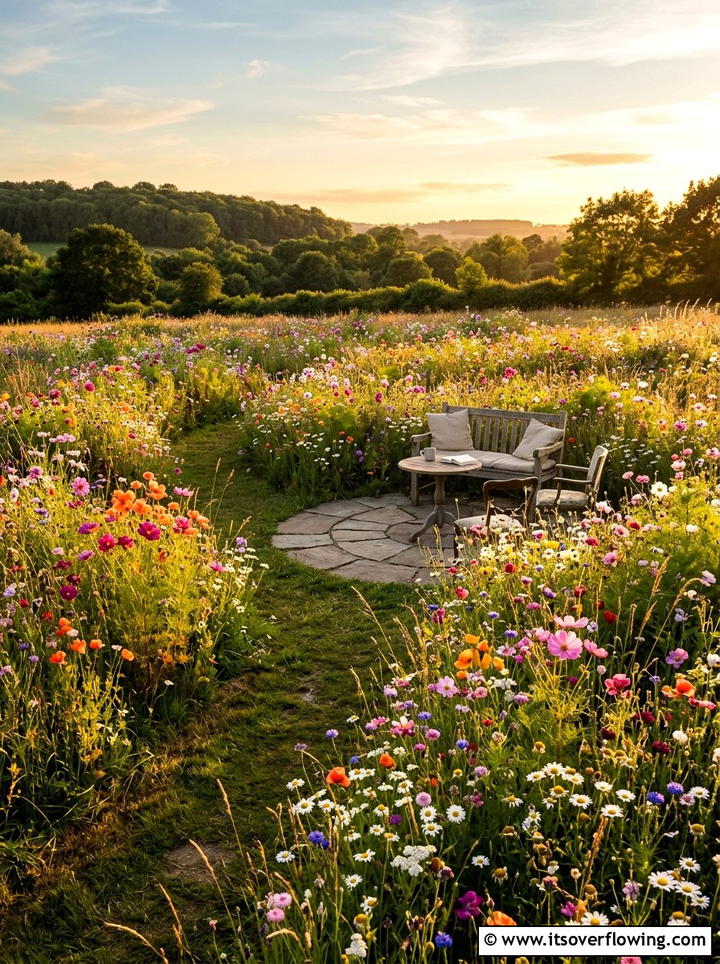
What if your meditation space felt like a vibrant, living painting that changed with the passing seasons? A wildflower meadow sanctuary replaces traditional manicured grass with a mix of native flowers and tall grasses. This type of garden attracts butterflies and bees, providing a gentle hum of life that serves as a natural soundtrack for your meditation. You can mow a small circular path in the center to place a simple chair or a flat stone for sitting. Being surrounded by the movement of the flowers in the breeze helps you feel deeply connected to the earth and the cycle of growth and renewal.
6. Japanese Teahouse Style
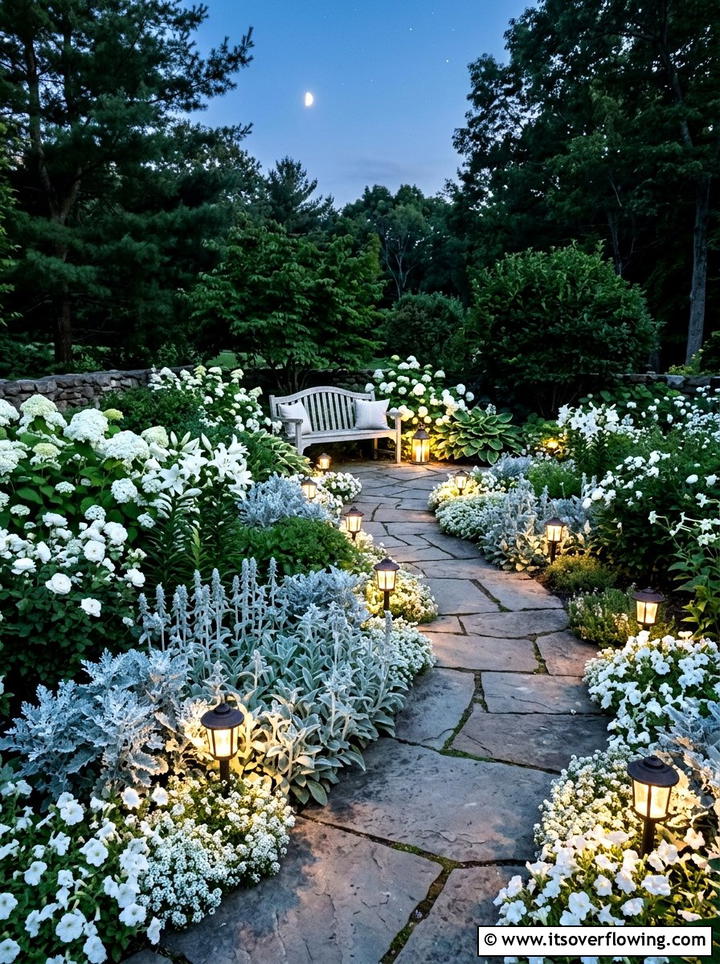
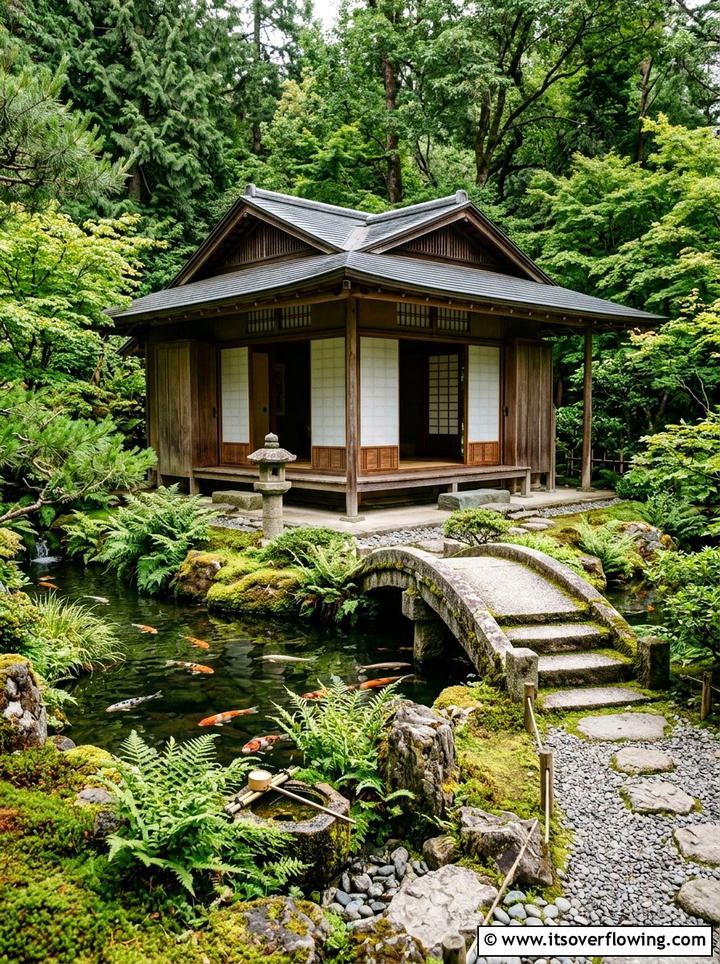
Building a structure inspired by traditional Japanese architecture can bring a profound sense of history and discipline to your garden. A small teahouse or gazebo with sliding doors and a raised floor offers a protected environment for meditation regardless of the weather. Use natural materials like bamboo, rice paper, and dark wood to achieve an authentic and grounded aesthetic. Positioning the structure near a small pond or a cluster of ferns enhances the tranquil atmosphere. This dedicated building serves as a powerful physical reminder to leave your worries at the door and enter a state of complete presence and gratitude for the moment.
7. Bohemian Hammock Area
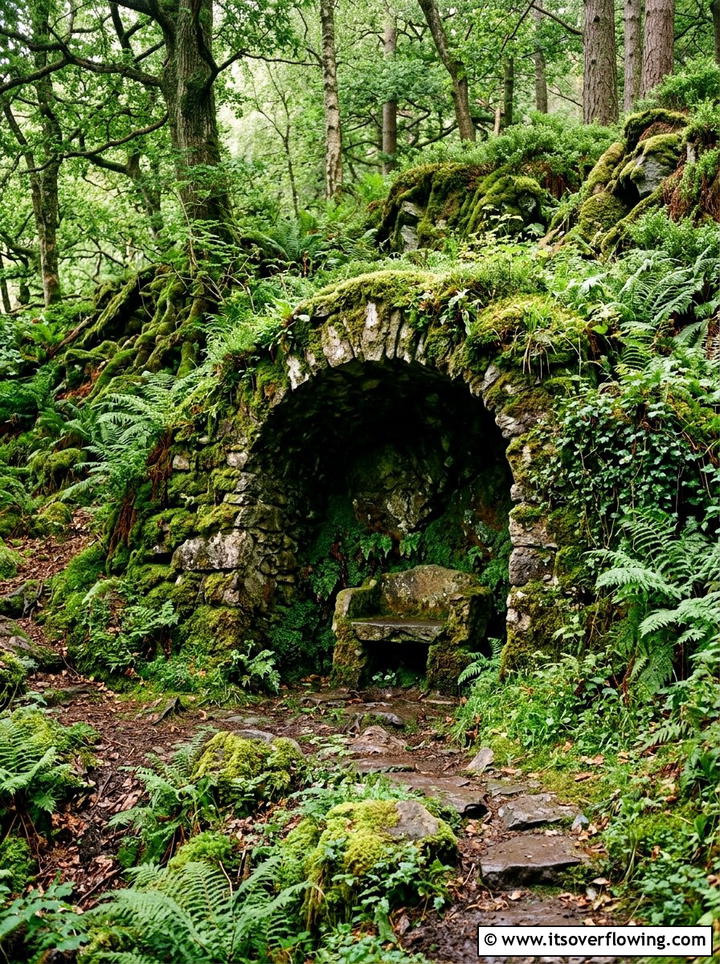
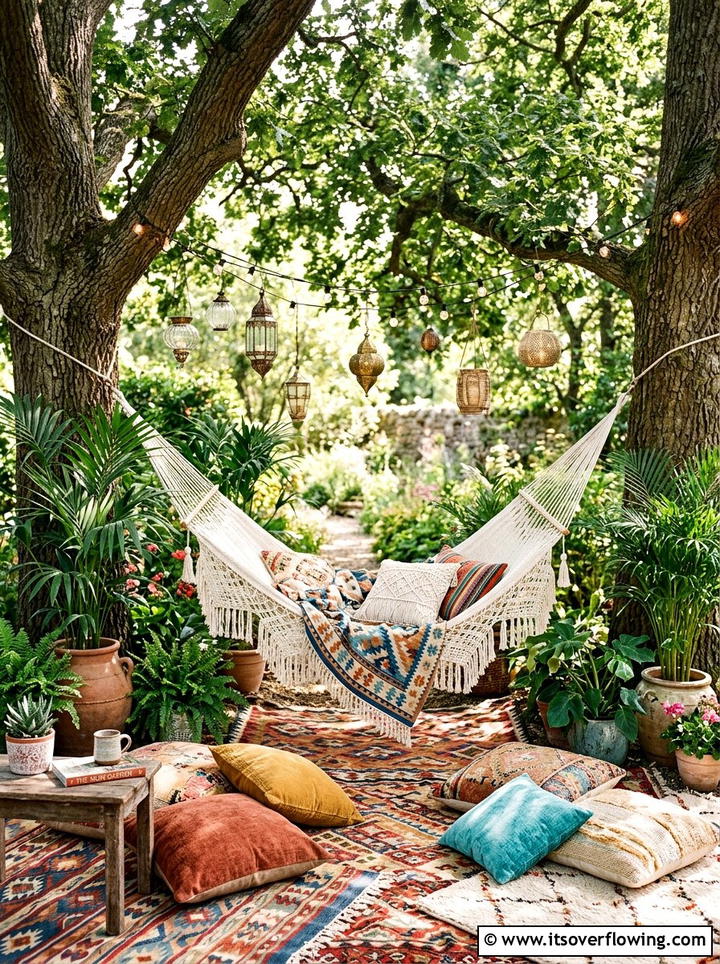
Do you find it easier to relax when you are gently swaying in the breeze? A bohemian-inspired hammock area is a playful and low-pressure way to incorporate meditation into your daily outdoor routine. You can hang a colorful woven hammock between two sturdy trees or use a freestanding metal frame if your yard is open. Surround the base with potted succulents, lanterns, and outdoor floor pillows to create a cozy, layered look. The rhythmic motion of the hammock helps soothe the nervous system, making it easier to drift into a meditative state or a light nap while listening to the birds above.

8. Bamboo Privacy Screen
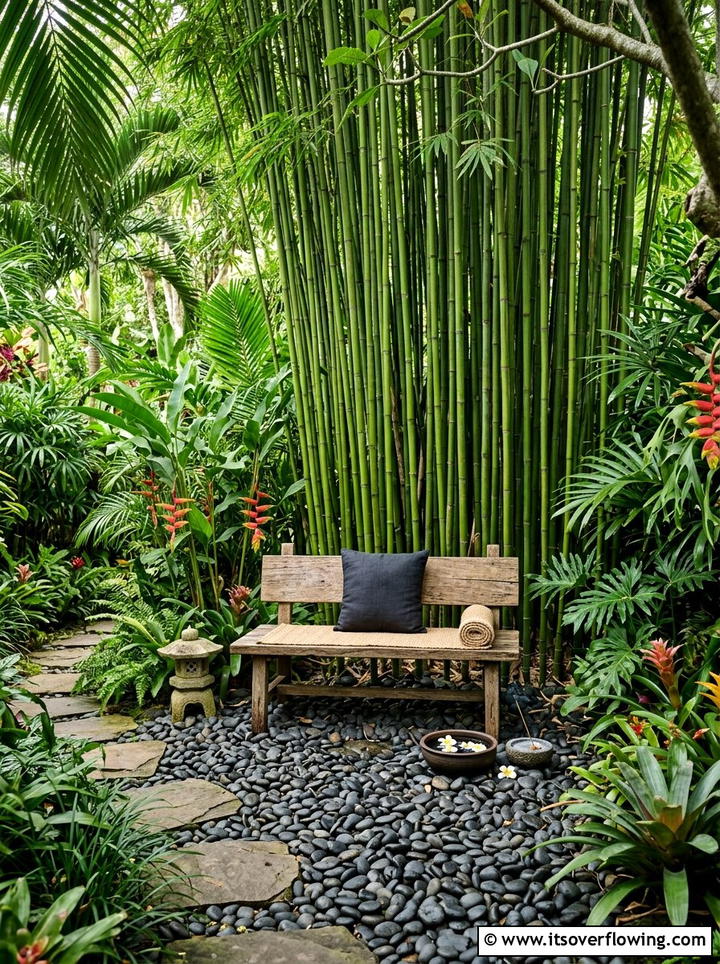
Creating a sense of seclusion is often the first step in building an effective outdoor meditation corner. A bamboo privacy screen is an affordable and eco-friendly way to block out the sights and sounds of a busy street or neighborhood. Bamboo grows tall and dense, providing a thick green wall that rustles softly in the wind. This gentle sound can mask distant traffic noise and help you stay focused on your breath. You can plant the bamboo in large troughs or use pre-made panels to define your space. Once the screen is in place, the interior feels like a private jungle sanctuary hidden away.
9. Backyard Water Feature
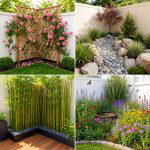
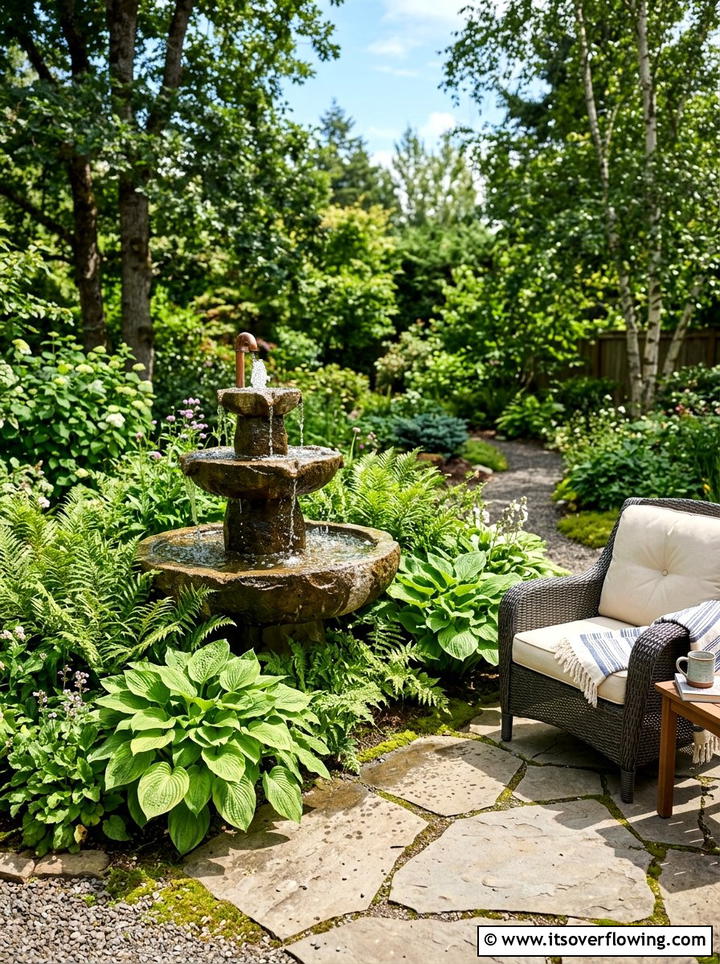
The sound of trickling water has a scientifically proven ability to lower stress levels and induce a state of calm. Adding a backyard water feature, such as a tiered fountain or a small bubbling rock, creates a focal point for your meditation practice. You can arrange a few comfortable chairs or a meditation bench directly facing the water to watch the ripples and reflections. The movement of the water serves as a visual anchor, helping to quiet a racing mind. Surrounding the feature with smooth river stones and water-loving plants like lilies or reeds completes the natural, spa-like environment in your own home.
10. Shaded Forest Path
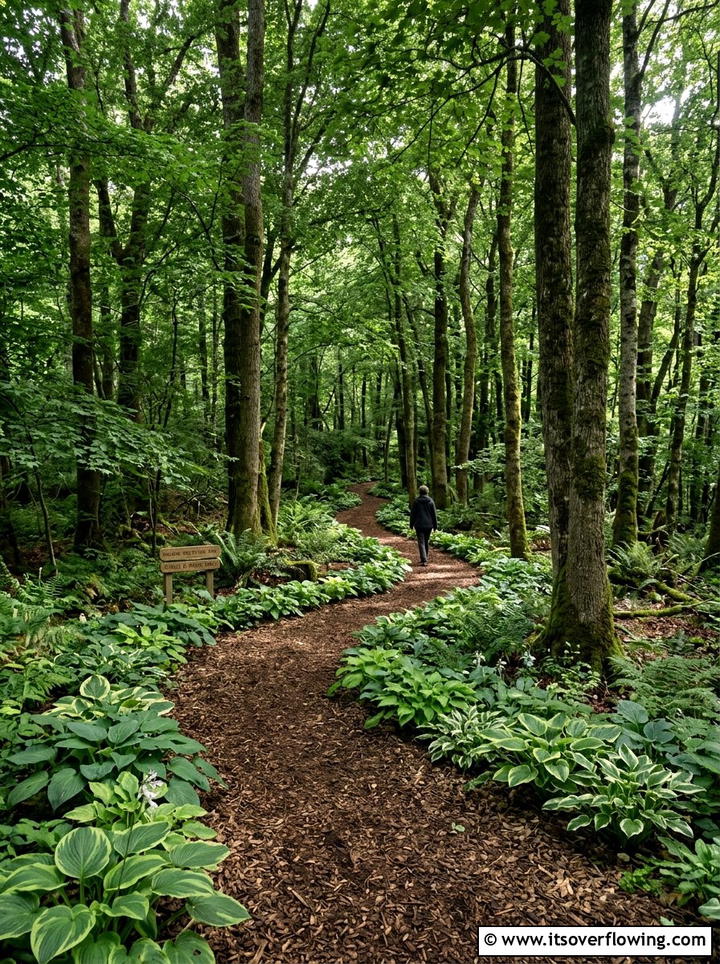
If you are lucky enough to have mature trees on your property, you can create a shaded forest path for walking meditation. Walking meditation is a beautiful practice where you focus entirely on the sensation of your feet touching the ground and the rhythm of your movement. Line the path with soft bark mulch or flat stepping stones to make the walk comfortable and clear. Add small statues or inspirational stones along the way to serve as “reminders” to stay present. The cool temperature under the leaf canopy and the dappled sunlight create a magical, cathedral-like atmosphere that feels miles away from the modern world.
11. Stone Circle Seating
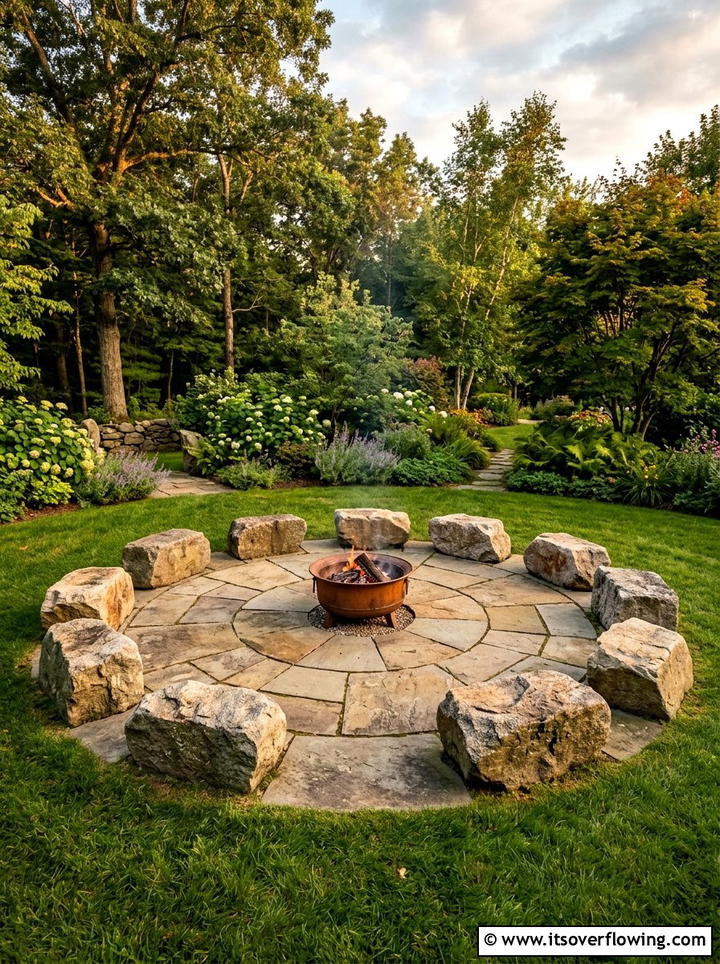
Using ancient patterns can give your garden a sense of timelessness and grounded energy. A stone circle seating area involves laying out flat flagstones in a circular formation around a central point, like a small fire pit or a decorative bowl. The circle is a universal symbol of unity and wholeness, which can enhance your feeling of connection during meditation. You can use large, flat boulders as natural chairs or place weather-resistant cushions on the stones. This layout is perfect for group meditation sessions or for sitting alone in the center of the yard to soak in the sun and the surrounding garden views.
12. Vertical Garden Backdrop
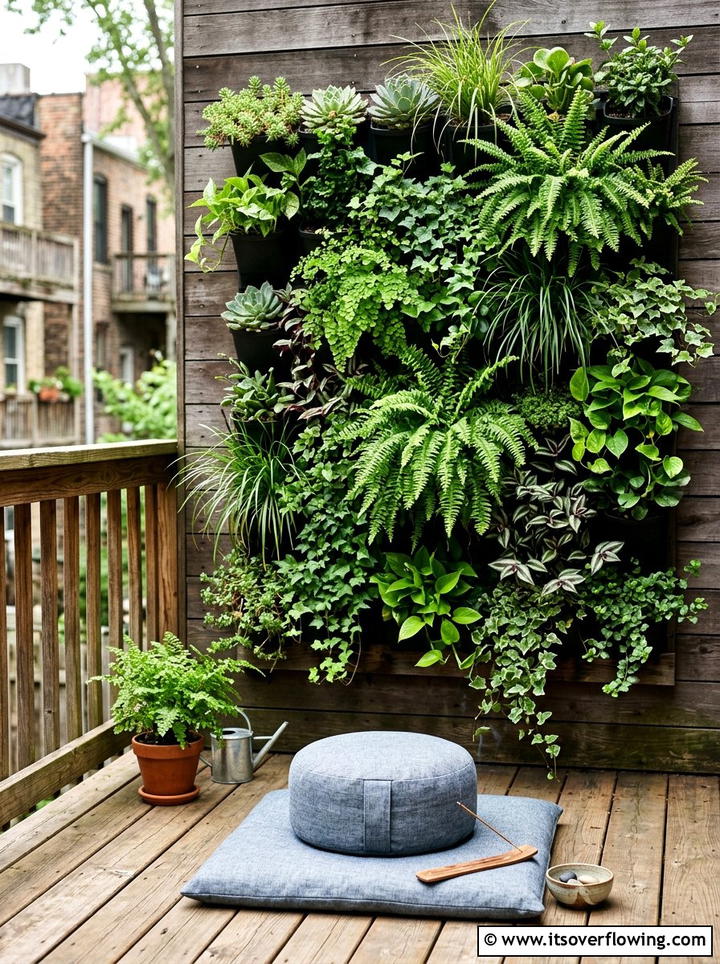
When you have a very small patio or a narrow side yard, you have to think vertically to create a lush environment. A vertical garden backdrop uses wall-mounted planters or a trellis system to grow a wall of greenery behind your seating area. This creates a “living wall” that provides oxygen, absorbs heat, and creates a stunning visual texture. You can fill the planters with ferns, ivy, and soft mosses to create a rich tapestry of green shades. Sitting with your back against a wall of living plants feels incredibly supportive and helps you feel enclosed in nature even in a dense urban setting.
13. Boho Cushion Corner
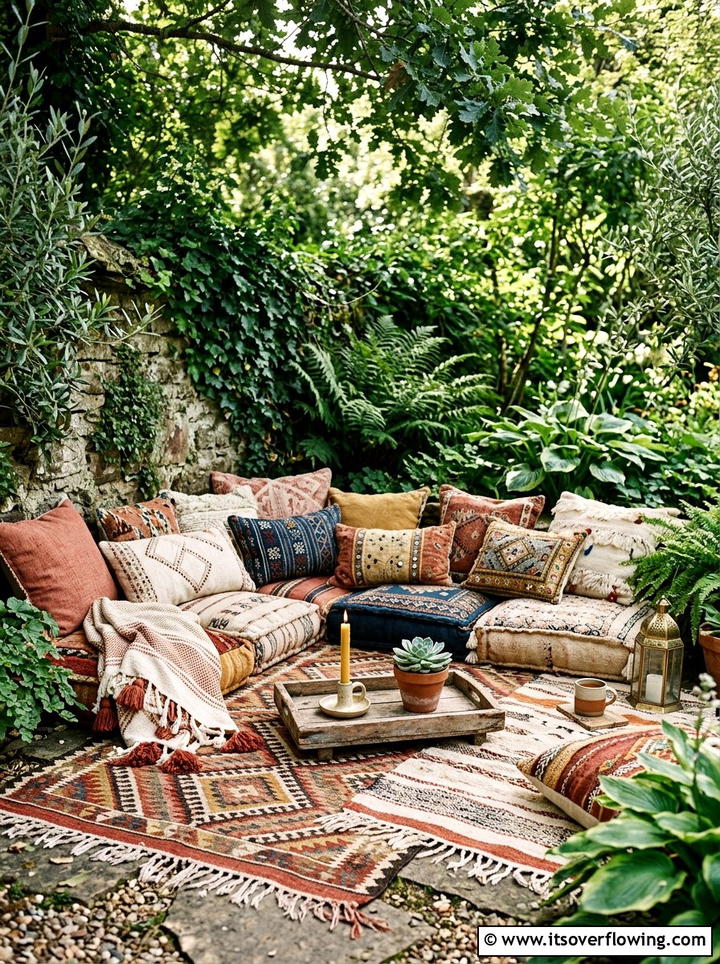
You don’t always need permanent furniture to create a high-quality meditation spot in your backyard. A boho cushion corner relies on layers of outdoor-friendly fabrics, rugs, and large pillows to create a soft and inviting place to sit. This setup is perfect for someone who wants a flexible space that can be moved depending on where the sun is hitting. Use vibrant patterns and tassels to give the area a global, traveled feel. Adding a low wooden crate as a table for a candle or a bowl of water provides a focused altar space for your mindfulness rituals during the golden hour.
14. Floating Meditation Platform
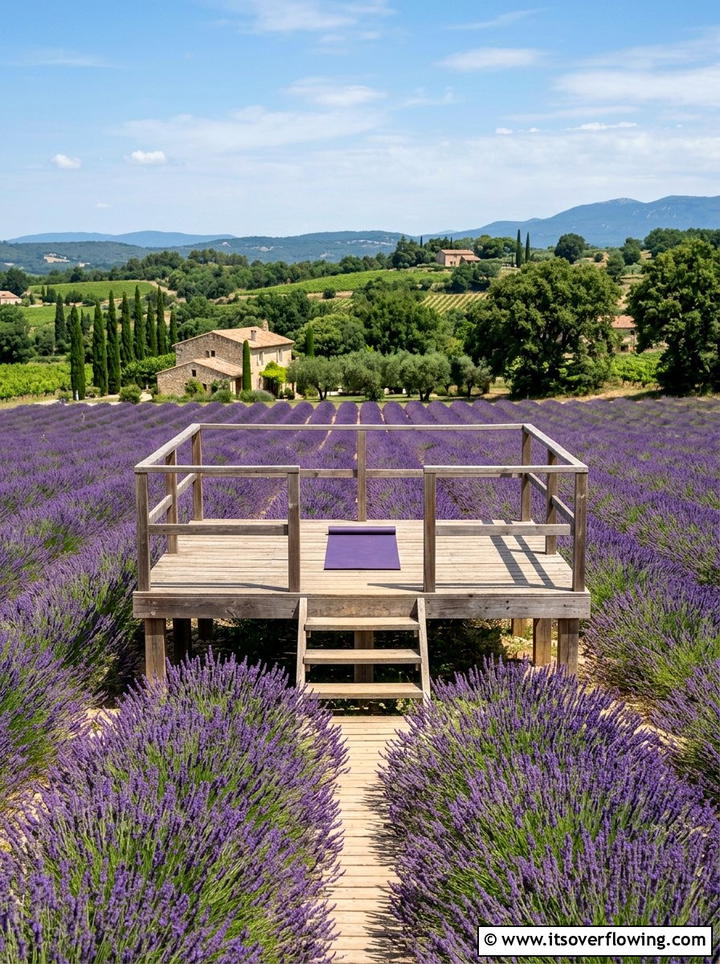
A floating meditation platform is a small wooden deck built just a few inches above the ground, giving the illusion that it is hovering over the grass or a pond. This elevation provides a clean, dry surface for sitting and separates the meditation space from the rest of the garden’s activities. You can frame the platform with low-growing plants like lavender or creeping thyme to create a fragrant border that releases a calming scent as you walk past. The simplicity of the platform encourages a sense of lightness and freedom, making it easier to let go of heavy thoughts and focus on the current moment.
15. Scented Herb Garden
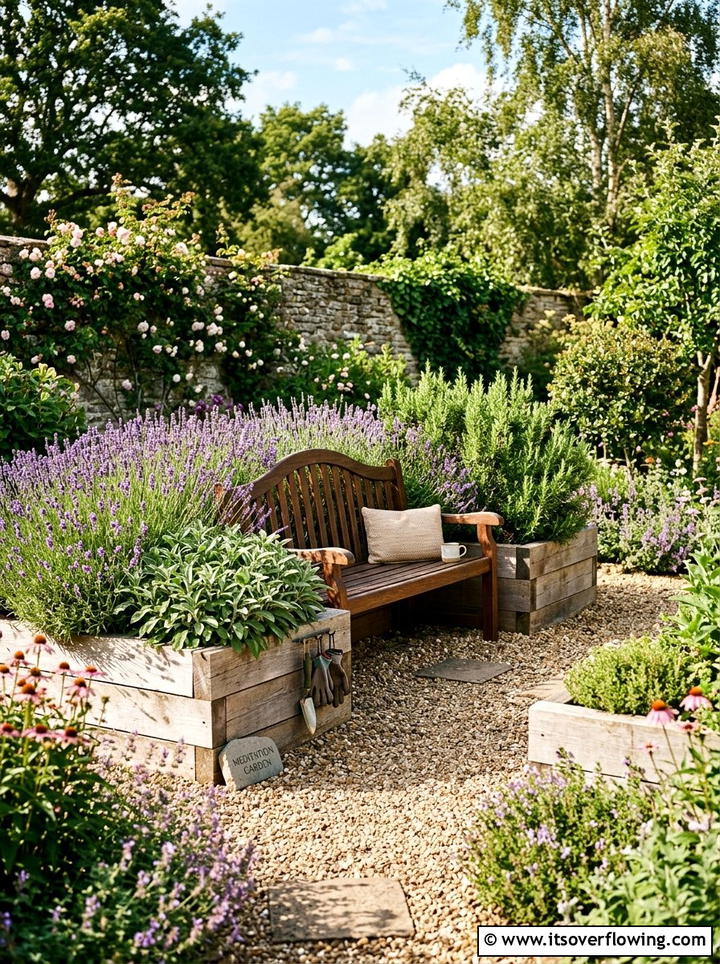
Engaging all of your senses is a powerful way to deepen your meditation practice and stay grounded. A scented herb garden focuses on plants that release beautiful aromas when touched or when the wind blows. Plant rosemary, lavender, lemon balm, and mint around your seating area so that every breath you take is filled with natural perfume. These scents have long been used in aromatherapy to reduce anxiety and improve focus. You can spend your meditation time simply noticing the different smells and how they make you feel. This sensory-focused approach makes the practice feel more tangible and rewarding for beginners and experts.
16. Arched Trellis Entry
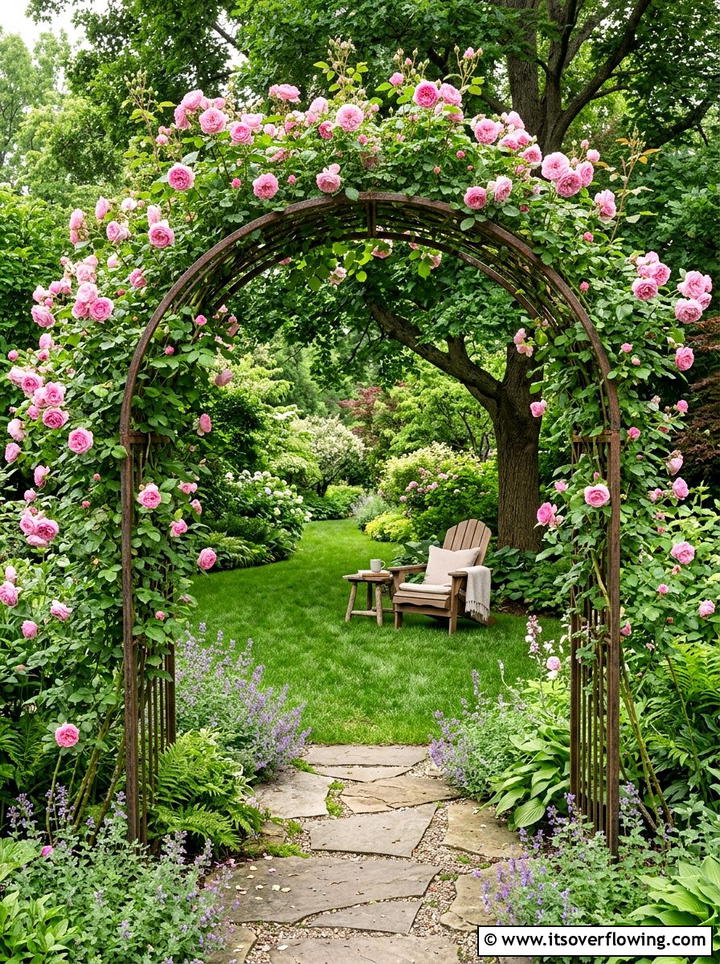
Creating a symbolic entrance to your meditation corner helps your brain transition from “busy mode” to “quiet mode. ” An arched trellis covered in climbing roses or ivy serves as a gateway into your sanctuary. As you walk under the arch, you can make a conscious effort to leave your daily stresses behind you. This architectural element adds height and romance to the garden, making the meditation area feel like a destination rather than just a corner. Once you pass through the arch, you enter a space that is clearly defined for rest, giving you permission to slow down and breathe deeply.
17. Desert Rock Scape
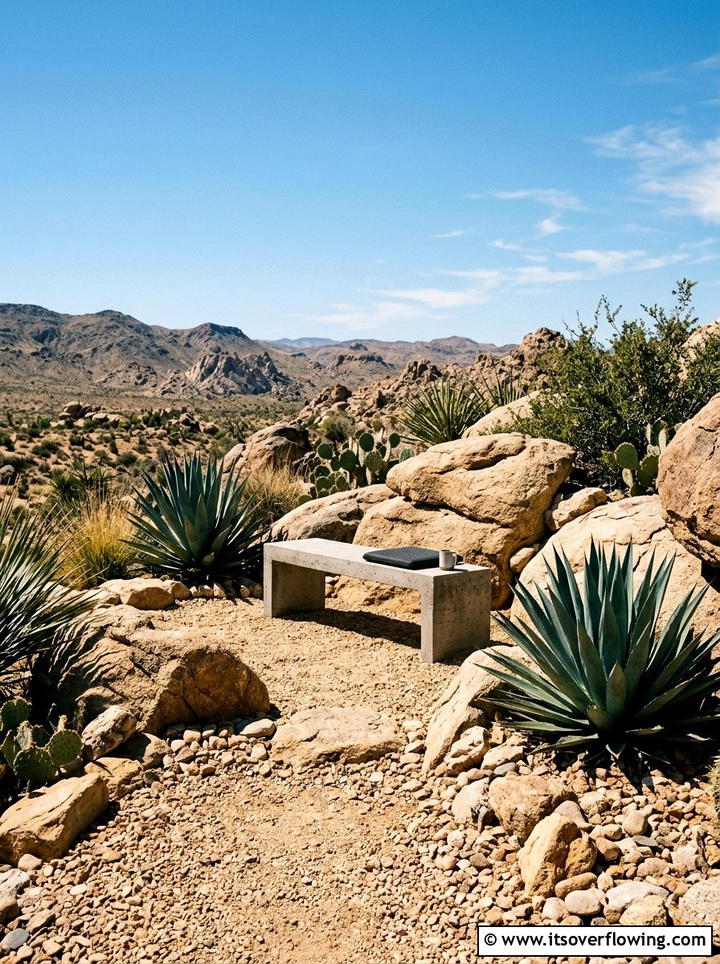
For those living in arid climates or who prefer a low-maintenance look, a desert rock scape offers a rugged and beautiful meditation environment. Instead of lush grass, use various sizes of gravel, sand, and large decorative rocks to create texture. Succulents and cacti provide pops of green and interesting shapes that require very little water. The stillness of a desert-style garden is unique and powerful, reflecting the resilience of nature. A simple iron chair or a concrete bench blends perfectly with this aesthetic. This style of garden encourages a sense of endurance and quiet strength during your daily mindfulness sessions.
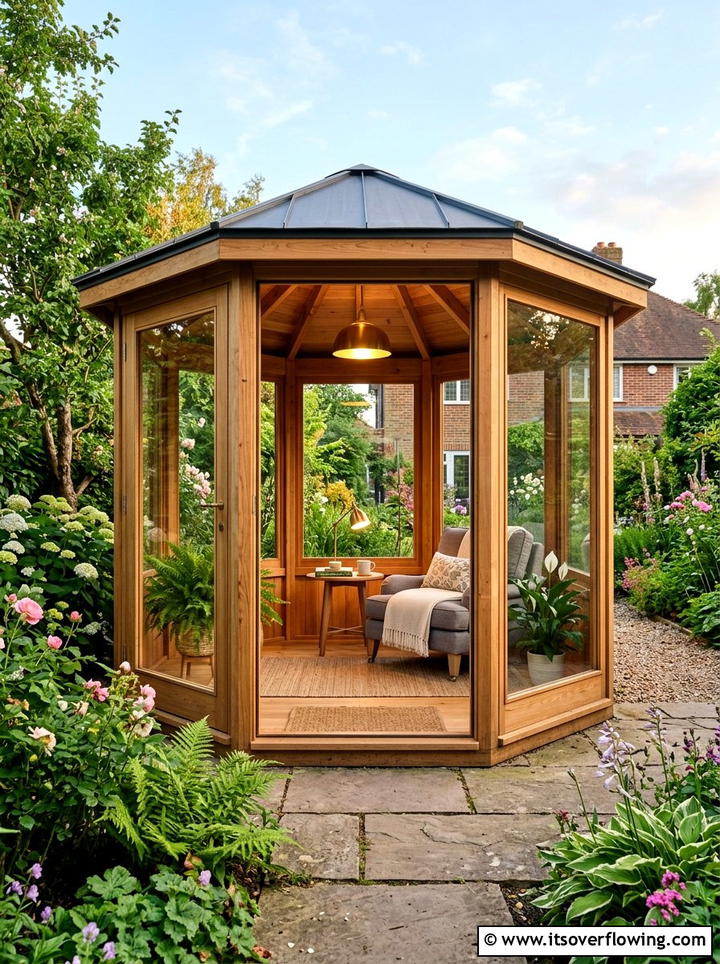
18. Enclosed Gazebo Retreat
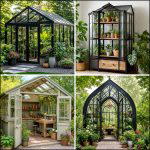
If you want to meditate outdoors even during rain or wind, an enclosed gazebo is the ultimate solution. A gazebo with screened windows or glass panels allows you to feel connected to the garden while staying protected from the elements. You can furnish the interior with a comfortable lounge chair, a small table for tea, and soft lighting for evening use. The circular or octagonal shape of a gazebo provides a balanced and harmonious environment for focus. Being inside this structure while watching rain fall on the garden outside can be an incredibly soothing and immersive experience for your meditation practice.
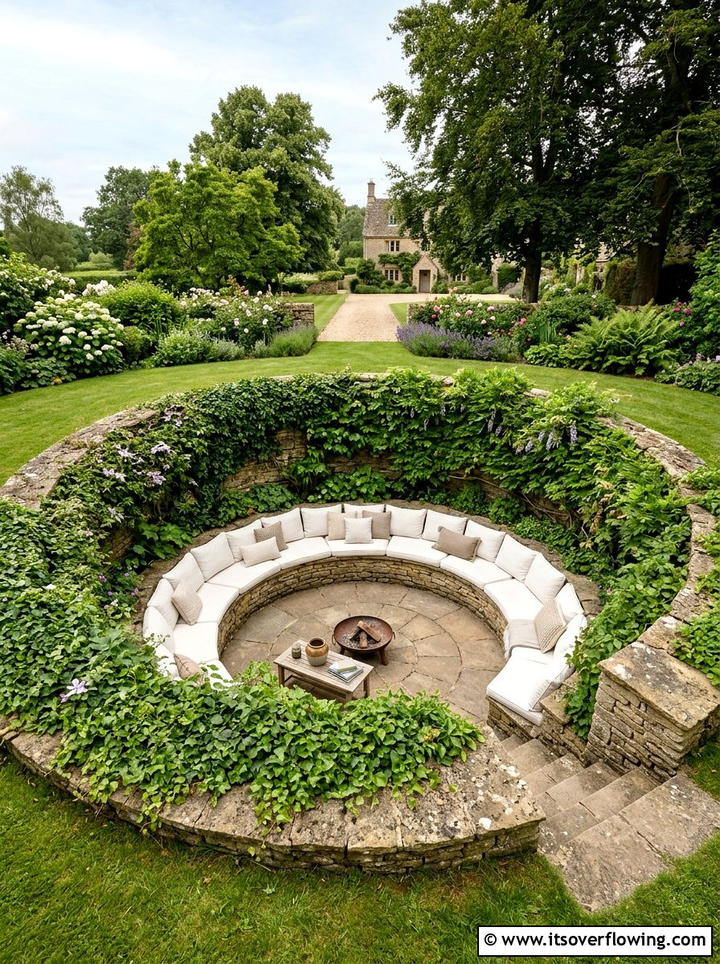
19. Sunken Garden Pit
A sunken garden pit involves excavating a small area of your yard to create a seating zone that is lower than the main lawn level. This design provides a unique perspective of your plants and creates a natural sense of enclosure and intimacy. Being physically lower than the ground around you makes the space feel like a hidden burrow or a protective nest. You can line the walls with stone or wood and add a built-in bench around the perimeter. This architectural choice is excellent for blocking wind and creating a quiet acoustic environment, allowing you to hear your own breath more clearly during practice.
20. Outdoor Yoga Studio
Many people find that movement is the best gateway to a quiet mind, making an outdoor yoga studio a perfect meditation idea. This space typically features a large, flat area made of smooth wood or poured concrete that is big enough for a full range of motion. You can add a roof or a large umbrella to provide shade during the heat of the day. Surrounding the studio with tall ornamental grasses creates a sense of movement that mimics the flow of your yoga poses. Having a dedicated spot for your mat encourages you to start your day with stretching and silent reflection.
21. Moonlight Garden Plan
Meditation doesn’t have to be a daytime activity; many people find peace in the quiet of the night. A moonlight garden is designed with plants that have white flowers or silvery foliage that “glow” under the light of the moon. Flowers like moonflowers, white lilies, and dusty miller reflect the light beautifully, creating a magical and ethereal atmosphere. You can add soft, low-voltage path lights or lanterns to guide your way. Sitting in the cool night air under the stars provides a different perspective on life and helps you feel part of the vast, quiet universe as you close your eyes.
22. Moss Covered Grotto
For a garden that feels like it belongs in a fairytale, a moss-covered grotto is a stunning choice for a meditation corner. This involves using large rocks and stones to create a small, cave-like alcove in a shady part of your yard. Encourage moss to grow over the stones by keeping the area moist and cool. The deep green color and soft texture of the moss are incredibly soothing to the eyes. A grotto provides a cool escape during the summer months and offers a profound sense of “earthiness. ” Sitting inside this natural stone embrace helps you feel grounded and protected from the outside world.
23. Wooden Bridge Over Water
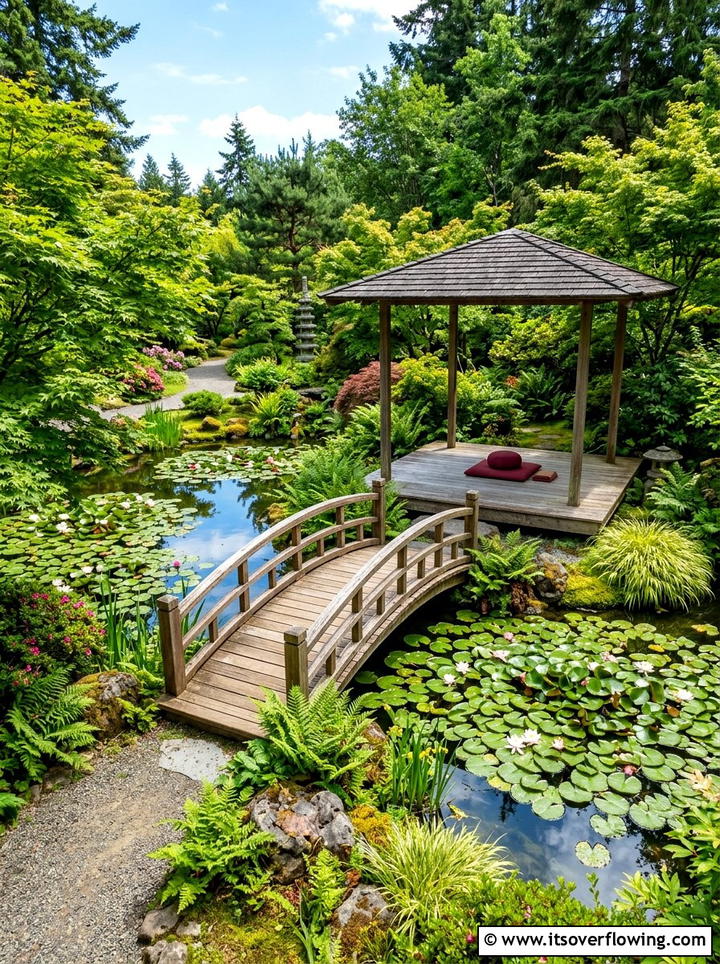
There is something deeply symbolic about crossing a bridge, representing the transition from one state of mind to another. Placing a small wooden bridge over a dry creek bed or a garden pond can lead directly to your meditation platform. The architectural interest of the bridge adds a sense of grace and movement to the landscape. You can pause in the middle of the bridge to watch the water or the plants below before continuing to your seating area. This intentional journey makes your meditation practice feel like a special event, helping you arrive at your seat with a more focused and calm intention.
24. Contemporary Glass Pavilion
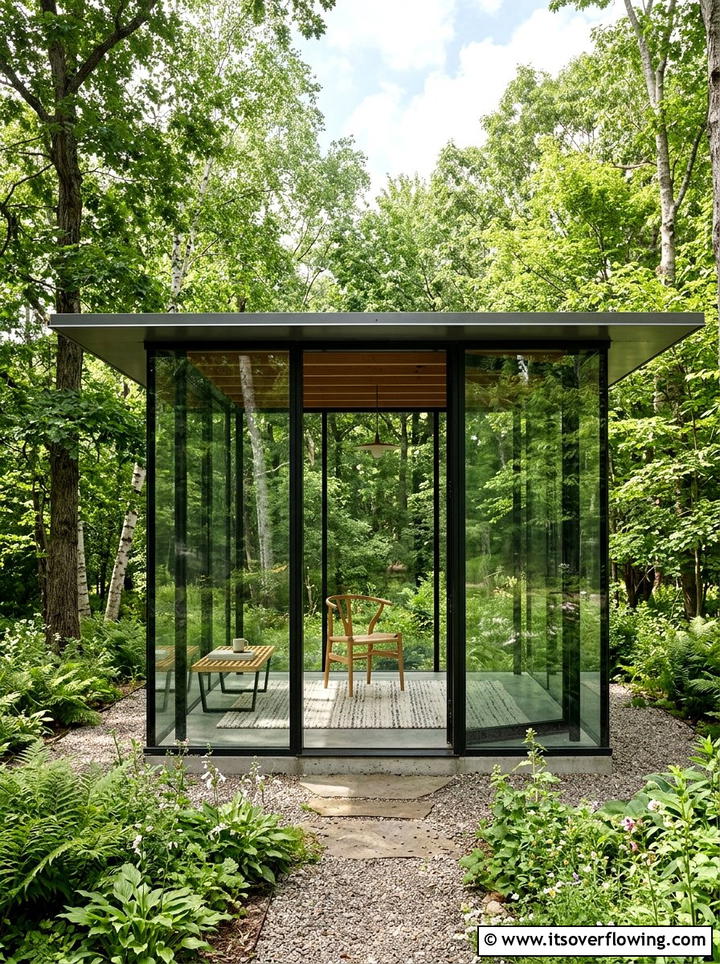
If you love modern design and want a high-end meditation space, a contemporary glass pavilion is a breathtaking option. This structure uses large glass walls and a thin metal frame to provide 360-degree views of your garden while keeping you in a climate-controlled environment. It feels like you are sitting directly in the middle of the forest or garden, but with the comfort of an indoor room. You can style the interior with minimalist furniture and high-quality rugs. The transparency of the glass removes the barrier between you and nature, allowing for a deeply immersive visual meditation experience throughout the year.
25. Rustic Tree Bench
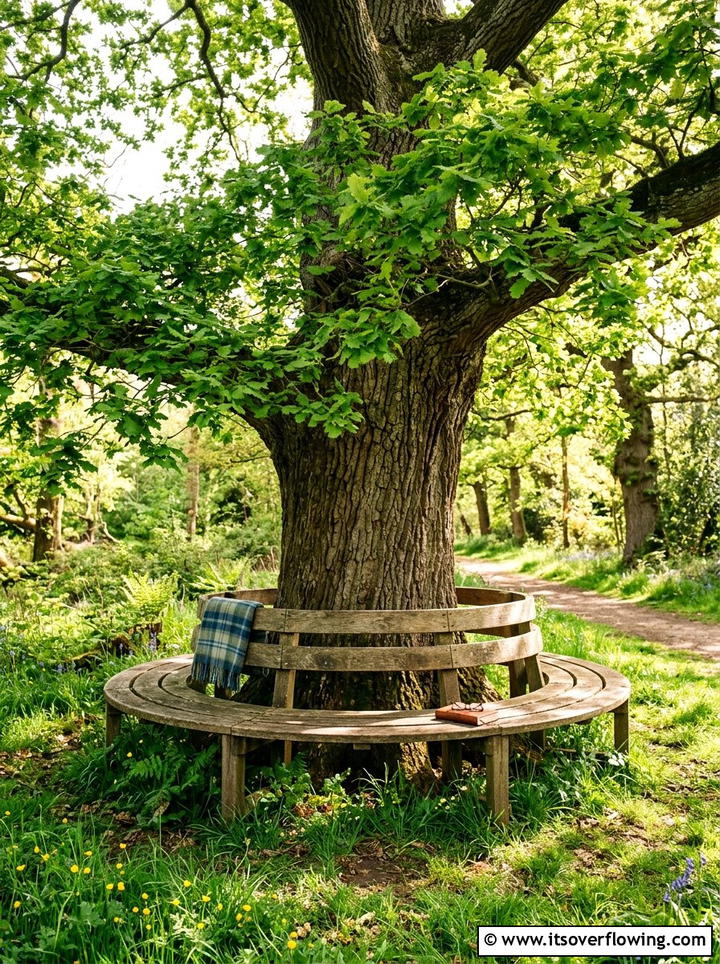
Sometimes the best meditation spot is the simplest one provided by nature itself. A rustic tree bench is built directly around the base of a large, old tree in your garden. The tree provides natural shade, a sturdy backrest, and a sense of ancient wisdom. As you sit, you can feel the vibrations of the tree and hear the rustle of the leaves directly above your head. This setup requires very little landscaping and honors the existing life in your yard. It is a humble and powerful place to practice gratitude for the natural world and find your own center in the shade.
Conclusion:
Building a meditation corner in your garden is an investment in your personal happiness and peace of mind. Whether you choose the structured elegance of a Japanese teahouse or the simple comfort of a rustic tree bench, the goal is to create a space that feels uniquely yours. By incorporating elements that appeal to all your senses — such as the scent of lavender, the sound of water, and the sight of green leaves — you can easily turn any backyard into a sanctuary. These creative ideas show that a soulful retreat is possible in any climate or space. Start small, listen to what your spirit needs, and enjoy the transformative power of a quiet outdoor space.

Related posts:
 25 Creative Garden Ideas With Hidden Garden Corners
 25 Creative Garden Ideas for Corners: Smart Small-Space Tips
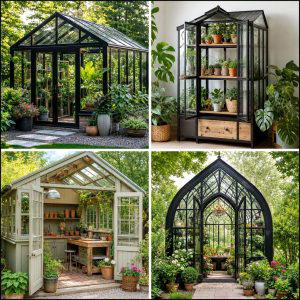 25 Creative Garden Ideas With Greenhouse Corners
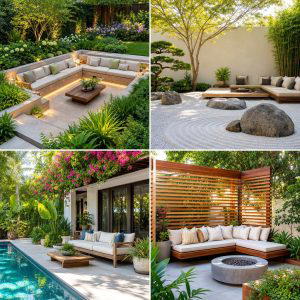 25 Creative Garden Ideas With Seating Nooks for Cozy Corners
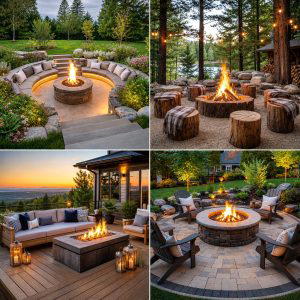 25 Garden Design Ideas for Fire Pit Corners for Cozy Nights
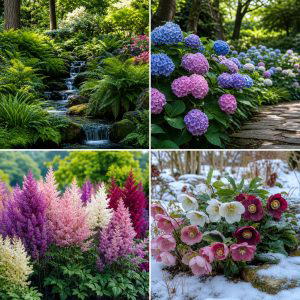 25 Garden Ideas for Shade to Brighten Dark Corners
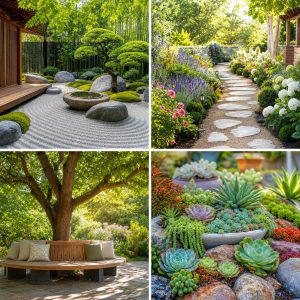 25 garden ideas for meditation: Serene Outdoor Retreats
 25 Creative Garden Ideas With Keyhole Garden Beds
 25 Creative Garden Ideas With Kids Garden Zone
 25 Creative Garden Ideas to Transform Any Outdoor Space Fast
 25 Creative Garden Ideas for Urban Homes
 25 Creative Garden Ideas With Espalier Trees for Style