
Creating a peaceful outdoor space for meditation is one of the most rewarding home projects you can undertake today. Imagine stepping out of your back door and into a sanctuary designed specifically to quiet your racing thoughts and ground your spirit in nature. These meditation gardens offer a perfect escape from our busy digital lives by engaging our senses with textures, scents, and sounds. Whether you have a sprawling backyard or a tiny balcony, you can curate a special zone that invites stillness and reflection. In this guide, we explore twenty-five unique ways to transform your green space into a viral-worthy retreat that prioritizes mental wellness and aesthetic beauty through thoughtful design choices and natural elements.
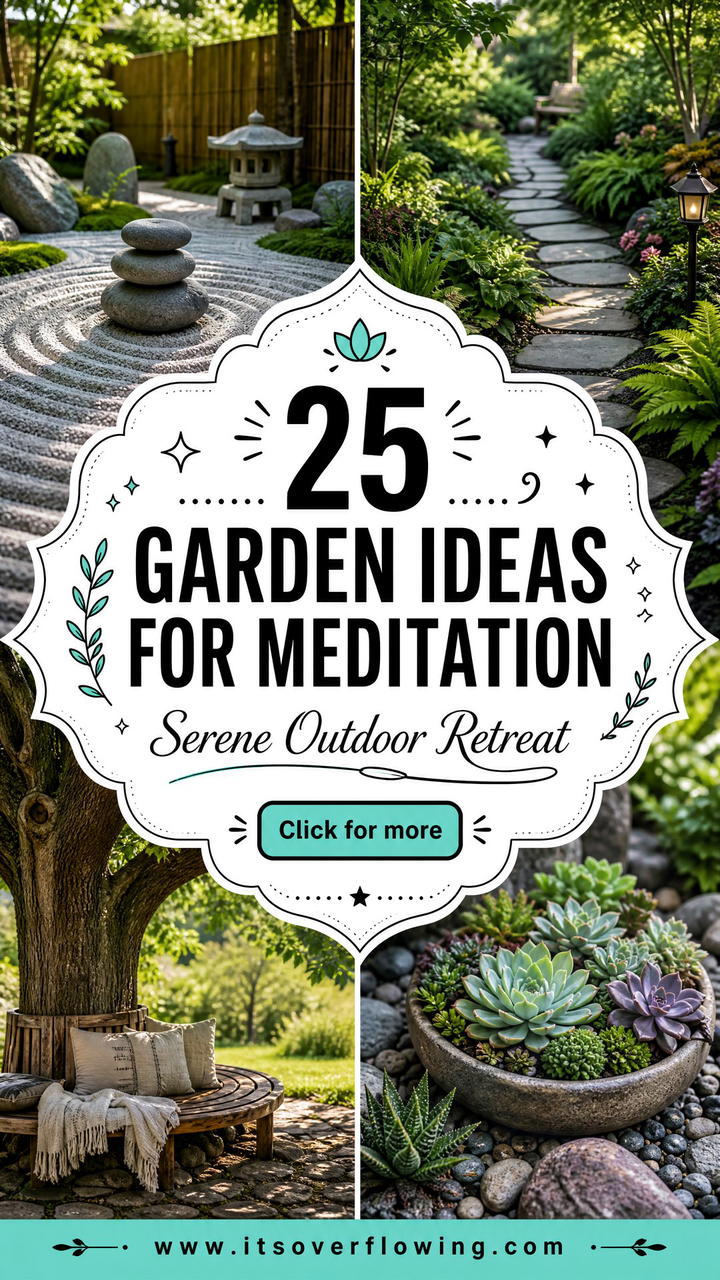
1. Zen Garden
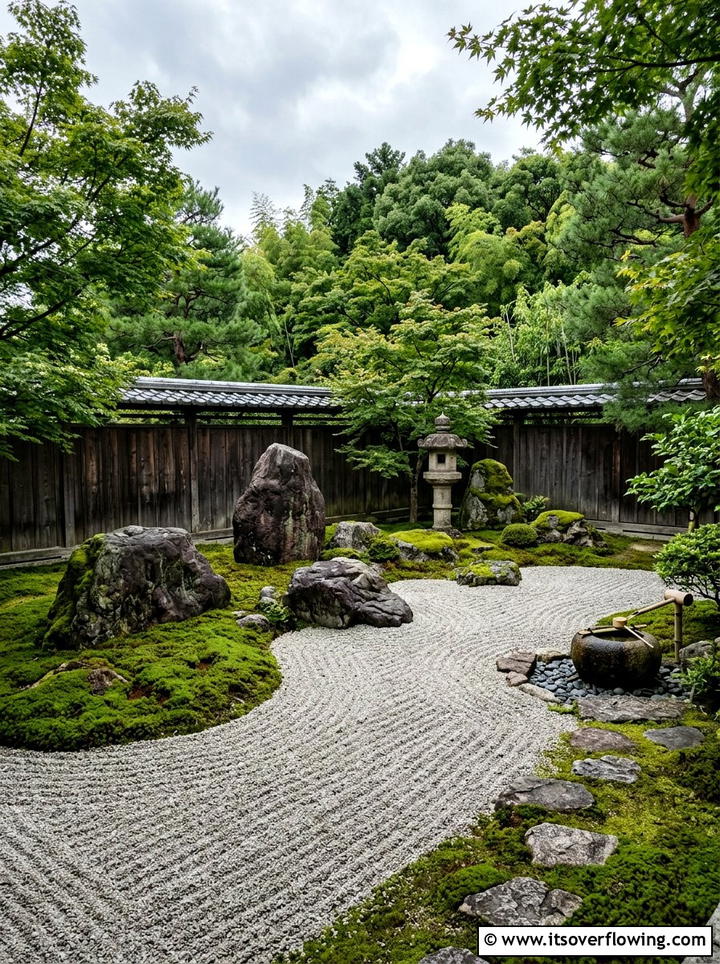
Have you ever wondered how a simple patch of raked sand could calm your entire mind almost instantly? A traditional Zen garden relies on minimalism to create a space for deep contemplation and mental clarity. By using fine gravel or sand, you can create intricate patterns that represent the flow of water around large, stationary rocks. This process of raking becomes a meditative act itself, allowing you to focus on the present moment while clearing away distractions. You should keep the color palette neutral and muted to prevent visual clutter from overwhelming your senses. Adding a few evergreen shrubs provides structure and year-round interest without requiring excessive maintenance throughout the seasons.
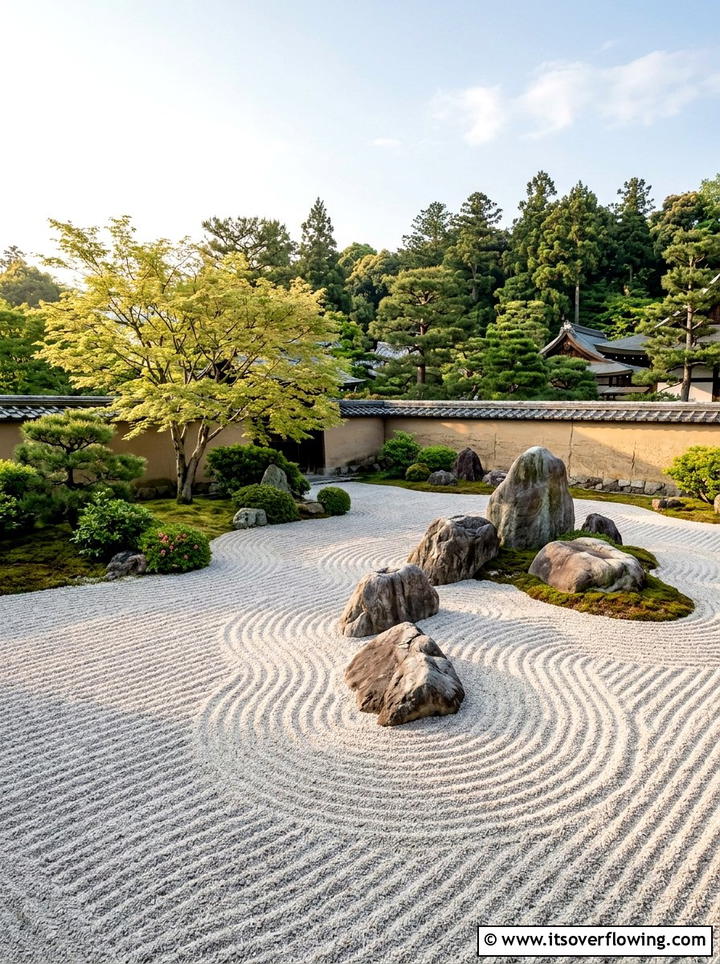
2. Japanese Rock Garden
Imagine the stillness of ancient stones standing firm amidst a sea of textured gravel and carefully placed moss. A Japanese rock garden, or karesansui, focuses on the symbolic representation of nature through dry elements like stones and sand. You can arrange large boulders in odd-numbered groups to create a sense of natural balance and visual harmony. This type of space encourages long periods of sitting and observing the subtle changes in light and shadow throughout the day. Using natural materials ensures that your meditation area feels grounded and connected to the earth. It is a timeless choice for anyone seeking a sophisticated and deeply quiet place for their daily practice.
3. Backyard Waterfall
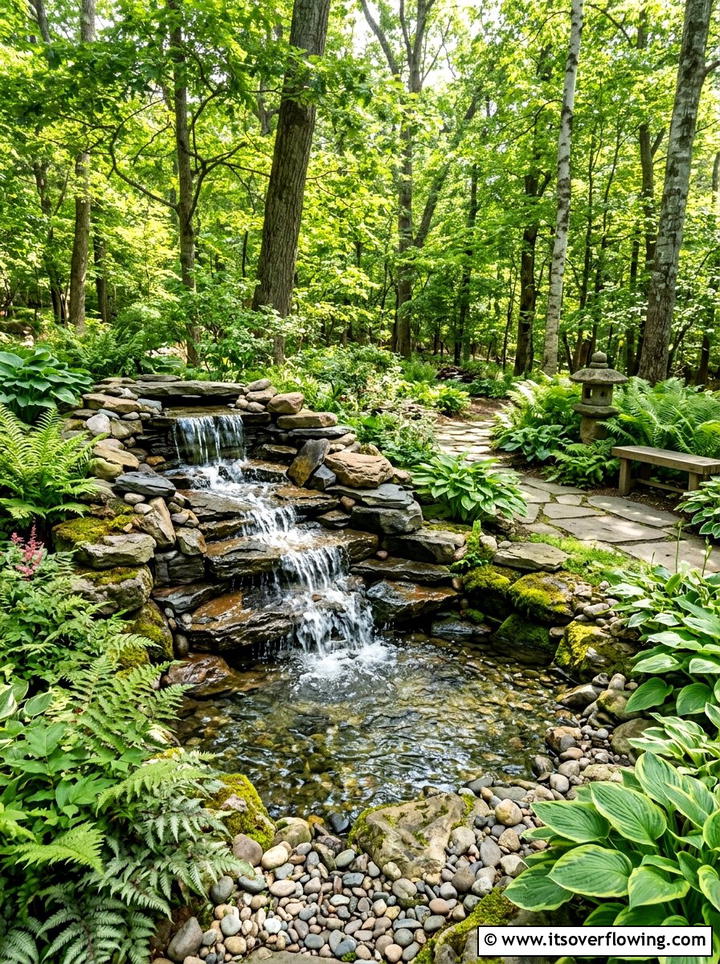
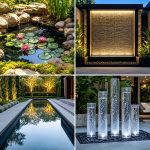
The gentle sound of trickling water can instantly drown out the noise of a busy neighborhood and traffic. Installing a small backyard waterfall provides a soothing auditory backdrop that is essential for deep relaxation and successful meditation sessions. You can build these features using stacked slate or natural river rocks to mimic a mountain stream flowing into a small basin. Surround the base with lush ferns and moisture-loving plants to enhance the cooling effect and create a lush, tropical atmosphere. The movement of the water also attracts local birds, adding a lovely natural element to your garden sanctuary. It transforms a standard yard into a dynamic and living outdoor room.
4. Garden Path
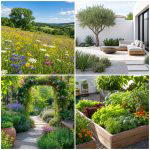
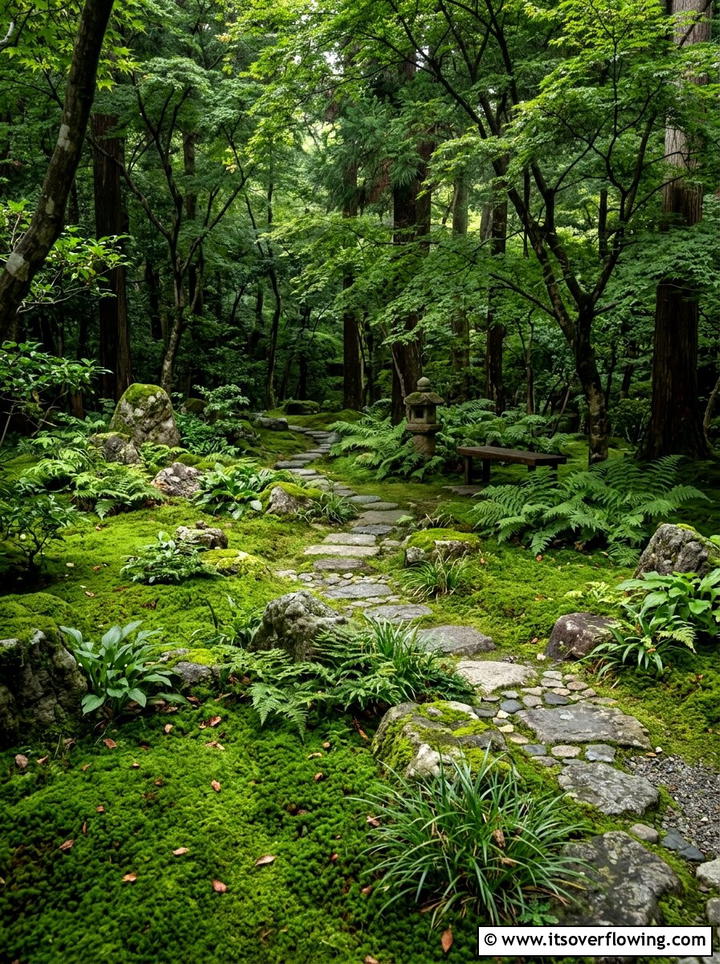
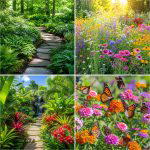
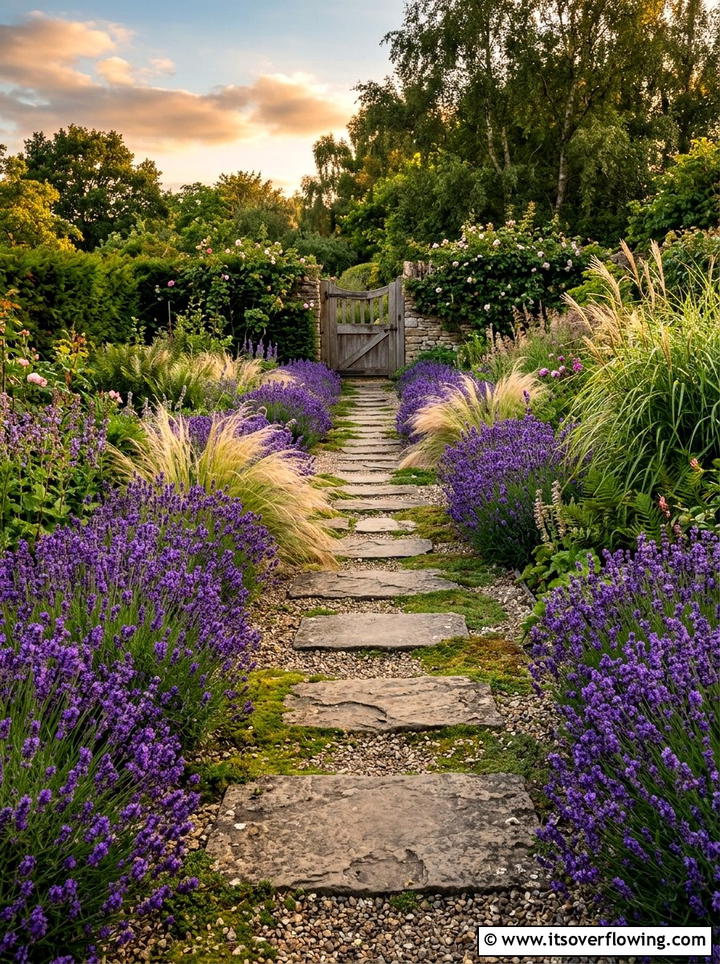
Walking slowly along a curved garden path can be a beautiful form of moving meditation for your daily routine. By using natural flagstone or stepping stones, you create a physical journey that encourages you to slow down your pace. Line the edges of the walkway with soft grasses or flowering perennials that brush against your legs as you pass. This sensory experience helps you stay present and mindful of your physical movements within the space. A winding path is often better than a straight one because it hides what is around the corner, creating a sense of mystery and discovery. It makes your garden feel larger and more immersive.
5. Modern Pergola
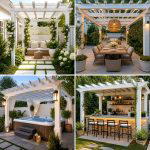
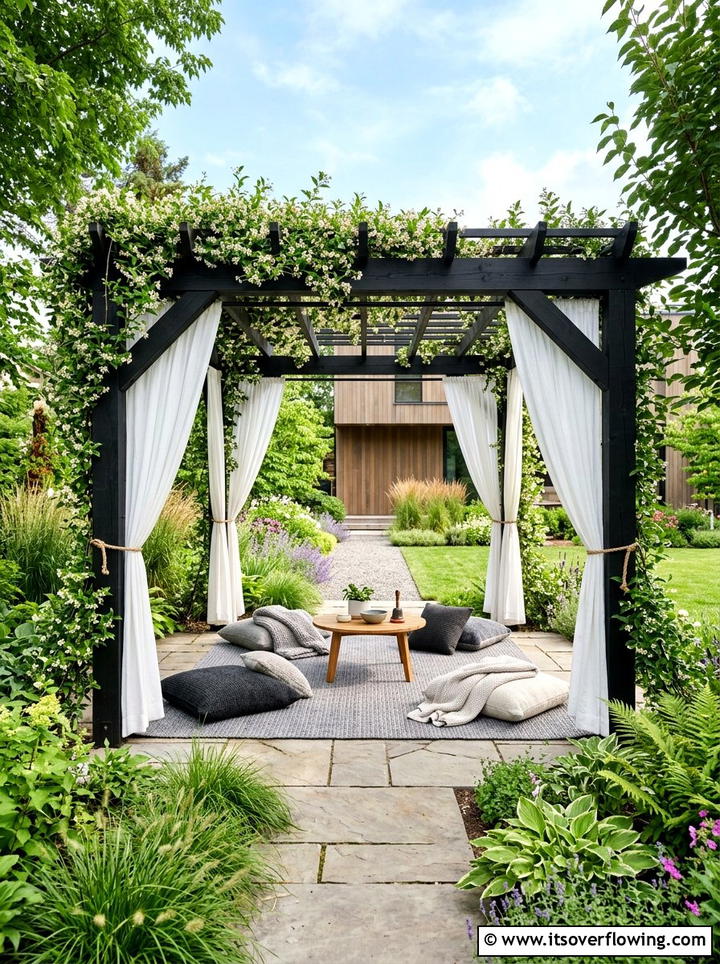
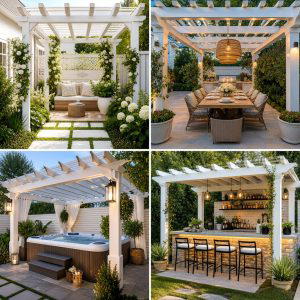
A modern pergola offers a defined structure that helps you feel safe and enclosed while you are meditating outside. You can choose a sleek black or natural wood frame to match the architectural style of your home. Adding sheer outdoor curtains or climbing vines like jasmine will provide extra privacy and shade from the harsh midday sun. Place a comfortable weather-resistant rug and some floor cushions underneath to create a dedicated zone for your morning stretches. This architectural element acts as an outdoor room, giving you a clear boundary between your active life and your quiet time. It serves as a stylish and functional focal point.
6. Vertical Garden
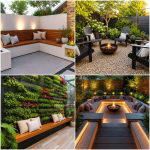
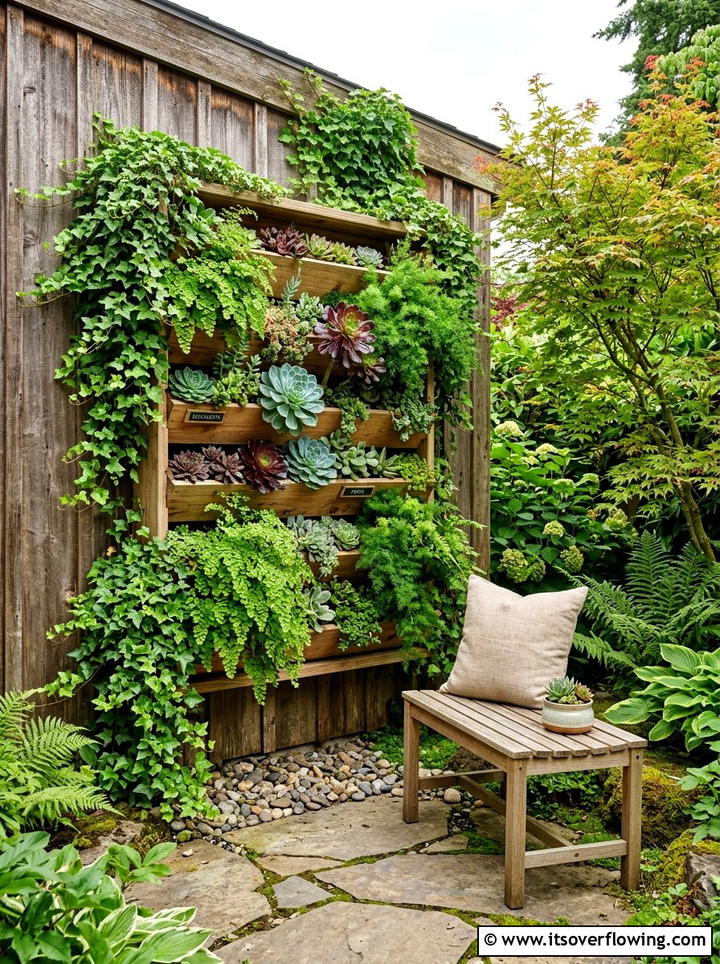
If you have a very small outdoor area, a vertical garden can bring the healing power of nature to eye level. You can use wooden pallets or sleek wall-mounted planters to grow a variety of trailing plants and vibrant greenery. This living wall acts as a natural sound barrier and provides a lush backdrop for your meditation cushion or chair. Selecting plants with different shades of green and varied leaf textures will create a rich visual tapestry that is very relaxing to look at. A vertical arrangement also keeps your floor space clear for movement and seating. It is an excellent way to maximize greenery in urban environments.
7. Herb Garden
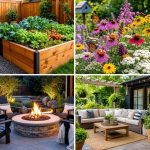
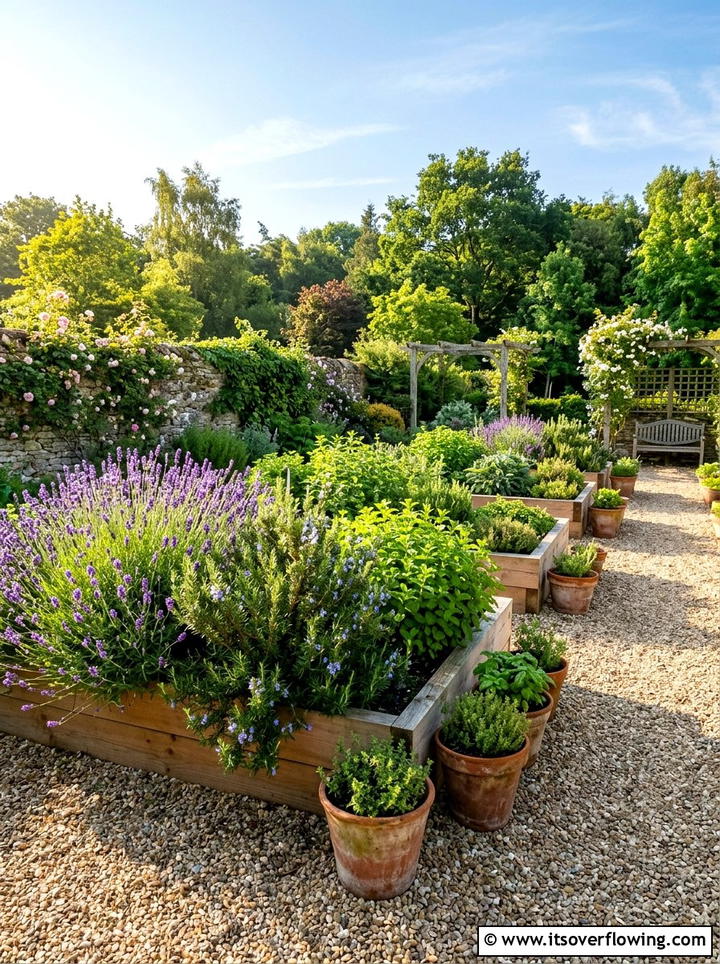
Engaging your sense of smell is a powerful way to ground yourself during a meditation session in your backyard. An herb garden filled with rosemary, lavender, and mint provides a constant source of calming natural fragrances every time you sit. You can plant these in raised wooden beds or decorative terracotta pots to keep them organized and easy to reach. Touching the leaves releases their essential oils into the air, creating a natural aromatherapy experience that helps reduce stress levels. These plants are also very easy to grow and provide a practical harvest for your kitchen. It is a functional and beautiful addition to any wellness-focused garden.
8. Gravel Garden
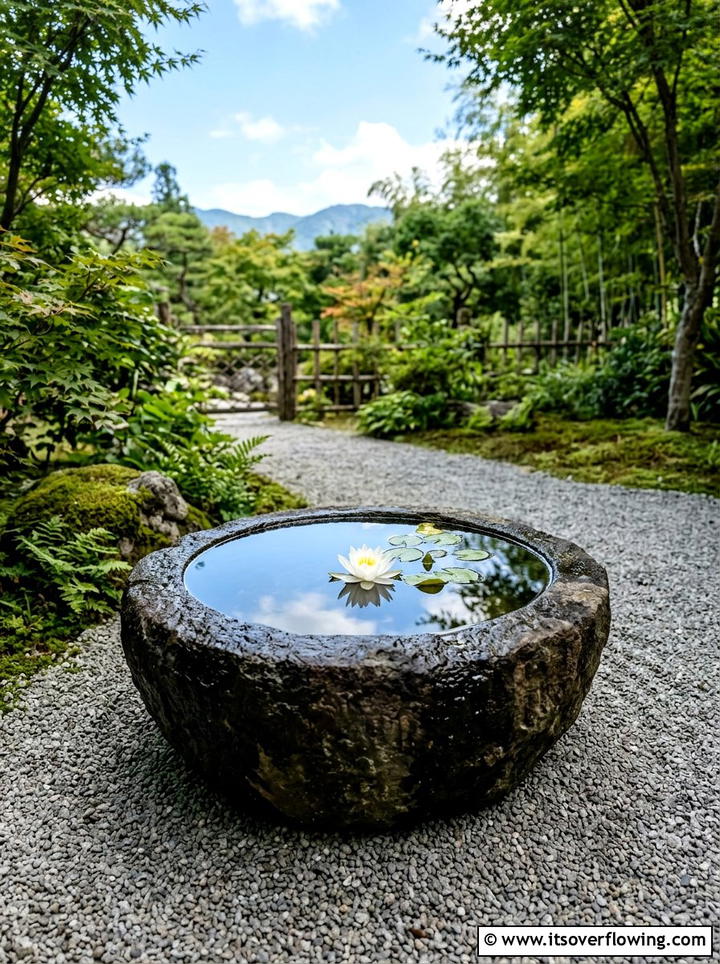
A gravel garden is a low-maintenance and visually clean option for those who prefer a minimalist and modern aesthetic. You can use light-colored pea gravel or crushed limestone to create a bright and airy foundation for your outdoor seating area. This surface is permeable, meaning it allows rainwater to soak through, which is great for the environment and drainage. Incorporate a few architectural plants like agave or ornamental grasses to add height and interest without creating a busy look. The crunch of gravel under your feet also provides a distinct sensory cue that you have entered a space meant for quiet reflection and peaceful mindfulness.
9. Bamboo Screen
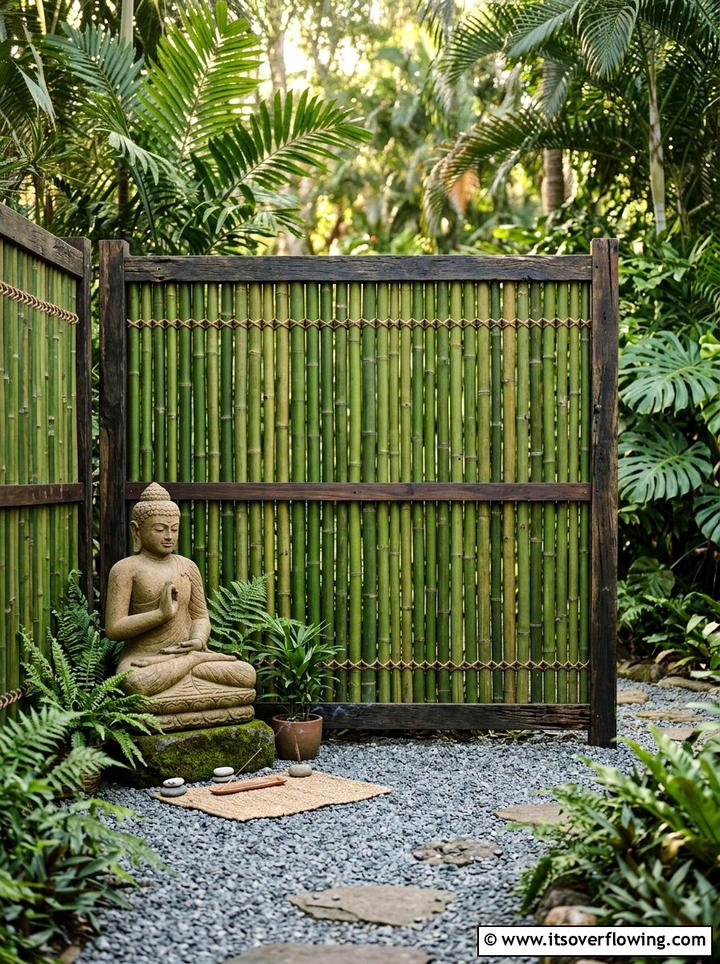
Privacy is essential for feeling comfortable while you meditate, and a bamboo screen is a beautiful and sustainable solution. These tall, slender stalks create a dense wall of green that sways gently in the breeze and makes a soft rustling sound. You can plant bamboo in deep containers to prevent it from spreading or use pre-made reed fencing for a quicker setup. The natural texture of bamboo adds a tropical or eastern feel to your garden, instantly making it feel like a faraway retreat. It effectively blocks out visual distractions from neighbors while letting filtered sunlight peek through the gaps. It is a very cost-effective privacy option.
10. Wooden Deck
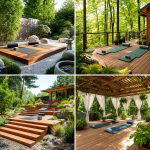
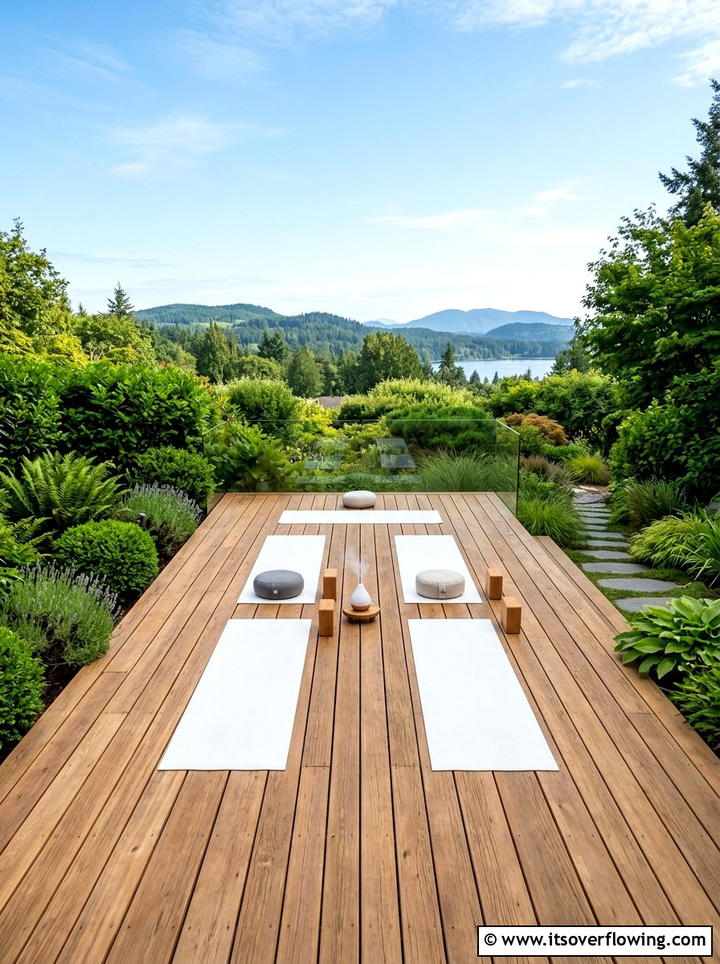
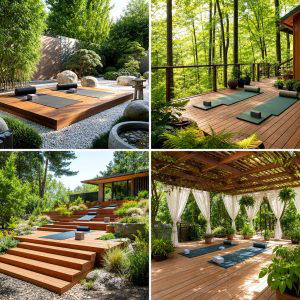
A small wooden deck provides a flat and stable surface for placing your yoga mat or a meditation bench. Choosing a natural cedar or redwood finish creates a warm and inviting platform that feels great under bare feet. You can build a low-profile deck in a quiet corner of your yard, surrounded by tall shrubs or flower beds for a cozy feel. The elevated position keeps you away from damp grass and insects, allowing you to focus entirely on your breathing and posture. Integrating a wooden deck into your landscaping adds a clean, structured look that complements any garden style from traditional to very contemporary.
11. Wildflower Meadow
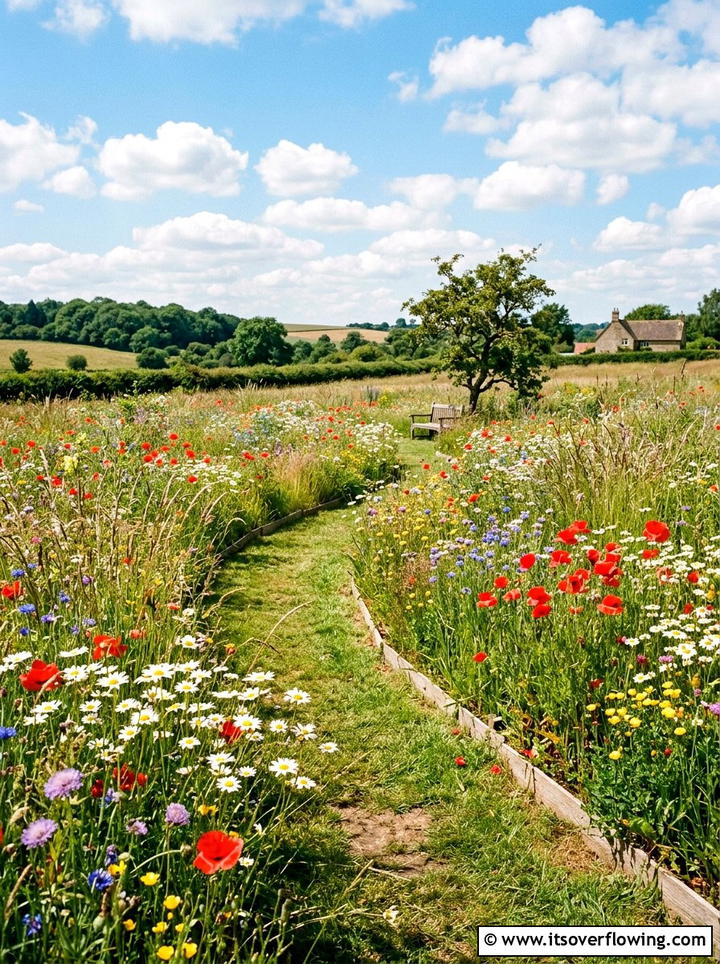
There is something deeply peaceful about watching a wildflower meadow sway in the wind and attracting local honeybees and butterflies. You can transform a patch of your lawn into a colorful sea of native blooms that requires very little mowing or watering. This naturalistic approach to gardening encourages a sense of wonder and connection to the local ecosystem during your meditation. The vibrant colors of poppies and daisies provide a cheerful visual focus that can boost your mood on a cloudy day. Sitting near a wildflower patch allows you to observe the small details of nature, which is a key component of mindfulness practice.
12. Stone Labyrinth
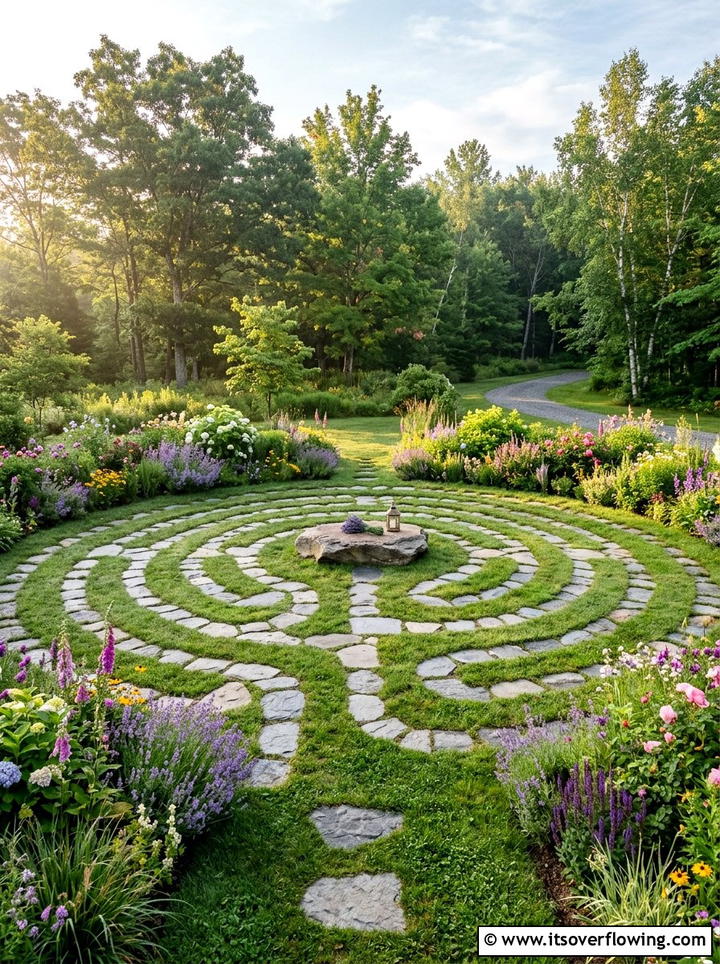
Walking a stone labyrinth is an ancient practice used for reflection and finding inner peace in a quiet setting. You can create a simple circular pattern on the ground using flat river stones or bricks set into the grass. Unlike a maze, a labyrinth has only one path to the center and back out, so you never get lost. This allows your mind to relax as you follow the deliberate twists and turns toward the middle of the design. The physical act of walking the path helps to quiet the internal chatter of your mind and focus on your steps. It is a beautiful and unique garden feature.
13. Koi Pond
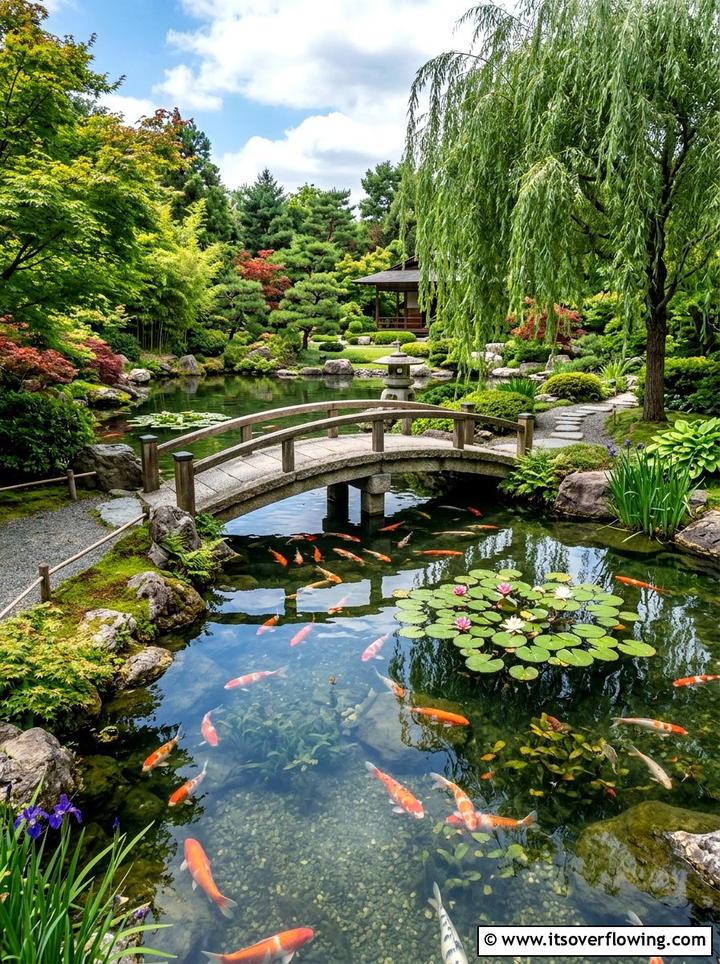
A koi pond brings life and movement to a meditation garden, offering a fascinating focal point for your daily quiet time. Watching the colorful fish swim gracefully through the clear water is incredibly hypnotic and can help lower your heart rate. You can add a small wooden bridge or a stone bench right at the edge of the pond for the best view. Surrounding the water with aquatic plants like lilies and reeds creates a balanced ecosystem that looks like a natural pond. The combination of water and life creates a profound sense of peace and harmony that is perfect for deep spiritual reflection.
14. Tree Bench
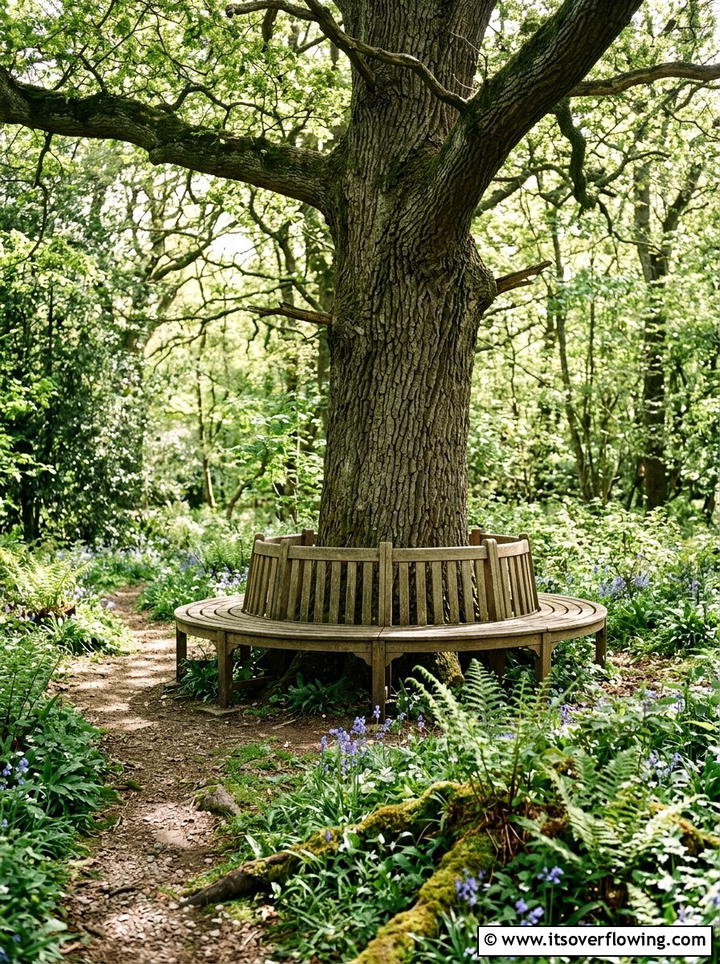
Sitting at the base of a large, mature tree provides a strong sense of grounding and protection while you are outdoors. A circular tree bench allows you to lean back against the sturdy trunk and feel the rough texture of the bark. The wide canopy of leaves overhead provides natural shade and filters the sunlight into beautiful, dappled patterns on the ground. This setup encourages a deep connection with the earth and the living history of the tree itself. It is a simple and timeless way to create a meditation spot without needing to build any large or expensive structures in your backyard.
15. Potted Plants
You do not need a large yard to create a meditation sanctuary when you use a collection of beautiful potted plants. Grouping various containers together allows you to create a lush, green nook on a porch, balcony, or small patio area. Use pots of different sizes and materials like ceramic and wood to add visual layers and interest to the space. You can easily move the plants around to change the look or to catch the best sunlight for different seasons. This flexibility makes it easy to maintain a beautiful and fresh environment for your practice. It is the perfect solution for apartment dwellers and urbanites.

16. Outdoor Lighting
The right outdoor lighting can transform your meditation garden into a magical and serene space once the sun begins to set. Soft, warm-white string lights or small solar lanterns tucked into the bushes create a gentle glow that is not too harsh. Avoid bright floodlights, as they can be distracting and ruin the peaceful atmosphere you have worked hard to build. Using path lights ensures that you can safely navigate your garden for evening or early morning meditation sessions. The subtle play of light and shadow adds a new dimension to your plants and features, making the whole space feel more cozy and private.
17. Succulent Garden
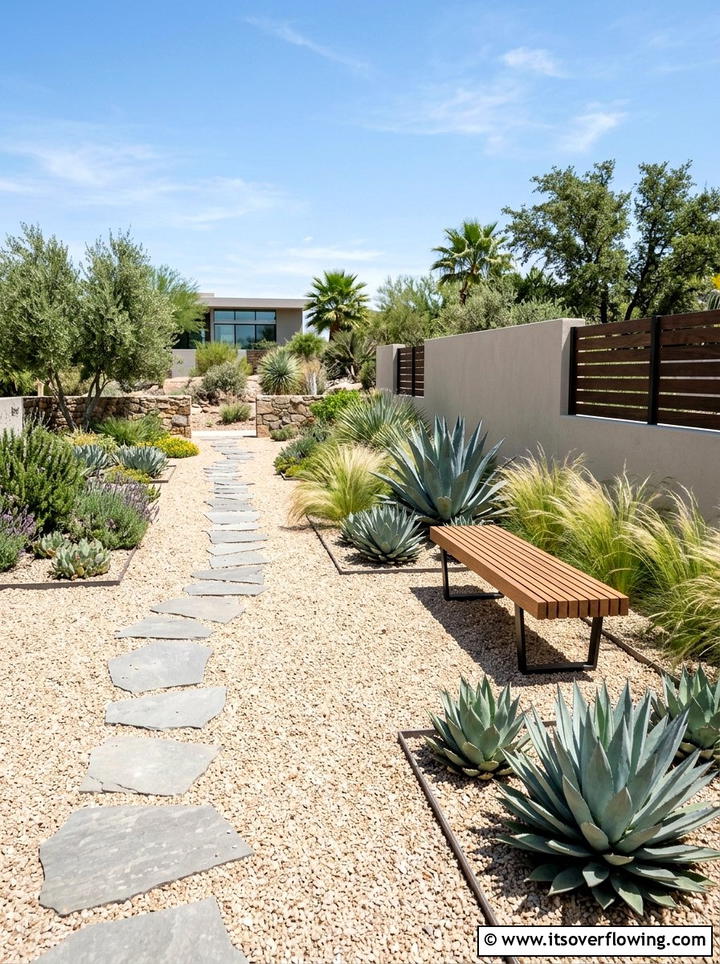
A succulent garden is a perfect choice for those living in drier climates who want a beautiful and sculptural meditation space. These plants come in a wide variety of unusual shapes and colors, from soft blues to deep purples and vibrant greens. You can arrange them in a dedicated bed filled with decorative sand and rocks for a desert-inspired look. Succulents are incredibly resilient and require very little water, making them a stress-free addition to your outdoor environment. Their slow growth and geometric patterns offer a wonderful subject for focused observation and mindfulness. It is a modern and very sustainable gardening choice.
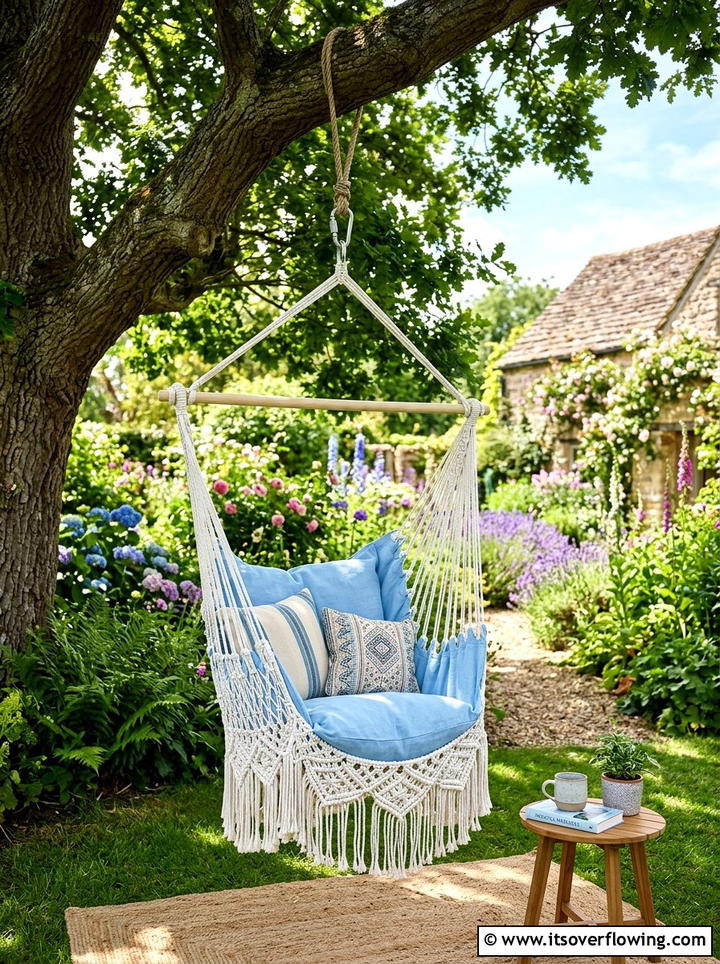
18. Hanging Chair
A hanging chair provides a gentle swaying motion that can help soothe your nervous system while you sit and meditate. You can hang a macramé or wicker chair from a sturdy tree branch or a dedicated metal stand on your patio. This type of seating creates a feeling of weightlessness and comfort, allowing you to relax your muscles completely. Add a few soft outdoor pillows and a cozy throw blanket to make the space feel extra inviting and warm. The rhythmic movement mimics the feeling of being rocked, which is naturally calming for both the mind and the body during a quiet break.
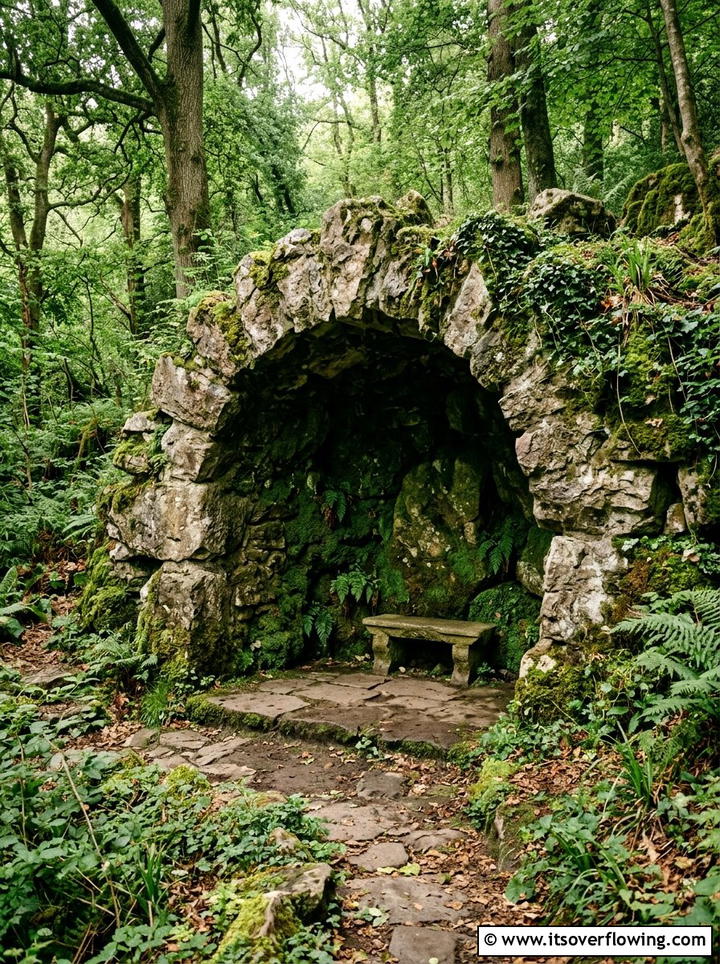
19. Stone Grotto
A stone grotto creates a cave-like sense of seclusion and safety that is perfect for very deep and focused meditation. You can use large, flat stones to build a semi-enclosed alcove nestled into a hillside or a corner of your garden. Lining the interior with soft moss or low-light plants adds to the cool and earthy atmosphere of the space. This architectural feature provides a physical barrier from the outside world, helping you to turn your attention inward more easily. It feels like a secret hidden retreat that belongs only to you. A grotto adds a sense of timelessness and mystery to your landscape.
20. Moss Garden
Moss gardens are incredibly soft, green, and lush, providing a carpet-like surface that is very pleasing to the eyes and feet. These gardens thrive in shady, damp areas where traditional grass might struggle to grow well. You can encourage moss to grow over rocks and between pavers to create an ancient and weathered look in your backyard. The deep green color of the moss is naturally calming and helps to create a quiet, muffled environment by absorbing sound. It is a very tactile garden element that invites you to touch and feel the softness of nature during your daily meditation sessions.
21. Lavender Border
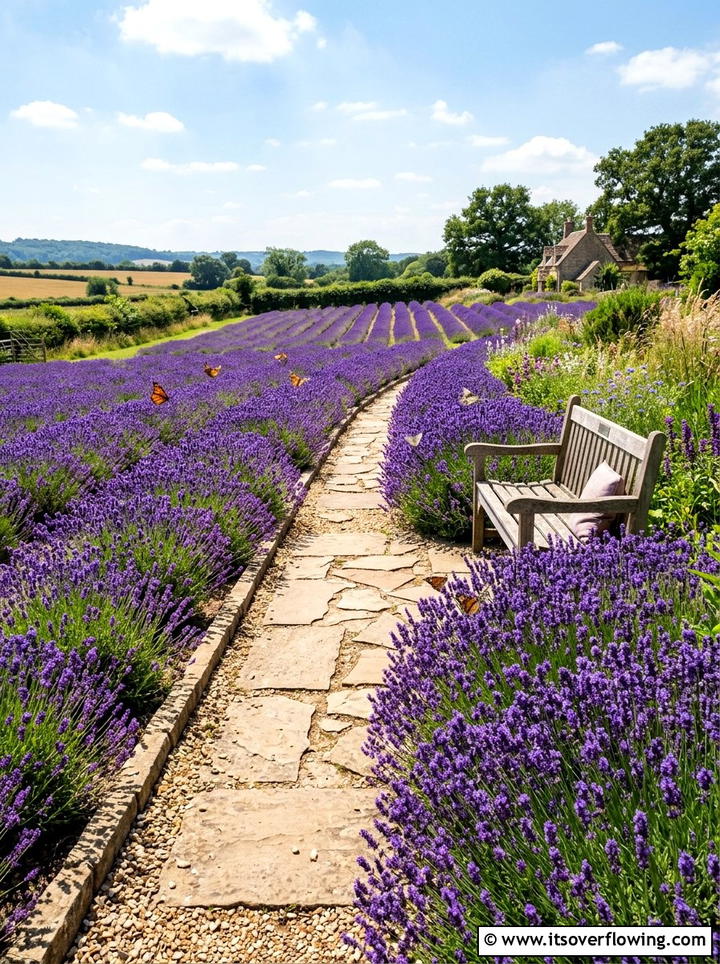
Planting a thick lavender border along your meditation area provides a beautiful visual frame and an incredible scent throughout the summer. The soft purple flowers sway in the breeze and attract pollinators, adding gentle life to your garden space. Lavender is world-renowned for its ability to promote relaxation and help people sleep better at night. Walking past the plants or brushing against them releases a burst of fragrance that can help you settle into your practice. It is a hardy plant that loves the sun and adds a touch of Mediterranean charm to any backyard or garden path layout.
22. Garden Gazebo
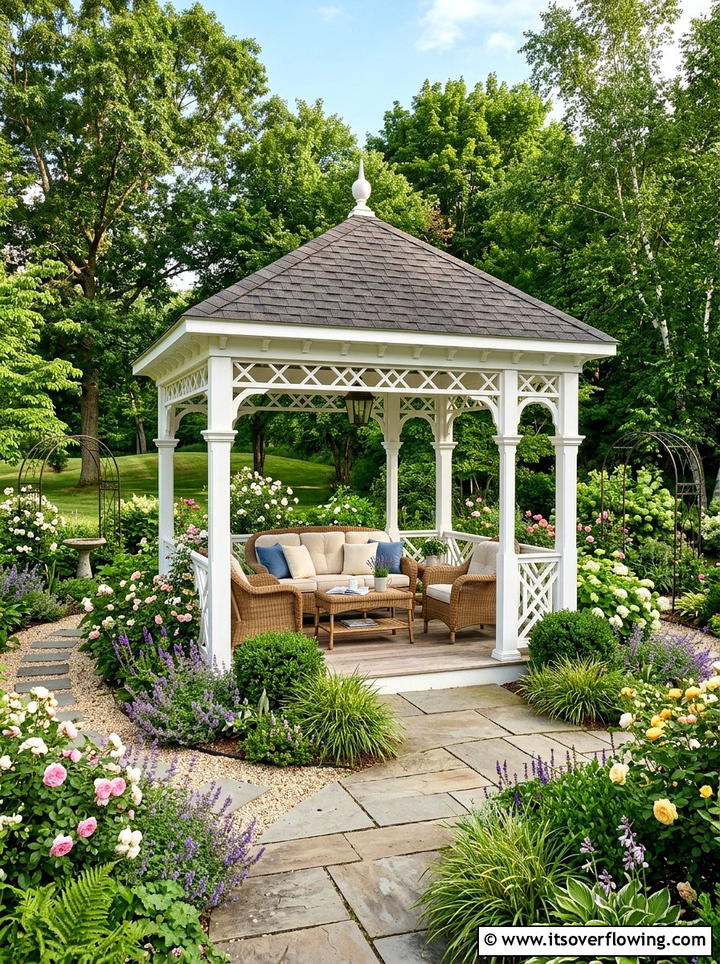
A classic garden gazebo offers a permanent and roofed structure that allows you to meditate outdoors regardless of the weather conditions. You can choose a traditional wooden design or a more modern metal structure to suit your personal style preferences. The elevated floor and open sides provide a great view of your entire garden while keeping you dry during a light rain. Furnish the inside with a comfortable bench or a set of floor mats to create a dedicated wellness studio. A gazebo acts as a significant focal point in your landscaping and increases the overall value and functionality of your property.
23. Water Bowl
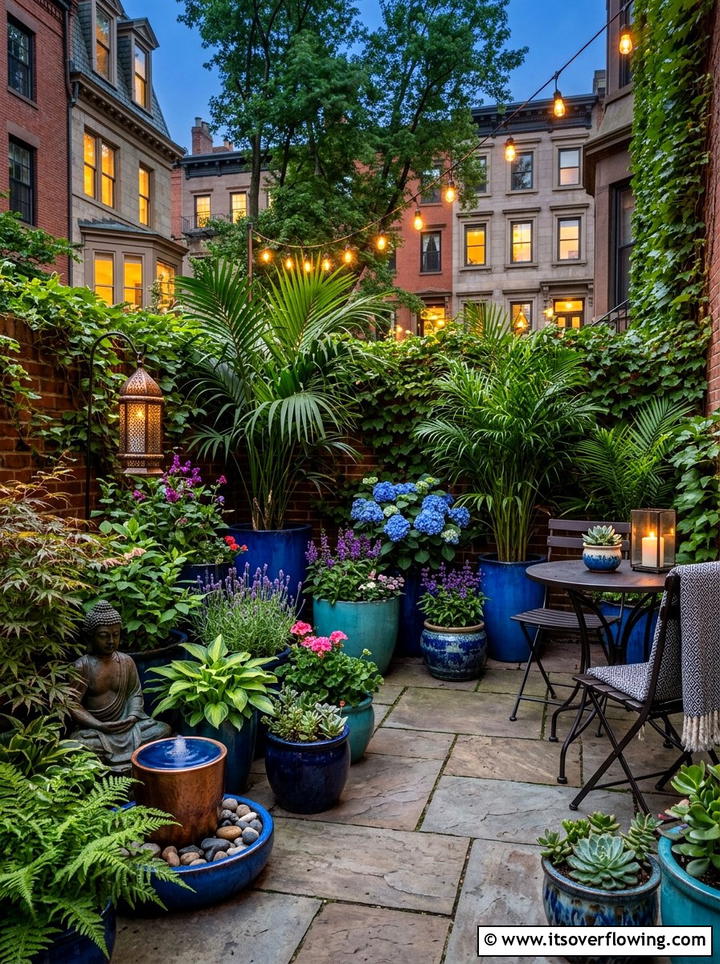
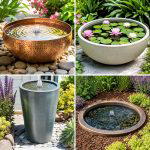
A simple stone water bowl is a minimalist alternative to a large pond or a complex waterfall feature. You can place a wide, shallow basin on a pedestal or directly on the ground and fill it with clean water. Adding a few floating candles or a single lotus flower creates a beautiful and tranquil scene to focus on. The still water acts as a mirror, reflecting the sky and the surrounding trees, which brings a sense of vastness to a small space. It is very easy to maintain and provides a quiet, reflective spot that is perfect for a few minutes of daily mindfulness.
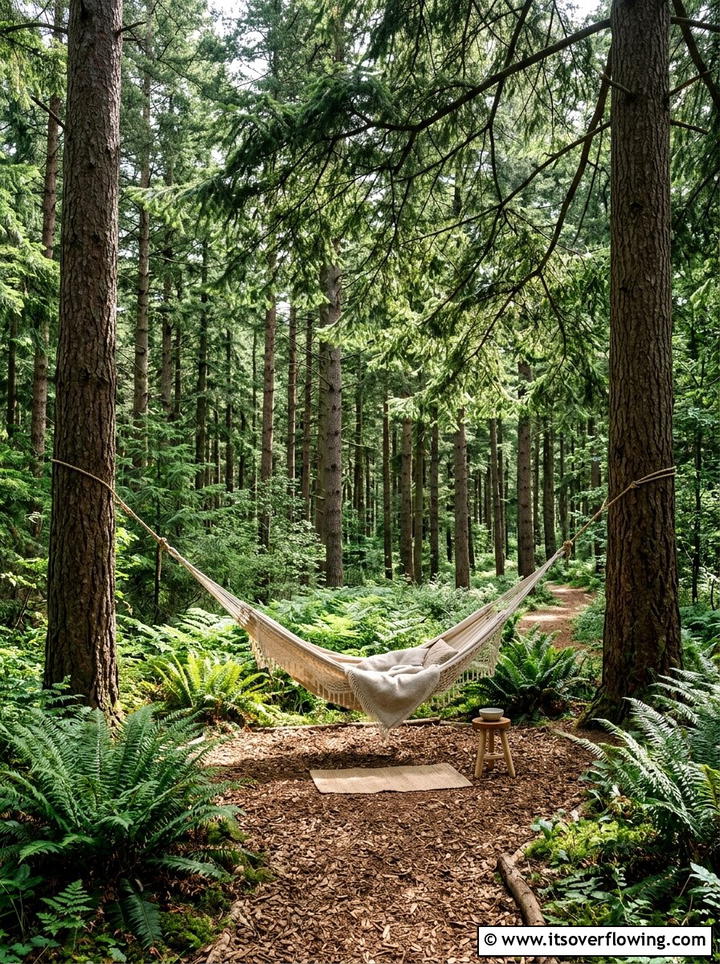
24. Shady Canopy
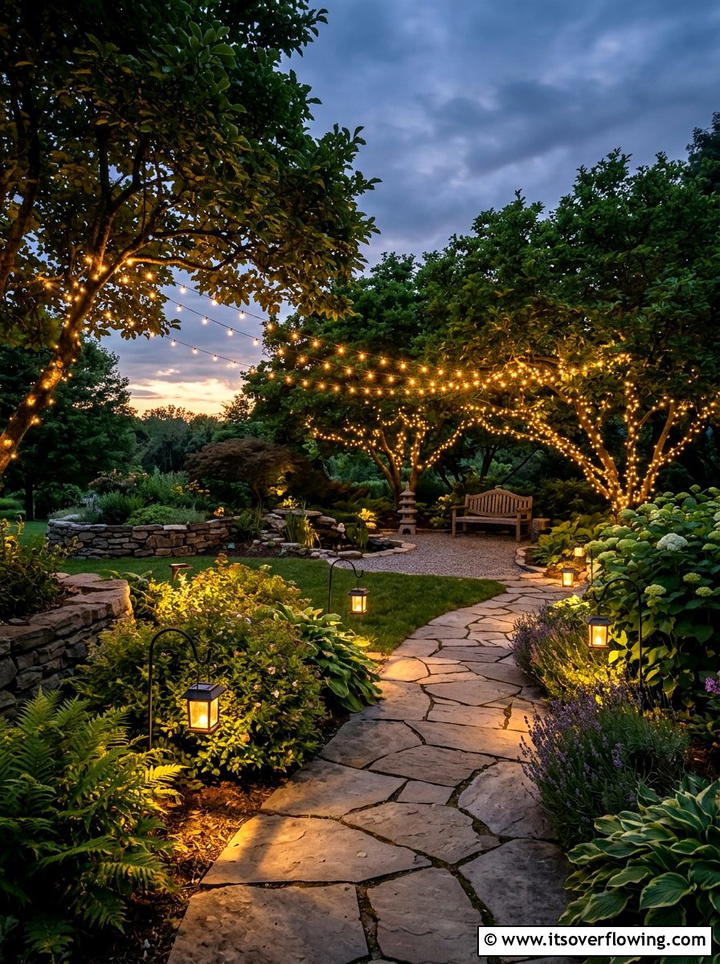
Creating a meditation spot under a thick shady canopy is ideal for staying cool and comfortable during the hot summer months. You can use a group of tall trees or a large outdoor umbrella to block out the direct rays of the sun. The cooler temperature in the shade makes it much easier to focus on your breathing without feeling overheated or physically uncomfortable. Use natural ground covers like mulch or wood chips to create a soft floor that blends in with the wooded surroundings. This natural setting feels like a deep forest retreat, even if you are in a suburban backyard area.
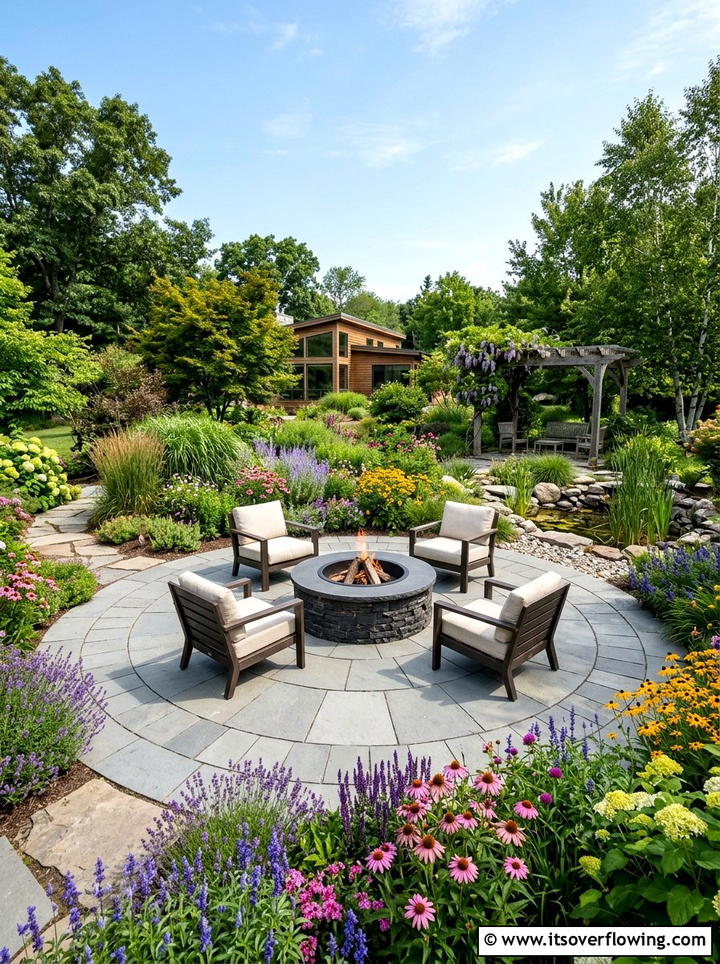
25. Circular Patio
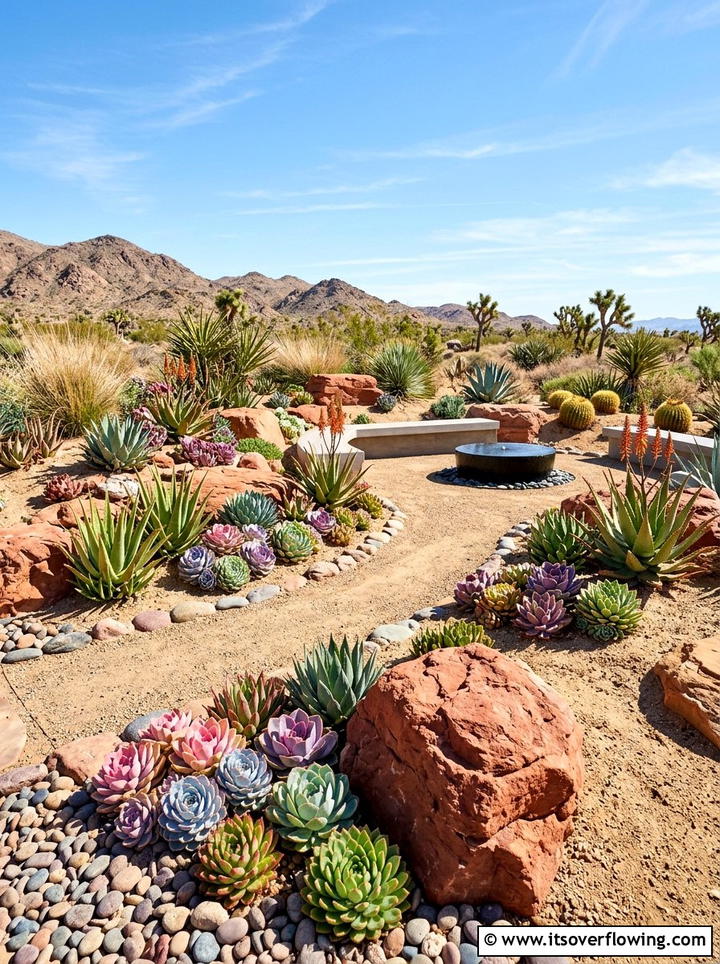
A circular patio design represents unity and wholeness, making it a very symbolic and effective shape for a meditation garden. You can use bricks, pavers, or poured concrete to create a round seating area that feels centered and balanced. Placing your chair or cushion in the exact middle of the circle helps you feel more grounded and focused during your practice. Surround the patio with a ring of flowers or shrubs to create a clear boundary from the rest of the yard. This layout is visually pleasing and provides a clear sense of purpose for the space, making it a wonderful retreat.
Conclusion:
Designing a meditation garden is a personal journey that allows you to blend your love for nature with your commitment to mental well-being. By choosing elements that resonate with your senses, such as the sound of water or the scent of lavender, you create a space that truly supports your practice. These twenty-five ideas show that you do not need a massive budget or a professional landscaper to build a viral-worthy sanctuary. Start with one small corner and gradually add layers of texture and comfort as you discover what helps you find peace. Your garden will become a living testament to your inner calm and resilience.

Related posts:
 25 Creative Garden Ideas With Tea Gardens for Calm Retreats
 25 Creative Garden Ideas With Yoga Decks for Calm Retreats
 25 Small Garden Ideas With Cozy Seating for Relaxing Retreats
 25 small garden ideas with pergola corner for Shaded Retreats
 25 Creative Garden Ideas With Meditation Corners to Relax
 25 Creative Garden Ideas With Rain Chains for Serene Style
 25 Creative Garden Ideas With Water Bowls for Serene Spaces
 25 Garden Ideas With Water Features for a Serene Yard
 25 small garden ideas with water feature for Serene Style
 25 garden ideas with garden signs for Charming Outdoor Decor
 25 Amazing Garden Ideas To Transform Your Outdoor Space
 25 Creative Garden Ideas to Transform Any Outdoor Space Fast