
Creating a beautiful outdoor space transforms your entire home experience into a personal sanctuary where nature meets comfort. Whether you have a sprawling backyard or a tiny urban balcony, thoughtful planning helps you maximize every square inch of green space for relaxation. Many people look for ways to blend functionality with aesthetics, seeking layouts that offer both visual appeal and practical use for daily life. From lush perennial borders to minimalist stone paths, the possibilities for your landscape are truly endless when you start with a clear vision. This guide explores a wide variety of styles to help you find the perfect match for your lifestyle and local climate.
1. Modern Garden
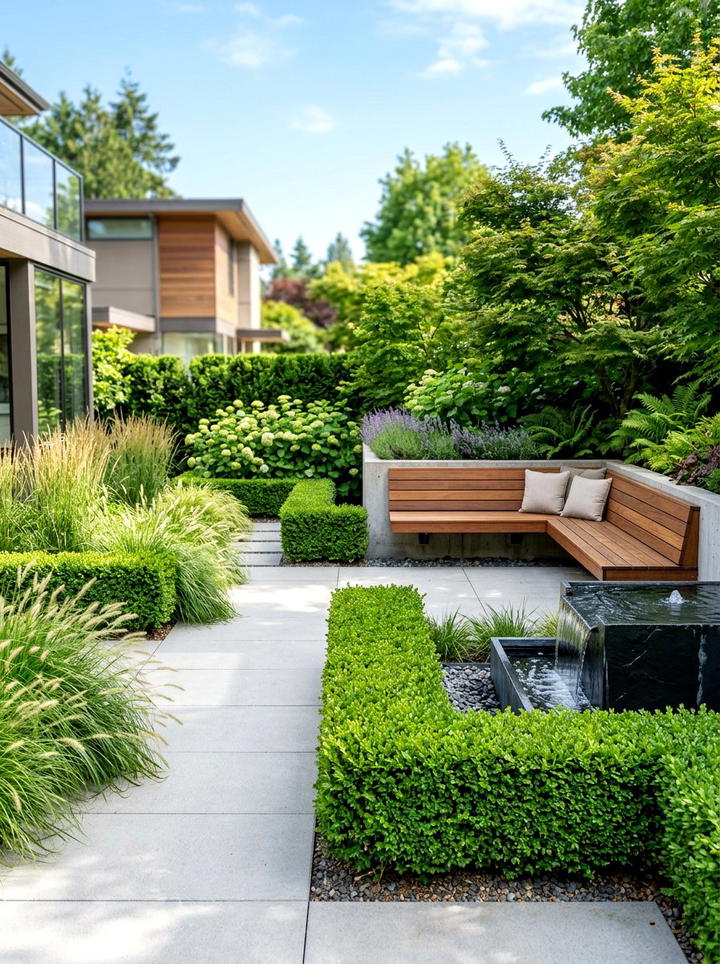
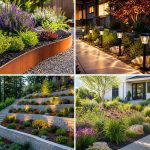
Modern garden aesthetics prioritize clean lines, geometric shapes, and a minimalist approach that feels incredibly sophisticated and tidy. This style often uses a limited color palette of greens and neutrals to create a sense of calm and order throughout the space. You might see structured hedges paired with sleek concrete pavers or metal accents that provide a sharp contrast to soft foliage. Integrating built-in seating or architectural water features adds a layer of luxury while keeping the overall look uncluttered and very professional. It is the perfect choice for those who appreciate contemporary architecture and want their outdoor living area to feel like a seamless extension of their home interior.
2. Small Garden Layout
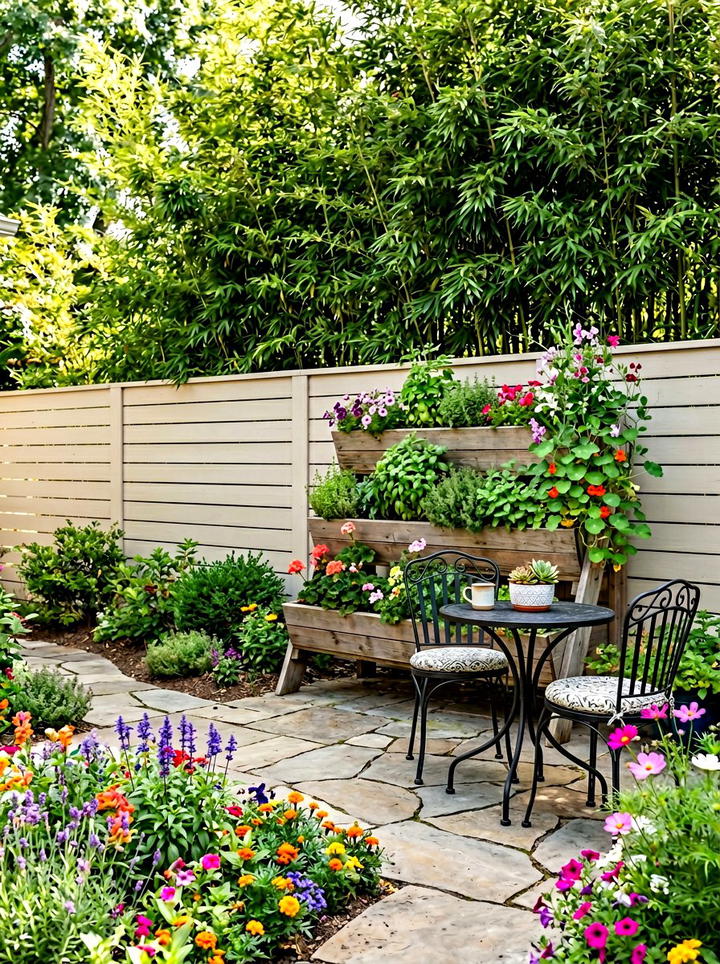
Making the most of a limited area requires a smart small garden layout that emphasizes vertical growth and multi-functional zones. You can create the illusion of a much larger space by using light-colored fencing and placing taller plants at the back of the borders. Incorporating mirrored surfaces or small focal points like an elegant bistro set can draw the eye and make the area feel more open. Choosing slim-profile furniture and compact plant varieties ensures that the space remains walkable and never feels overcrowded or messy. This approach allows city dwellers to enjoy a private oasis that provides a refreshing escape from the busy streets right outside their door.
3. Vertical Garden Wall
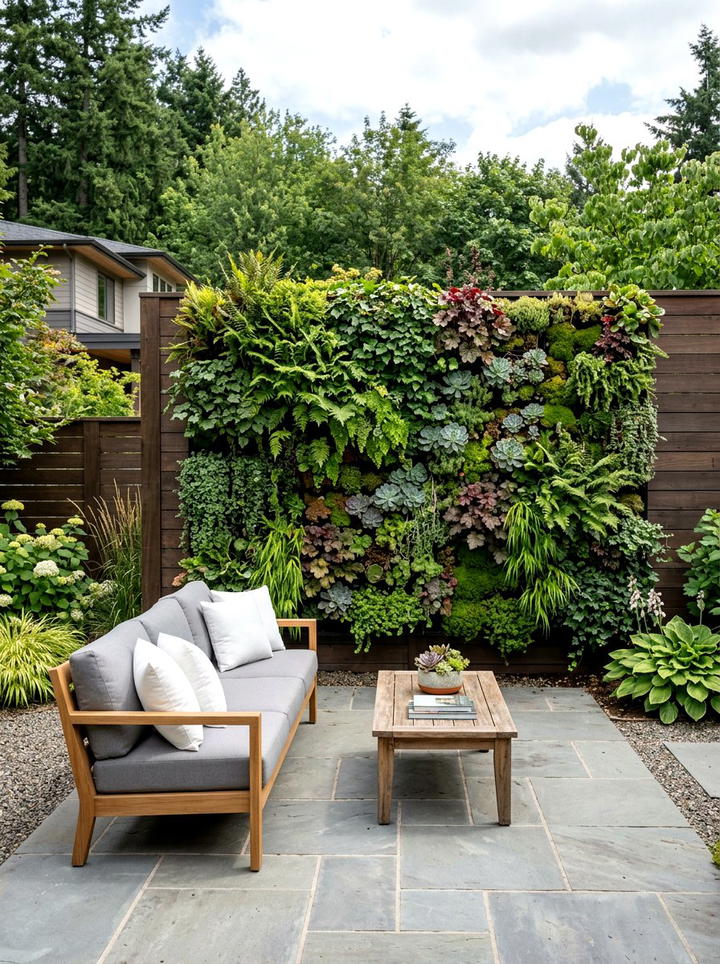
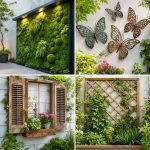
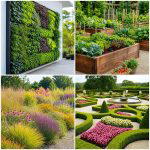
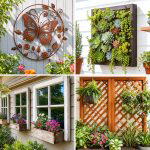
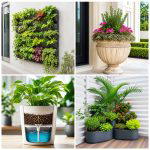
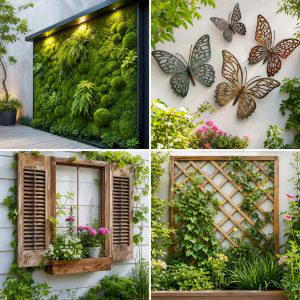
A vertical garden wall is an ingenious solution for adding lush greenery to walls or fences where ground space is very scarce. By using specialized pockets or modular planters, you can grow a diverse range of ferns, succulents, and trailing vines that create a living tapestry. This design not only improves air quality but also acts as a natural cooling system for your outdoor seating area during hot summer months. It works beautifully as a backdrop for a patio, providing privacy and a striking visual element that changes with the seasons. Investing in a drip irrigation system makes maintenance simple, ensuring your wall stays vibrant and healthy all year long.
4. Cottage Garden
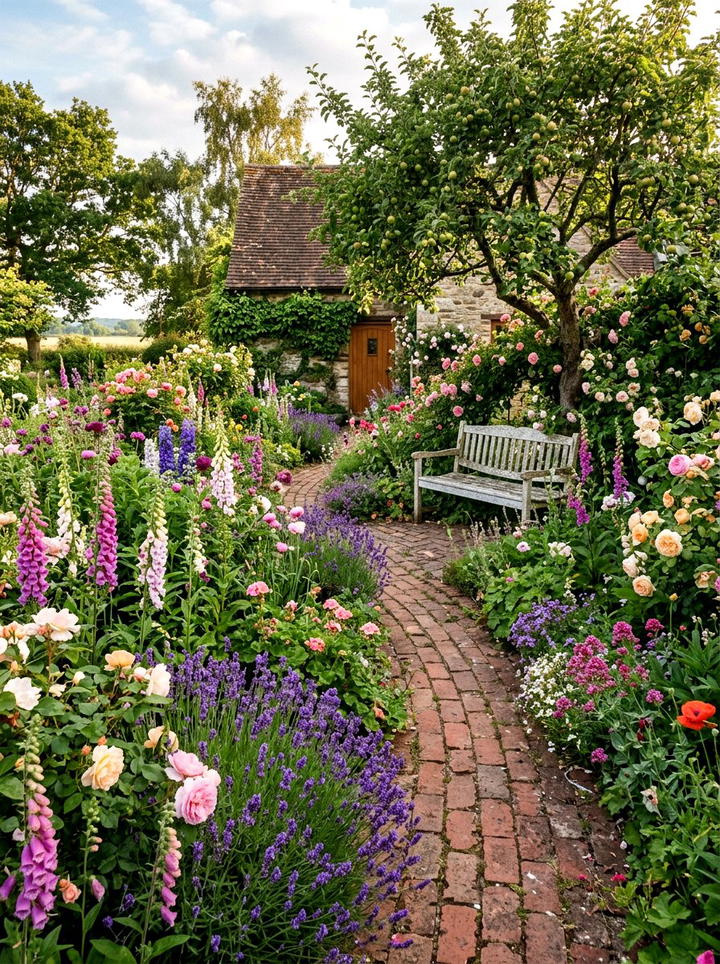
The charm of a cottage garden lies in its dense planting, soft colors, and a whimsical sense of organized chaos that feels very romantic. Traditional flowers like roses, lavender, and foxgloves spill over winding brick paths, creating an atmosphere that is both nostalgic and inviting. This style celebrates biodiversity, often attracting bees and butterflies with its abundance of nectar-rich blooms throughout the warmer months. You can add rustic elements like wooden gates or weathered benches to enhance the vintage feel of the space. It is a low-stress environment where imperfections are welcomed, and the natural beauty of each individual plant is allowed to shine through completely.
5. Vegetable Garden
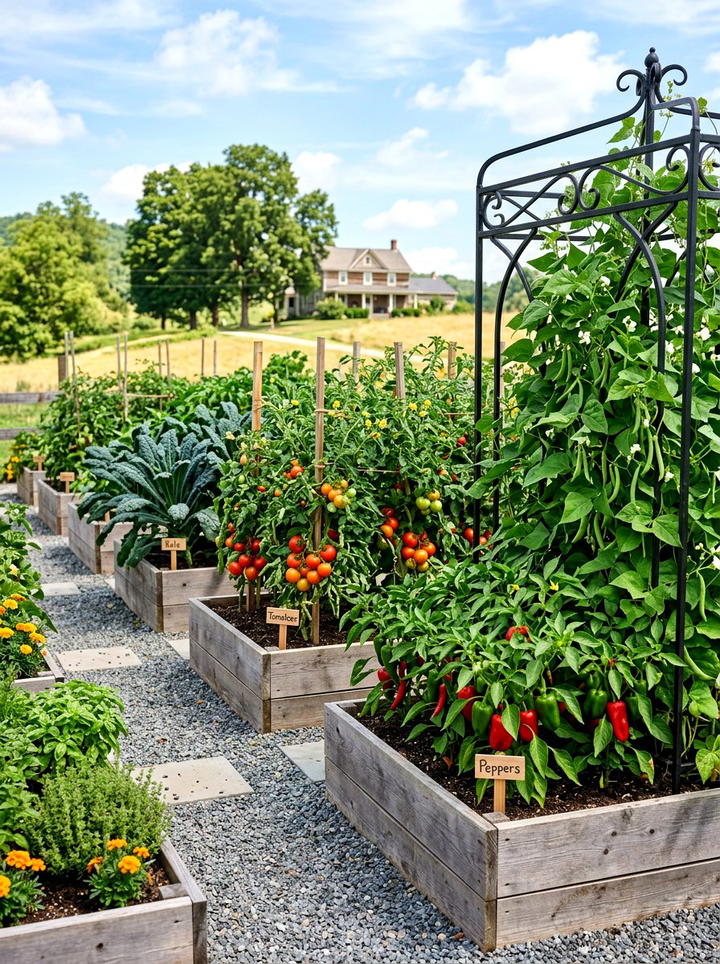
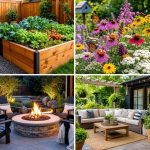
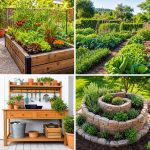
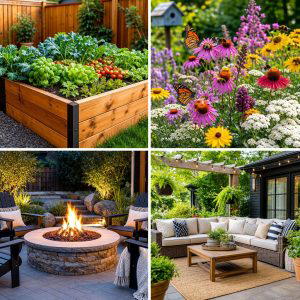
A well-organized vegetable garden combines productivity with beauty, allowing you to harvest fresh, organic produce right from your own backyard every season. Using raised beds keeps the space looking neat while providing better drainage and soil quality for your tomatoes, peppers, and leafy greens. You can arrange different crops by height and color to create a visual feast that is just as attractive as a flower bed. Adding sturdy trellises for climbing beans or squash maximizes space and adds vertical interest to the flat landscape. It is a rewarding project that promotes sustainable living and provides a healthy hobby for families to enjoy together outdoors.
6. Zen Garden
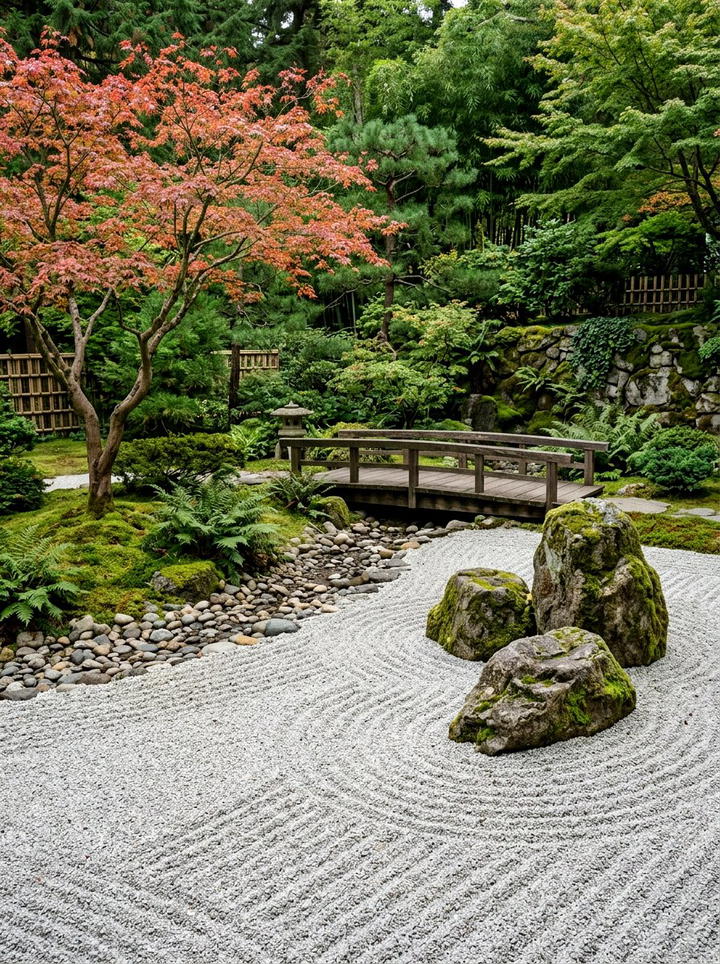
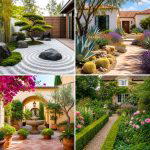
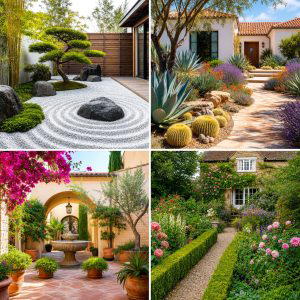
Creating a peaceful zen garden focuses on simplicity and the use of natural materials like sand, gravel, and large mossy rocks. These spaces are designed for meditation and reflection, often featuring raked gravel patterns that represent the movement of water around stone islands. Subtle greenery, such as Japanese maples or bamboo, provides soft texture without overwhelming the minimalist aesthetic of the entire layout. Incorporating a small stone basin or a quiet wooden bridge adds traditional elements that enhance the spiritual feeling of the environment. This design is perfect for those seeking a low-maintenance area that offers a quiet retreat from the stresses of modern daily life.
7. Rock Garden
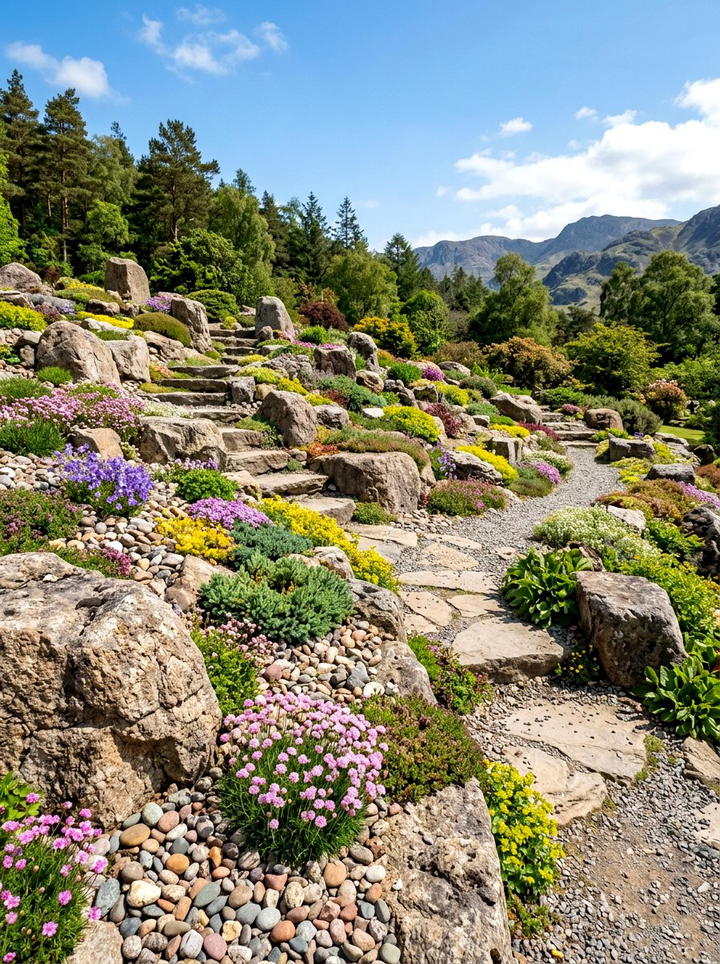
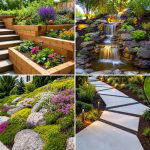
A rock garden is an excellent way to utilize uneven terrain or dry patches of land that are difficult to plant traditionally. By layering different sizes of boulders and pebbles, you can create a rugged, naturalistic landscape that requires very little water or pruning. Low-growing alpine plants and hardy groundcovers thrive in the crevices between rocks, adding pops of color against the earthy tones of the stones. This style is particularly effective for slopes, as the rocks help prevent soil erosion while providing a dramatic backdrop for your greenery. It offers a unique texture that stands out from typical lawns, creating a durable and visually interesting outdoor feature.
8. Succulent Garden Bed
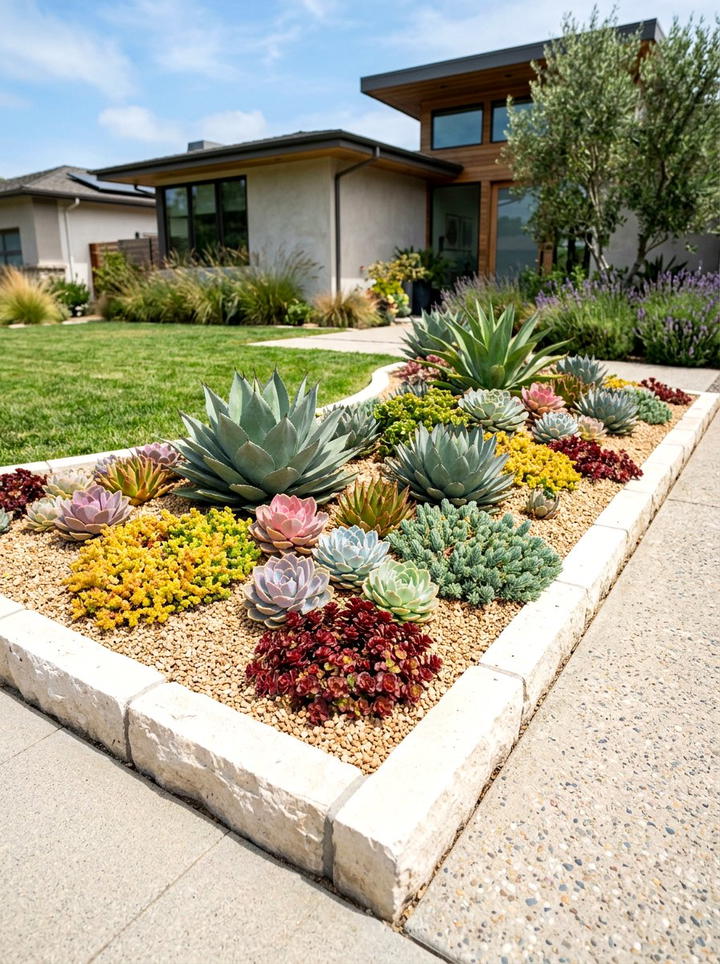
Succulent garden beds are incredibly popular for their striking shapes, varied colors, and their ability to thrive with minimal water in sunny locations. You can mix different varieties like echeveria, agave, and aloe to create a stunning mosaic of textures that looks like a living work of art. These plants are very resilient and require very little upkeep, making them ideal for busy homeowners who still want a beautiful landscape. Using decorative gravel or crushed glass as mulch enhances the vibrant colors of the succulents and prevents rot by keeping moisture away from the leaves. This modern approach to landscaping is both environmentally friendly and visually captivating in any climate.
9. Perennial Garden Border Border
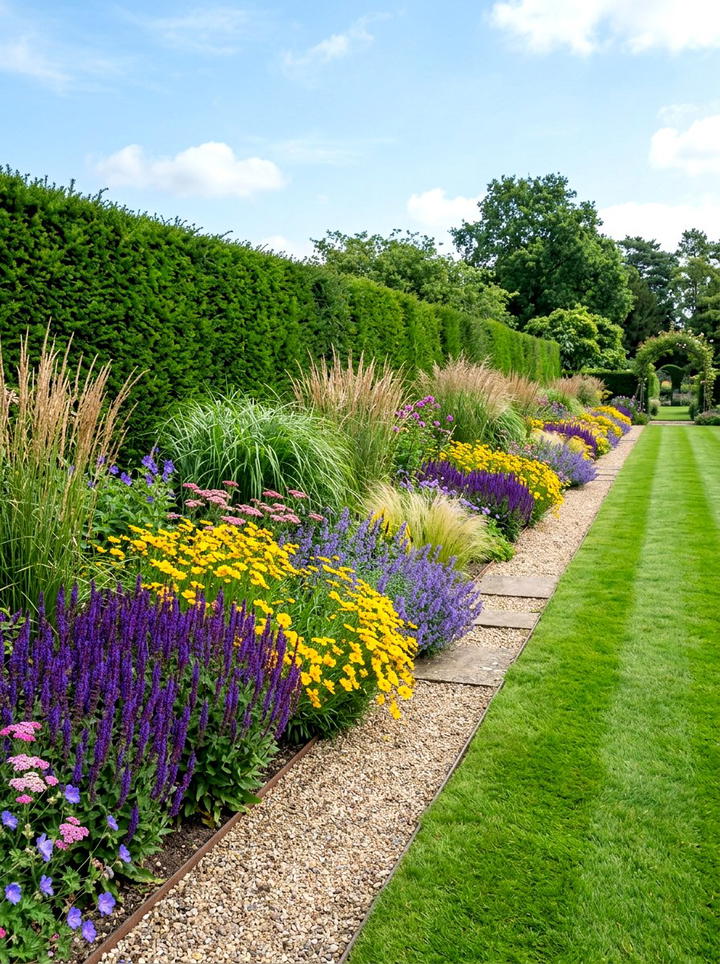
Designing a perennial garden border ensures that your landscape returns to life every year with minimal replanting effort on your part. By selecting plants with different blooming times, you can enjoy a continuous display of color from early spring through the late autumn months. Grouping plants in odd numbers and varying their heights creates a natural flow that leads the eye across the entire length of the border. Using a mix of flowers and ornamental grasses adds movement and structural interest even during the winter when blooms have faded away. This is a cost-effective way to build a mature and sophisticated look that grows more beautiful with each passing season.
10. Shade Garden
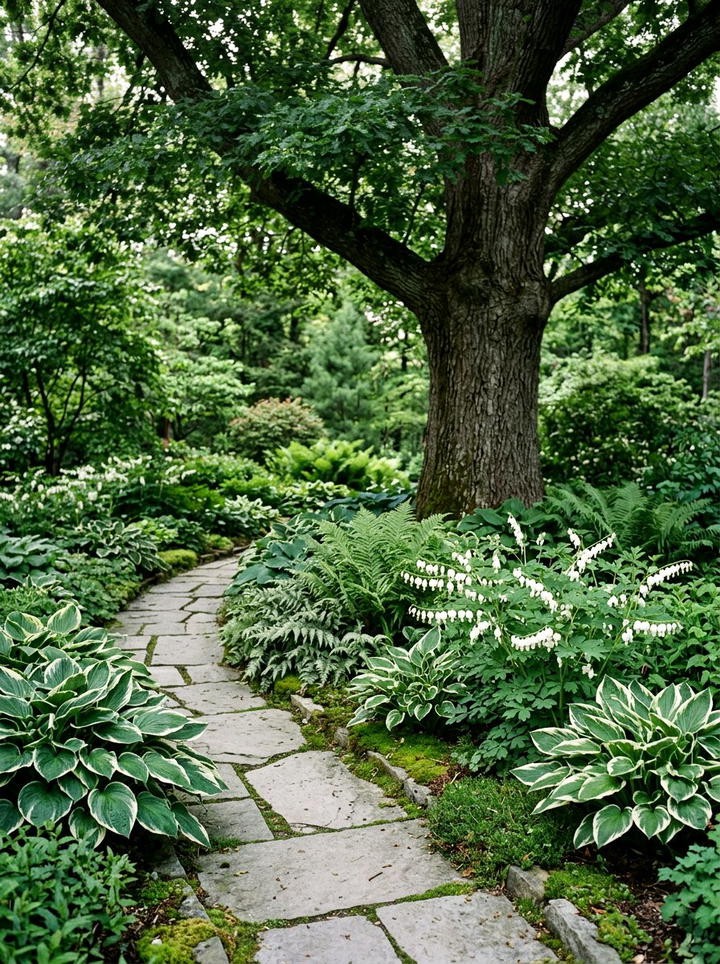
Transforming a dim corner of your yard into a lush shade garden allows you to enjoy greenery even in areas with limited sunlight. Hostas, ferns, and bleeding hearts are perfect choices for these spots, offering beautiful foliage in various shades of emerald, lime, and silver. You can use light-colored stones or bright white garden ornaments to reflect the little light available and brighten up the dark surroundings. Adding a small seating area under the canopy of trees provides a cool and comfortable spot to relax during the hottest parts of the day. A shade-loving landscape feels like a hidden woodland retreat, offering a sense of calm and mystery to your home.
11. Urban Garden Balcony
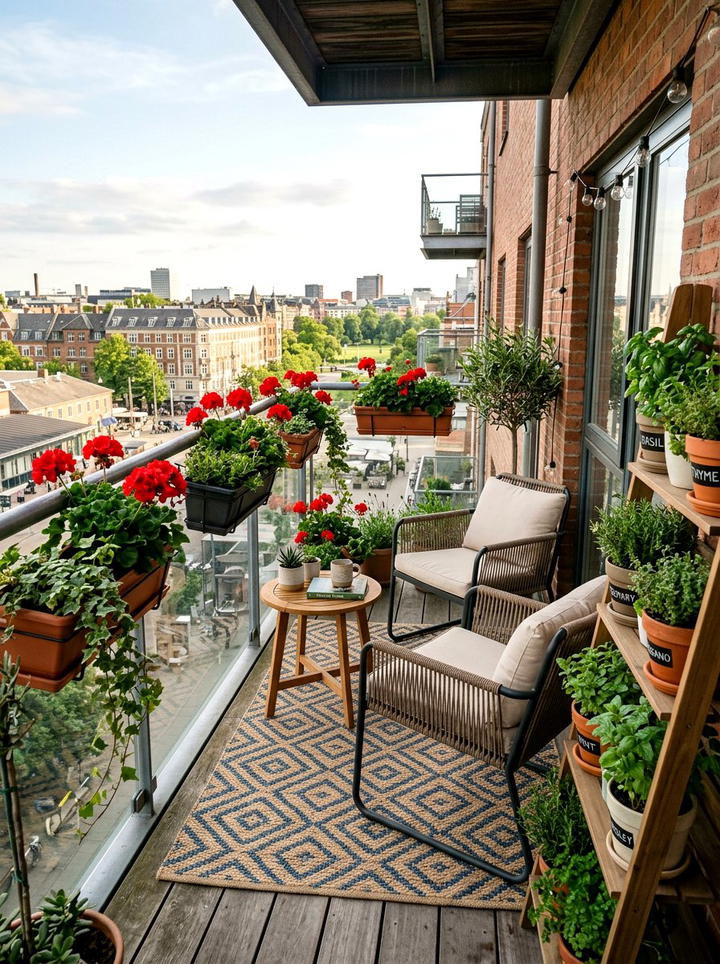
An urban garden balcony proves that you do not need a lot of land to create a stunning and productive outdoor space. By using tiered shelving and railing planters, you can grow a wide variety of flowers, herbs, and even small fruits in containers. Choosing lightweight furniture and outdoor rugs helps define the area as a cozy outdoor room that feels like an extension of your apartment. String lights and lanterns add a magical glow during the evening, making the space perfect for entertaining friends or enjoying a quiet dinner. This small-scale approach to gardening brings a much-needed touch of nature to the middle of a concrete city environment.
12. Sustainable Garden
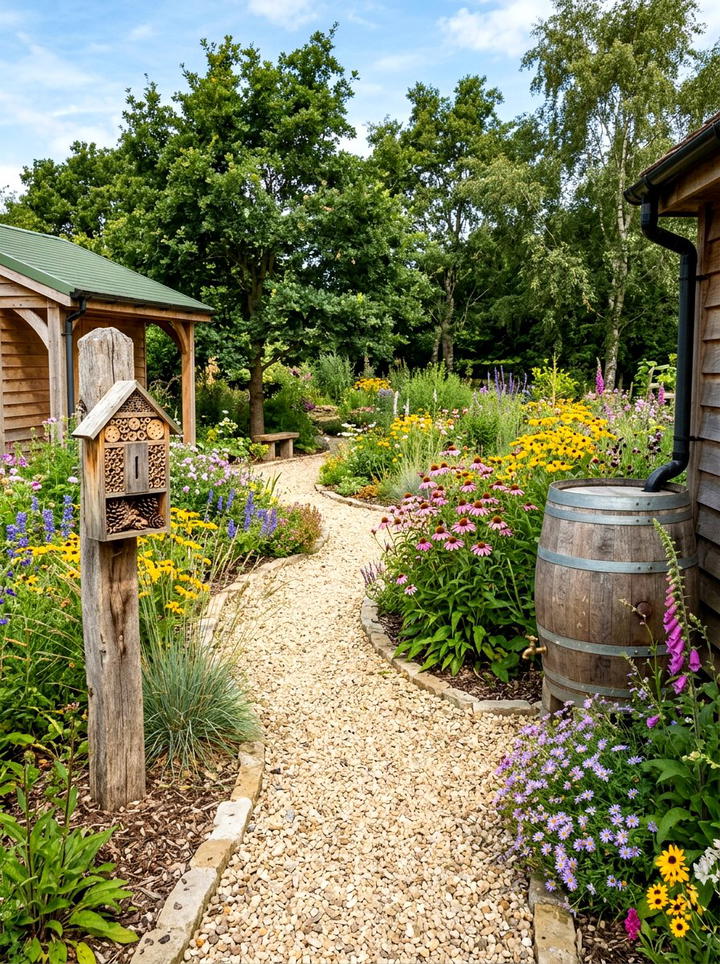
A sustainable garden focuses on working with nature by using native plants, rain barrels, and composting to reduce your environmental footprint significantly. This type of landscape requires fewer chemicals and less water, as the plants are already adapted to the local soil and weather conditions. Incorporating permeable paving materials allows rainwater to soak back into the ground rather than running off into the city sewer systems. You can also include bird houses and insect hotels to support local wildlife and promote a healthy ecosystem in your own backyard. It is a responsible and rewarding way to garden that benefits both the homeowner and the planet for many years.
13. Wildflower Garden
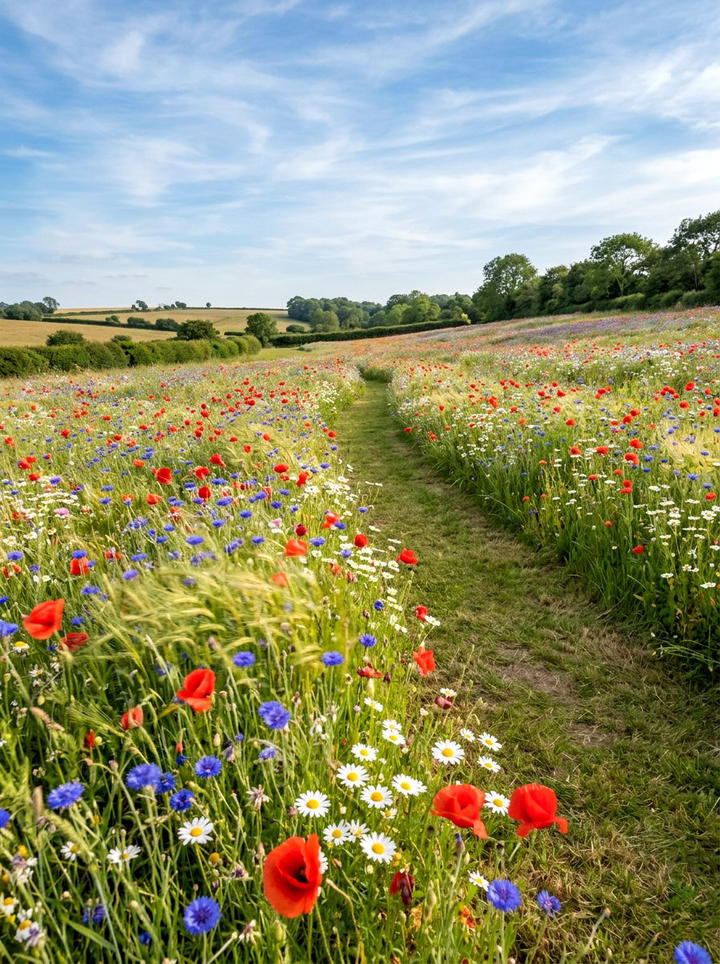
Planting a wildflower garden is a wonderful way to create a low-maintenance meadow that bursts with vibrant colors and supports local pollinators. This style is meant to look natural and unrefined, with a mix of native species that thrive without the need for constant mowing or fertilizing. It provides a vital habitat for bees, butterflies, and birds, helping to restore local biodiversity in your immediate neighborhood or community. You can easily start this project by scattering a high-quality seed mix over a sunny patch of land and watching it transform over the months. The result is a joyful and ever-changing landscape that captures the wild spirit of the great outdoors perfectly.
14. Tropical Garden
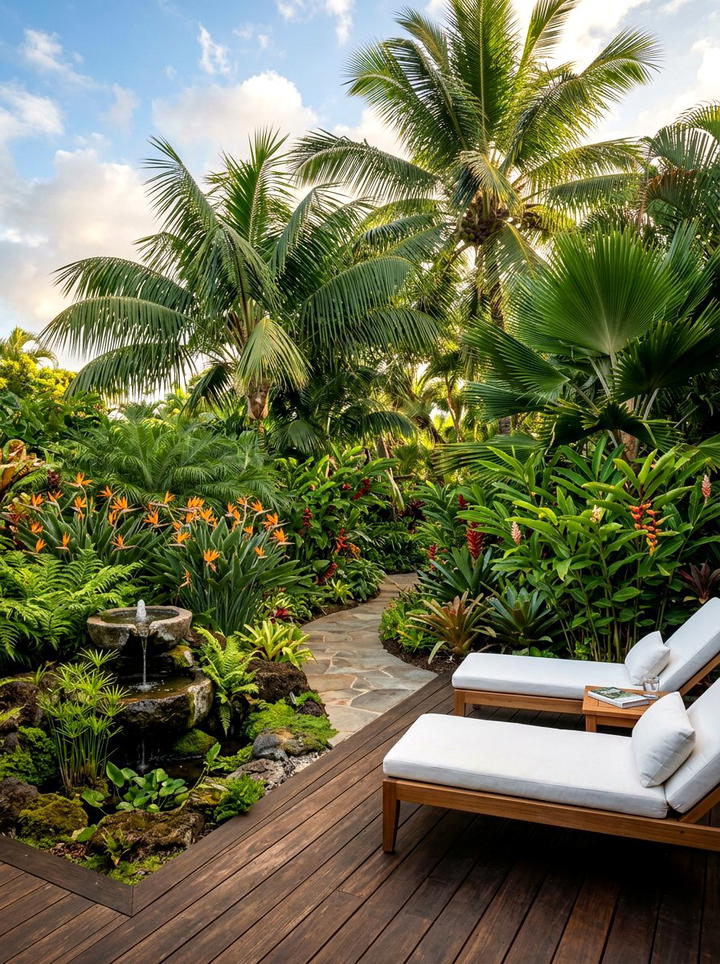
A tropical garden uses large, bold foliage and bright, exotic flowers to create a lush atmosphere that feels like a permanent vacation at home. Plants like palms, hibiscuses, and bird of paradise add dramatic height and intense color to the landscape, especially in warmer or humid climates. You can enhance the jungle-like feel by adding a water feature or using dark wood decking that contrasts beautifully with the deep green leaves. Integrating outdoor fans and comfortable lounge chairs ensures that the space remains a cool and inviting oasis even during the peak of summer. This vibrant style turns any backyard into a luxurious getaway that is both exciting and relaxing.
15. Herb Garden Planter
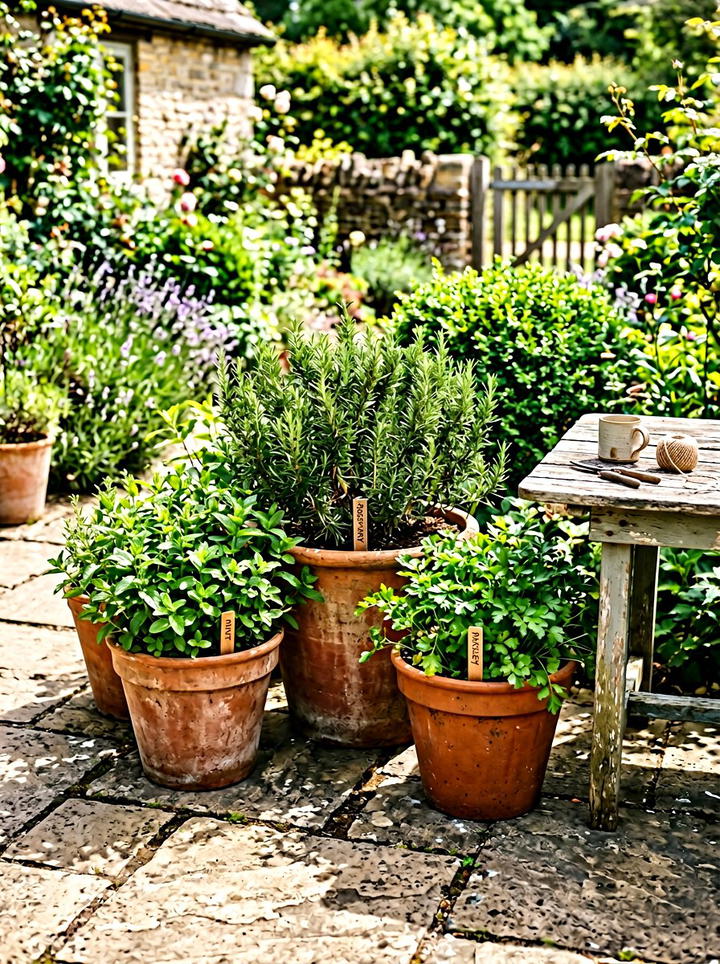
An herb garden planter is a practical and beautiful addition to any kitchen doorstep or patio, providing fresh flavors for your daily cooking. By grouping different herbs like rosemary, thyme, and basil together, you create a fragrant and functional display that is very easy to access. Using decorative ceramic pots or a rustic wooden trough adds a stylish touch to the layout while keeping the plants contained and manageable. Herbs are generally very easy to grow and can even be moved indoors during the colder months to extend your harvesting season. It is an excellent way for beginners to start gardening because the results are both immediate and incredibly delicious.
16. Native Garden
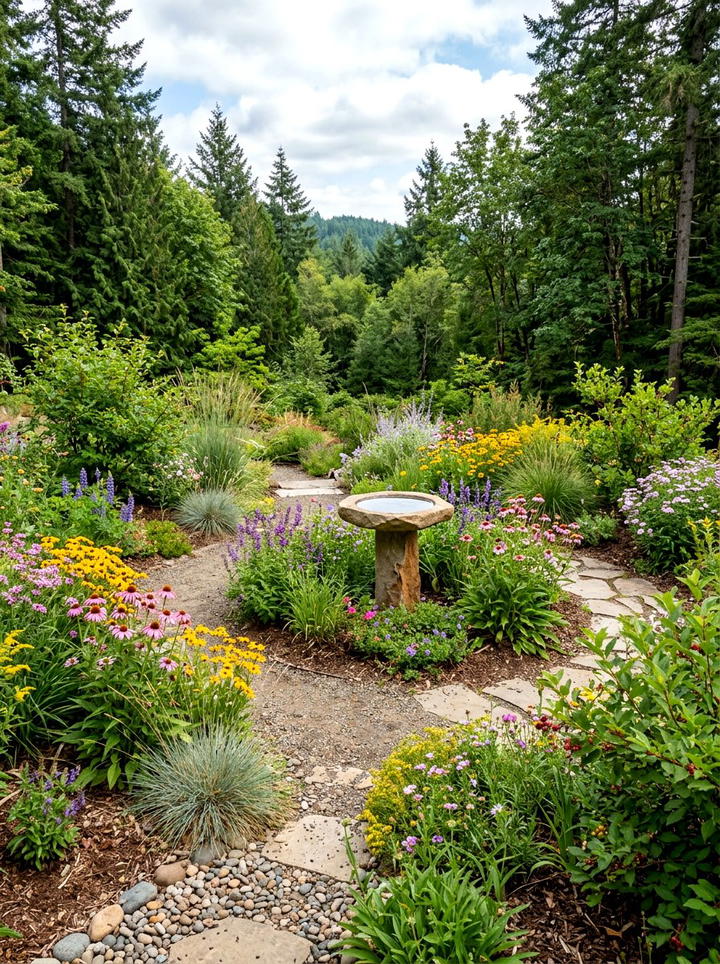
Focusing on a native garden means choosing plants that naturally occur in your specific region, which helps preserve the local heritage and environment. These plants are incredibly hardy because they have spent thousands of years adapting to the local pests, soil types, and typical rainfall patterns. A native landscape often requires much less maintenance and zero synthetic fertilizers, making it a very healthy choice for families and pets. It also provides the best possible food source and shelter for local birds and beneficial insects that live in your area. This approach creates a sense of place and connects your home to the beautiful natural history of the surrounding region.
17. Water Garden
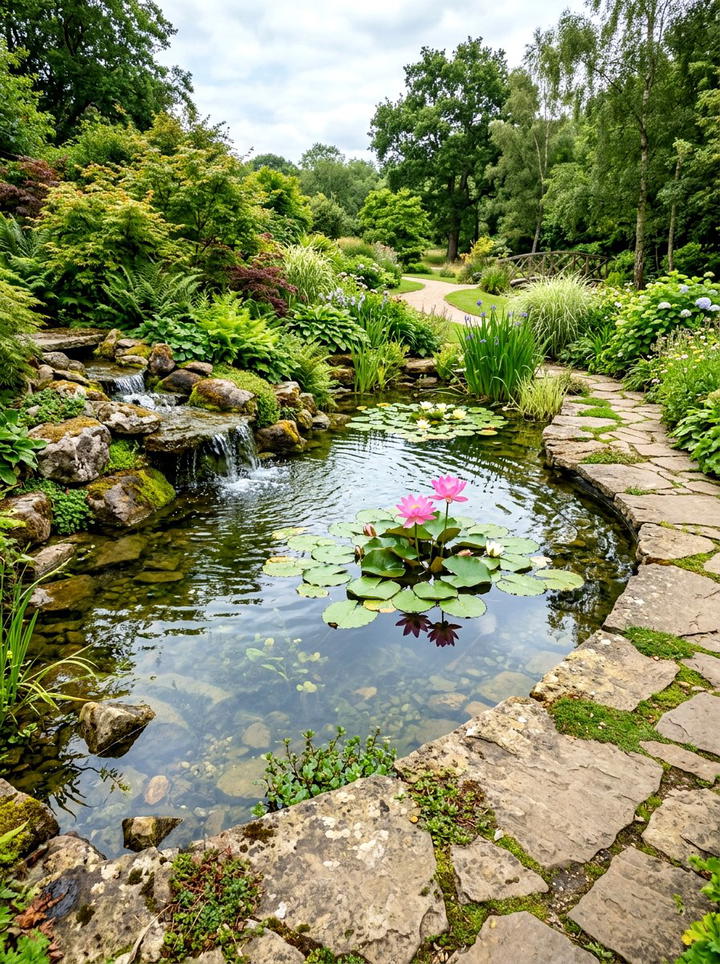
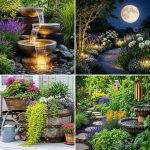
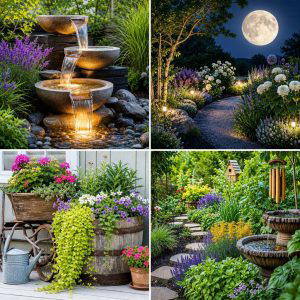
Adding a water garden to your property introduces soothing sounds and a sense of tranquility that only a moving stream or pond can provide. You can include aquatic plants like water lilies and lotus flowers to add color and help keep the water clean and clear naturally. A small waterfall or fountain creates a focal point that masks city noise and attracts local wildlife like thirsty birds and colorful dragonflies. Using natural stone around the edges helps the feature blend seamlessly into the rest of the landscape for a more professional look. It is a sophisticated design element that elevates the entire mood of the yard, making it feel very serene.
18. Raised Garden Bed
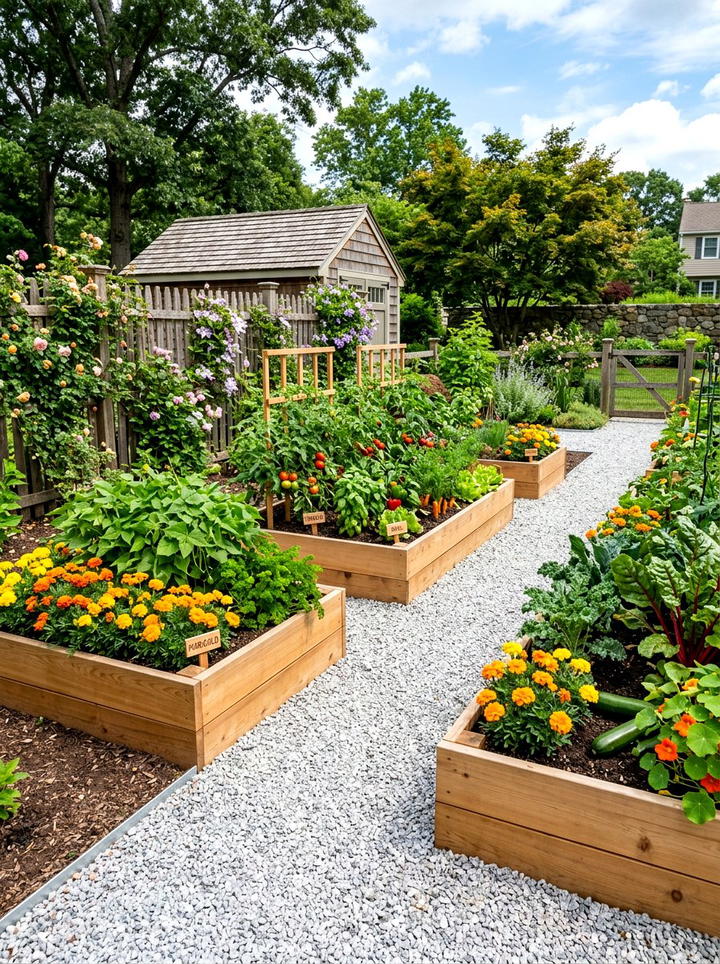
Raised garden beds are a favorite for many because they provide excellent drainage, prevent soil compaction, and are much easier on your back during planting. You can build these beds from cedar, stone, or even corrugated metal to match the overall style of your home and outdoor furniture. They allow you to control the soil quality perfectly, which is especially helpful if your natural ground soil is heavy clay or very sandy. Filling the beds with a nutrient-rich mix ensures that your flowers or vegetables grow quickly and stay healthy throughout the entire growing season. This structured approach keeps the garden looking neat and organized, making it a very tidy landscape.
19. Container Garden
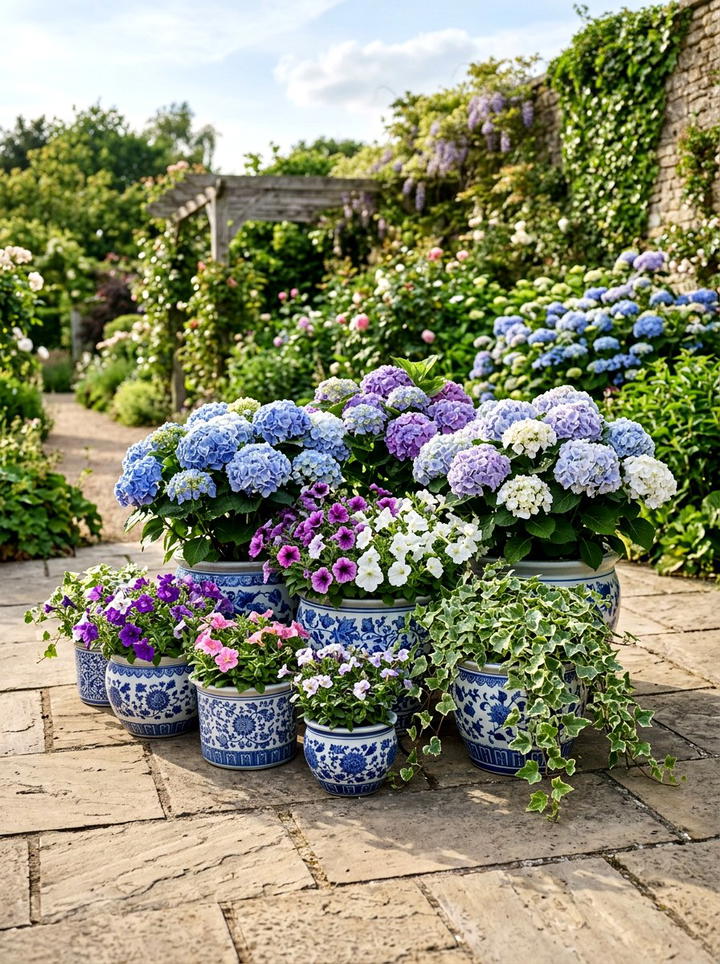
A container garden offers the ultimate flexibility because you can move your plants around to follow the sun or change the look of your patio. Using a variety of pot sizes, colors, and materials adds visual interest and allows you to grow plants with different soil needs side by side. This method is perfect for those with limited space or for people who live in rental properties and want to take their garden with them. You can create stunning arrangements by following the “thriller, filler, and spiller” rule to ensure every pot looks professionally designed and balanced. It is a fun and creative way to experiment with different plant combinations every year.
20. Gravel Garden Path
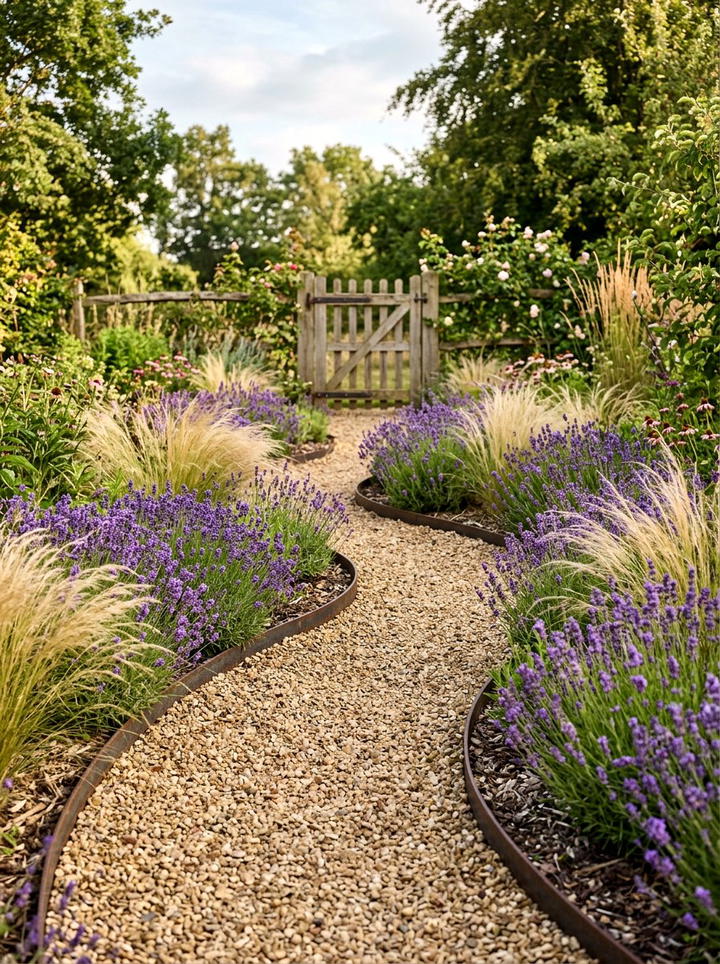
Installing a gravel garden path is a cost-effective and charming way to connect different areas of your yard while providing a clean walking surface. The crunch of gravel underfoot adds a sensory element to your garden walks, and the material allows water to drain through easily to the soil. You can use metal or brick edging to keep the stones in place and create a sharp, defined look that lasts for many years. Choosing a color of gravel that complements your home’s exterior helps tie the entire landscape design together into one cohesive and very attractive vision. It is a simple DIY project that adds immediate structure and character to any outdoor space.
21. Formal Garden
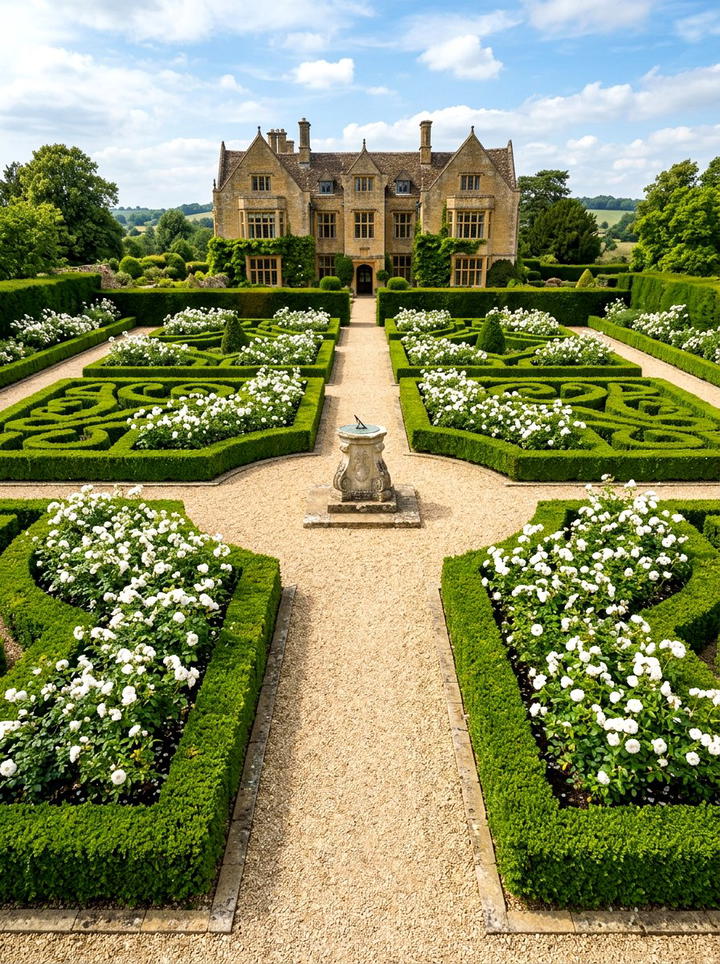
A formal garden is characterized by its strict symmetry, clipped hedges, and a very grand sense of scale that feels traditional and elegant. This style often features a central focal point, such as a sundial or a classical statue, with paths radiating out in a balanced and orderly pattern. Boxwood hedges are commonly used to create low borders that define different planting sections and keep the look very sharp and manicured. It is the perfect choice for those who love a high-end, structured appearance that feels both timeless and extremely sophisticated. While it requires regular pruning to maintain its shape, the result is a breathtaking landscape that always looks very impressive.
22. Desert Garden
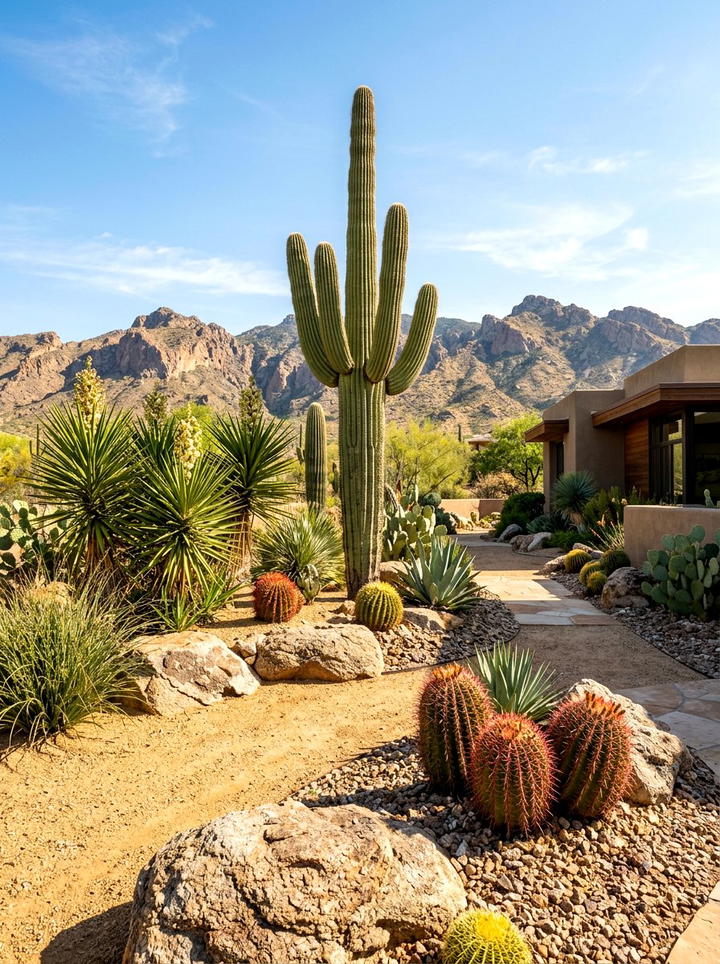
Embracing a desert garden style means using drought-tolerant plants and decorative sands to create a landscape that is both beautiful and water-wise. Yuccas, cacti, and desert spoons offer unique architectural shapes that look stunning against a backdrop of warm-toned gravel or large decorative river rocks. This type of garden is incredibly low-maintenance once it is established, as the plants are designed to survive in harsh conditions with very little intervention. You can add interest by using different shades of crushed stone to create patterns or paths that mimic the natural beauty of the arid southwest. It is a modern and environmentally responsible choice for homeowners living in dry or hot climates.
23. Woodland Garden
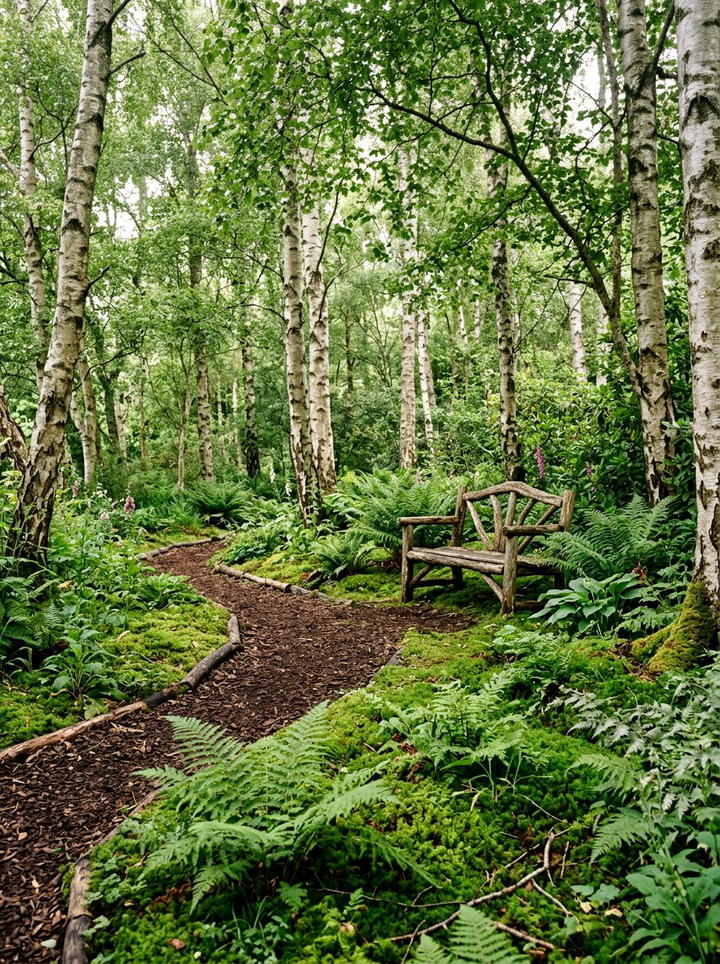
A woodland garden mimics the natural layers of a forest, using a canopy of tall trees, an understory of shrubs, and a carpet of shade-loving flowers. This design feels very private and enclosed, offering a cool sanctuary that is perfect for those who love a natural and slightly wild look. Using bark mulch for paths and logs for natural seating enhances the forest theme and helps keep the soil moist and cool for the plants. Ferns and mosses thrive in this environment, adding a lush green texture that feels very soft and inviting to anyone who visits. It is a beautiful way to work with existing mature trees on your property and create a peaceful retreat.
24. Rooftop Garden
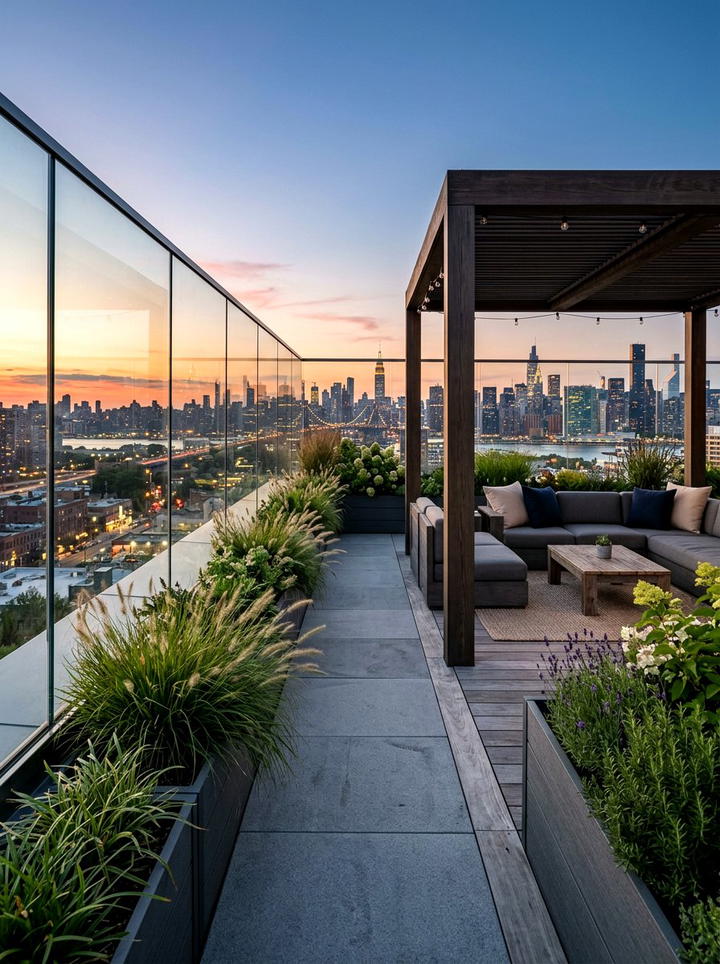
Creating a rooftop garden is a brilliant way to claim unused space and enjoy stunning views while surrounded by beautiful greenery and comfortable outdoor seating. Because rooftops can be windy and hot, it is important to choose hardy plants and use sturdy containers that are secured properly to the floor. Incorporating lightweight decking and a pergola for shade makes the area feel like a high-end lounge that is perfect for summer evening parties. You can also install glass railings to maintain the view while providing a windbreak for your more delicate flowers and shrubs. This elevated oasis provides a unique perspective and a quiet escape from the busy world down on the street level.
25. Butterfly Garden
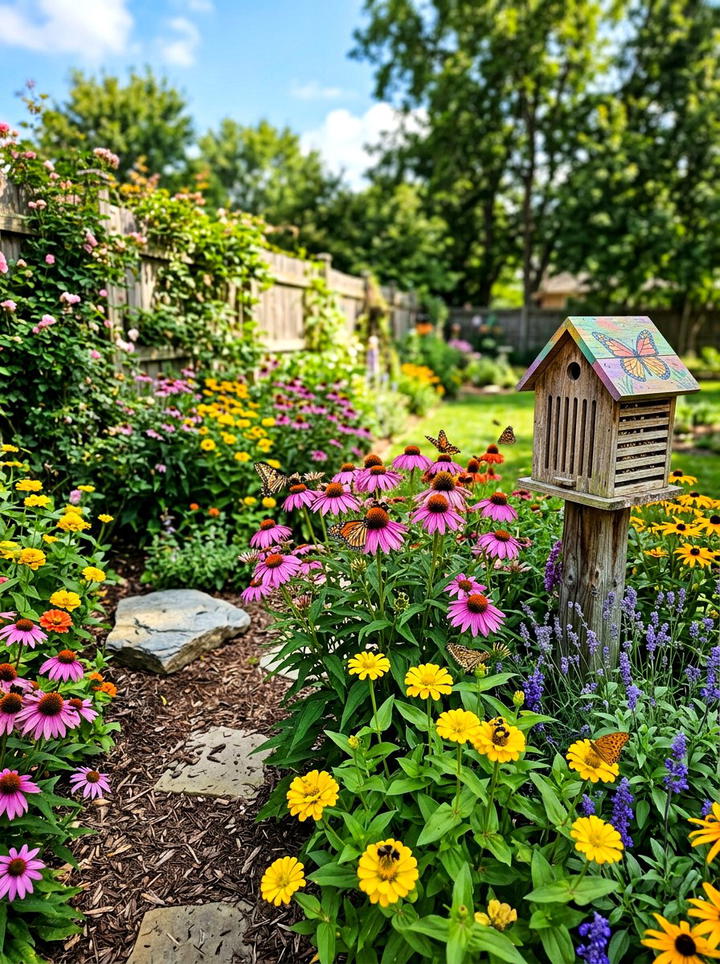
A butterfly garden is specifically designed to attract and support these beautiful insects by providing the right mix of nectar plants and host plants. Brightly colored flowers like zinnias, milkweed, and coneflowers are essential for providing the energy that adult butterflies need to fly and reproduce successfully. Placing flat stones in sunny spots gives butterflies a place to warm their wings, while a small puddling station provides them with necessary minerals. This type of landscape is constantly full of movement and life, making it a joyful place for children and adults to observe nature up close. It is a rewarding project that turns your backyard into a vital sanctuary for the local ecosystem.
Conclusion:
Designing a garden is a deeply personal journey that allows you to express your creativity while connecting with the natural world around you. Whether you choose the structured elegance of a formal layout or the wild beauty of a wildflower meadow, each choice helps define your home’s unique character. By considering your local climate, available space, and personal style, you can create an outdoor area that provides joy and relaxation for many years to come. Remember that a garden is a living thing that evolves over time, so do not be afraid to experiment and change things as you learn. Your dream outdoor sanctuary is just a few thoughtful decisions away from becoming a reality.

Related posts:
 25 Creative Garden Ideas to Transform Any Outdoor Space Fast
 25 Garden Design Ideas to Transform Your Outdoor Space
 25 unique garden ideas to Transform Any Outdoor Space Fast
 25 Garden Ideas With Wall Decor to Transform Your Space
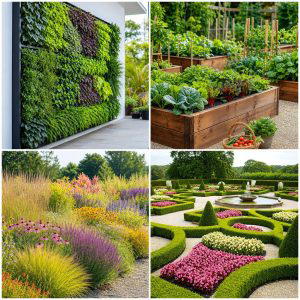 25 Garden Design Ideas for Projects to Transform Any Yard
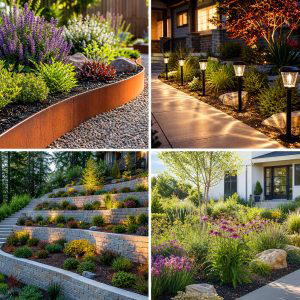 25 Garden Ideas for Curb Appeal to Transform Your Home
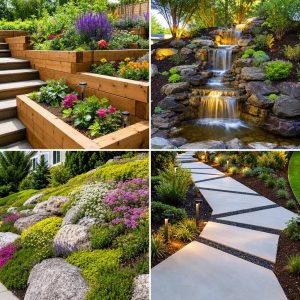 25 Garden Ideas for Uneven Ground to Transform Slopes
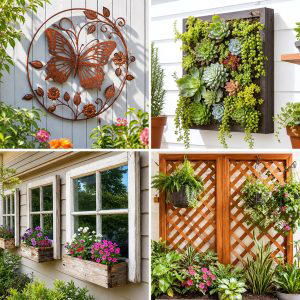 25 garden ideas with fence decor to Transform Plain Panels
 25 Garden Design Ideas With Outdoor Rooms for Living Space
 25 Garden Ideas DIY Projects to Beautify Your Outdoor Space
 25 Garden Ideas With Planters to Elevate Any Outdoor Space
 25 Small Garden Ideas for Apartments to Maximize Outdoor Space