
Creating a lush sanctuary in a small city space often feels like a daunting challenge for many urban dwellers today. However, you can easily transform a cramped balcony or a sunny windowsill into a thriving green oasis with just a little bit of creative planning. Apartment gardening is not only about aesthetics but also about improving your mental well-being and air quality within your living environment. Whether you have a tiny outdoor ledge or just a few feet of floor space near a window, there are countless ways to bring nature indoors. This guide explores various practical and stylish methods to help you grow your own food, flowers, and foliage effectively and beautifully.
1. Vertical Balcony Garden
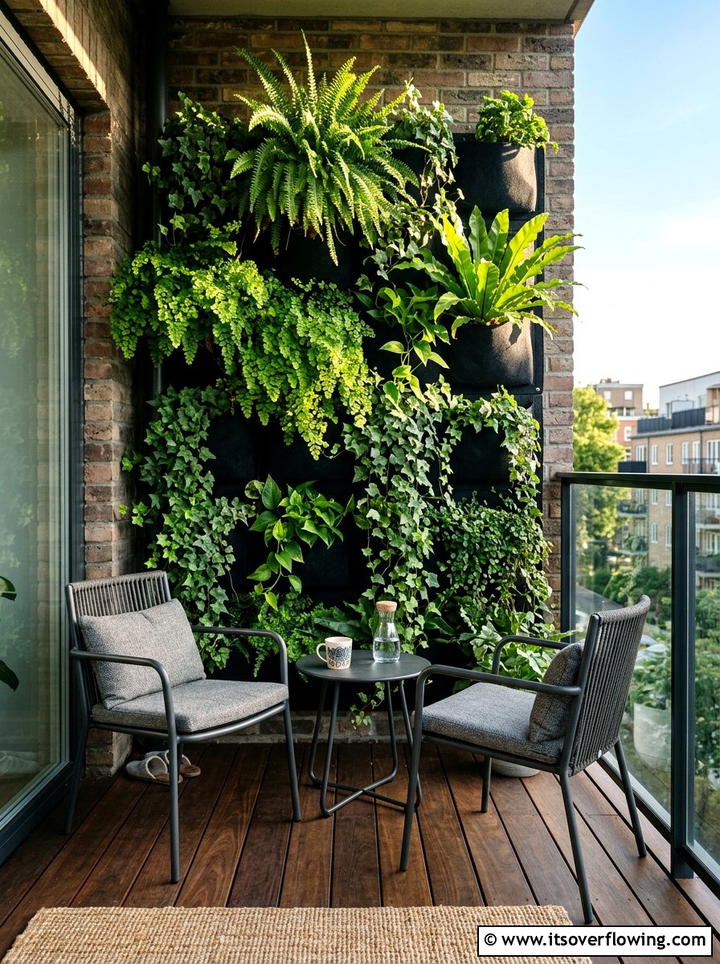
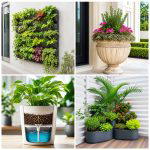
A vertical balcony garden is the ultimate solution for anyone dealing with limited square footage in an urban setting. By utilizing the vertical space on your walls, you can grow a wide variety of plants without cluttering the floor area. You might consider using wall-mounted pockets, stacked crates, or even a simple wooden trellis to support your growing greenery. This approach allows you to experiment with different heights and textures, creating a lush backdrop that feels like a private forest. It is important to choose plants that thrive in your specific light conditions, whether your balcony faces the hot afternoon sun or stays in the shade most of the day.
2. Rail Planter Box
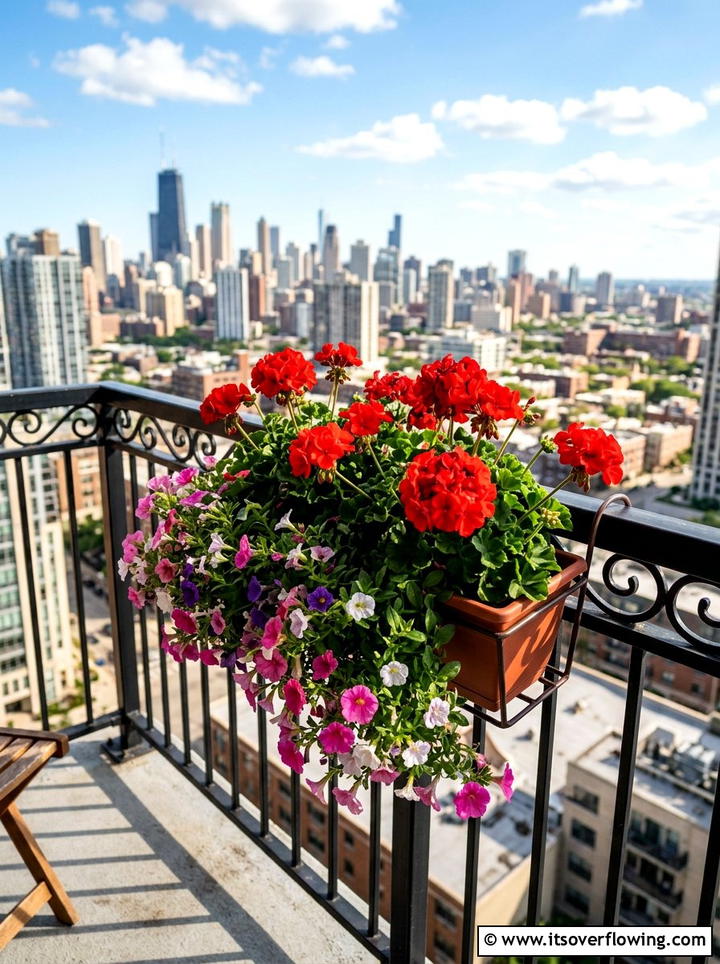
Installing a rail planter box is a fantastic way to maximize your outdoor railing while adding a pop of color to your apartment exterior. These containers sit securely on top of or hang from the balcony rail, making them perfect for trailing flowers or small herbs. You can find them in various materials like plastic, metal, or wood to match your existing outdoor decor. They are particularly great for people who want to enjoy gardening without sacrificing any actual floor space for furniture. When planting, ensure you use a lightweight potting mix to keep the weight manageable and check that your balcony rules allow for over-the-rail containers.
3. Indoor Herb Garden
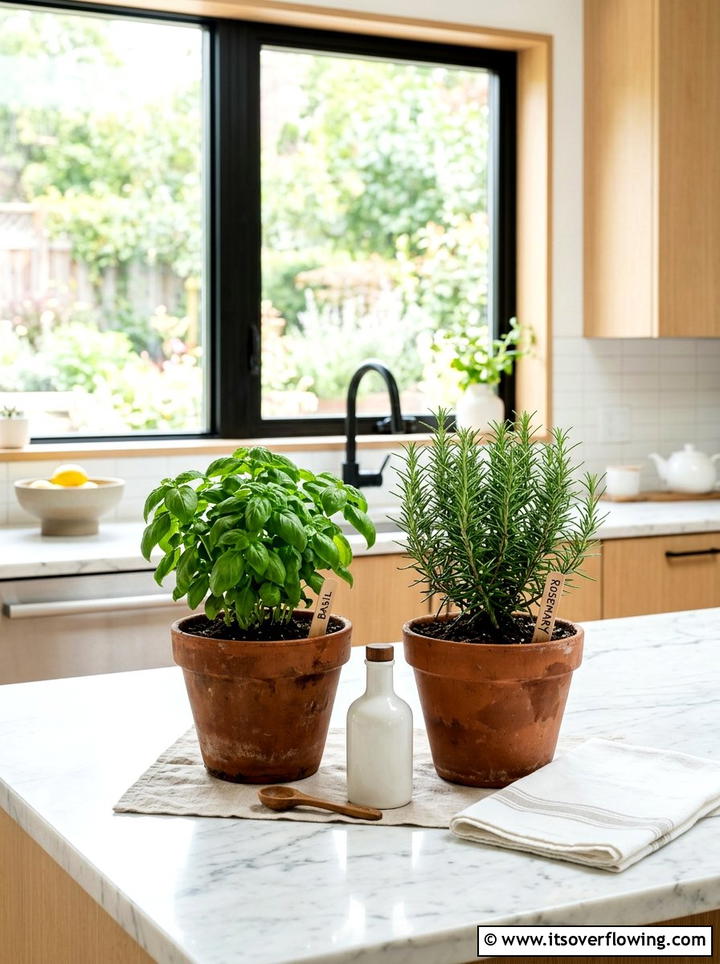
An indoor herb garden is a functional and fragrant addition to any kitchen windowsill or sunny countertop area. Growing your own basil, mint, parsley, and cilantro ensures you always have fresh ingredients on hand for your daily cooking needs. You can use individual small pots or a long rectangular planter that fits perfectly on a narrow ledge. Herbs generally require a lot of sunlight, so placing them in a south-facing window is usually the best strategy for success. Not only do these plants provide tasty flavors, but they also fill your home with a wonderful natural scent that beats any synthetic room spray or artificial fragrance.
4. Hanging Plant Basket
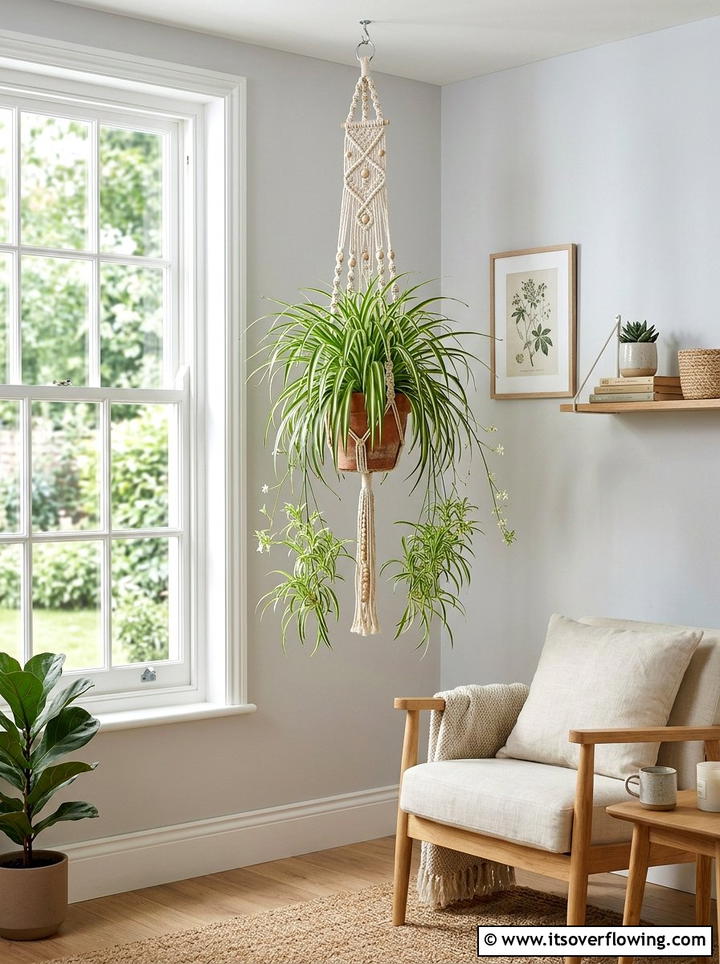
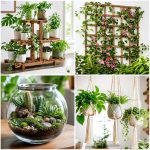
Using a hanging plant basket is a smart way to add greenery to your apartment without taking up any precious surface area. You can hang these from ceiling hooks or wall brackets near windows where they can catch plenty of natural light. Trailing species like spider plants, pothos, or string of pearls look stunning as they cascade down from the height of the basket. This method adds a sense of depth and dimension to your room by drawing the eye upward. Make sure you use sturdy hooks and consider the weight of the pot after watering to ensure everything remains safe and secure in your living space.
5. Succulent Wall Display
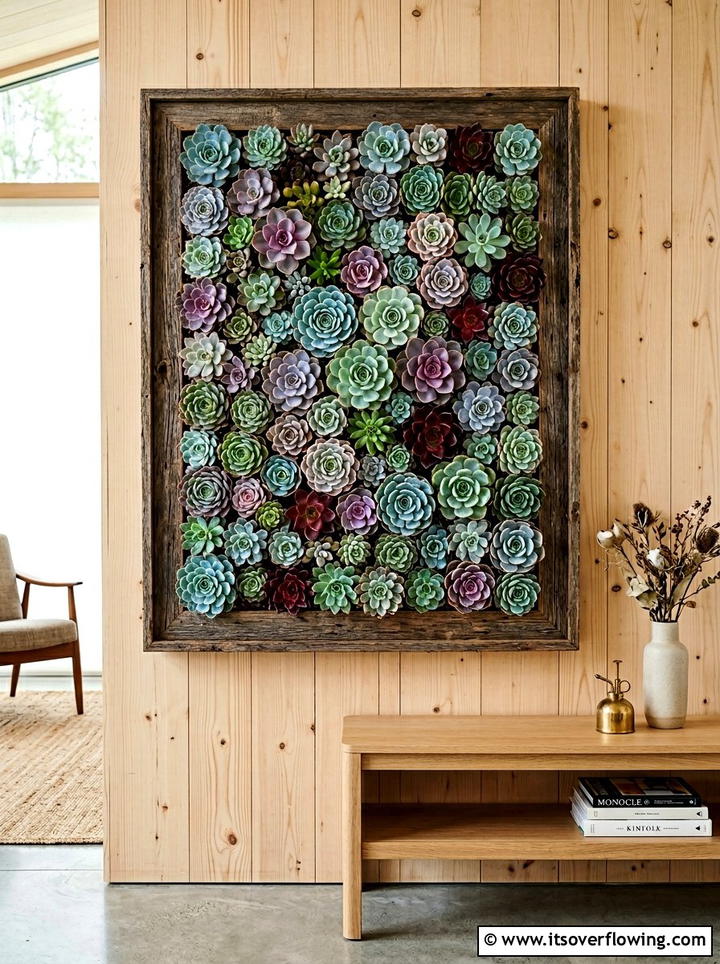
A succulent wall display acts like a living piece of art that requires very little maintenance from a busy apartment owner. These displays usually consist of a shallow frame filled with soil and a variety of colorful, drought-tolerant succulent species. Because succulents grow slowly and have shallow root systems, they stay looking neat and tidy for a very long time. You can hang the frame on a sunny wall where it receives bright, indirect light throughout the day. This setup is perfect for someone who loves the look of nature but perhaps forgets to water their plants on a regular, daily basis or weekly schedule.
6. Hydroponic System
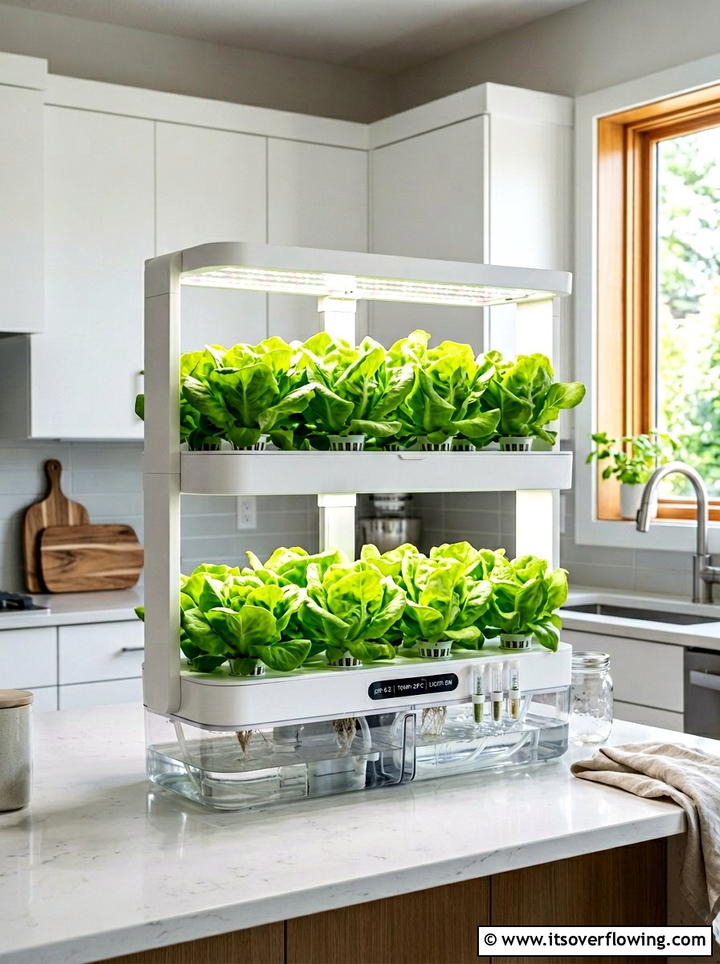
Setting up a small hydroponic system allows you to grow leafy greens and herbs indoors without using any messy soil at all. These systems use nutrient-rich water to feed the plants, often resulting in faster growth and higher yields than traditional potting methods. Many modern units are designed to be compact and stylish, fitting easily on a bookshelf or a kitchen side table. They frequently come with built-in LED grow lights, which means you can successfully garden even if your apartment does not get much natural sunlight. This high-tech approach is perfect for urbanites who want a clean, efficient way to produce their own fresh salad greens.
7. Tiered Plant Stand
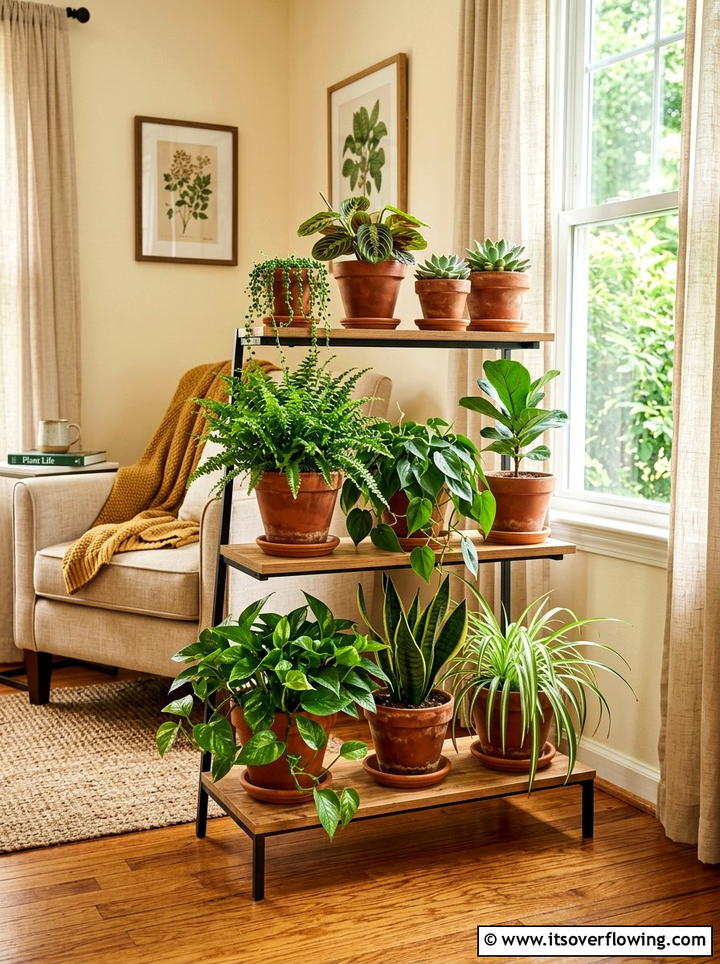
A tiered plant stand is a classic piece of furniture that helps you organize several different pots in one small corner. By stacking your plants at different heights, you ensure that every leaf gets a bit of light while creating a beautiful focal point. This setup works well for a mix of flowering plants and foliage, giving your room a very curated and intentional look. You can choose a stand made of wood for a warm feel or metal for a more industrial or modern vibe. It is an excellent way to turn an unused corner into a vibrant, living sculpture that brings life to your home.
8. Window Box Planter
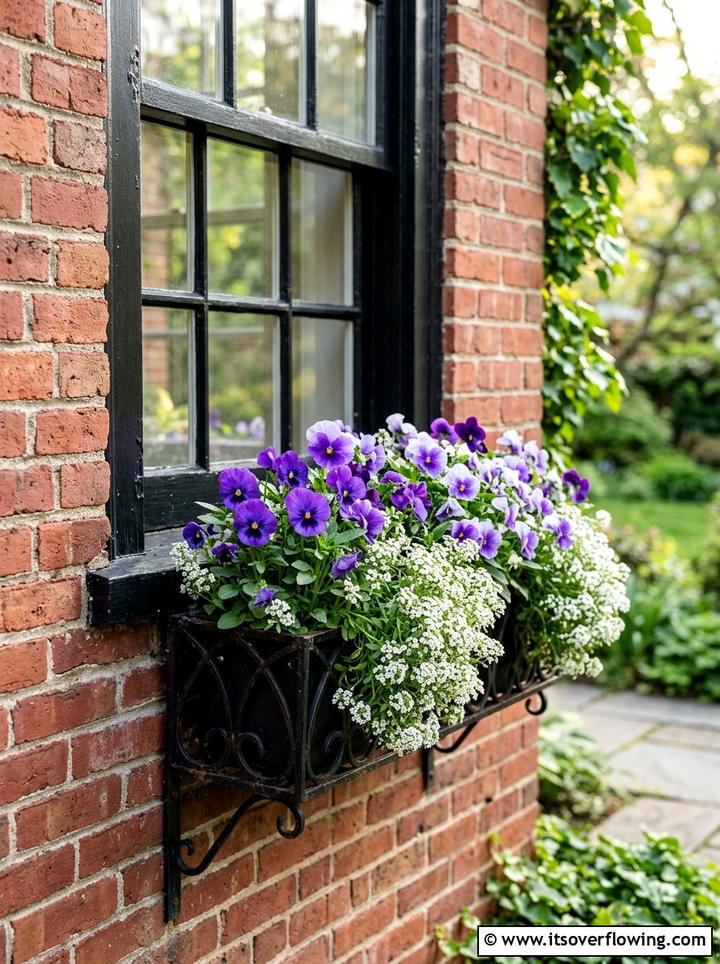
A window box planter brings the charm of a country cottage to even the most modern city apartment building or high-rise. These long containers attach to the outside or sit on the inside of your windowsill, providing a perfect home for seasonal flowers. You can change the plants throughout the year to reflect the seasons, using pansies in spring and hardy mums in the autumn months. If you live in a high-up floor, make sure the box is very securely fastened to prevent any accidents during windy weather. They are wonderful for adding curb appeal and giving you a lovely view every time you look outside.
9. Climbing Vine Trellis
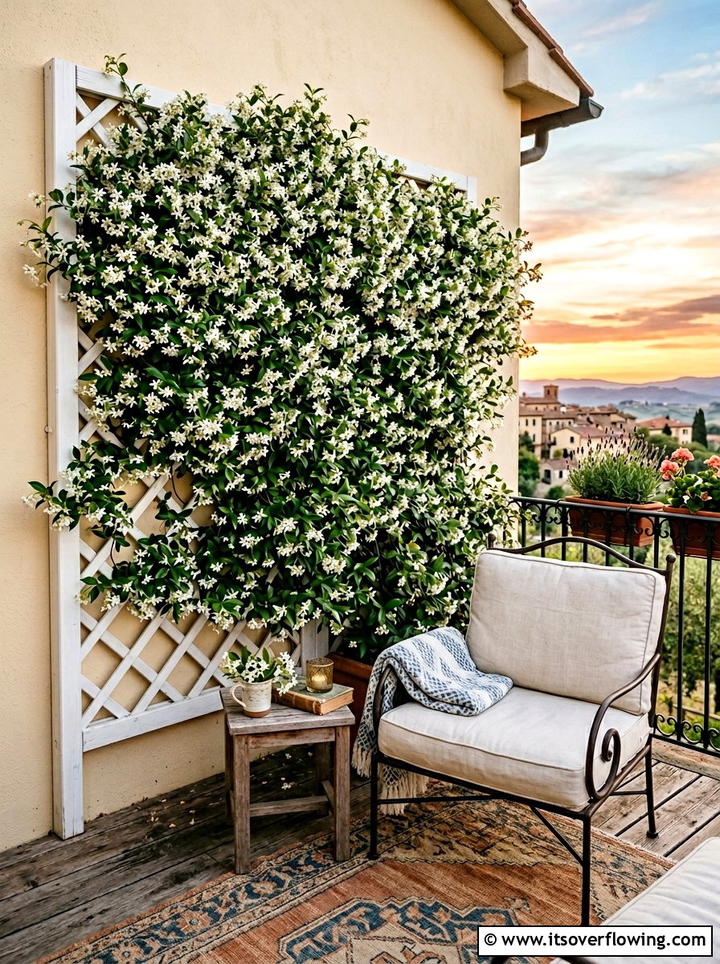
A climbing vine trellis can turn a plain balcony wall into a stunning vertical meadow filled with beautiful blooms or leaves. You can lean a simple wooden or metal trellis against a wall and plant fast-growing climbers like jasmine, clematis, or morning glories. As the vines grow, they provide a natural screen that can offer a bit of privacy from neighbors in nearby buildings. This method is also great for growing climbing vegetables like peas or beans in a very small footprint. Watching the tendrils slowly wrap around the structure is a peaceful and rewarding experience for any person who enjoys the gardening hobby.
10. Pallet Garden Wall
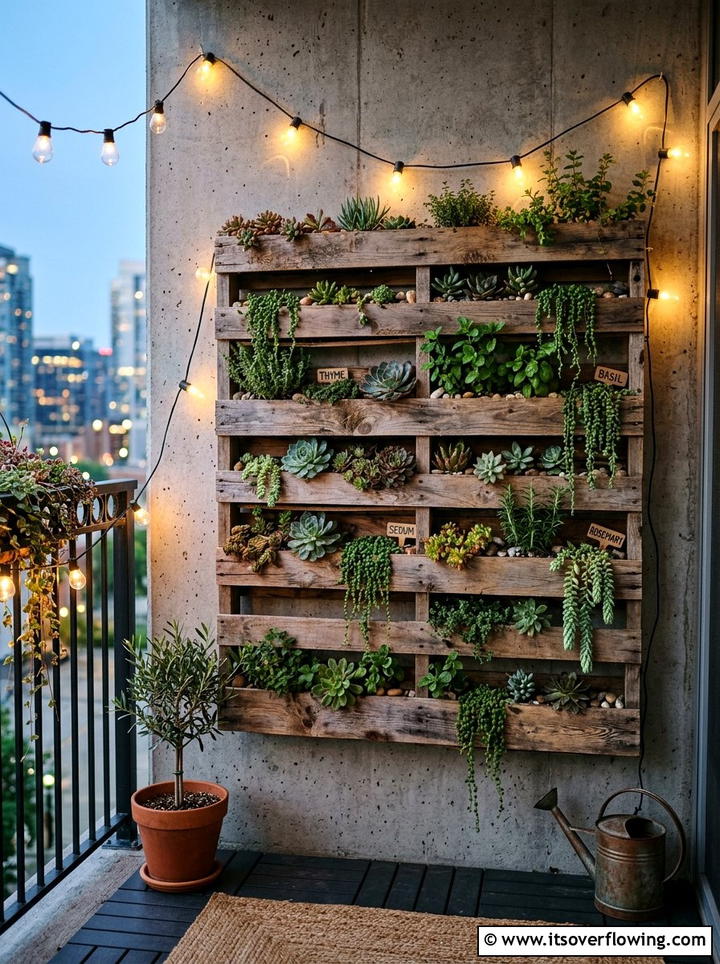
Creating a pallet garden wall is an eco-friendly and budget-friendly project that adds a rustic touch to your small apartment balcony. You can repurpose an old wooden pallet by adding landscape fabric to create pockets for soil and small plants. This vertical structure is perfect for growing low-profile plants like succulents, strawberries, or various types of moss and ferns. It covers up ugly concrete walls and provides a large growing area without taking up much floor space at all. Just be sure to treat the wood if it will be exposed to rain to ensure it lasts for many growing seasons without rotting or breaking.
11. Small Greenhouse Cabinet
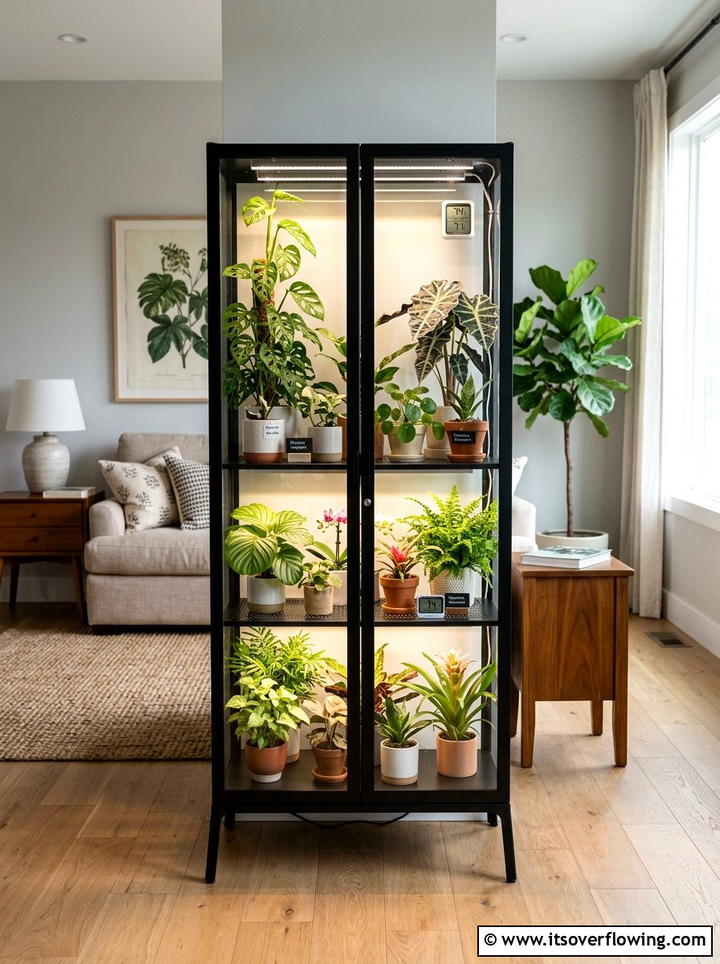
A small greenhouse cabinet is a trendy and effective way to protect your more delicate tropical plants from dry indoor air. Many apartment gardeners are repurposing glass display cabinets by adding grow lights and fans to create a controlled environment. This setup allows you to keep humidity levels high, which is essential for rare plants like monsteras or colorful calatheas. The glass doors allow you to enjoy the beauty of your collection while keeping them safe from curious pets or fluctuating temperatures. It serves as both a functional tool for plant health and a stunning piece of modern furniture for your main living room area.
12. Self Watering Planter
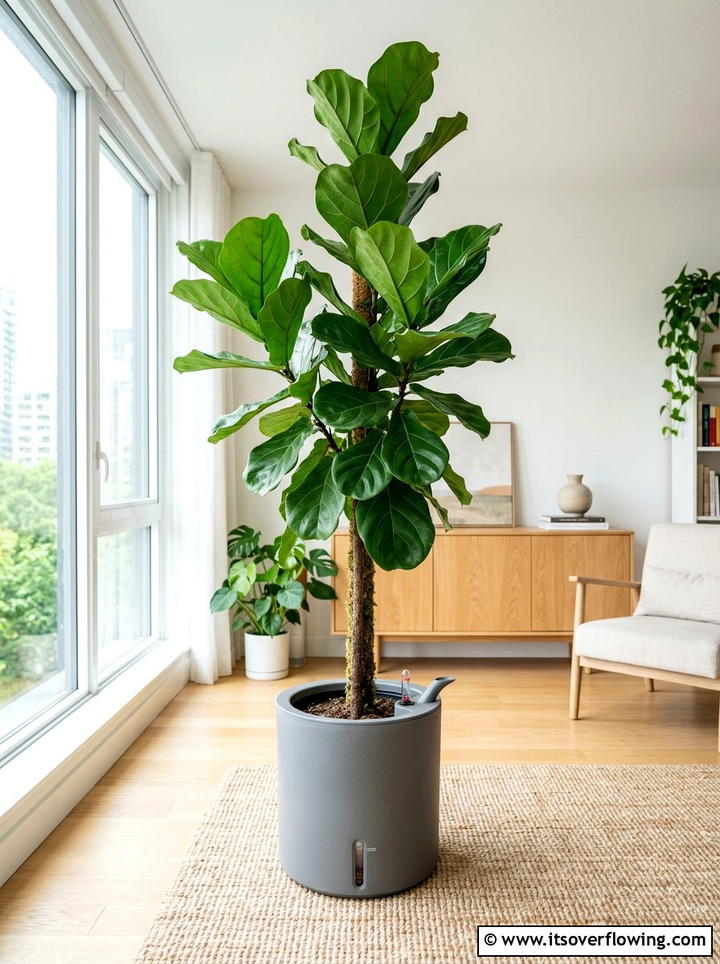
Using a self watering planter is a game-changer for busy apartment dwellers who might travel often or forget their watering routine. These pots feature a reservoir at the bottom that holds extra water, which the plant then drinks as needed through its roots. This system helps prevent both overwatering and underwatering, leading to much healthier and happier plants in the long run. They come in many sizes and styles, from sleek modern cylinders to traditional terracotta looks that fit any decor. This technology is especially helpful for thirsty plants like tomatoes or ferns that prefer to keep their soil consistently moist but not soaking wet.
13. Minimalist Zen Garden
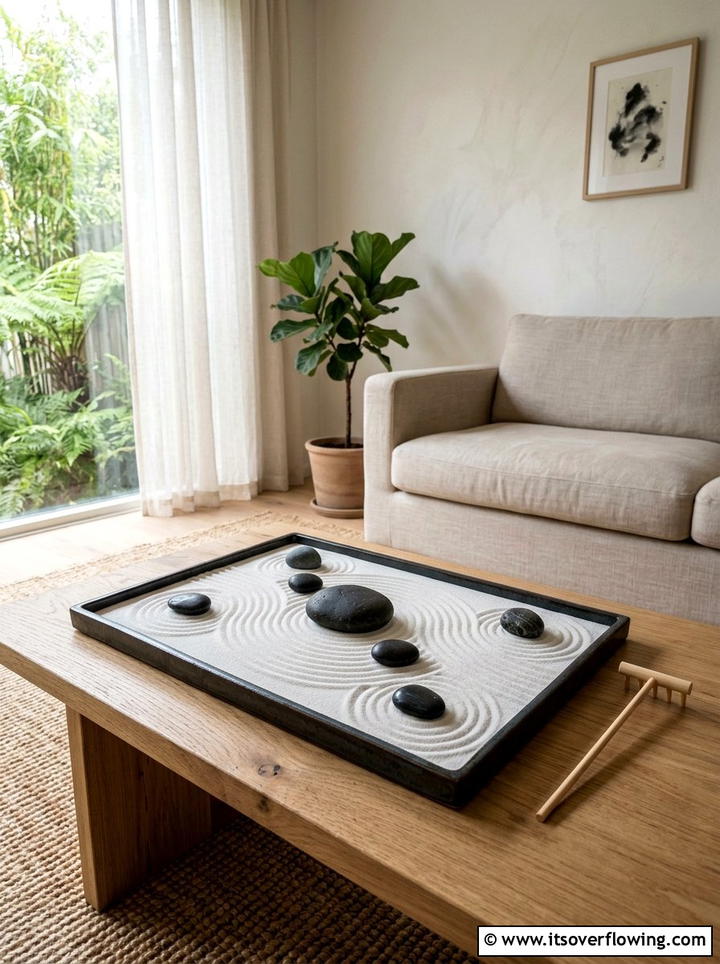
A minimalist zen garden focuses on simplicity and peace, making it a perfect addition to a quiet corner of your apartment. You can create one using a shallow tray filled with fine sand, a few smooth stones, and perhaps a single resilient air plant. Raking patterns into the sand can be a very meditative and relaxing task after a long and stressful day at work. This type of garden does not require much light or water, making it incredibly easy to care for over time. It provides a sense of calm and order that helps balance the busy energy often found in urban living environments.
14. Tropical Plant Corner
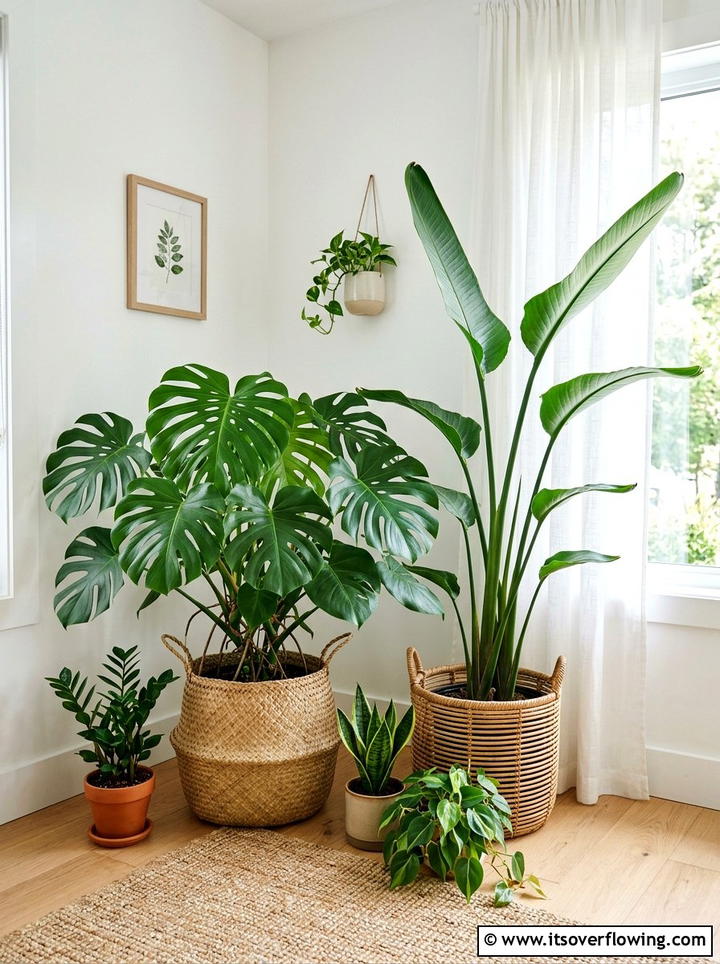
Creating a tropical plant corner can make your apartment feel like a permanent vacation spot even in the middle of a city. You can group together large-leafed plants like bird of paradise, fiddle leaf figs, and palms to create a dense jungle look. Placing them together actually helps increase the local humidity, which these types of plants absolutely love for their growth. Use pots with different textures and natural colors like clay, stone, or woven baskets to enhance the tropical aesthetic of the space. This lush arrangement provides a dramatic visual impact that instantly warms up any room and makes it feel much more inviting.
15. Vegetable Container Garden
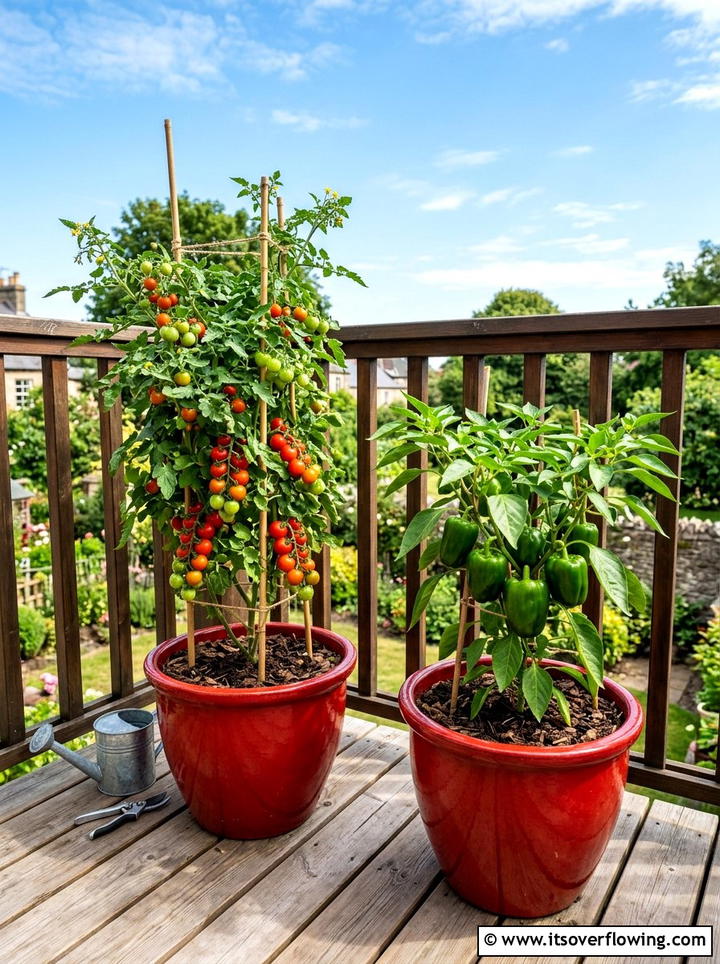
You do not need a large backyard to enjoy a vegetable container garden and harvest your own fresh produce for dinner. Many vegetables like cherry tomatoes, peppers, and radishes grow perfectly well in medium-sized pots on a sunny balcony or porch. It is important to choose “patio” or “dwarf” varieties that are specifically bred to stay compact while still producing plenty of fruit. Make sure your pots have good drainage holes and use high-quality potting soil to give your veggies the best start possible. There is nothing more satisfying than picking a sun-ripened tomato that you grew yourself right outside your own back door.
16. Fairy Garden Container
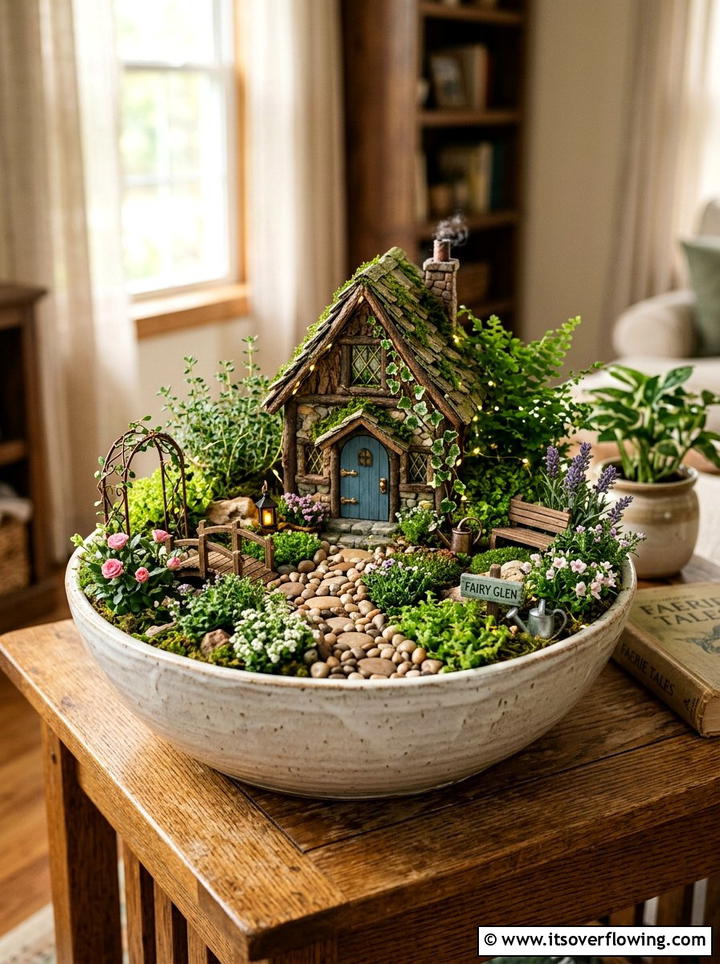
A fairy garden container is a whimsical and creative project that is perfect for children or anyone who loves miniature details. You can use a large, shallow pot to create a tiny landscape complete with small mosses, pebble paths, and miniature houses. This type of gardening allows you to use your imagination to tell a story through the placement of tiny accessories and plants. Because the scale is so small, it fits easily on a side table or a wide windowsill inside your home. It is a fun way to engage with nature on a very small scale while creating a unique conversation piece for visitors.
17. Bamboo Privacy Screen
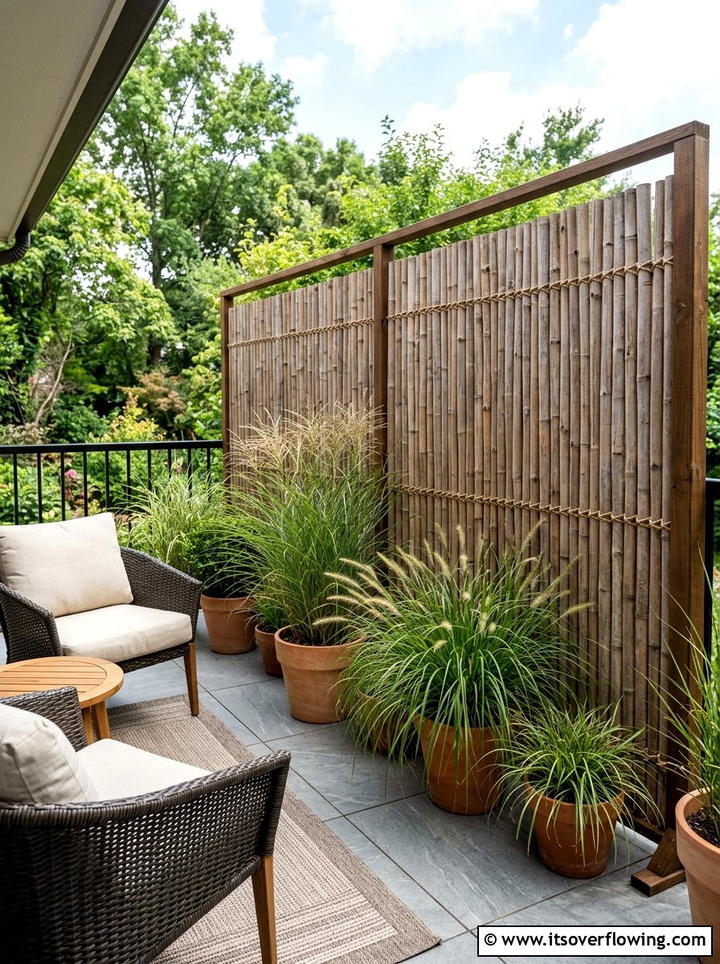
Using a bamboo privacy screen combined with tall potted plants is an excellent way to create a secluded retreat on your balcony. Bamboo is a fast-growing and sustainable material that provides an instant natural barrier from the view of your neighbors. You can place long rectangular planters at the base and grow tall grasses or slender shrubs to add even more height and density. This setup not only provides privacy but also acts as a windbreak and reduces city noise, making your outdoor space much more comfortable. It creates a cozy “outdoor room” feel where you can relax with a good book or a morning coffee.
18. Mounted Wall Planter
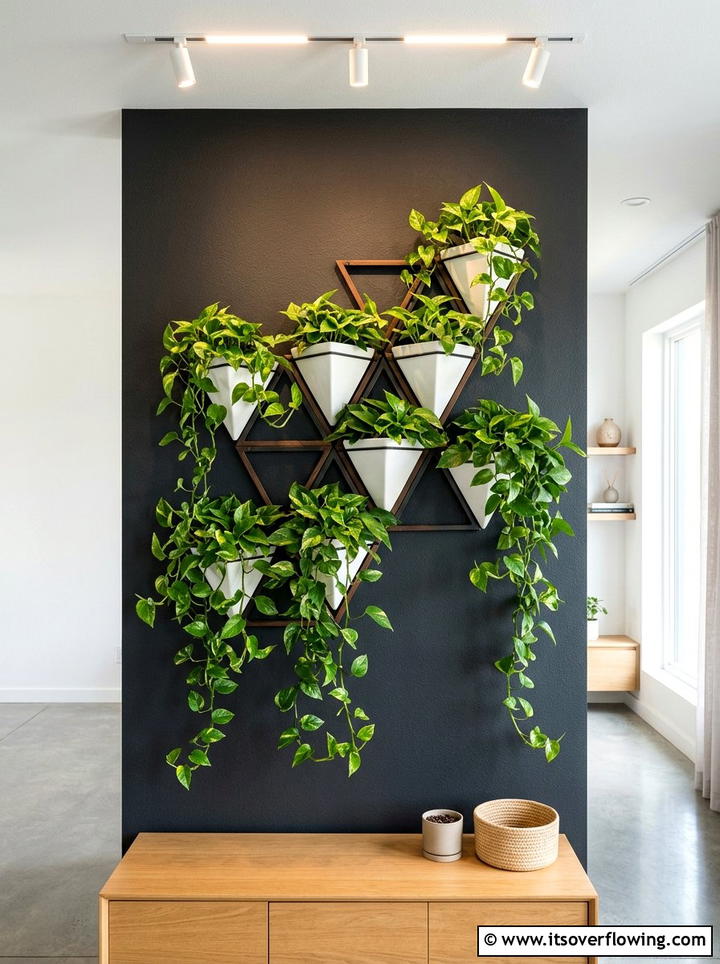
A mounted wall planter allows you to treat your favorite plants like a gallery of living sculptures on your interior walls. These individual pots attach directly to the wall and can be arranged in any pattern you like to fit your style. They are ideal for trailing plants that can drape down the wall, or for small succulents that stay compact and upright. This method keeps your floor and tabletops completely clear, which is a major advantage in a tiny studio apartment. You can mix and match different pot colors to create a vibrant display that changes as the plants grow and develop over time.
19. Floor Plant Cluster
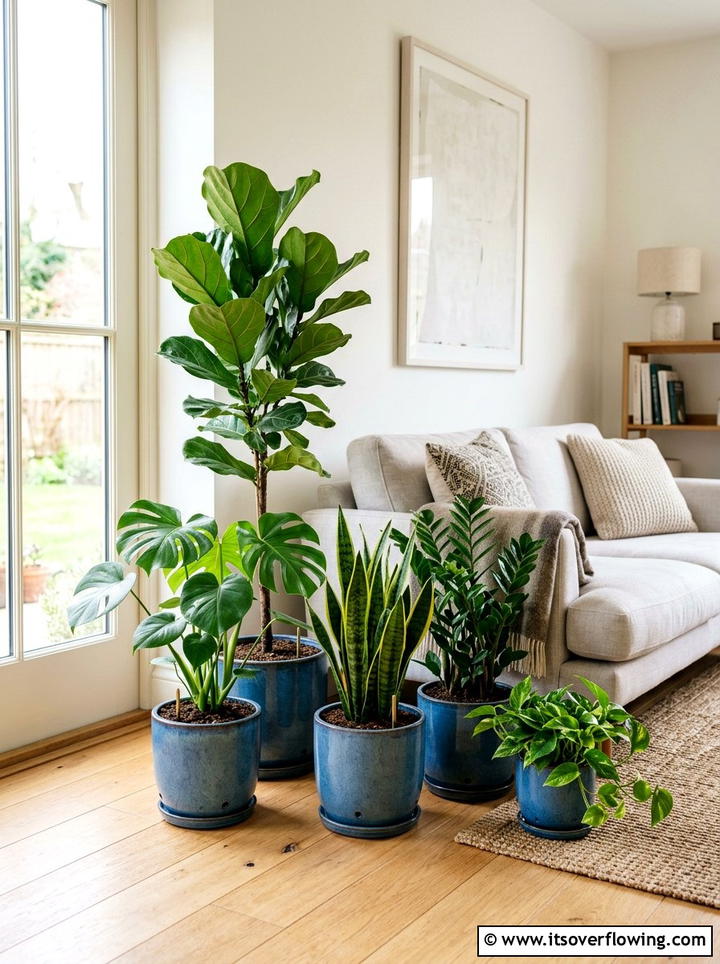
Grouping several pots together into a floor plant cluster creates a powerful visual statement and makes a room feel more lived-in. You should vary the heights of the plants by using one tall specimen, like a rubber tree, and surrounding it with smaller pots. This layering technique mimics how plants grow in nature and provides a much more natural look than a single isolated pot. It is a great way to fill an empty corner that might otherwise look bare and unappealing in your home. By using matching or complementary pots, you can tie the whole look together into a cohesive and stylish indoor garden.
20. Ladder Plant Shelf
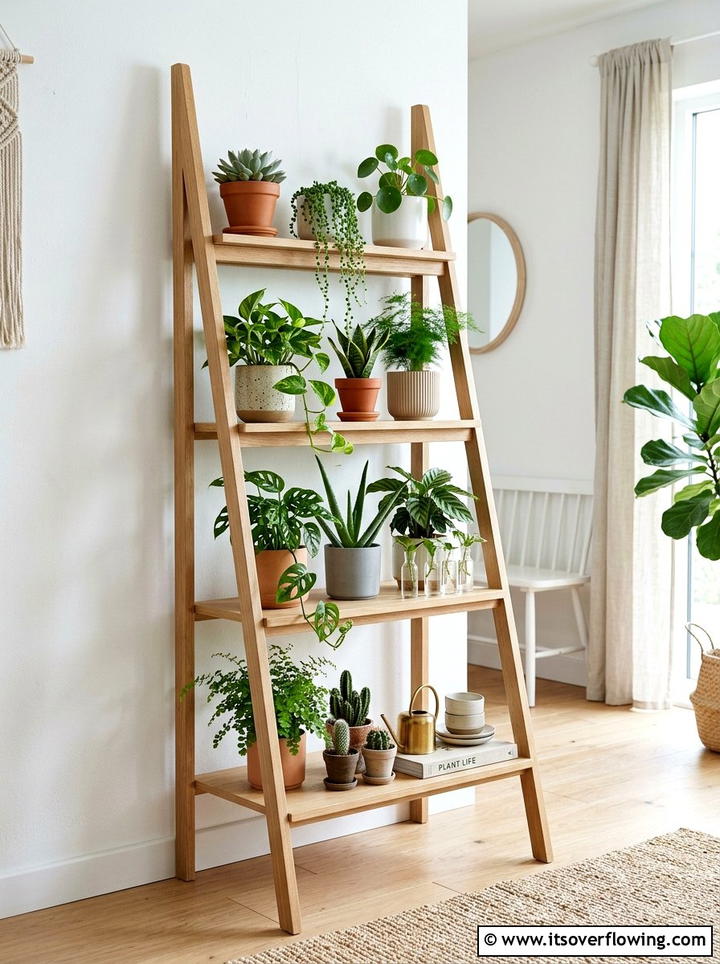
A ladder plant shelf is a stylish and portable way to display a large collection of plants in a very small footprint. These shelves lean against the wall and provide several levels of space for pots of various sizes and shapes. Because they are vertical, they allow you to fit many more plants than you could on a single flat table or shelf. You can easily move the ladder around your apartment to follow the sun during different seasons of the year. This piece of furniture adds a trendy, bohemian touch to your decor while being incredibly practical for any person who loves collecting new greenery.
21. Floating Window Shelf
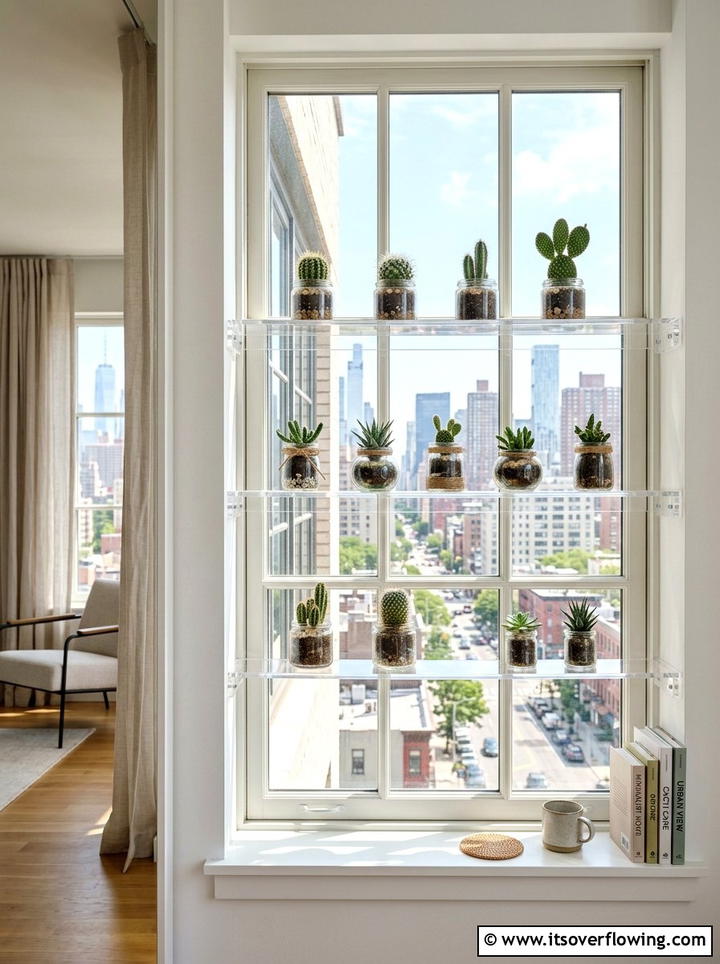
A floating window shelf is a clever DIY project that creates extra space for sun-loving plants right where they need it most. You can install clear acrylic or wooden shelves directly across your window frame to hold small pots and glass jars. This setup allows light to pass through to the rest of the room while giving your plants prime access to the sun. It is particularly effective for starting seeds or growing a collection of small cacti that need a lot of direct light. This approach uses the “dead space” in front of a window effectively, turning it into a beautiful and productive glass-enclosed garden.
22. Terrarium Glass Bowl
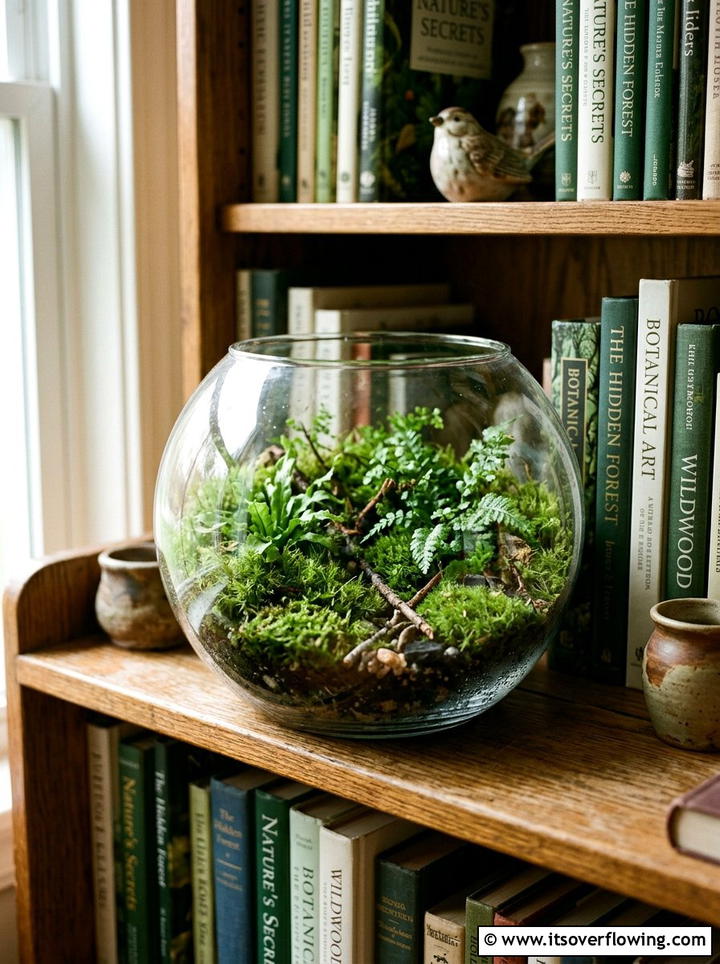
A terrarium glass bowl is a self-contained ecosystem that is both beautiful to look at and very easy to manage. You can create a miniature world inside a glass jar or bowl using layers of charcoal, rocks, soil, and small moisture-loving plants. Ferns and mosses are popular choices because they thrive in the humid environment created by the enclosed glass container. Once established, these gardens require very little watering because the moisture cycles through the system naturally and stays inside the glass. They make excellent decorations for coffee tables, desks, or even bathroom counters where humidity is already a bit higher than usual.
23. Herb Spiral Planter
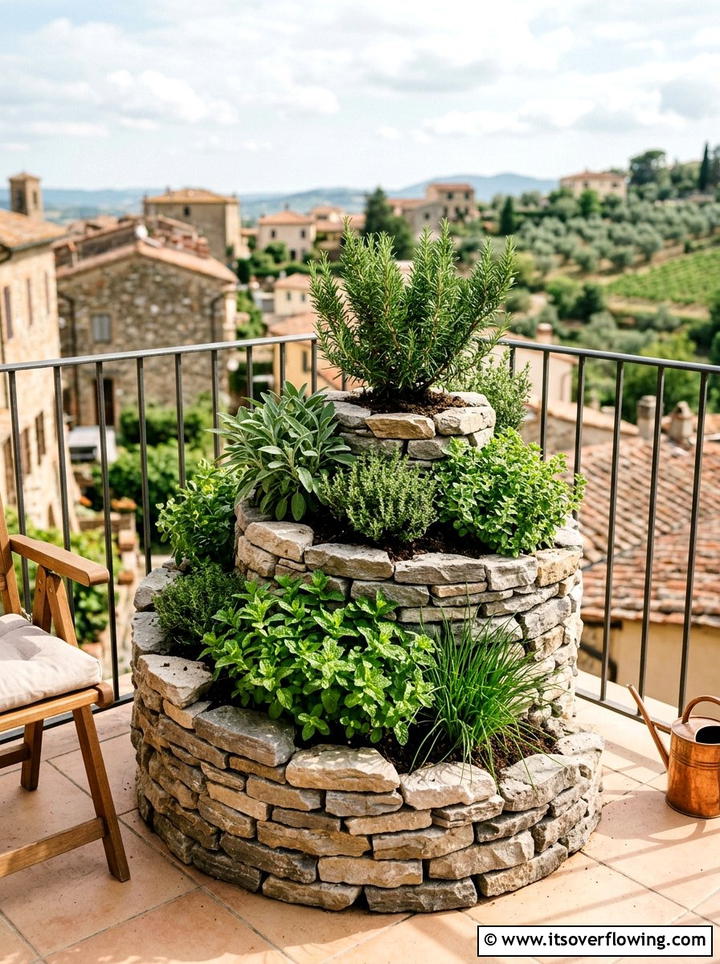
While usually seen in larger gardens, a miniature herb spiral planter can be adapted for a large pot on an apartment balcony. This design uses a spiral shape to create different microclimates, with the top being drier and the bottom being more moist. You can plant Mediterranean herbs like rosemary and thyme at the top, while keeping moisture-loving mint or chives near the base. This method allows you to grow a wide variety of herbs with different needs all in one single, attractive container. It is a very efficient use of space that also provides a unique and interesting visual element to your small outdoor gardening area.
24. Citrus Tree Pot
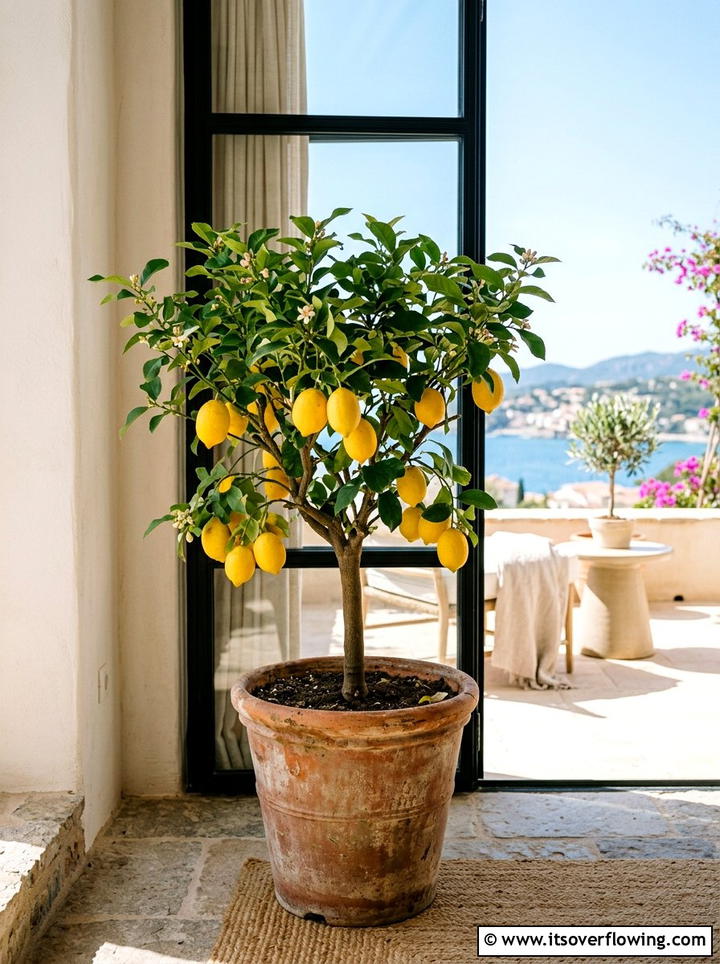
Growing a citrus tree pot is entirely possible in an apartment if you choose a “dwarf” variety like a Meyer lemon or Calamondin orange. These trees are bred to stay small and can produce fragrant white blossoms and real fruit even when grown in a container. They need a very bright spot, ideally near a large window that gets at least six hours of sun every day. The scent of citrus flowers is incredibly refreshing and can make your entire apartment smell like a Mediterranean grove in the springtime. It adds a touch of luxury and a sense of accomplishment to your urban gardening efforts and home lifestyle.
25. Moss Wall Art
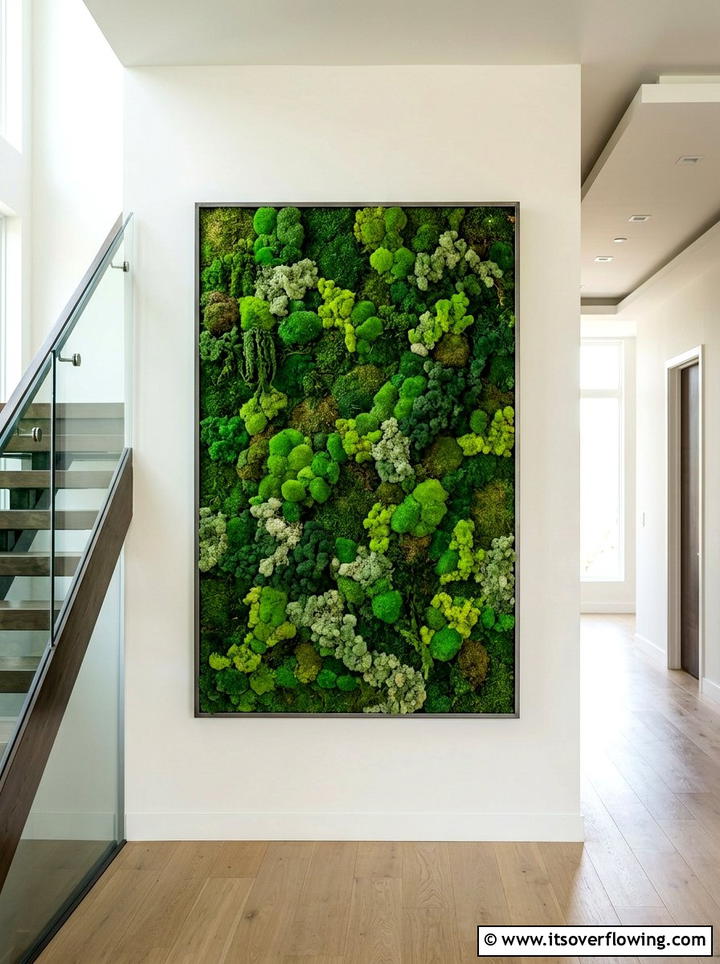
Moss wall art is a great way to bring the feeling of a lush green forest into your home without any maintenance at all. These pieces use “preserved” moss that stays soft and green for years without needing any water, soil, or sunlight. You can create your own designs by gluing different shades and textures of moss into a wooden frame or onto a board. This is a perfect solution for dark hallways or windowless bathrooms where real plants simply cannot survive or grow well. It provides all the visual benefits of greenery and a natural look while being completely hands-off for the busy modern city dweller.
Conclusion:
Embarking on your apartment gardening journey is a rewarding way to reconnect with nature while living in a bustling urban environment. By utilizing these creative ideas, you can overcome space limitations and transform every corner of your home into a vibrant sanctuary. Whether you choose a high-tech hydroponic system or a simple herb garden, the presence of plants will surely enhance your living experience. Gardening teaches patience and provides a sense of peace that is often hard to find in a fast-paced city. Take the time to experiment with different plants and setups to find what truly works best for your unique lifestyle and home.

Related posts:
 25 Small Garden Ideas for Apartments to Maximize Outdoor Space
 25 Garden Ideas for Bees to Grow a Pollinator Paradise
 25 Garden Ideas for Clay Soil That Grow Strong and Beautiful
 25 Amazing Garden Ideas To Transform Your Outdoor Space
 25 Creative Garden Ideas to Transform Any Outdoor Space Fast
 25 Garden Design Ideas to Transform Your Outdoor Space
 25 garden design ideas for side yard strips: Narrow Space Wins
 25 Garden Design Ideas With Outdoor Rooms for Living Space
 25 Garden Ideas DIY Projects to Beautify Your Outdoor Space
 25 Garden Ideas With Planters to Elevate Any Outdoor Space
 25 Garden Ideas With Wall Decor to Transform Your Space
 25 unique garden ideas to Transform Any Outdoor Space Fast