
Creating a lush sanctuary in the shaded parts of your yard can transform an overlooked corner into a cool, tranquil retreat during the hottest months of the year. Many homeowners struggle with low-light areas, thinking they are limited to just a few plants, but shade gardens actually offer a unique opportunity to play with diverse textures, vibrant foliage, and subtle color palettes. By understanding the specific light conditions under trees or next to walls, you can curate a beautiful landscape that thrives without direct sunlight. This guide explores creative ways to utilize shadows to your advantage, ensuring your outdoor space remains a breathtaking, functional, and inviting part of your home throughout the seasons.
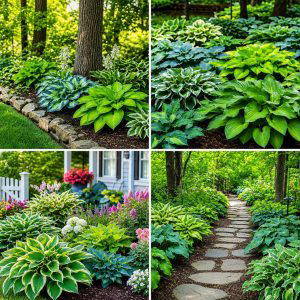
1. Hostas In Shade Garden
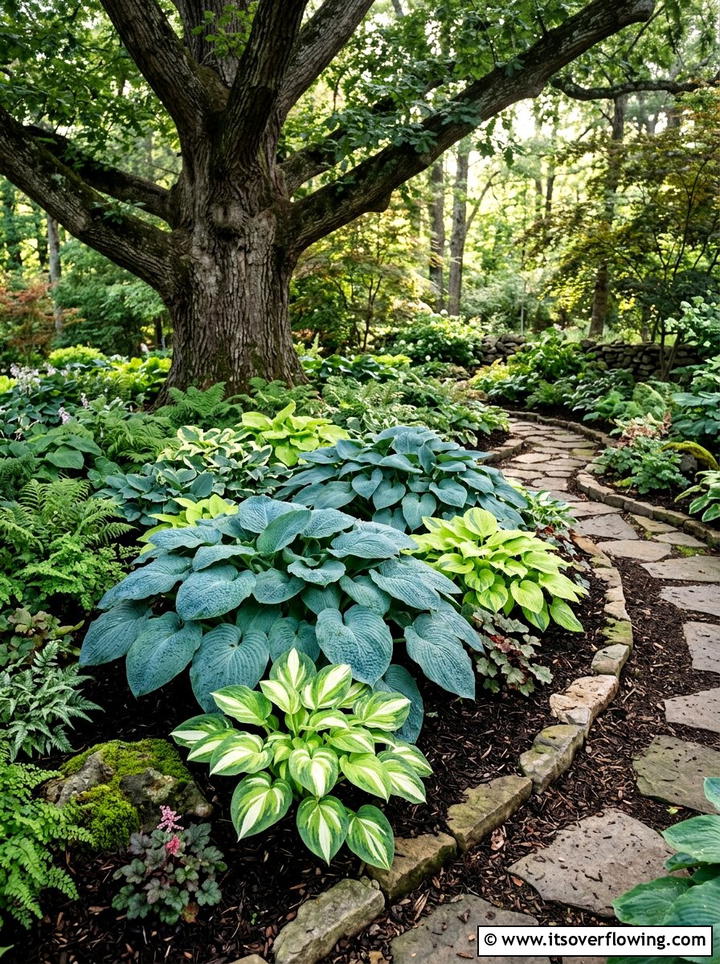
Imagine a lush corner of your yard filled with varying heights and textures of hostas that create a soft, green carpet under a mature tree. These plants are the backbone of many shady landscapes because they come in incredible shades of chartreuse, blue-gray, and variegated cream. To build a complete design, you should cluster different varieties together, placing the larger giant hostas in the back and the miniature versions along the front edge. Adding a mulch layer helps keep the roots cool and provides a clean, finished look to the entire bed. This approach turns a simple planting into a structured, intentional garden space that feels full and incredibly vibrant.
2. Fern Garden Landscape
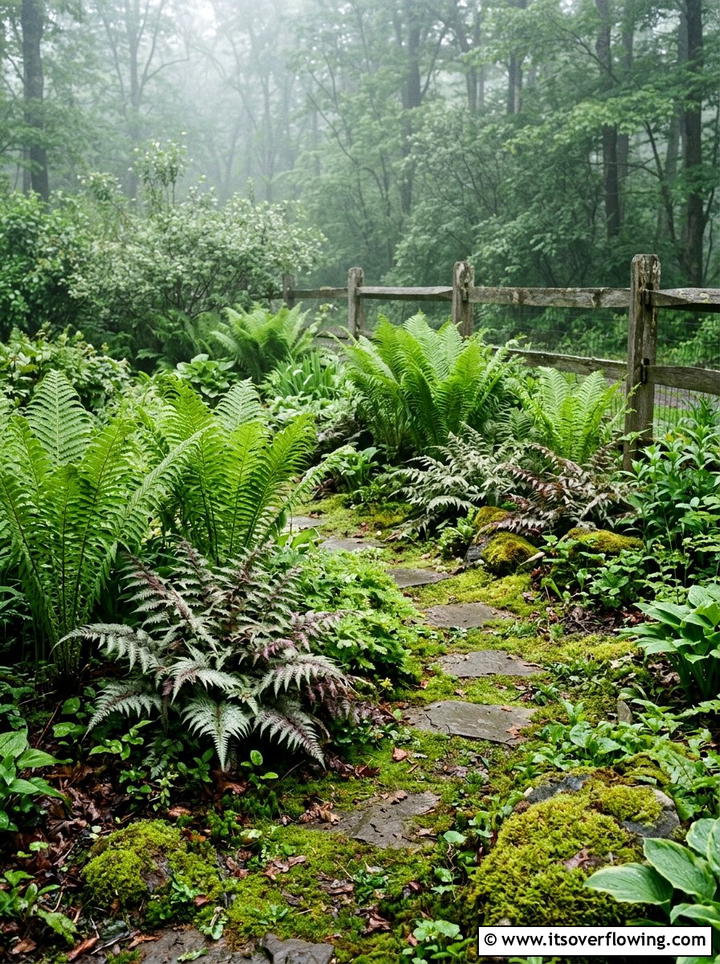
Have you ever walked through a misty forest and felt the instant calm of soft, feathery ferns surrounding you? You can recreate this ethereal atmosphere in your own backyard by planting a variety of ferns like Ostrich, Japanese Painted, and Maidenhair styles. The key to this full design is layering them so they create a sense of depth and movement. Ferns love the damp, cool conditions found in deep shade, and their delicate fronds contrast beautifully against solid structures like stone walls or wooden fences. By filling an entire section of your yard with these prehistoric plants, you create a cohesive and ancient-feeling woodland sanctuary that requires very little maintenance.
3. Shady Stone Walkway
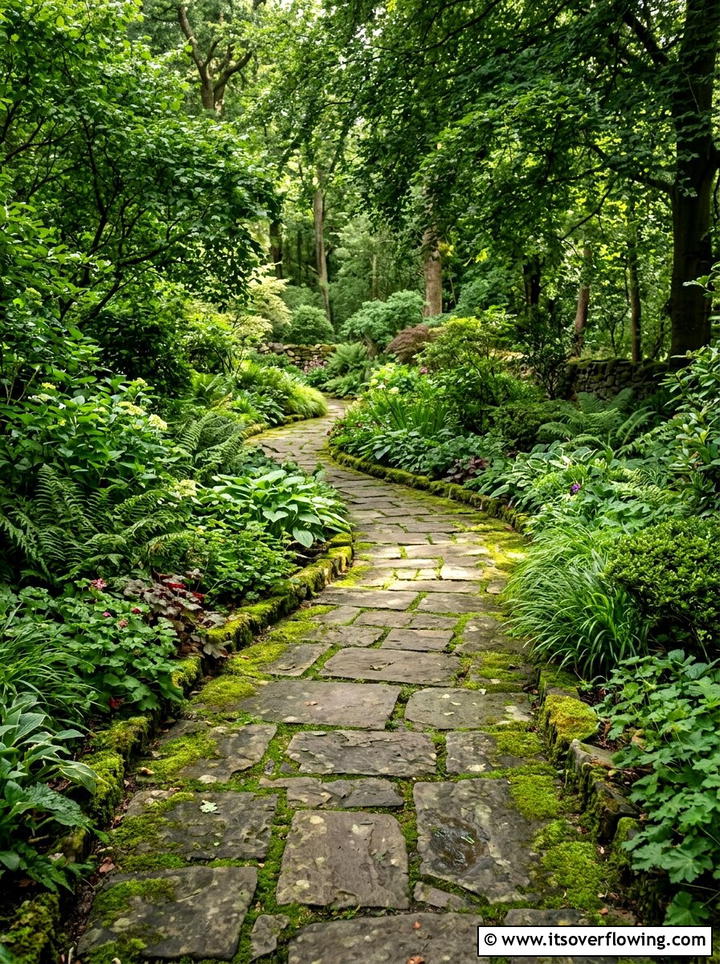
What if your path through the shade was as beautiful as the plants surrounding it? A stone walkway winding through a dimly lit garden provides a structural anchor that guides the eye and the feet. Use large, flat flagstones or irregular slate pieces to create a naturalistic trail that feels like it has always been there. To complete the look, tuck low-growing moss or ground covers between the stones to soften the hard edges. This full design scheme integrates the hardscape with the surrounding greenery, making the walk feel like an immersive experience. The cool stone underfoot and the surrounding shadows make this an ideal spot for a quiet, reflective afternoon stroll.
4. Woodland Garden Path
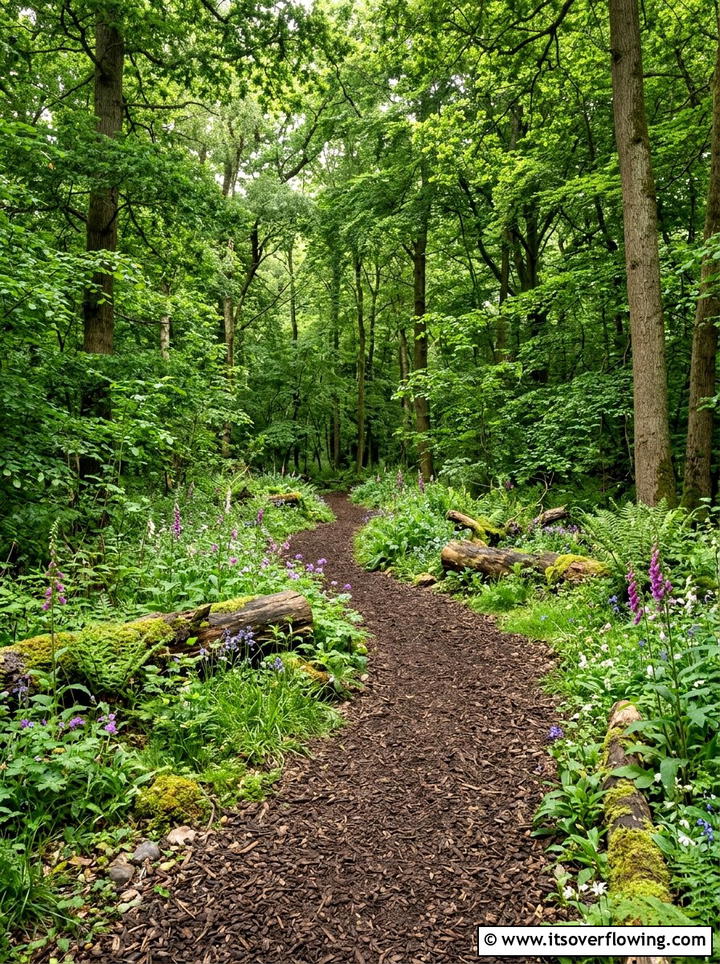
A woodland path can turn a dark, wooded area into a magical destination within your property. Use organic materials like wood chips or shredded bark to define the trail, allowing it to blend seamlessly into the environment. Surround the edges with native wildflowers and shrubs that thrive under a canopy of trees to create a sense of natural discovery. This full design focuses on mimicking the effortless beauty of a forest floor while providing a clear route to explore the deeper parts of your landscape. Incorporating a few strategically placed logs or natural boulders along the way adds to the authentic, rustic feel of the entire shaded garden area.
5. Hydrangeas In Shade
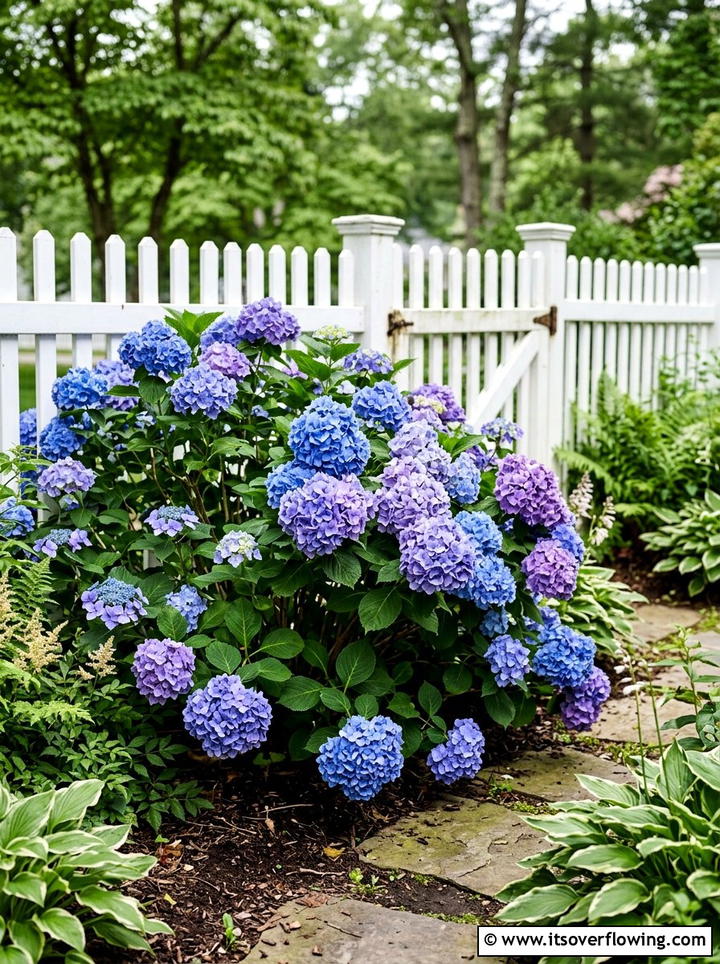
Can you picture large, colorful blooms brightening up the darkest corners of your north-facing garden? Hydrangeas, especially the Bigleaf and Oakleaf varieties, are perfect for adding volume and color to shady spots where other flowers might struggle. To make this a full design, group several shrubs together to form a flowering hedge or a soft floral backdrop. Pair them with glossy-leaved evergreens to provide structure during the winter months when the hydrangeas are dormant. This combination creates a sophisticated, classic garden look that feels lush and full of life. The large clusters of flowers act as natural light reflectors, making the whole shaded area appear much brighter and more cheerful.
6. Japanese Forest Grass
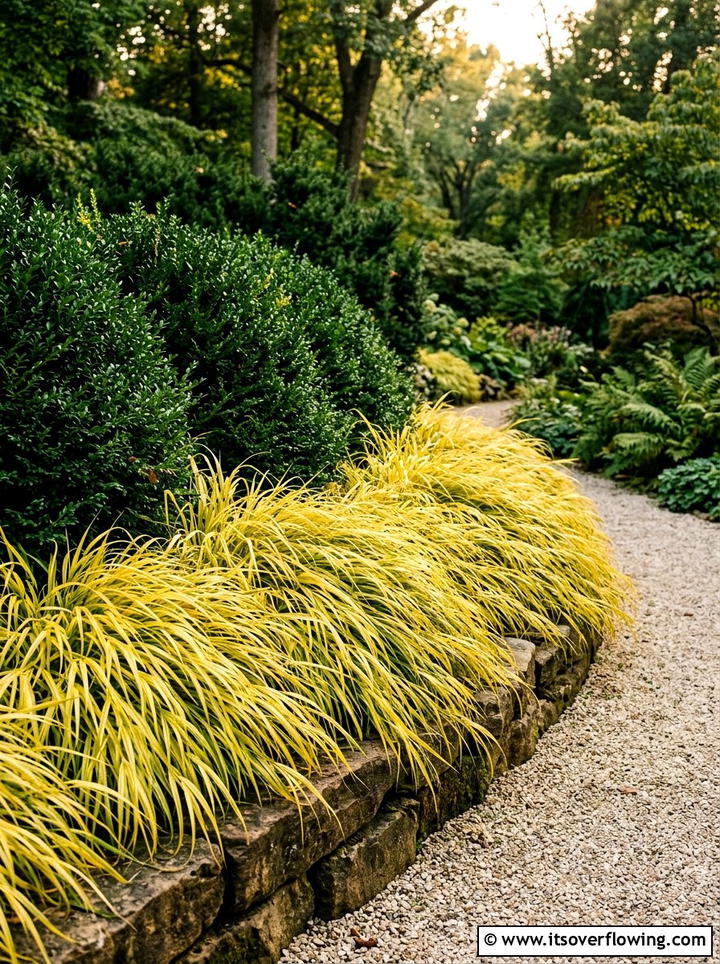
Japanese Forest Grass, or Hakonechloa, is a stunning way to add movement and light to a shaded border. Its cascading, bright yellow and green blades look like a waterfall of foliage flowing over the ground. To create a complete landscape feature, plant this grass in large sweeps along a curved garden bed or at the base of dark evergreen shrubs. The contrast between the bright, airy grass and the solid, dark green foliage behind it creates a professional and high-contrast look. This design choice is especially effective in partial shade where a little bit of dappled light can make the golden leaves shimmer and glow throughout the day.
7. Shade Garden Seating
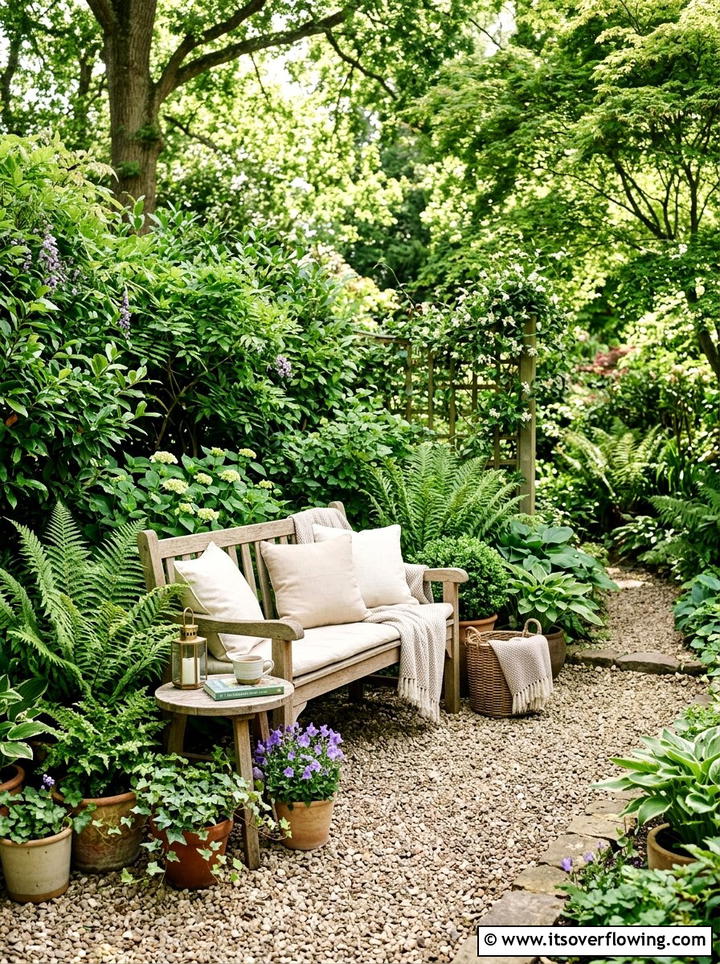
Creating a cozy seating area in the shade provides a perfect place to escape the summer heat with a good book. To design this space fully, start with a level surface of gravel or pavers and add comfortable, weather-resistant furniture like a wooden bench or a set of wicker chairs. Surround the area with tall shade-loving plants like Acanthus or tall ferns to create a sense of enclosure and privacy. Adding a few outdoor cushions in light, airy colors can brighten the space and make it feel like a true outdoor room. This setup turns a functional shaded spot into a lifestyle destination where you can relax in complete comfort and style.

8. White Flower Garden
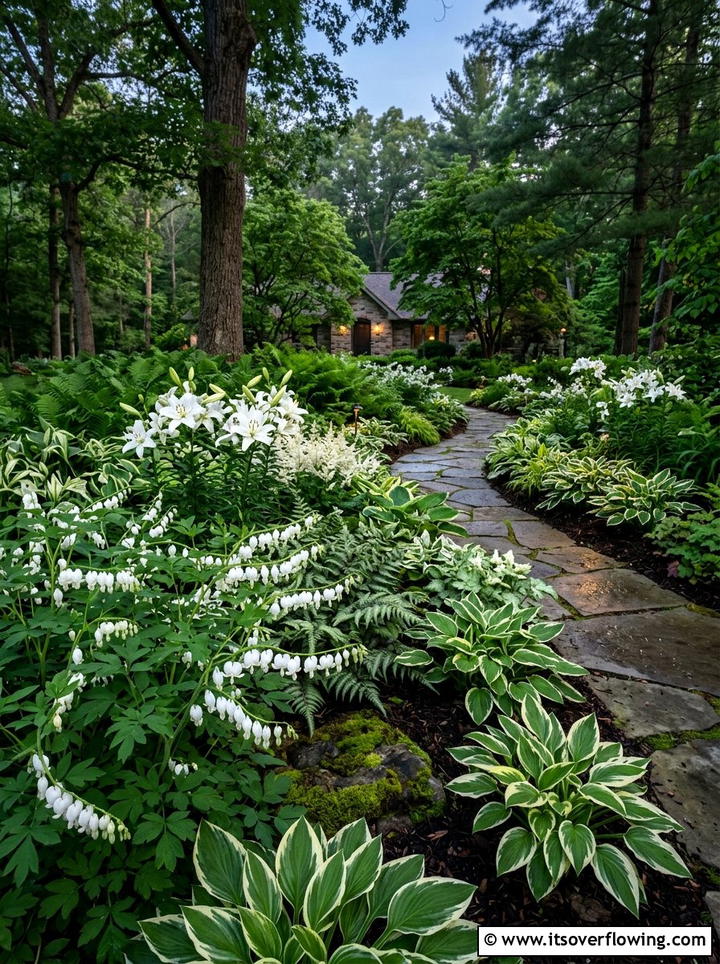
A white flower theme is one of the most effective ways to make a dark, shaded garden feel expansive and luminous. By choosing plants like Lily of the Valley, White Bleeding Hearts, and Foamflower, you create a “moon garden” effect that glows in the twilight. To execute this full design, mix different flower shapes and foliage textures to keep the monochromatic palette interesting. Using white-variegated plants like variegated Hosta or Caladiums further enhances the brightness. This design strategy is visually striking and provides a sophisticated, clean aesthetic that makes the shaded parts of your yard feel much more open, airy, and intentional than a standard green patch.
9. Moss Garden Path
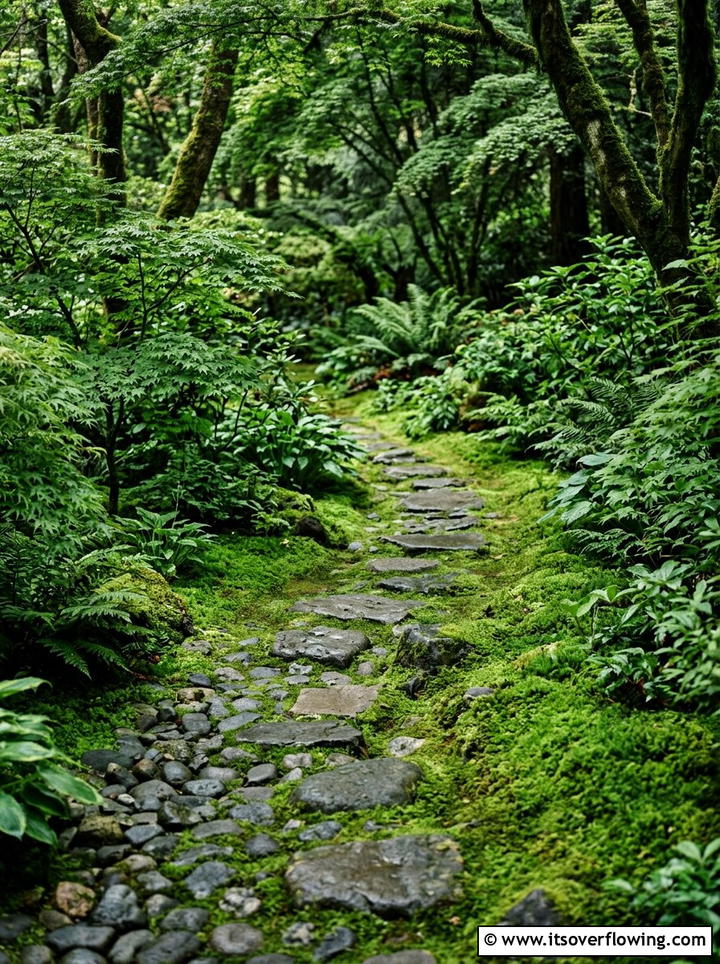
Moss gardens offer a velvety, emerald-green texture that looks incredible in deep shade where traditional grass often fails to grow. To design a full moss-covered area, clear the ground of debris and encourage local mosses to carpet the soil or use moss spores for a more uniform look. Incorporate weathered stepping stones or a few large, smooth river rocks to provide a visual break and a functional walking surface. This design style feels serene and Japanese-inspired, offering a quiet beauty that is soft to the touch and easy on the eyes. It is an excellent solution for those damp, low-light areas that stay moist throughout the spring and autumn seasons.
10. Shade Container Garden
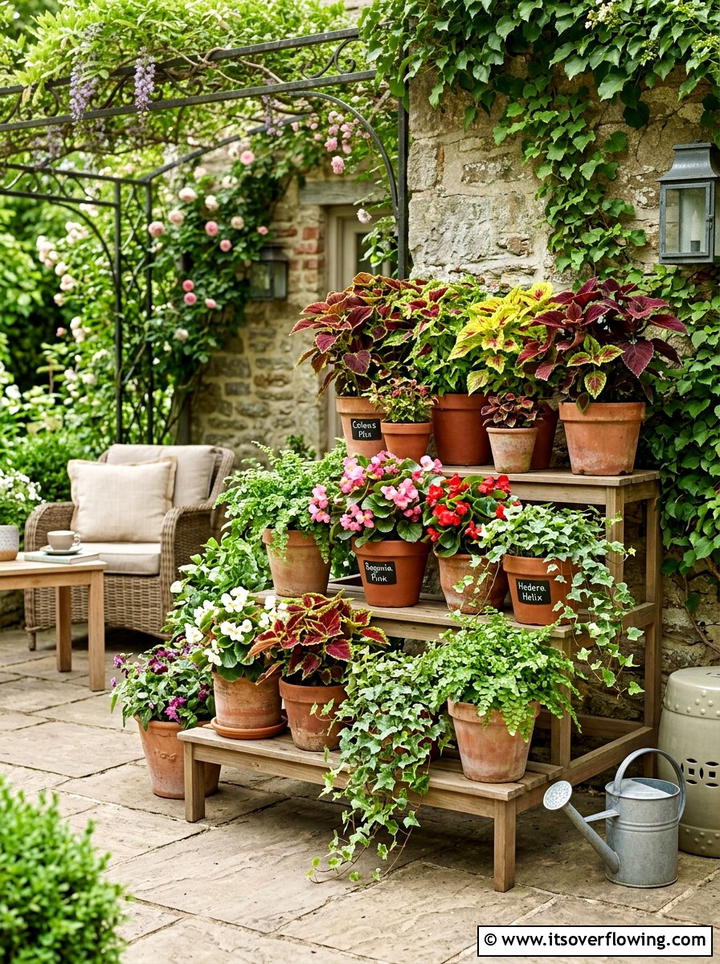
If you have a shaded patio or balcony, a container garden is the best way to bring life to the space without a permanent bed. For a complete design look, use a variety of pot sizes and heights to create a tiered display of shade-loving plants. Combine tall elements like Coleus with mounding plants like Begonias and trailing vines like Creeping Jenny. Using containers with a similar color or material keeps the grouping cohesive and polished. This approach allows you to move plants around to find the perfect light balance and ensures that your shaded outdoor living area feels lush, decorated, and fully integrated with the rest of your home.
11. Heuchera Garden Bed
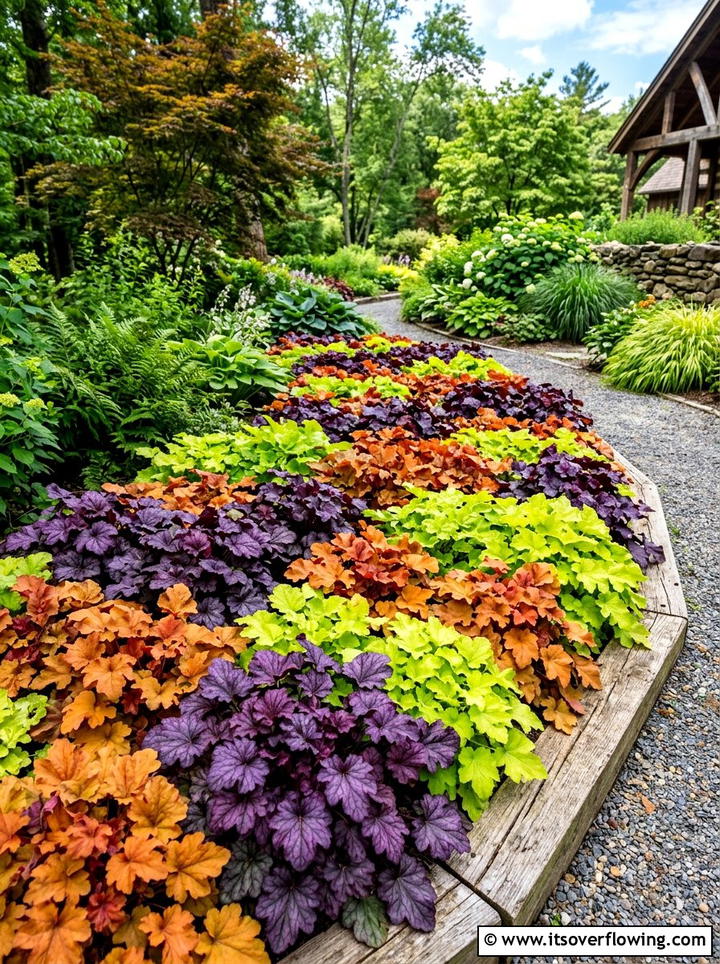
Heucheras, also known as Coral Bells, come in an amazing array of colors ranging from deep purple and fiery orange to lime green. To create a full design using these plants, try massing different colors together in a quilted pattern to create a vibrant tapestry on the garden floor. Their ruffled leaves add incredible texture that lasts from spring through the first frost. Combine them with simple green ferns to let the bold colors of the Heucheras really stand out as the focal point. This design is perfect for low-maintenance borders because these plants are generally hardy and provide constant visual interest without needing the deadheading that many flowering plants require.
12. Bleeding Heart Garden
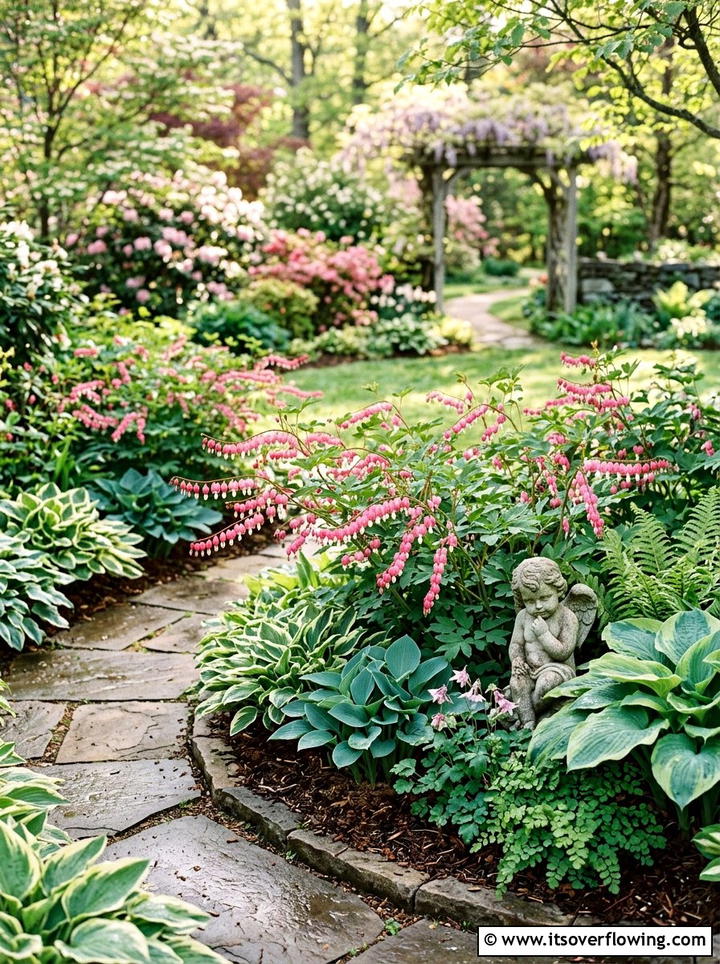
Bleeding Hearts are iconic shade perennials that bring a sense of romance and old-world charm to any garden layout. Their unique heart-shaped flowers dangle from arching stems in the spring, creating a delicate and whimsical look. To design a full bed around them, pair these spring bloomers with later-season plants like Hostas or Ferns that will fill in the gaps once the Bleeding Hearts go dormant in the heat. This ensures your garden bed remains full and beautiful throughout the entire growing season. Adding a decorative birdbath or a small stone statue nearby can enhance the charming, cottage-style atmosphere of this specific shaded garden corner for a complete look.
13. Shady Patio Retreat
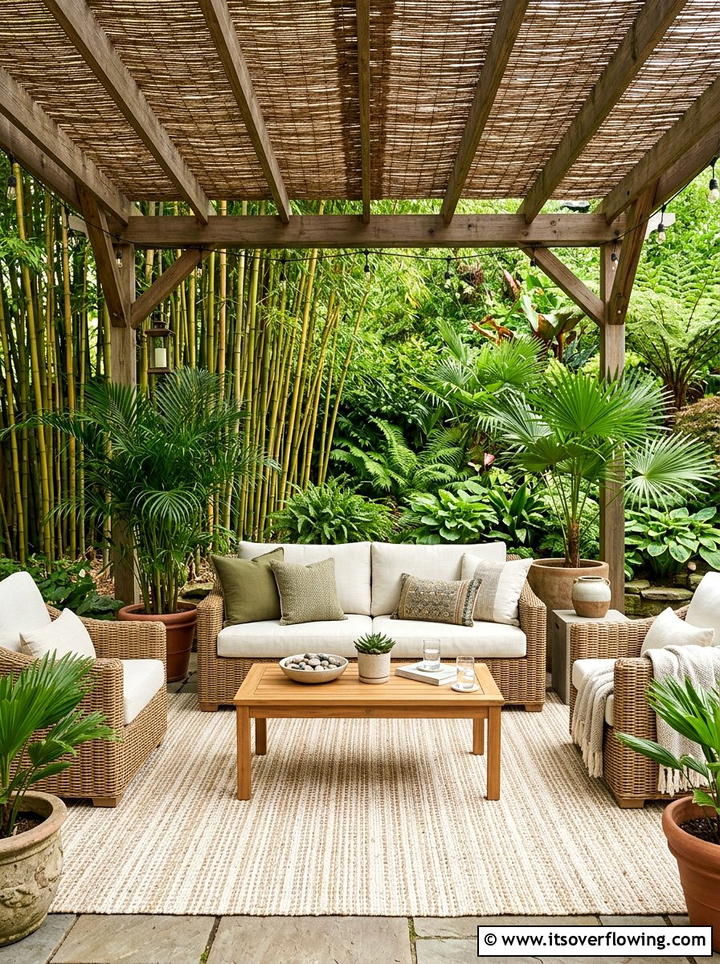
A shaded patio retreat can become your favorite spot for morning coffee or evening relaxation if designed with comfort and beauty in mind. Start by defining the area with a durable flooring material and then use tall, potted shade plants like Bamboo or large-leafed Philodendrons to create a living screen. This full design approach provides privacy while also lowering the ambient temperature of the space significantly. Include a small outdoor rug to define the seating zone and add a soft glow with string lights or lanterns for evening use. This transformation makes a formerly dark and unused patio feel like a high-end resort getaway right in your own backyard or side garden.
14. Vertical Shade Garden
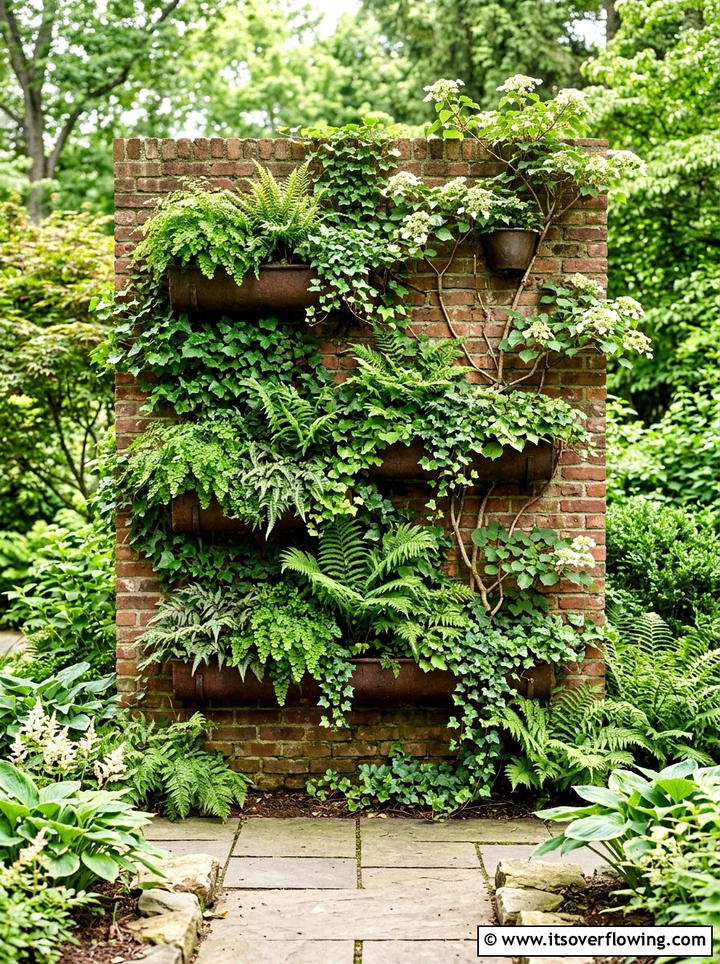
When ground space is limited in a shaded area, a vertical garden is a brilliant way to add greenery and visual interest to a wall or fence. Use wall-mounted planters or a trellis system to grow shade-tolerant climbers like Climbing Hydrangea or Ivy. To make this a full design feature, mix different types of foliage colors and leaf shapes to create a living wall effect. This strategy draws the eye upward, making a small, shaded courtyard feel much larger and more immersive. It is an excellent way to cover up unattractive masonry or wooden structures while adding a lush, vertical dimension to your overall landscape plan in a very tight space.
15. Tropical Shade Garden
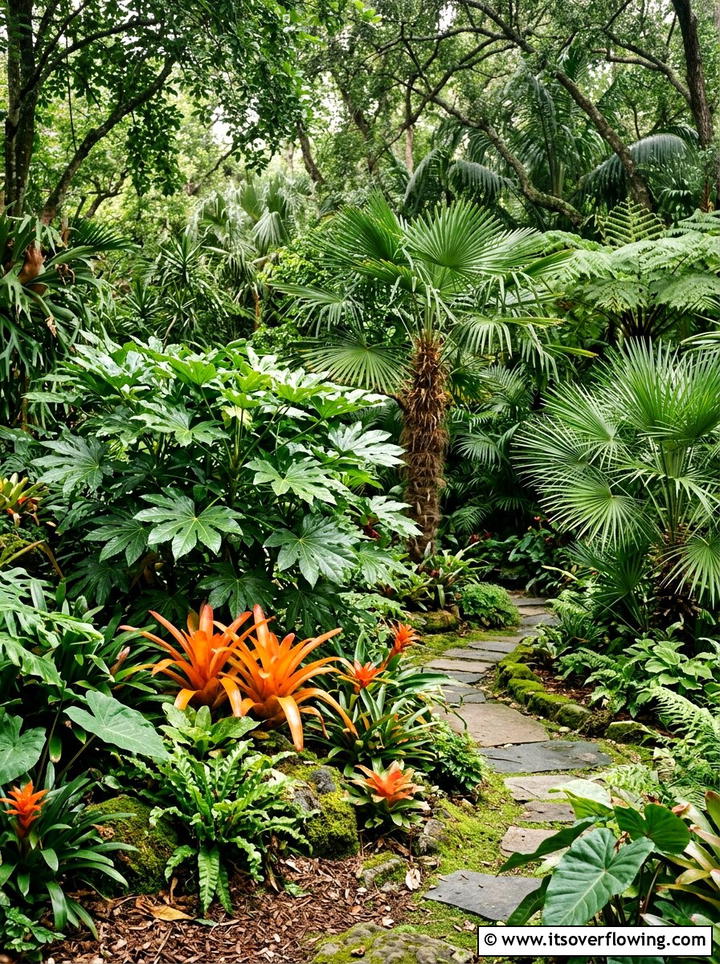
You can create a lush, tropical paradise in a shady corner by choosing plants with large, dramatic leaves and bold textures. Look for cold-hardy varieties of palms, Fatsia Japonica, and large-leafed gingers that can handle lower light levels. To complete this full design, layer the plants so that the largest leaves are at eye level, creating a sense of being deep within a jungle. Adding a few pops of bright color with shade-loving orchids or bromeliads can enhance the exotic feel of the space. This design style is perfect for creating a high-impact, vacation-like atmosphere in your yard that feels completely different from the traditional temperate garden found elsewhere.
16. Shade Water Feature
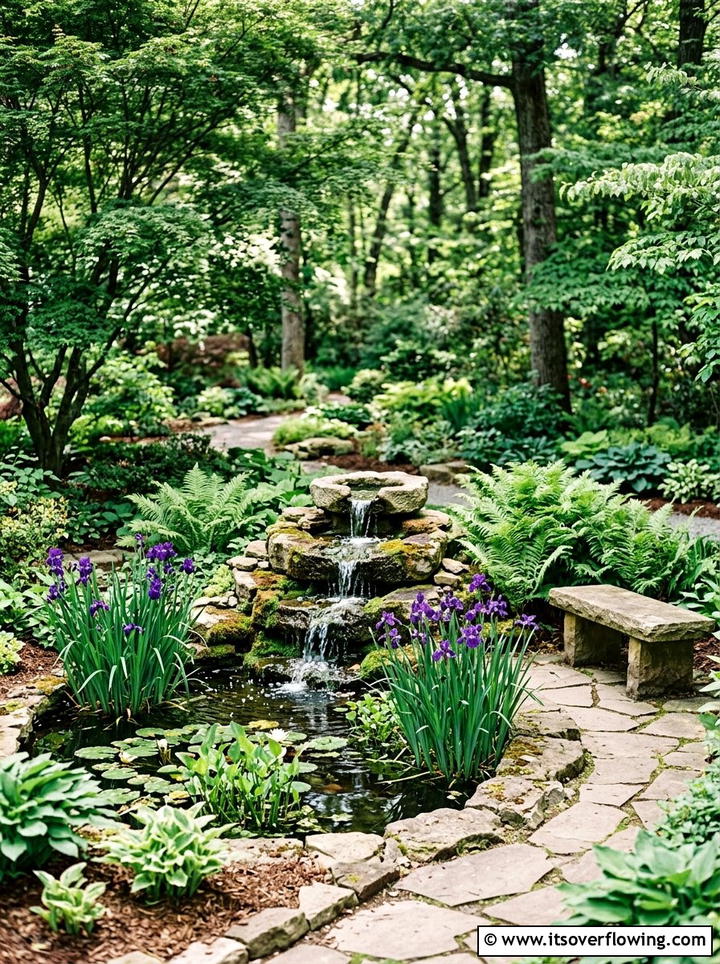
The sound of trickling water in a shaded garden adds a layer of sensory relaxation that is hard to beat on a warm day. To design a full water feature area, install a small pond or a disappearing fountain surrounded by moisture-loving plants like Irises and Primroses. The shade helps keep the water cool and reduces algae growth, making maintenance much easier than in a sunny location. Place a few natural stone benches nearby so you can sit and enjoy the sights and sounds of the water. This design creates a focal point that draws people into the shaded part of the garden, turning it into a truly interactive and refreshing landscape.
17. Native Shade Plants
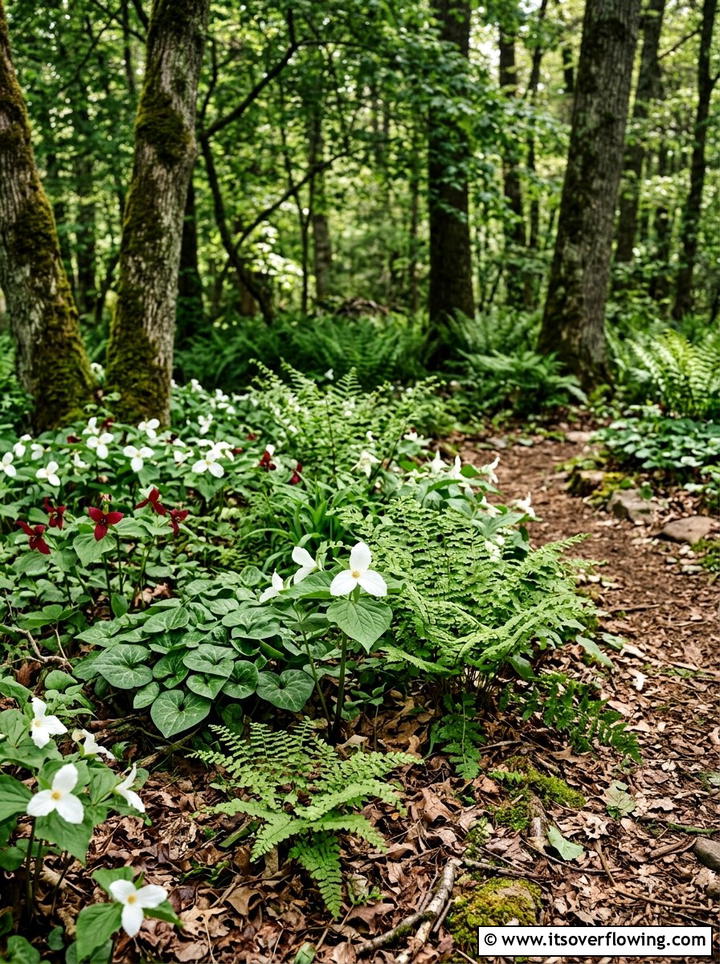
Using native plants in your shade garden is a fantastic way to support local wildlife while ensuring your landscape is resilient and low-maintenance. A full native shade design might include species like Wild Ginger, Trillium, and Jack-in-the-Pulpit, which have adapted specifically to your local forest conditions. These plants often have fascinating life cycles and subtle beauties that reward close observation throughout the seasons. To complete the look, use natural leaf mulch to nourish the soil and provide a habitat for beneficial insects. This eco-friendly approach results in a garden that feels deeply connected to the local environment and requires far less water and fertilizer than exotic species.
18. Astilbe Flower Garden
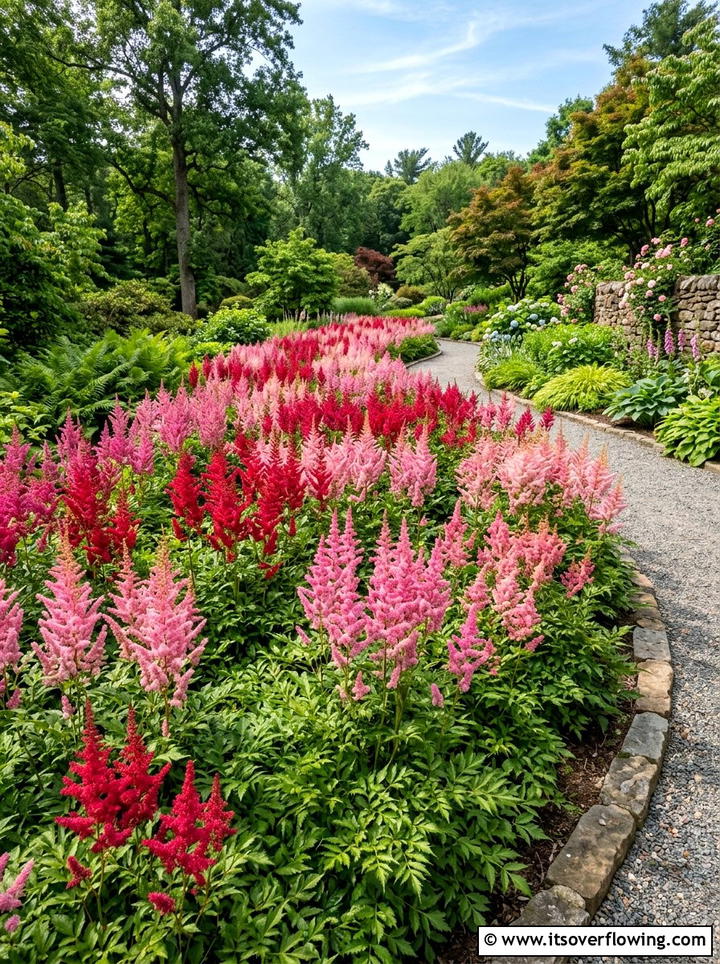
Astilbes are prized for their feathery, plume-like flowers that stand tall above their fern-like foliage in shades of pink, red, and white. To create a full design with Astilbe, plant them in large drifts to create a sea of color that moves gently in the breeze. They thrive in moist, shaded soil, making them perfect companions for hostas and ferns in a mixed perennial bed. By grouping several varieties that bloom at slightly different times, you can extend the floral display throughout the summer months. The upright structure of the flower spikes provides a great vertical contrast to the mounding shapes of other common shade plants in the overall garden layout.
19. Japanese Maple Garden
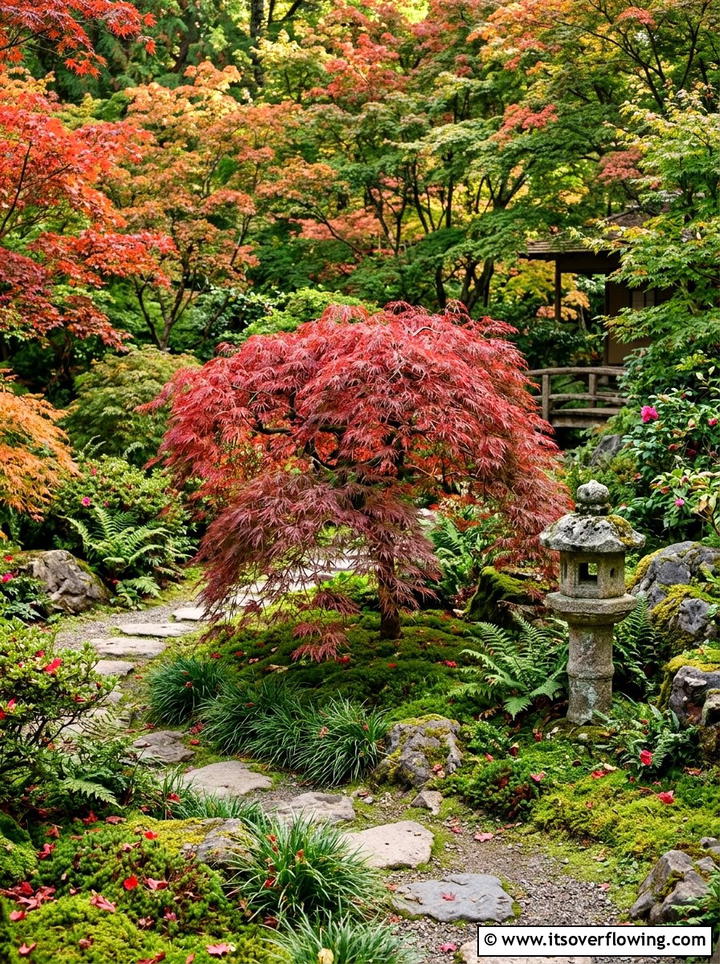
A Japanese Maple can serve as a stunning specimen tree and the primary focal point of a shaded garden design. These trees come in many forms, from upright types to weeping varieties with intricately lacy leaves that turn brilliant colors in the fall. To design the space around the tree, plant a low-growing ground cover like Sweet Woodruff or Vinca Minor at the base to create a clean, green skirt. This full design emphasizes the architectural beauty of the tree’s branches and the delicate texture of its foliage. The filtered light coming through the leaves creates a beautiful dappled pattern on the ground, enhancing the serene and artistic mood of the area.
20. Shade Garden Lighting
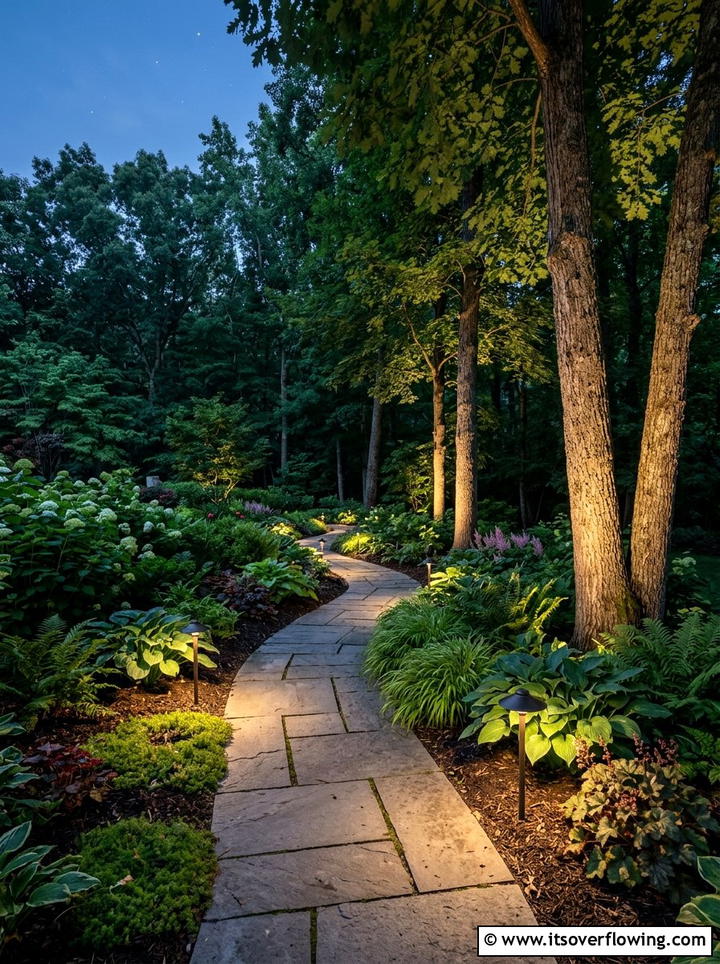
Proper lighting can transform a shaded garden from a dark void into a magical landscape after the sun goes down. To design a full lighting scheme, use low-voltage LED spotlights to highlight the trunks of large trees and the textures of interesting foliage. Path lights can guide the way along walkways, while soft string lights hung from branches can create a warm, festive glow for outdoor gatherings. The key is to use subtle, indirect light that emphasizes the depth and shadows of the garden rather than washing it out with bright glares. This approach extends the usability of your shaded outdoor space and makes it look professionally designed day and night.
21. Shade Raised Beds
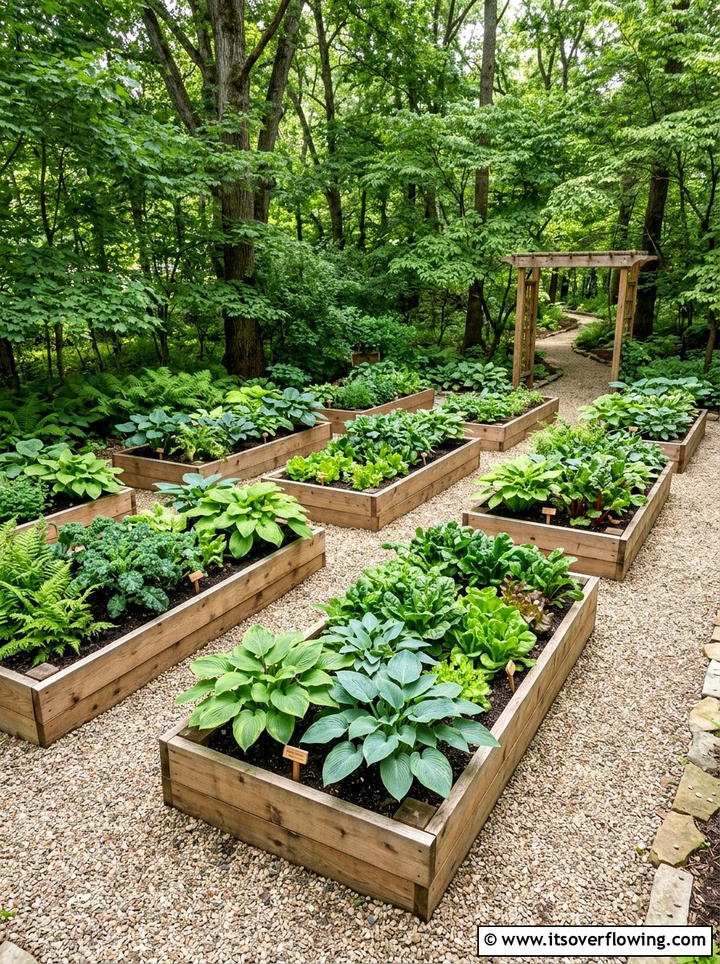
Raised beds are an excellent solution for shaded areas with poor soil or heavy tree roots that make traditional digging difficult. To create a full design, build the beds out of natural cedar or stone and arrange them in a geometric pattern to provide structure and organization. Fill them with a high-quality potting mix and plant a variety of shade vegetables like lettuce, spinach, and kale, or decorative perennials. This elevated planting style improves drainage and makes it easier to manage the garden without bending over. It turns a challenging shaded spot into a productive and tidy part of your landscape that looks intentional, organized, and very well-maintained.
22. Caladium Garden Bed
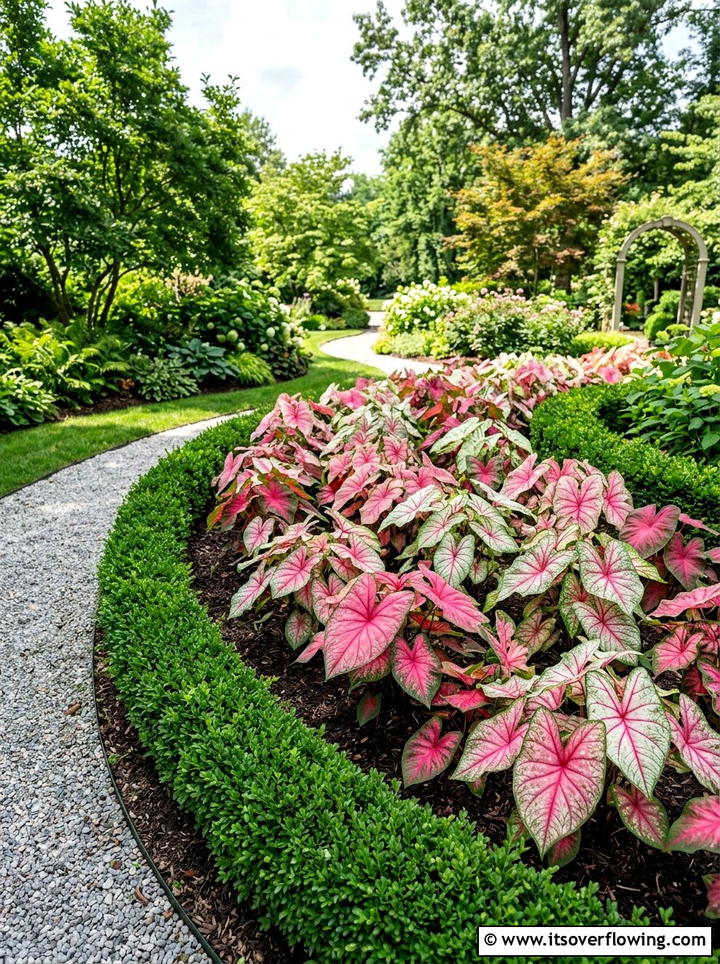
Caladiums are famous for their heart-shaped leaves that feature striking patterns of pink, white, and green. To create a full design with these tropical-looking plants, use them as a seasonal highlight in your shade beds to add instant color without needing flowers. Plant them in large groups to create a bold visual impact that can be seen from across the yard. They look particularly good when paired with solid green plants like Boxwood or English Ivy, which help the intricate leaf patterns of the Caladiums really pop. This design strategy is perfect for creating a bright, energetic look in a part of the garden that might otherwise feel a bit too dark.
23. Hellebore Winter Garden
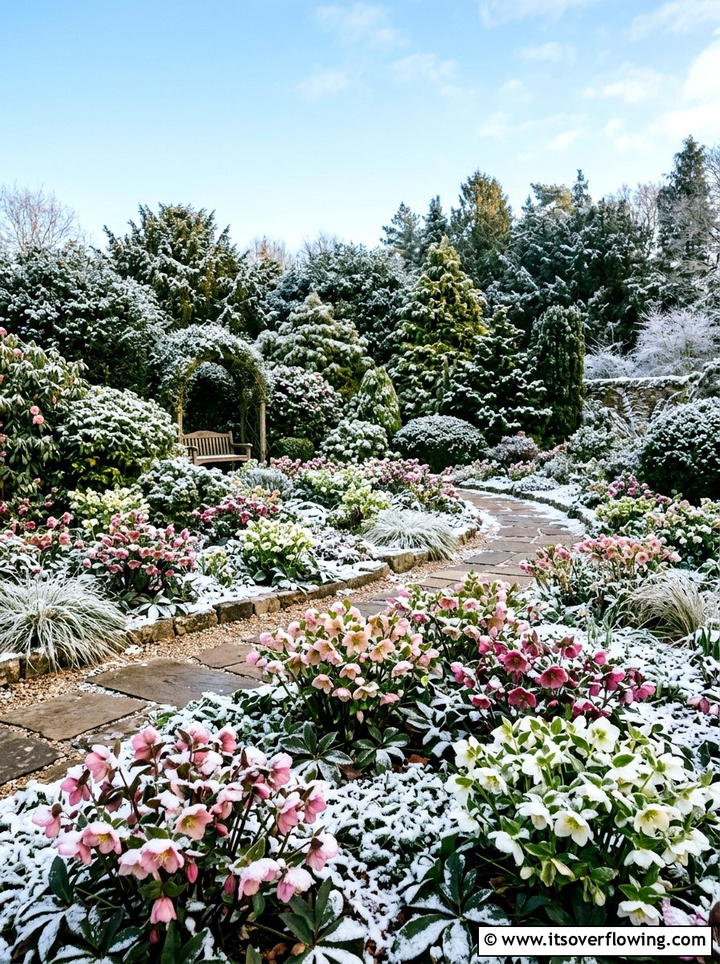
Hellebores, also known as Lenten Roses, are essential for a shade garden because they bloom in late winter or early spring when almost nothing else is awake. To design a full winter interest garden, plant Hellebores alongside evergreen shrubs and ornamental grasses that hold their shape in the snow. Their leathery, evergreen leaves provide year-round structure, while their nodding flowers offer a subtle and welcome splash of color during the cold months. This design ensures that your shaded garden is not just a summer retreat, but a beautiful and evolving space that provides visual interest and joy even during the quietest and coldest parts of the gardening year.
24. Shade Ground Cover
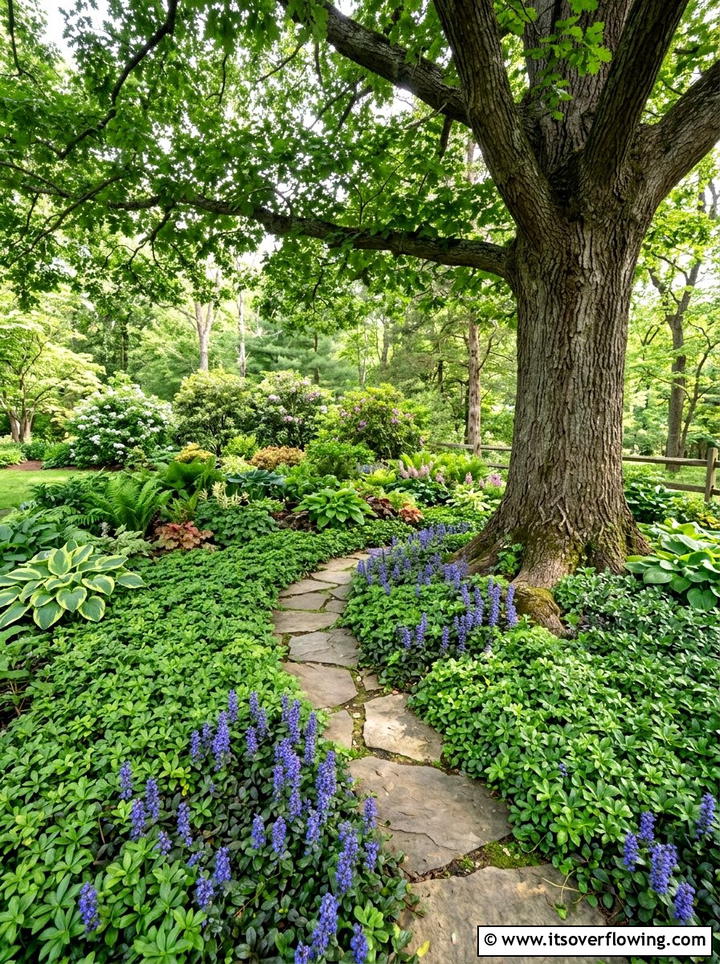
Replacing a struggling lawn with a lush ground cover is a smart way to deal with deep shade where grass simply will not grow. To create a full design, choose a variety of ground covers like Pachysandra, Creeping Jenny, or Ajuga to create a diverse and textured living carpet. Mixing different types of ground covers can create a more naturalistic and resilient surface that handles varying moisture levels. This approach reduces the need for mowing and provides a clean, green look that ties the entire garden together. It is a practical and aesthetically pleasing solution that makes the shaded parts of your landscape look healthy, full, and professionally landscaped.
25. Layered Shade Garden
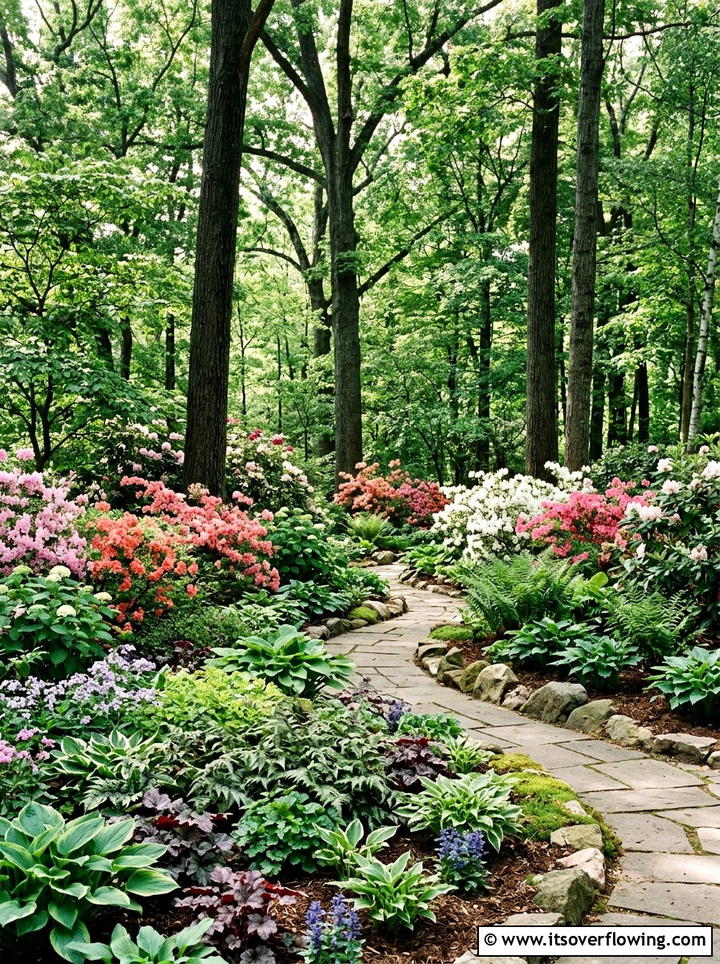
The most successful shade gardens are those that utilize layering to create a sense of abundance and depth. To achieve this full design, start with a canopy of tall trees, followed by a middle layer of shrubs like Azaleas or Pieris, and a bottom layer of perennials and ground covers. This multi-story approach mimics the structure of a natural forest and provides a rich environment for a wide variety of plants to thrive. By carefully selecting plants for each level based on their height and light needs, you create a complex and beautiful landscape that feels completely finished and professional. This layered look is the ultimate goal for any high-quality shaded garden space.
Conclusion:
Designing a garden for shade is a rewarding journey that allows you to explore a different side of horticulture focused on texture, foliage, and subtle beauty. By moving beyond the idea that gardens need full sun to be spectacular, you can create a series of outdoor rooms that offer cool comfort and visual delight. Whether you choose to focus on a lush fern landscape, a vibrant hosta collection, or a structured stone walkway, the key is to work with the shadows rather than against them. A well-planned shade garden not only adds value to your home but also provides a peaceful sanctuary for you to enjoy.

Related posts:
 25 Creative Garden Ideas With Hidden Garden Corners
 25 Creative Garden Ideas for Corners: Smart Small-Space Tips
 25 Creative Garden Ideas With Greenhouse Corners
 25 Creative Garden Ideas With Meditation Corners to Relax
 25 Creative Garden Ideas With Seating Nooks for Cozy Corners
 25 Garden Design Ideas for Fire Pit Corners for Cozy Nights
 25 Garden Ideas for Tropical Style to Brighten Your Yard
 25 Creative Garden Ideas With Mosaic Planters to Brighten Pots
 25 garden ideas with hostas for Lush Shade Garden Beauty
 25 Garden Design Ideas With Pergola and Vines for Shade
 25 Garden Design Ideas With Woodland Plants for Lush Shade
 25 Creative Garden Ideas With Glow In The Dark Stones