
Creating a beautiful floral sanctuary in a limited space is entirely possible with a bit of clever planning and the right choice of blooms. Even the tiniest balcony, narrow side yard, or compact patio can be transformed into a vibrant escape that bursts with color and life throughout the seasons. Many people believe that a small footprint limits their gardening potential, but it actually allows for more detail and intimacy in the design. By focusing on vertical growth, choosing multi-functional planters, and selecting flowers that offer long-lasting beauty, you can maximize every square inch. This guide explores various creative approaches to help you curate a stunning, manageable, and highly personal outdoor floral retreat that feels much larger than it truly is.
1. Vertical flower wall
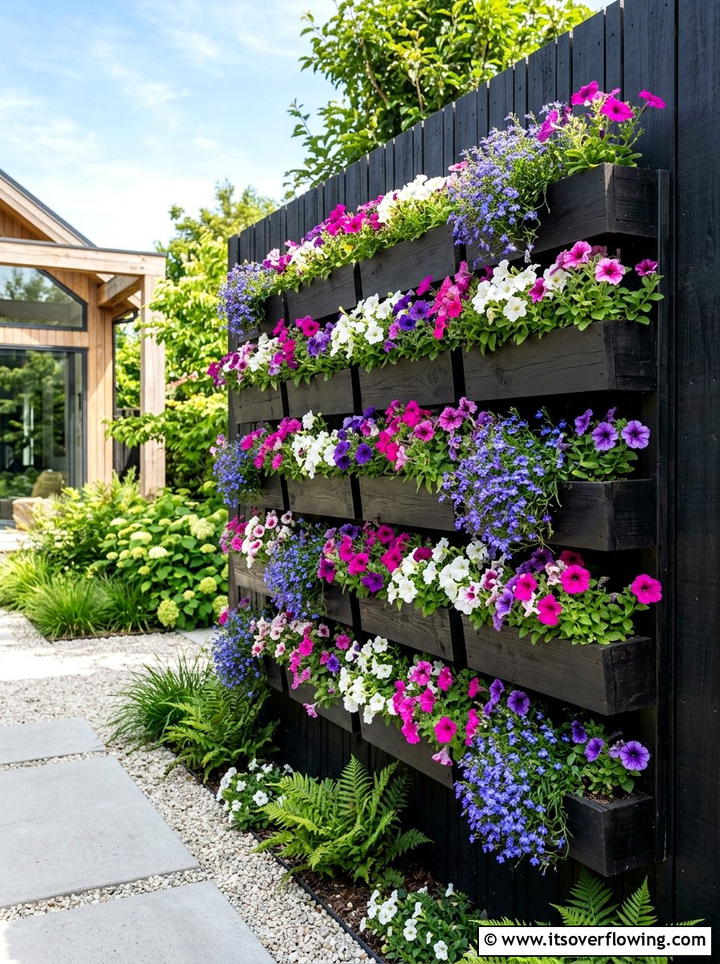
Imagine turning a plain, boring brick wall or a wooden fence into a lush tapestry of vibrant blossoms that stretches toward the sky. Using vertical space is one of the smartest ways to introduce flowers without sacrificing precious floor area in a tiny backyard or balcony. You can install modular wall planters, pocket systems, or even repurposed wooden pallets to hold a variety of trailing and upright blooms. Petunias, lobelia, and creeping phlox are excellent choices for creating a waterfall effect of color that draws the eye upward. This approach not only provides a stunning visual focal point but also offers privacy and a cooling effect for your outdoor seating area.
2. Cottage courtyard
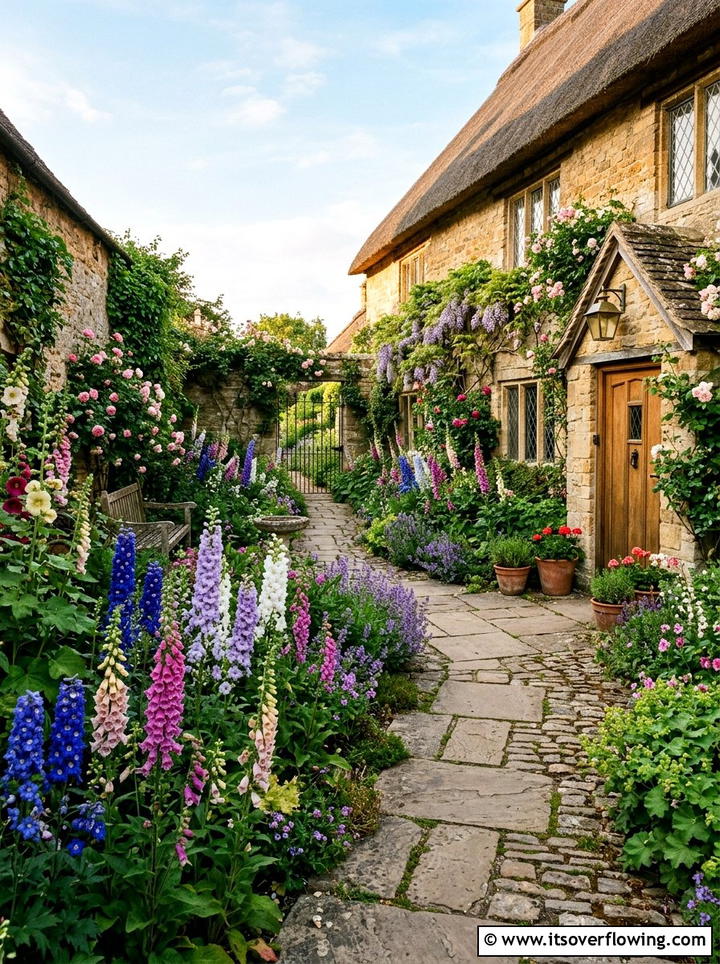
Have you ever dreamed of a romantic, overgrown space filled with delicate textures and soft pastel colors? A cottage-themed courtyard uses every available corner to pack in a dense mix of traditional flowers like foxgloves, delphiniums, and hollyhocks. This style thrives on a bit of organized chaos, where plants spill over pathways and climb up walls. It creates an enchanting atmosphere that feels tucked away from the busy world outside. By using weathered stone or brick underfoot, you can enhance the vintage feel of the space. Even in a small square area, the layering of different heights and colors provides a sense of depth and mystery that is truly captivating.
3. Flower window box
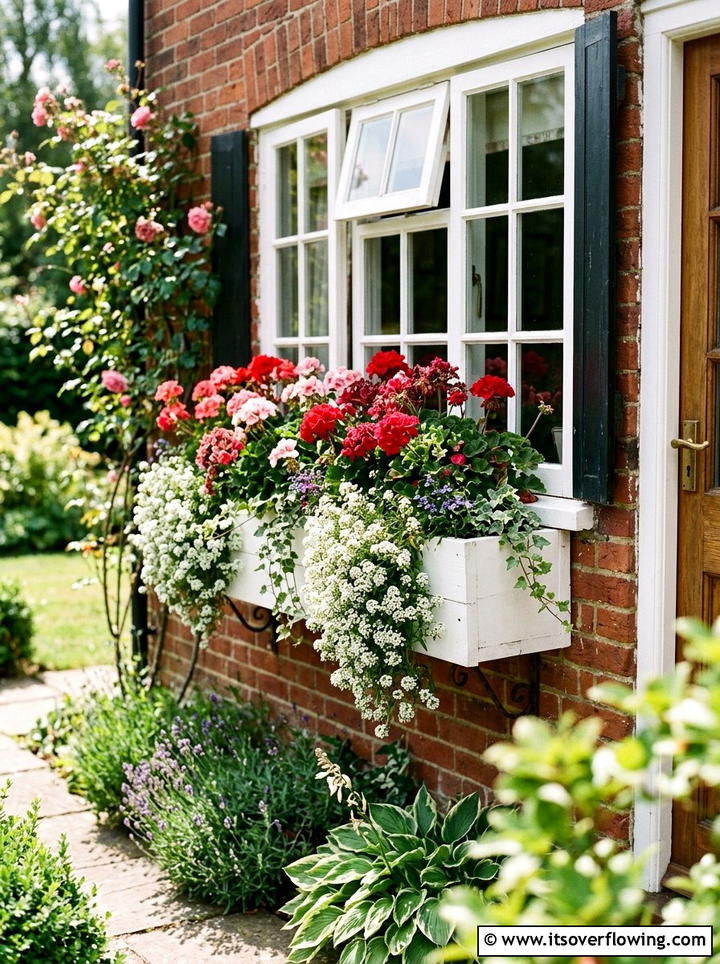
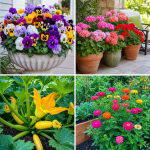
Adding a splash of nature to your home exterior is easily achieved by installing classic boxes filled with seasonal blooms beneath your windows. These compact containers are perfect for those with no actual ground space, bringing the garden directly to the architecture of the house. You can create dynamic displays by mixing upright focal plants like geraniums with cascading varieties like sweet alyssum or trailing pansies. The close proximity to your living space means you can enjoy the colors and subtle scents from both inside and outside. Selecting high-quality, self-watering boxes can help keep your floral arrangements looking fresh and healthy even during the hottest summer months.
4. Raised bed flowers
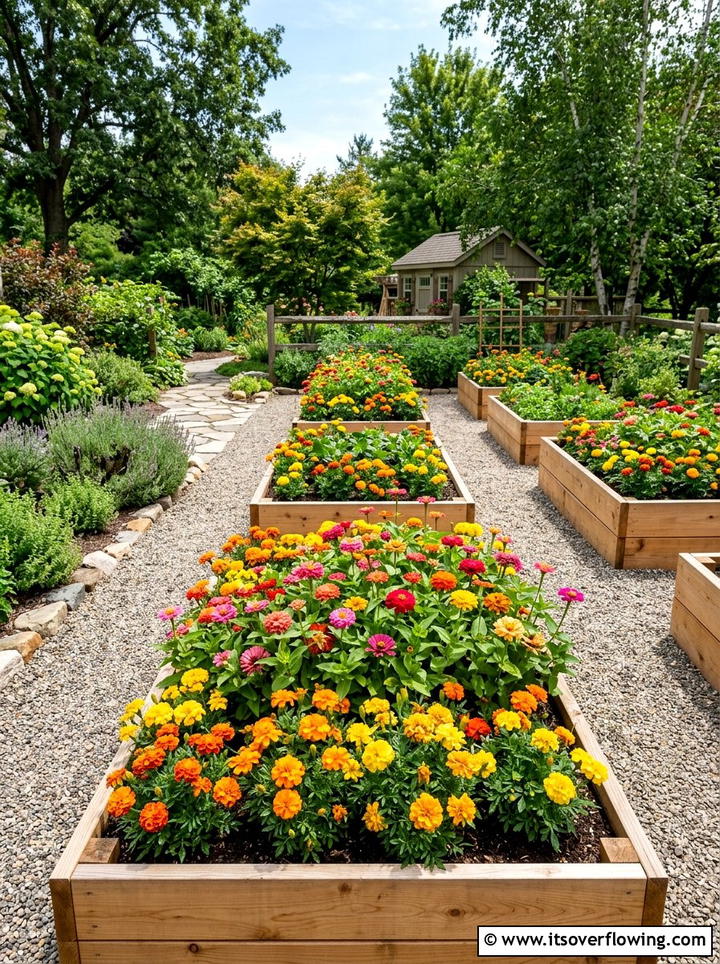
Can a few elevated wooden boxes really change the entire look of your backyard landscape? Raised beds are perfect for small spaces because they allow for better soil control, improved drainage, and a very clean, organized aesthetic. You can fill these structures with a mix of marigolds, zinnias, and snapdragons for a riot of color that is easy to maintain. Because the plants are lifted off the ground, they are also easier to reach for weeding and deadheading. Placing these beds along the perimeter of your space keeps the center open for movement, making the garden feel spacious and well-defined while still being incredibly productive and beautiful.
5. Tiered garden planter
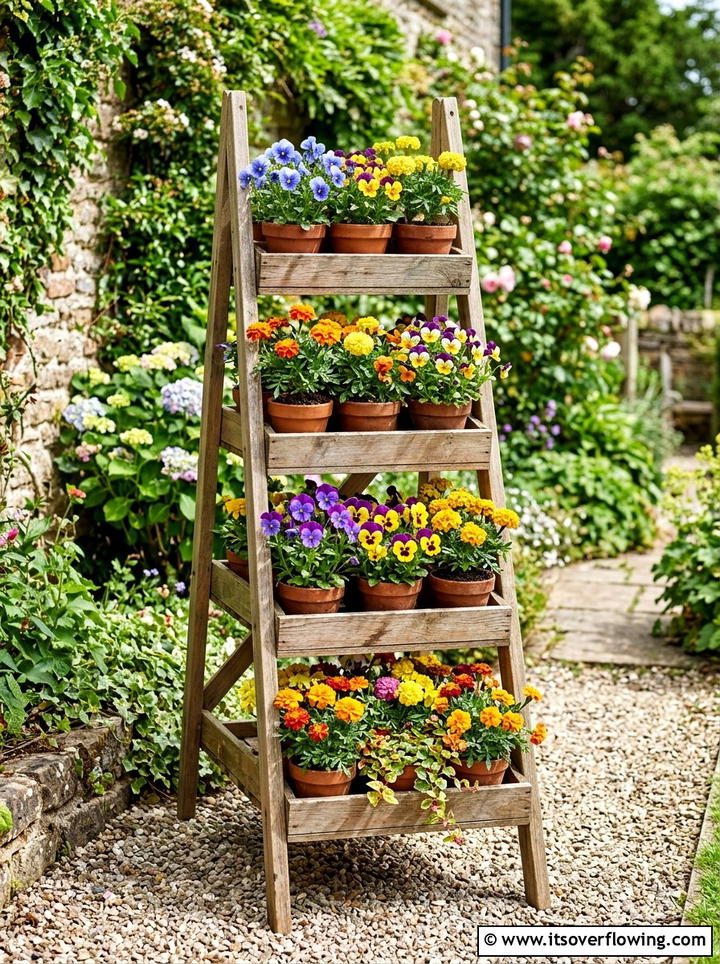
When floor space is at a premium, building upward with multiple levels of planting surfaces is a highly effective design strategy. Tiered planters, often resembling a ladder or a series of steps, allow you to showcase a diverse range of flowers in a very small footprint. You can organize your plants by color, height, or water needs to create a structured yet lush appearance. For example, placing sun-loving marigolds on the top tier and shade-tolerant impatiens on the bottom can help every plant thrive. This multi-level approach creates a dense wall of flowers that feels like a full garden, providing a striking visual impact on any patio.
6. Wildflower patch
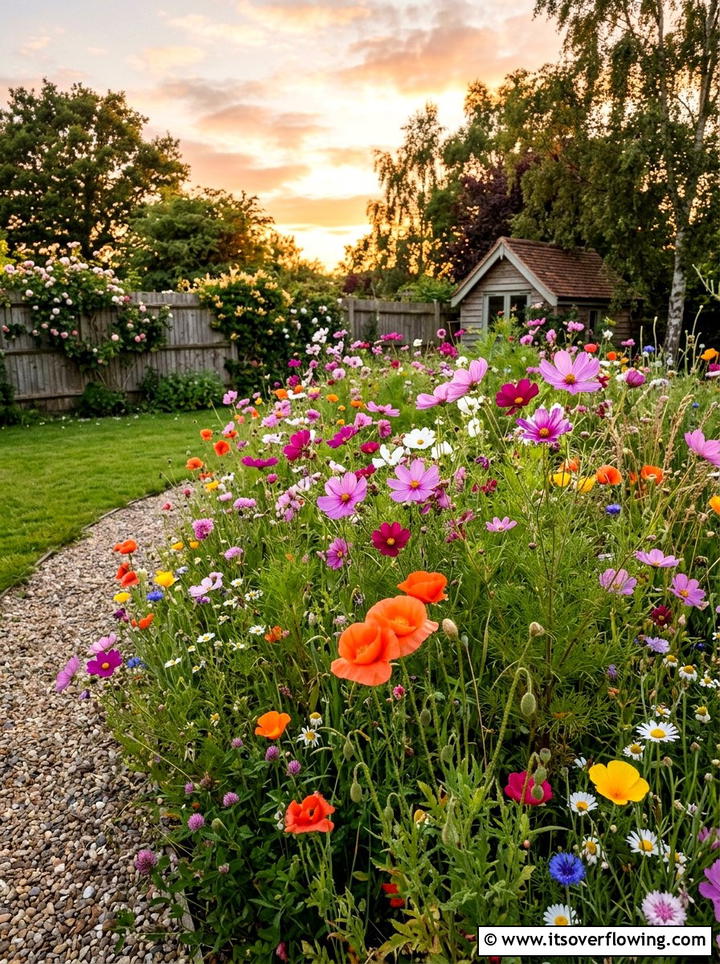
What if you could turn a neglected corner of your yard into a buzzing, colorful meadow filled with local flora? A small wildflower patch is a low-maintenance way to introduce a variety of colors and textures while supporting local bees and butterflies. By clearing a small square of soil and sowing a mix of native seeds, you create a naturalistic area that requires very little intervention once established. Cosmos, poppies, and cornflowers often thrive in these settings, providing a whimsical and relaxed feel. This type of garden is perfect for anyone who prefers a less formal look and wants to encourage biodiversity in their own backyard space.
7. Flower garden border
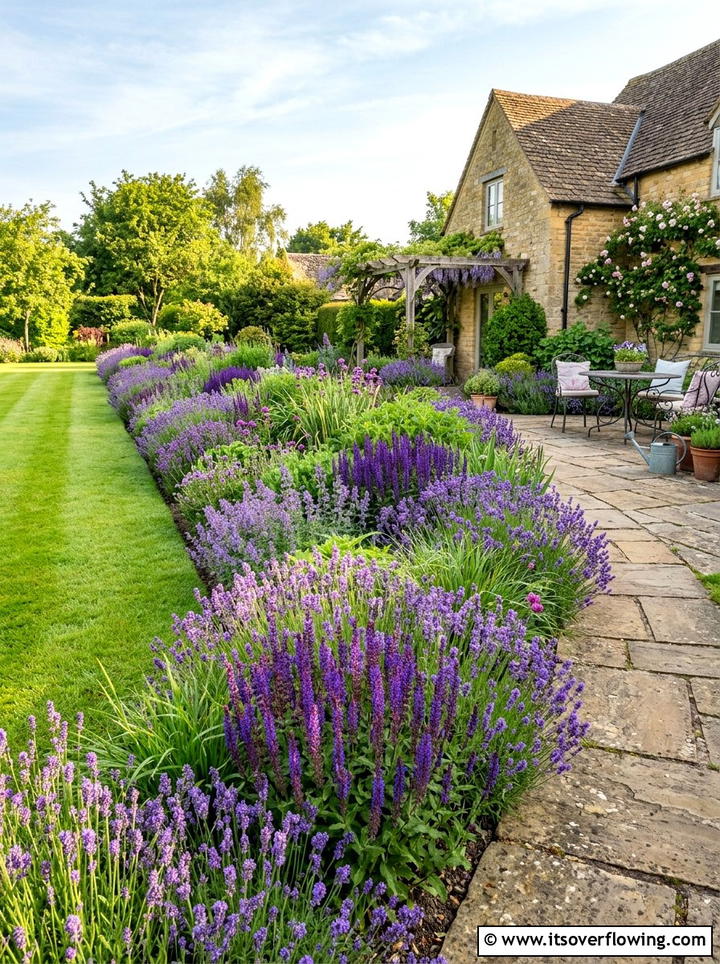
Defining the edges of your lawn or patio with a dedicated strip of colorful plants can make your entire outdoor area feel more polished. A narrow border filled with lavender, salvia, and low-growing daisies creates a beautiful transition between different zones of your yard. You should aim for a variety of heights to give the border a sense of fullness and professional design. By using evergreens at the back and seasonal flowers at the front, the border remains attractive throughout the year. This simple addition provides a structured frame for your space, making even the smallest lawn look like a carefully curated and high-end botanical display.

8. Hanging flower basket
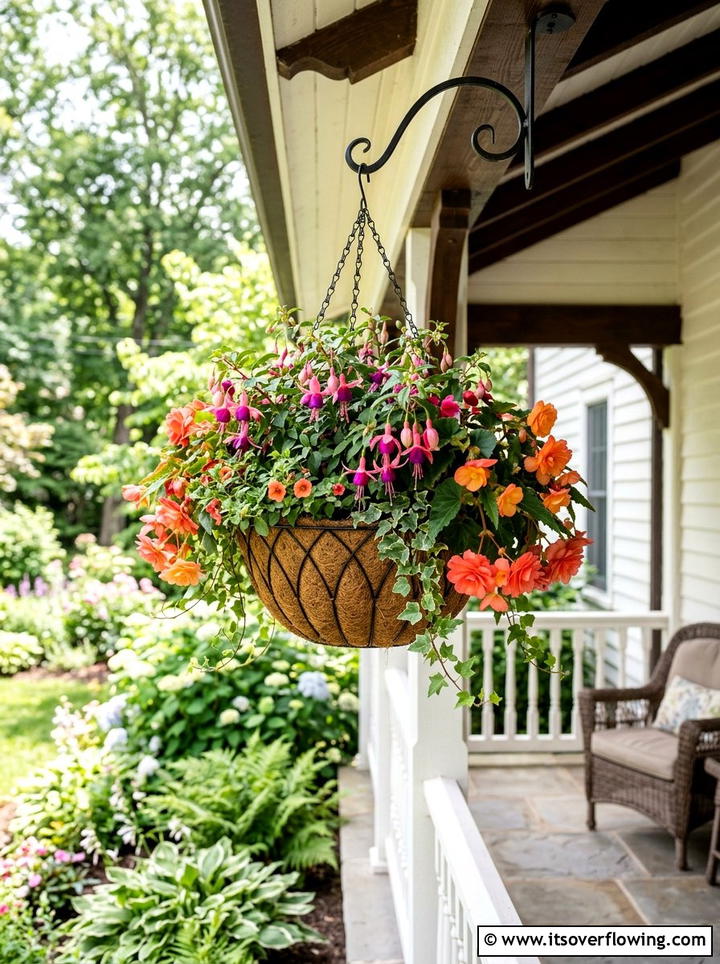
Suspending your garden from hooks or rafters is a fantastic way to utilize the air space above your deck or porch. Hanging baskets offer a unique perspective on gardening, allowing you to enjoy flowers at eye level or even higher. Fuchsias, begonias, and trailing petunias are classic choices that create spheres of brilliant color. These containers are easy to swap out as the seasons change, ensuring your entryway or seating area always looks its best. Because they are elevated, they are also protected from many common ground pests. Regular watering and feeding will keep these aerial displays lush and overflowing with healthy, vibrant blooms all summer.
9. Corner flower bed
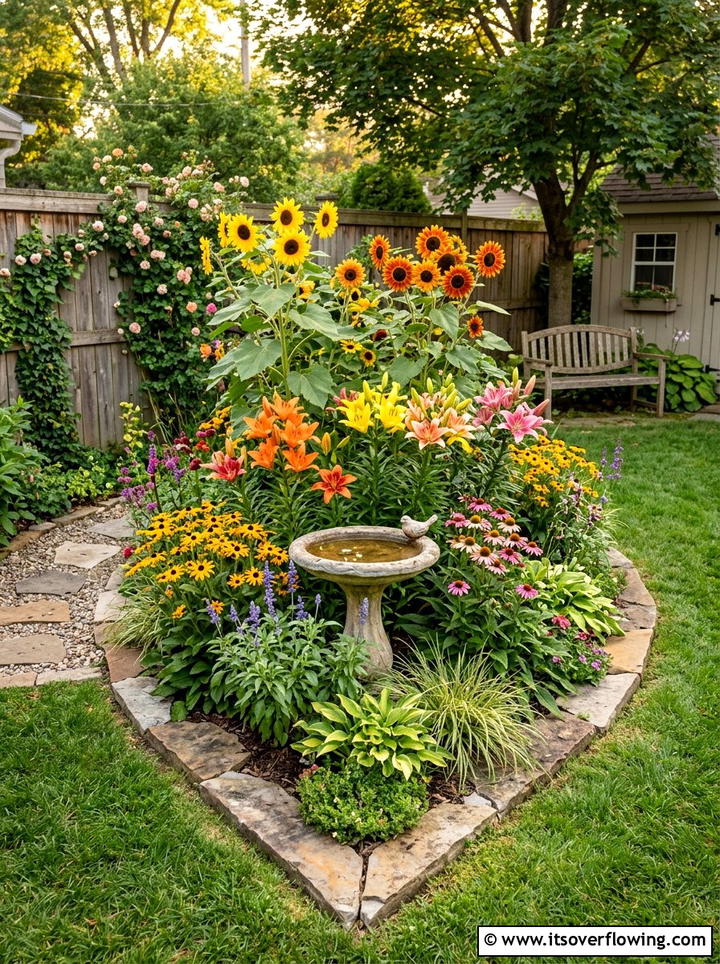
Do you have an awkward corner in your yard that currently sits empty or accumulates clutter? Transforming that forgotten triangle into a lush flower bed can instantly brighten the entire atmosphere of your outdoor living area. By using taller plants like sunflowers or lilies in the very back and tapering down to small primroses at the edge, you create a sense of scale. A corner bed makes the boundaries of your yard feel softer and more expansive. Adding a small decorative birdbath or a statue in the center can turn this floral arrangement into a charming focal point that draws guests further into your beautiful garden space.
10. Potted flower patio
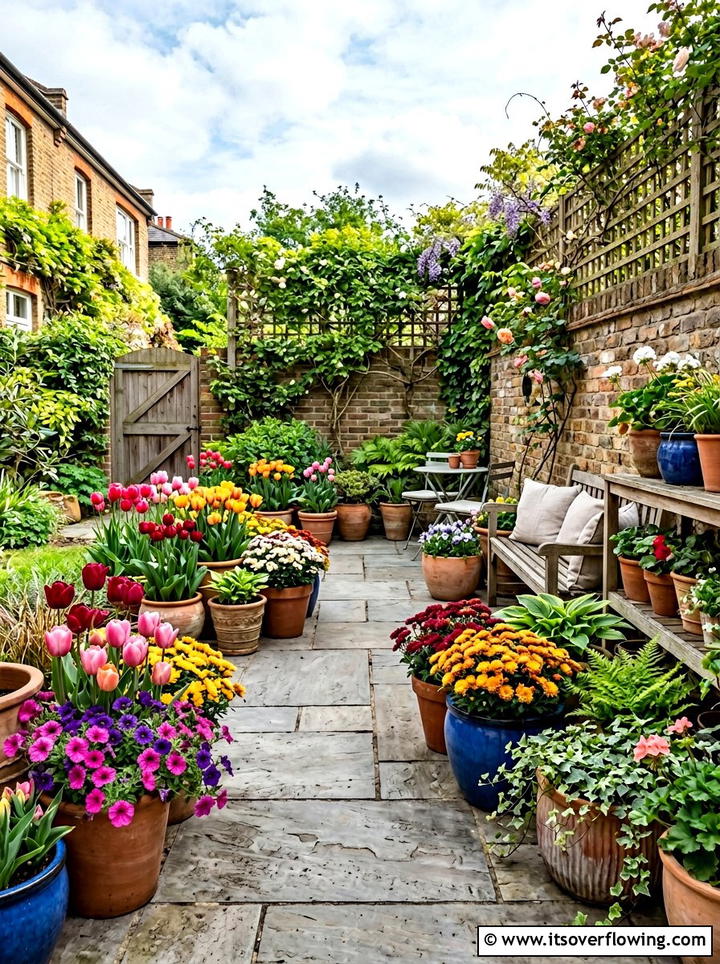
If you live in a rented space or have a completely paved backyard, you can still enjoy a lush garden using containers. A potted flower patio allows for total flexibility, as you can move your plants around to follow the sun or change the layout. Using pots of varying sizes, materials, and heights creates a layered and interesting environment. You can group pots together to form “islands” of color, featuring everything from elegant tulips to hardy chrysanthemums. This mobile gardening method is perfect for experimenting with different color palettes and plant combinations without the commitment of digging permanent beds into the ground.
11. Trellis climbing flowers
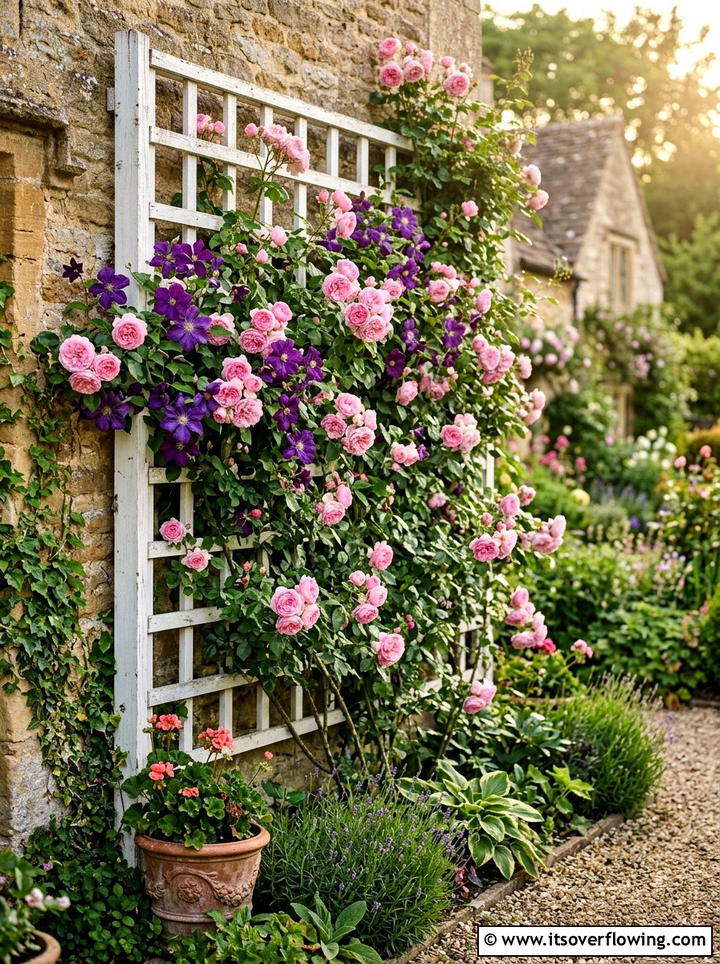
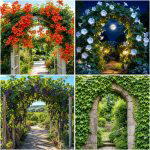
Vertical interest can be added to any small space by encouraging plants to grow upward along a sturdy wooden or metal frame. Climbing roses, clematis, and honeysuckle are perfect candidates for a trellis, providing both height and a wonderful fragrance to your garden. This technique is particularly useful for disguising ugly fences or creating a living privacy screen between neighbors. As the flowers wrap around the structure, they create a dense wall of greenery and color that takes up almost no ground room. The result is a romantic, secret-garden feel that adds a layer of sophistication and vertical beauty to even the narrowest outdoor areas.

12. Rock flower garden
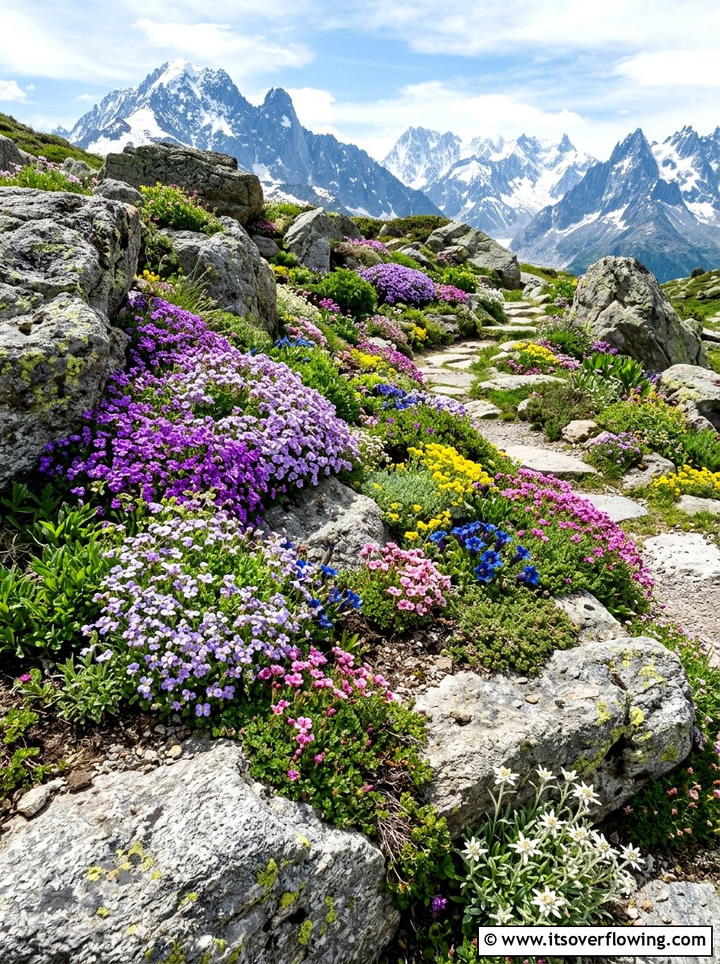
Integrating natural stones with hardy, low-growing plants is a wonderful way to add texture and a rugged aesthetic to a small yard. A rock garden is ideal for areas with poor soil or steep slopes where traditional beds might not work well. You can tuck alpine flowers, campanula, and aubrieta into the crevices between boulders for a look that mimics a mountainside. The stones help retain moisture in the soil and provide a beautiful, neutral backdrop that makes the flower colors pop. This type of garden is exceptionally durable and requires very little watering once the plants have established their root systems among the rocks.
13. Gravel path flower edging
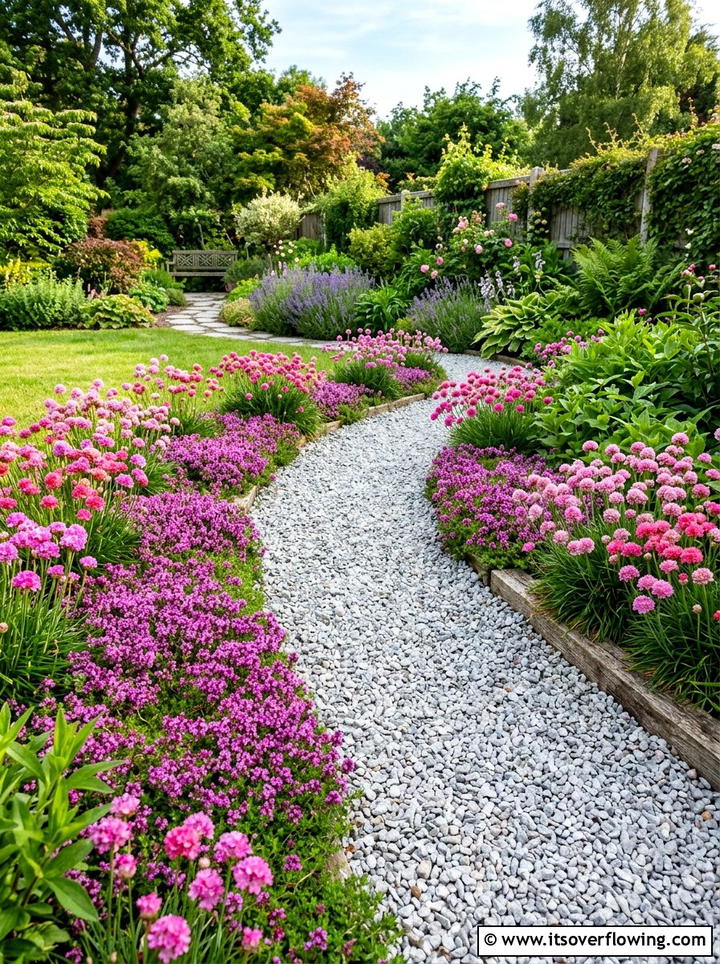
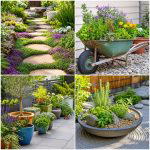
Walking through your garden can be a much more sensory experience when the path is lined with fragrant and colorful blooms. Using light-colored gravel for your walkways provides a clean contrast to the soft greens and bright petals of your plants. Low-growing flowers like creeping thyme or sea thrift can be planted right at the edge, occasionally spilling over onto the stones for a natural look. This design choice guides the eye through the space, making a small yard feel like a series of interconnected rooms. The crunch of gravel underfoot combined with the sight of delicate flowers creates a truly relaxing and immersive outdoor environment.
14. Perennial flower garden
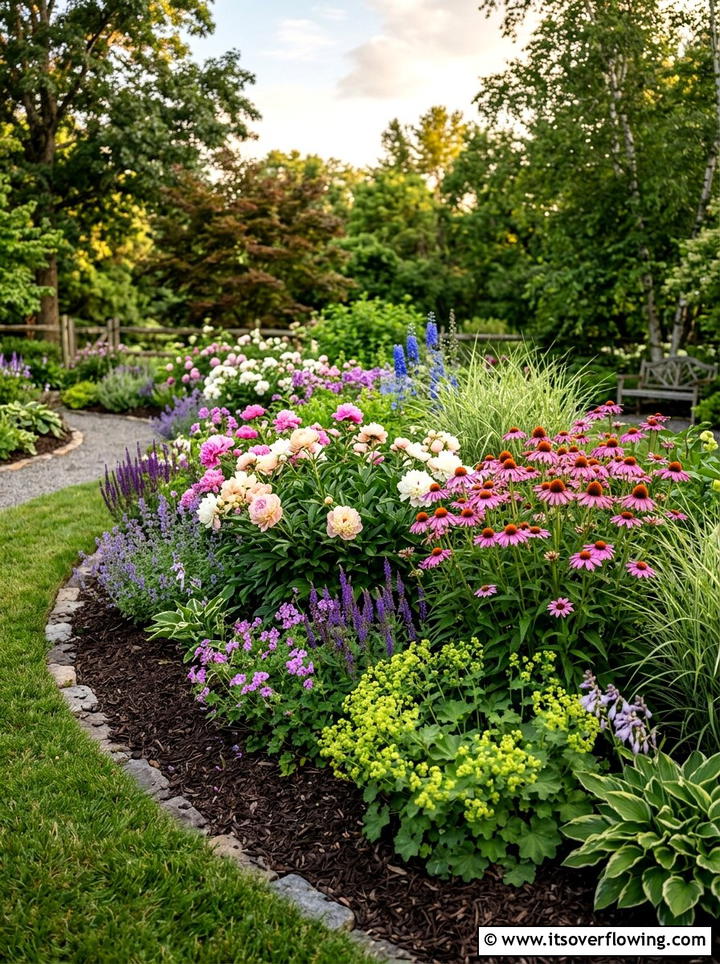
Would you like to enjoy a beautiful garden that returns with more vigor every single year without the need for constant replanting? A perennial-focused space is a smart investment for small gardens, using plants like hostas, peonies, and coneflowers that live for many seasons. While the initial setup requires some thought regarding bloom times, the long-term payoff is a stable and evolving landscape. You can mix different varieties to ensure something is always in flower from spring through autumn. This approach creates a sense of permanence and maturity in your garden, allowing you to watch your favorite plants grow and spread over time within their designated area.
15. Monochromatic flower garden
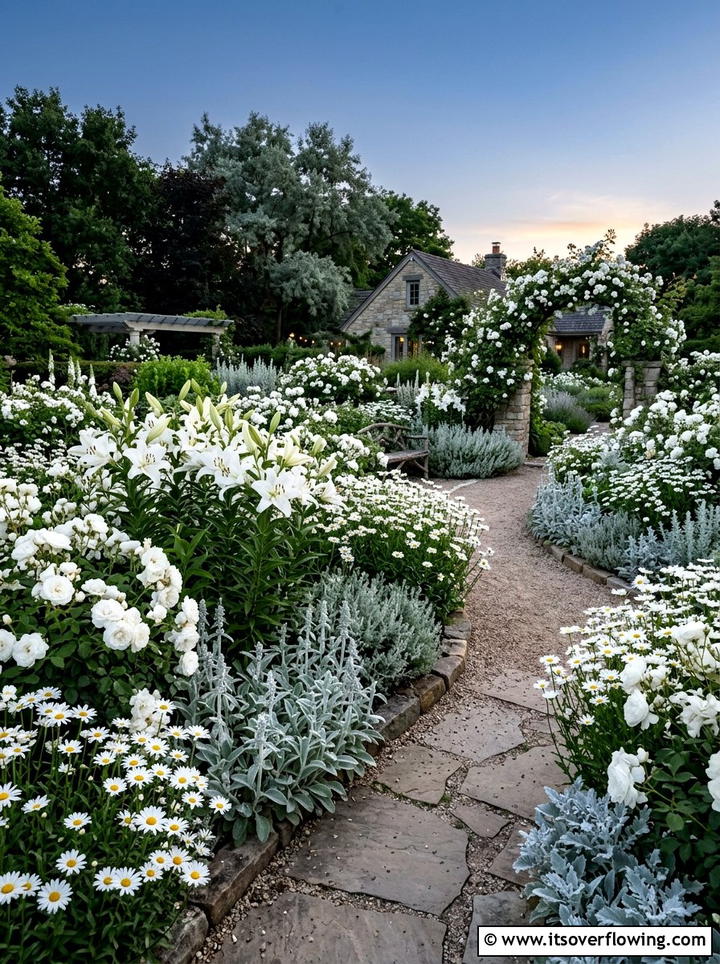
Have you ever considered the striking impact of a garden that focuses entirely on a single color palette? A monochromatic flower garden, such as an all-white “moon garden” or a vibrant all-purple space, feels incredibly sophisticated and intentional. By using different shades, shapes, and textures within the same color family, you create a cohesive look that is very pleasing to the eye. For example, a white garden could feature white roses, lilies, and daisies paired with silver-leafed plants for a luminescent effect at night. This design strategy makes a small area feel more spacious and serene by reducing visual clutter and creating a unified, elegant theme.
16. Sensory flower garden
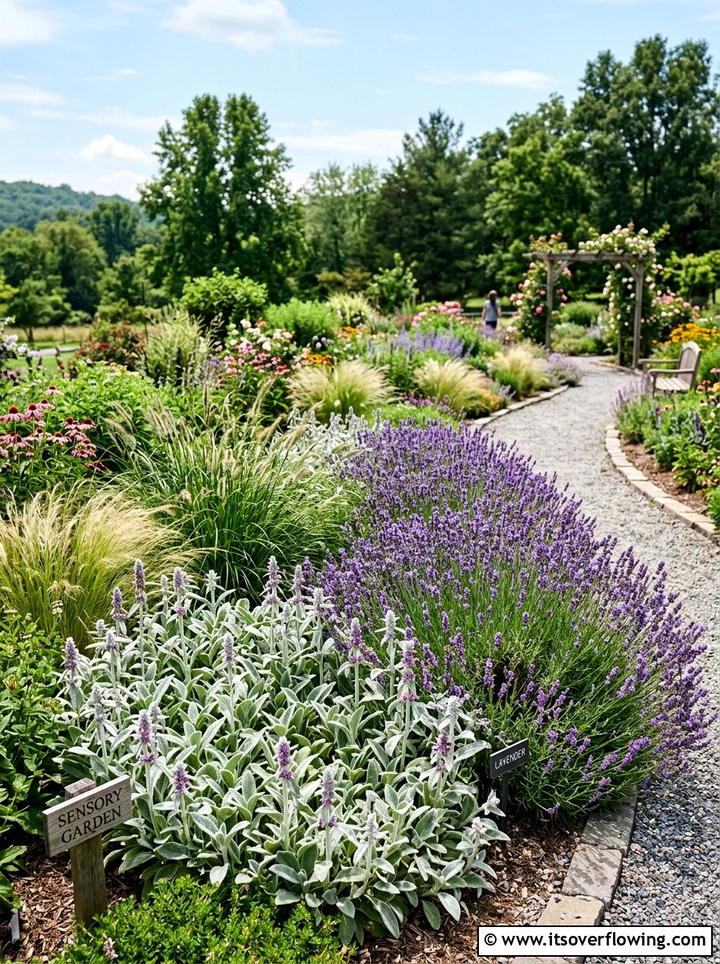
A truly great garden should appeal to more than just your sense of sight; it should be a full-bodied experience. A sensory garden focuses on flowers with varied textures, strong fragrances, and even those that make gentle sounds in the wind. You can include soft lamb’s ear for touch, fragrant lavender and jasmine for smell, and rustling ornamental grasses for sound. This type of space is incredibly therapeutic and inviting, encouraging you to slow down and interact with nature. In a small garden, these sensory details are amplified, making the environment feel rich and deeply immersive despite its modest size and limited footprint.
17. Shade flower garden
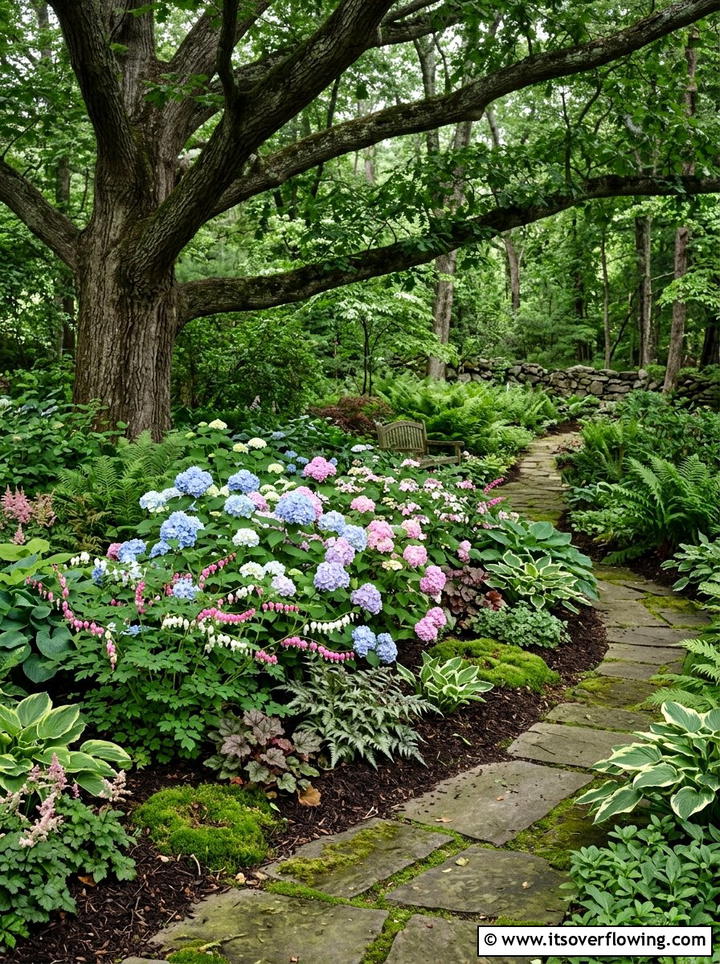
Even if your outdoor space is tucked away under large trees or blocked by tall buildings, you can still have a thriving floral display. A shade garden utilizes plants that naturally flourish in low-light conditions, such as hydrangeas, bleeding hearts, and astilbes. These plants often feature interesting leaf patterns and delicate blooms that bring light to dark corners. Using light-colored flowers and variegated foliage can help brighten up the space and make it feel more open. A shaded patio filled with cool-toned flowers provides a refreshing and calm retreat during the hot summer months when direct sunlight might be too intense for comfortable lounging.
18. Pollinator flower garden
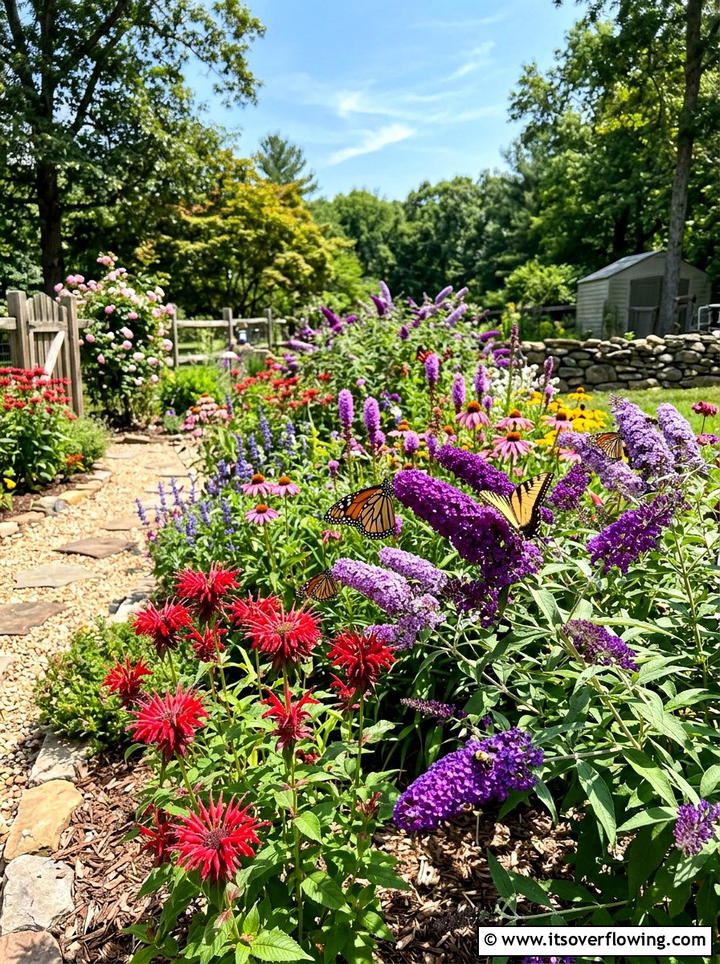
Do you want to help the environment while enjoying a garden full of movement and life? A pollinator-focused garden is designed specifically to provide food and habitat for bees, butterflies, and hummingbirds. By planting a variety of nectar-rich flowers like bee balm, zinnias, and buddleia, you turn your small yard into a vital ecological stepping stone. These gardens are usually very colorful and dynamic, as the constant arrival of winged visitors adds an extra layer of interest. It is a rewarding way to garden, knowing that your small floral patch is actively contributing to the health of the local ecosystem while providing you with endless entertainment.
19. Small rose garden
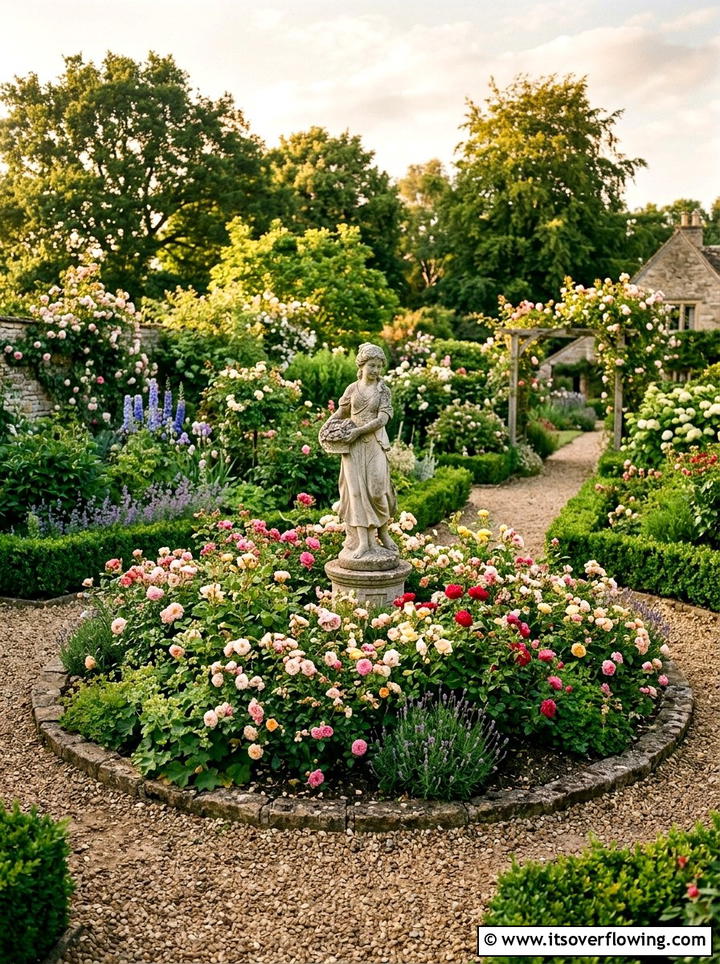
Is there anything more classic or romantic than a garden filled with the timeless beauty of roses? Even in a compact area, you can cultivate a stunning rose collection by choosing patio roses, miniatures, or climbing varieties. Roses offer an incredible range of colors and scents, making them a perfect focal point for a small, sunny spot. By planting them in large pots or a dedicated sunny bed, you can create a high-impact display that feels luxurious and traditional. Regular pruning and feeding will ensure your roses produce an abundance of blooms, filling your outdoor space with their iconic fragrance and elegant, multi-layered petals.
20. Modern flower garden
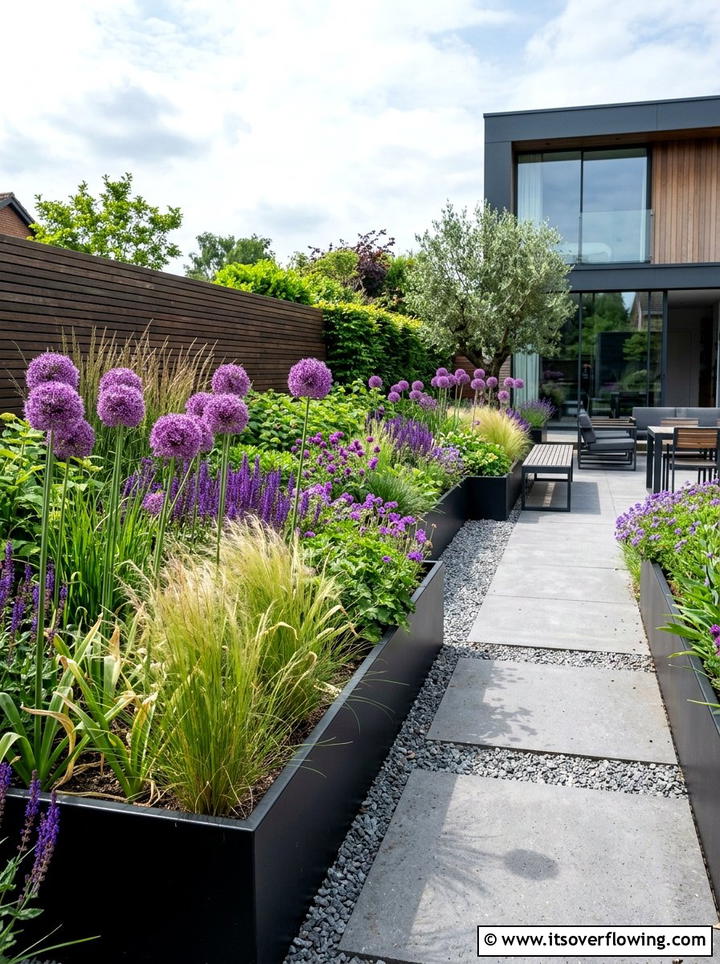
A modern garden style focuses on clean lines, geometric shapes, and a minimalist approach to planting. This look is perfect for small urban spaces where you want a garden that feels like an extension of your interior design. You might use sleek, rectangular planters and a limited color palette of architectural plants like alliums or structural grasses. The emphasis is on the relationship between the hardscaping and the plants, creating a balanced and orderly environment. This style is often lower maintenance because it avoids the density of a traditional garden, offering a calm and uncluttered space that looks professional and very high-end.
21. Tropical flower garden
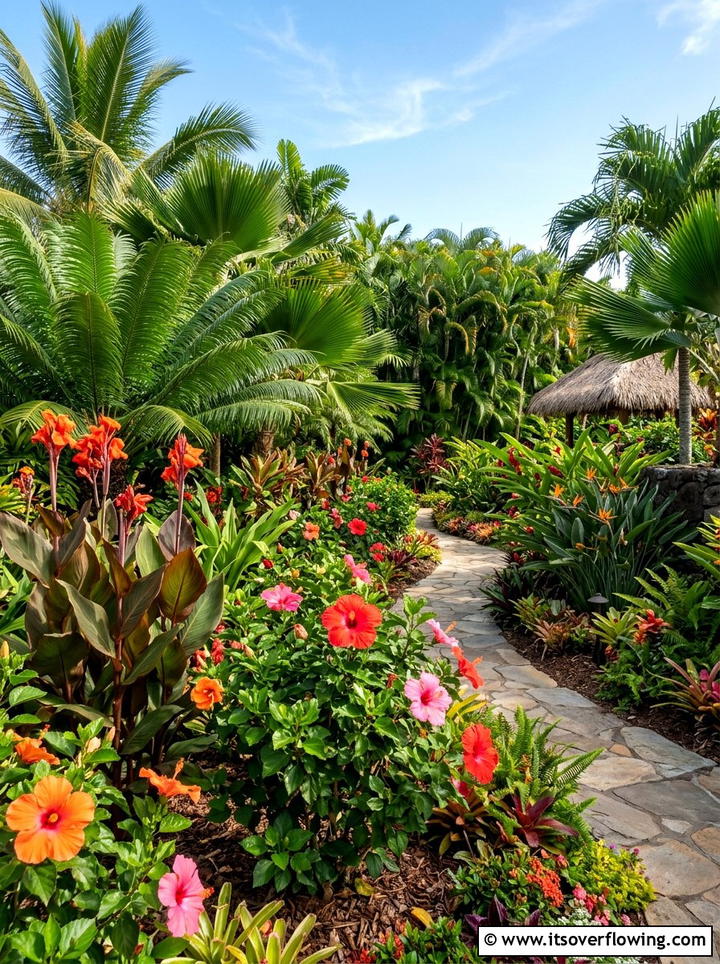
Can you transform your small backyard into an exotic getaway that feels like a permanent vacation? A tropical-themed garden uses bold, oversized foliage and bright, fiery-colored flowers like hibiscus, canna lilies, and bird of paradise. These plants create a dense, jungle-like feel that can effectively hide boundaries and make a small space feel like a private oasis. The key is to use layering to create a sense of height and lushness. Even if you live in a cooler climate, many of these plants can be grown in pots and brought indoors during the winter, allowing you to enjoy a taste of the tropics all year.
22. Succulent flower garden
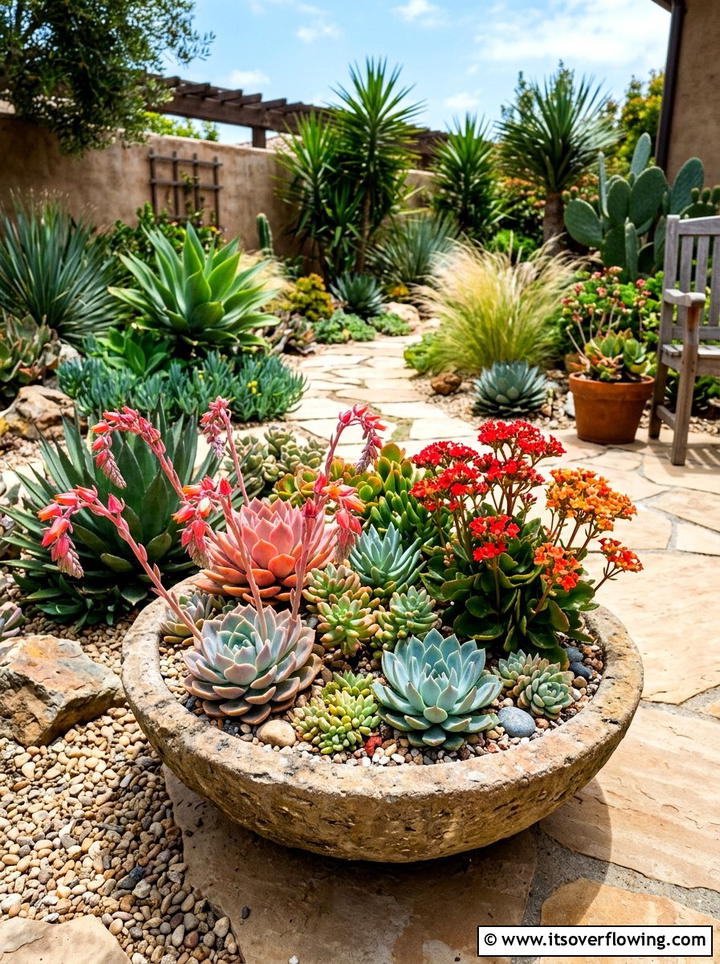
For those who want a beautiful garden but have very little time for maintenance or live in a dry climate, a succulent garden is a perfect choice. Many succulents, such as echeveria, kalanchoe, and various cacti, produce stunning and unusual flowers in brilliant hues. These plants store water in their leaves, meaning they require very little attention to stay healthy and vibrant. You can create a miniature landscape in a shallow bowl or a small gravel bed, mixing different shapes and colors for a modern, artistic look. Their slow growth and compact nature make them ideal for small balconies or sunny windowsills where space is extremely limited.
23. Fragrant flower garden
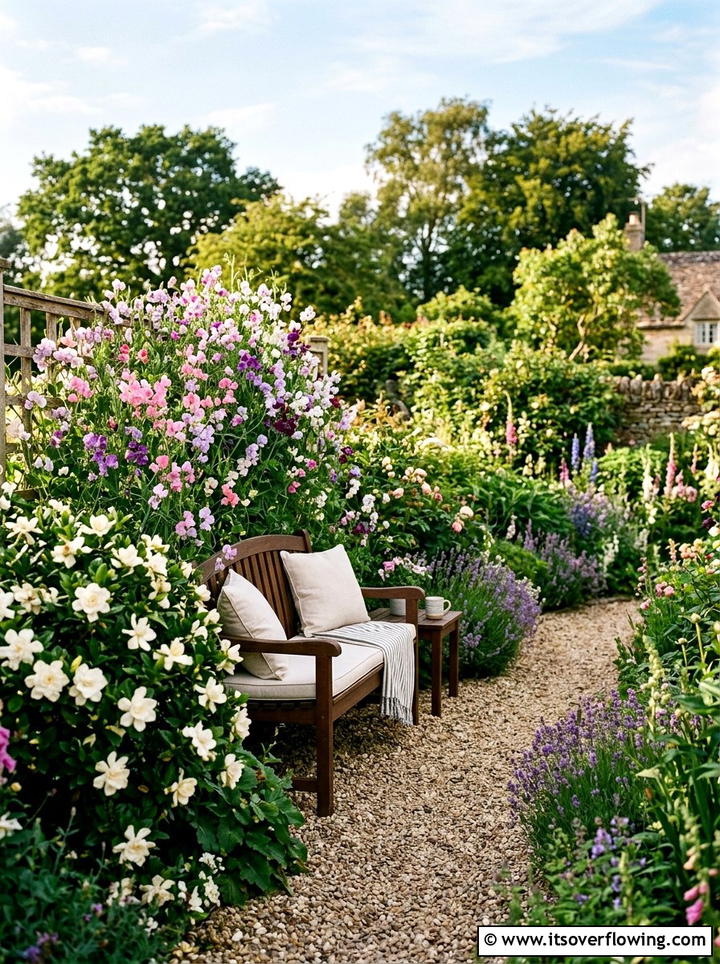
Imagine opening your back door and being greeted by a wave of sweet, natural perfume every single day. A fragrant garden prioritizes flowers that are known for their scent, such as gardenias, sweet peas, and stocks. Placing these plants near your seating area or under a window allows the aroma to drift into your living space. In a small garden, scents are more concentrated and easier to appreciate than in a large, open field. By selecting a mix of plants that bloom at different times, you can ensure your garden smells wonderful from the first days of spring until the last frost of autumn.
24. Cutting flower garden
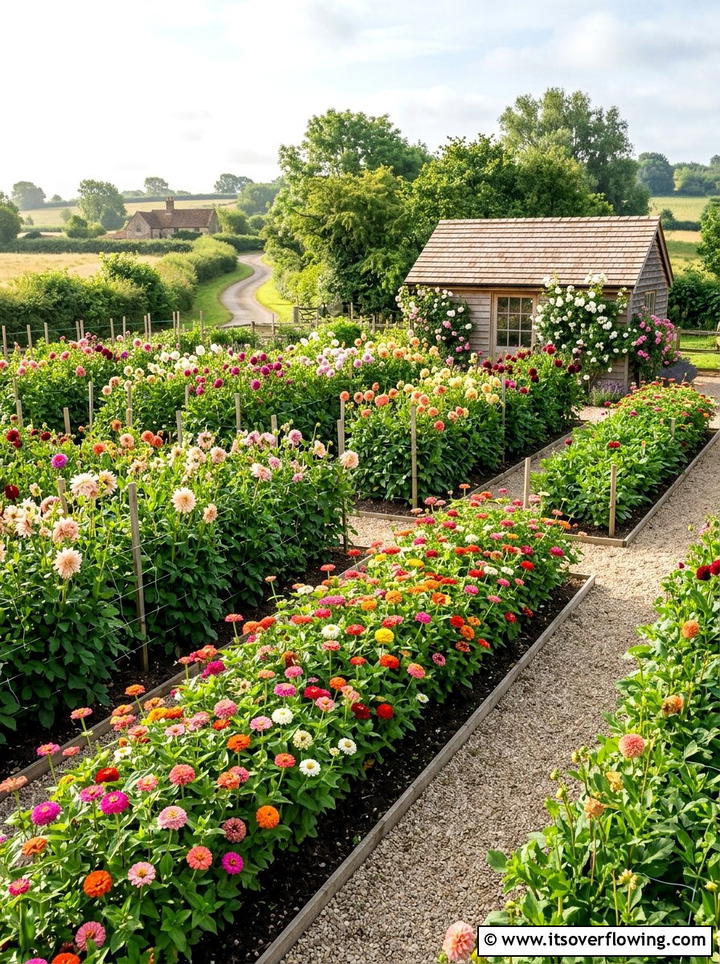
What if your small garden could provide you with beautiful, fresh-cut bouquets for your dining table every week? A cutting garden is designed with the goal of harvesting blooms, so you focus on plants with long stems and a long vase life. Flowers like dahlias, zinnias, and gladiolus are excellent choices because the more you cut them, the more they tend to bloom. You can tuck these plants into existing beds or dedicate a few large pots to them. Having a constant supply of homegrown flowers brings the beauty of your garden indoors, allowing you to share the fruits of your labor with friends and family.
25. Zen flower garden
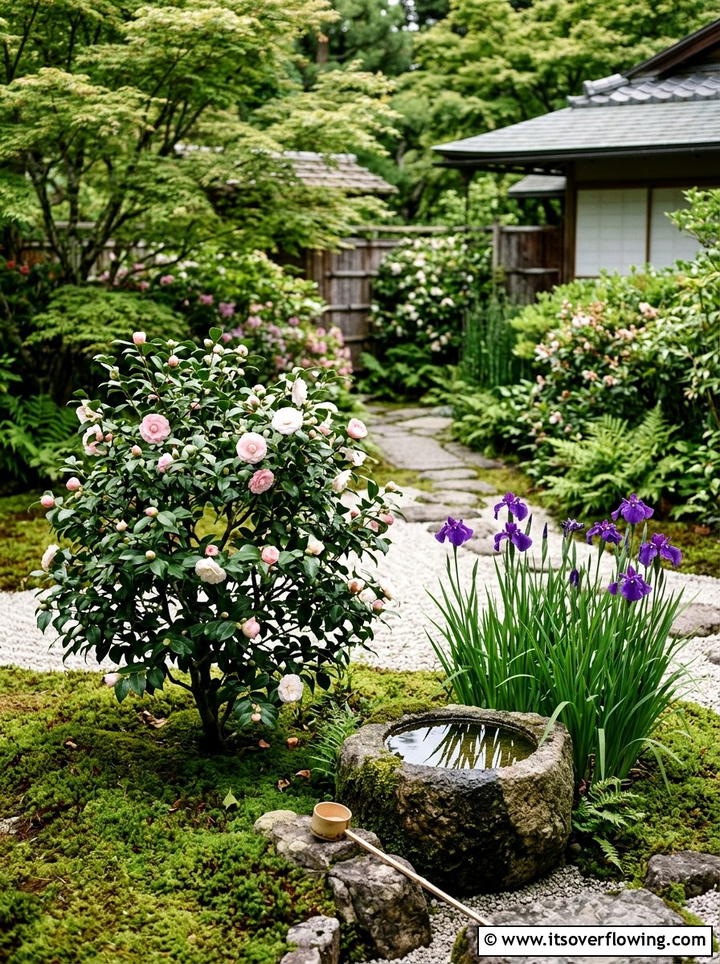
A Zen garden is all about creating a space for quiet reflection and peace, using a very restrained and thoughtful selection of plants. In this type of garden, every flower is chosen for its symbolic meaning or its ability to create a sense of calm. You might see a single, beautiful camellia bush or a few elegant irises placed near a simple water feature or a raked gravel area. The focus is on the space between the plants as much as the plants themselves. This minimalist approach is perfect for small areas because it prevents overcrowding and creates a serene, meditative atmosphere that helps you de-stress.
Conclusion:
Transforming a small outdoor area into a thriving flower garden is a journey that blends creativity with practical planning. Whether you choose the lush density of a cottage courtyard or the clean lines of a modern patio, the presence of flowers adds undeniable value to your home and well-being. By utilizing vertical spaces, selecting the right containers, and focusing on seasonal variety, you can create a sanctuary that feels expansive and full of life. Remember that even the smallest floral additions can have a significant impact on your environment. Your tiny garden is not just a collection of plants, but a personal retreat that brings joy, color, and nature directly to your doorstep.

Related posts:
 25 Creative Garden Ideas With Archway Flowers
 25 Creative Garden Ideas With Edible Flowers
 25 Garden Design Ideas With Herbs and Flowers for Color
 25 Garden Design Ideas With Seasonal Flowers for Year-Round Color
 25 Garden Ideas With Painted Pots for Colorful Outdoor Decor
 25 Creative Garden Ideas With Colorful Pots
 25 Garden Ideas for Butterflies to Build a Colorful Haven
 25 garden ideas with hanging baskets for Colorful Displays
 25 Garden Design Ideas for Patios With Stylish Outdoor Charm
 25 Garden Ideas for Boho Style With Relaxed Outdoor Charm
 25 garden ideas for farmhouse homes: Rustic Outdoor Charm
 25 Garden Ideas With Pebble Mosaics for Artistic Outdoor Charm